1/18
These Colorful Flowers Will Attract Hummingbirds to Your Yard
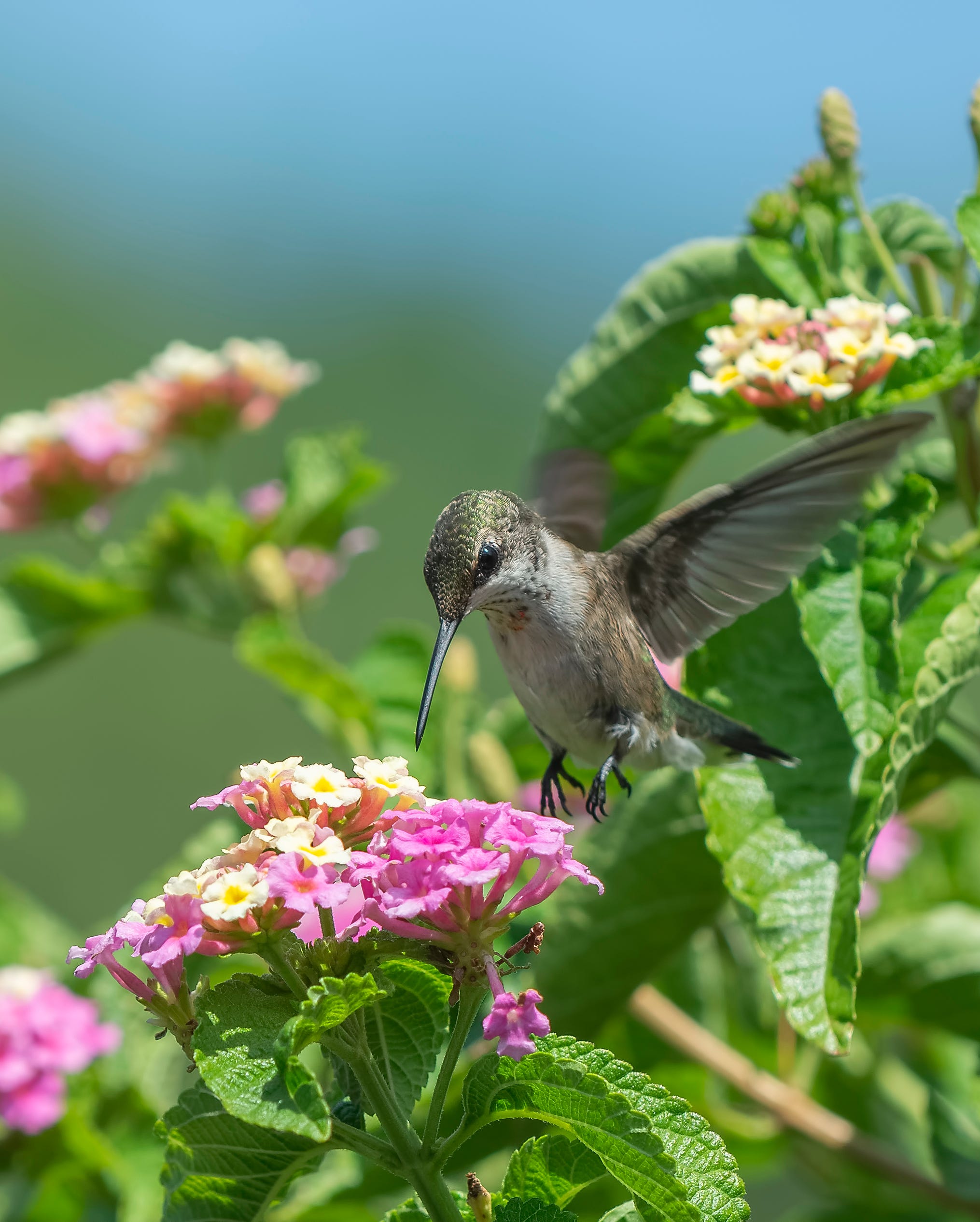
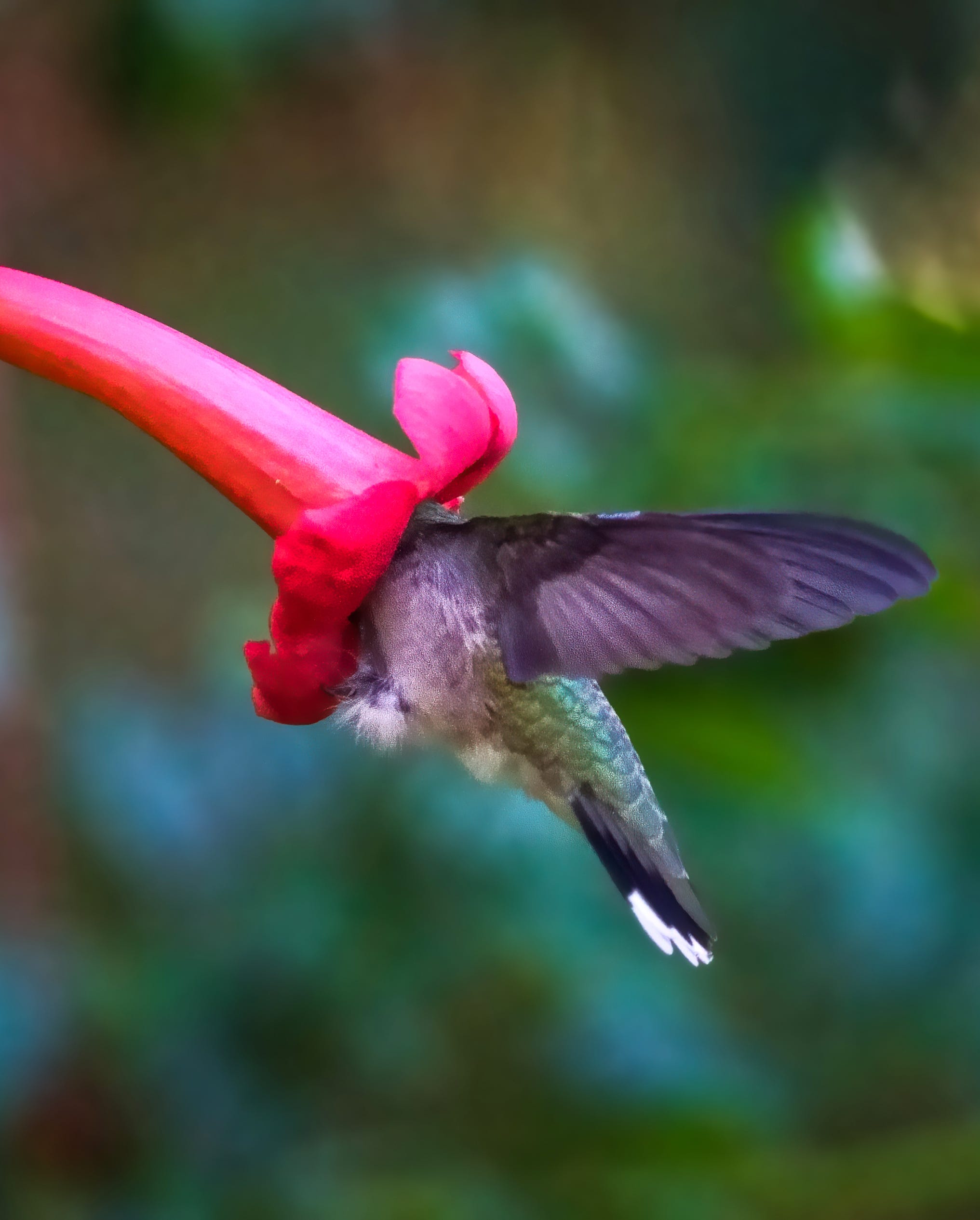
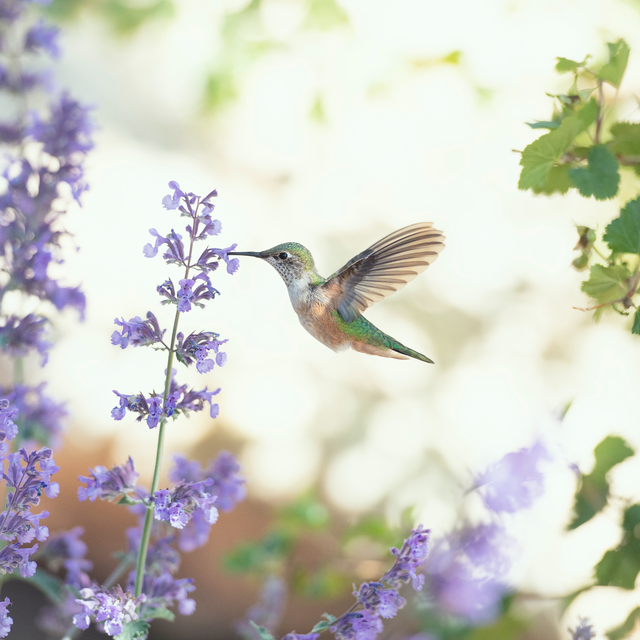
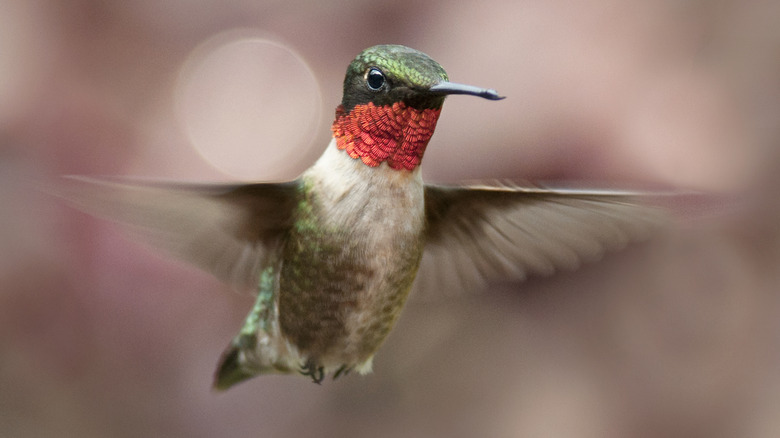
Hummingbirds are small, fascinating creatures known for their aerial acrobatics and rapid wing beats, which can reach 90 times per second. These birds have a high metabolism and require frequent feeding, visiting between 1,000 and 2,000 flowers daily, necessitating a meal every 10 to 15 minutes. Home gardeners can attract hummingbirds by planting specific types of flowers that provide the nectar they need. While nectar feeders are a safe option, approved by organizations like the Audubon Society, planting their preferred flowers enhances the garden's aesthetic appeal and provides a natural food source.
Hummingbirds are particularly drawn to orange or red tubular flowers, though they will feed from a variety of colors and sizes. The article categorizes suitable plants into annuals, perennials, and evergreen shrubs, noting that these choices also serve as excellent pollinator plants for butterflies and bees. To further protect hummingbirds and encourage their presence, it is recommended to limit the use of pesticides in the garden, as these birds also consume insects and spiders, especially during their breeding season, to supplement their nectar-based diet.
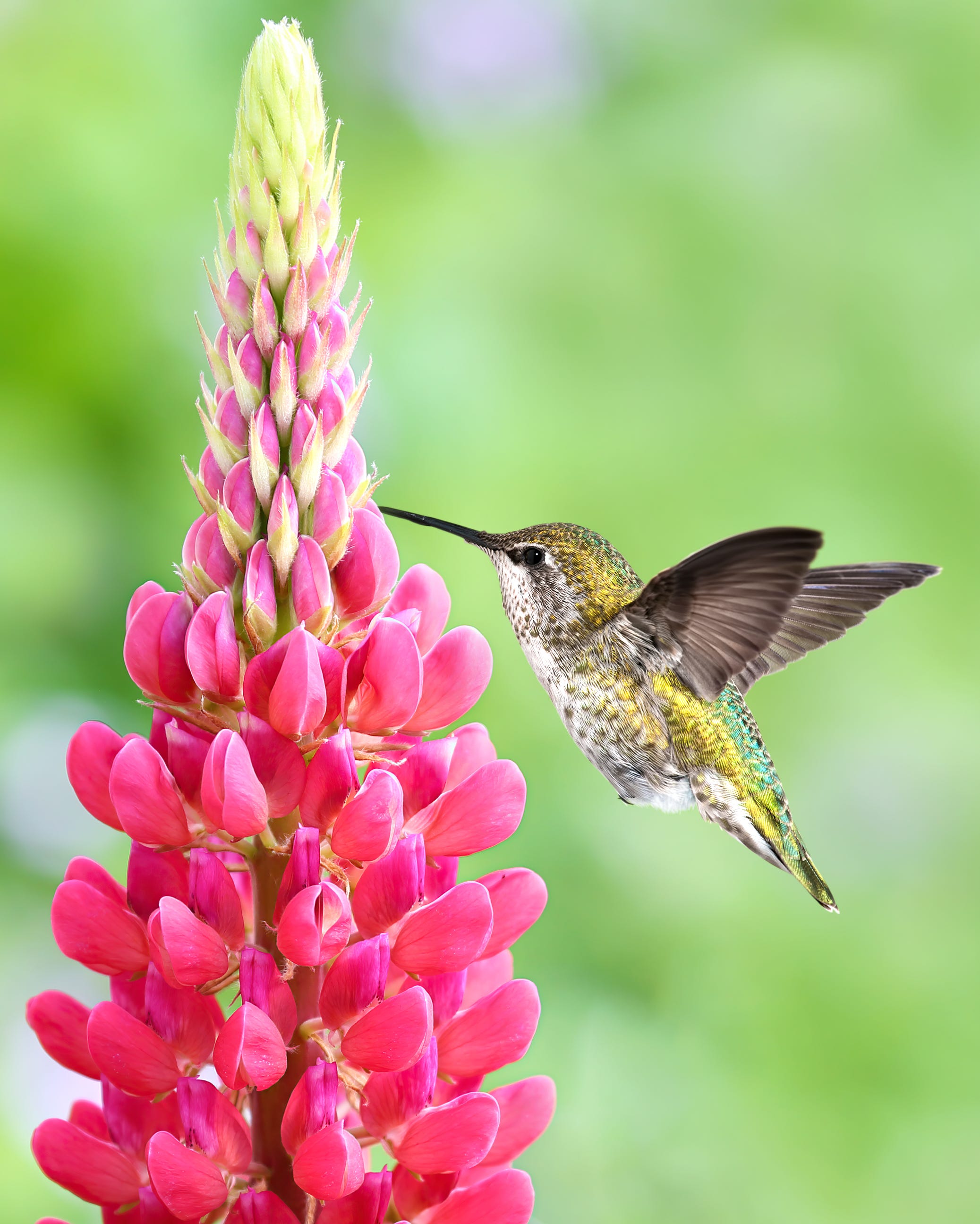
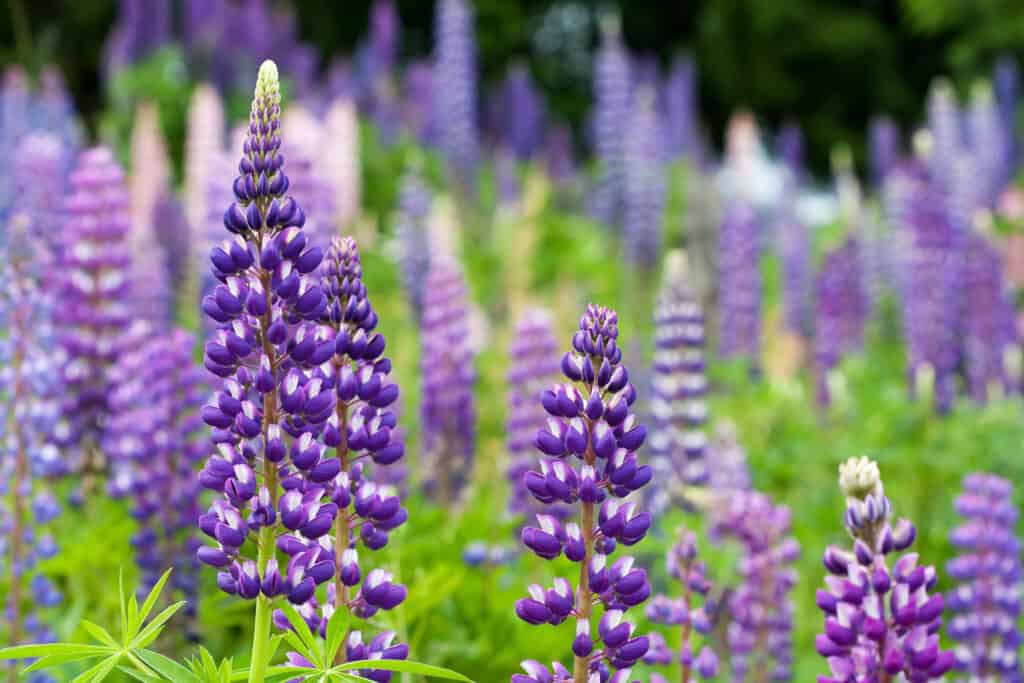
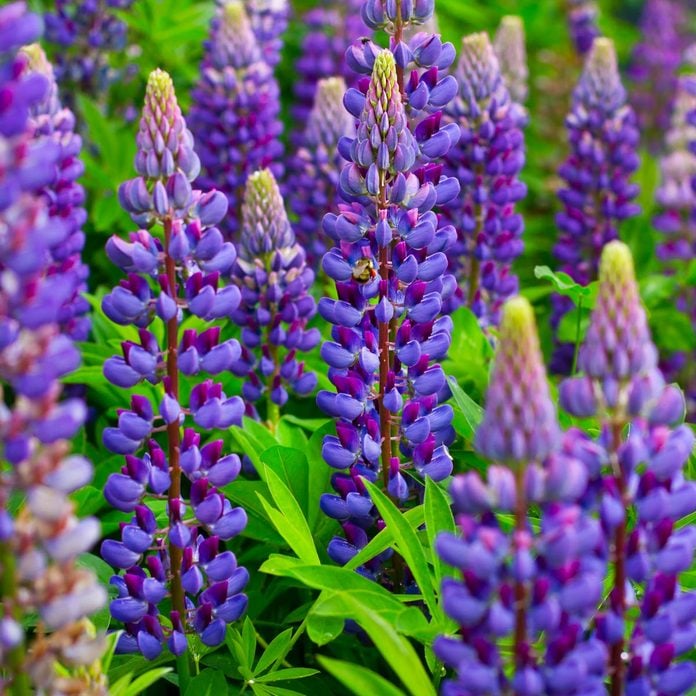
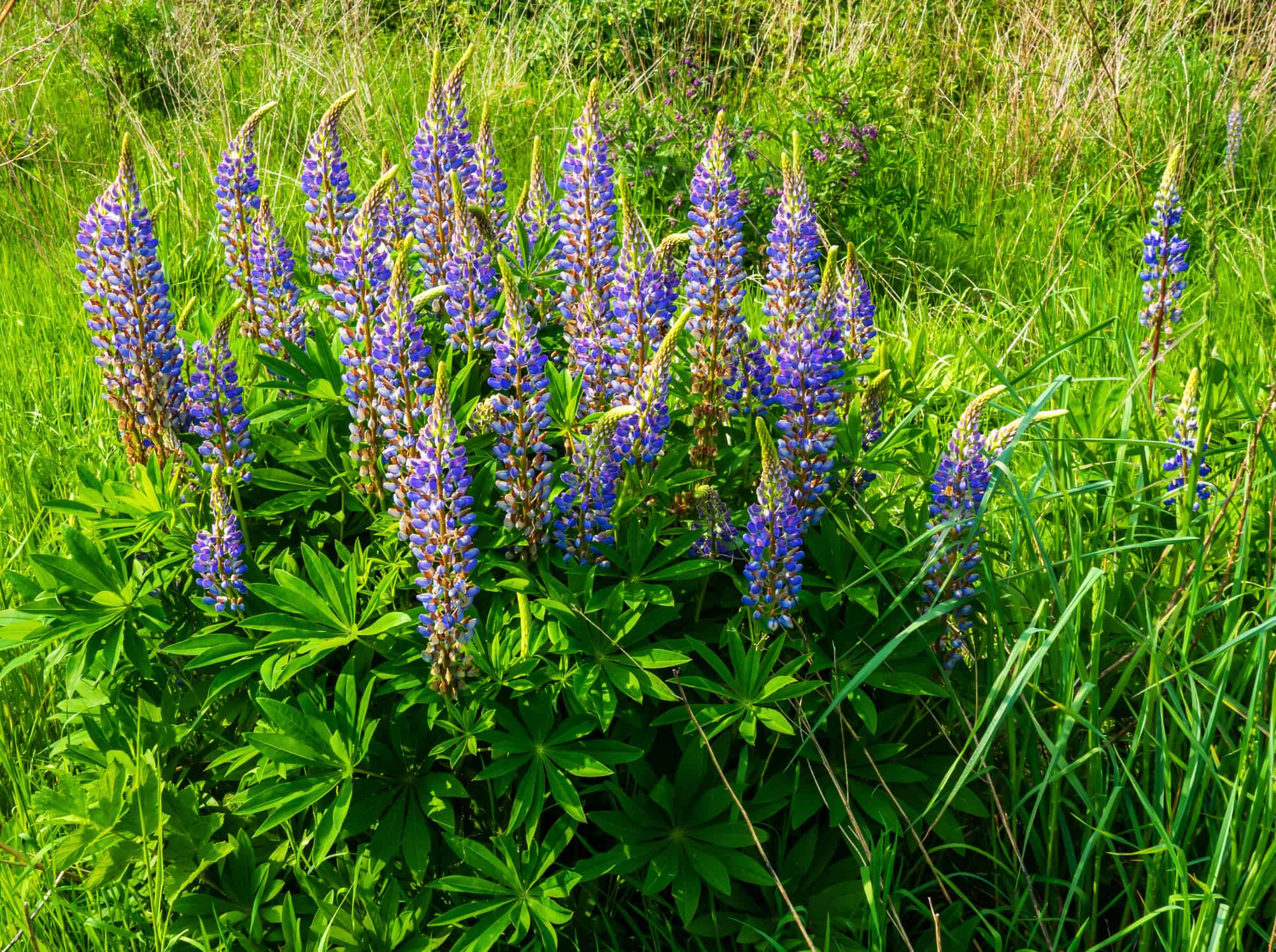
The article provides a detailed list of 17 flowers known to attract hummingbirds, each accompanied by essential information such as preferred sun exposure and USDA hardiness zones. Red Columbines, a perennial wildflower, bloom in spring and offer early nectar. They thrive in light shade to full sun and are suitable for USDA zones 2 to 9, requiring minimal watering and winter mulching. Daylilies are low-maintenance perennials that tolerate drought, uneven sunlight, and poor soil, blooming in full sun in zones 4 to 9. Lupines, or bluebonnets, feature colorful tubular spikes and prefer moist, sandy, well-drained soil and cool temperatures in zones 4 to 8 under full sun.
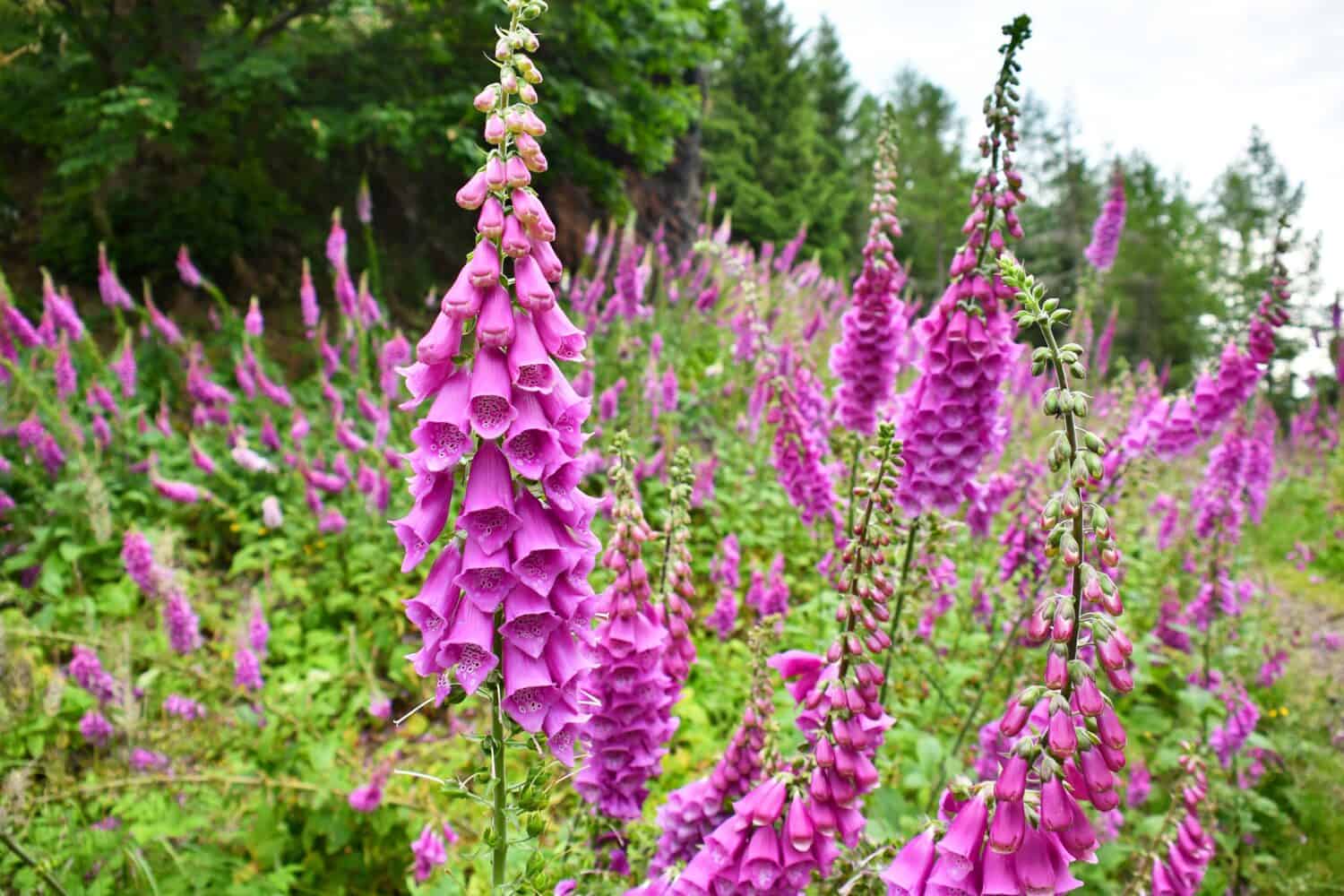
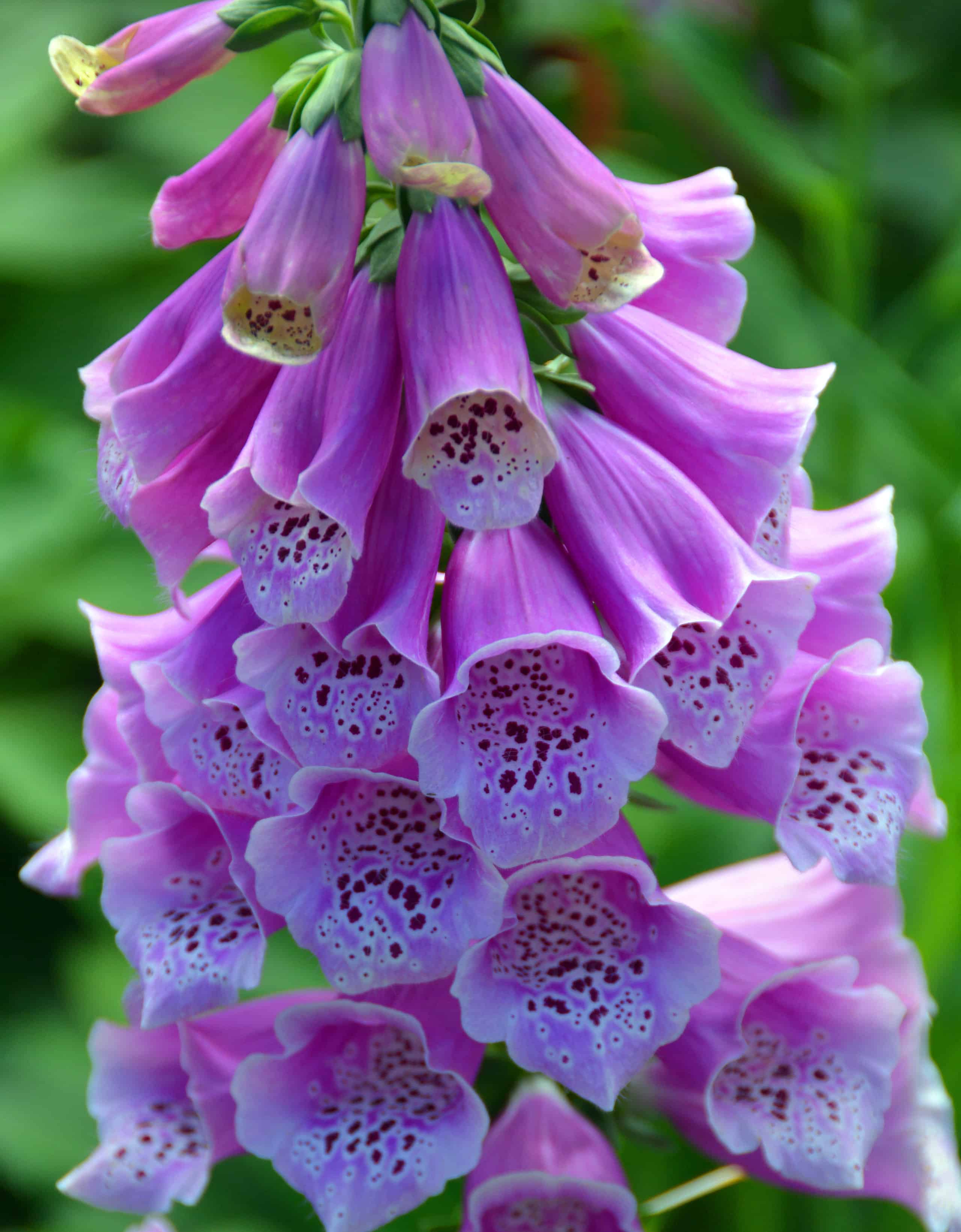
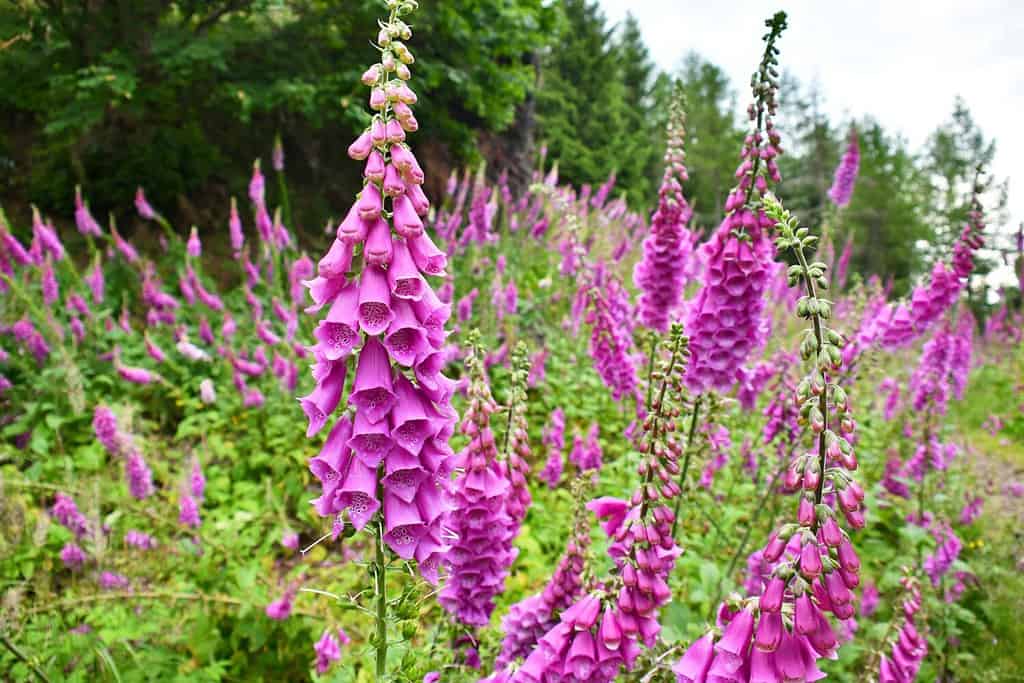
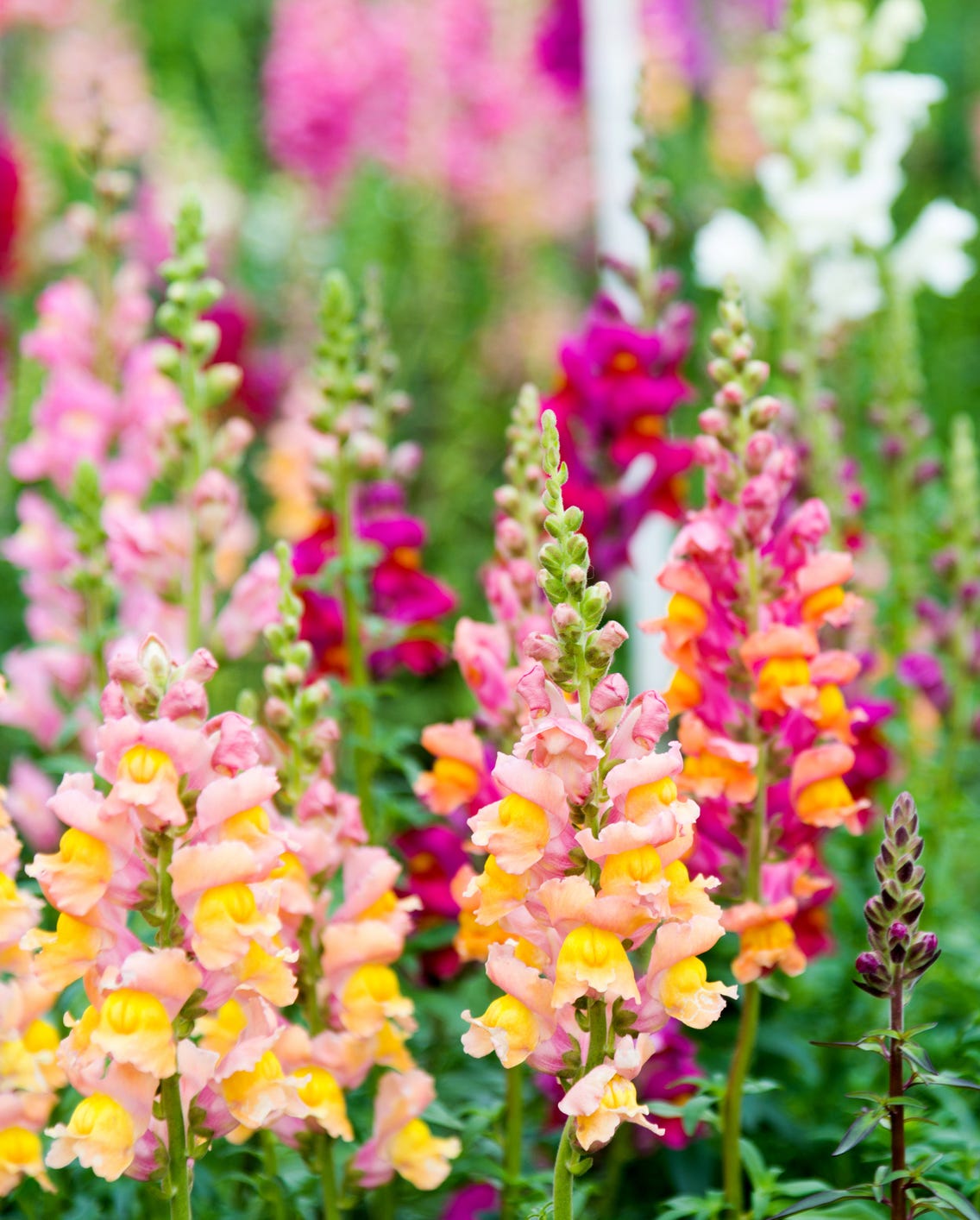
Foxgloves, biennials with bell-shaped blossoms, attract hummingbirds and bumblebees, growing best in full sun and moist, well-drained soil across zones 4 to 8. Hollyhocks can reach eight feet tall, drawing butterflies and hummingbirds with their bright blooms, preferring part shade to full sun in zones 3 to 9. Fuchsia, an annual, is known for its exotic white, pink, hot pink, and purple flowers, favored by hummingbirds in part shade across zones 6 to 9. Salvia offers tube-shaped pink, purple, or two-toned flowers in both annual and perennial forms, requiring ample sun in zones 9 to 11.
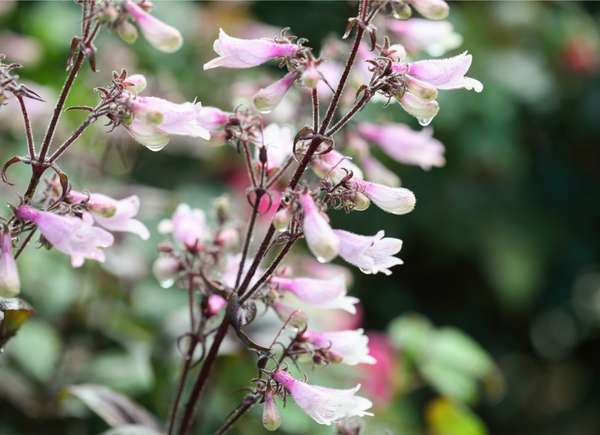
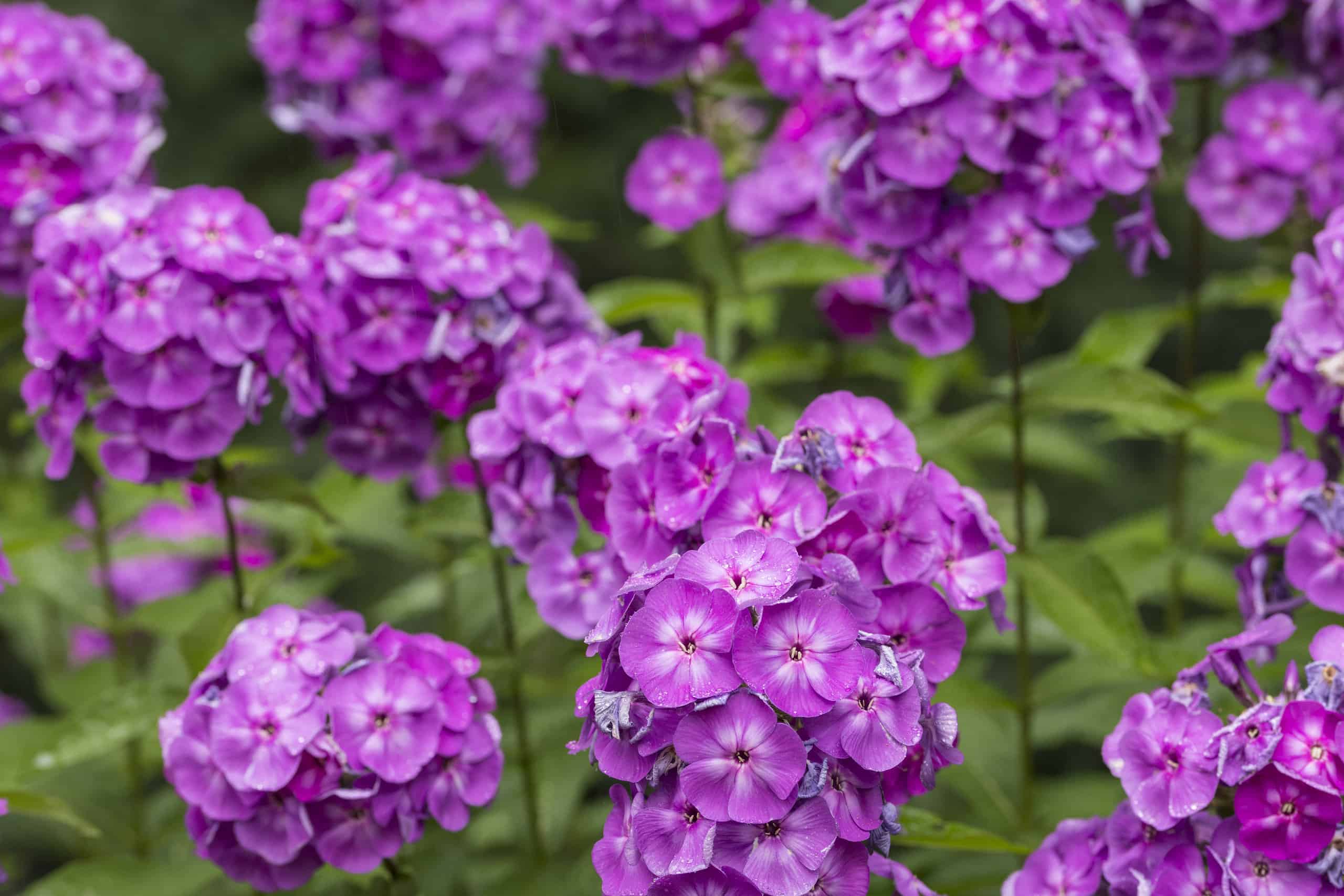
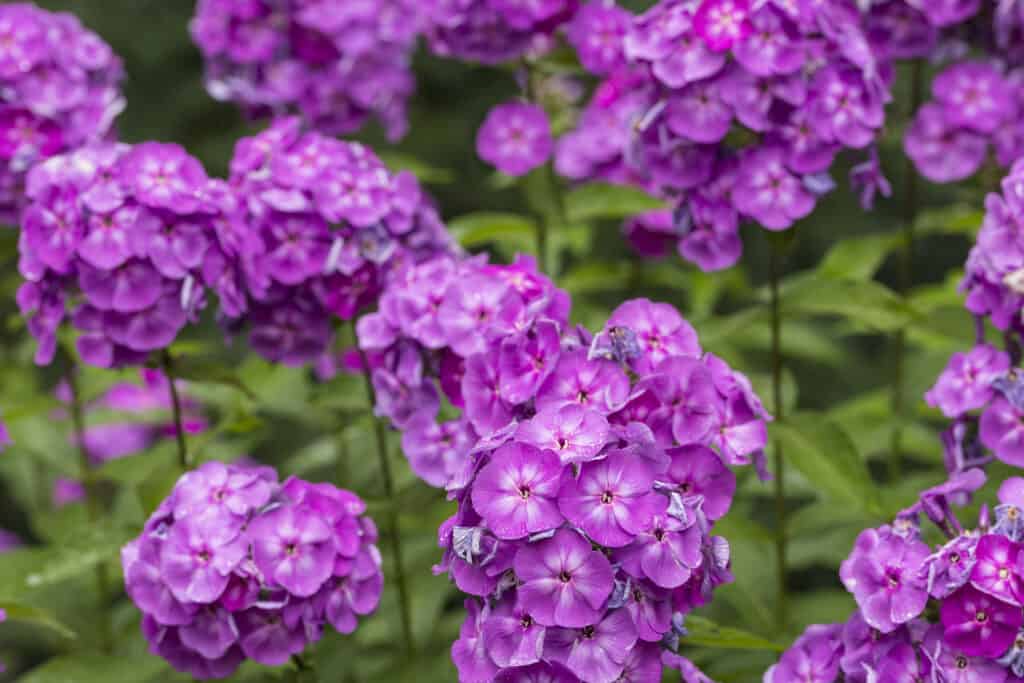
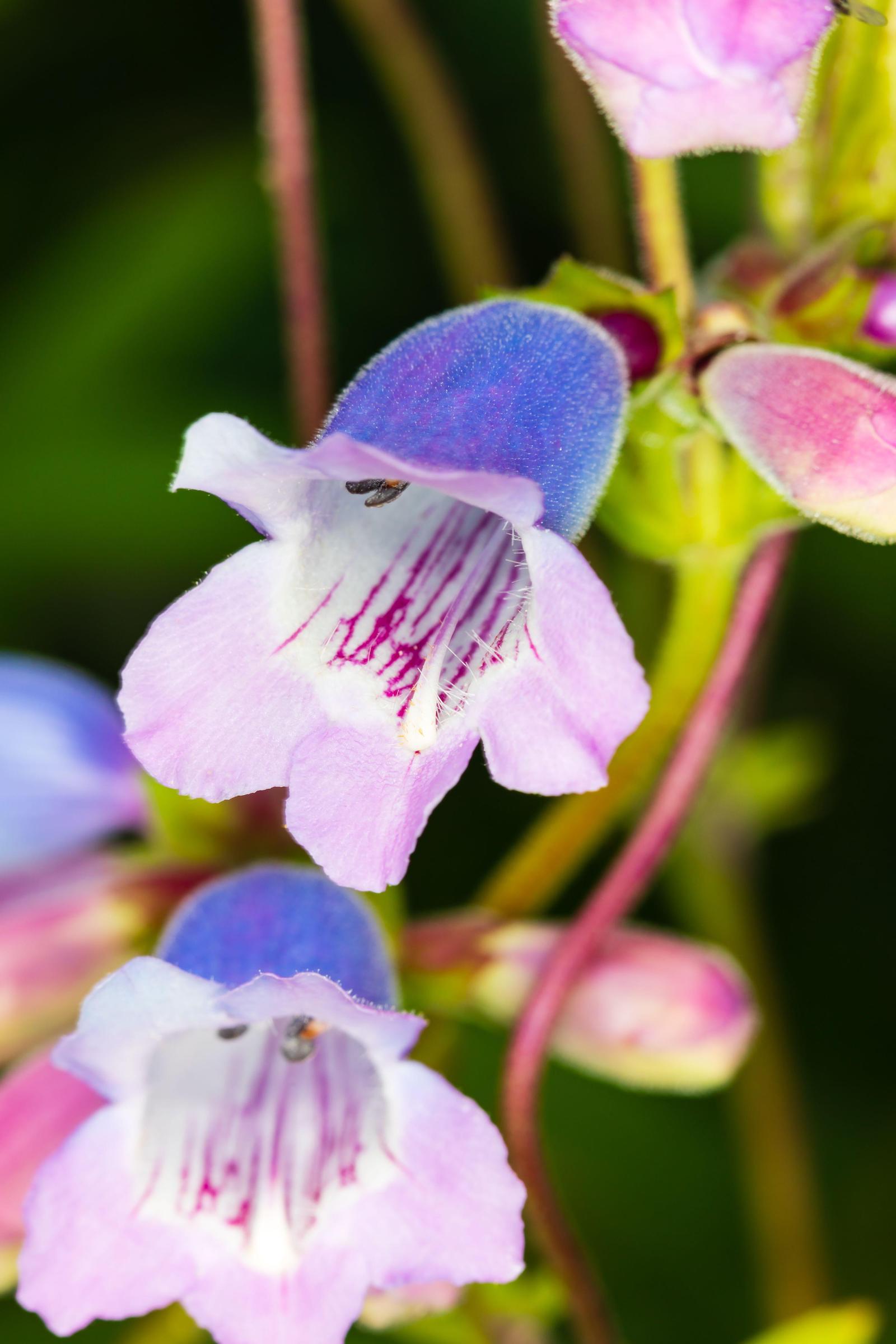
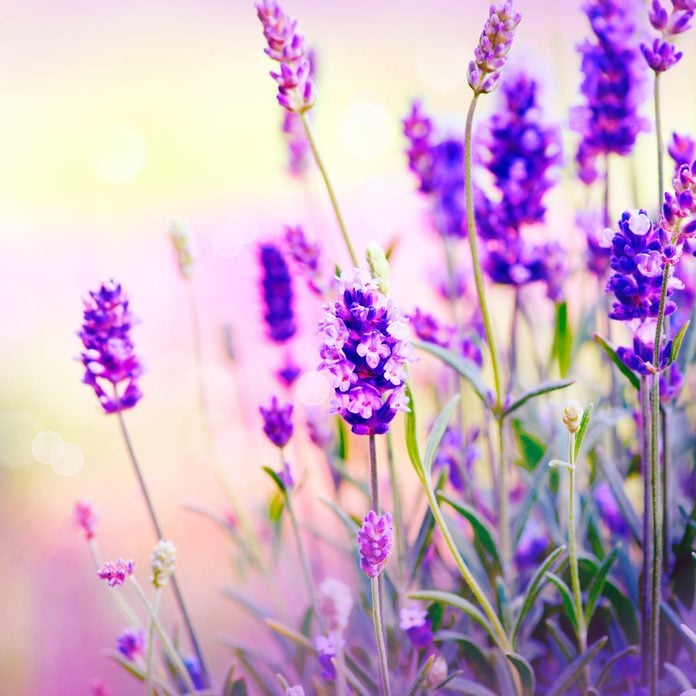
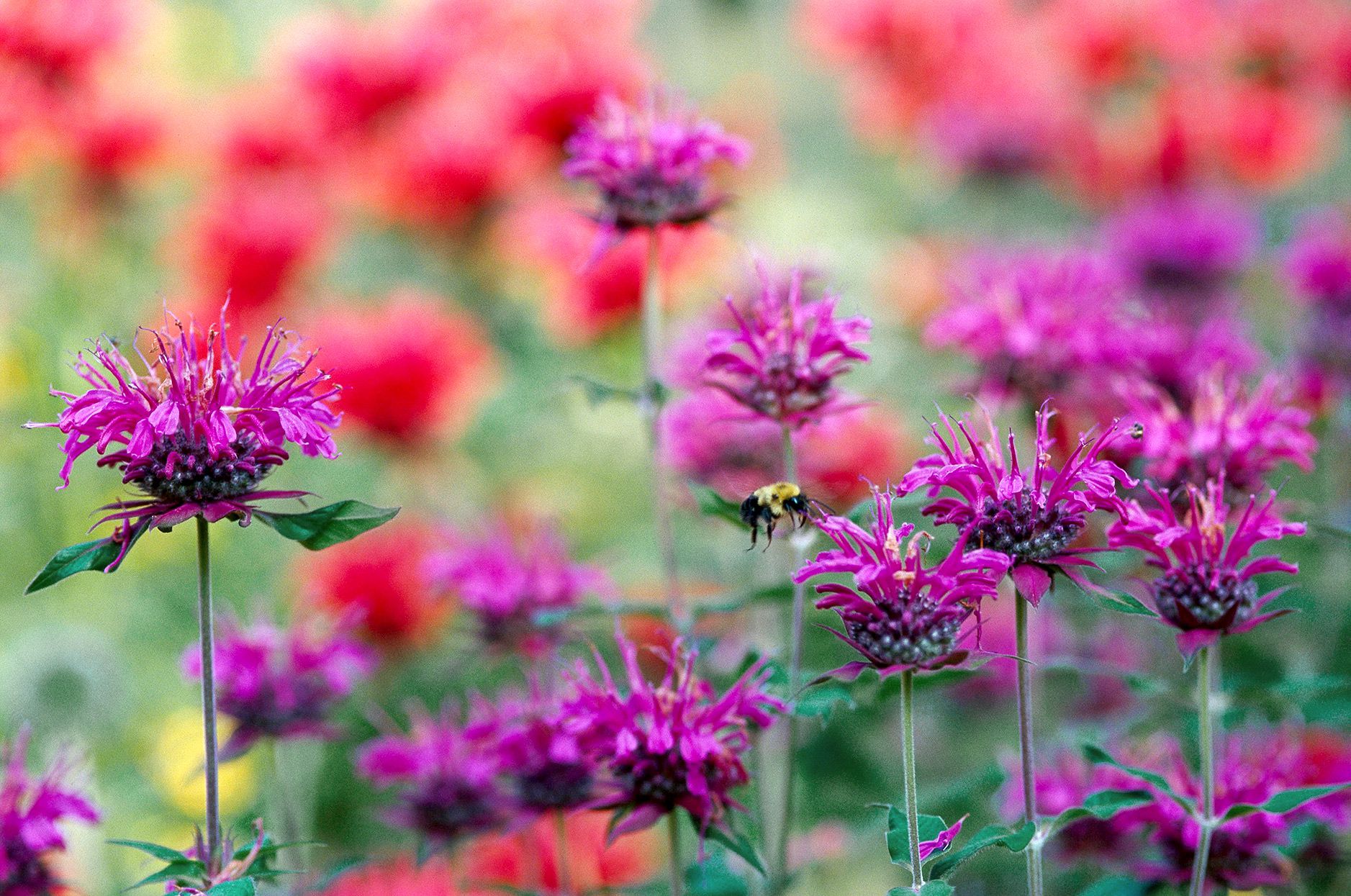
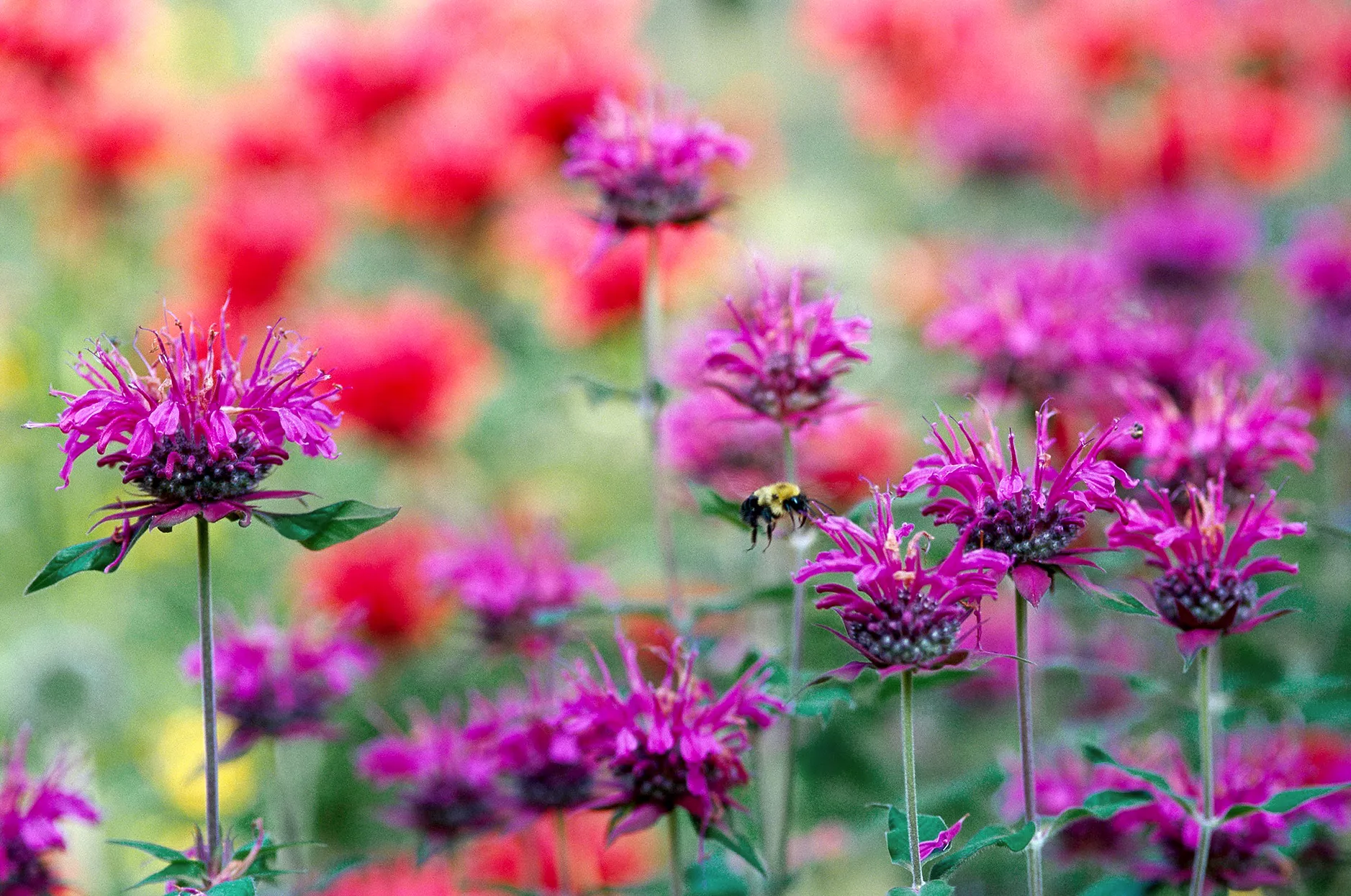
Bee Balm, a native perennial, produces fringed flowers in red and pink, attracting various pollinators and thriving in part sun to full sun in zones 4 to 8. Penstemon features tall spikes of tubular flowers and can have green or burgundy foliage, preferring full sun in zones 3 to 8. Hummingbird Mint (agastache) is a perennial with purple, deep, or pale orange flower spikes that bloom throughout the summer, tolerating various soils and drought once established in zones 5 to 10. Phlox, an old-fashioned perennial favorite, offers fragrant pink, white, and purple blooms, growing in part sun to full sun in zones 3 to 8.
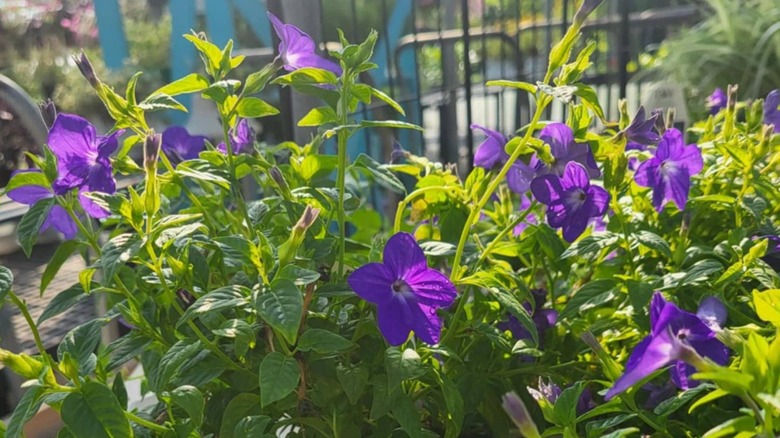
Catmint, a hardy perennial with silvery, minty-spicy foliage and purple flower spikes, is a favorite among pollinators and tolerates poor soils under full sun in zones 3 to 8. Wishbone Flower, an annual also known as torenia, produces delicate pink, white, or purple flowers with white throats, blooming all summer until the first hard frost, and is particularly attractive in window boxes in zones 10 to 11. Sunflowers, popular annuals, attract various pollinators, including hummingbirds, for late-season nectar, thriving in full sun across zones 2 to 11.
Butterfly Bush, a shrub with white, pink, or purple flower spikes, attracts hummingbirds and other pollinators from spring to frost. Newer, more compact and non-invasive varieties are available, preferring full sun in zones 5 to 9. Calibrachoa, an annual resembling petunias, produces numerous flowers until hard frost, appealing to hummingbirds, especially when cascading from baskets, in part shade to full sun in zones 9 to 11. Lastly, Bleeding Heart, a traditional favorite, provides early season nectar and features distinctive flowers, growing in full shade to part sun in zones 3 to 9.
#HummingbirdGardening #PollinatorPlants #FlowerGarden #GardeningTips #PerennialFlowers #AnnualFlowers #ButterflyGarden #NectarPlants #HummingbirdGardening #PollinatorPlants #FlowerGarden #GardeningTips #PerennialFlowers #AnnualFlowers #ButterflyGarden #NectarPlants
0 comment in total
 No comments yet
You may also like
30 Gorgeous Plants That Attract Hummingbirds to Your Garden

These Beautiful Flowering Shrubs Will Add Major Color to Your Garden

Plant These Flowering Shrubs Today If You Want a Vibrant Summer Yard

The Bright Purple Flower That'll Make Your Hanging Baskets Irresistible To Hummingbirds
Purple Flowers That Hummingbirds Find Irresistible
22 Beautiful, Bee-Friendly Flowers That'll Turn Your Garden Into a Pollinator Paradise

Attract Bees To Your Garden With These Vibrant Flowers
10 Pretty Purple Flowers That’ll Make Your Garden Pop

Want to See Hummingbirds? Plant These Flowers in Your Yard or Garden
Purple Flowers That Hummingbirds Can't Resist

Purple plants – 5 best to choose for the perfect purple border
These Pink-Blooming Beauties Are the Ultimate Yard Upgrade
Purple Flowers That Hummingbirds Can't Resist
Turn Your Garden Into a Butterfly Oasis with These Plants
The 11 Best Purple Flowering Trees in Florida
7 Flower Subscription Services Perfect for You (or Your Best Bud)
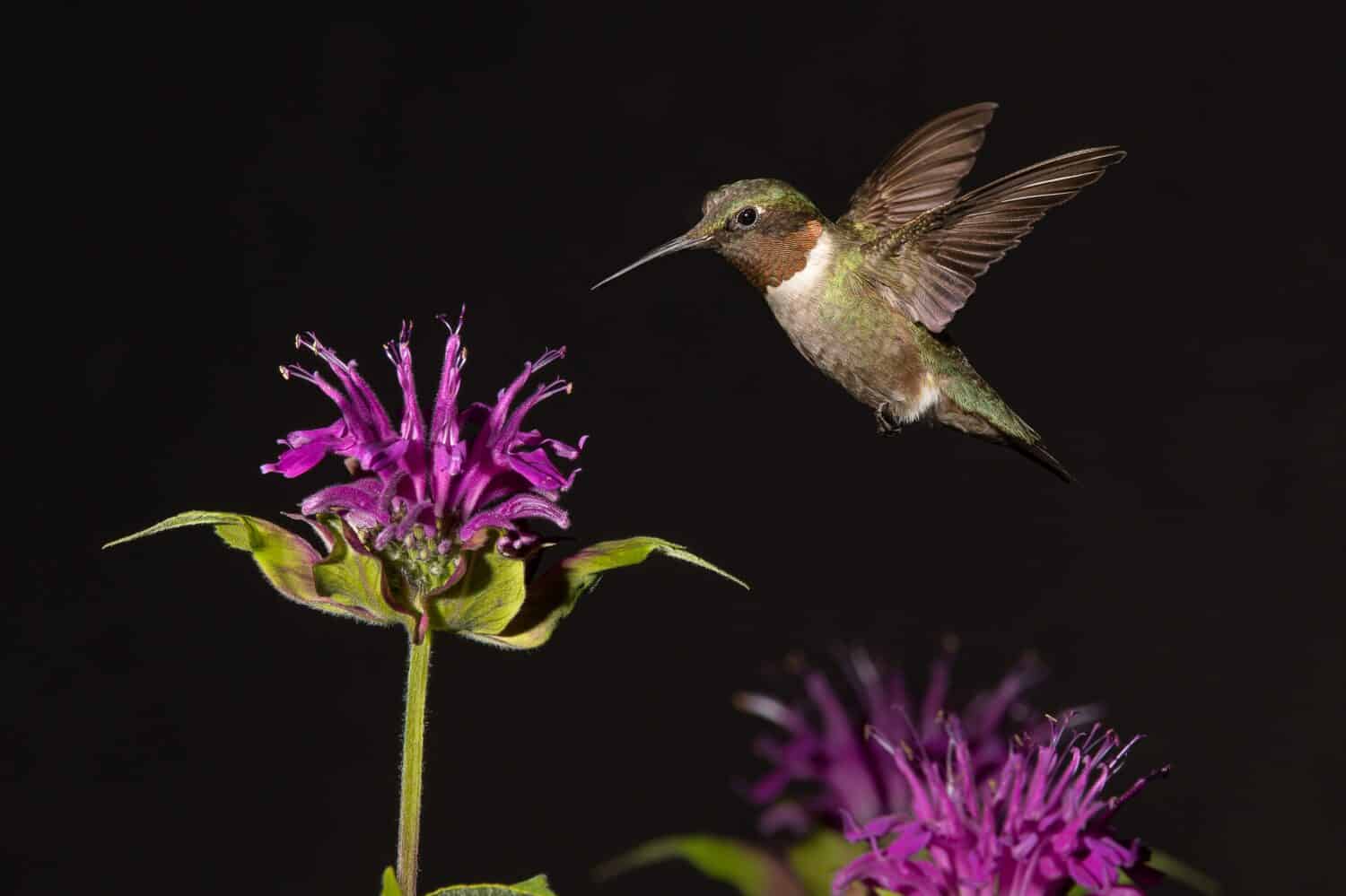
11 Beautiful Purple Flowers and Plants That Attract Hummingbirds
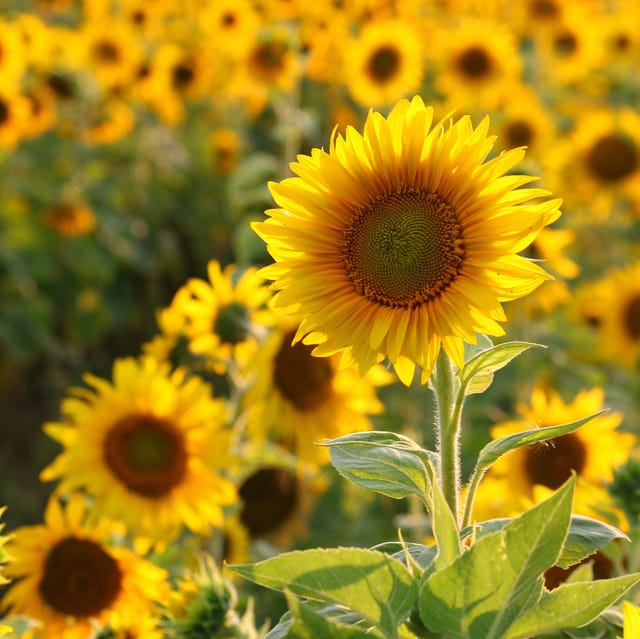
Hey, Gardeners! Plant These Summer Flowers for a Bright and Beautiful Yard
15 Colorful Plants to Brighten Up Your Landscape
13 Colorful Nectar Plants for Pollinators