1/2
13 Colorful Nectar Plants for Pollinators
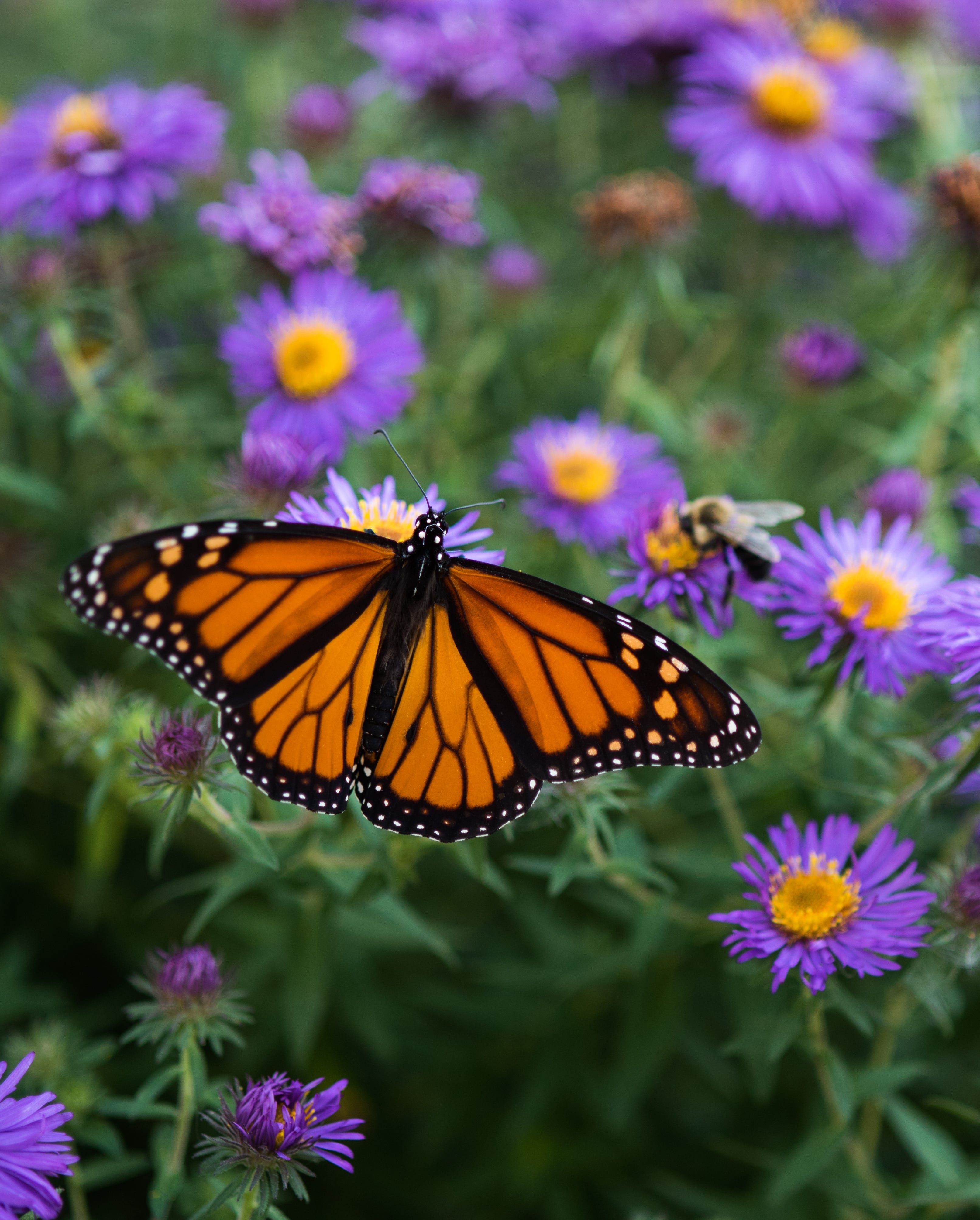
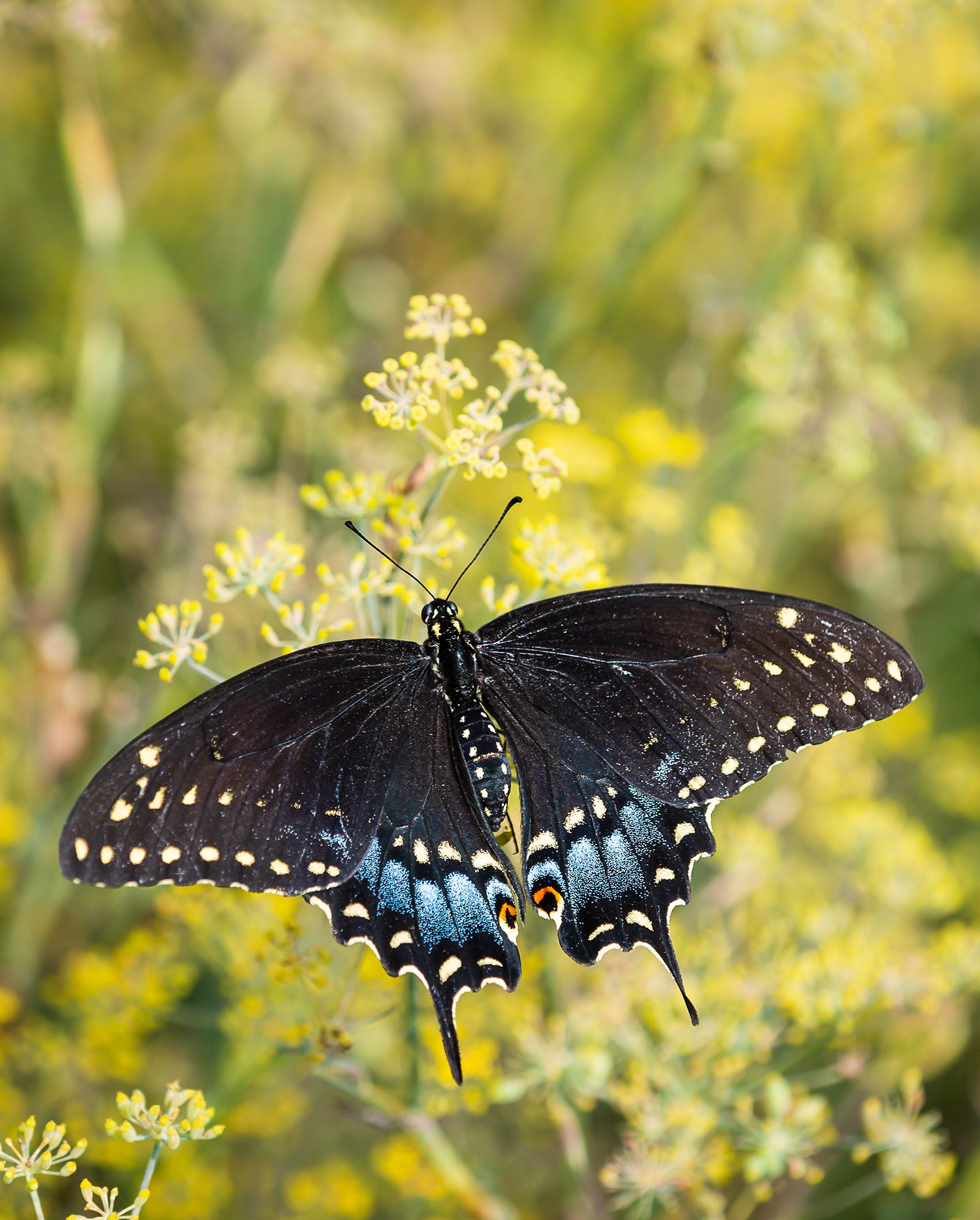
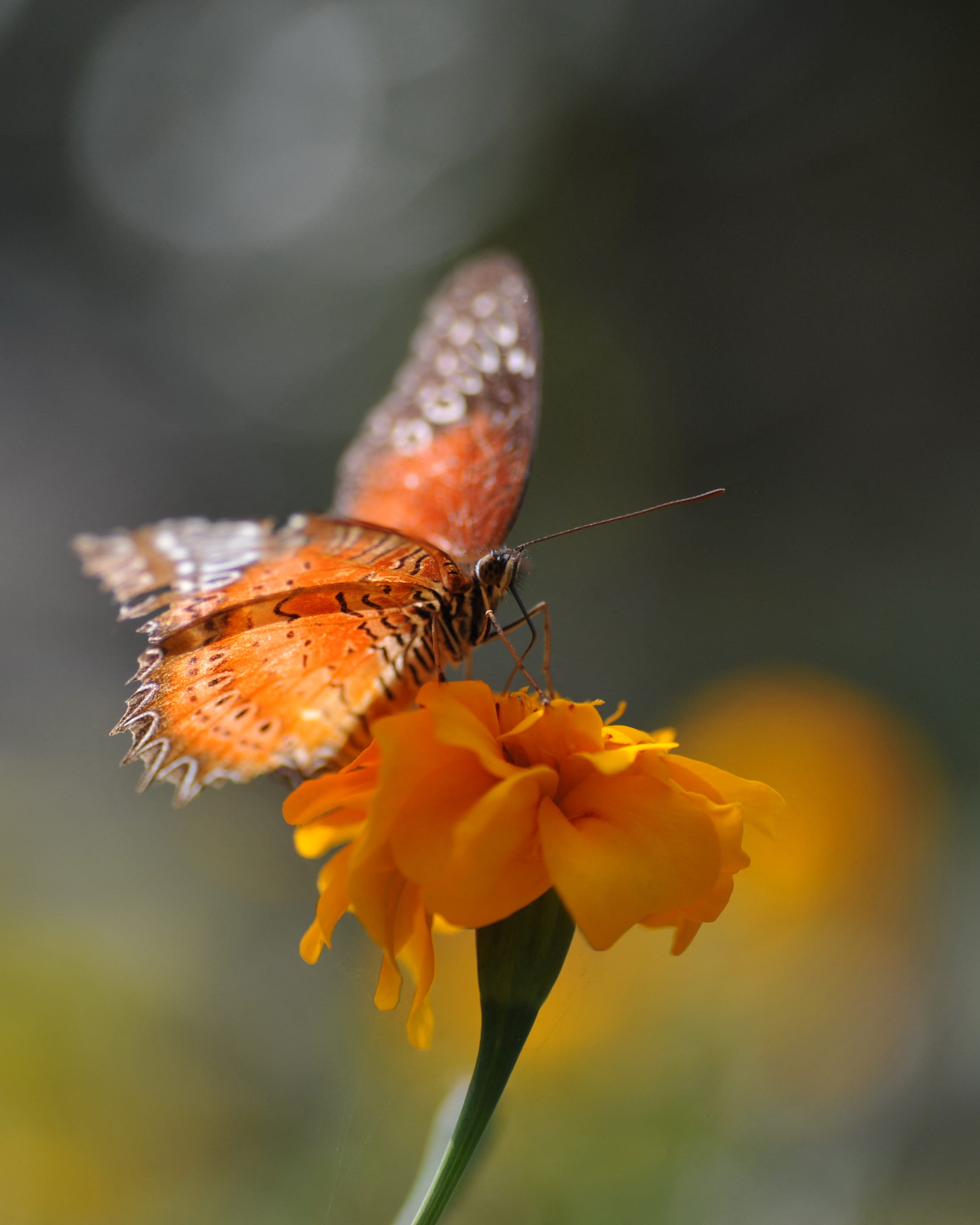
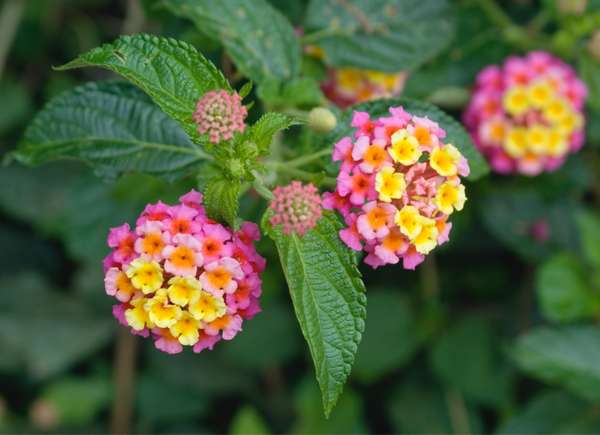
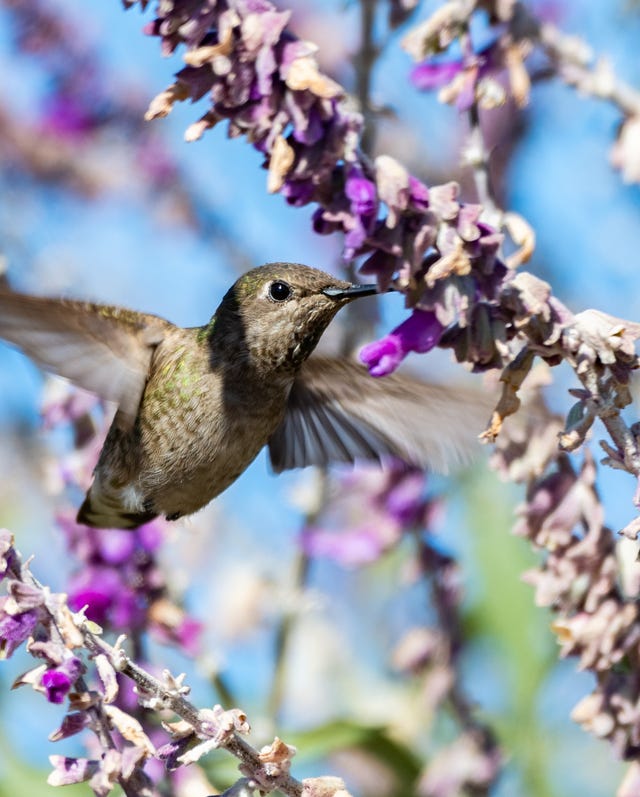
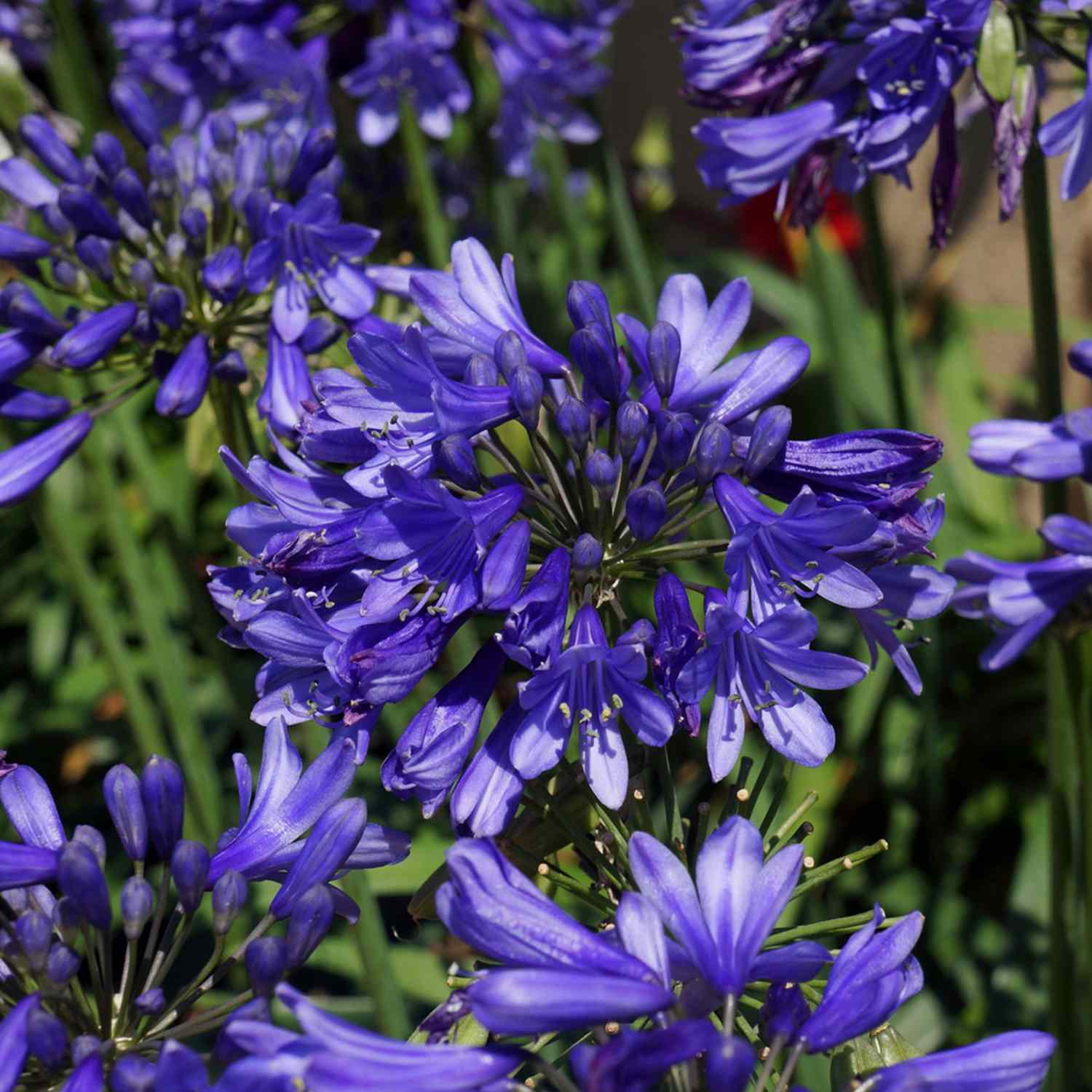
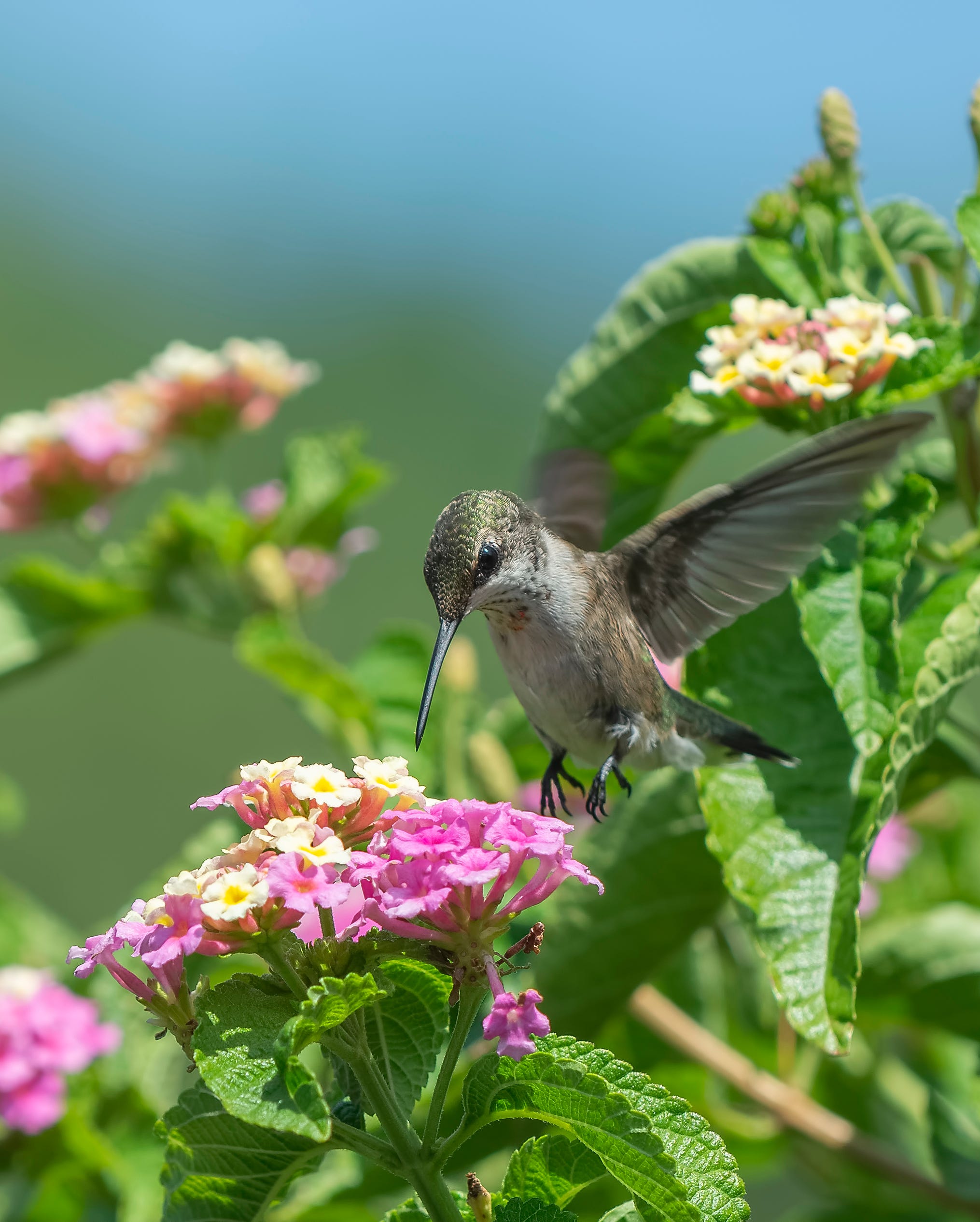
The article highlights the importance of incorporating nectar-rich plants into gardens to attract and support a variety of pollinators, including bees, butterflies, moths, wasps, and beetles. It emphasizes that while bees and butterflies are commonly recognized pollinators, many other insects also play a crucial role in plant reproduction by transferring pollen. The content presents a curated list of 13 colorful and nectar-abundant plants, detailing their specific growing conditions, sizes, and hardiness zones to assist gardeners in creating pollinator-friendly environments. These plants are selected for their ability to provide ample nectar, a vital food source for these beneficial creatures.
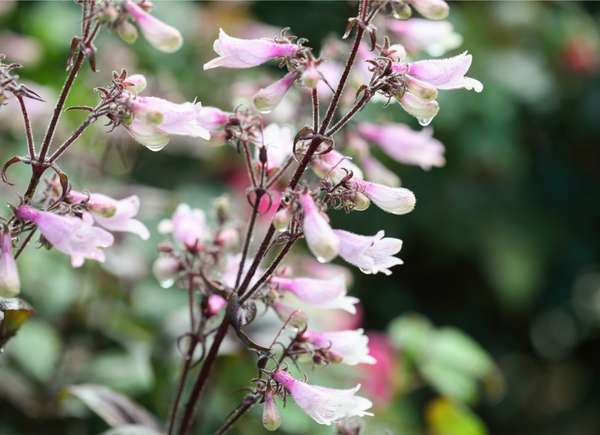
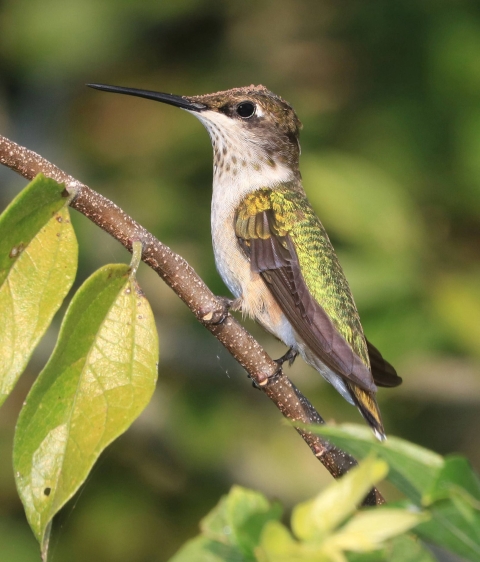
The featured plants offer a diverse range of options suitable for various garden settings and preferences. Anise Hyssop (Agastache foeniculum) is introduced as a heat- and drought-tolerant perennial that grows easily from seeds or seedlings, self-sows freely, and attracts birds with its licorice and mint scent. Beardtongues (Penstemon spp.) are noted as native plants with tubular flowers in various colors and blooming times, specifically attracting hummingbirds. Catmint (Nepeta spp.) is highlighted for its ability to provide color between spring bulbs and summer perennials, thriving in hot, dry conditions. Torch Lilies (Kniphofia spp.), also known as red-hot poker plants, offer unique texture and color while producing nectar throughout the summer, suitable for full-sun spots.
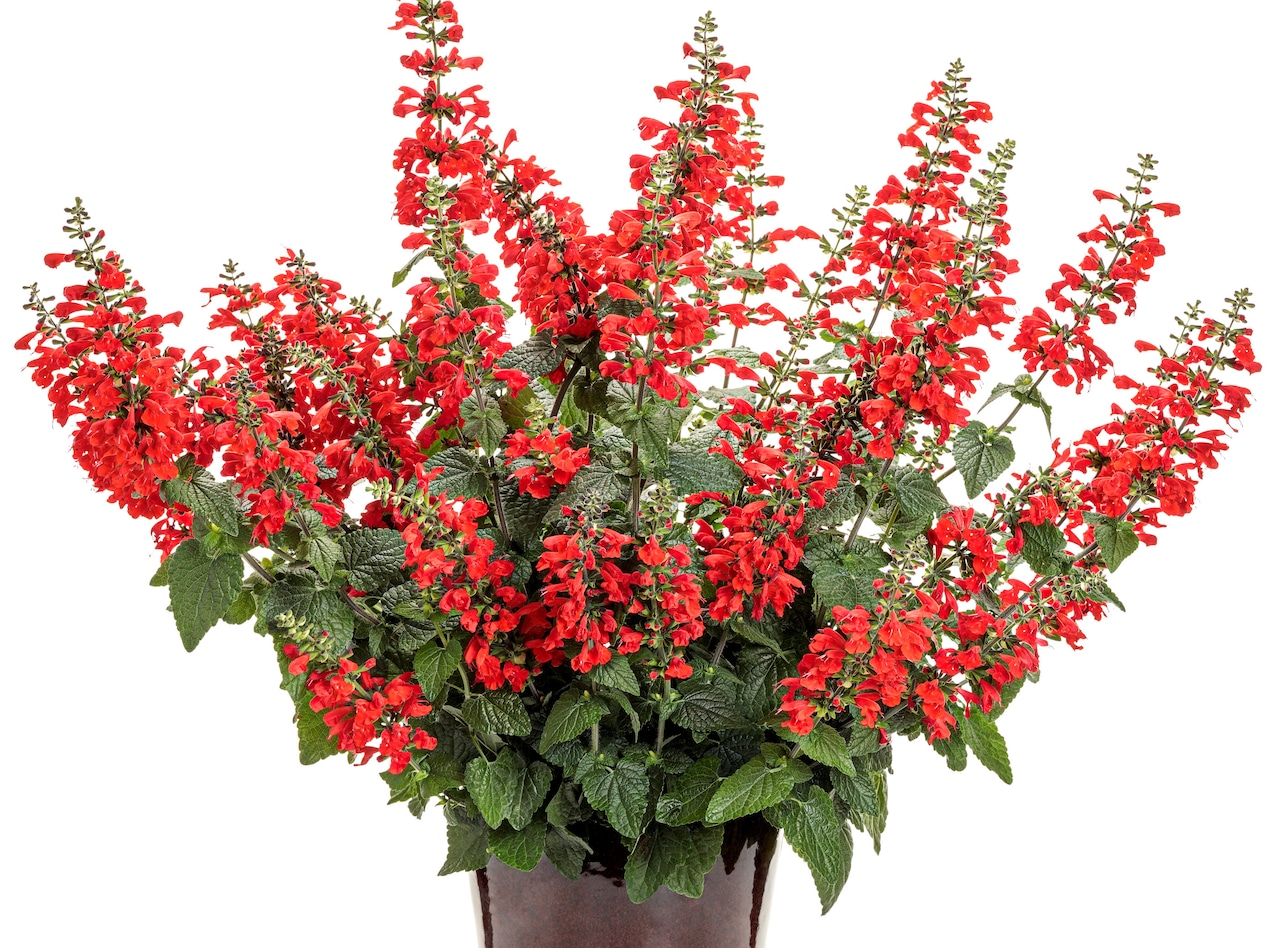
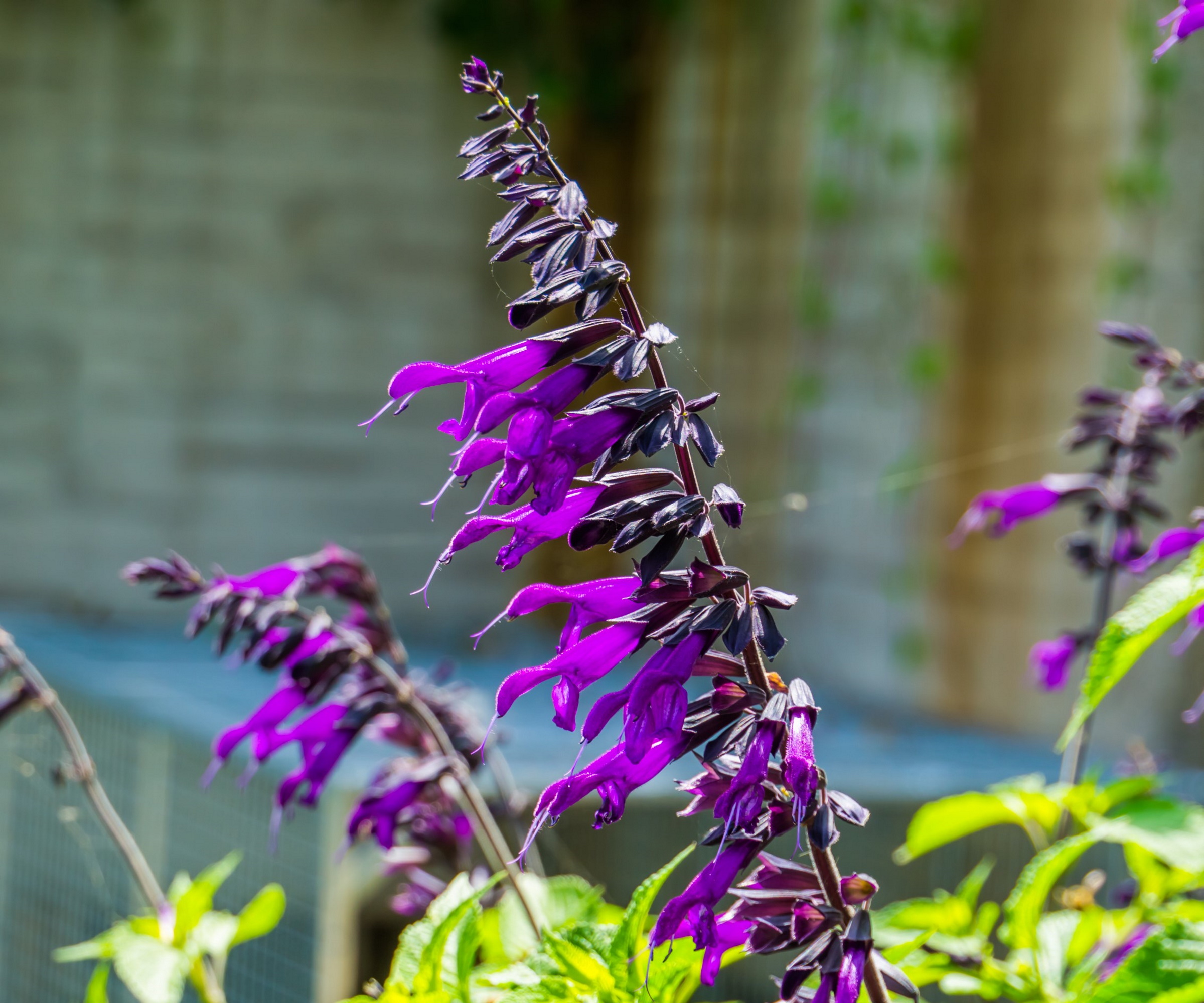
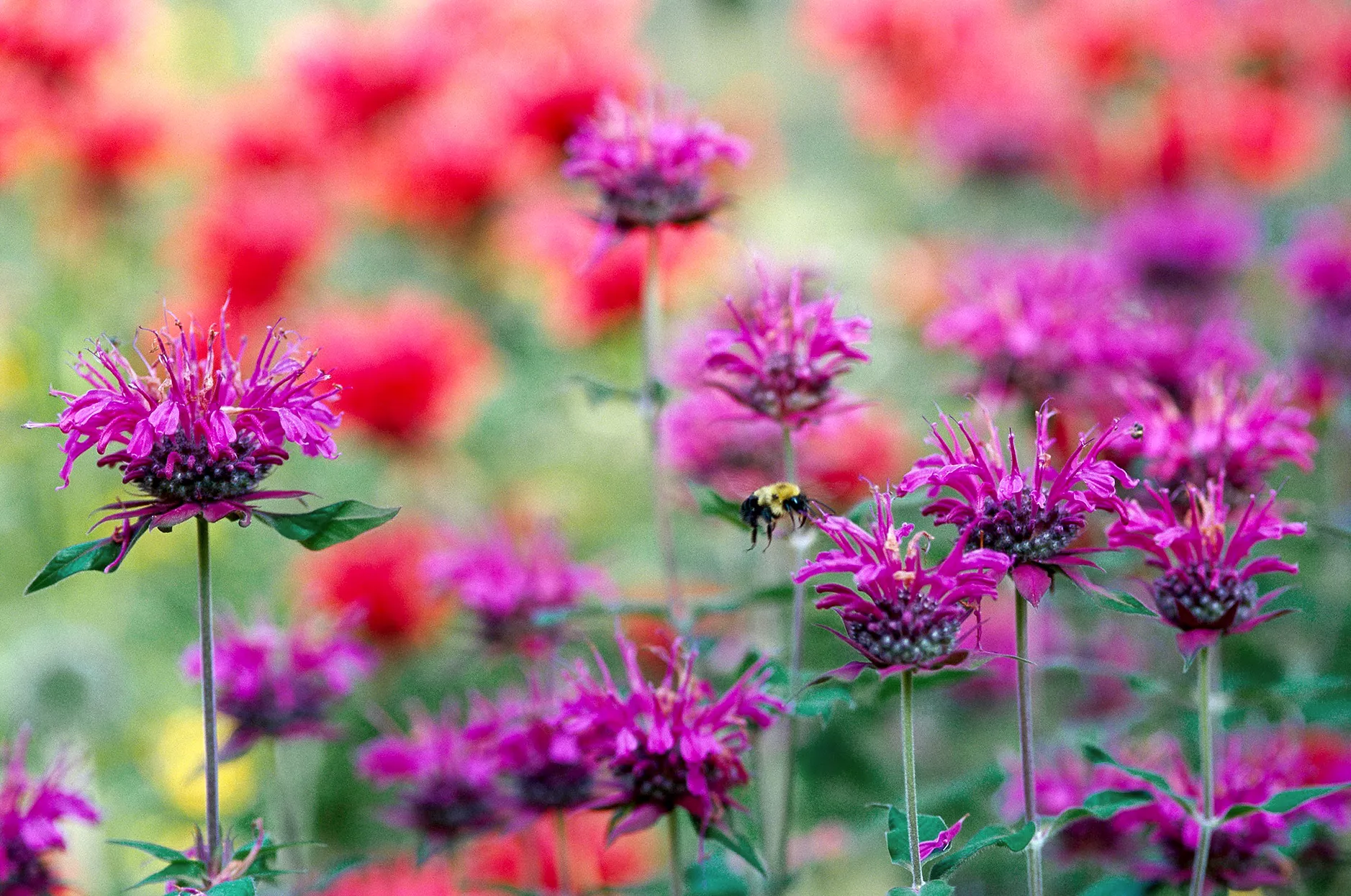
Lavender (Lavandula spp.) is presented as a pollinator magnet, particularly for honeybees, with recommendations to plant large patches for both harvesting and insect support. Spider Flower (Cleome hassleriana) is suggested for a dramatic visual impact with its pink, purple, or white blooms, and its tendency to self-sow if spent flowers are not removed. Bee Balm (Monarda spp.) is described as a low-maintenance, deer-resistant native perennial that blooms from early to late summer and is a strong attractor for pollinators. Salvia (Salvia spp.) is recognized for its extensive range of varieties that attract many bees, benefiting from deadheading for continuous flowering and offering drought tolerance.
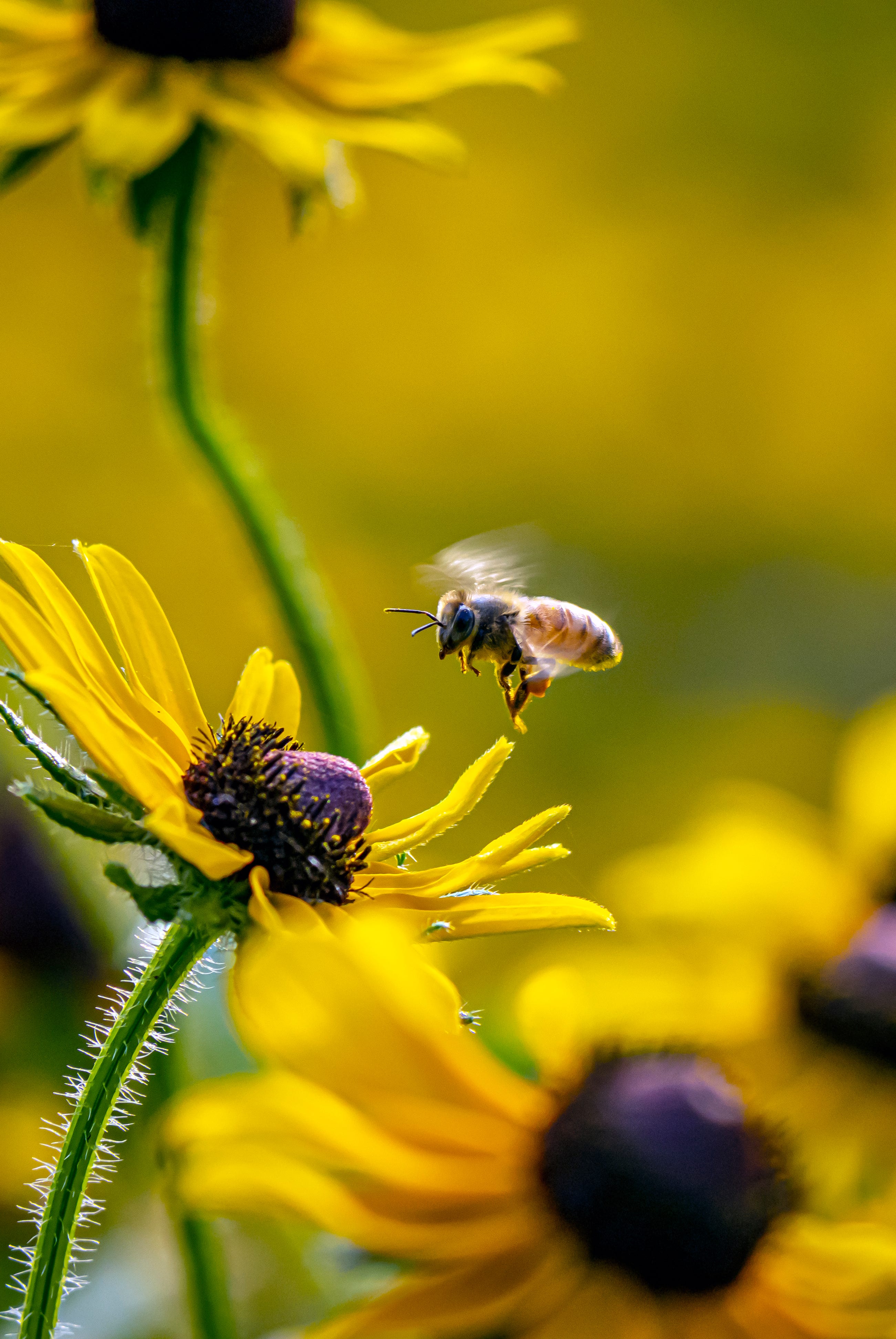
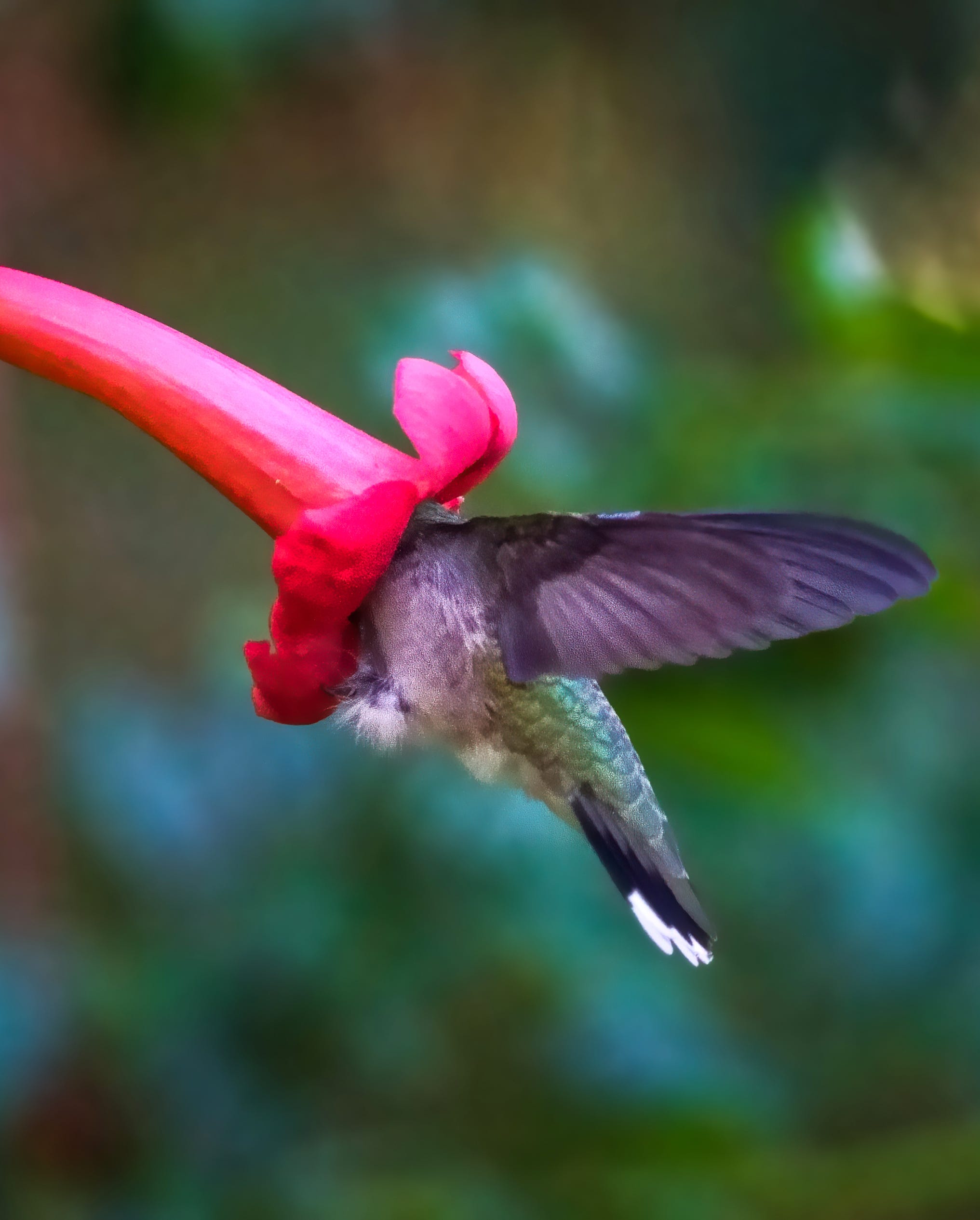
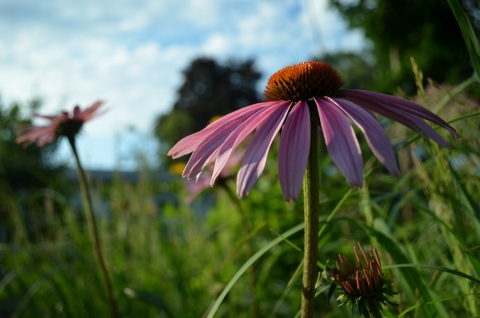
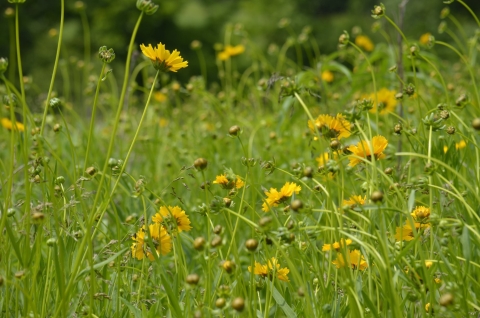
Fuschia (Fuschia spp.) is recommended for shaded containers like hanging baskets and wall pots, featuring two-layered petals and long stamens. Thyme (Thymus spp.), a versatile herb including groundcover varieties, is noted as a go-to option for attracting pollinators, with flowering being essential for feeding insects. Black-Eyed Susan (Rudbeckia spp.) provides bright yellow blooms that attract pollinators and are drought-resistant, with both annual and perennial options available. Purple Coneflower (Echinacea purpurea), a prairie native, draws in bees and other pollinators, with its seeds also attracting goldfinches. The article advises against double-flowered coneflower varieties due to harder-to-access nectar. Lastly, Yarrow (Achillea millefolium) is presented as an easy-to-grow perennial that gives a wildflower aesthetic and is valuable to honeybees, butterflies, wasps, and native bees, also requiring deadheading for reblooming.
Each plant entry includes crucial details such as ideal growing conditions (e.g., full sun, well-drained soil), typical size ranges (height and width), and USDA plant hardiness zones, enabling gardeners to select appropriate plants for their specific climate and garden layout. The overall purpose is to educate and encourage readers to cultivate gardens that not only enhance aesthetic appeal but also contribute significantly to ecological health by supporting pollinator populations.
#PollinatorPlants #NectarPlants #GardenDesign #PollinatorGardens #BeneficialInsects #HummingbirdPlants #BeeFriendly #ButterflyGardens #PerennialFlowers #PollinatorPlants #NectarPlants #GardenDesign #PollinatorGardens #BeneficialInsects #HummingbirdPlants #BeeFriendly #ButterflyGardens #PerennialFlowers
0 comment in total
 No comments yet
You may also like
Turn Your Garden Into a Butterfly Oasis with These Plants
22 Beautiful, Bee-Friendly Flowers That'll Turn Your Garden Into a Pollinator Paradise

14 Gorgeous Flowers That Start With V
13 Purple Plants to Grow for Bold Color

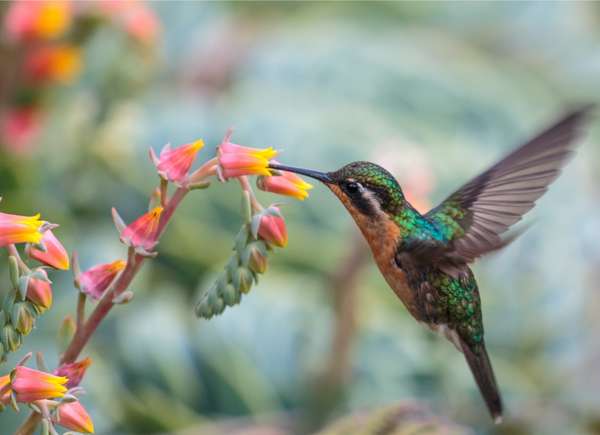
30 Gorgeous Plants That Attract Hummingbirds to Your Garden

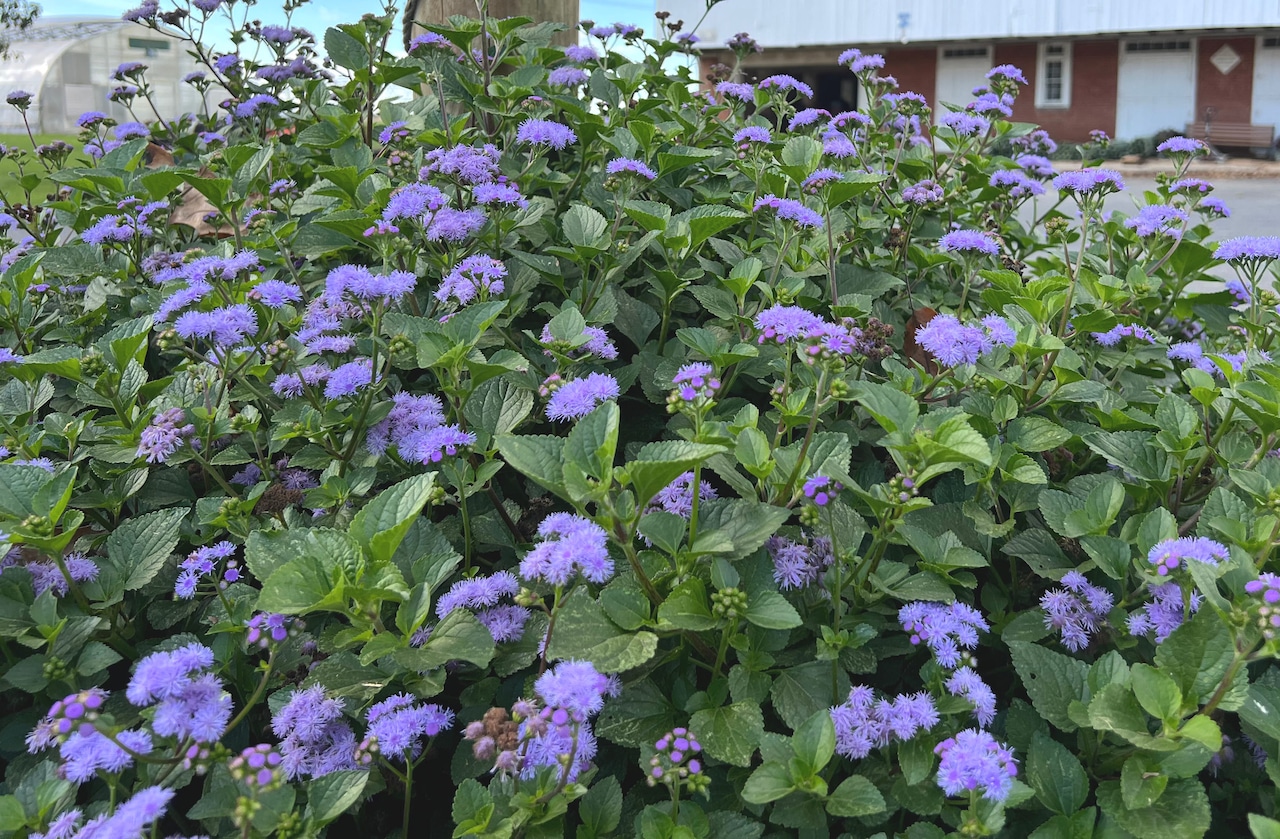
The best new annual flowers of 2025

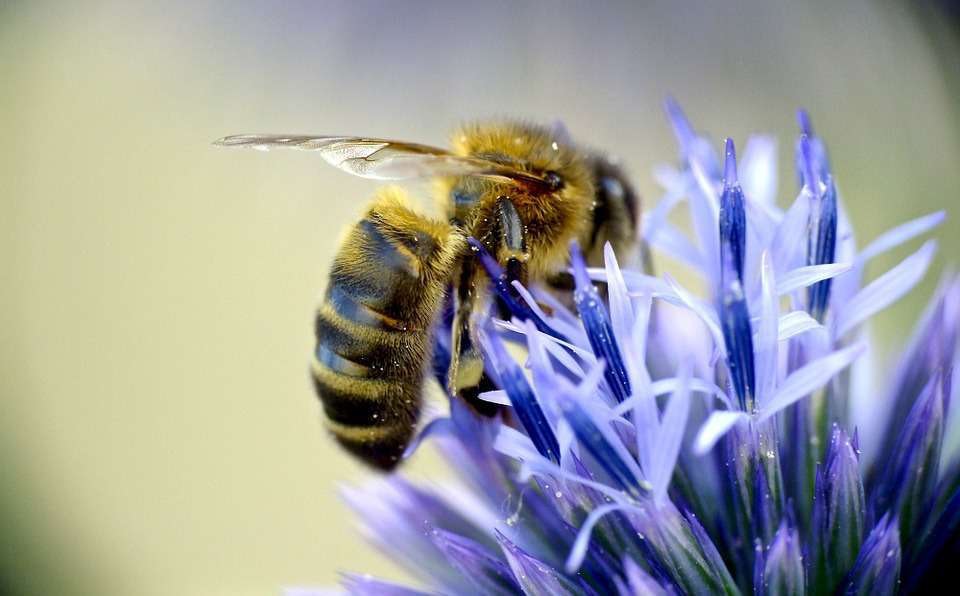
Purple presents perks for pollinators like bees

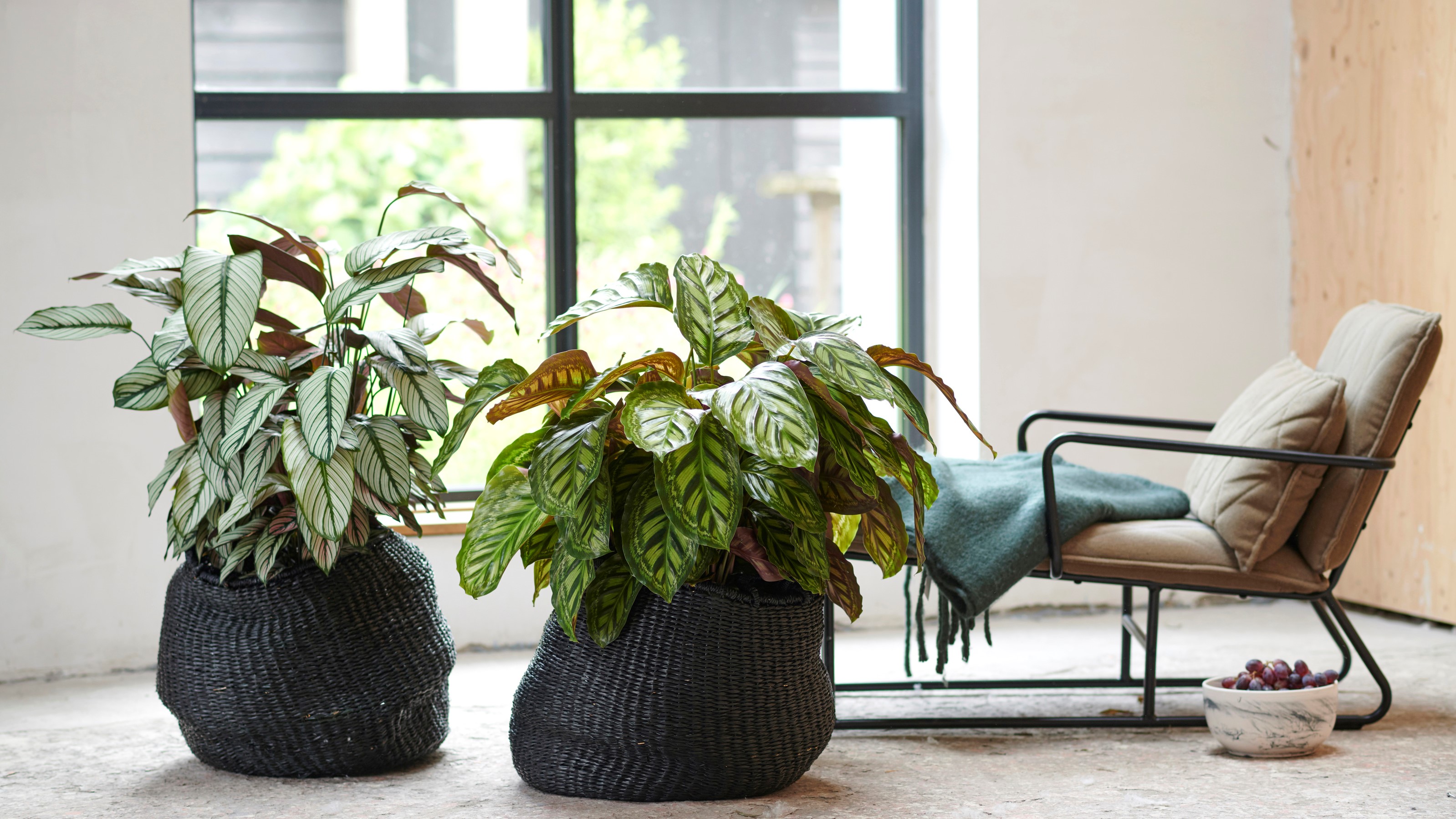
What are the best plants with green and white leaves? 8 of the most stylish variegated houseplants

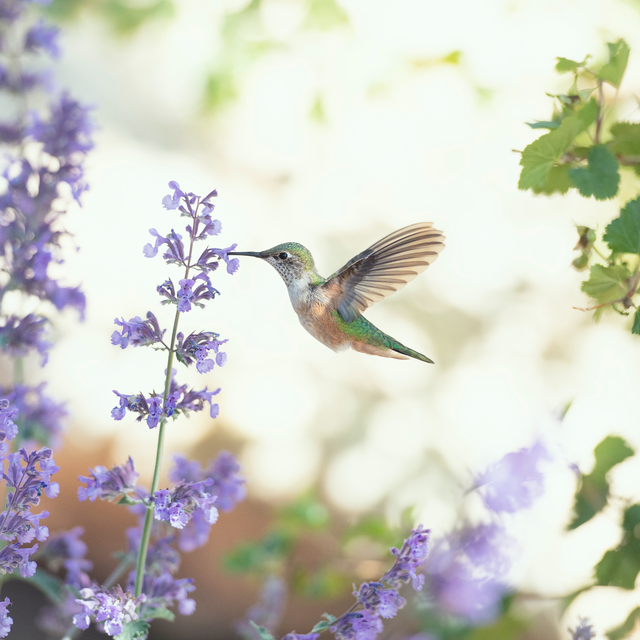
These Colorful Flowers Will Attract Hummingbirds to Your Yard

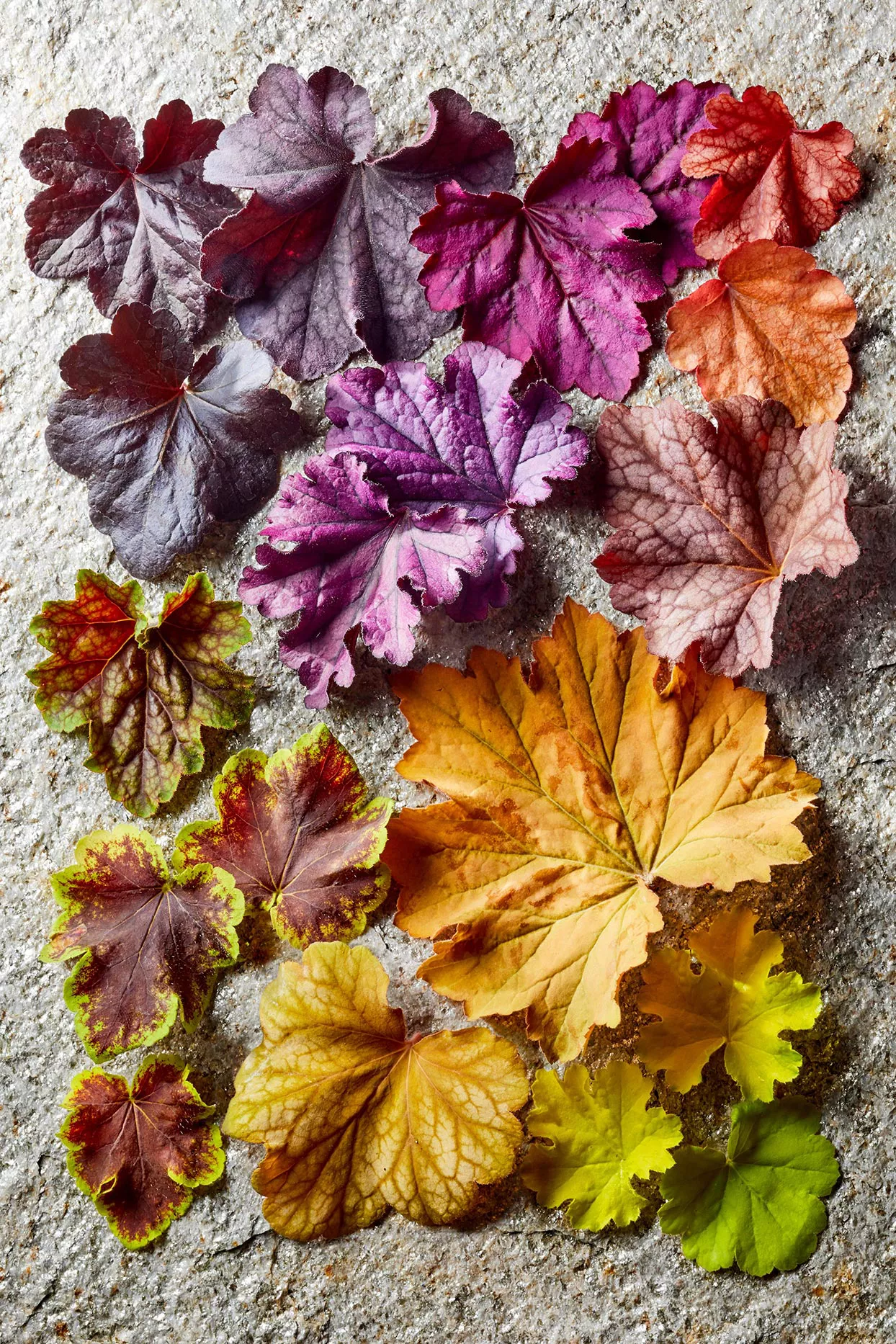
12 Plants with Colorful Leaves for Brightening Up Your Garden
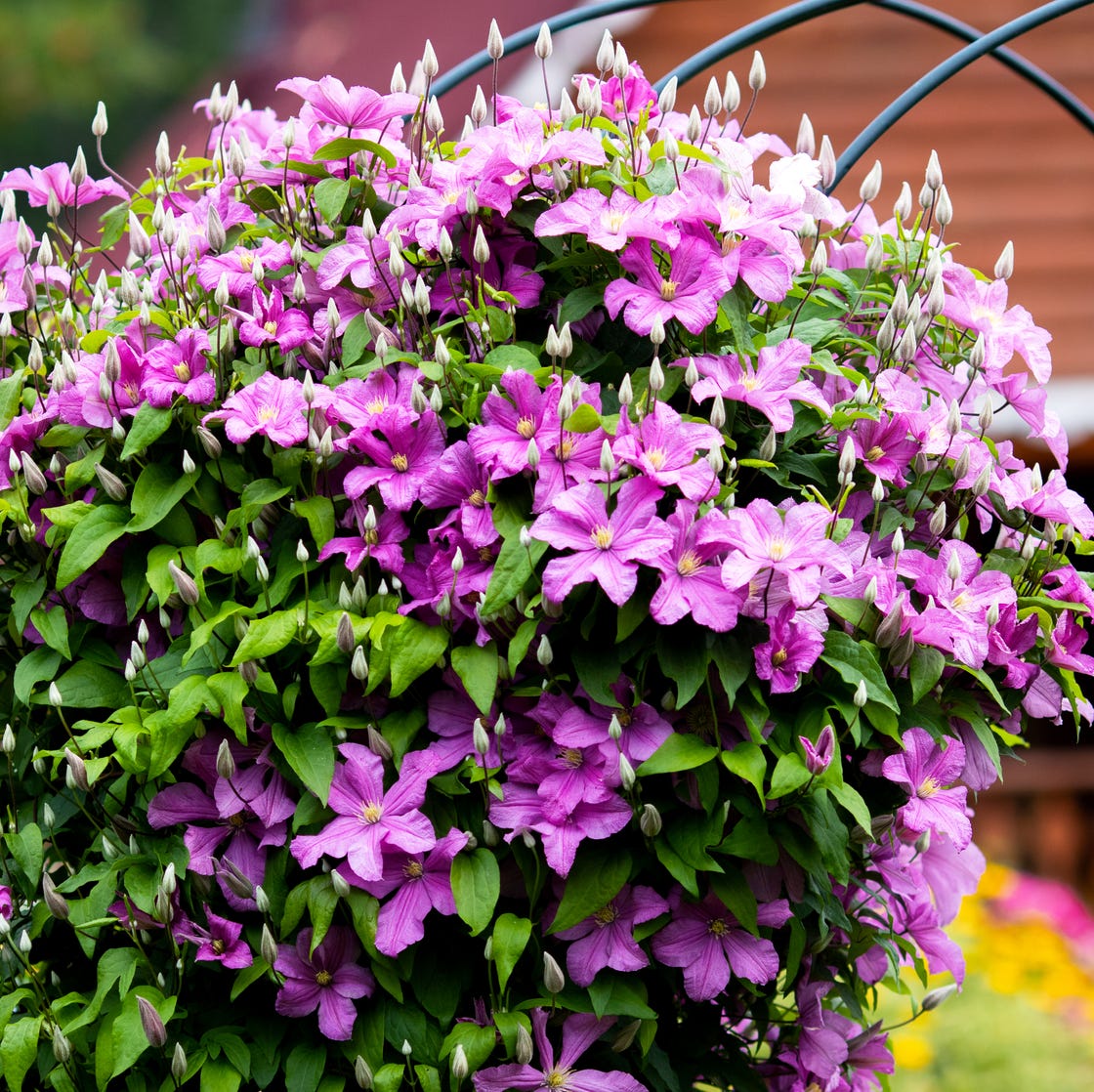
Grow Up! Flowering Vines to Adorn Walls, Trellises and Fences
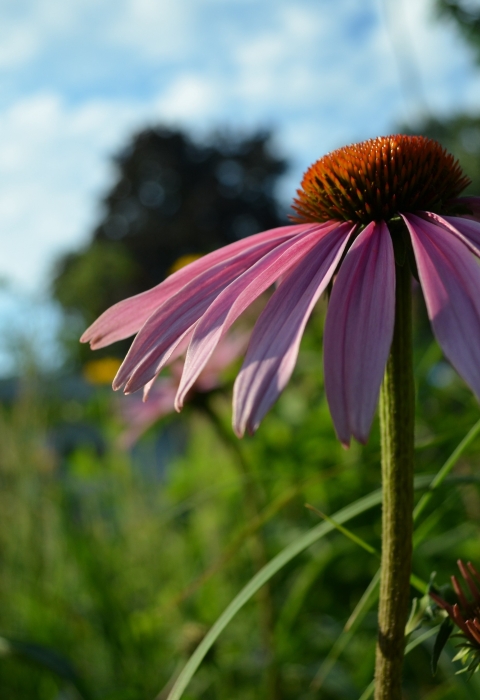
Flowers they both will love: Pollinator-friendly perennials for Mom and Mother Nature
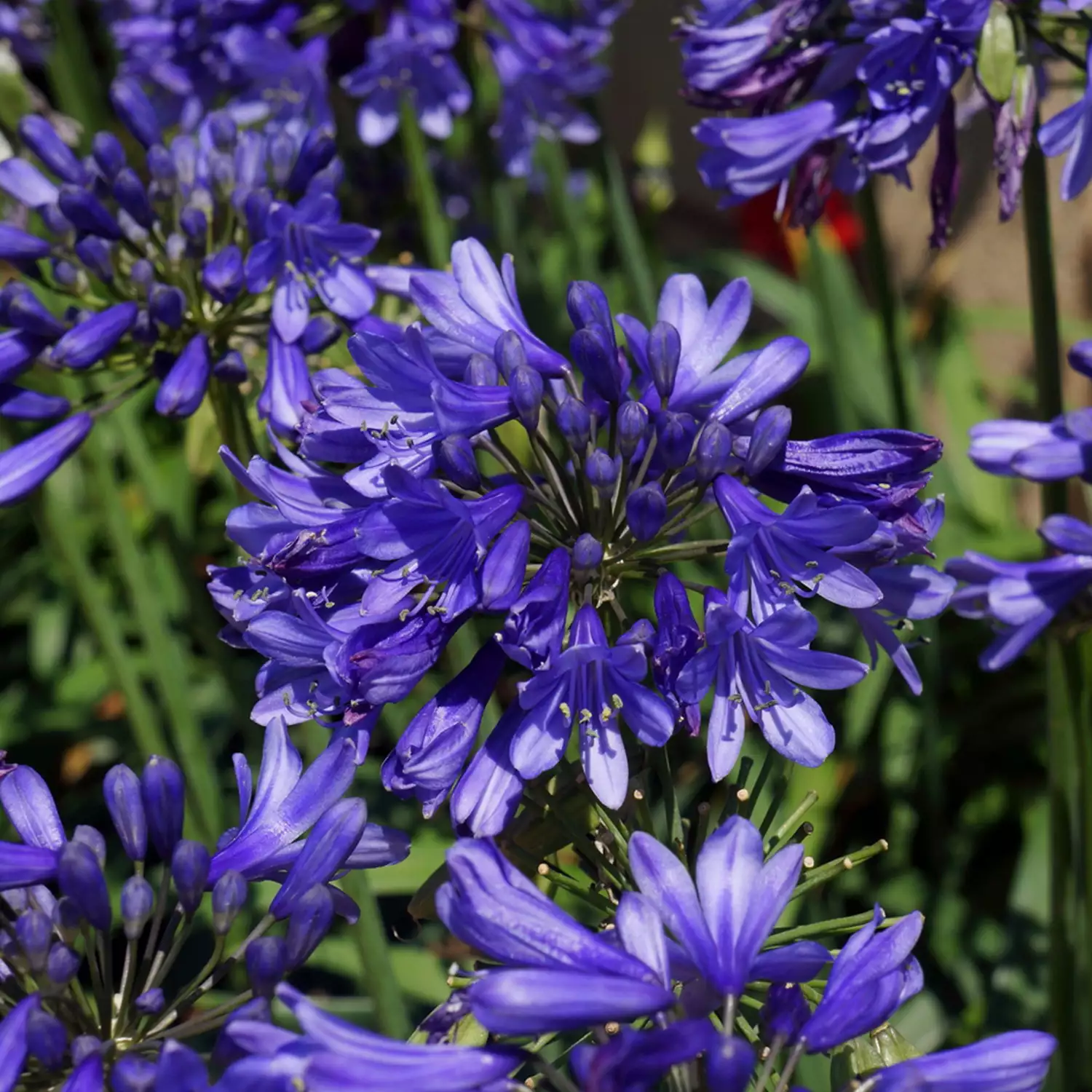
Attract Bees To Your Garden With These Vibrant Flowers
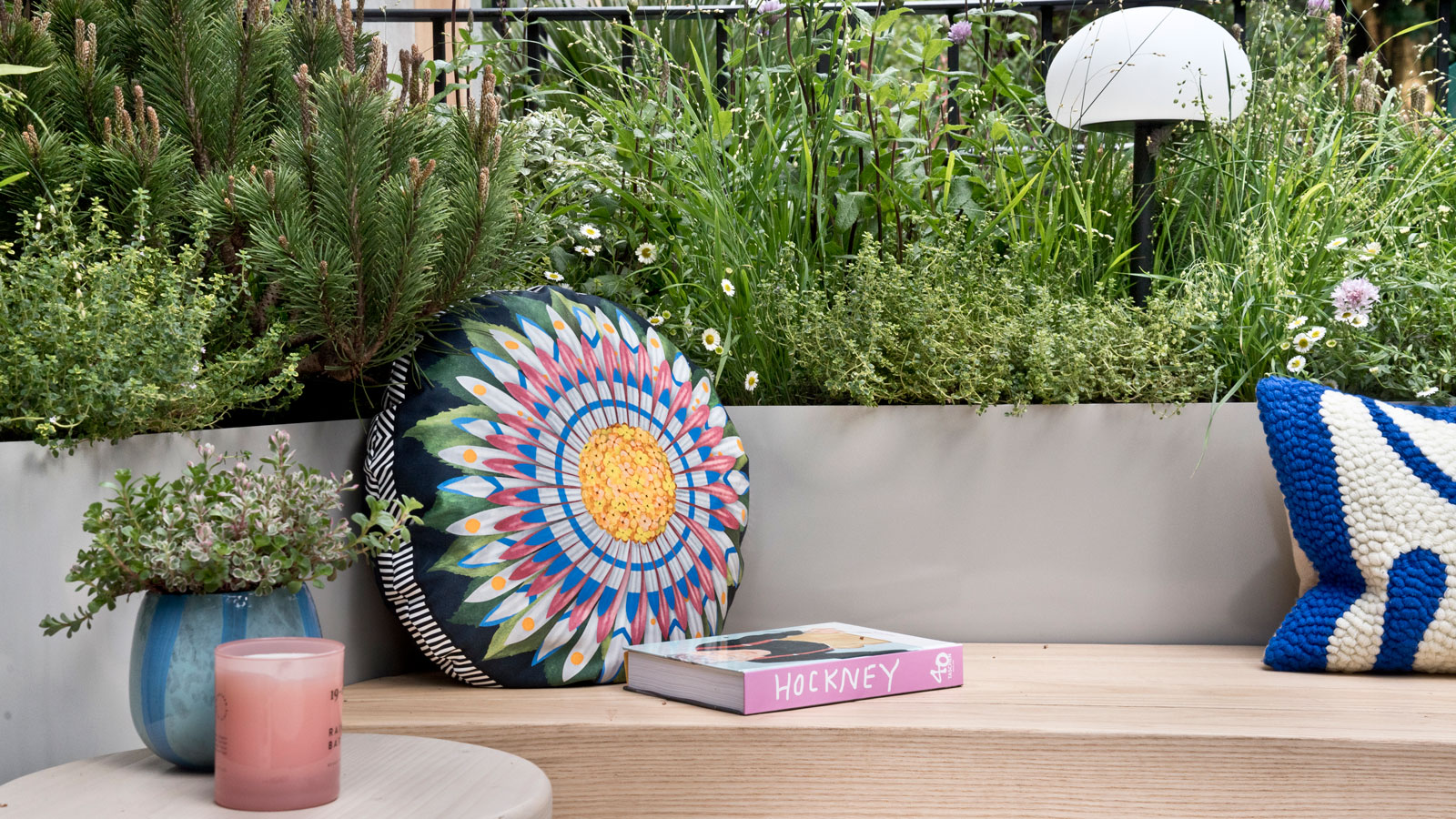
Best plants for a courtyard garden – 8 favorites to grow for maximum impact in a small space

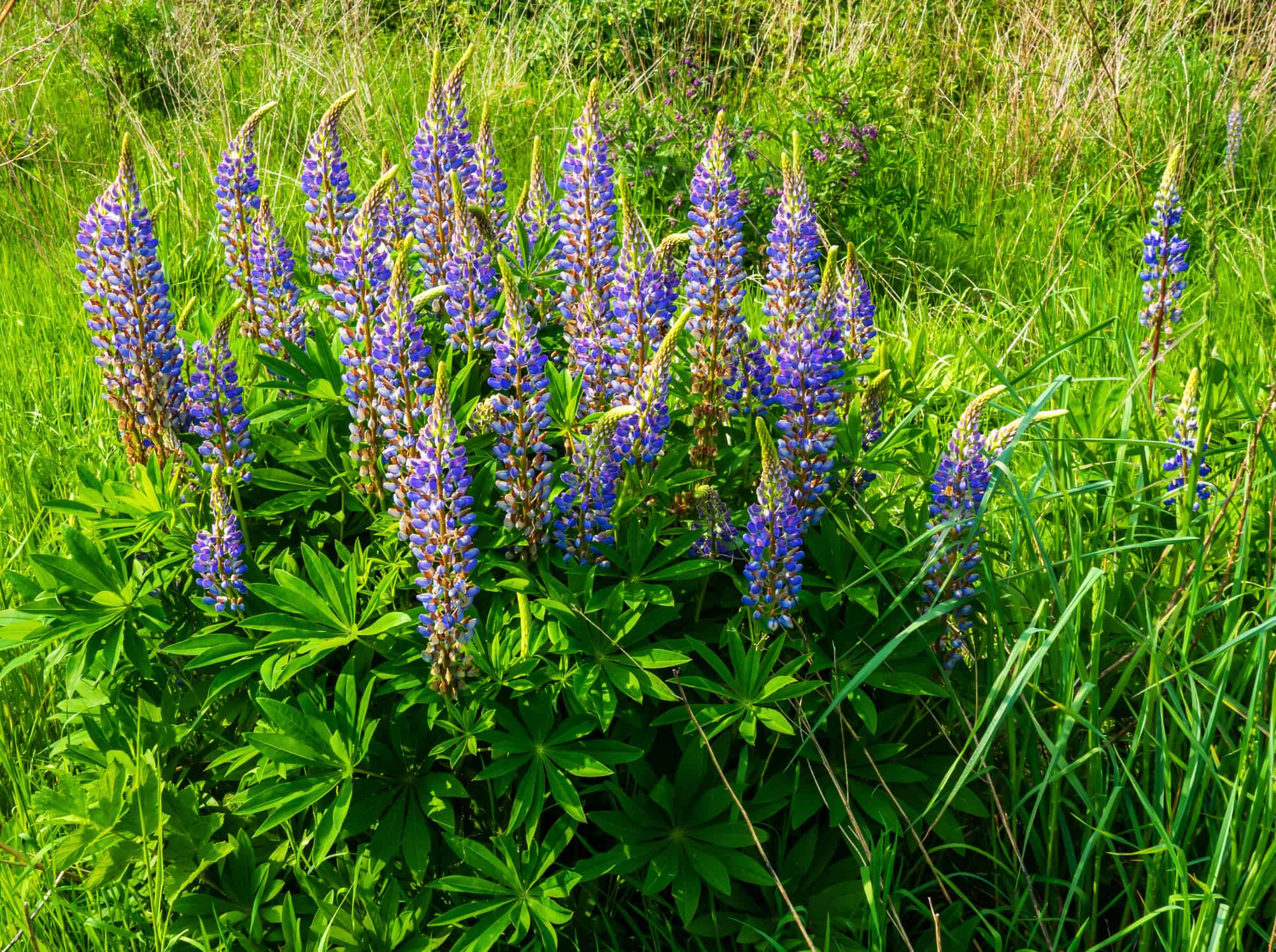
Purple Flowers That Hummingbirds Find Irresistible
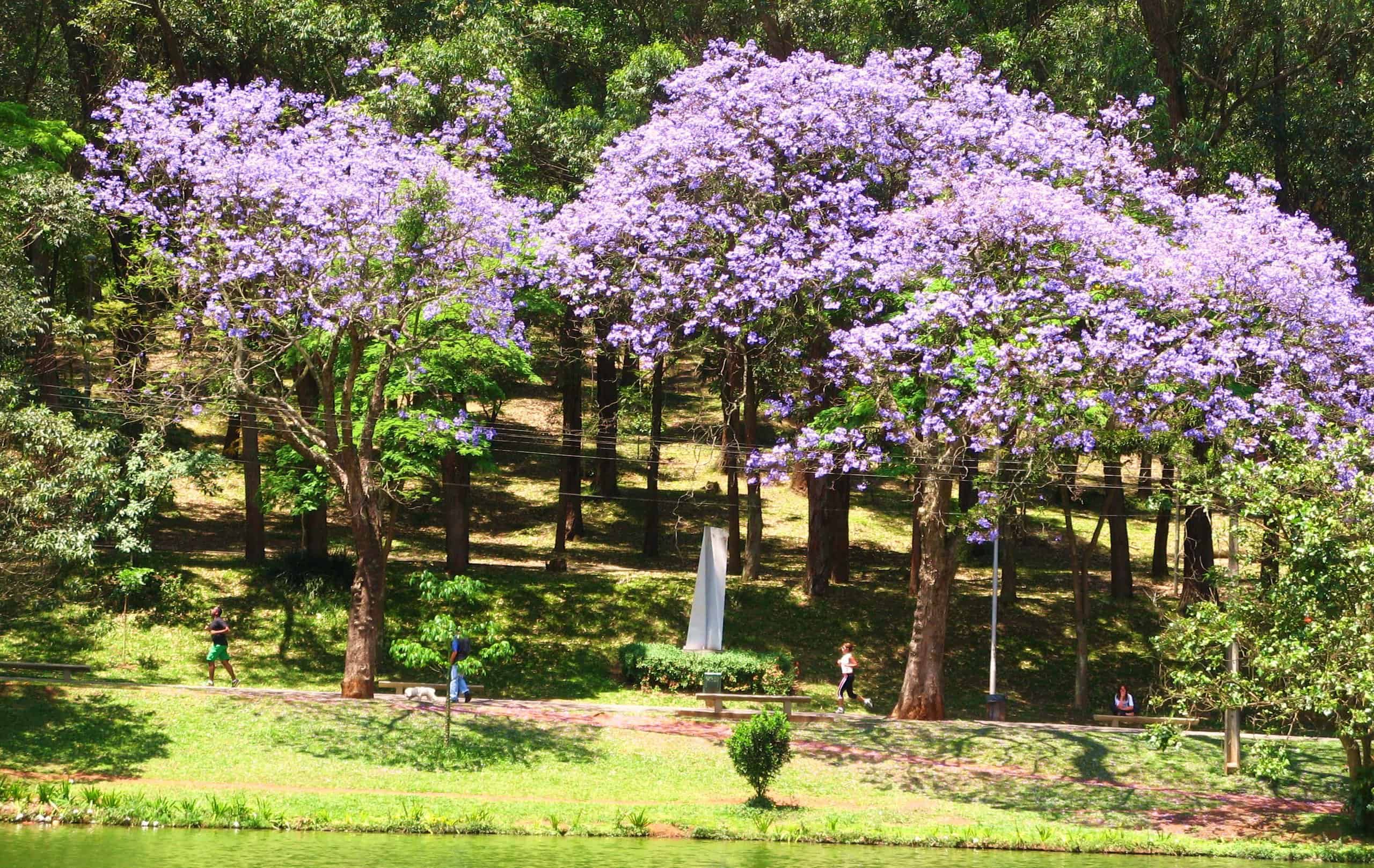
The 11 Best Purple Flowering Trees in Florida
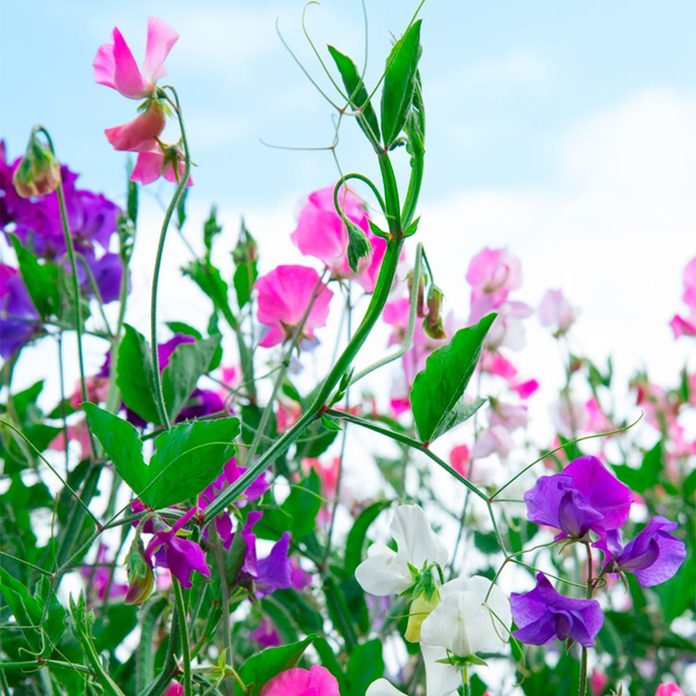
15 Colorful Plants to Brighten Up Your Landscape

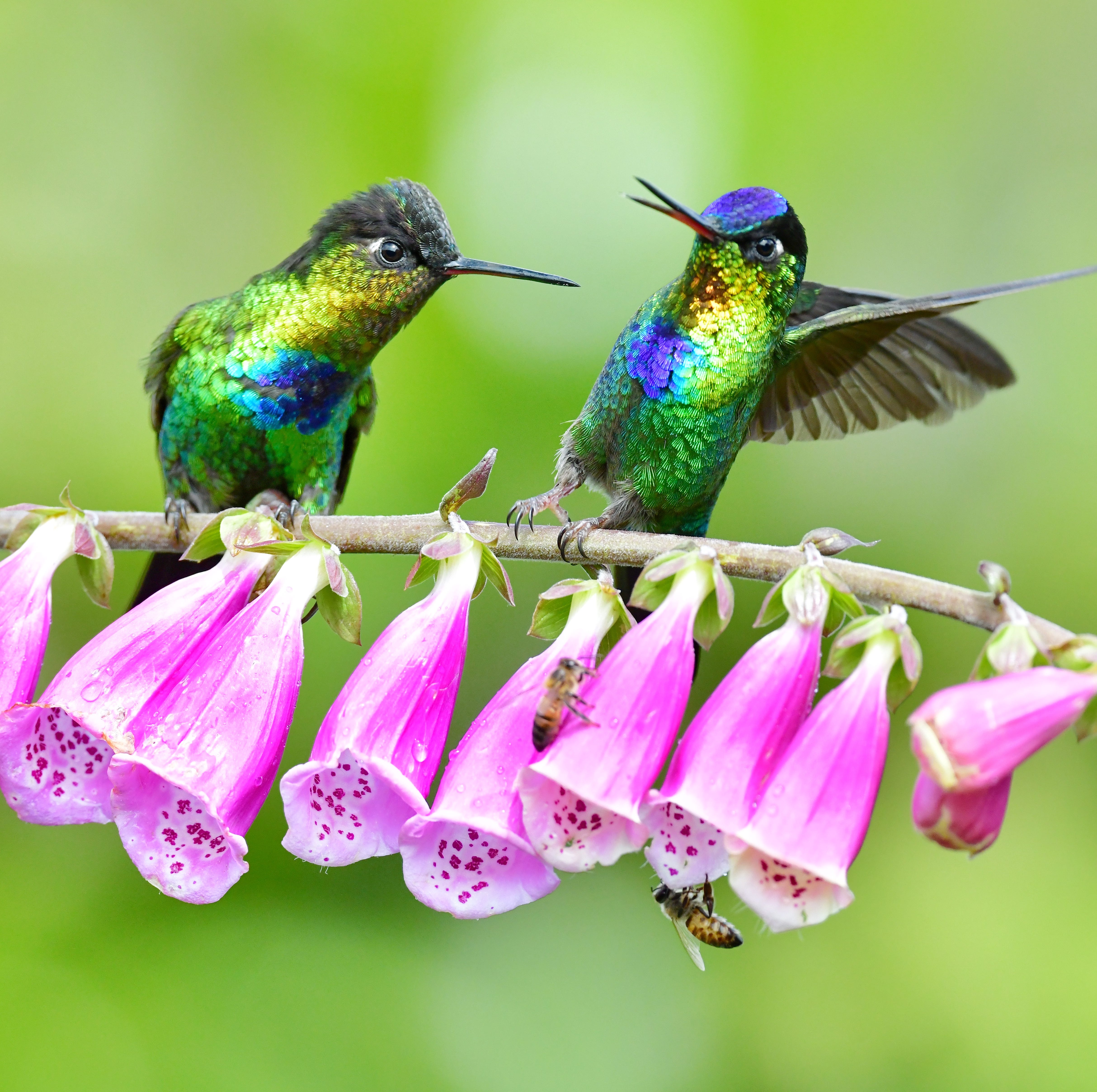
Want to See Hummingbirds? Plant These Flowers in Your Yard or Garden
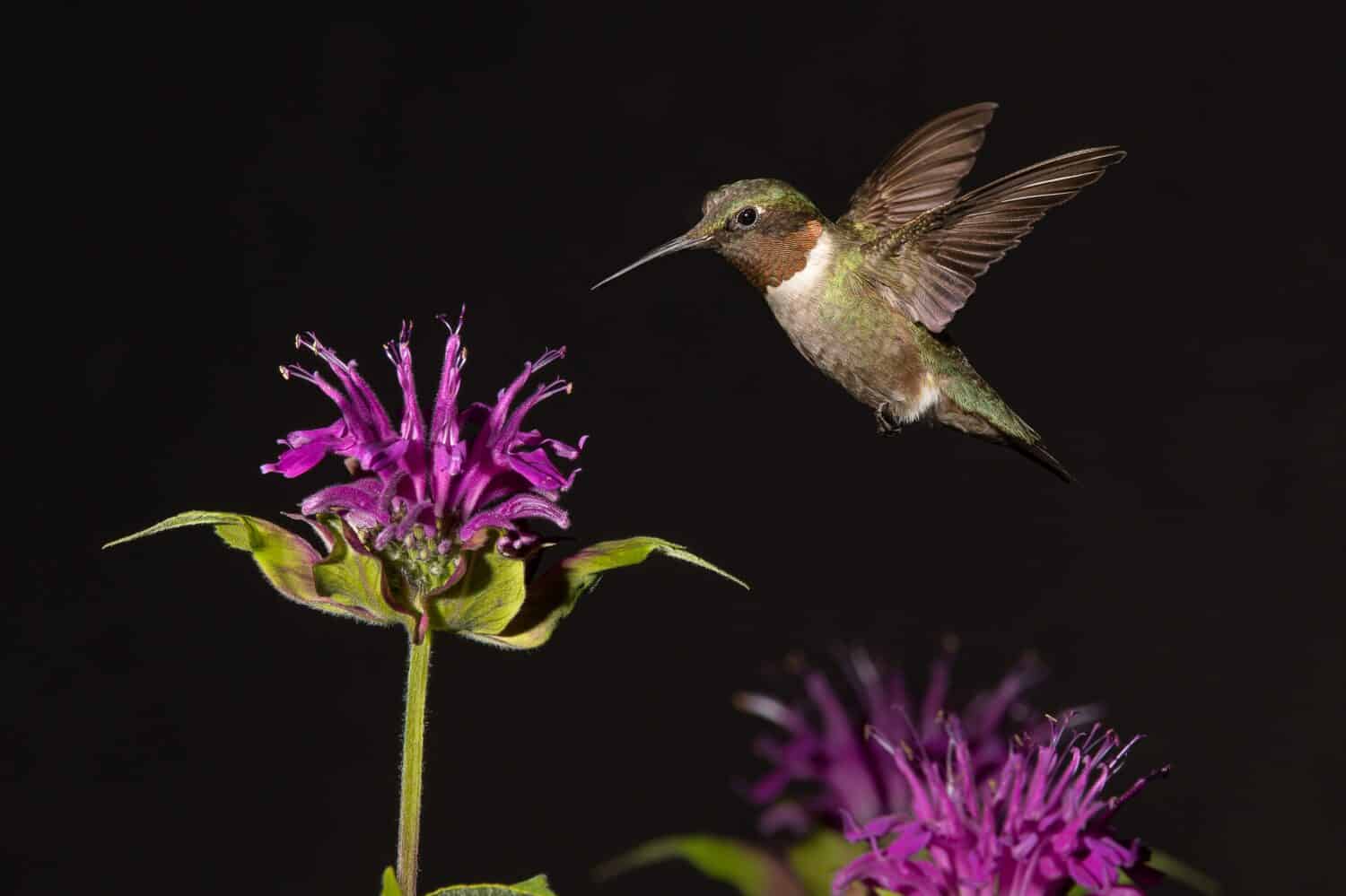
11 Beautiful Purple Flowers and Plants That Attract Hummingbirds
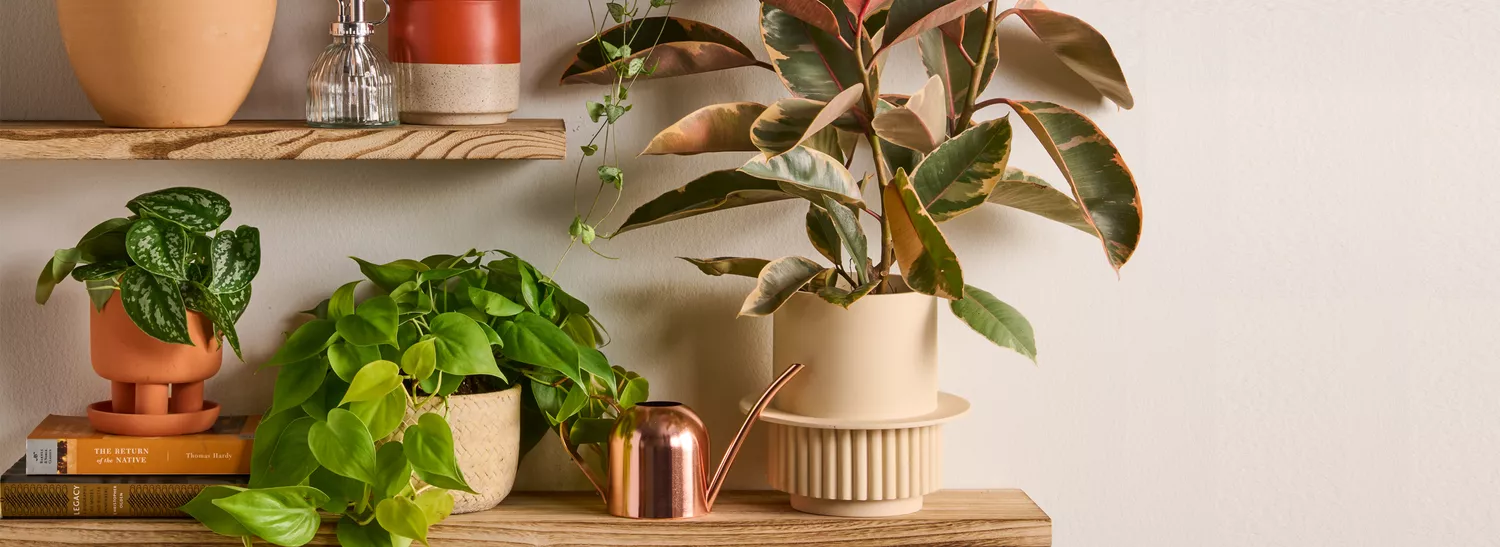
These 25 Colorful Houseplants Secretly Double as Decor