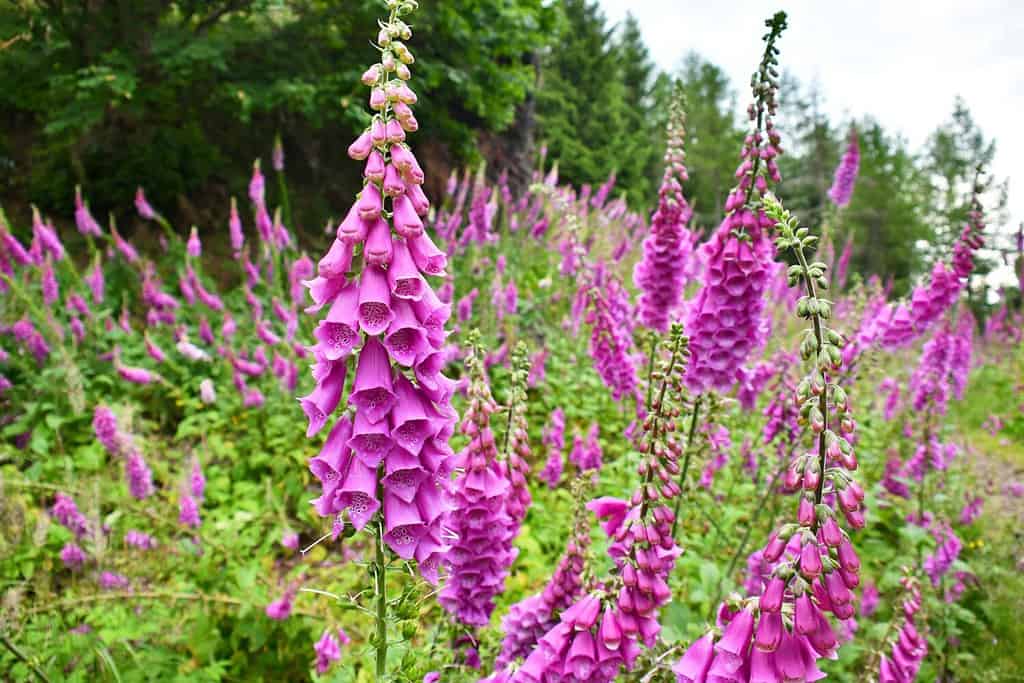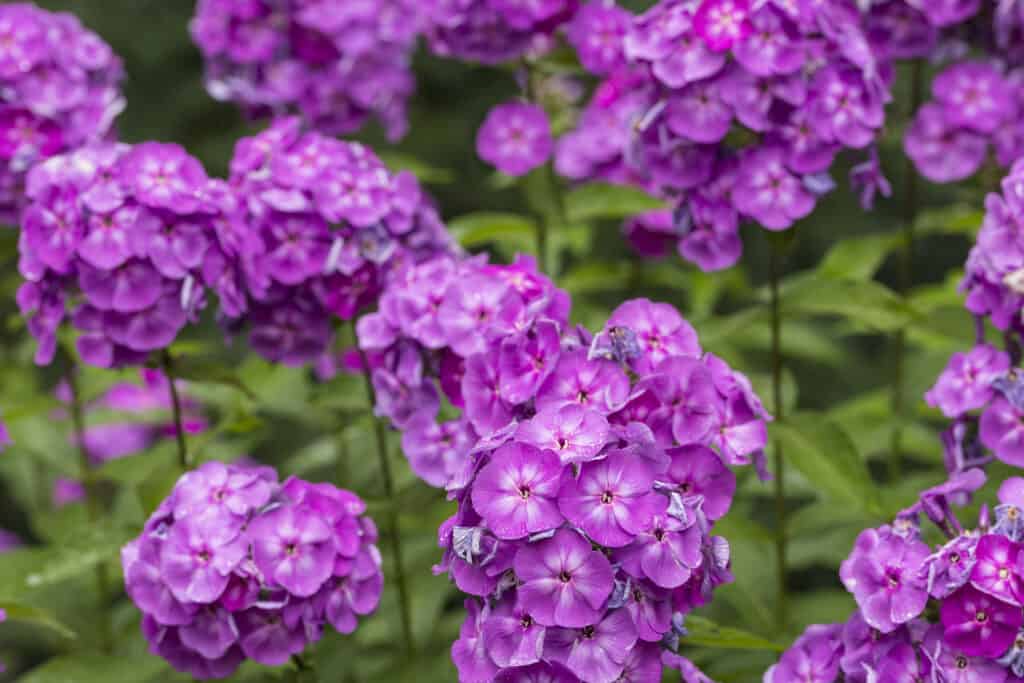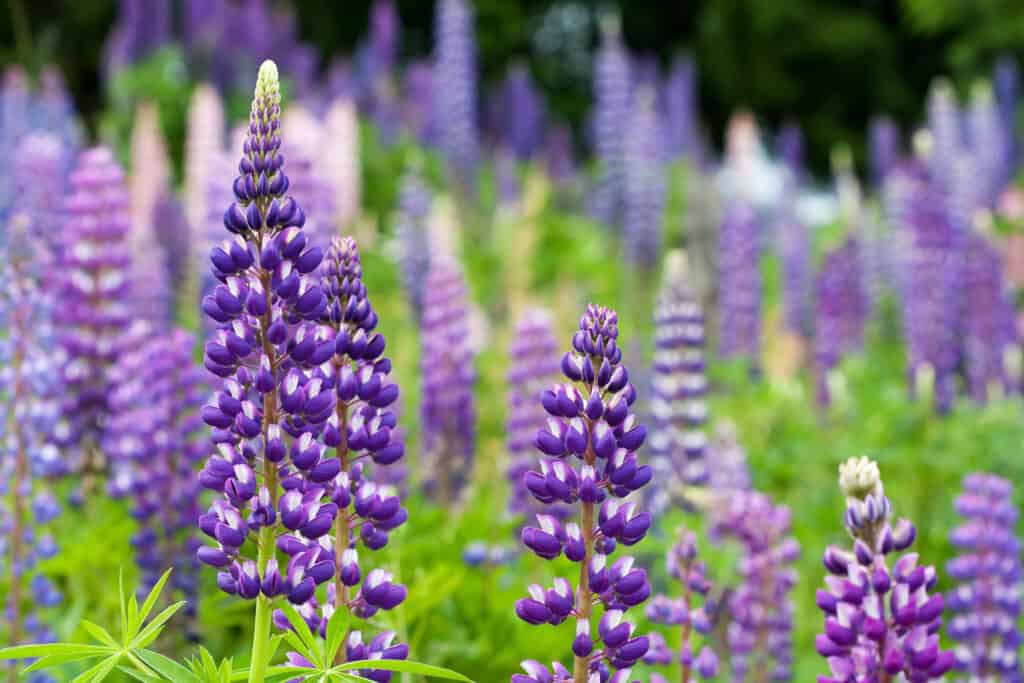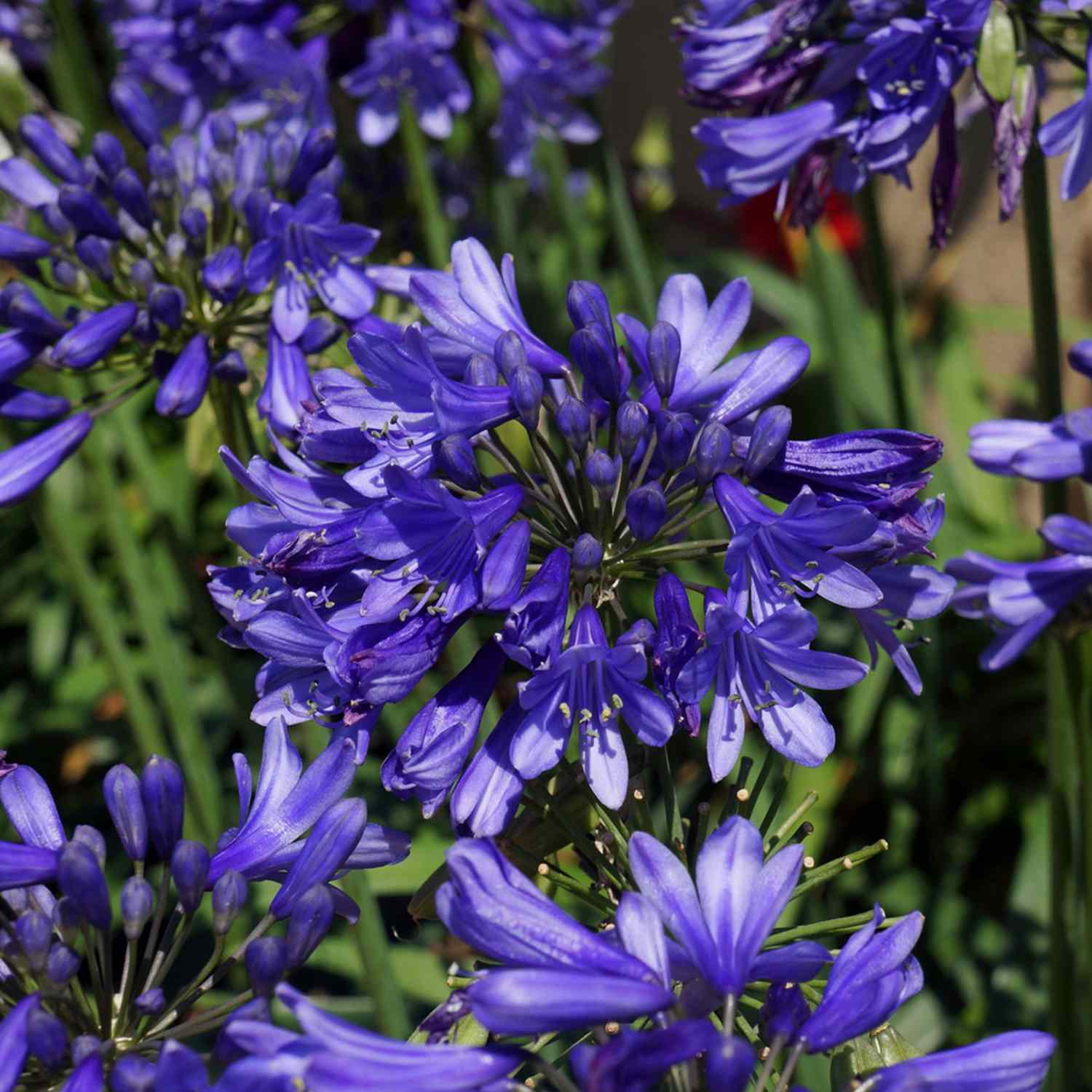
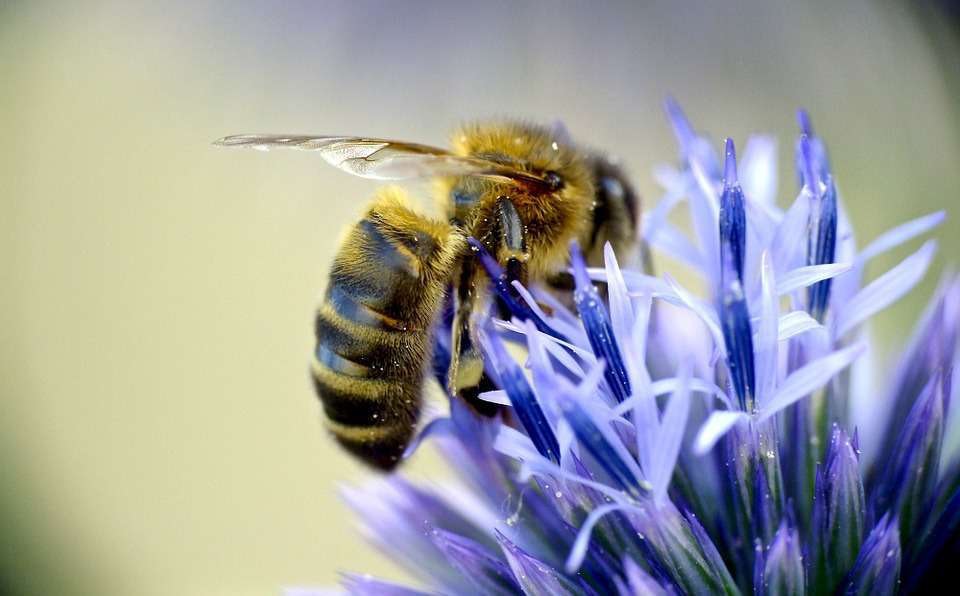
Purple presents perks for pollinators like bees
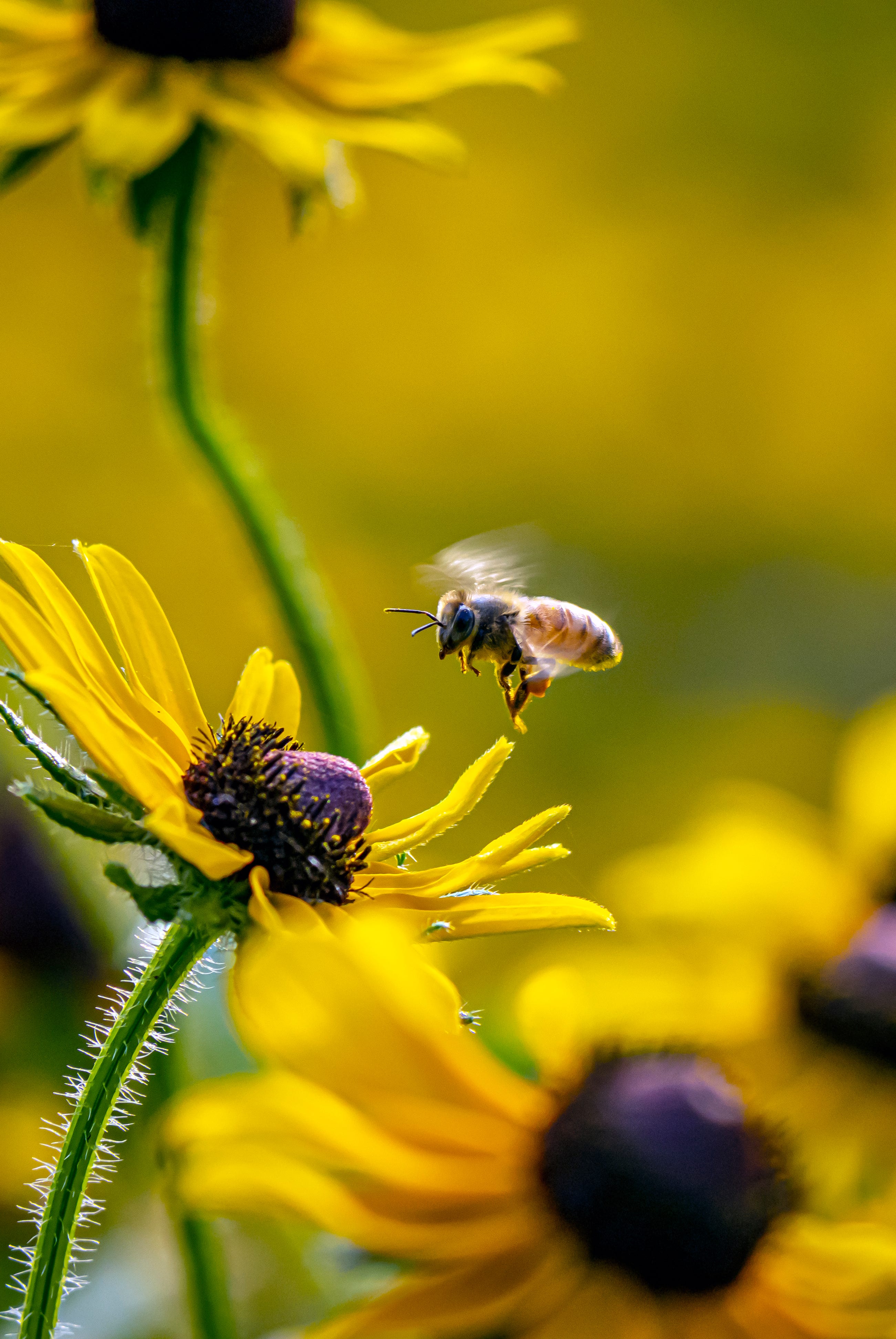
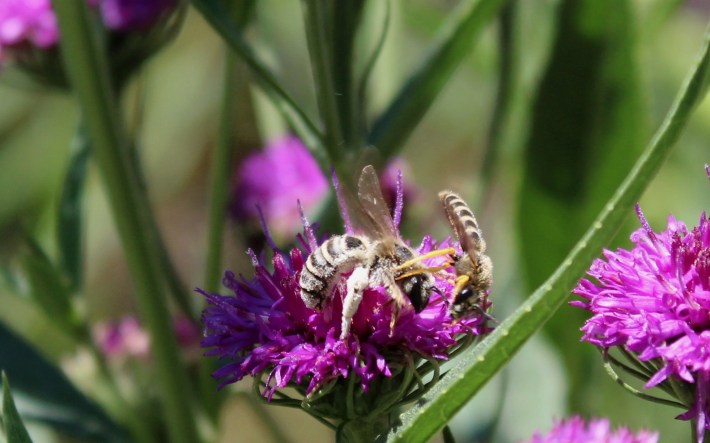
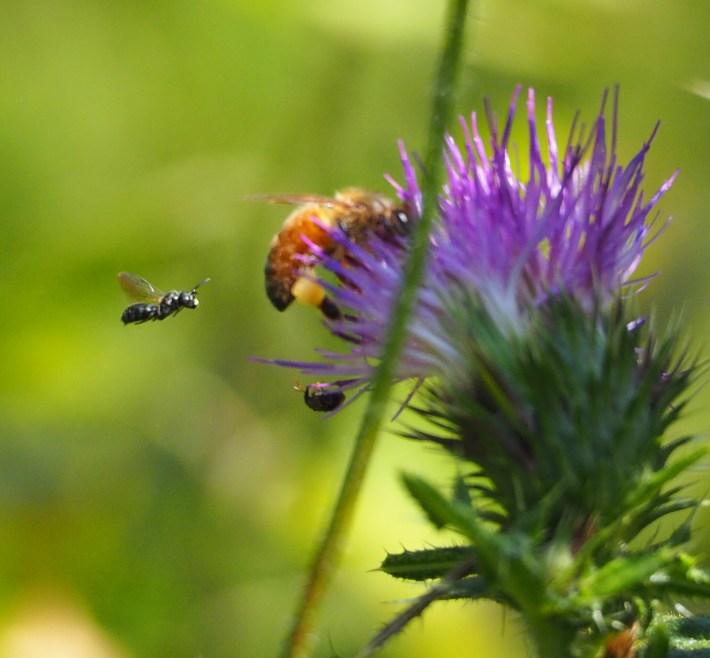
The color purple possesses an appeal that extends beyond human aesthetics, offering significant advantages to pollinators like bees. Bees possess remarkable eyesight, a fact scientifically established over a century ago by Nobel Prize-winning scientist Karl von Frisch, who demonstrated their ability to perceive color. Like humans, bees exhibit trichromatic vision, meaning their retinas contain three distinct photoreceptors that enable them to differentiate three primary colors, which form the basis of all other color combinations they perceive.
While humans base their color vision on red, blue, and green, bees perceive their primary colors as blue, green, and ultraviolet light. Human vision encompasses a broader spectrum of wavelengths, ranging from approximately 400 to 700 nanometers (nm), whereas bees can see within the 300 to 600 nm range. Although bees cannot see red light, their ability to perceive ultraviolet (UV) light, which is invisible to the human eye, compensates for this limitation. UV light spans wavelengths from 10 nm to 400 nm.
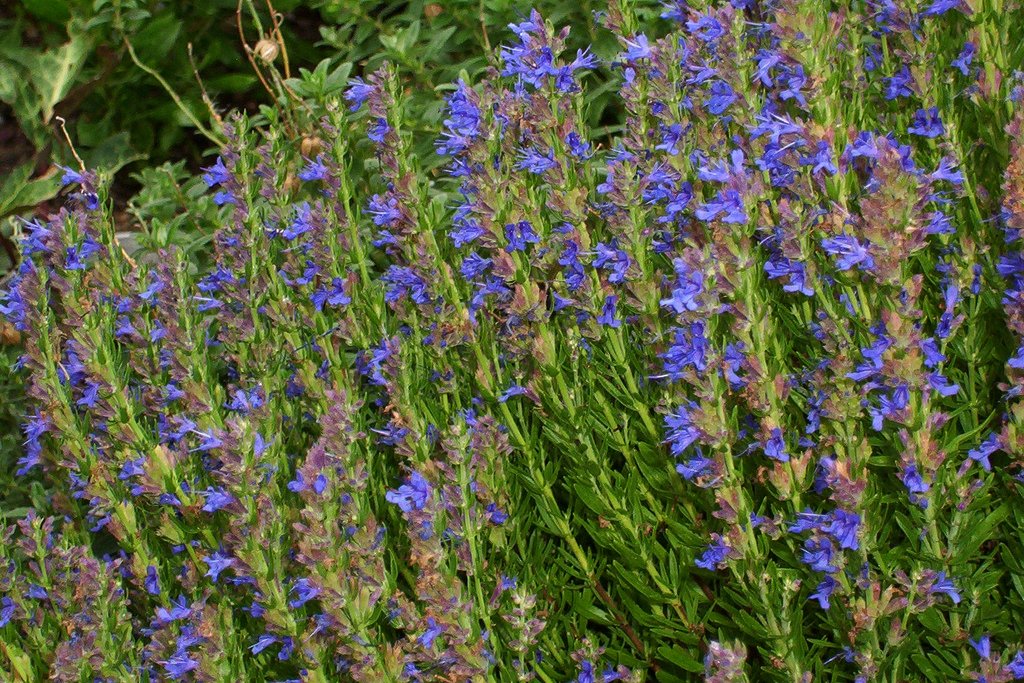
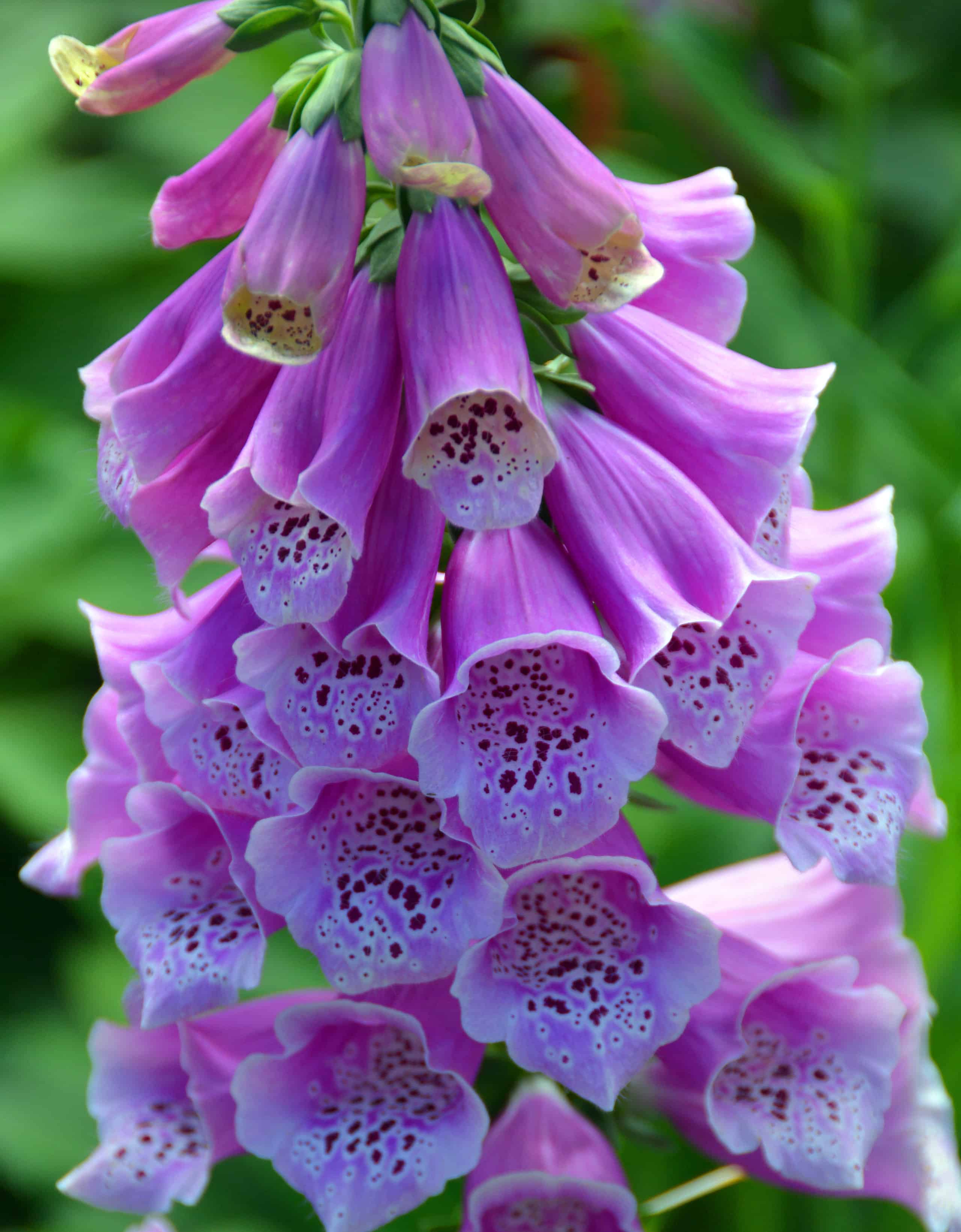
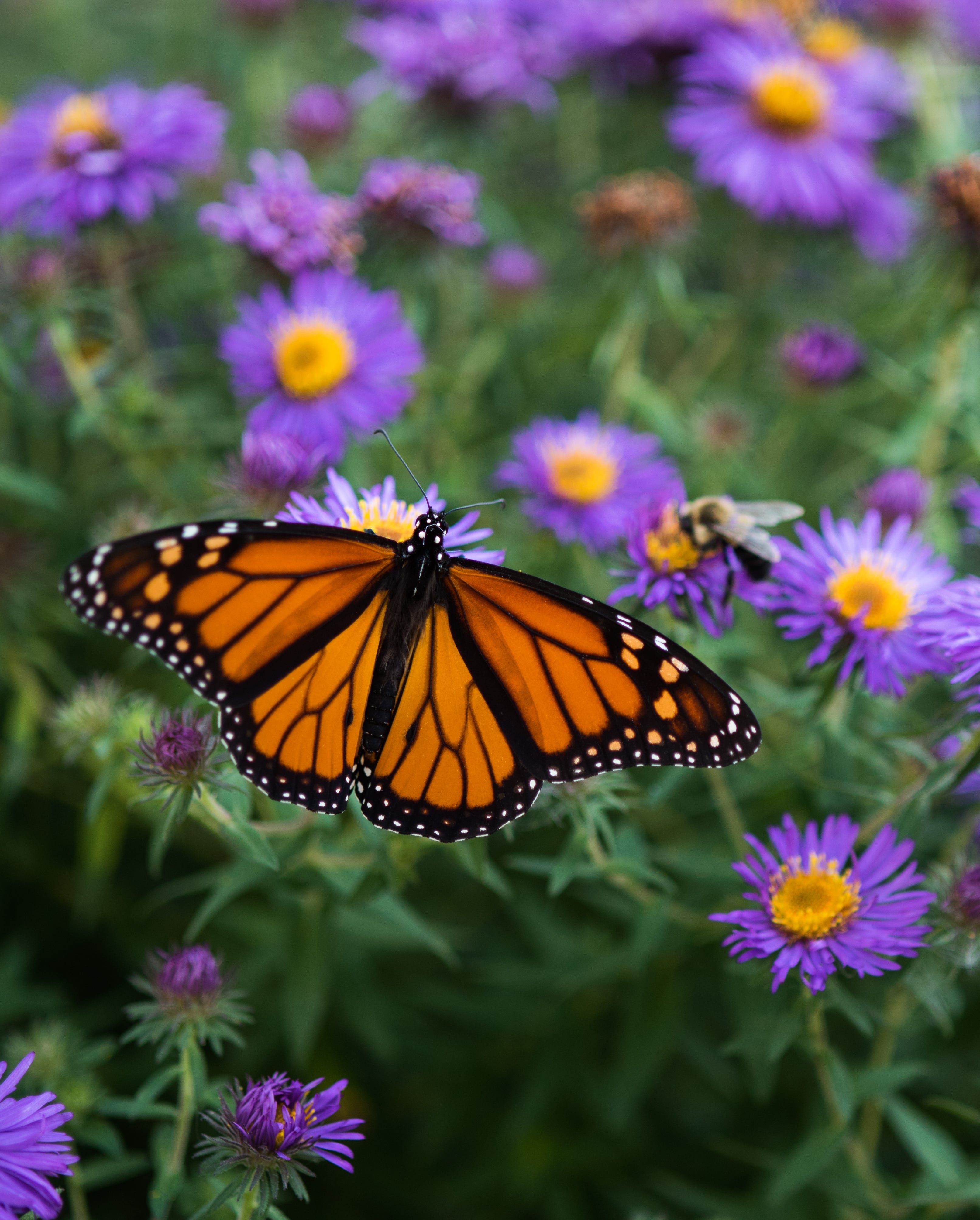
Bees are still capable of seeing reddish hues such as yellow and orange, in addition to shades like blue-green, blue, violet, and a unique color known as “bee’s purple,” which is a combination of yellow and ultraviolet light. Research indicates that purple, violet, and blue are the colors most attractive to bees. A study conducted in Germany involving nine bumblebee colonies revealed that colonies with a preference for purple blooms were substantially more successful in their foraging efforts. Dr. Nigel Raine, from Queen Mary’s School of Biological and Chemical Sciences, noted that violet flowers in the study area produced significantly more nectar compared to blue flowers, which were the next most rewarding color.
Inexperienced bees are known to exhibit strong color preferences, prompting an investigation into whether colonies with a stronger inclination towards violet flowers achieved greater foraging success within their natural environment. Raine's findings indicated that bumblebees gradually developed their preferred color choices over time, aligning these preferences with the flowers richest in nectar. This evolutionary adaptation suggests that plants reliant on insect pollinators have likely evolved to display distinctive ultraviolet color patterns, making them increasingly noticeable to bees. Similarly, the bees' preference for purple flowers enhanced their survival rate, facilitating the transmission of this trait to subsequent generations.
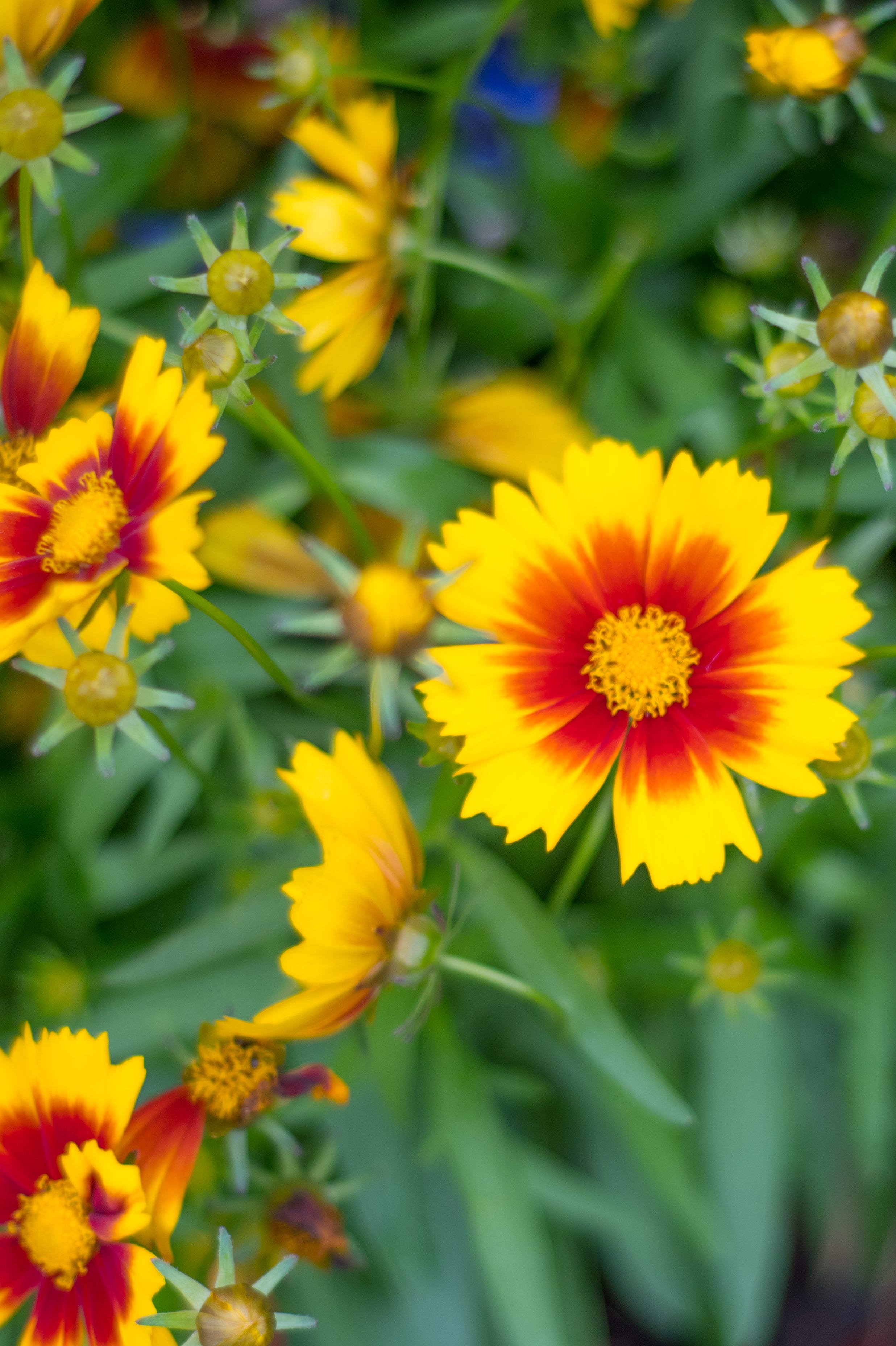
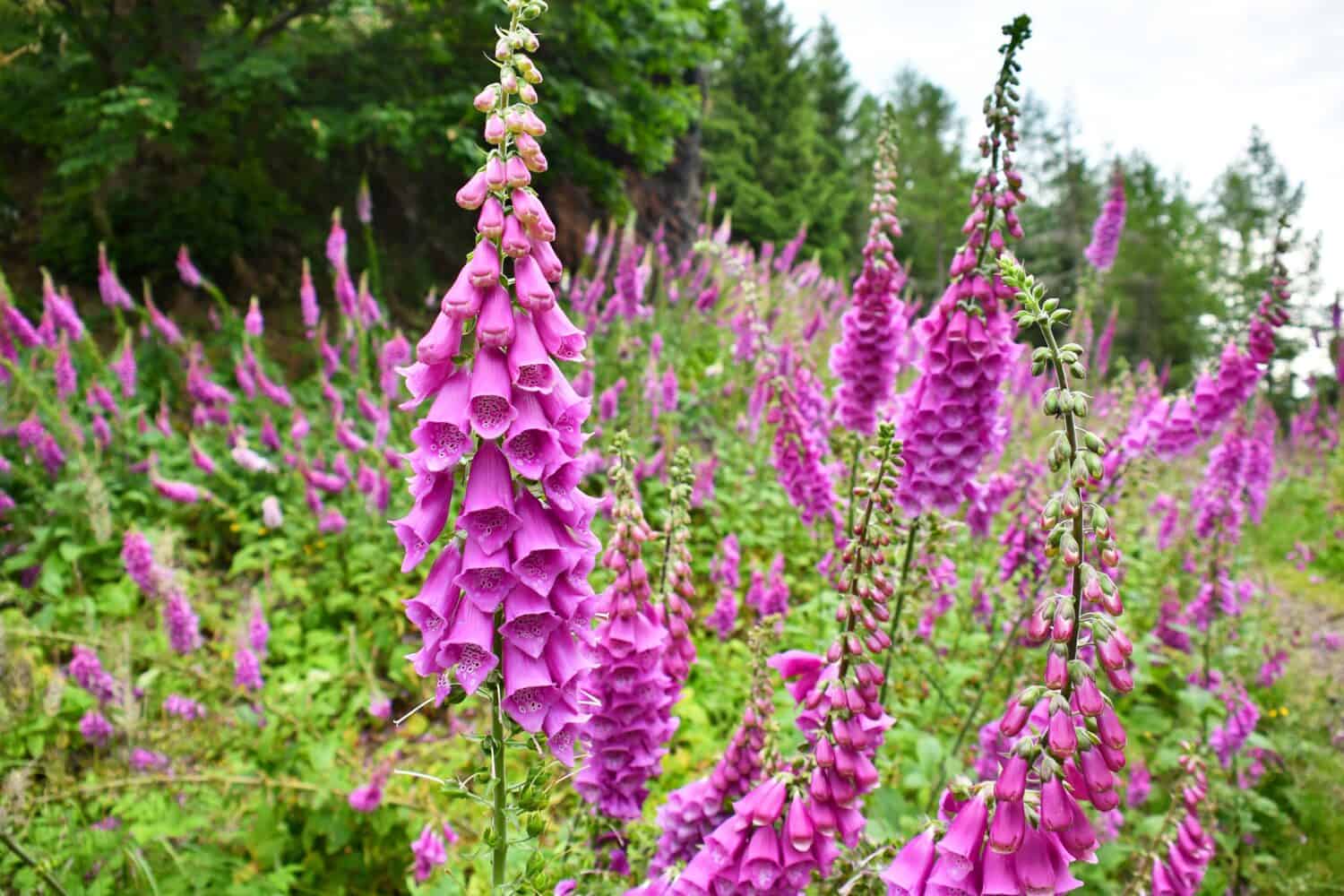
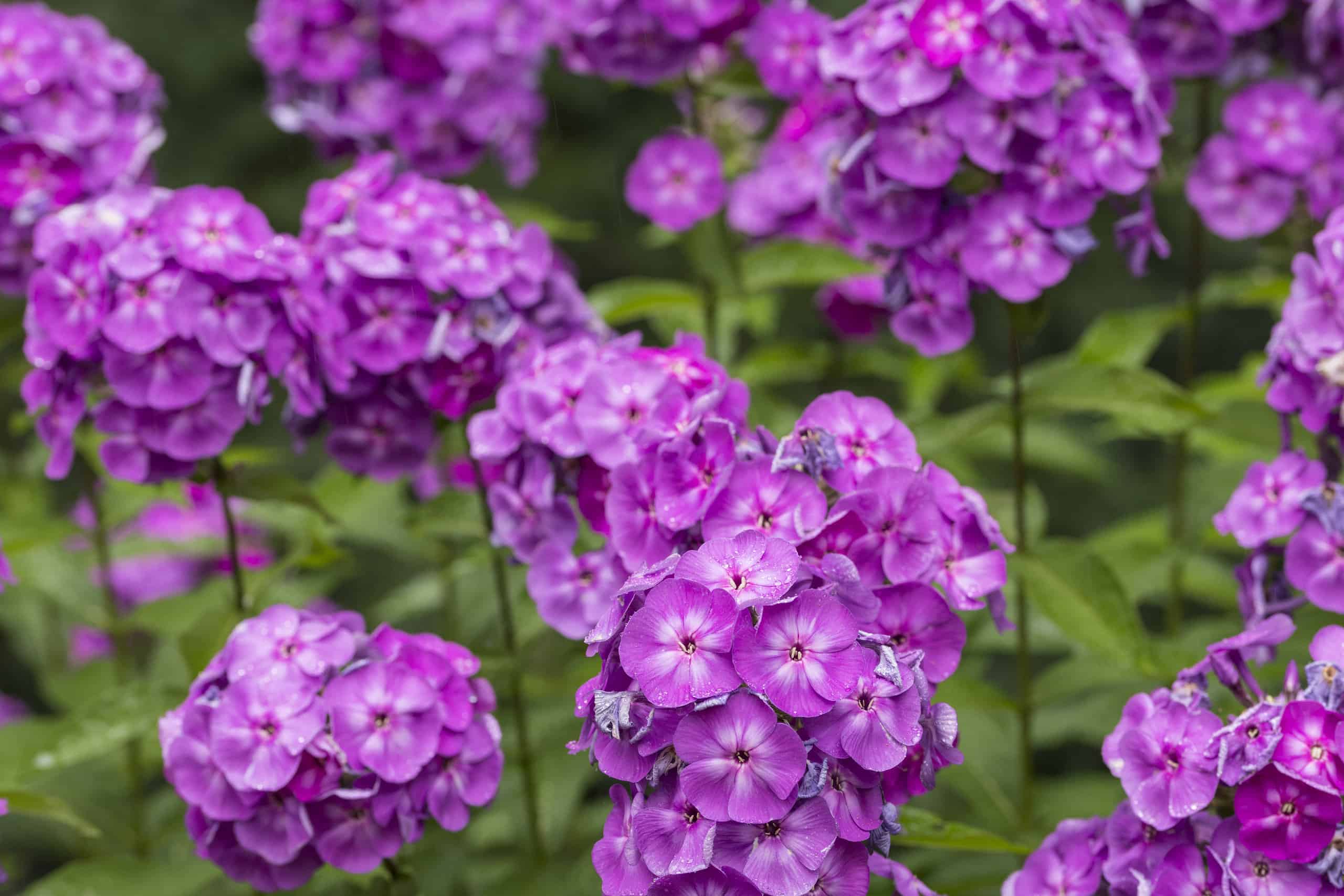
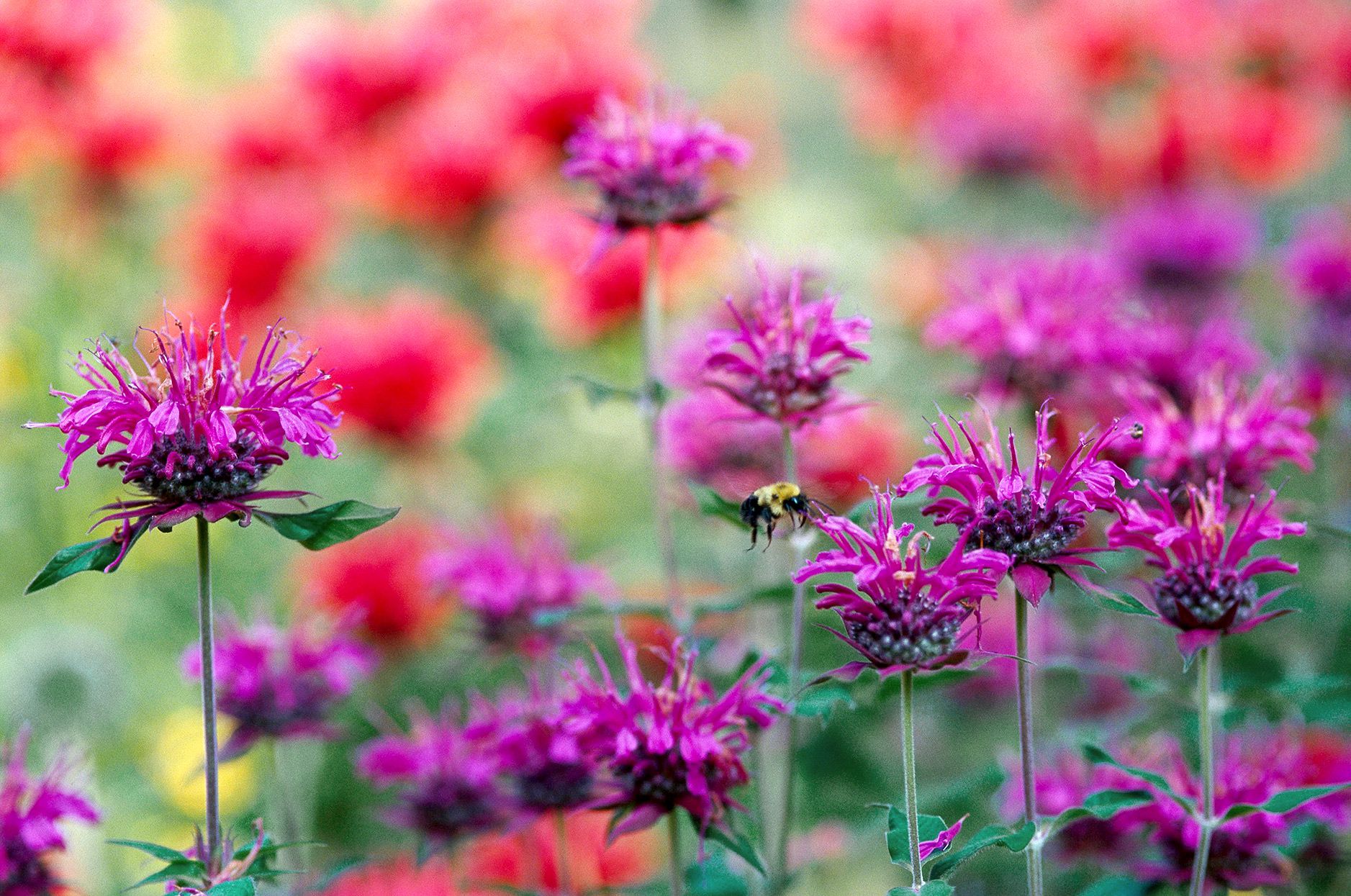
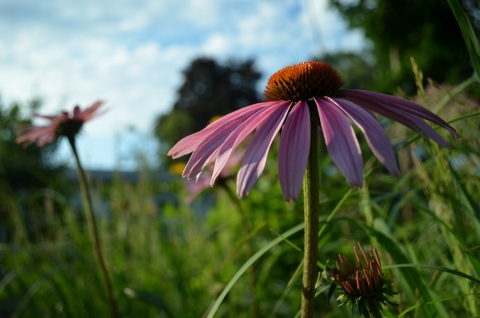
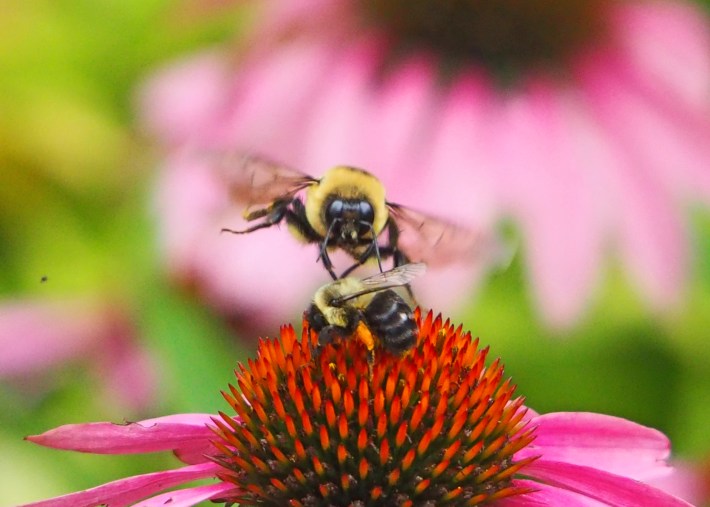
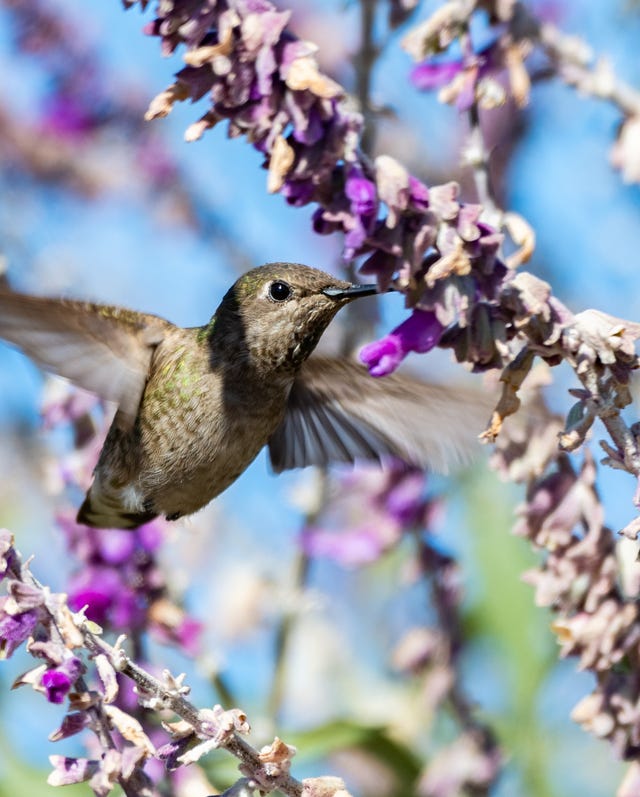
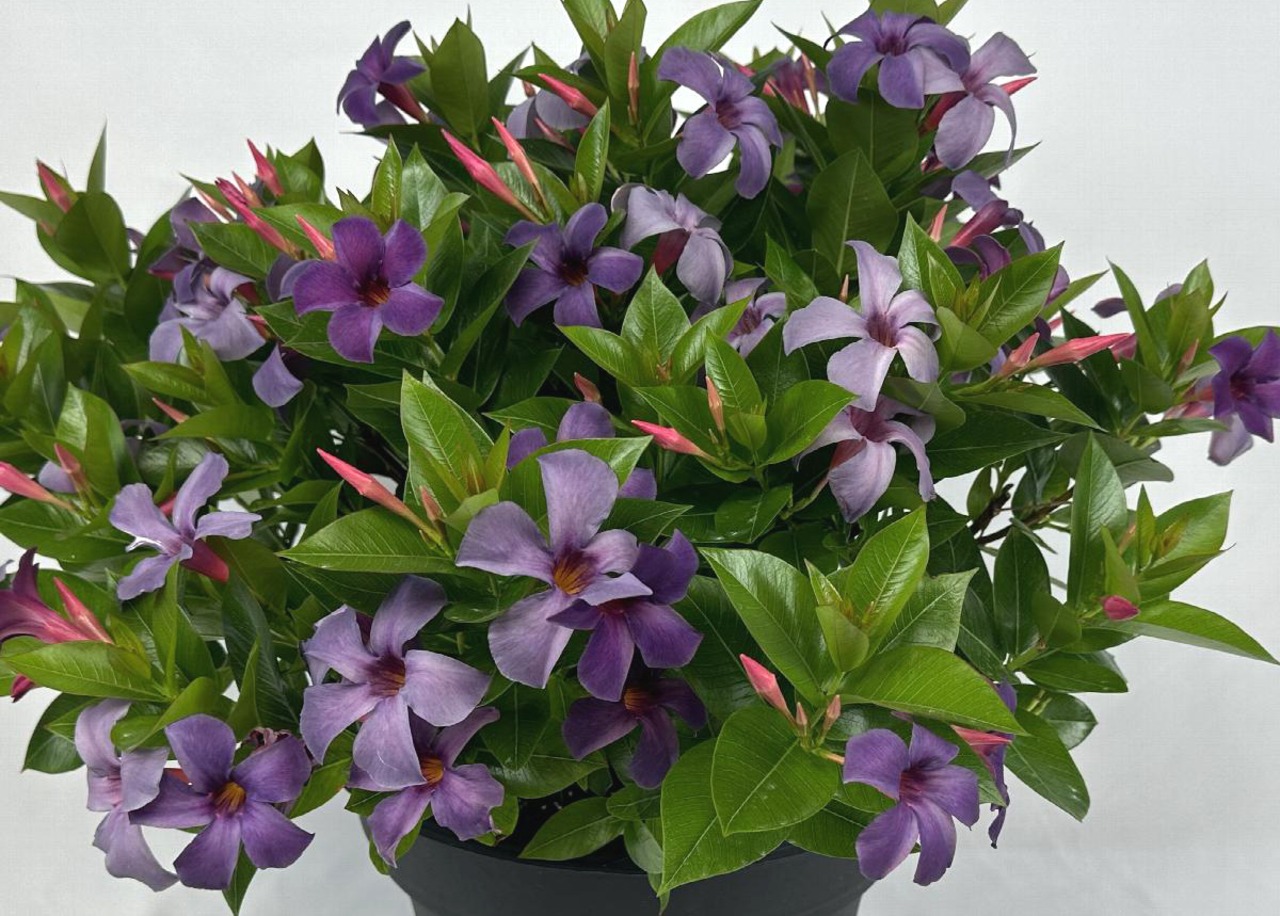
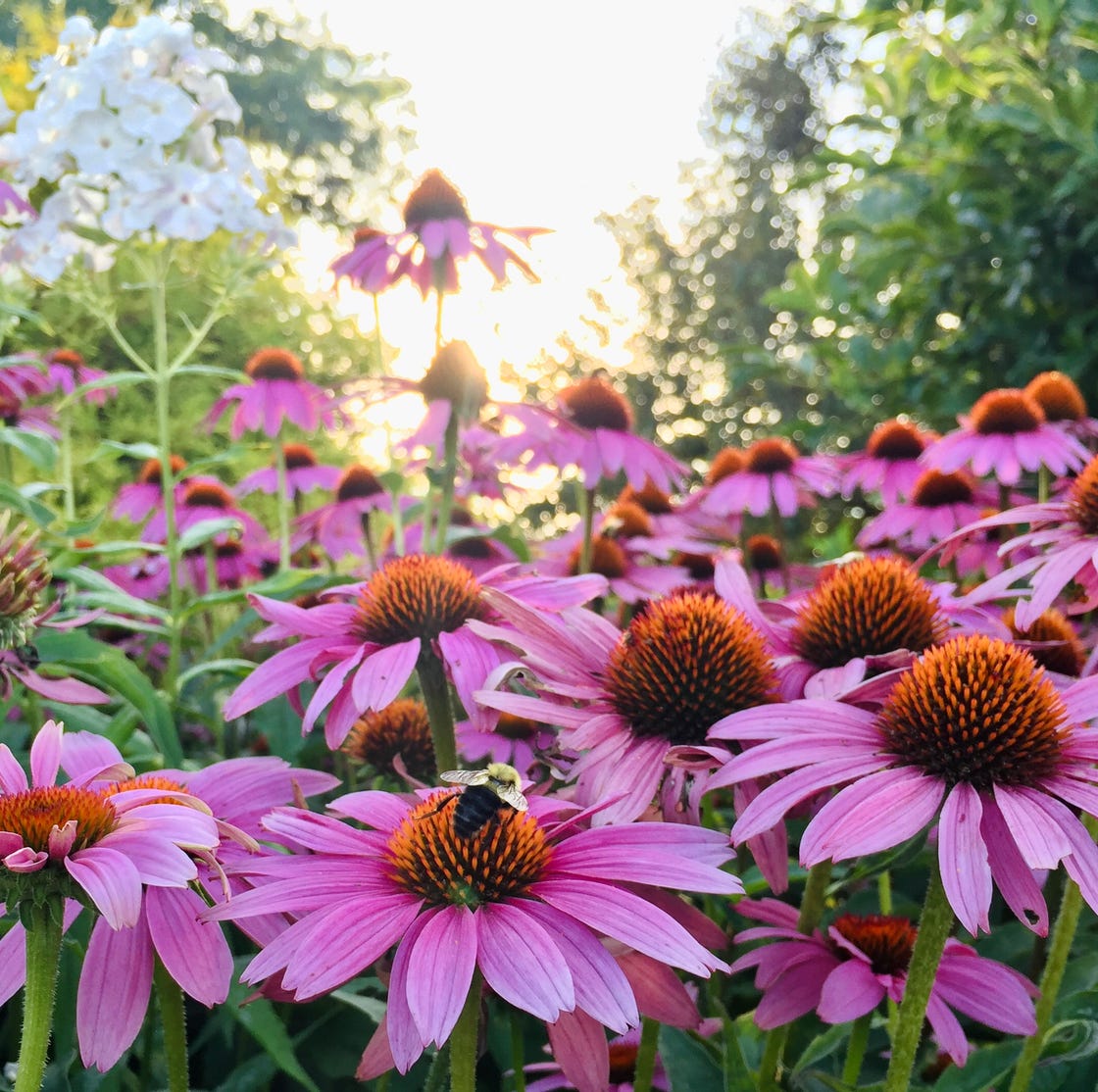
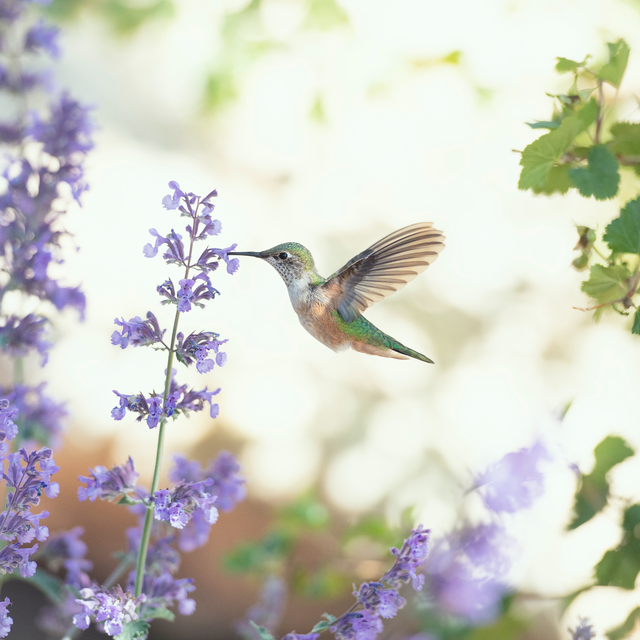
This co-evolutionary relationship is believed to explain why many native plants, such as blazing star and coneflower, often produce purple blooms. Incorporating purple-hued plants into landscapes not only provides aesthetic benefits for human appreciation but also supports local bee populations by offering them their preferred nectar sources.
#BeeVision #Pollinators #PurpleFlowers #UltravioletLight #NectarReward #Bumblebees #FlowerEvolution #LandscapeDesign #BeeVision #Pollinators #PurpleFlowers #UltravioletLight #NectarReward #Bumblebees #FlowerEvolution #LandscapeDesign
0 comment in total
 No comments yet
You may also like
What bee-friendly flowers should I plant in my garden in Colorado?
Flowers they both will love: Pollinator-friendly perennials for Mom and Mother Nature
Wildlife garden ideas – 16 ways to transform your backyard into a nature-friendly plot

Purple Flowers That Hummingbirds Can't Resist

22 Beautiful, Bee-Friendly Flowers That'll Turn Your Garden Into a Pollinator Paradise

11 Beautiful Purple Flowers and Plants That Attract Hummingbirds
Purple Flowers That Hummingbirds Can't Resist
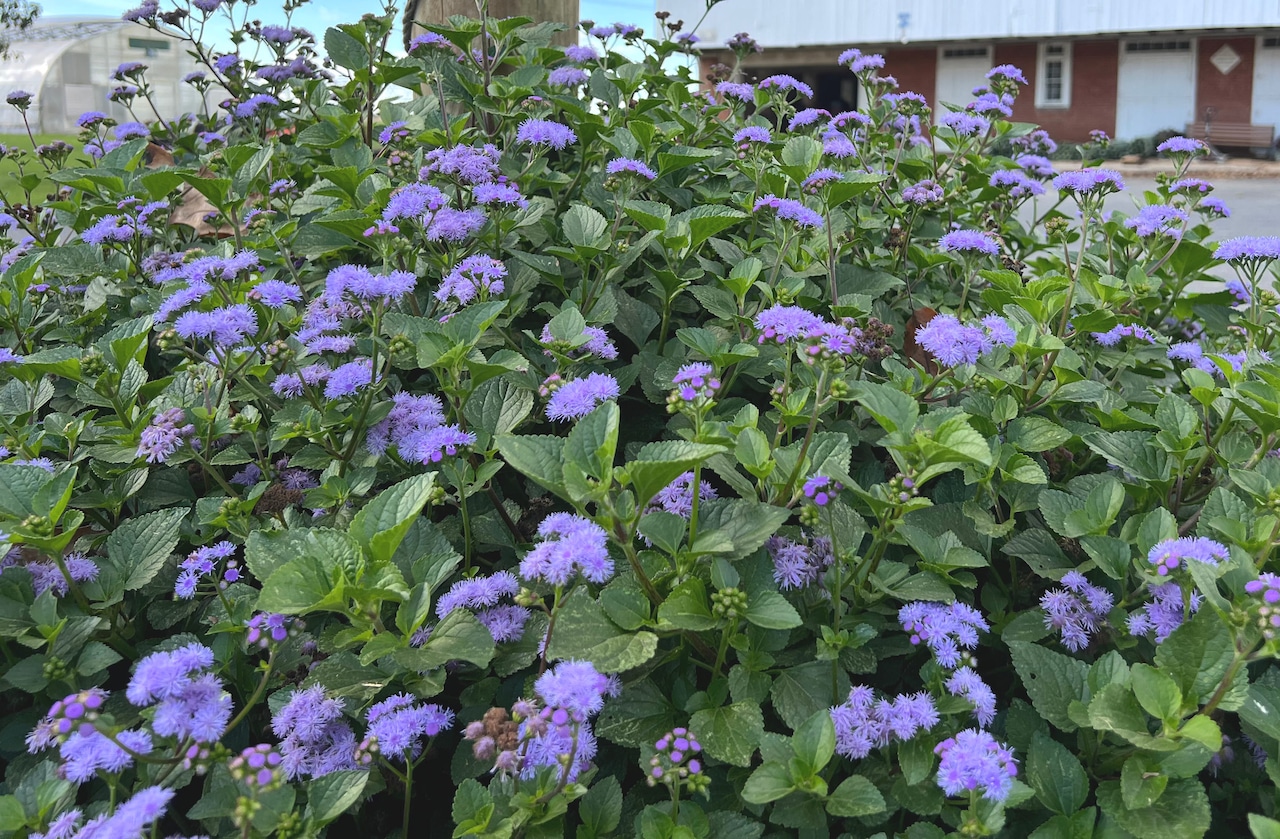
The best new annual flowers of 2025

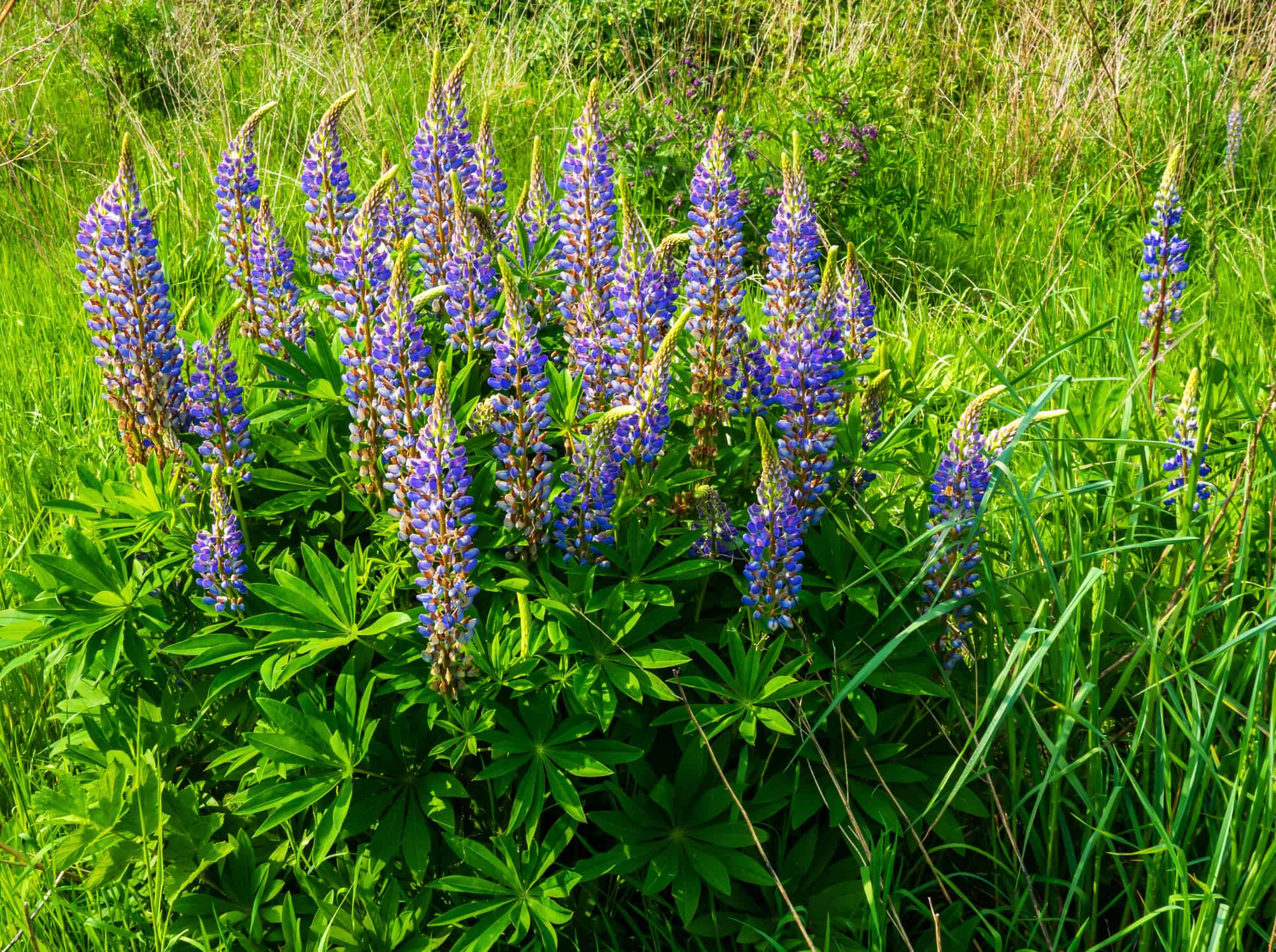
Purple Flowers That Hummingbirds Find Irresistible
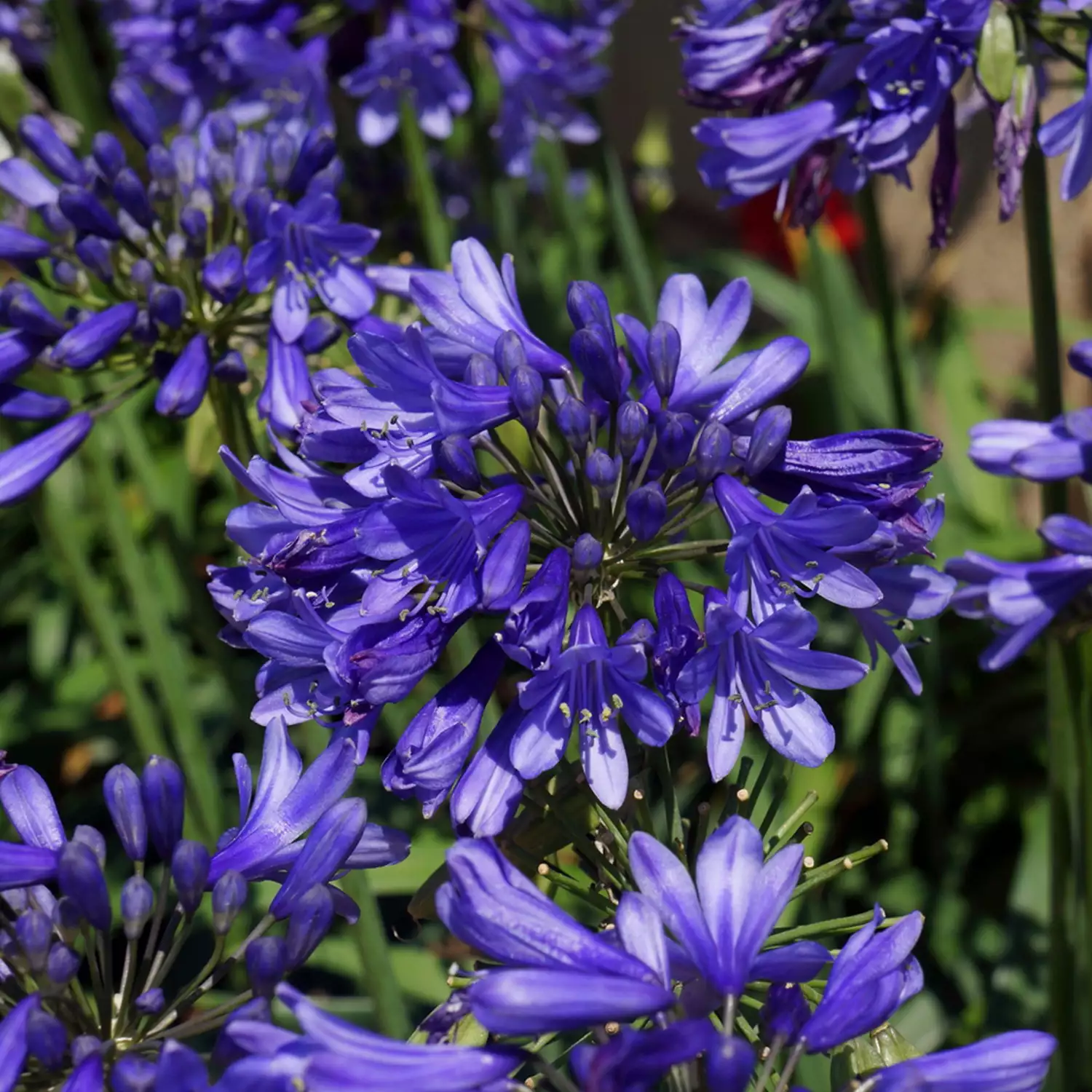
Attract Bees To Your Garden With These Vibrant Flowers
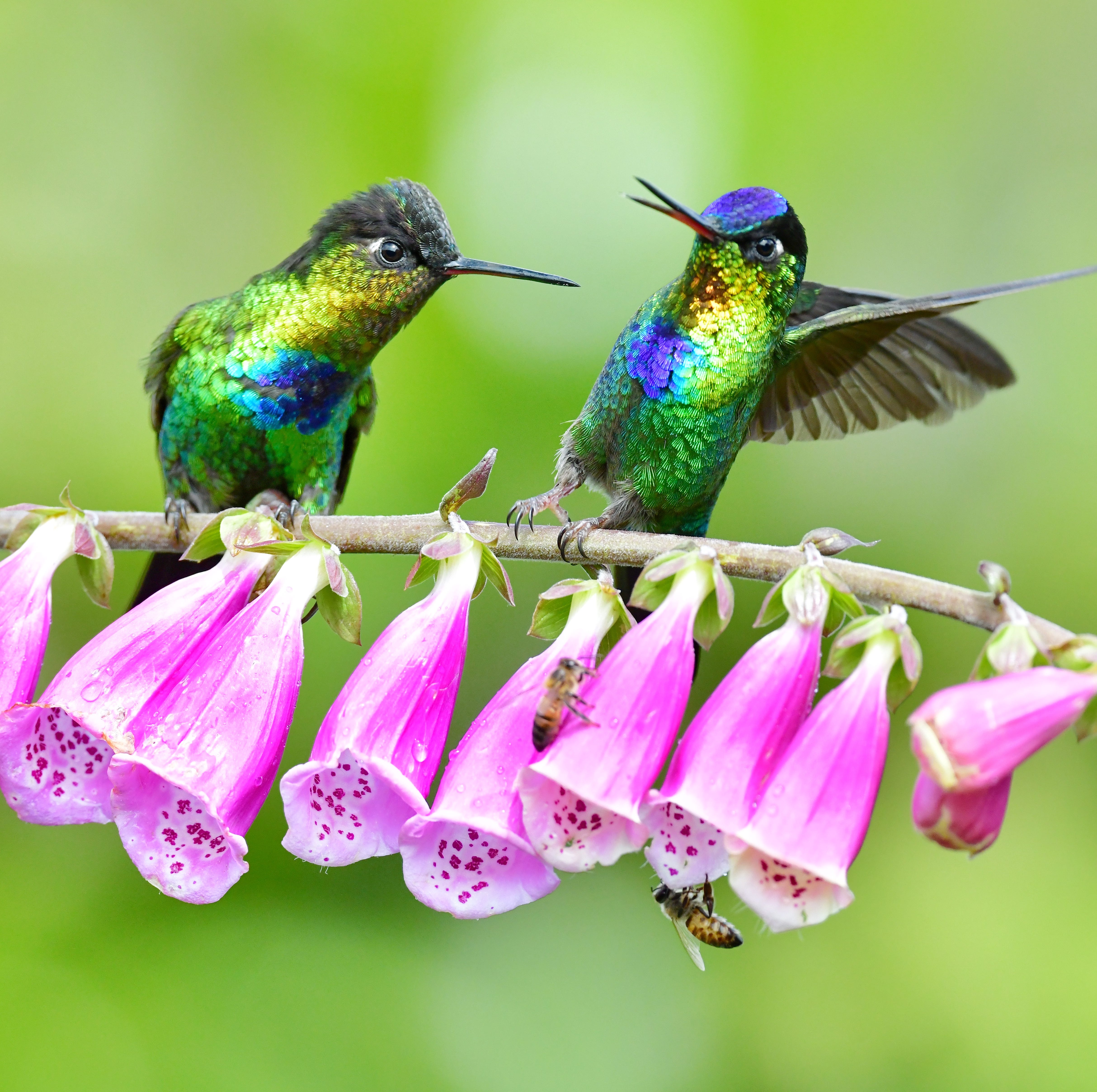
Want to See Hummingbirds? Plant These Flowers in Your Yard or Garden
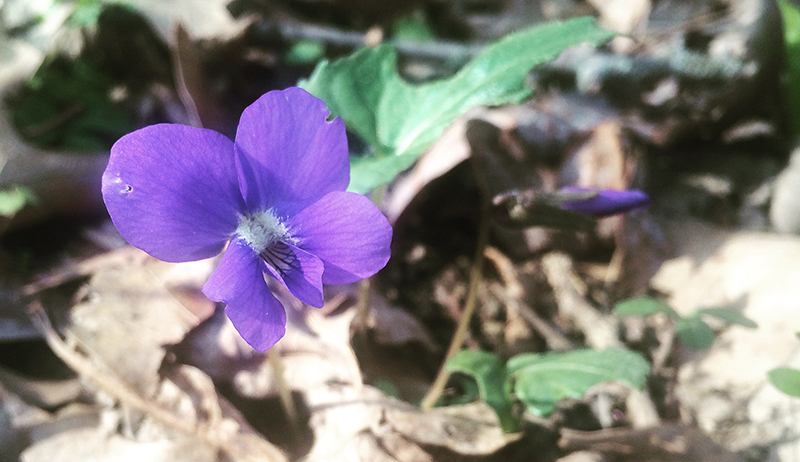
Foraging For Violets & Making Syrup
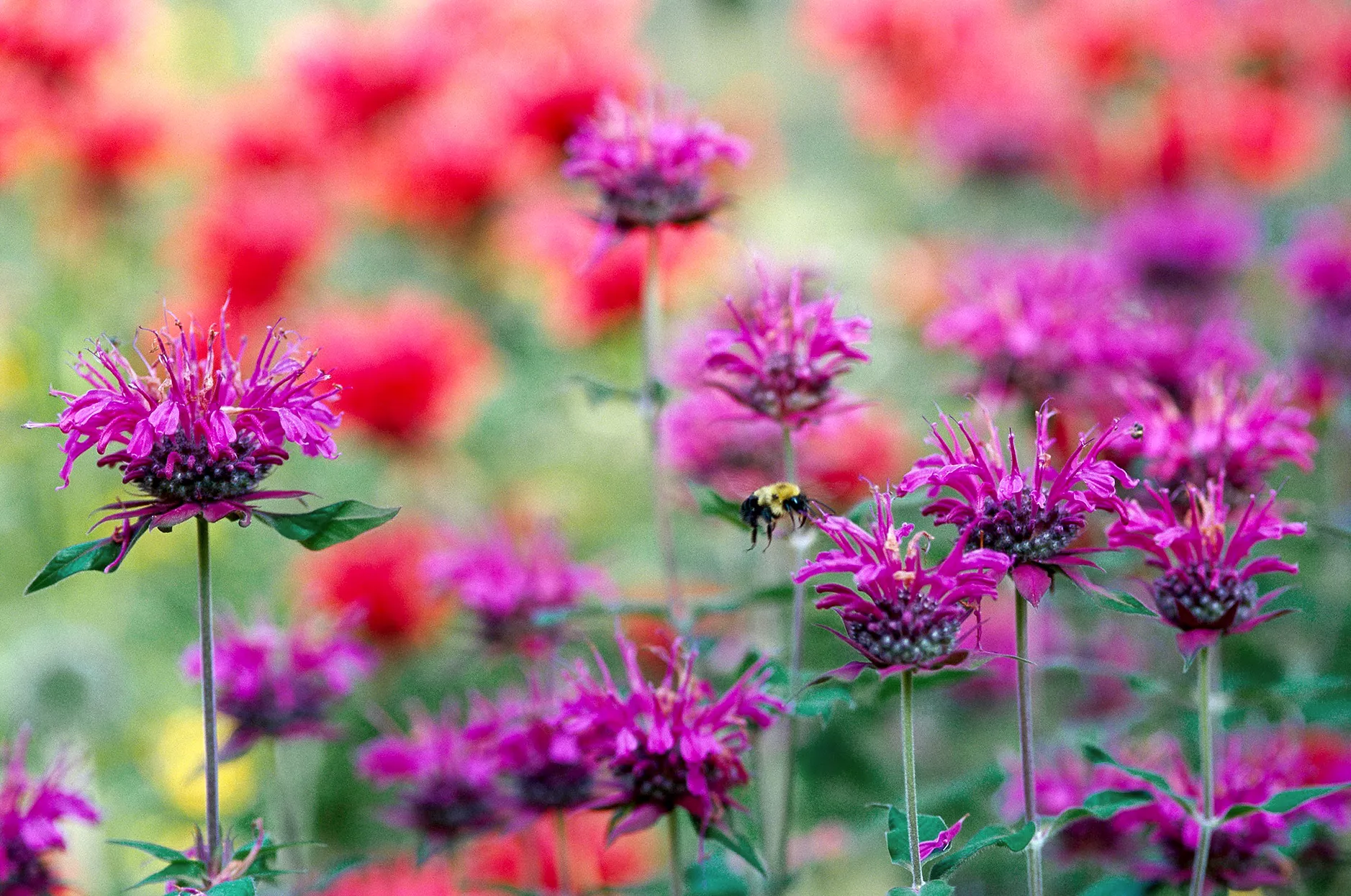
13 Colorful Nectar Plants for Pollinators

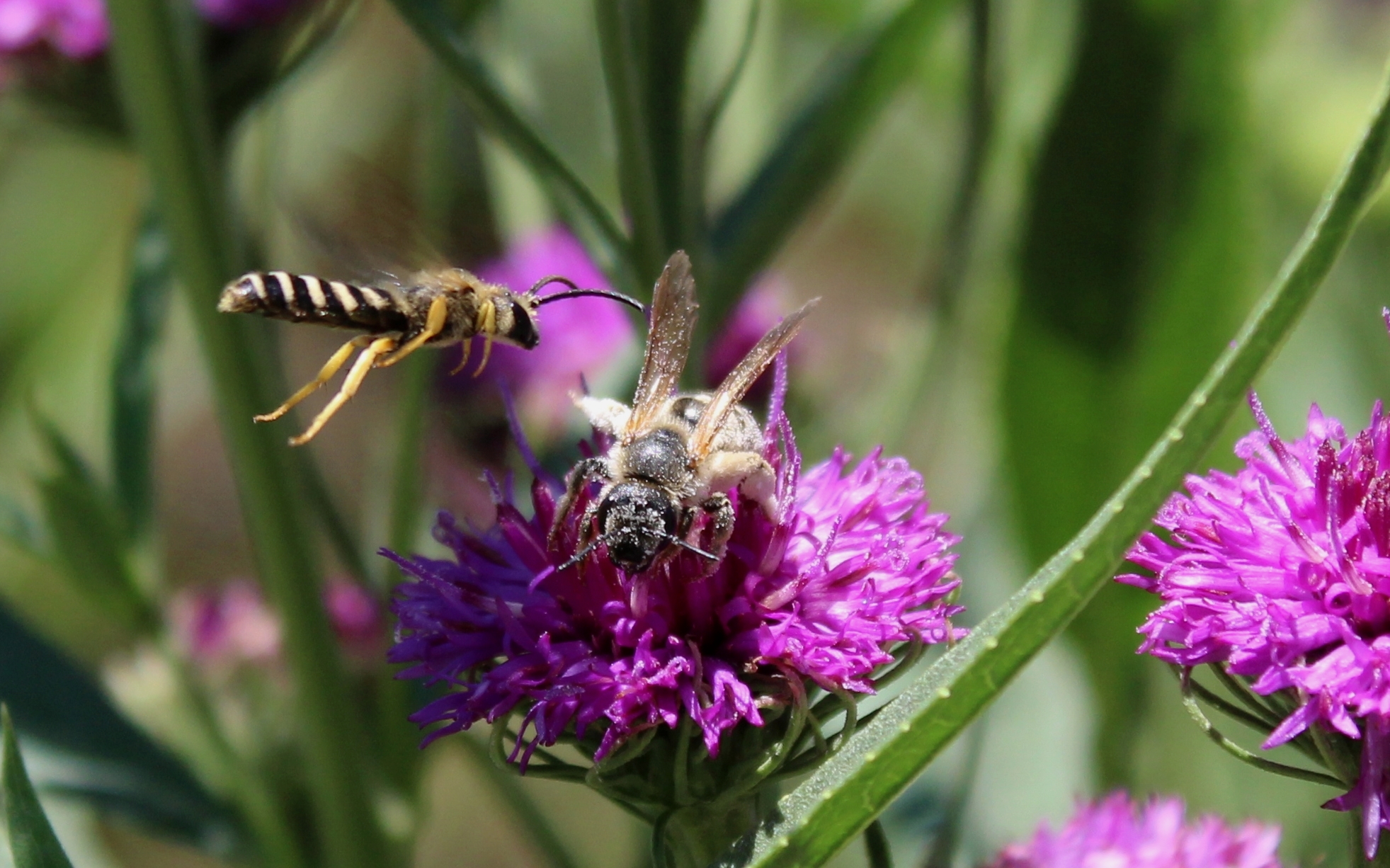
It’s A Bee Brawl In The Flower Patch!
3form’s Ivory Flora Collection Launches a Fresh Take on Biophilia
The Best Plant Subscription Boxes, Tested and Reviewed

Turn Your Garden Into a Butterfly Oasis with These Plants
Purple plants – 5 best to choose for the perfect purple border
These Colorful Flowers Will Attract Hummingbirds to Your Yard

Enhancing the power of a flower