The Pros And Cons Of Butcher Block Countertops
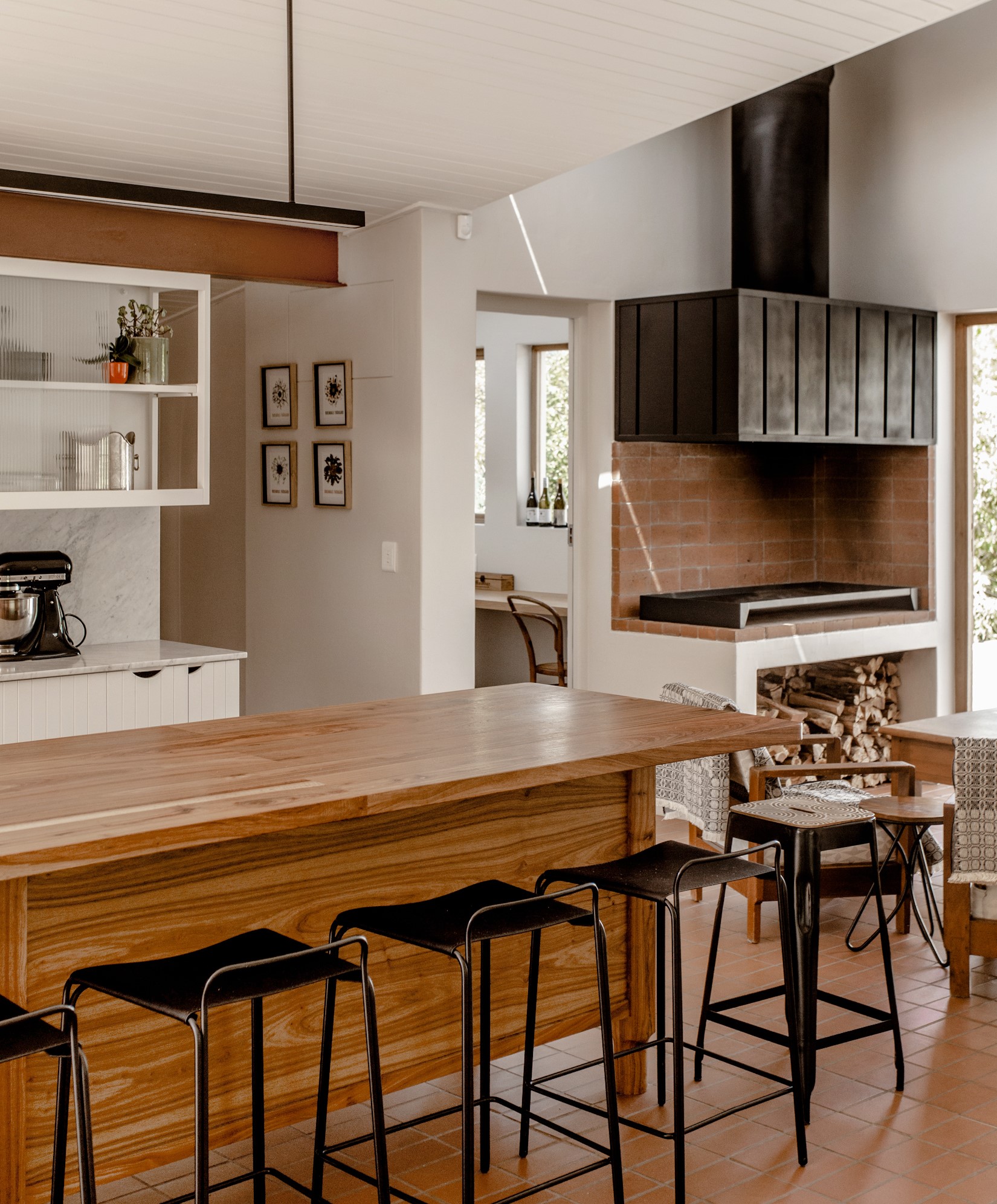
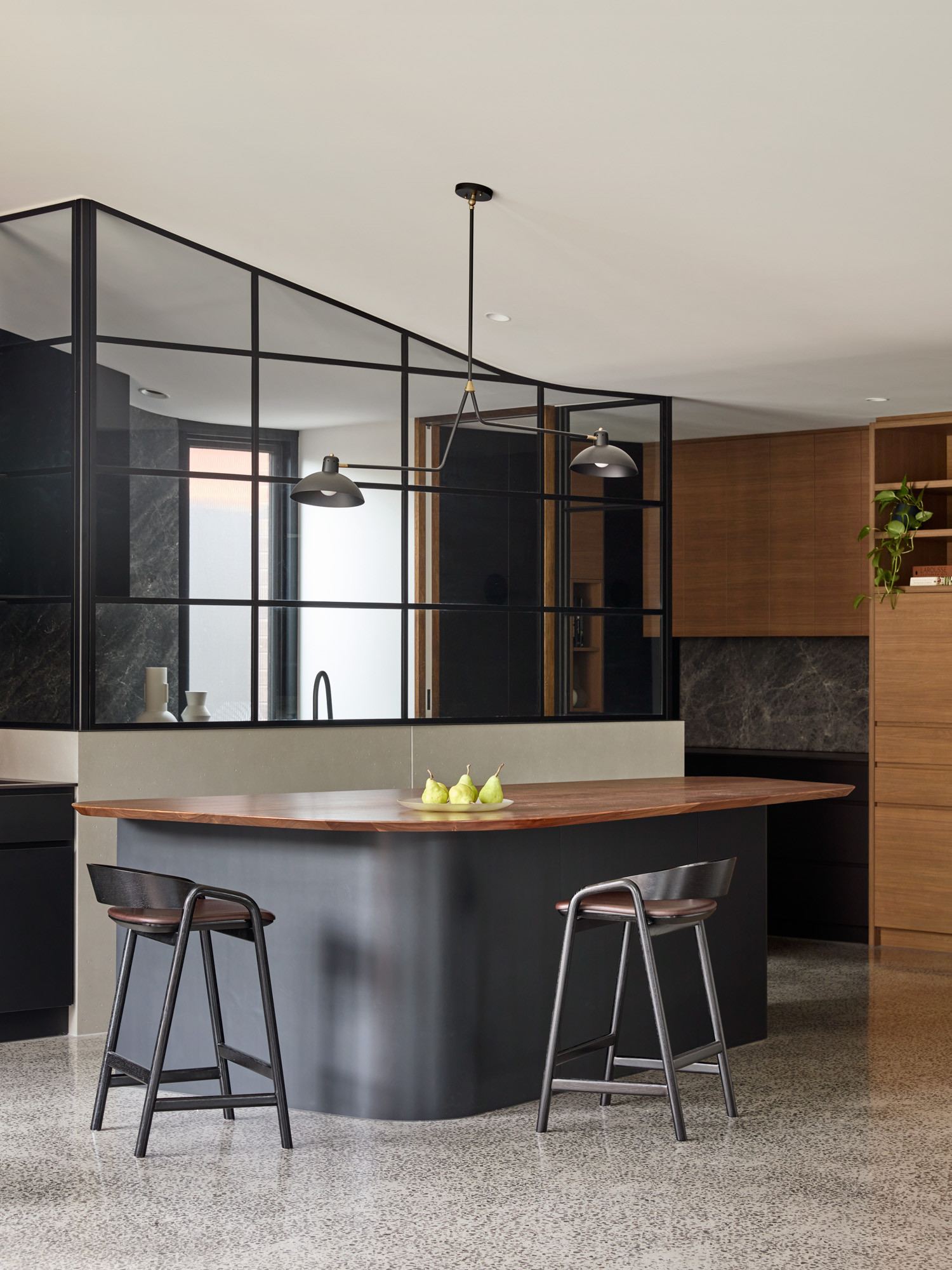
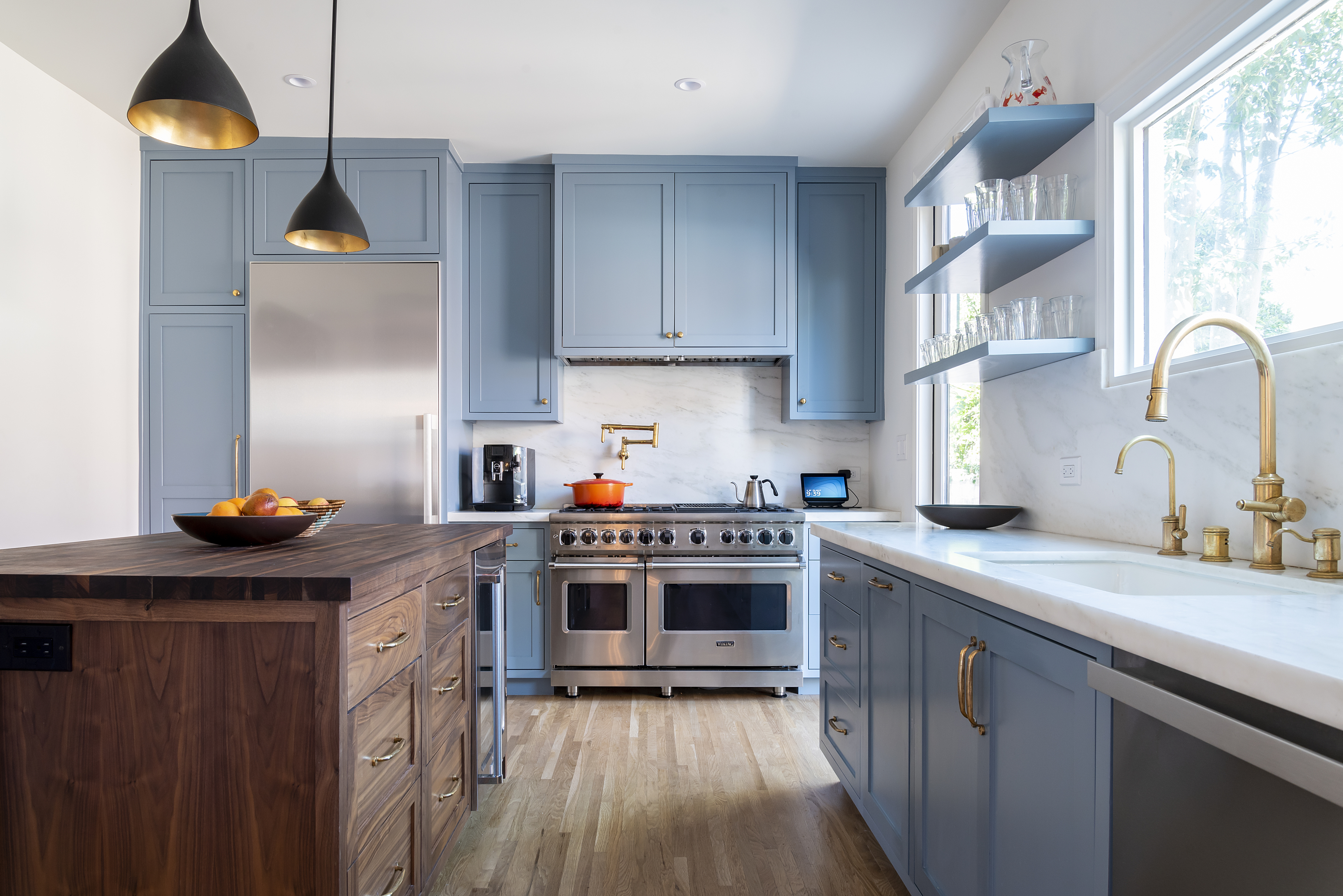
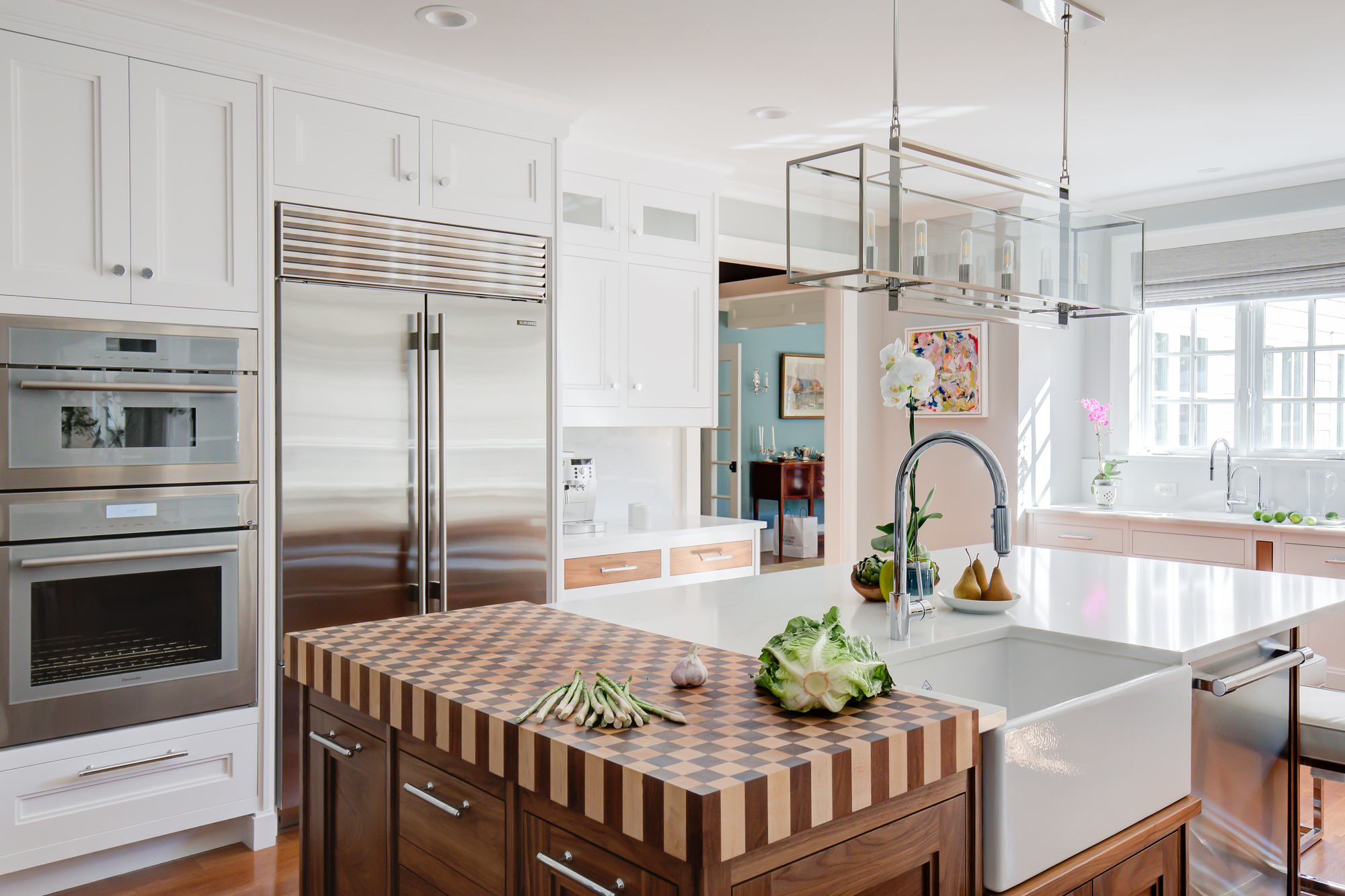
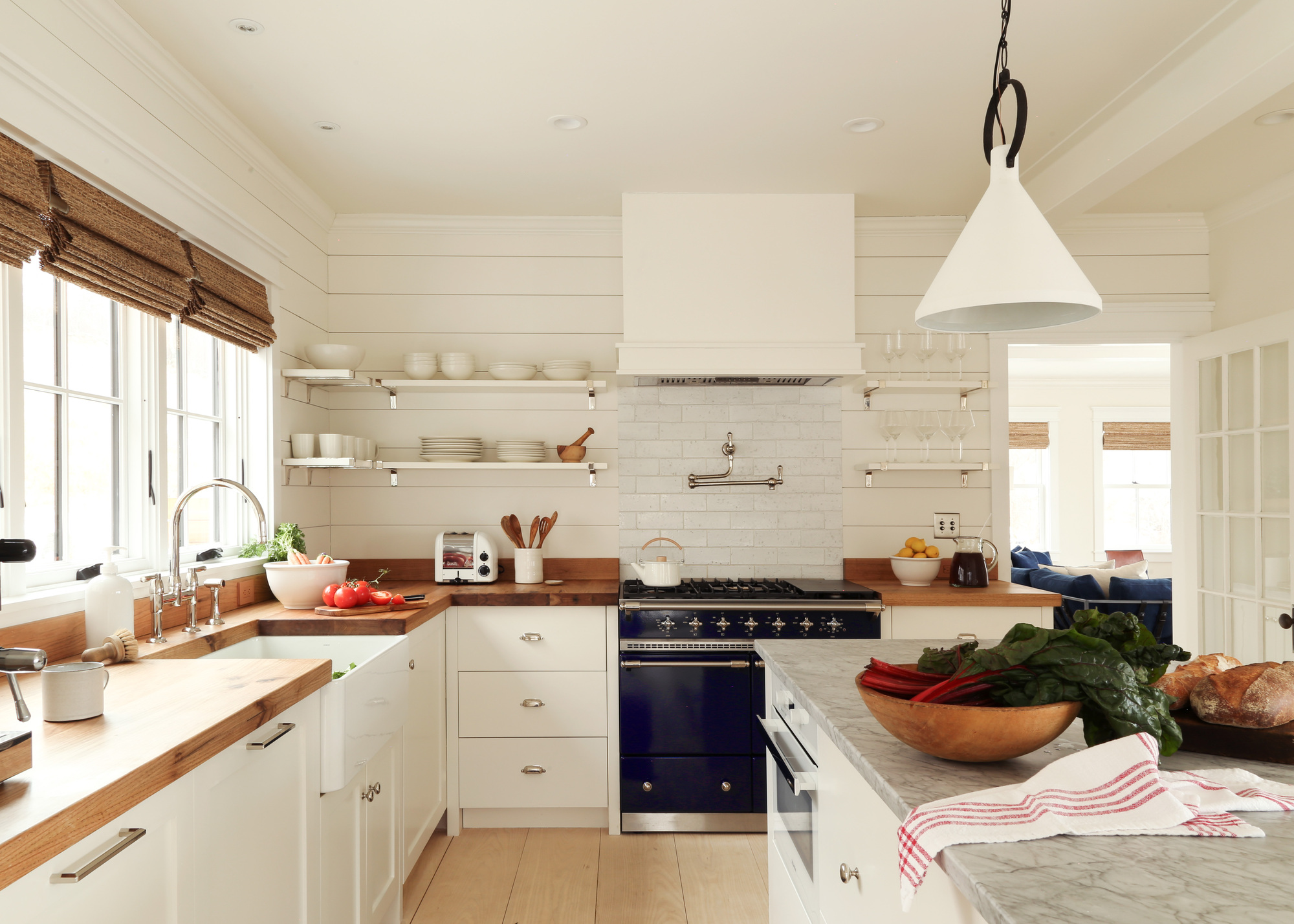
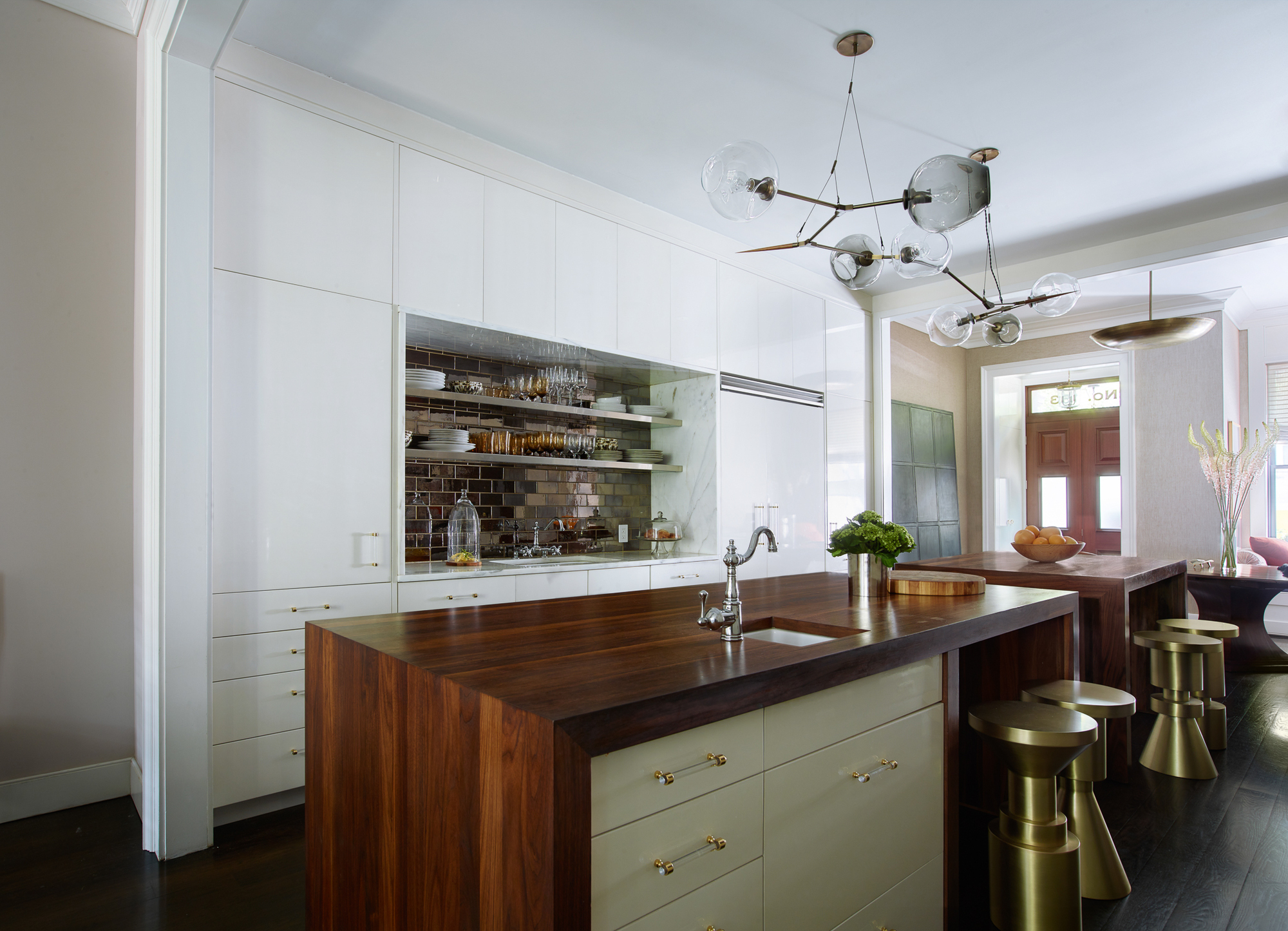
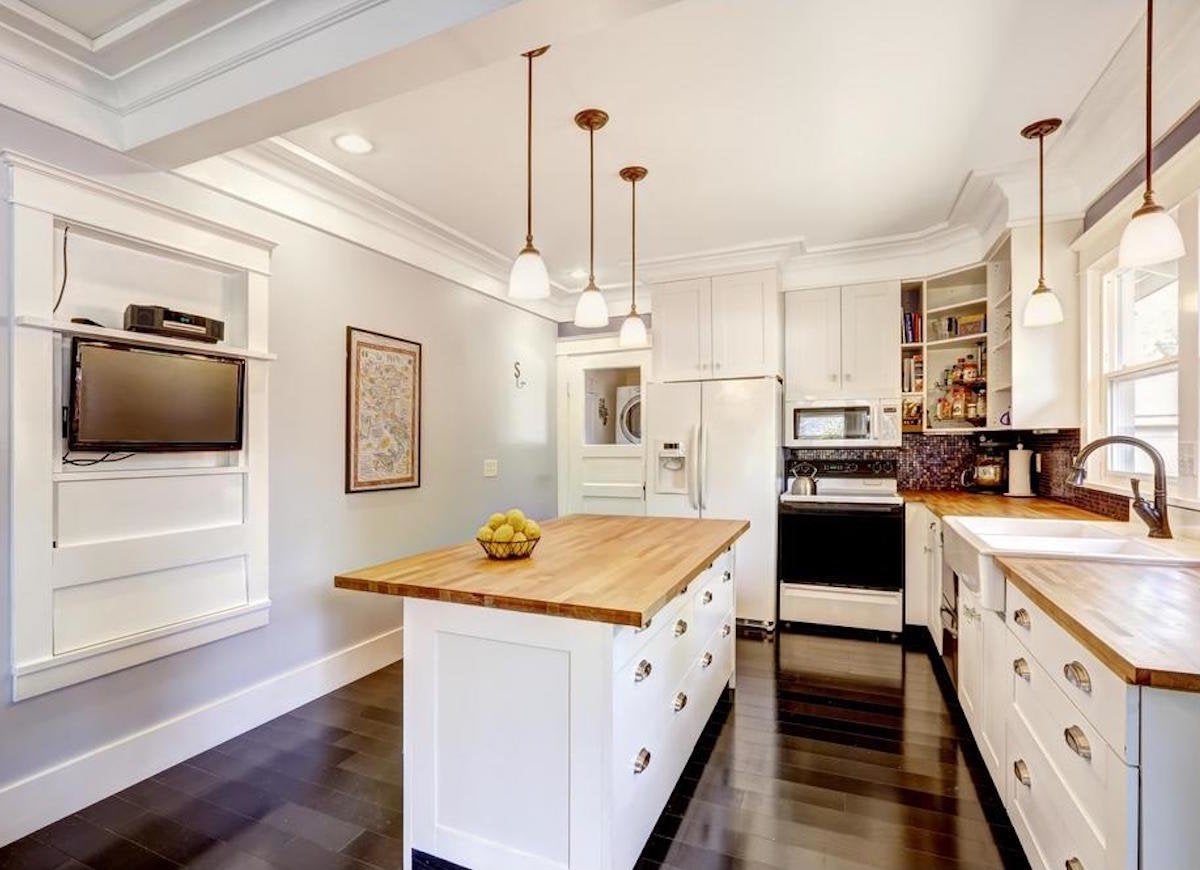
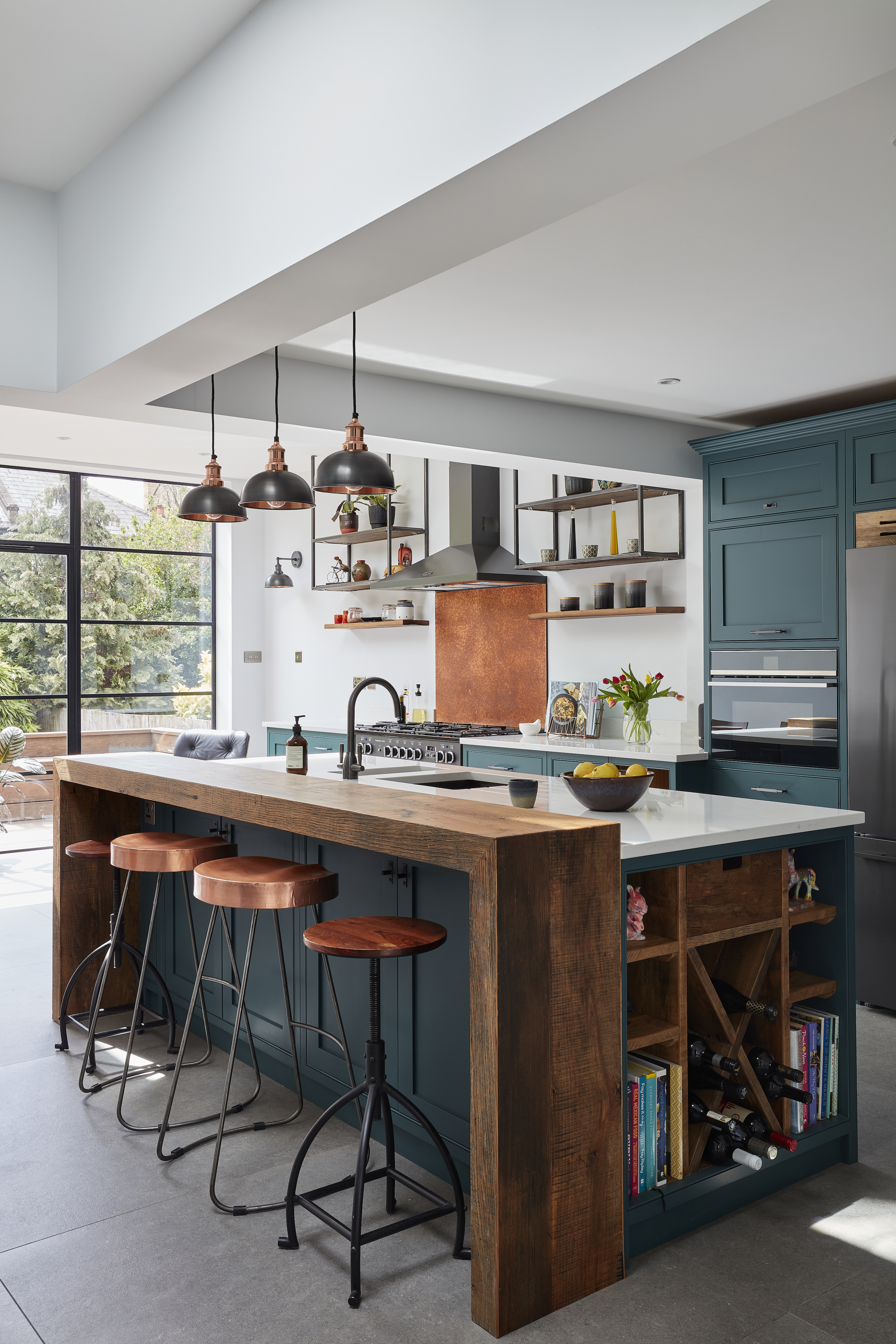
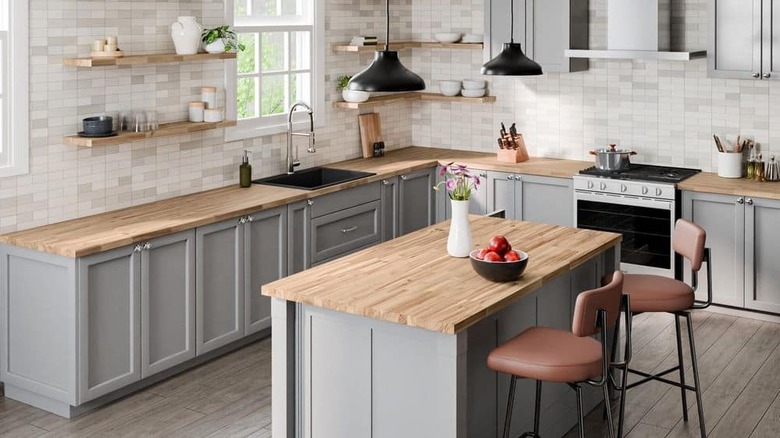
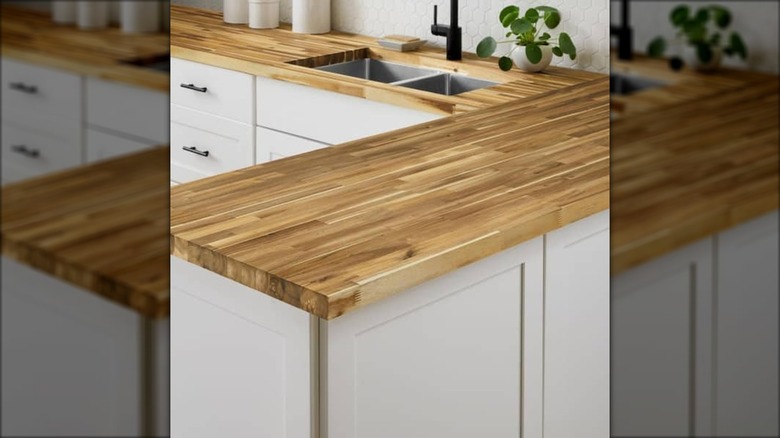
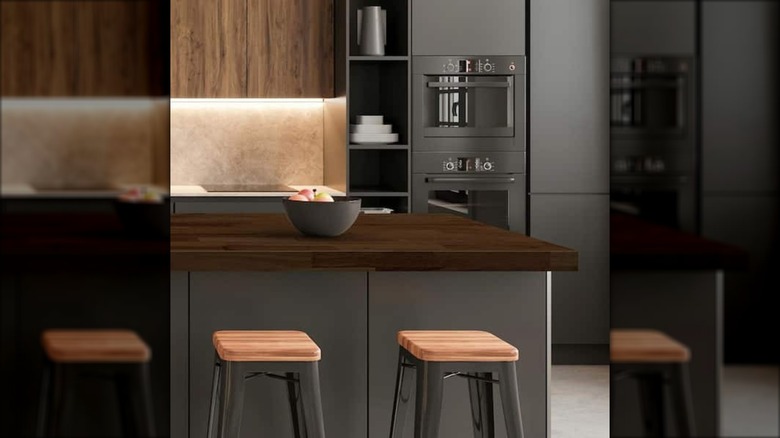
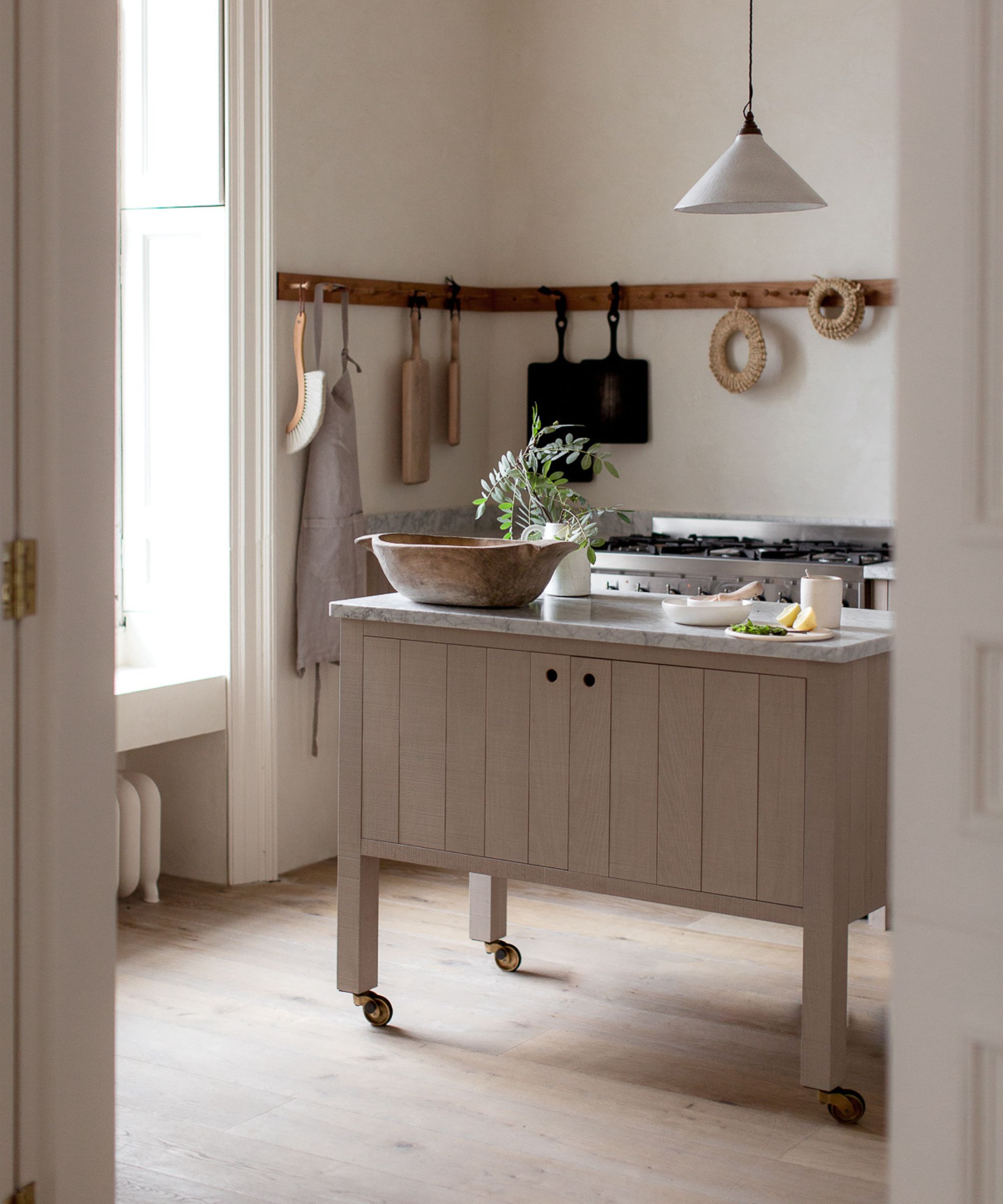
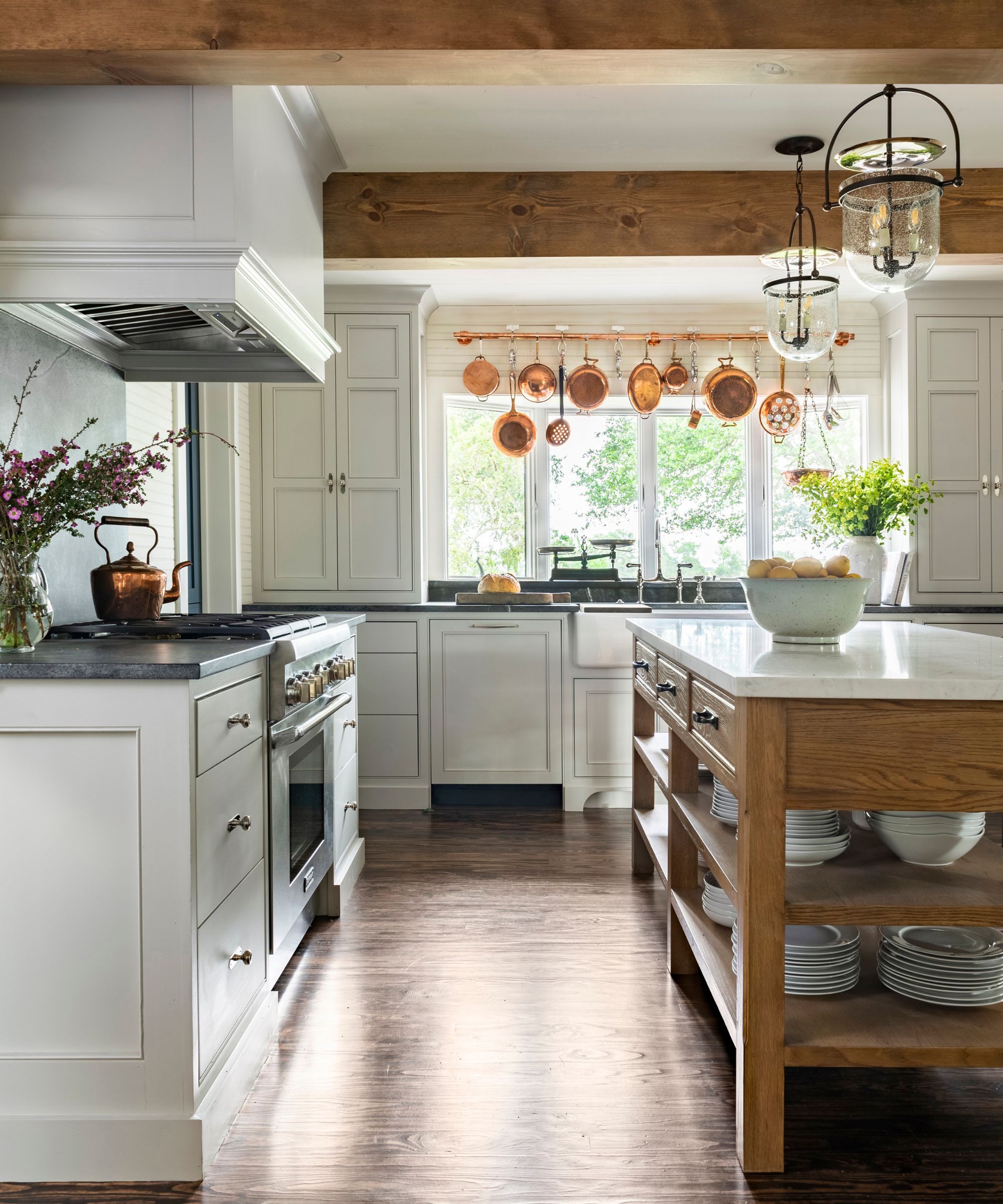
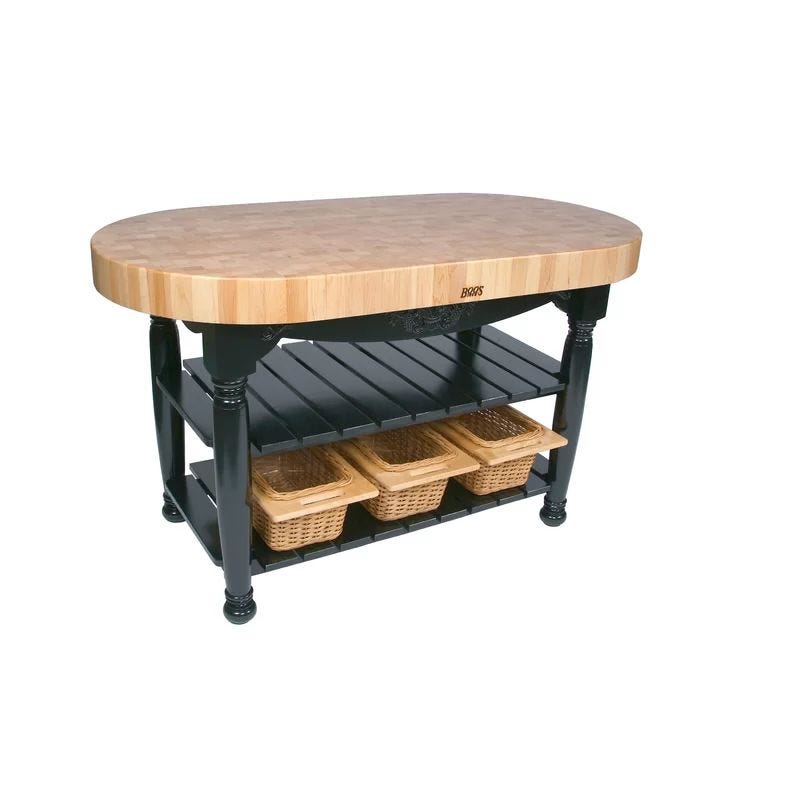
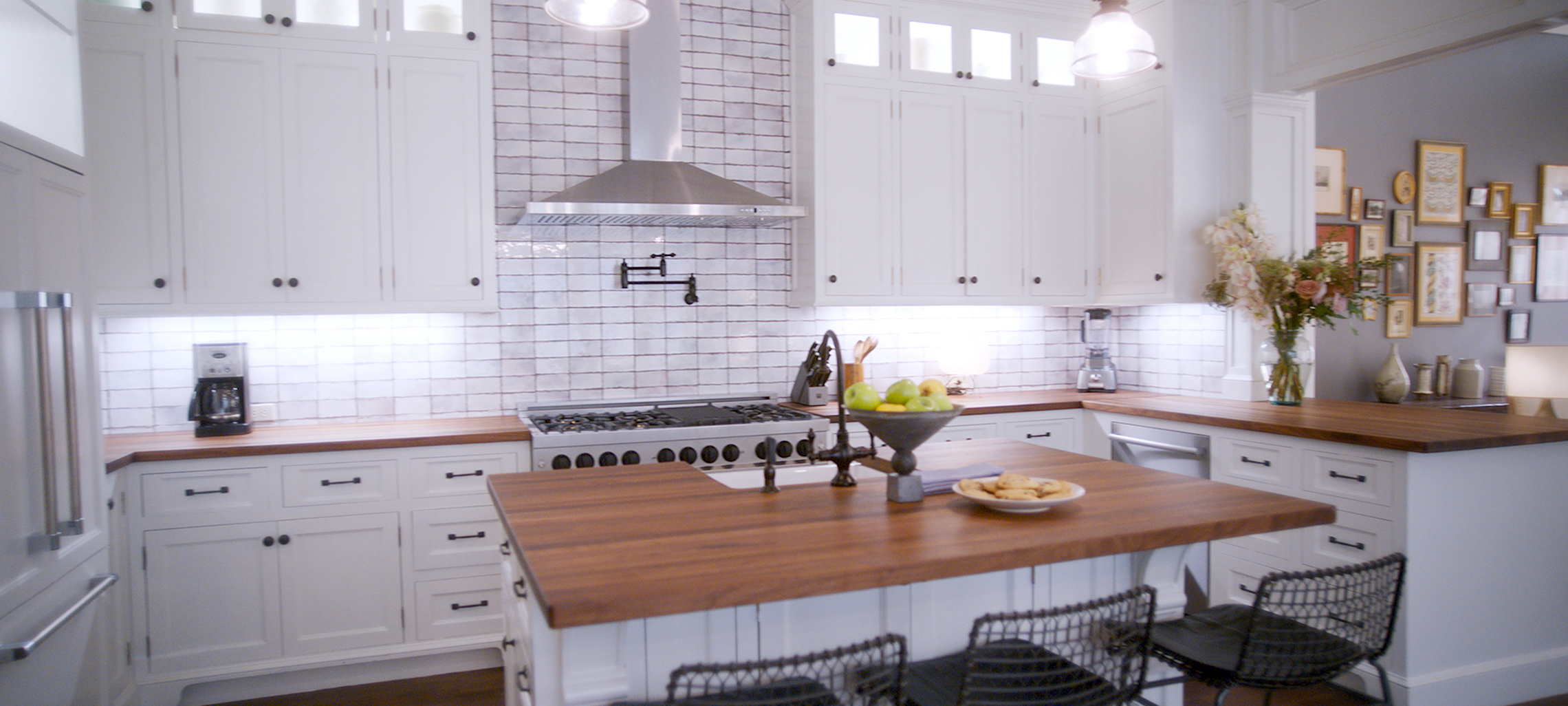
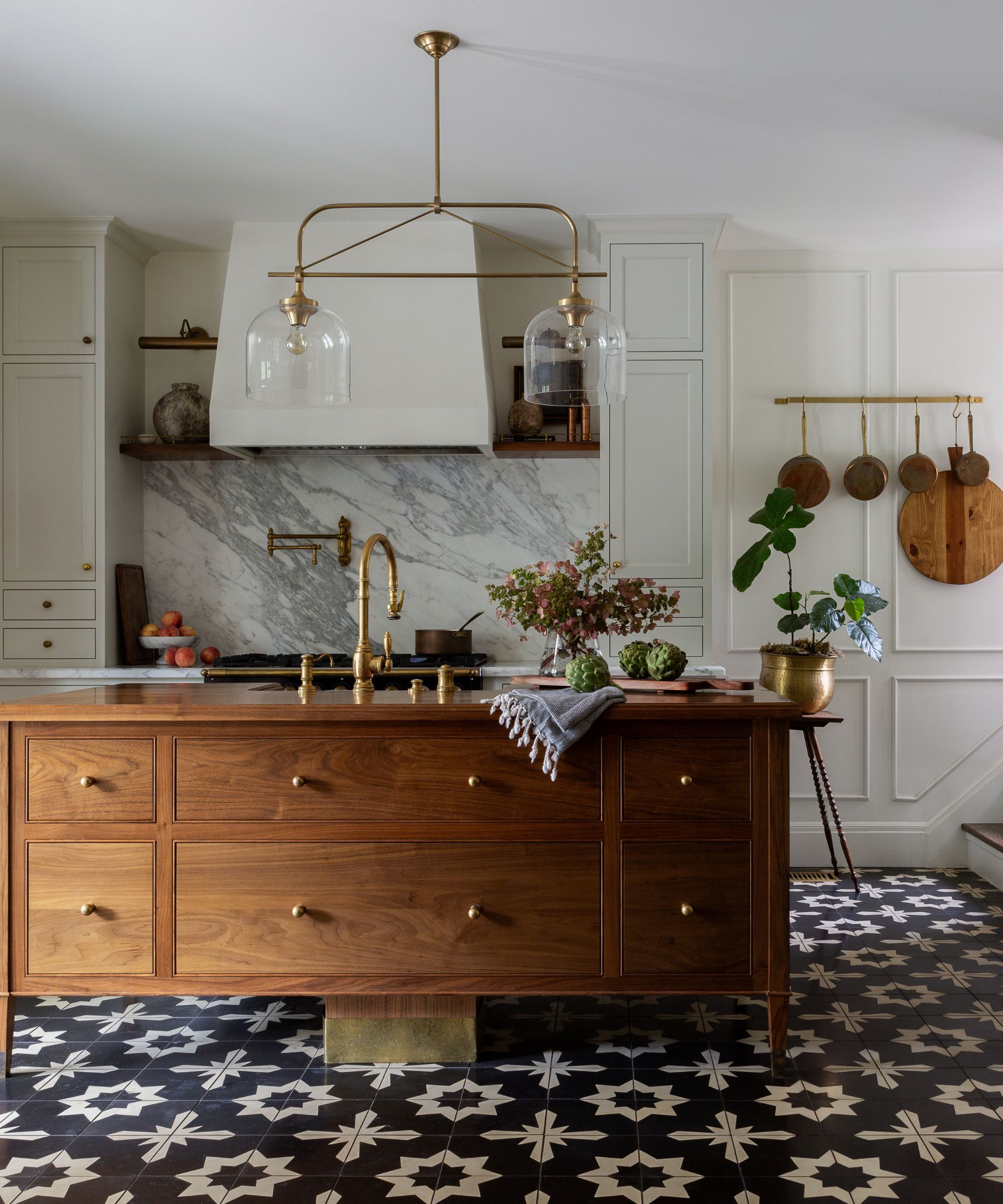
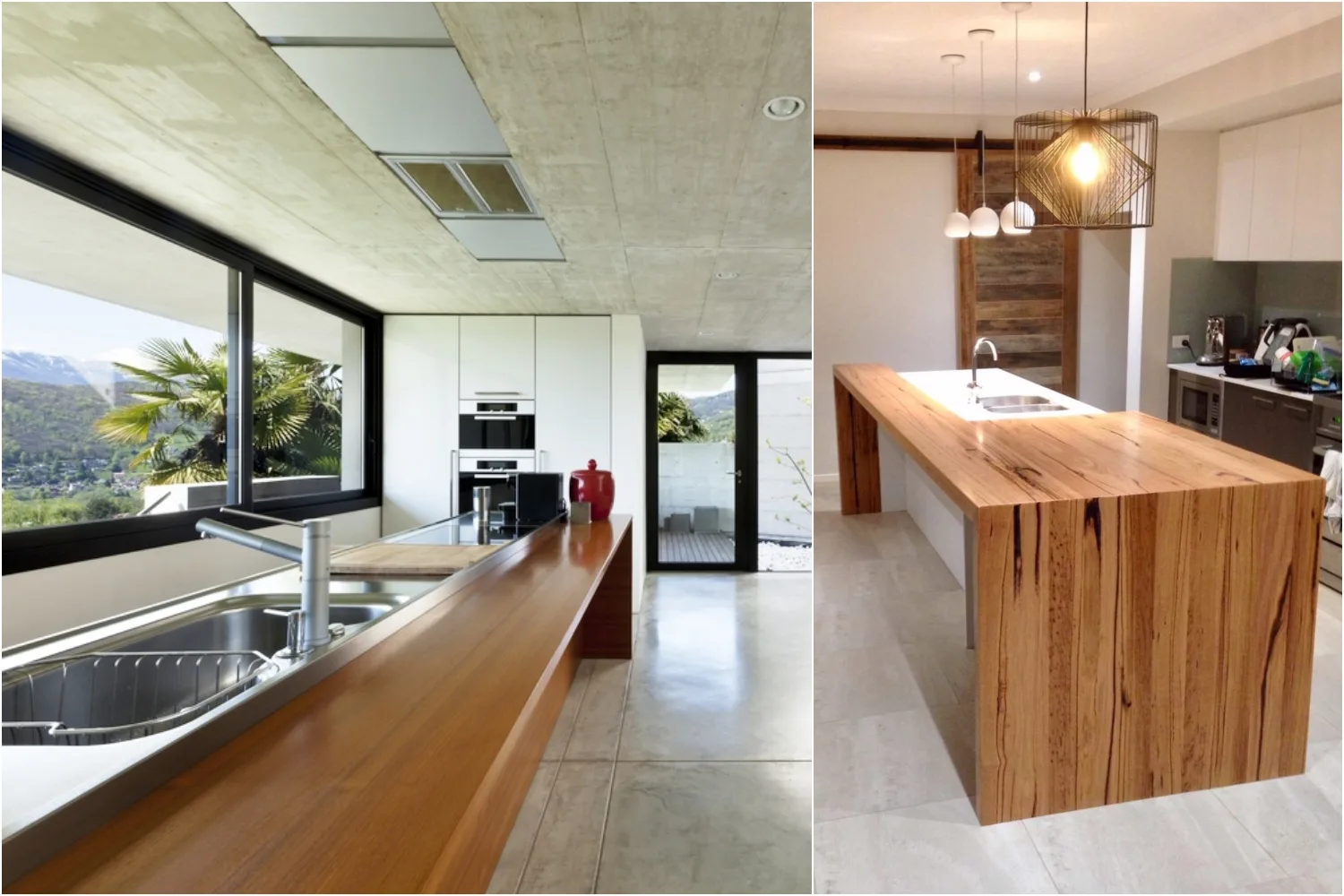
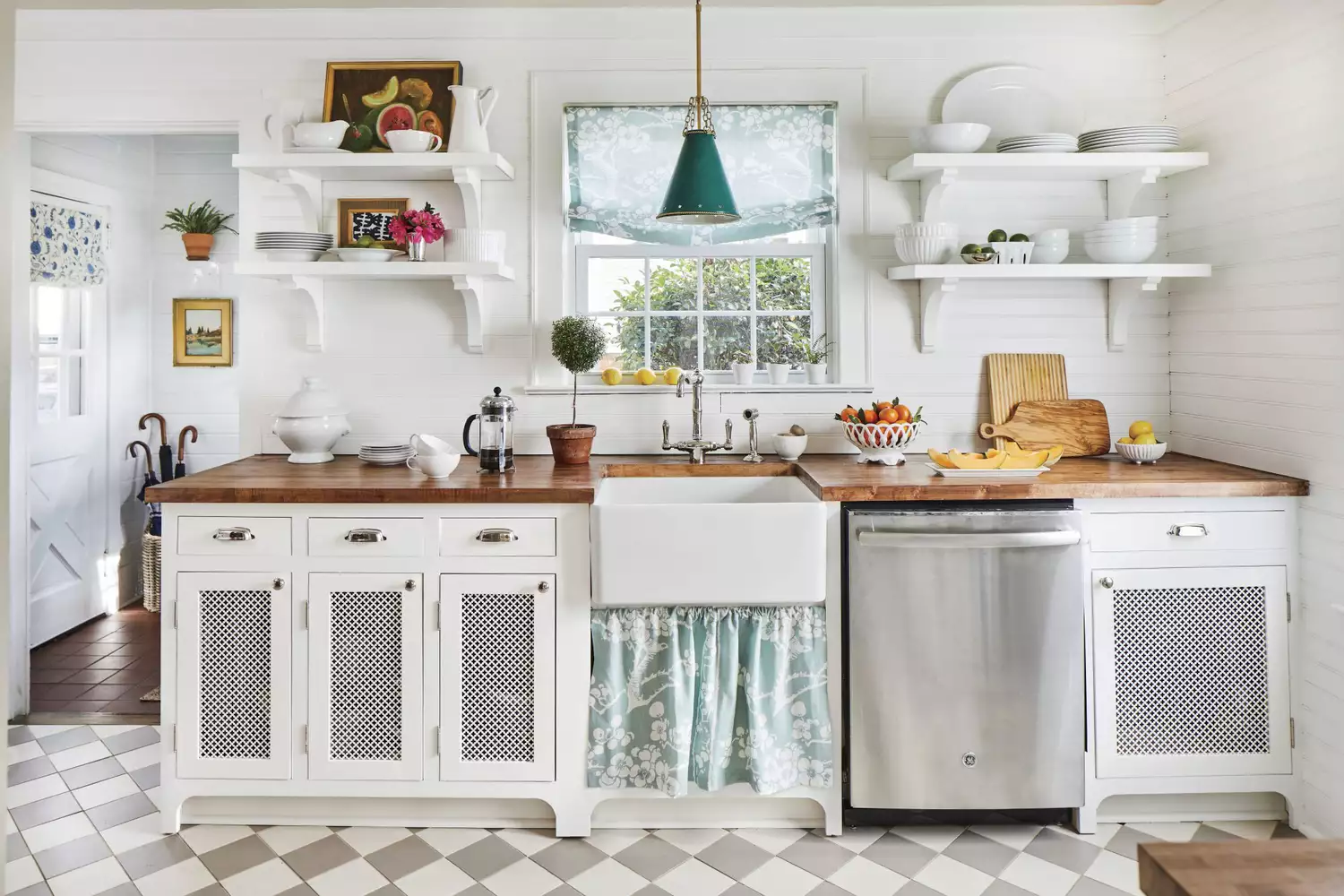
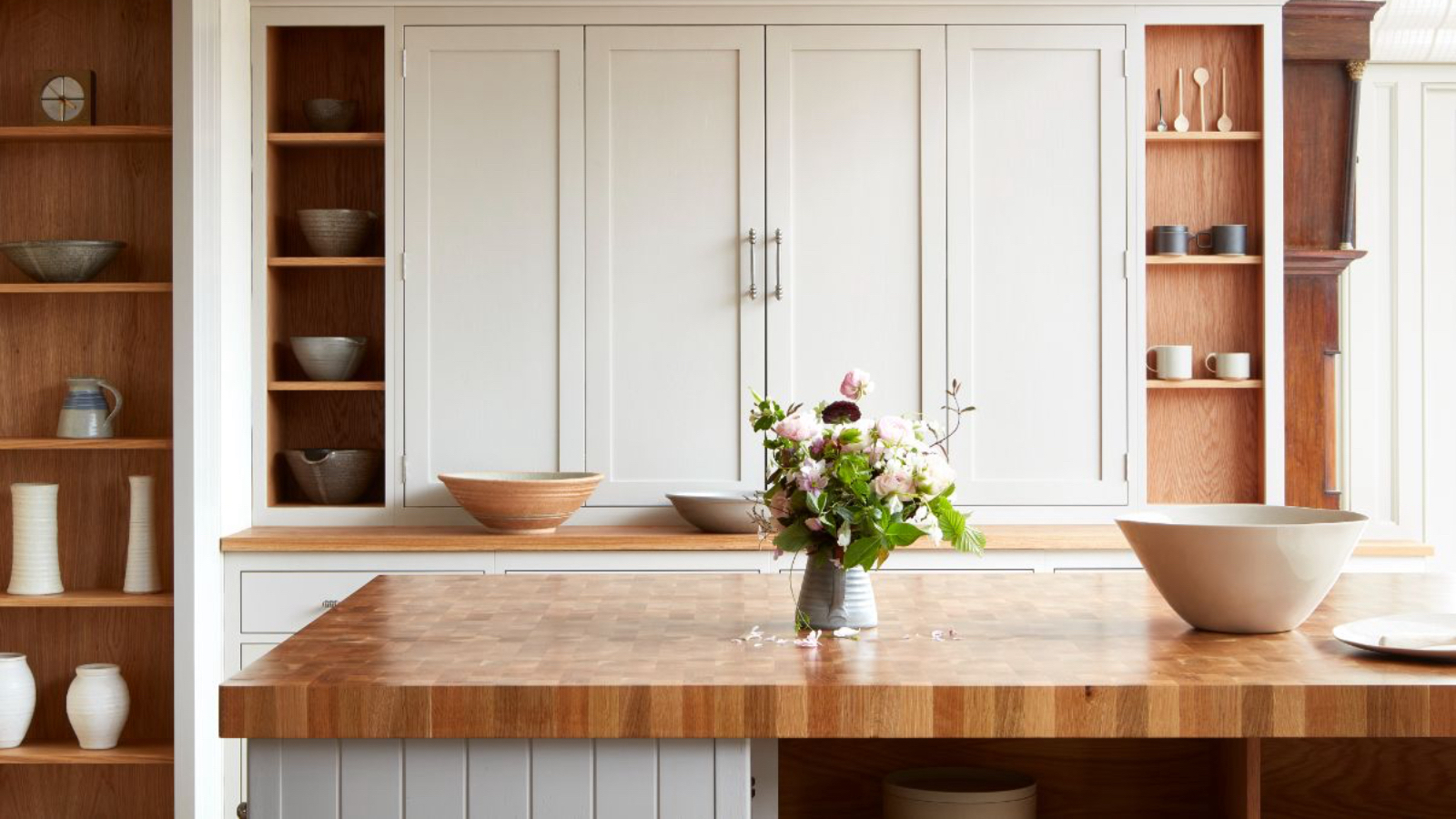
Butcher block countertops are a popular choice in Southern kitchens, known for their ability to add warmth and complement various styles, from farmhouse to cottagecore. While engineered quartz remains the most popular countertop material overall, butcher block is a leading choice specifically for kitchen islands, as indicated by Houzz's 2024 Kitchen Trends Study. This material offers several advantages, including its classic aesthetic, affordability (starting as low as $30 per square foot), and versatility in pattern, grain, and color. However, it also comes with certain drawbacks that prospective owners should consider.
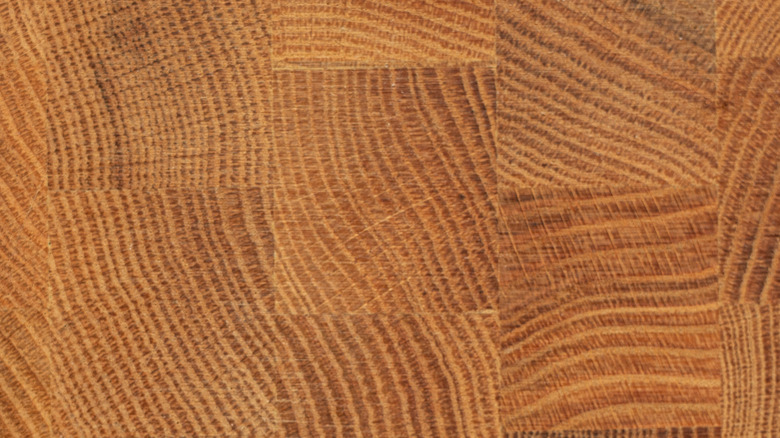
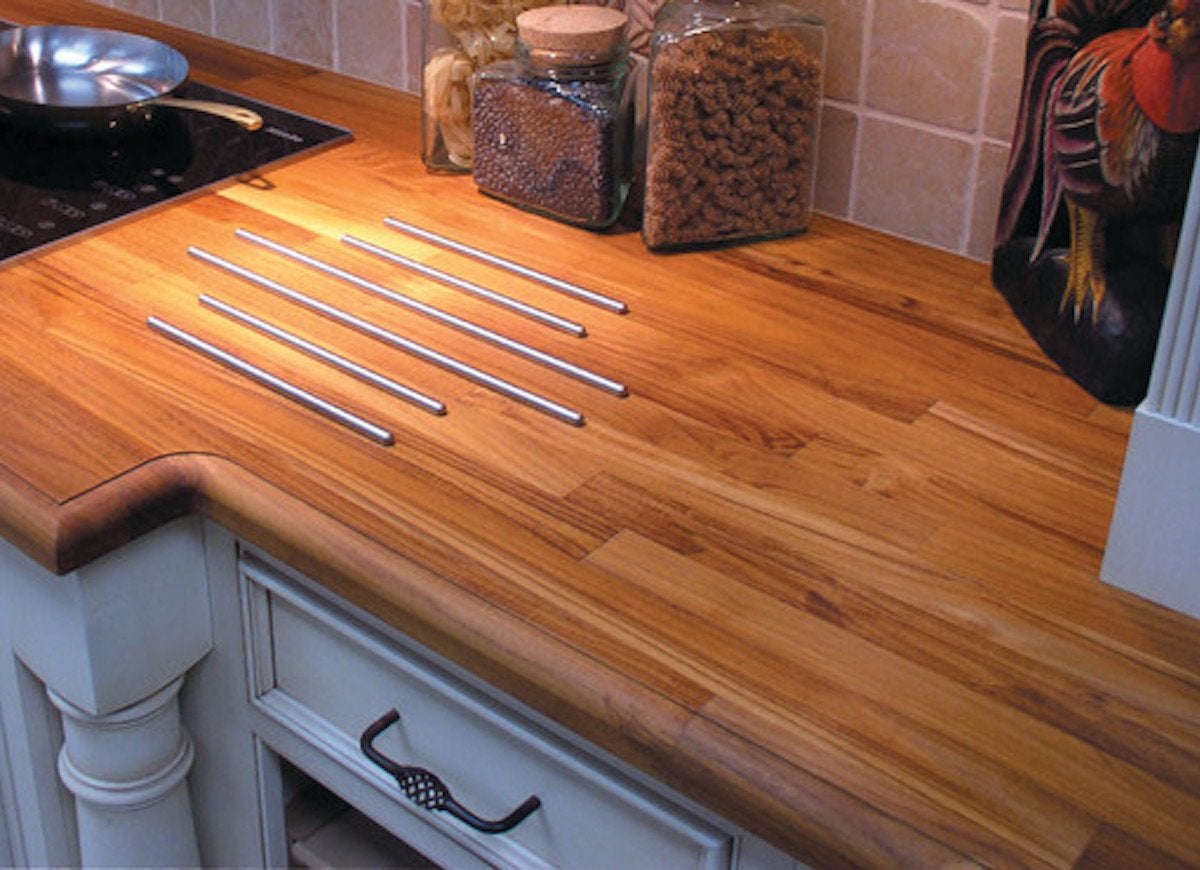
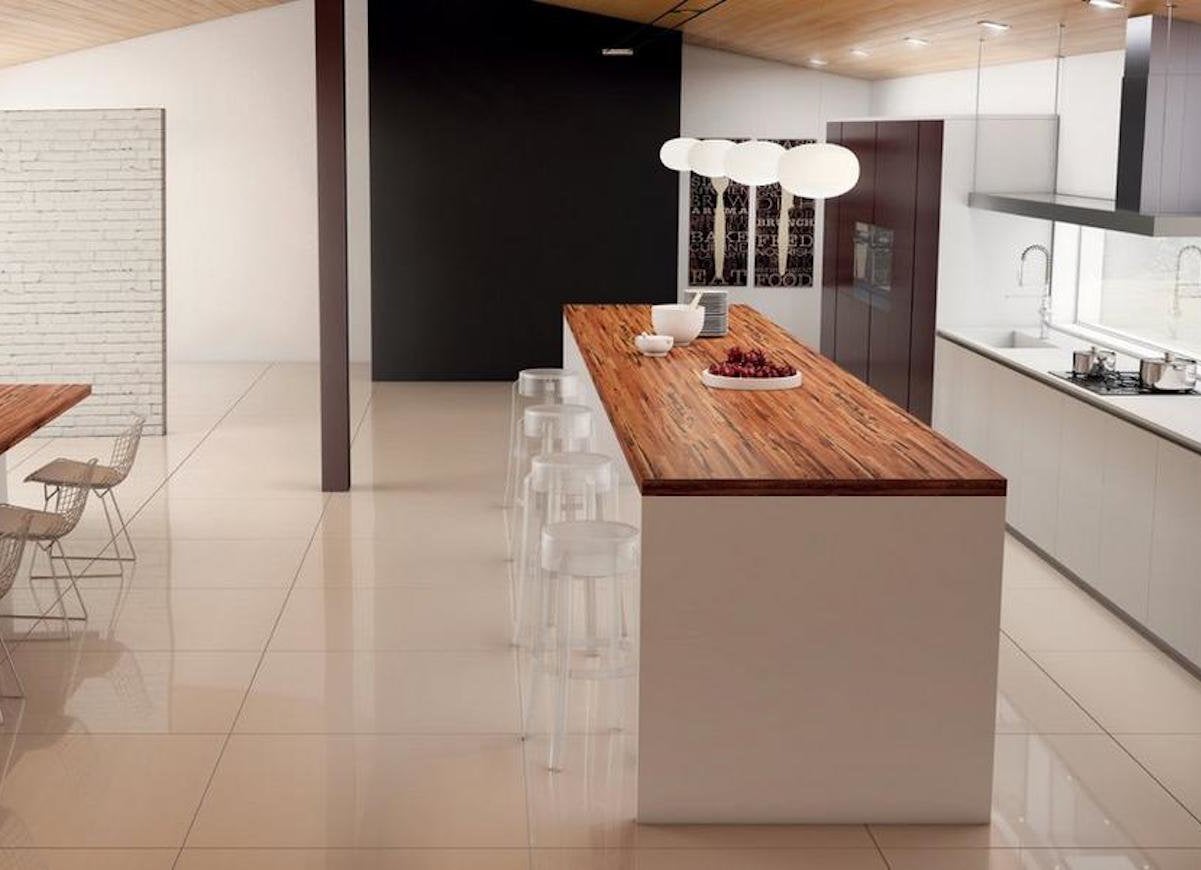
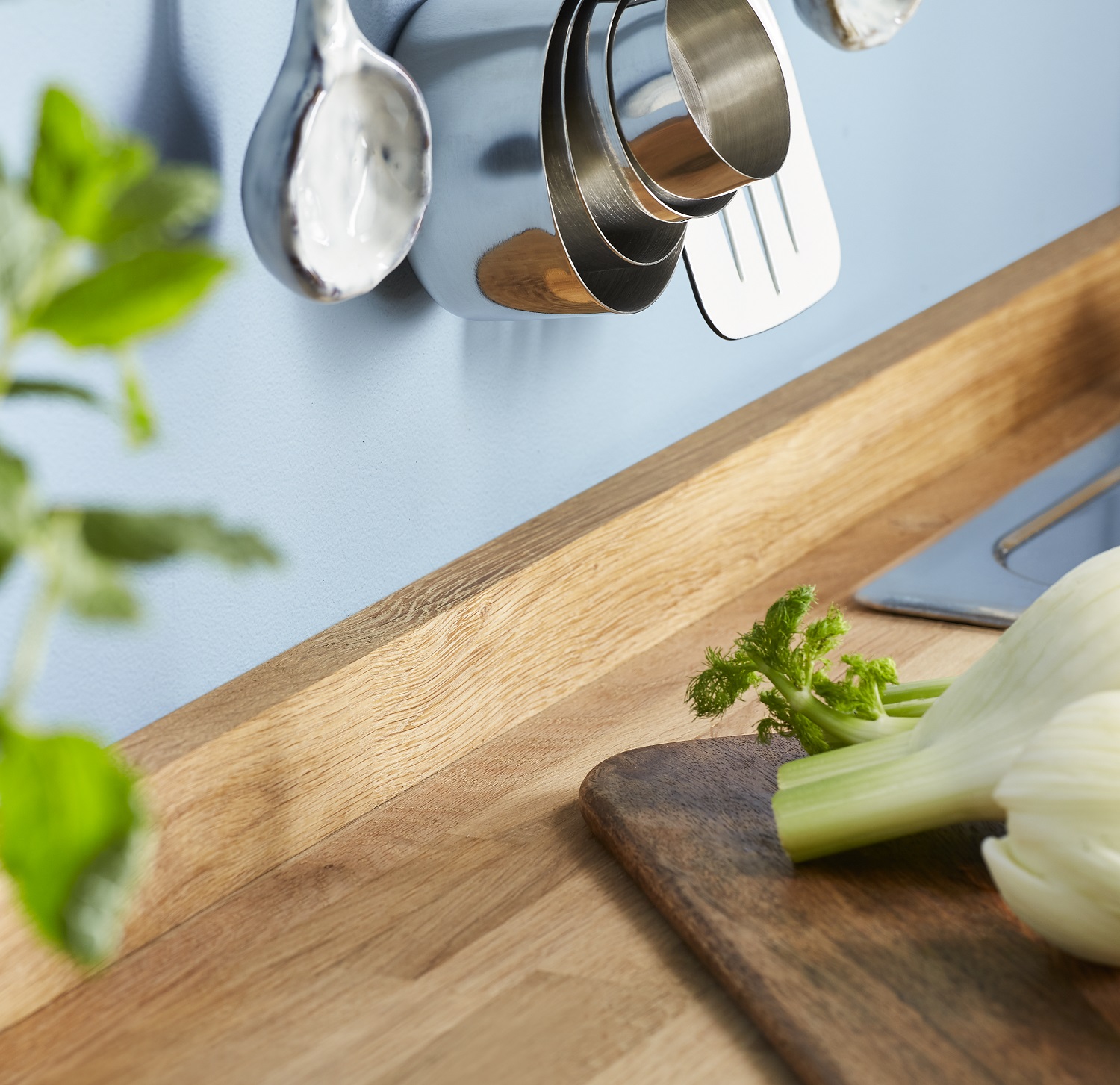
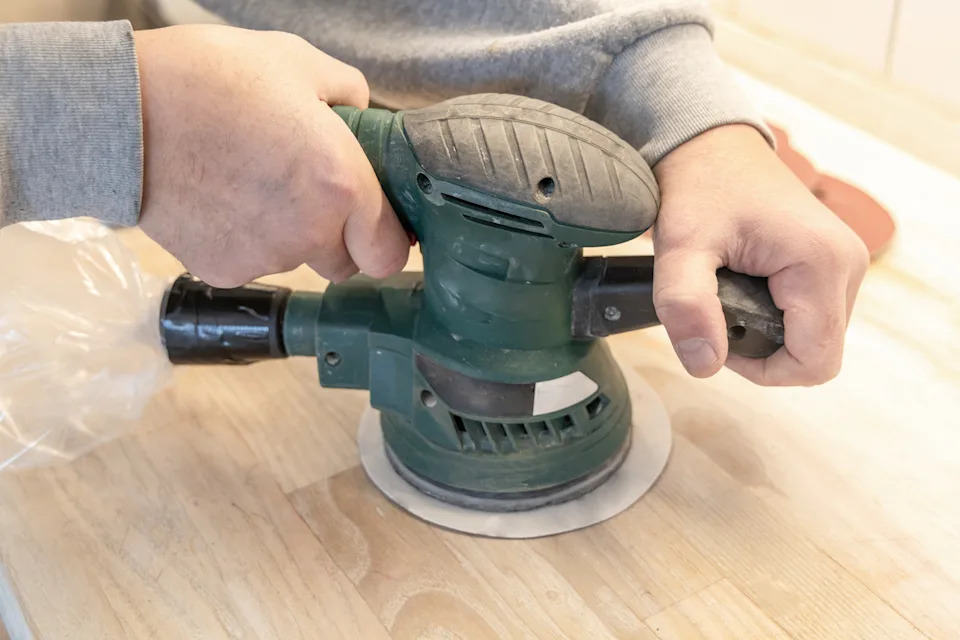
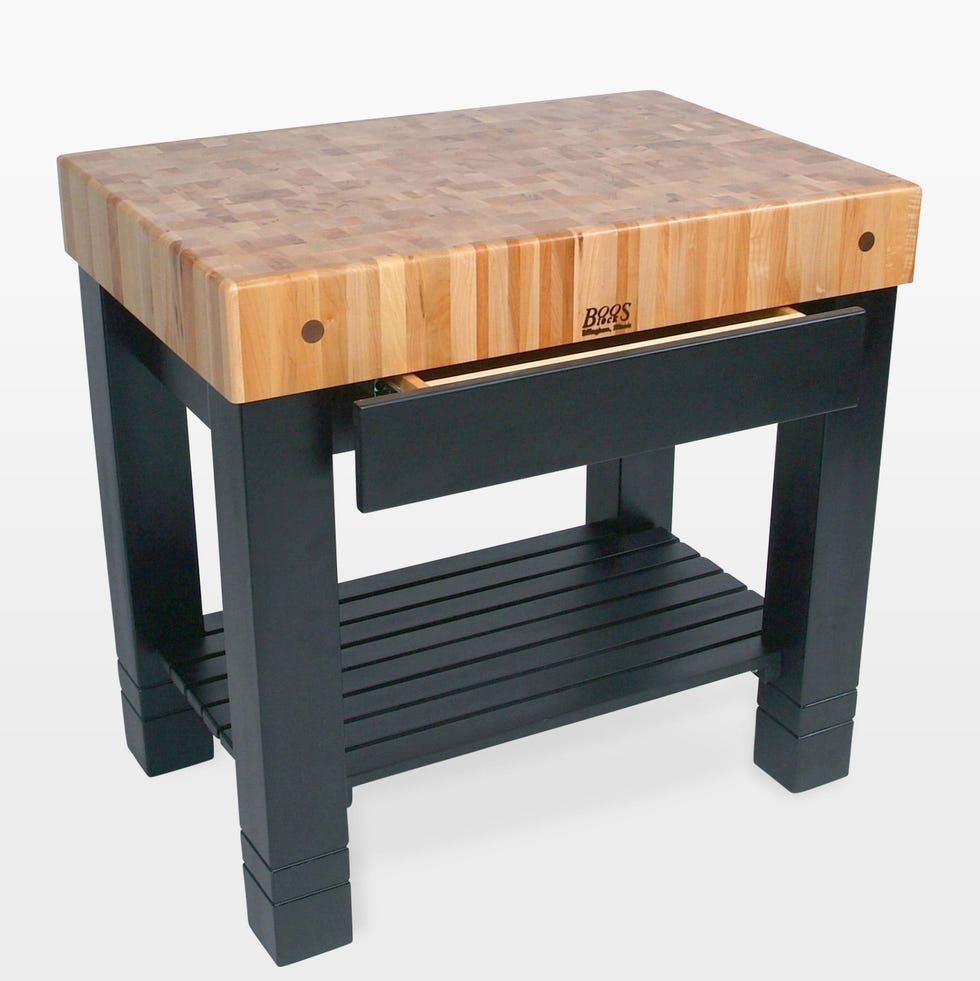
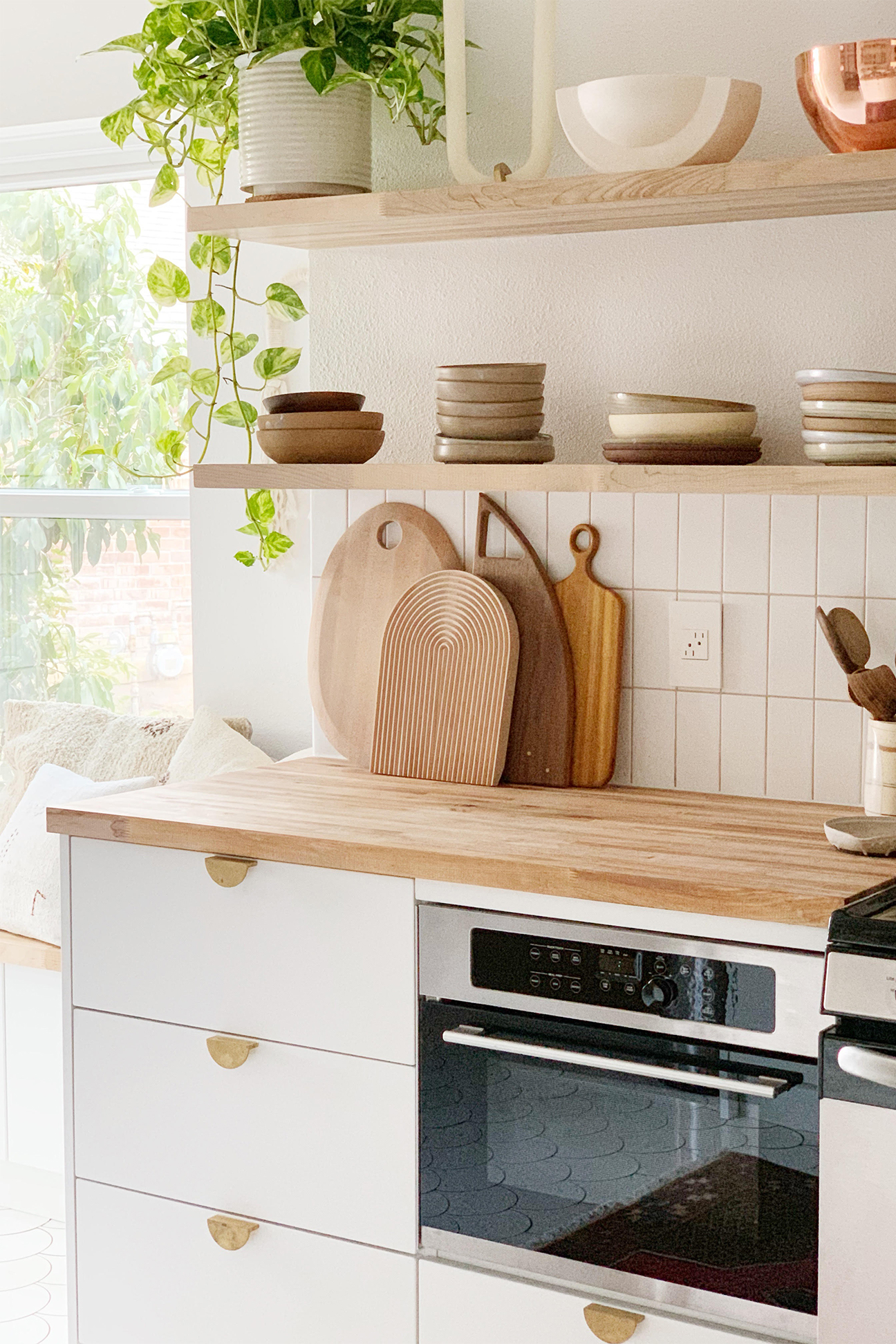
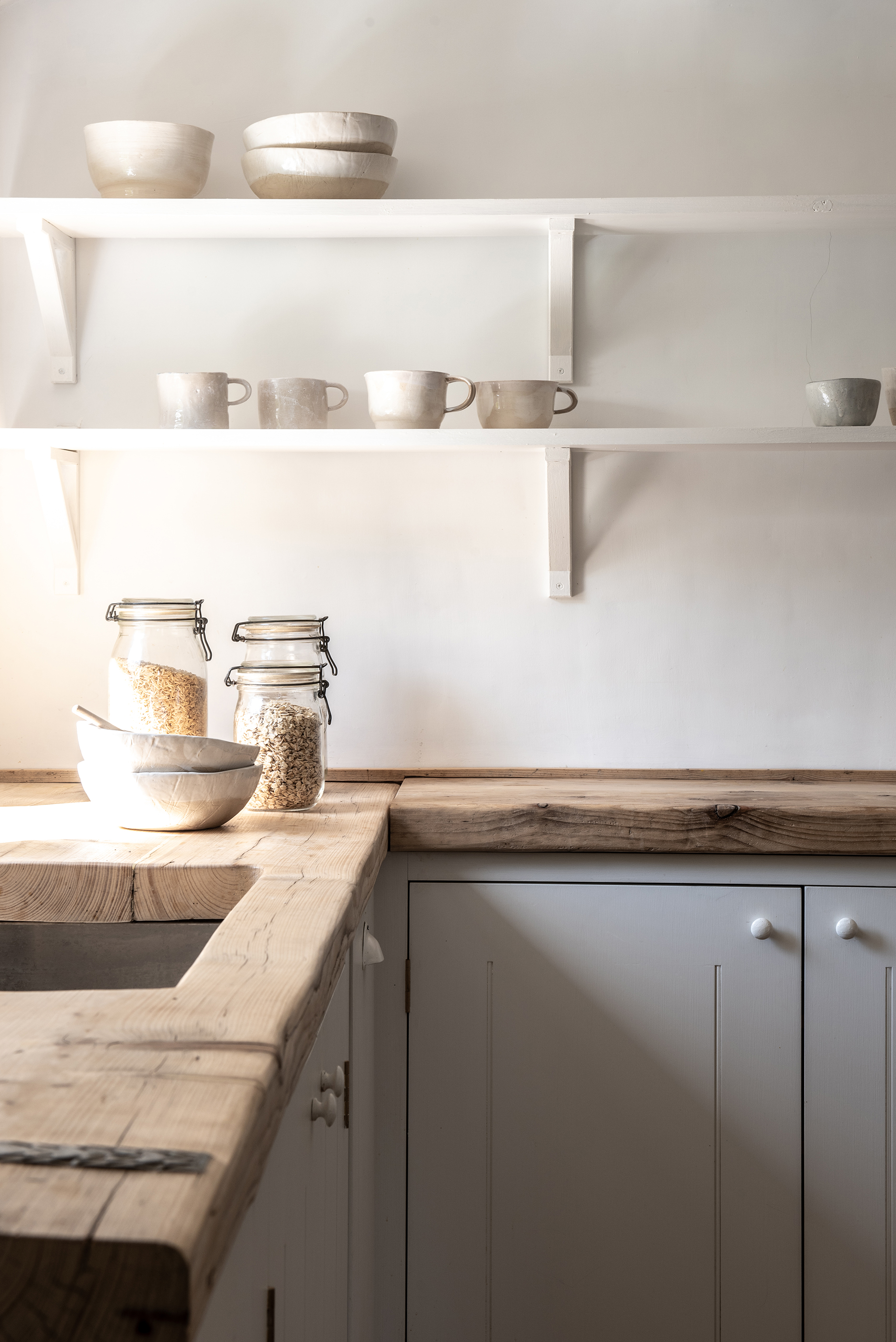
Key advantages of butcher block include its inviting appearance, relatively low cost compared to other materials, and the wide range of customization options available, such as different wood types like maple, beech, bamboo, zebrawood, and hickory, as well as various wood grain styles. These styles include face grain, edge grain, and the more durable but expensive end grain. Additionally, edges can be customized with straight, rounded, or beveled finishes. Butcher block is also recognized for its potential for longevity, with a lifespan of 20 years or even decades with proper care, and the ability to repair minor damage through sanding and resurfacing.
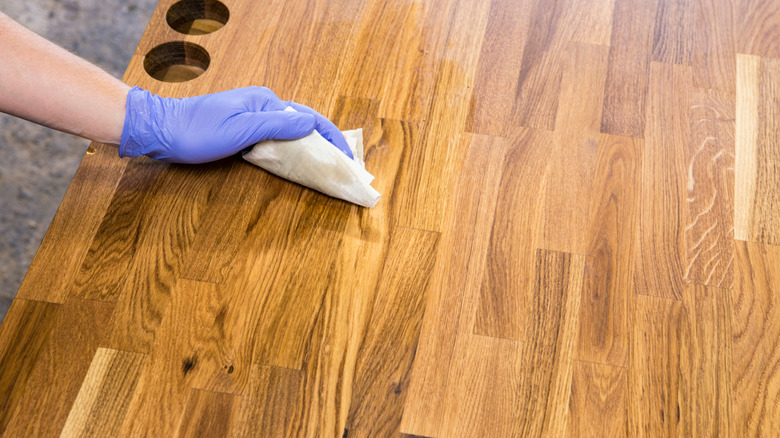
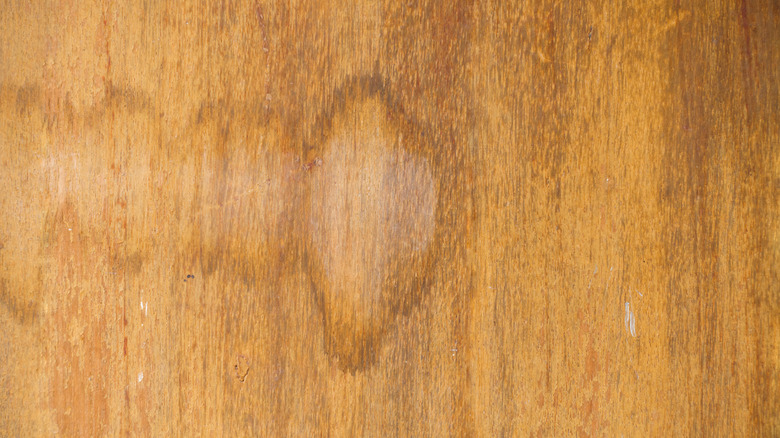
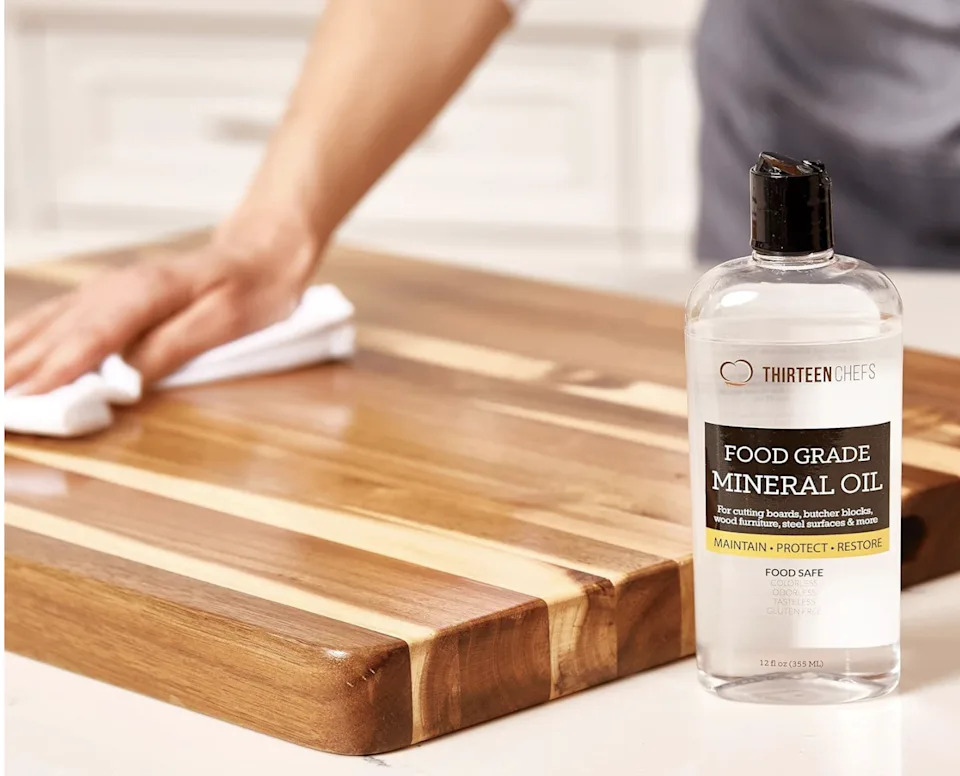
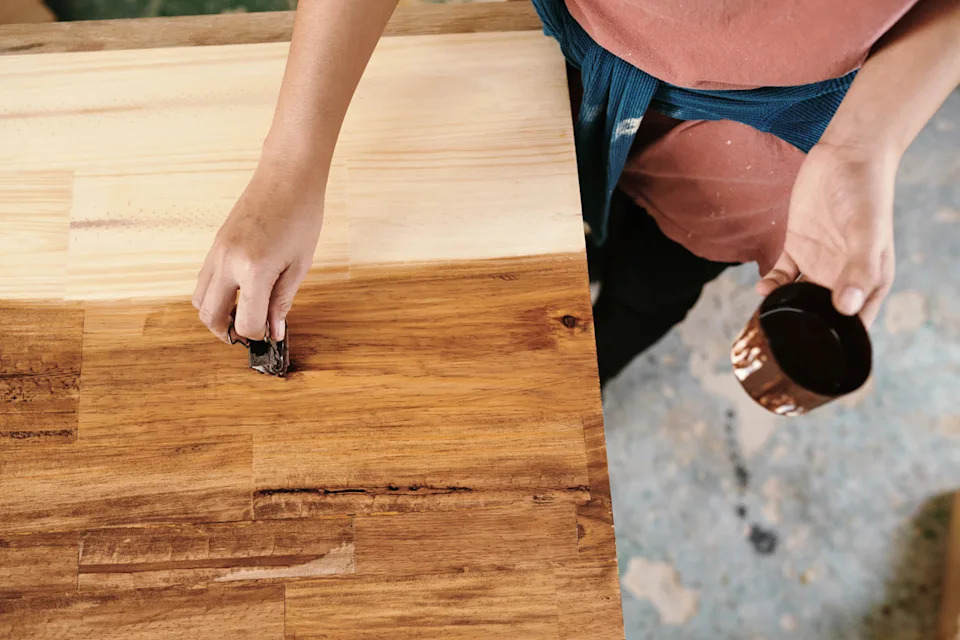
On the other hand, butcher block requires significant maintenance. It is susceptible to nicks, scratches, and dings, and its porous nature means it can expand and contract with temperature and humidity changes. To maintain hygiene and appearance, daily cleaning with dish soap and water, followed by sanitization with a water-vinegar solution, is necessary. Regular treatment with food-safe mineral oil or butcher-block conditioner is crucial, typically monthly, to protect the wood. Avoiding prolonged exposure to liquids is also vital to prevent warping and staining, suggesting that installation next to a kitchen sink might not be ideal.
Regarding hot pans, direct contact should be avoided across all countertop surfaces, including butcher block, to prevent damage. However, one advantage of butcher block is that scorch marks can often be sanded out. The cost of butcher block varies based on location, size, and customization choices. While basic options are affordable, high-end wood species like cherry or oak can increase the price significantly, potentially exceeding $200 per square foot. Additional costs may include removal of old countertops, custom cutouts for sinks, and waterproofing, although sealing can often be a DIY task. Annual maintenance costs for oil, wax, and cleaning supplies are generally under $100.
Butcher block countertops are distinct from other wood countertops because they are engineered from smaller wood pieces for enhanced durability, unlike single-slab wood tops which are less sturdy. Sealing is critical as unsealed butcher block can expand, warp, and stain due to its porosity, and it also helps prevent bacteria buildup. While food preparation like making sandwiches or pastries can be done directly on butcher block, using a cutting board is recommended to minimize scratches and wear. Butcher block cannot be permanently sealed; it requires regular oil application, usually monthly, or the use of sealants like polyurethane when damage becomes apparent. Generally, butcher block is a more cost-effective option than granite, though prices can fluctuate based on specific material types and customization details.
#ButcherBlock #KitchenDesign #Countertops #HomeImprovement #KitchenRenovation #WoodCountertops #HomeDecor #MaintenanceTips #CostComparison #ButcherBlock #KitchenDesign #Countertops #HomeImprovement #KitchenRenovation #WoodCountertops #HomeDecor #MaintenanceTips #CostComparison
0 comment in total
 No comments yet
You may also like
Are butcher block countertops durable? Yes - if you follow this expert low maintenance advice

How to seal a butcher block countertop for a hygienic and attractive surface

This Versatile Rolling Island Is a Small Kitchen Game Changer

Guide to Sintered Stone Countertops: Pros, Cons, and More

10 Unexpected Problems With Butcher Block Countertops, According To Experts

Are Home Depot Butcher Block Countertops Worth Buying? Here's What Buyers Say

We Asked Experts Which Kitchen Countertops Add the Most Resale Value—These Made the List

Are wooden countertops right for your home – we explore the pros and cons

9 Butcher Block Countertop Ideas That Make Working in the Kitchen Easy (and Easy on the Eyes)
20 Countertop Ideas That Will Instantly Make Your Kitchen Feel More Luxe
The Worst Thing About Every Popular Kitchen Countertop Designers Don’t Tell You
11 of the best kitchen benchtop materials

What to Know About Your Butcher Block Countertop

5 Things to Know About Sealing Butcher Block Countertops
5 kitchen countertops that never go out of style – timeless choices to suit any homeowner
How To Pick The Perfect Countertop Material For Your Kitchen

12 Wow-Worthy Woods for Kitchen Countertops
Are butcher's blocks the new kitchen island? Interior designers weigh in on this revived design feature

Apparently, the Neighbors in Netflix’s The Watcher Hate This Kitchen Countertop Style

The pros and cons of putting a concrete countertop in your NYC apartment