1/9
Are butcher's blocks the new kitchen island? Interior designers weigh in on this revived design feature
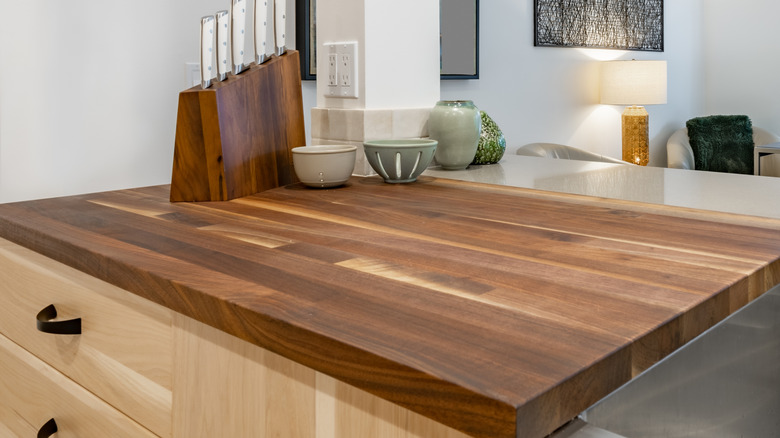
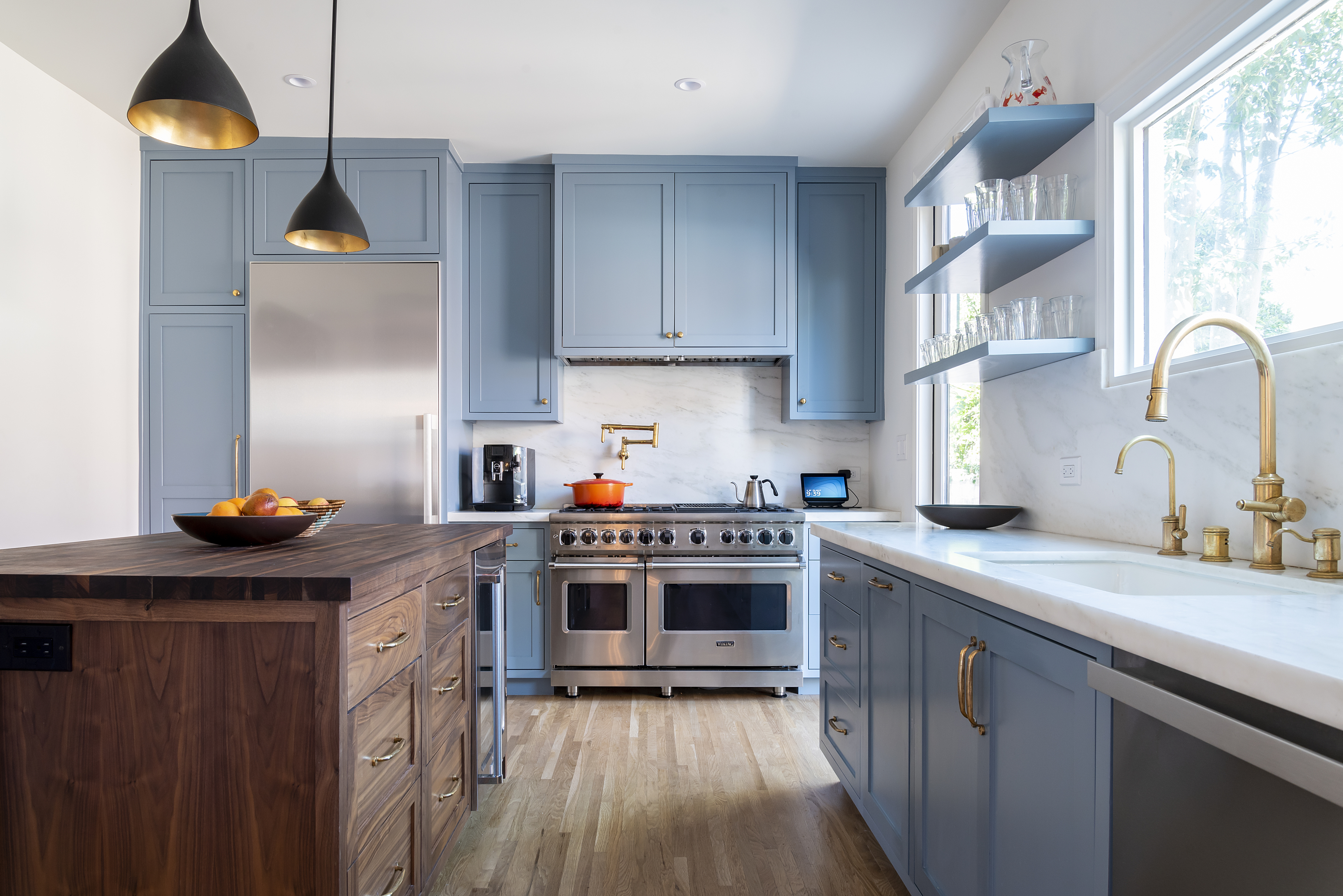
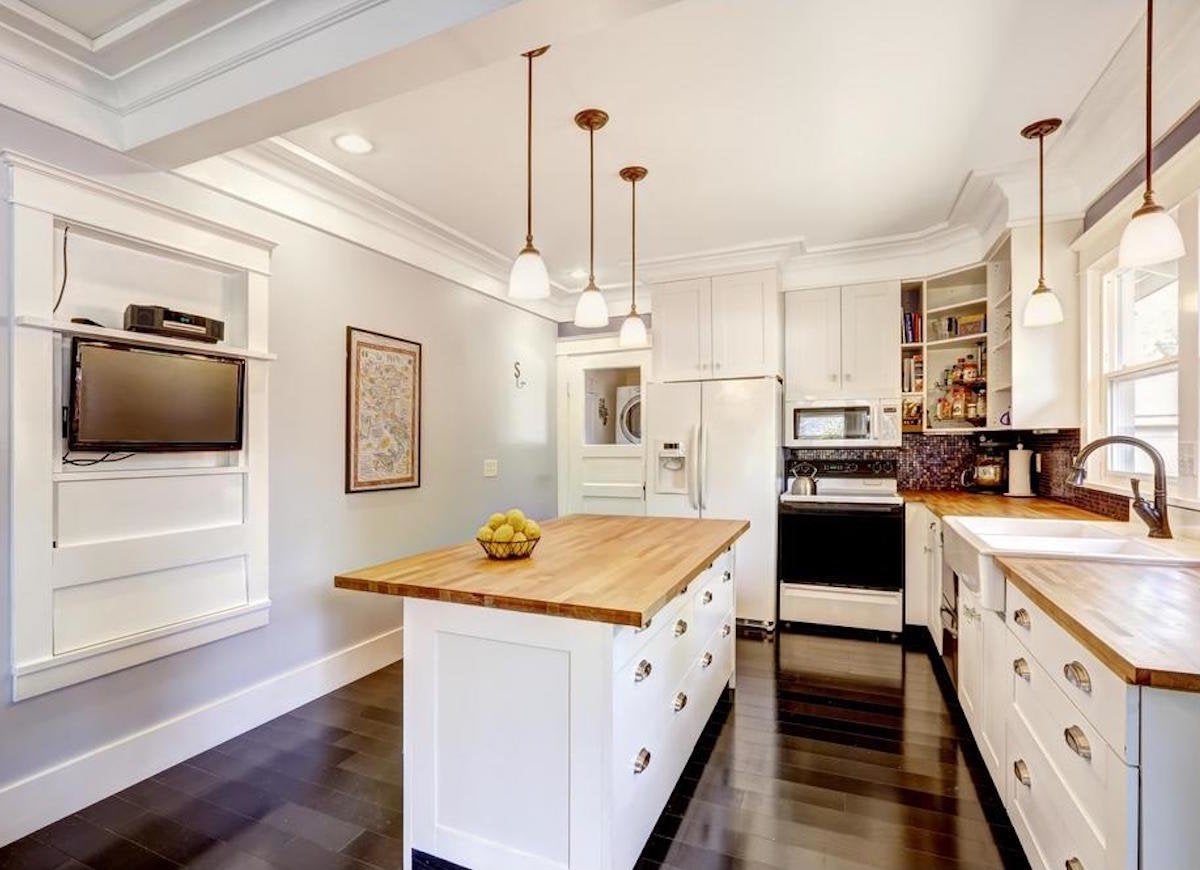
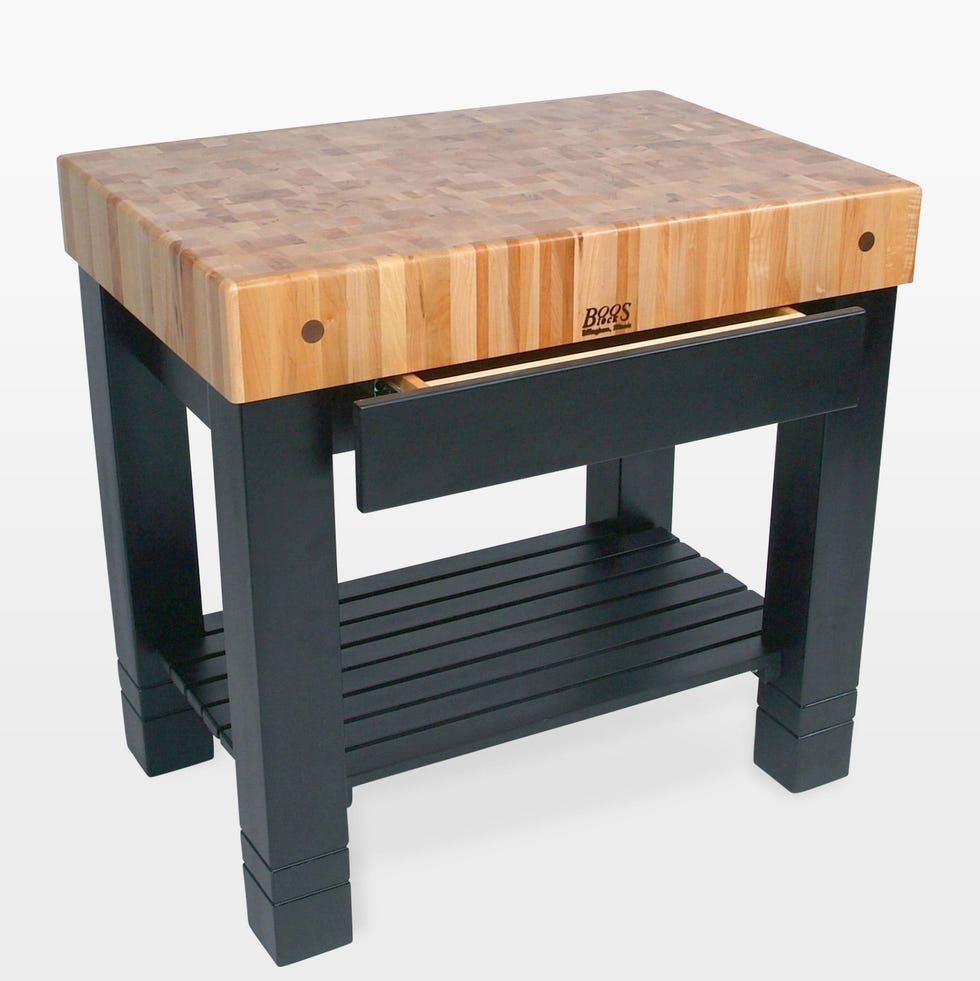
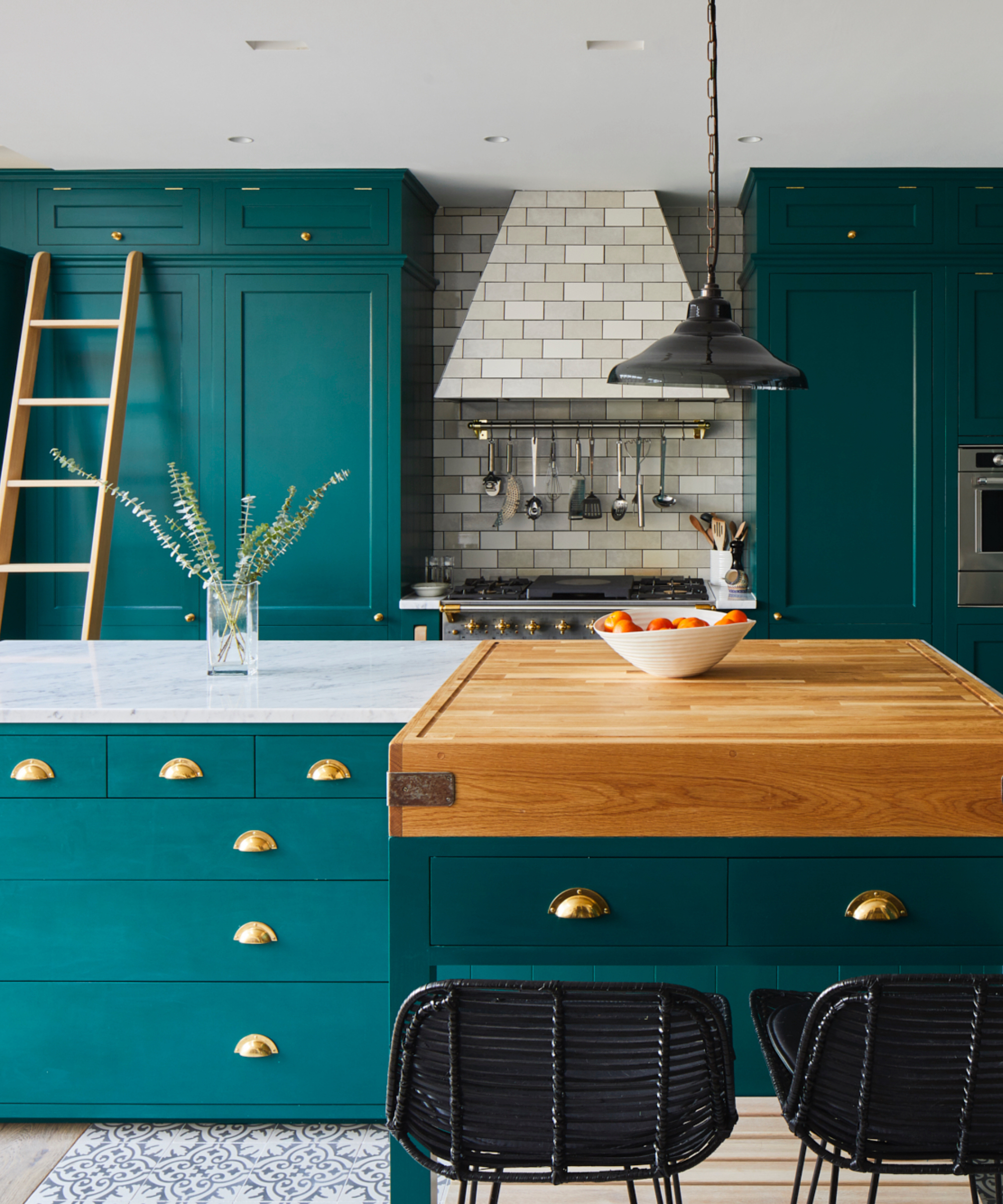
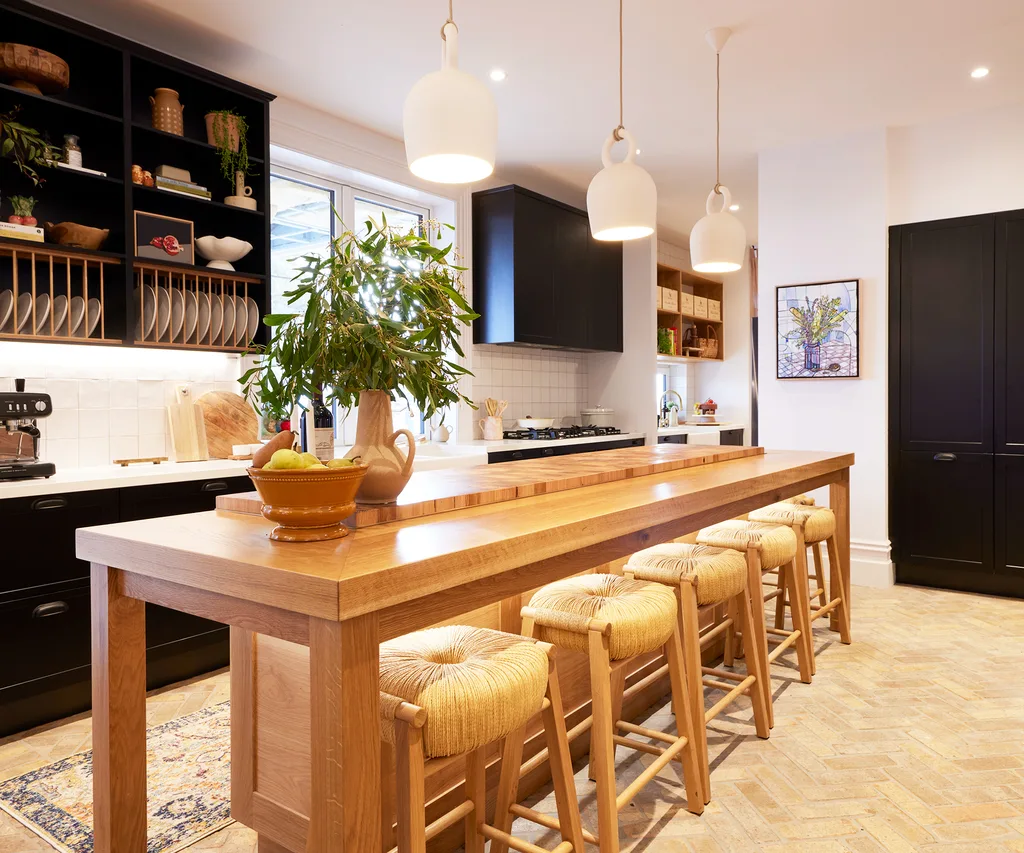
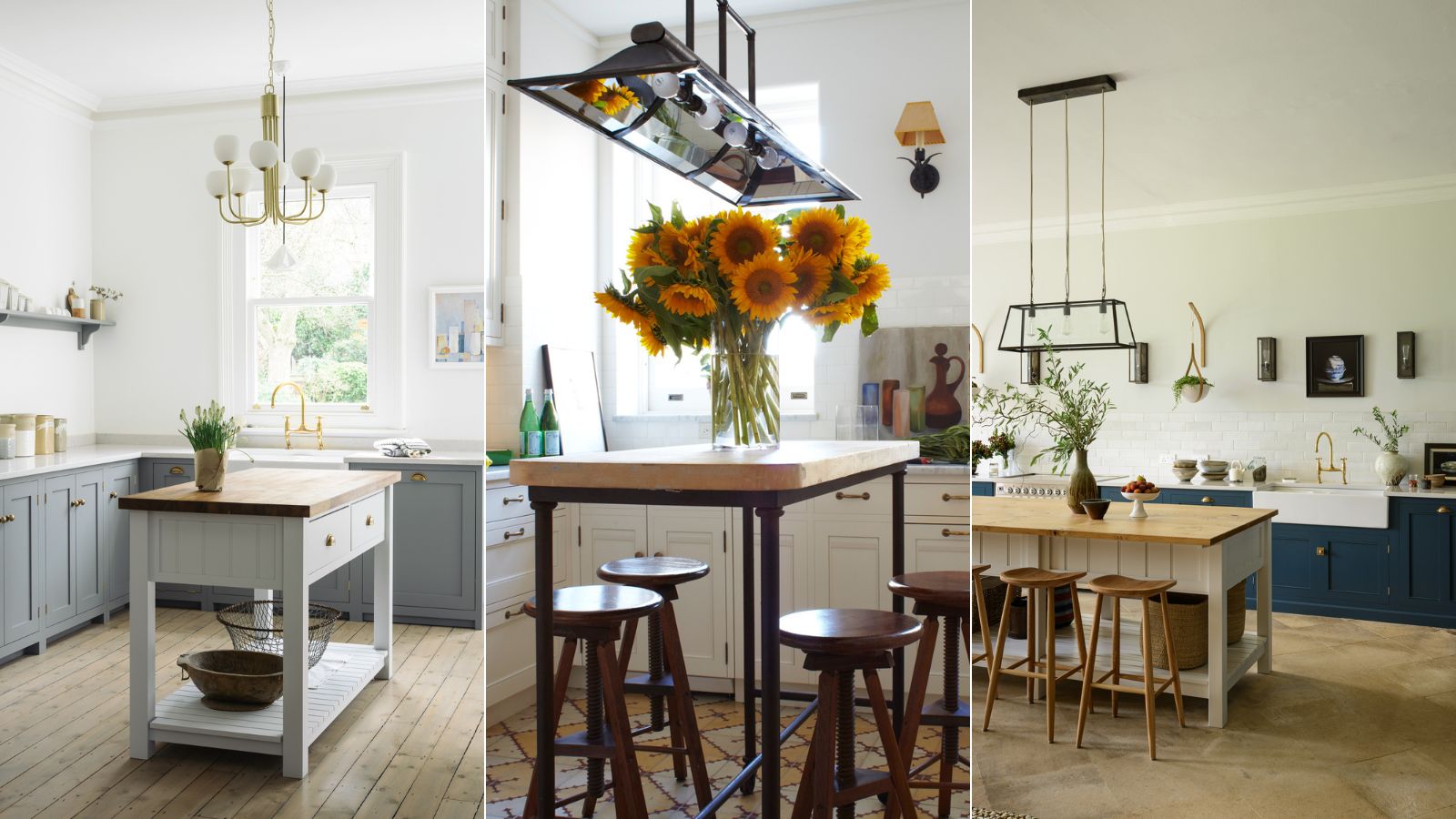
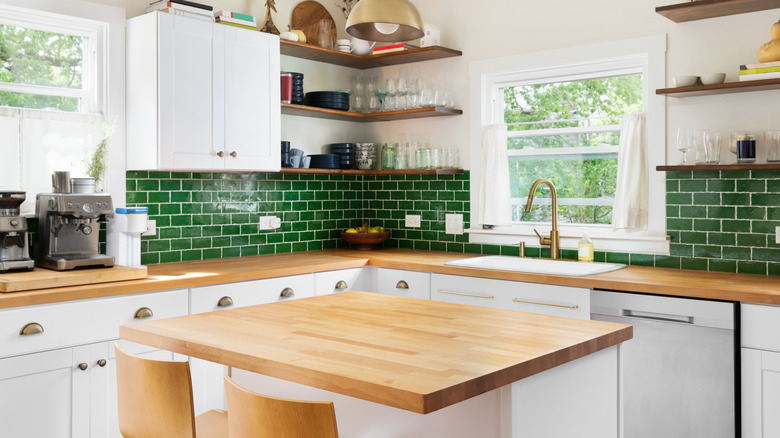
Butcher's blocks are experiencing a significant resurgence in kitchen design, emerging as a popular and versatile alternative to traditional built-in kitchen islands. Historically used by butchers for their robust nature, these large, durable wooden slabs are now favored for their portability, space-saving attributes, and unique design aesthetic. While previous trends emphasized seamless, integrated kitchen islands that matched cabinetry, the current shift towards more eclectic and less uniform styles has propelled butcher's blocks into prominence. Interior designers, such as Seth Ballard of Ballard + Mensua Architecture, highlight the inherent strength and durability of butcher's blocks, particularly when crafted from American or foreign hardwoods, due to the strong direction of their wood graining. This makes them an ideal surface for food preparation.
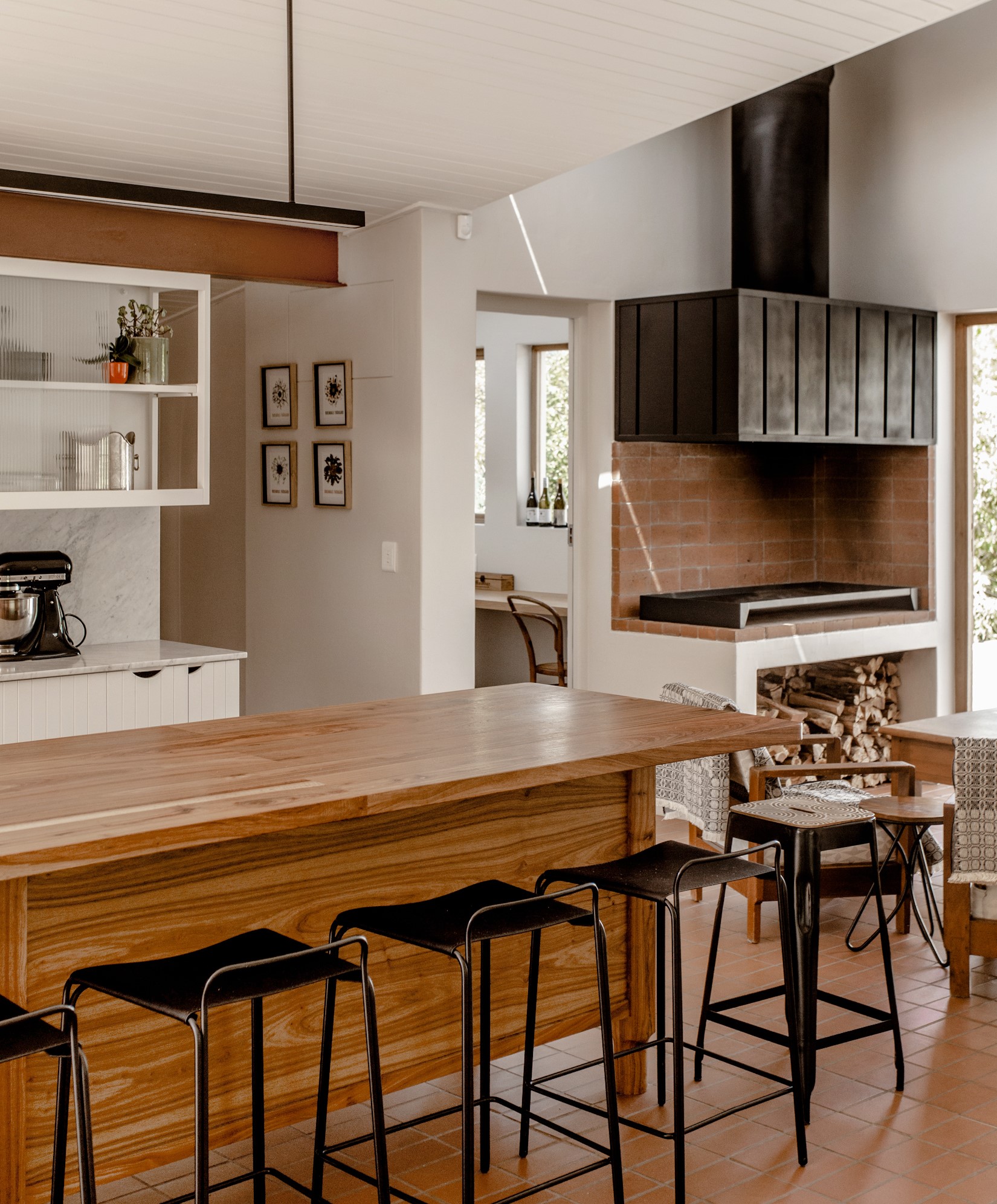
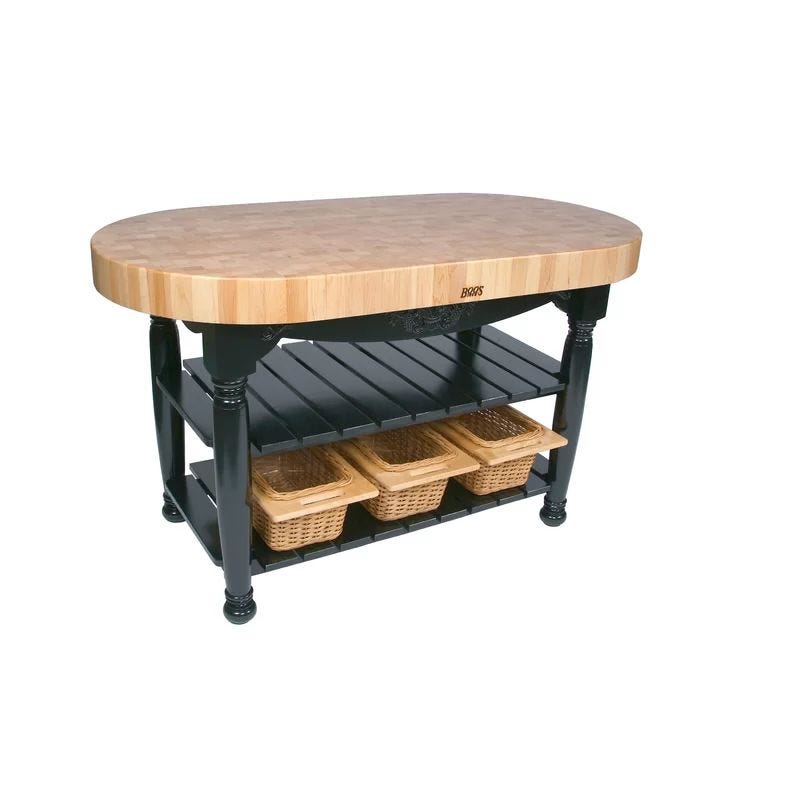
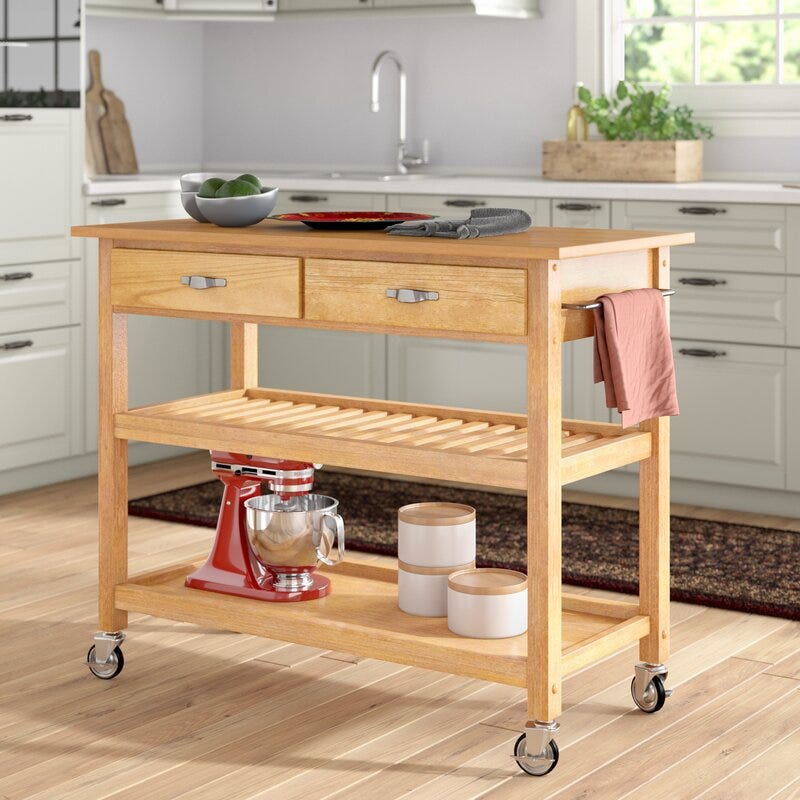
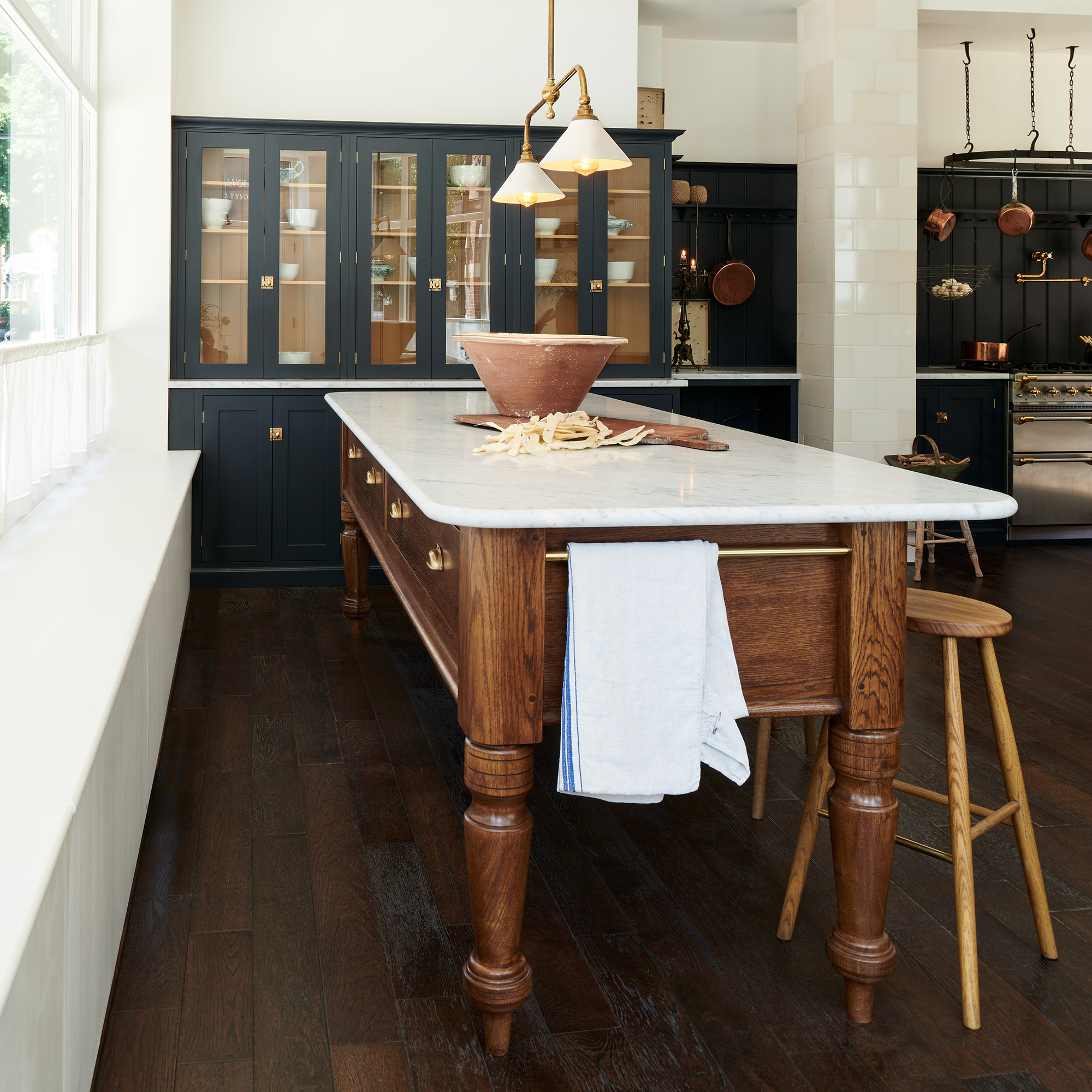
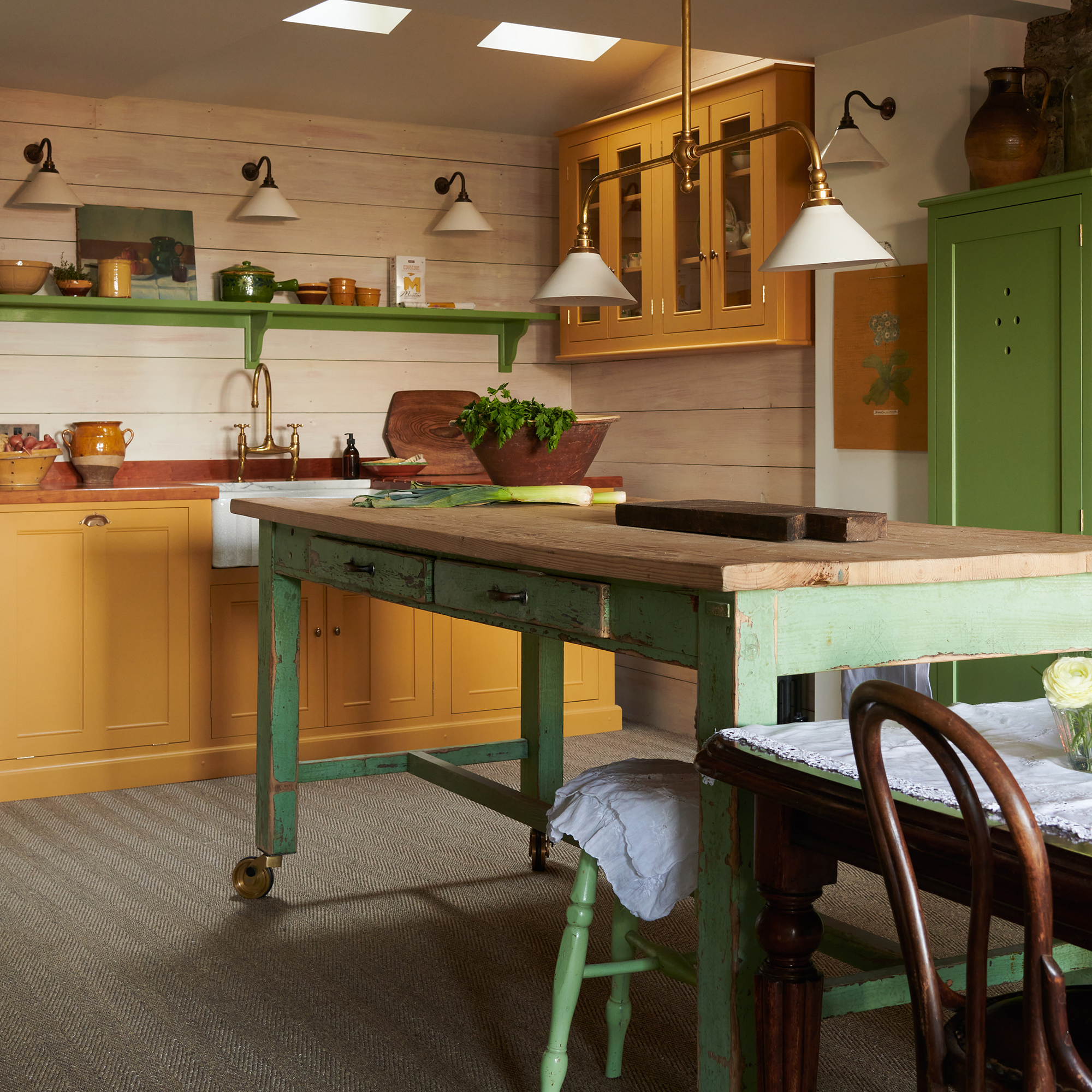
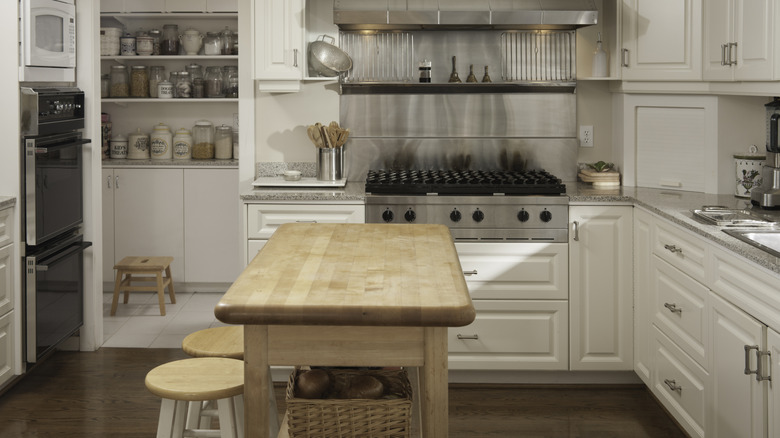
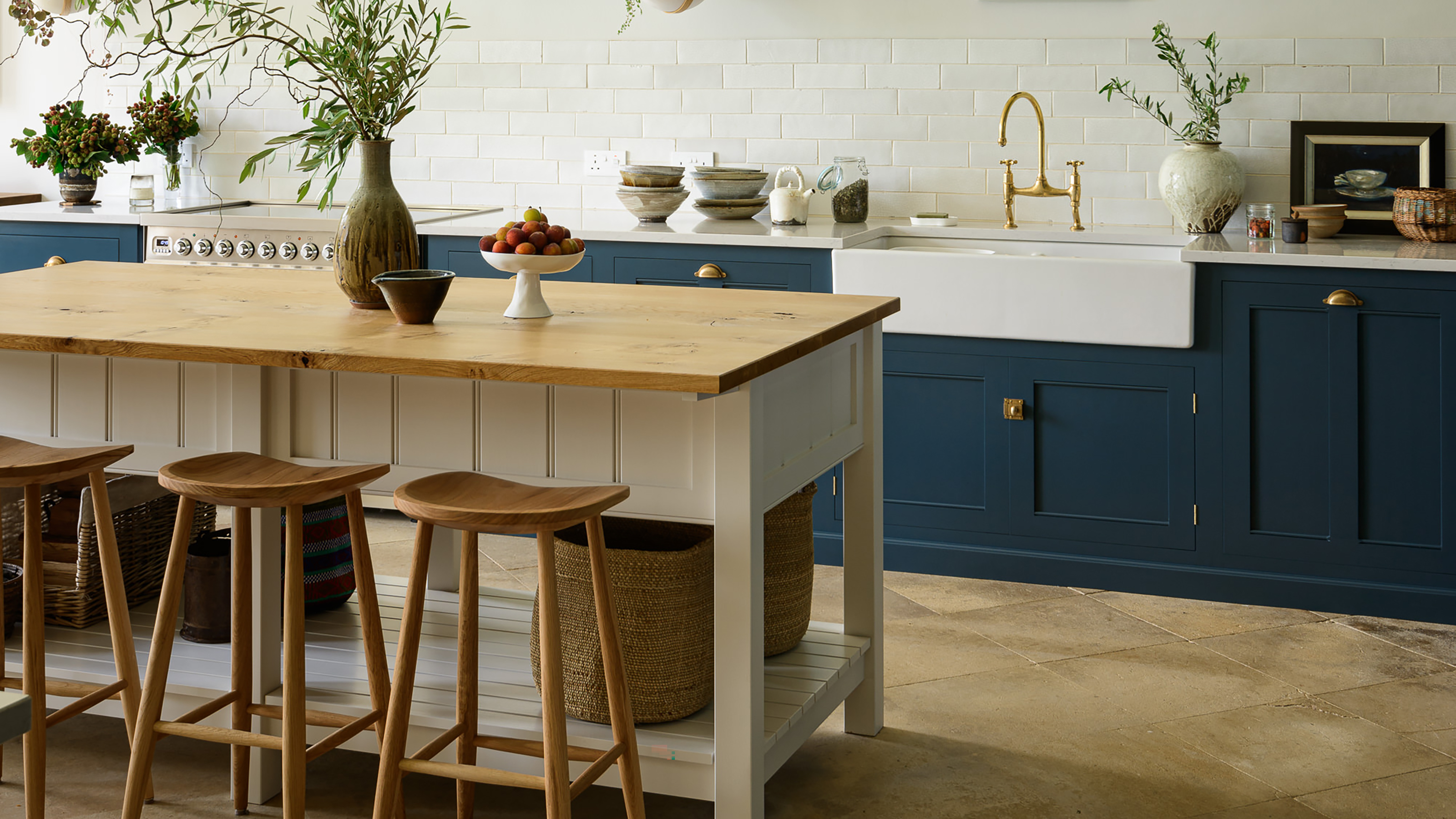
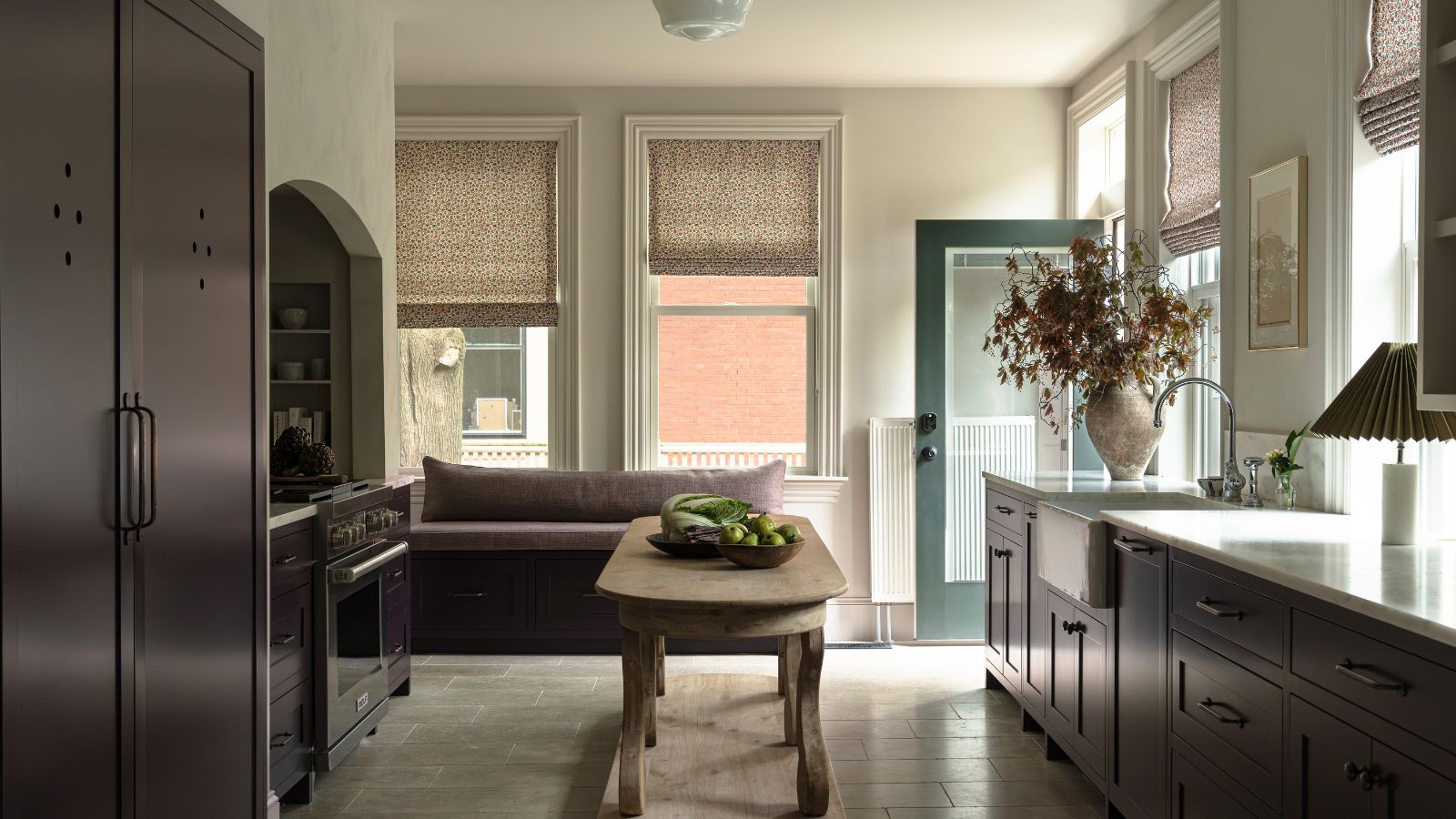
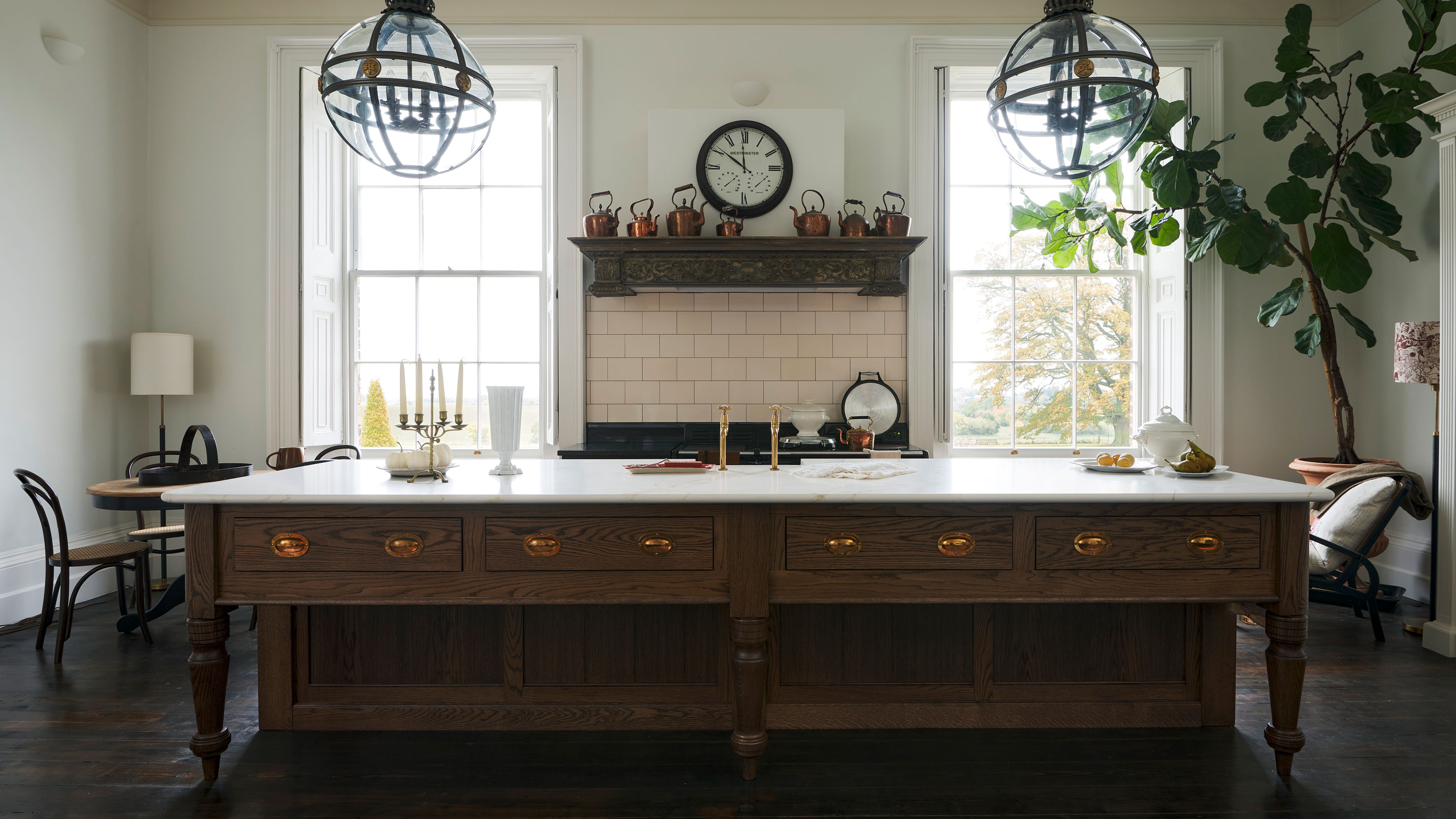
When incorporated as kitchen islands, butcher's blocks are typically free-standing units, with some models featuring wheels for enhanced mobility. They often include open shelving beneath the counter, utilizing materials like hardwood and metal for their framework. The suitability of a butcher's block as a kitchen island often aligns with kitchens that embrace traditional or rustic design elements, though they can also serve as a striking focal point and infuse character into various schemes. Helen Parker, creative director at deVOL, notes the practical advantages of these movable pieces, which offer flexibility for different situations, such as extending counter space for large gatherings or providing additional prep area near the cooker.
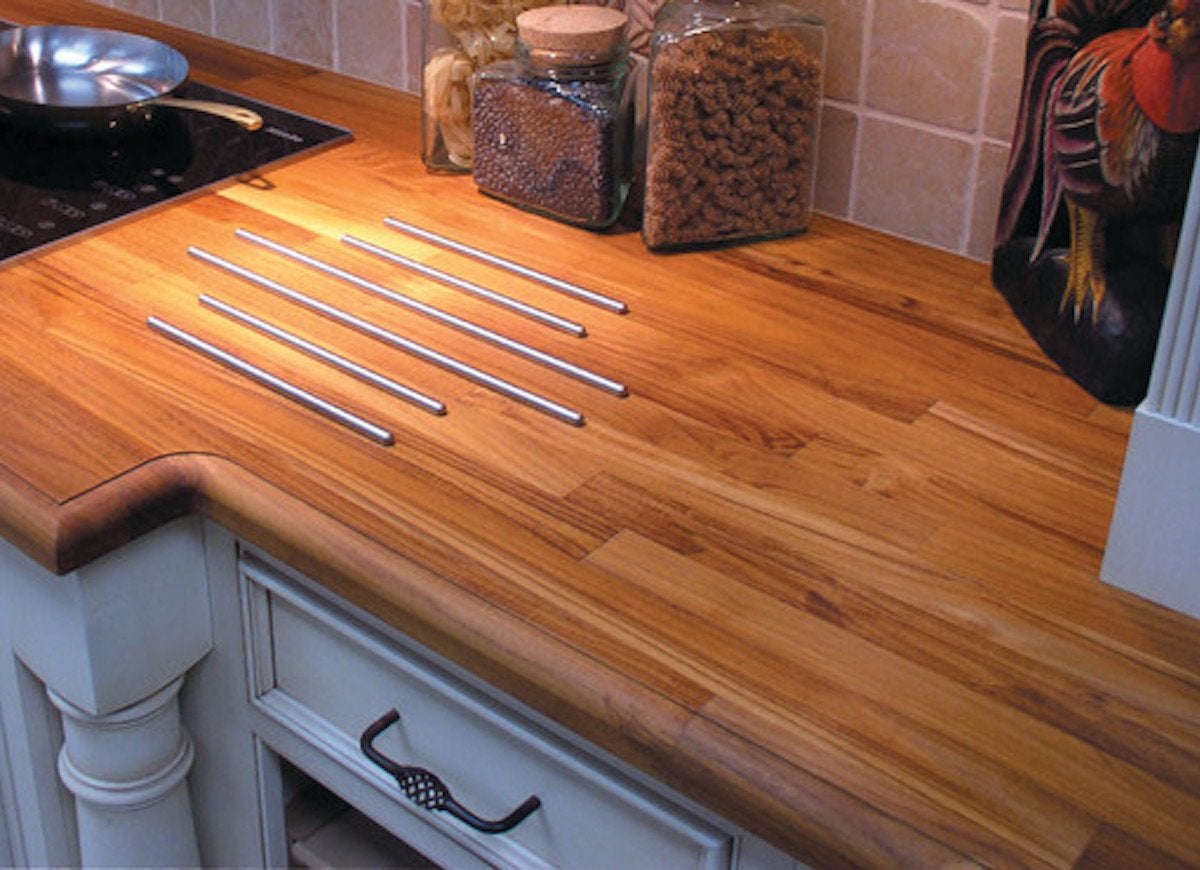
Beyond their functional benefits, butcher's blocks are praised for their visual appeal. Peter Dunham, an interior designer, points out that they offer a break from material monotony and provide a more inviting and comfortable surface for tasks like chopping, which might otherwise damage more delicate stone countertops. Designers also appreciate how butcher's blocks develop a unique patina over time from knife marks and use, contributing to a desirable lived-in aesthetic that resonates with contemporary interior design trends embracing 'imperfect' spaces.
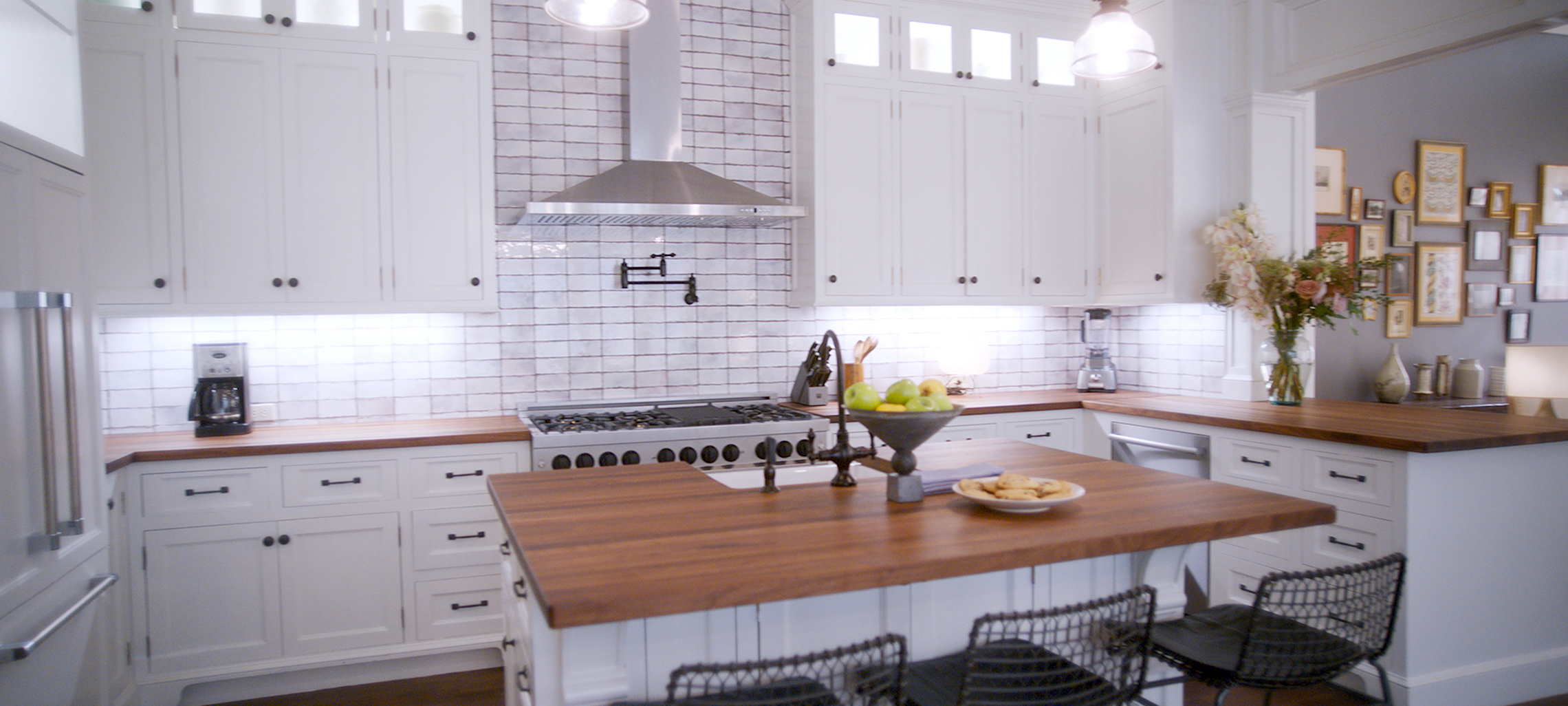
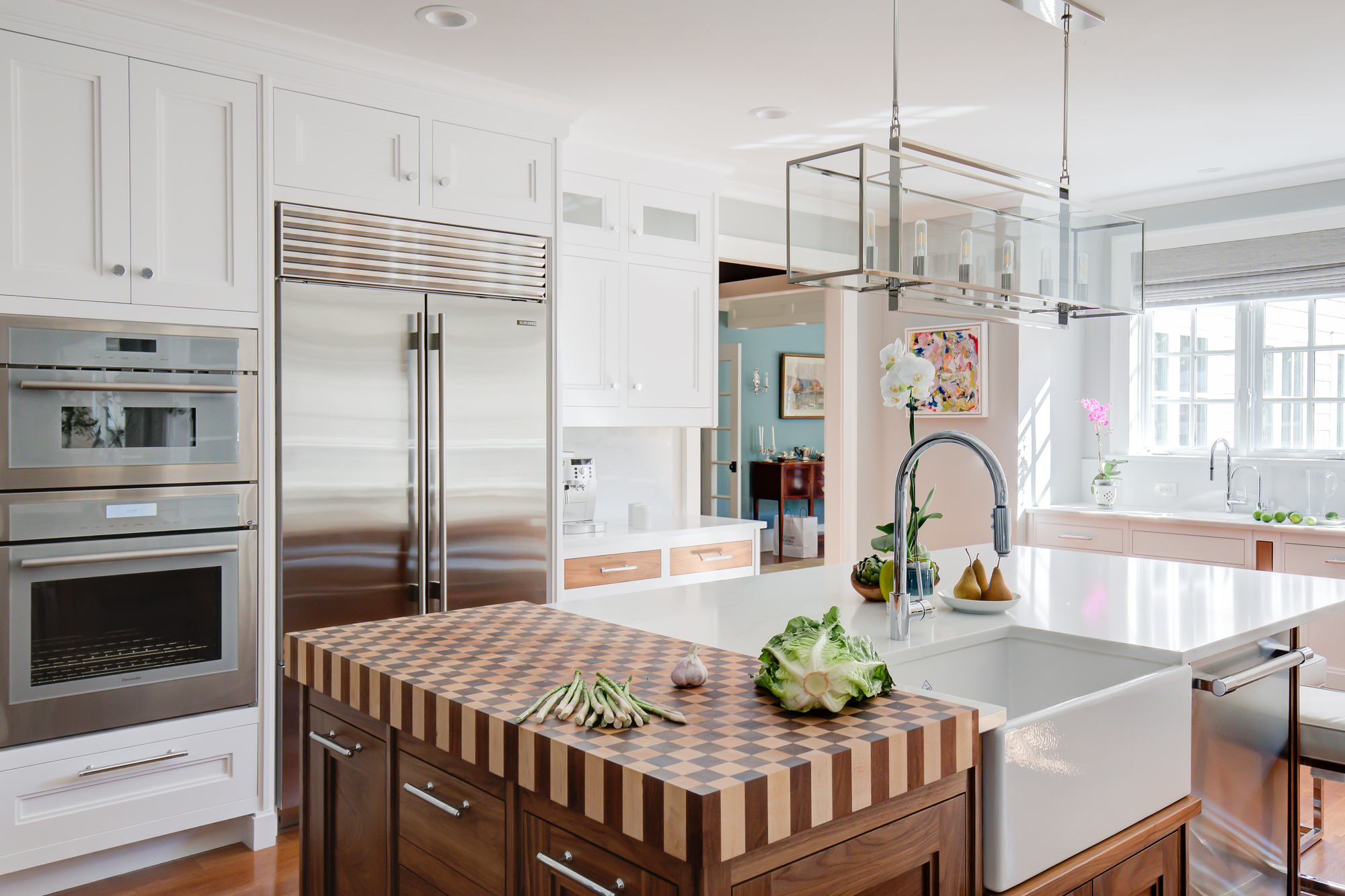
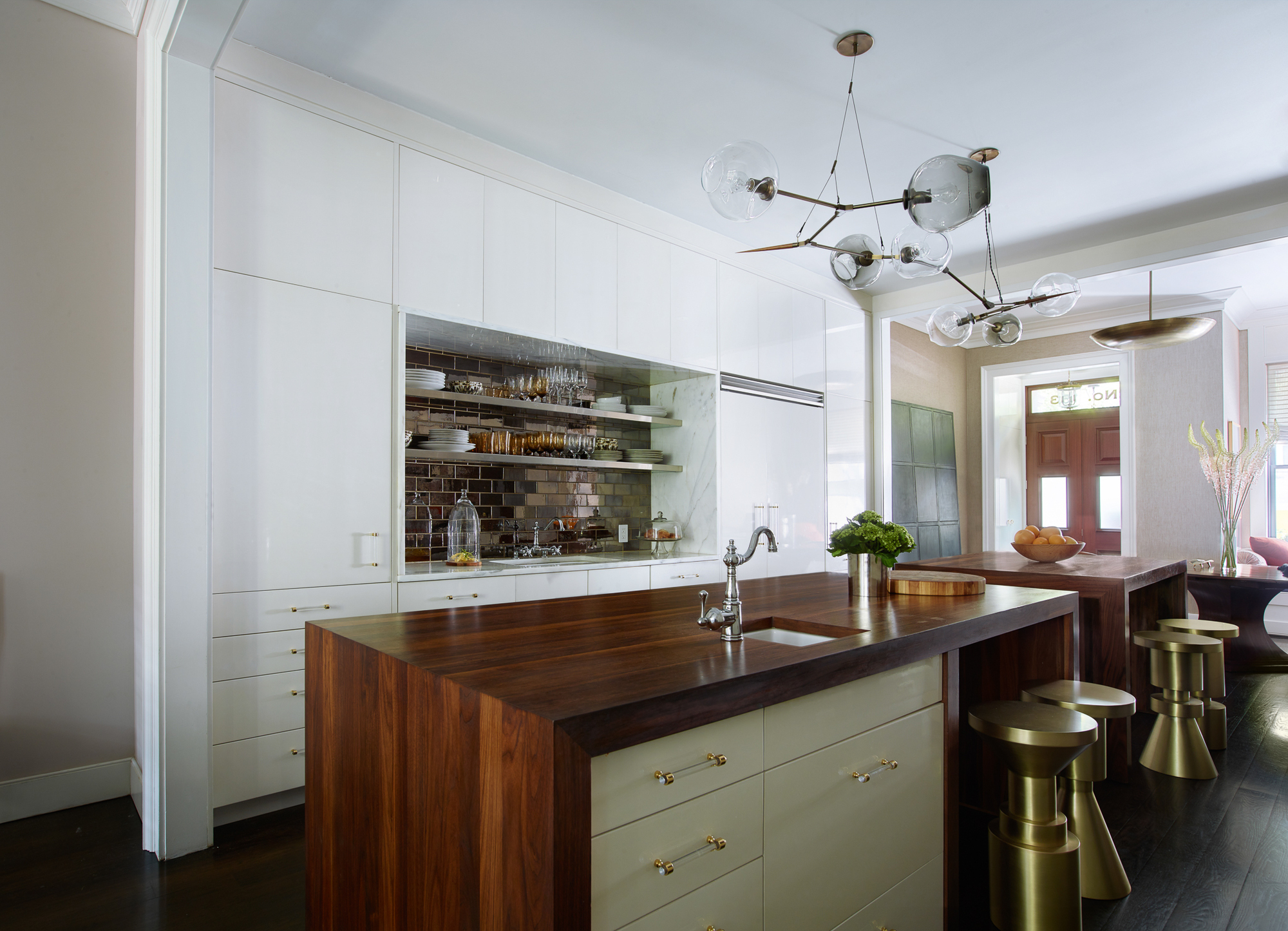
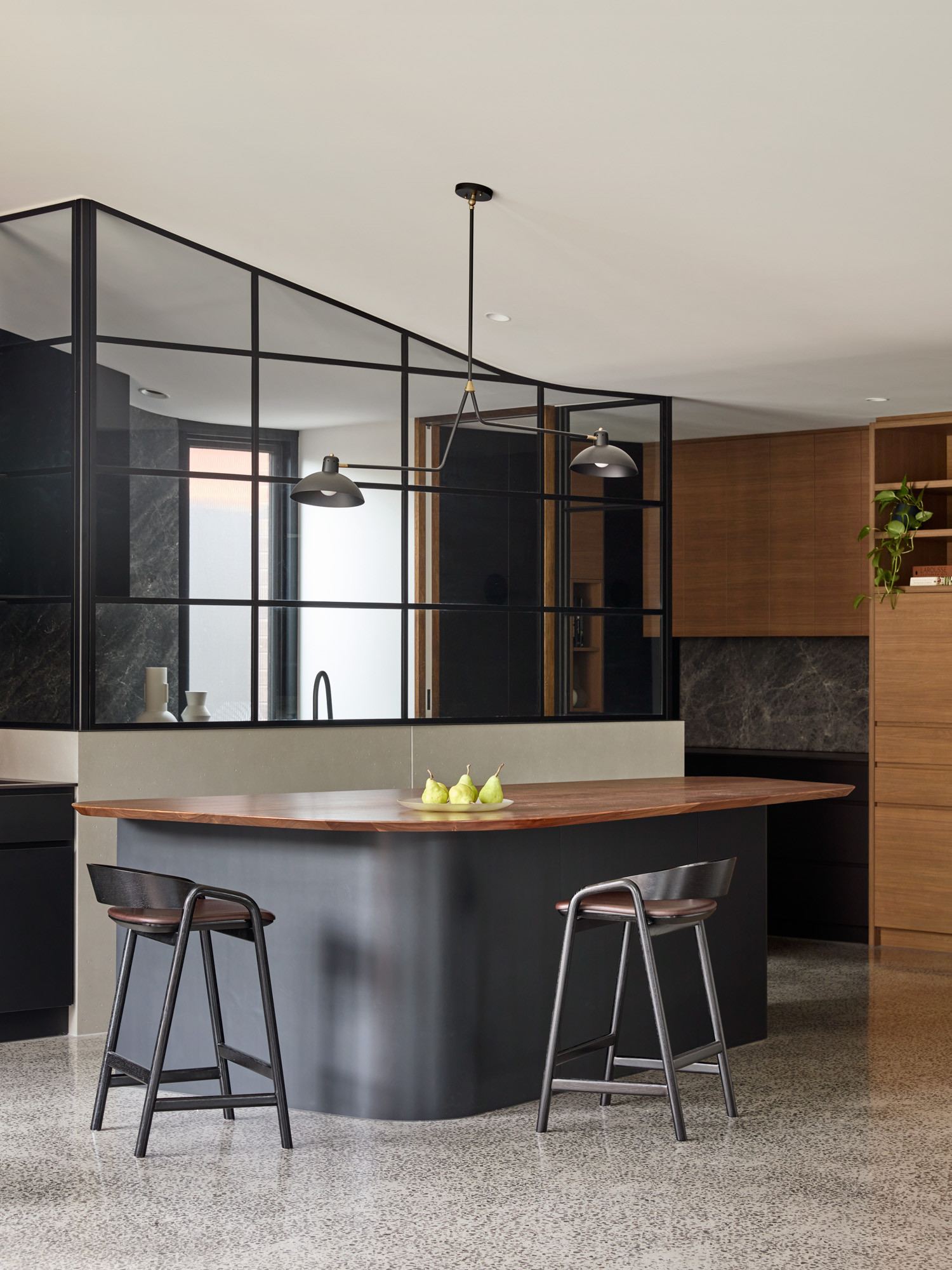
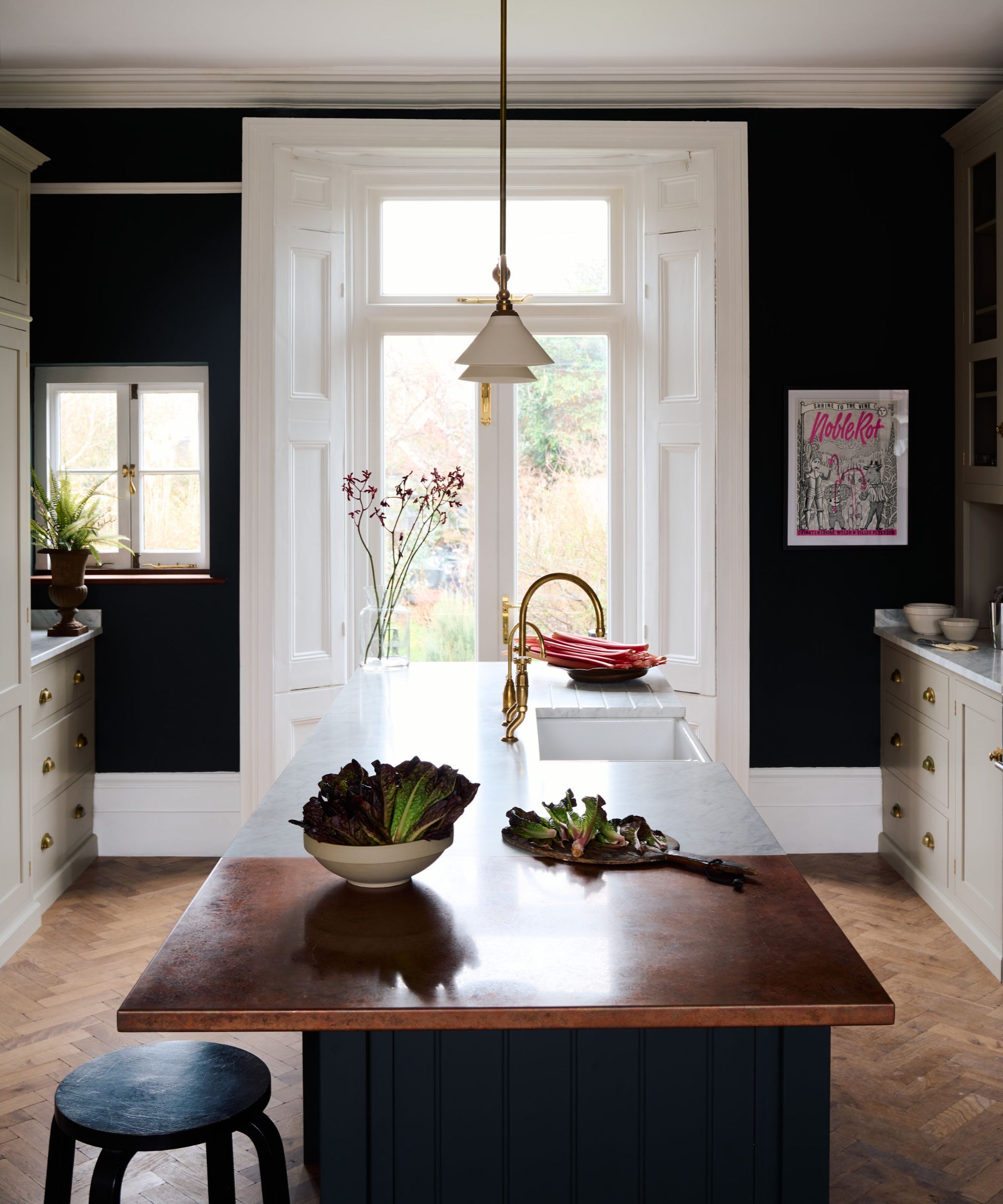
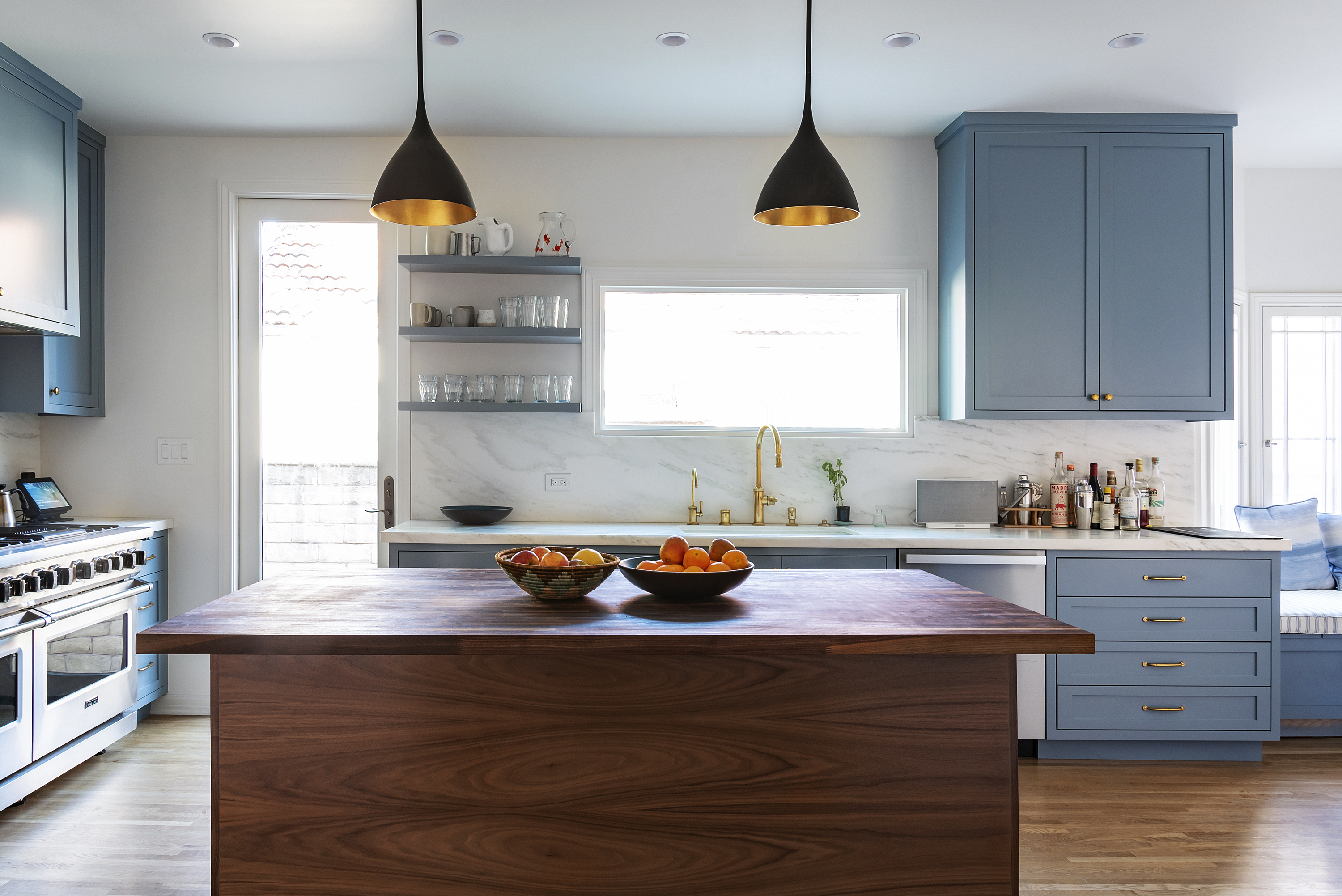
There are several ways to integrate butcher's blocks into kitchen design. Adding wheels transforms them into portable kitchen islands, making them highly adaptable for different layouts and uses. Introducing contrast through varying wood tones, colors, or finishes between the butcher's block and surrounding cabinetry can elevate it into a focal point. For instance, a dark walnut top might complement a lighter wood floor, or a maple top could contrast effectively with a darker floor. Butcher's blocks can also be enhanced with additional storage solutions, such as open shelves for larger items or deep drawers for smaller kitchen tools, maximizing their utility despite their often smaller footprint compared to built-in islands.
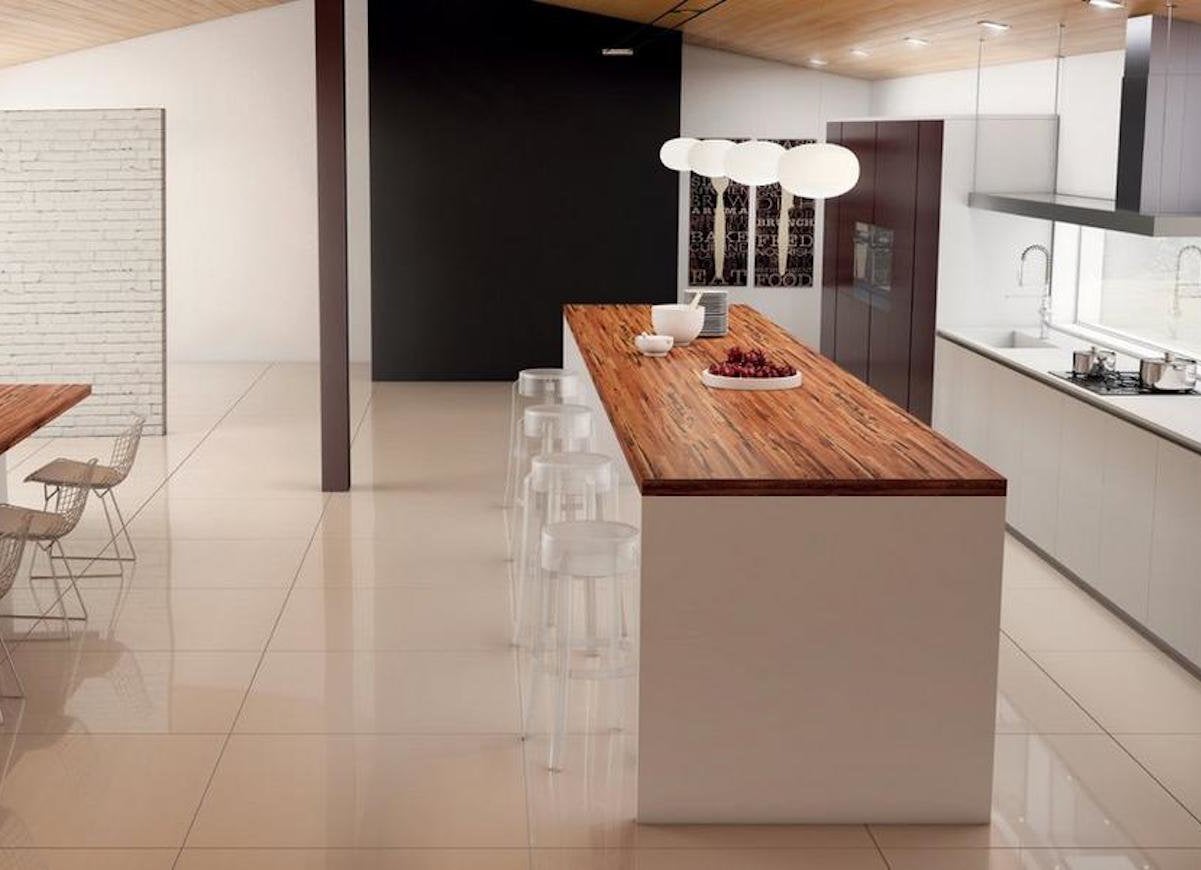
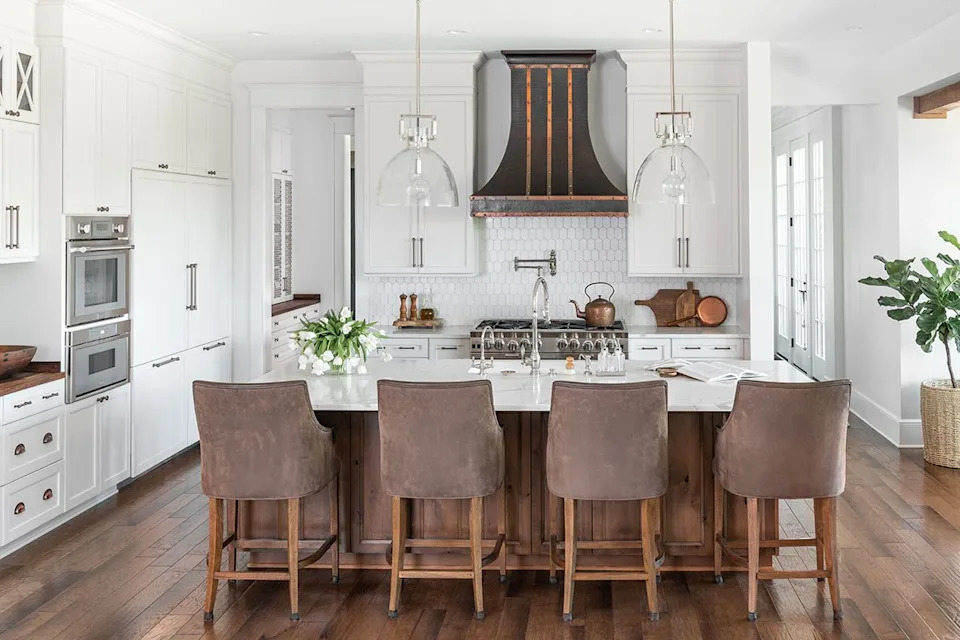
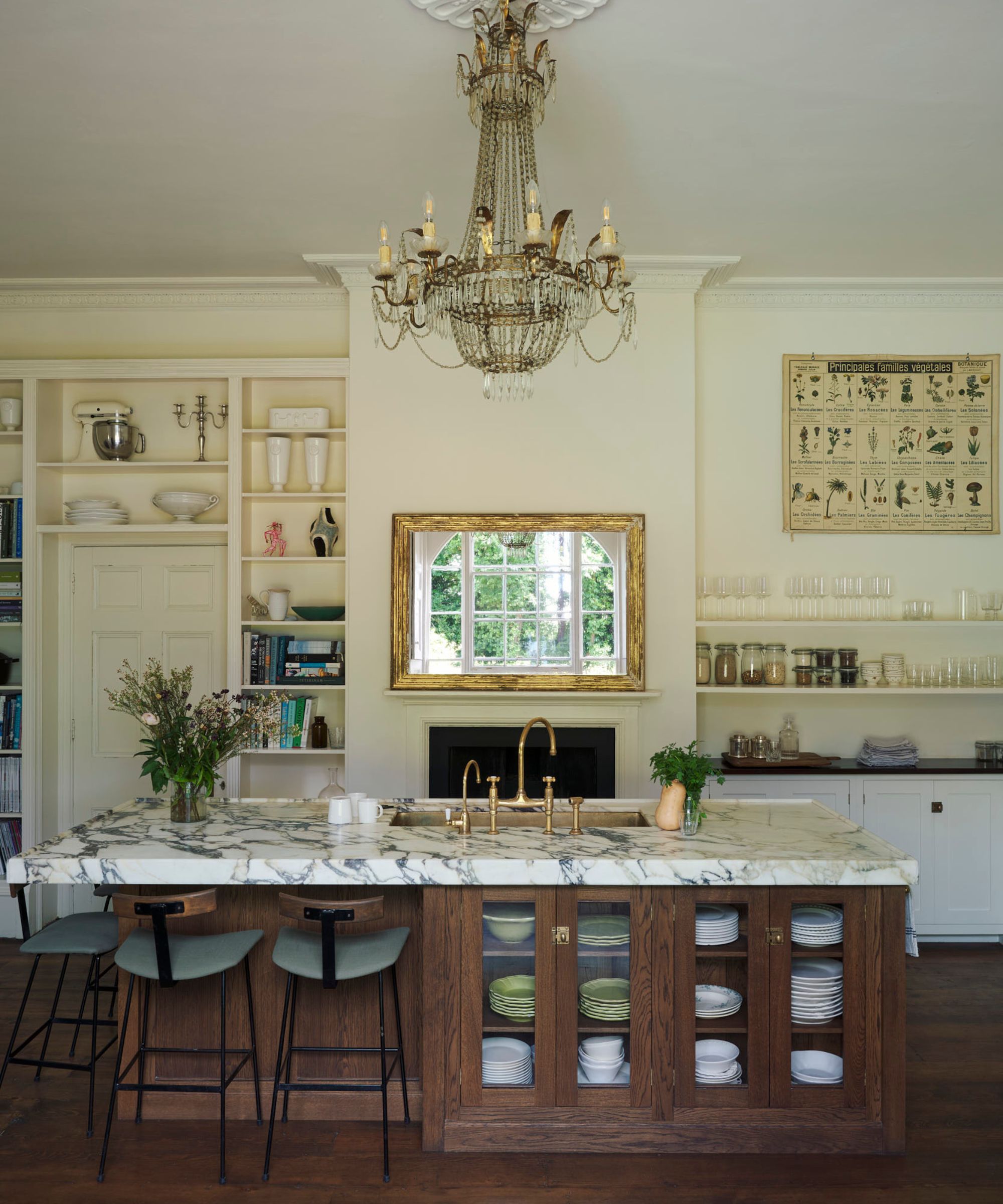
Furthermore, these units can be highly multi-functional, doubling as a bar, an additional serving area, or an intimate seating space, as demonstrated by Peter Dunham's designs. For those seeking a more contemporary look, mixing materials—such as pairing the wood of a butcher's block with marble countertops and dark cabinetry—can create a sophisticated blend of old and new. In essence, interior designers confirm that butcher's blocks are a versatile and aesthetically pleasing solution for creating an instant kitchen island, suitable for both large and compact spaces, and capable of adding significant charm and character to any kitchen scheme.
#ButchersBlock #KitchenIsland #KitchenDesignTrends #InteriorDesign #KitchenStorage #PortableKitchen #RusticKitchen #EclecticStyle #KitchenRemodel #ButchersBlock #KitchenIsland #KitchenDesignTrends #InteriorDesign #KitchenStorage #PortableKitchen #RusticKitchen #EclecticStyle #KitchenRemodel
0 comment in total
 No comments yet
You may also like
10 Outdated Kitchen Trends Making A Comeback, According To A Design Expert

10 Unexpected Problems With Butcher Block Countertops, According To Experts

The Controversial Kitchen Trend the Design World Is Buzzing Over
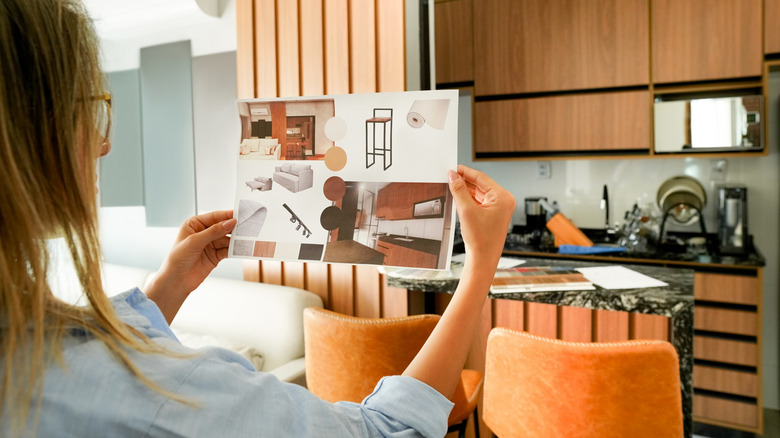
The Once Dated Kitchen Island Alternative That's Making A Hot Comeback In Homes

Apparently, the Neighbors in Netflix’s The Watcher Hate This Kitchen Countertop Style

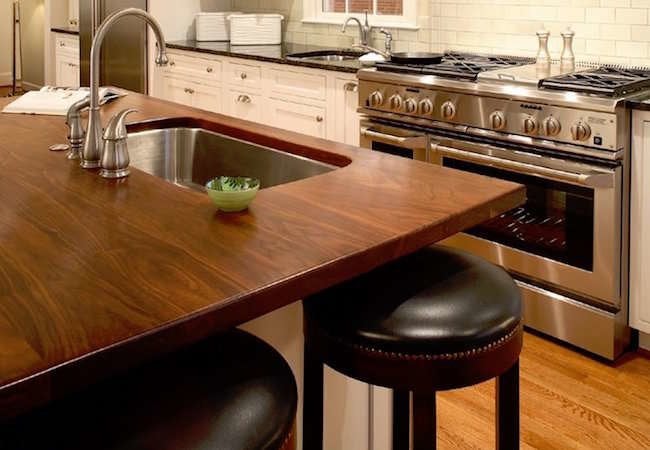
12 Wow-Worthy Woods for Kitchen Countertops
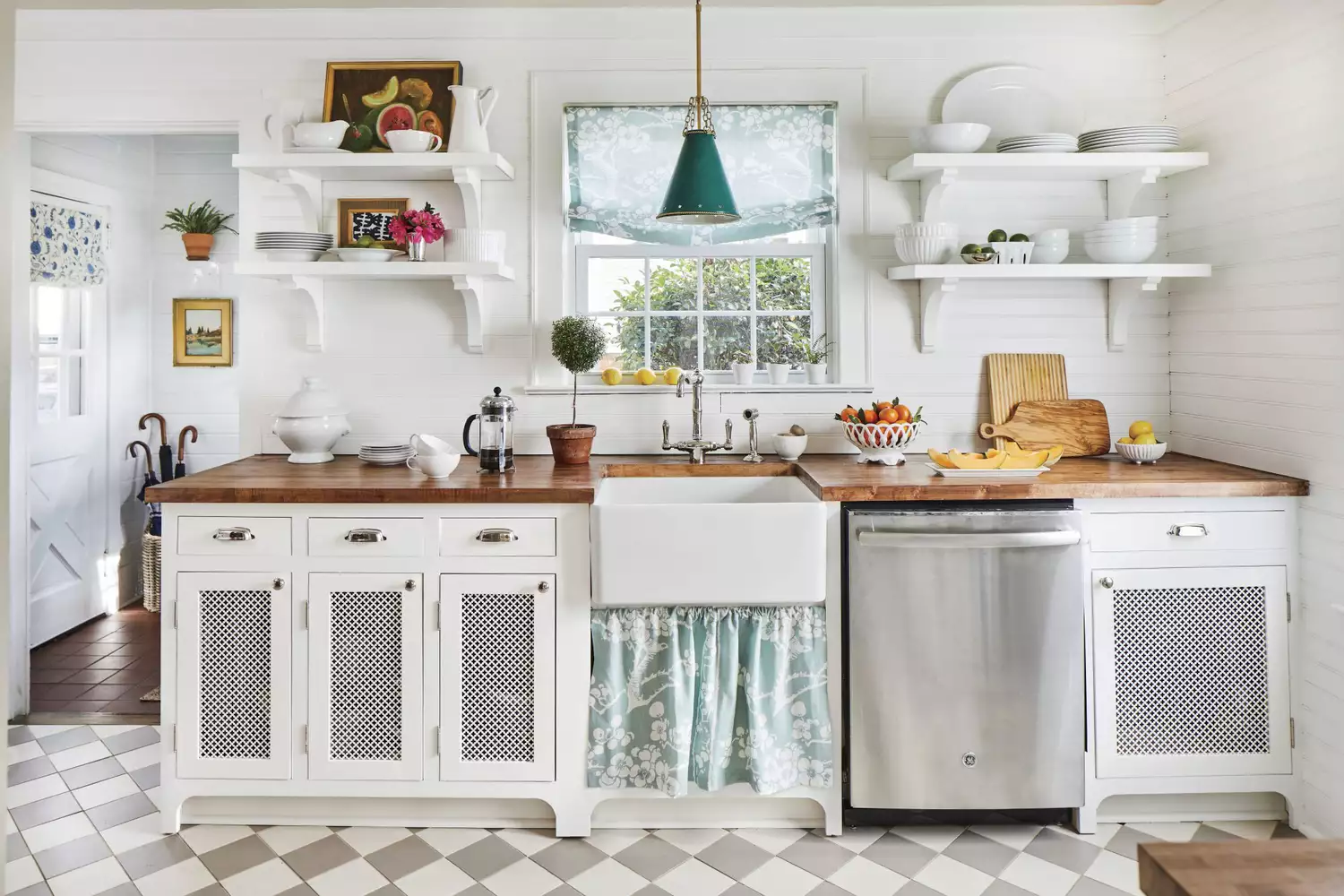
The Pros And Cons Of Butcher Block Countertops
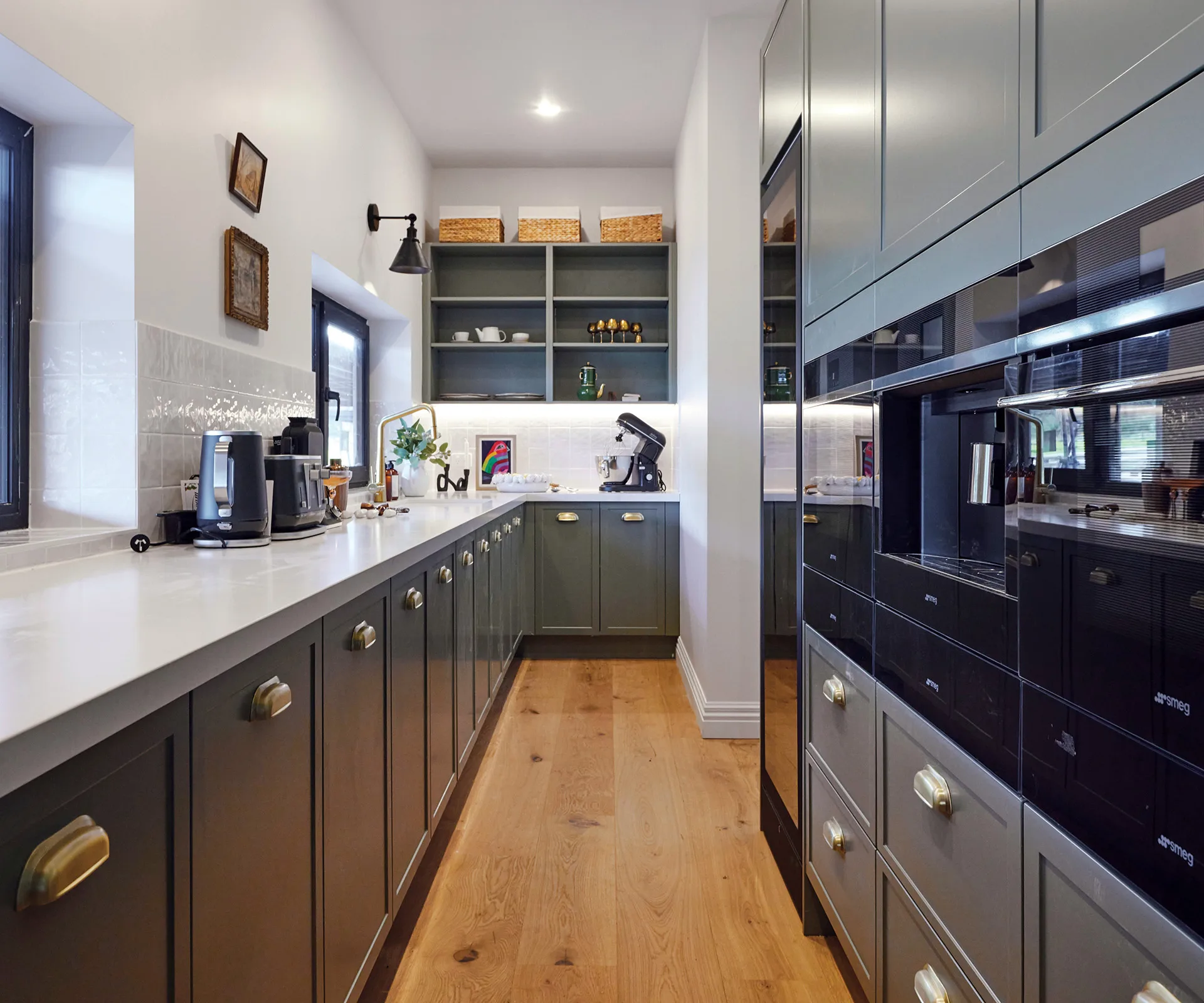
The Block 2022: killer kitchen design ideas to steal

9 Butcher Block Countertop Ideas That Make Working in the Kitchen Easy (and Easy on the Eyes)

Design Experts Agree: This Kitchen Style Is Making a Major Comeback
Are kitchen islands out? Kitchen experts agree that the prep table might be it's trendy replacement
5 kitchen design ideas we are borrowing from The Block
This '90s Island Design Trend Will Make Your Modern Kitchen More Inviting
This Versatile Rolling Island Is a Small Kitchen Game Changer

These Are the Top Kitchen Hardware Trends for 2025, According to Experts
Kitchen island trends – 8 shapes, materials and finishes designers are choosing for elevated spaces
Are butcher block countertops durable? Yes - if you follow this expert low maintenance advice
This Traditional Kitchen Detail is Making an Unexpected Comeback This Year
16 kitchen island trends designers say will be everywhere in 2025
5 Outdated Kitchen Trends Interior Designers Hope Never Come Back