1/2
How Bedroom Design Is Evolving for Healthier, Deeper Rest
The concept of "clean sleep" is revolutionizing modern bedroom design, shifting the focus from mere aesthetics to creating a genuinely clean and healthy environment that actively promotes restorative sleep and prevents bacterial growth. Traditionally, bedroom design prioritized calming colors and comfortable bedding. However, the clean sleep movement emphasizes the critical role of materials and environmental factors in sleep quality. It challenges the conventional understanding of sleep hygiene, moving beyond behavioral aspects like screen time and consistent schedules to incorporate the physical elements surrounding a sleeper for eight hours a night.
A key aspect of clean sleep is addressing the hidden microbial ecosystems within bedding. Research indicates that sheets can harbor significantly more bacteria than a toilet seat after just a few days. Pillowcases can accumulate millions of colony-forming units (CFUs) of bacteria within a week, and older mattresses can house over 16 million. This microscopic buildup, composed of bacteria and dust mites thriving on shed skin cells and sweat, can release irritants that negatively impact breathing, skin balance, and overall sleep quality. The body's nightly repair processes are hindered when the sleeping environment is compromised by synthetics and chemicals, potentially leading to skin irritation, acne flare-ups, and disturbed rest.
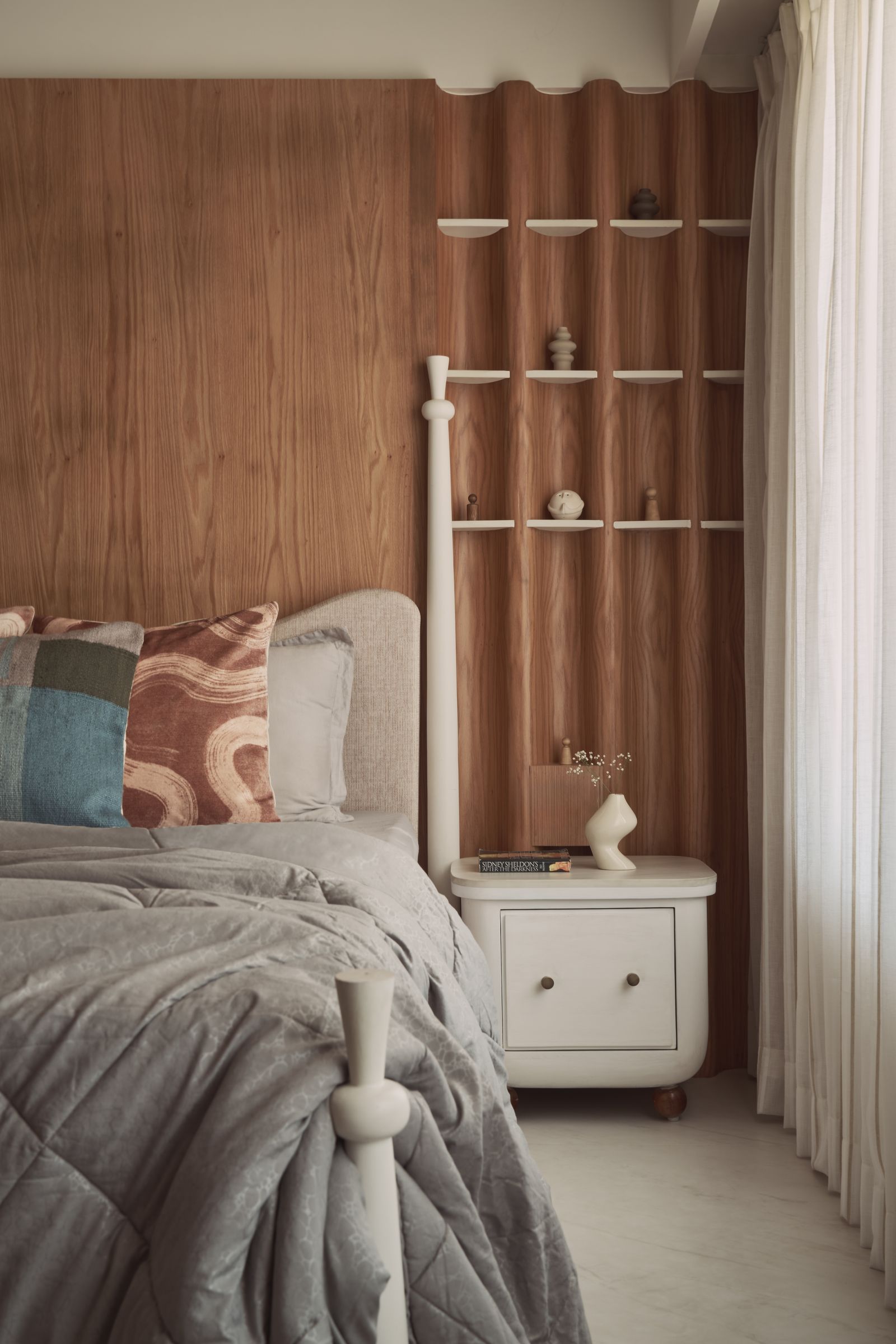
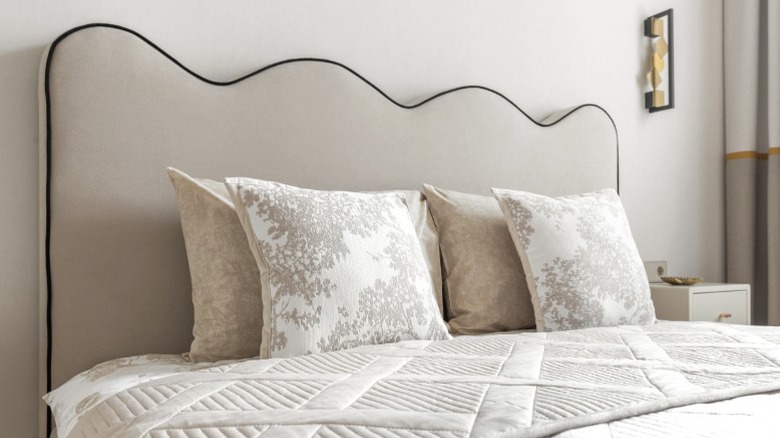
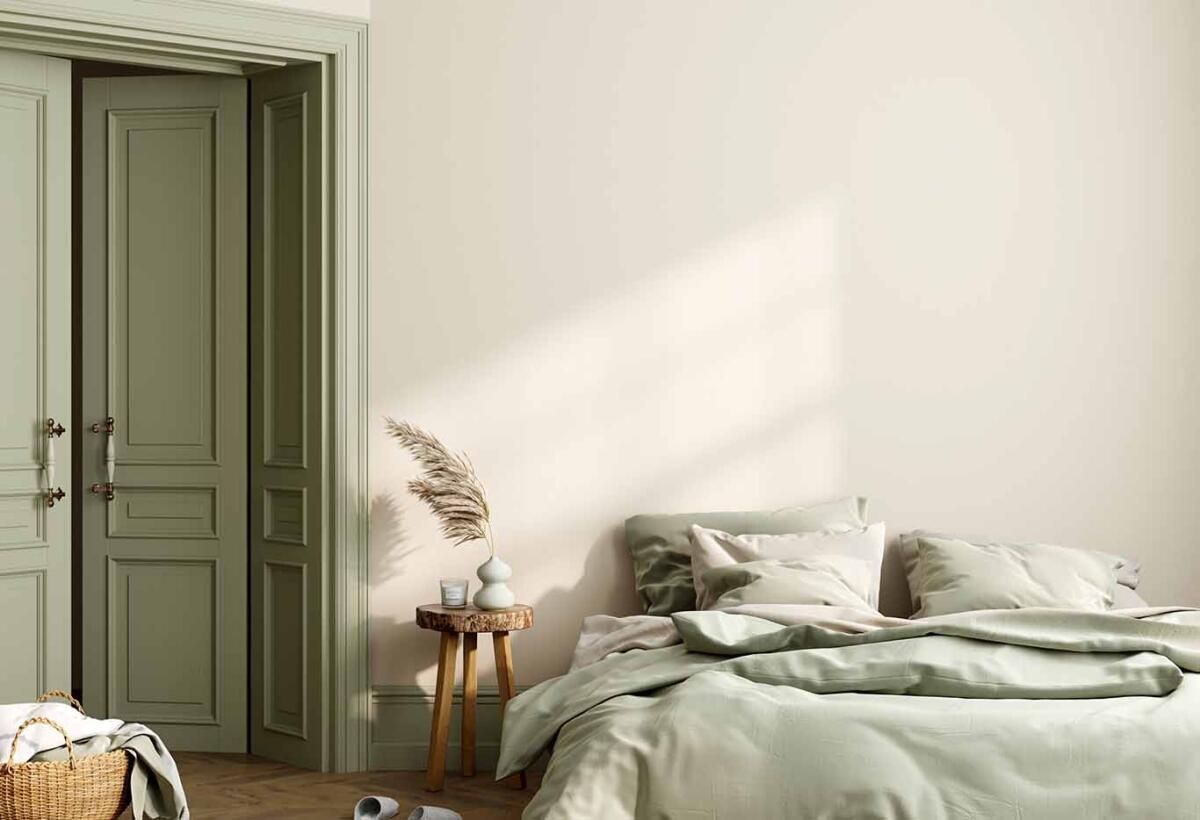
The clean sleep movement advocates for a significant shift in material choices, favoring fabrics with natural antimicrobial properties over chemically treated options. This includes materials like silver-infused fibers, 100% bamboo viscose, or lyocell, all of which are effective at wicking moisture and regulating temperature, creating an environment less hospitable to bacteria. These advanced materials aim to reduce skin irritation, clear sinuses, and improve body temperature regulation, leading to fewer nighttime awakenings and deeper sleep. The emphasis is on natural, breathable materials that do not trap heat or moisture and actively resist dust mites.
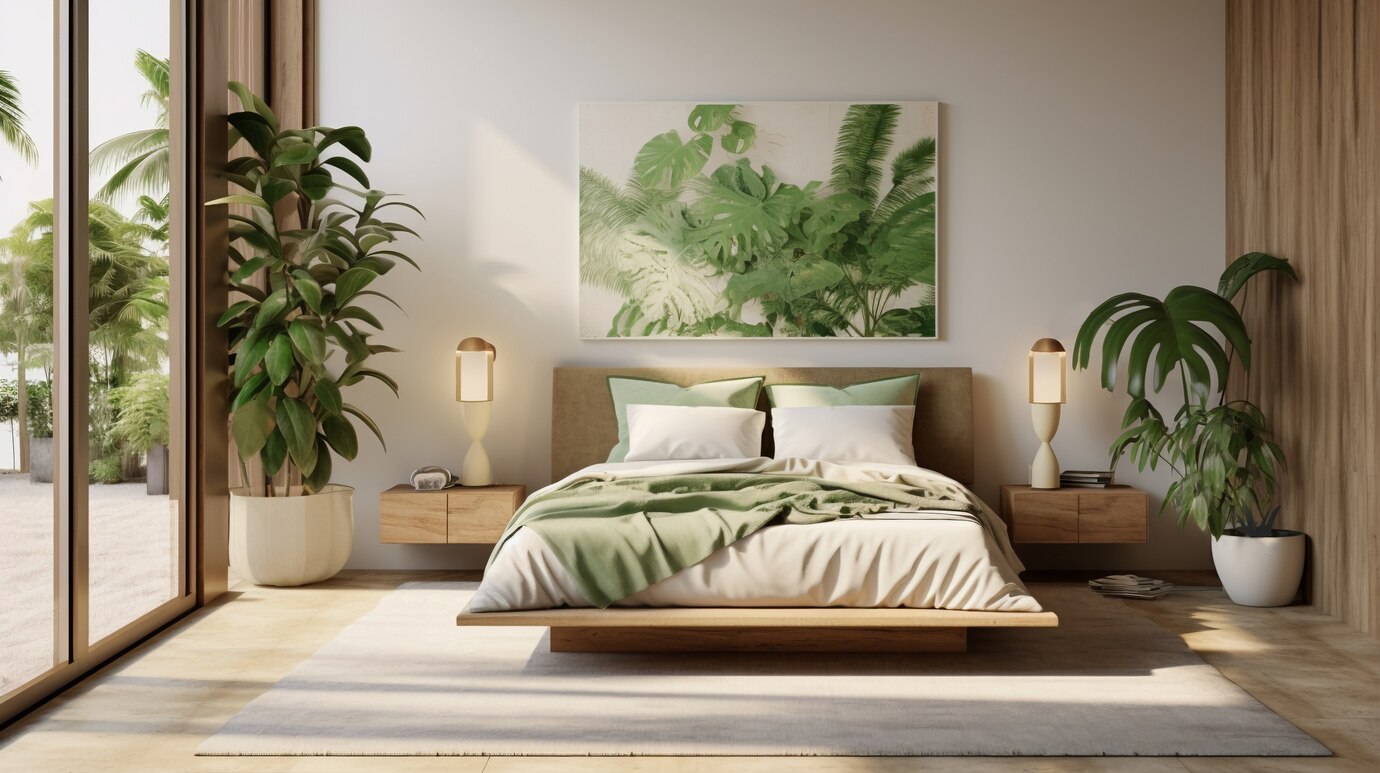
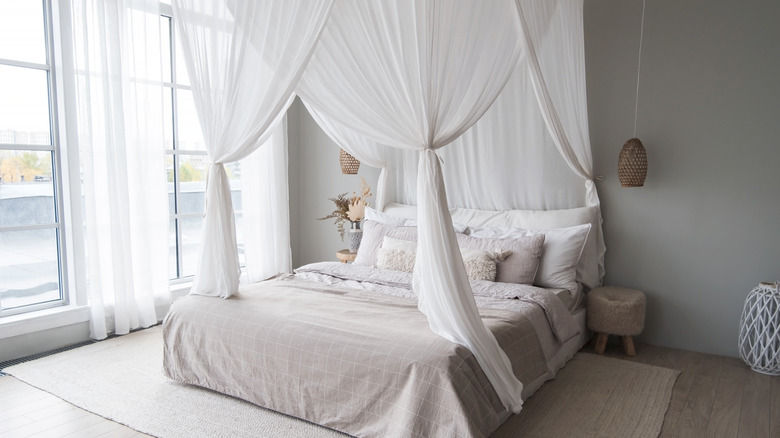
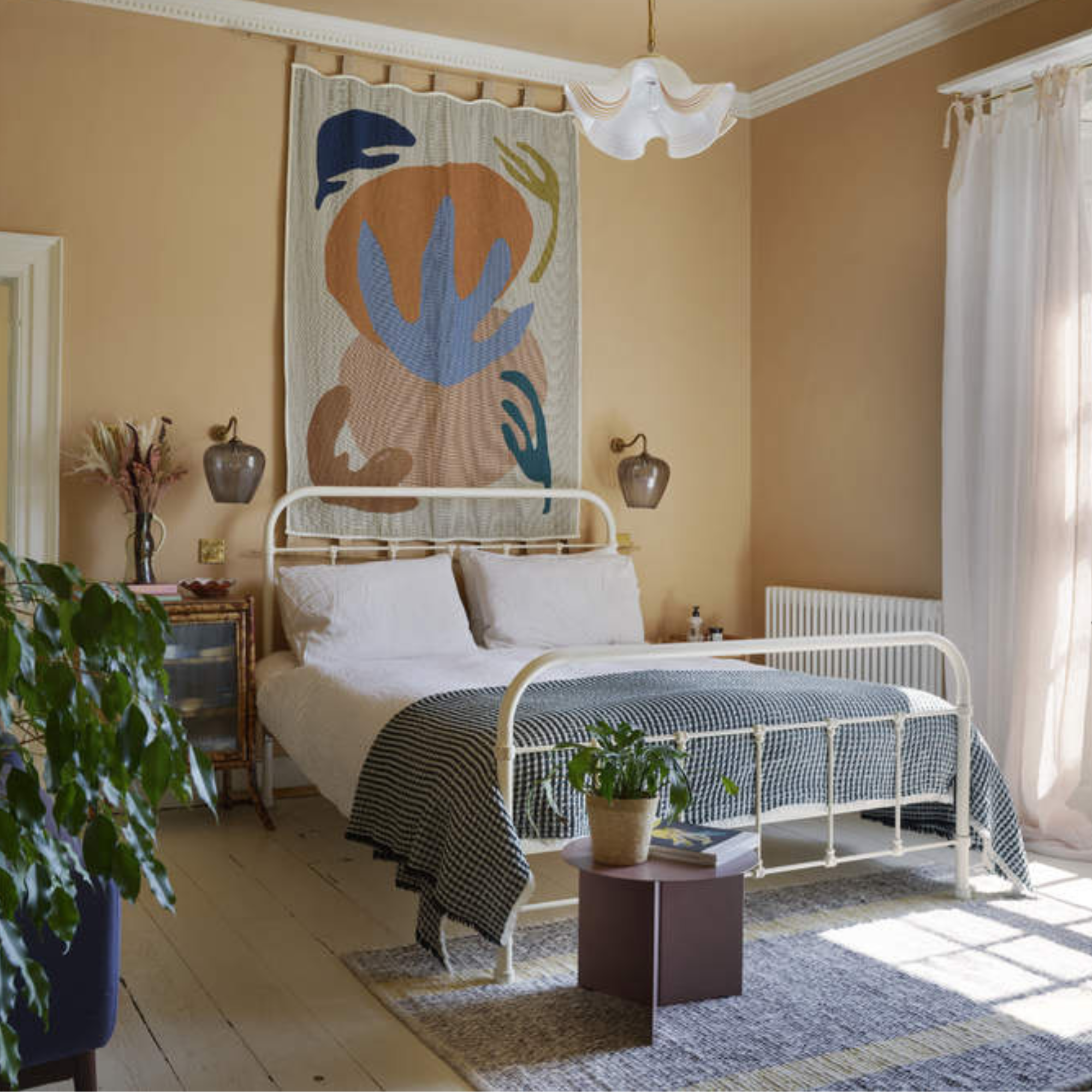
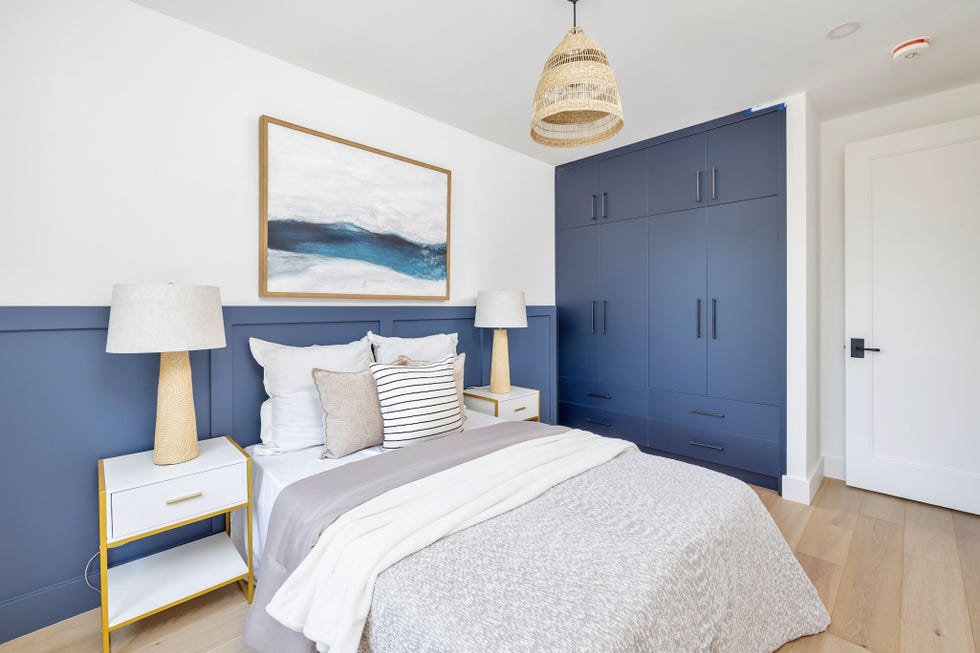
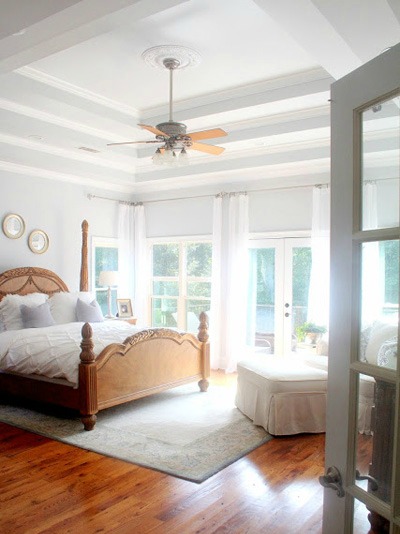
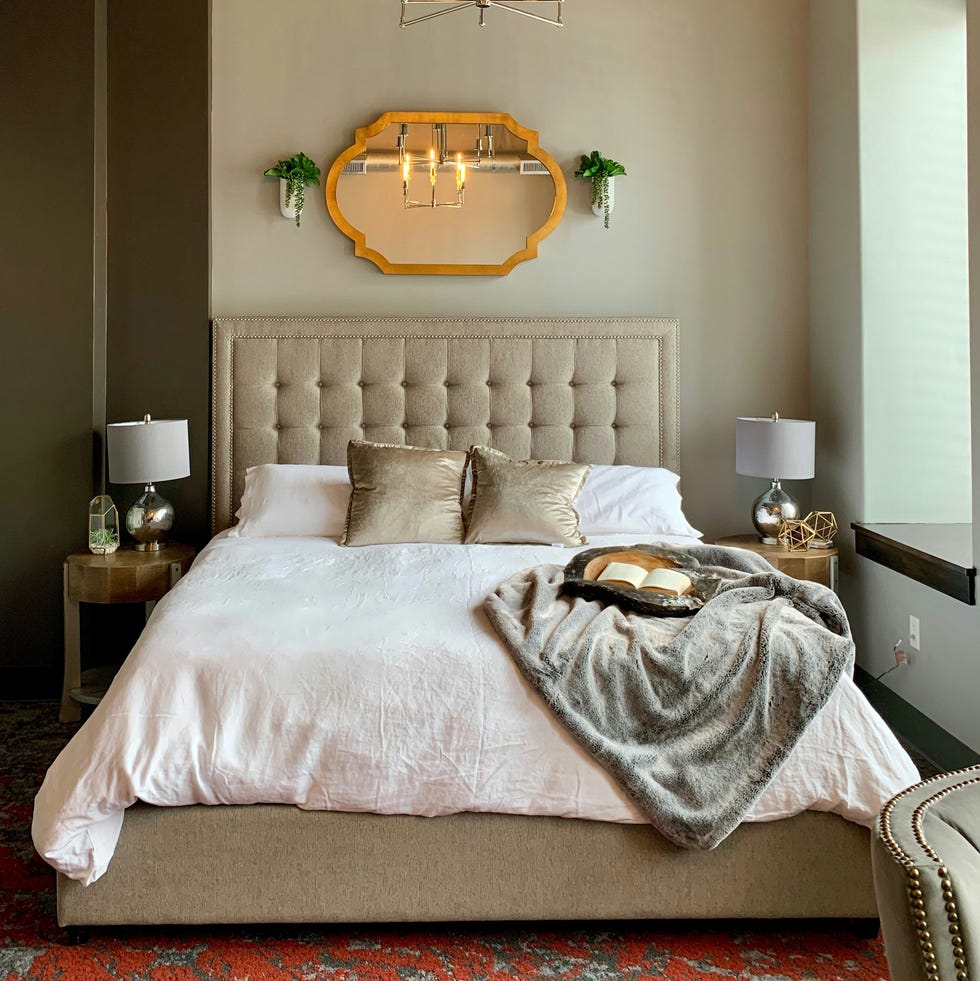
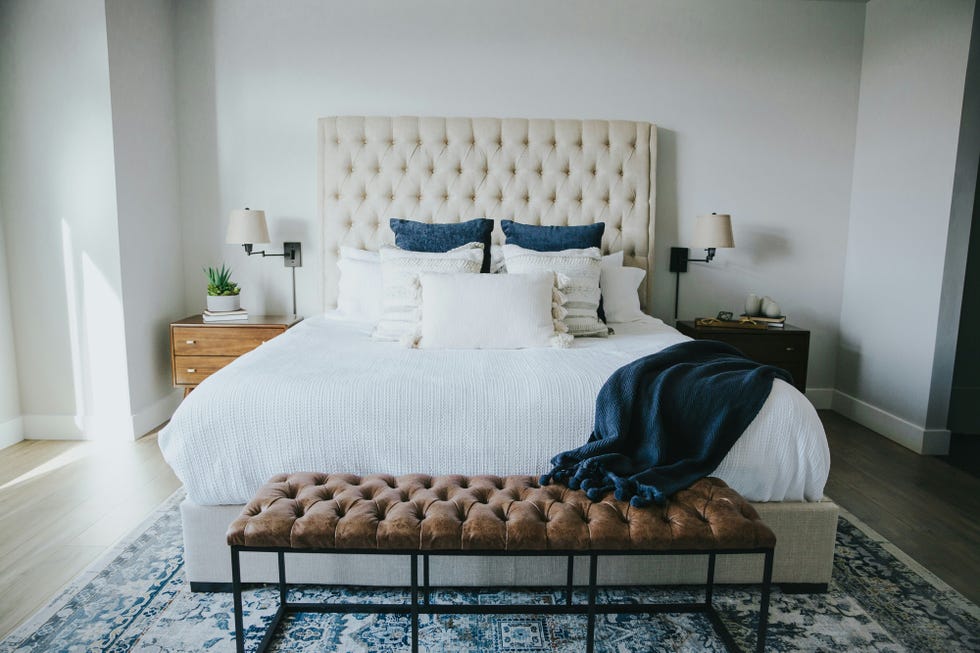
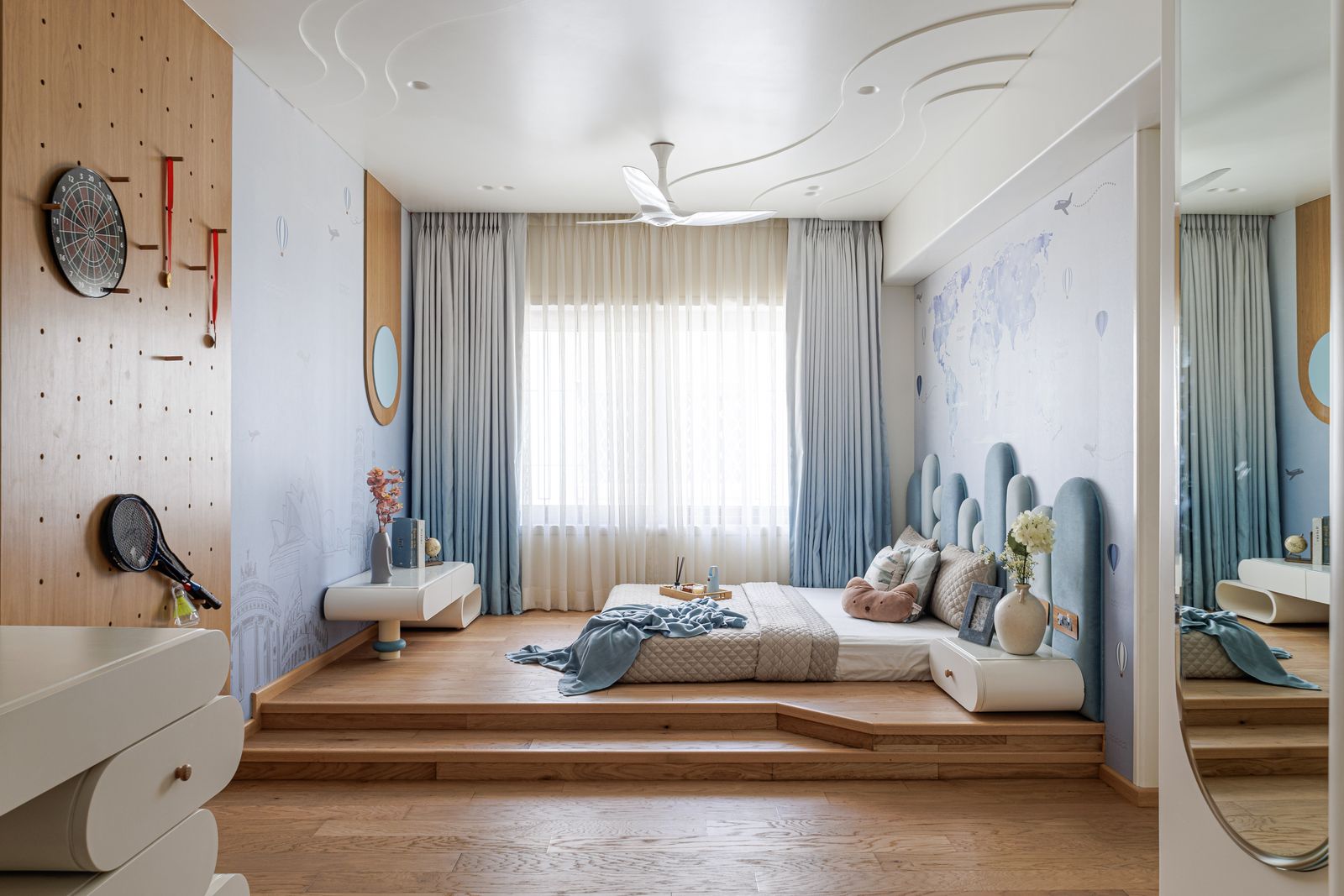
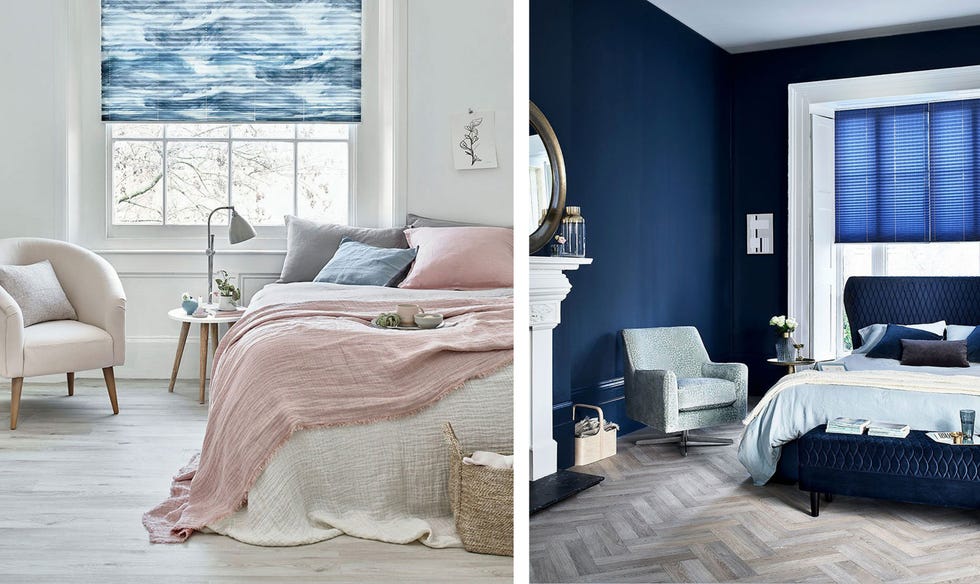
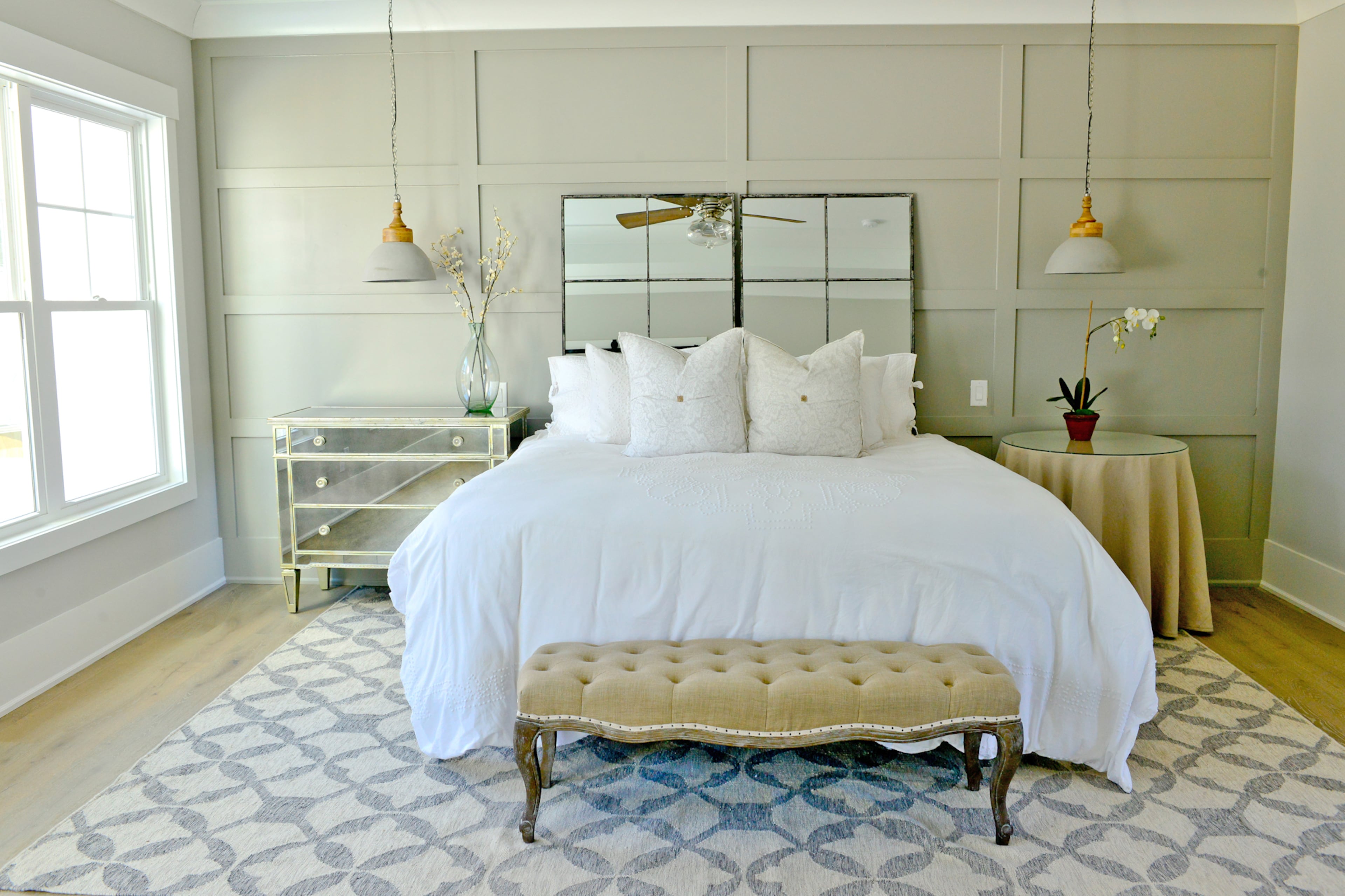
Beyond bedding, the design principle extends to the overall bedroom layout and atmosphere. A strategically planned bedroom, including central bed placement against a main wall and avoiding direct placement under windows (as suggested by Feng Shui practices), contributes to a sense of sanctuary. The goal is to create a space that induces relaxation upon entry. For many individuals, the link between skin issues like breakouts and bedding has often been overlooked, yet the regeneration of skin during sleep can be severely disrupted by a bacteria-laden pillowcase, leading to inflammation and clogged pores. This highlights the importance of the bedroom environment in supporting the body's natural restorative functions.
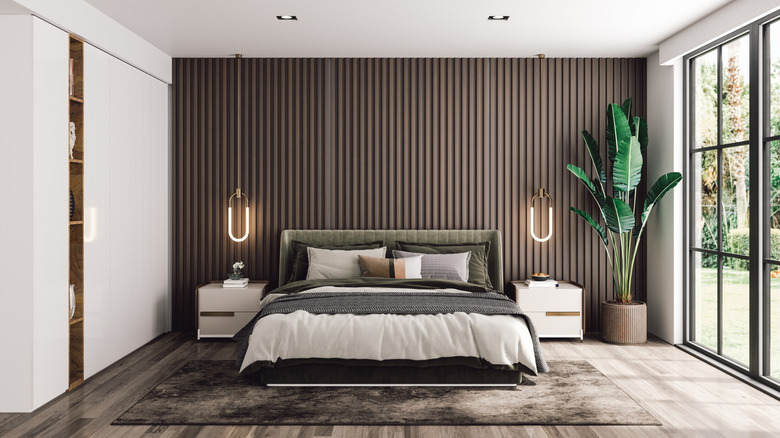
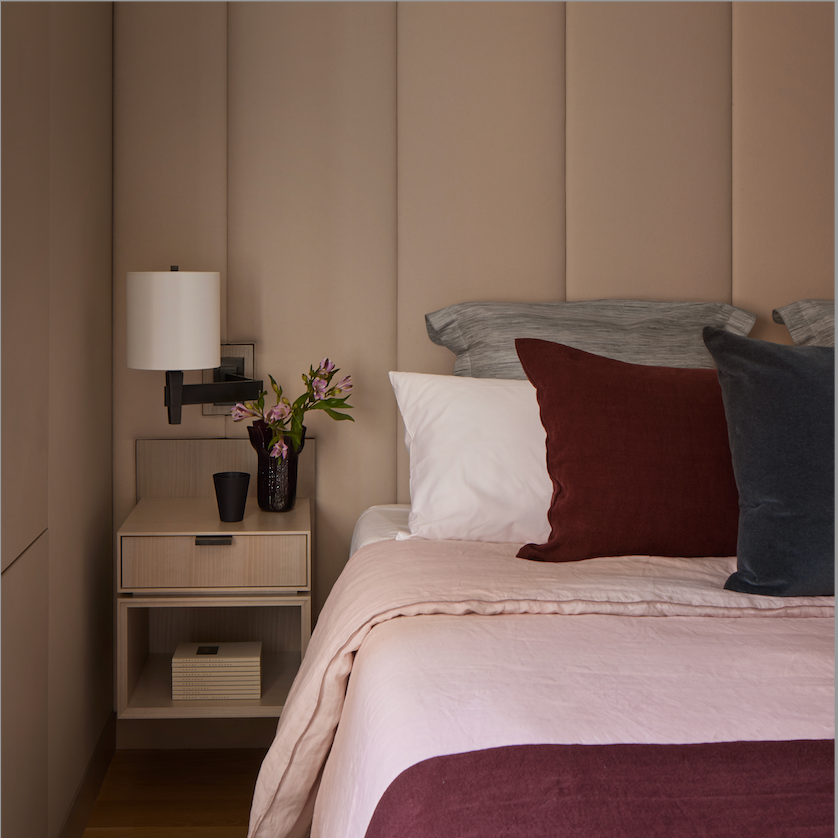
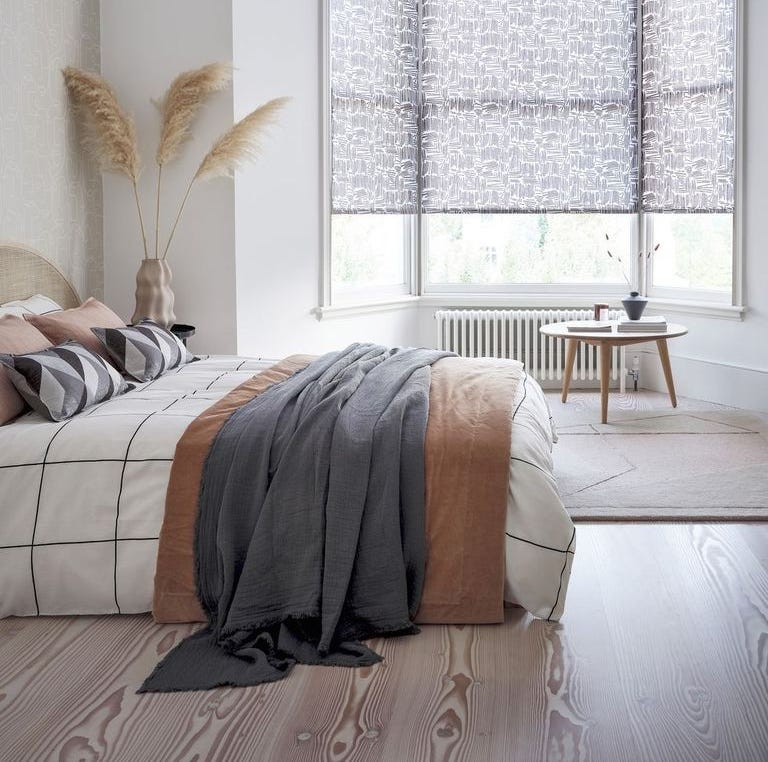
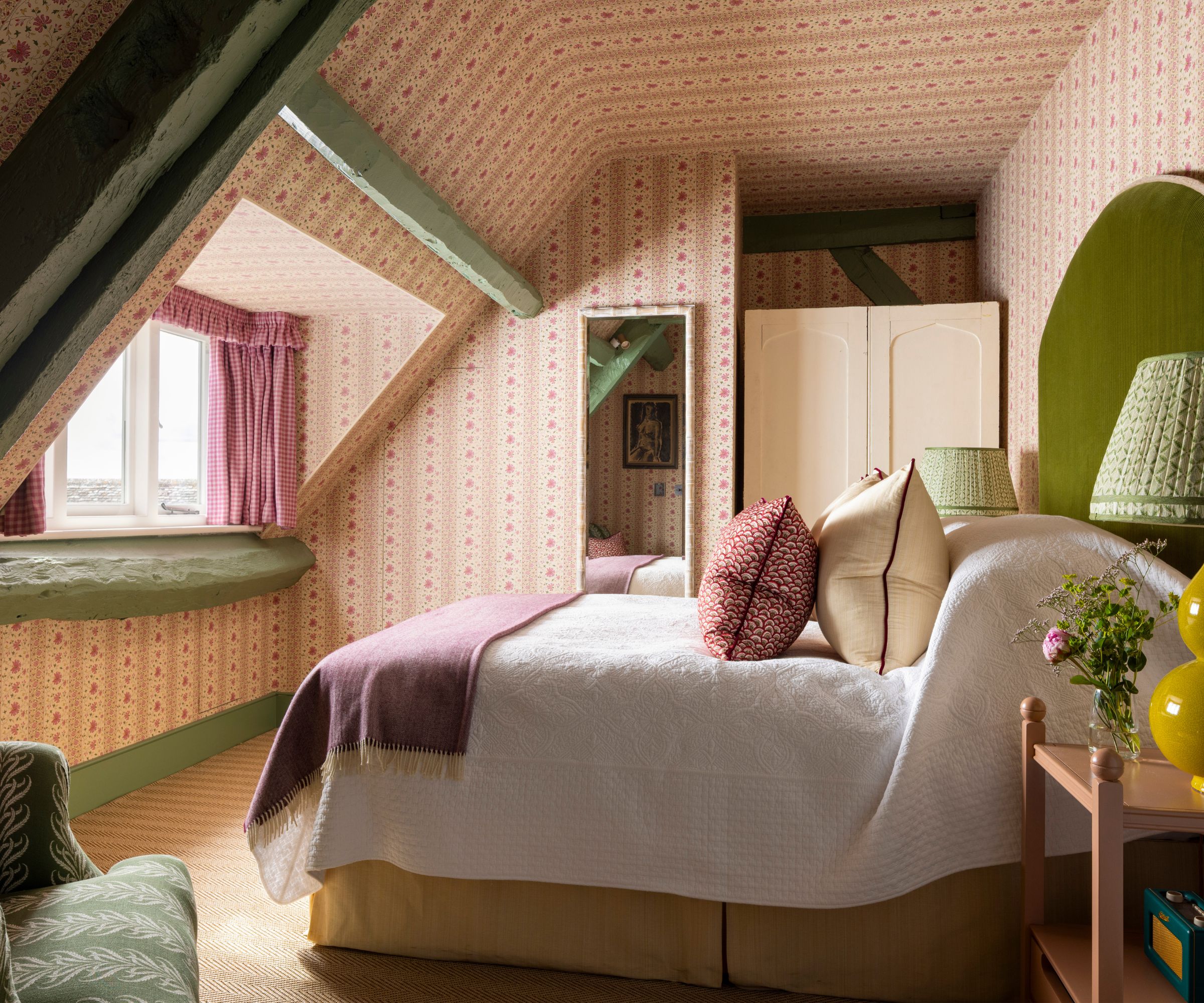
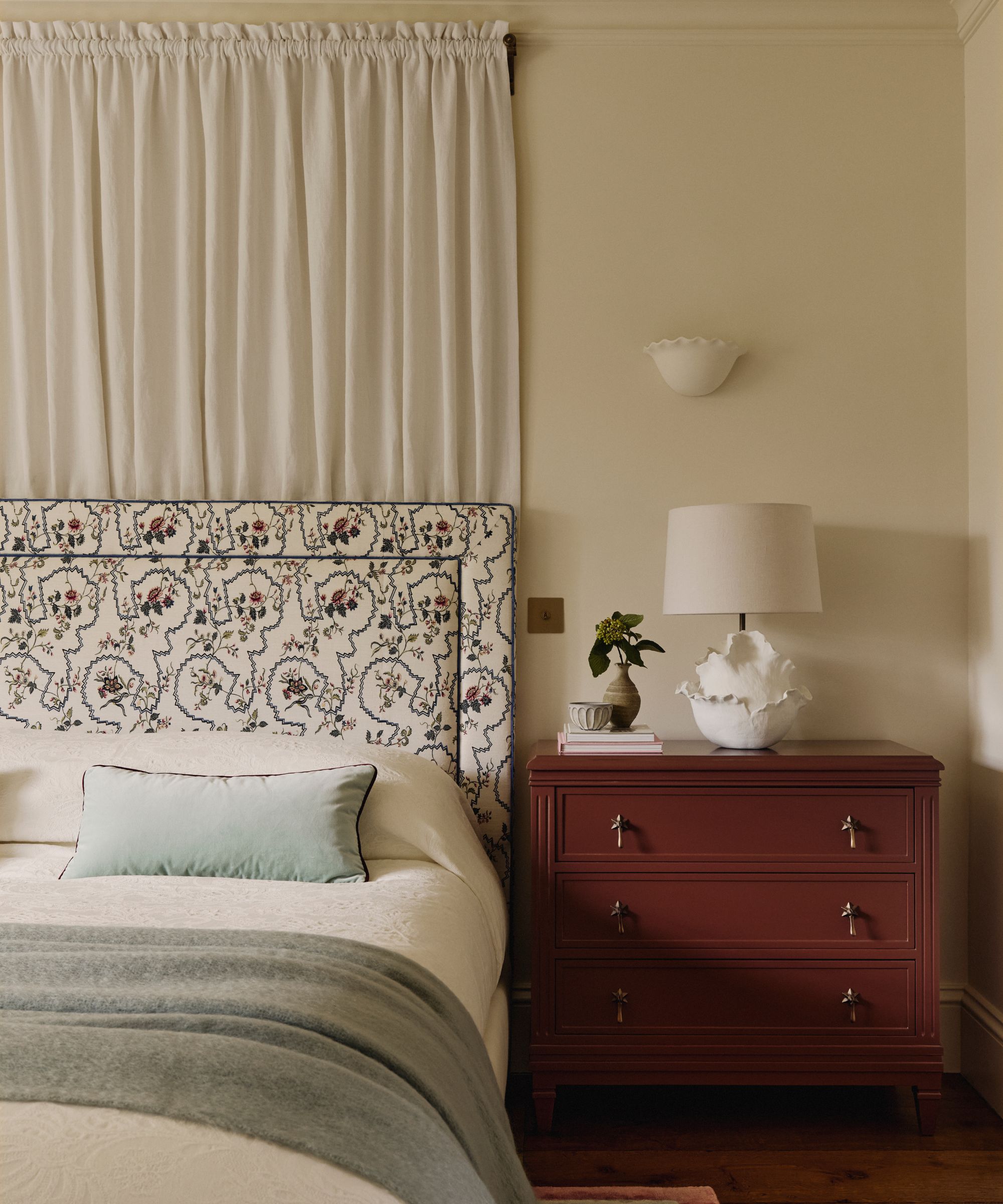
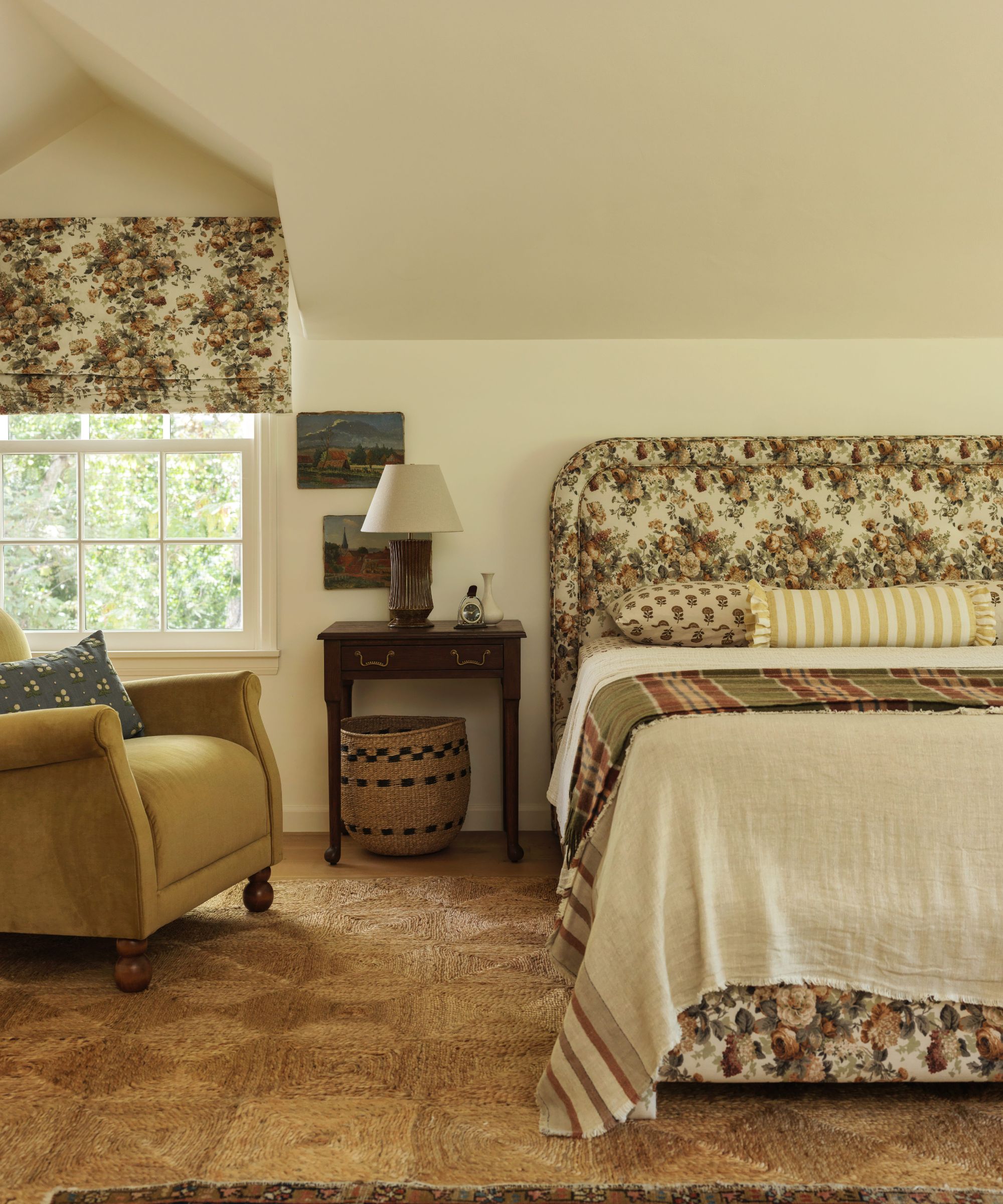
The aesthetic of a clean sleep bedroom integrates wellness with design, moving beyond visual calm to encompass a truly clean and functional environment. This involves choosing specific color palettes, layering natural fabrics like linen and organic cotton, and considering room ventilation. The approach also extends to broader home design, where materials are viewed as tools for health. This includes selecting hypoallergenic mattresses and using organic, low-VOC (volatile organic compound) paints. The movement encourages a decluttered space, where integrated furniture and storage create visual calm and promote rest. Finally, ambient elements such as soft, dimmable lighting, natural aromas from essential oils or plants, and air-purifying plants like snake plants or peace lilies are recommended to enhance the sleep environment by naturally regulating humidity and oxygen levels, while strategic layout ensures clear pathways and effective light control to prevent disturbances.
#BedroomDesign #CleanSleep #SleepHealth #AntimicrobialFabrics #NaturalMaterials #HomeWellness #InteriorDesign #SleepHygiene #BedroomDesign #CleanSleep #SleepHealth #AntimicrobialFabrics #NaturalMaterials #HomeWellness #InteriorDesign #SleepHygiene
0 comment in total
 No comments yet
You may also like
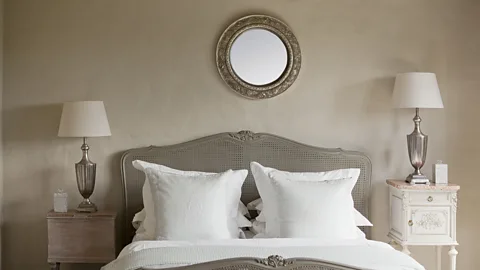
The evolution of the modern bedroom


Must-Try 2025 Trends To Create A Dreamy Bedroom You'll Never Want To Leave
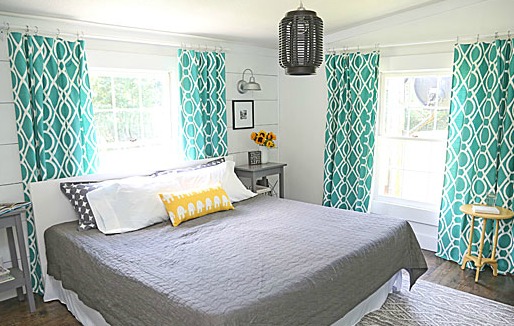
Ideas to update your bedroom

Move Over, Canopy Beds—This New Trend Will Give Your Space A Dreamy Edge

5 Luxury Bedroom Trends For 2025: Interior Designer Decodes And Shares Tips On How To Implement
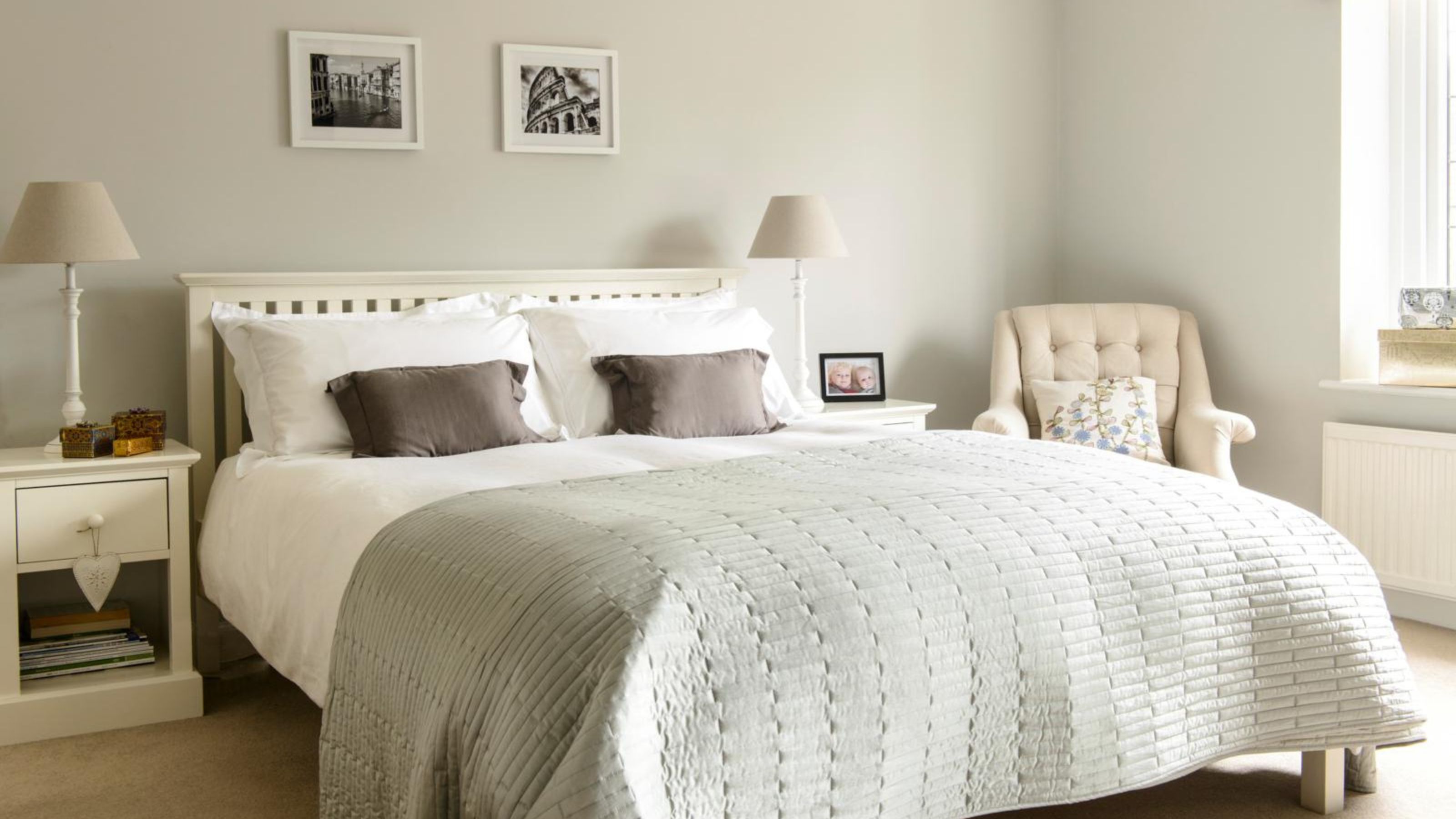
15 bedroom design tips for better sleep – wake fresh for the day
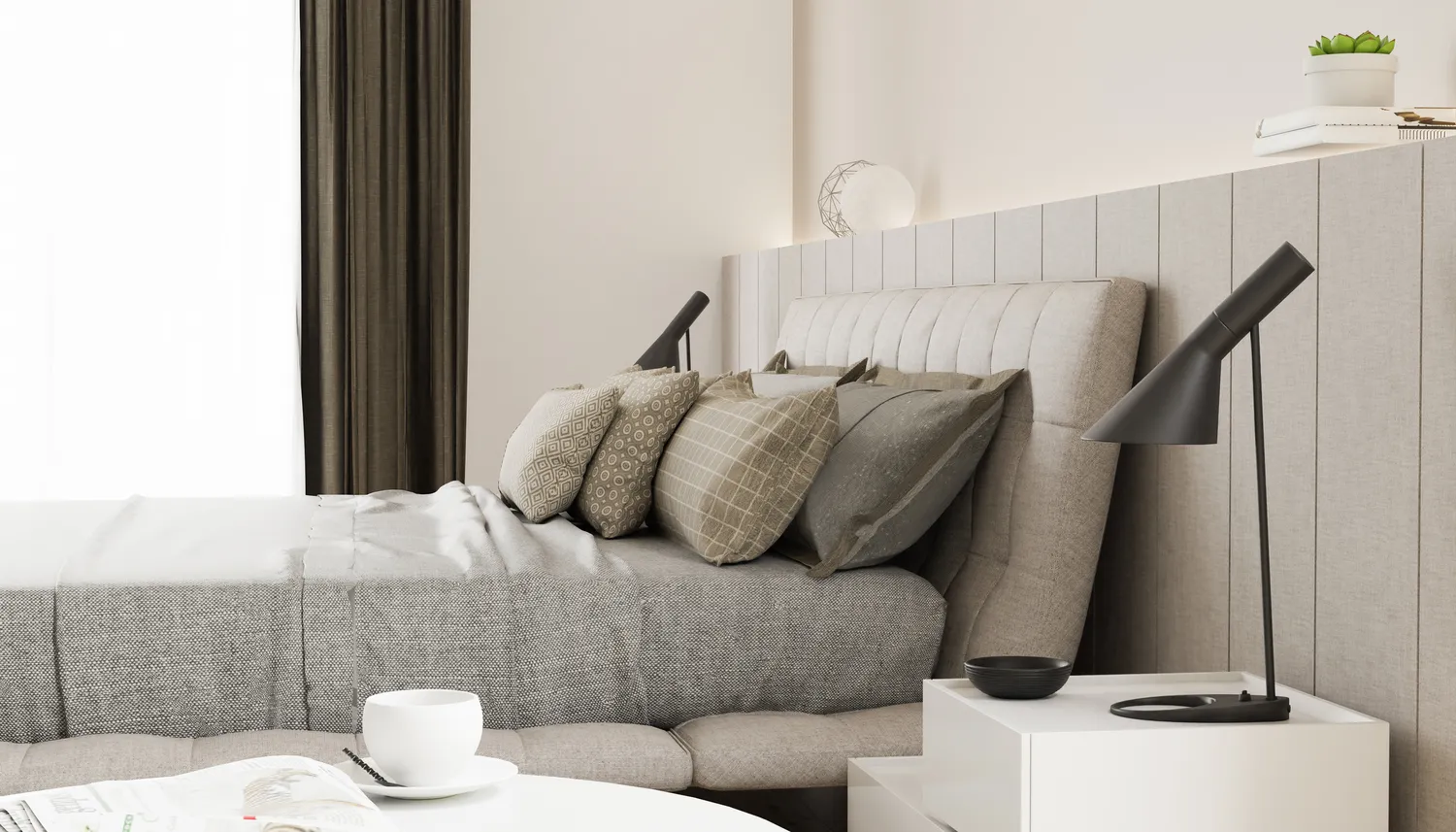
6 Bedroom Trends Designers Say You Won't See Again in 2026

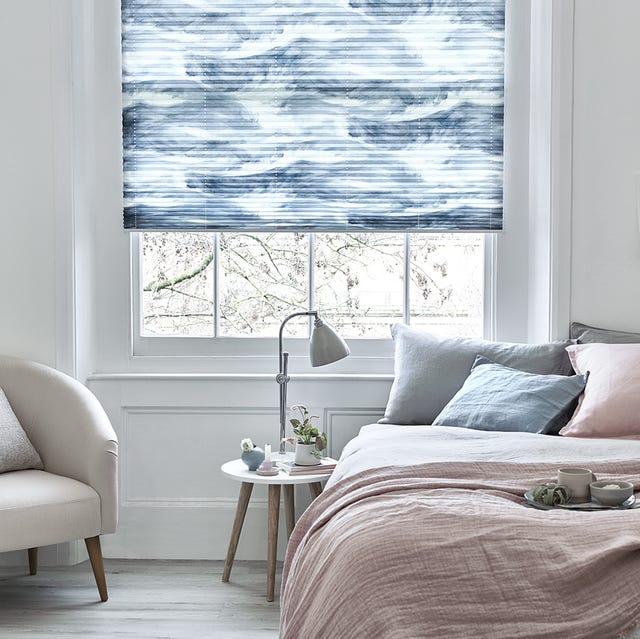
5 Top Bedroom Design Trends To Watch In 2021

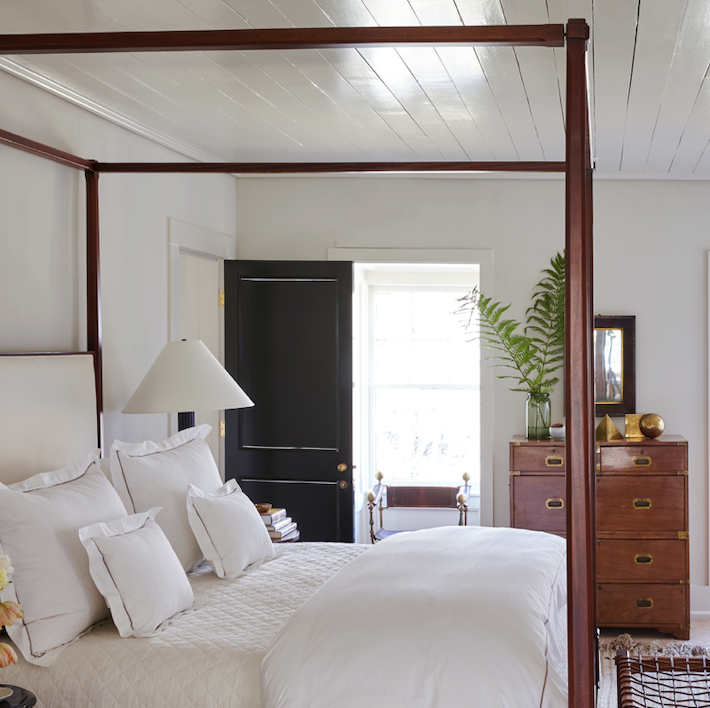
The 7 Bedroom Design Trends Designers Can't Wait to See in 2025

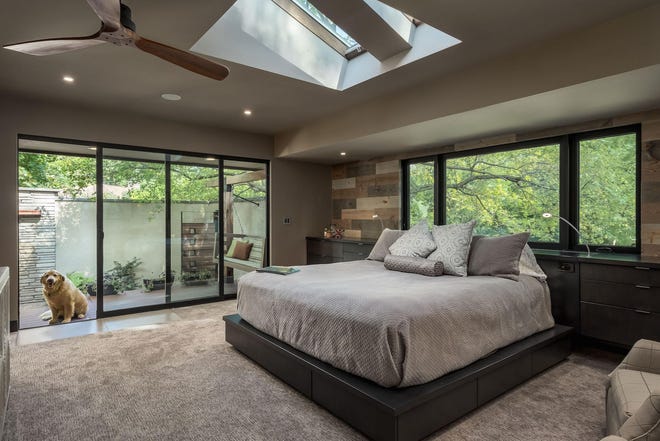
Bedroom design should emphasize stress-reducing, sleep-inducing features

Home Gurus Are Saying These Will be the Hottest Bedroom Trends of 2024
These 5 Dated Bedroom Trends Are Giving Interior Designers Nightmares in 2026 – Here's Why You Should Avoid Them in Your Sleep Space

7 Bedroom Design Tips for Better Sleep, According to Experts
Interior Designers Share Their Favorite Bedroom Design Trends For 2020


The Best Bedding to Improve Your Sleep

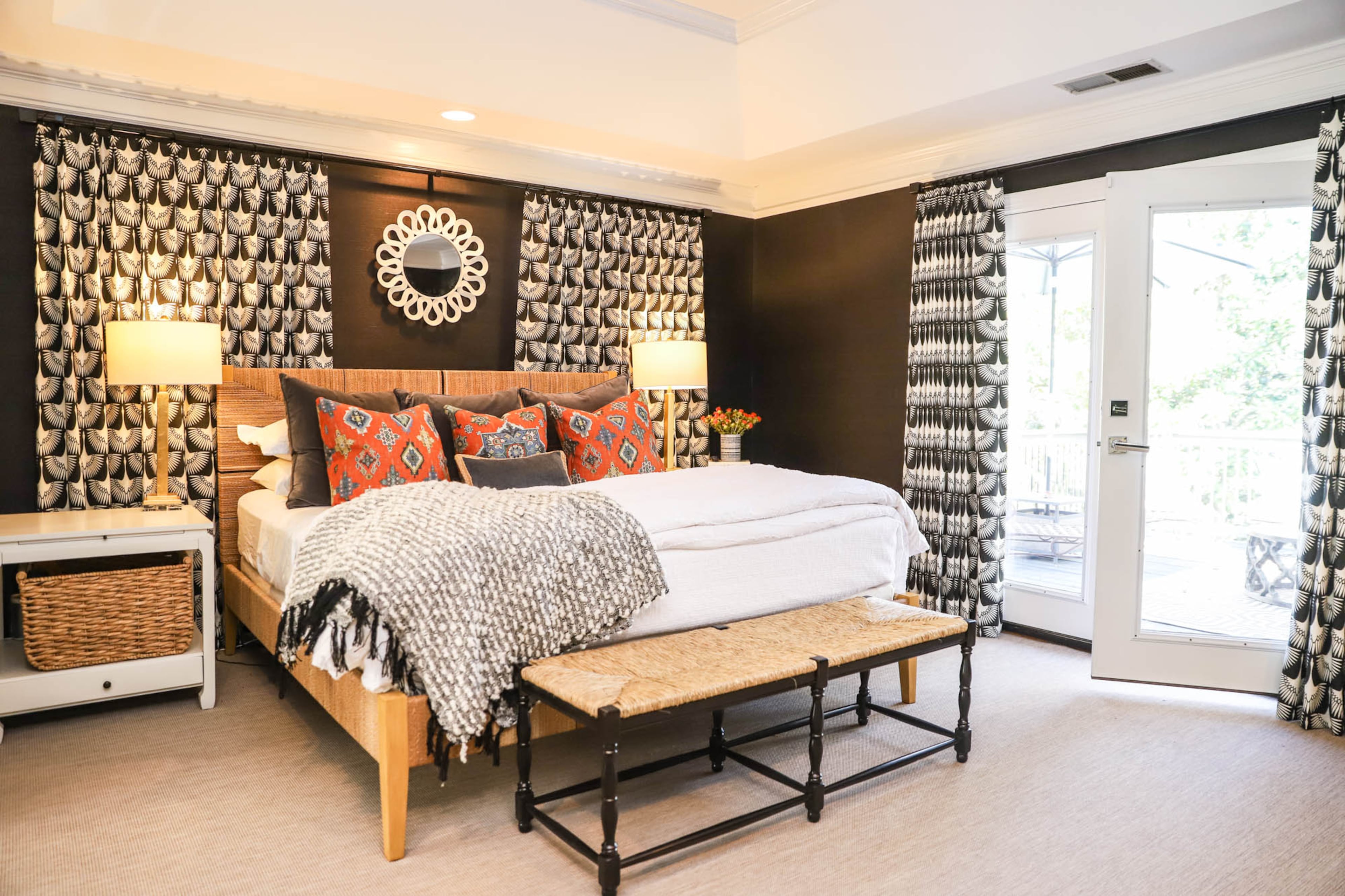
Master bedroom remodels offer fresh look

10 Bedroom Decor Mistakes Keeping You From Your Best Sleep Ever

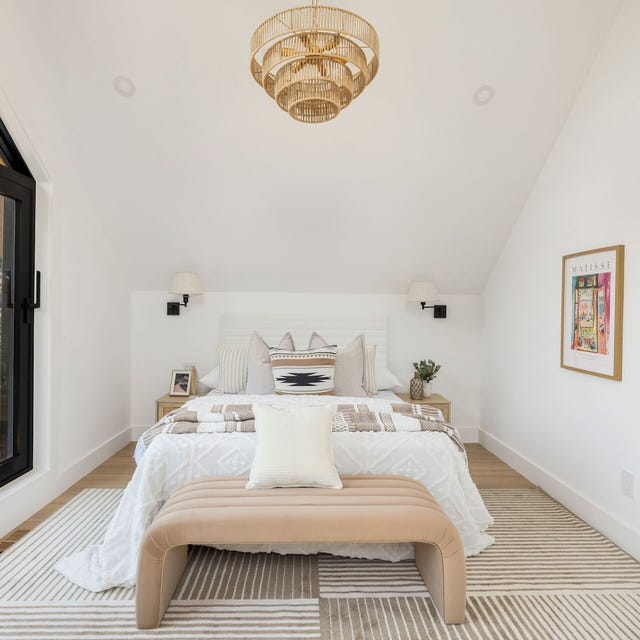
We Finally Cracked the Code on the Perfect Bed Height

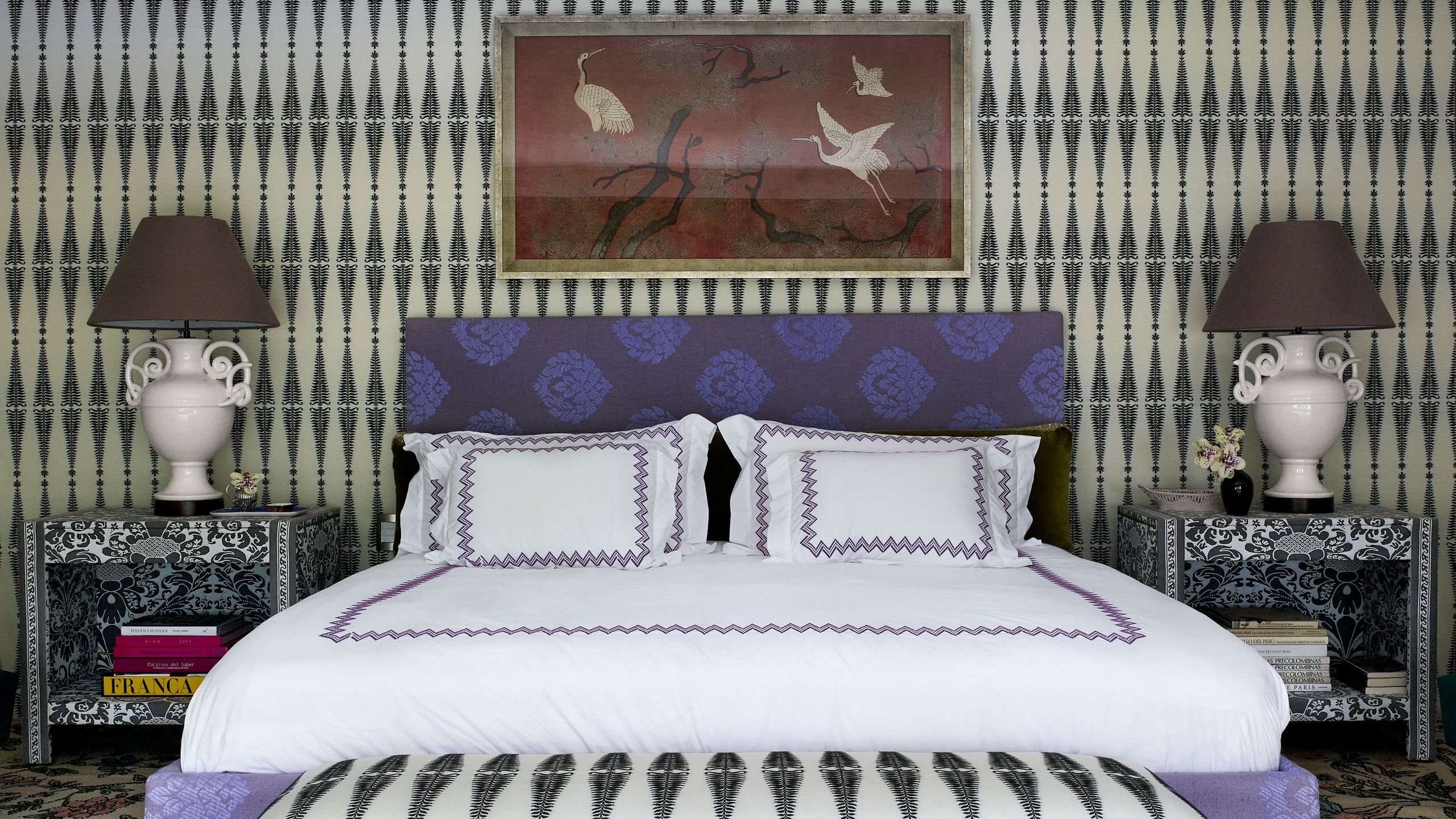
22 best bed designs that master every vibe

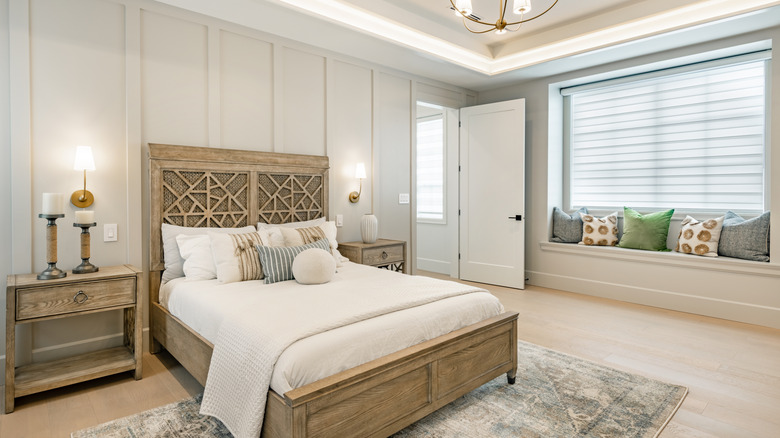
The One Piece Of Bedroom Furniture That Is Making The Room Look Outdated