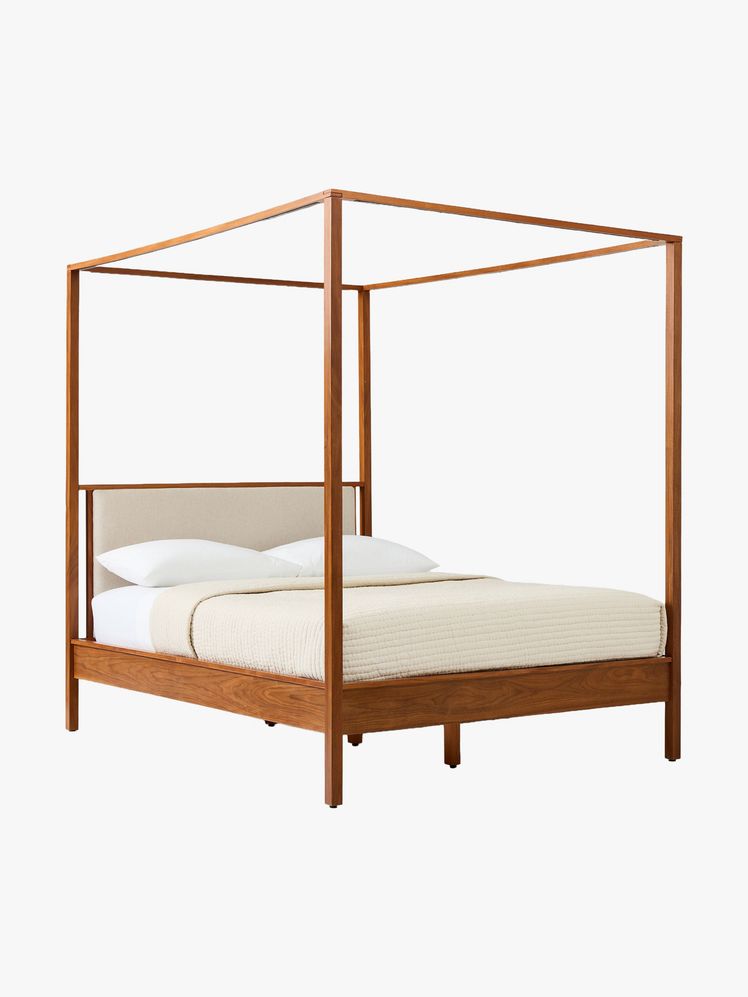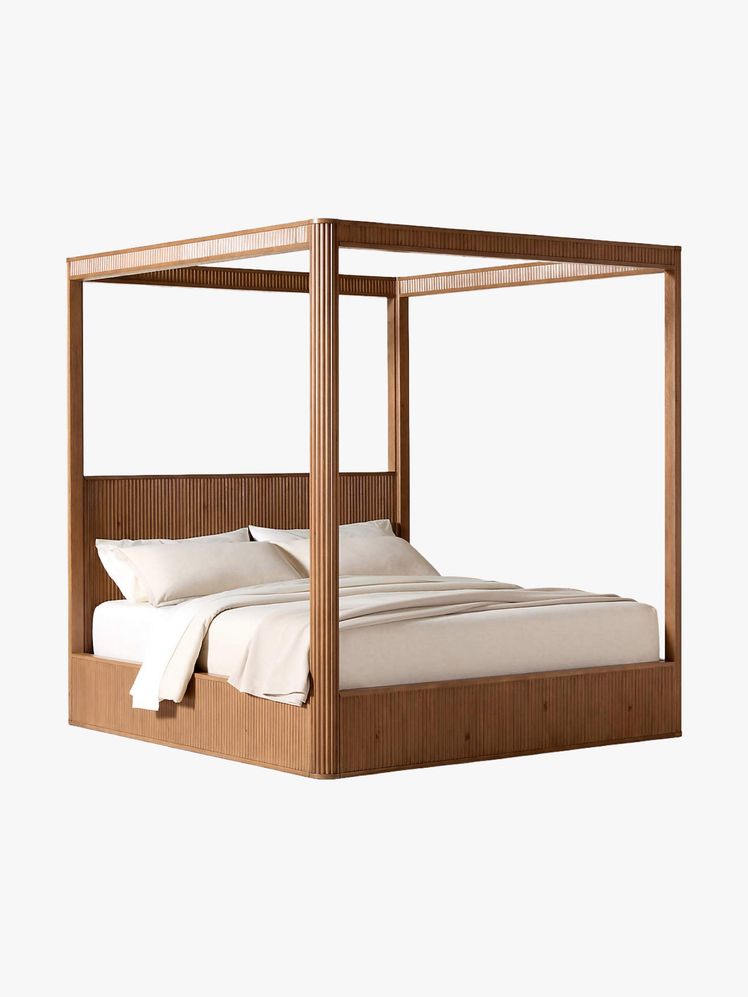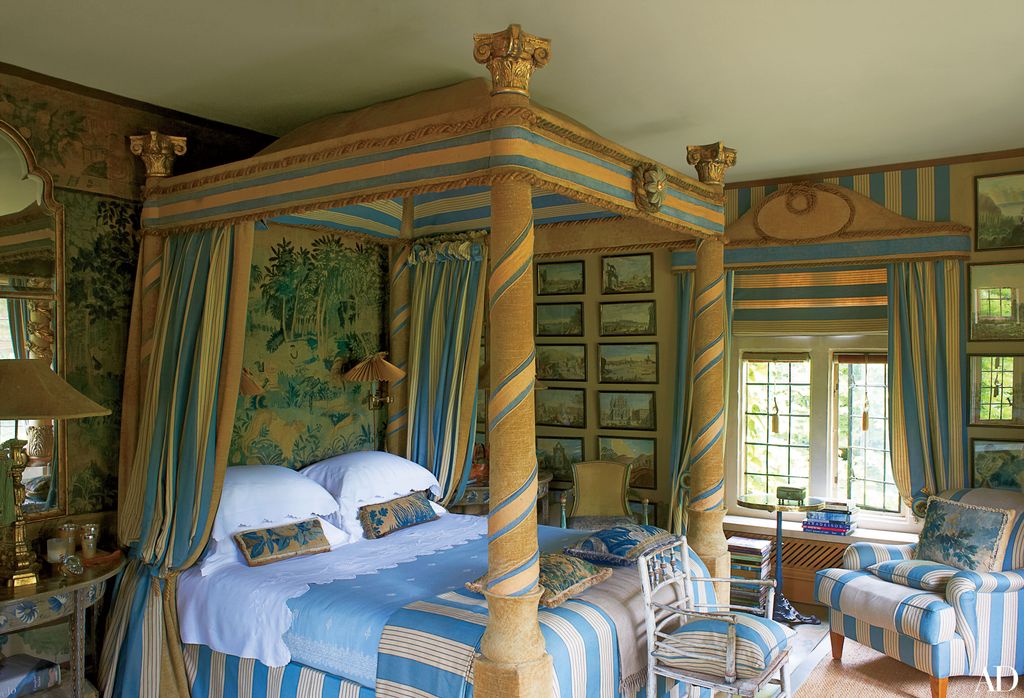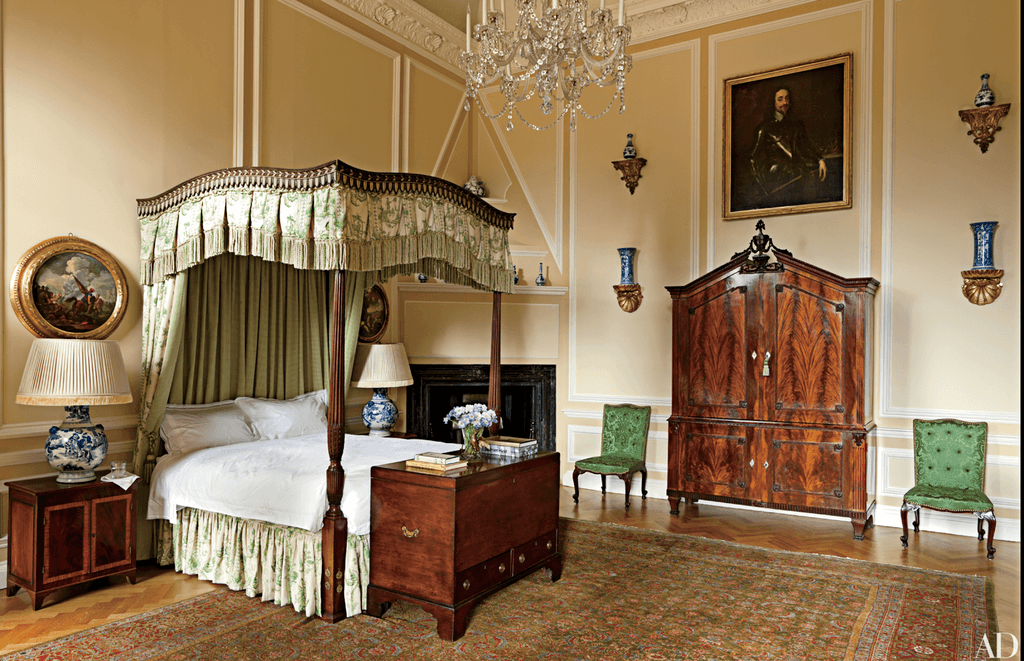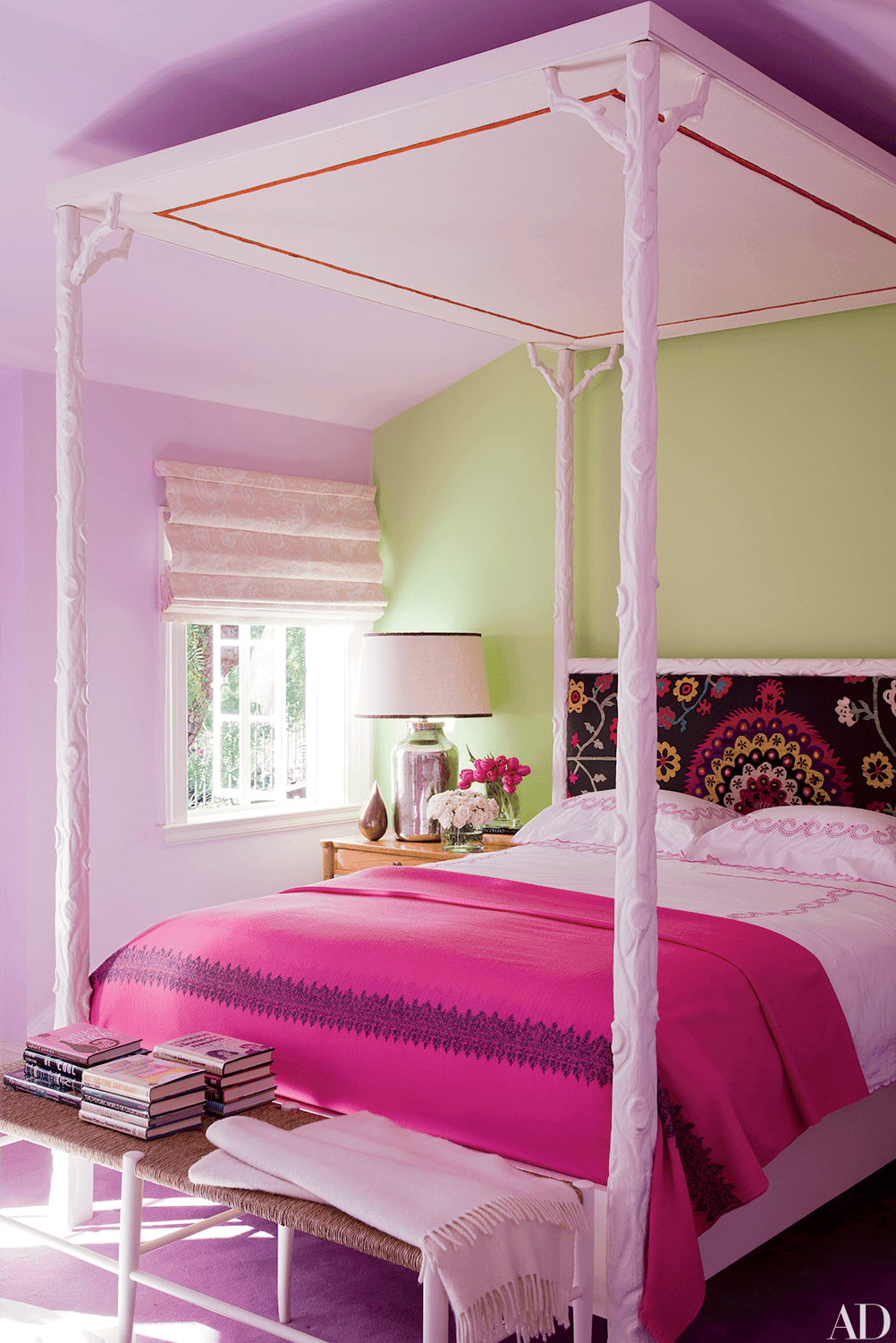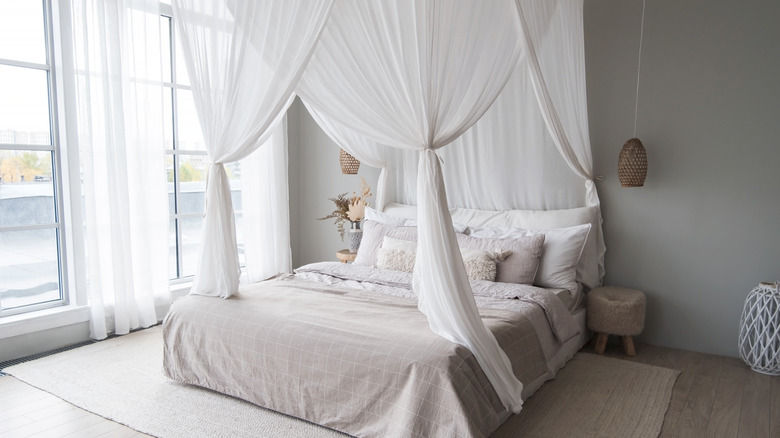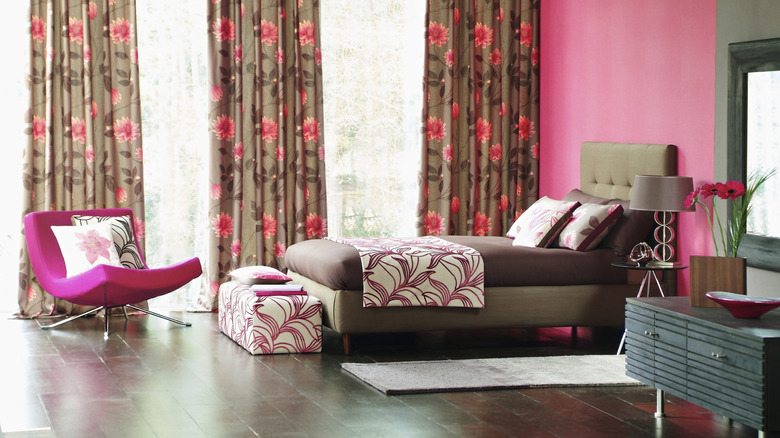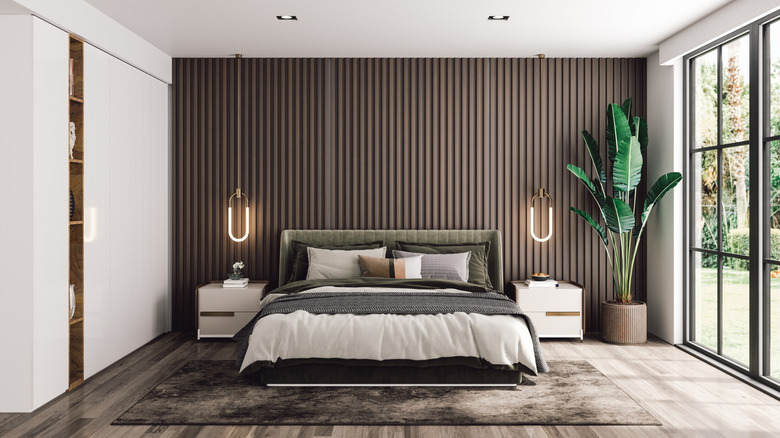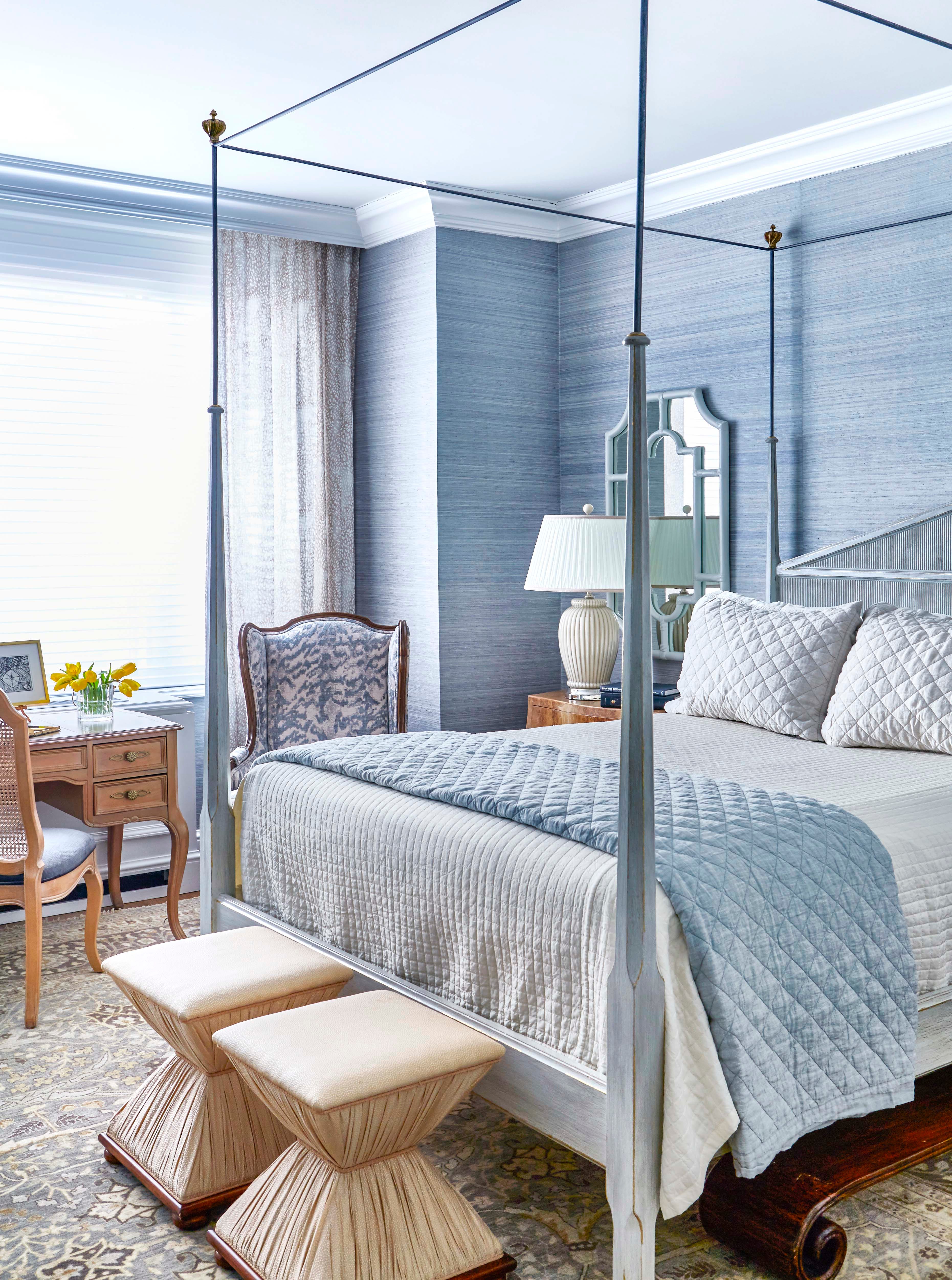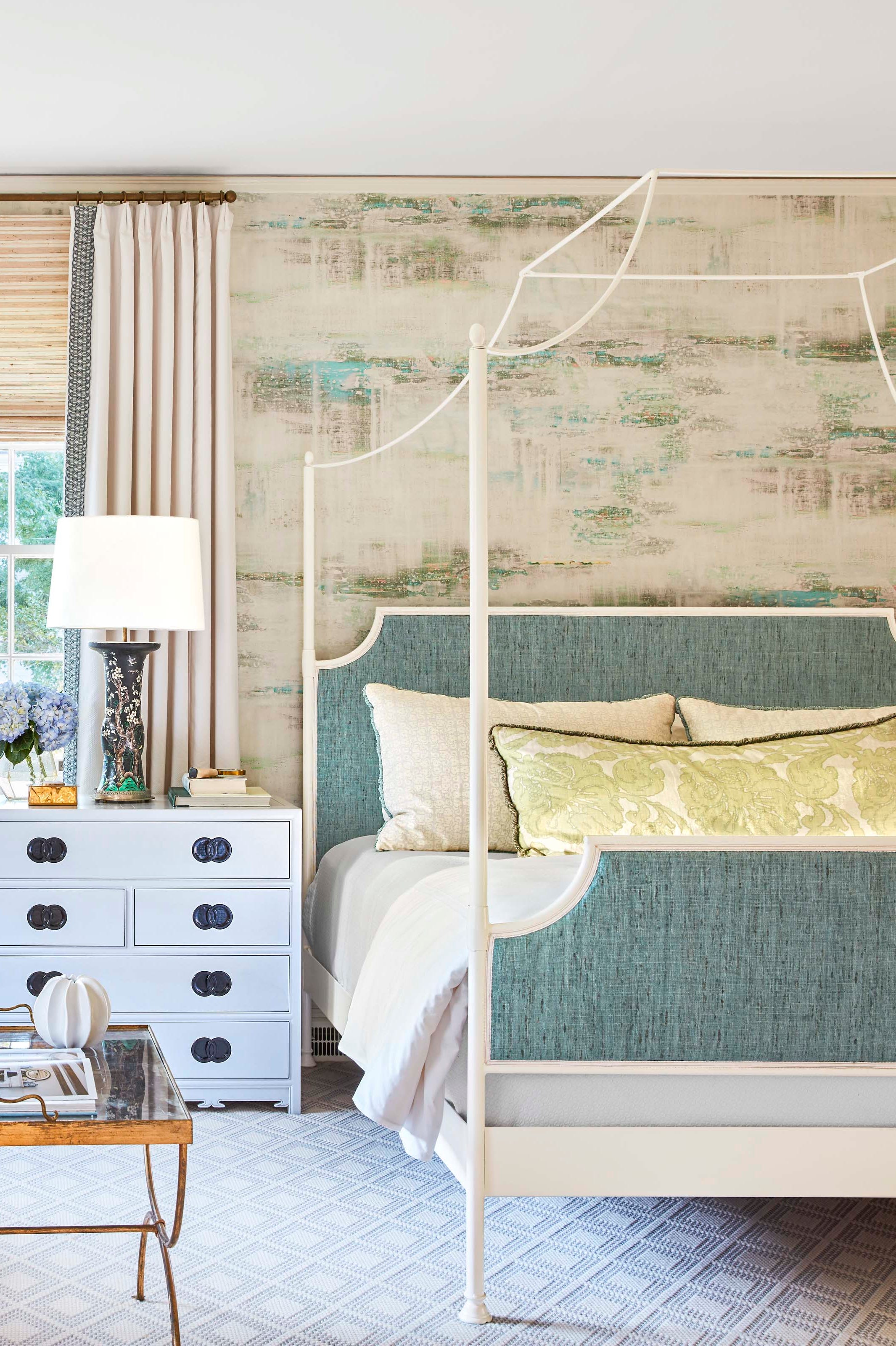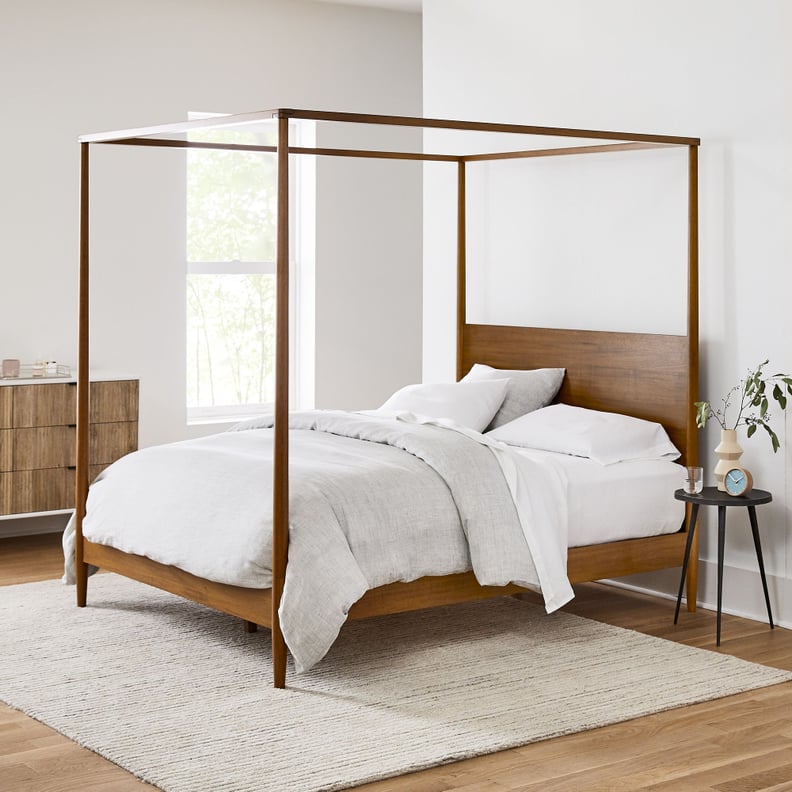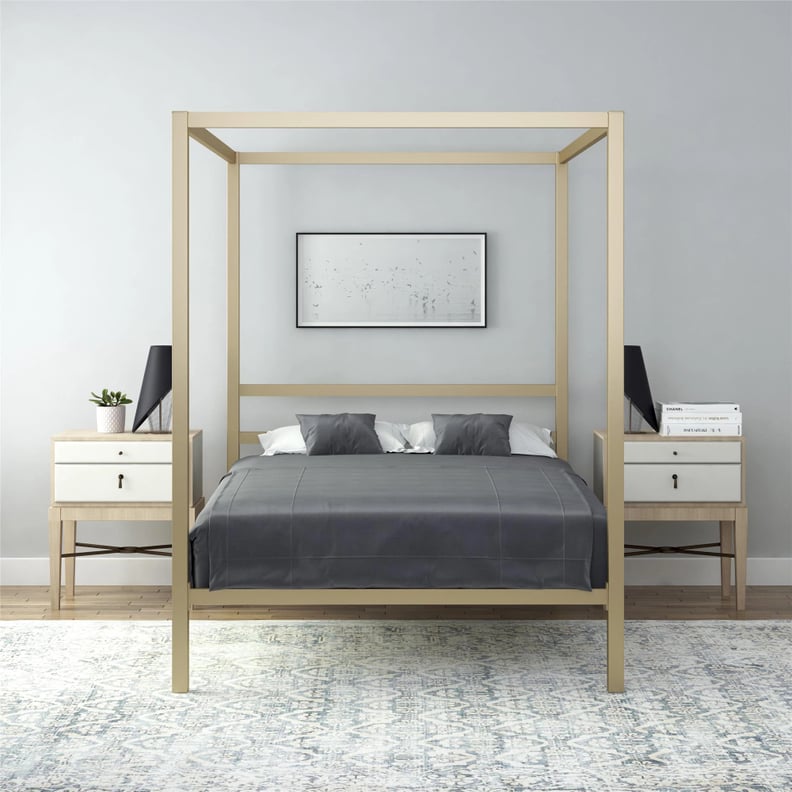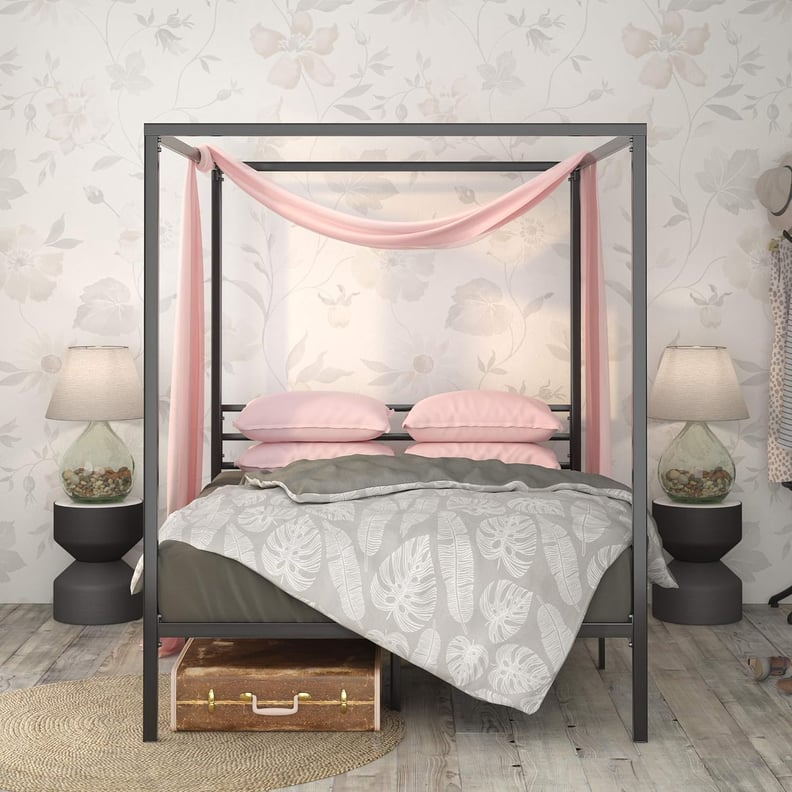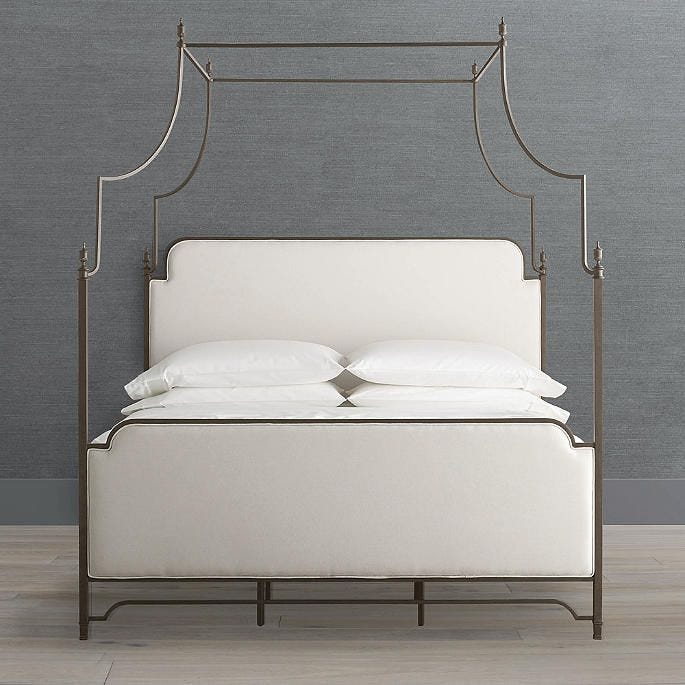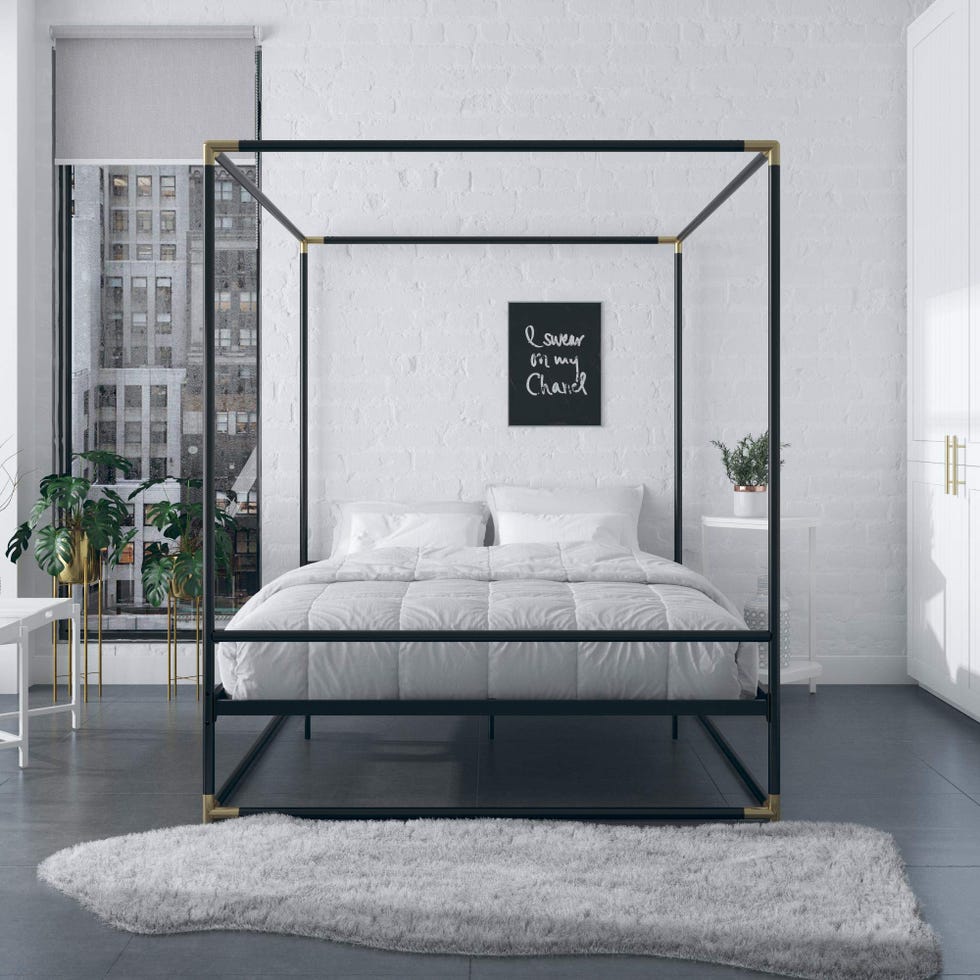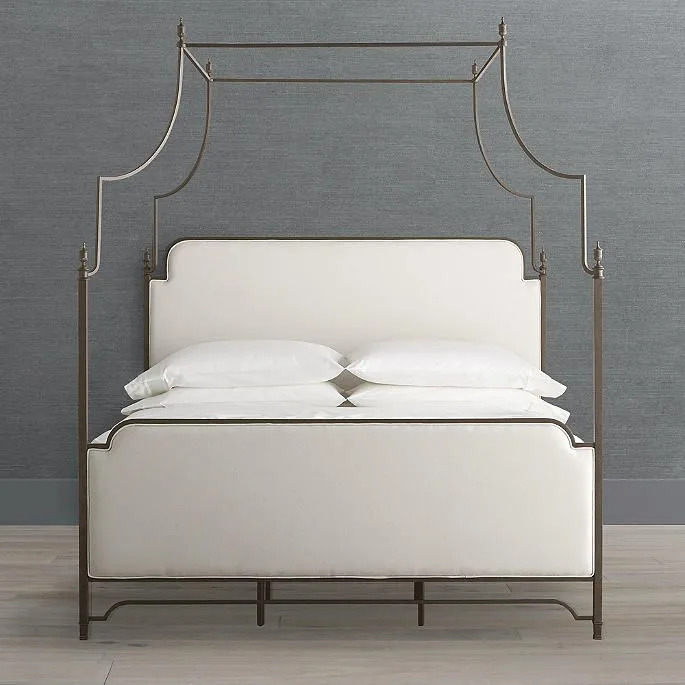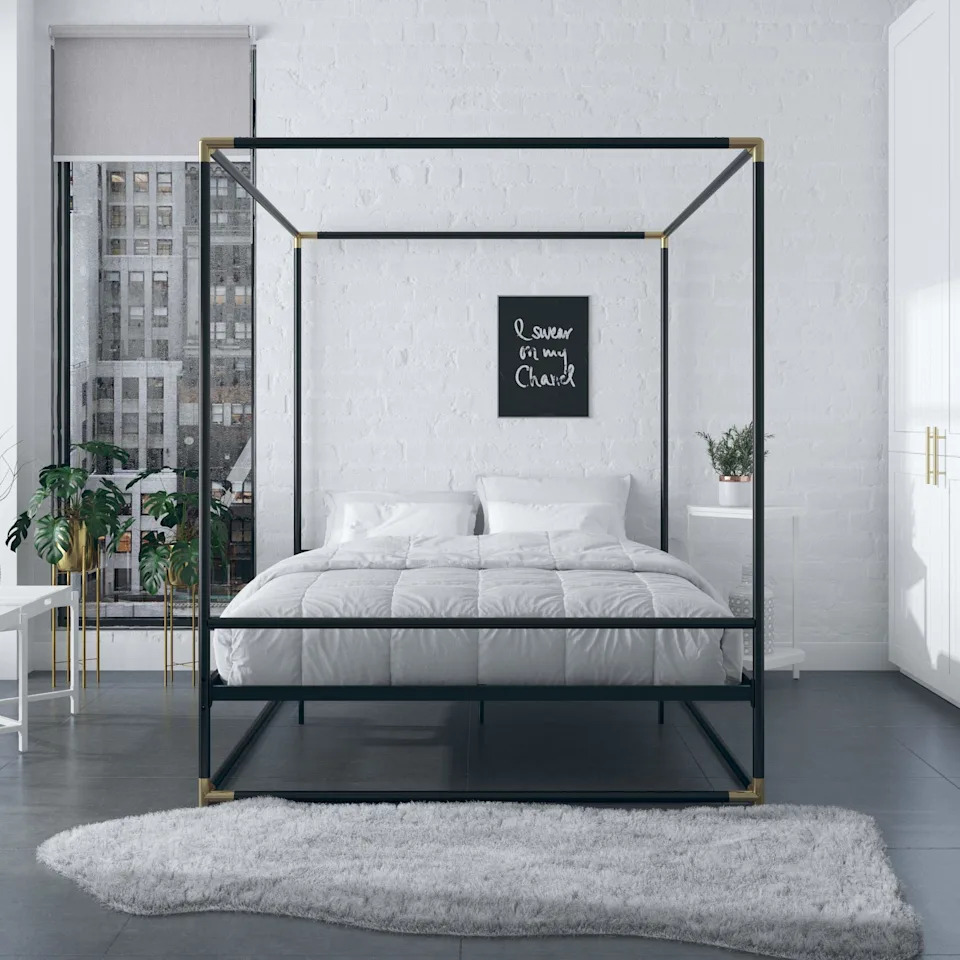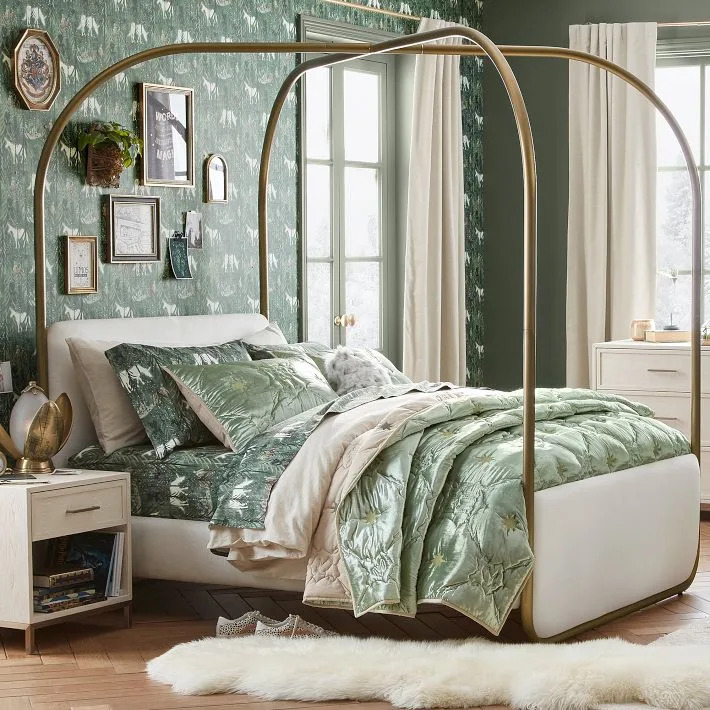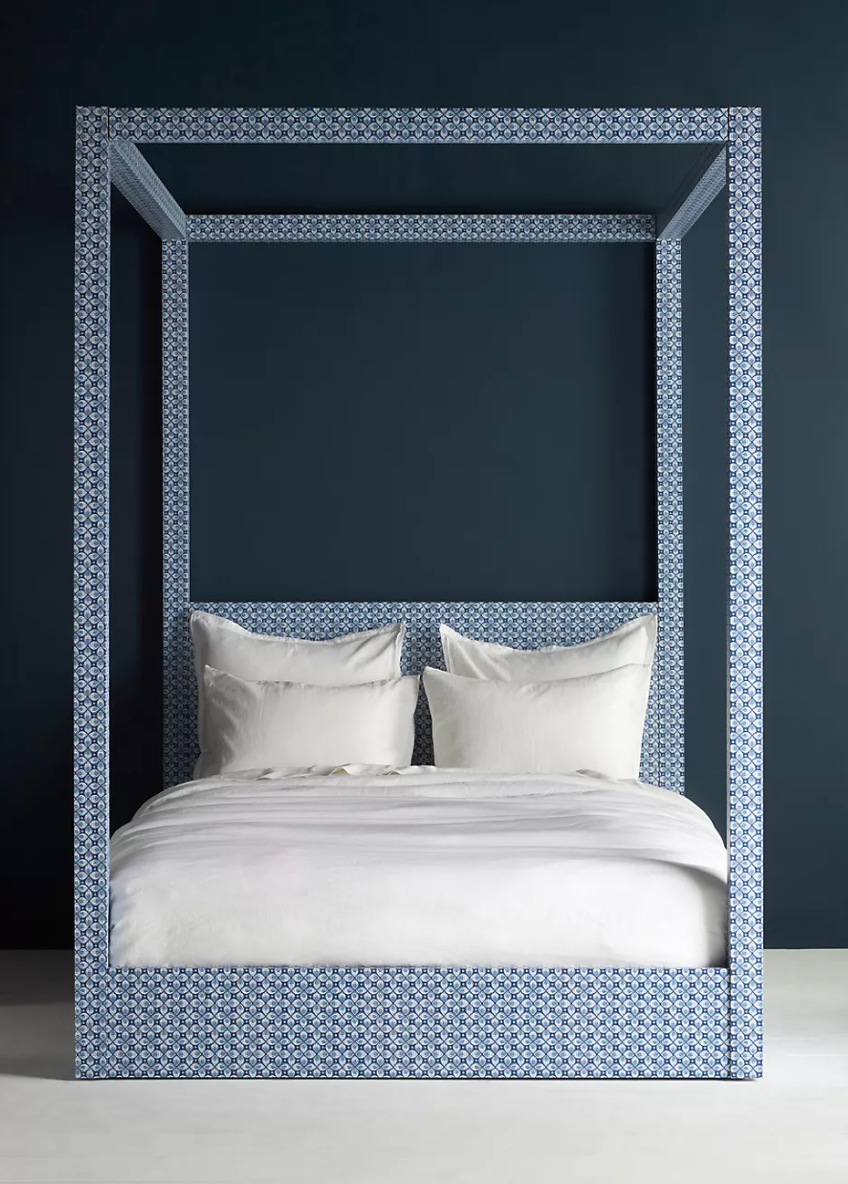
Move Over, Canopy Beds—This New Trend Will Give Your Space A Dreamy Edge
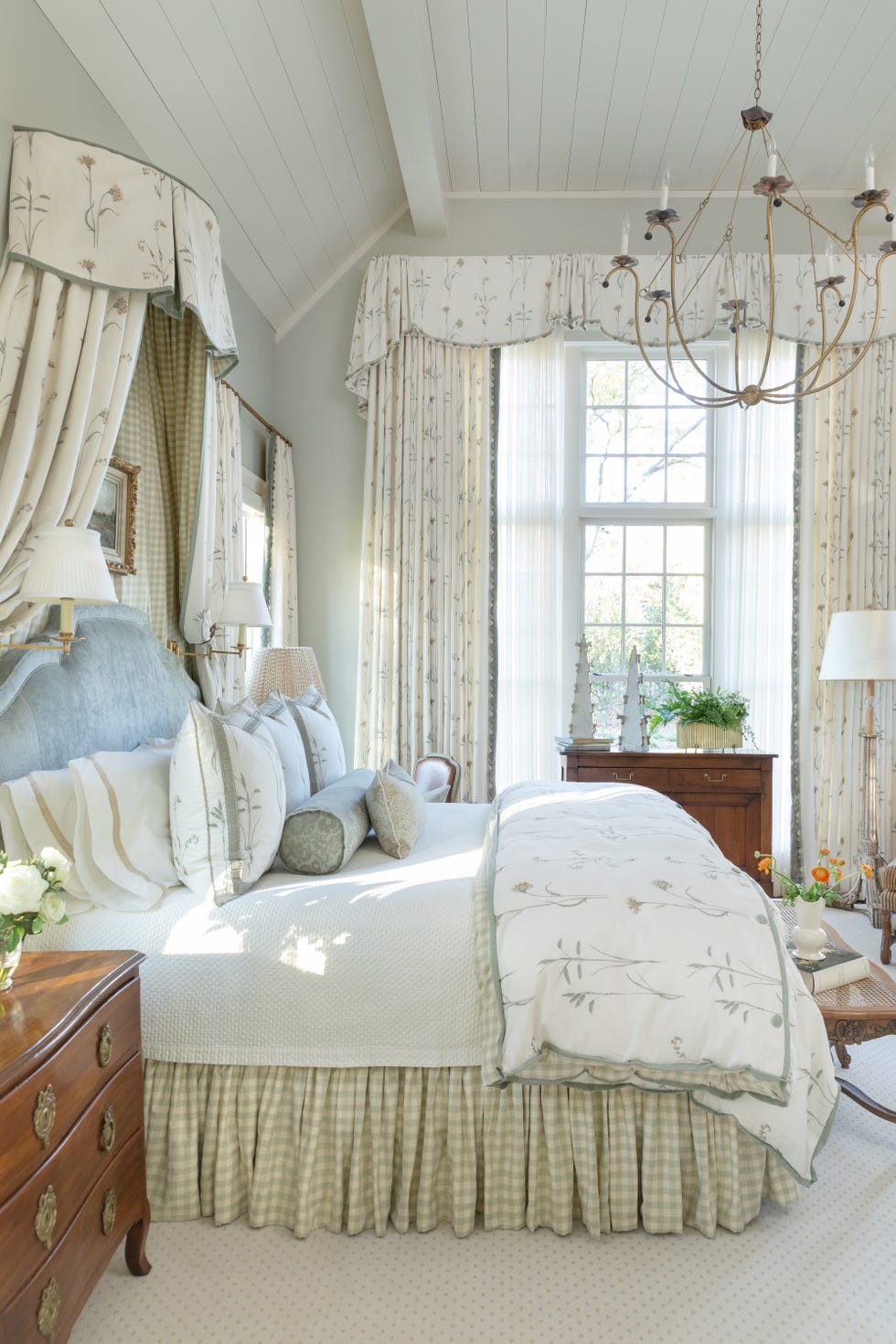
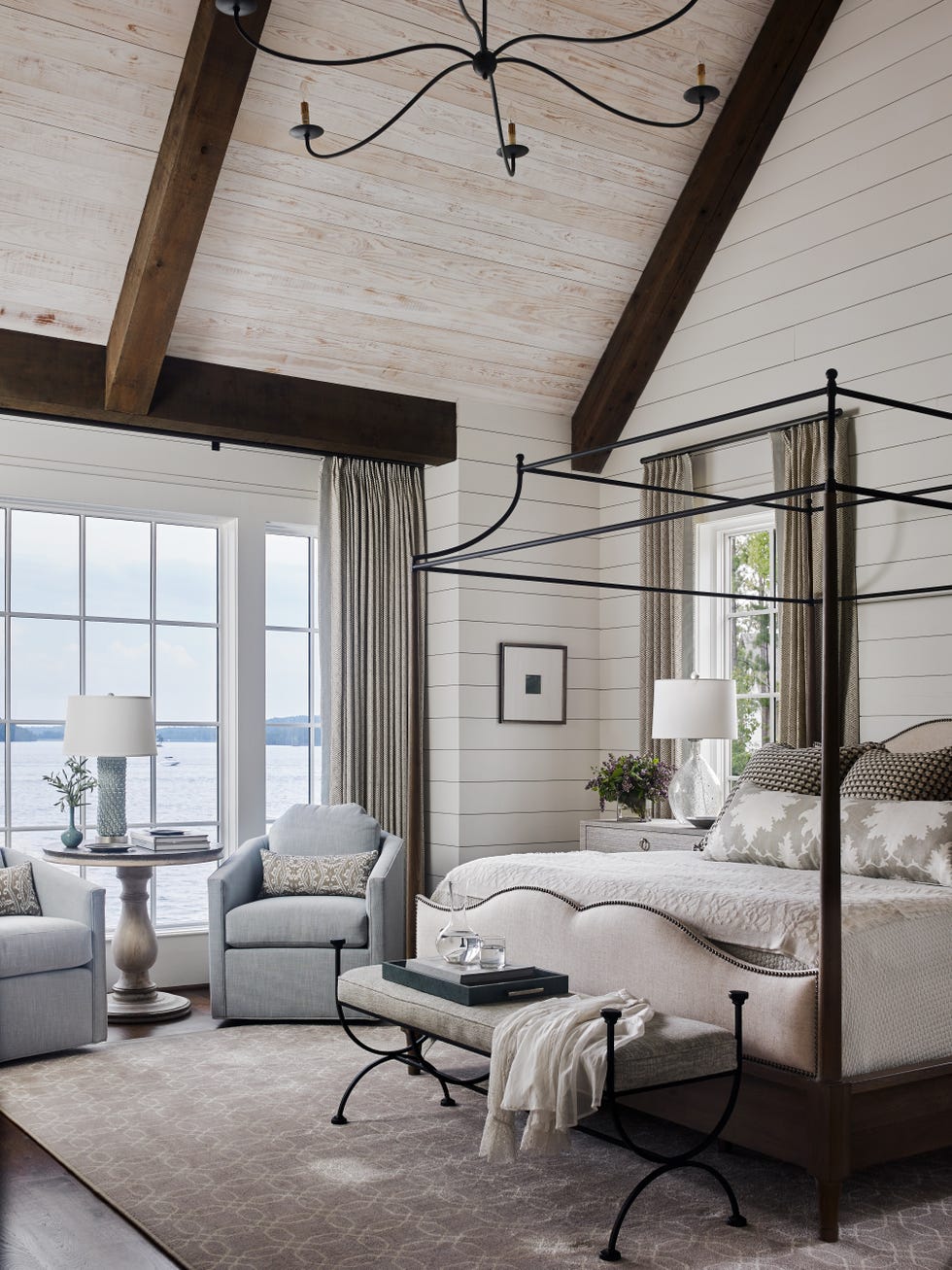
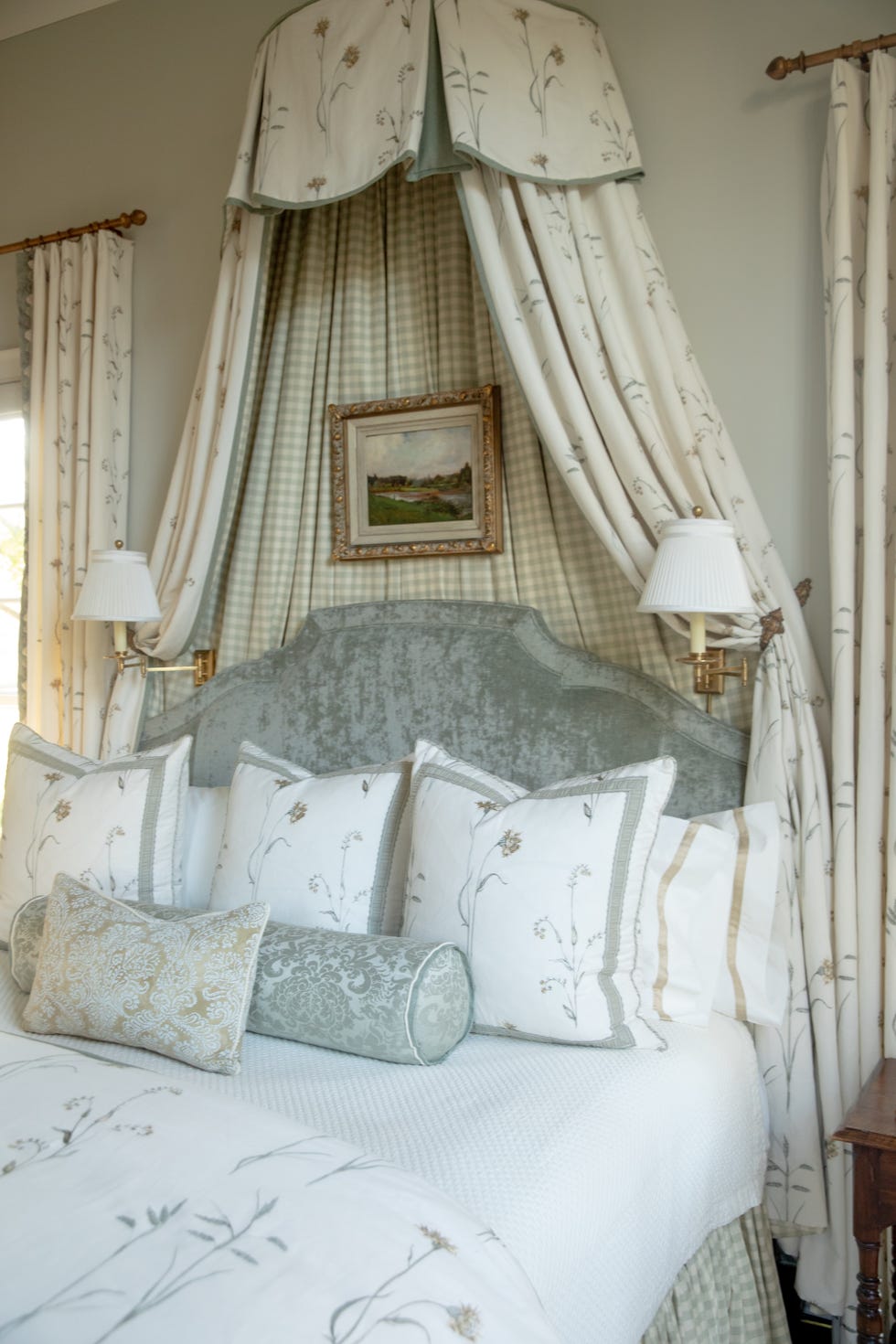
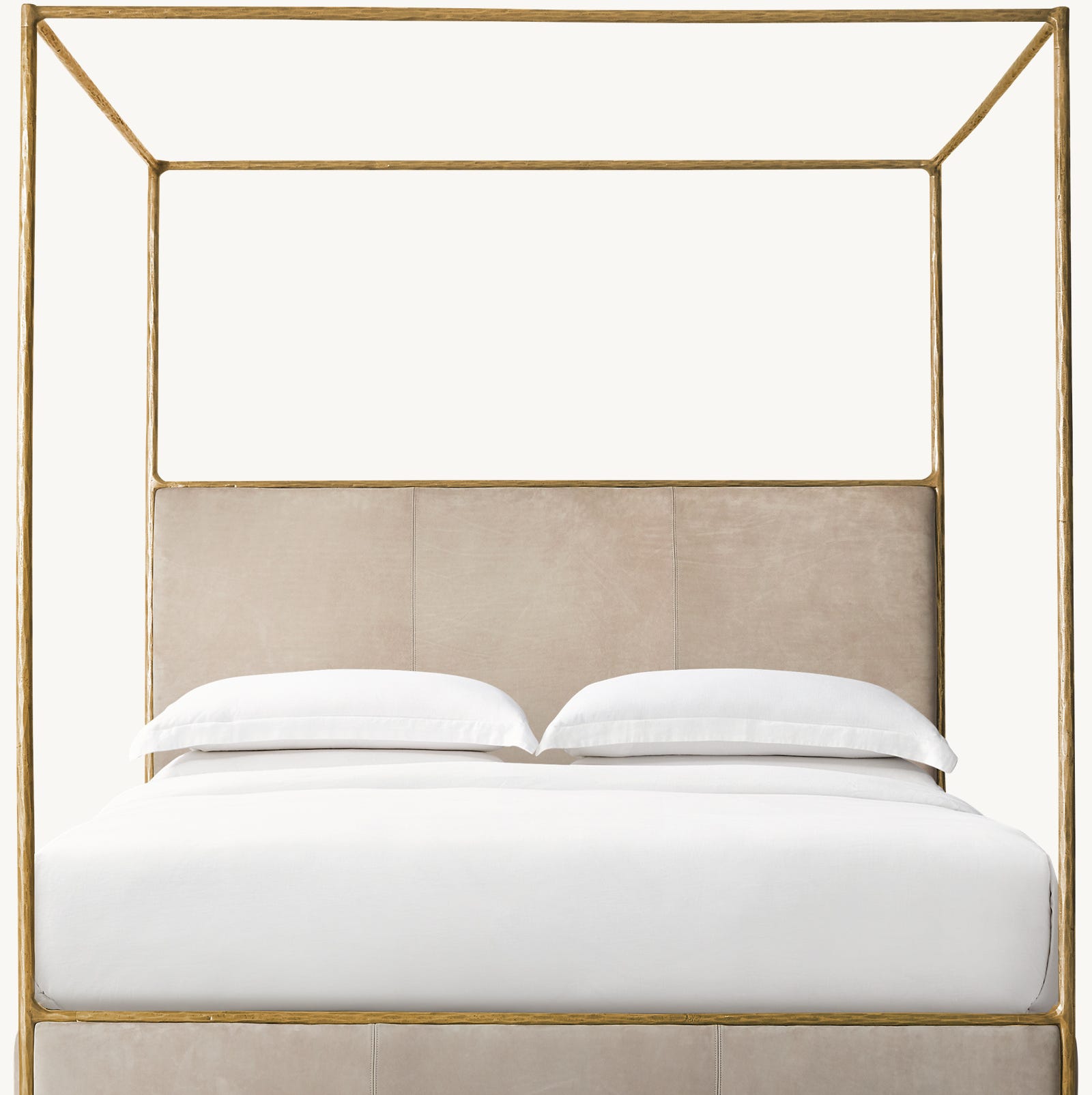
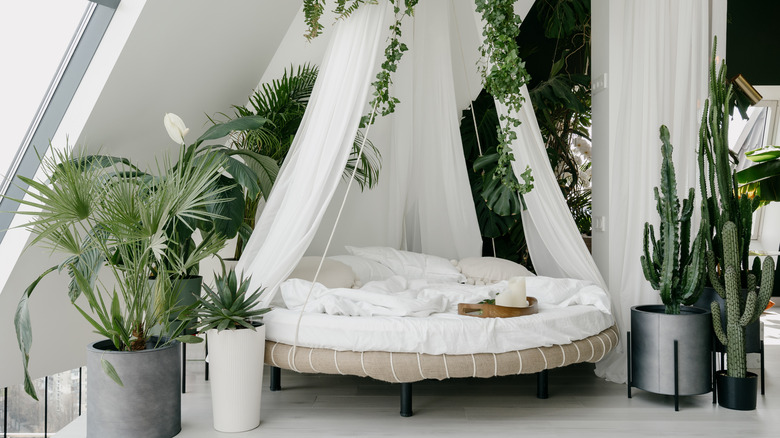
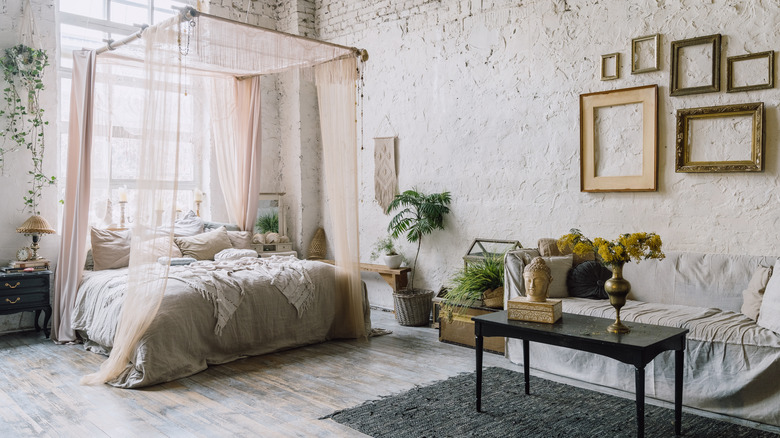
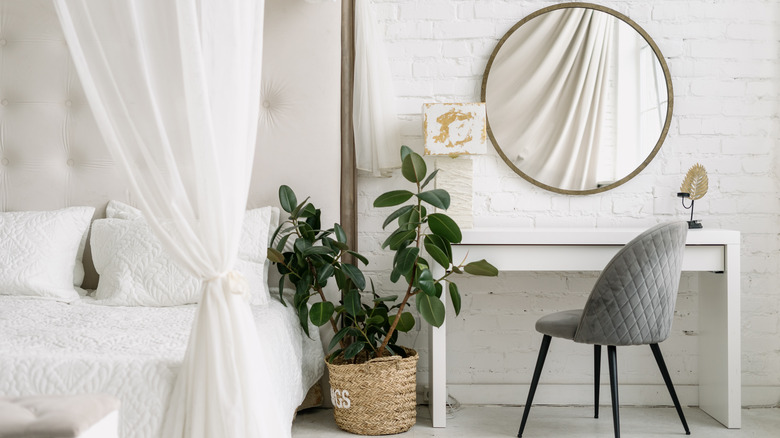
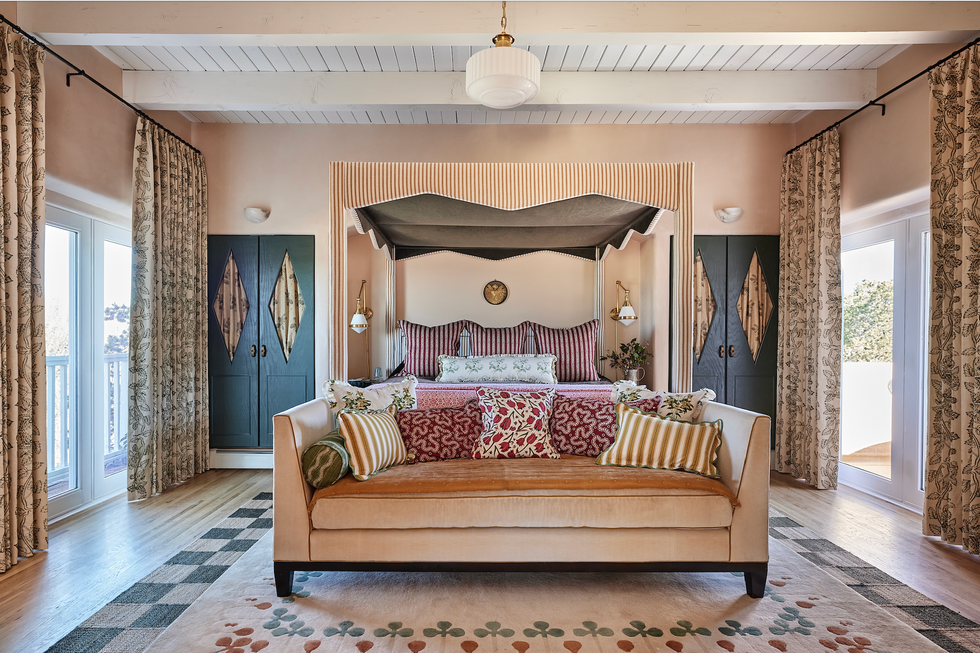
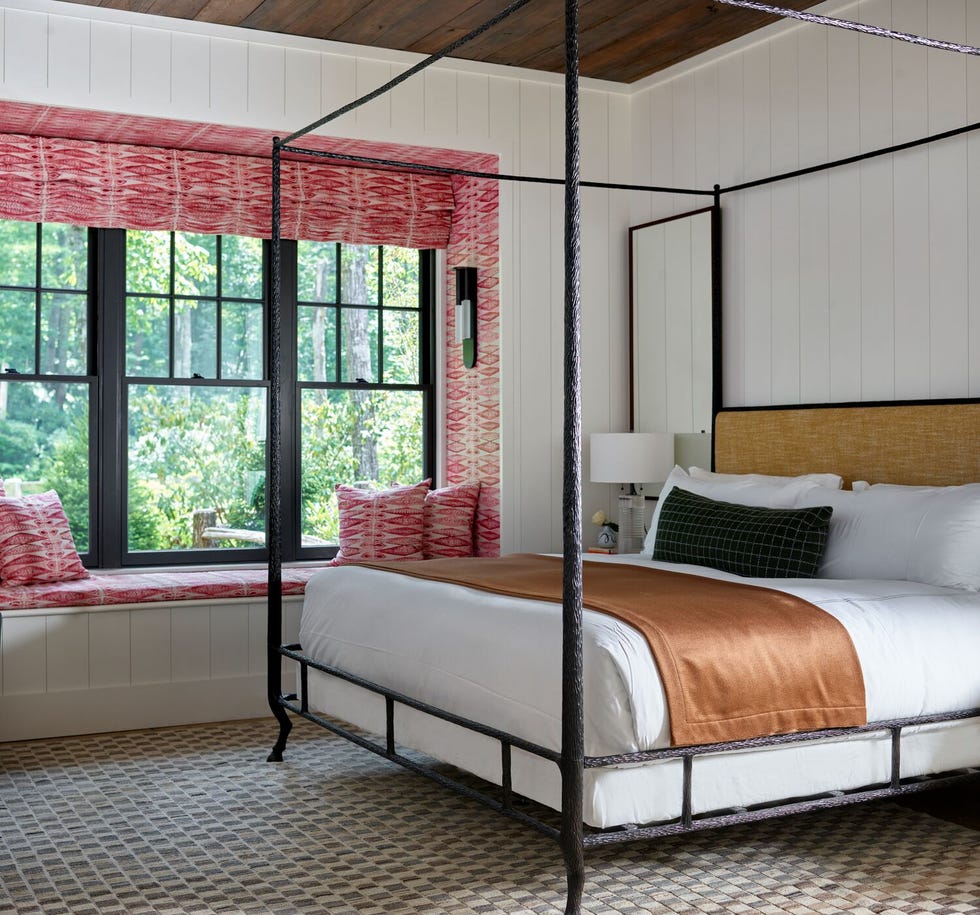
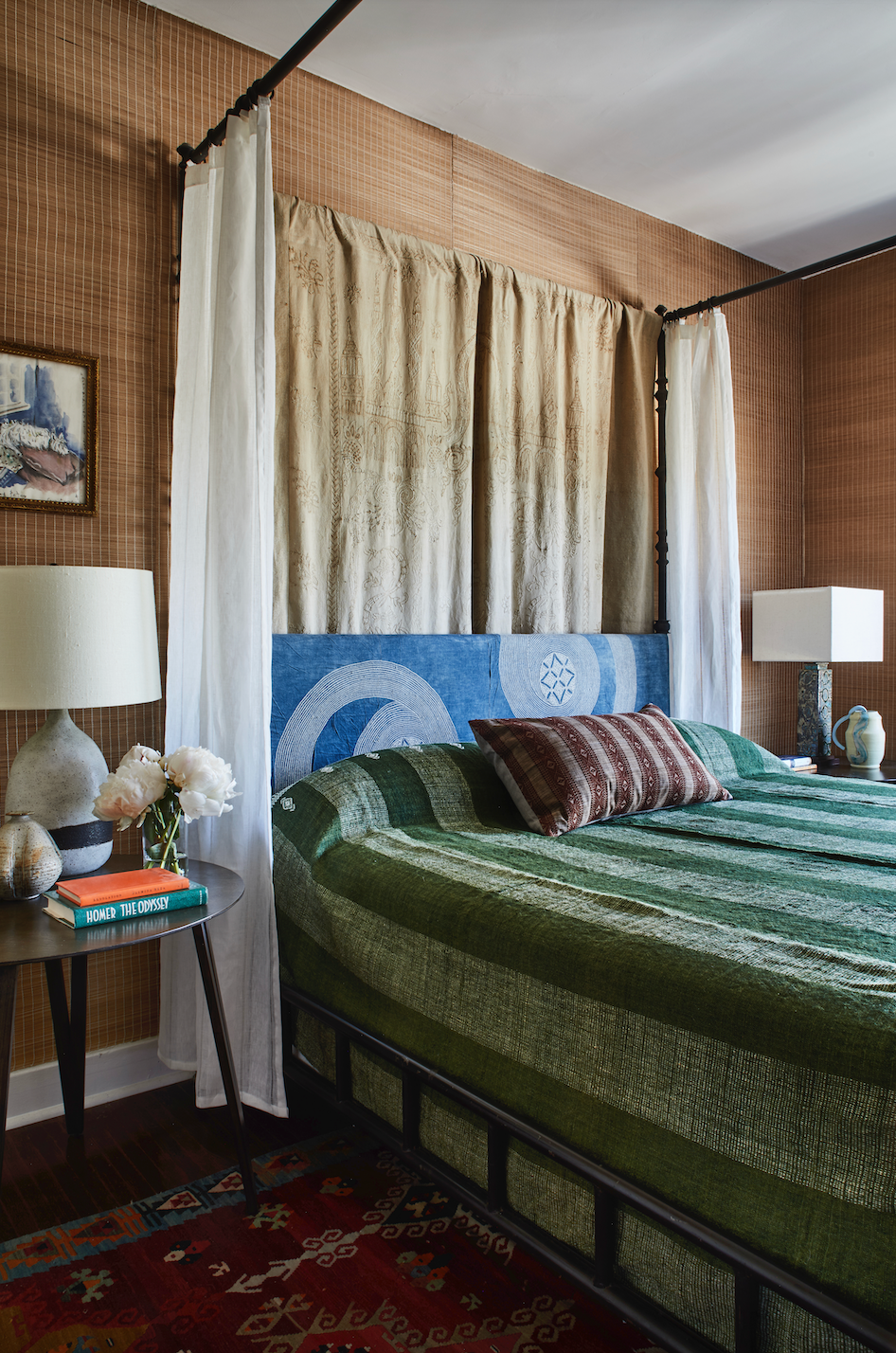
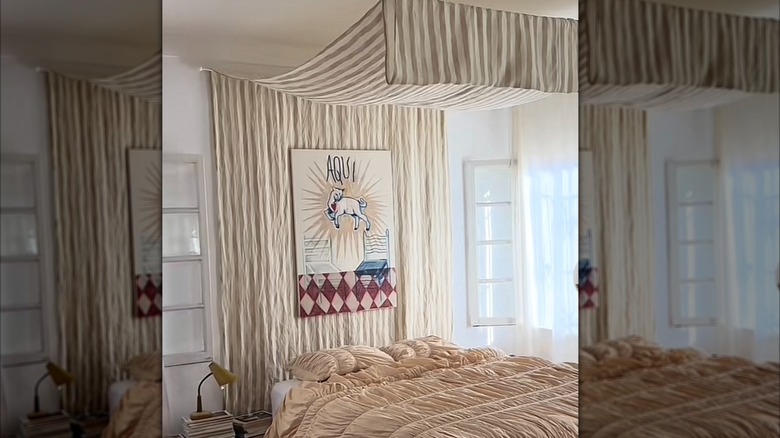
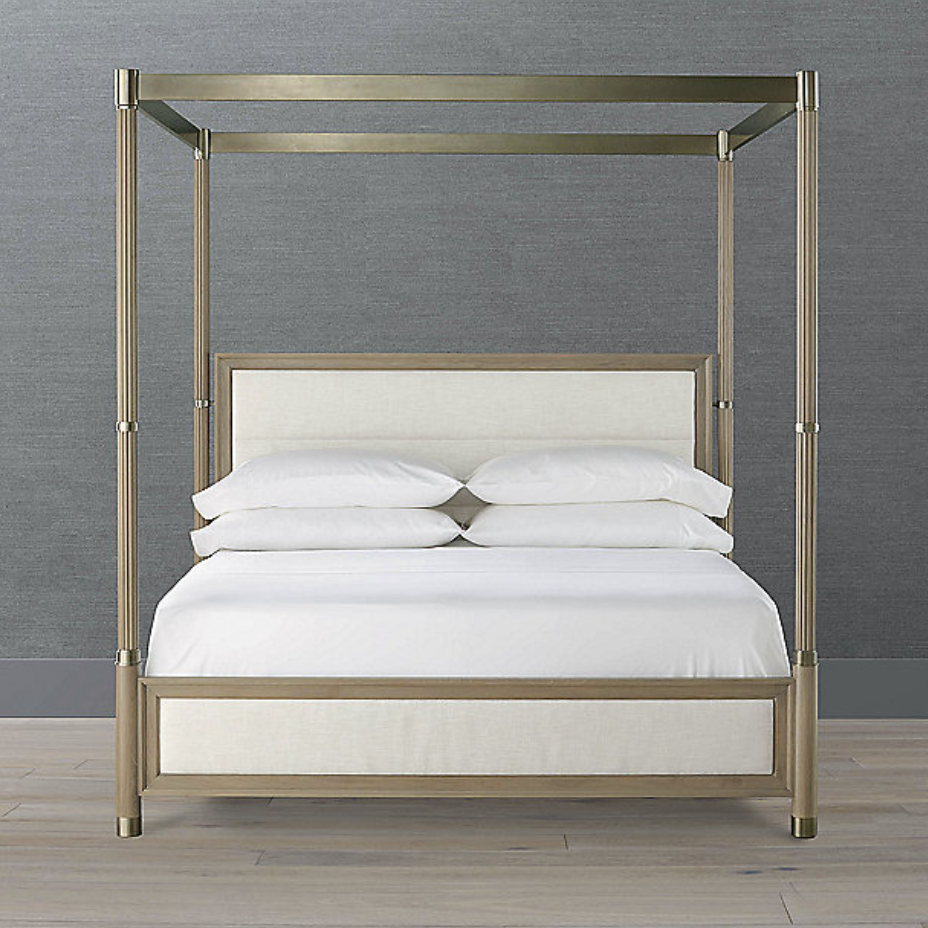
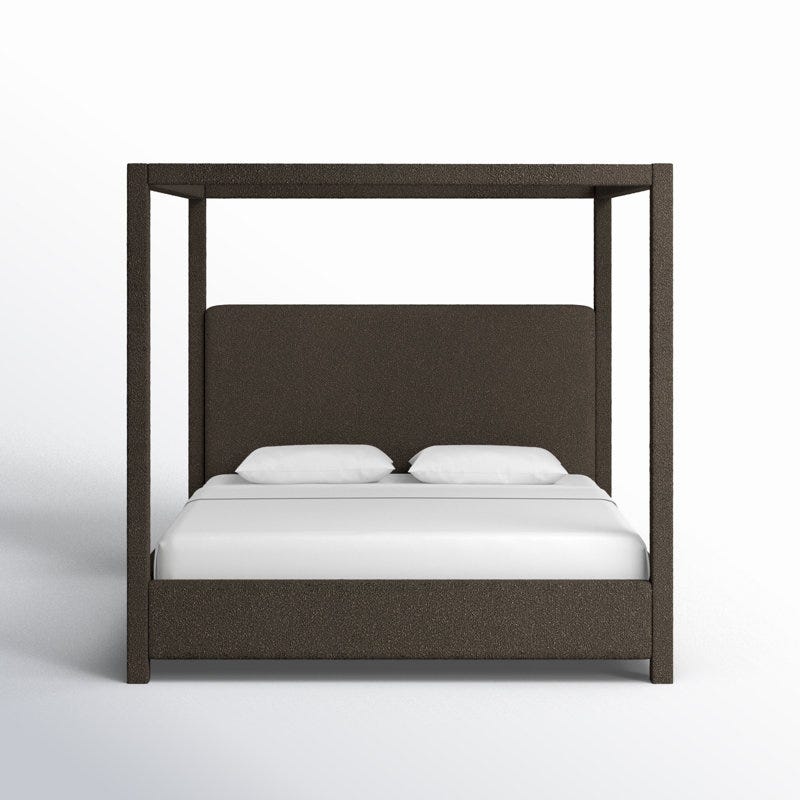
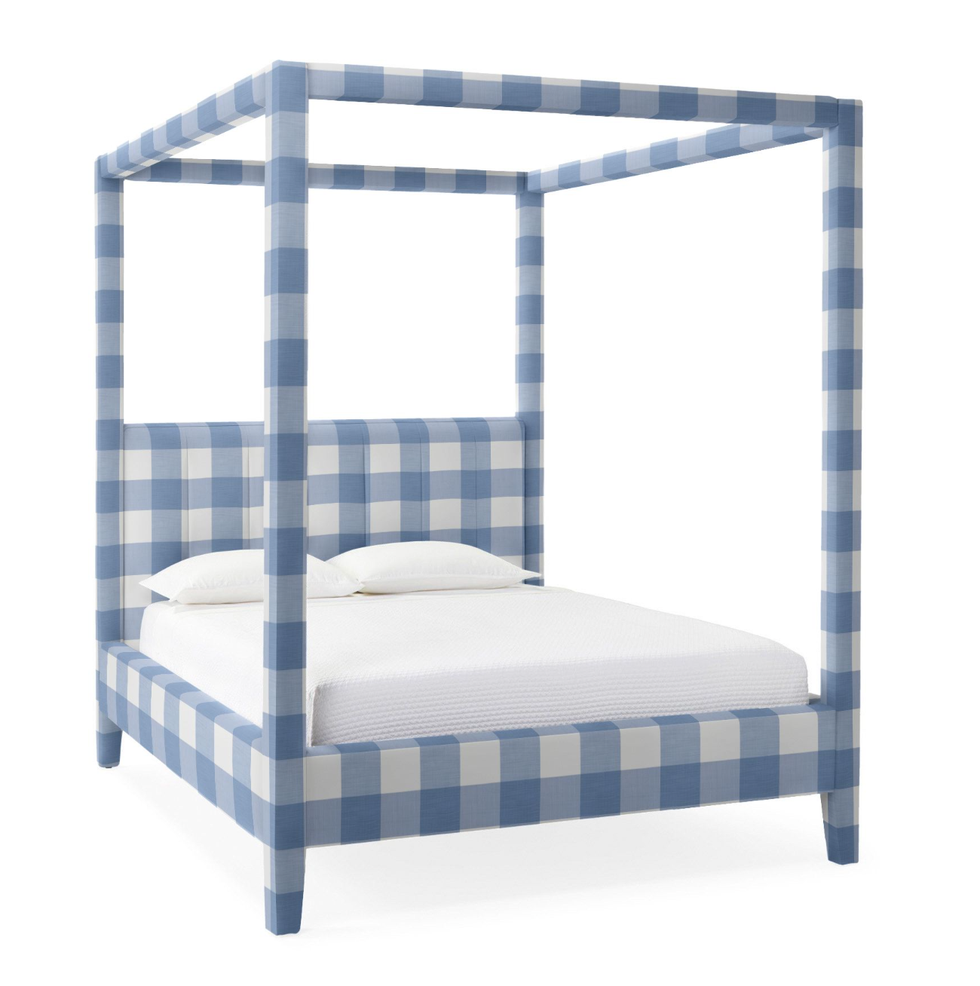
The article highlights the emerging trend of built-in beds as a practical and stylish alternative to traditional bed frames, including canopy beds. It emphasizes that while individuals spend a significant portion of their lives sleeping, the aesthetic and functional aspects of their bed are equally important. Historically, canopy beds offered a blend of form and function, but modern design is now focusing on integrating beds directly into the room's architecture.
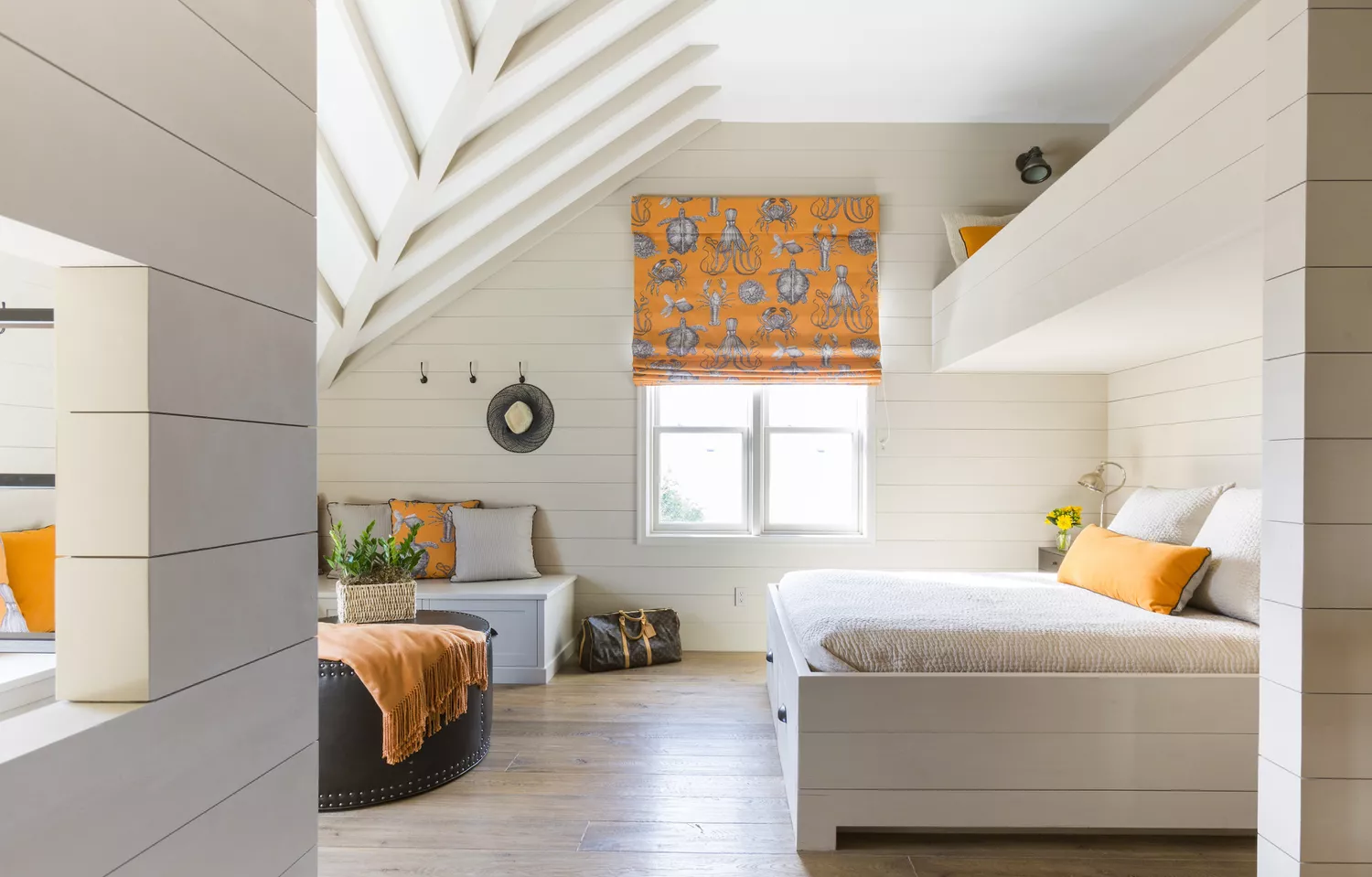
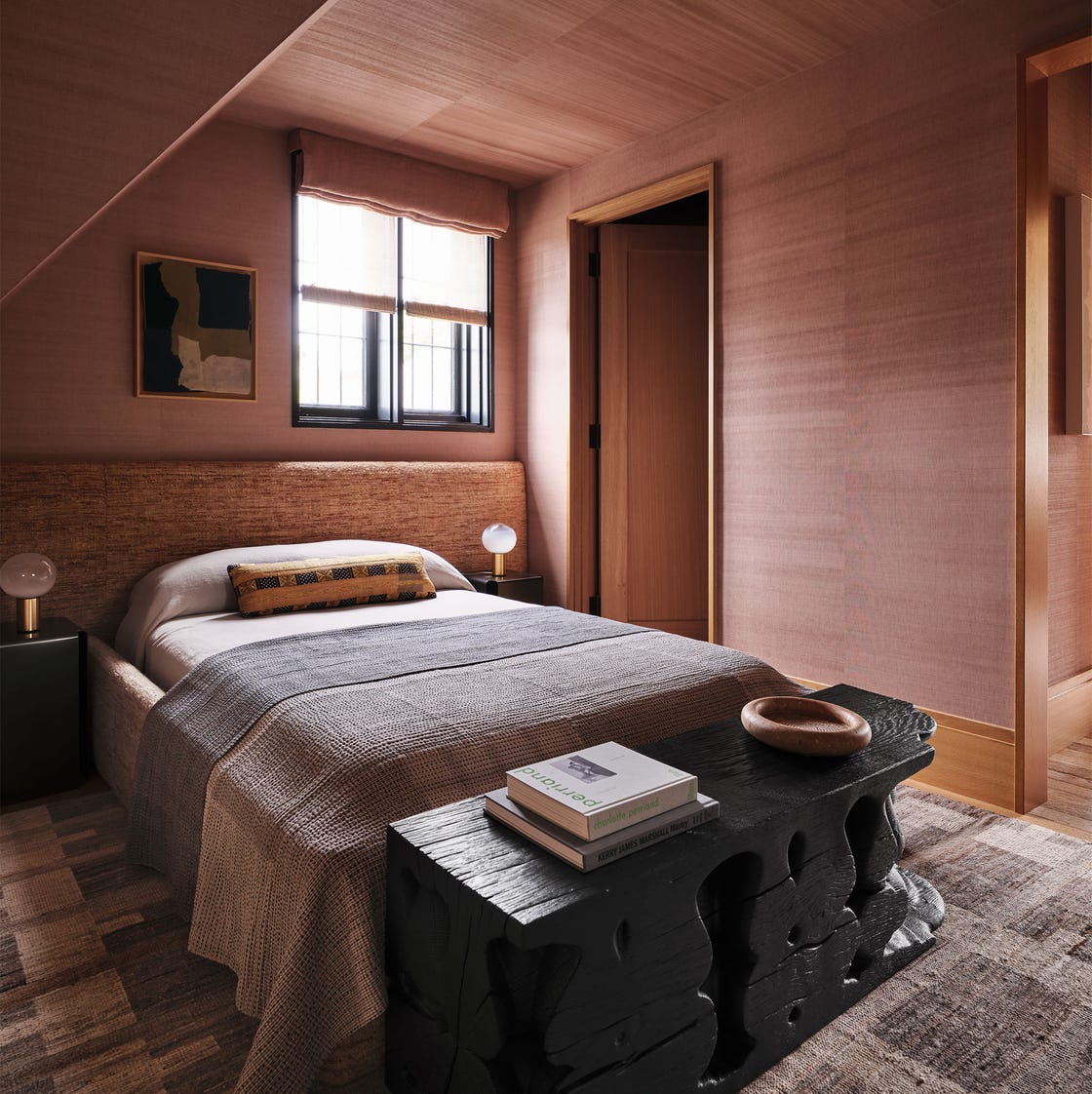
Built-in beds are essentially frames constructed and permanently affixed to a wall, creating a cohesive and cozy aesthetic. Designers advocate for built-in beds due to their efficient use of space. Julie Hayes of Simm Hayes Design and Jamie Krywicki Wilson of Krywicki Interior Design both point out the practicality of these beds, especially in homes designed for entertaining or those with multiple occupants. Wilson often incorporates built-in beds in secondary or tertiary homes, as well as in unconventional spaces like rooms above garages or other areas that might otherwise be underutilized. These installations are particularly beneficial for multi-generational families with children or for hosting large groups of adults.
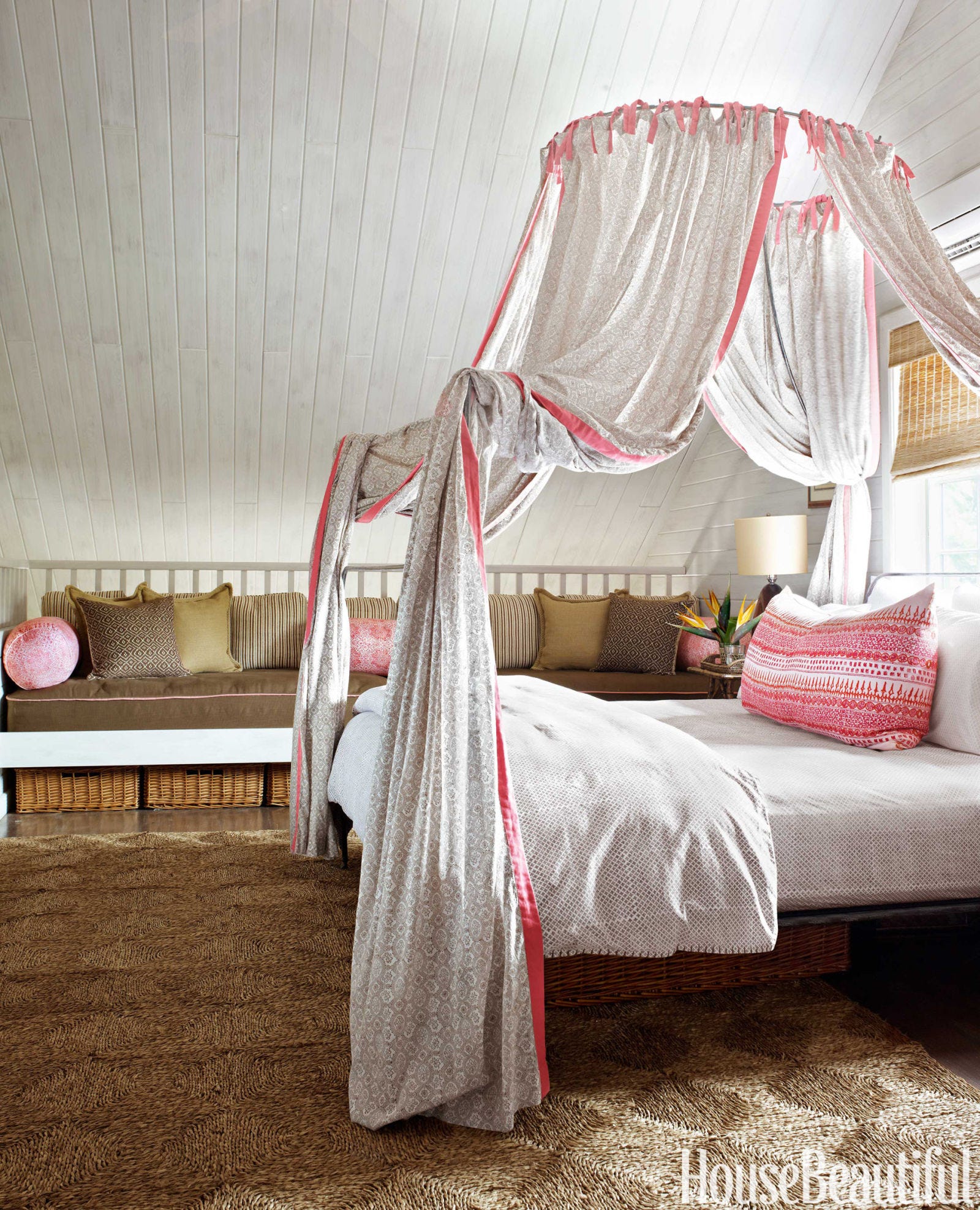
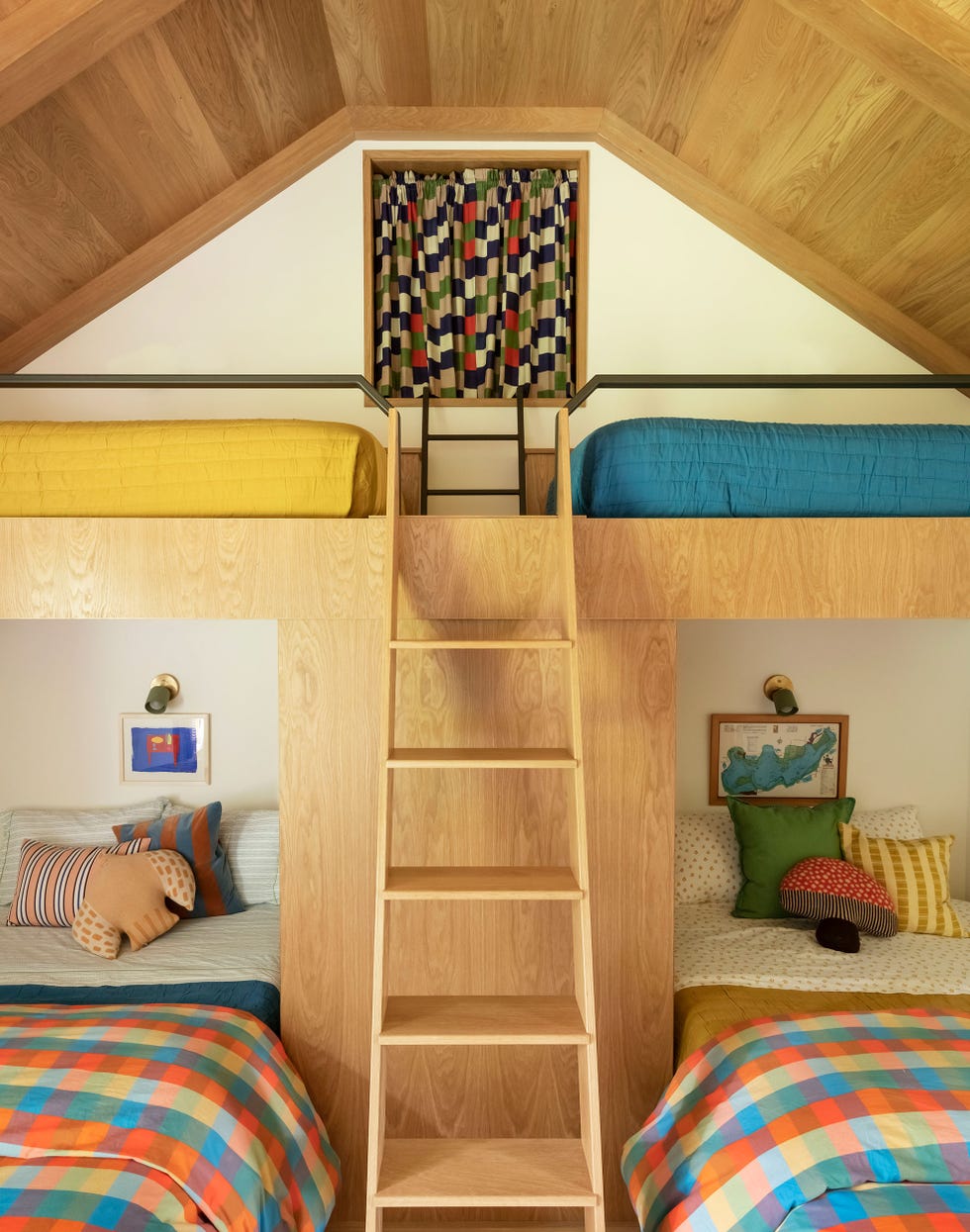
A common application of this trend is the built-in bunk bed. Wilson recounts a project where she transformed an attic space into a unique sleeping area with three built-in twin beds for children, complete with heavy velvet curtains for privacy and sound dampening. This approach demonstrates how built-in solutions can maximize space in creative ways.
When considering the installation of a built-in bed, precise measurements are crucial. Wilson advises allowing for two to three inches of clearance on either side of the mattress to ensure ease of bed-making and a neat appearance. Simms suggests pairing built-in beds with space-saving accessories such as small nightstands and wall-mounted sconces. Additionally, she stresses the importance of carefully planning the room's layout before committing to a built-in bed, ensuring that no doors or other architectural elements obstruct access to bedside tables or interfere with the overall functionality of the space.
While built-in beds offer significant design flexibility in terms of size, shape, and style, Wilson notes that they might not be the most practical choice for an 'everyday bed' due to the potential difficulty in making them regularly. However, innovative solutions exist, as demonstrated by Hayes at the 2023 Kips Bay Show House. There, an upholstered bed was positioned against a lattice divider, creating the visual effect of a built-in bed without permanent construction. This method provided a light-filled, treehouse-like feel on one side and a cozy seating area on the other, showcasing how built-in aesthetics can be achieved with adaptability and dual functionality. This trend merges functionality with fashion, offering a dreamy and efficient design for bedrooms.
#BuiltInBeds #BedroomDesign #HomeDecor #SpaceEfficiency #InteriorDesign #ModernBedrooms #DesignTrends #CozyBedroom #BuiltInBeds #BedroomDesign #HomeDecor #SpaceEfficiency #InteriorDesign #ModernBedrooms #DesignTrends #CozyBedroom
0 comment in total
 No comments yet
You may also like
Canopy Beds Are Making a Major Comeback—Here's Why Designers Love Them

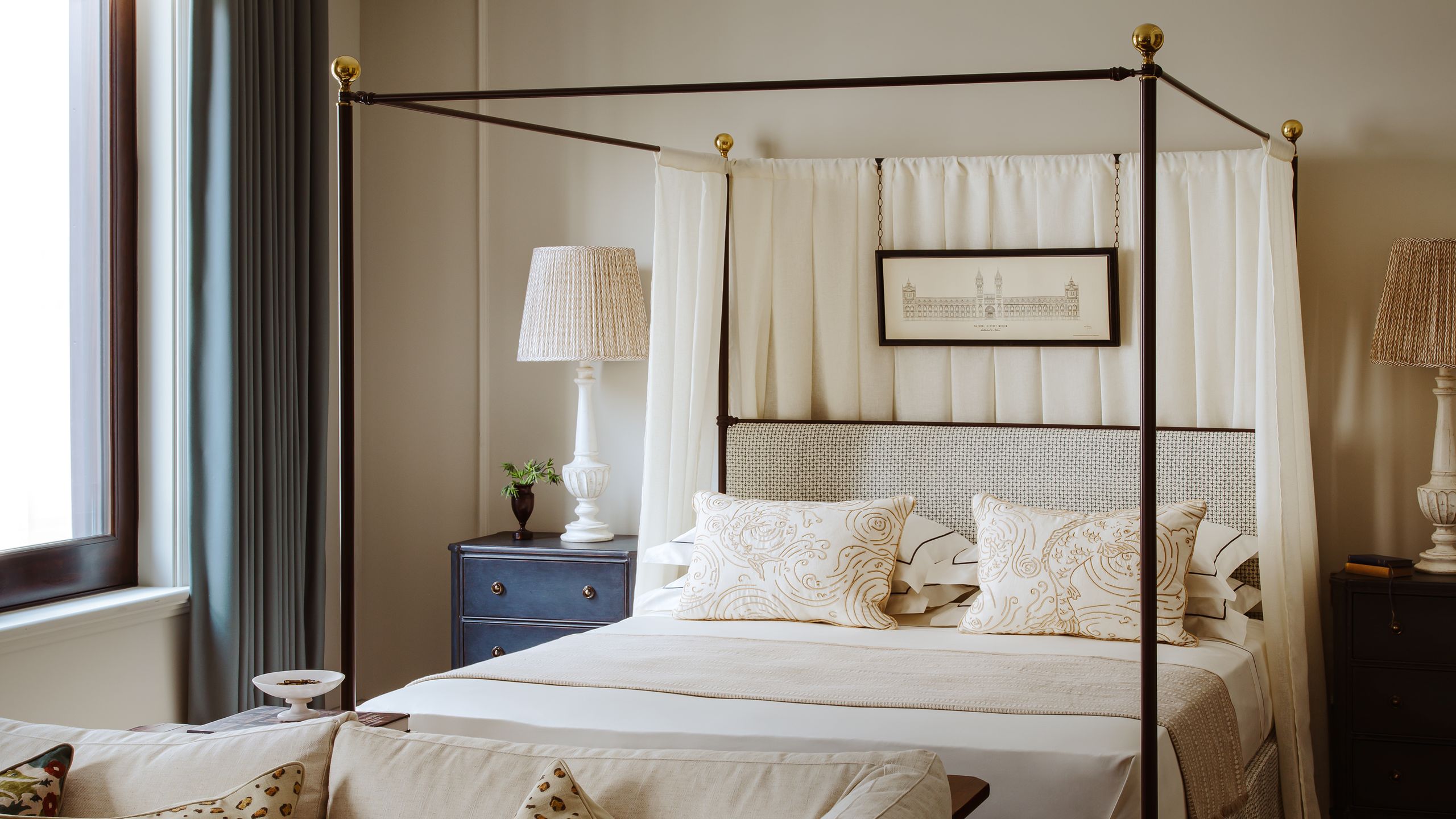
11 Best Canopy Beds To Buy, Right Now, From Classic Four-Poster Frames to Sculptural Designs
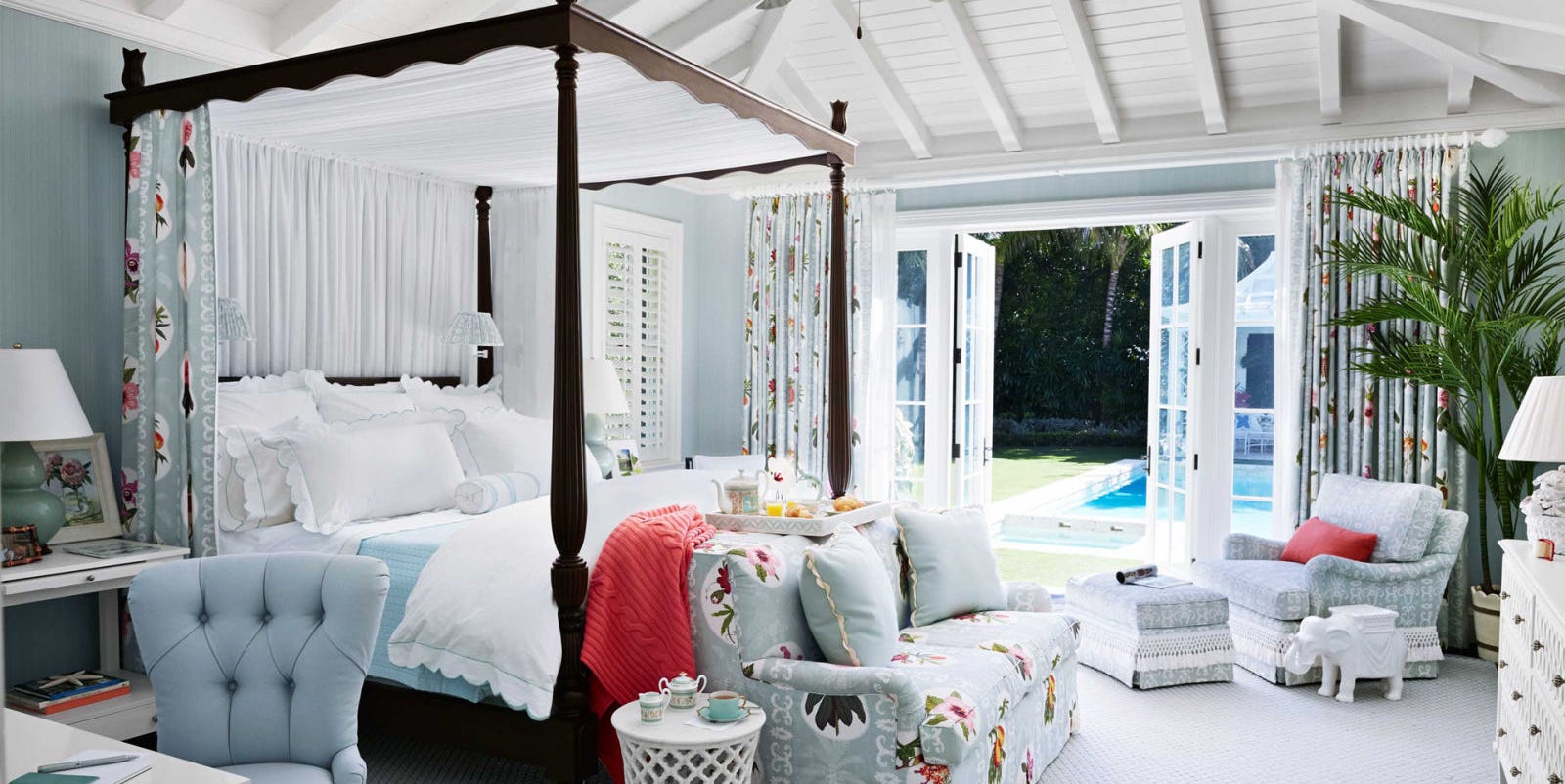
13 Canopy Bed Ideas to Make You Feel Like Royalty

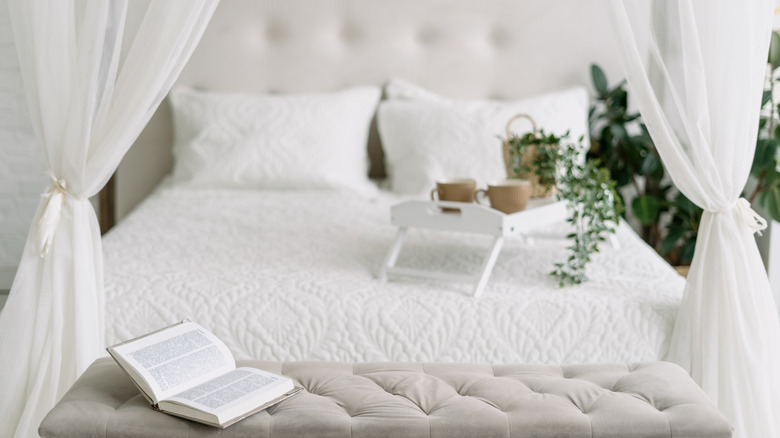
The Decades-Old Bedroom Trend That's Making A Hard Comeback In Homes Today
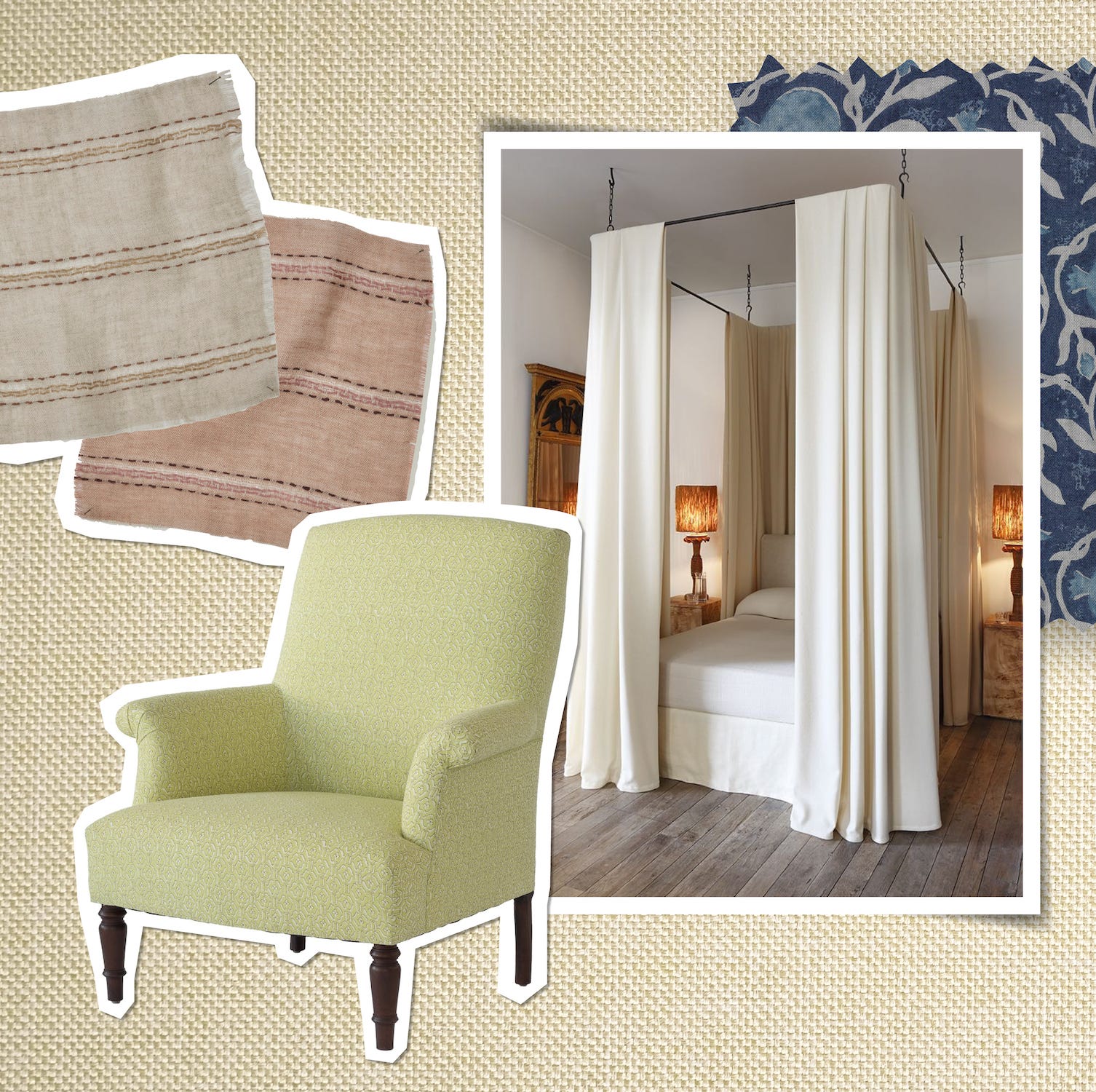
The 3 Canopy Beds We're Dreaming of Now—Plus, How We'd Style Them

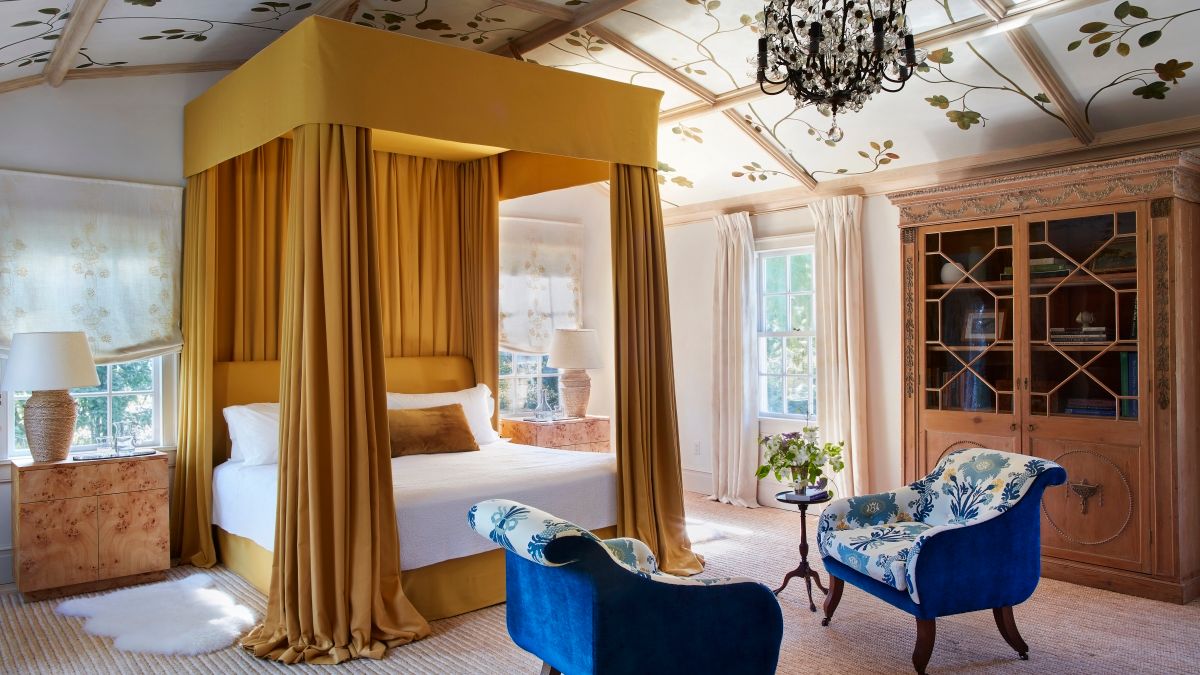
The Best Canopy Beds Put a Romantic Spin on Beauty Sleep

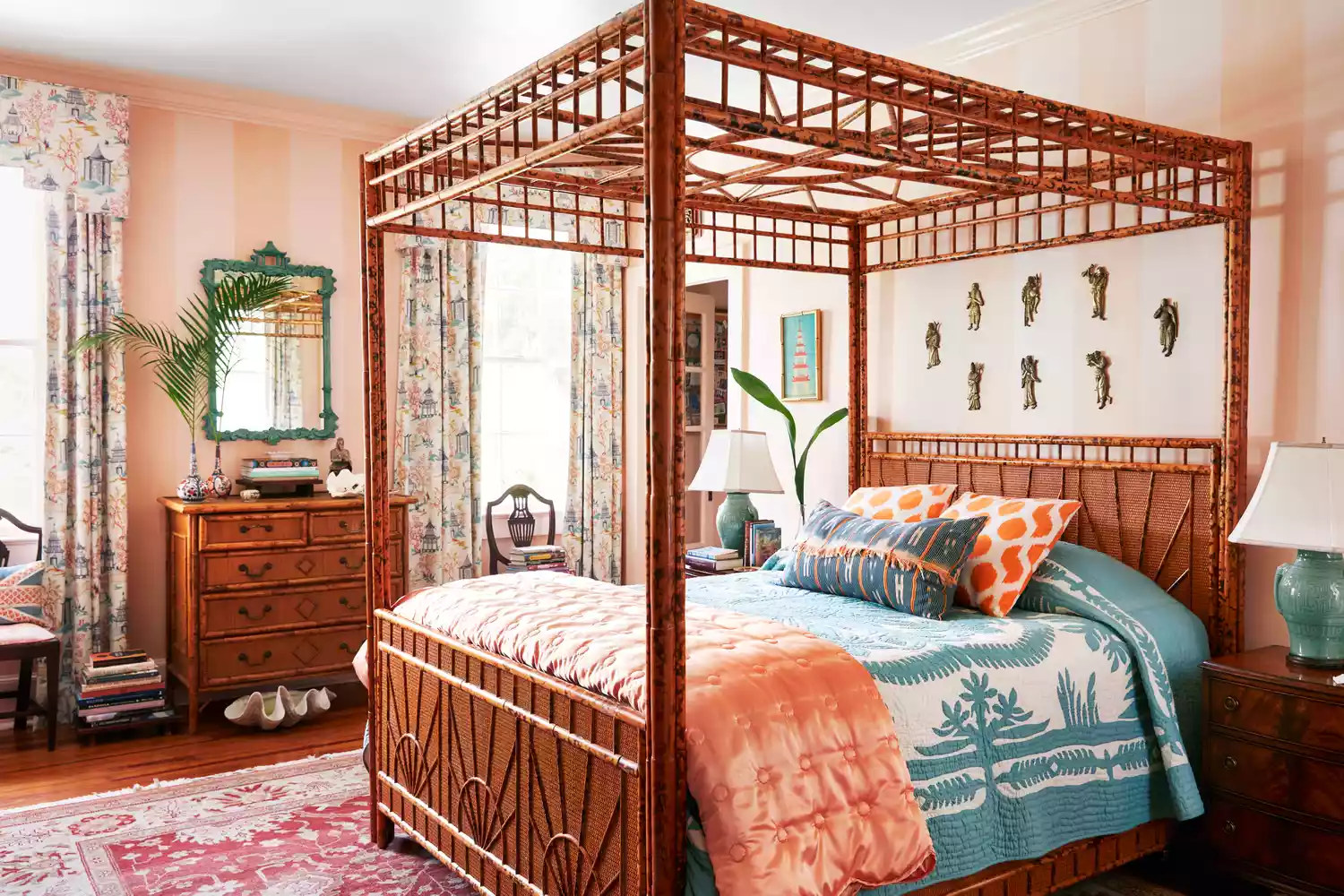
This Classic Bedroom Feature Is Officially Back
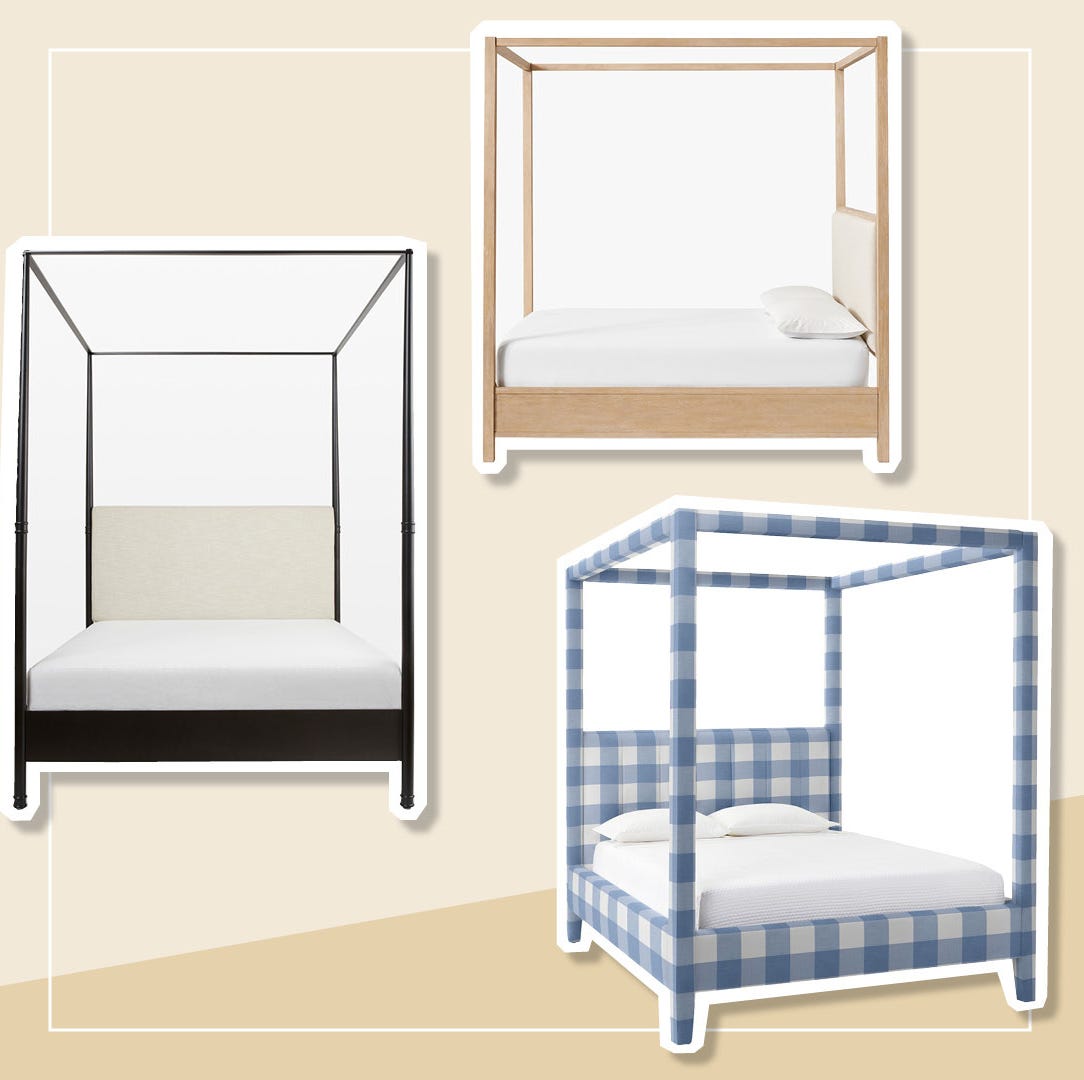
Canopy Beds Are Back—Here Are the 9 Picks Designers Are Loving Now

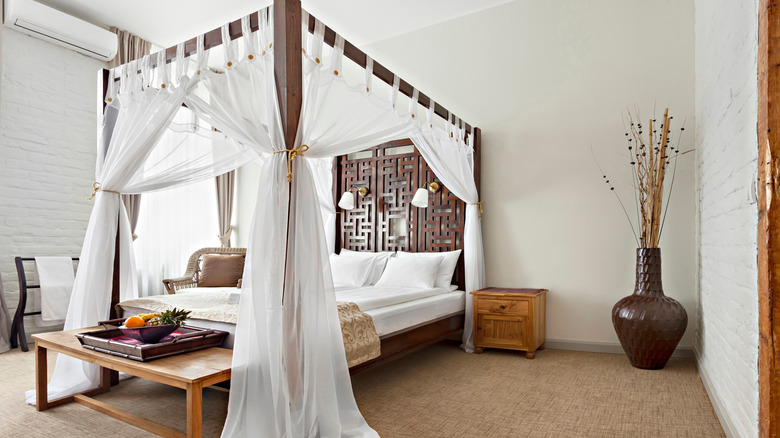
25 Canopy Beds Perfect For Sleeping In Style
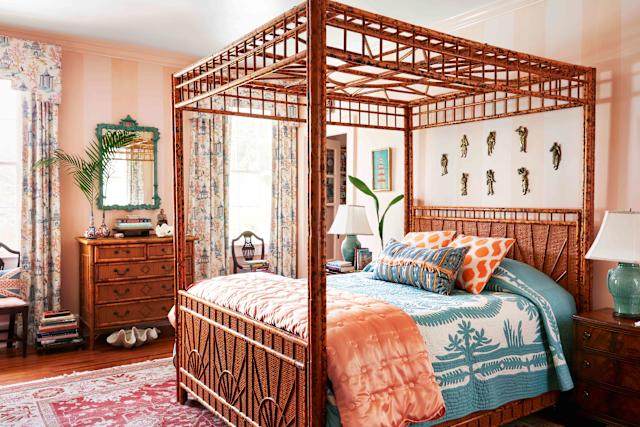
This Classic Bedroom Feature Is Officially Back
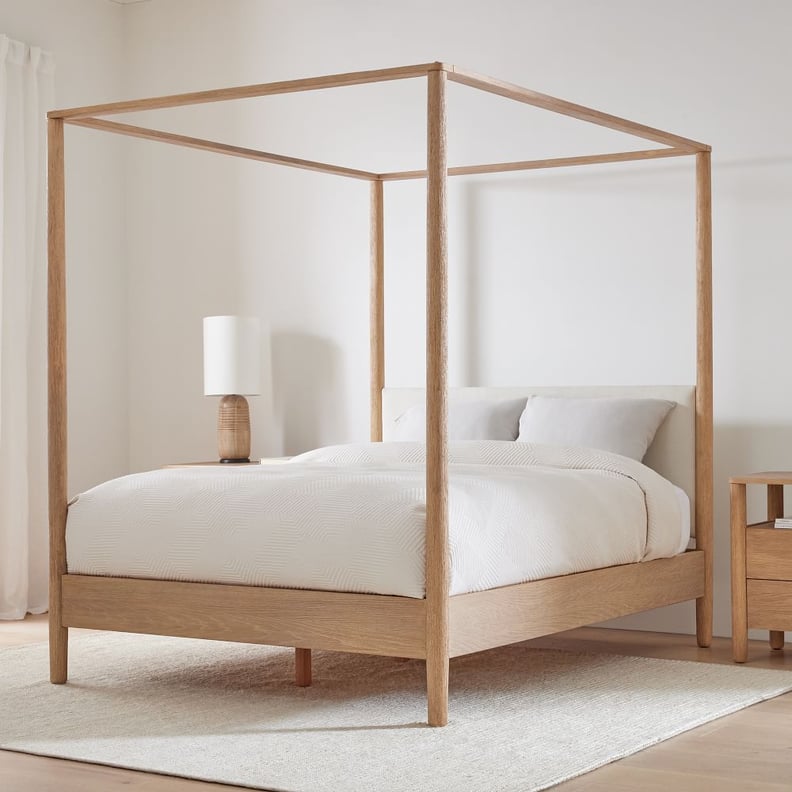
The Best Canopy Beds For a Whimsical Bedroom
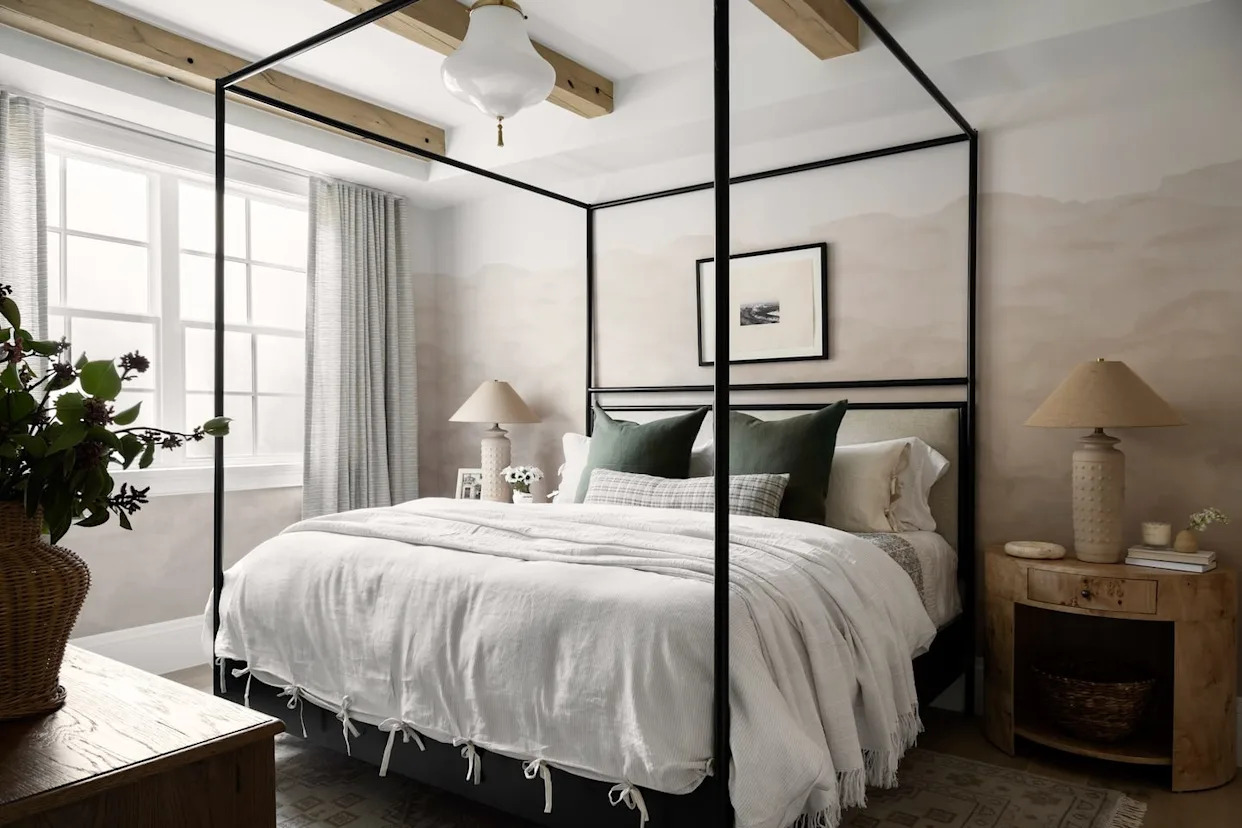
An Interior Designer Weighs in on Canopy Bed Frames: Yay or Nay?

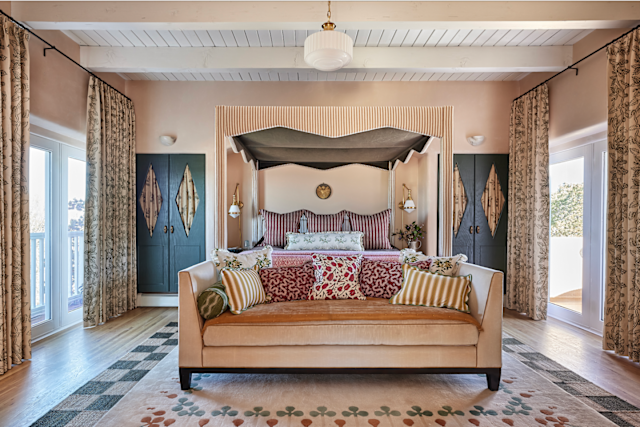
This Bedroom Trend From Your '90s Childhood Dreams Is BACK and More Stylish Than Ever
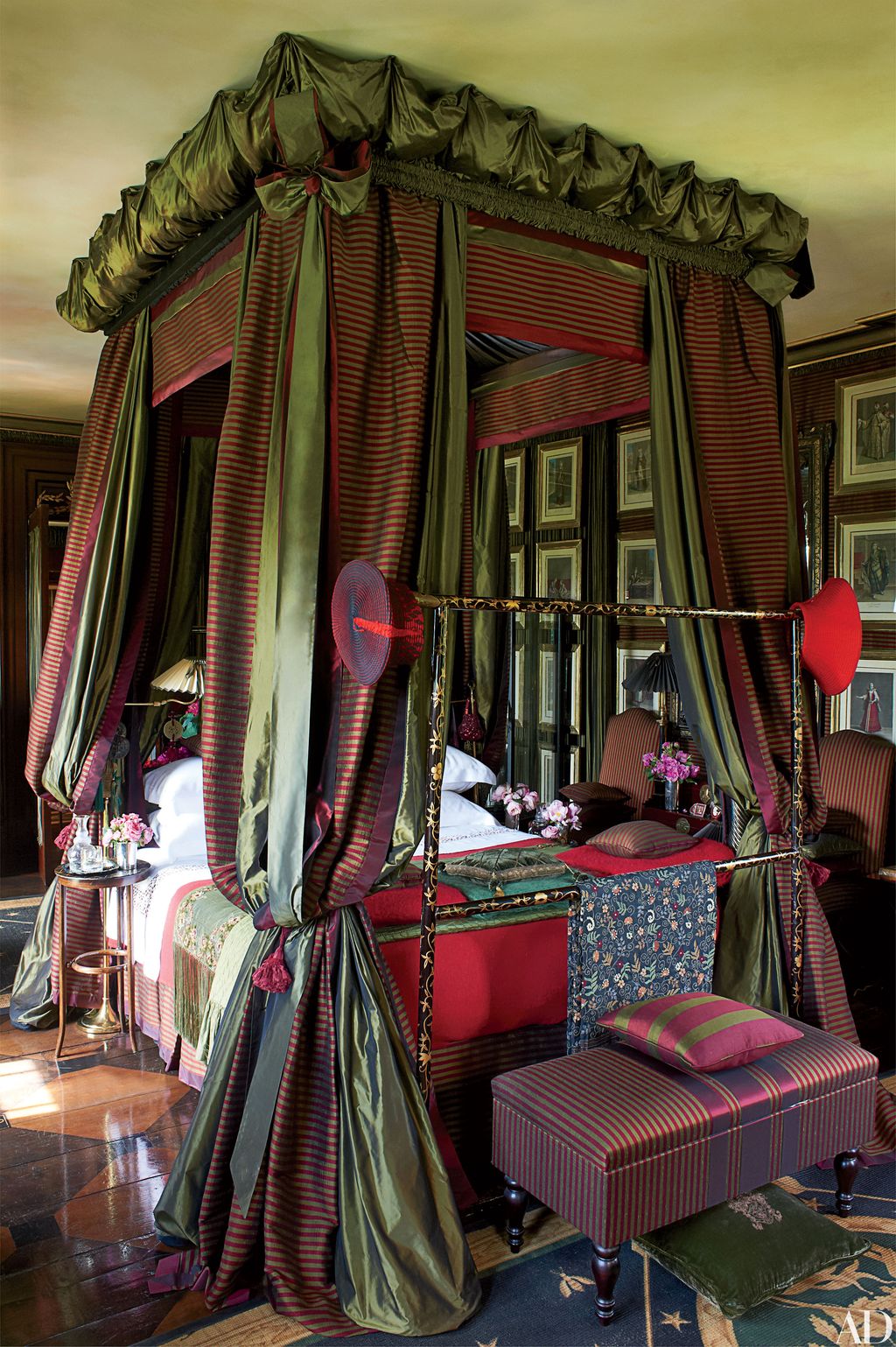
24 Reasons You Need a Canopy Bed
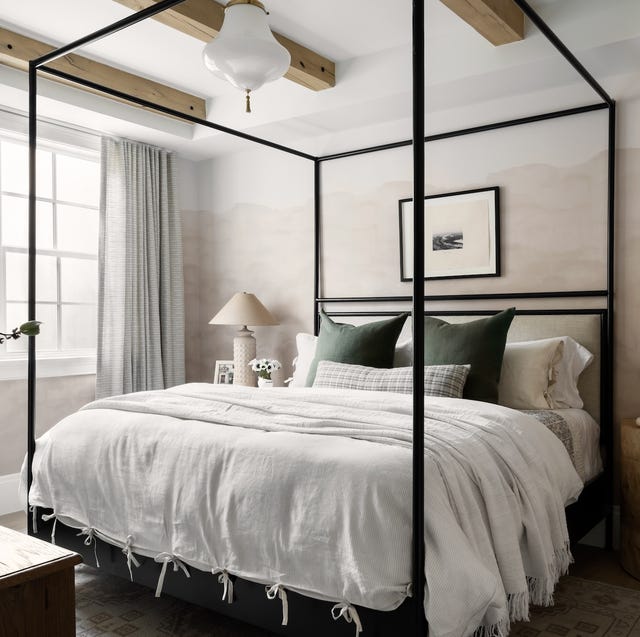
An Interior Designer Weighs in on Canopy Bed Frames: Yay or Nay?

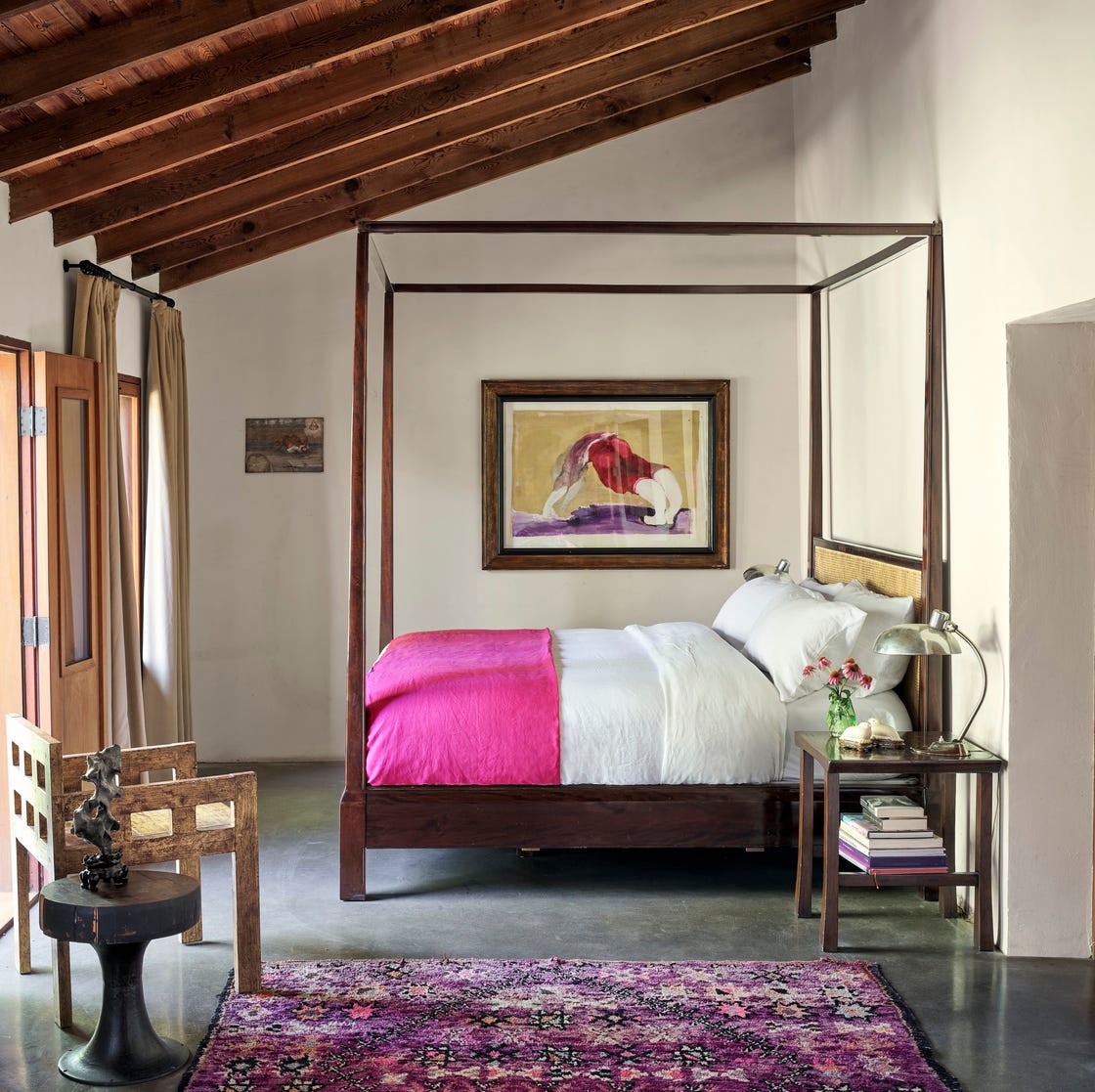
20 Modern Canopy Beds That Will Make You Feel like a Royal
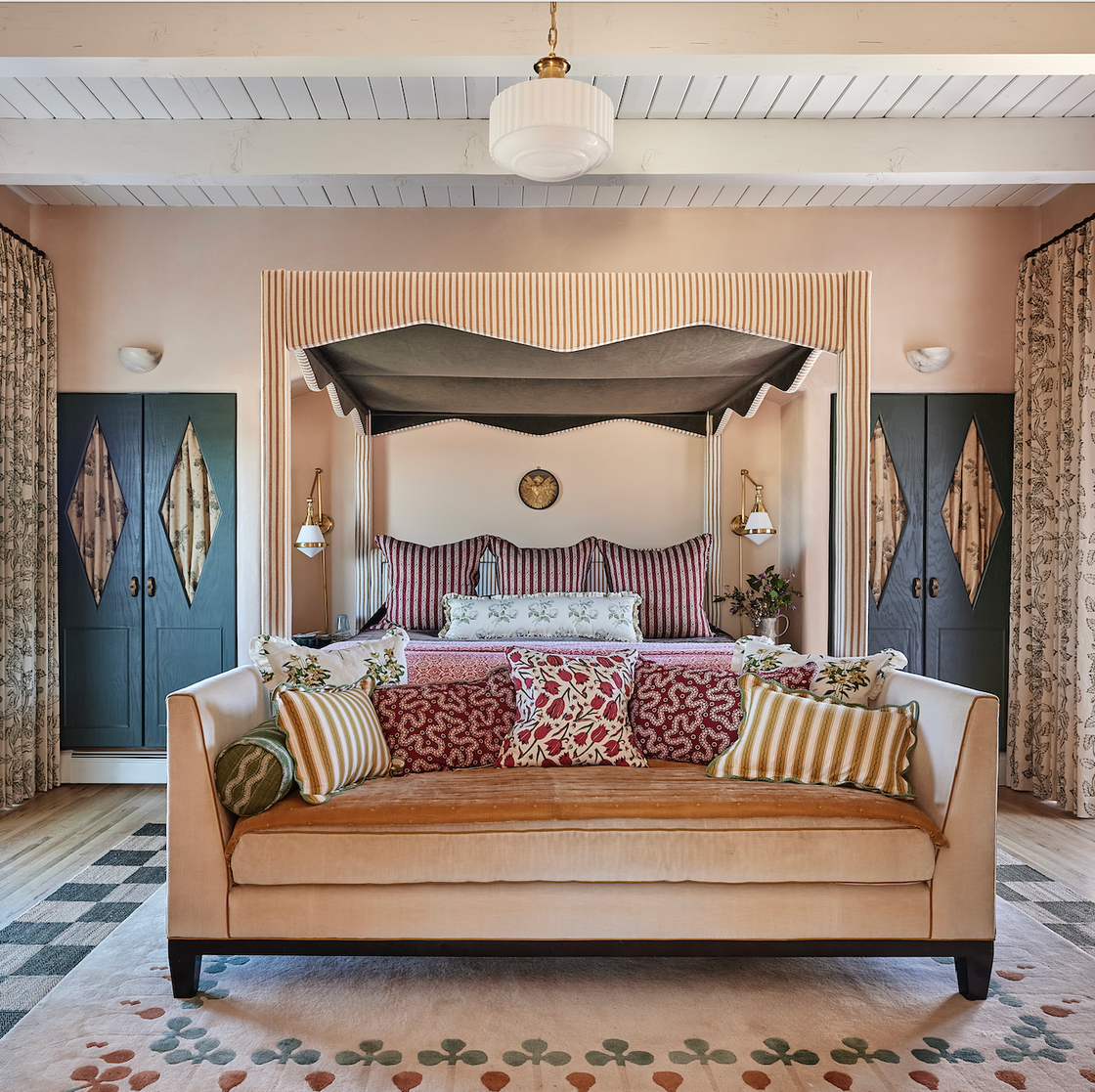
This Bedroom Trend From Your '90s Childhood Dreams Is BACK and More Stylish Than Ever

Must-Try 2025 Trends To Create A Dreamy Bedroom You'll Never Want To Leave
5 Bedroom Design Trends to Spice Things Up in 2024
Shopping for Canopy Beds (Published 2021)