




1/4
Canopy Beds Are Making a Major Comeback—Here's Why Designers Love Them
Canopy beds, a timeless furniture piece, are experiencing a significant resurgence in popularity, offering a blend of historical charm and contemporary style. These beds, which have roots stretching back centuries, are now being embraced for their aesthetic appeal and functional benefits in modern bedrooms. Designers highlight their ability to introduce a sculptural element, adding height and a sense of enclosure, which can transform a bedroom into a sanctuary.
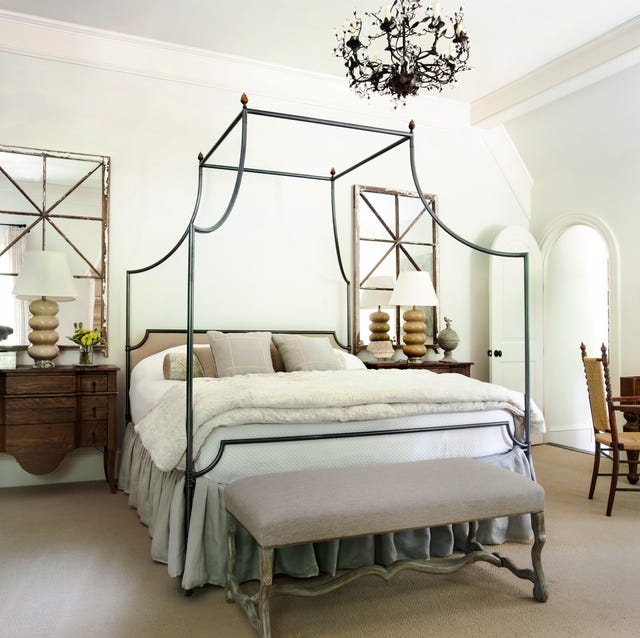
The versatility of canopy beds is a key factor in their comeback. They can be adapted to various design preferences, from sleek metal frames for a modern look to rich wooden structures for a classic feel, or even rattan with draped fabrics for a more traditional aesthetic. This adaptability makes them suitable for a wide range of interior styles, allowing homeowners to personalize their sleeping spaces with a statement piece.
The historical context of canopy beds reveals their evolution from functional necessities to symbols of luxury. Originally, these beds provided privacy and warmth, particularly in large, drafty castles and homes. By the 17th and 18th centuries, they had become an indicator of opulence and social status. Today, their appeal lies in their ability to evoke a sense of grandeur and offer an additional layer of luxury, serving as a focal point that creates a 'wow' factor in the bedroom.
When considering incorporating a canopy bed, several design tips can guide the selection process. The size of the bedroom is a crucial consideration; canopy beds are ideally suited for larger, more spacious rooms, especially those with high ceilings. In such settings, they can create a 'room within a room' effect, which enhances intimacy and coziness without overwhelming the space. Conversely, in generously sized bedrooms, they prevent the space from feeling too vast or empty.
Canopy beds also provide an excellent opportunity for creative expression through color, texture, and pattern. Unlike traditional beds, they offer unique ways to experiment with these elements. Whether through upholstered frames, various fabric drapes, or the natural textures of wood and metal, these beds can inject personality into a room. Draping options vary, from fabric crowns at the head of the bed to panels enclosing all four sides, allowing for different levels of texture and visual impact. Layers of fabric can create a more traditional, rich feel, while single, sheer panels offer a modern, airy look. The possibilities for customization, including swags, top treatments, and multiple fabrics with trims, are extensive.
Finally, choosing the right style of canopy bed is essential to match the desired aesthetic. For an opulent, old-world ambiance, a wooden four-poster bed with top rails and heavy fabrics like velvet or damask, potentially adorned with tassel trims, would be appropriate. For a more understated and quiet aesthetic, a simple wood or iron frame paired with solid linen or sheer fabric, without elaborate trims, is recommended. This allows for a tailored approach, ensuring the canopy bed complements the overall design vision of the bedroom.
#CanopyBeds #BedroomDesign #HomeDecor #InteriorDesignTrends #LuxuryBedrooms #FurnitureTrends #DecoratingIdeas #DesignTips #CanopyBeds #BedroomDesign #HomeDecor #InteriorDesignTrends #LuxuryBedrooms #FurnitureTrends #DecoratingIdeas #DesignTips
 No comments yet