1/14
15 bedroom design tips for better sleep – wake fresh for the day
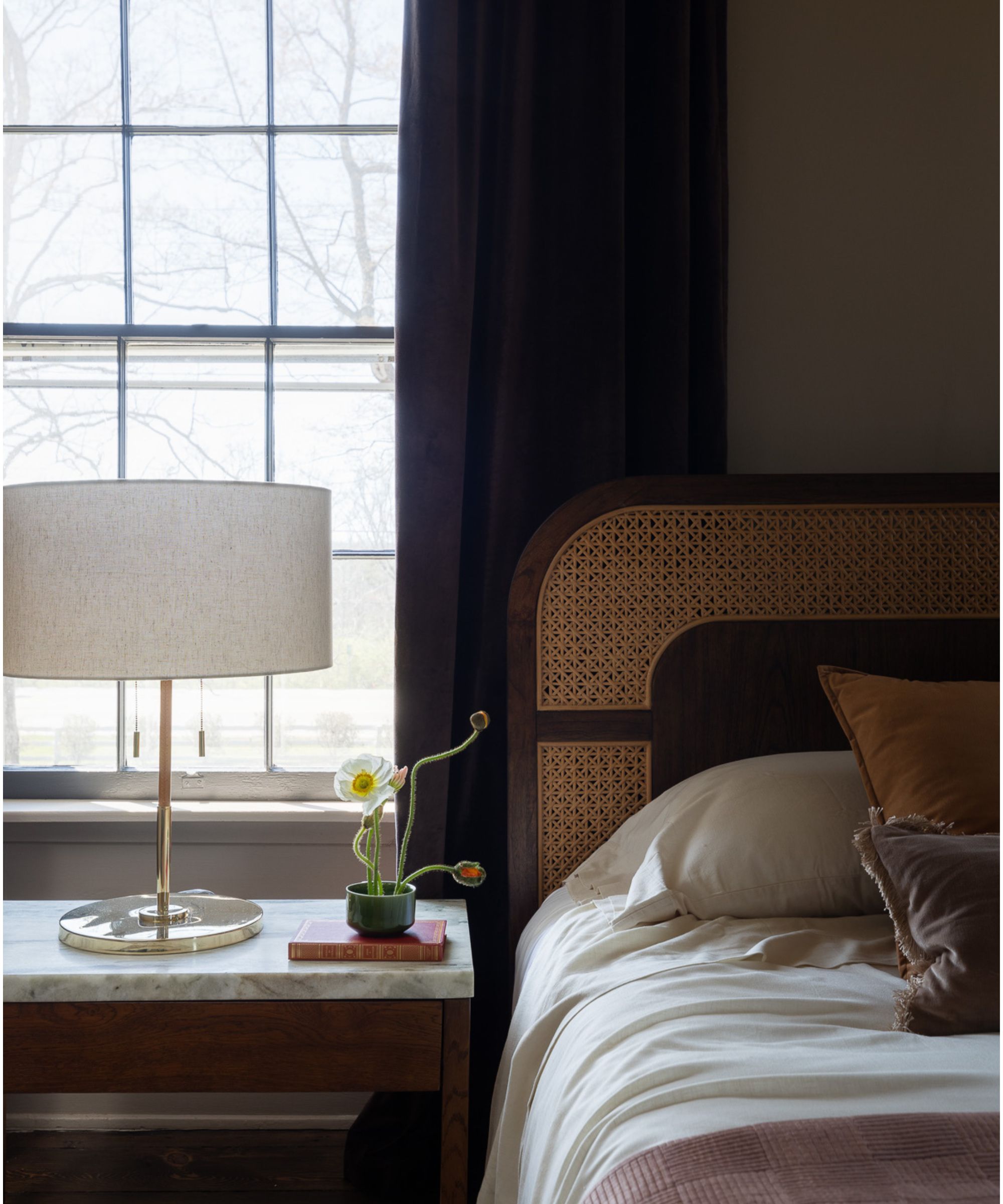
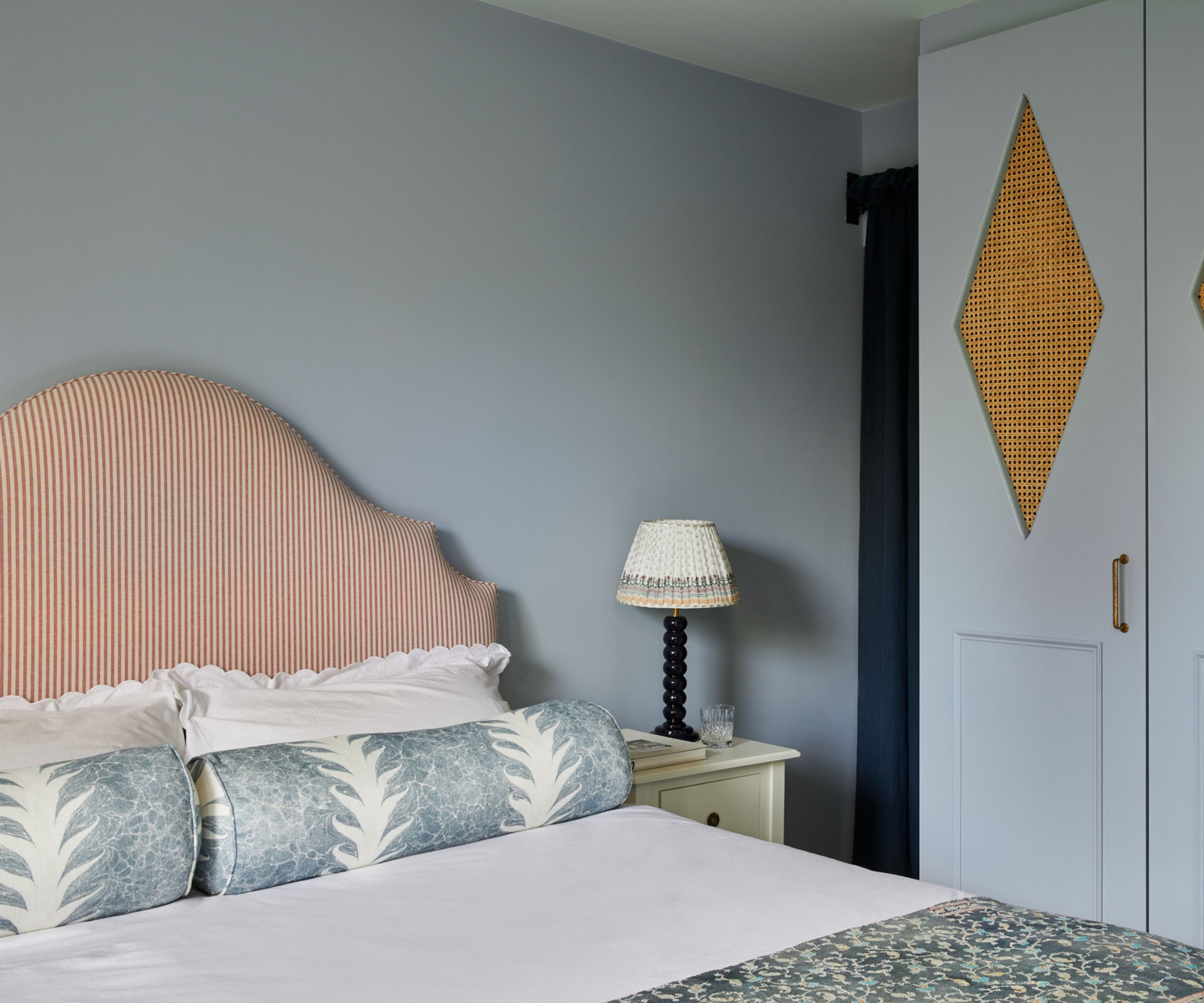
The article emphasizes the crucial role of bedroom design in promoting restful sleep and overall well-being. It highlights that everything from furniture and bedding to temperature and decor contributes to creating a tranquil sanctuary conducive to good sleep. Sleep experts concur that optimizing the bedroom layout is a primary step in improving sleep quality.
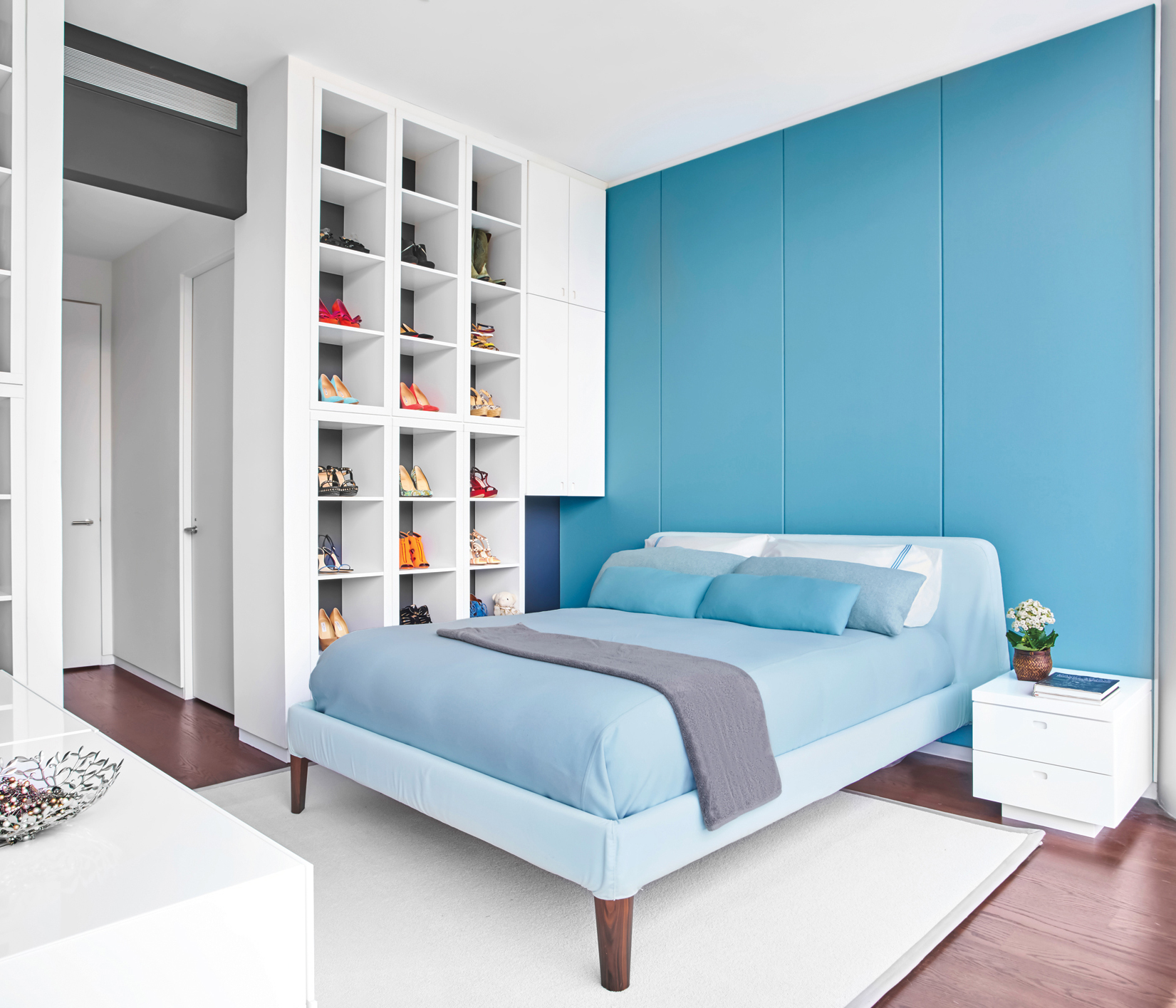
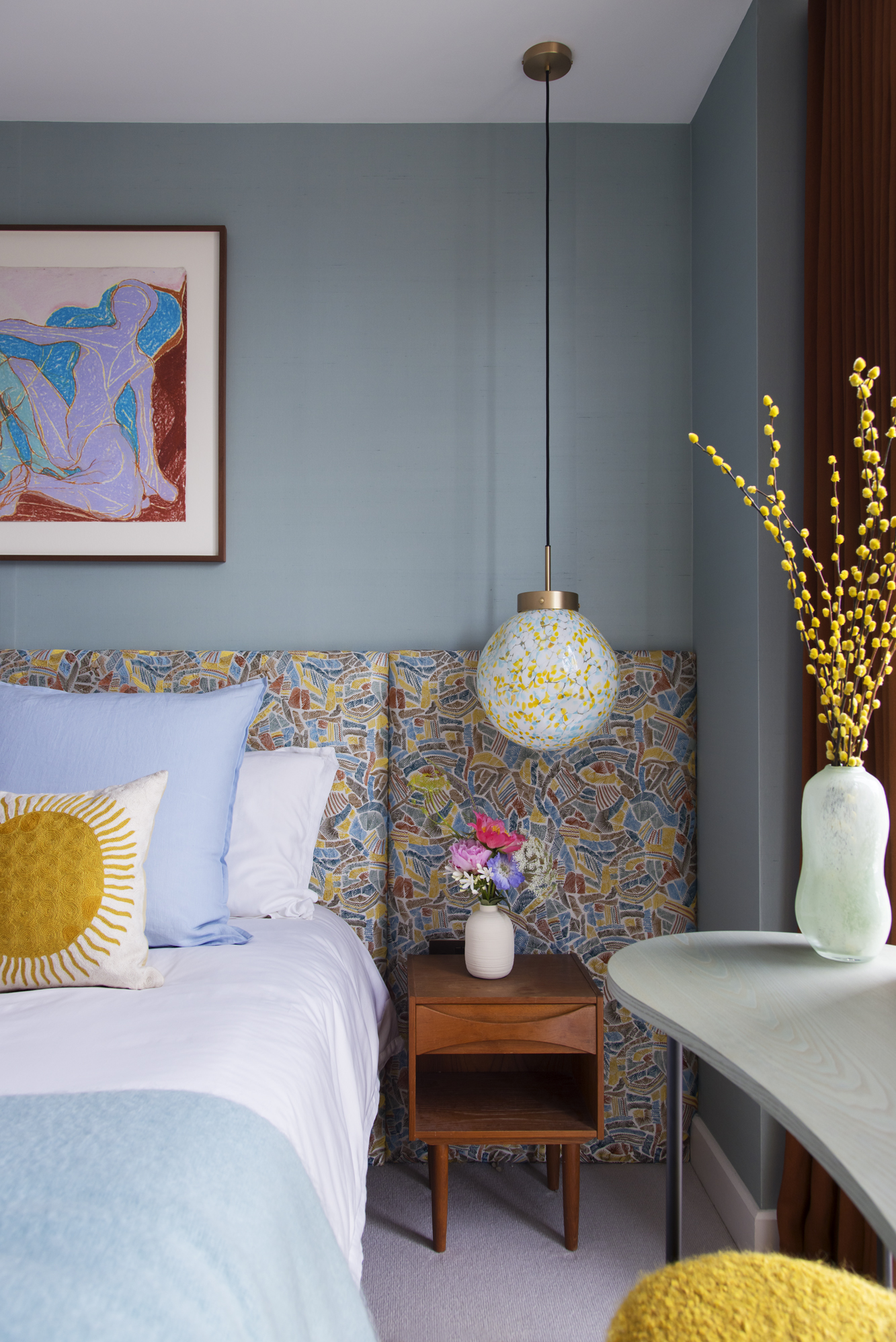
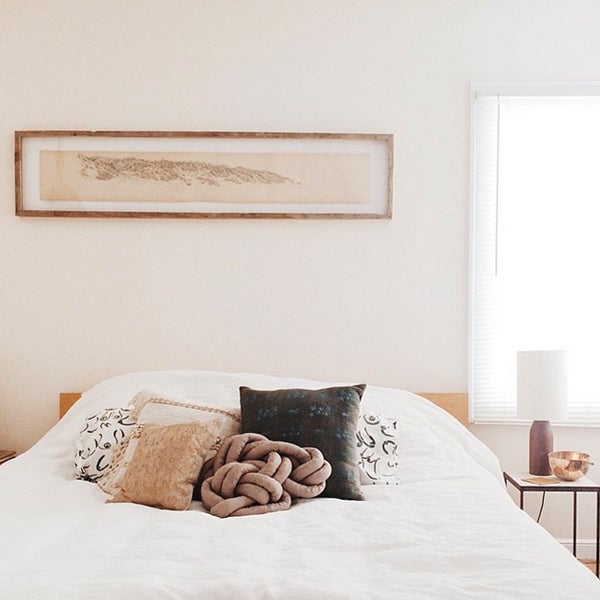
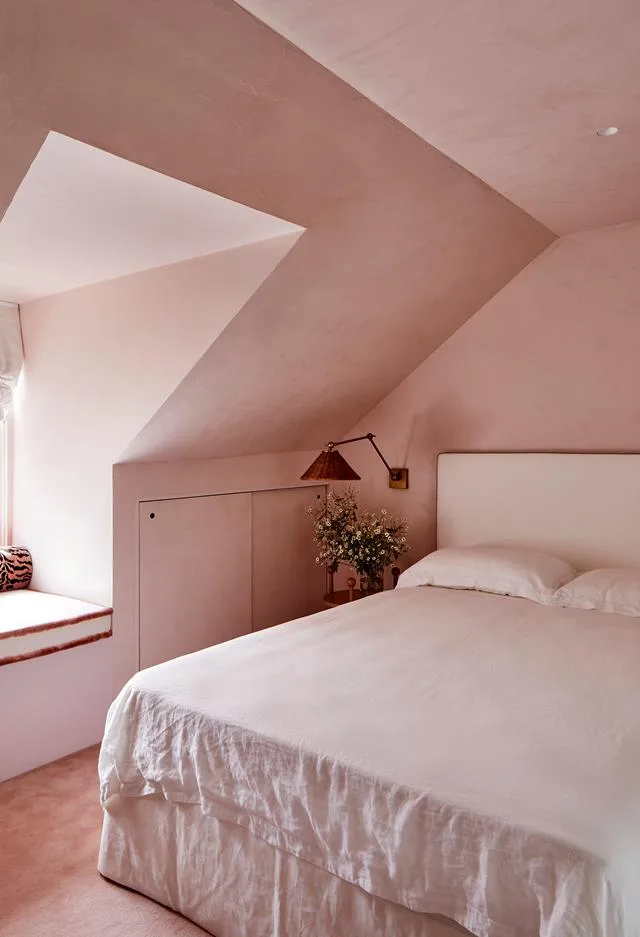
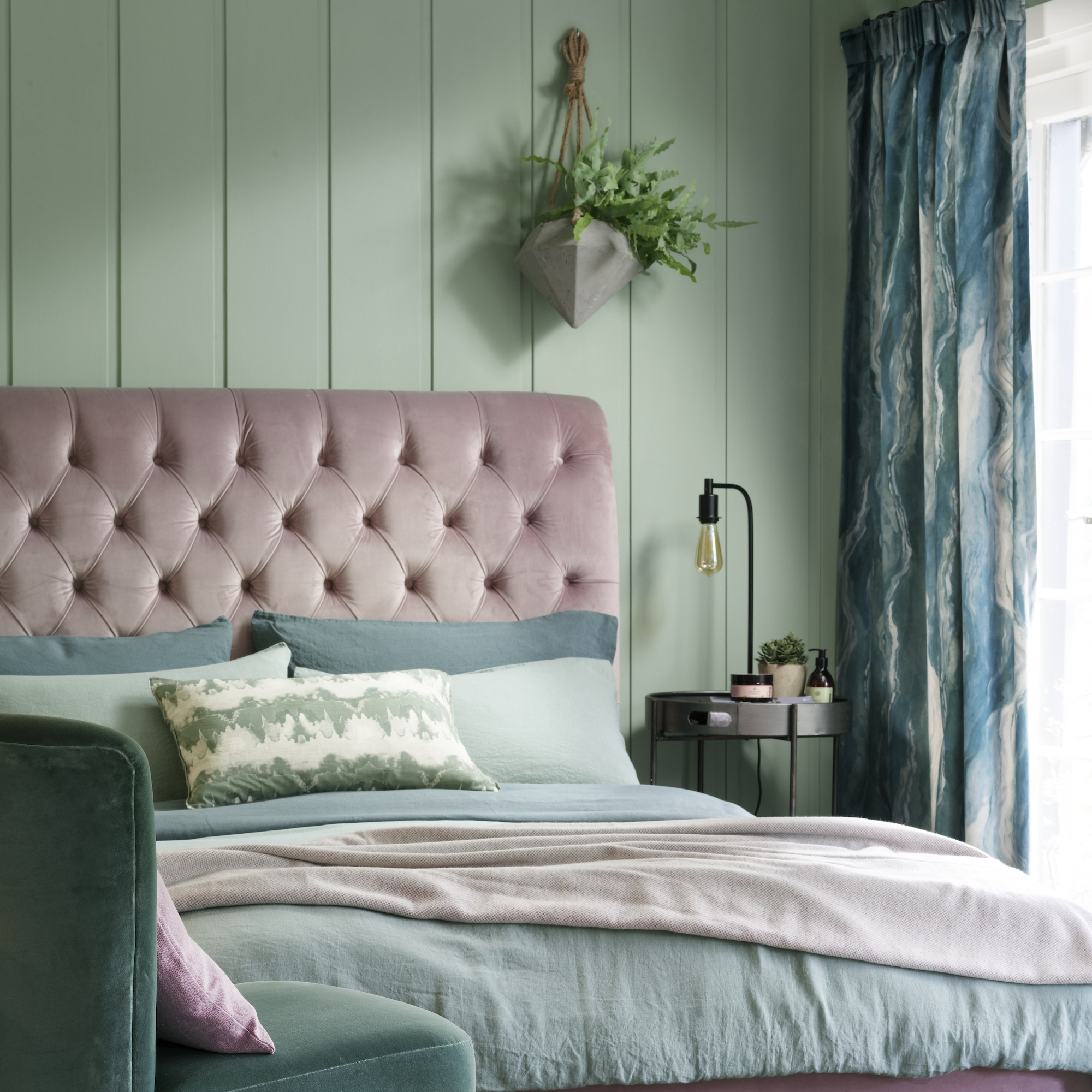
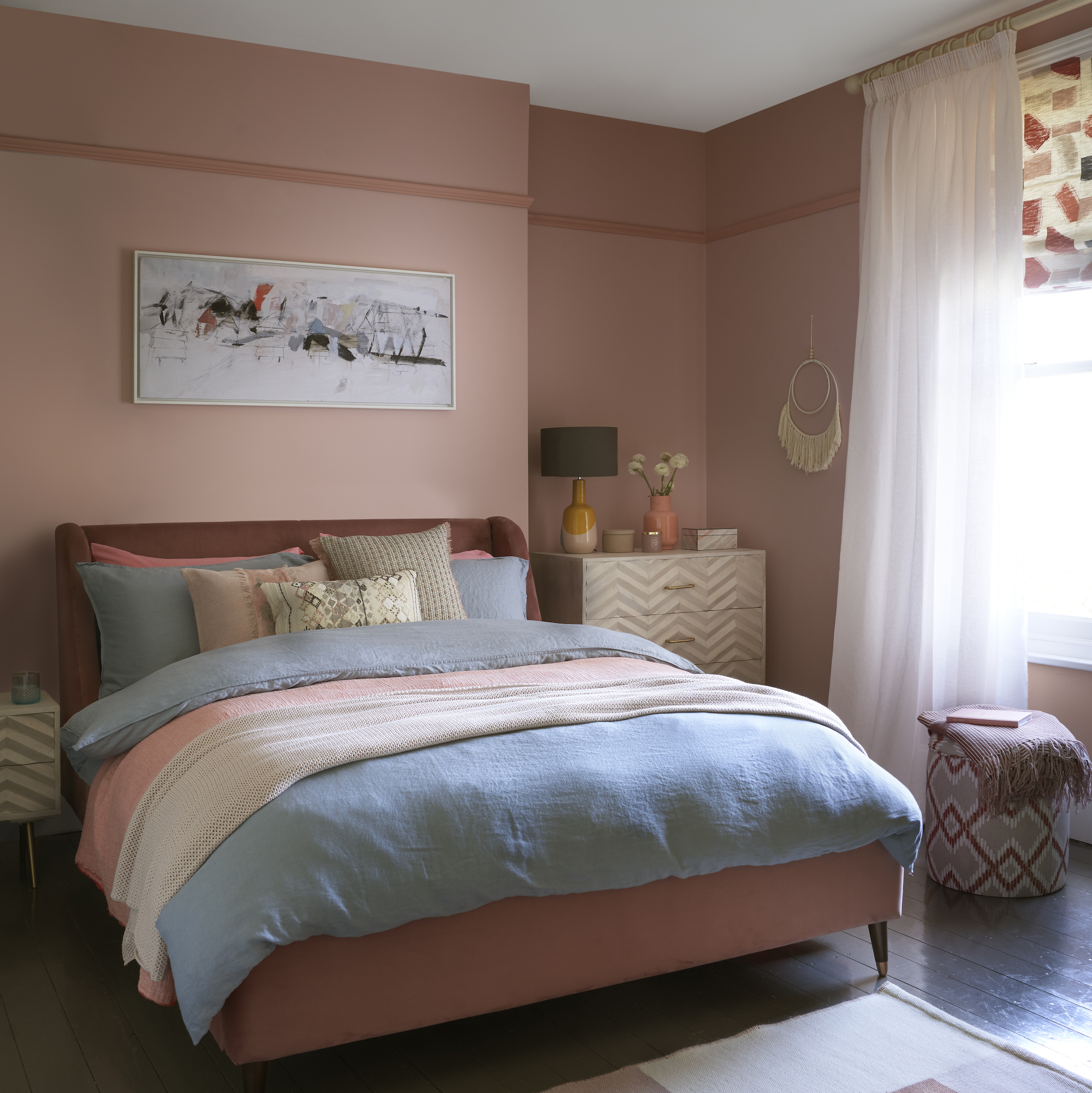
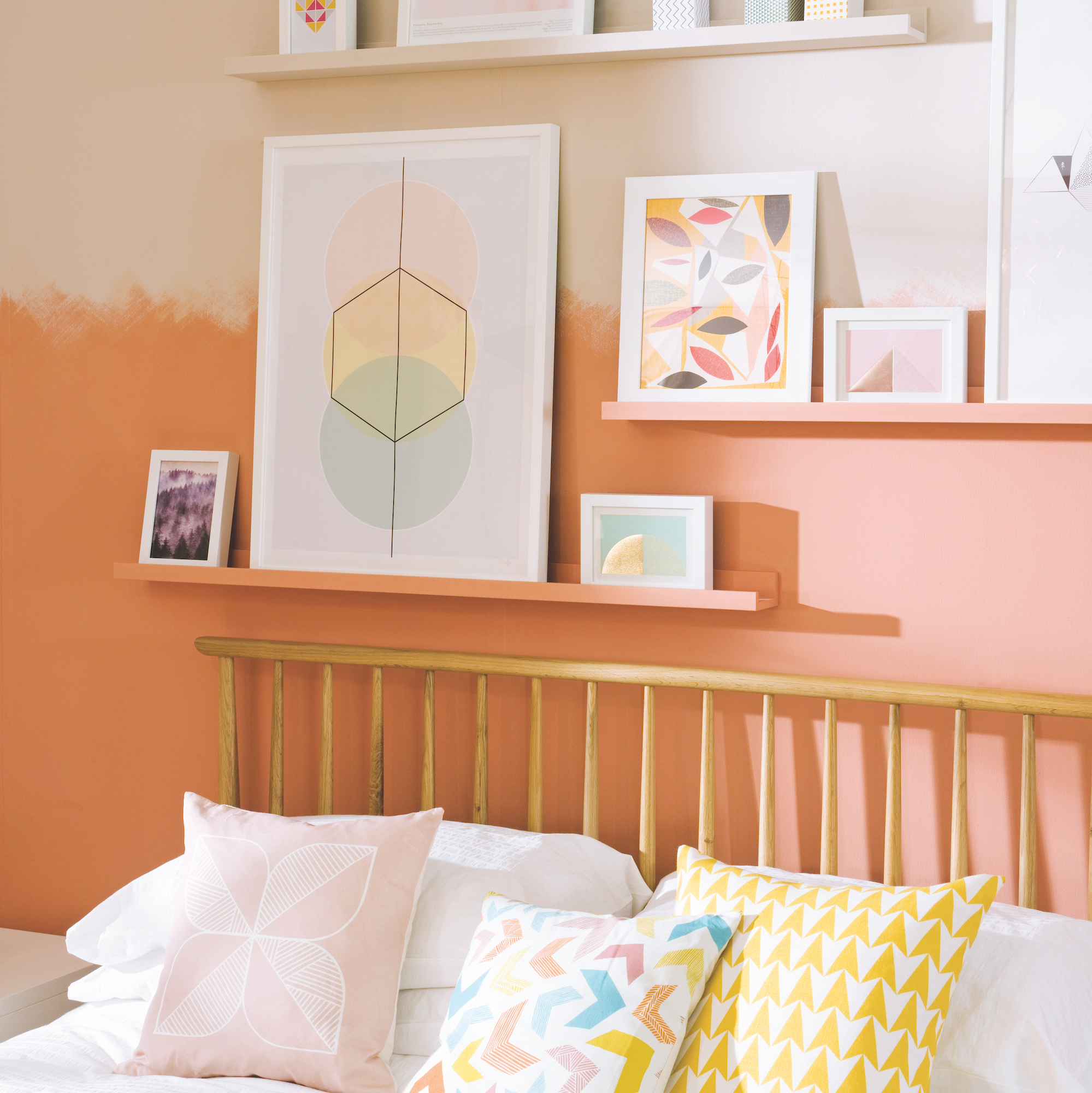
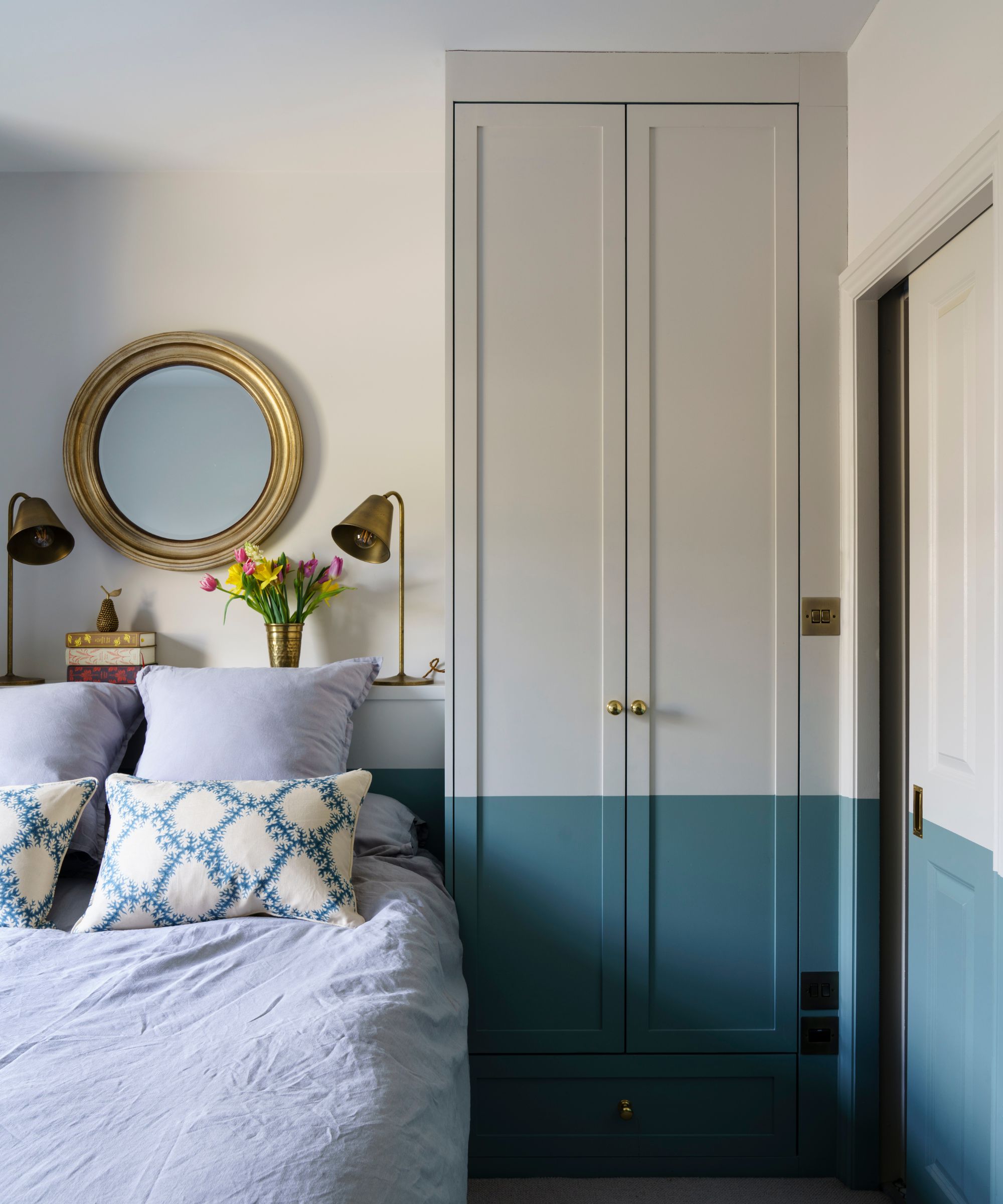
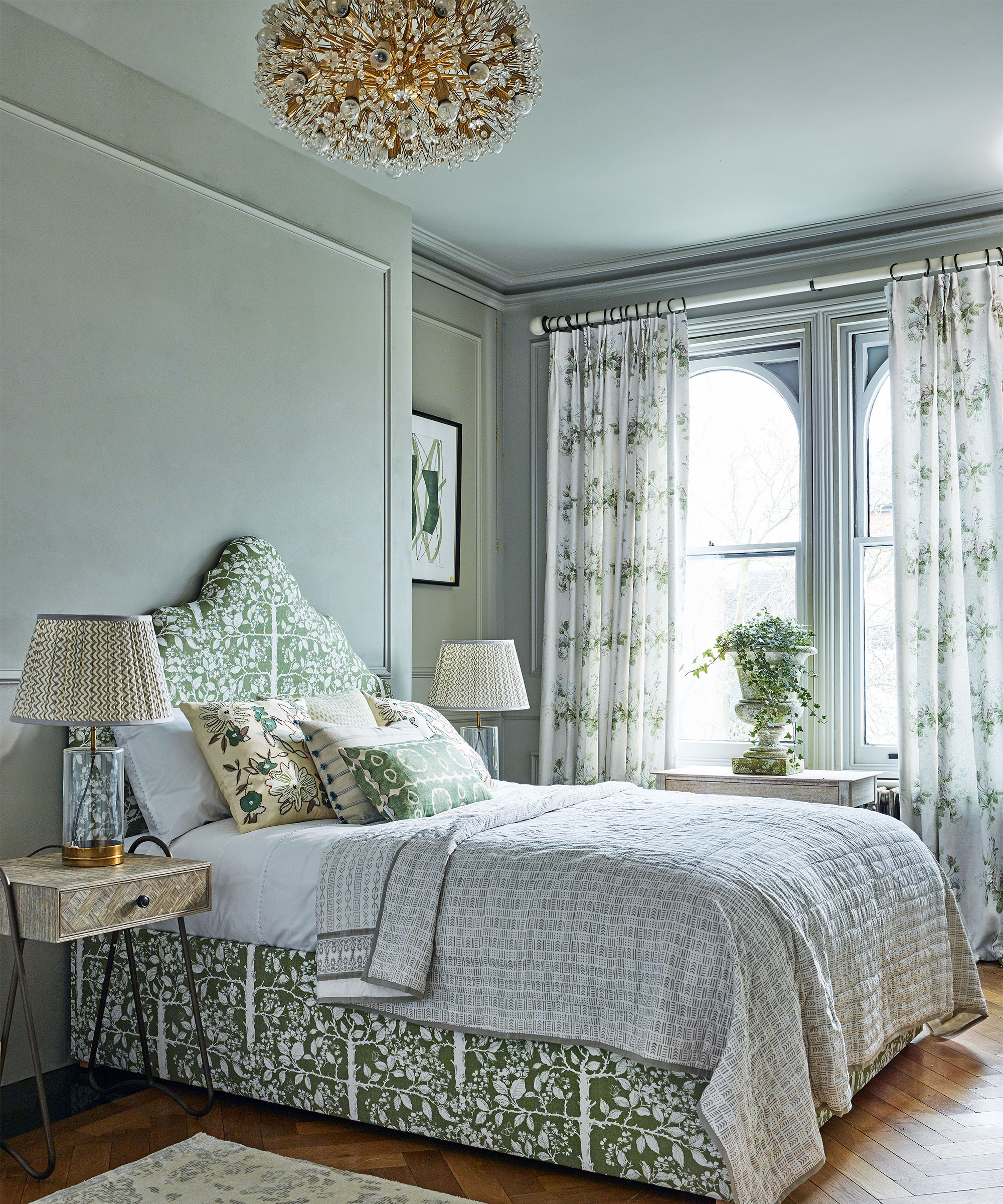
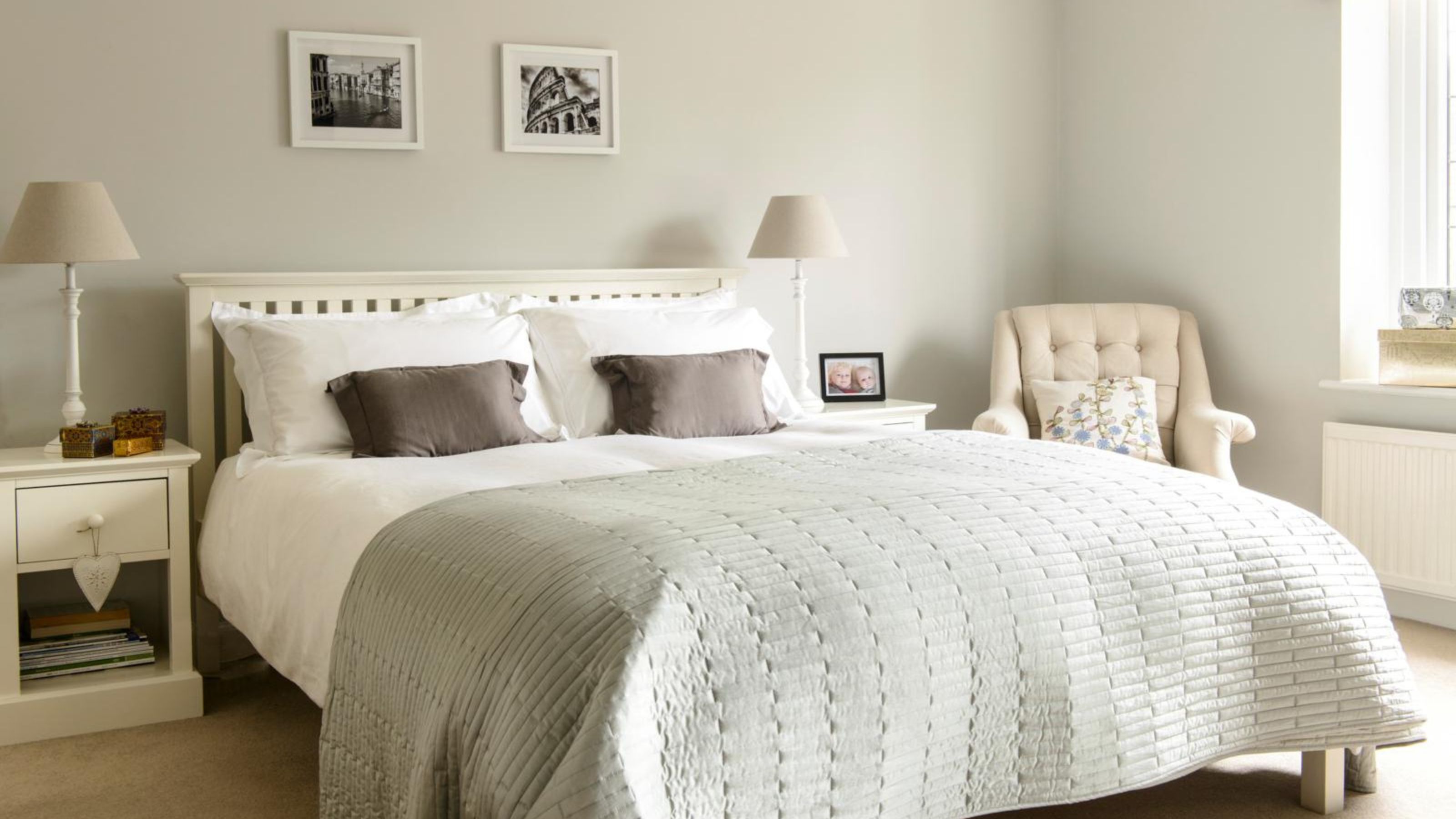
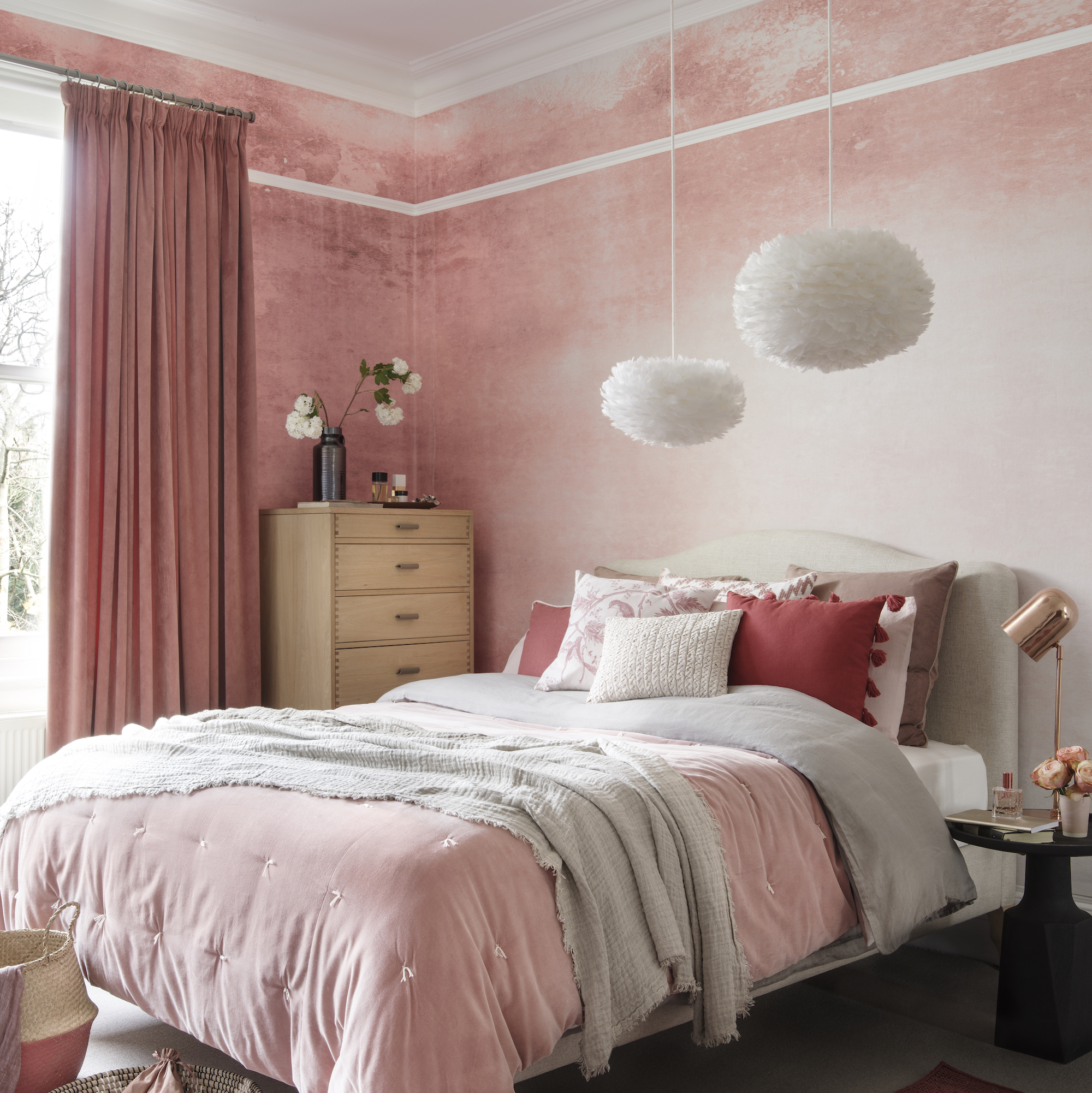
One of the most straightforward recommendations is to carefully select a color palette that fosters a sense of calm. The article advises against stark white walls, suggesting that while they may make a room appear larger, they can also make it feel cold and unwelcoming. Instead, soft pastel tones are recommended to inject color and personality, creating an uplifting atmosphere.
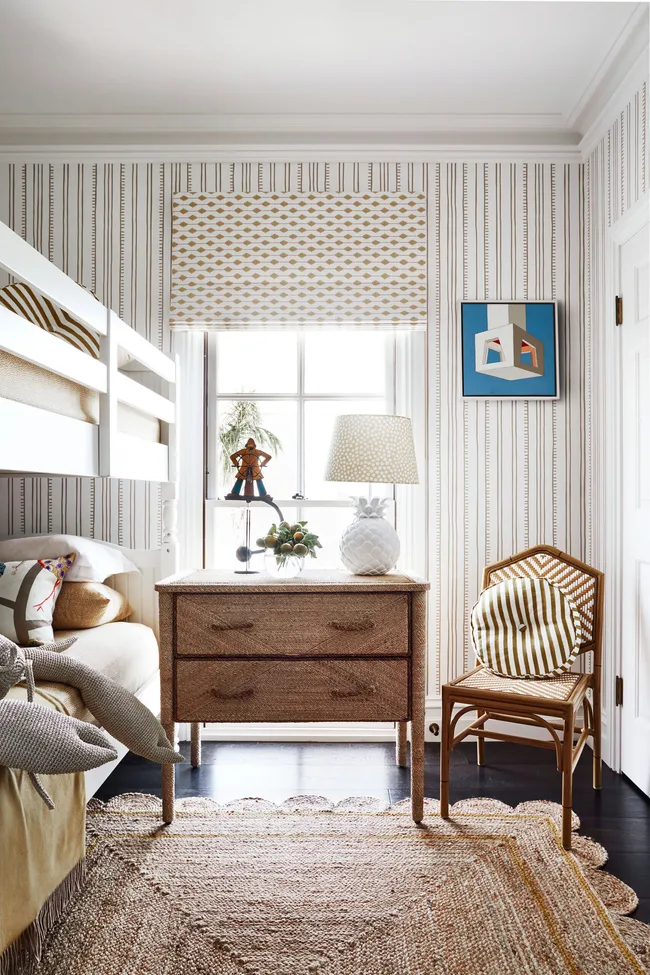
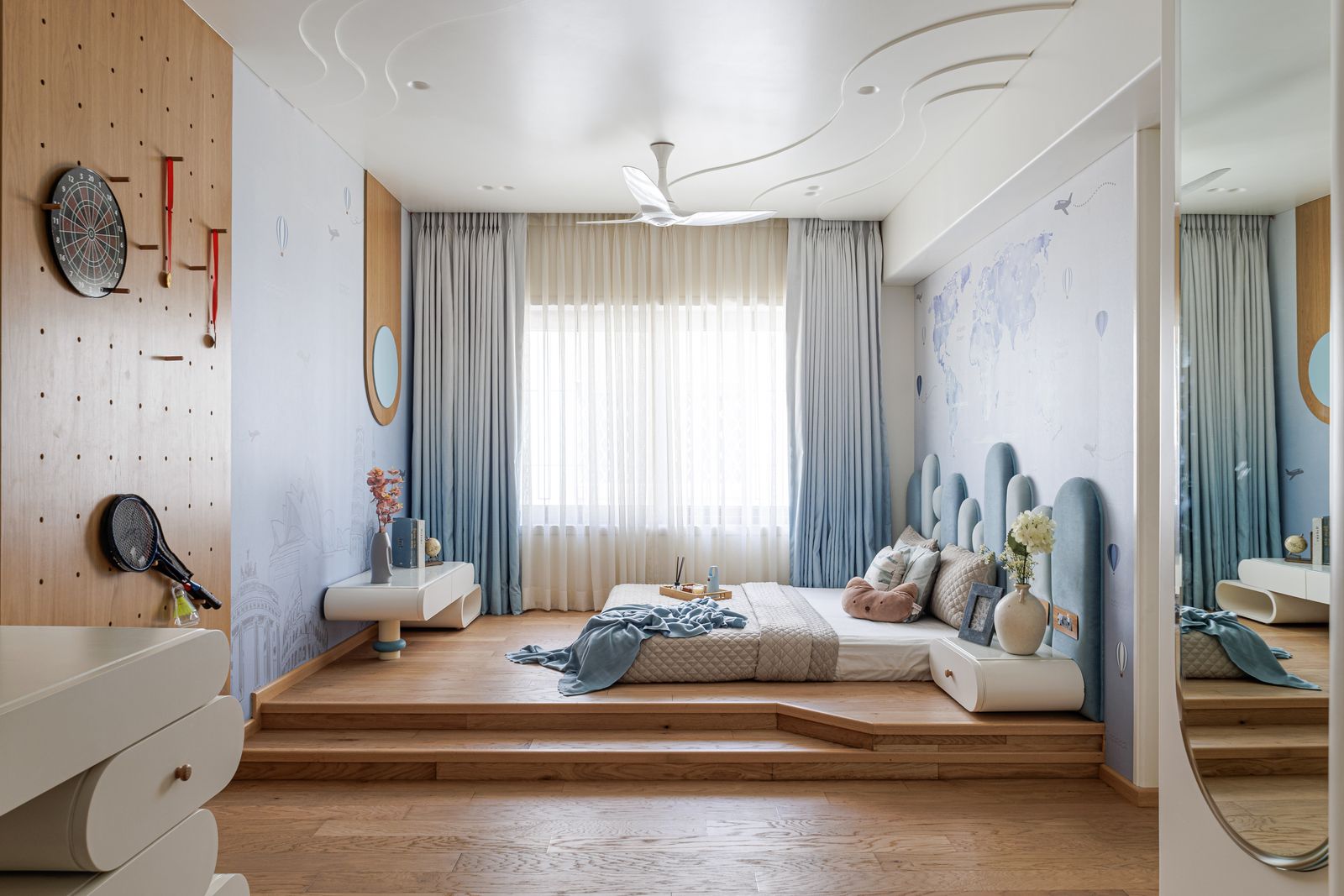
Beyond wall colors, flooring choices are identified as equally significant. Lighter-toned wooden floors can visually expand a room and influence its spatial flow. Placing planks parallel to the widest wall creates an elongated look, drawing attention to the room's longest dimension.
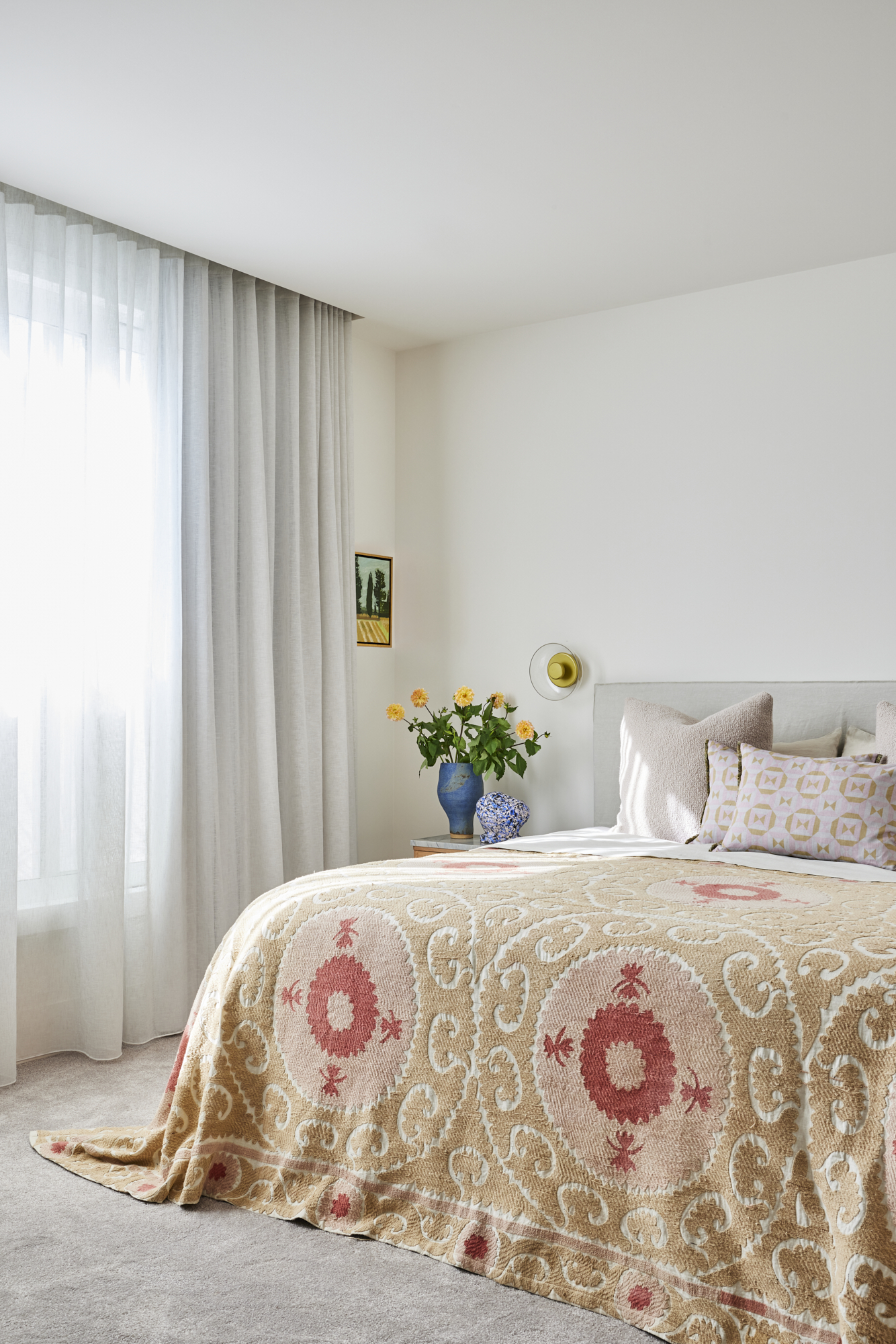
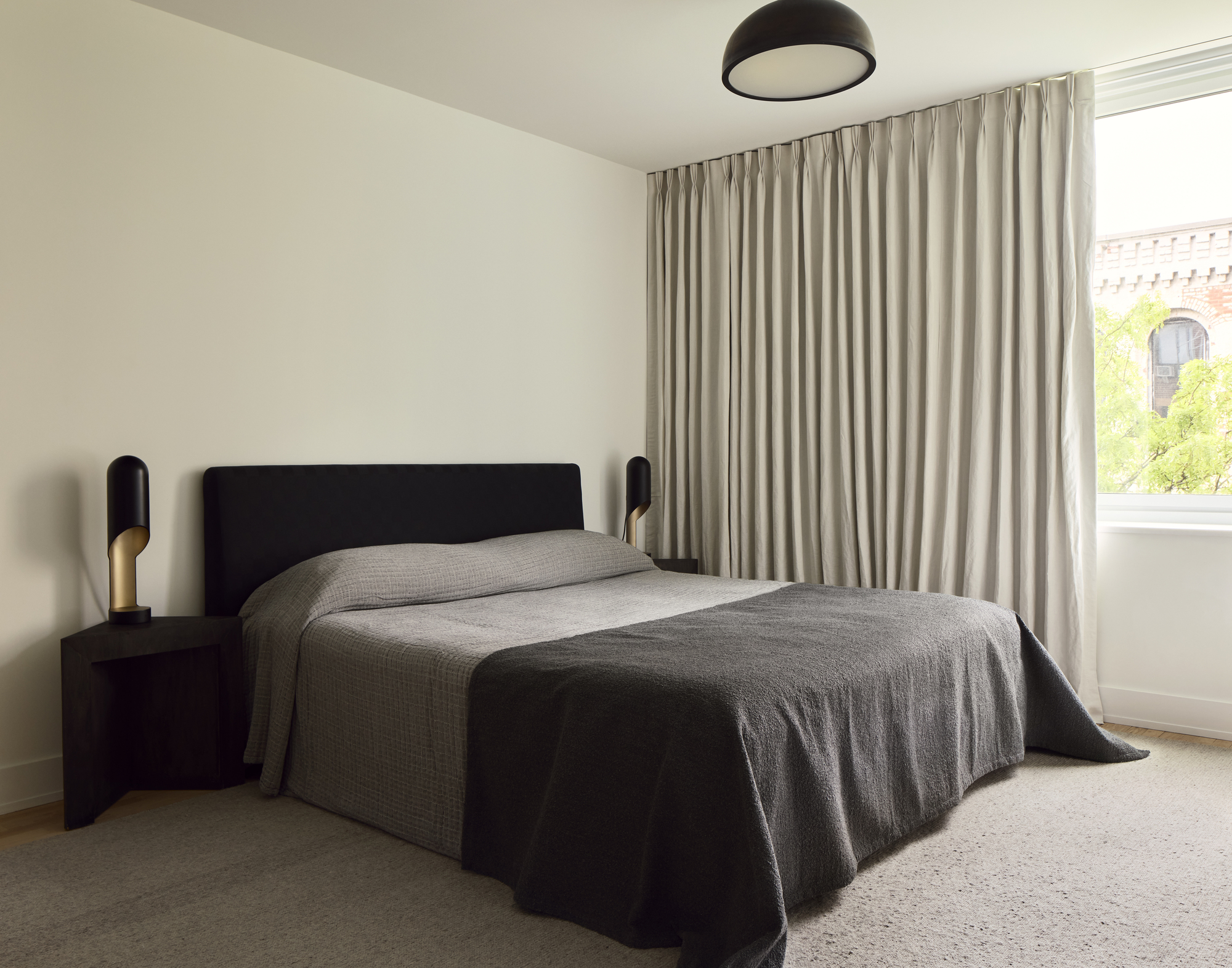
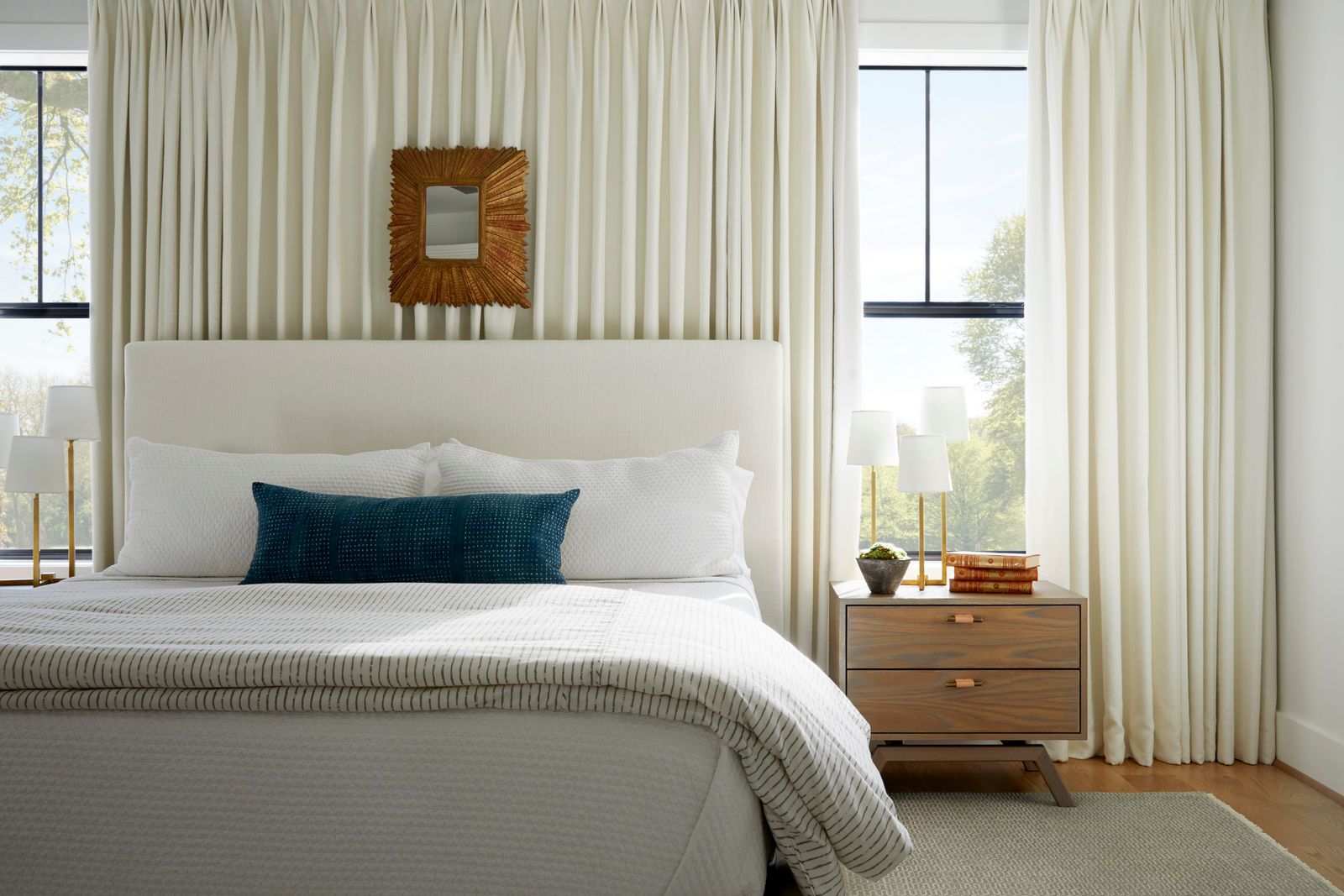
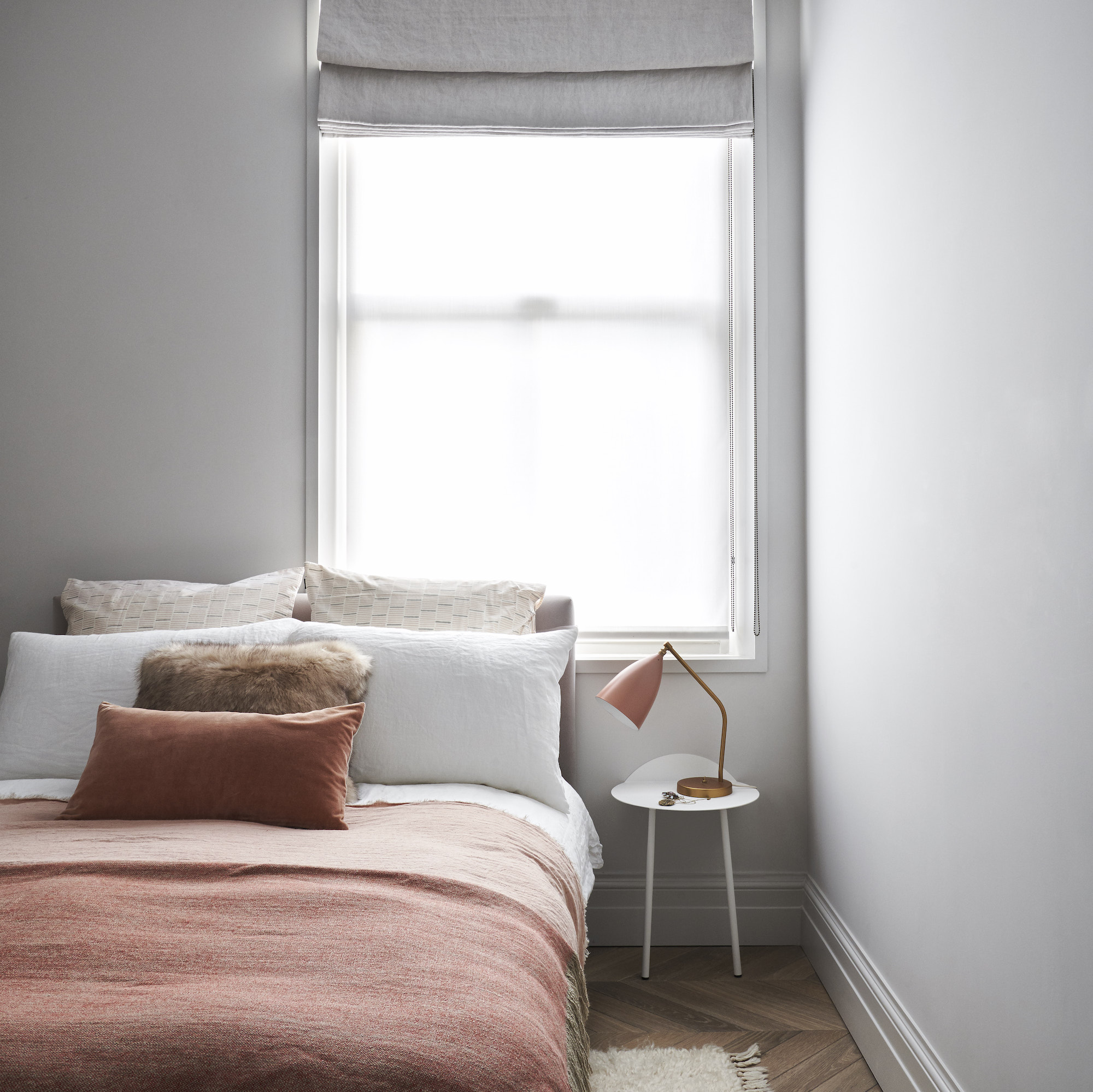
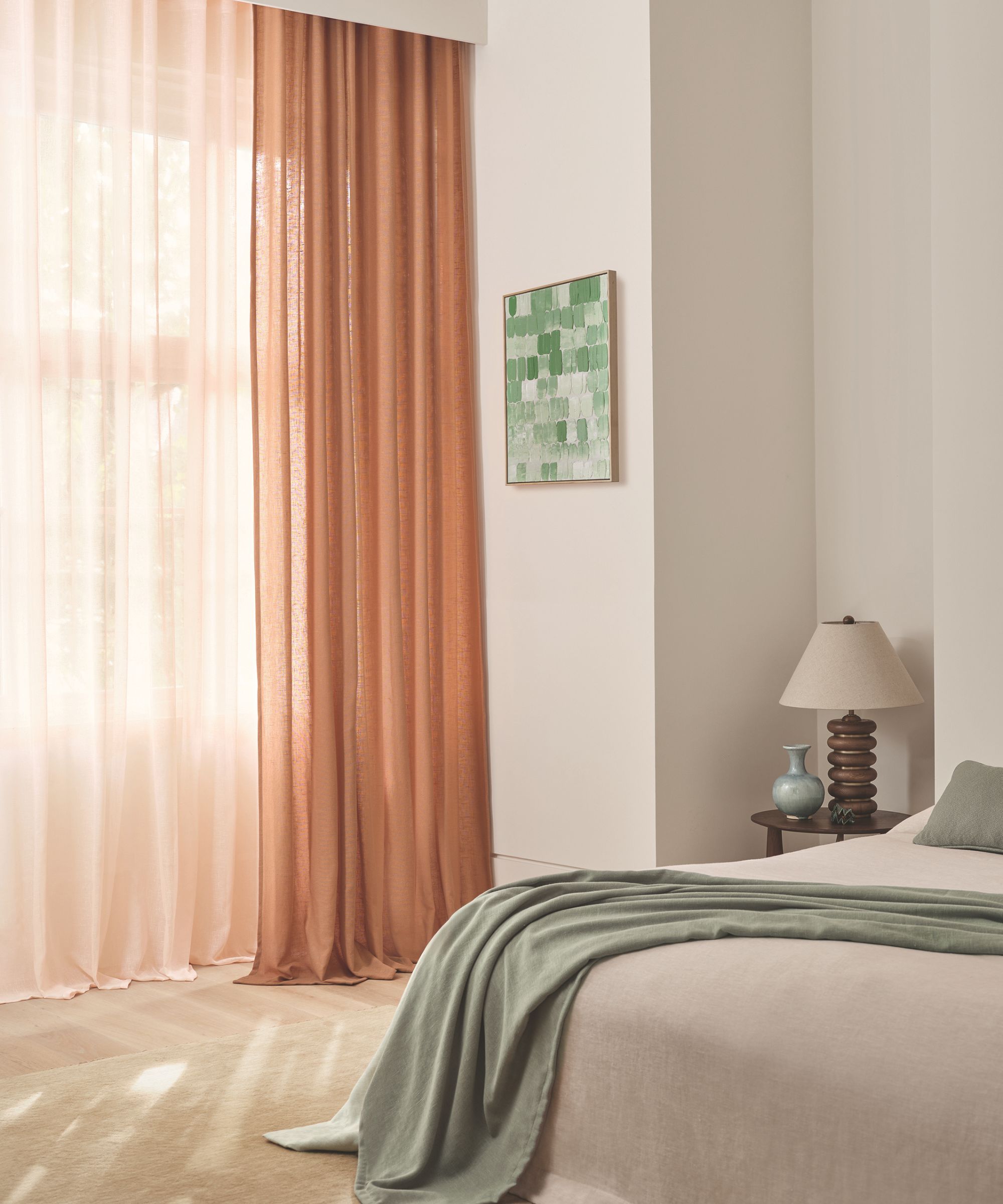
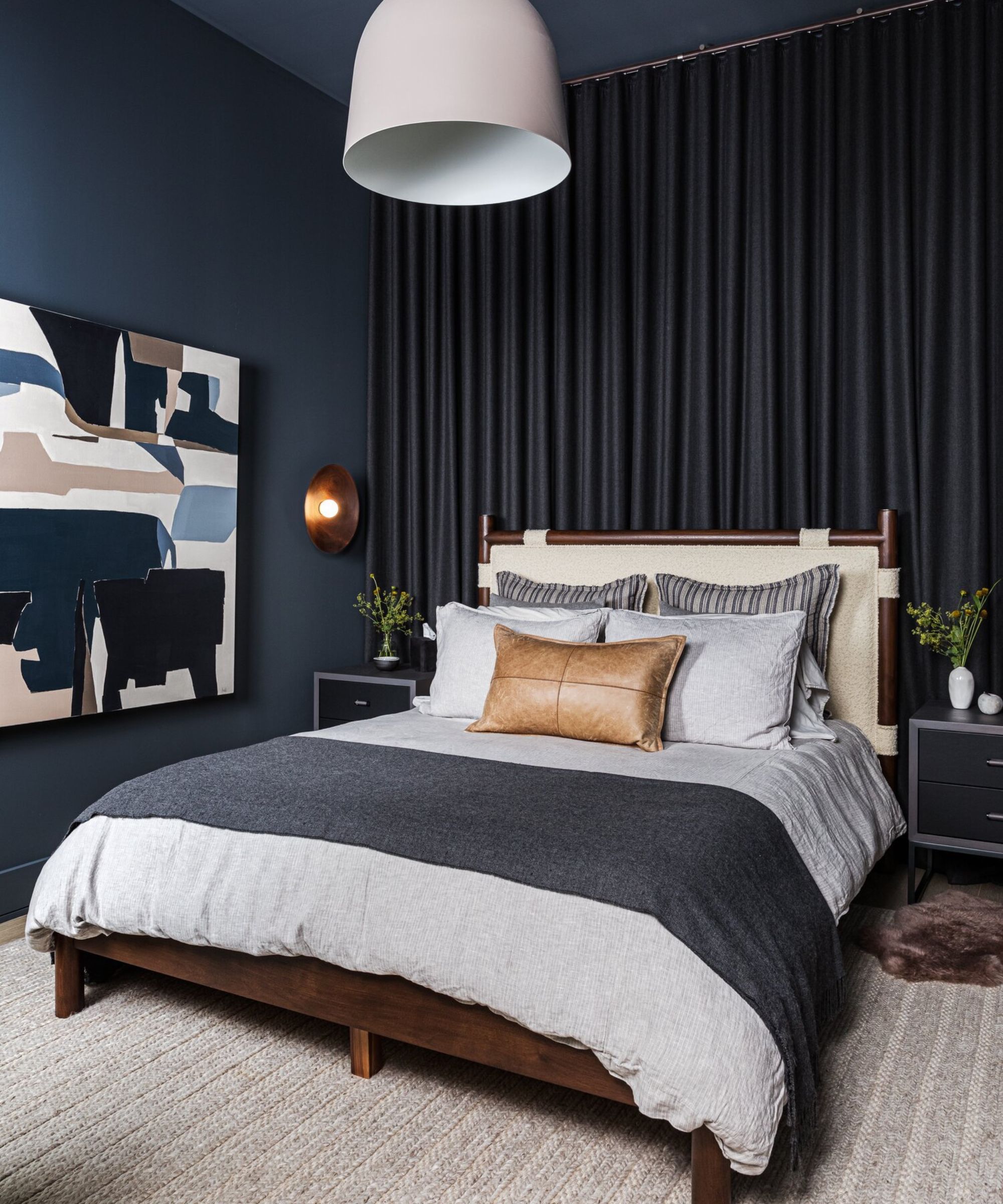
To combat light pollution, a common disruptor of sleep, blackout blinds are presented as a must-have. The article acknowledges the appeal of waking with the sunrise but stresses the importance of a dark environment for winding down. Light-blocking or dimming window films are suggested as a barrier against external light, particularly beneficial in urban areas or for individuals working night shifts. These can be combined with curtains for maximum effect.
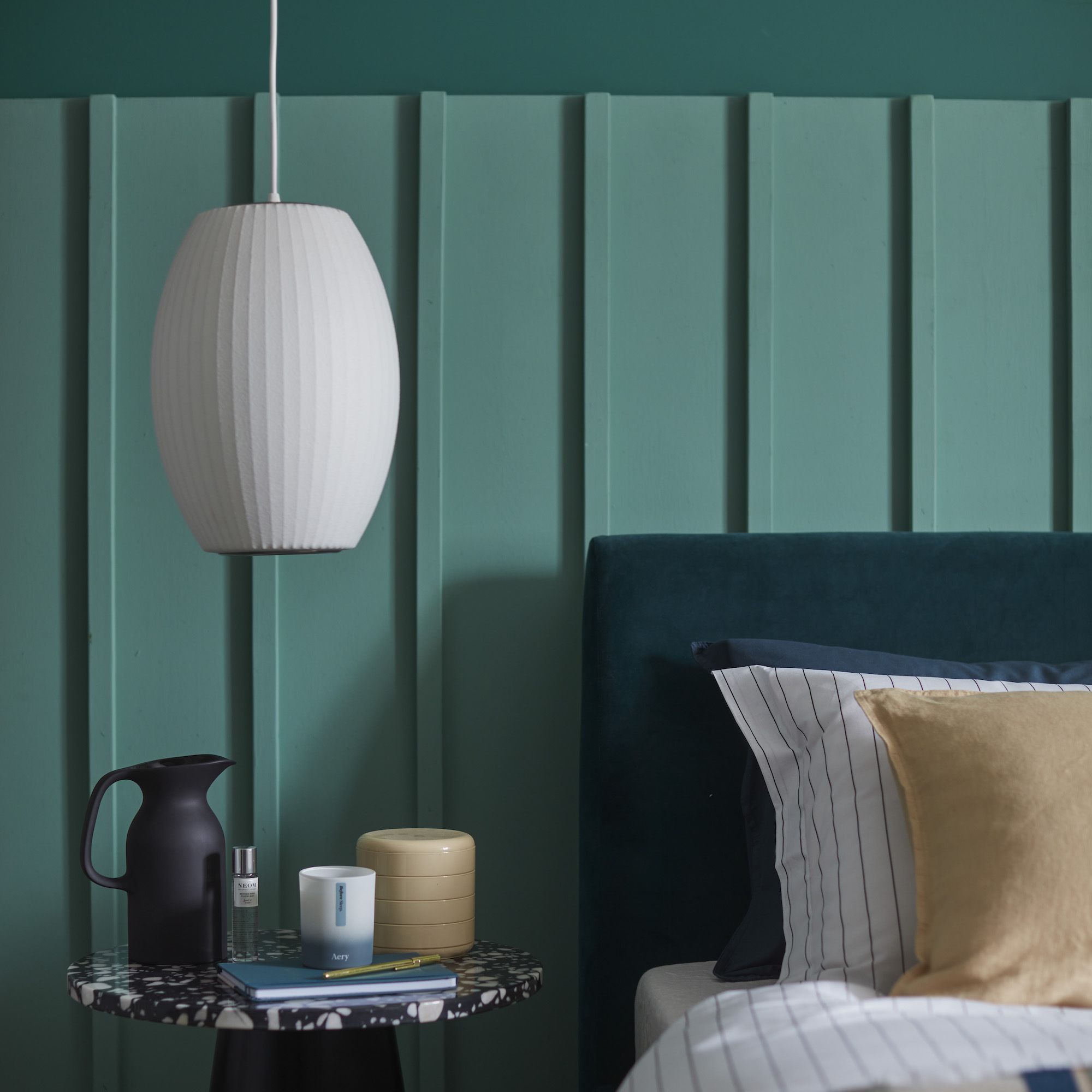
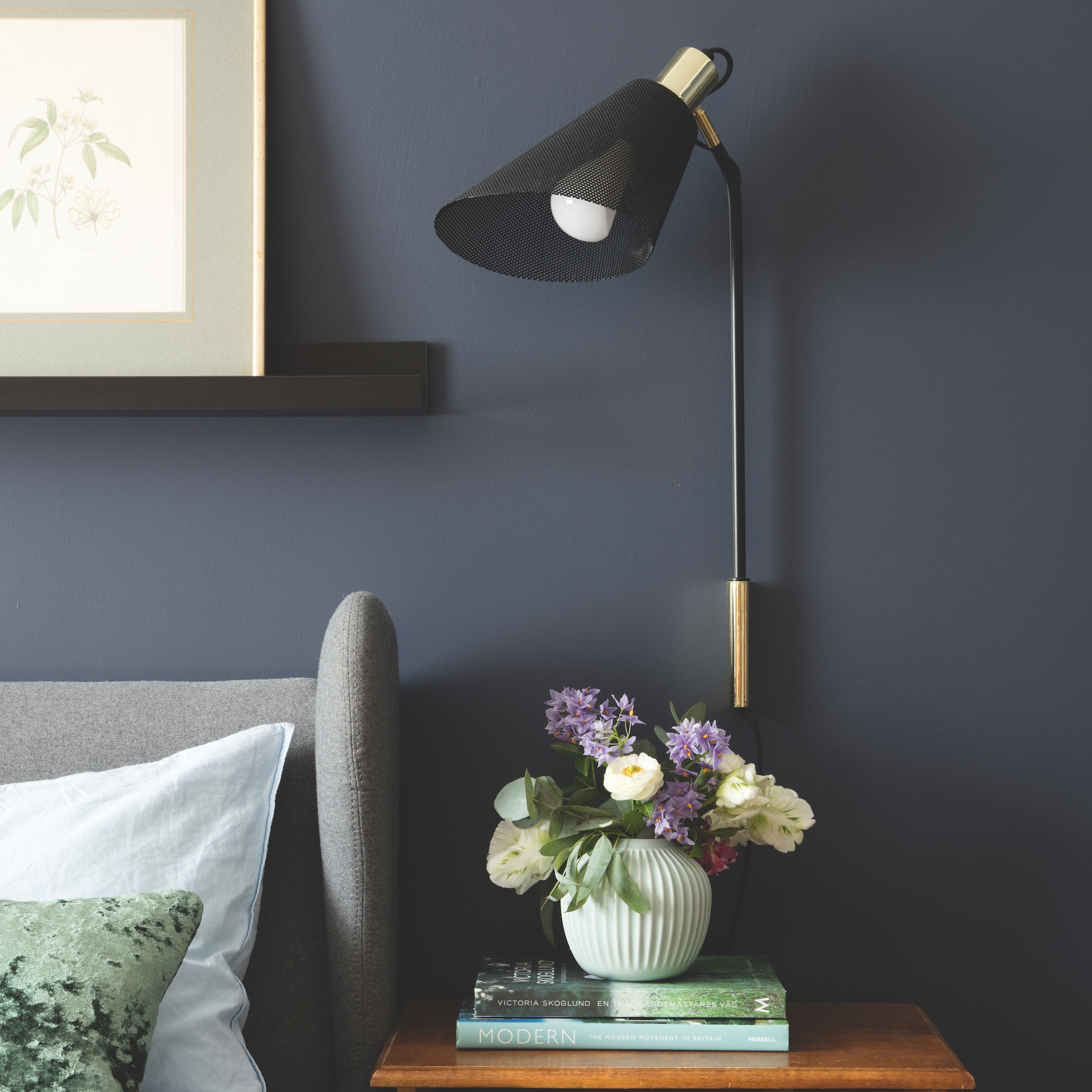
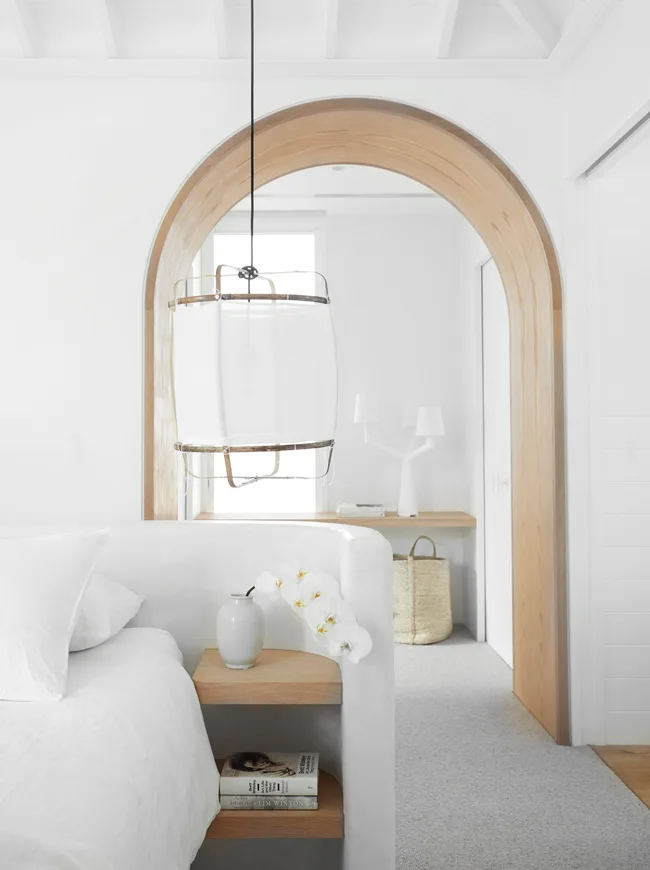
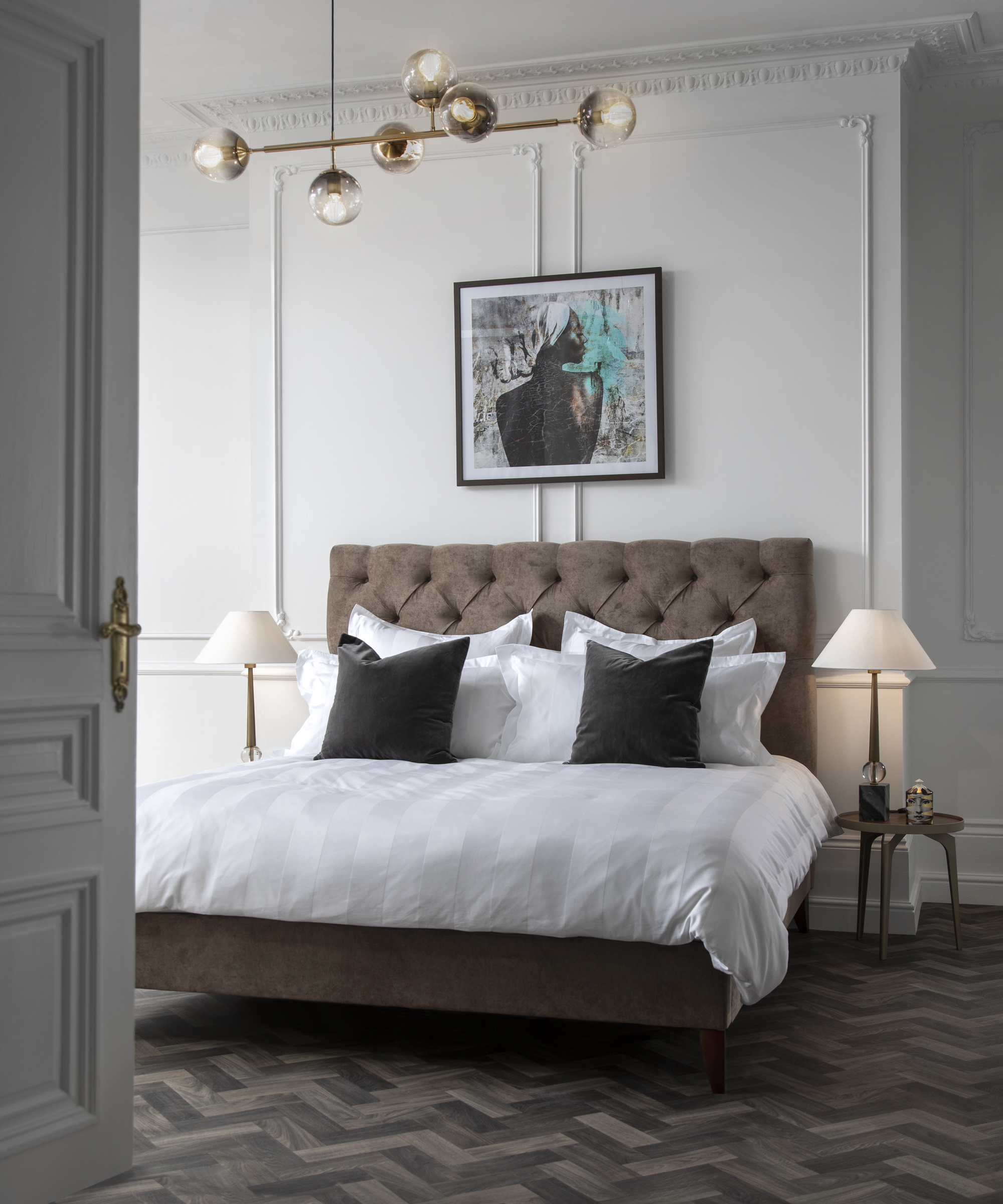
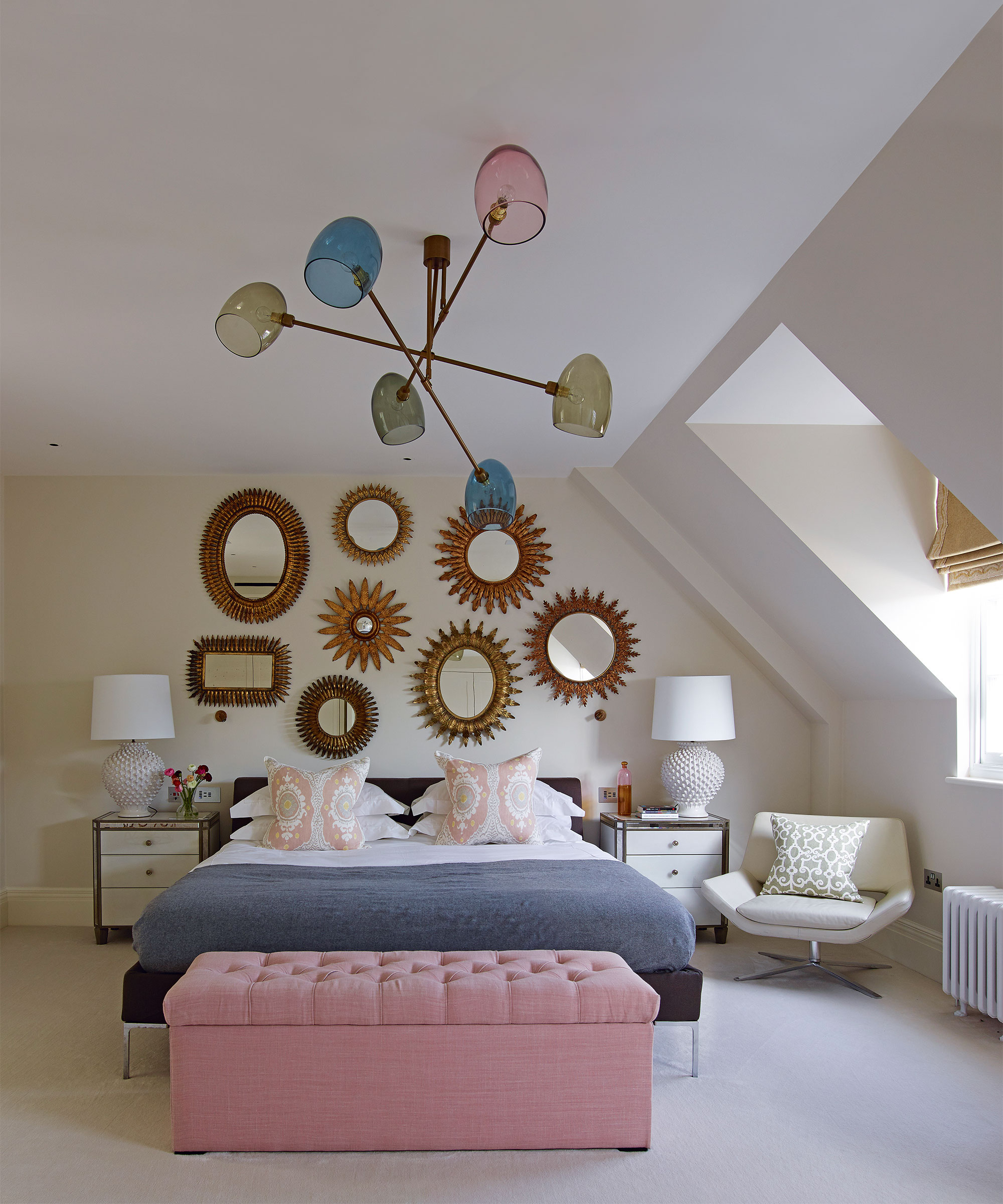
Lighting plays a vital role in setting the mood for relaxation and sleep. The article advocates for soft lighting, such as low pendants or bedside lamps, instead of harsh overhead lights. Maintaining the body's natural circadian rhythm, which is heavily influenced by light and dark, is crucial for aligning sleep with nighttime and wakefulness with daytime. The use of hygge-inspired lamps is encouraged to create a cozy ambiance.
The choice of mattress and bedding material is also critical. Natural materials like wool and cotton are recommended for mattresses and bedding due to their ability to regulate body temperature, unlike synthetic materials that can cause overheating. This temperature regulation is particularly beneficial during warmer months, leading to more comfortable and uninterrupted sleep.
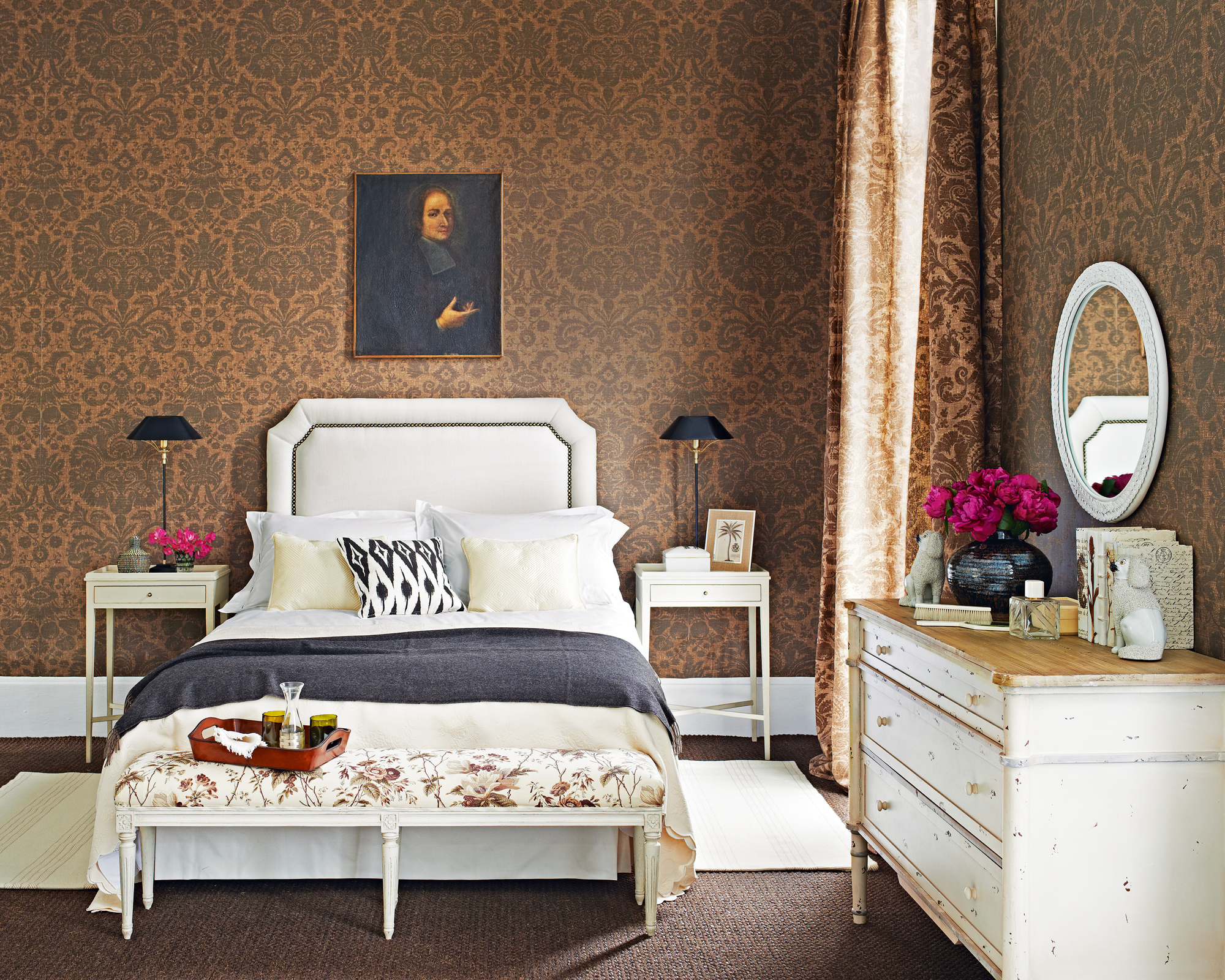
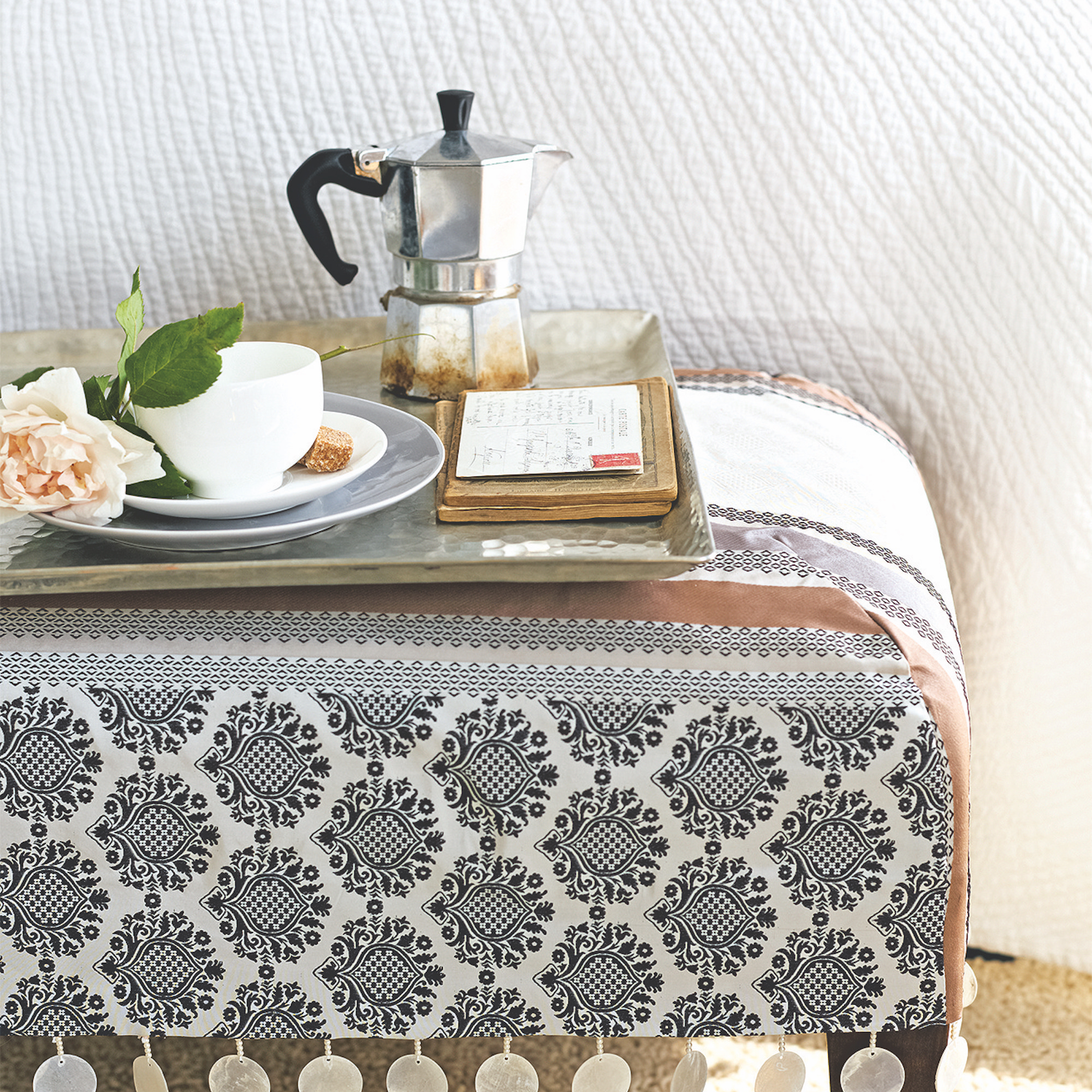
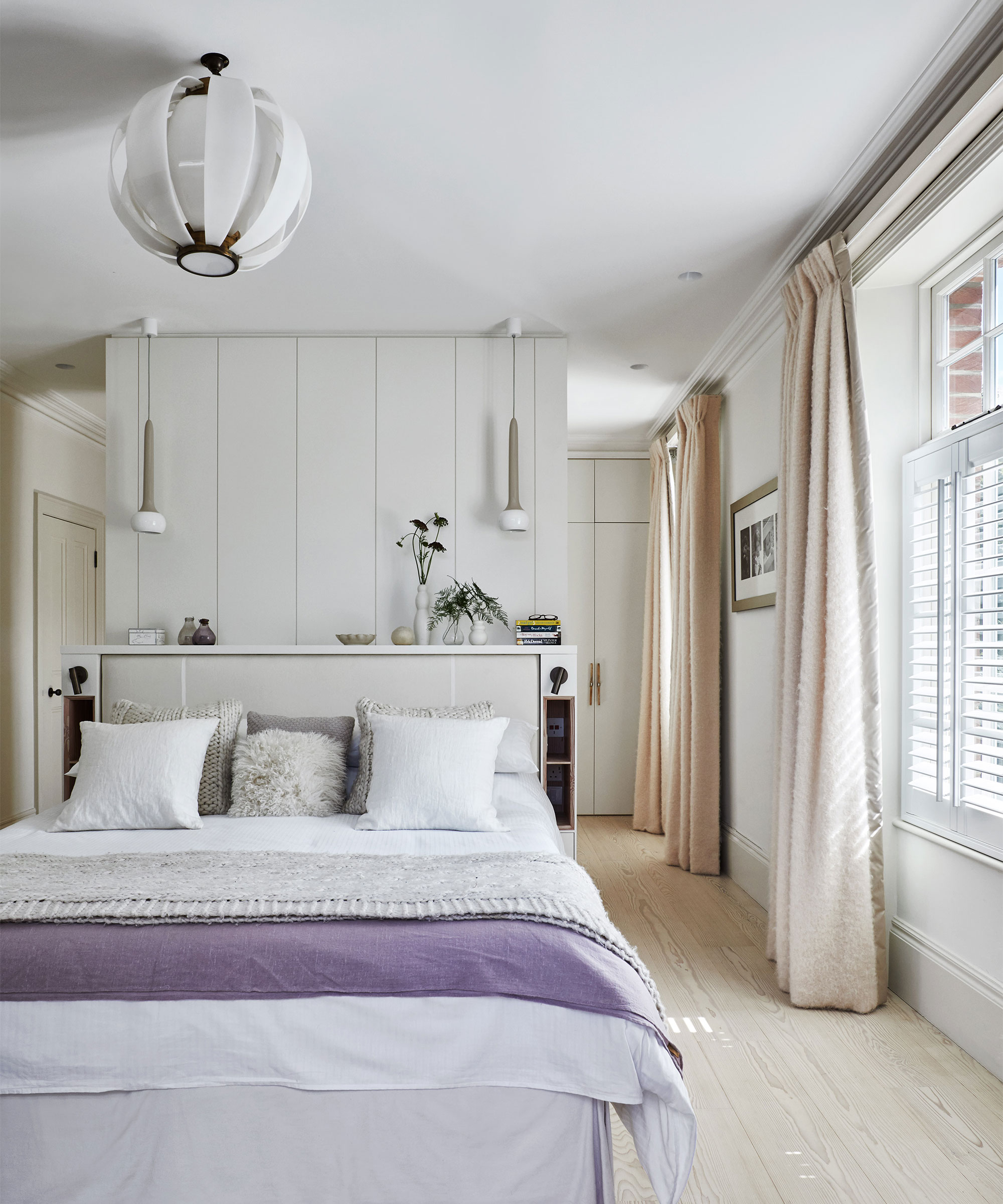
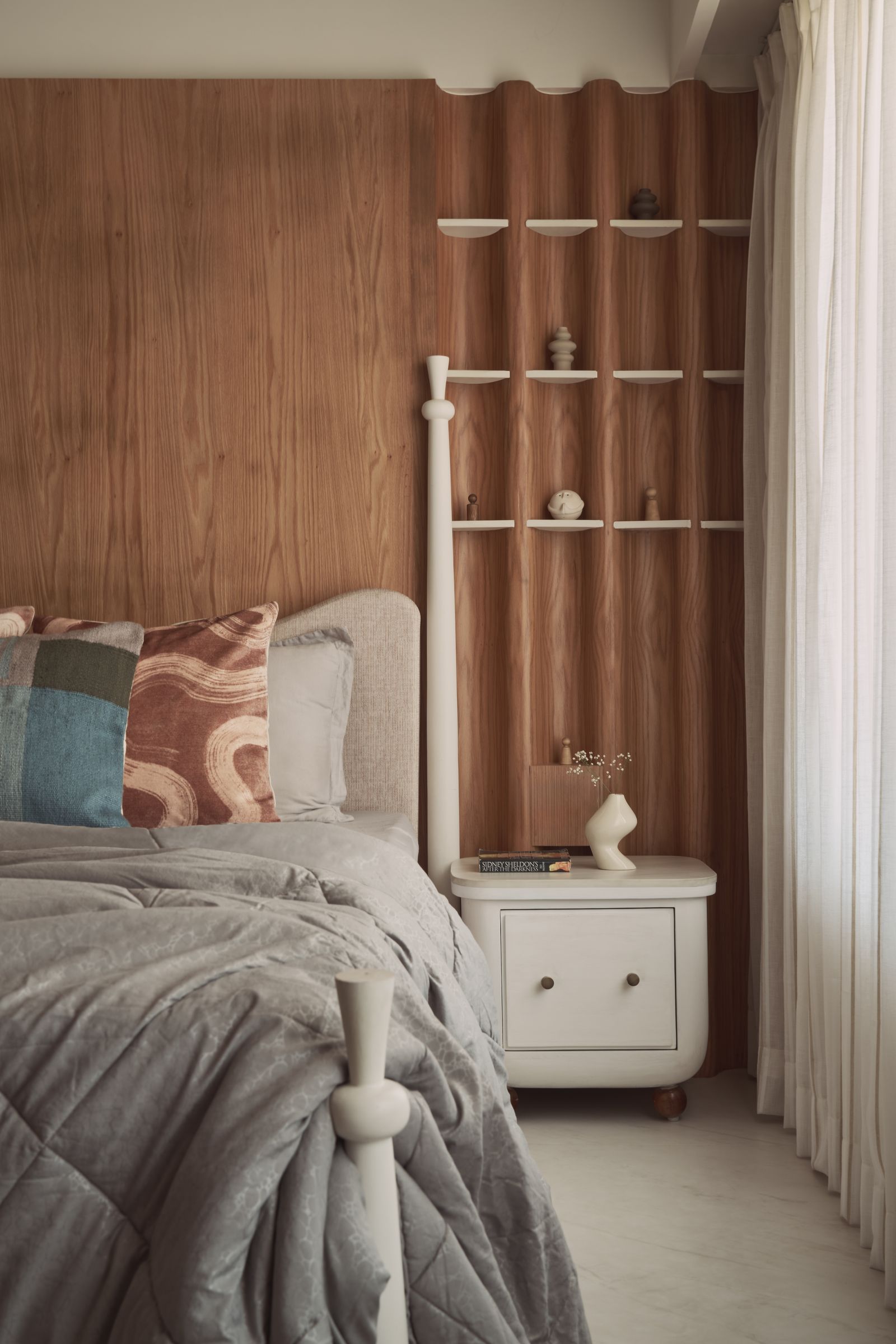
Decluttering the bedroom is identified as a key factor in reducing stress and promoting a tidy mind. A cluttered environment can hinder relaxation and disrupt sleep. The article suggests using ottomans or divans with built-in storage to minimize visible clutter and create a calming oasis. Fitted wardrobes are also highlighted for their ability to maximize storage and keep clothes and accessories out of sight, further reducing mental clutter.
Blocking out external light and noise is further reinforced by recommending solid shutters in addition to blackout fabrics. Shutters not only block light but can also reduce outside noise from traffic or trains, creating a darker, quieter, and more peaceful sleep environment. This is considered important for both adults and children.
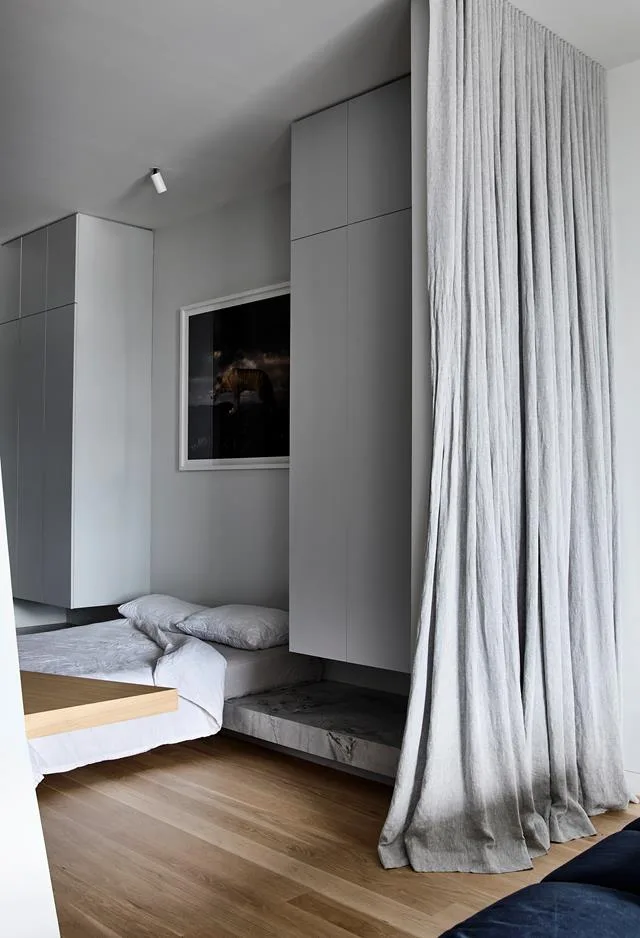
The article also advises against bringing work into the bedroom to maintain it as a dedicated space for relaxation. If a separate office isn't feasible, using room dividers can help create a sense of separation. Replacing phones with traditional alarm clocks is another tip, as the blue light emitted by electronic devices can interfere with melatonin production and disrupt sleep. Finally, investing in a comfortable bed that provides ample space, especially for those sharing, is crucial for a good night's rest. Embracing biophilia by incorporating houseplants is suggested to enhance well-being and air quality, contributing to a better sleep environment.
#BedroomDesign #SleepImprovement #HomeDecor #InteriorDesign #Mindfulness #HealthAndWellness #Comfort #LightingDesign #StorageSolutions #BedroomDesign #SleepImprovement #HomeDecor #InteriorDesign #Mindfulness #HealthAndWellness #Comfort #LightingDesign #StorageSolutions
0 comment in total
 No comments yet
You may also like

15 Dreamy Bedroom Design Ideas Where Creativity Meets Comfort

5 bedroom design tips to help night owls fall asleep – and wake up feeling fresh
Modern bedroom ideas - wake up to 10 contemporary fresh styles
5 Bed Styling Secrets Designers Always Use (But Rarely Share)

The 12 Essential Modern Bedroom Ideas for Those Who Want Good Slumber With a Side of Style


14 dreamy bedroom design ideas to inspire

Your Bedroom's Design Can Impact Your Morning Mood—Use These 10 Tips for a Happy Start to Your Day

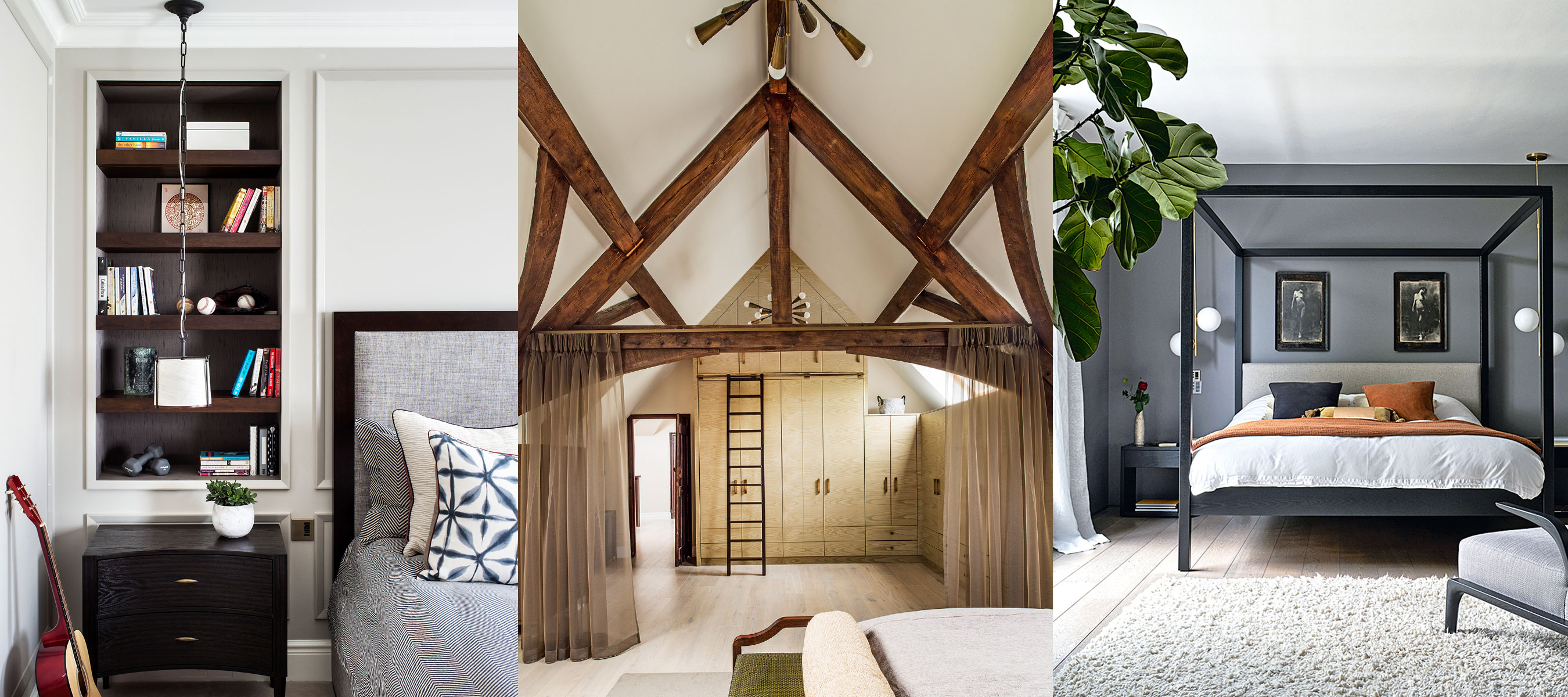
Bedroom ceiling light ideas – 15 ways to brighten up your sleep space

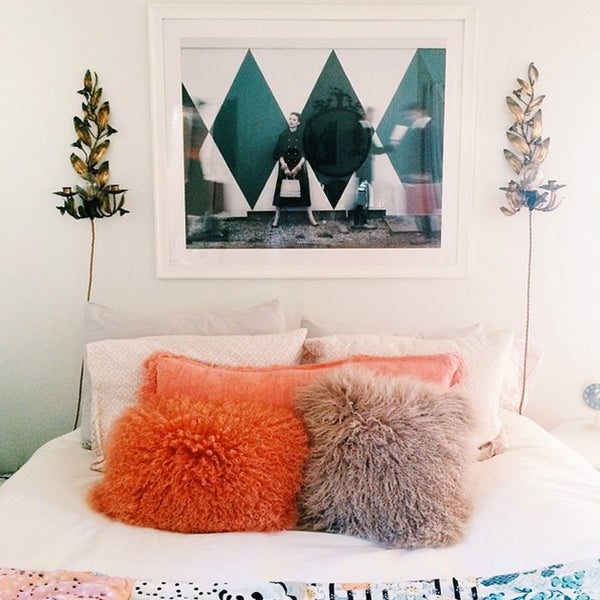
15 Cozy S.F. Bedrooms That Will Inspire A Revamp

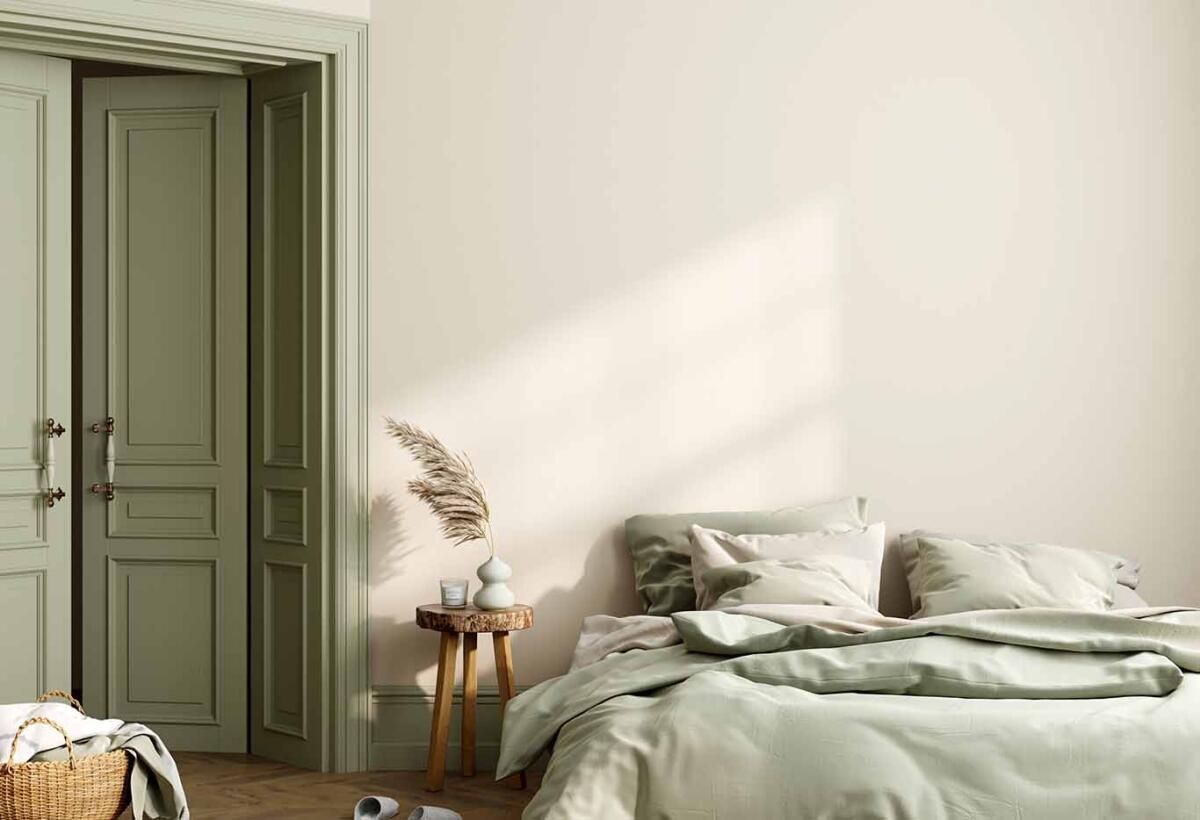
How Bedroom Design Is Evolving for Healthier, Deeper Rest

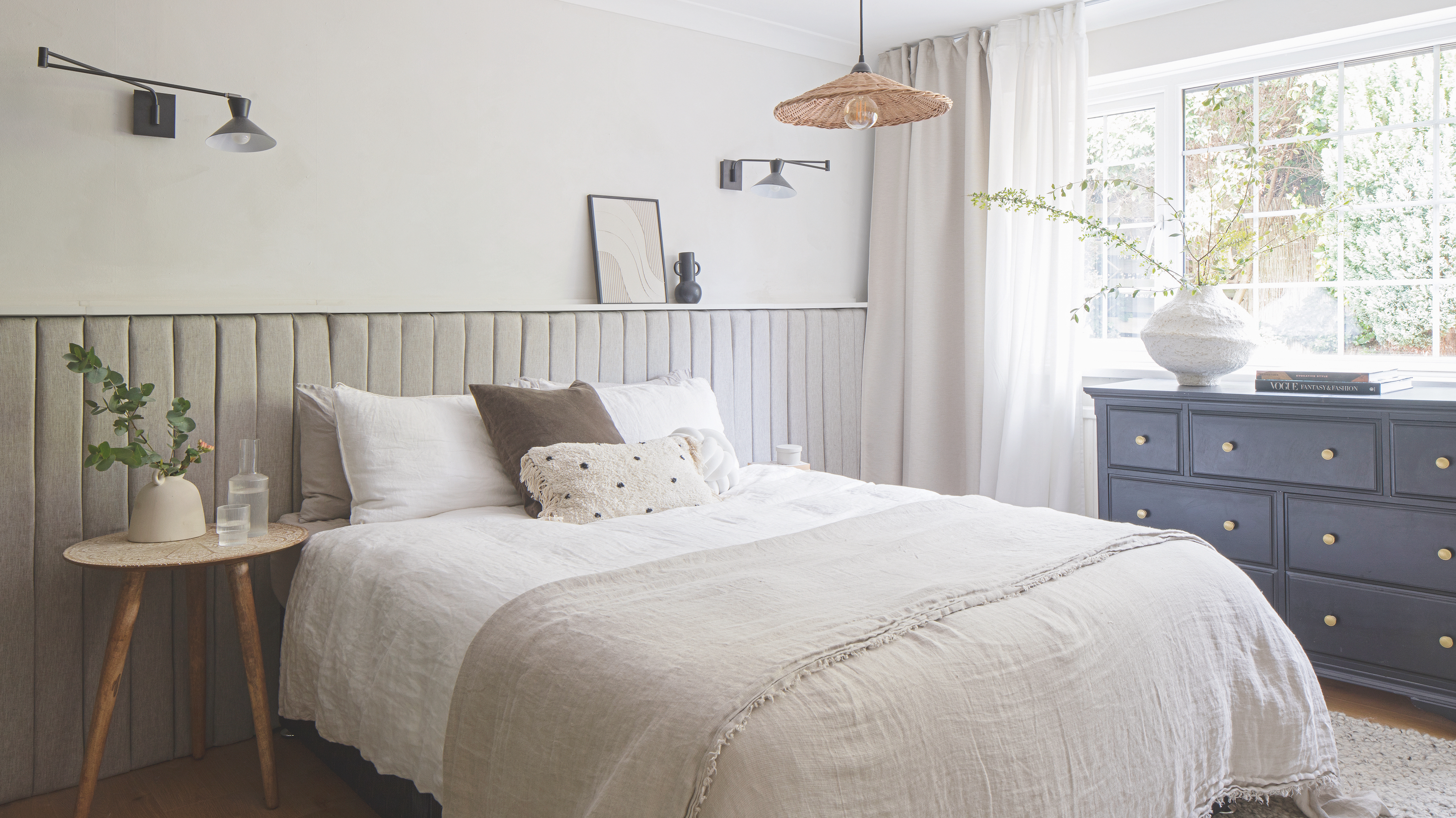
5 bedroom design tricks to help you become a morning person

22 best bed designs that master every vibe

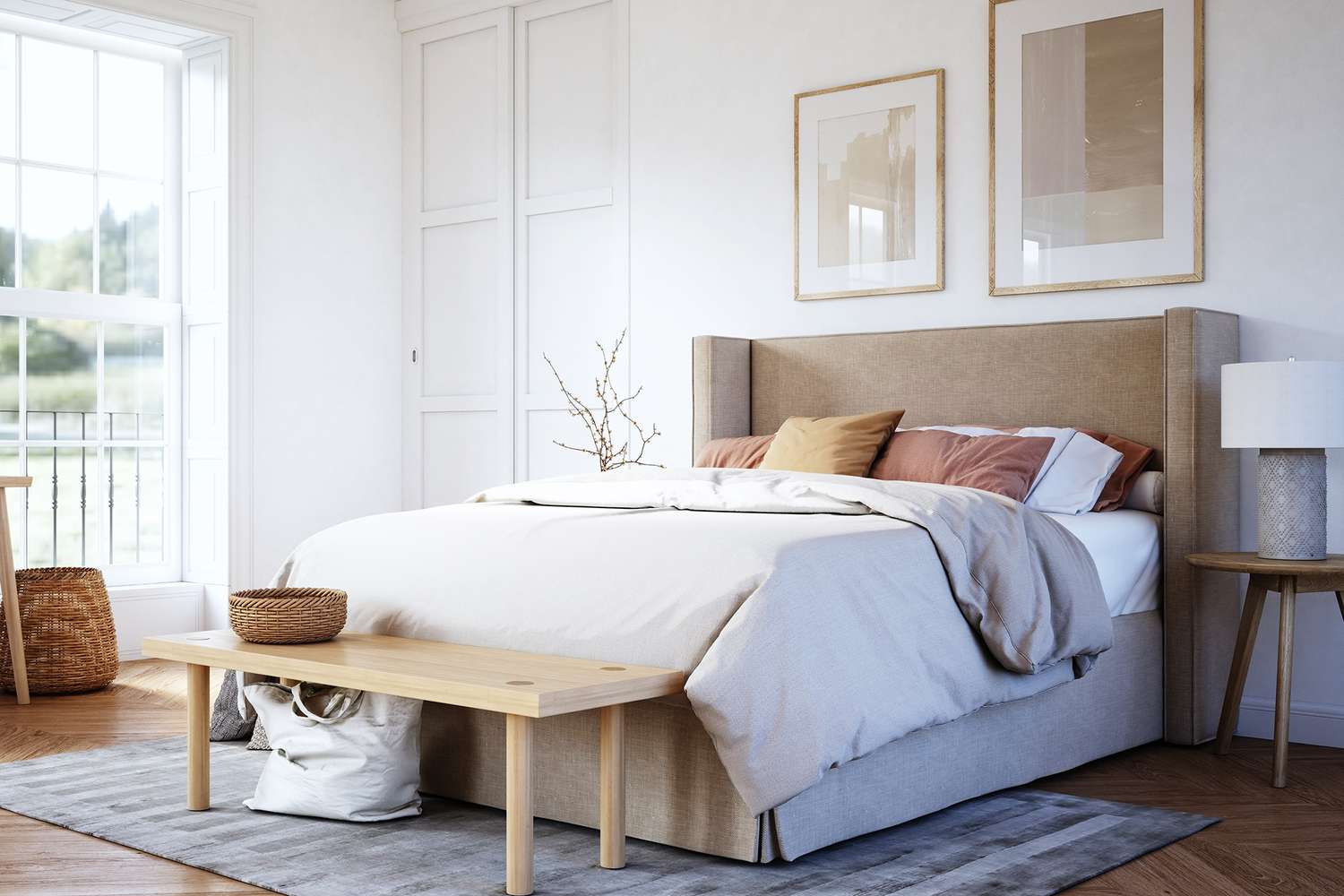
7 Bedroom Design Tips for Better Sleep, According to Experts
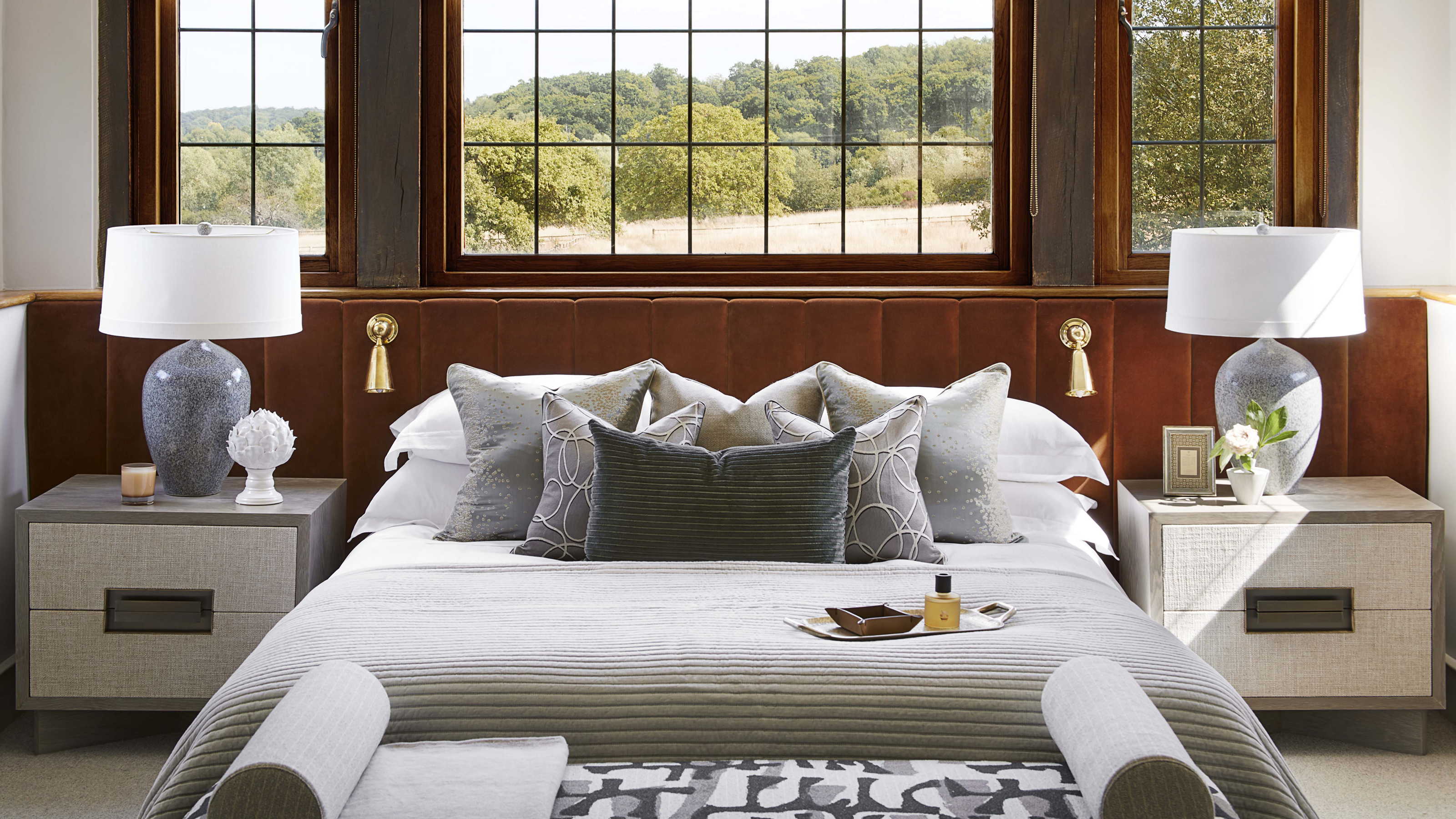
Bedroom furniture ideas – 10 tips for designing your sleep space
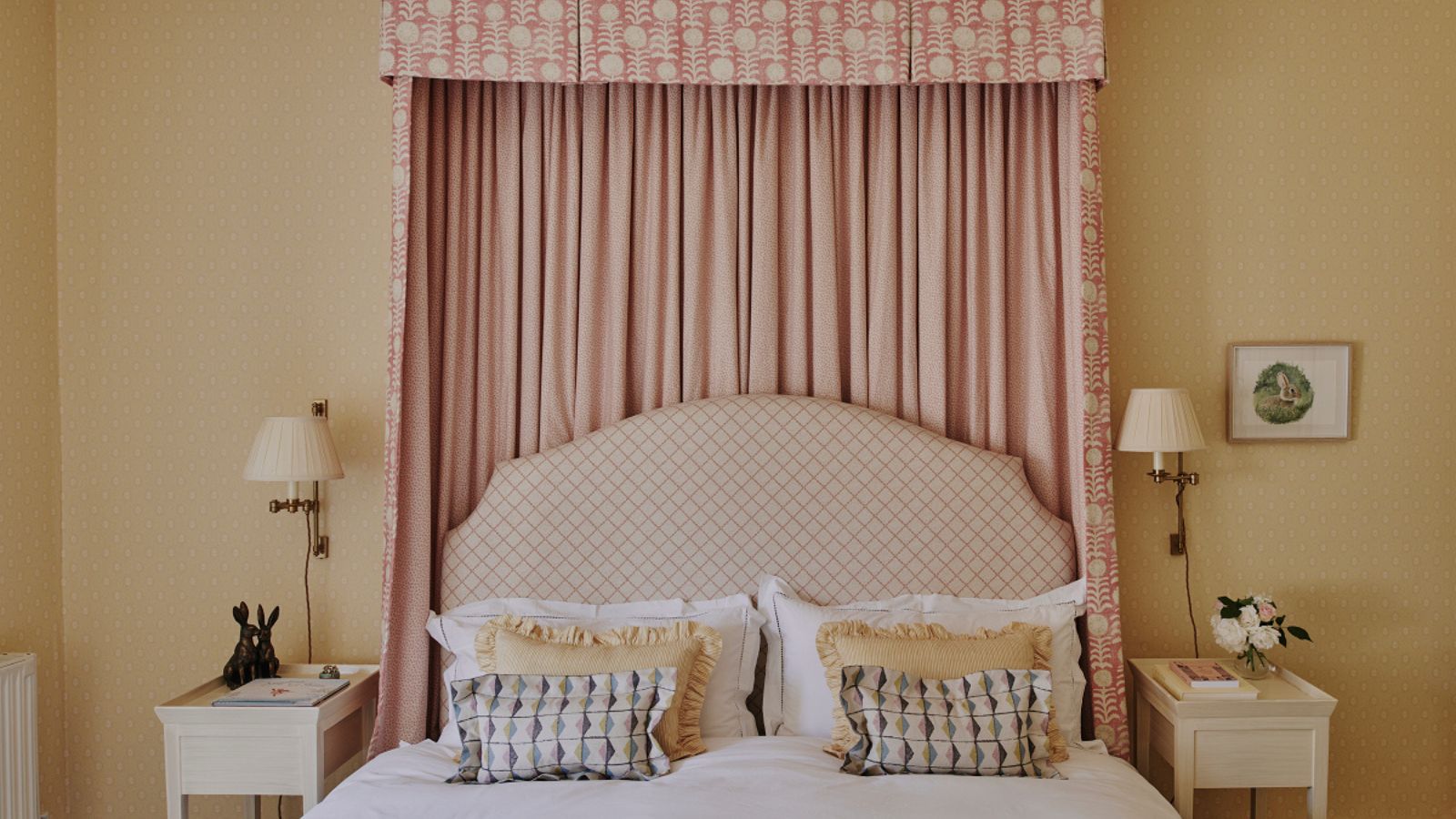
Spring bedroom ideas – 10 ways to refresh and reinvent your sleep space
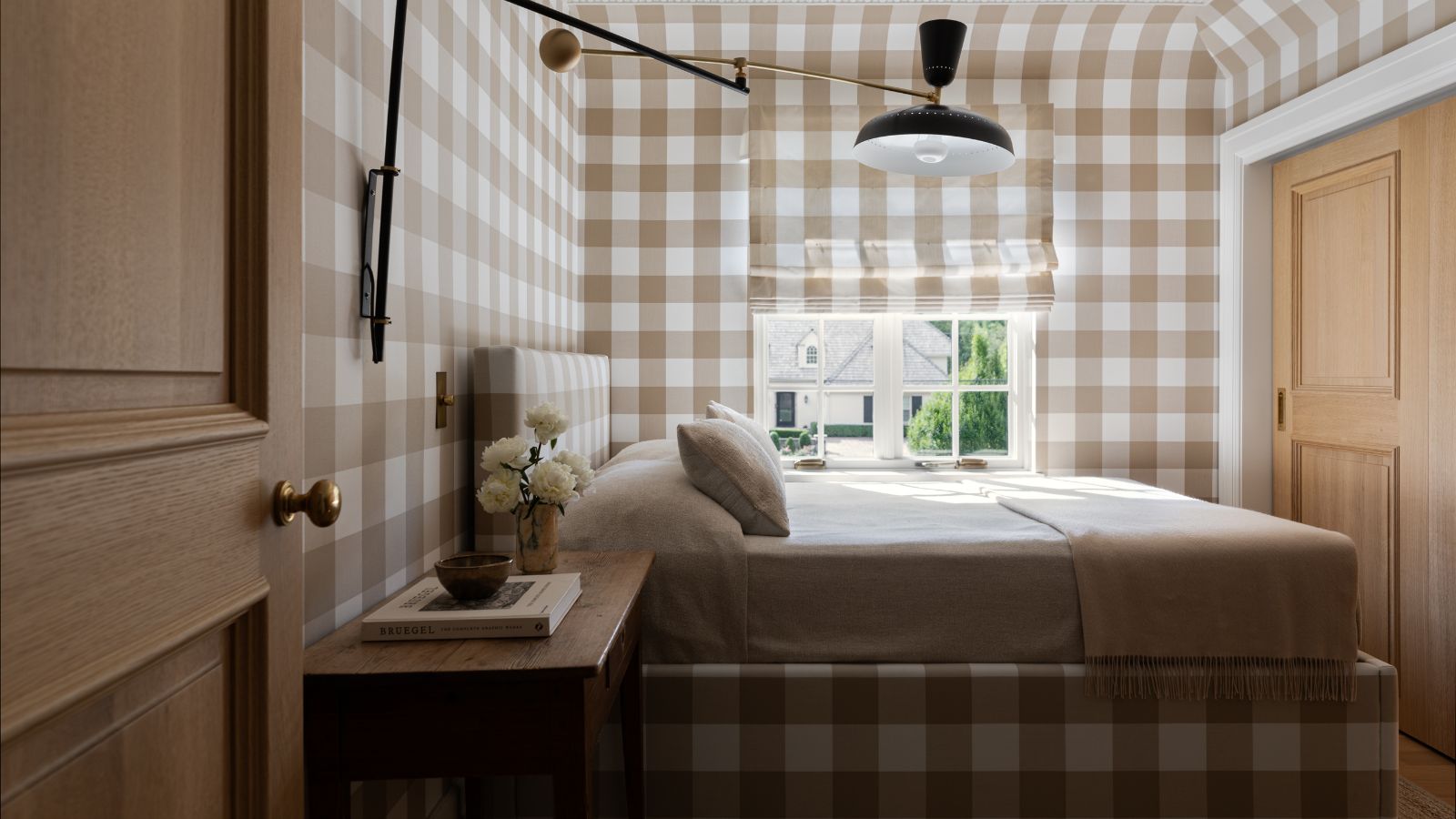
35 bedroom ideas for 2025 – these are the stylish updates designers swear by for a dreamy, elevated sleep space

10 Bedroom Decor Mistakes Keeping You From Your Best Sleep Ever

Bedroom Organization Ideas That’ll Help You Sleep Easy


Unleash their wildest dreams with these 15 inspired boys’ bedroom ideas
Bedroom Design Ideas: Make It Chic, but Still Restful