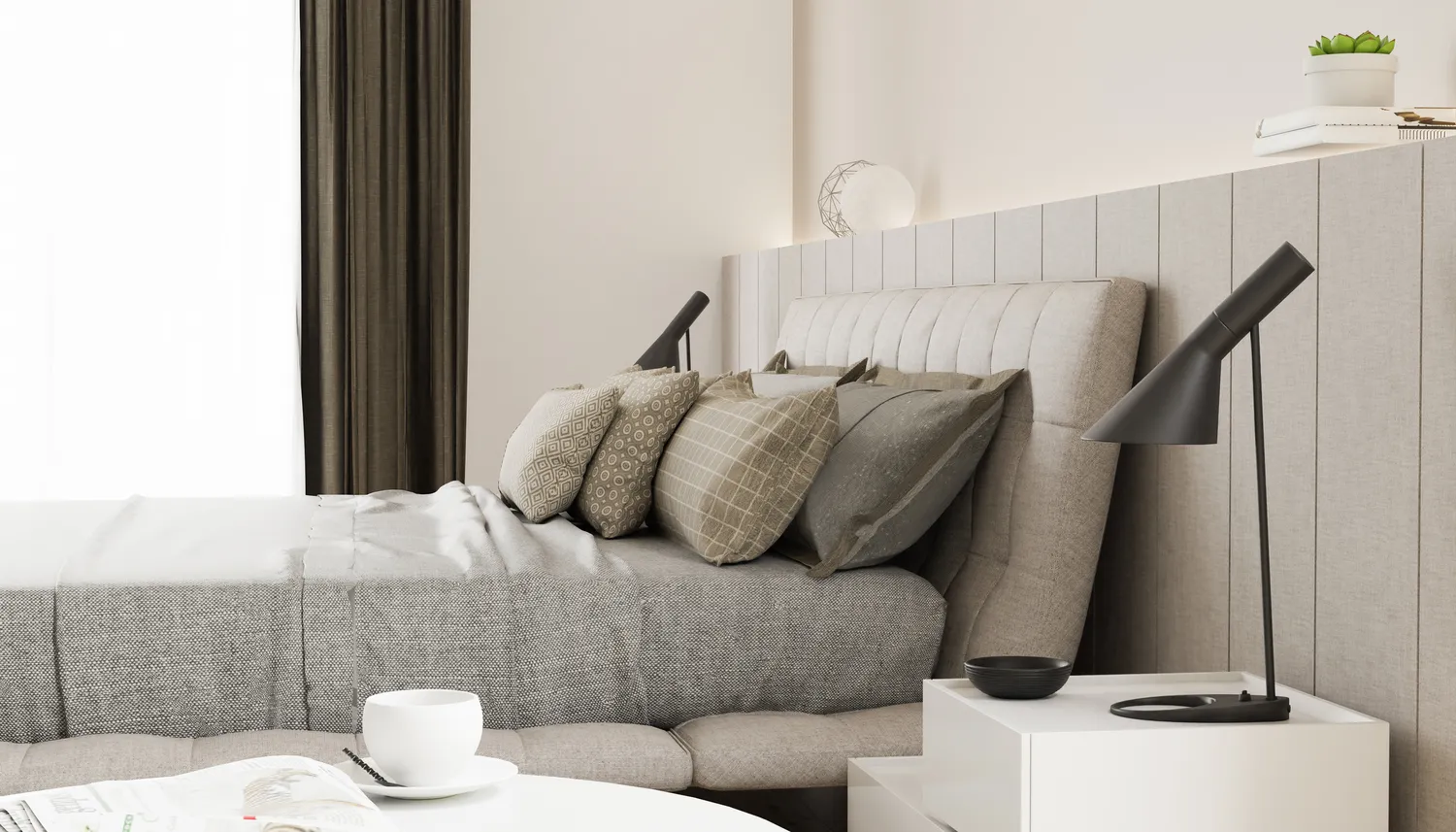
6 Bedroom Trends Designers Say You Won't See Again in 2026
As 2025 draws to a close, interior designers are identifying key bedroom design trends that are expected to fade out by 2026. This shift indicates a move towards more colorful, warm, and soothing sleep environments, departing from previous aesthetics. Three professional interior designers—Susan Hill of Susan Hill Interior Design, Rebecca Amir of Rebecca Amir Design, and Marlaina Teich of Marlaina Teich Designs—offer their insights into six specific trends that are on their way out.
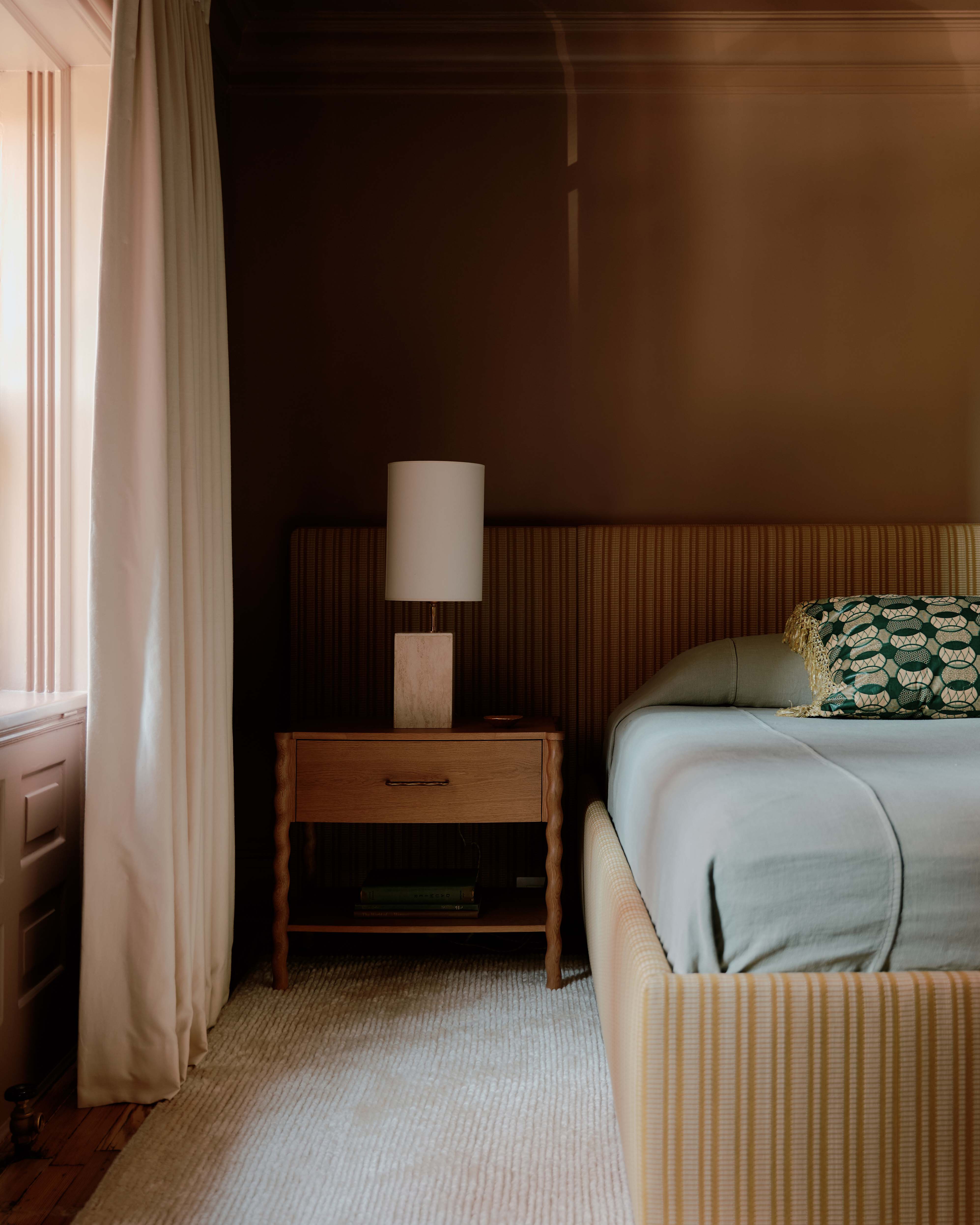
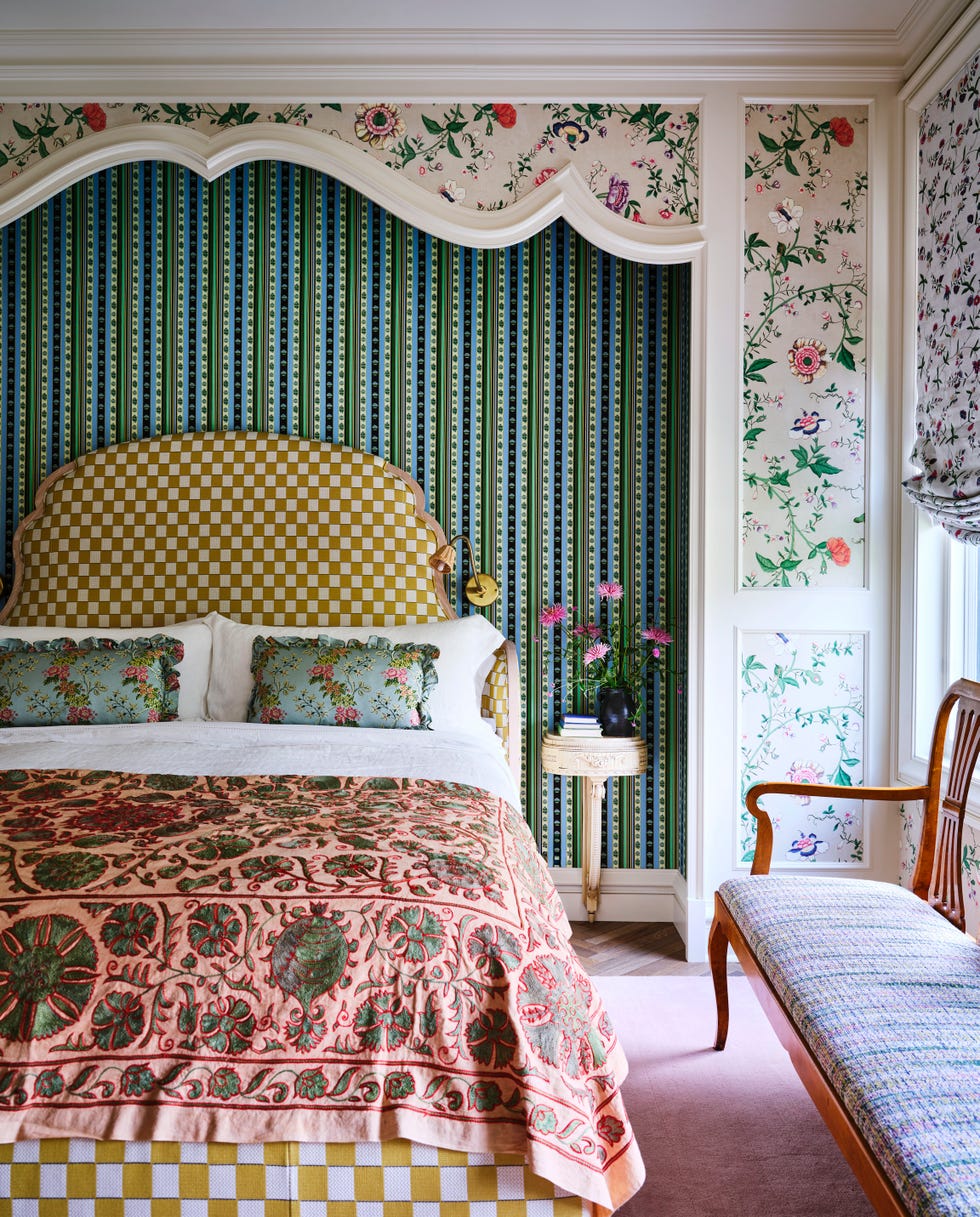
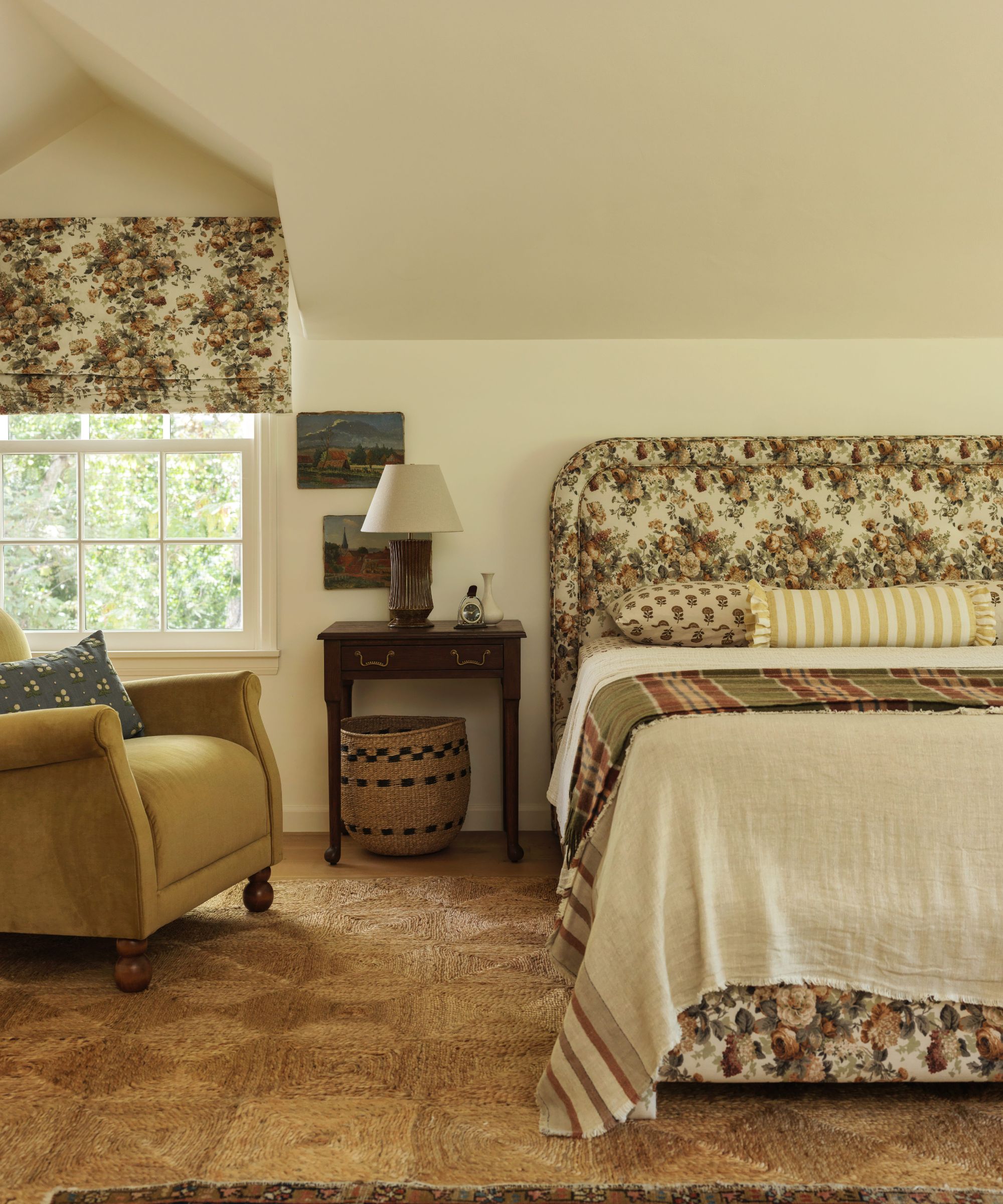
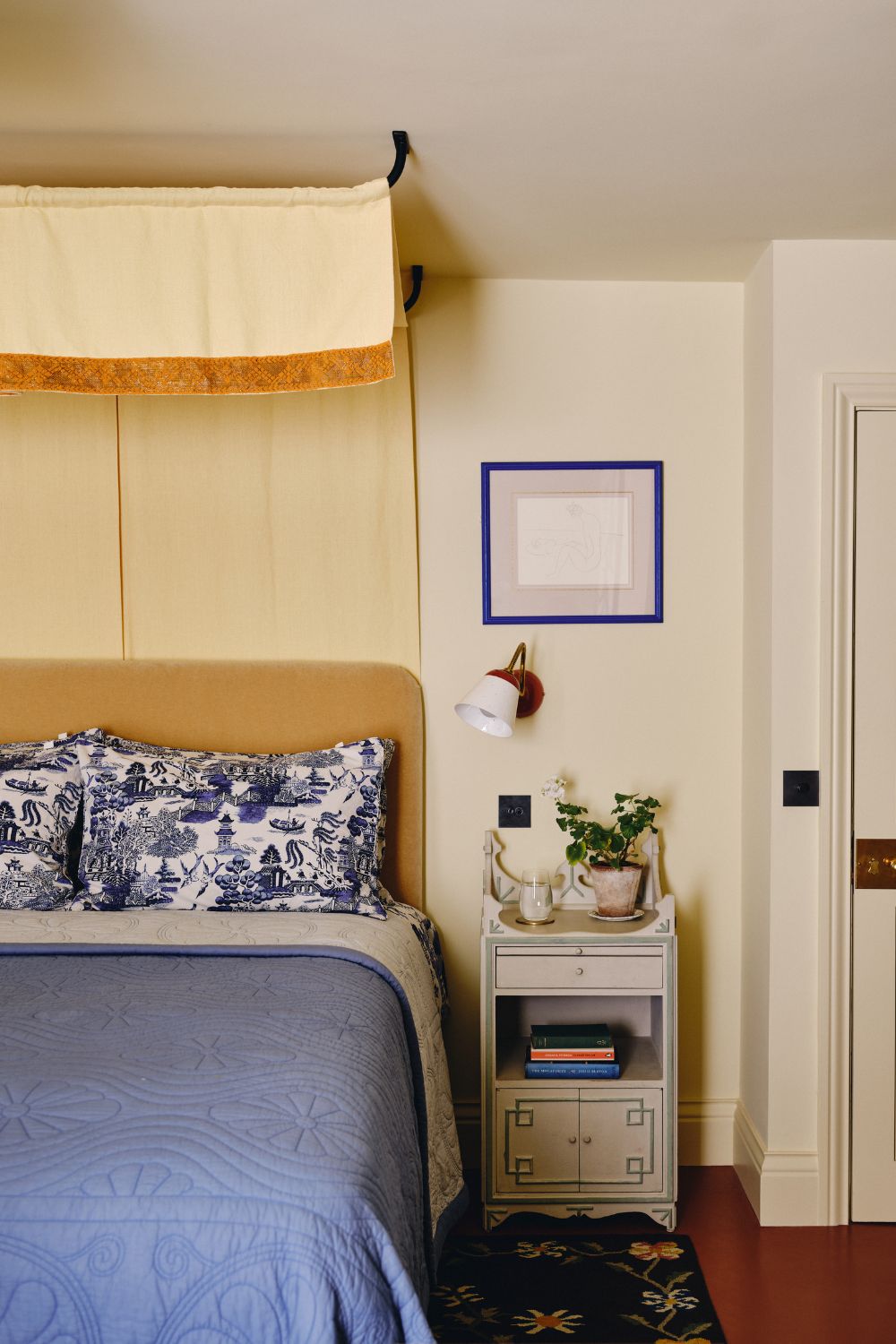
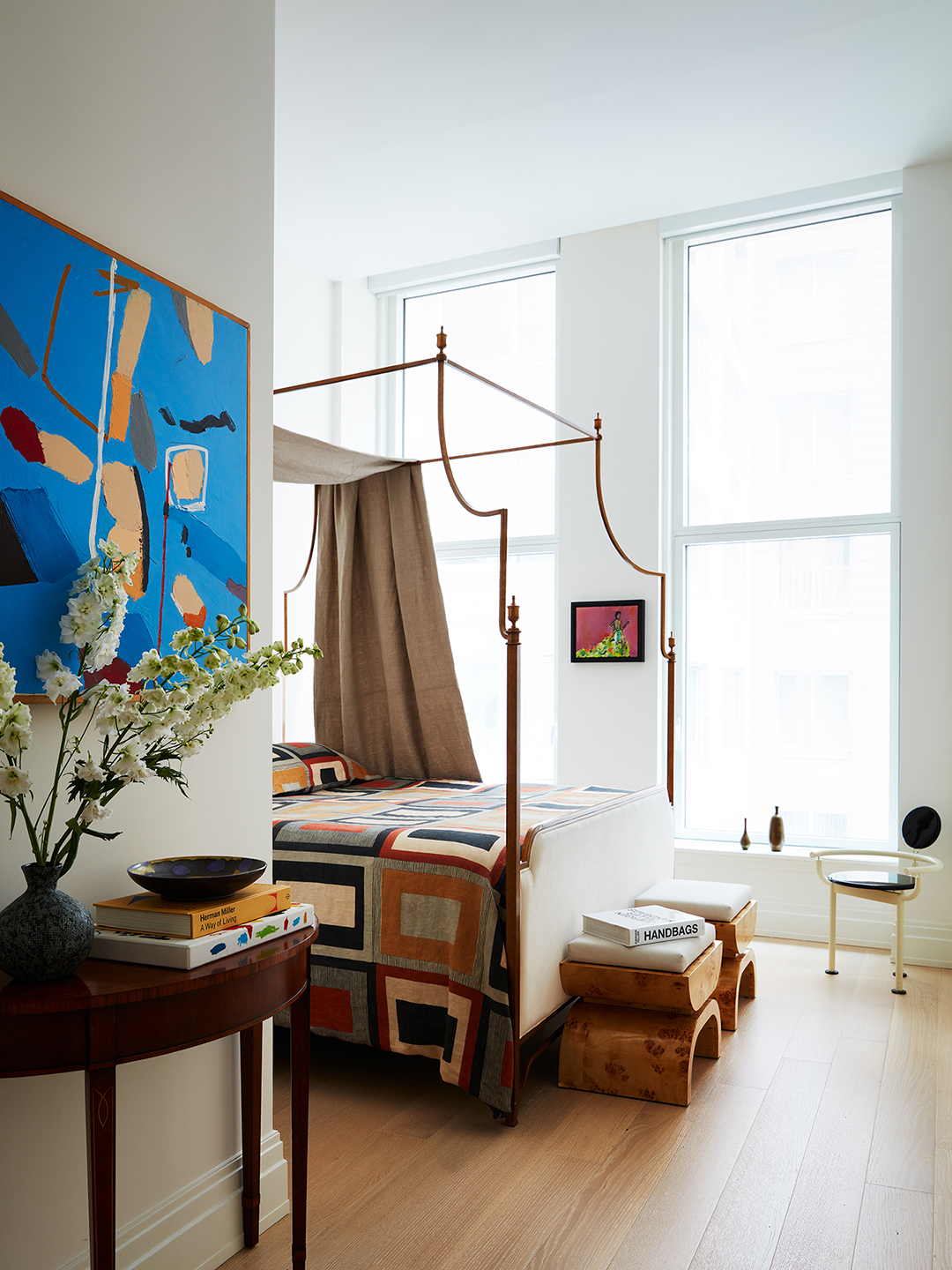
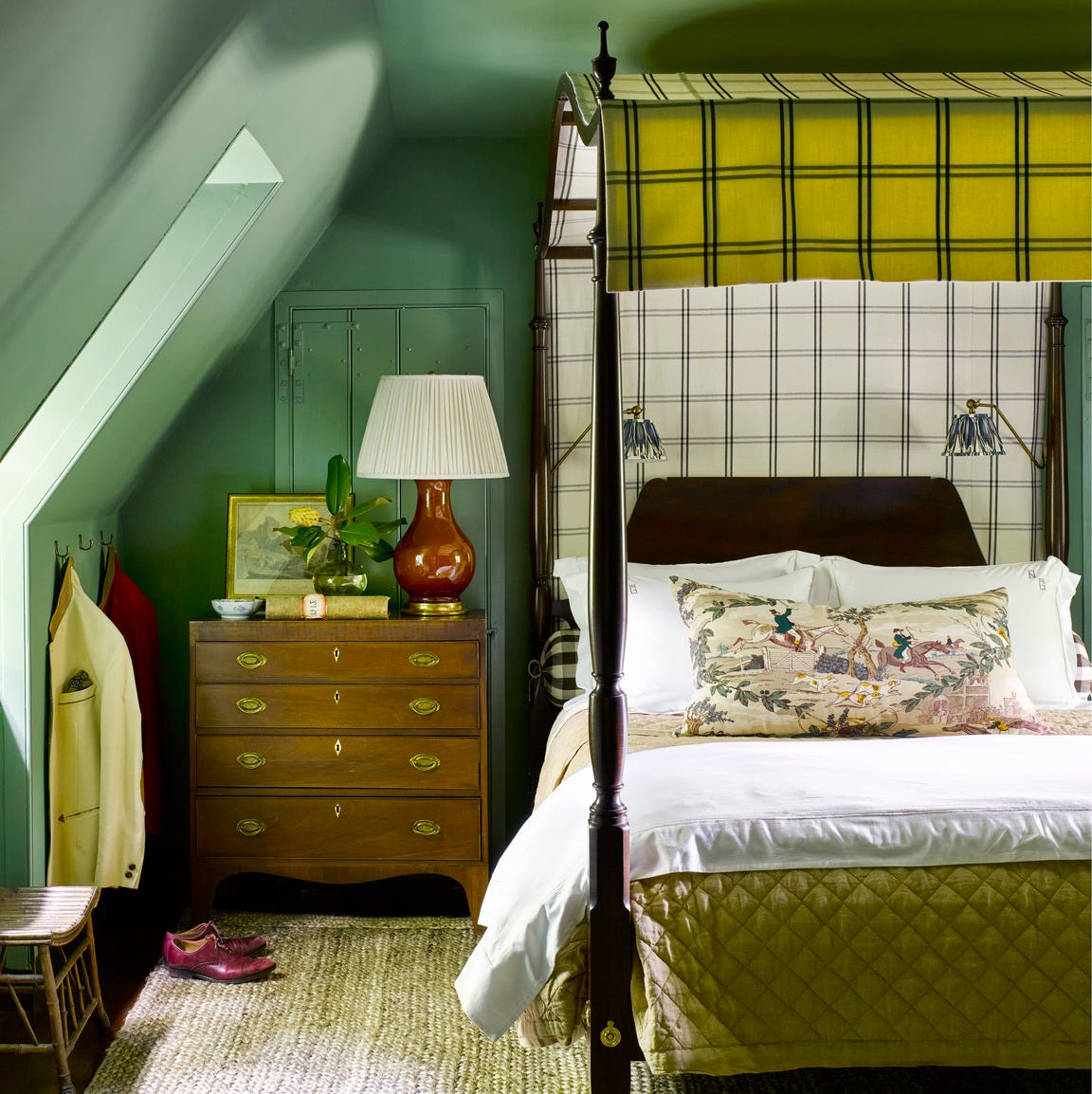
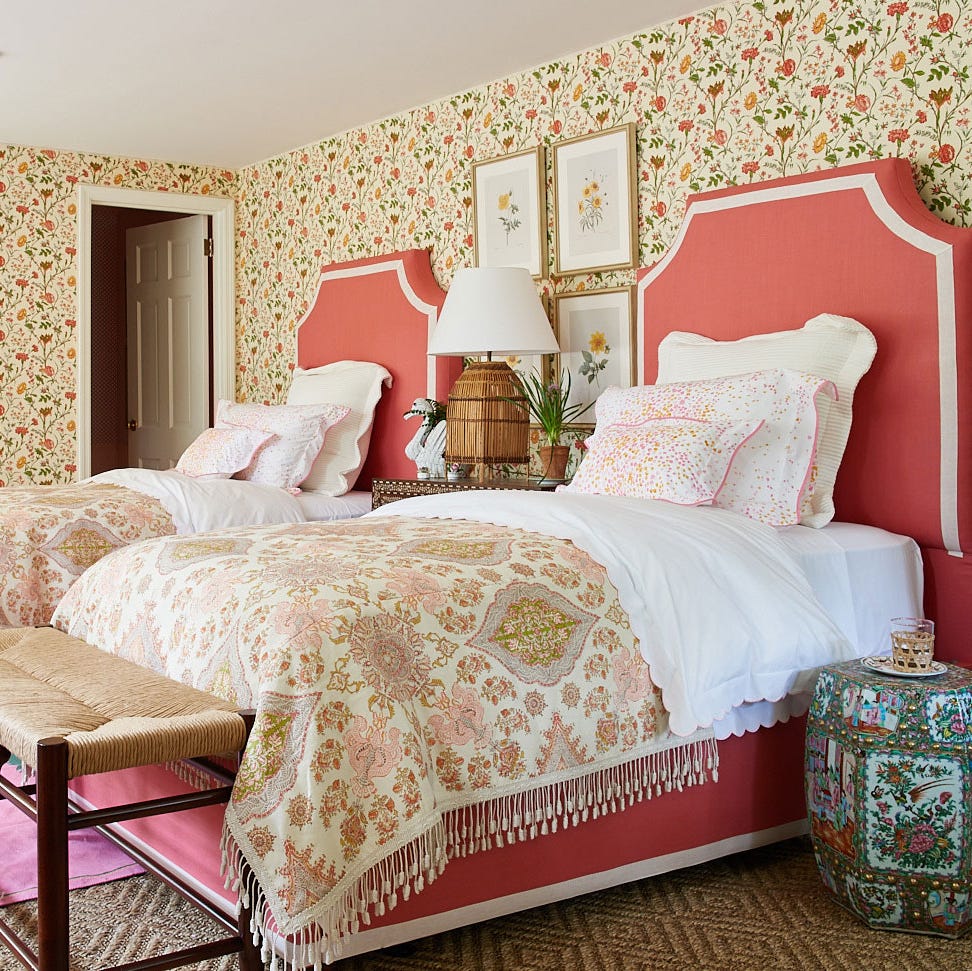
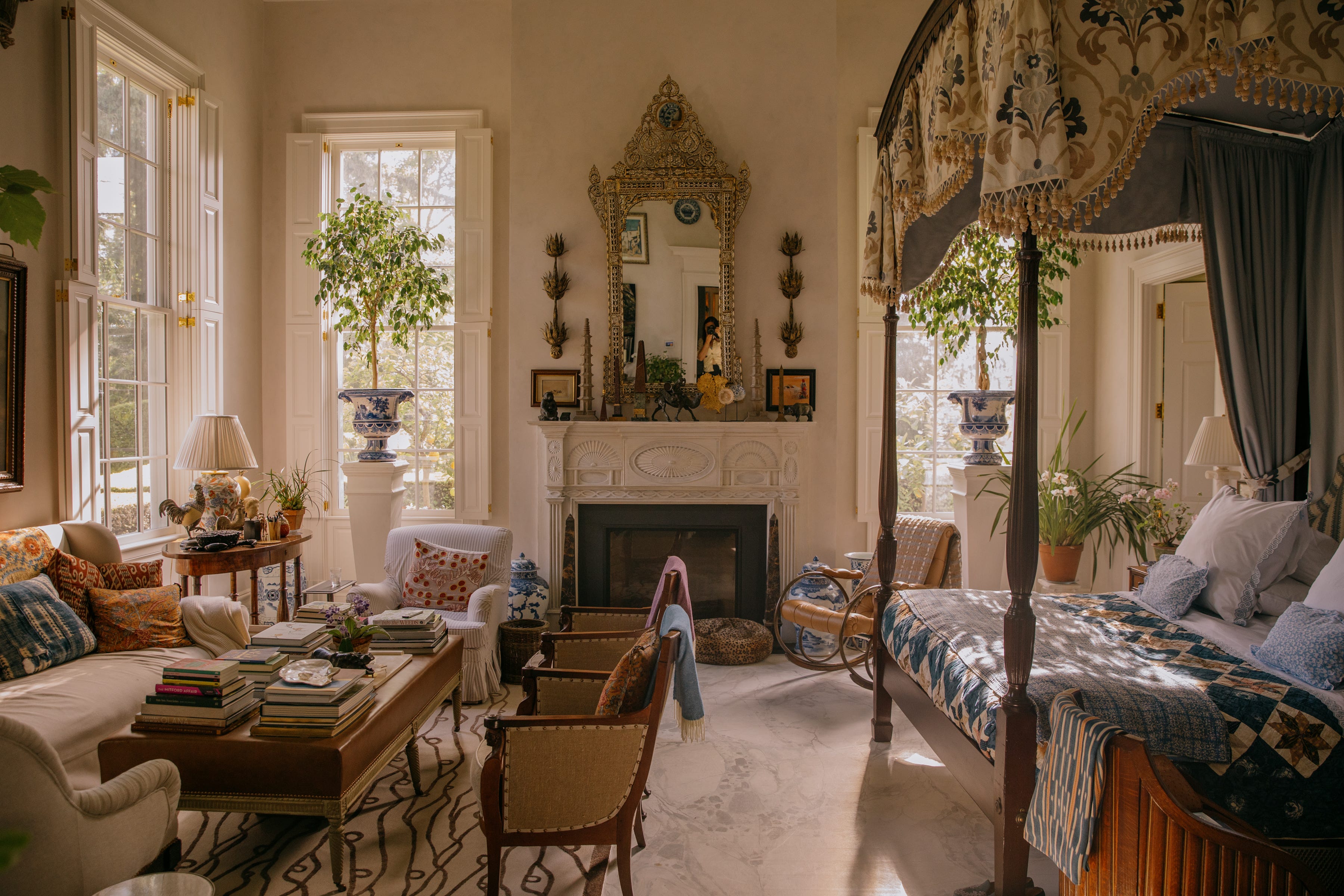
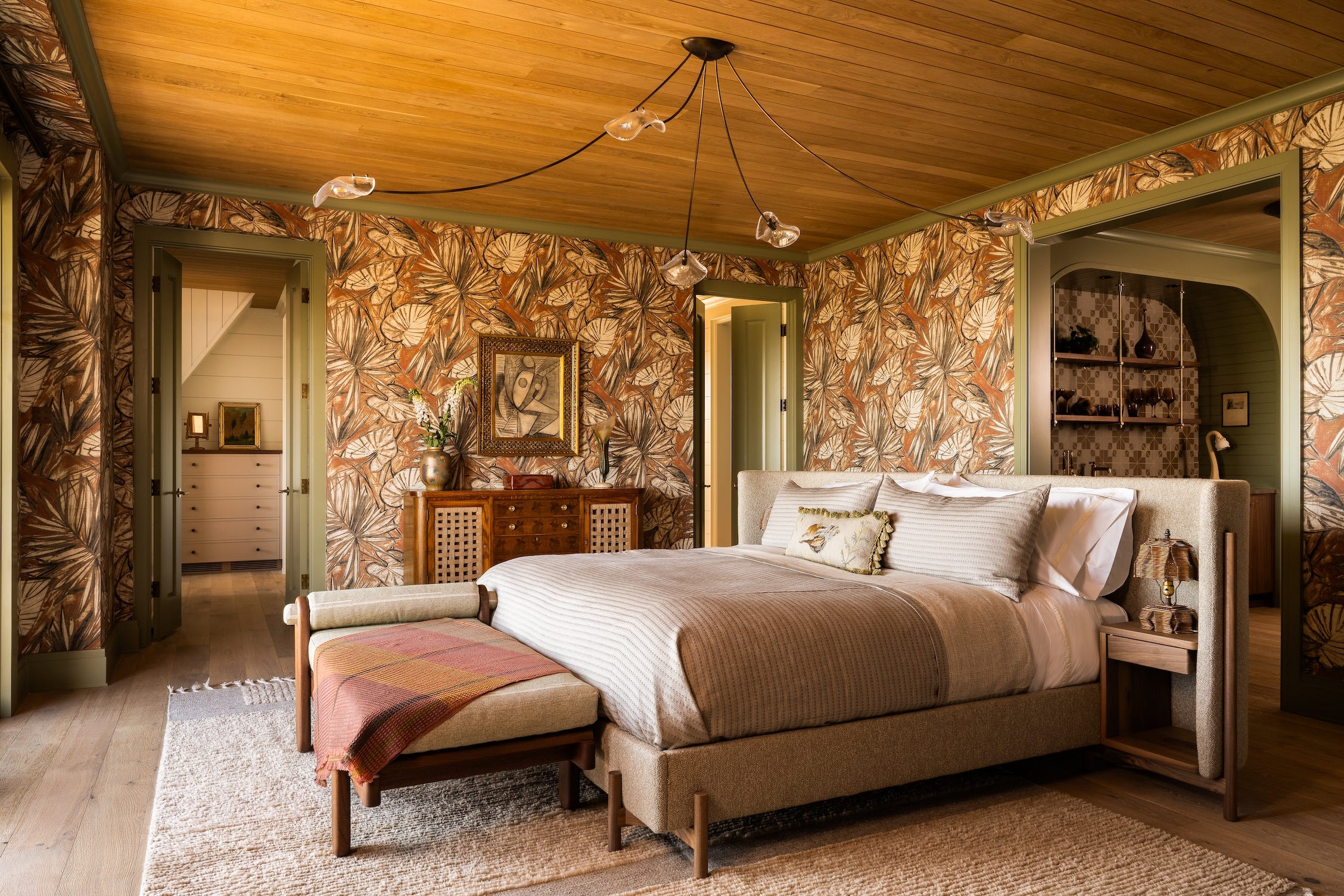
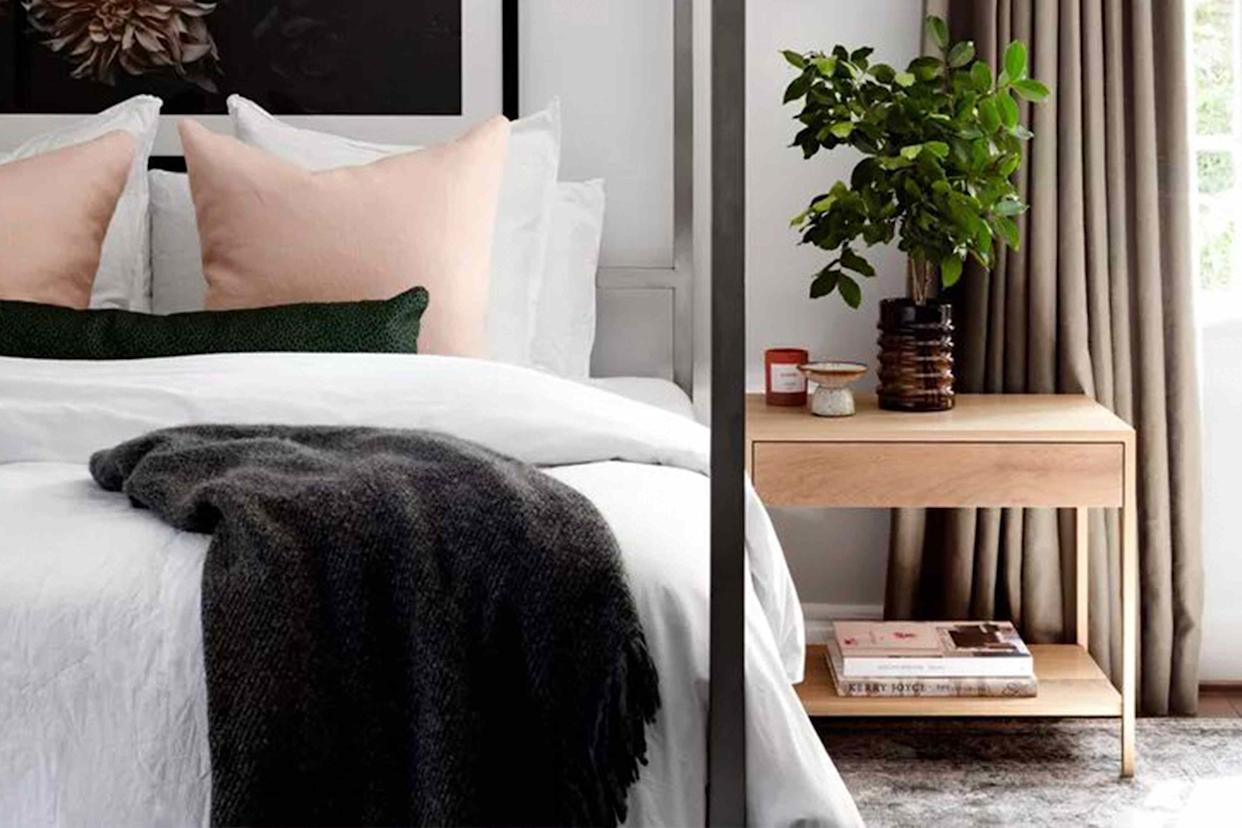
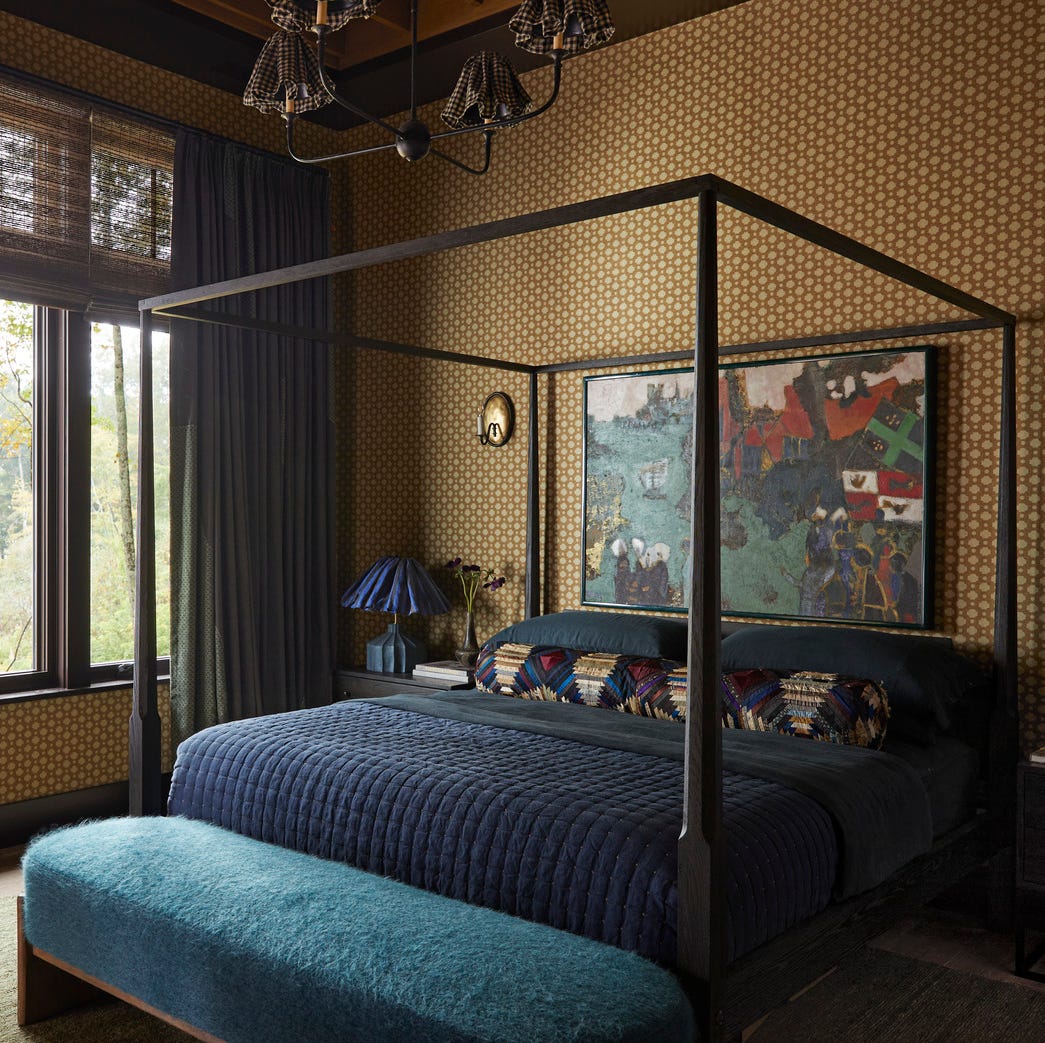
One significant trend designers predict will not continue into 2026 is the use of architecturally complex beds. Susan Hill suggests that ornate beds lack longevity and can quickly make a room appear dated. She advises opting for low-profile and simple bed designs due to their versatility and ability to complement various styles and room schemes over time. This preference highlights a move towards timeless and adaptable furniture pieces.
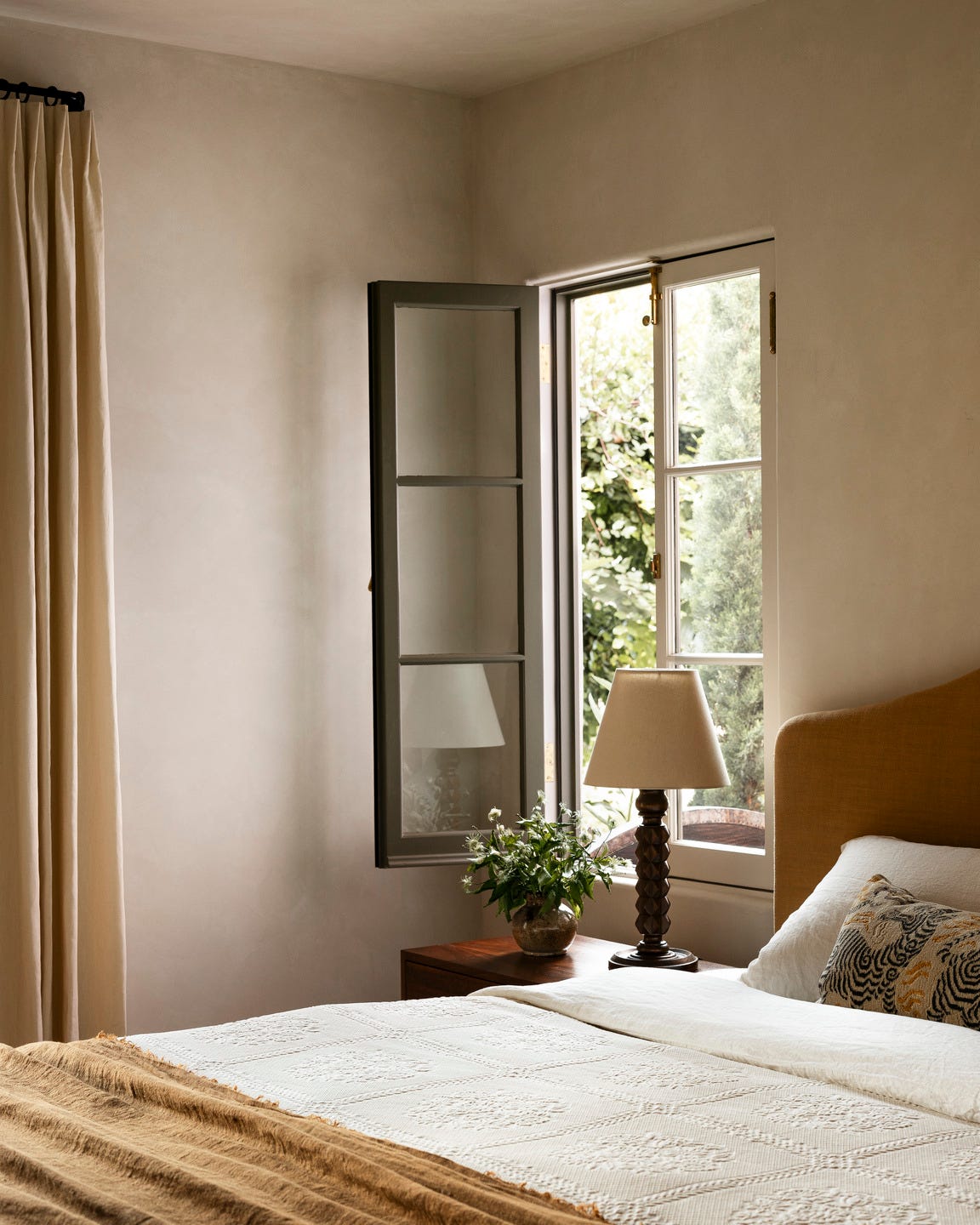
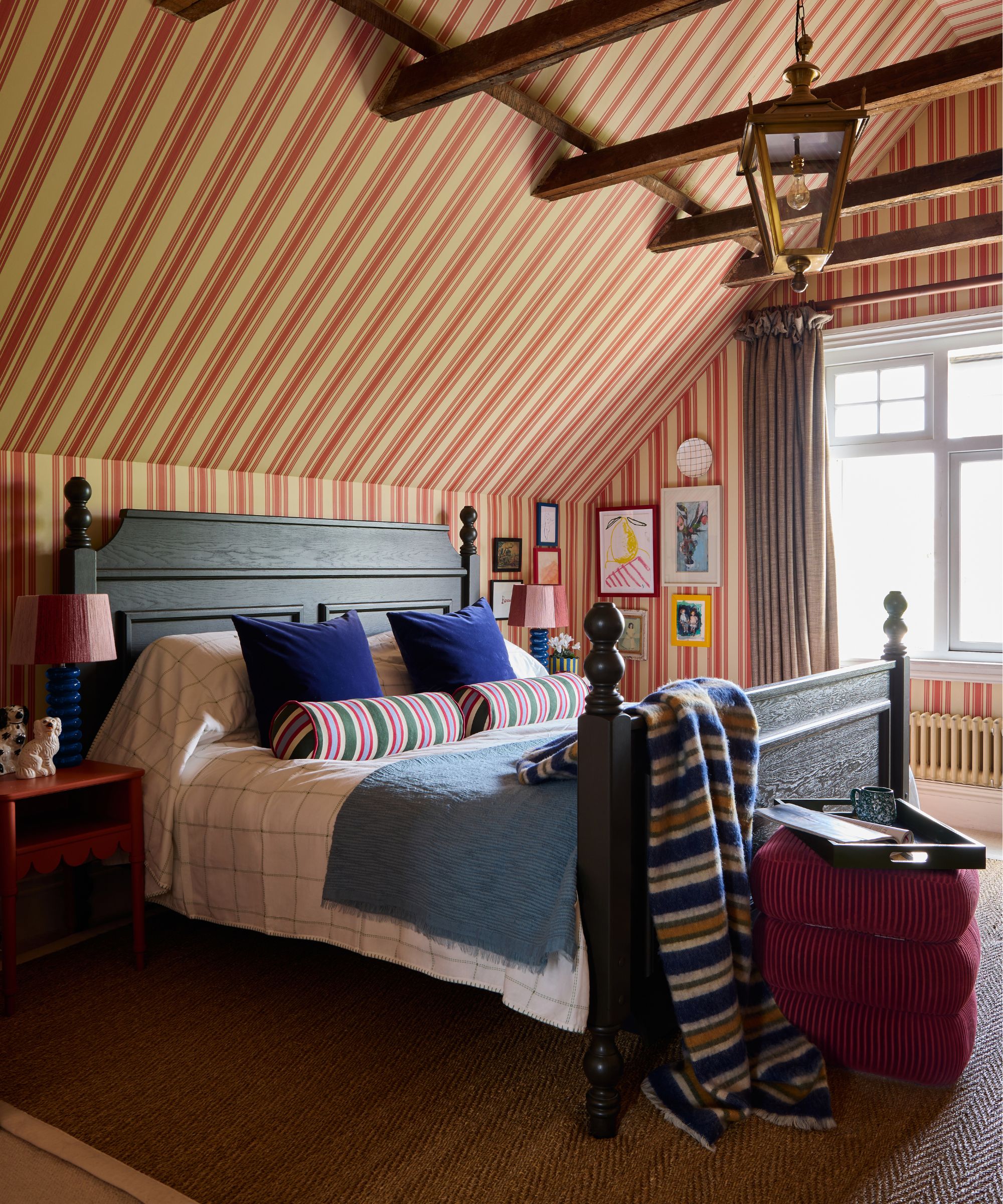
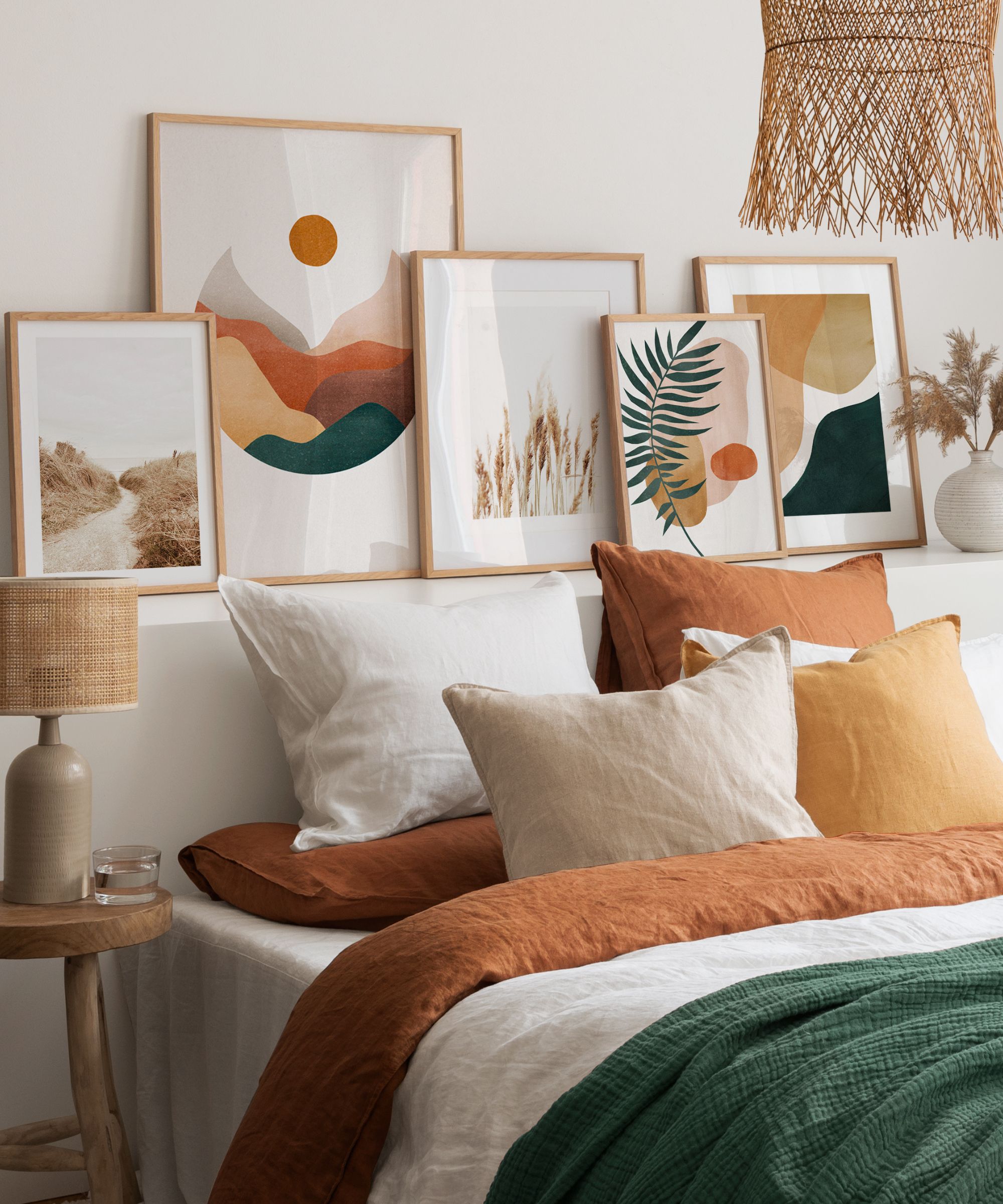
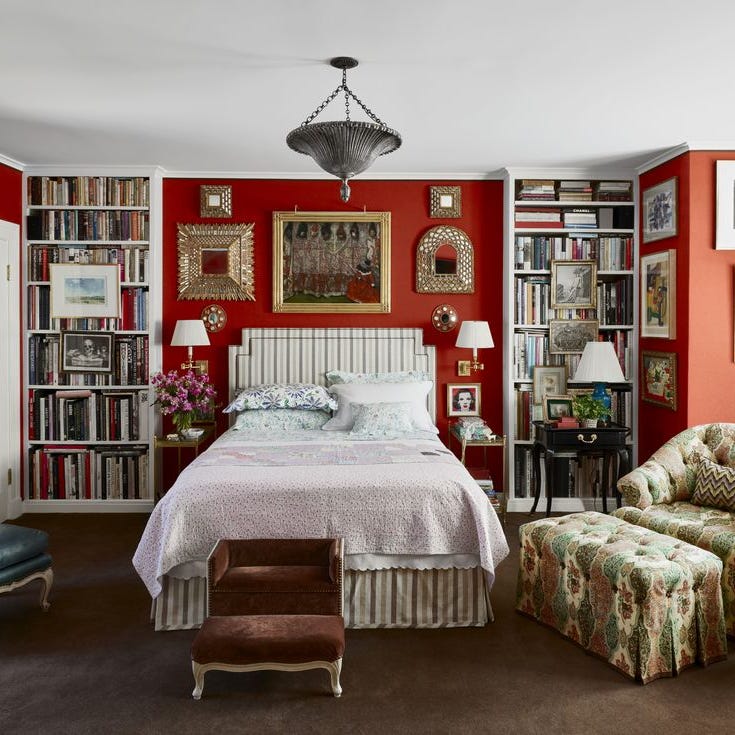
Another trend identified for its decline is maximalist bedding. Rebecca Amir notes a shift away from overly complex bedding arrangements, which typically involved numerous decorative pillows and shams. Instead, a simpler, less fussy approach is gaining traction, with a focus on sophisticated looks that appear effortless. The emerging preference is for textured coverlets that drape entirely over the bed, offering an elegant yet understated aesthetic.
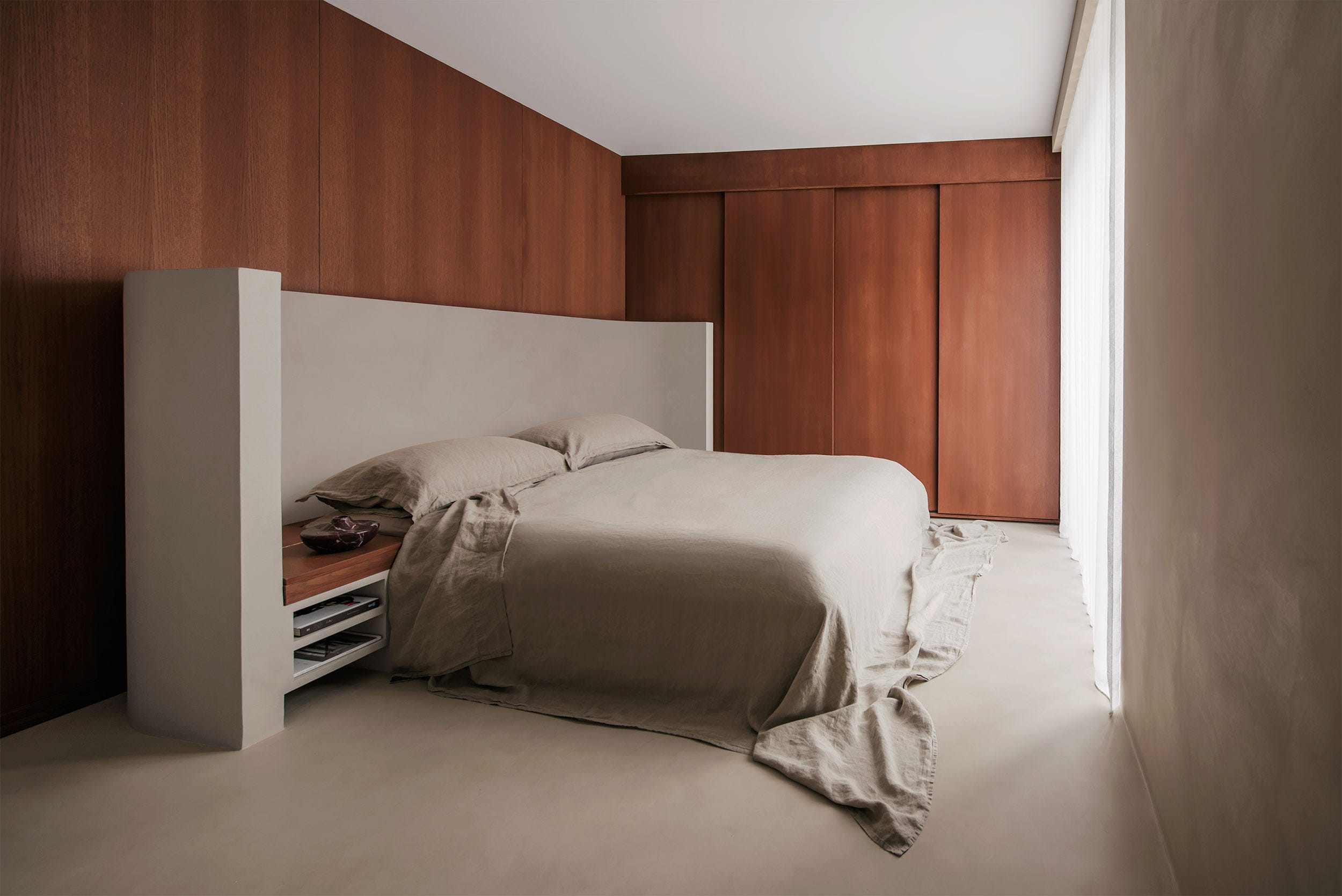
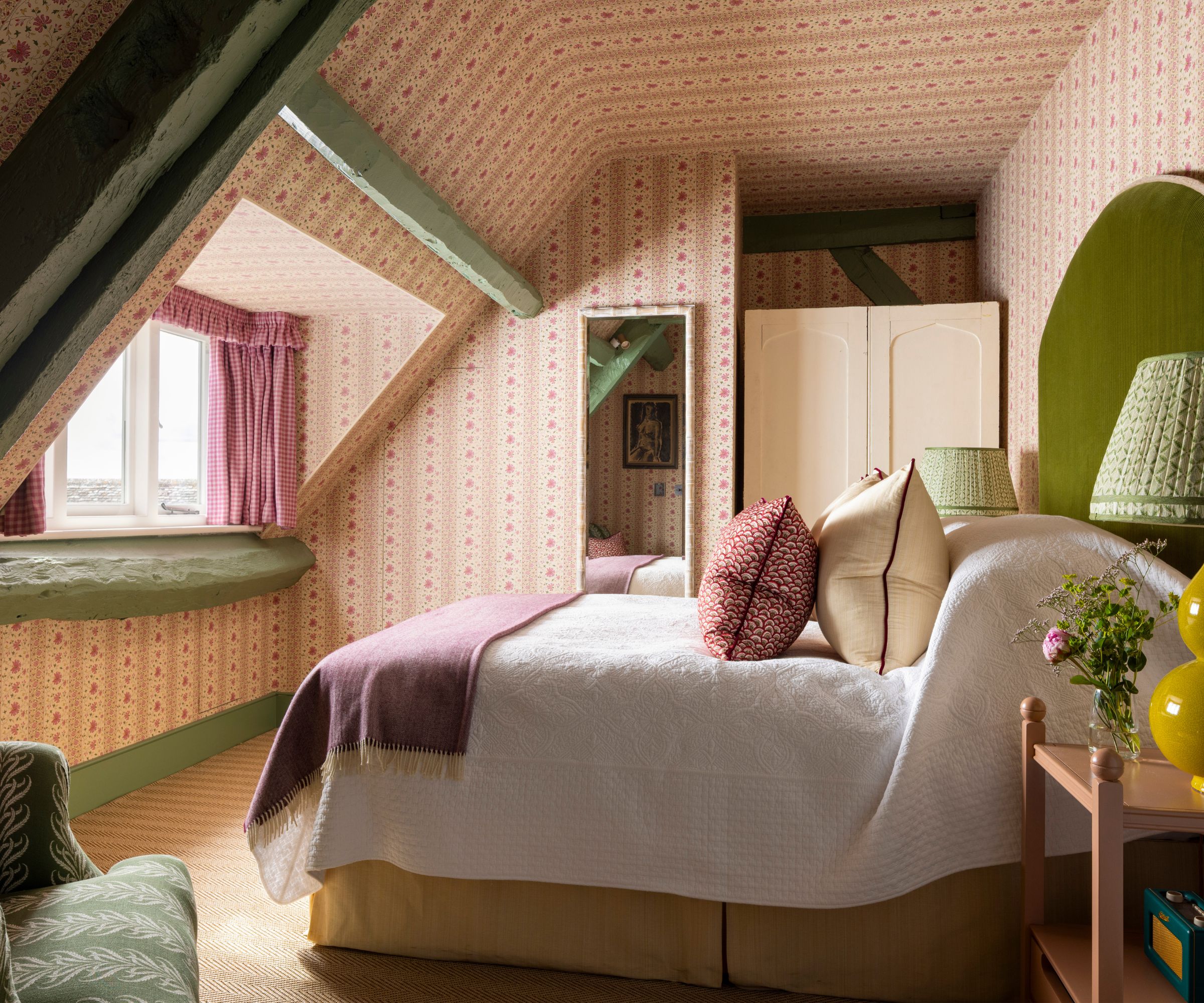
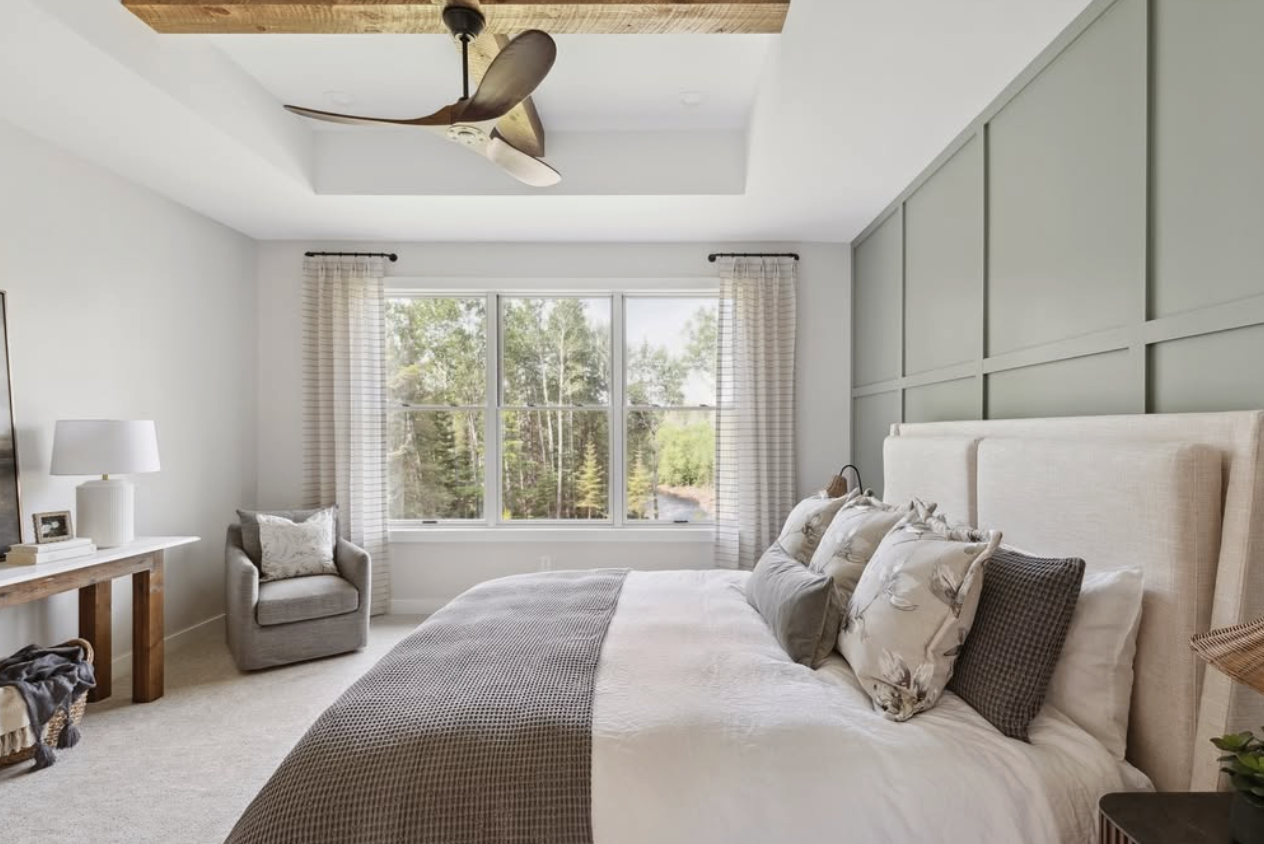
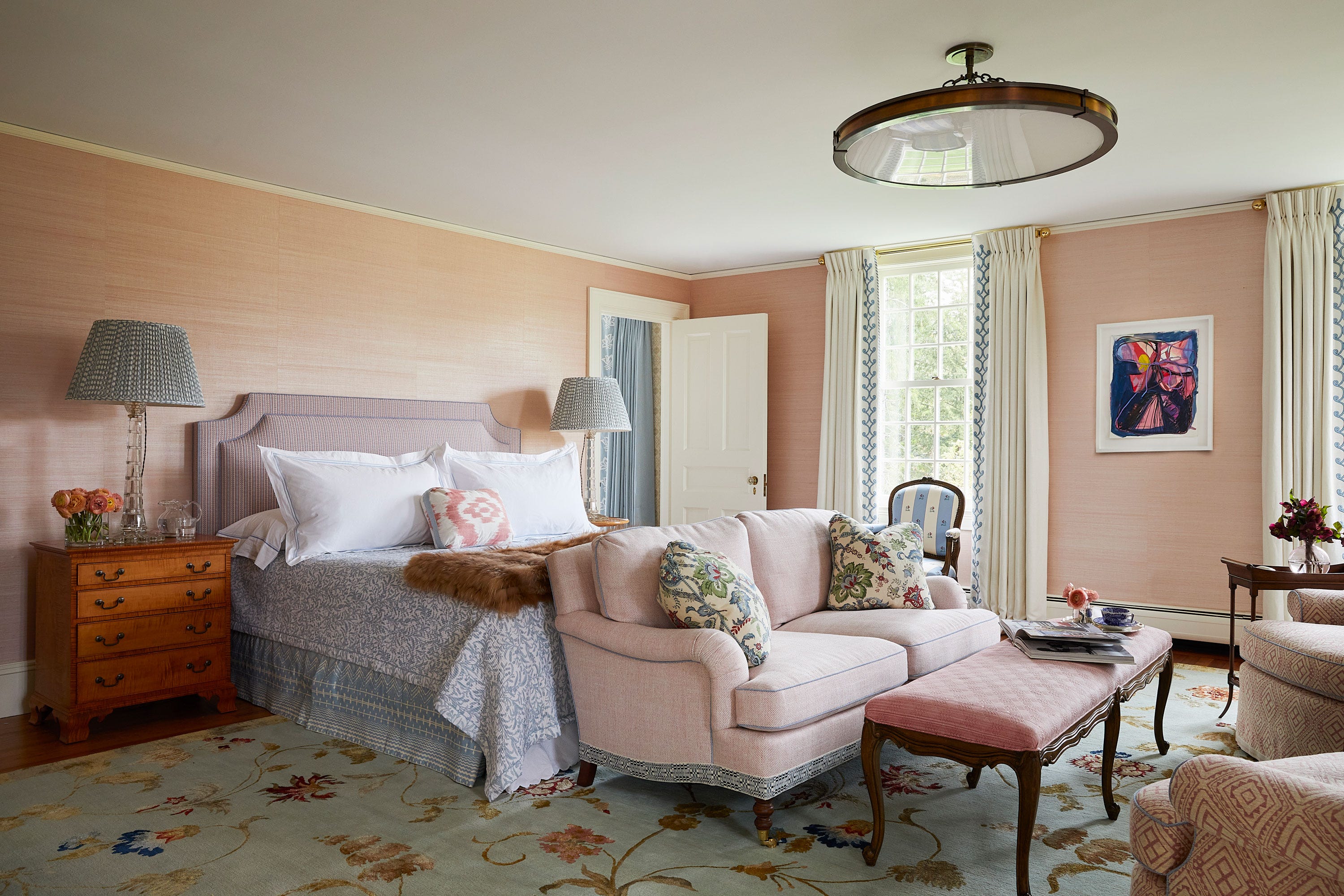
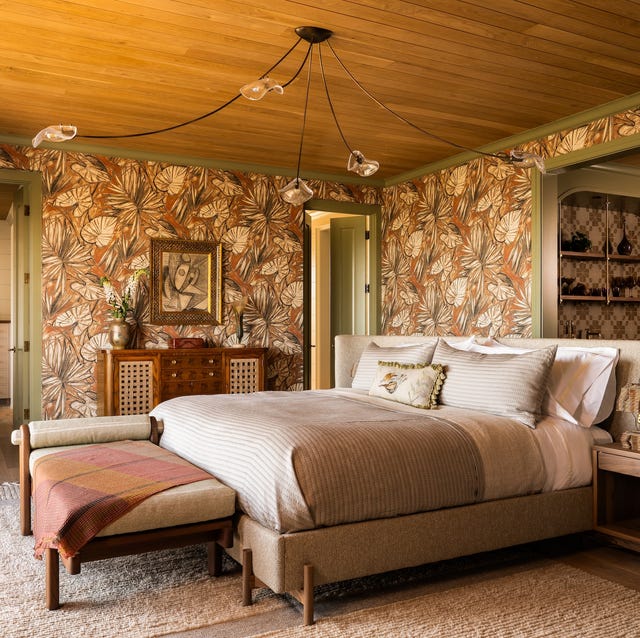
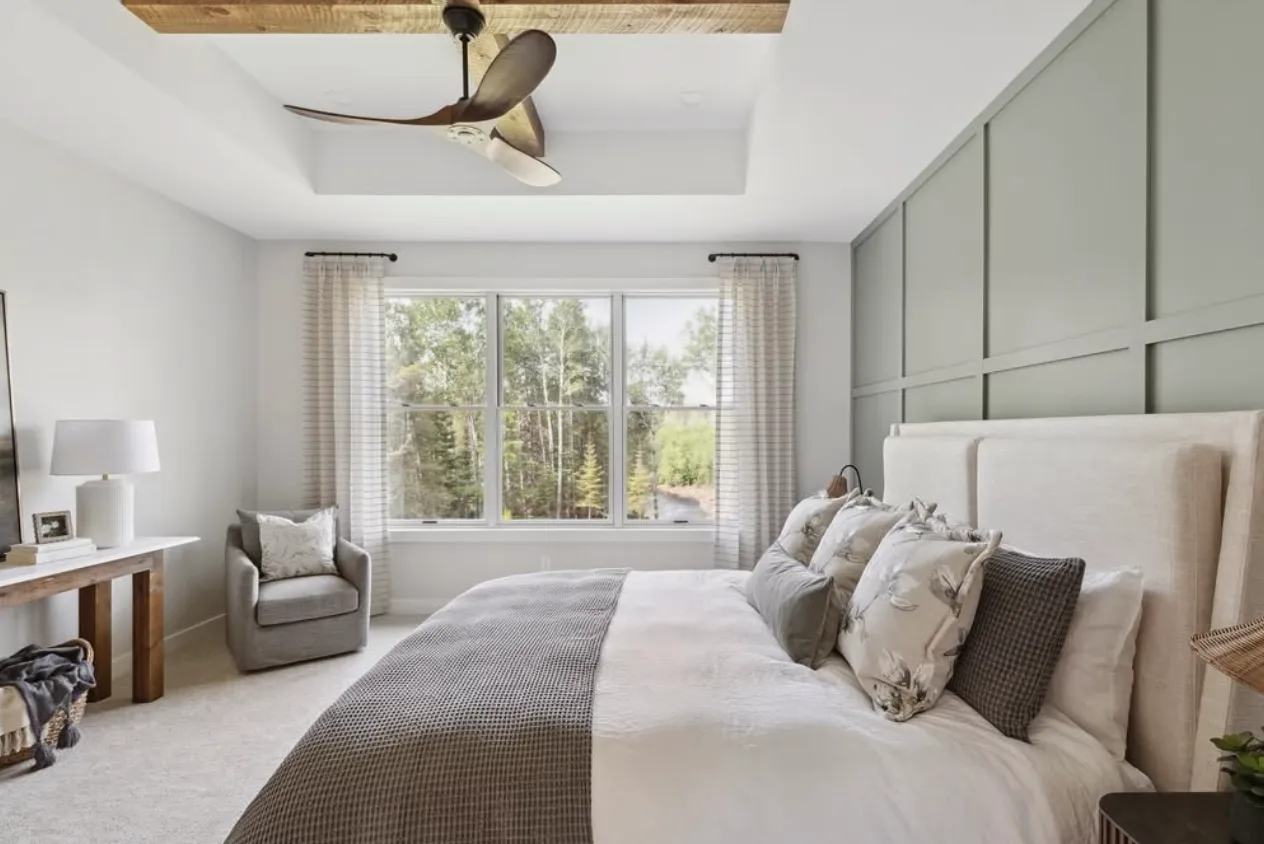
The era of super plain-colored bedrooms, characterized by all-beige and cool white palettes, is also expected to end. Marlaina Teich points out that while these colors may seem clean, they often create a flat and unwelcoming atmosphere in a space meant for rest. Both Teich and Hill advocate for the introduction of warmer elements such as natural wood, linen, and woven details, alongside layered patterns, textures, and colors to create more inviting and visually interesting bedrooms. Monochromatic gray and white bedding is specifically cited by Hill as a stylistic choice that lacks interest and will likely not persist.
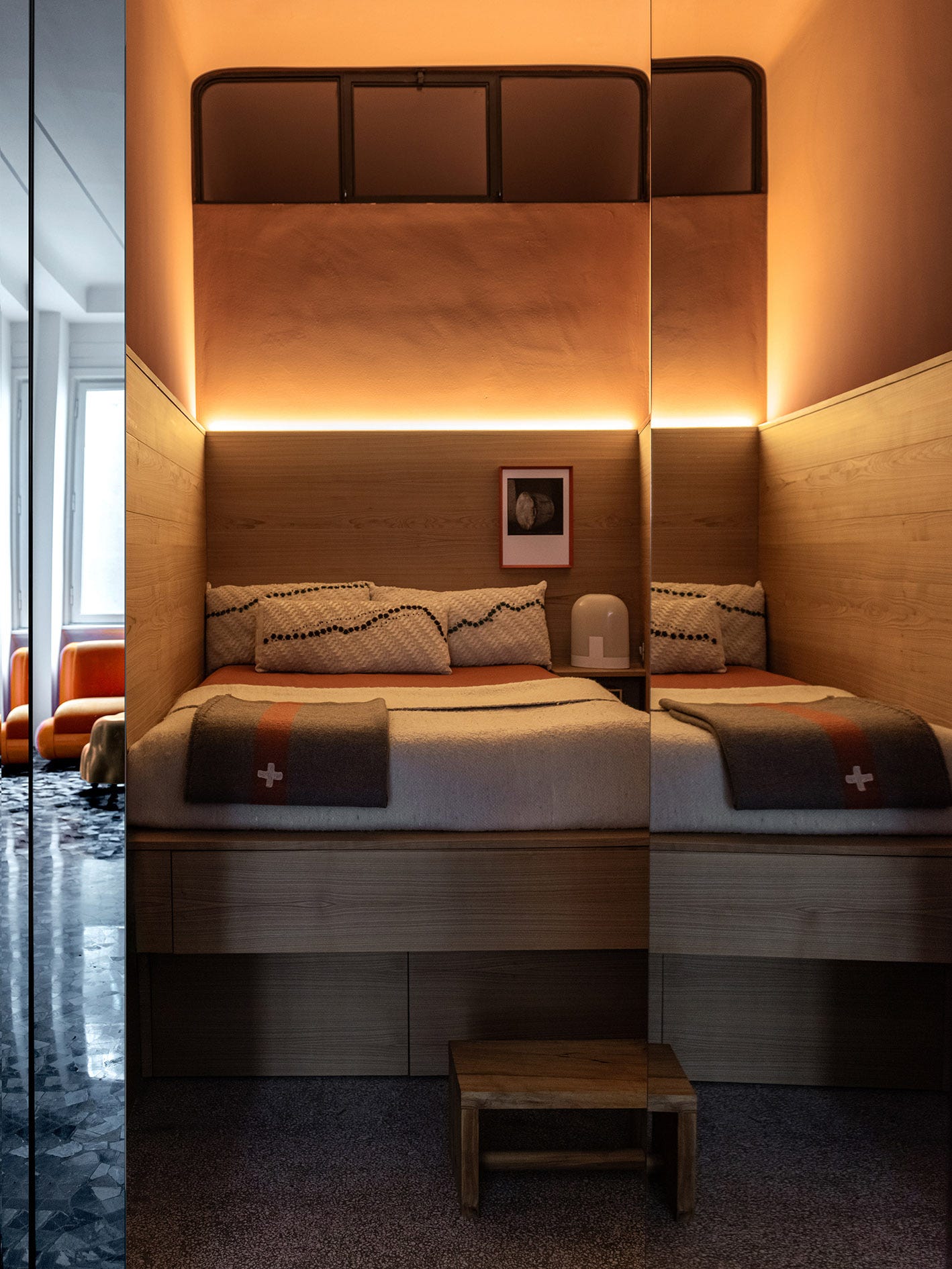
The concept of hybrid work and sleep spaces, a carryover from the pandemic-induced work-from-home era, is another trend designers believe will disappear. Rebecca Amir emphasizes that bedrooms are reclaiming their role as sacred relaxation spaces, urging individuals to remove desks and other work-related items from their sleeping areas. This marks a return to separating professional activities from personal resting environments to enhance tranquility.
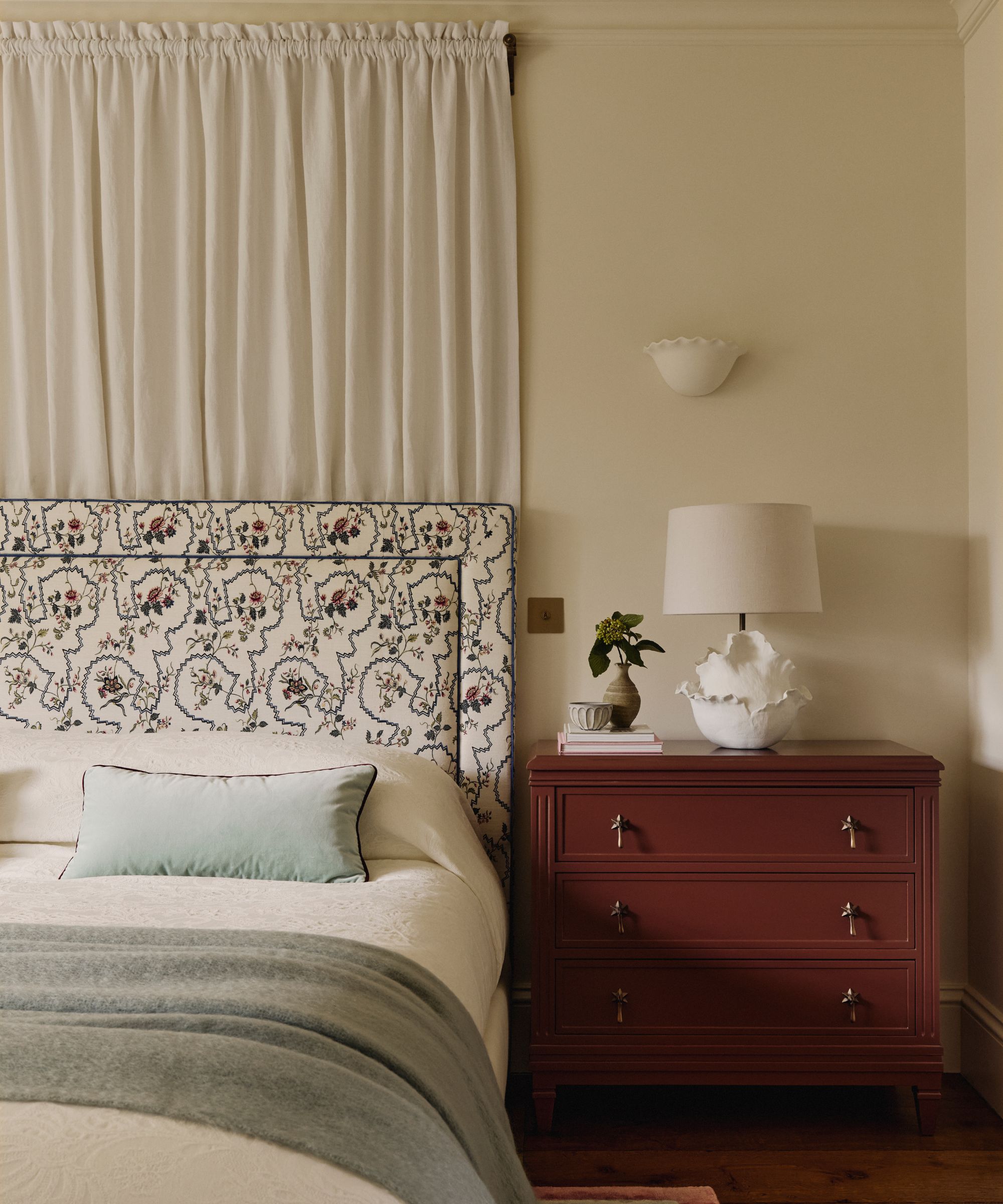
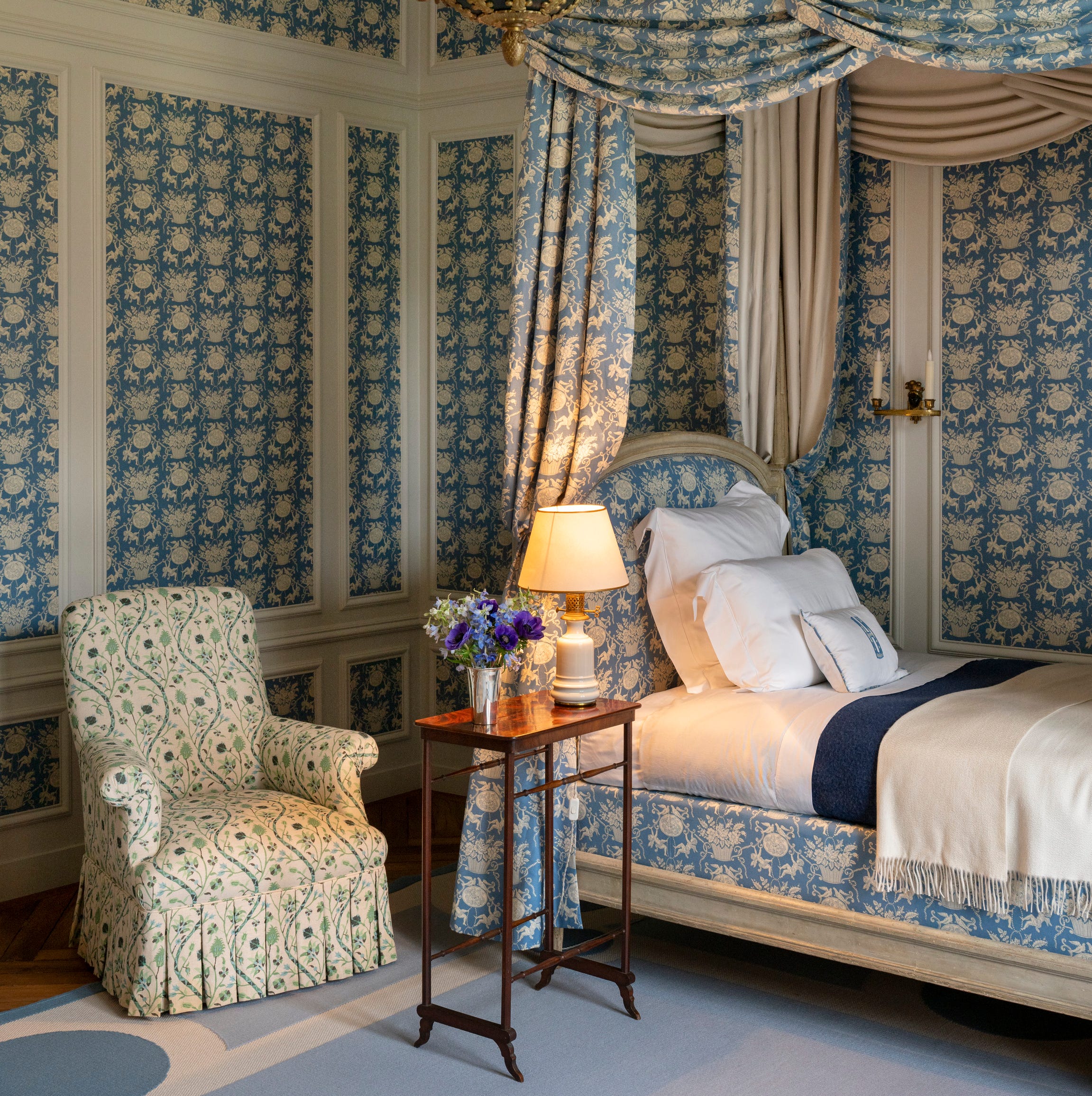
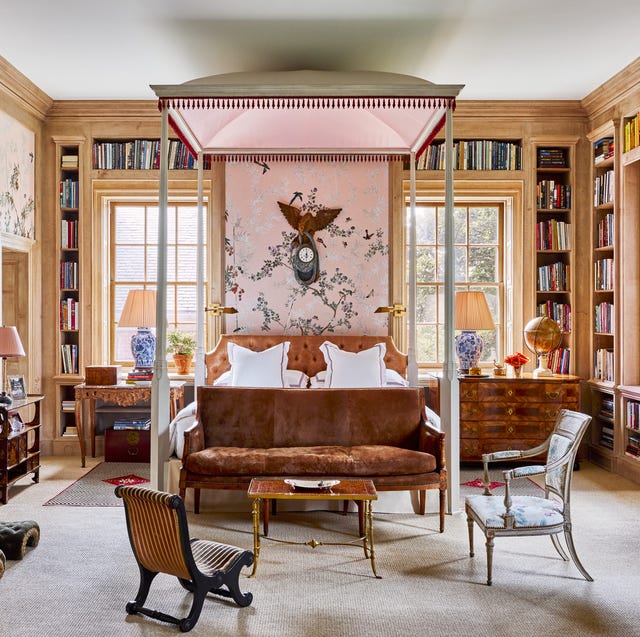
Matching furniture sets in bedrooms are also deemed outdated by experts. Designers argue that purchasing all furniture pieces in the same finish results in a predictable rather than personal space. They encourage a more curated approach, recommending the mixing and matching of furniture, including new and vintage finds, to achieve a collected and unique aesthetic. This move fosters individuality and character within bedroom designs.
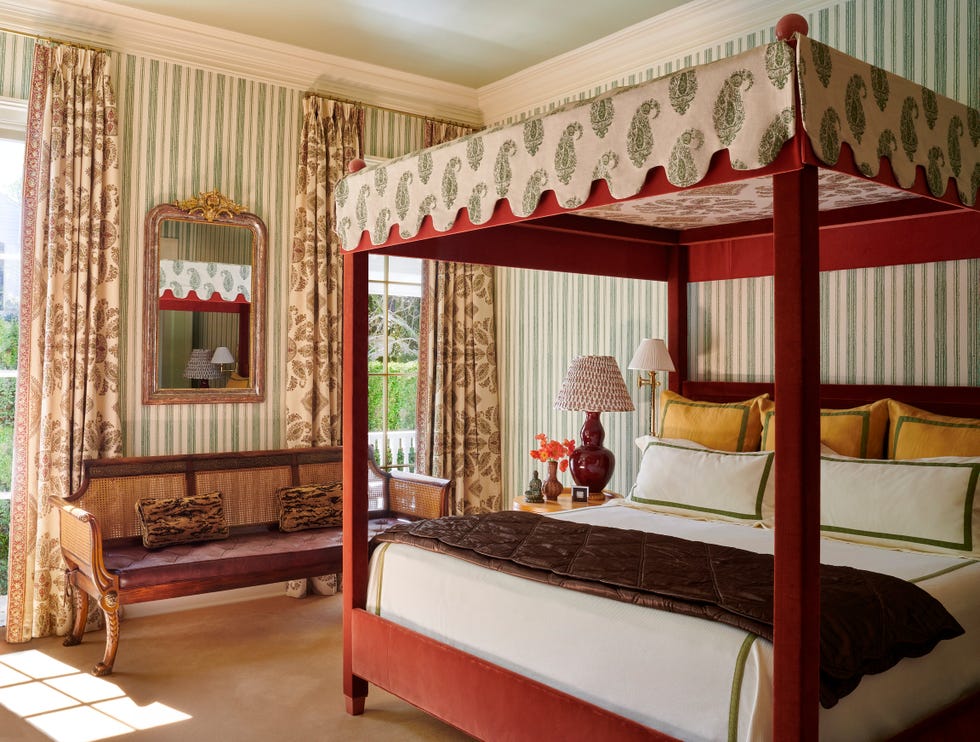
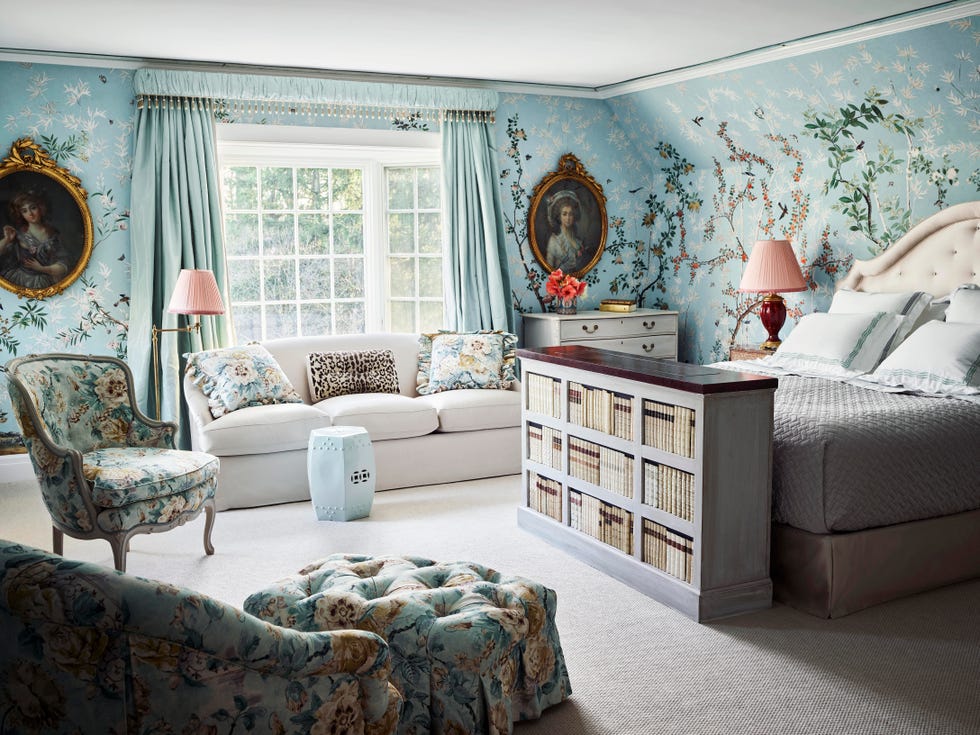
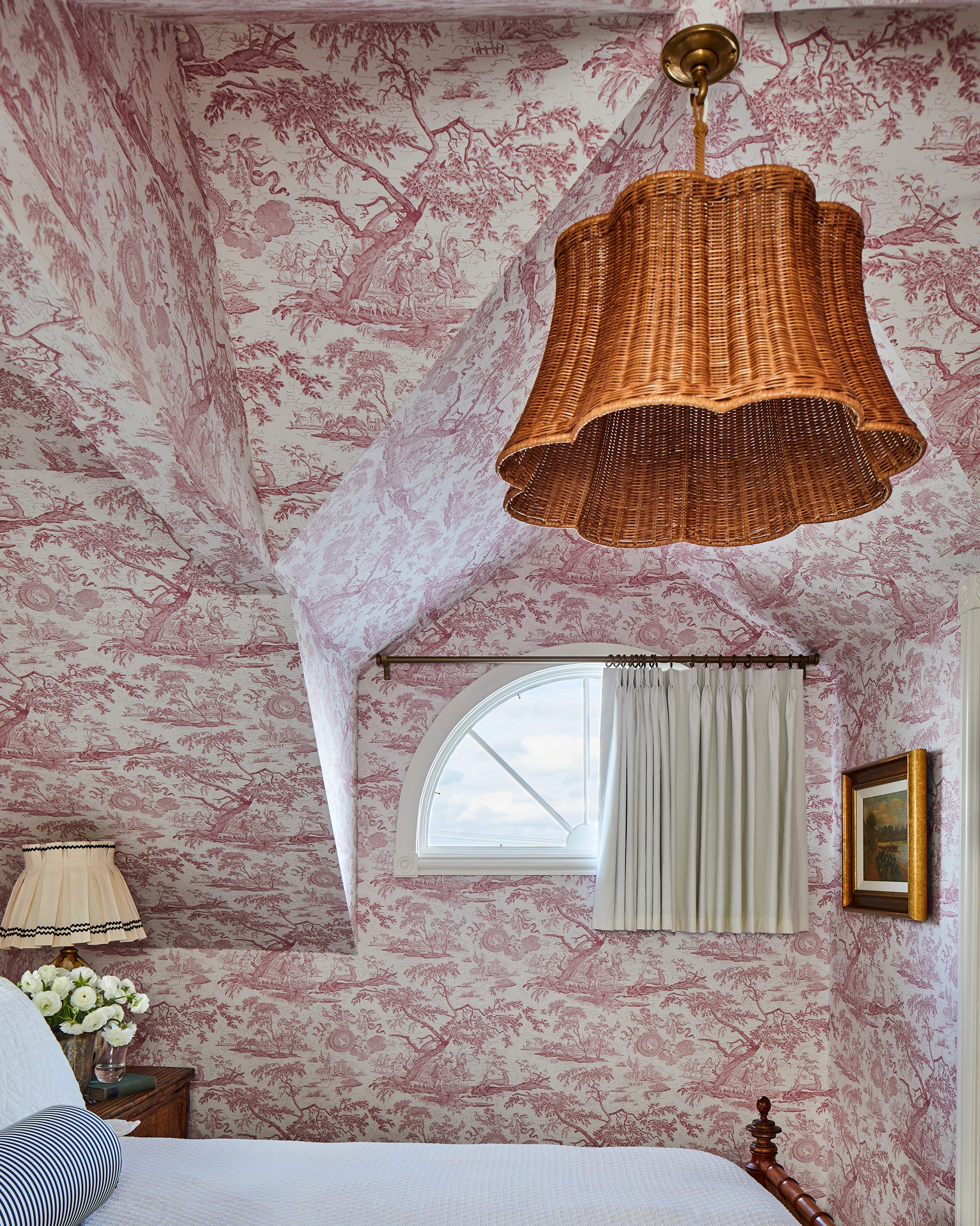
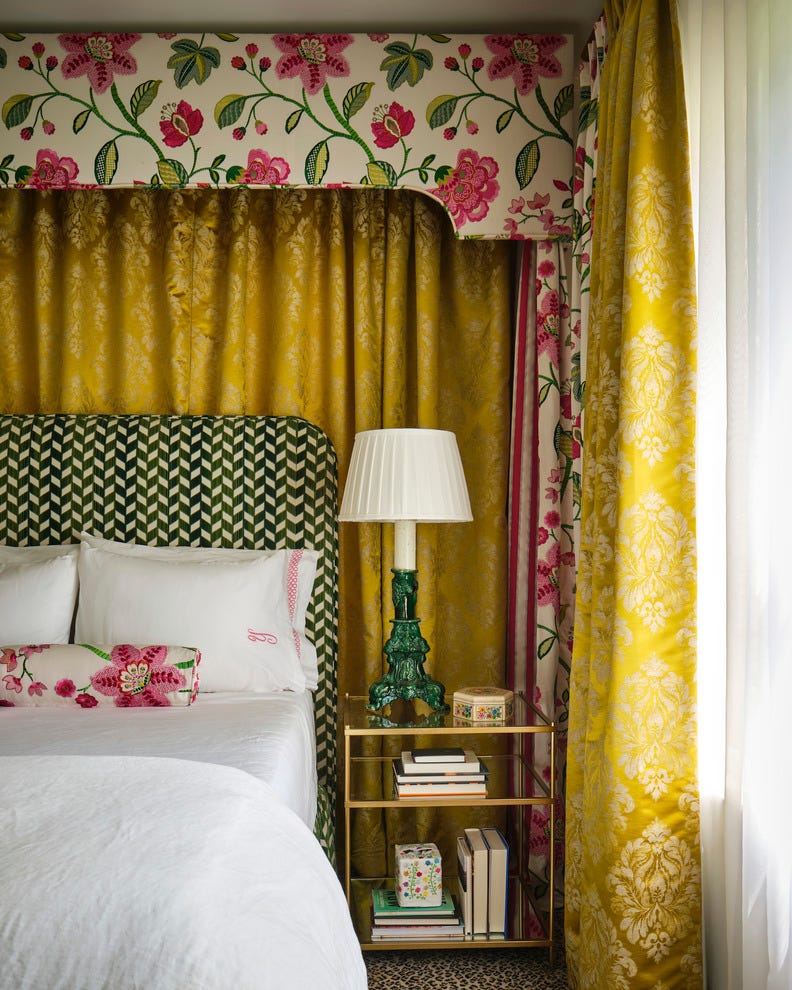
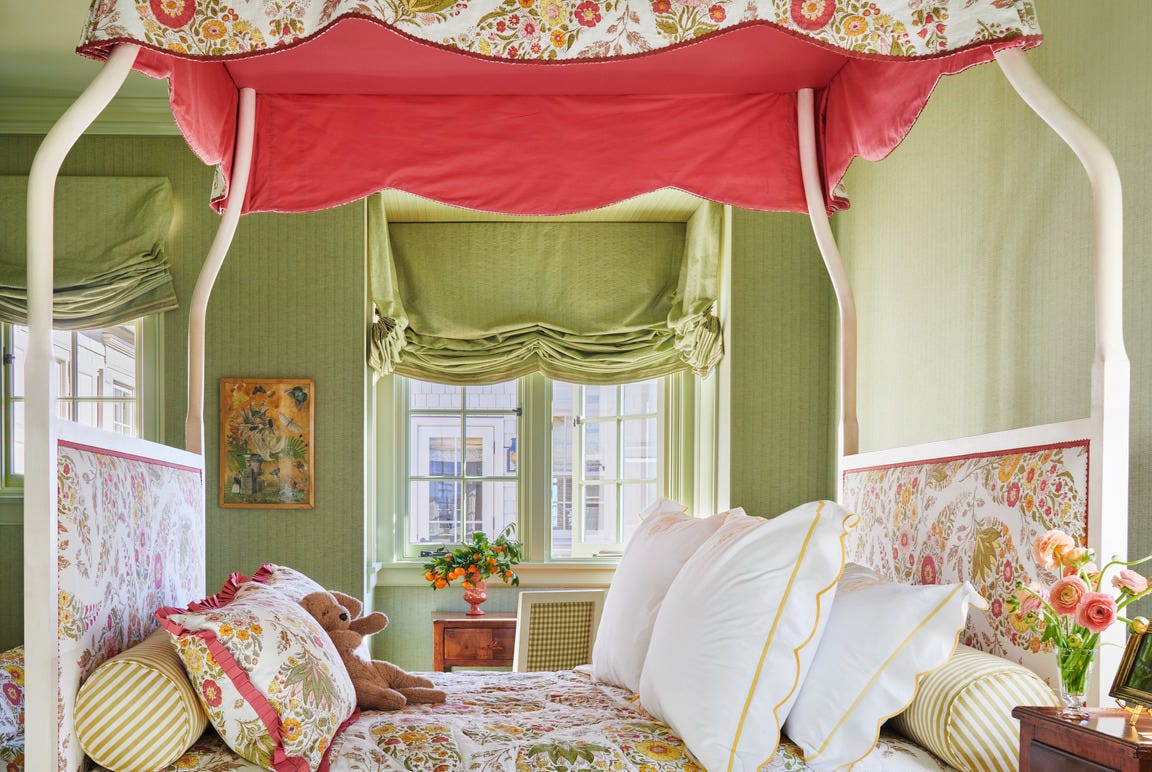
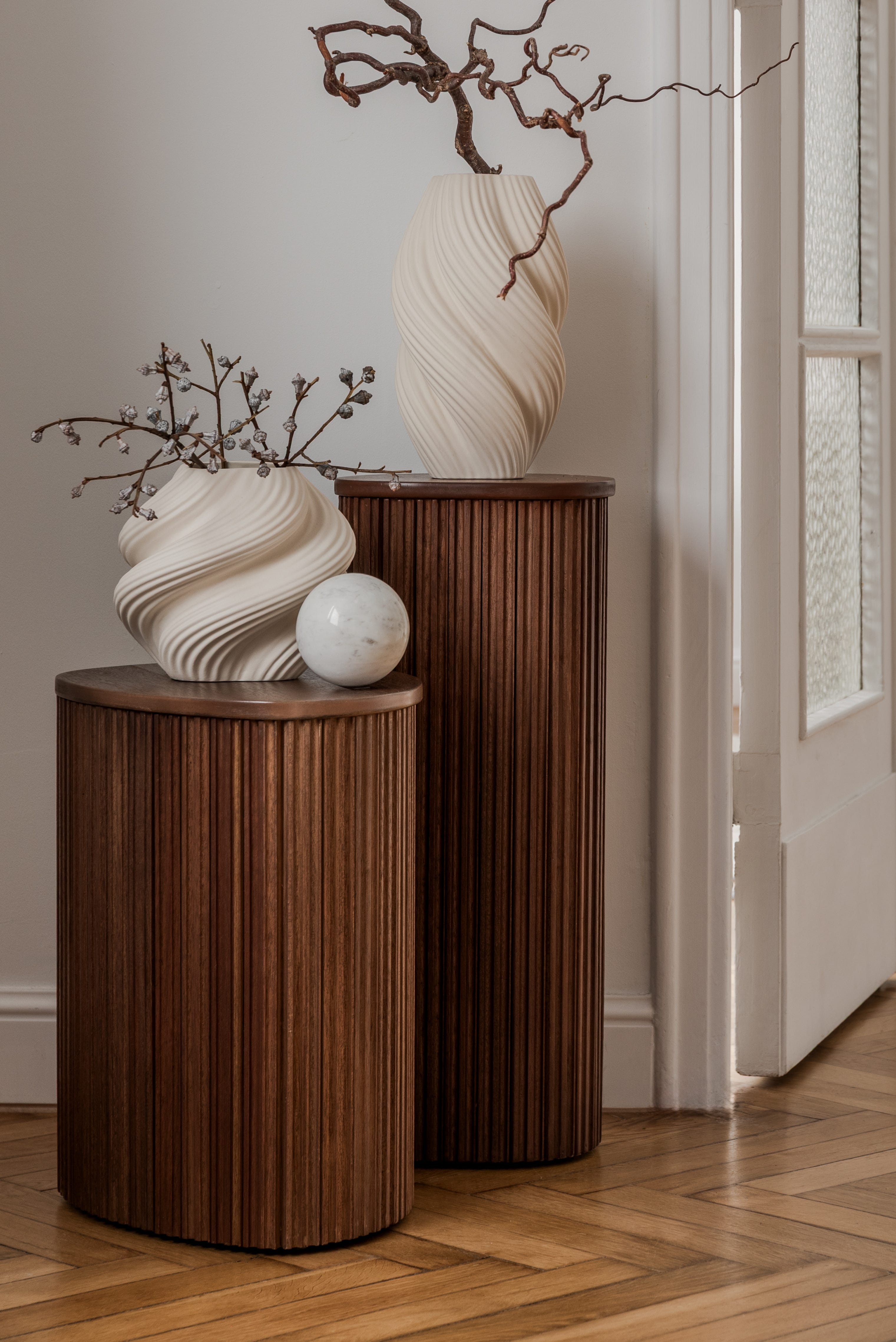
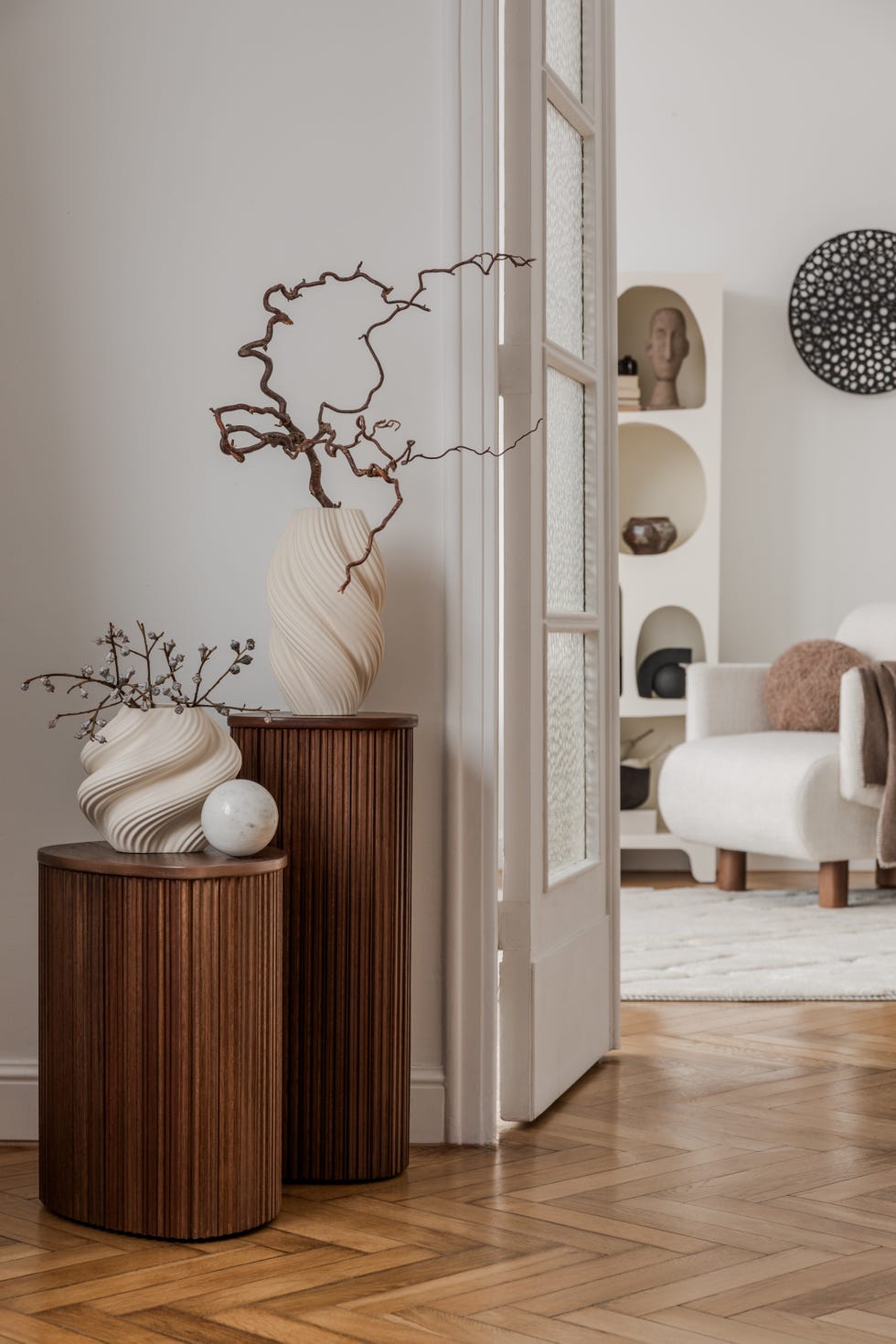
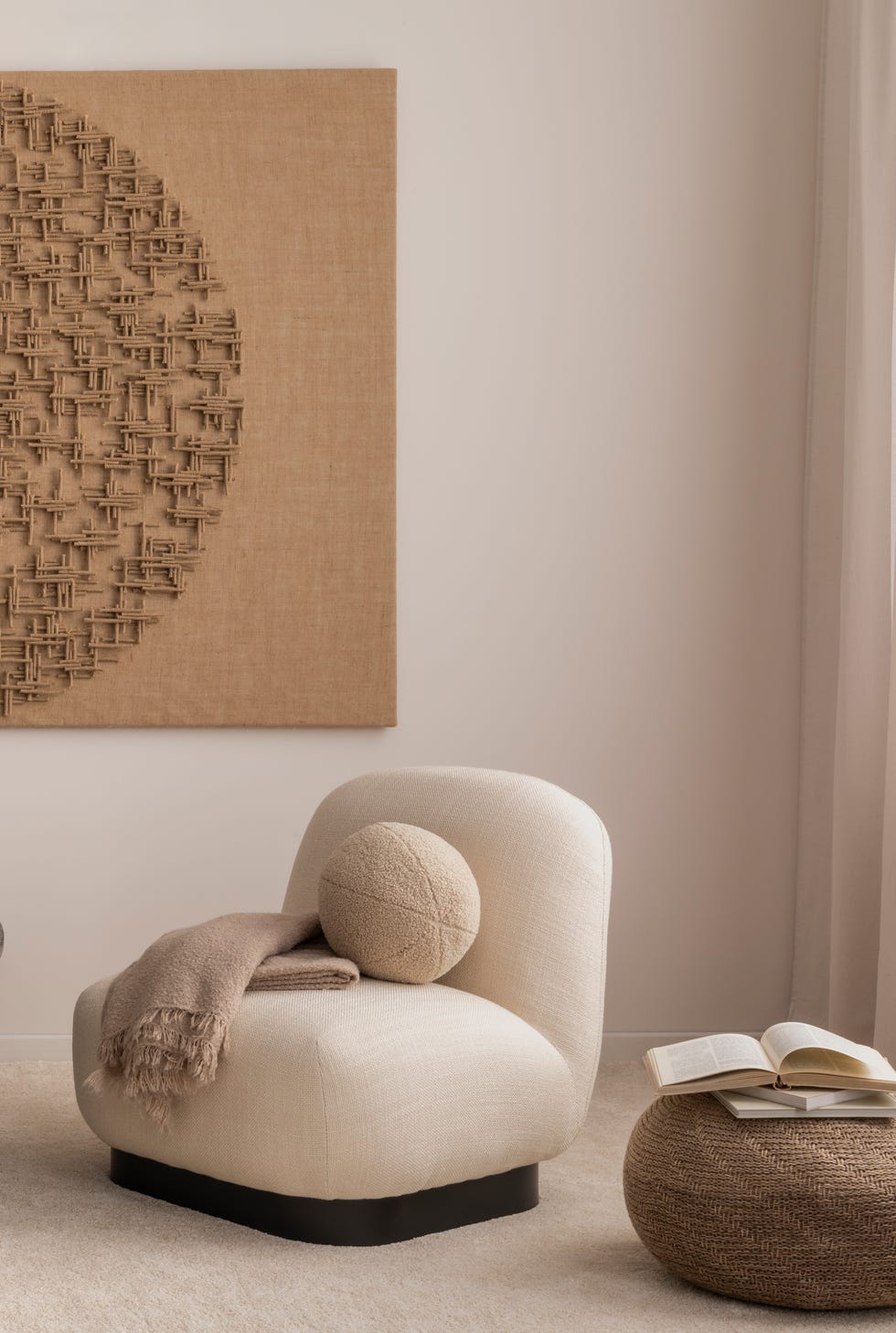
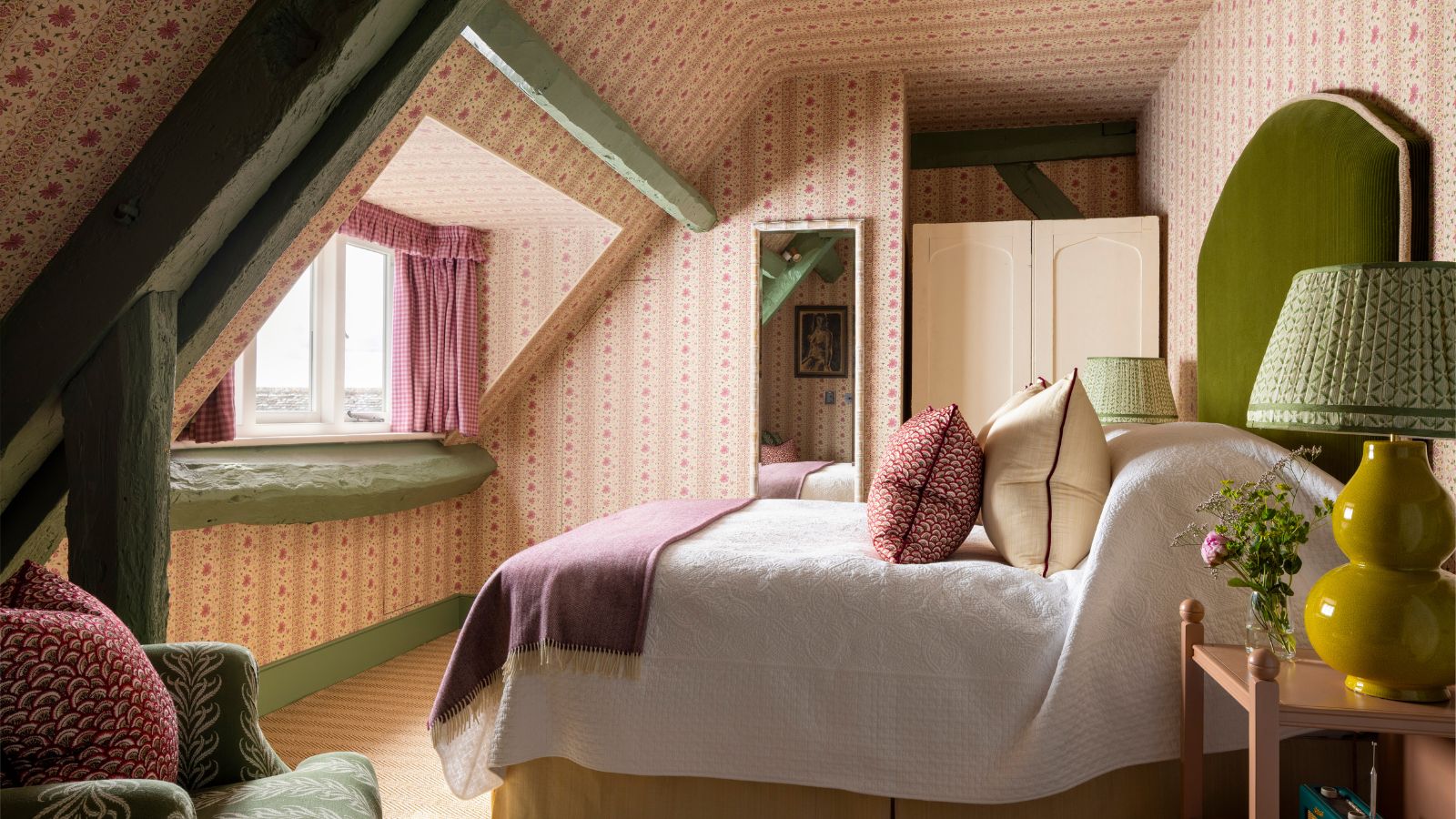
Finally, the overuse of ultra-trendy touches is expected to recede. Marlaina Teich specifically mentions bouclé, farmhouse accents, and heavy floral-on-floral patterns as design elements that will not be prevalent in 2026 bedrooms. She suggests that such trends can overwhelm rather than soothe in a sleeping environment. The consensus among designers is to favor classic and timeless elements over fleeting fads, transforming bedrooms into serene sanctuaries rather than experimental design laboratories. Overall, the upcoming year is anticipated to bring a more thoughtful, comfortable, and personalized approach to bedroom decor.
#BedroomTrends #InteriorDesign #HomeDecor #DesignForecast #FurnitureStyles #BeddingTrends #ColorPalettes #RelaxationSpaces #HomeImprovement #BedroomTrends #InteriorDesign #HomeDecor #DesignForecast #FurnitureStyles #BeddingTrends #ColorPalettes #RelaxationSpaces #HomeImprovement
0 comment in total
 No comments yet
You may also like
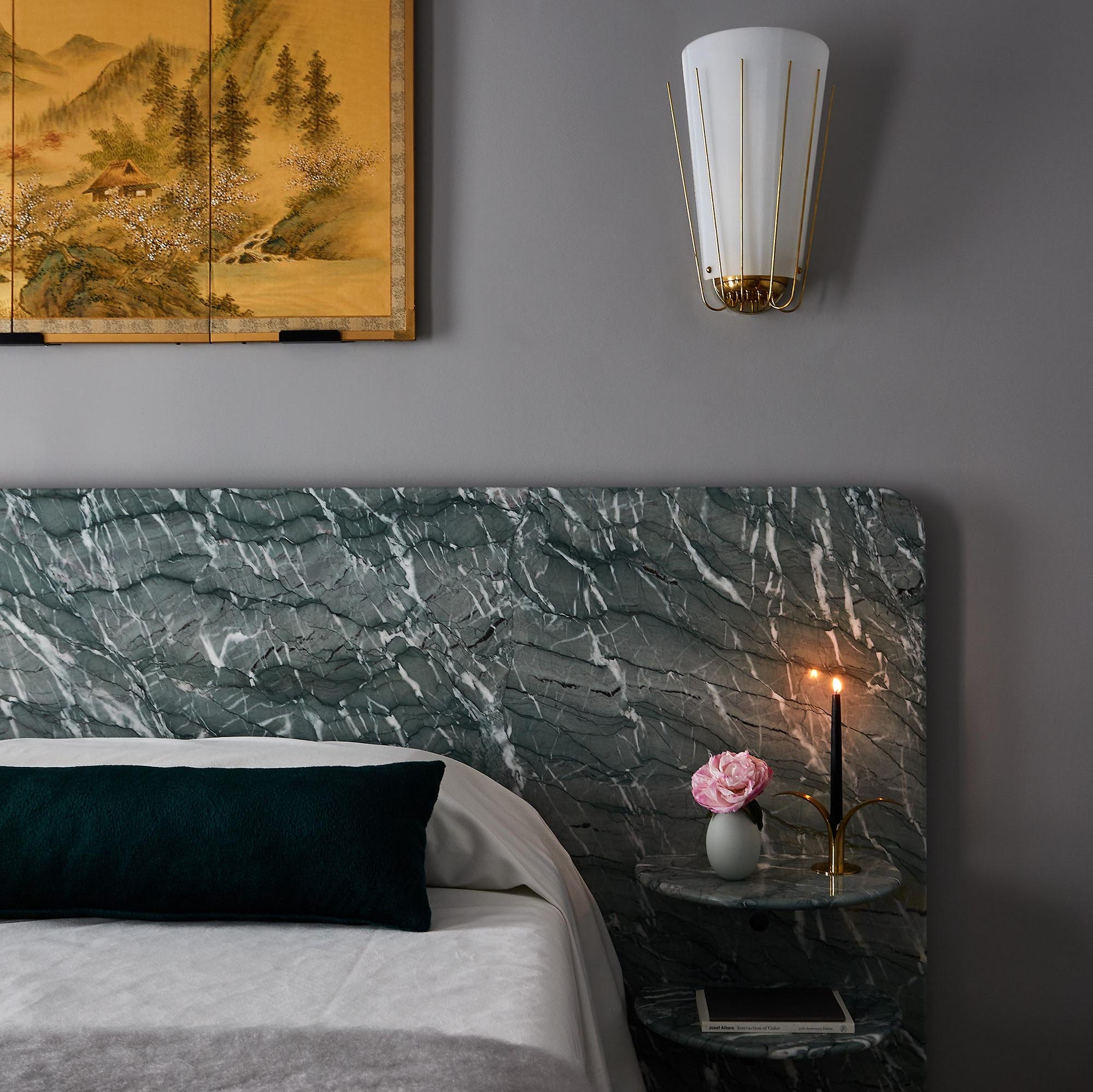
Designers Say These Are the Bedroom Trends Actually Worth Trying in 2026
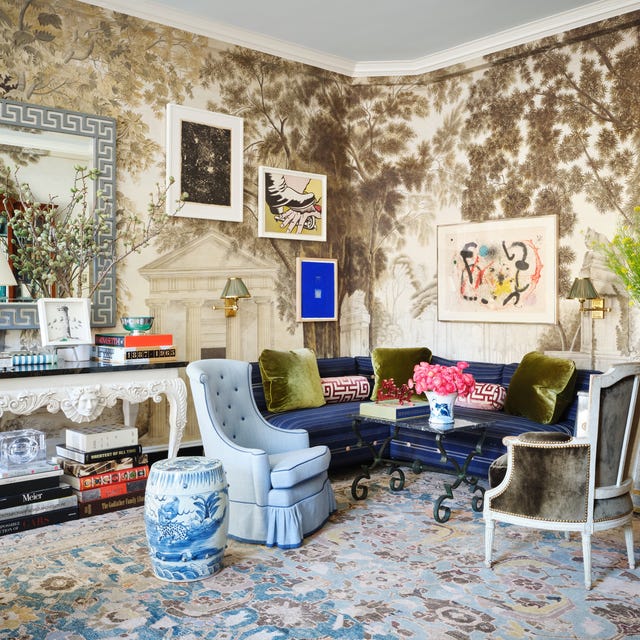
Designers Predict These 6 Living Room Trends Will Be Everywhere in 2026

The Decorating Trends Designers Are Leaving Behind in 2026

9 Bedroom Trends That Will Dominate 2026, According to Interior Designers
Interior Designers Predict These 7 Bedroom Trends Will Be Everywhere in 2026

These Are the Top Bedroom Trends for 2025, According to Designers

9 Bedroom Trends That Will Dominate 2026, According to Interior Designers
Designers Are Calling It: These Interior Design Trends Will Be Everywhere in 2026

These 5 Dated Bedroom Trends Are Giving Interior Designers Nightmares in 2026 – Here's Why You Should Avoid Them in Your Sleep Space

6 Bedroom Trends That Will Be in Every Home in 2026, According to Designers
5 Bedroom Trends That Experts Predict Will Be Everywhere in 2024
Designers Are Calling It: These Furniture Trends Will Be Everywhere in 2026

6 Bedroom Trends That Will Be in Every Home in 2026, Designers Say
Bye Bye Bland Bedrooms, Designers Are Predicting 2026 Trends Are All About Color, Cozy, and Character
8 Decorating Trends Designers Wish Would Go Away in 2025
6 Kitchen Trends on Their Way Out in 2025, According to Designers
6 Bathroom Trends Designers Can't Wait to Say Goodbye to in 2026

5 outdated bedroom trends design experts say are snooze-worthy in 2024 and what to try instead

The 7 Bedroom Design Trends Designers Can't Wait to See in 2025
It's Official: Designers Say These 6 Living Room Trends Are Going Out of Style in 2026