1/8
Replacing a roof – everything you need to know
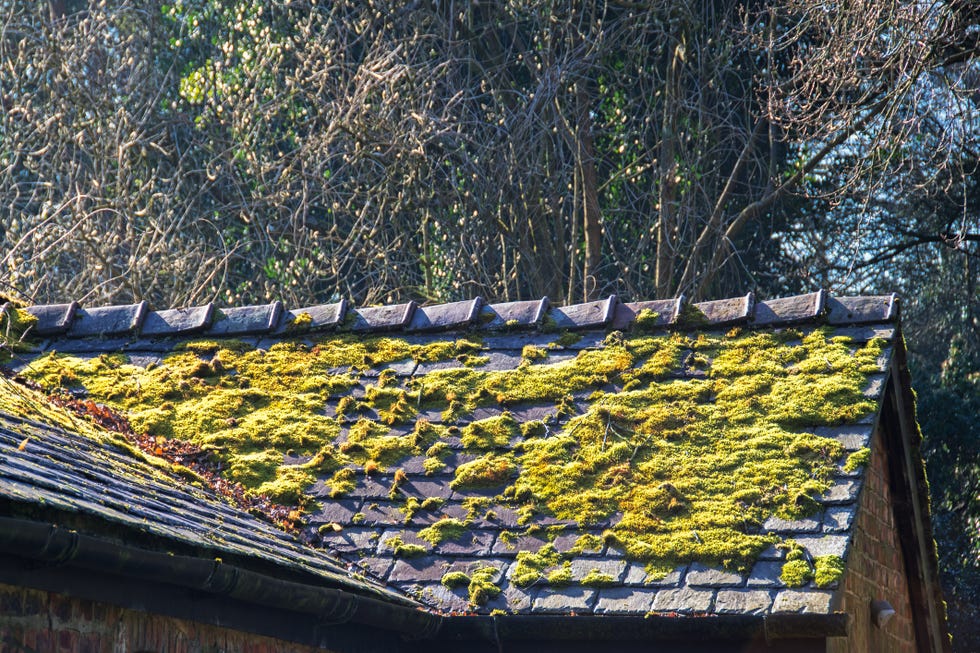
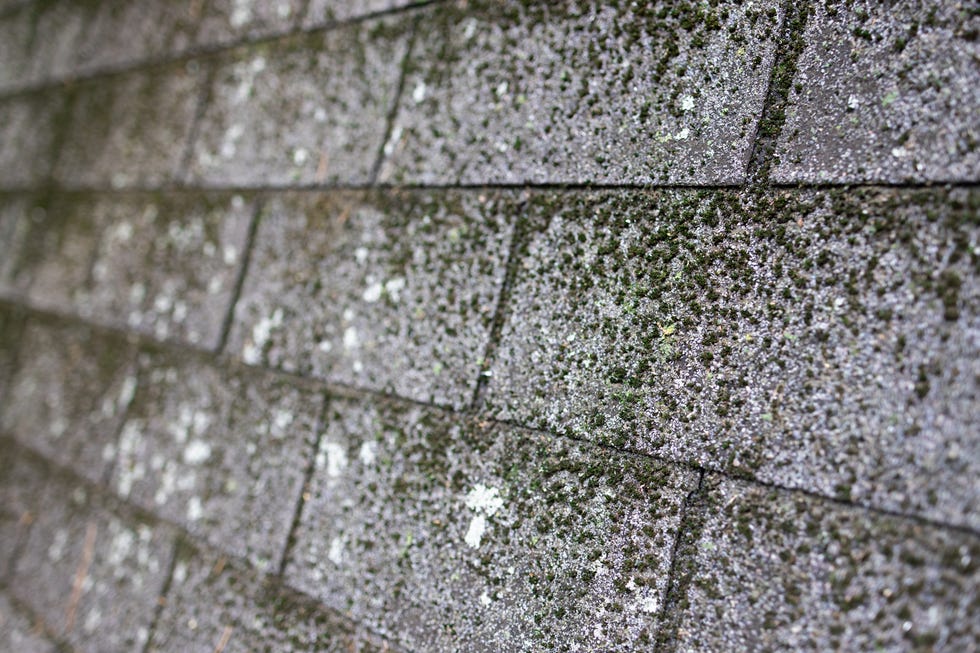
The roof serves as a critical protective element of a house, safeguarding against external elements and contributing to thermal regulation. Therefore, regular inspection and maintenance are essential, and understanding when a full replacement is necessary can prevent larger issues and expenses. Key indicators for roof replacement include leaks, water damage, peeling paint indoors, and visible light entry in the loft. Externally, missing or broken slates/tiles, sagging rooflines, and debris accumulation in gutters or roof valleys signal potential problems.
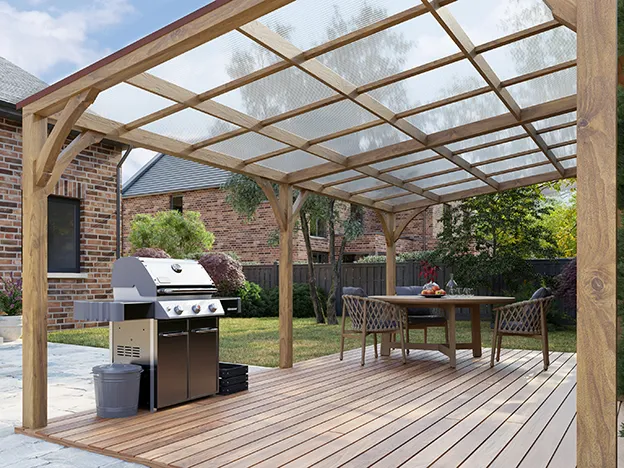
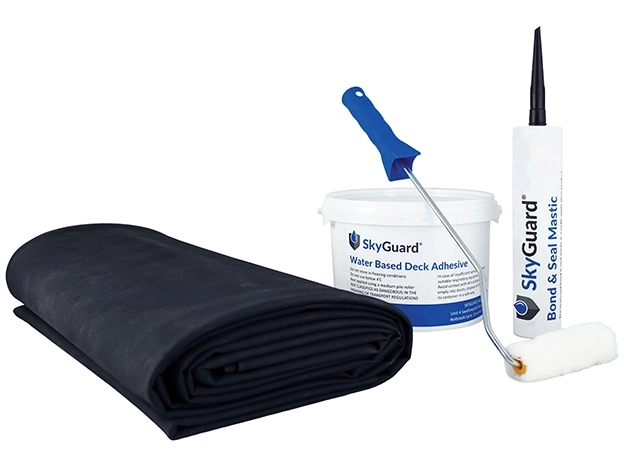
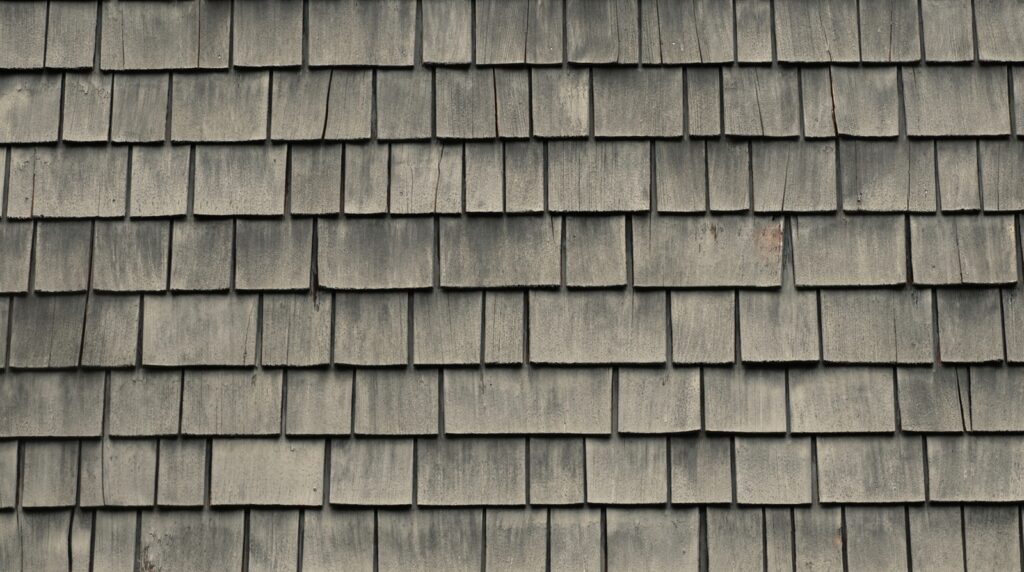
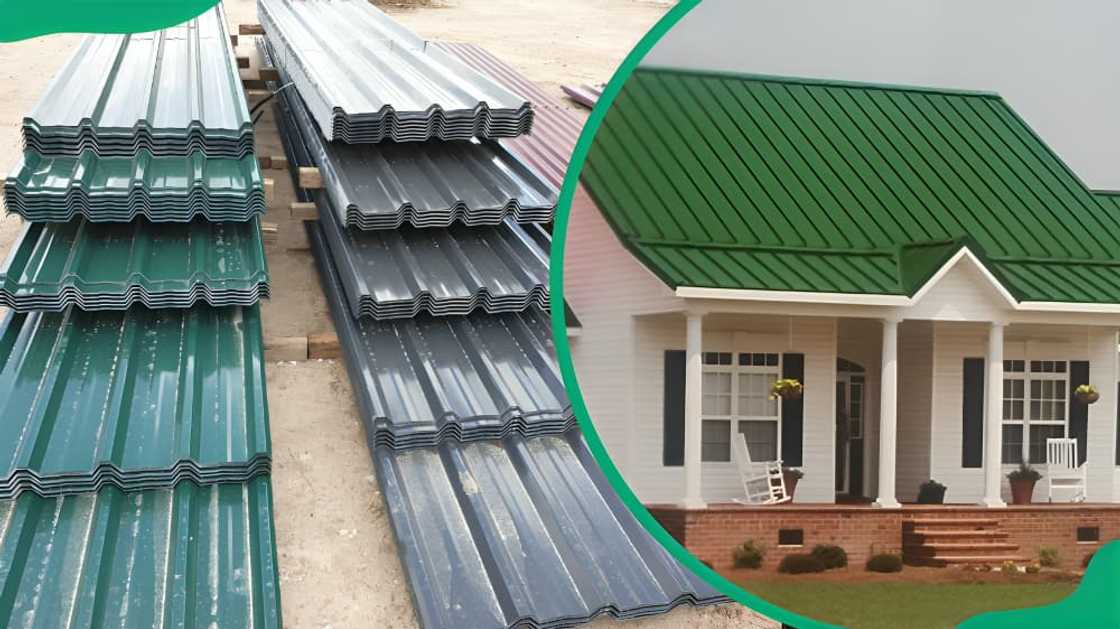
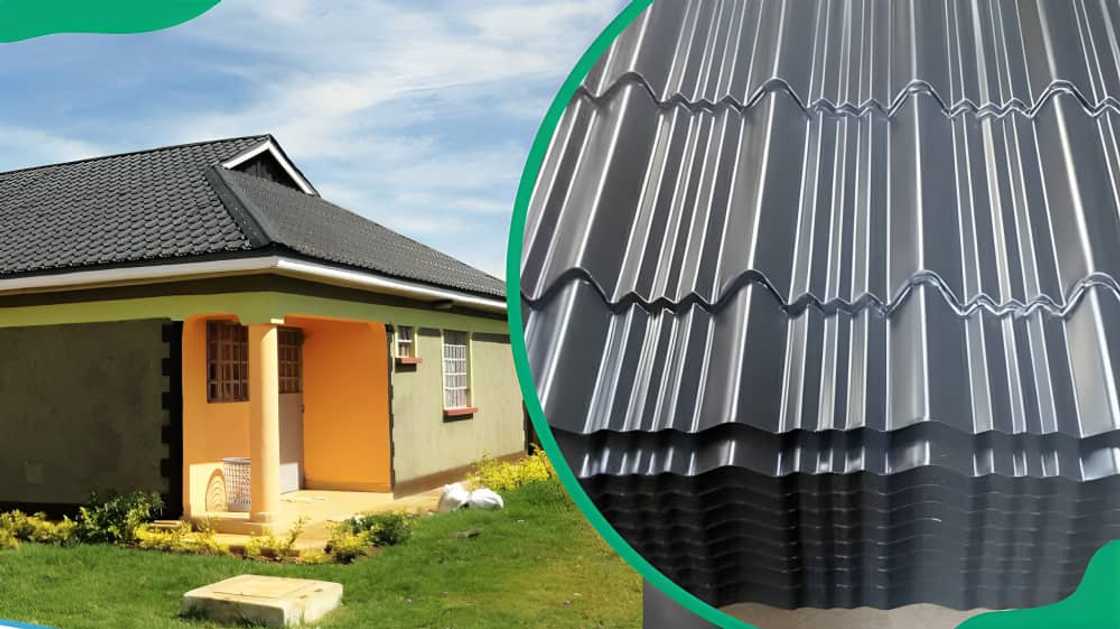
Benefits of roof replacement extend beyond merely fixing issues, offering homeowners peace of mind and reduced long-term maintenance. It also presents an opportune moment to upgrade loft insulation, as faulty or poorly insulated roofs are a significant source of heat loss. Various roofing materials are available, each with distinct characteristics. Slates offer authenticity and longevity but are costly, while concrete tiles are affordable and durable but heavy and porous. Fibre cement slates provide a lighter, more economical alternative with a traditional slate aesthetic. Other options include thatch, metal, glass, and green roofs, each demanding specific considerations regarding installation, maintenance, cost, and insurance coverage. Flat roofs commonly use felt, with a lifespan of 10-20 years, or more durable EPDM rubber membranes that can last over 50 years.
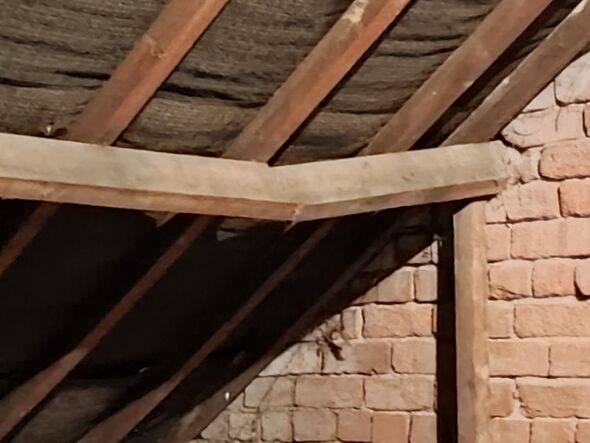
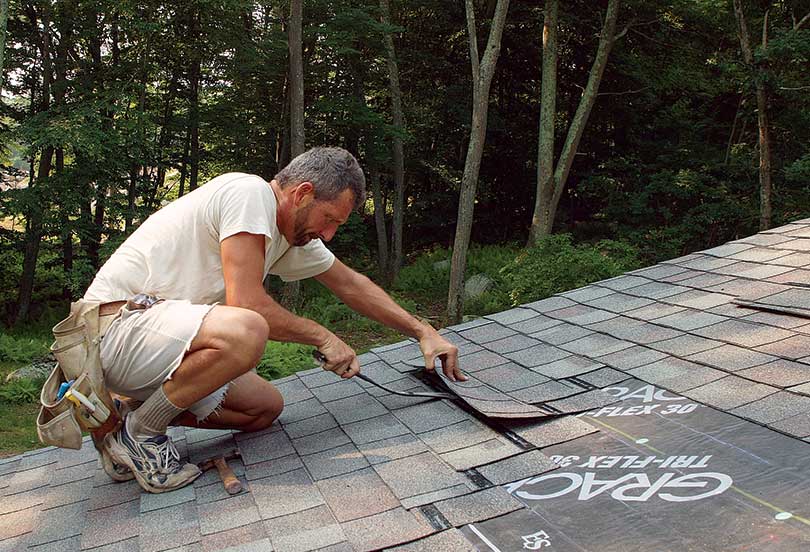
The process of roof replacement typically involves inspecting the existing structure, stripping old materials, repairing or replacing damaged timber, installing thermal insulation and a breathable membrane, and then laying new slates or tiles. Crucial details like guttering, vents, valleys, and chimney flashing are also addressed. If solar panels are present, their removal and reinstallation must be coordinated with the roofer and original installer to maintain warranties. The duration for a roof replacement varies, generally taking one to two weeks, depending on the house size, weather, and workforce.
Regarding planning permission, minor roof replacements usually fall under permitted development rights, unless the property is in a conservation area or is a listed building. However, significant alterations or the addition of solar panels might require permission. The cost of roof replacement is a substantial investment, with average UK costs ranging from £3,000 to £18,000, influenced by the roof's size, complexity, and material choice. A new roof typically lasts around 25 years, though guarantees might be shorter.
The ideal time for roof replacement is during spring or autumn to avoid extreme weather conditions, which can impact worker comfort and household temperatures. Homeowners should plan the project in advance, potentially coinciding with a holiday to mitigate disruption. Selecting a reputable roofer involves seeking local recommendations, verifying trade association memberships like NFRC and CORC, and obtaining detailed quotes from multiple companies. It is crucial to check their insurance policies, including public liability. Lastly, a roof replacement project offers an excellent opportunity for "stretch goals" such as loft conversions or solar panel installations, which can be more economically integrated during this time. Innovative solar solutions, like roof-integrated panels or PV slates, can also be considered to enhance energy efficiency and future-proof the home.
#RoofReplacement #HomeMaintenance #RoofingMaterials #LoftInsulation #HomeRenovation #EnergyEfficiency #PlanningPermission #SolarPanels #PropertyCare #RoofReplacement #HomeMaintenance #RoofingMaterials #LoftInsulation #HomeRenovation #EnergyEfficiency #PlanningPermission #SolarPanels #PropertyCare
0 comment in total
 No comments yet
You may also like
Roofing | Roofing Sheets | Roofing Supplies


Find The Best Roofing Contractors In Miami

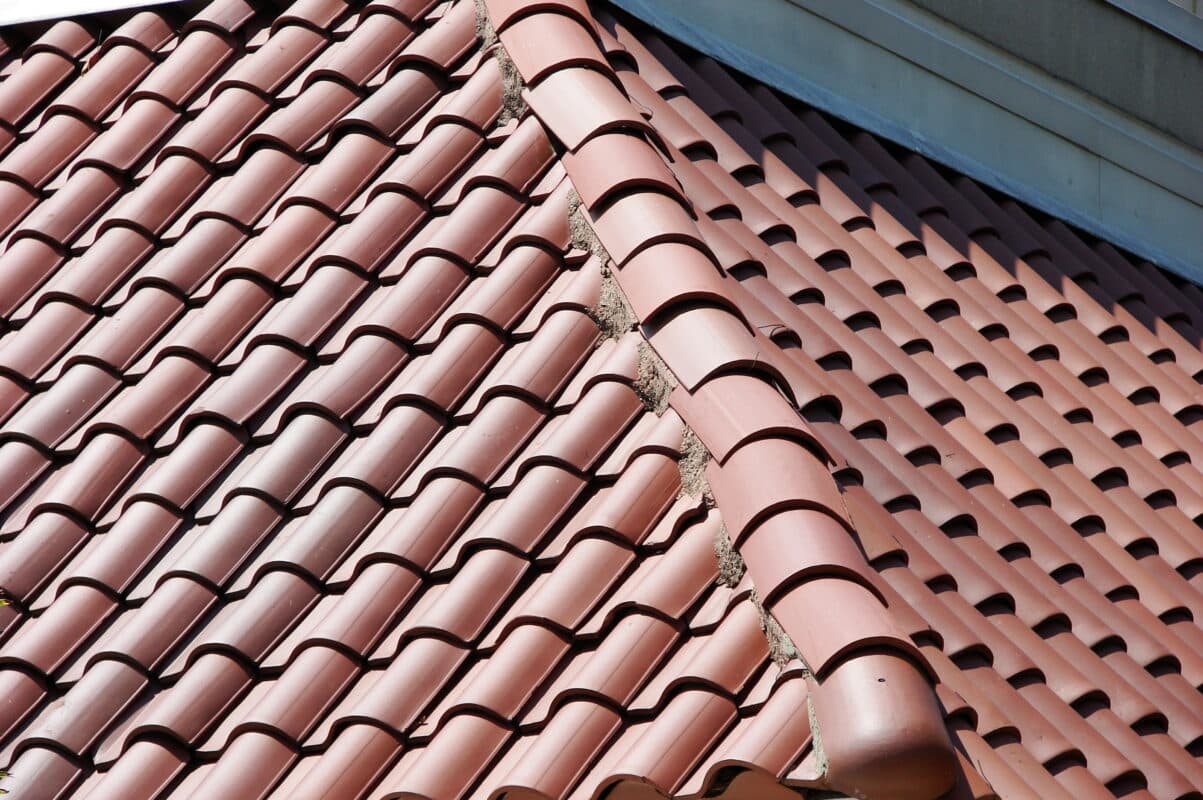
7 Best Roofing Materials For Durability & Longevity (2025 Review)

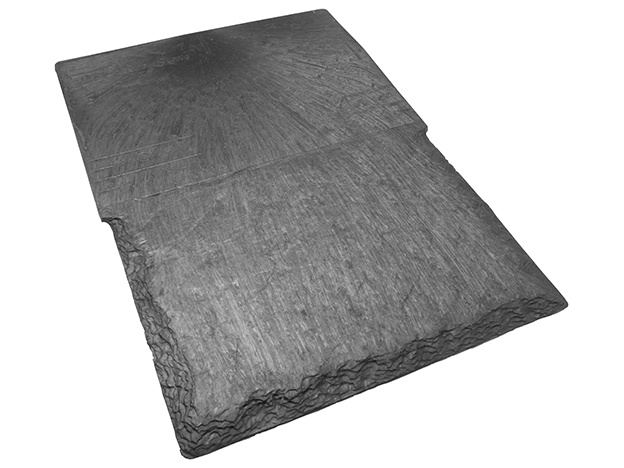
Roof Tiles

Best Roof Financing Options in 2025

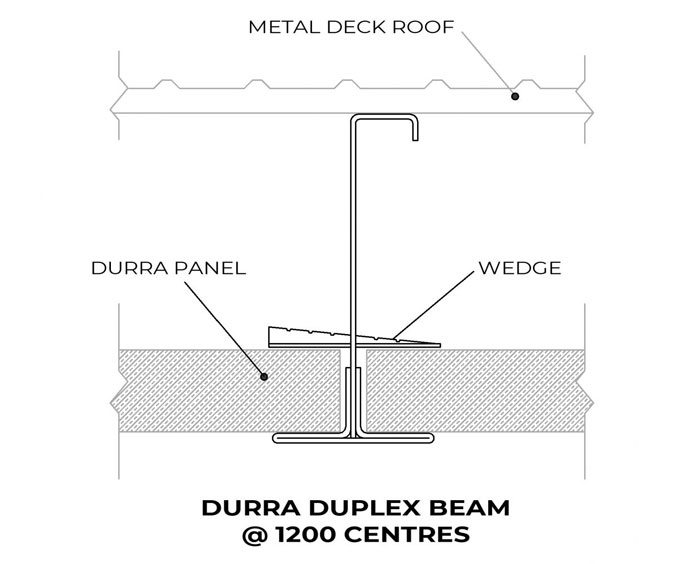
Roof and ceiling systems with versatile application
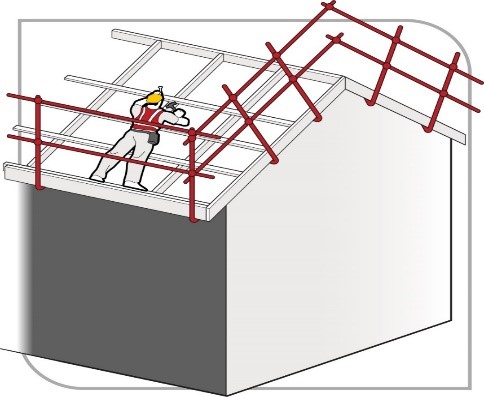
Installing roof battens
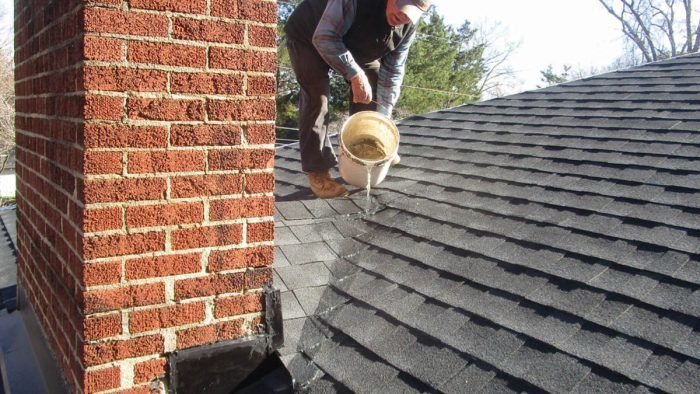
Make a Watertight Chimney Cricket

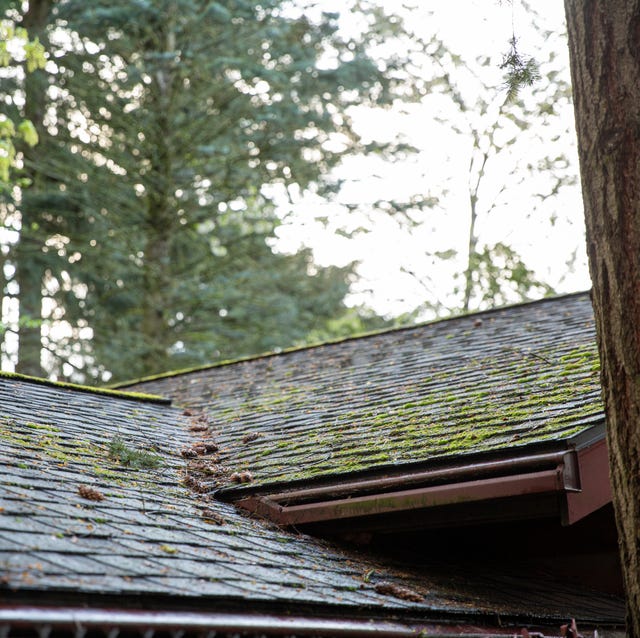
Home Repair Experts Reveal the Surprising Dangers of Having Moss on Your Roof

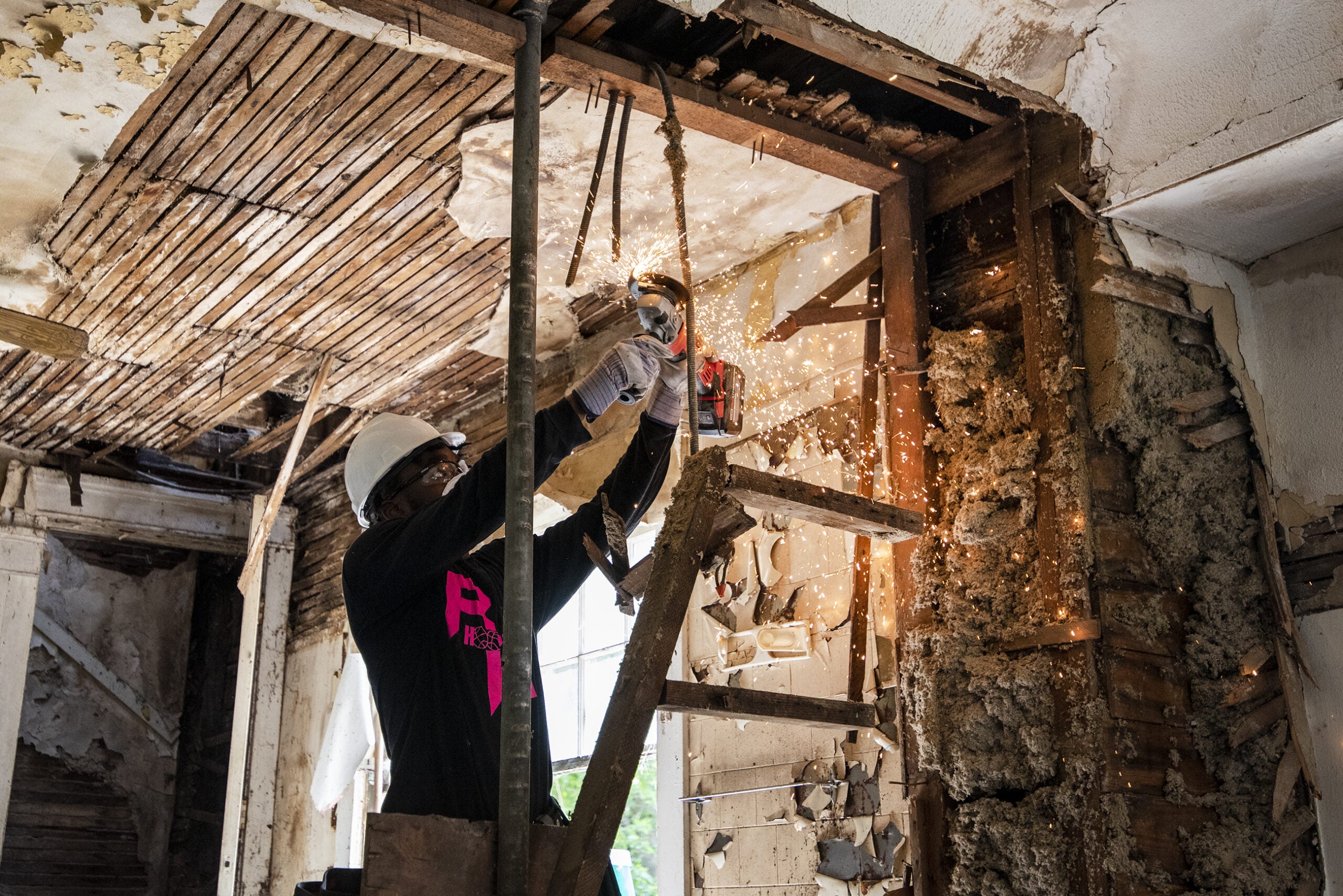
Home improvement: Remodeling trends and roof care


20 Beautiful Rooftop Design Ideas For Home 2024

A New Take on Insulating a Roof

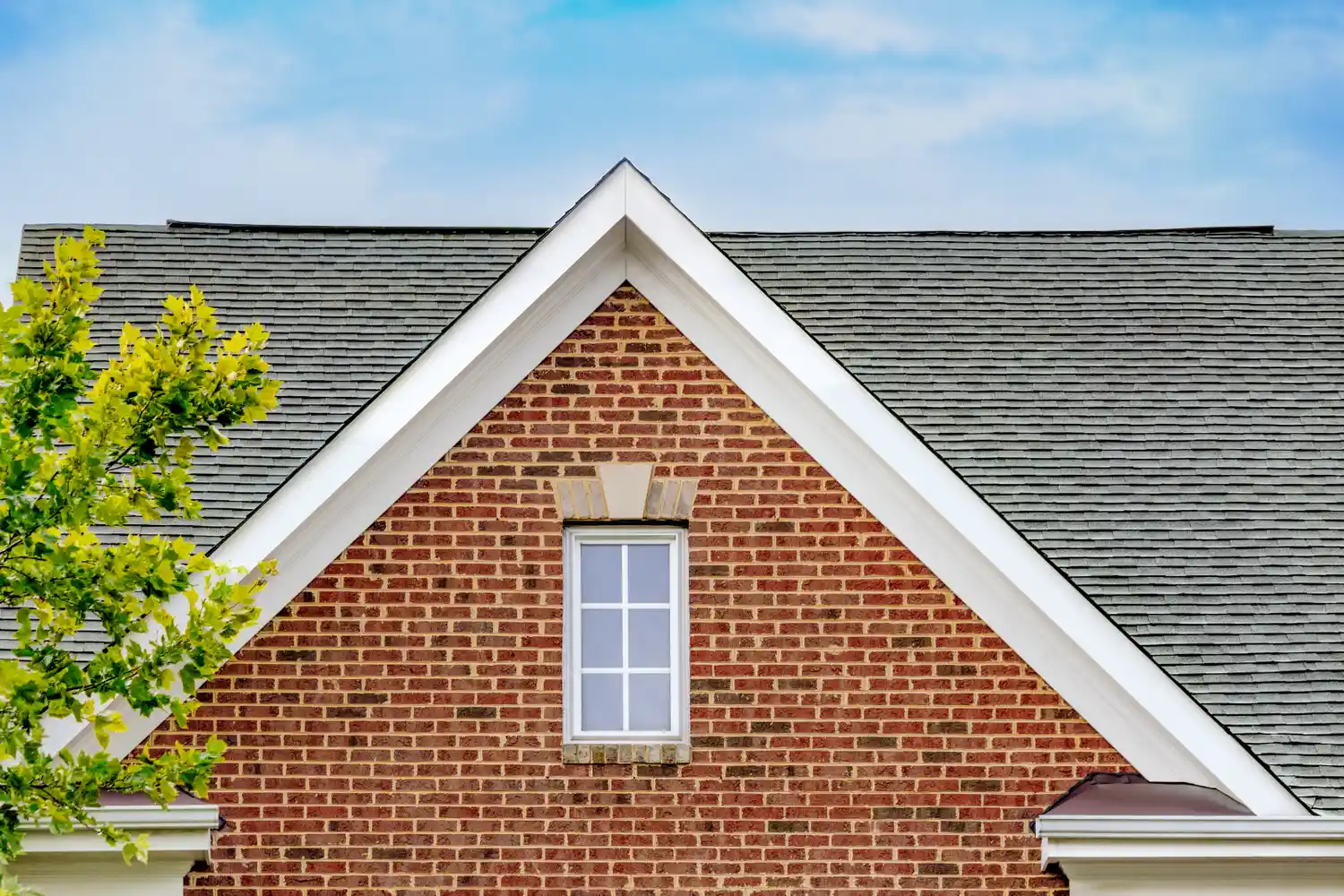
How to Know When Your Roof Needs Replacing? A Roofing Expert Shares His Method

Roofing Bolts


Complete list of roof sheeting prices in South Africa in 2024

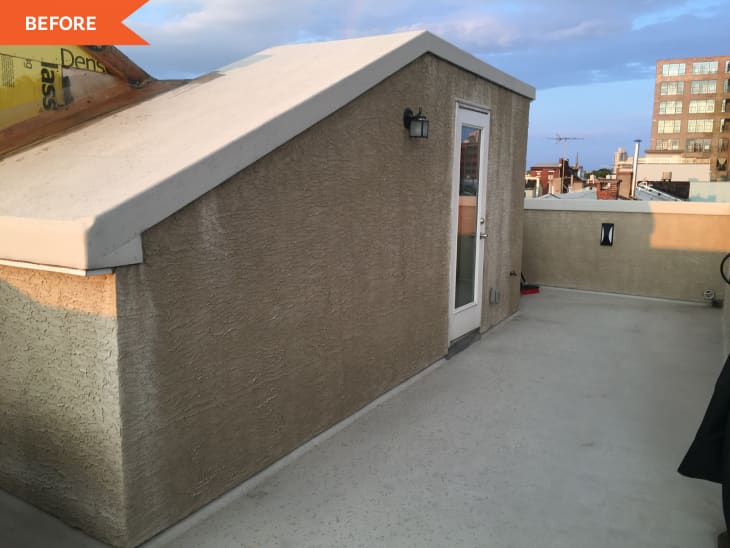
Before and After: A Drab Beige Roof Deck Gets a Wildly Colorful (and Comfy!) Redo

Rogue builders quoted over £15k for a repair job that cost £185 to fix - my lessons learnt
Understanding Types of Roof Vents
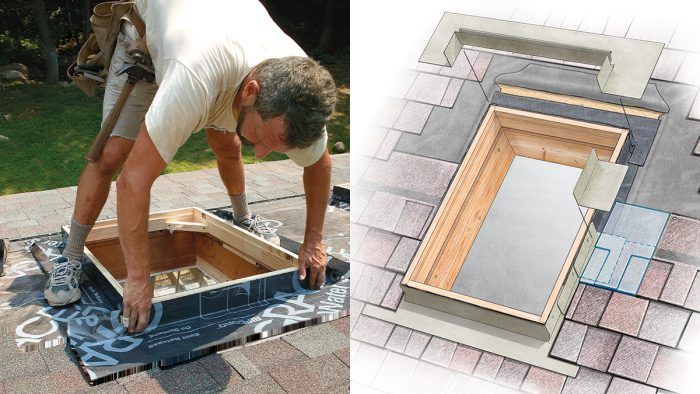
Leak-Free Skylights
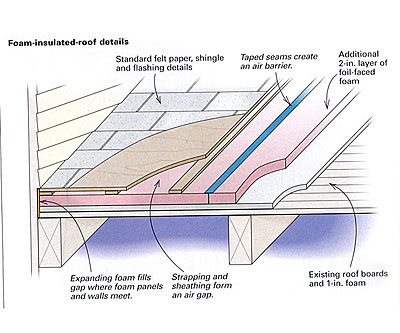
Upgrading a foam-insulated roof