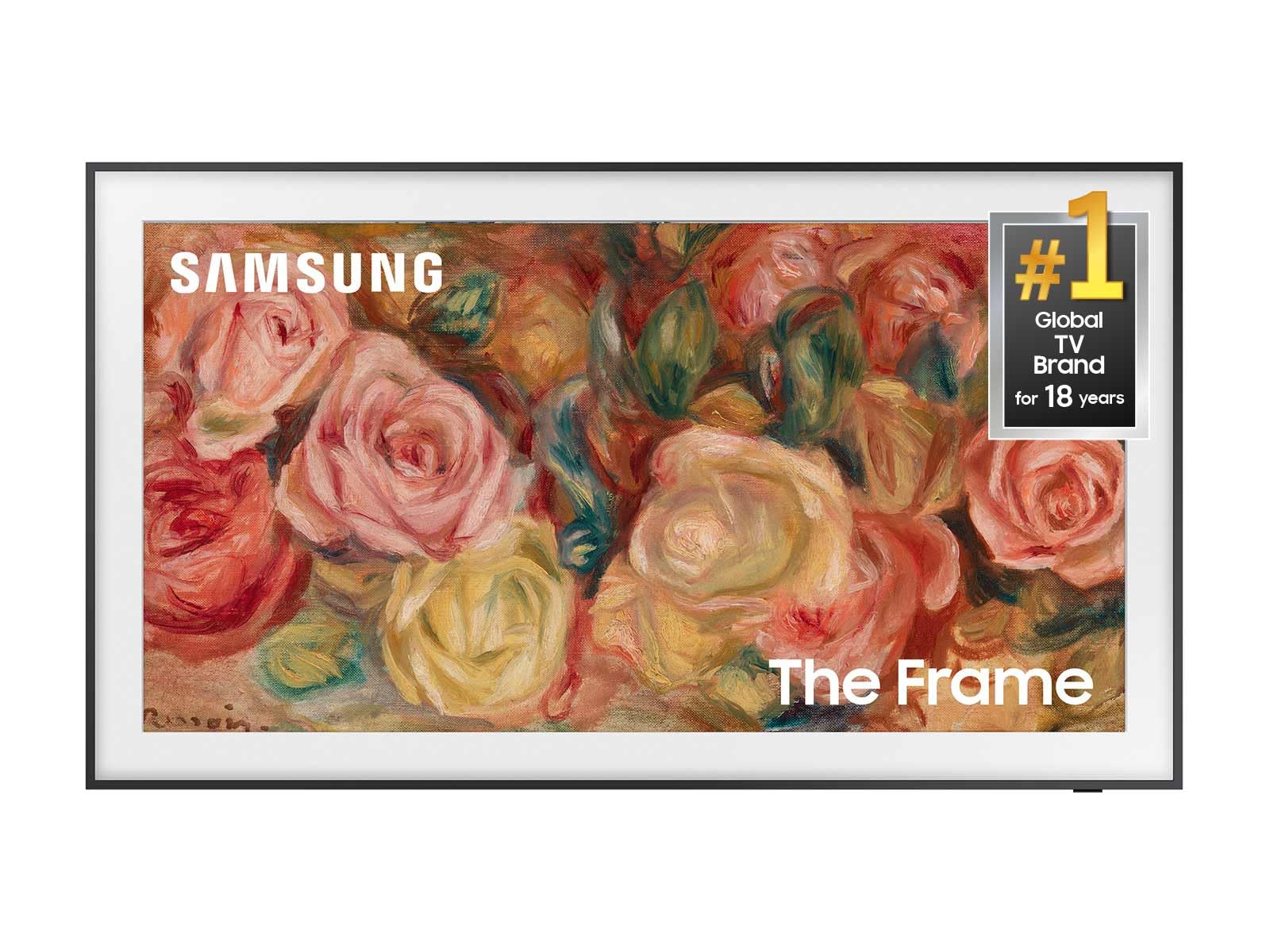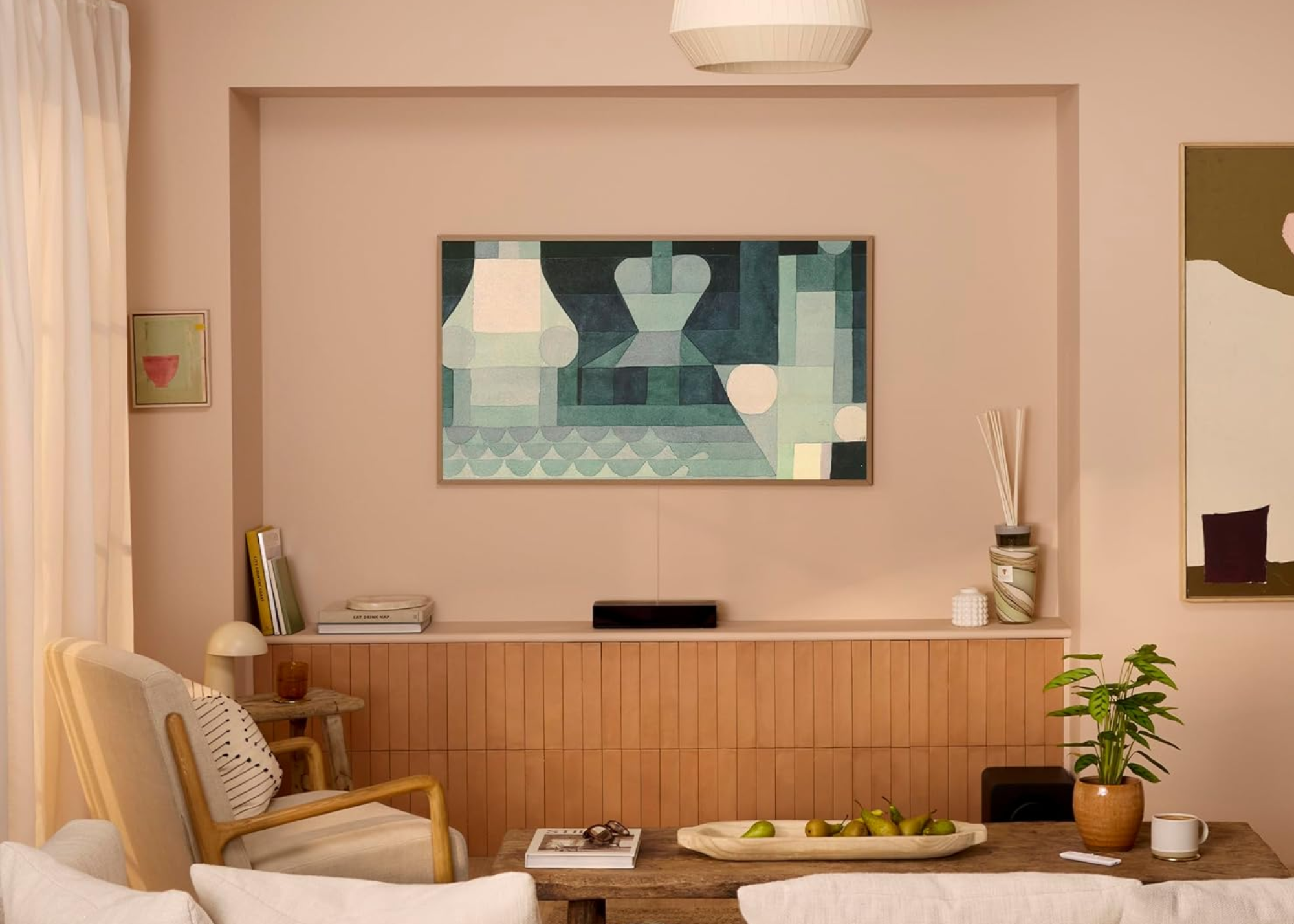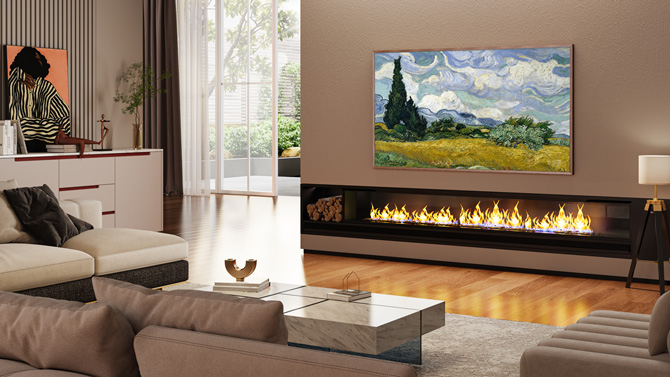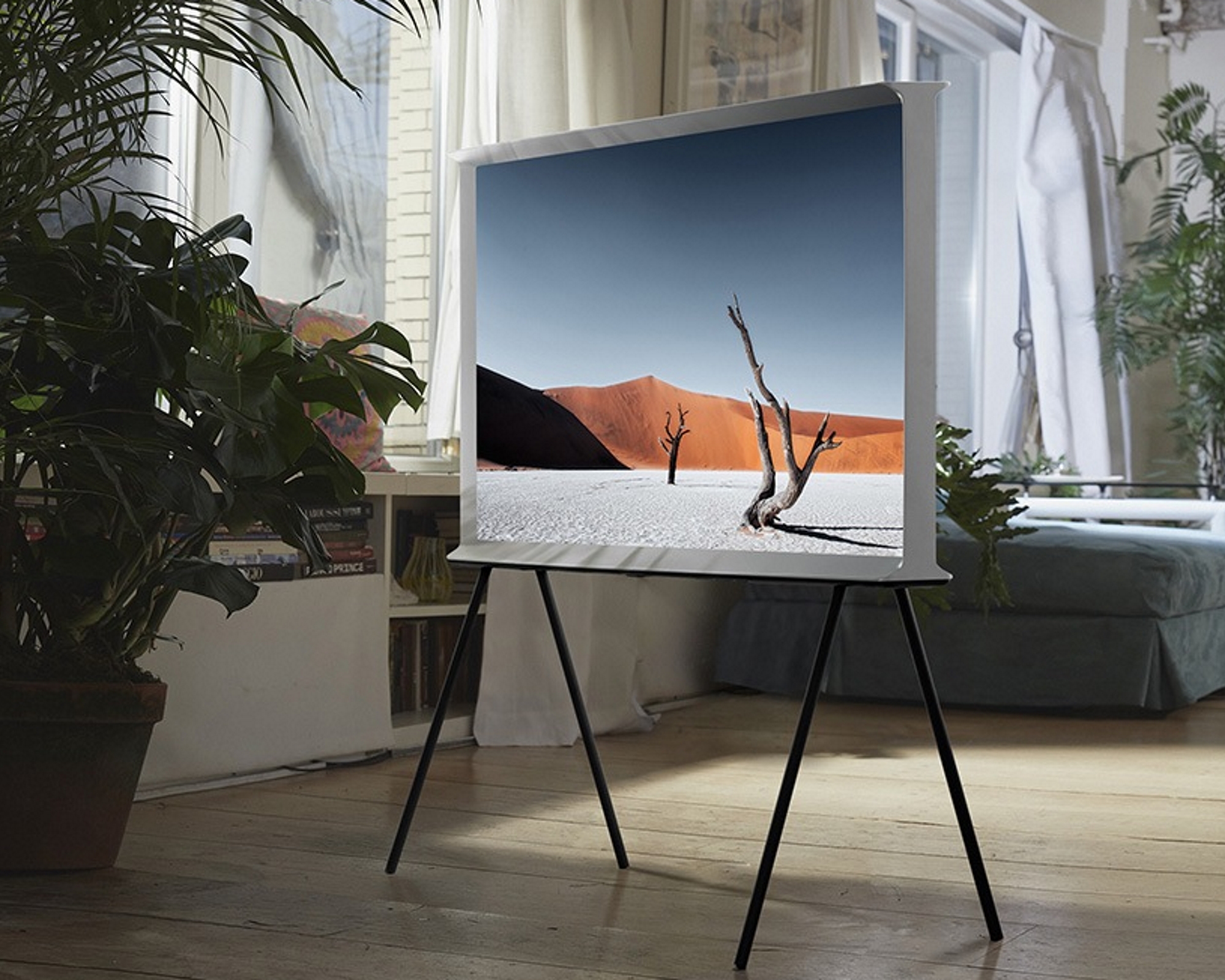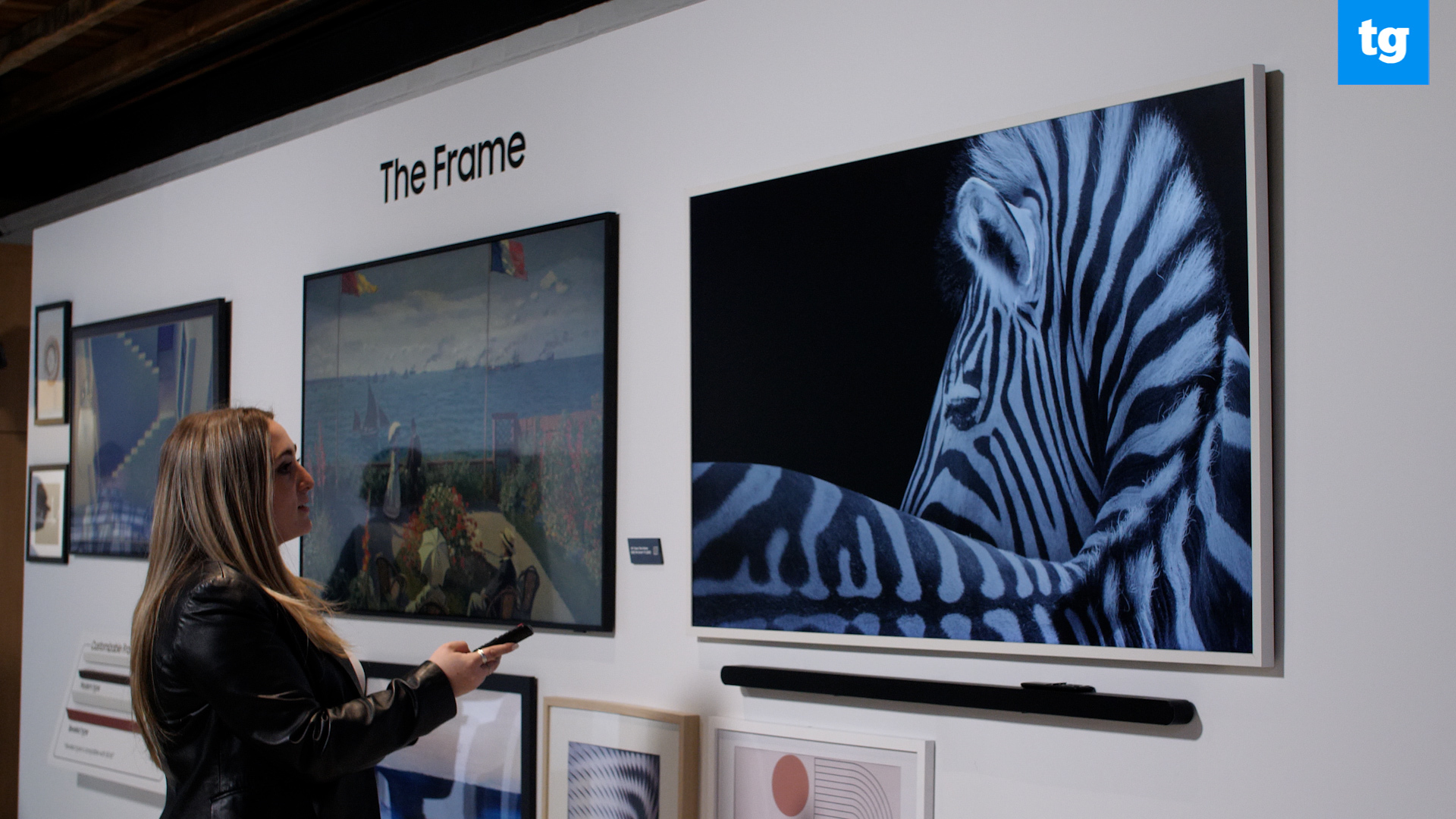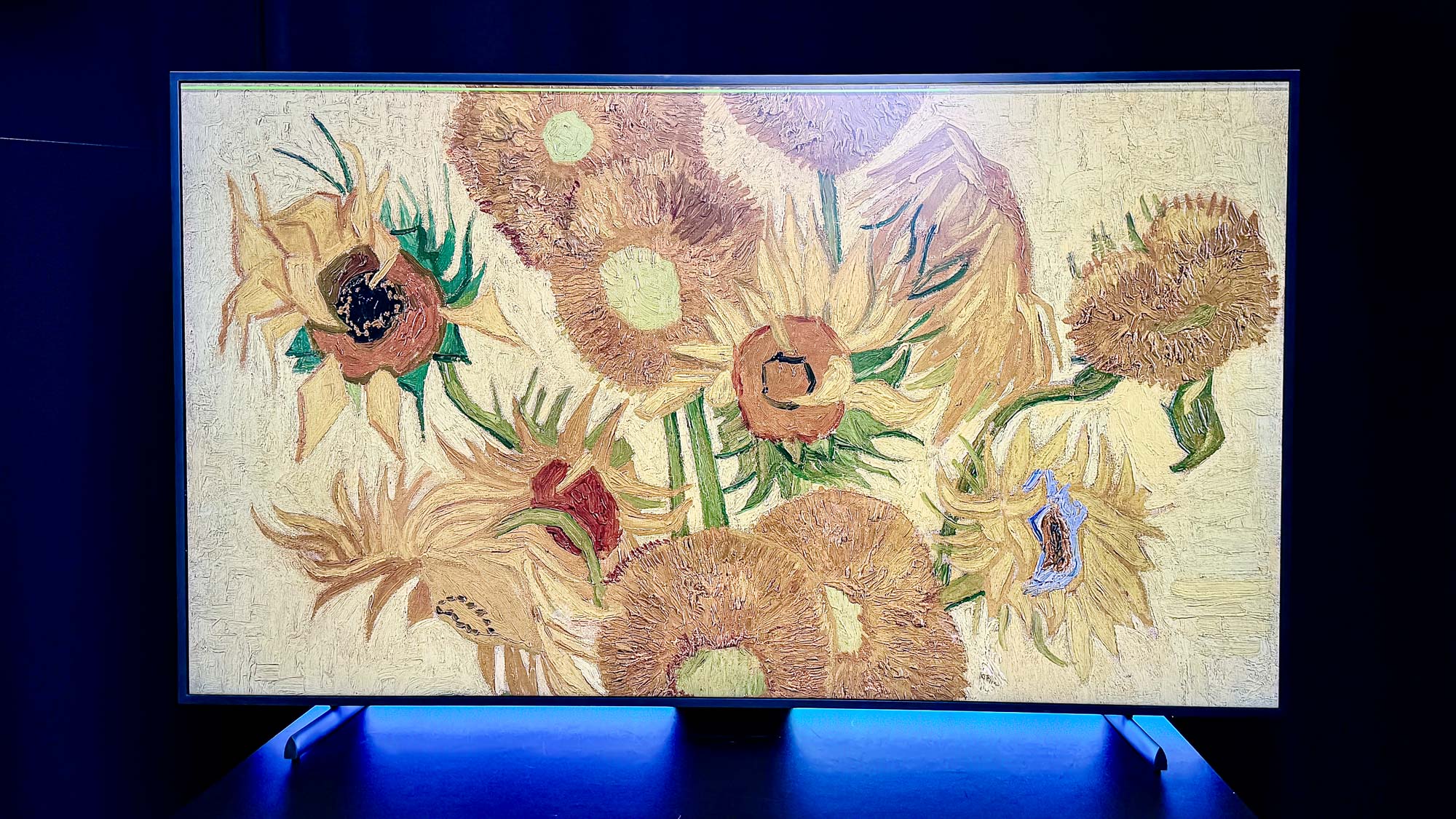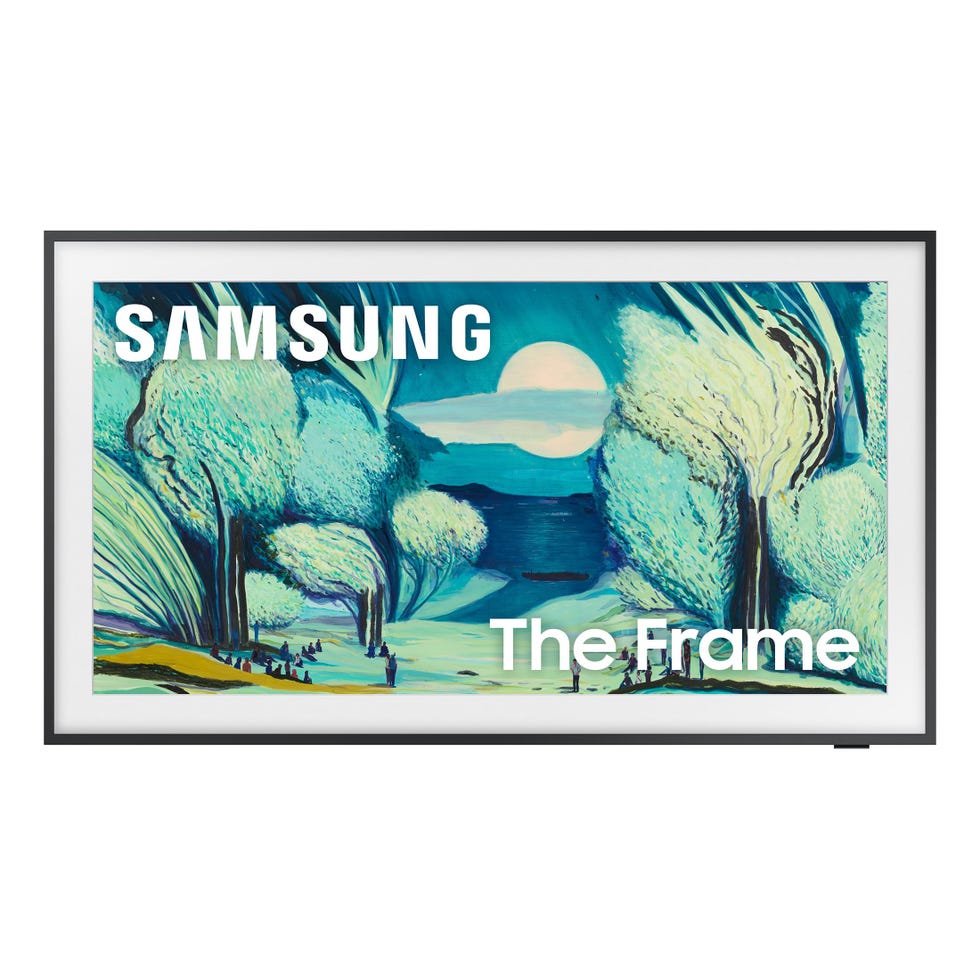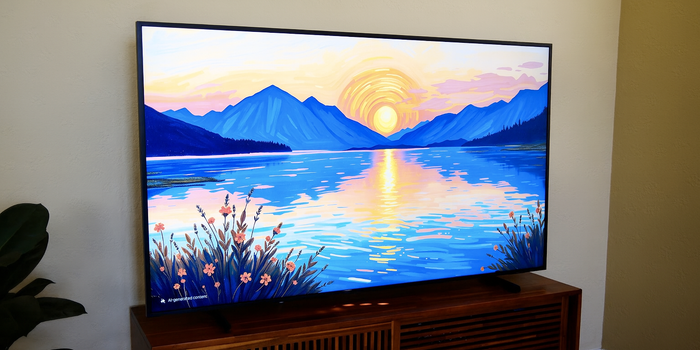
Samsung released an upgraded version of its popular Frame TV, and we put it to the test. Here's what sets it apart.
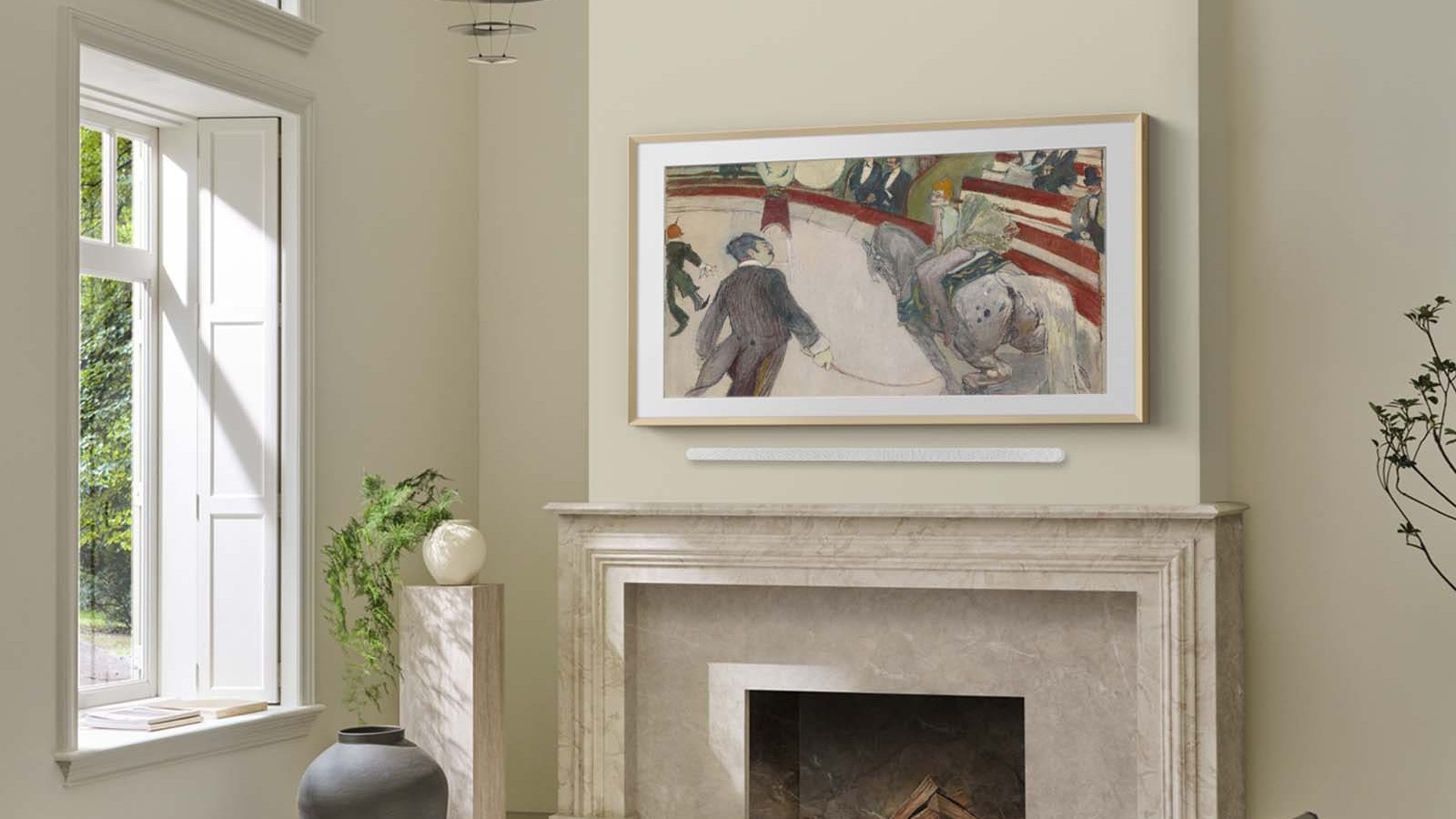
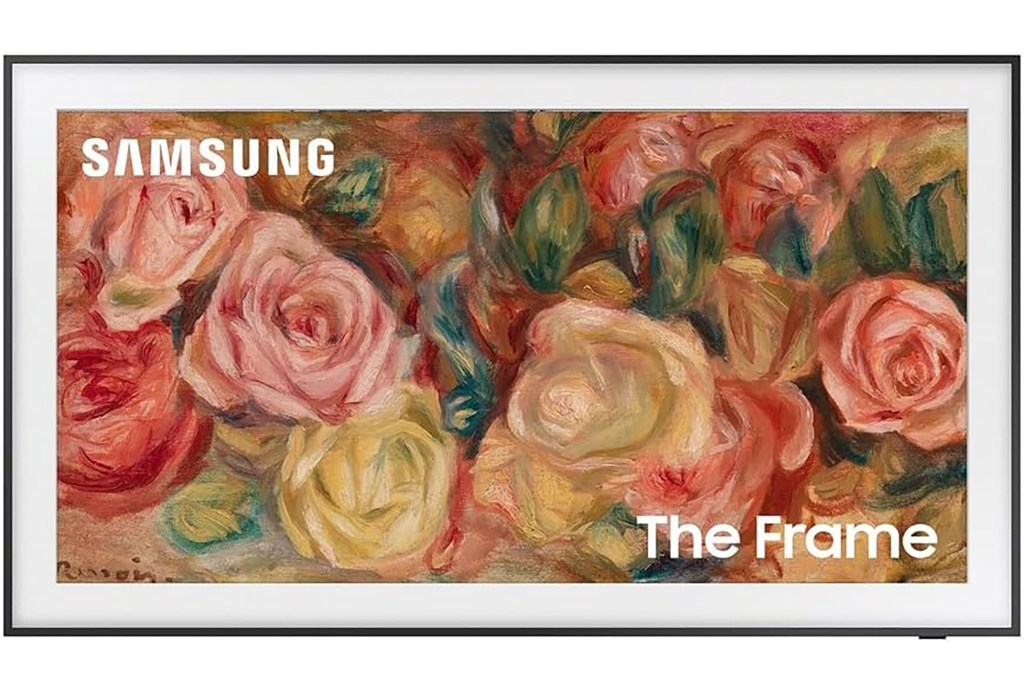
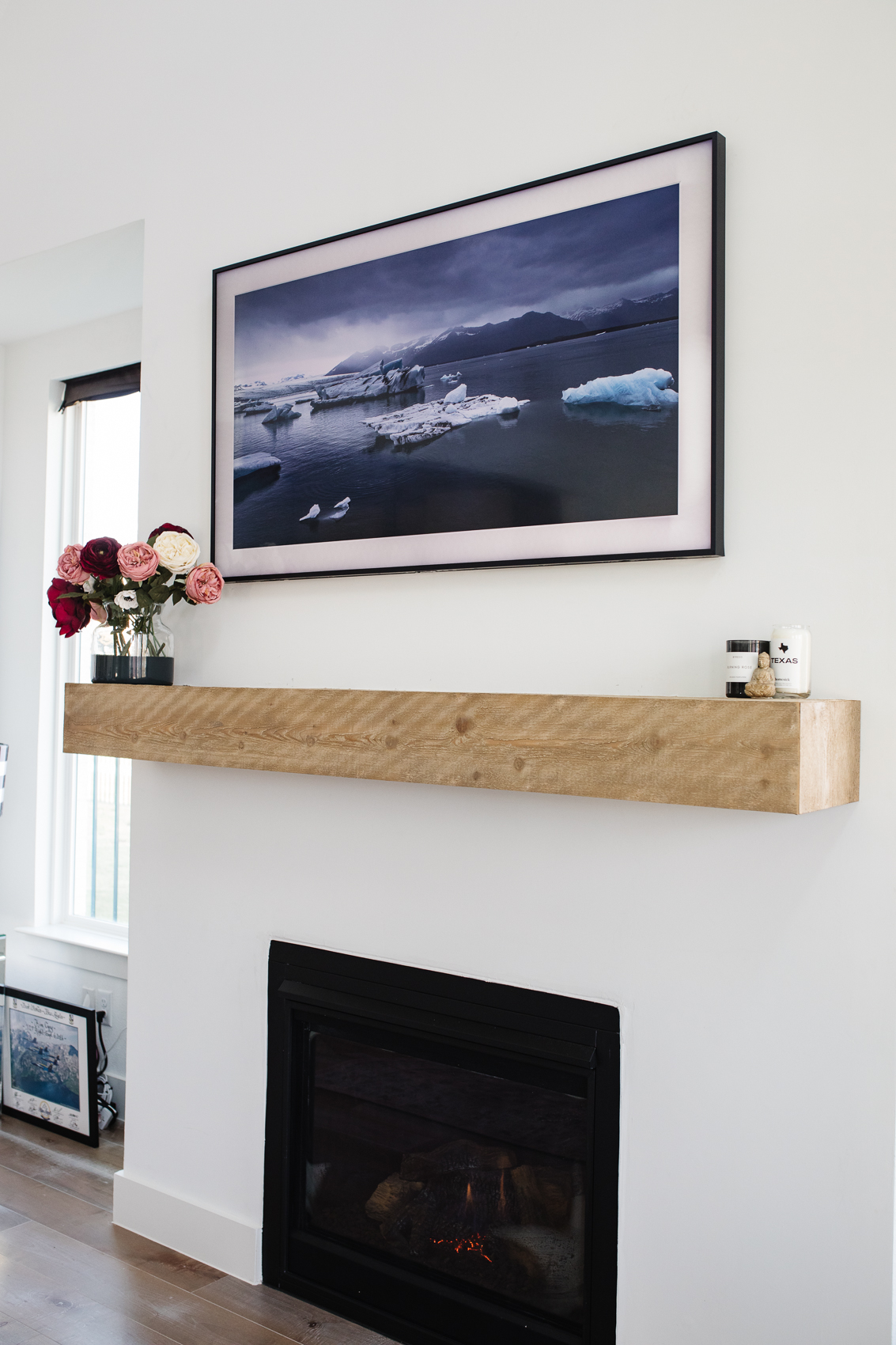
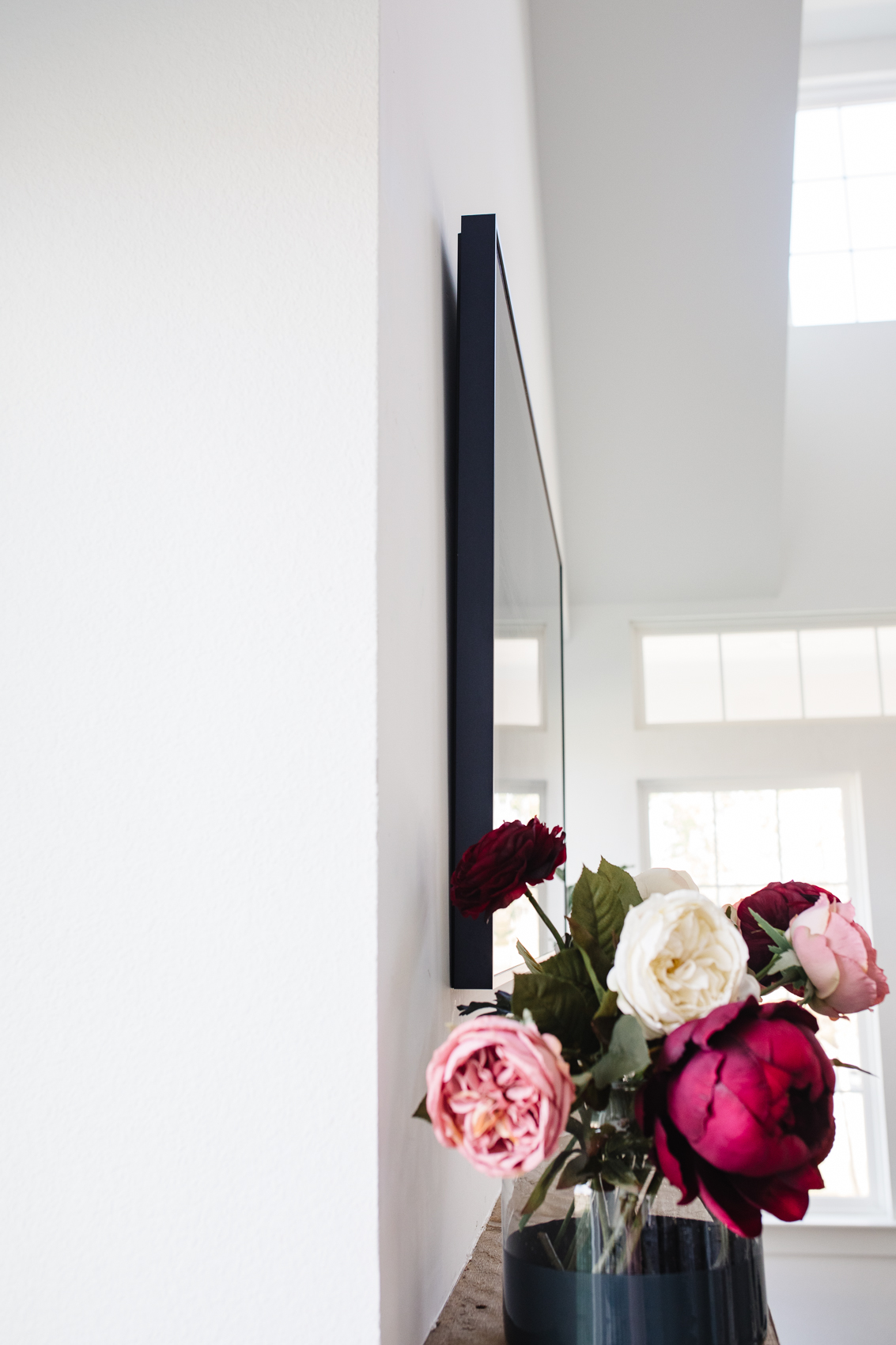
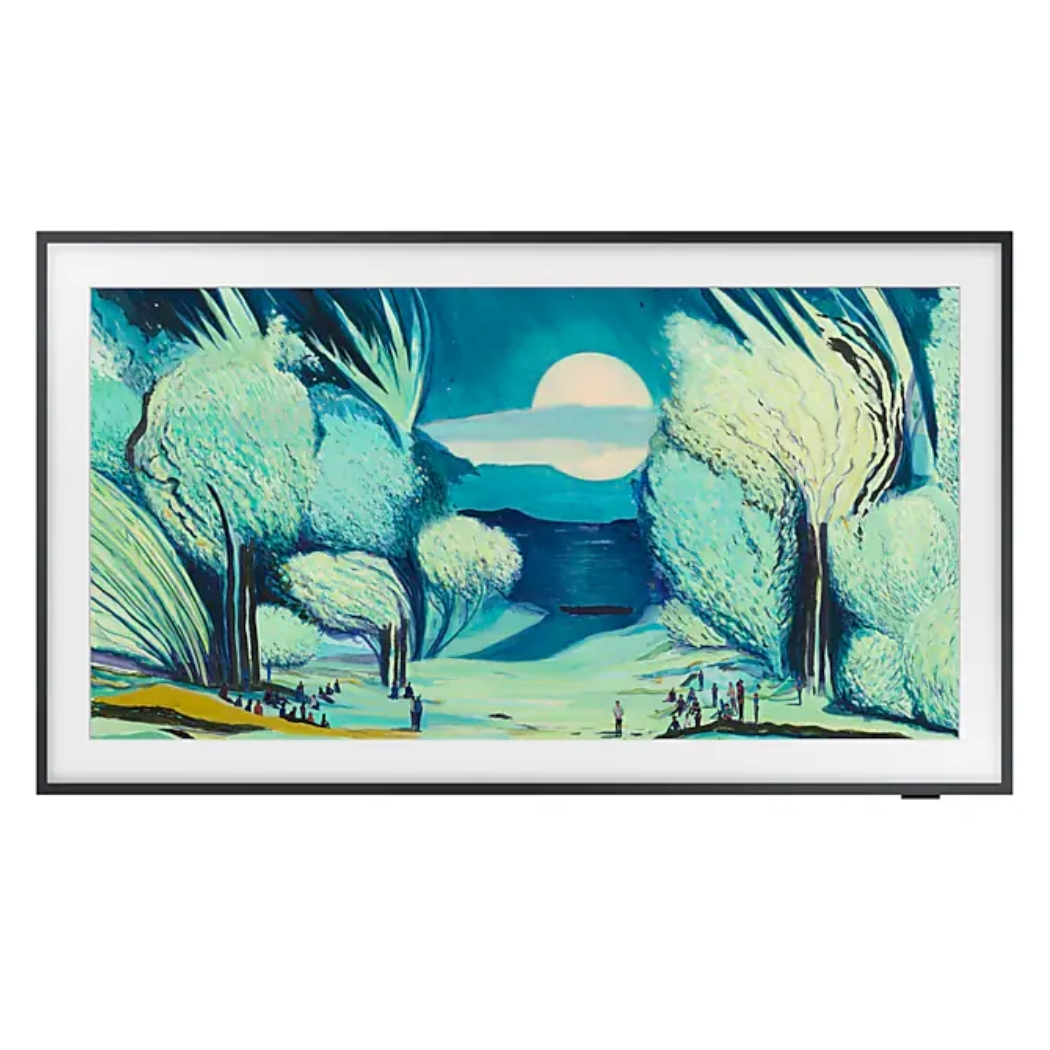
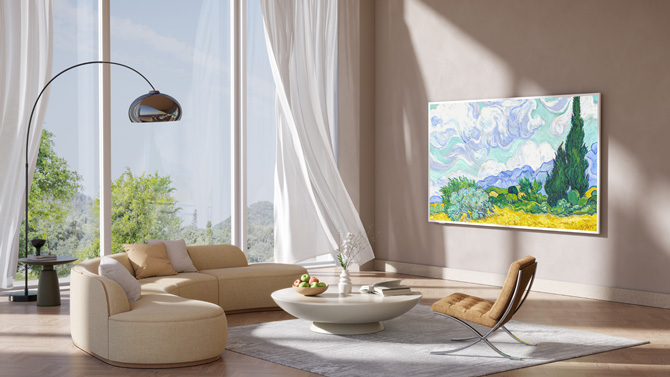
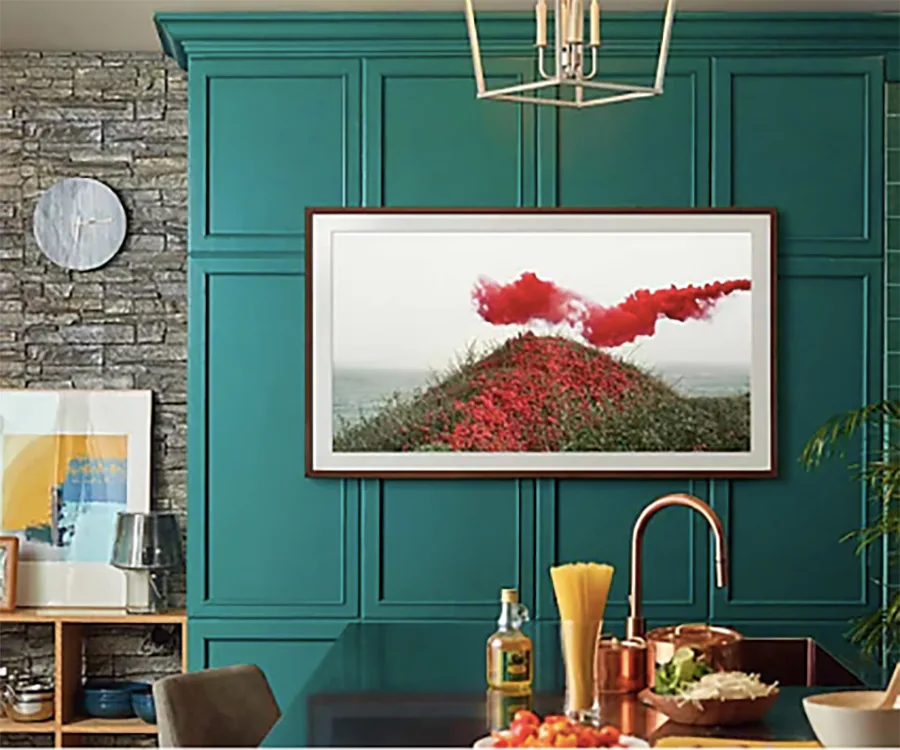
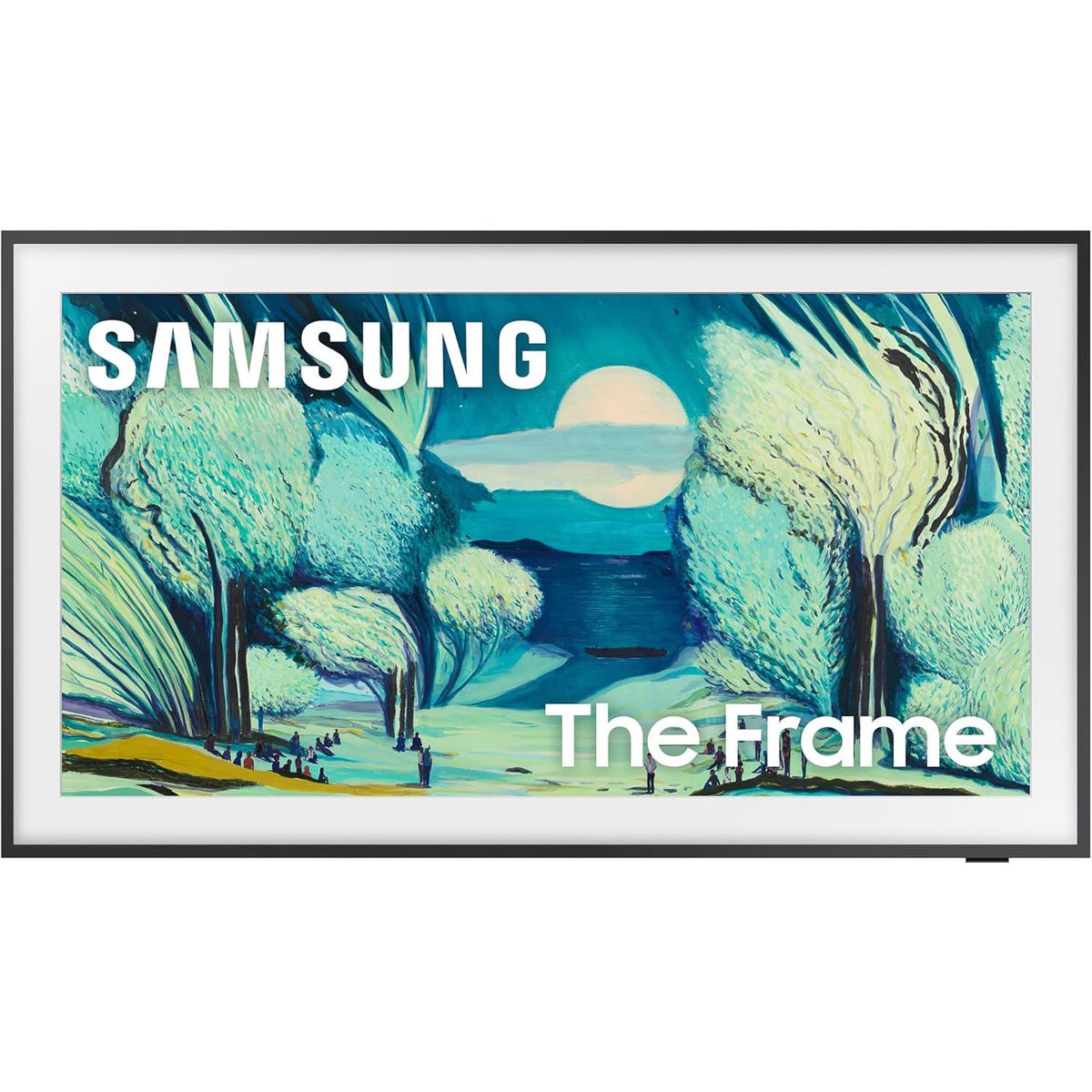
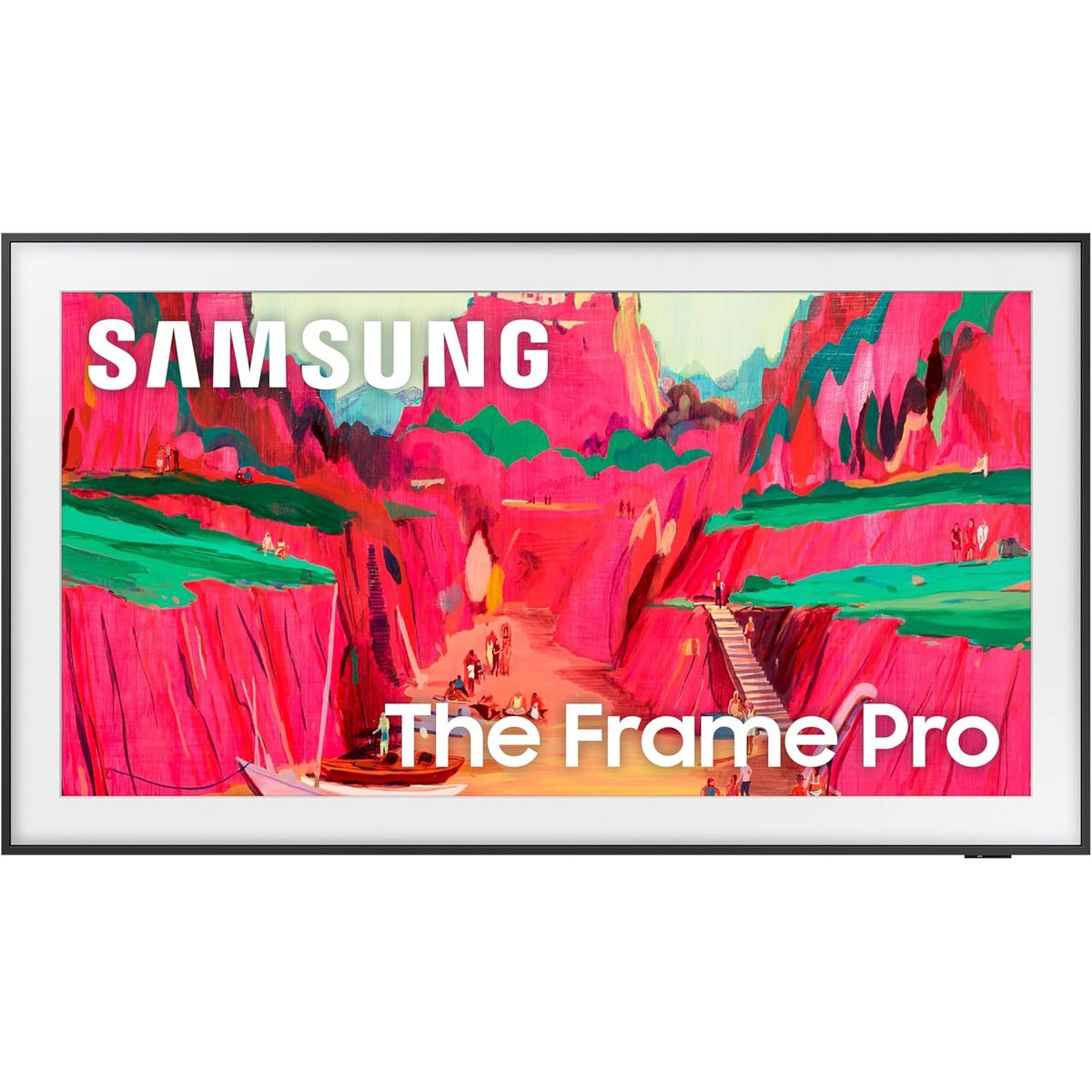
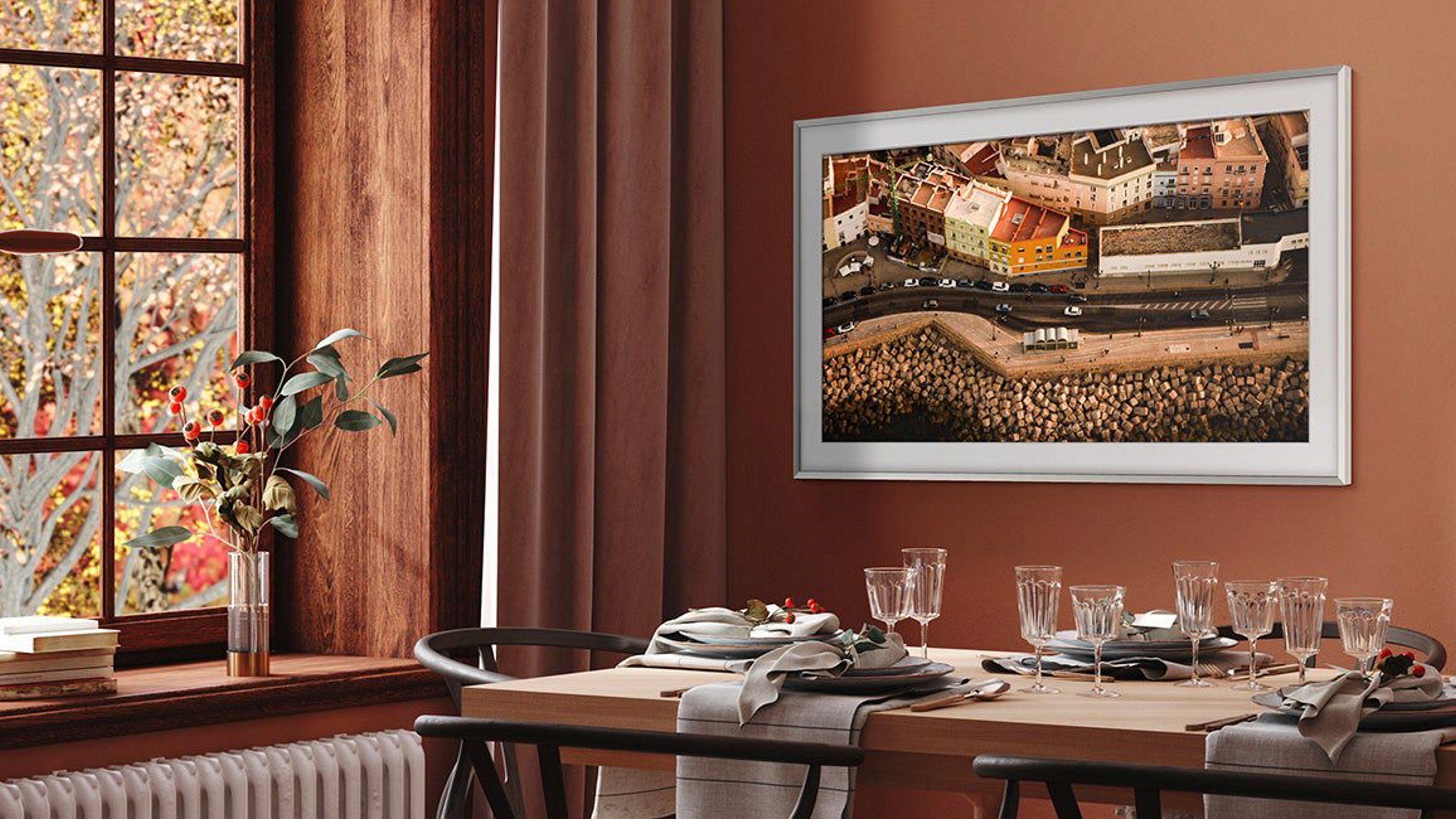
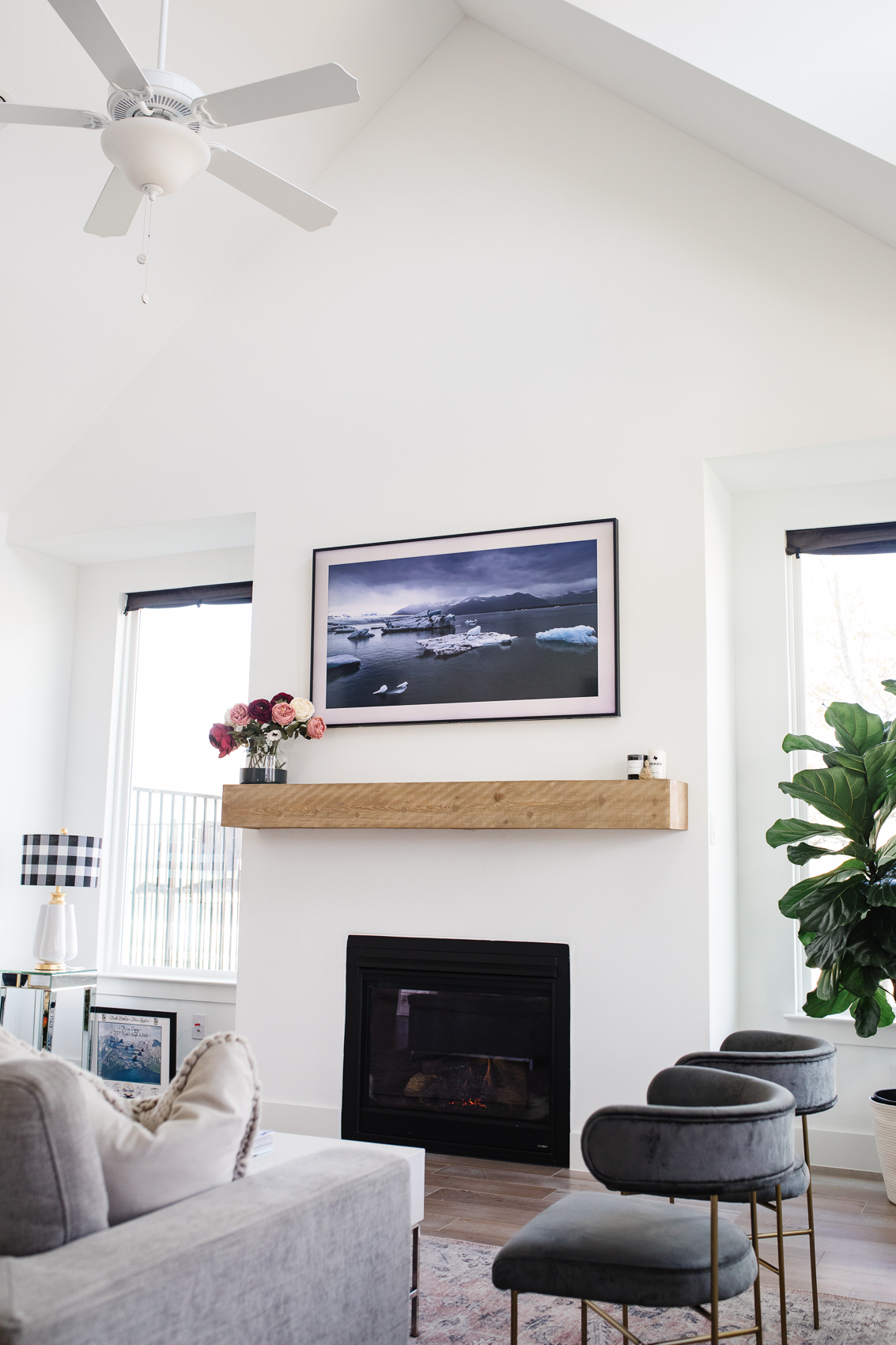
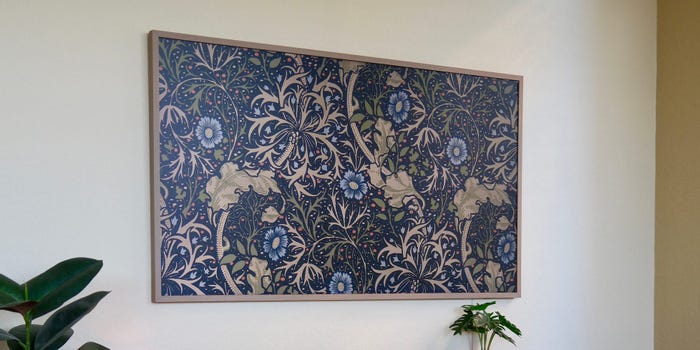
Samsung's Frame TVs have been a popular choice for homeowners seeking a display that blends seamlessly with their interior design, masquerading as a piece of art rather than a traditional television. These TVs feature a flush mount and a matte screen designed to mimic a canvas, effectively reducing reflections. However, previous generations of Frame TVs often compromised on image quality for their aesthetic appeal. The new Frame Pro model aims to address this by introducing significant upgrades to picture performance, including enhanced contrast and brightness, while retaining the signature design elements.
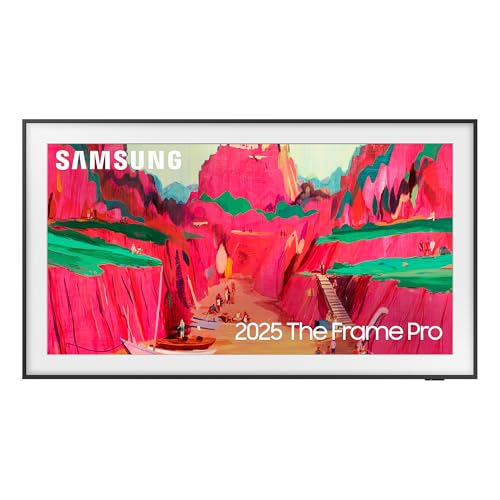
The Frame Pro shares many core design features with its predecessor, such as a 4K resolution screen, a 120Hz refresh rate (up to 144Hz with a PC connection), a slim wall mount, and a motion-activated Art Mode. The key difference lies in the advanced technology behind the panel. Unlike standard Frame TVs, the Frame Pro incorporates a Mini LED backlight with local dimming. This technology allows for precise control over screen illumination, enabling darker blacks and brighter highlights in specific areas, which significantly improves contrast and overall picture quality, especially in well-lit environments. During testing, the Frame Pro demonstrated a peak brightness of nearly 1,000 nits in Filmmaker HDR mode, effectively doubling the brightness of a standard Frame TV and making HDR content more vibrant and overcoming ambient light. This improvement makes the Frame Pro particularly suitable for brightly lit rooms, outperforming other art-style TVs in daytime visibility.
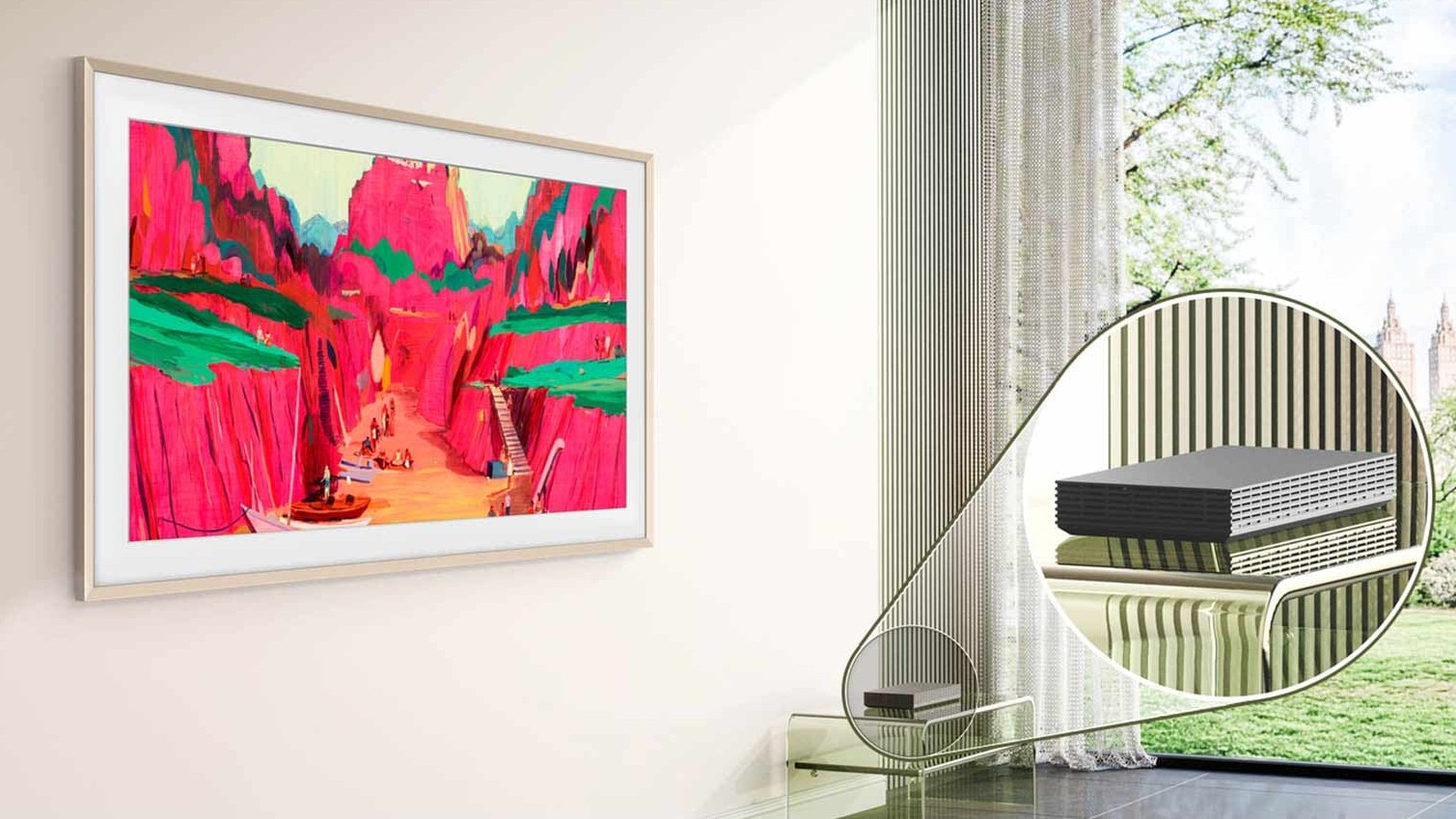
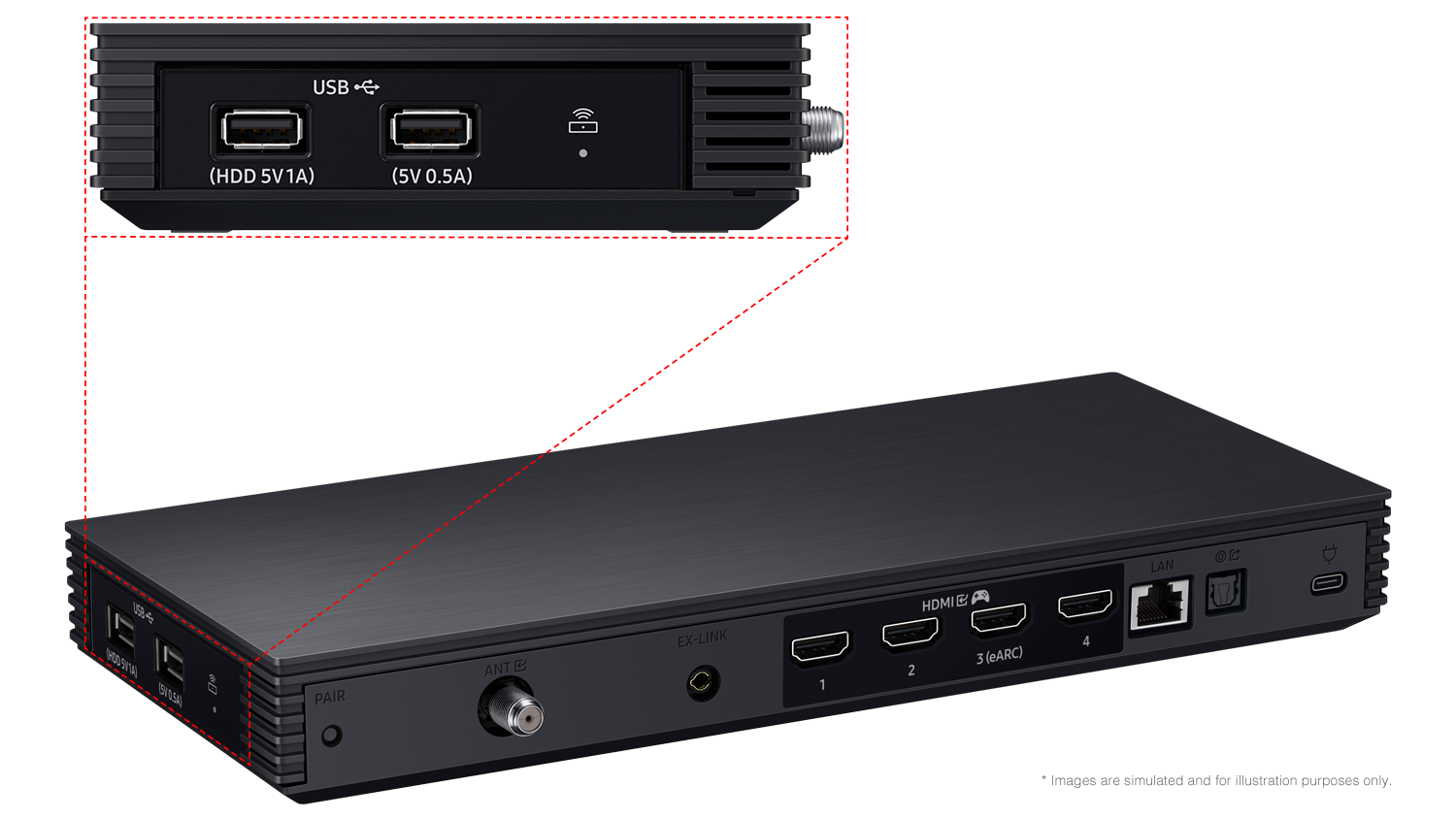
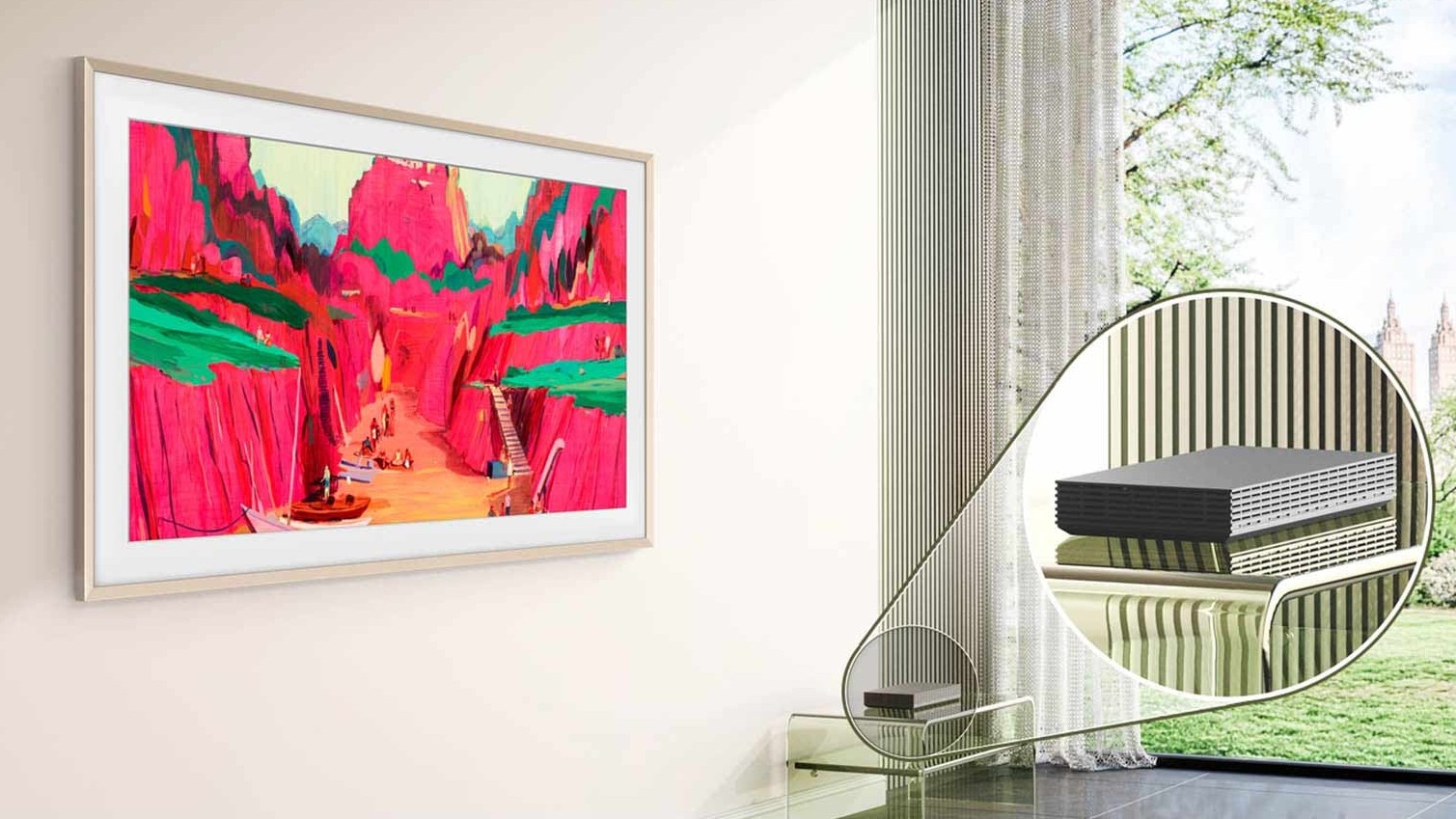
Despite the advancements, the Frame Pro still faces challenges in achieving optimal black levels in dark rooms. While better than the standard Frame, its edge-lit dimming method is not as effective as the direct-lit local dimming found in Samsung's high-end QLED models like the QN80F and QN90F. This can result in noticeable light patches and unevenness during dark scenes, preventing it from matching the performance of Mini LED or OLED TVs in a home theater setting. Additionally, the Frame Pro introduces a wireless One Connect Box, which centralizes all ports and connects wirelessly to the TV, offering greater flexibility in component placement. However, this convenience comes at the cost of requiring two separate power outlets for the TV and the box, unlike the previous single-wire setup. The wireless transmission itself proved reliable during testing, with no significant lag or audio issues, though a brief connectivity issue was noted once.
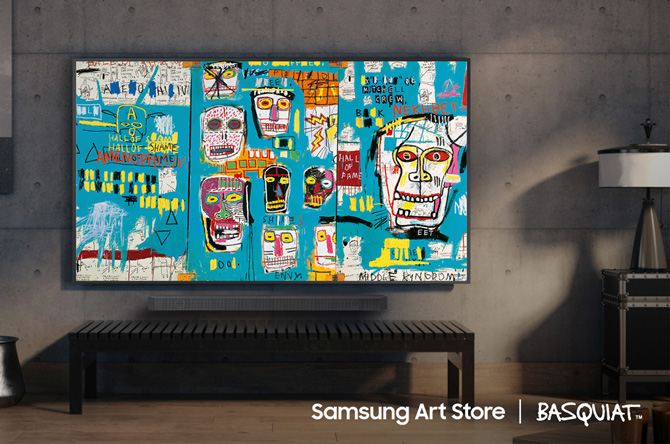
To fully realize the art-like aesthetic, additional costs are incurred. Accessing Samsung's Art Store, which provides a curated selection of artworks, requires a $5 monthly subscription. While free alternatives exist, they are often less refined. Users can upload their own photos, but aspect ratio adjustments may be necessary for a seamless display. Furthermore, interchangeable bezels beyond the standard black border are sold separately, with brands like Deco TV Frames offering more elaborate options. It is important to note that Frame Pro bezels are not interchangeable with those of the regular Frame TV. The review also highlighted minor software bugs, including occasional sluggishness in waking up, input changes, and menu navigation, though these could potentially be resolved with future firmware updates. New AI features, such as live translation and AI art generation, were found to be more novelty than practical, with limited functionality and specific requirements, such as live translation only working with broadcast TV via antenna. The AI-enhanced picture and sound modes offer subtle, often unnoticeable, improvements.
Ultimately, the Samsung Frame Pro is positioned as a premium product, with its price reflecting its design-focused features rather than purely superior picture quality compared to similarly priced traditional TVs. While it represents a step forward in bridging the gap between art and television, it still has compromises that prevent it from excelling as a true home theater display. Its wireless One Connect Box and enhanced brightness are significant selling points, particularly for specific room layouts and bright environments. However, for those primarily seeking art simulation, the less expensive standard Frame TV remains a viable option. The Frame Pro is also only available in larger screen sizes (65, 75, and 85 inches), limiting choices for consumers seeking smaller models. For many, the standard Frame TV may offer better value unless the specific benefits of the Pro model are essential.
#SamsungFrameProTV #TVReview #HomeEntertainment #SmartHome #DisplayTechnology #QLED #ArtMode #WirelessConnectivity #SamsungFrameProTV #TVReview #HomeEntertainment #SmartHome #DisplayTechnology #QLED #ArtMode #WirelessConnectivity
0 تعليق إجمالاً
 لا توجد تعليقات بعد
قد تعجبك أيضًا
Samsung Just Launched The Frame Pro TV — But What's Different From The Frame, and Is It Worth Upgrading?


Alternatives to Samsung’s The Frame TV Have Finally Arrived

The Samsung Frame Blends Into Your Living Room More Than Any Other TV. But It's Not Your Only Option.
The Best Frame TVs of 2026: How Do Samsung, Hisense, and TCL Compare?

My honest Samsung Frame TV review: A masterpiece or just another flat screen?
Samsung Frame vs Serif: which lifestyle TV should you choose?
The best art frame TVs of 2025: How do Samsung, Hisense, and TCL models compare?
I tested Samsung's Bespoke AI 4-Door French Door refrigerator for 3 months — here's my honest verdict

Samsung Frame TV Review & Mounting Guide


The Frame Is a Delightful TV That Transforms Into Artwork | Reviews by Wirecutter

What Are the Best Samsung Frame Alternatives? Here's Why You Should Consider Other “Art TVs”, too, Before You Buy

Glamor and smooth operation—this Samsung French-door fridge is a standout

This Is the Best Deal We've EVER Seen on the Frame TV During Prime Day—It's Almost 50% Off


The TV as we know it is finally changing — and these designs are leading the charge
We put the best art frame TVs from Samsung, Hisense, and TCL to the test — here's how they stack up

Samsung's New Cordless Vacuum Refreshingly Doesn't Look Like It Belongs on a Spaceship

Samsung vs Hisense — Which of These TV Brands Wins for Style, Quality, and Value in 2025?
The best lifestyle TVs to buy in Australia

Why is Samsung Making TVs Thicker?

We put the best art frame TVs from Samsung, Hisense, and TCL to the test — here's how they compare