1/7
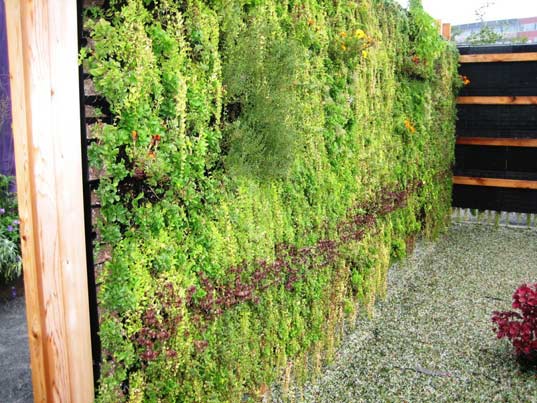
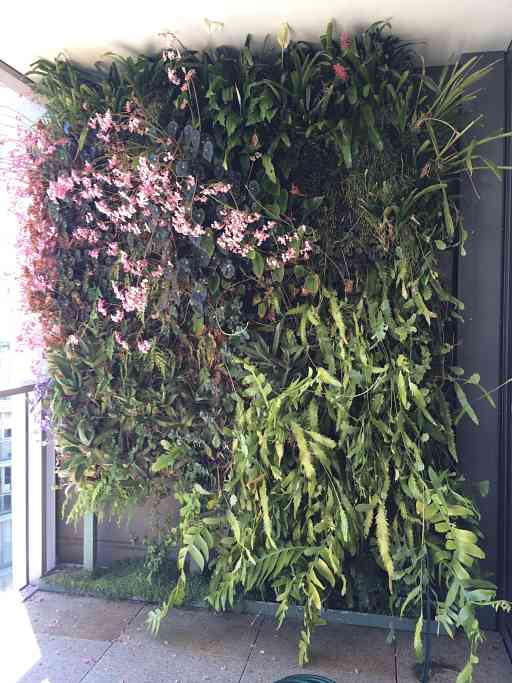
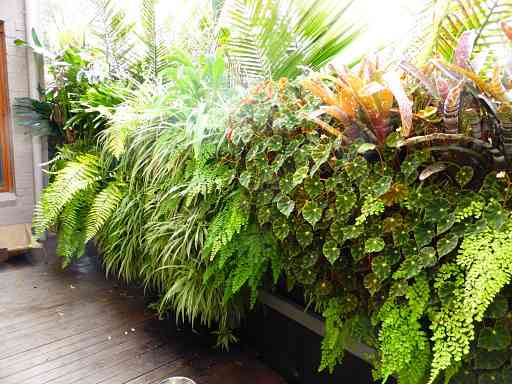
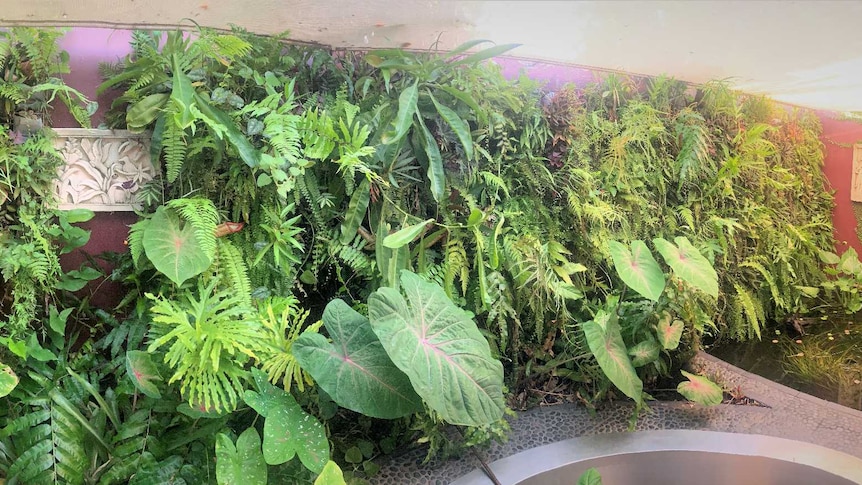
Graeme built this lush vertical garden from old fencing and milk bottles
This article outlines a detailed guide for constructing a vertical garden using recycled materials, inspired by Graeme Gillespie's successful project in Brinkin, Northern Territory. The motivation for this DIY project stemmed from a desire to transform a bland, hot courtyard wall without incurring significant costs, utilizing repurposed items instead of purchasing new ones.
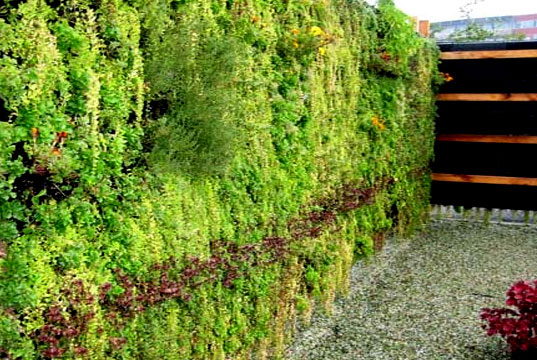
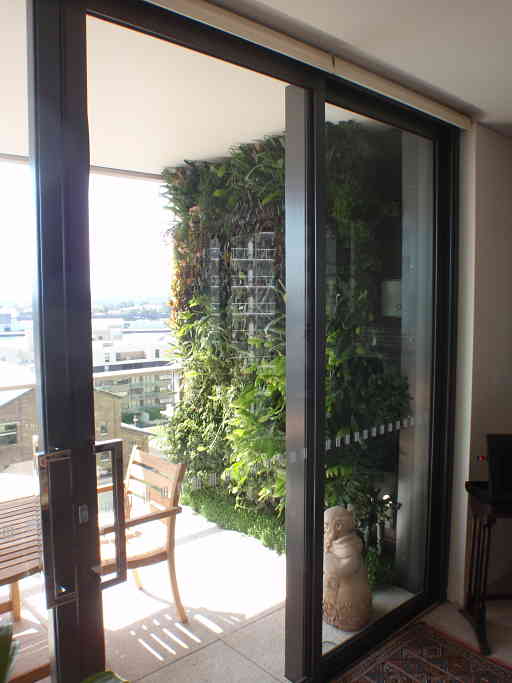
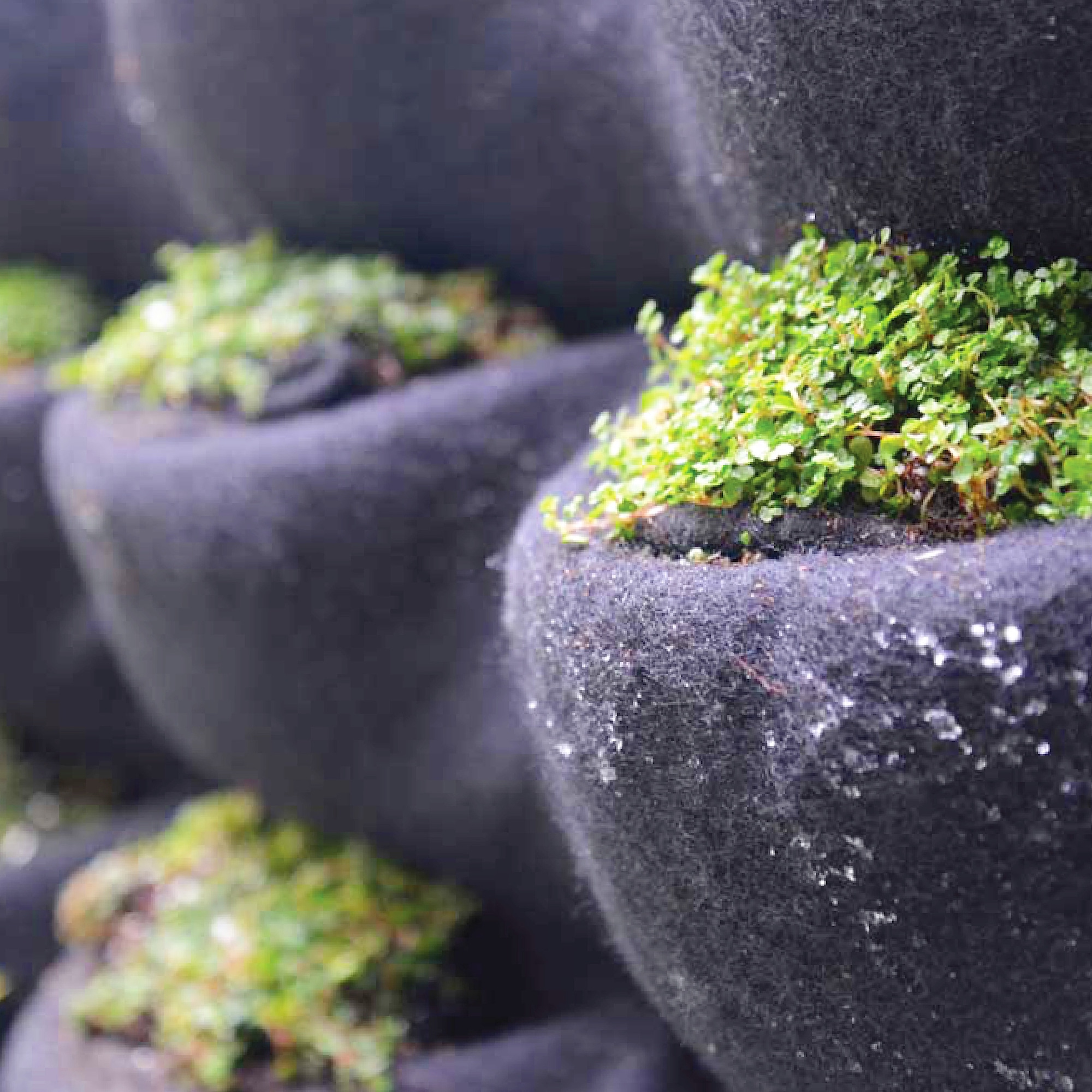
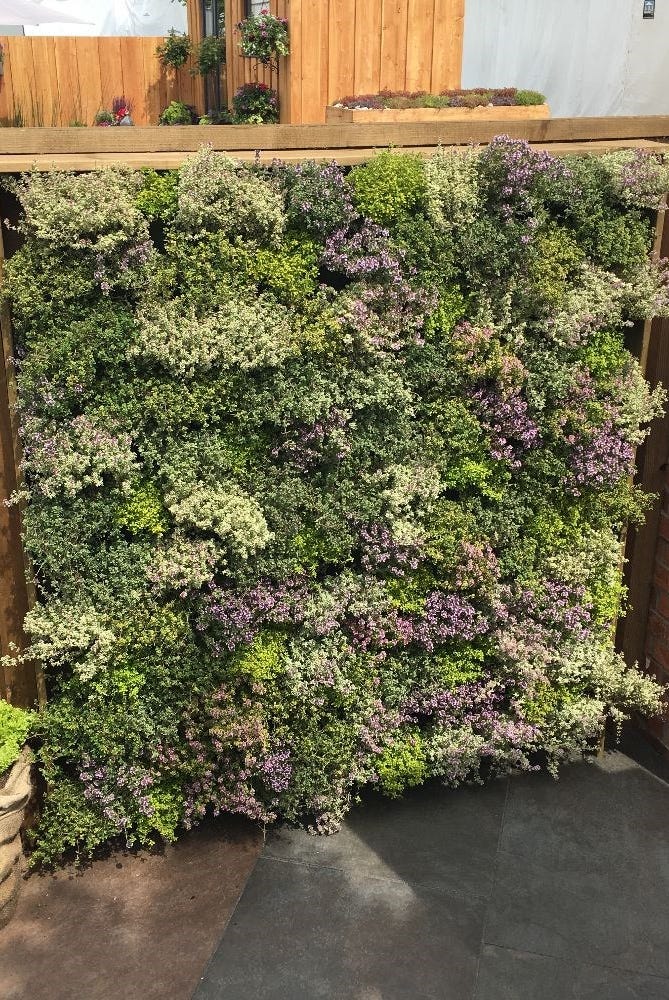
The vertical garden is primarily built from scrap pool fencing and numerous empty milk bottles. Graeme's initial project, after three years, features lush ferns, pitcher plants, bromeliads, herbs, and tropical plants, effectively concealing the recycled milk bottles. The garden is located on a shady wall and incorporates a simple irrigation system that consumes less than 10 liters of water daily, running for one minute in the morning and one minute in the afternoon.
Cost-wise, the structural components of the vertical garden cost approximately a couple of hundred dollars. Many plants were sourced for free or propagated, such as ferns and bromeliads, further reducing expenses. Graeme actively collected milk bottles from recycling bins, including those of friends, highlighting a community-oriented approach to sourcing materials.
The construction process begins with gathering specific materials and tools. Materials include 1m x 2m welded mesh panels, preferably rolled-top fence material with rectangular spaces, or similar. Three sleeved wall anchors (12mm x 140mm) are required per fence panel for masonry walls; alternative hanging methods are suggested for other wall types. Approximately 100 plastic 3-liter milk bottles and about a dozen commercial plastic pots are needed, with pots recommended for the top row due to sun exposure. Essential tools include a utility knife, drill with appropriate bit, wire cutting tools (angle grinder, hacksaw, or bolt cutters), a masonry bit for the hammer drill, voltage detector, spanner, measuring tape, and a spirit level.
Safety precautions are emphasized, including checking for electrical or water services before drilling into walls, consulting professionals if unsure, and using a quality voltage detector. Personal protective equipment such as ear, eye, hand, skin, nose, and mouth protection is advised, especially when grinding galvanized metal due to the release of harmful chemicals. Working with another person and ensuring knowledge of mains electricity shut-off is also recommended.
Building the vertical garden involves several steps: First, cut out pieces of mesh where bottles will be placed, leaving about 15mm of wire on each side to secure the bottles. Second, with assistance, position and level the mesh on the wall. Third, mark the positions for two top wall anchors (around 300mm from edges and top) and one bottom anchor (midway, 300mm from bottom). Fourth, drill holes, insert anchors, and tighten them. Fifth, cut milk bottles under the handle at a 30-degree angle. Sixth, drill a hole on each side of the milk bottle near the angled edge to fit the mesh wire lug, maintaining consistent measurements. Seventh, drill six drainage holes in the front bottom corner of each bottle. Finally, add stones for drainage, followed by a mix of quality loamy soil and compost or potting mix before planting.
For incorporating a timed irrigation system, a 19mm irrigation pipe is attached vertically to the mesh every 2m, with a 4mm pipe running horizontally on every second row of pots. Each 4mm pipe is then pierced twice with a hole punch above each pot. A hose timer, available at hardware stores, is used to control watering frequency and duration, which should be adjusted based on the specific plants in the garden.
#VerticalGardening #Recycling #DIYHomeImprovement #SustainableLiving #GardenDesign #UrbanGardening #RepurposedMaterials #OutdoorSpace #IrrigationSystem #VerticalGardening #Recycling #DIYHomeImprovement #SustainableLiving #GardenDesign #UrbanGardening #RepurposedMaterials #OutdoorSpace #IrrigationSystem
0 تعليق إجمالاً
 لا توجد تعليقات بعد
قد تعجبك أيضًا
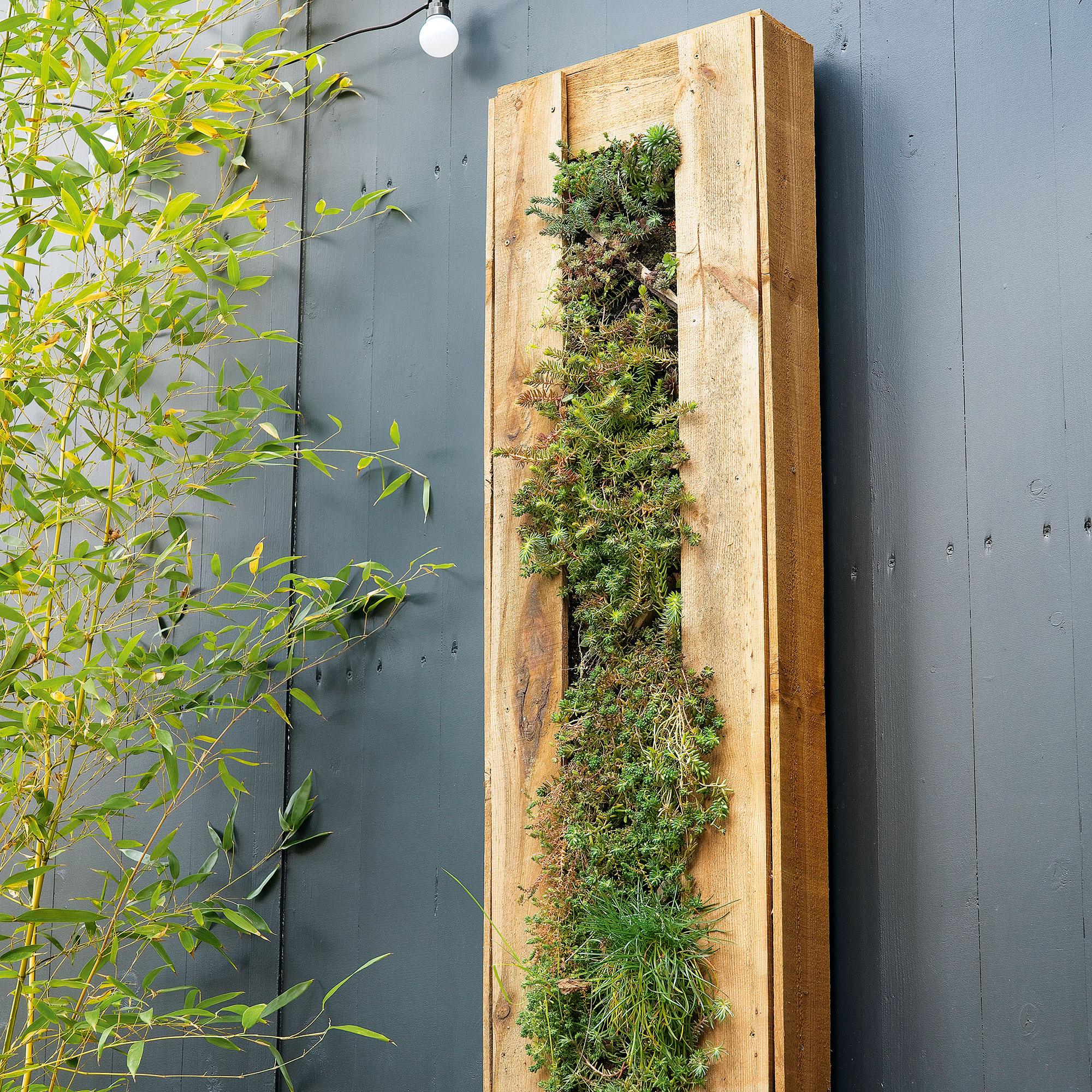
Living wall ideas to create a stylish vertical garden in your space
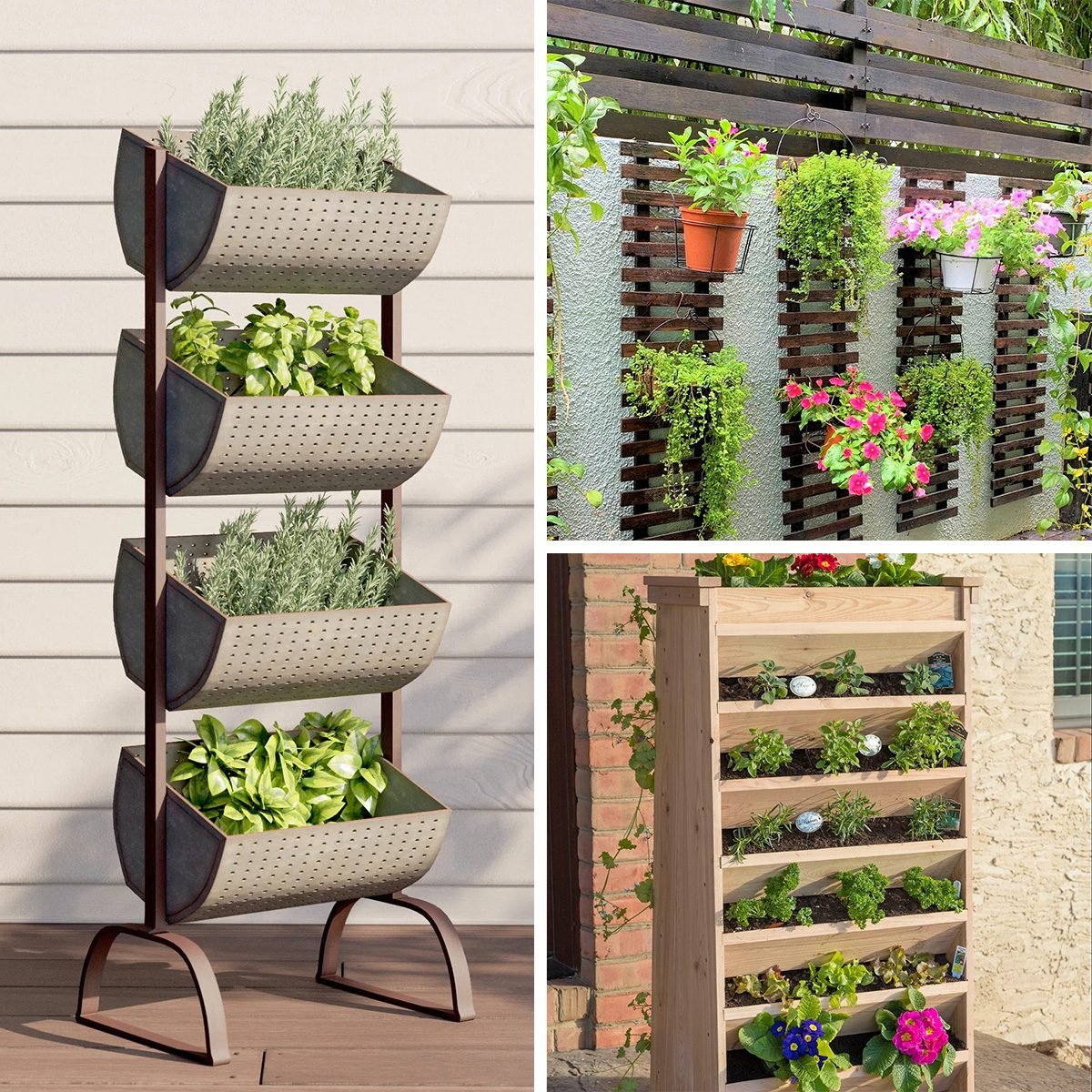
10 Best Vertical Garden Planters

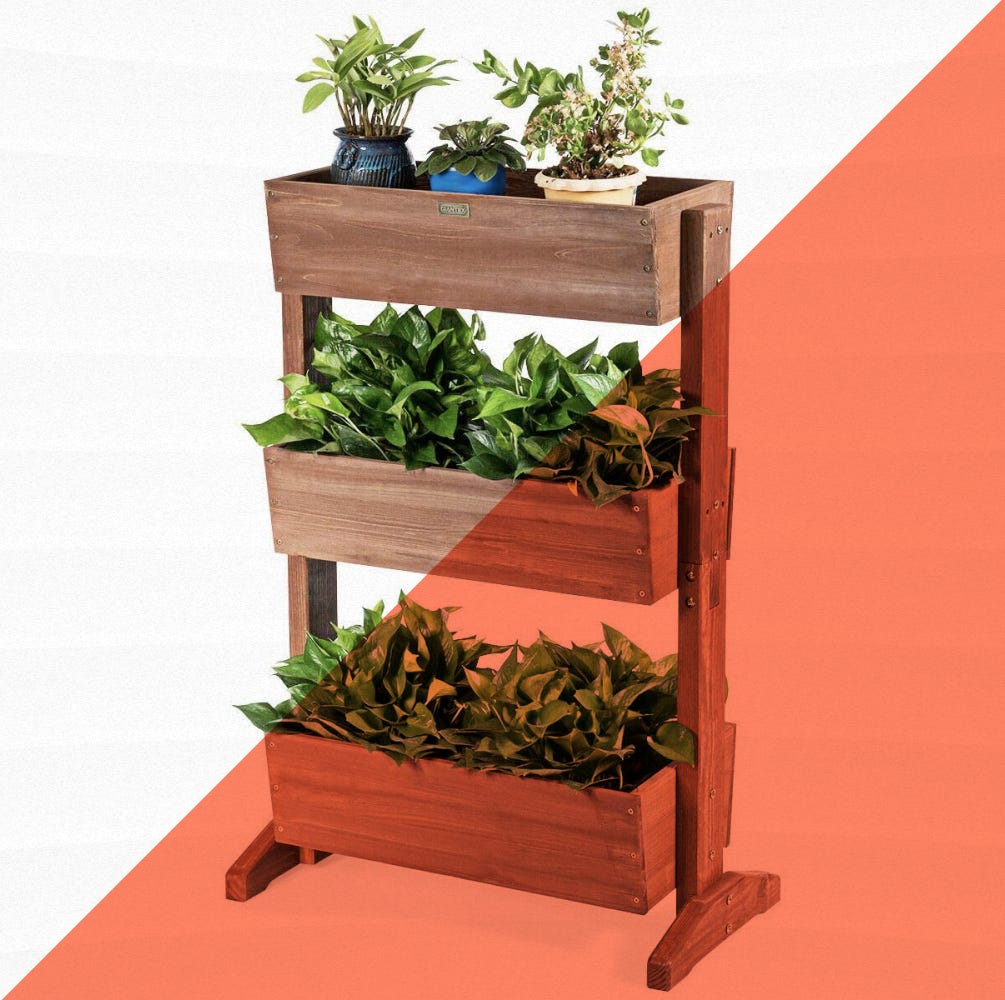
These Vertical Gardens Are a Plant Lover’s Dream

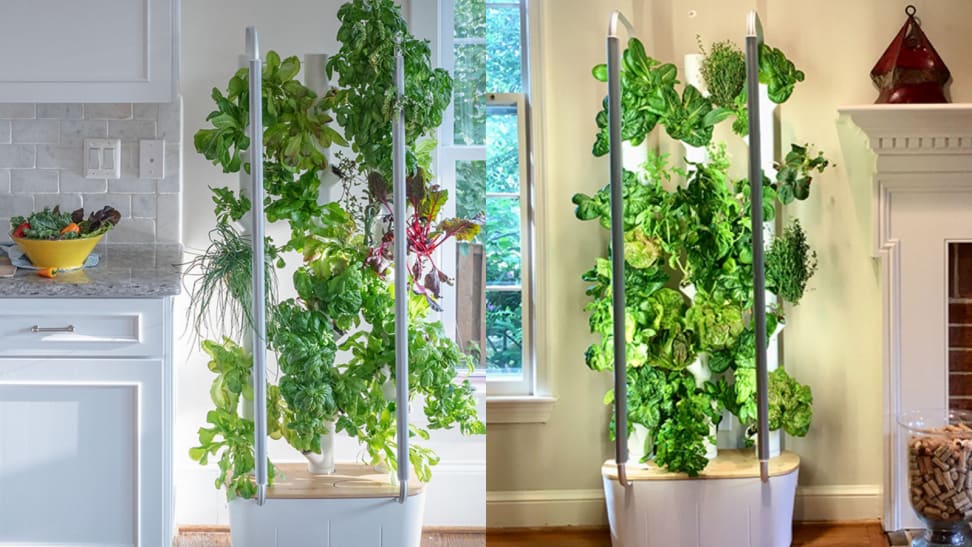
This vertical garden device makes indoor gardening possible

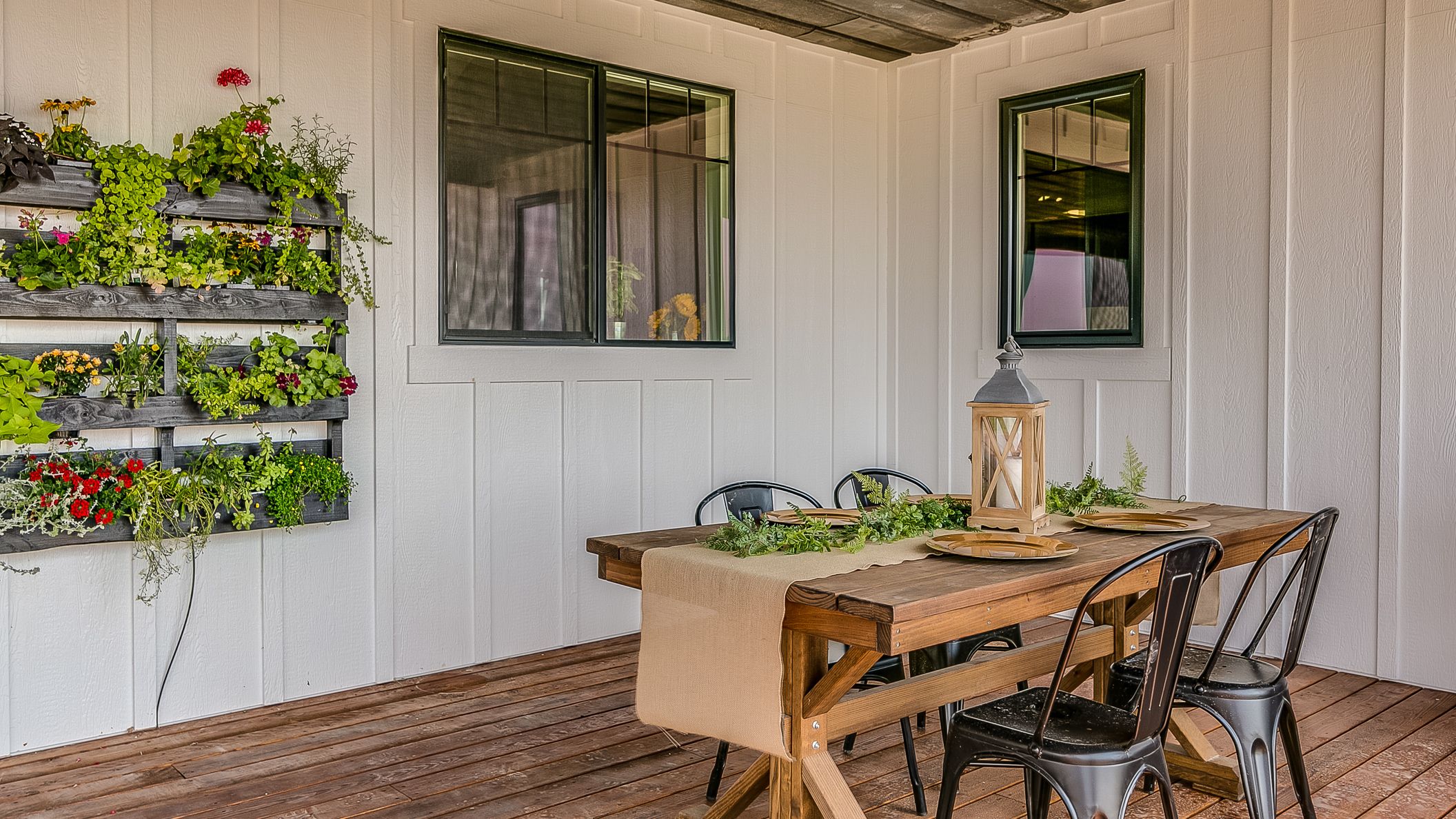
15 Vertical Garden Ideas, From Living Walls to Botanical Libraries

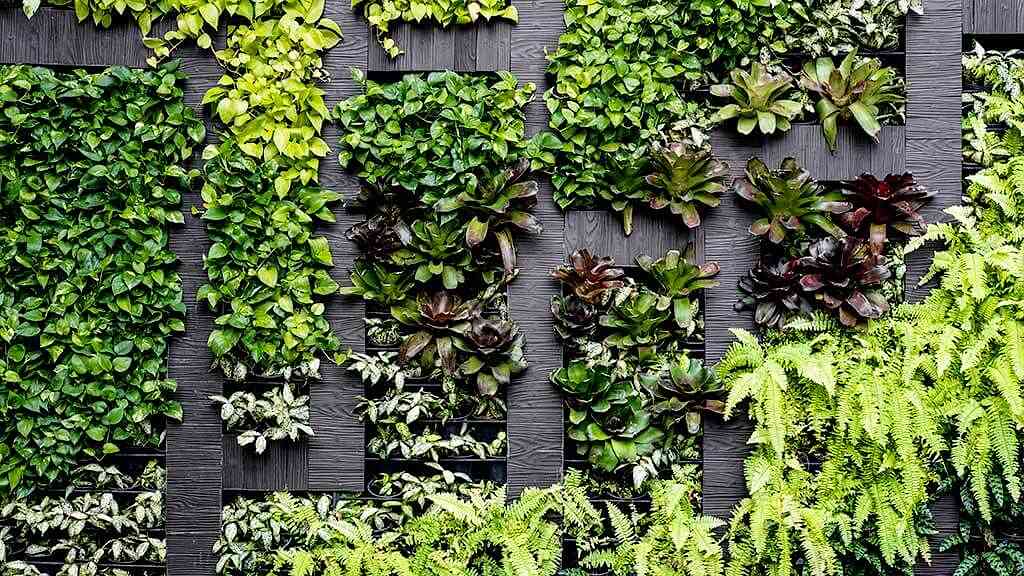
How to grow a vertical garden at home

For the Garden | Zen and Now


How to create a plant wall in your garden

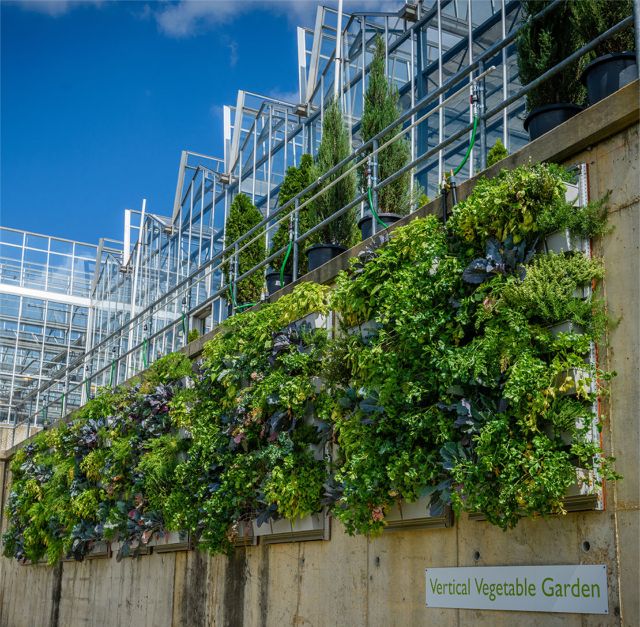
Phipps Conservatory Showcases Vertical Gardening with LiveWall by Amber Ponce and David Aquilina

Vertical Gardening Is a Dead-Simple DIY Project That Any Space Can Handle

5 ideas for walled backyards to inspire from this small urban plot

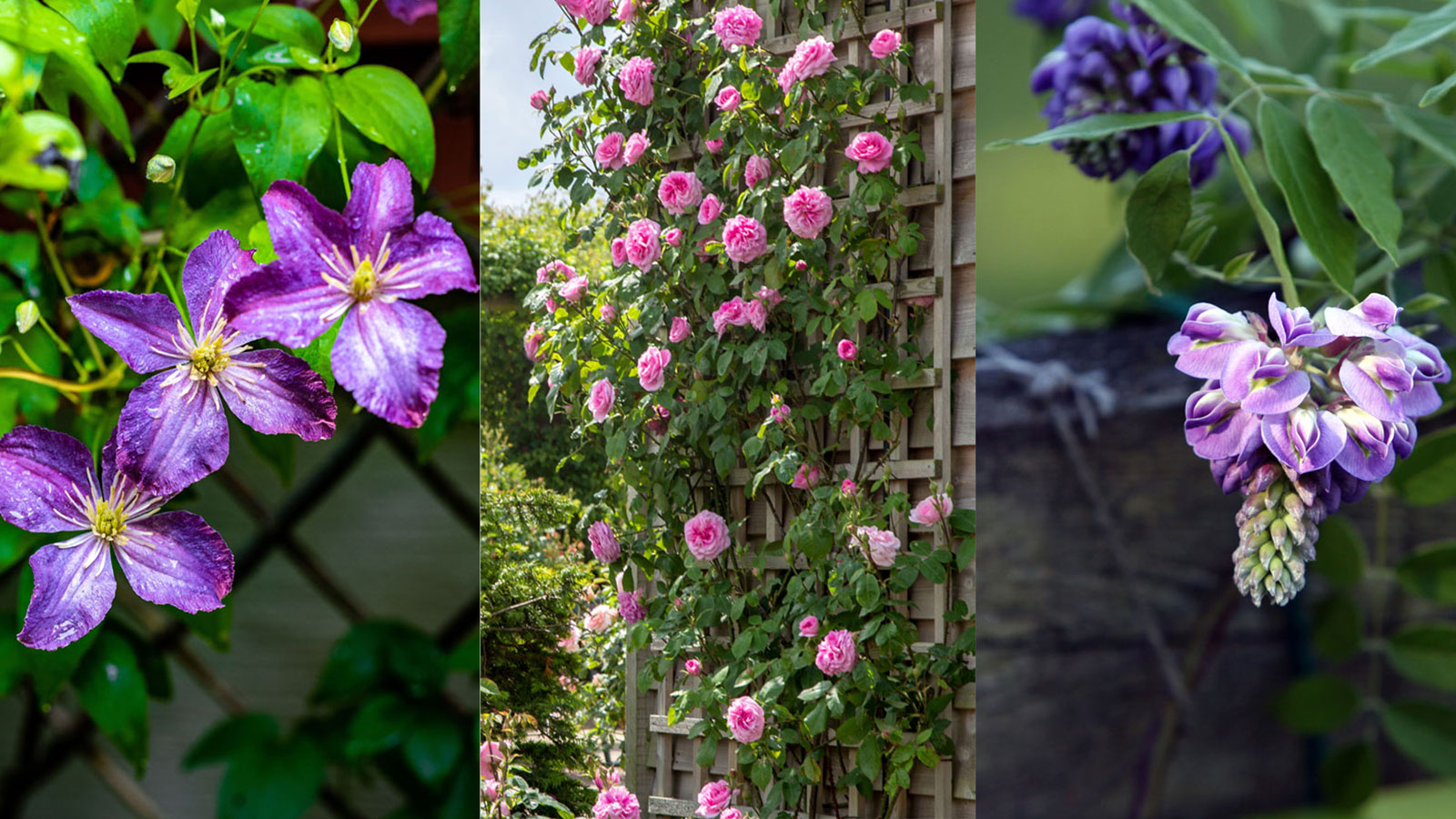
Best plants to cover a fence – 10 ways to disguise a fence with beautiful flowers and foliage
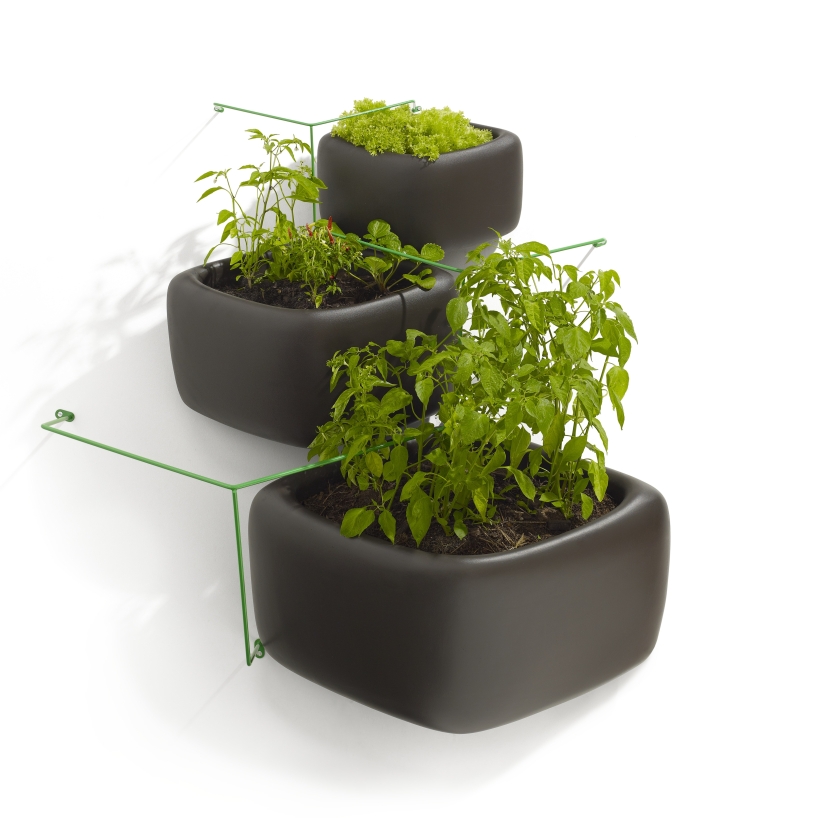
haldane martin: wallflower vertical garden system
This Potting Shed Looks Like It Was Plucked Right Out of Mr. McGregor's Garden

19 vertical garden ideas - landscape experts show how plants thrive in small spaces inside and outside the home

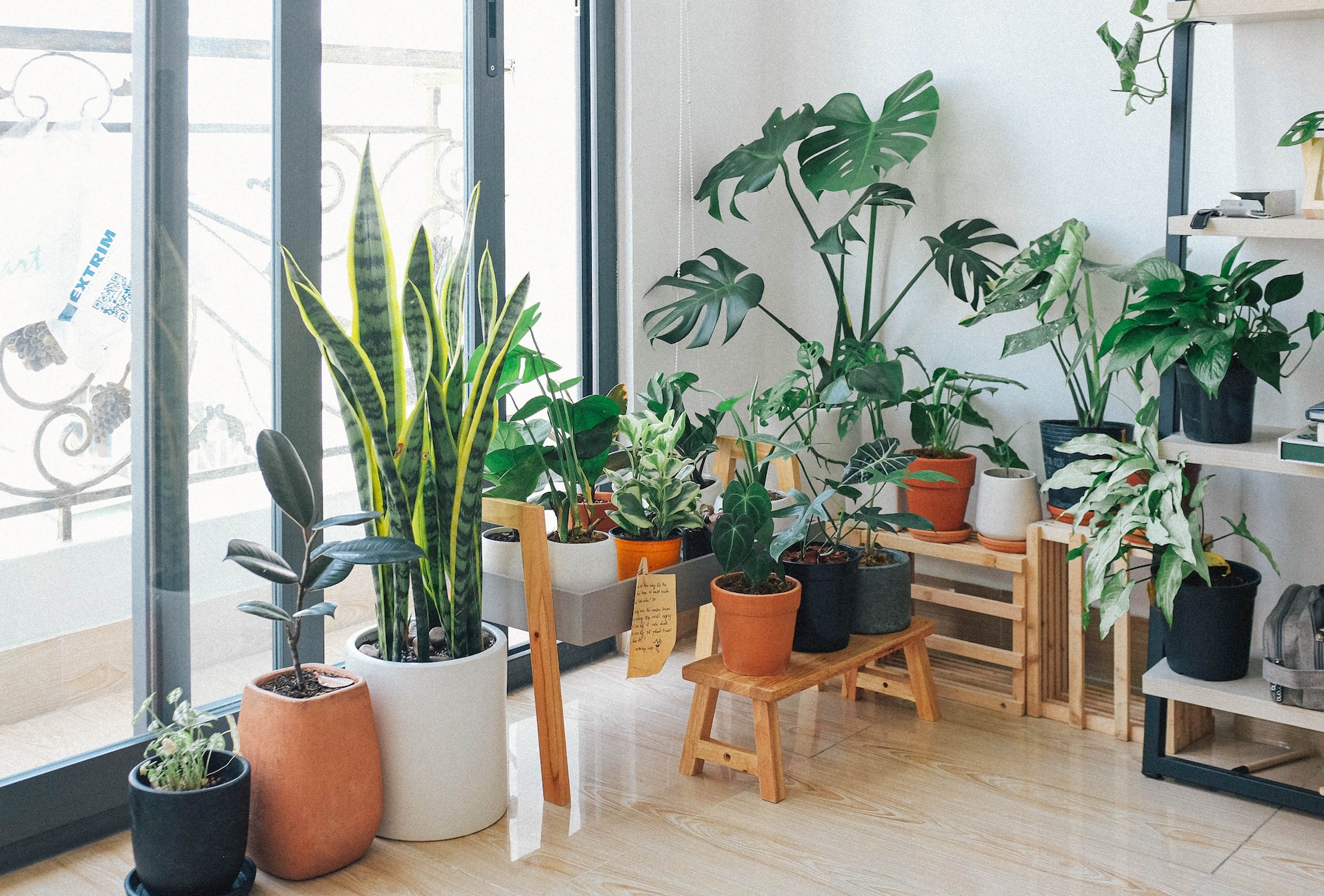
8 Incredible Indoor Garden Ideas
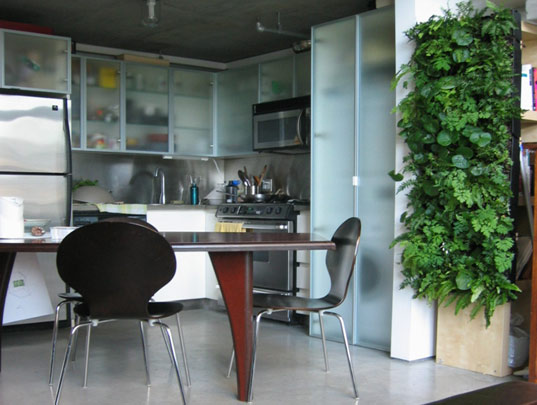
ELT EASY GREEN LIVING WALLS

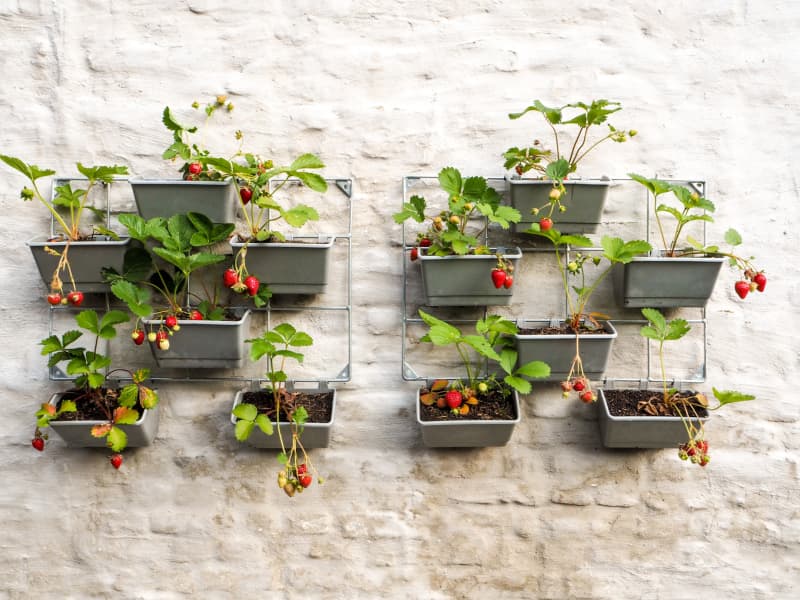
Short on space for a herb or veggie garden? Think vertically


Vertical Gardens: 10 mistakes to avoid, according to the experts


Vertical Gardens Are the Ideal Small-Space Solution—Here Are 12 Ideas to Get Started