1/7
6 areas of your home you should never insulate – and why it's a hazard that can do more harm than good
Insulation is a critical component for maintaining energy efficiency and comfort in a home, but incorrectly applied insulation can introduce significant hazards. Certain areas within a house, if insulated improperly or at all, can lead to serious issues such as fire risks, moisture accumulation, mold growth, and structural damage. Understanding these problematic zones is as crucial as identifying areas that benefit from insulation.
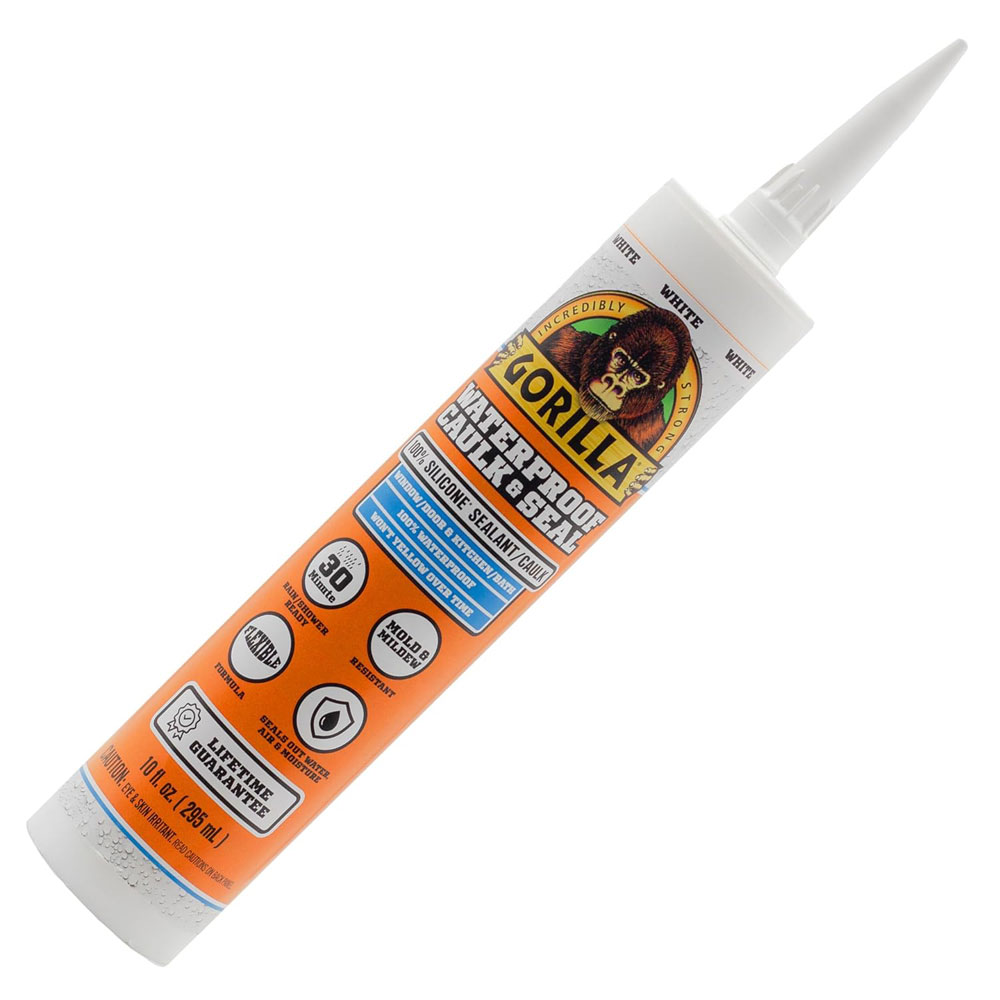
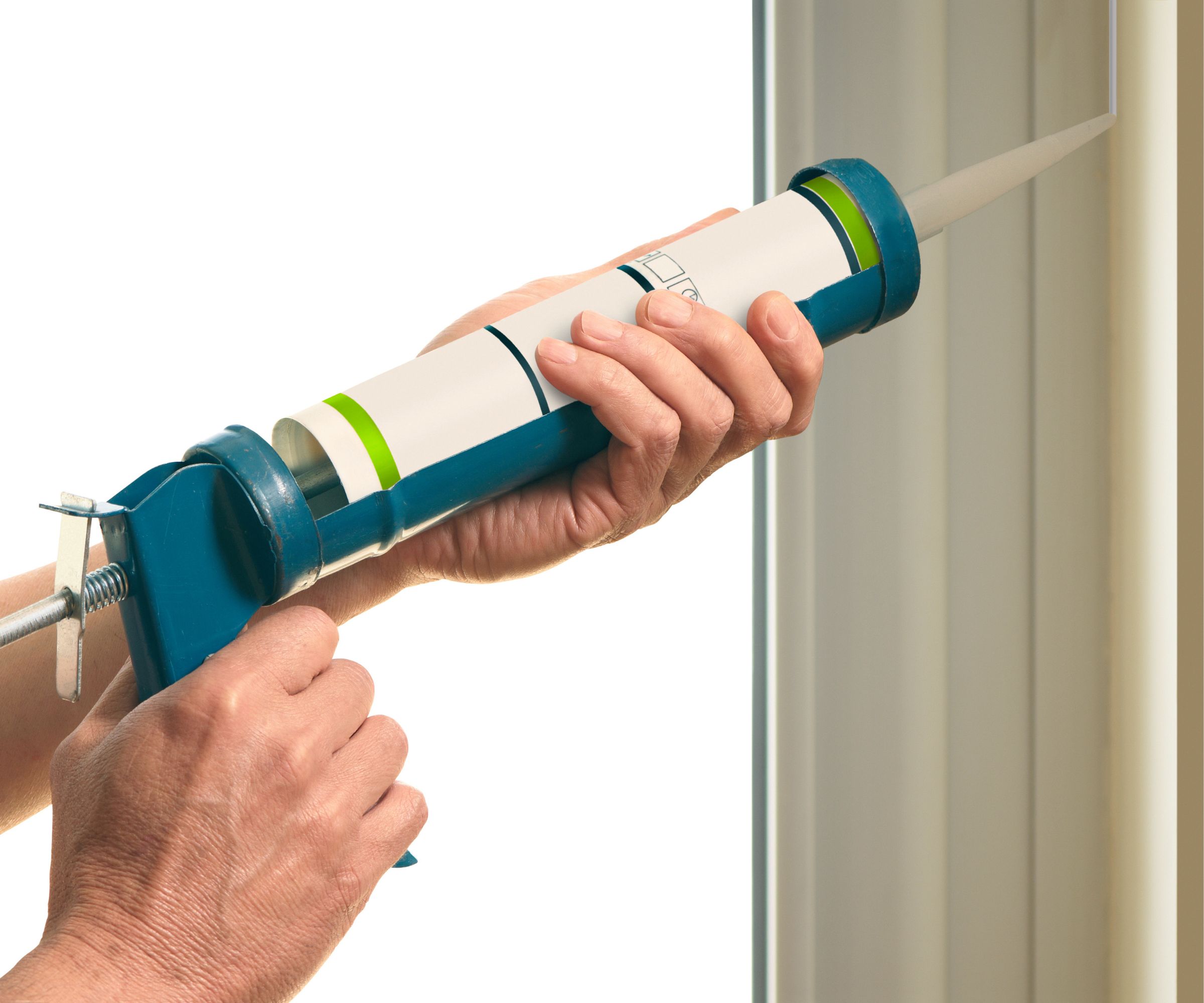
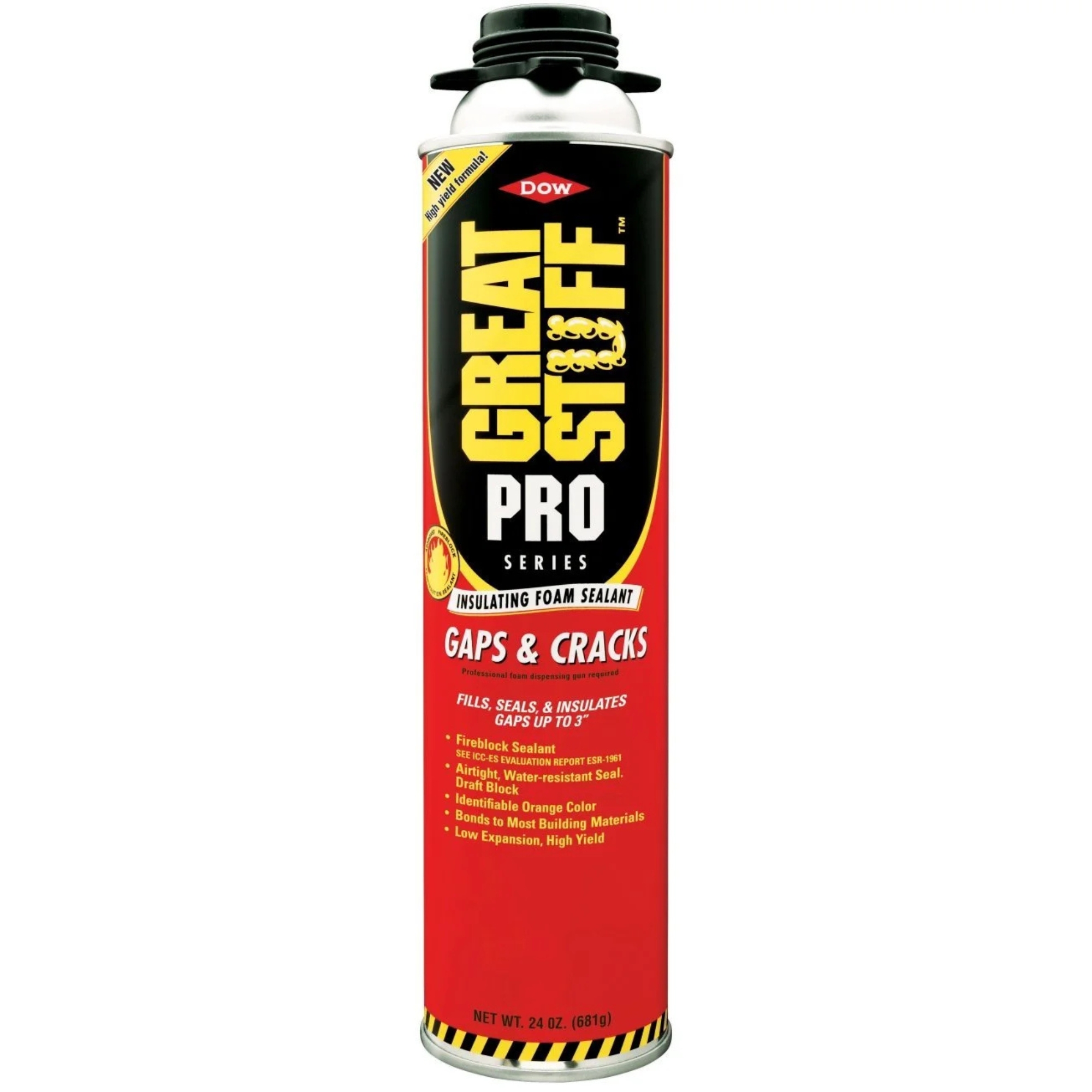
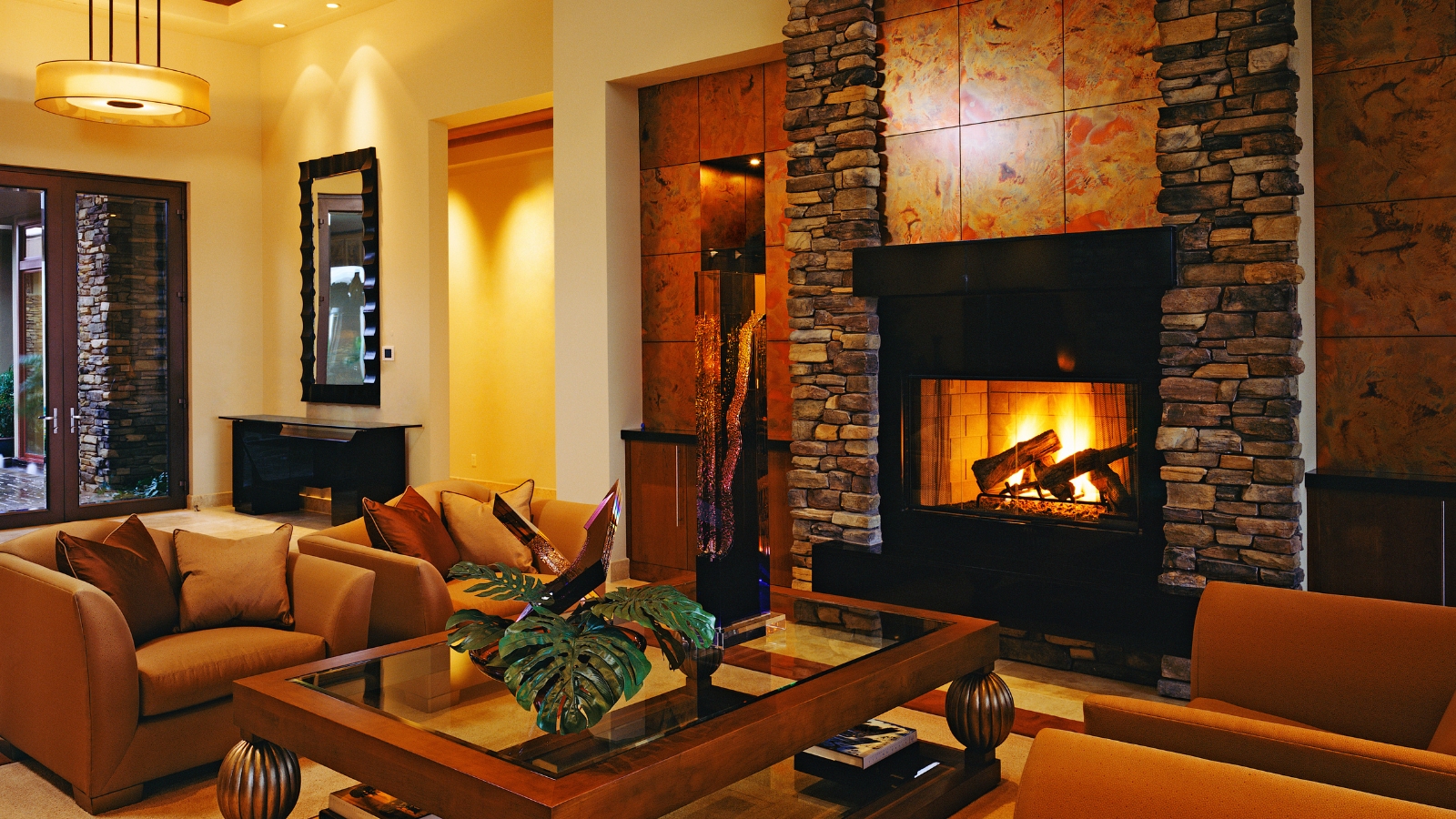
Chimneys and furnaces are primary areas where insulation must be avoided. These heat-generating components require specific clearance to prevent overheating. Applying traditional insulation materials like fiberglass or spray foam too close to furnace flues and chimney stacks can trap heat, leading to fire hazards. Building codes often mandate a 1-2 inch buffer, known as ‘clearance to combustibles,’ to ensure safety. Instead of conventional insulation, fire-resistant sealants are recommended for filling small gaps around these areas, effectively sealing drafts without posing a fire risk.
Electrical wires also present a fire risk if insulation is improperly installed around them. Overheating can occur if insulation restricts airflow around wires, especially older systems not designed for modern electrical loads. Insulating too tightly around wires, or allowing insulation to compress them, can prevent proper cooling. Experts advise maintaining a three-inch clearance around wiring or utilizing wire-safe, flame-resistant insulation sleeves. This precaution minimizes the risk of overheating and potential fires, particularly with aging electrical infrastructures.
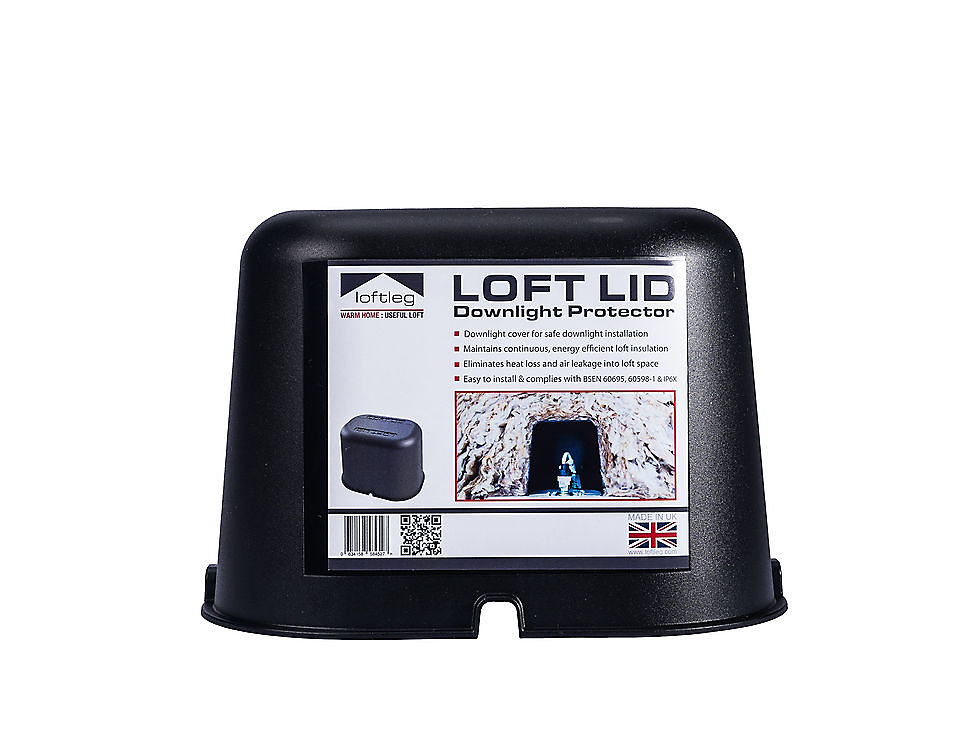
Recessed lighting fixtures are another area that requires careful consideration. These lights produce substantial heat, making it unsafe to place insulation directly over them unless they are specifically rated for 'Insulation Contact' (IC). Non-IC rated lights need space to dissipate heat, and covering them with insulation can cause heat to trap, reducing the fixture's lifespan and creating a fire hazard. A clearance of 3-5 inches is necessary for non-IC rated lights. Fire-rated recessed light covers are available as a safe alternative, allowing insulation placement nearby without compromising safety.
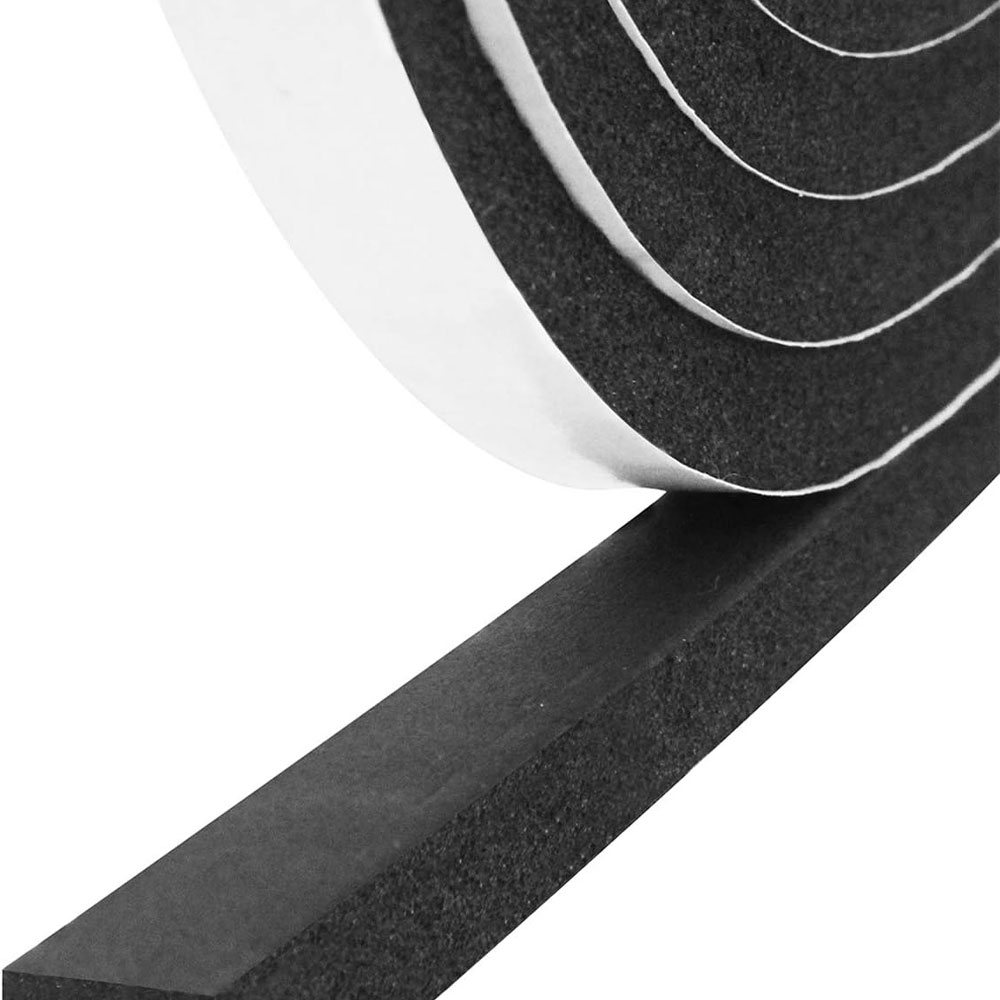
Floor crawl spaces, while seemingly suitable for insulation to improve floor warmth, can become problematic if not properly managed. In unventilated crawl spaces, insulation can trap moisture, fostering the growth of mold and mildew, and potentially leading to wood rot. Damp insulation not only loses its thermal effectiveness but also degrades air quality throughout the home and can weaken the structural integrity of the wood. A more effective solution is to install a vapor barrier, such as thick plastic sheeting, on the ground of the crawl space. This prevents moisture from seeping upwards, controlling dampness and humidity without the risks associated with wet insulation.
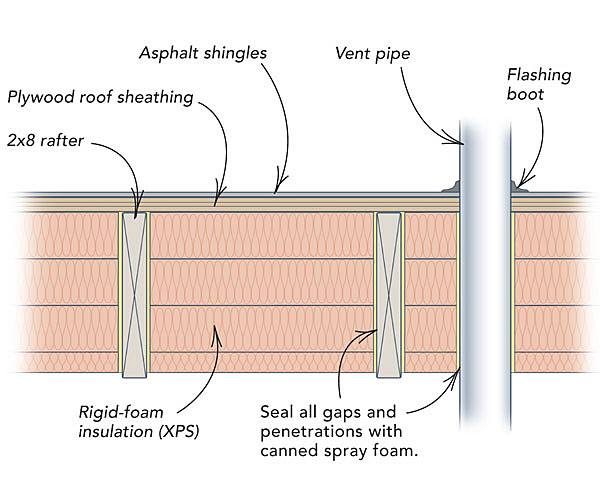
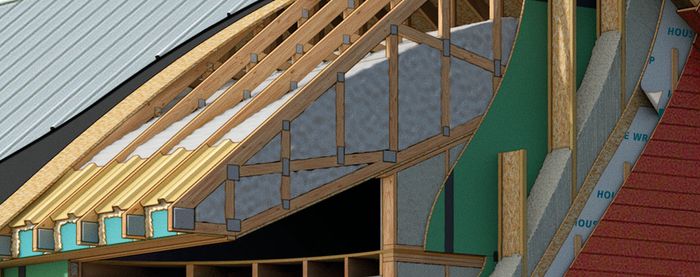
Roof edges, especially those with soffits, need to remain unblocked to ensure adequate airflow in the attic. Insulating these areas can obstruct ventilation, which can result in trapped moisture, mold, and damage to the roof structure. Proper ventilation near roof edges is essential to prevent ice damming, a condition where trapped warmth causes snow to melt and refreeze at the colder eaves, leading to water pooling and potential leaks. Specialized insulation that does not impede airflow, or heat cables for gutters, can help mitigate ice damming risks while maintaining attic warmth.
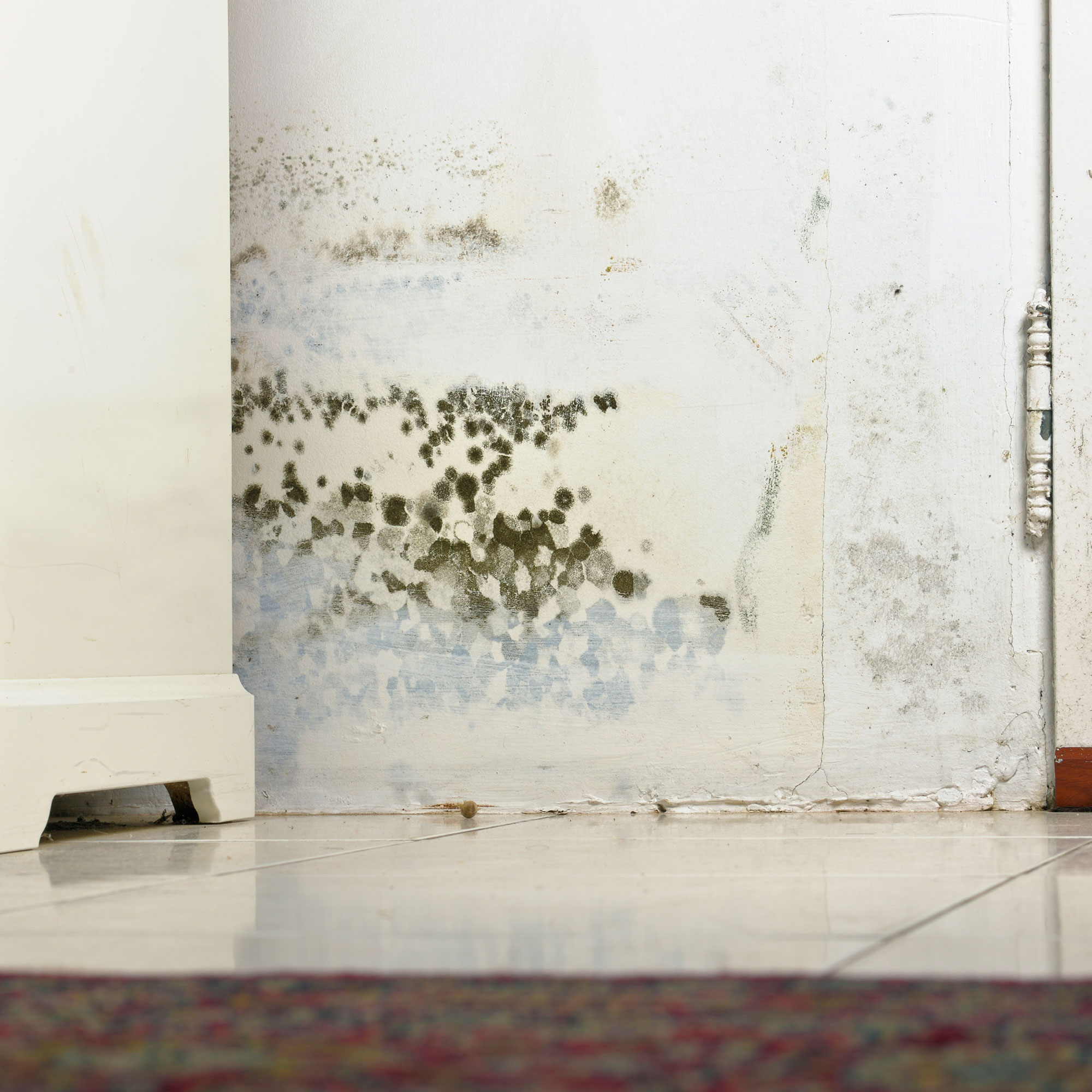
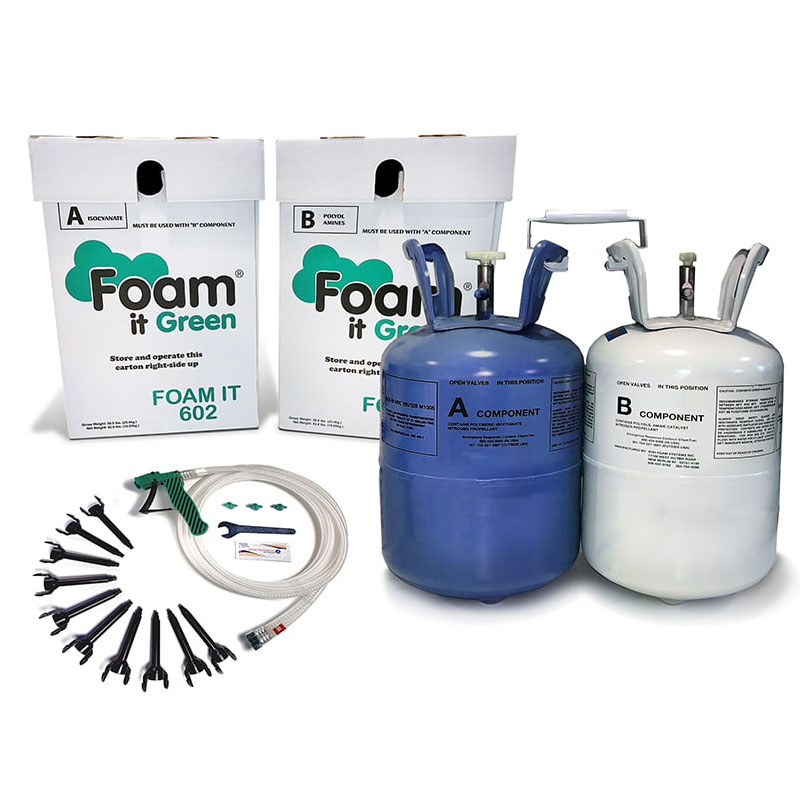
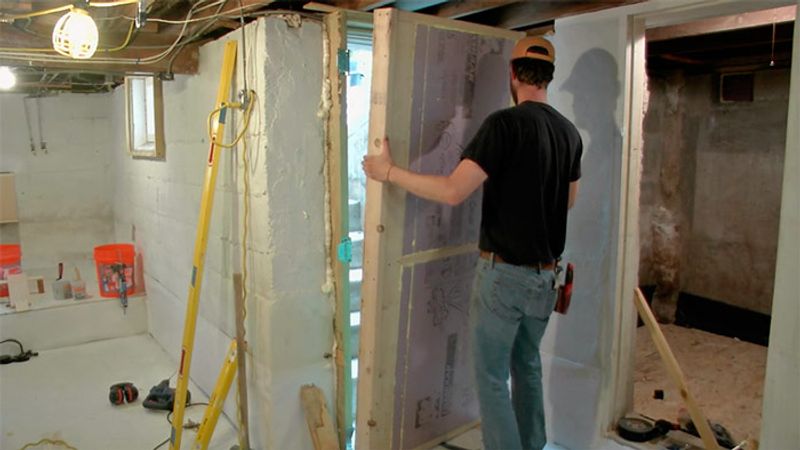
Finally, basement foundation walls should not be insulated from the interior in certain climates, as this can lead to condensation and mold growth, particularly in humid regions. Ventilating basement foundation walls, while seemingly logical for moisture management, can actually exacerbate heat loss and temperature fluctuations. The earth's poor insulating properties in winter mean colder walls, which increase the likelihood of condensation, dampness, mold, and even structural issues like efflorescence or spalling. Exposure to fluctuating temperatures and humidity can weaken the foundation's integrity, and increased air leakage can allow radon to enter the home. Instead of internal insulation or ventilation, closed-cell spray foam is recommended for basement foundation walls. This material seals, waterproofs, and insulates simultaneously, providing excellent thermal and vapor barrier properties, reducing air leakage, and minimizing condensation and moisture risks, thereby creating a robust, energy-efficient envelope around the home.
#HomeInsulation #EnergyEfficiency #HomeSafety #FireHazards #MoistureControl #Ventilation #HVACMaintenance #ElectricalSafety #BasementInsulation #HomeInsulation #EnergyEfficiency #HomeSafety #FireHazards #MoistureControl #Ventilation #HVACMaintenance #ElectricalSafety #BasementInsulation
0 تعليق إجمالاً
 لا توجد تعليقات بعد
قد تعجبك أيضًا

The 4 areas of your home pros say to always insulate to keep it toasty in colder weather – plus, where to never insulate
Home insulation materials


6 places you should never put your air fryer in your kitchen, according to appliance experts


When Insulation in the Roof Isn’t There


Avoid insulating these spots as it can cause damp and mould

Should you insulate a basement ceiling? Expert advice for a comfortable home
Insulate Your Basement, Part 1

How to insulate a cold wall from the inside, and why the type of wall you have matters
What to Consider When Choosing Insulation

6 Things You Should Never Put in Your Home if You Want Positive Feng Shui

9 basement insulation ideas

10 common living room design disasters experts warn against falling for

Interior designers share 6 things you should never have in your bedroom

5 ways to insulate a wall to lower your energy bills and block out noise – and which ones are a mistake to DIY

6 things to never put in an entryway, according to interior designers

6 bedroom storage mistakes that could be causing mould – and what to do instead

6 places you shouldn't caulk around windows – and expert tips for caulking correctly

6 types of attic insulation and how to pick one for your home

The best floor insulation options for your home, explained
Insulate Your Basement, Part 2