Should All of Your Furniture Legs Be on the Rug? Designers Say There's a Right Answer
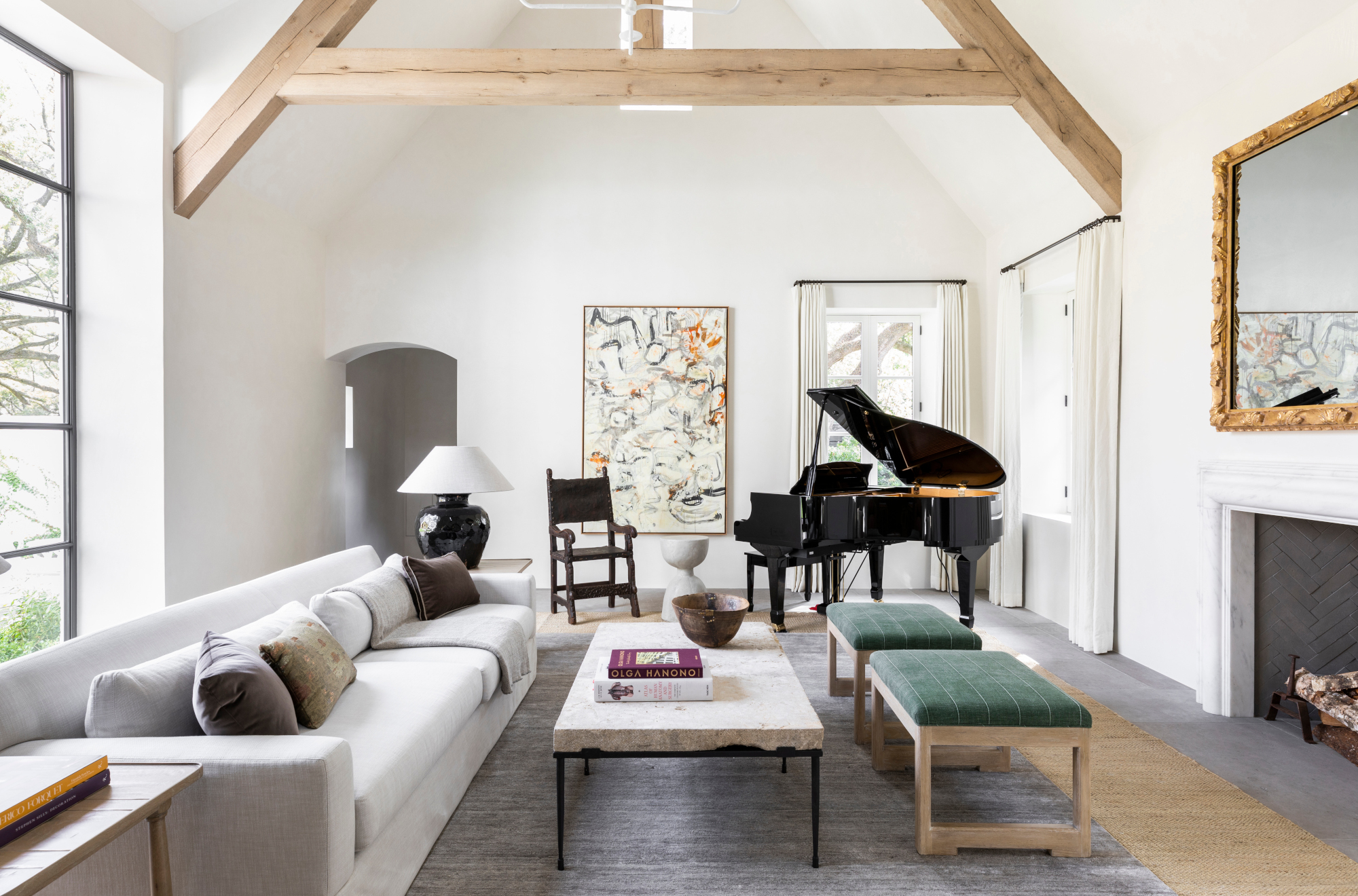
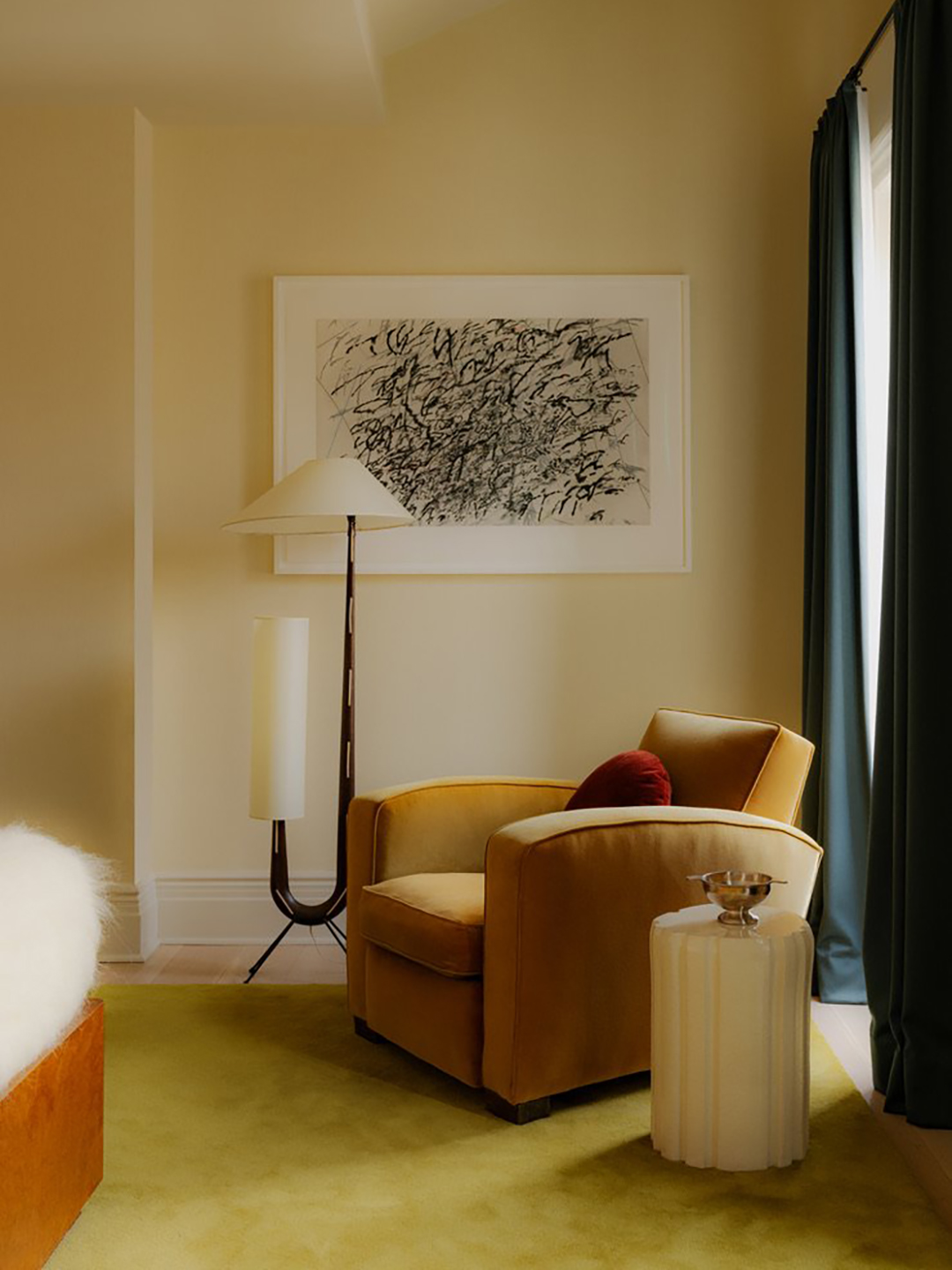
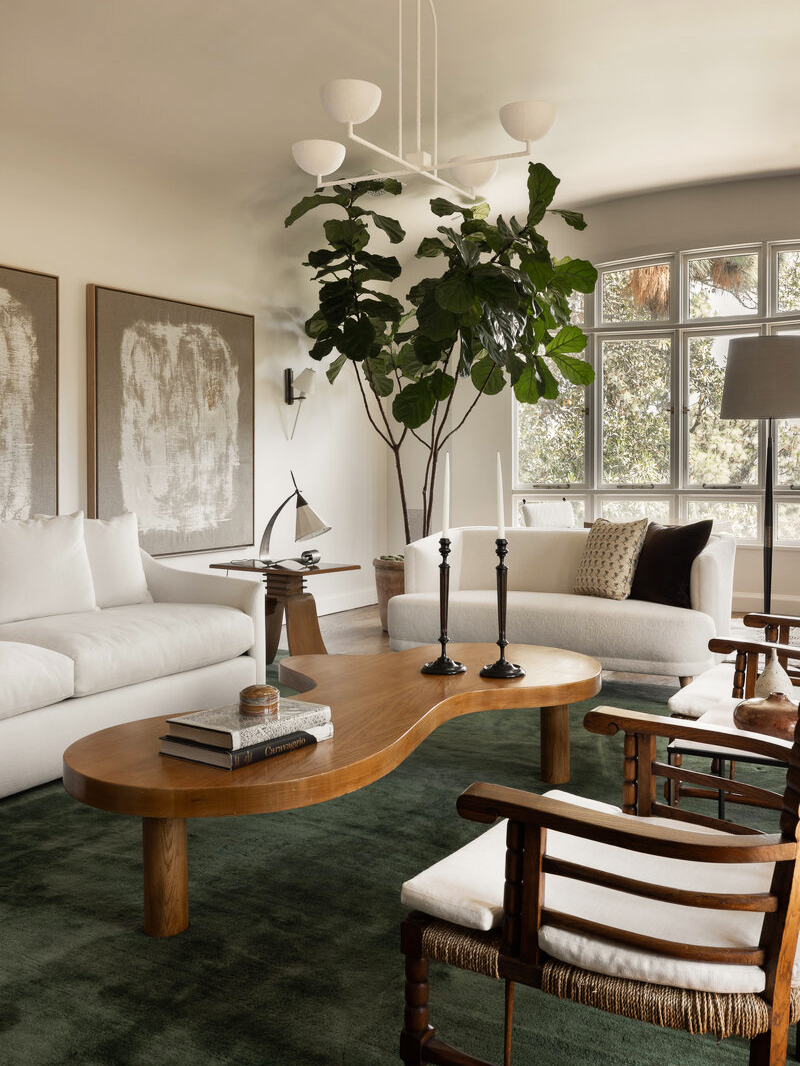
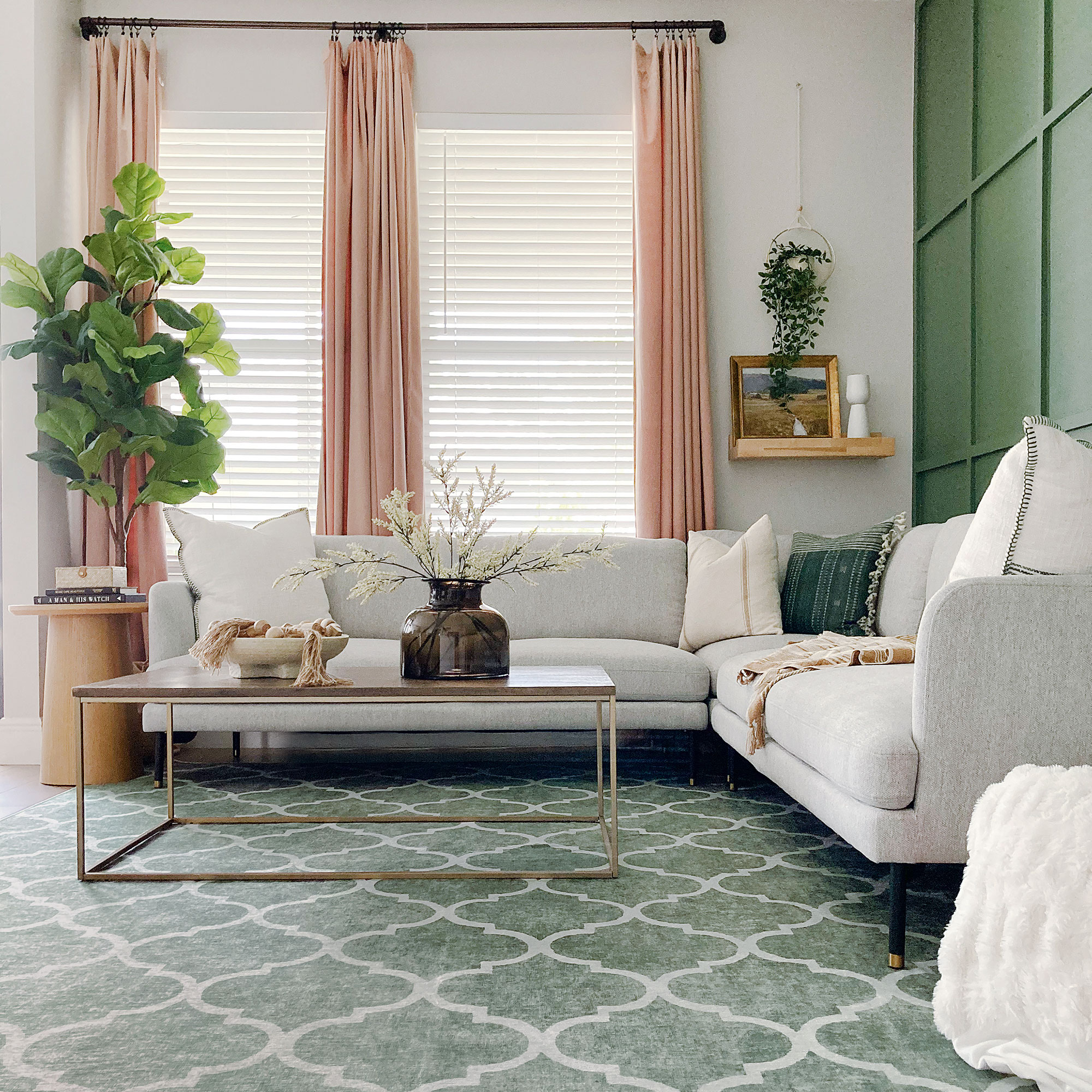
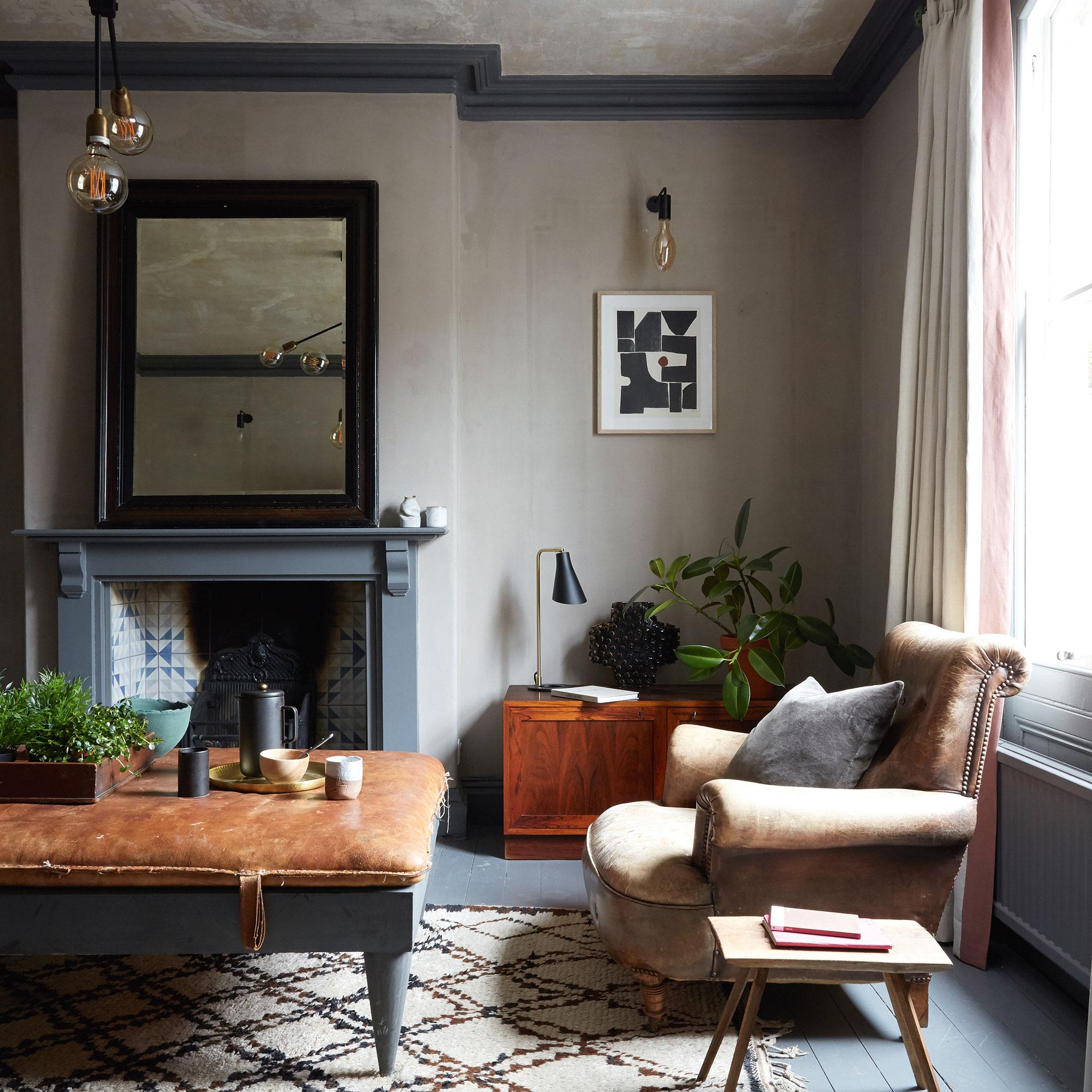
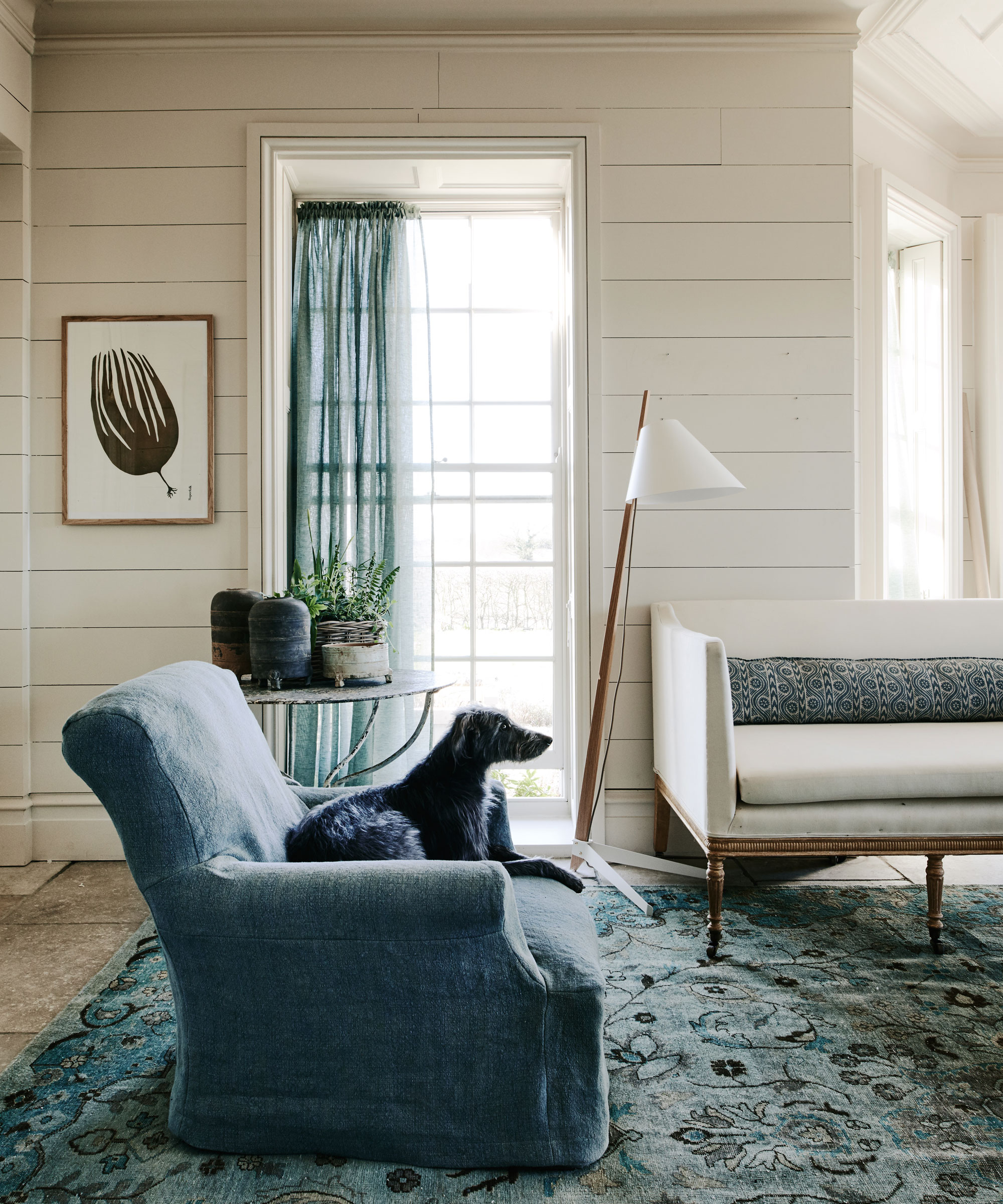
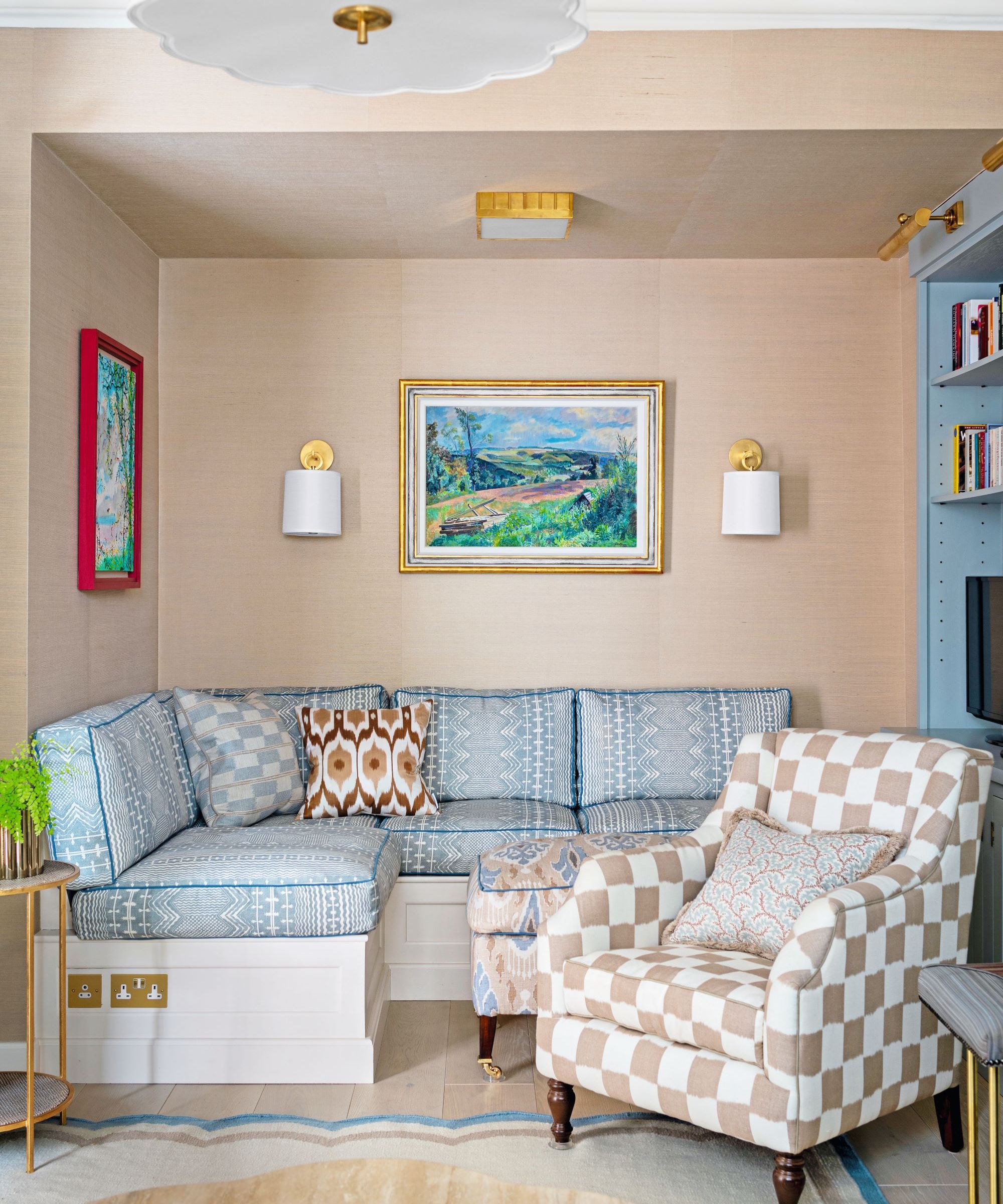
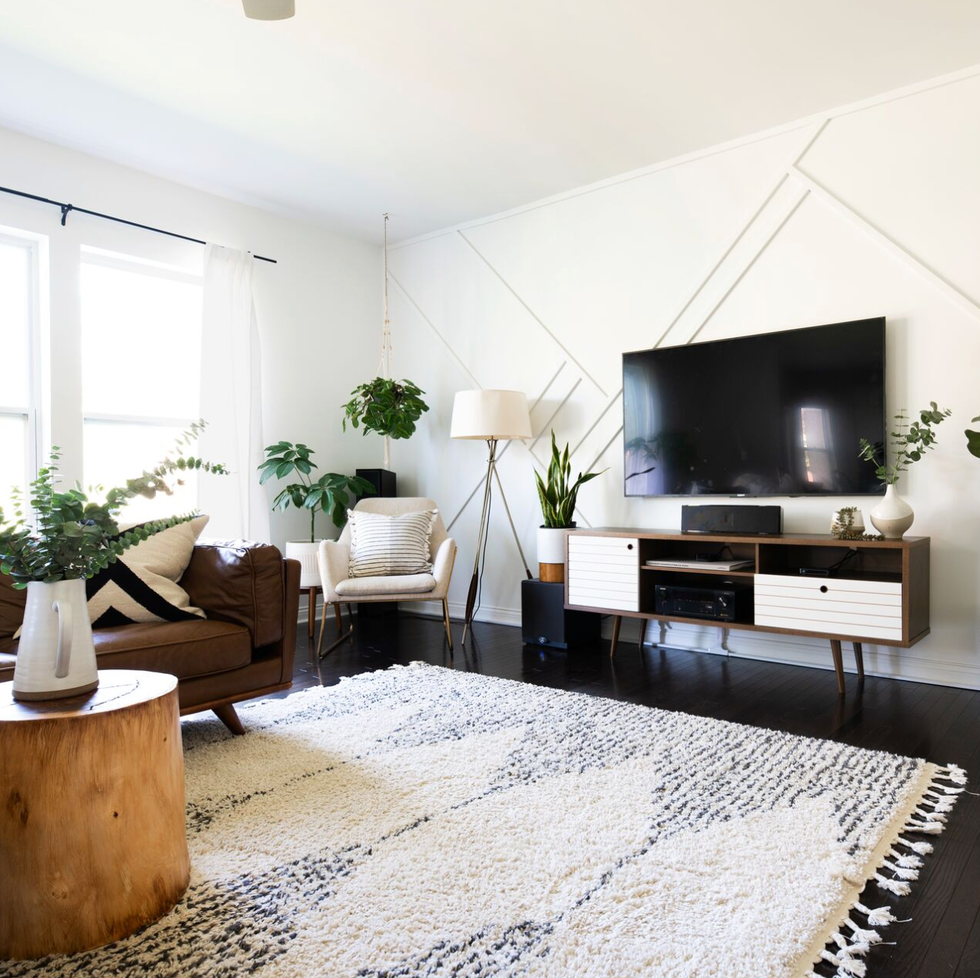
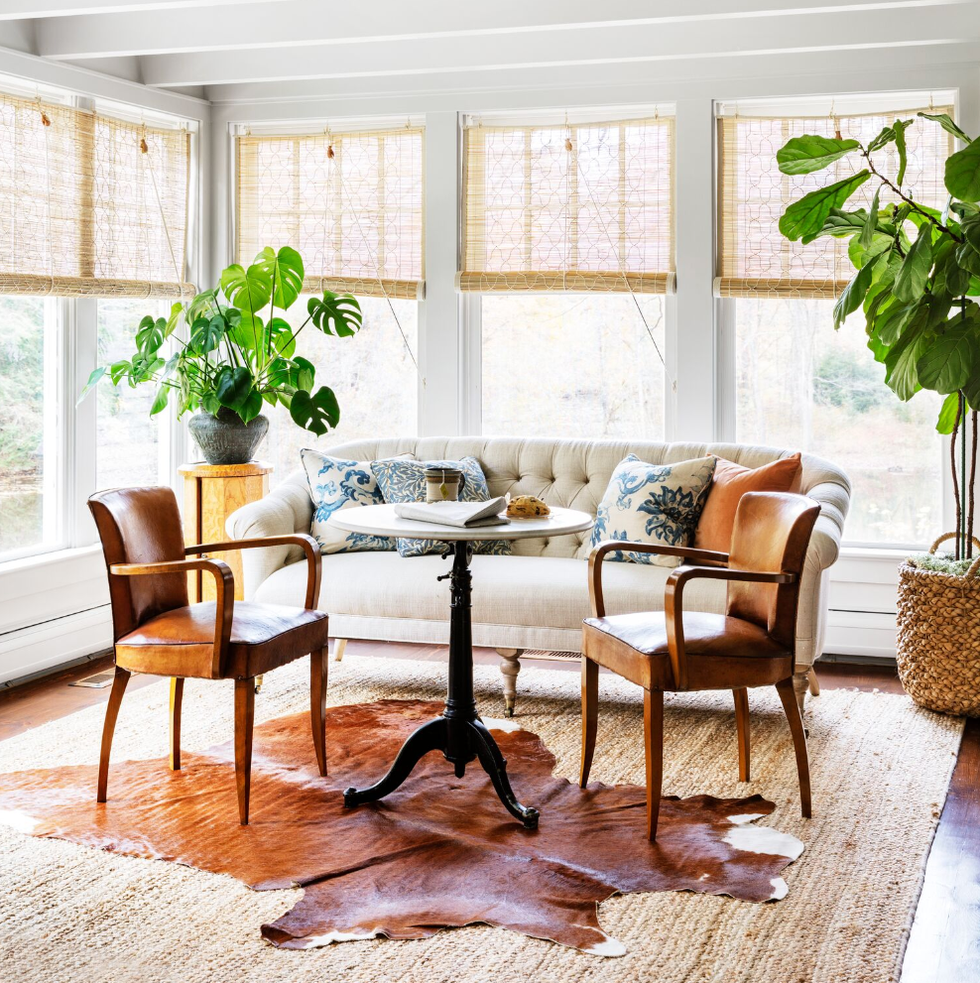
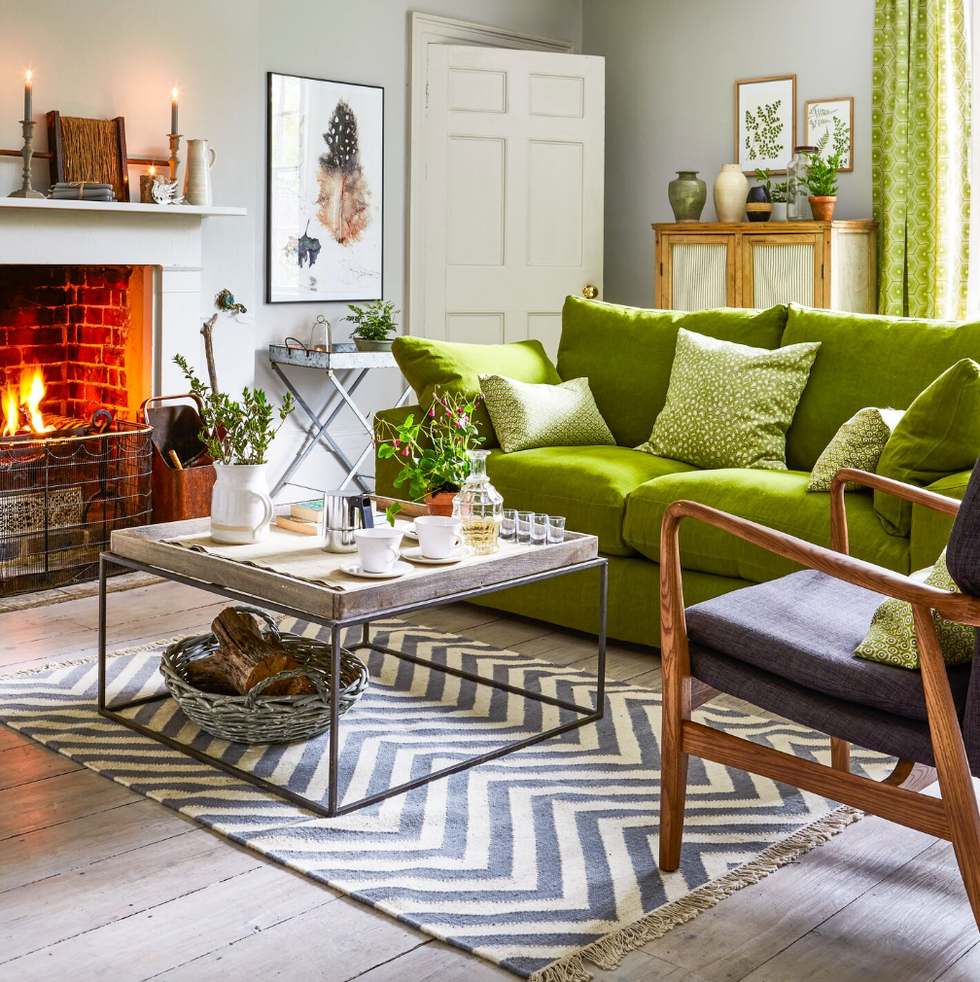
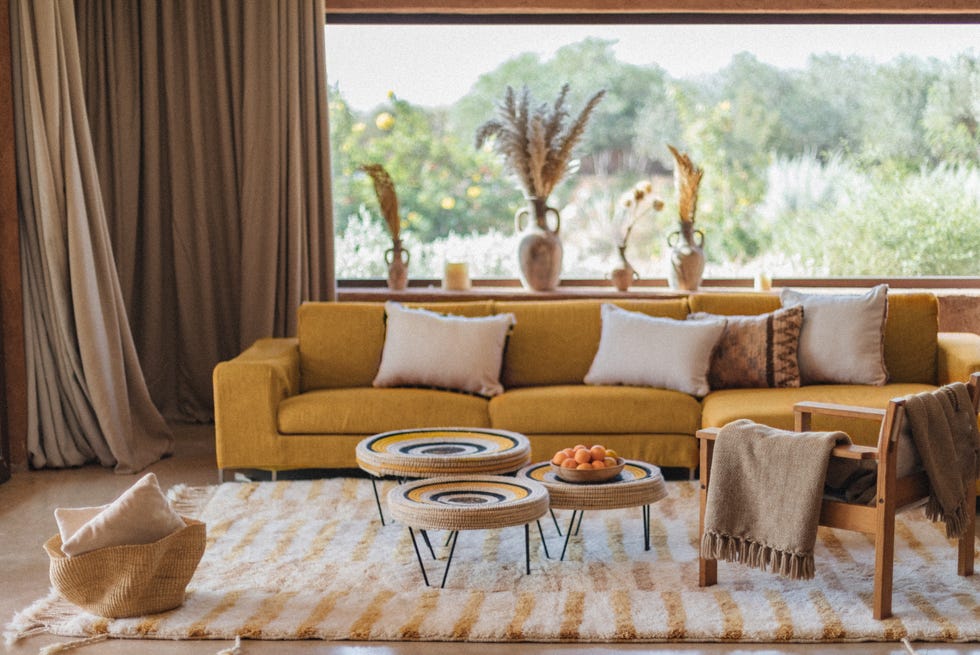
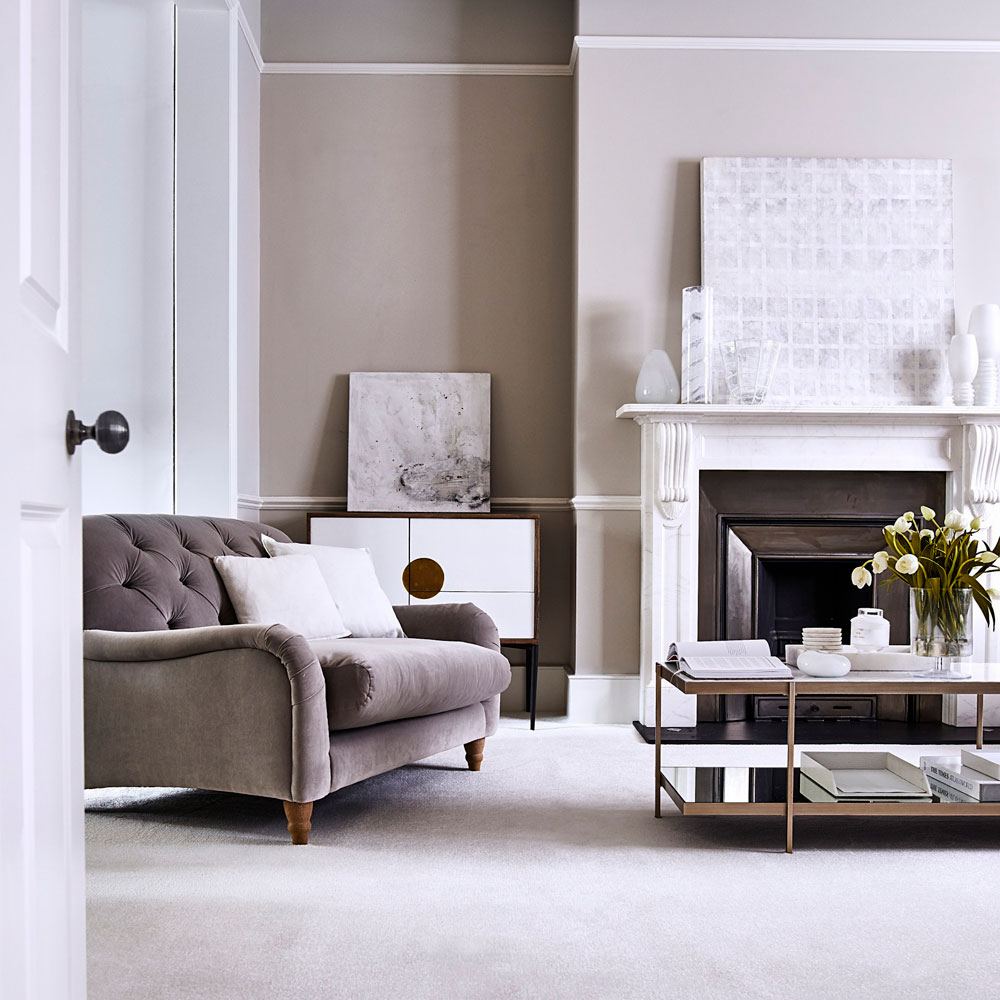
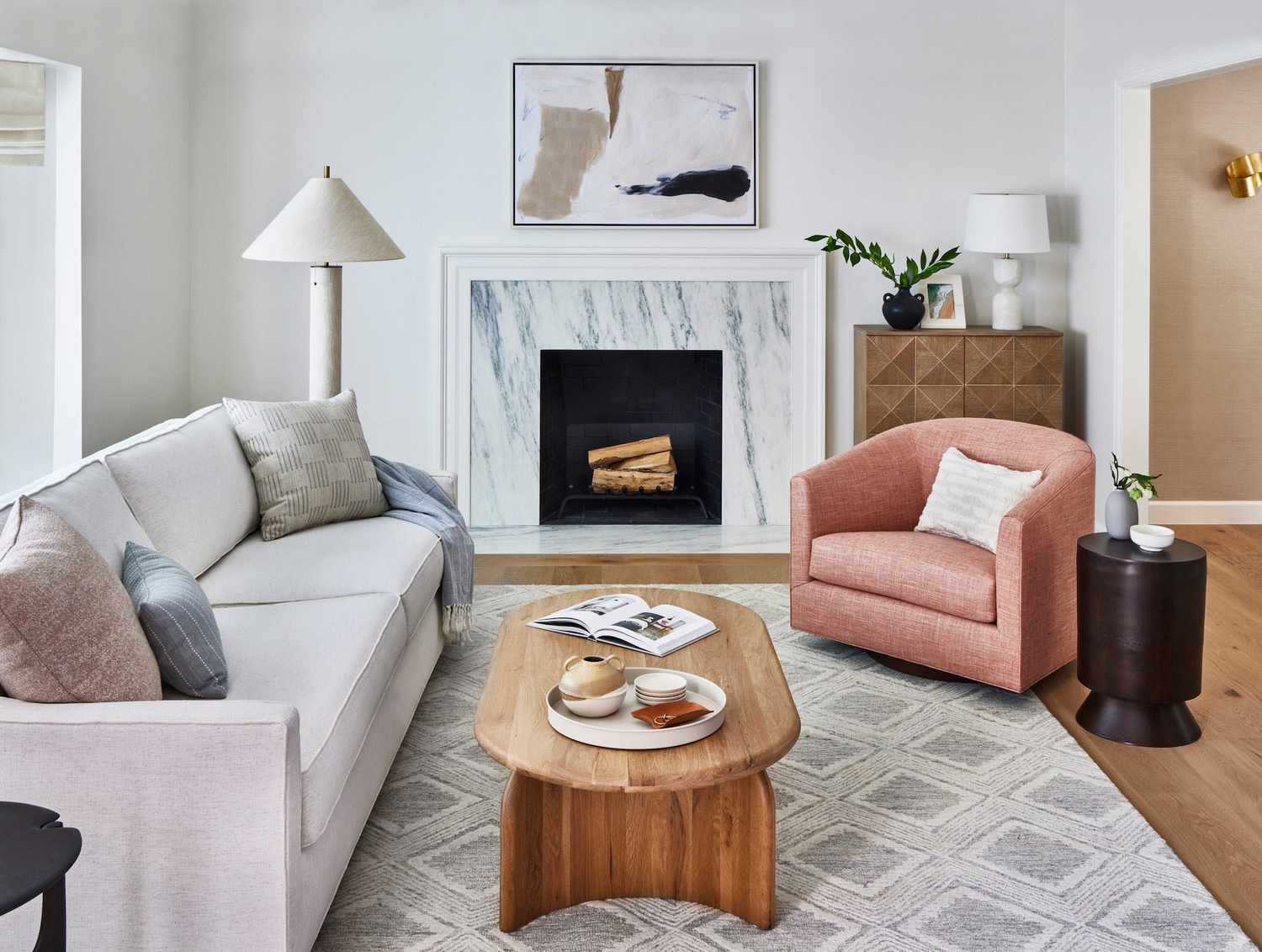
Proper rug placement is a common challenge in home decor, extending beyond merely selecting a stylish rug. The article addresses a frequent query: whether all furniture legs should rest on a rug, drawing insights from interior designers Ashley Powell and Stephanie Calderon. While both experts concur that ideally, all furniture legs should be on the rug to achieve a cohesive and polished aesthetic, they acknowledge that this isn't always practical or necessary. Calderon, CEO and Principal Designer at Stephanie Calderon Interiors, highlights that when full placement isn't feasible, aiming for at least the front two legs of key furniture pieces—such as sofas, accent chairs, and side tables—to be on the rug is a viable alternative. Powell, an interior designer at Roseberry Allen, echoes this sentiment, stating that positioning the front two legs on the rug is sufficient to ground the furniture and integrate it within the room, fostering a more conversational and connected interior.
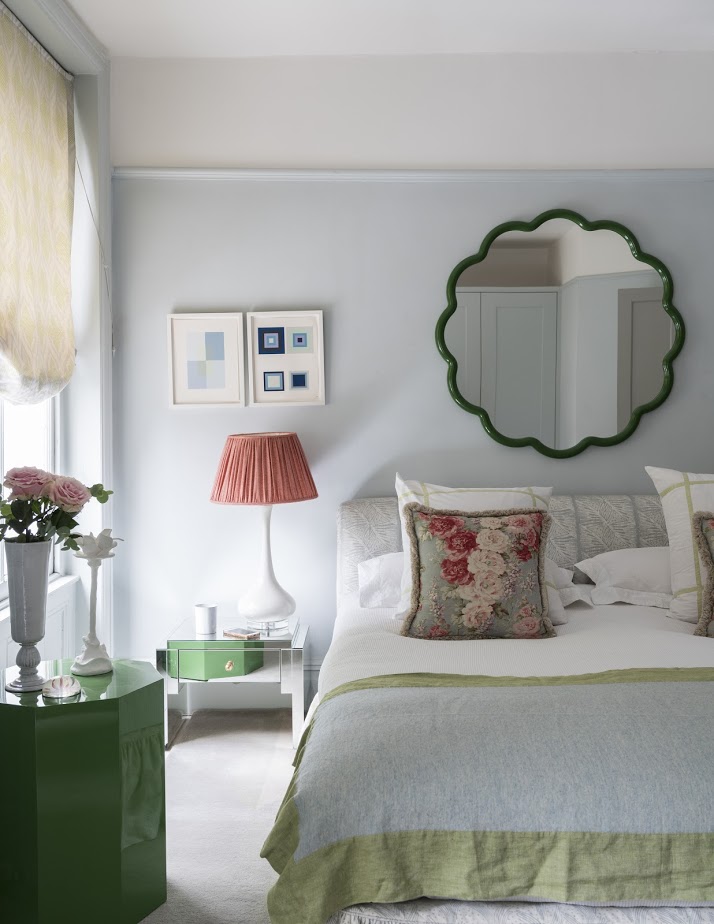
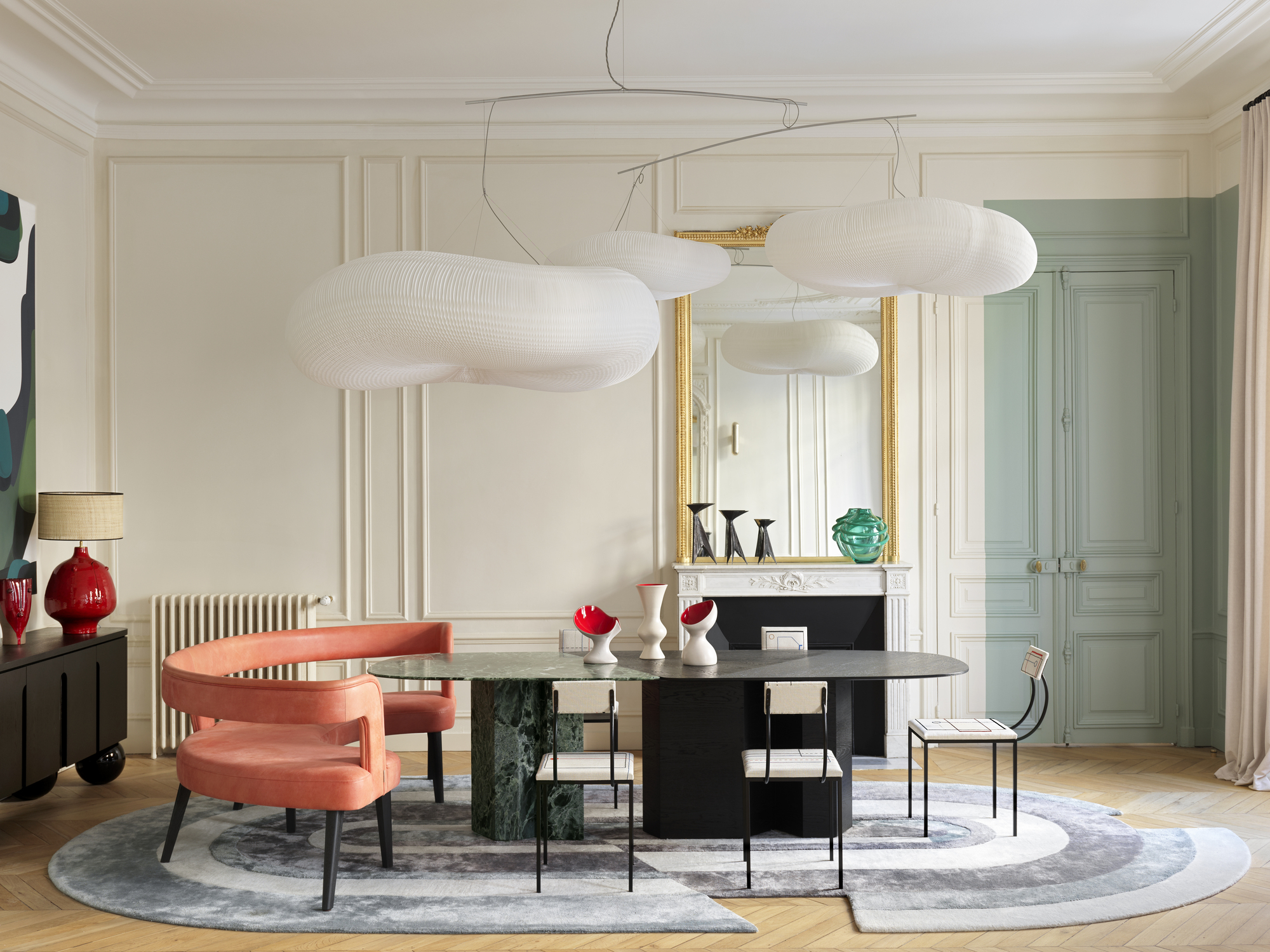
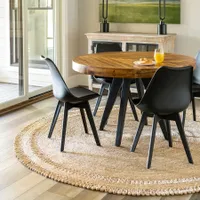
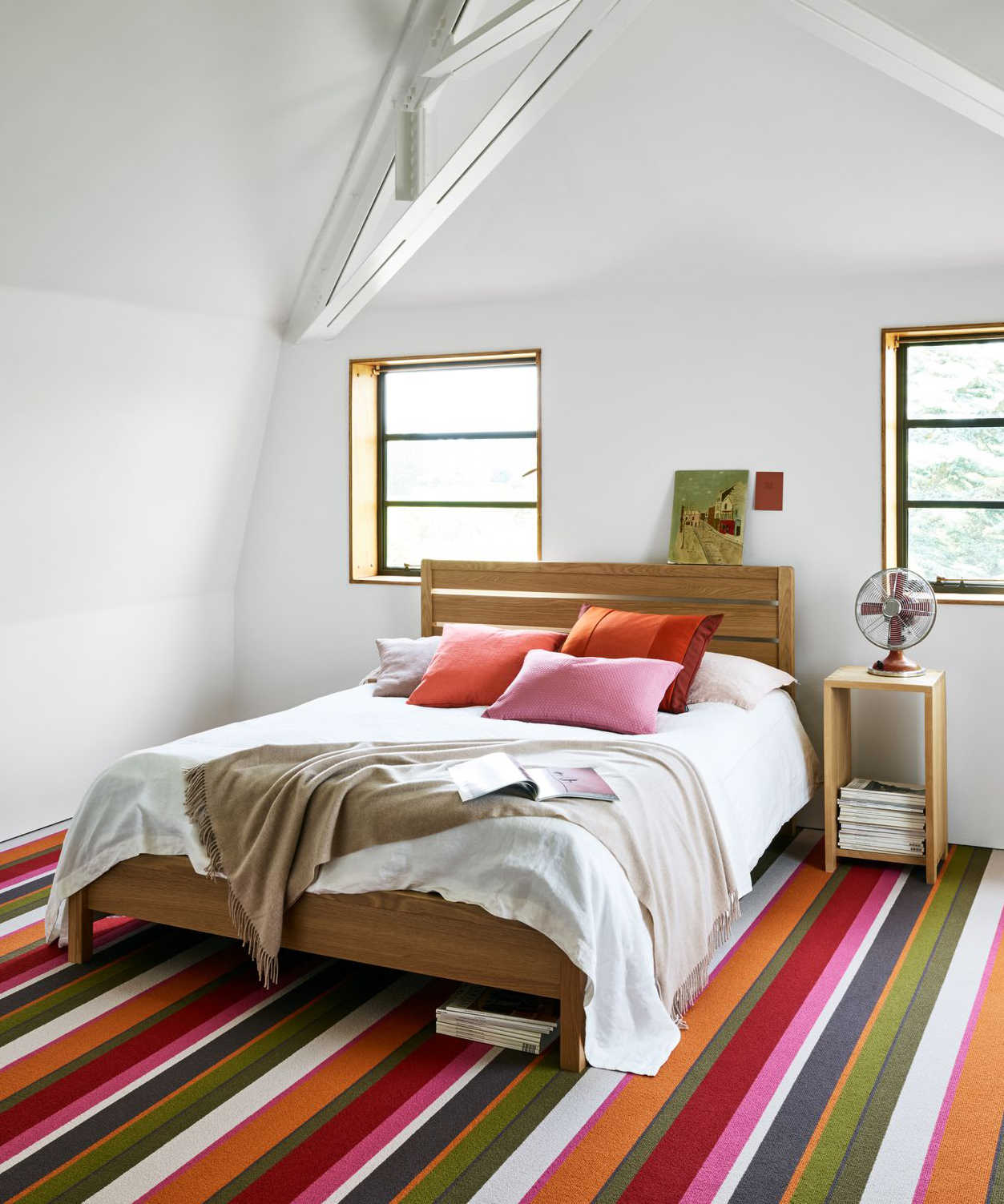
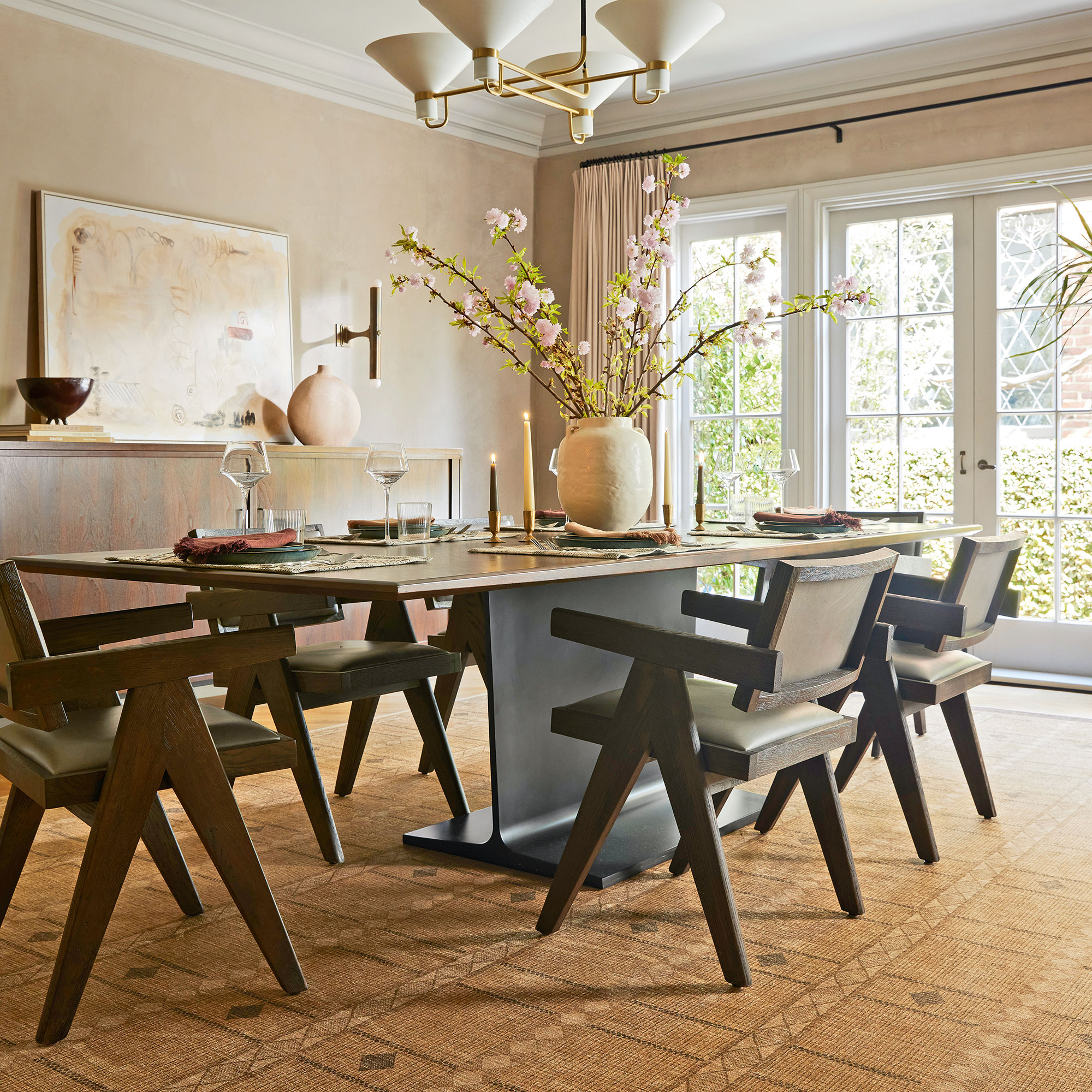
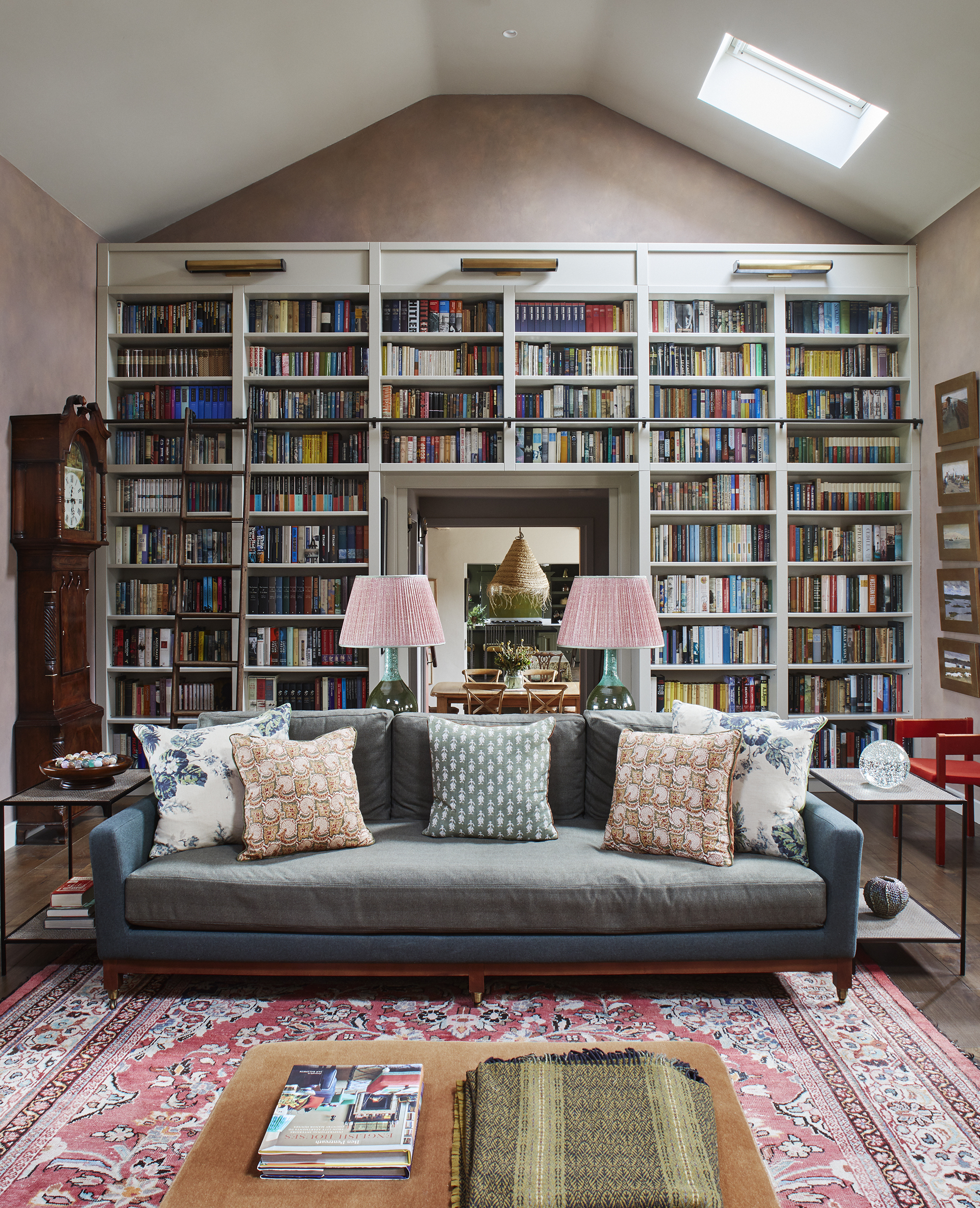
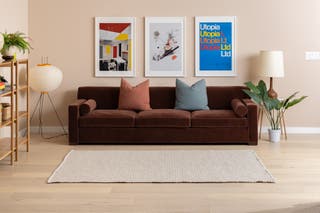
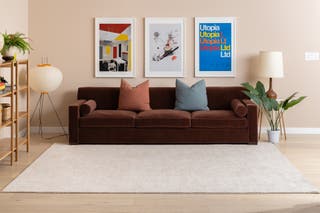
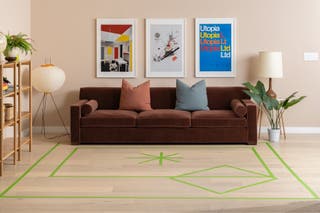
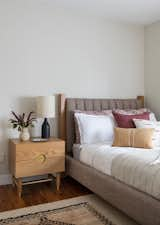
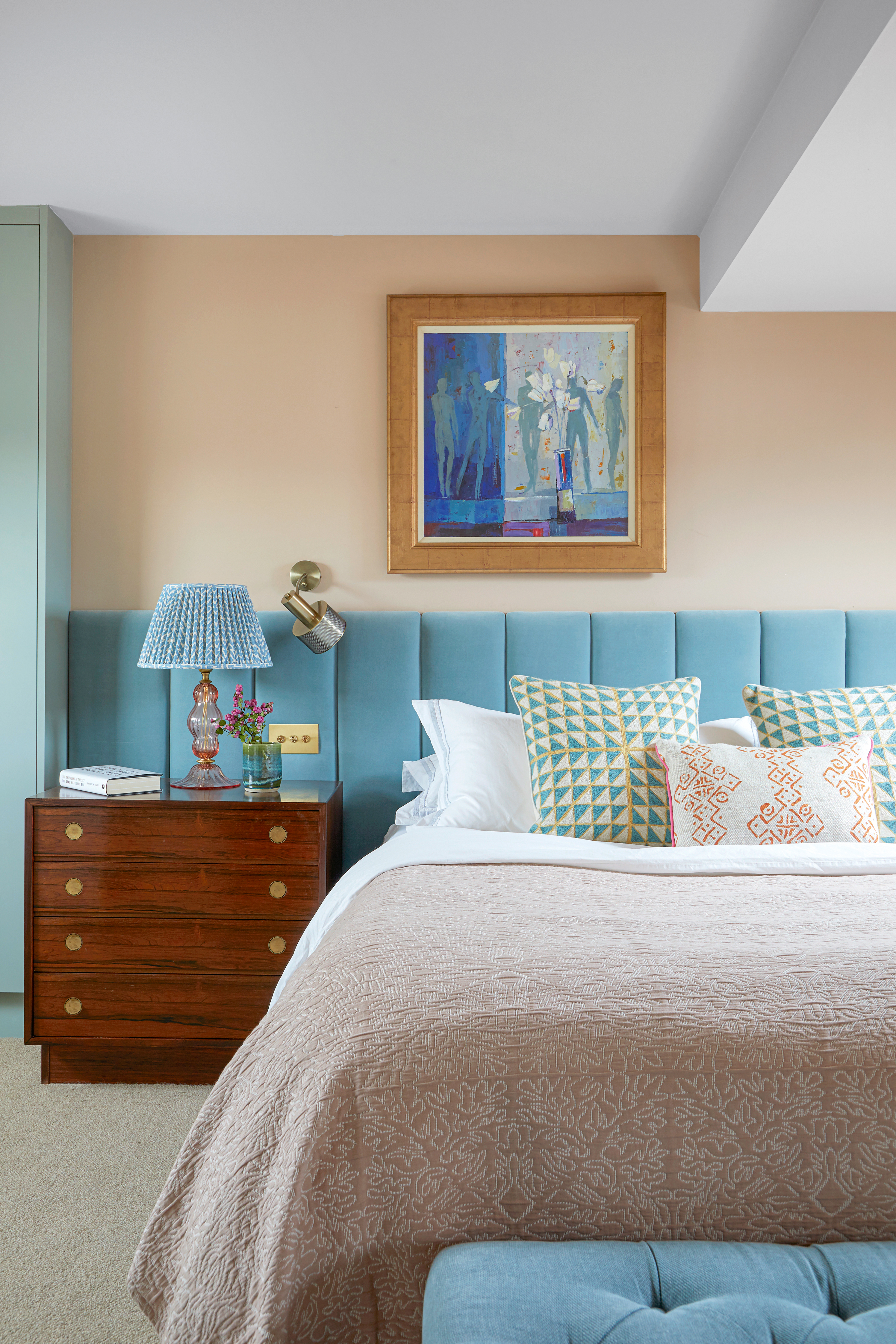
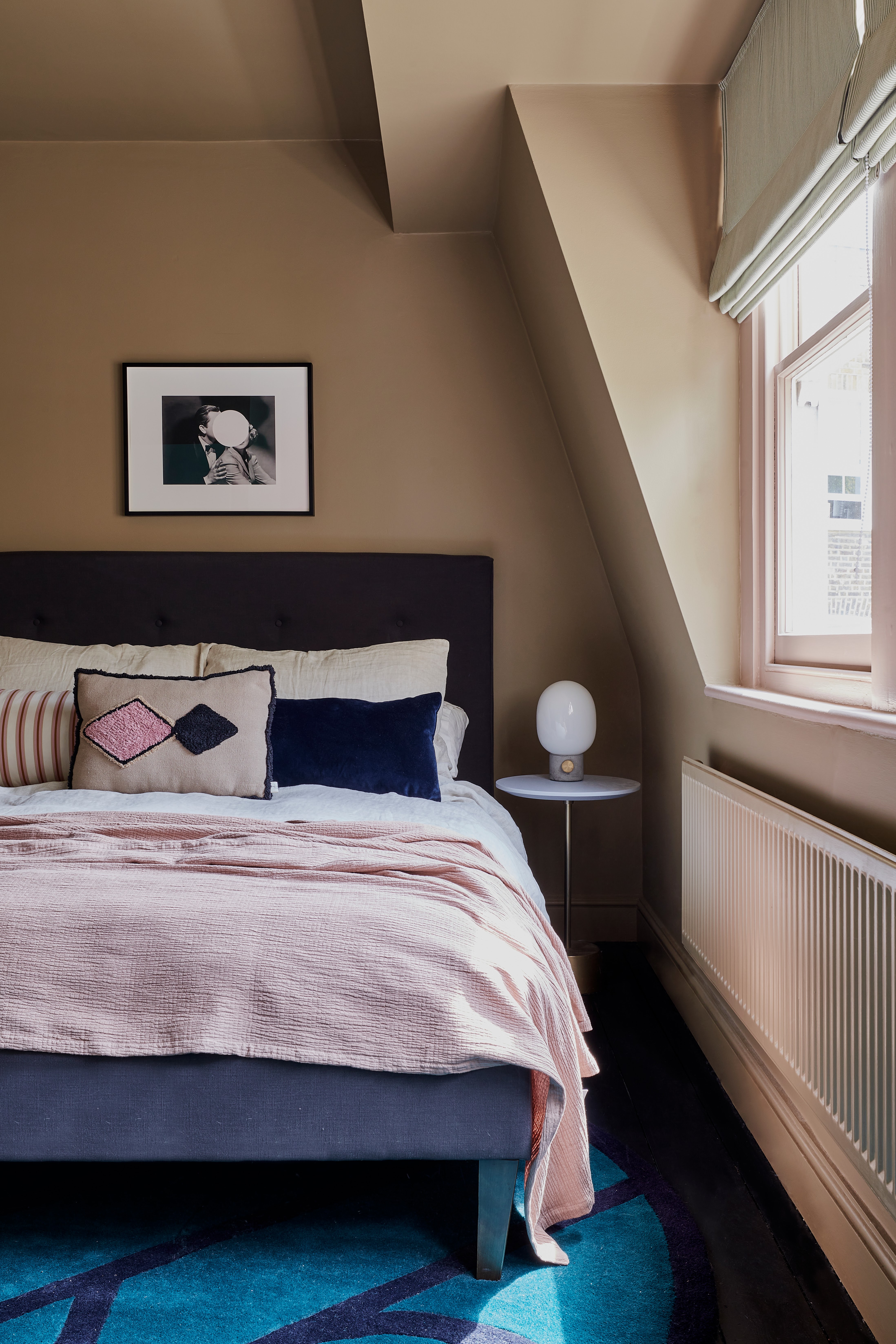
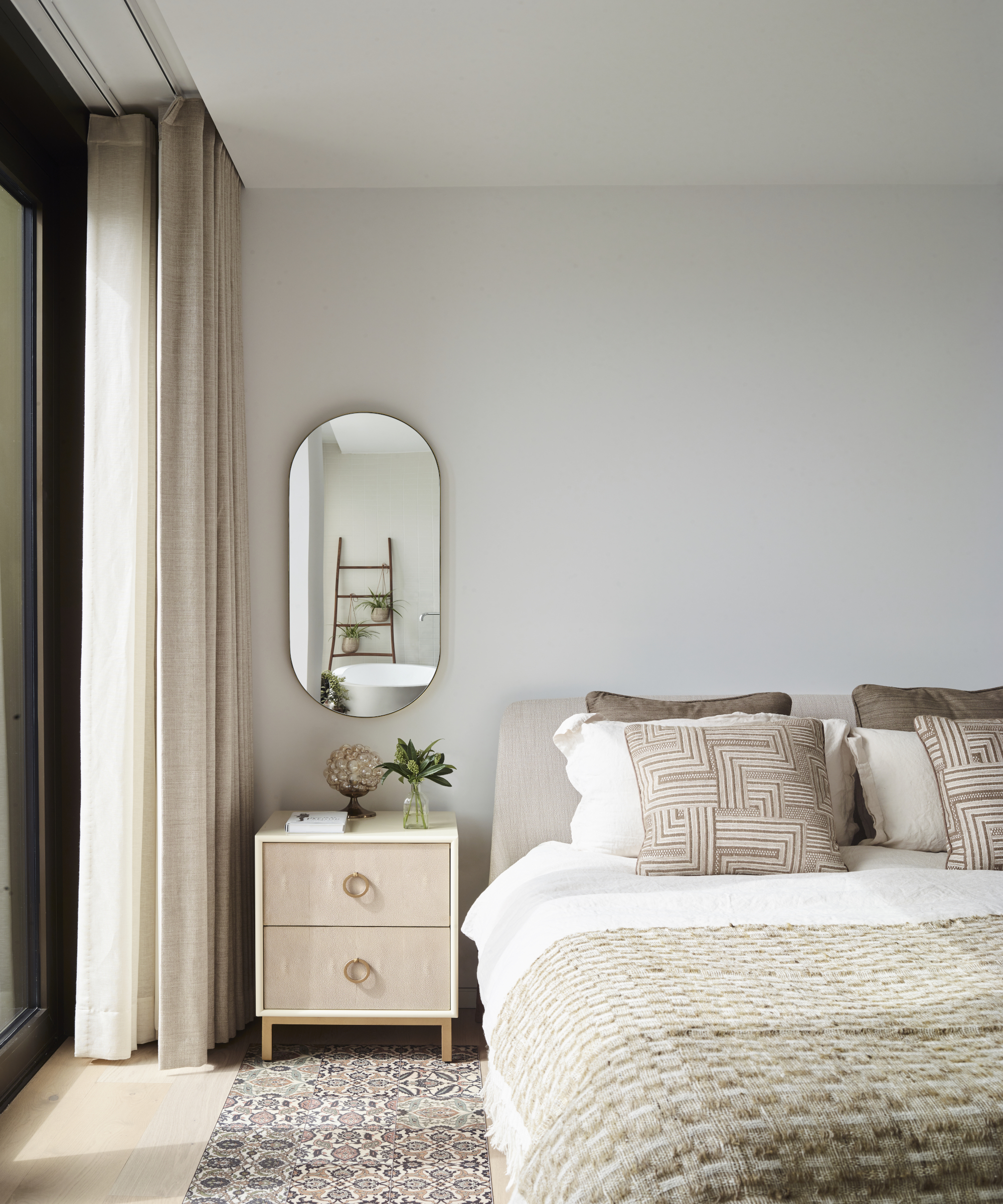
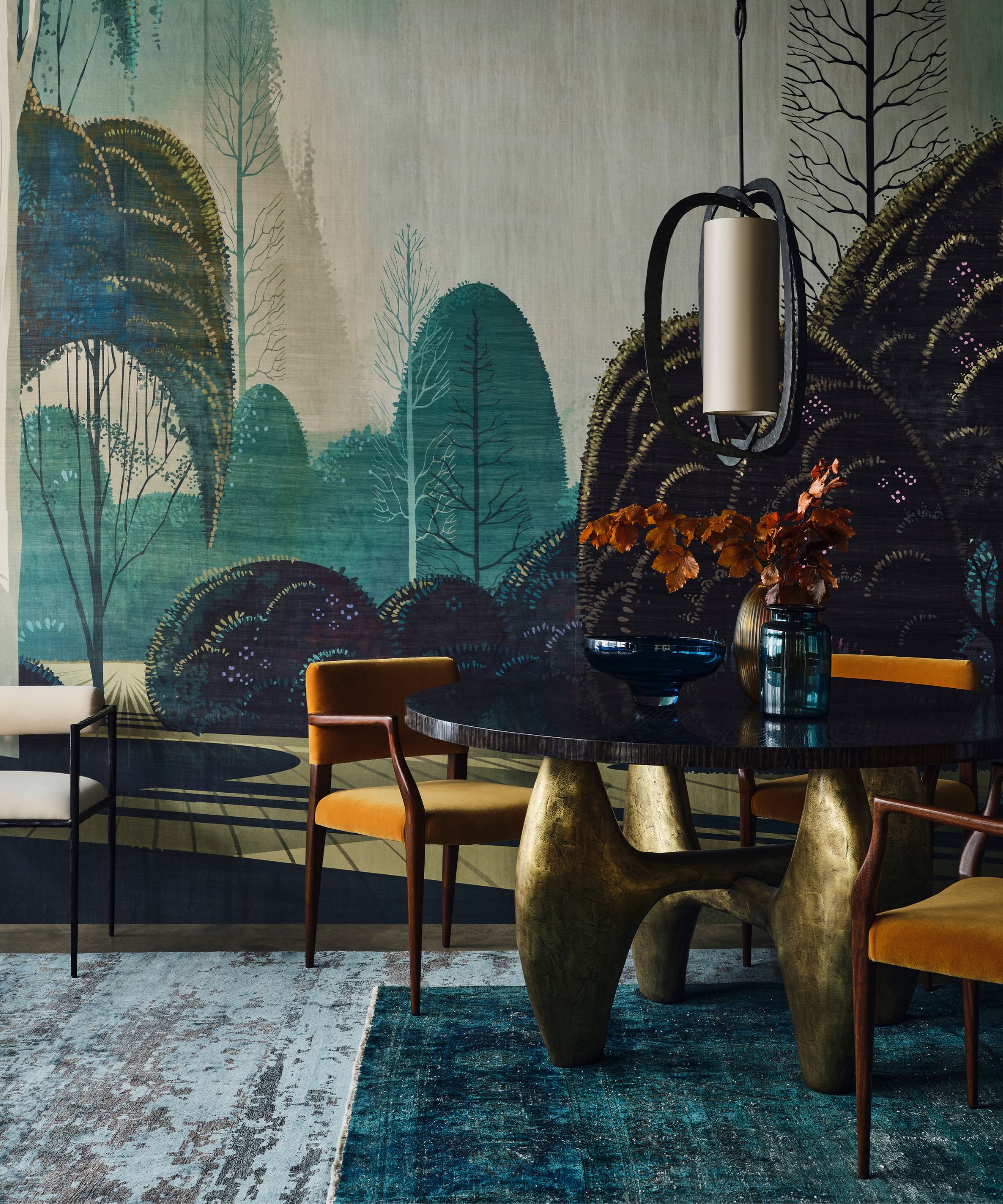
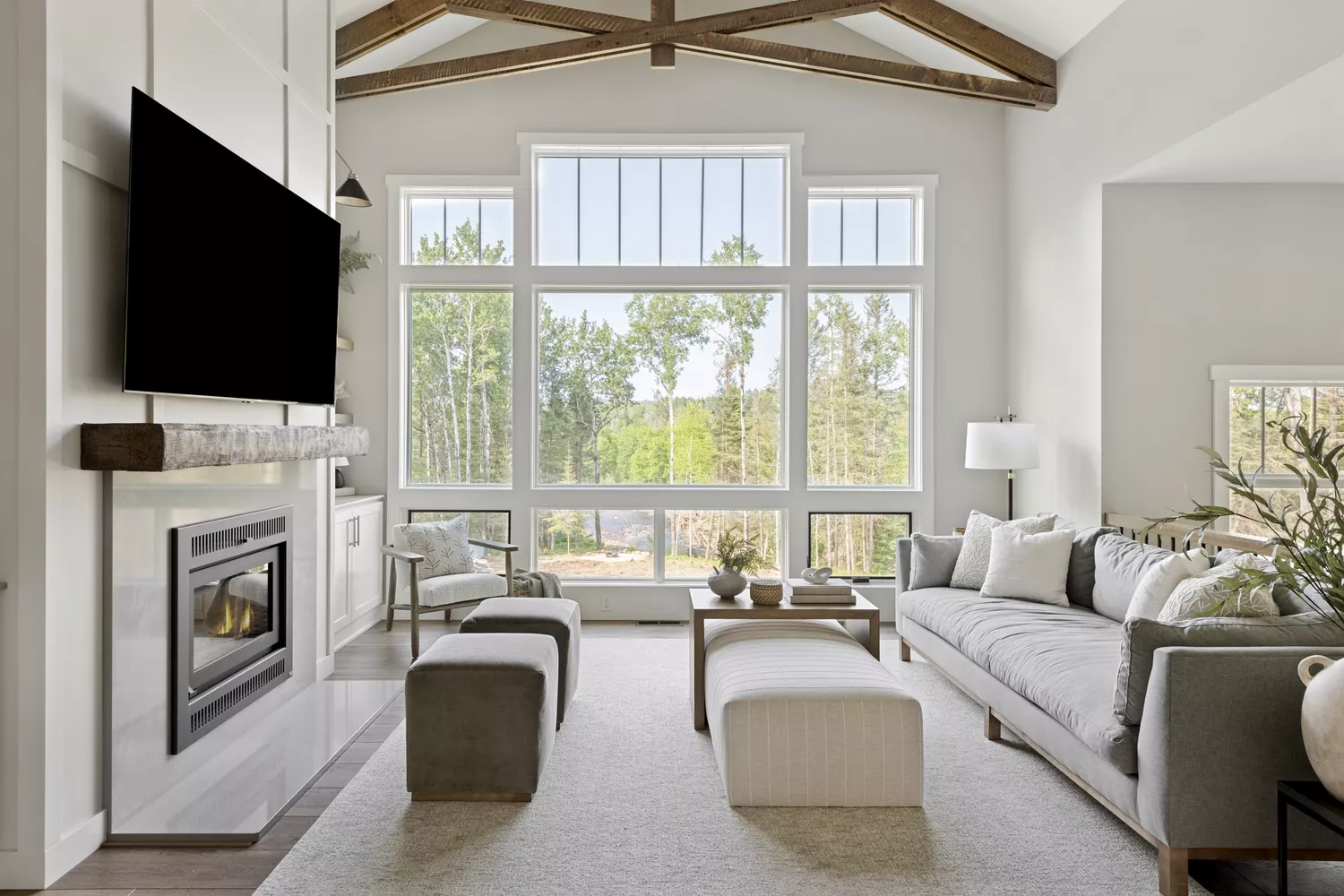
The process of positioning a rug involves careful consideration beyond simply laying it down. The experts emphasize a few rules to ensure a proportionate rug that complements the space and furniture. Calderon suggests using the rug as an anchor, advising to center it in the room or align it with a focal point like a fireplace or a main wall. Furniture should then be arranged around the rug to create balance, ensuring approximately three feet of walkway around most pieces for functionality and visual appeal. Powell adds specific guidelines for rug sizes in different rooms: dining room rugs should extend at least 24 inches past table legs to accommodate chairs, bedroom rugs should be large enough to go under about half of the bed, and living room rugs should cover at least the front legs of upholstery. A critical tip from Calderon is to avoid using a rug that is smaller than the furniture, as it can make the space feel disconnected; a properly sized rug anchors the room and unifies the decor.
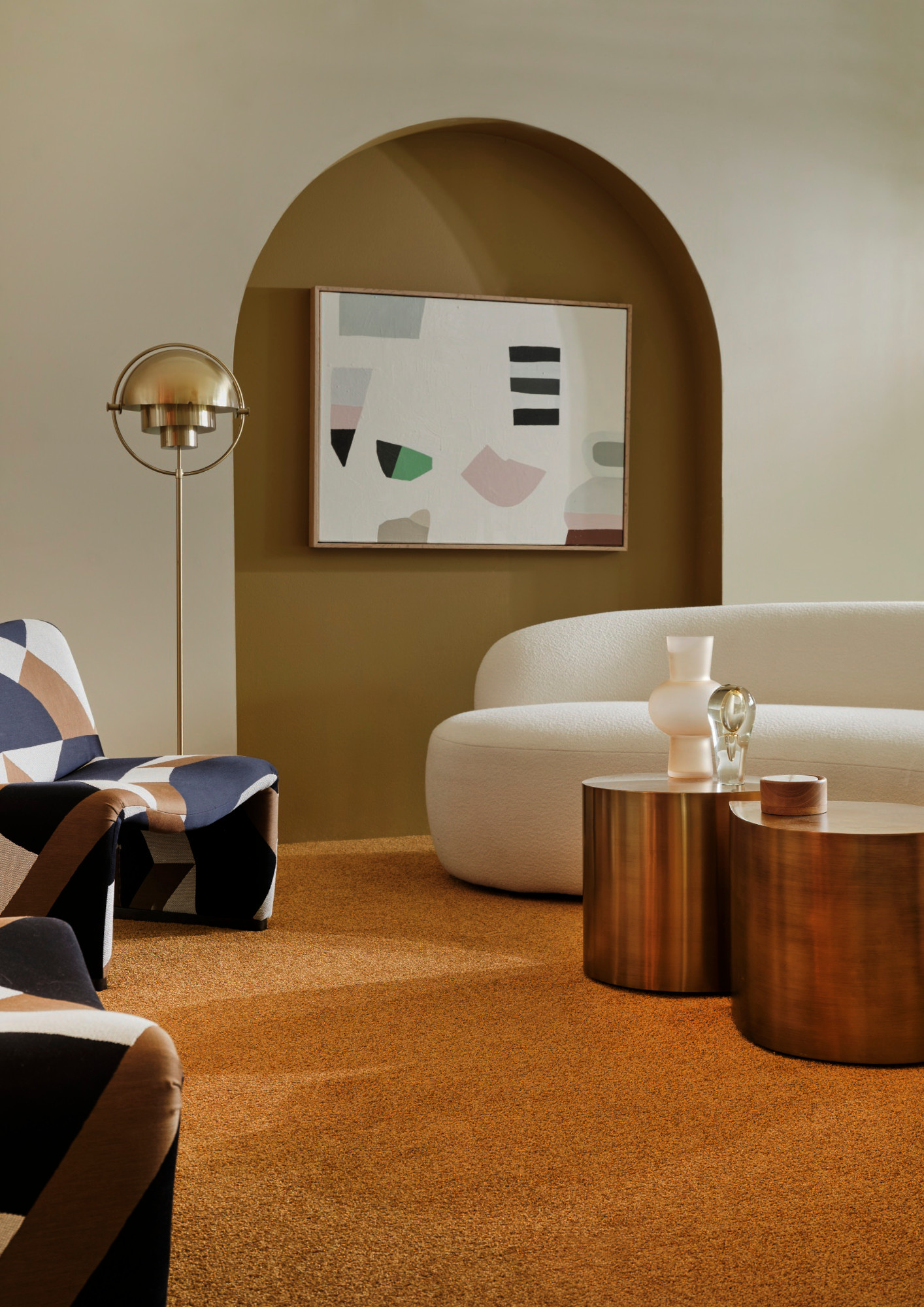
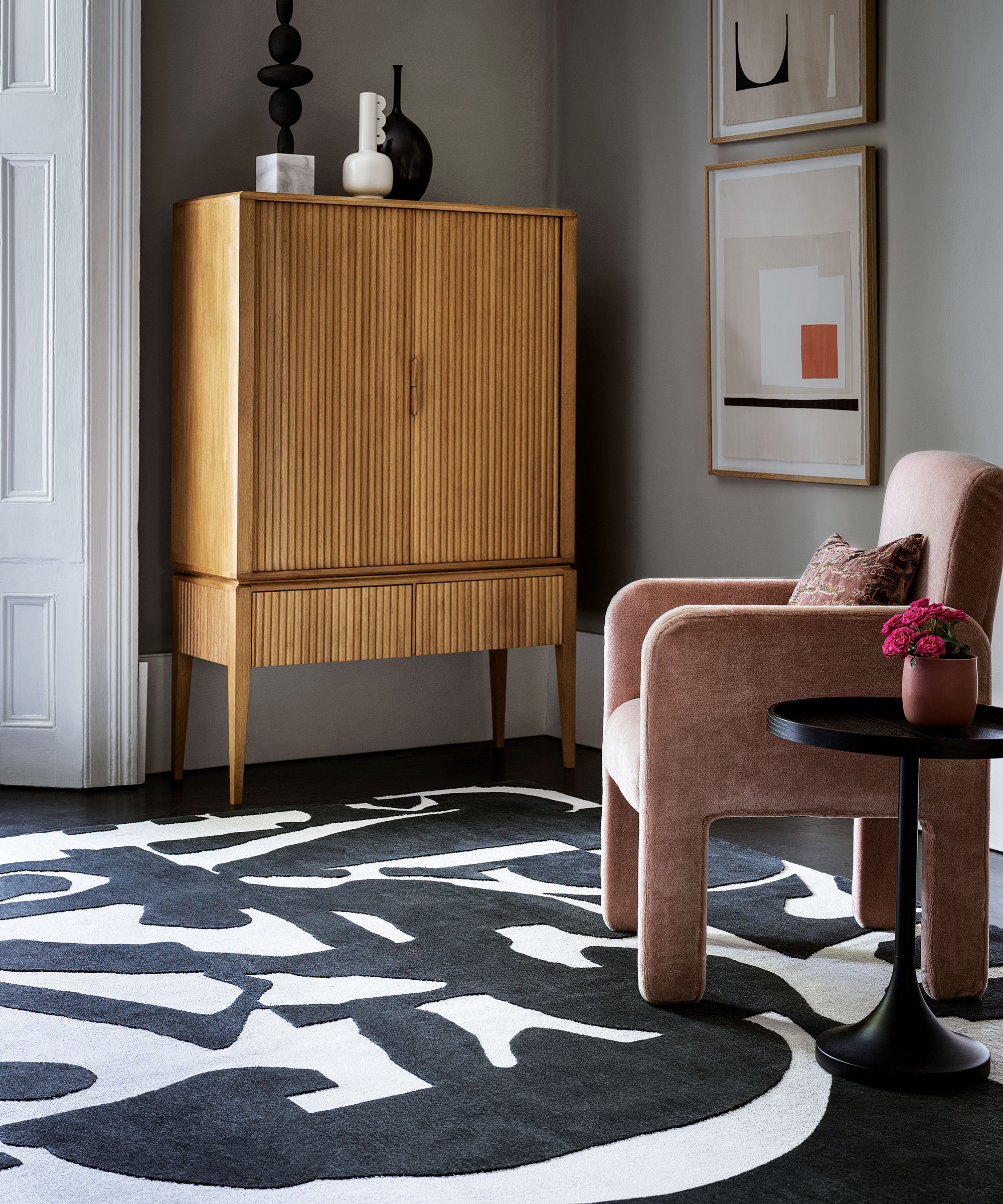
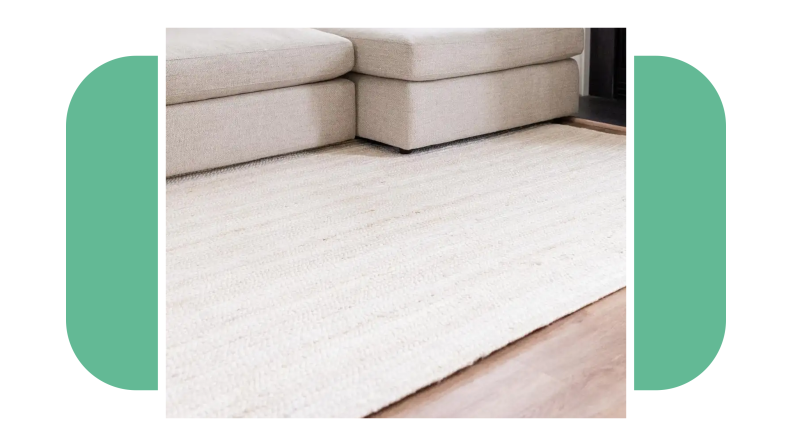
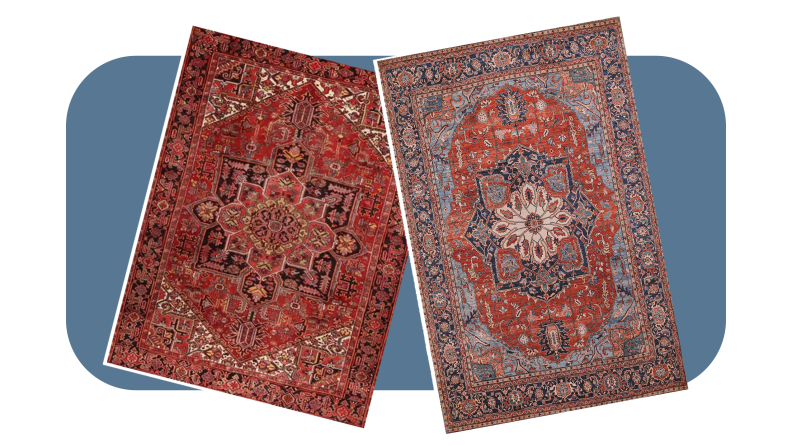
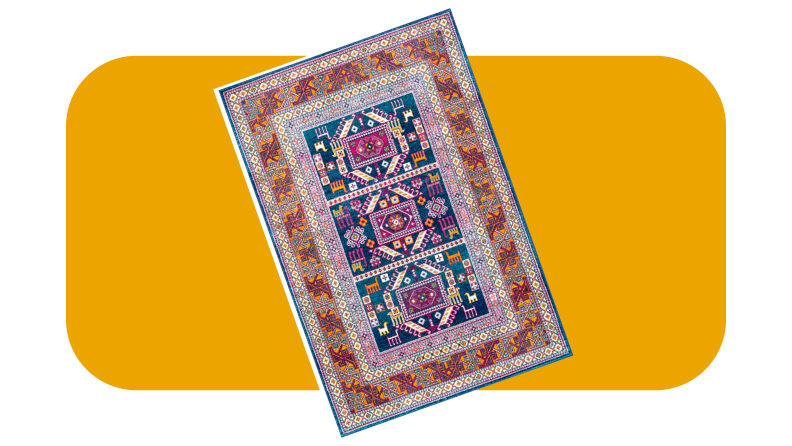
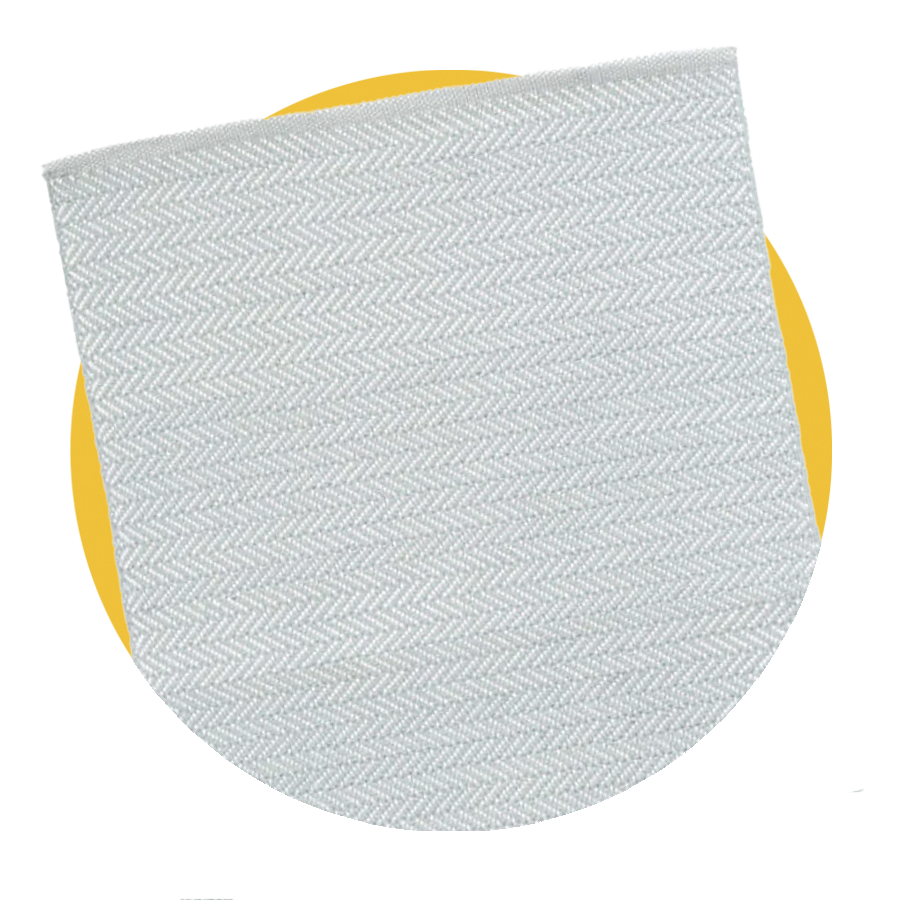
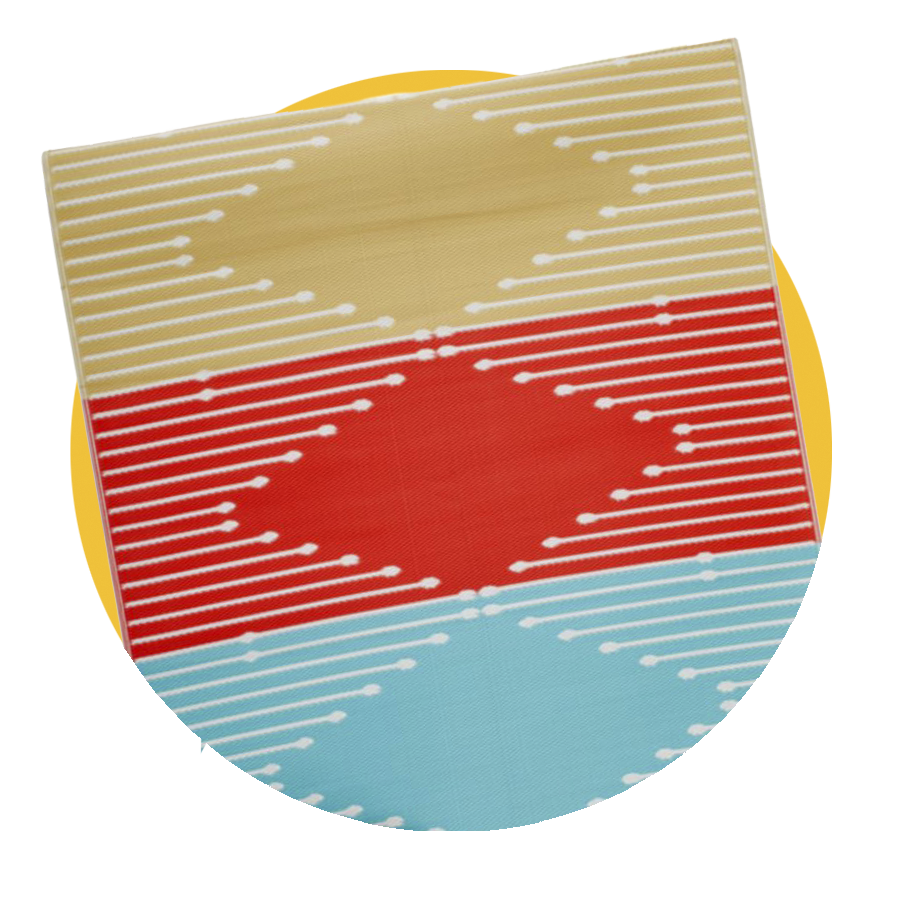
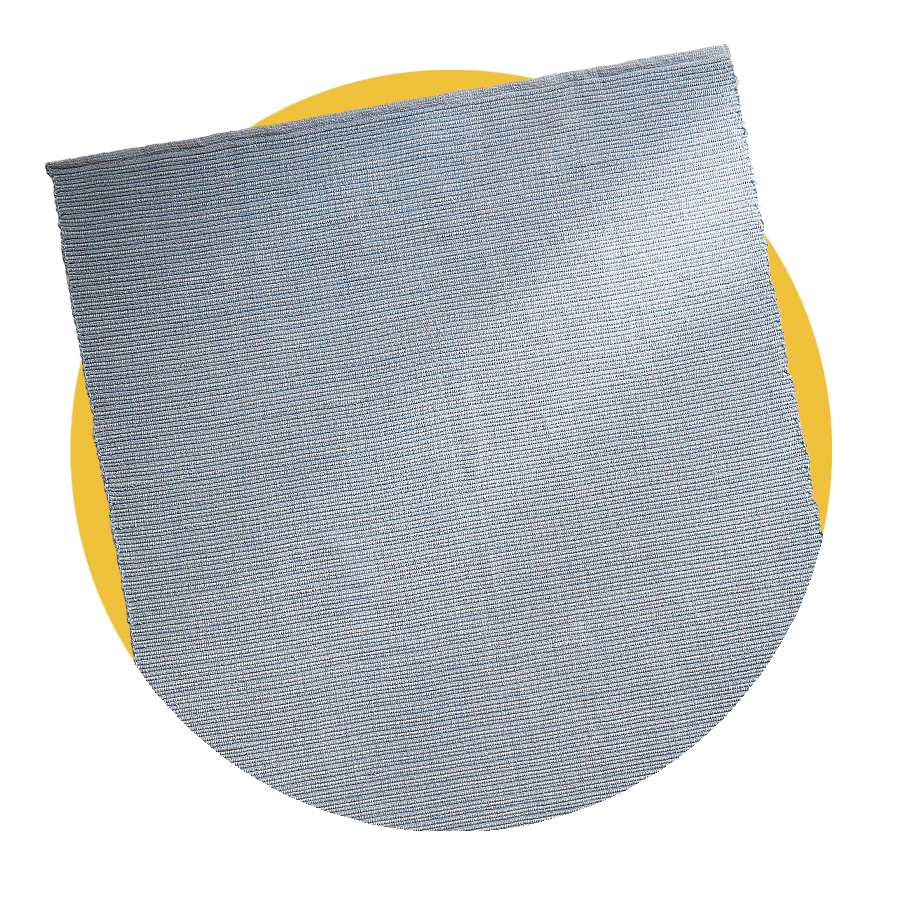
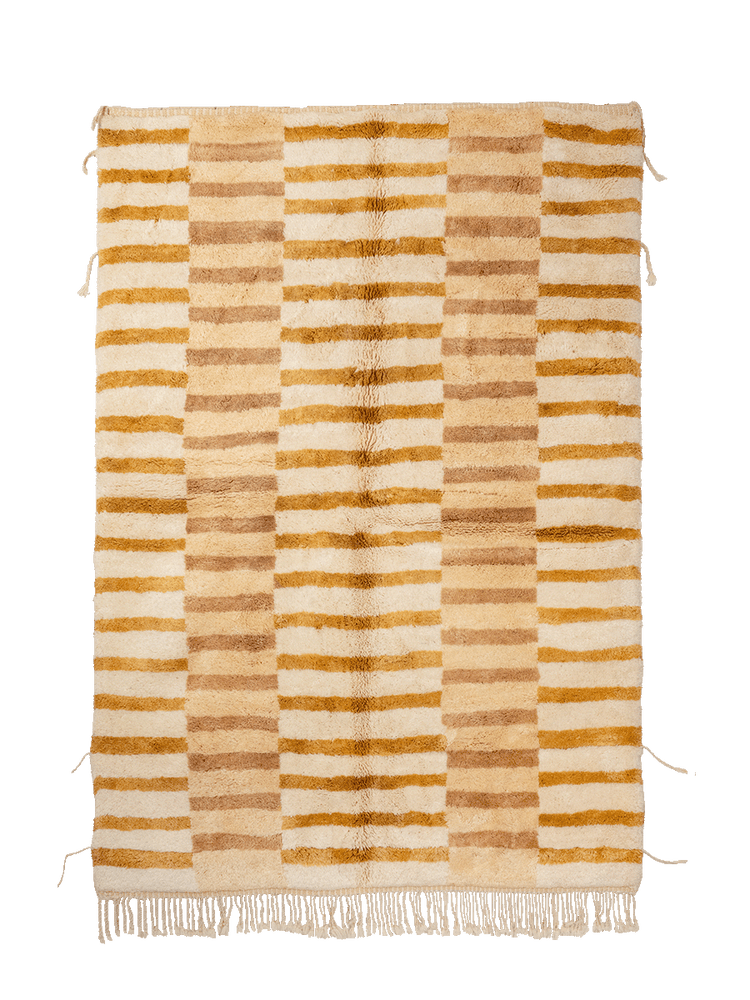
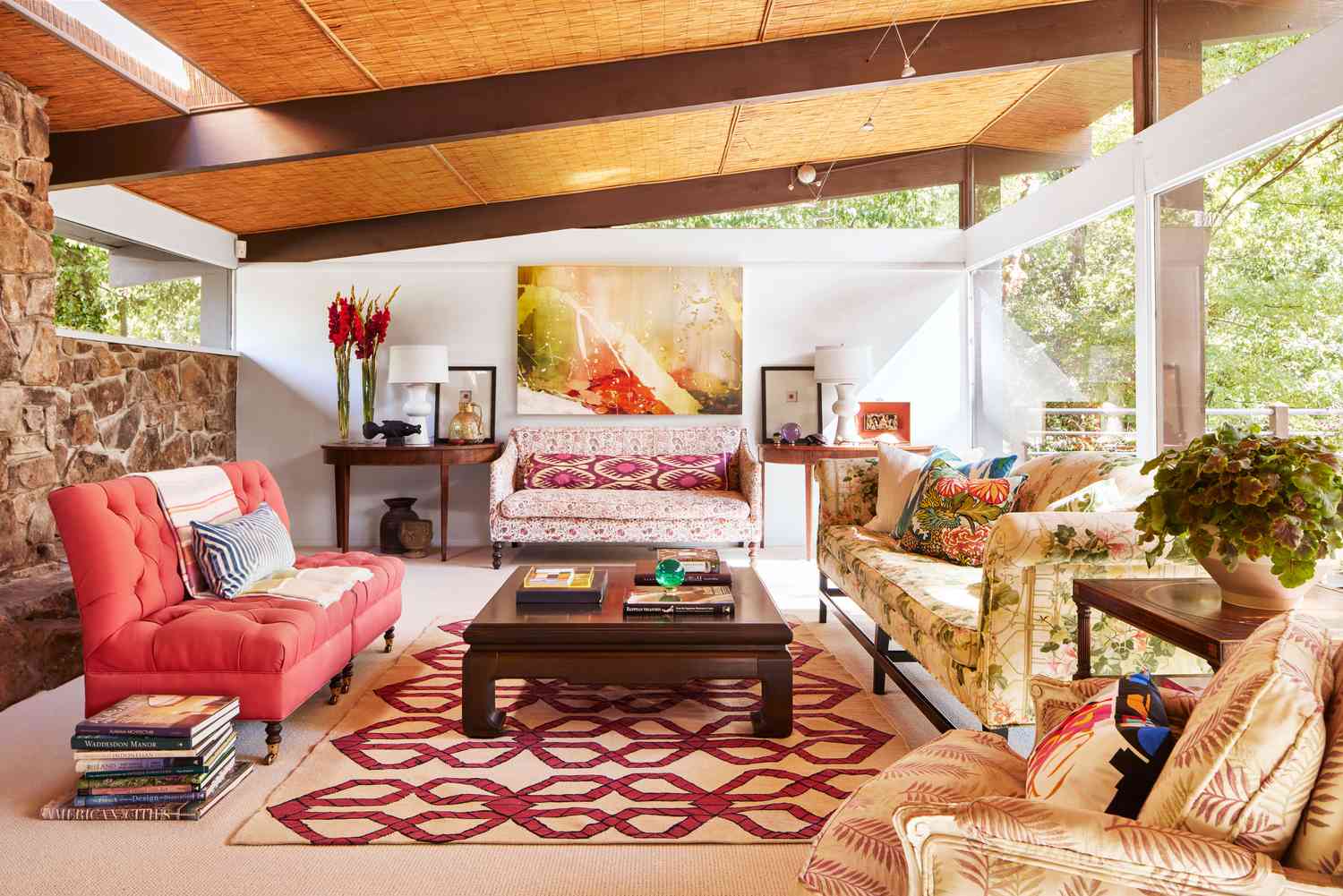
Beyond basic placement, the article offers additional styling tricks and rules for rugs. Proportion is key; a rug that is too small can fragment the space, while one that is too large can overwhelm it. Layering rugs is another recommended technique, especially for larger rooms. Powell suggests using a sisal rug that is about one to two feet off the perimeter of the entire room, then layering a patterned rug on top to define more intimate seating zones, creating a layered and inviting look. Rugs can also be employed to create distinct zones in open-concept spaces, effectively separating areas like a seating arrangement from a dining space. When selecting a rug, it is important to consider how its pattern interacts with the furniture. If a rug has a bold central design and the furniture layout cannot align with this center, it may disrupt visual balance. In such cases, choosing a rug with a more versatile or evenly distributed pattern is advisable to maintain harmony in the room.
#RugPlacement #HomeDecor #InteriorDesign #FurnitureArrangement #DesignTips #RoomLayout #DecoratingIdeas #ExpertAdvice #RugPlacement #HomeDecor #InteriorDesign #FurnitureArrangement #DesignTips #RoomLayout #DecoratingIdeas #ExpertAdvice
共0条评论
 暂无评论
暂无评论你可能还喜欢
Is carpet out of style? Designers share how they’re using it now – and what to try instead

Three design experts share their secrets for finding a new rug and carpet

4 expert design tips for layering rugs the right way

DFW Textile Sourcing Shares Their Top Five Tips For Choosing the Best Rug — From Lifestyle to Vintage Versus New

'They're not for every room' – designers say they'll never use a round rug in these 5 spaces, and neither should you
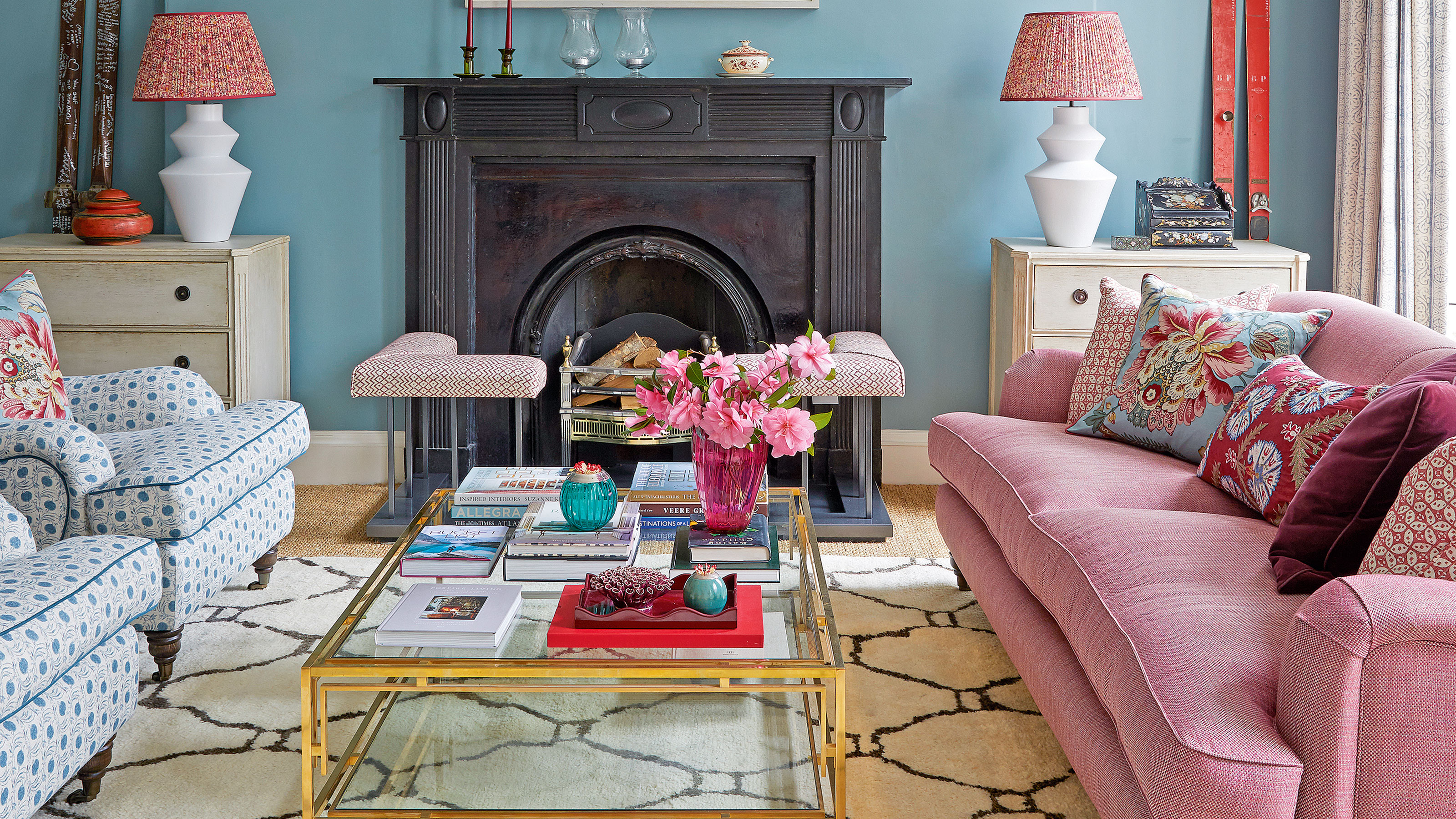
The ideal area rug sizes for a living room – 5 expert rules to follow

Do You Really Need a Rug Pad? Experts Weigh In

The Big Mistake Most People Make With Their Living Room Rugs

Is Carpets in Bedrooms Out of Style? We Discuss the Design
Should You Really Push Furniture Against the Walls? Designers Set the Record Straight
How to buy rugs for homes with lots of paws and foot traffic
6 Rug Styles That Are Everywhere Right Now, According to Designers

We Asked Designers If Throw Pillows Should Always Match Your Rug—They All Agreed

Room Feel Snug? It Might Be Your Rug. | Reviews by Wirecutter
Bedroom flooring ideas – 10 new design trends to add both comfort and style
Flooring expert reveals the only downstairs room you should be using carpet in
This Rug Style Is the Answer to Design-Decision Fatigue


How Much Should You Spend on an Area Rug?

This is how to layer rugs, according to interior designers
5 Living Room Rug Mistakes You’re Probably Making—And How To Fix Them, According To Designers