1/6
How to clean Amazon Echo, Google Home, Apple HomePod and other fabric-covered devices
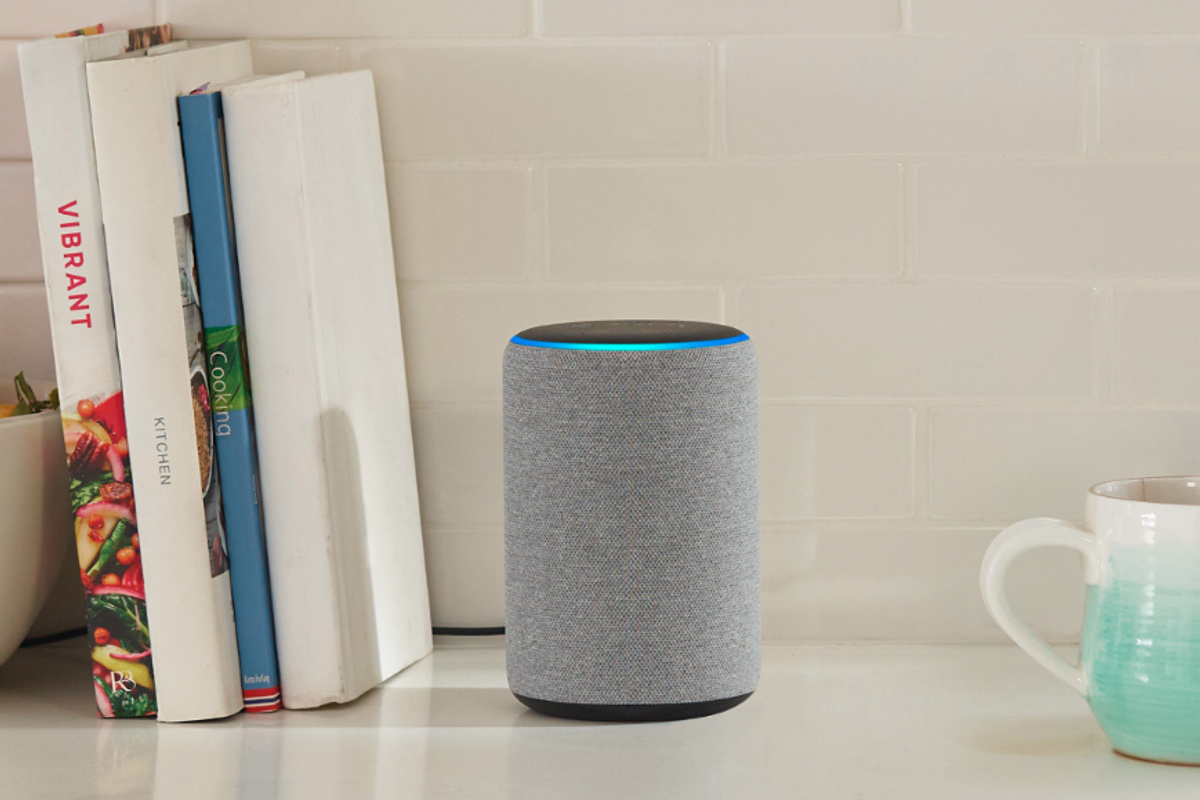
Many modern smart home devices, including smart speakers like Amazon Echo, Google Home, and Apple HomePod, have transitioned from traditional hard plastic and metal casings to more aesthetically pleasing and touch-friendly fabric covers. While these fabric designs integrate better into home decor, they pose a challenge for cleaning as they are prone to attracting dirt and stains. This shift in design necessitates specific cleaning methods, often different from those used for older, hard-cased electronics.
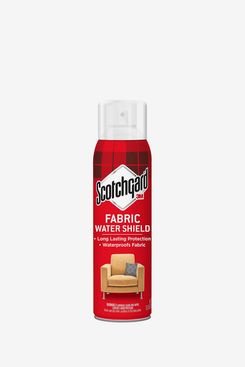
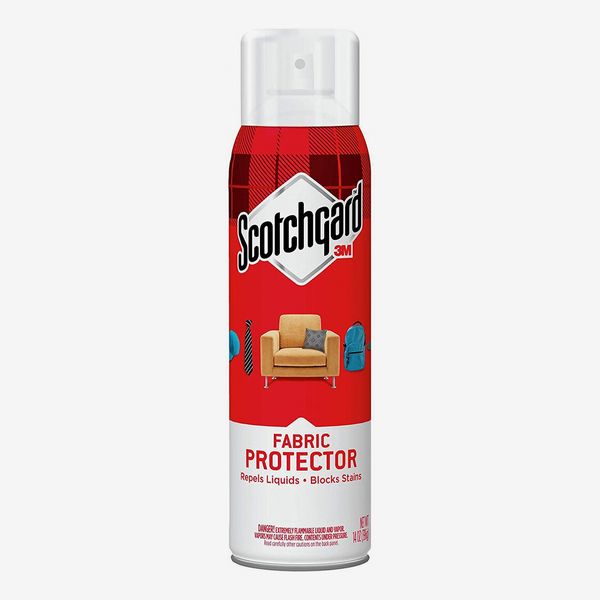
Google, a pioneer in incorporating fabric into its smart home products, uses a blend of 33% nylon and 67% polyester for its Google Home, Google Home Mini, and Google Home Max speakers. The company officially recommends cleaning these surfaces with a dry, soft, and clean cloth to prevent scratches. It explicitly advises against using any chemicals, including liquids, powders, or sprays containing alcohol or benzene, as these can damage the fabric. This warning extends to common fabric protectors like Scotchgard, which often contain isopropyl alcohol. However, some users on platforms like Reddit have reported using slightly damp cloths or even toothbrushes for spot cleaning, though these methods are not officially endorsed.
Apple's HomePod, released with a mesh fabric cover, also presents cleaning considerations, especially its all-white option. Unlike Google, Apple permits the use of a damp cloth on its surface "if necessary," but ideally recommends a dry cloth for routine cleaning. Apple also provides a comprehensive list of forbidden cleaning agents, including window cleaners, household cleaners, aerosol sprays, solvents, ammonia, and abrasives. Notably, compressed air, a common tool for cleaning electronics, is also listed as unsuitable for the HomePod. Despite official warnings, online communities, particularly on Reddit, suggest various alternative cleaning solutions like fabric and carpet cleaners, or even compressed air, though their effectiveness and safety are not confirmed by Apple.
Amazon's Echo and Echo Dot speakers, which introduced optional fabric covers in 2018, offer less explicit cleaning guidelines on their official website. The Echo speakers feature a polyester blend, while the Echo Dot covers use a nylon blend. Given the lack of specific instructions, a dry cloth is generally considered the safest option for spot cleaning, mirroring the recommendations for other brands. The use of solvents or water on Amazon's fabric covers is left to the user's discretion, with the understanding of potential risks. For users concerned about damaging the original fabric, third-party wraps made from materials like vinyl and silicone are available from companies such as MightySkins and Mission, although their effectiveness in maintaining cleanliness has not been independently verified.
The Lenovo Smart Clock, a Google Assistant-enabled device launching in spring 2019, also features a grey fabric cover. While Lenovo describes it as a "soft touch cloth grey," specific details about its material composition and cleaning instructions are not yet available. As new fabric-covered smart devices continue to emerge, understanding the recommended cleaning practices and the potential risks of unofficial methods becomes increasingly important for maintaining the appearance and functionality of these integrated home technologies. Compatibility checkers like The GearBrain are available to help users navigate their smart home ecosystems.
#SmartHome #SmartSpeakers #DeviceMaintenance #FabricCleaning #GoogleHome #AppleHomePod #AmazonEcho #LenovoSmartClock #HomeDesign #SmartHome #SmartSpeakers #DeviceMaintenance #FabricCleaning #GoogleHome #AppleHomePod #AmazonEcho #LenovoSmartClock #HomeDesign
共0条评论
 暂无评论
暂无评论你可能还喜欢
Yes, You Can Dry-Clean at Home: And These 5 Furnishings and Decor Pieces Need TLC

Best Cleaning Advice & Tips

The Best Carpet Cleaners for Busy Households, Tested


How to clean upholstery – to keep furniture looking fresh

Are You Cleaning Your Couch Enough? Here's How to Do It the Right Way


How to Clean a Slipcover, According to Experts
How to Steam Clean a Couch Without Damaging the Fabric

How to clean a sofa bed – top hacks for tackling stains and everyday cleaning for an immaculate couch
From a quirky TikTok hack and a $99 sell-out Kmart buy, here are five ways to clean your sofa


How to Clean Every Type of Couch Cushion, According to the Pros

How To Deep Clean a Couch: Expert Tips for Getting It To Look Like New


How to clean a linen sofa to keep it in pristine condition – even in a busy family home

The Right Way to Clean Every Type of Couch, From Fabric to Leather
Here Are 24 Products To Buy If Your Multi-Pet Household Needs A *Seriously* Deep Cleaning
27 Couch Cleaners That’ll Make Old, Stained Sofas Look Newer
The best carpet cleaners to get rid of what your vacuum leaves behind

How to Clean a Couch, According to Experts | NBC Select


How to Protect Fabric Furniture From Stains and Dirt
6 couch cleaning mistakes that pros say could lead you to 'serious upholstery heartbreak'
Does the TikTok couch cleaning hack actually work? I tried it, and this is what happened