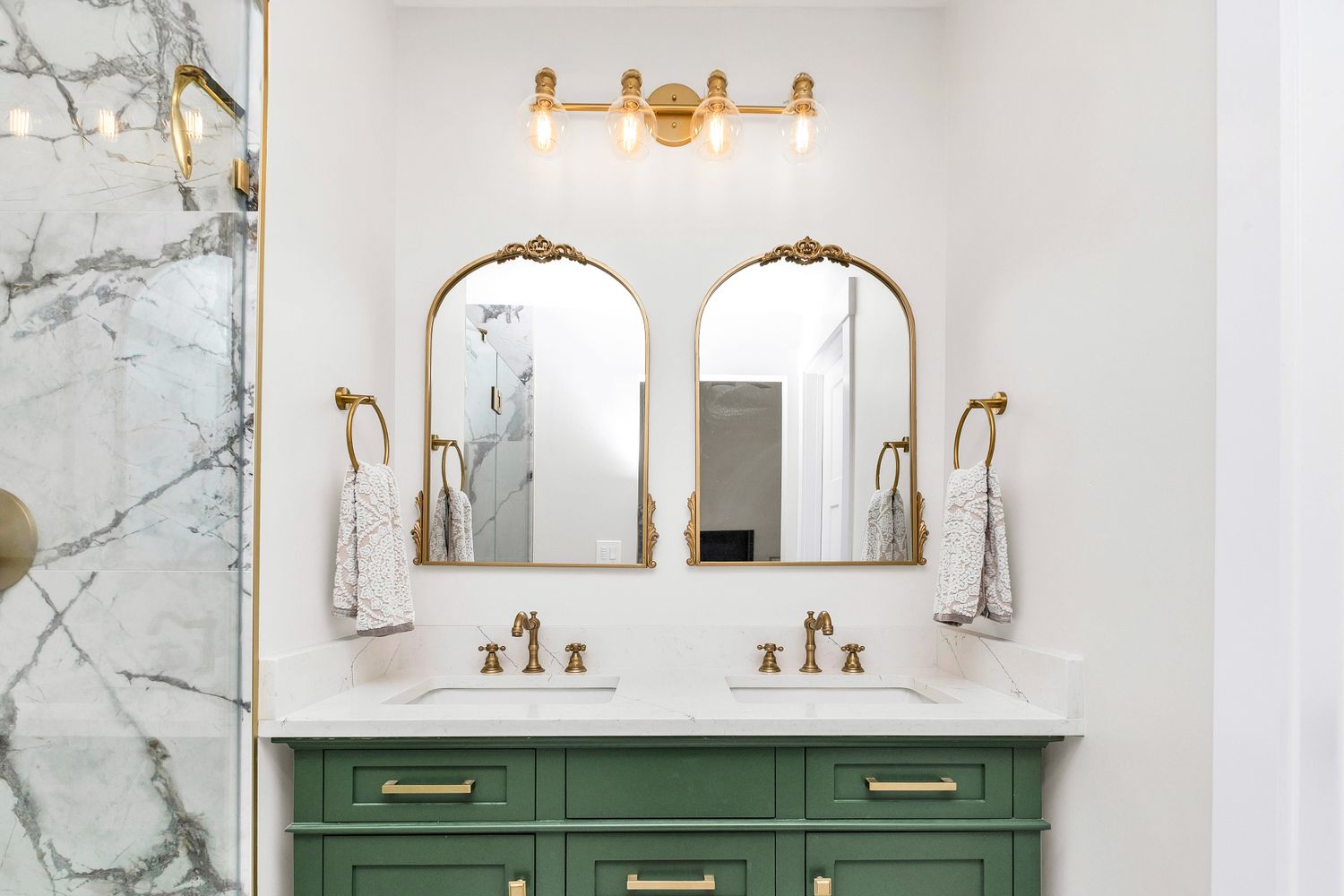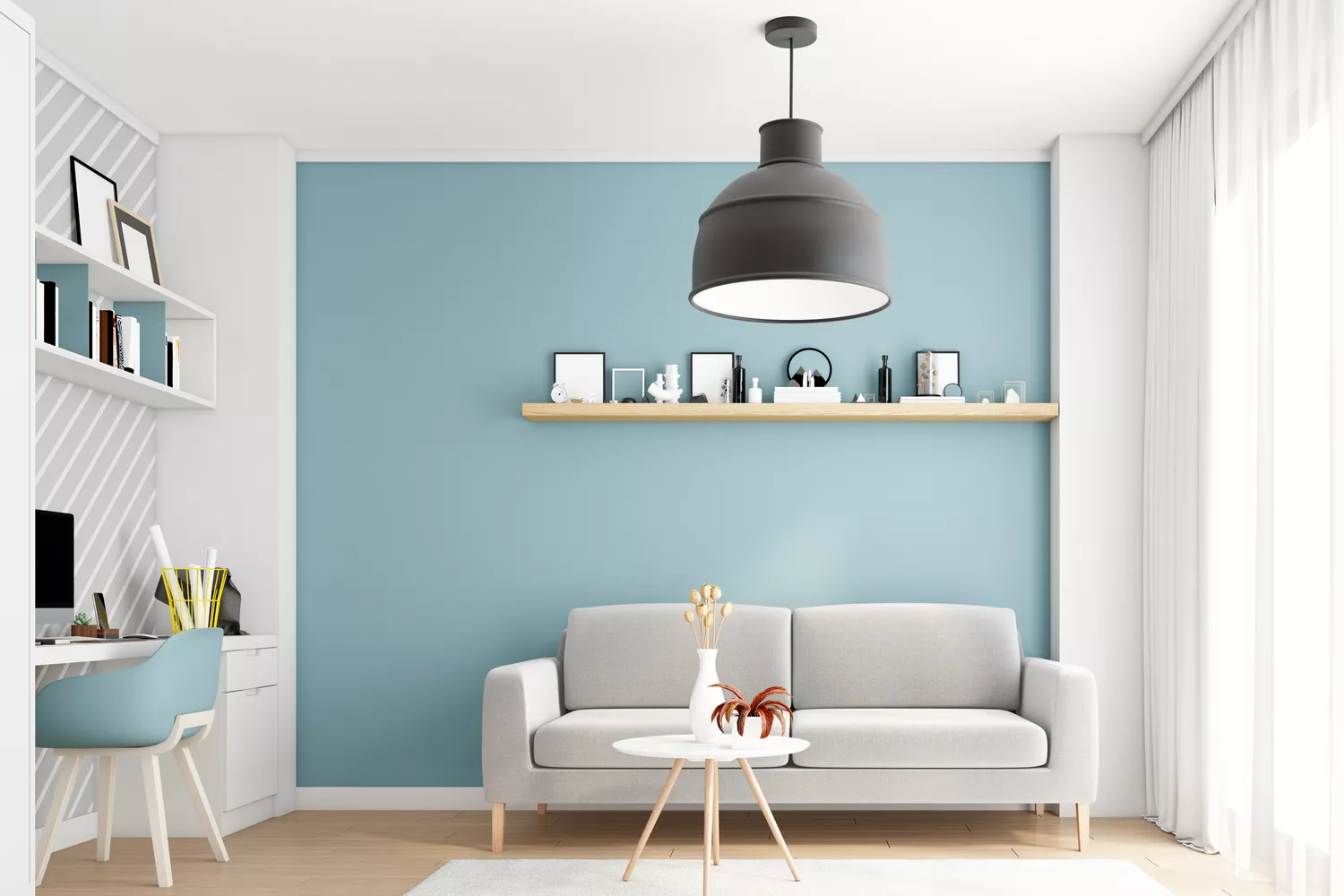
6 Lighting Mistakes That Are Ruining the Mood in Your Home—and How to Fix Them
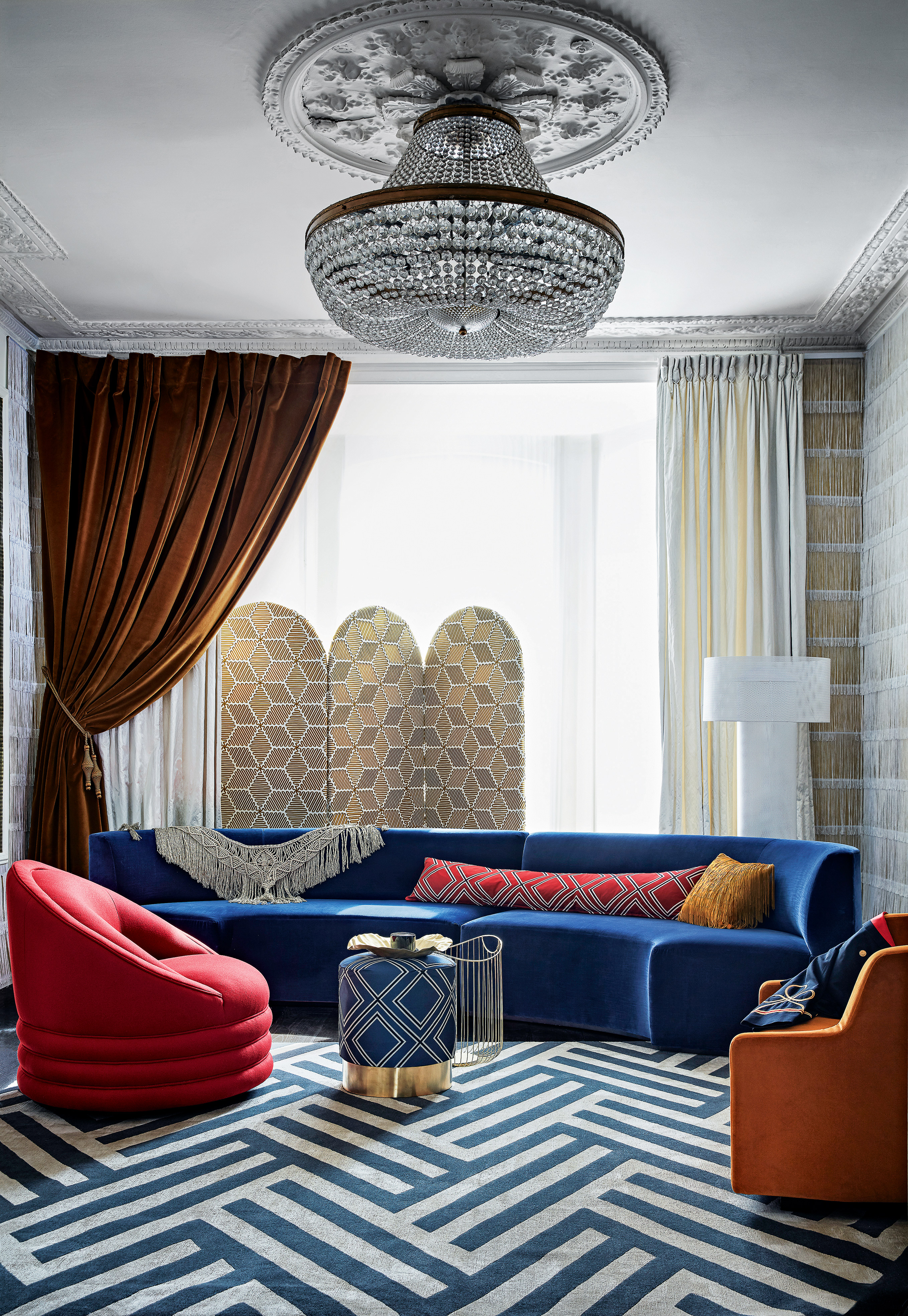
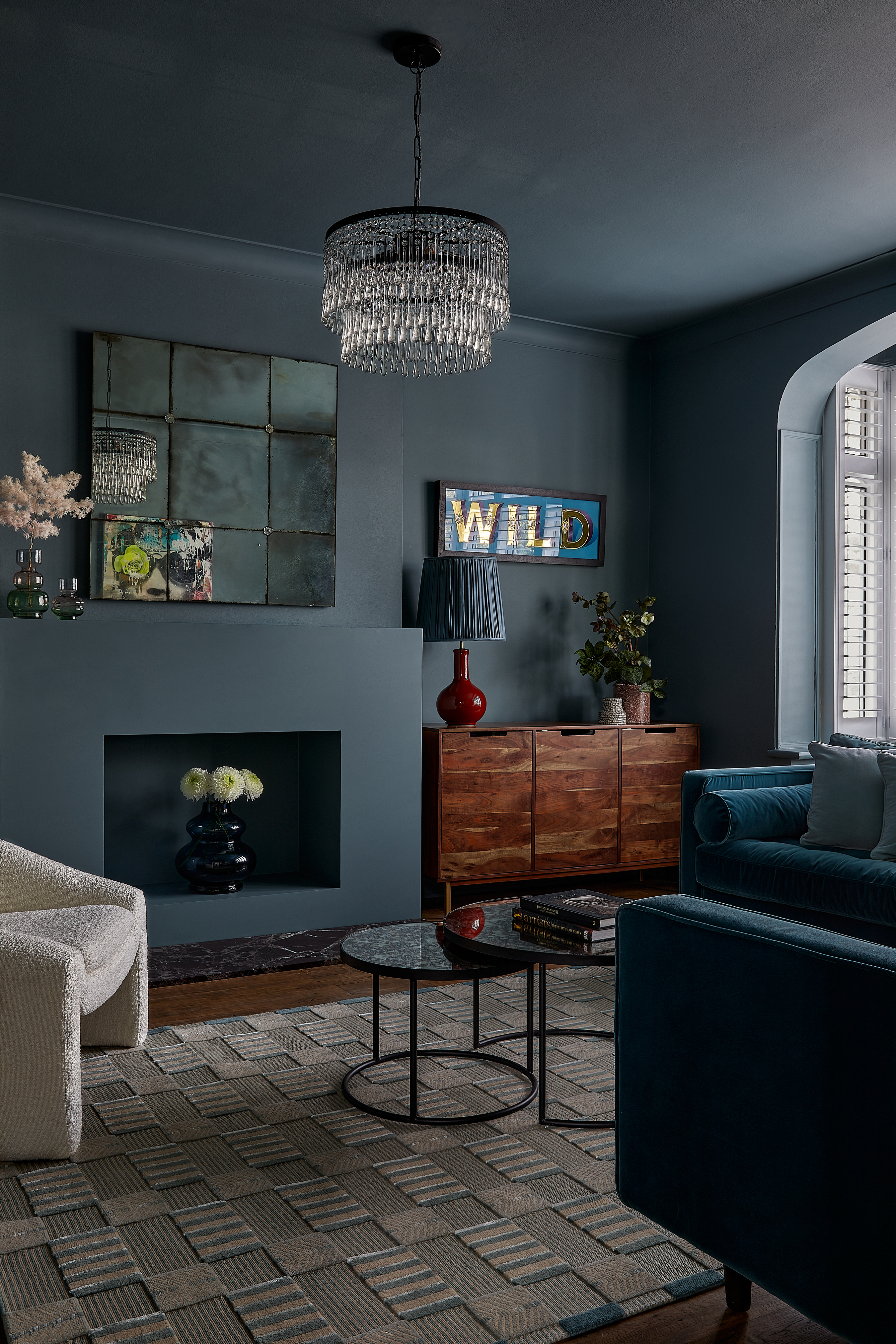
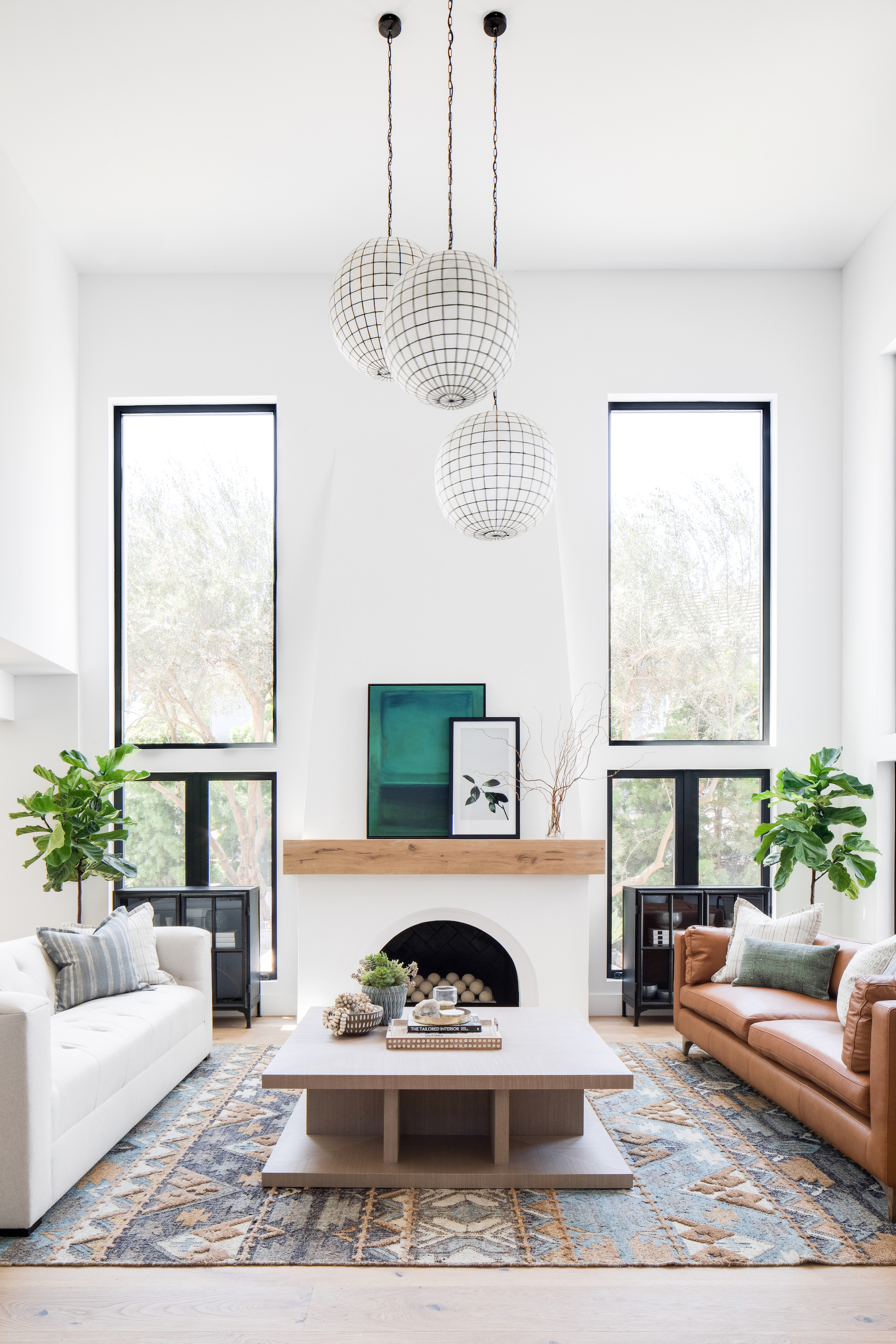
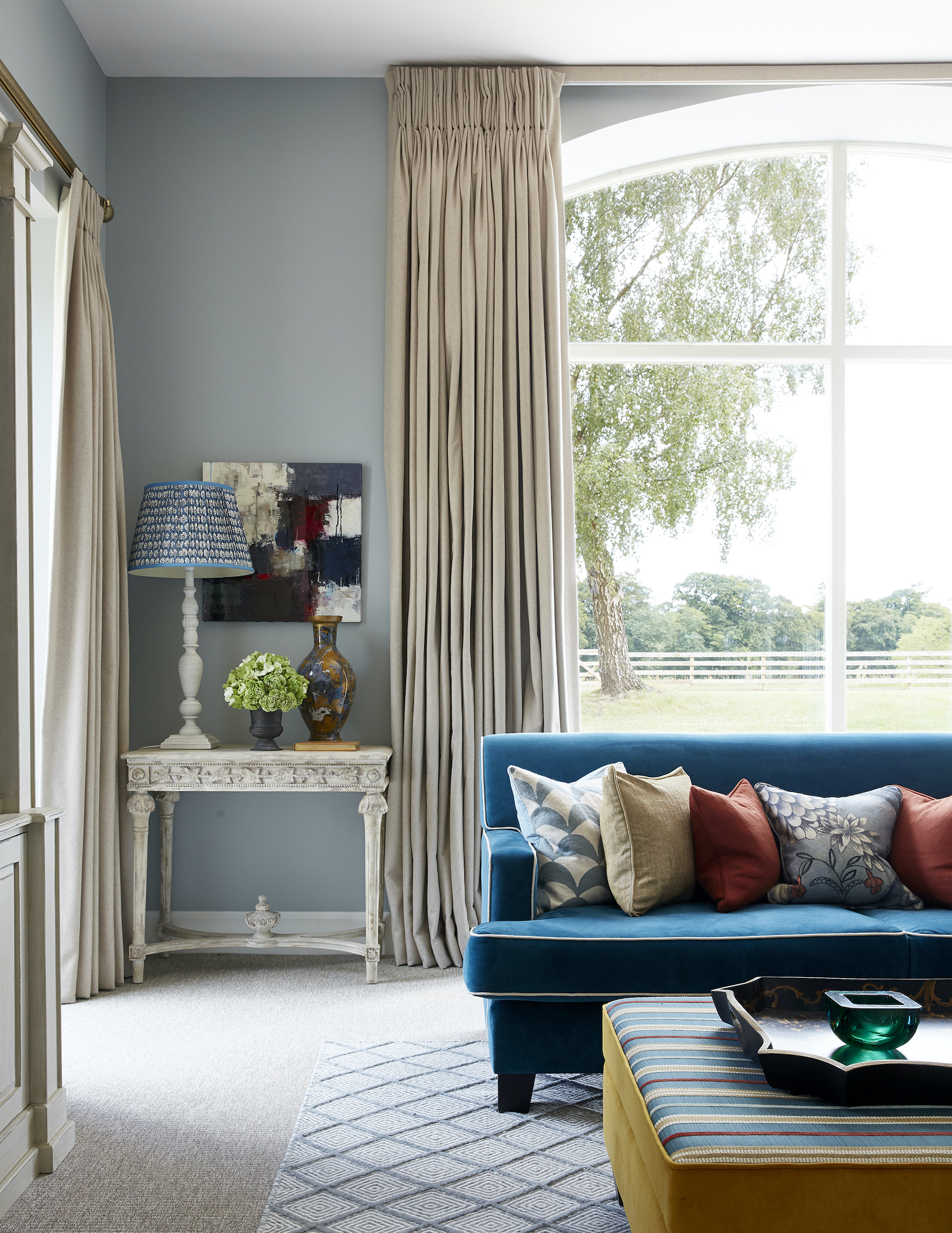
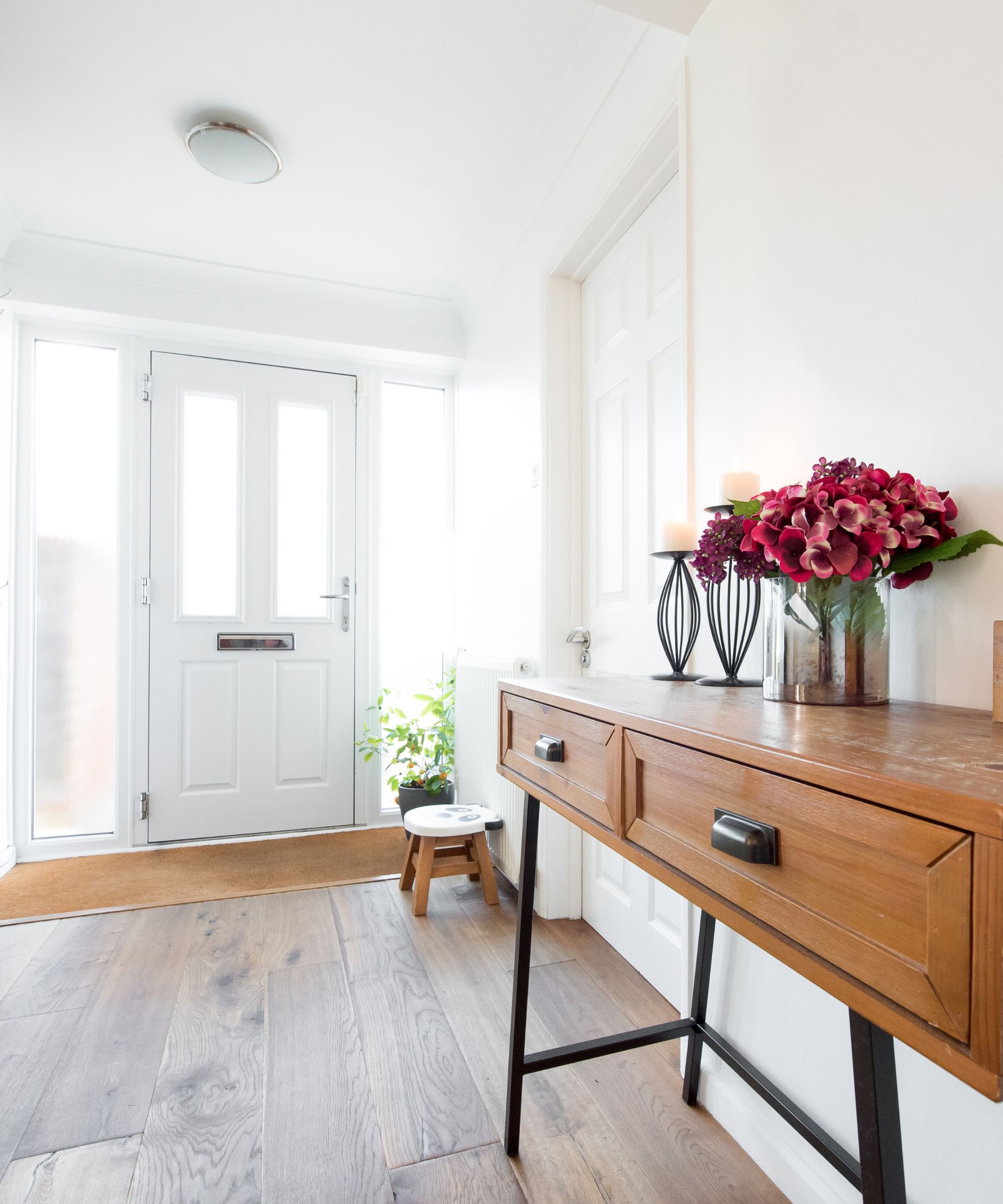
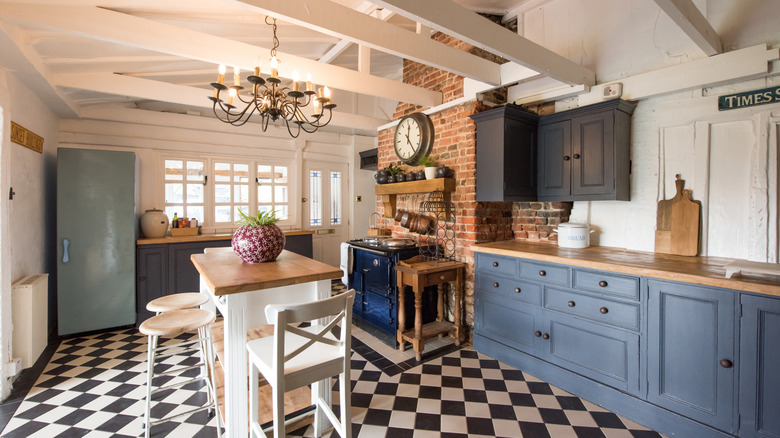
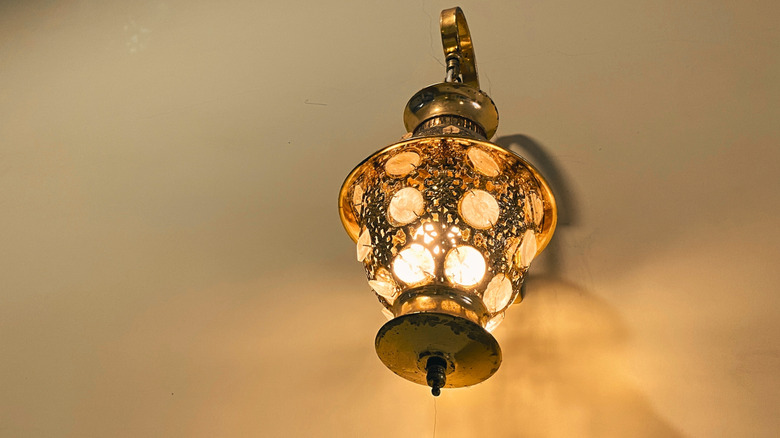
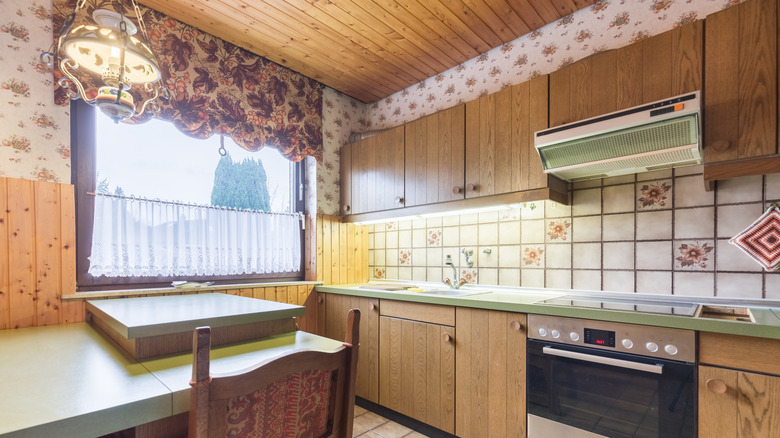
Effective lighting is a crucial element in establishing the ambiance and aesthetic appeal of any living space. The right lighting choices can transform a room, making it feel welcoming, intimate, or vibrant, while incorrect choices can detract from its overall appeal and functionality. This article outlines six common lighting mistakes homeowners often make and provides practical solutions to rectify them, ensuring a more harmonious and well-lit home environment.
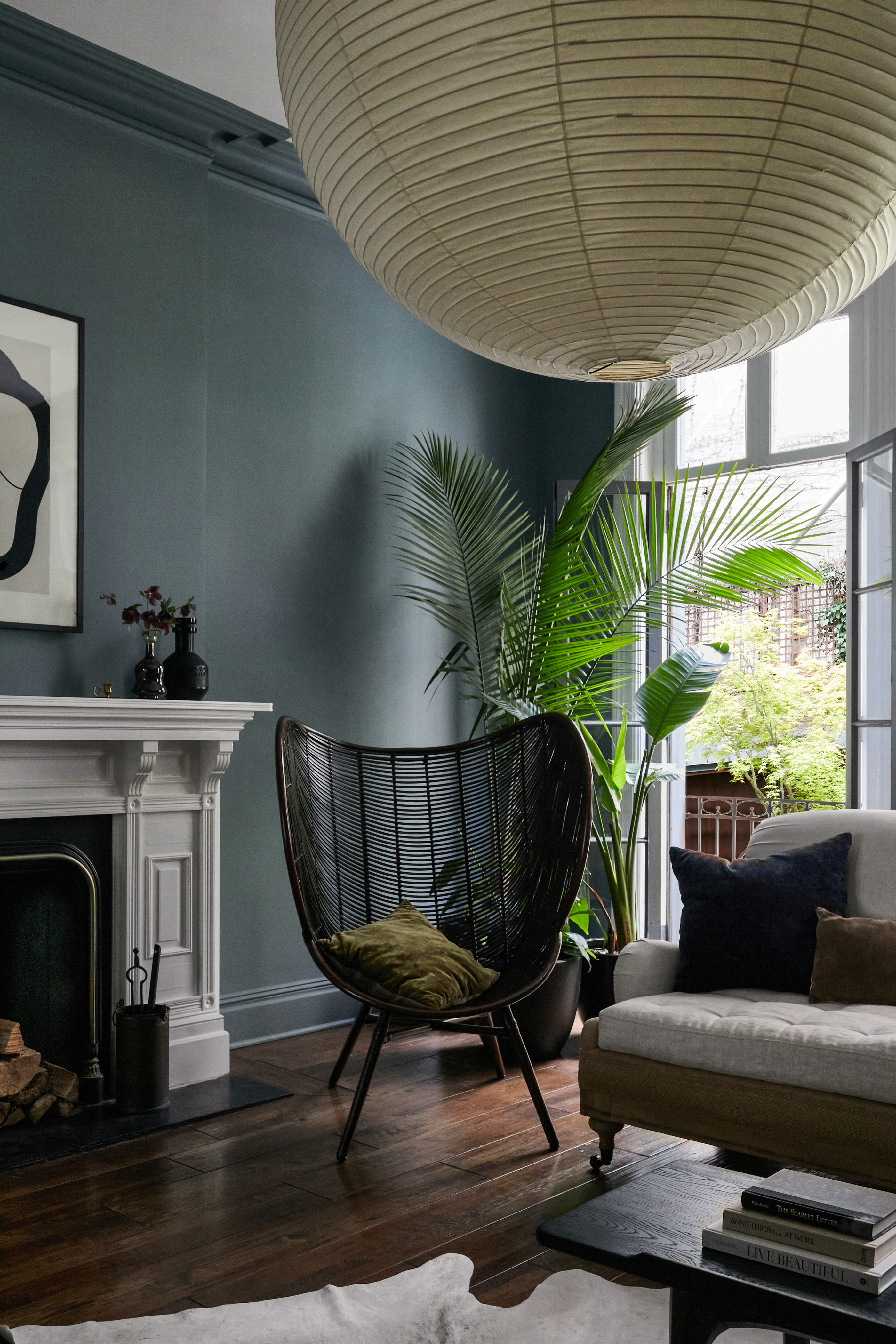
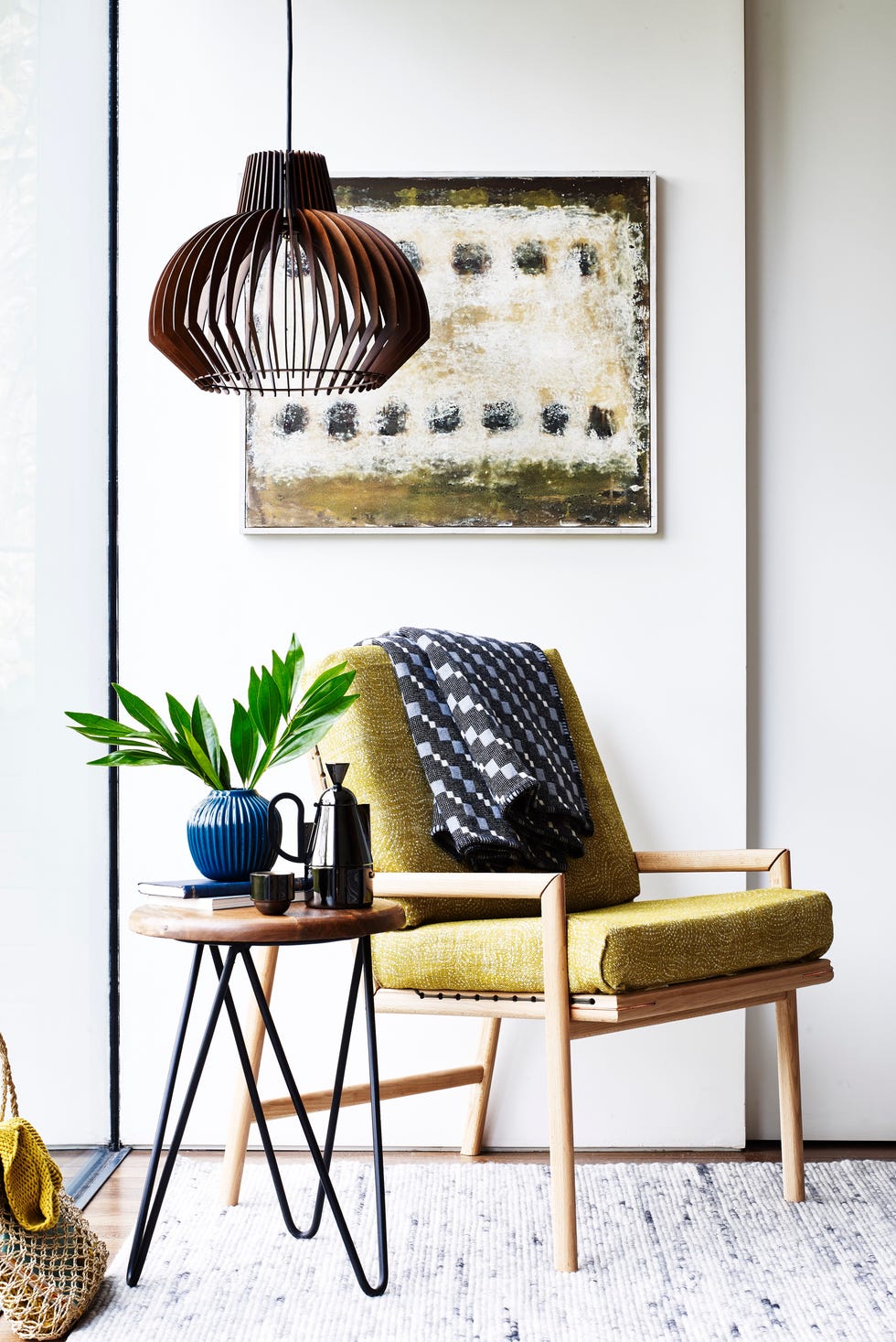
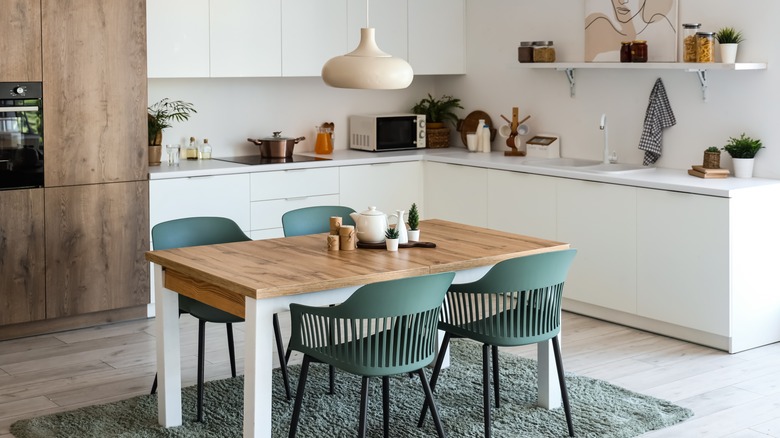
One significant error is neglecting the functional aspect of lighting. Interior designer Audrey Scheck emphasizes that fixtures must provide adequate brightness for the space. In large areas, a single fixture may be insufficient, necessitating multiple fixtures or supplementary lighting sources like lamps to ensure uniform illumination and prevent dimly lit corners. Beyond mere aesthetics, lighting serves a practical purpose, and its functional capacity should always be a primary consideration.
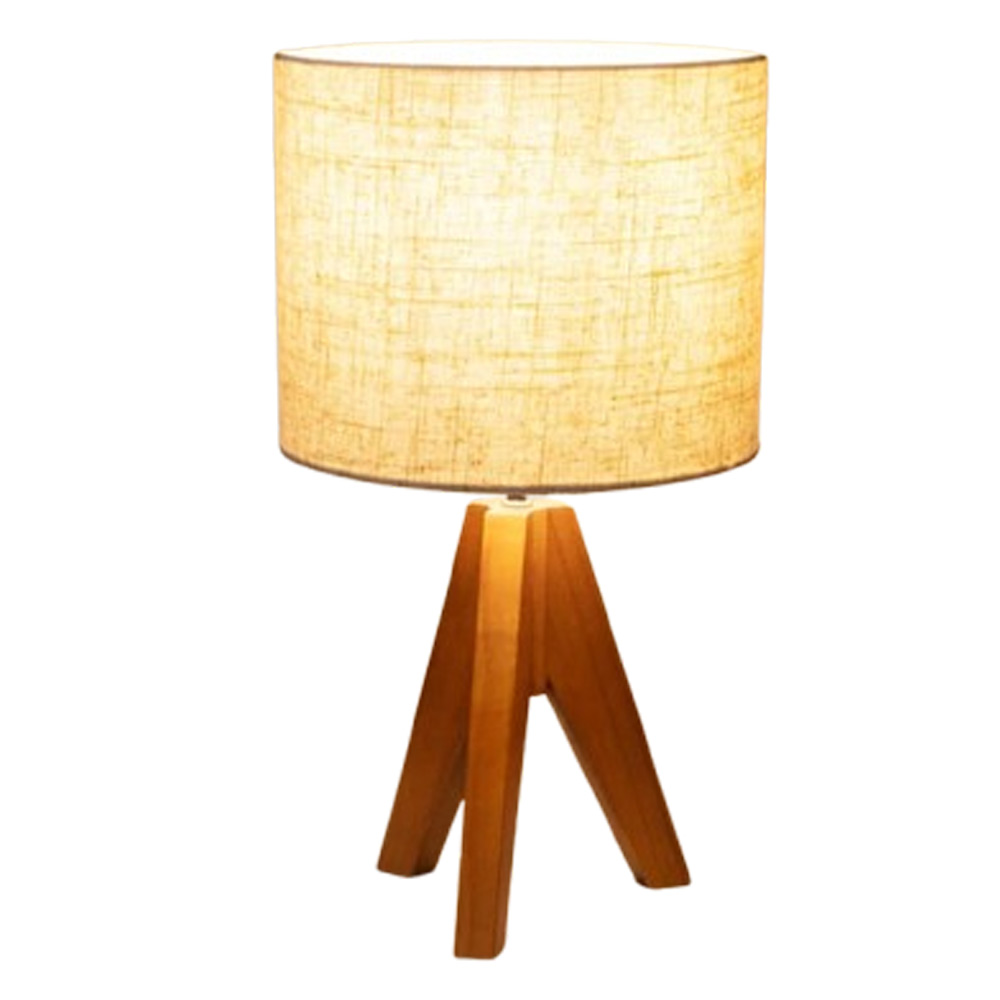
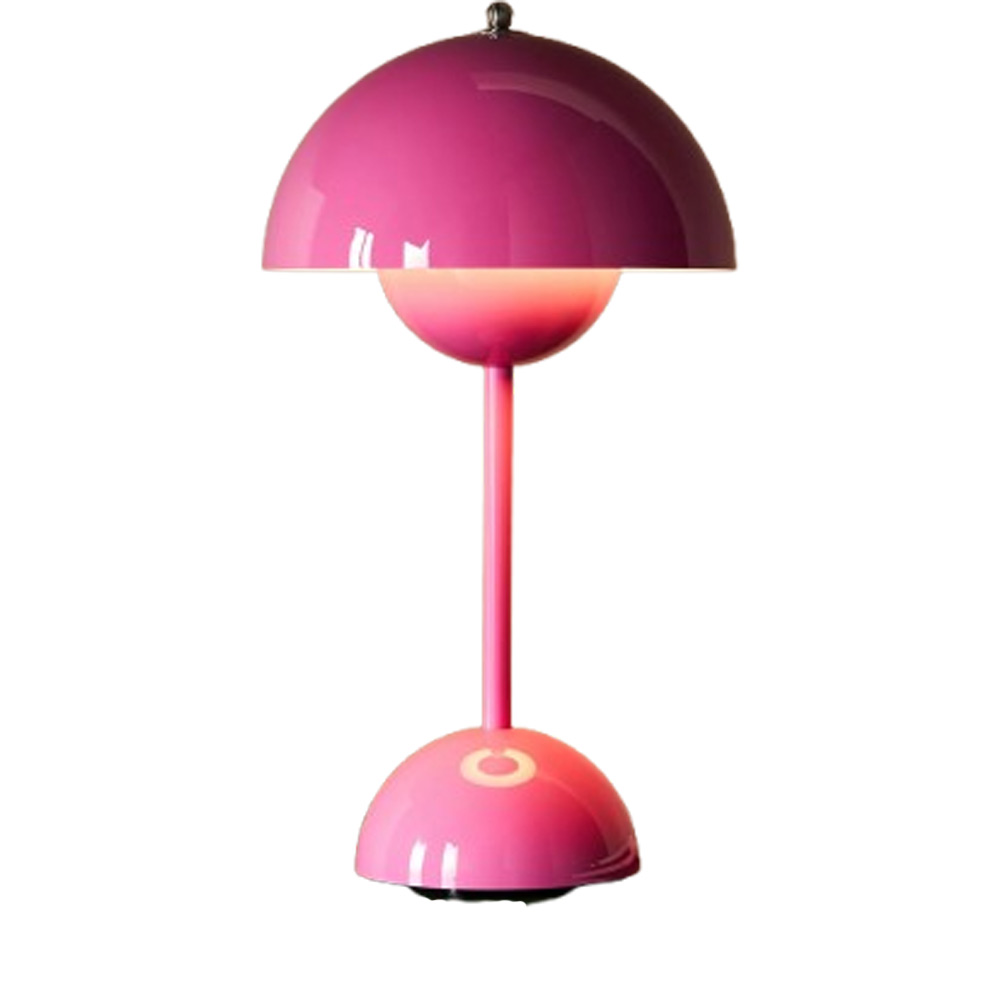
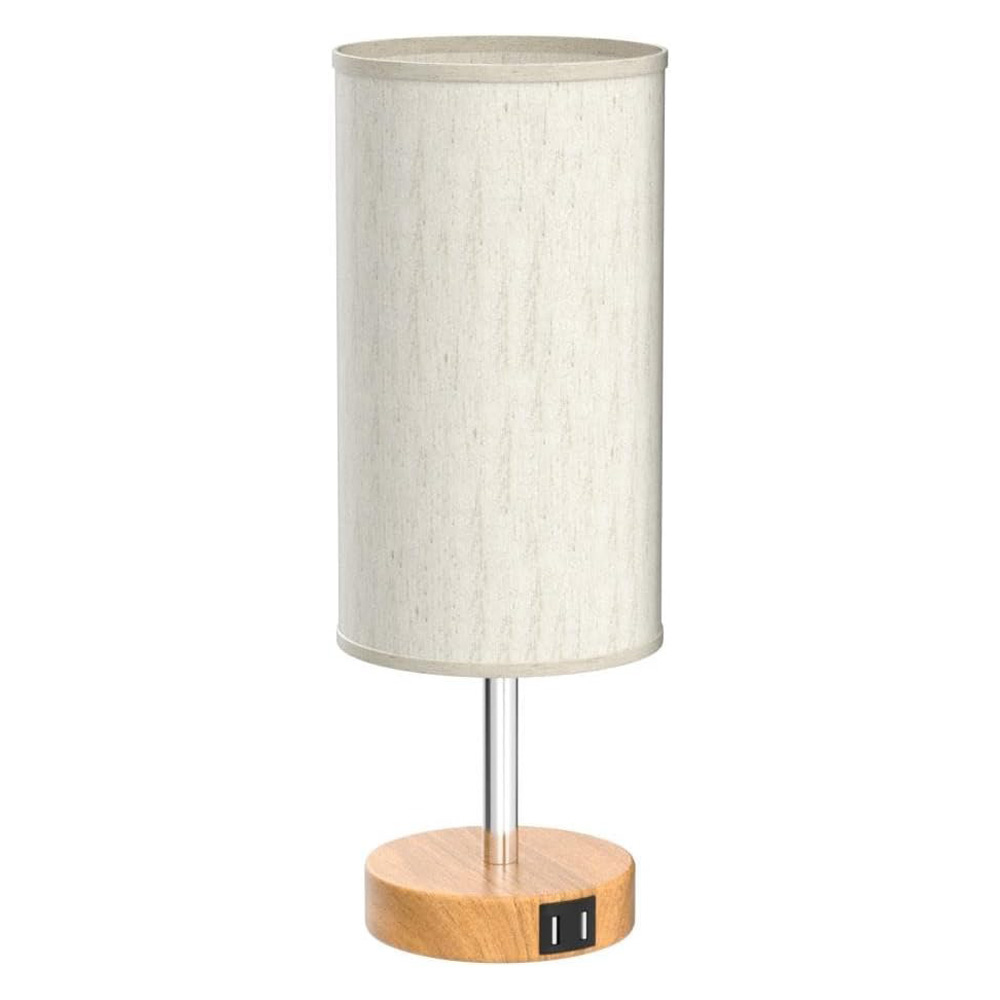
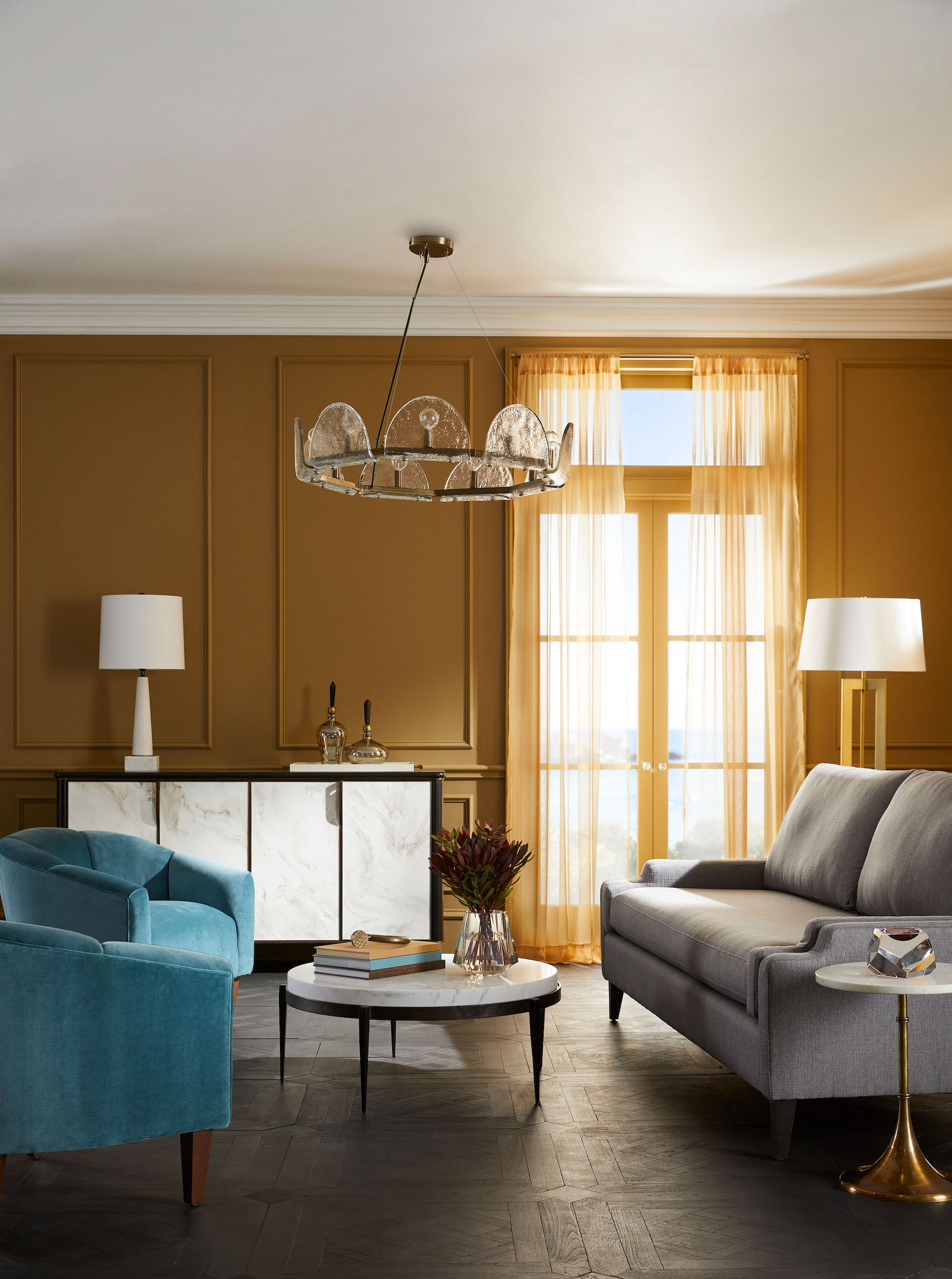
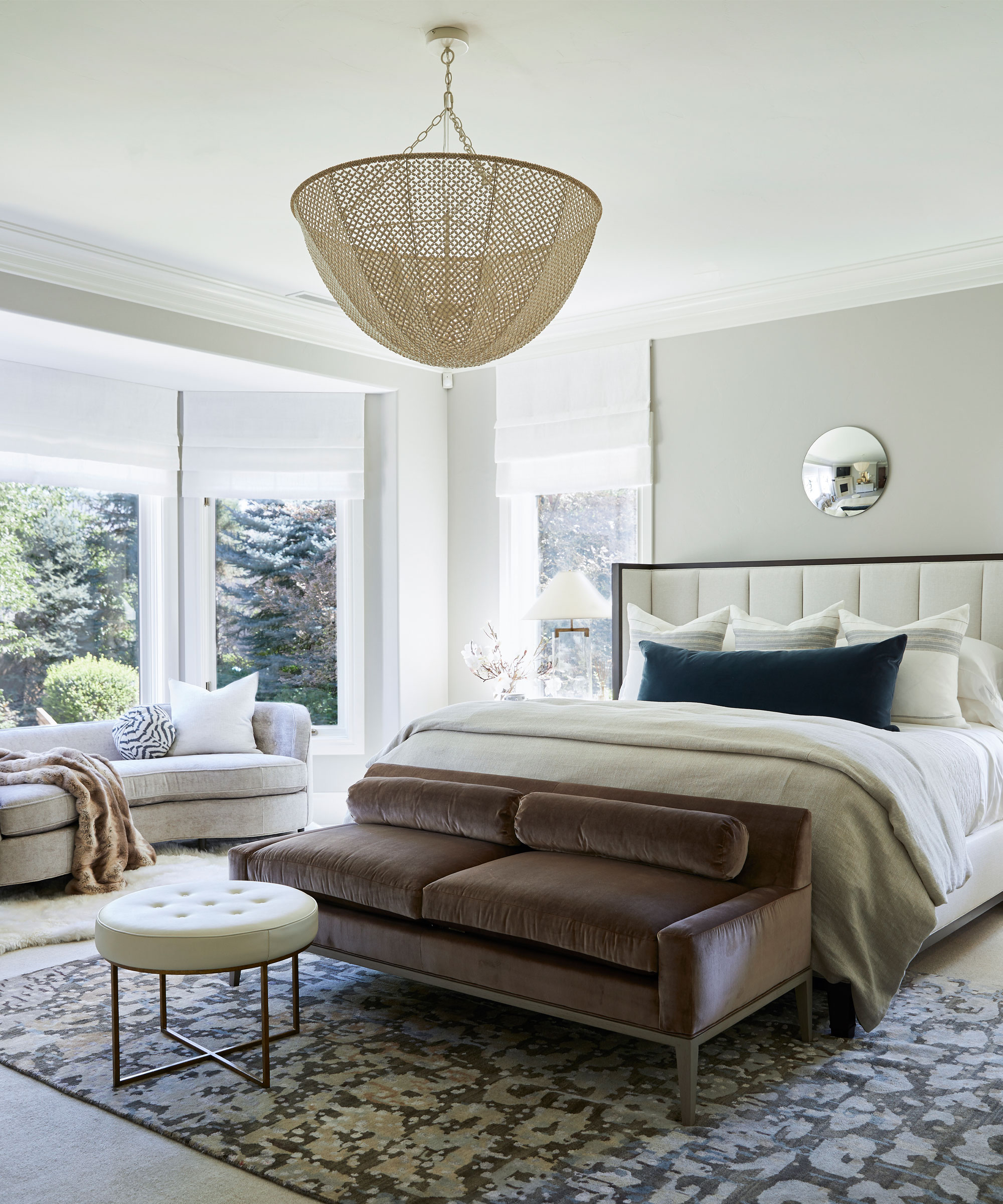
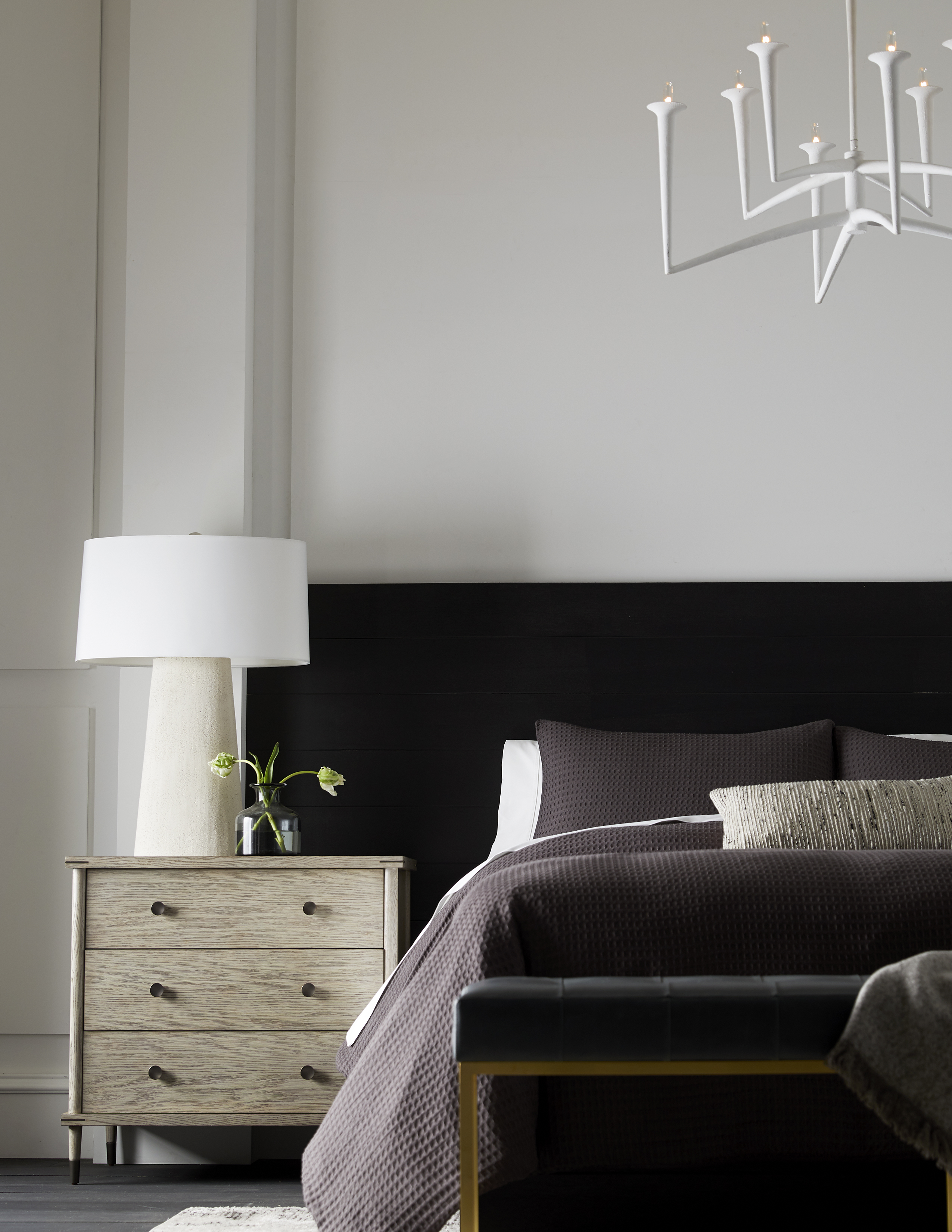
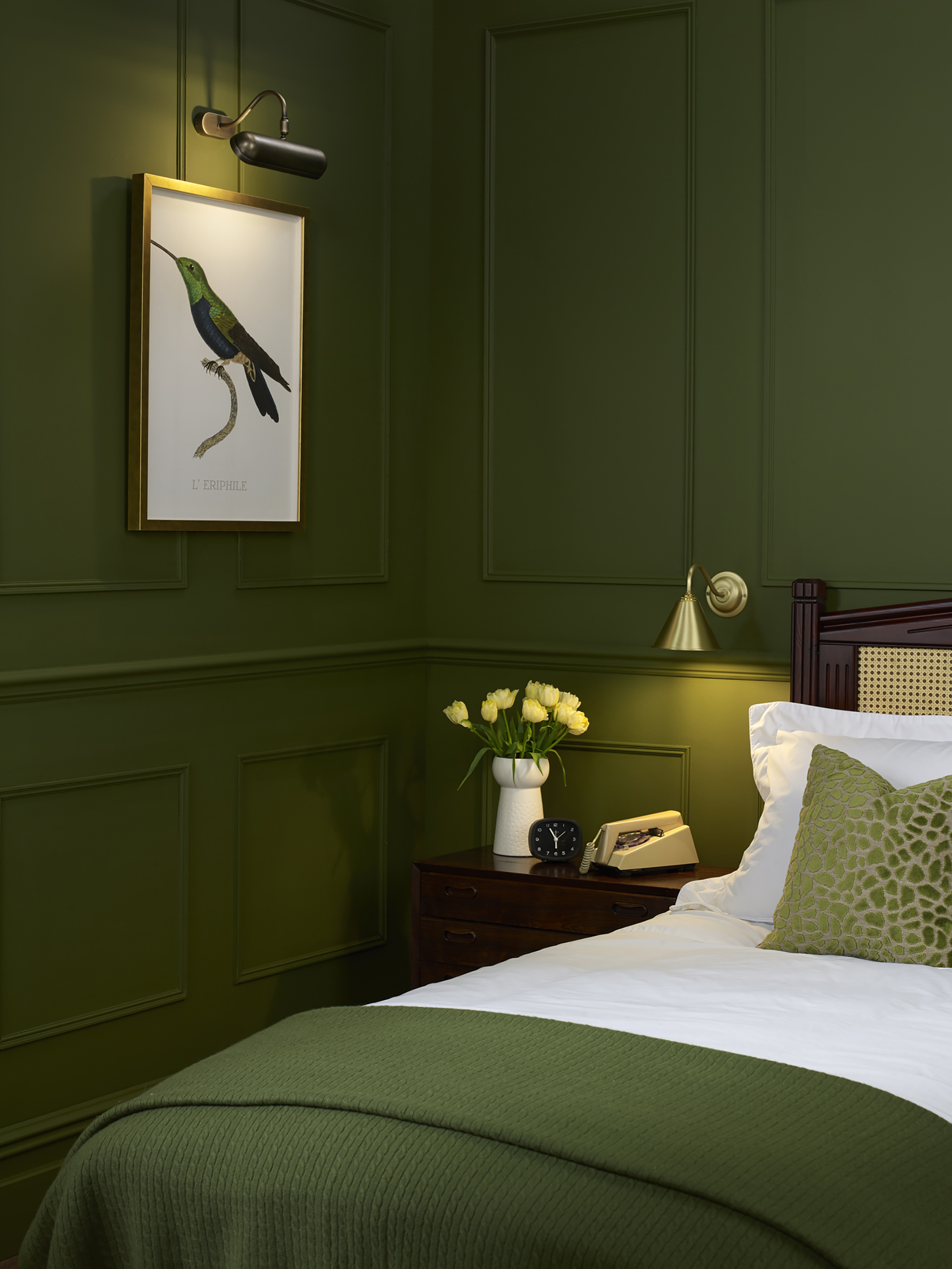
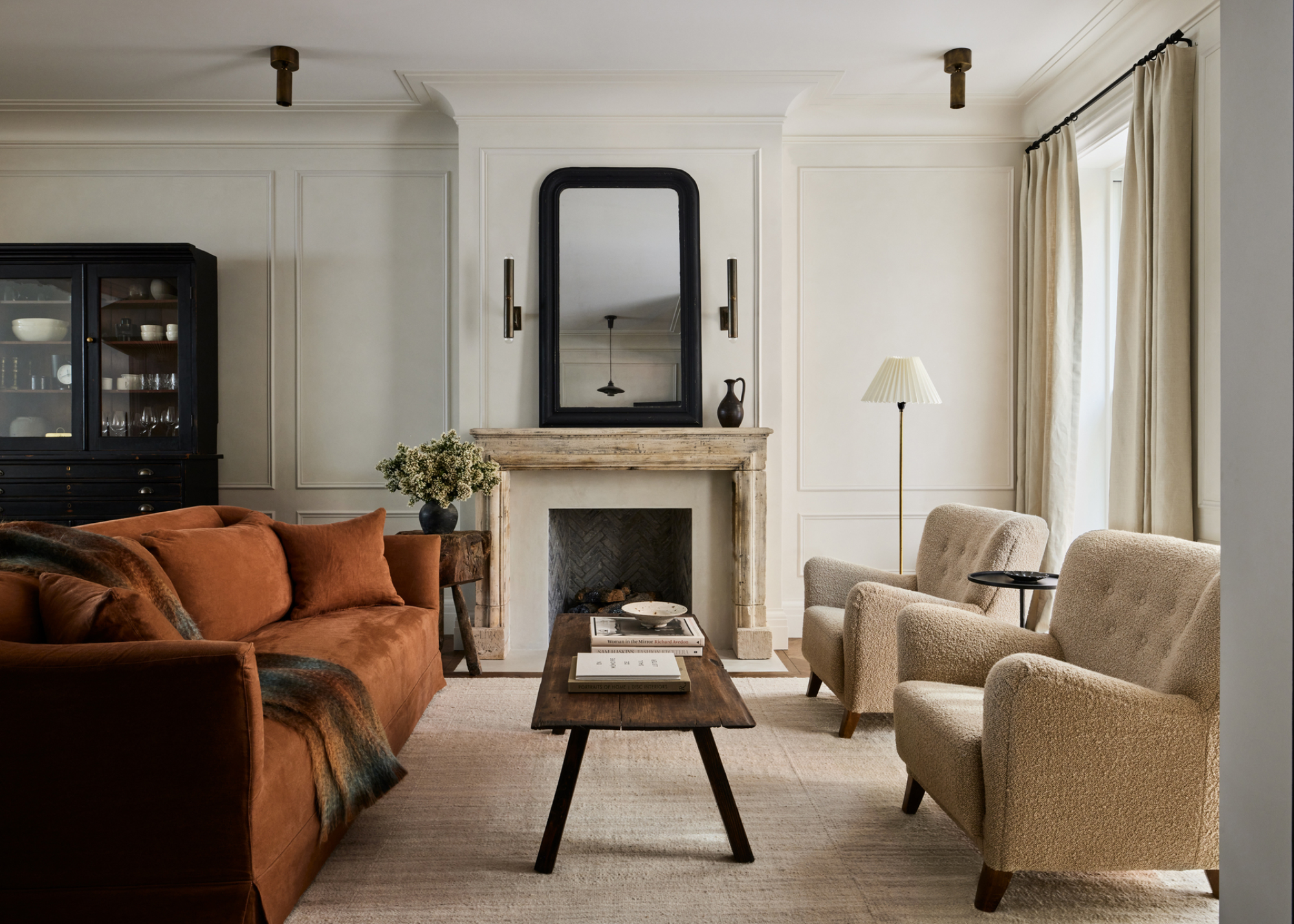
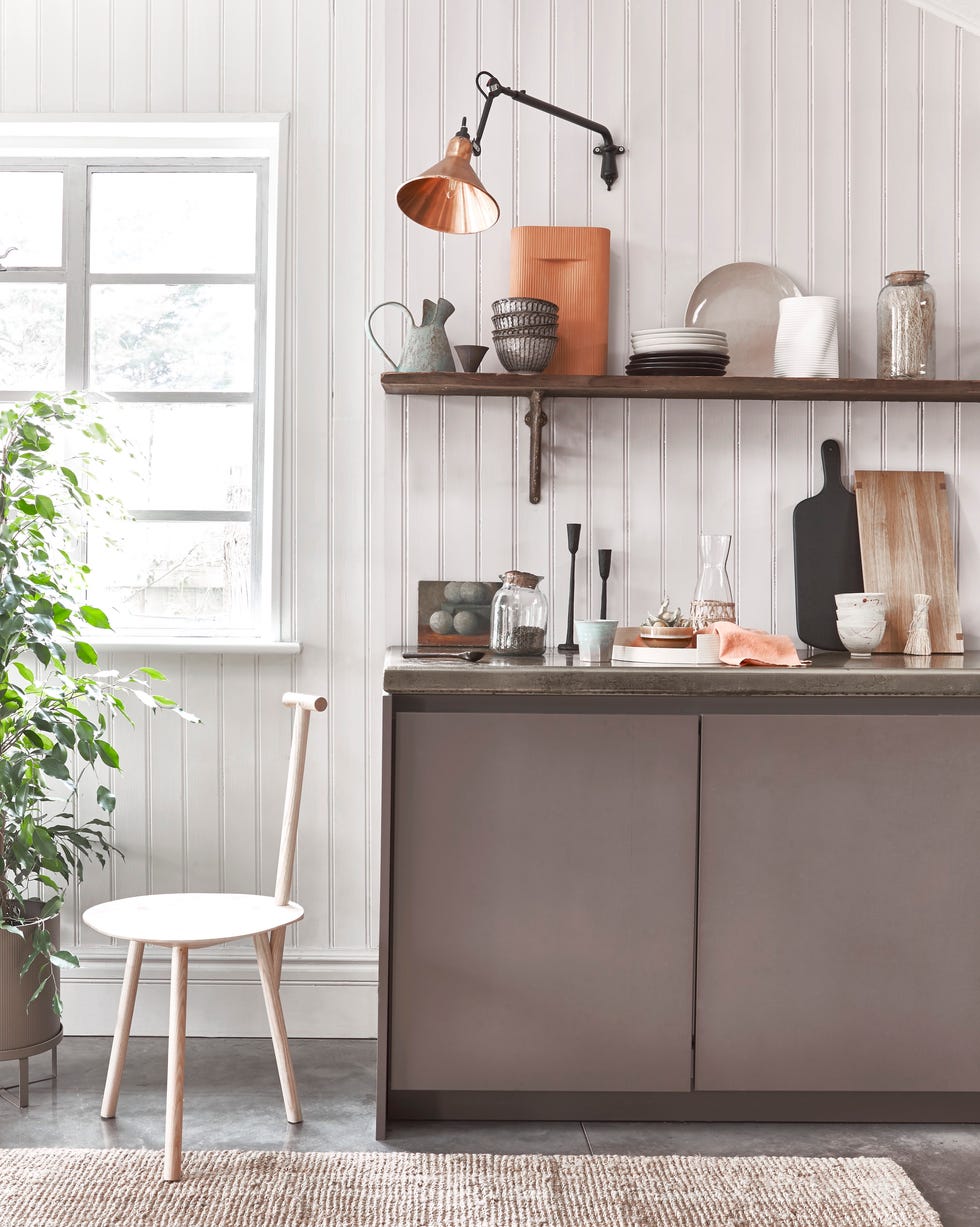
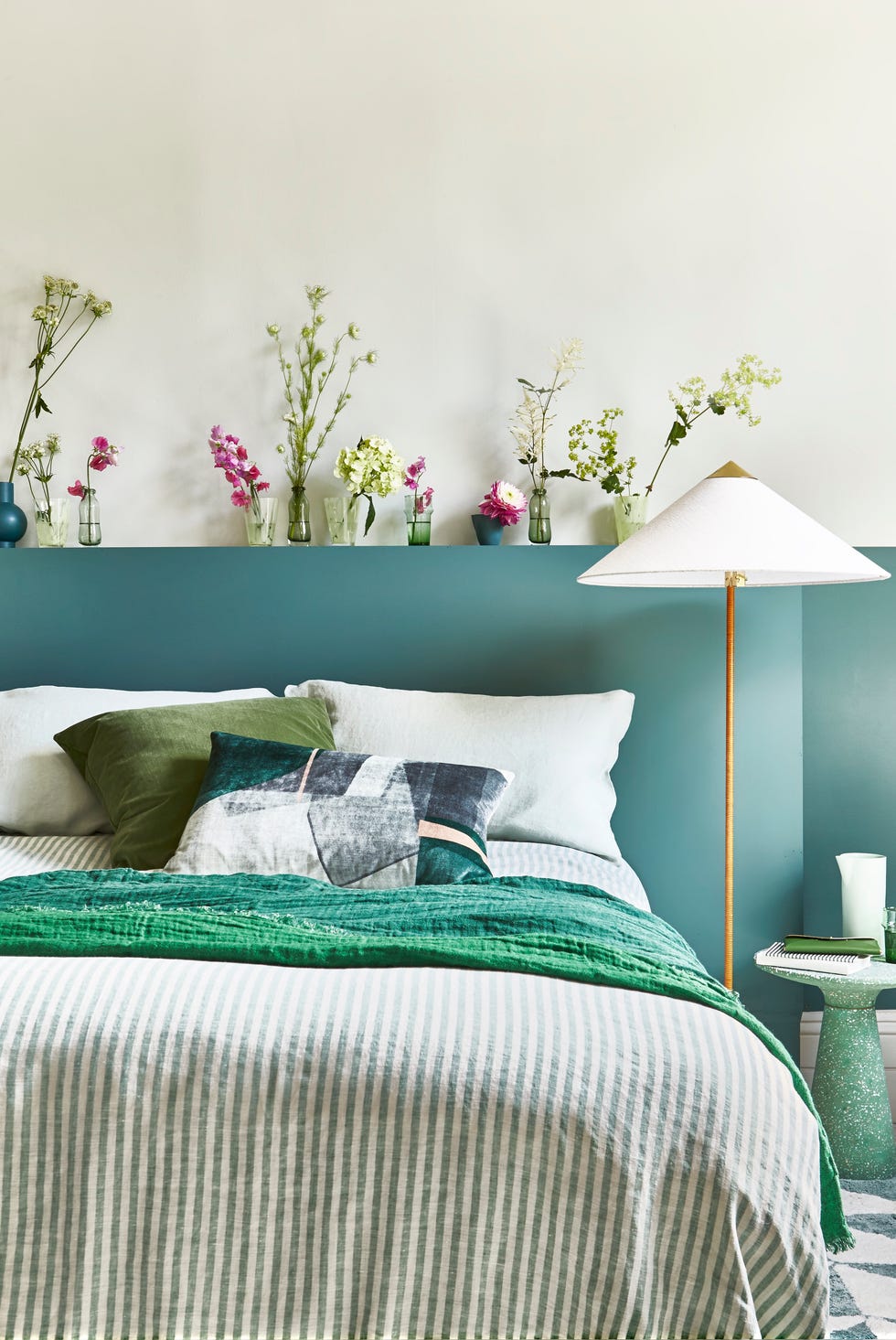
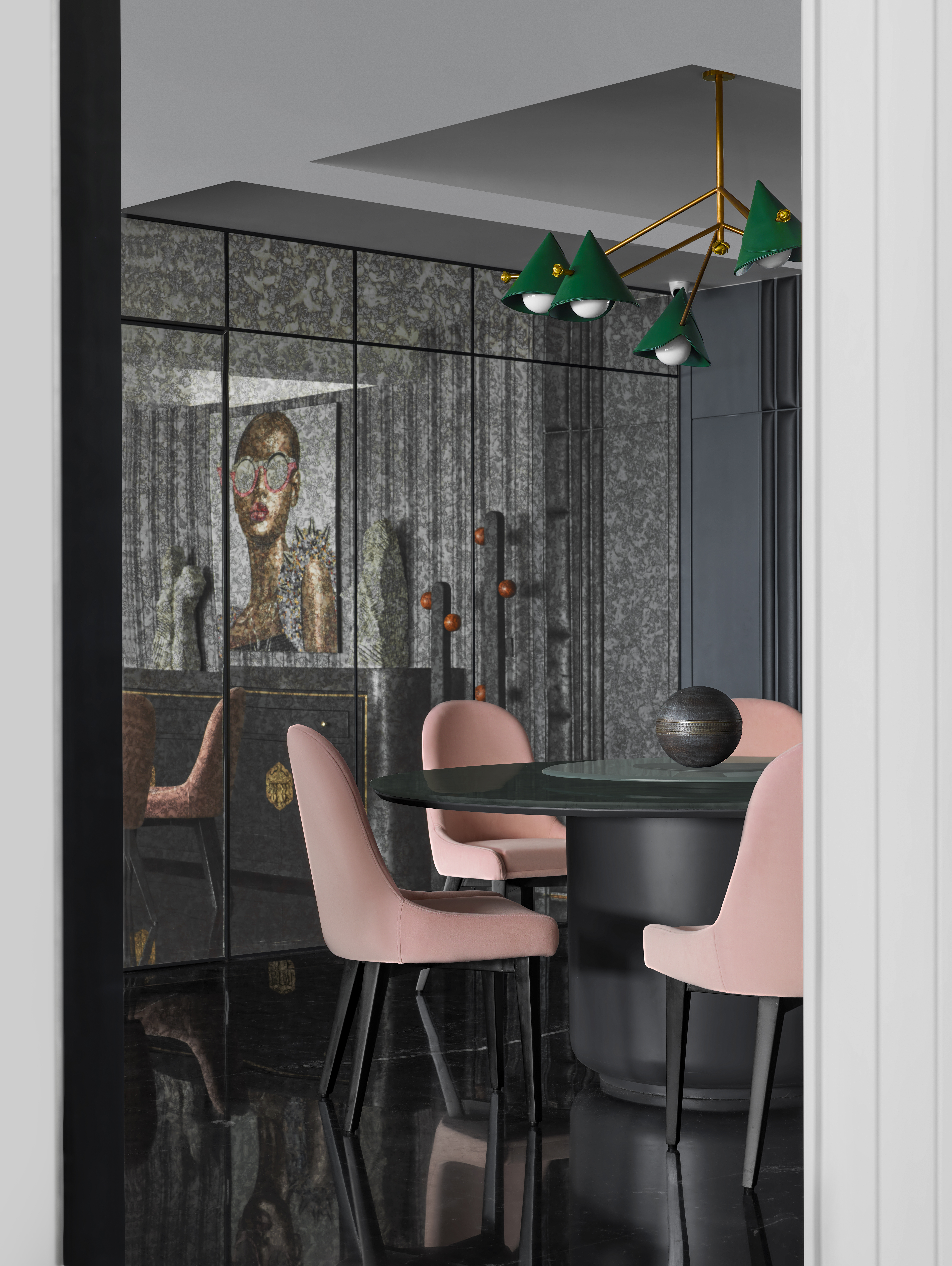
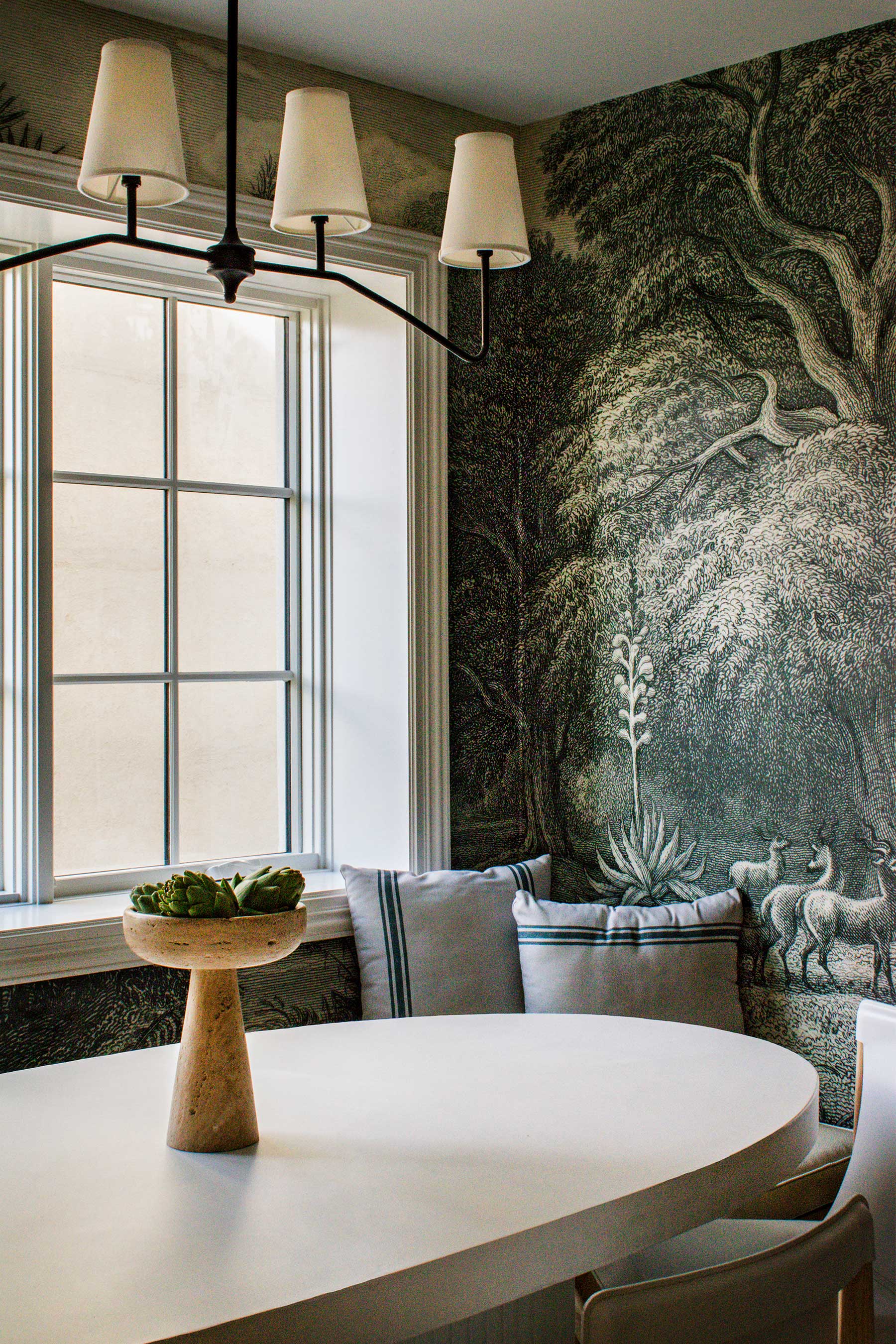
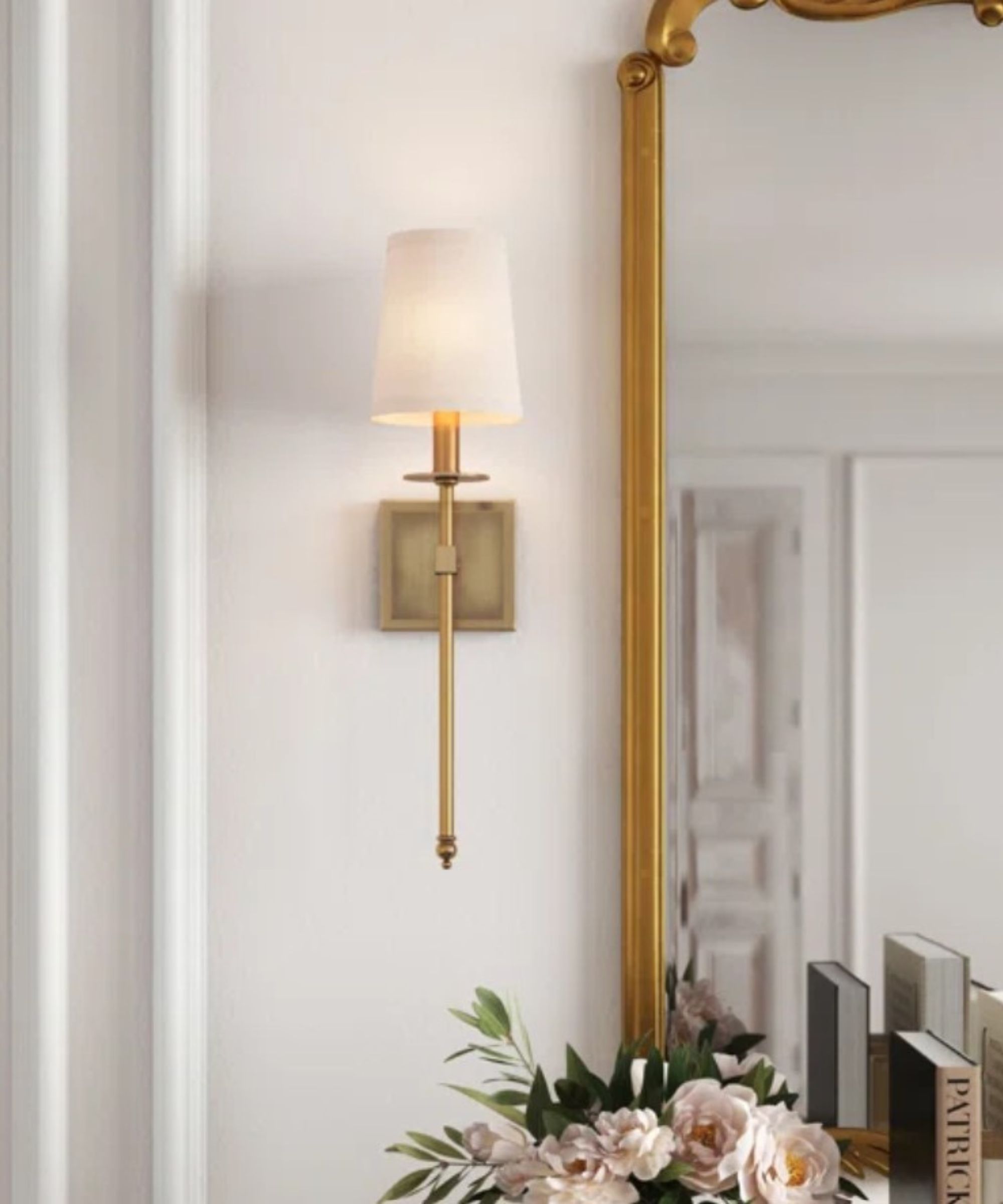
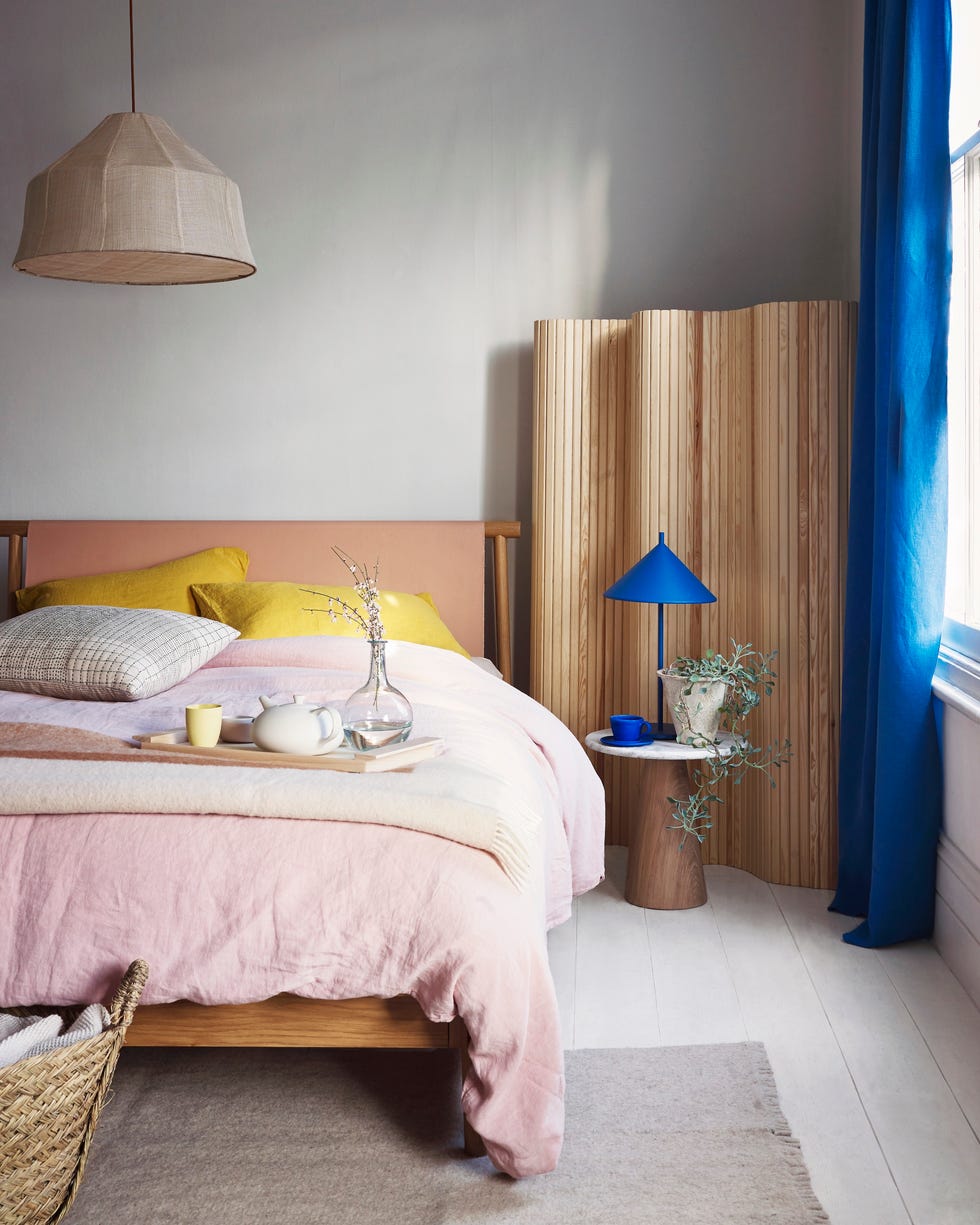
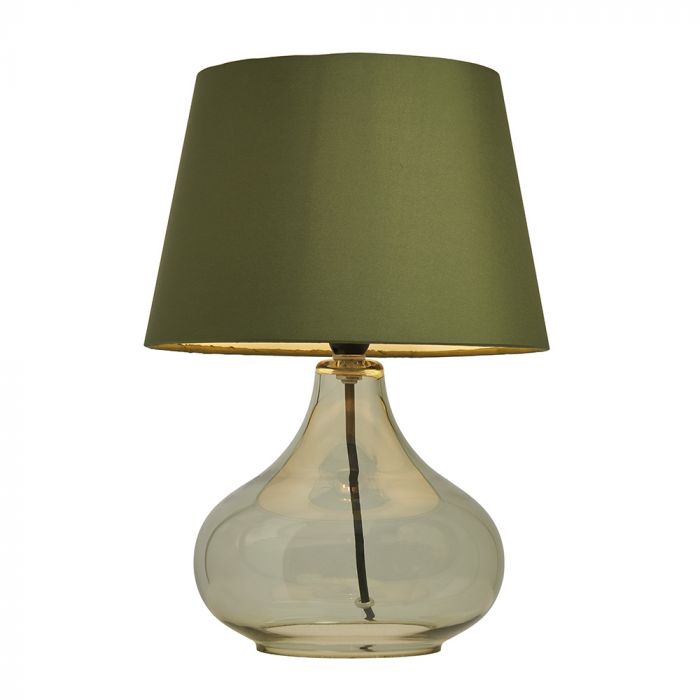
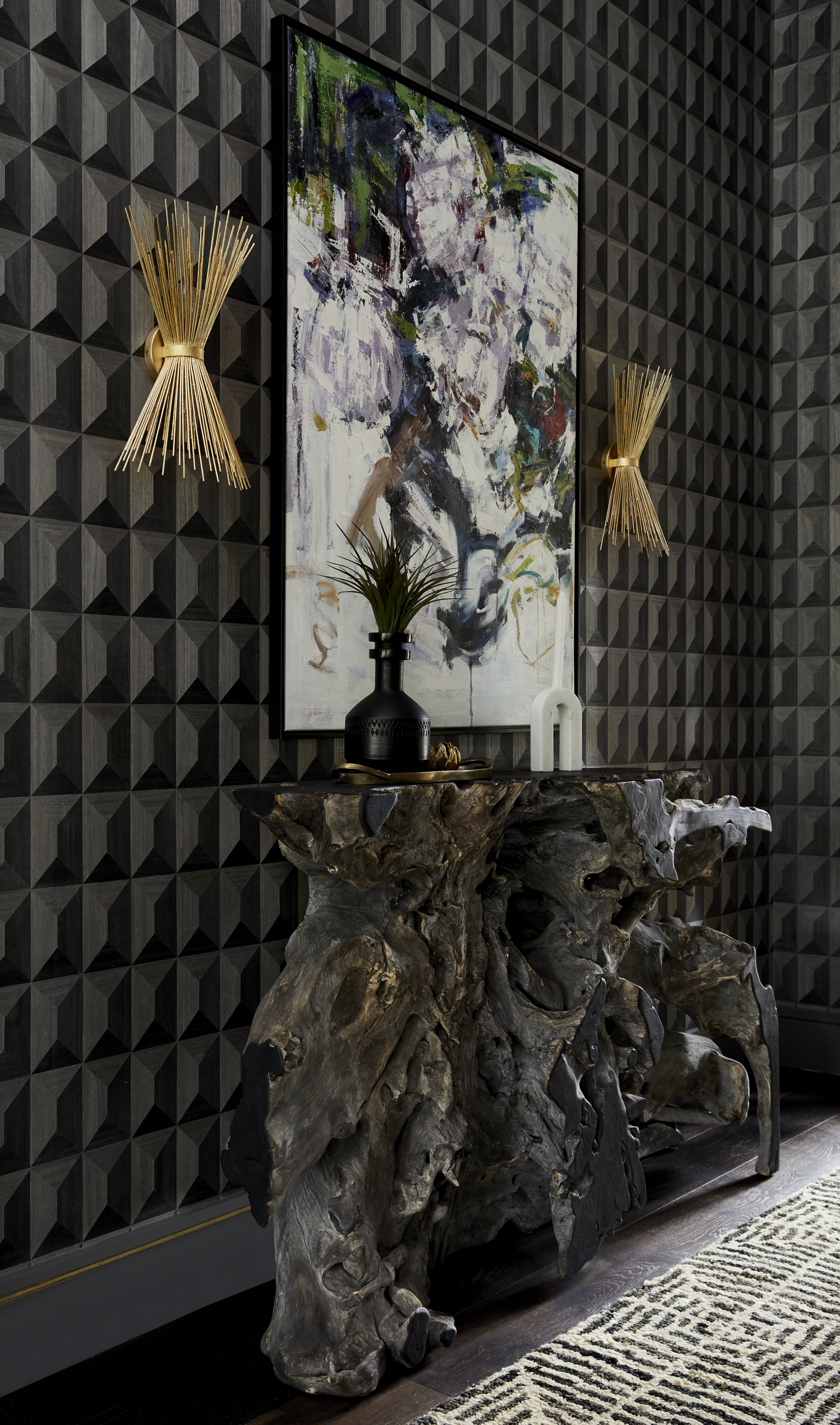
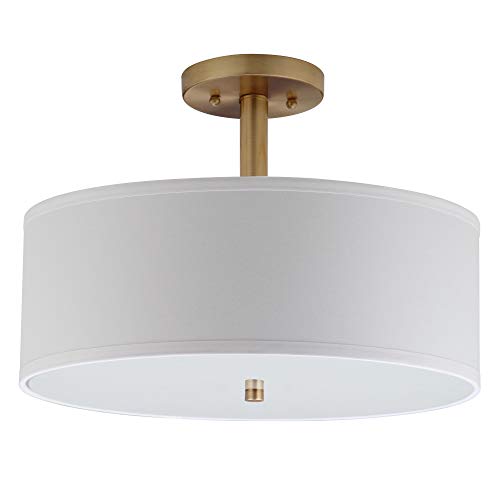
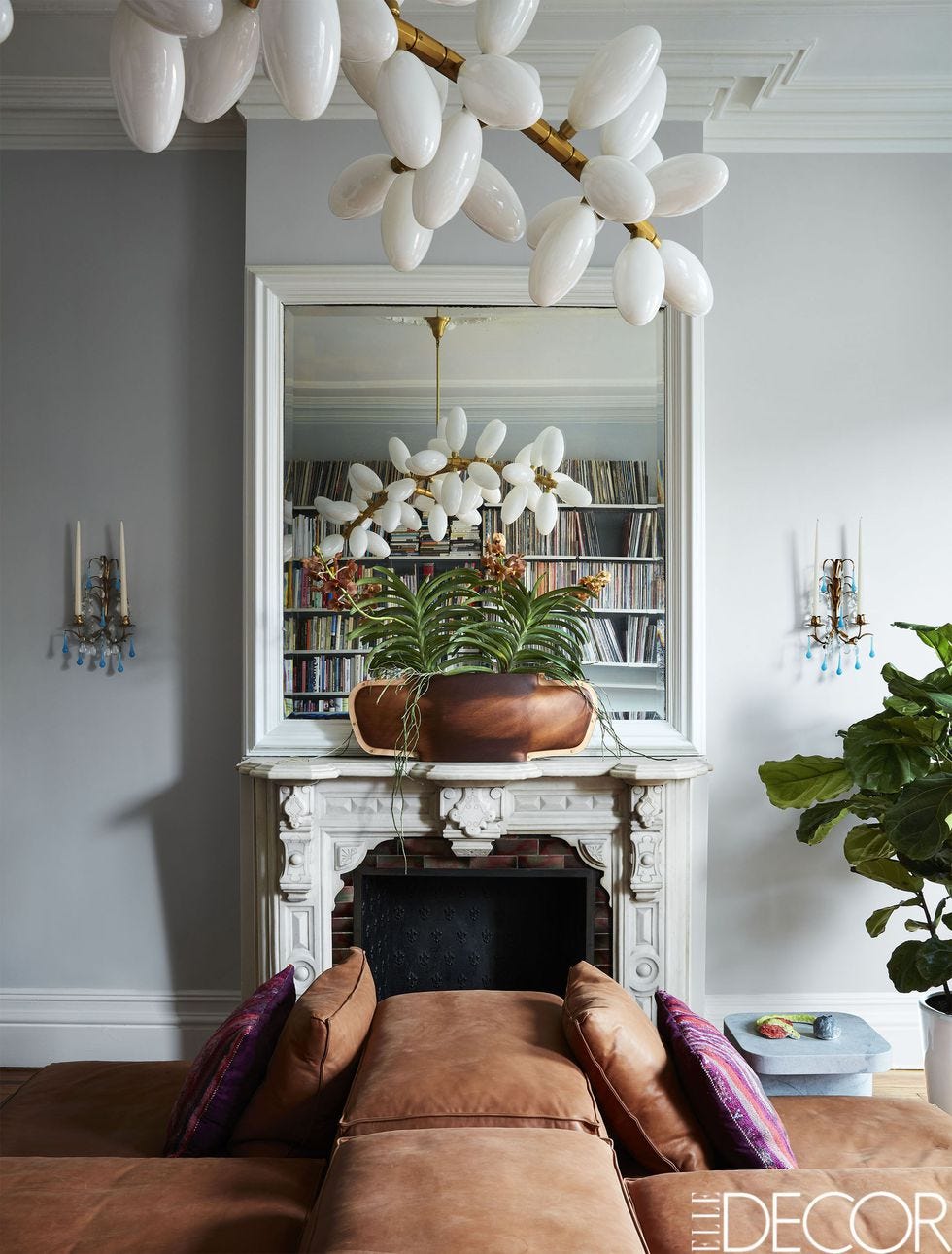
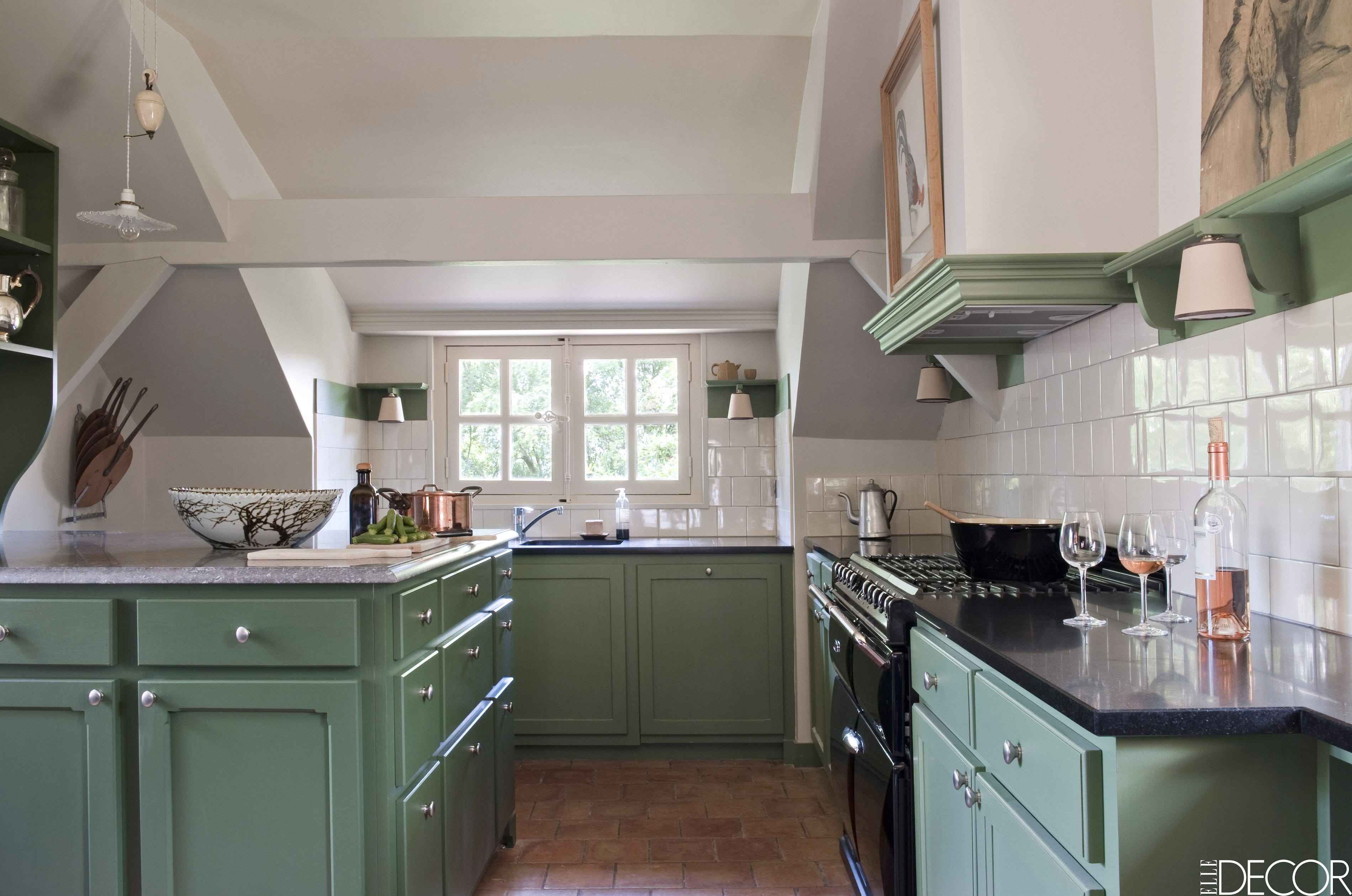
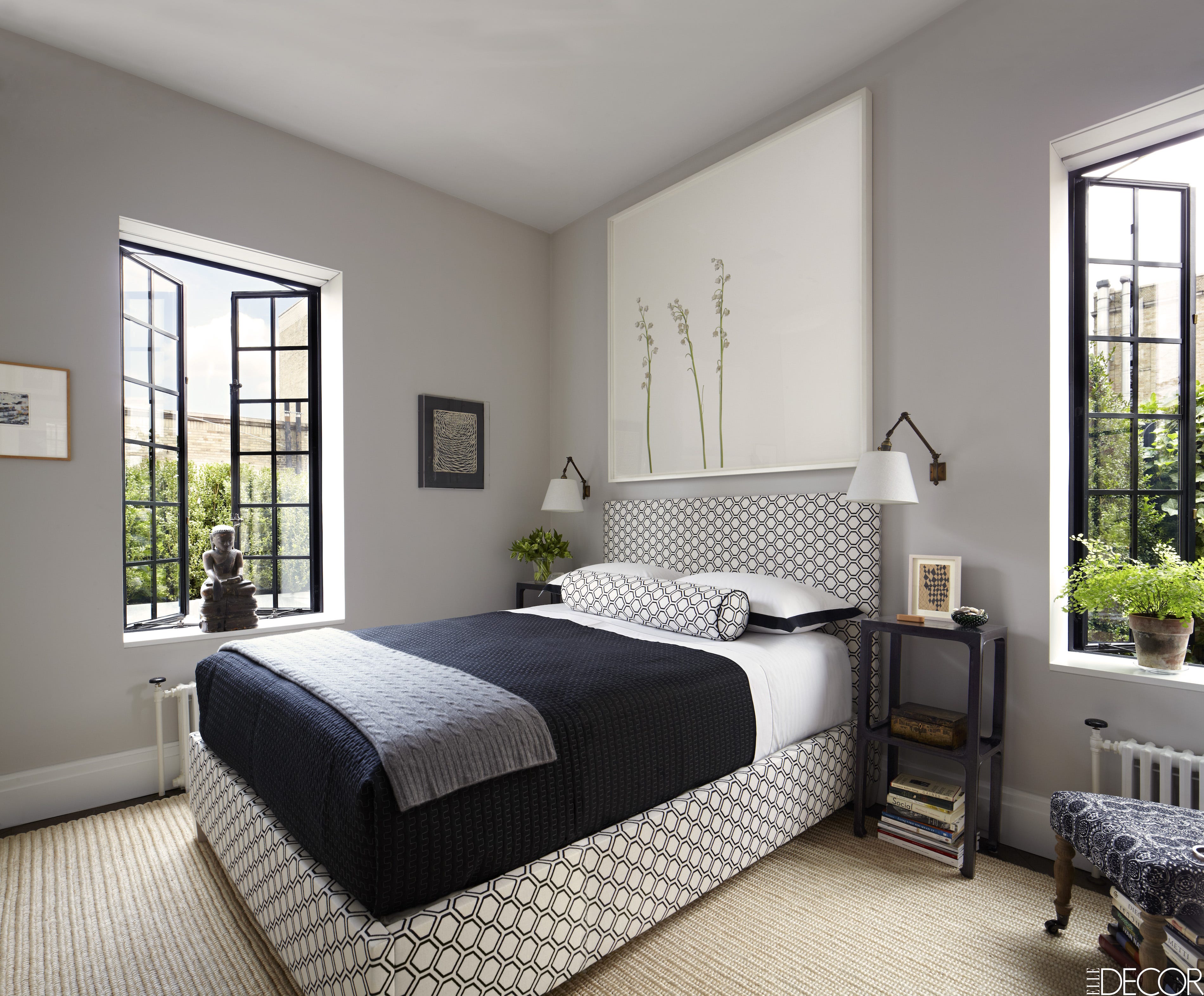
Another frequent mistake involves selecting ill-suited fixtures for specific rooms. Different types of lighting are appropriate for varying purposes and spaces. For instance, overhead recessed lighting may be ideal for a living room, offering broad illumination, whereas shaded sconces are better suited for a bedroom, providing a softer, more ambient light conducive to relaxation. A large floor lamp can effectively light a home office, but would likely be out of place in a child's playroom. A well-designed home typically incorporates a diverse array of lamps and fixtures, each chosen to complement the room's function and aesthetic.
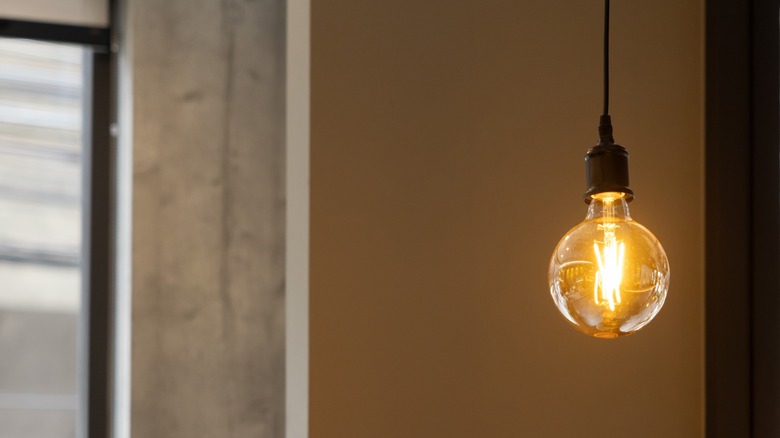
Ben Marshall, creative director for Mitzi and HVLG, highlights common missteps related to light bulb wattage. While fixtures have a recommended maximum wattage, this indicates the fixture's capacity rather than a mandate. Marshall suggests purchasing several wattages of bulbs to experiment and determine the optimal brightness for a given space. This approach allows for customization and ensures that the light output is appropriate without being overpowering or too dim.
Color temperature is another critical factor often overlooked. Marshall recommends bulbs between 2500K and 2700K for a warm, inviting glow, while Scheck suggests a range of 2700K to 3000K, which provides inviting light without being overly orange or blue. Warm lighting generally promotes relaxation and is ideal for bedrooms, while cooler bulbs are more suitable for areas requiring alertness and focus, such as home offices and kitchens. Matching the color temperature to the room's purpose and desired mood is essential for creating a comfortable atmosphere.
The absence of dimmer switches is another prevalent mistake. Although installing dimmer switches might involve an additional cost, their benefits in mood regulation and task specificity are substantial. Dimmers allow for flexible lighting, enabling bright illumination for cleaning or tasks, and softer light for social gatherings or relaxation. While crucial for living rooms, dining rooms, and bedrooms, they may not be necessary in every space, such as guest rooms or home offices.
Finally, opting for fluorescent bulbs in residential settings is generally discouraged. While energy-efficient, these bulbs contain mercury, posing a cleanup hazard if broken, particularly in homes with children. Beyond safety concerns, fluorescent lighting is often perceived as harsh and unflattering, negatively impacting the overall aesthetic and comfort of a room. Alternatives like LED bulbs offer similar energy efficiency without the associated risks and with better light quality.
#HomeLighting #InteriorDesign #LightingMistakes #HomeDecor #LightFixtures #ColorTemperature #DimmerSwitches #HomeImprovement #Ambiance #HomeLighting #InteriorDesign #LightingMistakes #HomeDecor #LightFixtures #ColorTemperature #DimmerSwitches #HomeImprovement #Ambiance
共0条评论
 暂无评论
暂无评论你可能还喜欢
7 Bedroom Lighting Mistakes — Experts Say They "Scream 'Wrong Vibe'" and Ruin Your Aesthetic

5 Types of Lighting Designers Would Never Use —They're Harsh and Unflattering and Here's Why
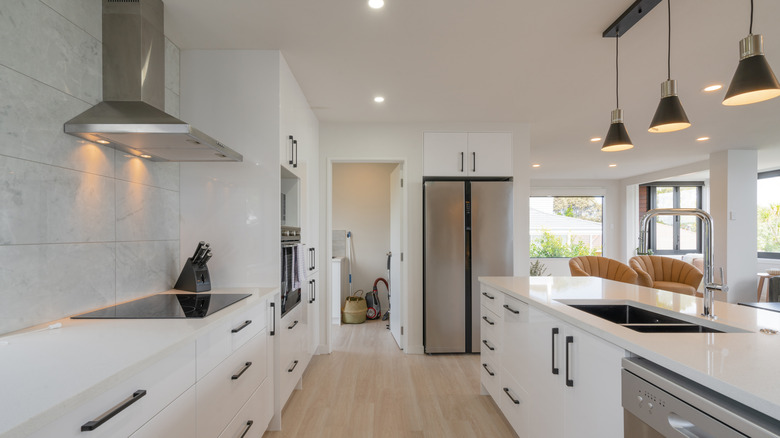
15 Kitchen Lighting Mistakes Everyone Makes


The Secrets To A Well-Lit Room

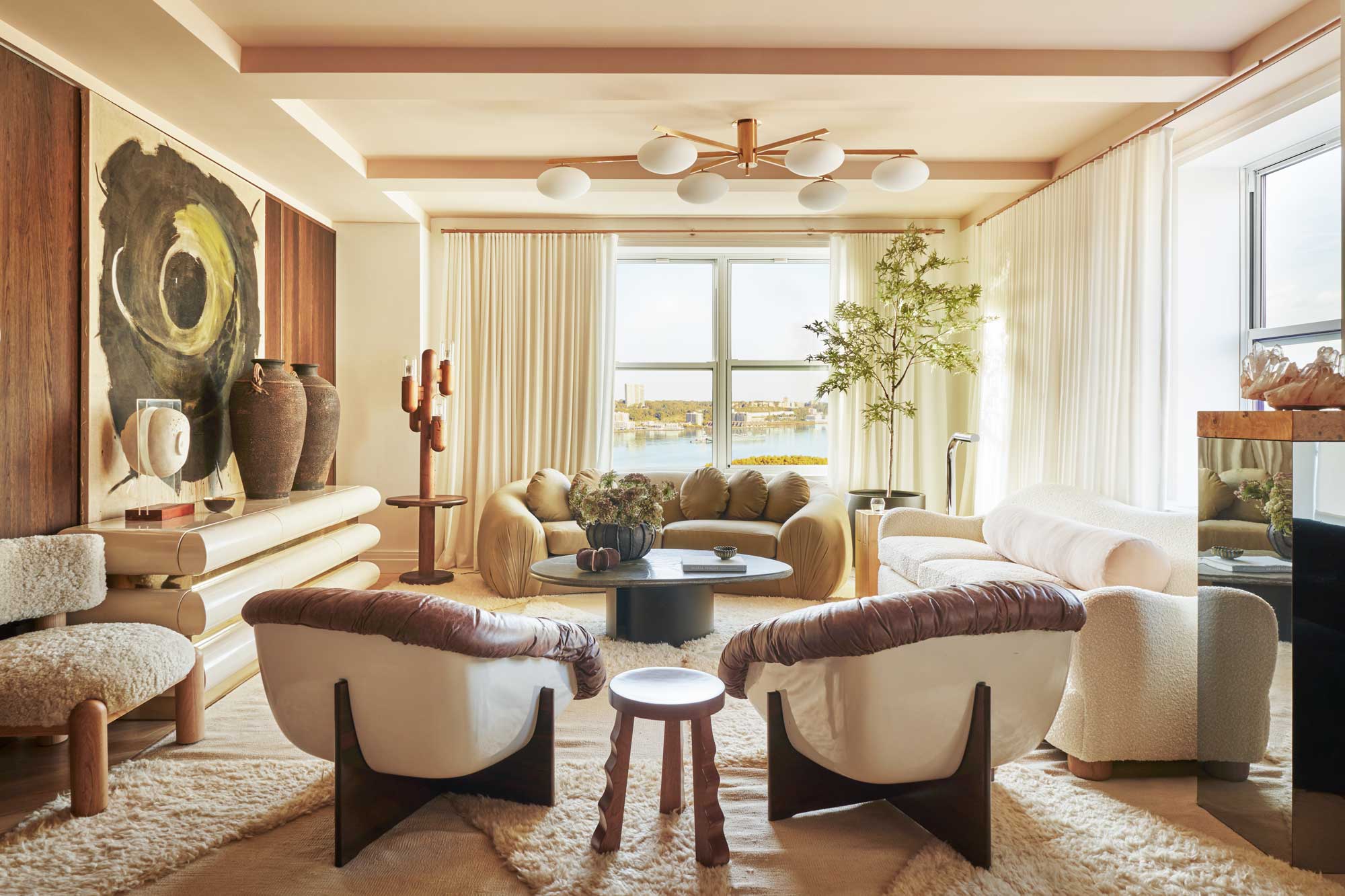
7 Common Living Room Lighting Mistakes to Avoid at all Costs
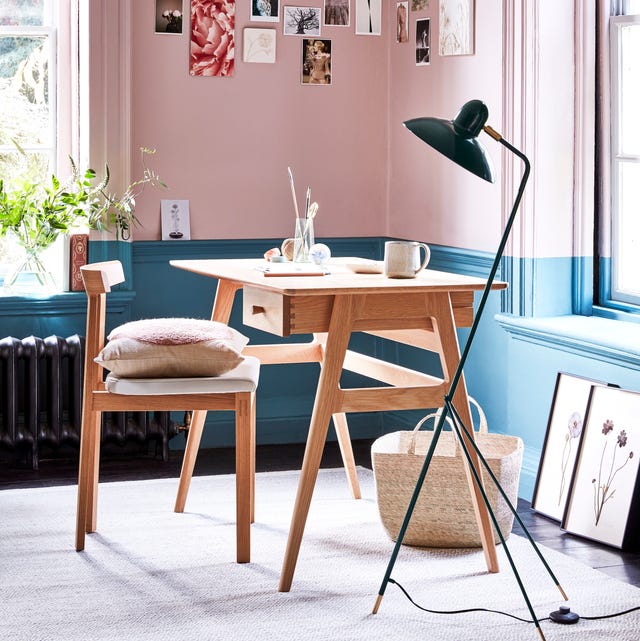
3 common lighting mistakes you are making, according to Feng Shui experts

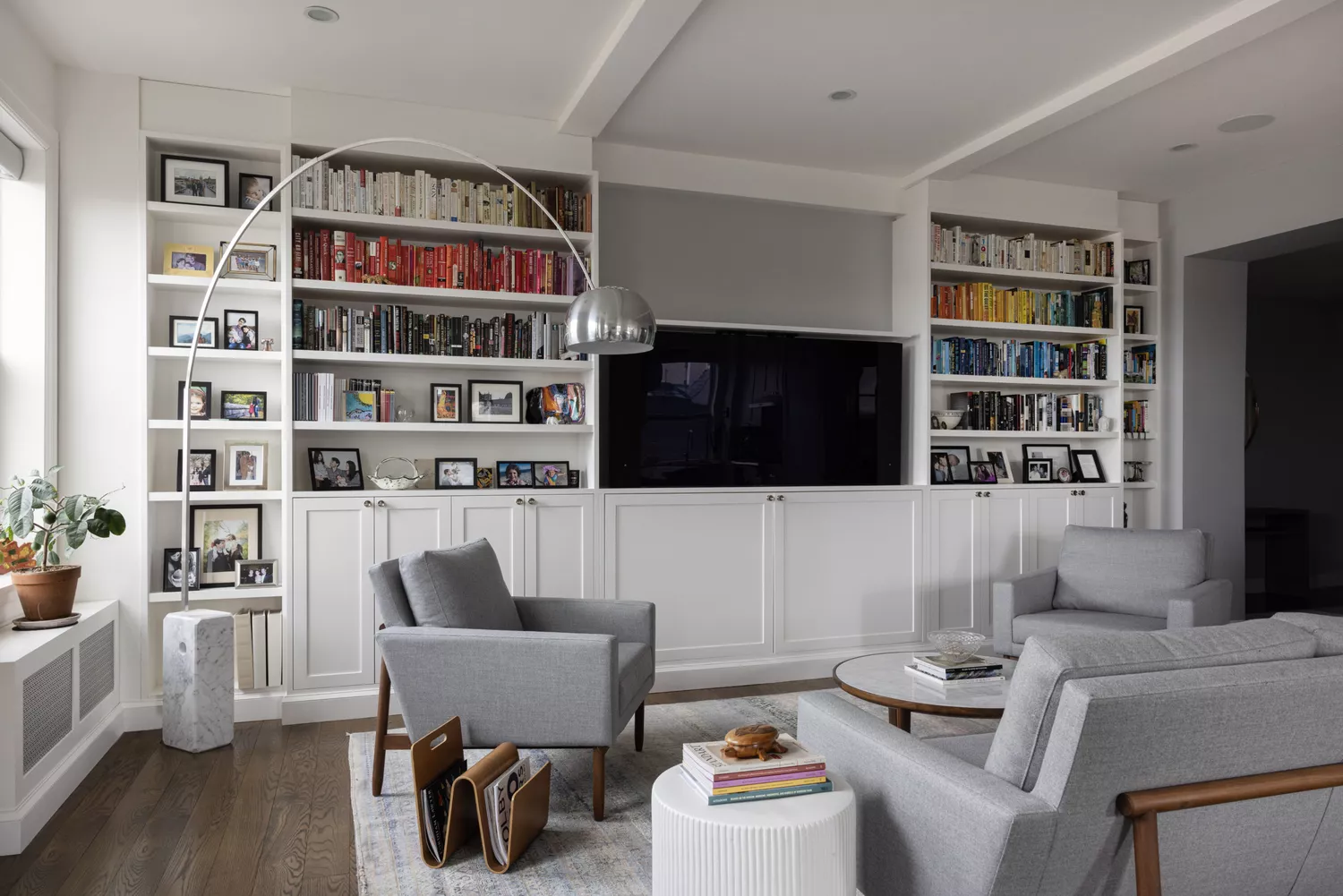
5 Easy, Designer-Approved Lighting Hacks to Brighten Up Your Home

6 mistakes design experts instantly notice in your home – and how to fix them
10 living room lighting mistakes that make yours look uninviting, smaller and cold

6 Home Décor Mistakes Interior Designers Notice Right Away—and How to Fix Them
5 small entryway lighting mistakes — experts share what to avoid

5 Common Entryway Lighting Mistakes Designers Never Fail to Notice — I'll Always Avoid These Now
10 Lighting Mistakes You Should Never Make—But Probably Are
7 Dining Room Lighting Mistakes That Could Be Making Your Space (and Food) Look Less Appetizing
Kitchen Lighting Mistakes That Are Making Your Space Look Dated
You've Been All Wrong About Choosing Lighting for Your Apartment
11 bedroom lighting mistakes – why your space looks uninviting and feels impractical, and how to fix it
12 Kitchen Lighting Mistakes (And How To Avoid Them)

Experts warn this is the biggest mistake people make when choosing lighting for their kitchen
5 Bathroom Lighting Mistakes That Instantly Dim the Space, According to Designers