1/3
Yes, Insulation Is Important in the Summer, Too
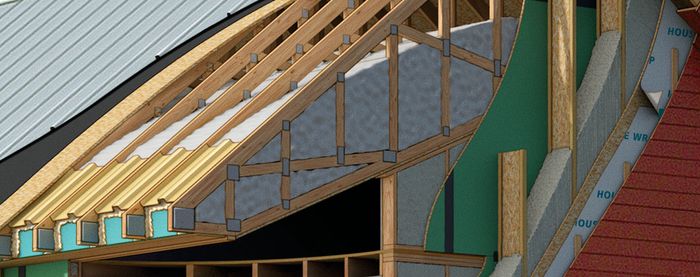
With summer temperatures rising and extending annually, home cooling systems are under increasing strain, leading to higher energy consumption and electric bills. A report by Climate Central indicates that summers have become 2.6 degrees Fahrenheit hotter on average since 1970 in 234 U.S. cities, contributing to overburdened utilities. Enhancing home insulation presents an effective solution to combat these rising temperatures and improve energy efficiency without requiring extensive renovations.
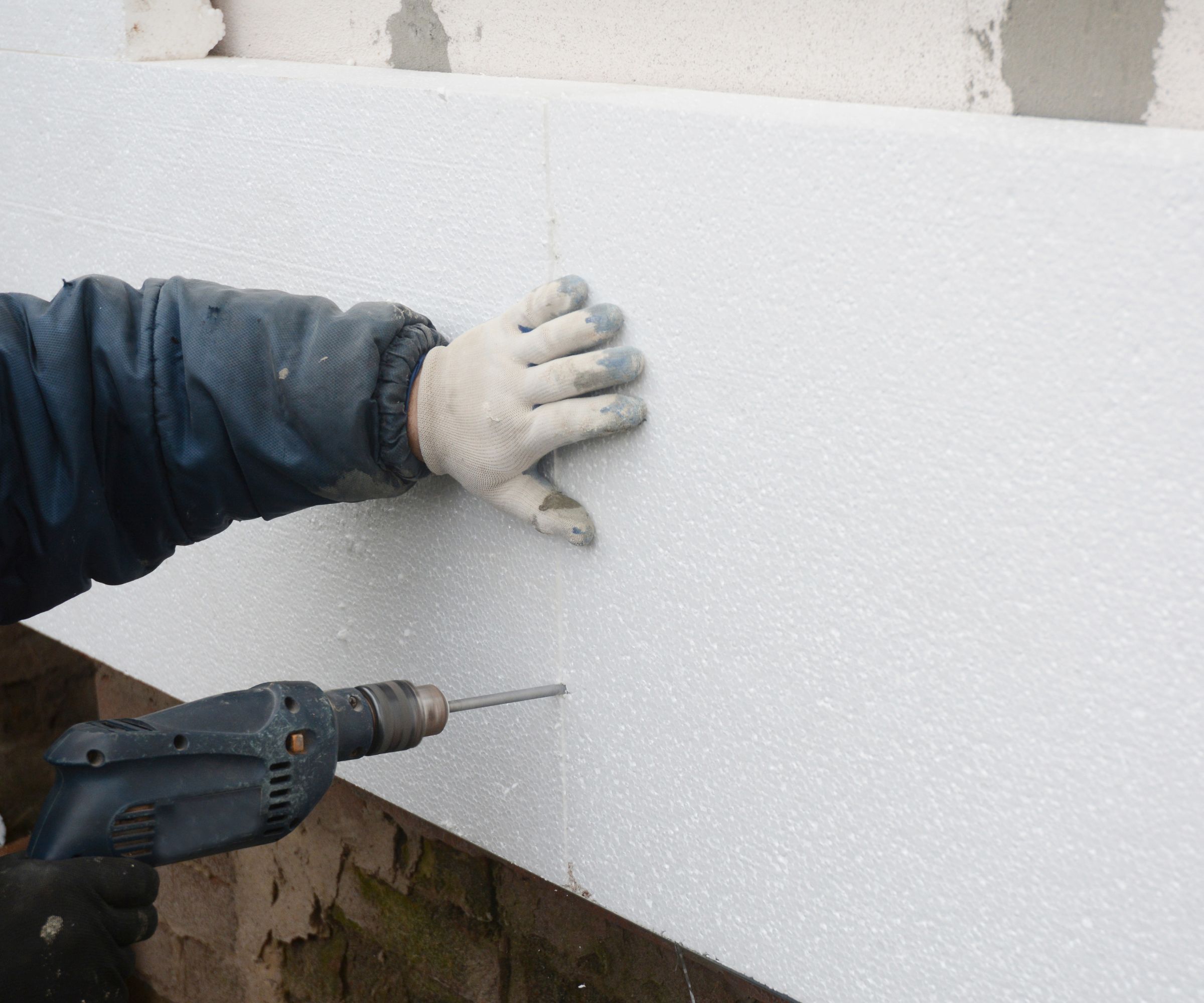
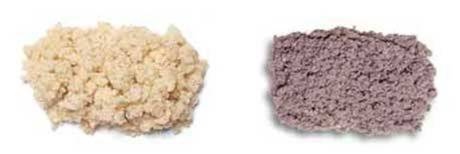
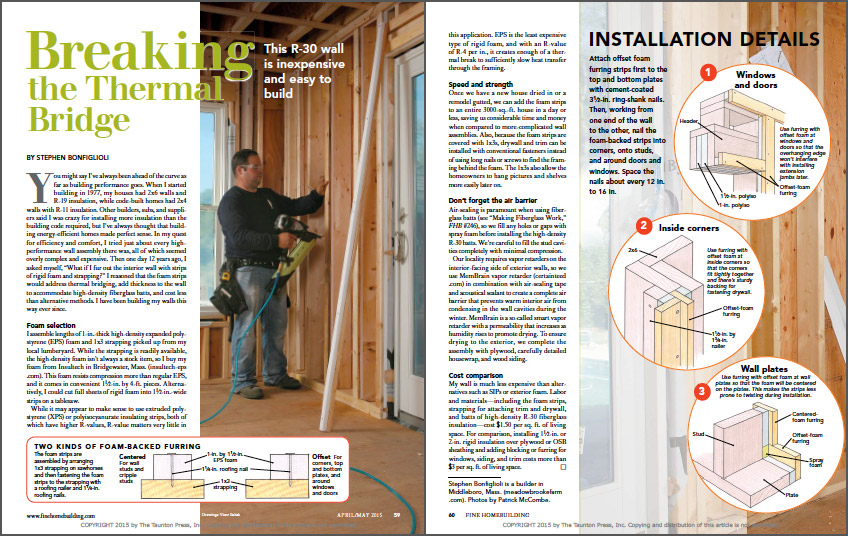
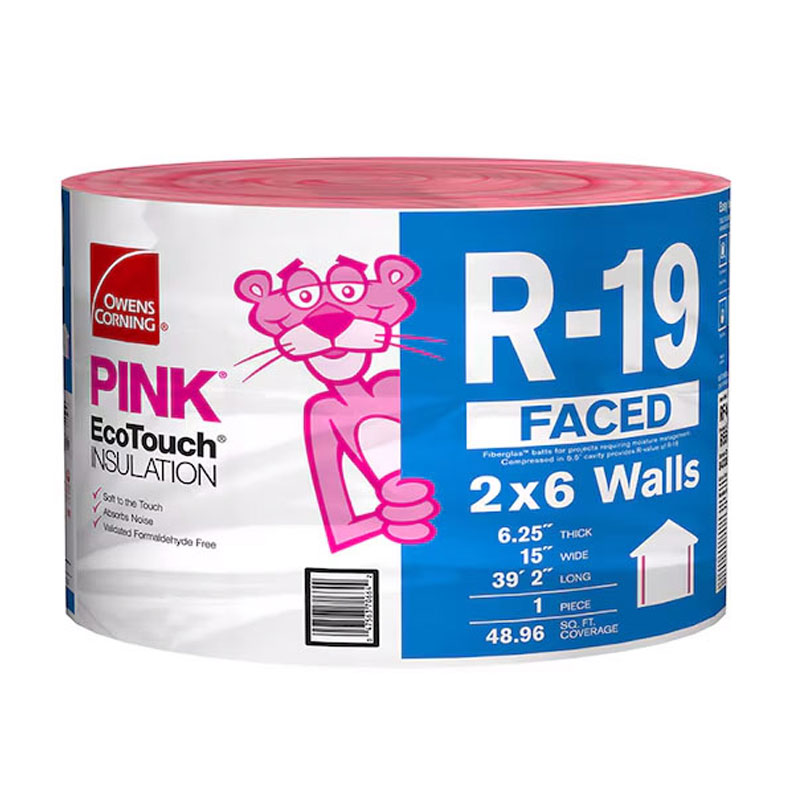
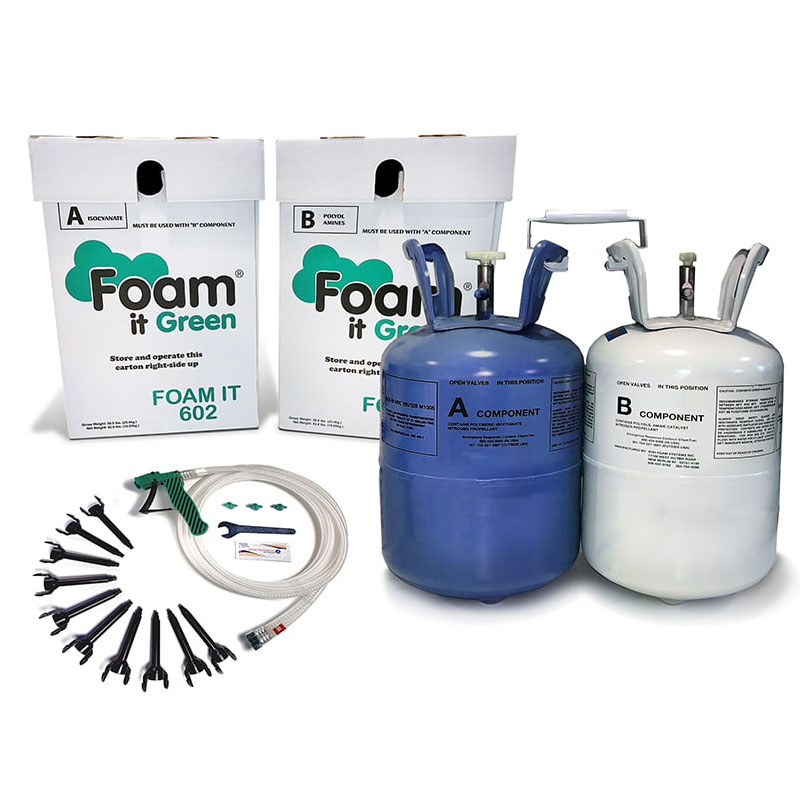
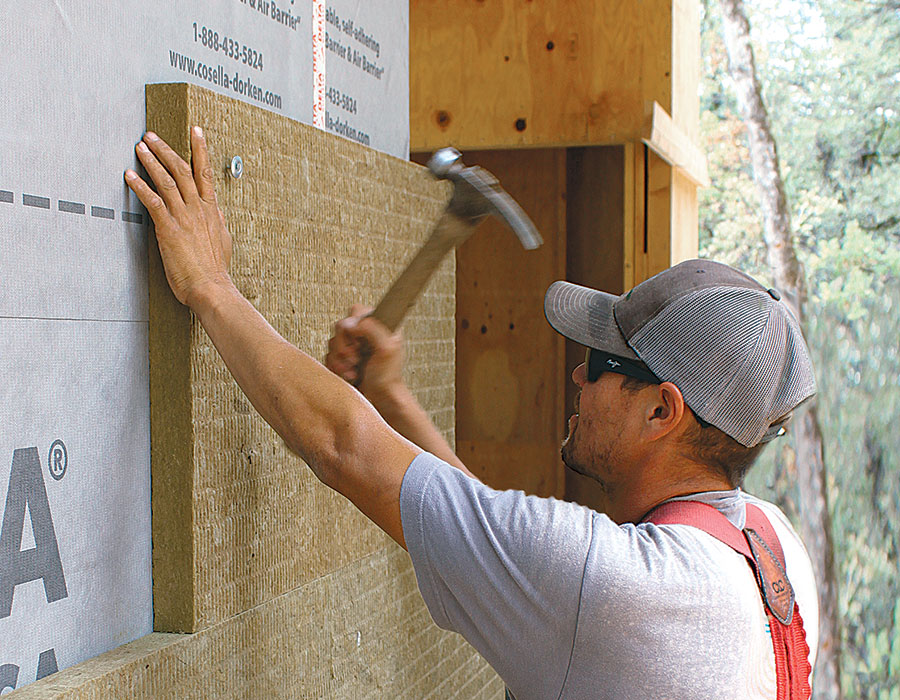
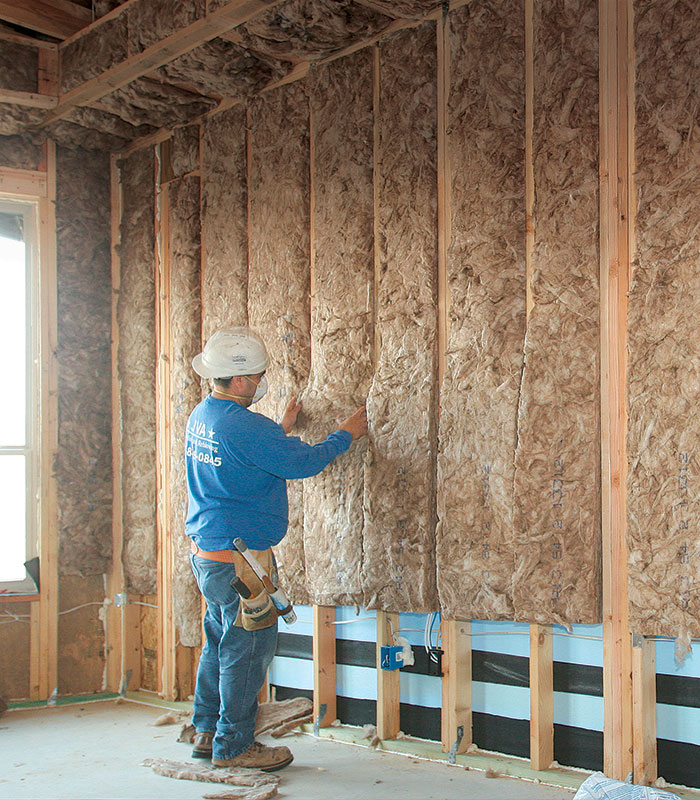
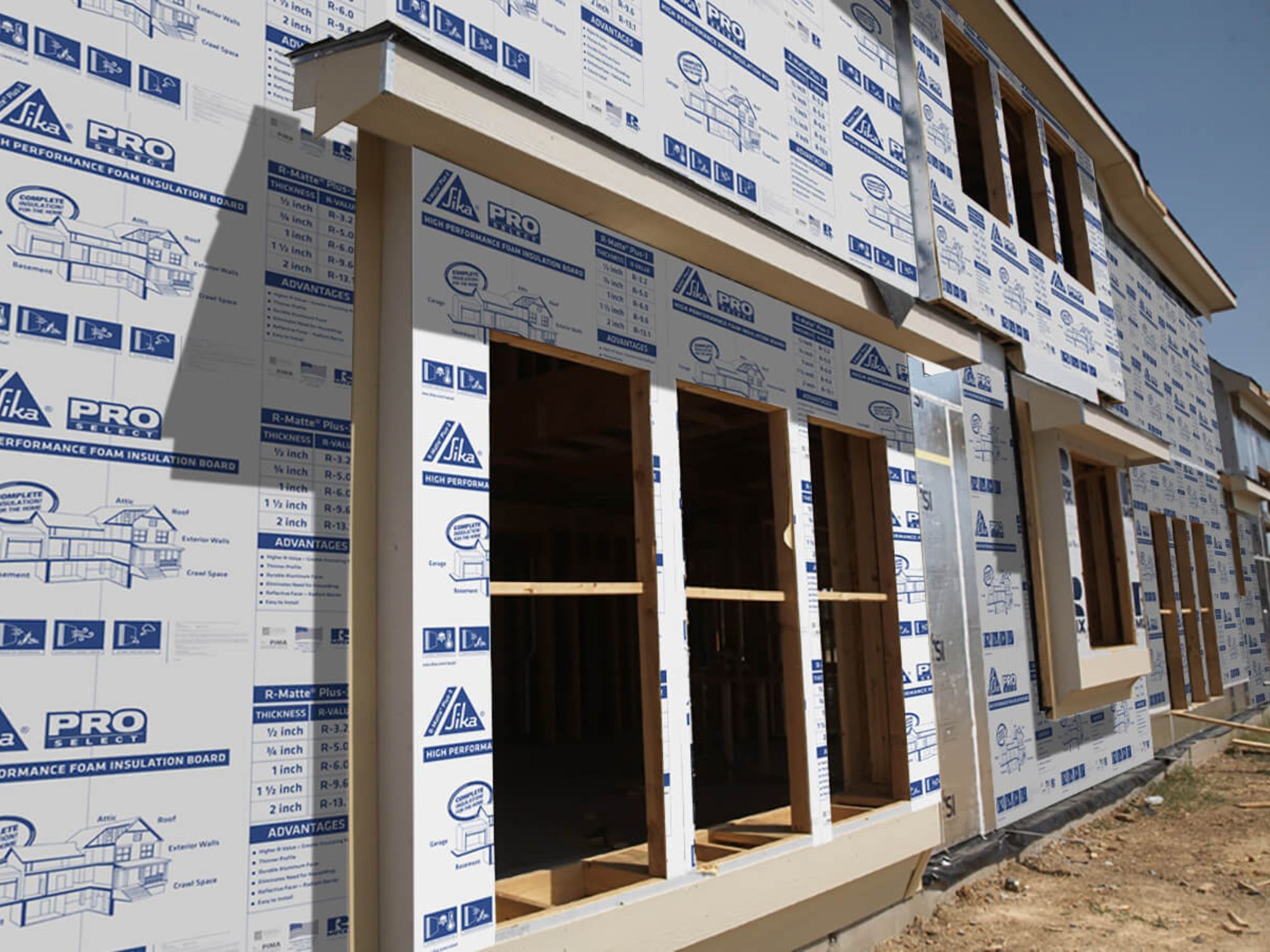
One accessible method involves insulating exterior walls. John Waldorf, Vice President of Estes Services, an HVAC company, suggests two primary retrofitting options for existing walls. Blown-in insulation involves drilling small holes into the wall, injecting insulation material, and then patching the holes. Alternatively, injectable foam insulation is pumped into the wall cavity, expanding to fill the void. Both methods offer a straightforward approach to increasing a home's thermal resistance without significant construction work.
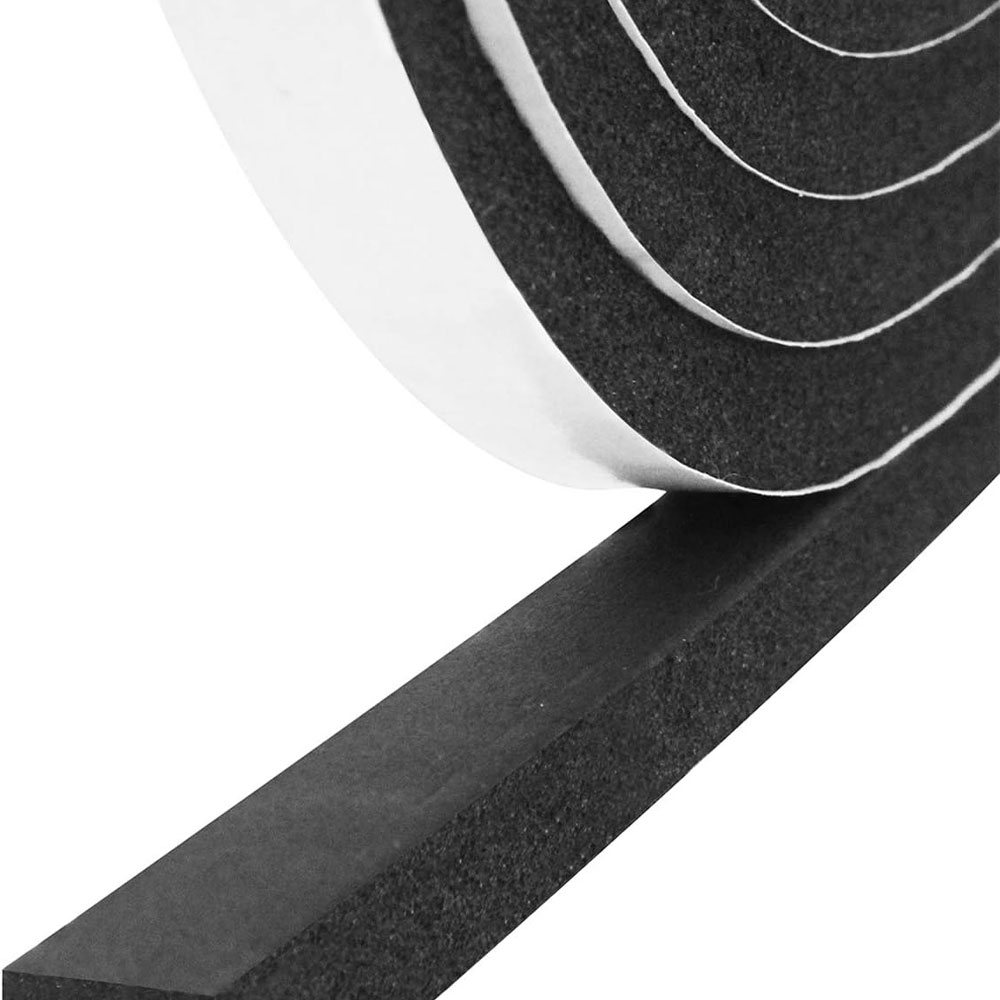
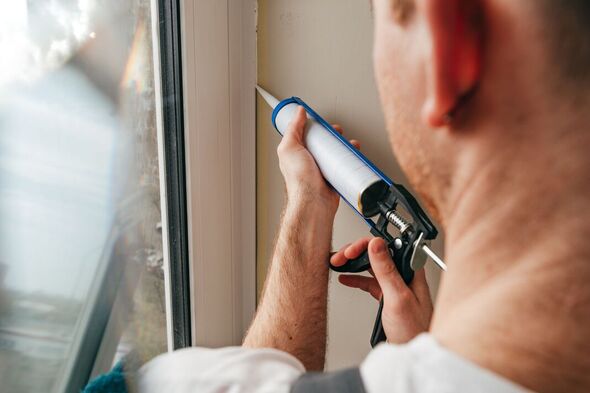
Addressing small gaps is another crucial step. Heat can infiltrate or escape through tiny cracks around windows and doors. Applying weatherstripping where window sashes meet and around door jambs can significantly reduce air leakage. Furthermore, electrical outlets and light switches are often overlooked sources of air leaks. Installing silicone wall plate insulation gaskets between the wall and switch plate covers can effectively seal these openings, preventing conditioned air from escaping and reducing the workload on the air conditioning system.
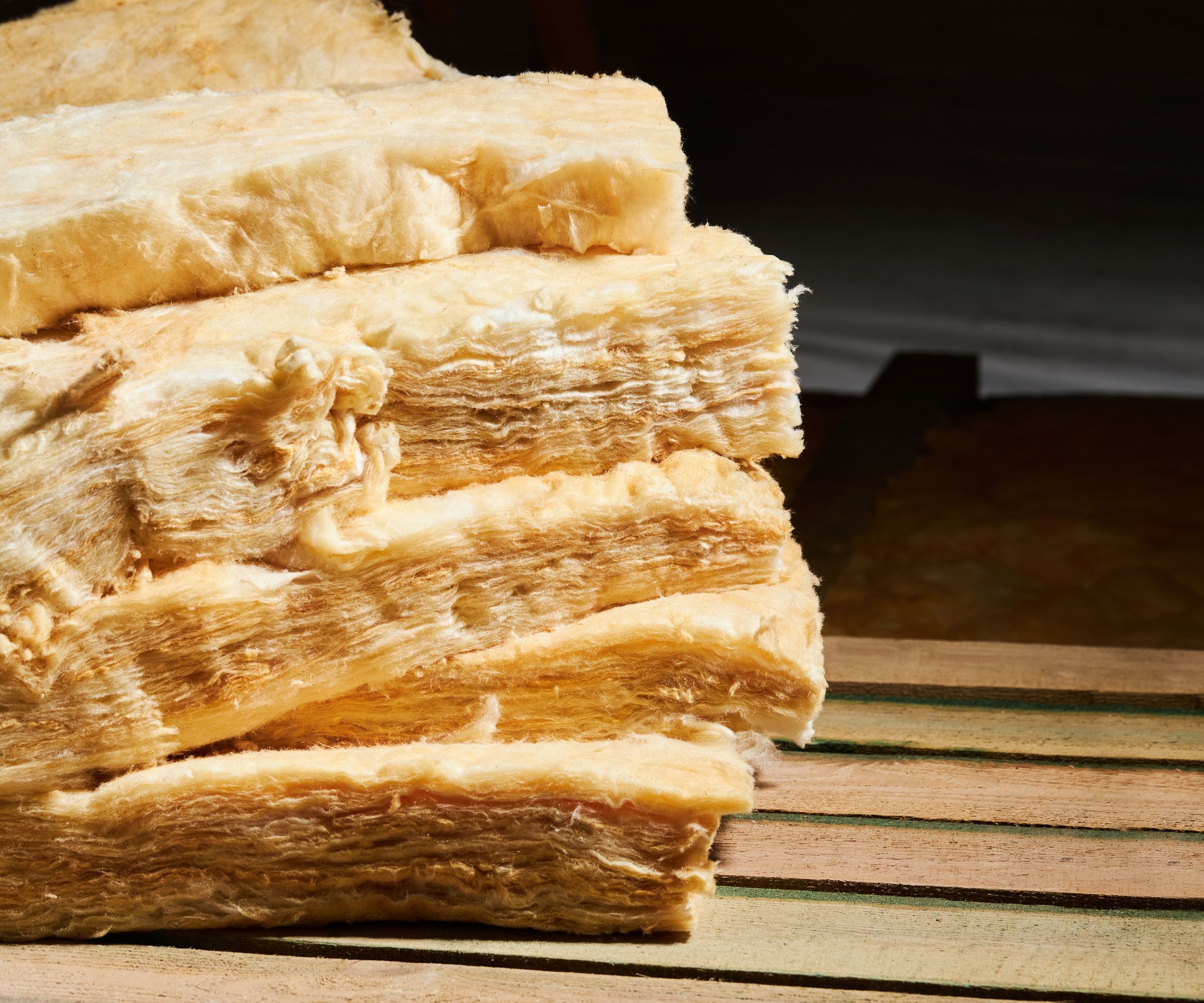
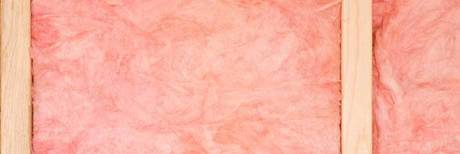
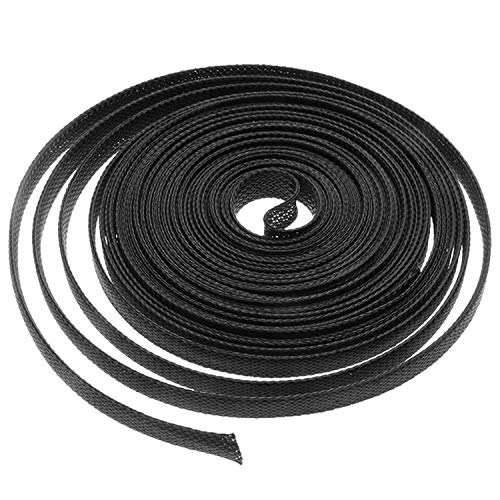
Wrapping air ducts is essential, especially for ductwork running through unconditioned areas like basements, attics, and crawl spaces. Central air conditioning systems can lose between 20 and 40 percent of conditioned air through leaks and poor connections in the ductwork. By wrapping exposed ducts with foil-faced fiberglass insulation, preferably with an R-value of 6 or higher, homeowners can minimize this loss and improve the efficiency of their cooling system.
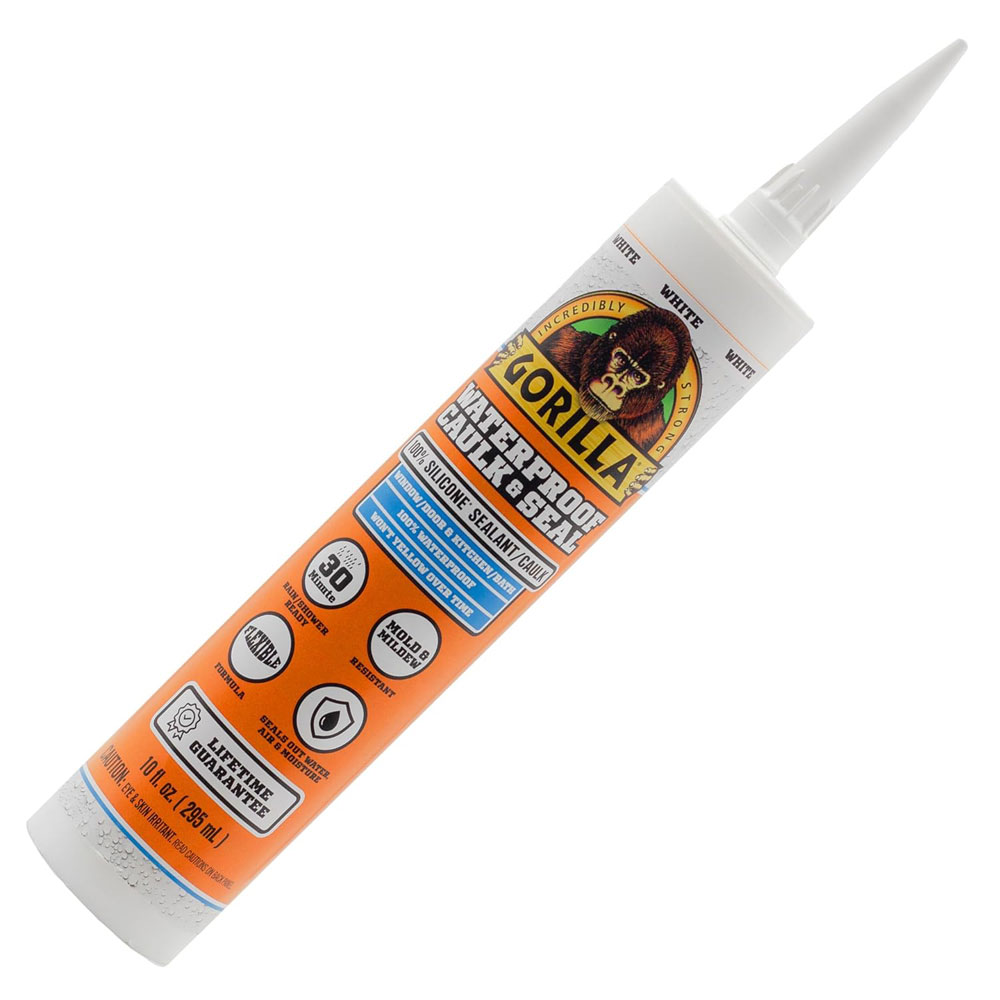
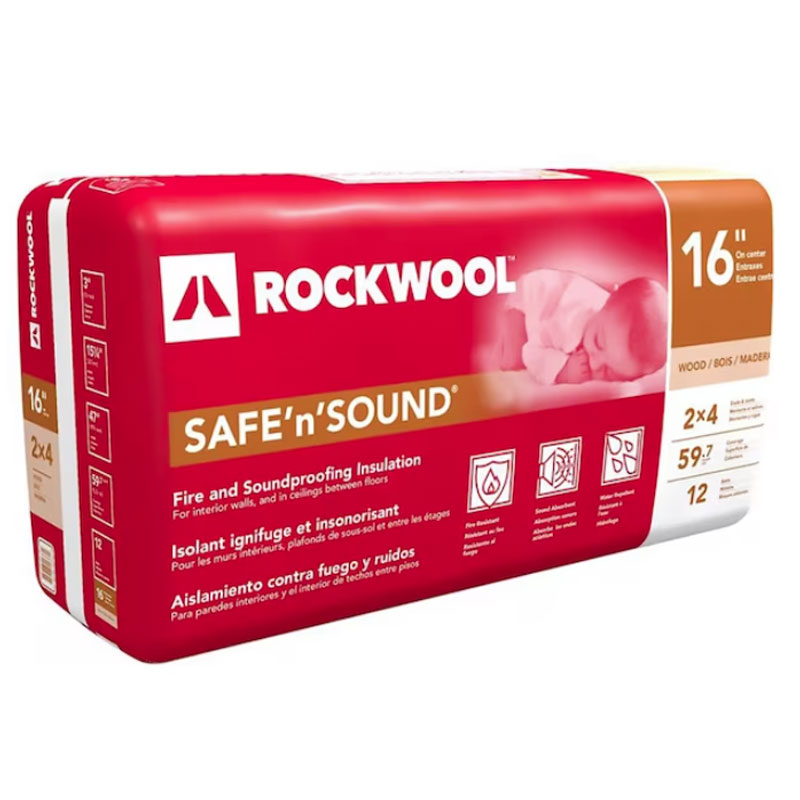
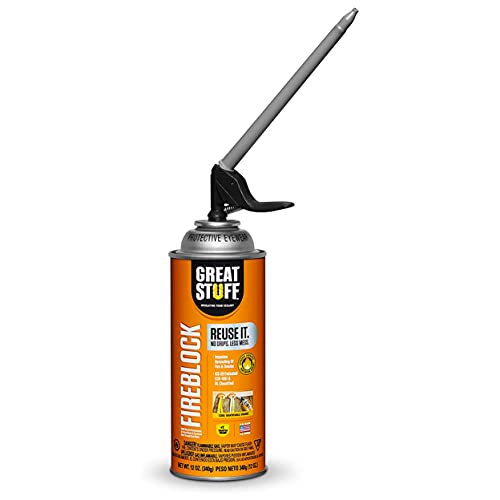
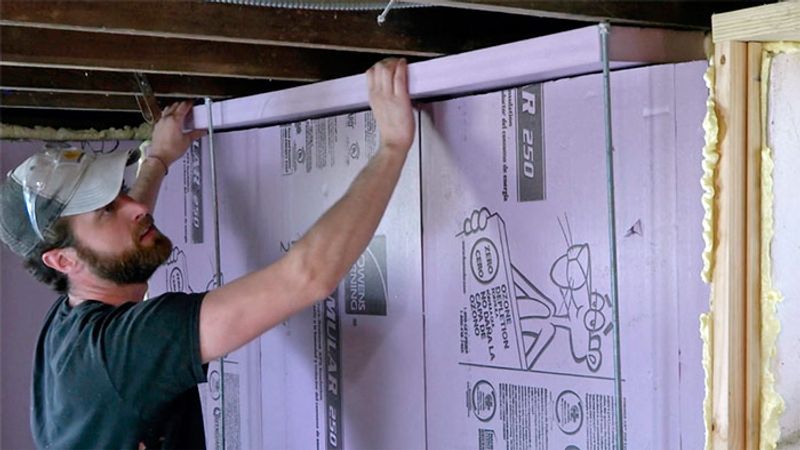
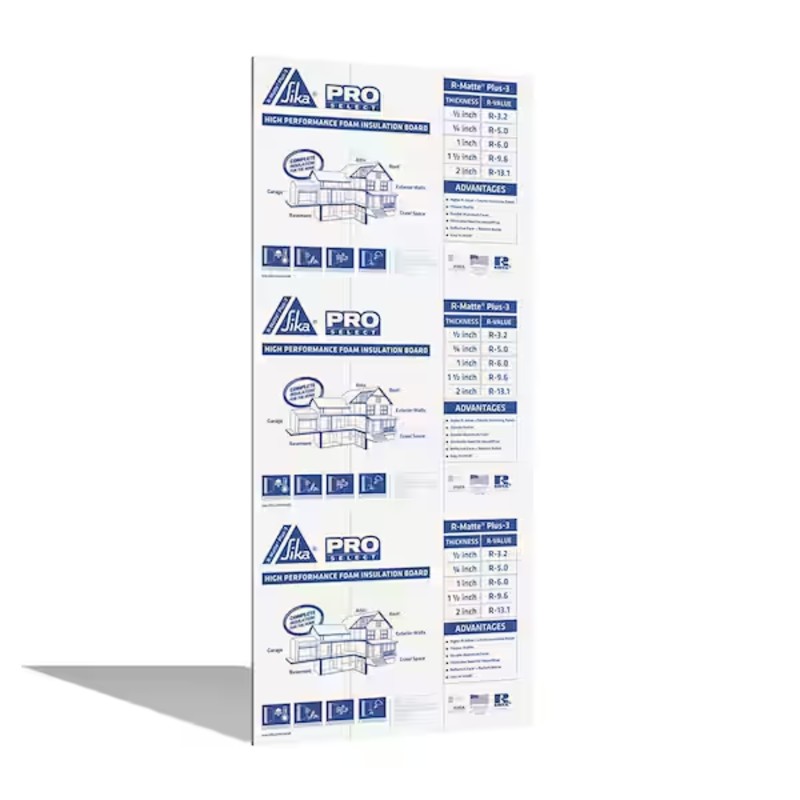
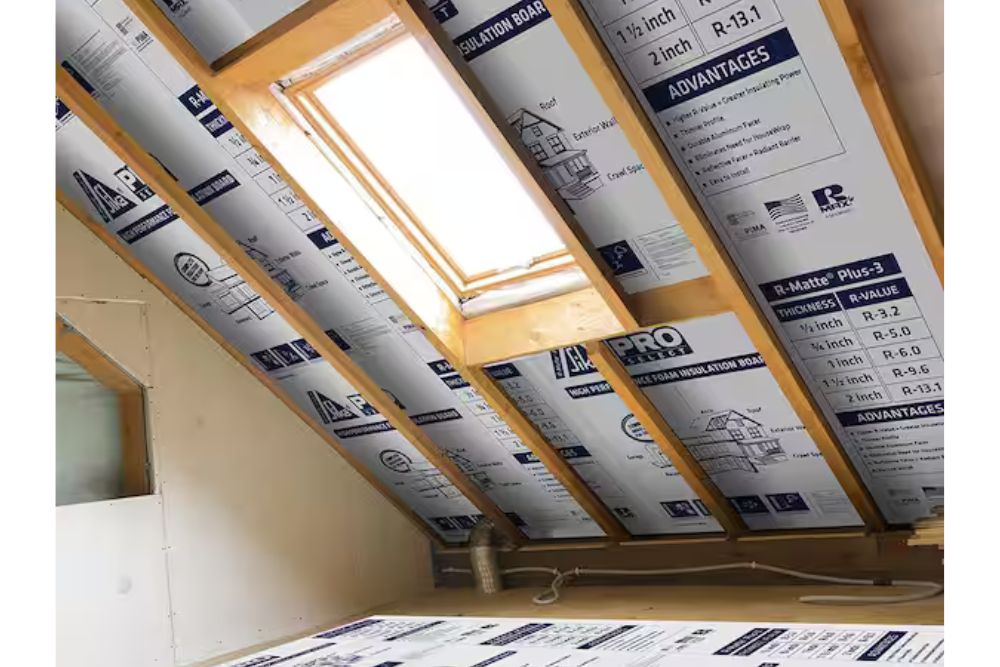
Lastly, insulating basement rim joists can yield substantial benefits. Rim joists, located around the perimeter of a home's floor framing in the basement, are common areas for heat transfer because they are often uninsulated or poorly sealed. This can lead to significant cool air loss in the summer and heat loss in the winter. Homeowners can tackle this DIY project by cutting and fitting rigid foam board, at least 2 inches thick, between each floor joist and against the rim joist. Sealing any gaps with foam spray ensures a tight, effective barrier.
Implementing these relatively simple insulation improvements can lead to considerable energy savings. According to Waldorf, homeowners can save an average of 15 percent or more on heating and cooling costs by taking these measures. Smaller fixes like weatherstripping and sealing ducts are often affordable and quickly pay for themselves through reduced energy bills. Even larger upgrades, such as blown-in insulation, offer long-term benefits by increasing comfort and lowering utility expenses year-round. These improvements contribute to a more comfortable home environment and a more sustainable approach to energy consumption.
#HomeInsulation #EnergyEfficiency #SummerCooling #DIYHomeImprovement #Weatherstripping #AirDuctInsulation #BasementRimJoists #HVACTips #HomeMaintenance #HomeInsulation #EnergyEfficiency #SummerCooling #DIYHomeImprovement #Weatherstripping #AirDuctInsulation #BasementRimJoists #HVACTips #HomeMaintenance
Toplam 0 yorum
 Henüz yorum yok
Bu da beğenebilirsiniz
The 4 areas of your home pros say to always insulate to keep it toasty in colder weather – plus, where to never insulate

Loft Insulation


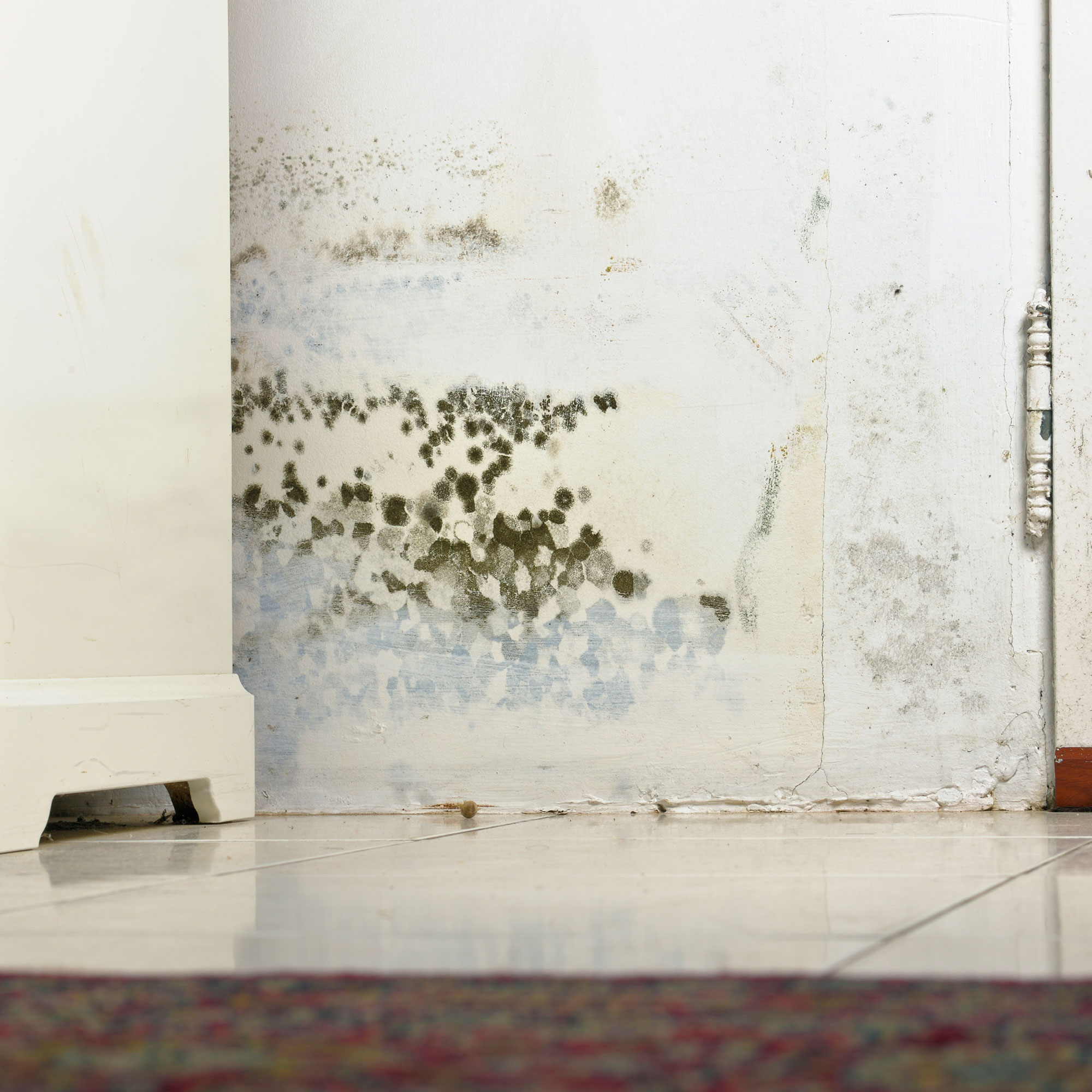
Avoid insulating these spots as it can cause damp and mould
Insulate Your Basement, Part 3


6 types of attic insulation and how to pick one for your home
An Easy Way To Build a Well-Insulated House

Peace & warmth: How thermal roof Insulation improves wellbeing
How to 'warm up' cold walls and 'protect' your home from condensation and mould growth

Beat the heat: 7 DIY natural ways to summer-proof your house | Lifestyle News


How to insulate your period house
Podcast 209: Exterior Caulk, Tub Drains, and Adding Insulation to Leaky Walls


Do thermal curtains keep heat out in the summer? Experts reveal whether these window dressings are worth buying
Winterize Those Drafty Windows Now (Save Money on Heating Bills Later)

5 ways to insulate a wall to lower your energy bills and block out noise – and which ones are a mistake to DIY

The best floor insulation options for your home, explained
After Researching Over 20 Options for Exterior Walls Insulation, There is One Clear Winner
Home insulation materials

What to Consider When Choosing Insulation
6 areas of your home you should never insulate – and why it's a hazard that can do more harm than good
Prep for Winter Weather with These 8 Window Insulation Kits