This Japanese Wood-Burning Technique Can Upgrade Any Wood Furniture—Here's How
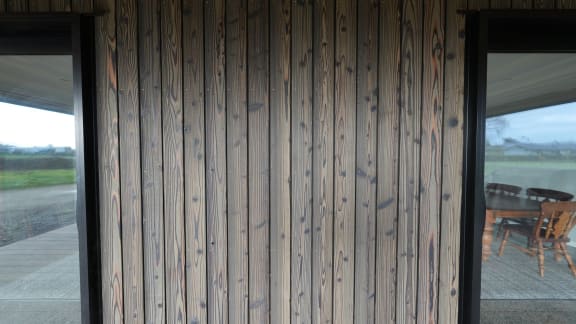
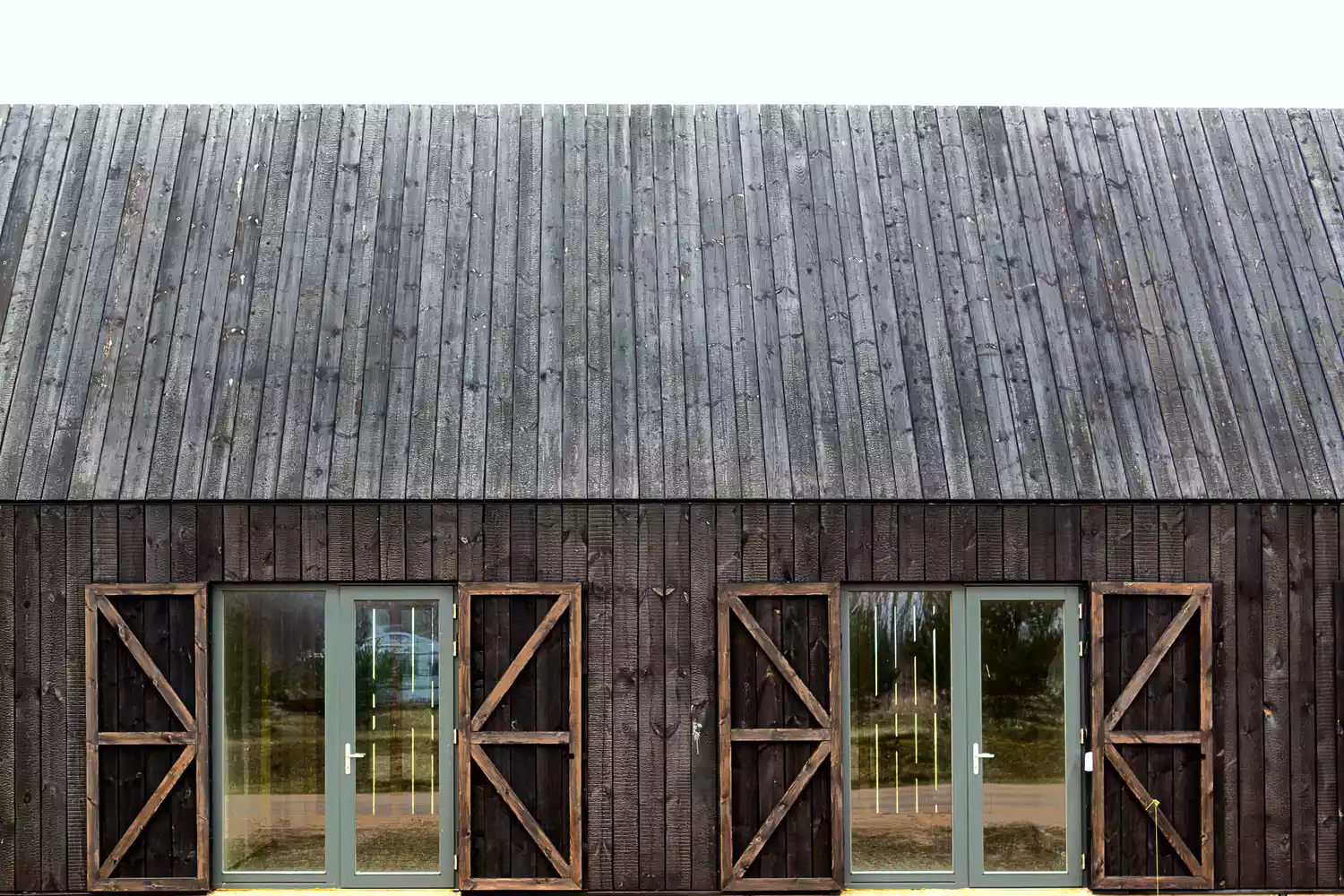
Shou Sugi Ban, also known as Yakisugi, is a traditional Japanese wood-preservation technique that originated in the 18th century. This method involves charring wood surfaces, which not only enhances the material's durability but also gives it a distinctive aesthetic. The practice, initially performed by skilled artisans, has gained global recognition and is now accessible to DIY enthusiasts, appealing for both its visual qualities and practical benefits.
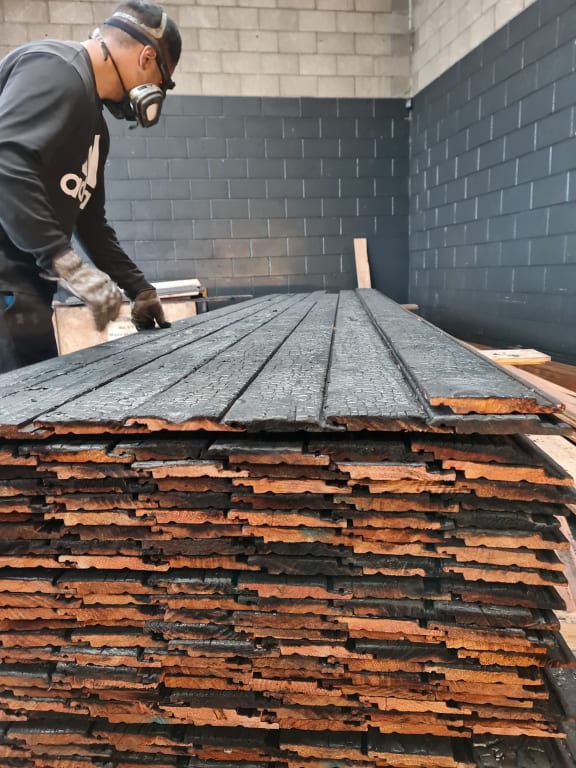
The core of the Shou Sugi Ban process involves carefully selecting virgin wood, typically cedar or cypress, cutting it into planks, and drying it. The wood surface is then intentionally charred to create a thin layer of carbon, which is subsequently cooled, brushed, washed, and sealed with oil. This meticulous procedure renders the wood waterproof, weatherproof, and resistant to rot, mold, fire, termites, and other insect infestations. The charred appearance accentuates the natural wood grain and introduces textural interest, with the final look varying depending on the intensity of the charring and the type of wood used. While "Shou Sugi Ban" is commonly used in English-speaking countries, the more accurate Japanese term is "Yakisugi," meaning "charred cedar or cypress." Japanese cypress is considered the traditional and ideal wood for this technique, though other wood types can be used with varying results.
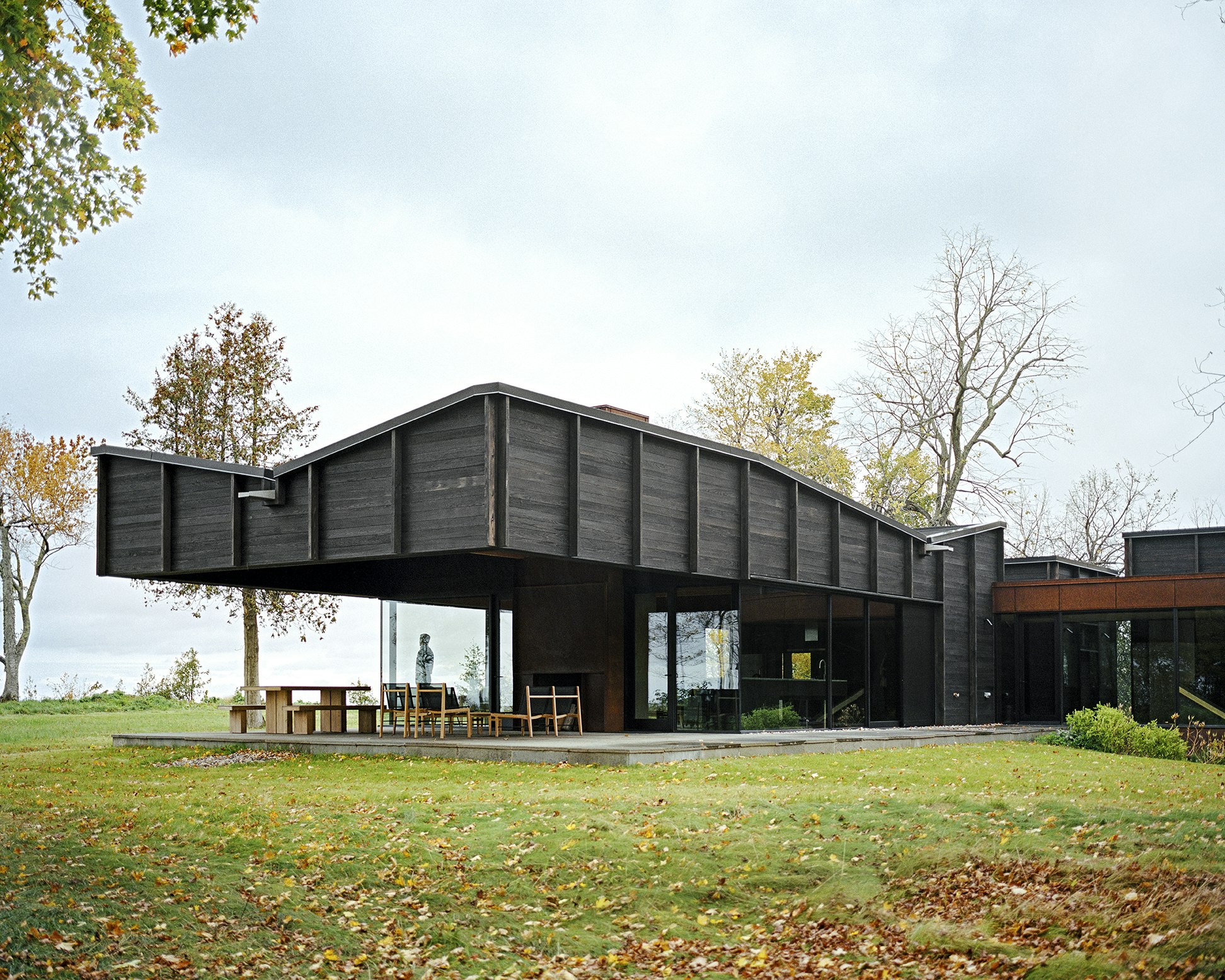
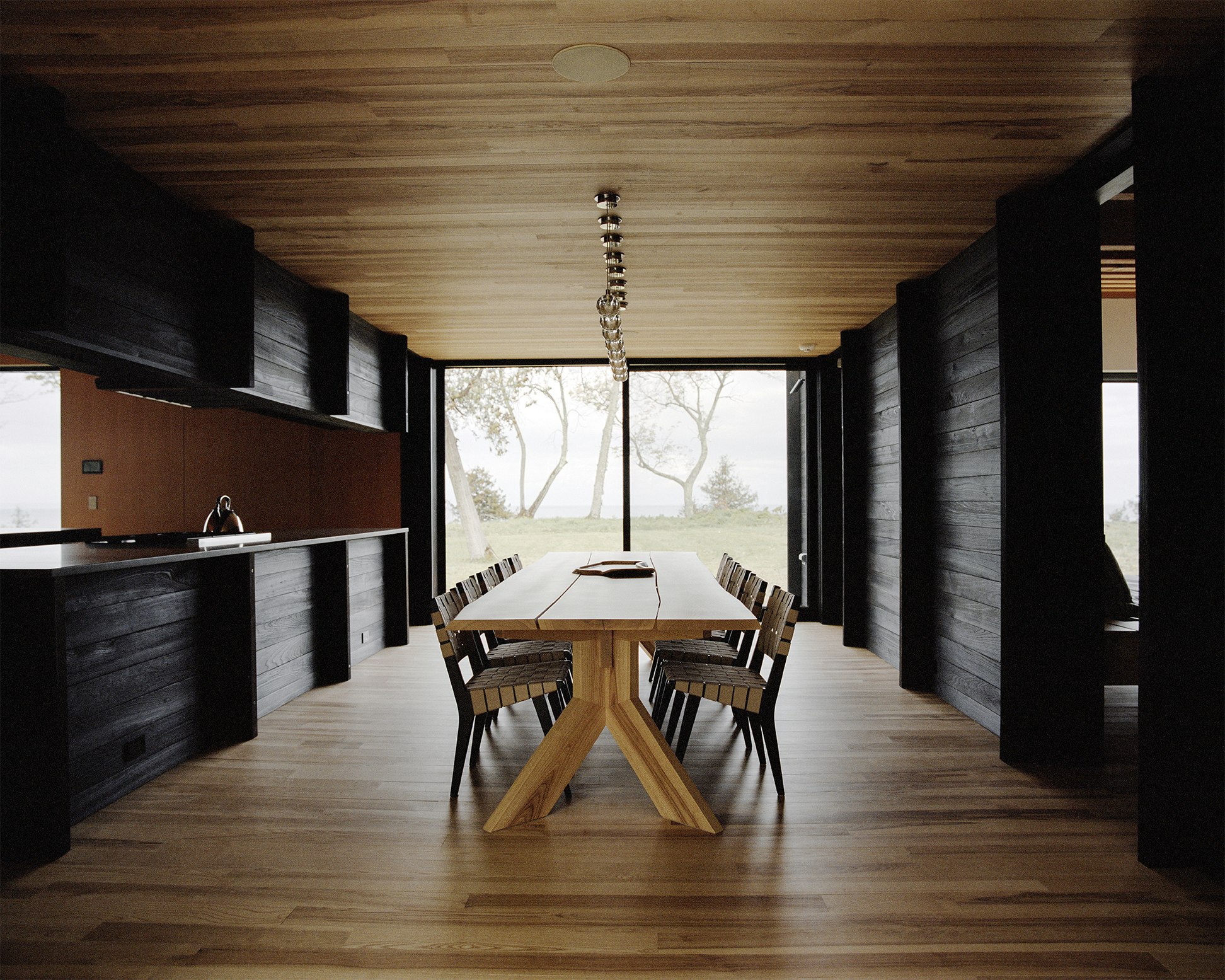
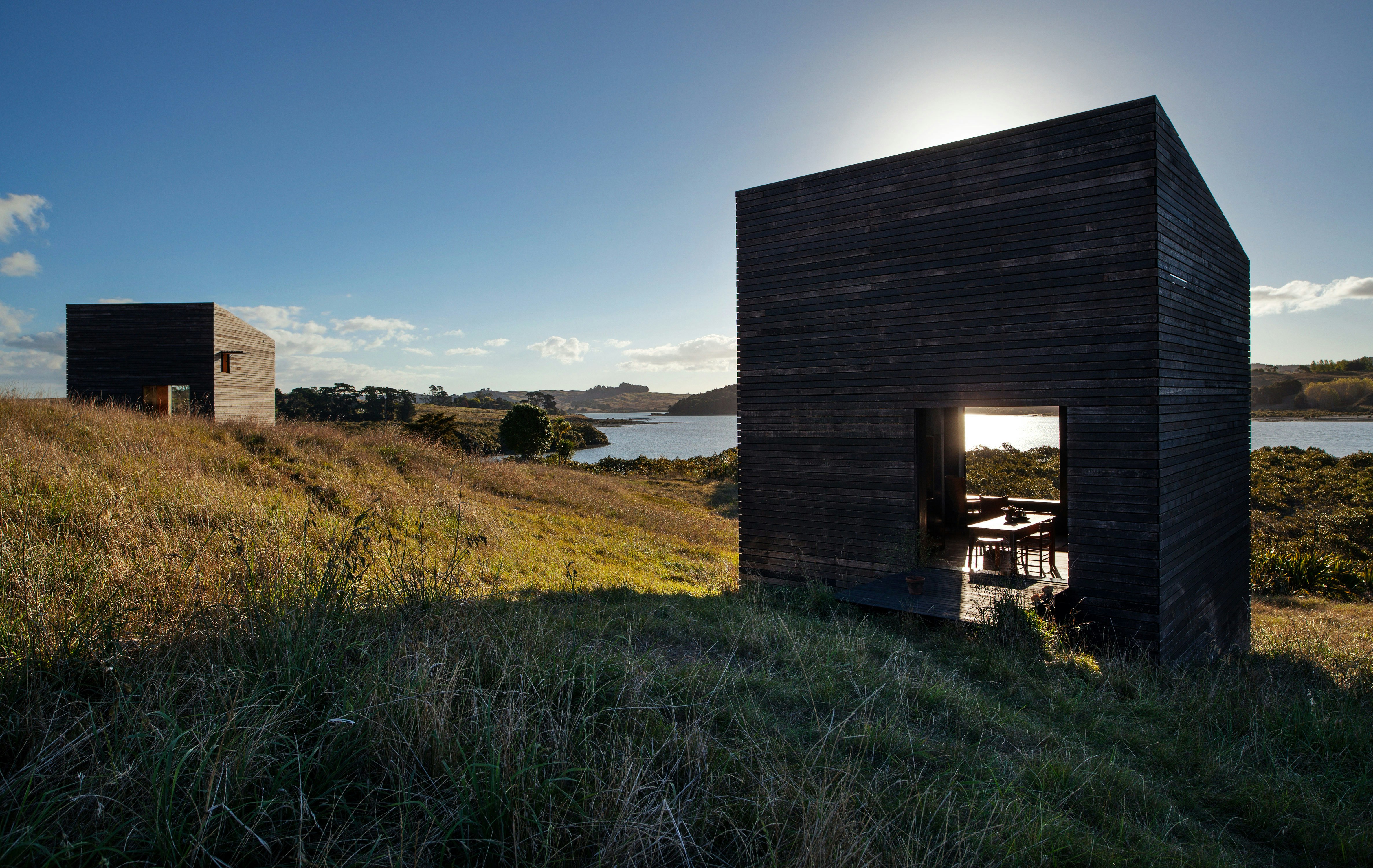
Historically, Shou Sugi Ban predates chemical treatments for wood cladding in Japanese architecture, with its origins tied to the Edo period in the 1700s. The concept of "fire-hardening" wood has been practiced for millennia, demonstrating that controlled charring strengthens wood rather than weakening it. This preservation technique fortifies the wood against future damage, making it a highly effective method for enhancing longevity. Its resurgence in popularity is evident in modern architectural and interior design trends, where the deeply saturated charcoal black wood adds a contemporary edge and dramatic presence to both minimalist and intricate structures.
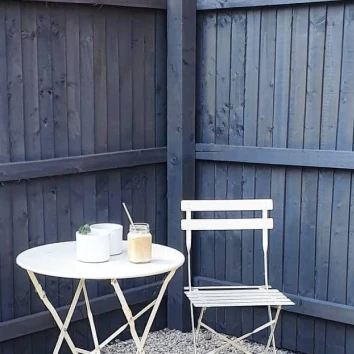
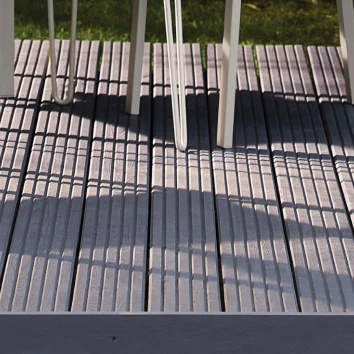
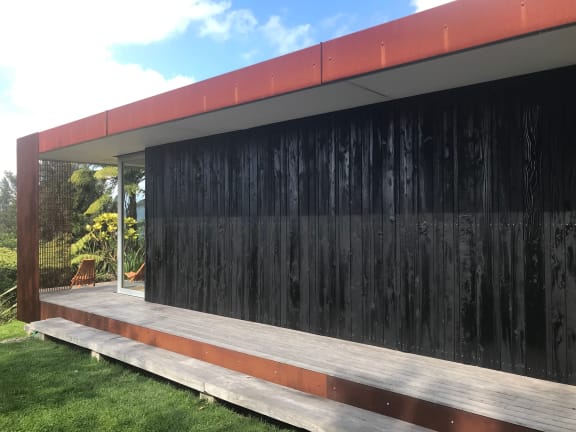
Shou Sugi Ban is versatile in its applications, being used for exterior elements such as siding, fencing, decking, and window frames, as well as interior walls, ceiling cladding, and furniture. The unique aesthetic has inspired designers to innovate, leading to creations like charred furniture and "burnt wood wallpaper." The market also offers faux Shou Sugi Ban panels made from treated or reclaimed wood for those seeking the look without the charring process.
While offering numerous advantages like low maintenance, durability, and pest resistance, Shou Sugi Ban also has its considerations. The process is time-consuming and requires expertise due to the use of a blowtorch, posing safety concerns for DIY practitioners. It also necessitates specific wood types, primarily Japanese cypress, which can be expensive and hard to source. Maintenance, including re-oiling, is essential to prevent flaking and preserve the wood's appearance and protective qualities. With proper care, Shou Sugi Ban wood can last between 30 to 50 years outdoors and over 100 years indoors, making it a sustainable choice despite the environmental implications of burning wood.
#ShouSugiBan #Yakisugi #JapaneseWoodPreservation #WoodCharring #ArchitecturalDesign #InteriorDesign #SustainableMaterials #WoodFinishing #HomeImprovement #ShouSugiBan #Yakisugi #JapaneseWoodPreservation #WoodCharring #ArchitecturalDesign #InteriorDesign #SustainableMaterials #WoodFinishing #HomeImprovement
Toplam 0 yorum
 Henüz yorum yok
Bu da beğenebilirsiniz
8 Tricks for Repairing and Restoring Wood Damage

This Simple Add-On Can Increase Your Wood Stove’s Efficiency

How to Fall in Love with Your Furniture (Again)

You Can Use Oven Cleaner to Strip Wood Furniture

How to refinish wood furniture - easy ways to totally overhaul your decor


Furniture joints can make or break an entire design project

How to Remove Orange Tones From Wood Furniture for a Modern Look

See the Mesmerizing Interlocking Geometric Patterns Produced With This Ancient Japanese Woodworking Technique
How to restore life of damaged wood furniture yourself

Burning Lumber as a Finishing Technique

The Kanna Finish: How to Get Glass-Smooth Surfaces in Wood Without Sandpaper or Varnish


Wood Dyes & Waxes | Wax for Unfinished Wood

These Mesmerizing GIFs Illustrate the Art of Traditional Japanese Wood Joinery


More Than 34,000 Shoppers Swear by This Wood Conditioner—and It’s Only $9

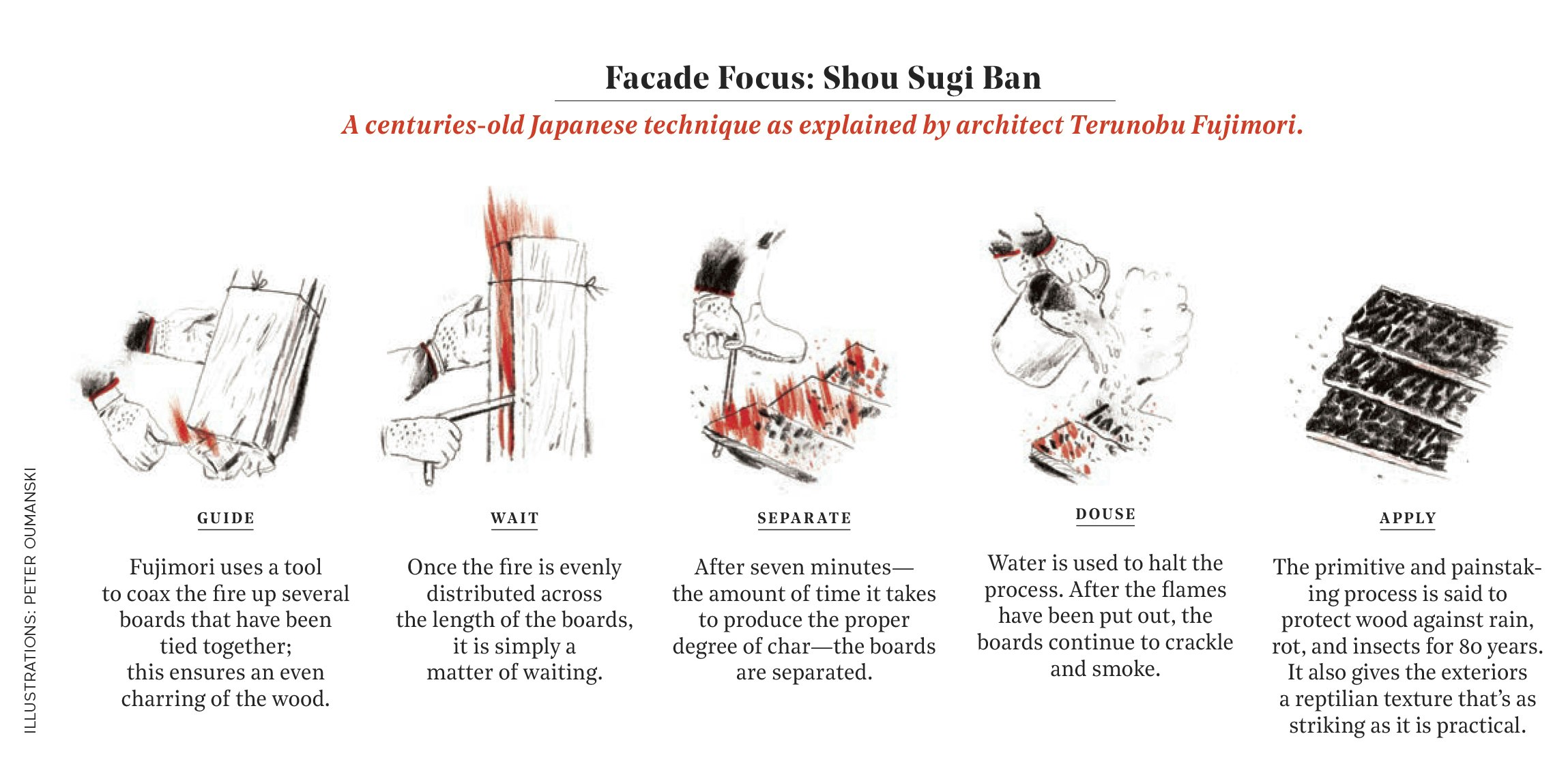
A Guide to Shou Sugi Ban and 8 Homes Featuring the Japanese Technique

Ways To Increase the Heat From Your Wood-Burning Fireplace
Wood Treatments
Is It a Crime to Paint Antique Furniture?


From oil diver to exotic timber craftsman

free interactive software easily creates complex japanese wooden joints + furniture