This Interior Designer-Approved Tip Can Upgrade Your Space In The Most Sustainable Way
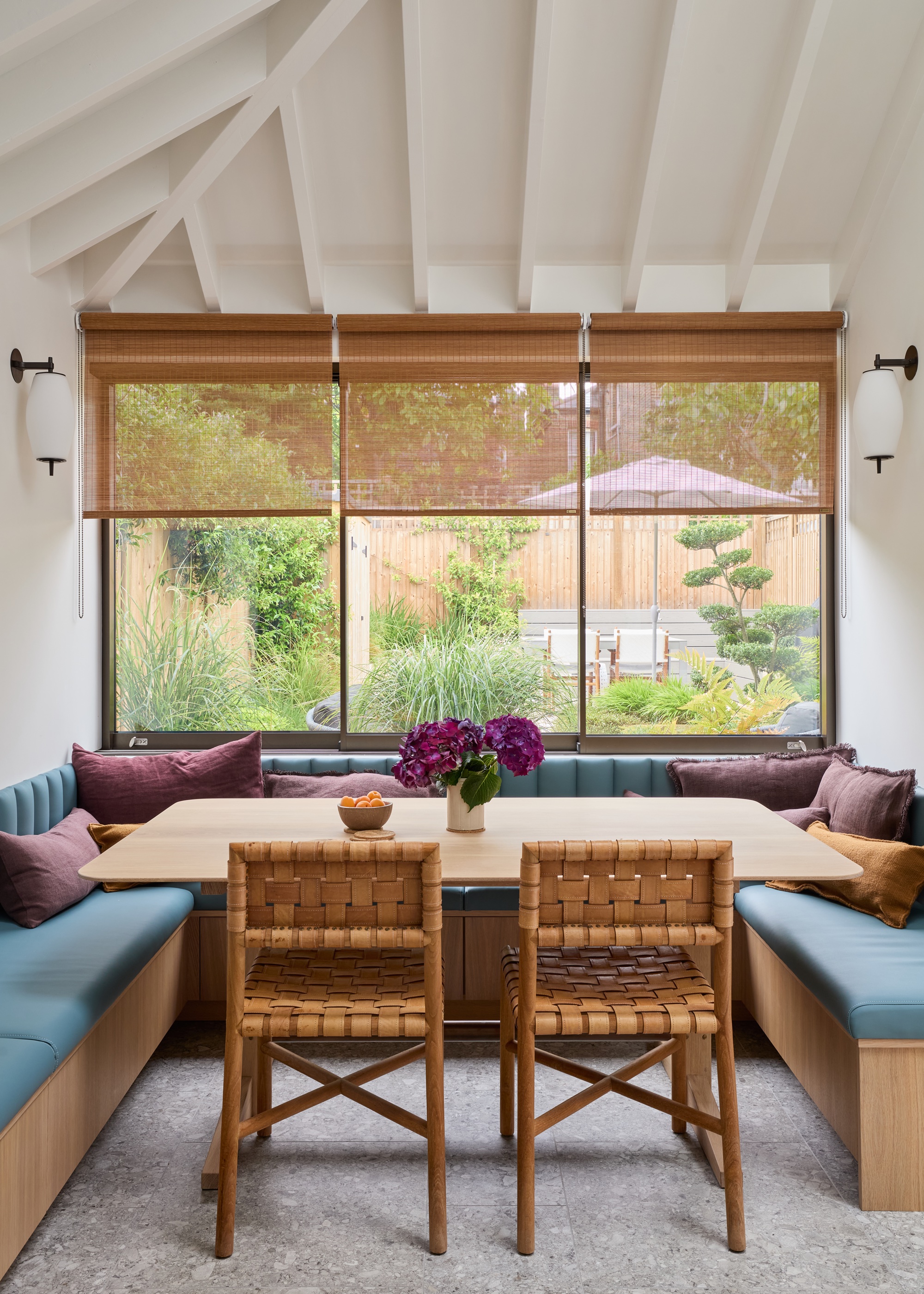
The growing concern for environmental sustainability has extended to home decor, prompting consumers and designers to seek eco-friendly practices. While many industries are grappling with the concept of "greenwashing," interior design experts are actively addressing the demand for sustainable home decor. Sybille Zimmermann, Founder and Interior Architect of Studio Zimmermann, provides actionable advice on how to integrate sustainability into home design without necessarily incurring higher costs. Her recommendations go beyond product choices and often involve adopting new lifestyle habits related to consumption.
Zimmermann advocates for a shift in consumer behavior, urging individuals to prioritize quality and longevity over fleeting trends. Drawing from her Swiss upbringing, where investing in durable pieces that last for generations is common, she emphasizes that a home's narrative is best conveyed through enduring items. For clients on a budget, her advice is to "buy less and buy better," positioning this principle at the core of sustainable living. This approach not only reduces waste but also promotes a more curated and meaningful living space.
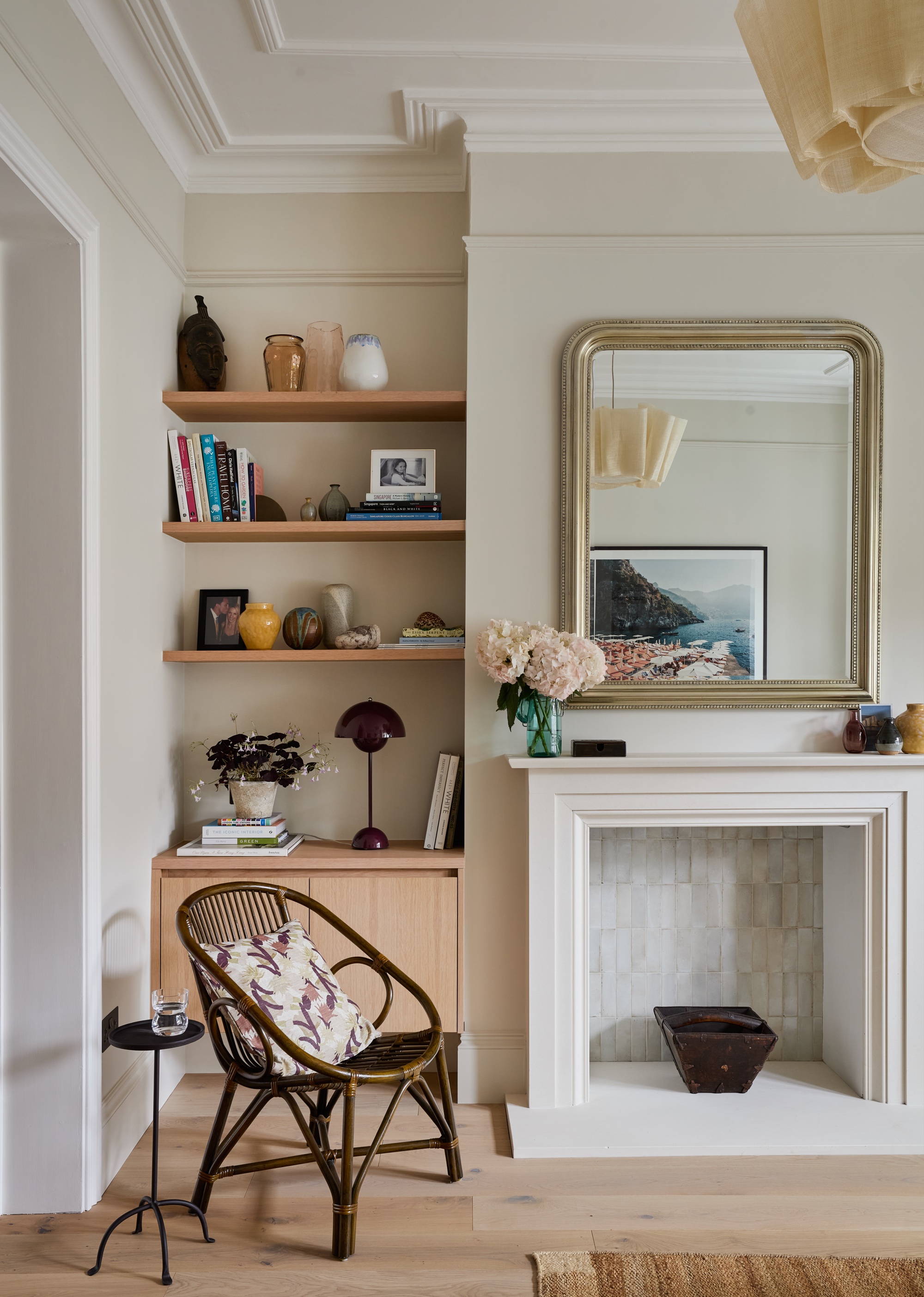
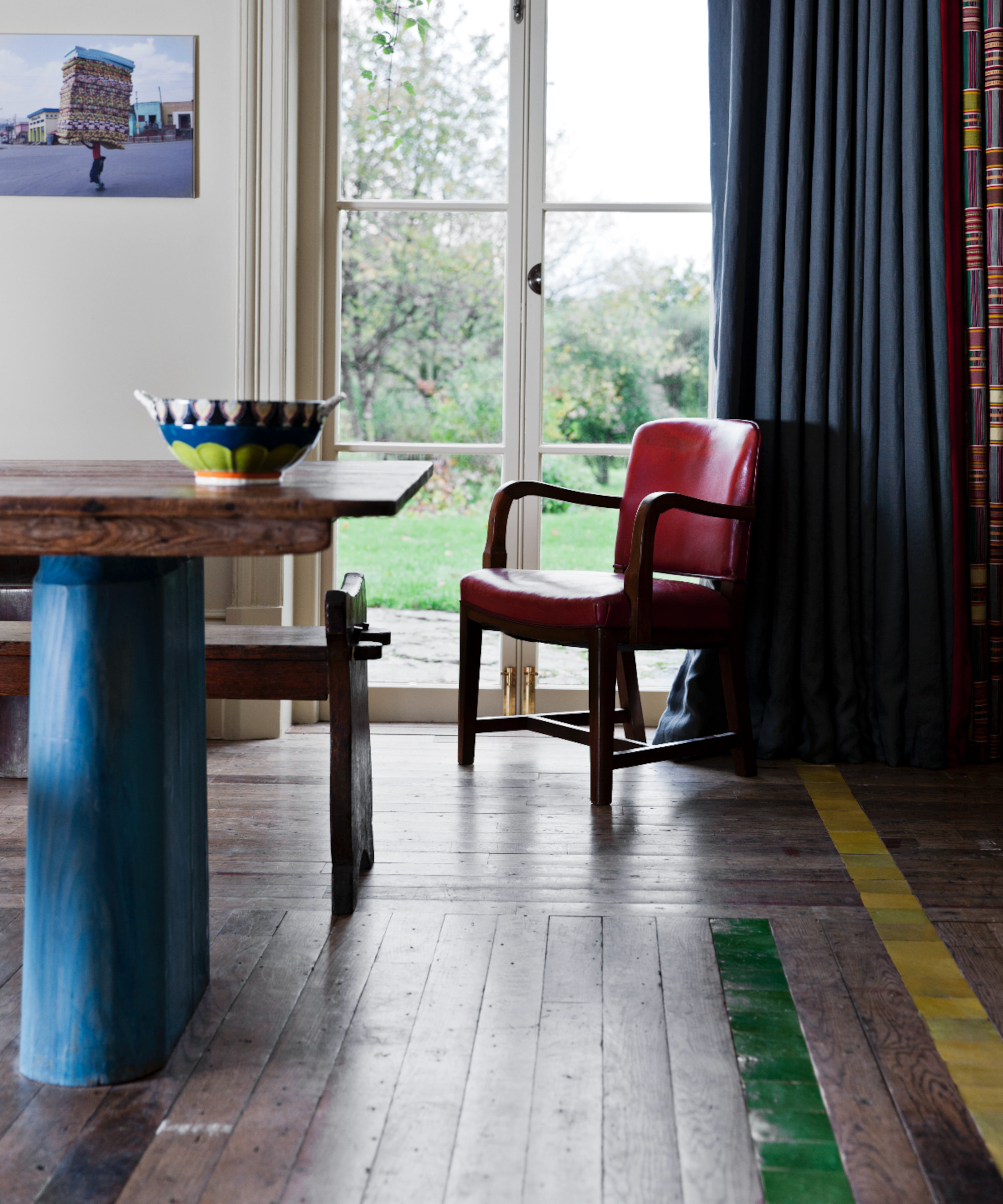
Another key practice for sustainability in home decor is reupholstering existing furniture rather than replacing it. This method extends the life of pieces, minimizes waste, and offers a refreshed look without contributing to the cycle of disposable goods. Additionally, Zimmermann highlights the value of shopping secondhand. Exploring local flea markets, thrift stores, and vintage shops can uncover unique and character-filled items, promoting reuse and reducing the need for new production. If new purchases are necessary, she suggests supporting local vendors, artists, and craftsmen to minimize transportation impact and foster community.
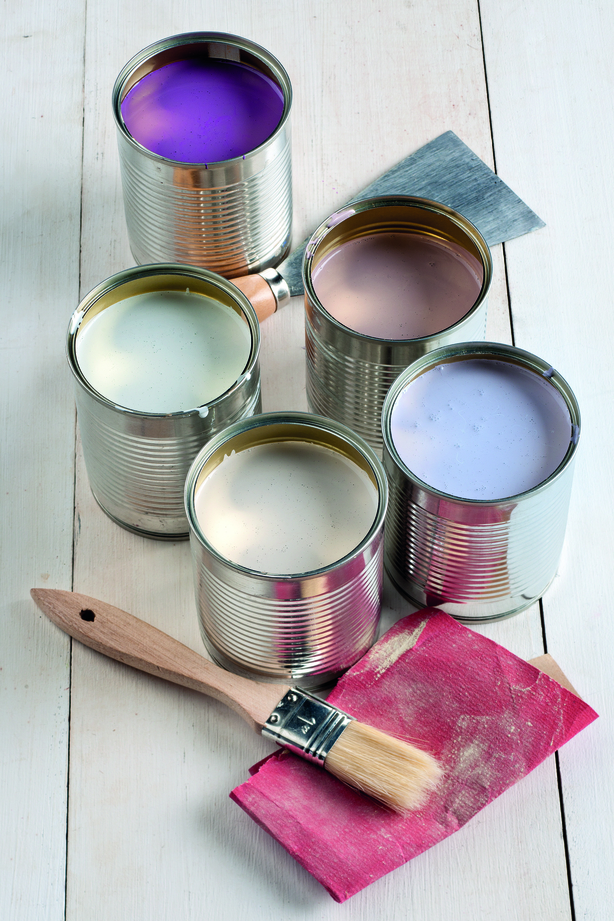
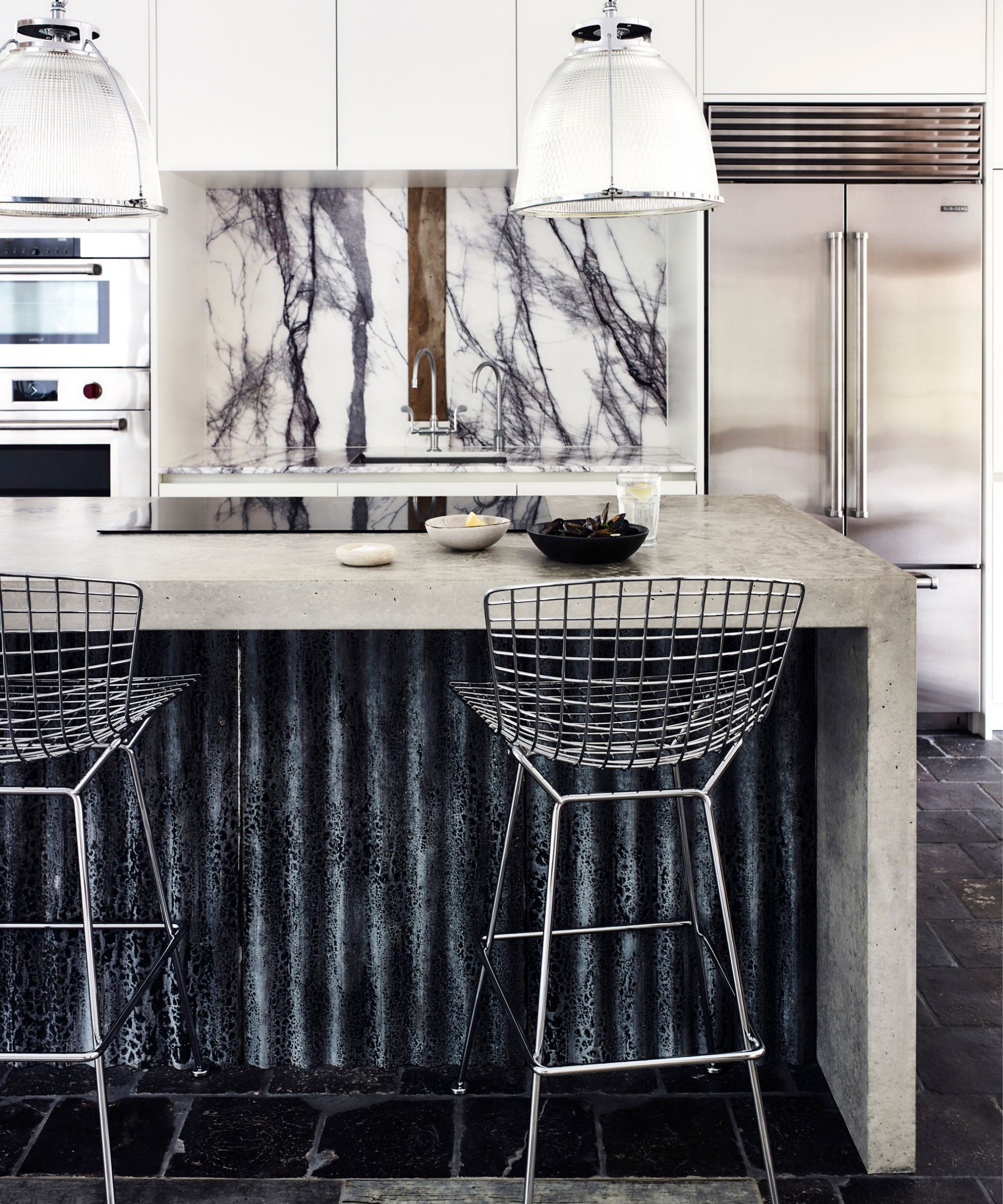
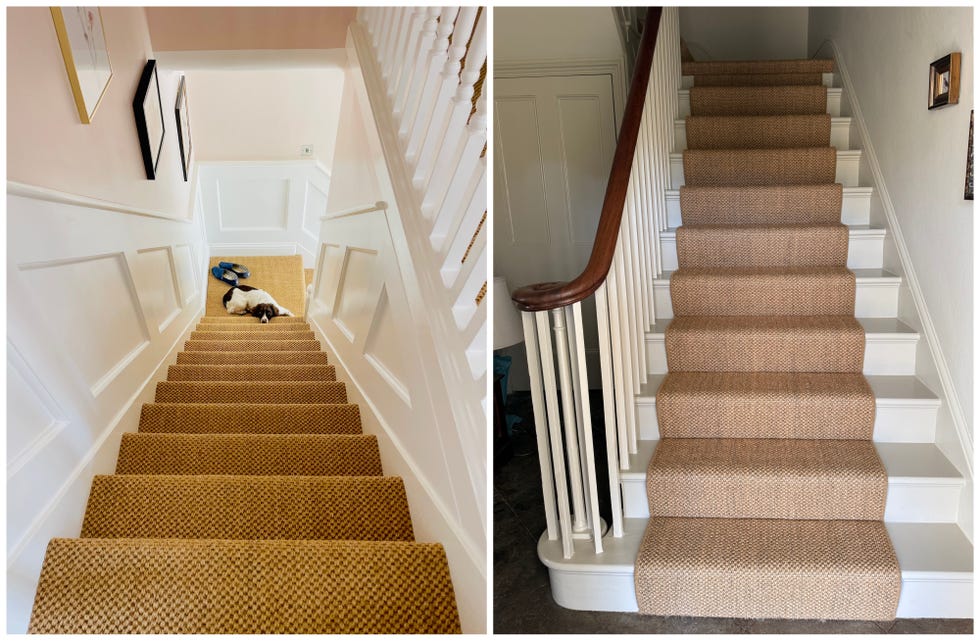
When purchasing new items, selecting eco-friendly materials is crucial. Many home decor brands are now offering sustainable options. Zimmermann advises opting for natural fibers and dyes such as jute, hemp, organic cotton, and linen. Furthermore, seeking out products made from recycled or reclaimed materials can significantly reduce environmental impact. Even paint choices can be made more sustainably; Zimmermann recommends using non-toxic paints for the well-being of both the environment and inhabitants. She points to brands like Benjamin Moore's Natura, Backdrop, and Portola, which specialize in natural paint options, as examples of more environmentally conscious choices available in the market. These practices collectively contribute to creating a more environmentally friendly and thoughtfully designed home.
#SustainableHomeDecor #EcoFriendlyDesign #InteriorDesignTips #GreenLiving #SecondhandShopping #Reupholstery #NonToxicPaint #EthicalConsumption #SustainableHomeDecor #EcoFriendlyDesign #InteriorDesignTips #GreenLiving #SecondhandShopping #Reupholstery #NonToxicPaint #EthicalConsumption
Toplam 0 yorum
 Henüz yorum yok
Bu da beğenebilirsiniz
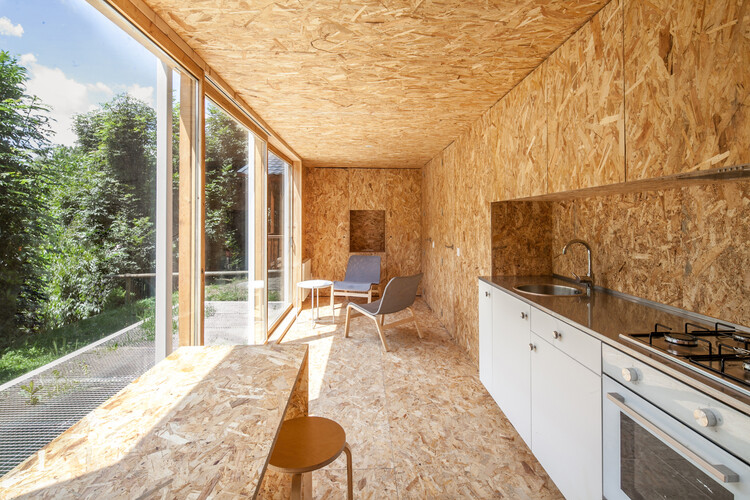
What Can Be Done to Make Interiors More Sustainable?

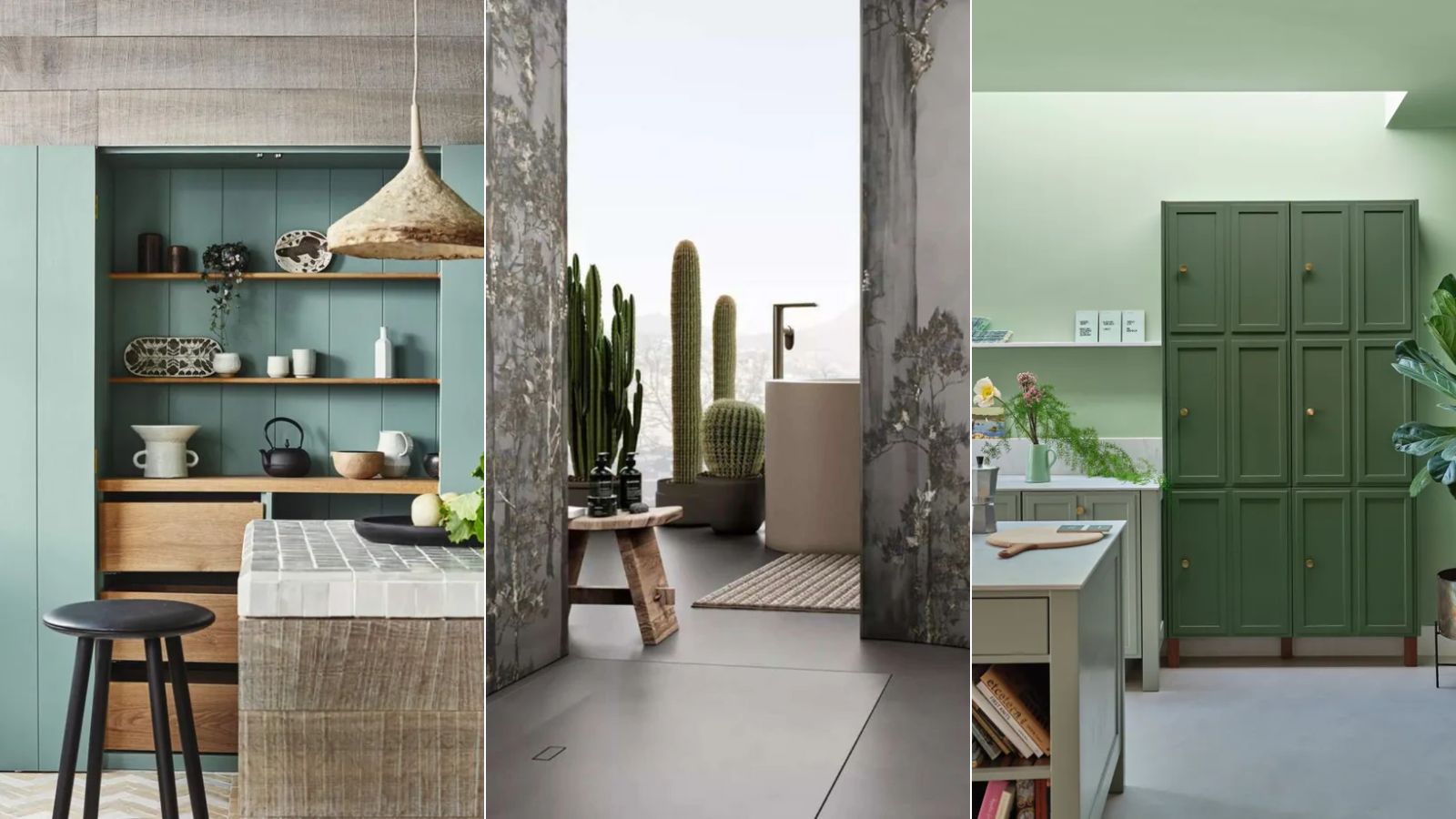
Experts swear by these 6 sustainable home renovation tips
Luxury living goes green: Eco-friendly homes are now the latest trend in sustainable living

5 Decor Items Worth Reconsidering, According to Designers

I Wrote a Book About Sustainable Homes—These 8 Ideas Are Still Inspiring Me

Designer Advice for a More Sustainable Kitchen Renovation
14 Controversial Things Interior Designers Would Never Have in Their Homes

Designers Say This One Trick Will Make Your Living Room Look More Luxe

Home Rescue's Dee Coleman on the six R's of sustainable interior design
I Easily Get Bored With My Home — 5 Simple Swaps I Always Make to Update My Space

5 sustainable home solutions that won’t cramp your style

I Just Found Out That Wall Finishes Can Reduce the Air Quality in Your Home — Here's 5 Options That Don't

7 Design Trends That Will Make Your Home More Sustainable
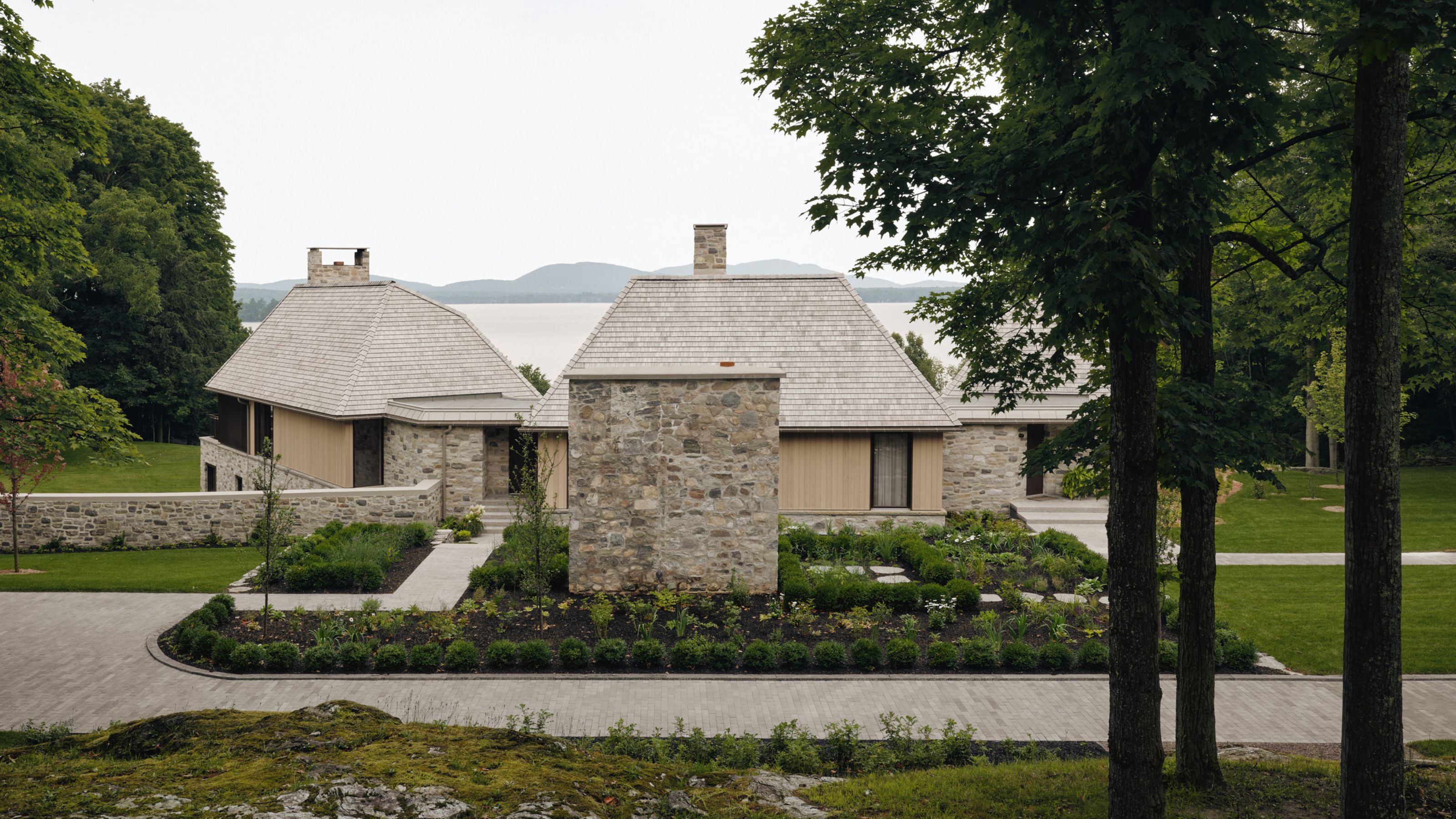
10 Sustainable Homes That Prove Interior Design Can Be Just as Easy on the Eye as It Is on the Earth
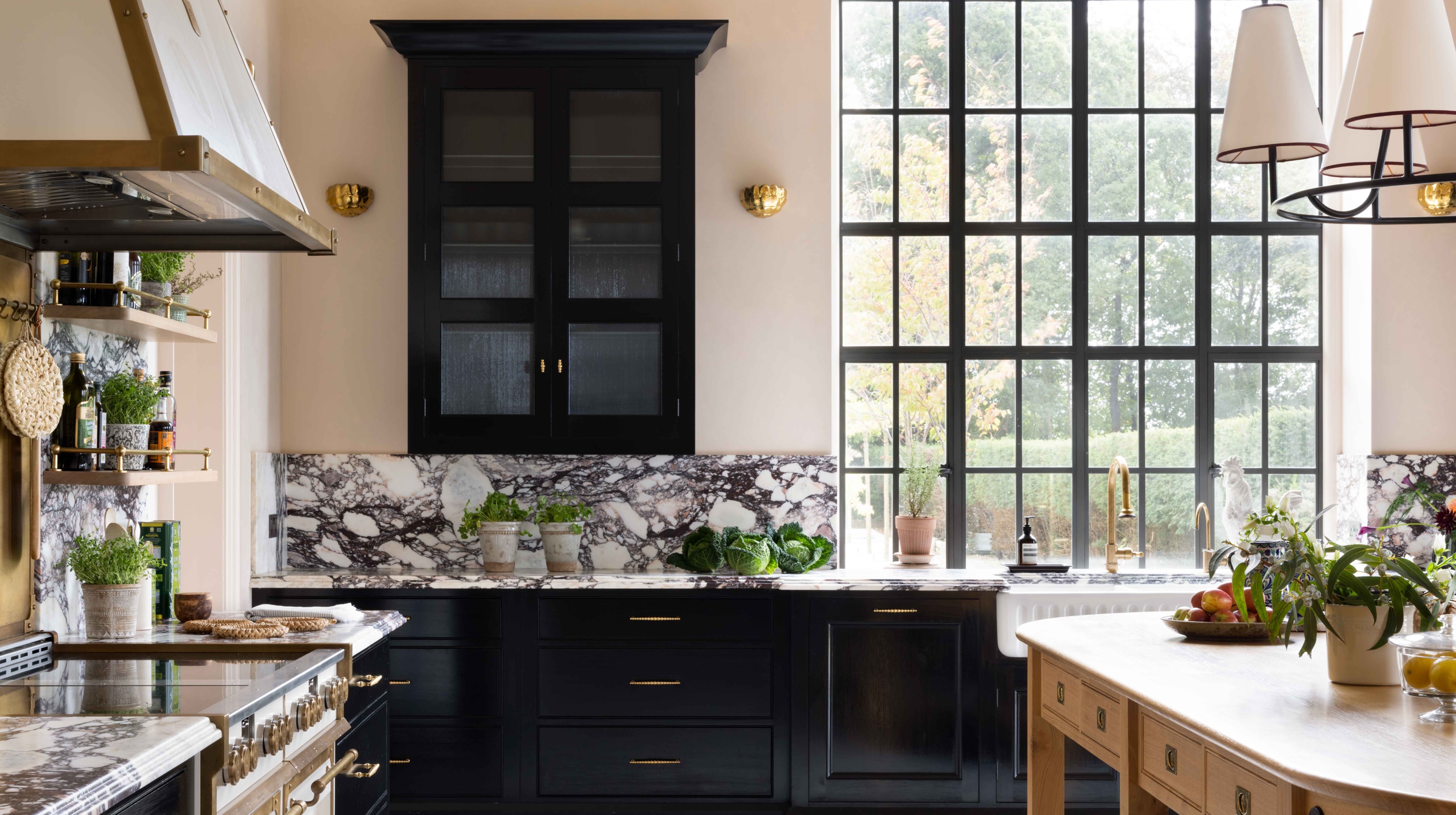
10 Habits Interior Designers and Architects Want You to Adopt in Your 2026 Renovations
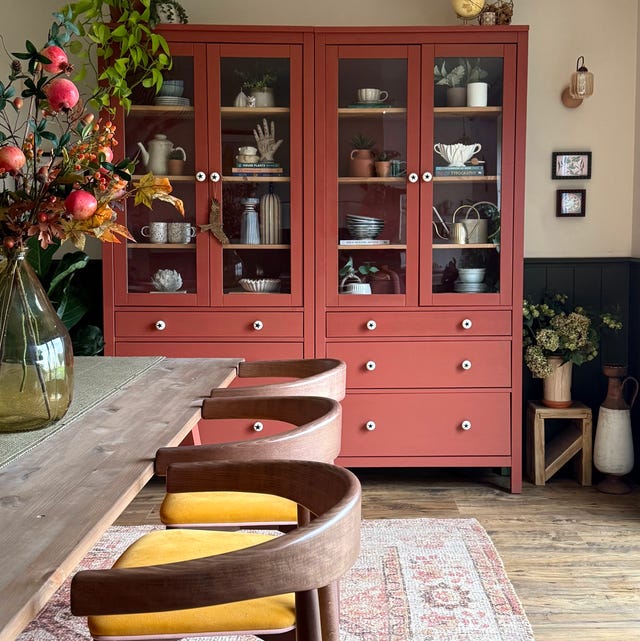
Copy-And-Paste Interiors: Repeating A Look Isn’t Lazy — It’s Clever
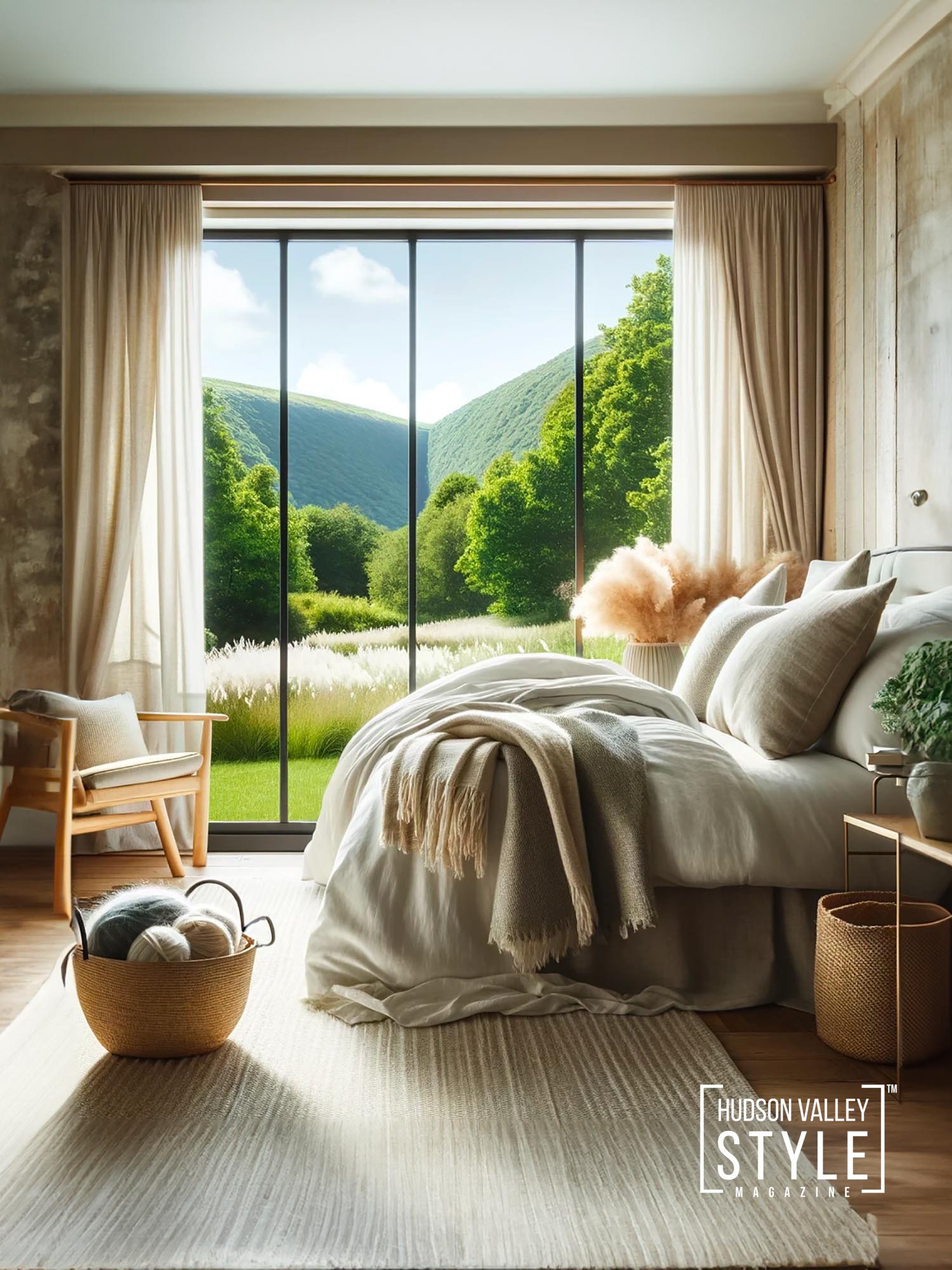
Sustainable Interior Design Trends for 2024: Embracing Eco-Friendly Living

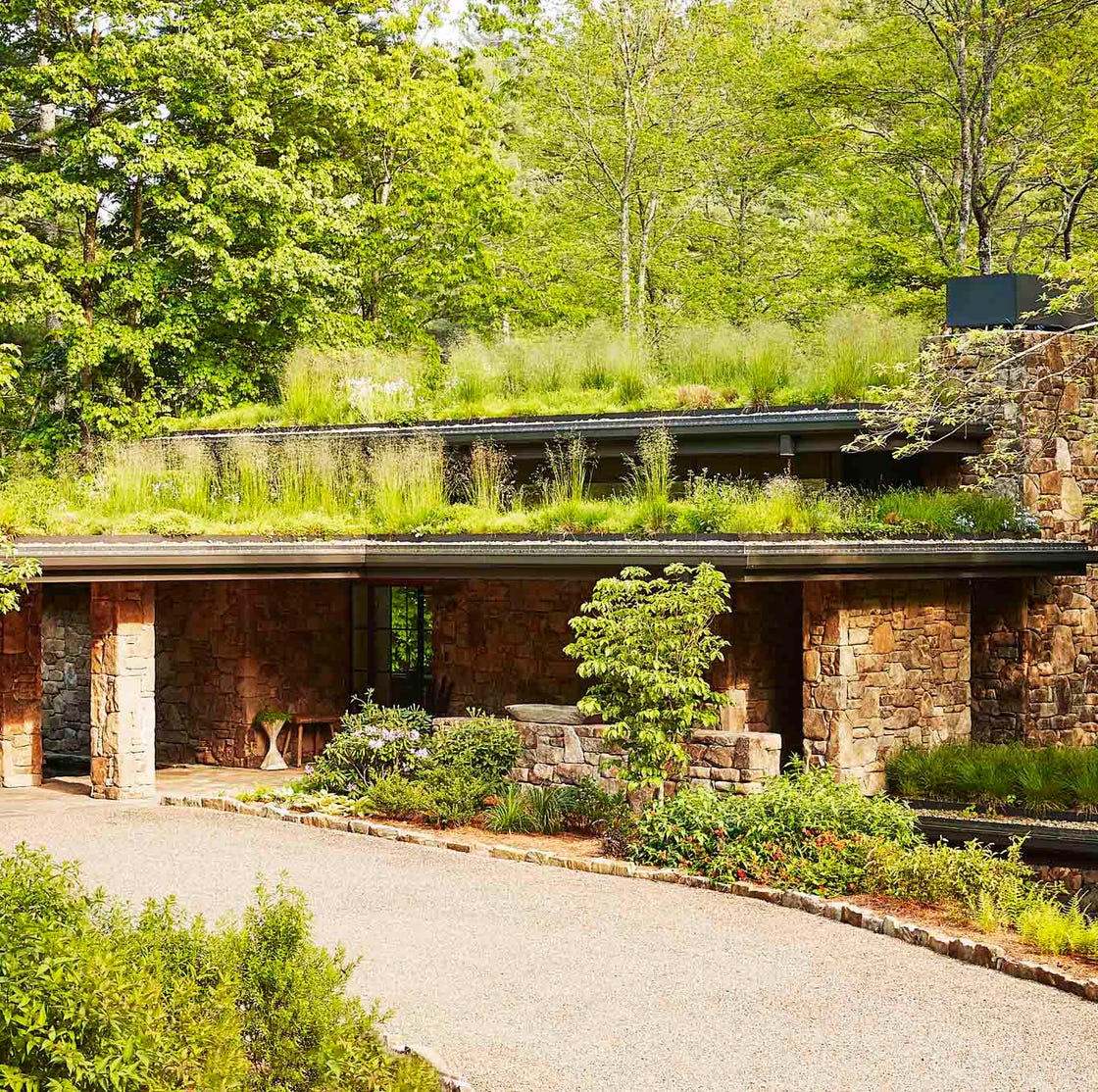
How to Make Your Home More Sustainable, According to Design Experts

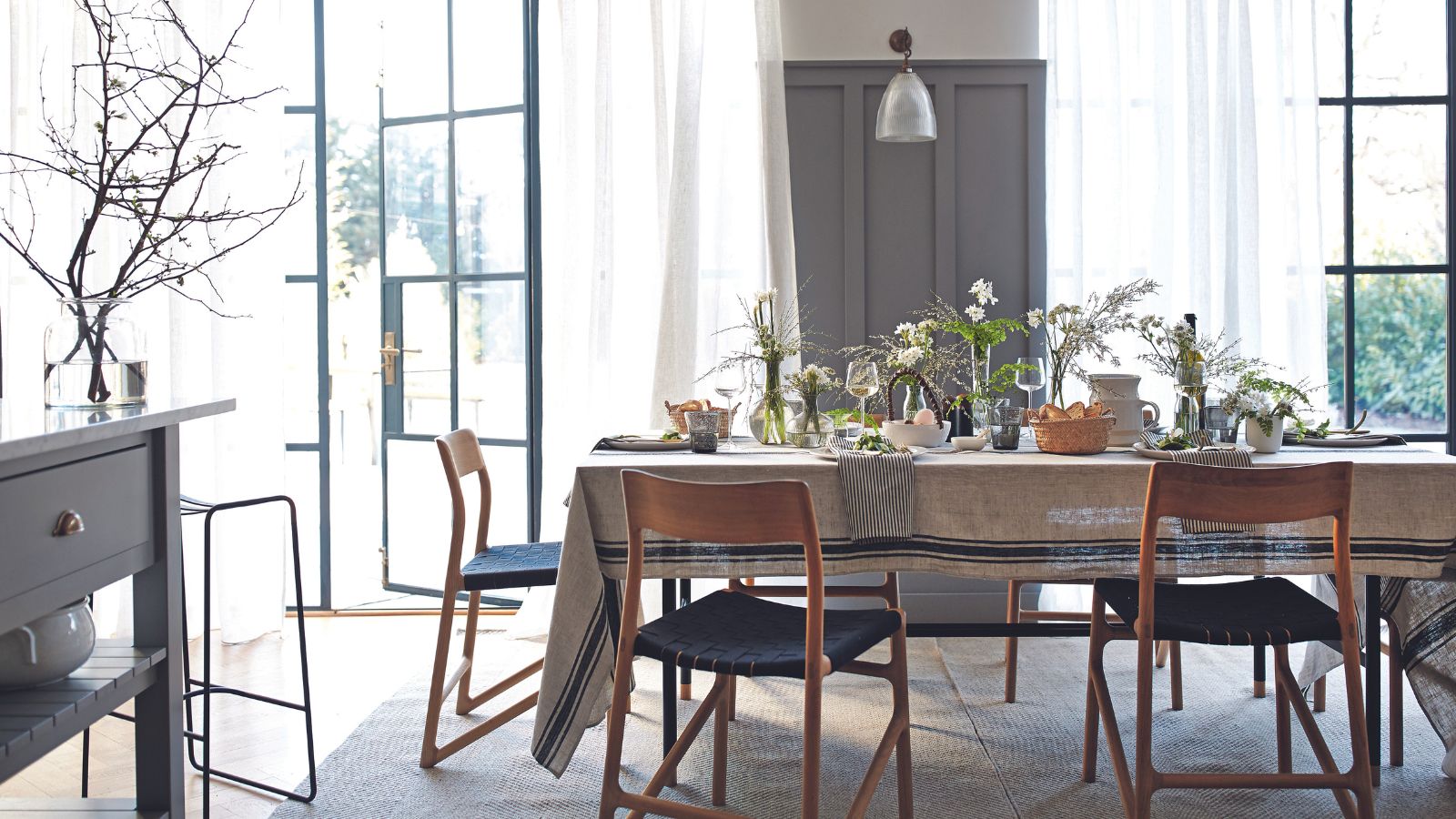
How can you be more sustainable in your interior design? 10 things to always consider

The Differences Between an Interior Designer and an Interior Decorator