1/6
5 Bathroom Vanity Countertops Experts Avoid
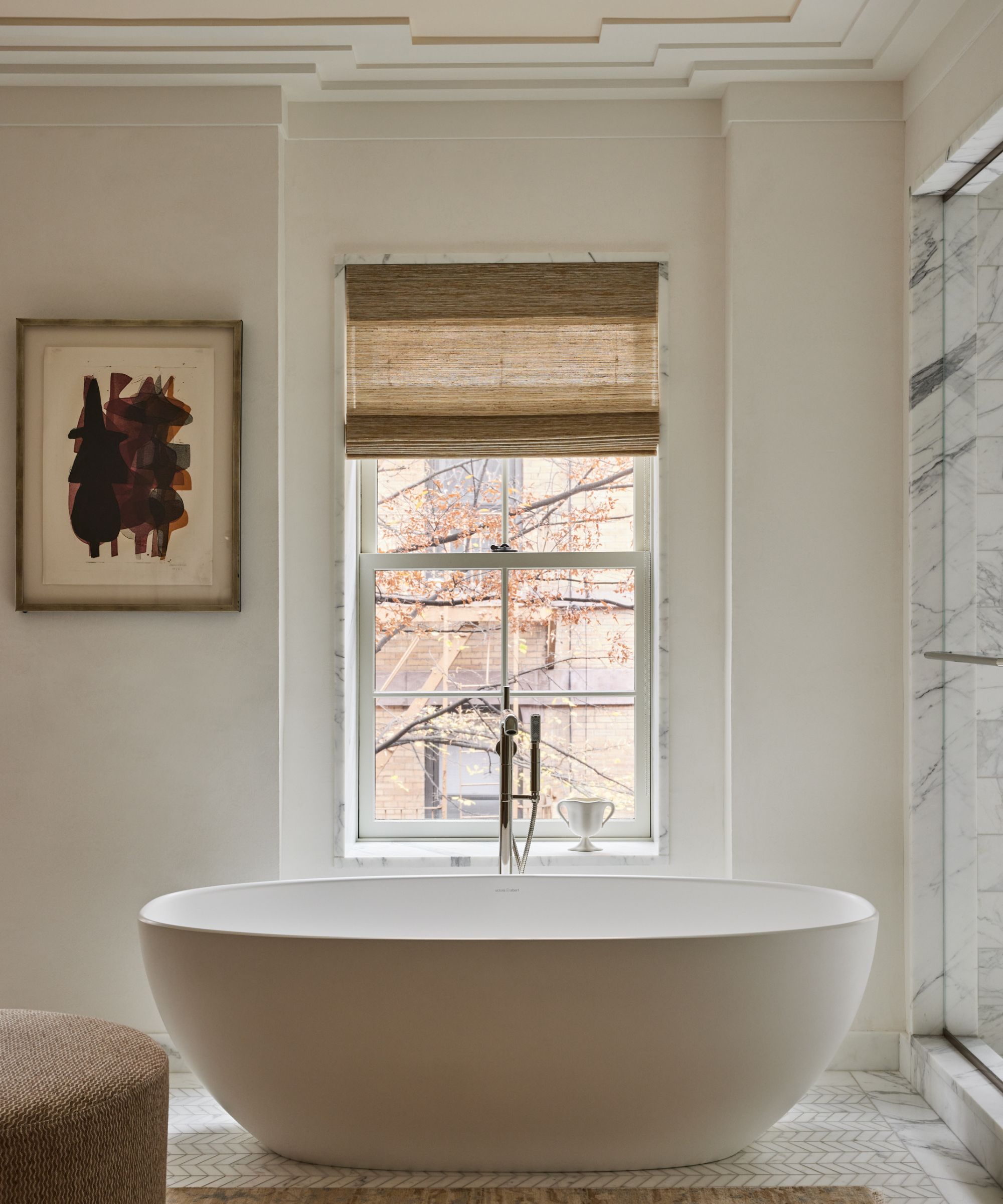
The selection of a bathroom vanity countertop involves a critical balance between aesthetic appeal and practical functionality, a consideration often overlooked in favor of visual preferences. This article delves into various countertop materials that interior designers typically advise against due to their inherent porosity or difficulty in maintenance, emphasizing that a bathroom's high-traffic and moisture-rich environment demands durable and easy-to-clean surfaces.
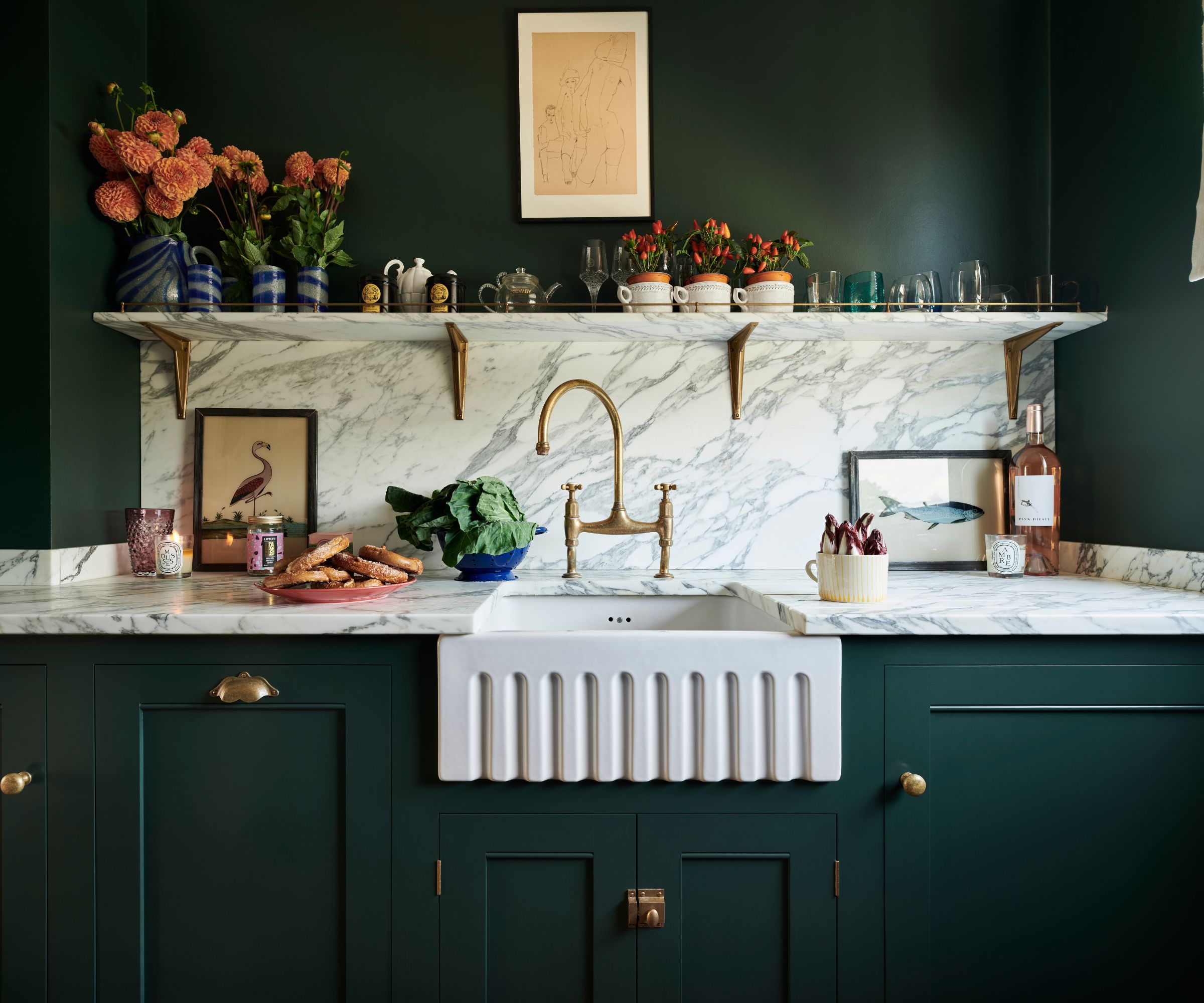
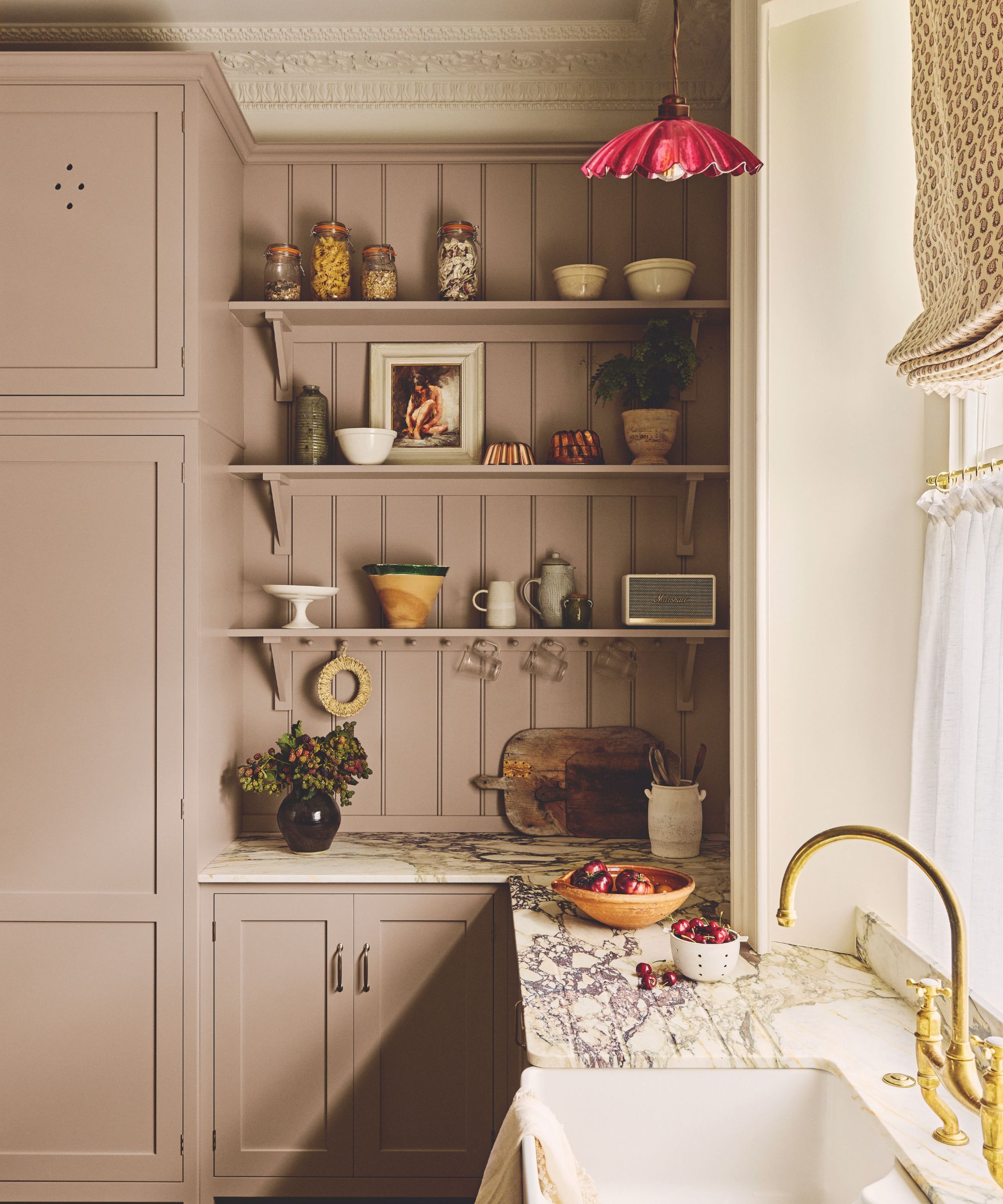
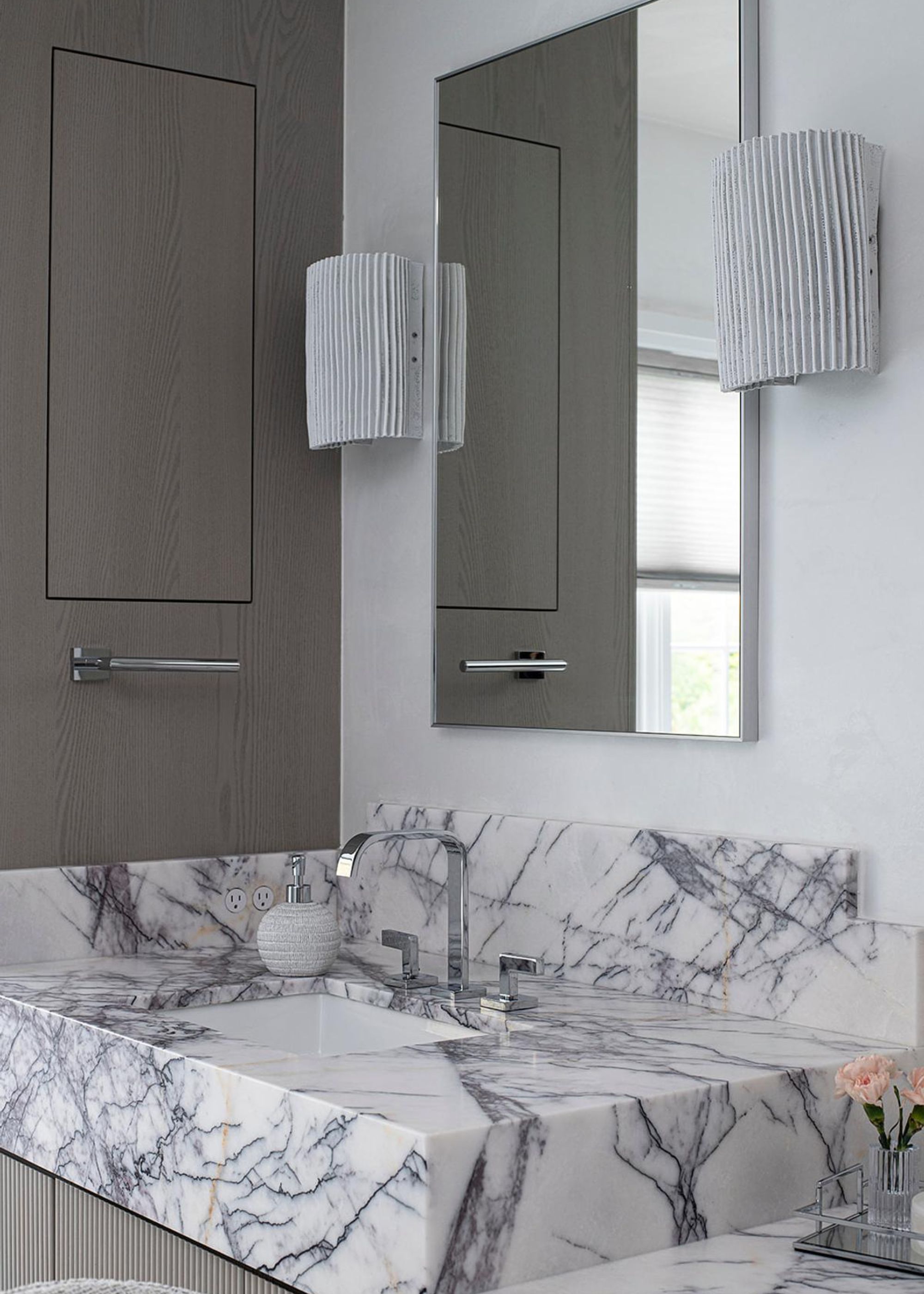
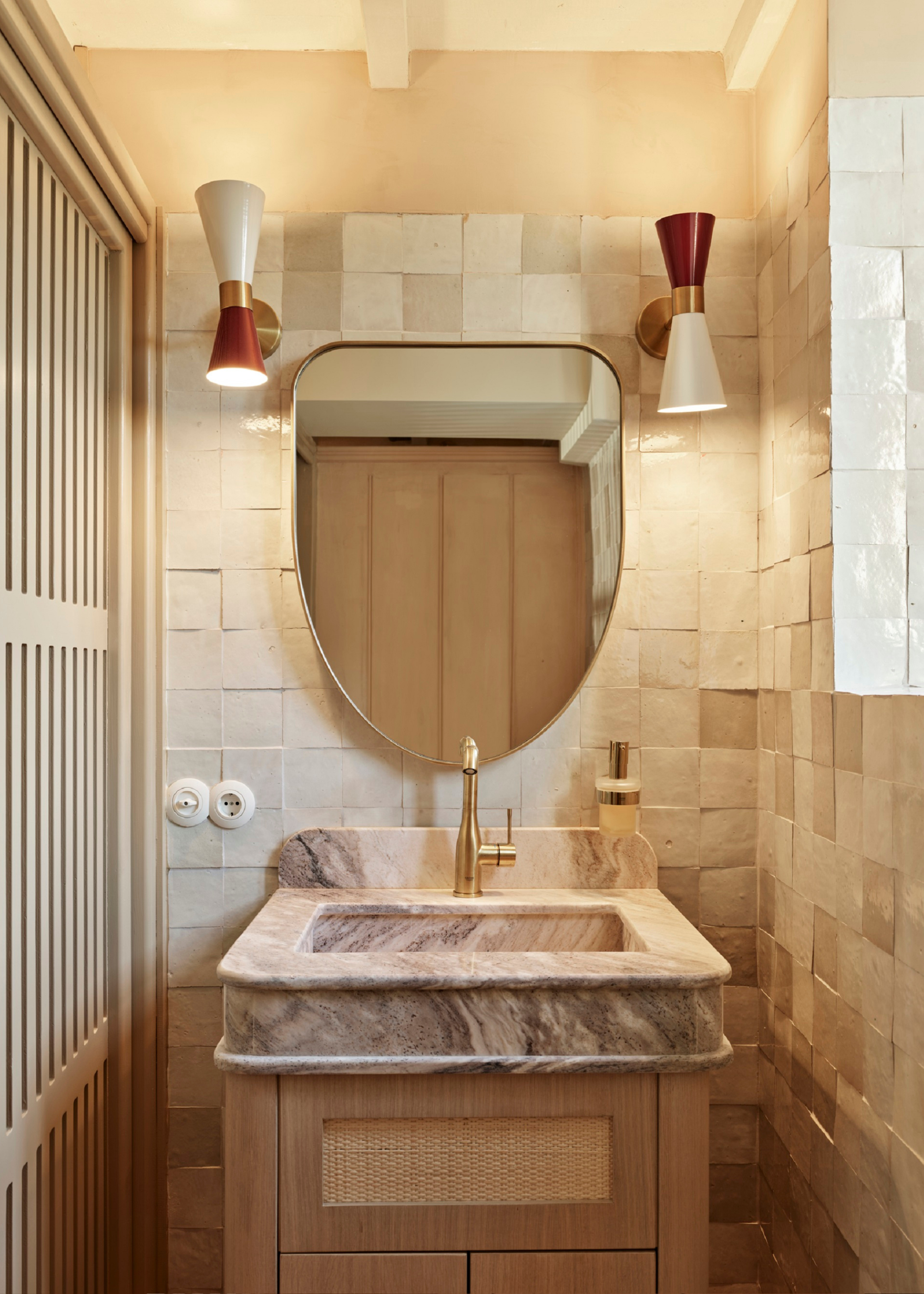
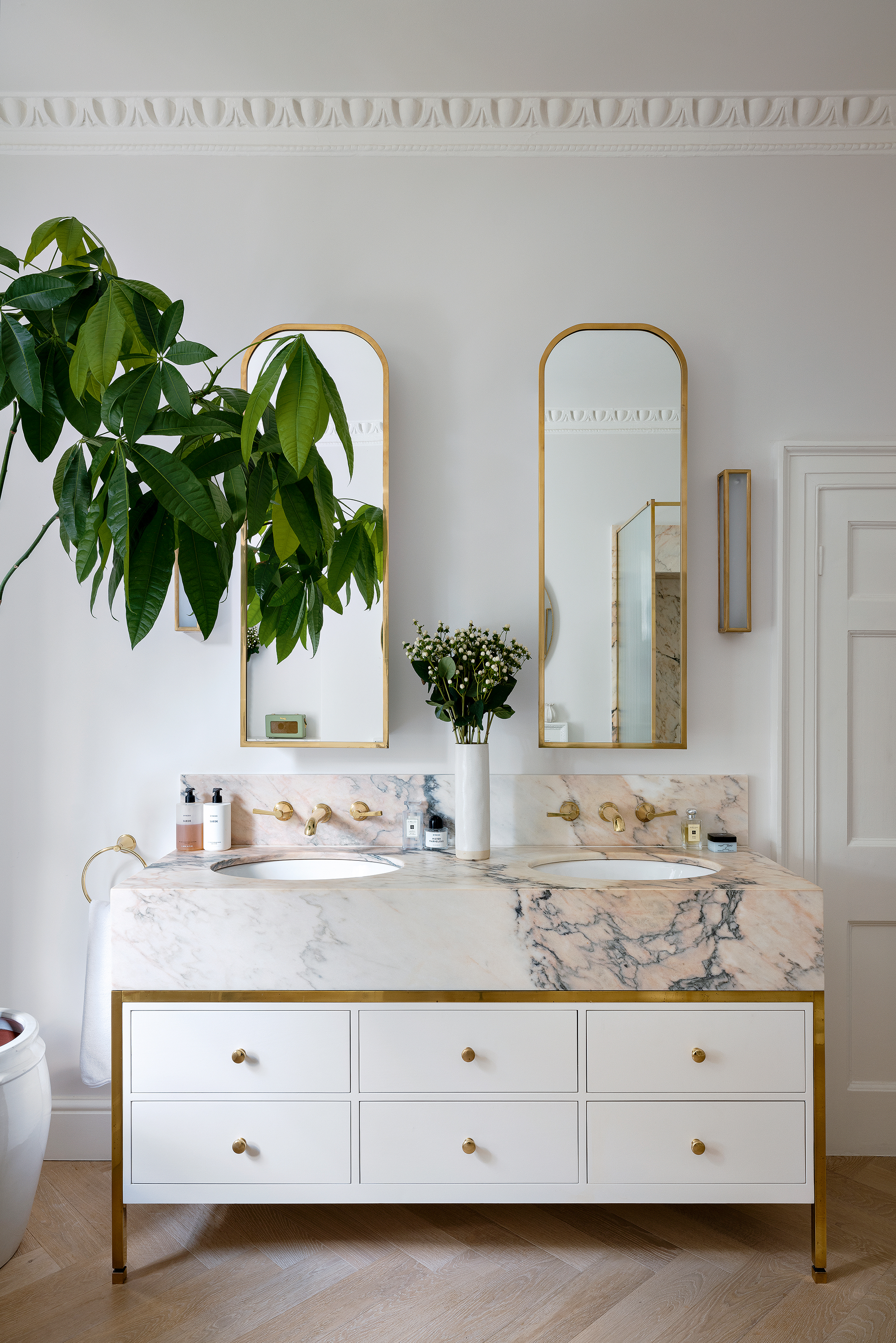
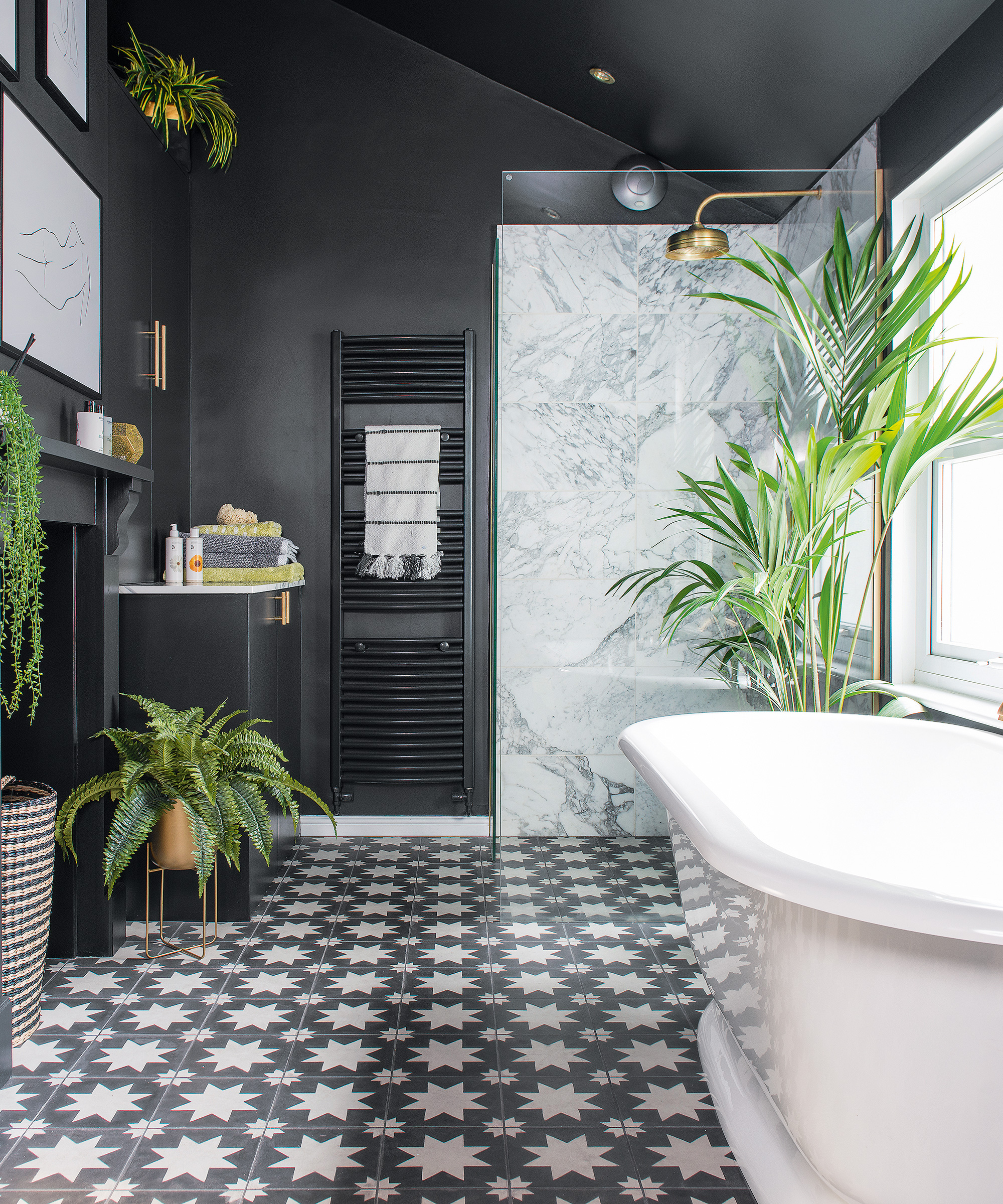
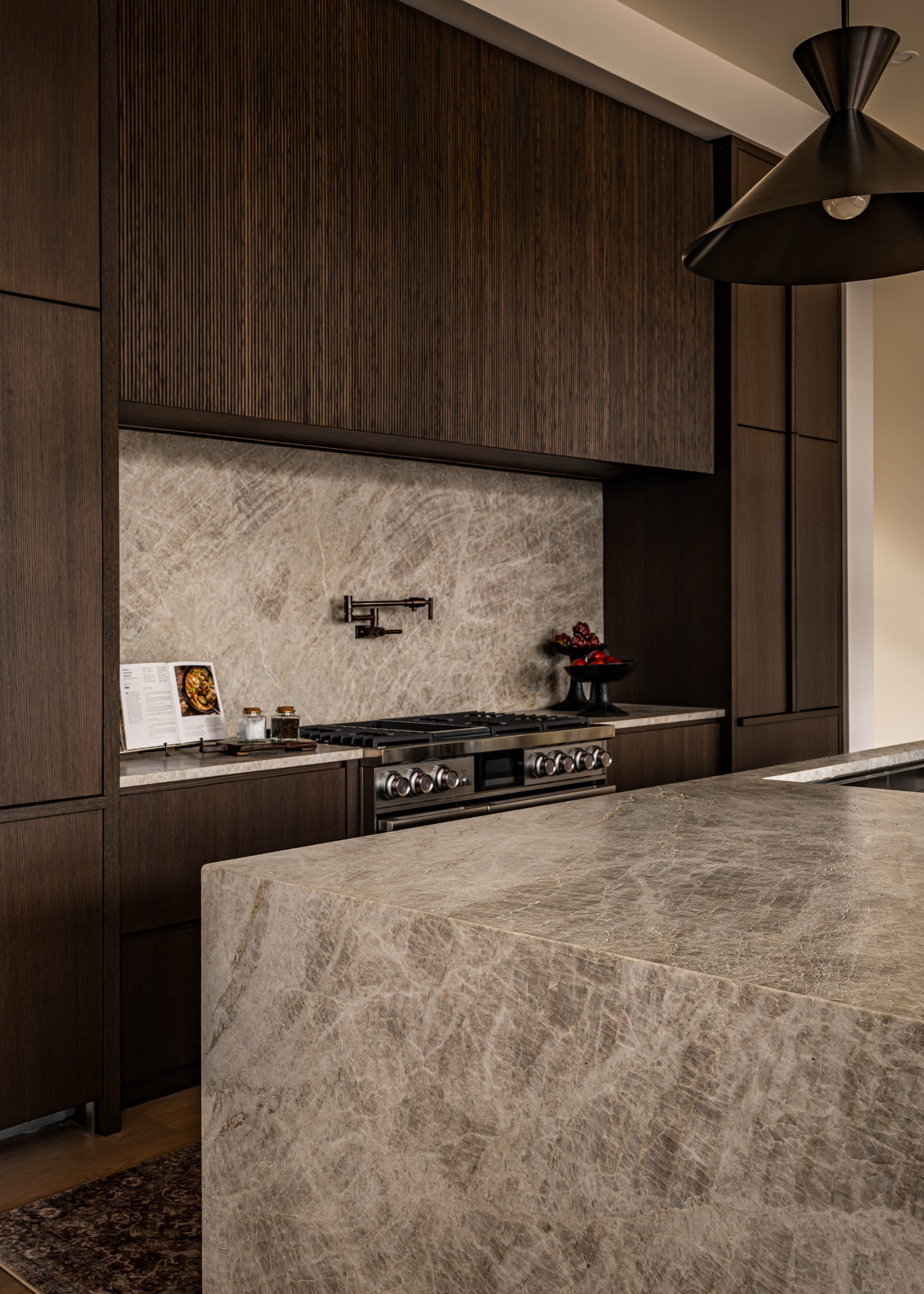
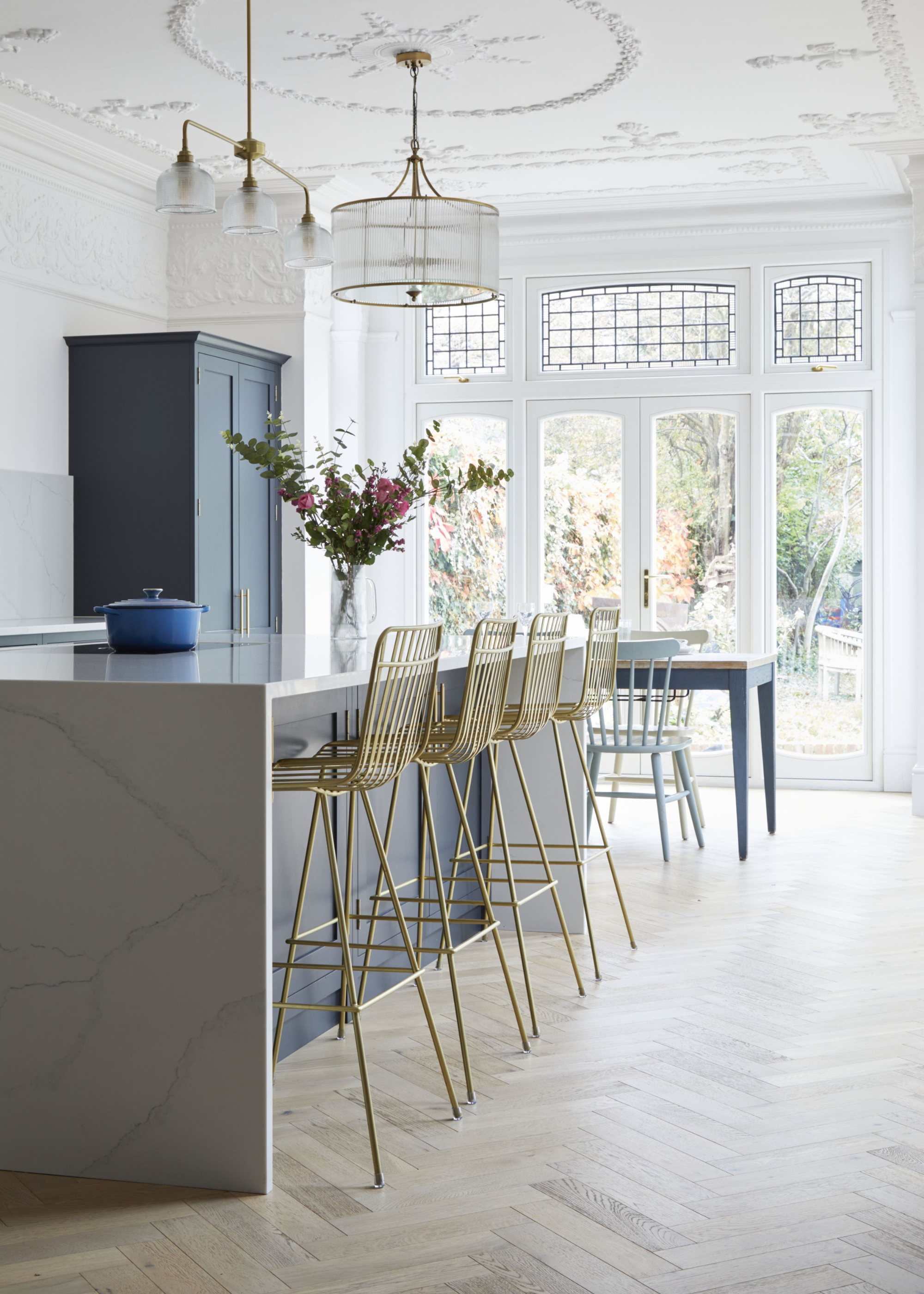
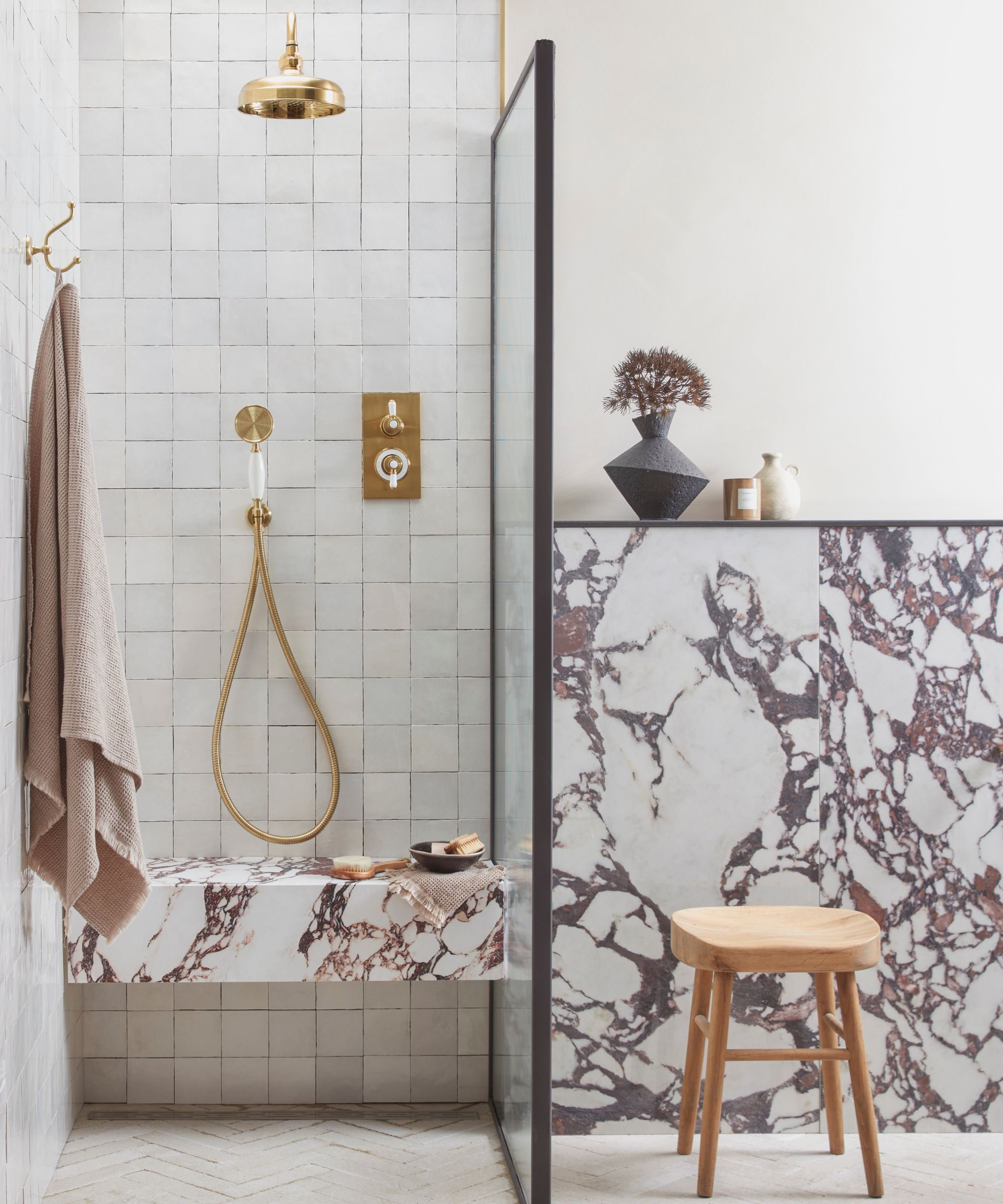
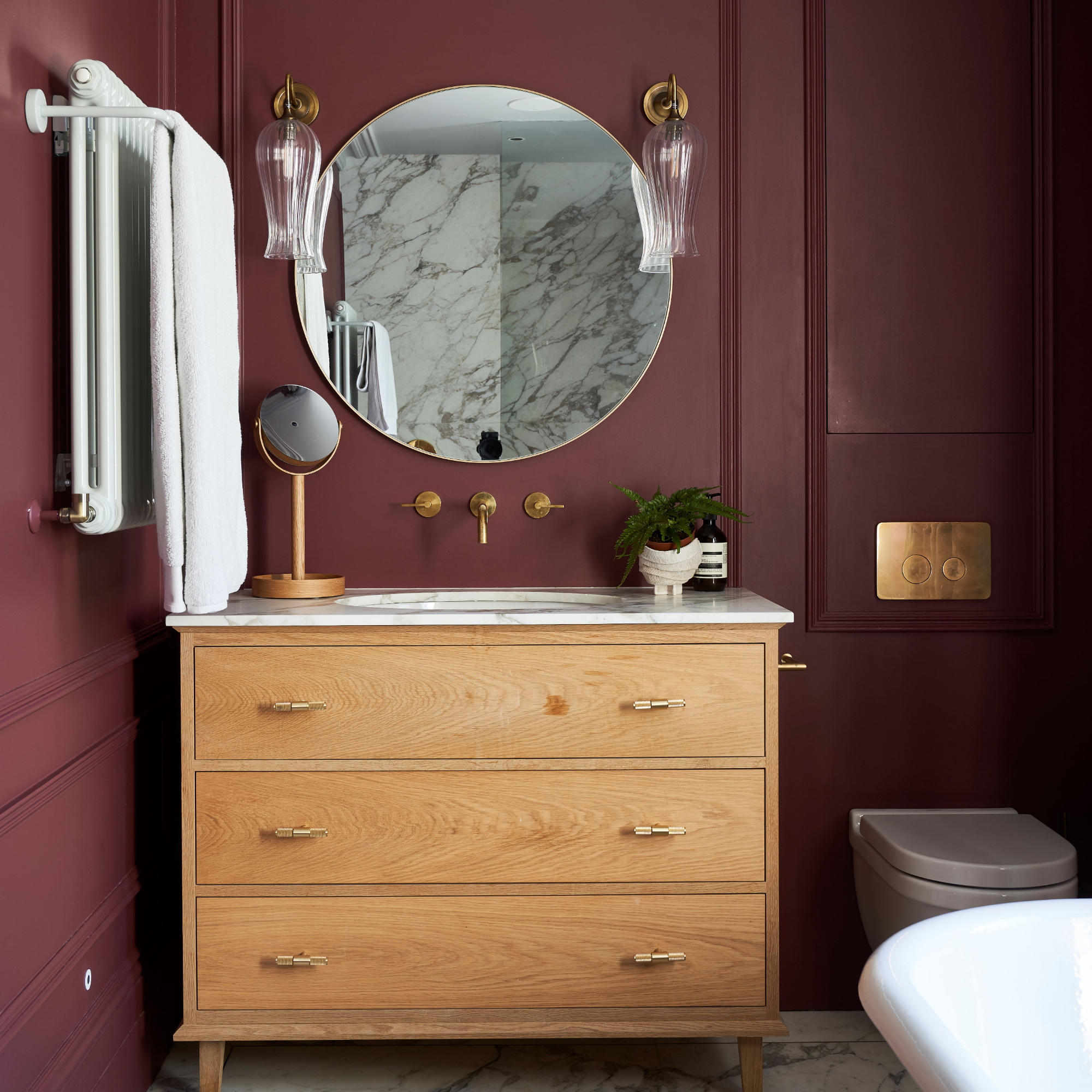
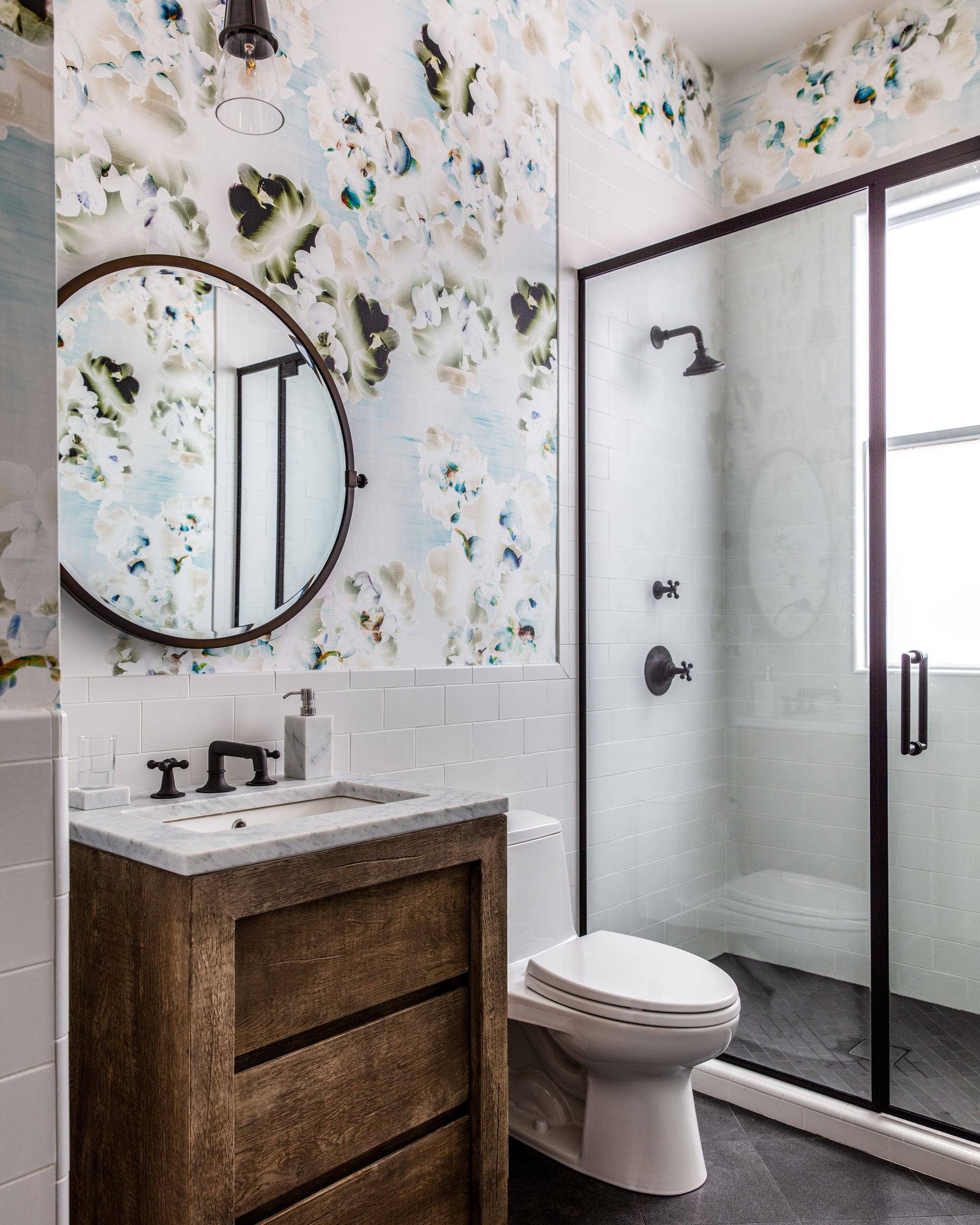
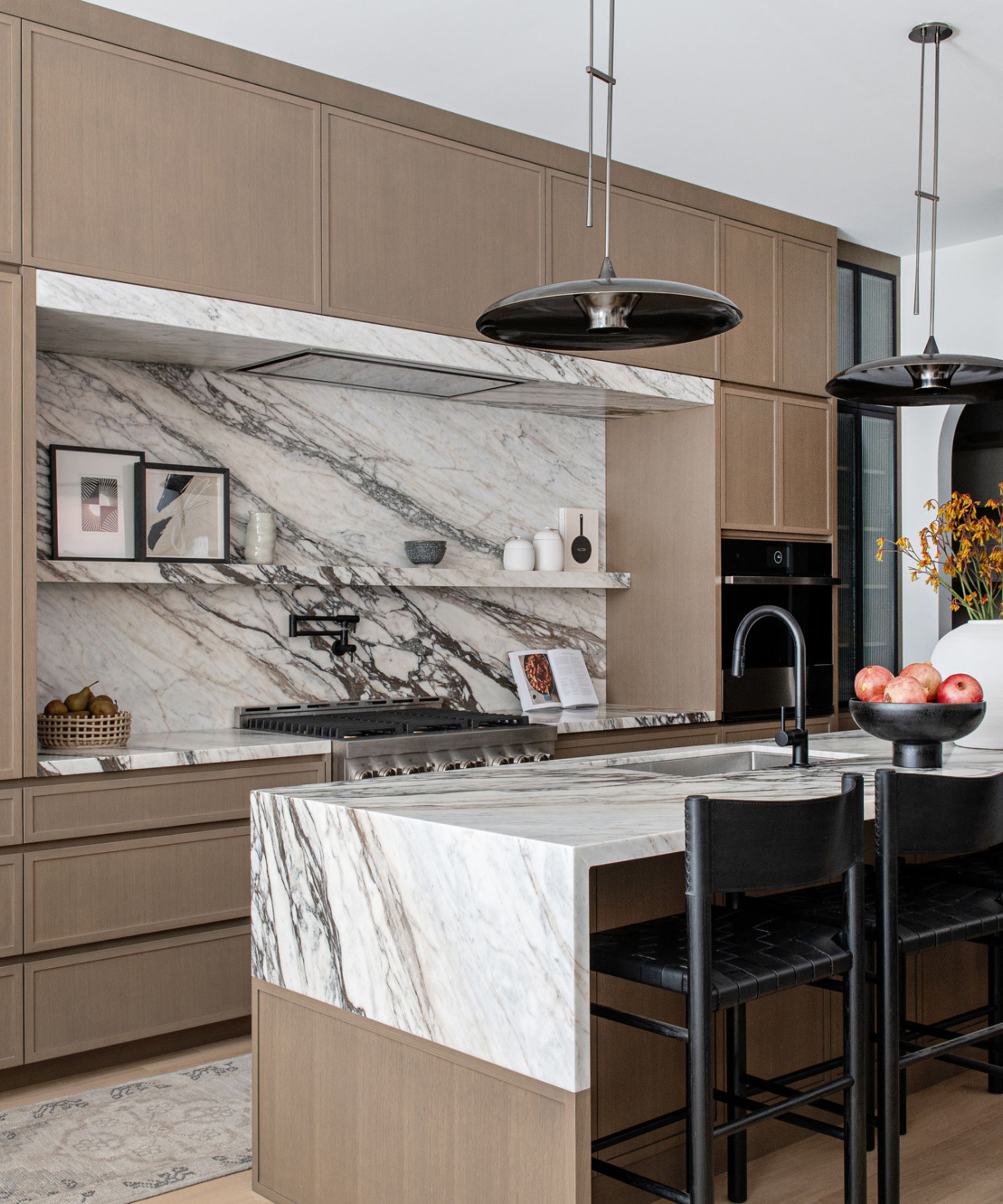
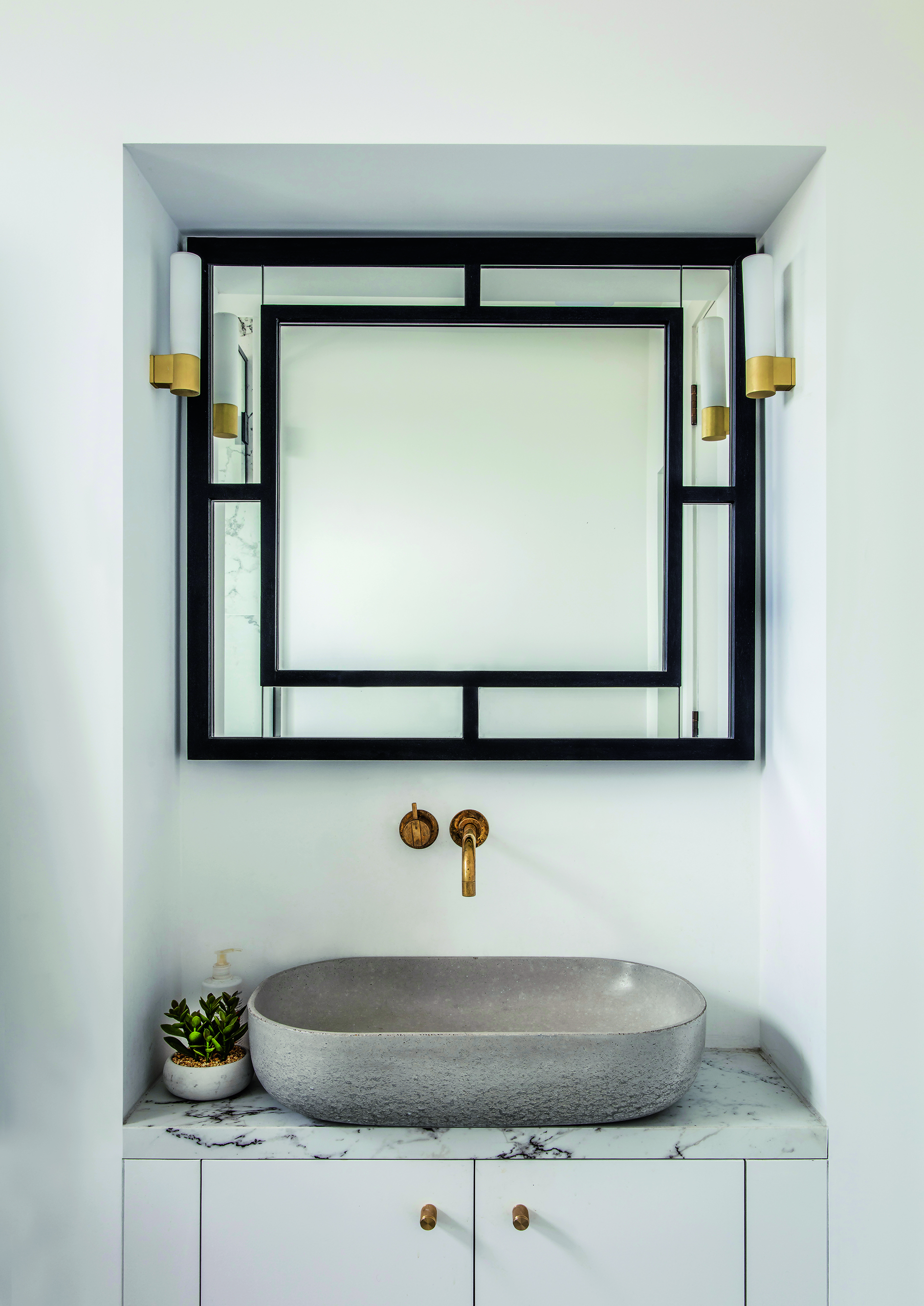
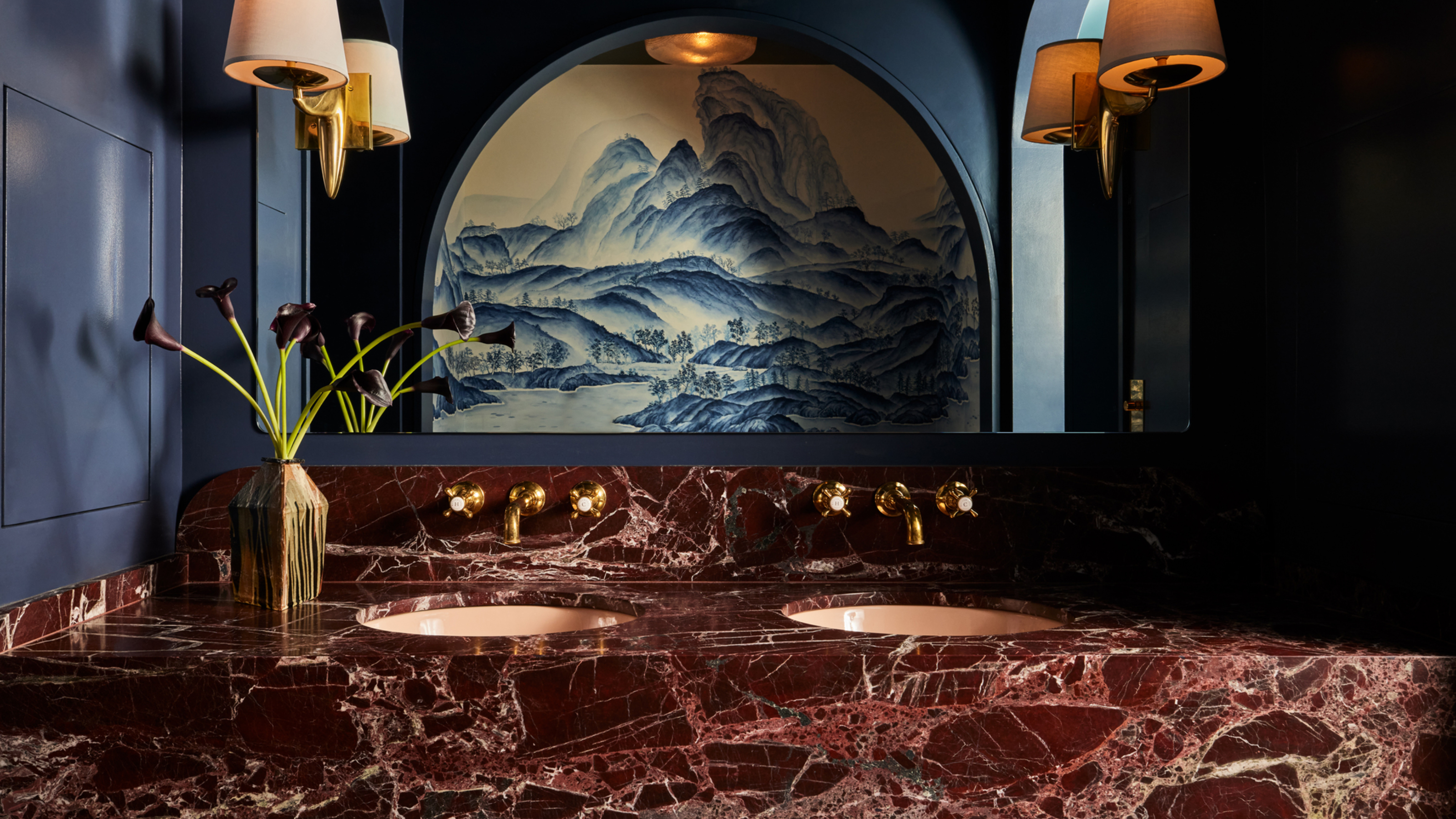
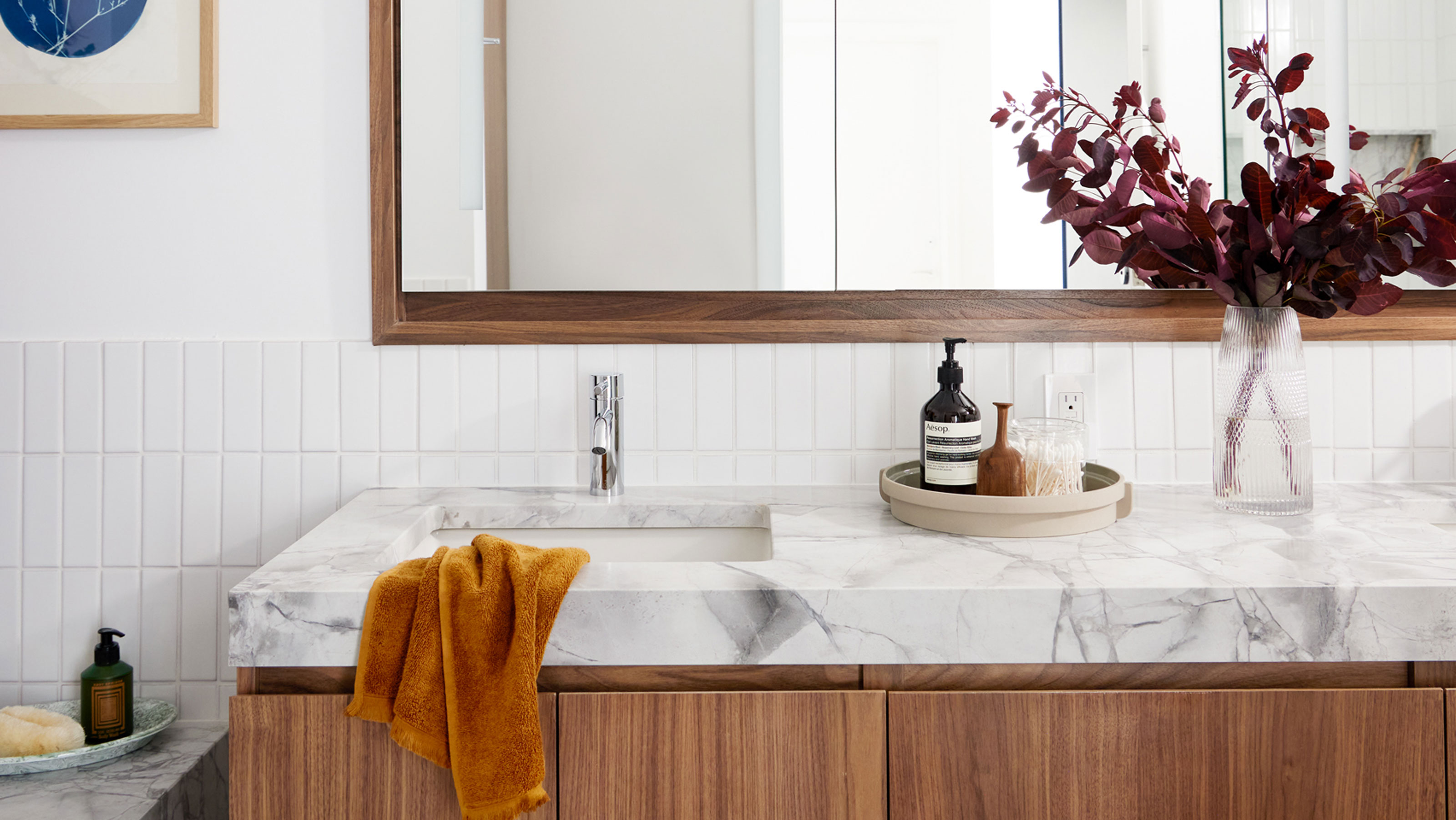
Marble, despite its luxurious appearance and widespread use in high-end designs, is identified as a material to approach with caution. Designers Kristen Wolff and Alex Kober highlight marble's natural porosity, which makes it highly susceptible to staining and etching from common bathroom products like toothpaste, skincare, and cosmetics. While beautiful, marble requires significant maintenance and careful handling to preserve its pristine condition. As an alternative, experts recommend quartzite, citing its superior durability and lower maintenance requirements, offering a practical solution without compromising on a sophisticated aesthetic.
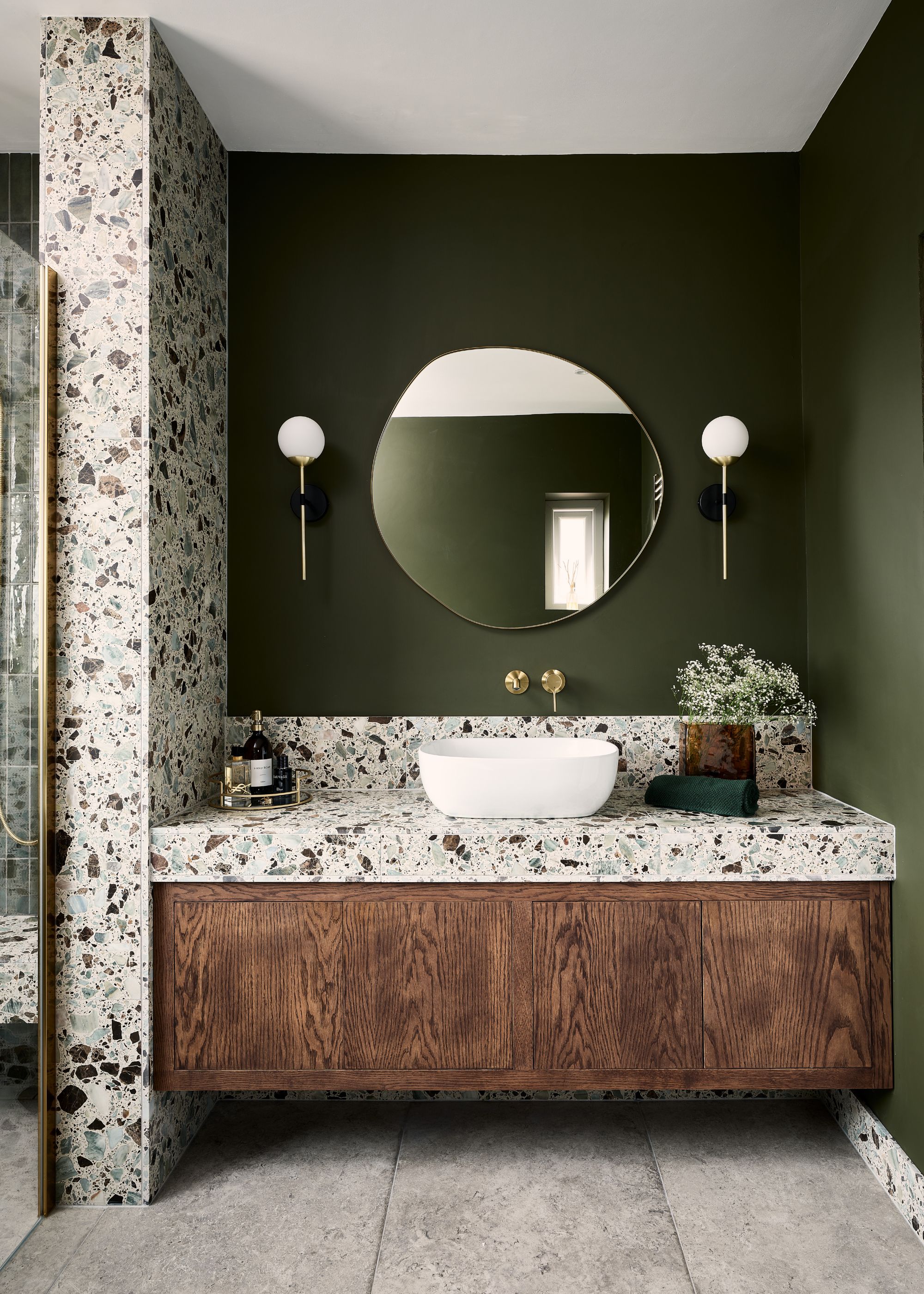
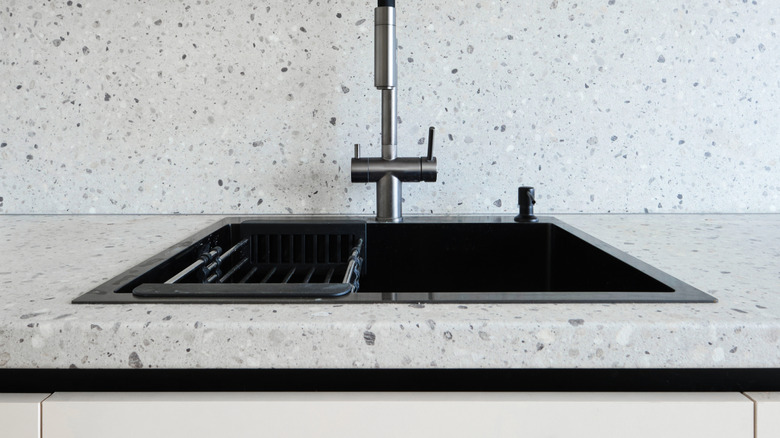
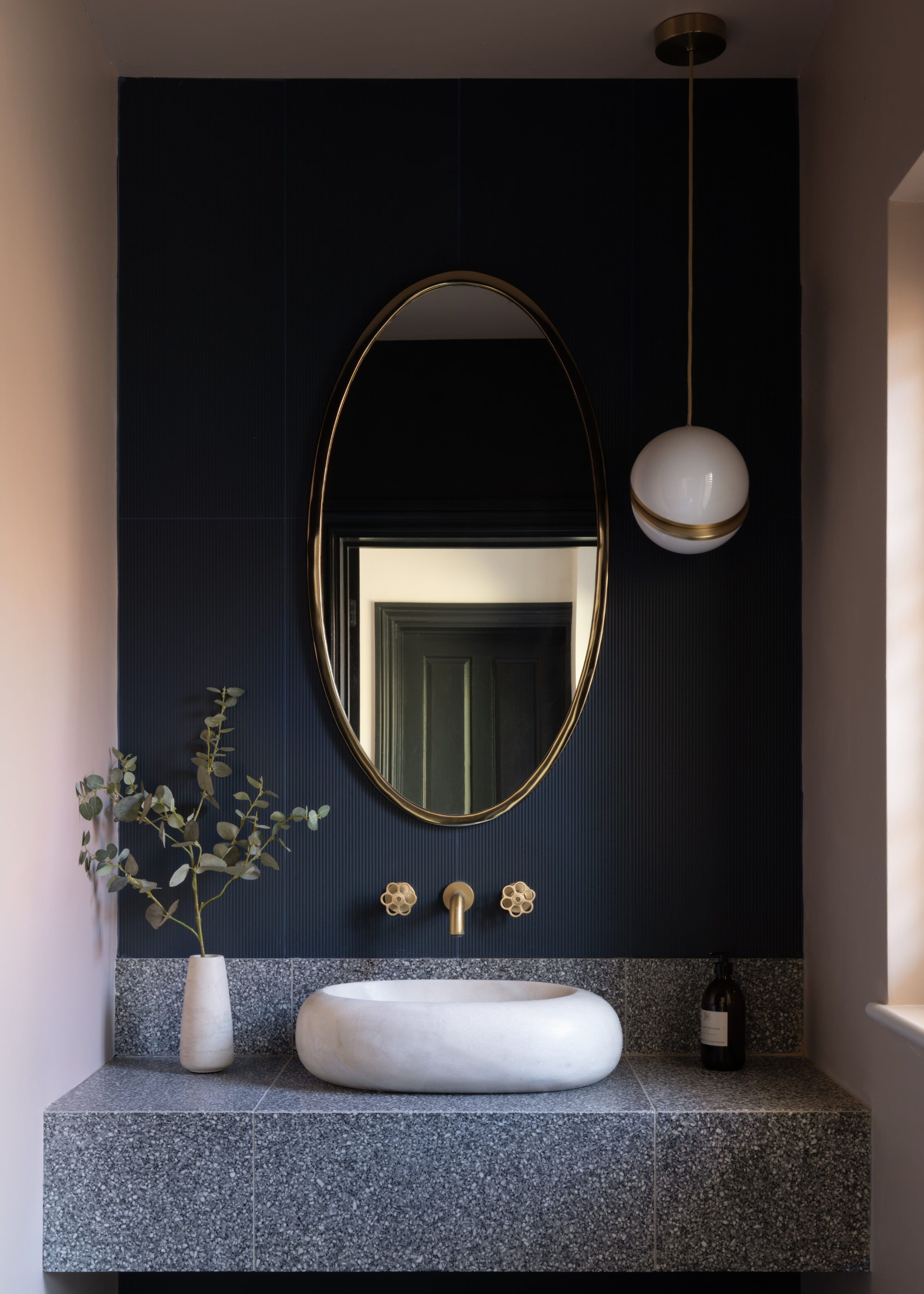
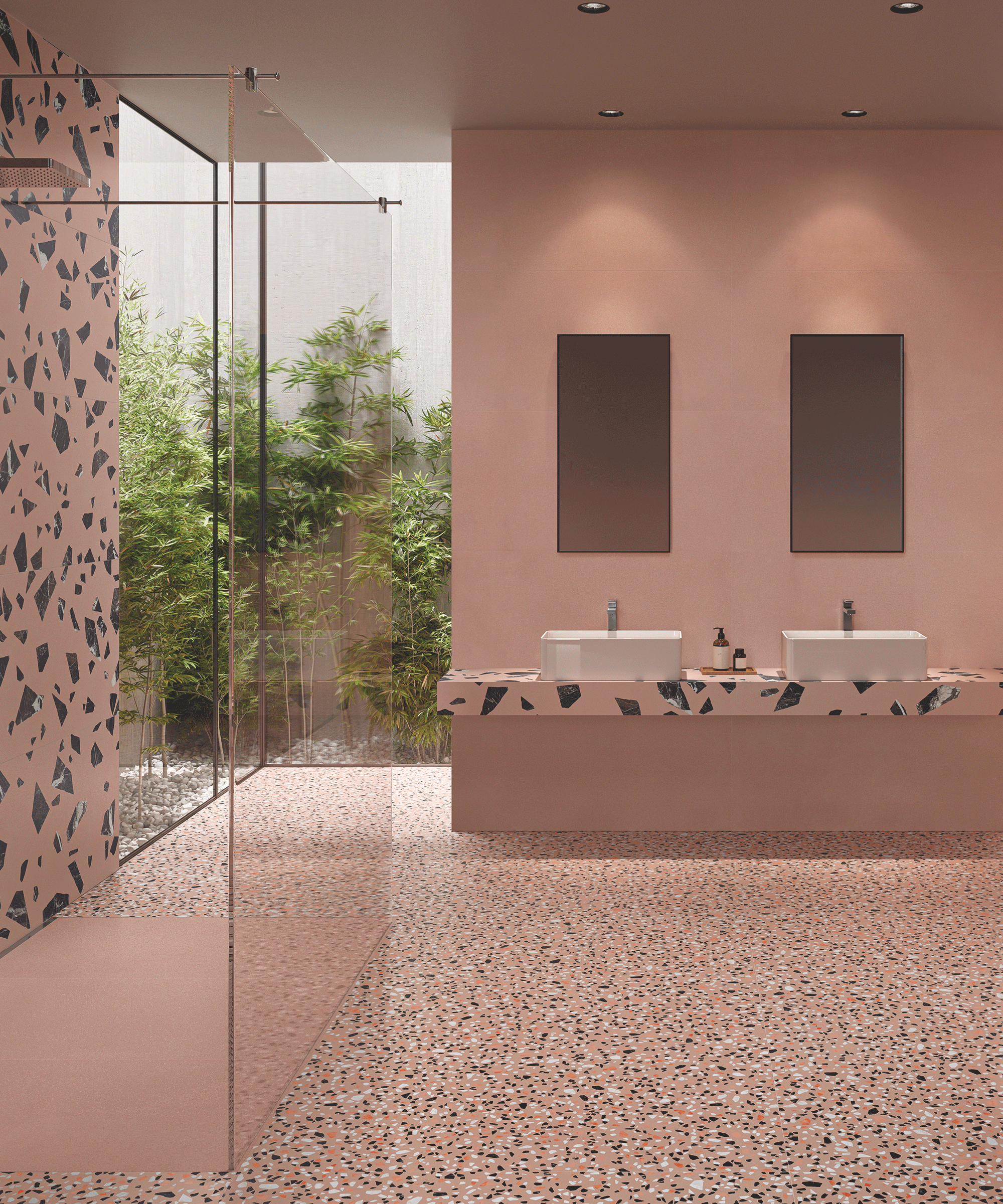
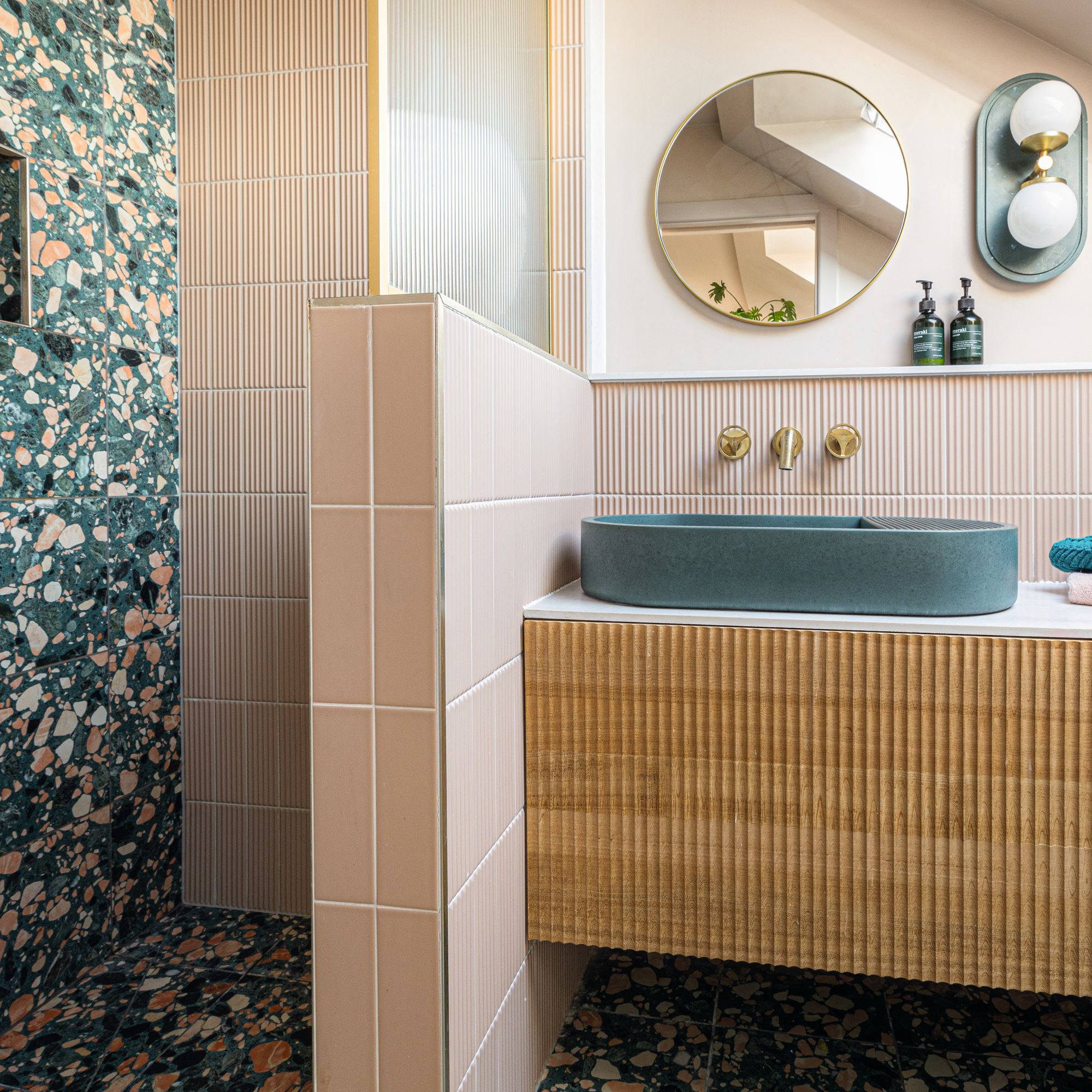
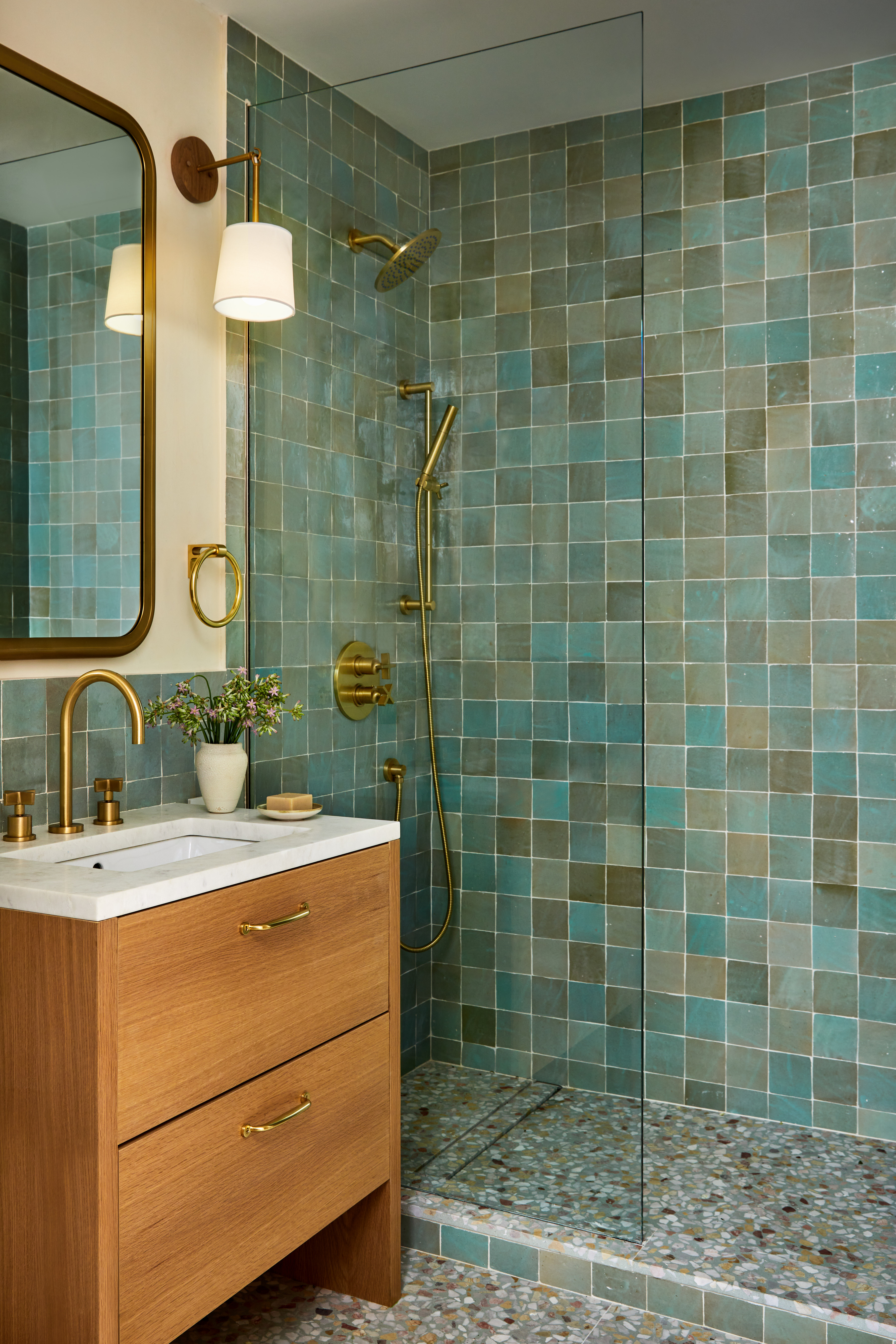
Limestone shares similar drawbacks with marble due to its sensitive, porous composition. Camilla Mazi from Otto Tiles explains that limestone easily stains and marks when exposed to water and cosmetics, making it unsuitable for a bathroom environment where water exposure is constant. For those seeking materials with comparable drama and tactility but enhanced durability, terrazzo is presented as a preferred substitute. Terrazzo provides the desired aesthetic qualities while being more resilient to the demands of a bathroom setting.
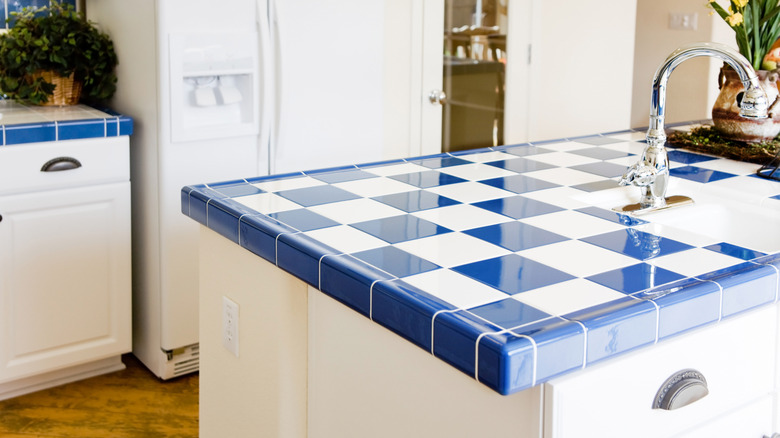
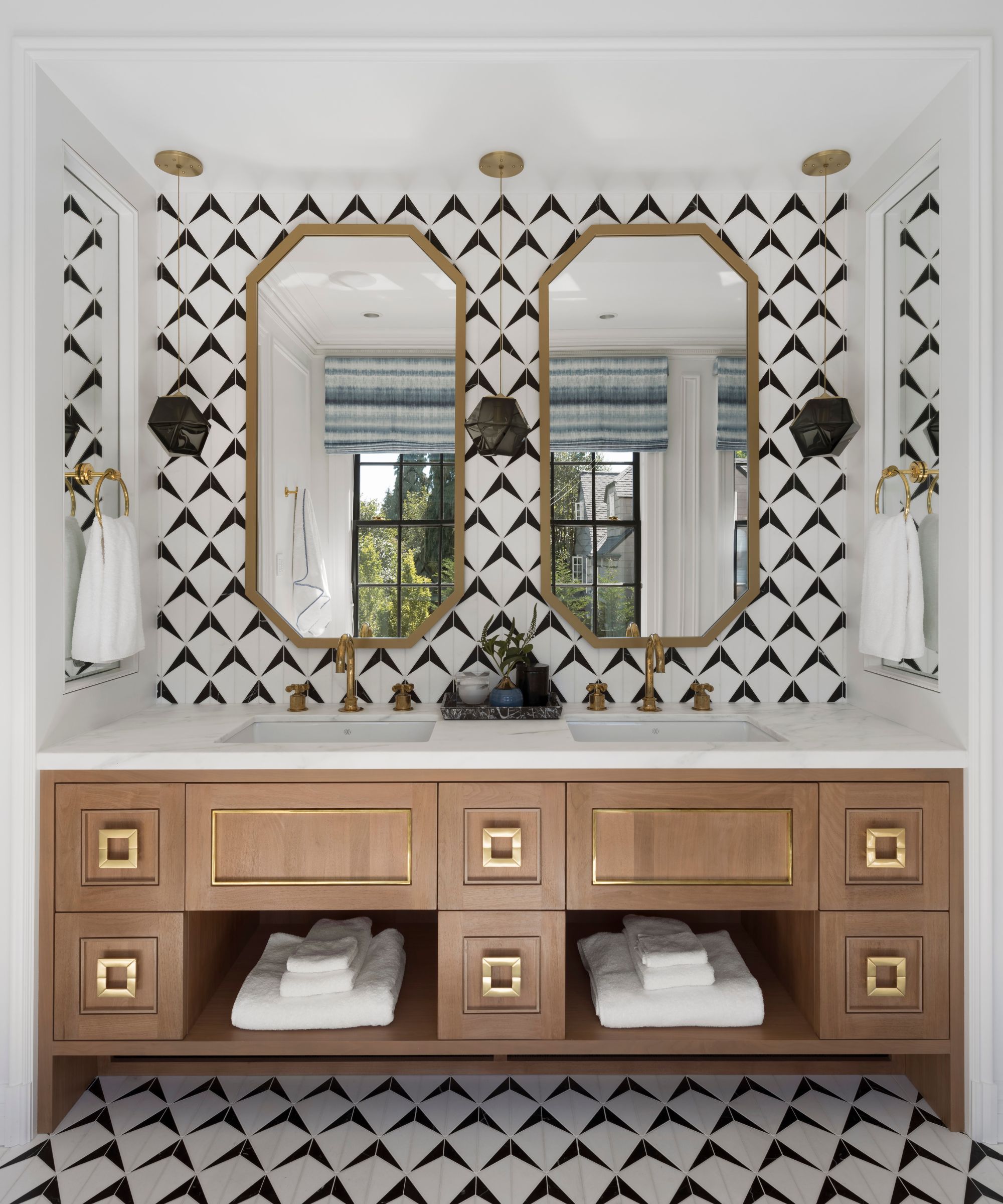
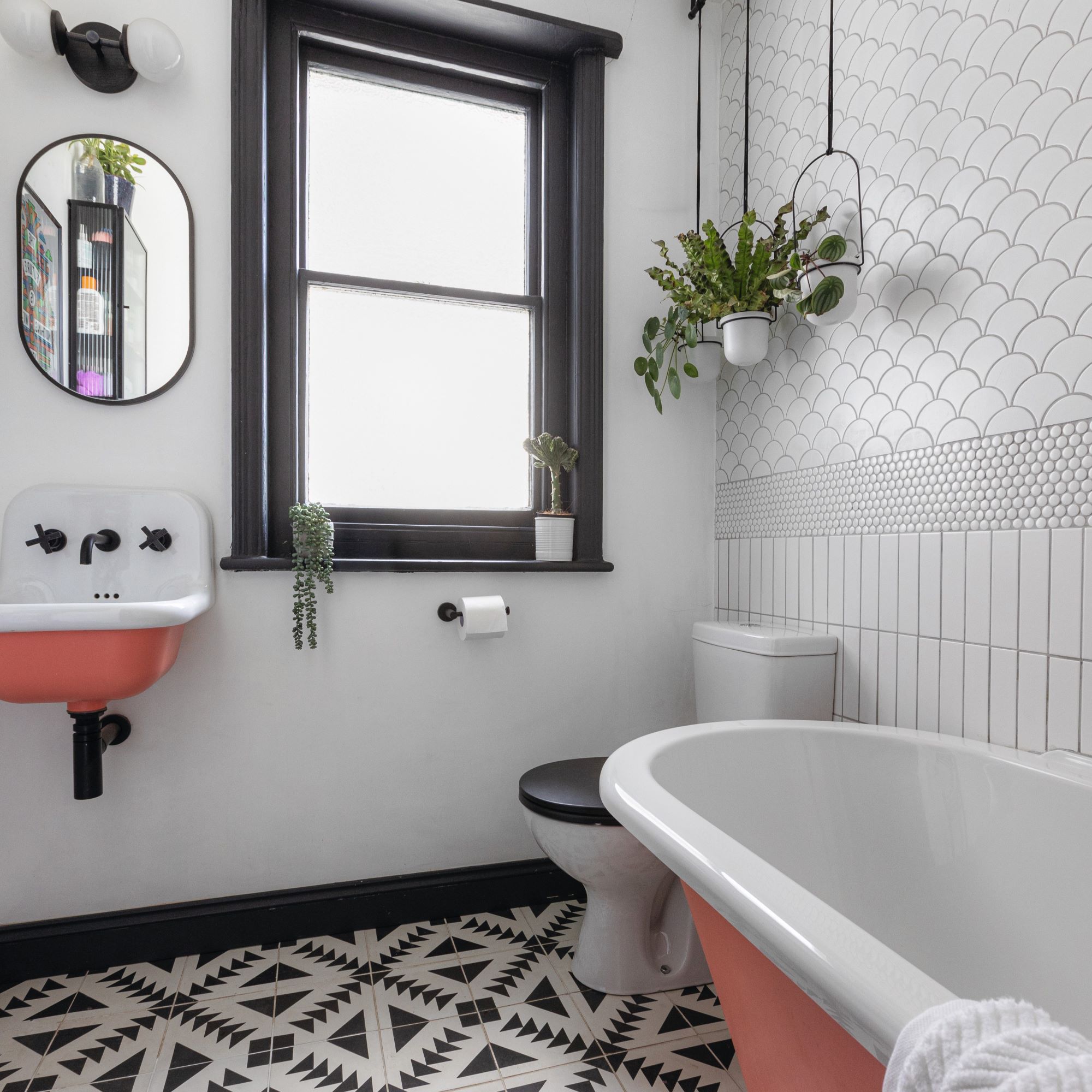
Clay tile, while appropriate for many bathroom applications like shower floors, is generally not recommended for countertops. Regan Billingsley, principal designer at Regan Billingsley Interiors, notes that tile can disrupt the clean lines and cohesive surfaces sought in modern bathroom design. The presence of grout lines in tiled countertops creates opportunities for dirt and grime accumulation, leading to increased maintenance and a potentially unhygienic surface. Designers advocate for materials that offer seamlessness and ease of cleaning, avoiding the practical challenges posed by tiled countertops.
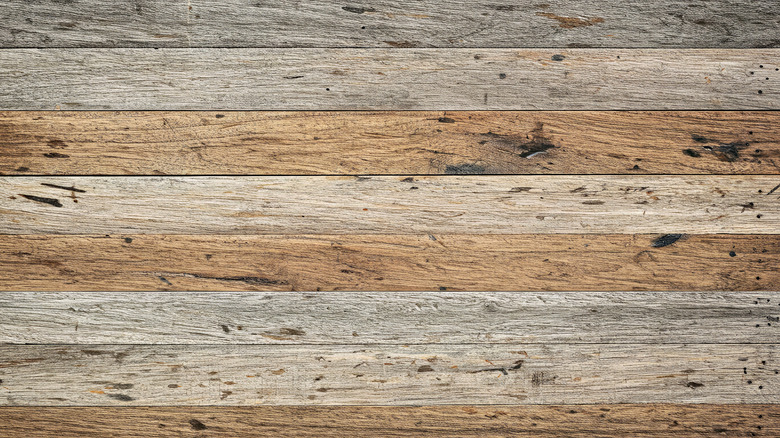
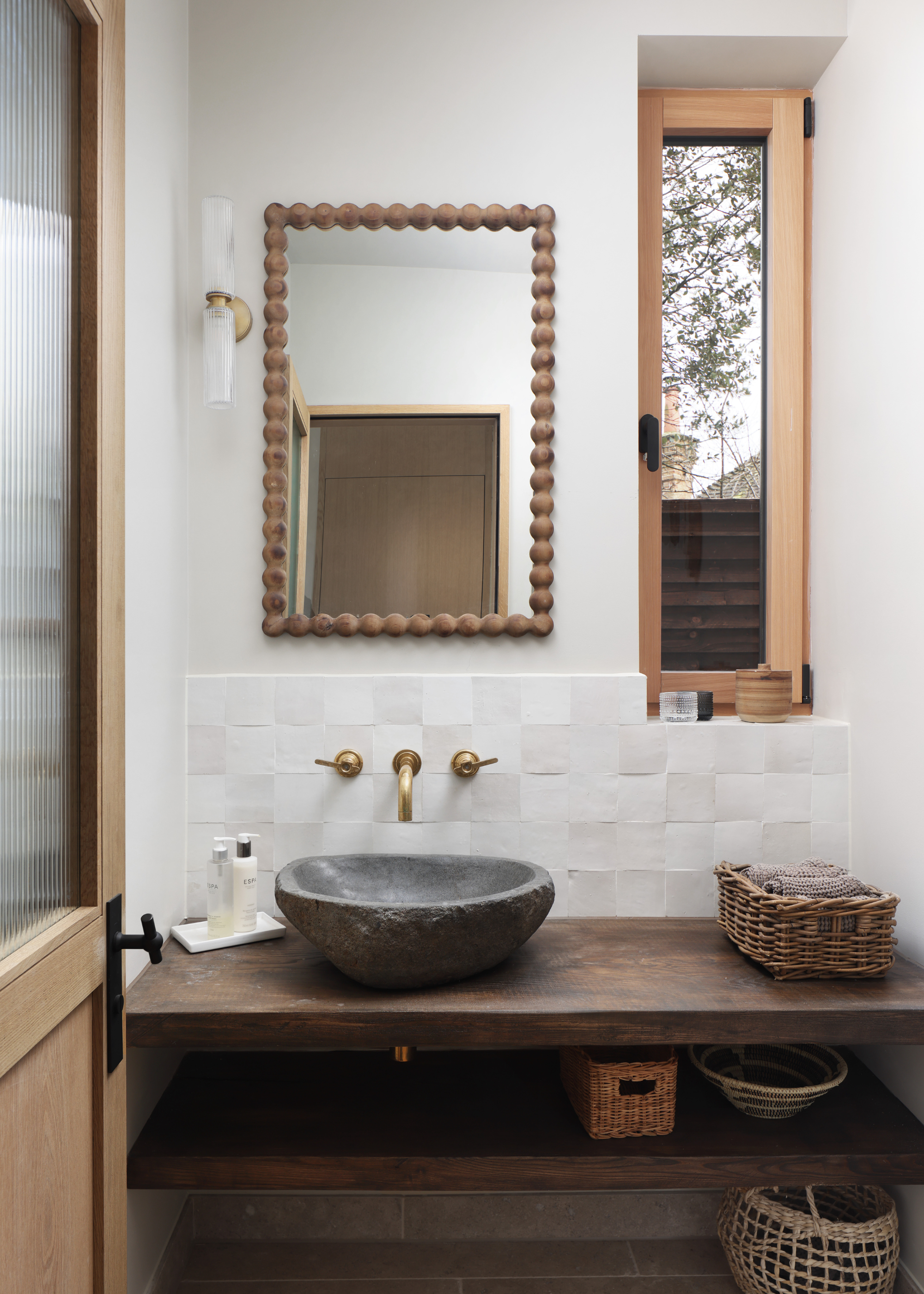
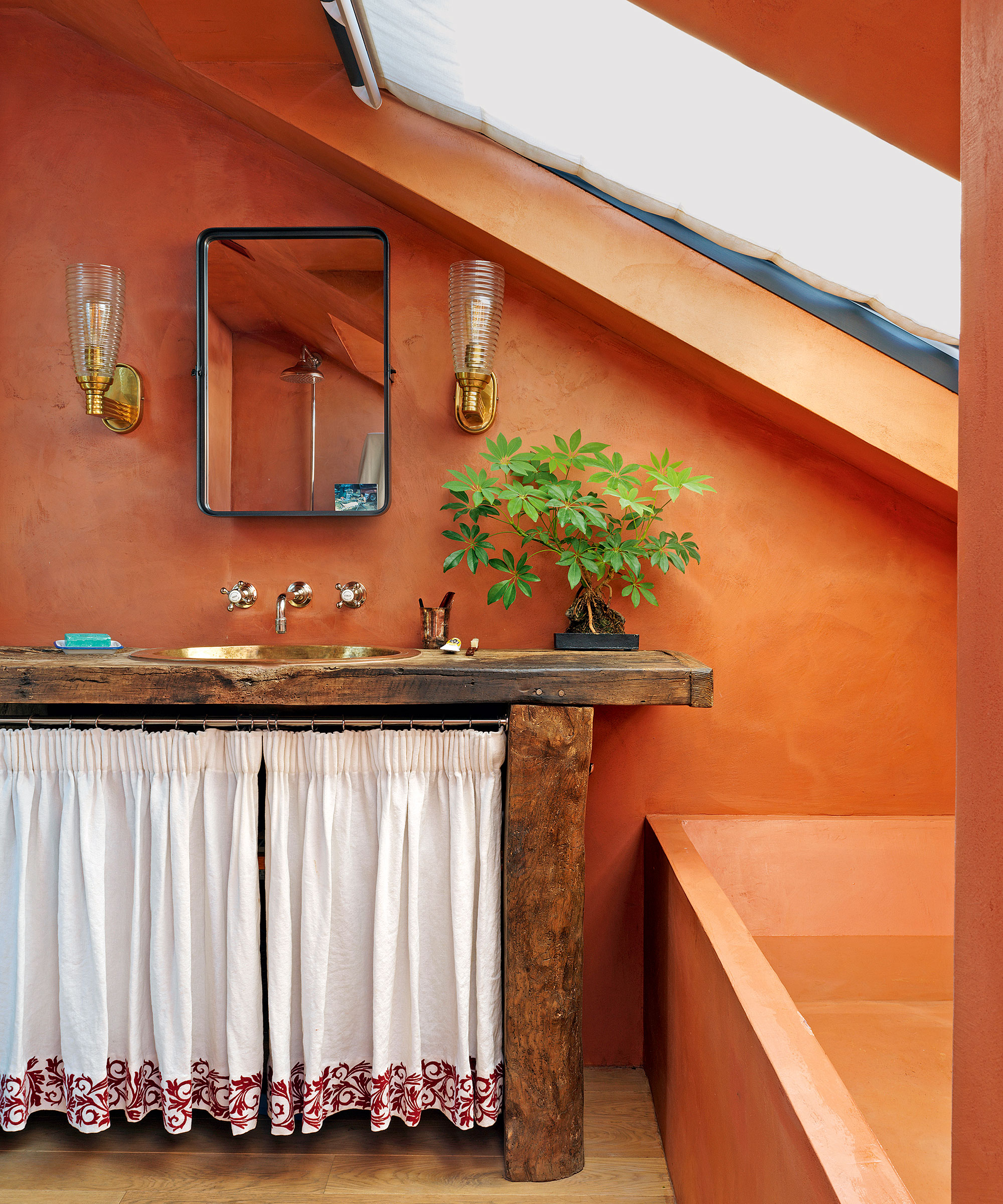
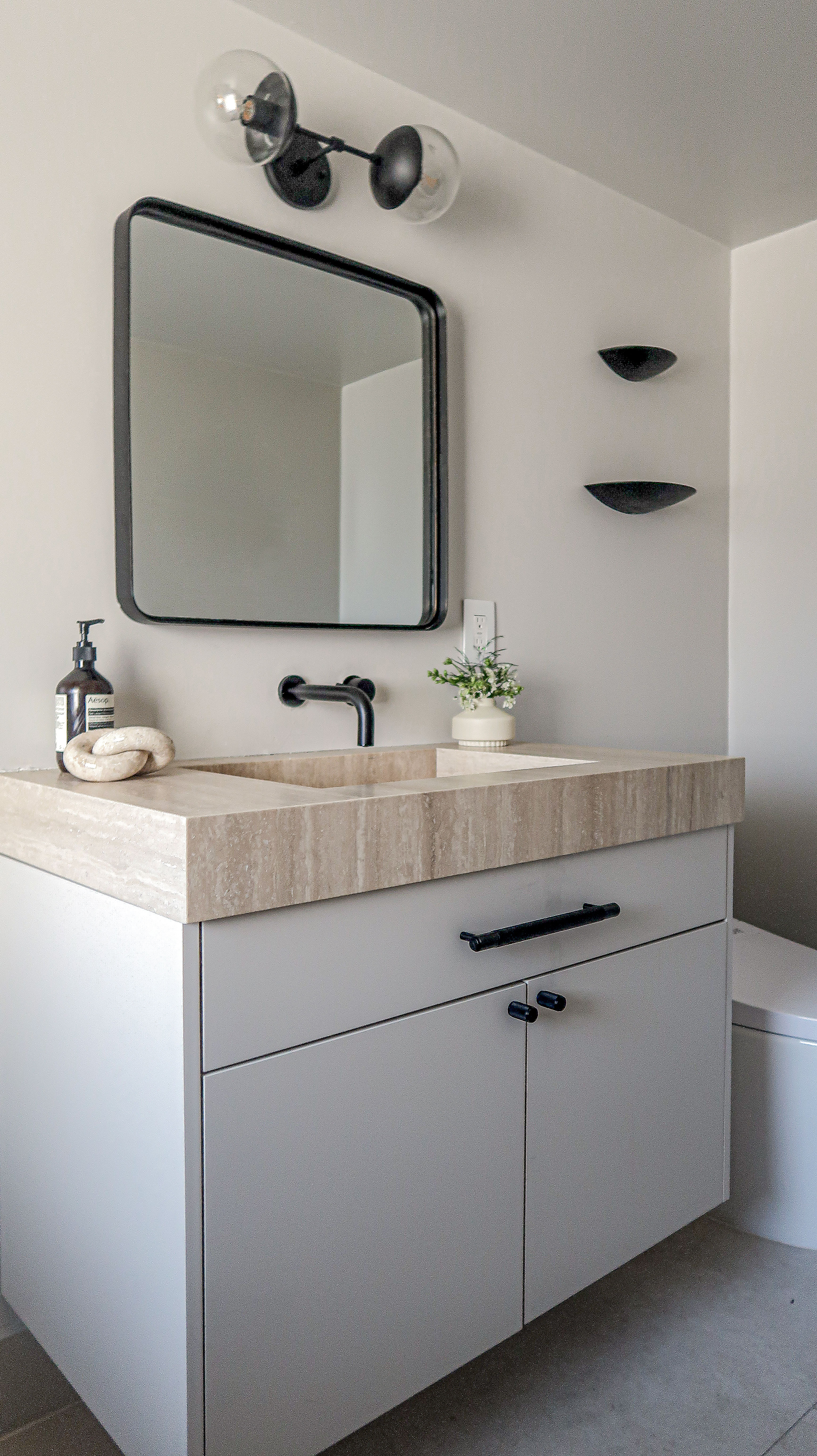
Timber countertops, though increasingly popular for their organic appeal in earthy design palettes, are deemed risky for bathrooms. Camilla Mazi points out that wood, being a porous material, is not only prone to staining but also susceptible to rotting and warping when consistently exposed to water. Unless meticulously sealed and maintained, timber will not withstand the constant moisture around a basin. This makes it a less practical choice for long-term durability in a bathroom environment.
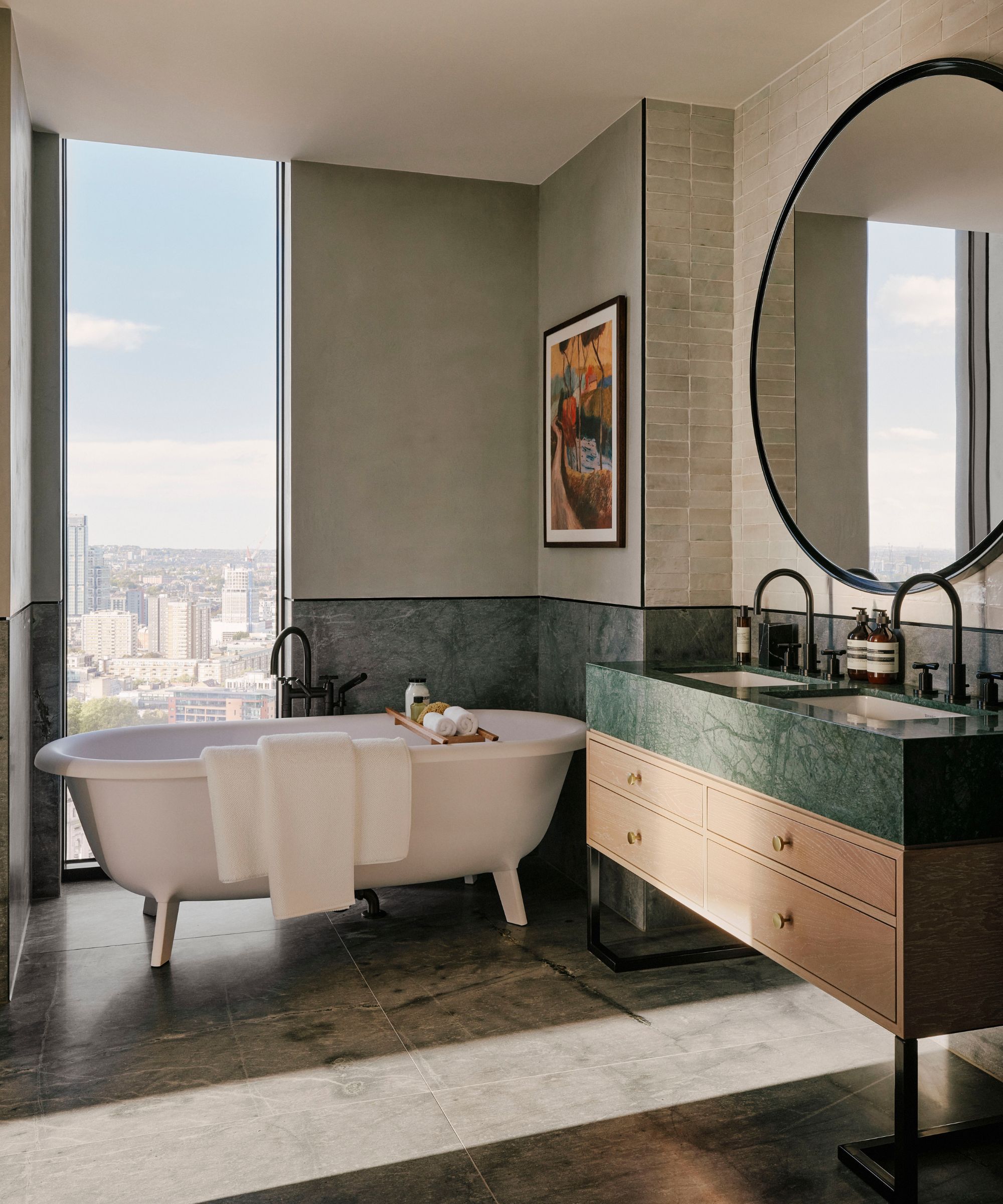
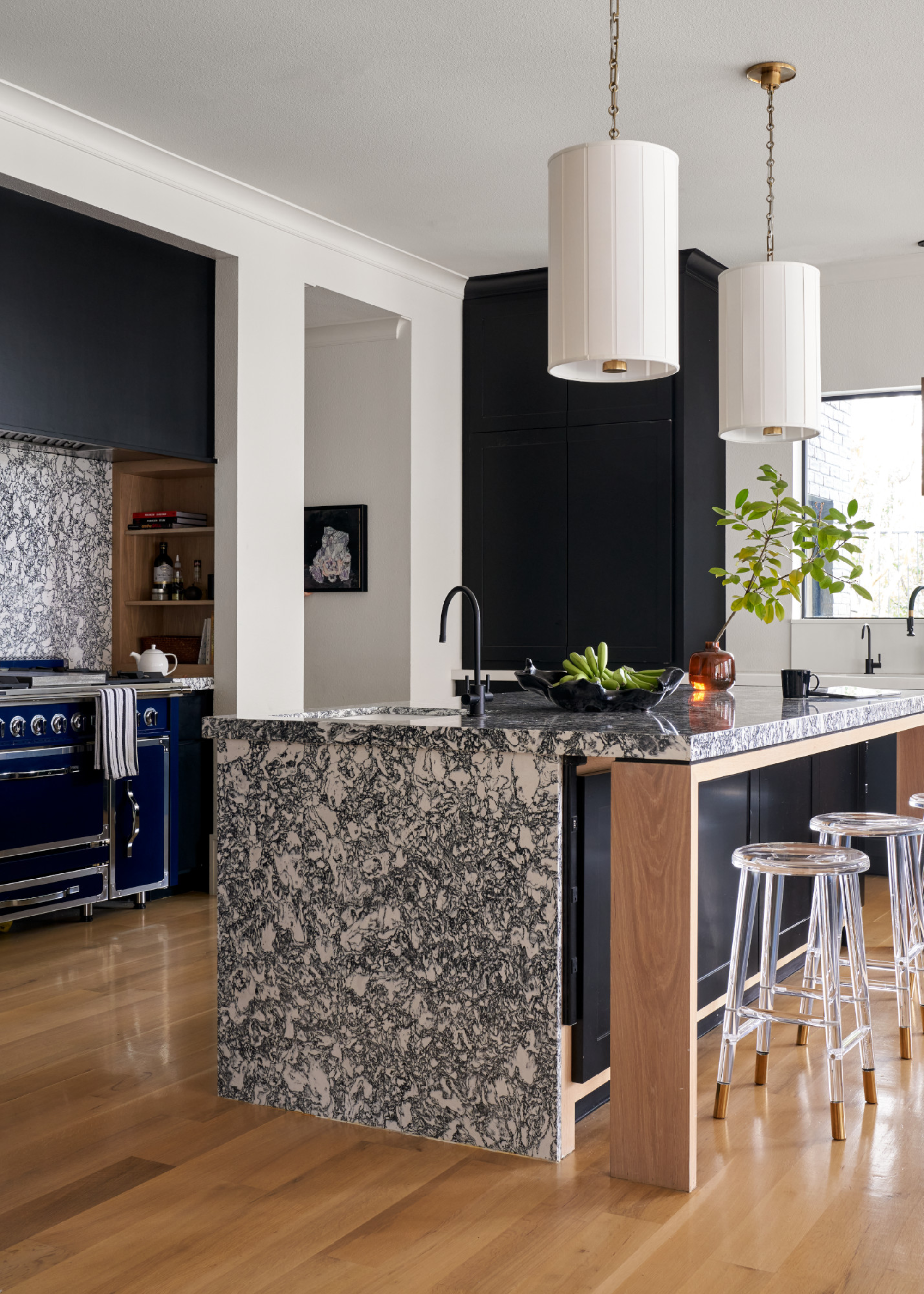
Finally, granite, another natural stone, concludes the list of materials to avoid. Alex Kober reiterates that granite, like marble, is porous and vulnerable to staining from acidic personal care products and prone to showing permanent water marks. This necessitates constant vigilance and careful maintenance, which can be an unnecessary burden given the array of more practical and often more affordable alternatives available. Engineered quartz or natural quartzite are presented as optimal choices for their durability, ease of cleaning, and ability to withstand heavy use in bathrooms, ensuring a functional and beautiful space without the high-stress maintenance.
#BathroomDesign #VanityCountertops #MaterialSelection #InteriorDesignTips #HomeRenovation #PracticalityInDesign #BathroomMaintenance #PorousMaterials #DurableSurfaces #BathroomDesign #VanityCountertops #MaterialSelection #InteriorDesignTips #HomeRenovation #PracticalityInDesign #BathroomMaintenance #PorousMaterials #DurableSurfaces
Toplam 0 yorum
 Henüz yorum yok
Bu da beğenebilirsiniz
5 things not to put on your bathroom countertops, according to interior designers
5 Bathroom Backsplash Materials Designers Tend to Avoid for Practical Reasons — And What They're Choosing Instead When Renovating
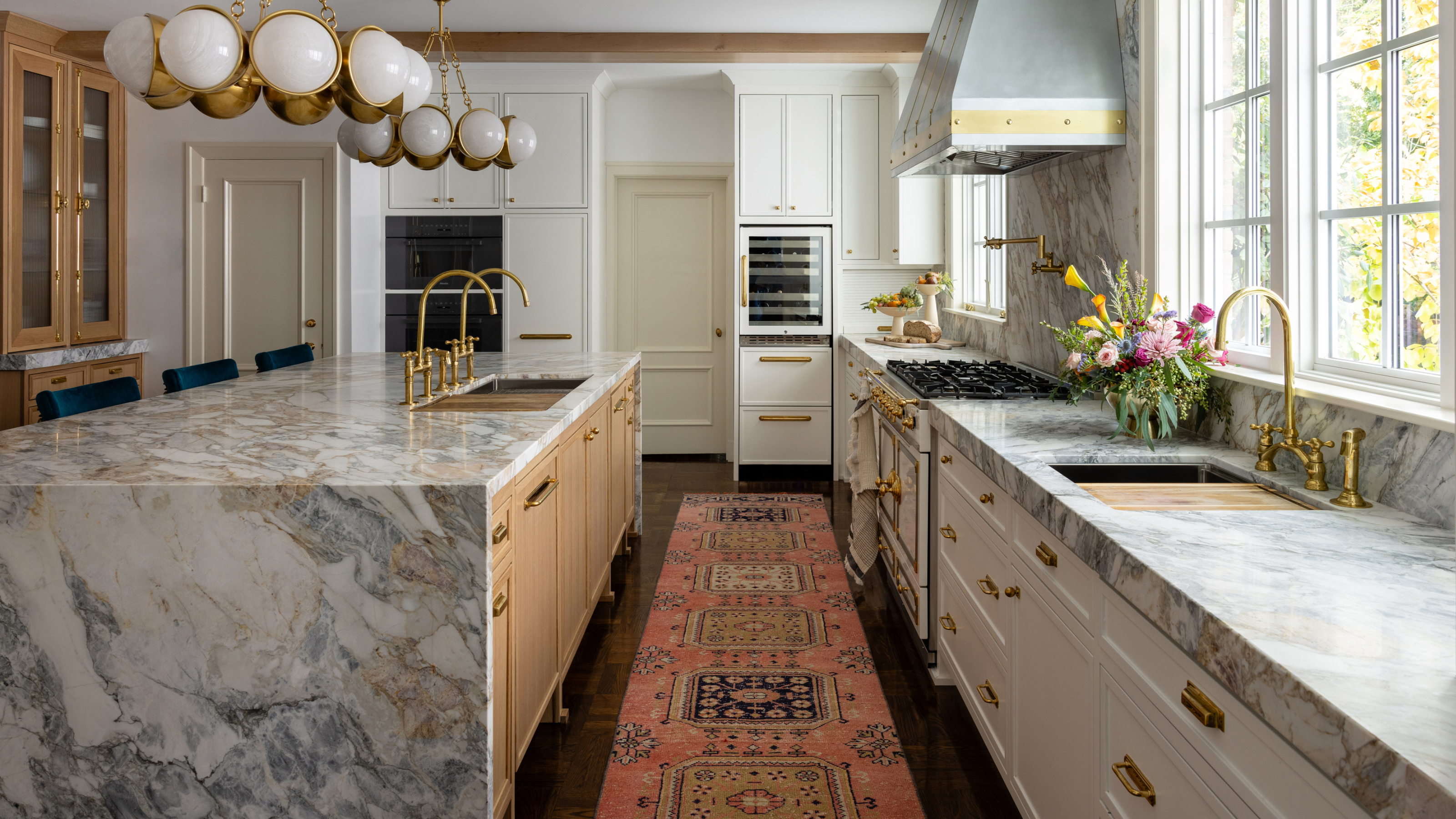
5 Problems With Waterfall Kitchen Countertops That No-One Ever Talks About
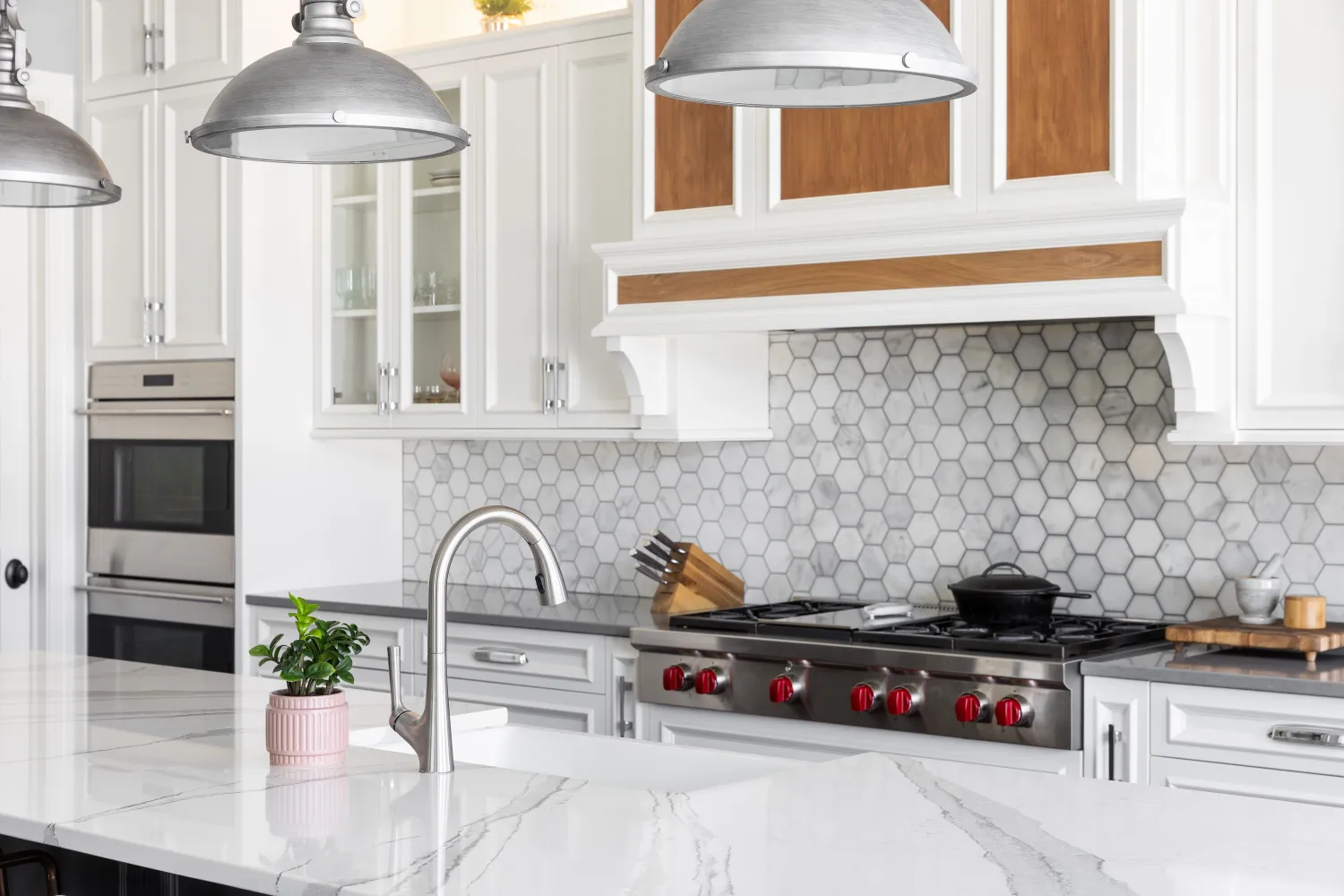
The Kitchen Countertop Material Designers Say You Should Avoid

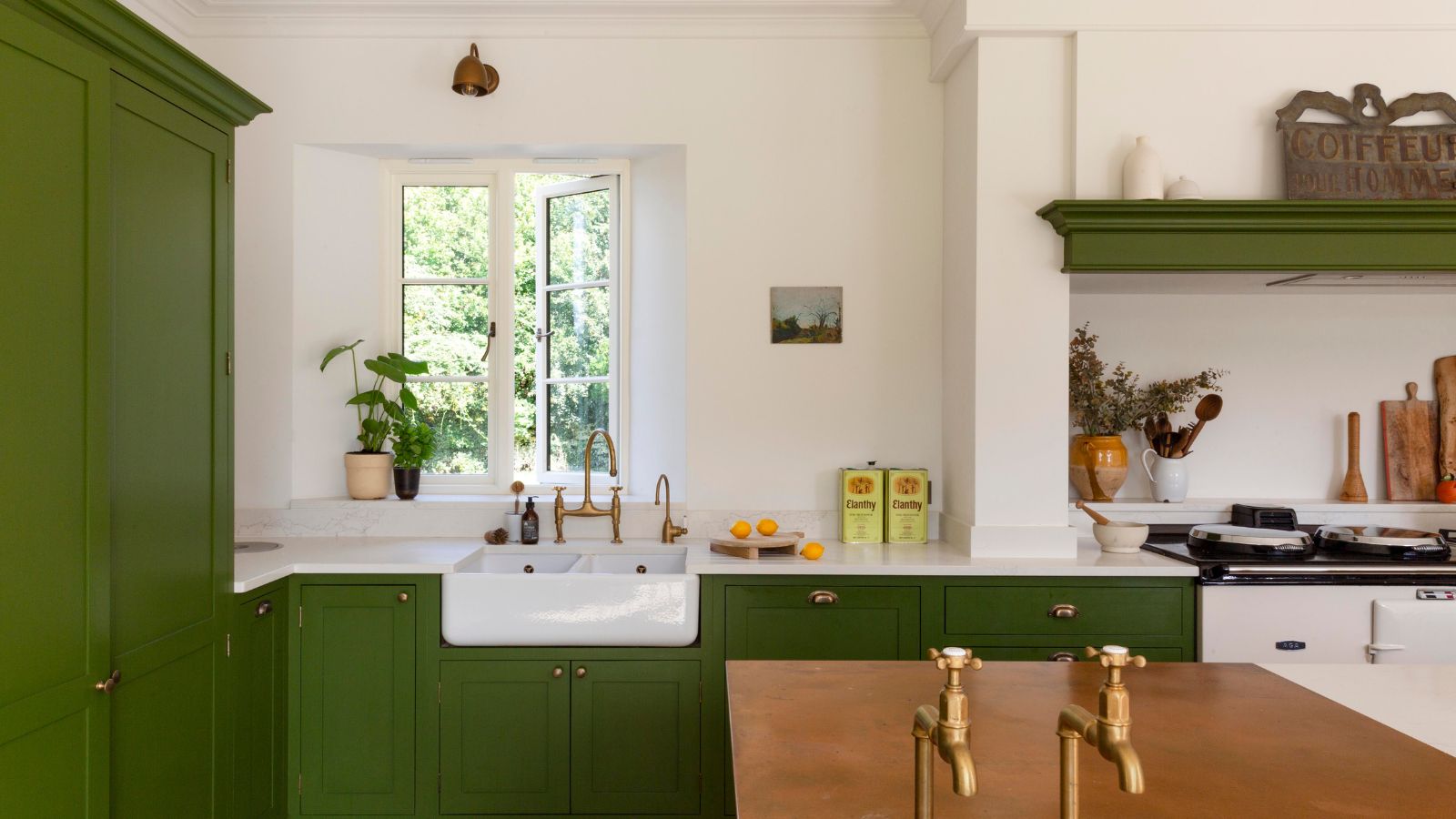
5 kitchen countertop mistakes designers warn to avoid

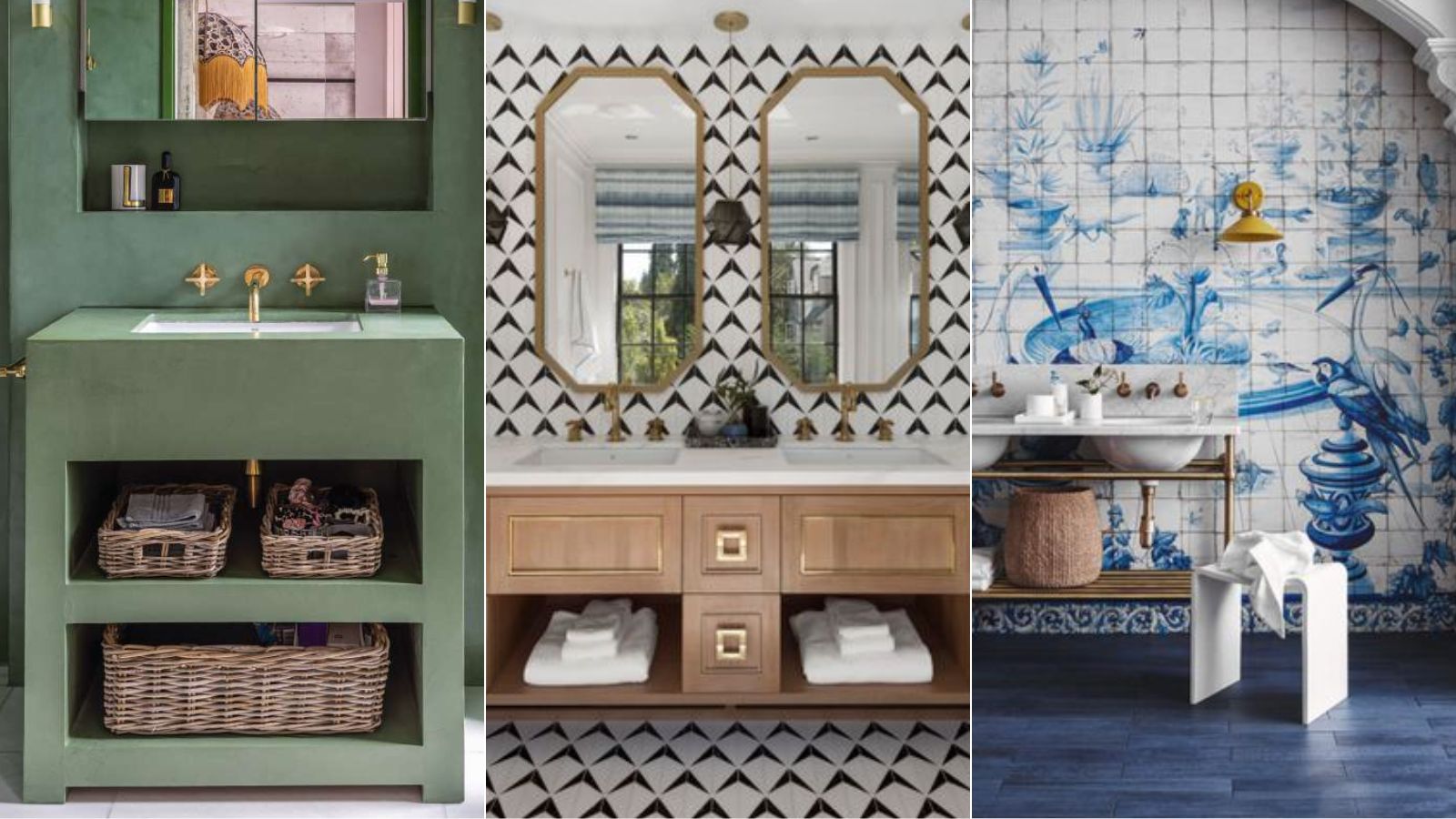
9 items never to store in a bathroom vanity – according to the experts
7 Outdated Bathroom Vanity Colors Designers Never Want to See Again

5 cleaning myths that will damage your countertops – and what to do instead
4 Countertop Materials to Avoid in a Bathroom and What to Use Instead in Your Next Renovation
The #1 Bathroom Renovation Mistake Experts Always See (and How to Avoid It)

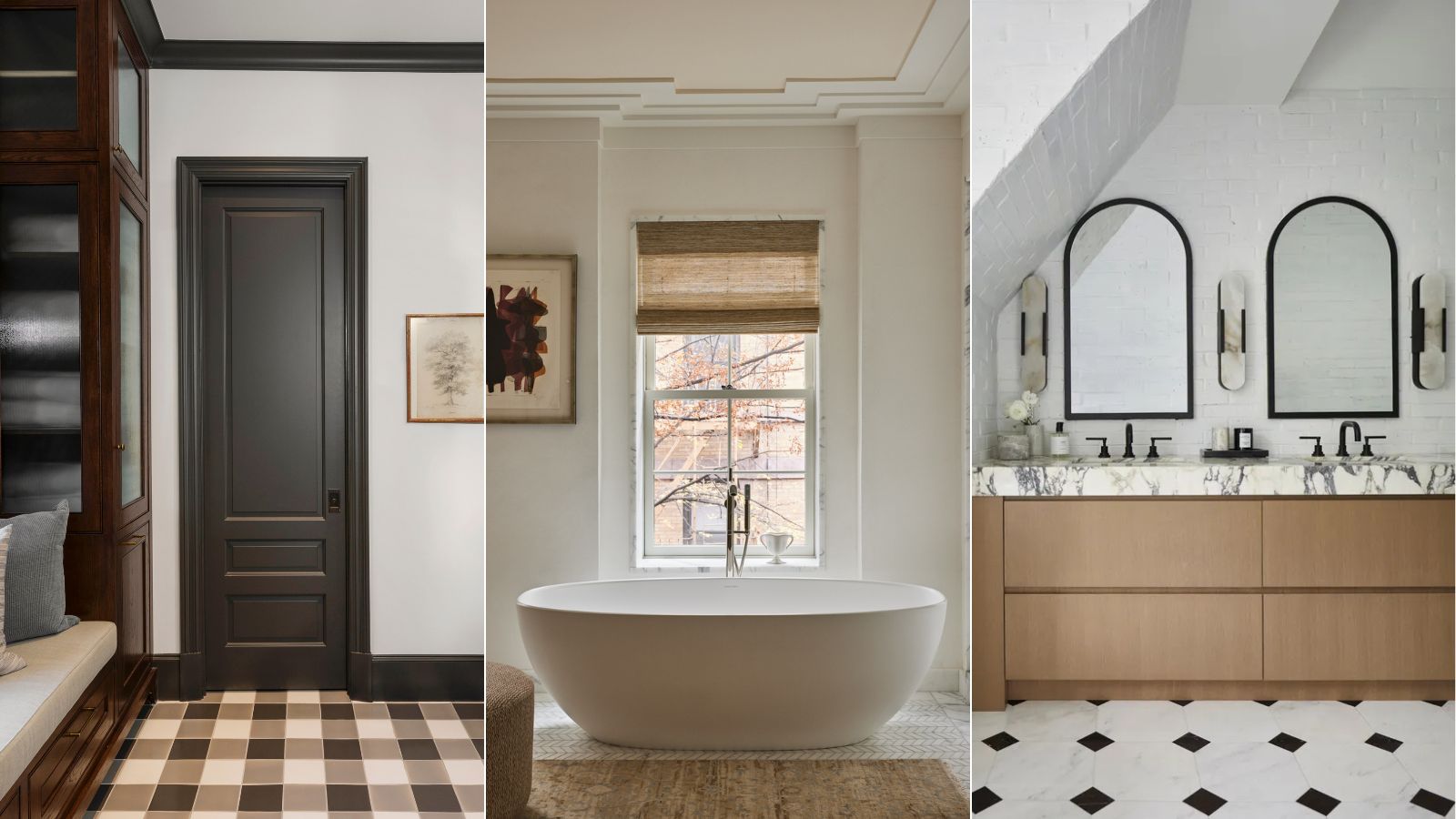
5 things in your bathroom that aren’t worth spending money on, according to interior designers
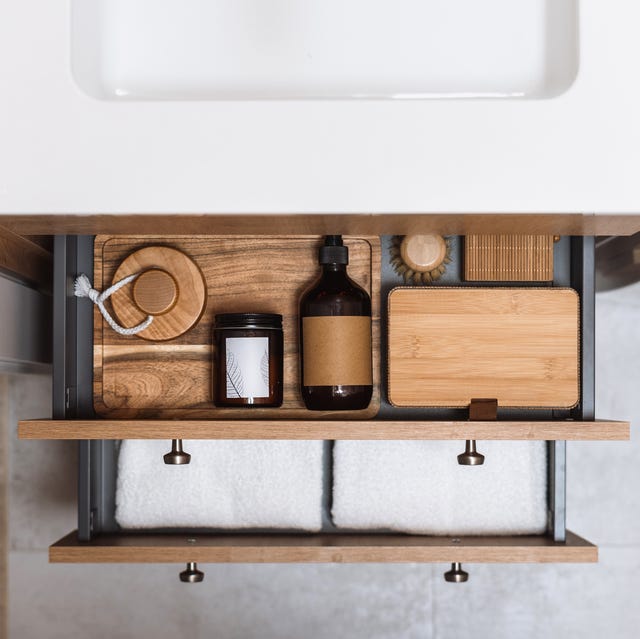
7 Bathroom Vanity Items Organizers Urge You to Throw out ASAP

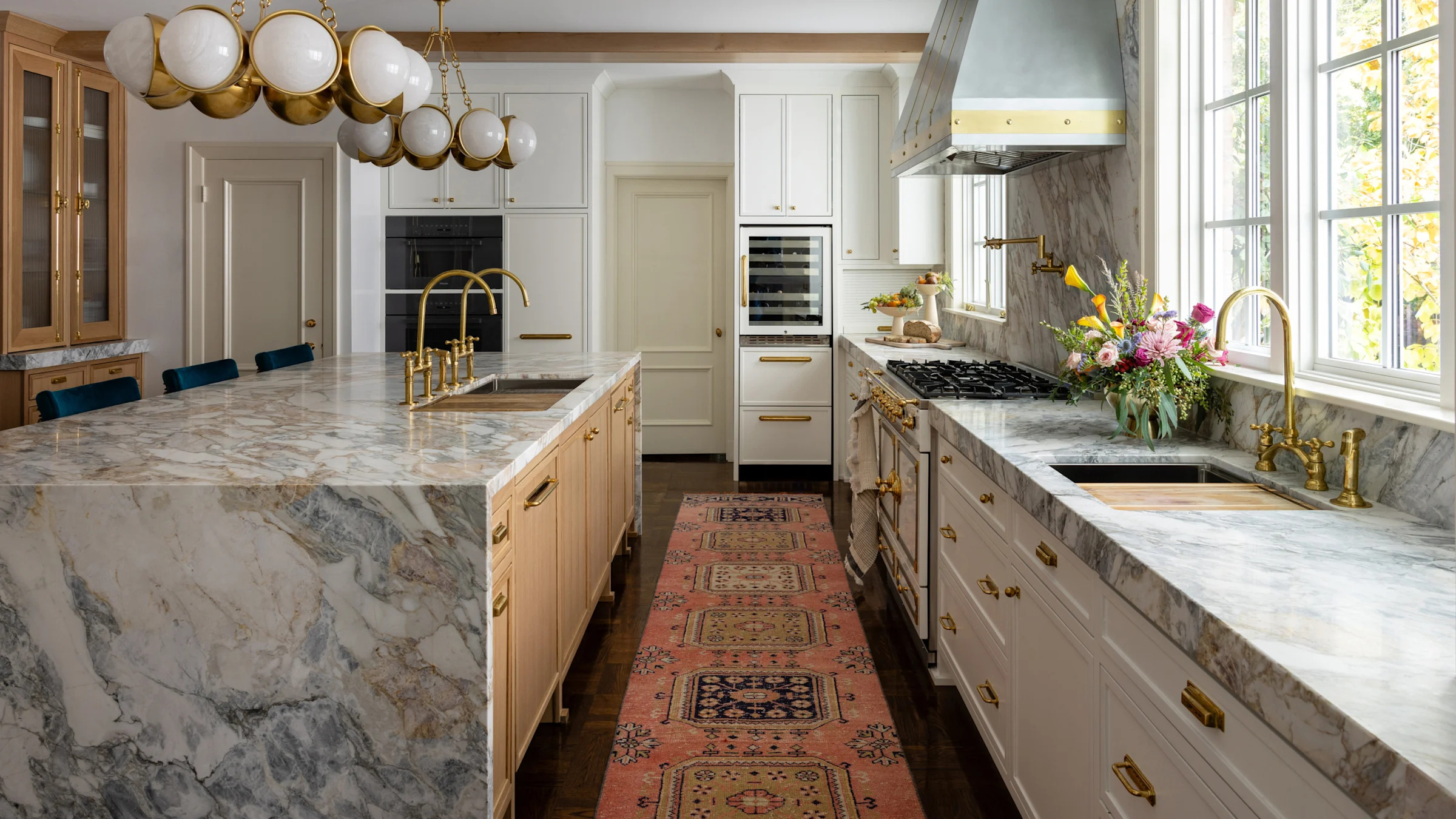
5 Problems With Waterfall Kitchen Countertops That No-One Ever Talks About

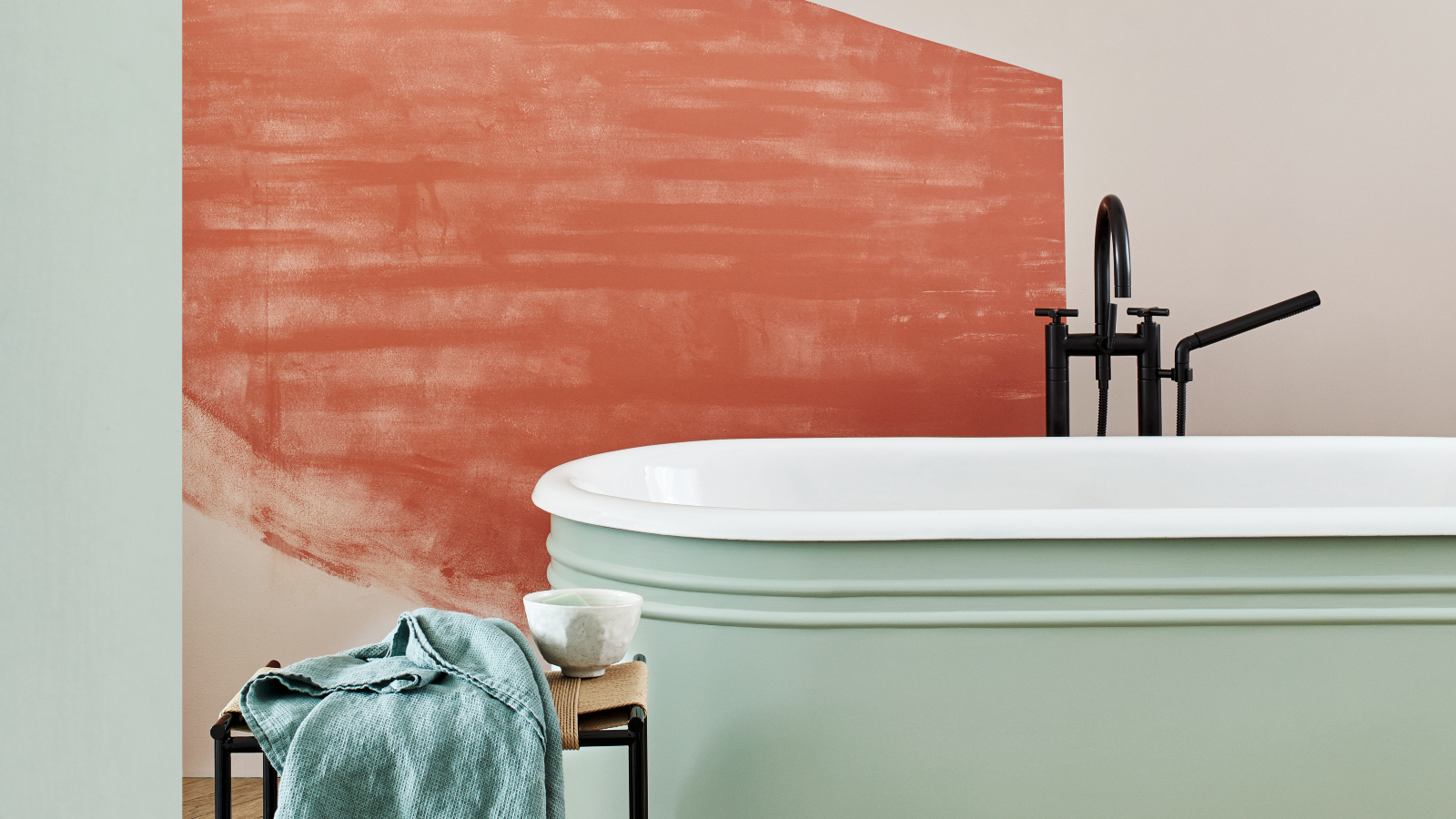
5 colors to avoid in a bathroom – according to designers
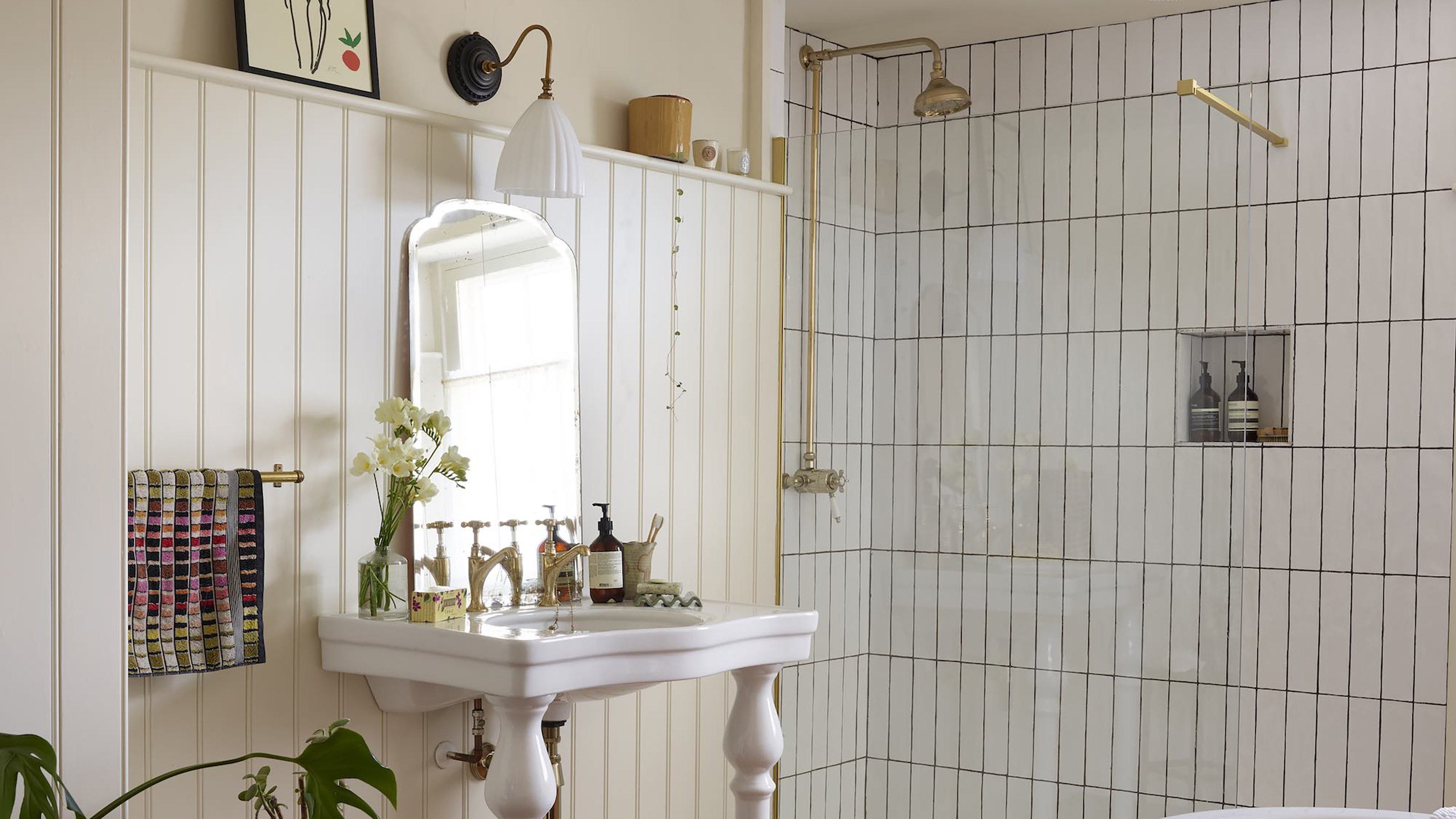
Outdated bathroom trends - 10 overdone looks to steer clear of, according to experts
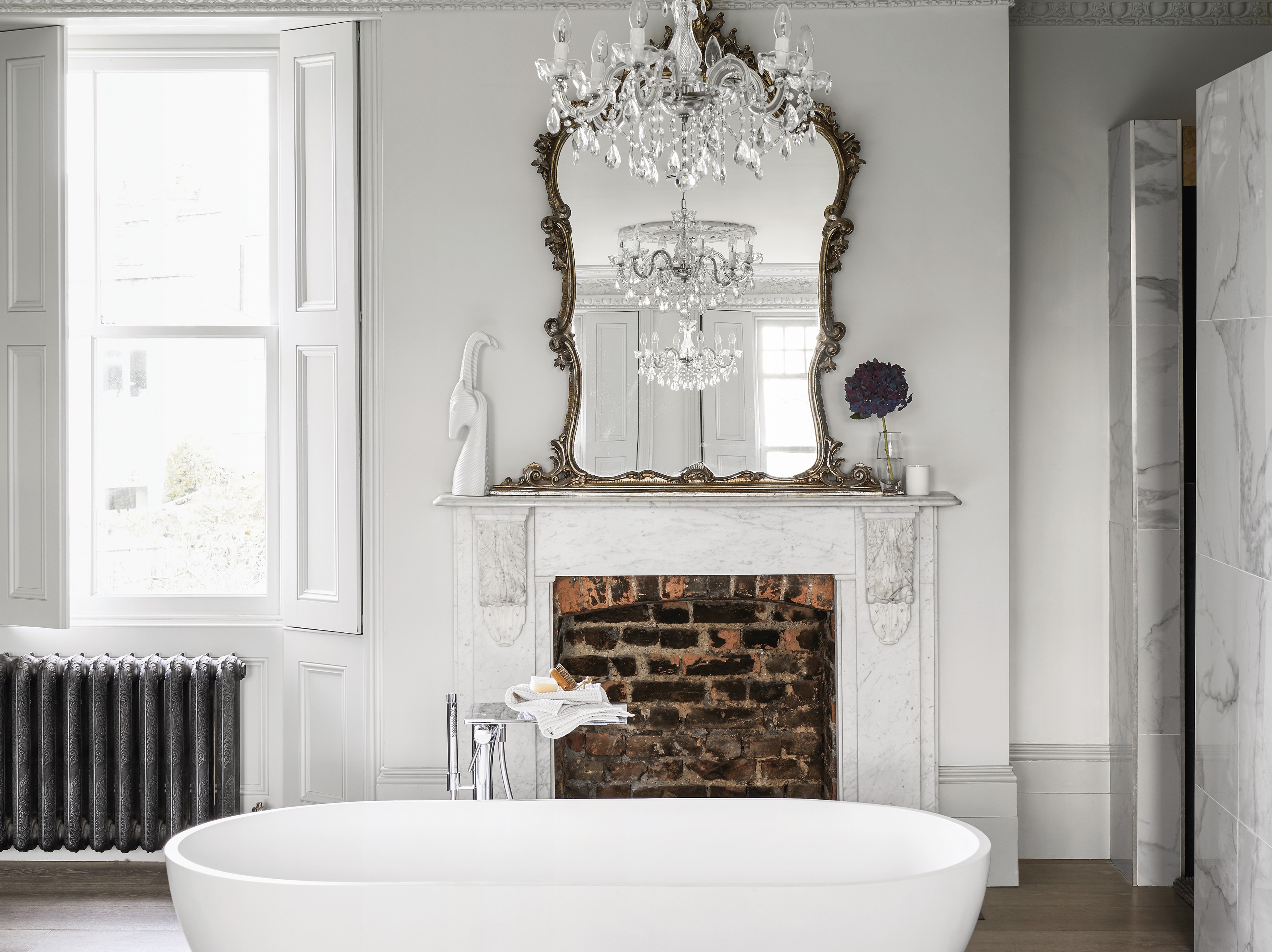
5 Bathroom Lighting Mistakes to Avoid — Designers Advise How to Dodge The Most Common Problems
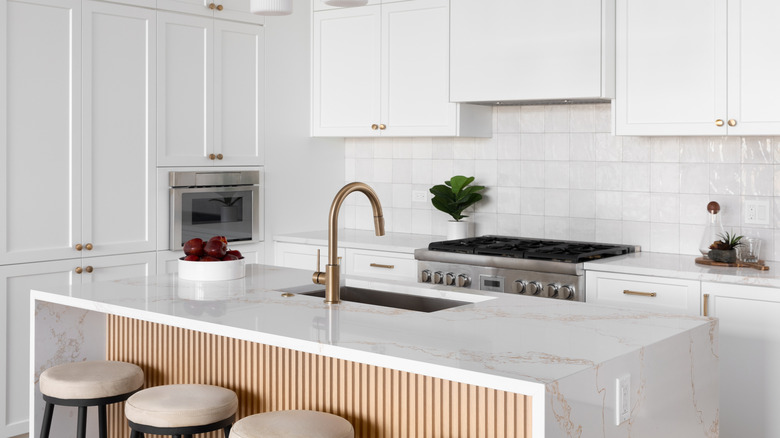
5 Outdated Countertop Trends To Avoid And 5 To Try Instead

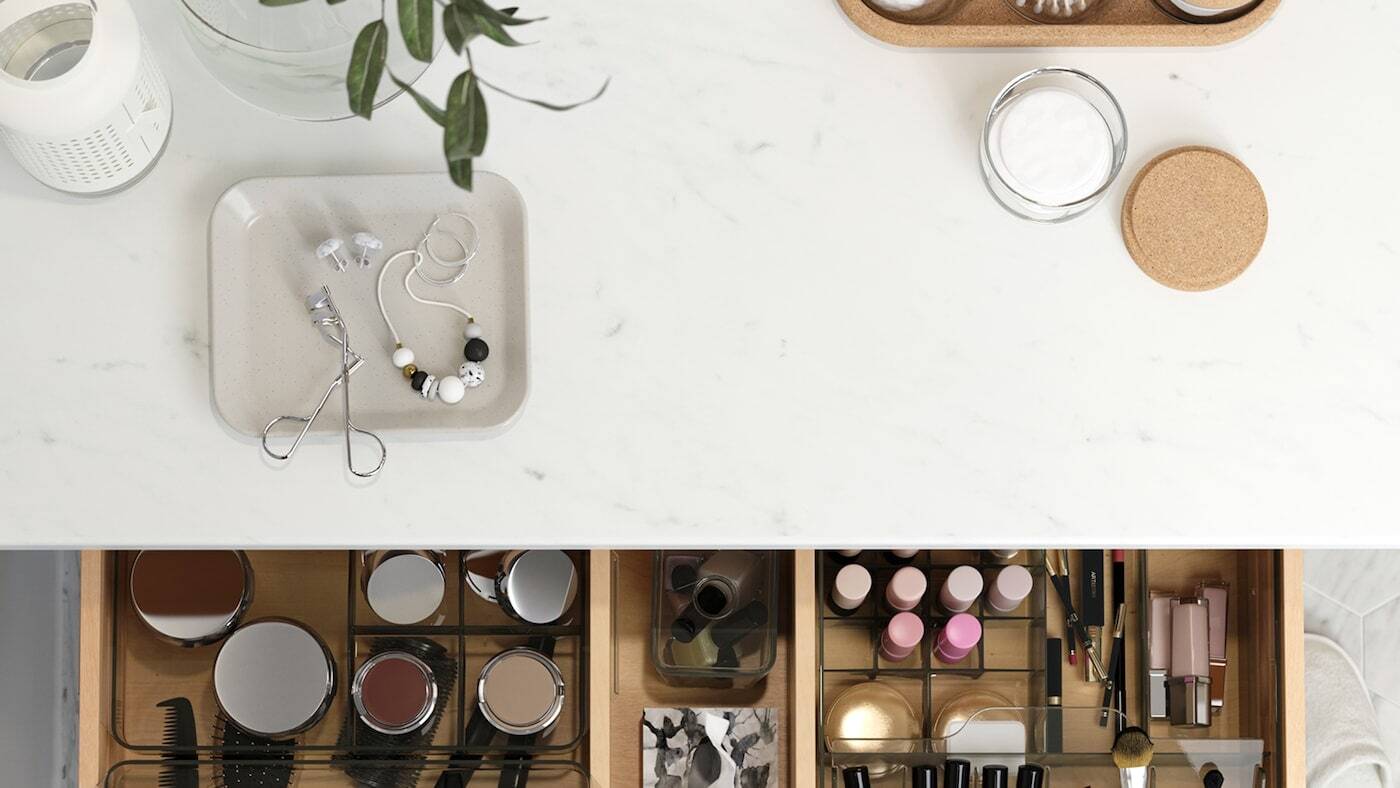
How to organize bathroom countertops for good, according to the pros

5 "Impractical" Choices to Avoid in a Bathroom — These Make Your Spaces More Difficult to Use
5 Things You Should Never Store In Your Bathroom Cabinets