1/6
5 Problems With Waterfall Kitchen Countertops That No-One Ever Talks About
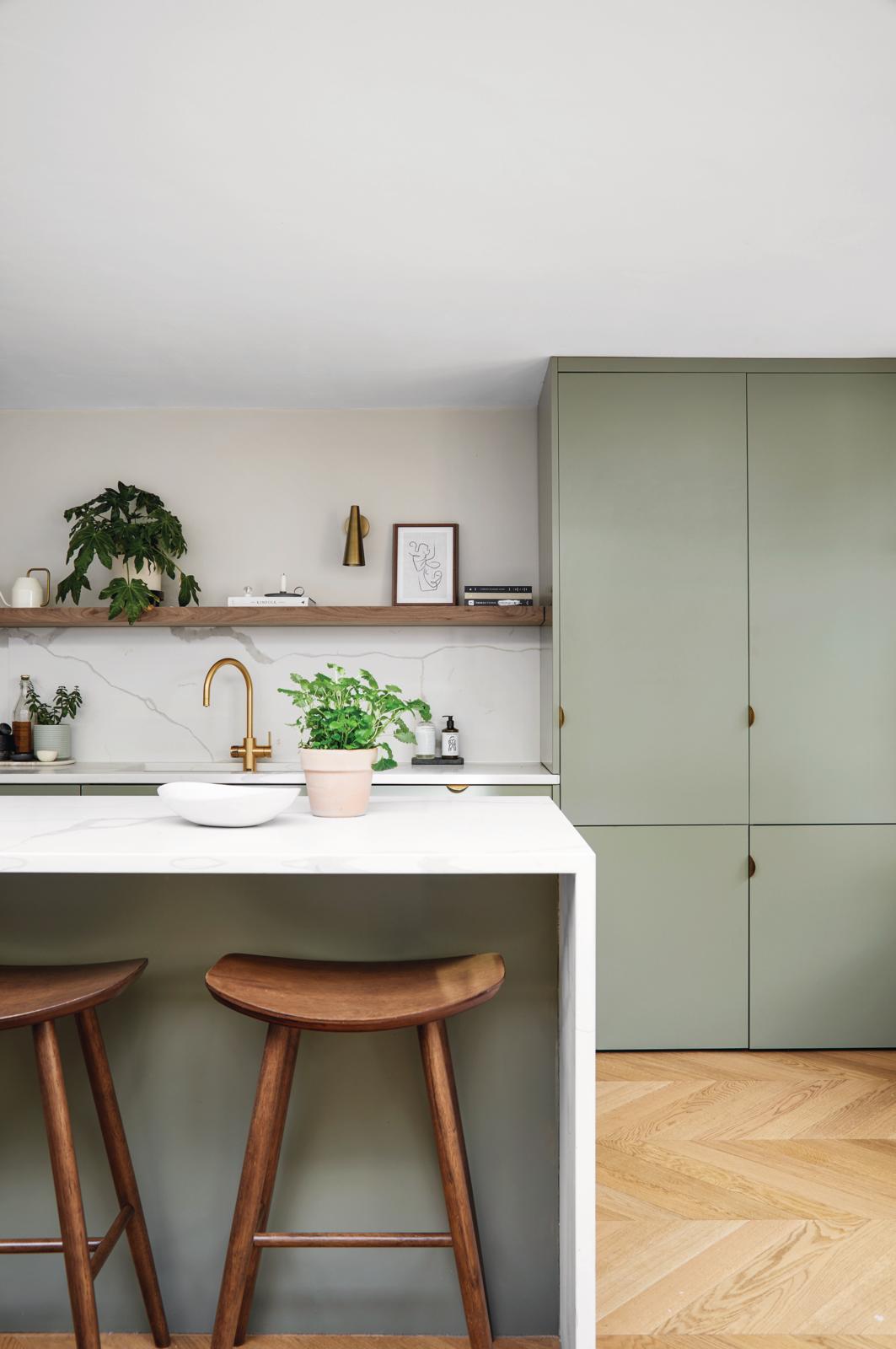
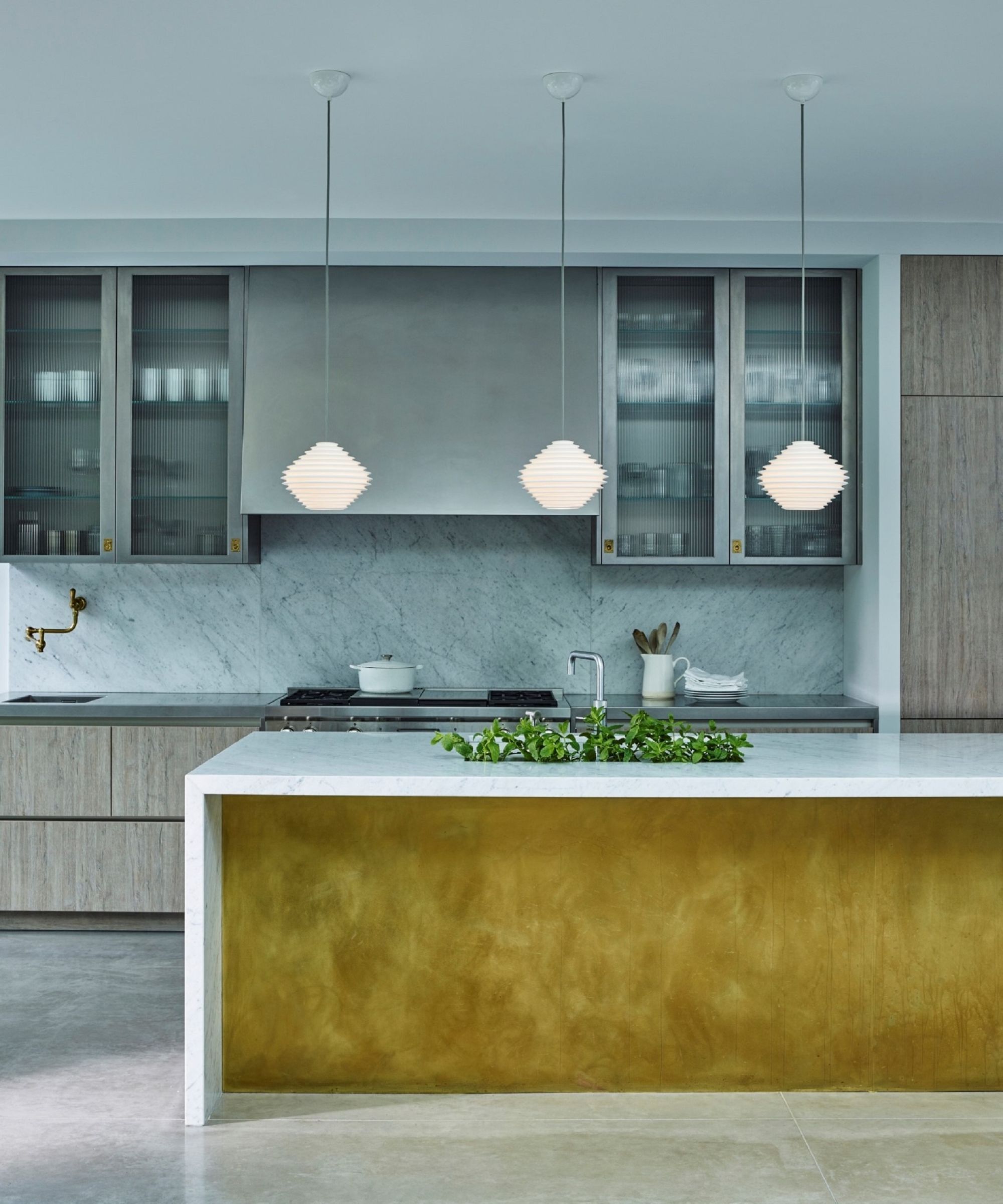
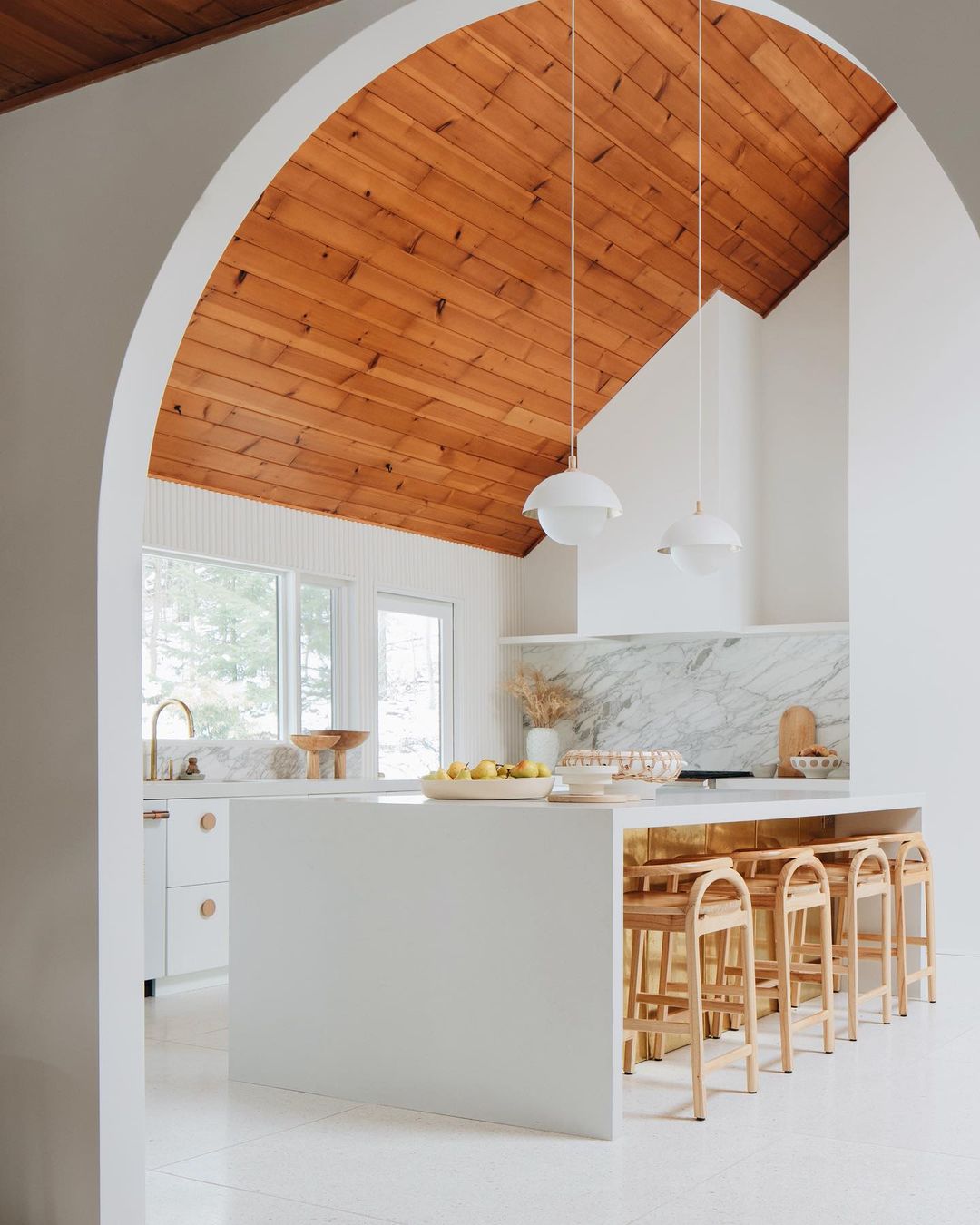
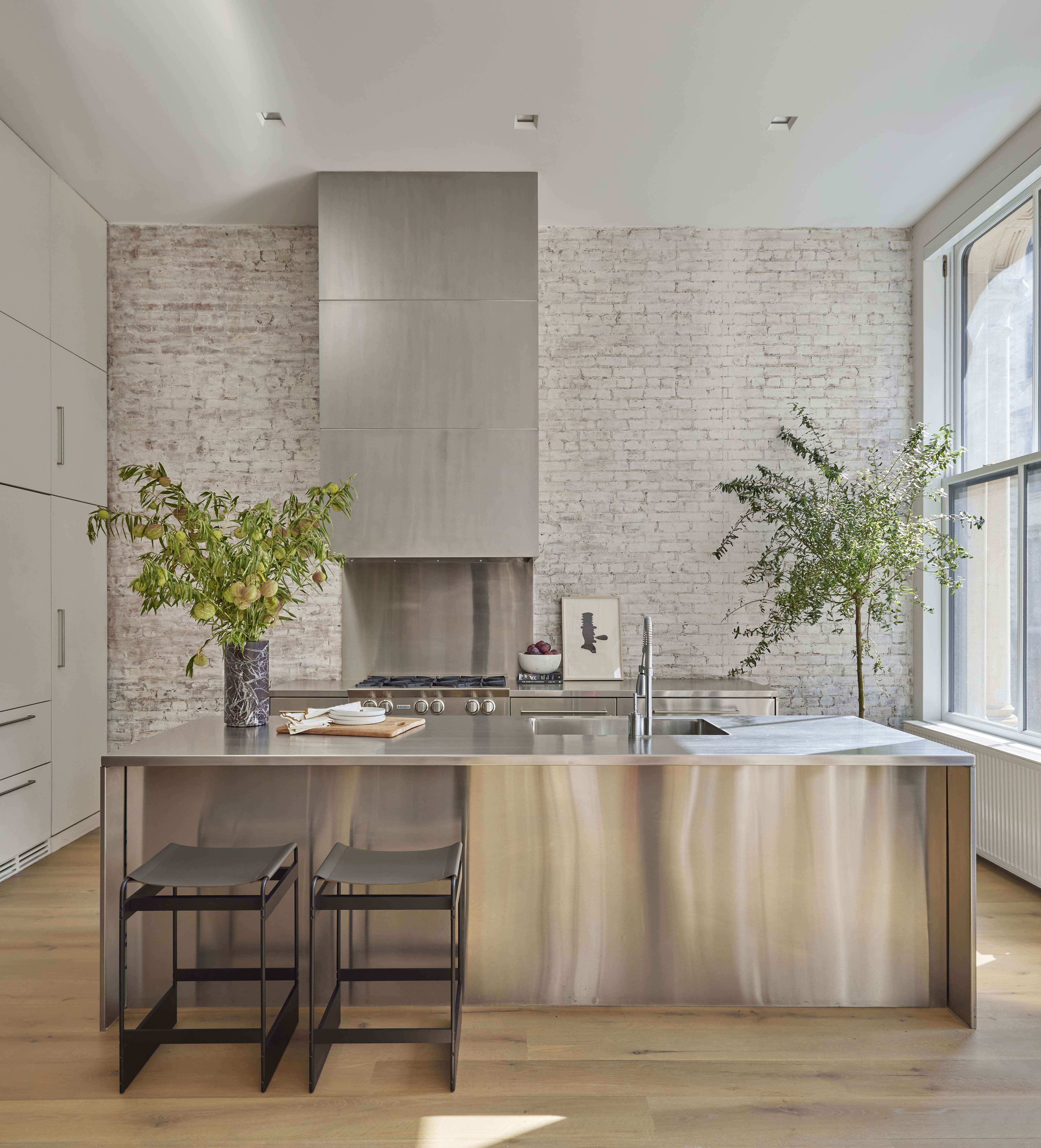
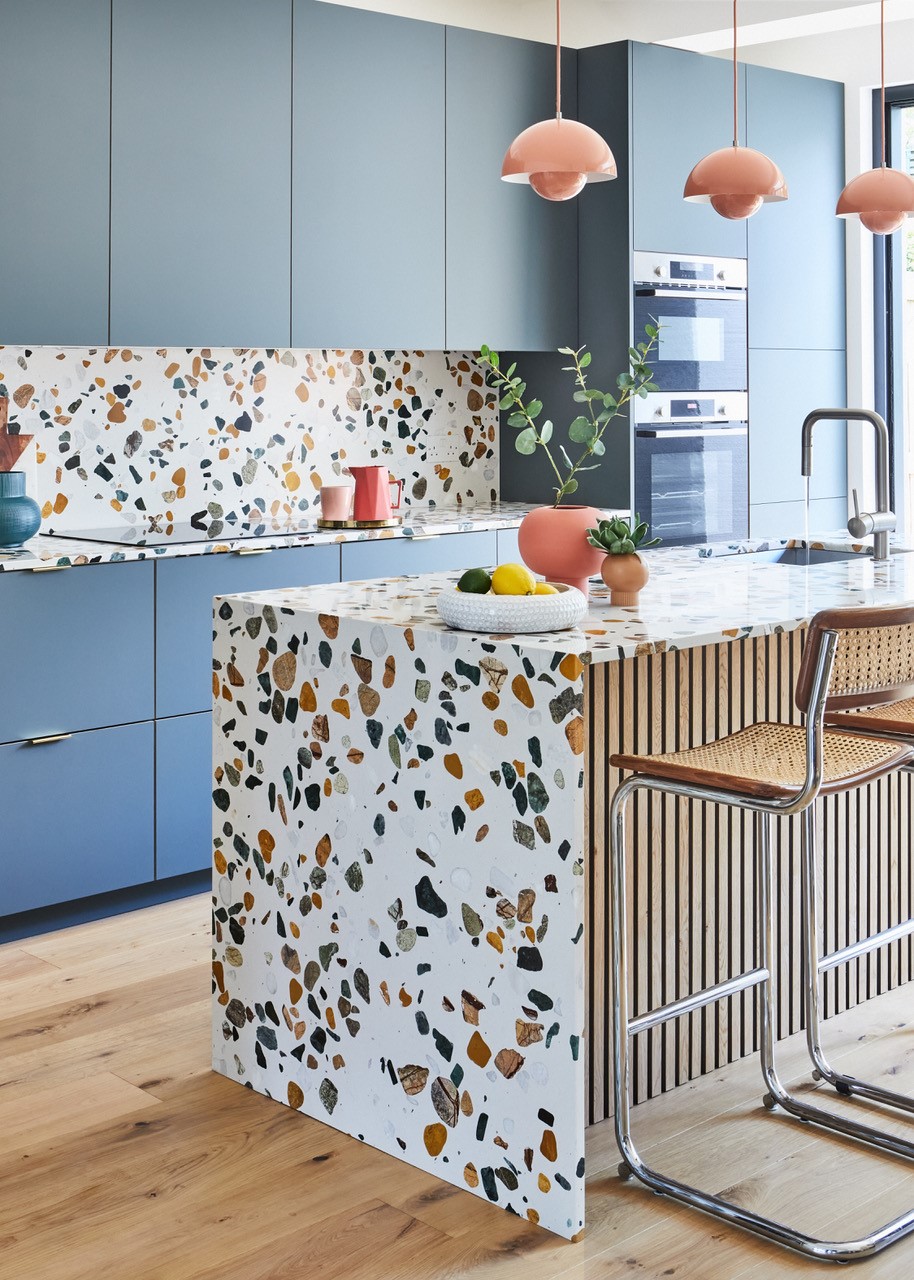
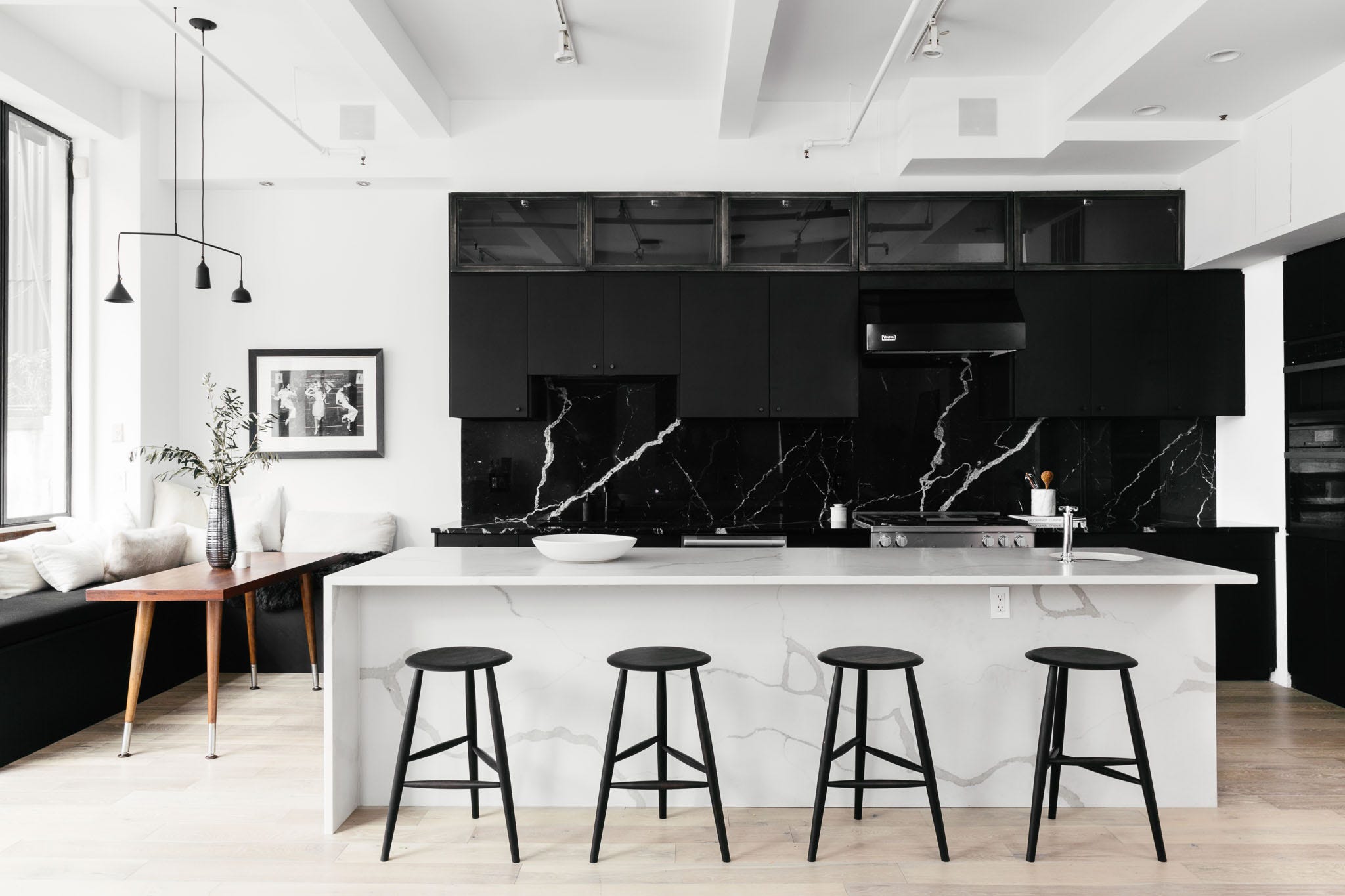
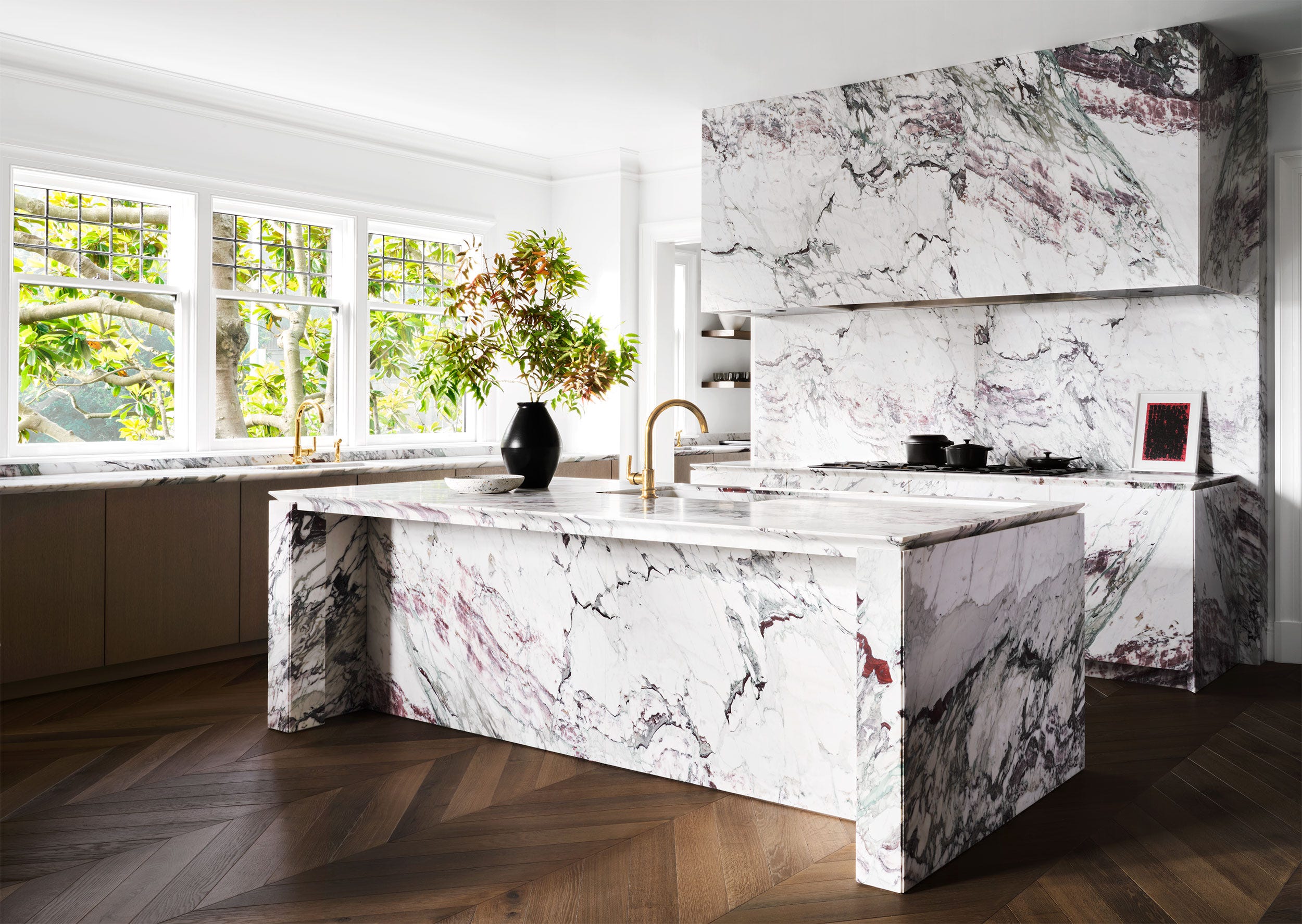
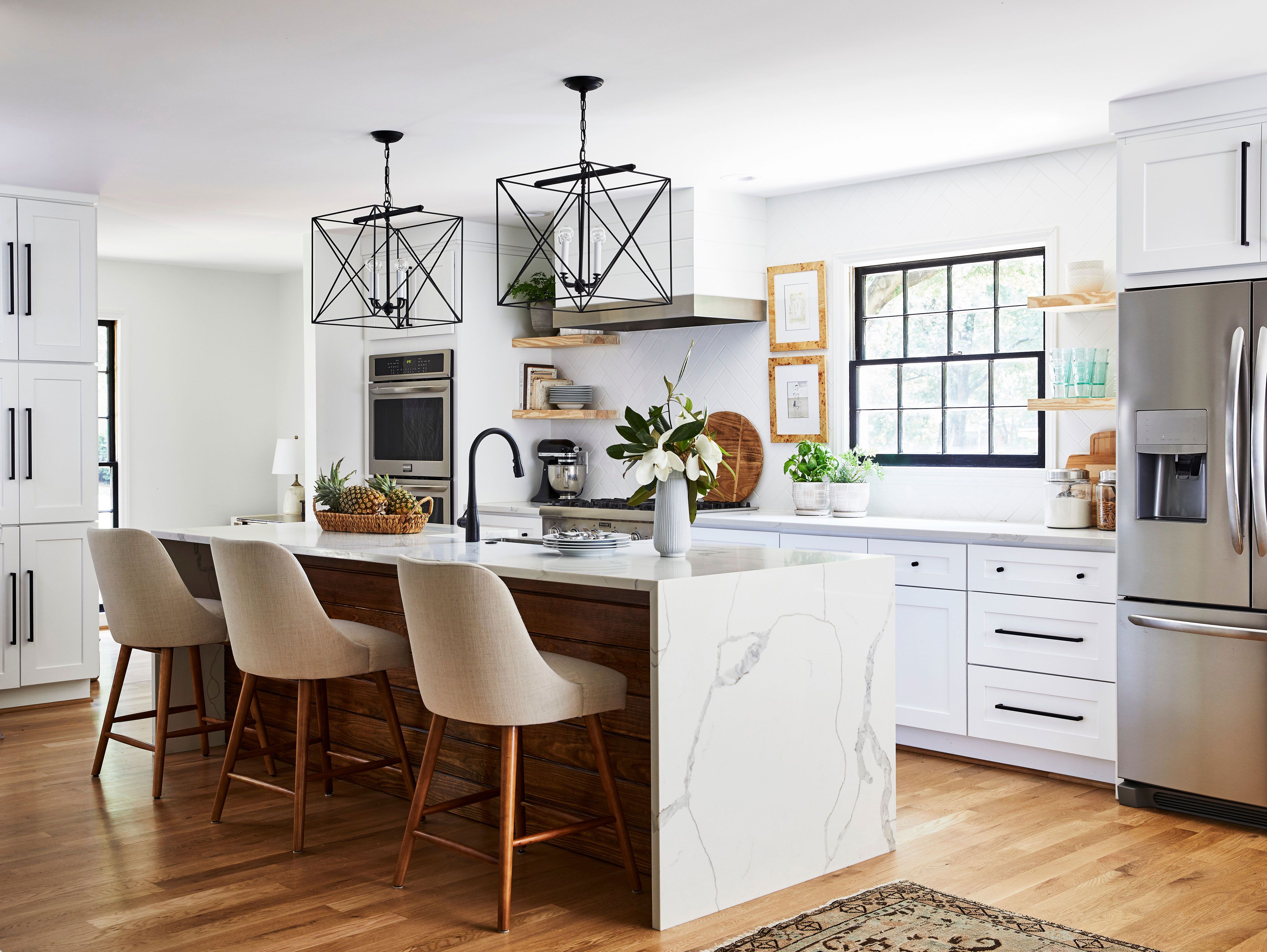
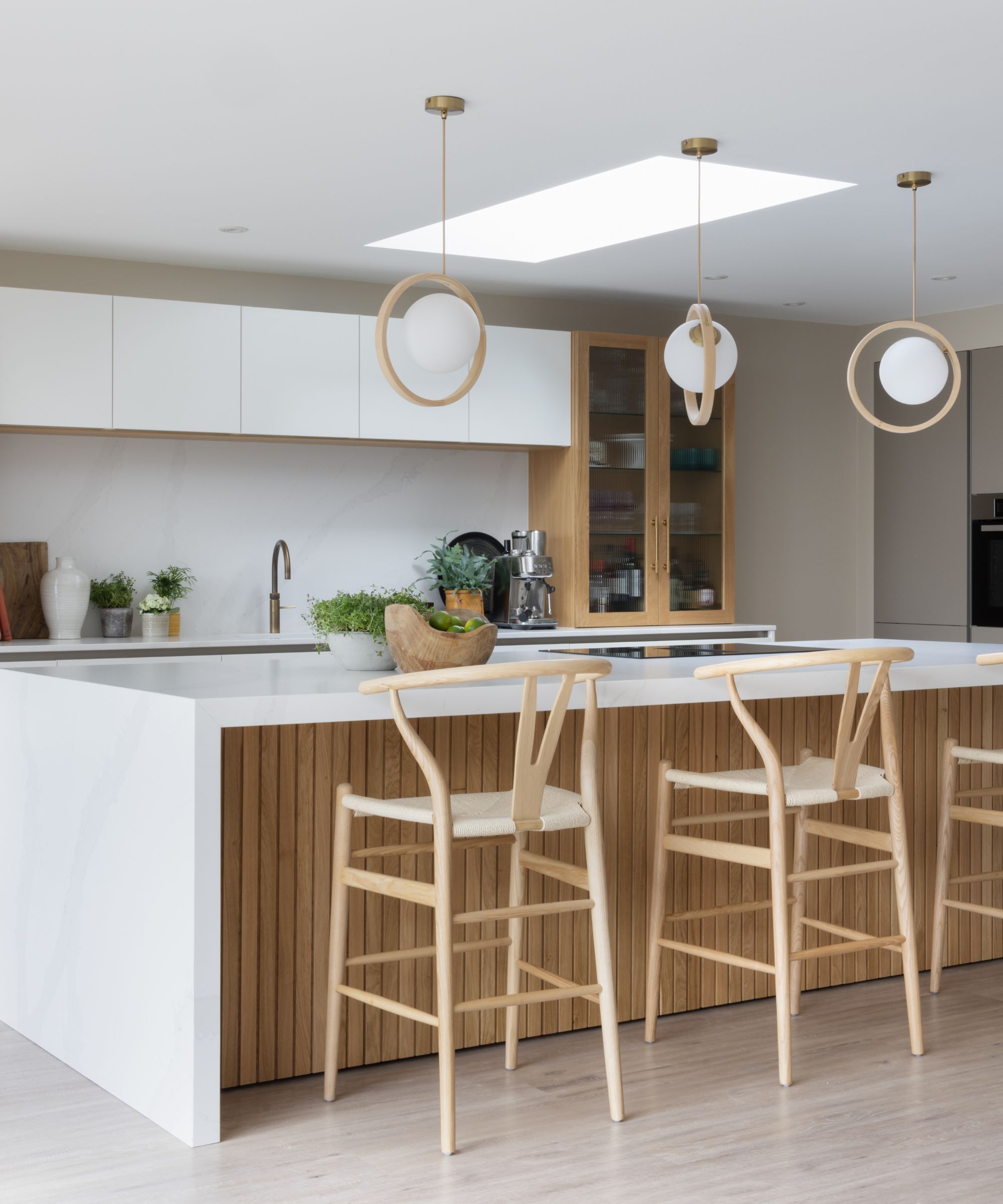
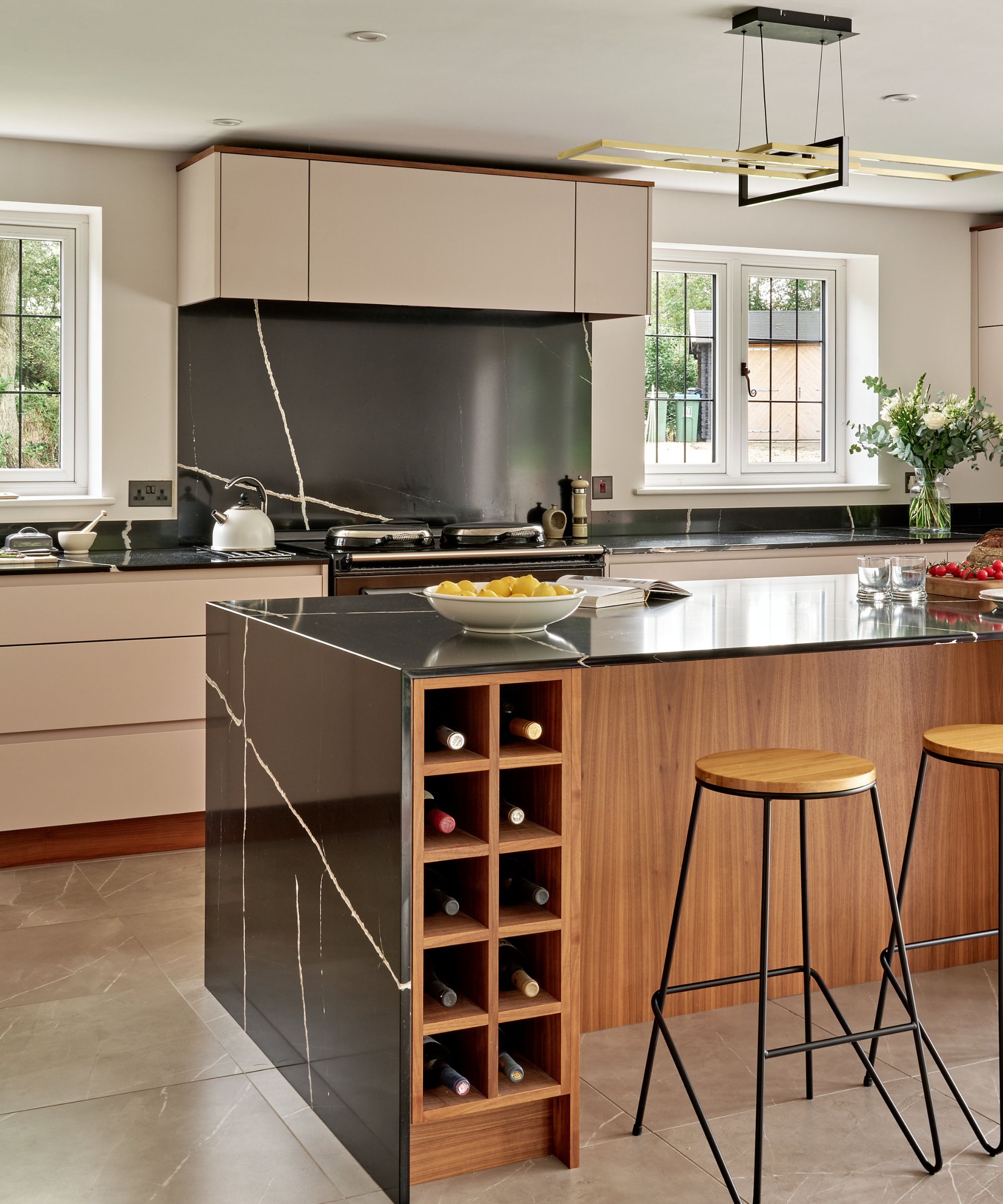
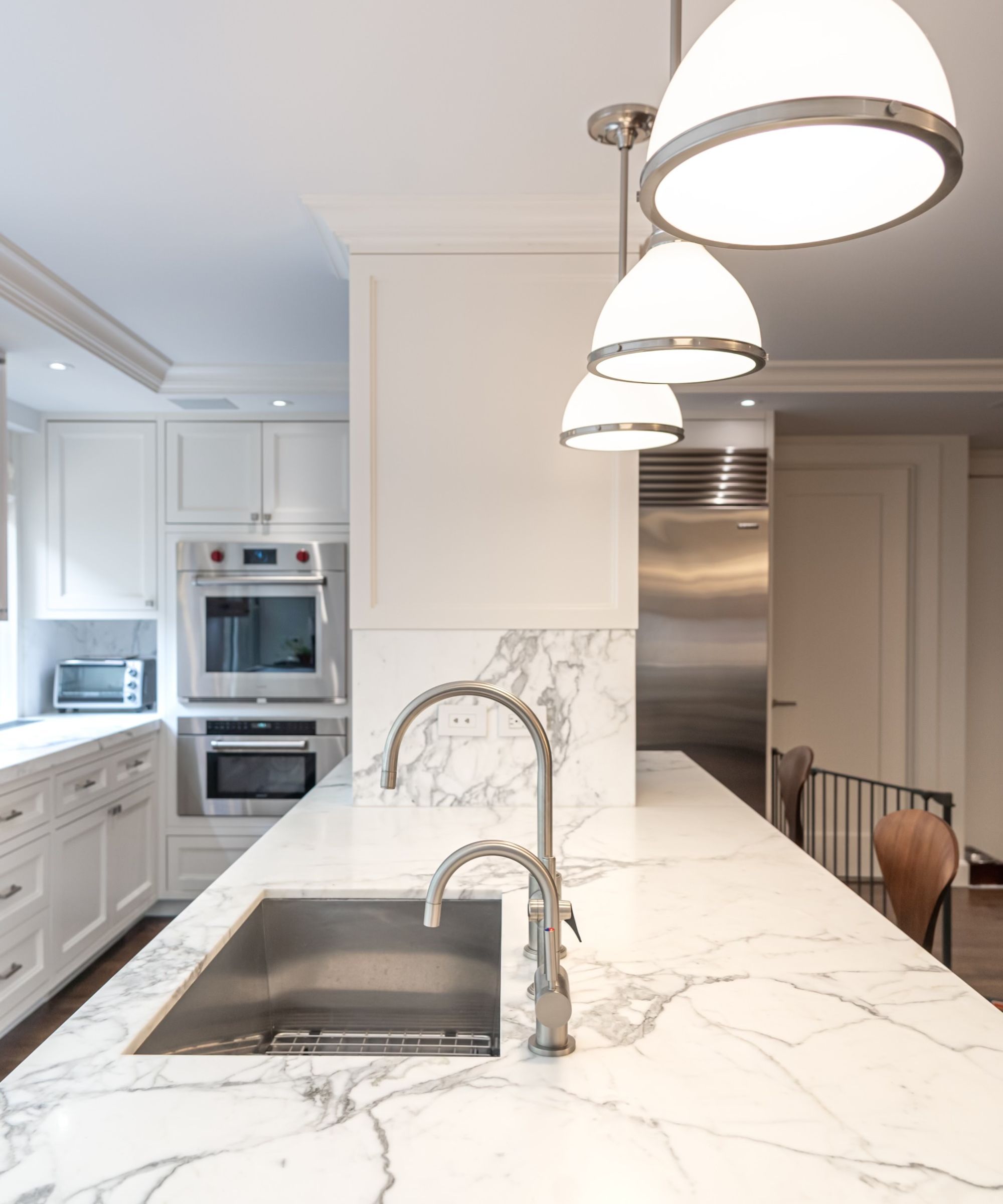
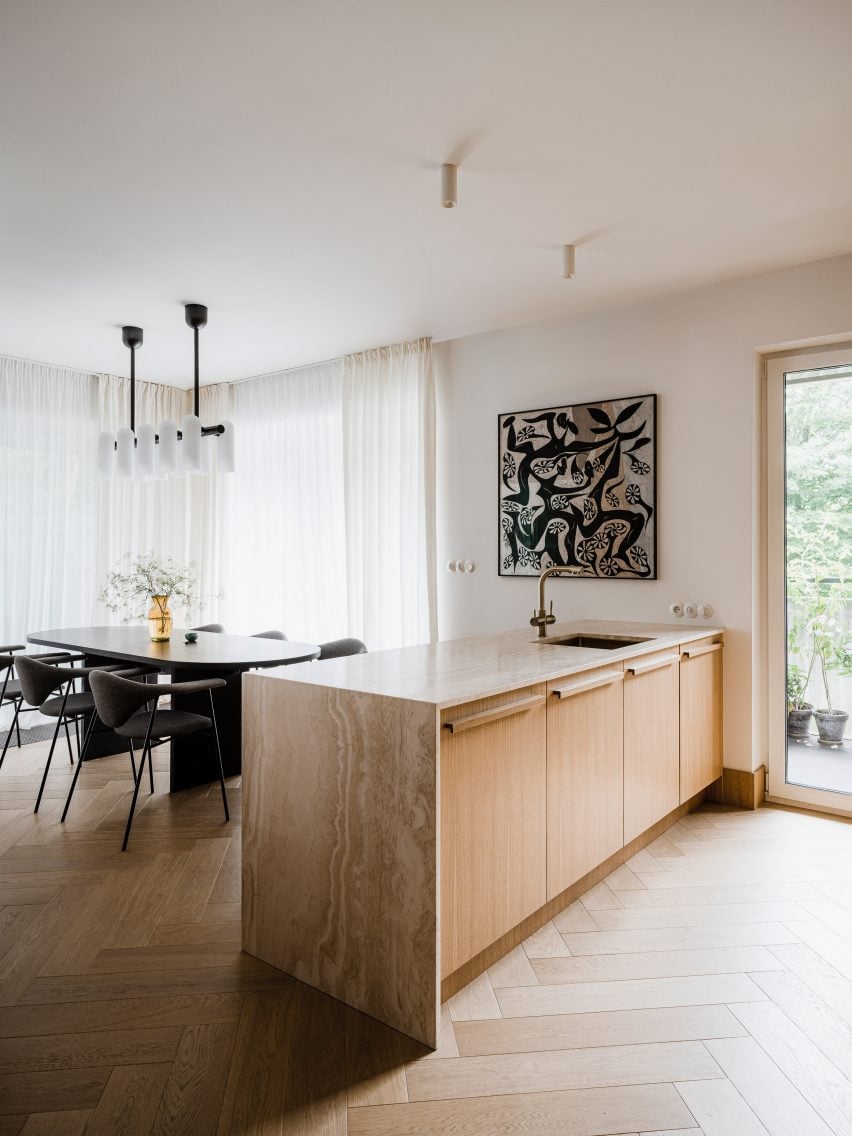
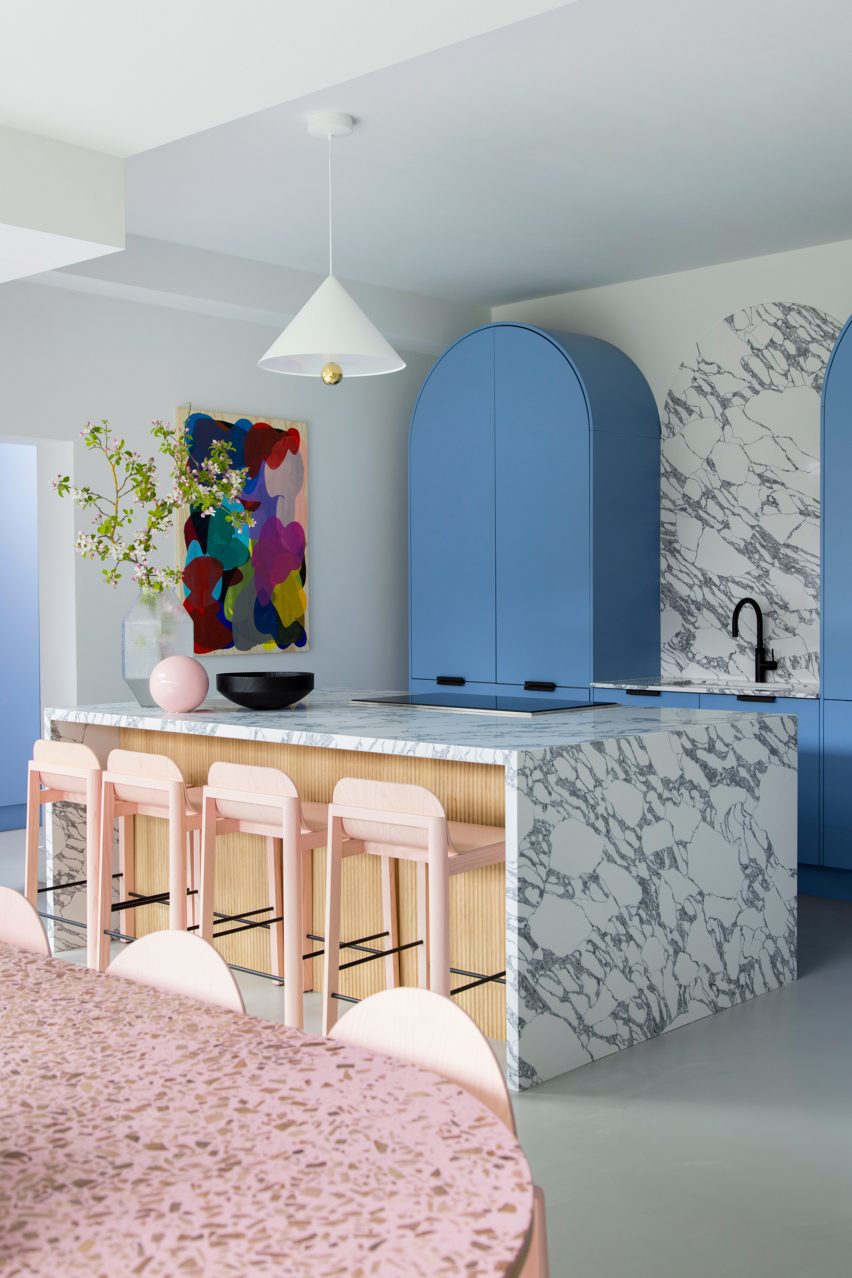
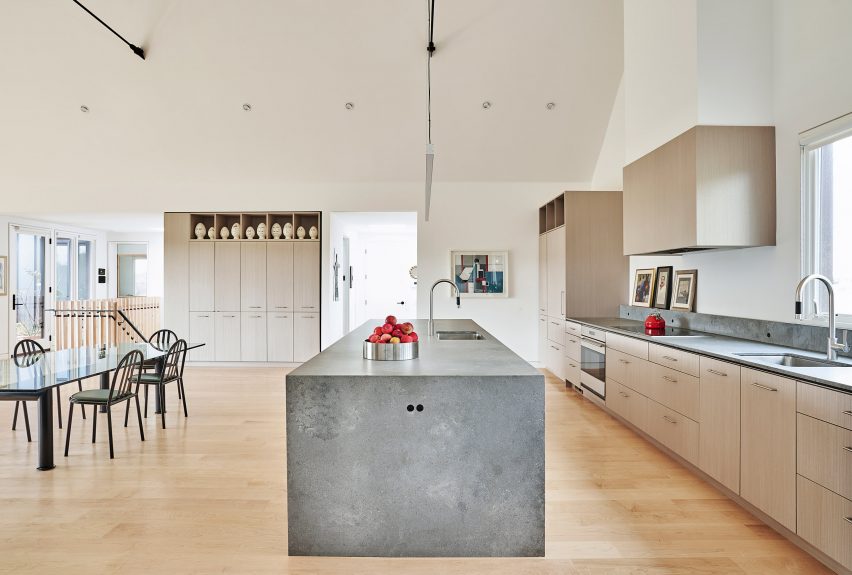
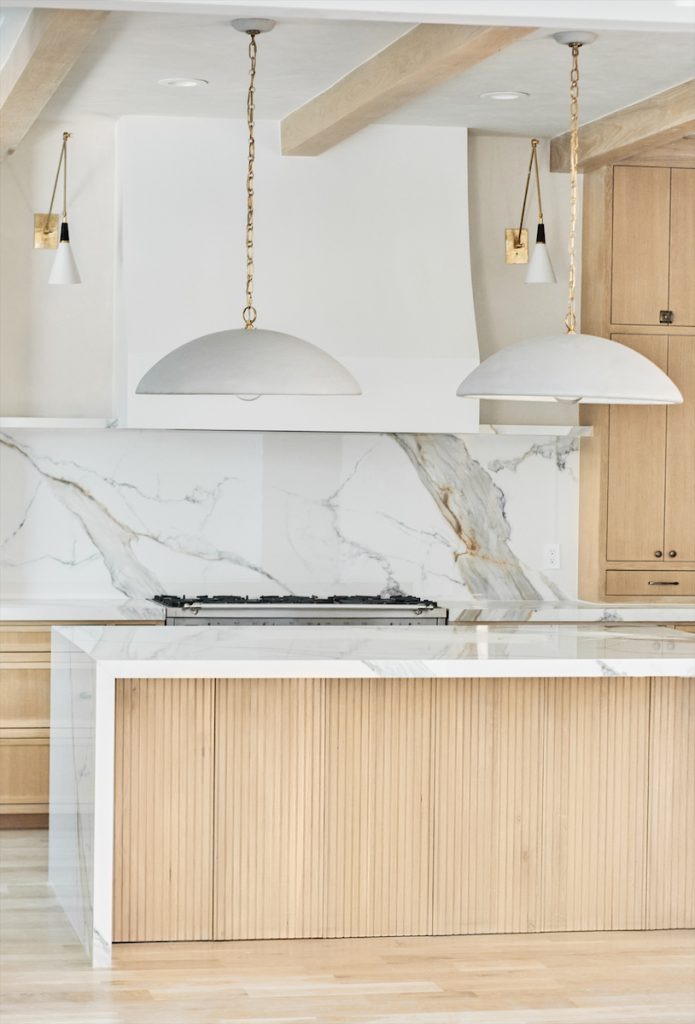
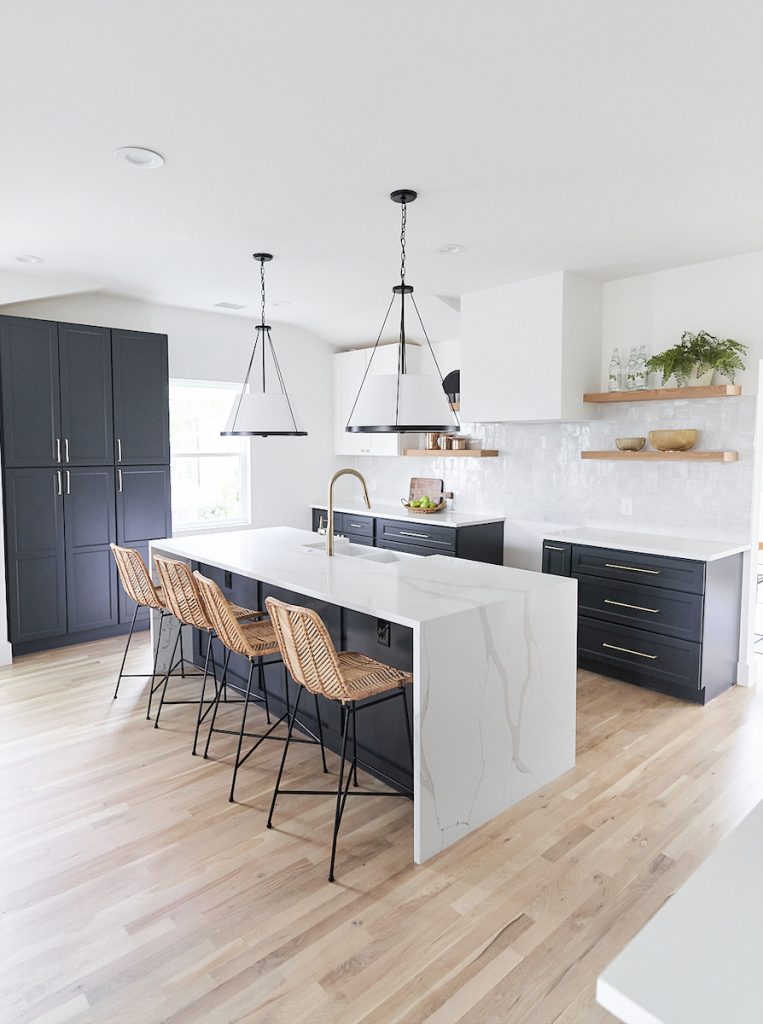
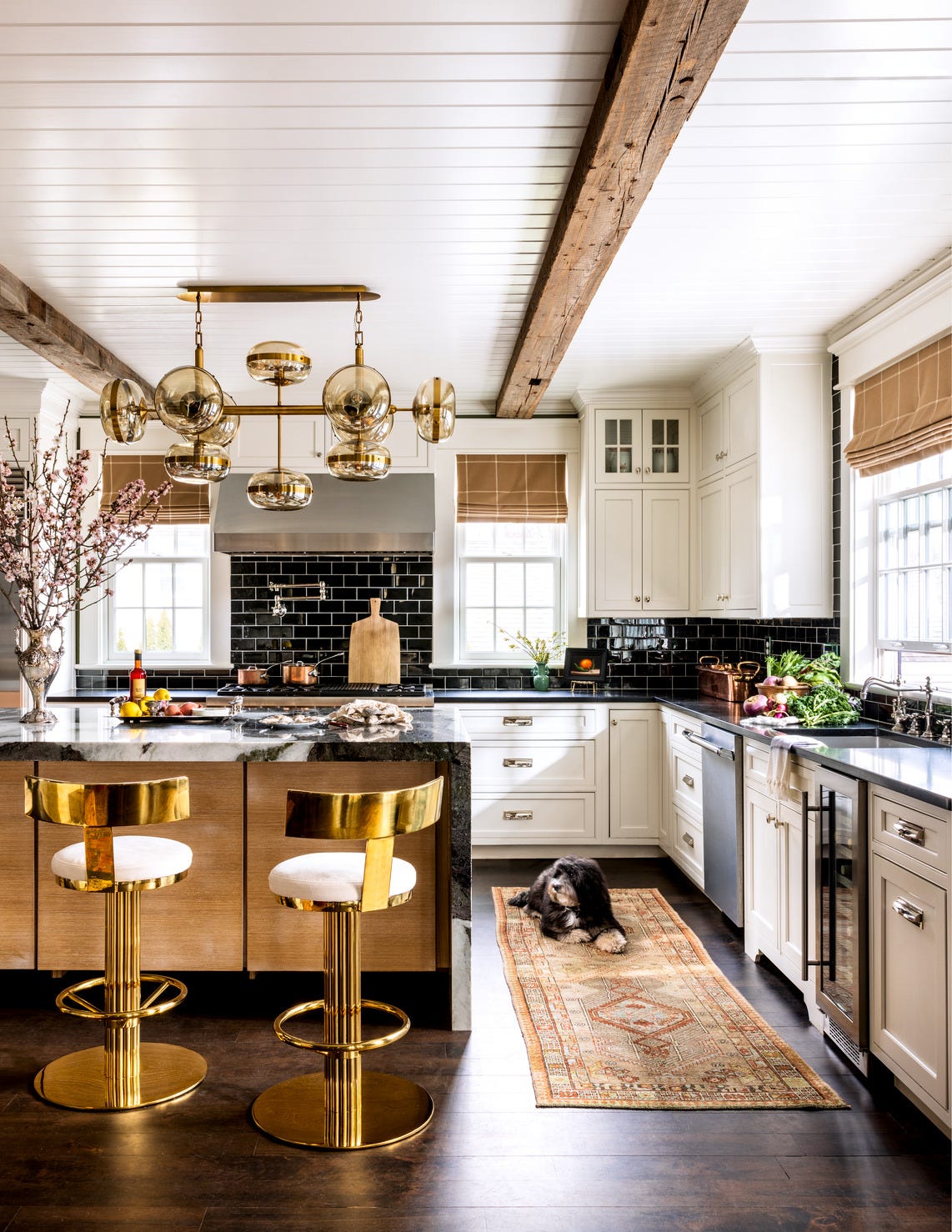
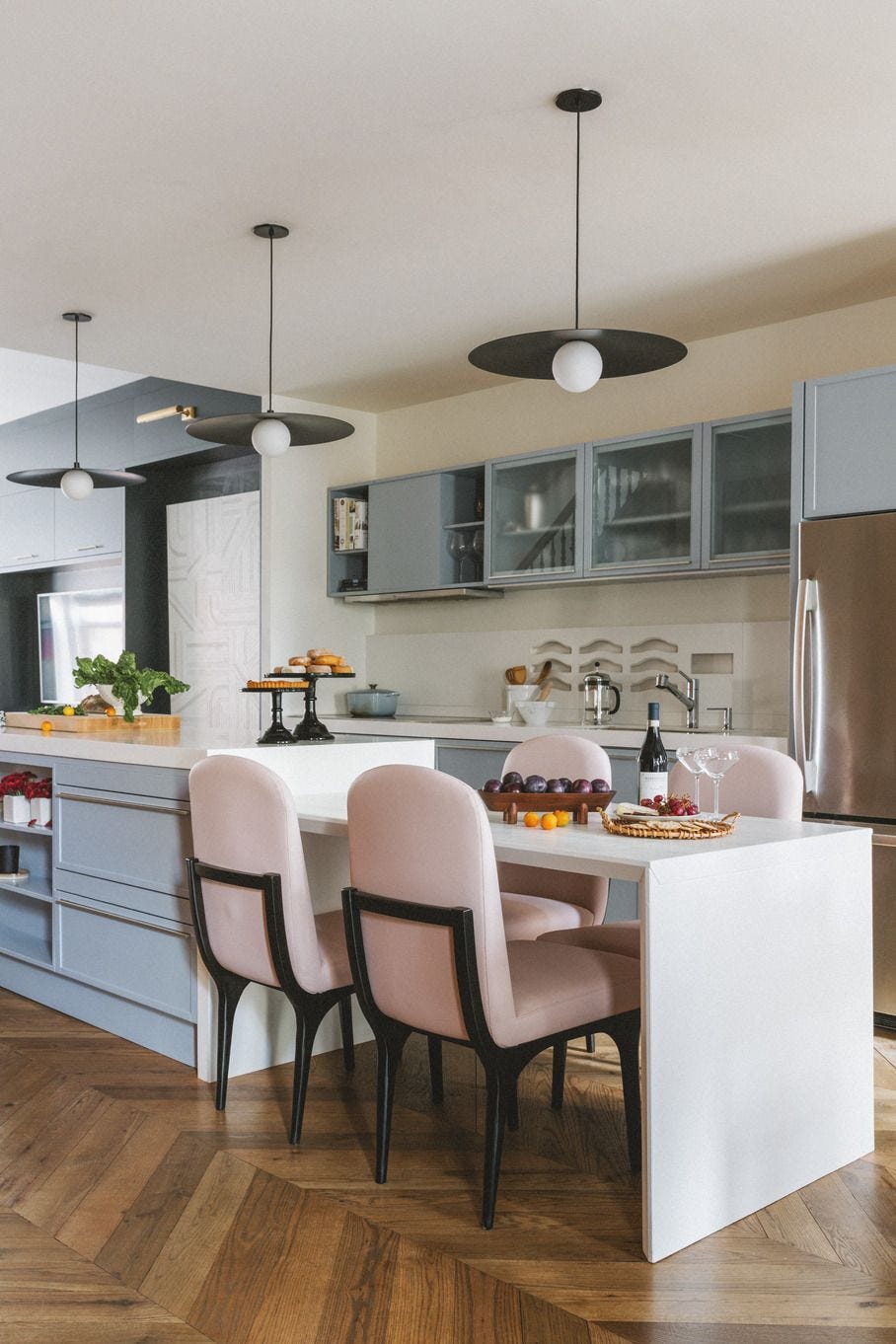
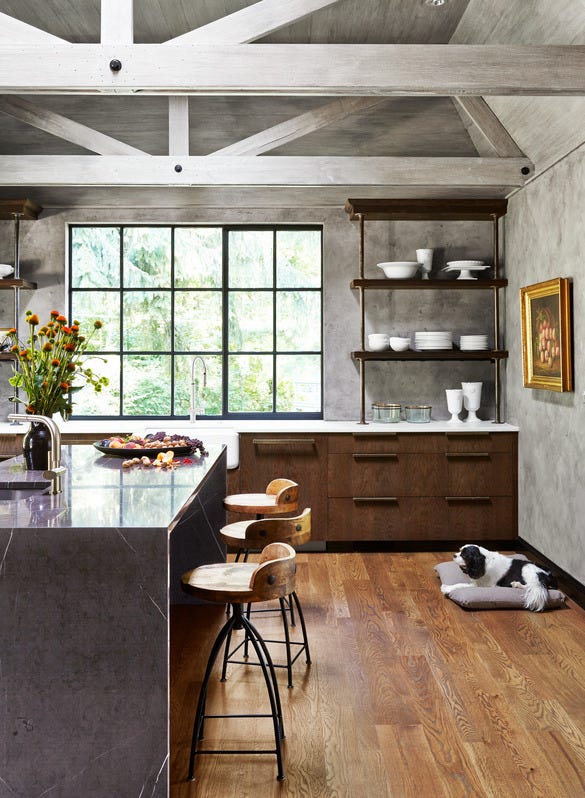
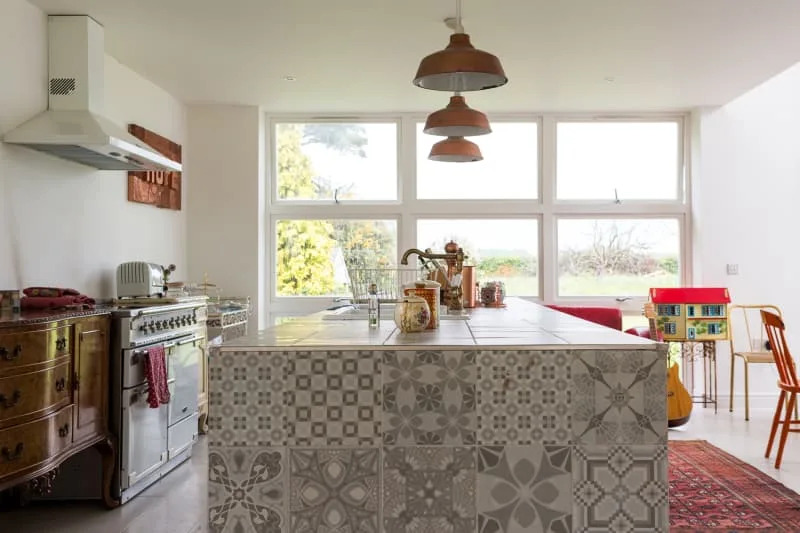
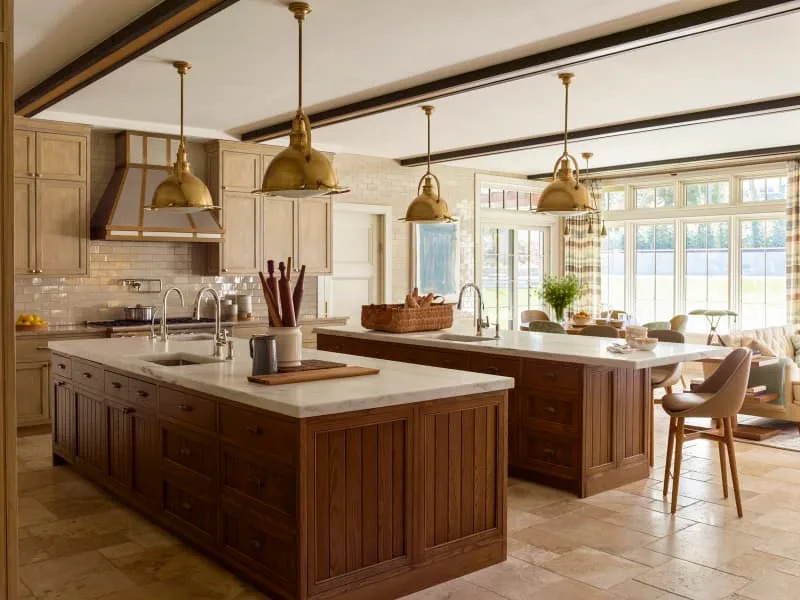
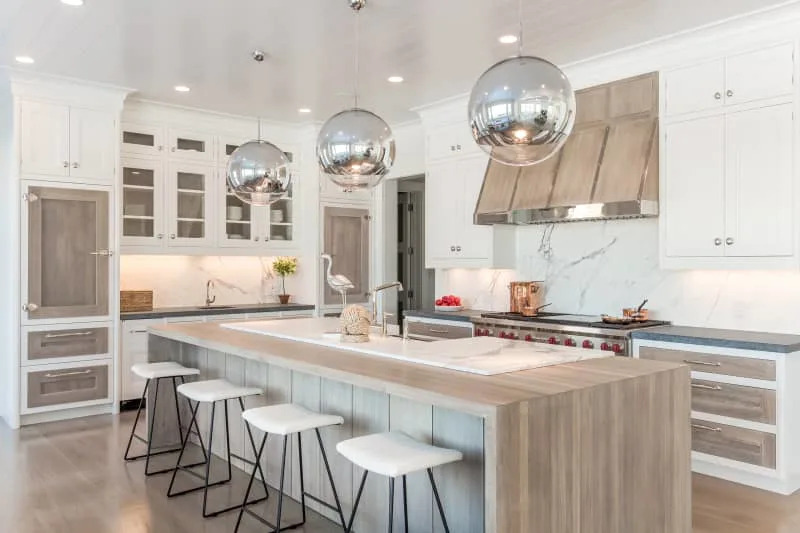
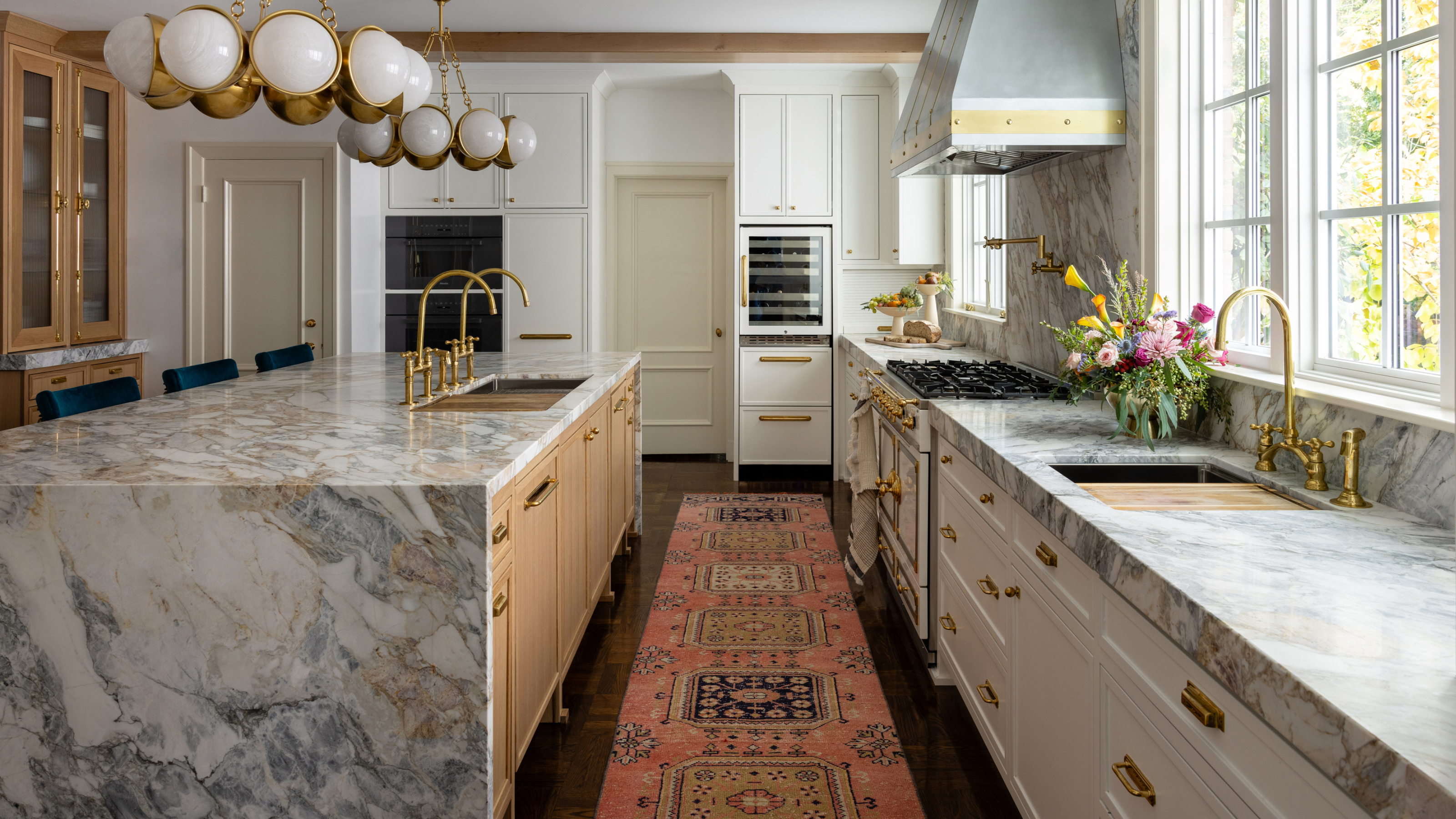
Waterfall kitchen countertops, characterized by their continuous flow of material from the countertop edge down to the floor, offer a visually striking and dramatic aesthetic that can transform a kitchen island into a focal point. Interior designers often praise this feature for its sophistication and ability to create a 'monolithic feel' in a space. Despite its undeniable beauty, potential homeowners and renovators should be aware of several practical drawbacks before committing to this design. The article details five key issues that often go unmentioned.
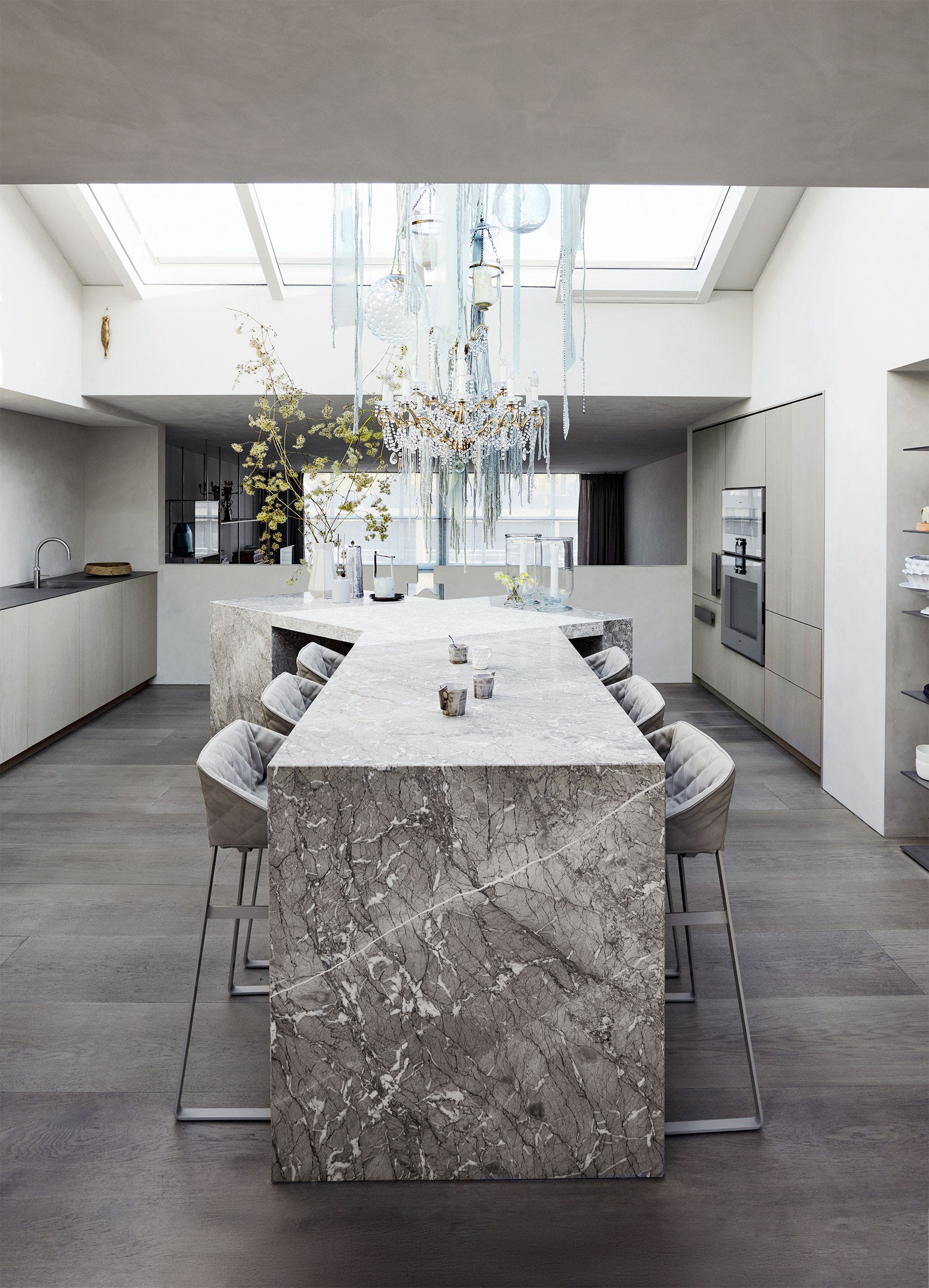
The first significant problem revolves around structural weakness, particularly with large islands and delicate natural stones. Achieving a seamless, one-piece look with expansive countertops made of materials like marble can compromise strength, making it challenging for the stone to bear its own weight. This often necessitates splitting the design into multiple pieces and employing precise mitered edges, a process that requires exceptional craftsmanship to maintain the illusion of a single, continuous slab. For instance, a 14.5-foot-wide island with a waterfall edge, while appearing as one stone, requires meticulous planning and execution to ensure both aesthetic continuity and structural integrity.
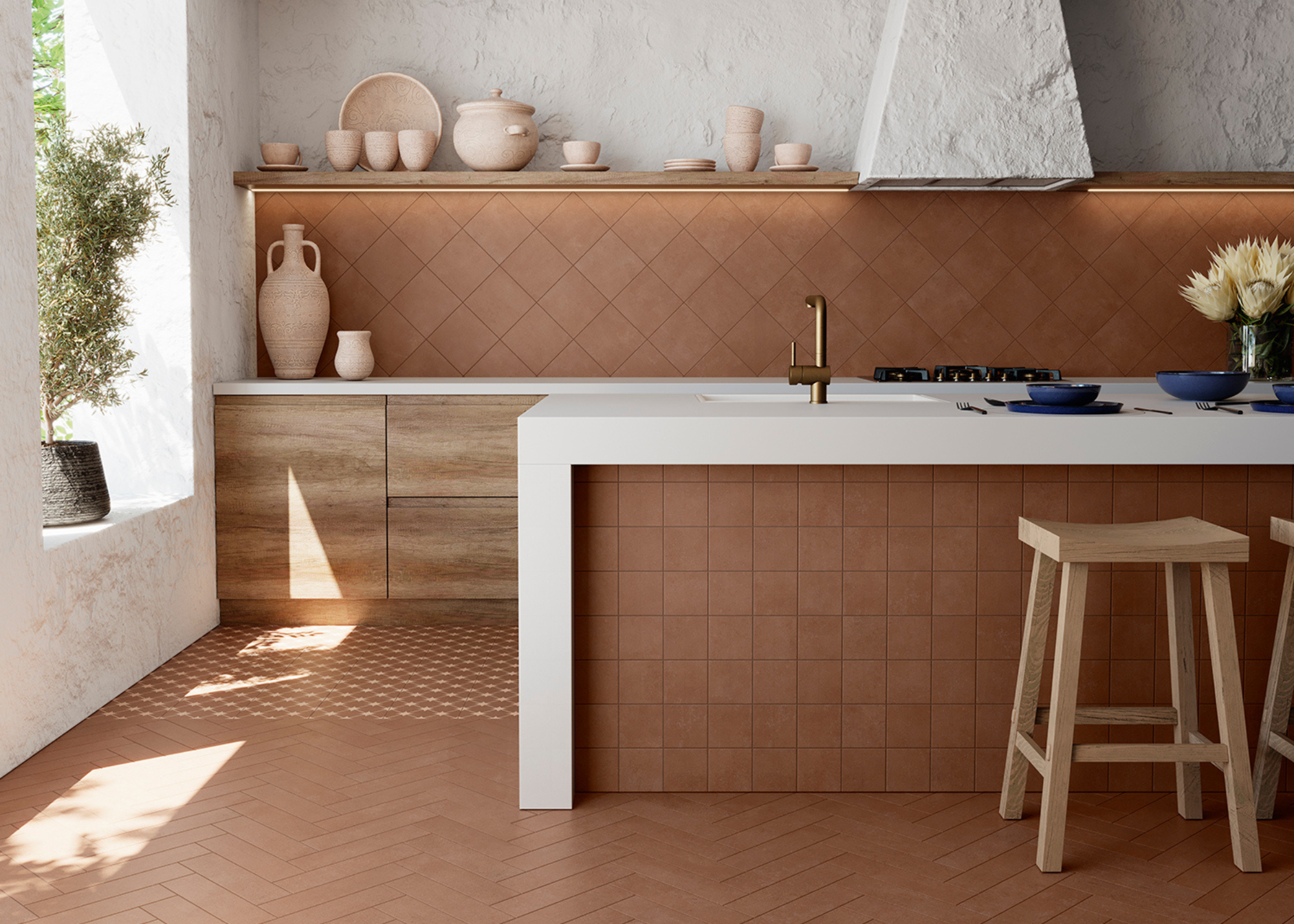
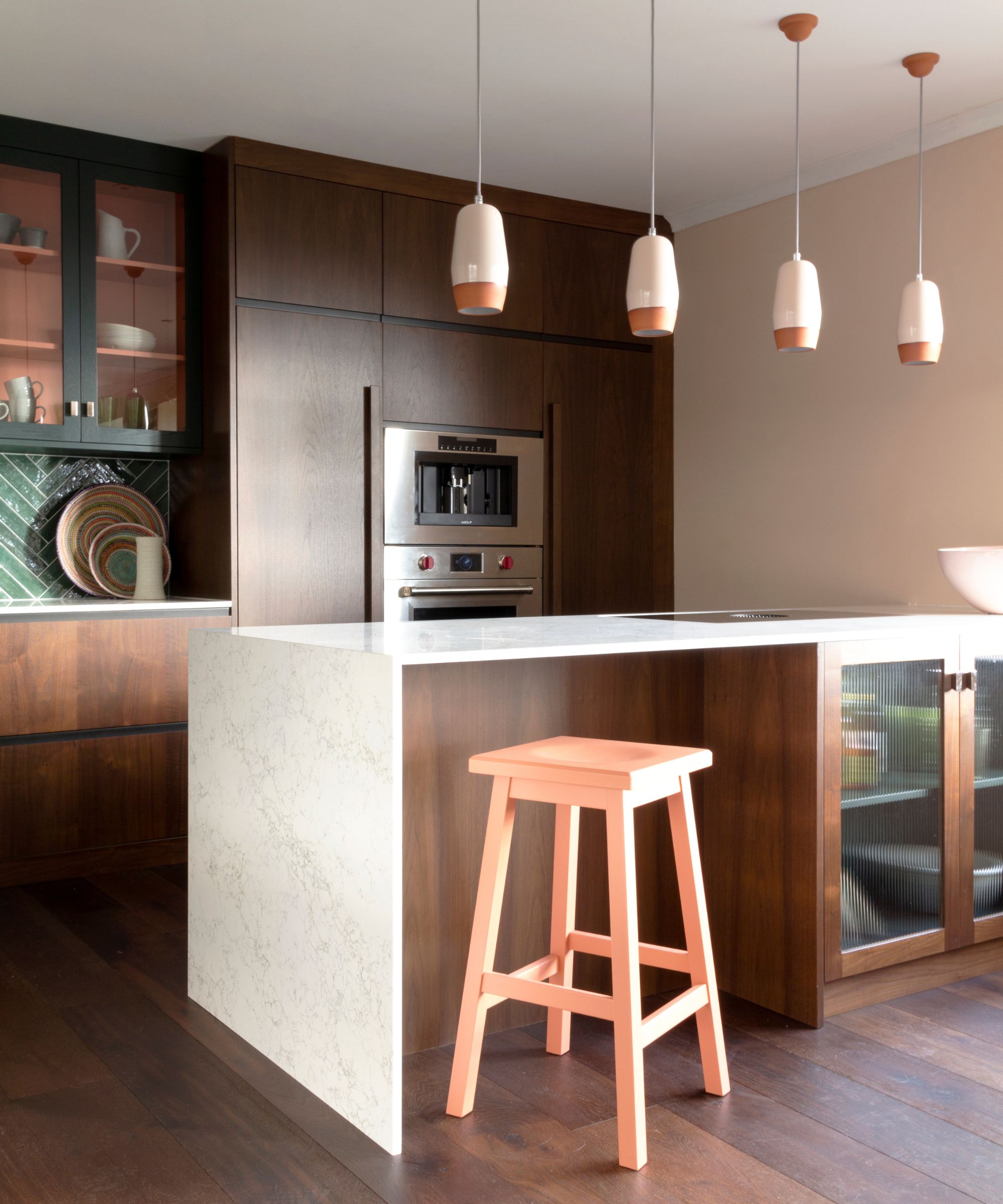
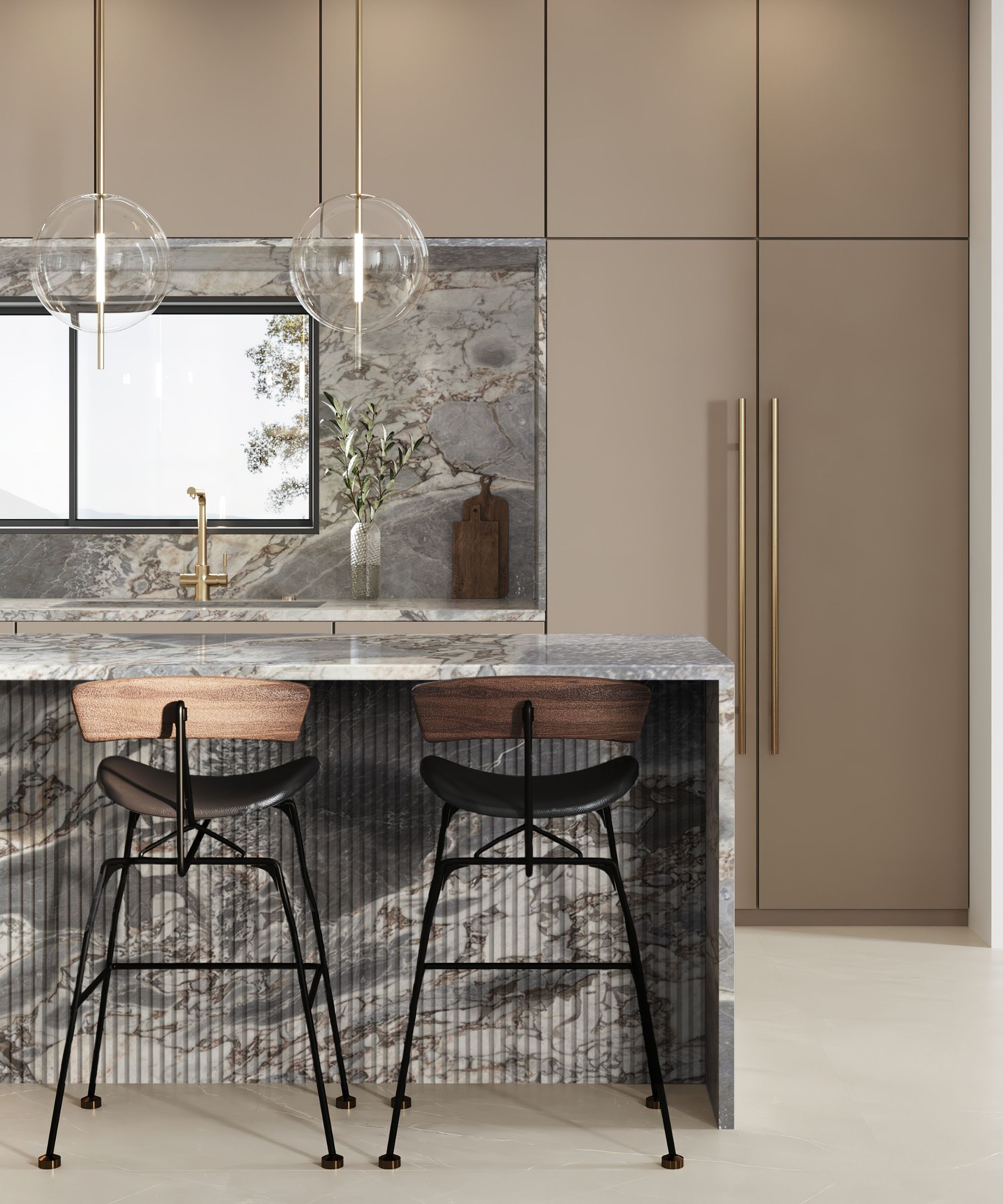
Secondly, waterfall countertops can severely limit seating options around a kitchen island. While conventional islands are designed to maximize functionality, including space for dining, the decorative nature of a waterfall edge reduces the available area for bar stools. This can be a notable disadvantage for larger families or those who frequently entertain guests at their kitchen island, forcing them to consider alternative dining arrangements or sacrificing the social aspect of island seating. However, for households with separate dining areas or those not prioritizing island seating, this may not be a major concern.
Thirdly, these countertops are highly susceptible to damage. The exposed vertical edges, especially in high-traffic kitchen areas, are prone to chips, scratches, and other surface-level blemishes. Materials such as marble, while elegant, are particularly vulnerable and require significant maintenance to preserve their pristine appearance over time. To mitigate this risk, experts recommend opting for more durable stones like quartzite or ultra-compact sintered stone, which can better withstand daily wear and tear.
Price is another substantial consideration. Waterfall edges require a significantly larger amount of material compared to standard countertops, driving up the cost of raw materials. Furthermore, the installation process is complex and labor-intensive, demanding highly skilled fabricators to achieve precise alignments and flawless mitered joints. This specialized craftsmanship adds considerably to the overall project expense, making waterfall countertops a premium investment.
Finally, installation presents considerable challenges. The design demands extreme precision; any misalignment can make mitered joints obvious and detract from the overall aesthetic. Ensuring the veining aligns perfectly, especially with boldly patterned materials like marble, requires experienced stone fabricators. Poor execution can result in uneven edges or misalignments, compromising the intended visual impact. While waterfall edges can be a stunning addition, understanding these potential issues is crucial for making an informed decision, and alternative kitchen island designs might be more suitable for those seeking less complexity or different functional priorities.
#WaterfallCountertops #KitchenDesign #InteriorDesign #KitchenIsland #HomeRenovation #CountertopMaterials #KitchenAdvice #HomeDecor #DesignChallenges #WaterfallCountertops #KitchenDesign #InteriorDesign #KitchenIsland #HomeRenovation #CountertopMaterials #KitchenAdvice #HomeDecor #DesignChallenges
0 comment in total
 No comments yet
You may also like
5 Problems With Tiled Backsplashes in Kitchens That No One Ever Talks About
10 perfect waterfall countertops that make a strong case for this being the best kitchen island style
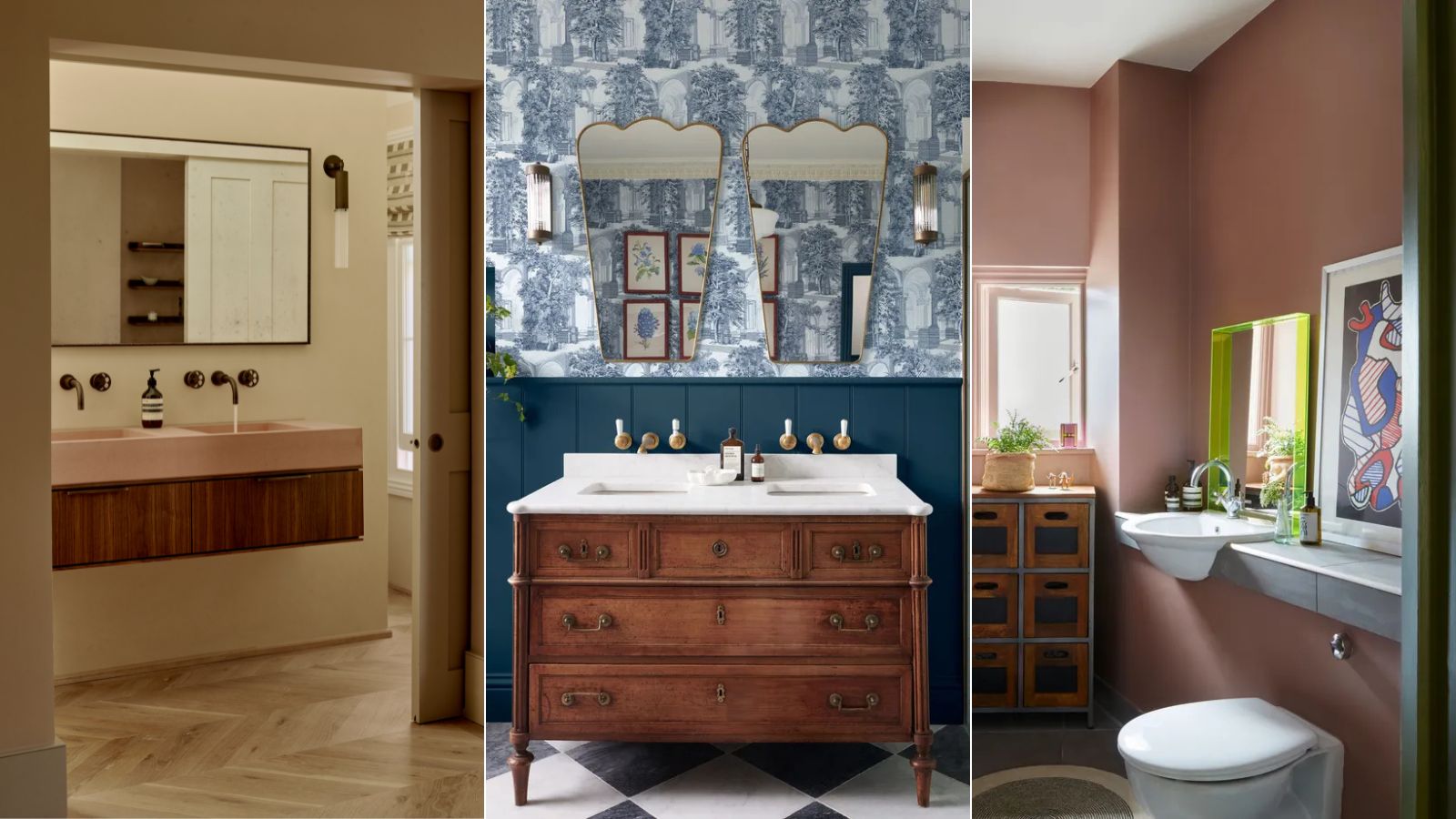
5 things not to put on your bathroom countertops, according to interior designers
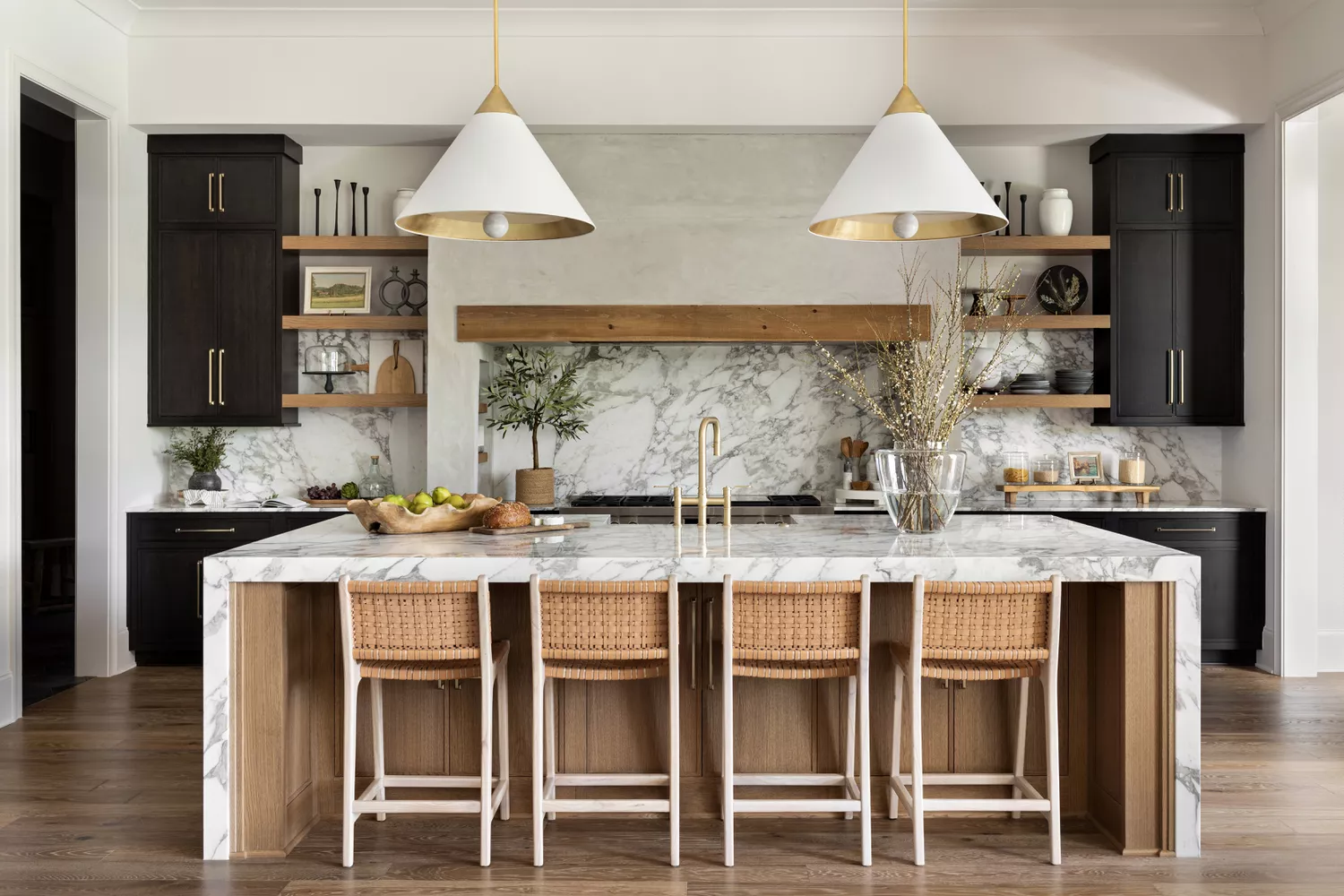
16 Stunning Waterfall Countertop Examples That Designers Did Right

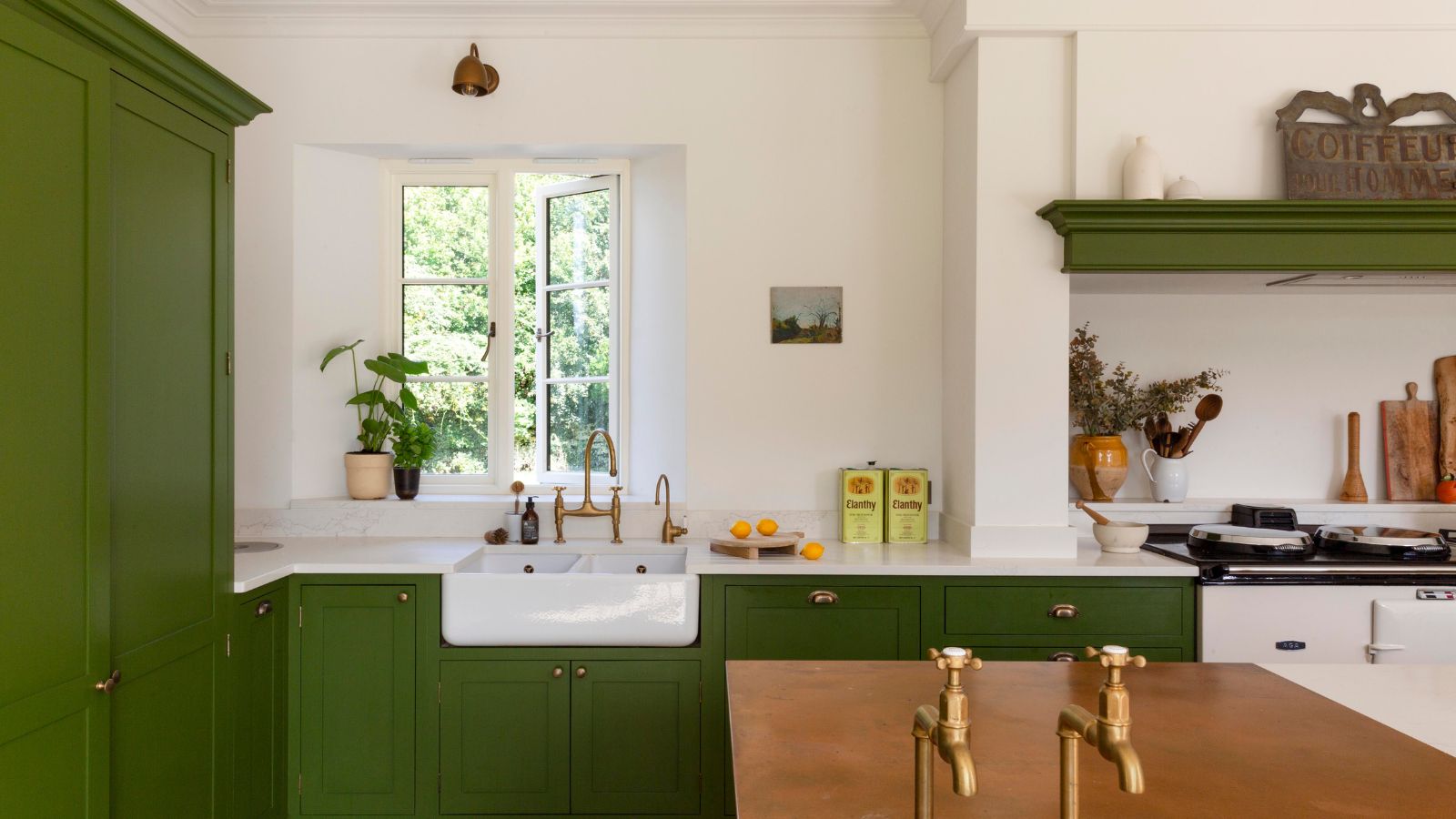
5 kitchen countertop mistakes designers warn to avoid

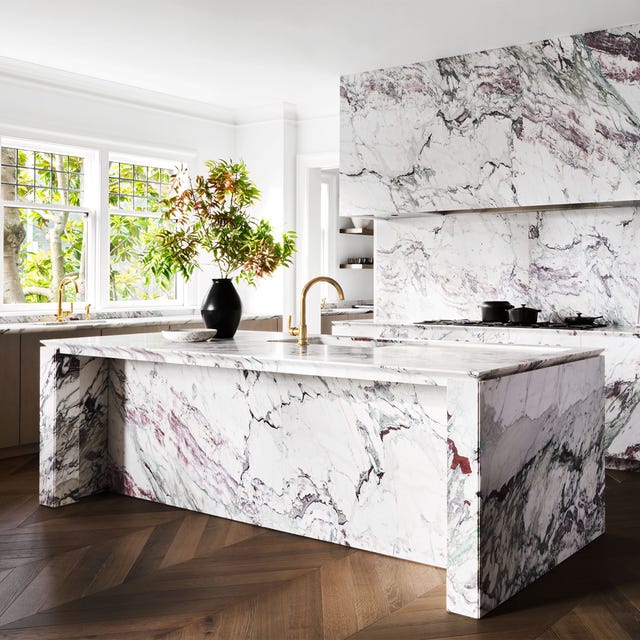
These 15 Gorgeous Waterfall Countertops Are Utterly Luxurious

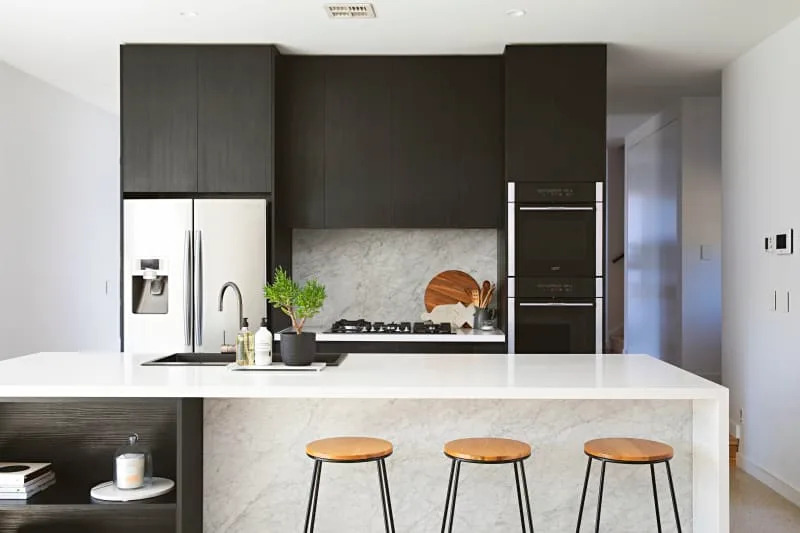
The Big Problem with This Popular Kitchen Counter Trend (That No One Tells You About)

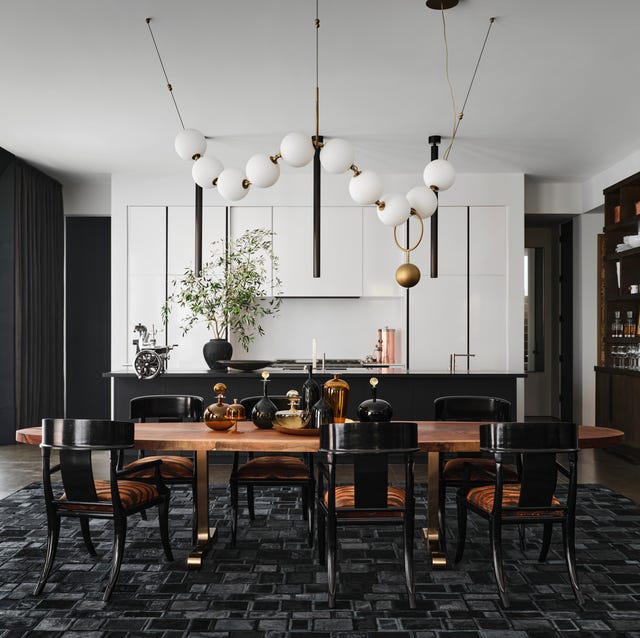
This Waterfall Kitchen Island Is Renovation Goals

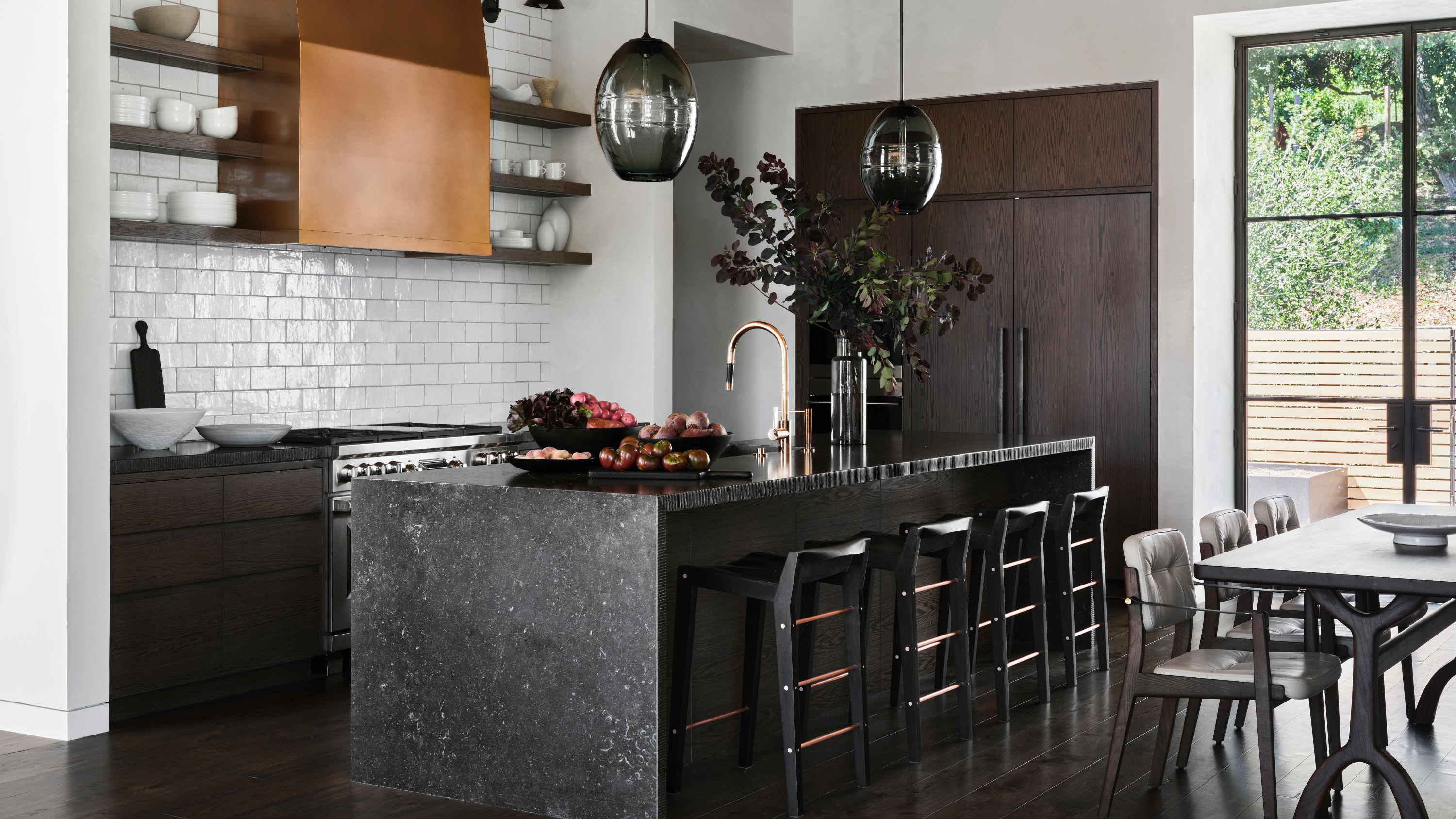
Are Waterfall Edges Going Out of Style? A Design Debate
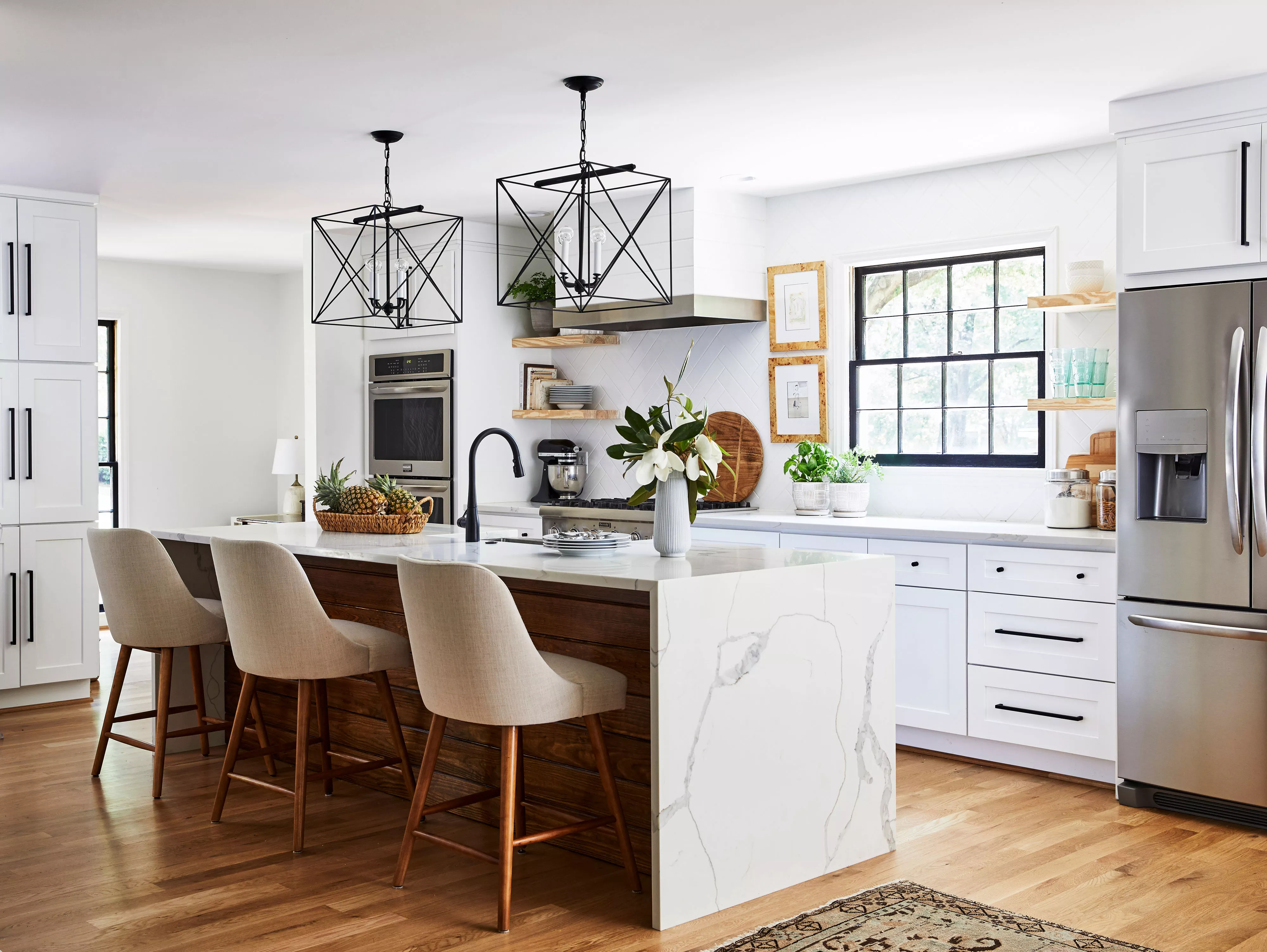
What Is a Waterfall Countertop and Is It Right for Your Kitchen?

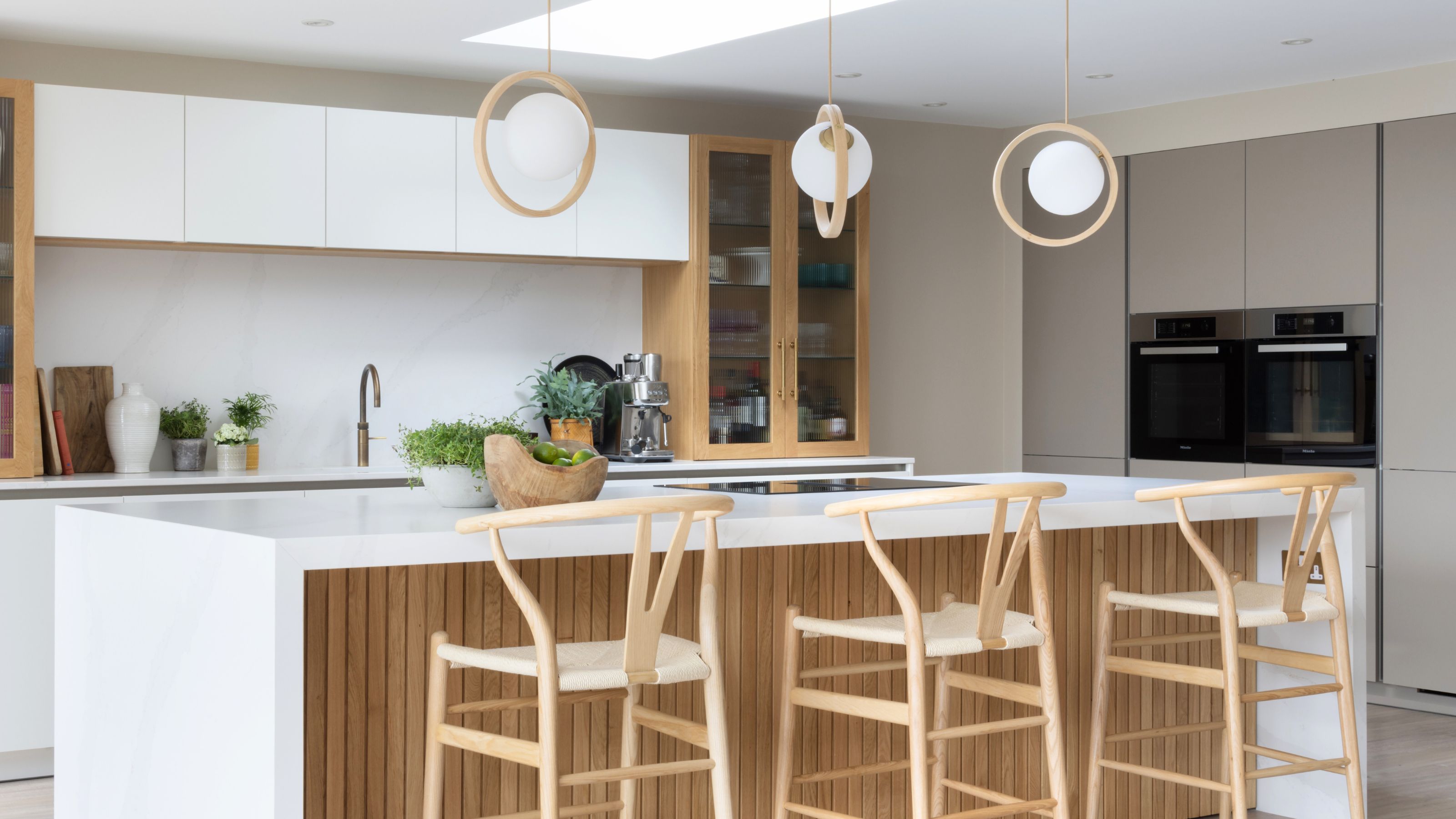
What is a waterfall kitchen island? Experts reveal everything you need to know about this "sophisticated" design feature

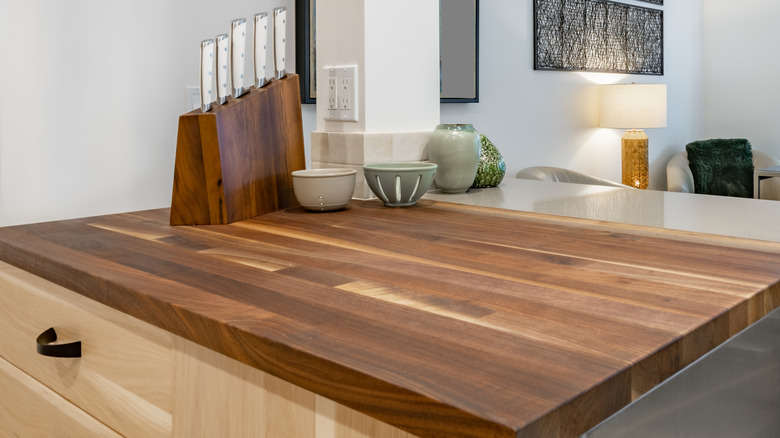
10 Unexpected Problems With Butcher Block Countertops, According To Experts

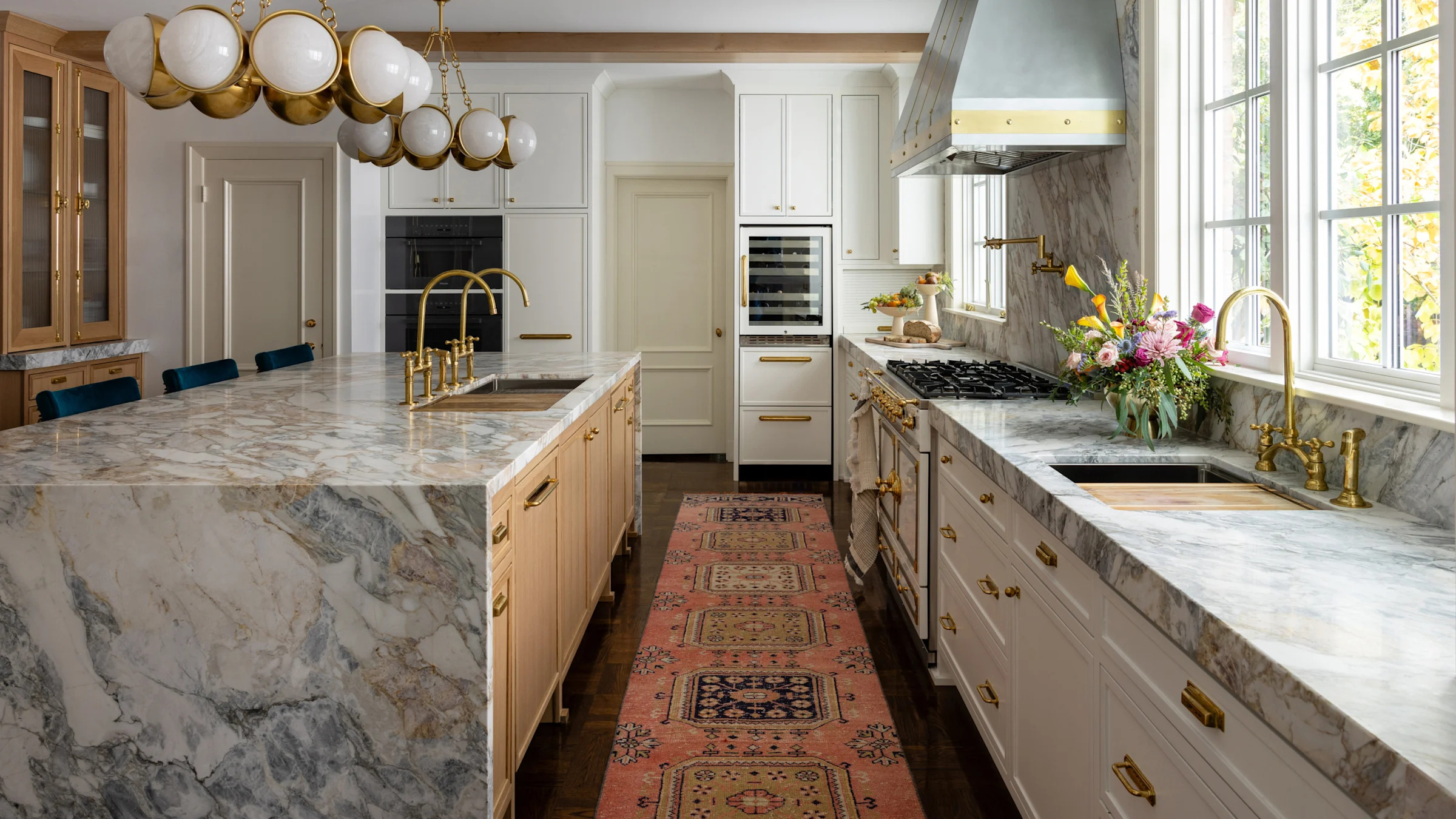
5 Problems With Waterfall Kitchen Countertops That No-One Ever Talks About

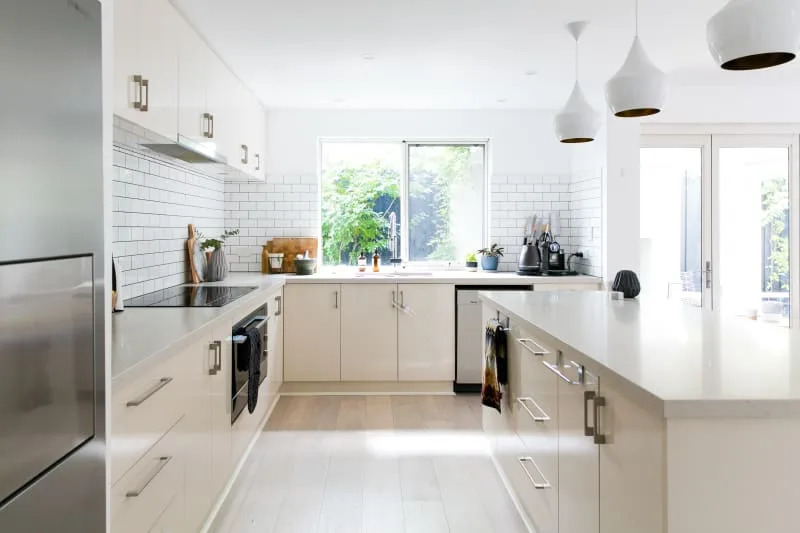
The Worst Thing About Every Popular Kitchen Countertop Designers Don’t Tell You
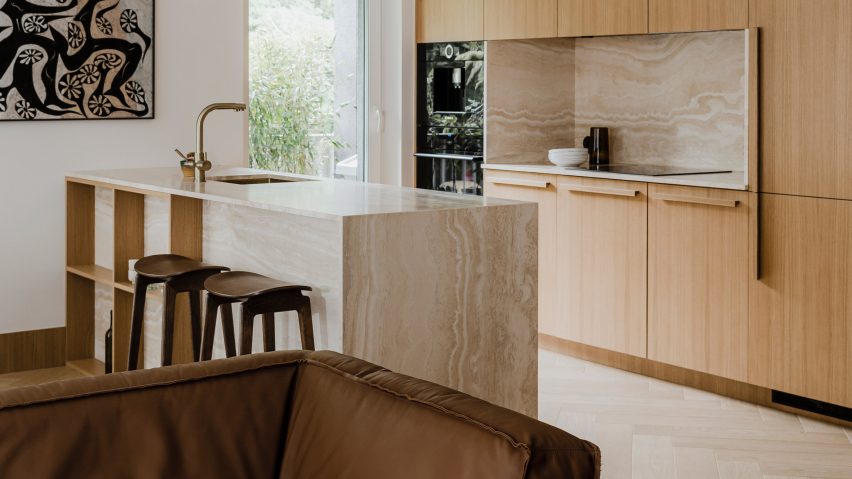
Eight kitchen islands that have sleek waterfall edges
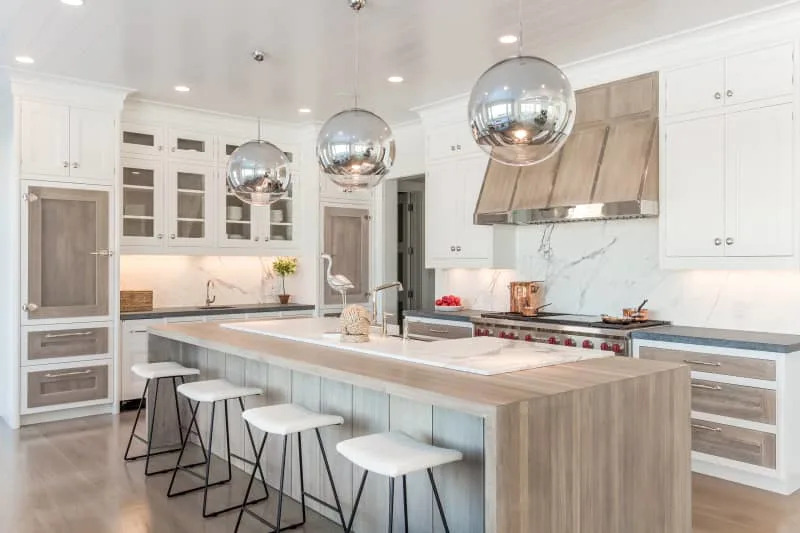
3 Kitchen Island Trends That Interior Designers Love (and 2 to Skip)
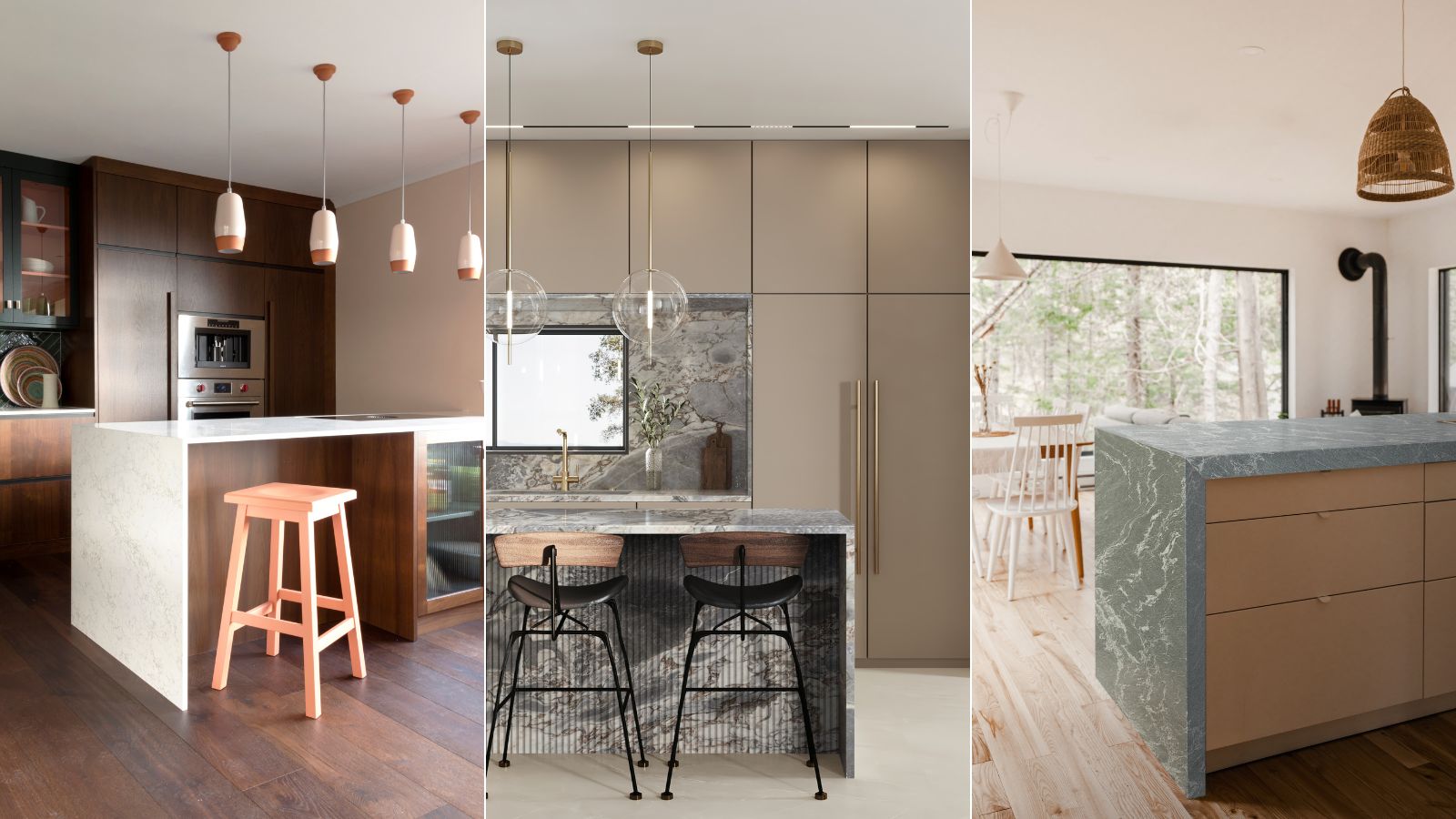
What is a waterfall countertop? Experts on the pros and cons
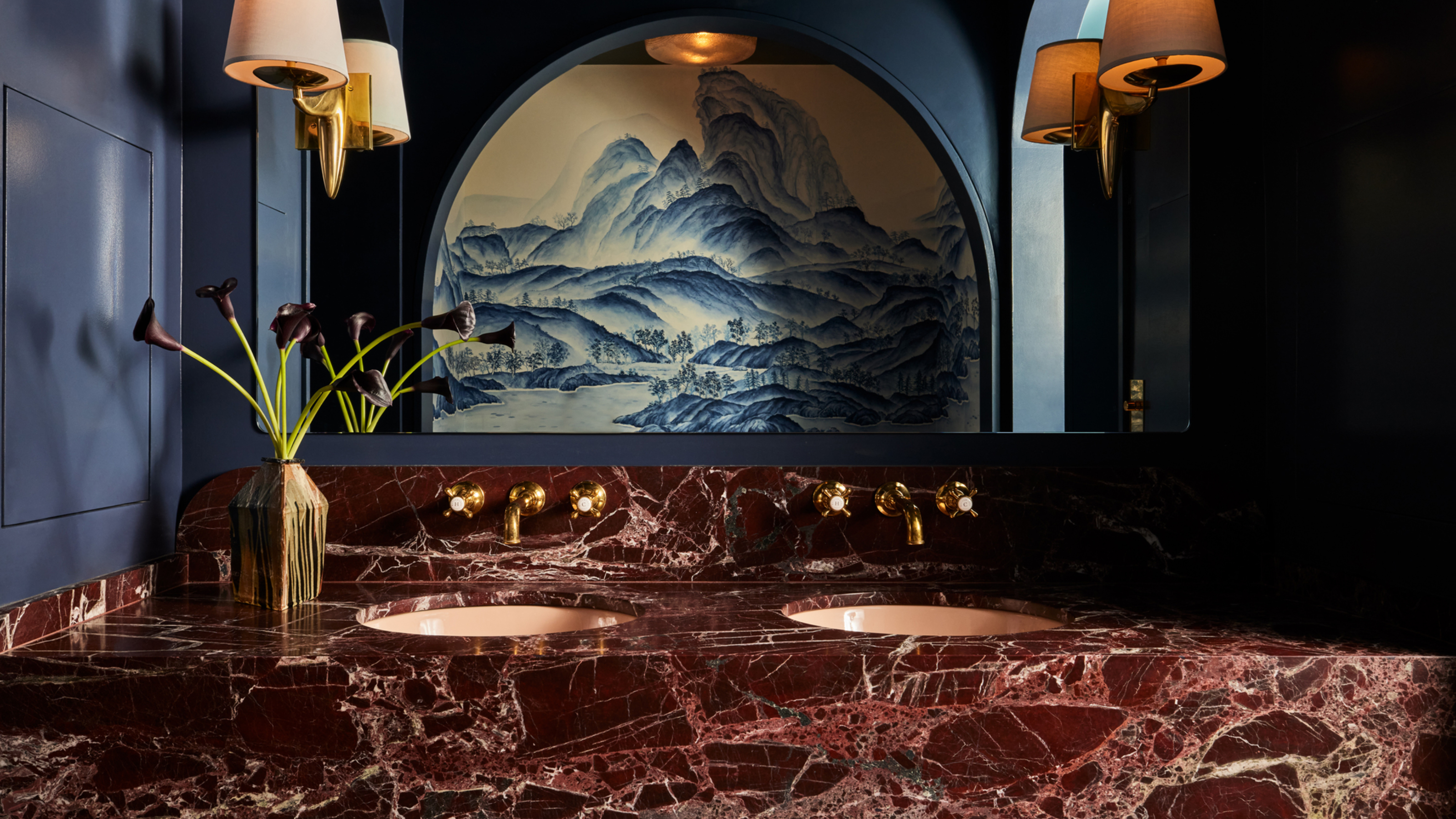
5 Bathroom Vanity Countertops Experts Avoid
12 Waterfall Kitchen Island Ideas for a Streamlined Modern Look

Waterfall edges on countertops are a smooth new look