1/7
The Ultimate Pothos Plant Guide, According to Experts
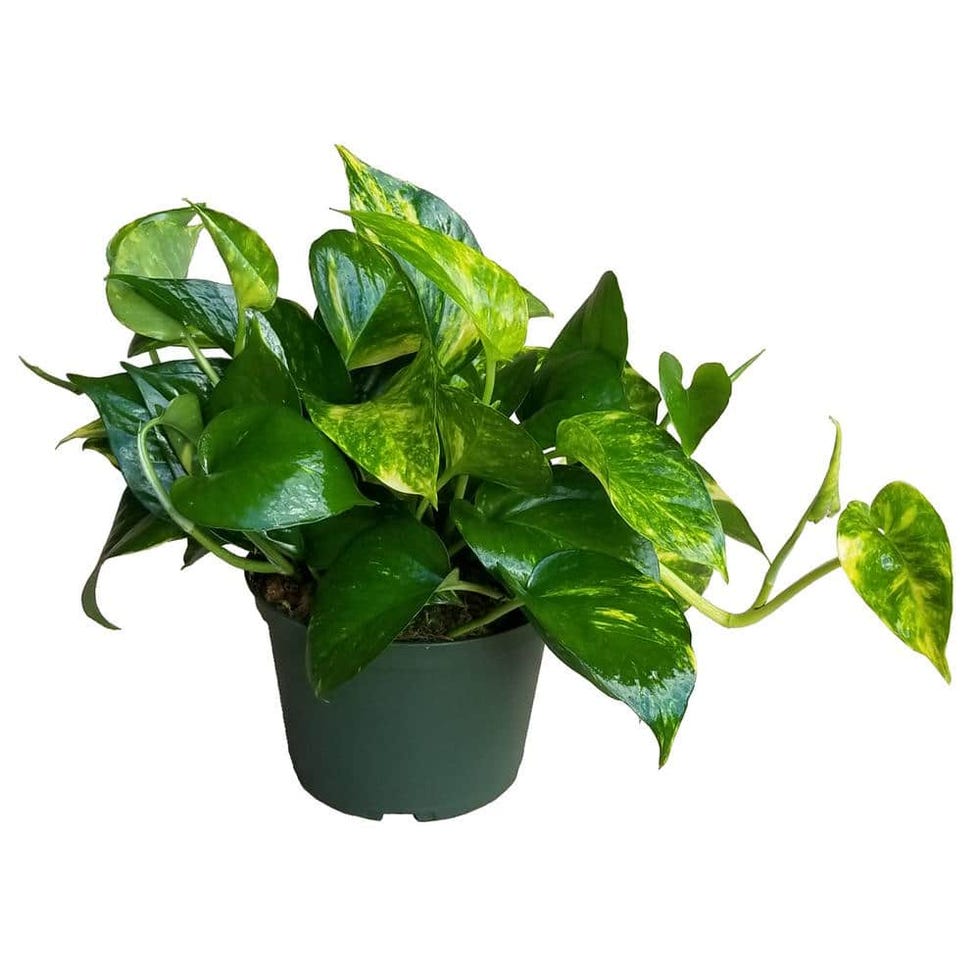
The pothos plant, also known as Epipremnum aureum, is a popular and resilient houseplant renowned for its low maintenance requirements, fast growth, and attractive trailing vines with heart-shaped leaves. Nicknamed “Devil’s Ivy” due to its hardiness, it thrives even with minimal care and in low-light conditions, making it an excellent choice for novice plant owners or individuals who may not consistently remember to water their plants. Beyond its ease of care, the pothos plant is also an effective air purifier, capable of removing toxins such as formaldehyde, xylene, and benzene from indoor air, a benefit supported by NASA studies. However, one expert notes that if formaldehyde levels are a significant concern, addressing the source of the toxins might be more effective than relying solely on plants.
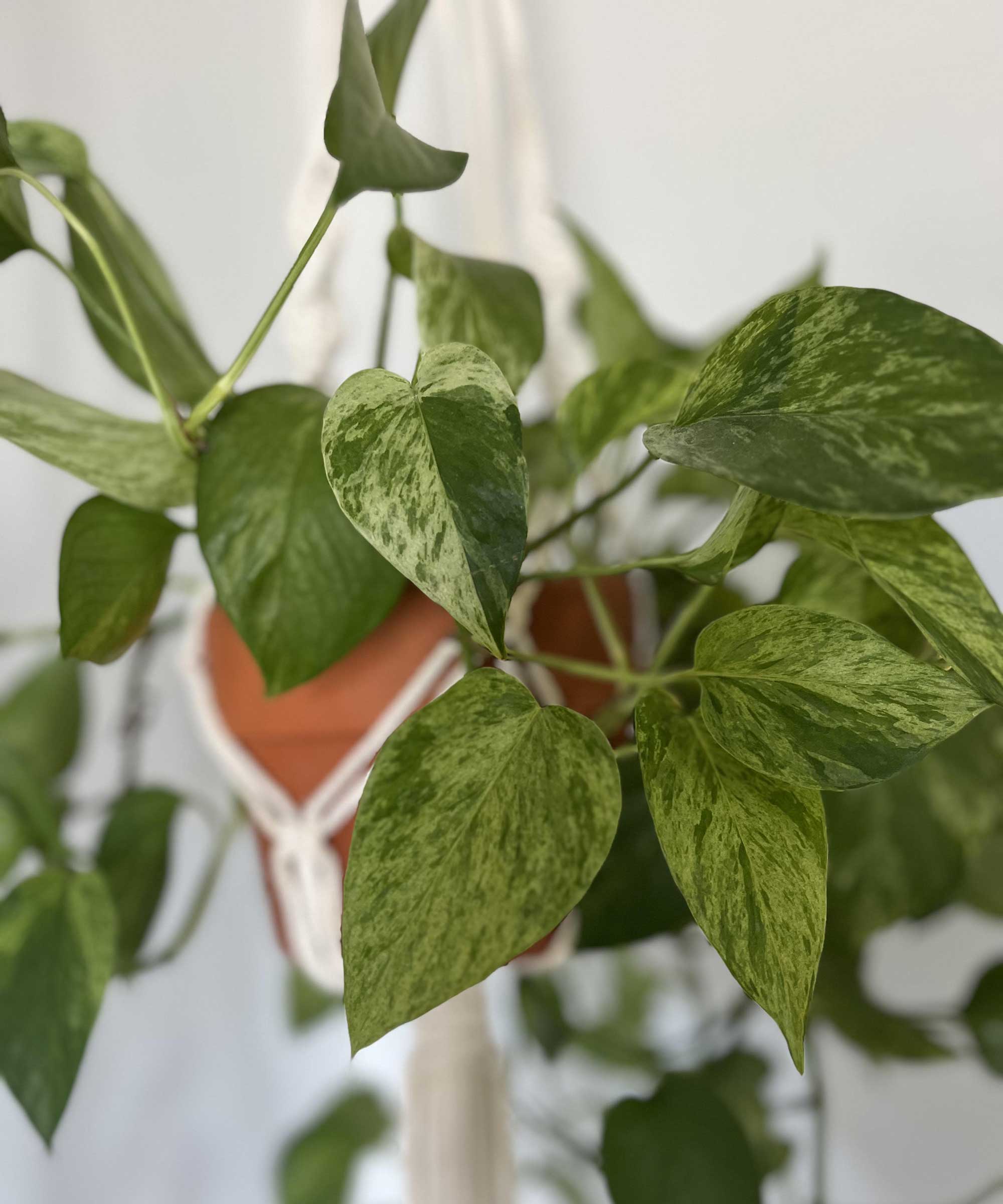
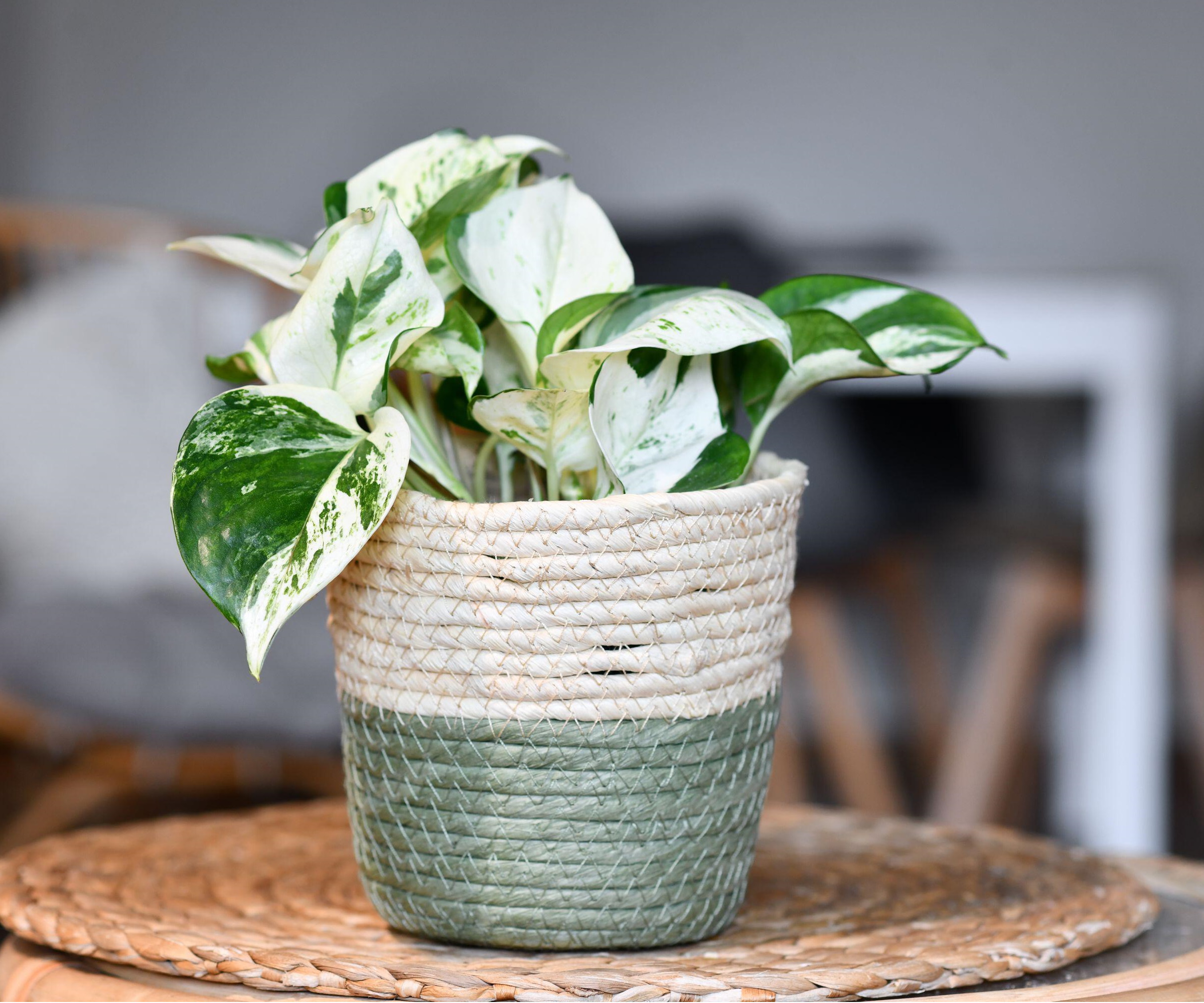
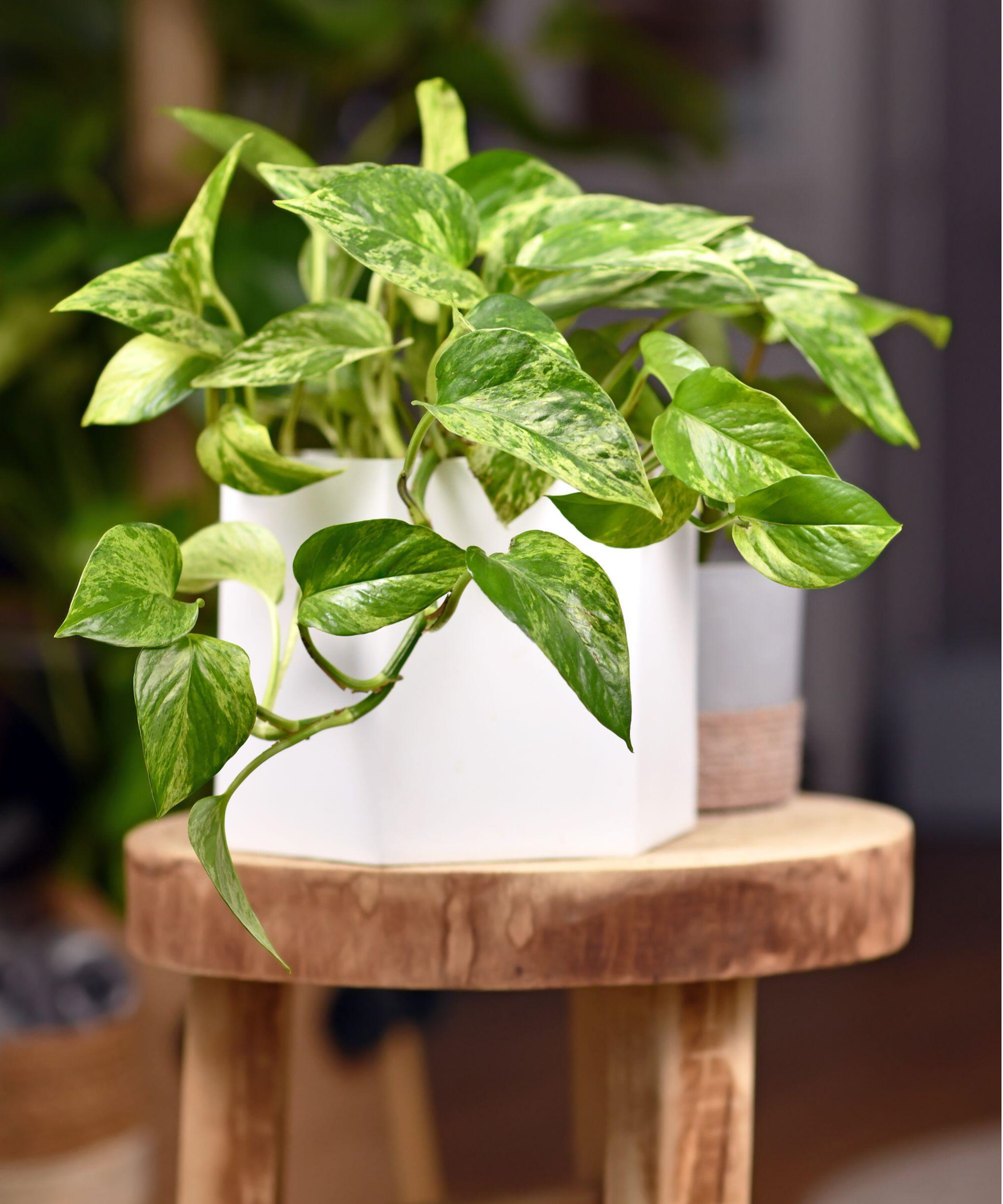
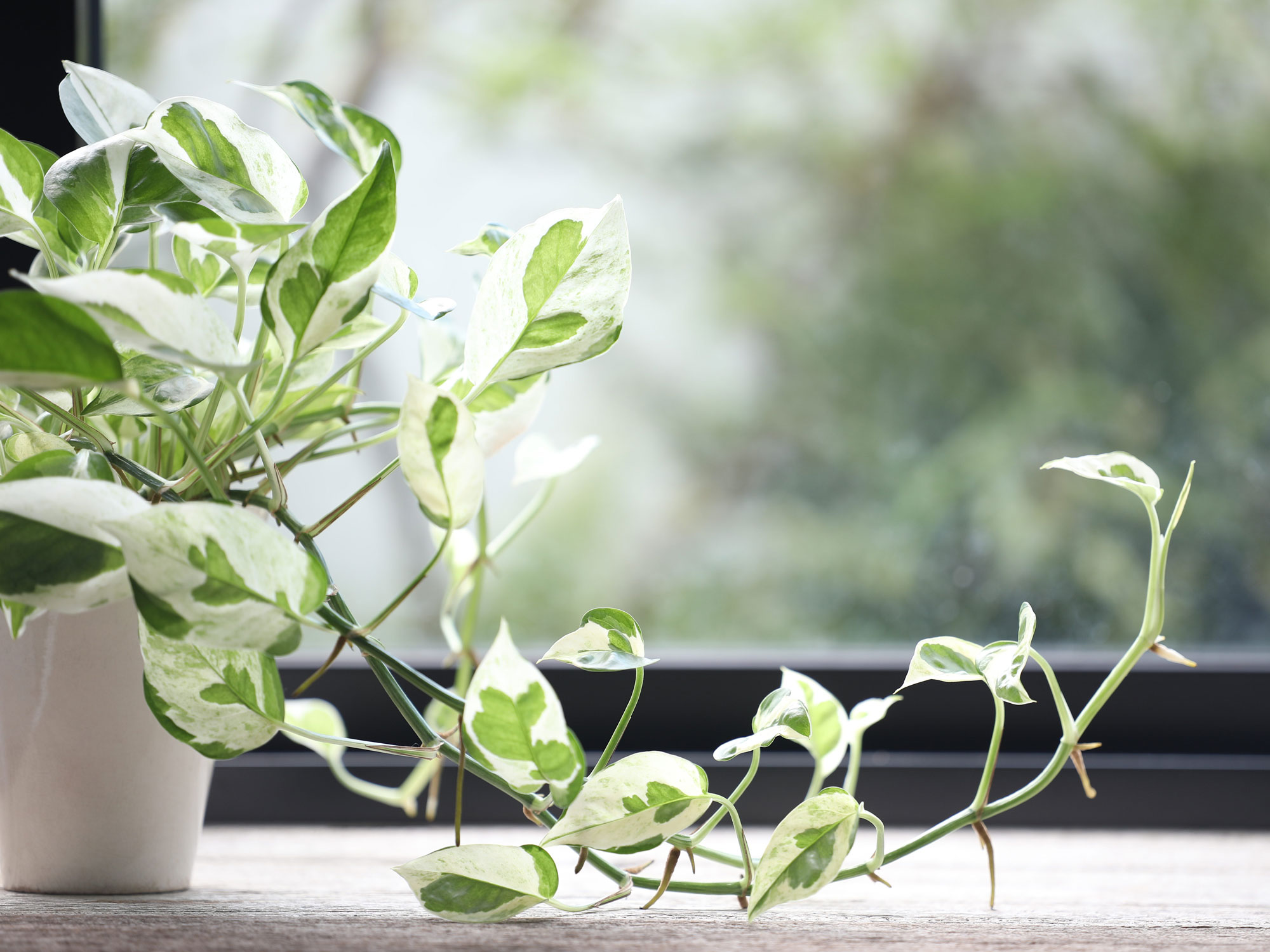
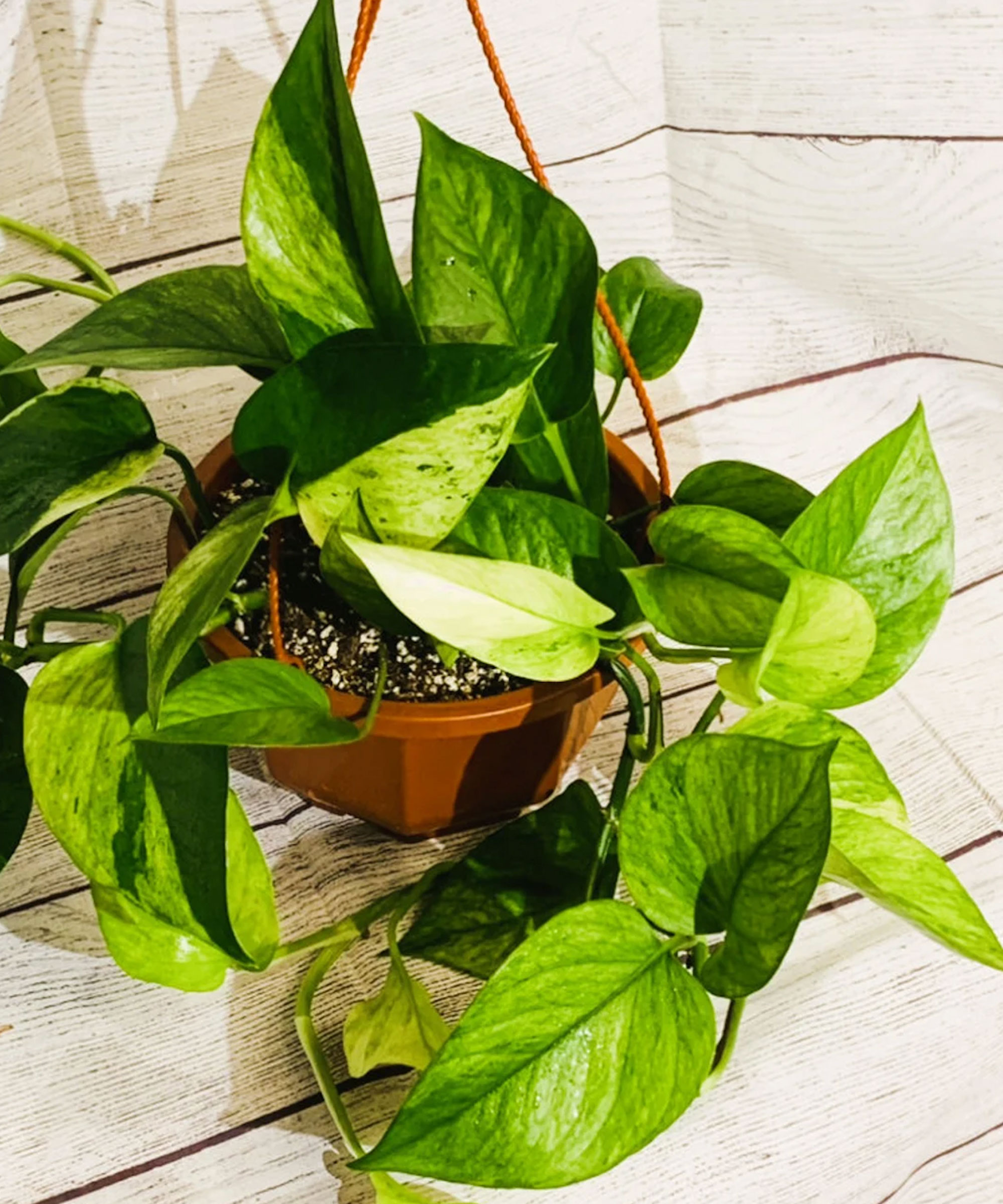
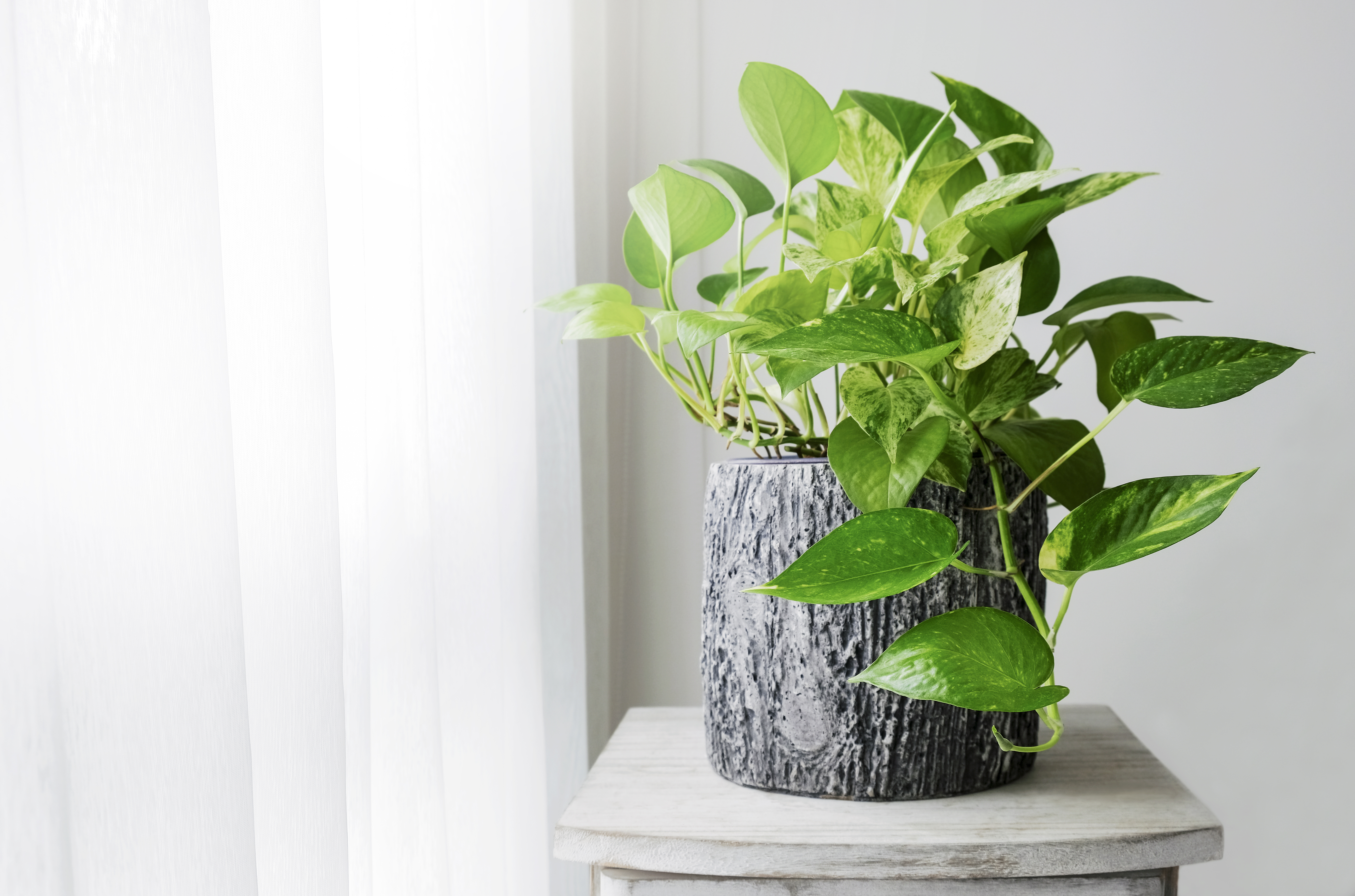
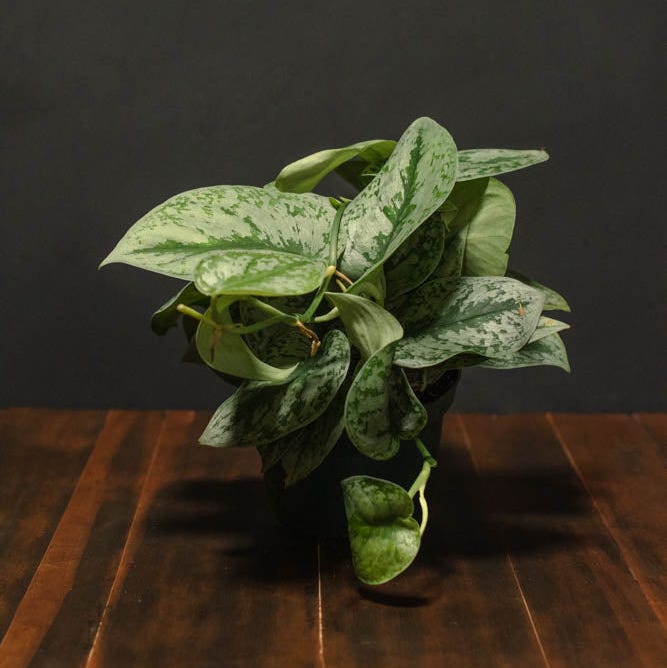
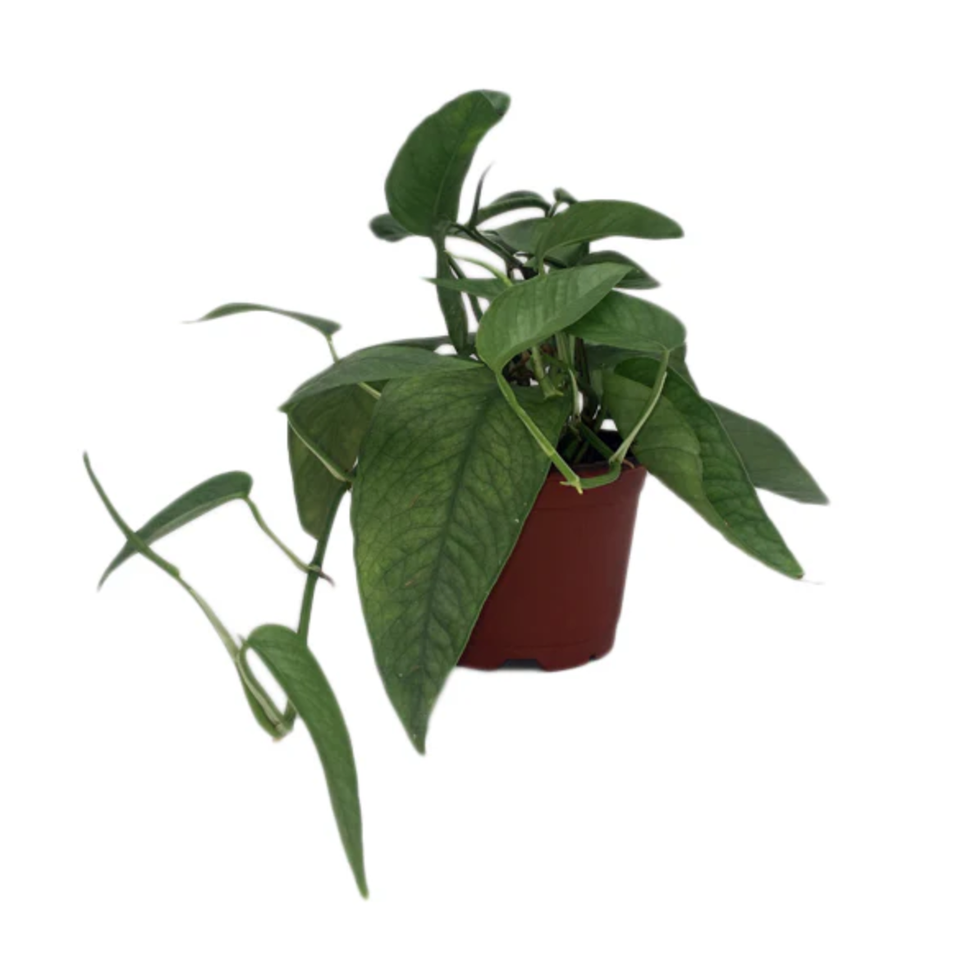
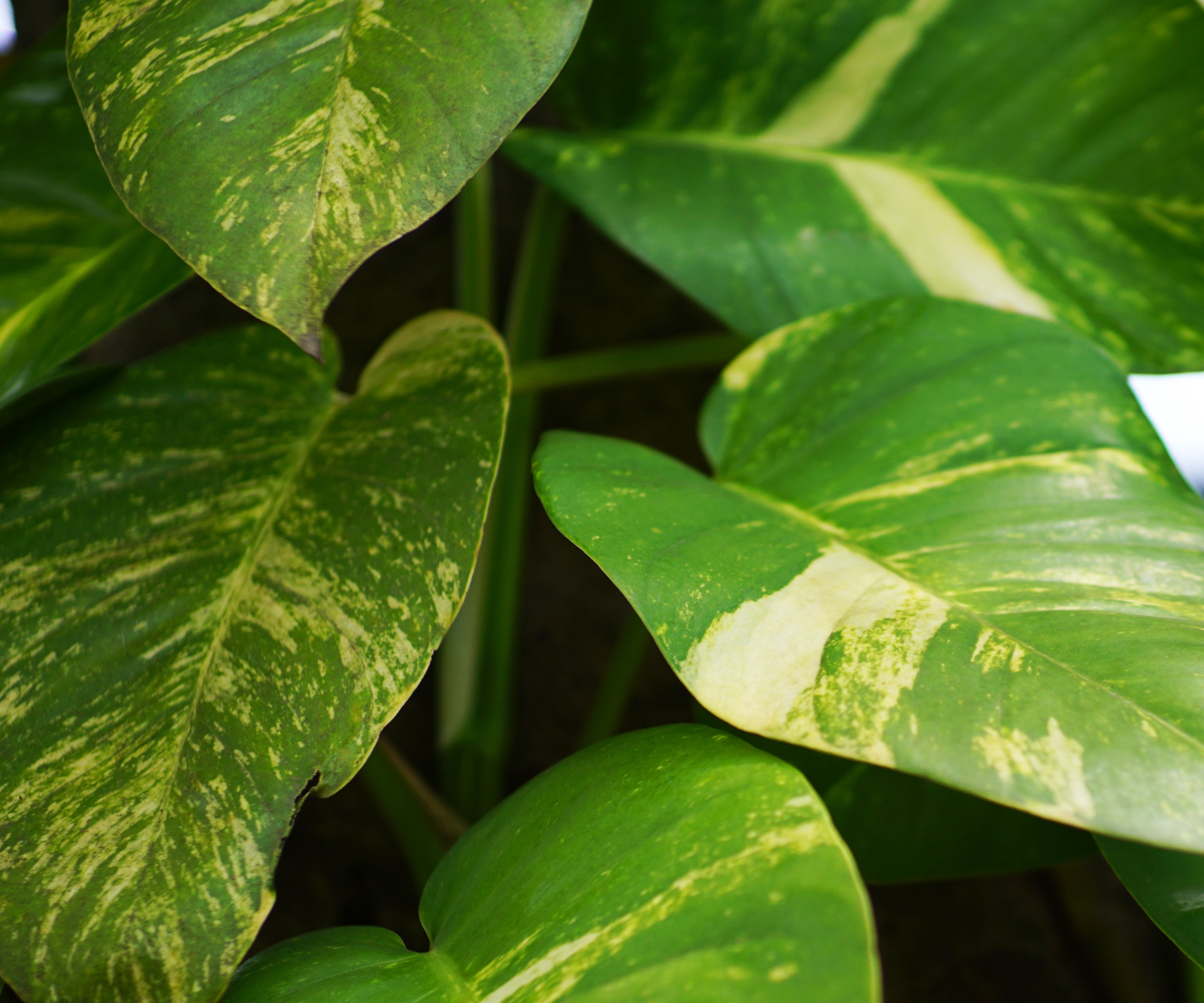
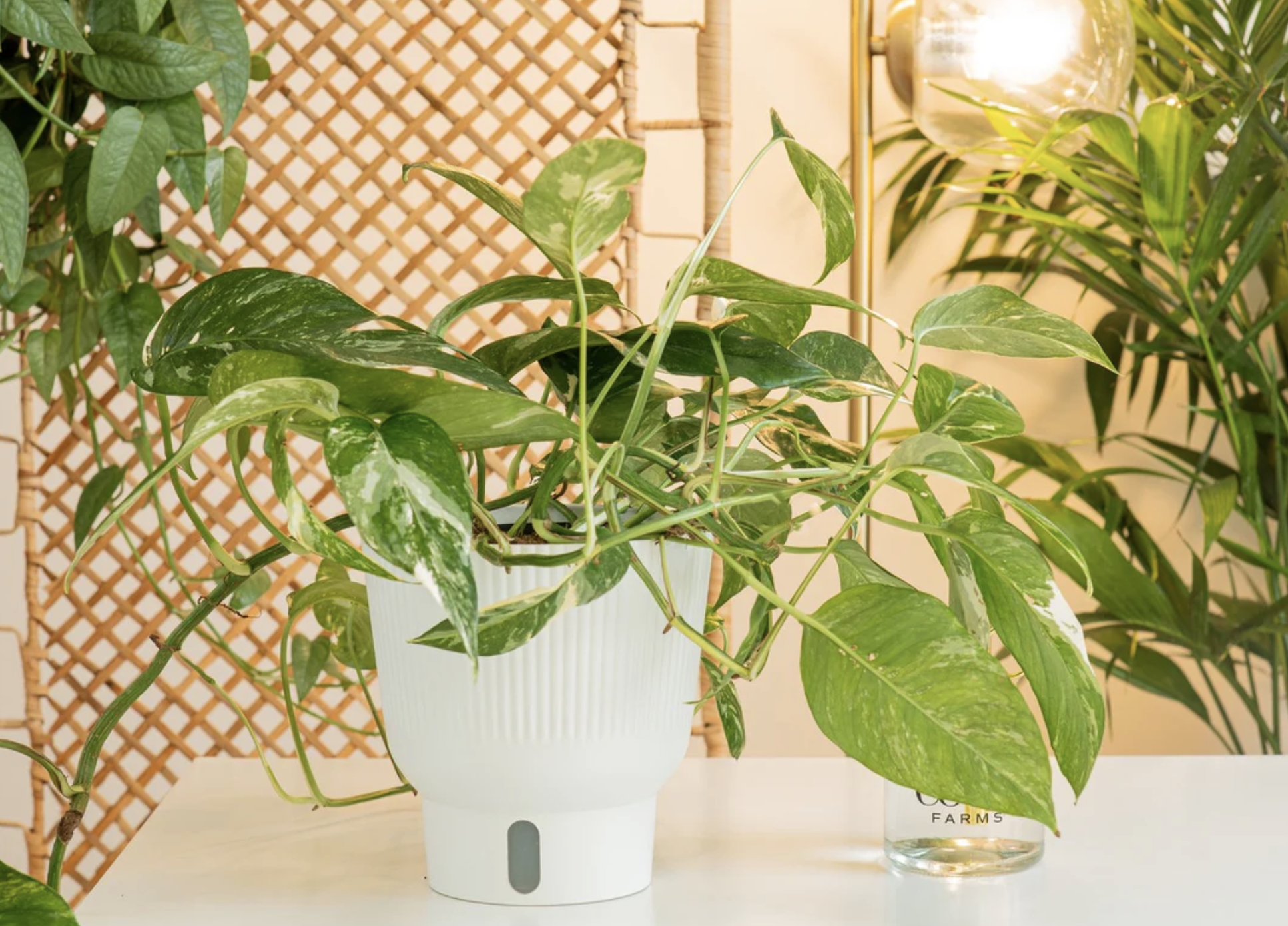
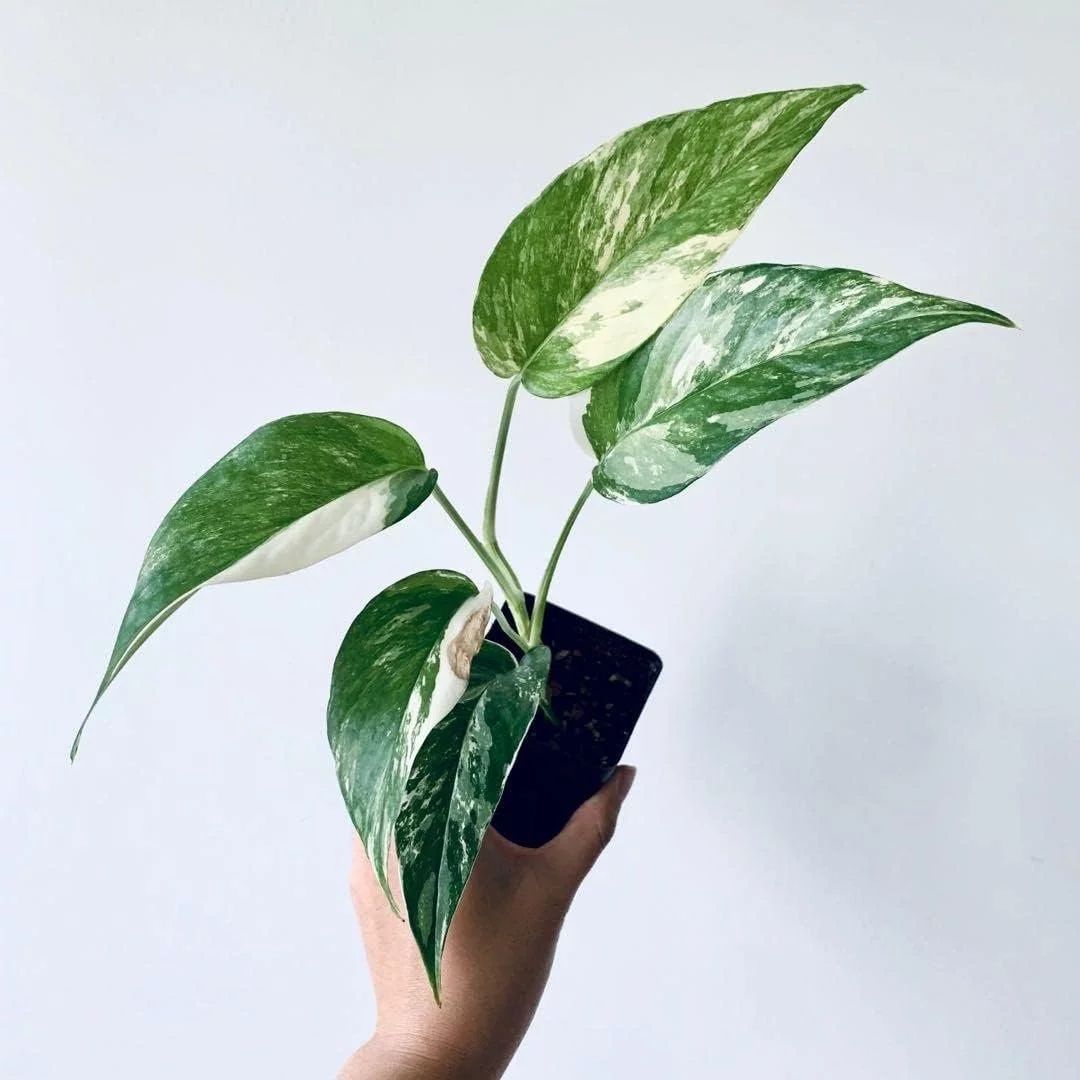
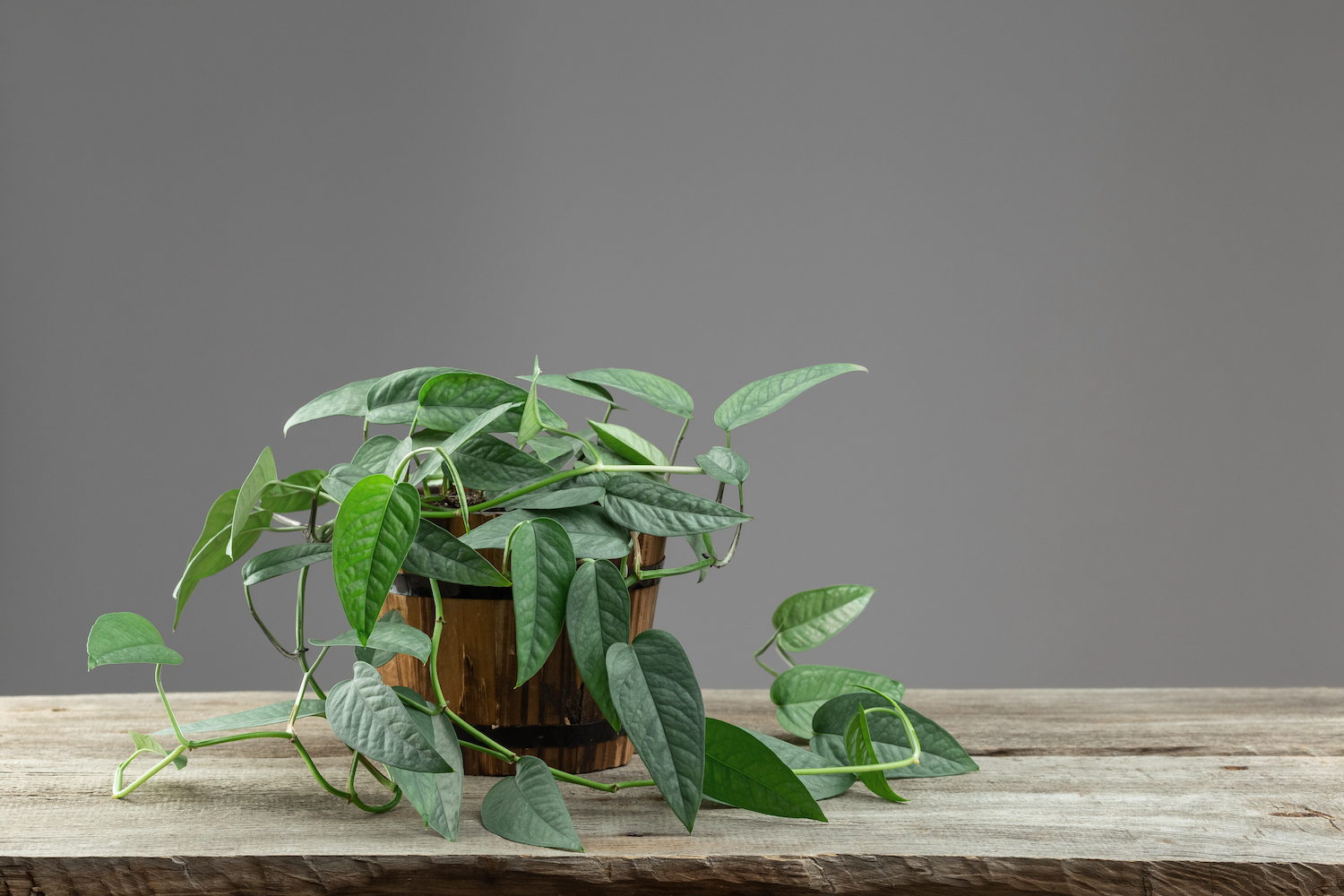
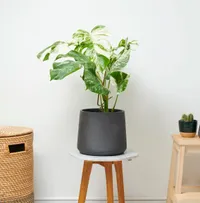
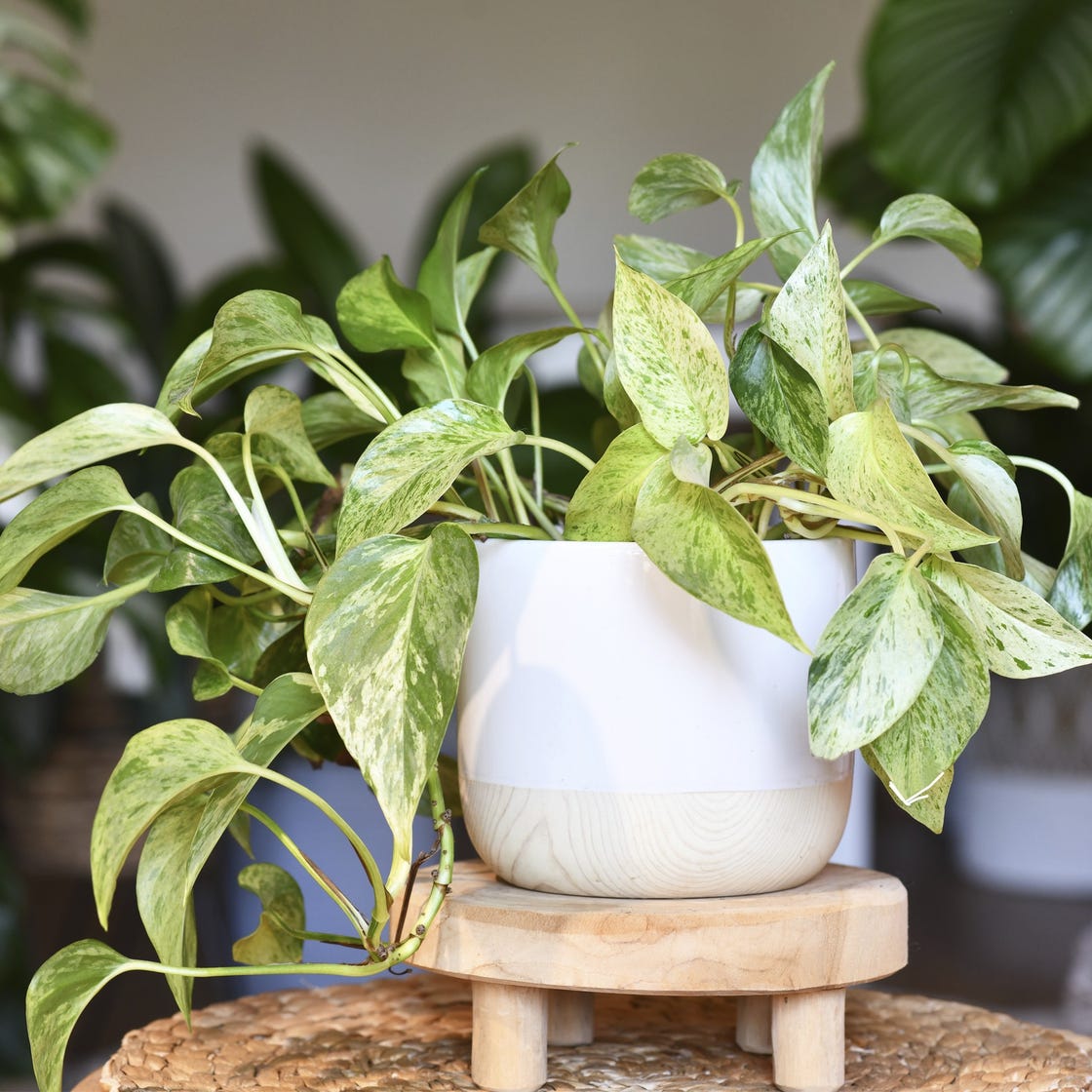
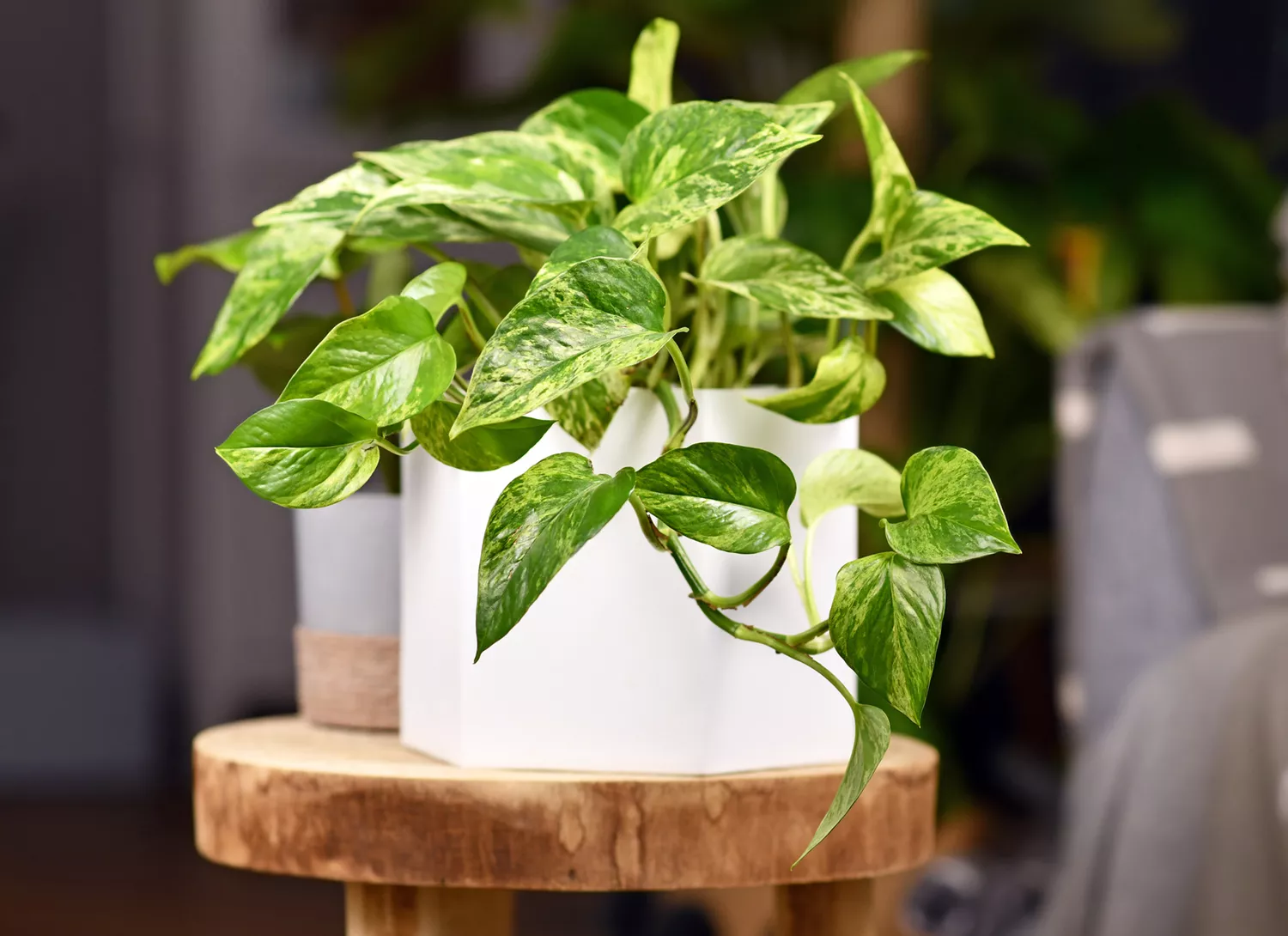
There are numerous varieties of pothos plants, primarily distinguished by their leaf variegation, which can feature white, yellow, or light green patches on predominantly green leaves. Popular types include the classic Golden Pothos with its green and yellow leaves, the regal Marble Queen Pothos known for its white and green marbling, the vibrant Neon Pothos with bright, lime-green foliage, the versatile Jade Pothos with solid deep green glossy leaves ideal for low light, and the Manjula Pothos, characterized by an almost swirling pattern of white and green. While all varieties share similar care needs, brighter, indirect light can enhance their appearance.
To ensure a pothos plant thrives, it requires well-draining potting soil to prevent root rot, as excess water around the roots can be detrimental. A standard houseplant mix is suitable, and placing a saucer underneath the pot can help catch overflow and extend the time between waterings. It is crucial to allow the top inch of soil to dry out between waterings, with frequency typically ranging from once a week in warmer months to every few weeks in winter. Drooping leaves often signal a need for water. Pothos plants prefer high humidity, making bathrooms and kitchens ideal locations, and they perform best in temperatures between 65° and 85°F, avoiding sudden temperature changes or direct drafts from air conditioners and heaters. While they can tolerate low light, they prefer bright, indirect light, and direct sunlight should be avoided to prevent scorching the leaves. In dry environments, a humidifier can help maintain their health.
When selecting a pothos plant, it is advisable to look for healthy, vibrant leaves free of brown spots or discoloration, and a well-established root system if possible. These plants are widely available in local nurseries, online plant shops, and larger retail stores. Pothos plants should be repotted annually to provide fresh nutrients and ample room for growth, and fertilization every six weeks during spring and summer months is recommended. It is important to note that pothos plants are toxic to pets and humans if ingested, due to the presence of insoluble calcium oxalates in their leaves, which can cause symptoms like drooling, vomiting, or difficulty swallowing. Therefore, it is best to place them out of reach of children and pets. Their rapid growth rate can quickly transform a room into a lush, green space, making them a rewarding choice for anyone looking to boost their plant-parenting confidence.
#PothosPlantCare #HouseplantGuide #LowMaintenancePlants #AirPurifyingPlants #IndoorGardening #PlantVarieties #HomeDecor #GreenLiving #PlantTips #PothosPlantCare #HouseplantGuide #LowMaintenancePlants #AirPurifyingPlants #IndoorGardening #PlantVarieties #HomeDecor #GreenLiving #PlantTips
Toplam 0 yorum
 Henüz yorum yok
Bu da beğenebilirsiniz
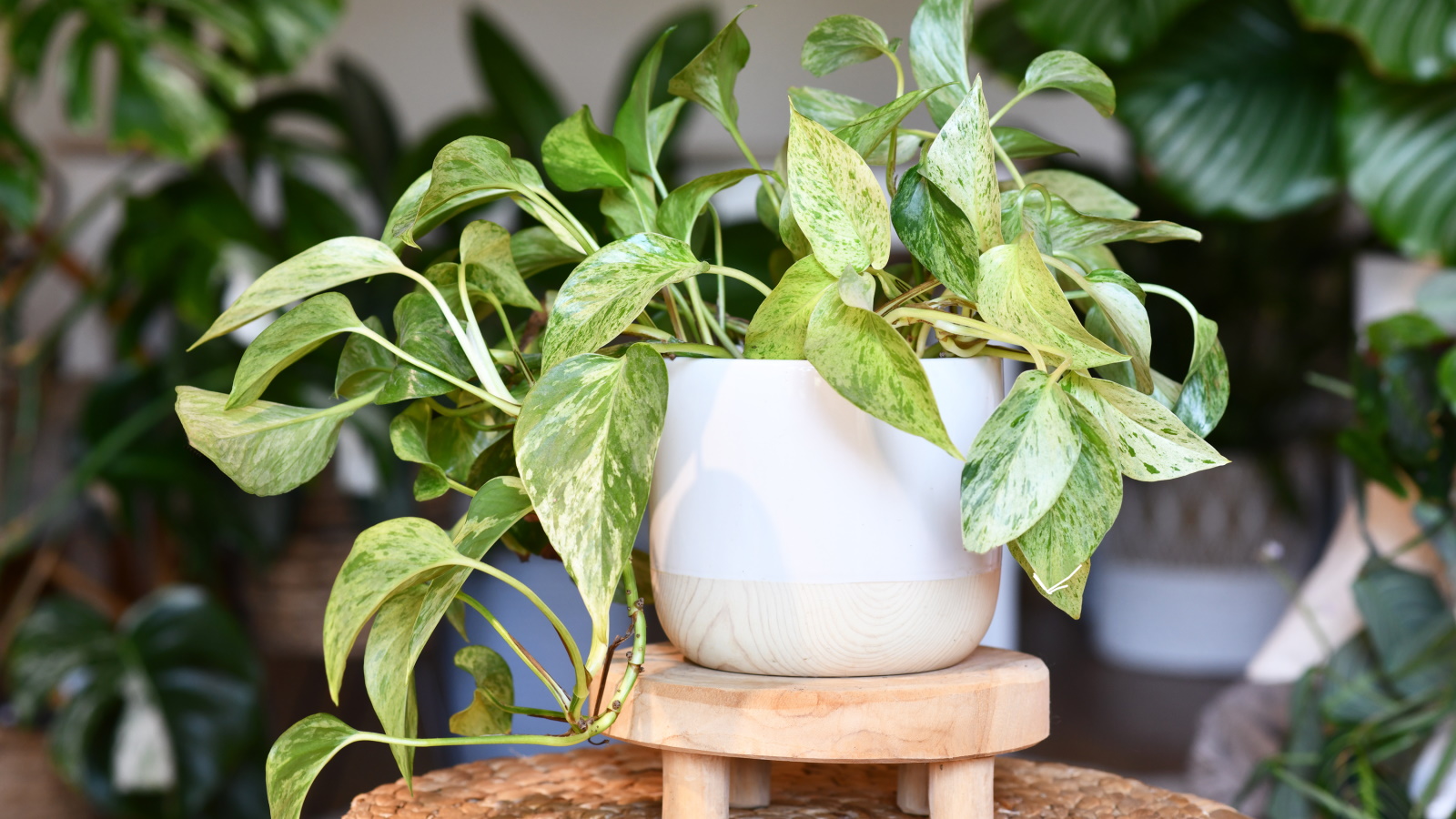
Best pothos varieties – 7 choices for a unique trailing houseplant

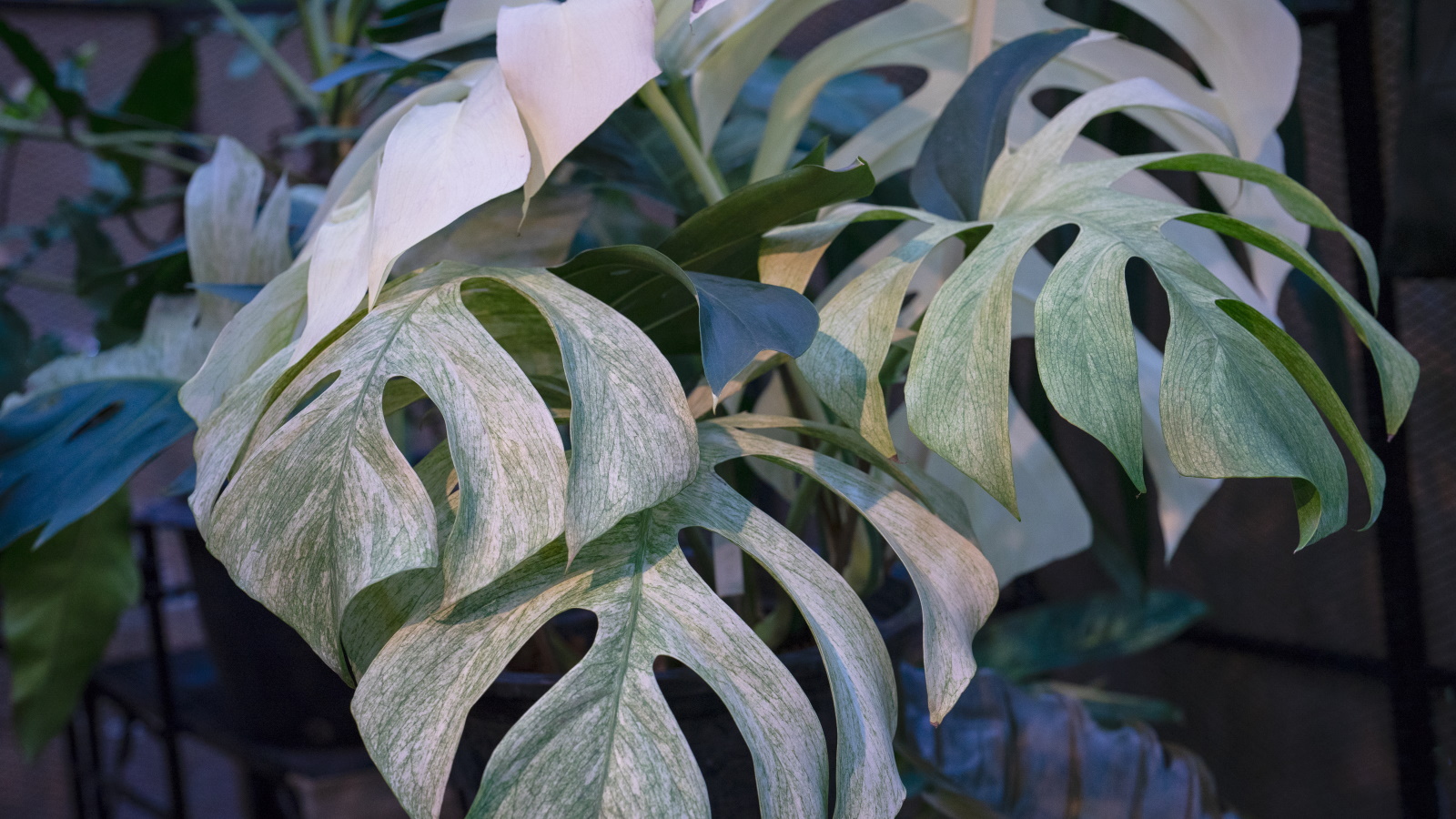
Best variegated indoor plants – 4 varieties with an unusual aesthetic

12 best house plant delivery services for the most gorgeous greenery

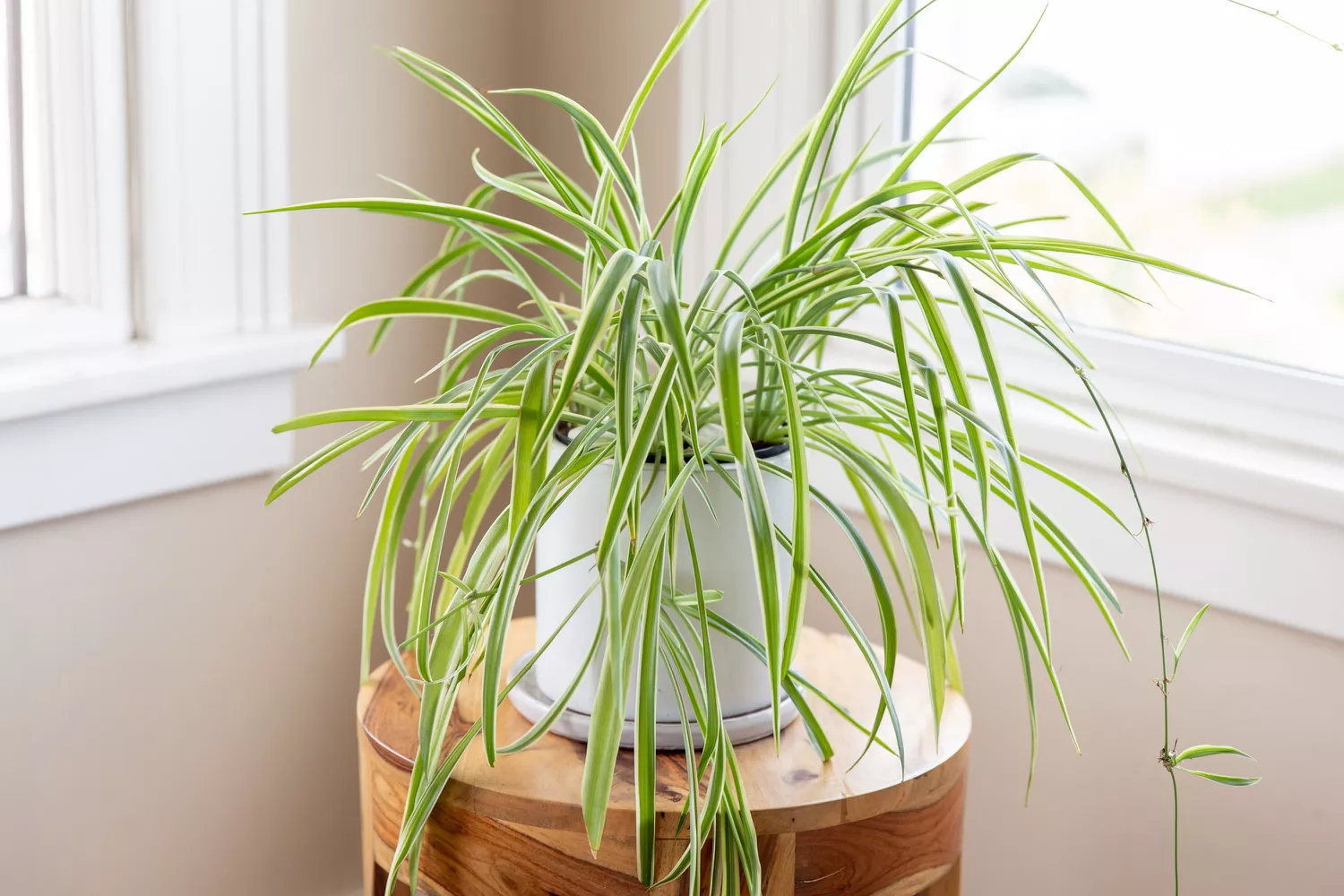
Only Have East-Facing Windows? These 8 Plants Will Thrive on Your Sill

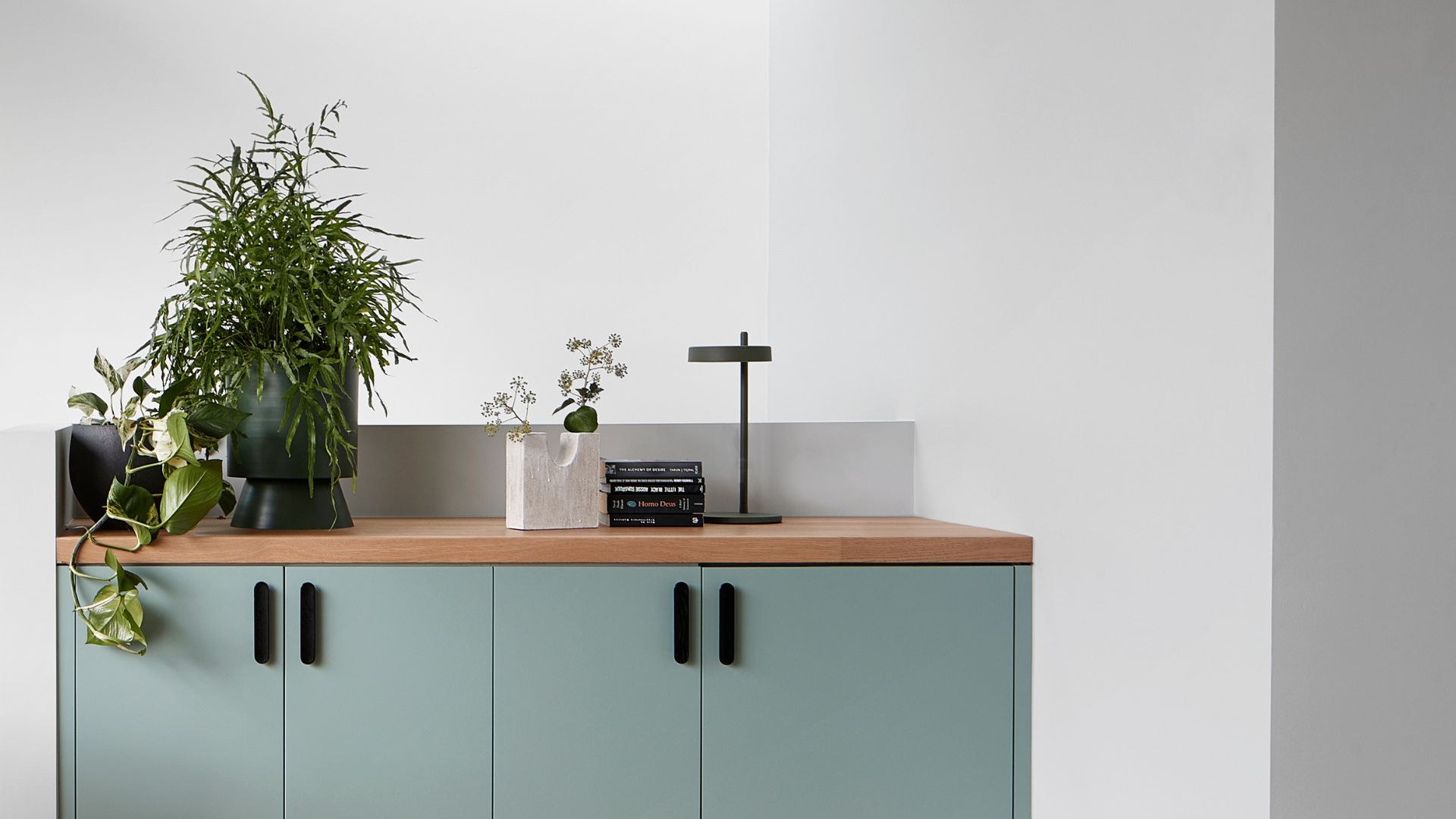
7 Pothos Varieties — Devilishly Design-Friendly Houseplants And How You Can Display Them

10 Indoor Climbing Plants That Will Take Your Blooms to New Heights — And Make Your Home Look Lush
Is your indoor plant hobby getting more expensive these days?, Lifestyle News
41 Calathea Varieties to Grow at Home

Indoor Vines Are the Decor You Didn't Know You Needed

How to Grow and Care for Portulaca for Thriving Blooms All Summer Long
'Bigger is better': Expert tips and tricks for styling your indoor plants
10 Pothos Varieties You'll Want to Add to Your Houseplant Collection

What are the best plants with green and white leaves? 8 of the most stylish variegated houseplants
How to Grow and Care for Mexican Petunia

The Prettiest Pots for All Your Plants

Best tall indoor plants – 10 statement plants, chosen by houseplant experts
The 8 Best Places to Buy Indoor Plants in 2025