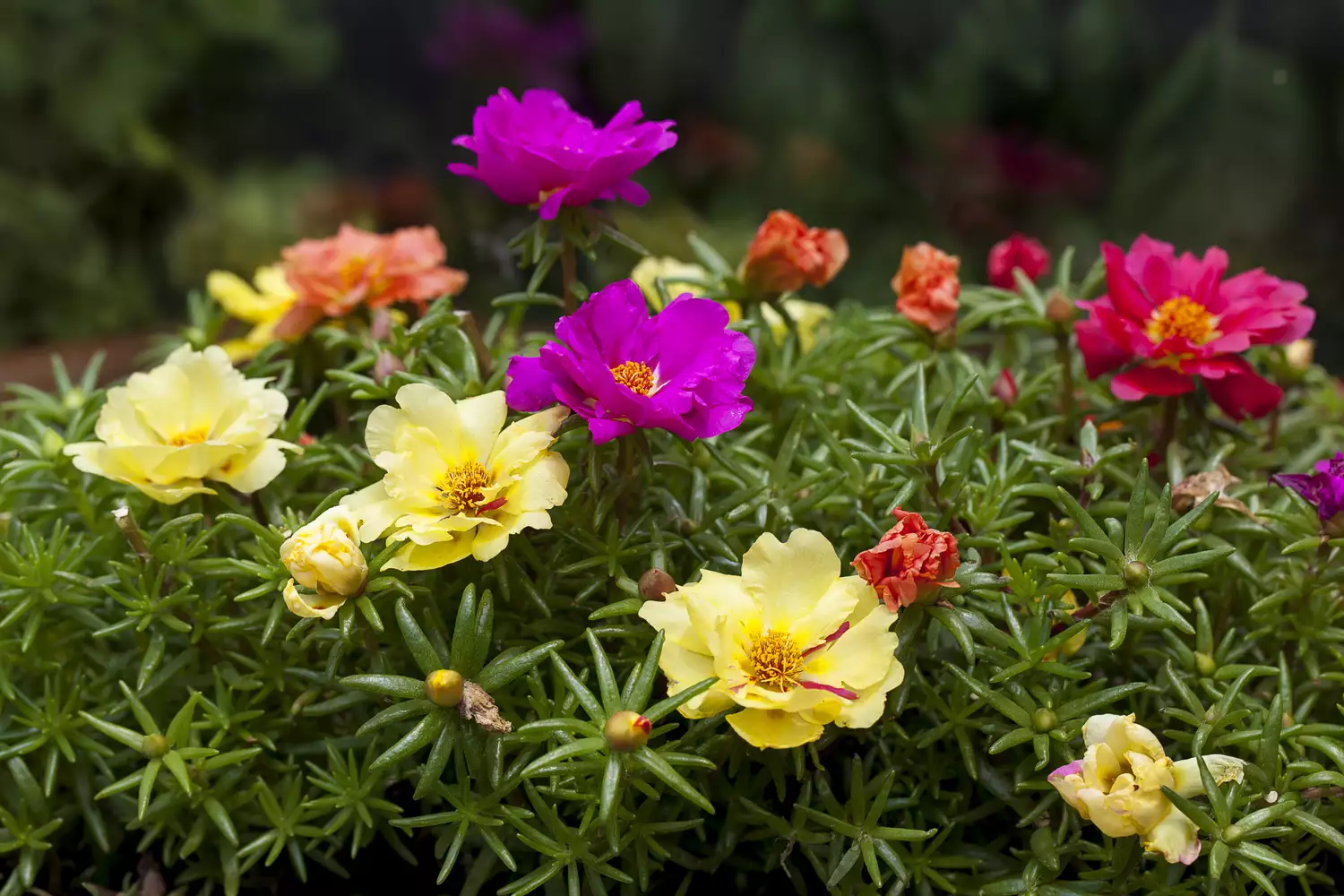
1/2
How to Grow and Care for Portulaca for Thriving Blooms All Summer Long
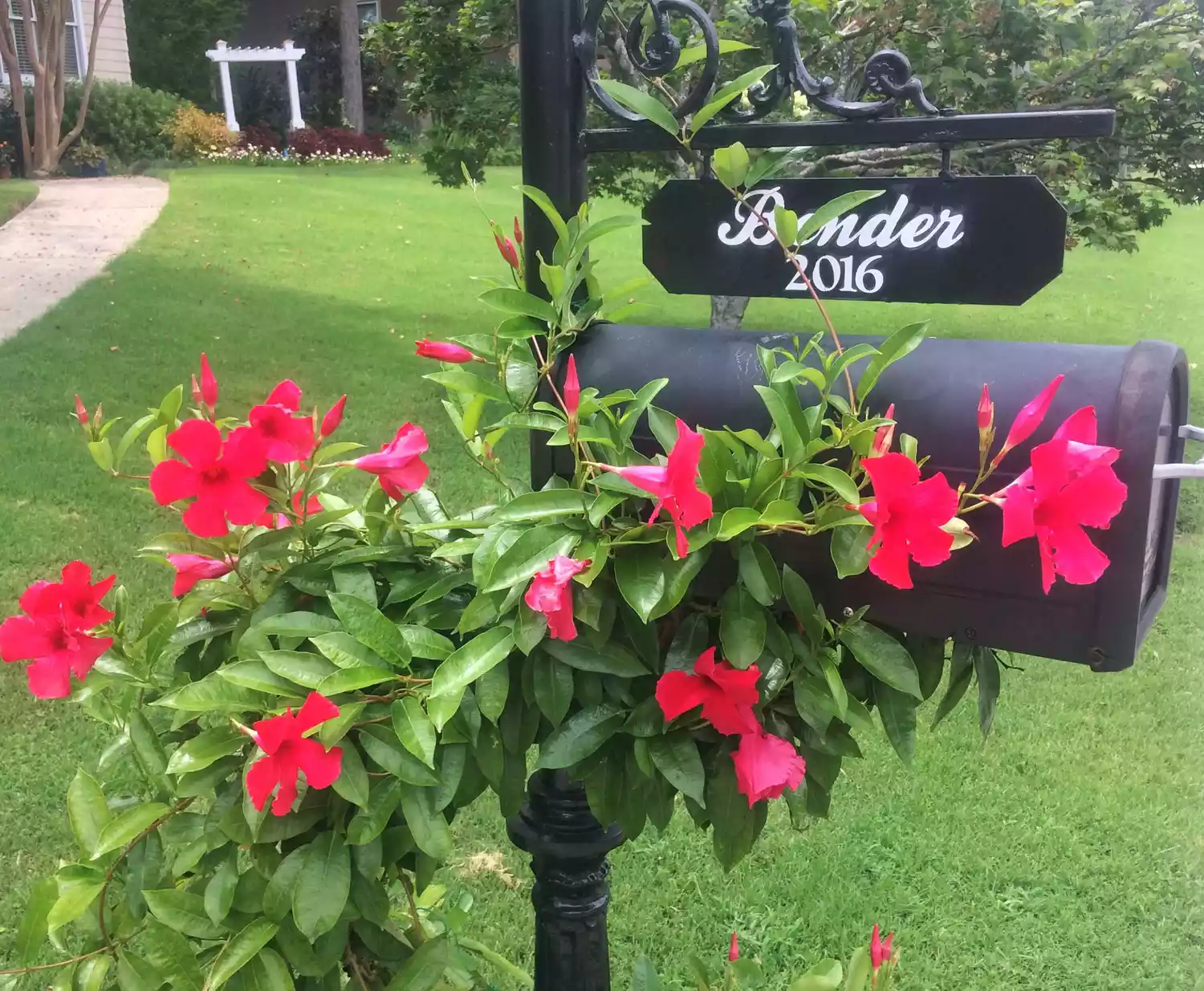
Portulaca, also known as moss rose, purslane, or pigweed, is a low-growing flowering plant often cultivated as an annual. It thrives in full sun and is notably tolerant of heat and drought, making it an ideal choice for sunny locations like sidewalks and driveways. This plant is recognized for its spiky, semi-succulent leaves and produces a wide array of vibrant, colorful blooms throughout the summer, requiring only light deadheading. Its flowers are attractive to pollinators such as bees, butterflies, and hummingbirds. In warmer climates, Portulaca also functions effectively as a ground cover. The plant typically reaches a mature size of 4-6 inches tall and 6-12 inches wide and is hardy in USDA zones 2-11. It prefers sandy, loamy, or rocky, well-drained soil with a slightly acidic to neutral pH. It is important to note that Portulaca is toxic to dogs, cats, and horses.
Caring for Portulaca is relatively low-maintenance. Key requirements include planting in full sun and well-draining soil. While drought-tolerant, it benefits from regular watering during prolonged hot spells to maintain vibrant blooms. Although primarily grown as an annual, Portulaca can reseed itself in sunny spots and return in subsequent years. Deadheading spent flowers helps keep the plant tidy and encourages continuous blooming. When planting, select an area that receives full sun and has loose, sandy soil, avoiding crowded spaces with taller plants. Portulaca works well at the front of borders, in containers, or as a spreading plant in hanging baskets. Newer cultivars, such as the 'Sundial' series, can perform well in partial shade, particularly with afternoon sun.
Portulaca is an excellent choice for gardeners with sunny garden spots or containers, loose and well-draining soil, and hot, potentially humid summer climates. It is a low-maintenance option that does not typically require fertilization. Soil amendments like compost are preferred over synthetic fertilizers to improve nutrition. While resilient, poorly-drained soil can lead to crown rot or root rot. The foliage may become leggy over the season, which can be easily managed by pinching off or trimming overgrown sections. This trimming, along with deadheading dried or mushy buds, encourages new growth and further blooms.
Propagation of Portulaca is simple and can be done from stem cuttings taken in early to mid-summer. Cuttings of 2-4 inches should have their flowers and lower leaves removed before being placed in moist potting soil. Rooting hormone is optional, as cuttings usually root within one to two weeks, after which they can be transplanted. Portulaca blooms are unscented but visually striking, featuring single or double petals, often with yellow stamens, in nearly every color except blue, including attractive bi-color varieties. Blooming can begin in late spring and continue through autumn, with individual flowers lasting up to two weeks. Regular removal of dried or browning buds, especially during warm spells, encourages a continuous display of fresh blooms. The genus Portulaca includes over 100 species; *P. grandiflora* is the most common annual variety, while *P. umbraticola* is a perennial variety. Several hybrid cultivars offer large, colorful flowers, such as 'Happy Hour™ Tropical Mixture,' 'Sundial,' 'Margarita,' and 'Mojave.'
#PortulacaCare #MossRose #FloweringPlants #Annuals #DroughtTolerant #FullSunPlants #GardenMaintenance #PollinatorFriendly #SucculentPlants #PortulacaCare #MossRose #FloweringPlants #Annuals #DroughtTolerant #FullSunPlants #GardenMaintenance #PollinatorFriendly #SucculentPlants
0 comment in total
 No comments yet
You may also like
It's Gardening Time! We Found the Best Summer Flowers for Your Yard

Gardeners, These Low-Maintenance Perennial Flowers Bloom Every Season
10 indoor plants that flower all year round – choose from our expert recommendations for non-stop blooms

Blue to Purple Perennial Flowers
The ONLY Plants That Can Outshine the Summer Sun

Not Only Is Purple Passion Plant Gorgeous, It's Easy to Grow
How To Grow And Care For Columbine Flowers
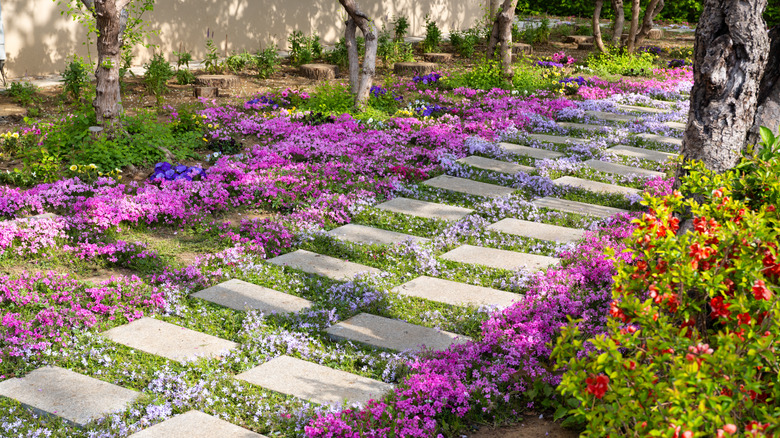
16 Best Fast-Growing Purple Plants For A Beautiful Shade Garden In No Time

Hey, Gardeners! Plant These Summer Flowers for a Bright and Beautiful Yard

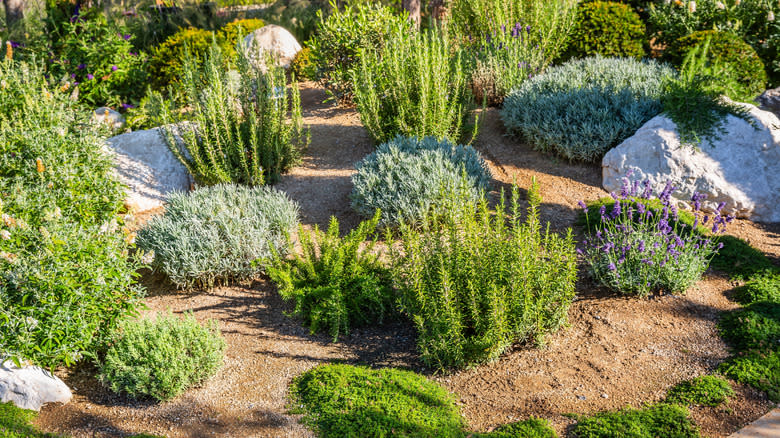
The Drought-Tolerant And Low-Maintenance Perennial That Showcases Lovely Purple Blooms

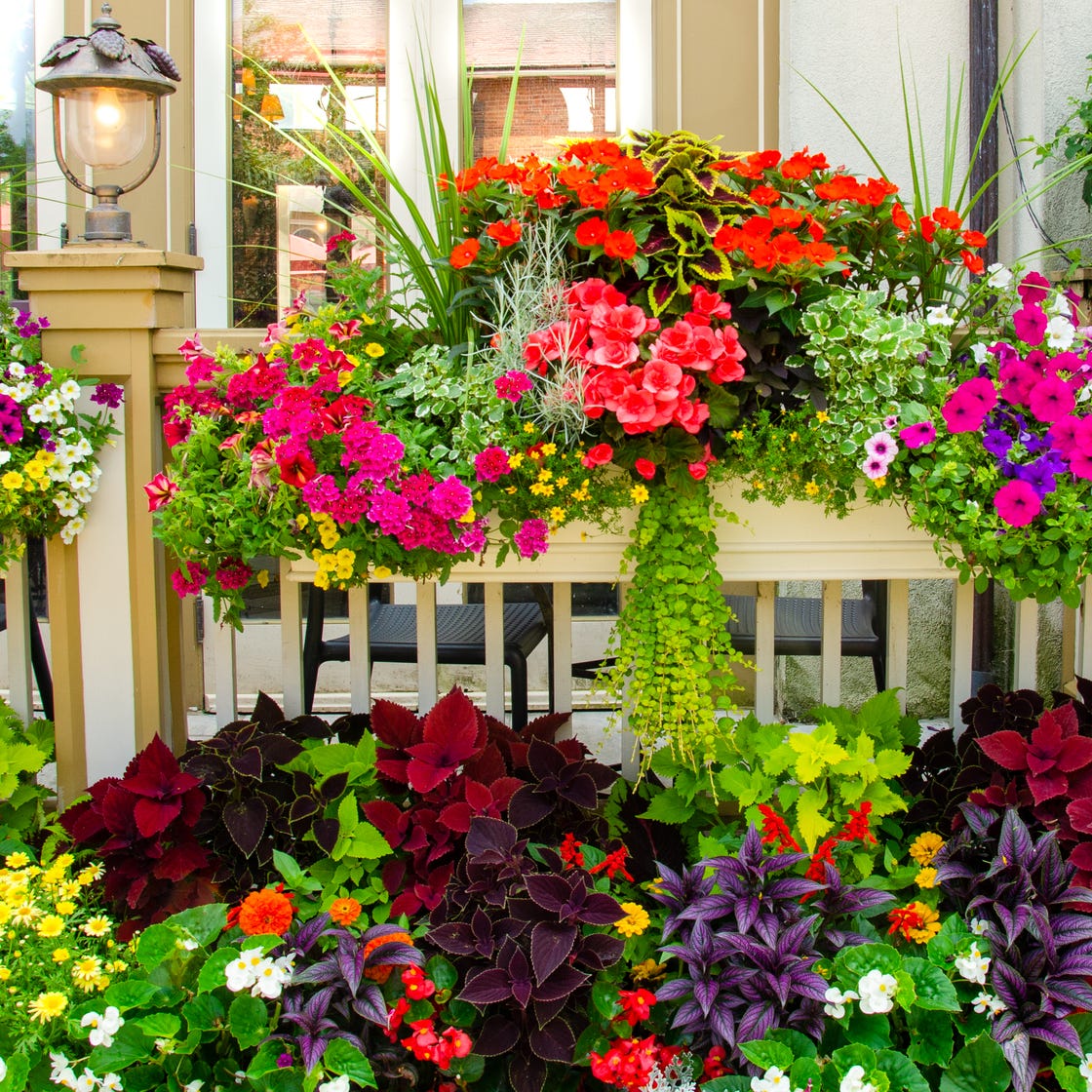
We Discovered the BEST Outdoor Patio Plants That'll Brighten Up Your Home All Summer Long

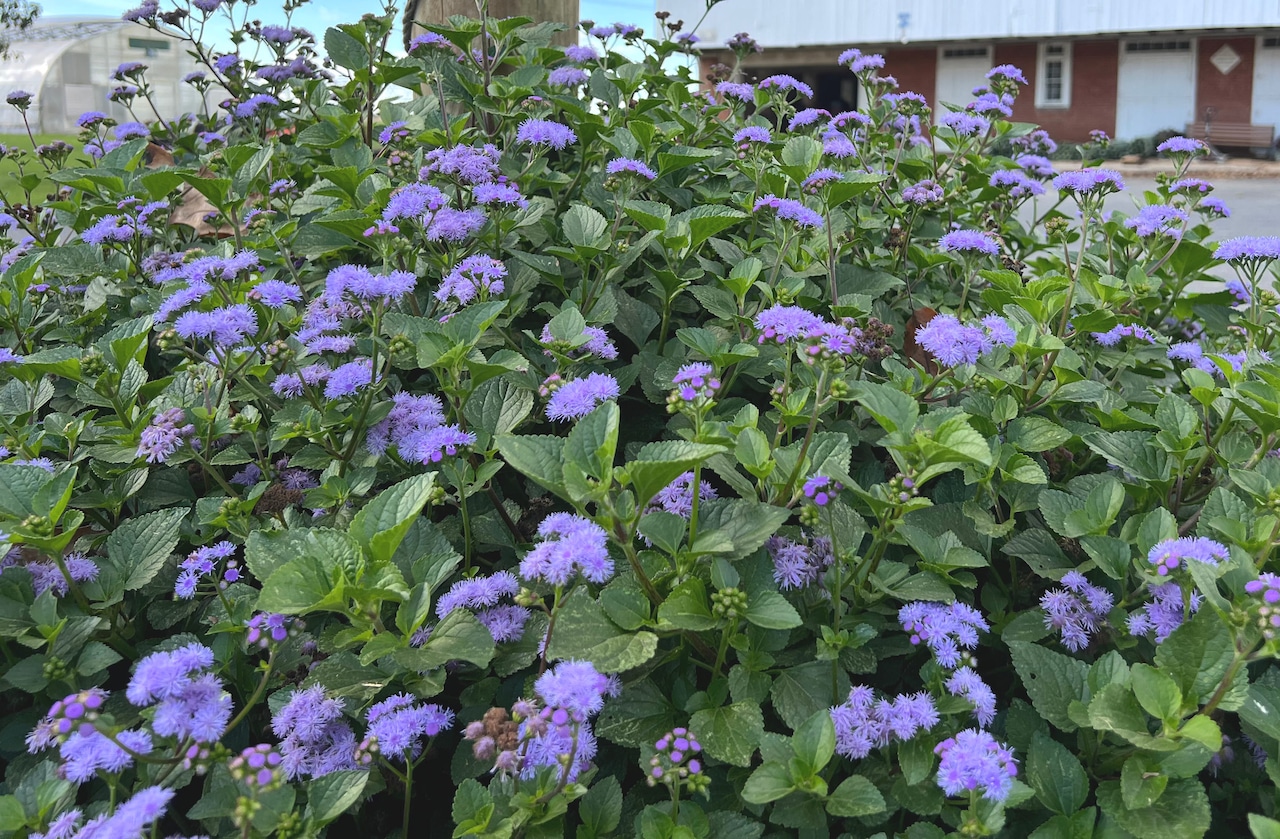
The best new annual flowers of 2025

15 Perennial Flowers That Produce Long-Lasting Blooms Year After Year
15 Best Purple Plants For Your Flower Garden
15 Annuals That Bloom With Bold Purple Flowers
How to make cut flowers last longer – 7 expert tips for getting the most out of your bouquet

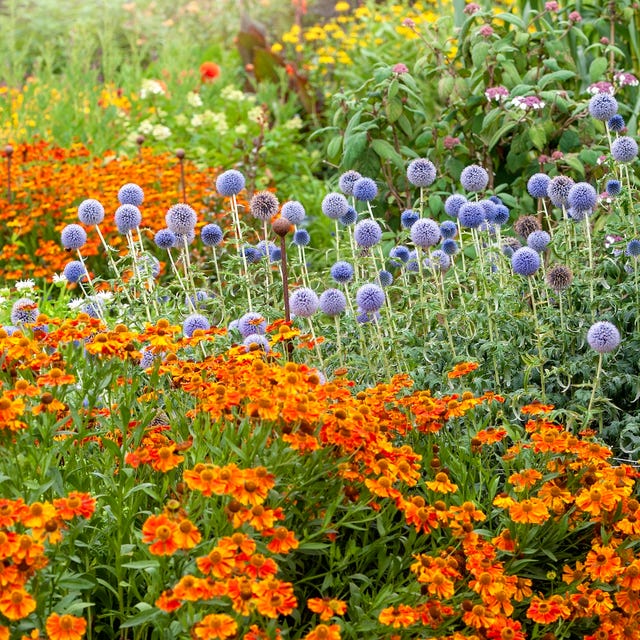
These Low-Maintenance Perennial Flowers Bloom Every Season
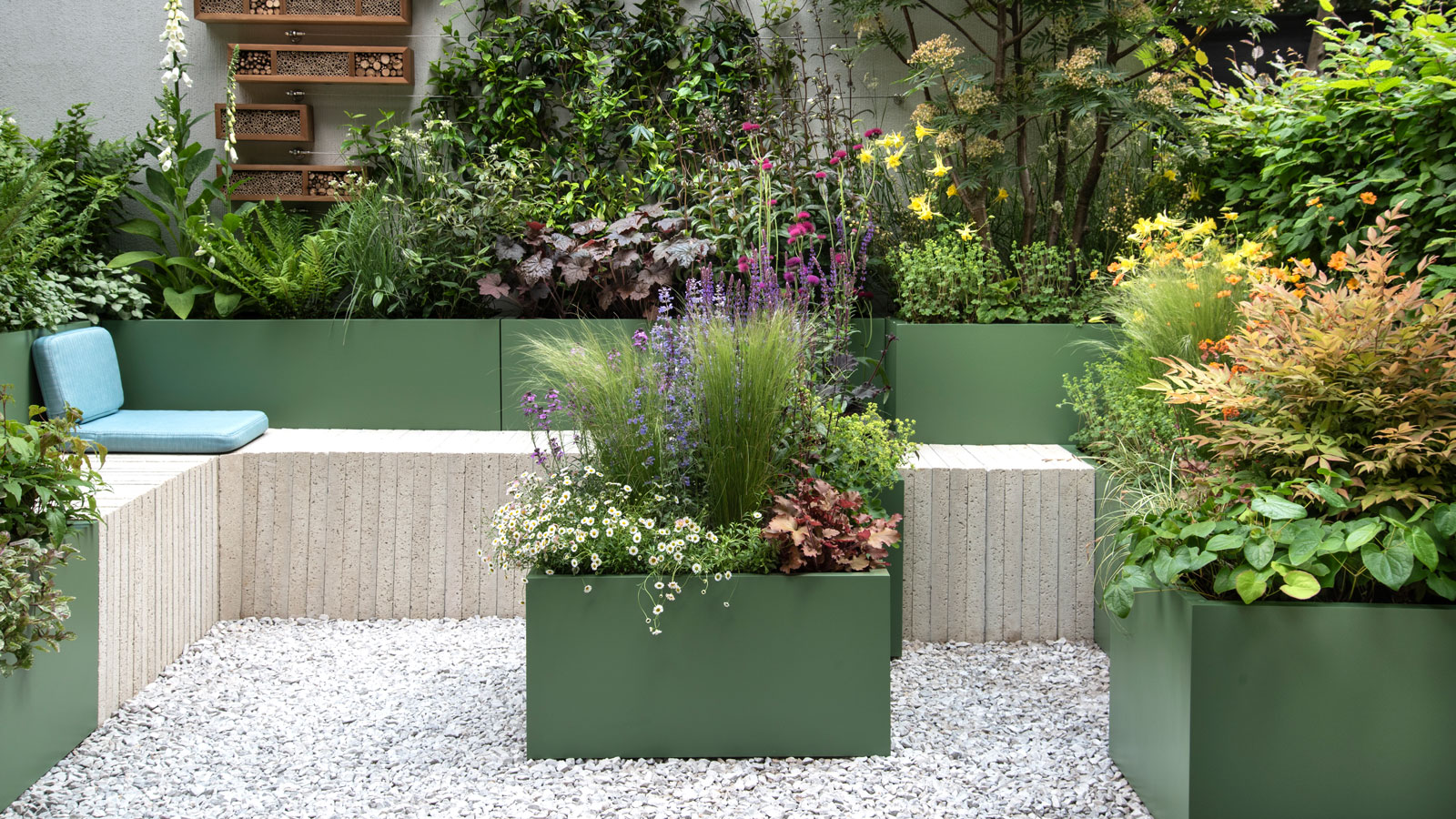
7 patio plants for instant summer color – my go-to fast-growing flowers to plant in July, as a professional gardener
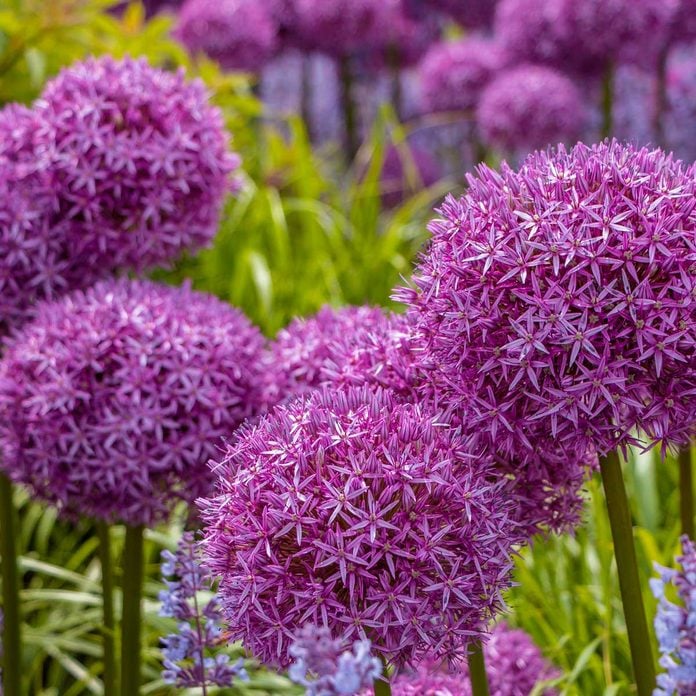
10 Pretty Purple Flowers That’ll Make Your Garden Pop

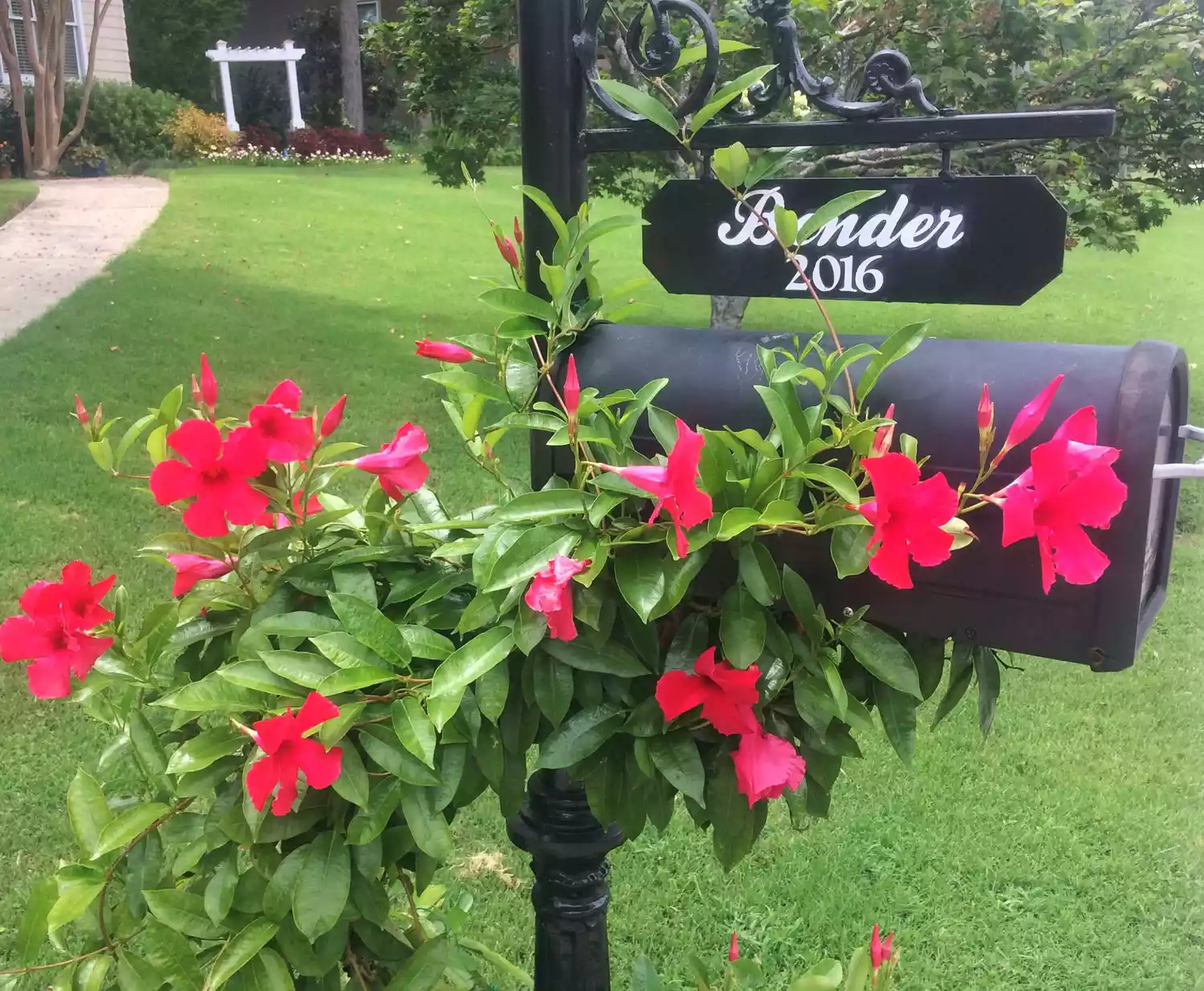
18 Low-Maintenance Flowers To Use Around Your Mailbox