How to Grow and Care for Mexican Petunia
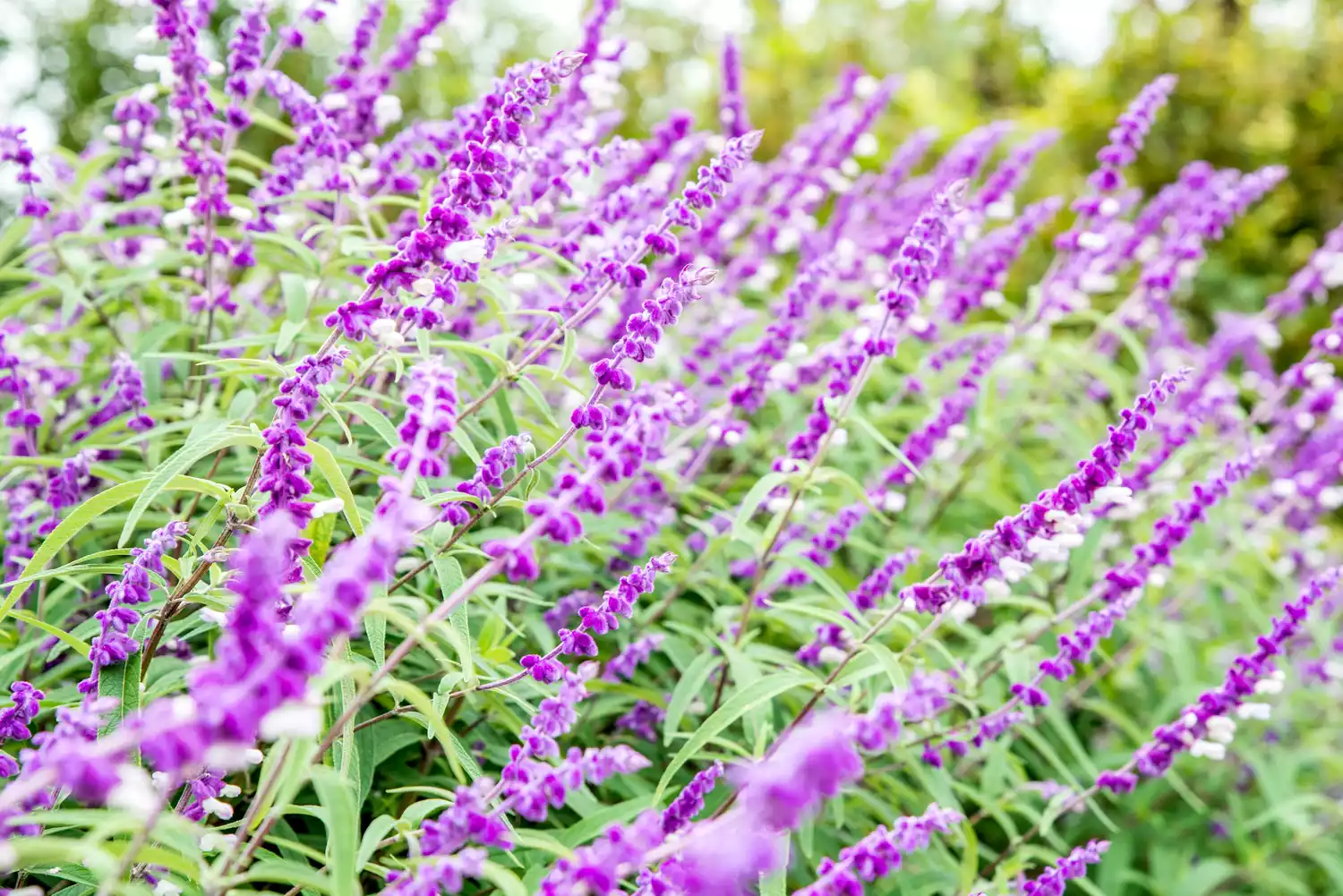
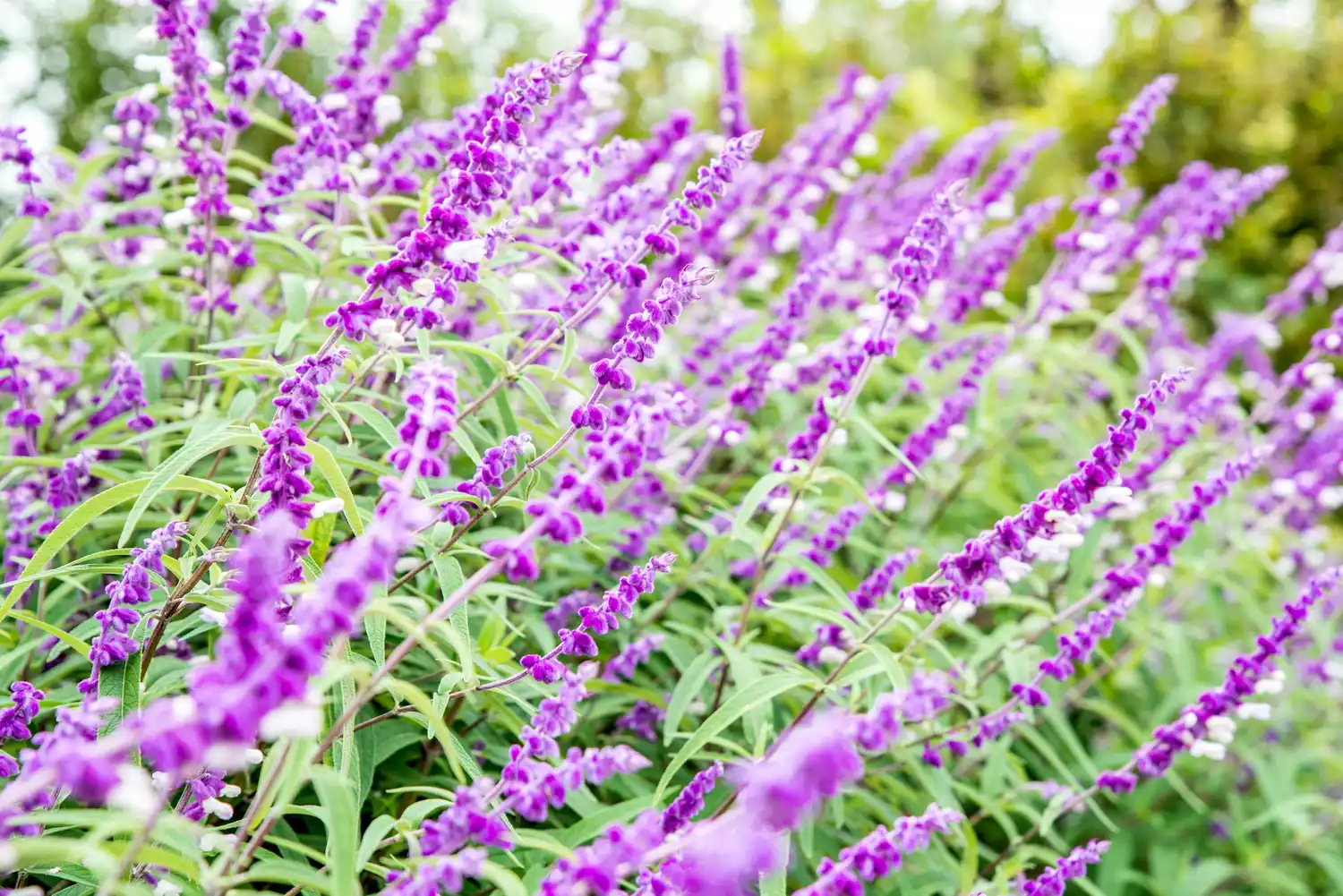
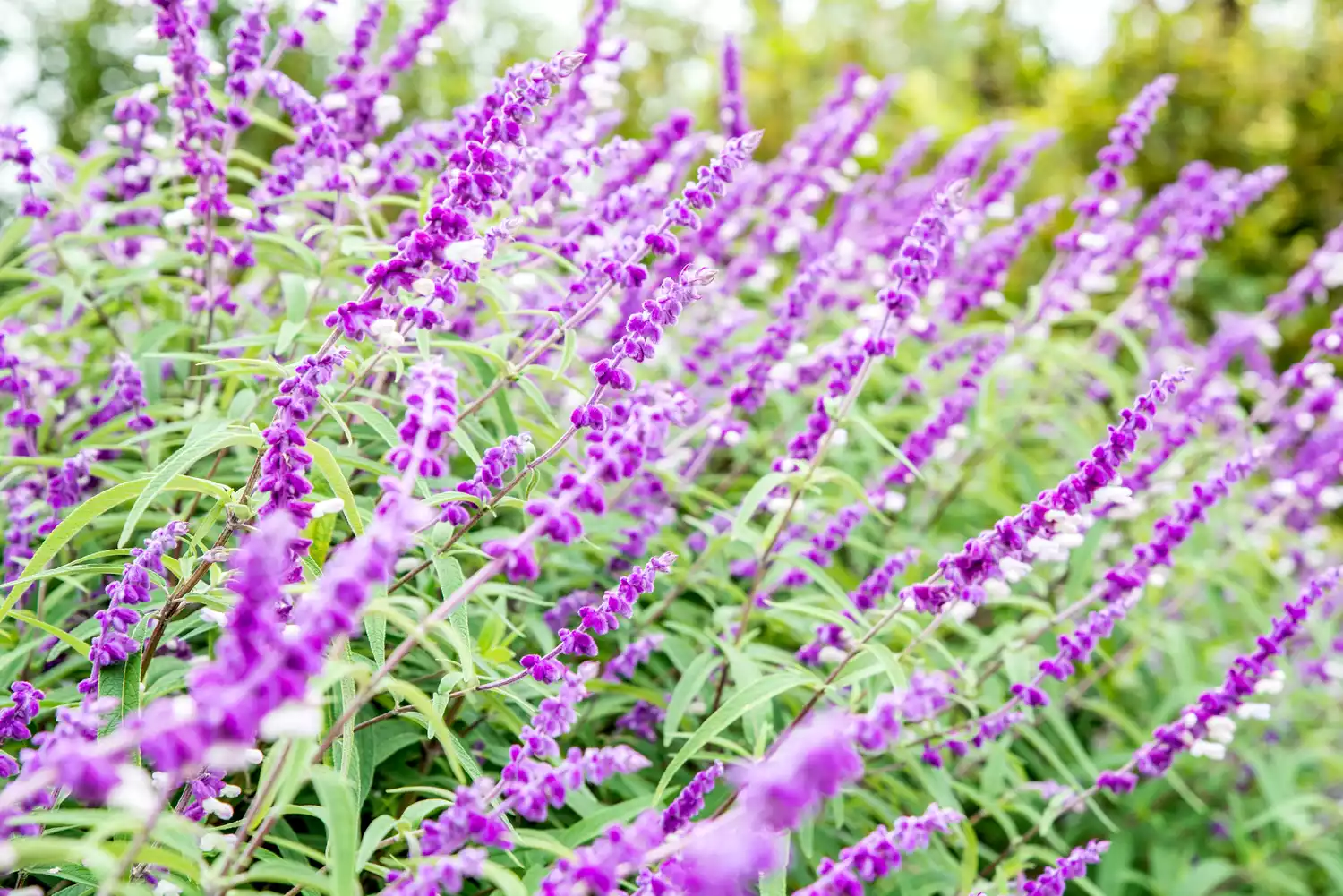
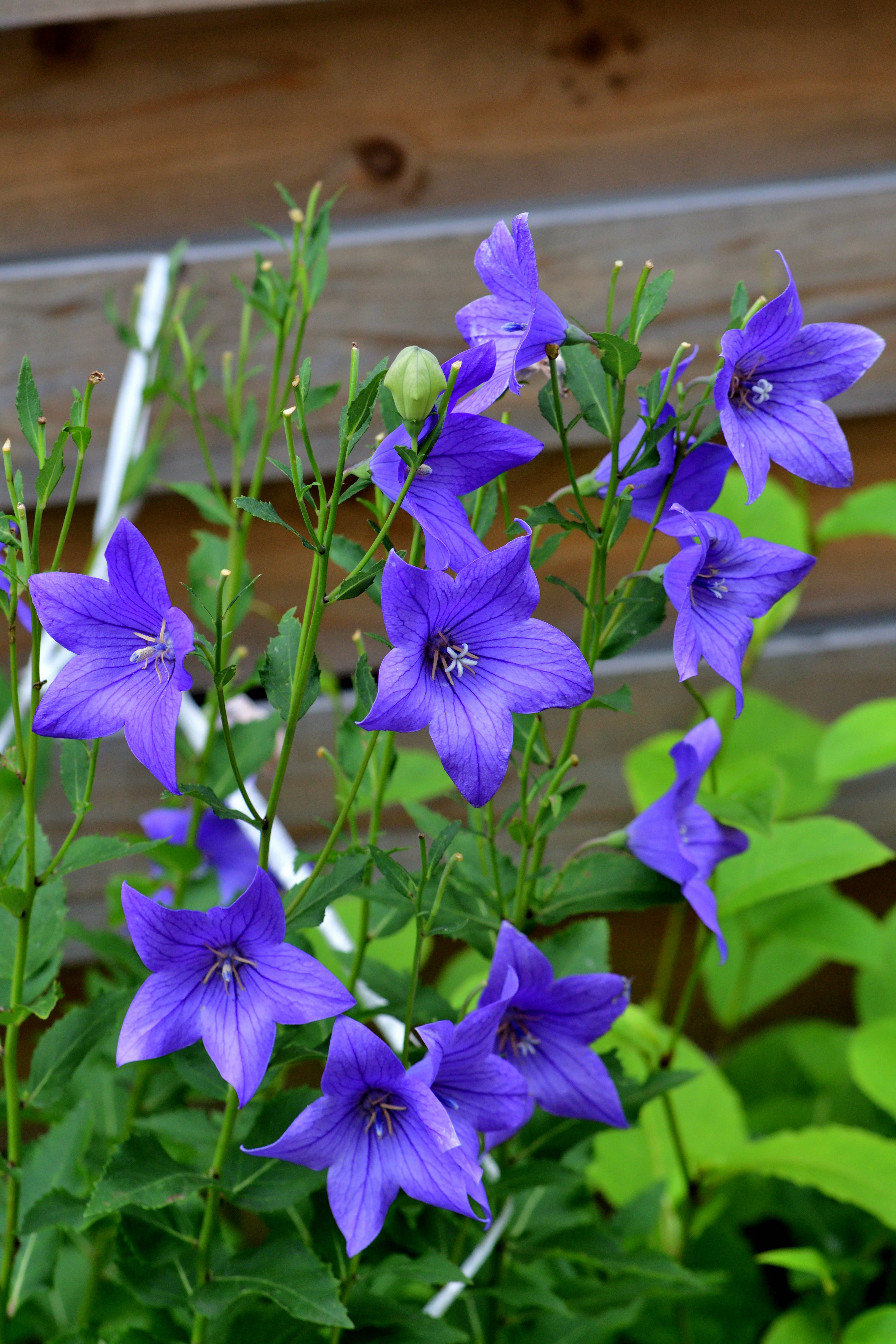
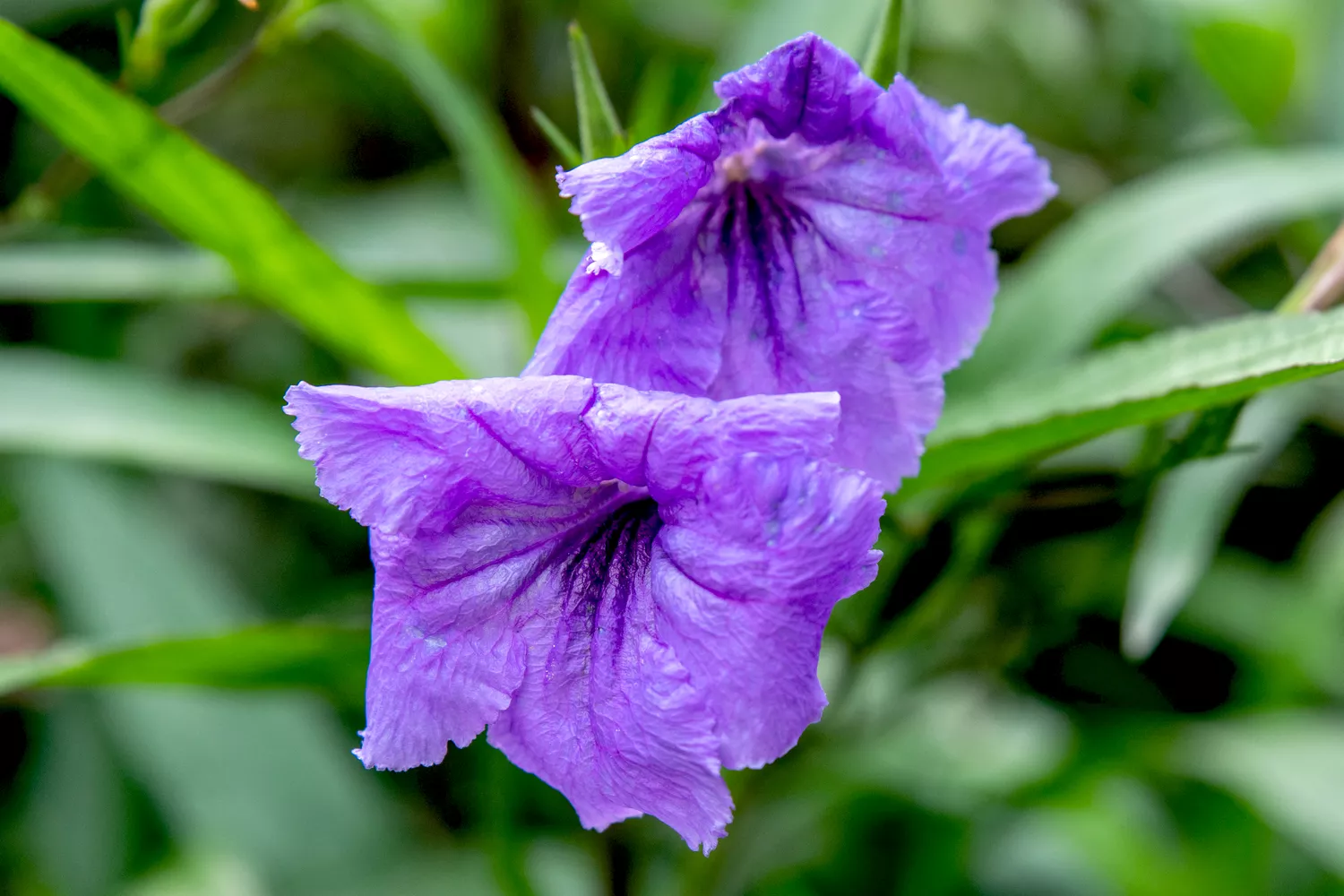
Mexican petunias, also known as Mexican bluebells, are not true petunias but are robust, fast-growing perennials characterized by their purple, petunia-like flowers. These adaptable plants thrive in full or partial sunlight and can withstand challenging conditions such as intense heat, high humidity, flooding, and drought. A key characteristic to note is their aggressive spreading nature, both through underground rhizomes and prolific seed dispersal. This can lead to them outcompeting native flora, and they are even considered invasive in some regions like Florida, necessitating a check for local ordinances before planting.
Optimal care for Mexican petunias involves planting them in full sun to encourage the best blooms, though they can tolerate partial shade, which may result in fewer flowers and green stems instead of the typical purple stems seen in full sun. They are highly tolerant of various soil types but flourish in rich, well-draining soil. While resilient to both dry and damp conditions, maintaining even moisture during the growing season and allowing the soil to dry out in winter is ideal. These plants are not frost-hardy and require protection from cold temperatures. Fertilization is generally not essential, but a light application of all-purpose fertilizer can be beneficial in perennial zones.
Several cultivars offer variety, including 'Chi Chi' with pink blooms and high heat tolerance, 'Mayan White' which is a sterile white-flowered variety, 'Katie' a common dwarf purple cultivar, and 'Purple Showers,' a winter-hardy sterile type that produces various shades of purple flowers and spreads only via rhizomes. Propagation can be achieved through stem cuttings or rhizome division, both ideally performed in summer. Stem cuttings involve taking a 6-inch stem section, optionally dipping it in rooting hormone, and planting it in moist, rich potting soil until roots develop. Rhizome division requires digging up the plant, slicing through the rhizomes to create new plants, and replanting them.
Growing Mexican petunias from seed involves planting seeds in moist, rich potting soil, covering them lightly, and placing the pots in a warm area with bright, indirect light. Seedlings typically emerge within 10 days and can be hardened off outdoors once they reach a few inches tall. These plants are well-suited for container growing, especially for overwintering indoors in colder climates, though they require frequent repotting due to their rapid growth. Repotting involves selecting a larger pot, transferring the plant, and backfilling with fertile, well-draining soil.
Mexican petunias generally do not face serious pest or disease issues. However, tiny eriophyid mites can cause dense, fuzzy white splotches on leaves. Small infestations can be managed by removing affected leaves, while larger infestations may require horticultural oils or, in severe cases, cutting the plant back to a few inches above the ground and disposing of the affected parts in sealed bags to prevent further spread. Healthy plants bloom readily from May to September, or year-round in frost-free regions. To encourage more blooms, ensure ample sunlight and prune after flowering. Deadheading spent flowers also promotes continuous blooming. The most common problem, apart from their aggressive spread, is brown leaves, usually indicative of cold damage, which can be remedied by moving the plant to a warmer environment and removing damaged foliage. The plant's vigorous spreading is aided by seeds that lack dormancy and develop a gel coating when wet, allowing them to stick to surfaces and germinate quickly; sterile cultivars offer a solution for managing this spread.
#MexicanPetunia #PerennialPlants #GardeningTips #PlantCare #InvasiveSpecies #Horticulture #FloweringPlants #DroughtTolerant #HeatTolerant #MexicanPetunia #PerennialPlants #GardeningTips #PlantCare #InvasiveSpecies #Horticulture #FloweringPlants #DroughtTolerant #HeatTolerant
0 comment in total
 No comments yet
You may also like
Growing and Care Tips for Mexican Bush Sage
How to Grow and Care for Portulaca for Thriving Blooms All Summer Long
Not Only Is Purple Passion Plant Gorgeous, It's Easy to Grow
How to Grow and Care for Pride of Madeira
These Low-Maintenance Perennial Flowers Bloom Every Season

Grow Purple Heart Plant As A Ground Cover Or In A Hanging Basket
How To Grow And Care For Columbine Flowers
The Drought-Tolerant And Low-Maintenance Perennial That Showcases Lovely Purple Blooms

Best pothos varieties – 7 choices for a unique trailing houseplant

10 Pothos Varieties You'll Want to Add to Your Houseplant Collection