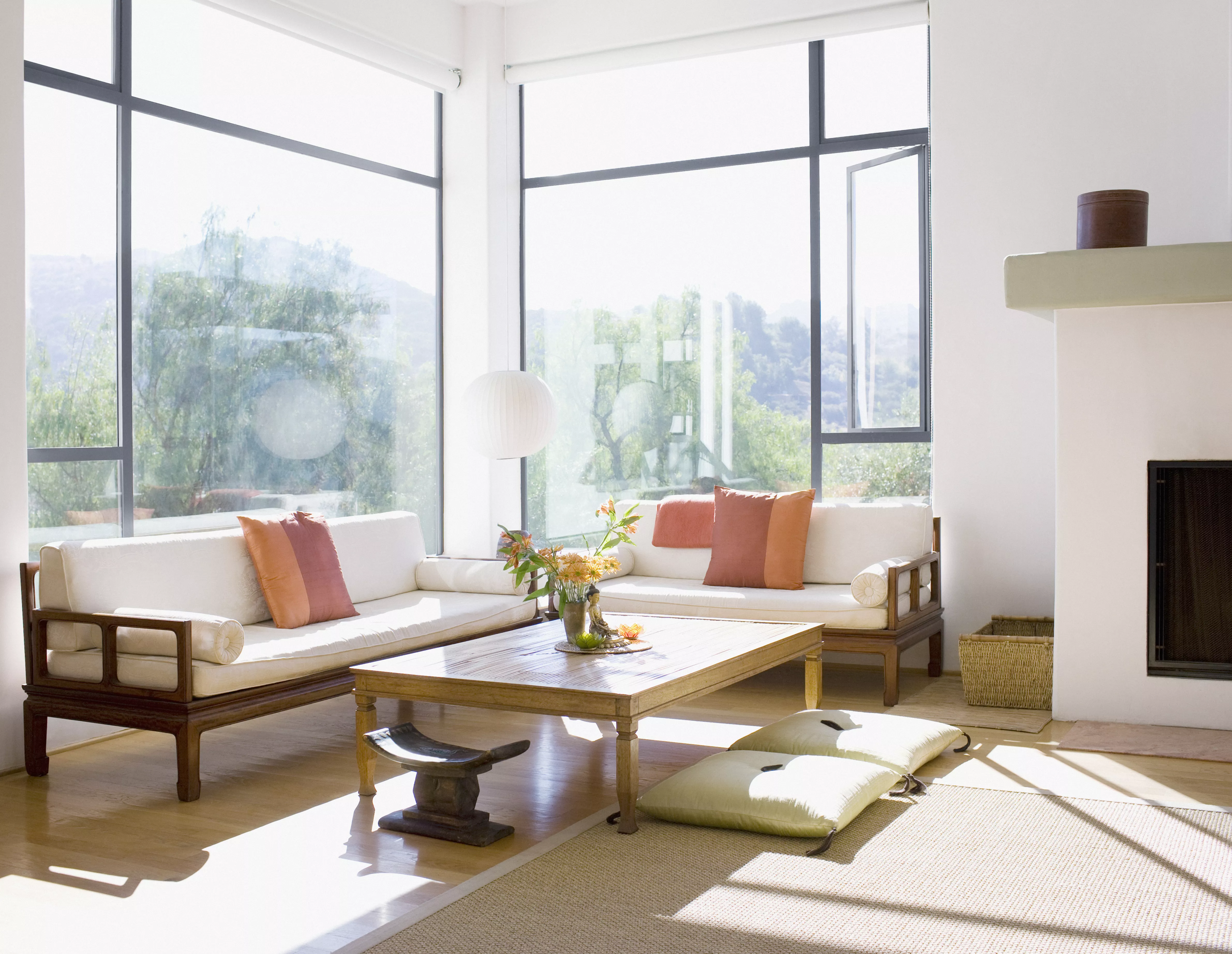
Turn Natural Light into Your Home's Best Feature: 8 Tips from an Interior Designer
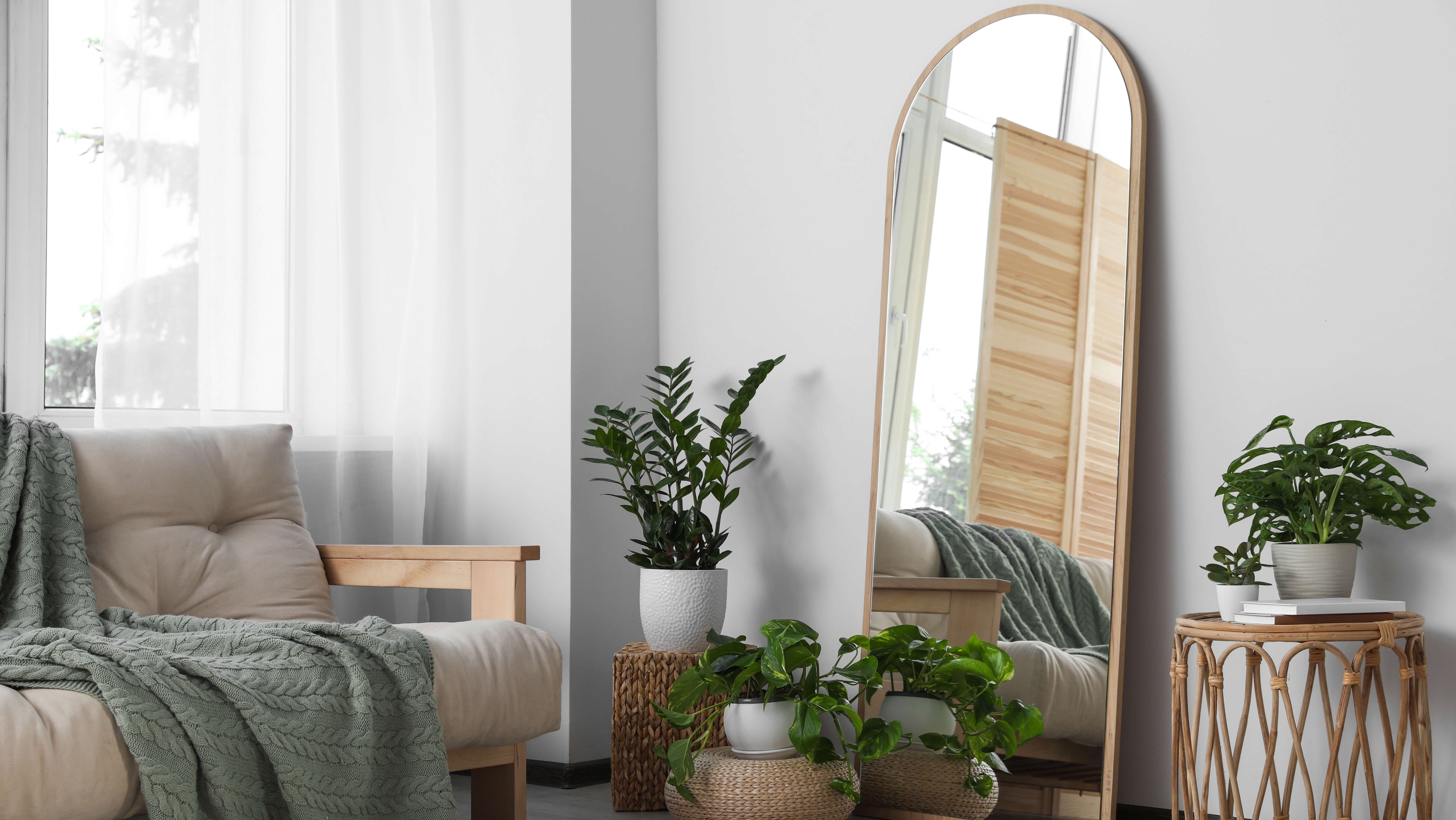
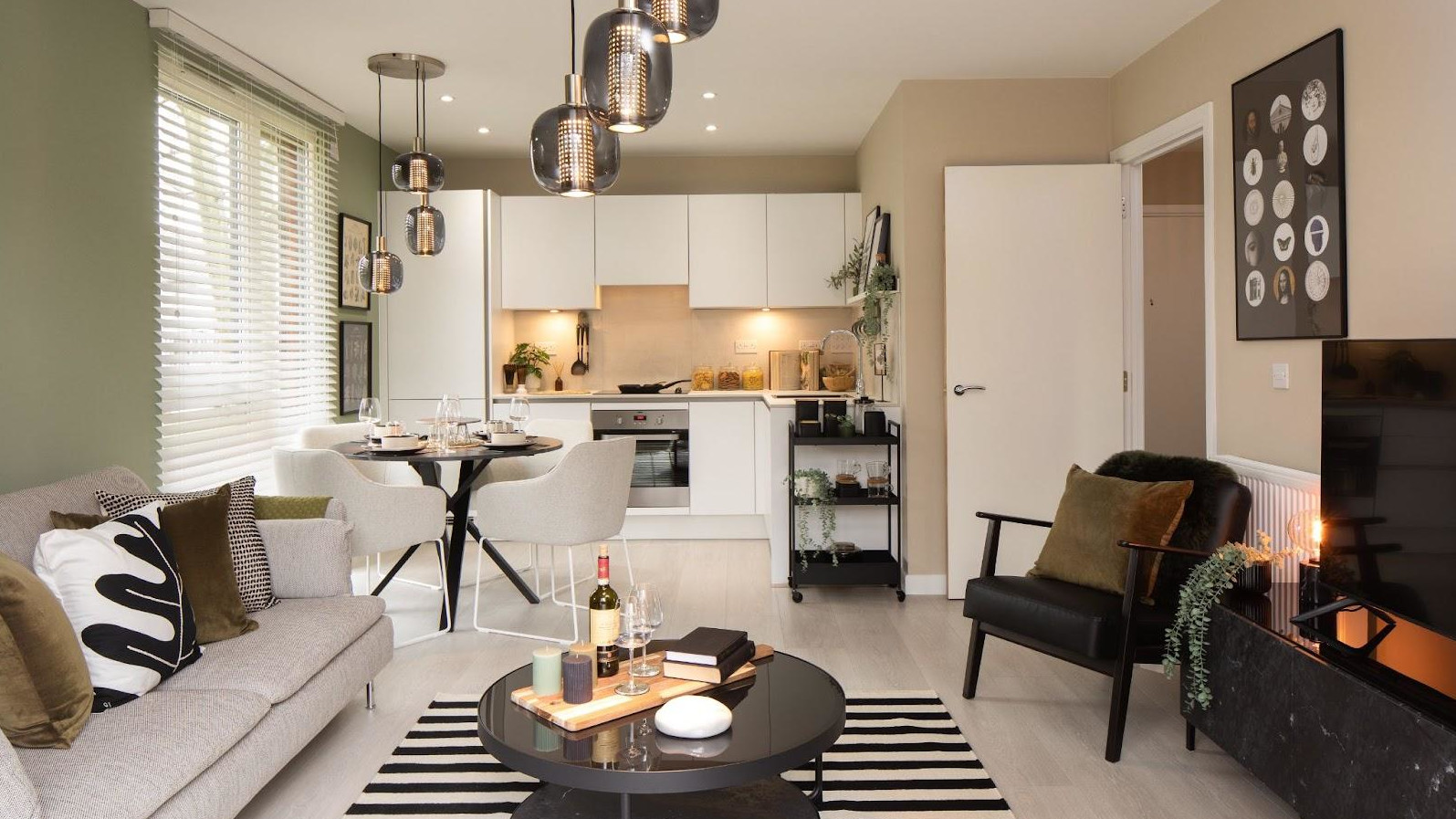
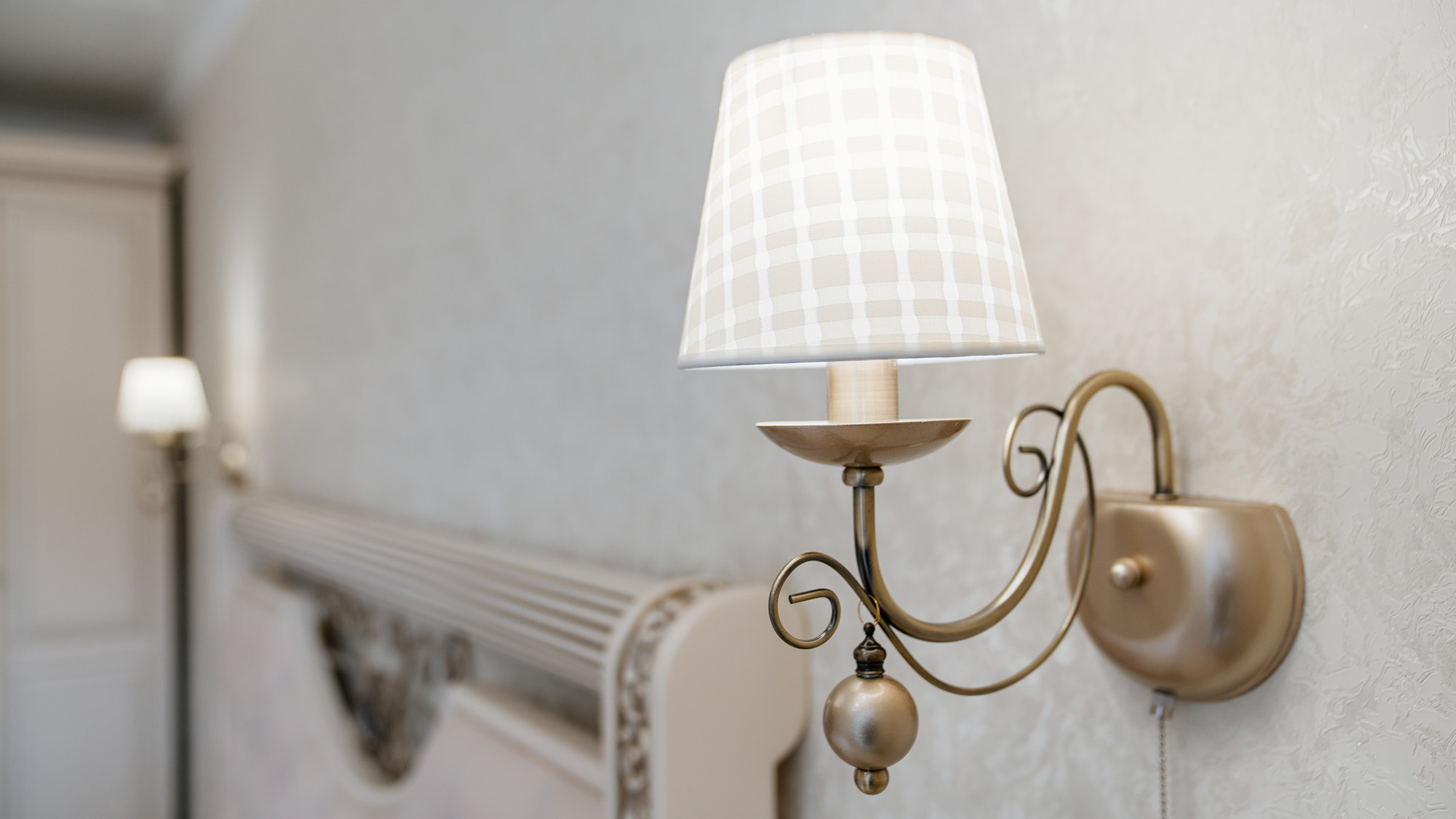
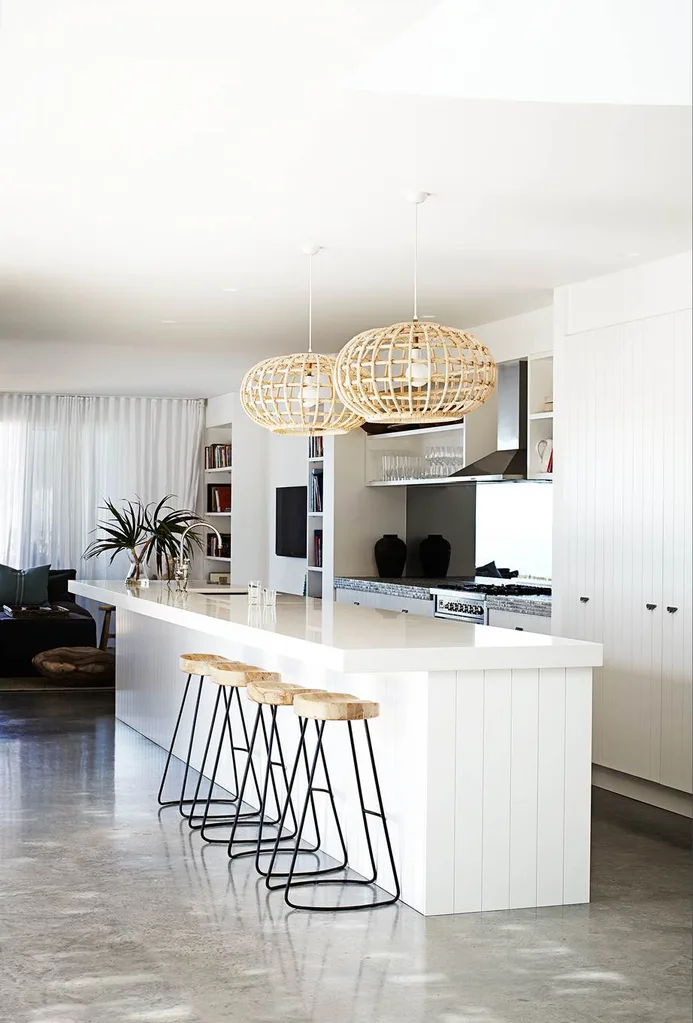
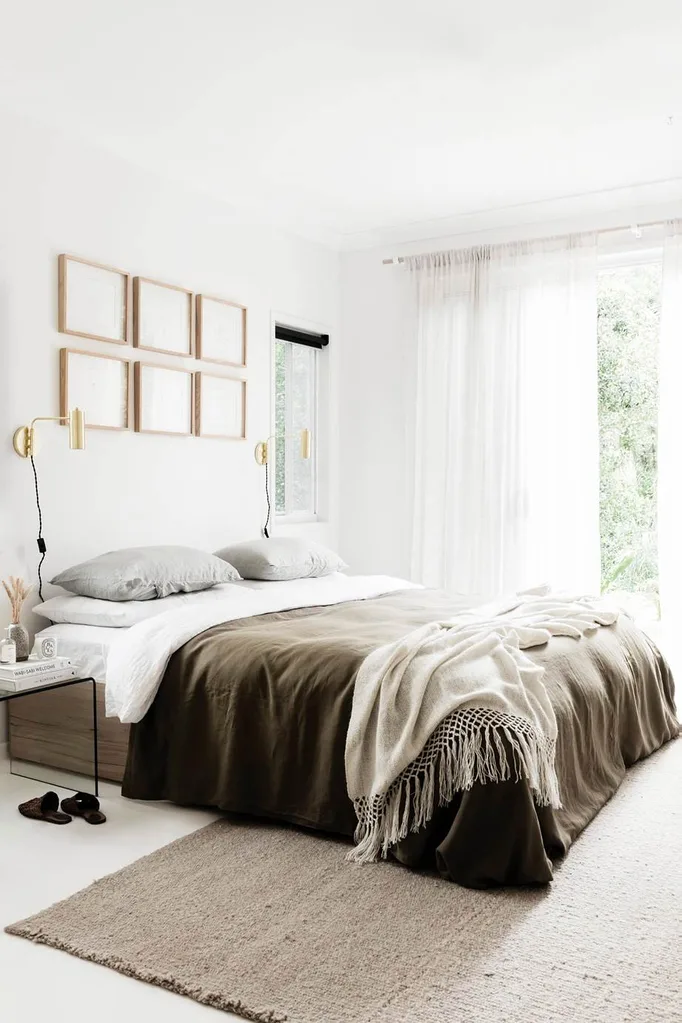
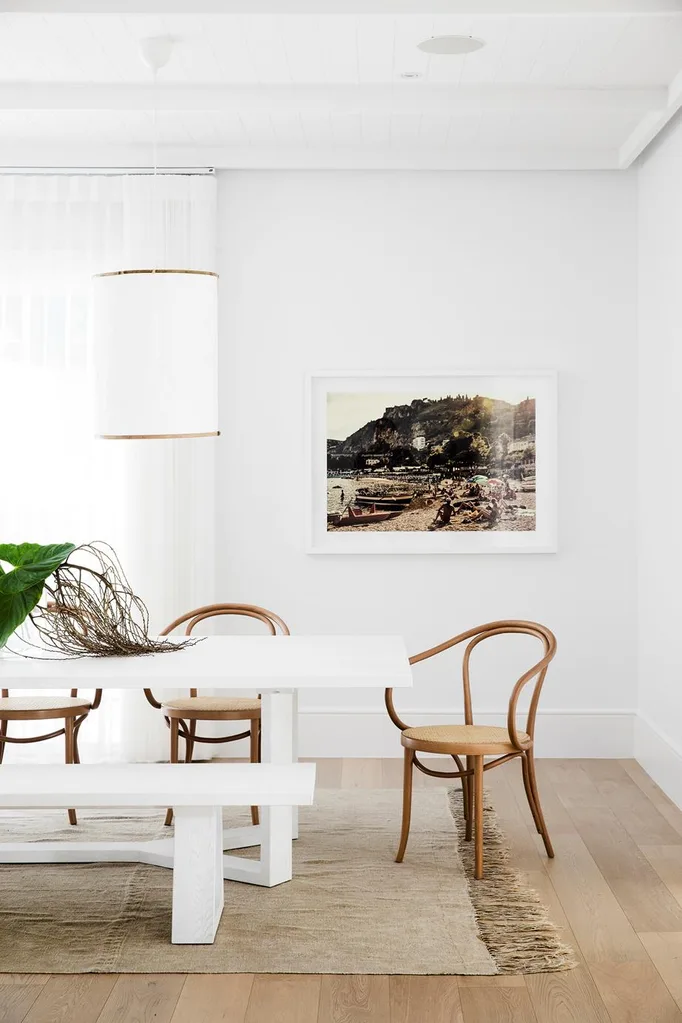
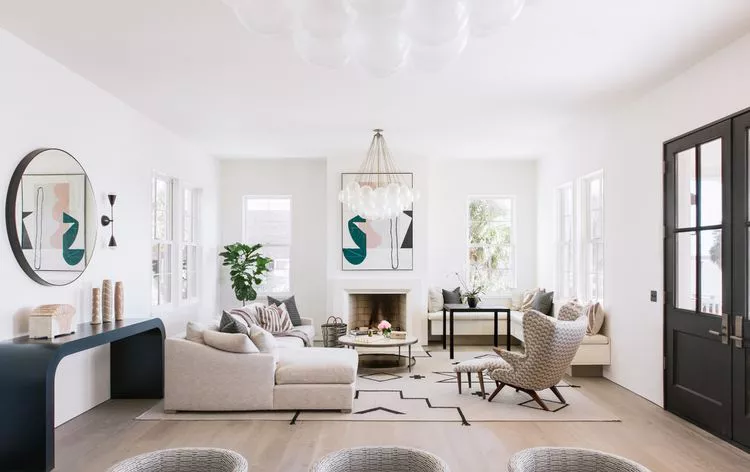
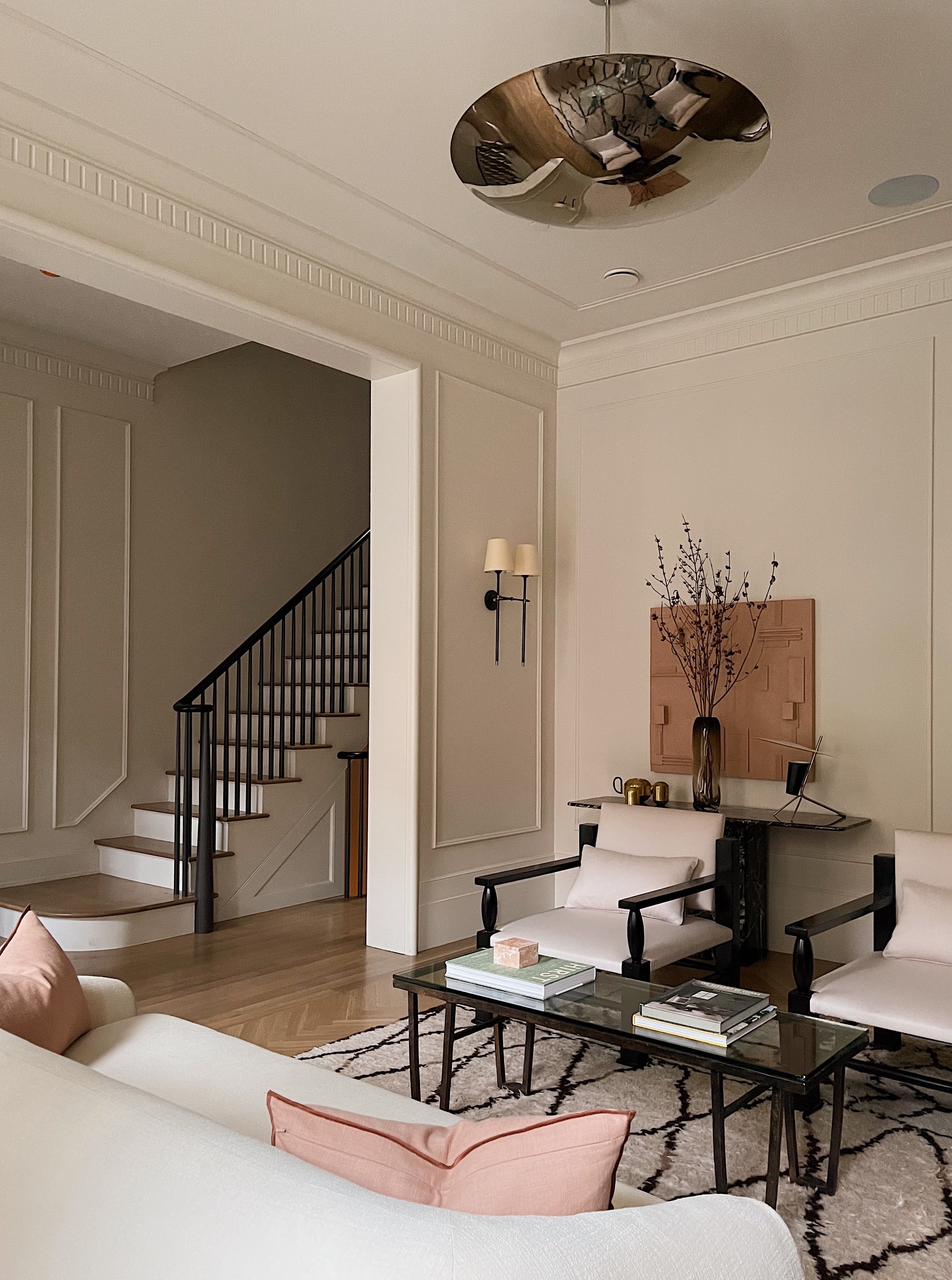
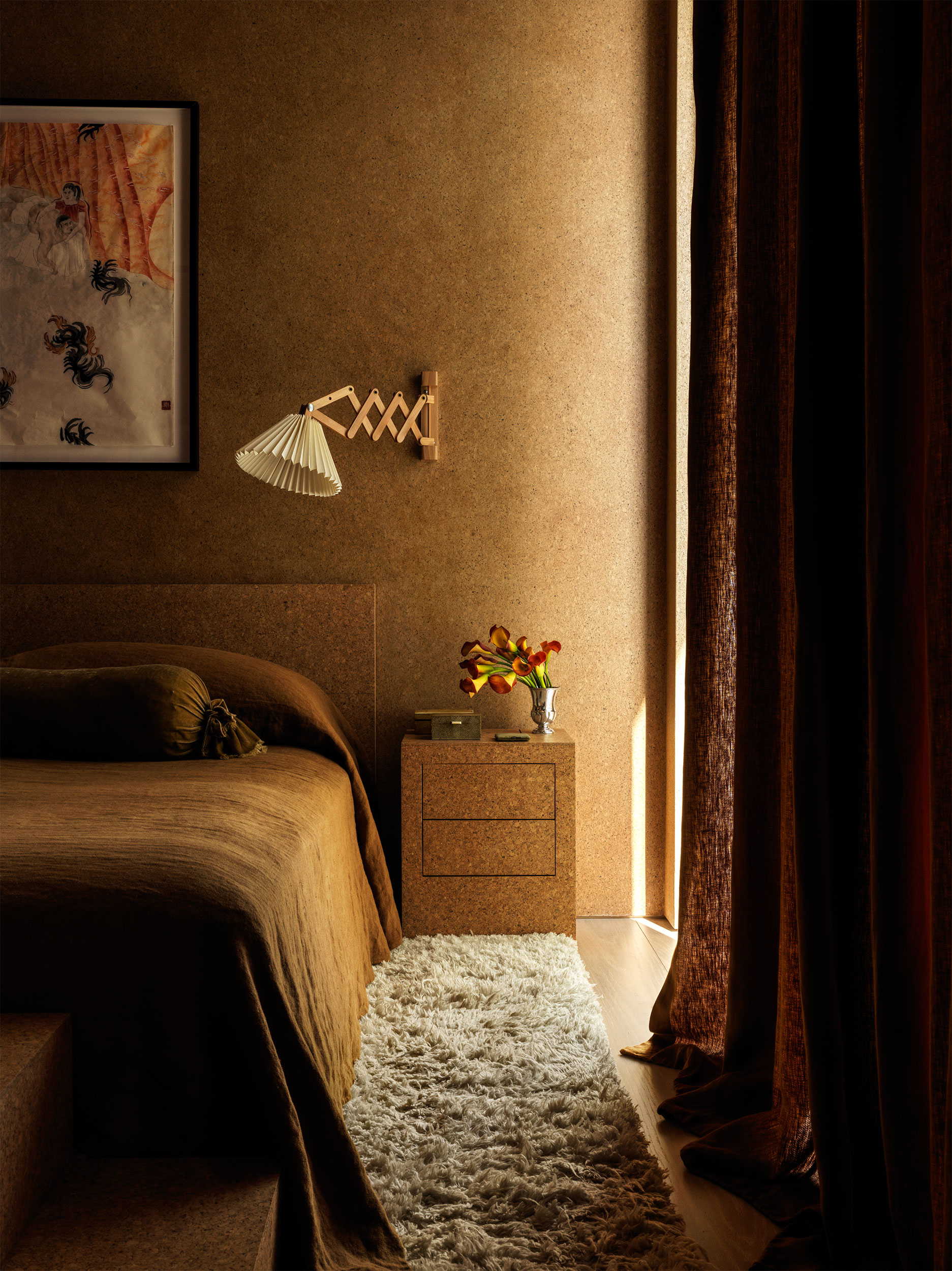
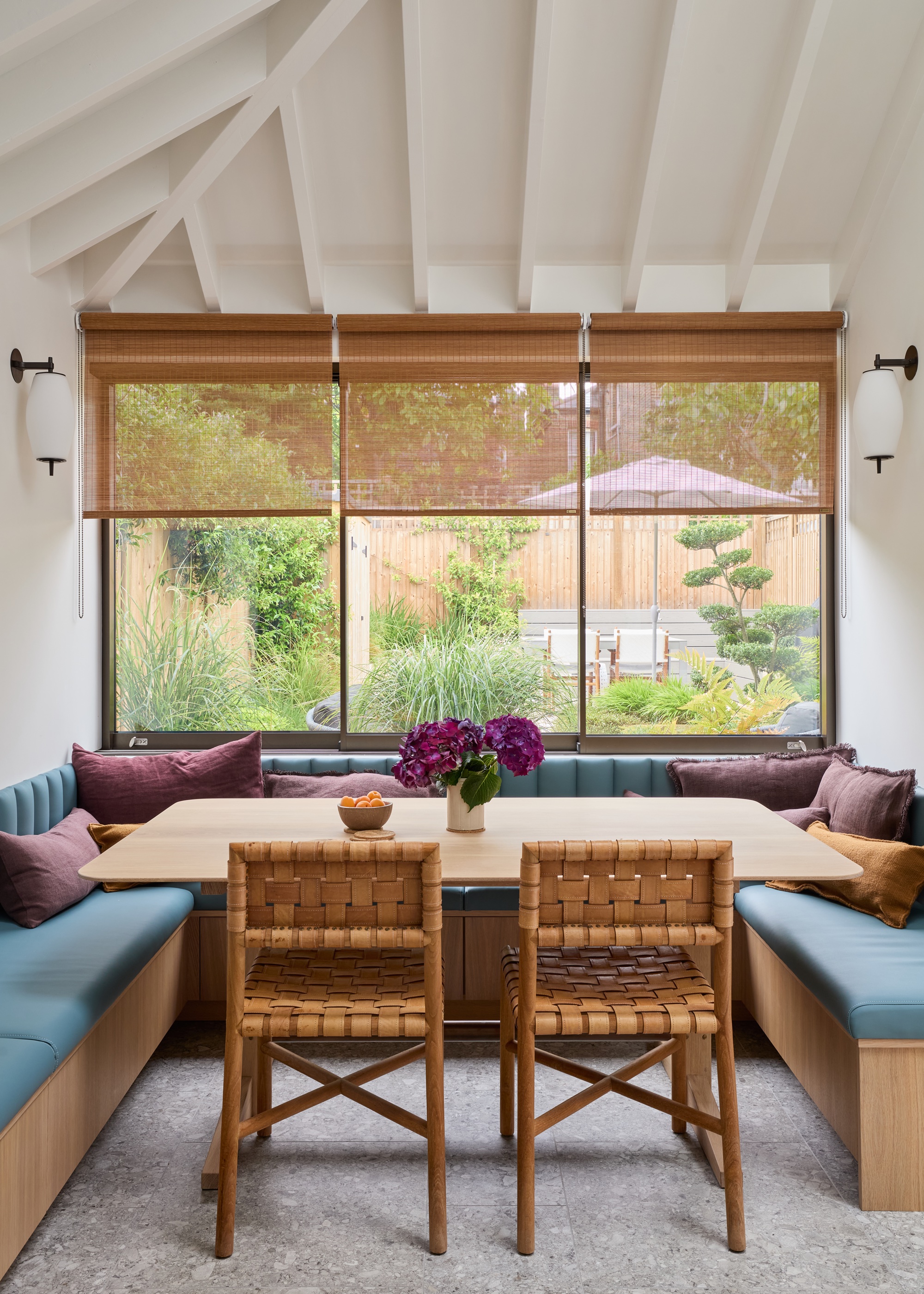
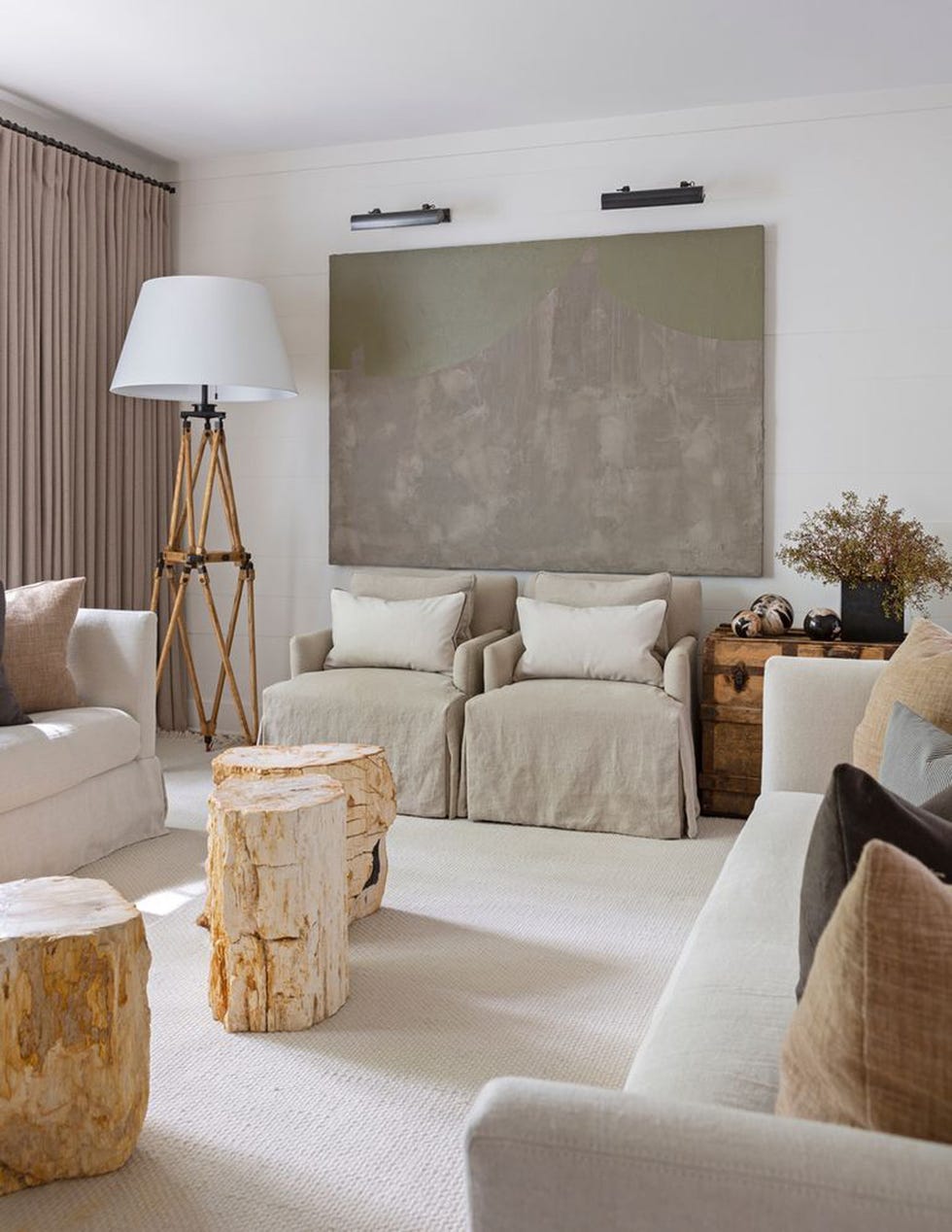
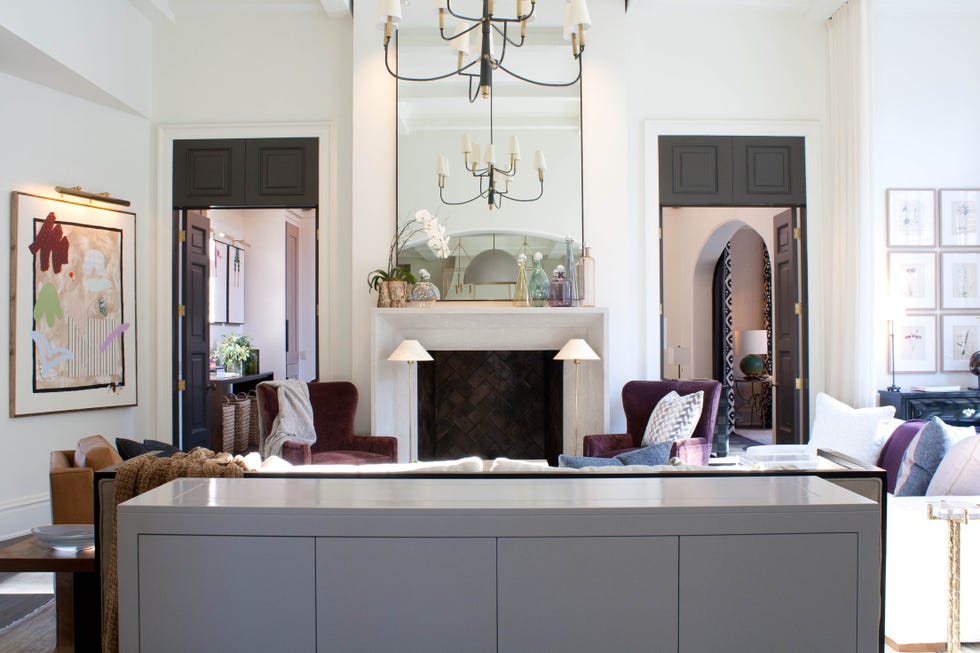
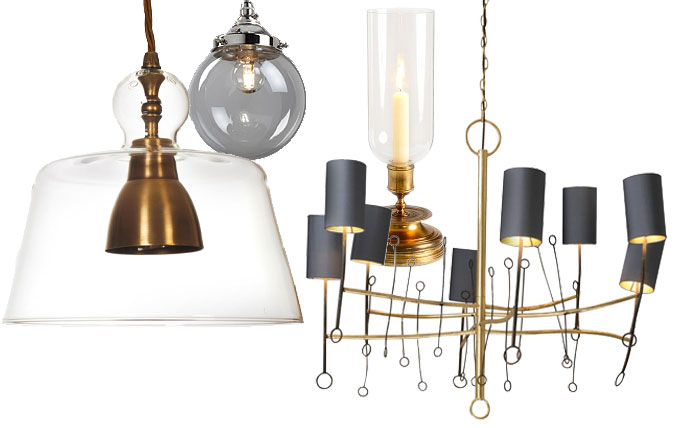
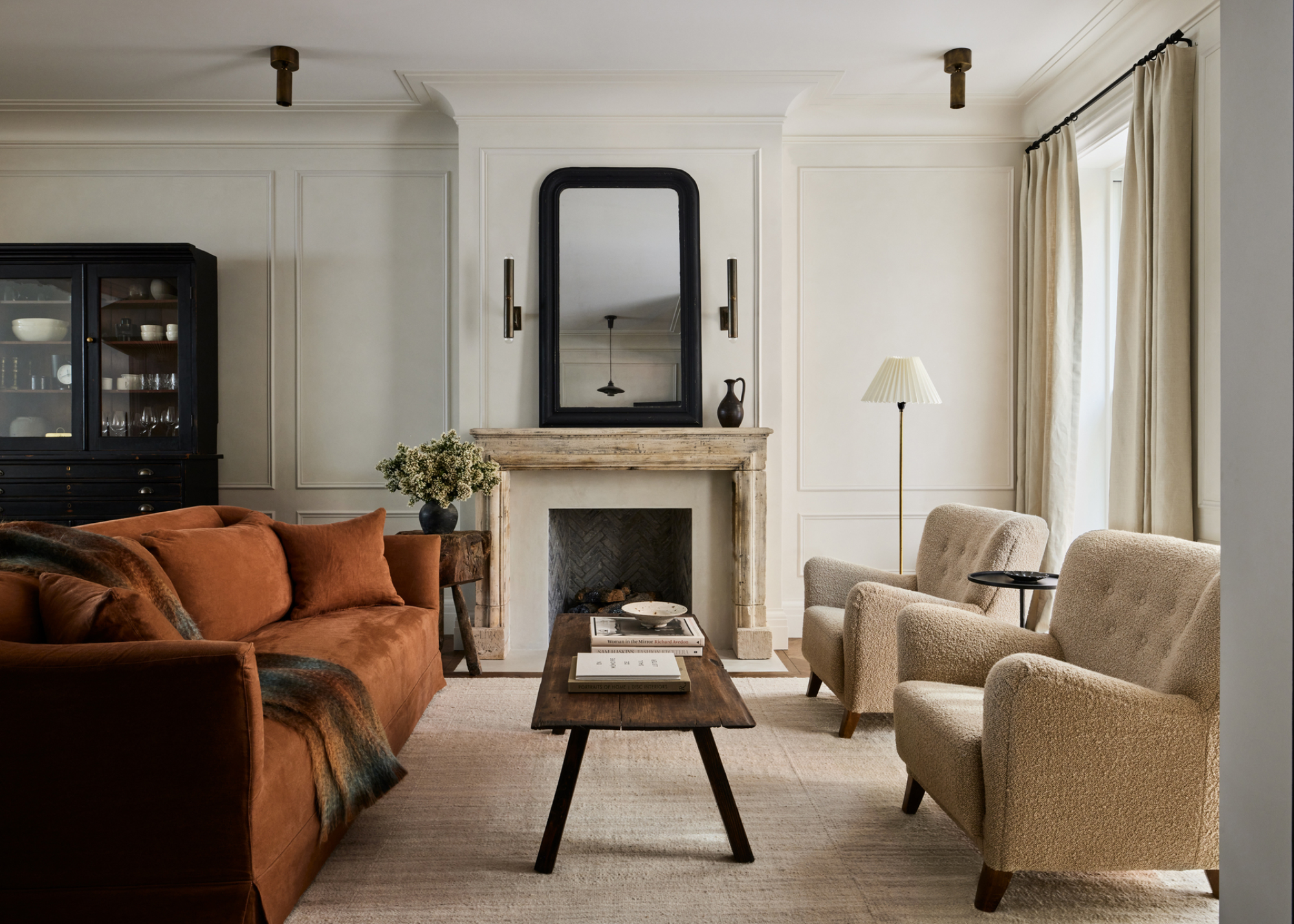
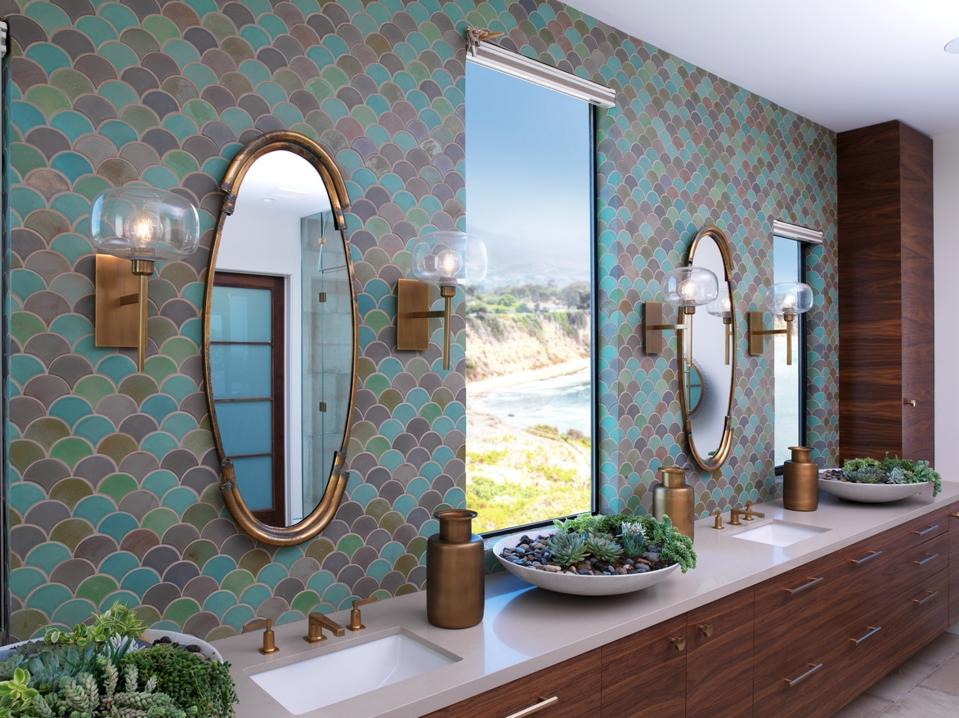
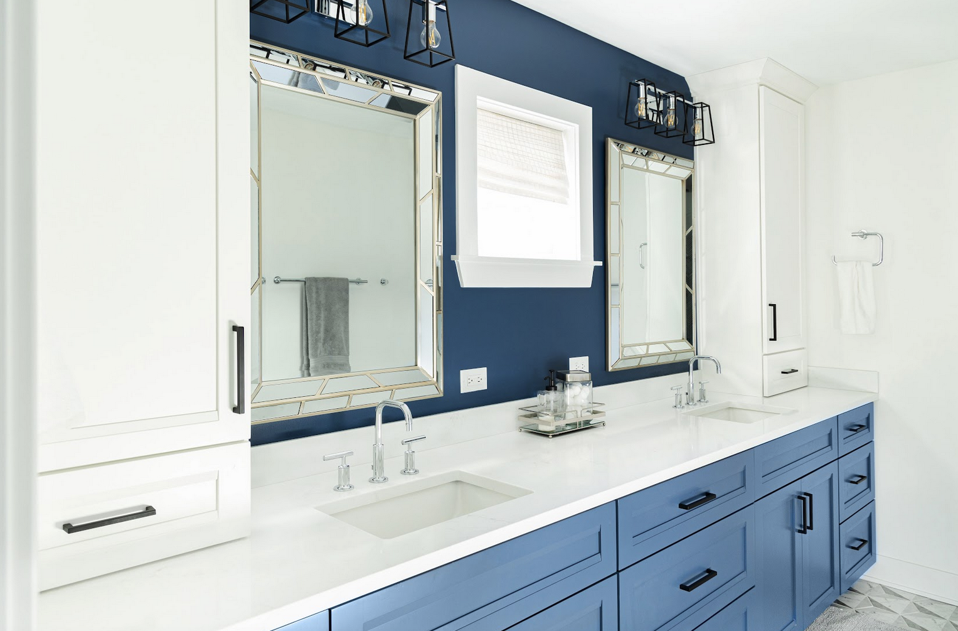
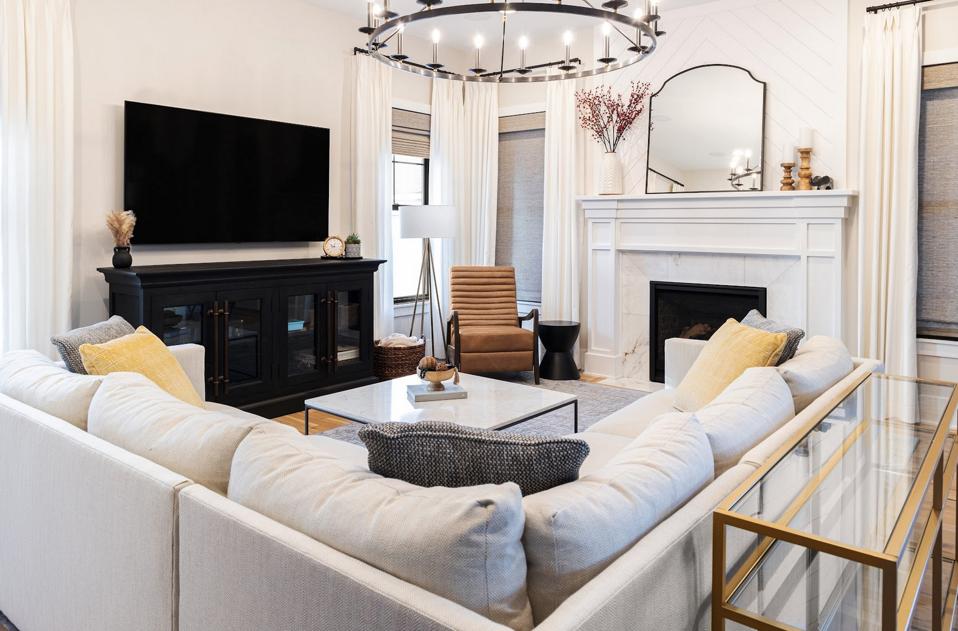
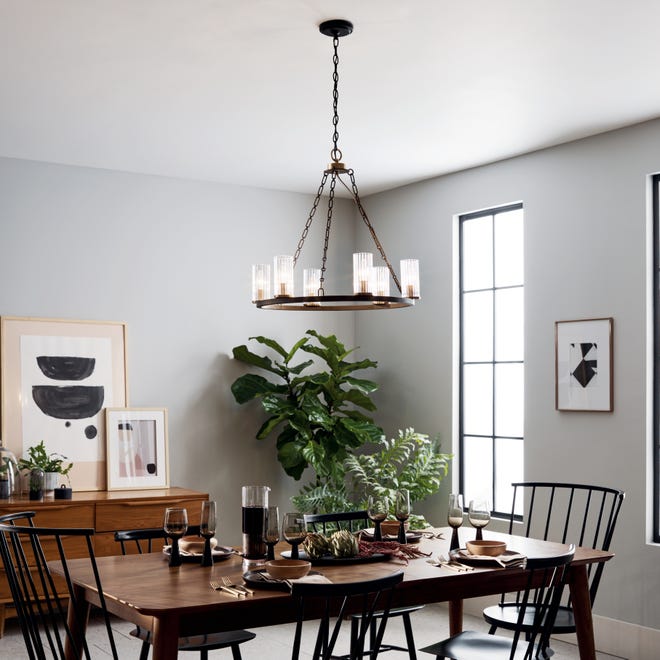
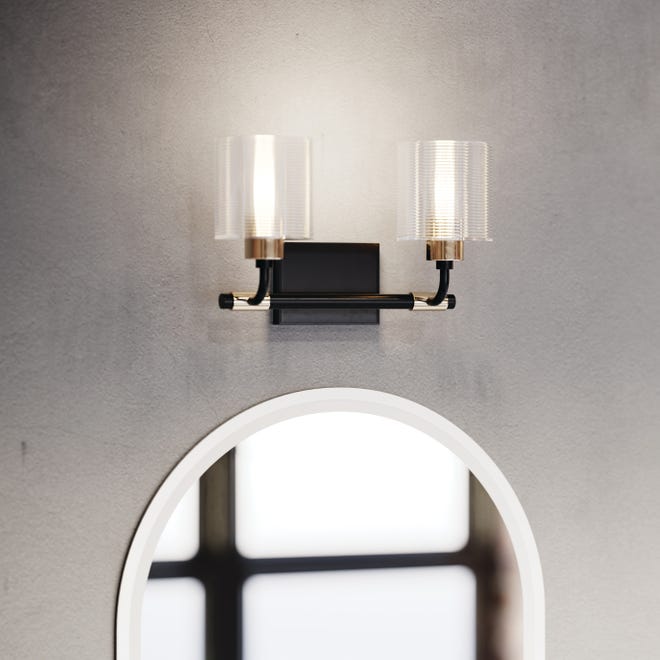
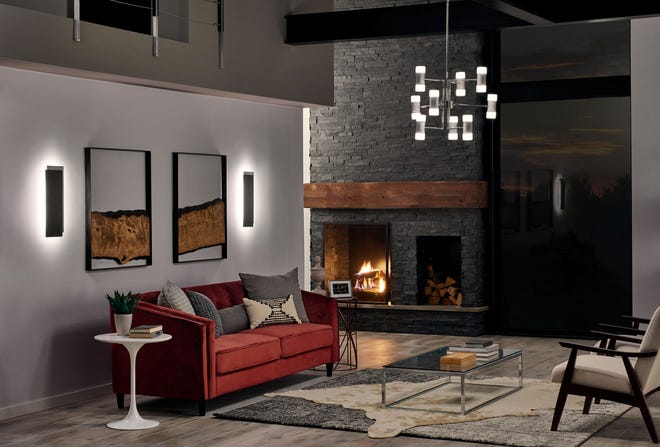
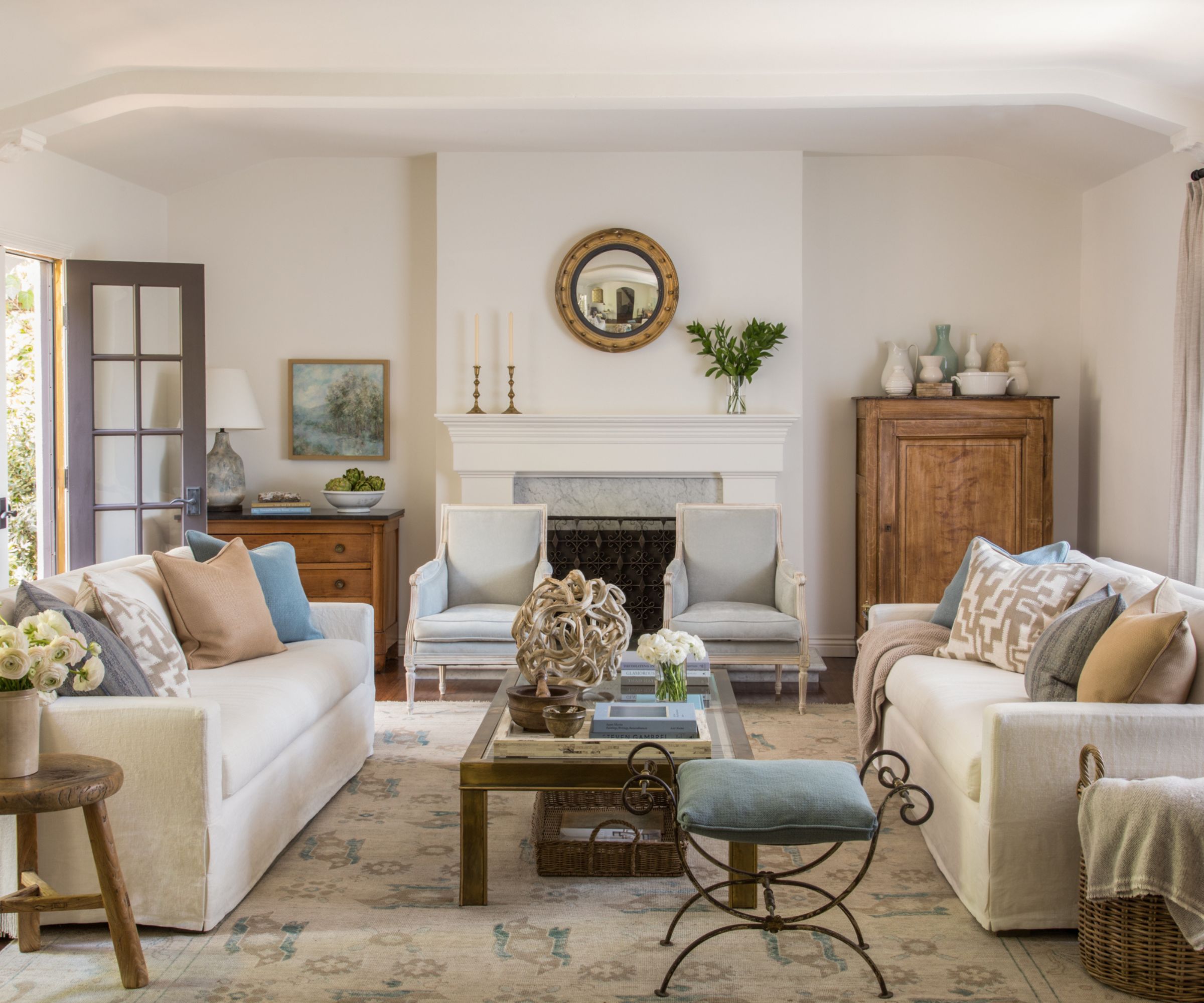
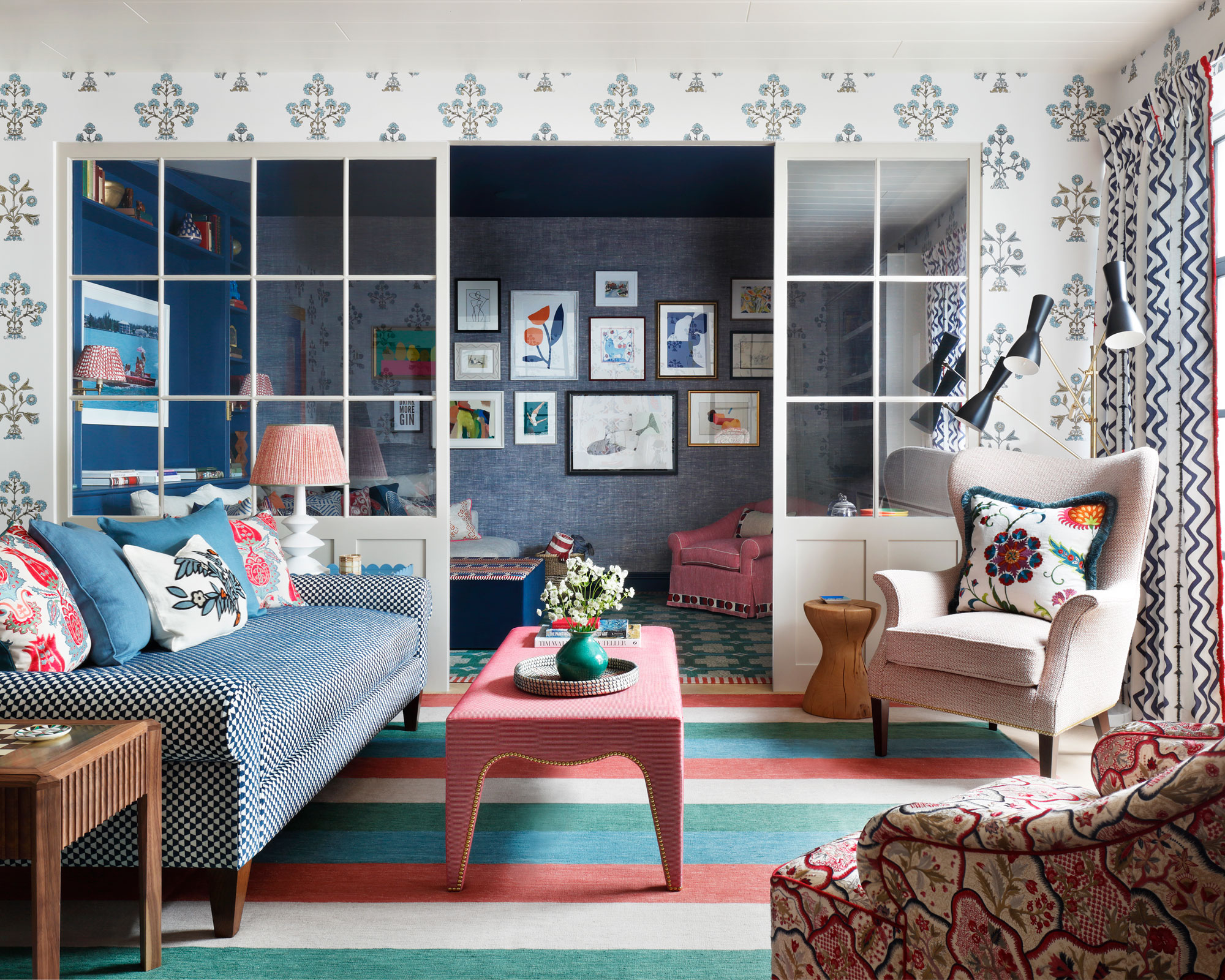
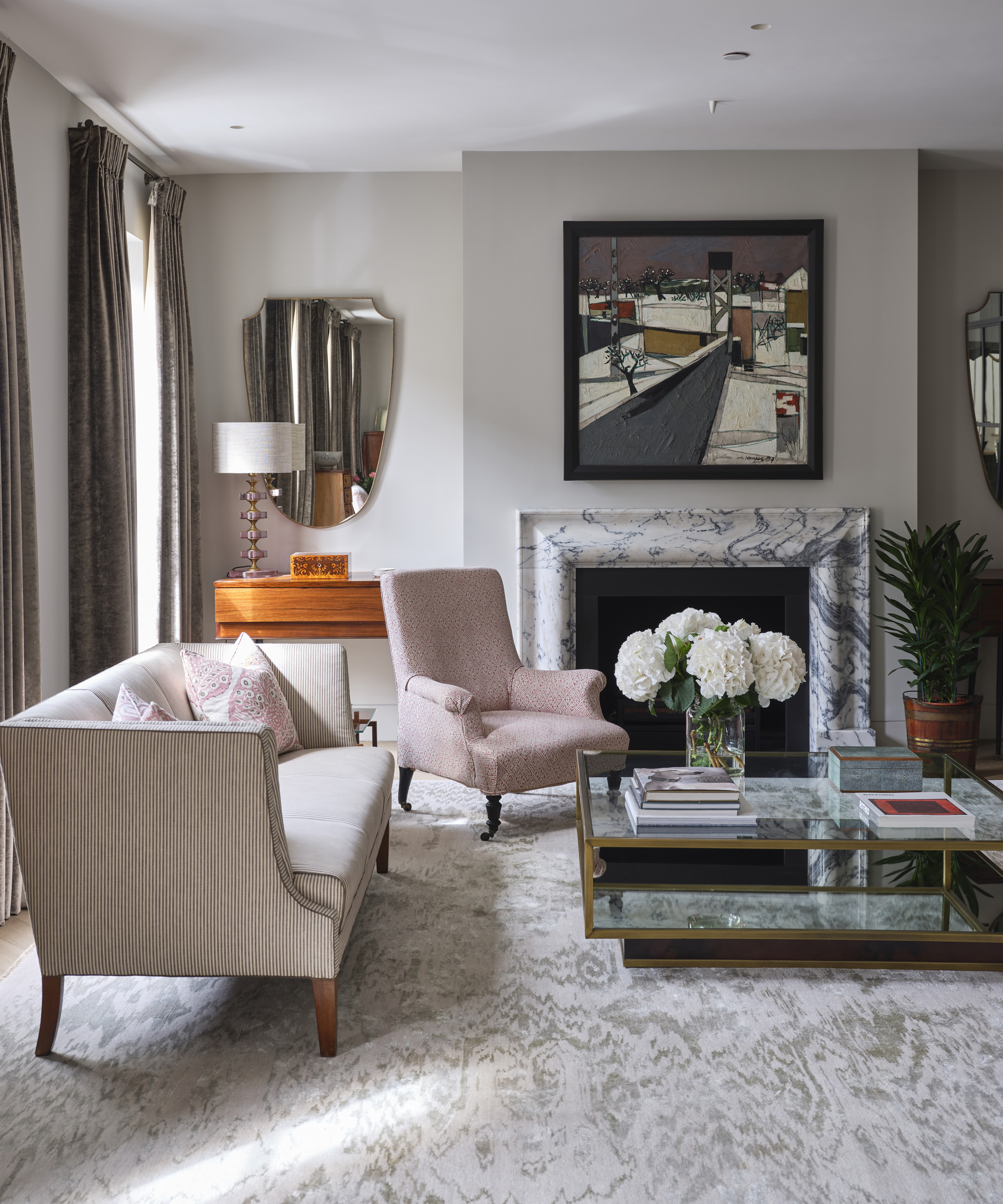
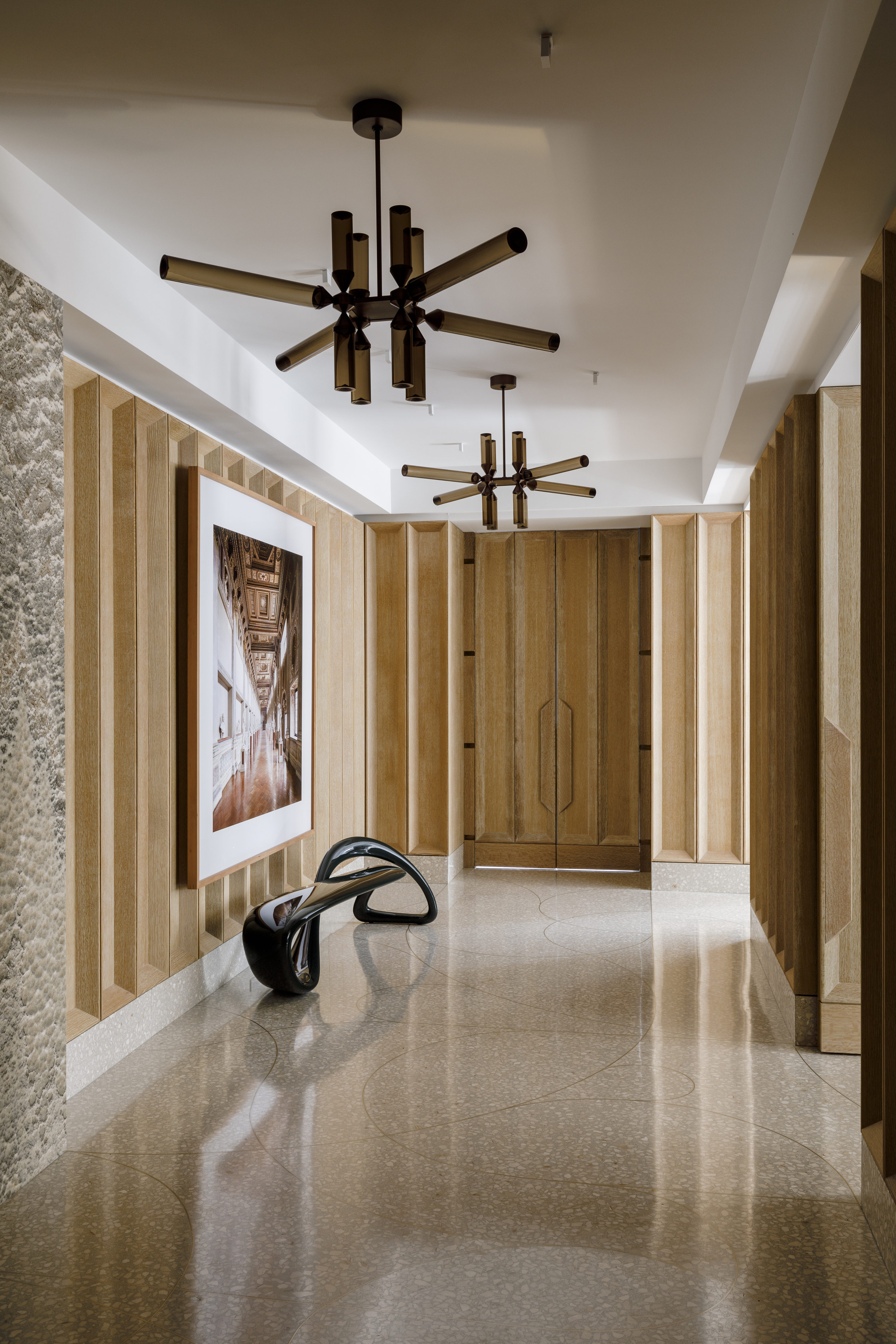
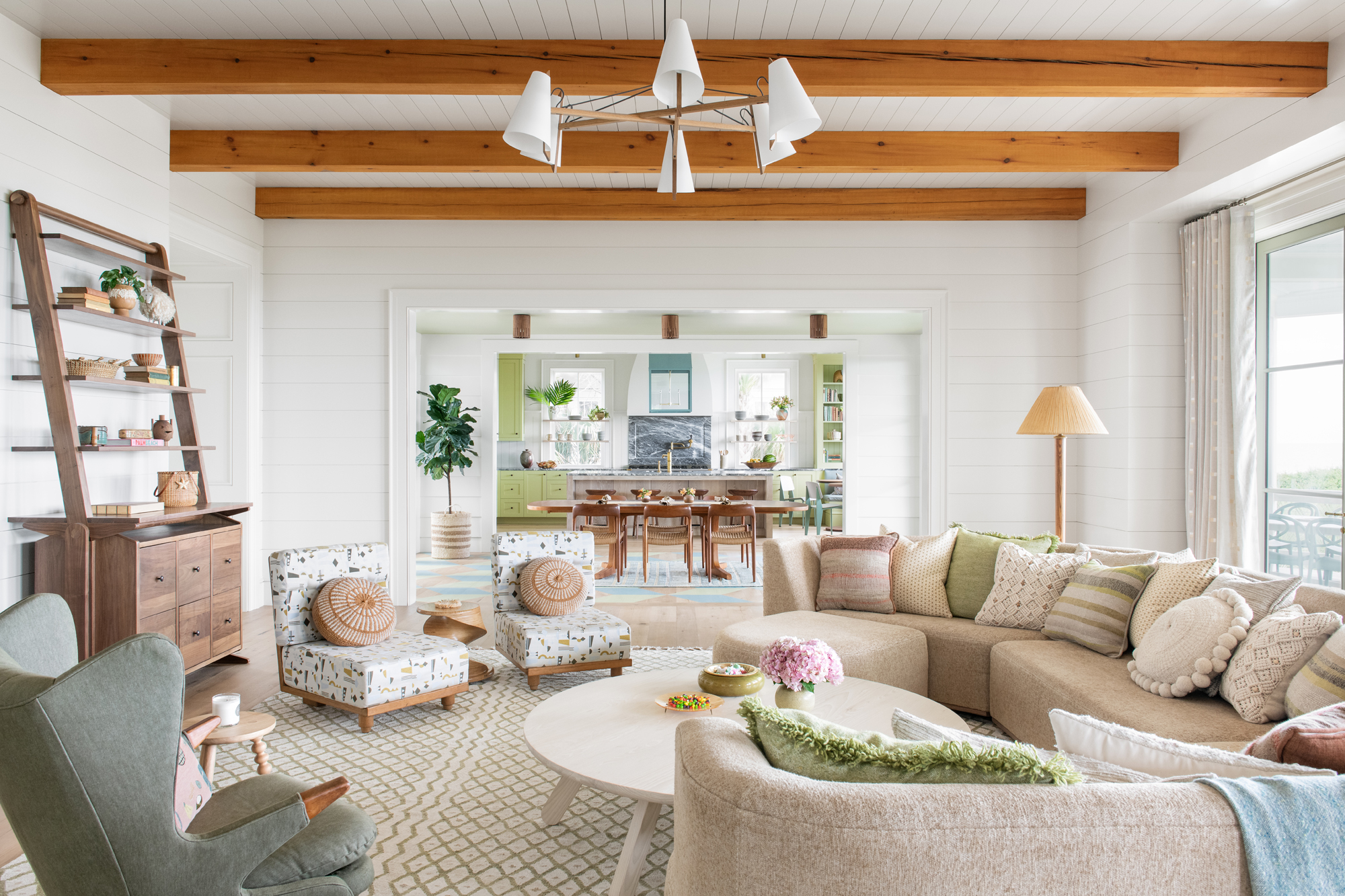
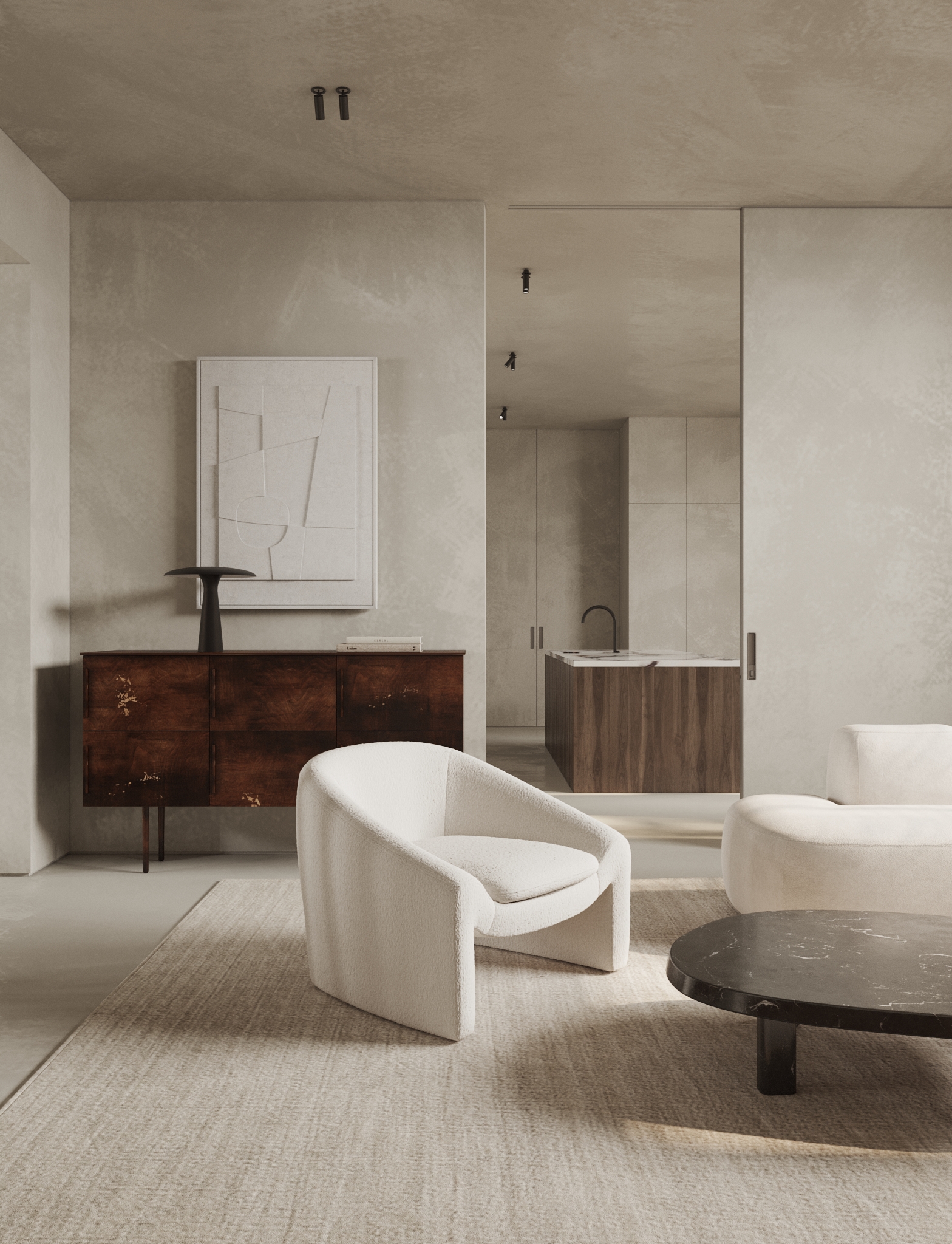
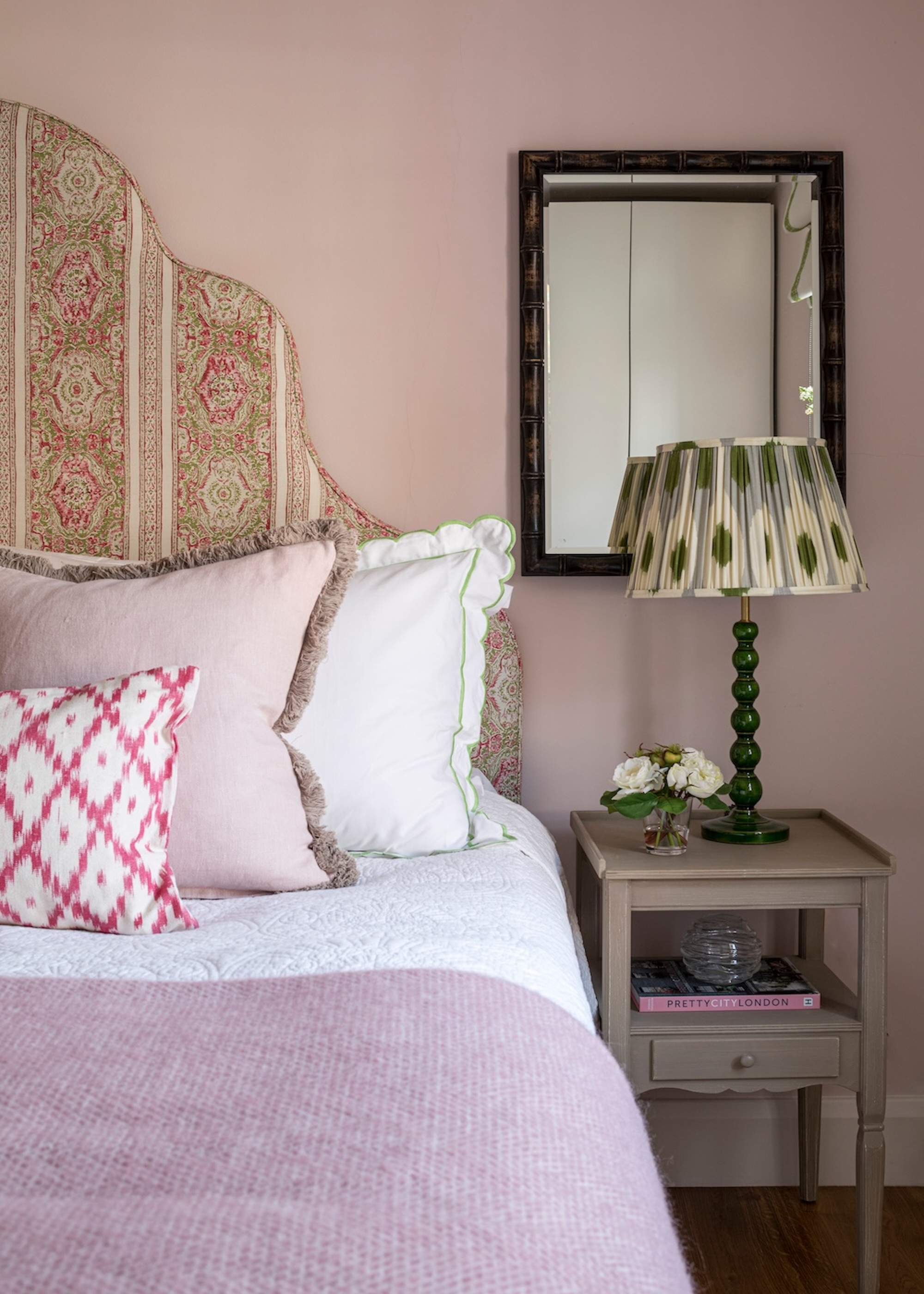
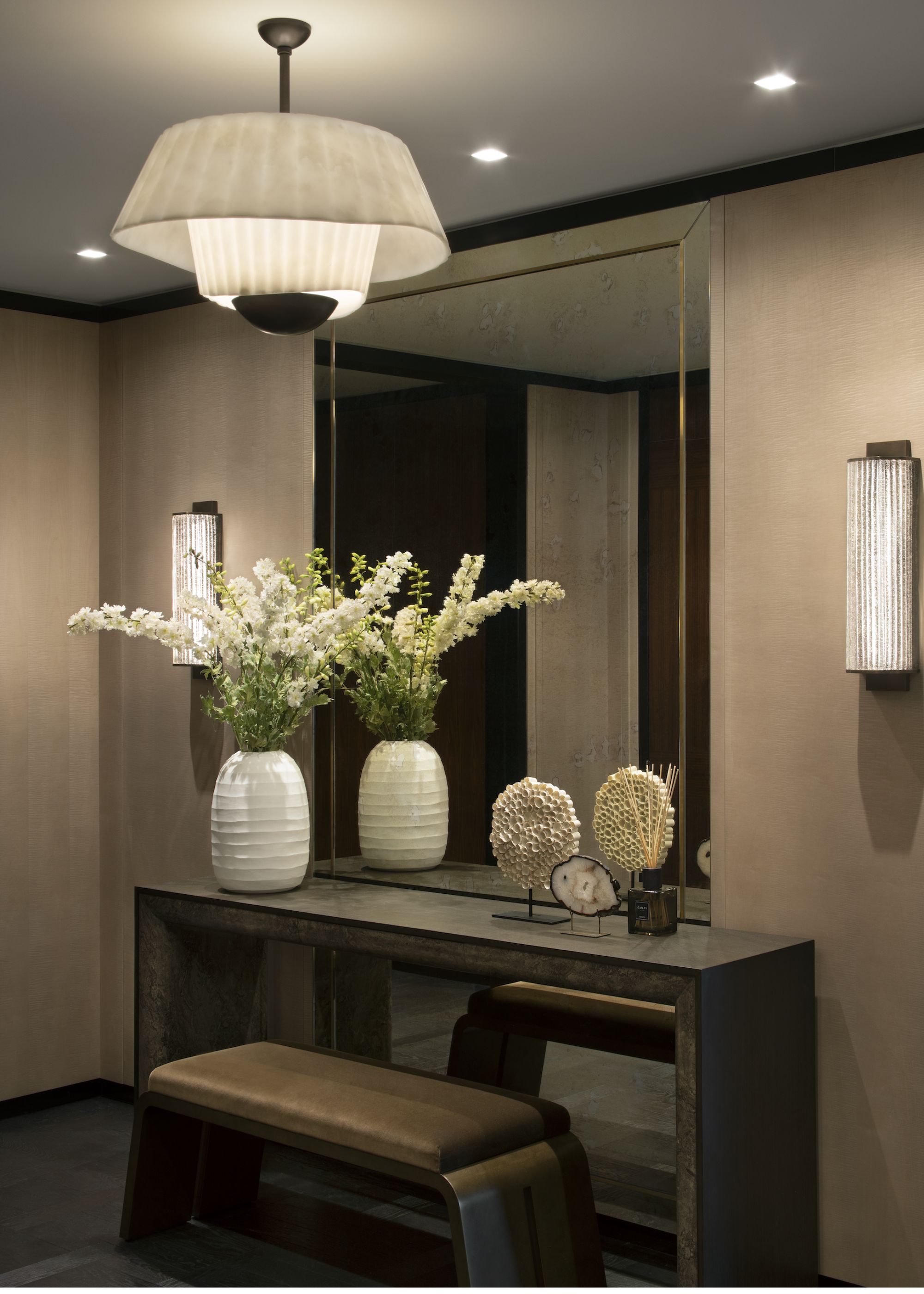
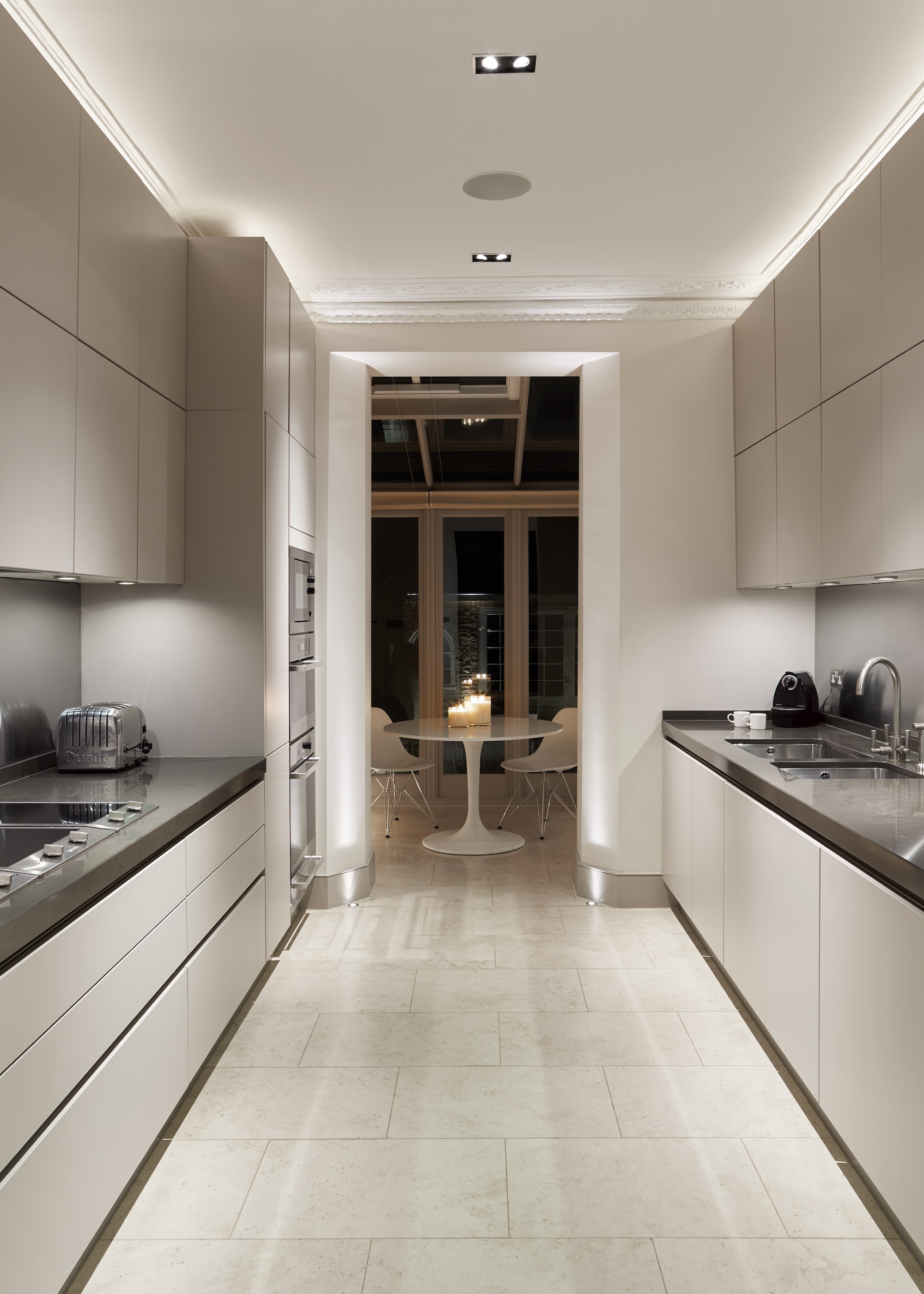
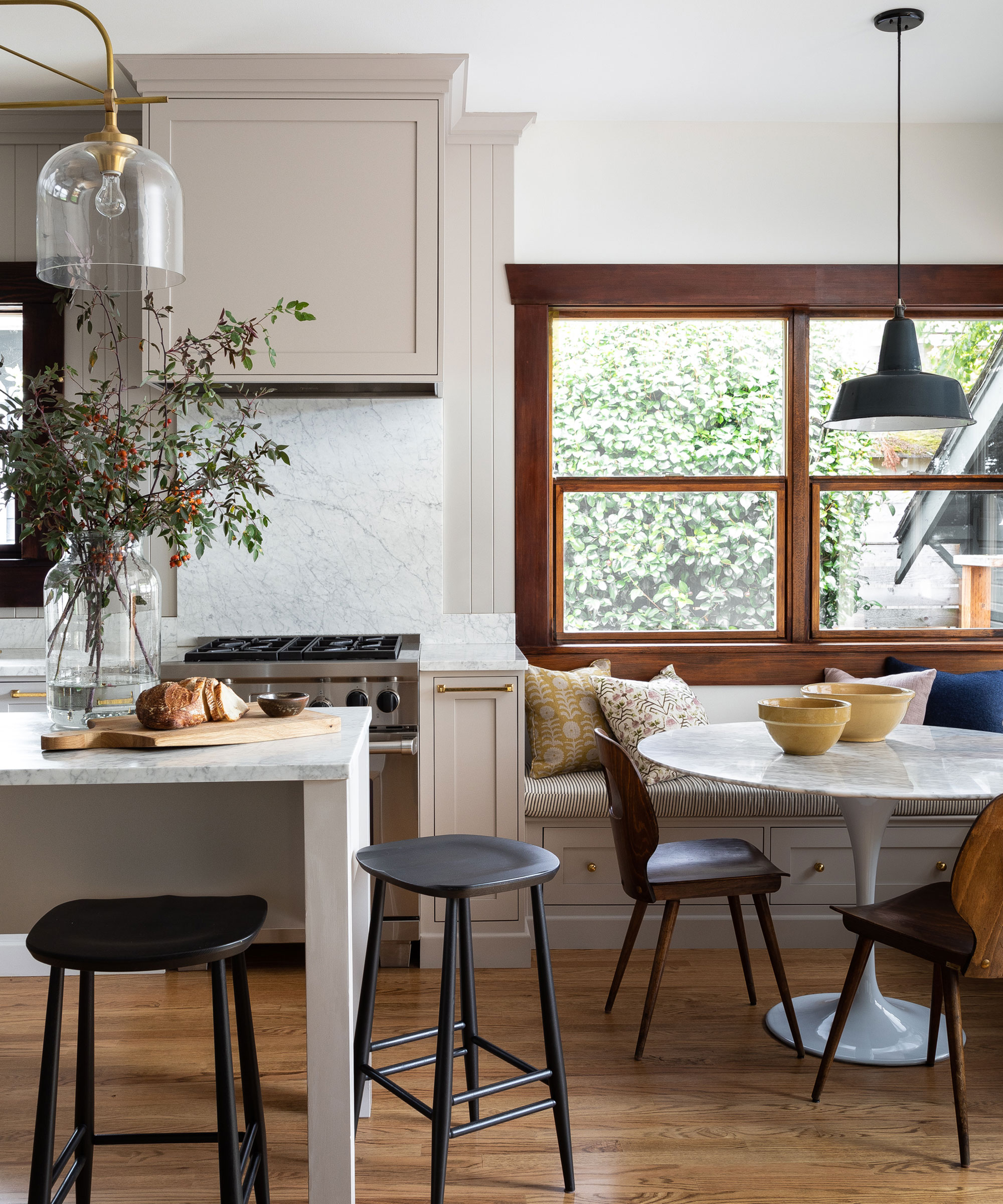
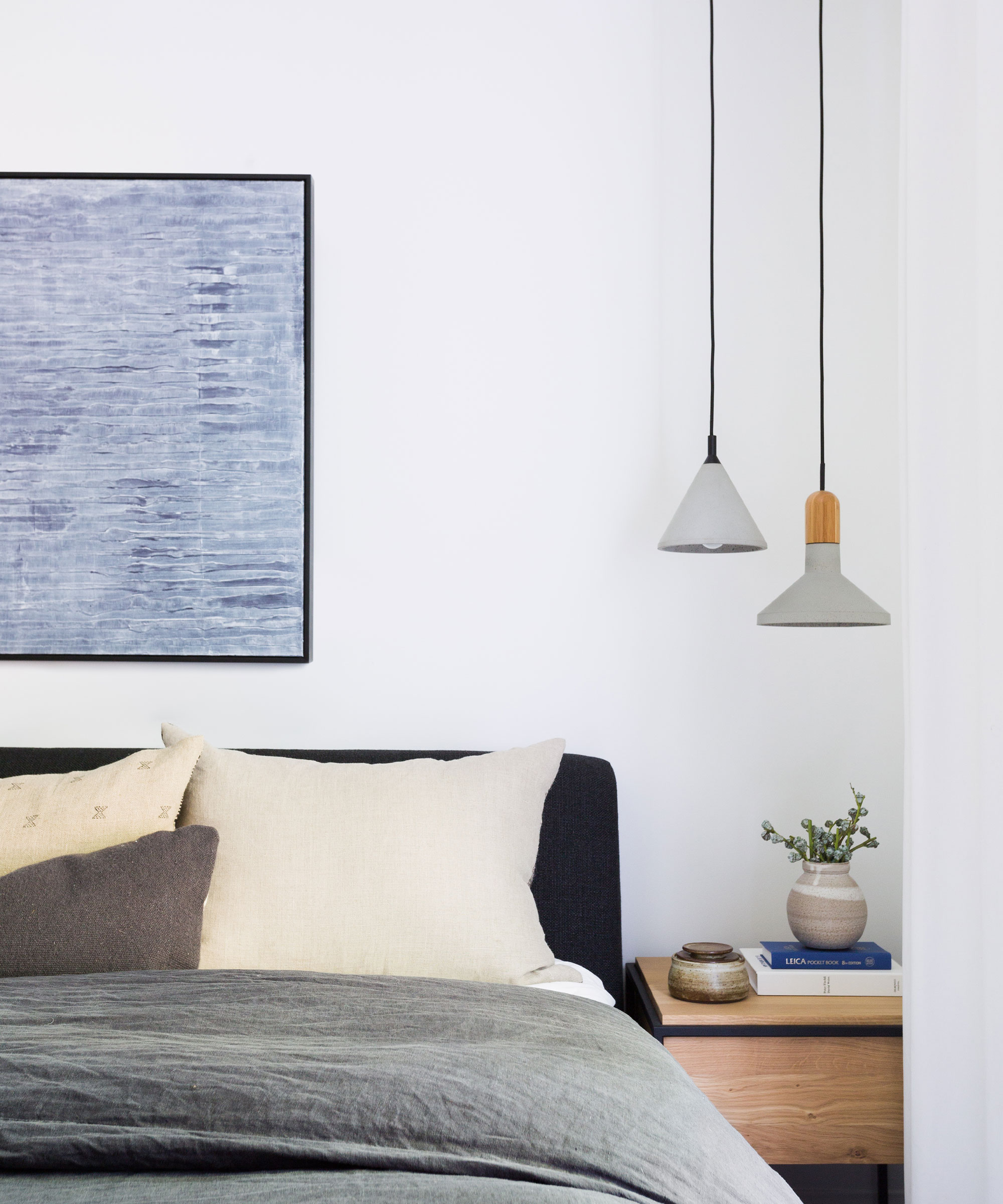
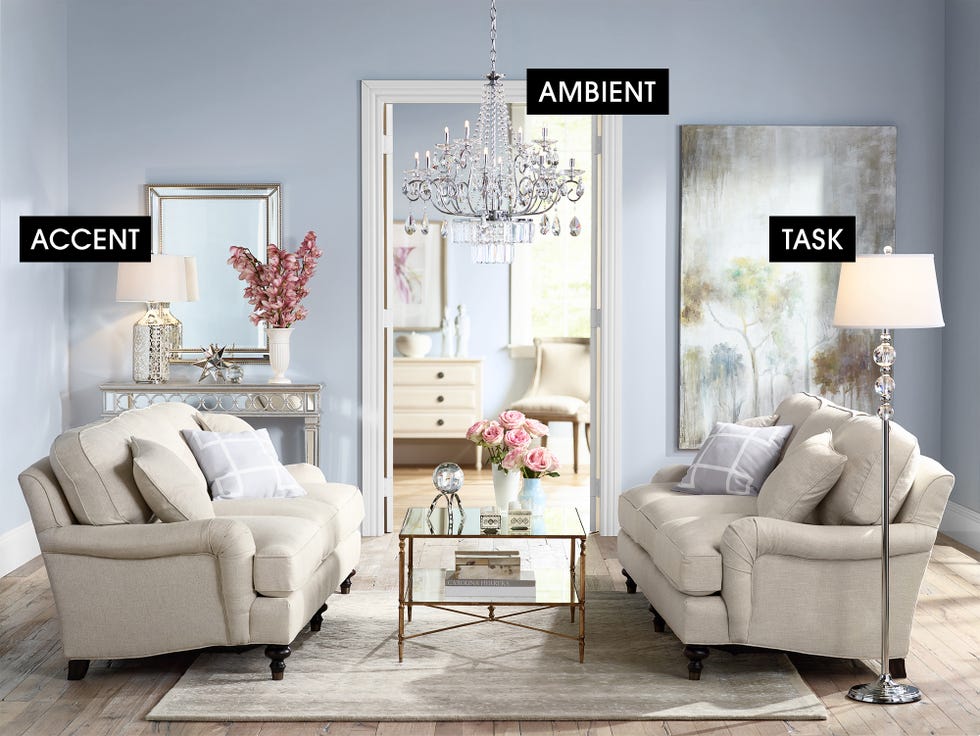
Natural light significantly enhances a home's ambiance, offering versatility from creating a calming atmosphere in a bedroom to providing energetic task lighting in a kitchen or office. Interior designer Andy Weier emphasizes that the strategic use of natural light can transform a space, even suggesting a skylight for a shower. Maximizing natural light involves several design strategies, starting with the incorporation of reflective surfaces. Mirrors, glass tables, metallic accents, and even reflective wall art can bounce light around a room, making it appear larger and brighter. A unique application involved adding a reflective tin ceiling to a Victorian-era dining room to enhance light. Choosing light paint colors is another effective method, as soft whites and delicate pastels reflect light rather than absorbing it. Understanding a paint's Light Reflectance Value (LRV) is crucial; a higher LRV means more light reflection and a brighter room. Regular window maintenance is essential, as dust and grime can diminish the amount of light entering a home. Cleaning windows and exterior doors a few times a year, potentially with professional help, ensures optimal light transmission. The choice of window treatments also plays a significant role. Heavy drapes and blackout blinds restrict light even when open, while sheer fabrics allow sunlight to filter through. Innovative solutions like bottom-up shades offer privacy for the lower portion of windows while maximizing light from above. Removing outdated awnings, particularly in homes with modern air conditioning, can increase natural light. Awnings, traditionally used for cooling, might now unnecessarily block sunlight, though their protective qualities against elements like water and wind should be considered. Decluttering spaces is vital to prevent obstructions to natural light. Excessive furniture and decor can block windows, so maintaining an open and airy layout allows light to flow freely. Rearranging rooms or furniture to capitalize on the best light opportunities can be highly effective, alongside avoiding bulky items or tall plants directly in front of windows. Maintaining outdoor greenery is equally important. Overgrown trees and shrubs can cast shadows and reduce sunlight penetration. Pruning plants or consulting an arborist to strategically plant greenery can optimize natural light based on the home's orientation. Finally, layering artificial light sources complements natural light, maintaining a consistent ambiance throughout the day and into the evening. This includes ambient lighting for overall illumination, task lighting for specific activities, and accent lighting for decorative purposes. Blending these light types helps preserve the fresh, open feeling of natural light even after sunset, making lighting a crucial design feature.
#NaturalLight #HomeDesign #InteriorDesign #ReflectiveSurfaces #PaintColors #WindowTreatments #HomeMaintenance #Decluttering #LandscapeDesign #ArtificialLighting #NaturalLight #HomeDesign #InteriorDesign #ReflectiveSurfaces #PaintColors #WindowTreatments #HomeMaintenance #Decluttering #LandscapeDesign #ArtificialLighting
Toplam 0 yorum
 Henüz yorum yok
Bu da beğenebilirsiniz
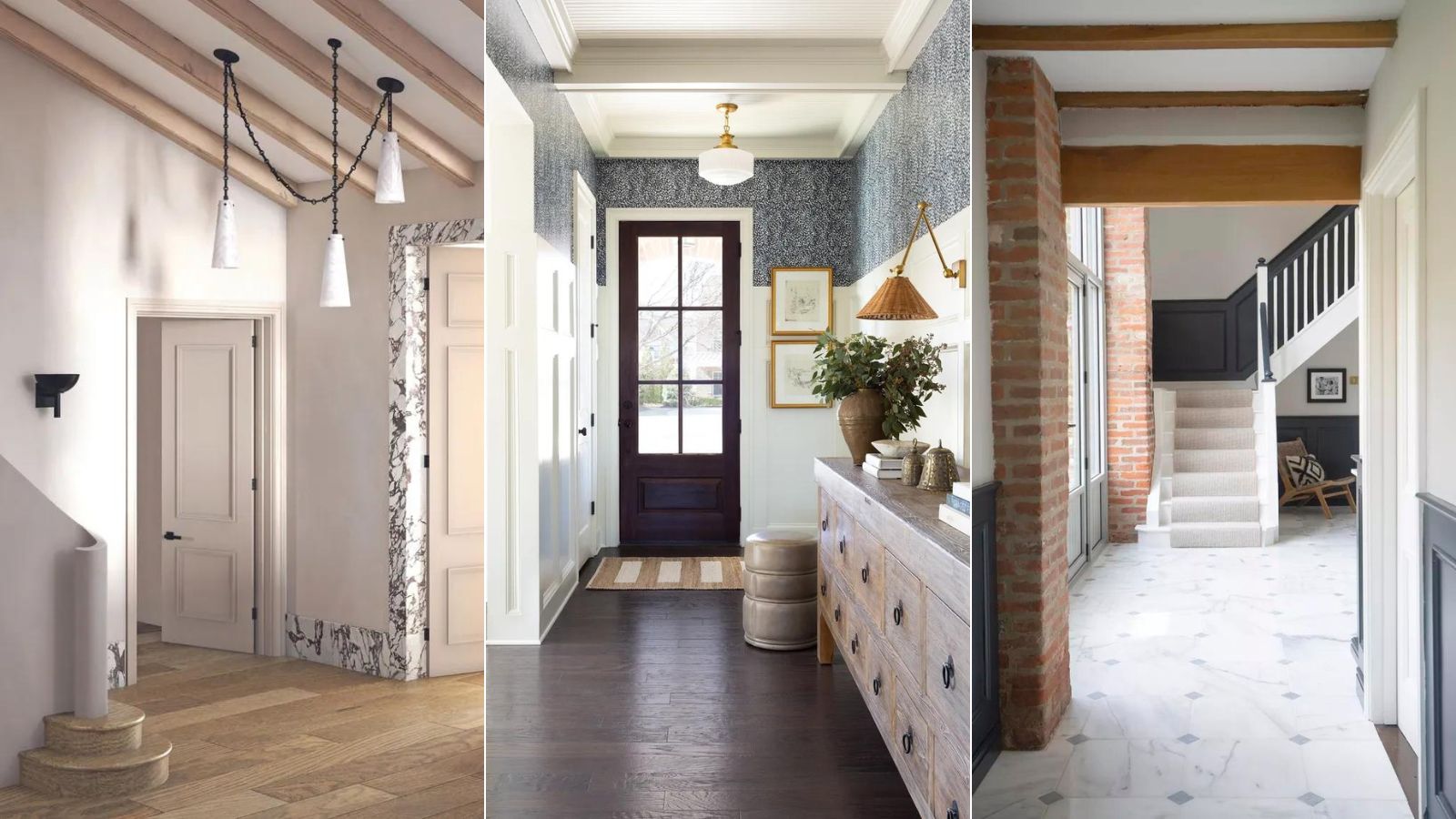
How to increase natural light in your entryway – 8 pro-endorsed solutions that experts love

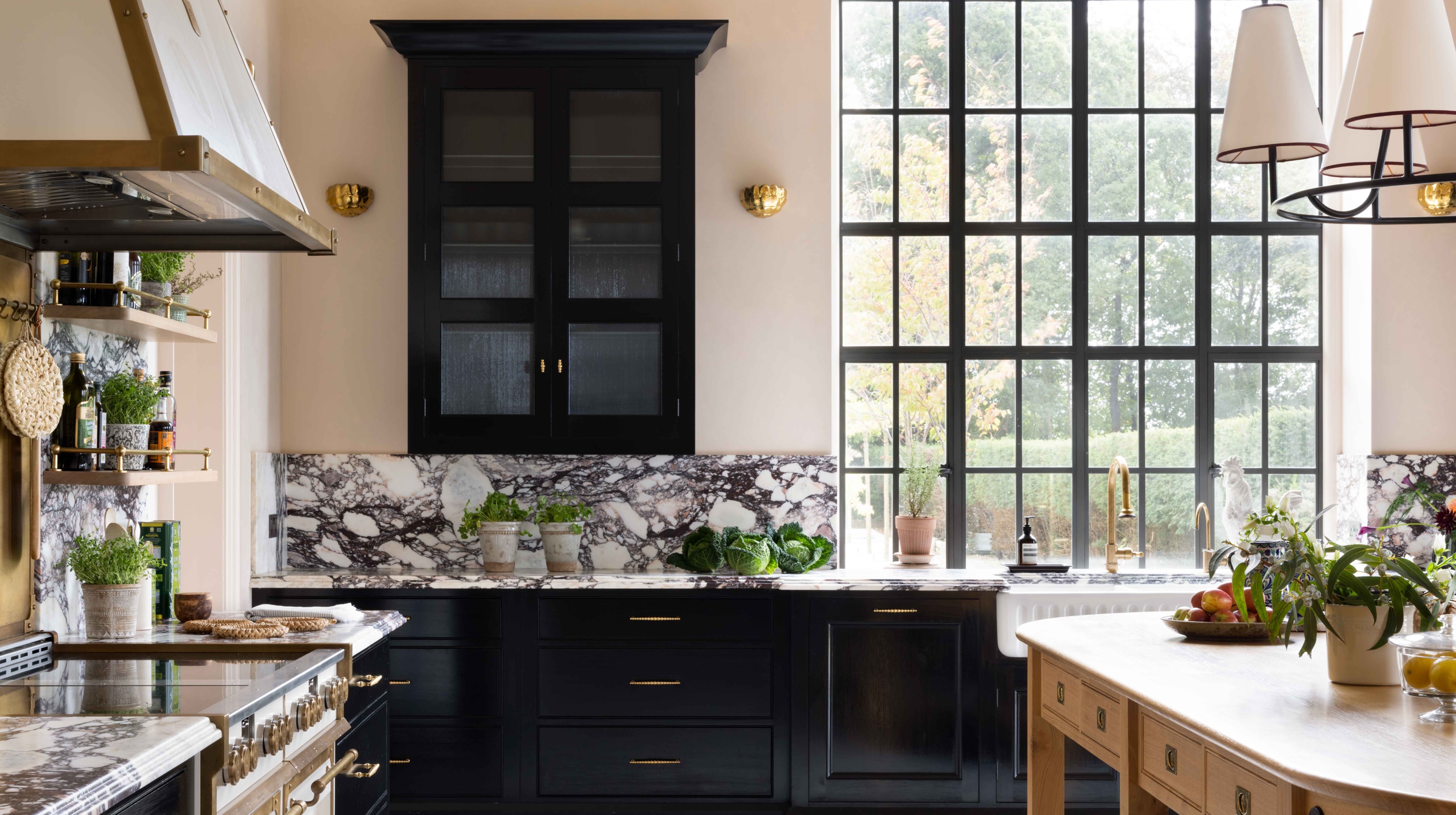
10 Habits Interior Designers and Architects Want You to Adopt in Your 2026 Renovations

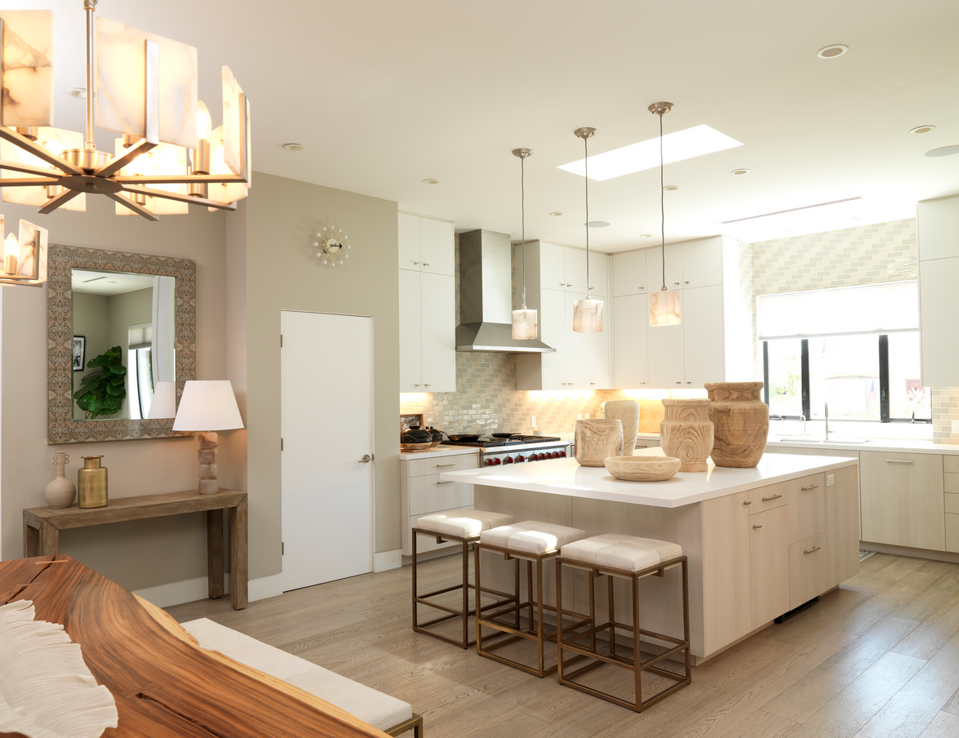
These Task, Accent, And Ambient Lighting Tips Can Transform Your Home

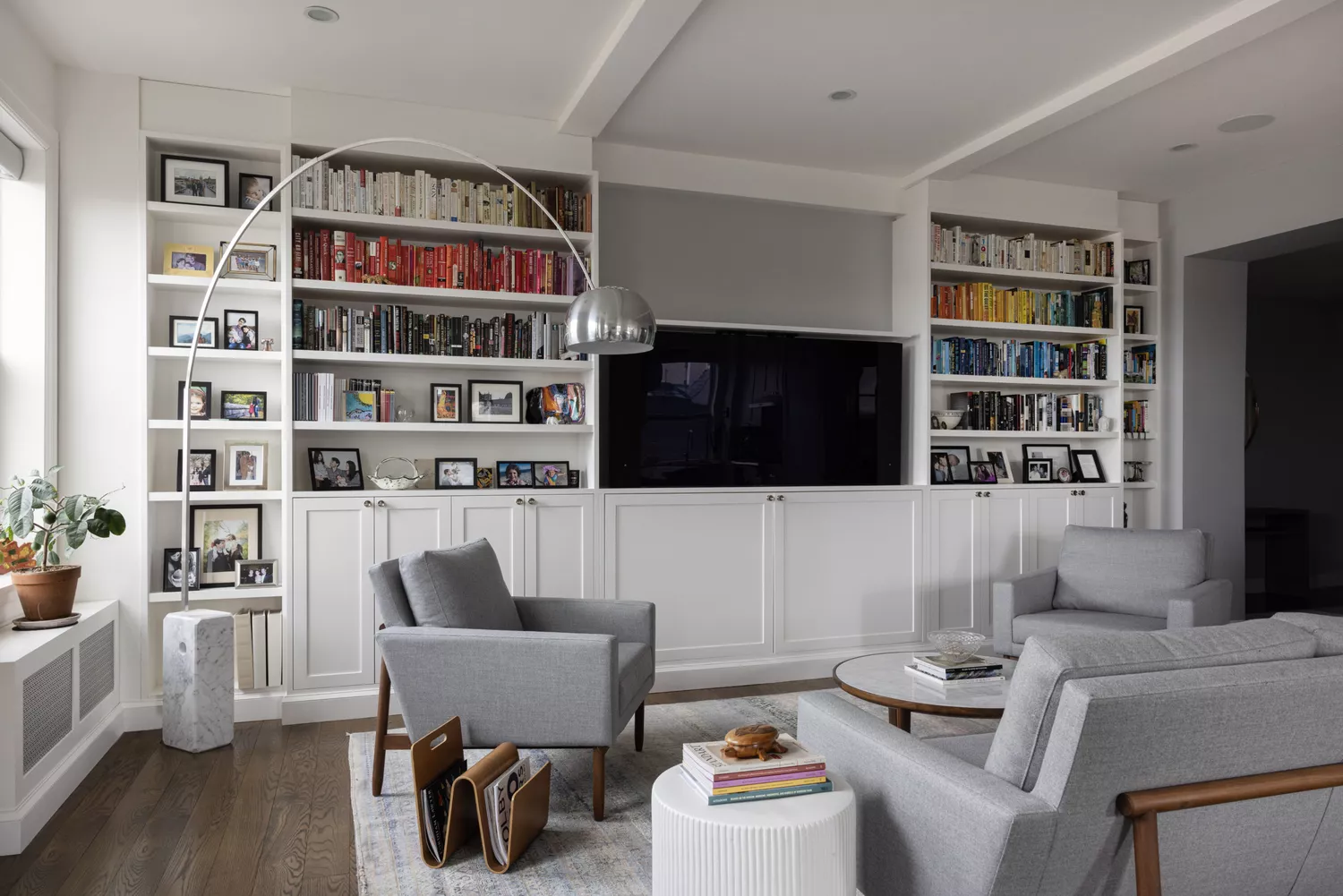
5 Easy, Designer-Approved Lighting Hacks to Brighten Up Your Home

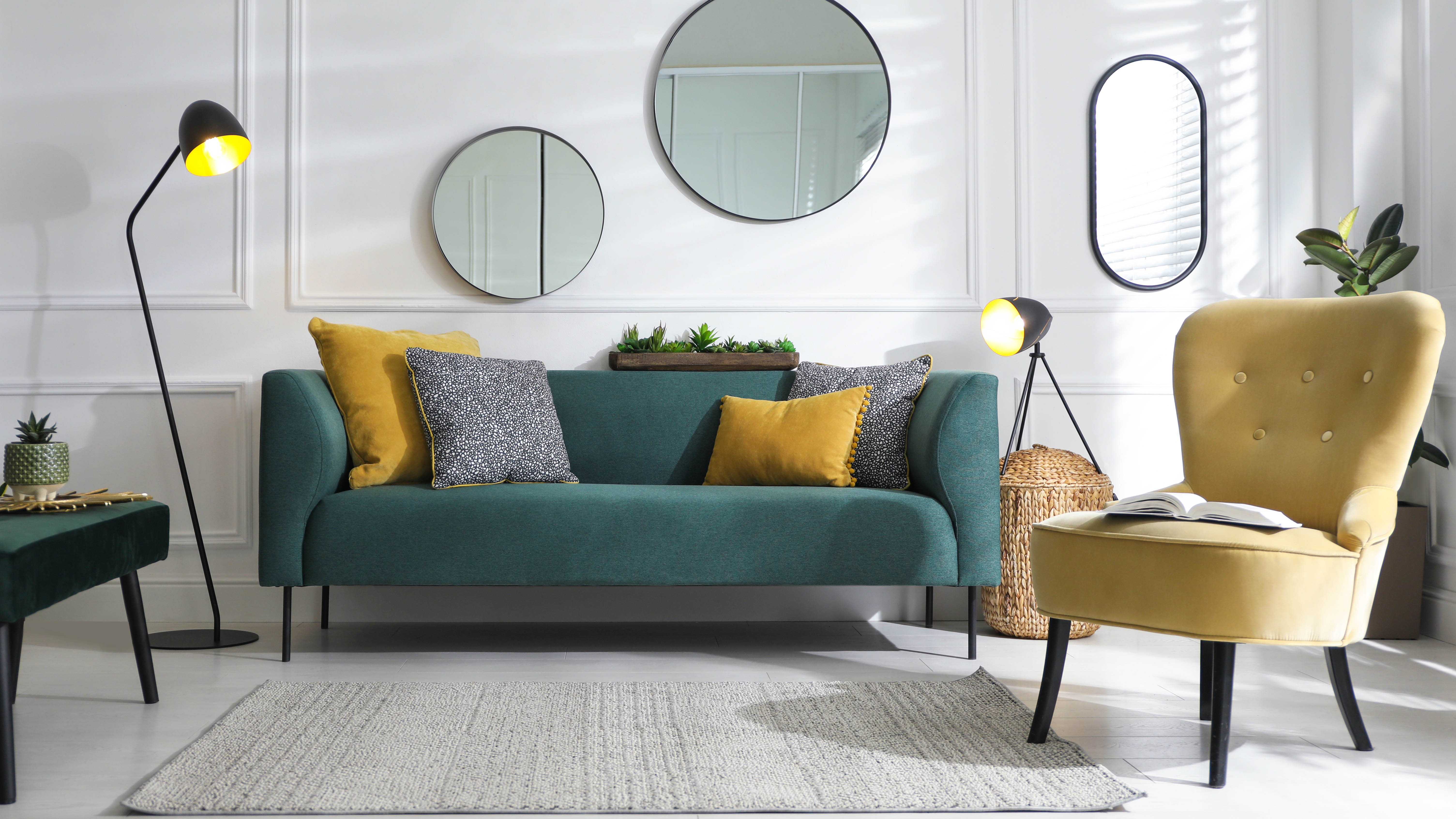
How to brighten any room in your home — 5 tips from a lighting expert

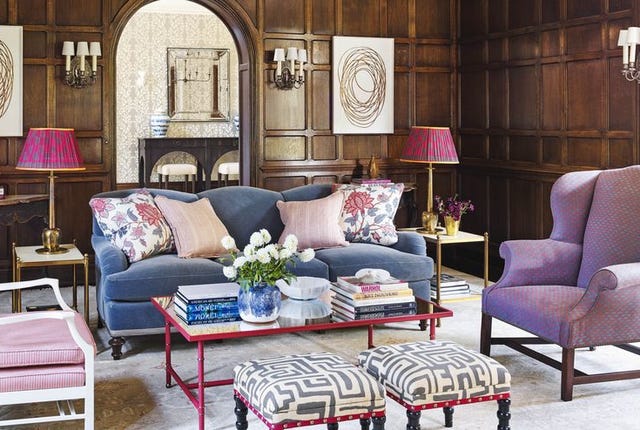
Designers Share Their Best Tips for Acing Ambience in the Living Room with Lighting
Interior doors can add light, personality
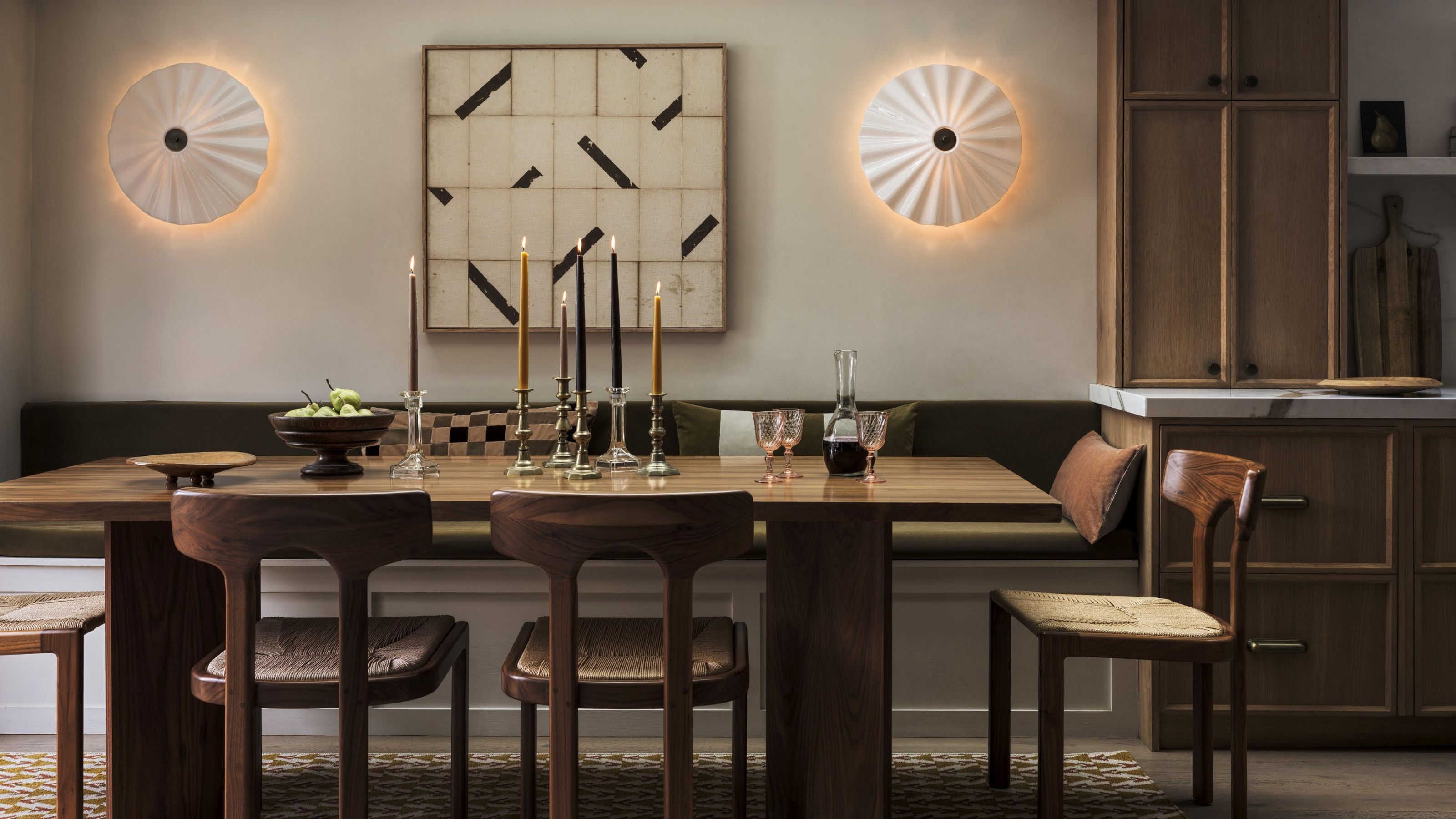
Let There Be Light — 10 Lighting Tricks That Will Transform Any Dark Room Into A Warm and Inviting Space
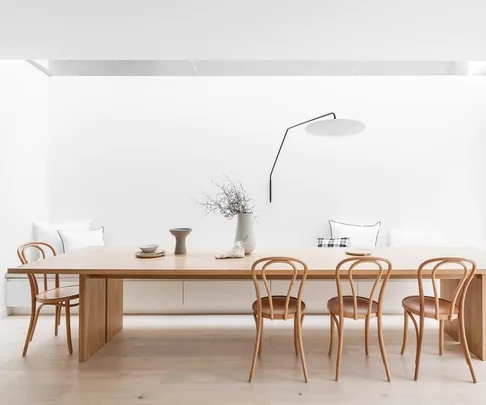
An interior designer’s guide to lighting your home

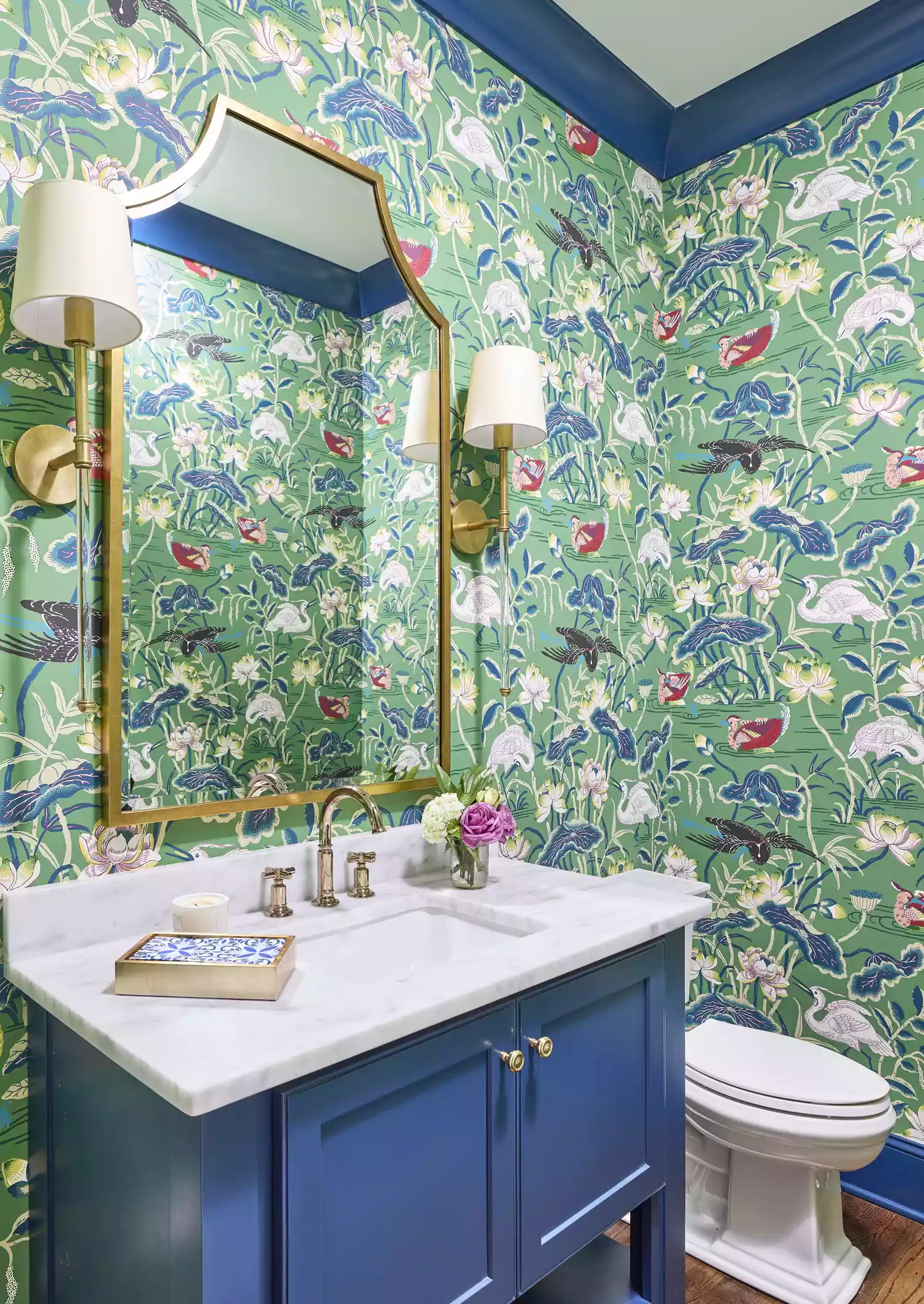
No Natural Light? Here's How To Brighten Your Space, According To Designers
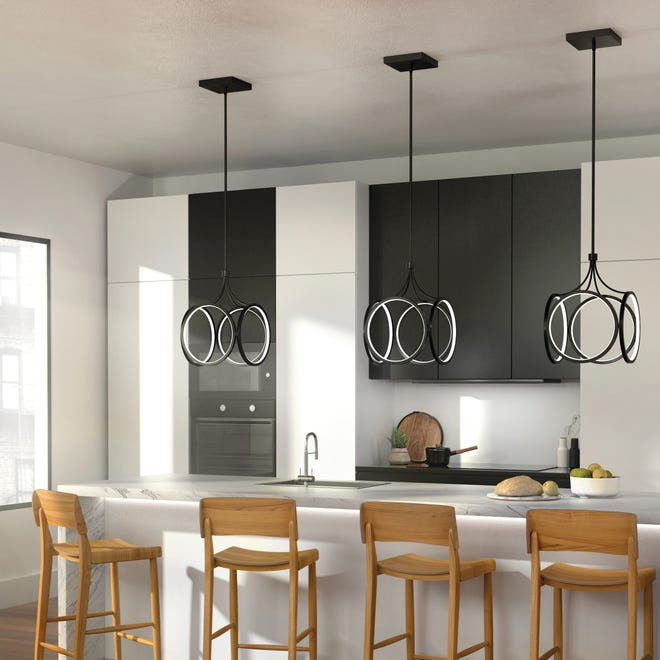
Homestyle: Lighting the way
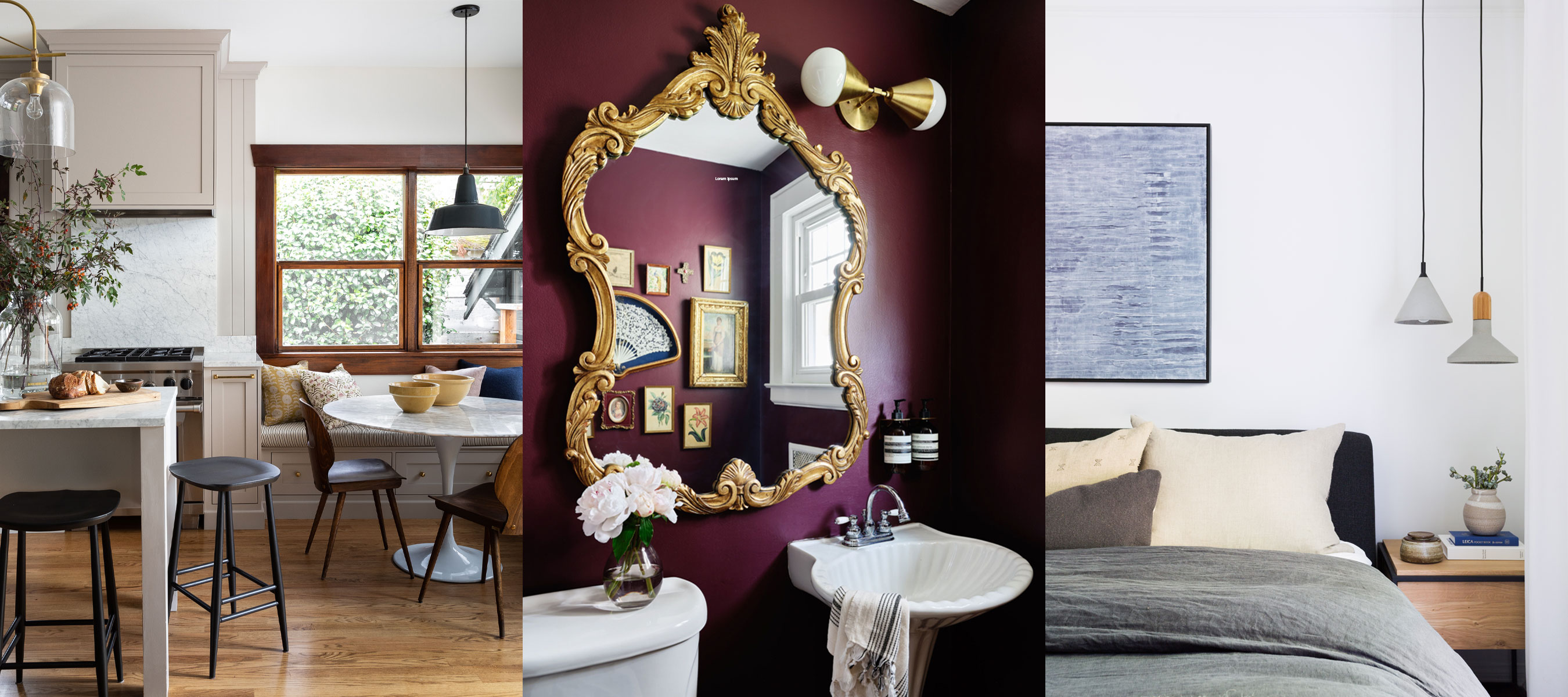
What lighting makes a home look expensive? 5 ideas from the designers in the know
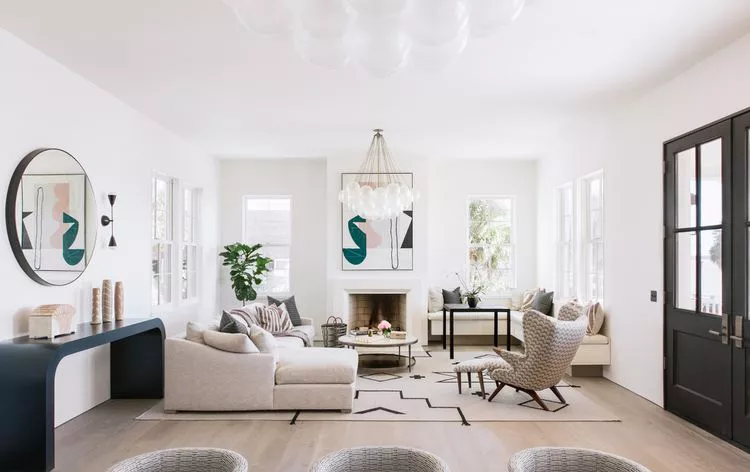
9 Ways to Maximize Natural Light in Your Home, According to Interior Designers
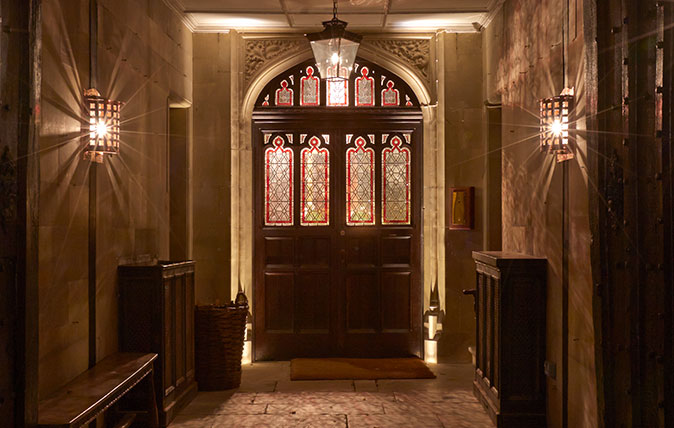
Get your home's lighting just right: Seven questions answered
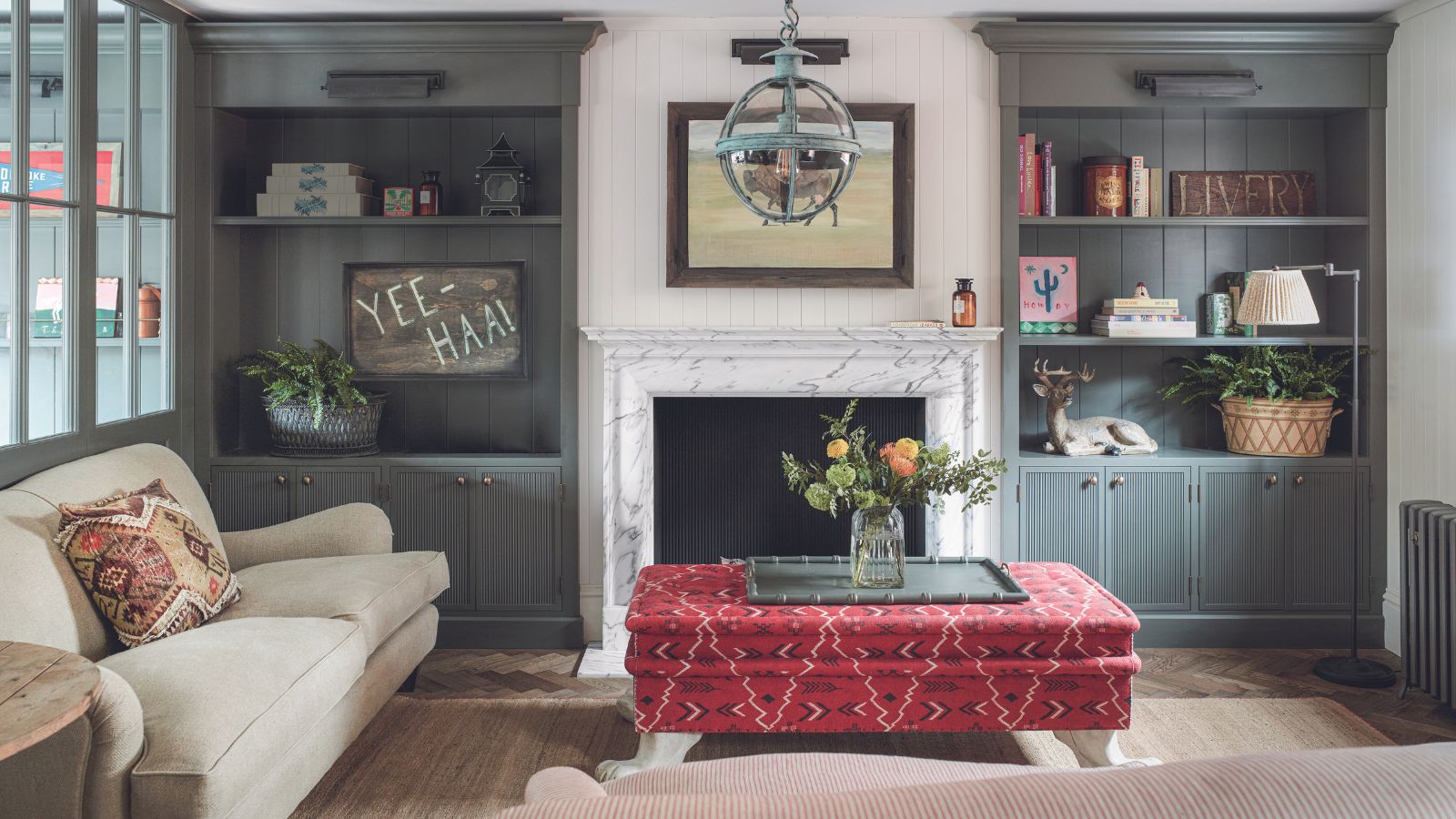
How to make a living room lighter – an interior designer's 10 tips for a creating brighter space
What Is Biophilic Interior Design? I'm an Actual Biophilic Designer, and This Is How to Apply It to Your Home
5 Tricks to Maximize Your Home's Natural Light on Darker Autumnal Days Using Artificial Lighting
5 Types of Lighting Designers Would Never Use —They're Harsh and Unflattering and Here's Why
Should light fixtures match throughout a house? The answer is more nuanced than you'd expect
The 3 Types Of Lighting Every Room Needs