I asked an interior designer what 1 thing you must do in a kitchen remodel to ensure you love it forever – their answer was surprisingly simple
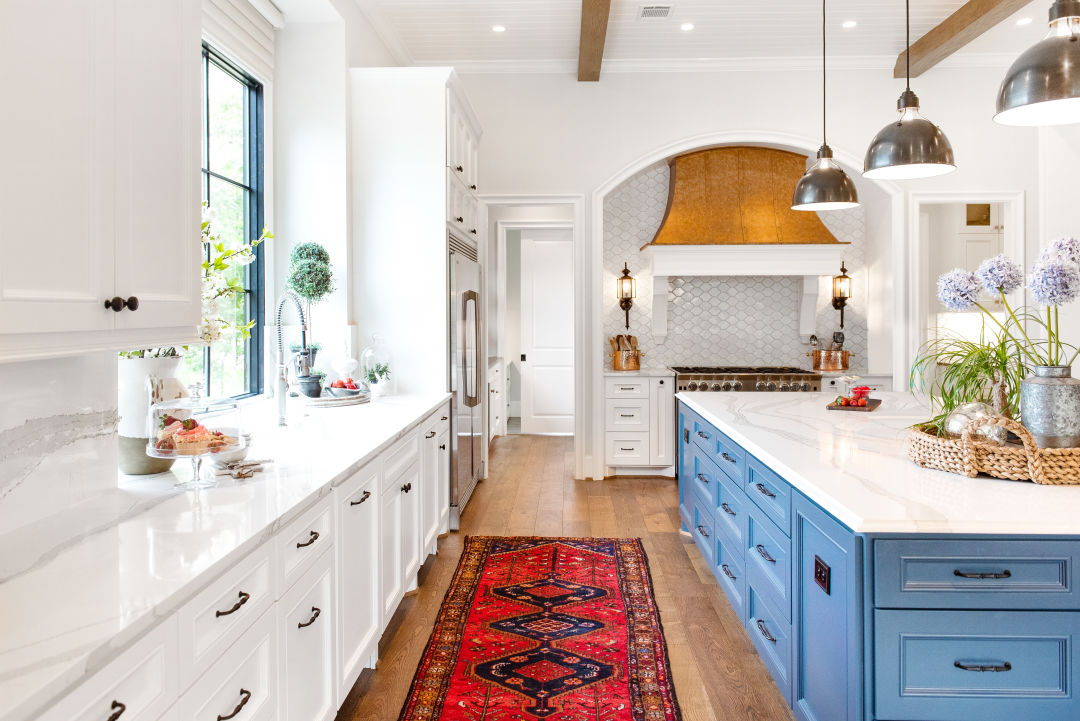
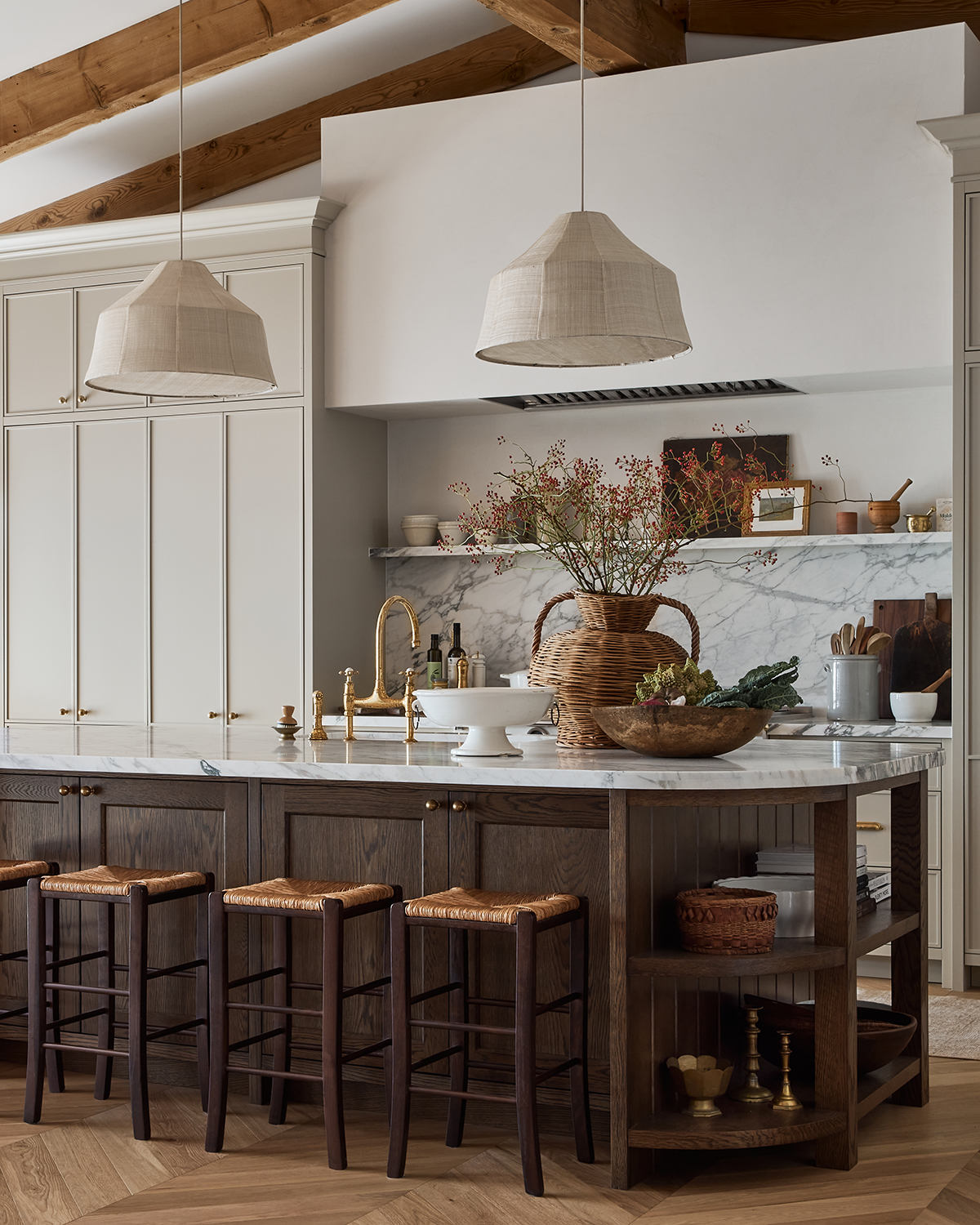
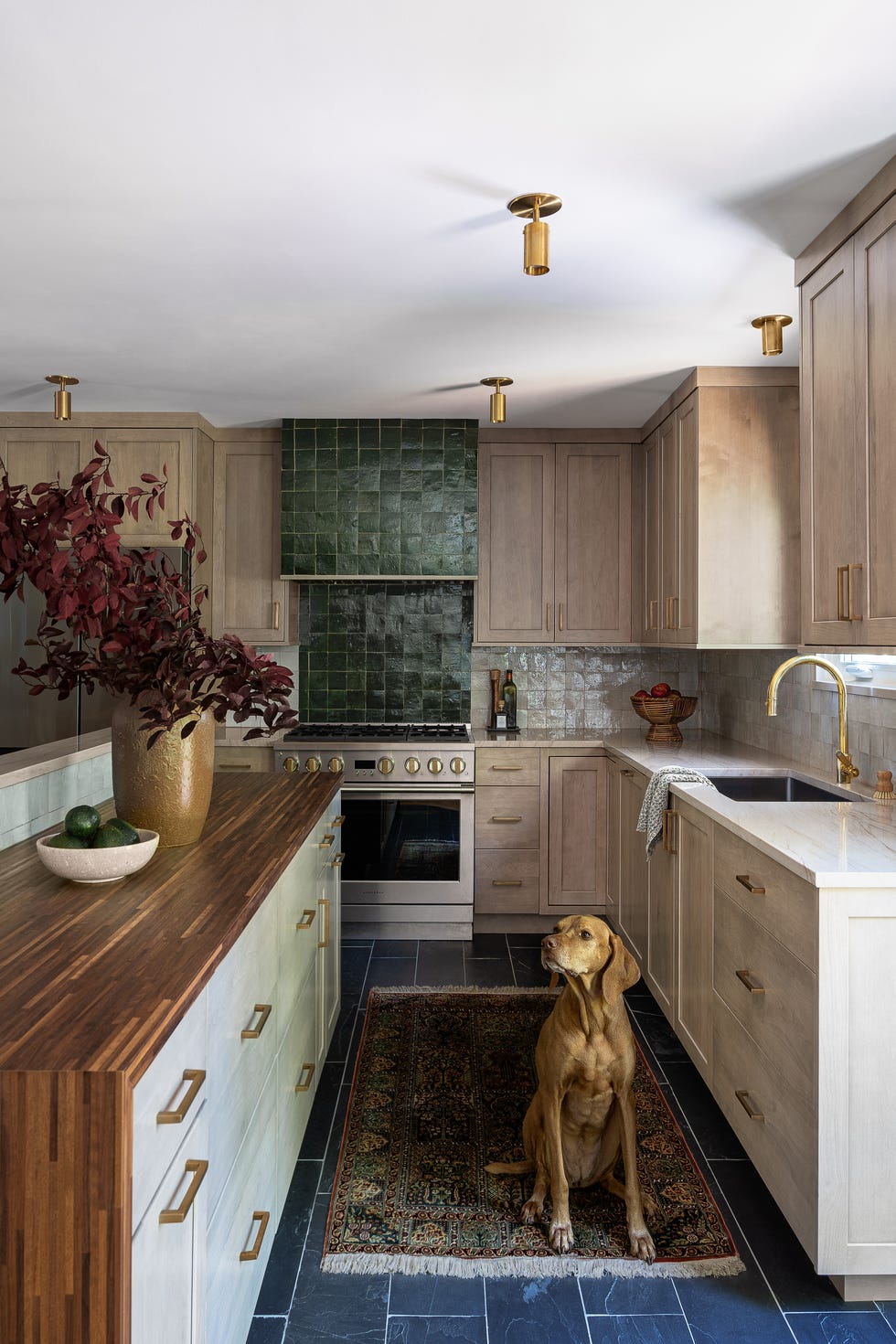
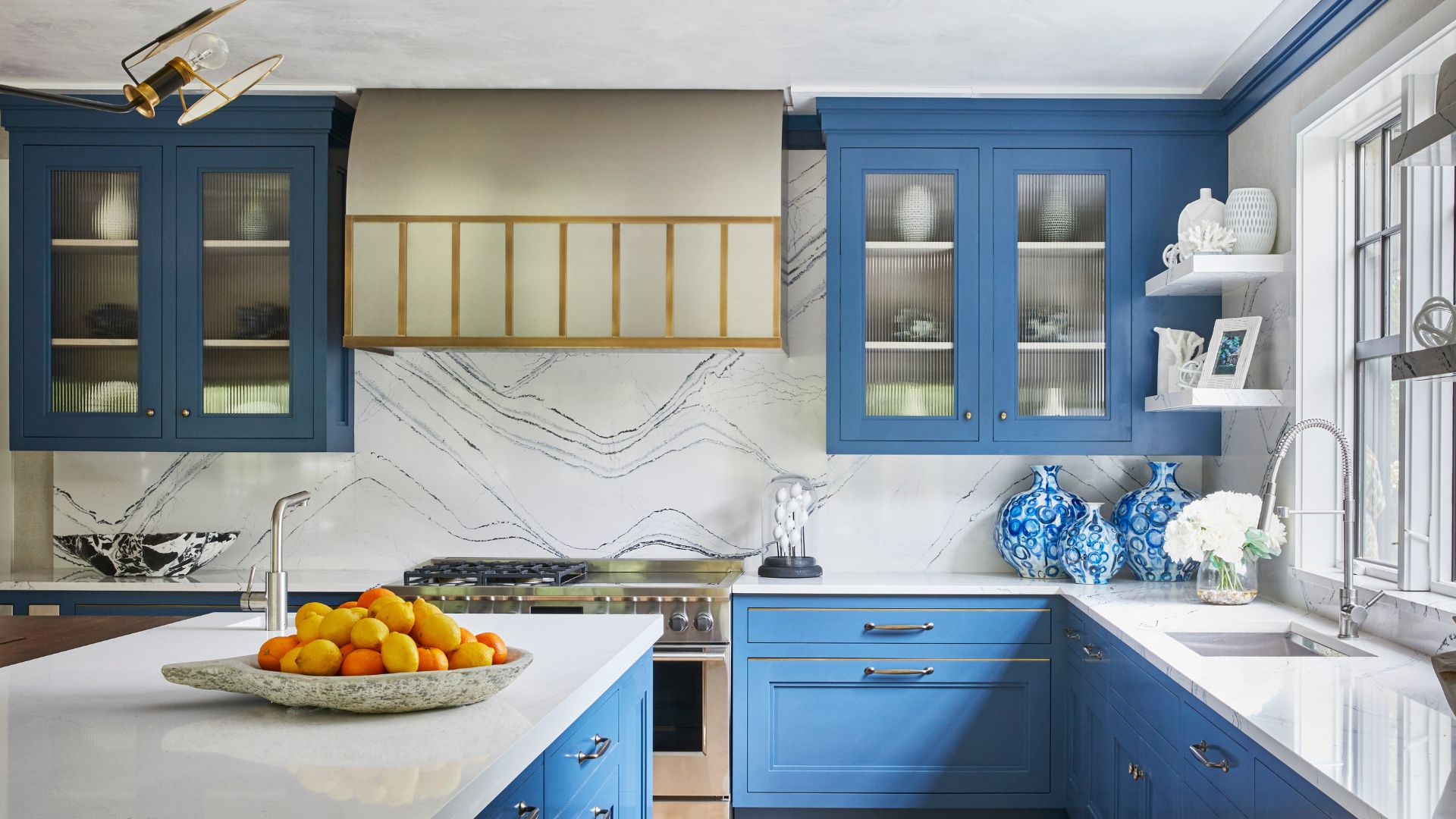
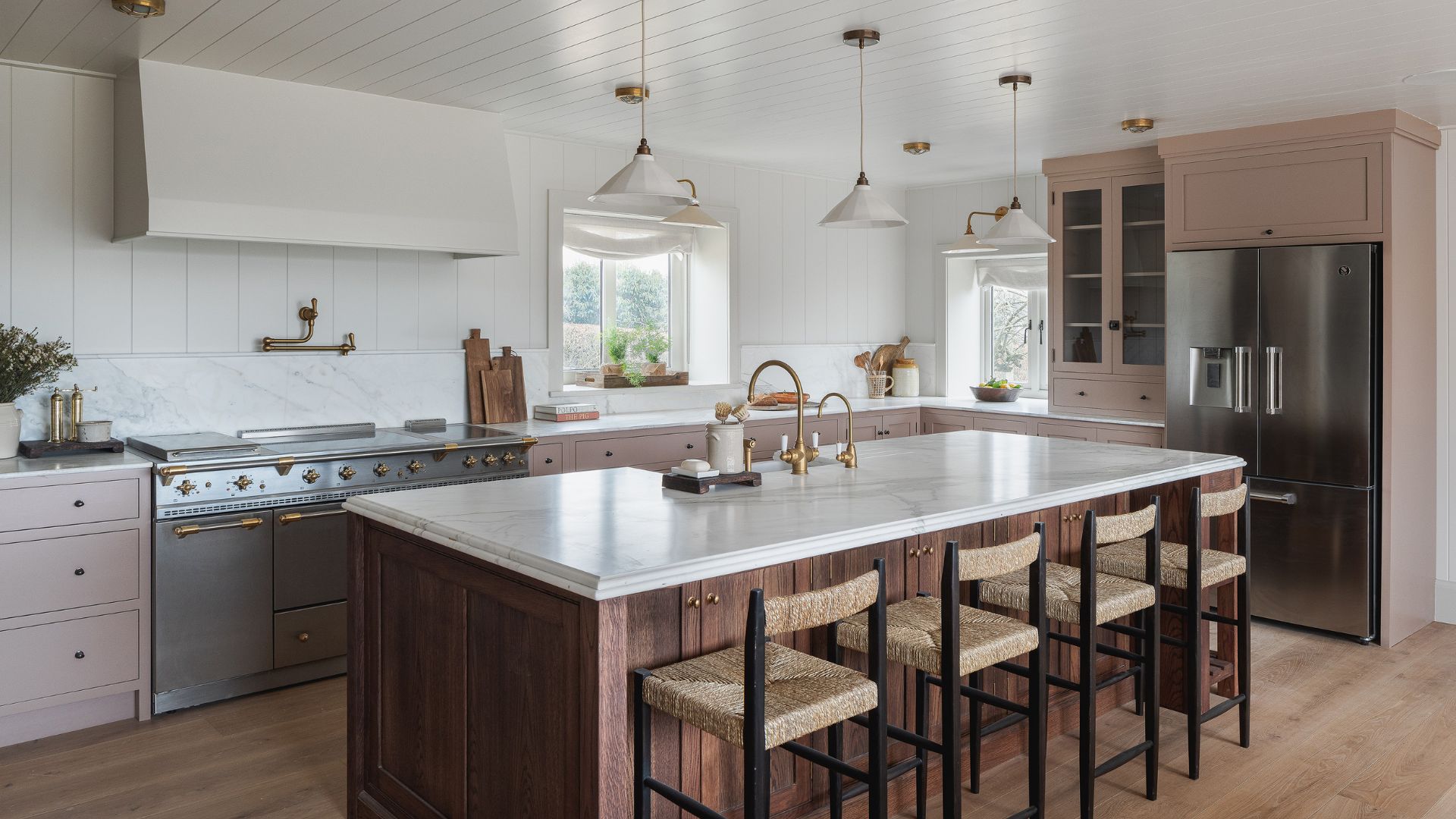
In a comprehensive guide to achieving a timeless kitchen design, acclaimed interior designer Marie Flanigan emphasizes the pivotal role of lighting. Flanigan asserts that thoughtful lighting design is the single most crucial element in a kitchen remodel, ensuring long-term satisfaction and a space that feels continually fresh and inviting. Her philosophy centers on the idea that good lighting can transform a kitchen, enhancing both its aesthetic appeal and functionality, and preventing the need for future overhauls due to dated design choices.
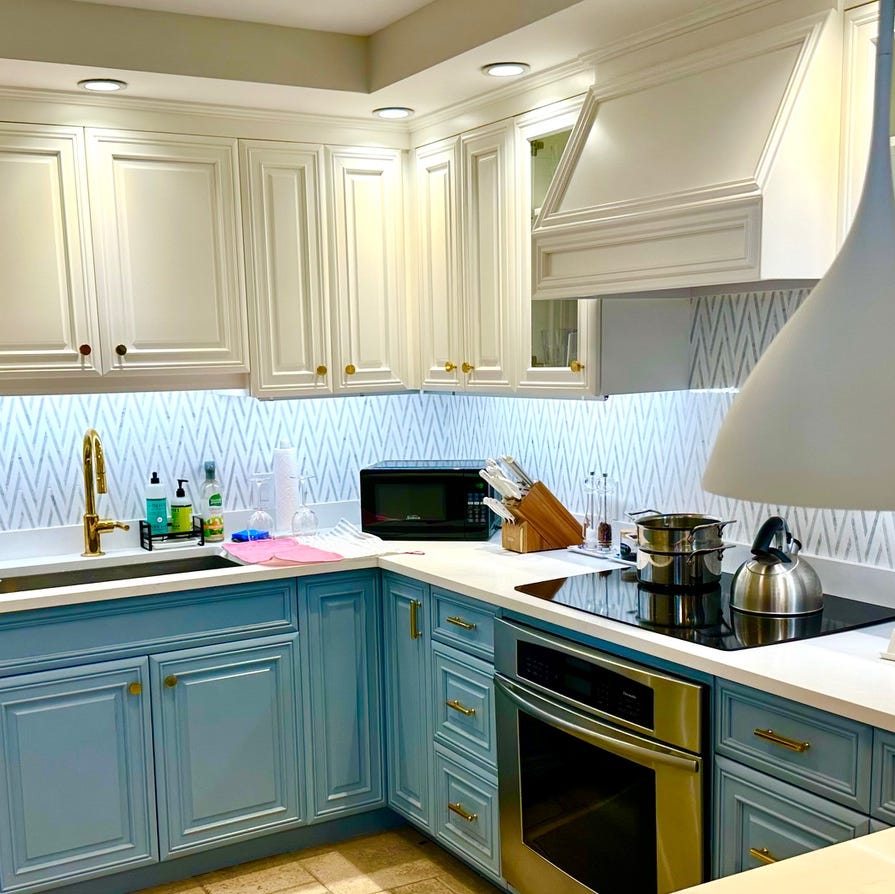
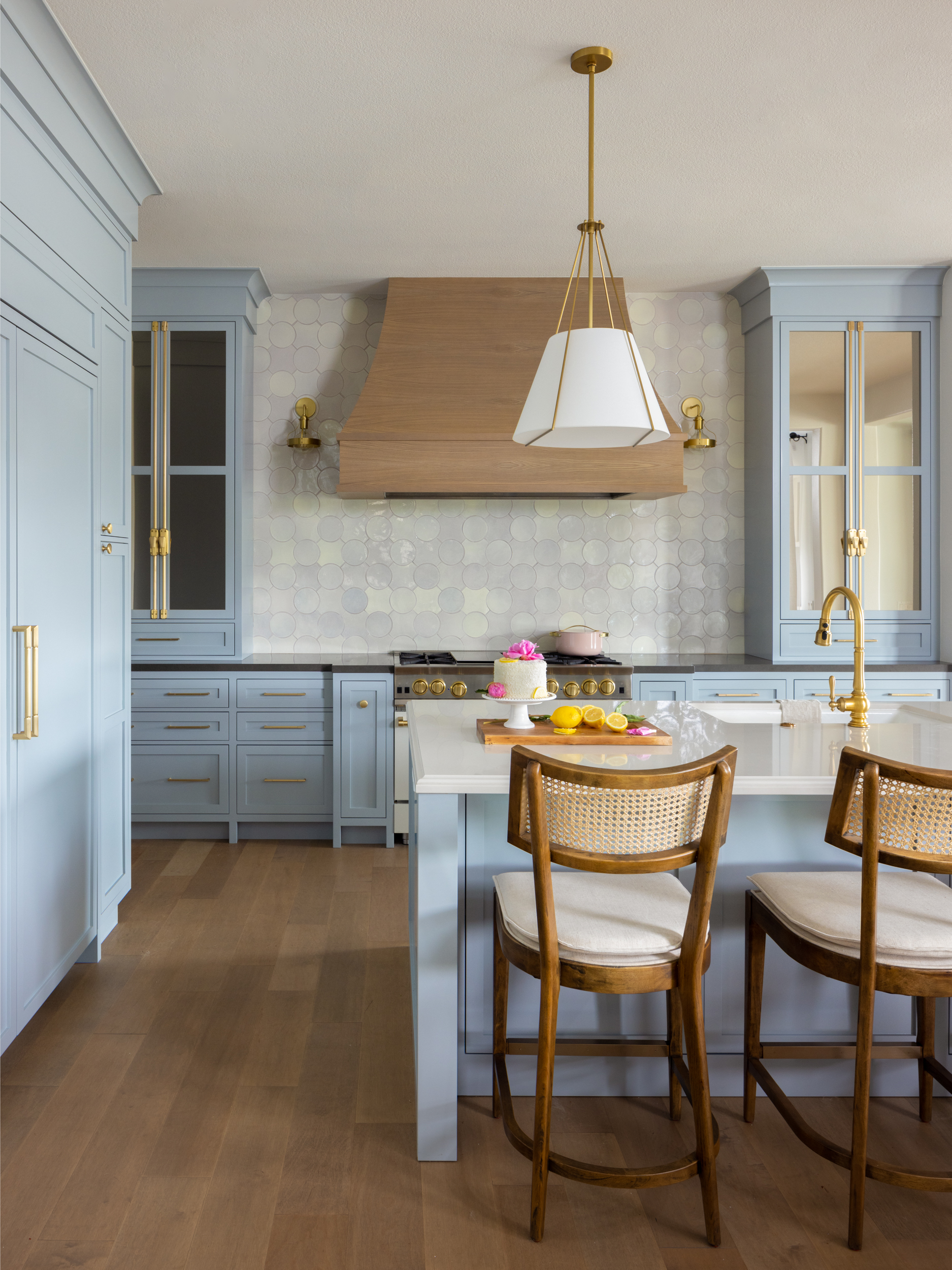
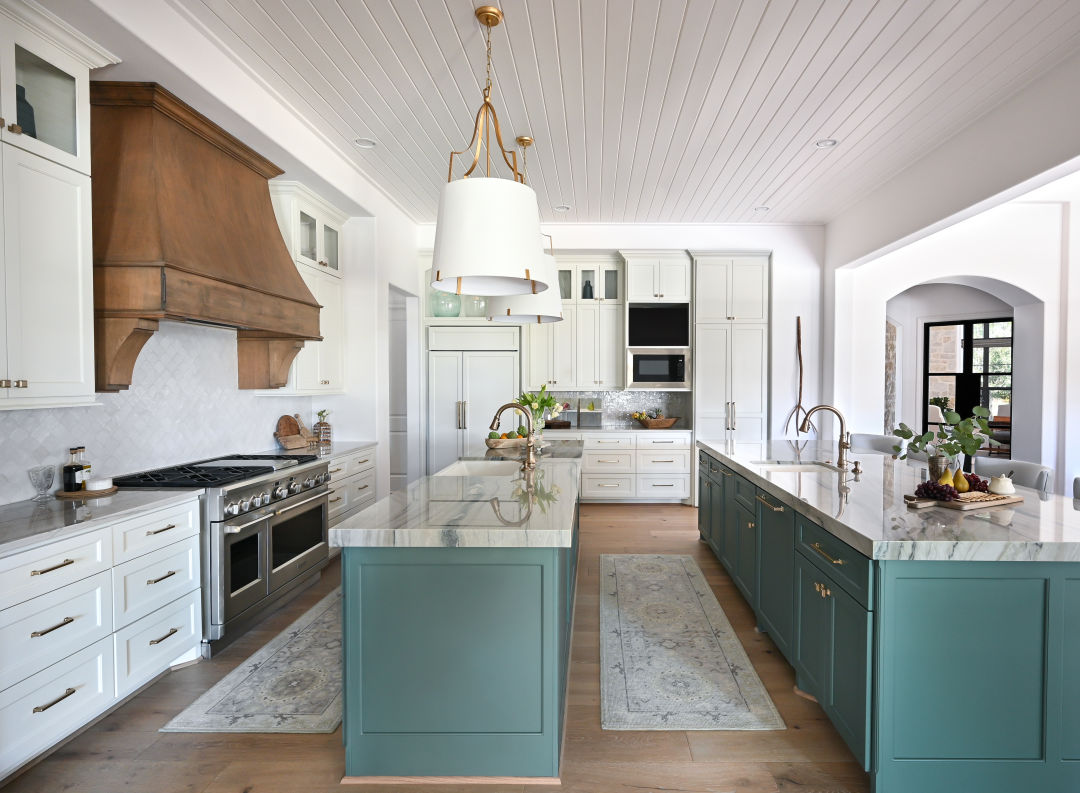
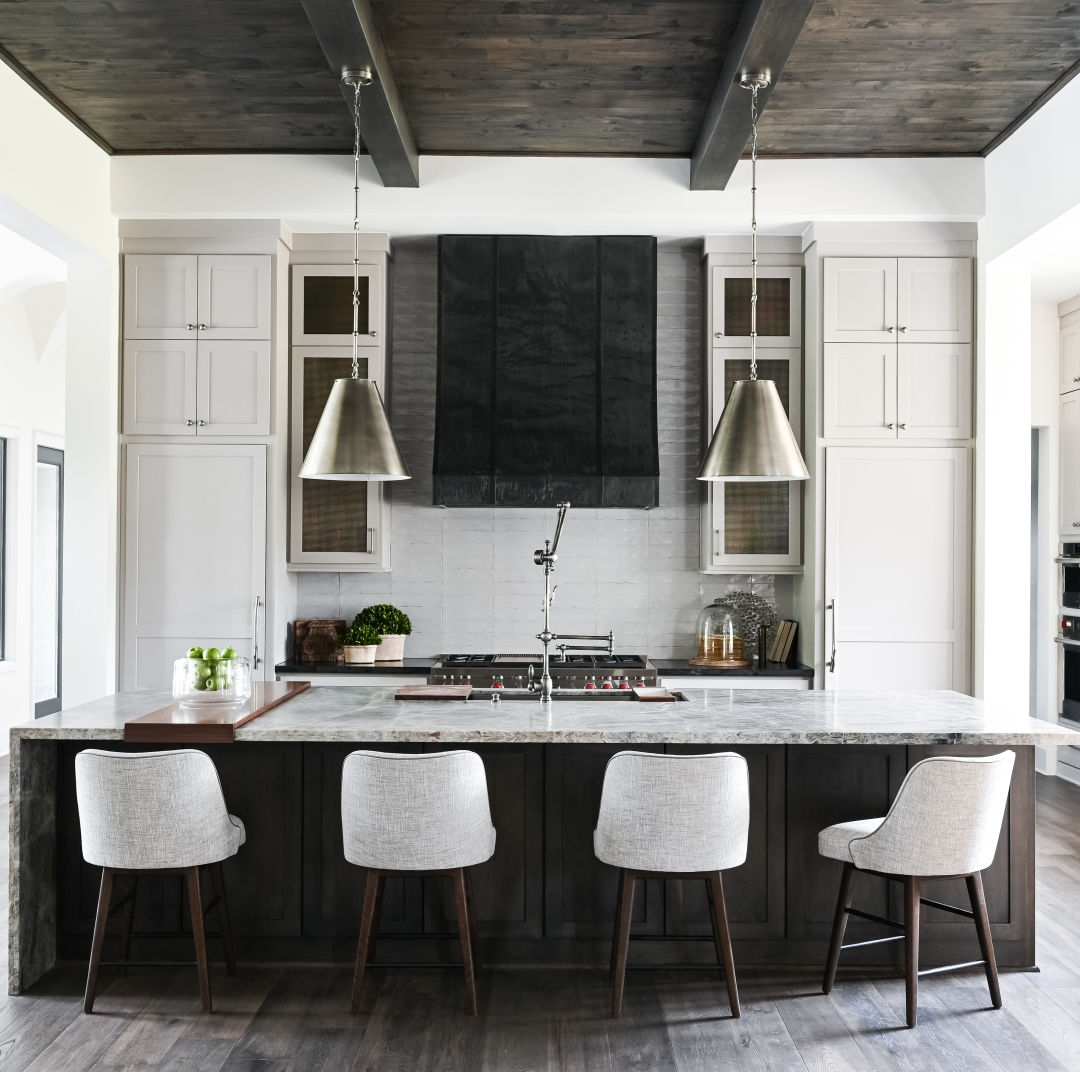
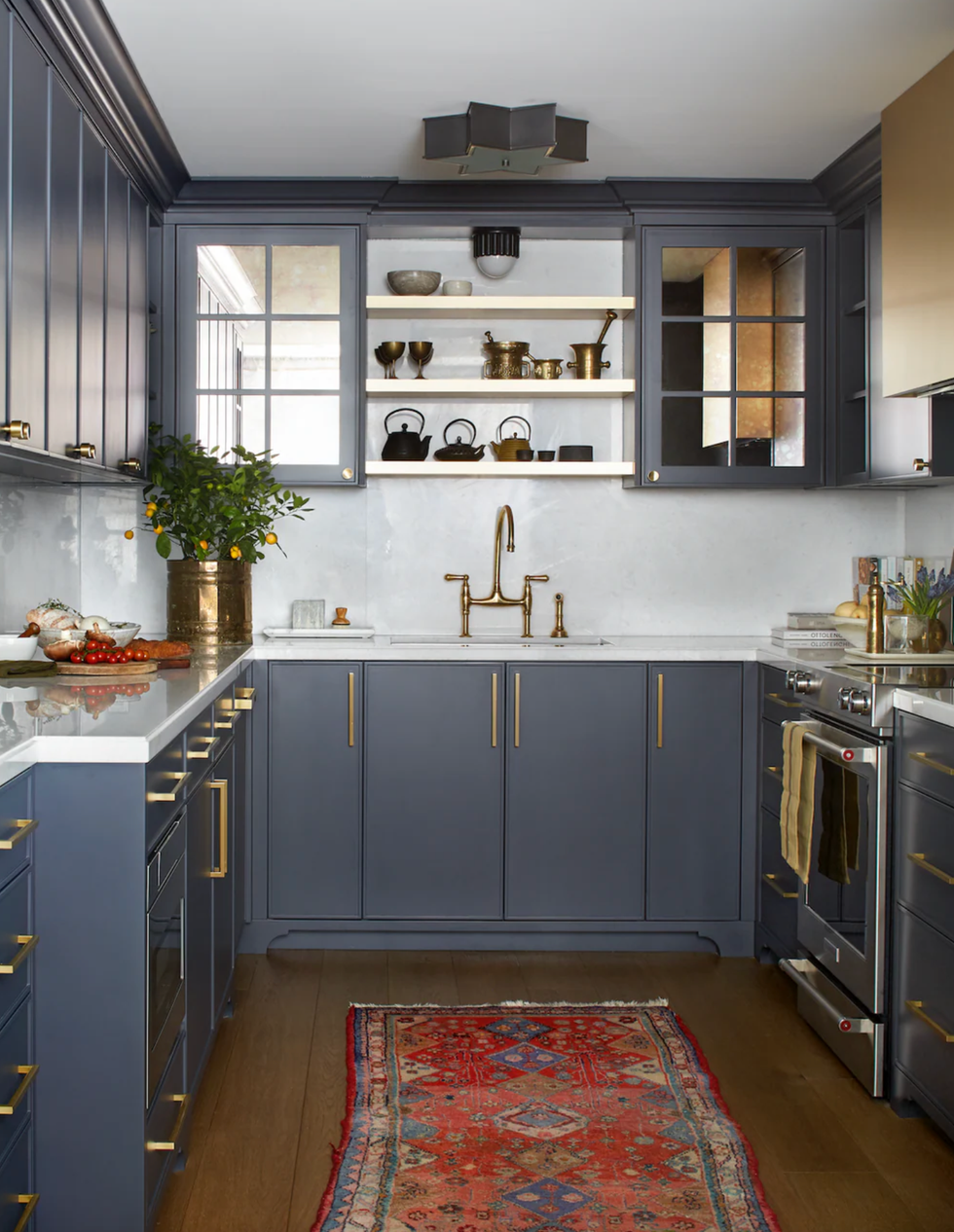
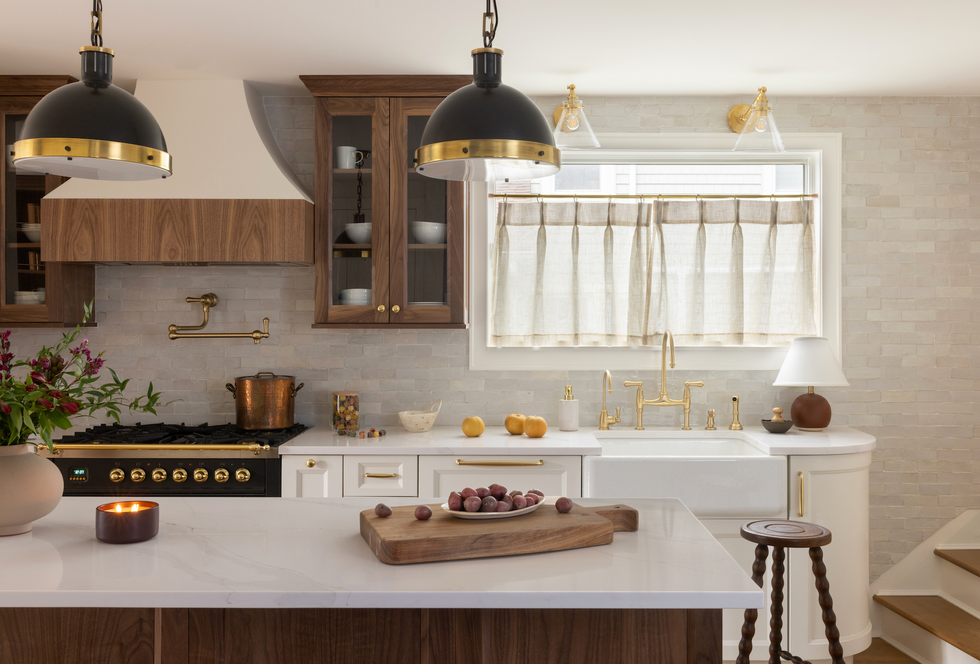
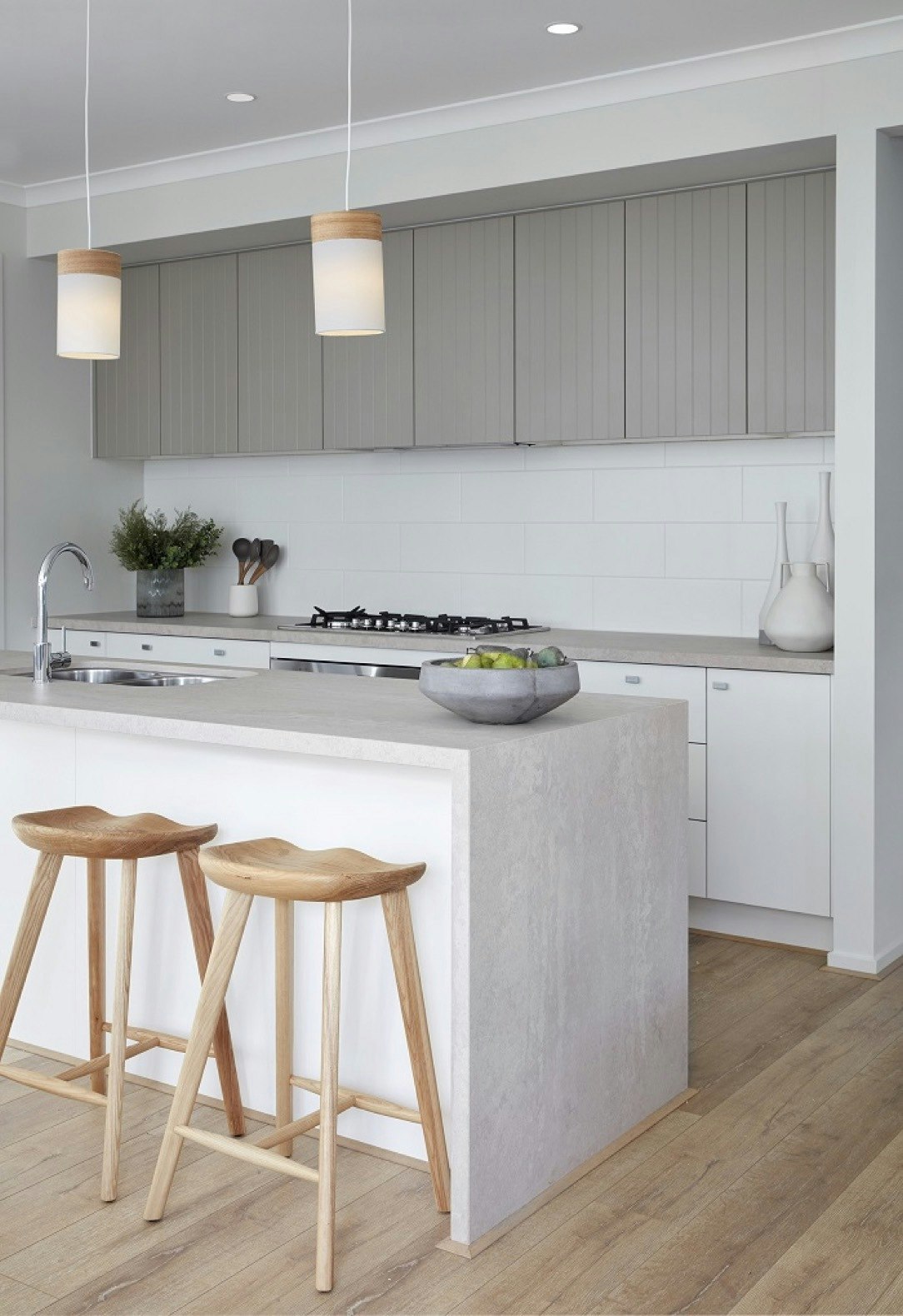
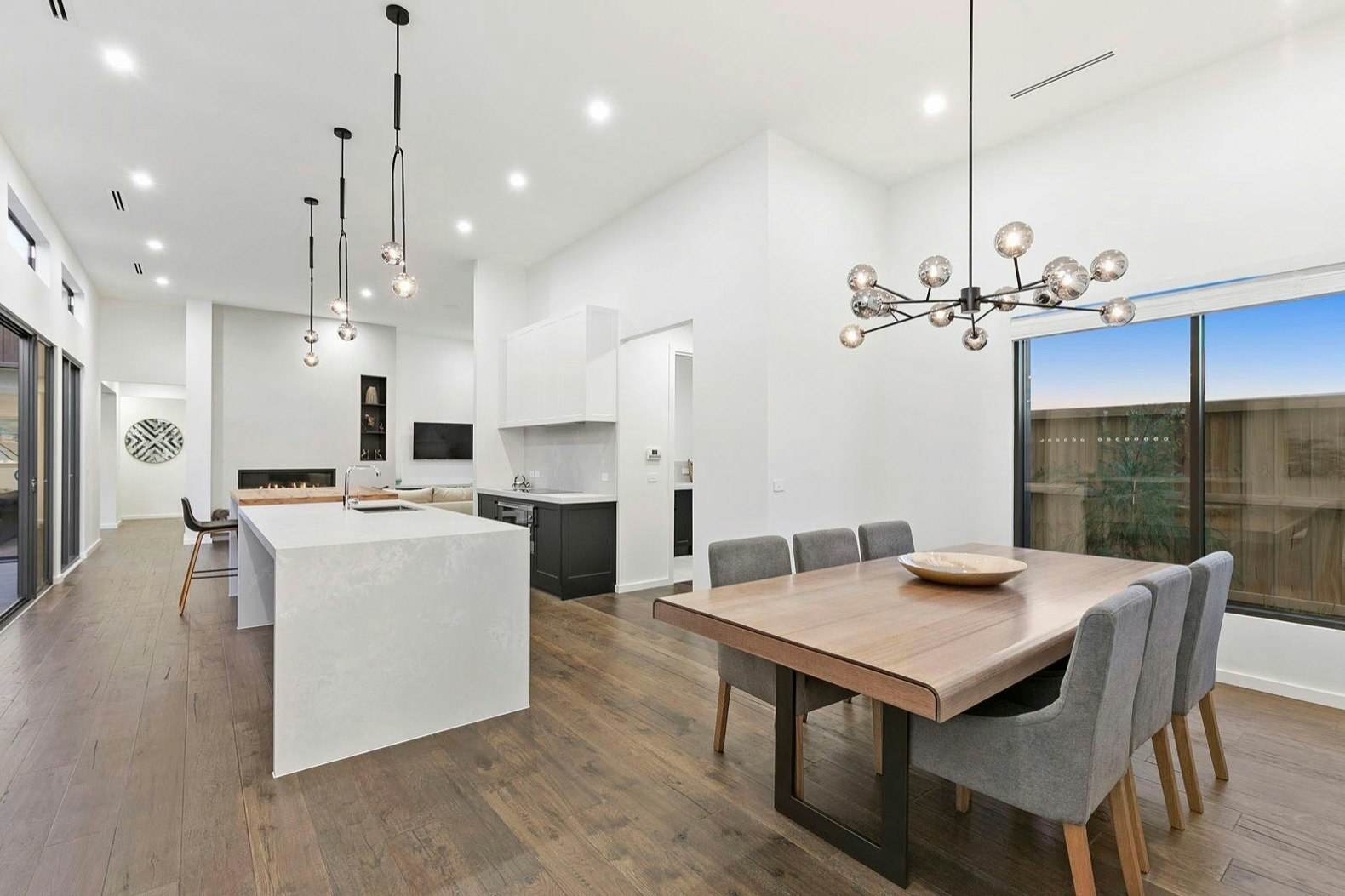
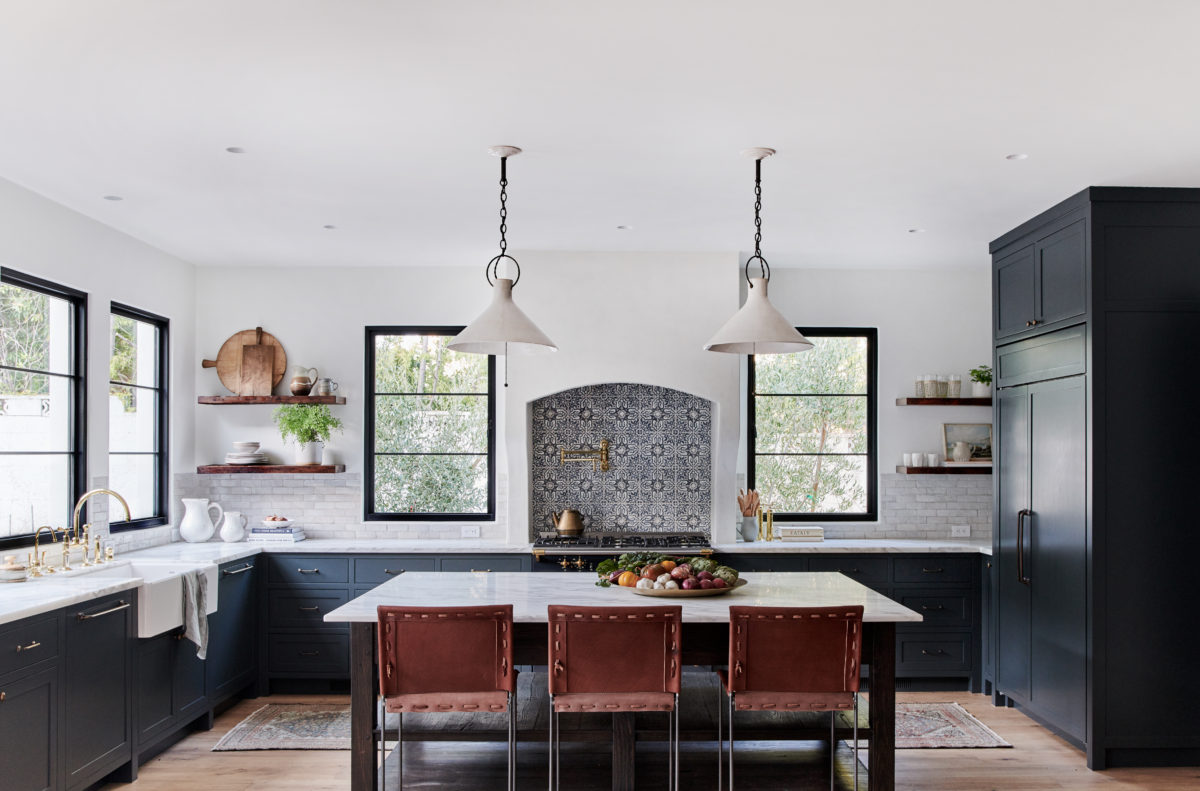
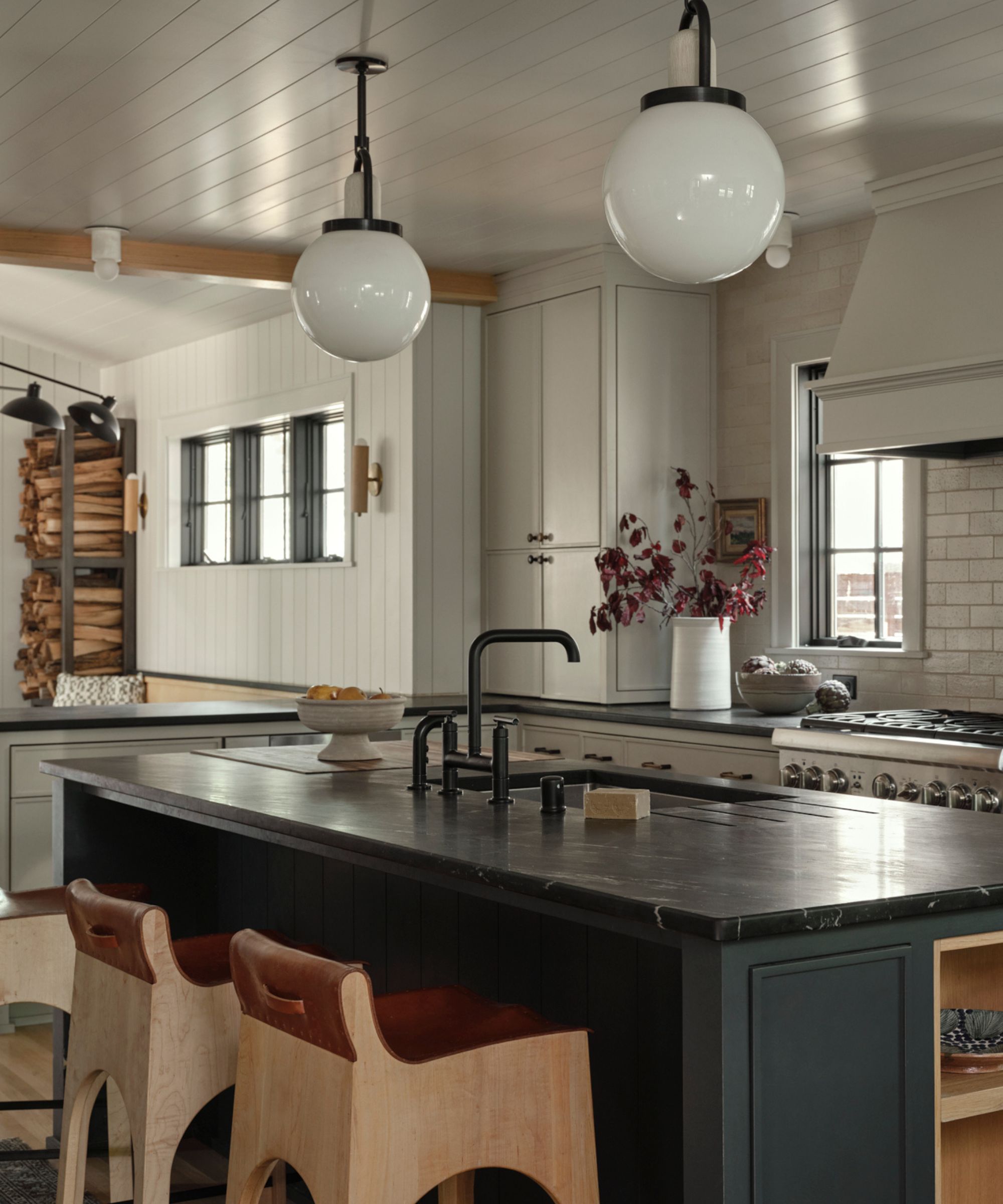
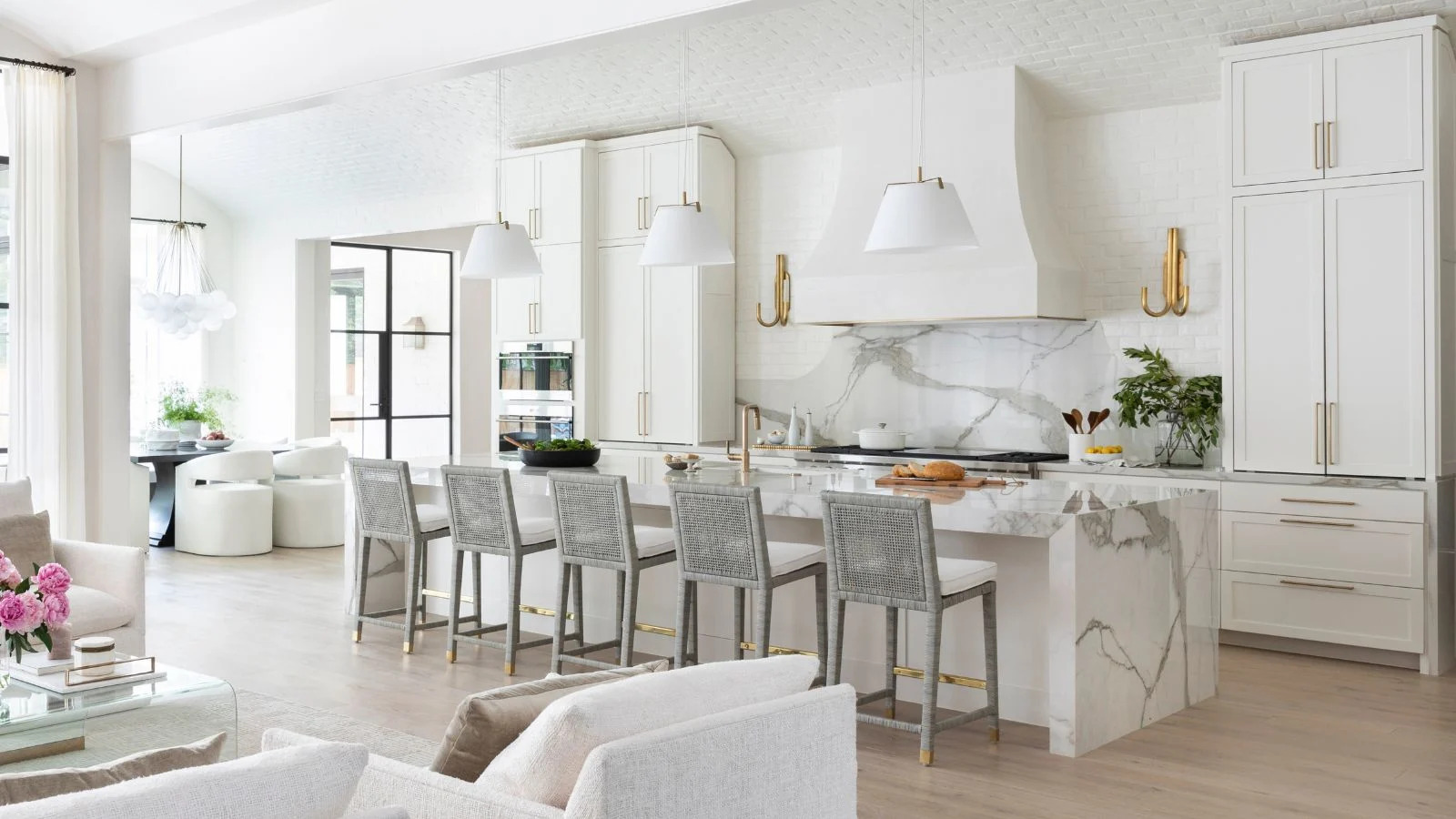
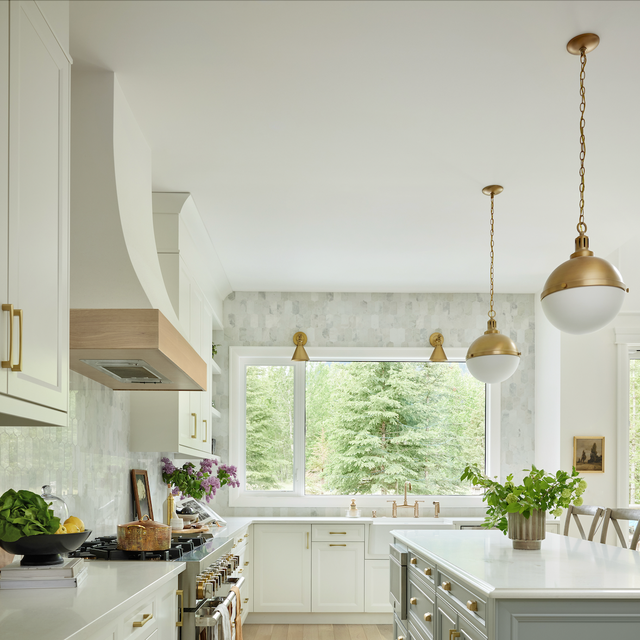
Flanigan’s approach to kitchen lighting involves a multi-layered strategy, moving beyond the conventional reliance on a single overhead fixture. She recommends incorporating three distinct types of lighting: ambient, task, and accent. Ambient lighting, often achieved through recessed lights or flush-mount fixtures, provides general illumination and sets the overall mood of the space. Task lighting is essential for functional areas, such as countertops and stovetops, where focused illumination is required for meal preparation and cooking. Under-cabinet lighting, pendant lights over an island, or even small, directional spotlights are ideal for this purpose. Finally, accent lighting is used to highlight specific architectural features, artwork, or decorative elements, adding depth and visual interest to the kitchen.
Beyond the types of lighting, Flanigan stresses the importance of considering the color temperature of light bulbs. She advises selecting bulbs that emit a warm, inviting glow, typically in the range of 2700K to 3000K, to create a comfortable and welcoming atmosphere. Cooler temperatures can make a kitchen feel sterile and uninviting, while excessively warm tones might cast an undesirable yellowish hue. The ability to control the intensity of light through dimmers is also a key recommendation. Dimmers allow for flexibility in adjusting the lighting levels to suit different activities and times of day, from bright illumination for cooking to softer, more intimate lighting for entertaining.
Flanigan also delves into the strategic placement of lighting fixtures. She suggests that lighting should be integrated seamlessly into the kitchen's architecture, rather than appearing as an afterthought. For instance, recessed lighting should be positioned to avoid casting shadows, especially over work surfaces. Pendant lights, while decorative, should also be functional, providing adequate light without obstructing views or creating glare. The scale and style of fixtures are equally important, as they should complement the overall design aesthetic of the kitchen, contributing to its timeless appeal rather than detracting from it.
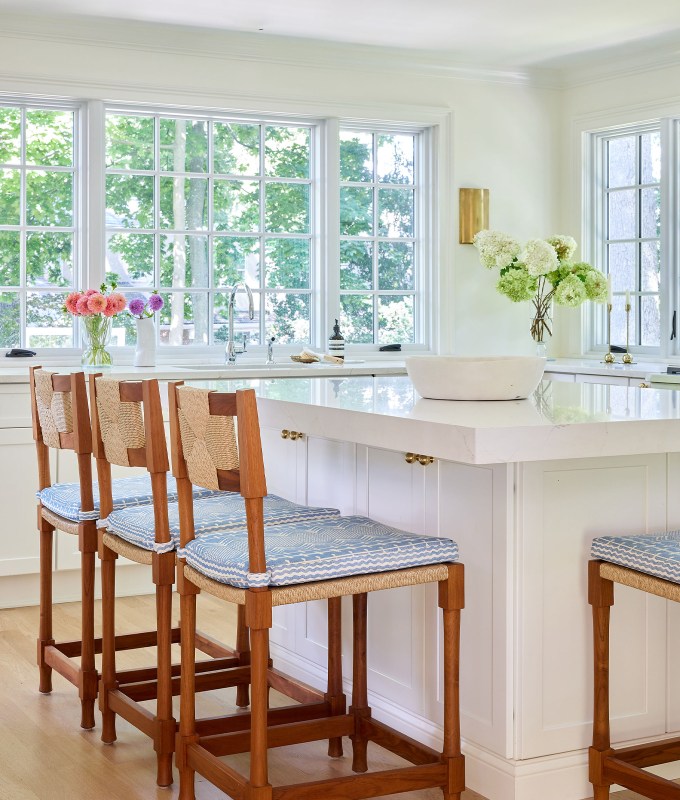
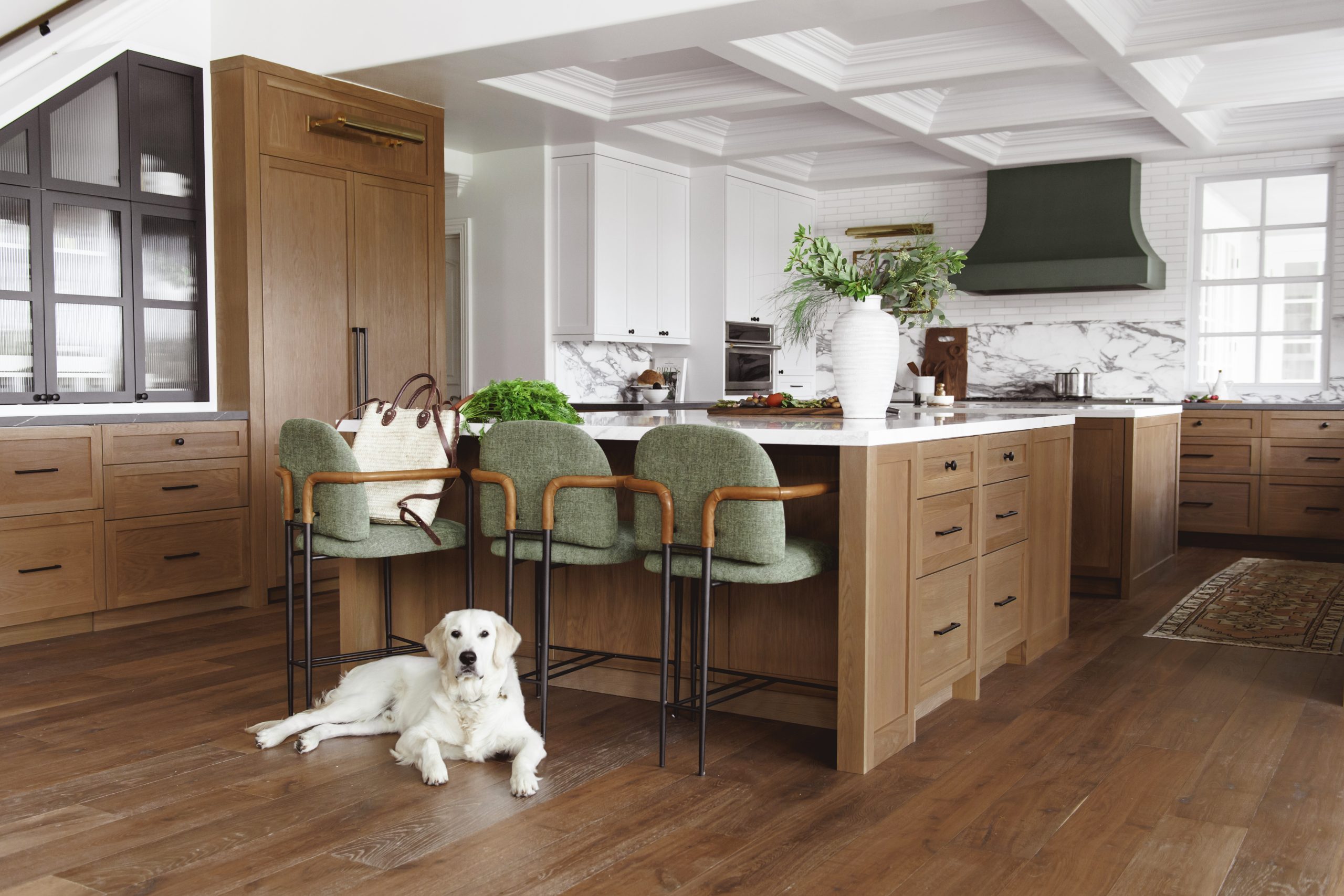
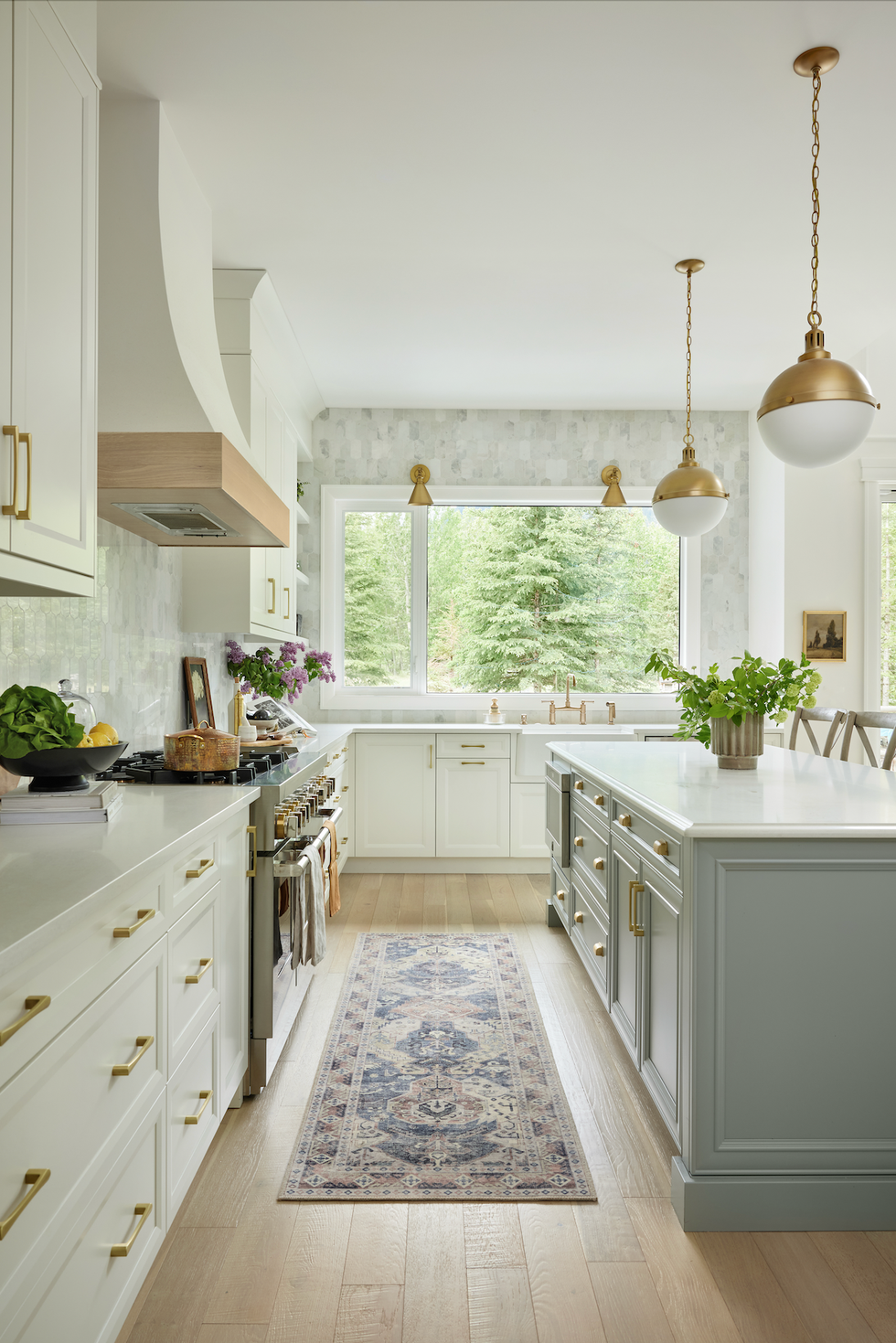
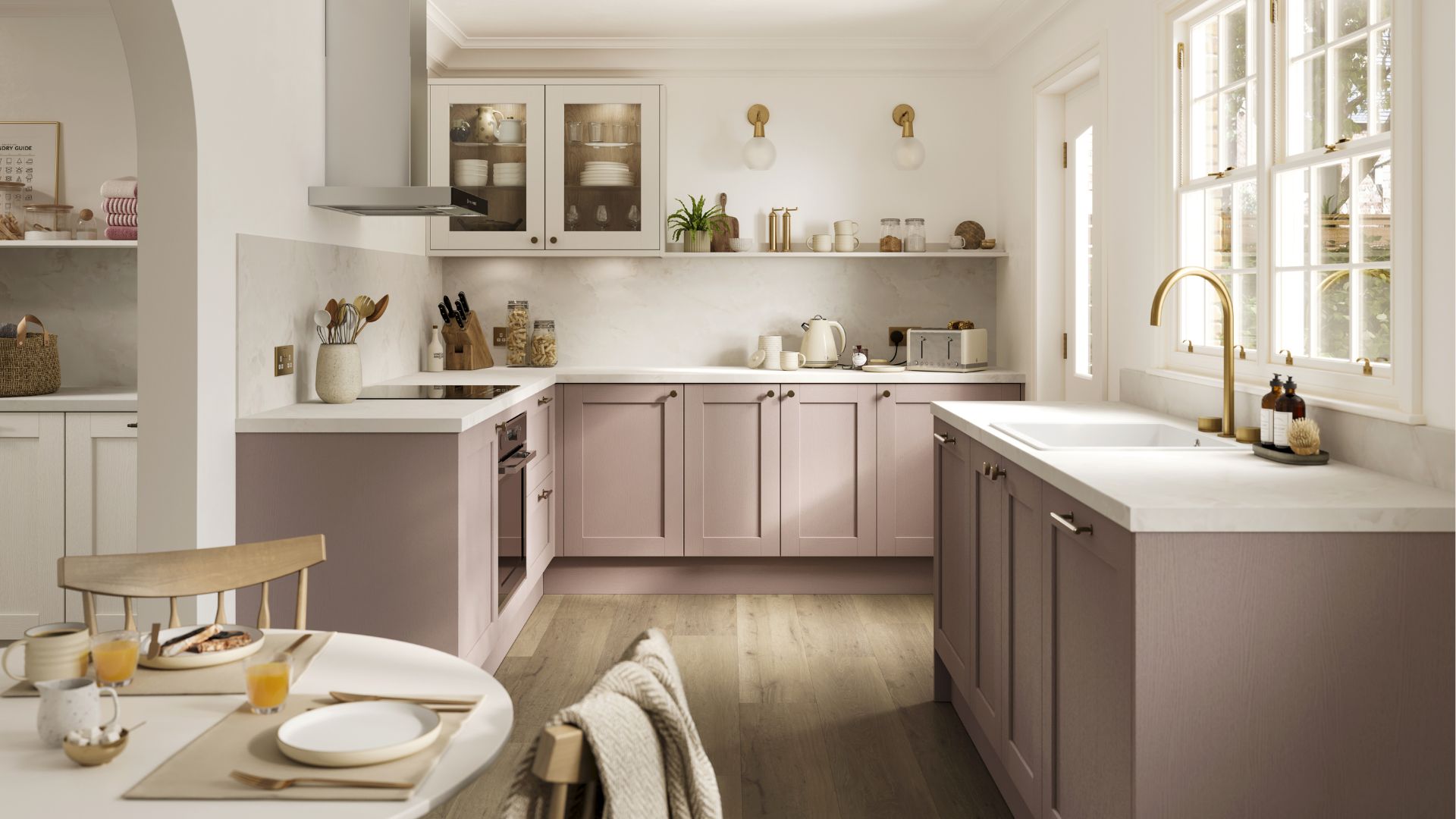
Furthermore, the designer highlights the interplay between natural and artificial light. Maximizing natural light through windows and skylights is encouraged, as it enhances the spaciousness and vibrancy of the kitchen during the day. Artificial lighting should be designed to supplement and mimic natural light, ensuring that the kitchen remains well-lit and appealing even after sunset. This thoughtful integration helps maintain a consistent and comfortable ambiance throughout the day and night.
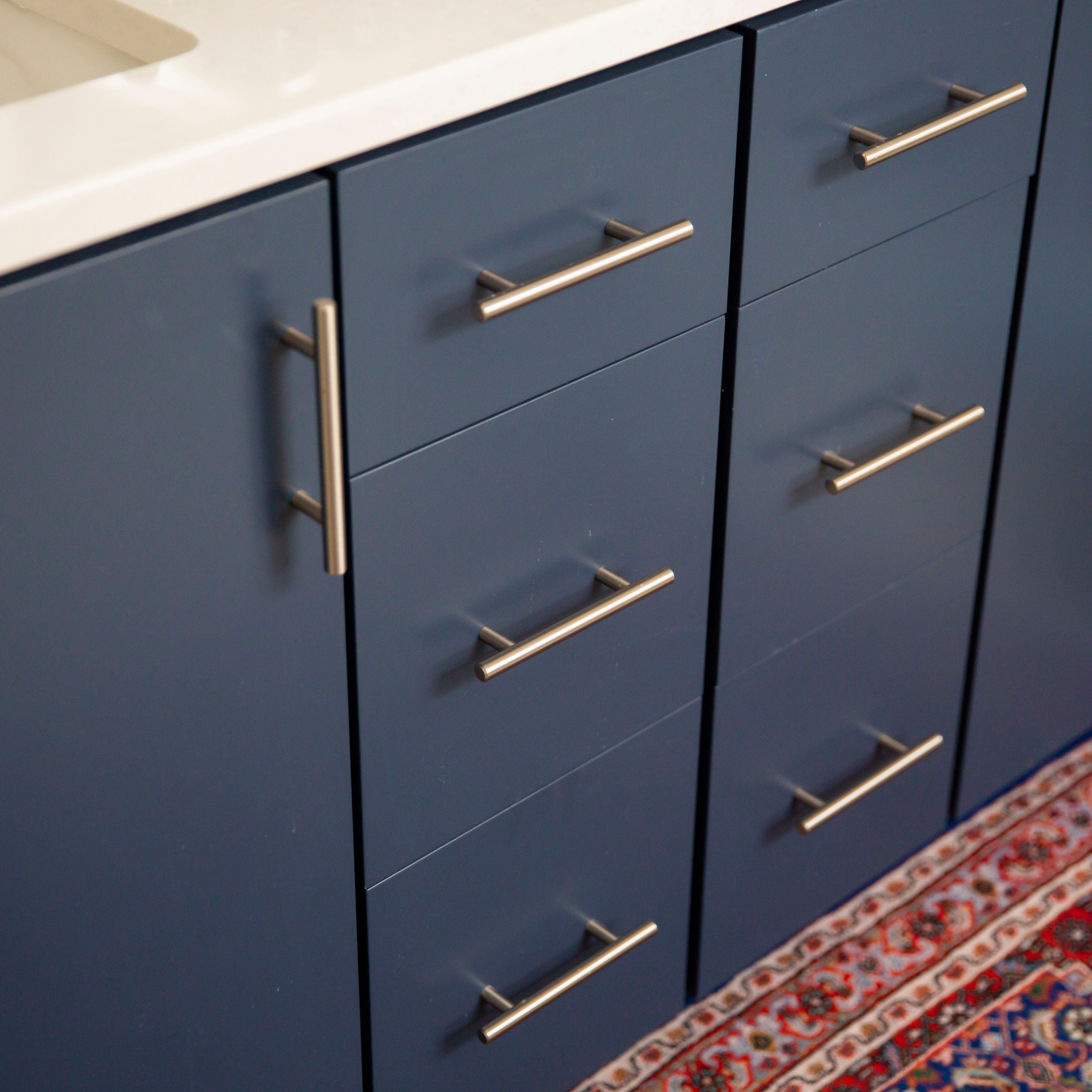
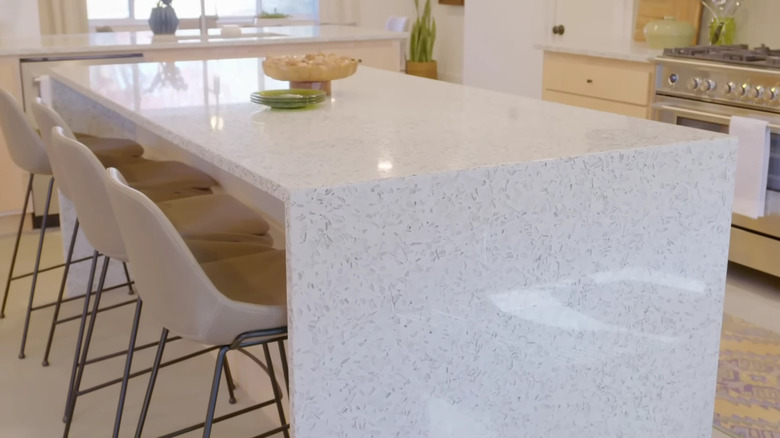
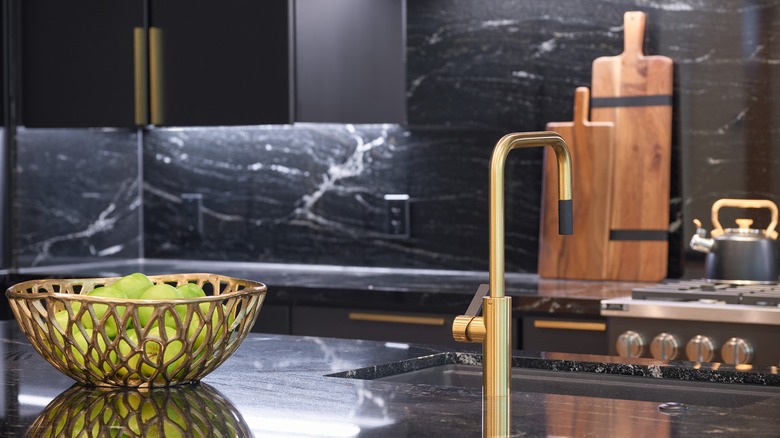
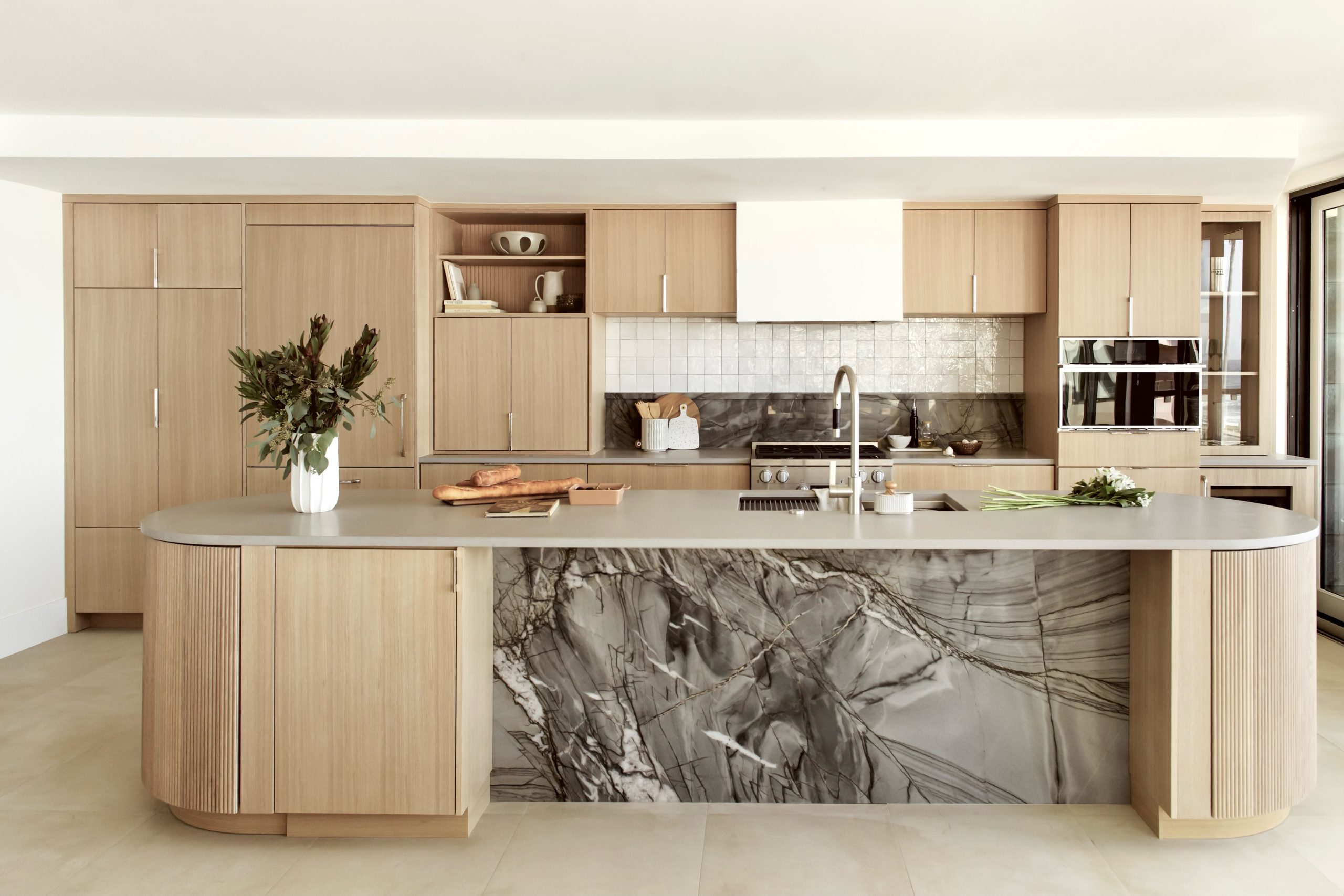
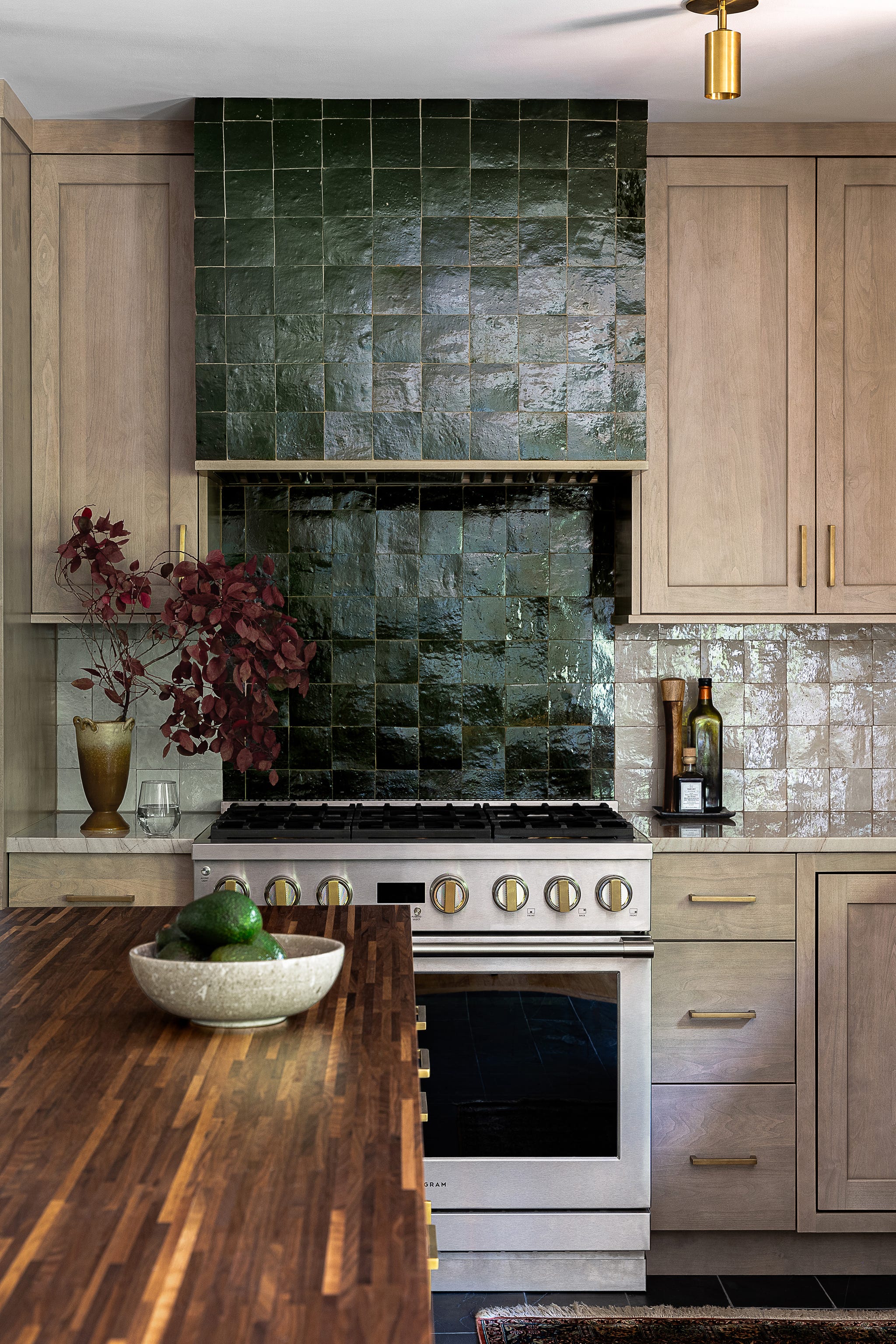
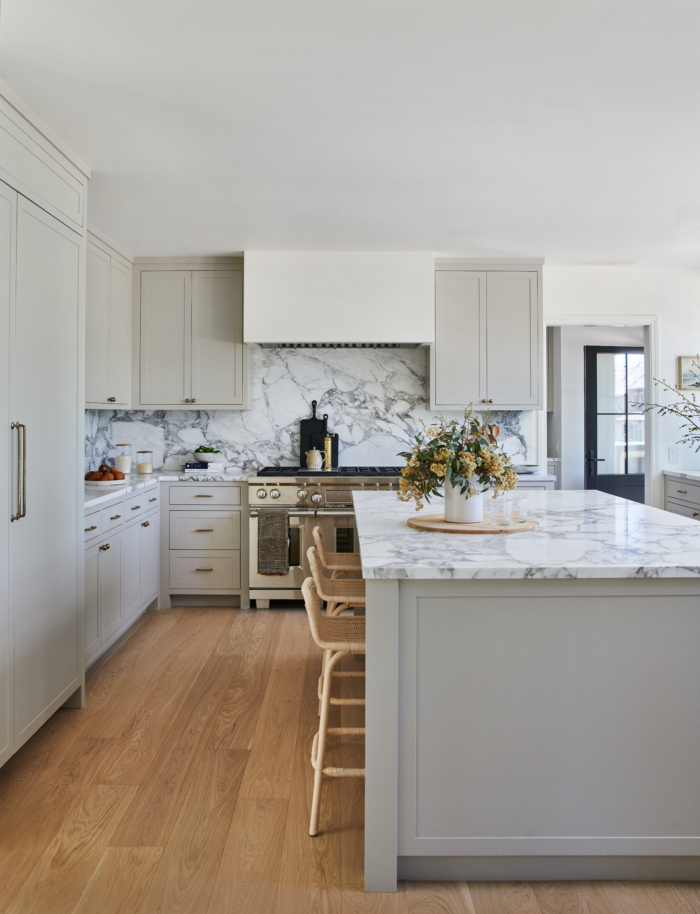
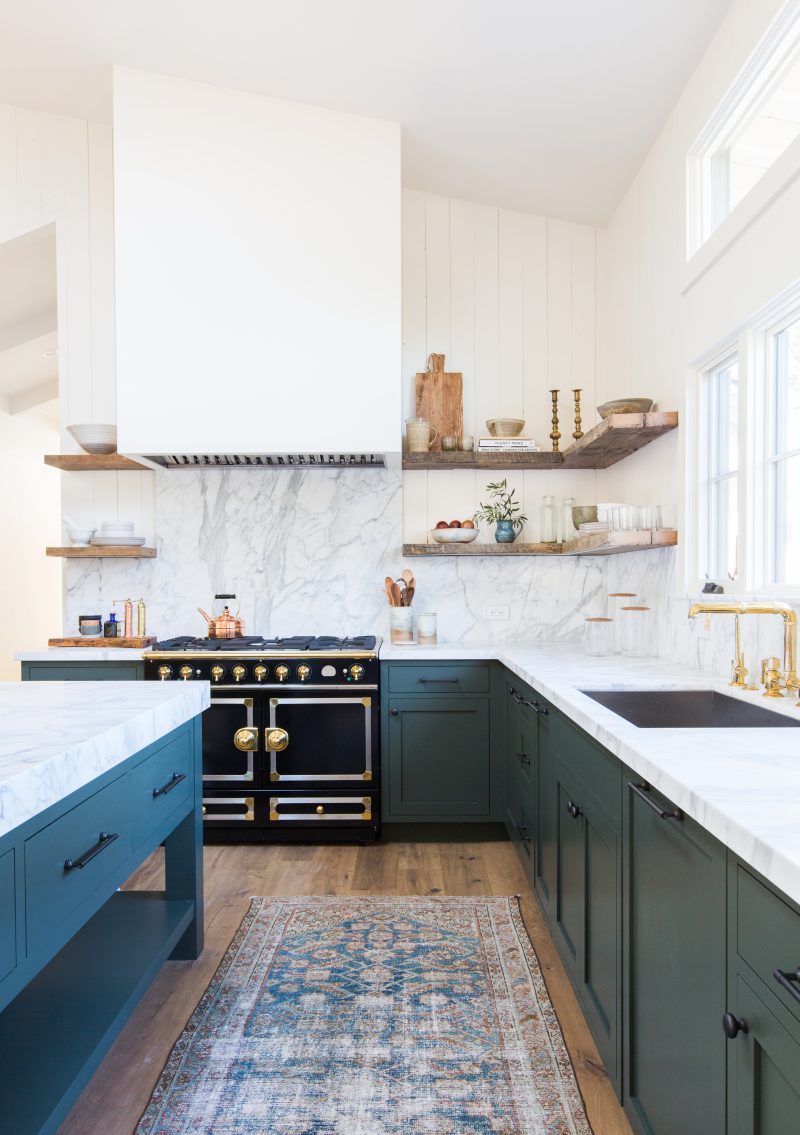
The selection of materials and finishes that reflect and interact with light is another critical aspect of Flanigan's advice. Lighter-colored cabinets, countertops, and backsplashes can amplify the effect of both natural and artificial light, making the kitchen feel brighter and more open. Reflective surfaces, such as polished hardware or glossy tiles, can also contribute to the overall luminosity of the space. By carefully considering how different materials absorb or reflect light, designers can further enhance the effectiveness of their lighting plan.
Ultimately, Marie Flanigan's core message is that a well-executed lighting plan is an investment that pays dividends in terms of both immediate satisfaction and enduring appeal. It transcends fleeting trends, providing a foundational element that ensures the kitchen remains a cherished and functional space for years to come. By prioritizing layered lighting, appropriate color temperatures, strategic placement, and the thoughtful interaction of materials, homeowners can create a kitchen that is not only beautiful but also truly timeless.
#MarieFlanigan #KitchenDesign #KitchenLighting #TimelessKitchen #HomeRemodel #InteriorDesign #LightingStrategy #MarieFlanigan #KitchenDesign #KitchenLighting #TimelessKitchen #HomeRemodel #InteriorDesign #LightingStrategy
0 comment in total
 No comments yet
You may also like
Designers Say Making This Small Change Can "Transform" Your Kitchen


What I learned from remodeling my kitchen
We Asked Kitchen Remodel Experts What Trends Are Actually Timeless

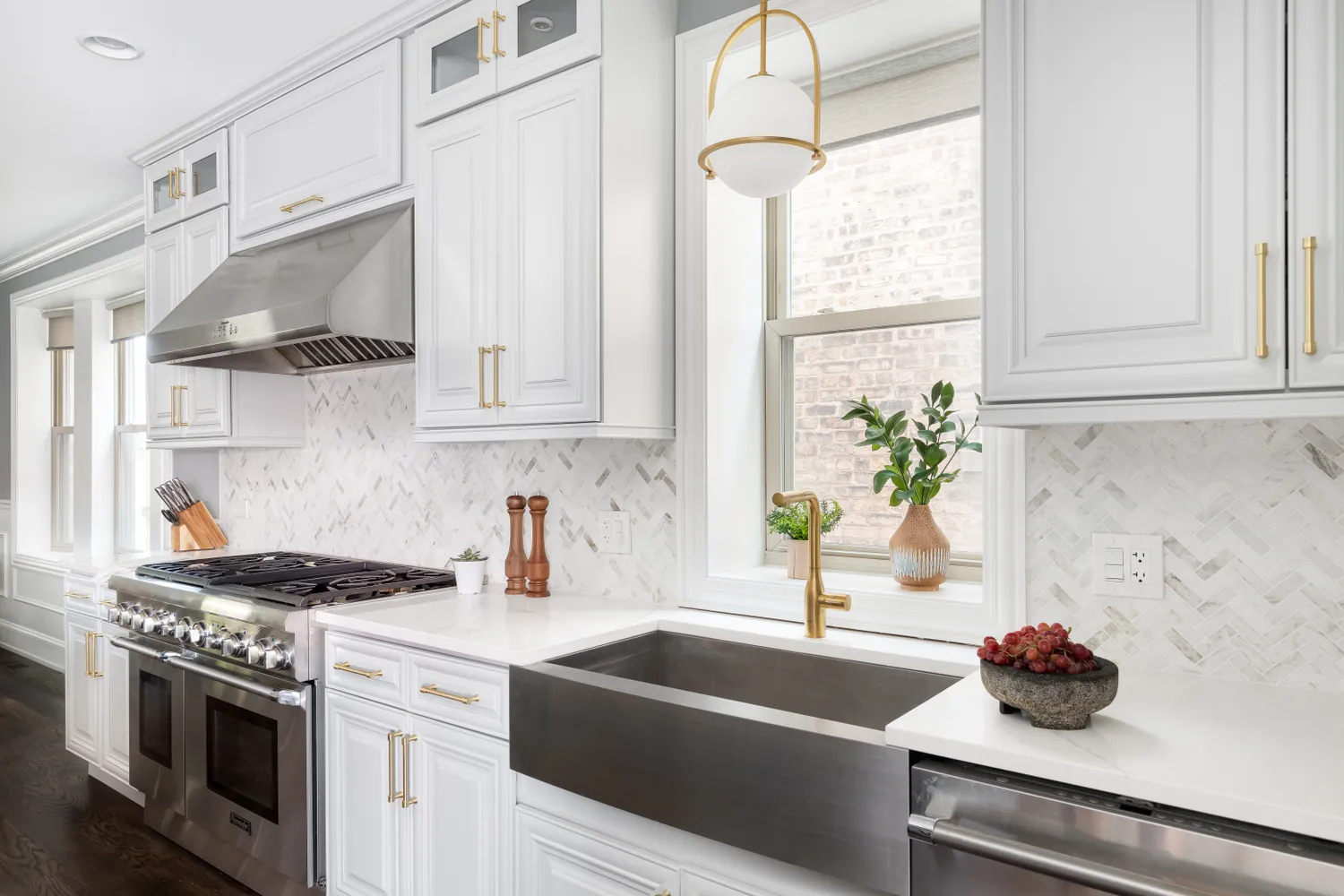
4 Easy Kitchen Upgrades That Instantly Make Your Home Look Good, According to Designers

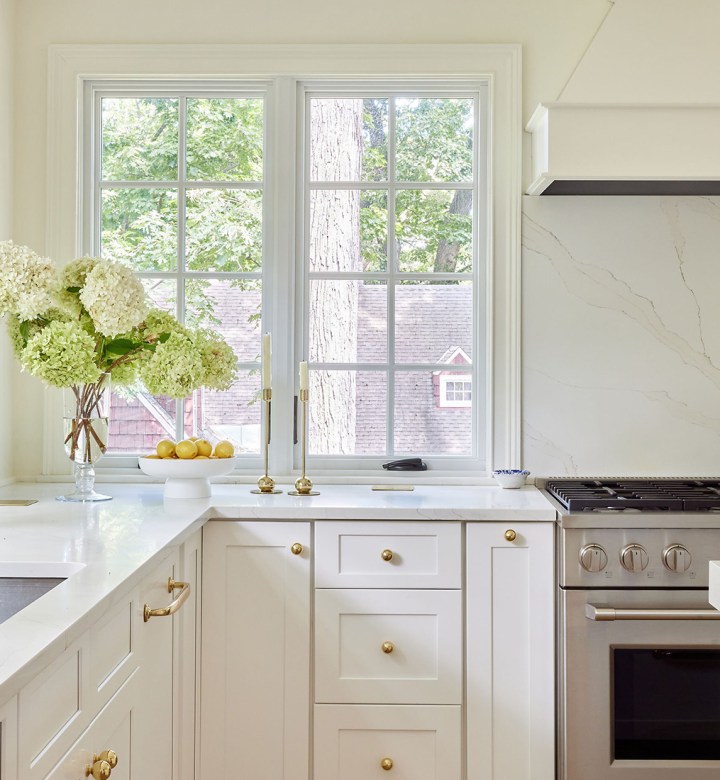
Before and After: 4 Things I Wish I Knew Before My Kitchen Renovation

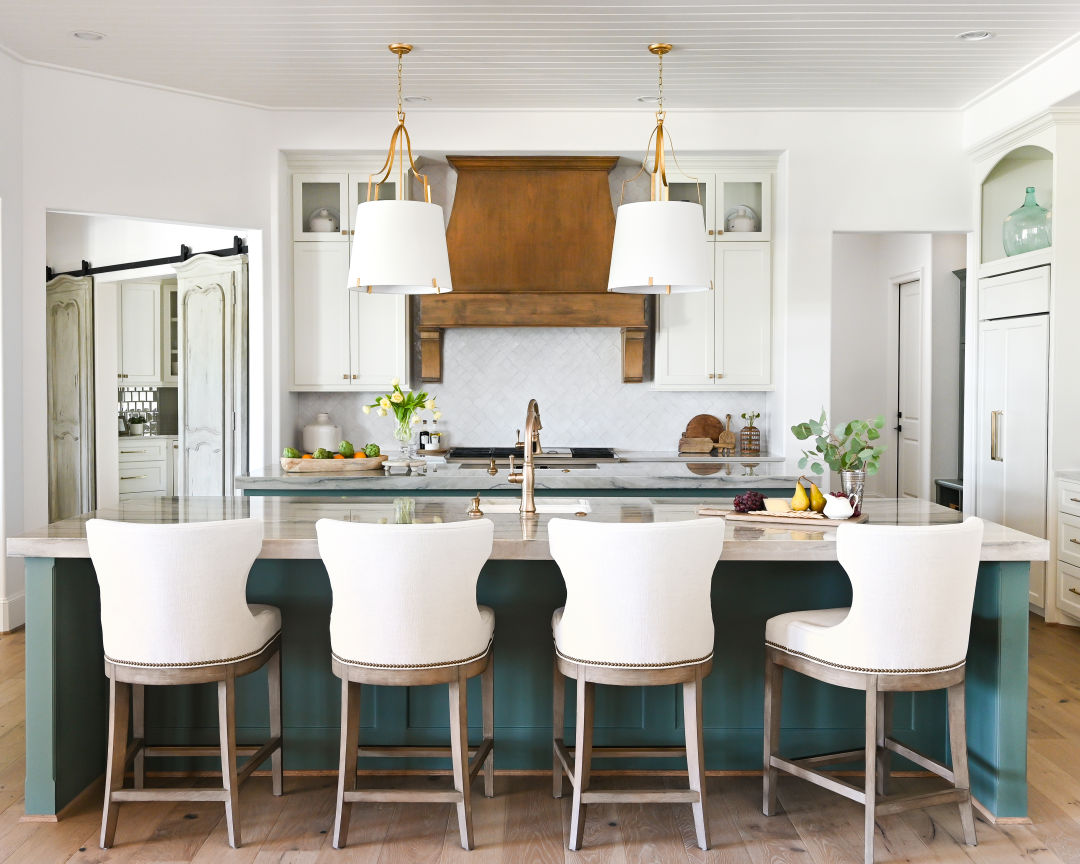
Home Fix: 7 Home Remodel Tips For Your Dream Kitchen

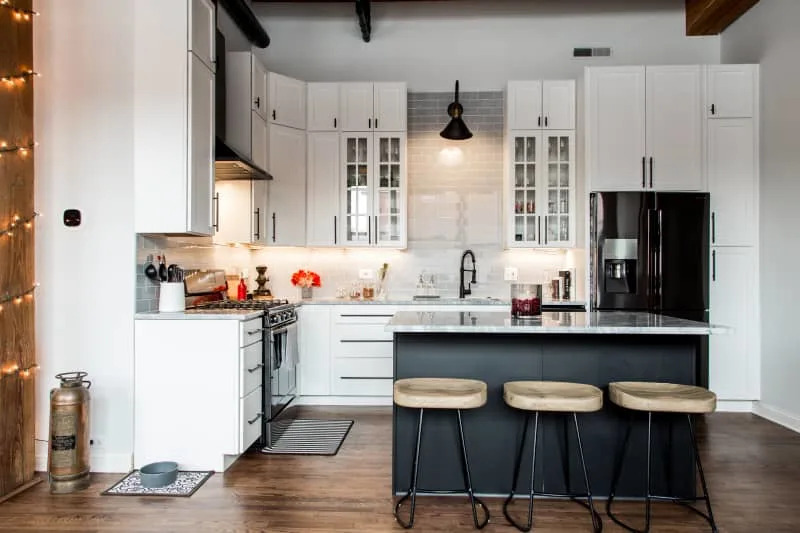
My Chef Friend’s Best Kitchen Remodel Advice Went Against Everything I Thought I Knew

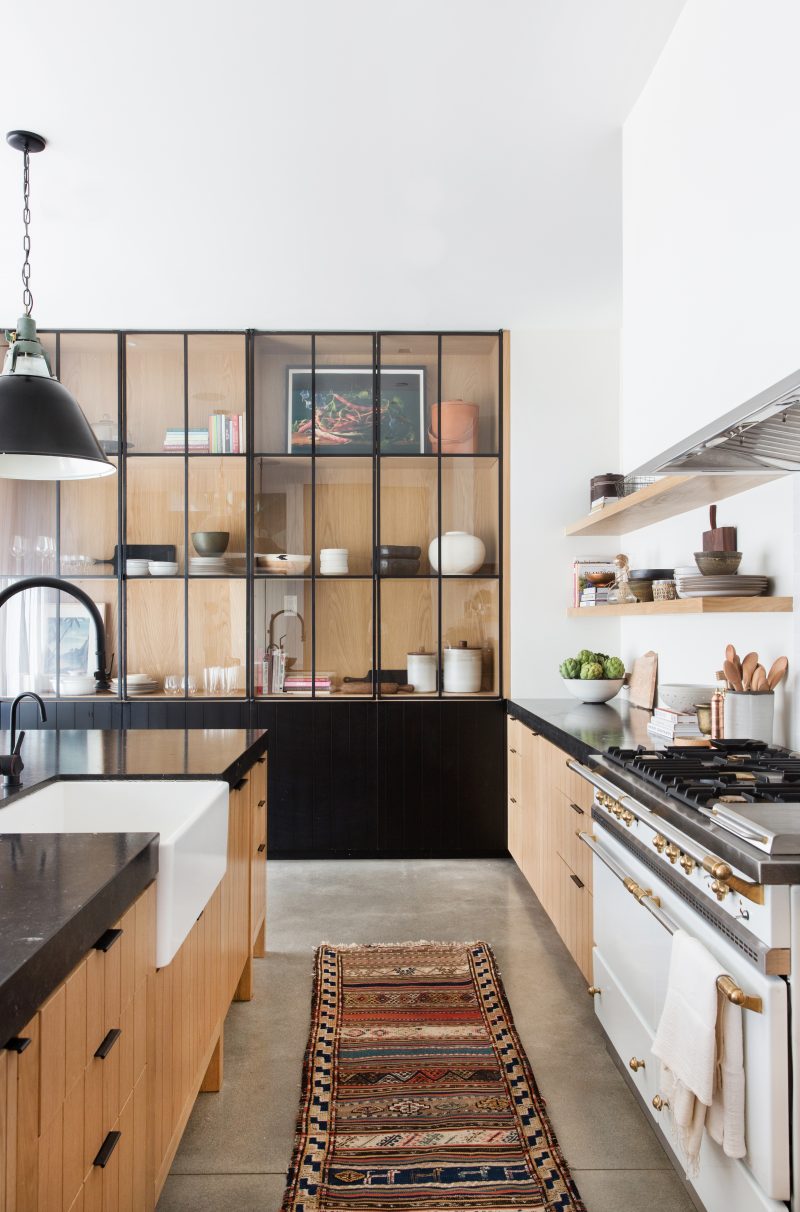
I’ve Renovated Over 30 Kitchens, This Is My Top Tip for Remodeling on a Budget

The Best Kitchen Renovation Tips From The Fixer To Fabulous Team
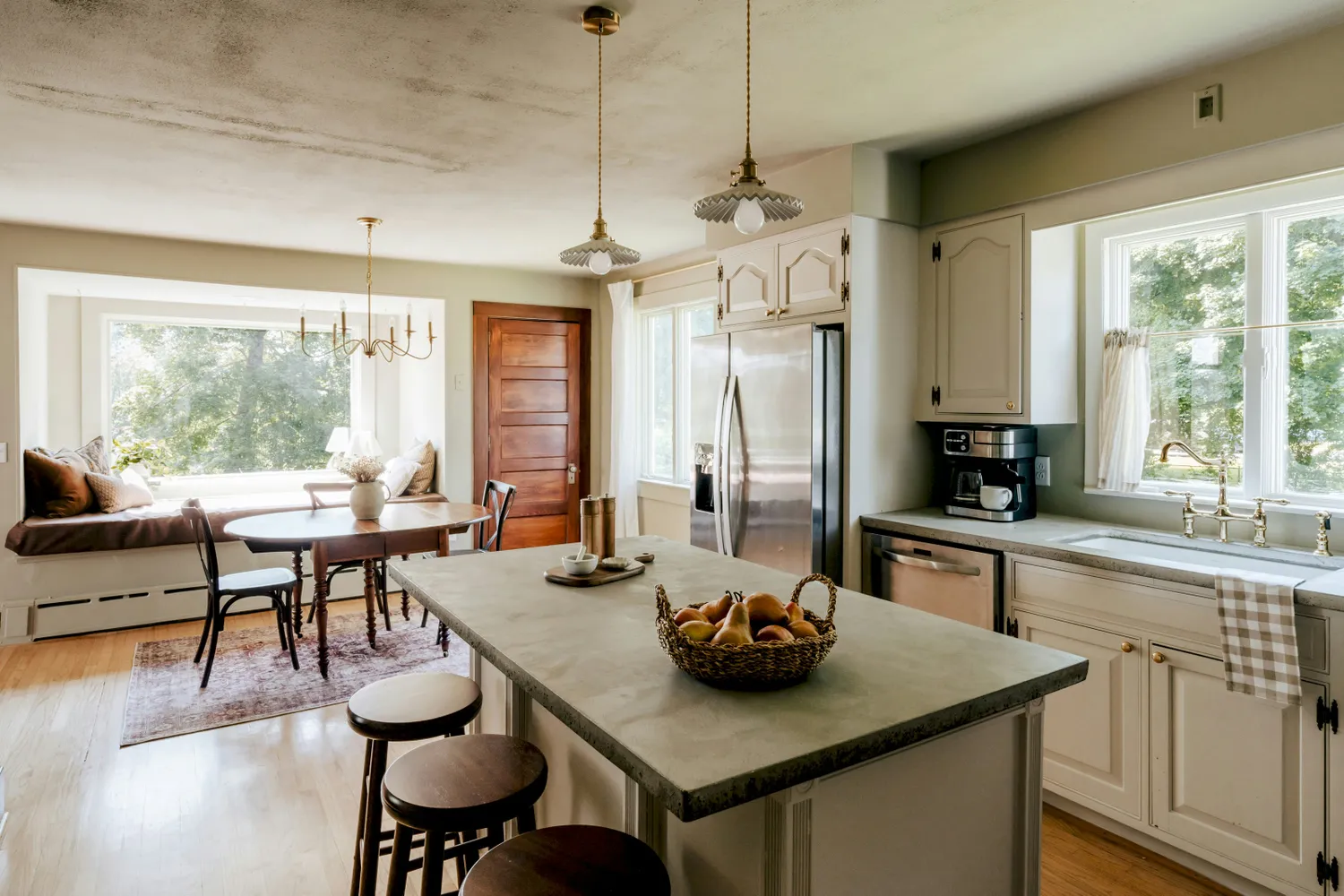
We Asked Designers for a Small Kitchen Upgrade That Makes a Huge Impact —And They Said the Same Thing

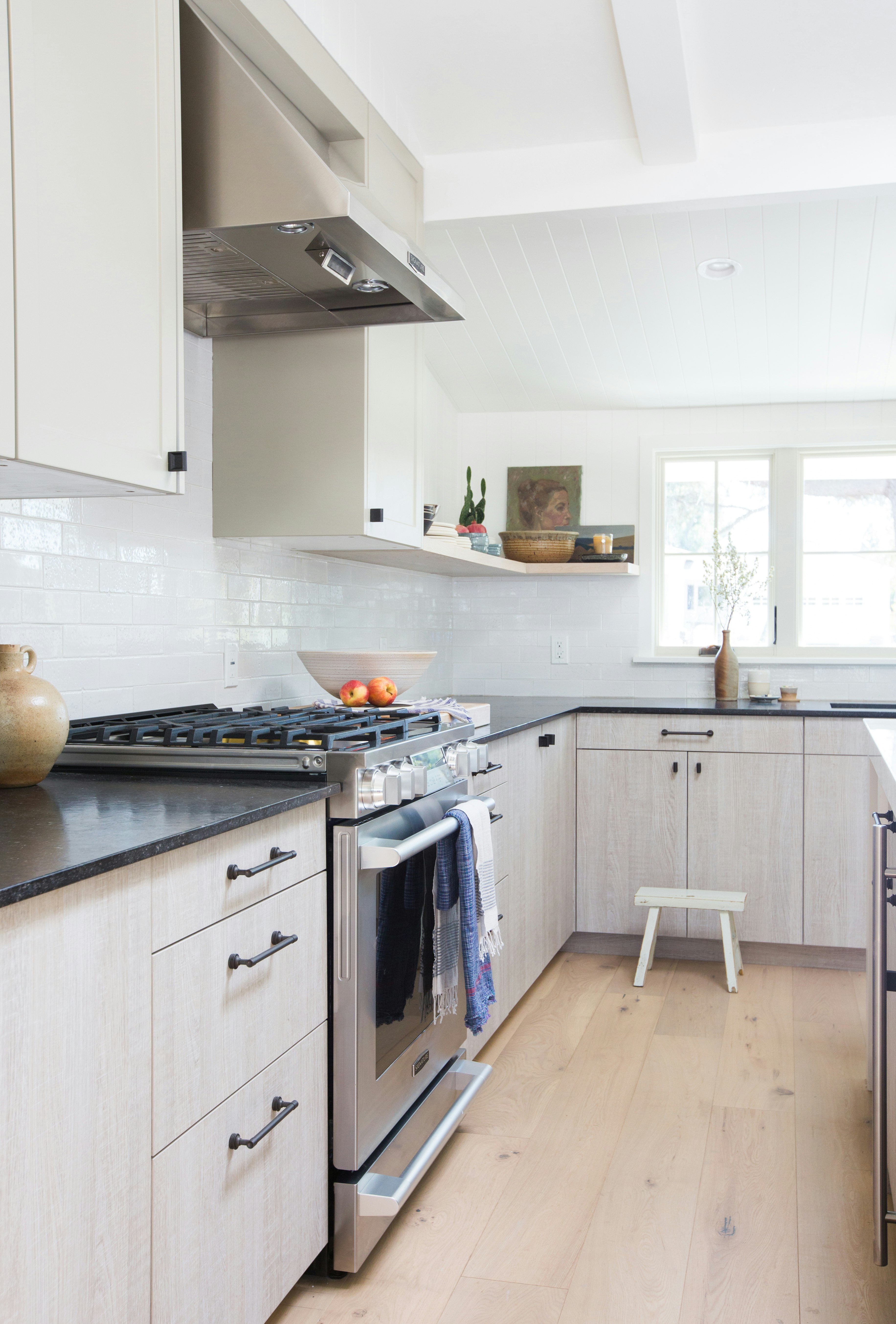
A Sneak Peek Into an Interior Designer's "No Ordinary Kitchen" Renovation

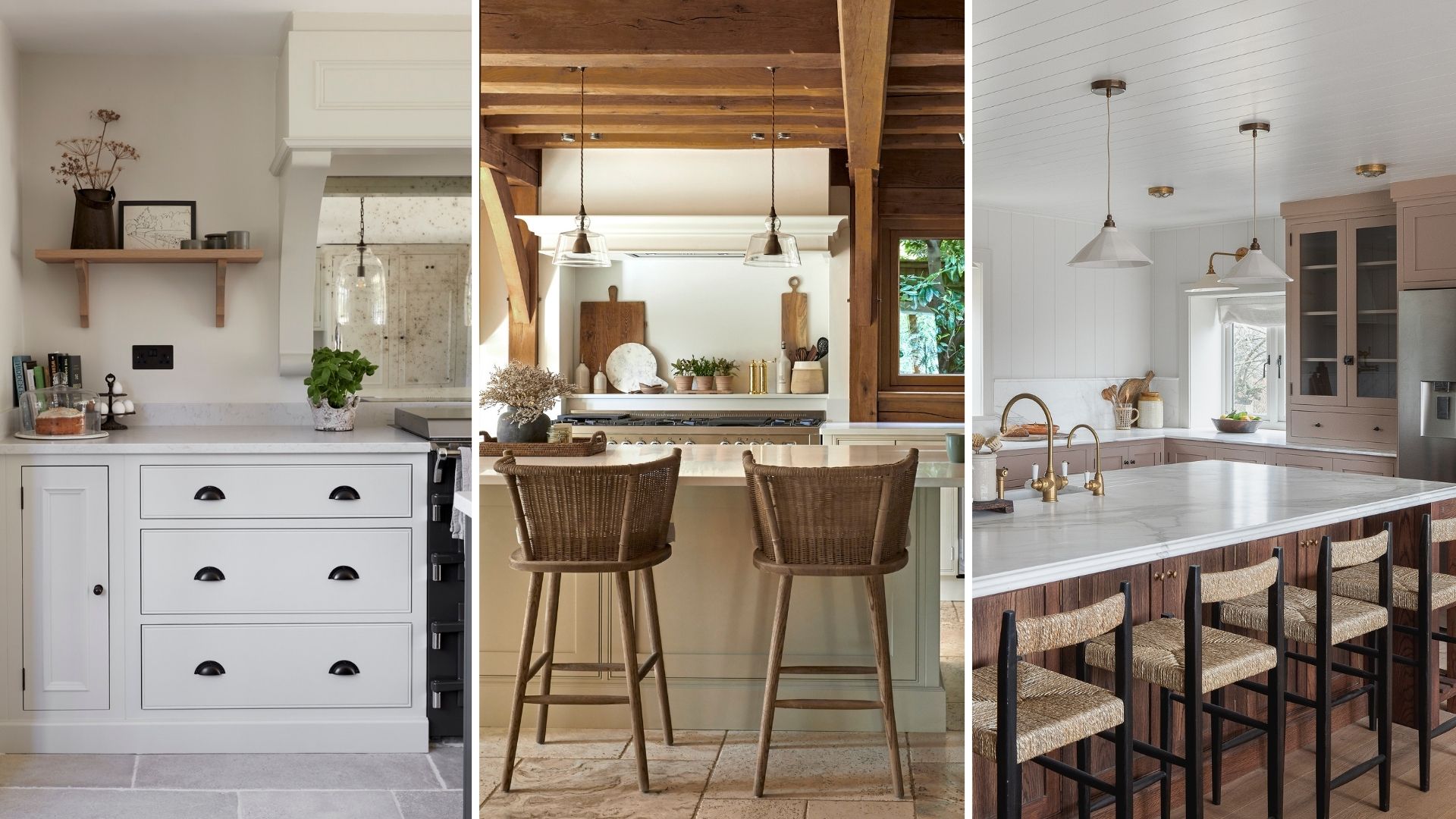
6 design rules worth breaking for a more characterful kitchen

Fun Tips for an Amazing Kitchen Remodel
I remodeled my kitchen two years ago – this is what I regret and the design elements I am still loving
Here's Proof ANYTHING Is Possible With a Clever Kitchen Redesign

10 things every kitchen needs, according to interior designers


3 Ways to Revamp Your Kitchen, According to an Interior Designer

5 Kitchen Renovations Designers Wish Their Clients NEVER Asked for Again
How an Instagram-Worthy Kitchen Renovation Comes Alive With the Right Surfaces
The Ultimate Kitchen-Design Hack