1/4
Will Artificial Intelligence Replace Designers?
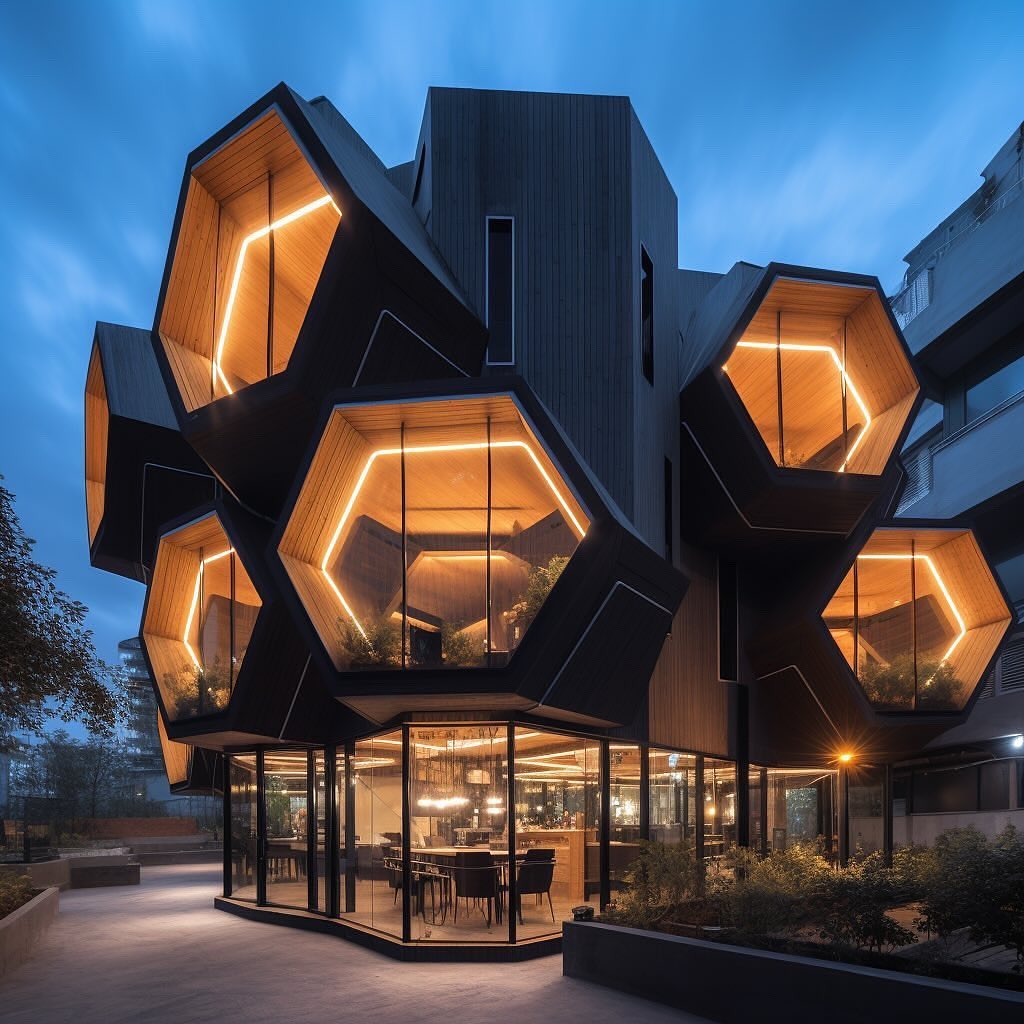
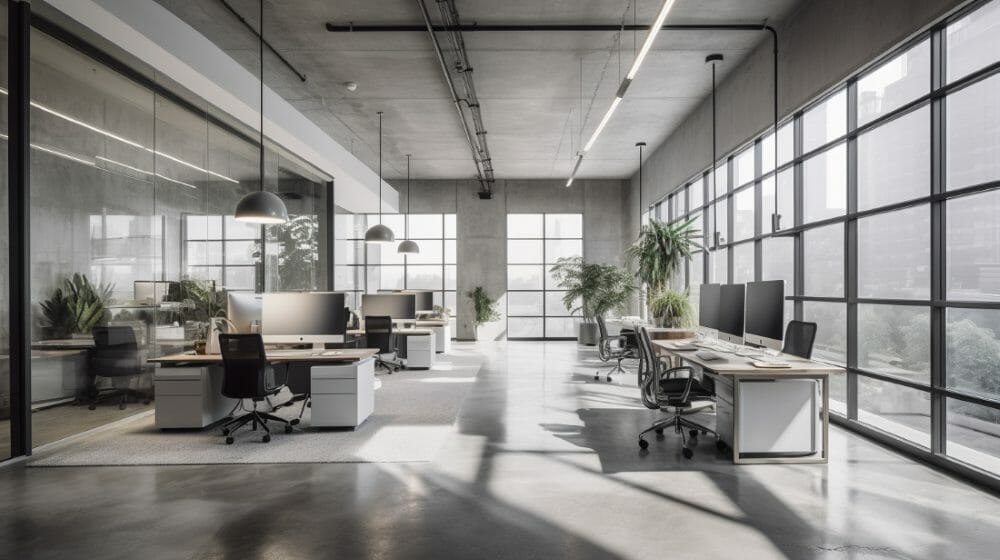
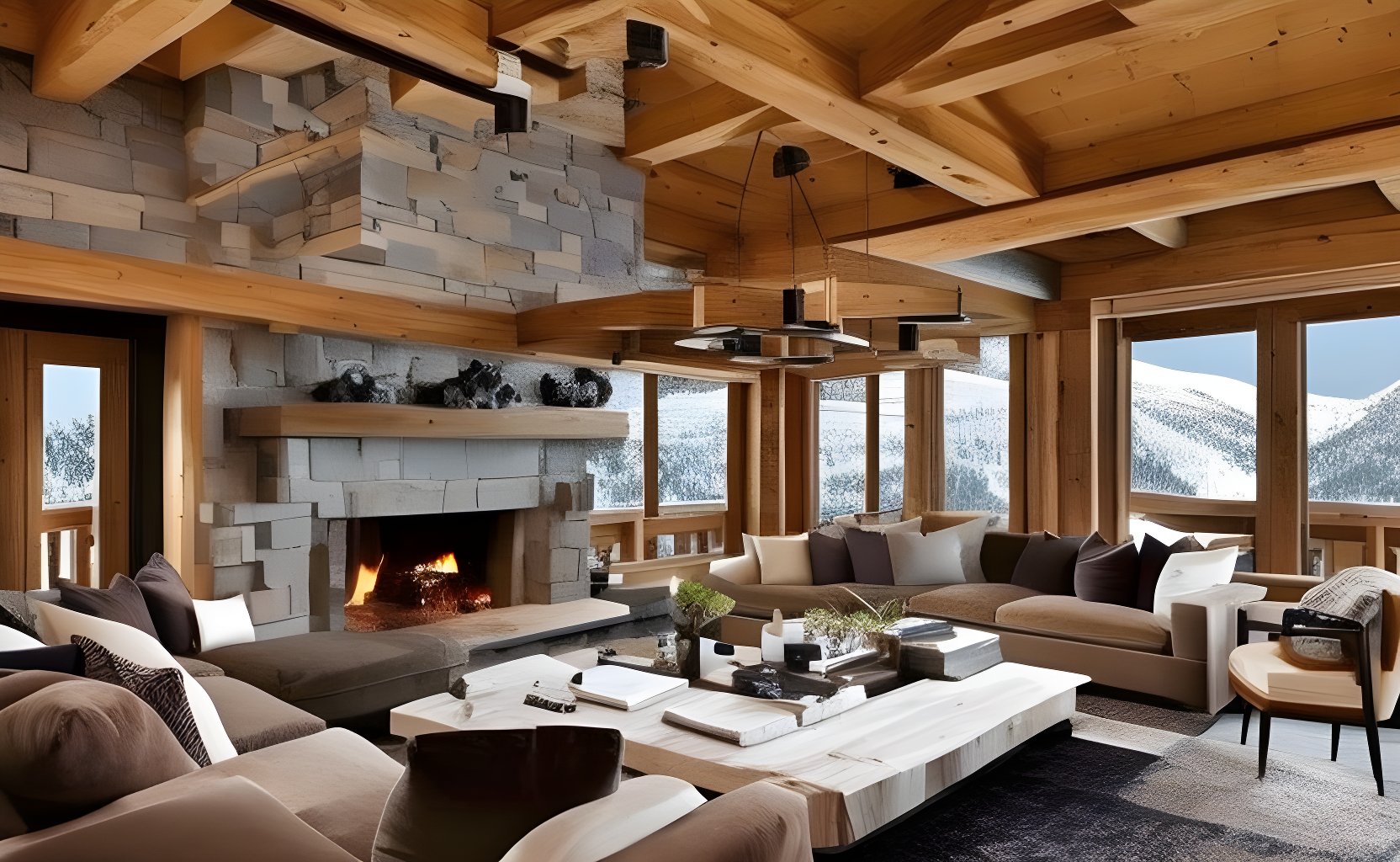
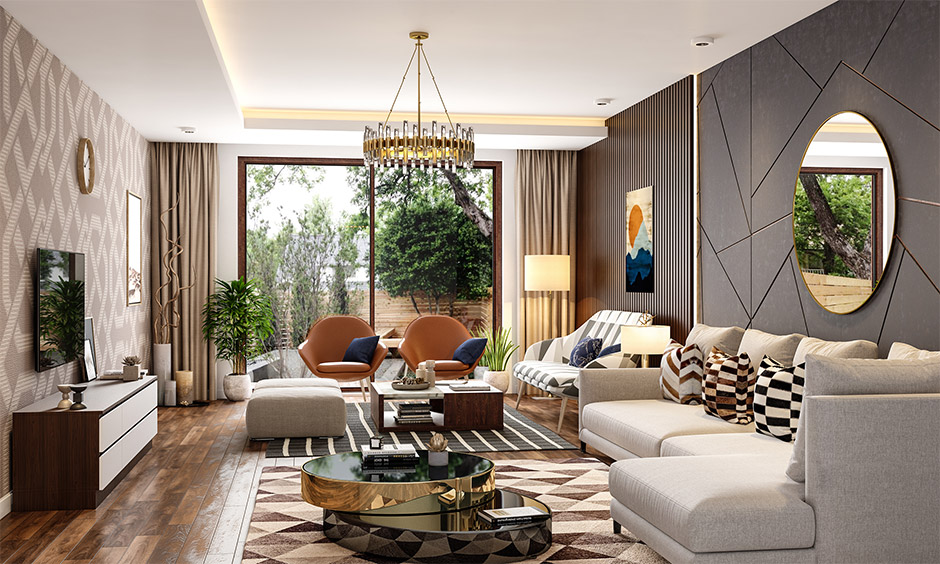
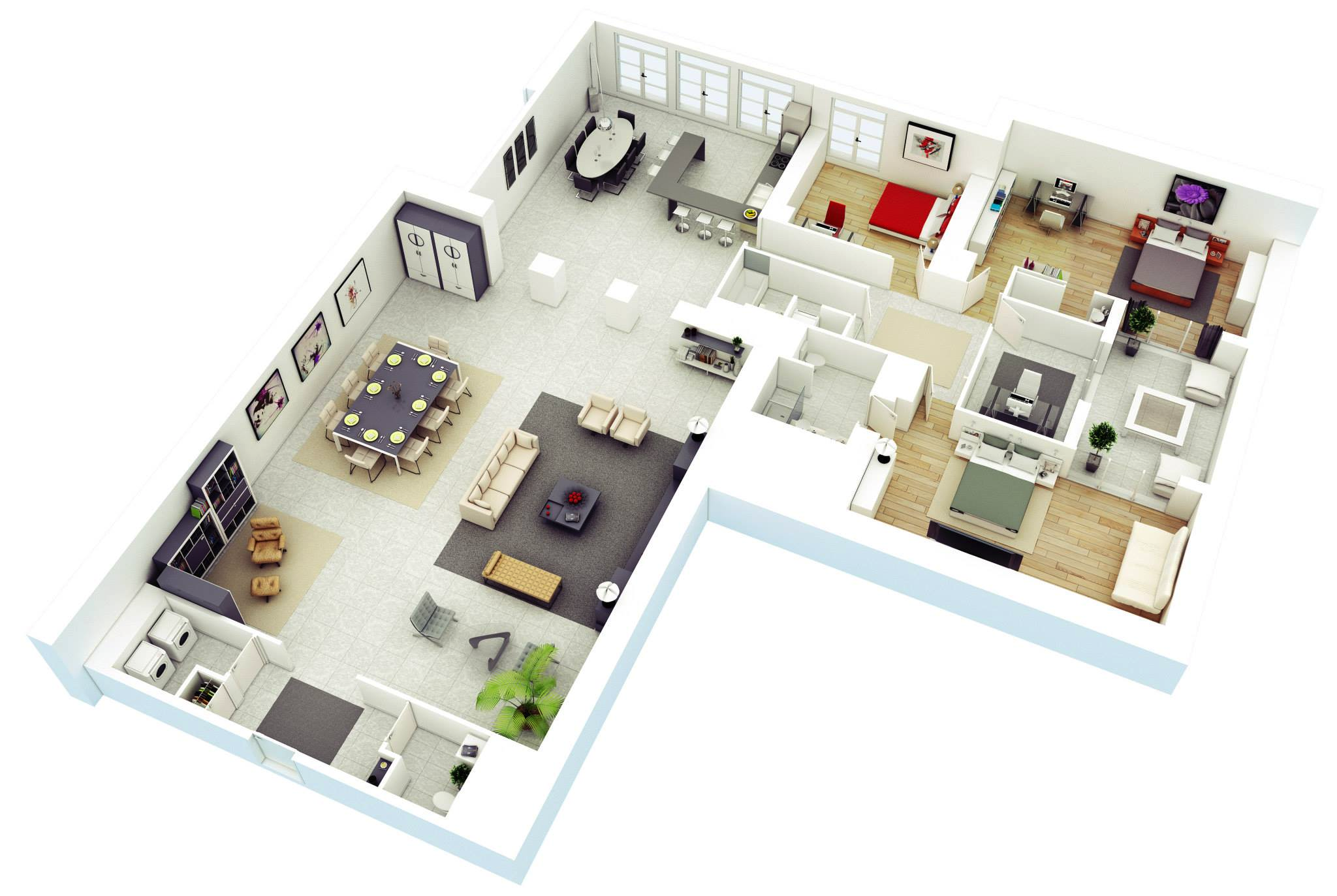
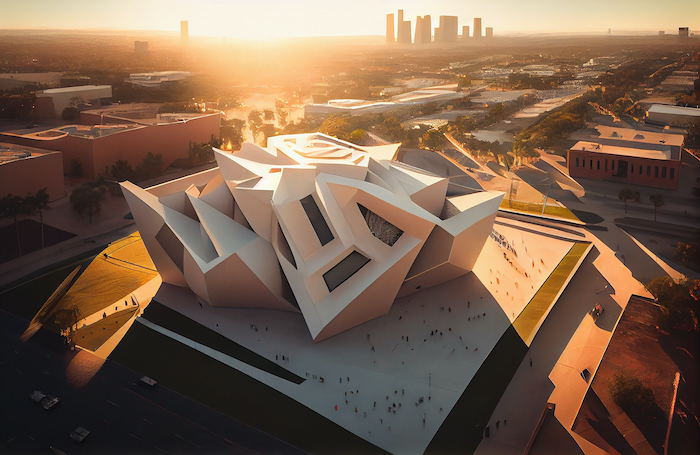
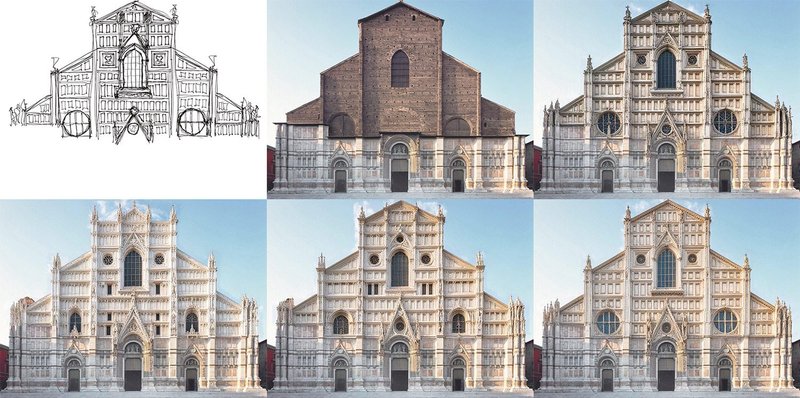
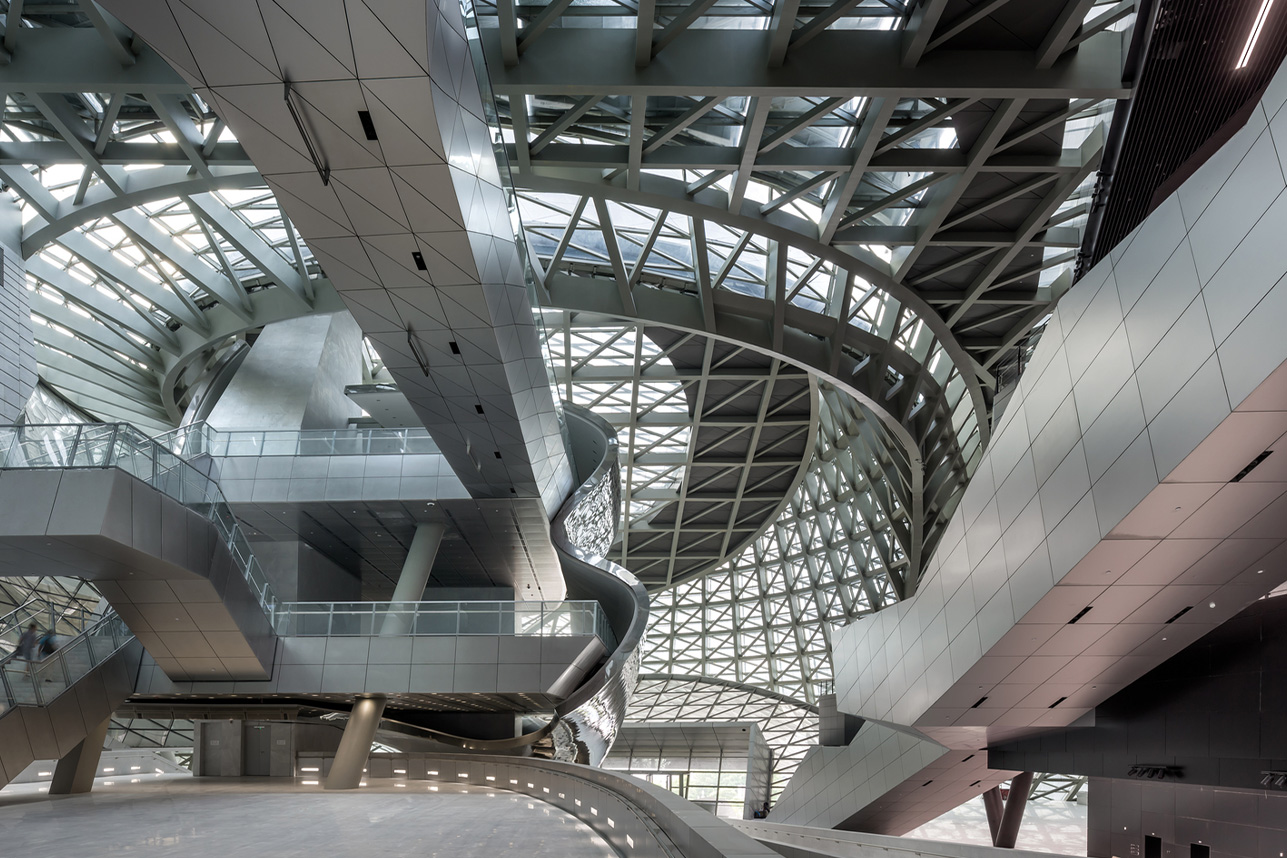
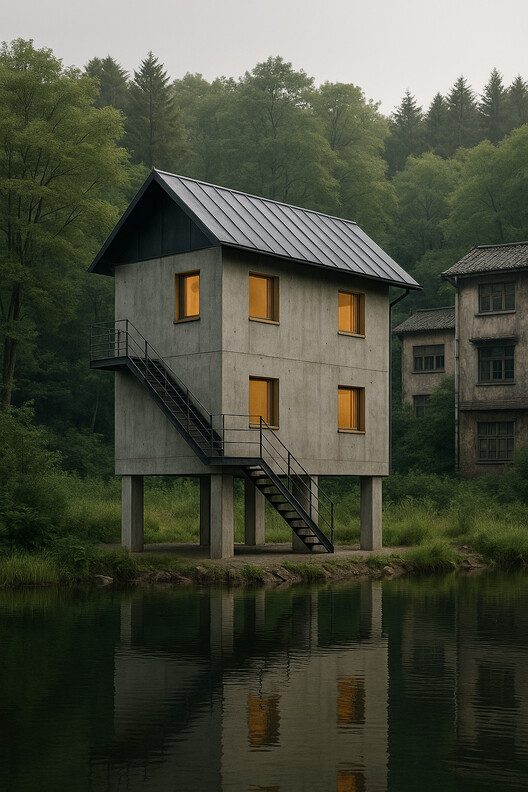
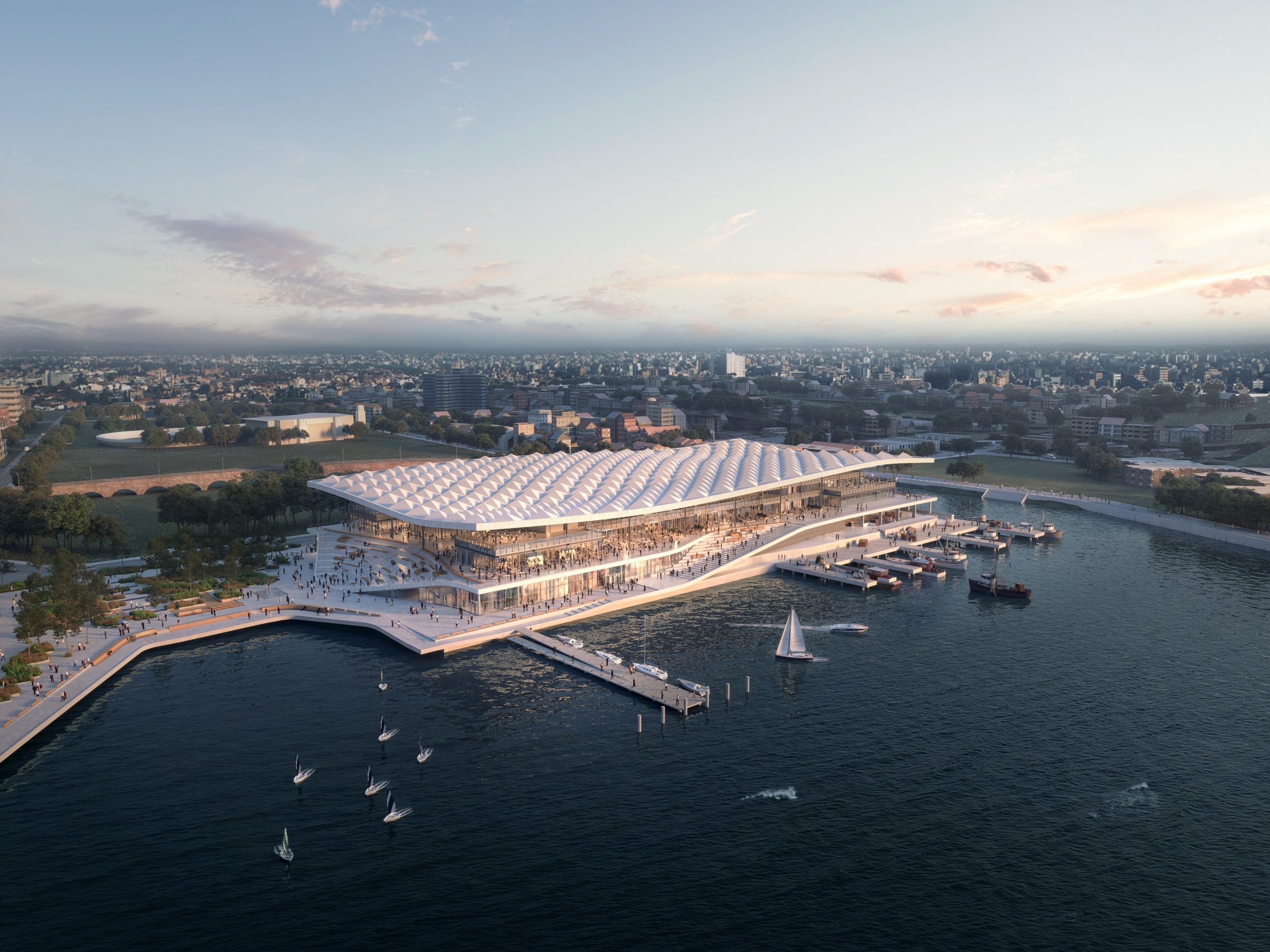
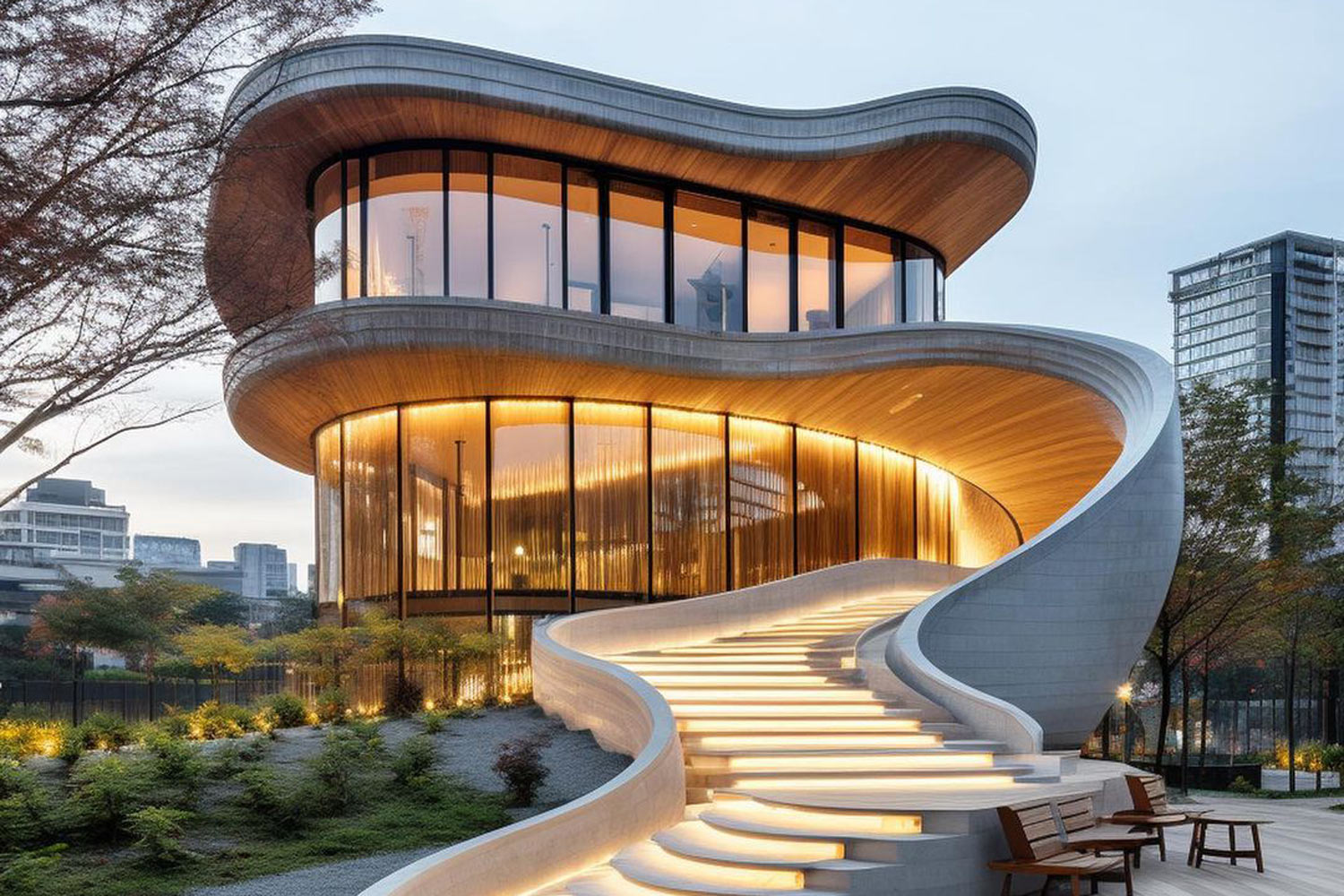
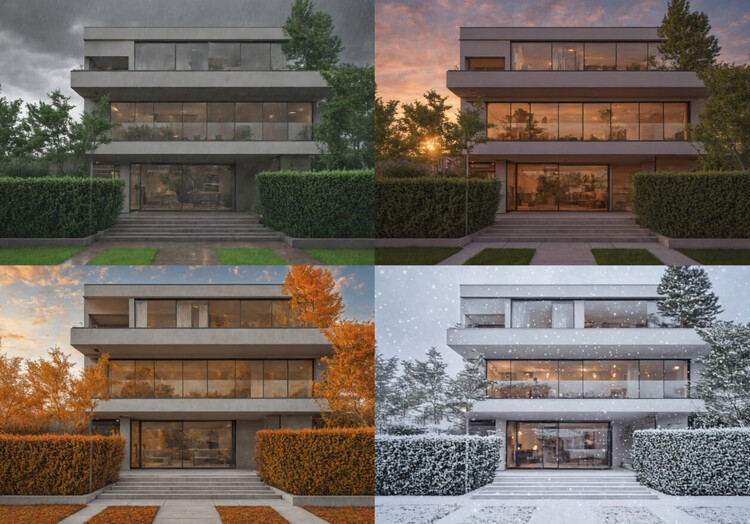
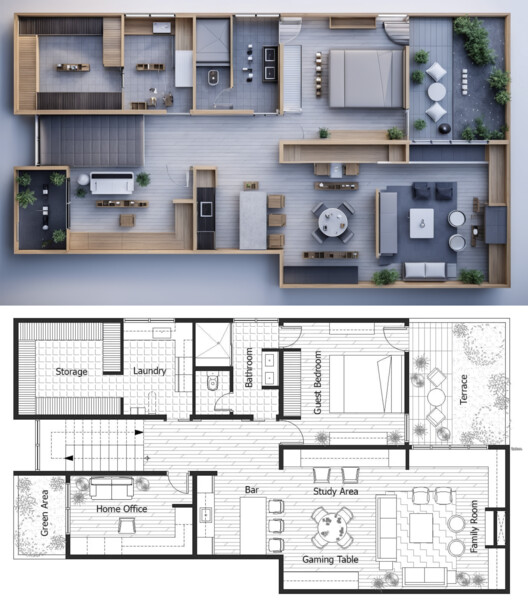
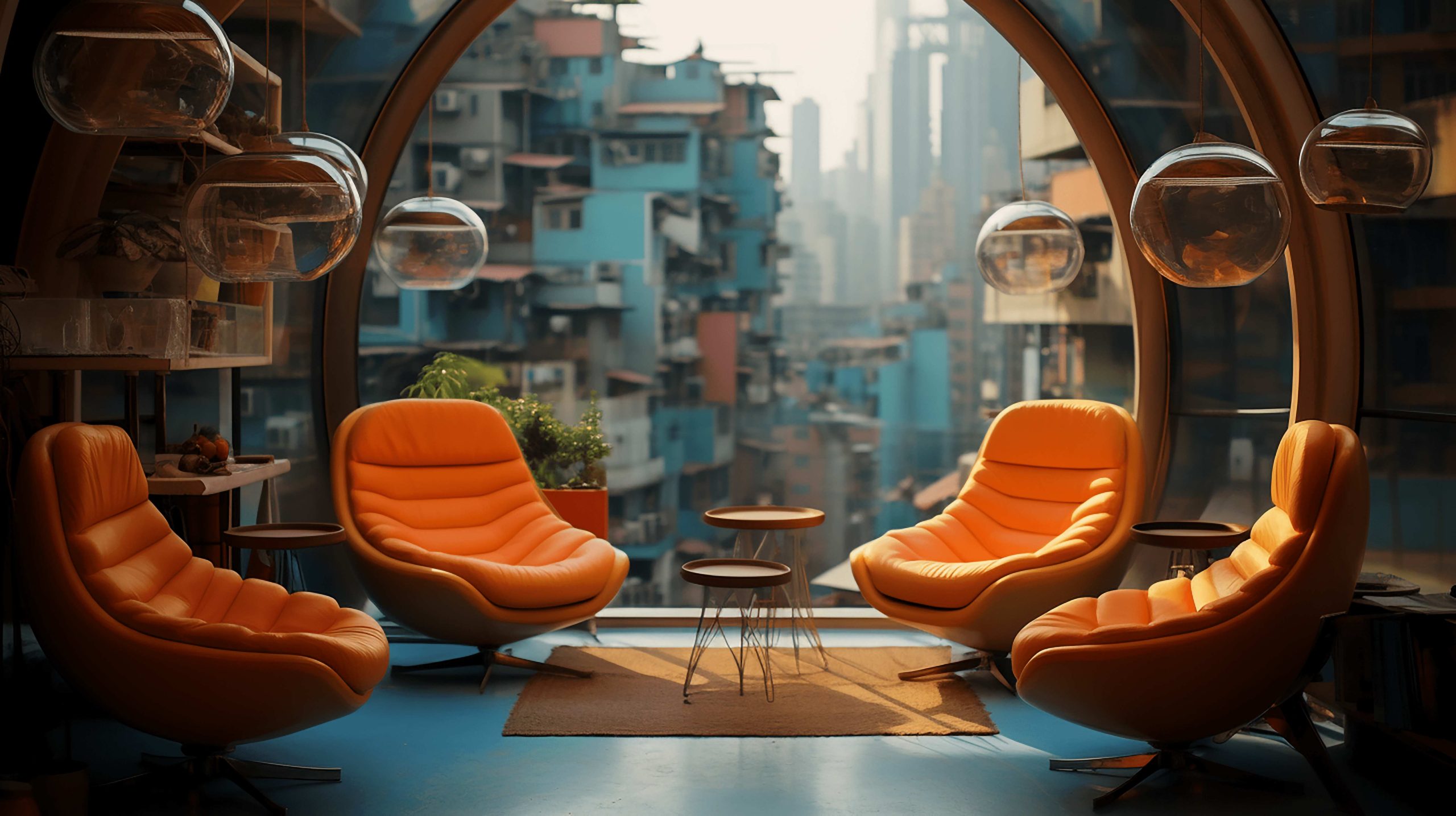
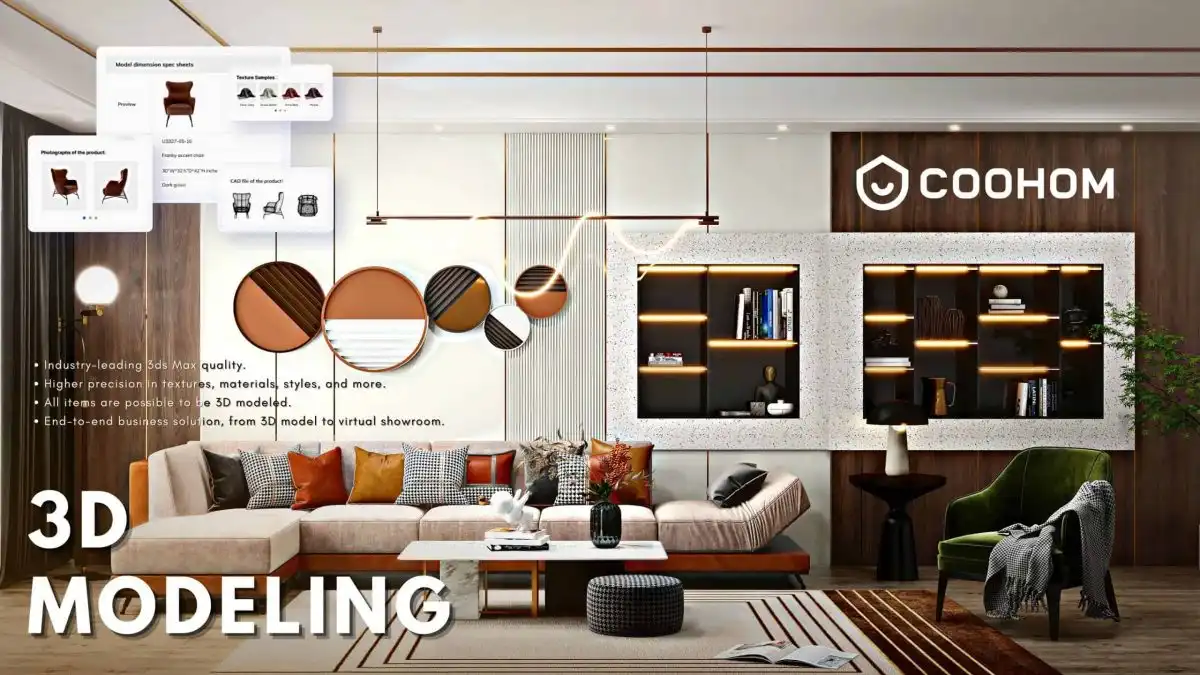
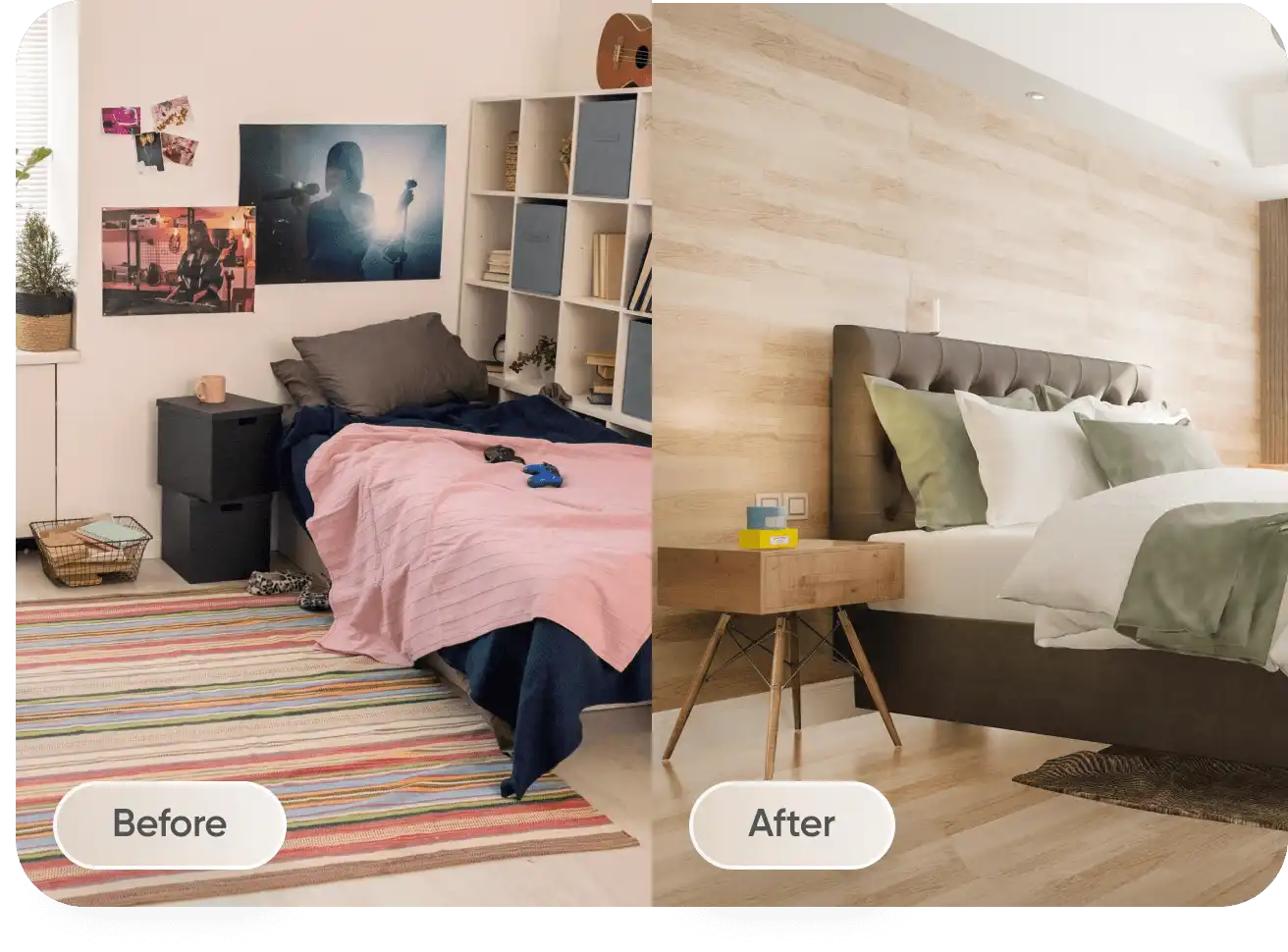
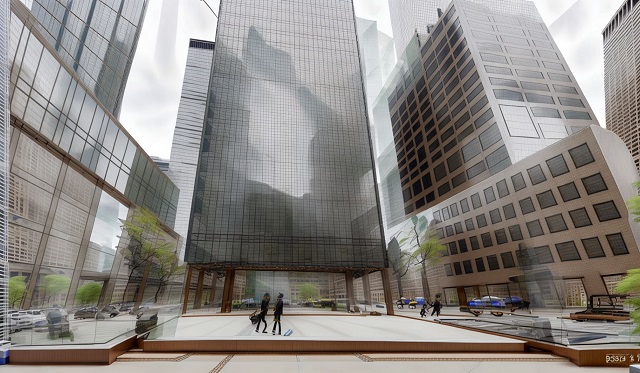
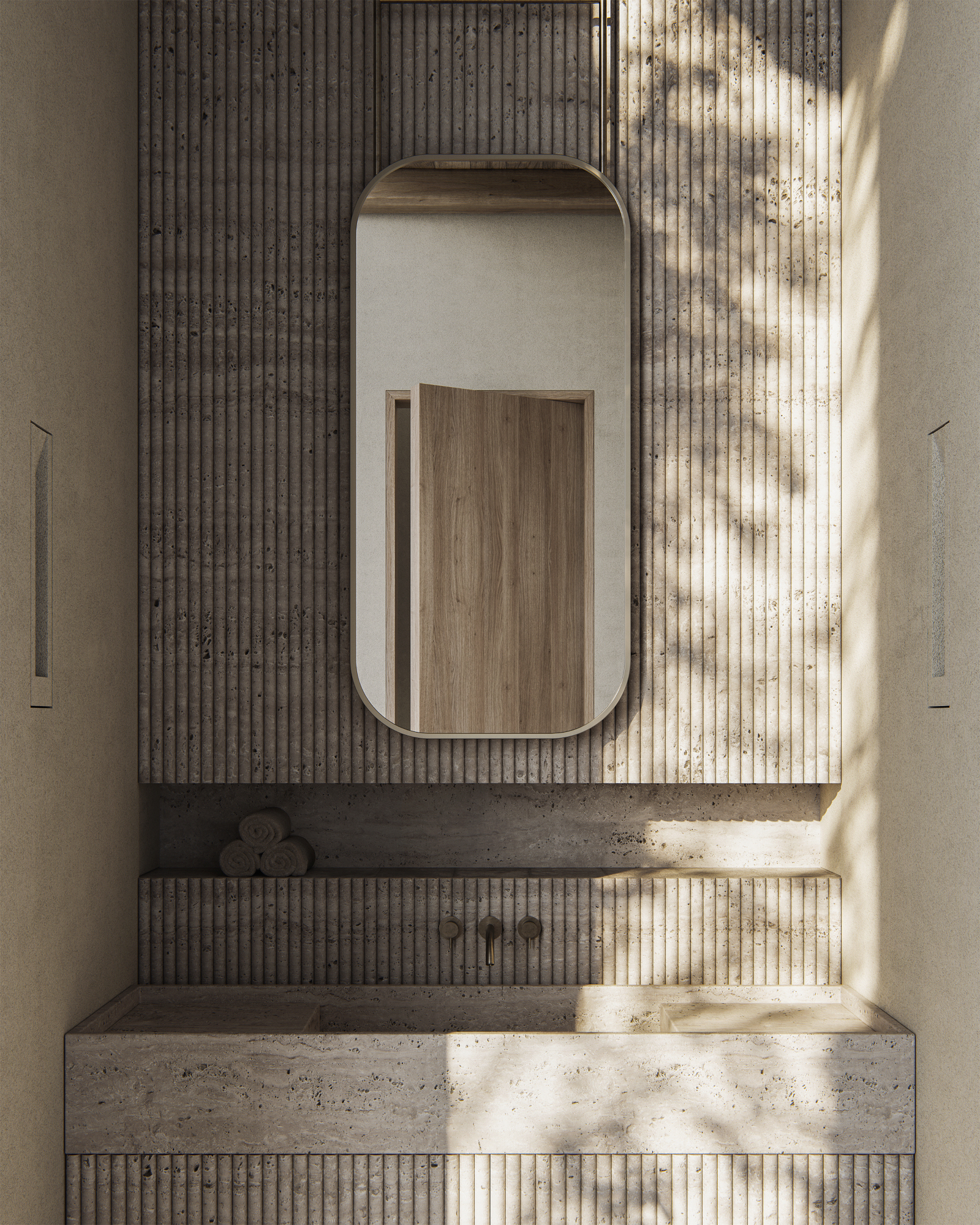
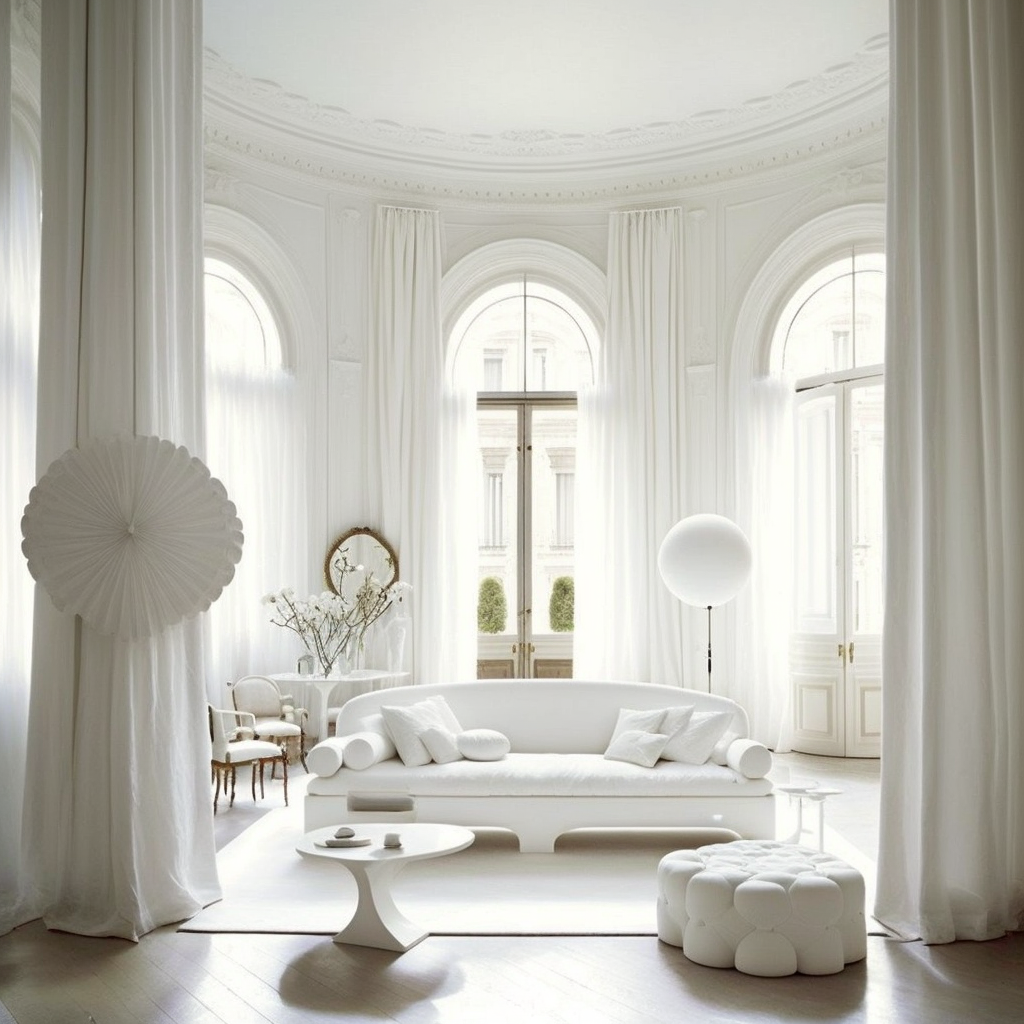
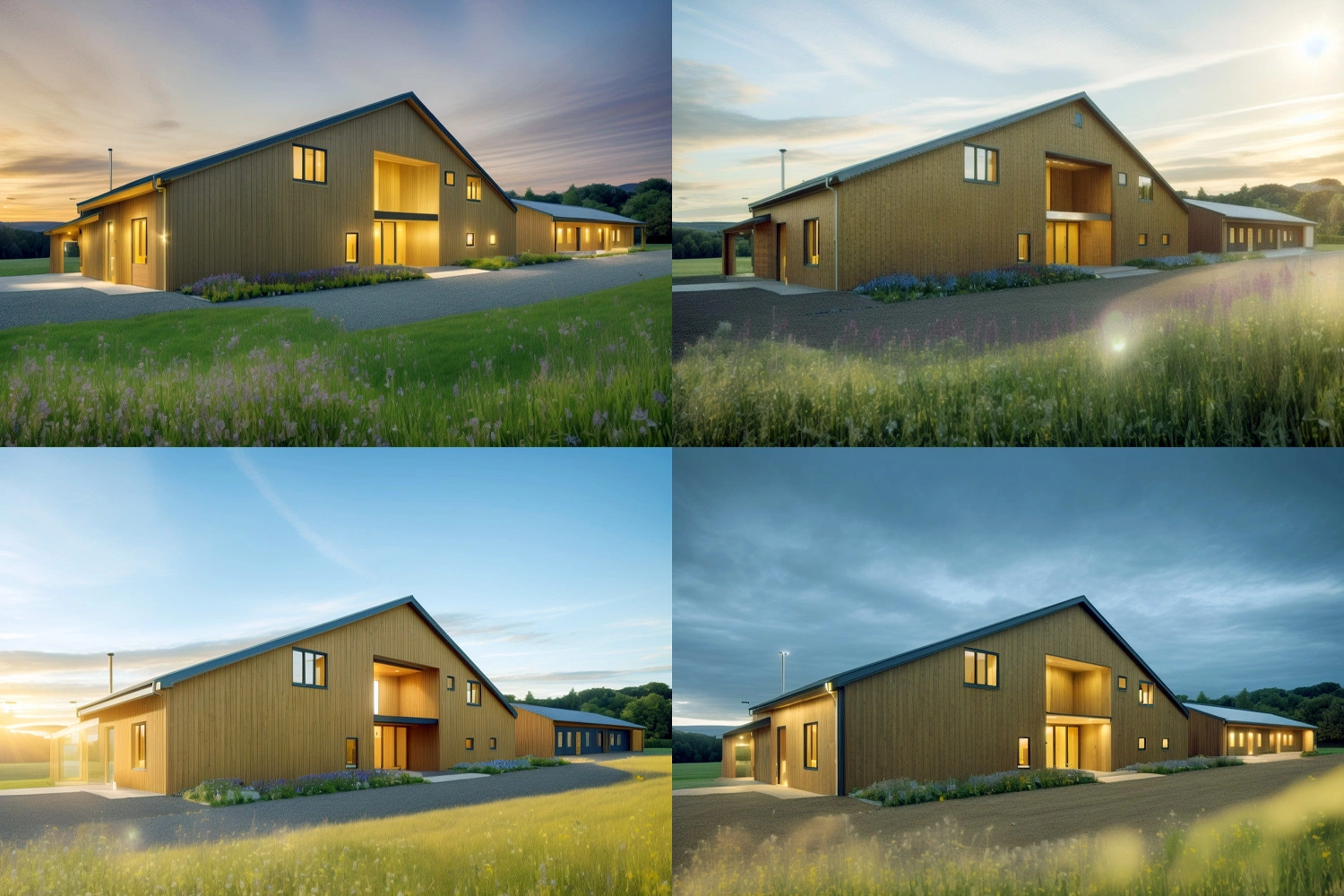
Generative AI, a rapidly advancing technology utilizing complex machine-learning algorithms, is transforming various fields, including design and architecture. Platforms like DALL-E, Stable Diffusion, and Midjourney can translate simple text commands into highly vivid, detailed renderings of rooms, buildings, and even entire cities. This technology allows users to visualize their dream spaces with unprecedented ease and speed, making imagined concepts material with remarkable clarity.
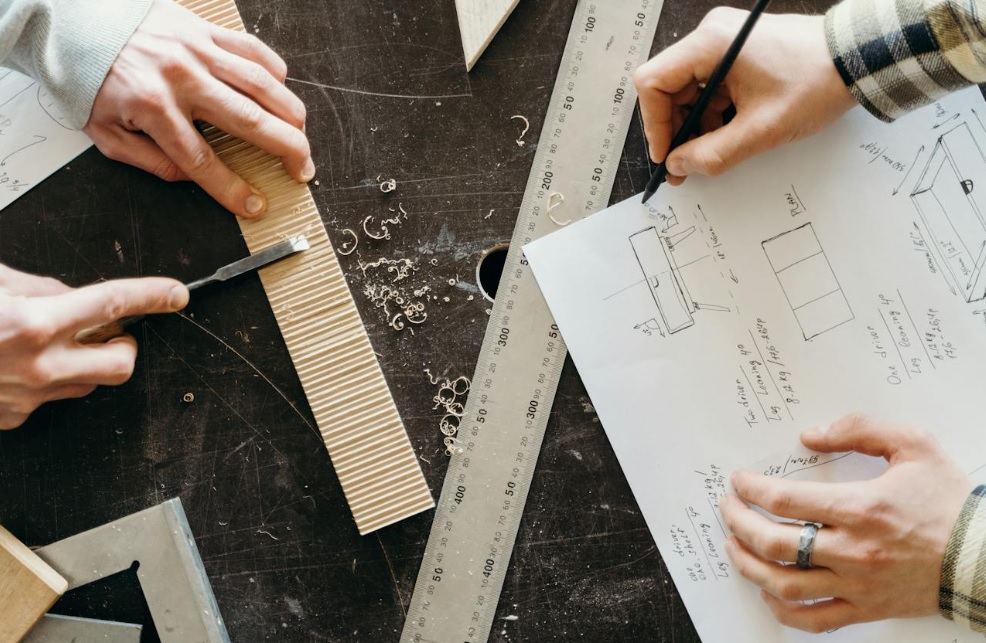
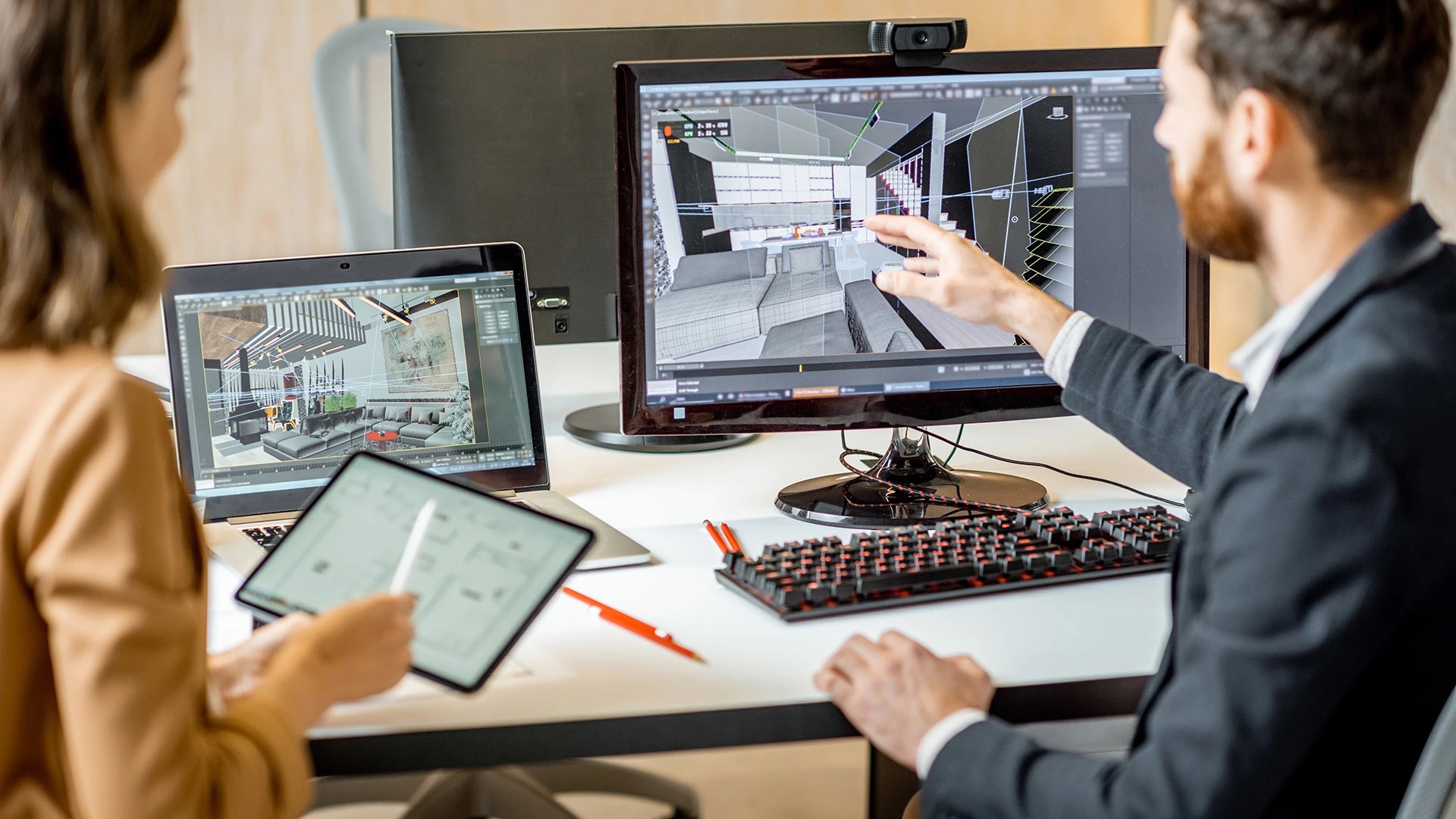
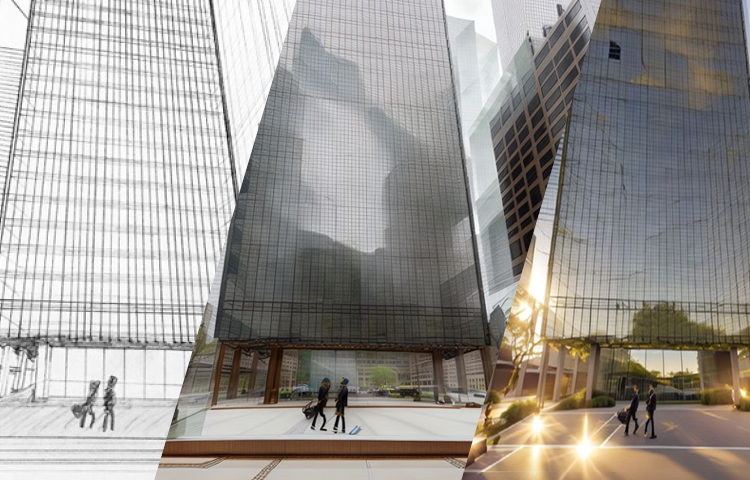
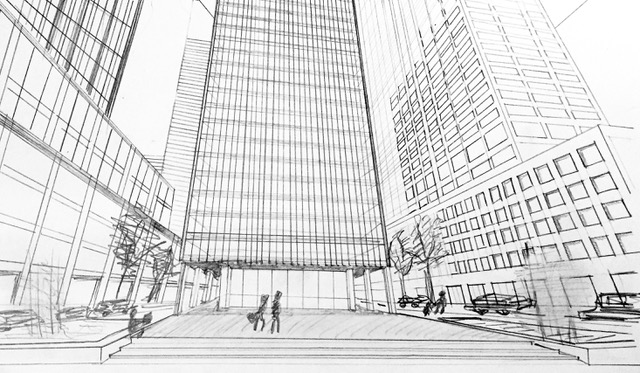
While AI has long been integrated into everyday applications like Spotify, the recent acceleration in the development of open-source text-to-image technologies has surprised experts. These platforms enable quick iteration of design ideas. Architects, who traditionally rely on sketching, CAD software, and rendering, can now type descriptive commands to generate final renderings almost instantly, significantly reducing the time spent on digital screens. This efficiency allows designers to explore a multitude of possibilities and refine their concepts more rapidly, enhancing the creative process by acting as an advanced mood board.
Despite the significant potential, professionals emphasize the need for skill and tempered expectations when using generative AI. The tools are most effective when approached as conversational partners rather than deterministic engines, offering suggestions that inspire further refinement. Users like Jose Luis García del Castillo y López, a professor at Harvard’s Graduate School of Design, view AI-generated images as inspirational aids, similar to Pinterest boards, where the primary value lies in curation rather than mere creation. This has led to the emergence of platforms like Promptbase, which sell text commands to achieve specific aesthetic results.
However, the rise of generative AI also brings forth debates and concerns. Issues of authorship and intellectual property are prominent, particularly since these platforms are trained by scraping billions of images from the internet, leading to copyright infringement lawsuits, such as Getty Images' action against Stability AI. The ethical implications extend to the potential for bias, as demonstrated by experiments showing AI generating stereotypical or problematic images from random prompts, reflecting biases in the training data. Furthermore, the substantial energy consumption required to operate these powerful AI tools raises environmental concerns.
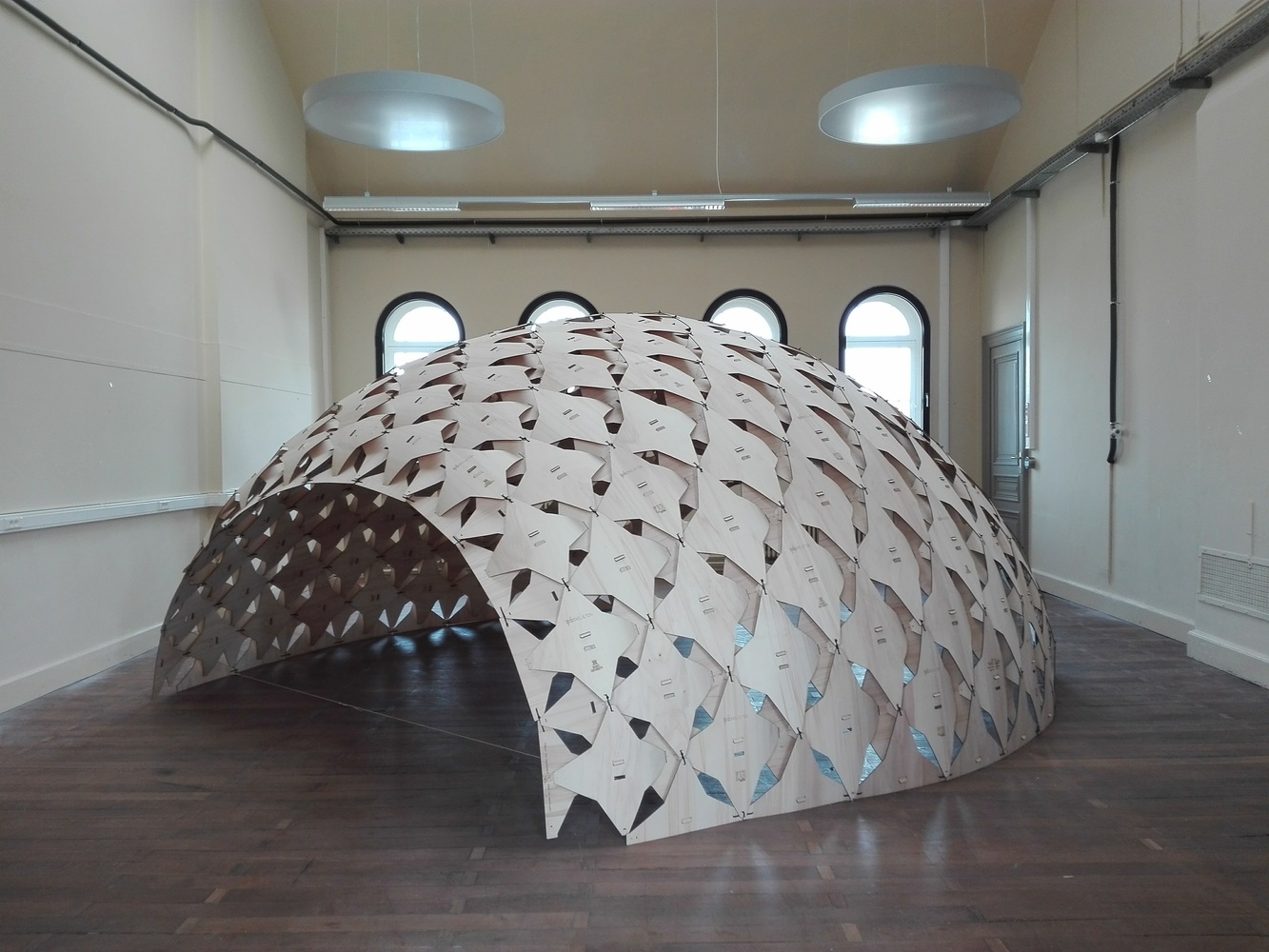
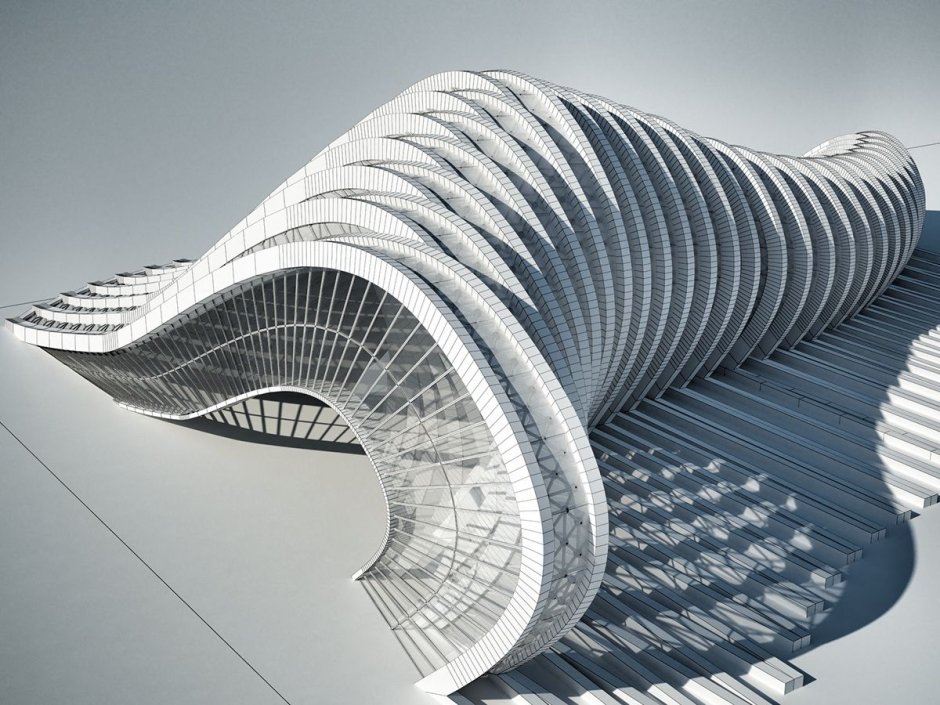
Despite these challenges, many architects and educators are embracing generative AI. They view it as a critical tool for addressing complex, fast-evolving problems like climate change, housing crises, and social justice. By applying critical thinking and developing clear hypotheses, professionals aim to harness AI’s potential for innovative solutions, rather than being overtaken by its rapid development. While the technology is not yet capable of designing fully realized buildings autonomously, it offers an unprecedented opportunity for designers to 'dream out loud' and push the boundaries of creativity, reminiscent of historical architectural movements focused on bold, free-form concepts.
#GenerativeAI #ArchitecturalDesign #InteriorDesign #MachineLearning #DigitalDesign #CreativeTechnology #DesignInnovation #AIinArt #FutureofDesign #GenerativeAI #ArchitecturalDesign #InteriorDesign #MachineLearning #DigitalDesign #CreativeTechnology #DesignInnovation #AIinArt #FutureofDesign
0 ความคิดเห็นรวม
 ยังไม่มีความคิดเห็น
คุณอาจจะชอบอีกด้วย
10 AI tools to generate interior and architectural images


The Plan and the Prompt: How AI Is Rewiring Design and Practice

Beyond Aesthetics: How Tech is Redefining Interior Design
Can AI Save Me the Cost of an Interior Designer?

The Influence of AI in the Interior Design Industry
The impact of machine learning on architectural design

How Does Architectural Design Change When the City Becomes Equipped with the “Most Recent Advances in Artificial Intelligence”? / Alessandro Armando, Giovanni Durbiano for the Shenzhen Biennale (UABB) 2019
10 free AI interior design generators
The Transformative Power of AI in Architecture Design
The Soul in the New Machines (Published 2008)
How AI-Powered Rendering Crushes Bottlenecks in Architecture and Interior Design
Bitable: AI in the design and build world

Can AI revolutionize office space design?

10 Revolutionary AI Tools Reshaping Architectural Design
Are design studios the next trend in home remodeling?

What's replacing marble? Designers agree on the next big design trend we'll all be using instead

How generative design is shaping the future of architecture?

I Used AI Interior Designers to Reimagine My Boring Basement


Top 16 AI Tools for Interior Design
5 best AI interior design apps in 2024