1/7
To Paint or Not to Paint the Original Woodwork? It Depends Who You Ask
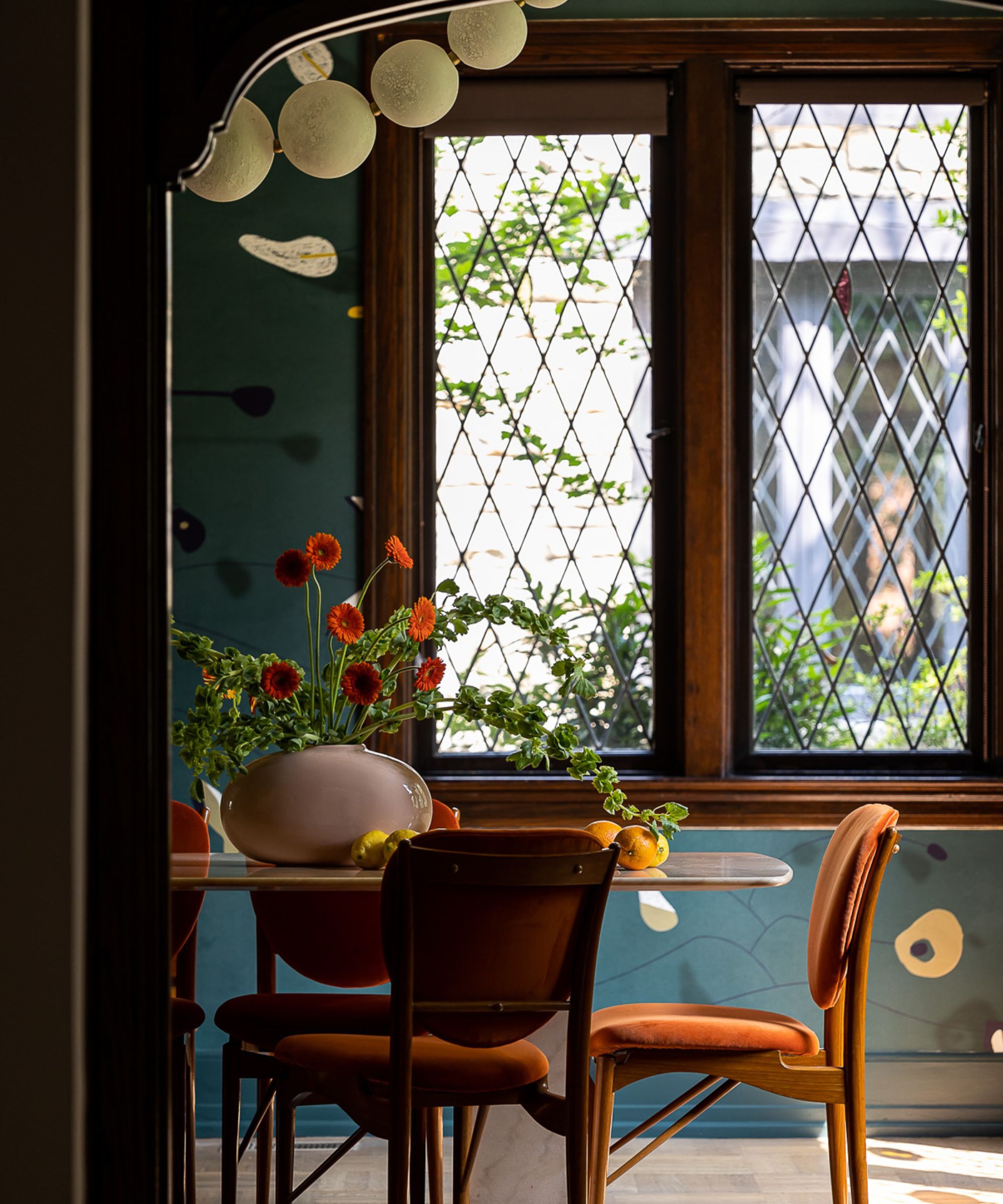
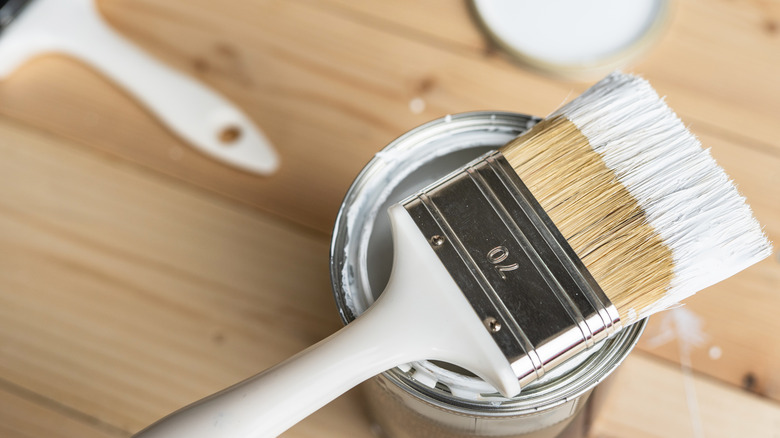
The decision of whether to paint original woodwork in old homes, particularly brownstones and row houses, is a common dilemma for homeowners, architects, and designers. This choice is influenced by factors such as the owner's personal preference, the architectural style and era of the house, and the inherent quality and condition of the wood itself. While design trends fluctuate, with fads like all-white interiors giving way to bold colors such as navy blue or hot pink, natural wood finishes and neutral painted options like cream or gray remain popular in Brooklyn.
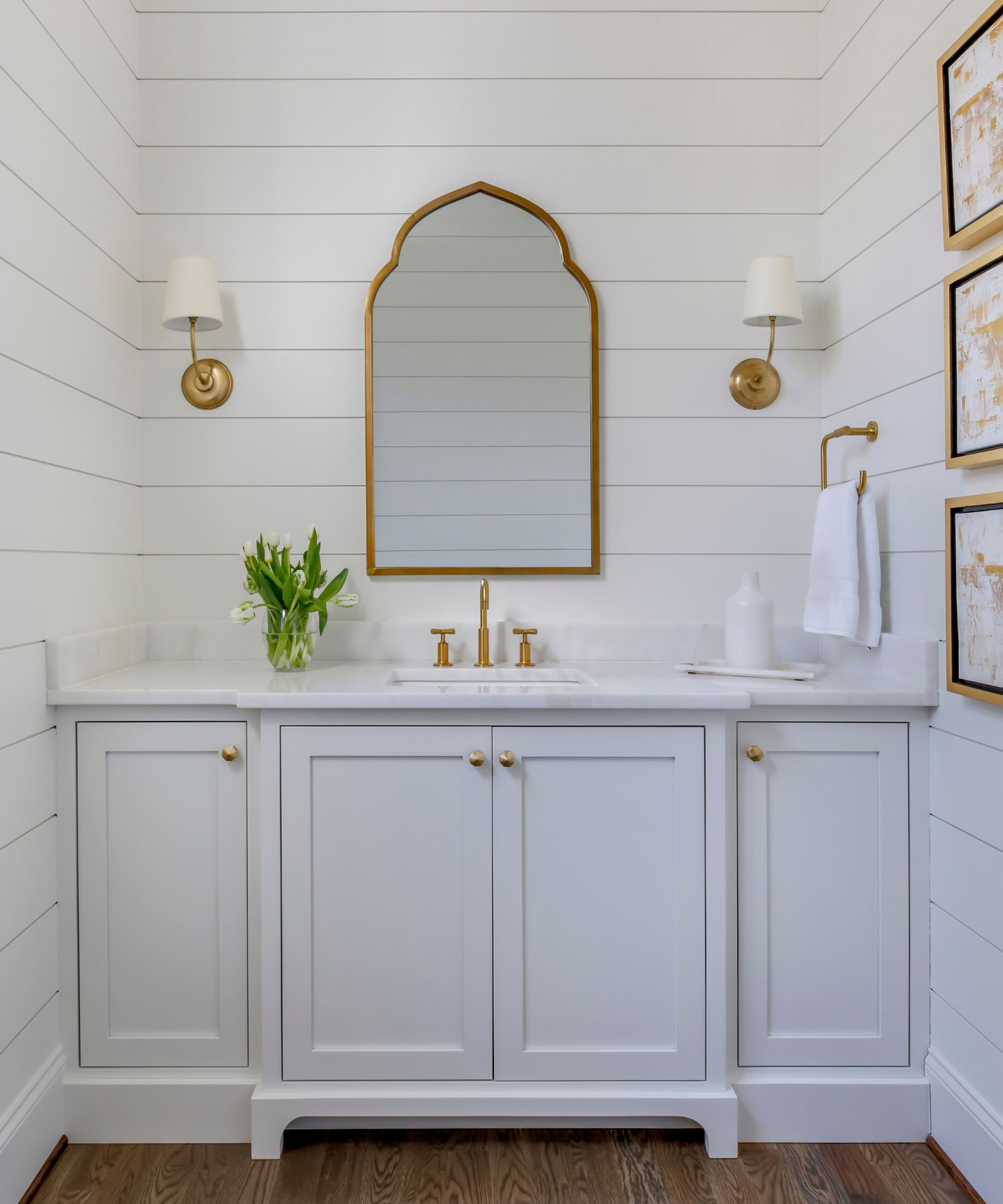
Interior designer Louisa Roeder, for instance, opted to paint the well-preserved mahogany woodwork in her 1870s Prospect Heights brownstone white during a 2014 renovation. Her goal was to achieve a modern kitchen aesthetic, and she found that extending the white paint to the parlor floor and hallway woodwork significantly modernized the space, moving away from a Victorian feel. She acknowledged the decision as a "big gamble" due to its permanence.
Fellow interior designer Tamara Eaton bases her decisions on the quality of the craftsmanship. She meticulously preserves elaborate, high-quality woodwork, such as mahogany with mother-of-pearl inlays, but is more liberal with painting lower-grade wood, as demonstrated by her choice to paint an entire parlor level with less distinguished woodwork a dark gray. Eaton emphasizes that owning a townhouse means embracing its history while adapting it for modern living, highlighting the constant negotiation between preservation and modernization.
Preservationists, including Andrew Dolkart, a notable author and former director of Columbia University's Historic Preservation program, often consider painting original, unpainted woodwork as sacrilegious. Dolkart argues that if the intention was for the wood to be painted, less expensive materials like plaster would have been used. He points out that before the 1870s, woodwork was commonly painted, often with faux graining. In the late Victorian era, elaborate, natural woodwork on main levels was a status symbol. Pine and poplar in secondary spaces were typically meant for painting. The early 20th century saw a rise in white-painted woodwork with the Colonial Revival and natural oak in Arts & Crafts interiors. The mid-to-late 20th century 'brownstoning movement' led to stripping paint to reveal original wood beauty.
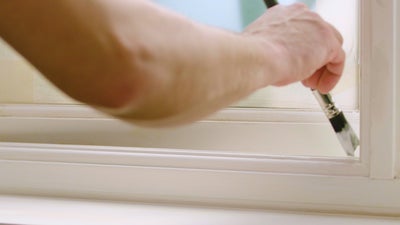
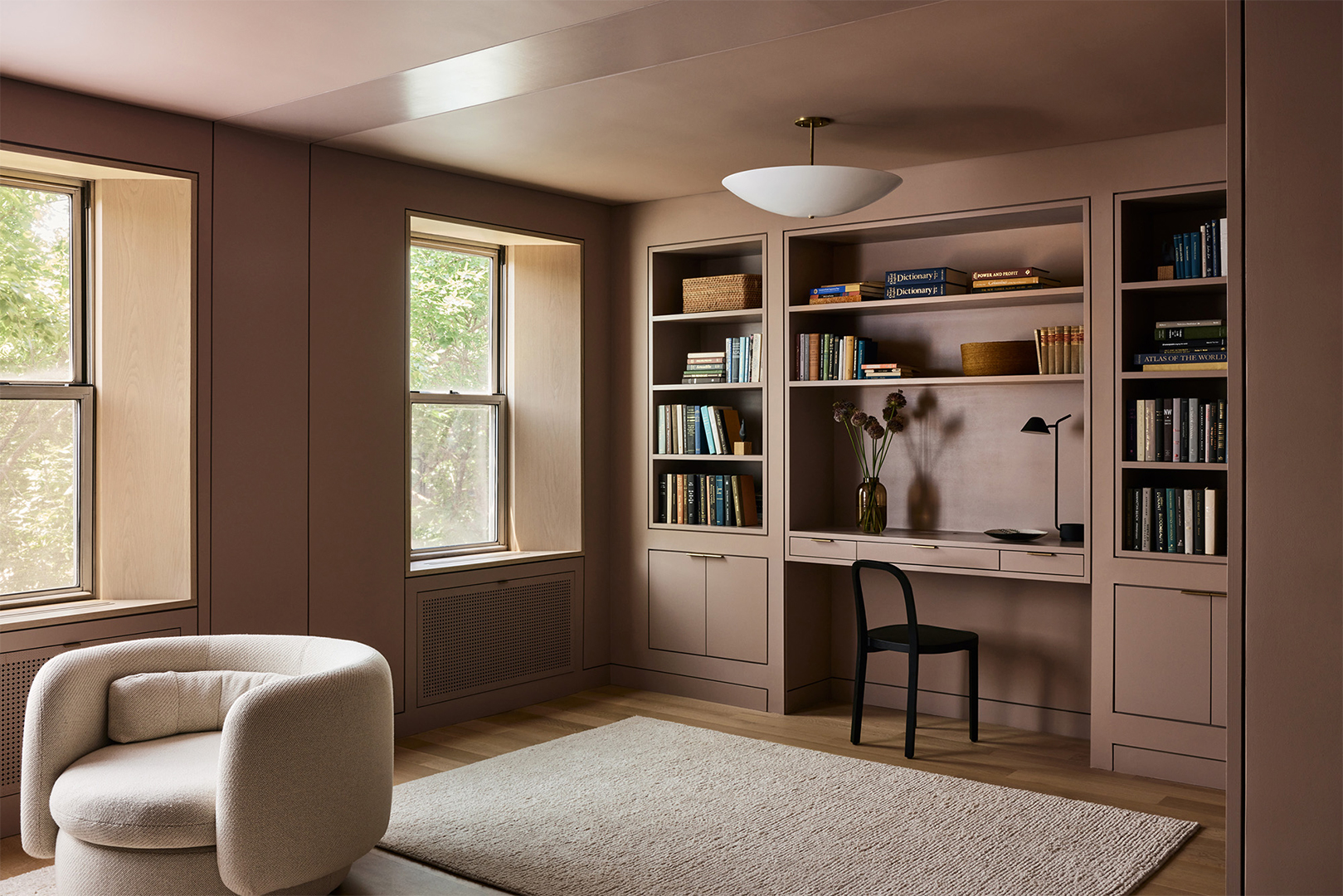
Dolkart asserts that painting over beautiful original wood destroys the character of an old house, questioning the purpose of buying such a home if its historical artistry is not appreciated. Conversely, architect Jeff Sherman of Delson or Sherman often recommends painting woodwork, even if his clients frequently prefer restoration. He suggests that old moldings often require patching and replication, and sometimes stripping reveals inferior wood species like poplar. Sherman believes that painted molding can unify a home's aesthetic, especially in shades of white or pale gray, which can lighten and authenticate dark, wood-heavy rooms.
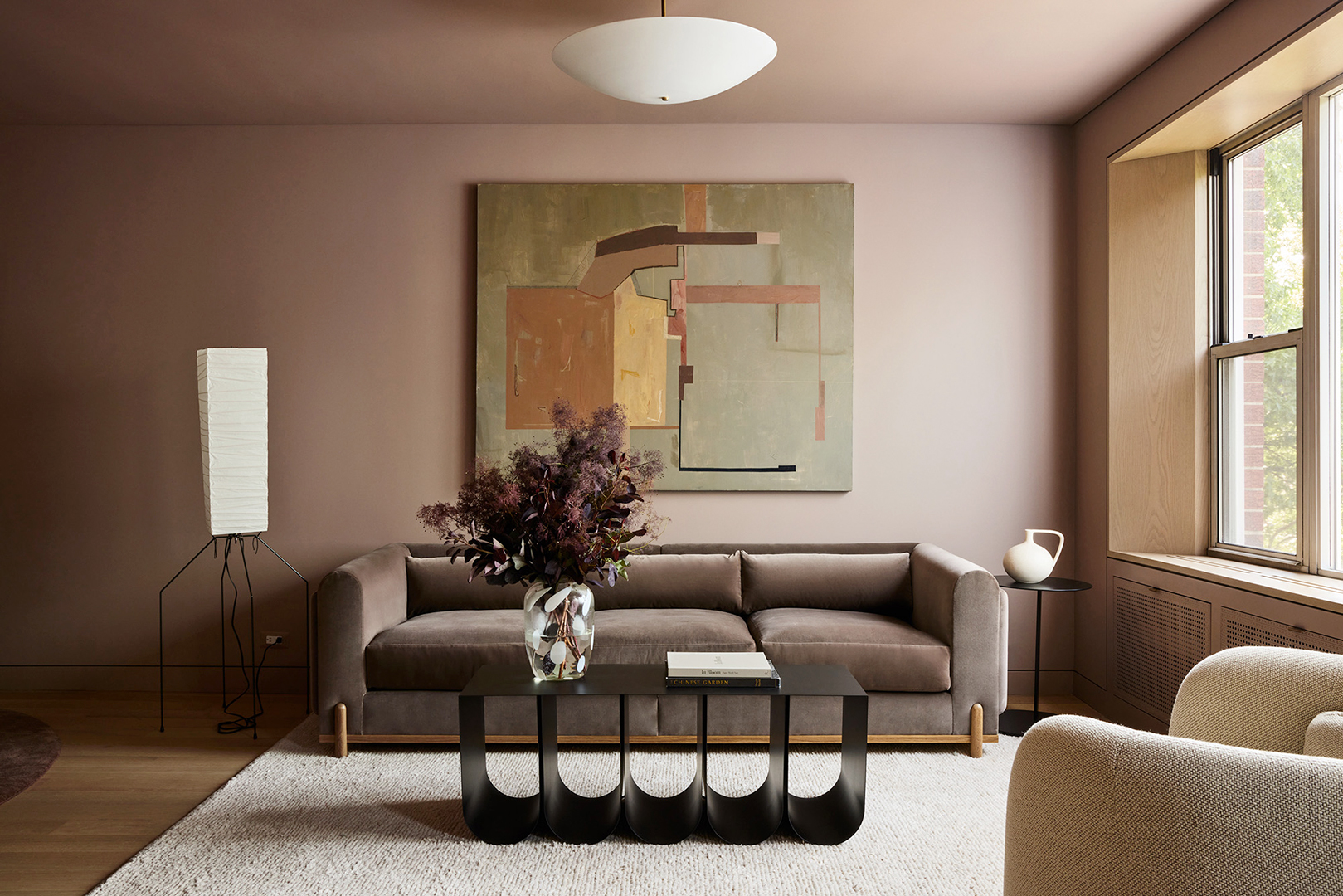
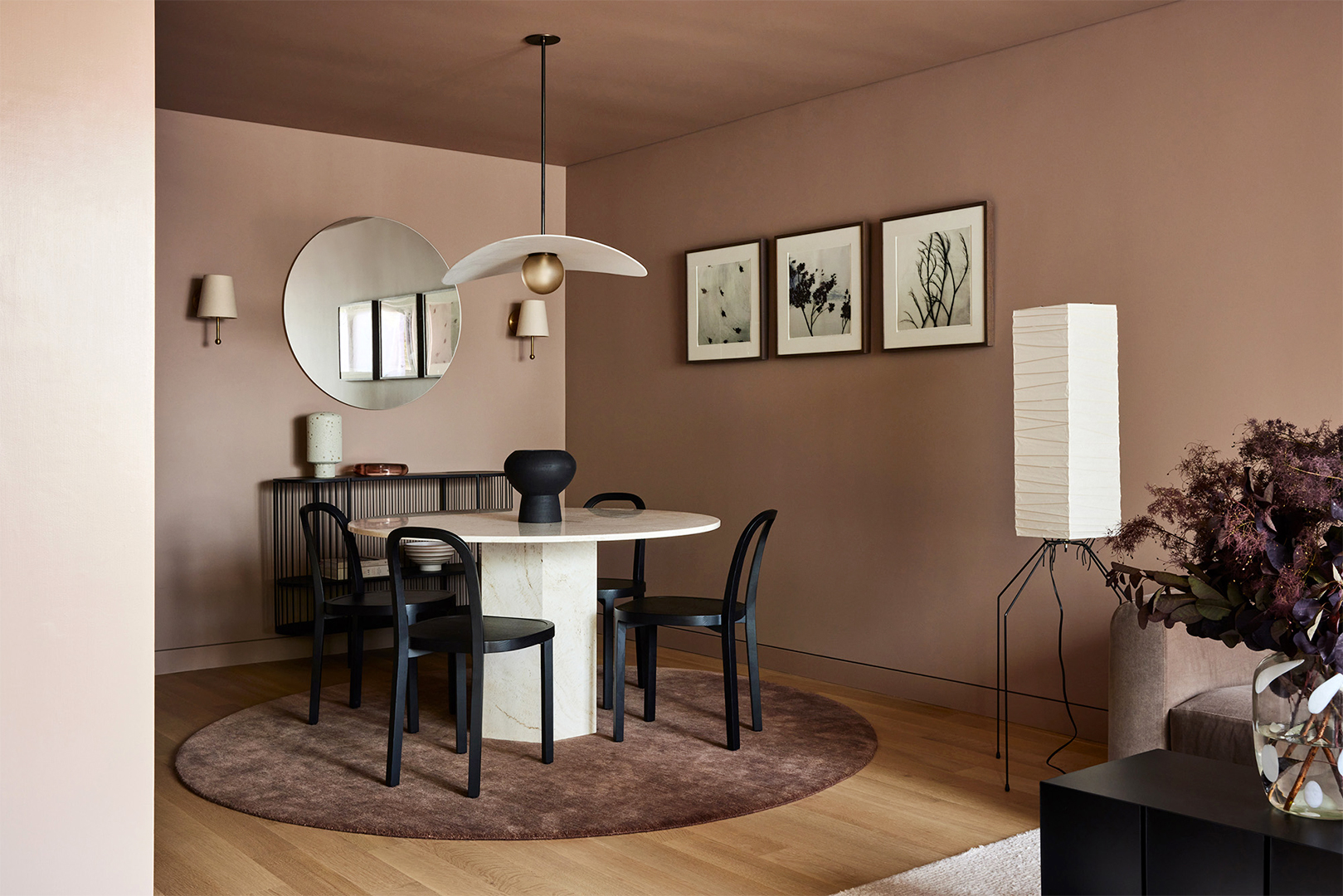
Interior designer Fawn Galli embraces color, sometimes painting both woodwork and walls the same hue for a modern look or using contrasting colors. She famously painted a newel post in her Carroll Gardens brownstone hot pink, viewing it as an opportunity to inject fun and even shock into a space. Galli acknowledges that while townhouses tend to be dark, beautiful wood should be left natural, with an icy gray paint on the walls to brighten the space.
#InteriorDesign #Woodwork #HomeRenovation #Brownstones #ArchitecturalPreservation #BrooklynHomes #DesignTrends #HistoricHomes #InteriorDesign #Woodwork #HomeRenovation #Brownstones #ArchitecturalPreservation #BrooklynHomes #DesignTrends #HistoricHomes
0 ความคิดเห็นรวม
 ยังไม่มีความคิดเห็น
คุณอาจจะชอบอีกด้วย
Is It a Crime to Paint Antique Furniture?

How to paint interior woodwork

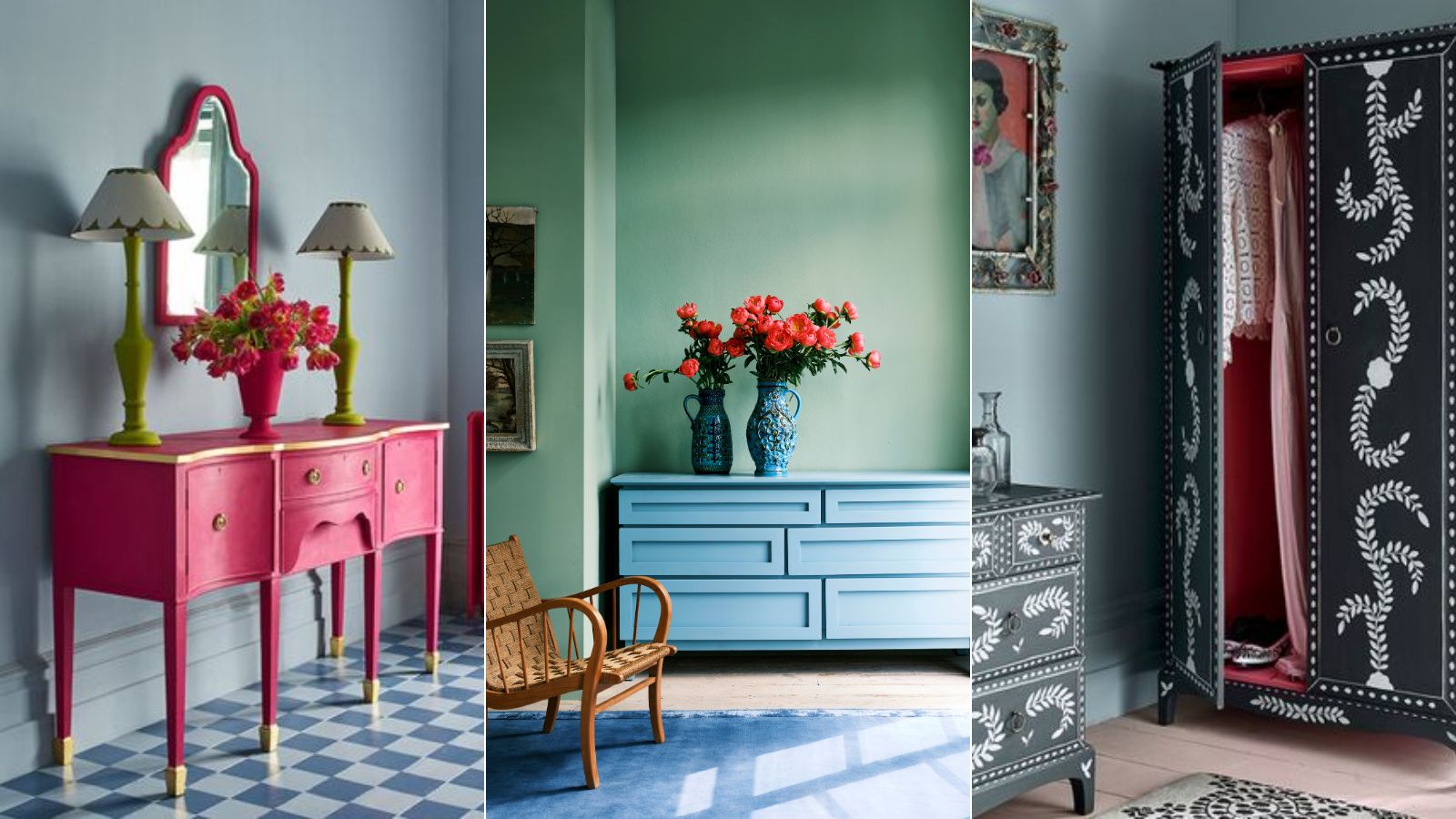
10 mistakes to avoid when painting wooden furniture, according to experts

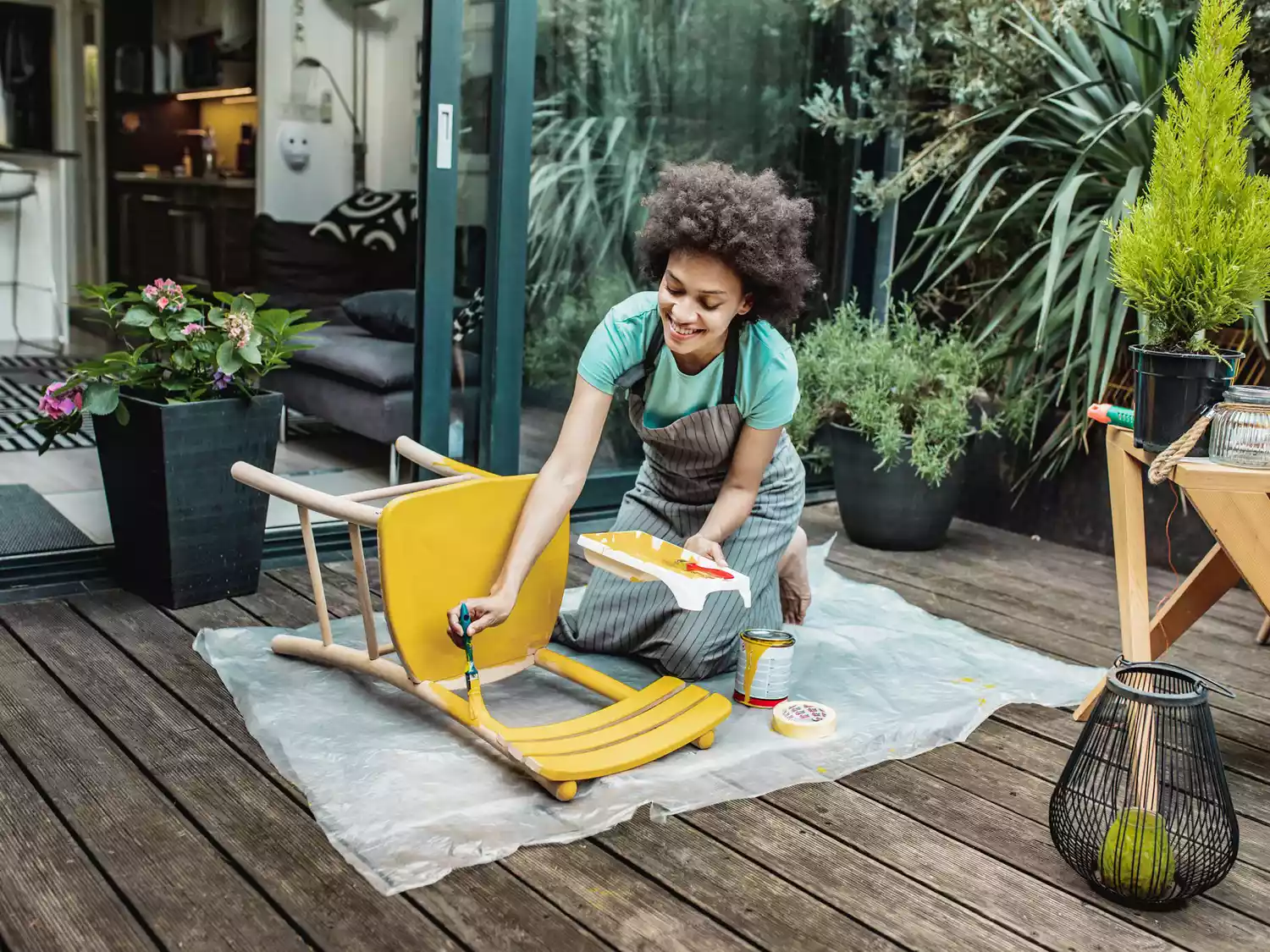
How to Paint Wood Furniture Like a Pro

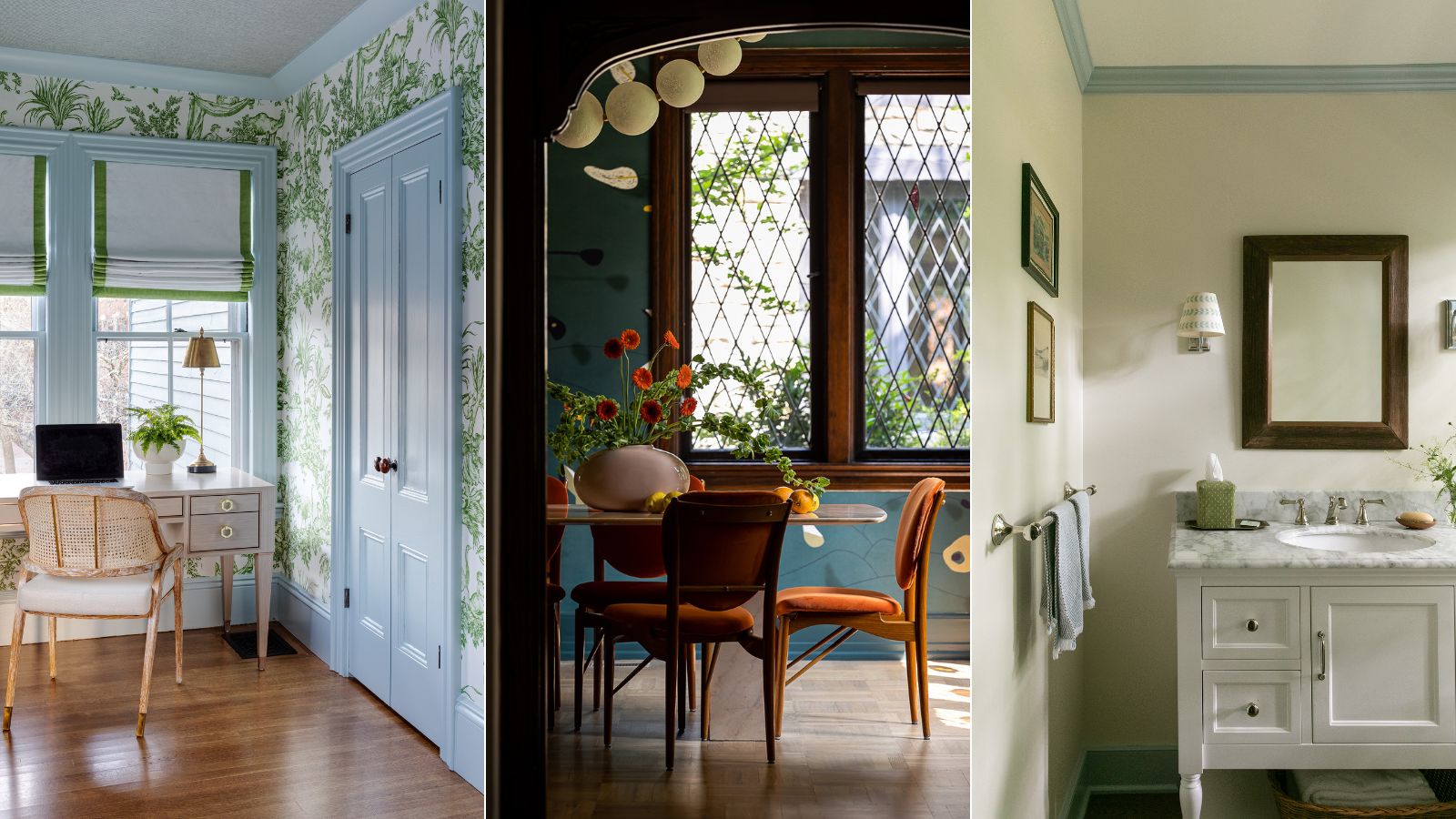
What color should you paint woodwork? Expert ways to factor this small yet impactful detail into color schemes
How to Prepare Interior Woodwork For Painting
Will You Regret Painting Your Oak Trim? Designers Weigh In

This Cabin Proves It's Actually Okay to Paint Over Wood Walls
Interior Wood Paint
You Should Consider Painting Old Wood Floors (Hear Me Out)

How to paint furniture: The one detail you need to get right for best results
How to Paint Wood-Paneling

Buying the Best Paint for Wood Means Nothing Without This Important First Step

Should woodwork be lighter or darker than walls? The rules colour experts use to choose the perfect colour
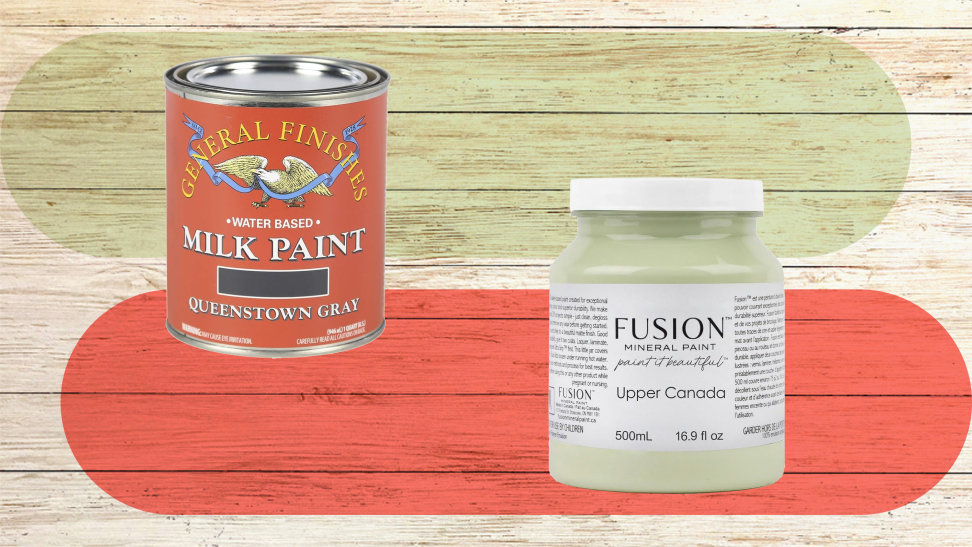
The Best Furniture Paint of 2026

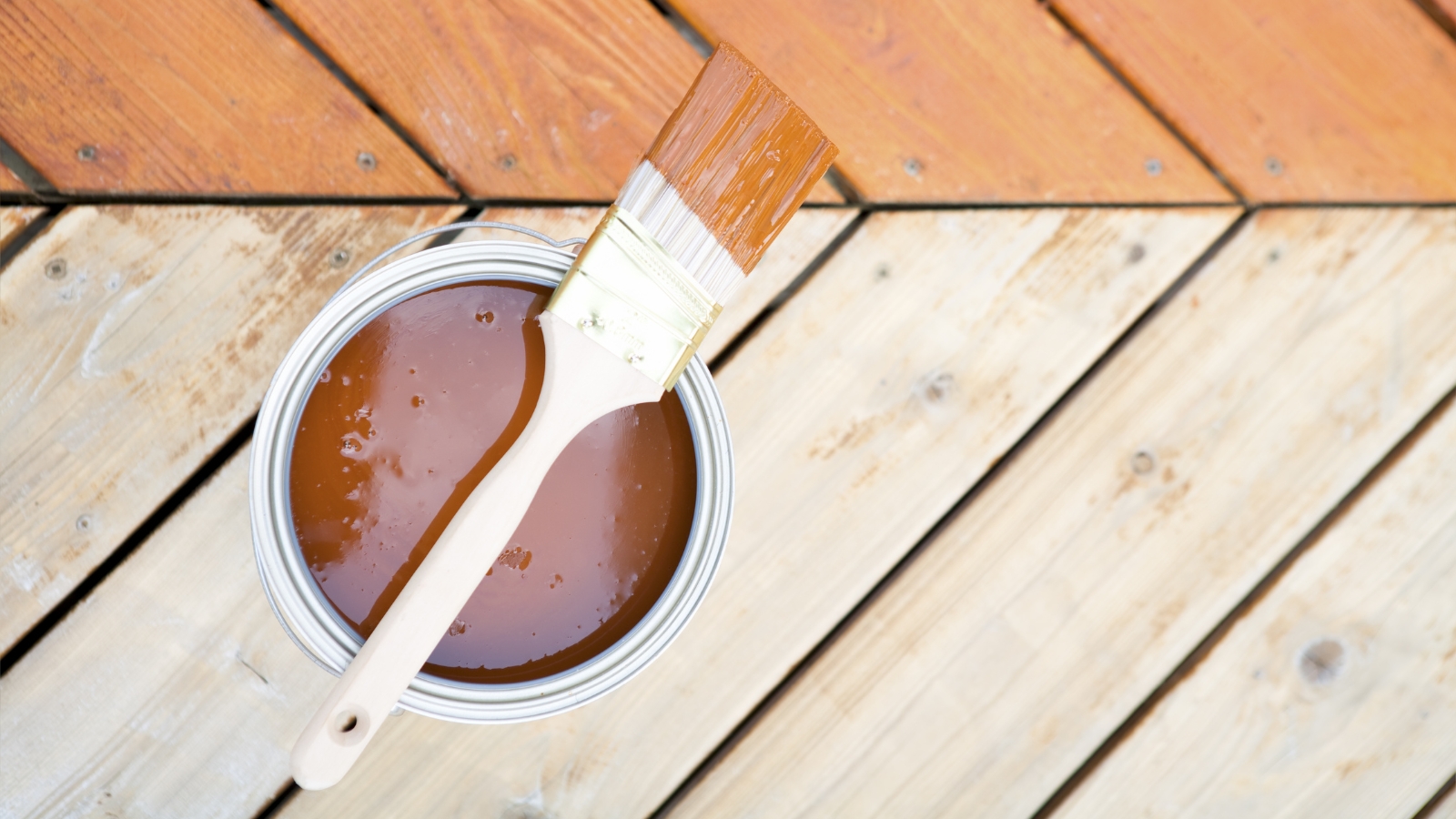
How to paint wood floors – get a lasting shine in 5 easy steps
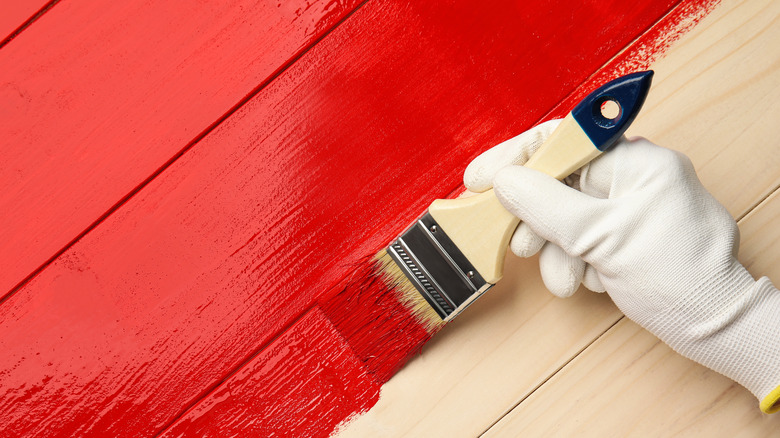
The Best Way To Paint Wood Paneling, According To An Expert
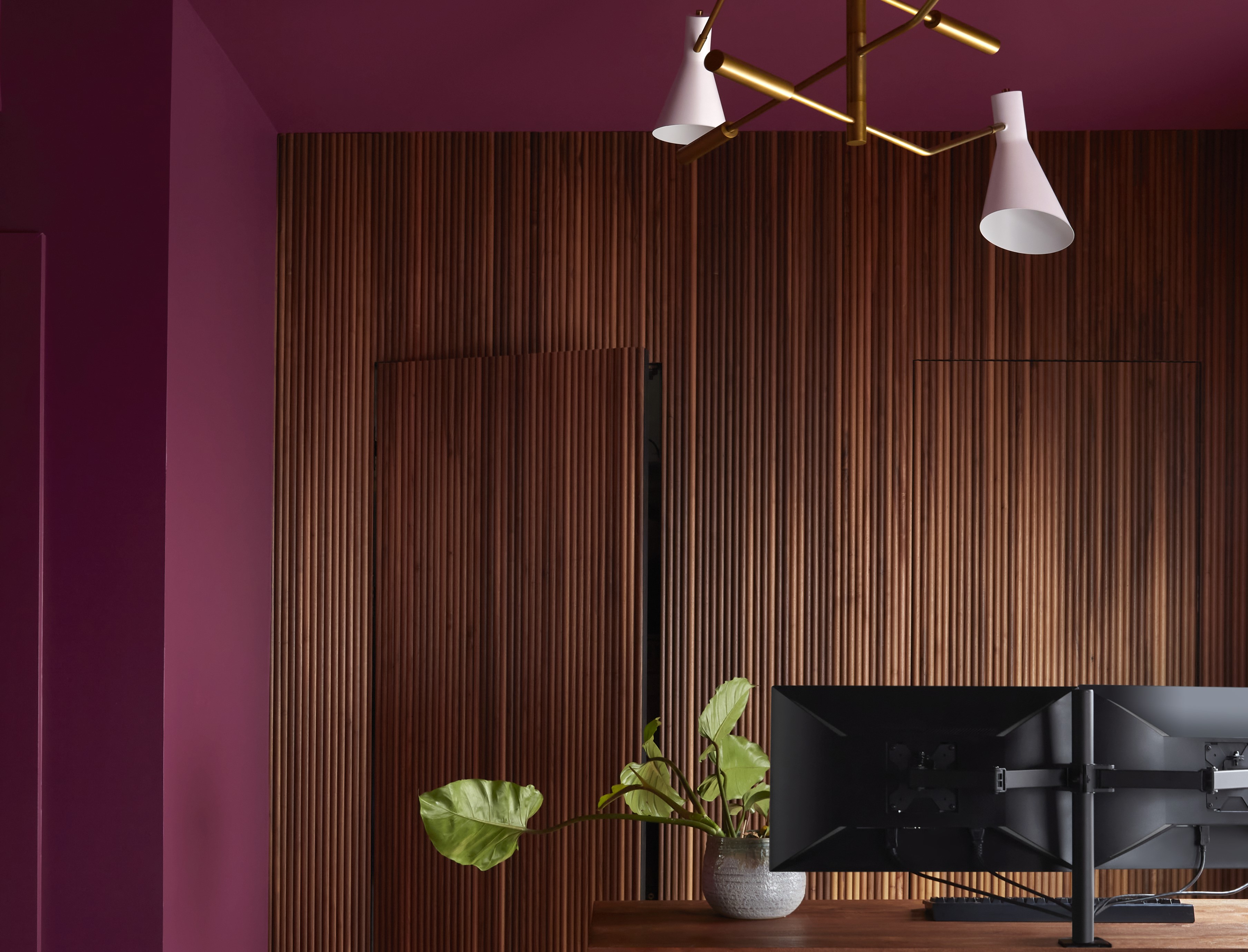
Paint Colors That Go With Natural Wood — 10 Picks That Bring Out the Beauty of This Organic Material

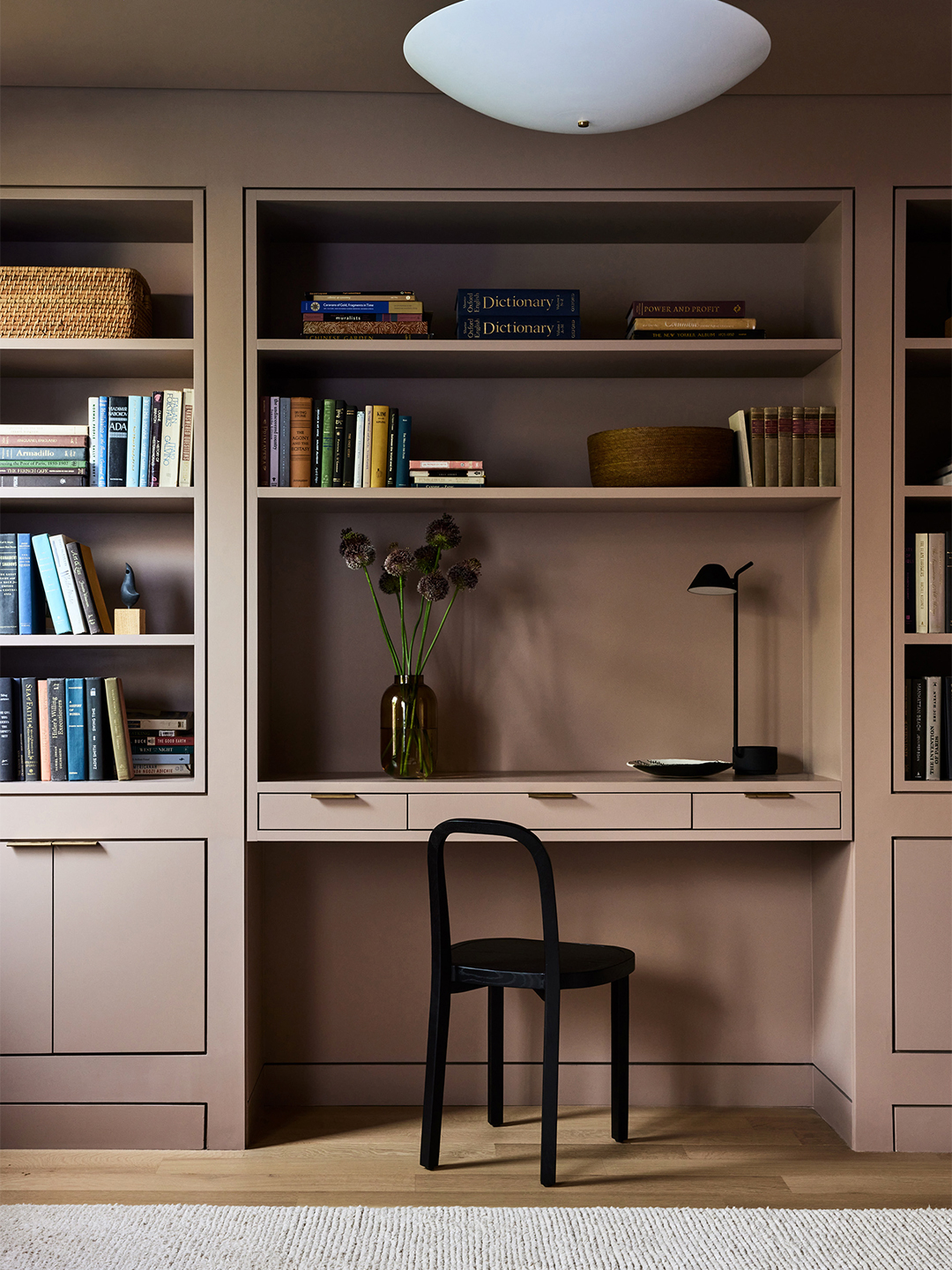
When Your Client Cares About Paint as Much as Furniture, You Go Big With Opposing Colors

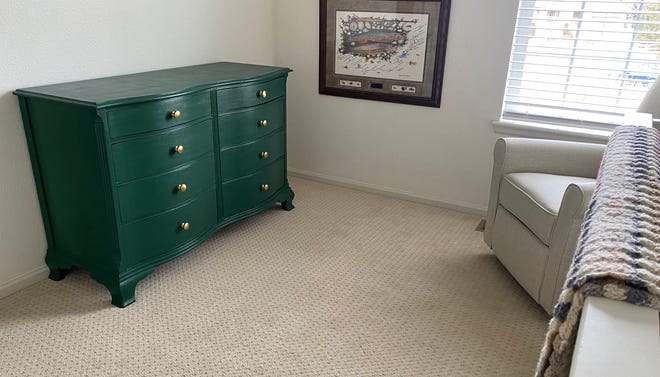
Want the next generation in your family to embrace old furniture? Try paint