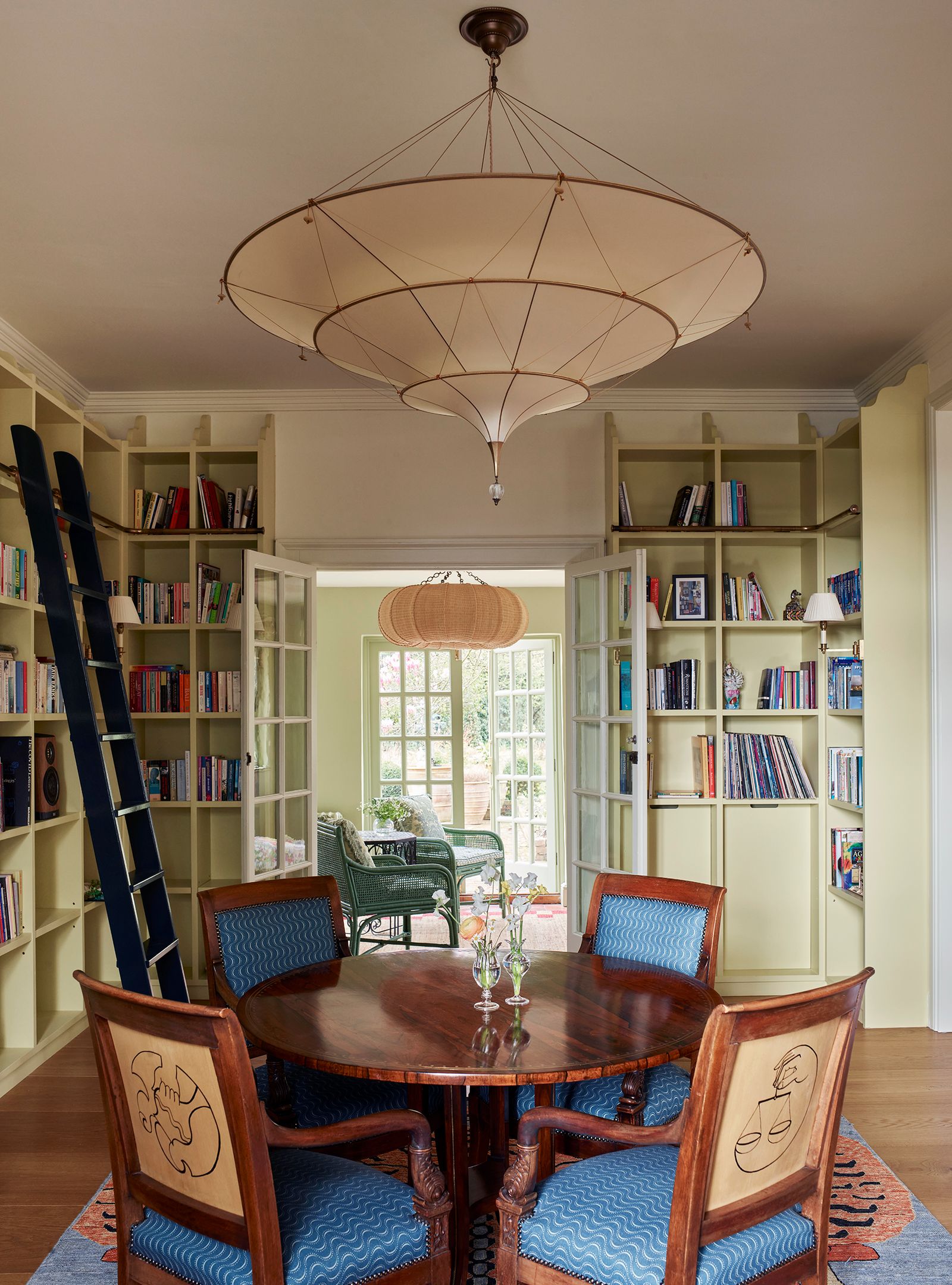
1/8
The dos and don'ts of lighting your house
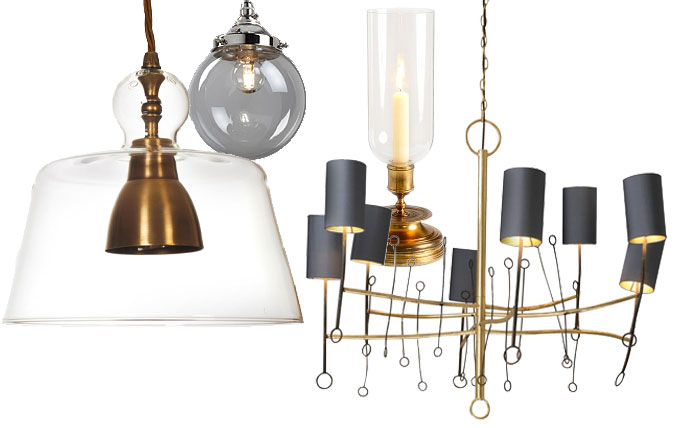
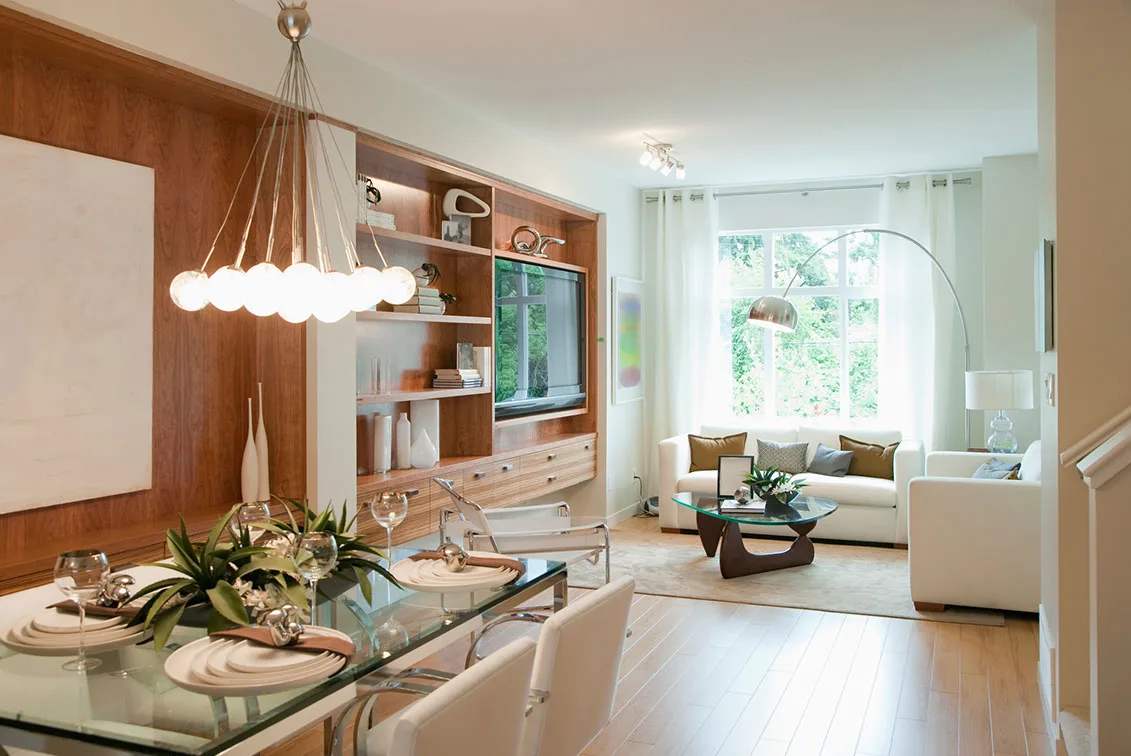
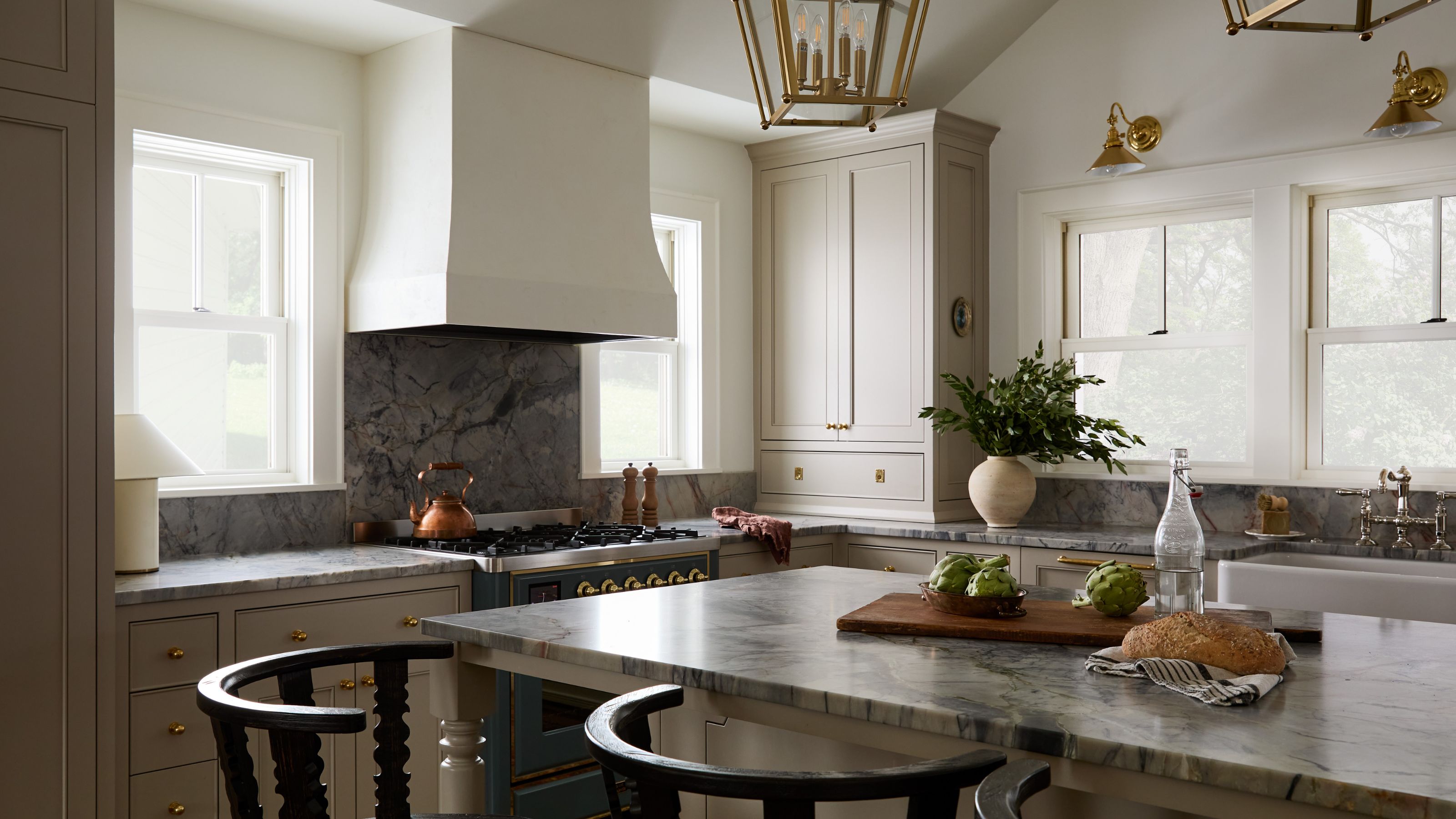
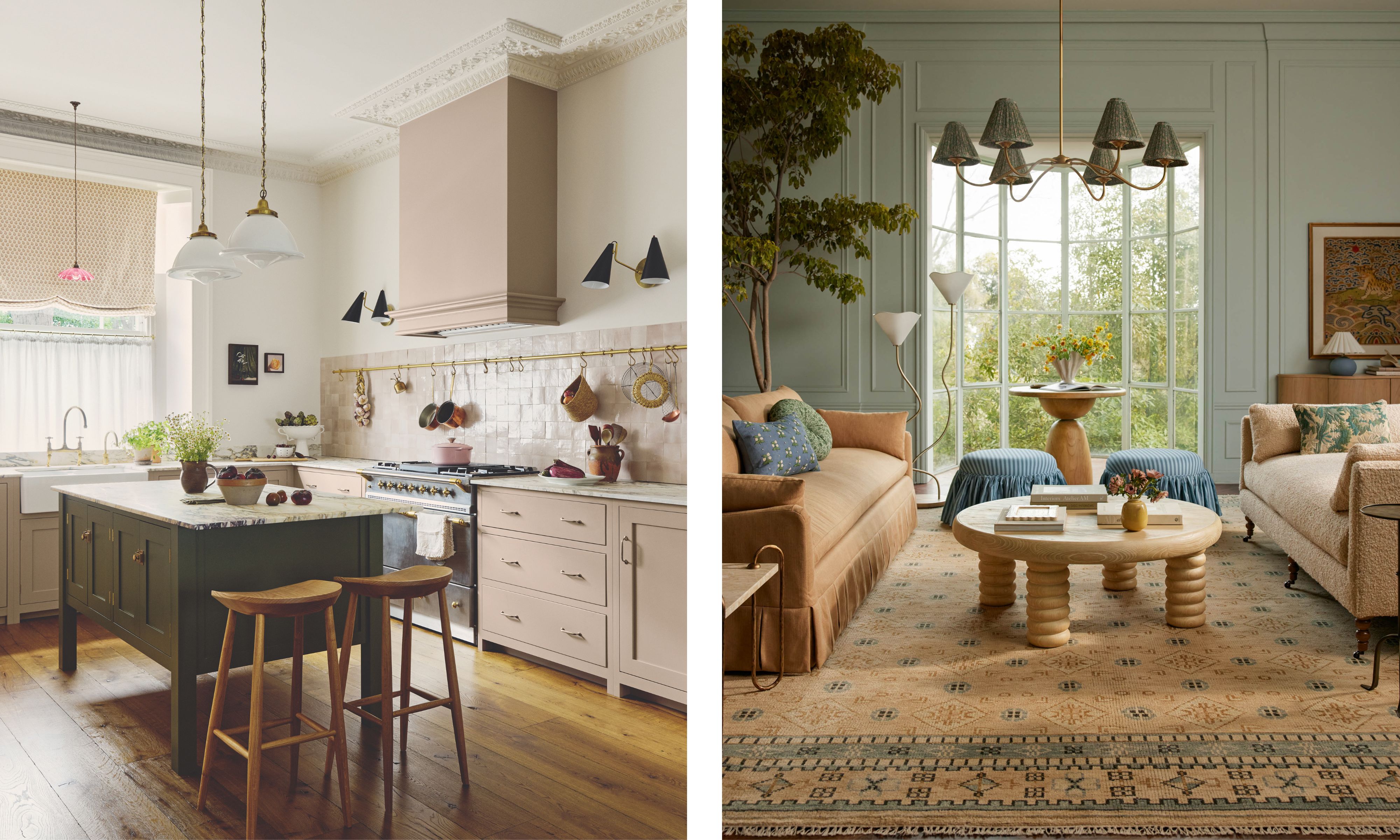
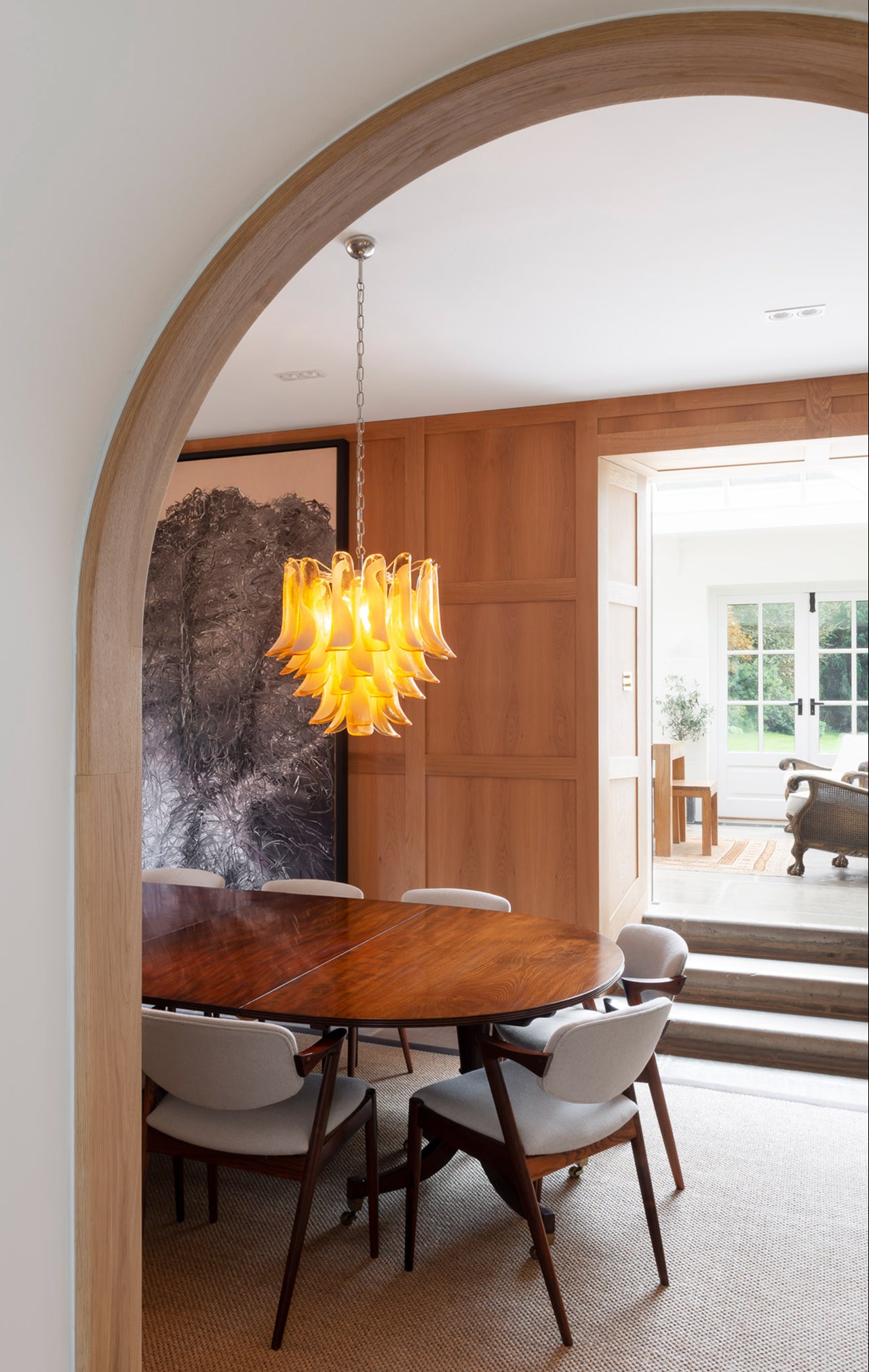
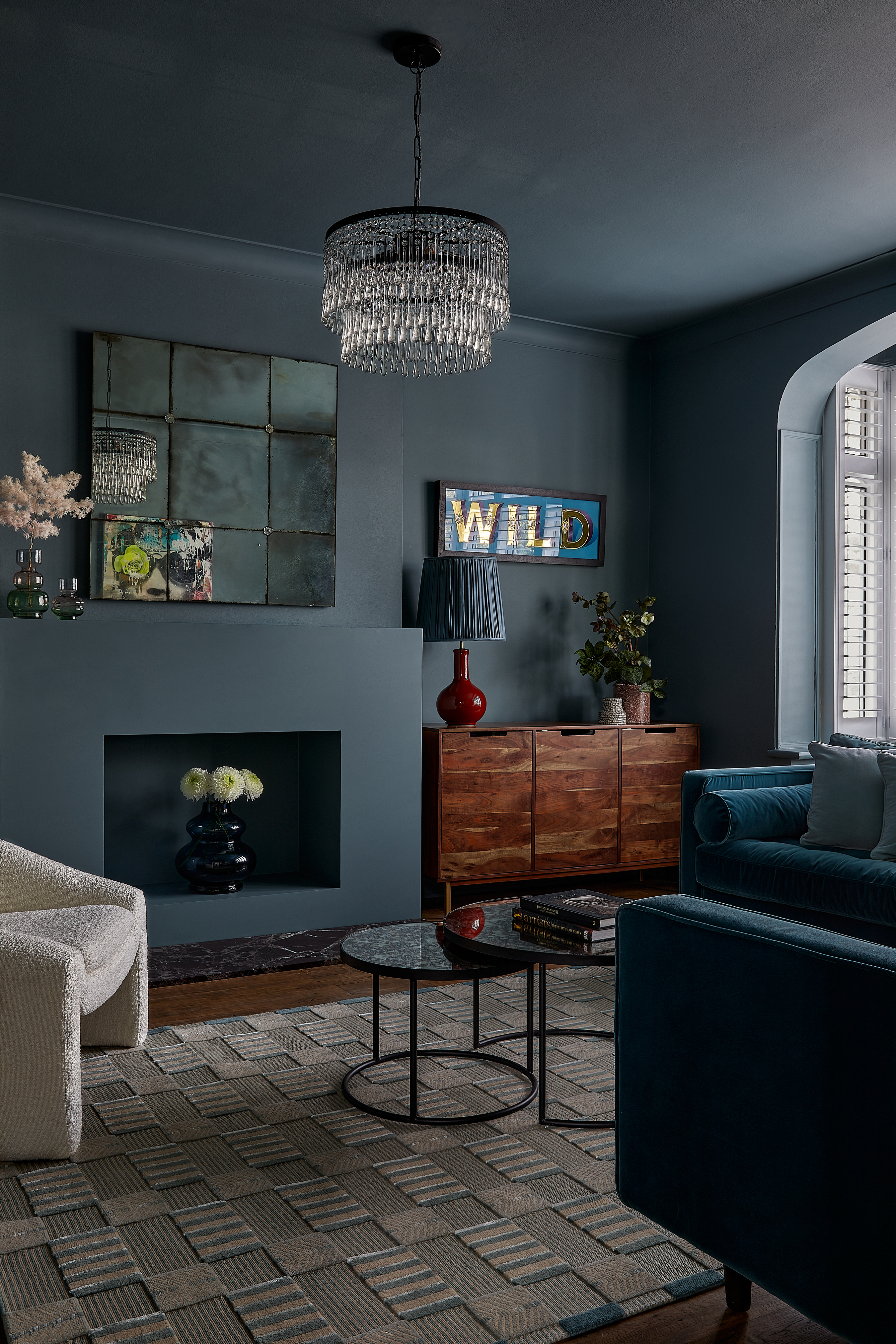
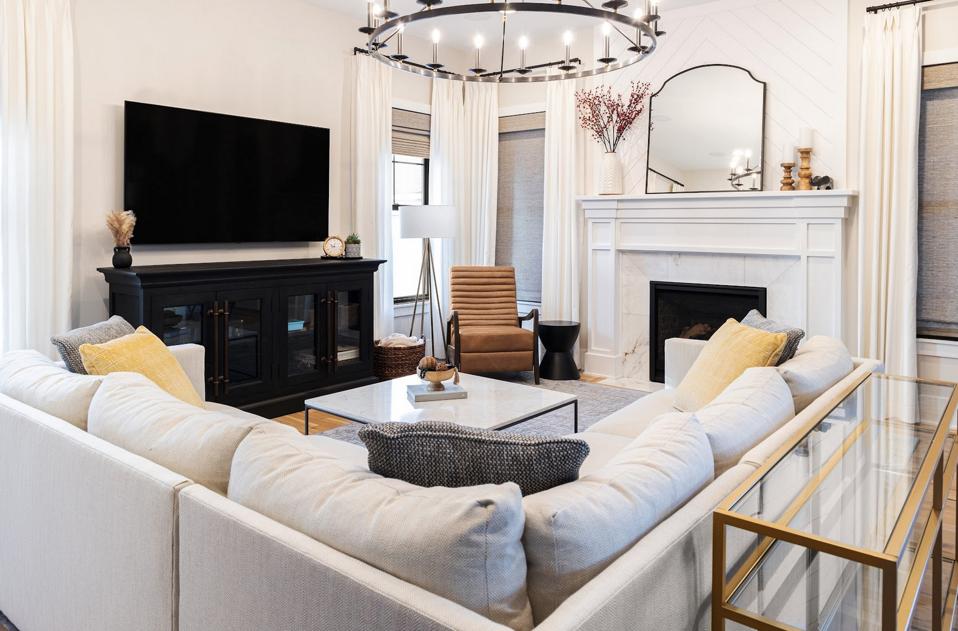
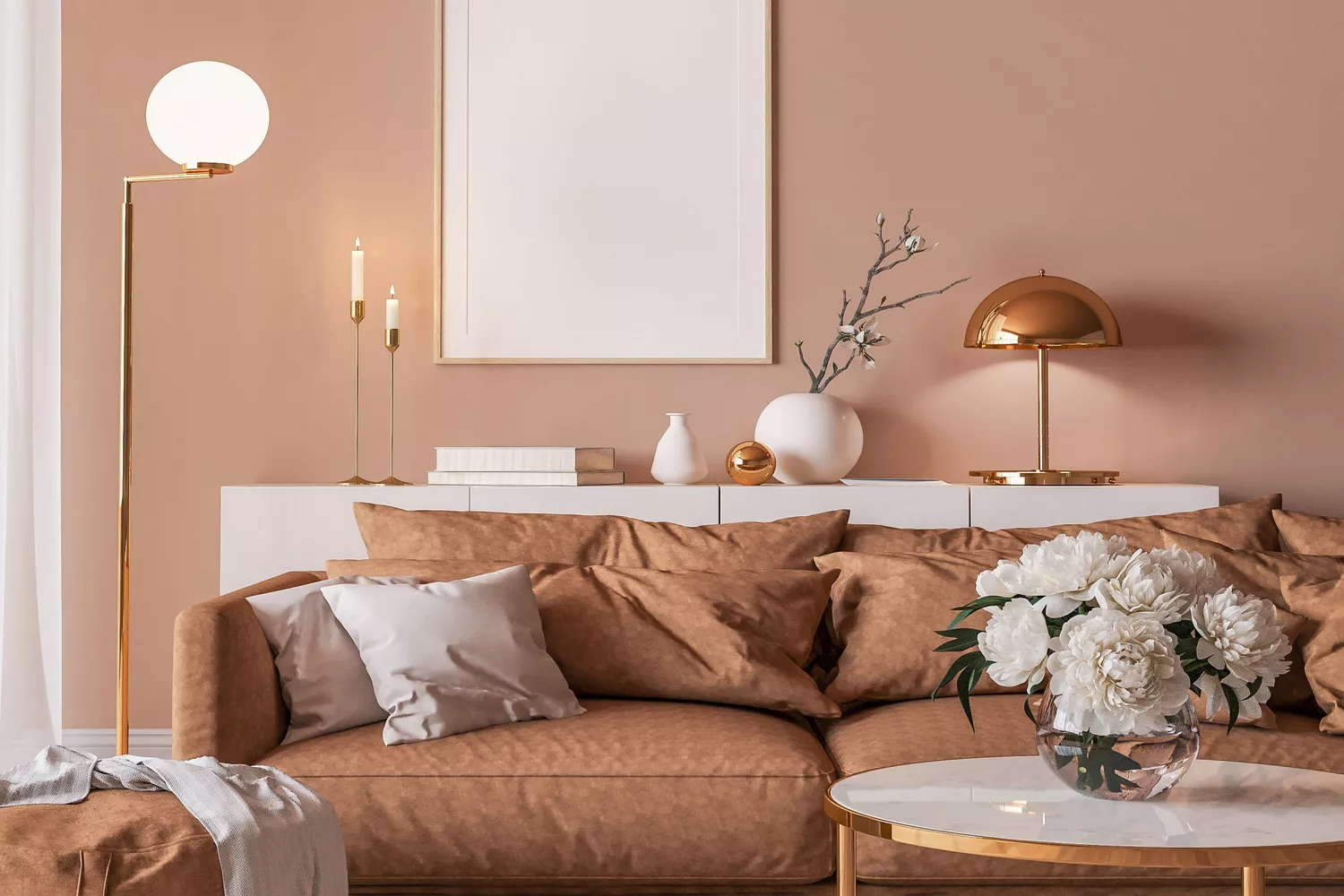
Effective home lighting is crucial for both aesthetic appeal and functionality, transforming a space and influencing mood. Interior designers often advocate for thoughtful and layered lighting schemes over simplistic overhead lighting, which is frequently considered unflattering and less versatile. The general consensus emphasizes treating lighting as "statement jewelry" for a home, encouraging investment in interesting and antique light fittings to add character, rather than relying solely on newly manufactured options. Practical advice includes considering the natural light a room receives, its purpose, and its decorative style to create a varied mix of lamps, wall lights, and pendants. Lighting should generally be approached from the ground up, with an emphasis on incorporating candles, especially in bathrooms, for a softer ambiance.
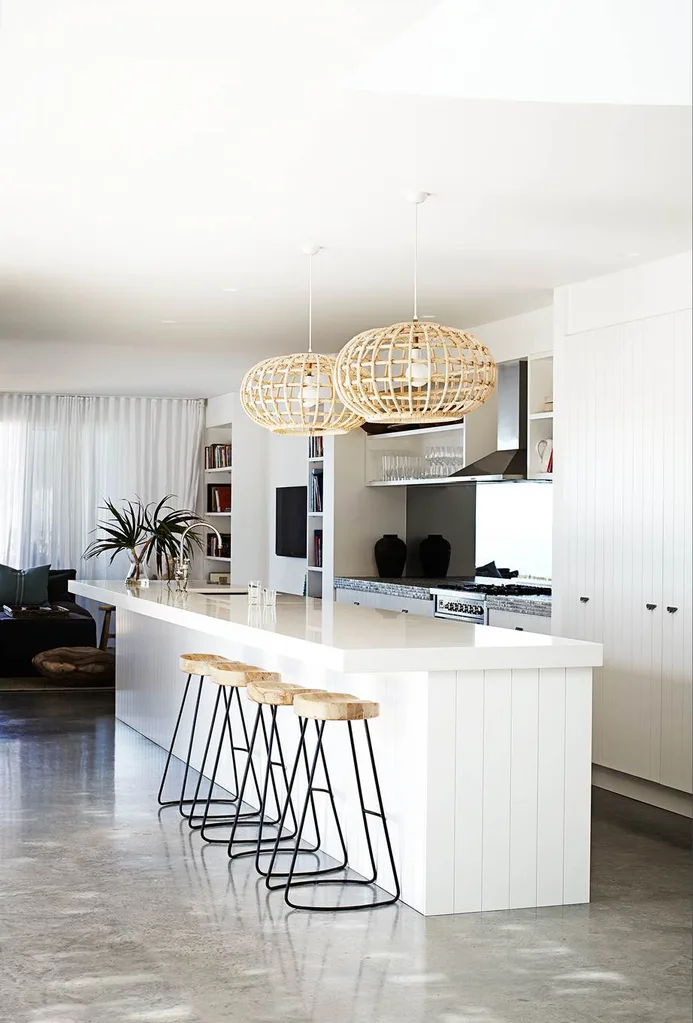
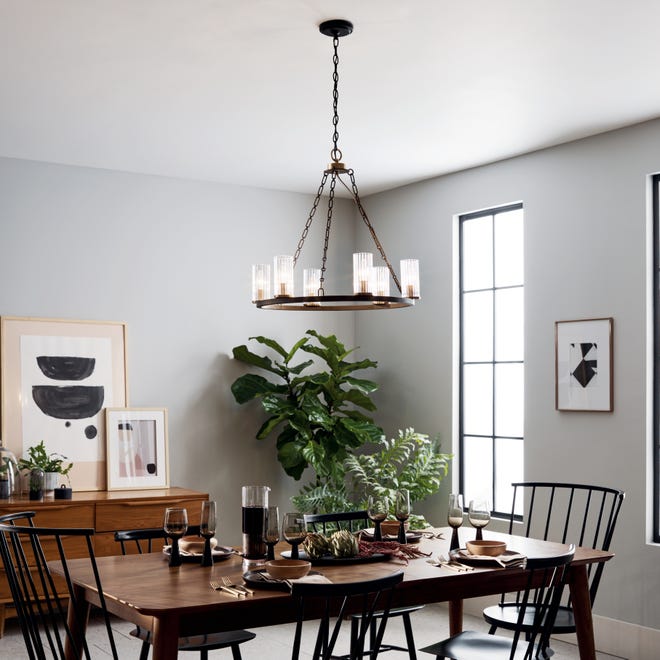
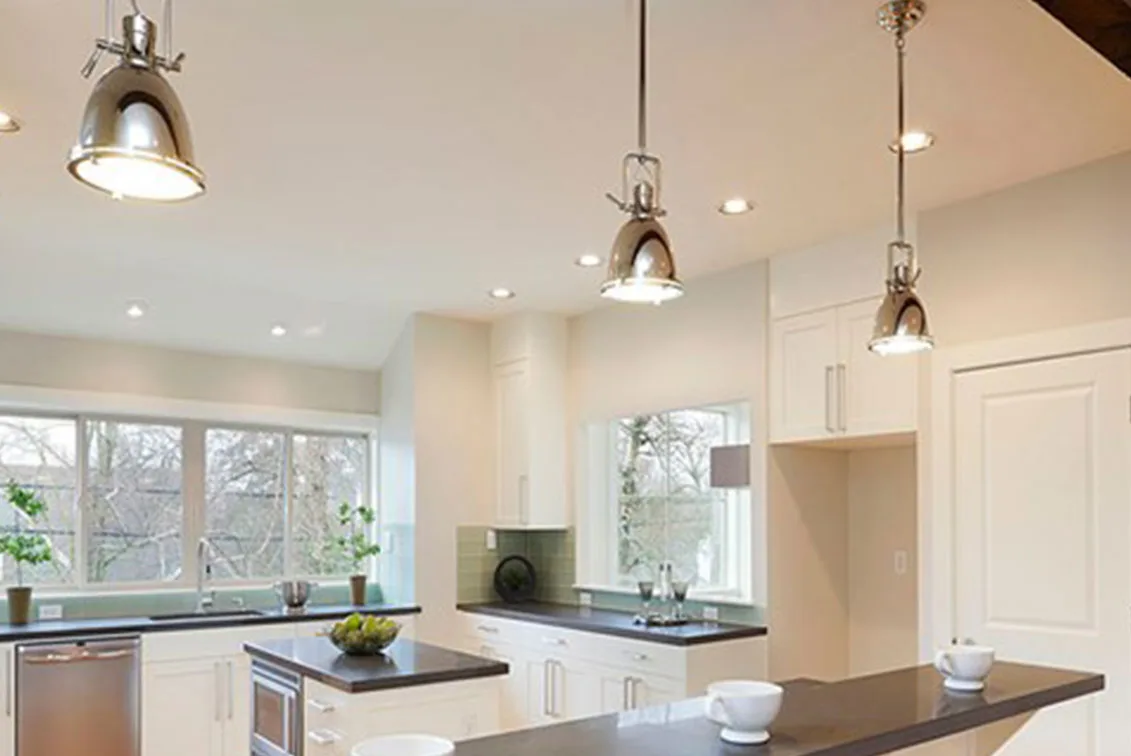
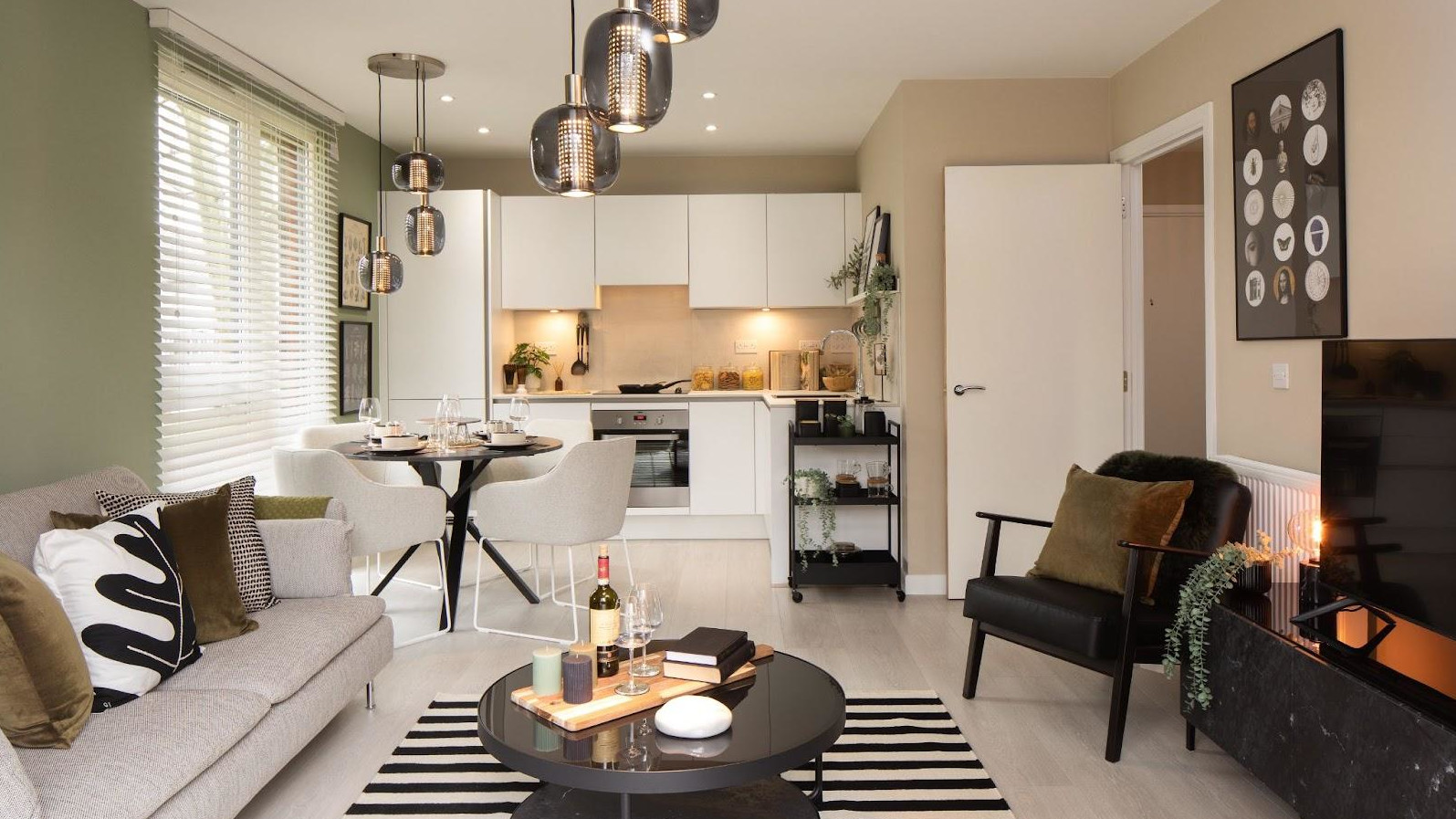
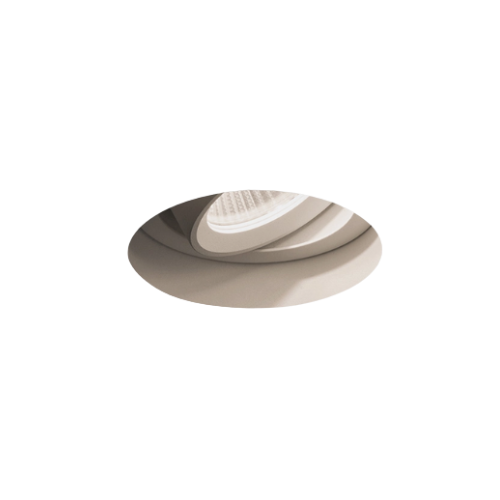
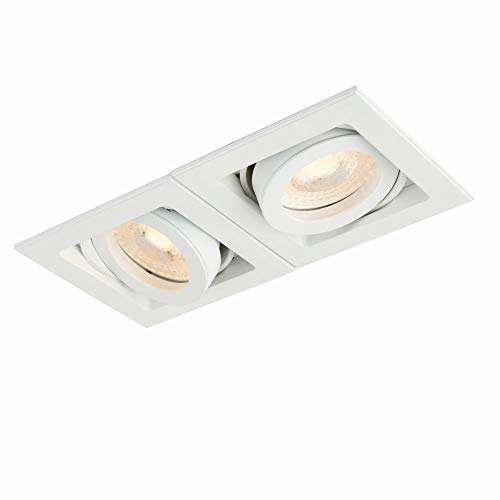
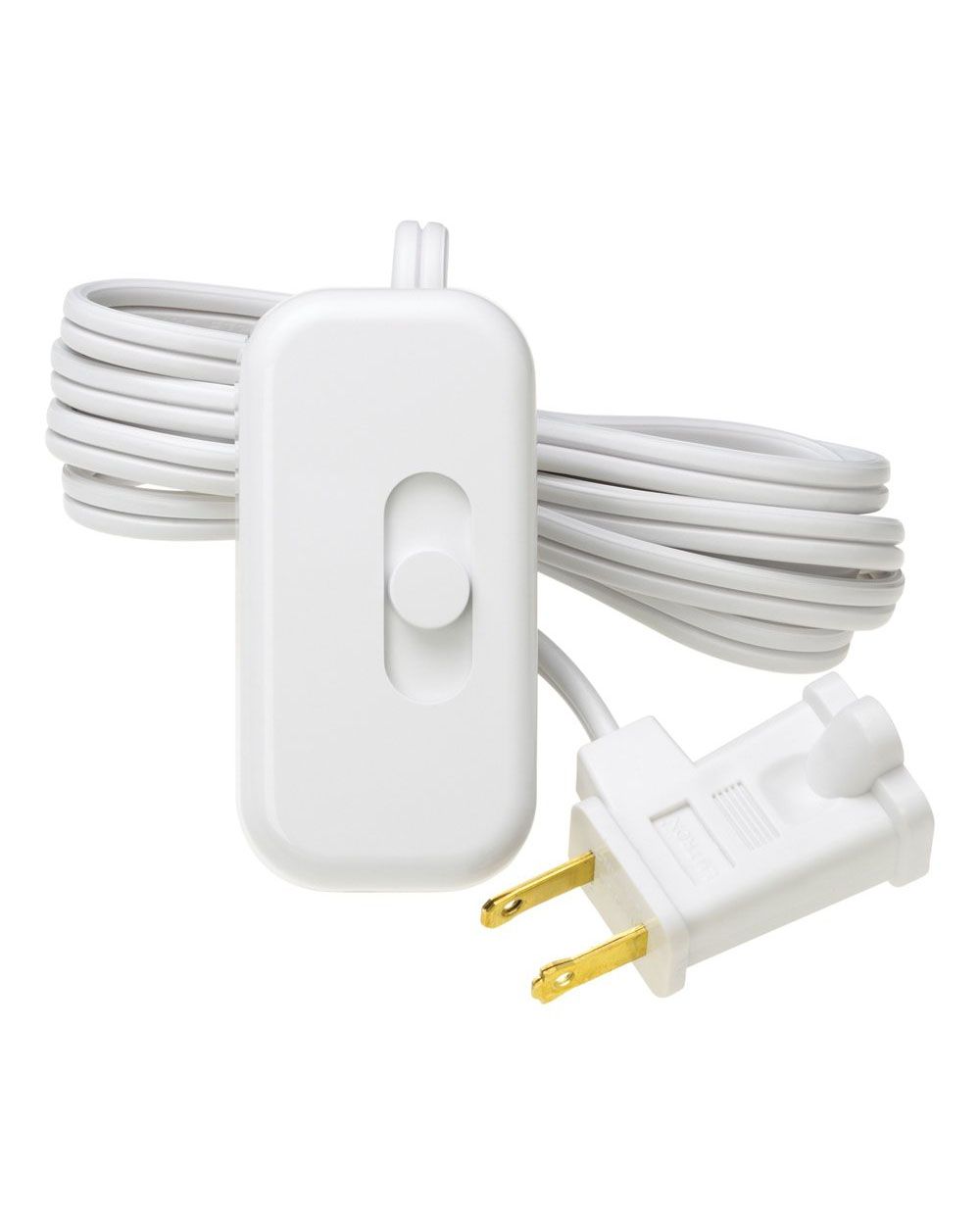
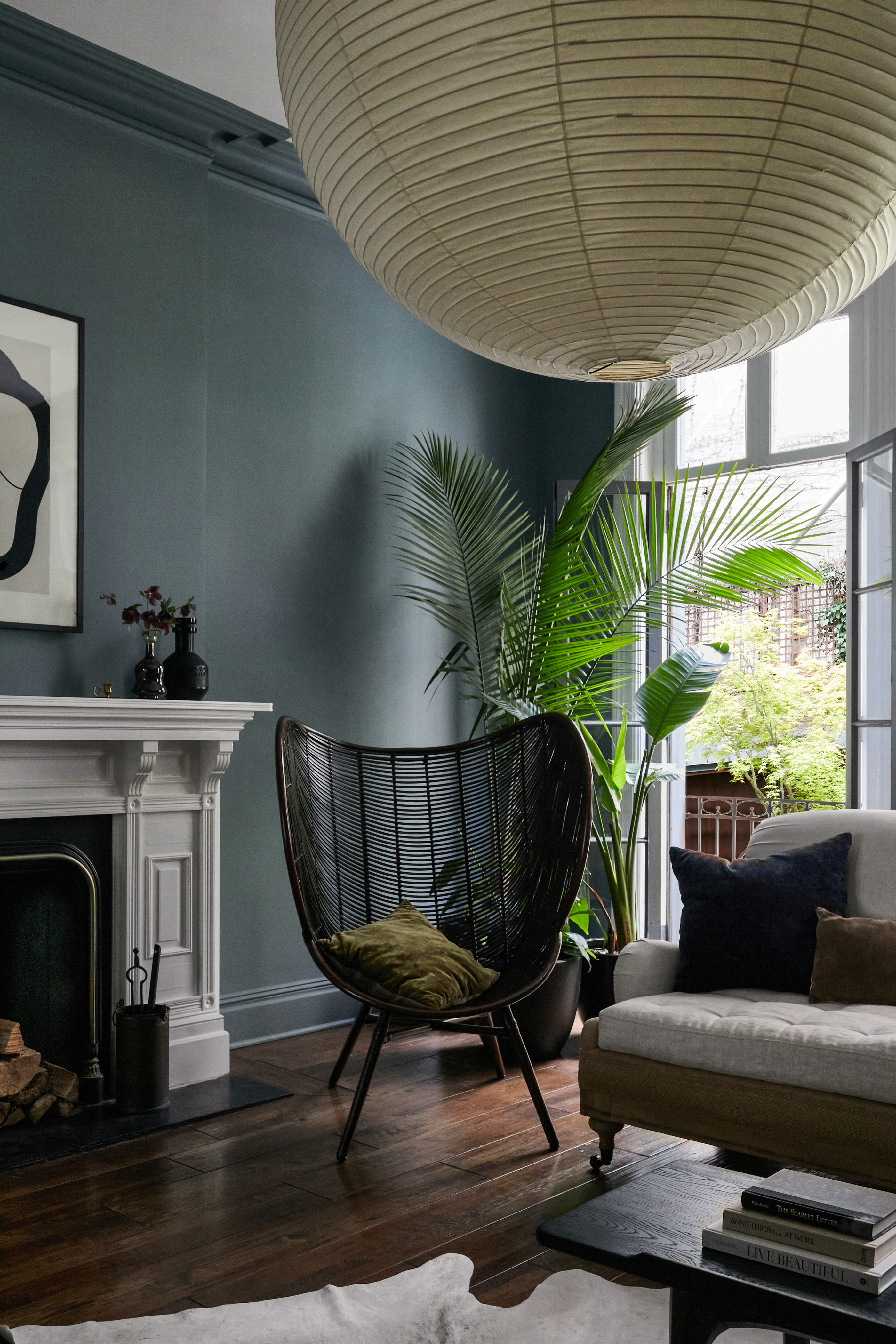
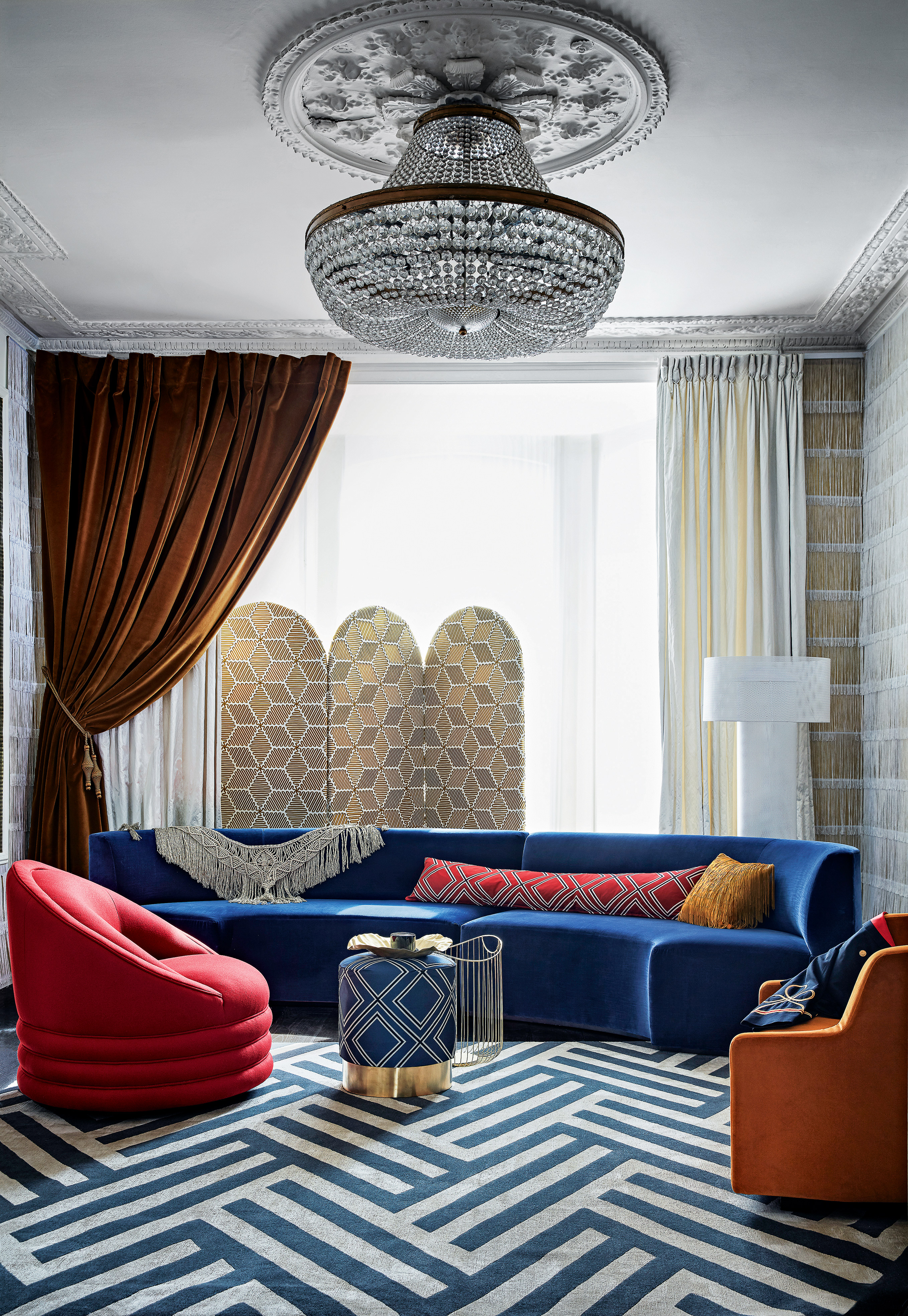
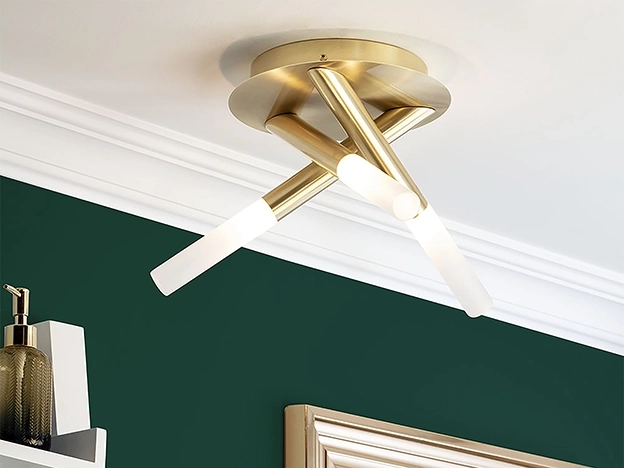
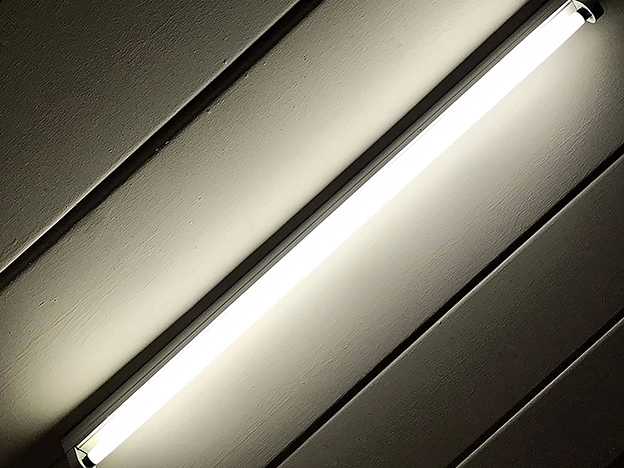
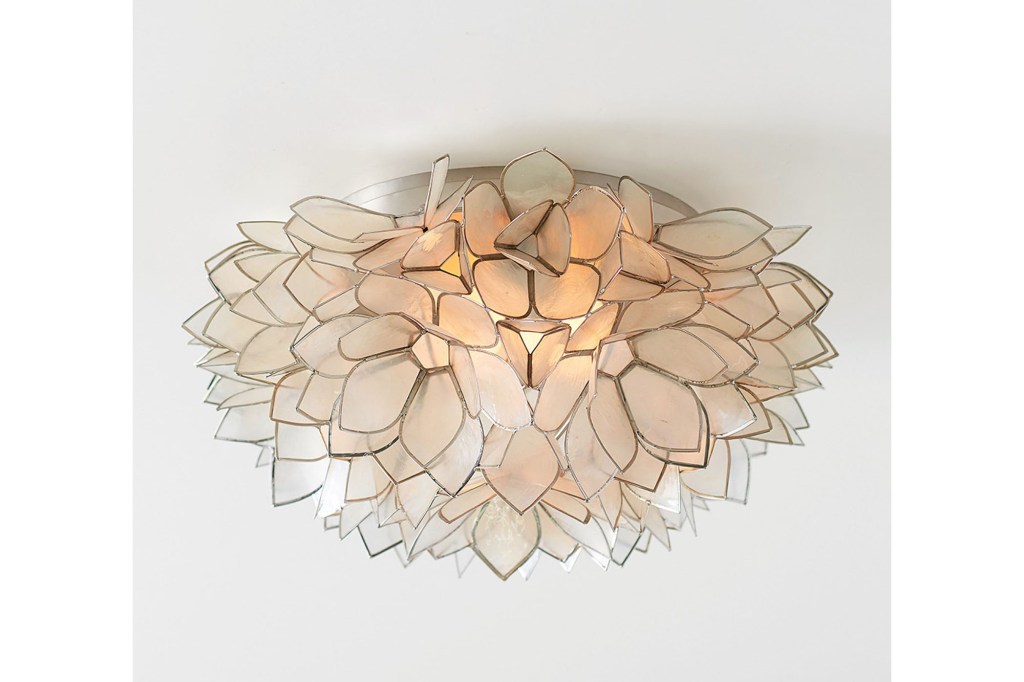
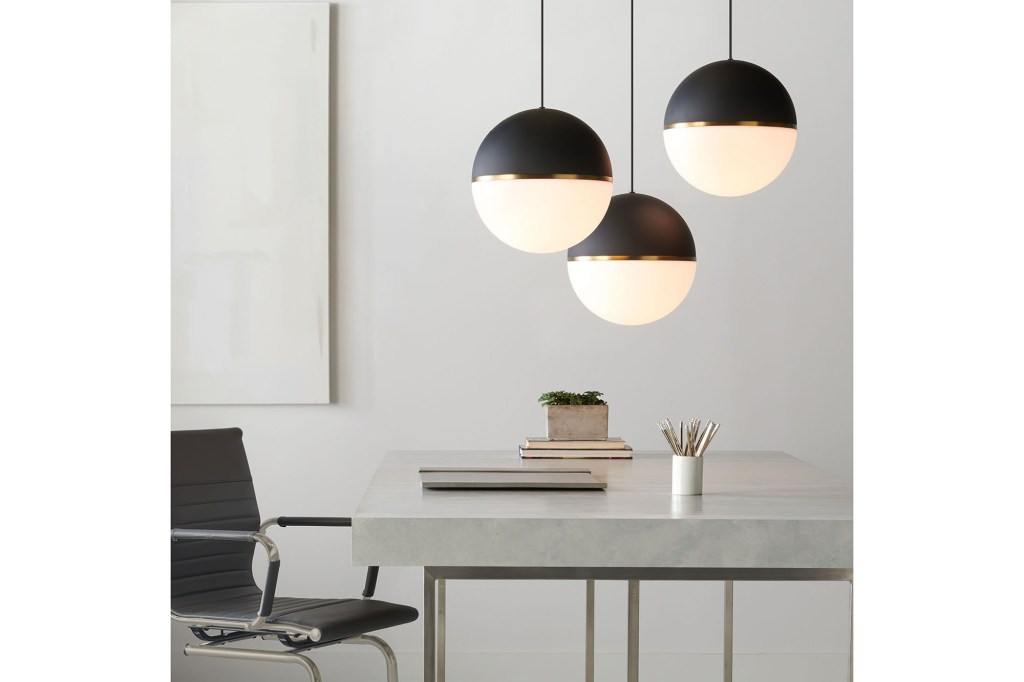
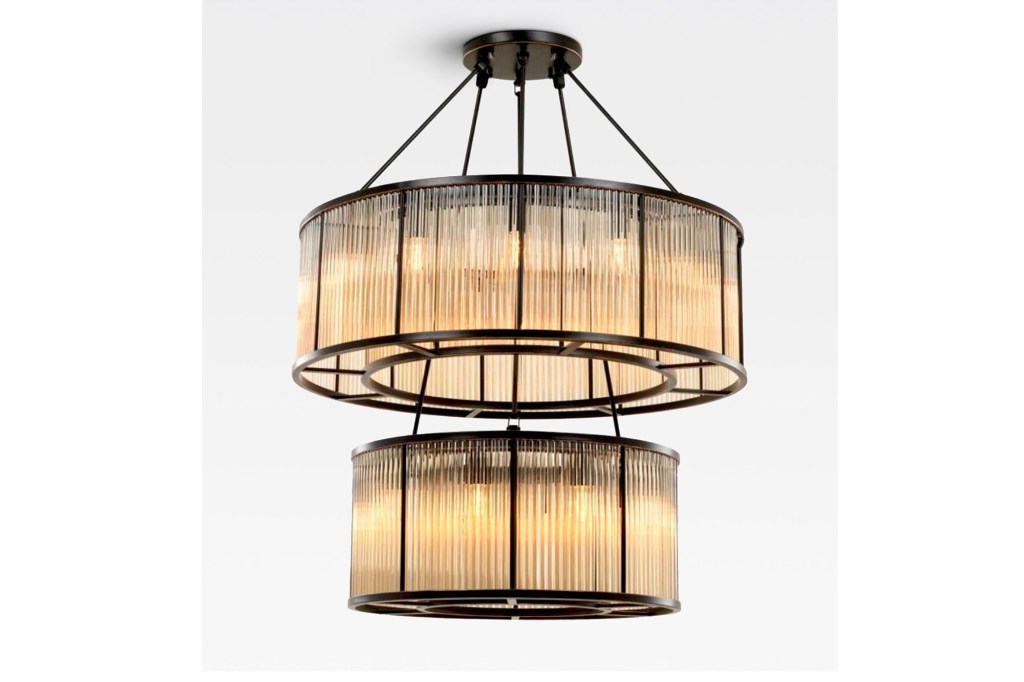
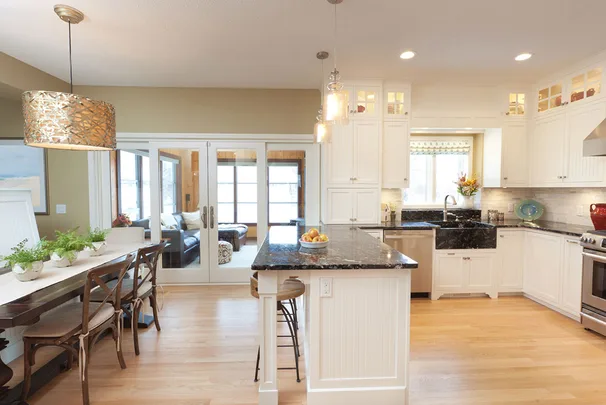
Overhead ceiling lights, particularly recessed spotlights, are largely disliked by designers unless absolutely necessary, such as in kitchens for specific tasks. Many designers argue that mid-level lighting, achieved through wall lights and lamps, offers a more flattering and flexible glow, enhancing comfort and personal appearance. For larger kitchens, a zonal approach is recommended, with distinct lighting for cooking, eating, and sitting areas. While spotlights might be practical for cooking zones, it's suggested to have them switch off at nightfall to allow for a warmer, more inviting atmosphere. When overhead or recessed lights are used, they should be applied sparingly, ideally placed in room corners or as directional spots to highlight artwork, and always connected to dimmers for mood control. For ceiling light fittings, the use of woven, three-ply flexes in appealing colors is suggested to elevate their appearance.
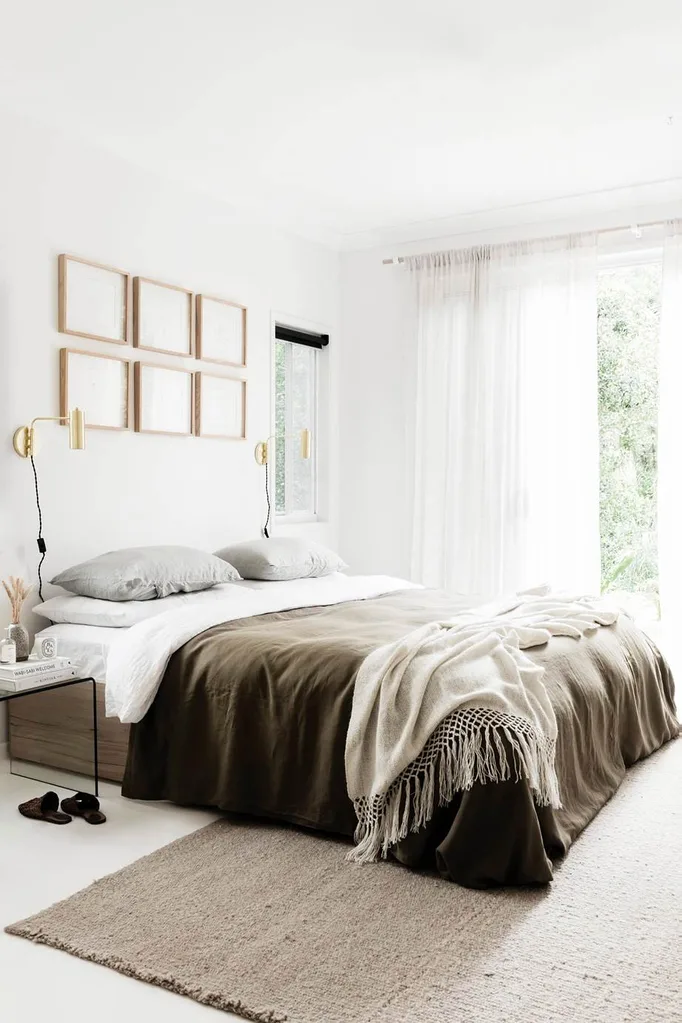
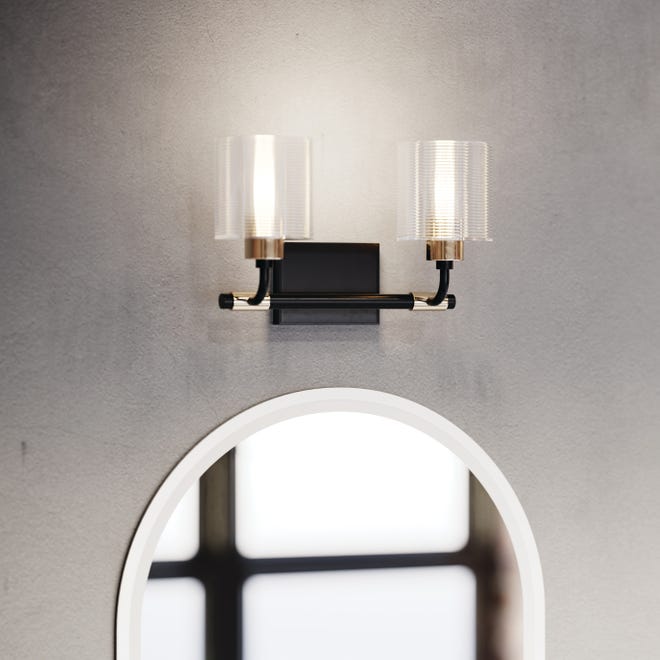
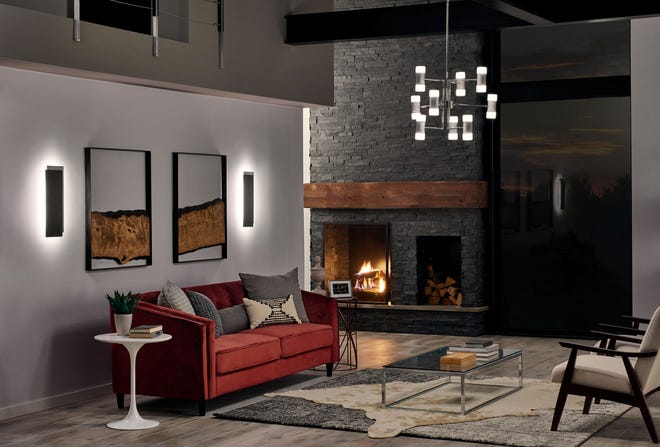
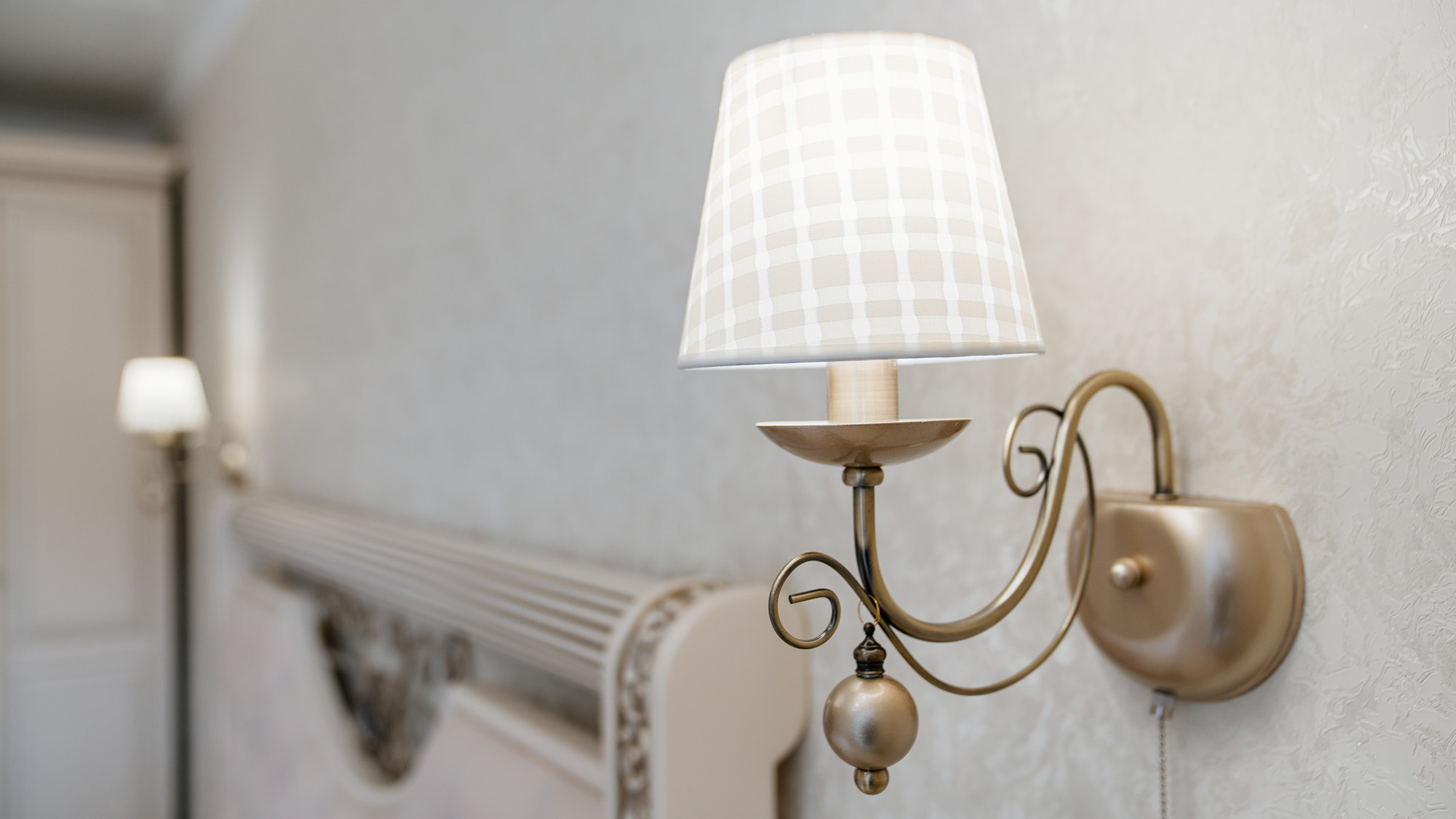
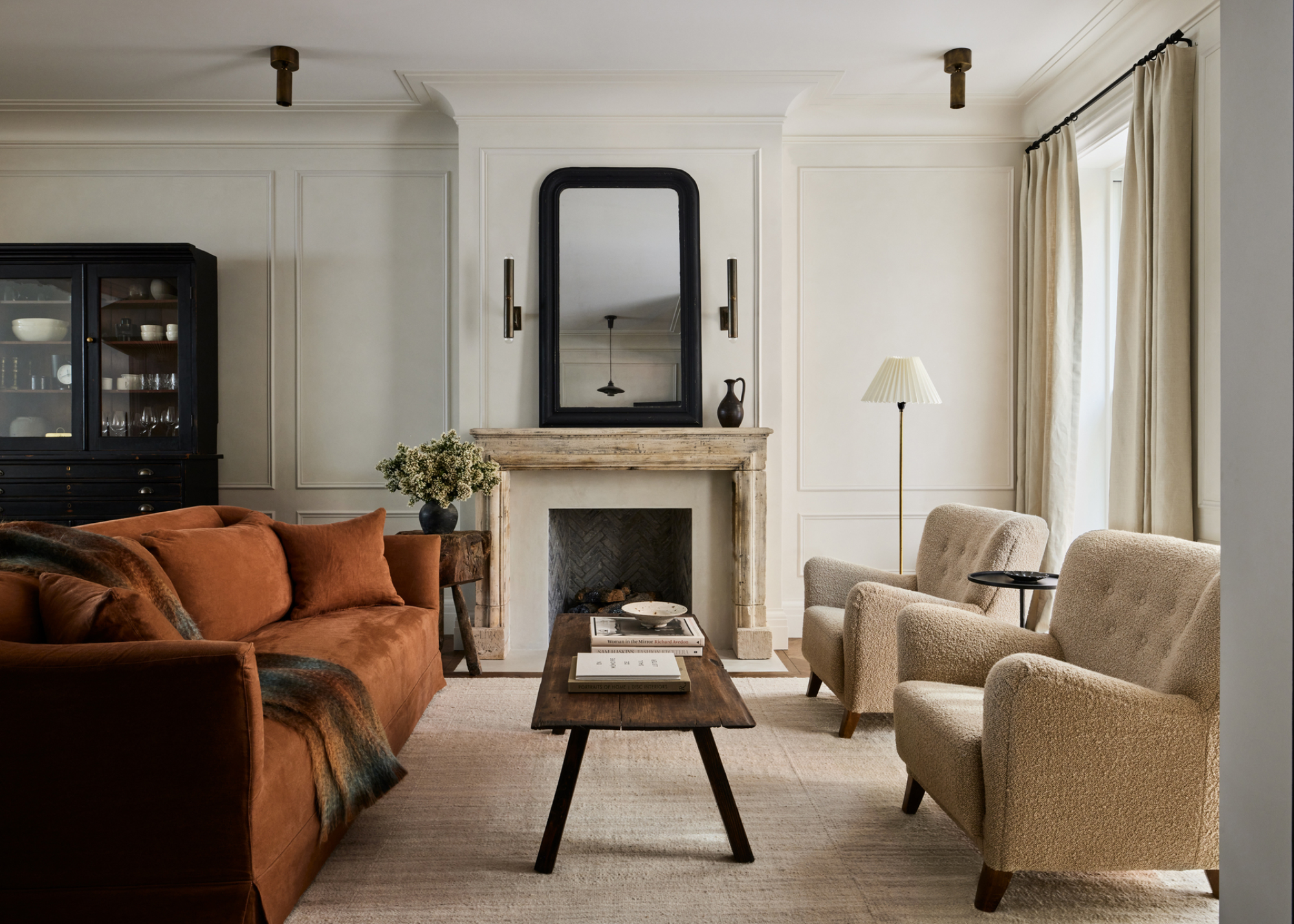
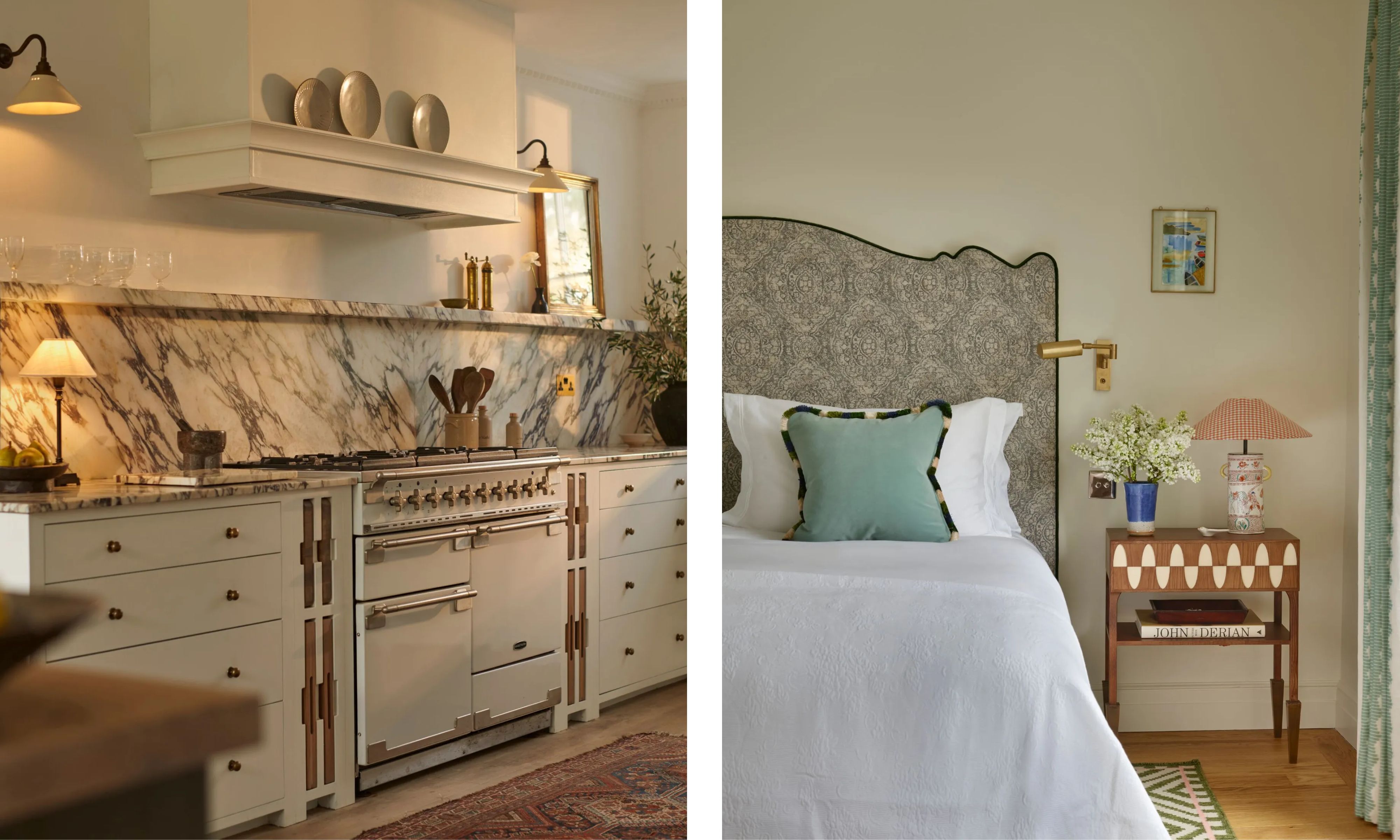
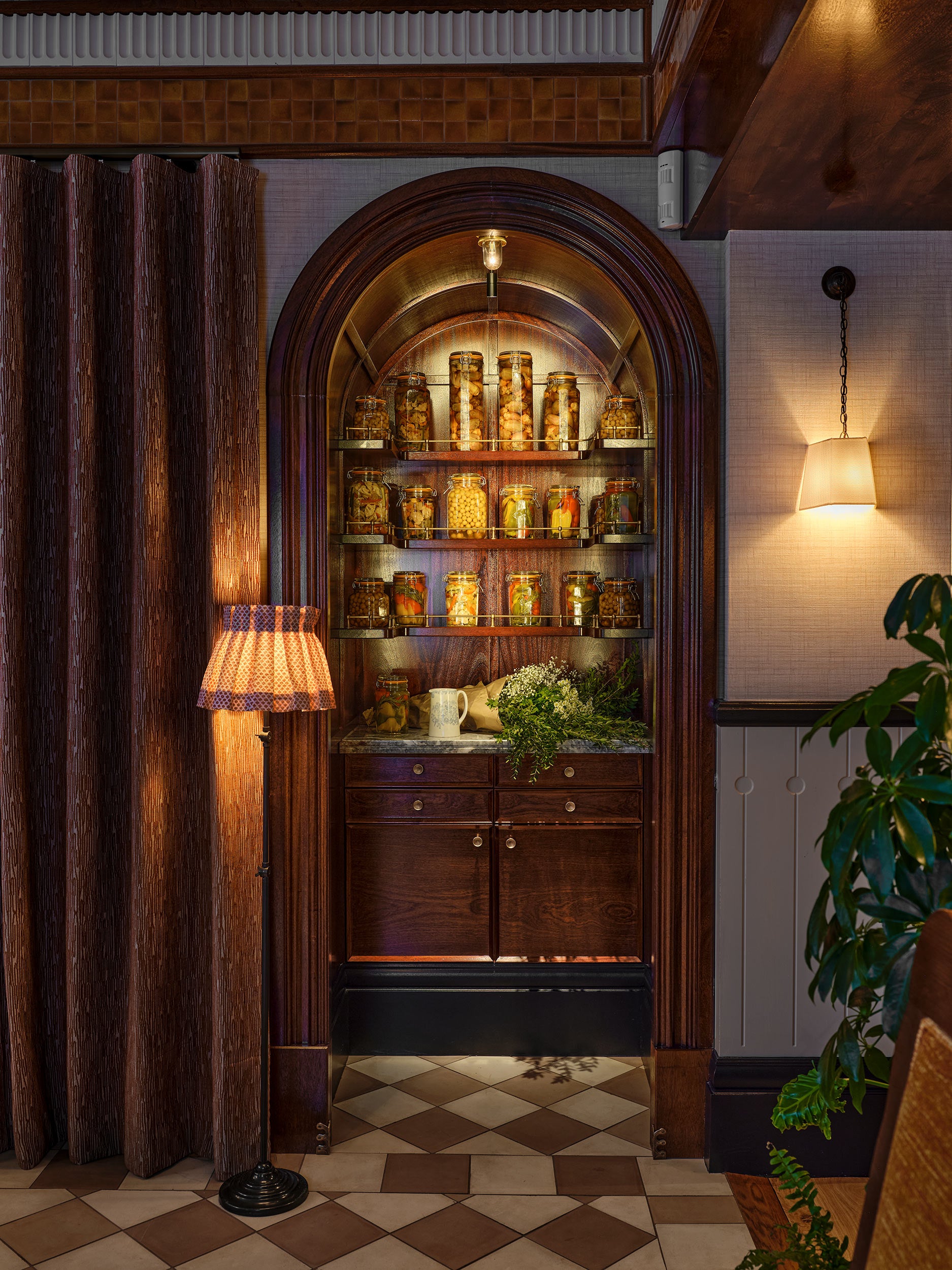
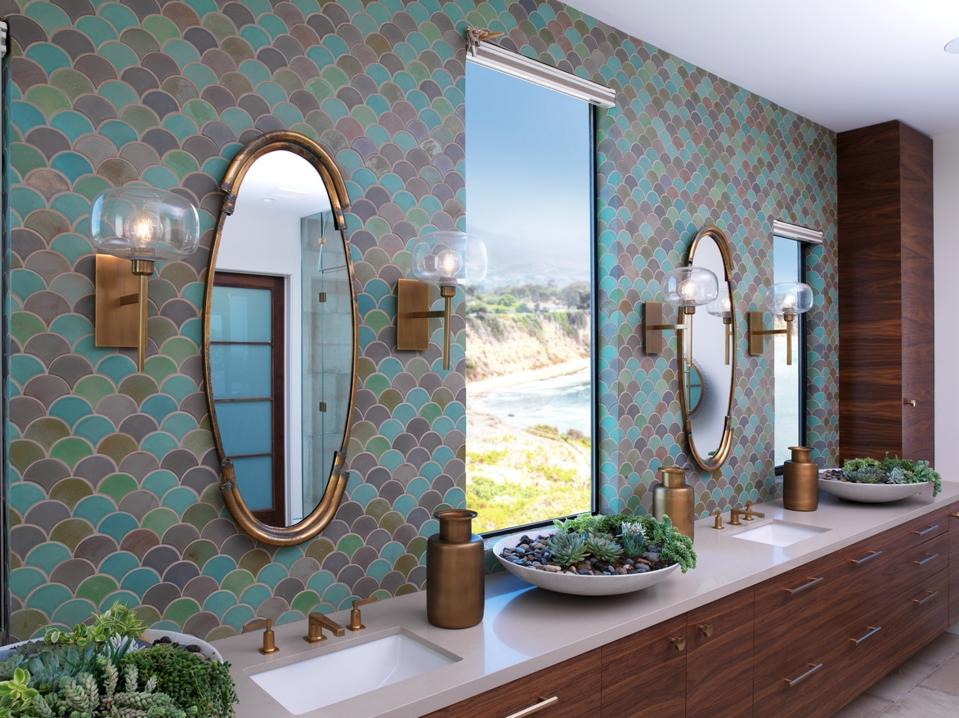
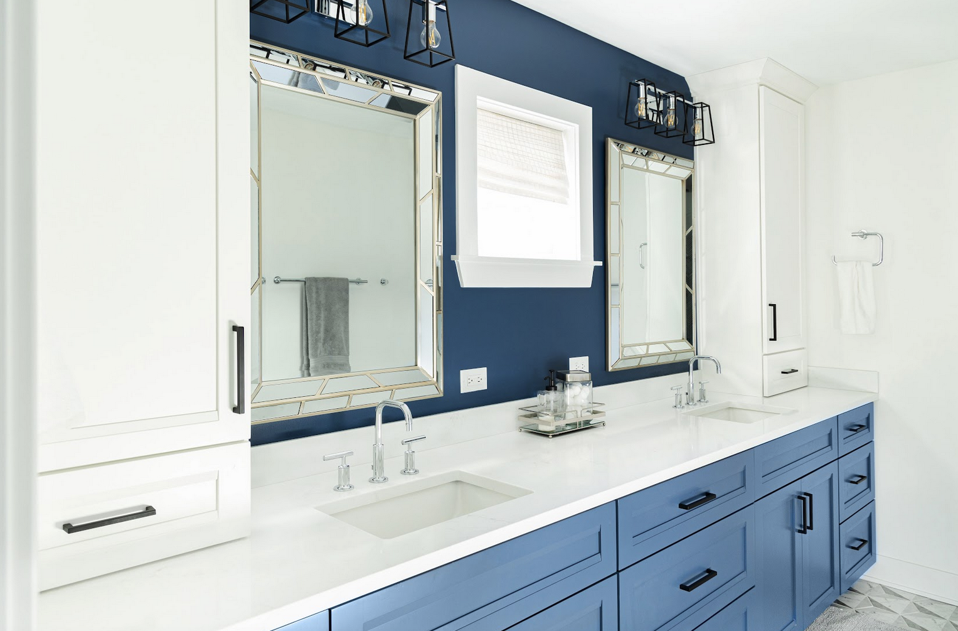
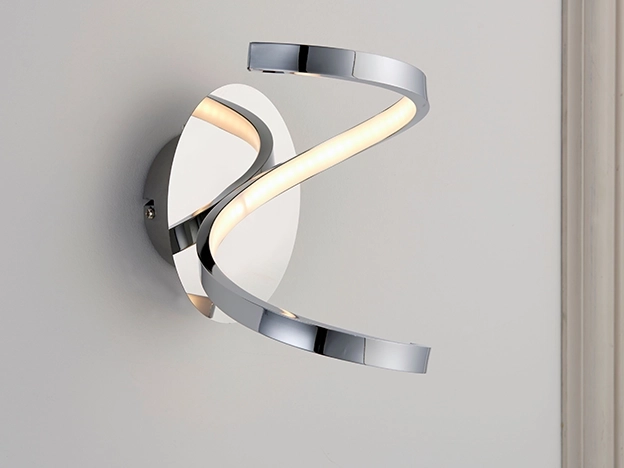
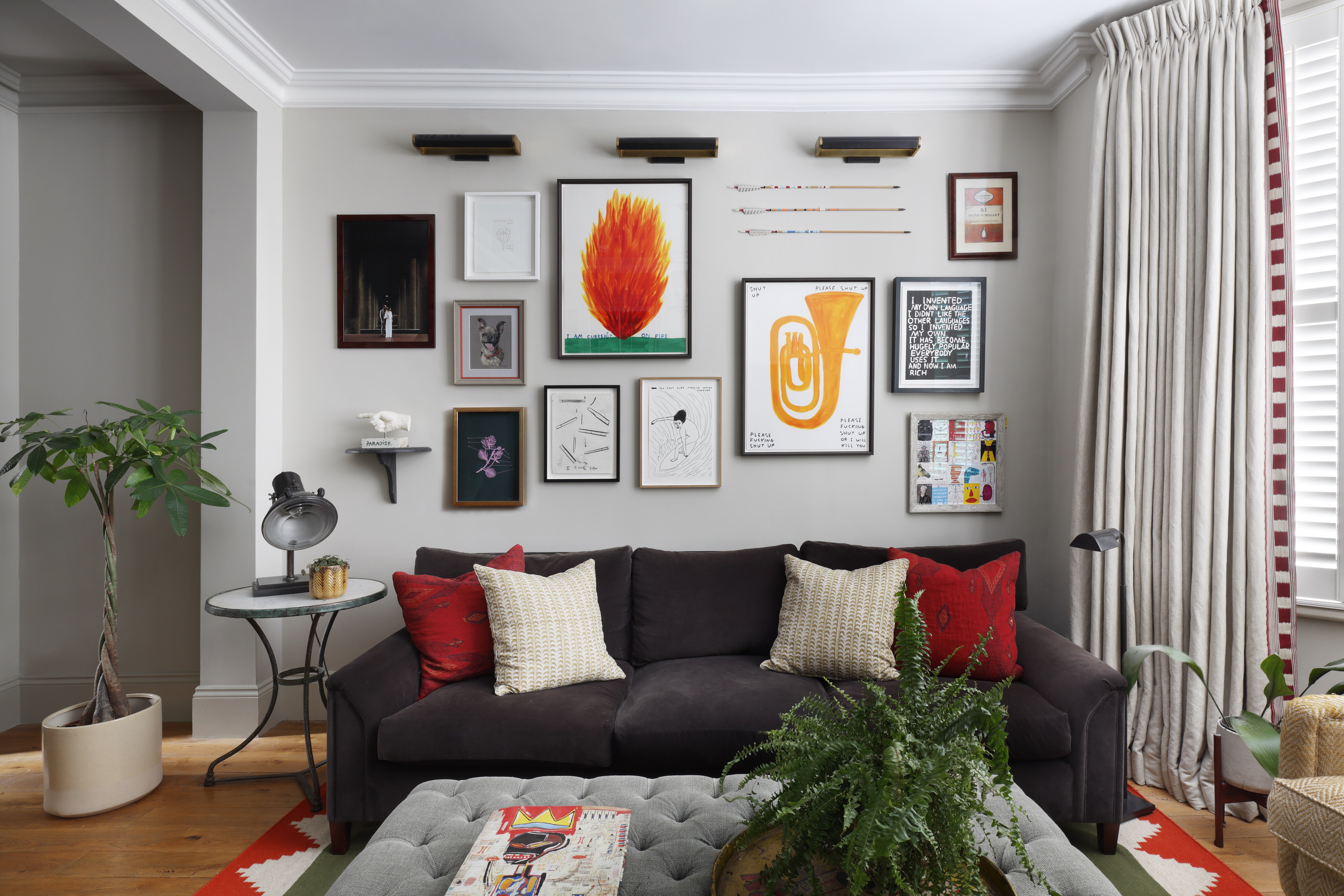
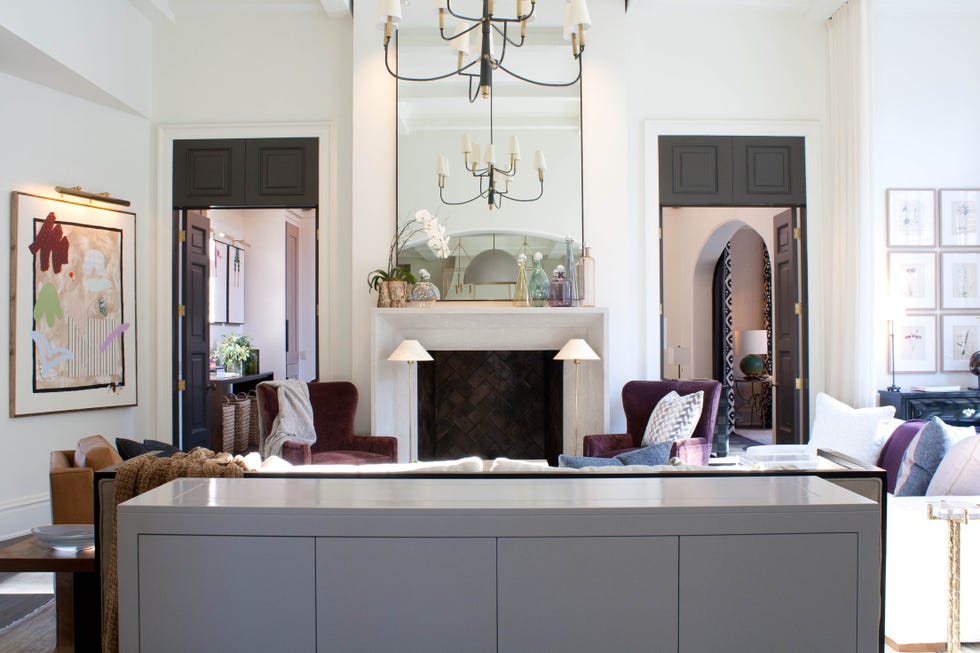
Wall lights require careful planning, particularly in the early stages of a project, to ensure correct placement in relation to furniture and artwork. They should be installed at approximately eye level, similar to hanging pictures, to achieve the most effective illumination. In bathrooms, wall lights positioned on either side of a mirror are preferred for shadow-free facial lighting, with caution advised against cold white integrated mirror lights that can detract from the ambiance. Innovative placement, such as lights on bookcases, is also noted.
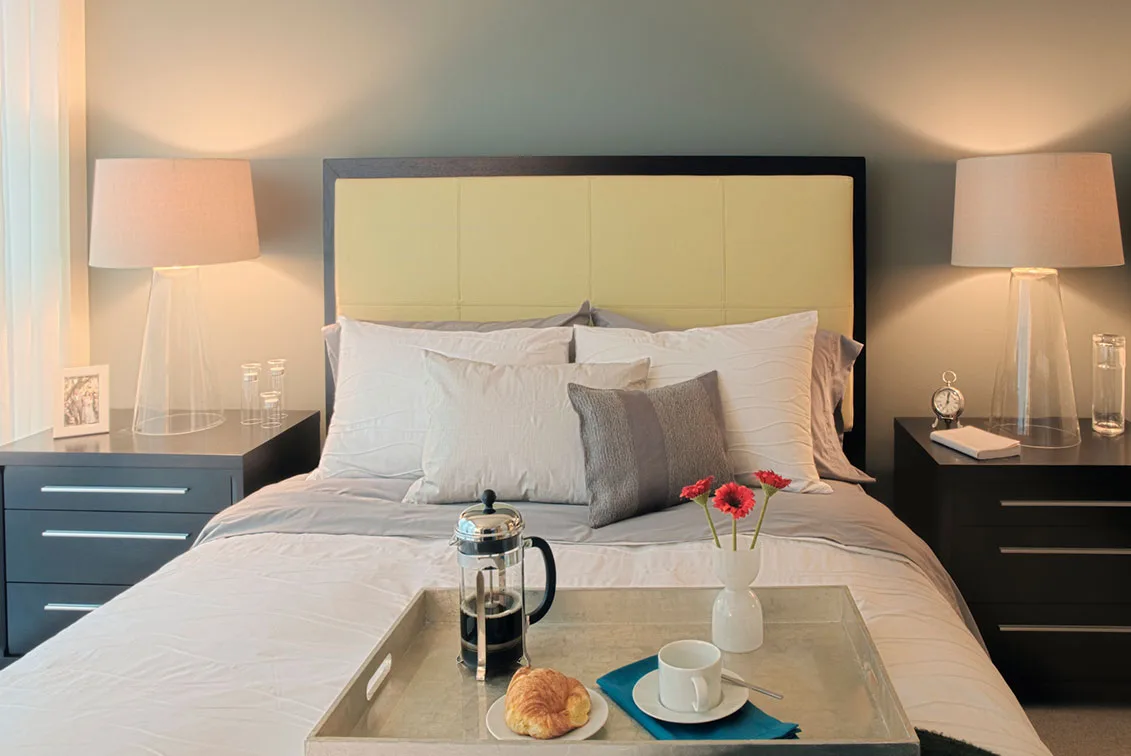
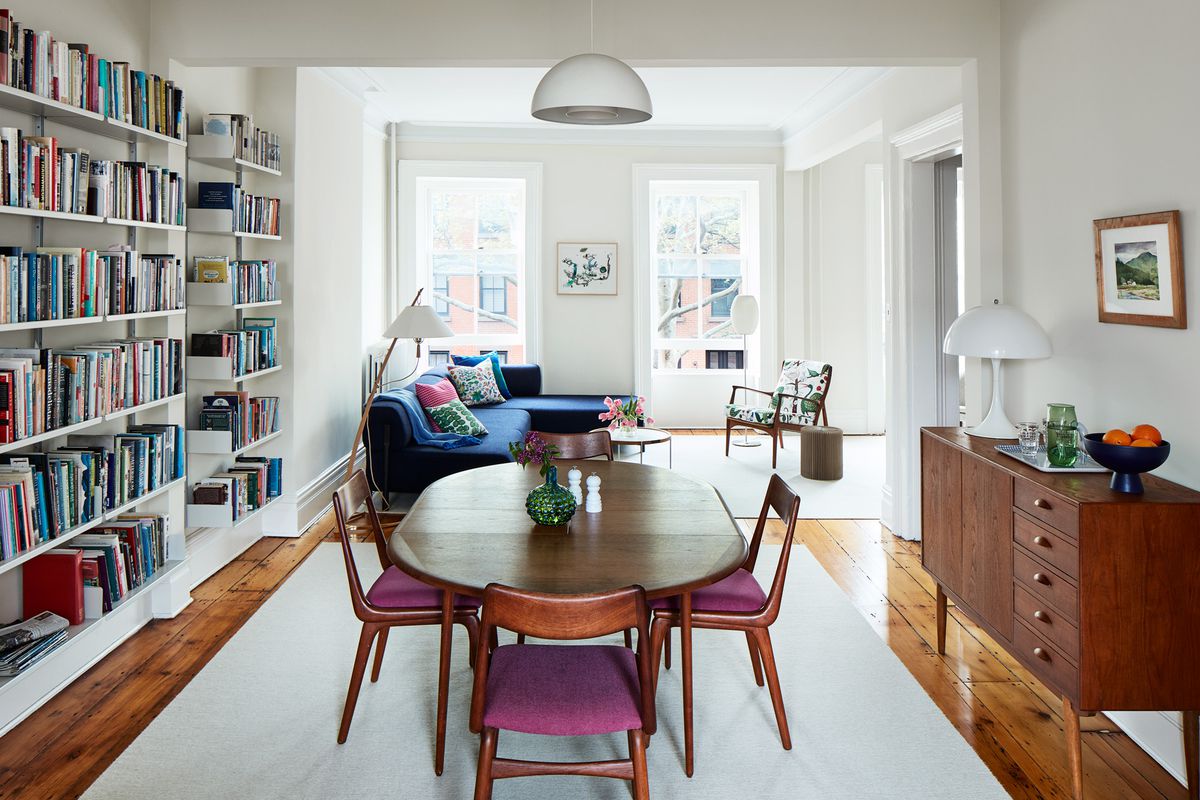
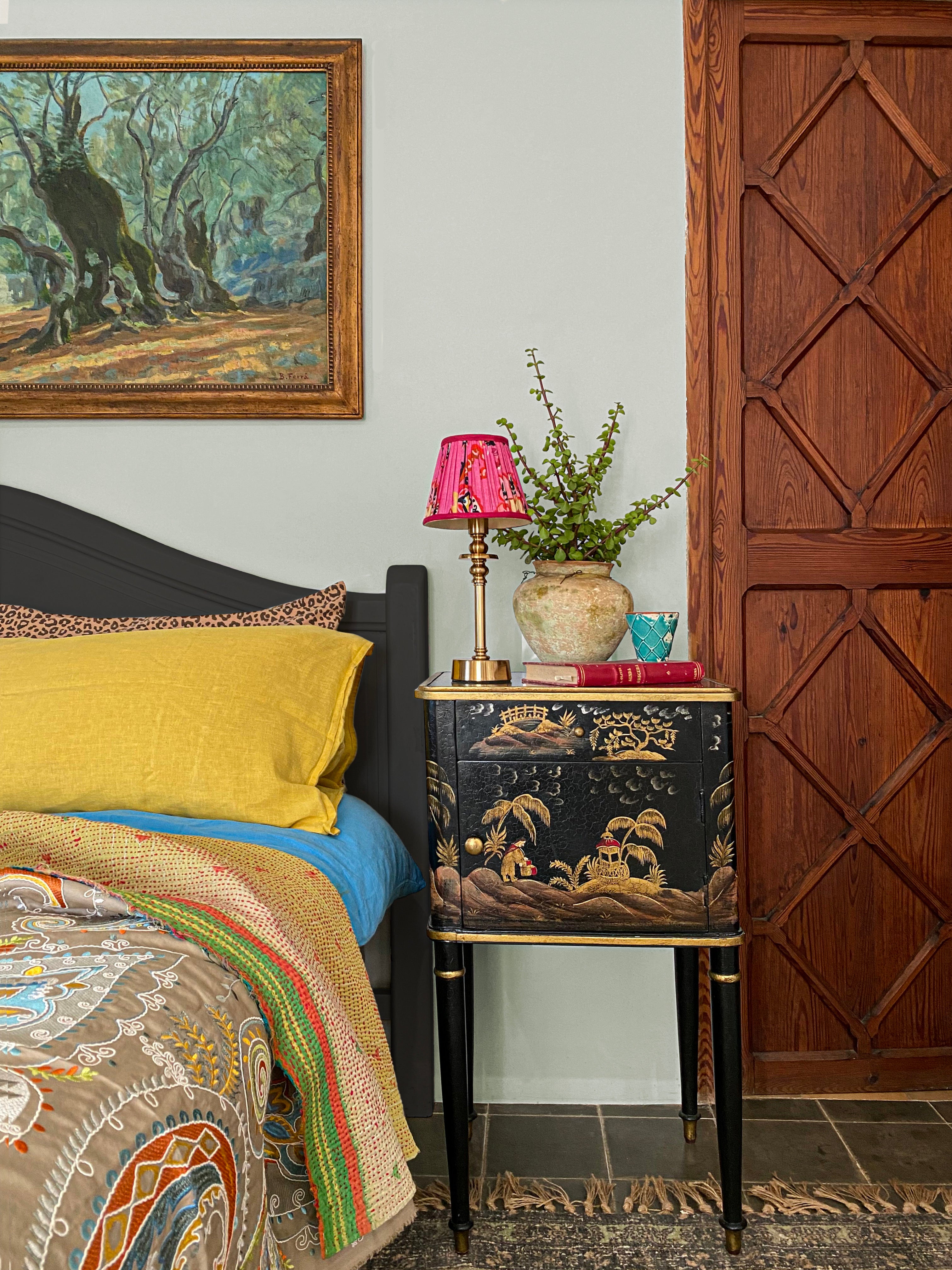
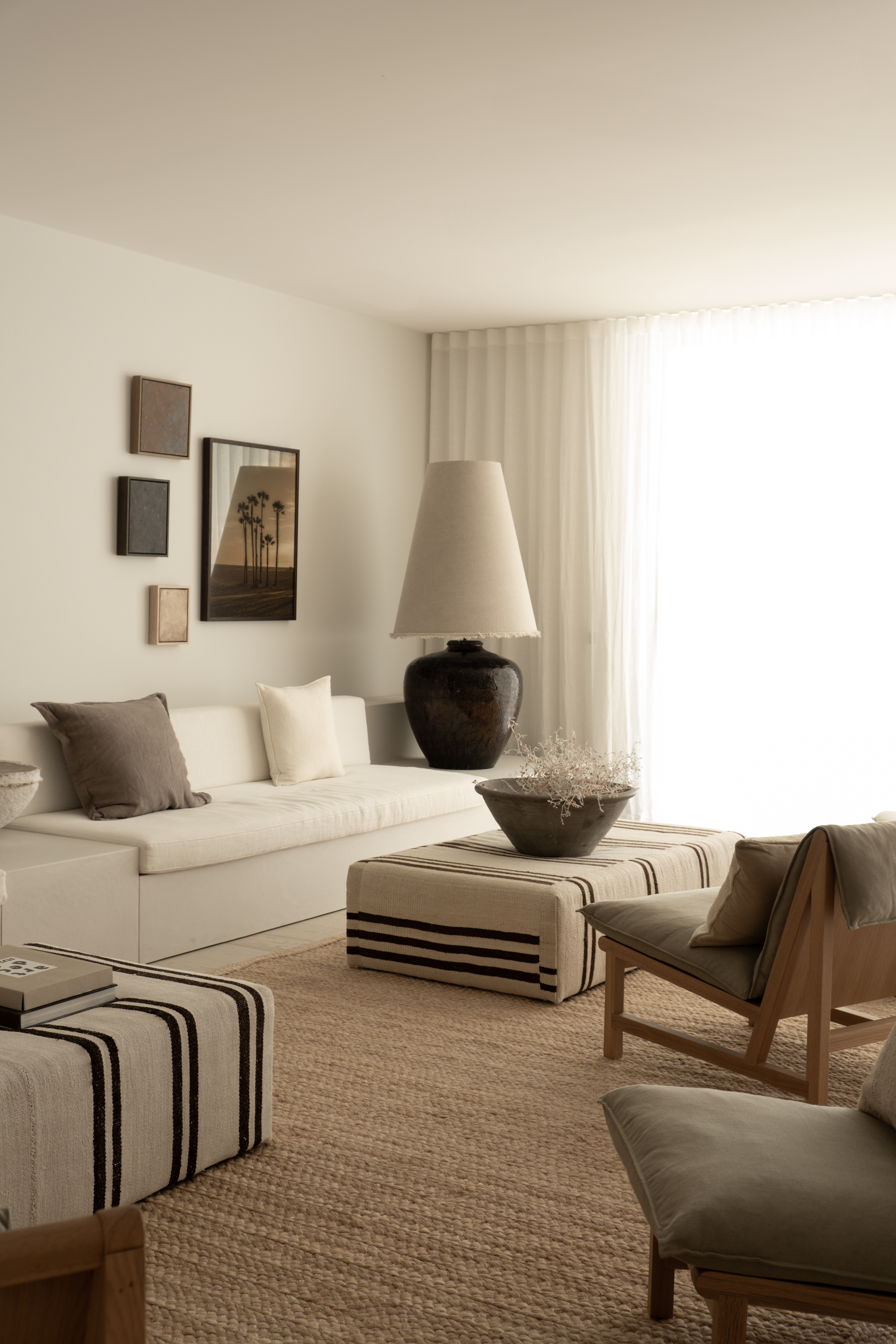
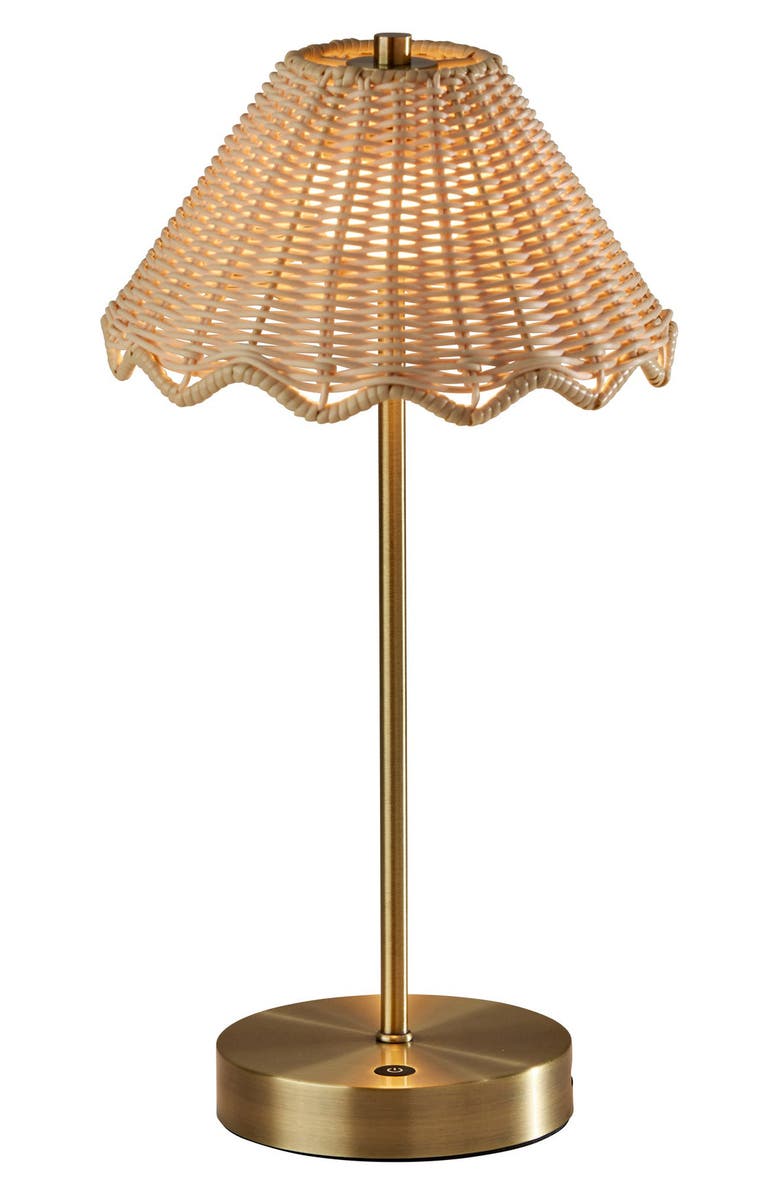
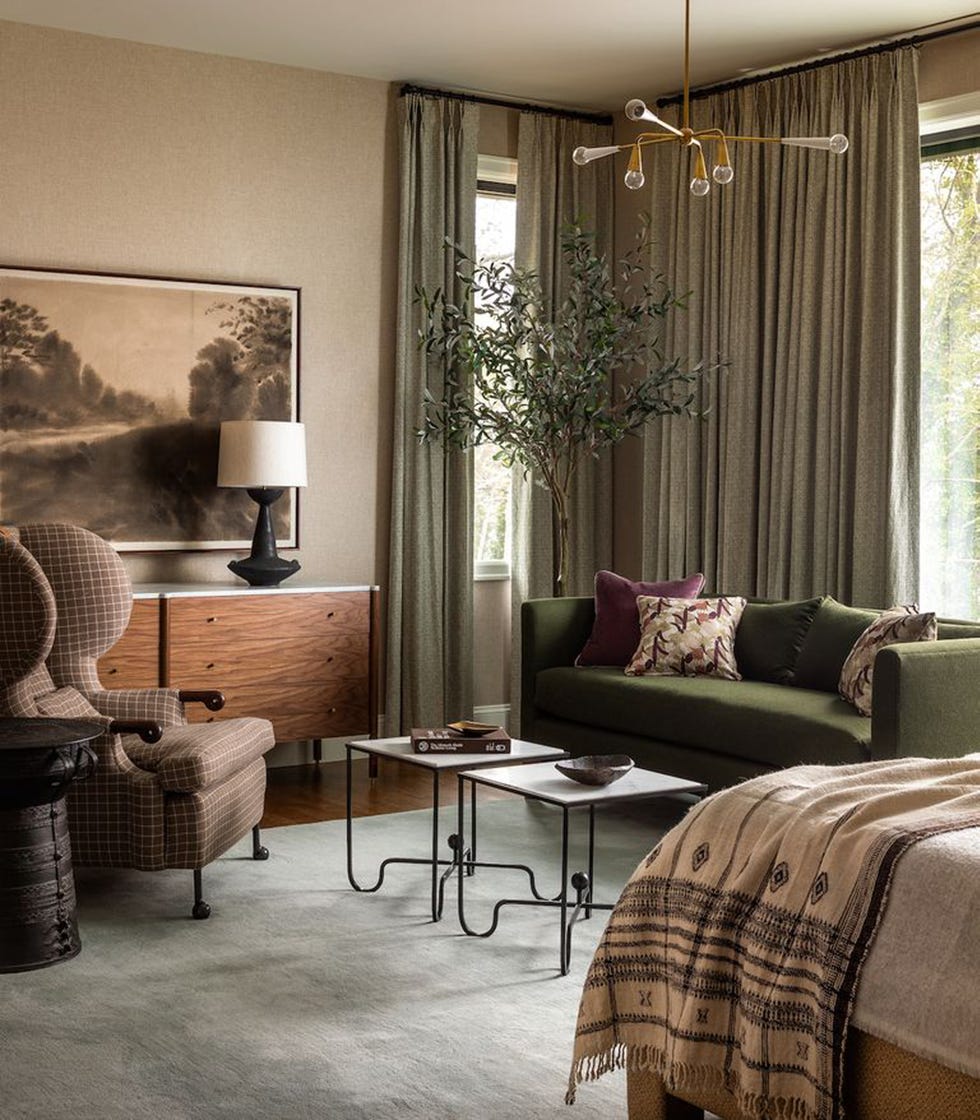
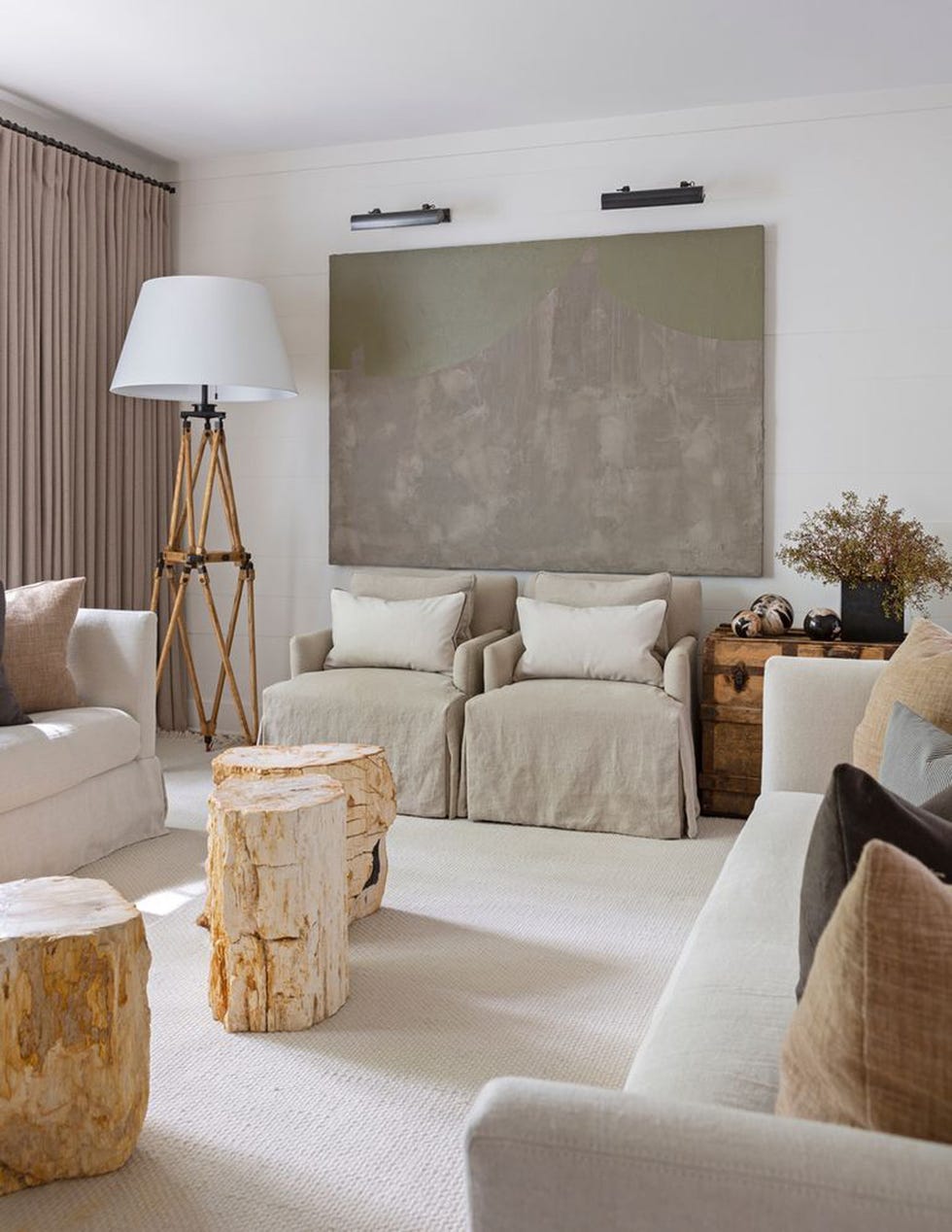
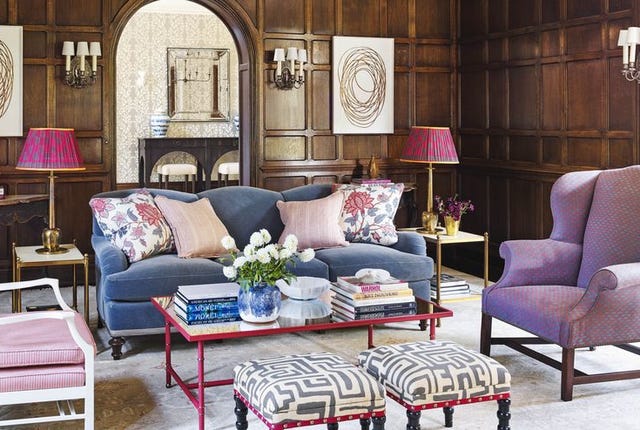
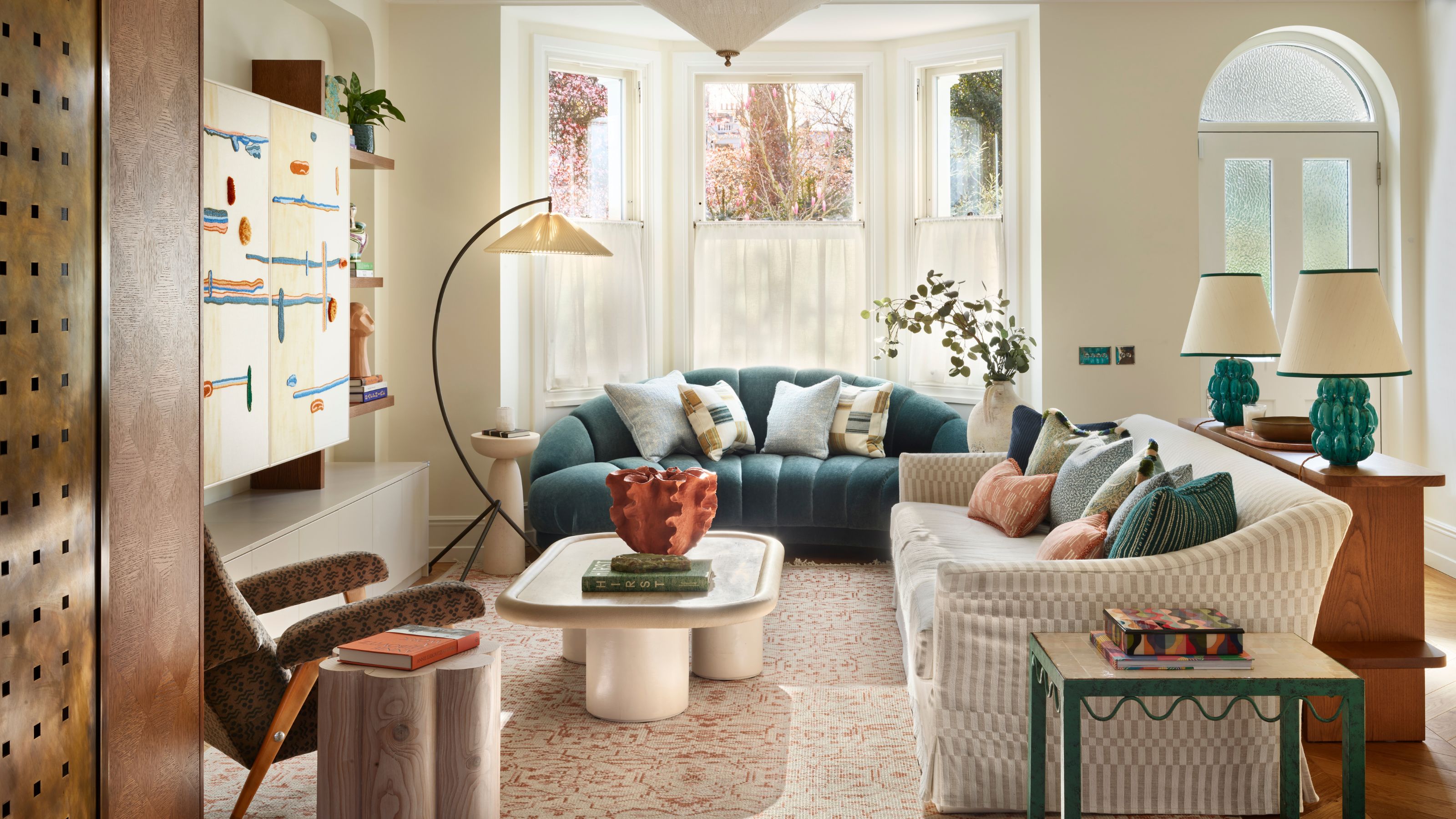
Lamps and lampshades are integral to a layered lighting scheme, providing light to dark corners and serving practical functions, such as over reading chairs. Investing in good lamps and shades is encouraged, as they are considered key decorative elements. When selecting lampshades, attention to scale is important, and drawing the shape or using a temporary paper shade can help visualize the fit. Shades that subtly echo other room colors or fabrics can create harmony. Designers advise against knife-pleated lampshades, suggesting card ones instead, with the option to paint the inside pink for a more flattering glow. For side tables, tall lamp bases (around 45cm) are recommended to prevent light from being confined to the tabletop and to elevate the eye line, making the room feel larger. Proportions should still be considered to avoid overwhelming the space.
The technical aspects of lighting, such as bulb choice and light levels, are equally important. Changing light bulbs according to the season can significantly impact a room's atmosphere, with higher wattage bulbs for task lighting and lower wattage, soft-light bulbs (no more than 40 watts) for ambiance in lamps. The color temperature, measured in kelvins, should be consistent within a room, with lower kelvin numbers (warmer, more orange light) favored for a cozy winter feel. Finally, the use of a 5-amp circuit is essential for schemes with multiple lamps, allowing all table and floor lamps to be controlled by a single switch, facilitating easy mood adjustment. Candles, spaced out rather than grouped, are also endorsed for adding warmth and flattering light.
#HomeLighting #InteriorDesign #LightingScheme #WallLights #Lampshades #AtmosphericLighting #HomeDecor #DesignTips #ElectricalFixtures #HomeLighting #InteriorDesign #LightingScheme #WallLights #Lampshades #AtmosphericLighting #HomeDecor #DesignTips #ElectricalFixtures
0 ความคิดเห็นรวม
 ยังไม่มีความคิดเห็น
คุณอาจจะชอบอีกด้วย
An interior designer’s guide to lighting your home

How to brighten any room in your home — 5 tips from a lighting expert

As clocks go back, expert lighting tips to get you through the darker months
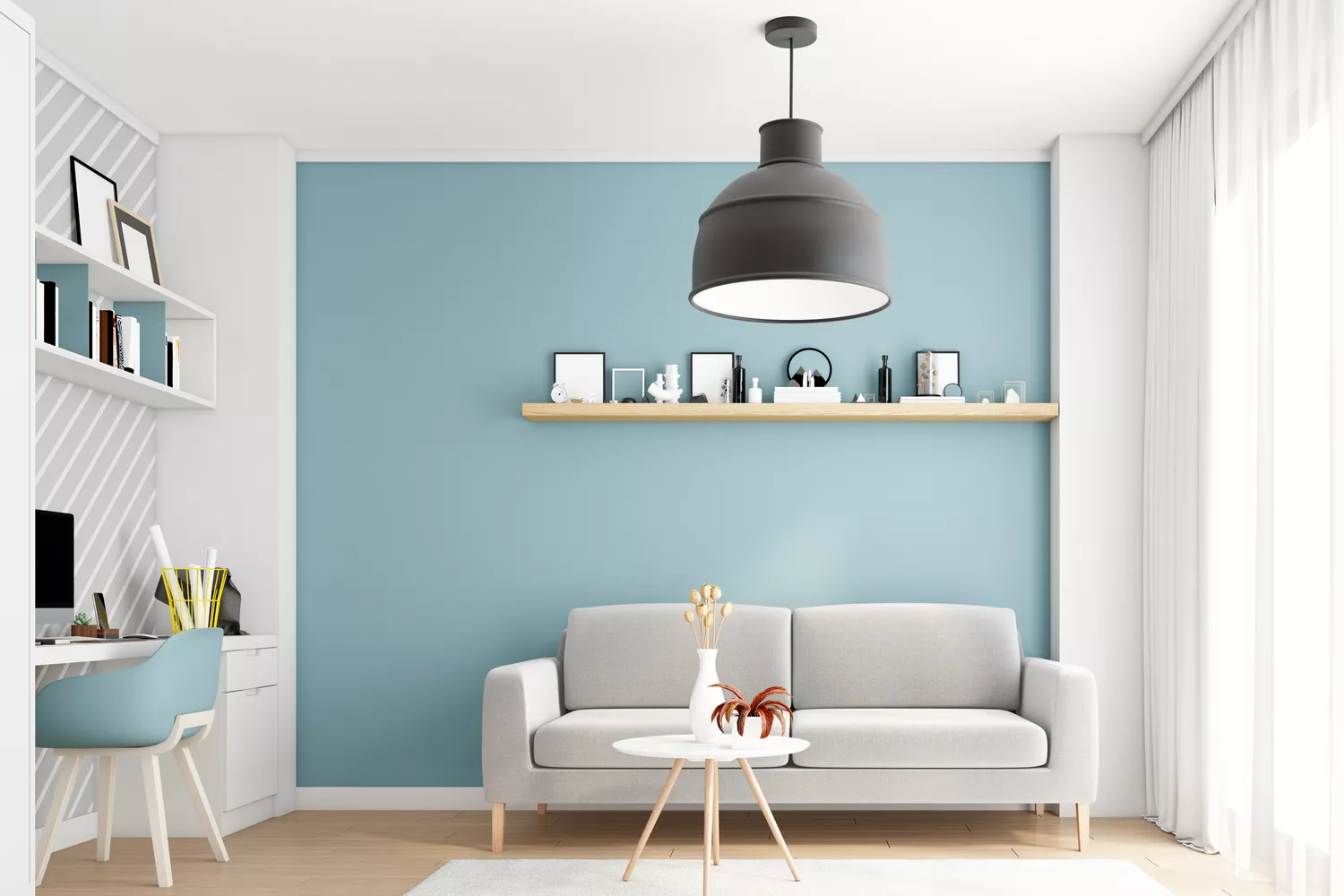
6 Lighting Mistakes That Are Ruining the Mood in Your Home—and How to Fix Them

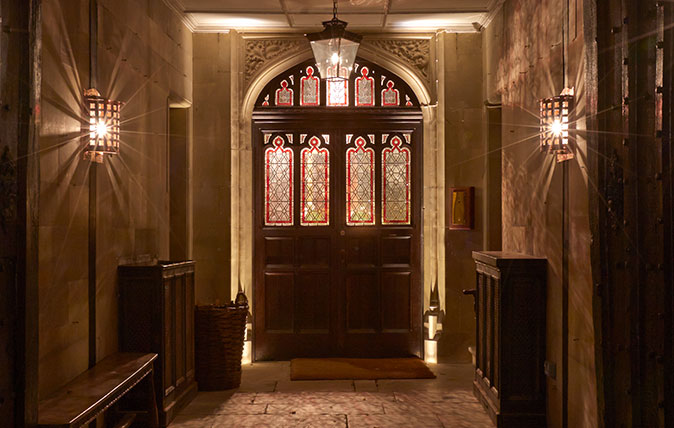
Get your home's lighting just right: Seven questions answered
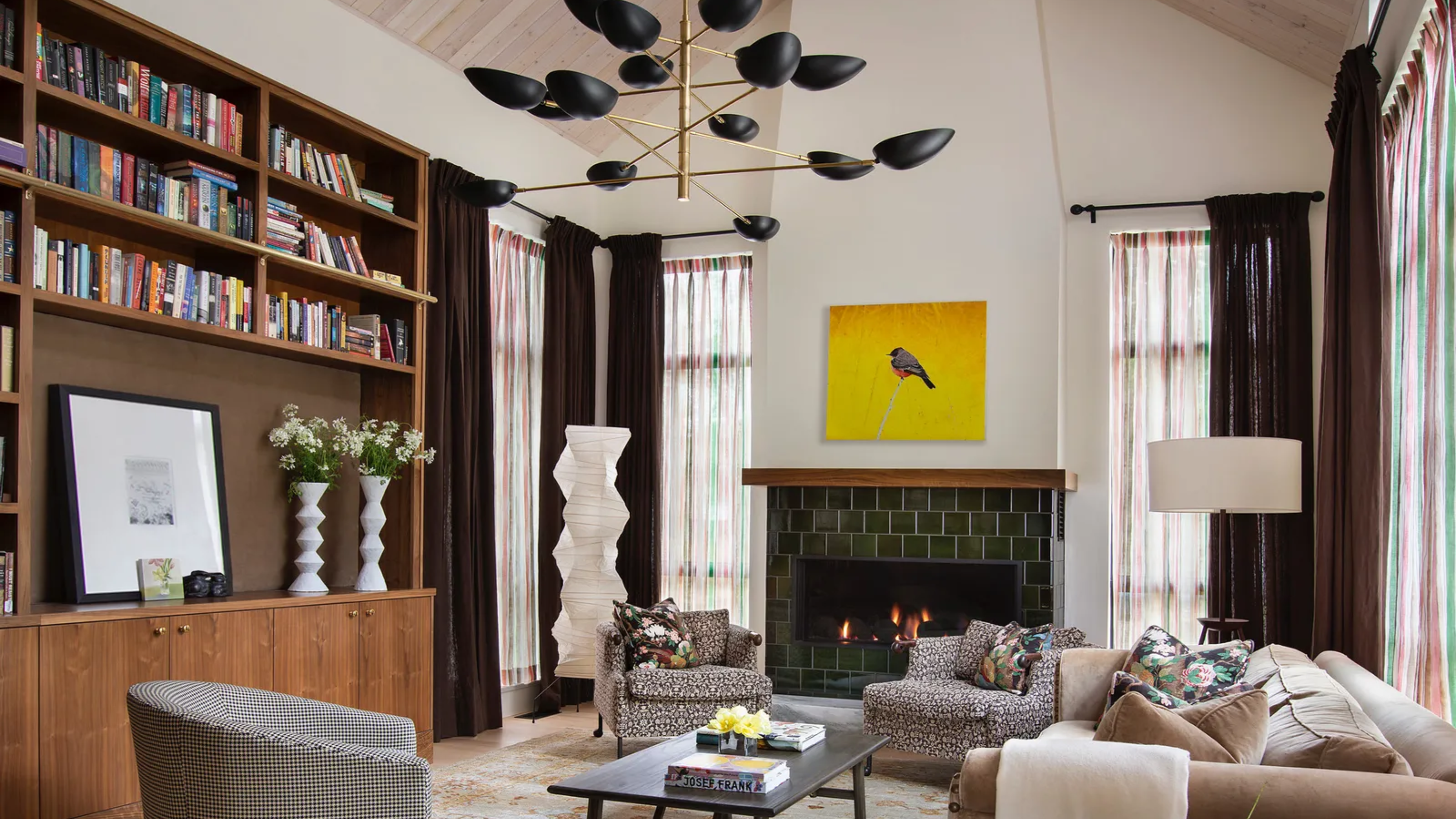
5 Types of Lighting Designers Would Never Use —They're Harsh and Unflattering and Here's Why

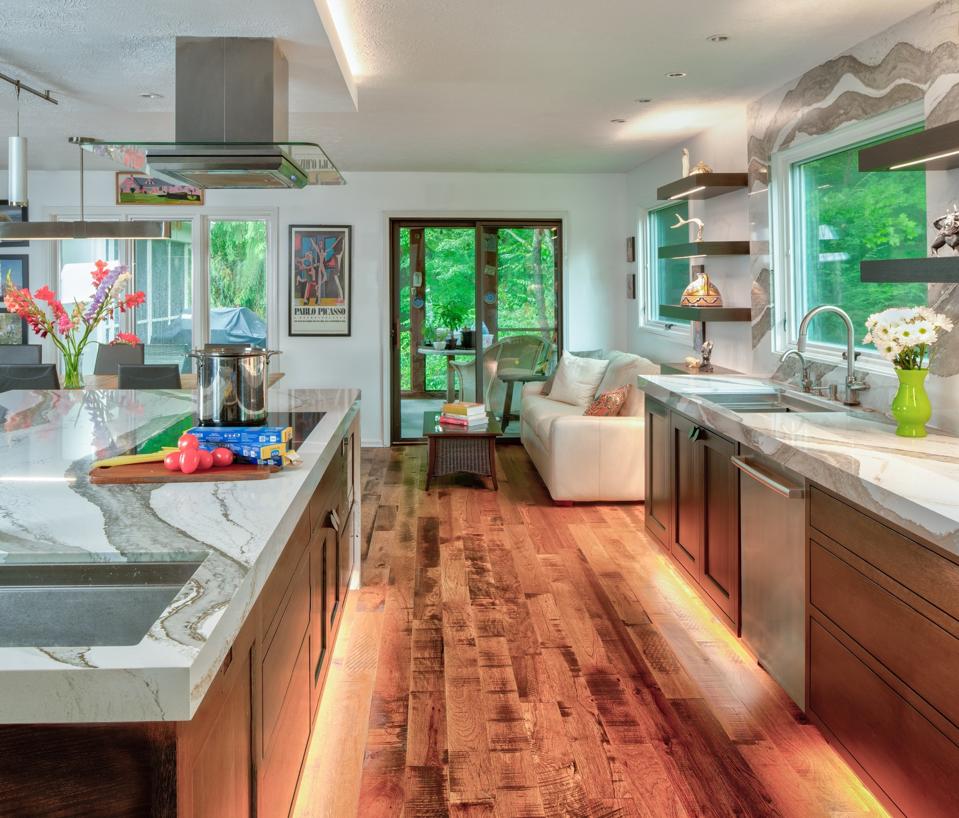
What Design Pros Need You To Know About Lighting Your Home Today

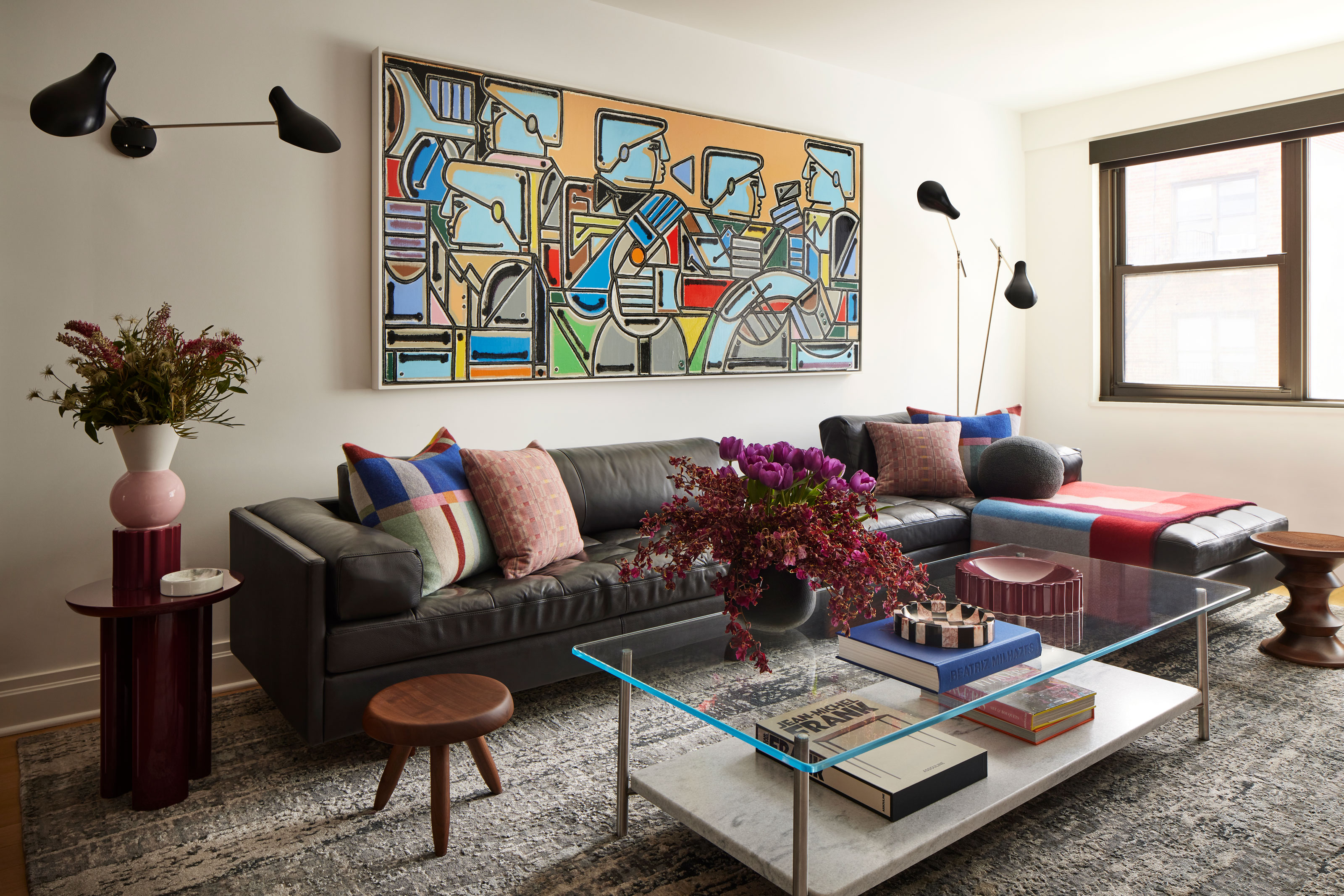
Forget the Ceiling Light — These Are the 5 Ways You Should Be Lighting Your Living Room
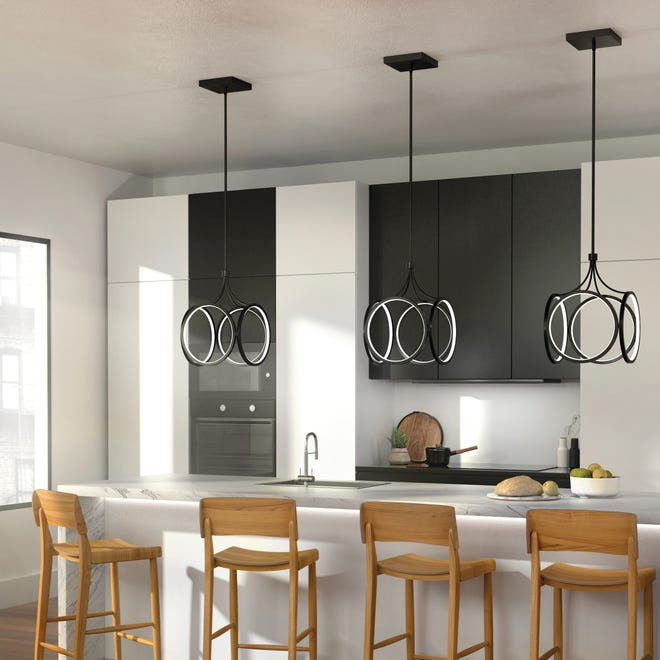
Homestyle: Lighting the way
How to Light Your Home So Even the Overhead Haters Are Happy

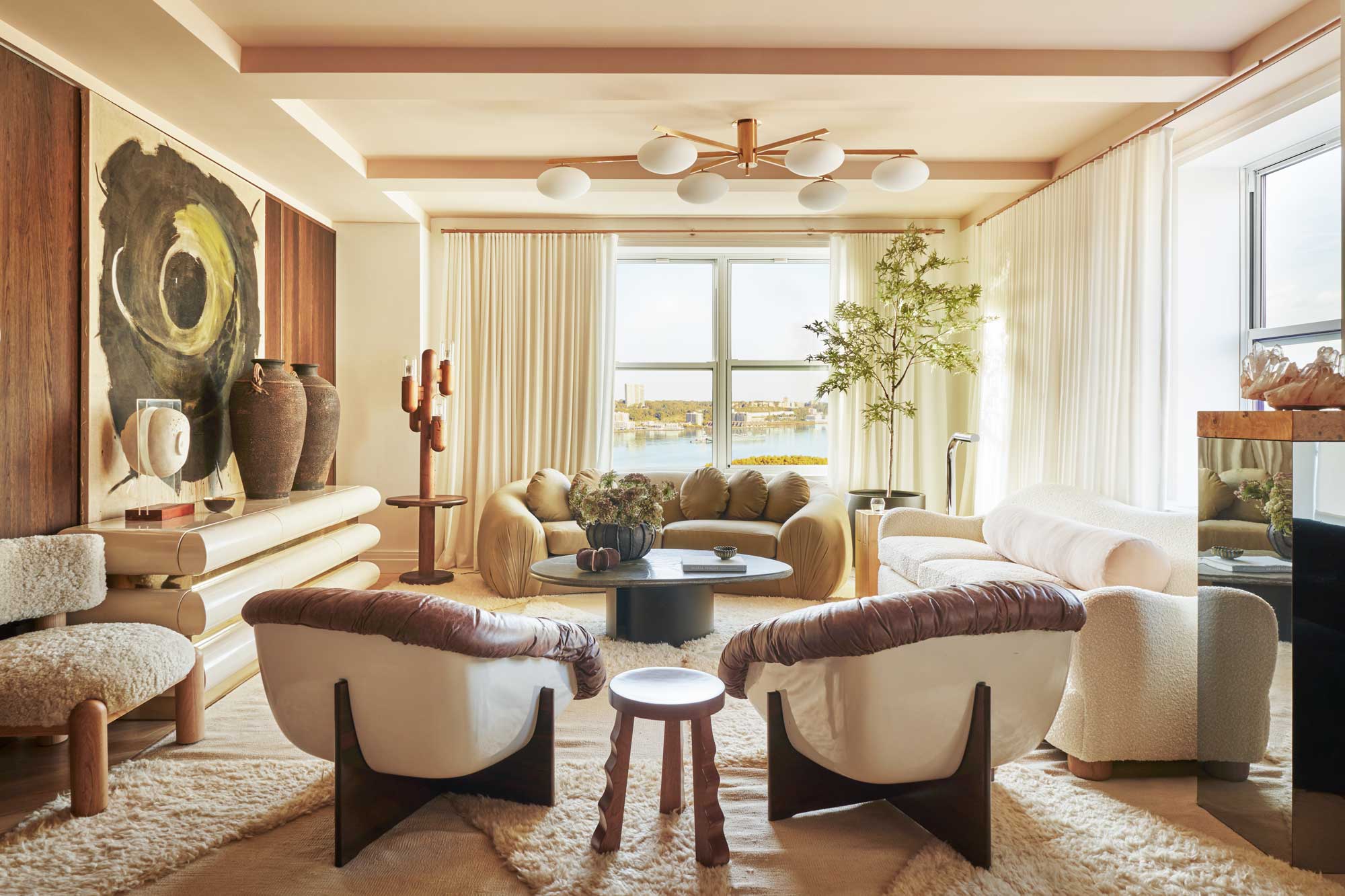
7 Common Living Room Lighting Mistakes to Avoid at all Costs
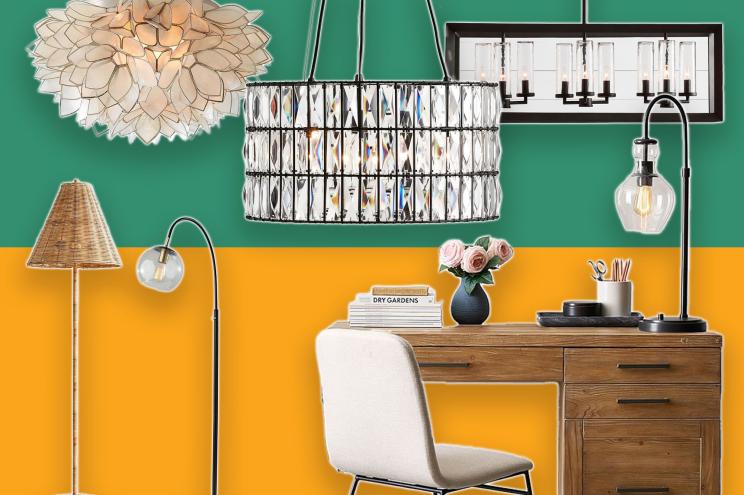
The 18 best places to buy light fixtures, with expert recommendations
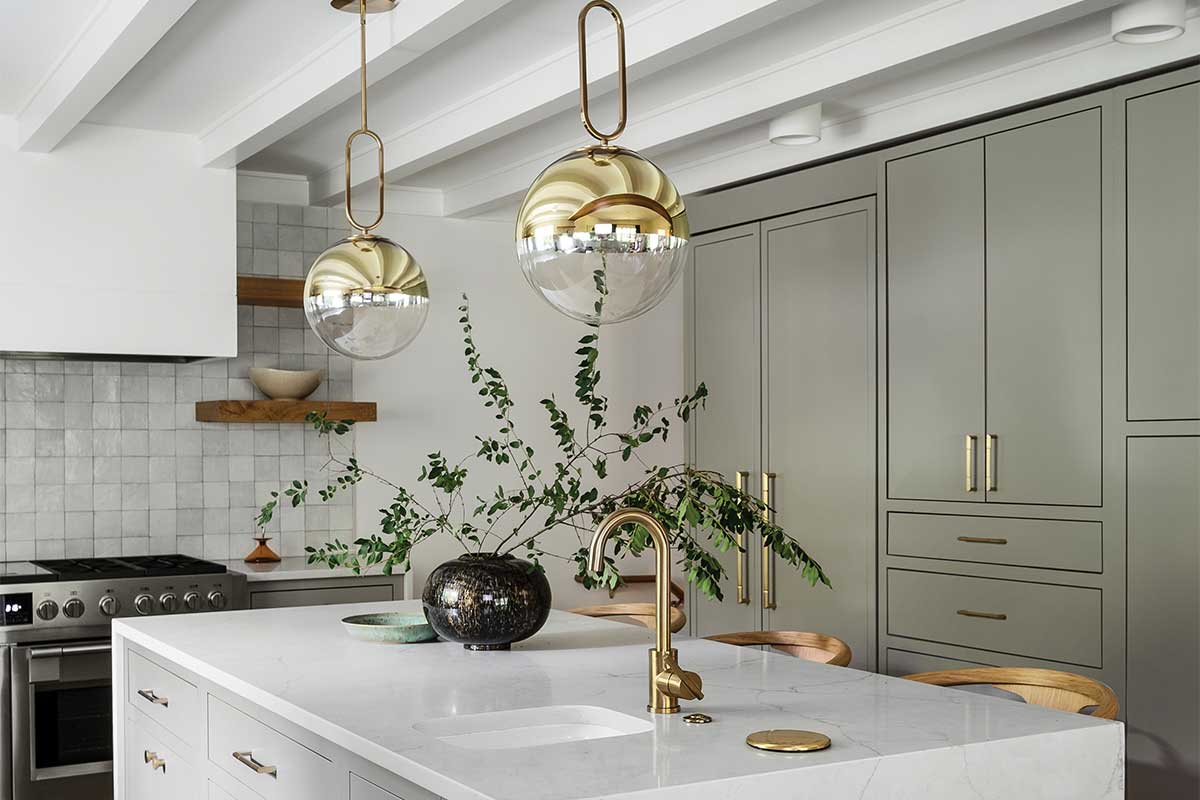
What You Need to Know About Lighting Your Home, from an Expert
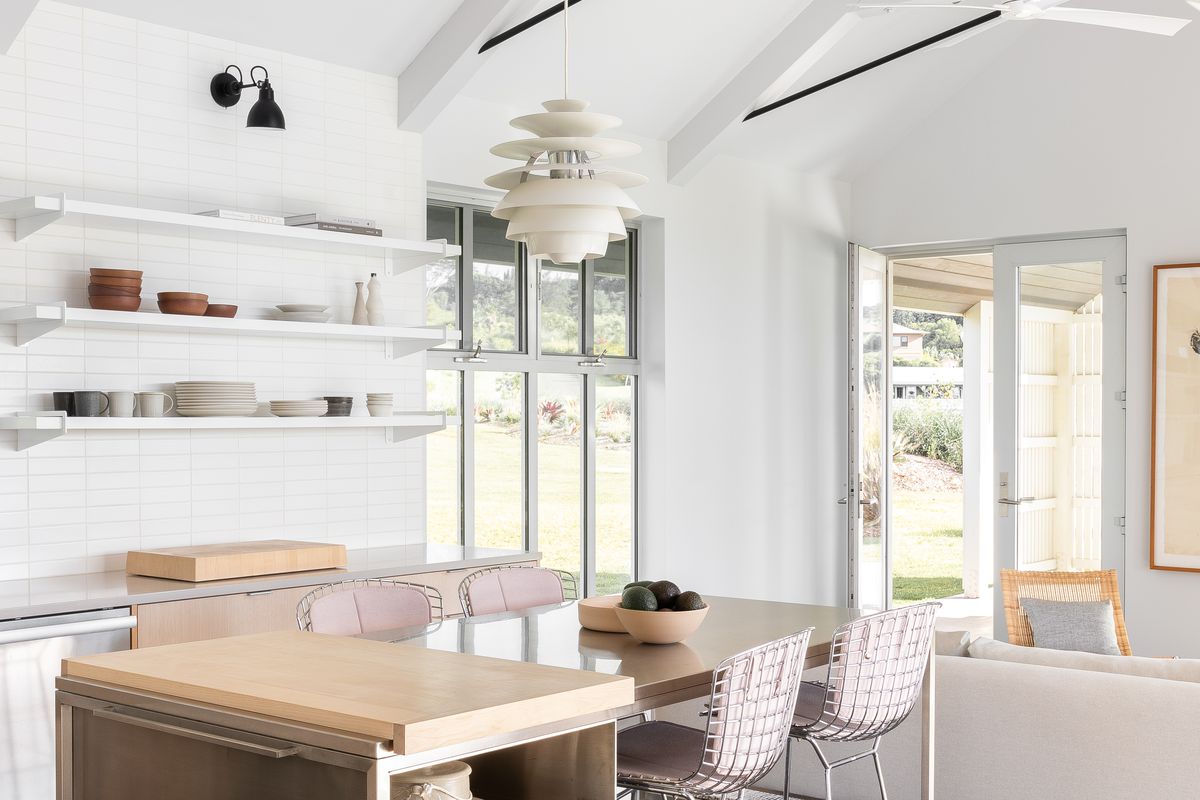
Pro tips to improve your home’s lighting—without an electrician
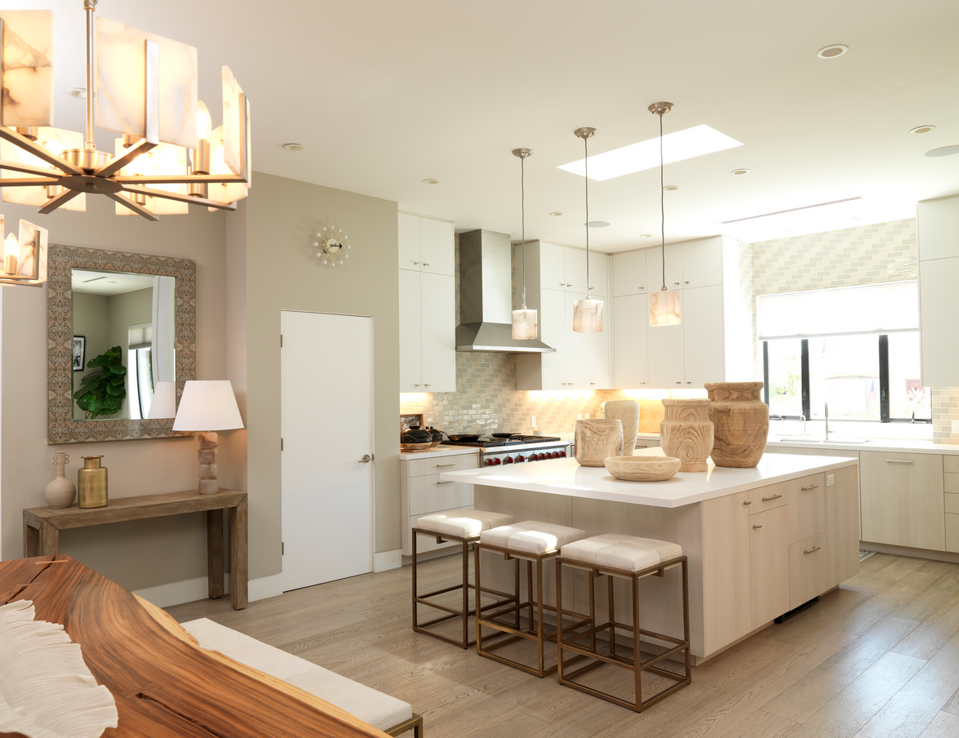
These Task, Accent, And Ambient Lighting Tips Can Transform Your Home
Designers Share Their Best Tips for Acing Ambience in the Living Room with Lighting
The best lighting for every room in the house

The Library: All the Basics You Need to Know About Lighting Before Starting Your Next Project, According to the Experts

Indoor Lights

10 Lighting Mistakes You Should Never Make—But Probably Are