1/8
Should you ever replace doors with curtains? I say yes, and asked designers when to make the switch
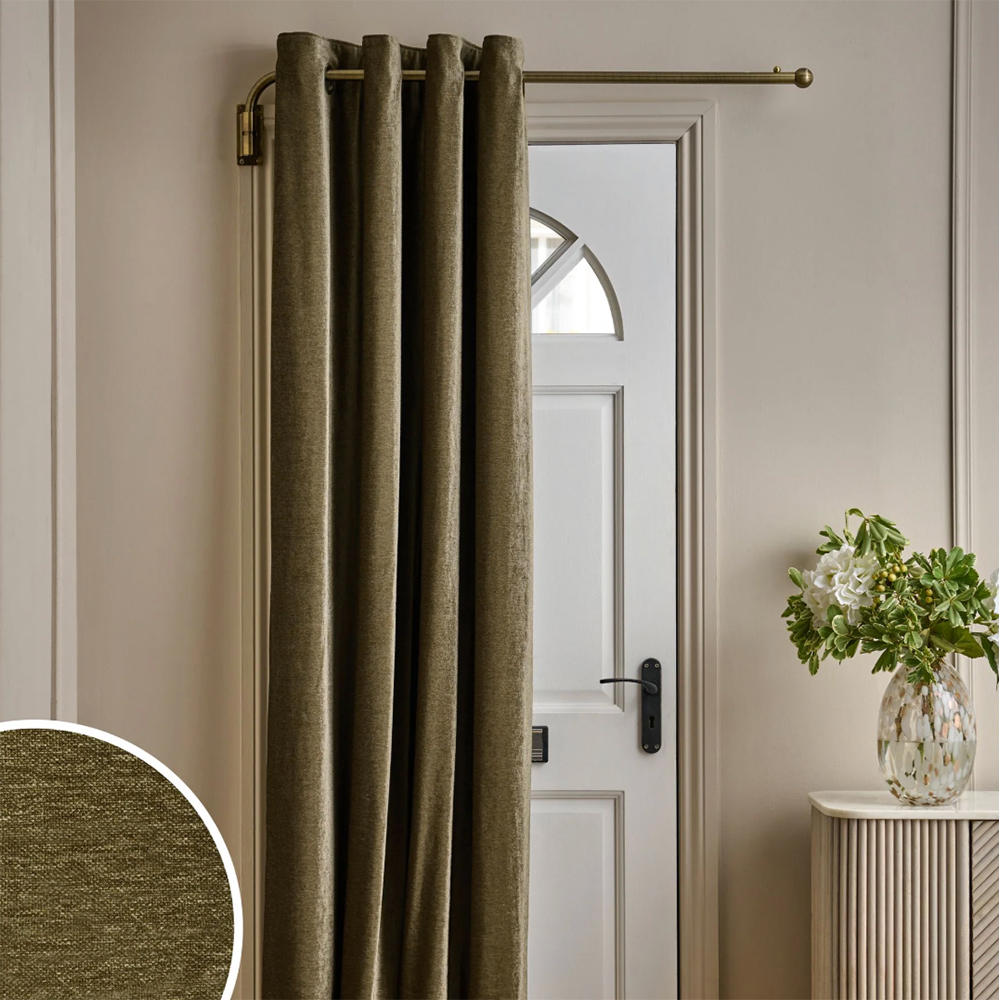
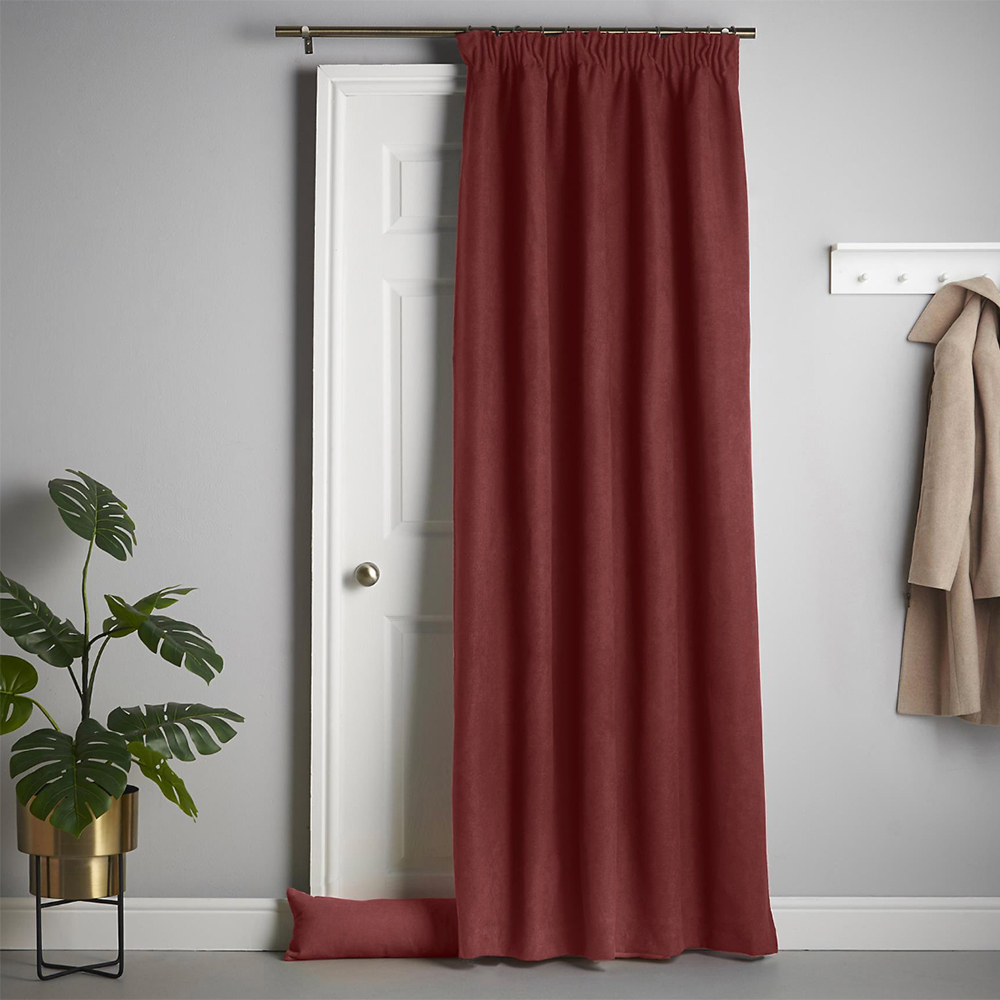
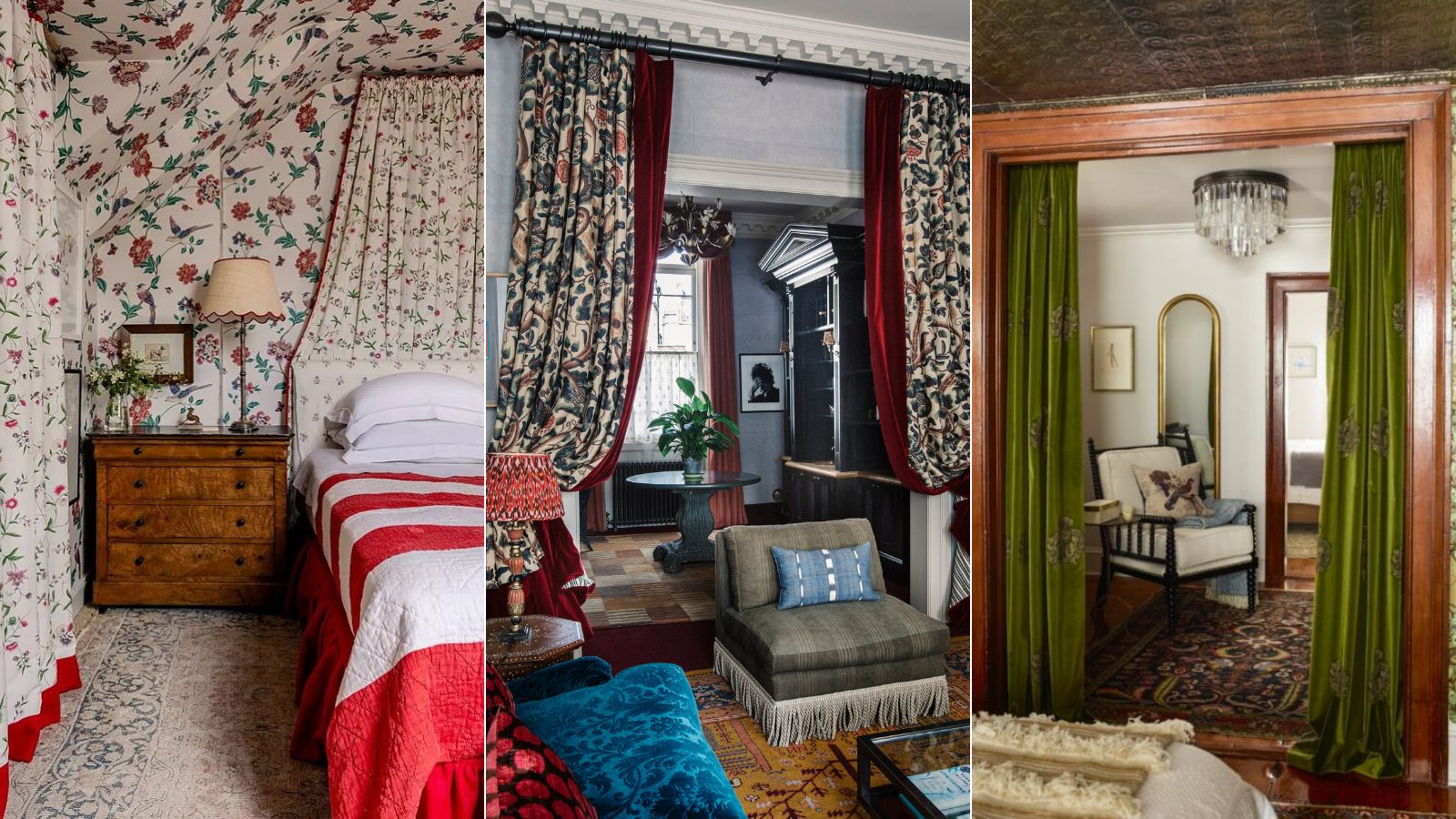
The decision to replace traditional doors with curtains in a home interior is explored, weighing aesthetic benefits against practical considerations. This trend offers a softer, more flexible approach to defining spaces compared to solid doors. While some designers embrace it as a means to achieve an open, airy feel and introduce texture, pattern, and color, others highlight potential drawbacks related to privacy, soundproofing, and thermal insulation.
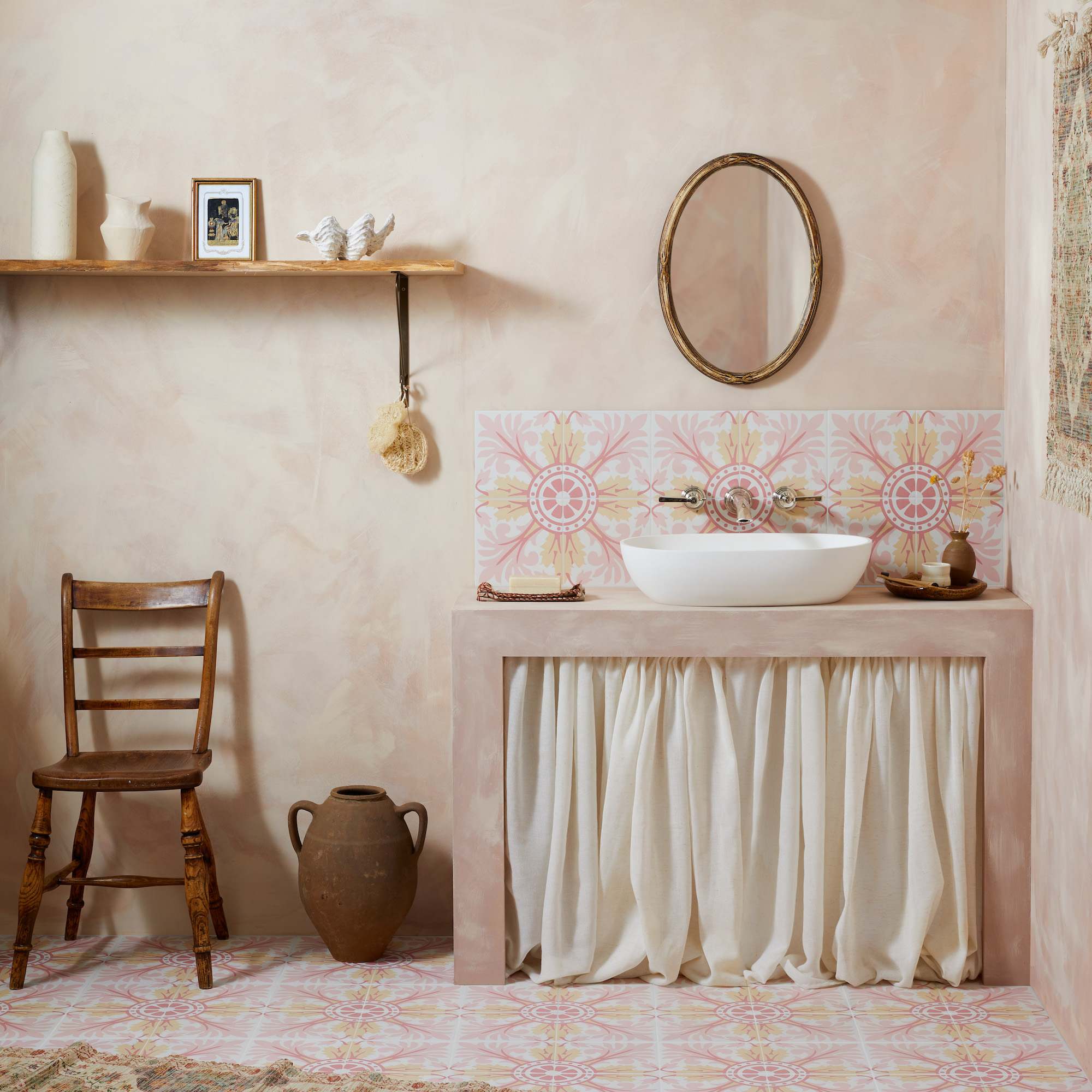
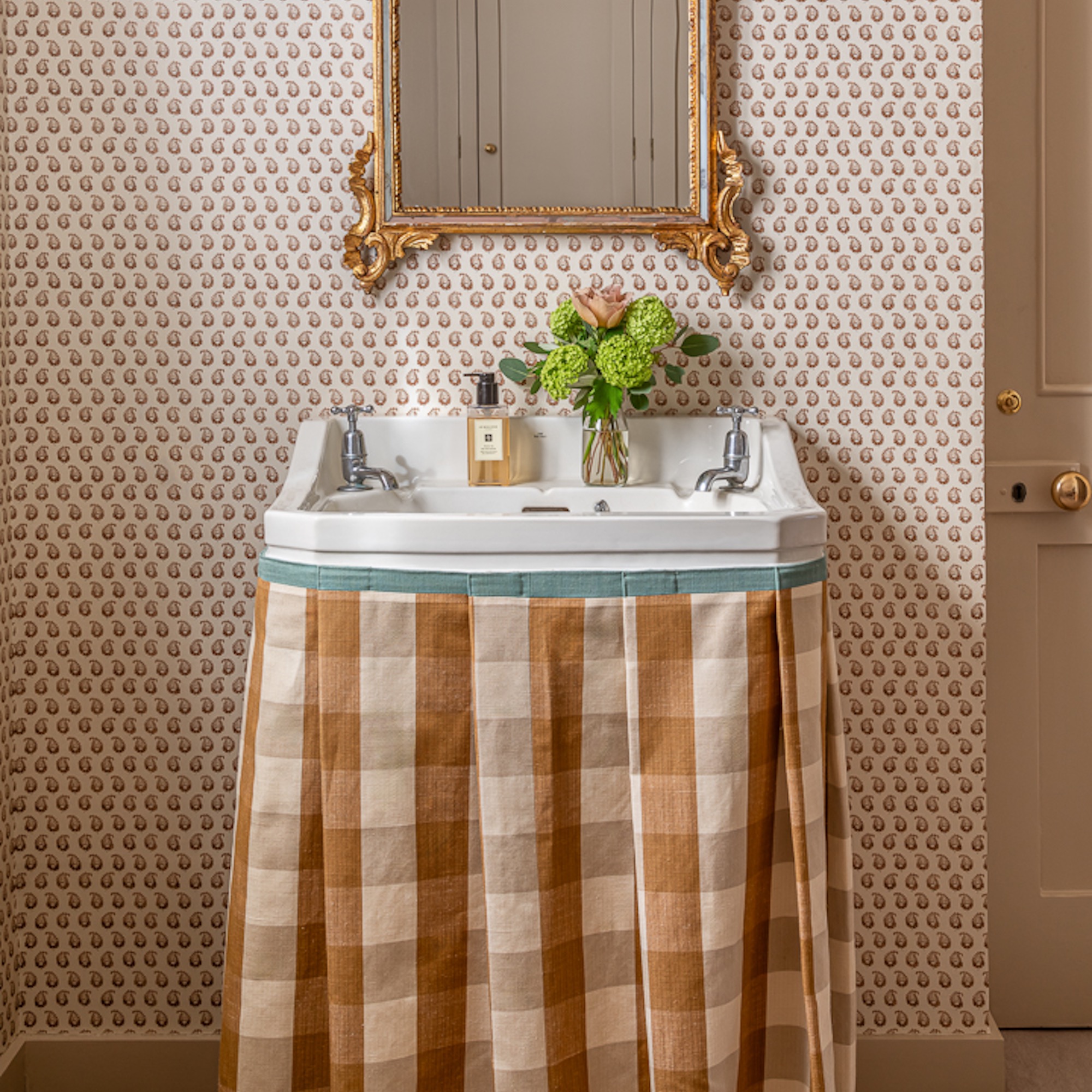
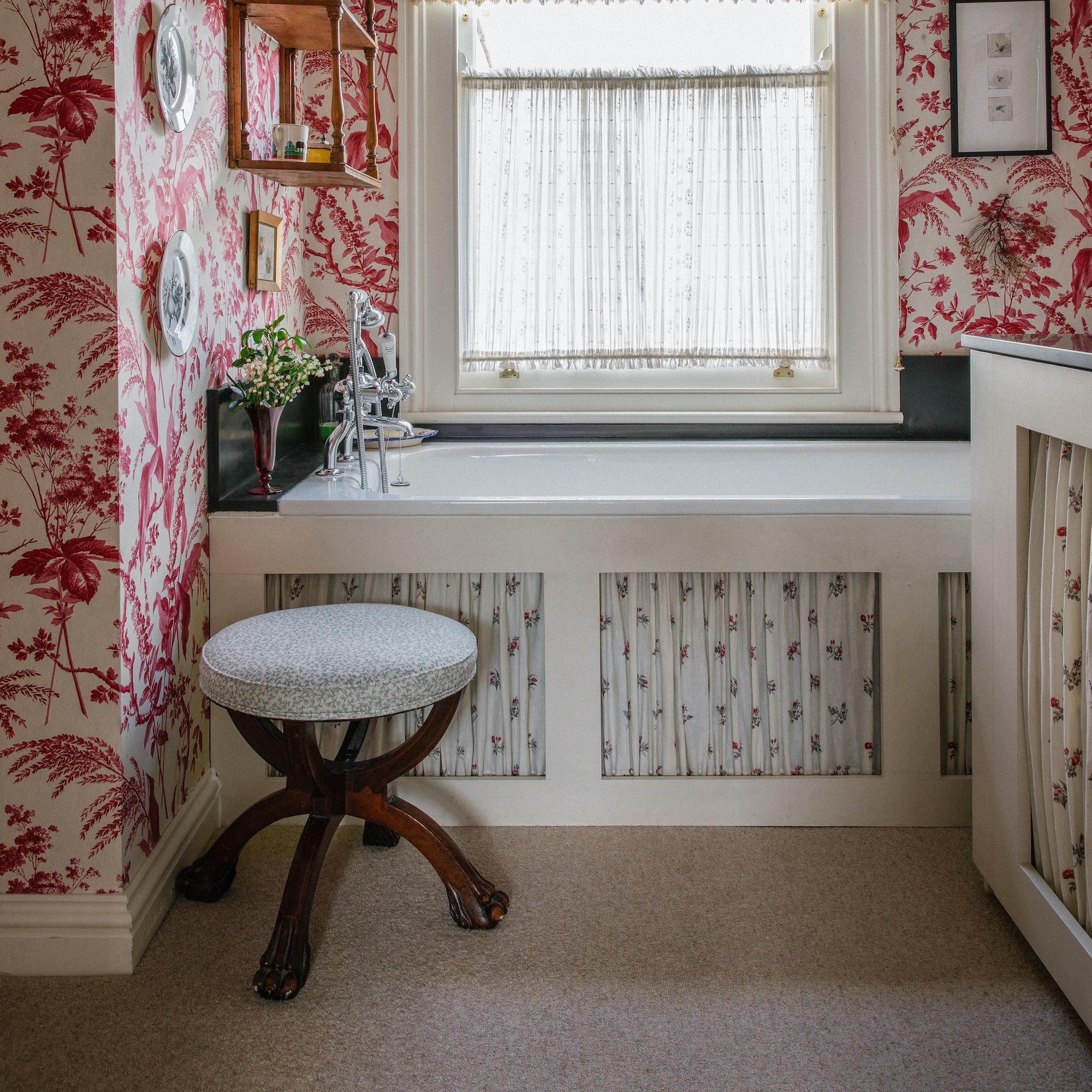
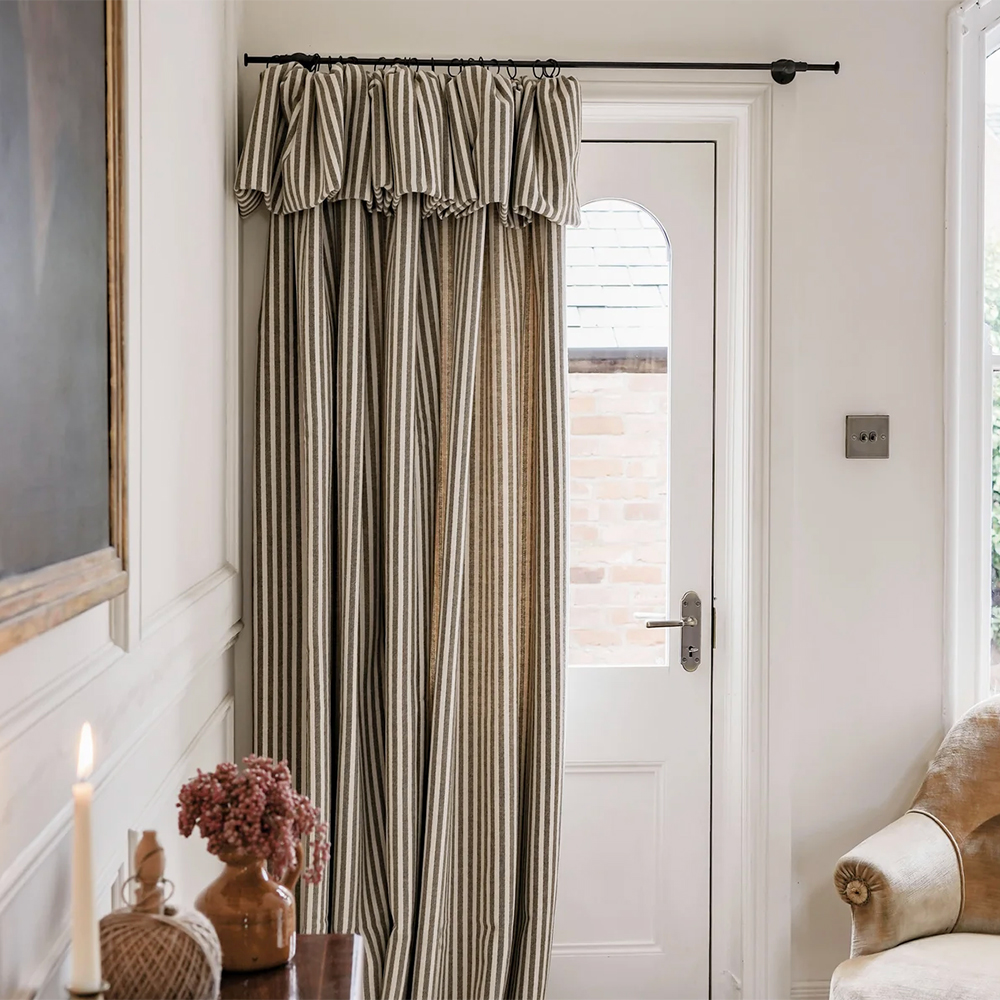
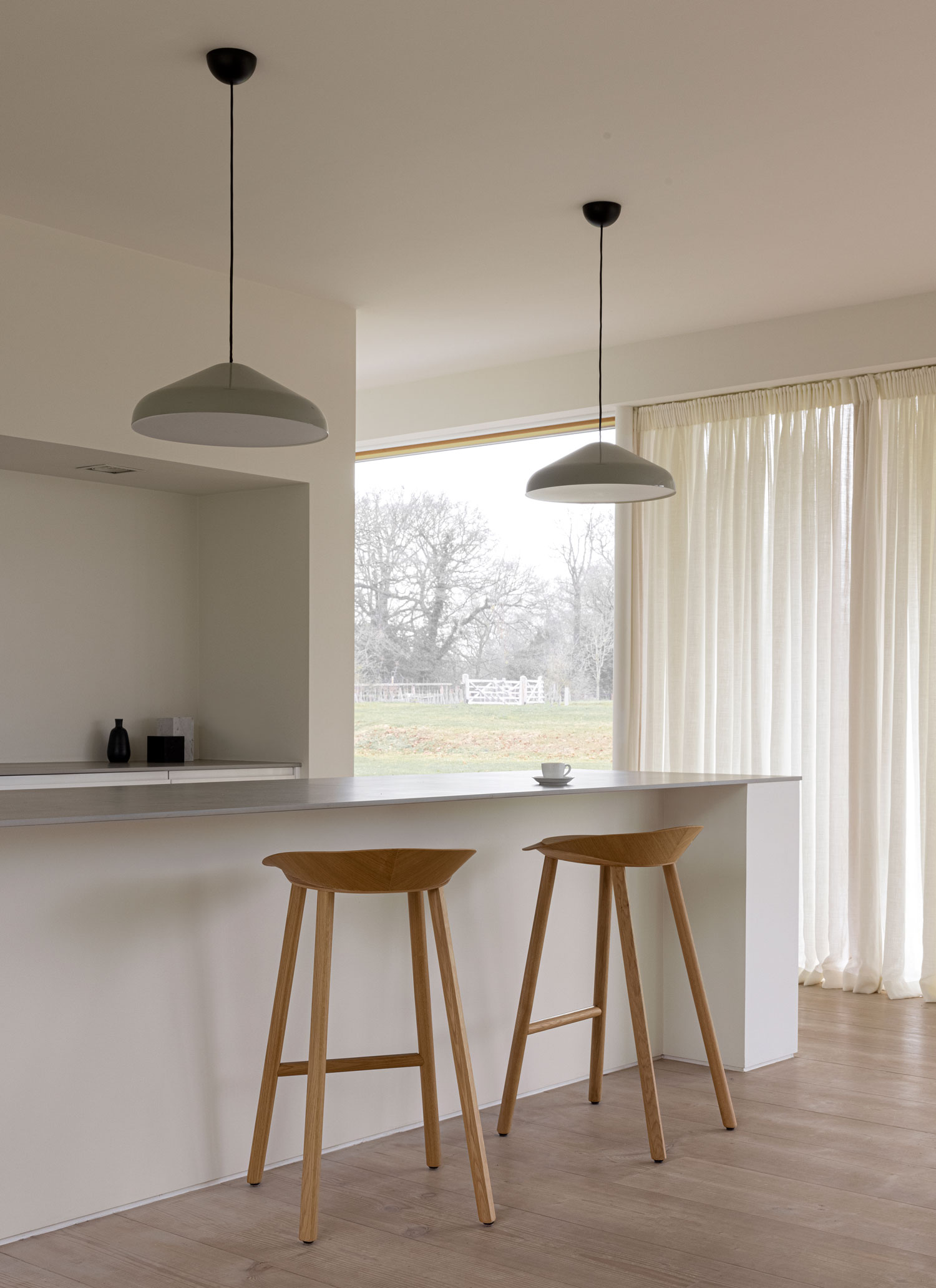
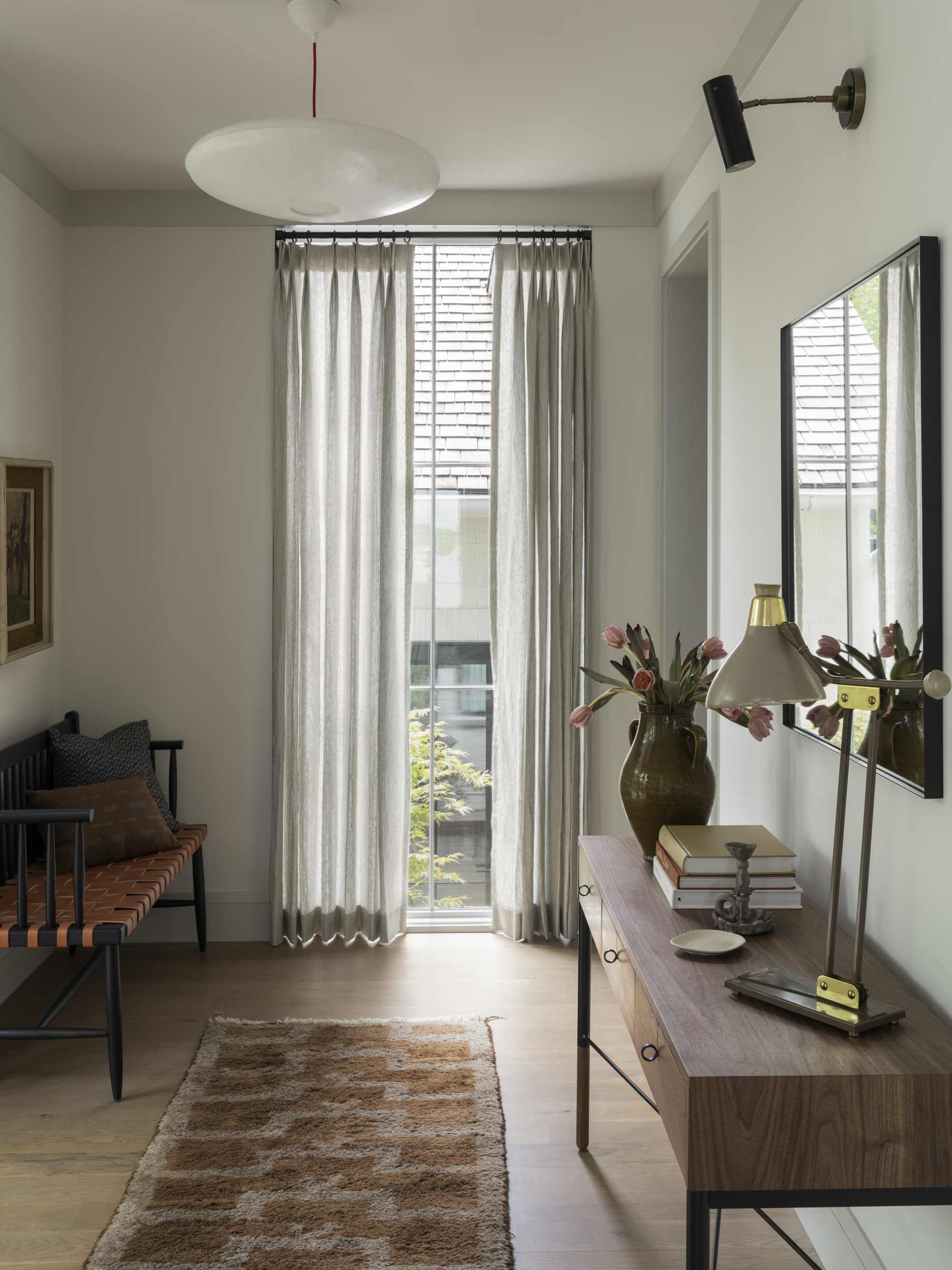
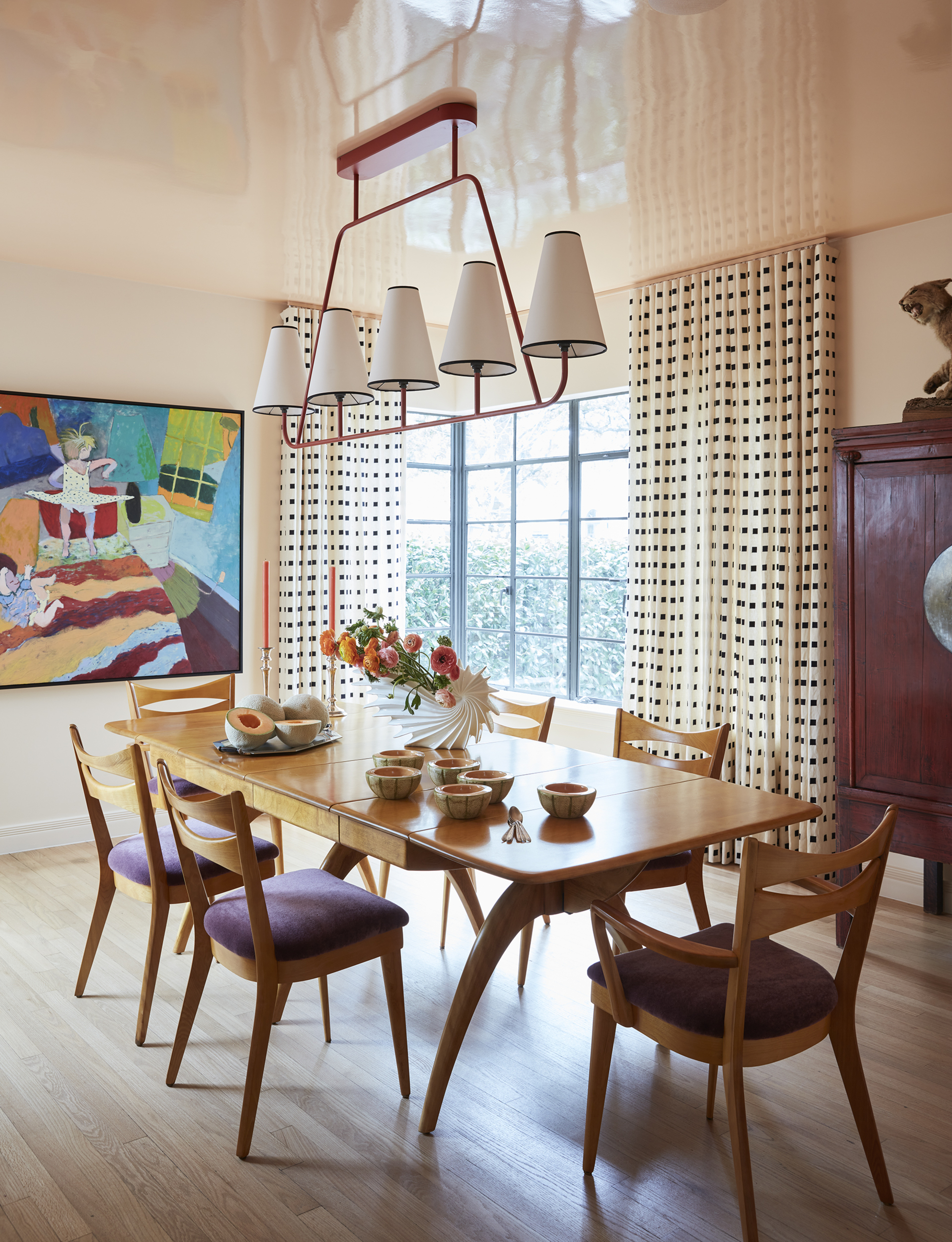
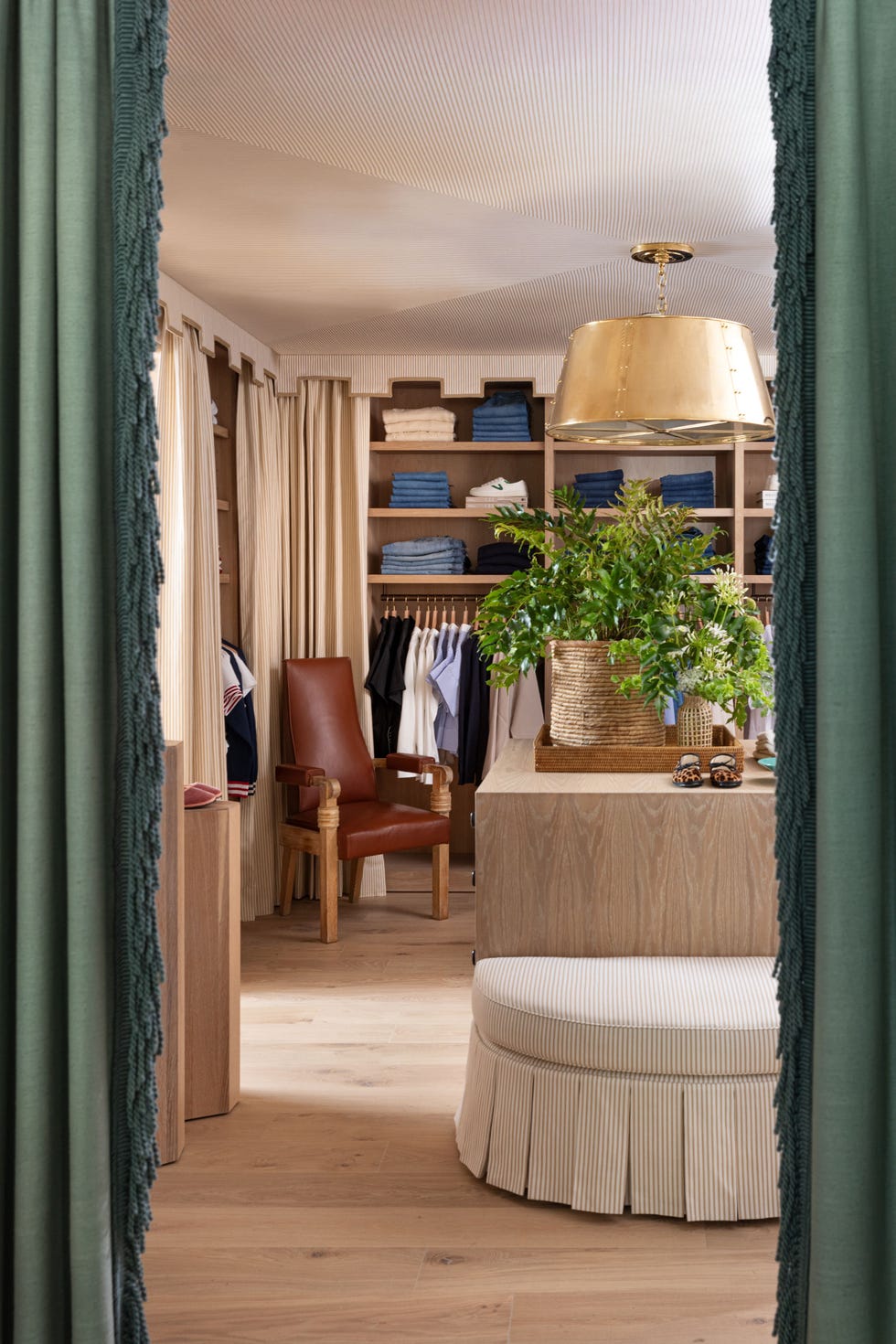
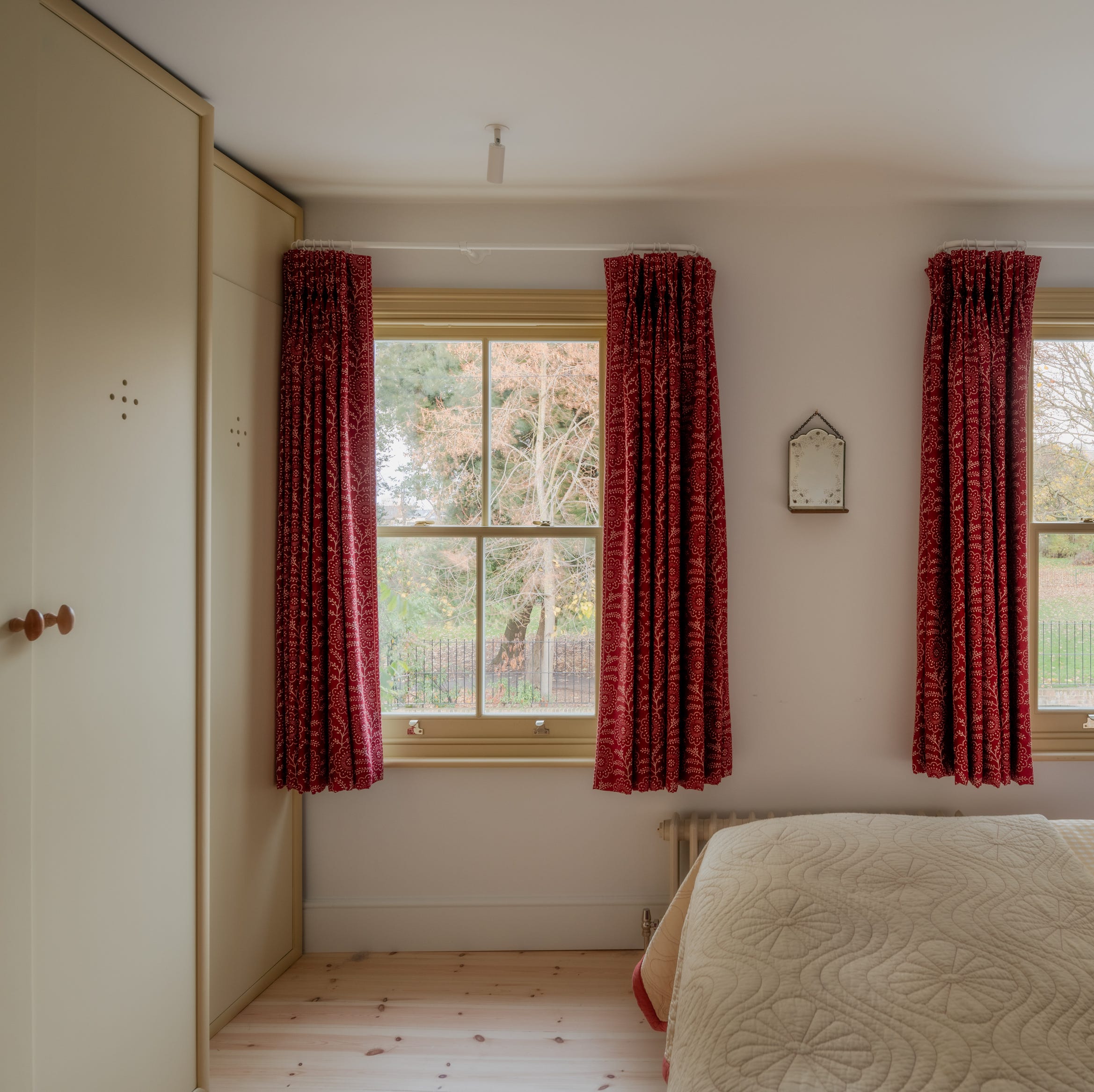
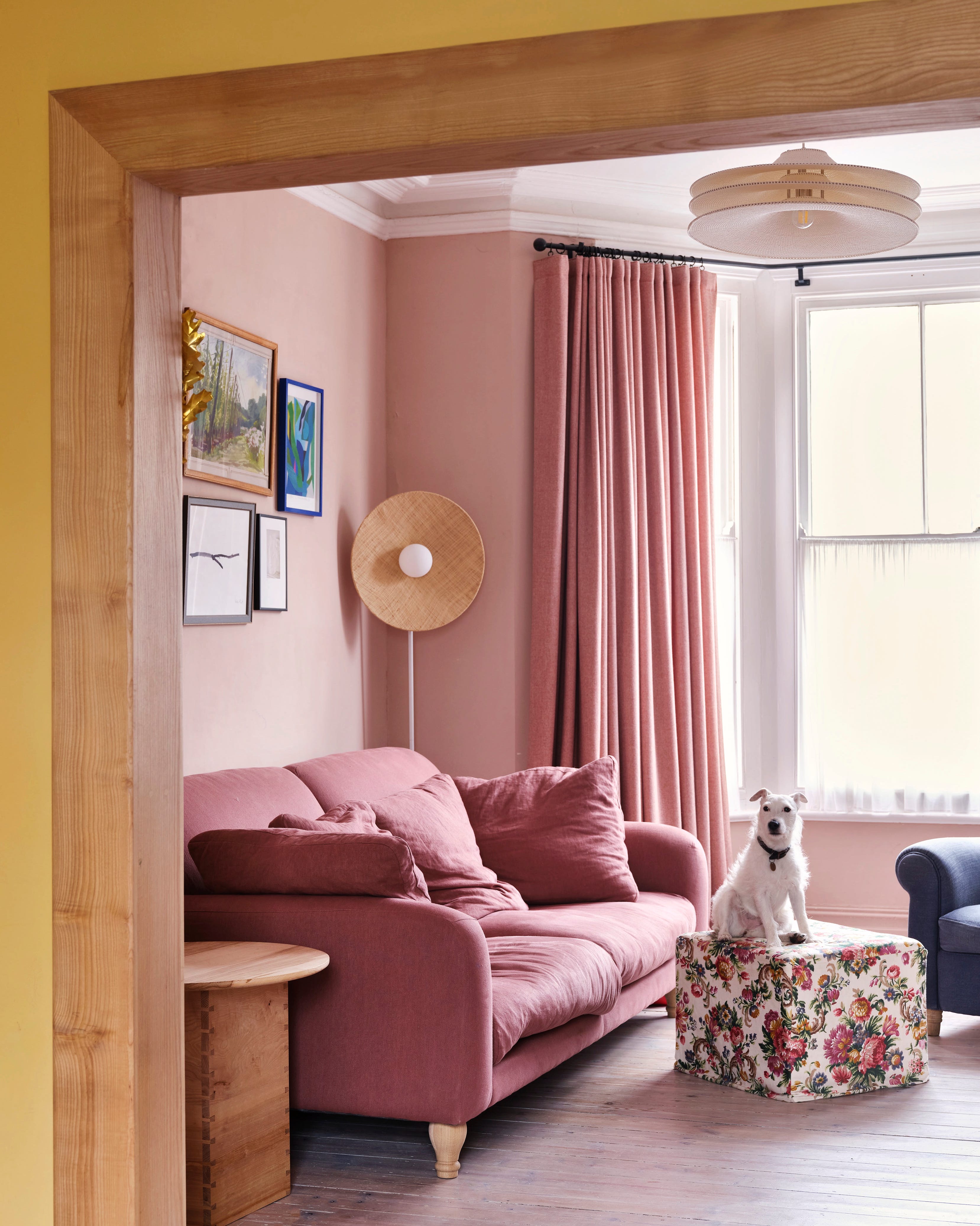
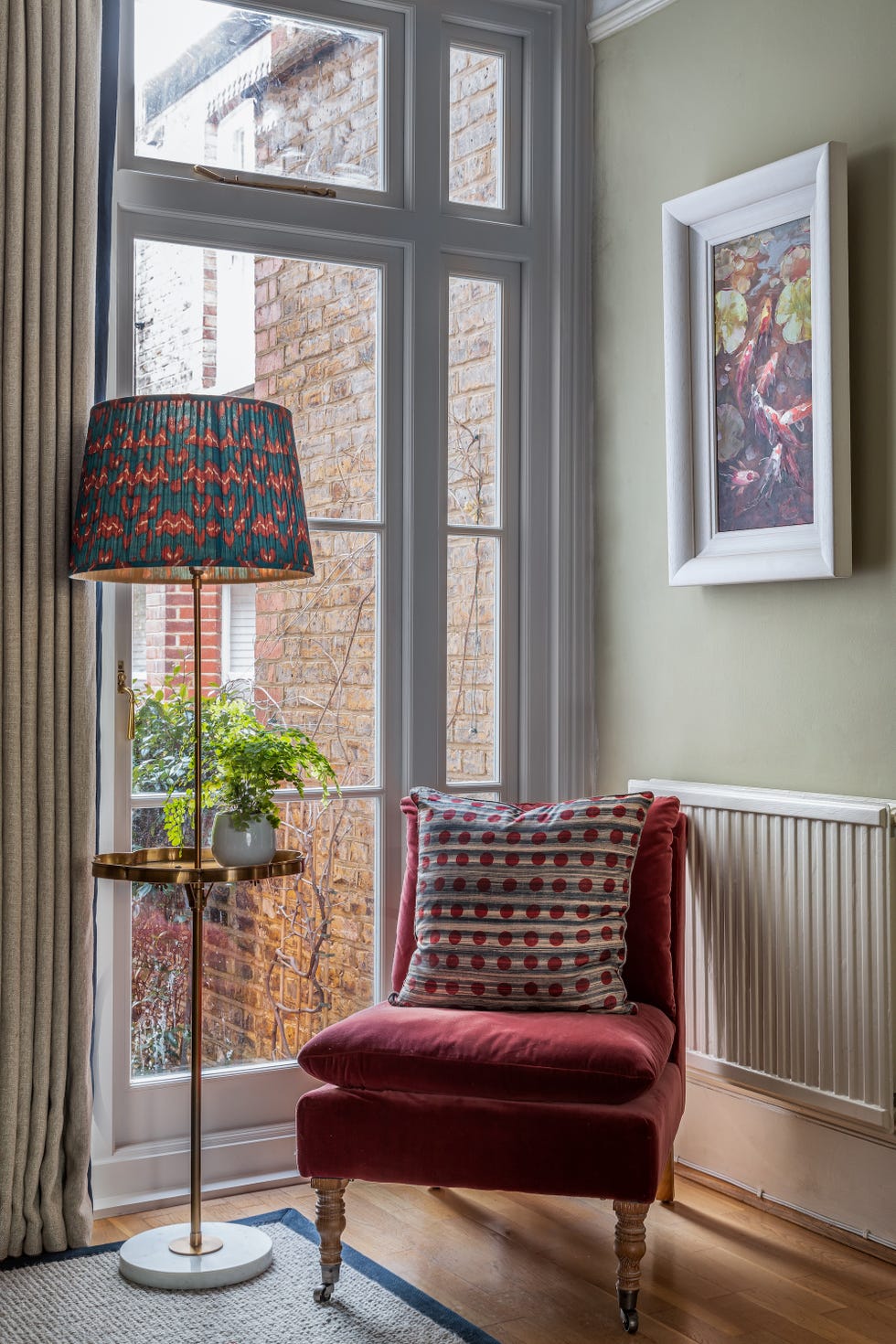
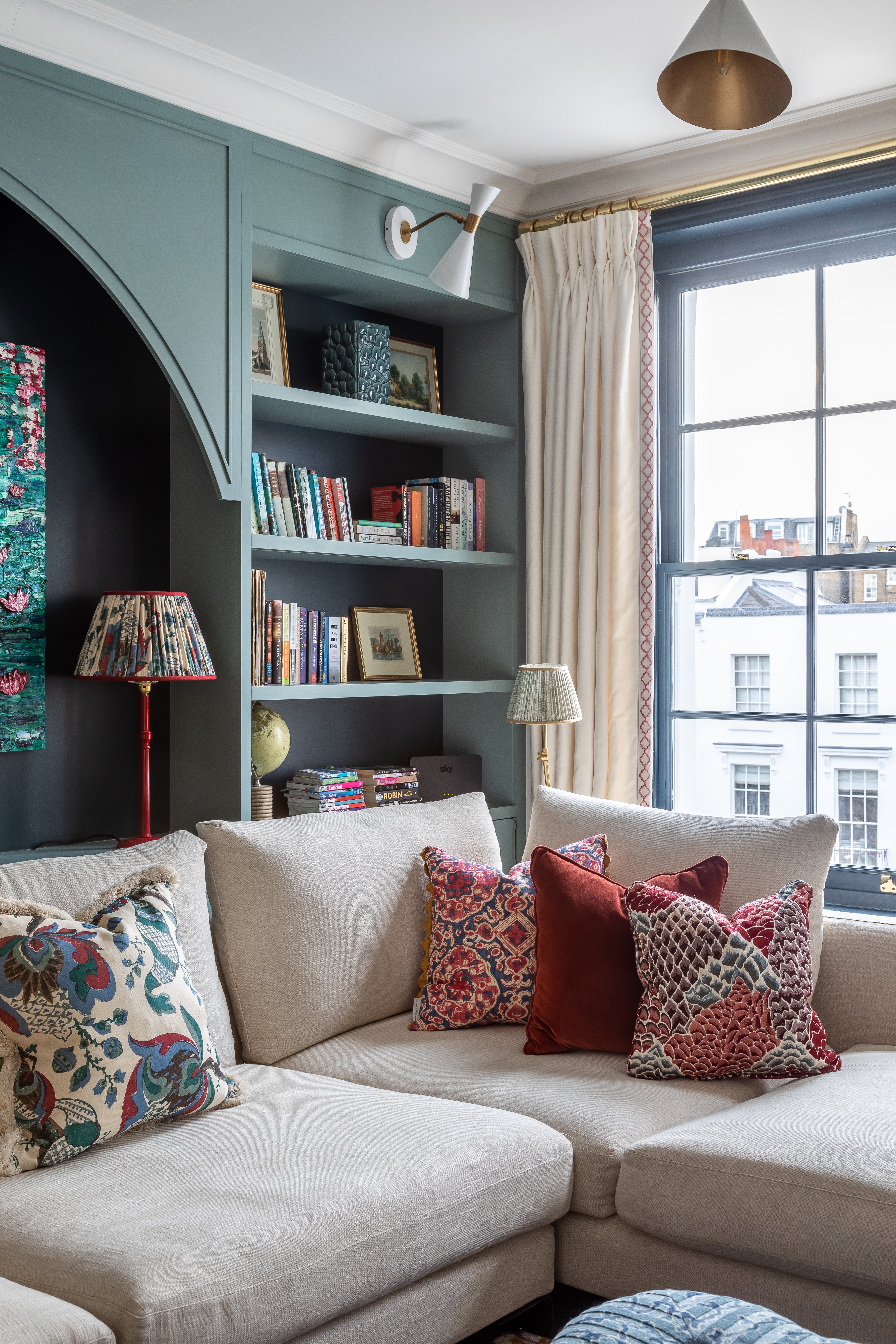

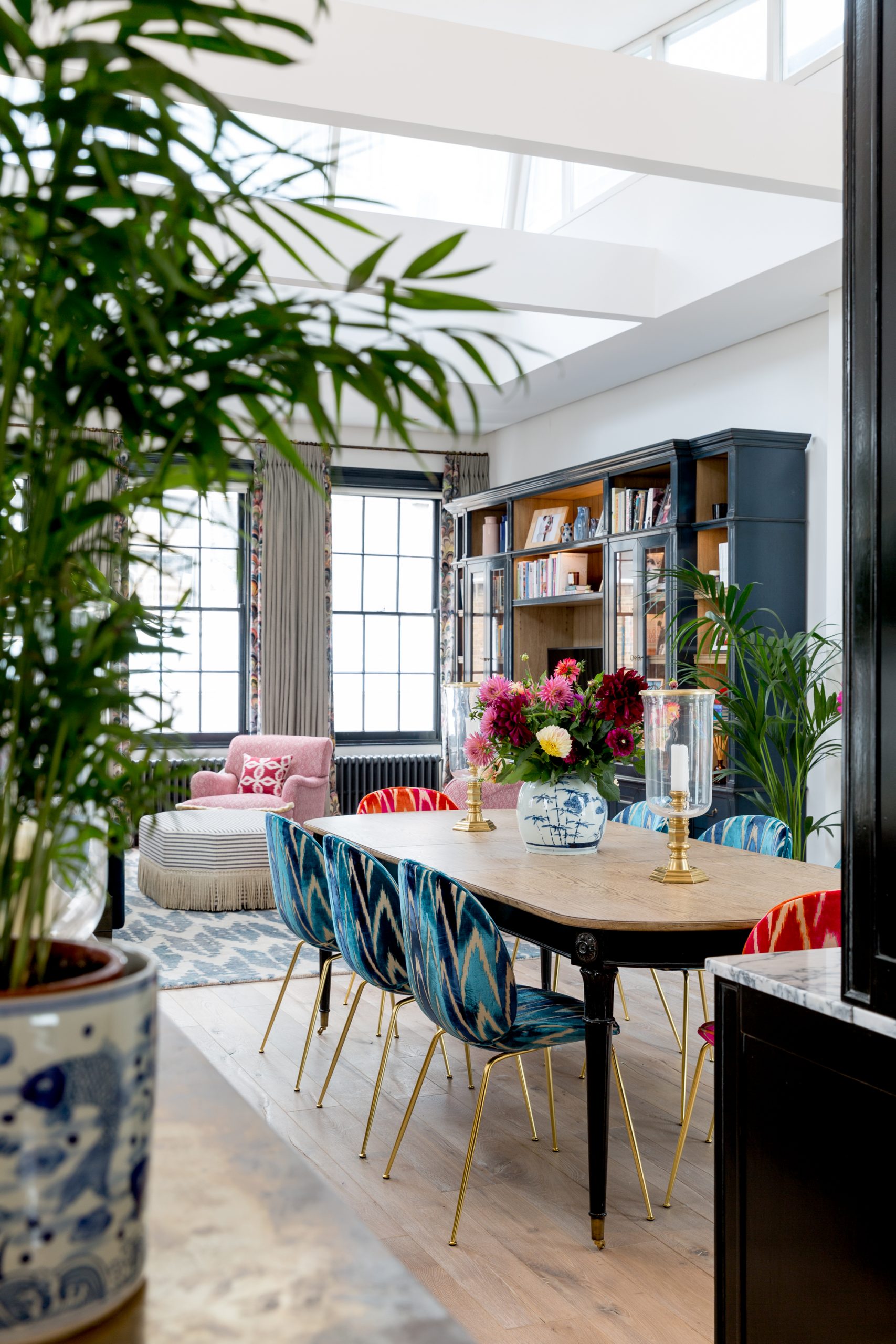
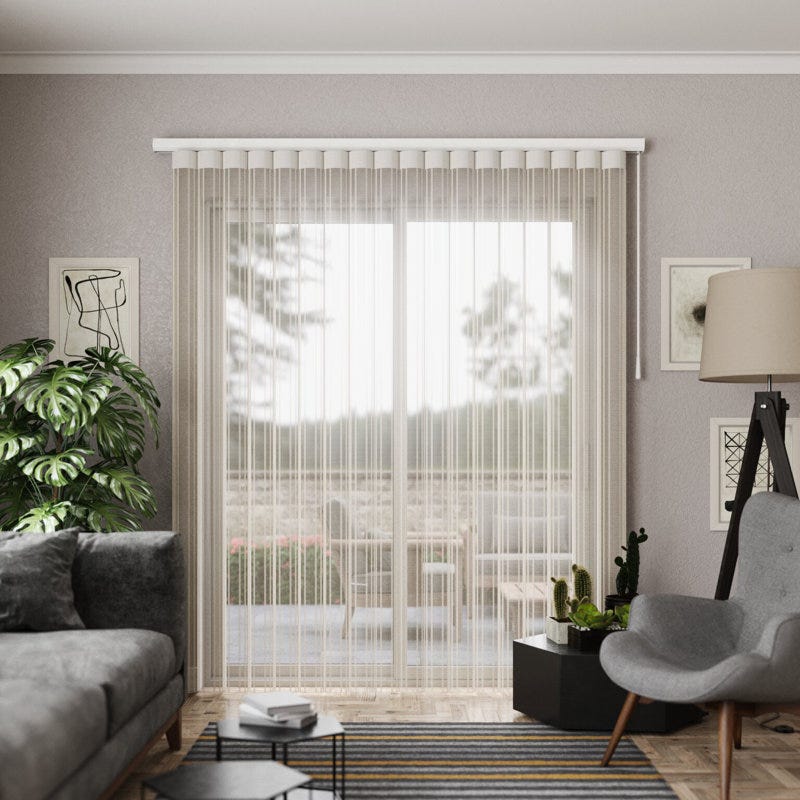
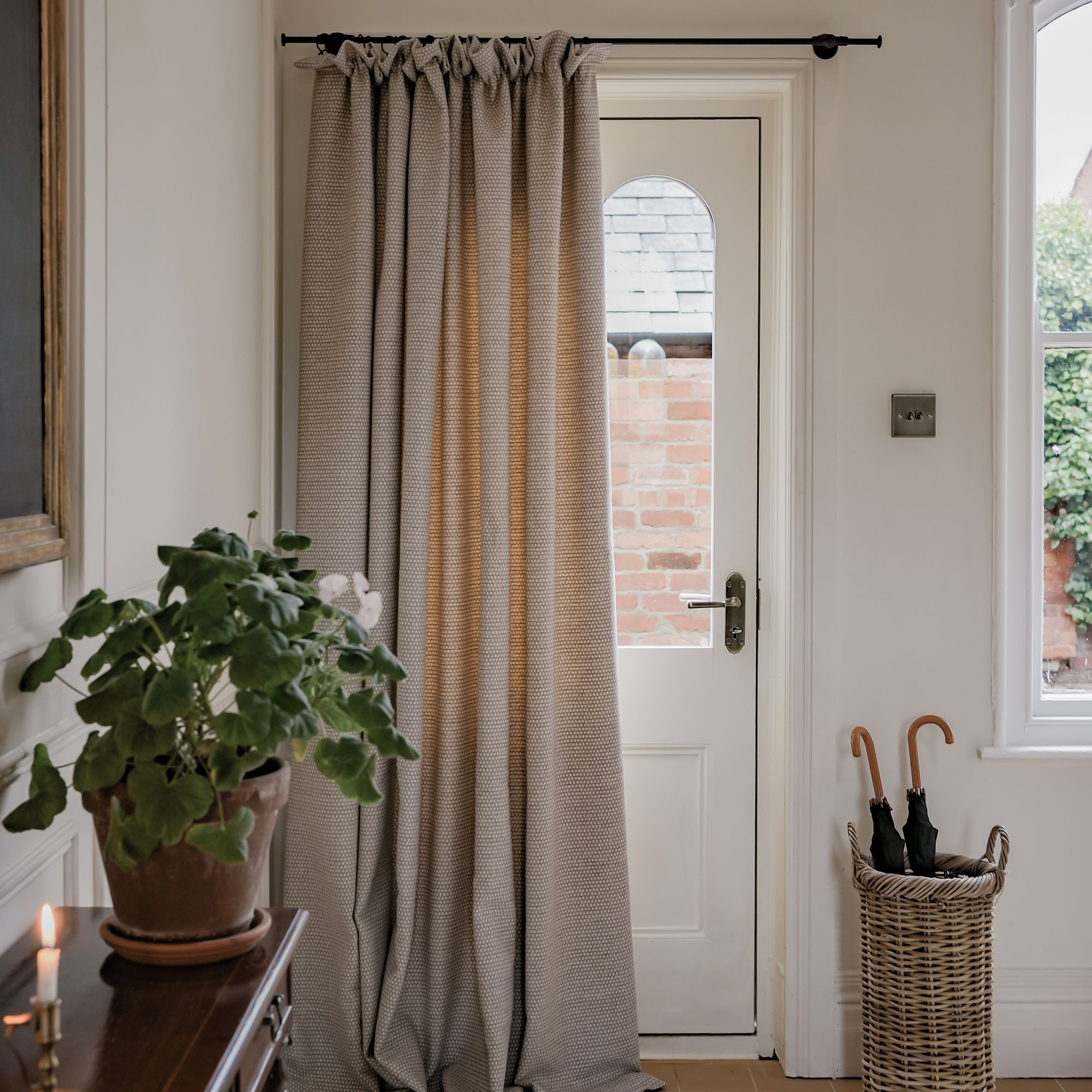
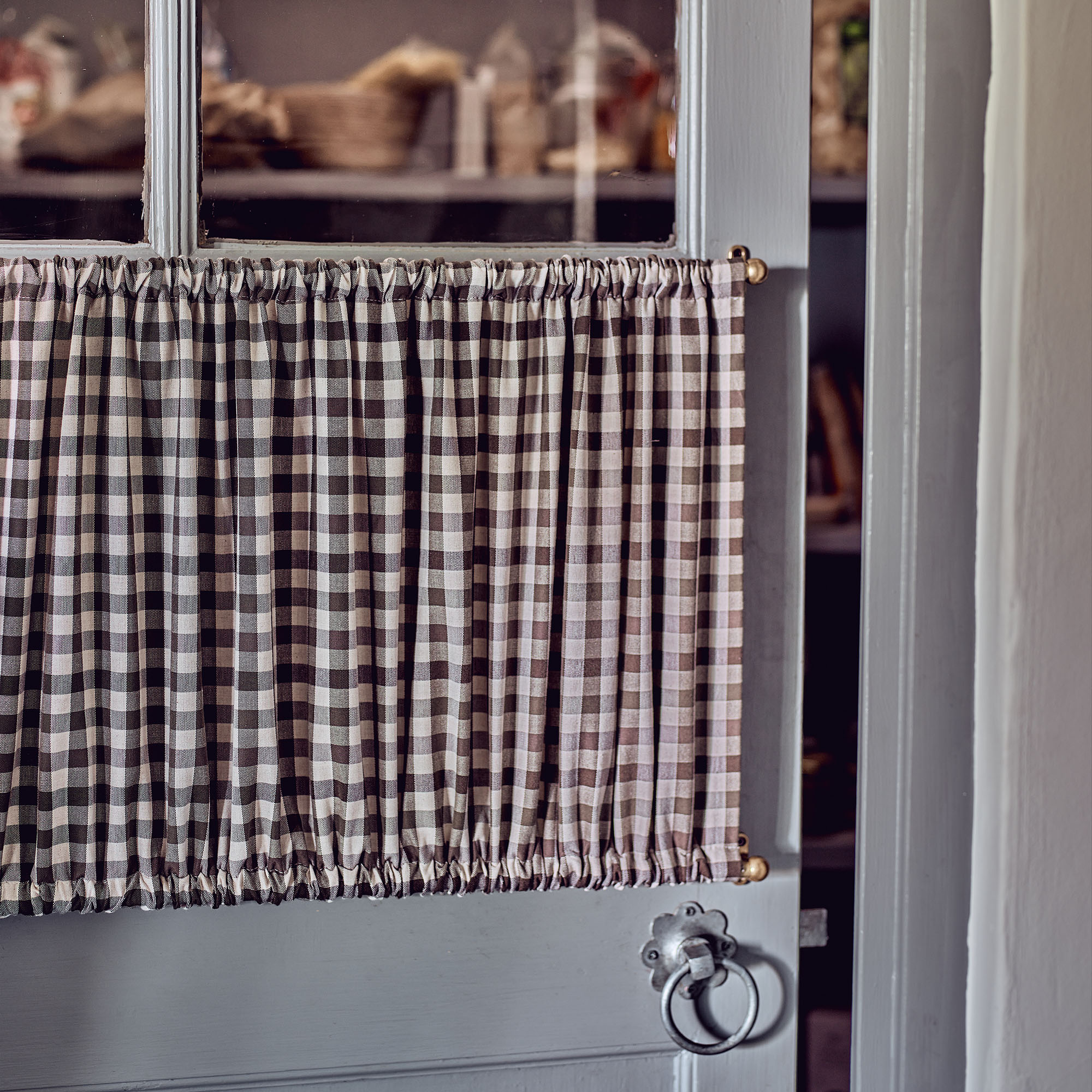
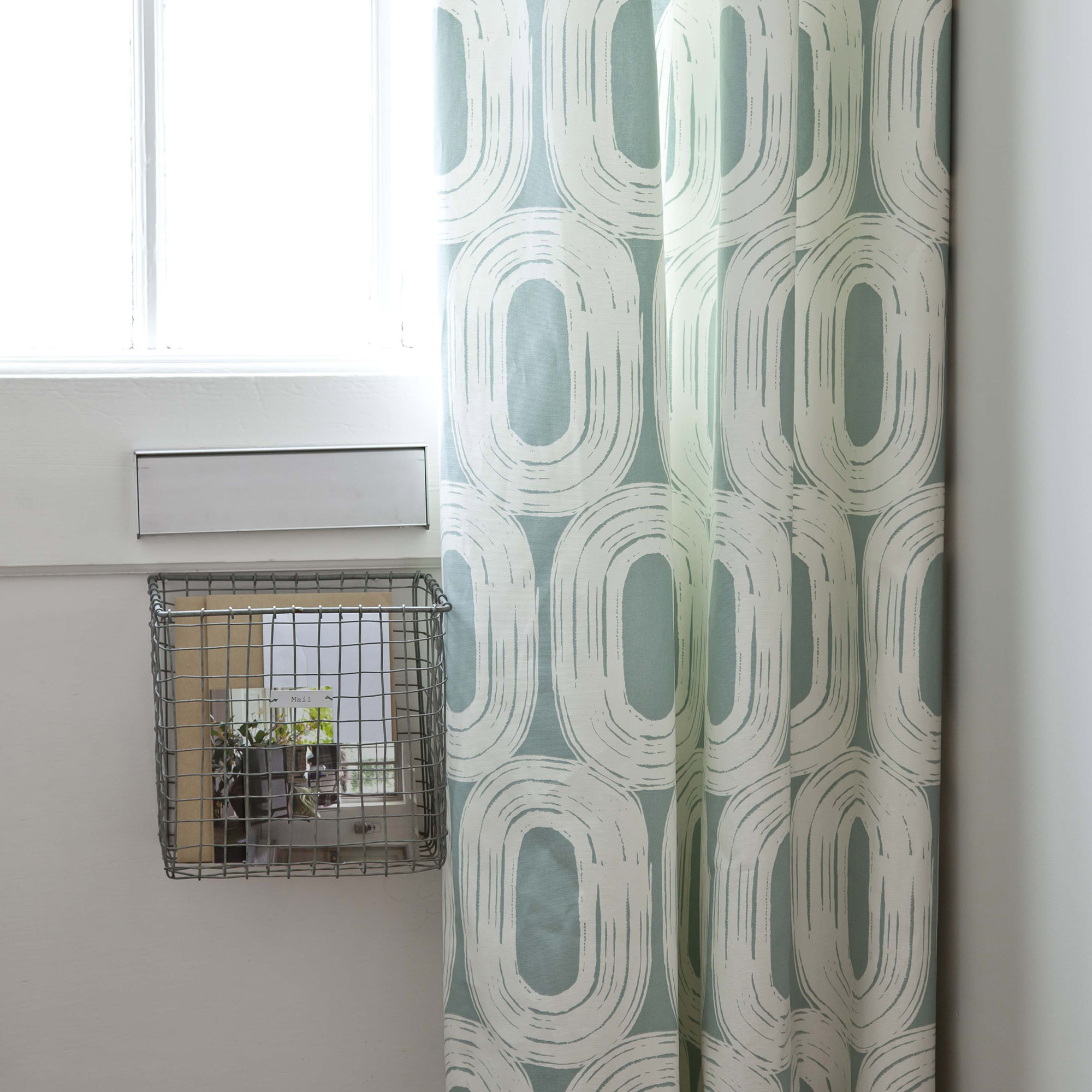
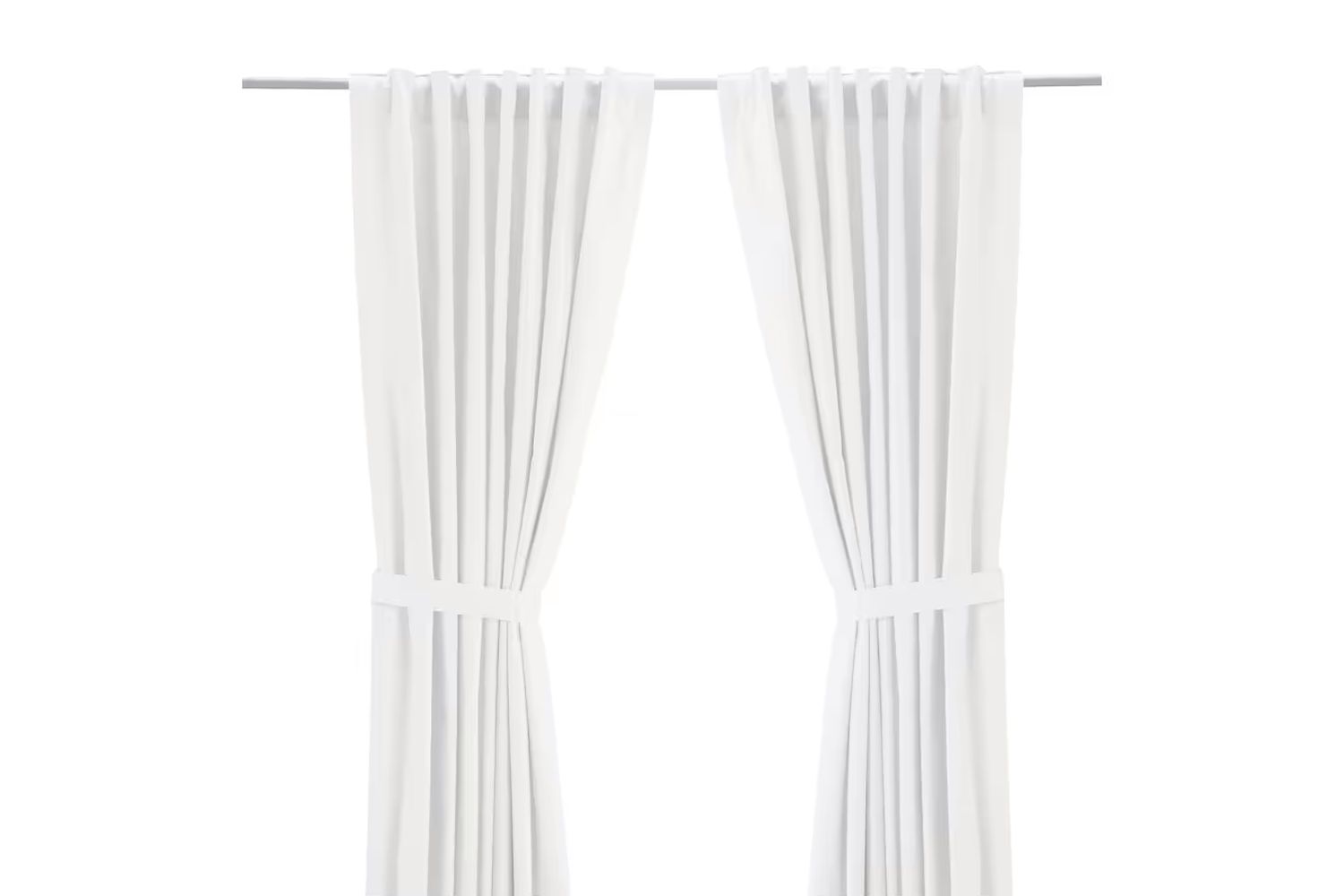
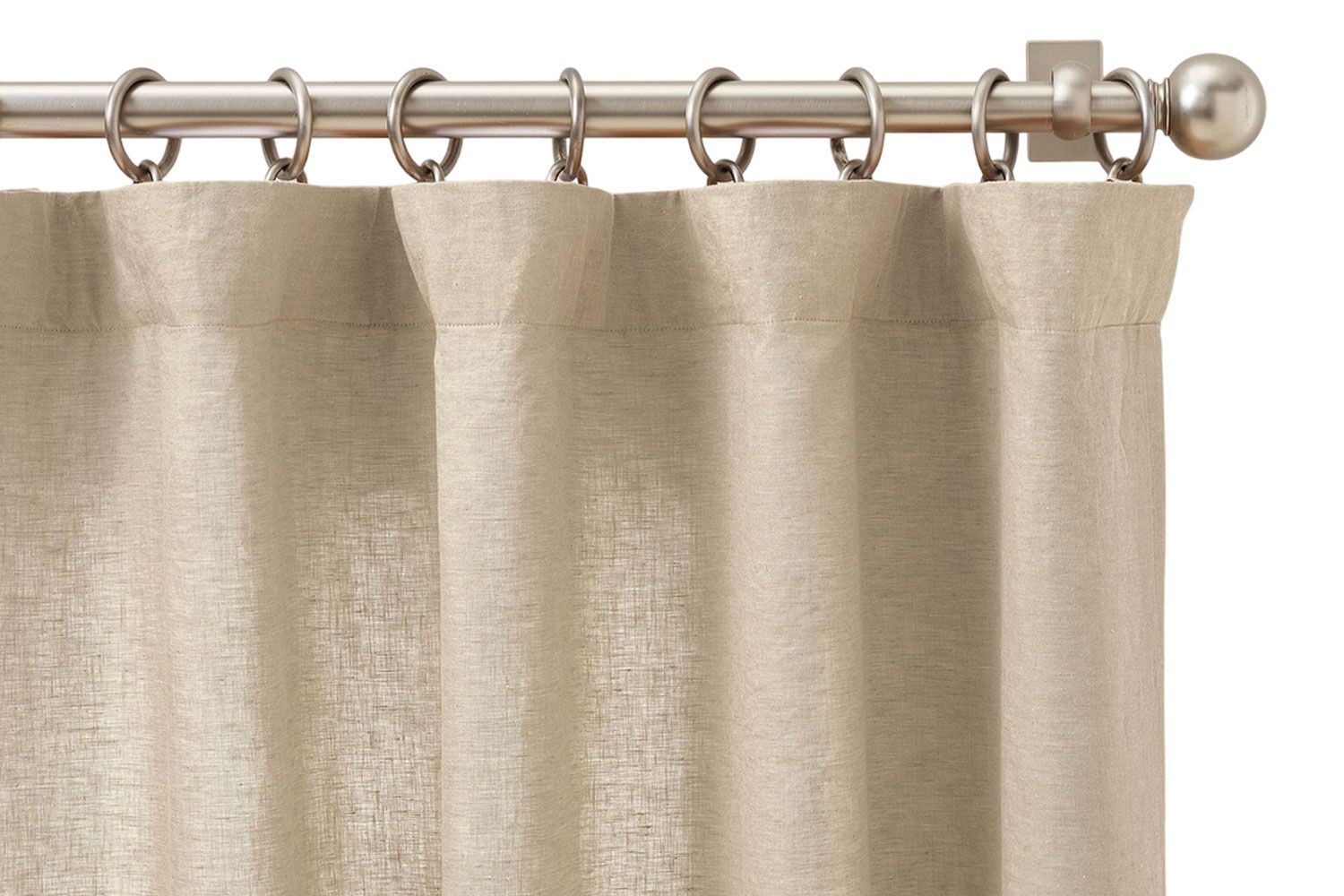
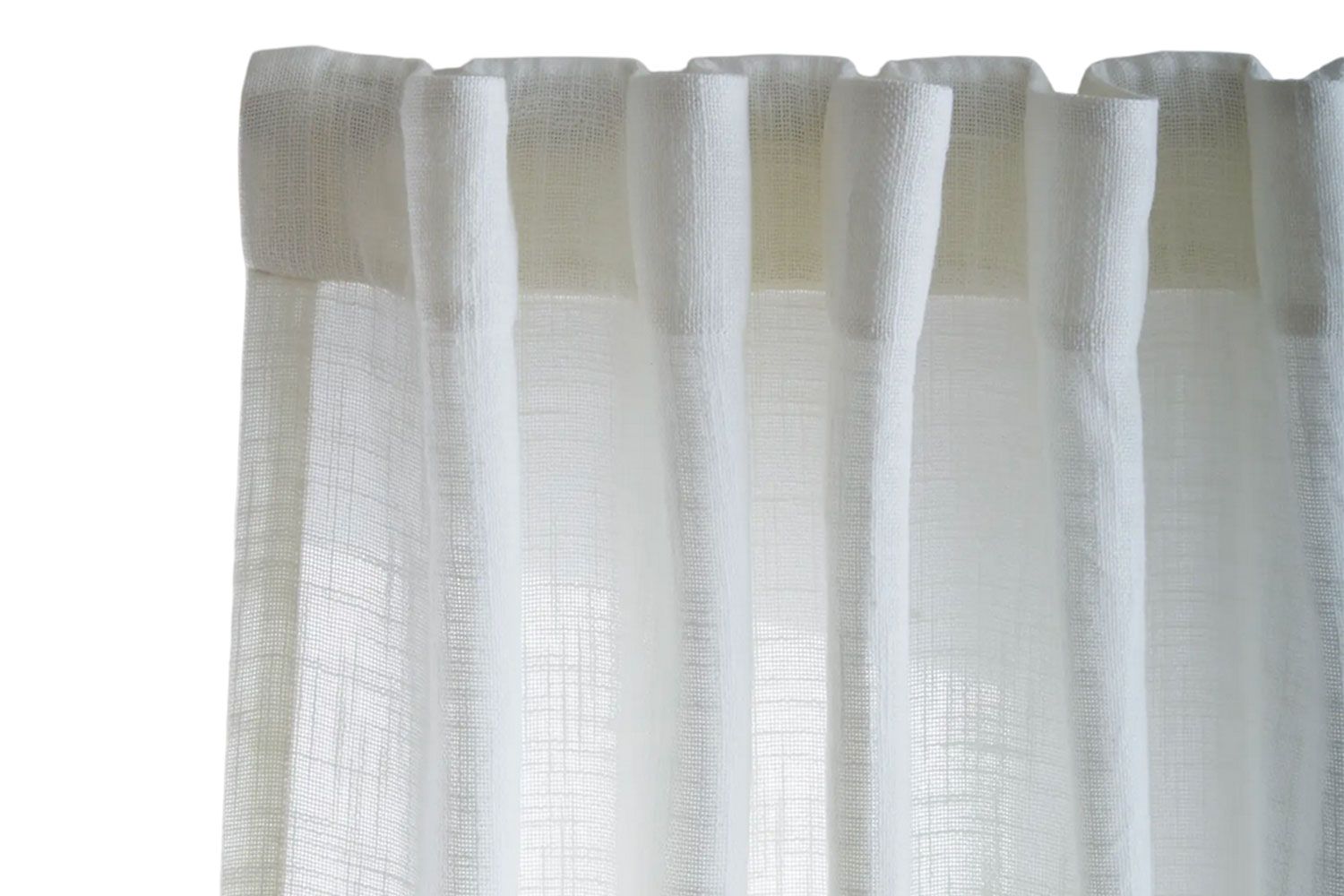
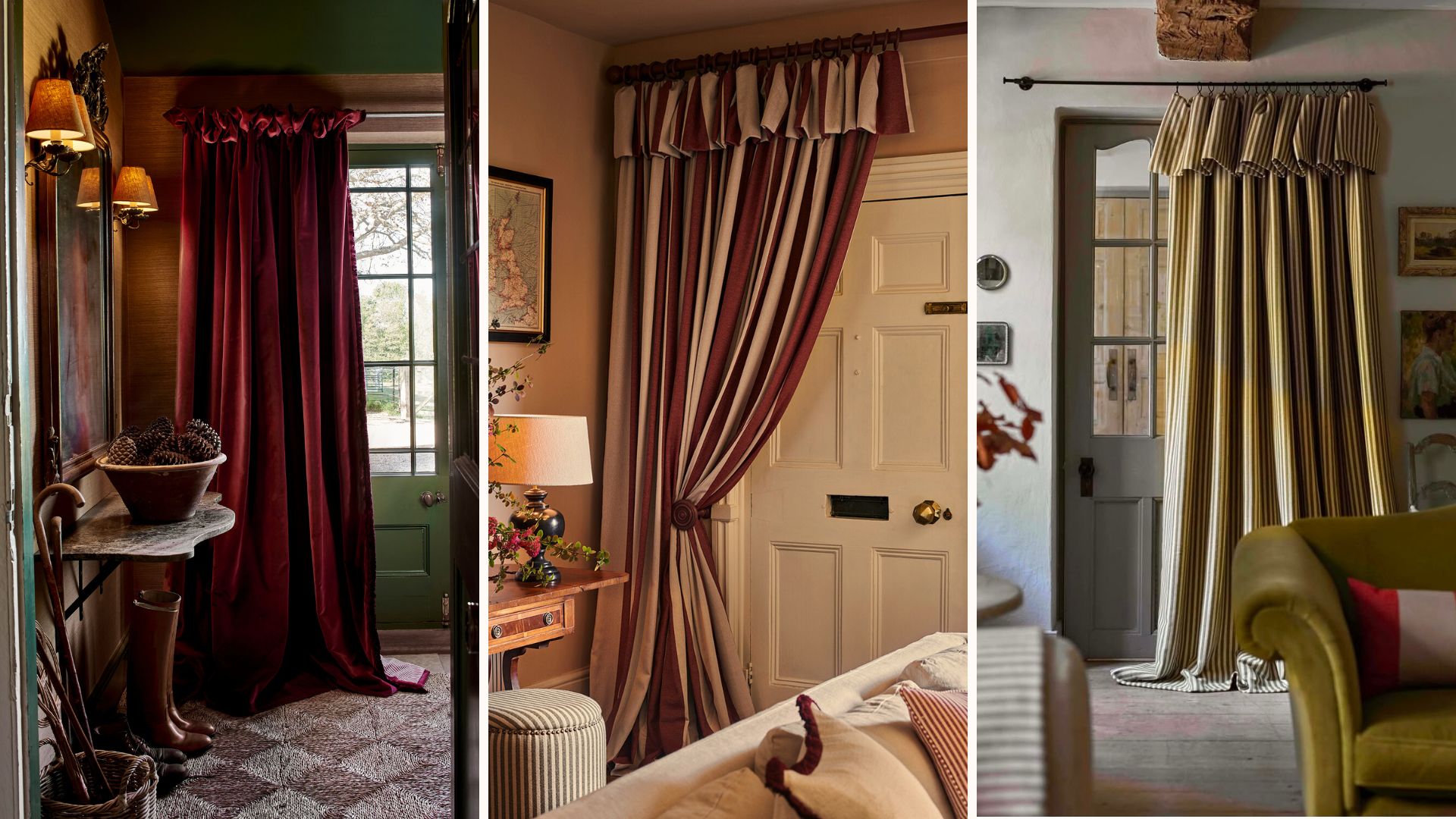
From an aesthetic perspective, curtains can create an illusion of space in smaller rooms by eliminating the physical footprint of a swinging door. They add warmth and softness, and their ability to be easily changed allows for seasonal updates or varied design schemes. This approach is particularly favored for areas where strong privacy or sound isolation is not a primary concern, such as transitions between a kitchen and dining room, or for concealing wardrobes and pantries.
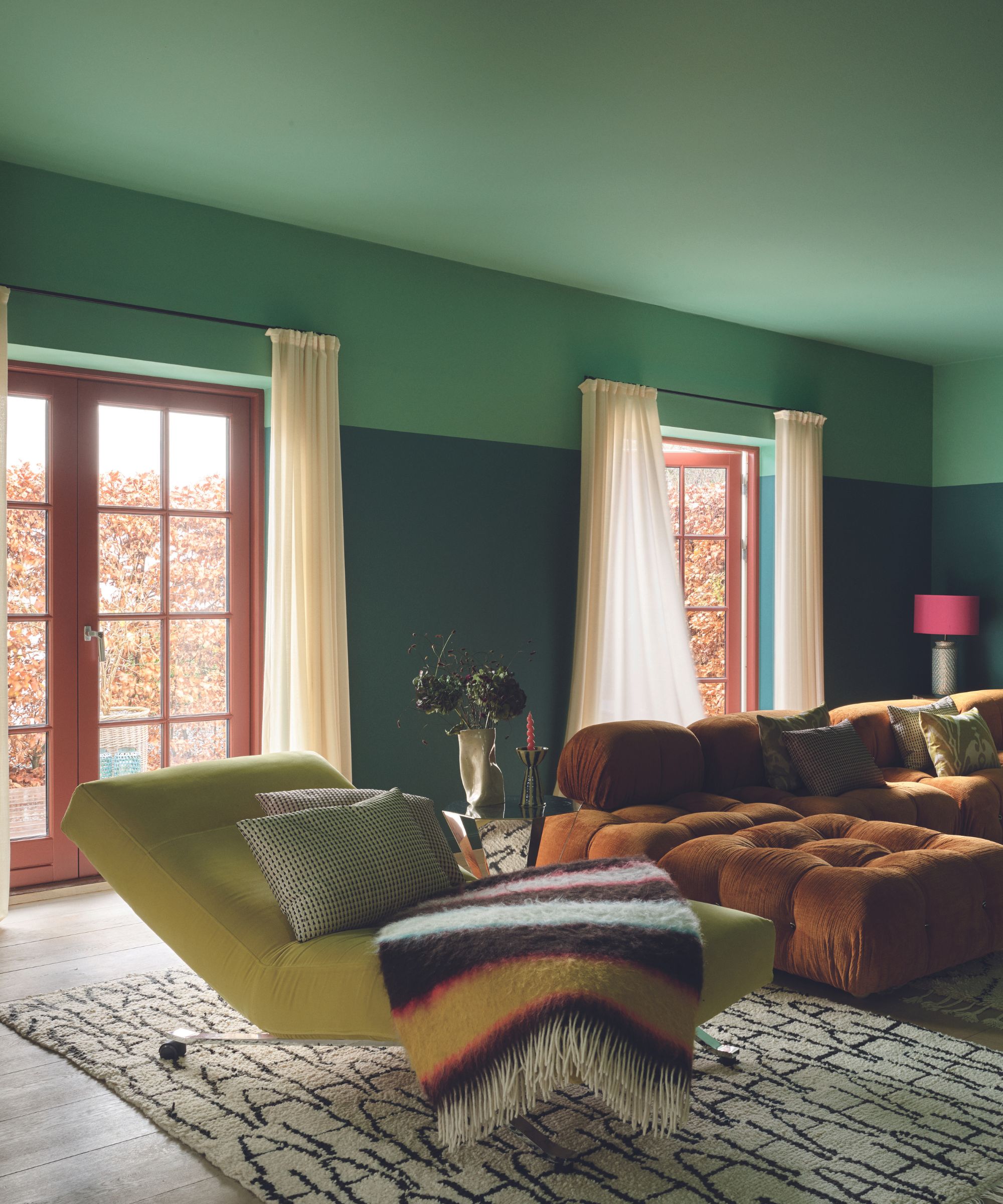
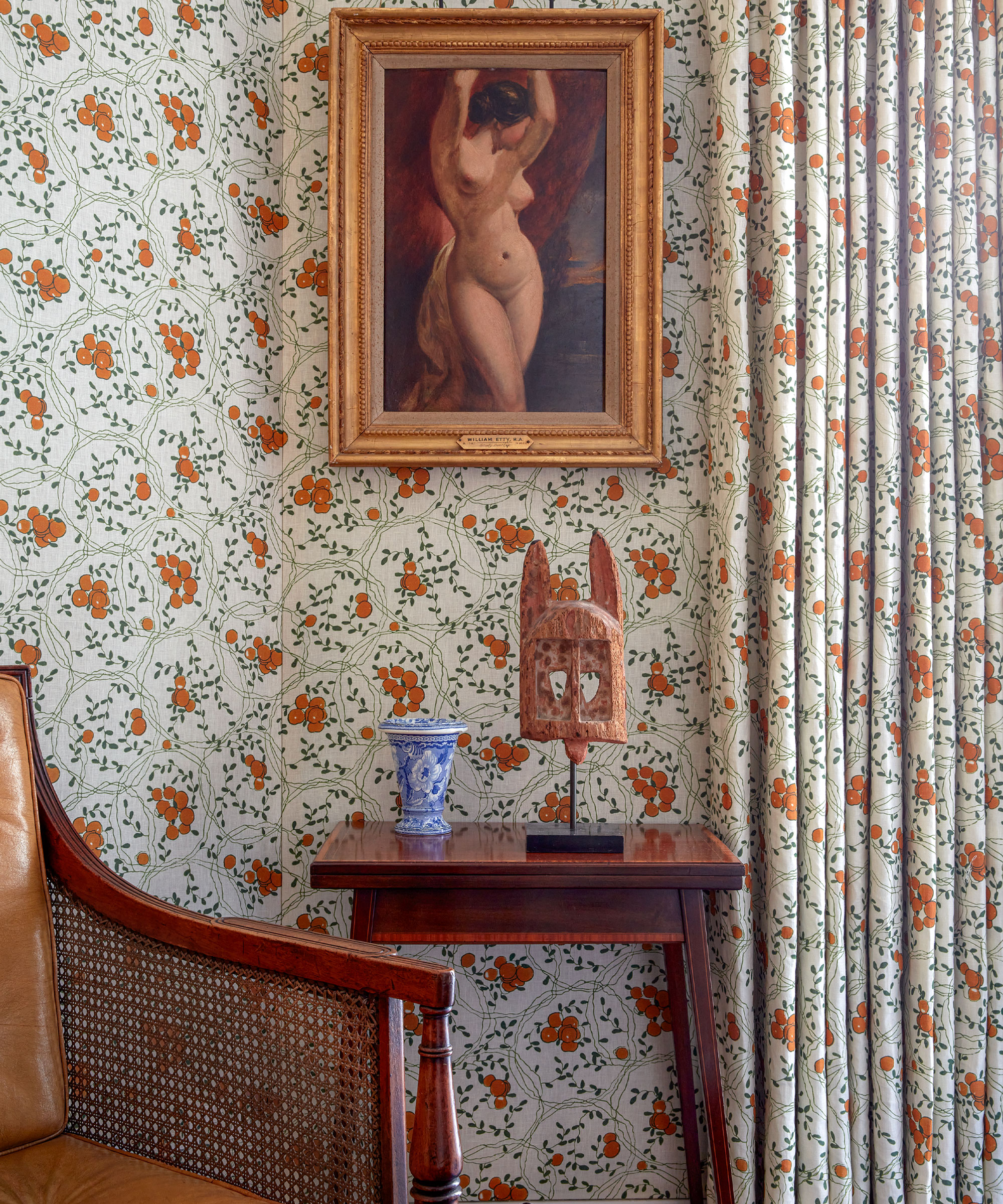
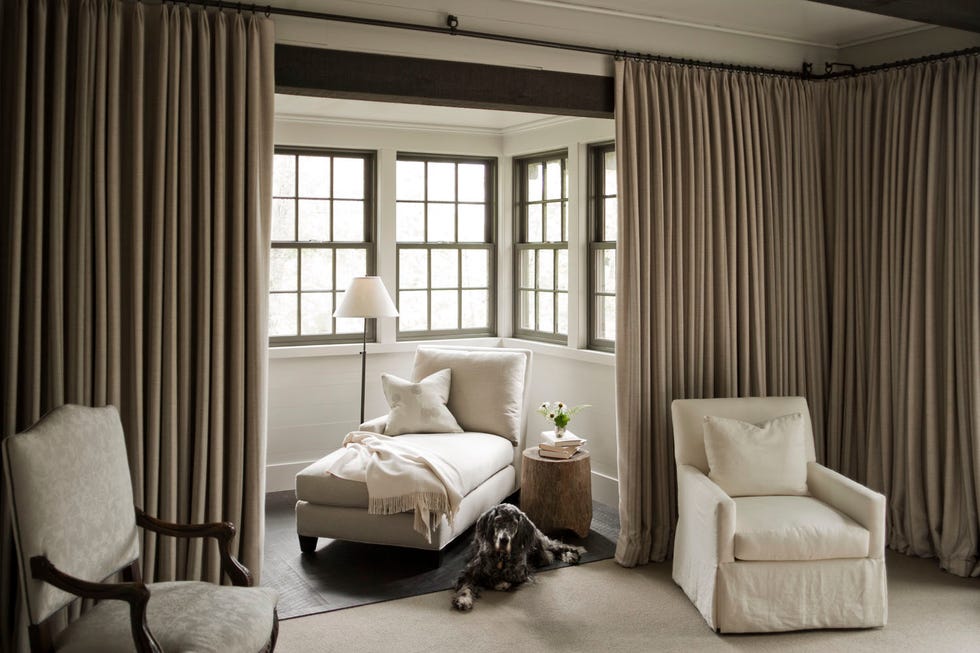
Designers like Kati Curtis emphasize the visual appeal and space-saving qualities, while Joanna Plant notes their ability to add pattern and verticality, making them a practical solution in spaces with architectural challenges, such as attic bedrooms where traditional doors might not fit. Jennifer Davis highlights curtains as a budget-friendly DIY option that adds visual interest, especially for covering closets when doors are impractical.
However, practical disadvantages are a significant consideration. Curtains inherently lack the soundproofing and privacy offered by solid doors, making them unsuitable for bedrooms or bathrooms where these aspects are crucial. Sophie Clemson points out that curtains are less effective at retaining heat, which could lead to energy inefficiencies, particularly during colder months. Furthermore, they may not effectively restrict pets from entering certain areas. Robin Gannon suggests alternatives like pocket doors for better privacy while still maintaining a fluid spatial design.
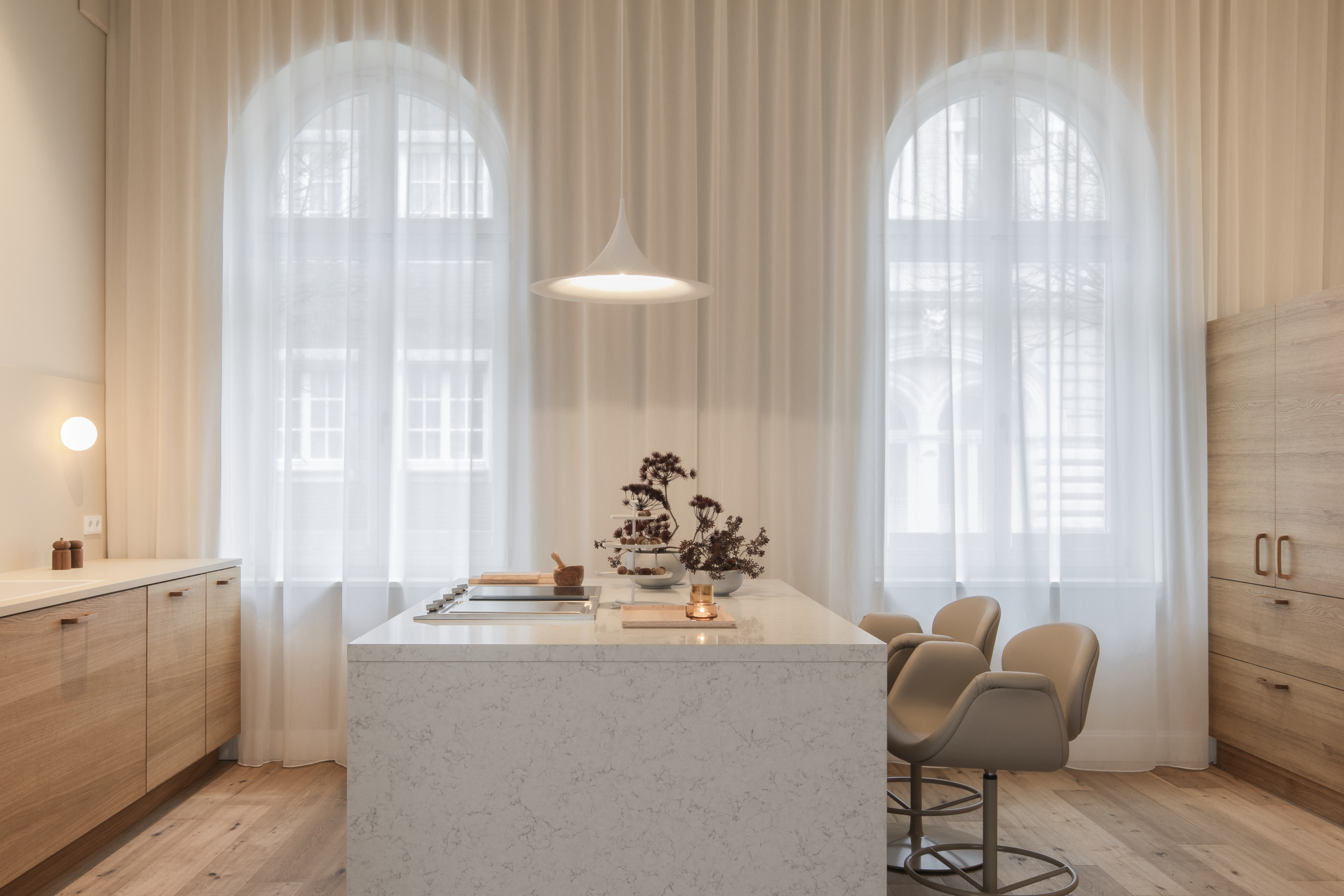
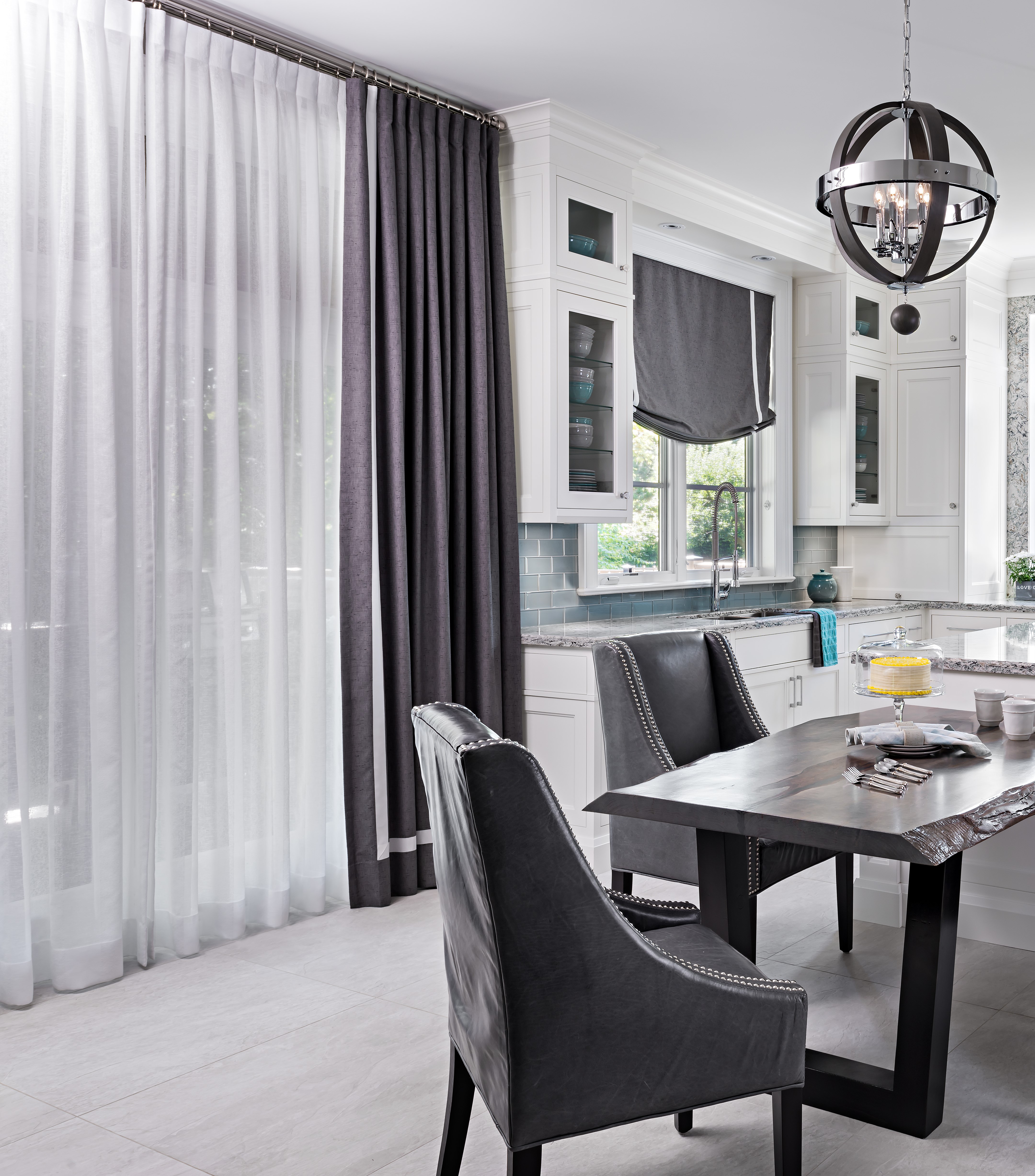
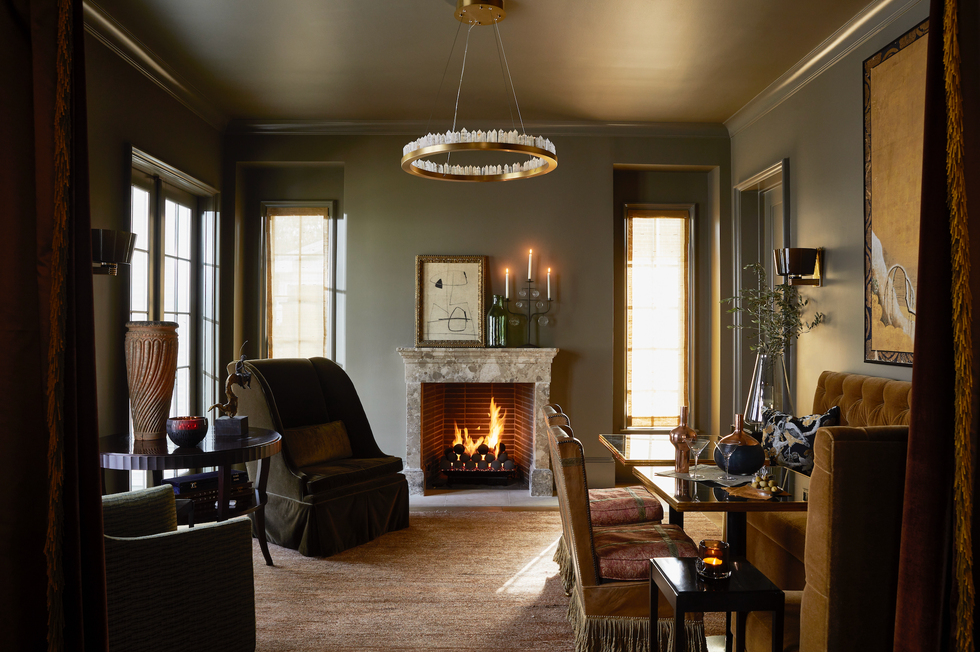
When considering replacing doors with curtains, the context of the space is paramount. They are highly effective as dividers in open-plan areas, allowing for flexible separation without the rigidness of a solid barrier. This application enriches a room with texture and visual interest, and the curtains can be adjusted or changed to suit different seasons or moods. Curtains can also soften entrances between adjoining rooms, such as kitchens and dining areas, fostering a more connected feel and adding a gentle contrast to the often-hard surfaces found in these spaces. Lastly, replacing cabinet or pantry doors with curtains aligns with the trend of making kitchens feel less utilitarian and more integrated with the living spaces, introducing soft furnishings to traditionally functional areas. The success of this design choice ultimately depends on the quality of materials and installation, with subtle fixings and quality fabrics enhancing the stylish outcome.
#InteriorDesign #CurtainDesign #HomeDecor #SpacePlanning #FlexibleInteriors #DesignTrends #AestheticVsFunction #RoomDividers #InteriorDesign #CurtainDesign #HomeDecor #SpacePlanning #FlexibleInteriors #DesignTrends #AestheticVsFunction #RoomDividers
0 ความคิดเห็นรวม
 ยังไม่มีความคิดเห็น
คุณอาจจะชอบอีกด้วย
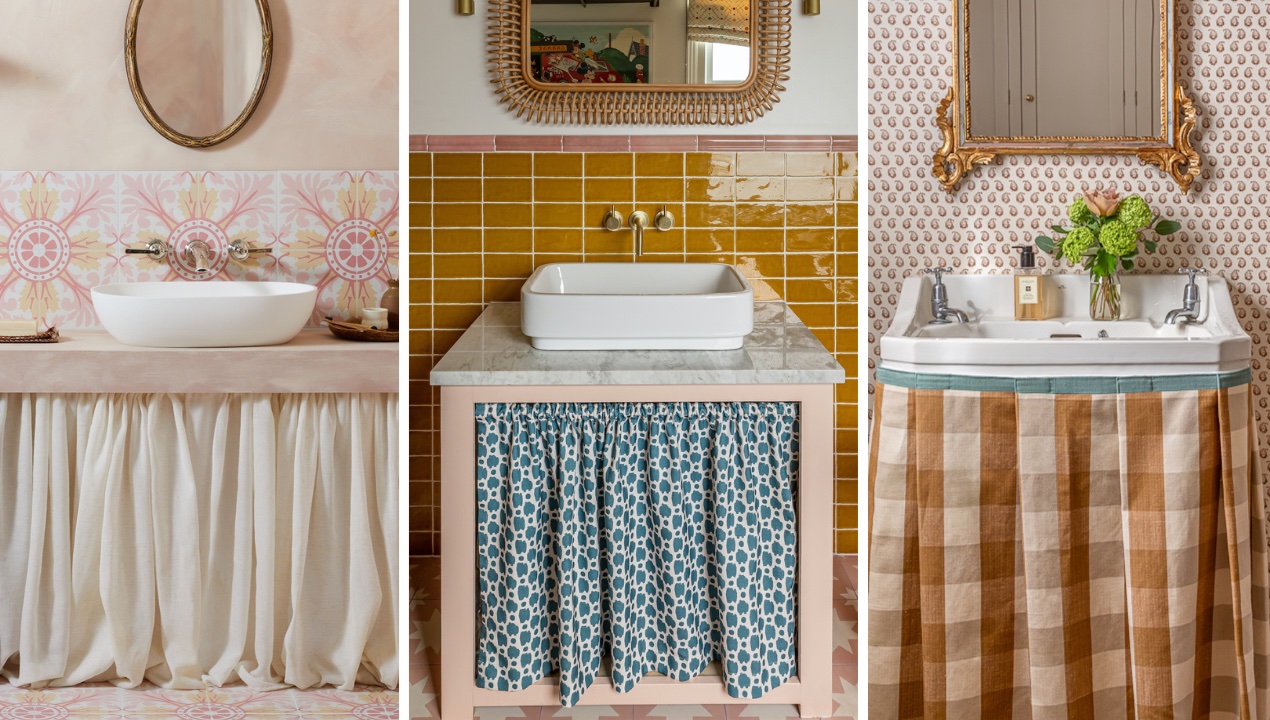
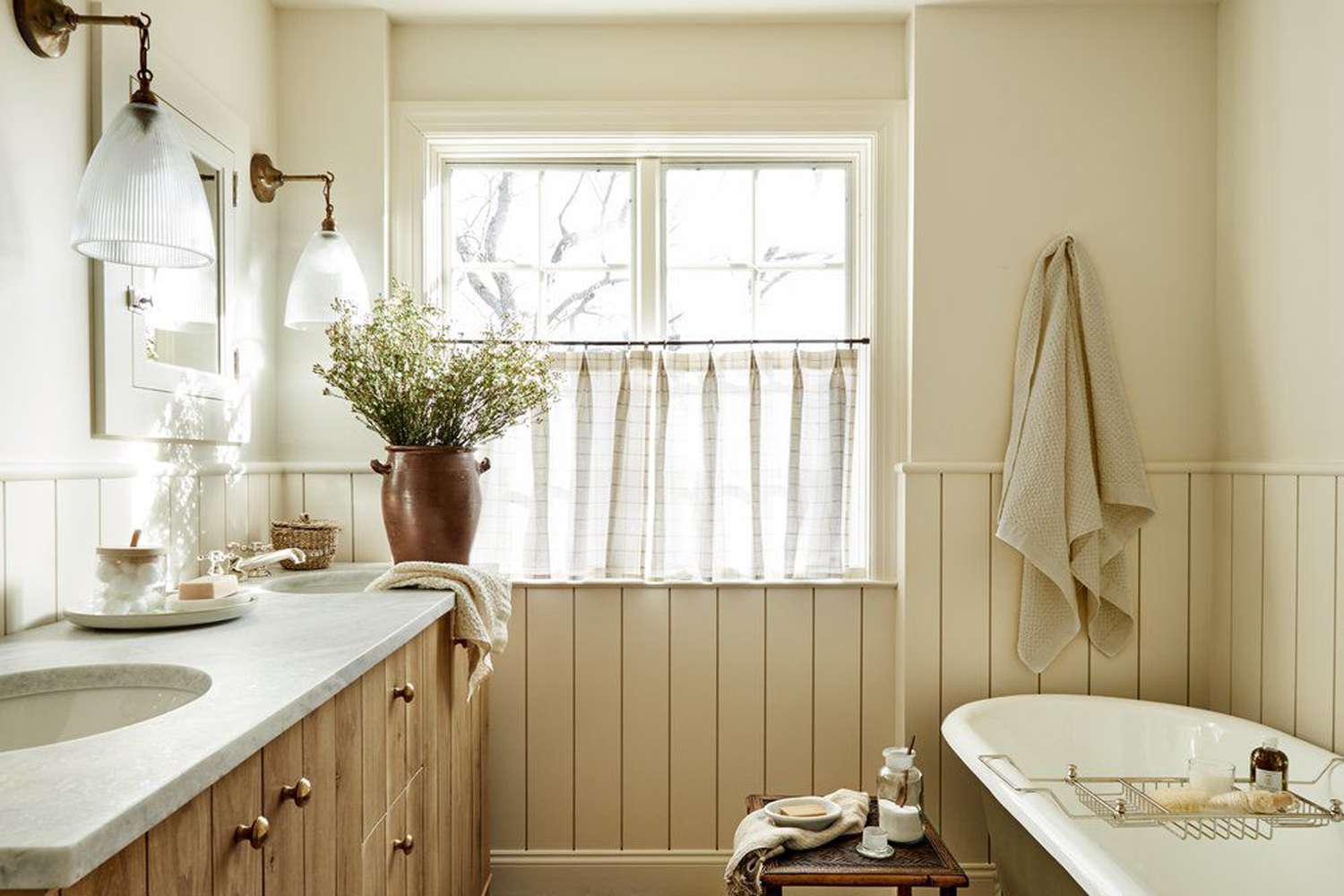
Should you replace your bathroom vanity doors for curtains?
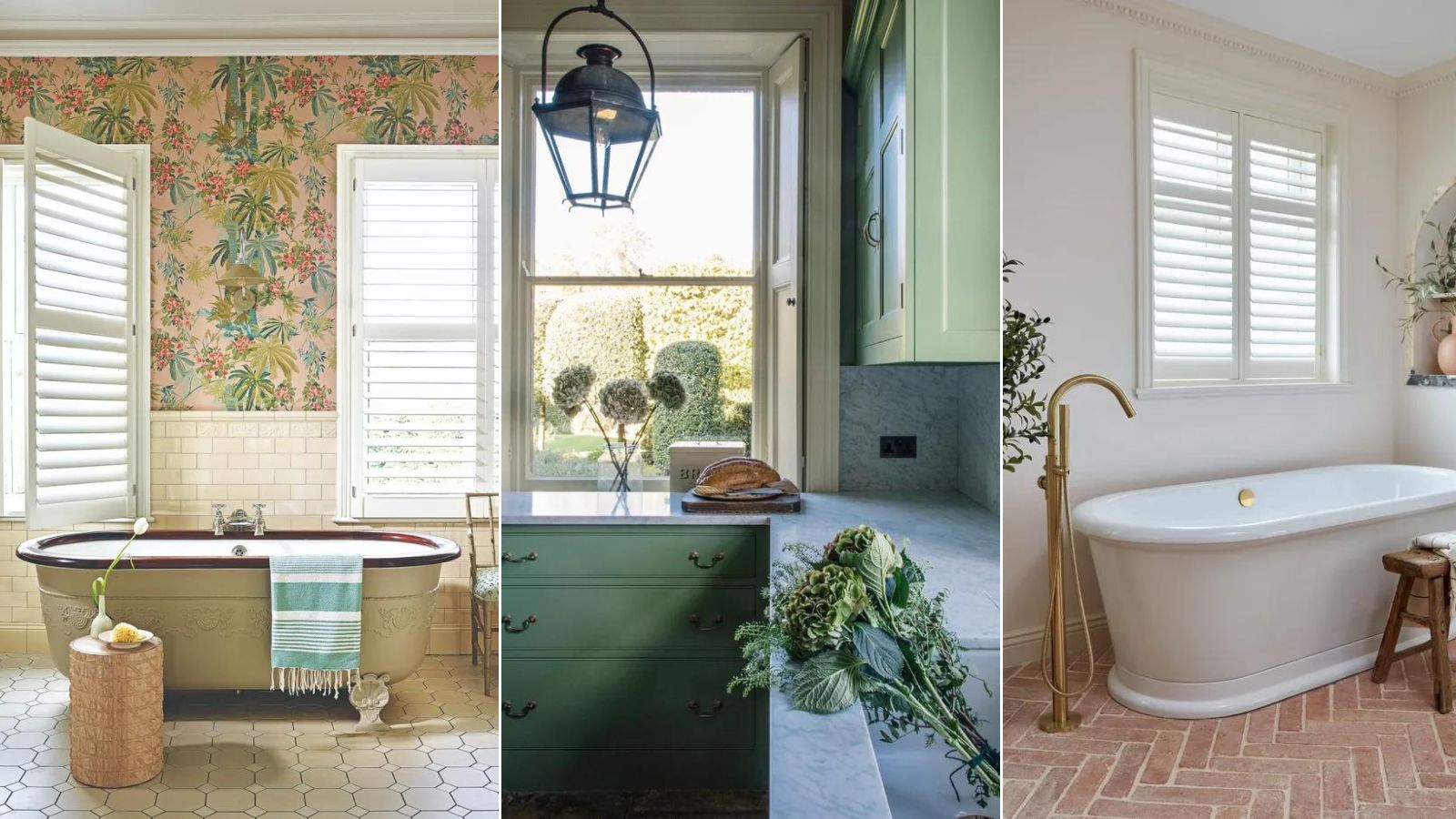
Are window shutters out of style? Interior designers weigh in
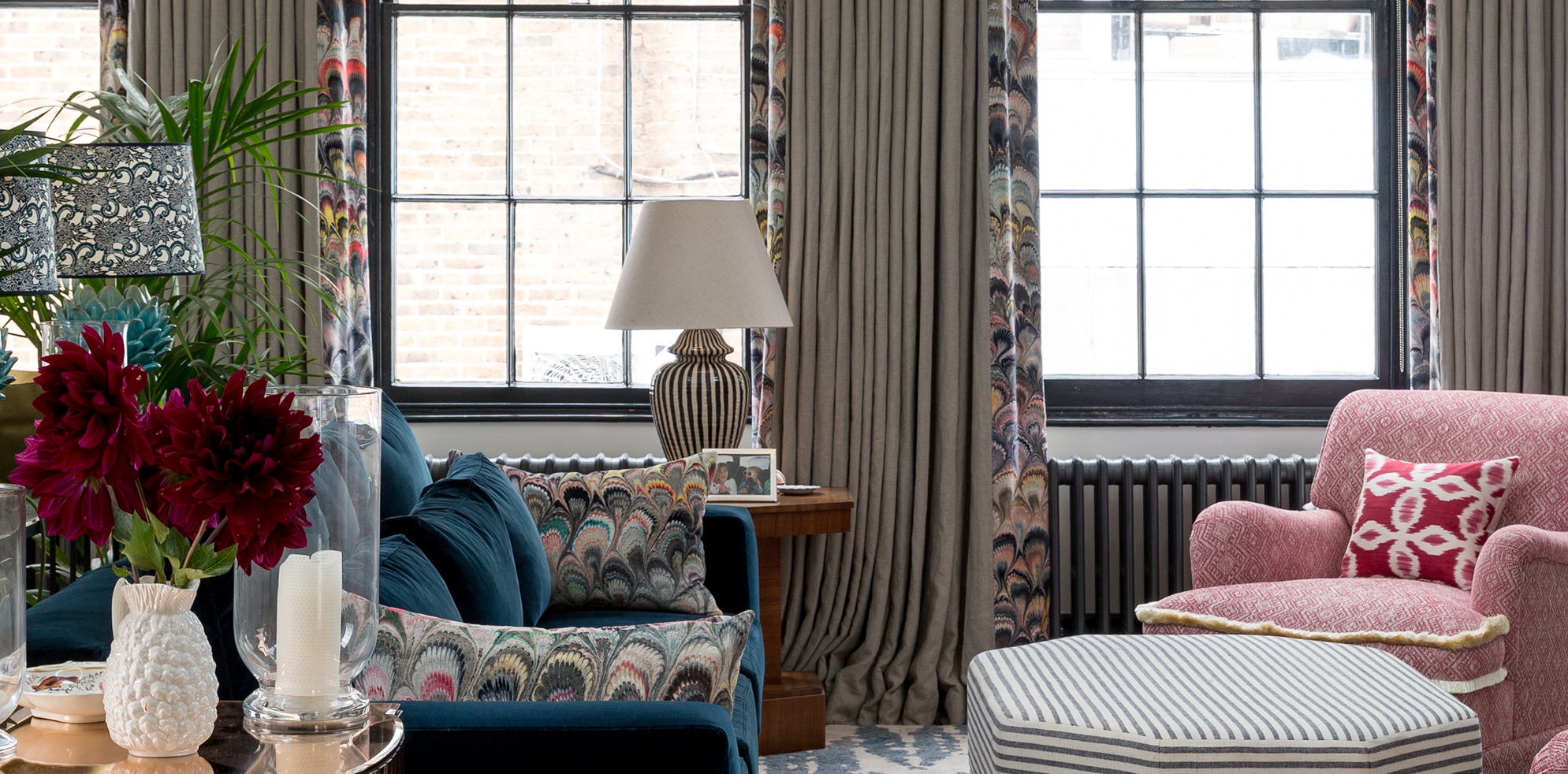
An easy add-on to your curtains makes rooms look expensive - designers explain

We Asked Designers If Those Cute Café Curtains Are Still Cool — or Headed Straight Out the Door

Is it time to try a door curtain? The stylish, simple heat-saving solution has never been so popular

Are Curtains Out of Style? Of Course Not, but Some Designs Will Date Your Space Faster — Here's What to Know
6 Curtain Styles That Are So Outdated, According to Designers
The Best Curtains for Every Style and Light Level, Tested by BHG

Do curtains belong in the kitchen? These experts have completely changed my perspective
Should You Hang Curtains Above the Window Frame? We Asked Designers
Why You Should Upgrade Your Window Blinds Right Now

An Interior Designer Weighs in on Canopy Bed Frames: Yay or Nay?

When to Choose Drapery, Curtains, or Blinds, According to Experts
The Design World Is DIVIDED on This Controversial Curtain Styling Trend
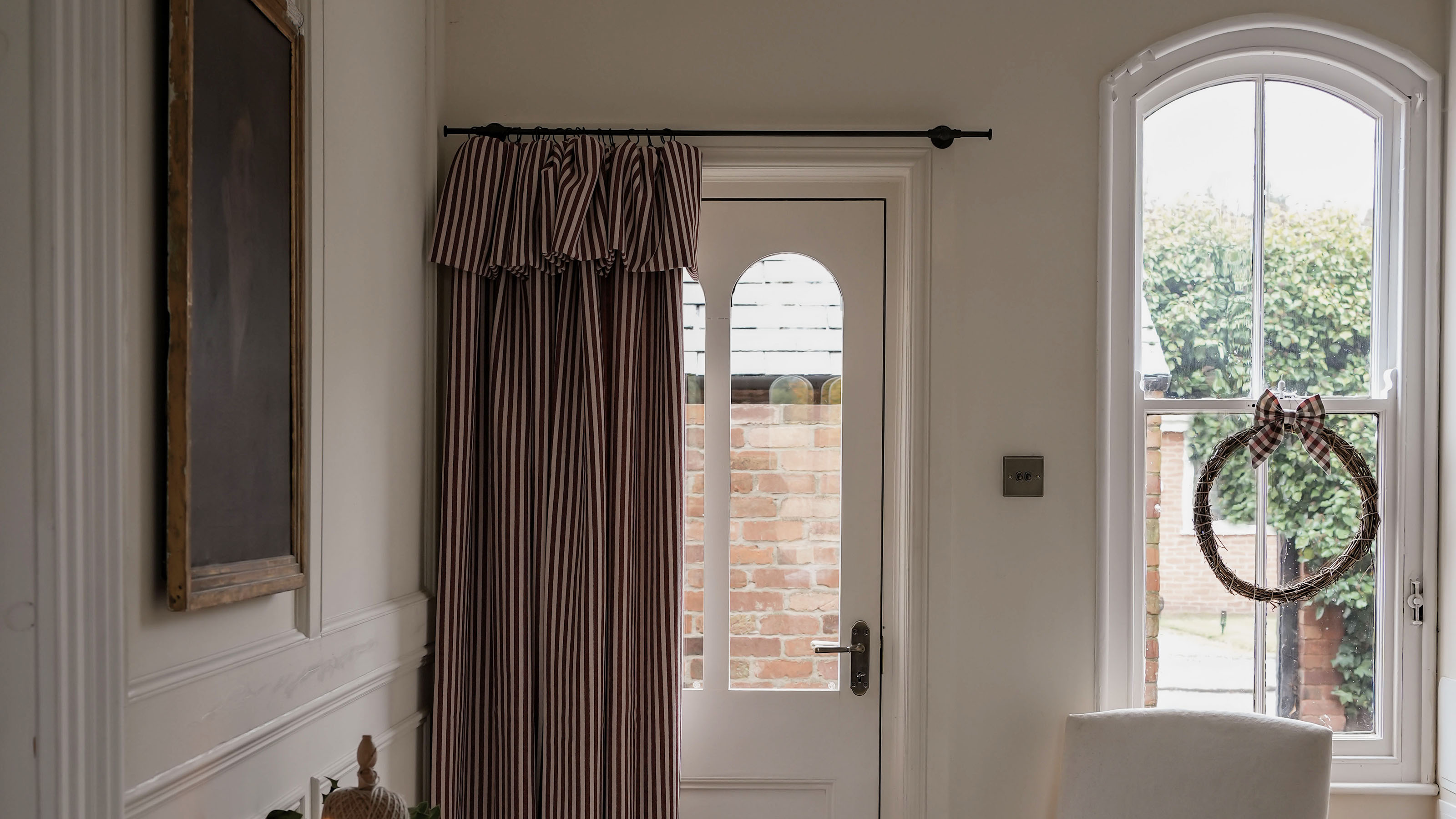
Door curtains are back - 5 fresh and modern ways to nail the remerging retro trend
An Interior Designer Weighs in on Canopy Bed Frames: Yay or Nay?
Do curtains need to match? Interior designers share whether it's best to clash or compliment
Style Debate: Could Short Curtains Be The Next Big Interior Design Trend?

Are shutters outdated? Here’s what interior designers say, and how they're decorating for 2023 and beyond
Kitchen Curtains Are Back and Better Than Ever—Should You Give Them a Go?