Should You Hang Curtains Above the Window Frame? We Asked Designers

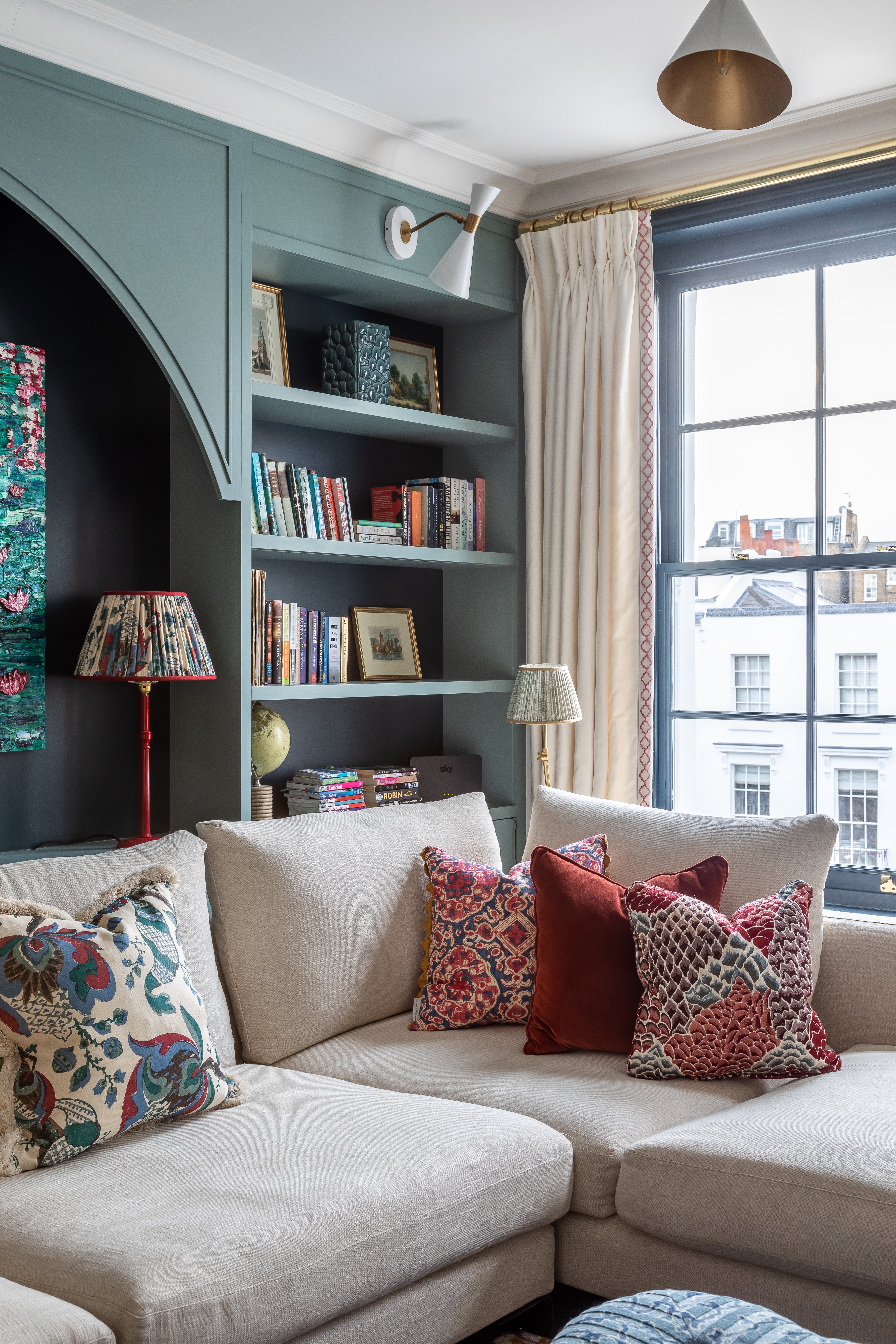
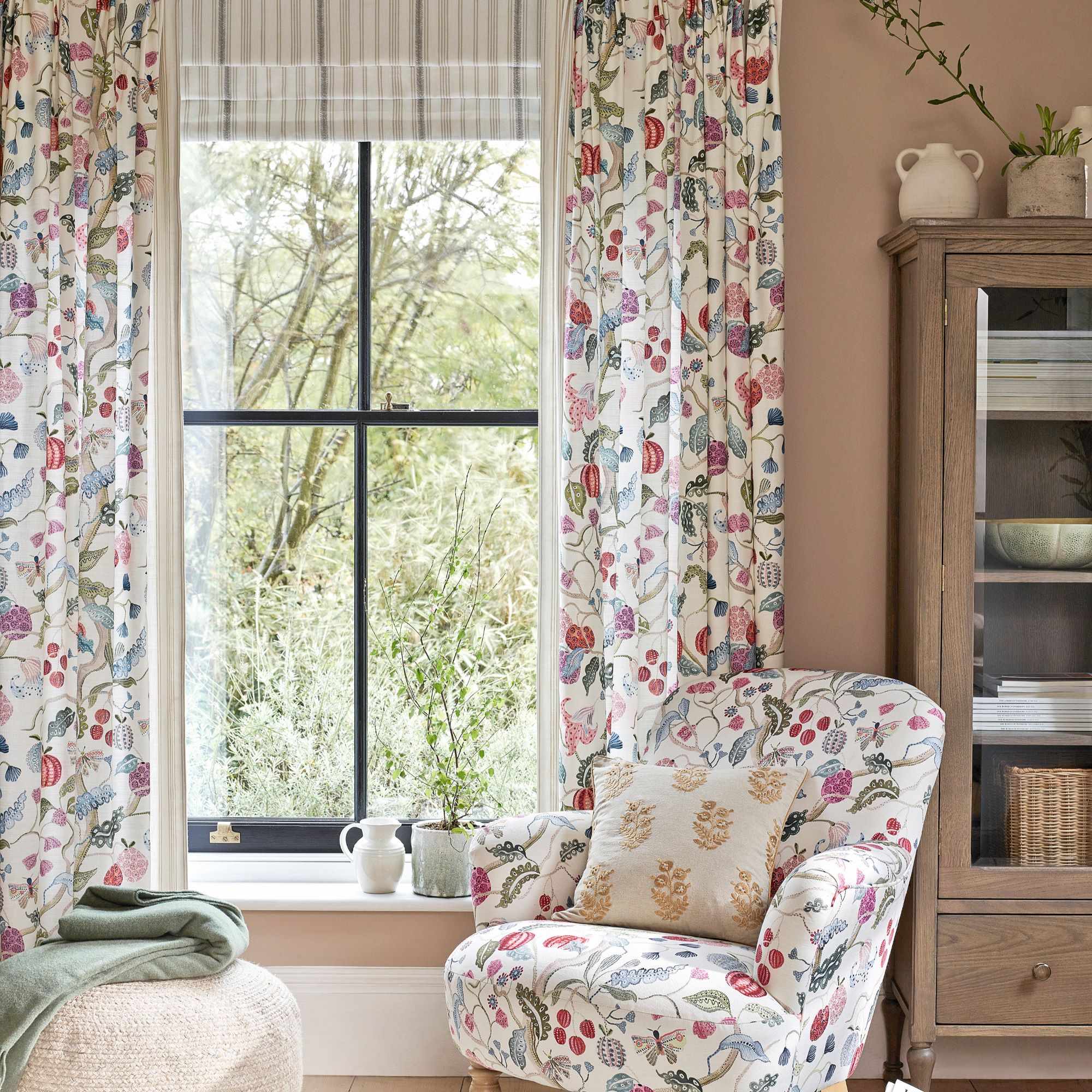
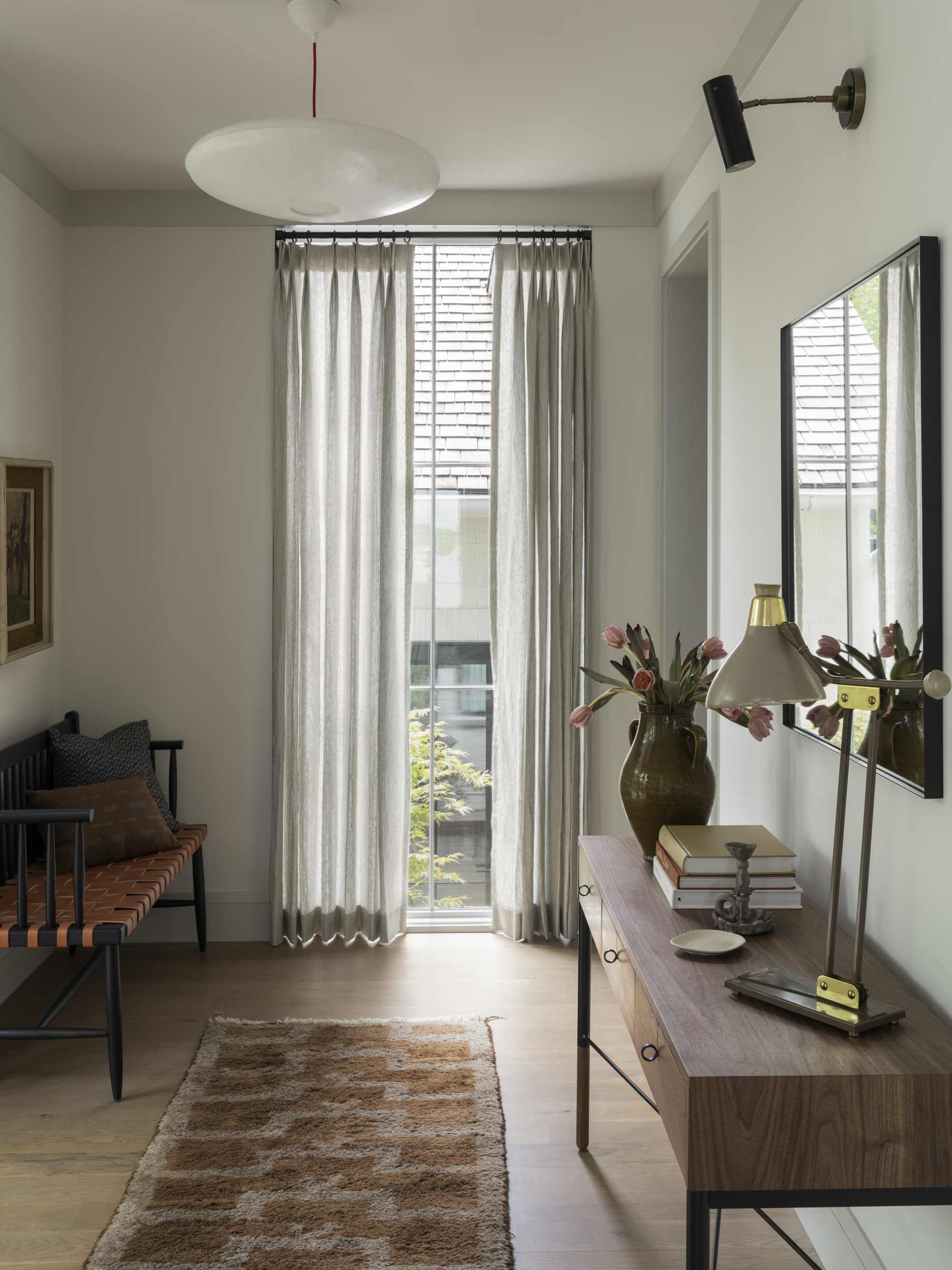
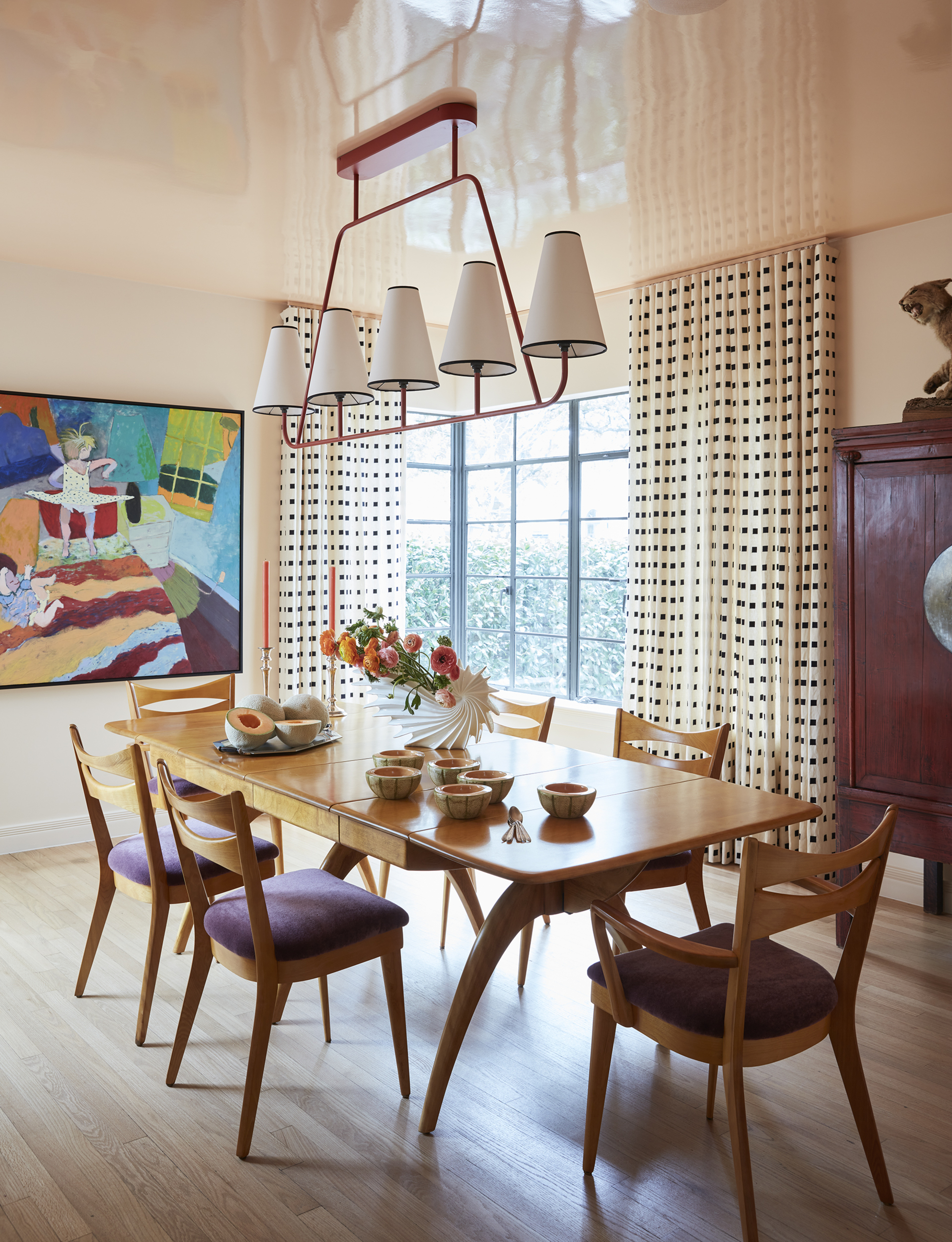
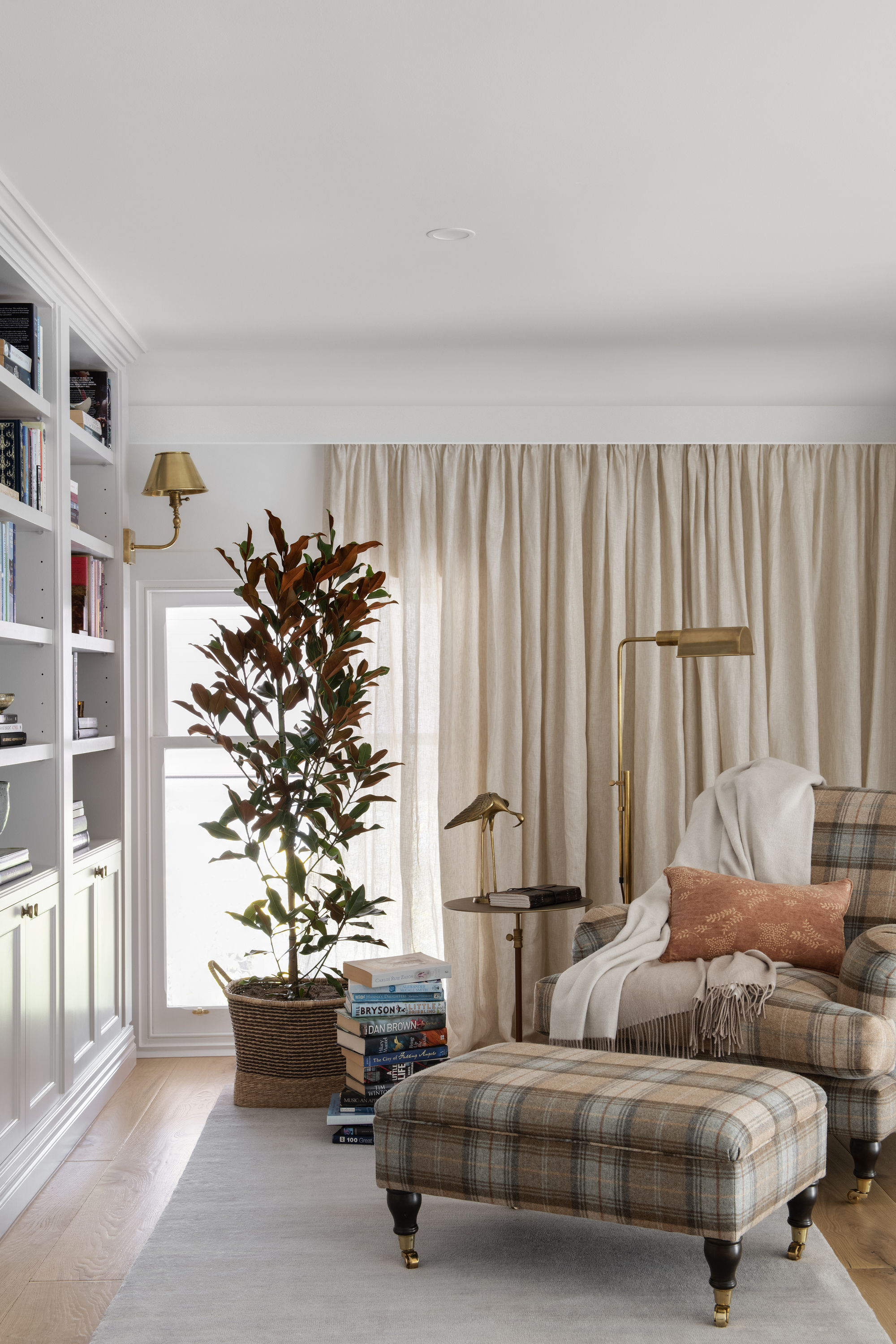
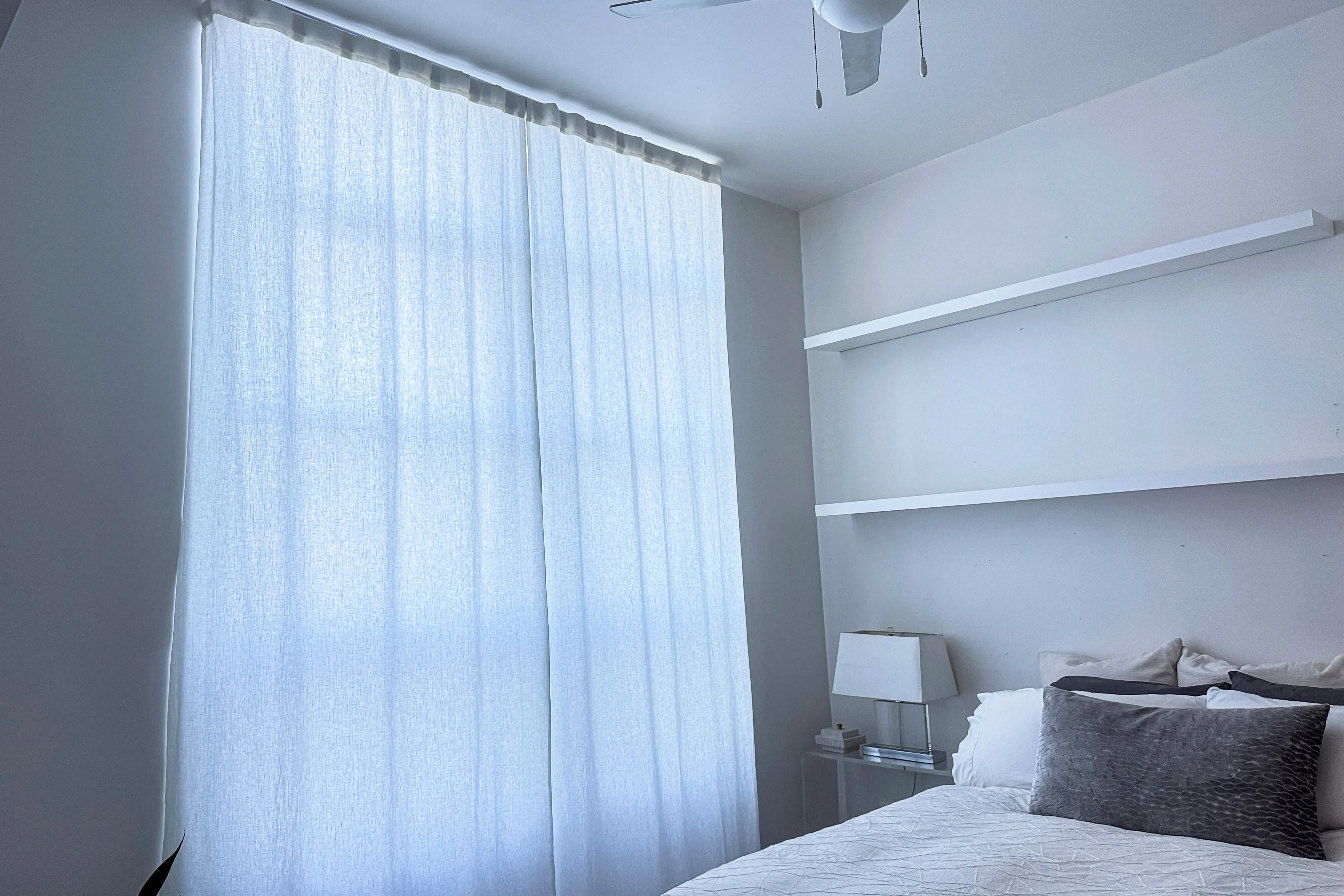
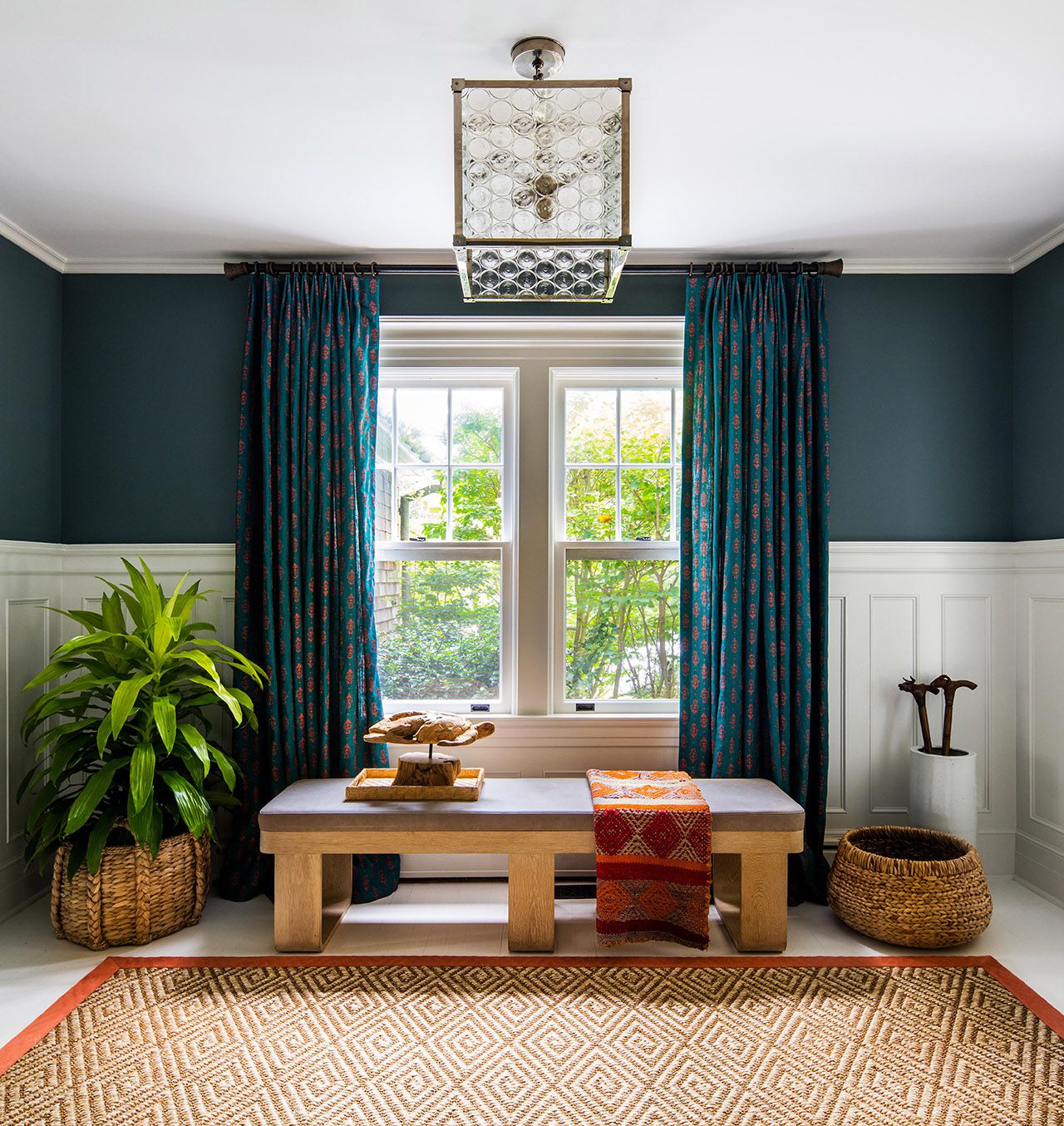
The placement of curtains plays a pivotal role in defining a room's aesthetic, going beyond just material and color choices. Interior designers unanimously advocate for hanging curtains higher than windows, a technique that visually expands the space and imparts a sense of grandeur. Madelaine Mayer of AD:ROIT Architecture & Interior Design emphasizes that curtains, as independent fabric pieces, can be utilized to achieve various effects, including complementing windows, covering them, or acting as decorative accents, provided proper proportions are maintained. Nina Magon of Nina Magon Studio further explains that this method draws the eye upward, creating an illusion of taller ceilings and making the room feel more open and elevated.
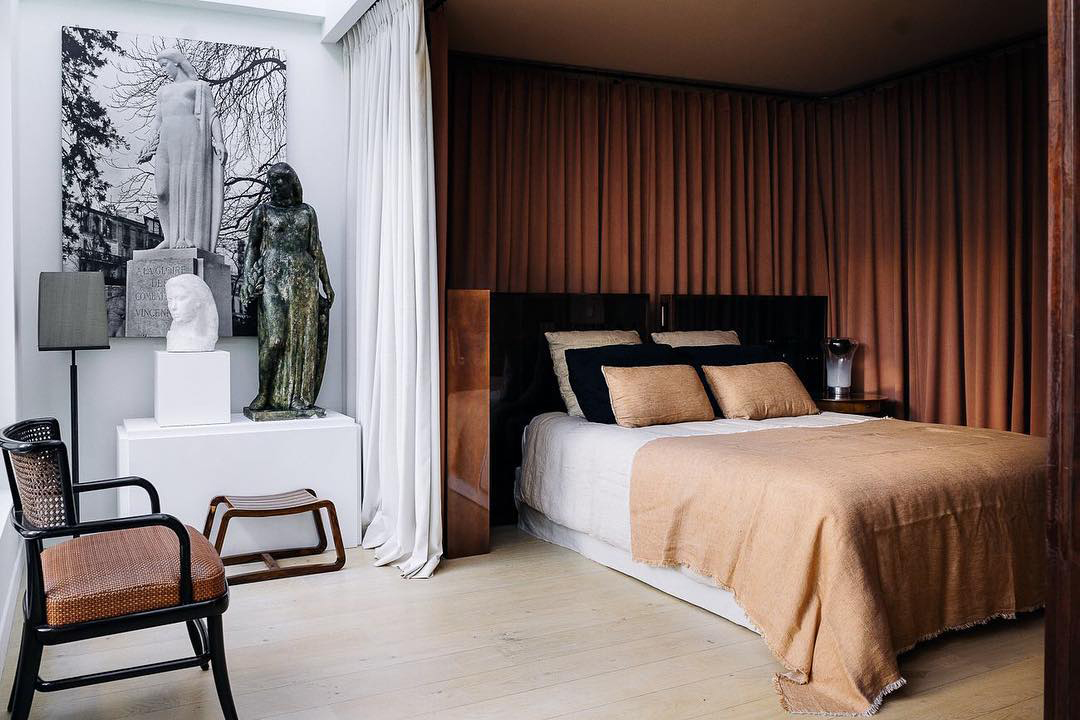

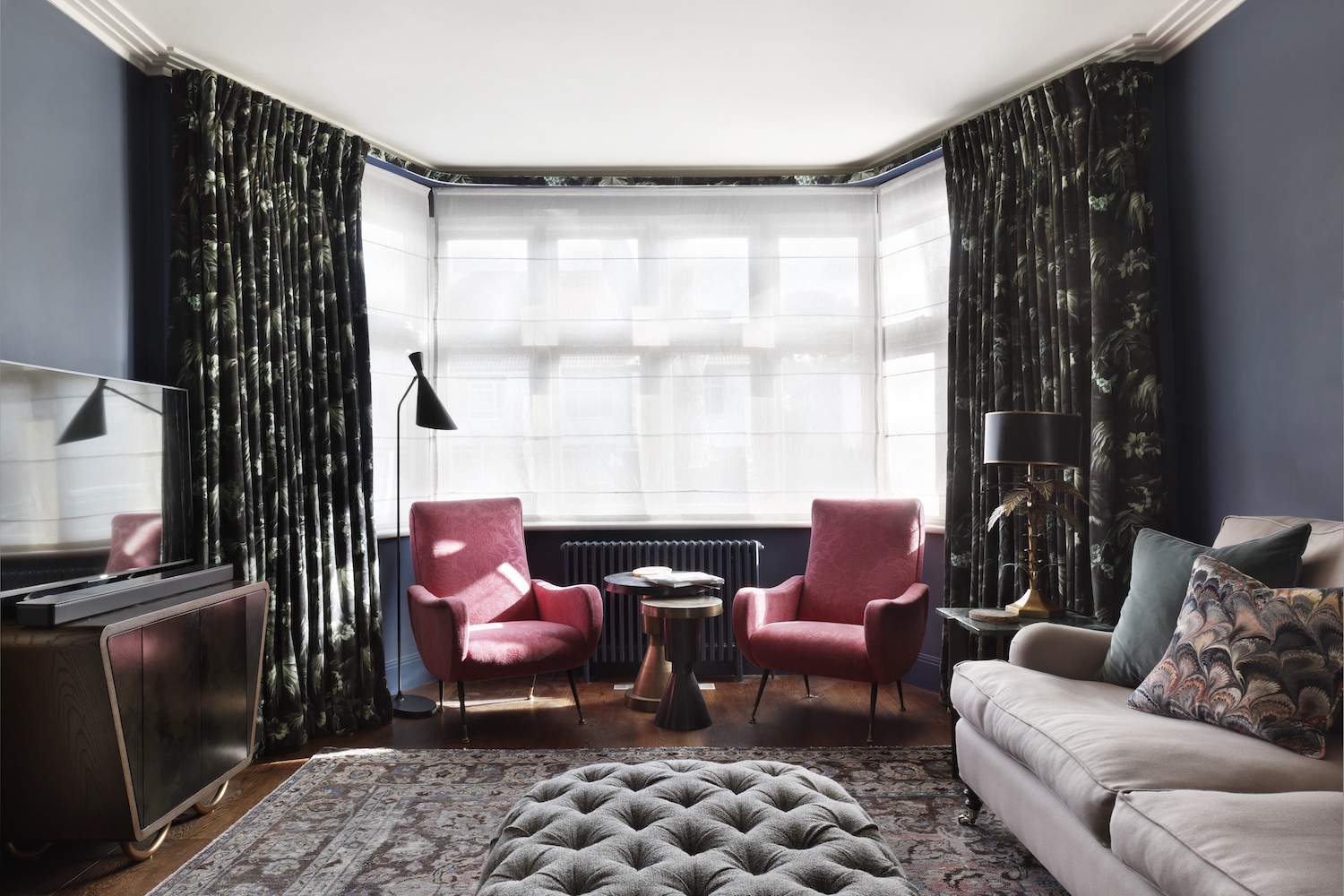
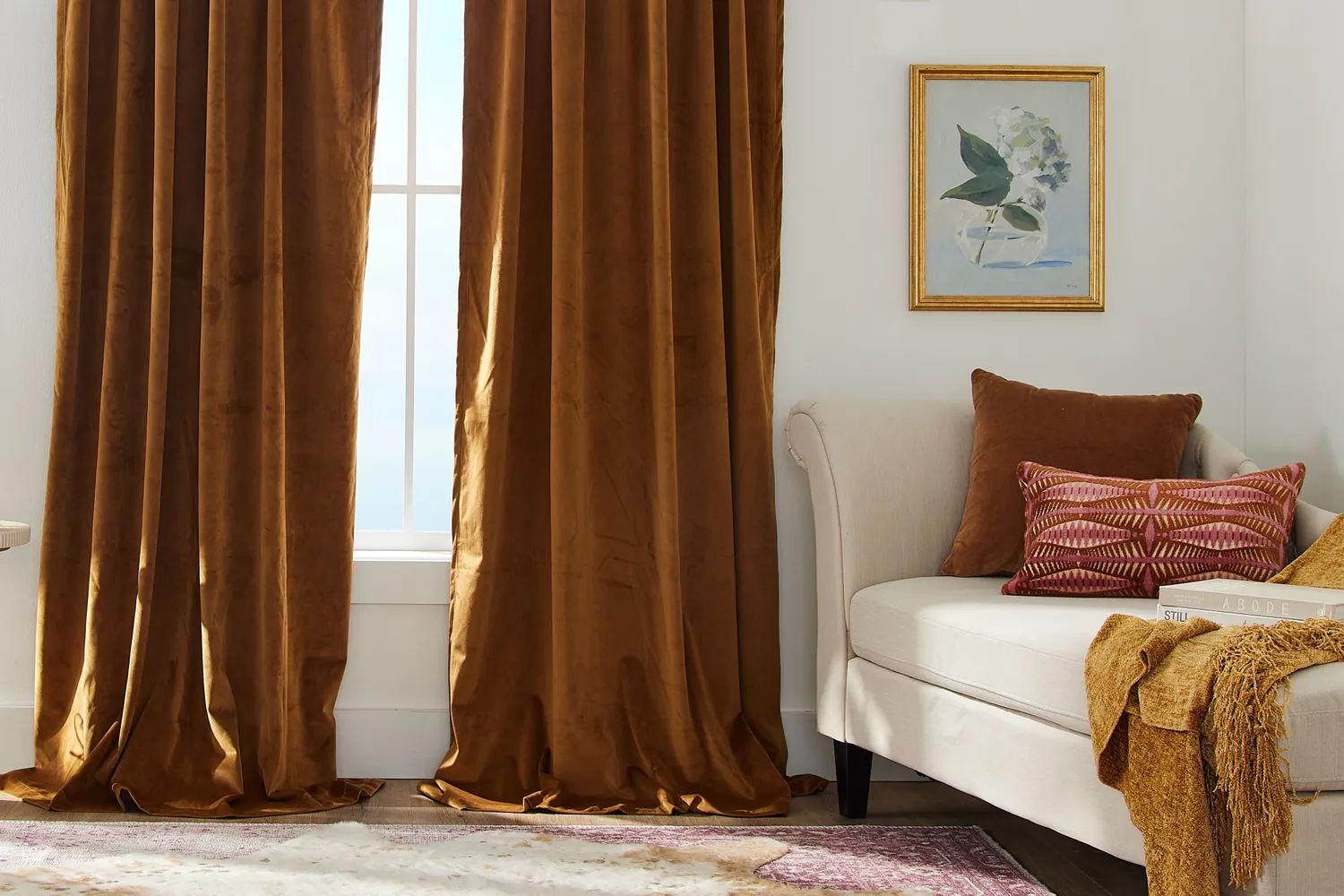
Hanging curtains higher than windows offers several benefits. Primarily, it enhances the perceived scale of a room, creating a more dramatic and tailored look. This elevation of curtain height visually extends the wall, making the room feel grander. Additionally, high-hung curtains, especially when positioned adjacent to windows, amplify the brightness of the natural light source, leading to a psychological impression of a brighter and larger room overall. The increased length of the drapes also allows the fabric to fall more gracefully, contributing to an elegant and fluid appearance. From a functional standpoint, hanging curtains higher minimizes light bleed at the top of the window, offering better light control. Moreover, full-length curtains hung from the ceiling a few inches off the wall can cleverly conceal items, providing hidden storage solutions.
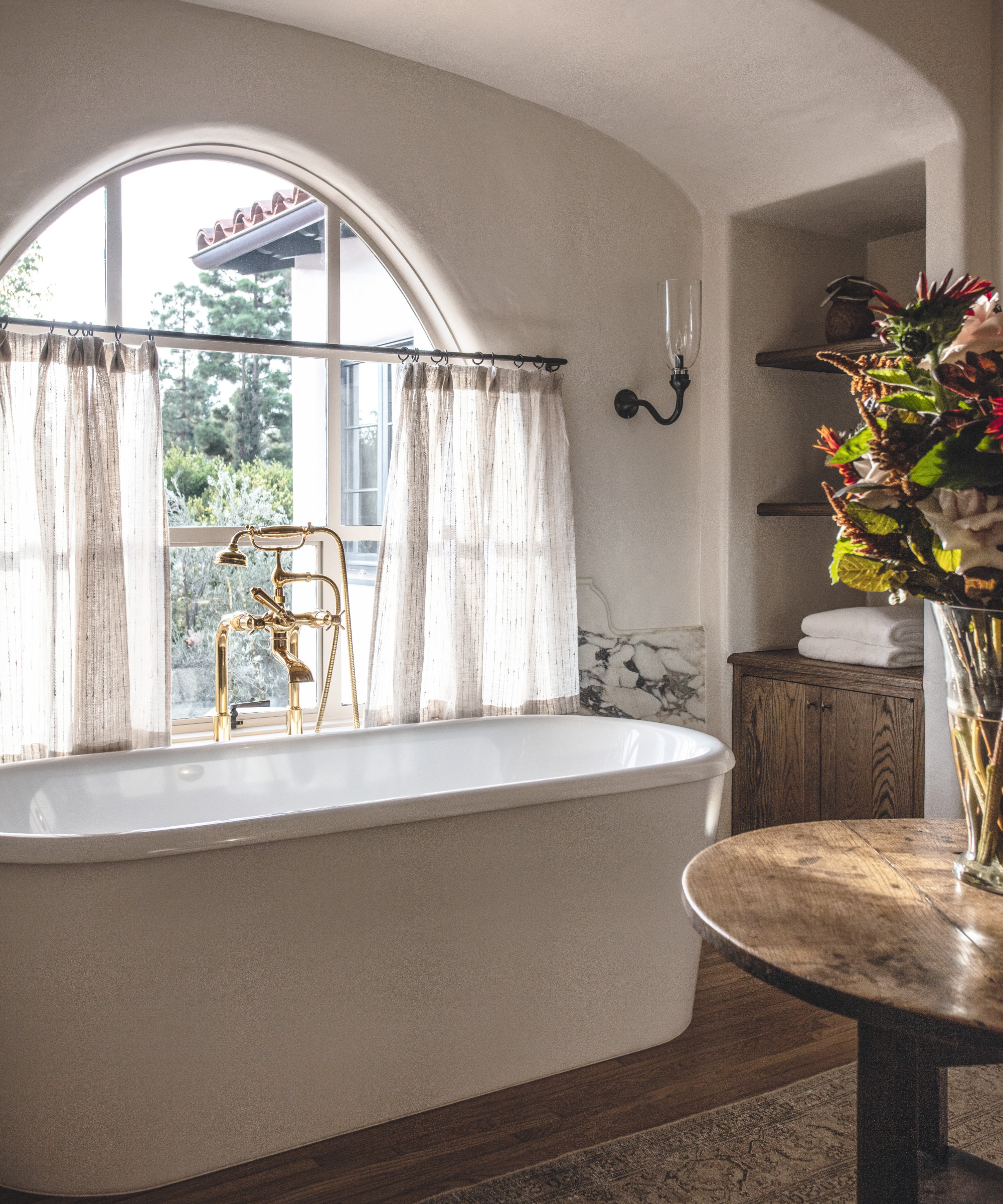
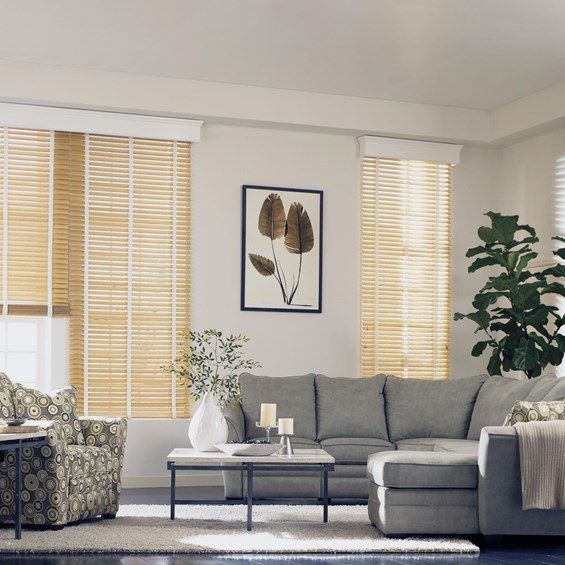
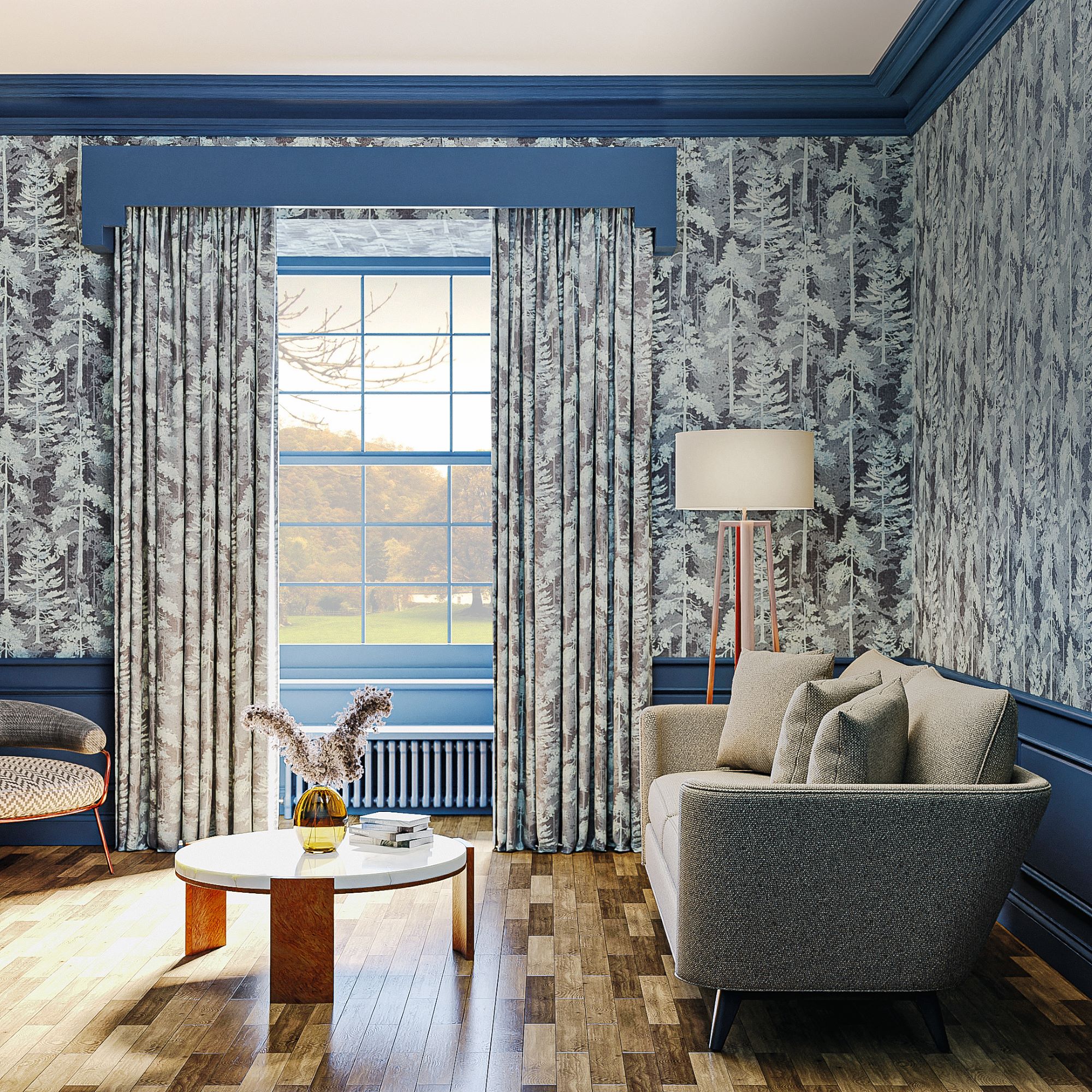
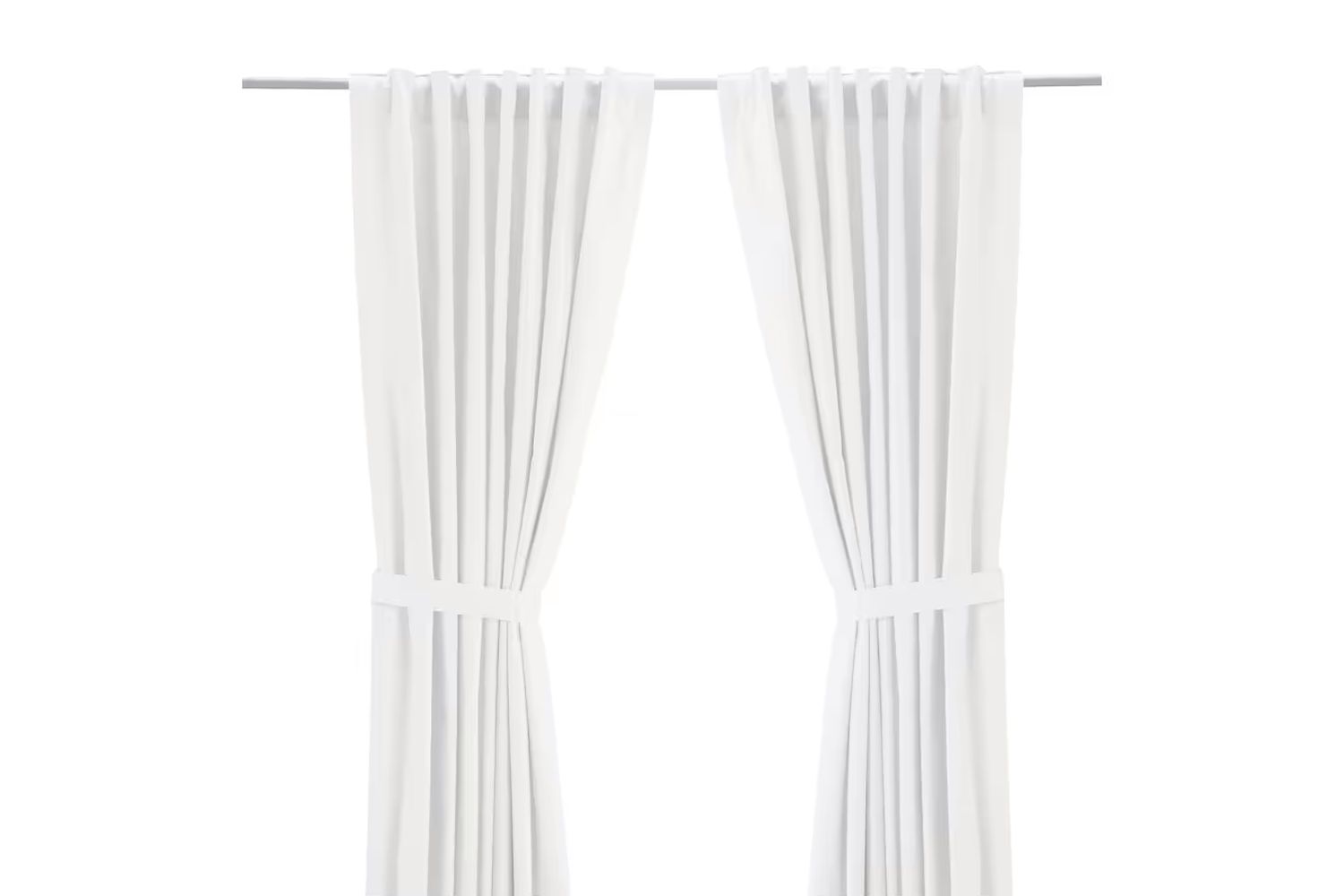
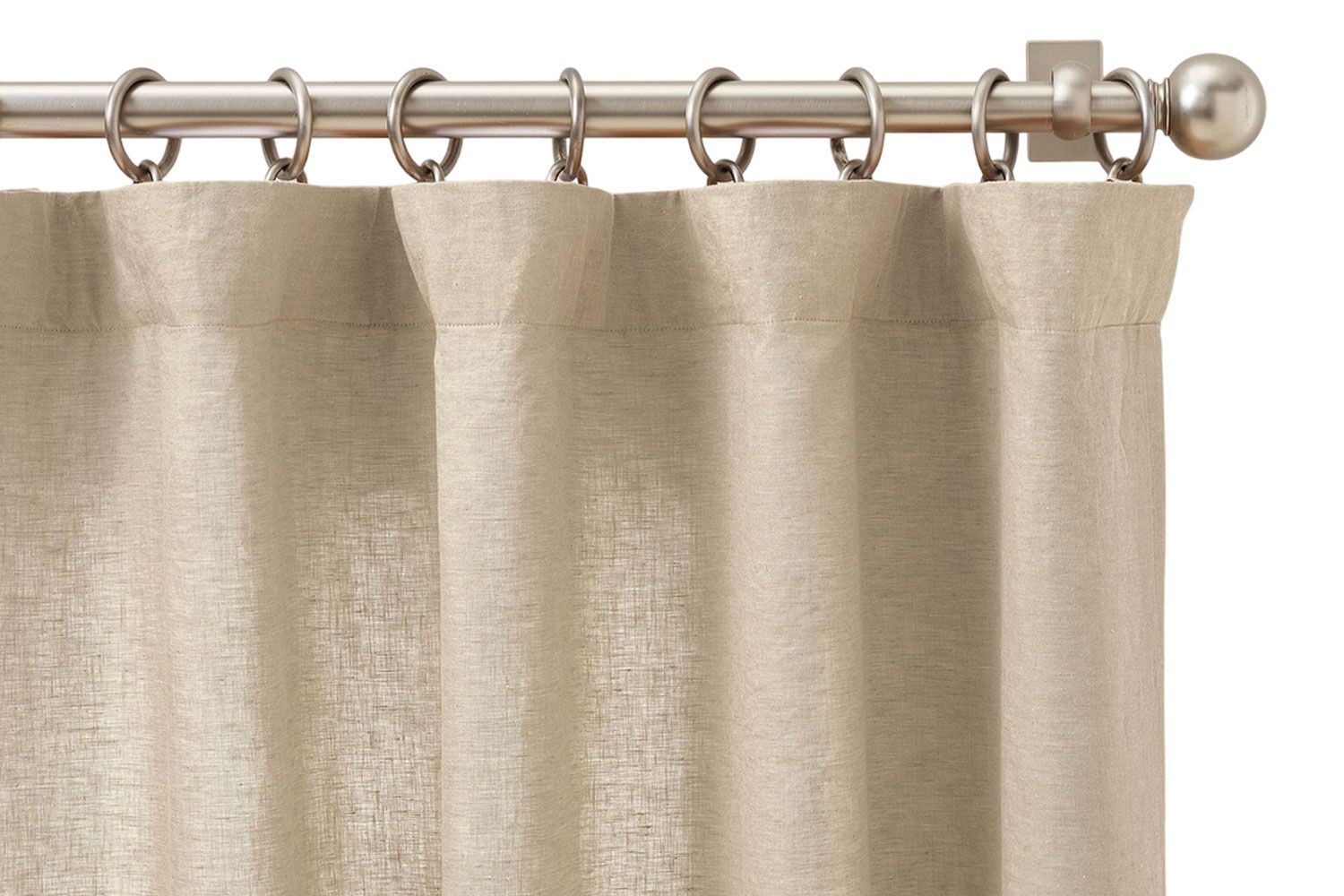
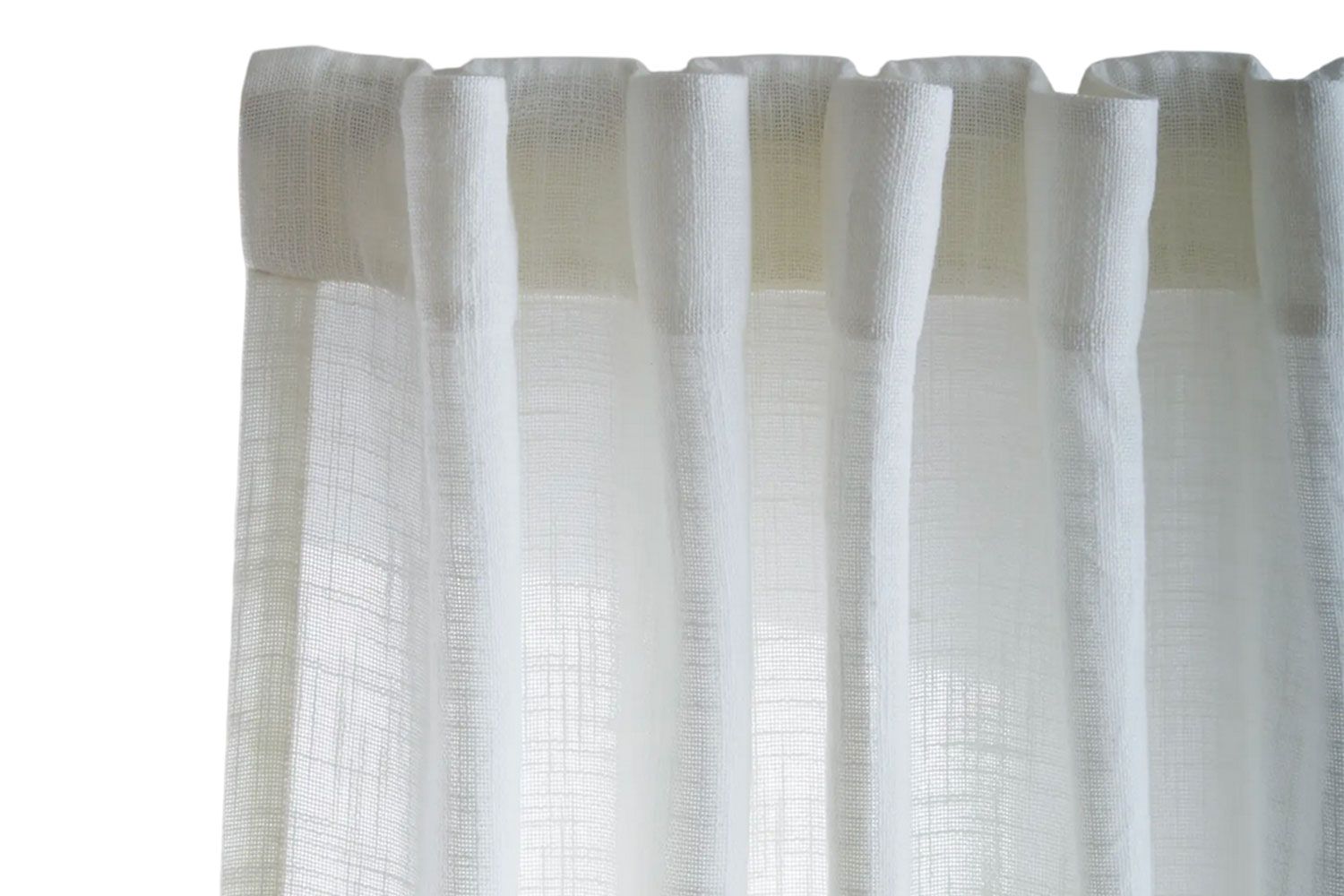
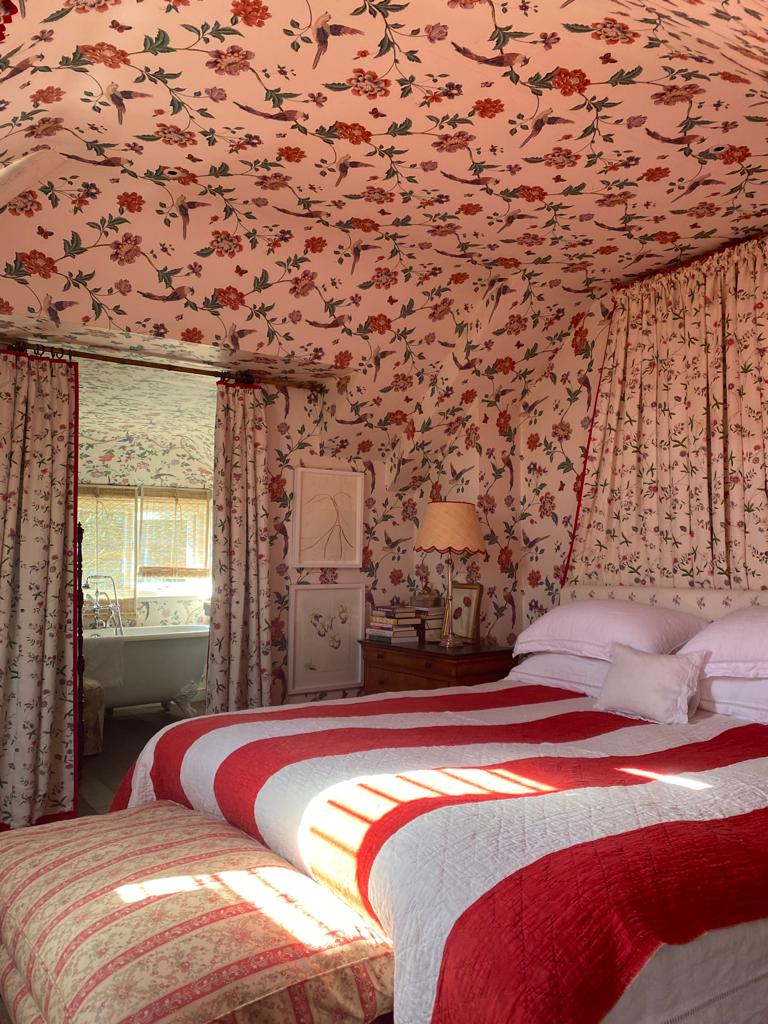
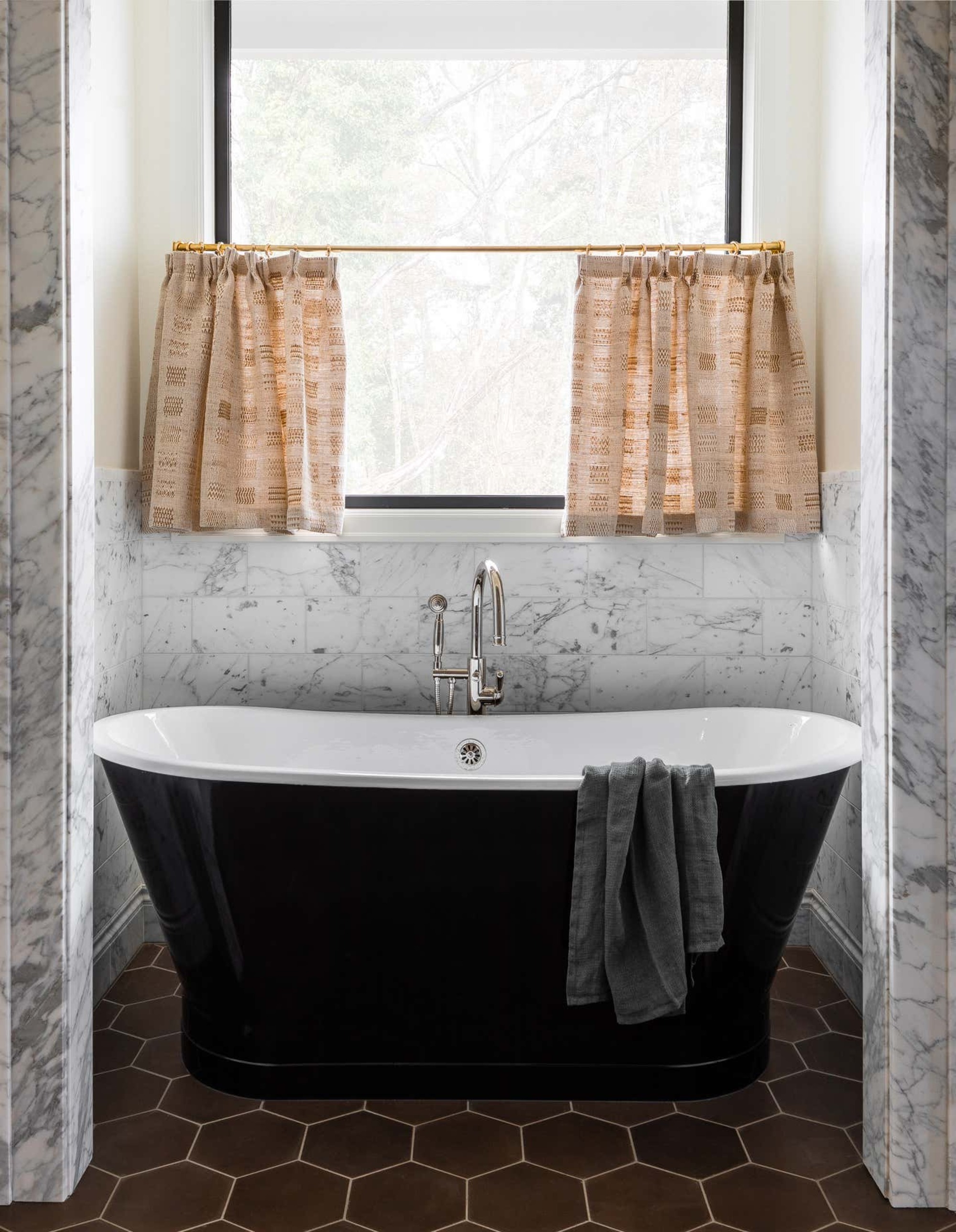
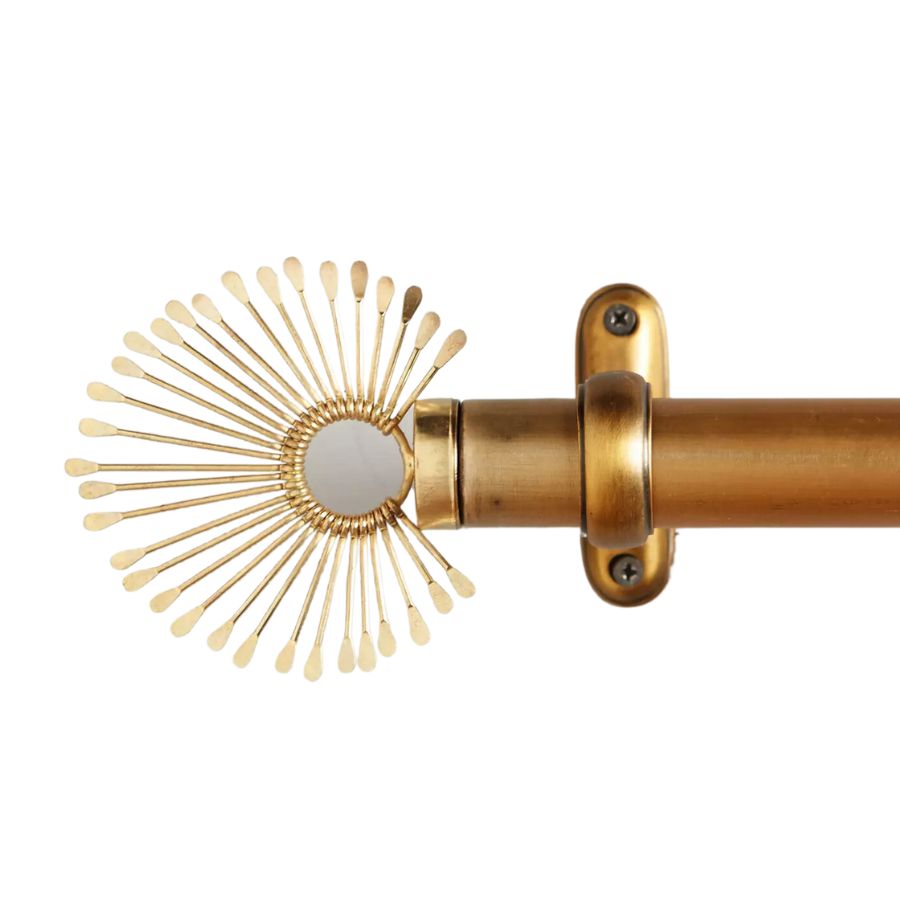
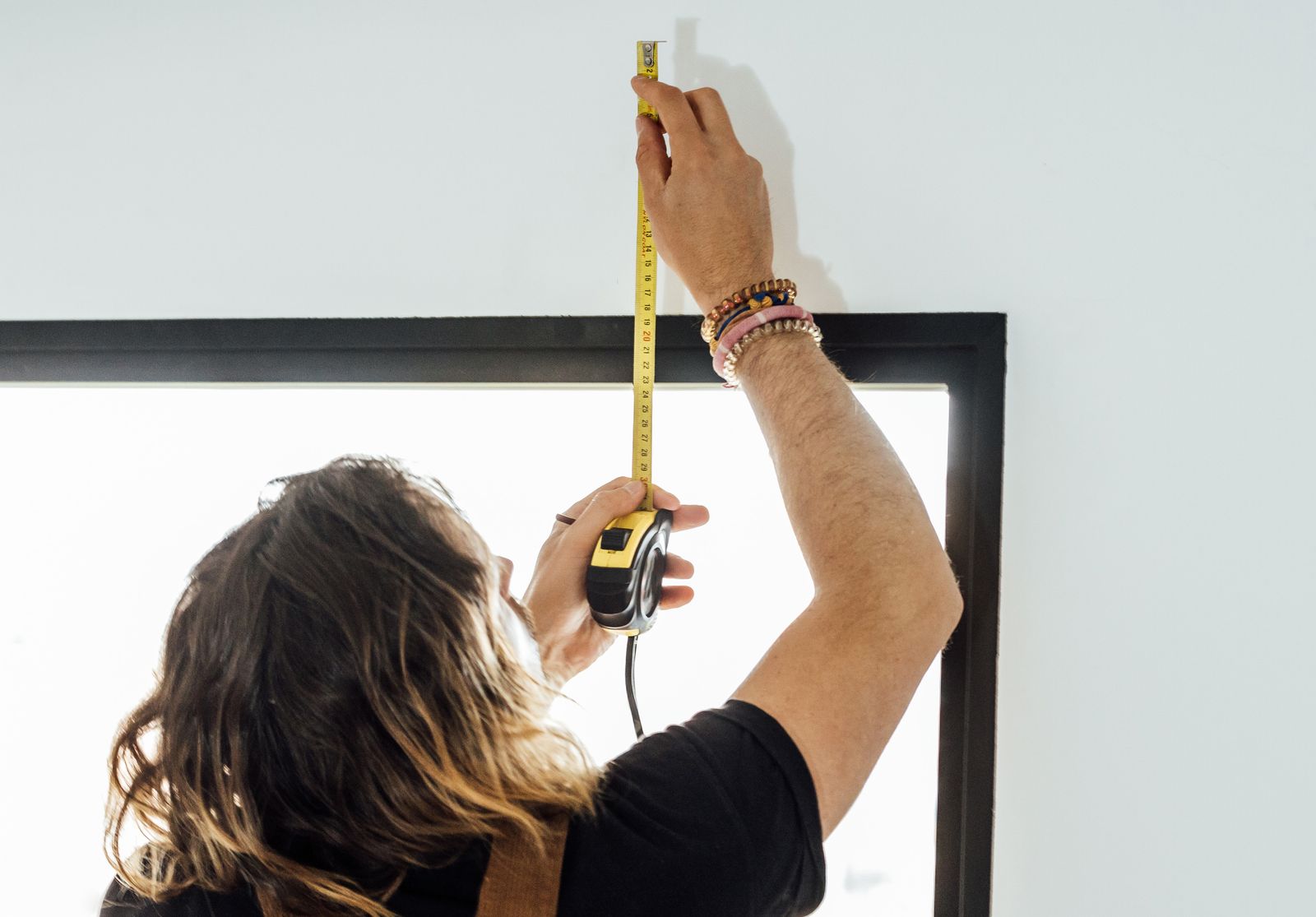
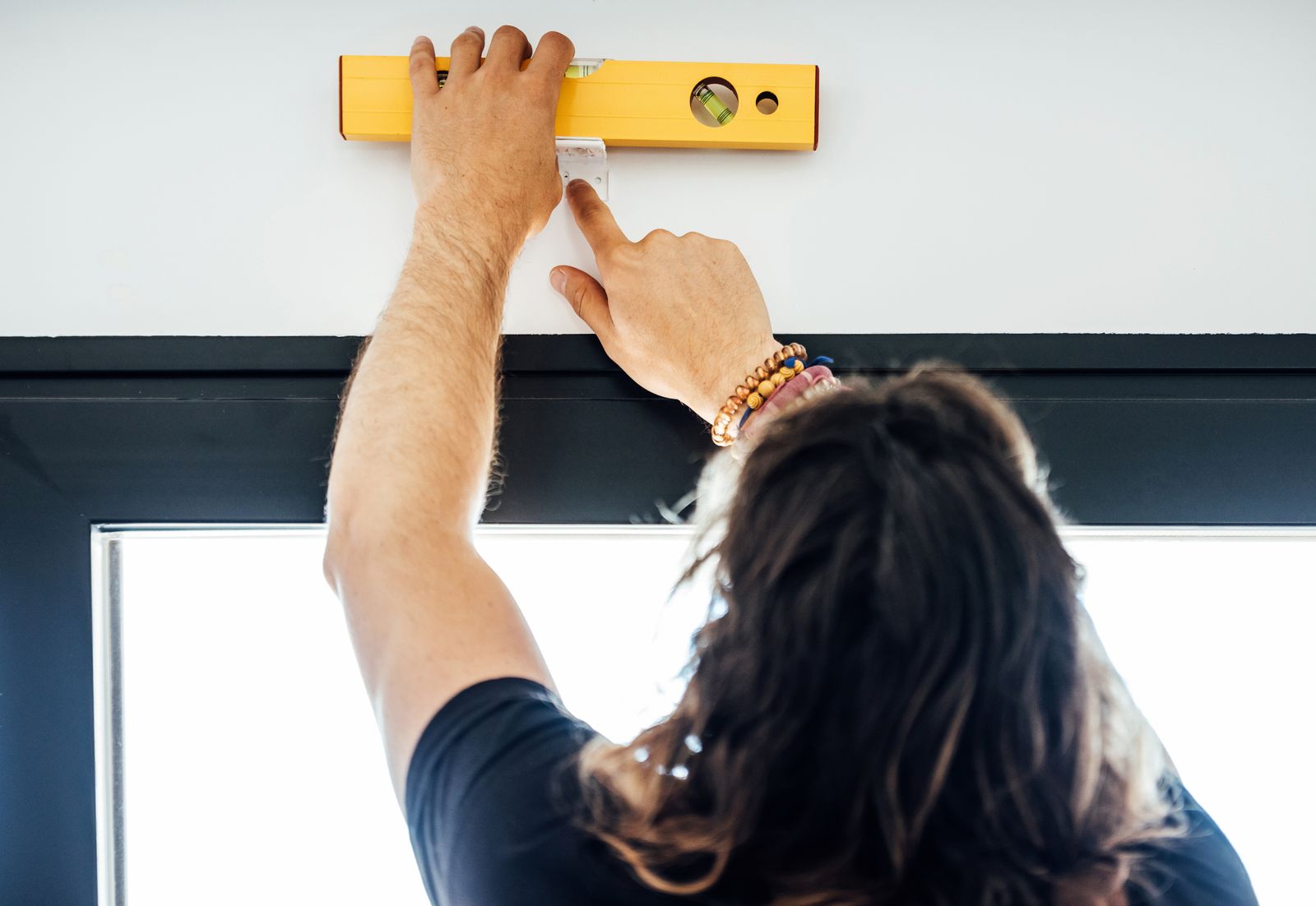
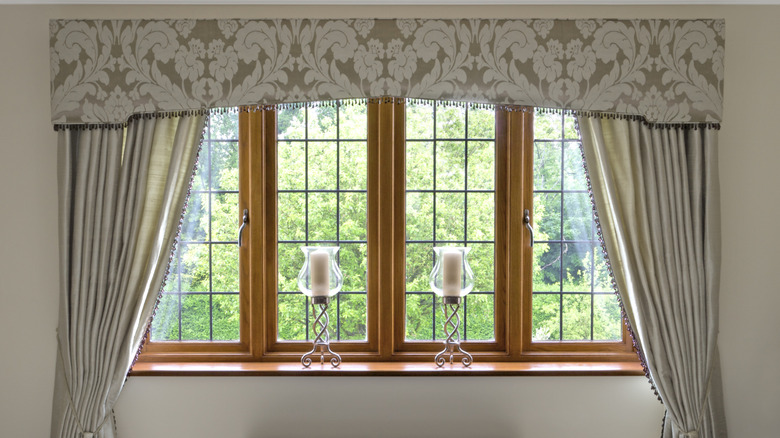
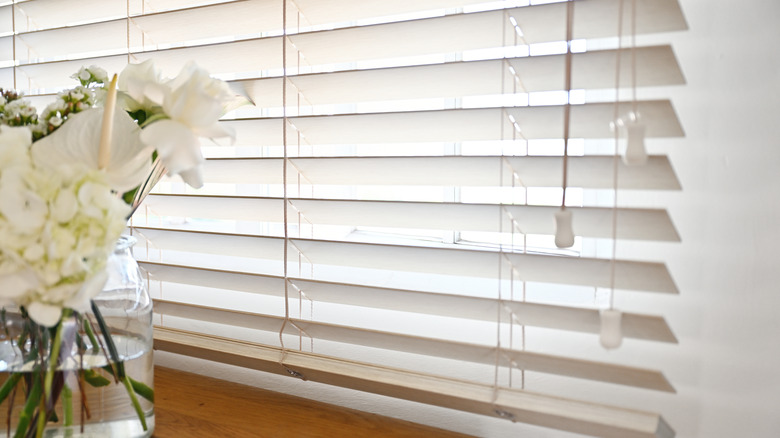
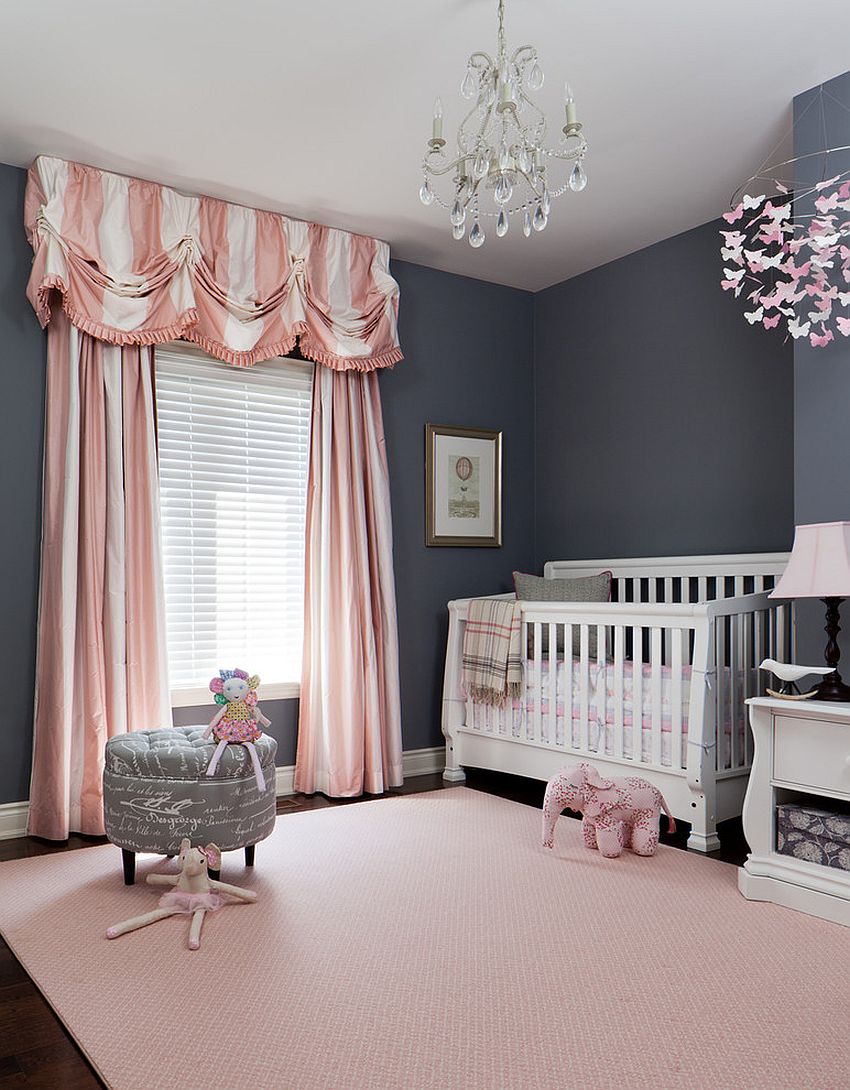
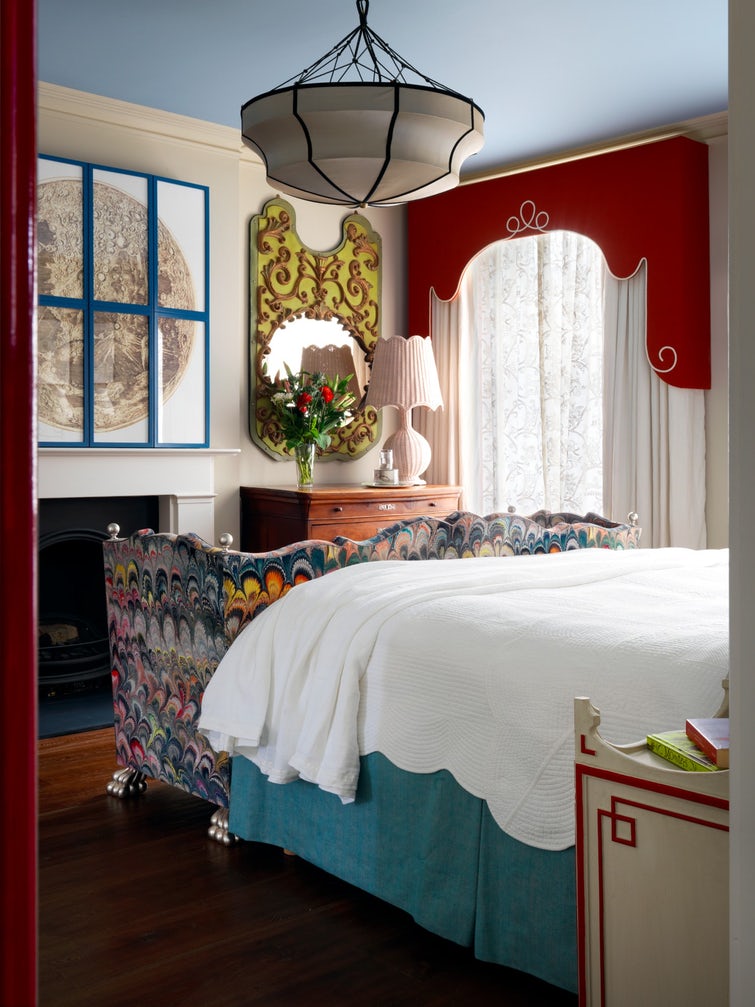
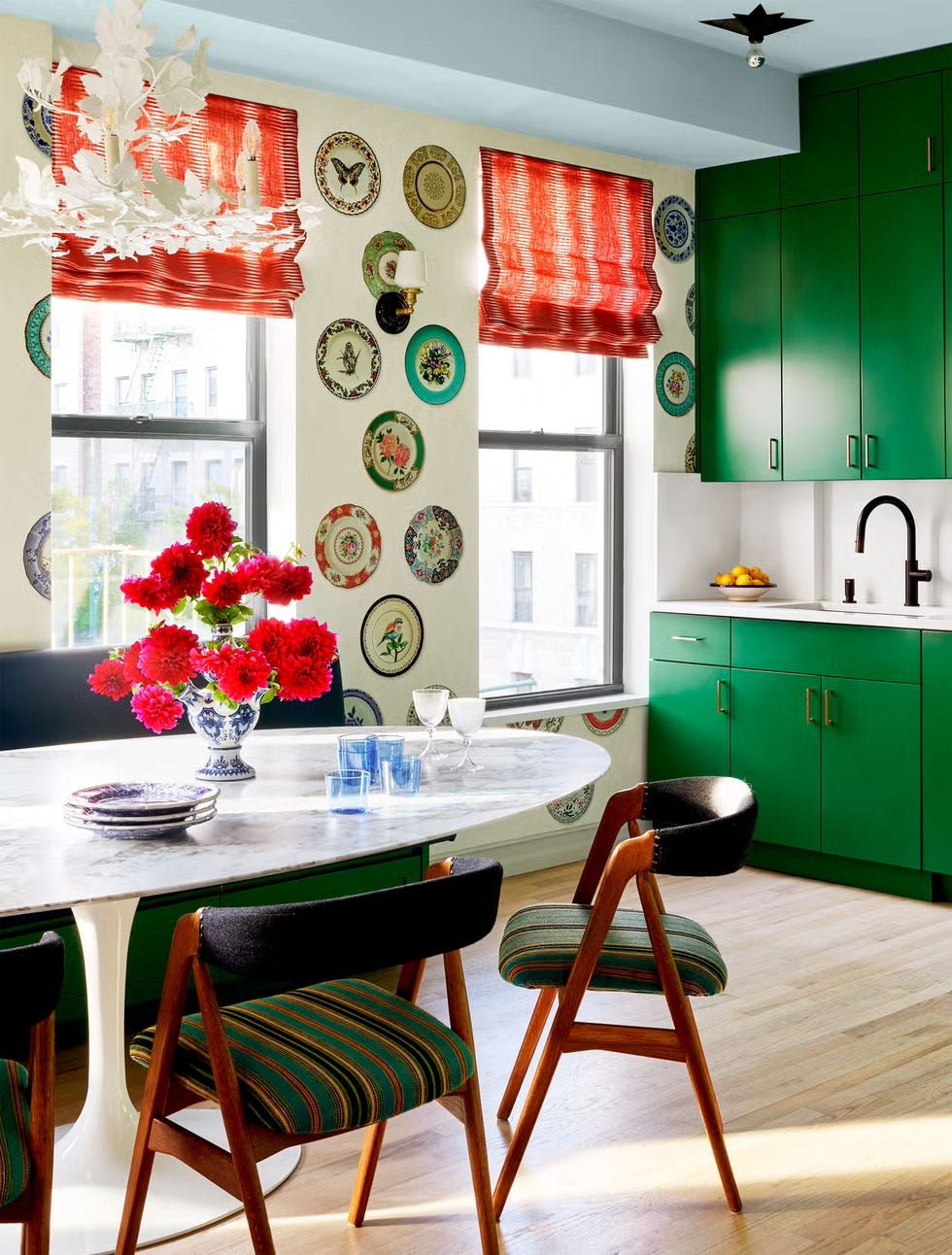
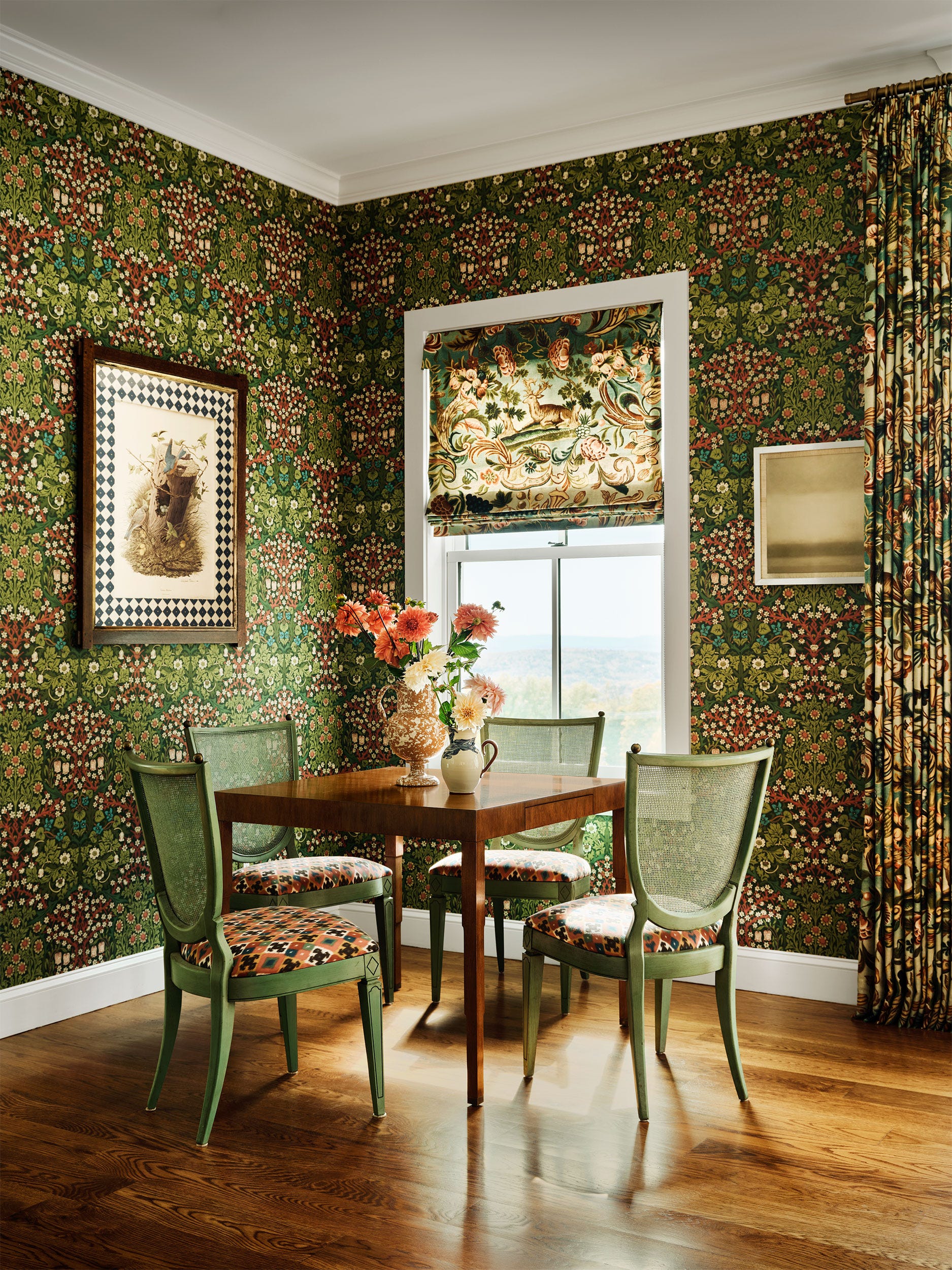
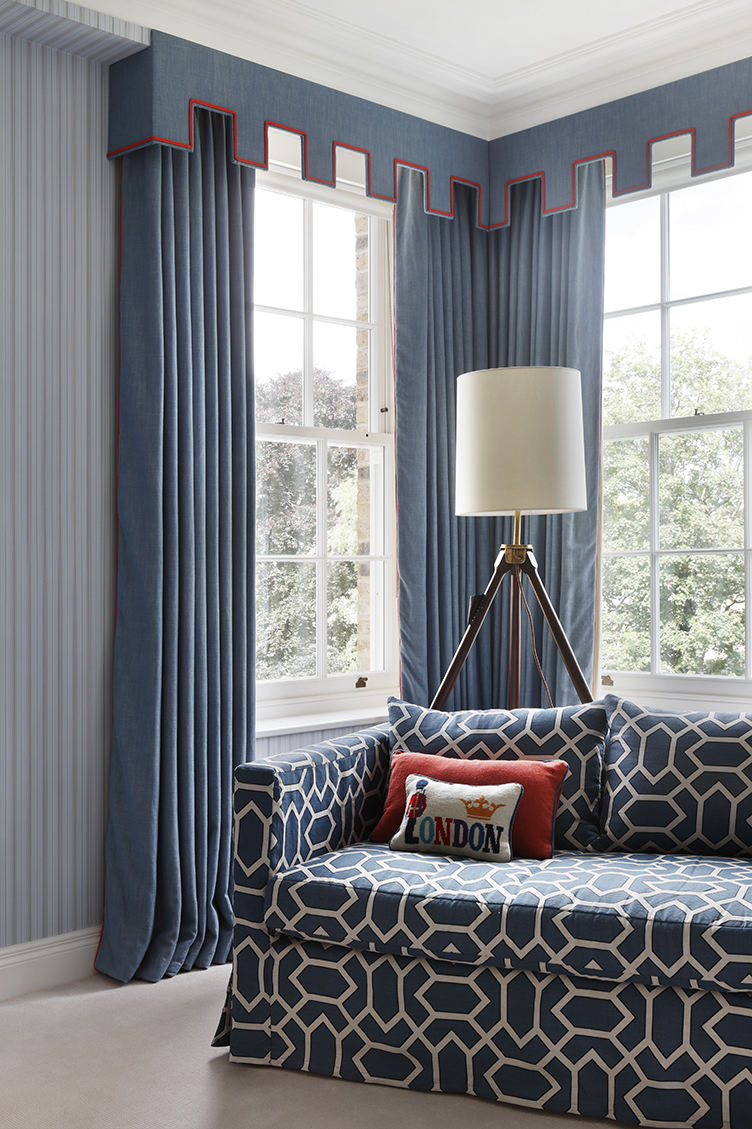
Several rules should be followed for optimal curtain hanging. Designers recommend placing the curtain rod six to twelve inches above the window frame. If there is a larger gap, exceeding eighteen inches, between the window and the ceiling, a valance can be incorporated at the top to unify the composition and maintain a cohesive design. Valances are also beneficial for covering hardware and soffits, transforming awkward structural elements into intentional design features. It is crucial for curtains to be long enough to either graze the floor or create a slight puddle for a more dramatic effect. For ample fullness and fluidity, curtain panels should be at least 1.5 to two times the width of the window. To ensure a seamless transition between the window and the rod, a faux matchstick or Roman shade can be installed at the same height as the raised curtain rod, effectively concealing any awkward gaps. Finally, selecting hardware that harmonizes with the room's scale and style is essential for a polished finish.
Addressing common questions, designers confirm that curtain rods should extend eight to twelve inches beyond the window on each side. This practice not only makes the window appear larger but also allows the curtains to be fully drawn open, clearing the window entirely. For rooms with low ceilings, hanging floor-to-ceiling curtains is particularly important as it helps create lift and draws the eye upward, enhancing the perception of height. However, it is vital to ensure that these curtains are correctly hemmed to avoid them hovering above the floor or pooling unattractively, which could detract from the intended effect.
#CurtainHanging #InteriorDesign #HomeDecor #RoomElevation #DesignTips #WindowTreatments #SpaceEnhancement #CeilingHeight #Decorating #CurtainHanging #InteriorDesign #HomeDecor #RoomElevation #DesignTips #WindowTreatments #SpaceEnhancement #CeilingHeight #Decorating
0 comment in total
 No comments yet
You may also like
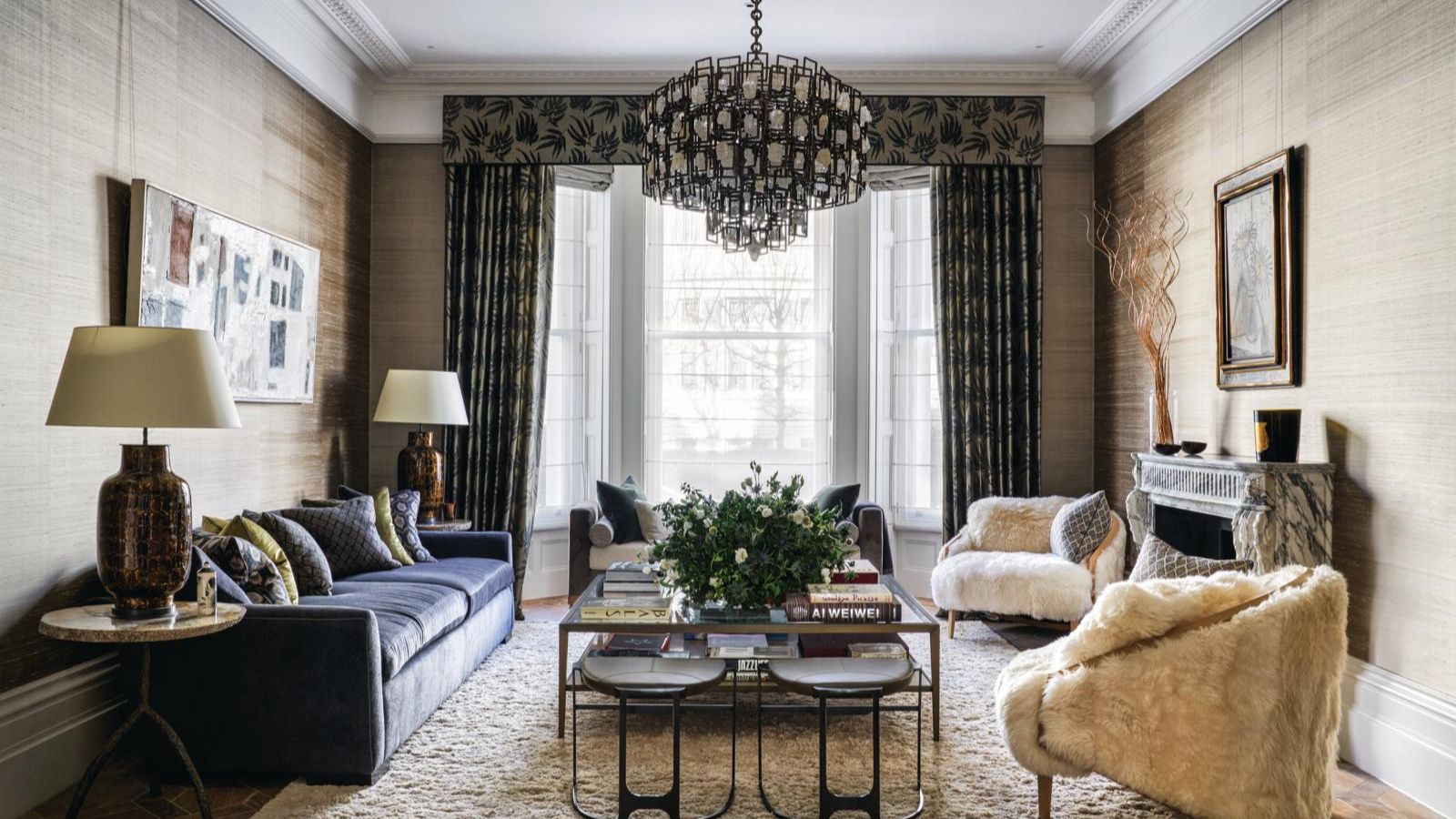
How high should I hang my curtains? The rules designers follow

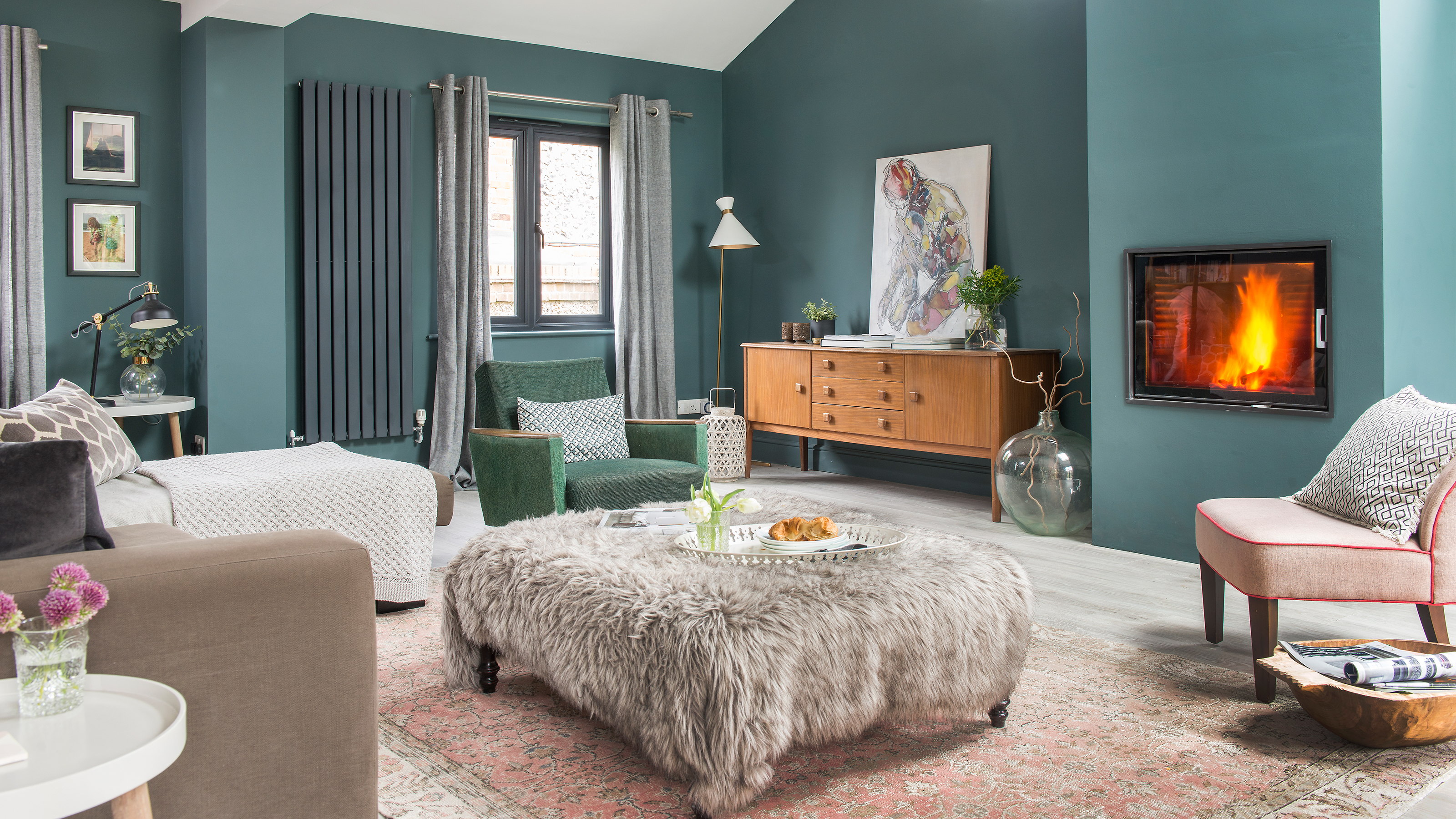
How to dress a window - three design experts explain how to plan the perfect window dressing

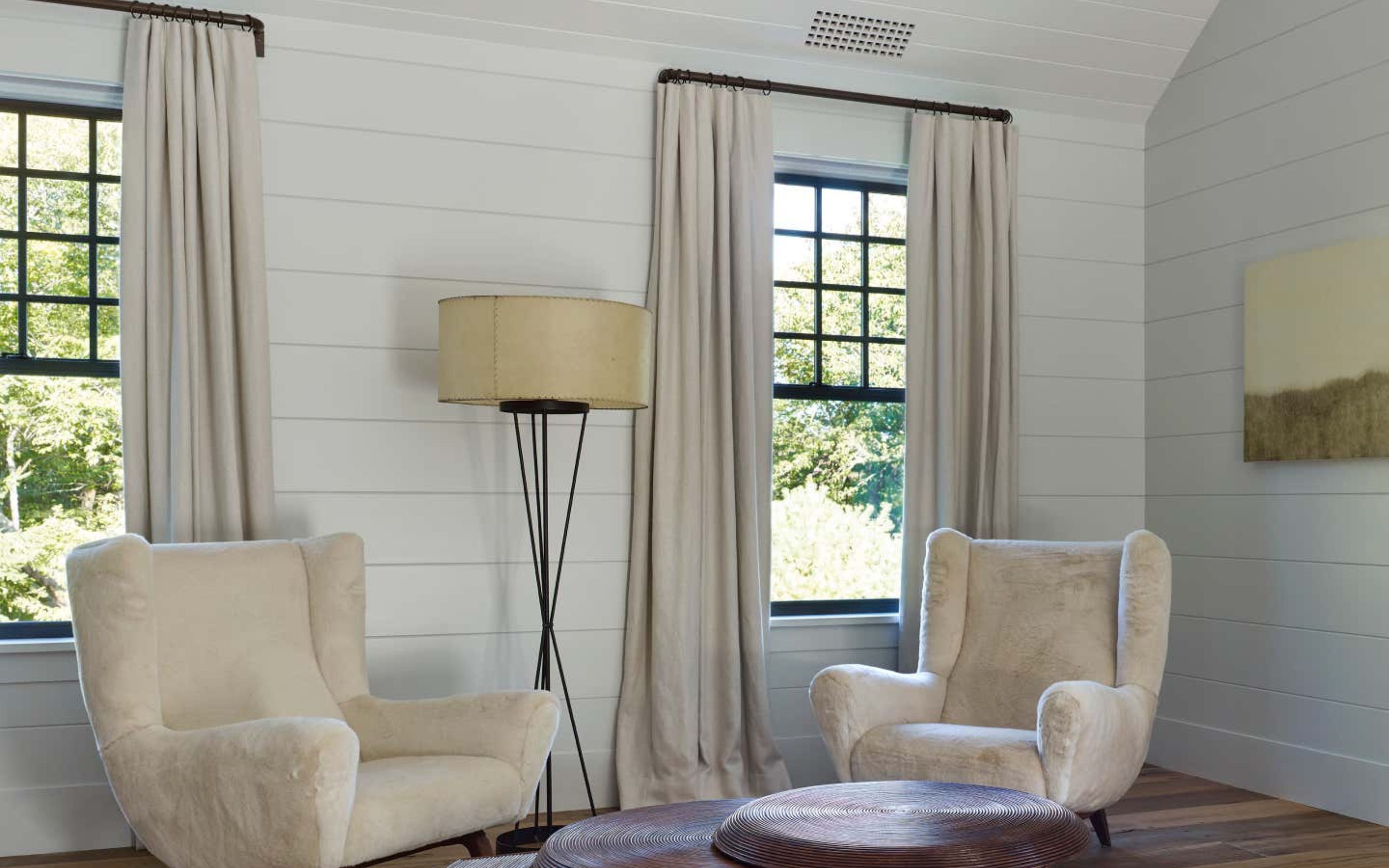
5 finishing touches that will elevate your curtains and make them look a hundred times better

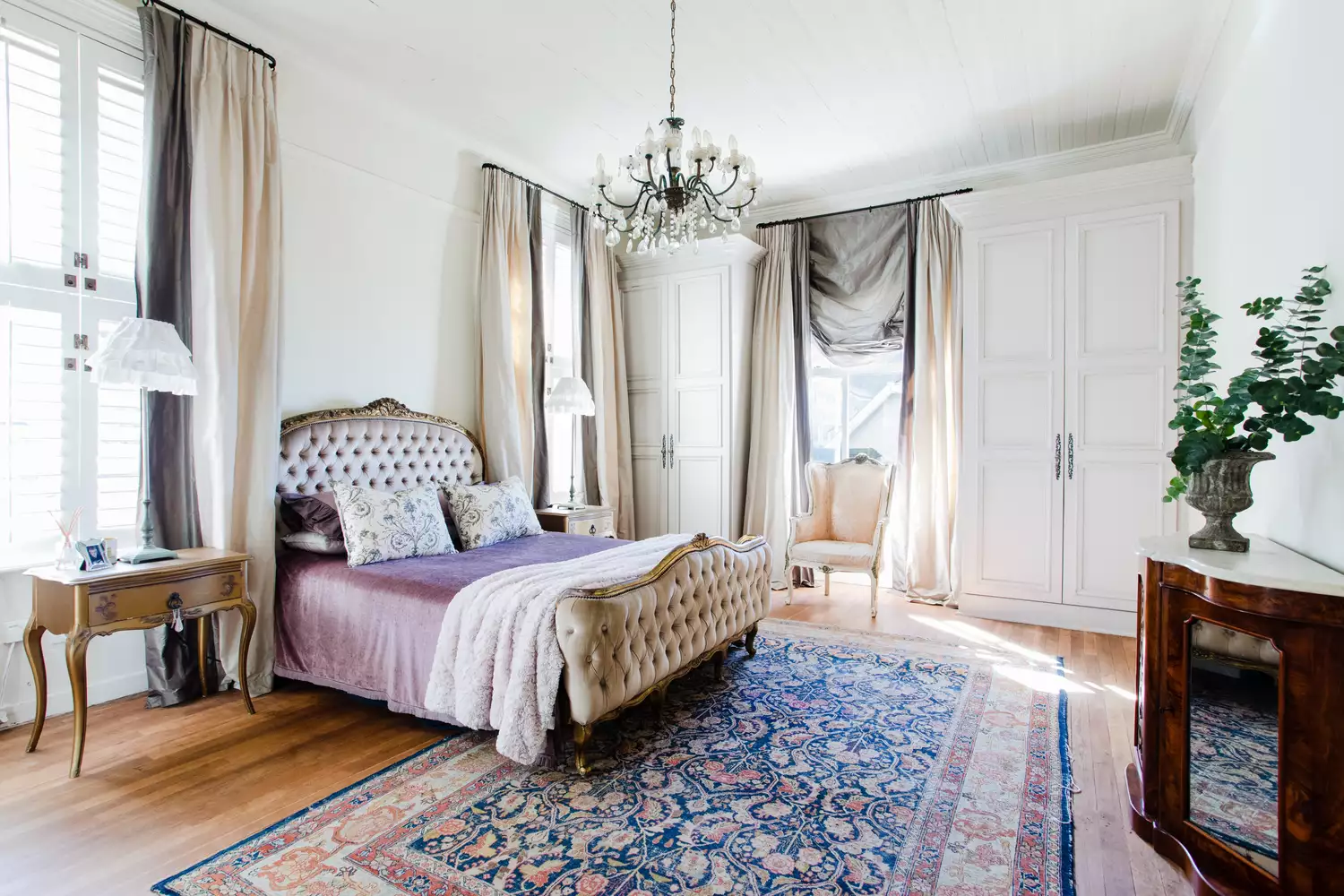
6 Window Treatments That Instantly Make a Room Look "Tacky," Designers Say

Why You Should Be Extending Your Drapes Beyond the Window Frame
The Best Curtains for Every Style and Light Level, Tested by BHG

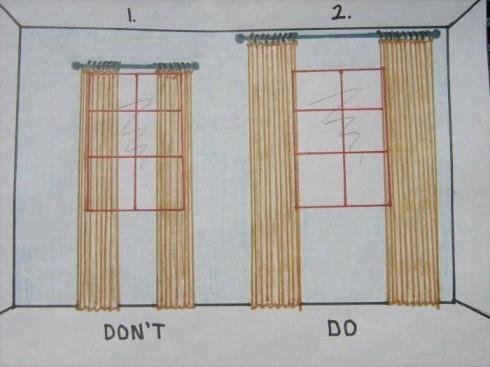
Hanging curtains: You’re probably doing it wrong

54 Stylish Window Treatment Ideas to Completely Transform Your Space

The Best Window Curtains and Shades, According to Interior Designers
7 Window Treatment Mistakes You Might Be Making

How to Hang Curtains: A Hassle-Free 5-Step Guide

An Interior Designer Weighs in on Canopy Bed Frames: Yay or Nay?


Curtain Call: Choosing Window Treatments

Are Curtains Out of Style? Of Course Not, but Some Designs Will Date Your Space Faster — Here's What to Know

Once-Popular Window Treatments That Are Now Dating Your Home
An Interior Designer Weighs in on Canopy Bed Frames: Yay or Nay?


An easy add-on to your curtains makes rooms look expensive - designers explain
Should you ever replace doors with curtains? I say yes, and asked designers when to make the switch
13 curtain ideas and styles to help you pick the best drapes for your room
The Easiest, Foolproof Way to Hang Curtains, According to Design Pro