1/15
How do I fix dead space in my house? 7 transformative tips from designers
Addressing dead spaces in a home is crucial for creating a functional and aesthetically pleasing interior. These often-overlooked areas, such as under stairs, awkward alcoves, empty corners, transitional spaces, and underused spare rooms, present unique opportunities for creative design solutions. Harnessing the potential of these 'dead zones' can significantly enhance a home's overall style and practicality.
Interior designers emphasize that every part of a home should contribute to its beauty and functionality. Brenda Petrunick, founder of Simply White Interiors, likens unlocking the potential of dead space to finding an unopened gift, suggesting that imagination can lead to endless possibilities. She advises homeowners to consider their functional needs, such as a lack of storage, display areas, or workspaces, or even a cluttered entrance, and view these untapped spaces as potential solutions to design challenges.
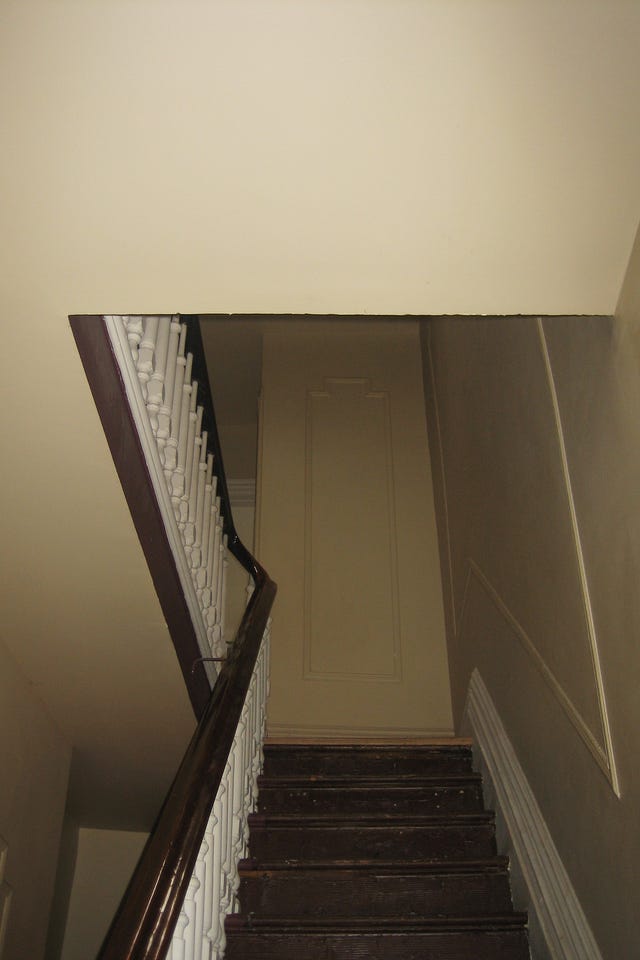
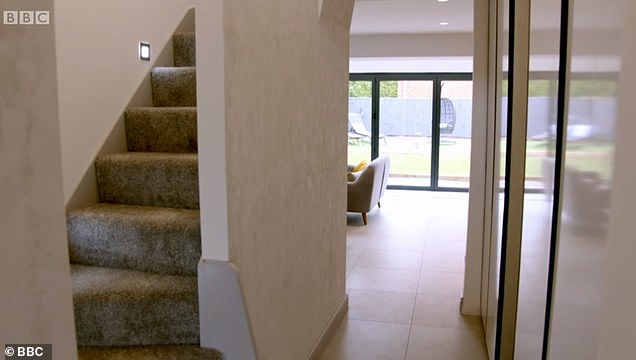
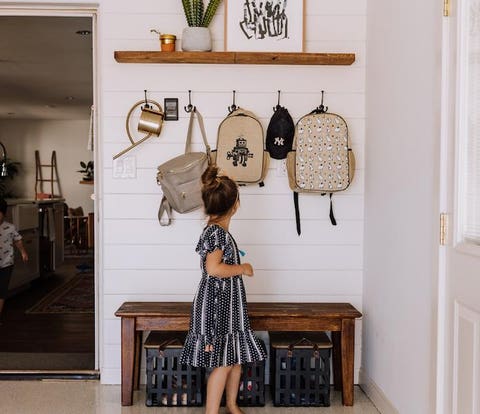
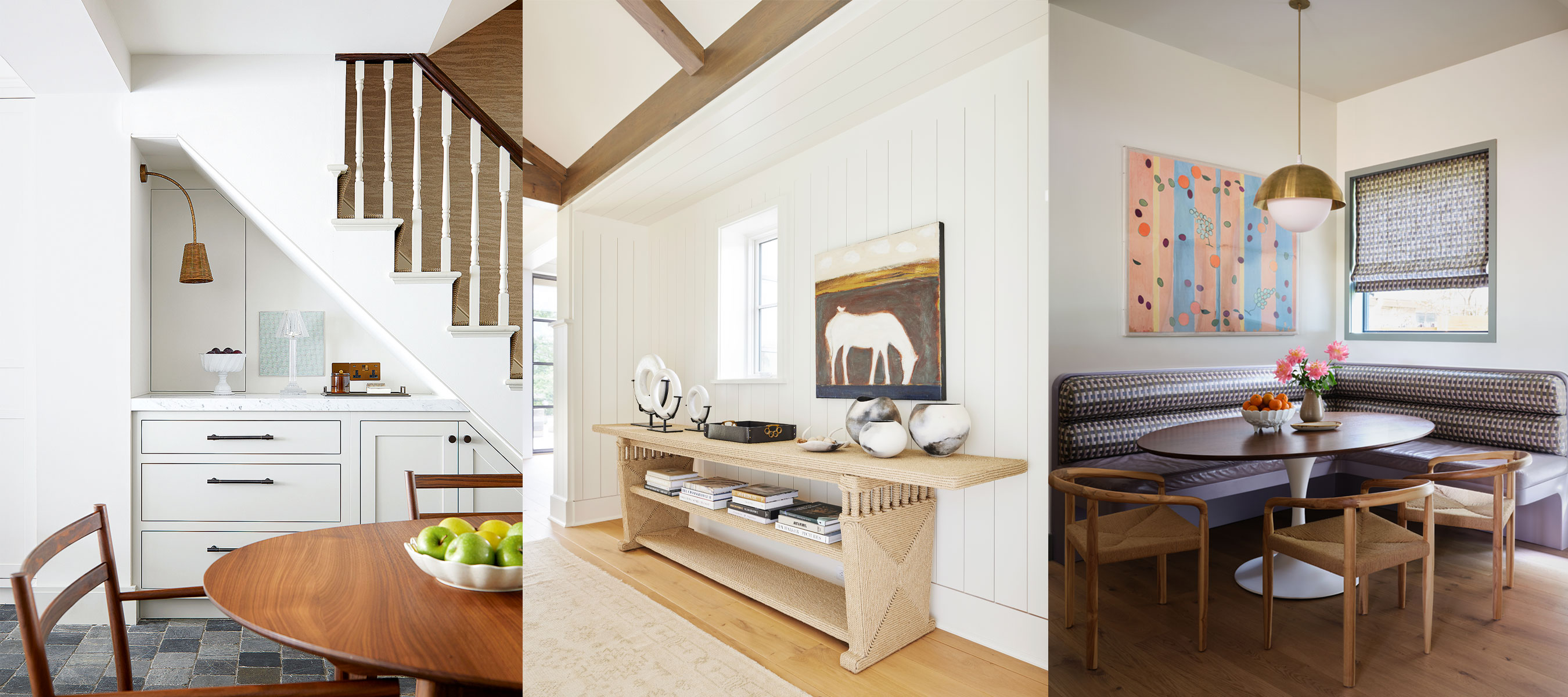
One common dead zone is the space under the stairs. This angular area can be transformed into smart storage solutions, such as shelving, doors, or drawers, ideal for coats, shoes, seasonal items, or even a dog crate, especially in hallways or entryways. Bespoke storage and eye-catching display areas can also be integrated into dining rooms.
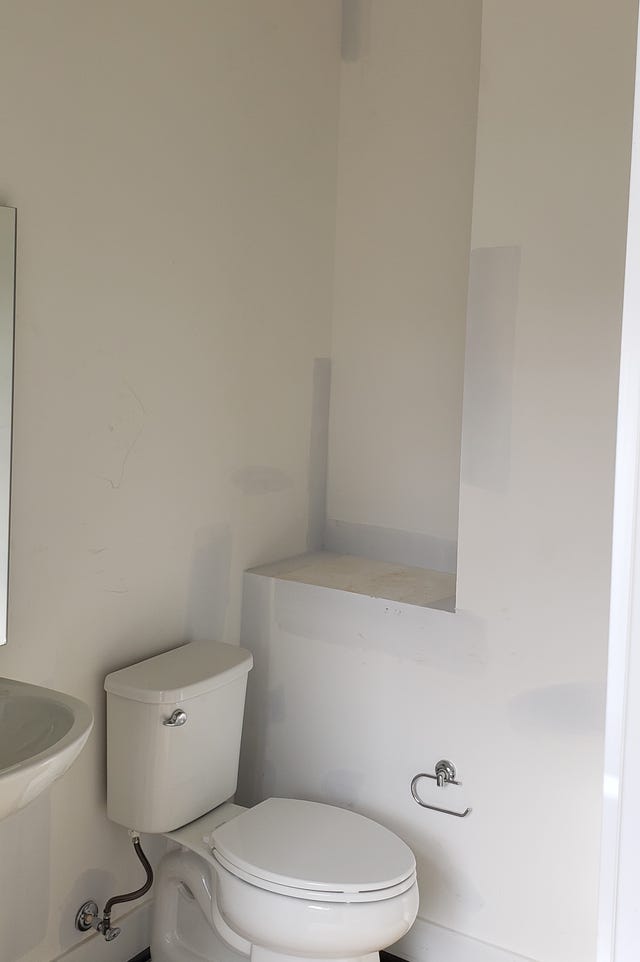
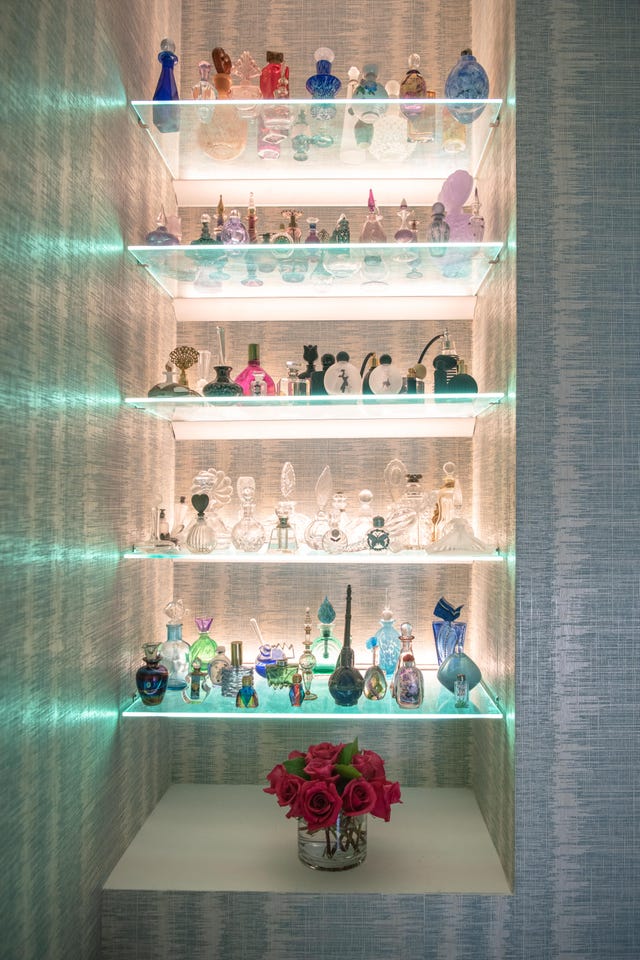
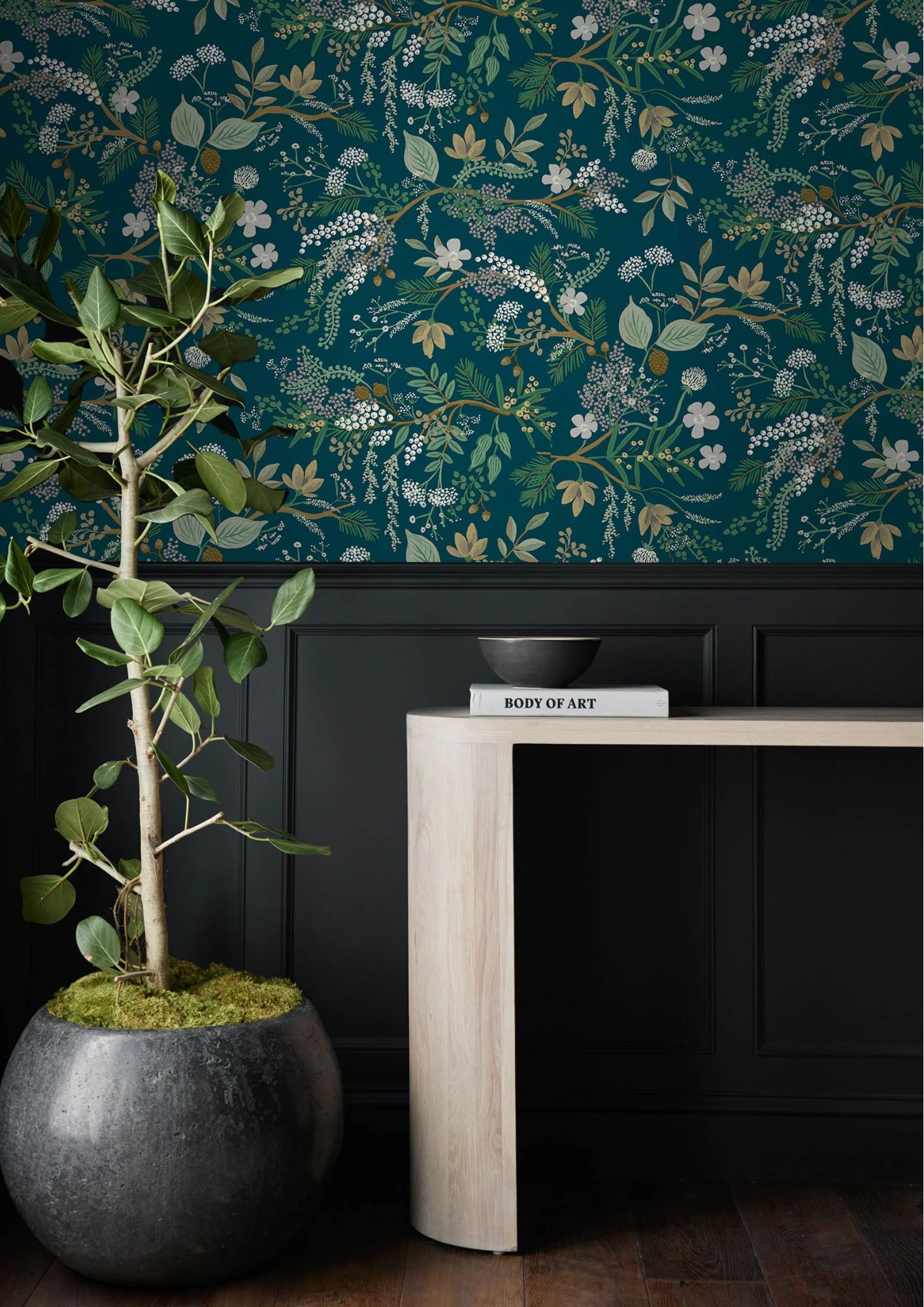
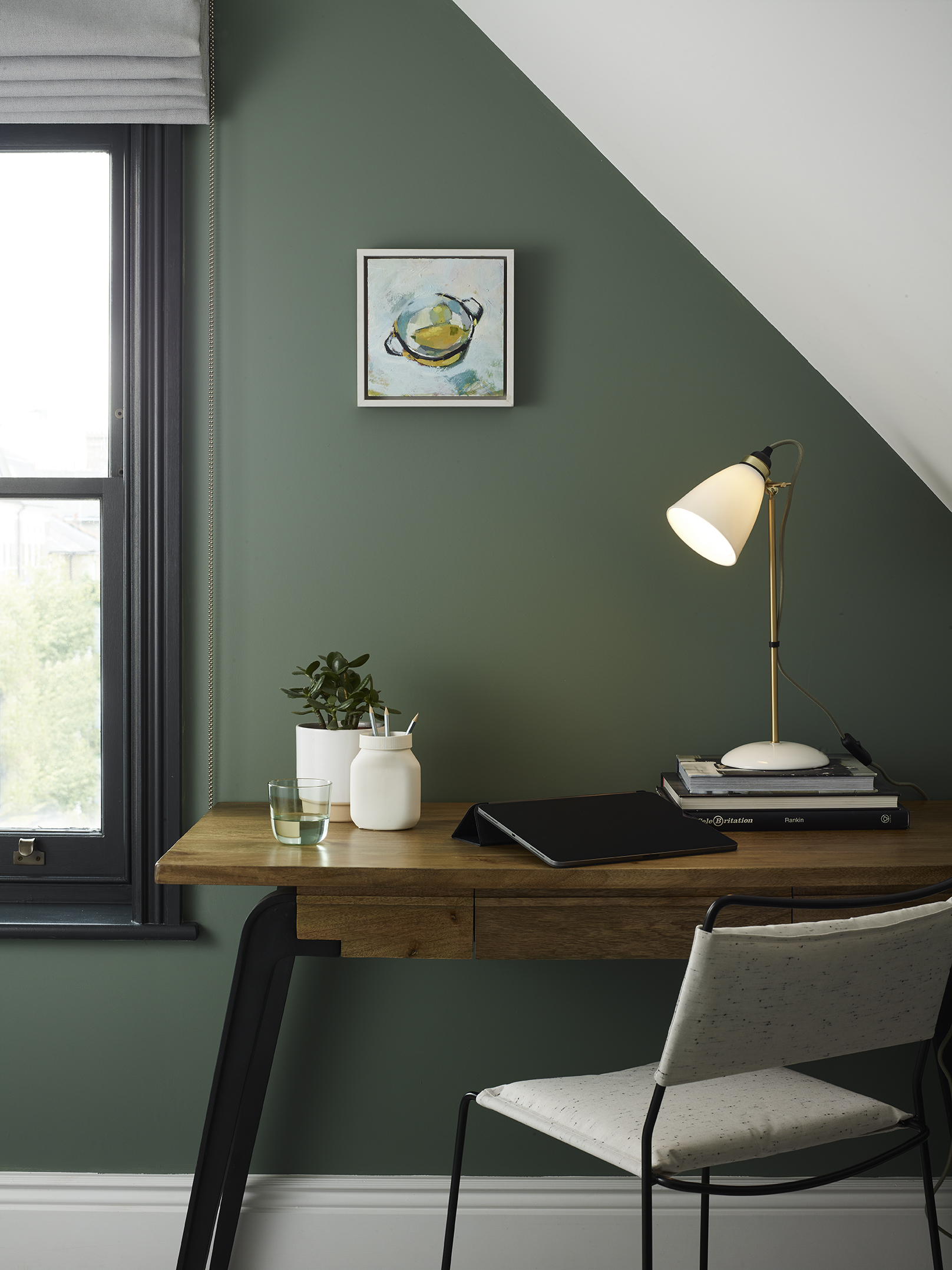
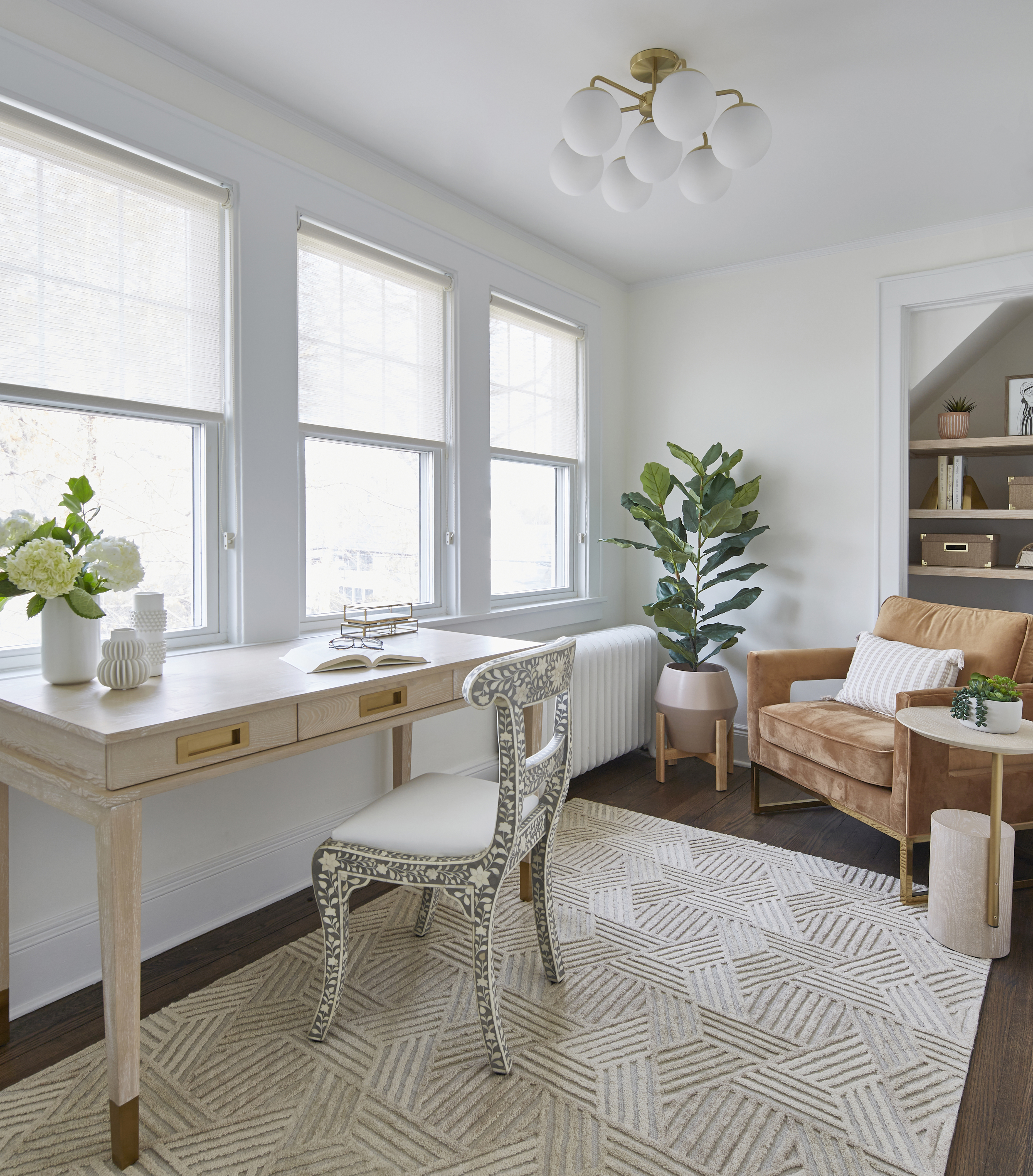
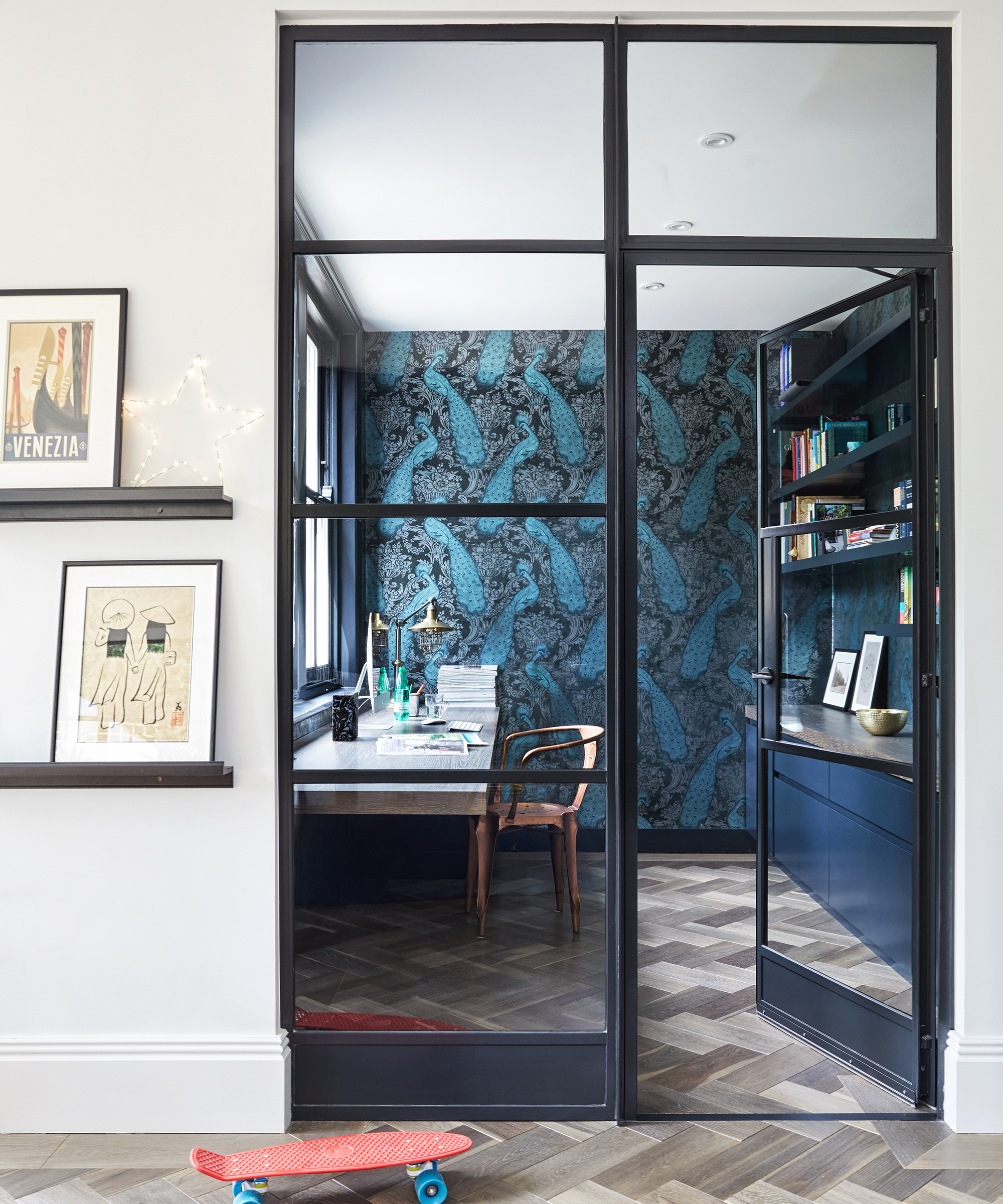
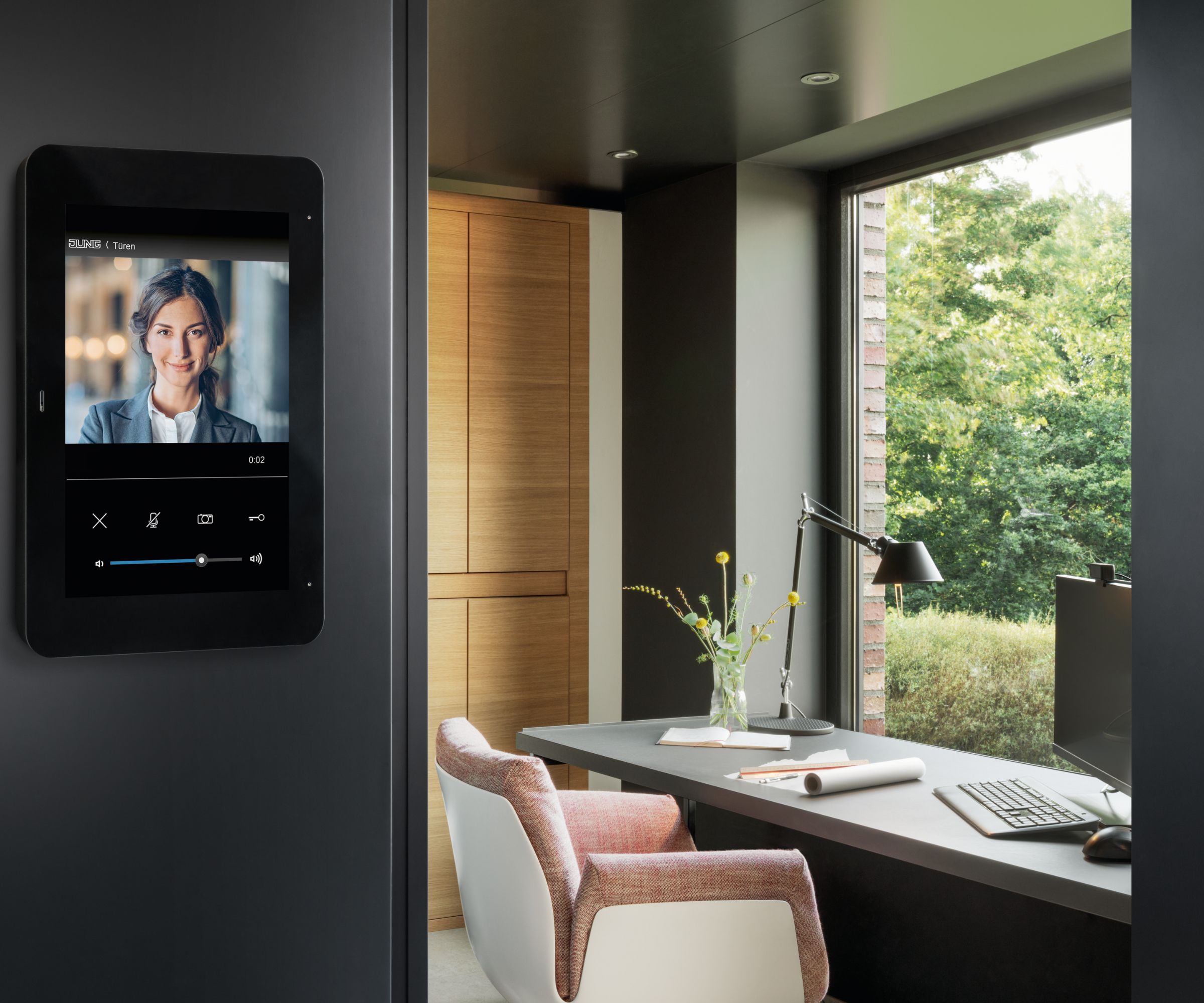
Awkward alcoves and nooks, particularly relevant in an era of increased remote work, can be converted into functional home offices. Amanda Shields, an interior designer, highlights these spaces as perfect for small desks, chairs, and bookshelves. She recommends built-in storage and adequate lighting, like table lamps, pendant lights, or recessed lighting, to optimize these areas and enhance productivity. Kit Kemp demonstrates how vibrant wallpaper can zone a recessed space in a living room, making a bold statement and creating a decorative corner with styled books and ornaments.
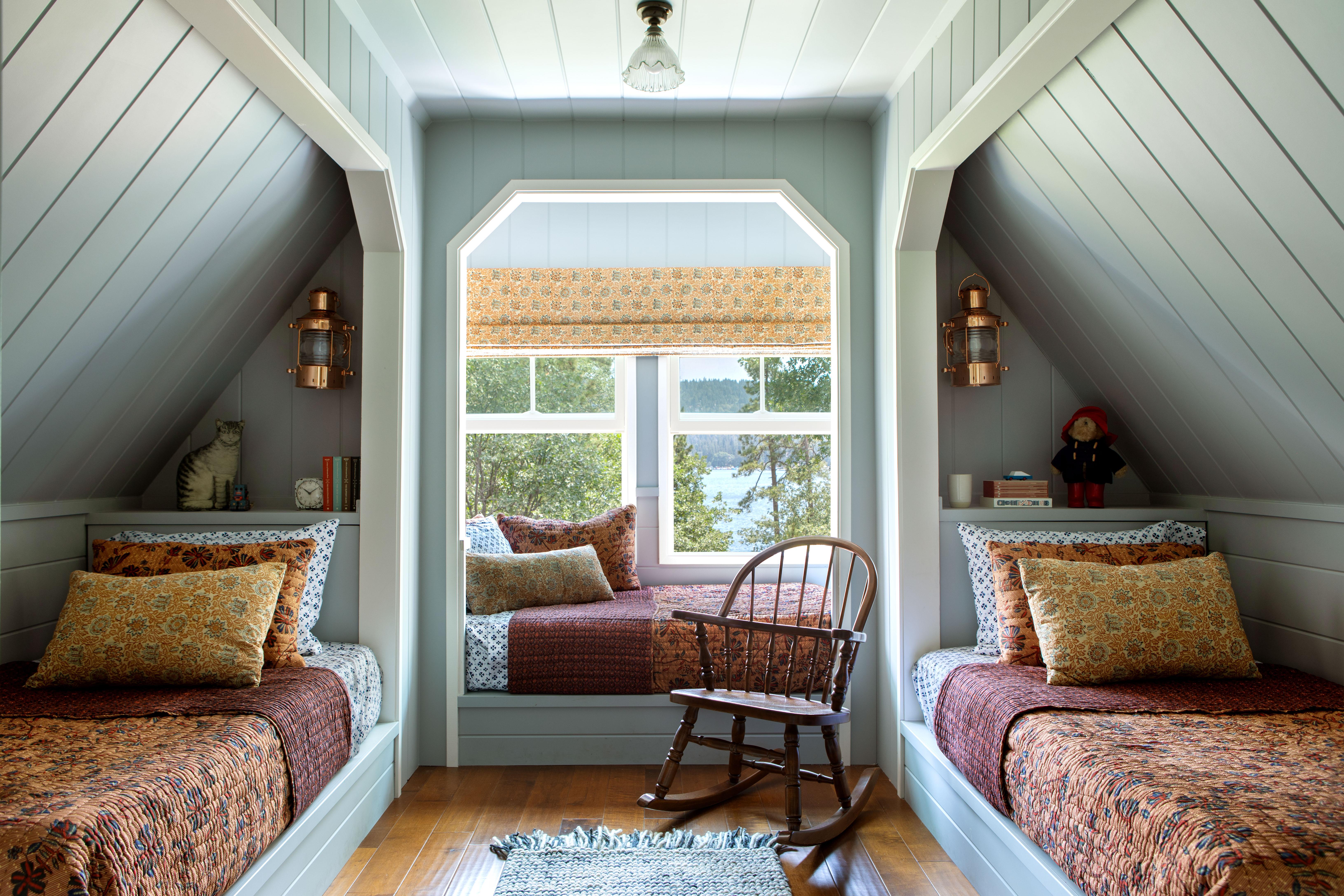
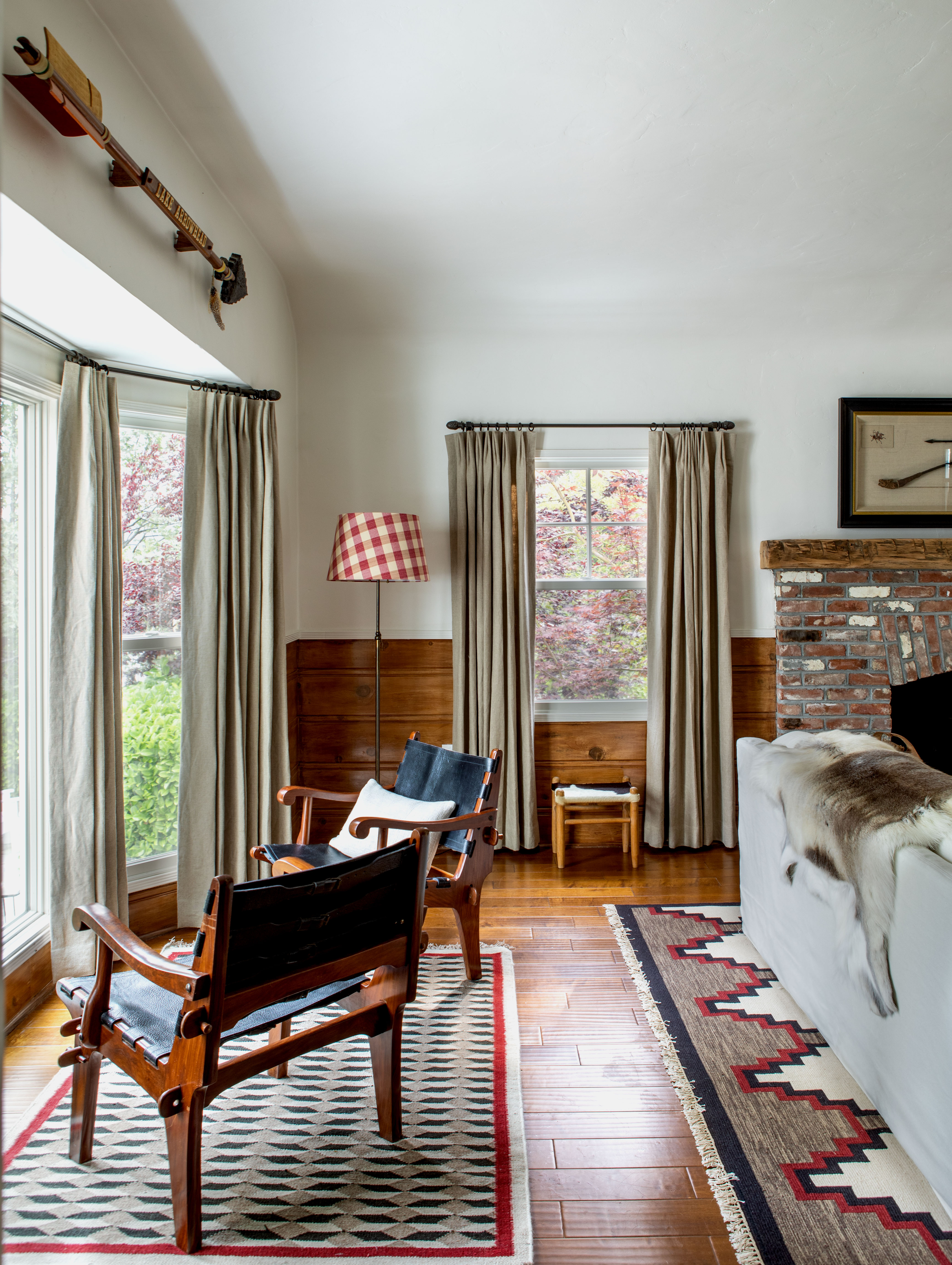
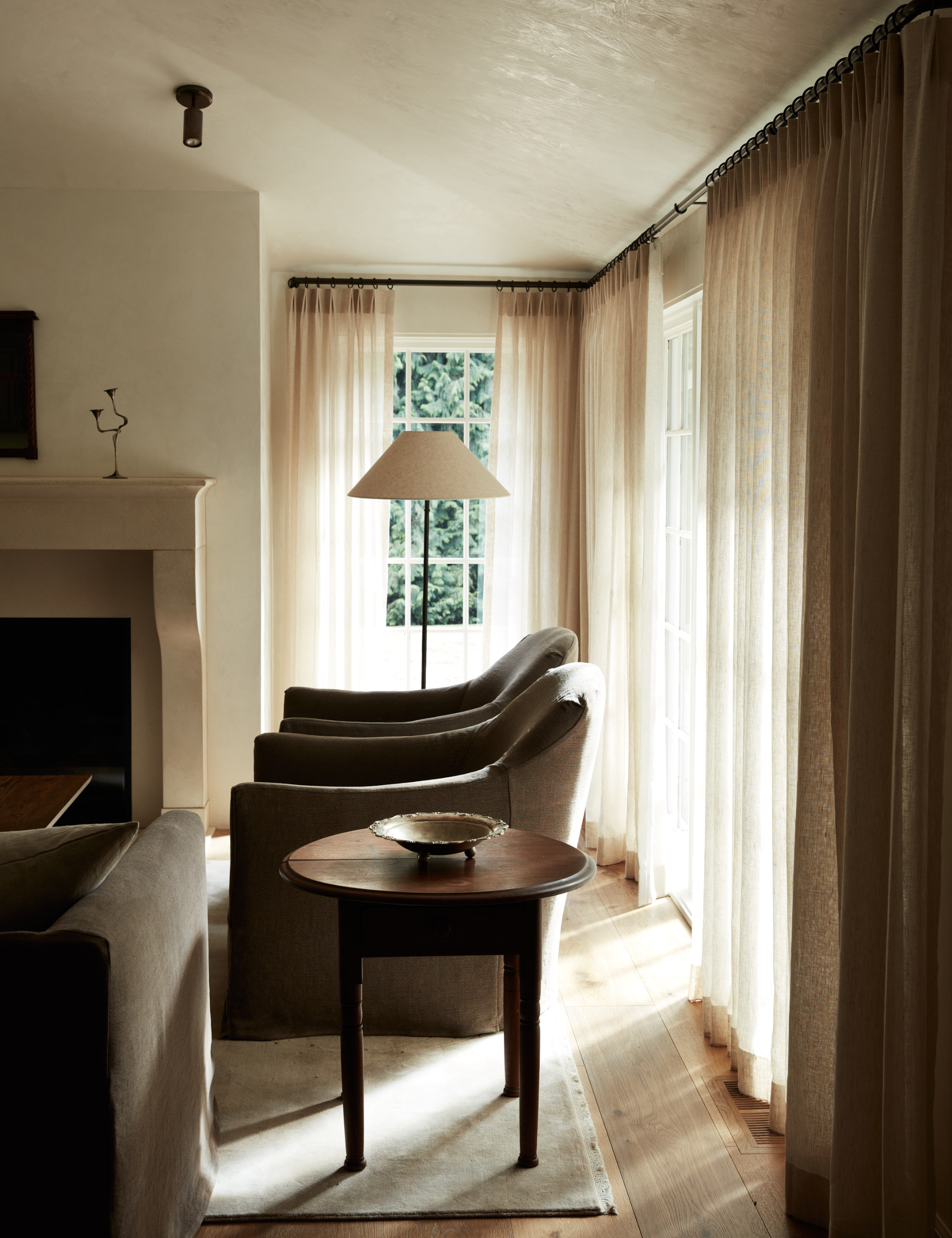
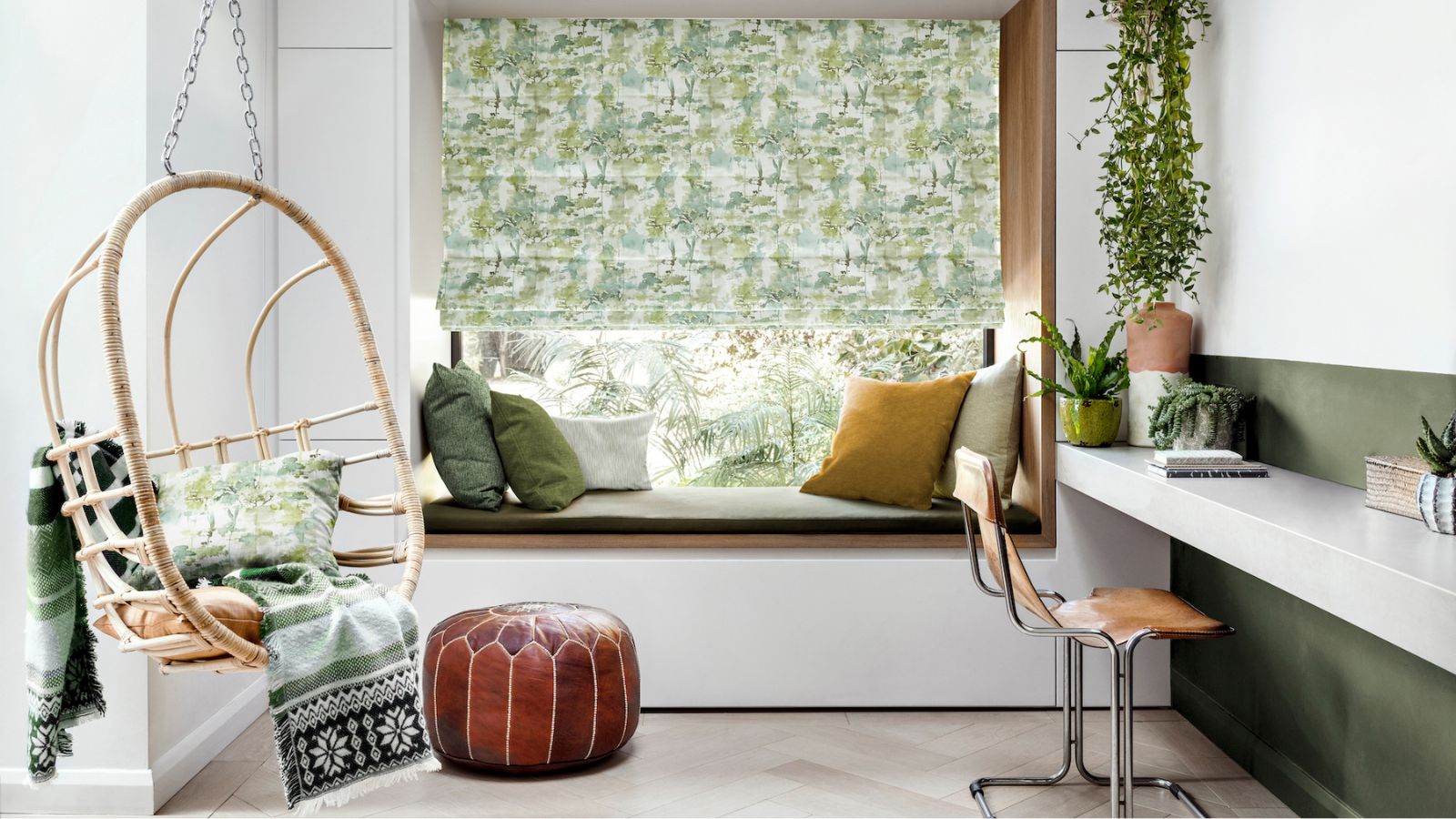
Bay windows, typically celebrated for natural light, can be converted into cozy reading nooks. Samantha Struck of StruckSured Interiors suggests adding benches to create inviting and unique spots, emphasizing the importance of choosing furniture that fits perfectly to make the space feel intentionally designed.
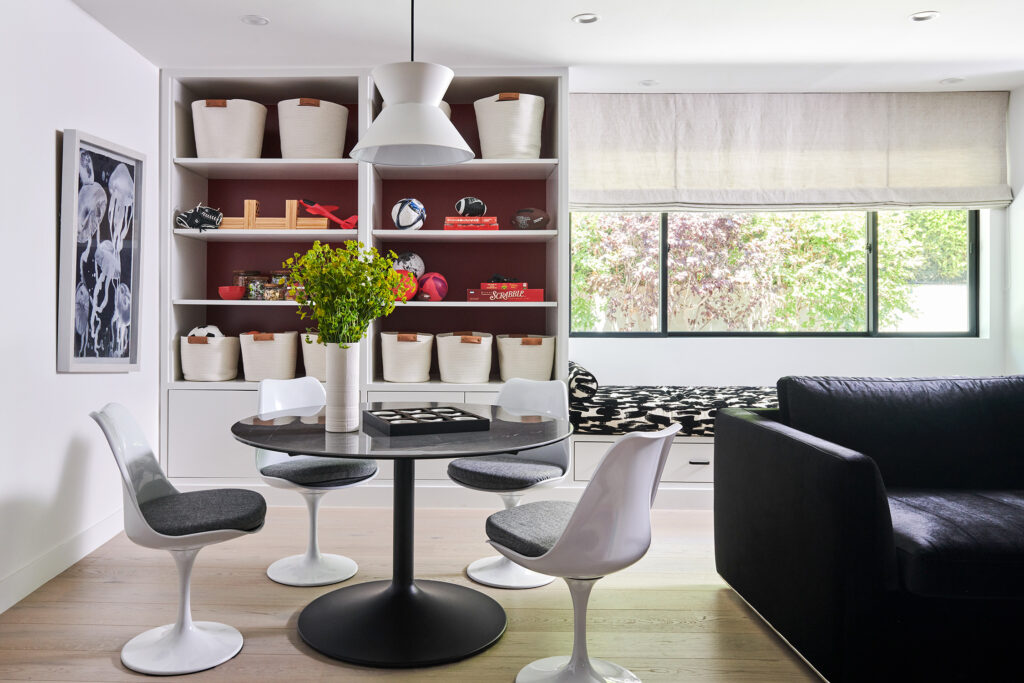
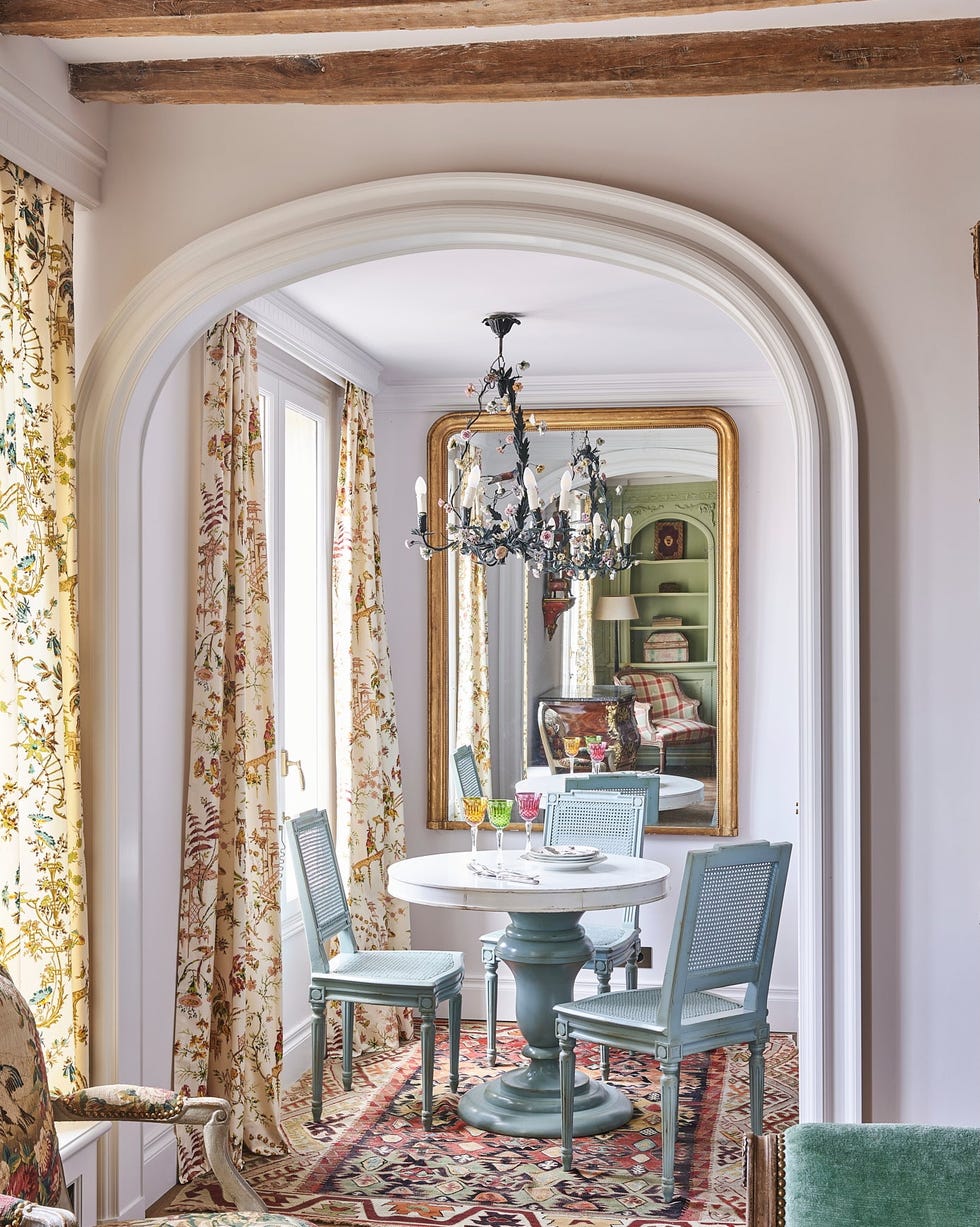
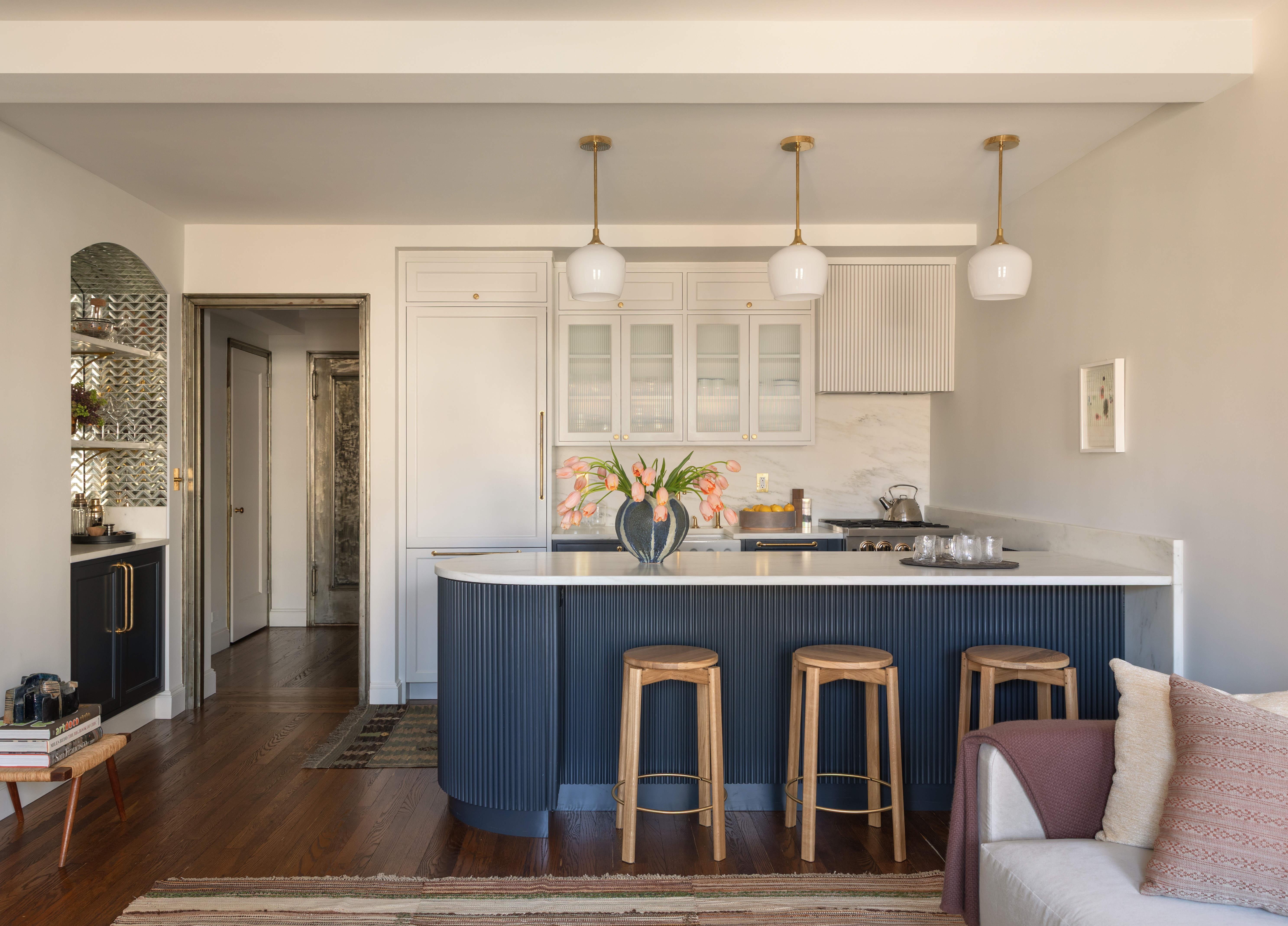
Large empty corners in open-plan living spaces or kitchens are prime candidates for additional seating, such as banquettes. Annie Downing of Annie Downing Interiors notes that banquettes can make compact breakfast nooks more spacious by eliminating chairs, improving maneuverability around tables, and offering opportunities to incorporate decorative patterns through cushions, matching them with window treatments for a cohesive look.
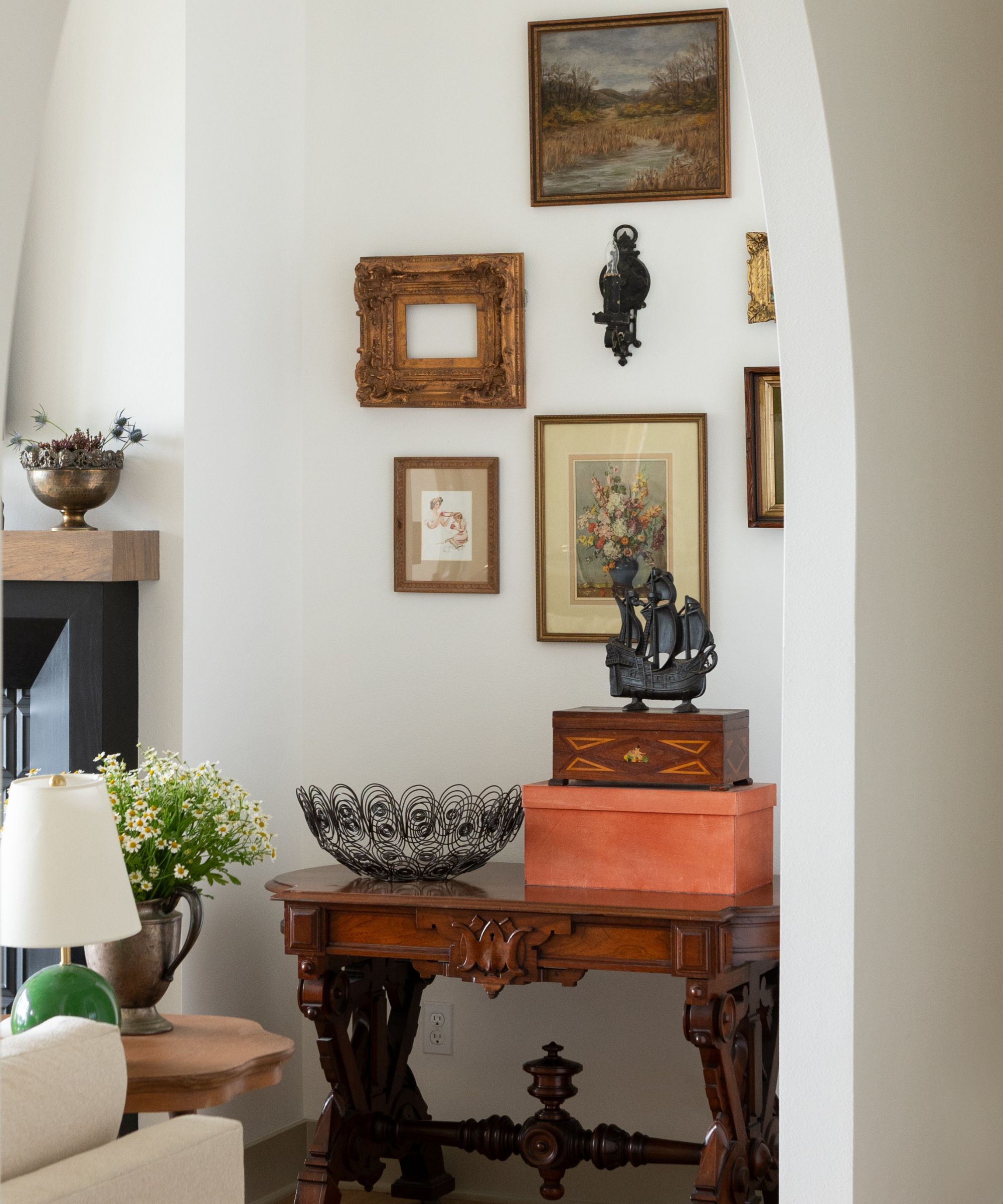


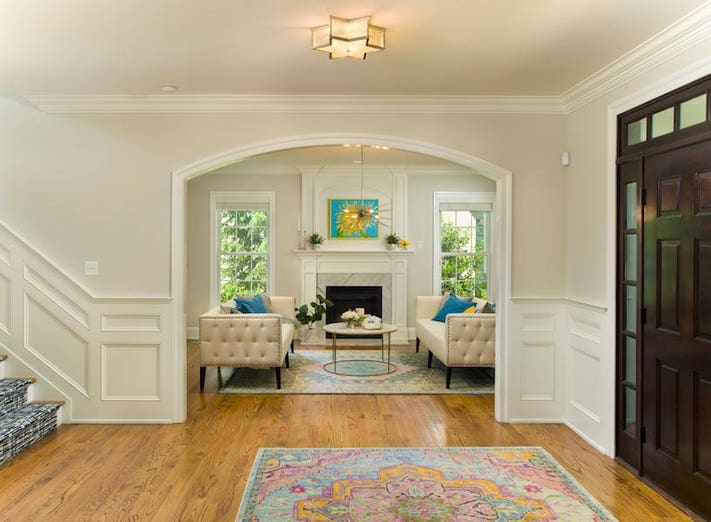
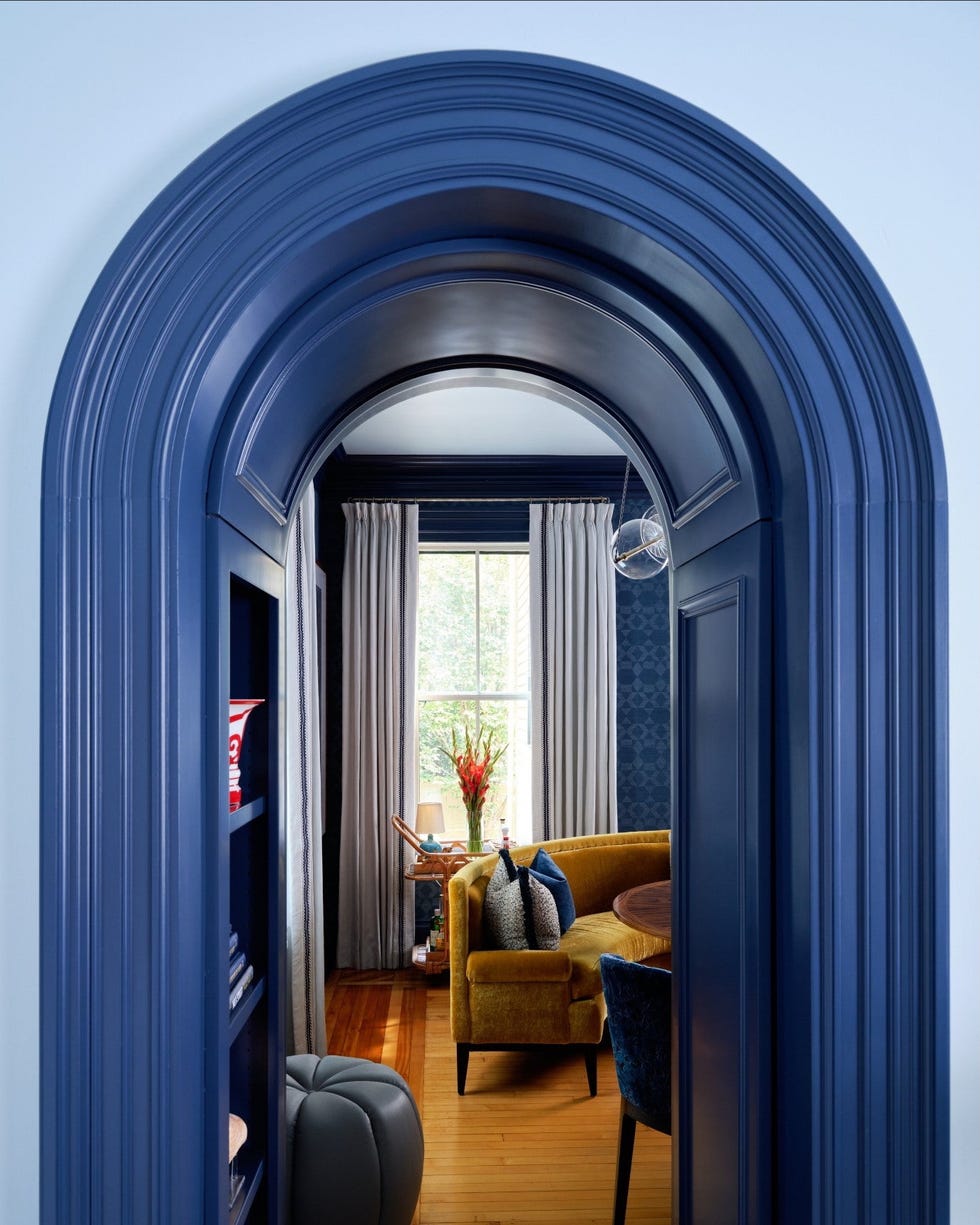
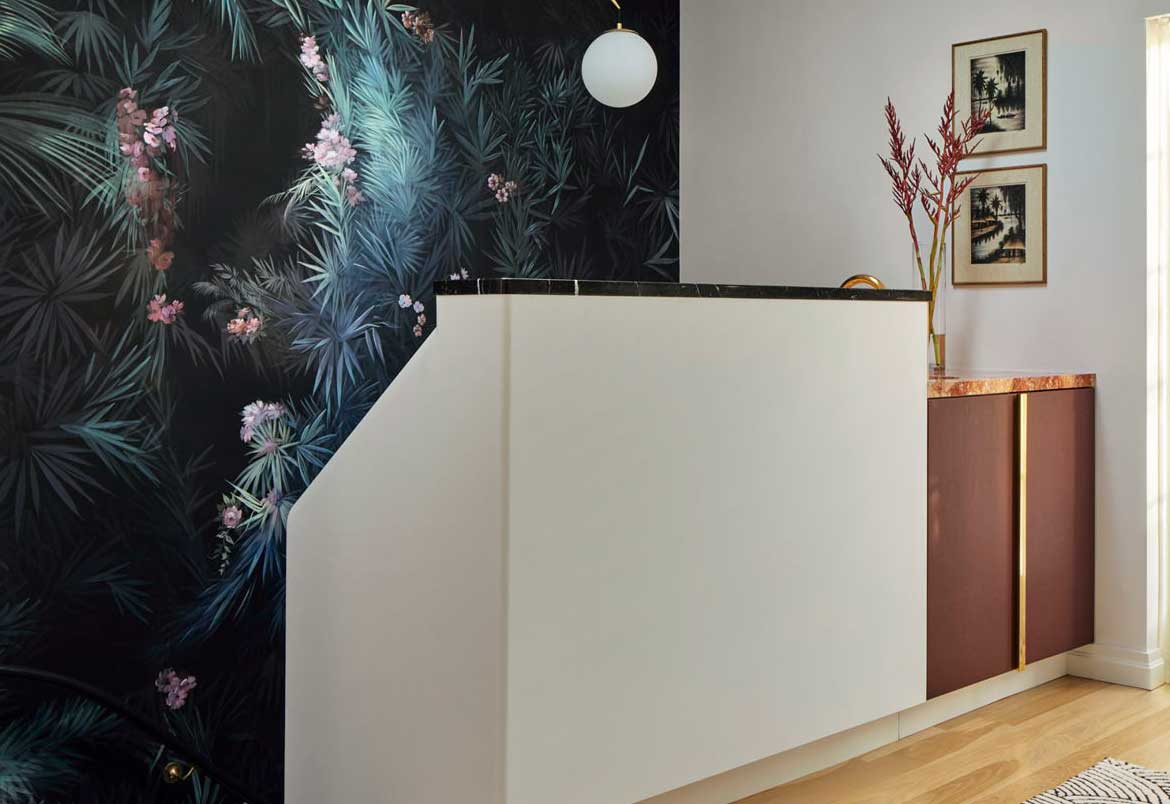
Transitional spaces like corridors, entrances, and stairways are often neglected but can significantly impact a home's flow and aesthetic. Decorating these areas with engaging focal points, such as console tables or colorful artwork, can transform them into beautiful and functional zones. Trish Knight and Nicole Varga from Knight Varga Interiors caution against over-cluttering, suggesting runners or art for bare hallways rather than unnecessary furniture. They also advocate for maintaining some open spaces to keep a home feeling light, airy, and balanced.
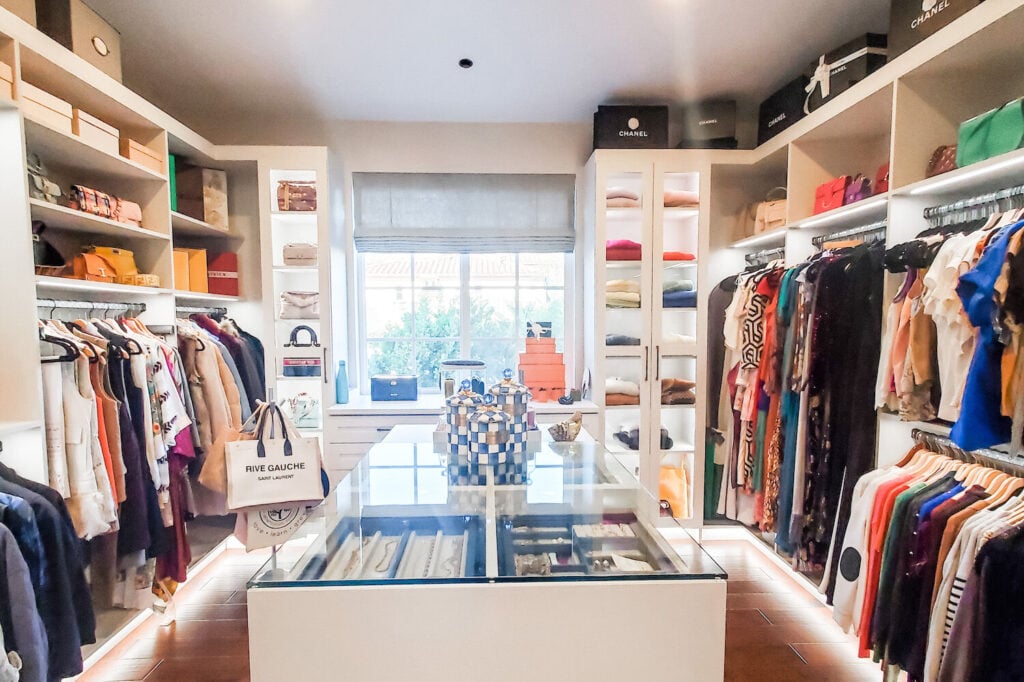
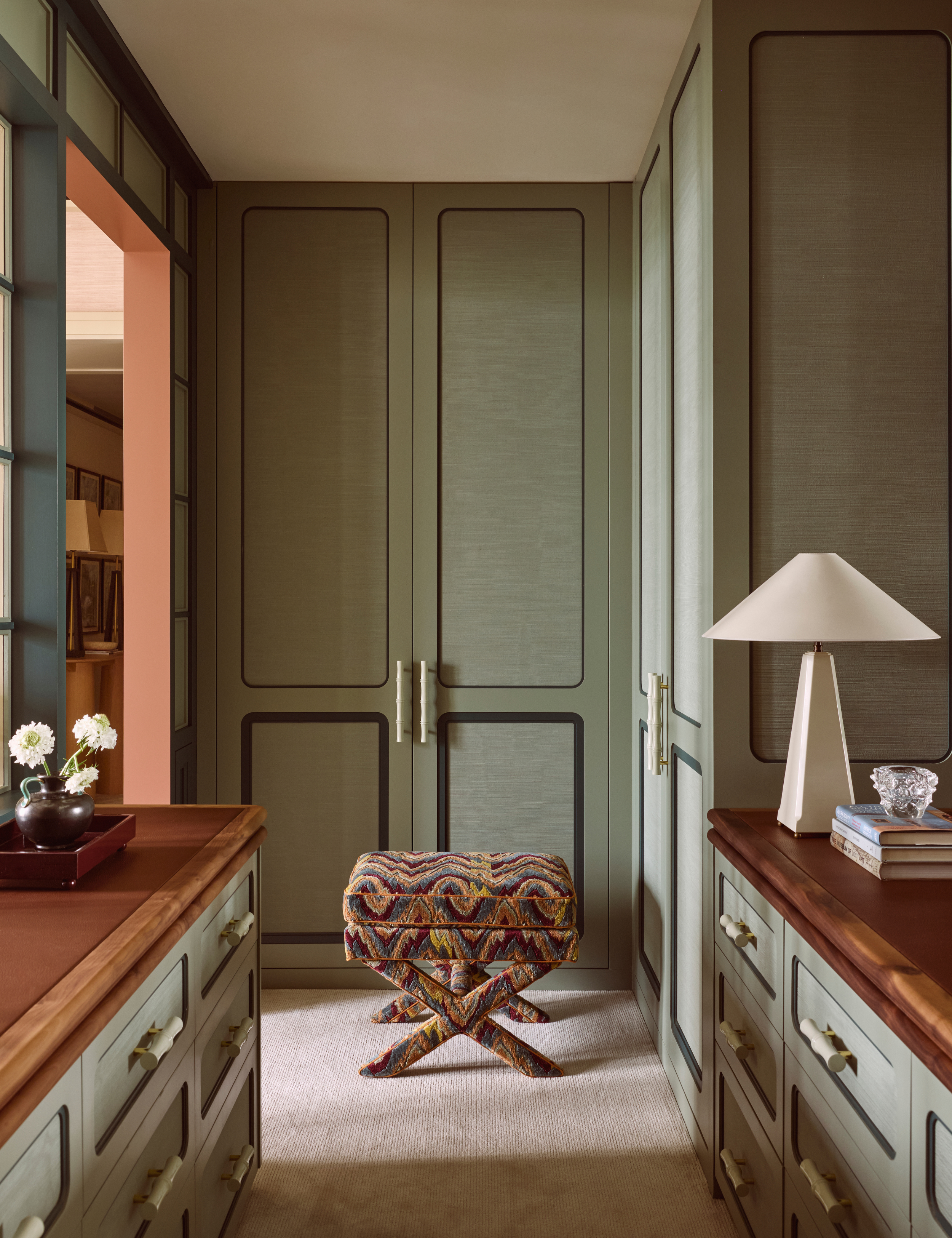
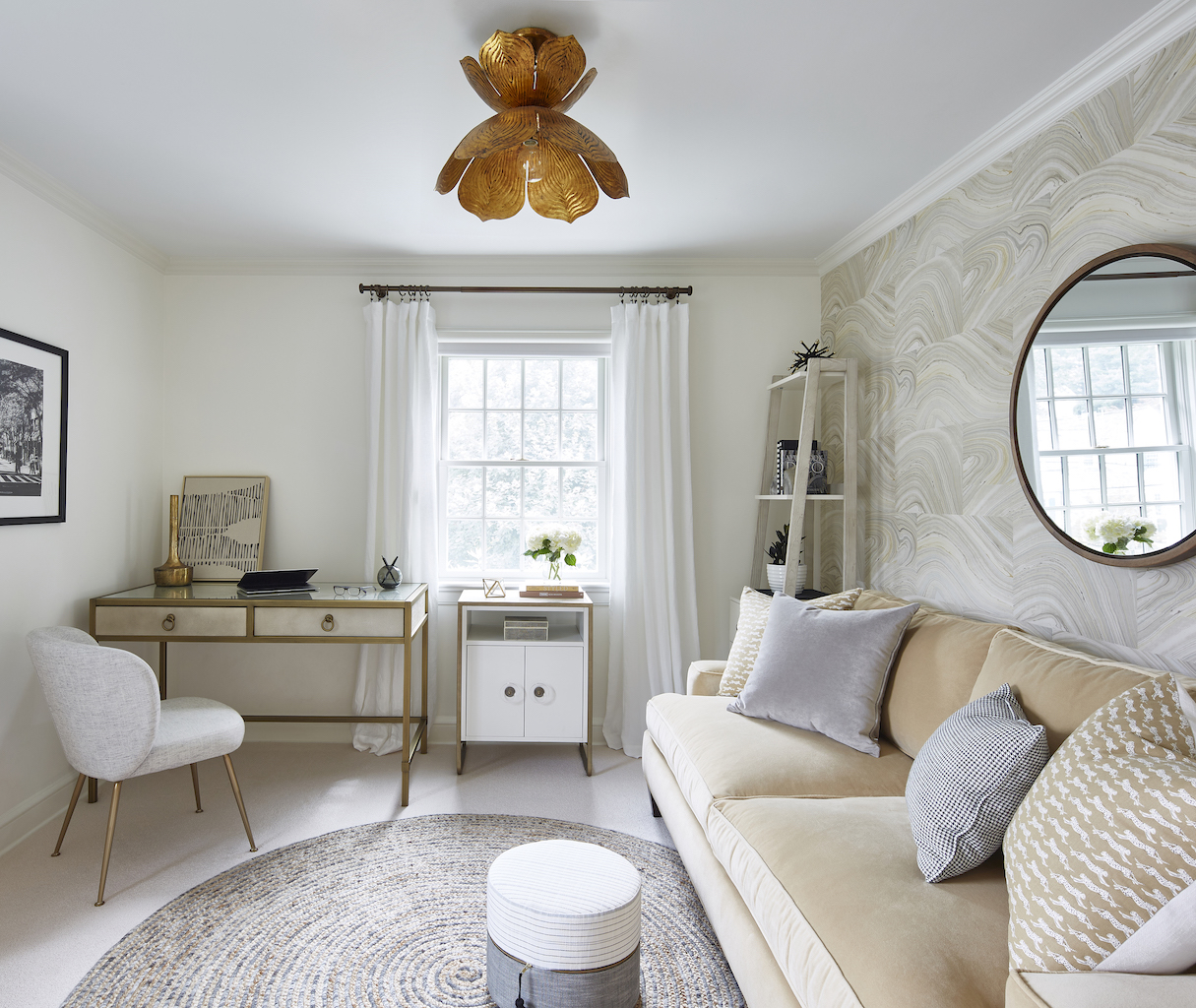
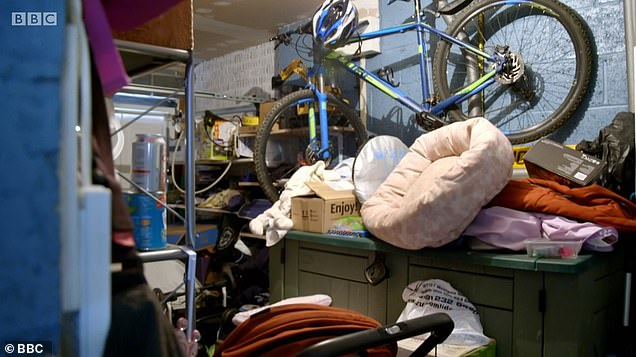
Underused spare rooms, often serving as storage overflow, can be re-imagined for practical purposes. Philipp Nagel, director of Neatsmith, observes a rising demand for converting these rooms into walk-in wardrobes or dressing rooms, transforming cluttered spaces into organized and relaxing areas. These transformations not only provide dedicated storage but also enhance daily living.
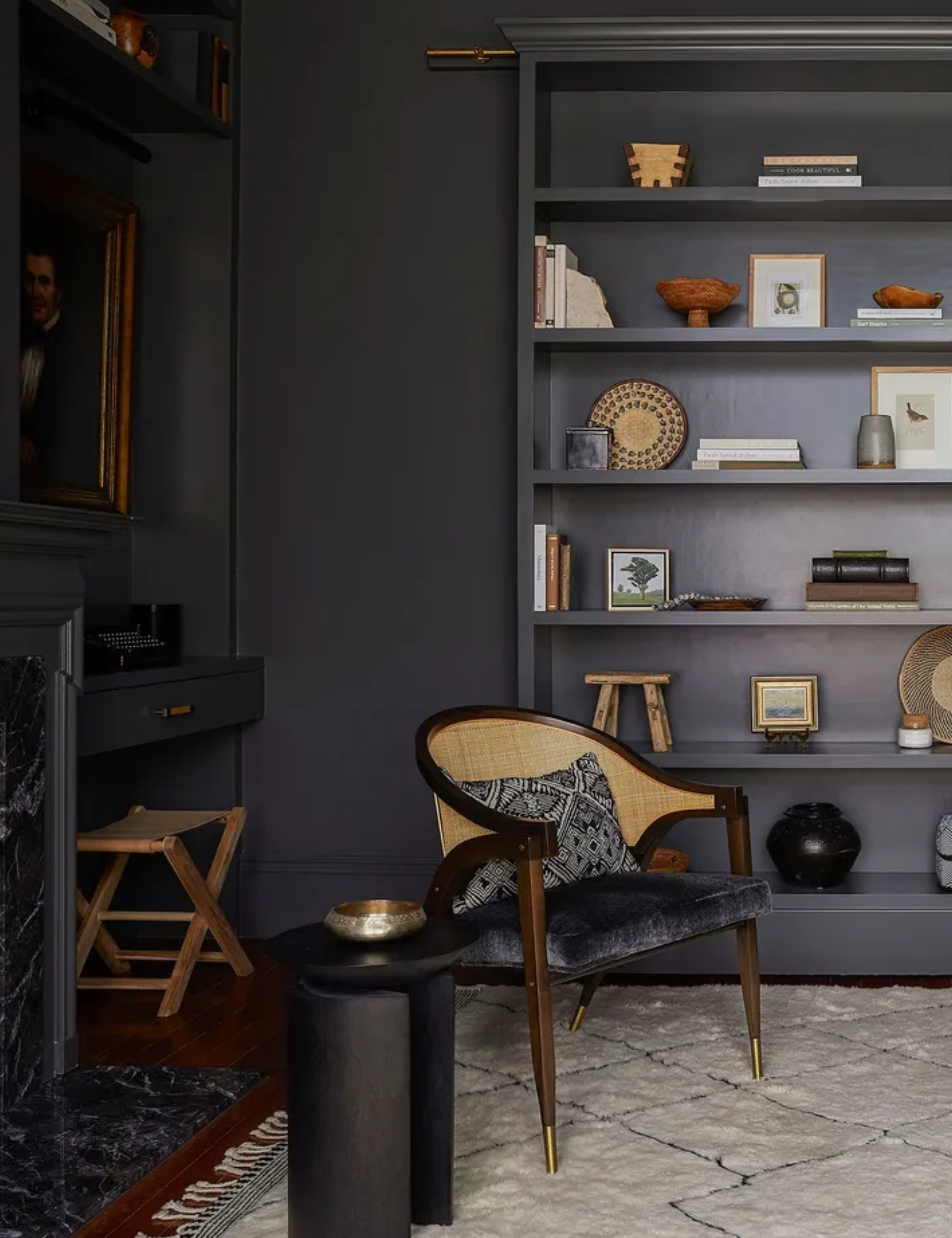
Finally, establishing a 'design moment' in dead spaces can create exciting and creative opportunities. Andi Morse of Morse Design suggests incorporating vintage occasional chairs or unique art pieces to add impactful decorative elements. Placing a vase of flowers on a central table in a large hallway or a decorative ornament on a small side table in an empty corner can establish a focal point, inviting contemplation and enhancing the room's overall design narrative. When addressing dead spaces, it is essential to avoid over-filling them with clutter, as some empty space contributes to a sense of balance, rhythm, and flow throughout the home.
#HomeDesign #InteriorDesignTips #SpaceUtilization #StorageSolutions #HomeOffice #ReadingNook #BanquetteSeating #HomeDecor #DesignMoments #HomeDesign #InteriorDesignTips #SpaceUtilization #StorageSolutions #HomeOffice #ReadingNook #BanquetteSeating #HomeDecor #DesignMoments
0 ความคิดเห็นรวม
 ยังไม่มีความคิดเห็น
คุณอาจจะชอบอีกด้วย
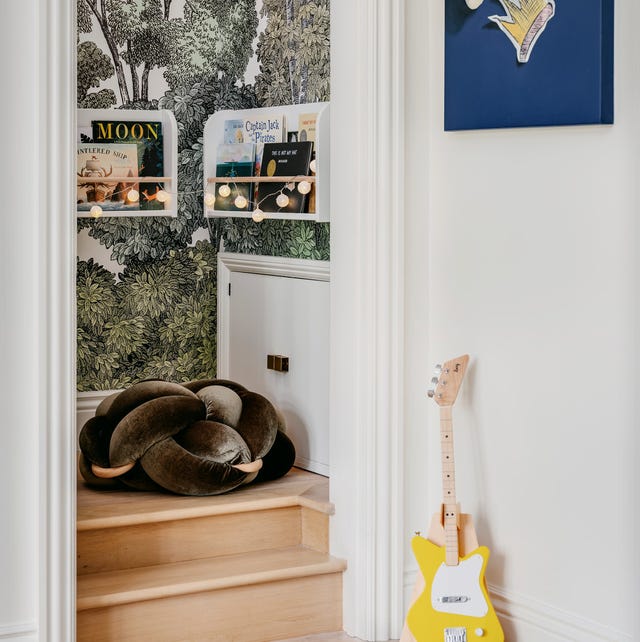
Here's What to Do With Those Awkward Spaces in Your House, According to Designers

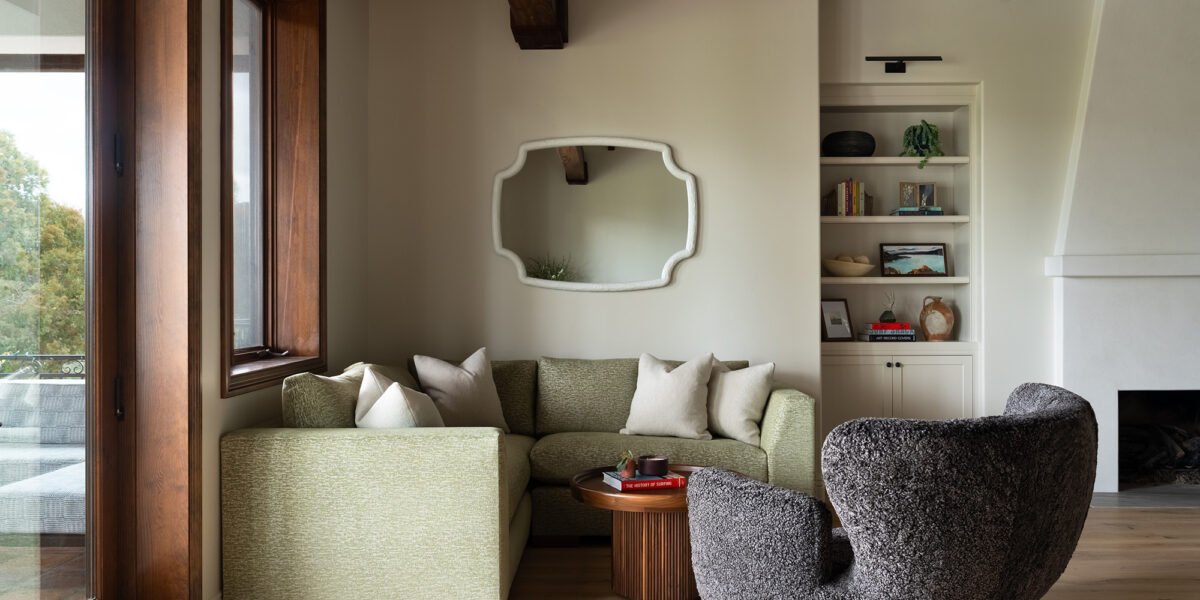
This Is What Makes a Home Functional, According to Interior Designers
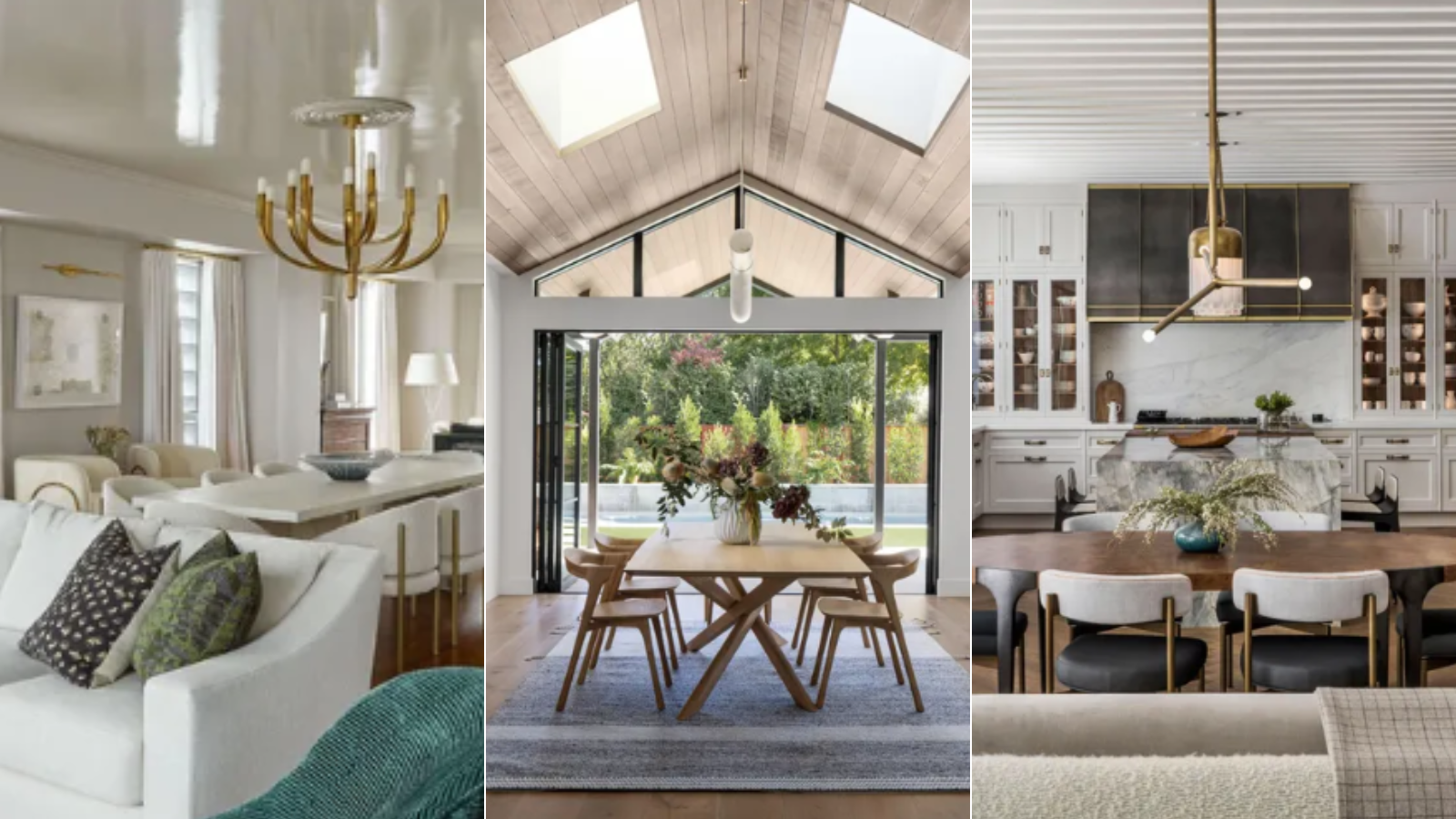
7 open plan living mistakes – what can go wrong and how to avoid it

Dirty John's Debra Newell Tells Us How to Tackle a Room Redesign
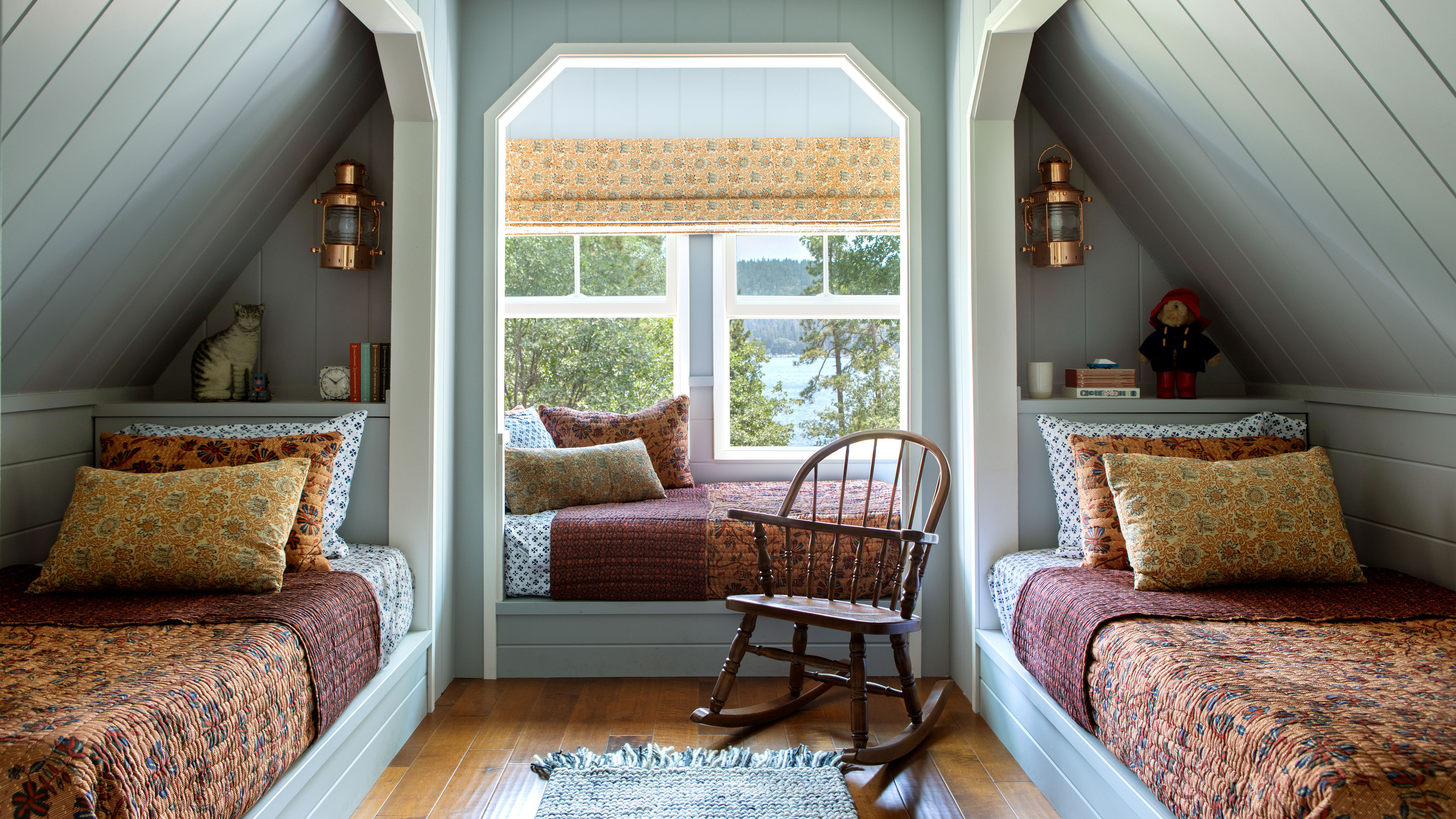
Is your room missing something? These are the 7 simple buys that designers always recommend to their clients to instantly pull a space together
‘You’re missing a trick' – 5 ways experts make that empty space in your upstairs hallway look beautiful

5 Things That Always Make Your Home Feel Cramped, According to Designers

Why Designers Are Ditching Traditional Layouts for "Broken Floor Plans"
Design Insiders Reveal Their SECRETS to Decorating Your Home Like a Pro
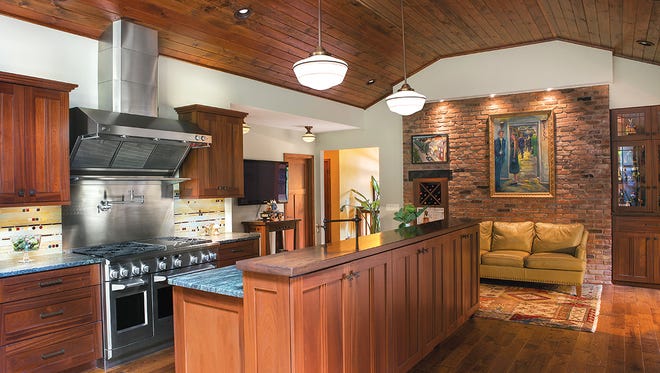
Home decor perfect solutions: How designers optimized problem spaces
How to elevate your teen's former bedroom into a beautiful home office
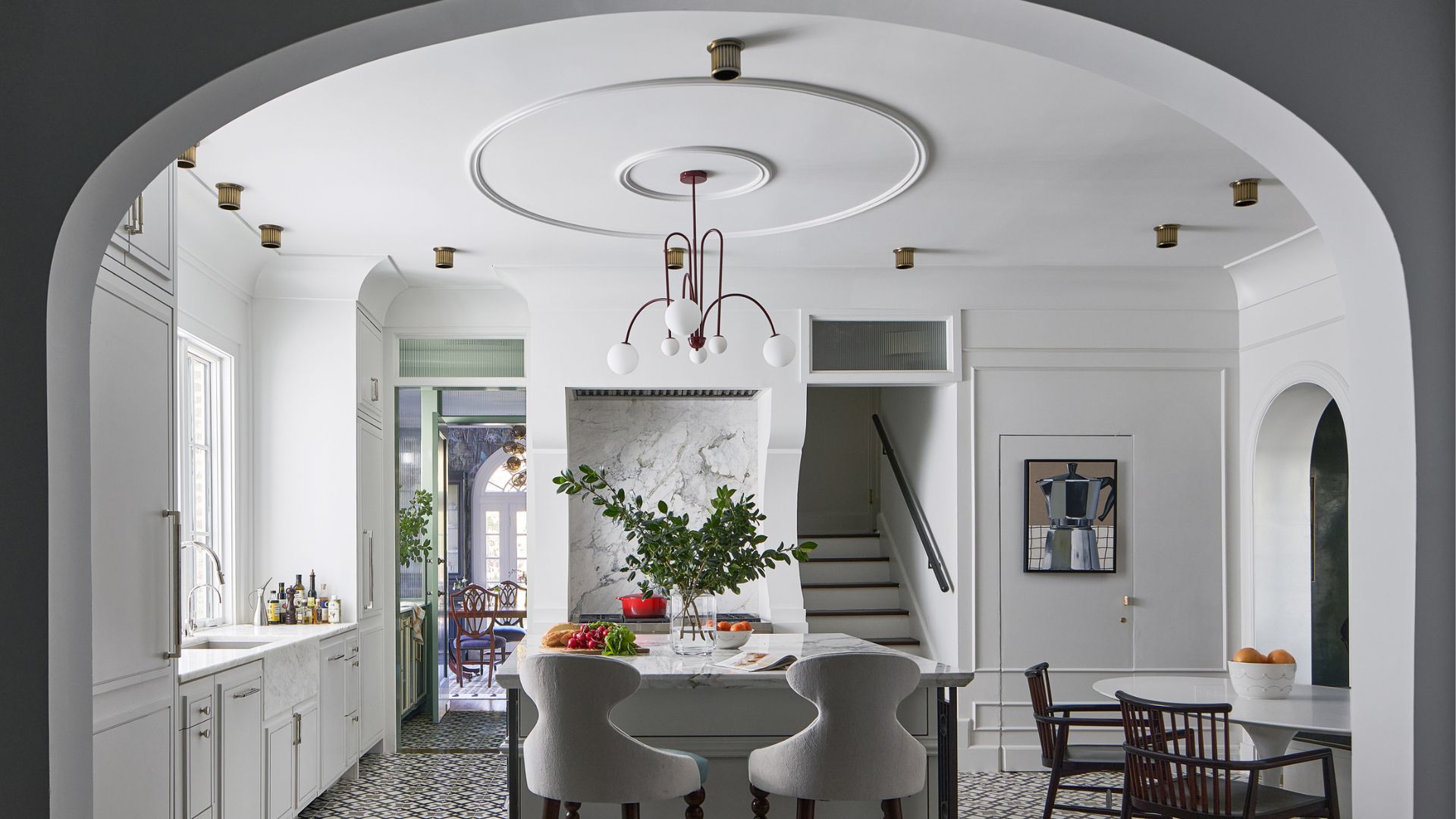
Is Knocking Through Walls Still the Right Choice? When and Where You Should, and Shouldn't, Do It for 2026 Projects
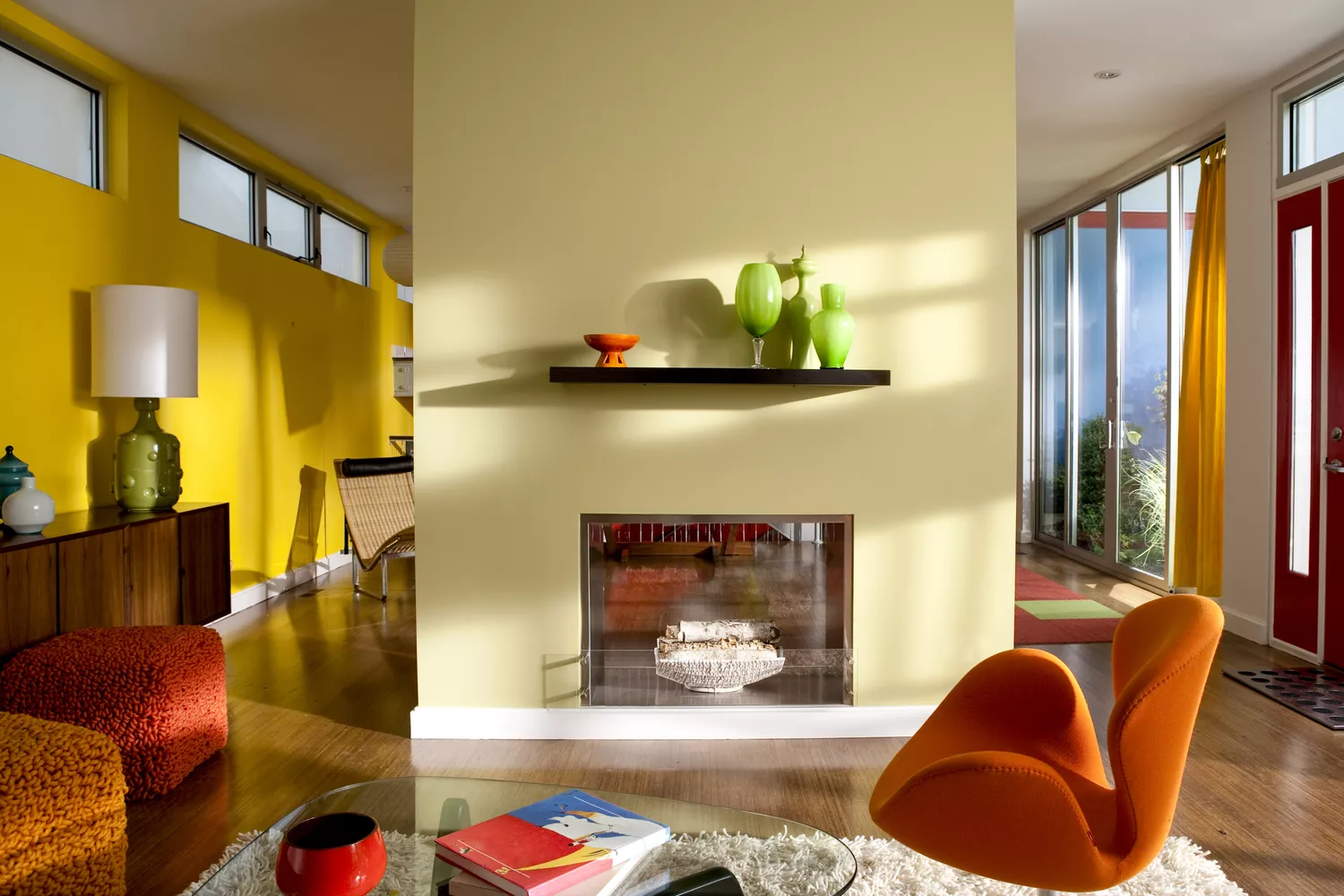
Does Your Room Feel Like It's Missing Something? Here Are 10 Designer-Approved Ways to Quickly Elevate the Space

How to Maximize Space in a Small Home, According to Design Experts

Couple turn their cramped house into beautiful open plan living-space
These 2024 home remodel trends are here to stay – here's how to try them
Renovating 101: Reworking existing spaces in the home

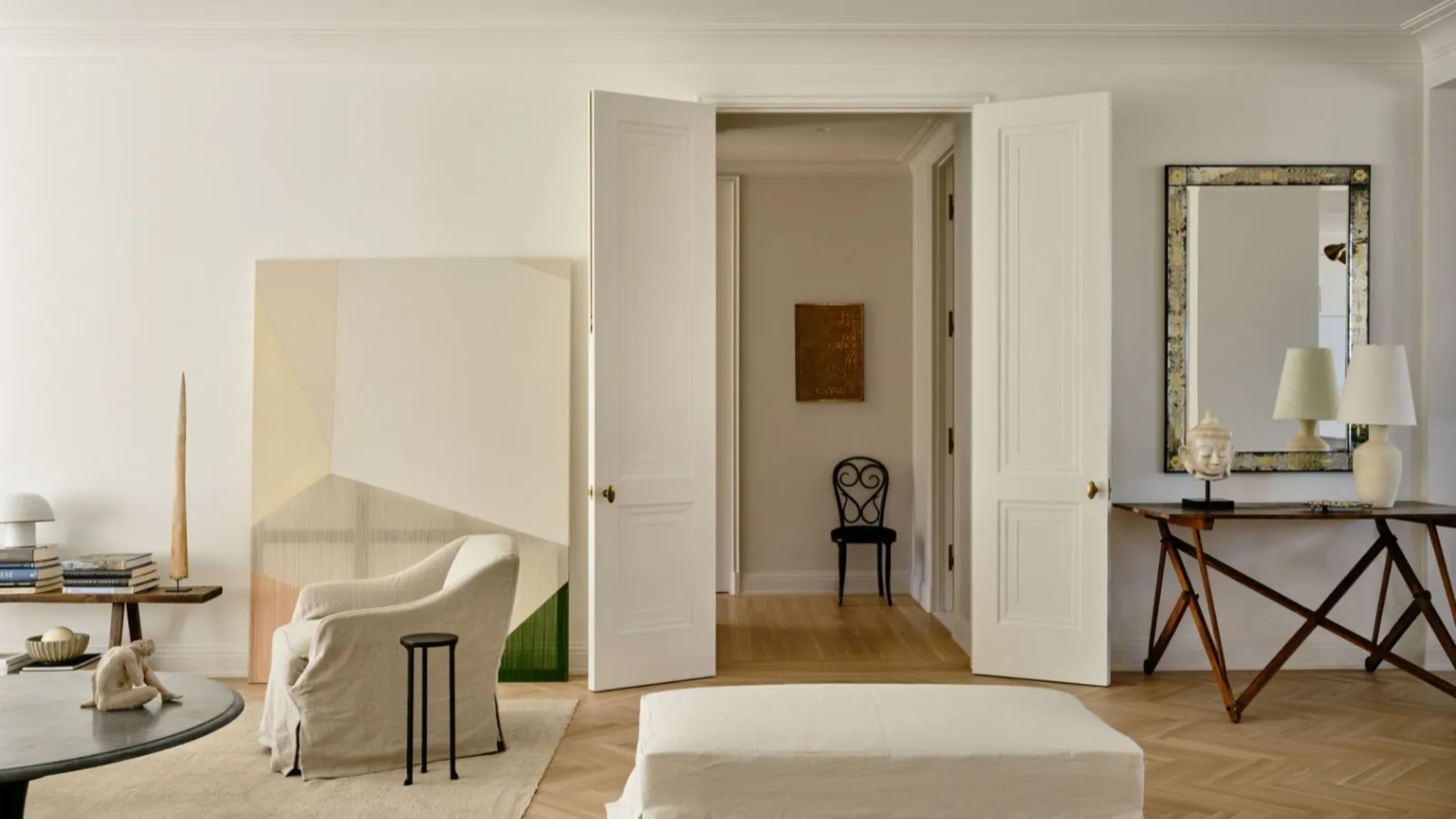
‘Not Every Space Needs to Be Filled’ – Interior Designers on the Art of Negative Space and 7 Ways to Use It Well
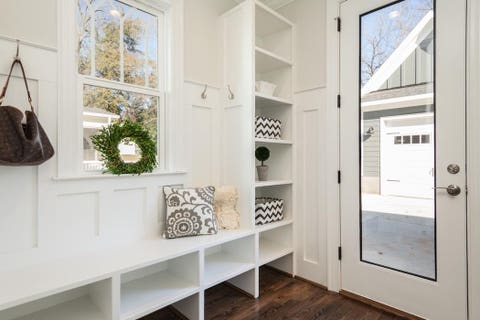
Designer Tips To Refresh Your Entryway Or Mudroom

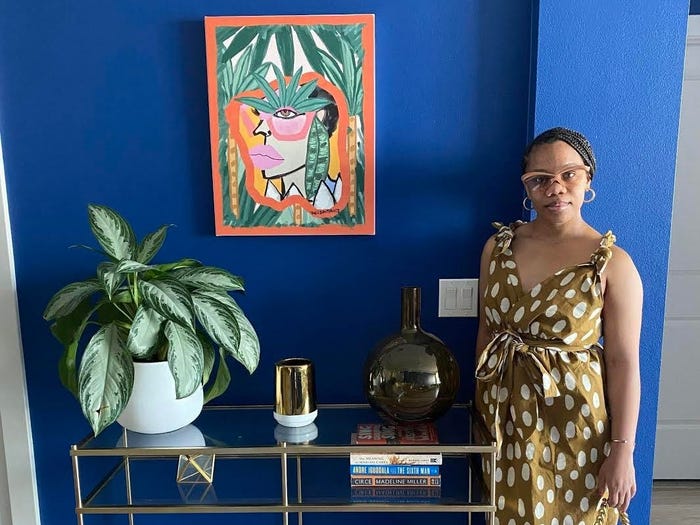
12 things to get rid of in your home, from an interior designer