1/34
glass art and design Archives
This blog post compiles recent articles and projects from Designboom focusing on the application of glass in art, architecture, and design. The collection highlights the versatility and aesthetic potential of glass, ranging from large-scale public installations to architectural facades and interior elements. The articles showcase how artists and designers are pushing the boundaries of traditional glass use, incorporating it into innovative structures and artistic expressions.
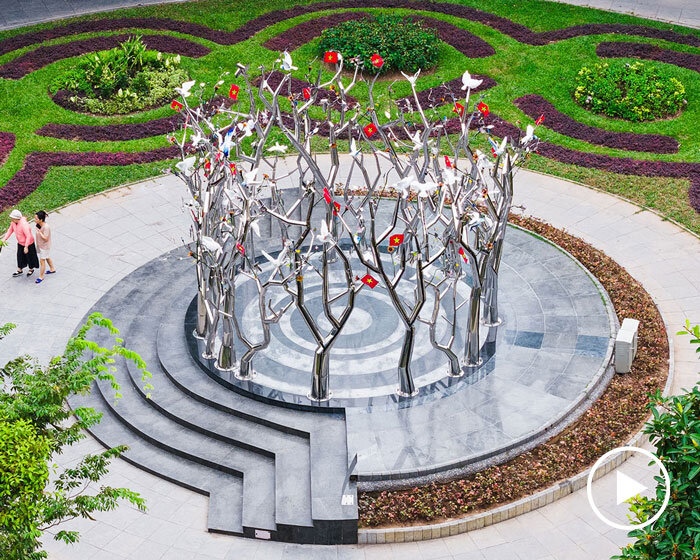
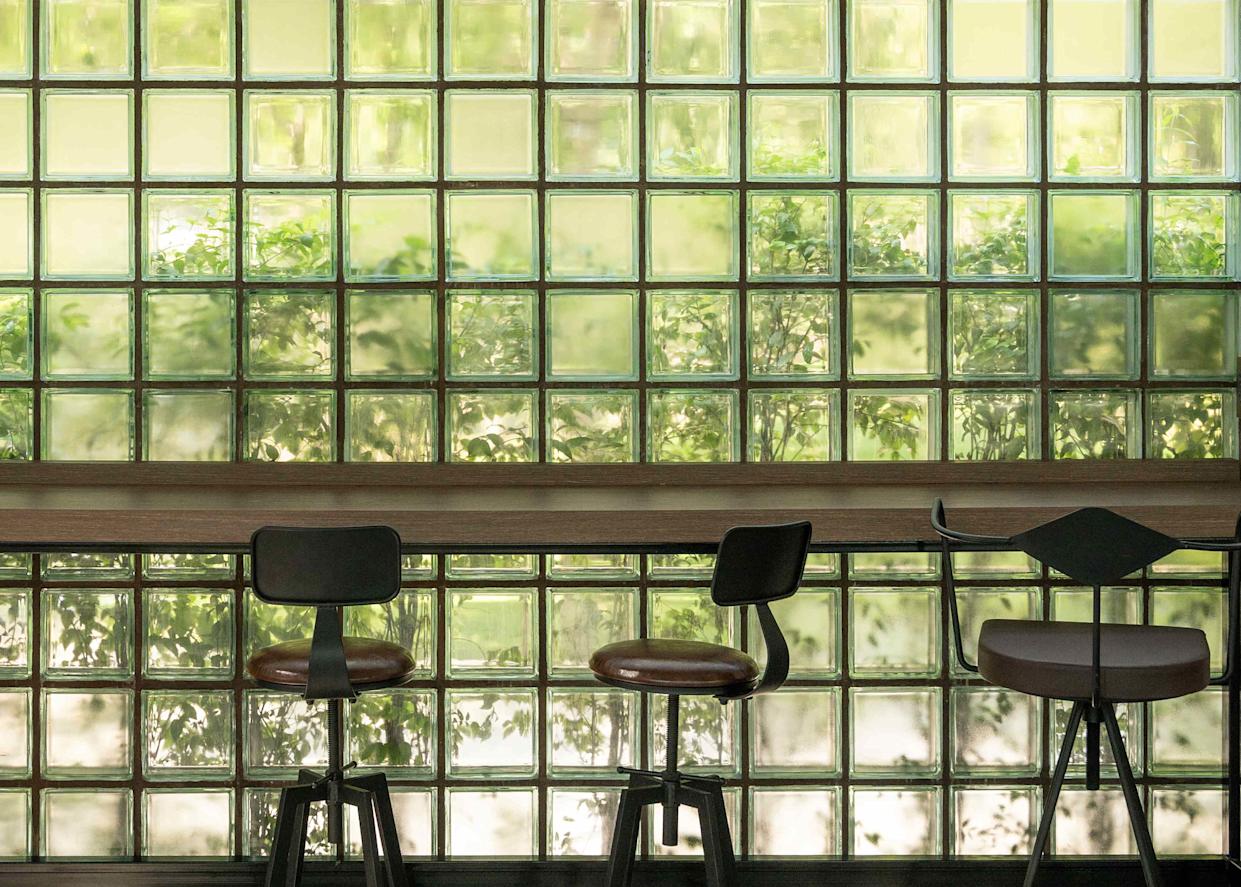
Key examples include a luminous forest in Hanoi composed of mirroring steel branches, demonstrating glass's role in creating immersive public art. Another project features an 'invisible Tokyo bar' that utilizes heated, transparent acrylic glass panels to distort reality, illustrating glass's capacity for experiential design. Architecture projects frequently employ glass for facades, as seen in Selgascano's transparent seaside café in China with three parallel glass volumes, and Cossement Cardoso's Helsinki museum concept, which features a textured glass skin forming a curved roof. The DA VÀNG studio in Vietnam also uses 3,000 glass bricks to create a curved, translucent house facade, emphasizing both structural and aesthetic applications.
The articles also delve into the use of glass in smaller-scale design and art pieces. For instance, Bottega Veneta's summer show features 'lucid murano blown-glass stools' that mimic sea waves, showcasing glass as a medium for elegant furniture and decor. Artists like Vincent Leroy use floating lenses in an optical mobile, and Ben Tuna transforms a Porsche 911 into an art car with cathedral-inspired stained glass, highlighting the material's artistic adaptability. Sarah Brahim and Ugo Schiavi explore ancient rituals through glass temples and vessels, linking glass to cultural and historical narratives.
Further architectural applications include a gradient brick facade by Delmulle Delmulle in a Belgium house, transitioning from terracotta to glass, and Vinklu's triangular prism coffee shop in Romania, using glass to fill narrow urban gaps. SICIS uses decorative glass to create glowing swimming pool surfaces in Cambodian villas, while BBWORKSPACE's Thai café employs iridescent panels to evoke gemstones and refract light. EcoLogicStudio's microbial installation at Triennale Milano reimagines domesticity with glass components, and Apropos Architects use a translucent glass facade for the Czech pavilion at Expo 2025 Osaka, demonstrating its use in significant public structures.
Industrial design also features glass, such as Bugatti's Brouillard Coupe, which includes a miniature glass sculpture in its gearshift. Fredrik Nielsen's Stockholm studio explores glass's resistance to fragility and embraces chance in its creation. Atelier Échelle’s lakeside gallery residence subtly integrates glass within dark clay brick structures, harmonizing modern elements with traditional aesthetics. The variety of projects presented collectively underscores glass's multifaceted role in contemporary design, from enhancing visual experiences and light manipulation to contributing to structural integrity and artistic expression across diverse scales and contexts.
#GlassArt #GlassDesign #ArchitecturalGlass #PublicInstallations #InteriorDesign #ContemporaryArt #BuildingMaterials #DesignInnovation #SustainableDesign #GlassArt #GlassDesign #ArchitecturalGlass #PublicInstallations #InteriorDesign #ContemporaryArt #BuildingMaterials #DesignInnovation #SustainableDesign
0 ความคิดเห็นรวม
 ยังไม่มีความคิดเห็น
คุณอาจจะชอบอีกด้วย
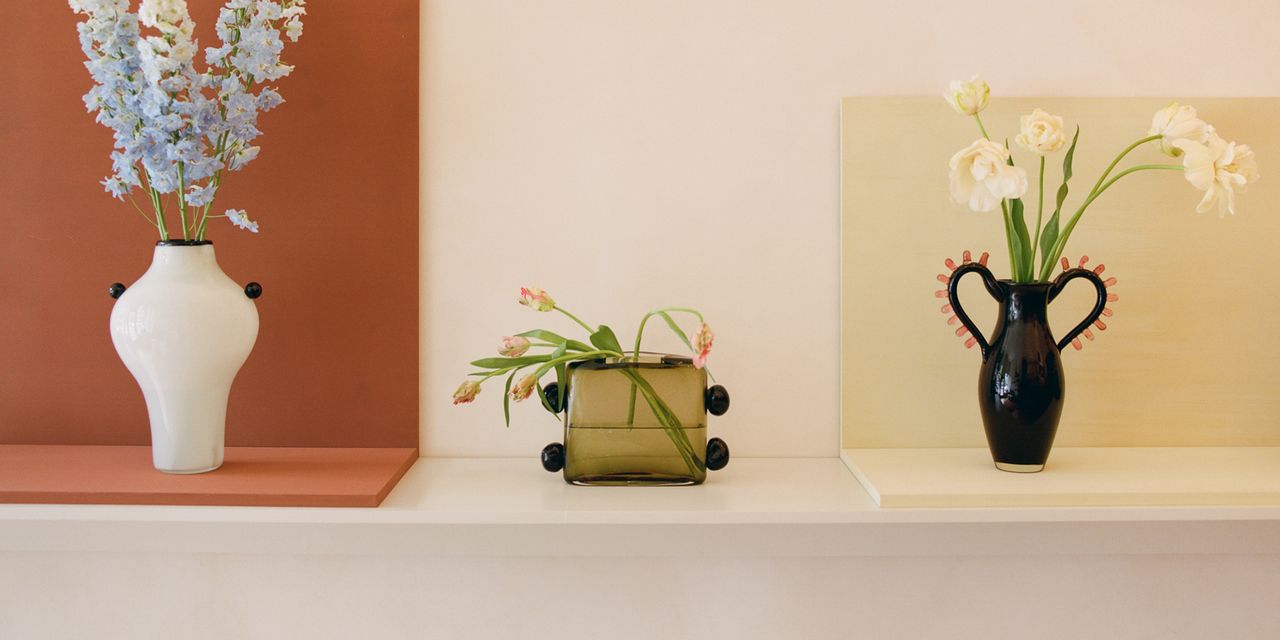
Glass Is Red-Hot: Here Are 6 New Collections to Know

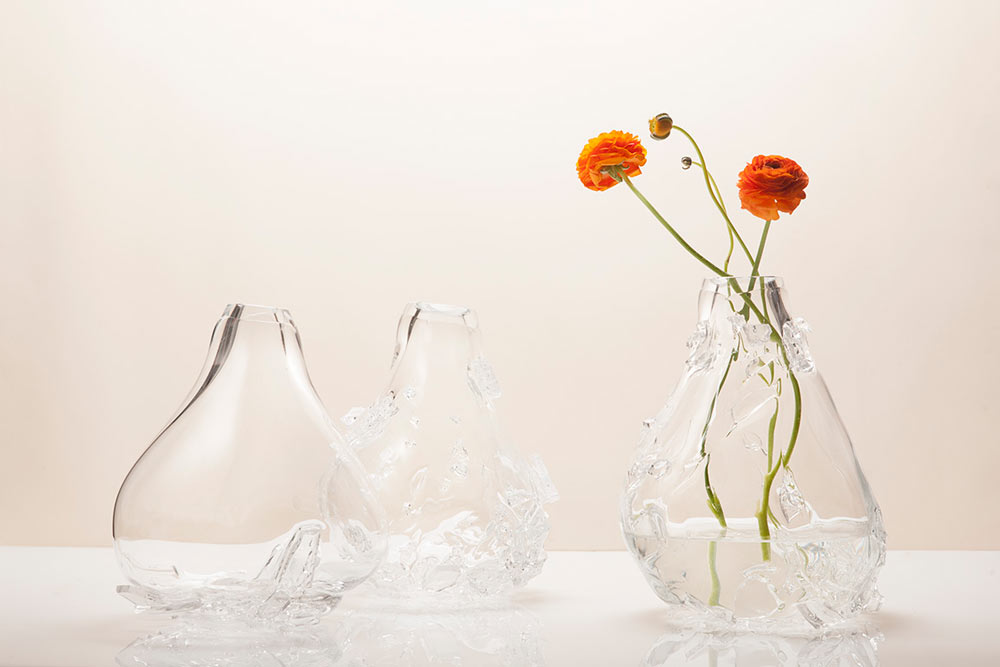
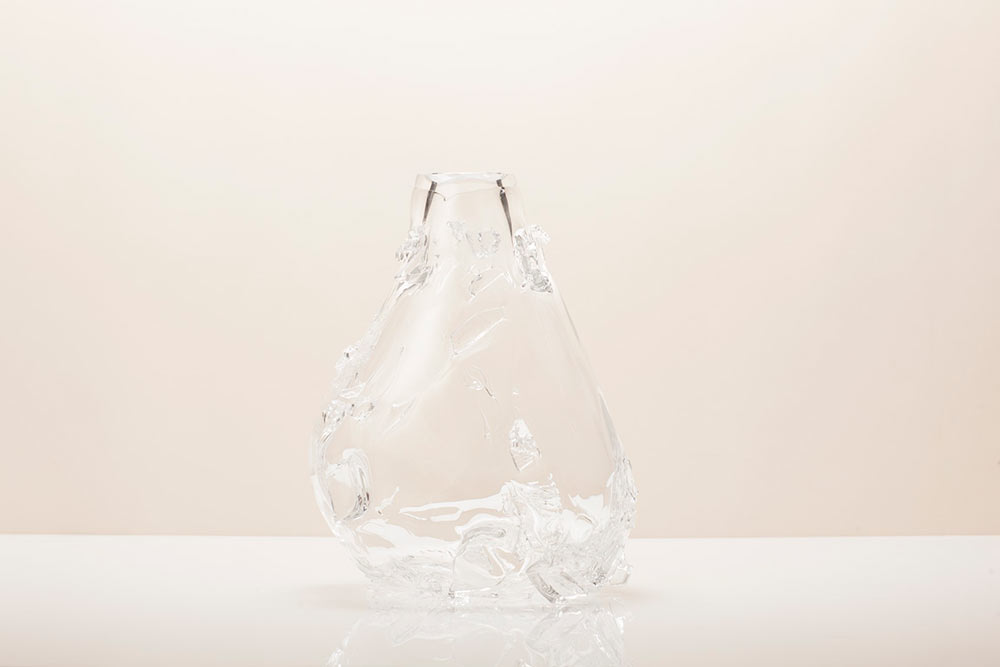
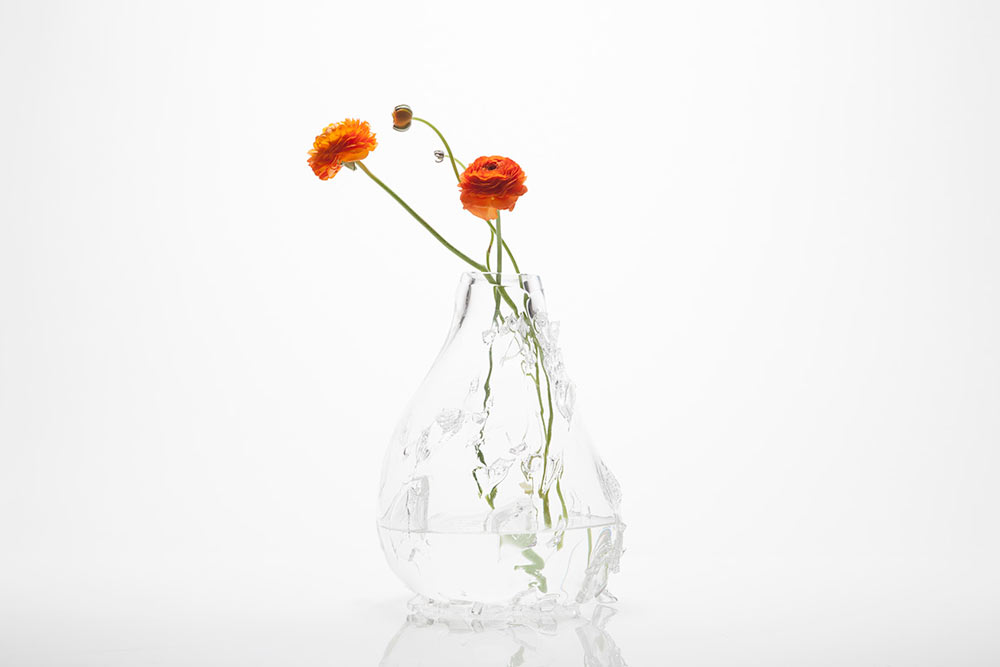
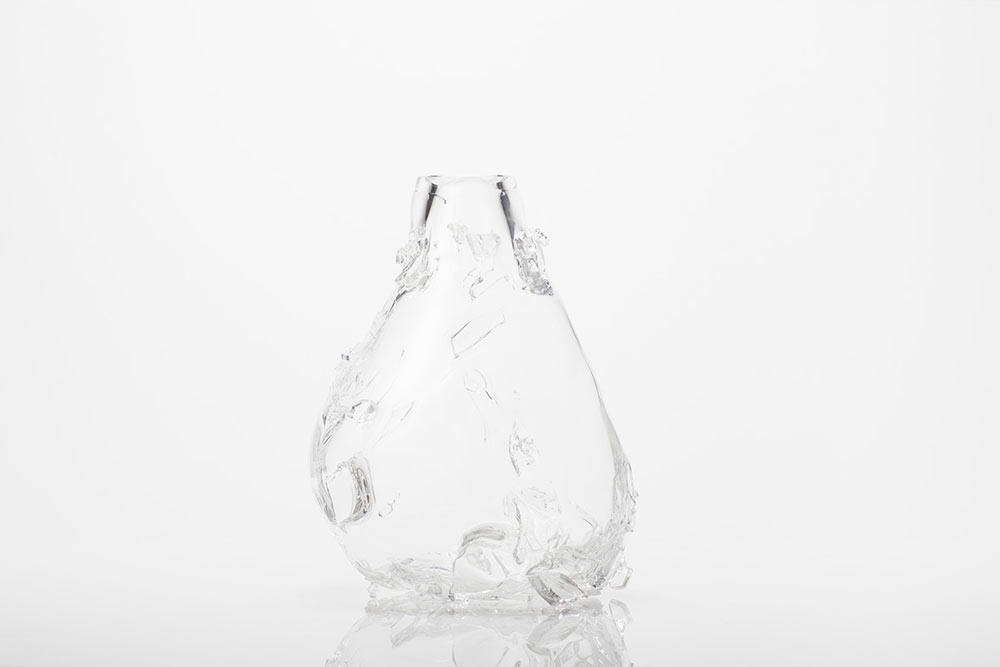
Glass Vases That Look Like They're Growing Ice Crystals

From Burgundy to Brooklyn: Eve George’s Glass Blowing Journey

Glass thickness important detail when designing tabletops | Home and Garden | Life
Collecting Art Nouveau design


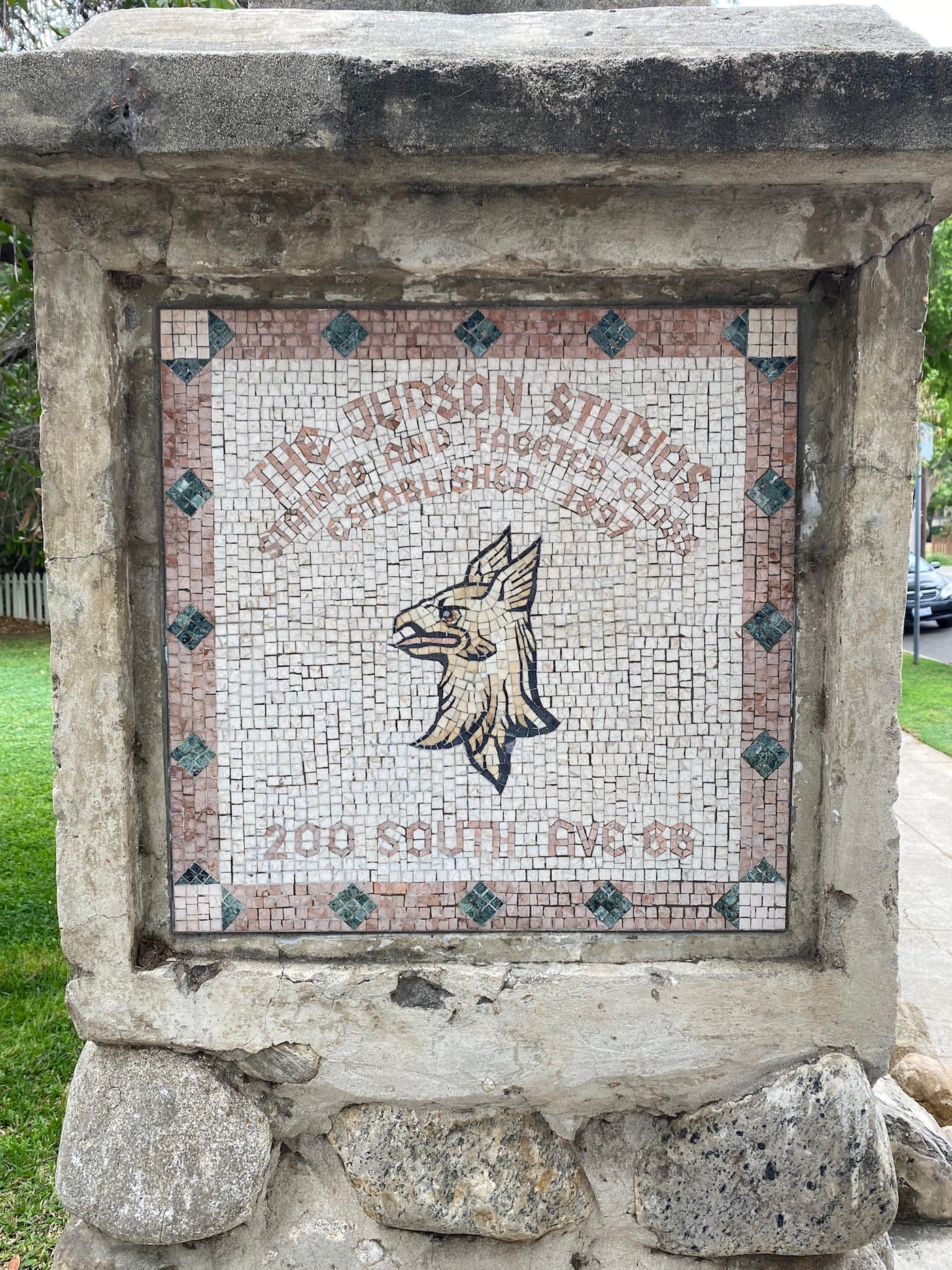
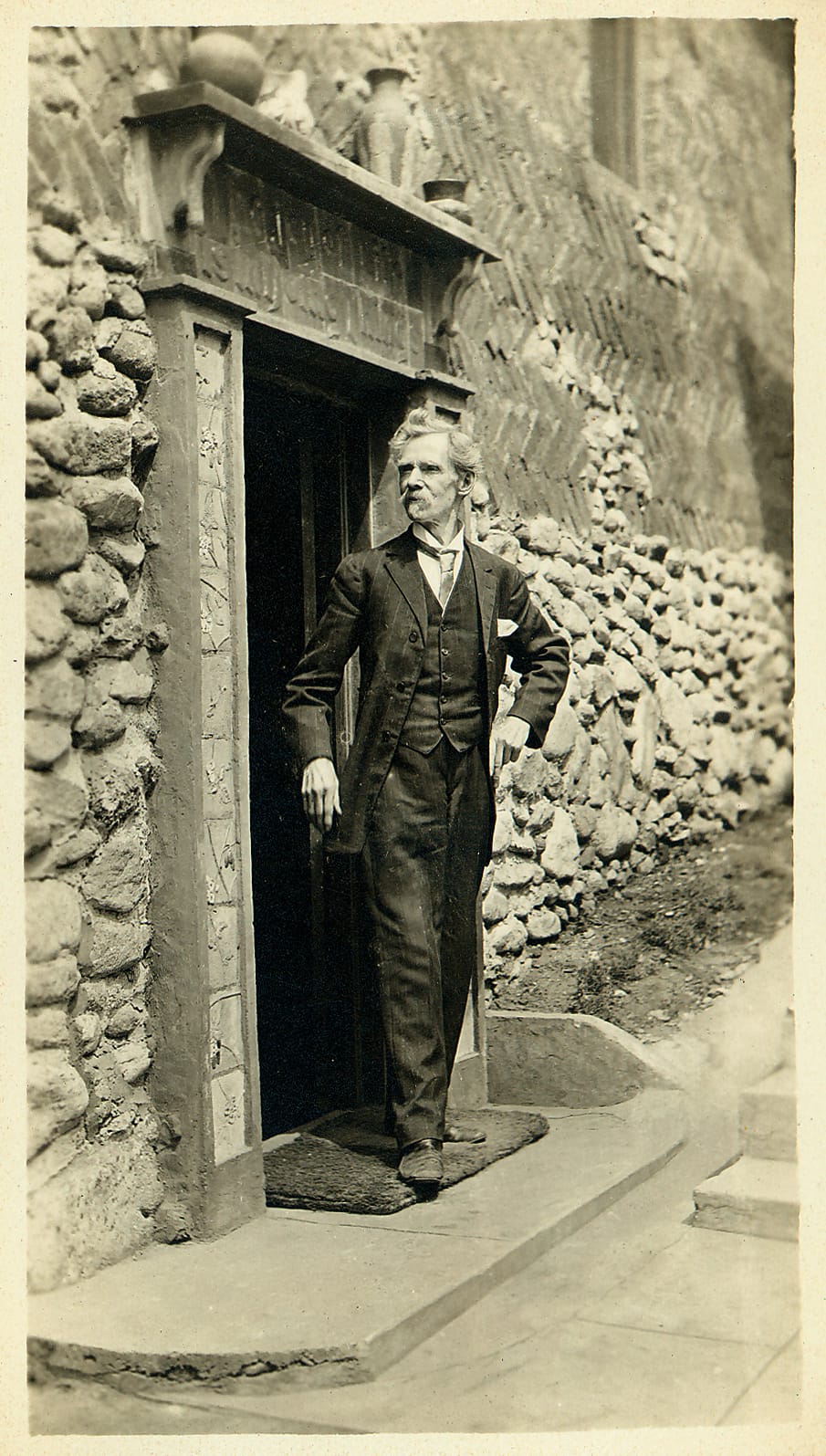
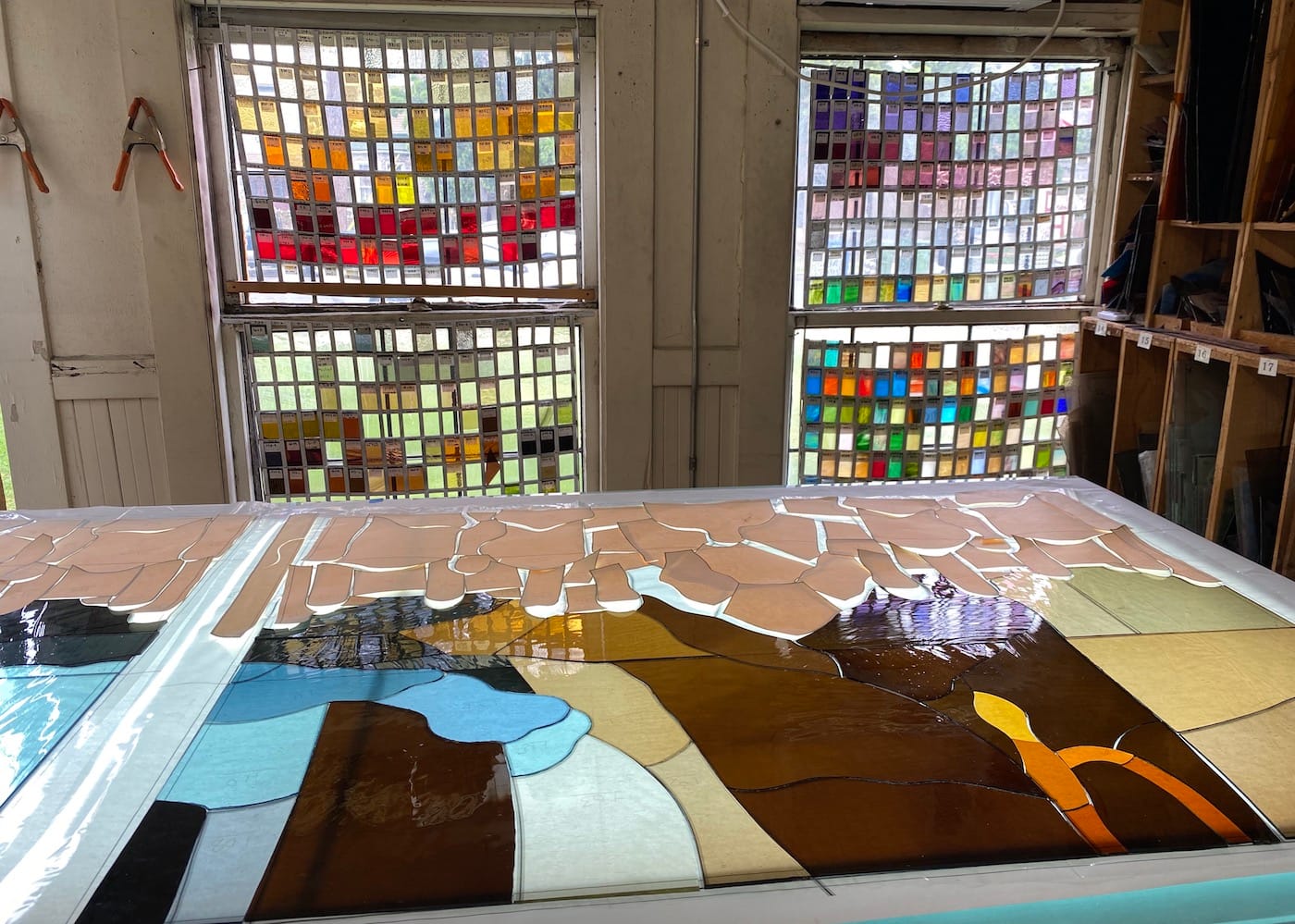
The Story Behind One of the Oldest Art Glass Studios in the US

manipulate glass with the 'touch-me' vase collection by matteo silverio + stefano bullo
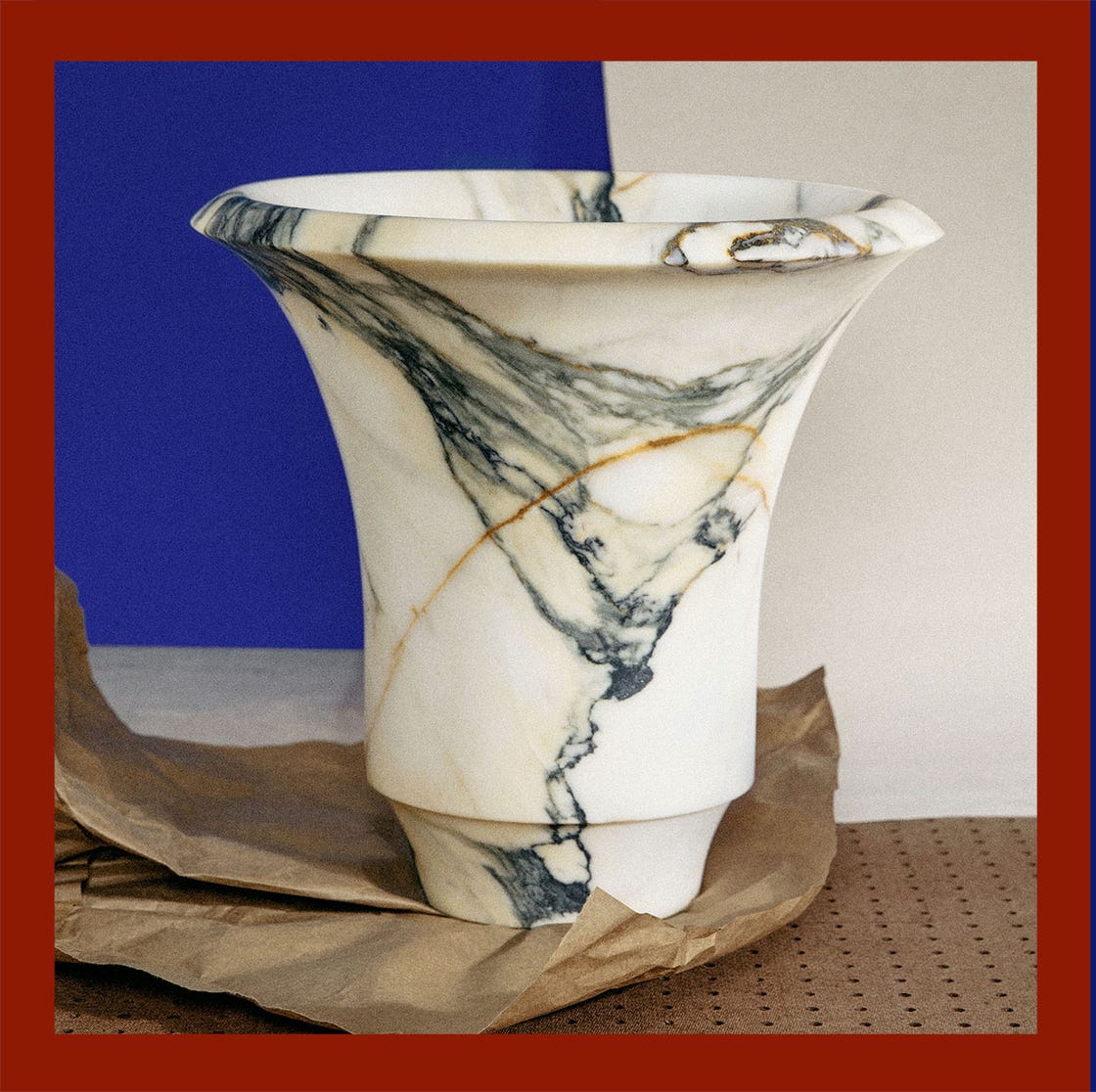
Expand Your Art Collection with These Gallery-Worthy Vessels
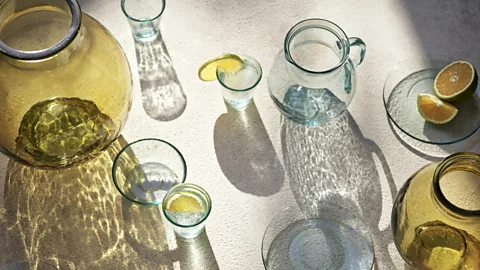
Why glamorous glassware is booming

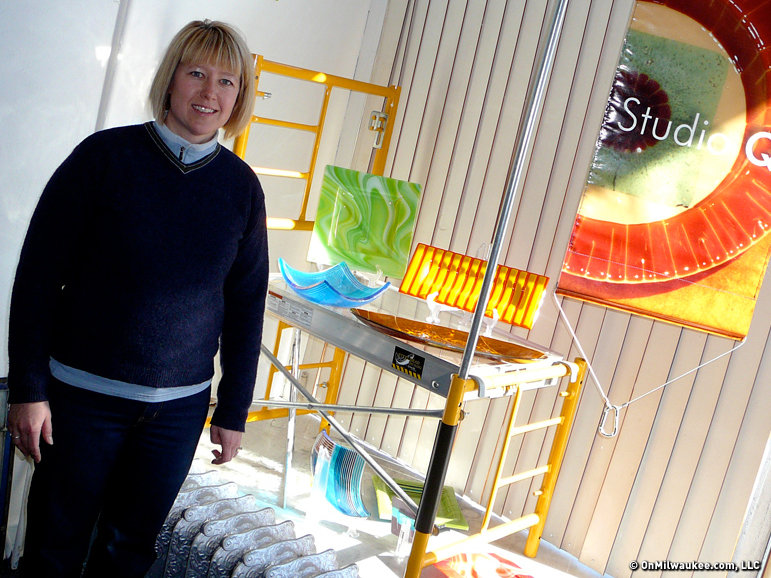
Bay View kiln-formed glass artist etches her niche with new StudioQ
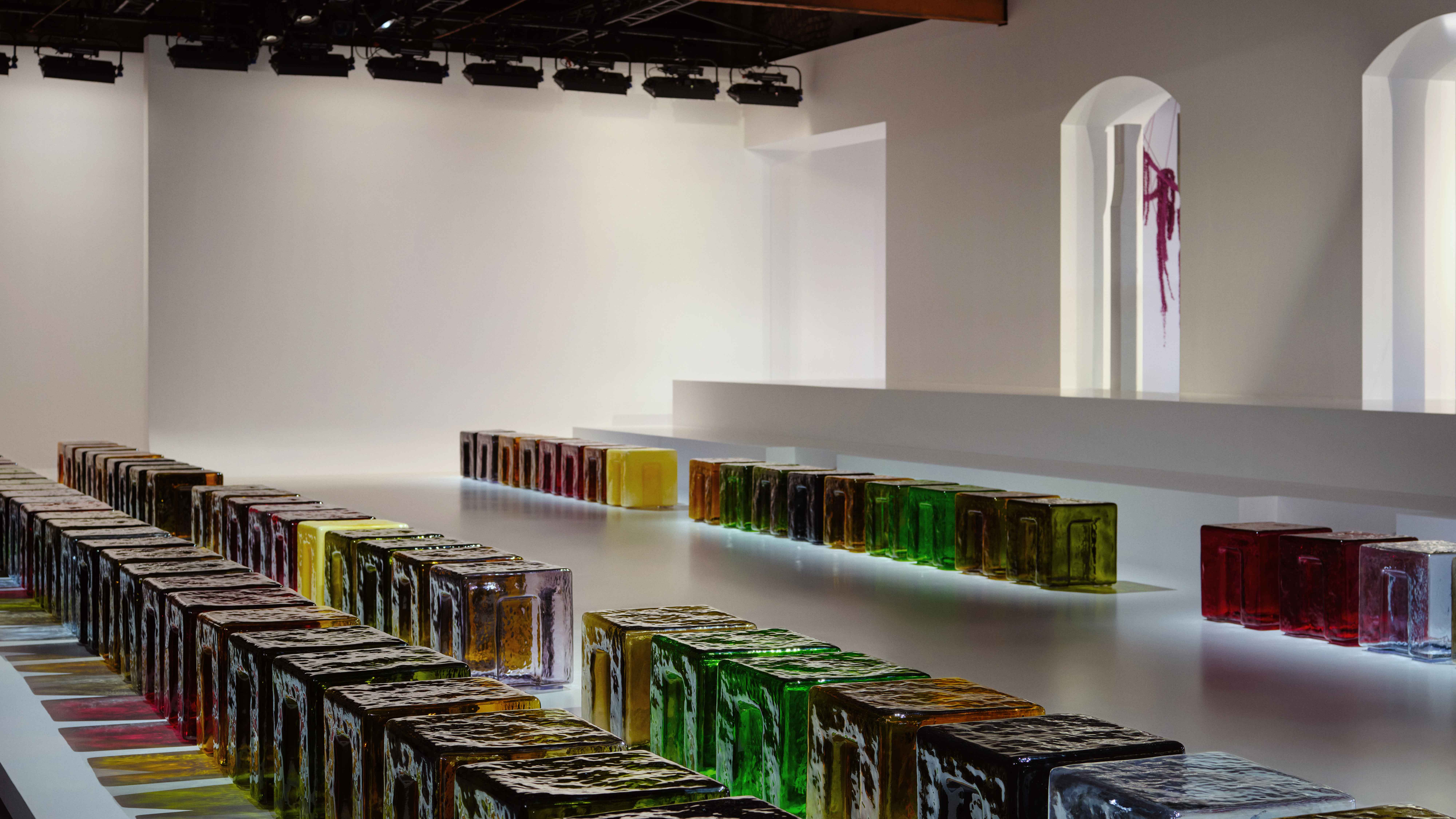
This is the design studio behind those insane glass seats at the Bottega Veneta S/S 2026 show

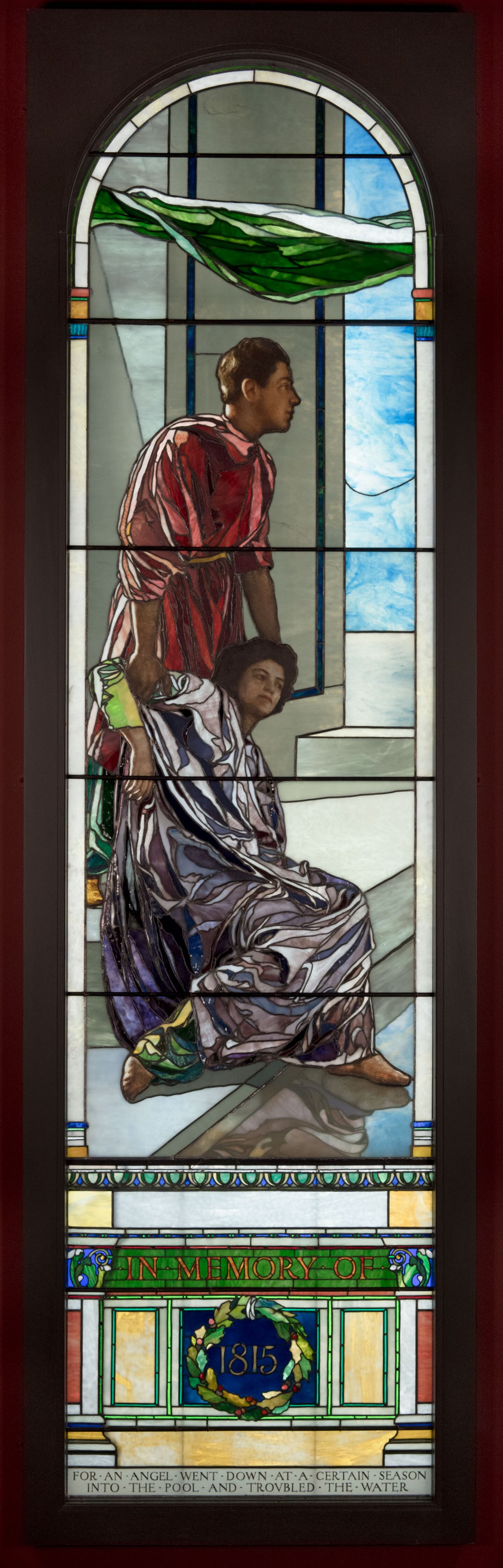
A Tiffany rival, and a genius of stained glass

Design tips to use glass in interior spaces and decoration | Hindustan Times

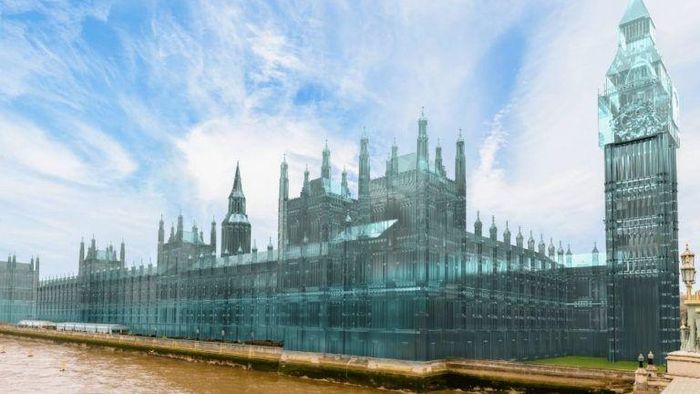
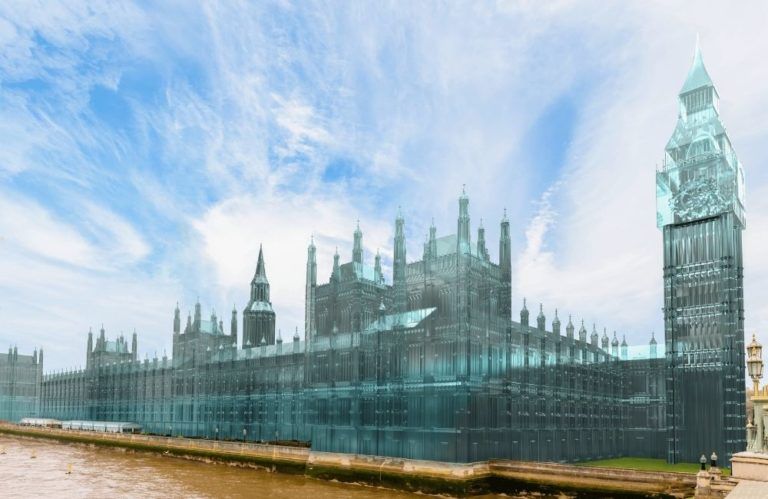
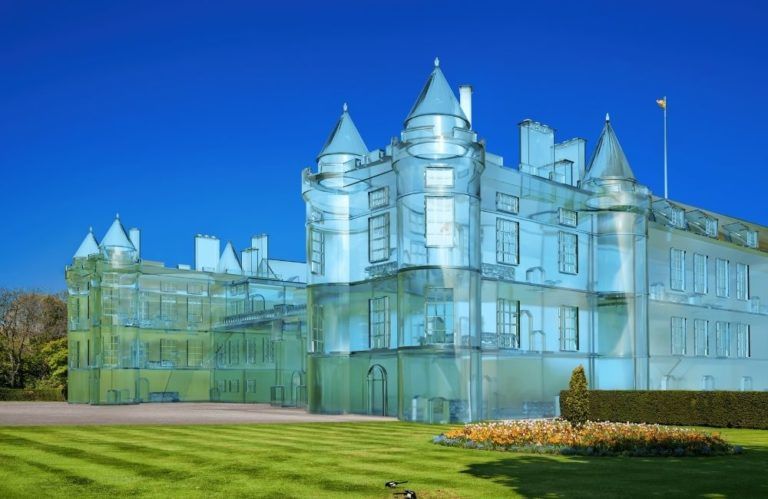
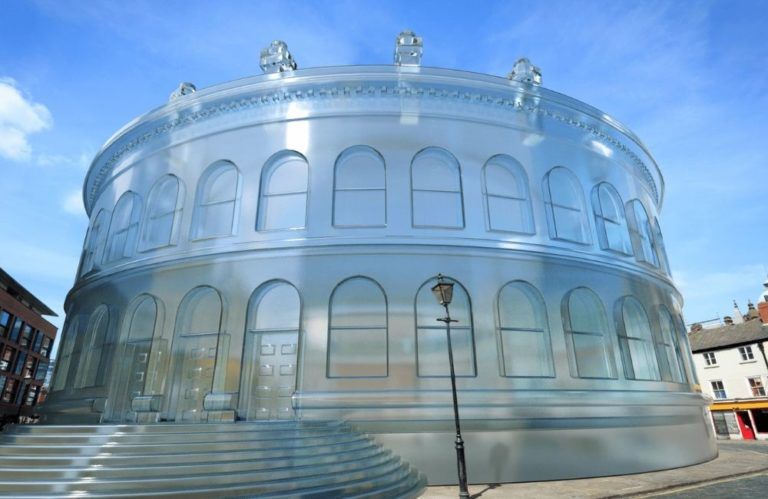
Five UK landmarks if they were made out of glass
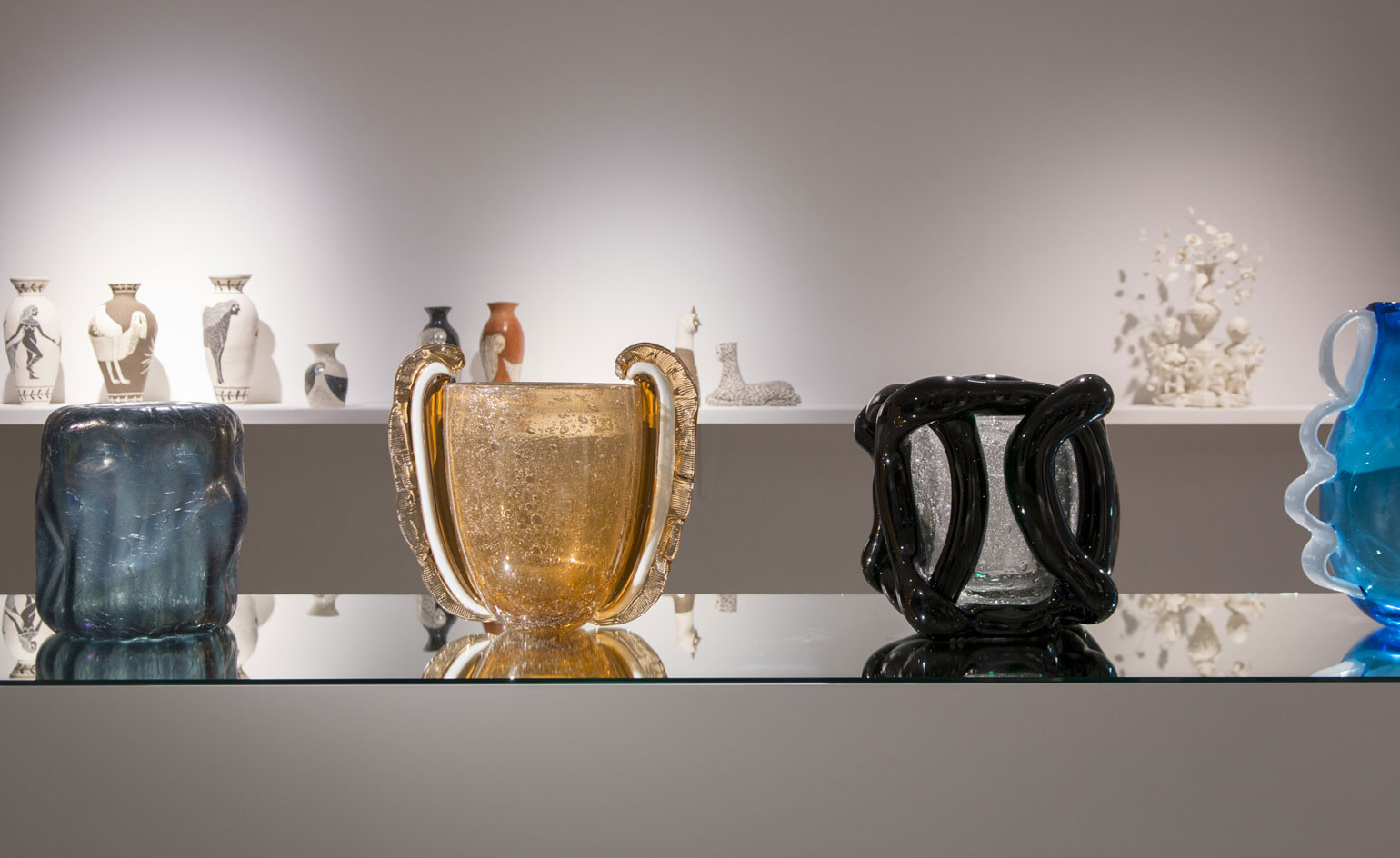
Vessel to vessel: cutting-edge contemporary vases that transcend their function

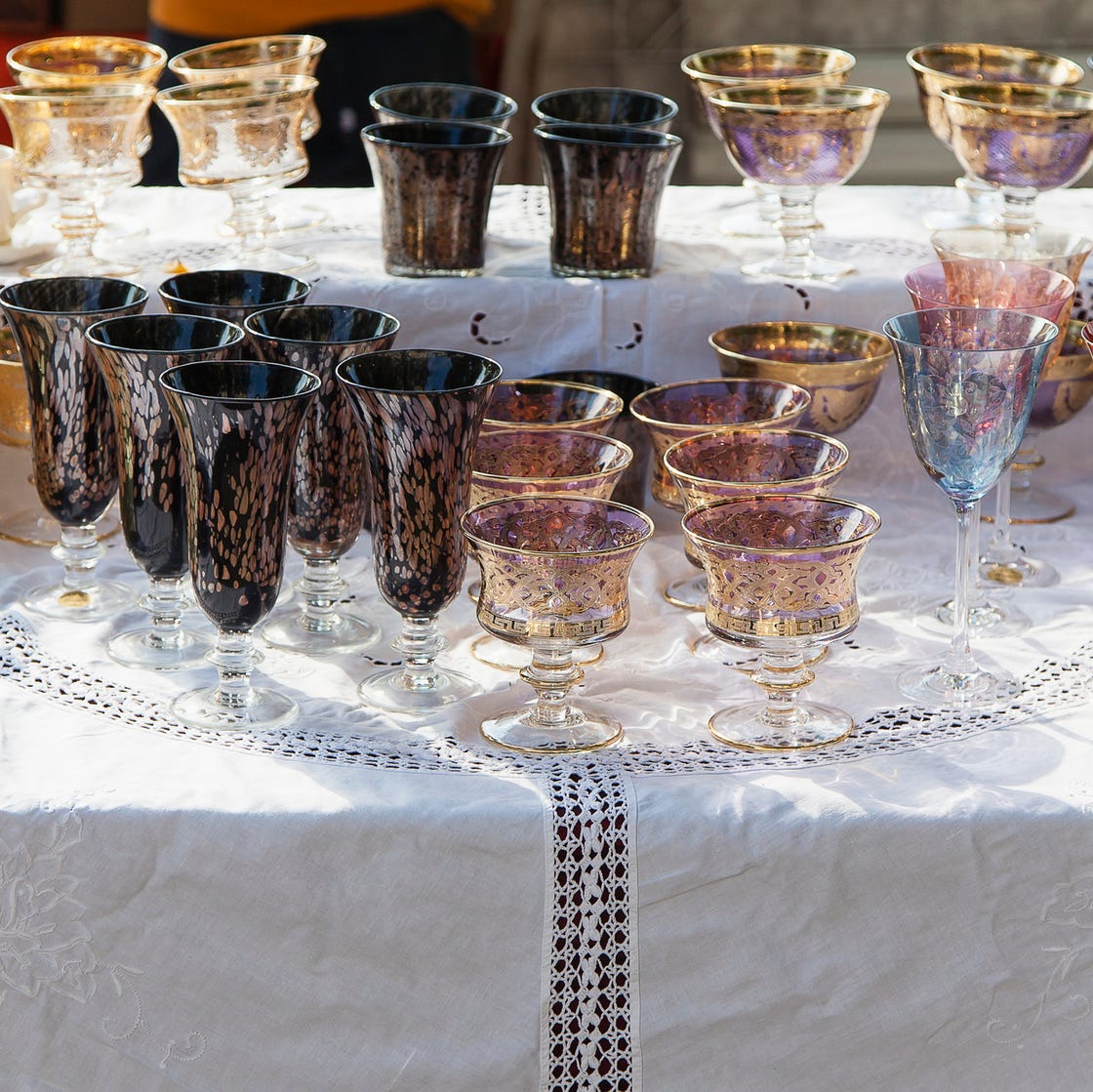
Experts Say These Rare Antique Glassware Finds Are Always Worth Buying at Vintage Stores

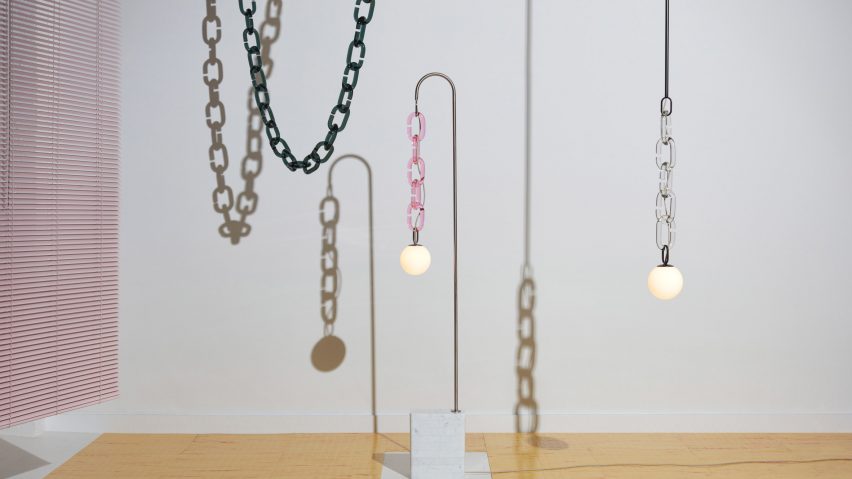
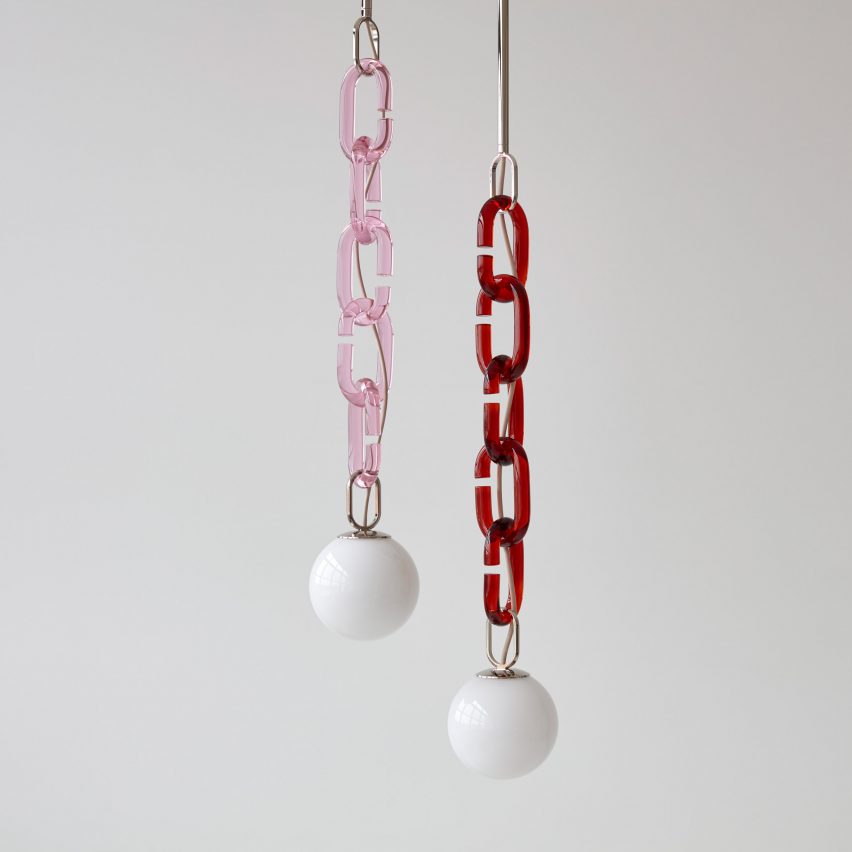
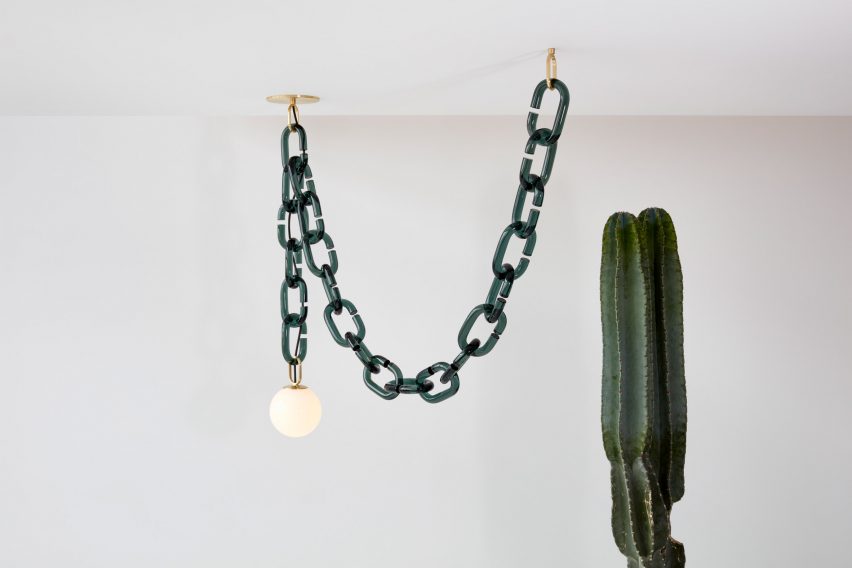
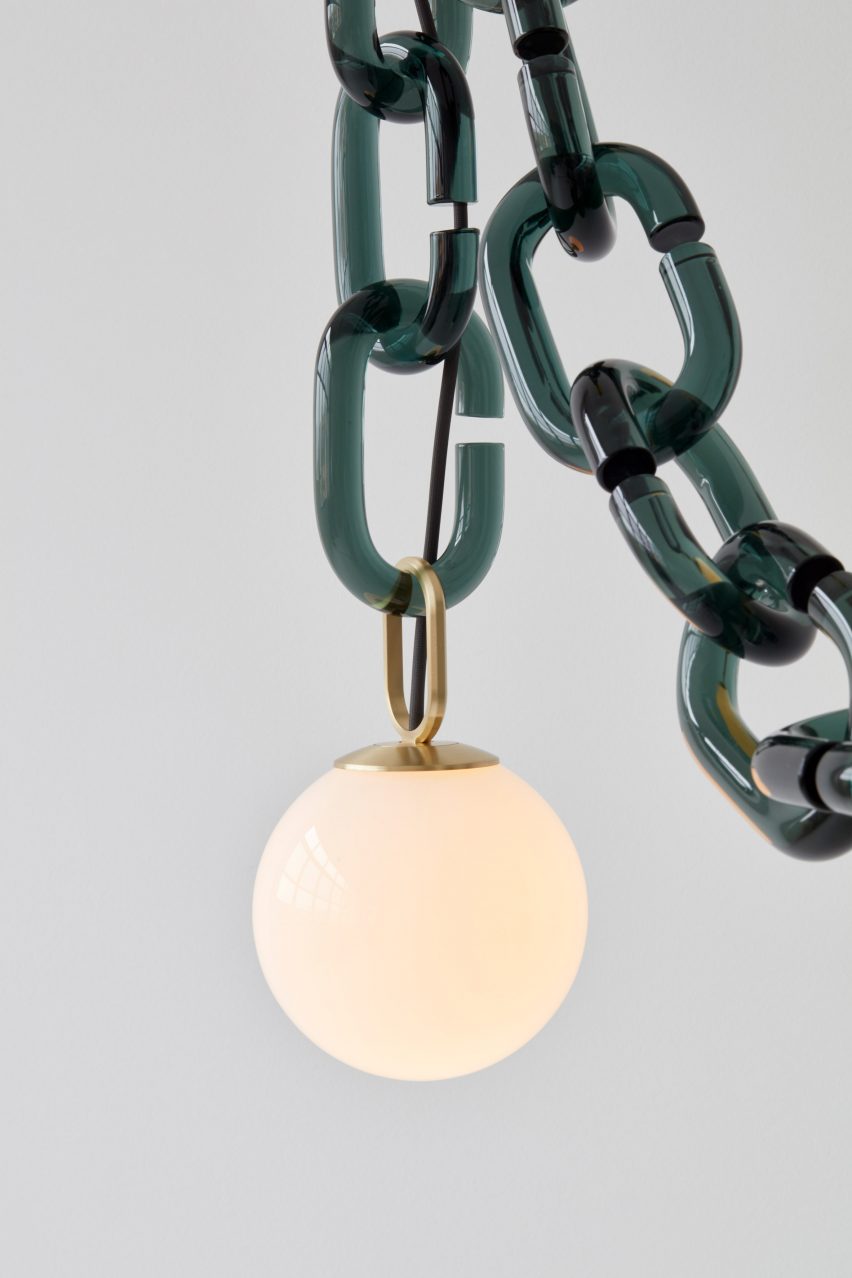
Trueing's Cerine lighting hangs from chunky coloured glass chains
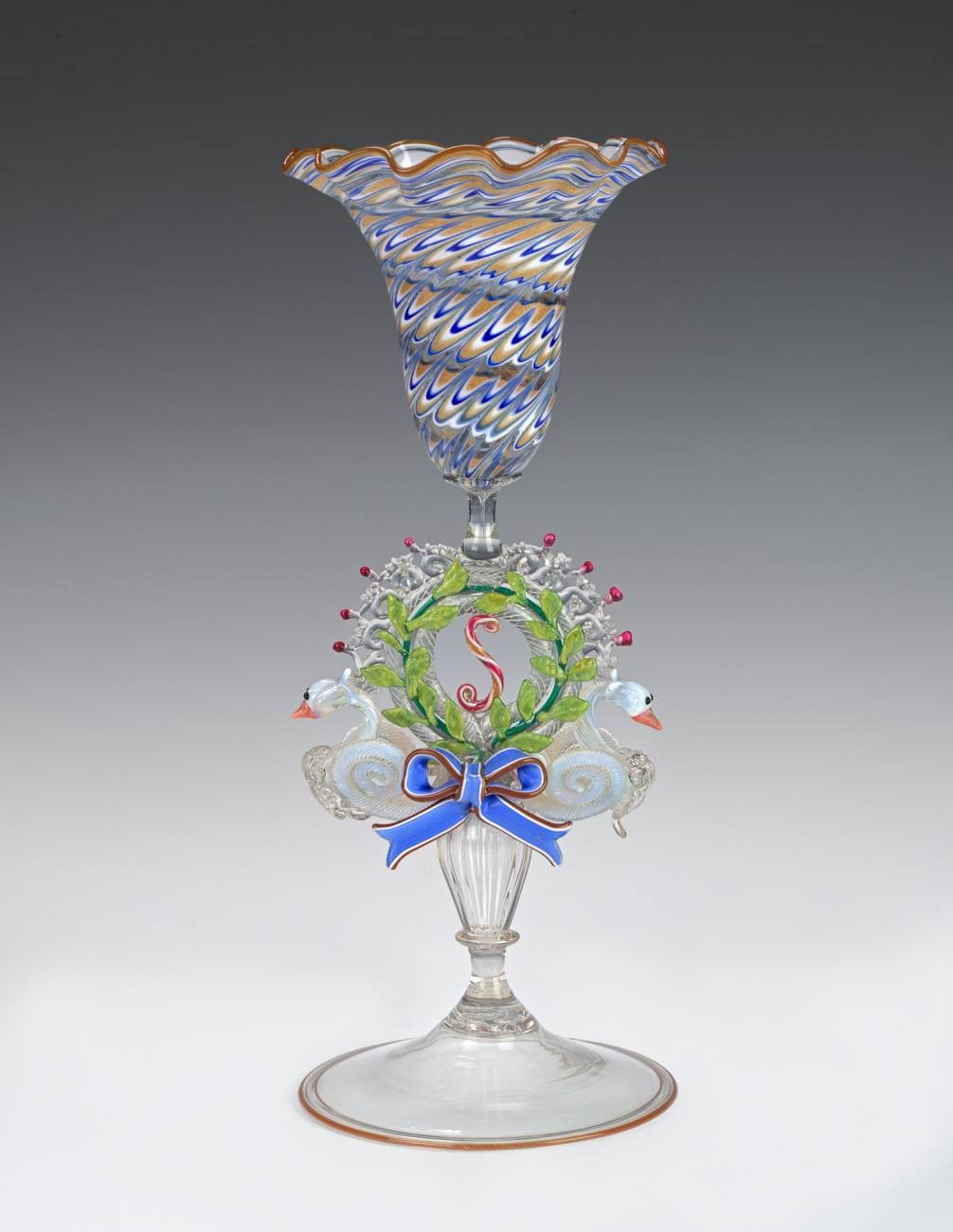
How Venetian Glass Seduced American Artists a Century Ago
Shed Brand Studios: One of Charlotte’s Last Glass Artisans

Glass Blocks Are the Vintage Trend We're Loving in 2025—Here's How to Use Them