Glass thickness important detail when designing tabletops | Home and Garden | Life
Design is inherently a collaborative process, involving clients, designers, and various skilled artisans to achieve a project's vision. The exchange of ideas and specialized knowledge among these parties significantly influences the final outcome. In the context of custom furniture, particularly glass tabletops, this collaborative dynamic is crucial. A designer's expertise is put to the test when tasked with projects that push the boundaries of conventional design, such as creating an extension dining table designed to support three pieces of ¾-inch-thick infused glass with a reflective backing. Such a project demands meticulous engineering to ensure structural integrity while accommodating functional requirements, like ease of movement for heavy glass extensions by a single individual.
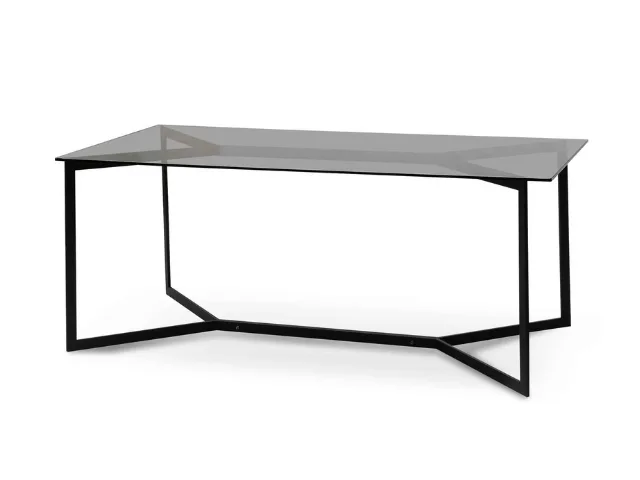
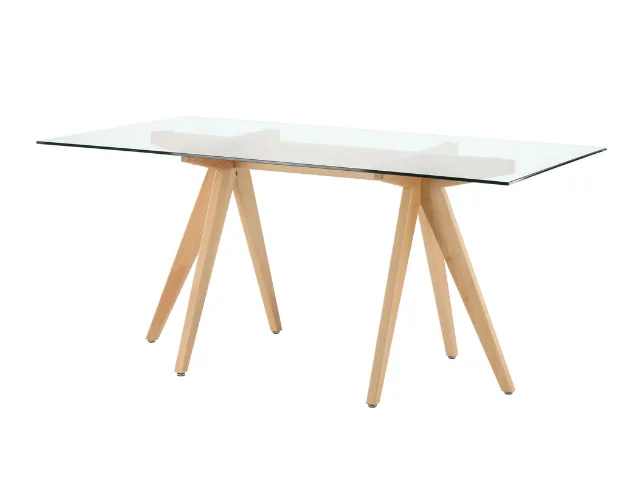
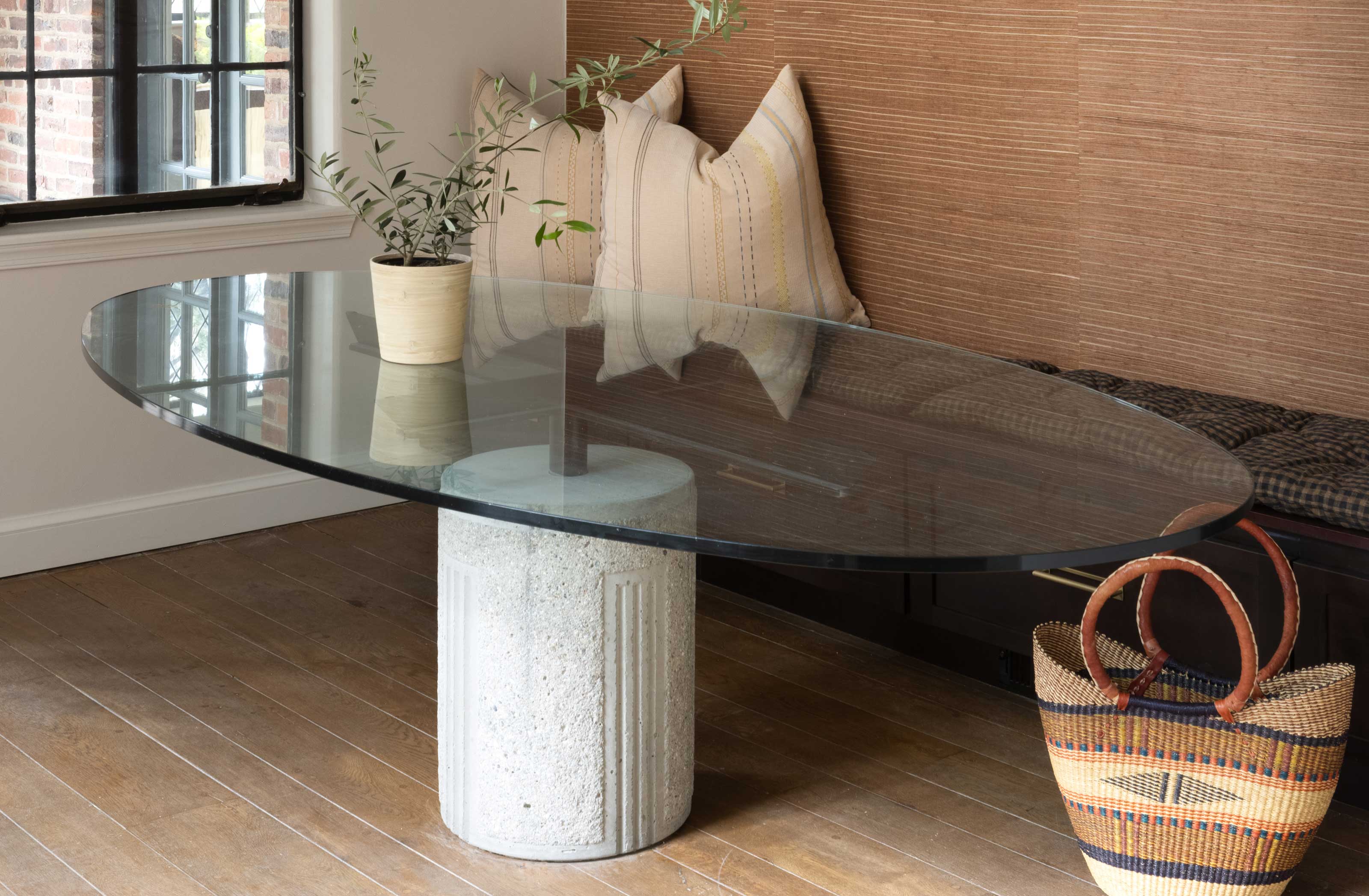
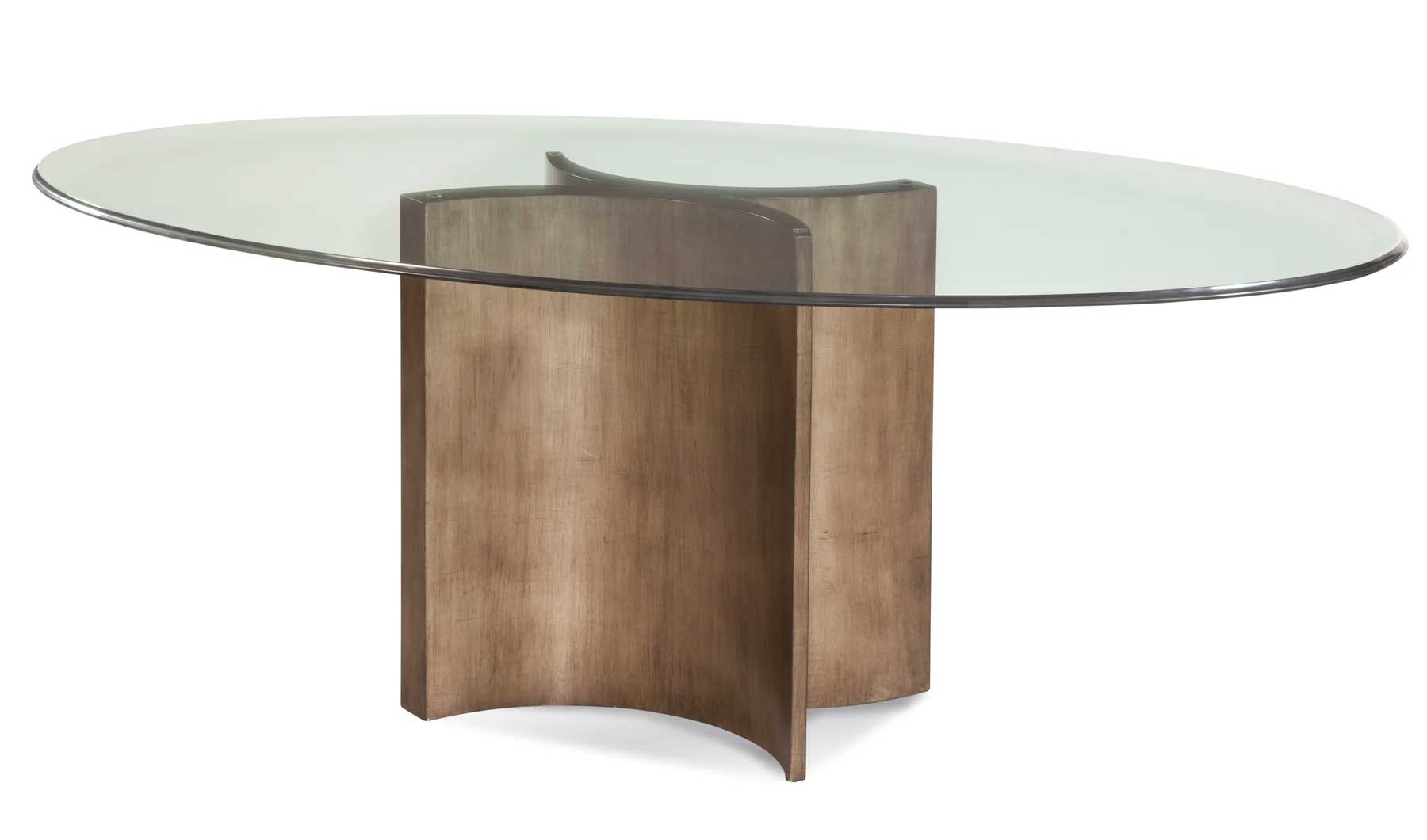
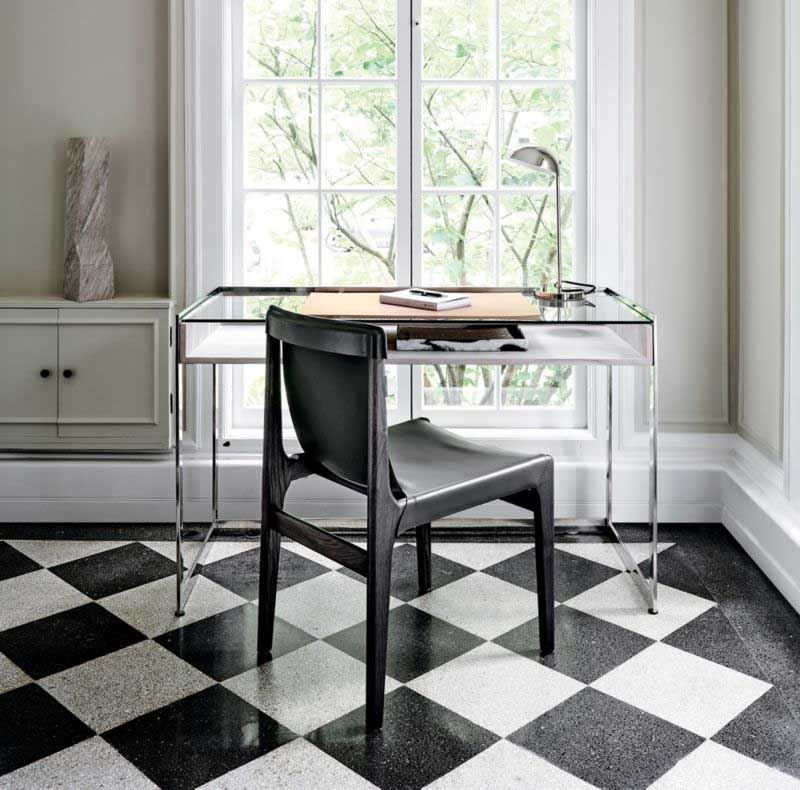
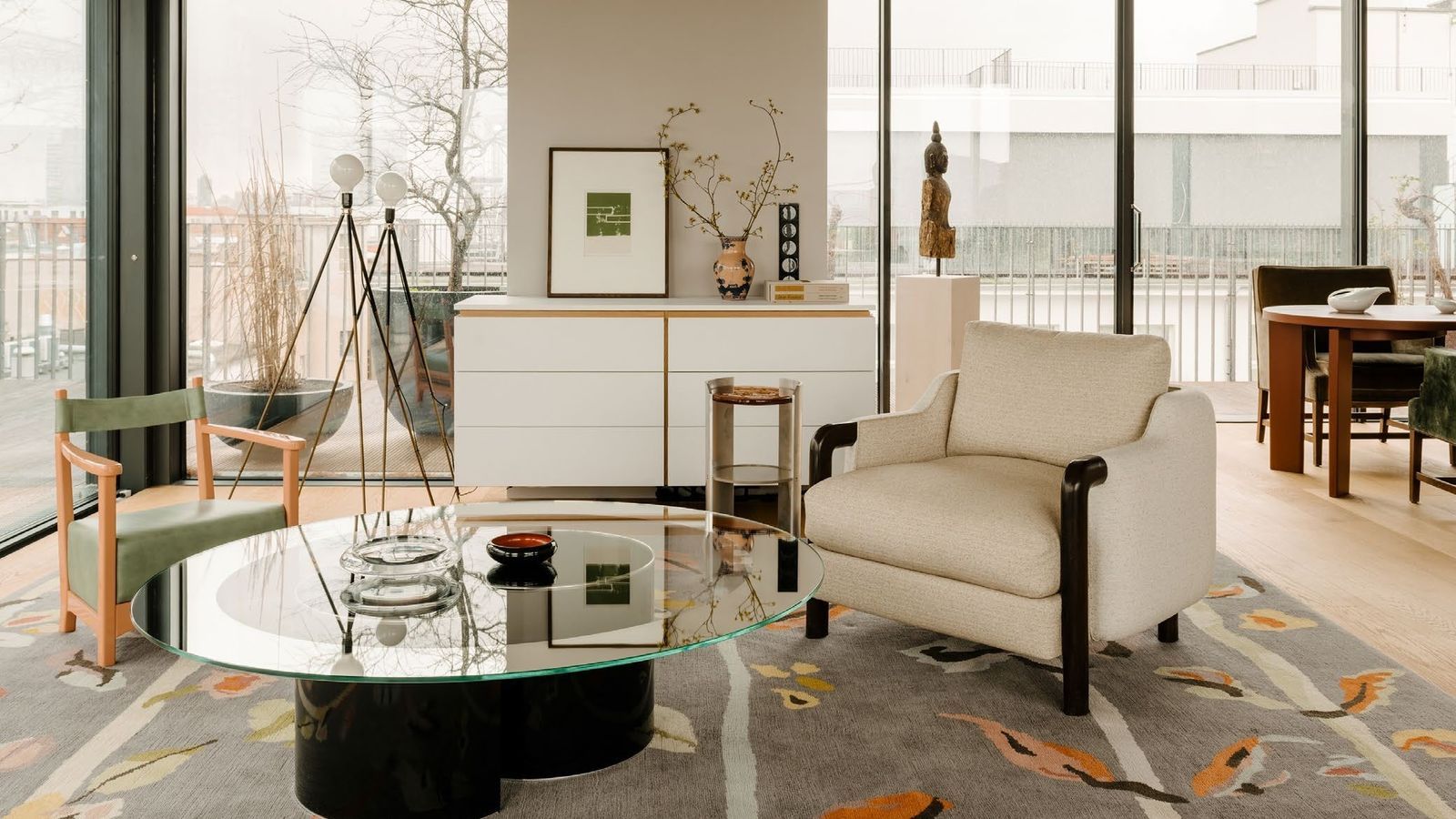
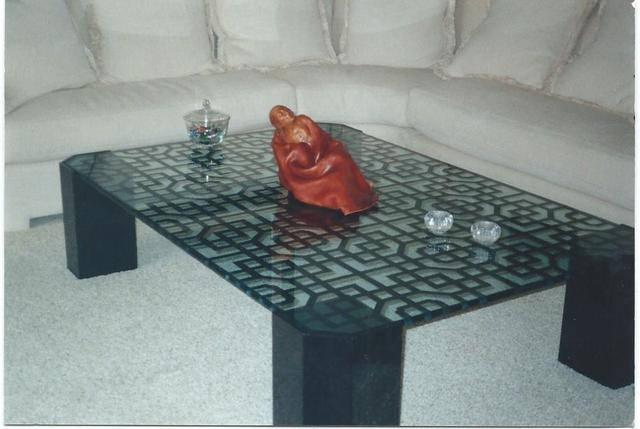
Historically, glass art has undergone significant evolution, moving beyond simple 'clear tops.' While clear glass tabletops remain popular for their ability to visually expand a space and highlight interesting table bases or rugs, they present challenges related to durability and maintenance, easily showing scratches, fingerprints, and smudges. A critical design consideration for glass tabletops is thickness. Although retail and designer shops commonly feature glass no thicker than ½ inch, a ¾-inch thickness is often preferred for its ability to convey a richer and stronger design statement, despite being more expensive. The choice of glass thickness is also vital for achieving proper scale and balance in a design. A thin piece of glass on a substantial pedestal can appear incongruous, whereas a ¾-inch or even 1-inch thick glass creates a more harmonious and impactful aesthetic. Additionally, finishing touches like a 1-inch bevel can lend a traditional look, while a flat, polished edge offers a contemporary feel.
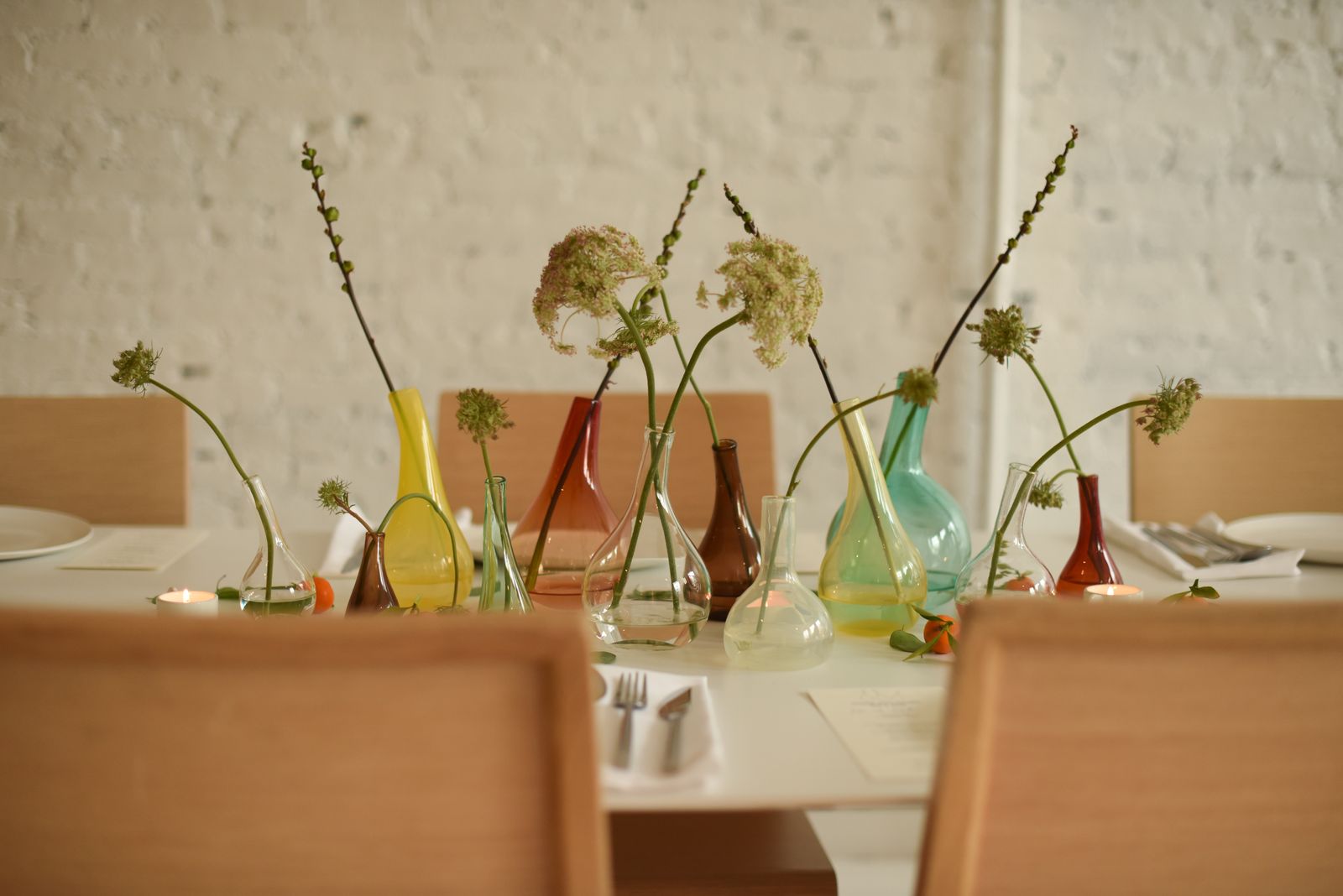
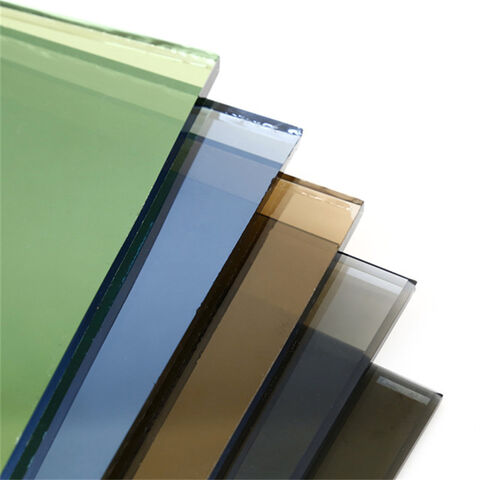
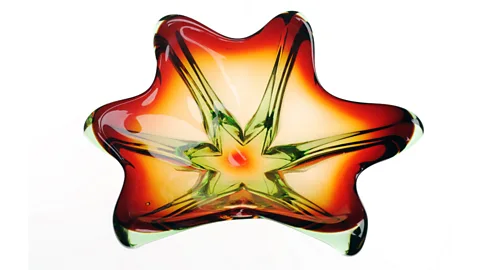
Innovation in glass art has expanded the possibilities for decorative and functional glass applications. Artists like Leslie Rankin have developed proprietary techniques, such as 'Glassic Art,' to overcome the limitations of traditional paint and glass fusion, creating durable and beautiful colored glass that can withstand harsh environmental conditions. These advancements have democratized art glass, making it accessible beyond specialized workshops to a broader market through designers, architects, and retailers. The designs that can be integrated into glass, whether etched, carved, or infused with color, are limited only by imagination, ranging from classical motifs to complex modern patterns.
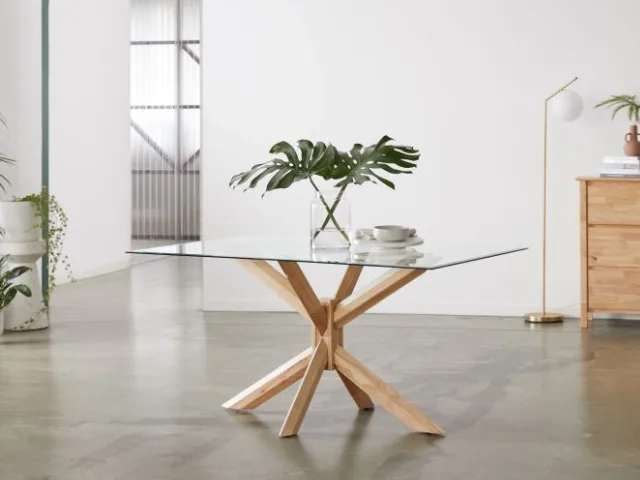
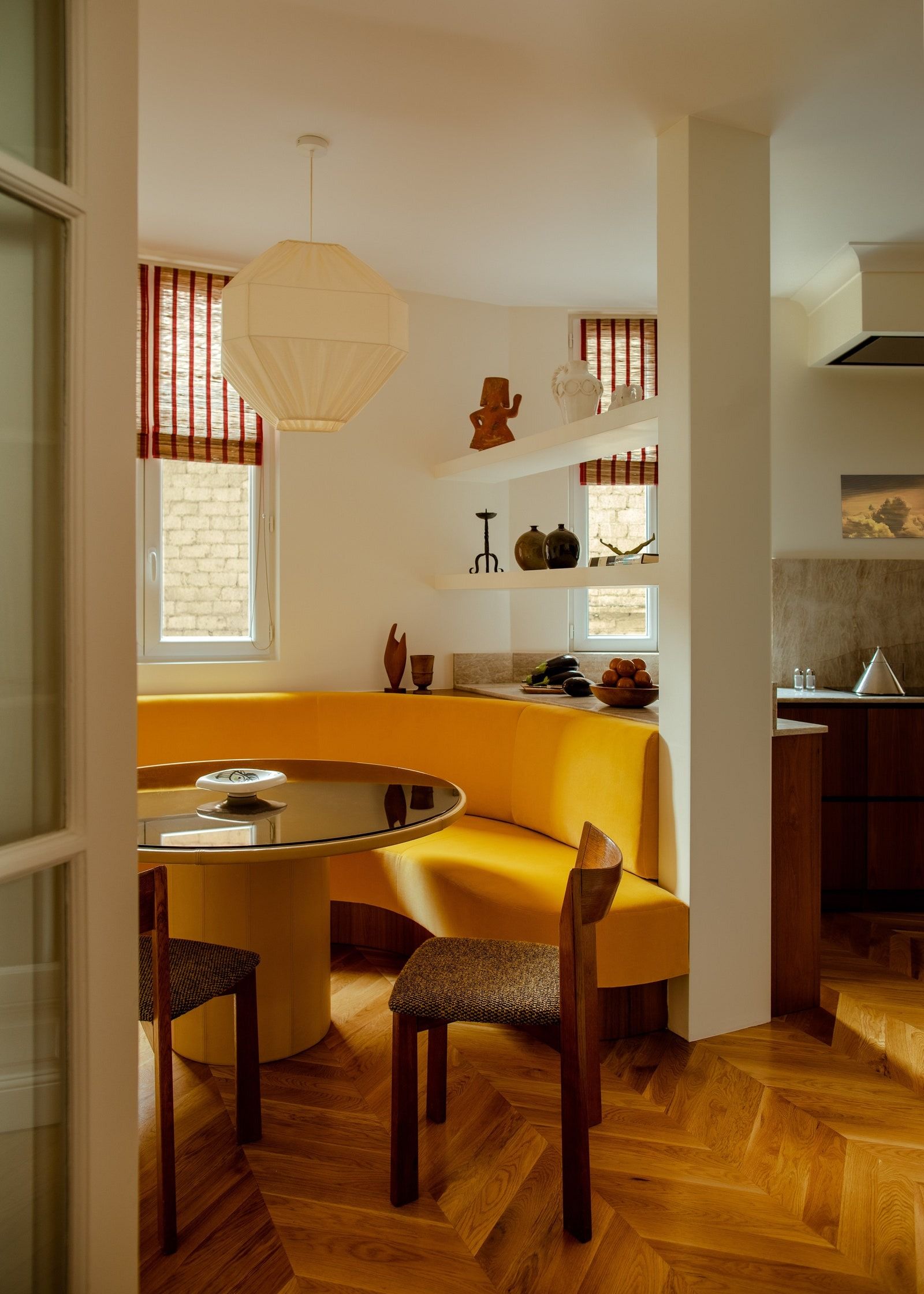
Contemporary applications of art glass extend to various surfaces, including counter, bar, and sink tops, where both creative and practical solutions are sought. In many instances, art glass can transform even a simple pedestal base into a focal point, as the primary interest lies in the glass top itself rather than its support structure. Conversely, for exceptionally creative or prominent bases, a clear glass top, ideally at least ¾-inch thick, would be the preferred choice to allow the base to remain the centerpiece. This evolution underscores the importance of thoughtful material selection and collaborative design in creating functional, aesthetically pleasing, and enduring pieces.
#GlassDesign #TabletopThickness #CustomFurniture #InteriorDesign #HomeDecor #ArtGlass #DesignCollaboration #GlassArt #StephenLeon #GlassDesign #TabletopThickness #CustomFurniture #InteriorDesign #HomeDecor #ArtGlass #DesignCollaboration #GlassArt #StephenLeon
0 comment in total
 No comments yet
You may also like
7 timeless glass dining tables to instantly brighten your space


glass art and design Archives
Material Just Launched Tableware and—Shocker—It’s Gorg

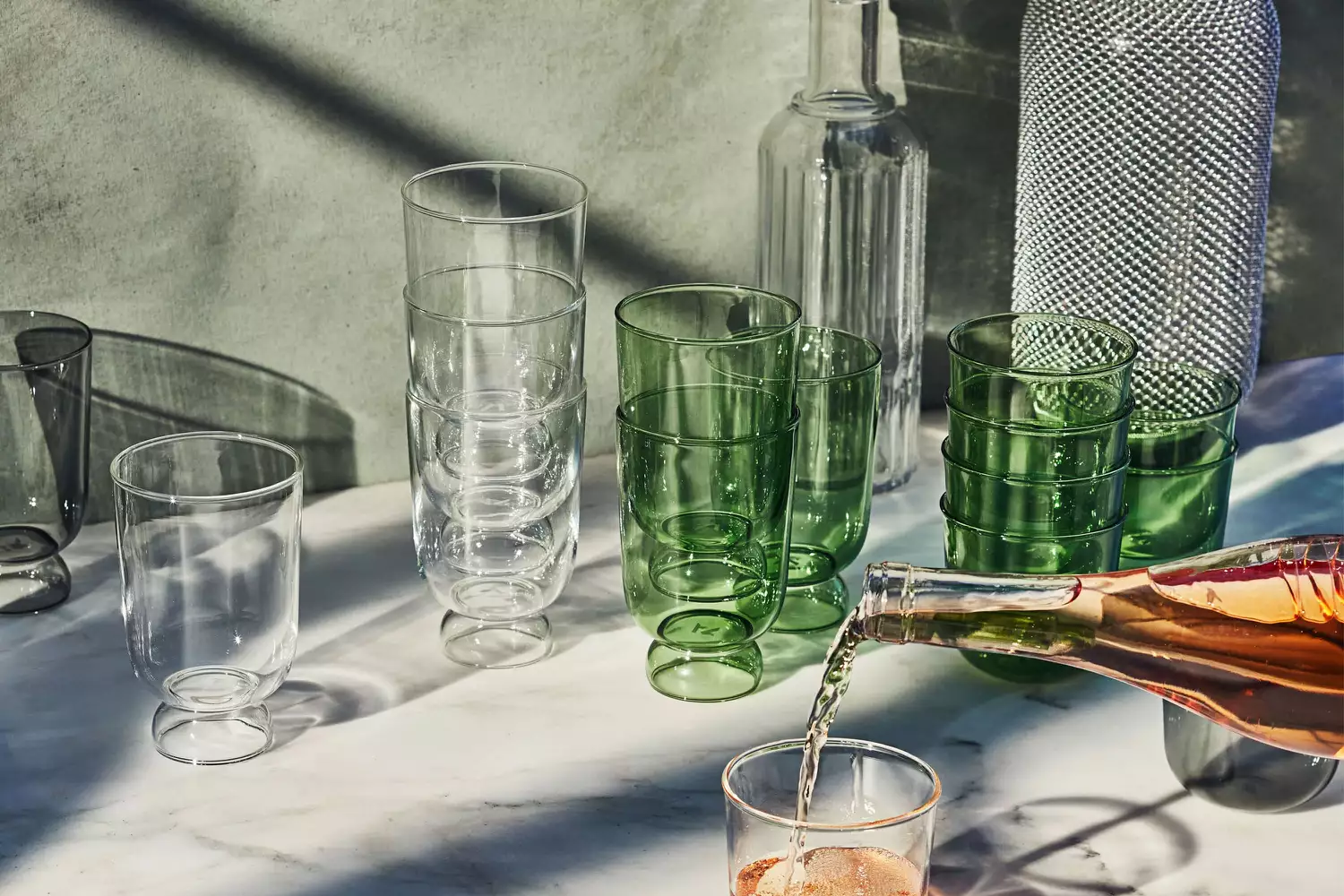
Even Water Is More Fun to Drink With Our Favorite Colorful Glassware Sets

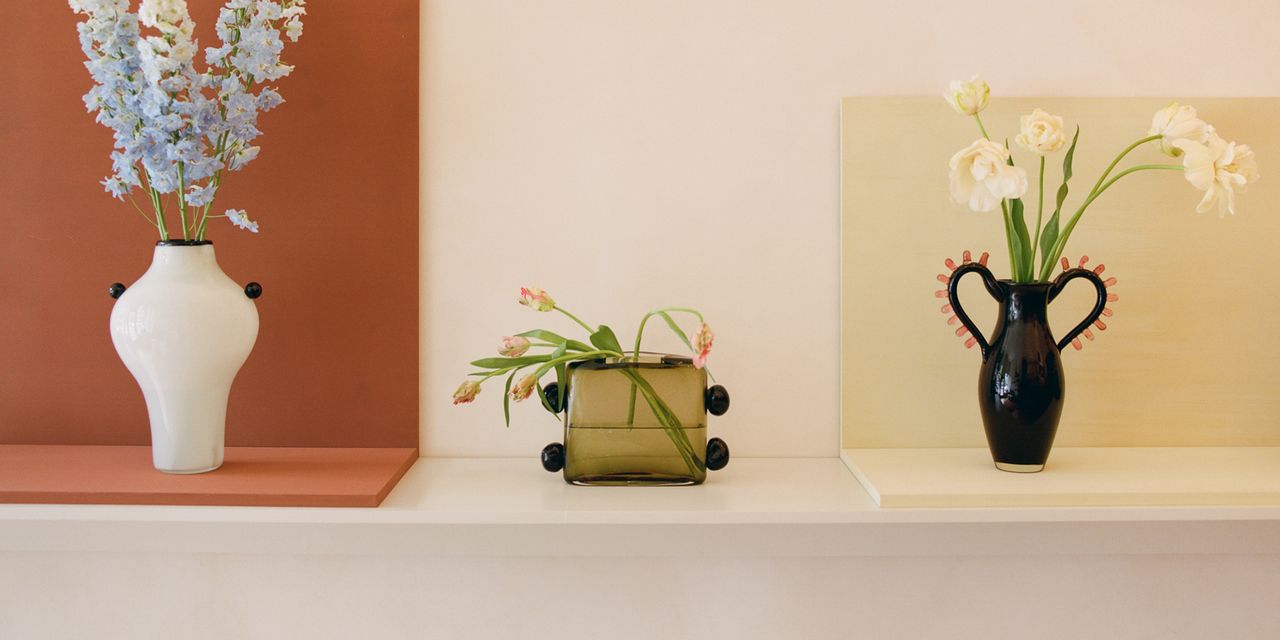
Glass Is Red-Hot: Here Are 6 New Collections to Know

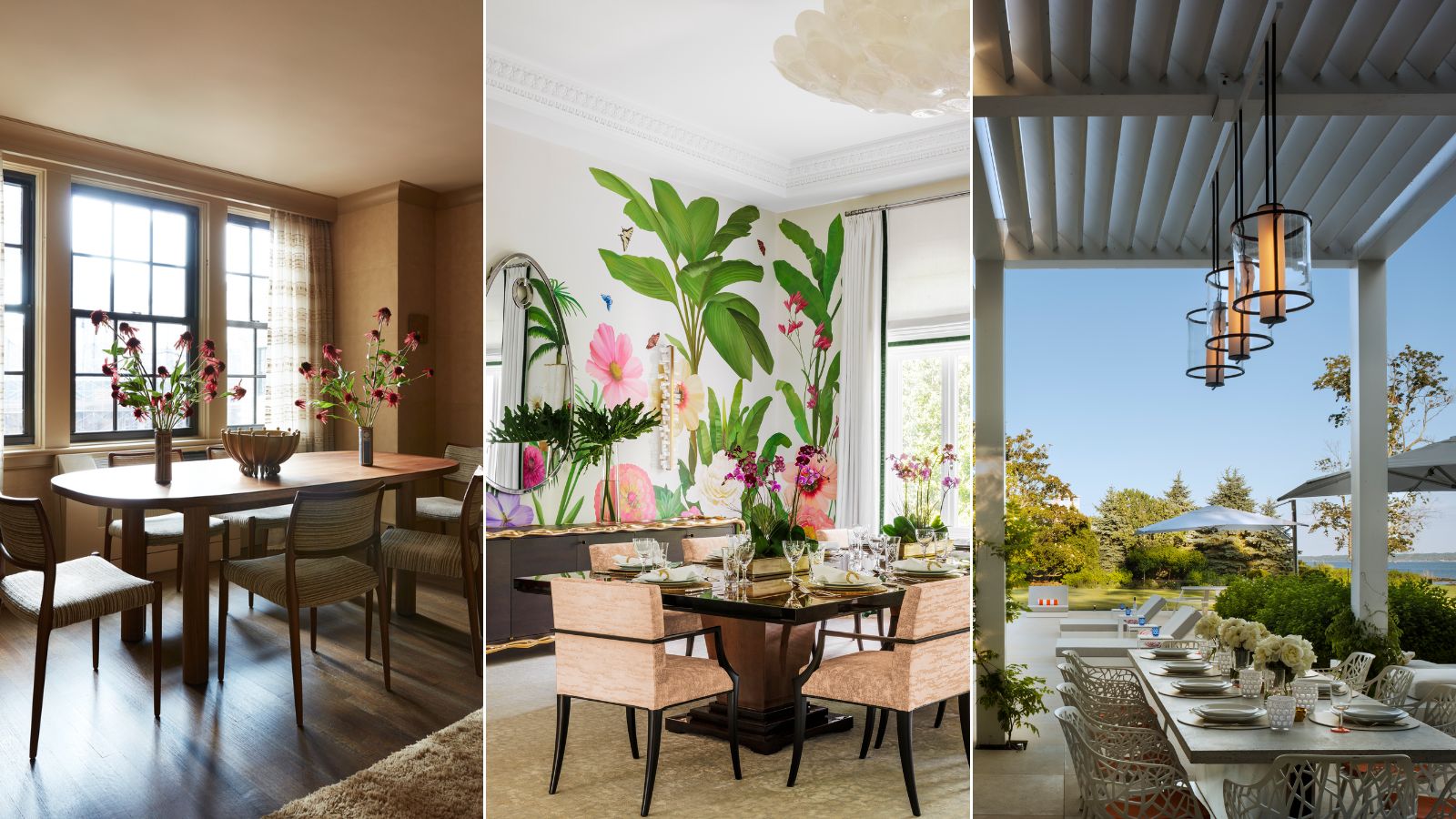
Where do interior designers shop for chic tableware? 12 tell us the go-to stores to elevate your hosting game

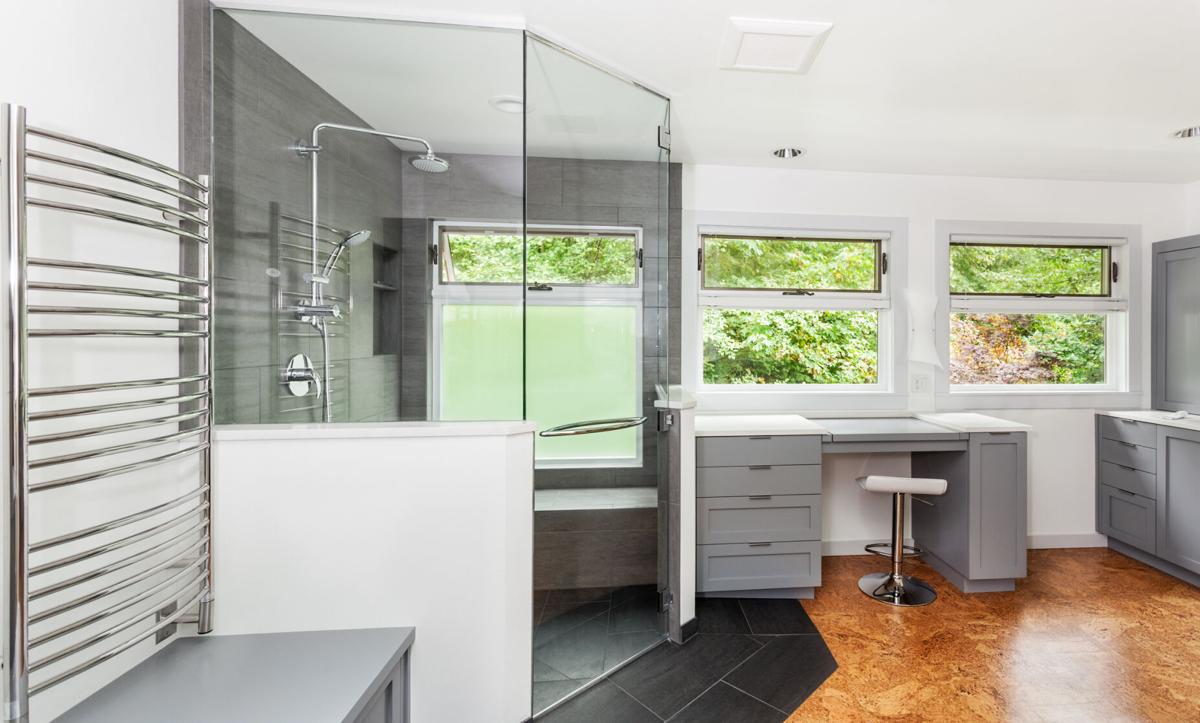
Rosie on the House: Choosing the right glass is important for your project

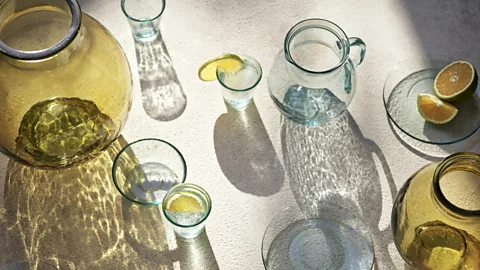
Why glamorous glassware is booming

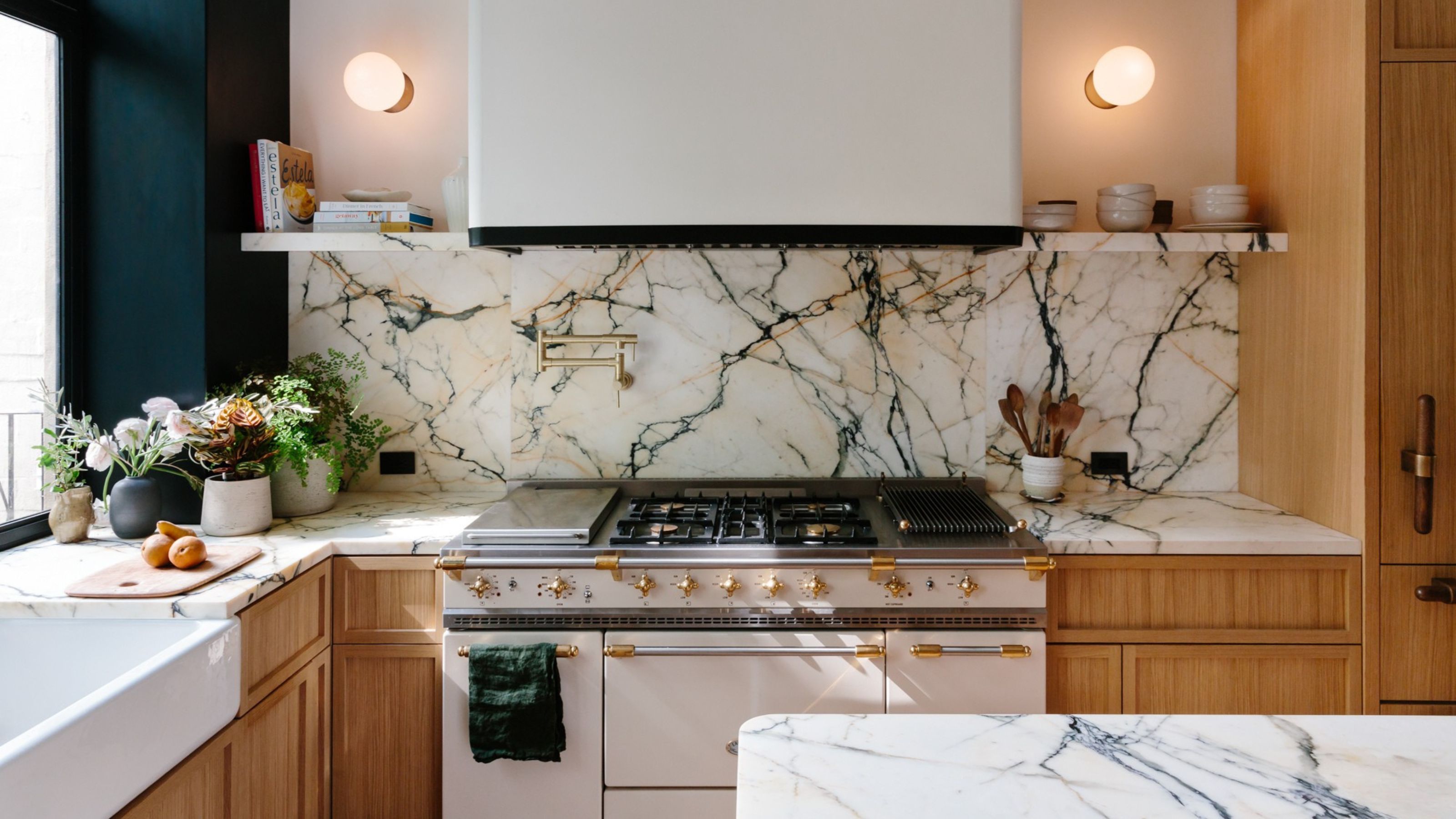
The 20mm or 30mm Debate — Which of These Worktop Thicknesses Looks Better in a Modern Kitchen?


Color play: How to use hues and neutrals in architectural design
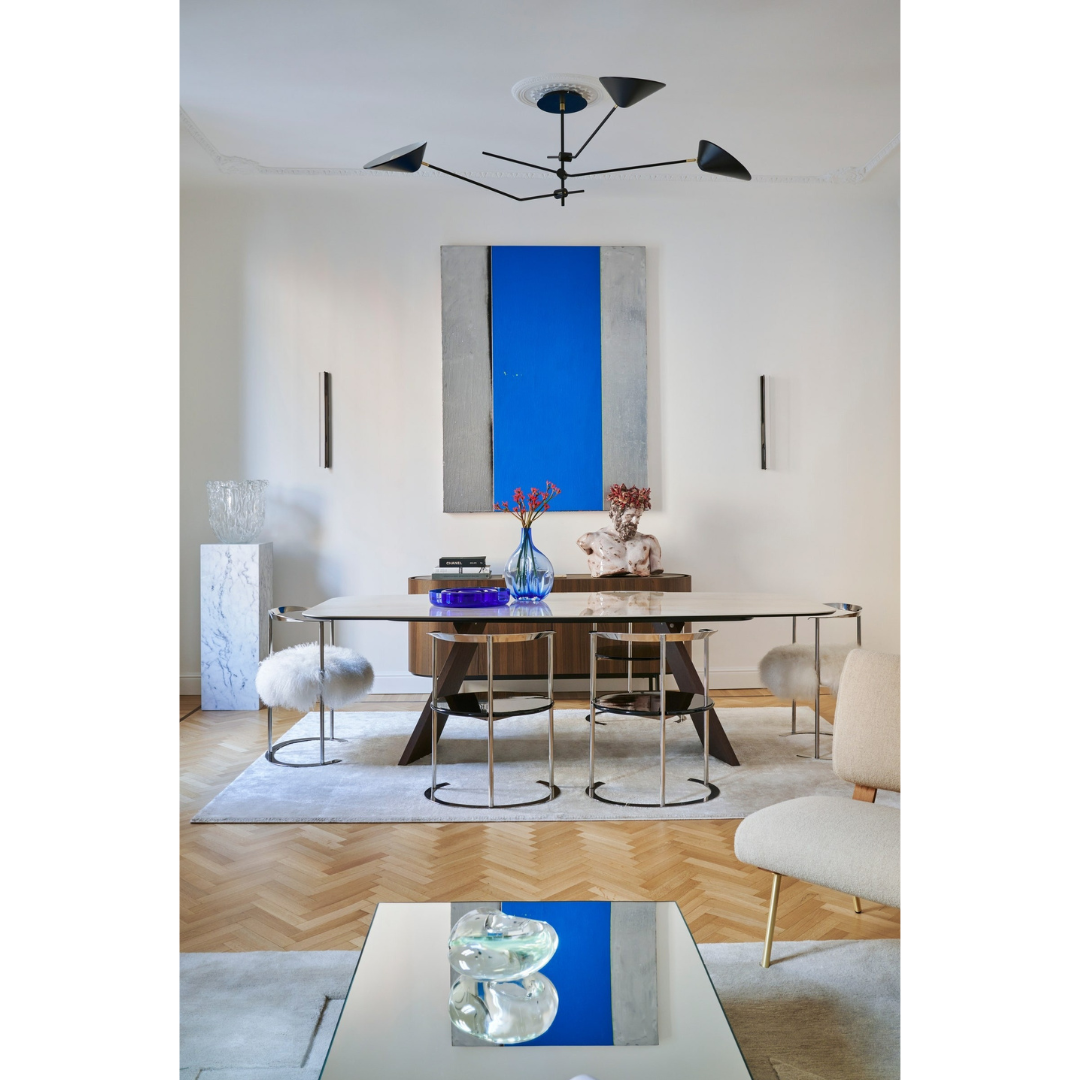
Why glass tables are a serious Feng Shui red flag

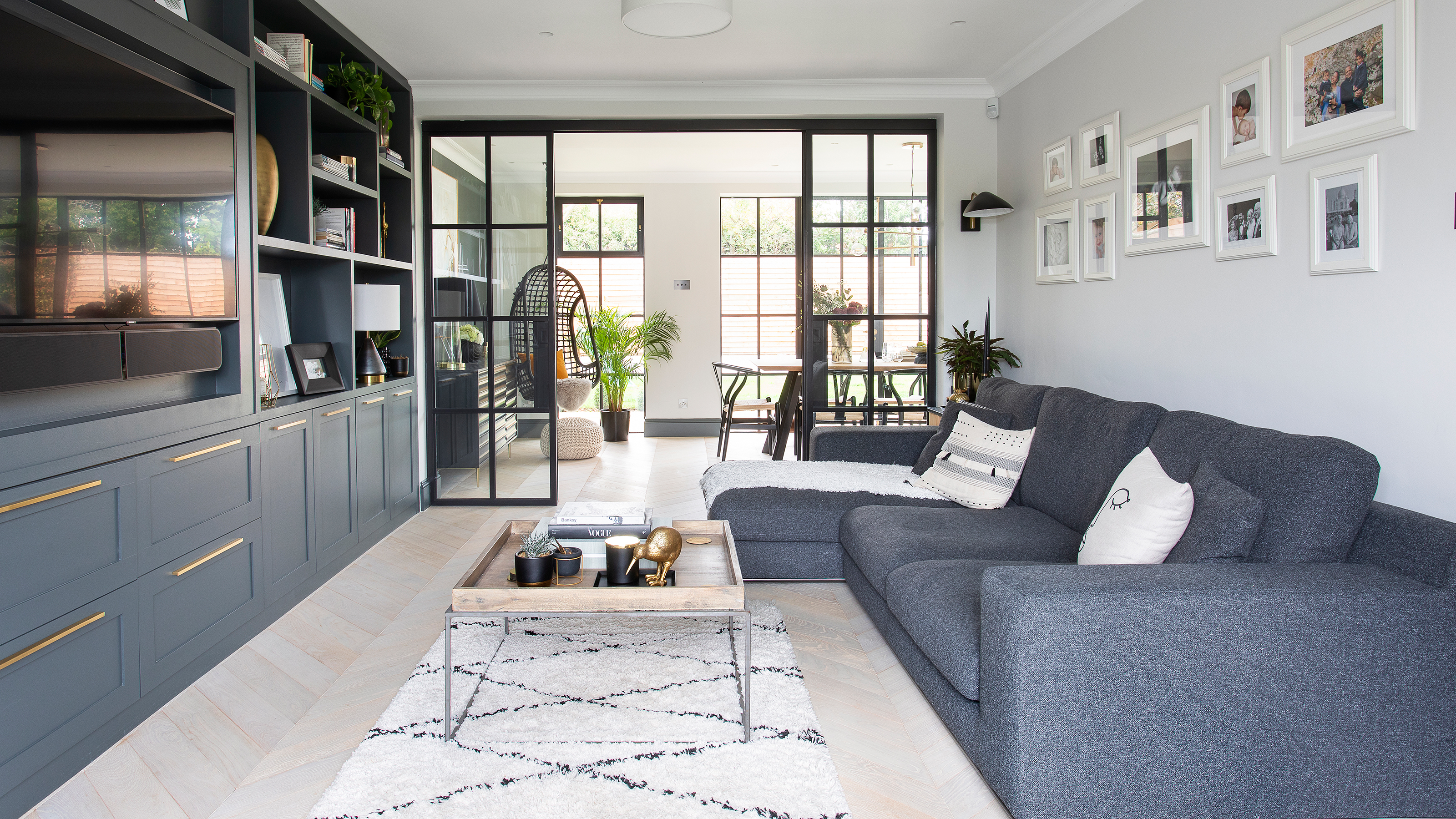
Glass wall design ideas - all you need to know about glass partition walls
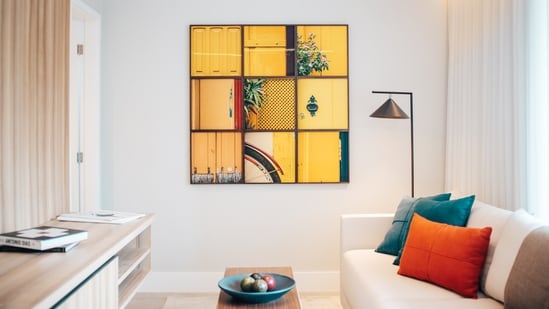
Design tips to use glass in interior spaces and decoration | Hindustan Times

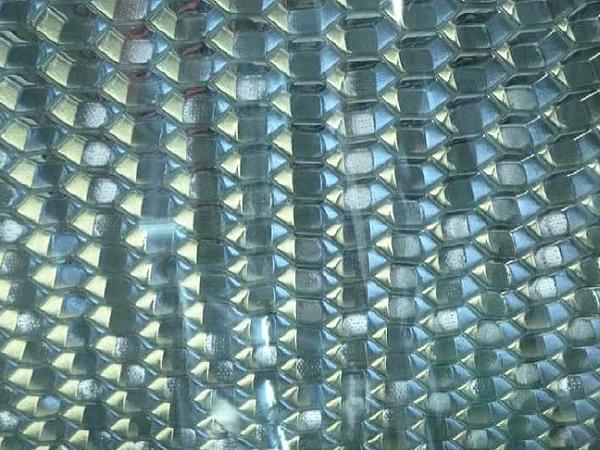
Structural Glass Sandwich Panels

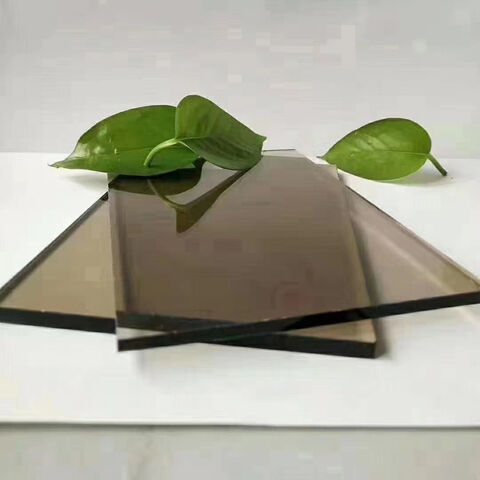
Africa Congo 5mm/6mm brown reflective glass tinted glass 2440*3660mm for window

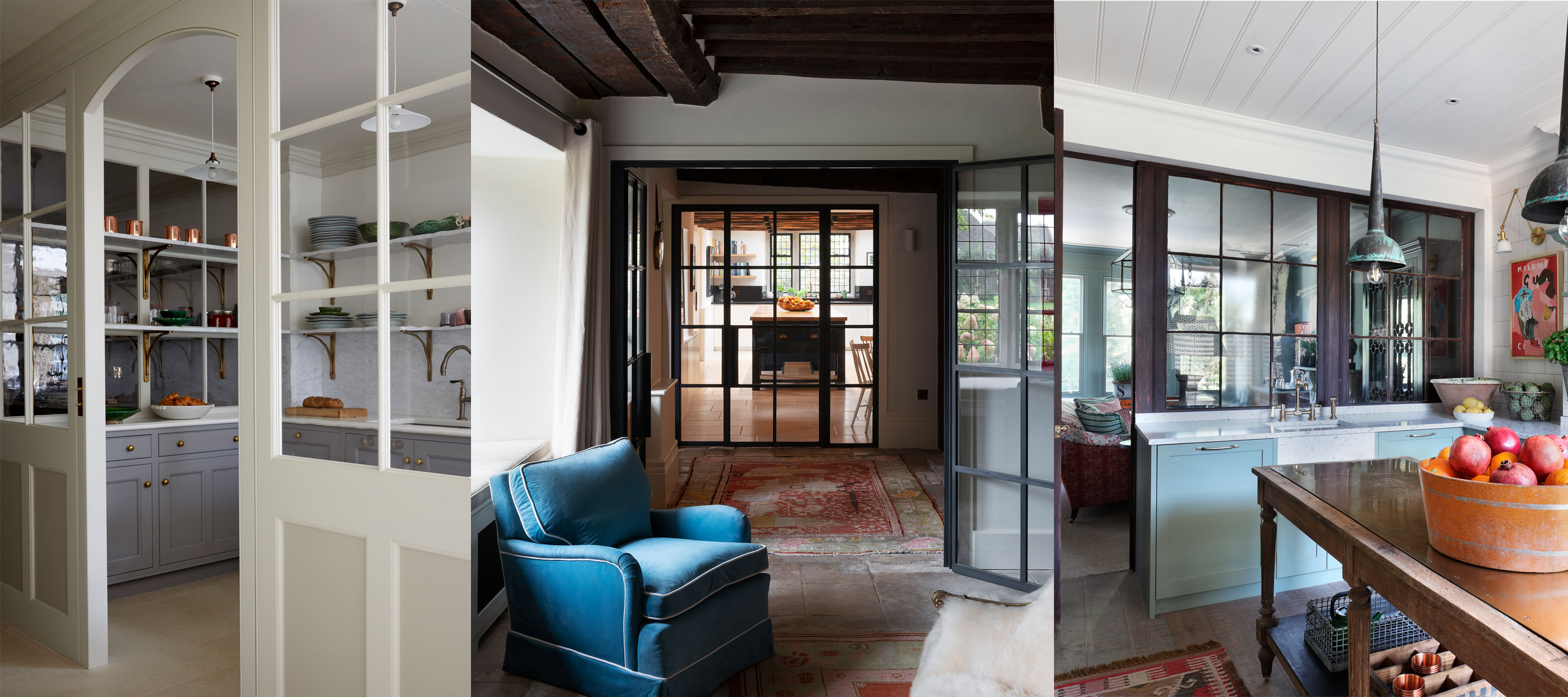
Glass partition walls – how to replace internal walls and create a timeless design feature
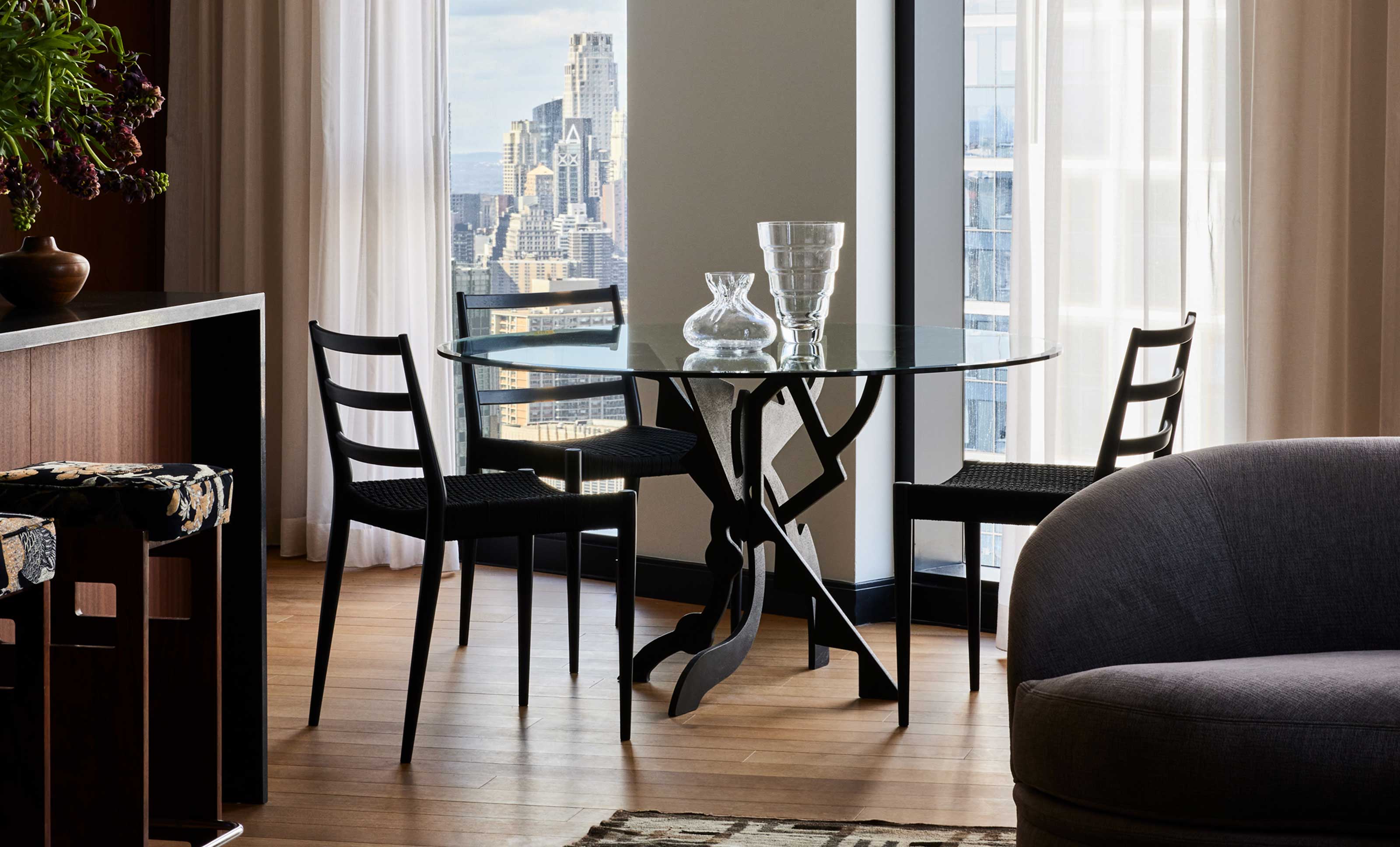
This one type of dining table may be bringing 'bad energy' to your home – here's what you should choose instead
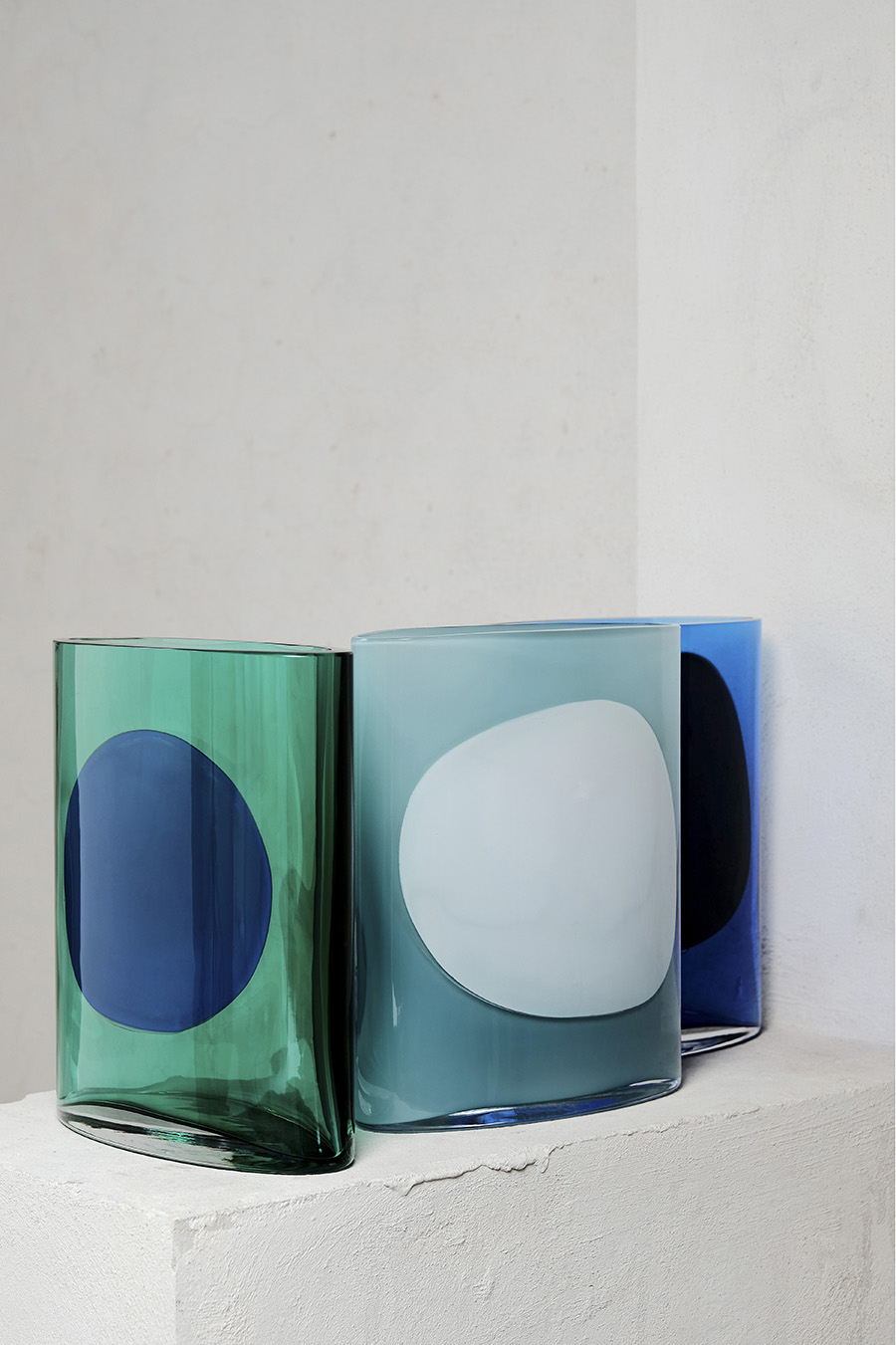
This Inspired Line Made Me a Colored Glass Convert

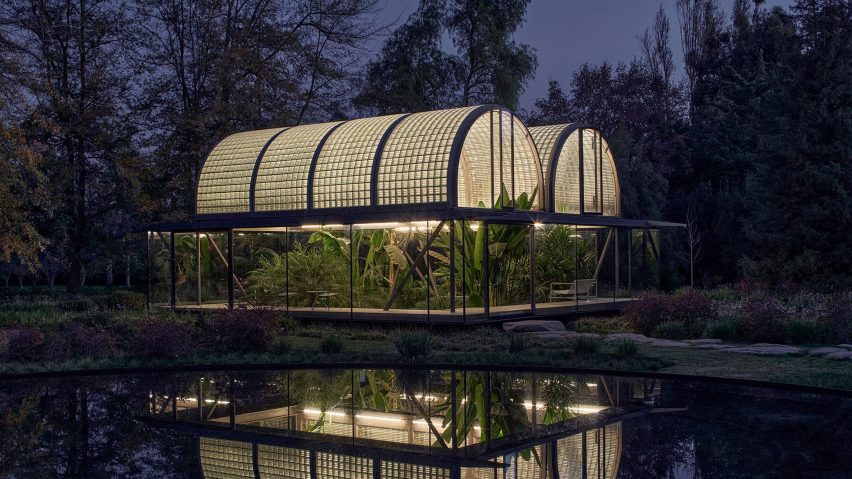
Eight buildings bejewelled with glass bricks and blocks
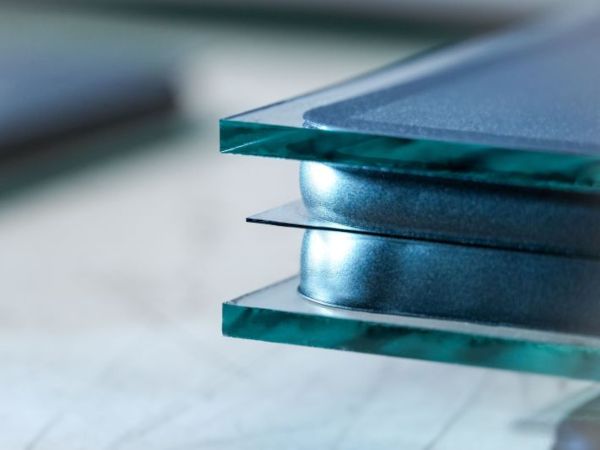
The rise of thin triple insulating glass units: An industry game-changer