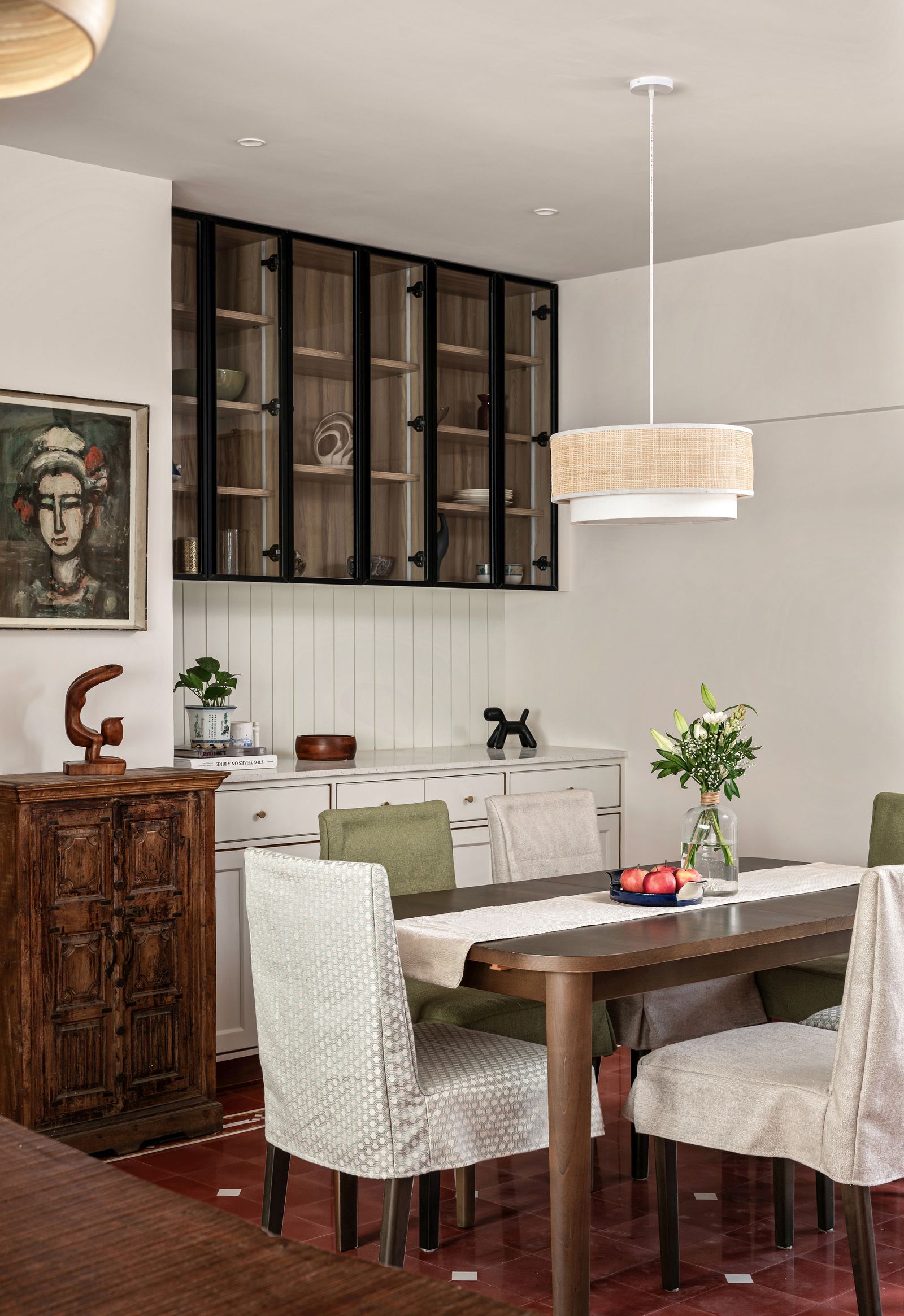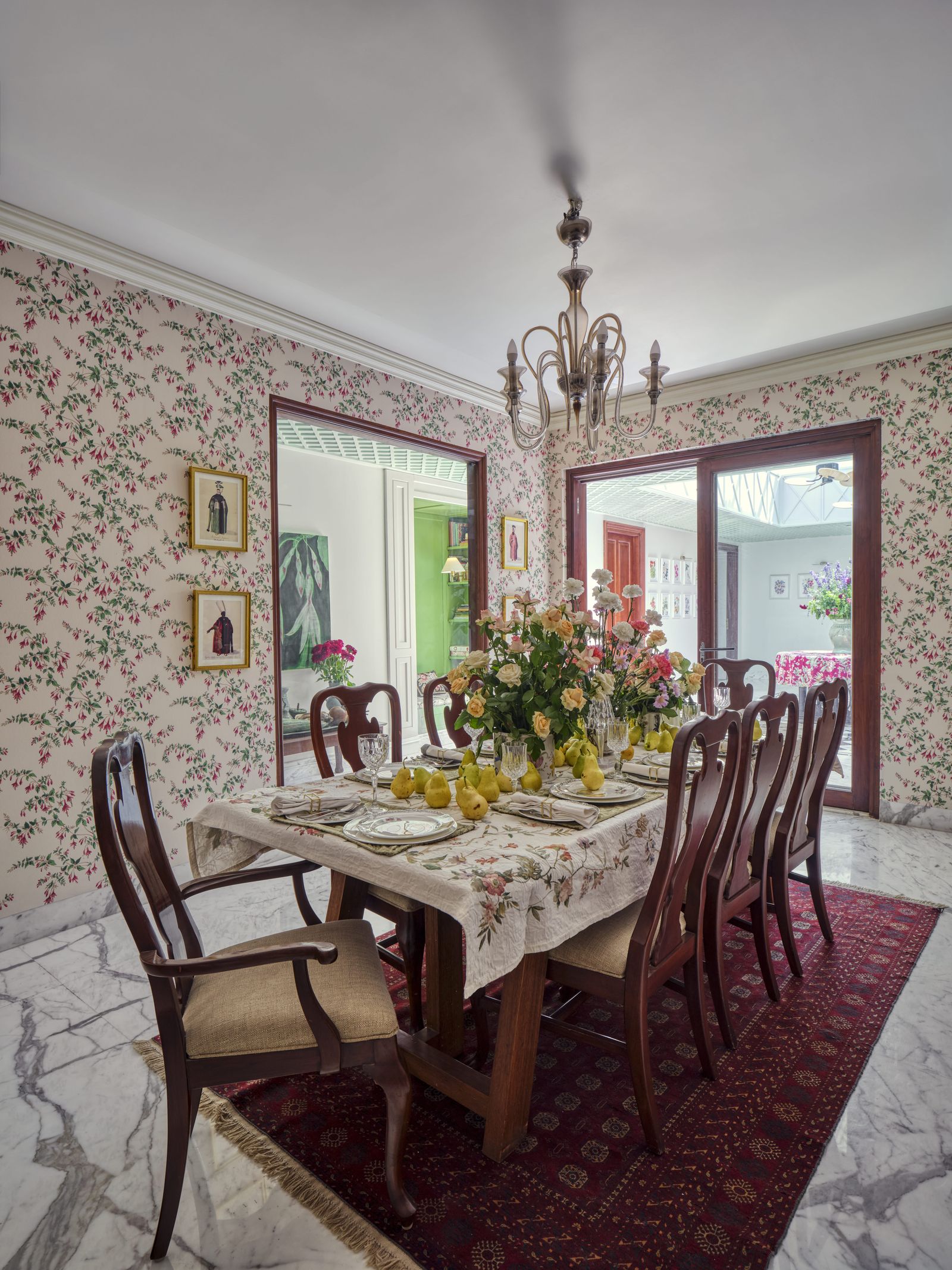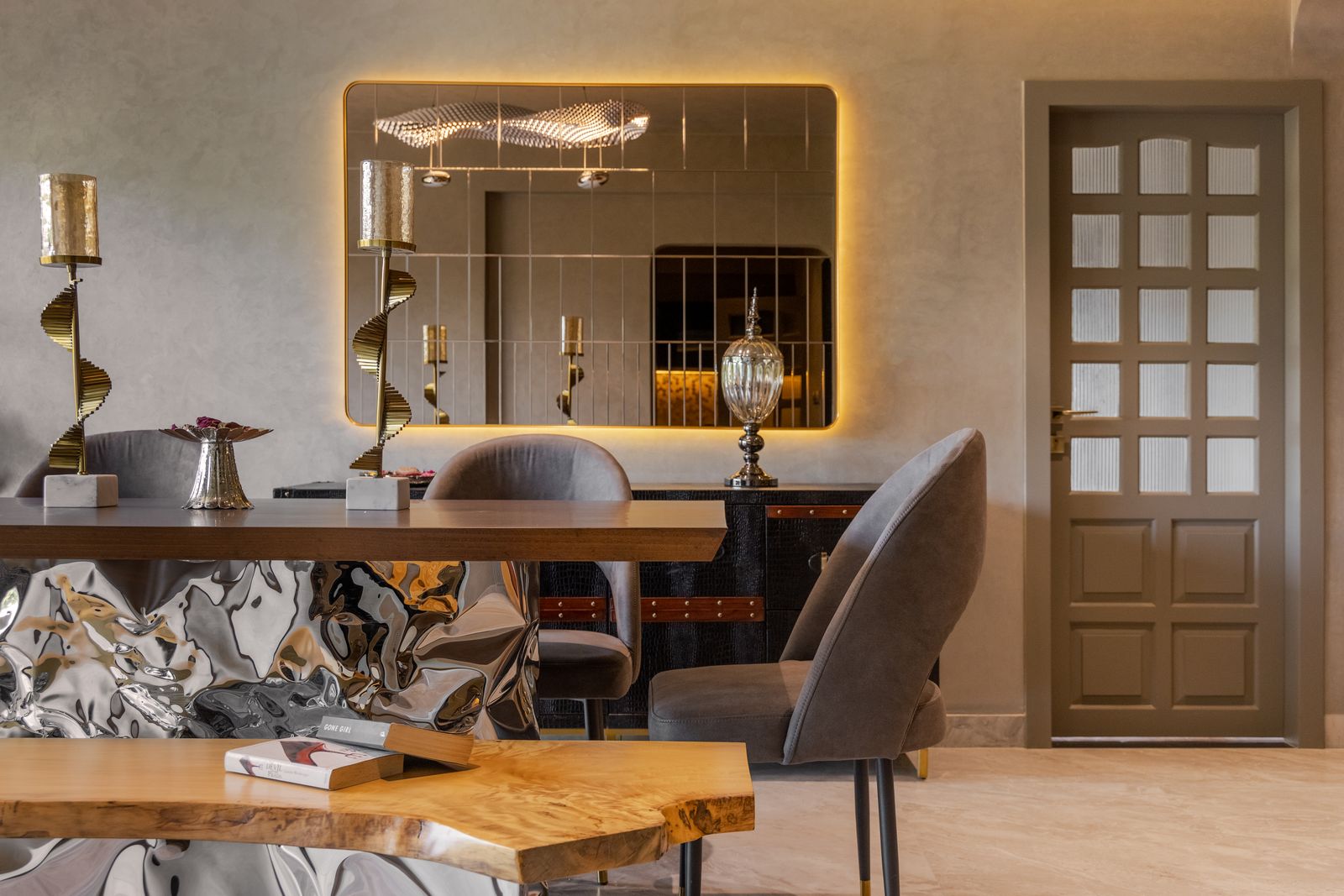
1/4
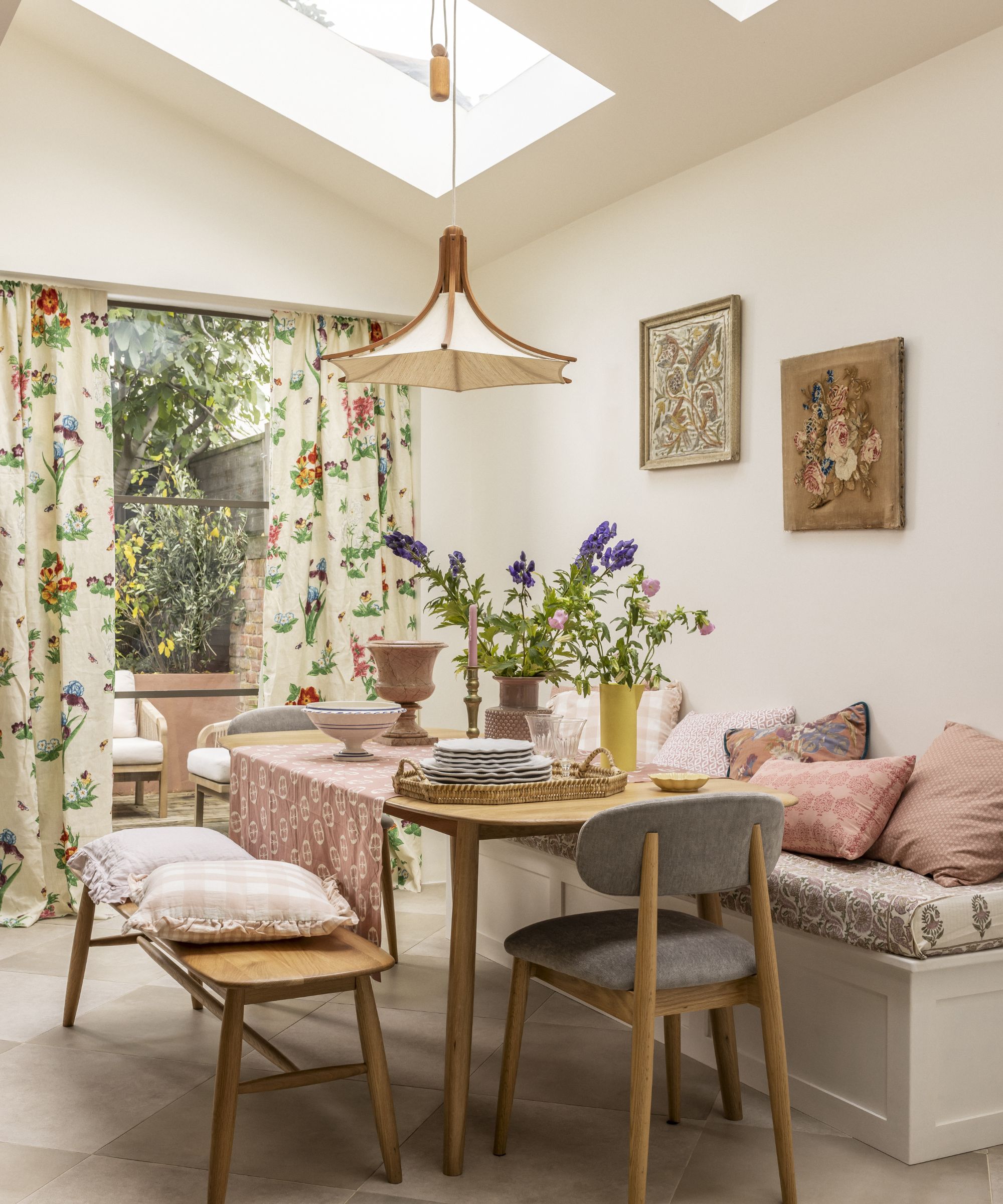
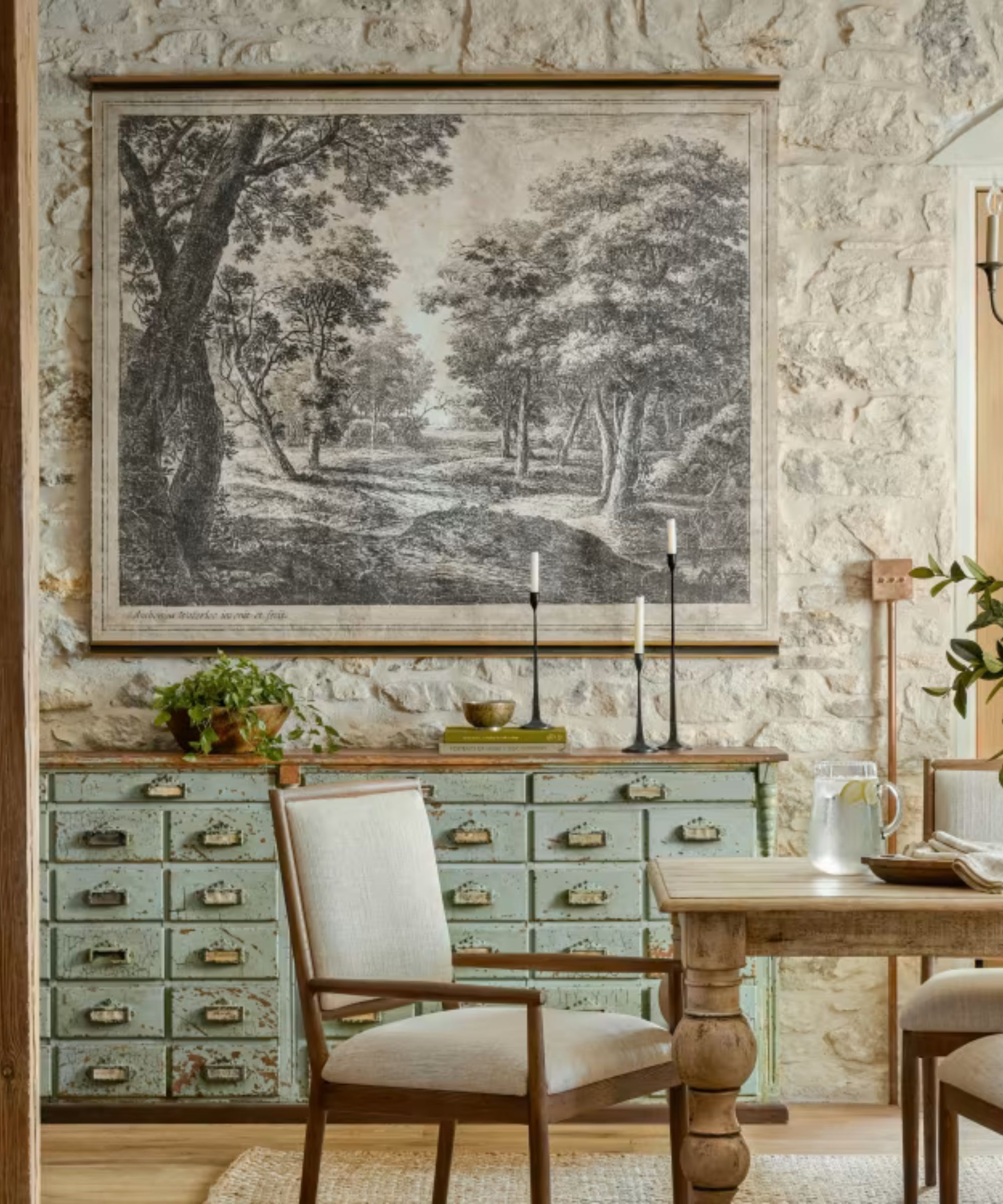
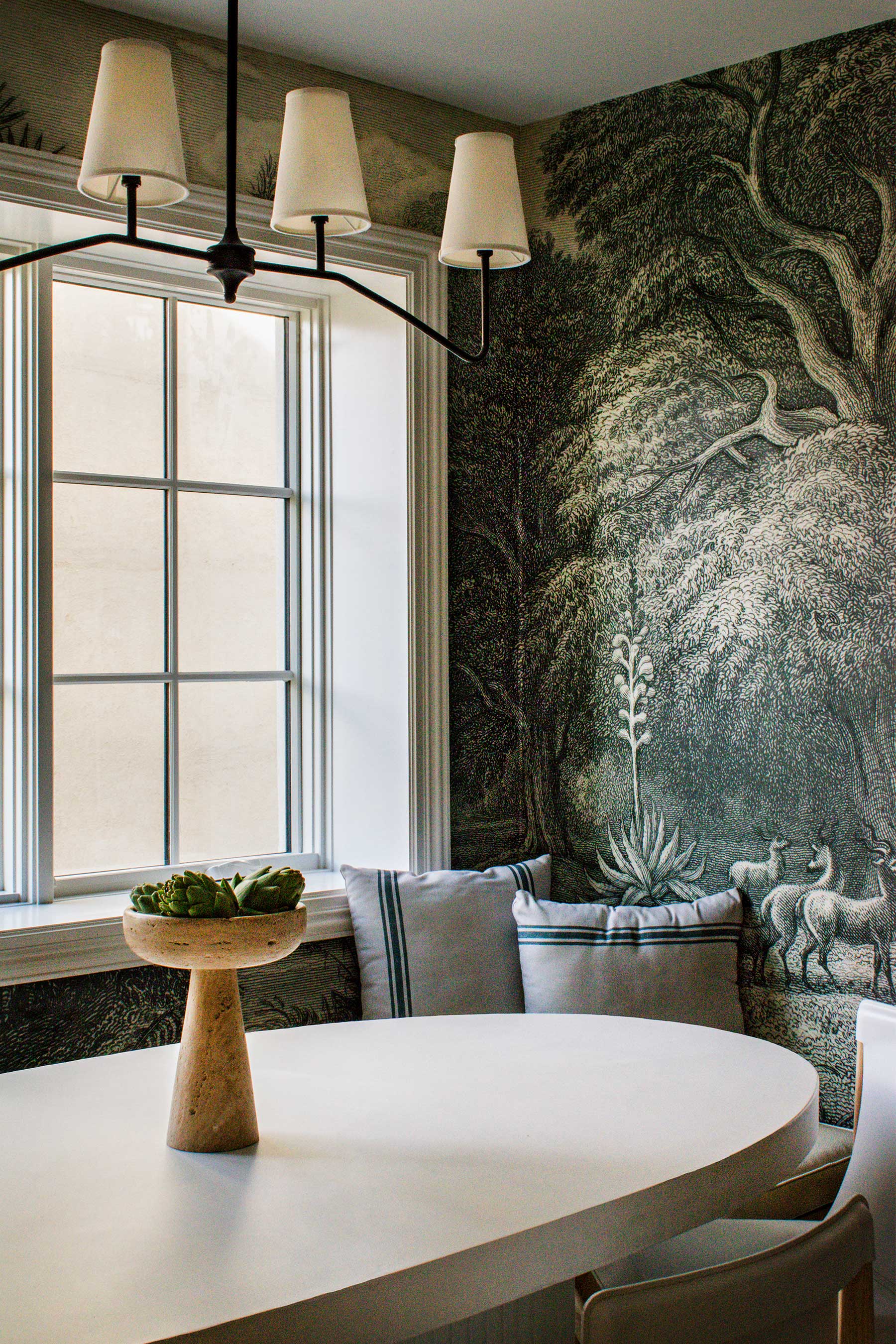
This one type of dining table may be bringing 'bad energy' to your home – here's what you should choose instead
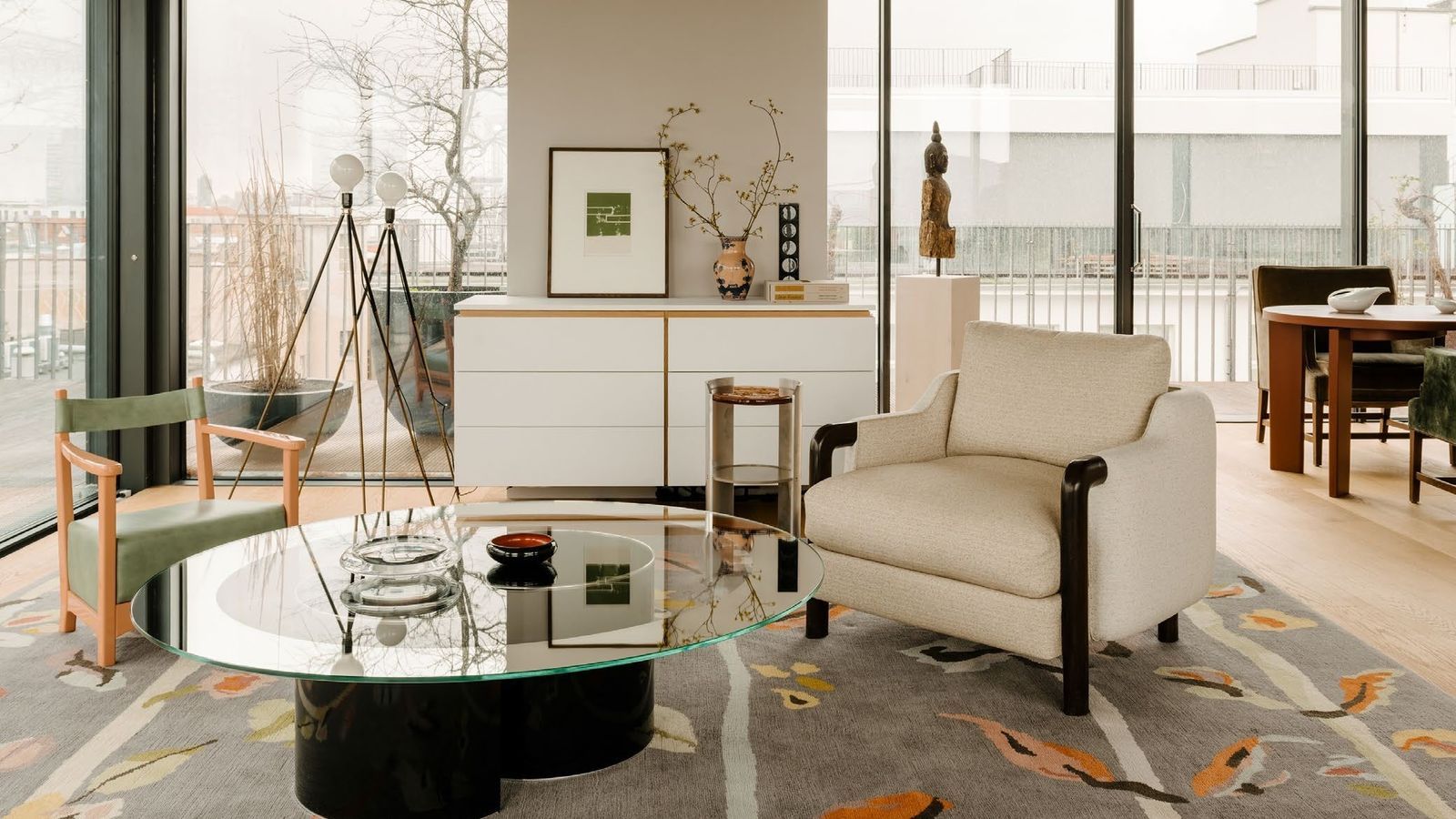
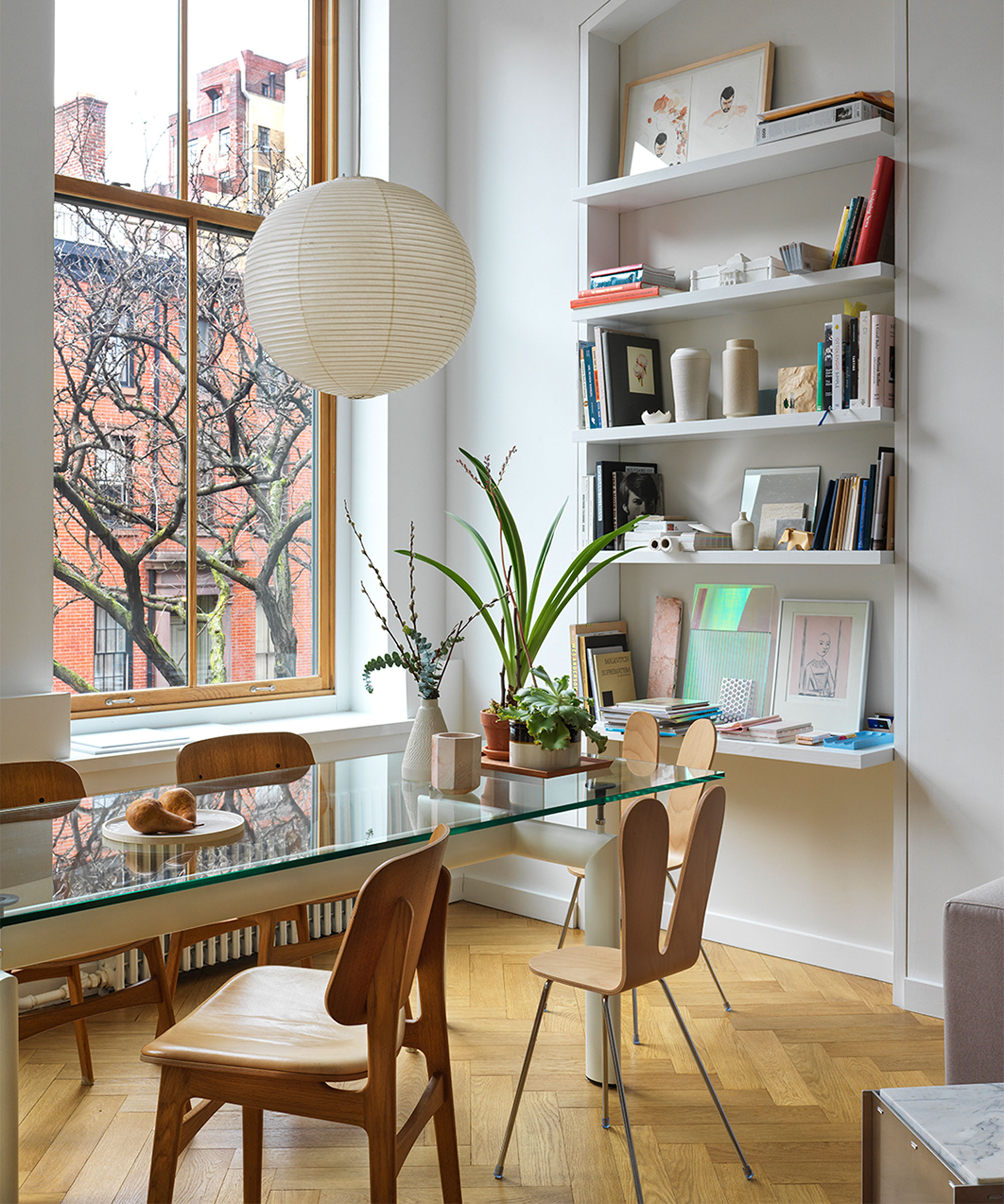
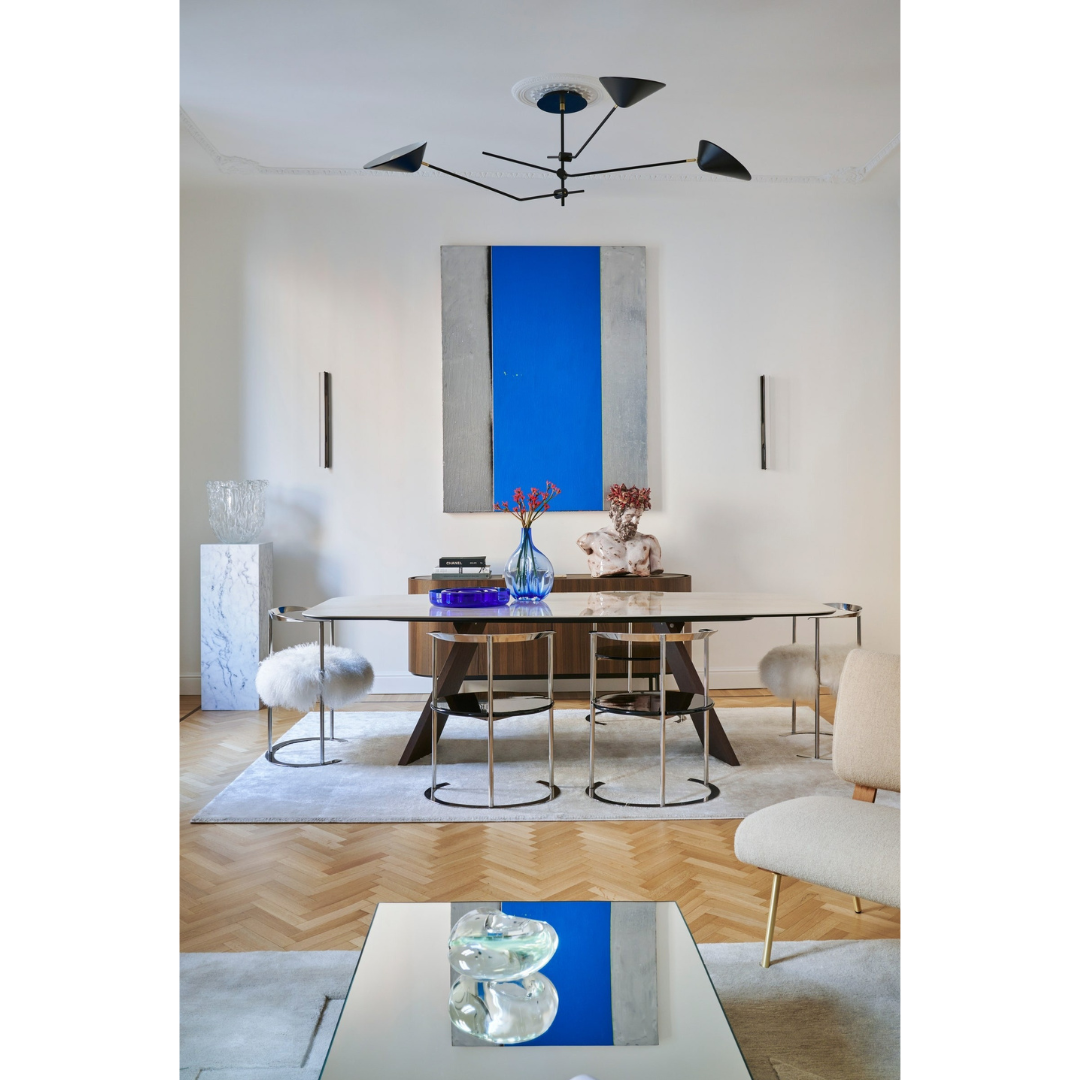
Feng Shui, an ancient Chinese practice focused on optimizing energy flow (qi) to create harmonious environments, suggests that the materials used in a home can significantly impact its energetic balance. This article explores the implications of using glass tables or desks within a living space, particularly concerning dining areas and home offices, drawing insights from Feng Shui experts Sylvia Li and Anjie Cho.
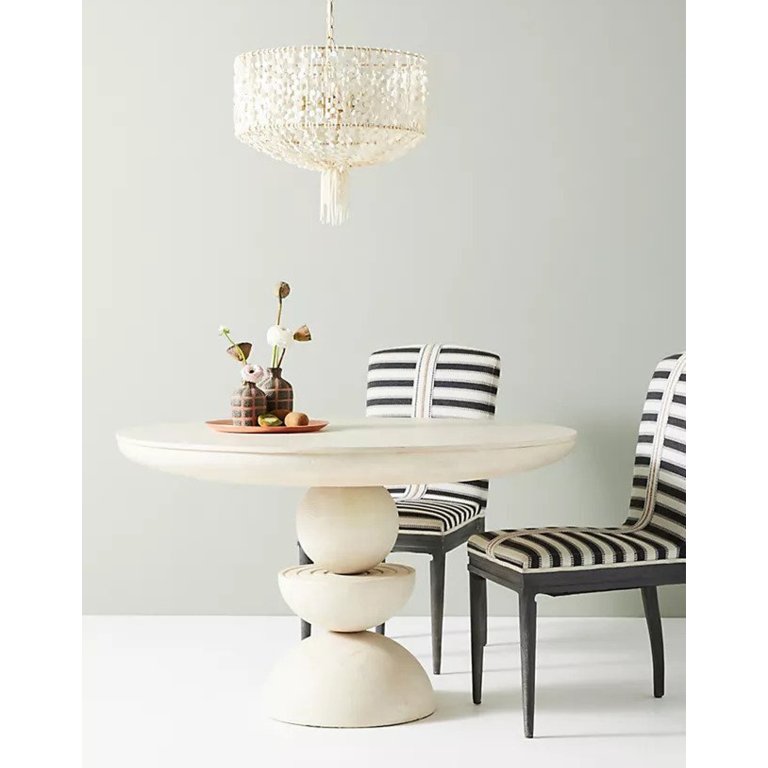
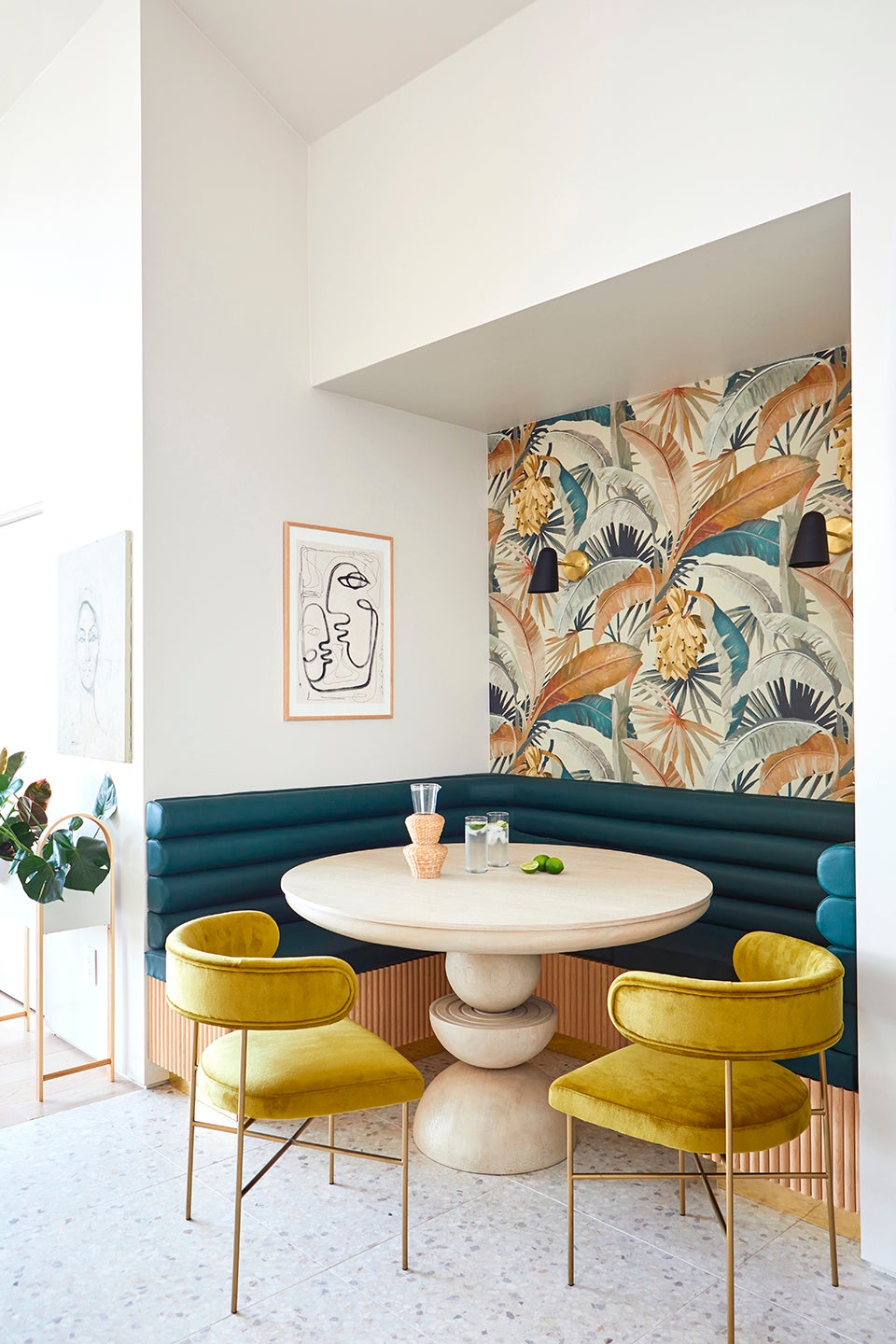
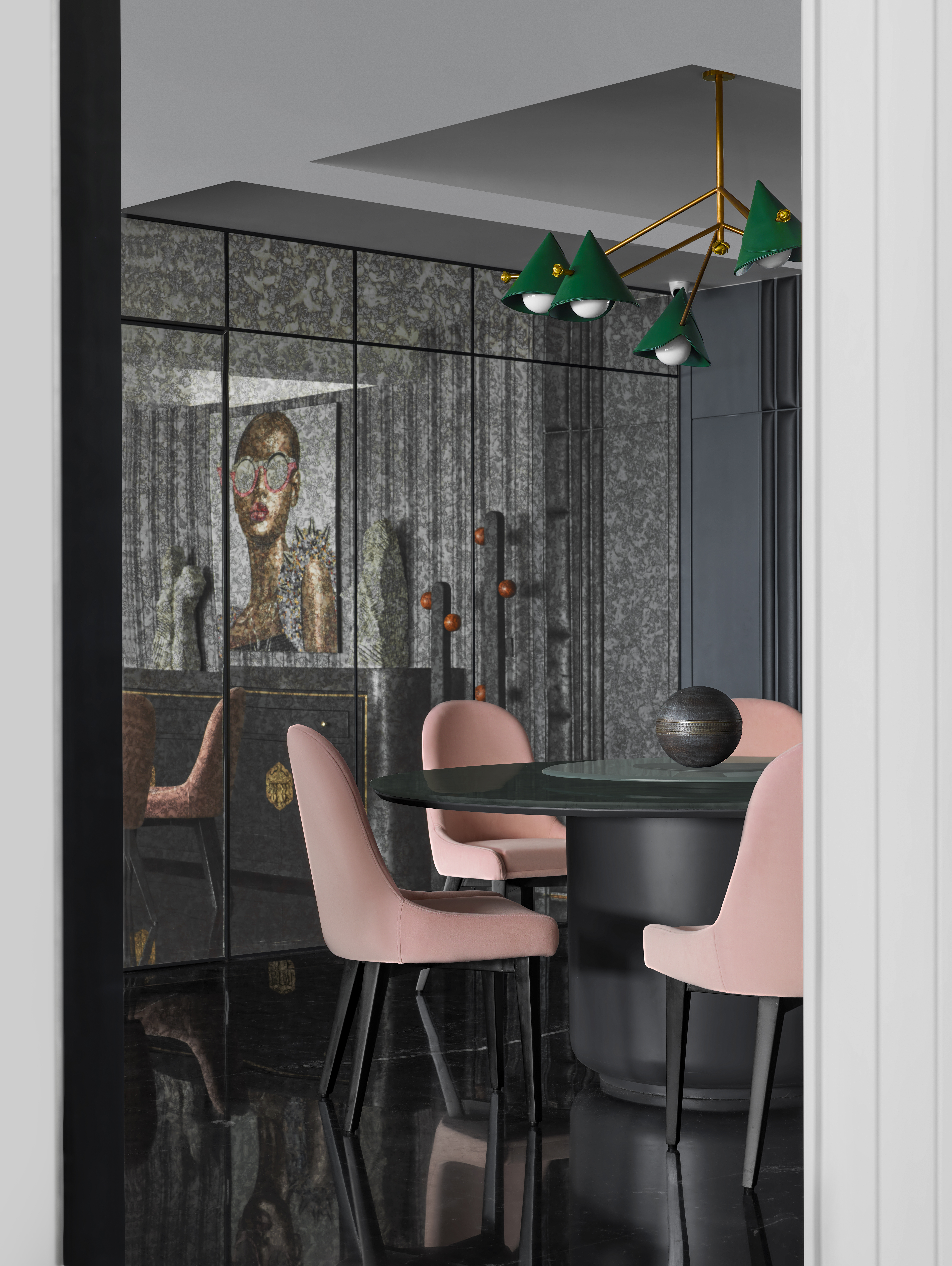
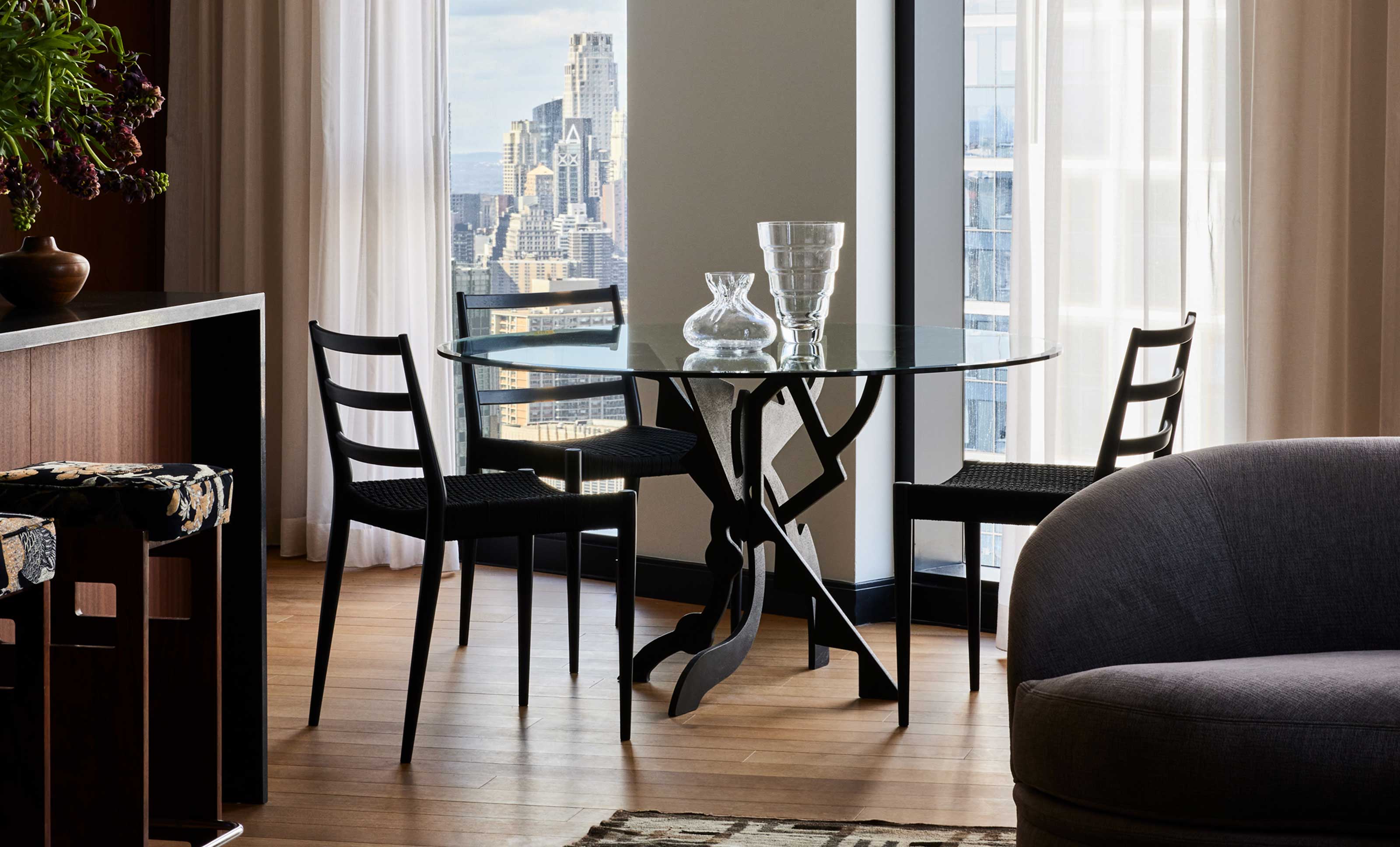
While glass tables are not inherently detrimental to Feng Shui, their placement and the overall energy of the space are crucial. Sylvia Li, an Interior Designer at Open Spaces Feng Shui, advises against placing glass tables in crowded or congested areas to maintain a positive energy flow. She recommends choosing balanced locations with ample space and incorporating grounding materials like stone or wood nearby to enhance stability. The reflectivity of glass is another consideration; if a dining area already features numerous reflective surfaces such as mirrors, bright carpeting, or metallic accessories, adding a glass table can lead to an overabundance of reflection, creating an imbalanced environment. To counteract this, integrating grounding elements like natural textures, earthy colors, or sturdy furniture pieces is recommended to prevent the space from feeling off-balance.
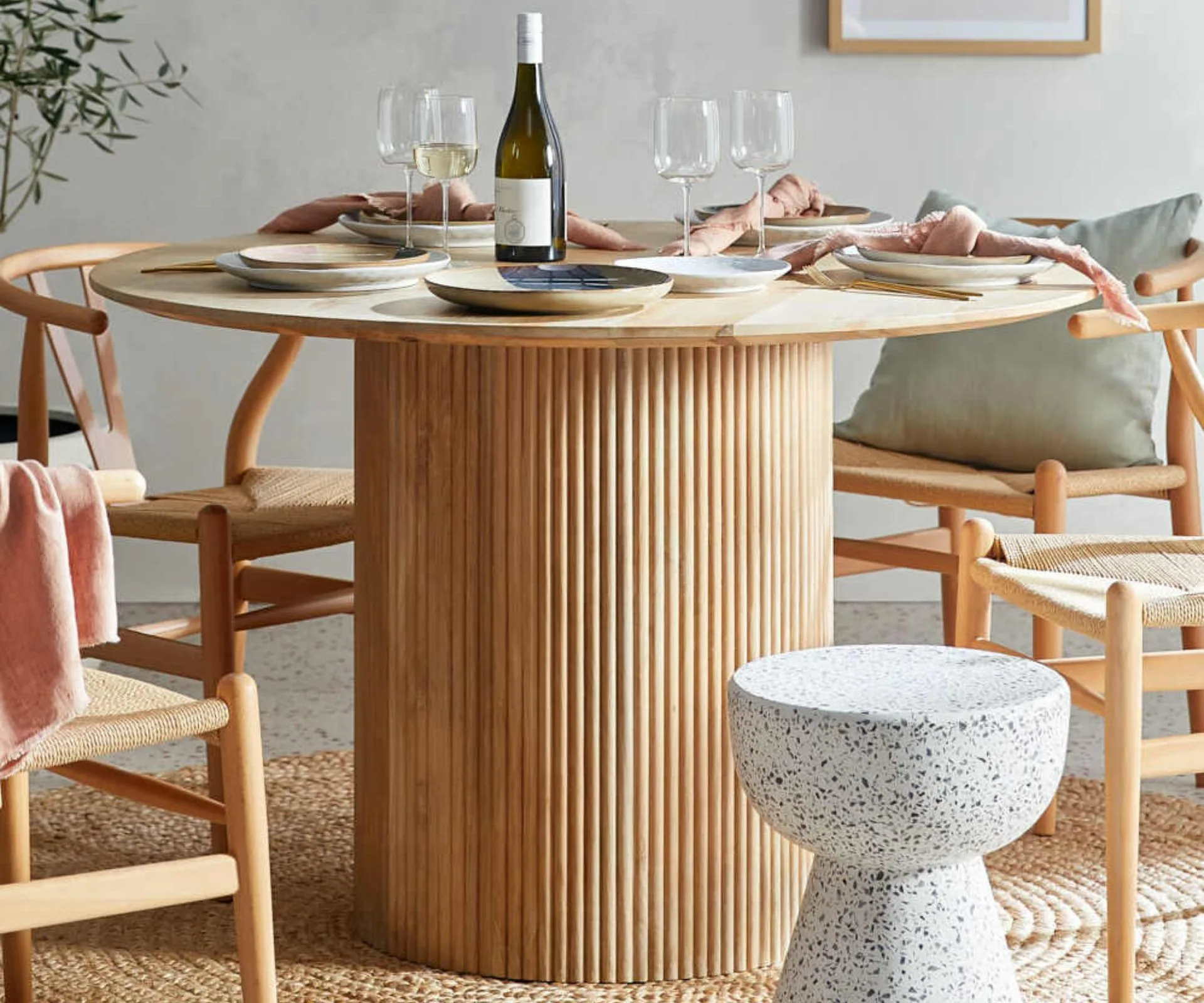
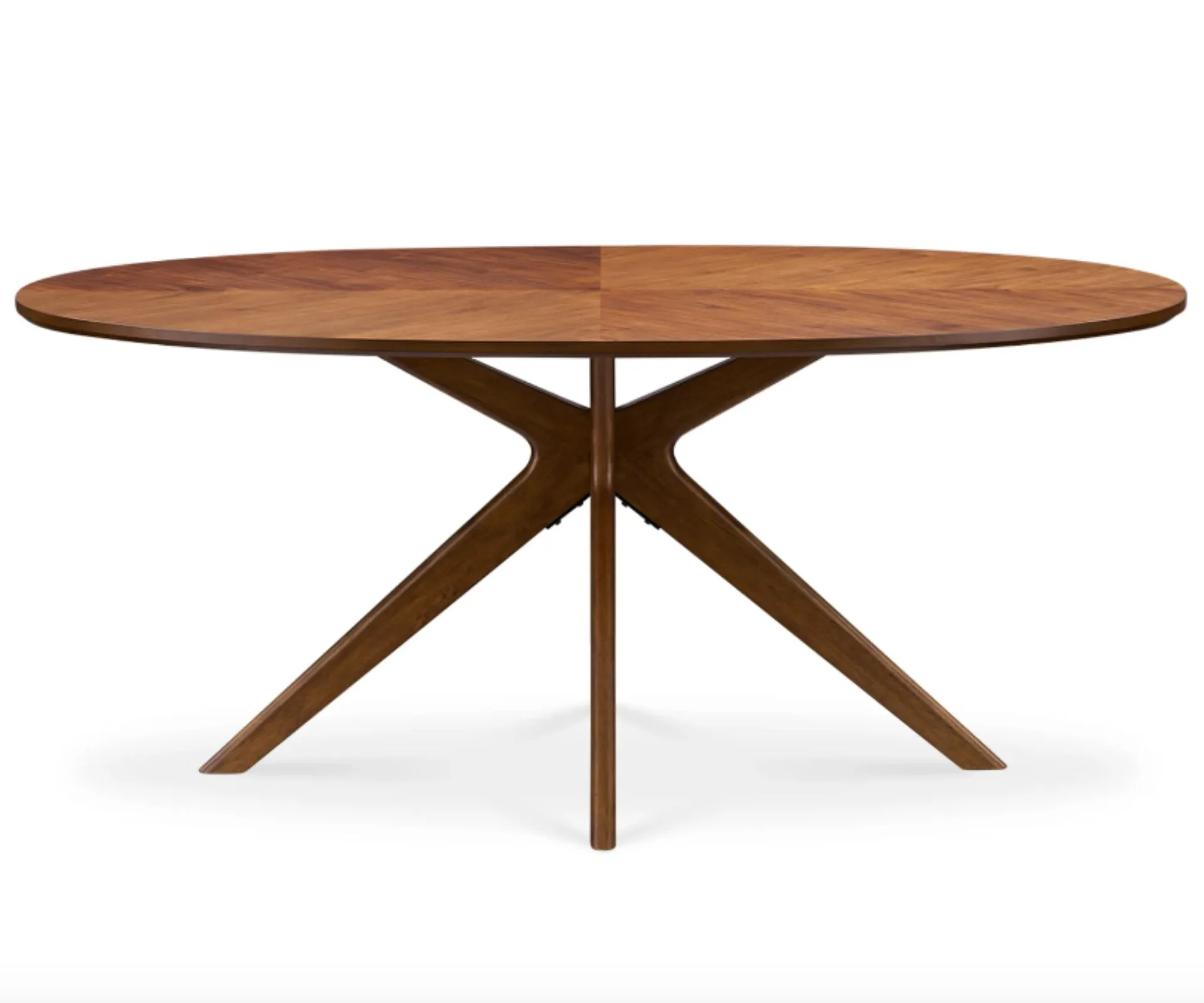
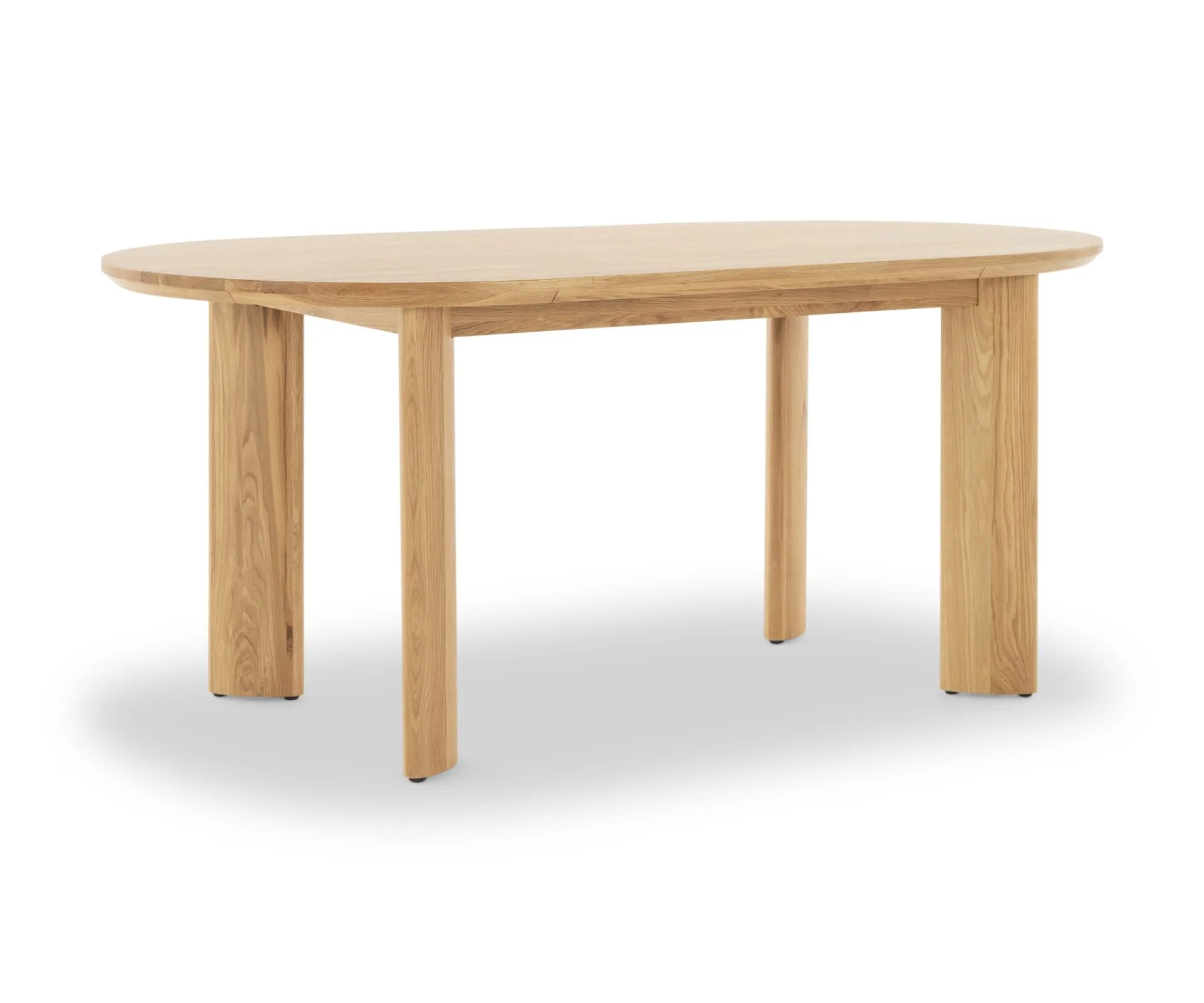
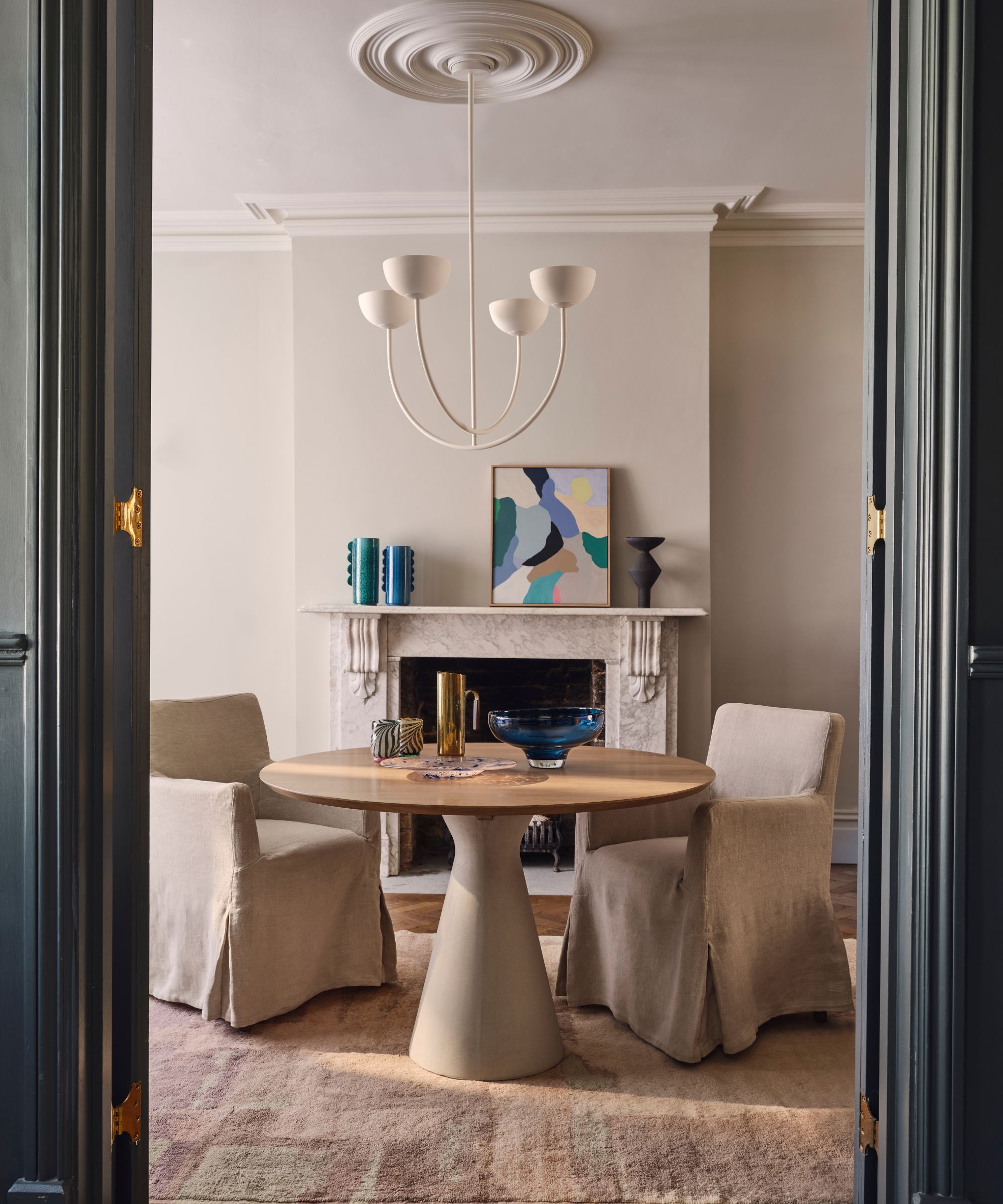
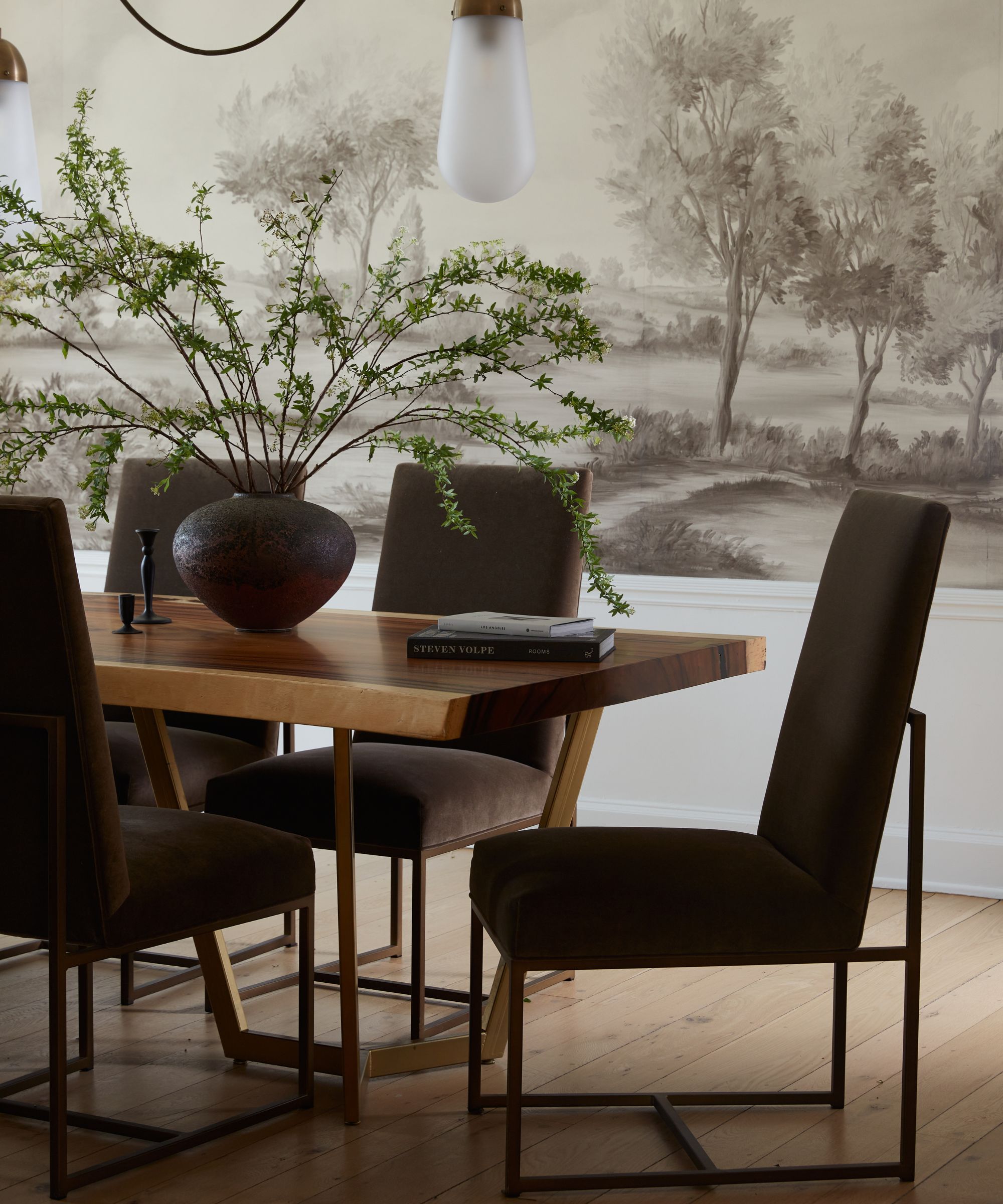
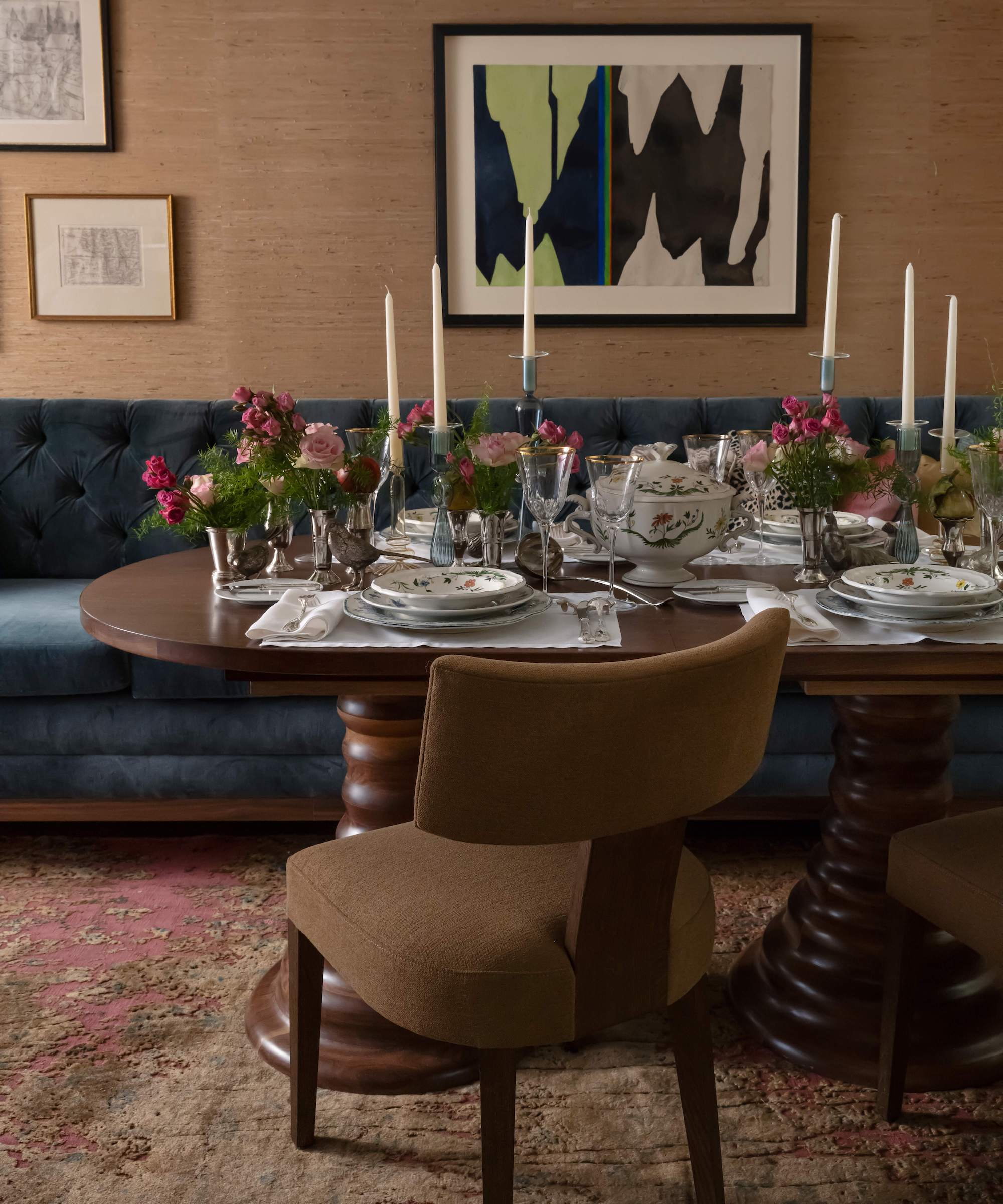
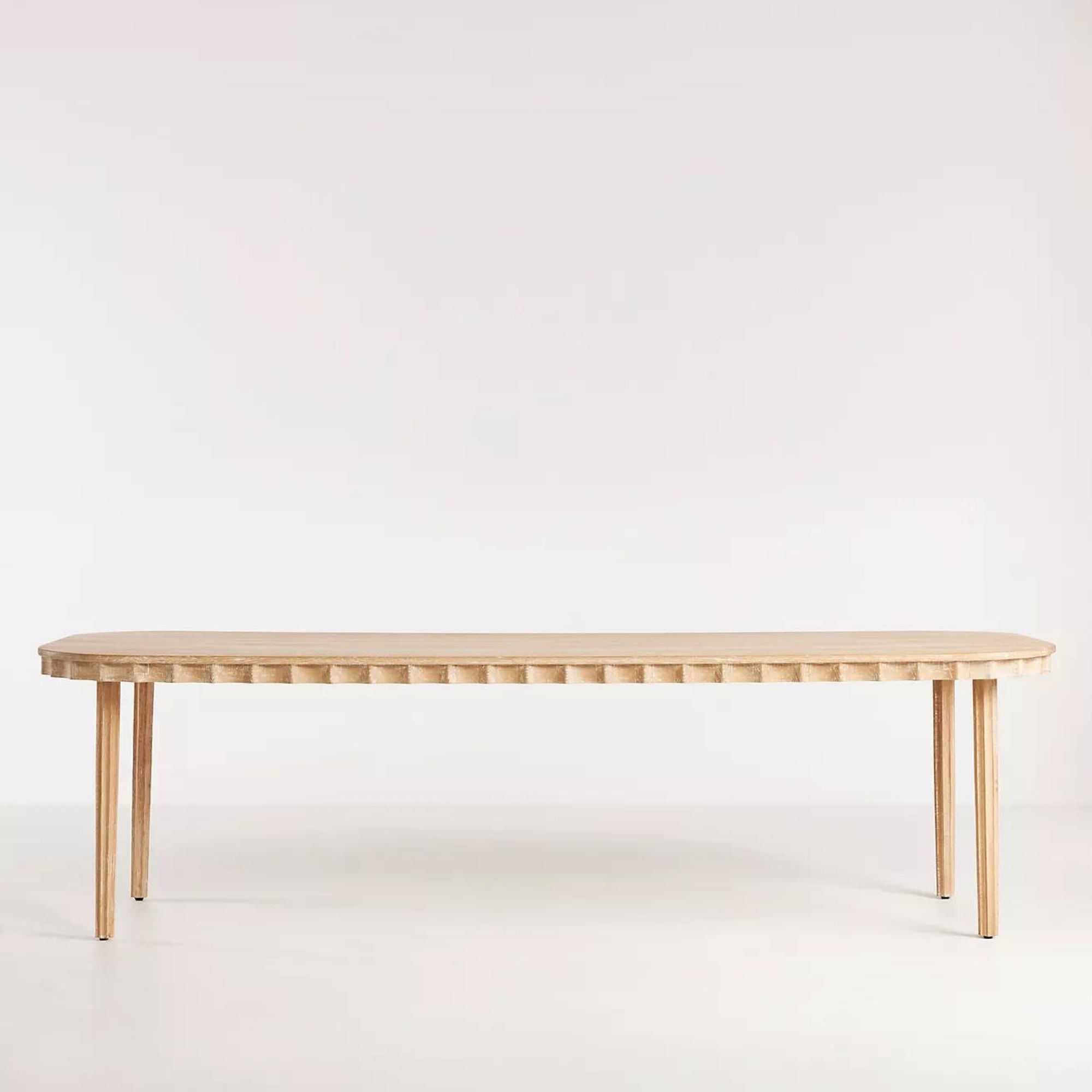
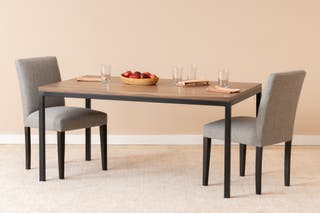
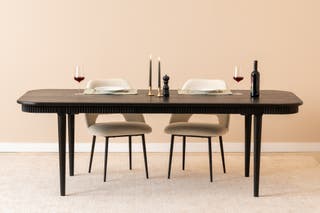
Anjie Cho, an interior architect and Feng Shui consultant, highlights that the dining table symbolizes friendships, nourishment, abundance, and prosperity. For individuals seeking to enhance support and stability in these aspects of their lives, a wood table is often preferred over a glass table. Wood, being a more stable and generous material, is believed to foster these qualities, whereas glass can appear more austere and convey a sense of fragility. The choice of materials should align with the desired improvements in one's life, using the symbology of elements to support specific aspirations.
In the context of a workspace, the role of a glass desk is also examined. Sylvia Li notes that glass, representing openness and clarity, can be beneficial for fostering creativity and intellectual stimulation. However, she also points out the downsides: glass workstations offer less privacy, lack grounding and solidity, and tend to highlight clutter more prominently. This can be counterproductive for productivity unless the work surface is meticulously maintained to preserve mental clarity. For those prioritizing stability and grounding energy in their home office, alternative materials are suggested.
Wood and metal are presented as excellent alternative desk materials. Wood is associated with growth, harmony, and grounding energy, making it a strong choice for a workspace. Metal workstations, on the other hand, promote concentration, effectiveness, and precision. Both materials contribute to an overall sense of stability and steadiness in the work environment. Ultimately, the decision to use glass for a table or desk should be guided by the specific energy requirements of the space. If clarity and intellectual stimulation are the primary goals, and a tidy surface can be maintained, glass might be suitable. However, for those seeking stability and grounding, materials like wood or metal would be more advantageous to cultivate the desired energetic atmosphere.
#FengShui #InteriorDesign #HomeDecor #DiningTable #GlassFurniture #HomeOffice #EnergyFlow #DesignAdvice #MaterialSelection #FengShui #InteriorDesign #HomeDecor #DiningTable #GlassFurniture #HomeOffice #EnergyFlow #DesignAdvice #MaterialSelection
0 comment in total
 No comments yet
You may also like
6 ways to prevent damage to your dining table

5 things that always make a dining table look cluttered
Did Instagram Kill Round Tables at Dinner Parties?

7 Things That Immediately Make Your Dining Room Look Bad, According to Designers

17 of the best dining tables and sets entertainers will love

6 things you should never put on your dining room table, according to interior designers

Do We Really Still Need the Dining Table?
Do you need a light over a dining table? Designers offer their expert advice
The Best Dining Tables, as Seen in Our Favorite Spaces

Party Pros Agree: This One Thing on Your Holiday Table Could Ruin the Meal
The Best Dining Tables (and How to Shop for One)
Dining table Vastu: 8 mistakes you need to stop making

5 Tacky Dining Room "Upgrades" That Instantly Make a Home Look Bad, According to Designers
7 Dining Room Lighting Mistakes That Could Be Making Your Space (and Food) Look Less Appetizing
Why glass tables are a serious Feng Shui red flag
Our Favorite Dining Tables

Round vs rectangular dining room tables – which one is best for your space?
I’m a shopping writer – these are the best dining tables to buy for hosting season
Dining table ideas to elevate your decor out of the ordinary
7 Dining Room Layout Mistakes That Ruin the Flow of Your Space, Designers Say