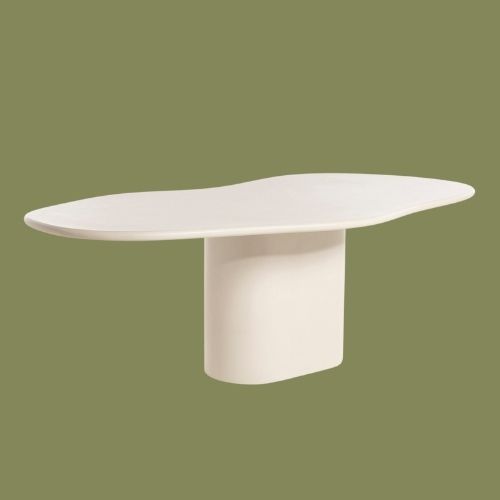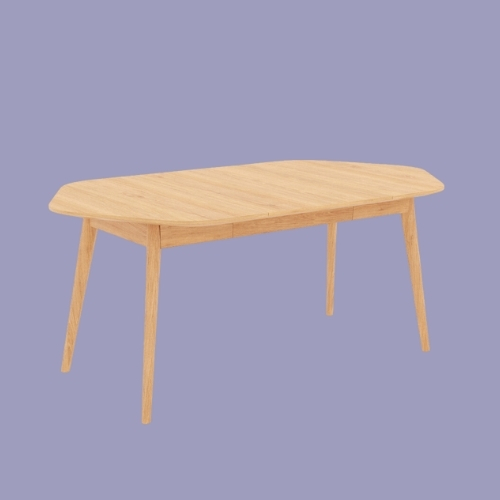
Do We Really Still Need the Dining Table?
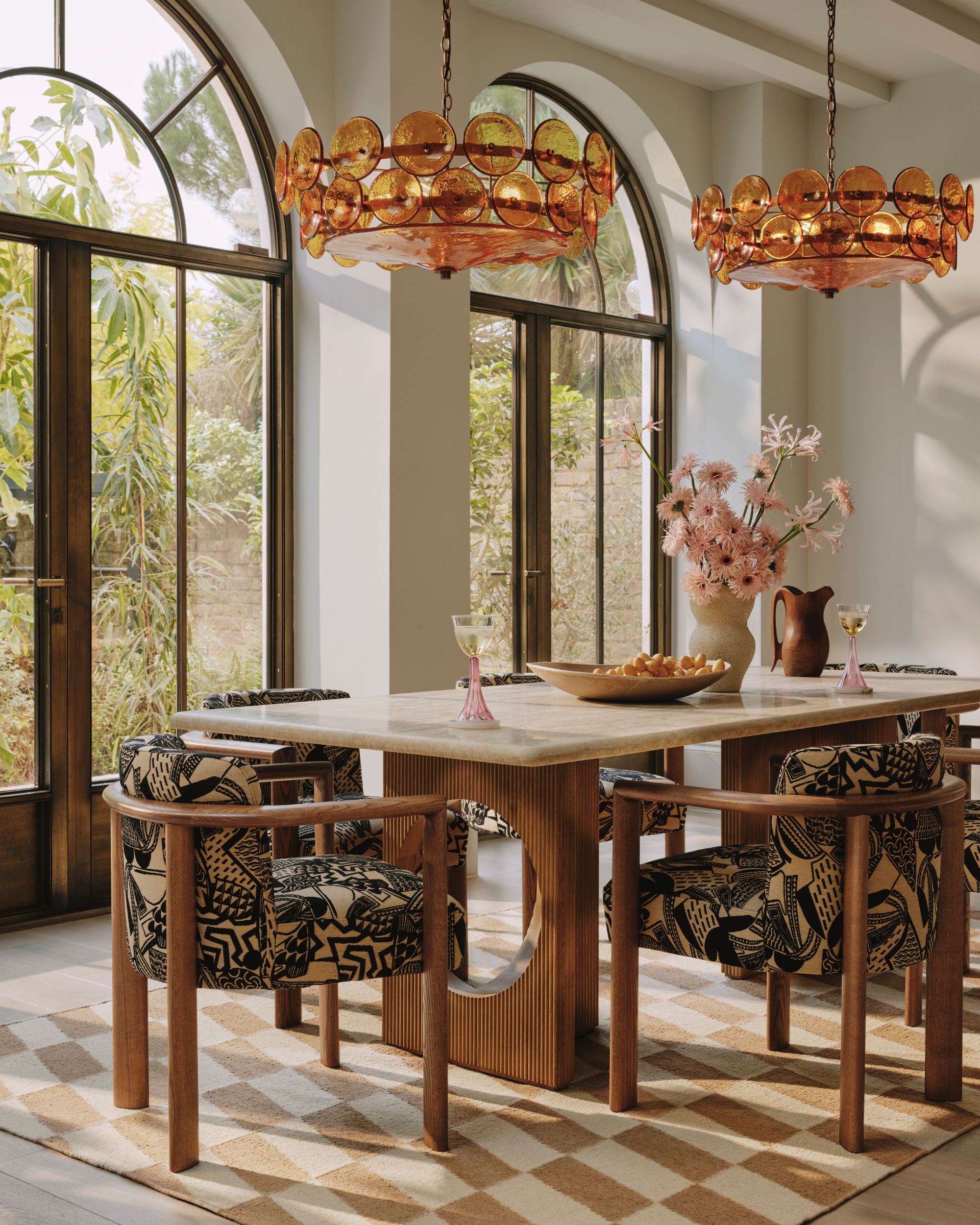
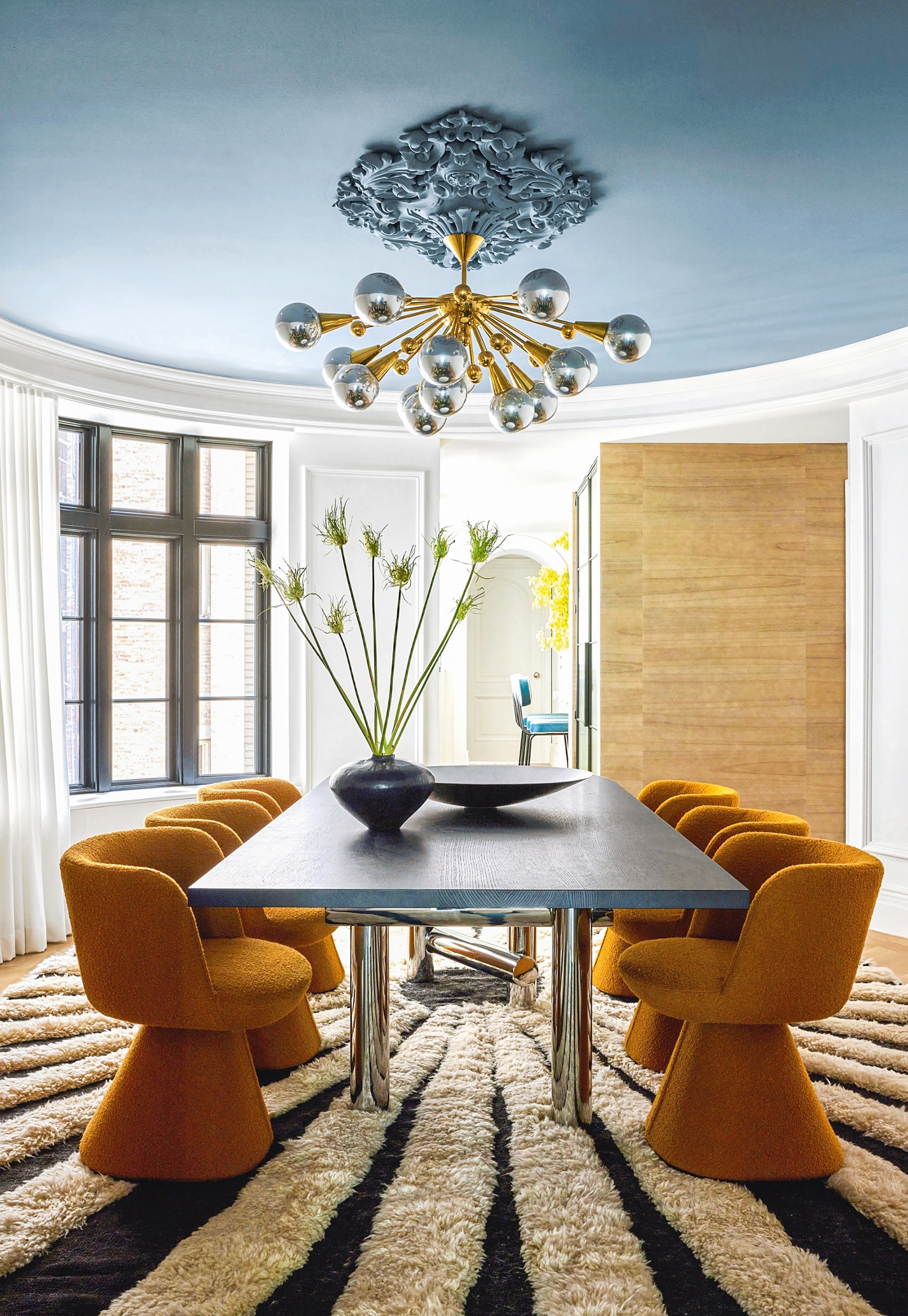
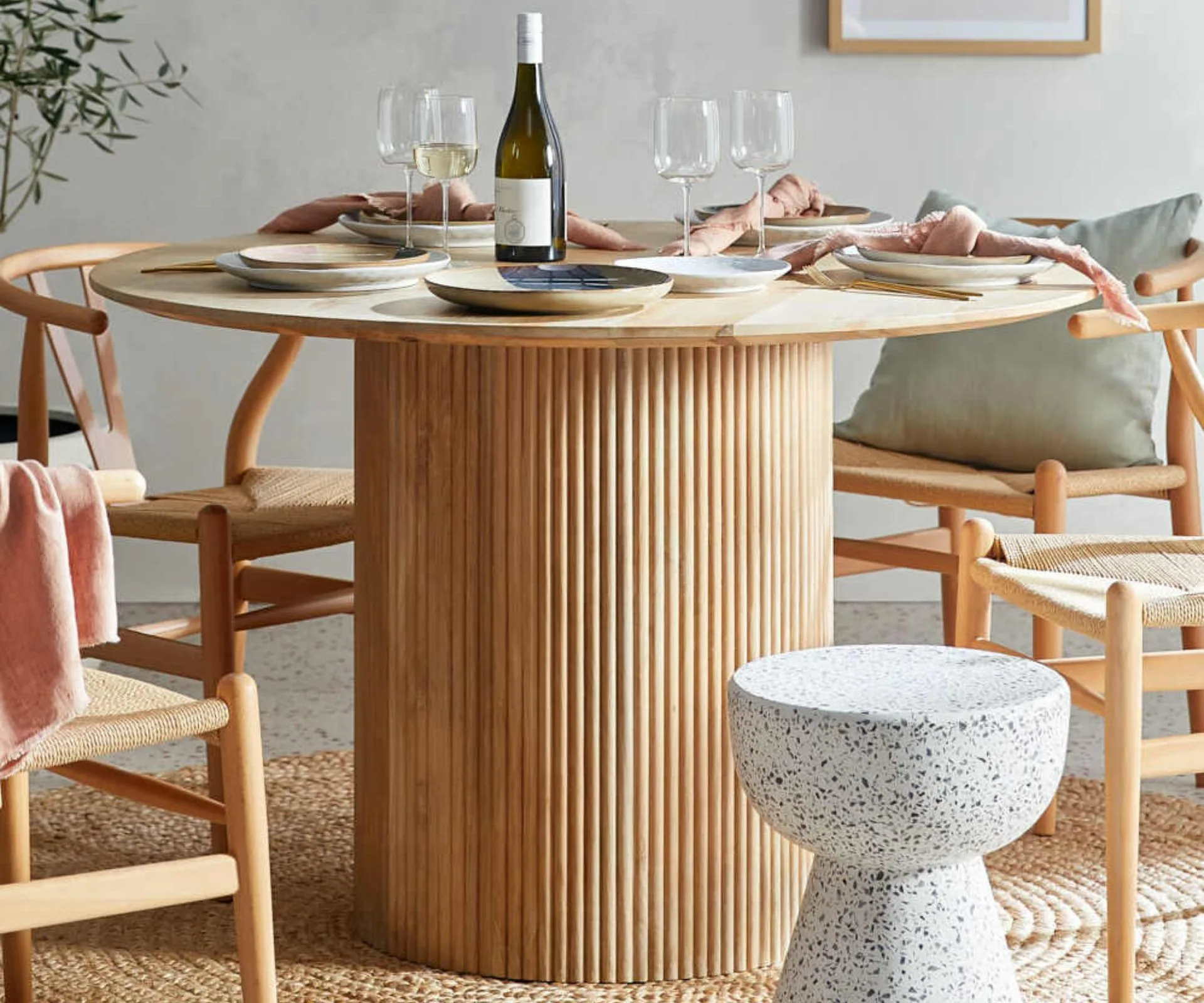
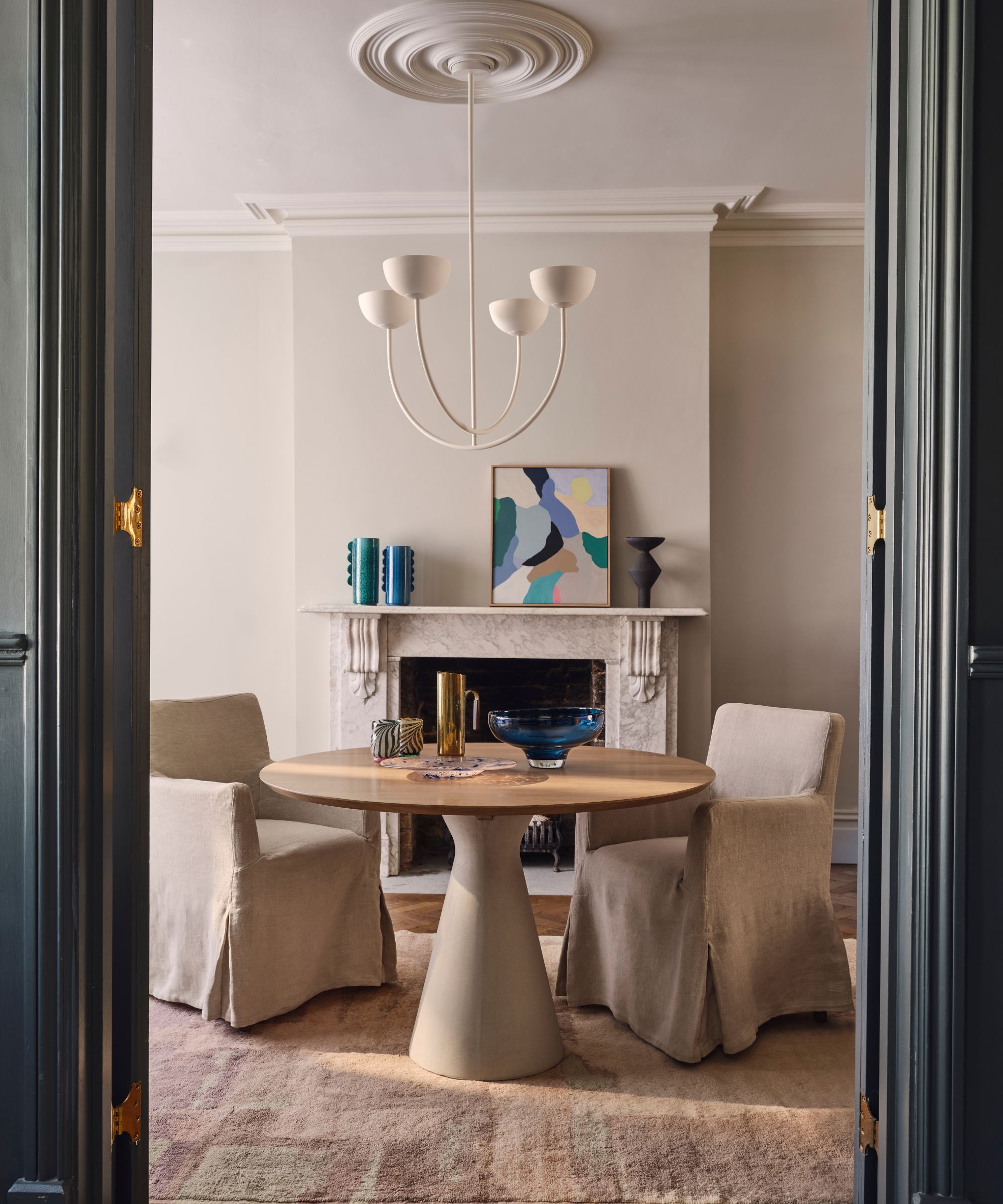
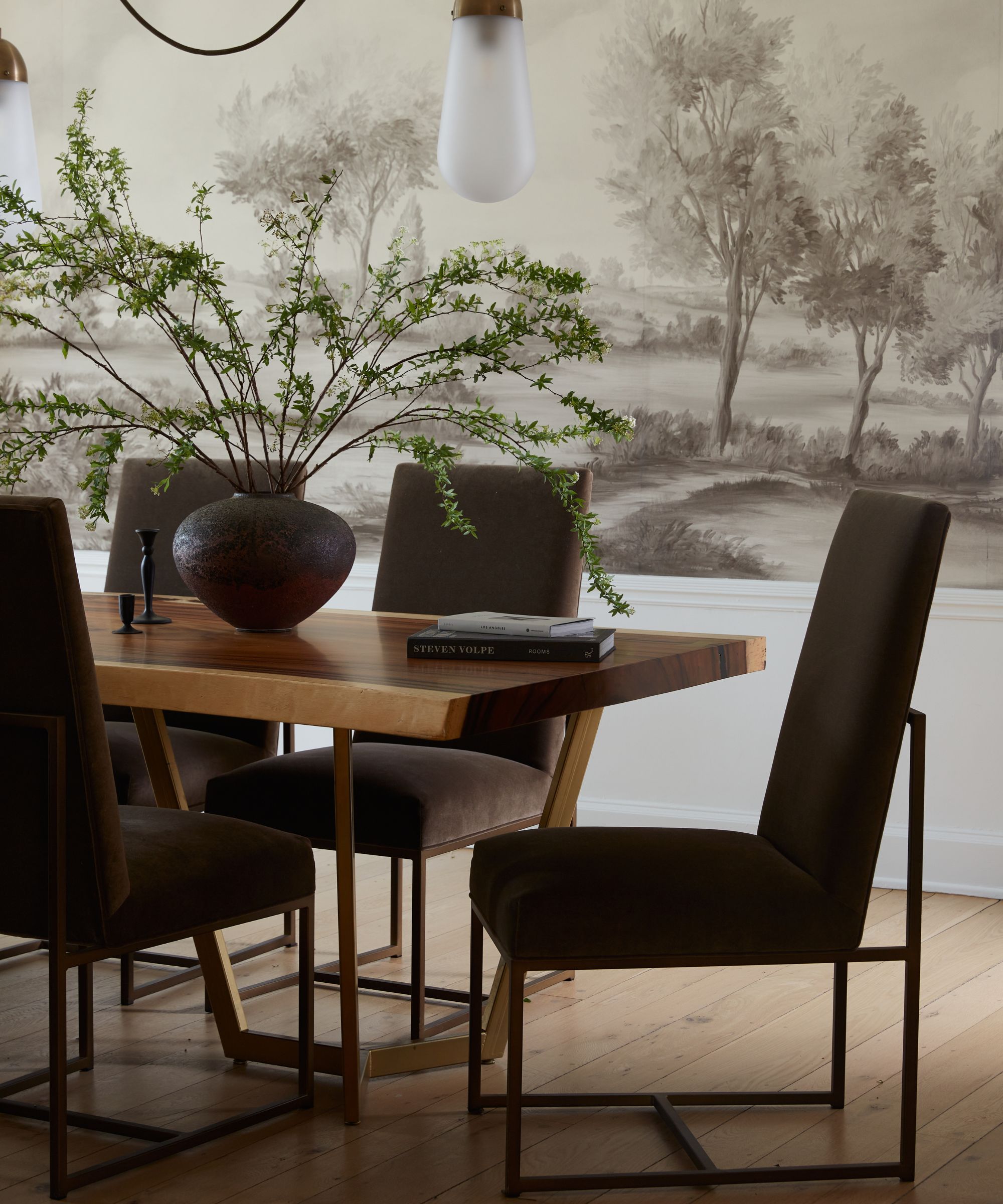
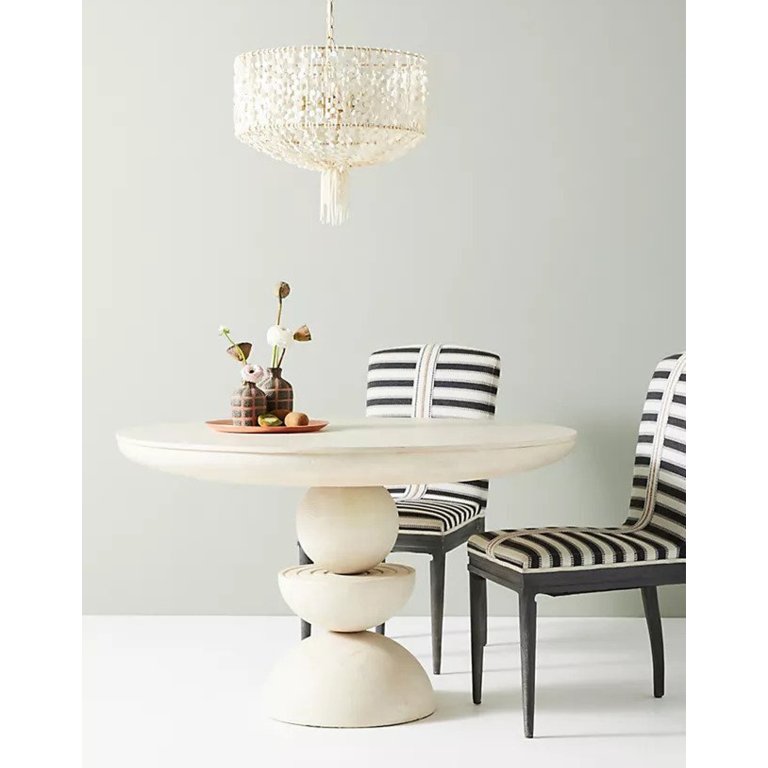
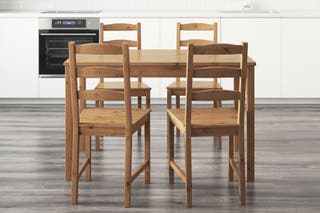
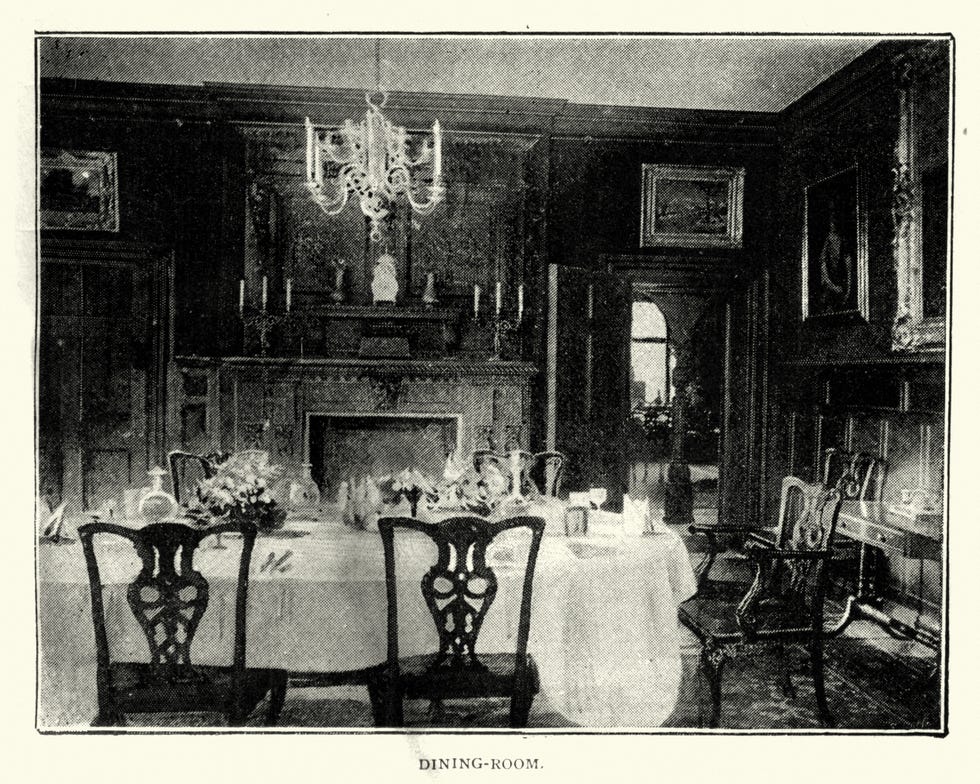
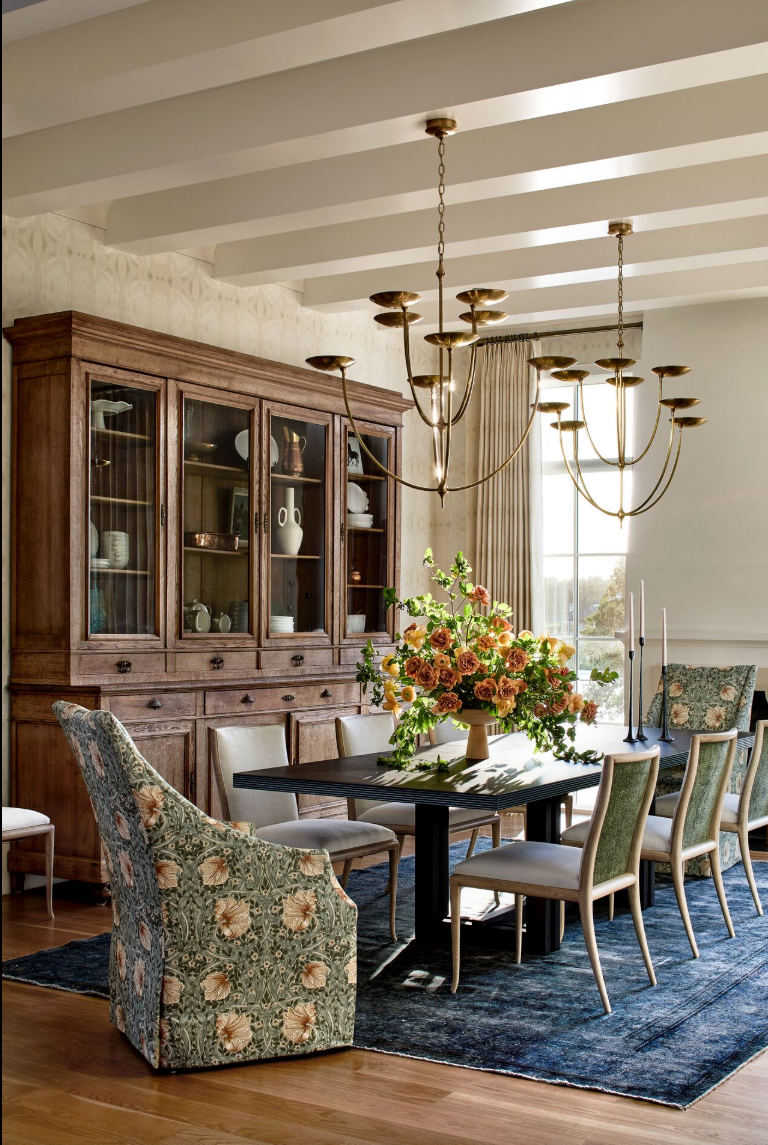
The traditional role of the dining table as a central gathering point for families is being re-evaluated in modern homes, particularly with the rise of smaller living spaces and evolving lifestyles. Historically, the dining table symbolized togetherness, offering a dedicated space for meals, conversations, and shared experiences. However, contemporary living often involves busy schedules, leading to meals consumed on the go, at desks, or in restaurants. This shift prompts a pertinent question: is the dining table still a necessity?
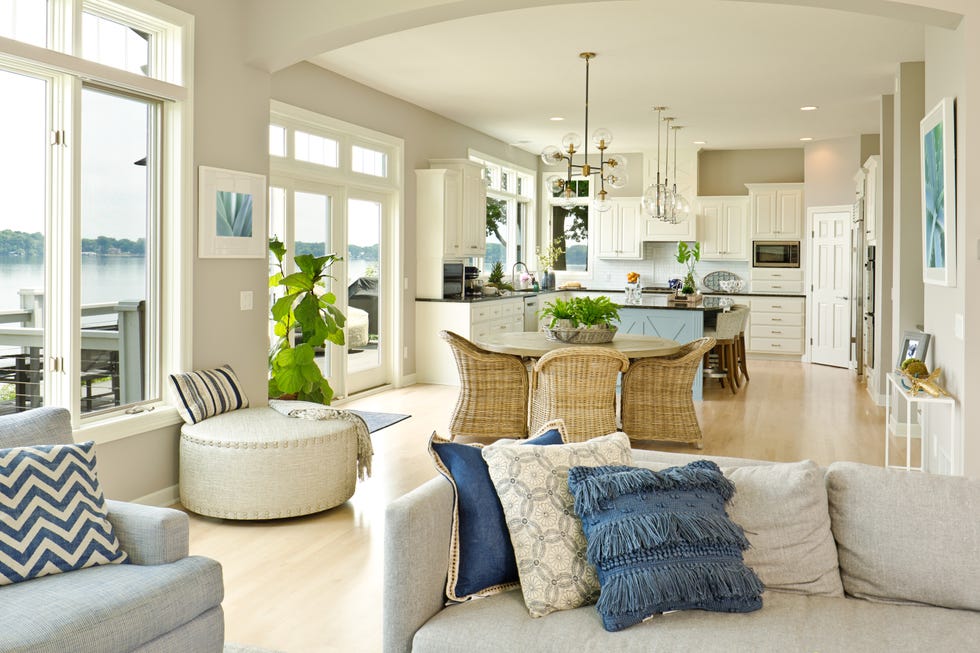
Architectural trends, especially in inner-city apartments, increasingly omit separate dining rooms, instead integrating kitchen and living areas. This design philosophy frequently incorporates island benches, which are becoming versatile alternatives to traditional dining tables. Travis Dean, director of Cantilever Interiors, notes a new direction in island bench design, particularly service-free options that don't require plumbing or electricity. These adaptable island benches can function as both kitchen workspaces and casual dining areas, making them suitable for compact living. Many new apartment floor plans reflect this trend, allocating space for island benches while foregoing dedicated dining tables. Even in larger family homes, island benches are popular due to their ability to naturally draw people into the kitchen space.
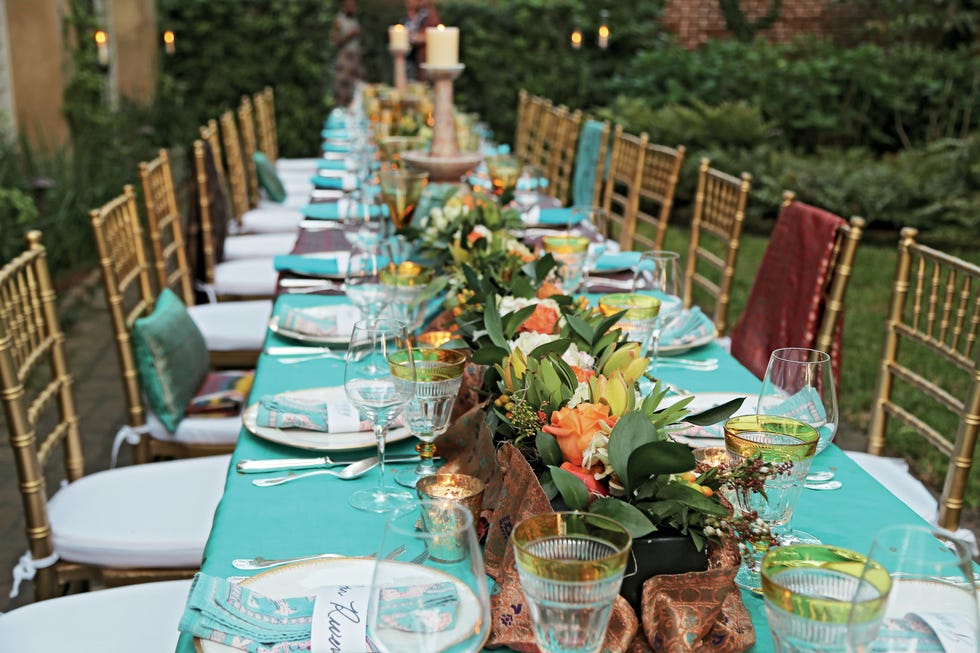
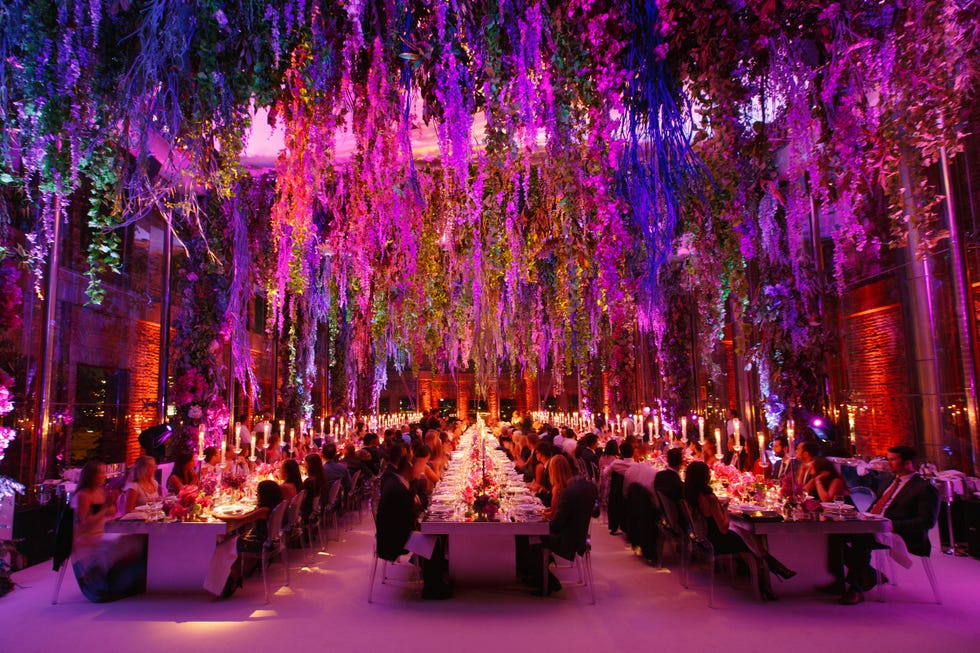
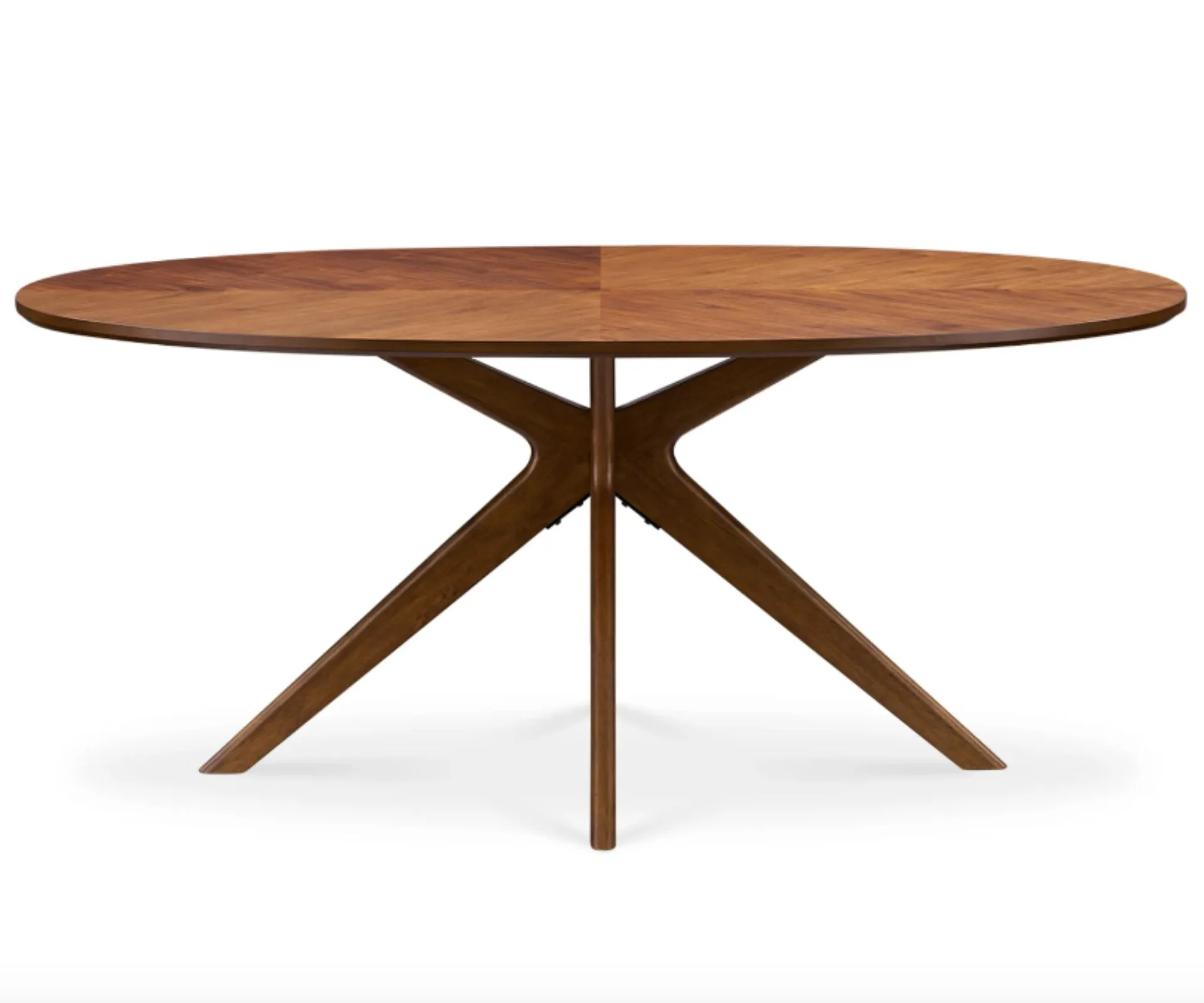
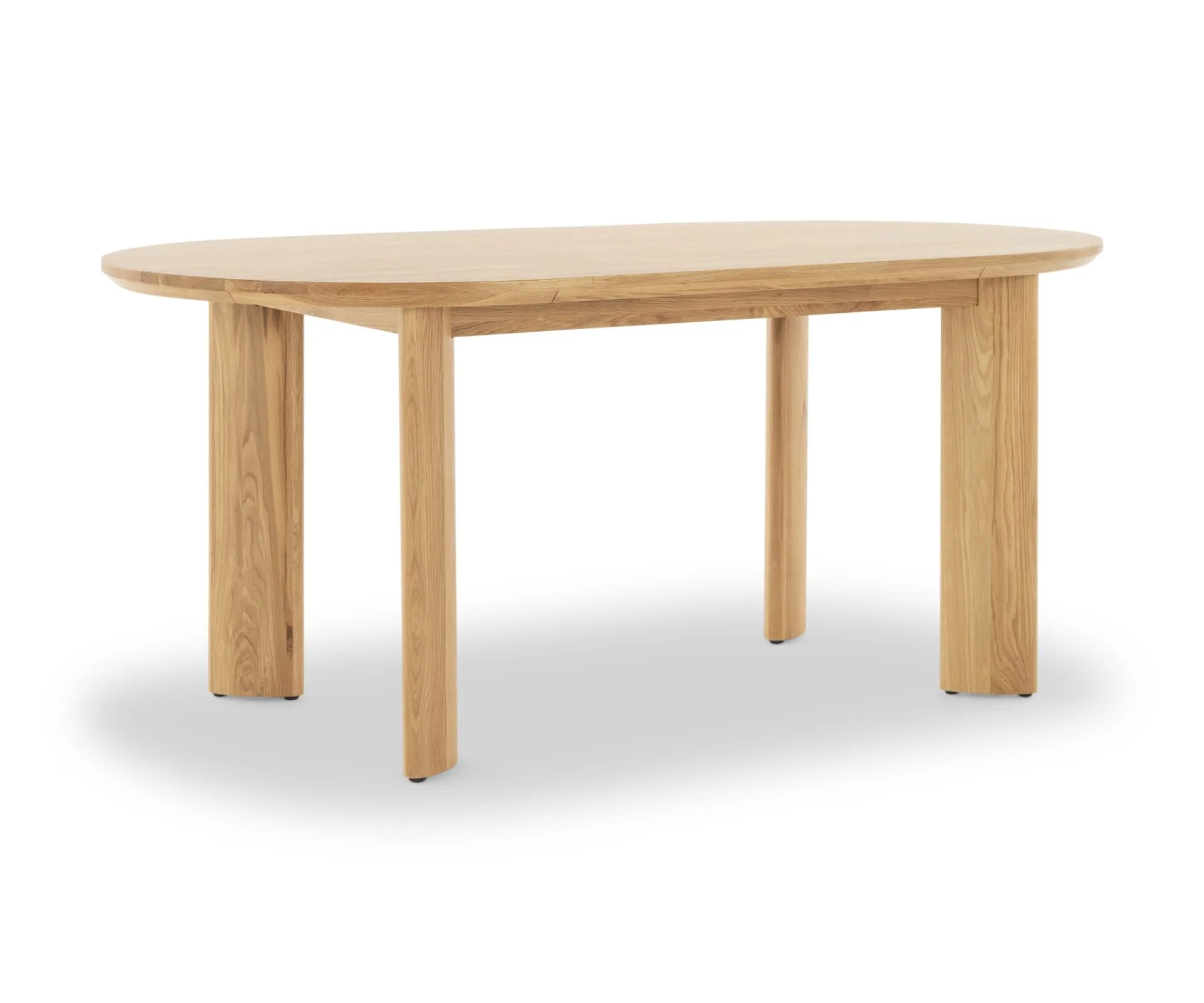
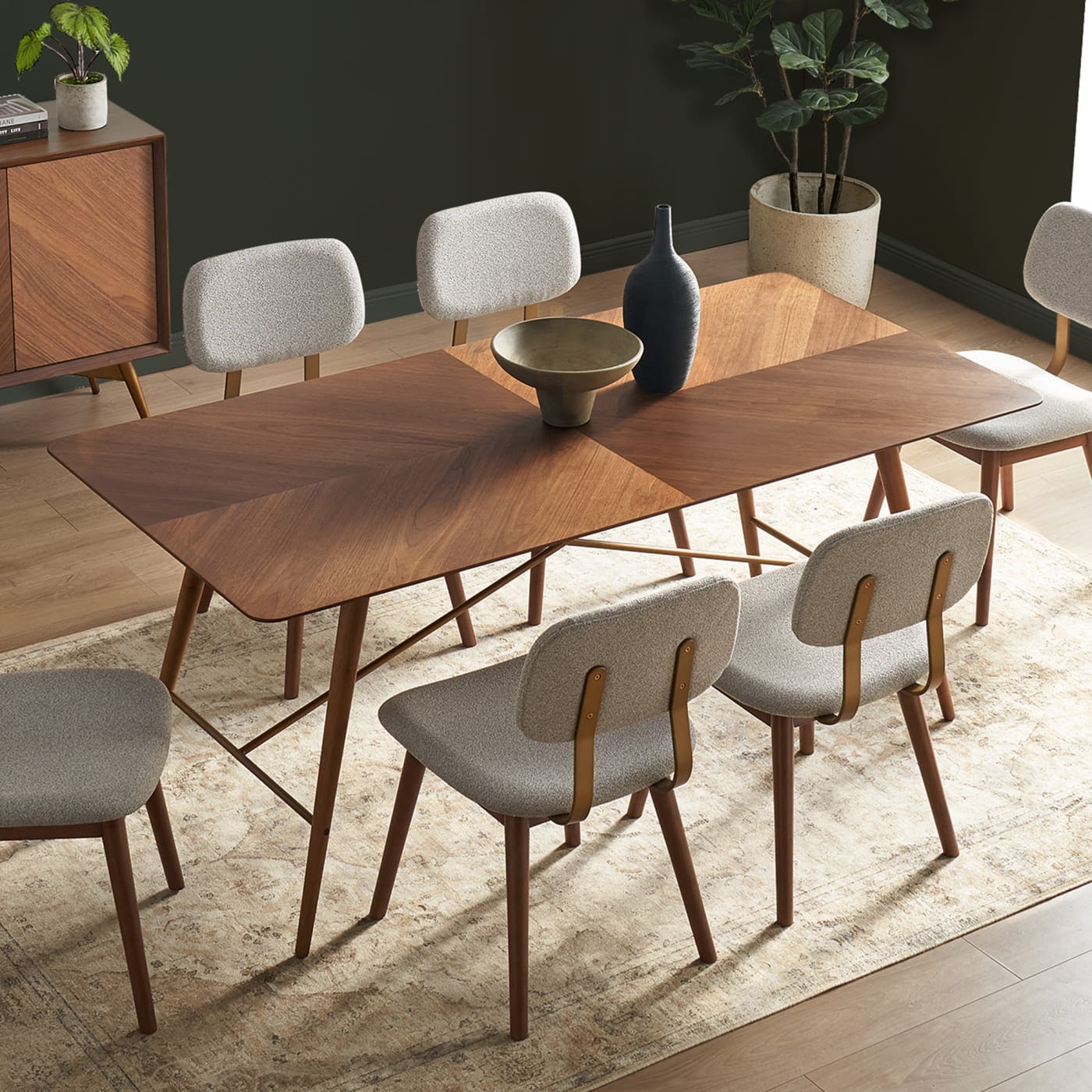
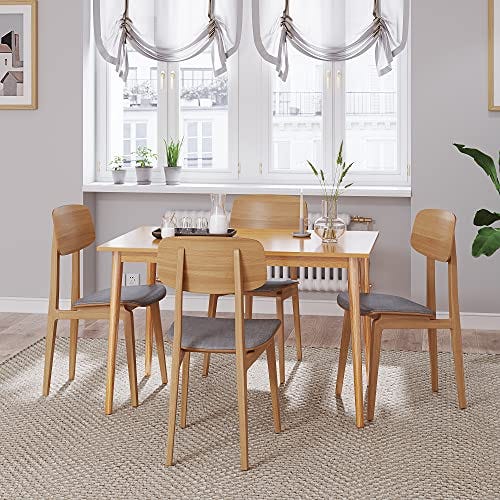
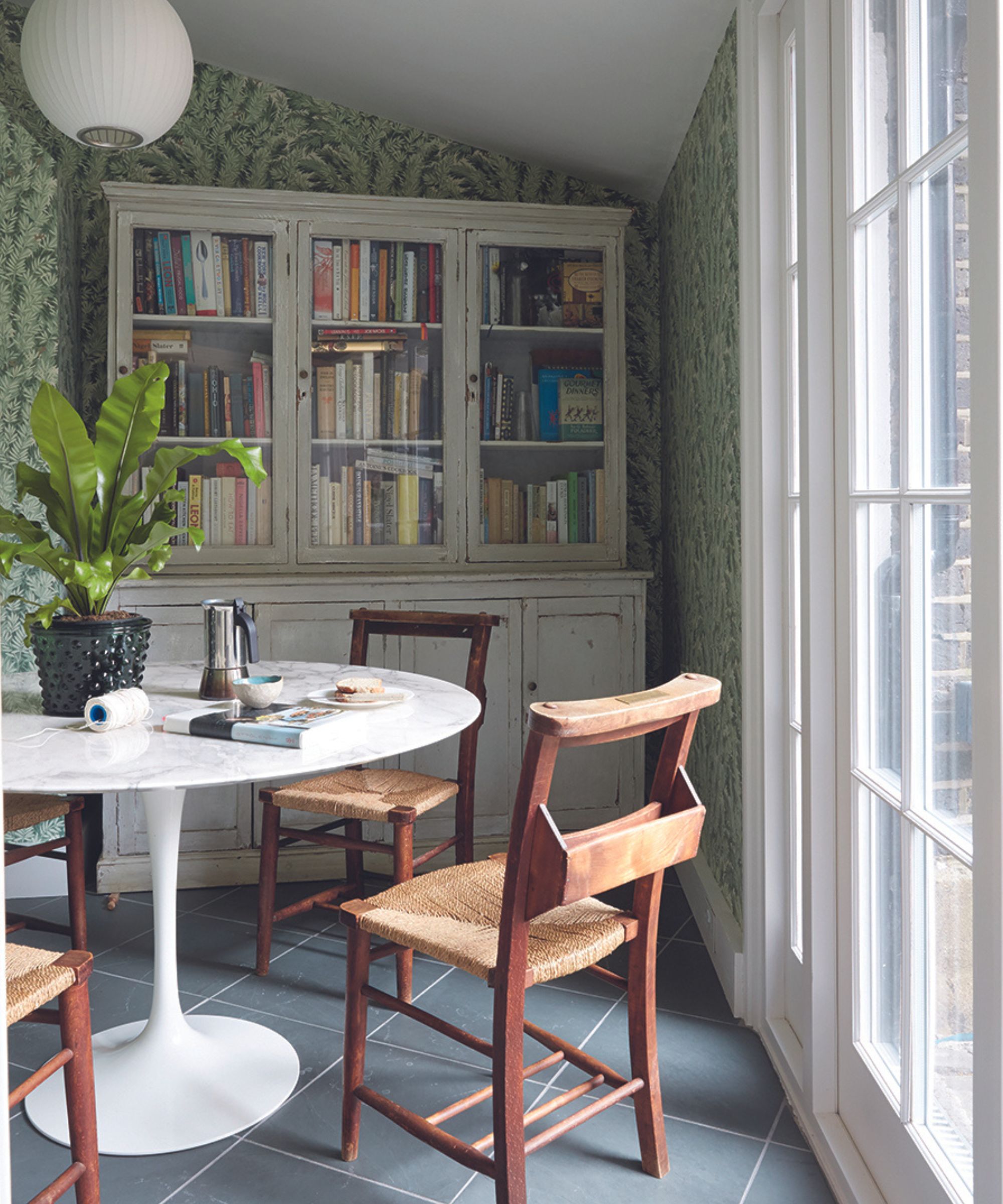
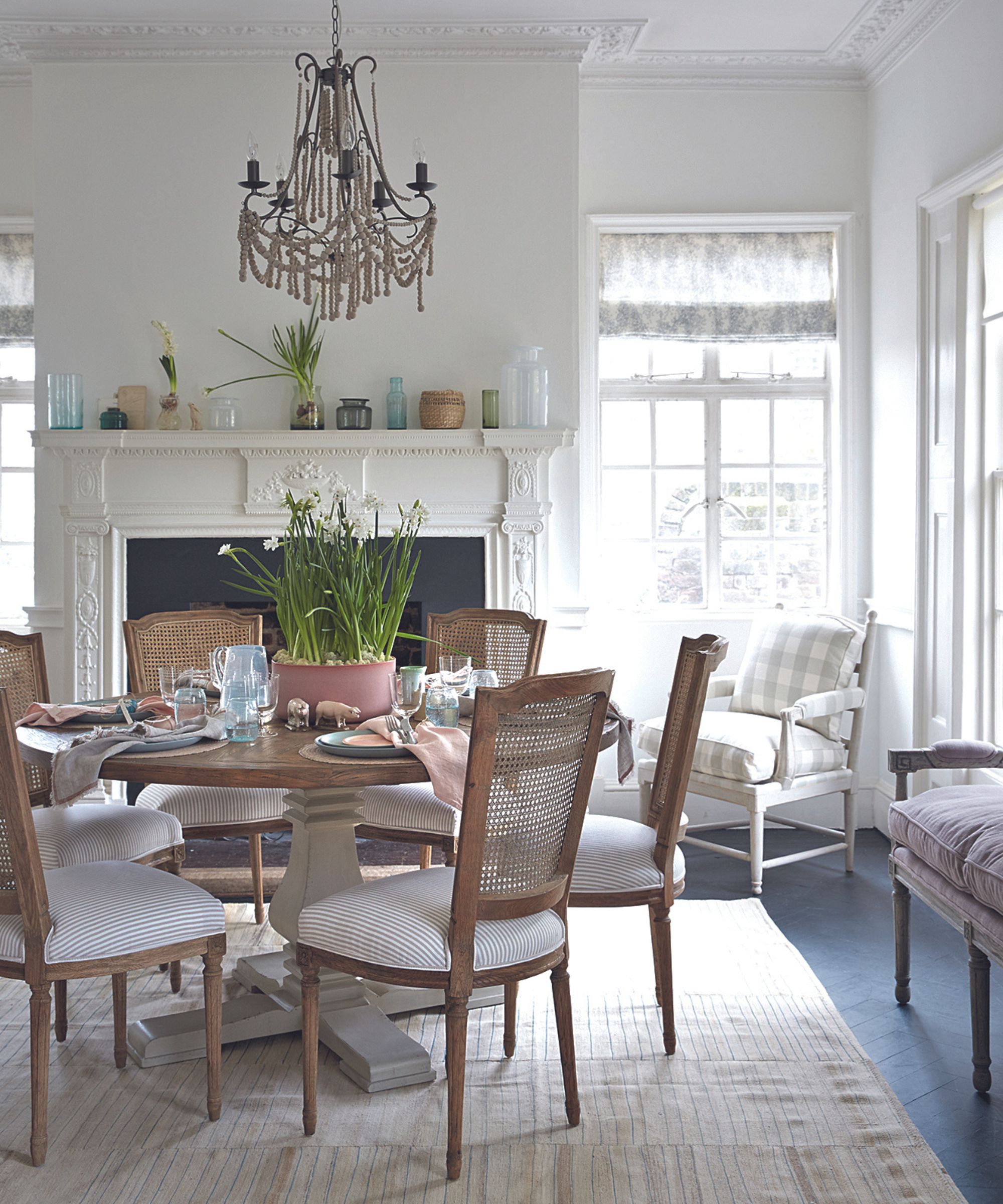
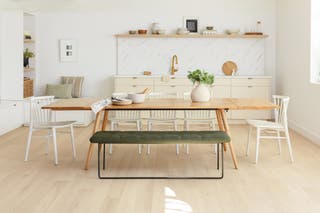
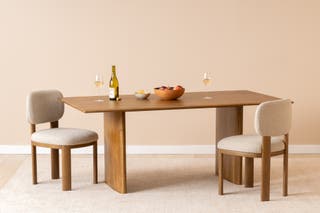
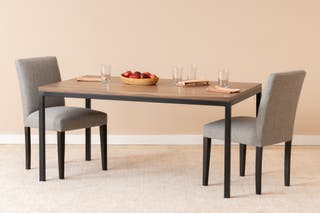
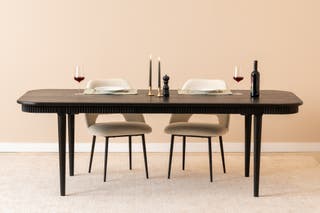
Despite these changes, some argue that the dining table retains its significance. Adrian Galiazzo of Crafter Furniture suggests that while island benches are excellent for meal preparation and showcasing appliances, the dining table offers a distinct experience for enjoying a meal. He posits that in an increasingly busy world, the dining table serves as a cherished symbol of home and togetherness, much like the hearth of past eras. It acts as a central hub where families and friends can connect, share their day, and strengthen bonds, providing a more intimate setting than a kitchen bench or coffee table.
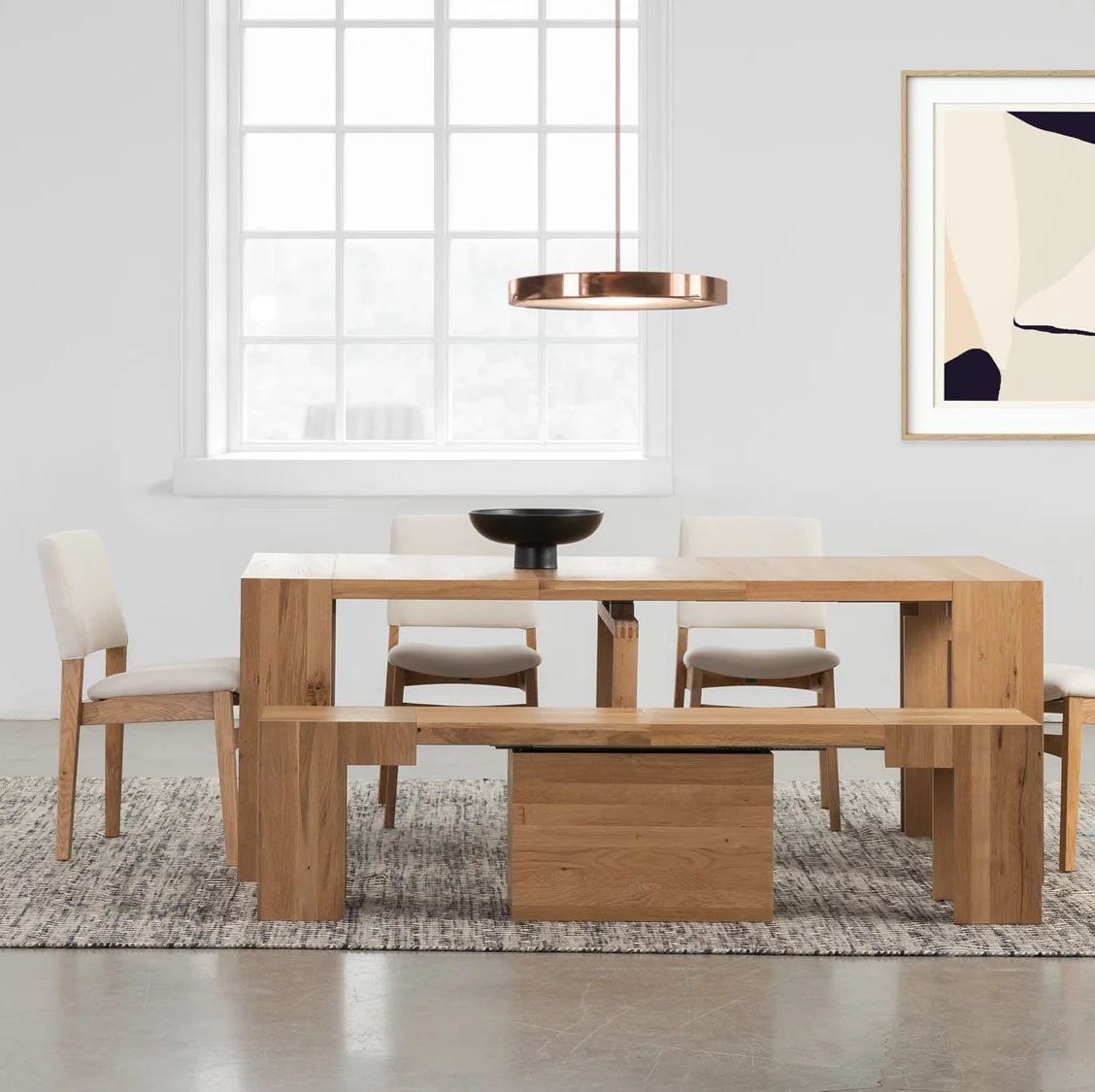
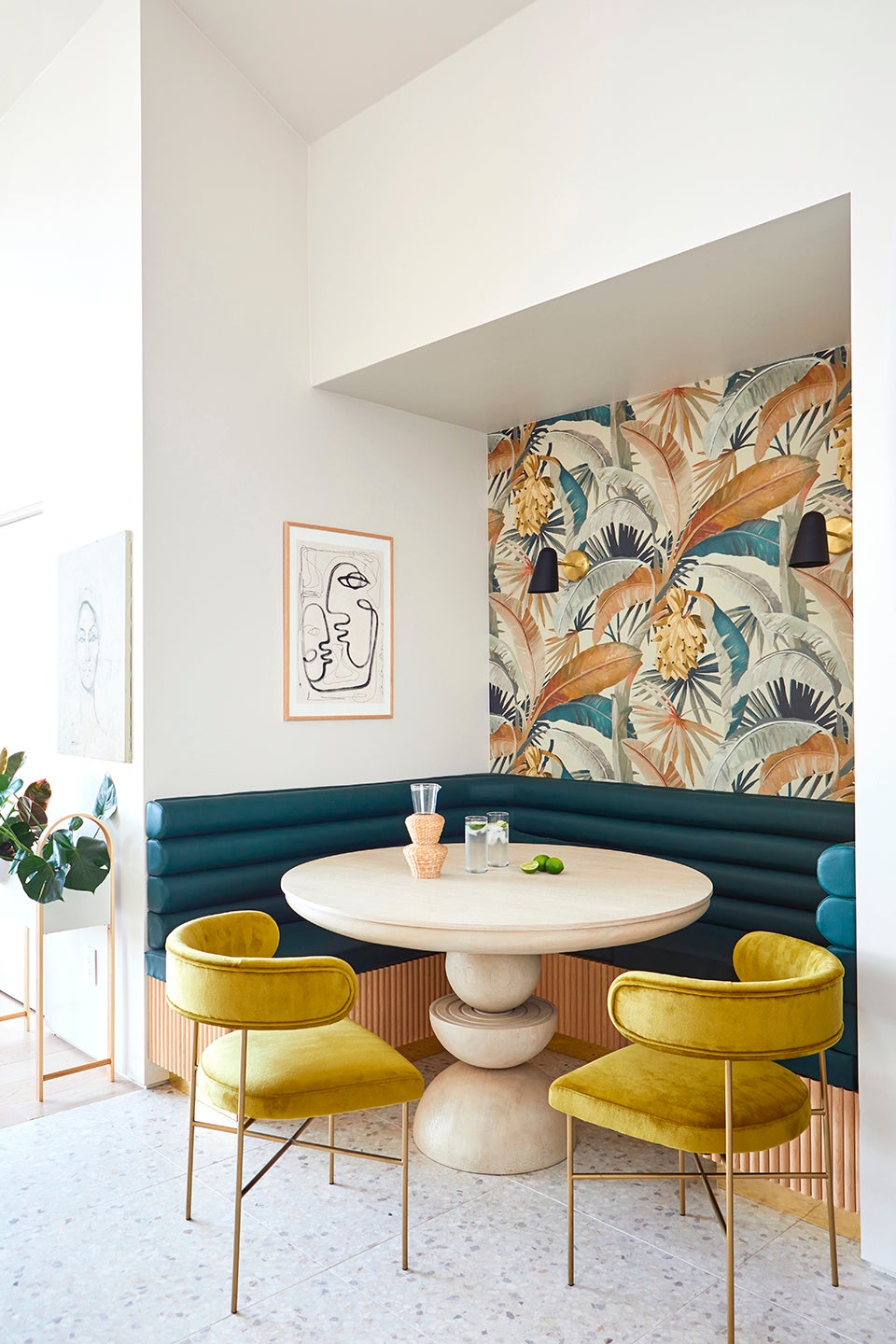
The article also addresses practical solutions for those who wish to maintain a dining table in smaller homes. Adrian recommends space-saving options such as customized banquettes and booths, pull-up stools instead of conventional dining chairs, and benches with casters for easy movement or storage. For homes embracing the island bench as a primary dining space, Travis suggests incorporating adequate dimmable lighting to set the mood, ensuring ergonomic placement of kitchen essentials like bins and cutlery drawers, and designing comfortable overhangs (at least 300mm) for stool seating. Looking ahead, the dining table is expected to evolve, adapting to modern lifestyles with creative solutions like fold-out, collapsible, or built-in slide-out tables, and integrated kitchen counters that incorporate dining functions. These innovations aim to preserve the dining experience while maximizing space efficiency.
#Dining #DiningTable #InteriorDesign #HomeStyling #SmallSpaceSolutions #KitchenDesign #IslandBench #ModernLiving #Dining #DiningTable #InteriorDesign #HomeStyling #SmallSpaceSolutions #KitchenDesign #IslandBench #ModernLiving
0 comment in total
 No comments yet
You may also like
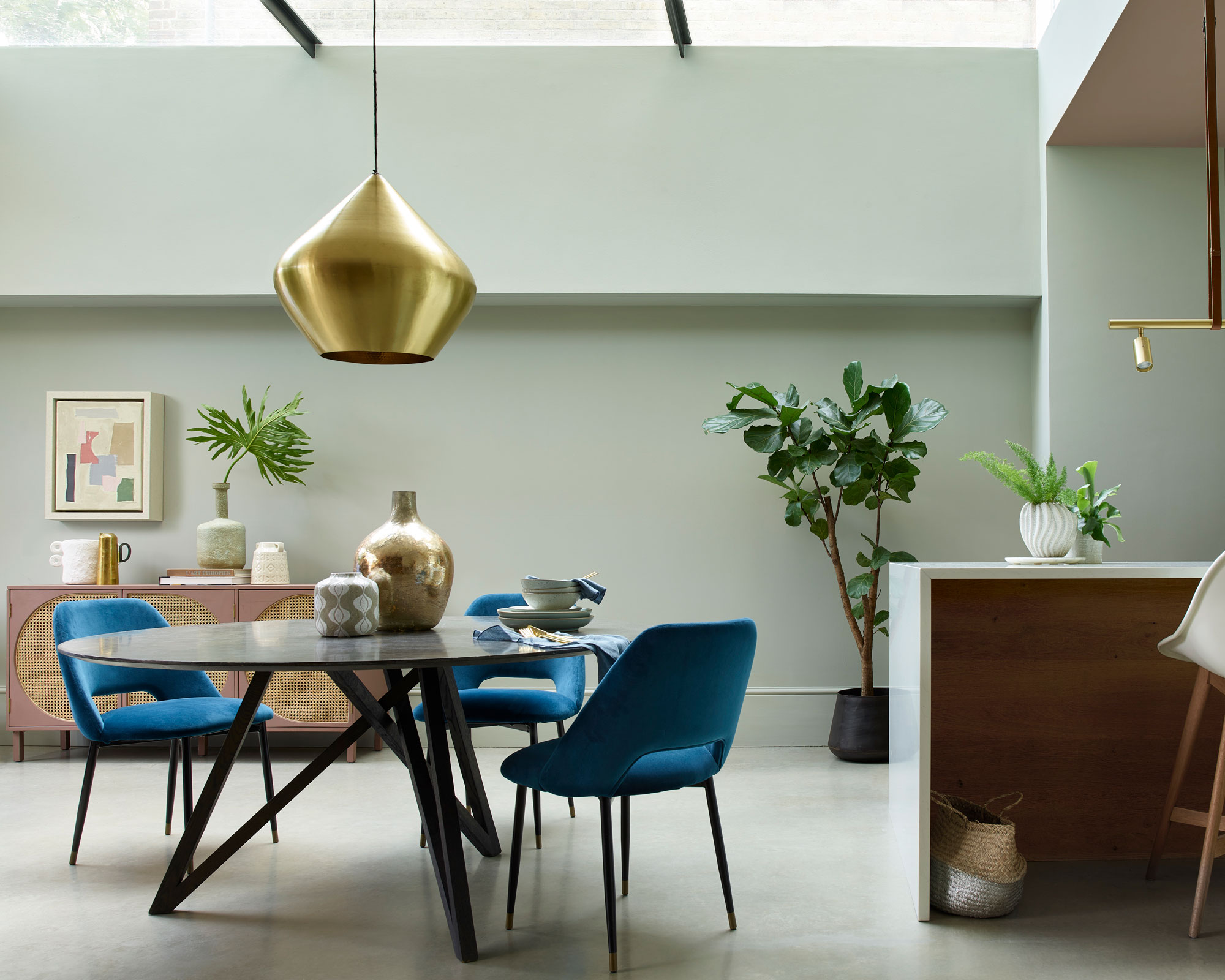
Do you need a light over a dining table? Designers offer their expert advice

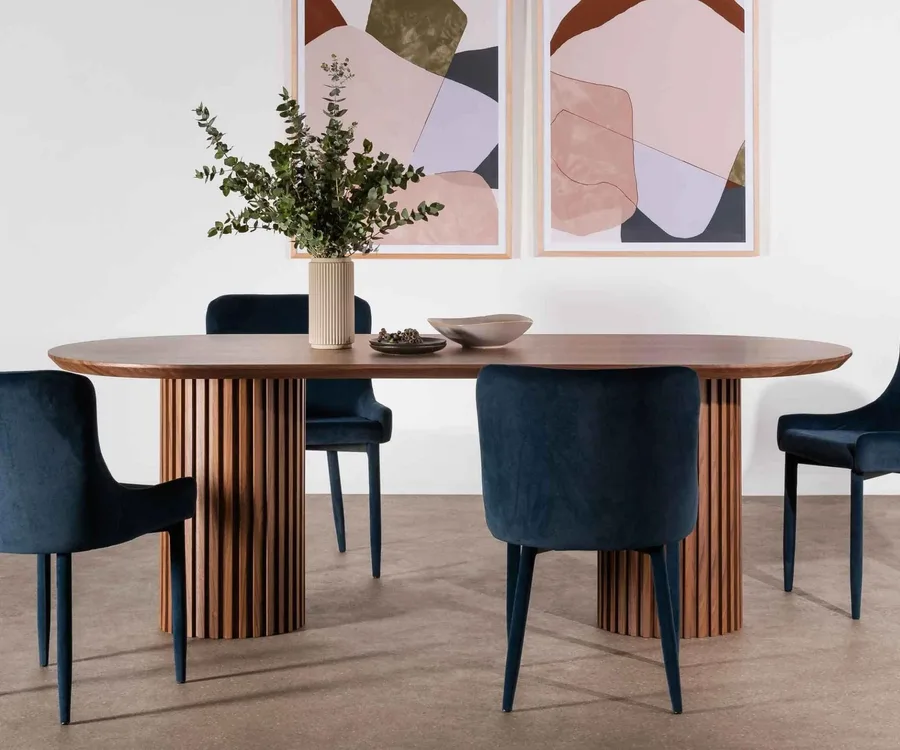
17 of the best dining tables and sets entertainers will love

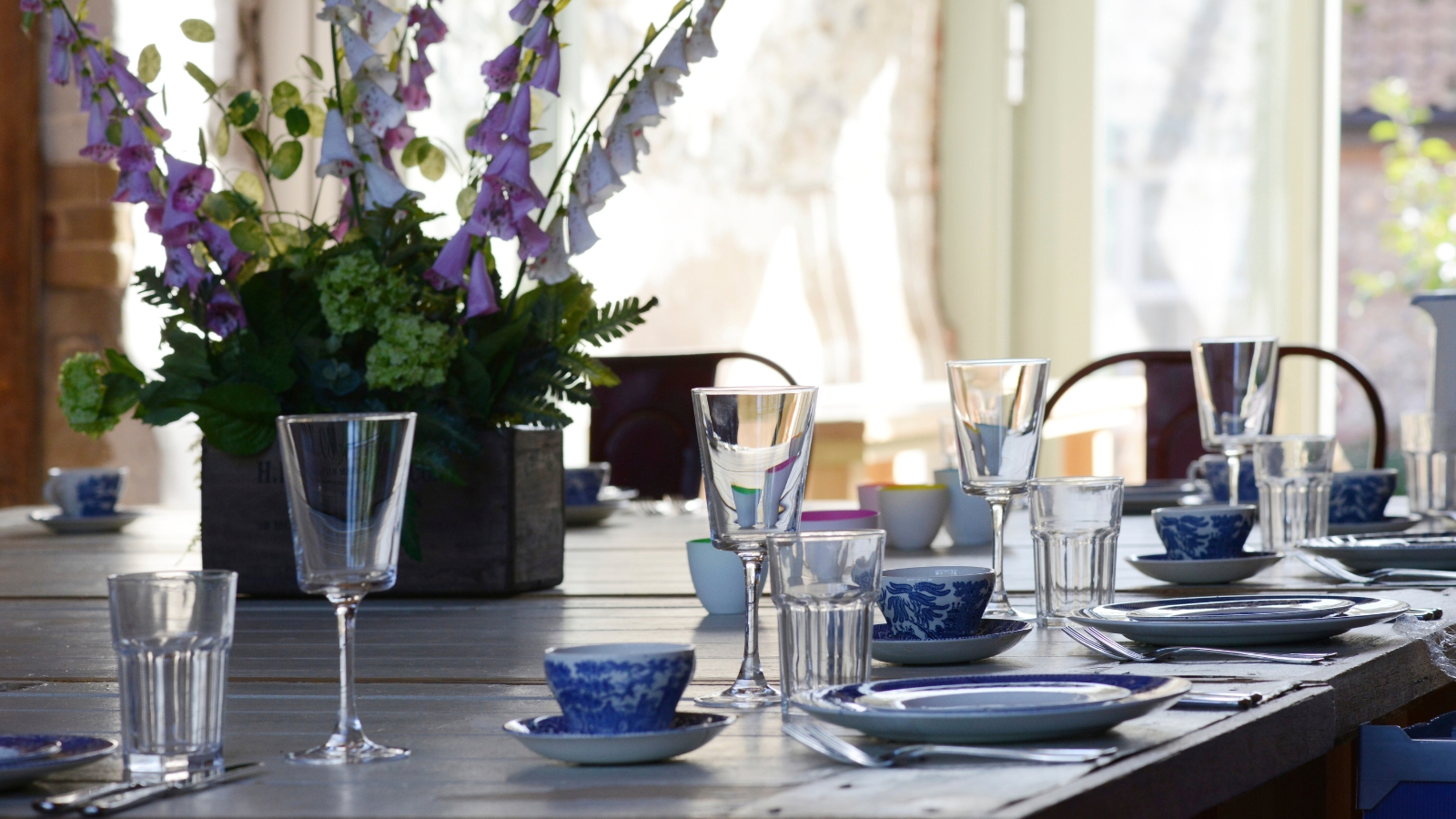
5 things that always make a dining table look cluttered
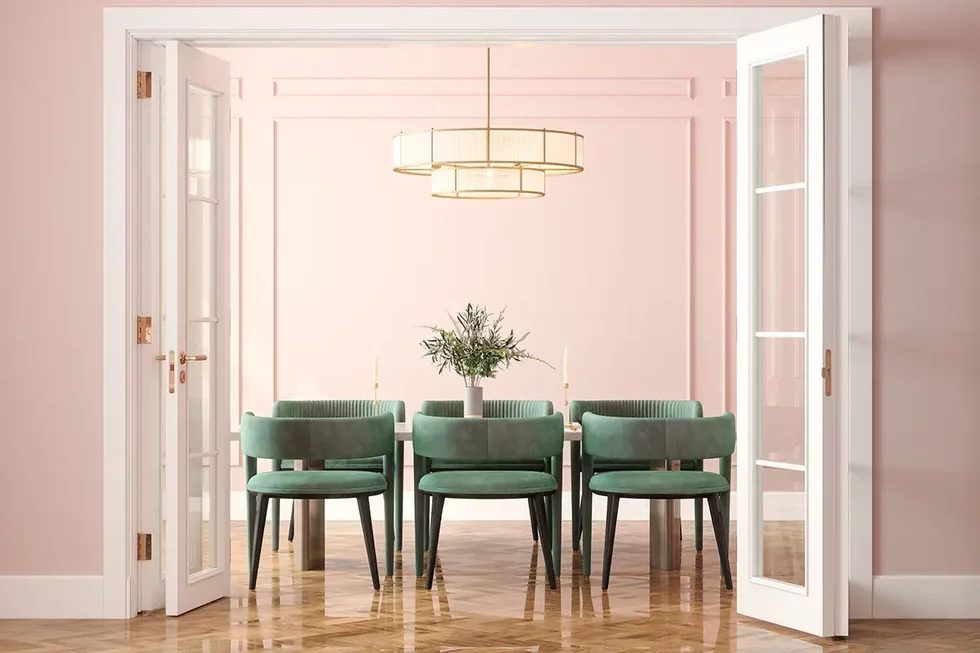
Ask Veronica: Is a chandelier or pendant always necessary in a dining room?

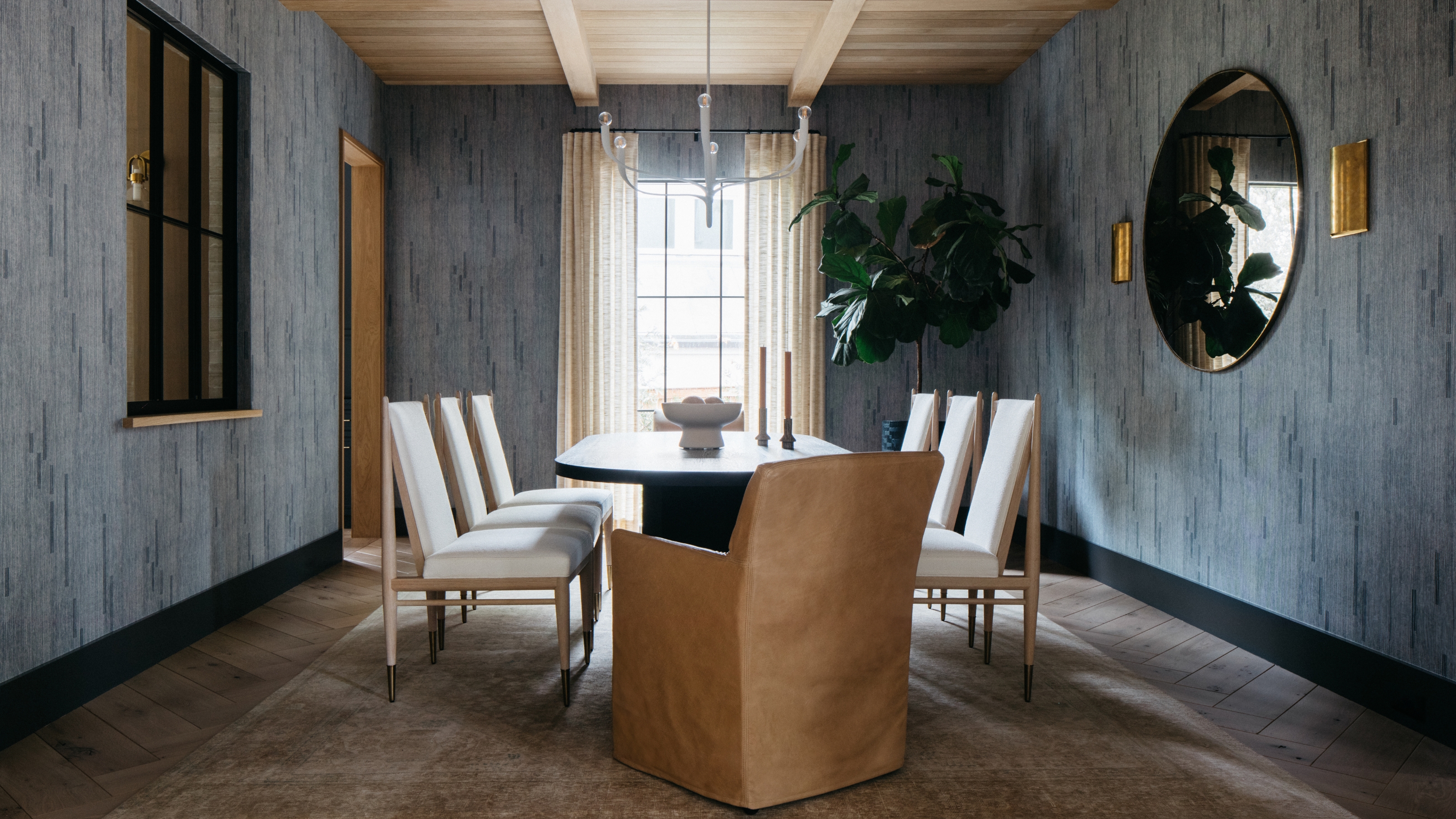
Are Formal Dining Rooms Out of Style? Designer's Discuss

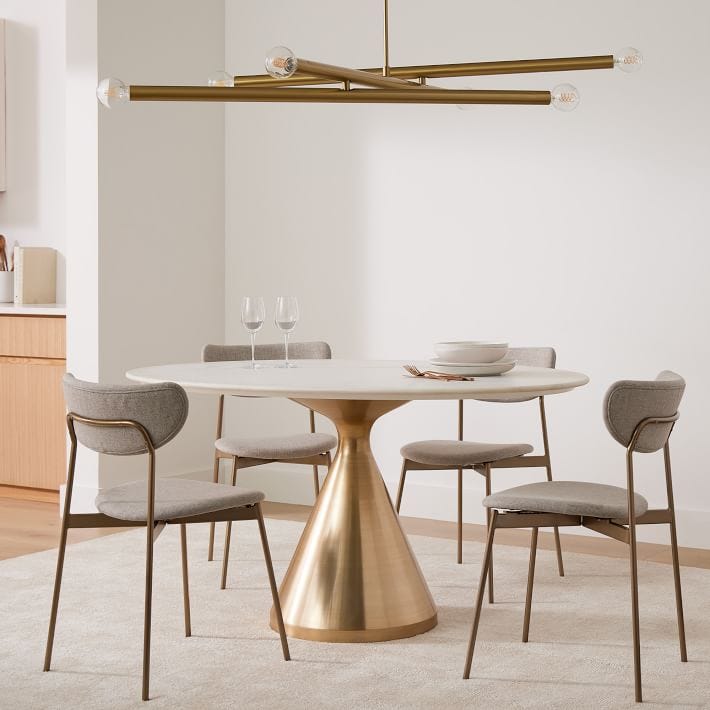
11 Top-Rated Dining Tables for Every Style and Budget

In Case You Were Wondering: Yes, You Need a Console Table!
Our Favorite Dining Tables

Did Instagram Kill Round Tables at Dinner Parties?

Are Traditional Dining Rooms a Thing of the Past? Here's What Designers Say

The Best Dining Tables, as Seen in Our Favorite Spaces

15 Best Dining Table Designs Available In 2023
Are Formal Dining Rooms Out of Style? Why Pro Designers Say They Might Make a Comeback

Round vs rectangular dining room tables – which one is best for your space?

The Best Dining Tables (and How to Shop for One)
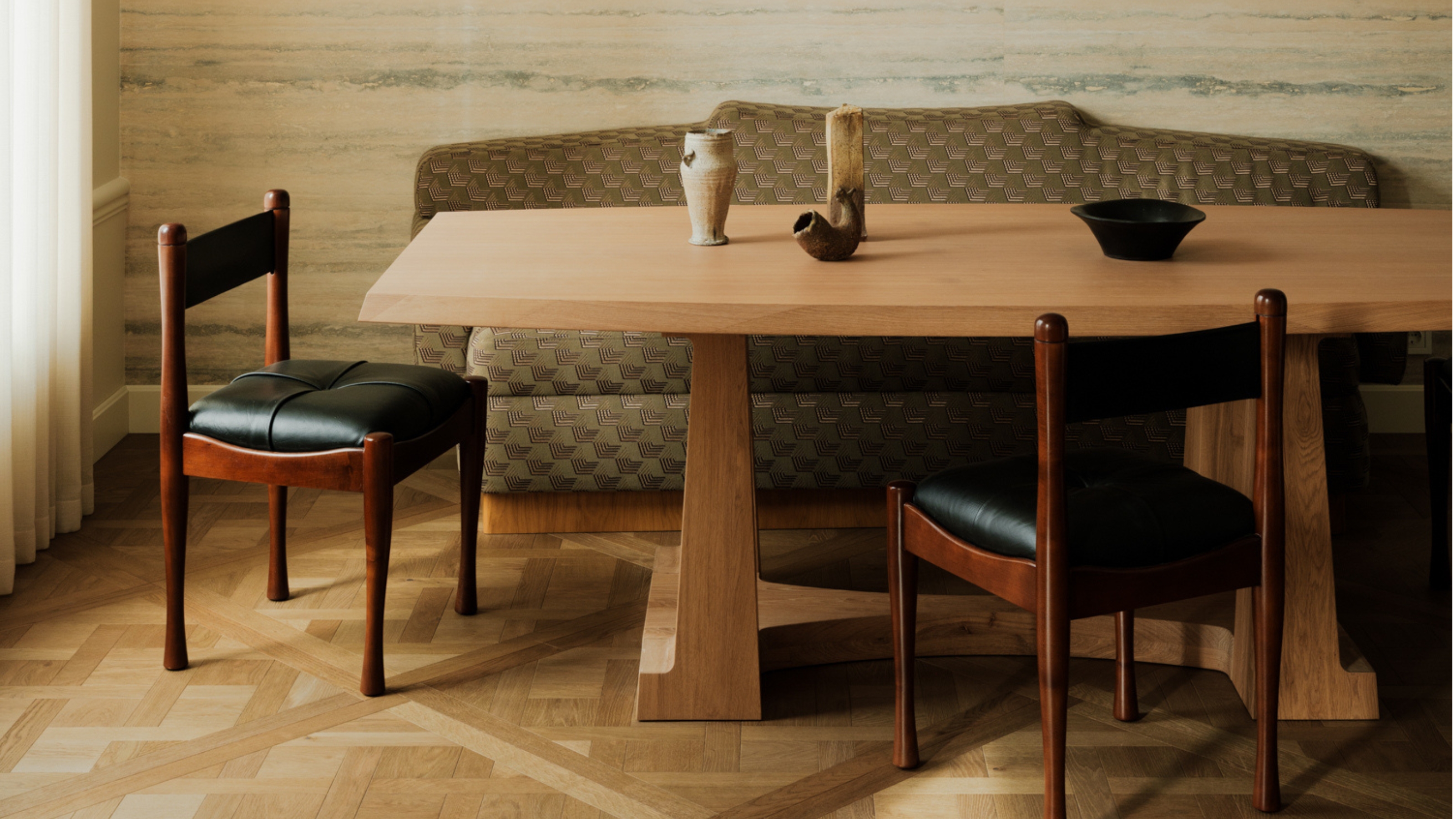
The Dining Table Trends for 2026 Have Been Set

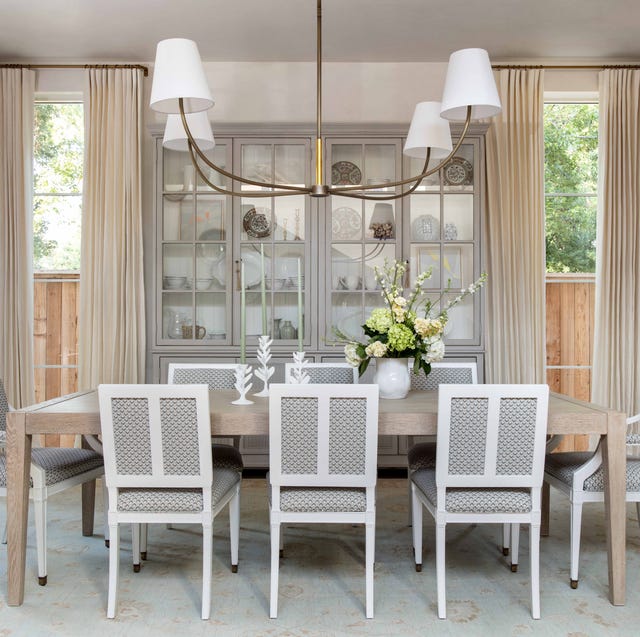
Is the Formal Dining Room Over? Designers Share Their Honest Take

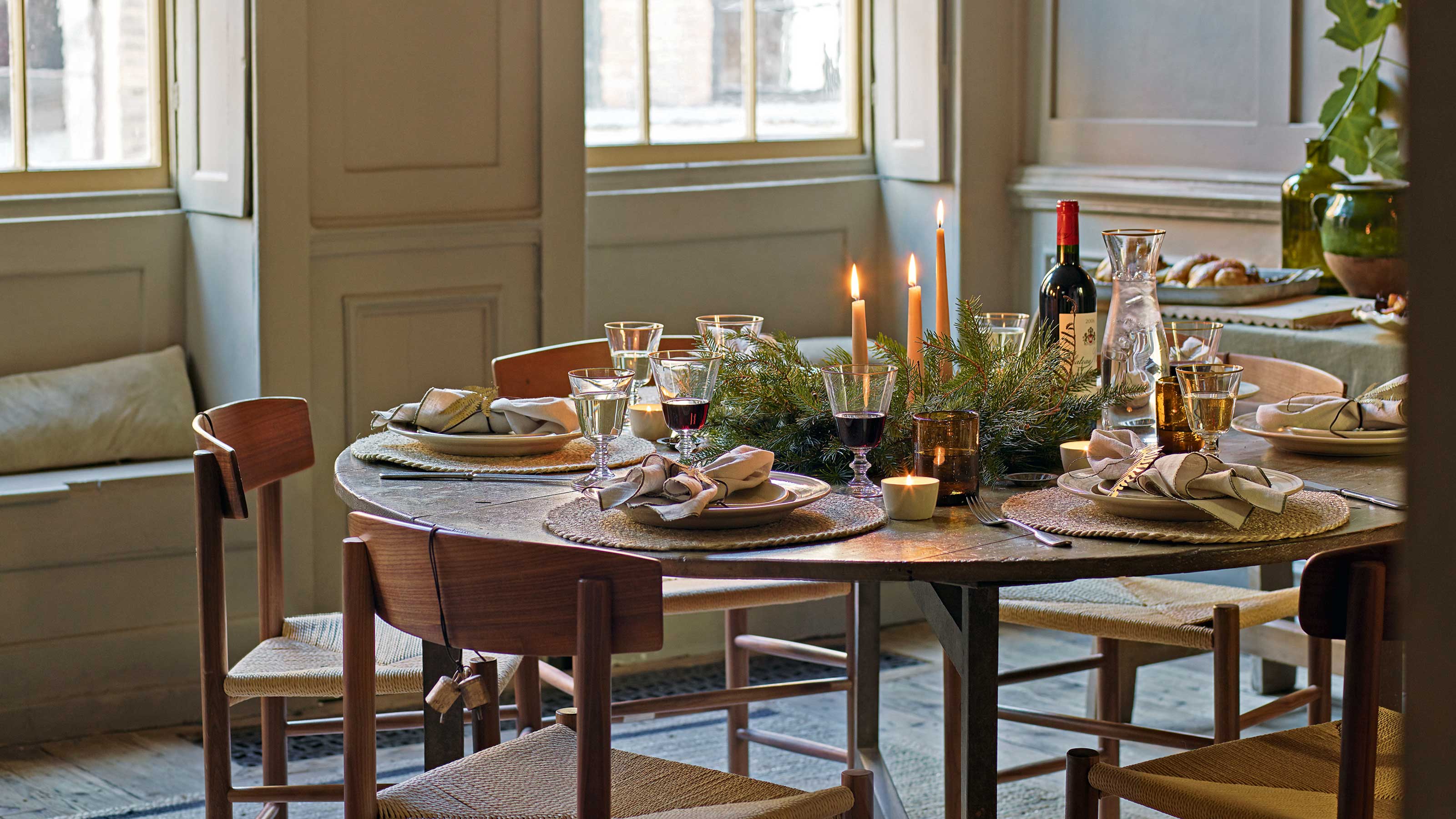
I’m a shopping writer – these are the best dining tables to buy for hosting season
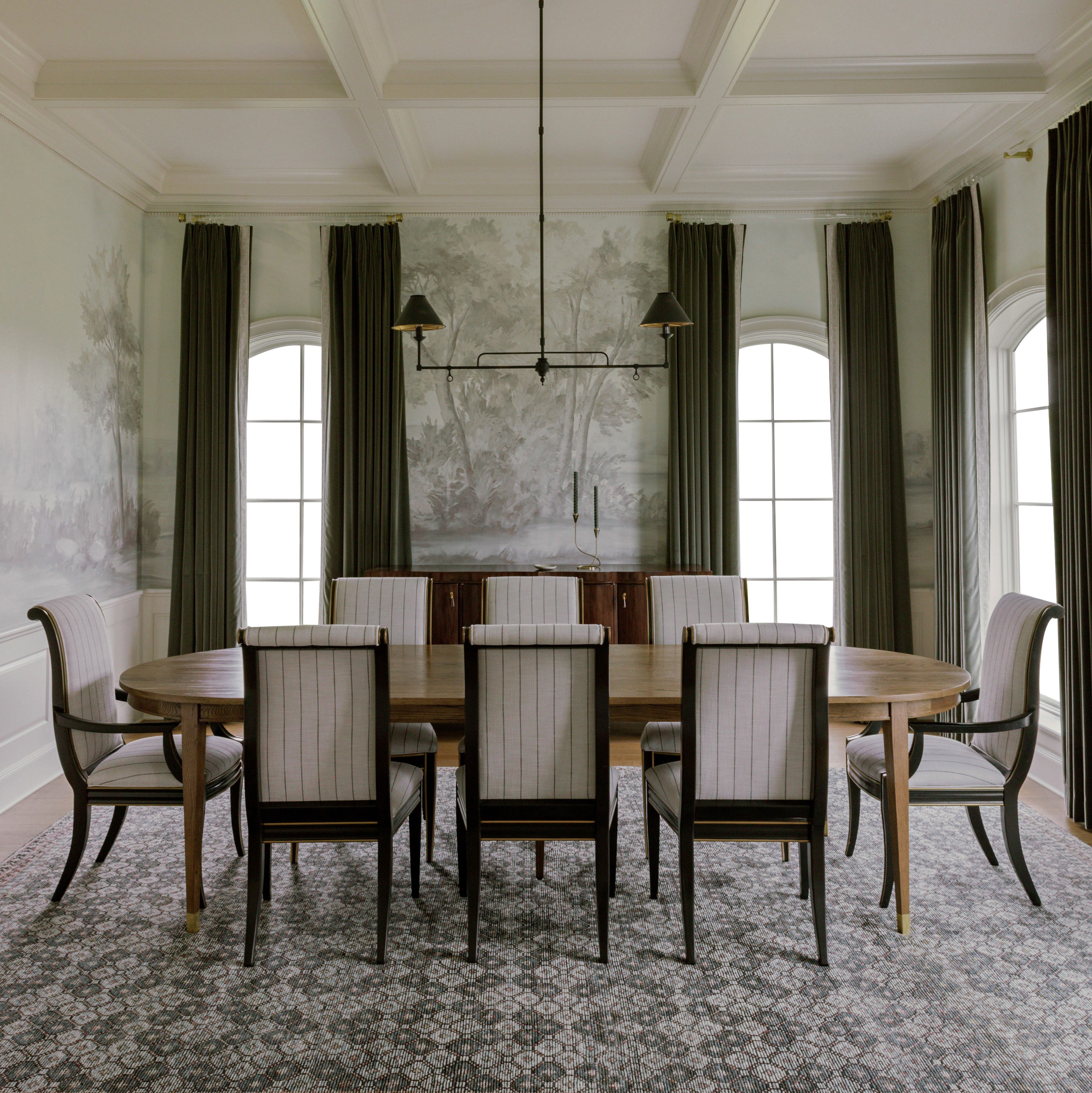
Are Formal Dining Rooms Coming Back? The Rise, Fall, and Resurgence of This Controversial Space
The Disappearing Dining Room: Out of Date or Overdue for a Comeback?