1/13
The Best Dining Tables (and How to Shop for One)
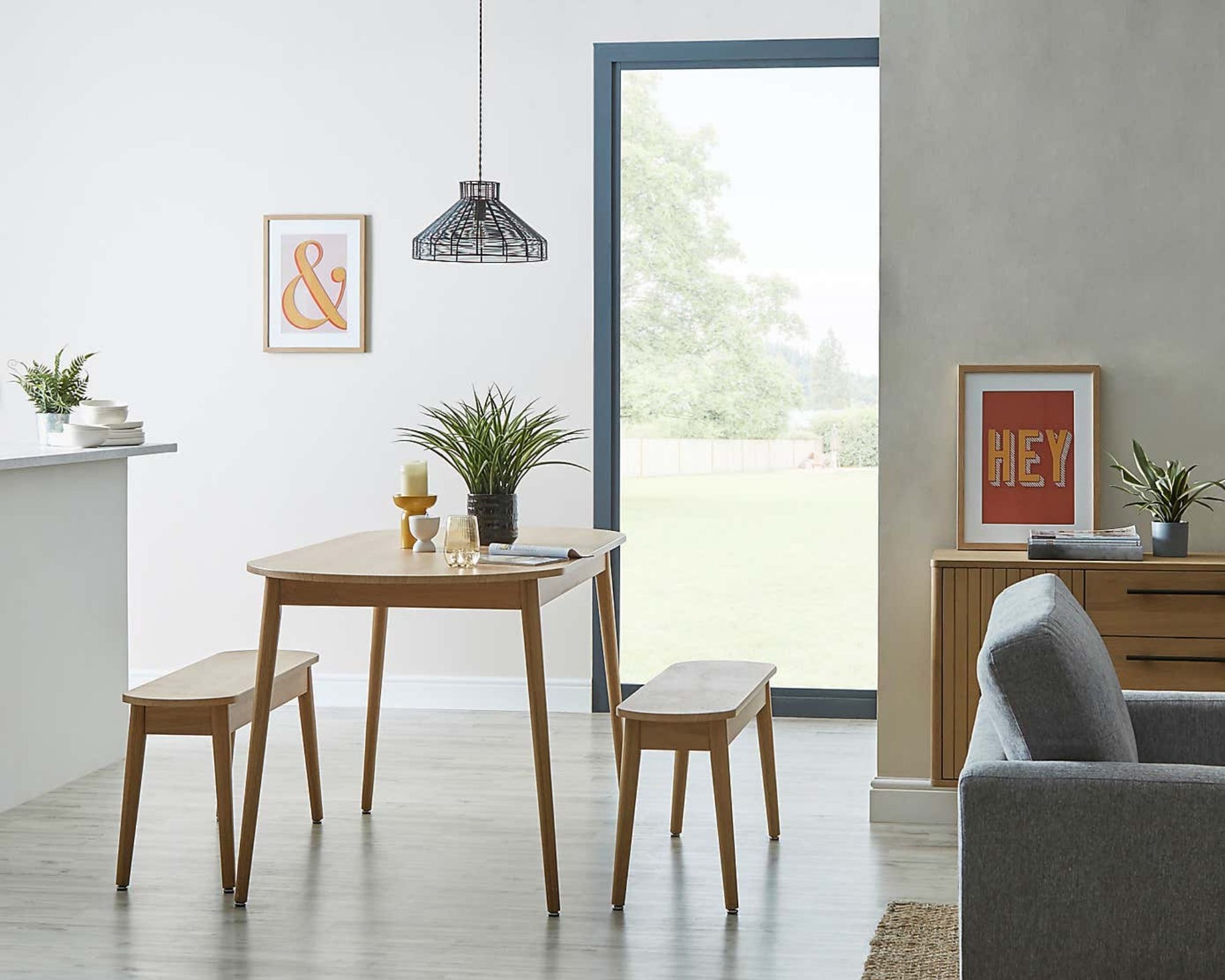
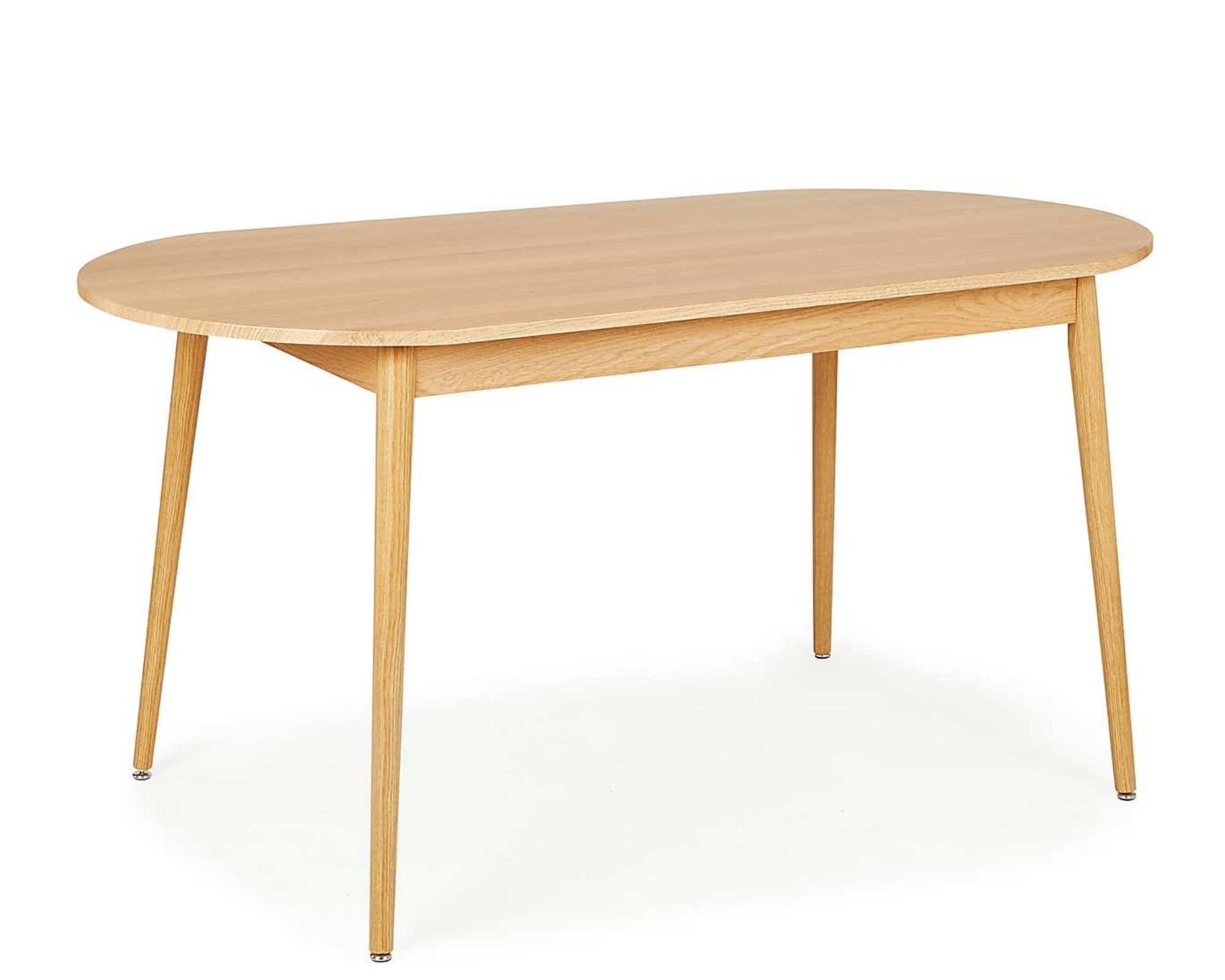
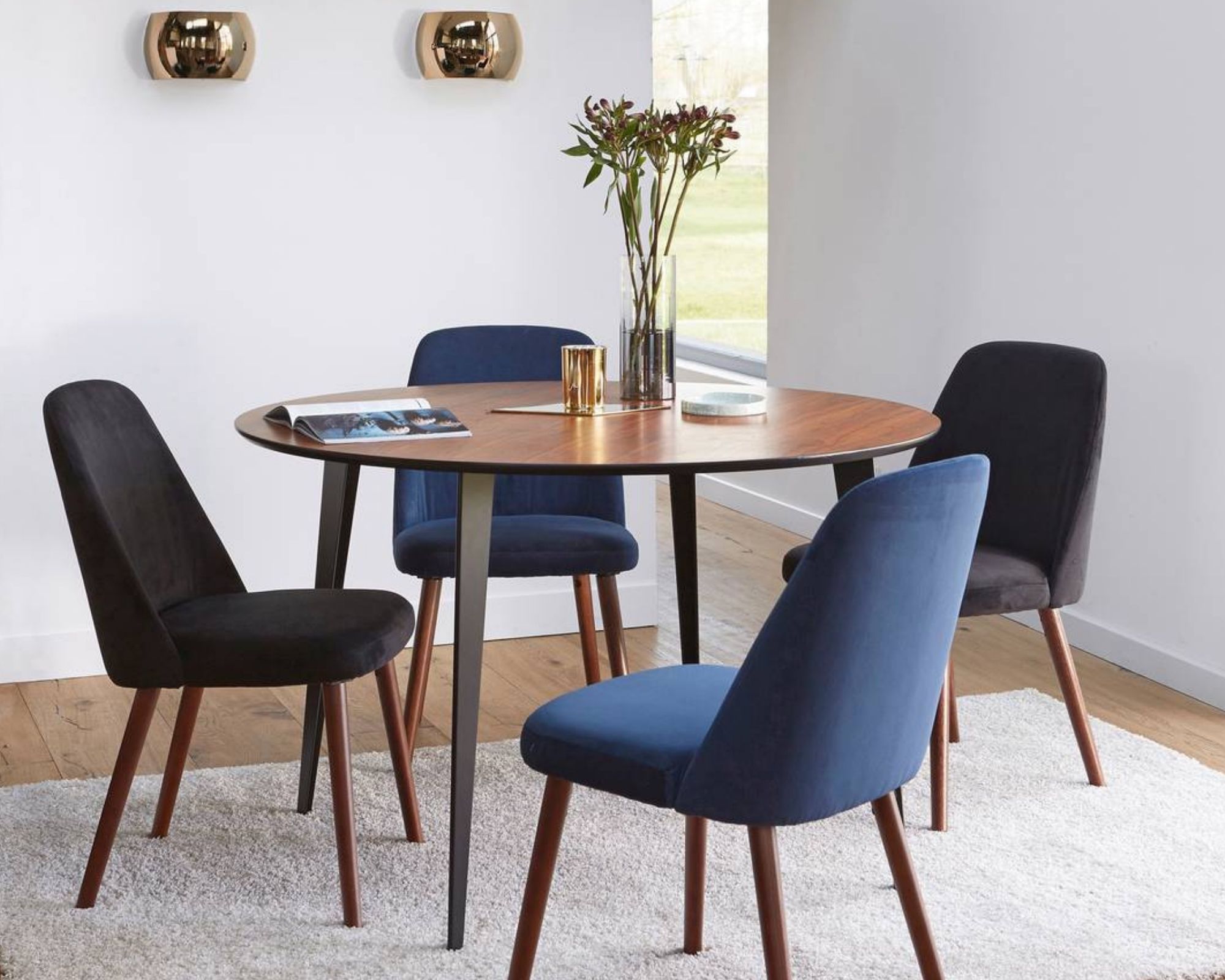
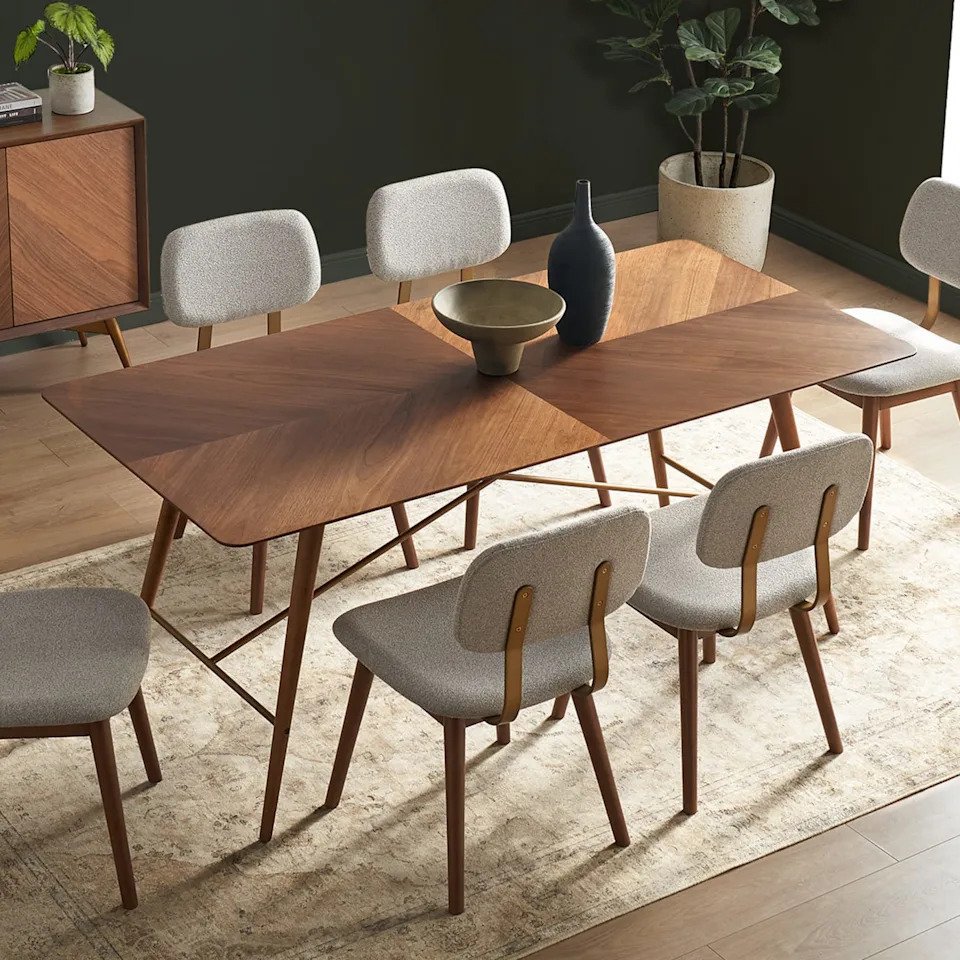
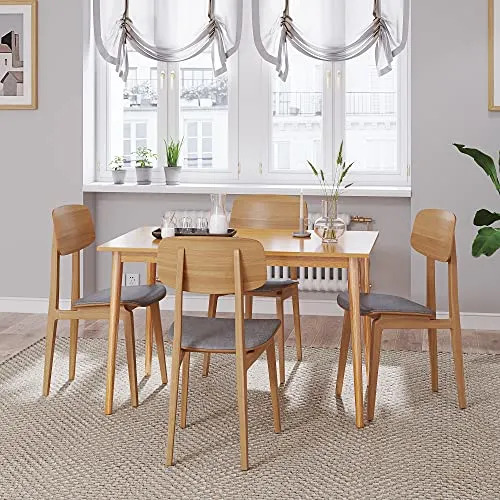
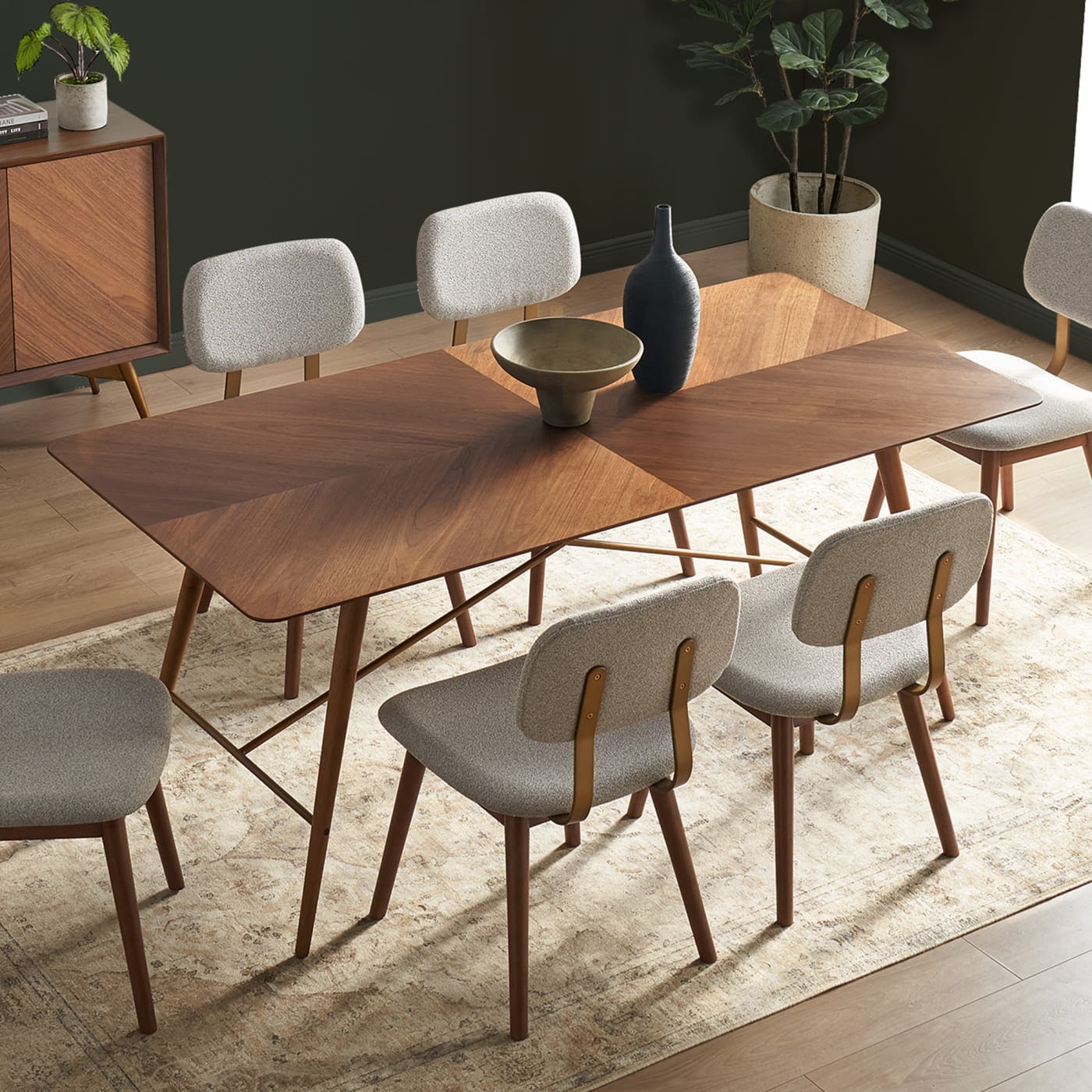
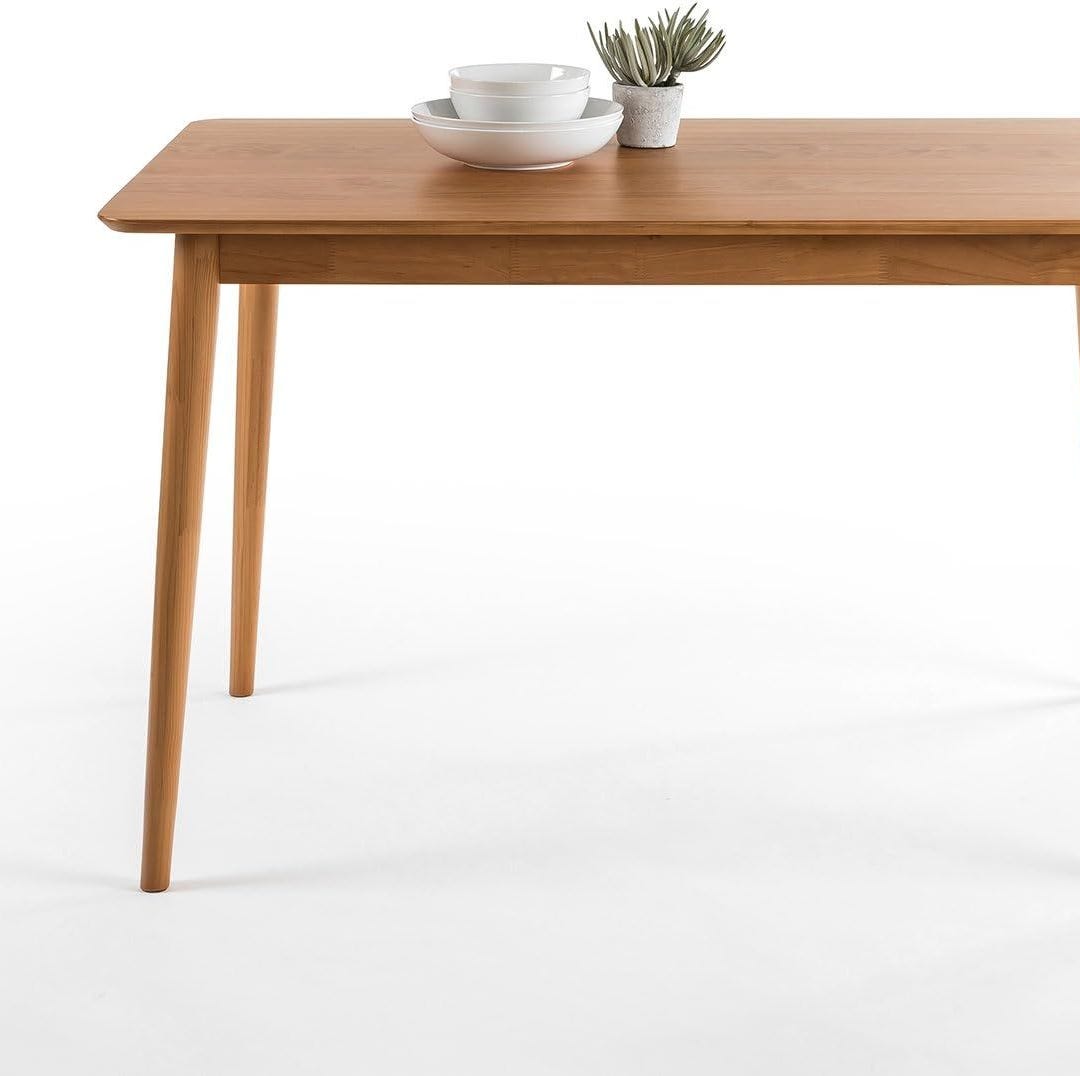
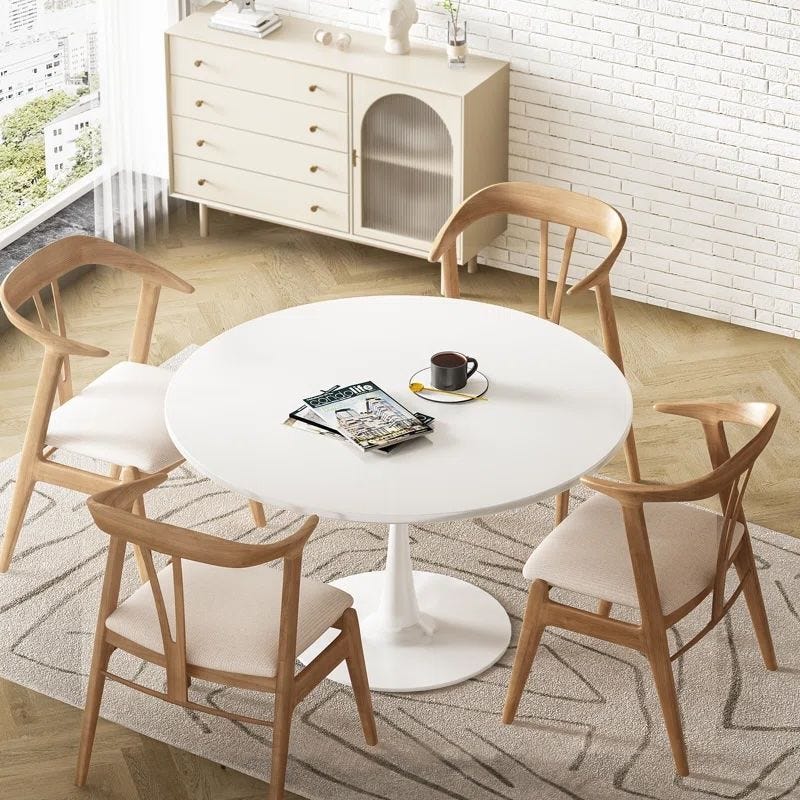
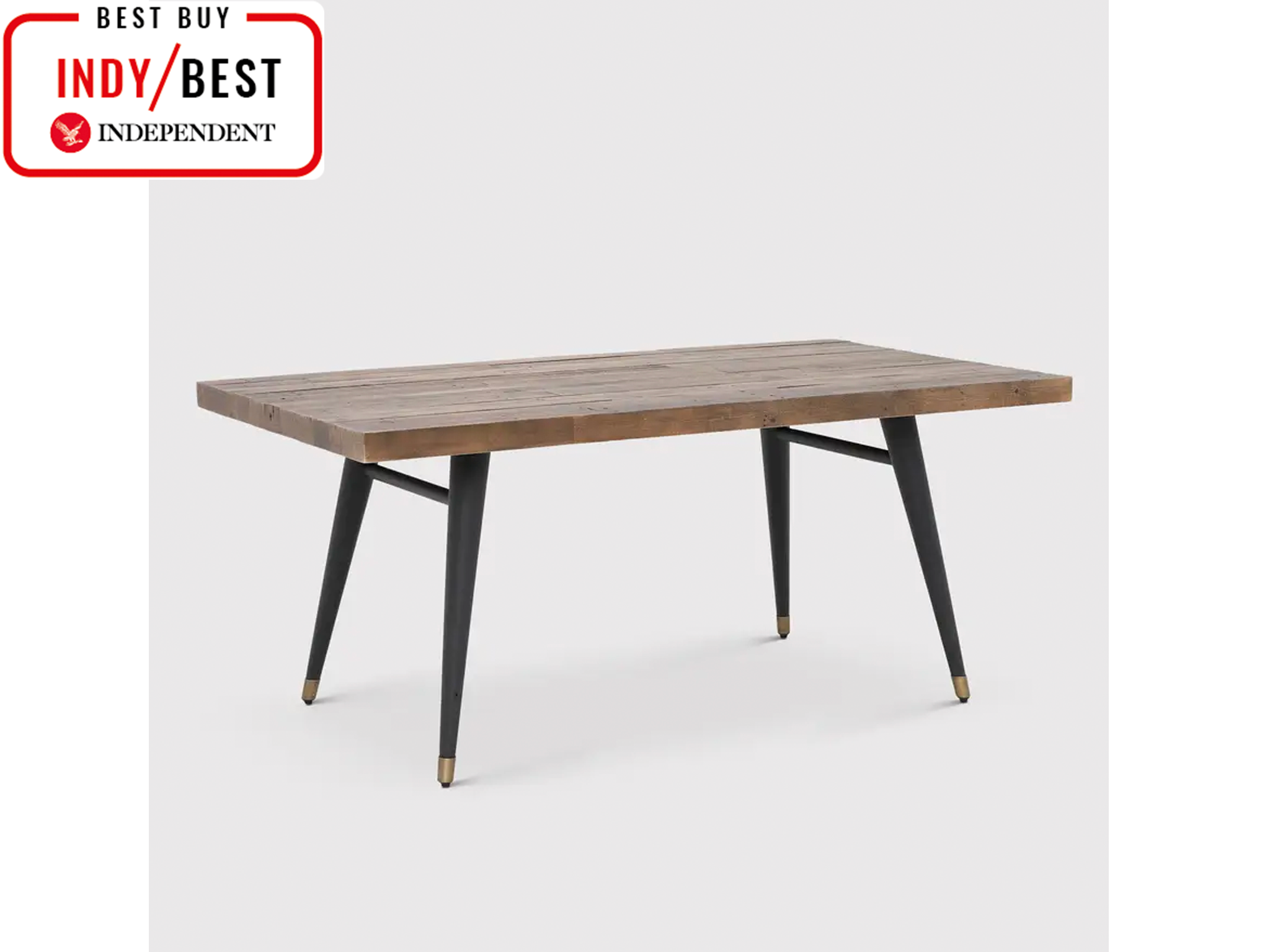
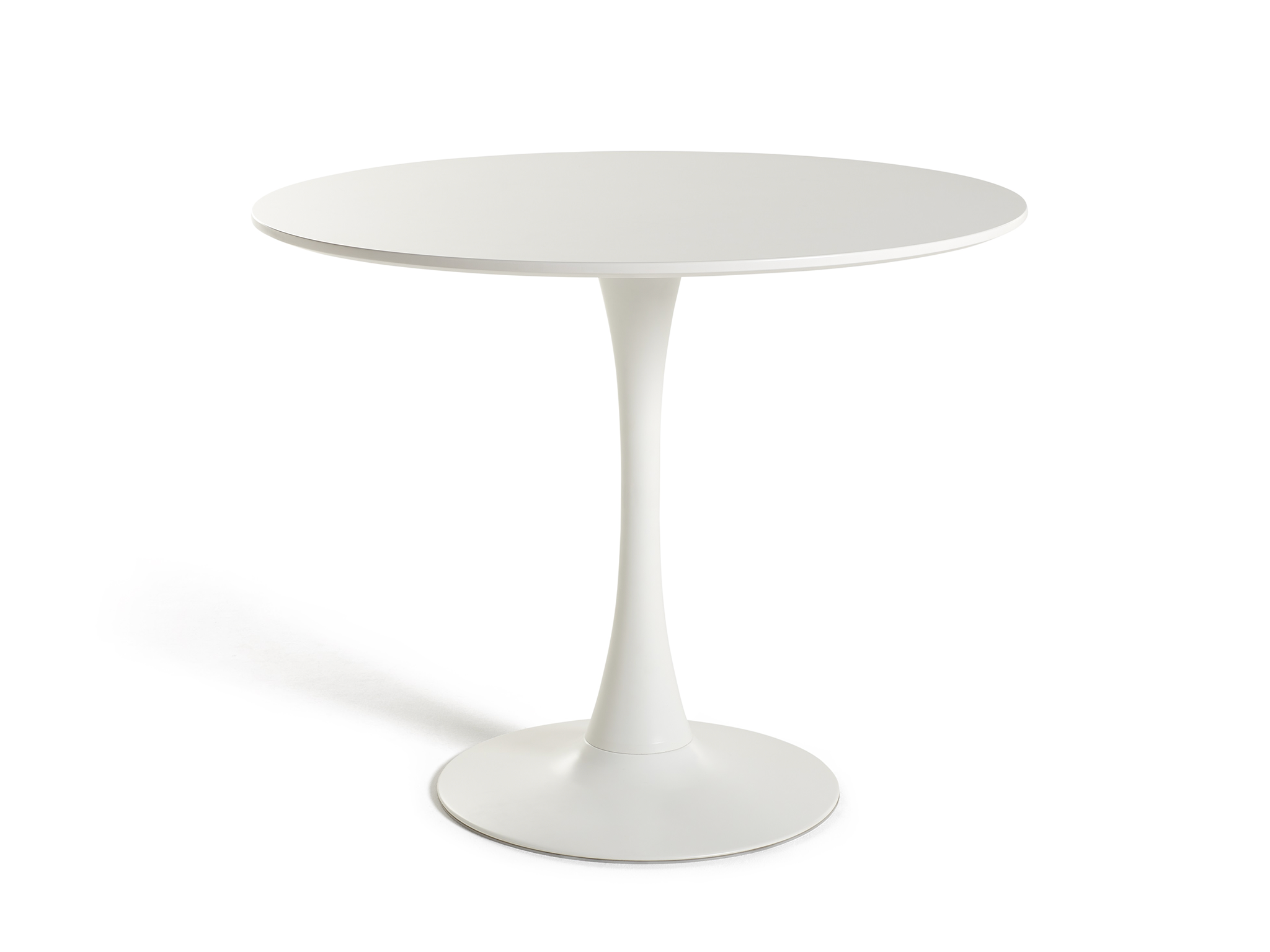
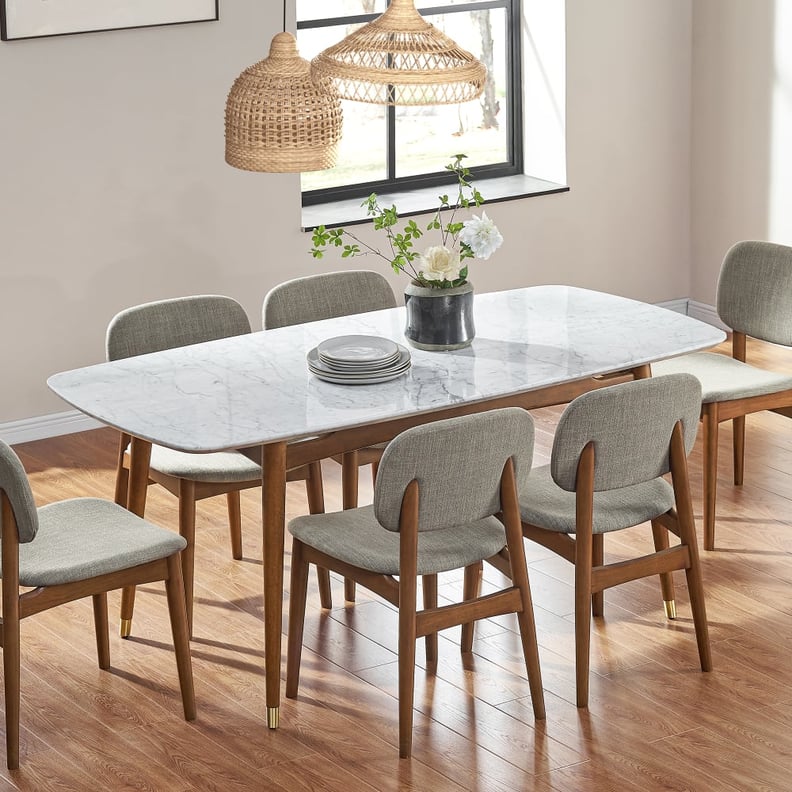
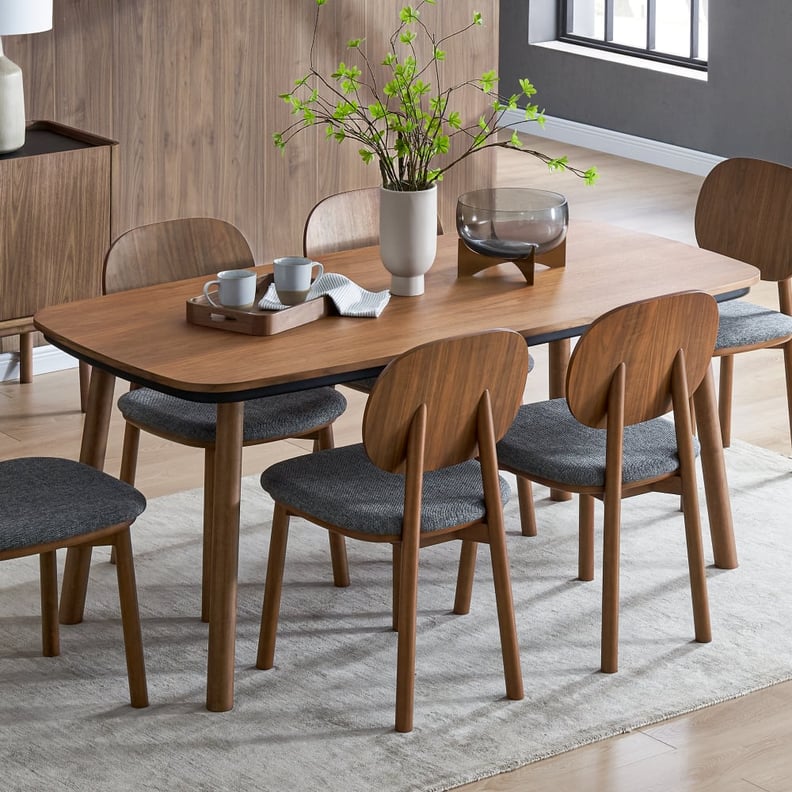
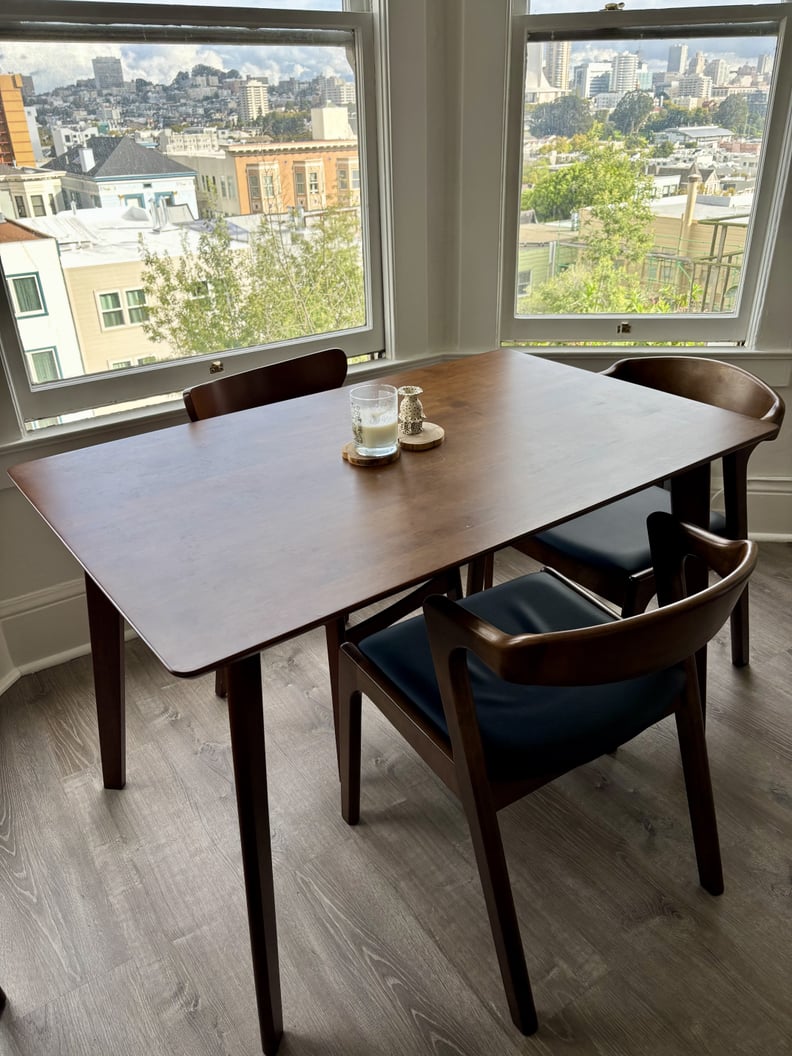
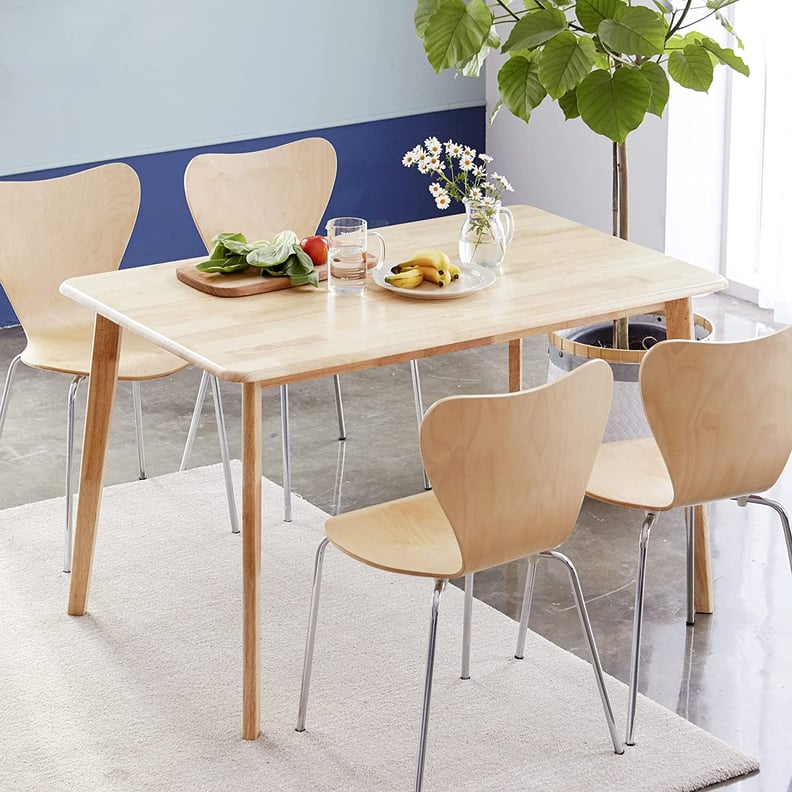
This comprehensive guide explores how to choose the best dining table, considering factors beyond just eating, such as working, studying, and socializing. It details five recommended tables across different sizes and budgets, from small tables for two to four people, to an apartment-friendly drop-leaf option, and larger models seating up to ten.
The selection process involved extensive research, including reviewing customer feedback, examining hundreds of tables online and in-person, and consulting with industry experts like a master furniture restorer and interior designers. The evaluation criteria prioritized good-quality materials, timeless style, and positive customer reviews. Testing focused on appearance, stability, comfort, durability, and the ease of delivery and assembly.
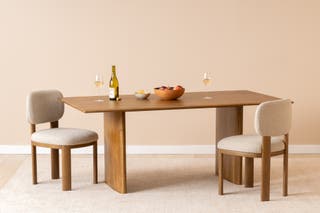
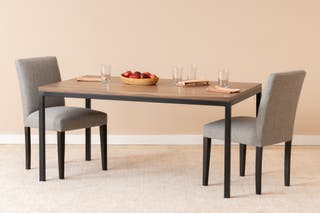
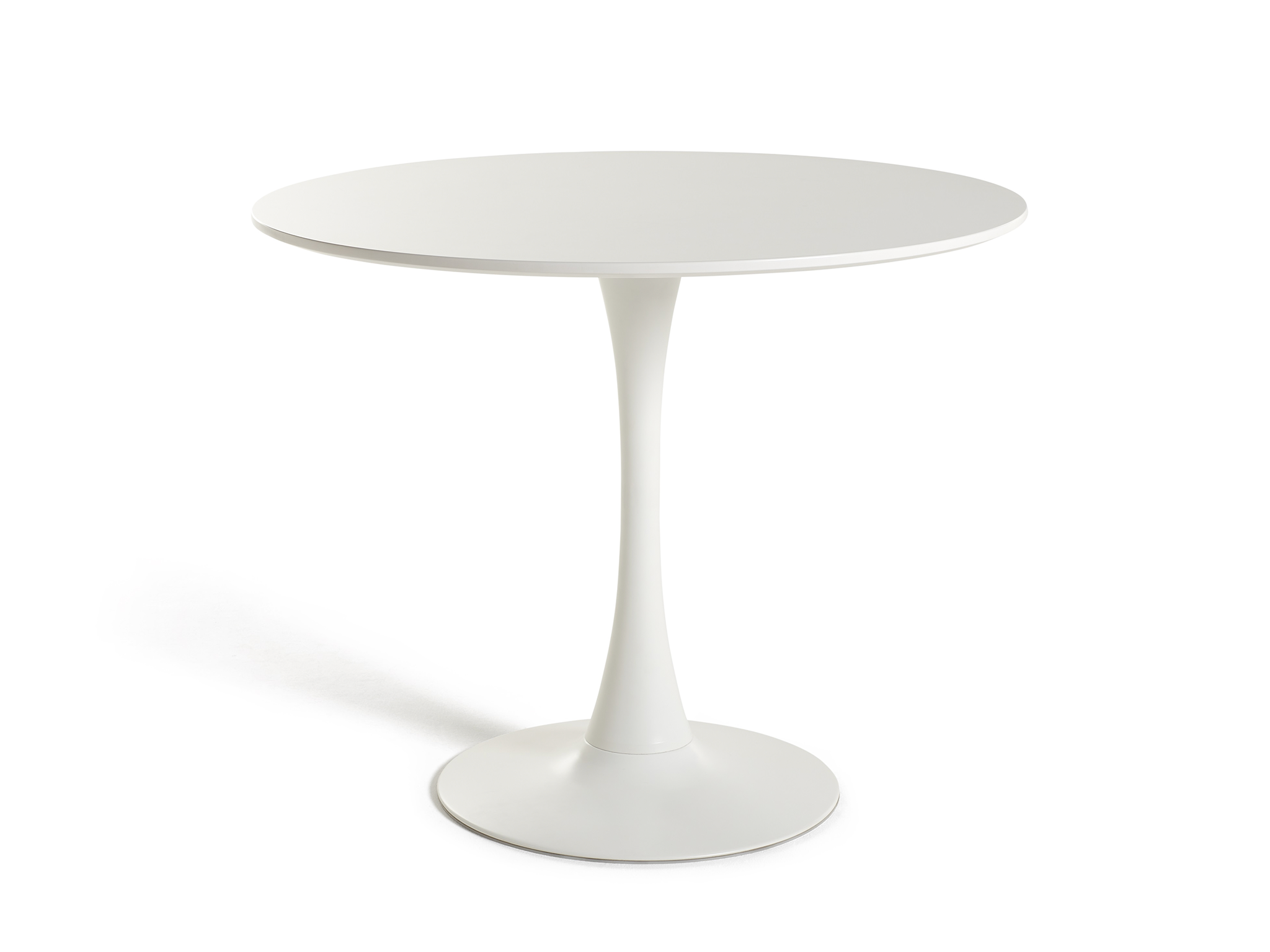
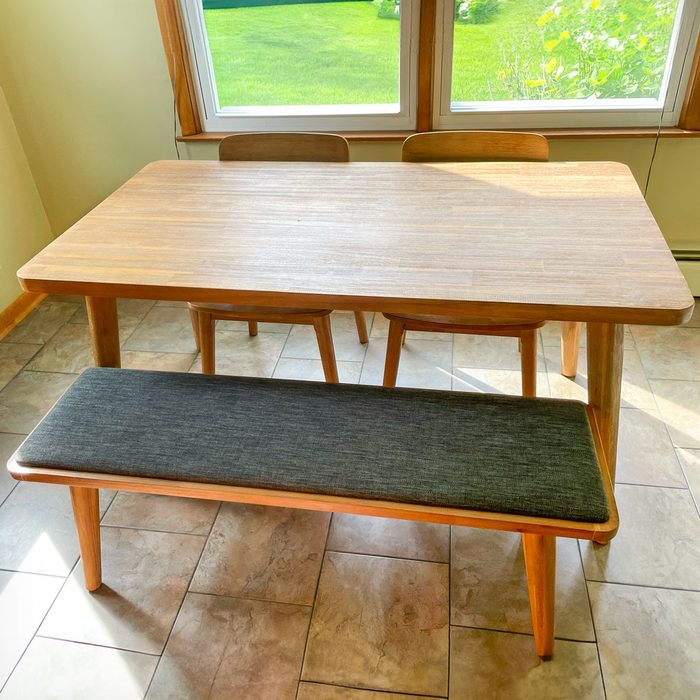
Among the small tables, the Article Seno Round Dining Table is highlighted for its value, being a solid hardwood table under $700, featuring a stylish mid-century design and simple assembly, though it may be prone to scratching. The IKEA Jokkmokk Table and 4 Chairs (now succeeded by Hägernäs) is presented as an excellent budget-friendly solid-wood set for smaller spaces, offering a traditional look and sturdiness, despite its softer pine material which can dent easily and potentially high shipping costs.
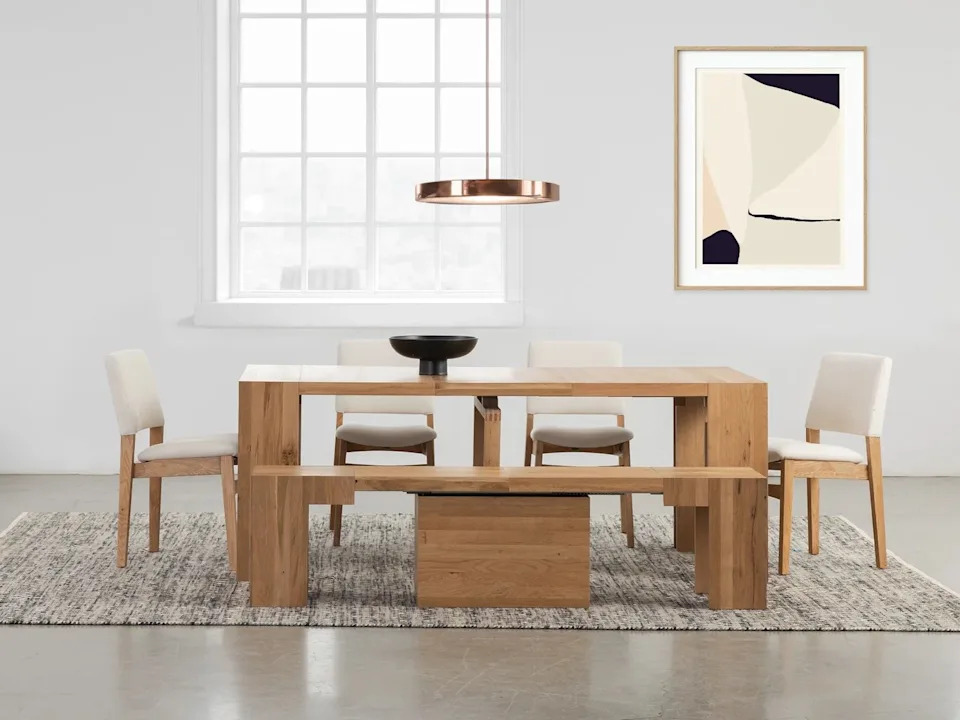
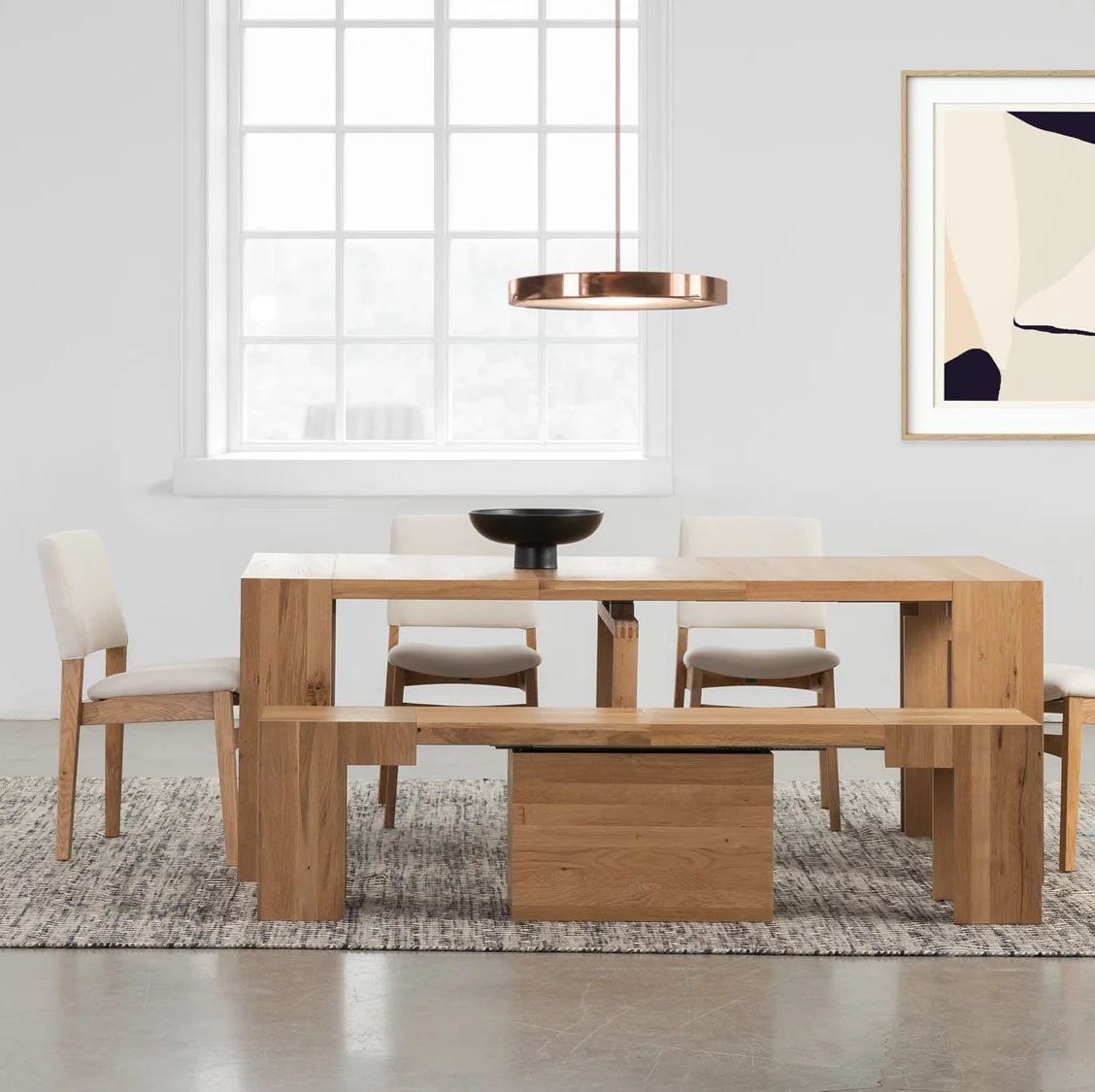
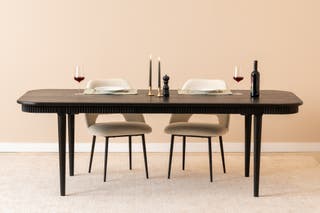
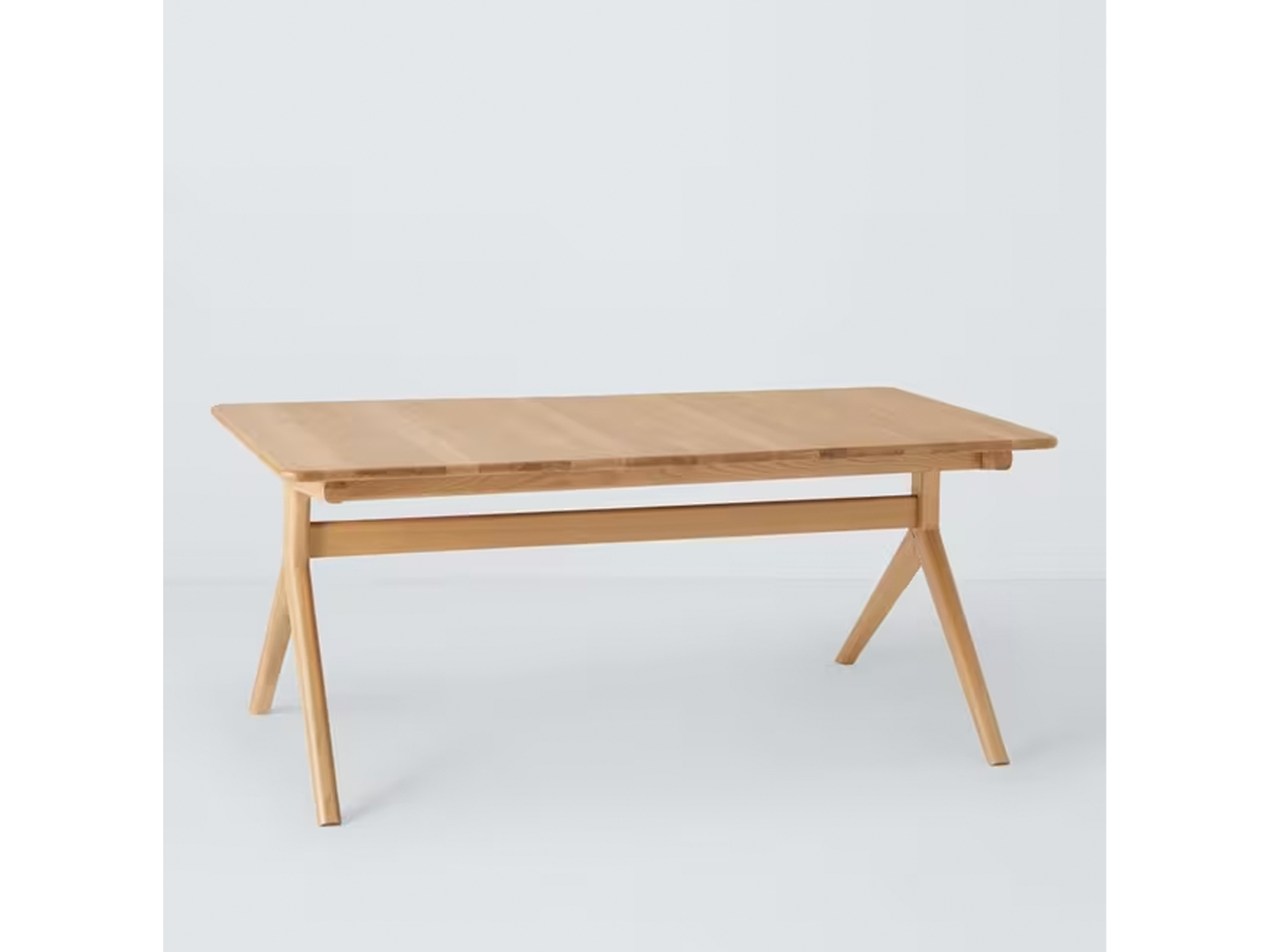
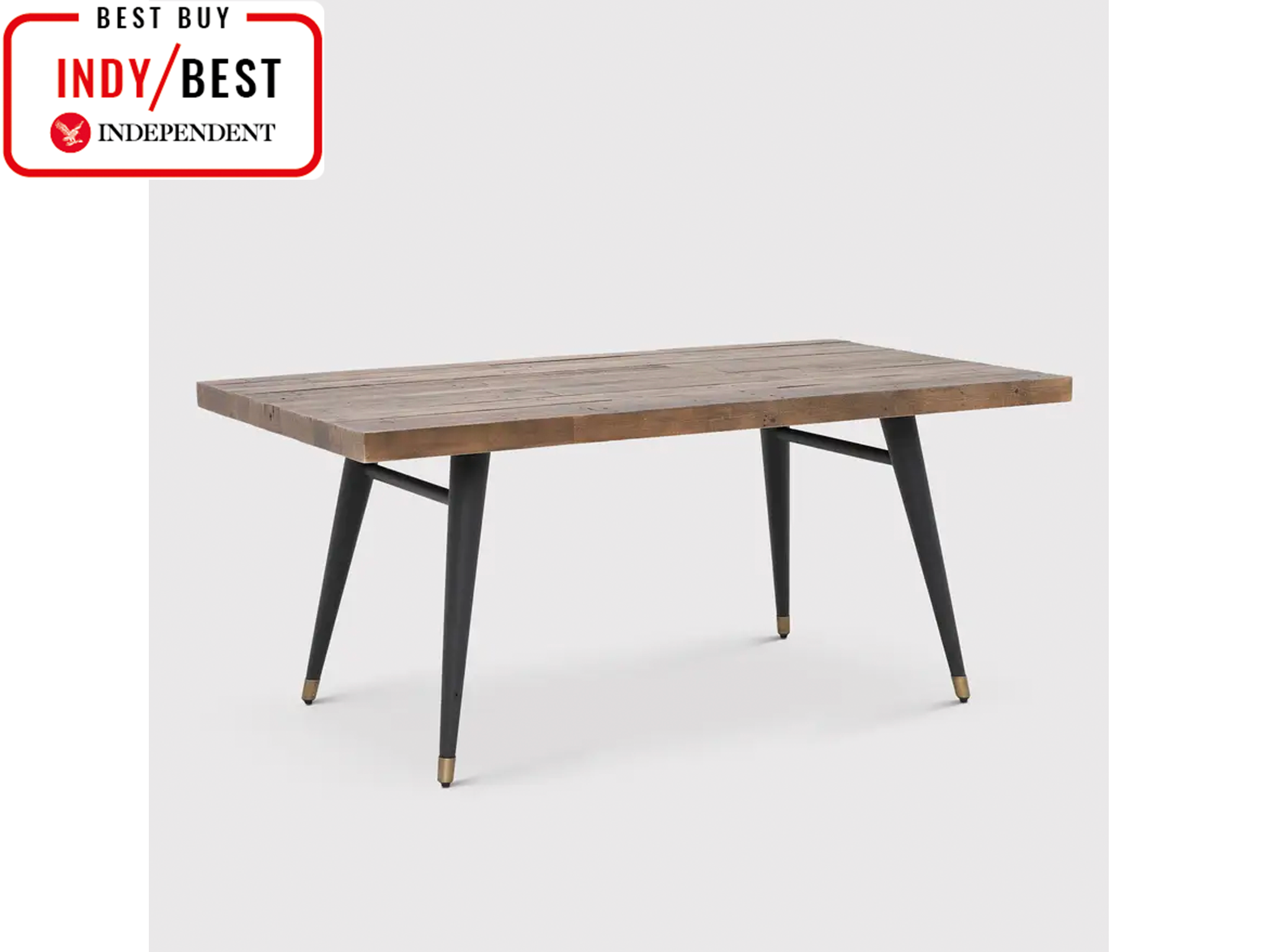
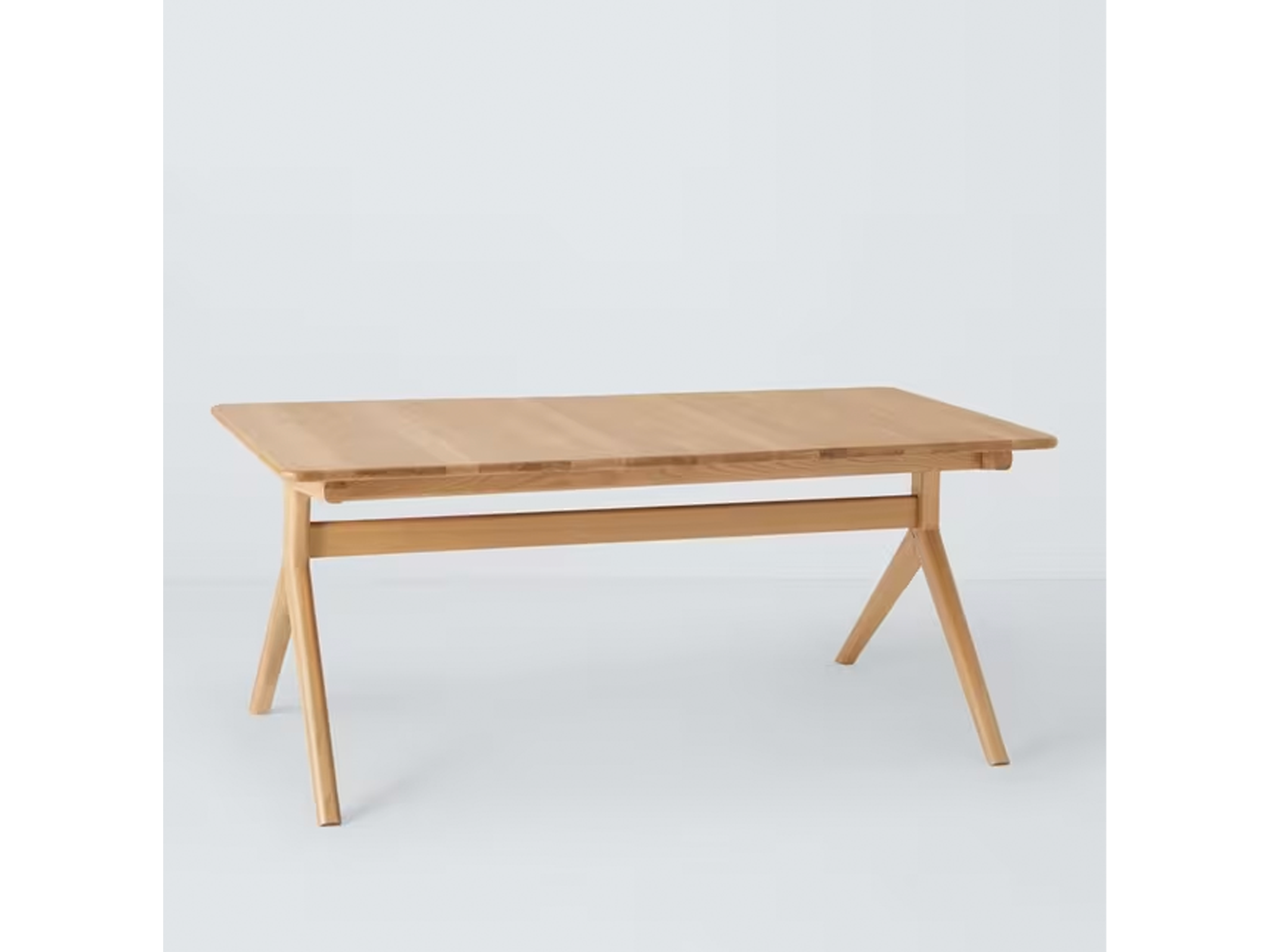
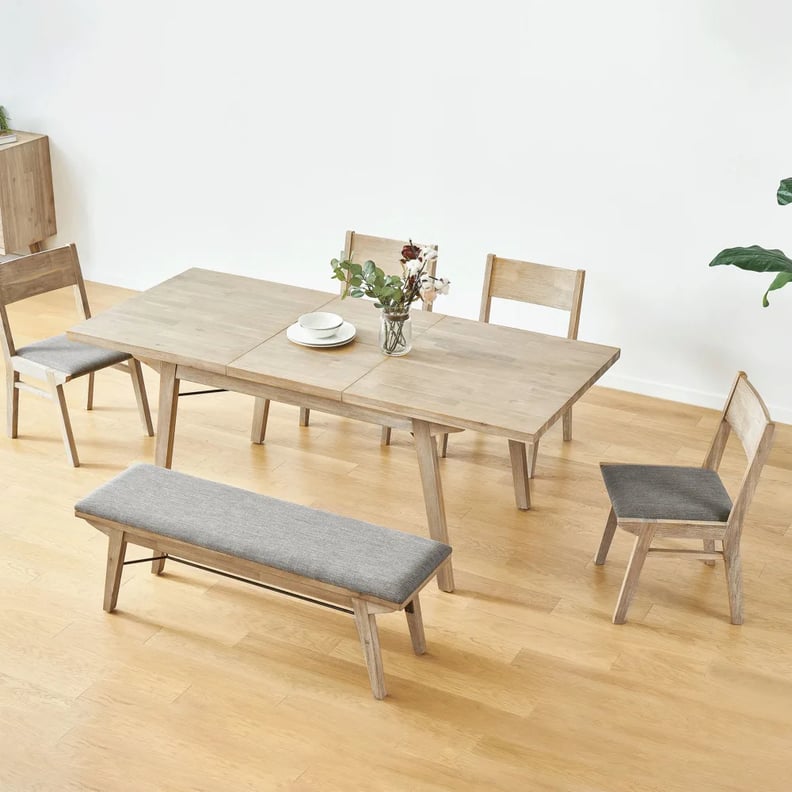
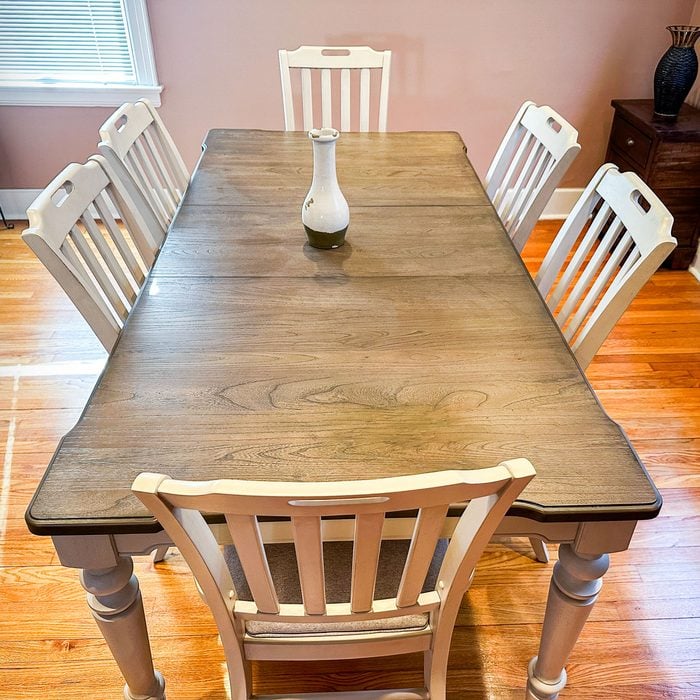
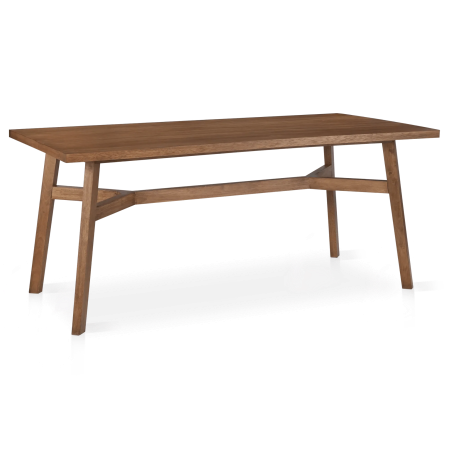
For larger spaces, the Article Seno Extendable Dining Table is recommended for its ability to comfortably seat six to ten people when extended, and its straightforward assembly. However, its extension leaves have a differing grain direction from the main table, and they lack integrated storage. The IKEA Möckelby Table is noted as the best large table under $1,000, providing a comfortable seating experience and a versatile rustic aesthetic, though it is made of less durable oak veneer and its central seam could be a crumb catcher.
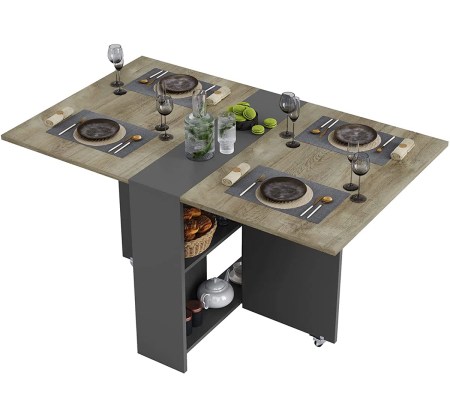
For those with limited space, the Jozy Round Weathered Gray Wood Drop Leaf Dining Table is suggested. This acacia wood table can expand to seat four and fold down to serve as a side table, offering a sturdy antique-style design. Its main drawbacks include susceptibility to scratches and its size appearing larger in person than online.
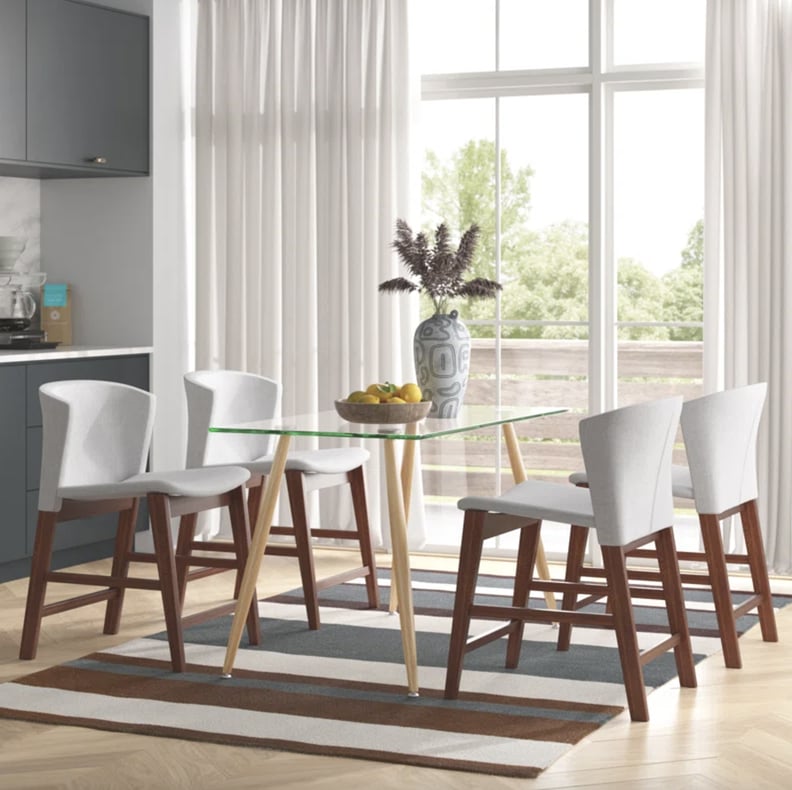
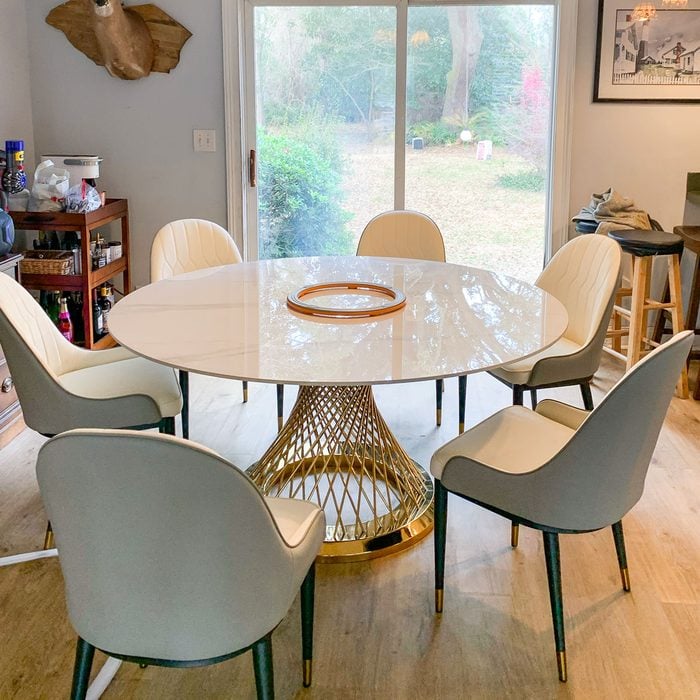
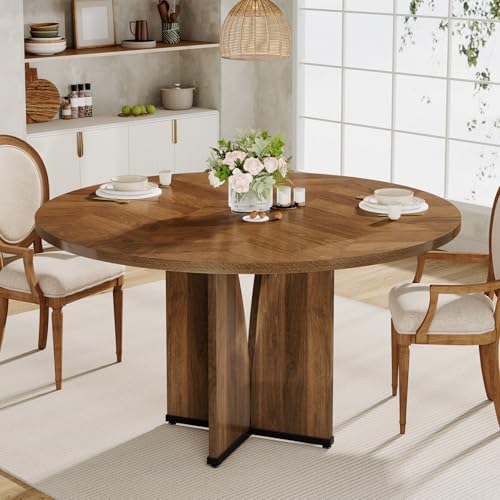
The guide also offers crucial advice on shopping for a dining table. Key considerations include size, emphasizing a need for 3 feet of clearance around the table for comfort, and recommending specific dimensions based on the number of people to be seated. Shape is another factor, with suggestions for matching table shapes to room dimensions (e.g., rectangular tables for rectangular rooms). The base or supports of a table—legs, pedestal, or trestle—are discussed for their impact on seating flexibility and stability. Style recommendations lean towards simple, sturdy, and timeless designs, with lighter woods and clean lines tending to endure. Materials are thoroughly reviewed, contrasting durable and repairable solid wood with more economical but less robust wood veneer, and discussing the characteristics of stone, glass, metal, and plastic tabletops. Finally, construction quality, particularly joinery, is stressed as vital for a table's longevity, advising buyers to inspect connection points and avoid flimsy designs.
#DiningTables #HomeFurnishings #InteriorDesign #FurnitureShopping #SpaceSavingFurniture #TableMaterials #HomeDecor #WirecutterReview #DiningTables #HomeFurnishings #InteriorDesign #FurnitureShopping #SpaceSavingFurniture #TableMaterials #HomeDecor #WirecutterReview
0 comment in total
 No comments yet
You may also like
The best dining tables for all styles and budgets

The Best Dining Tables, as Seen in Our Favorite Spaces

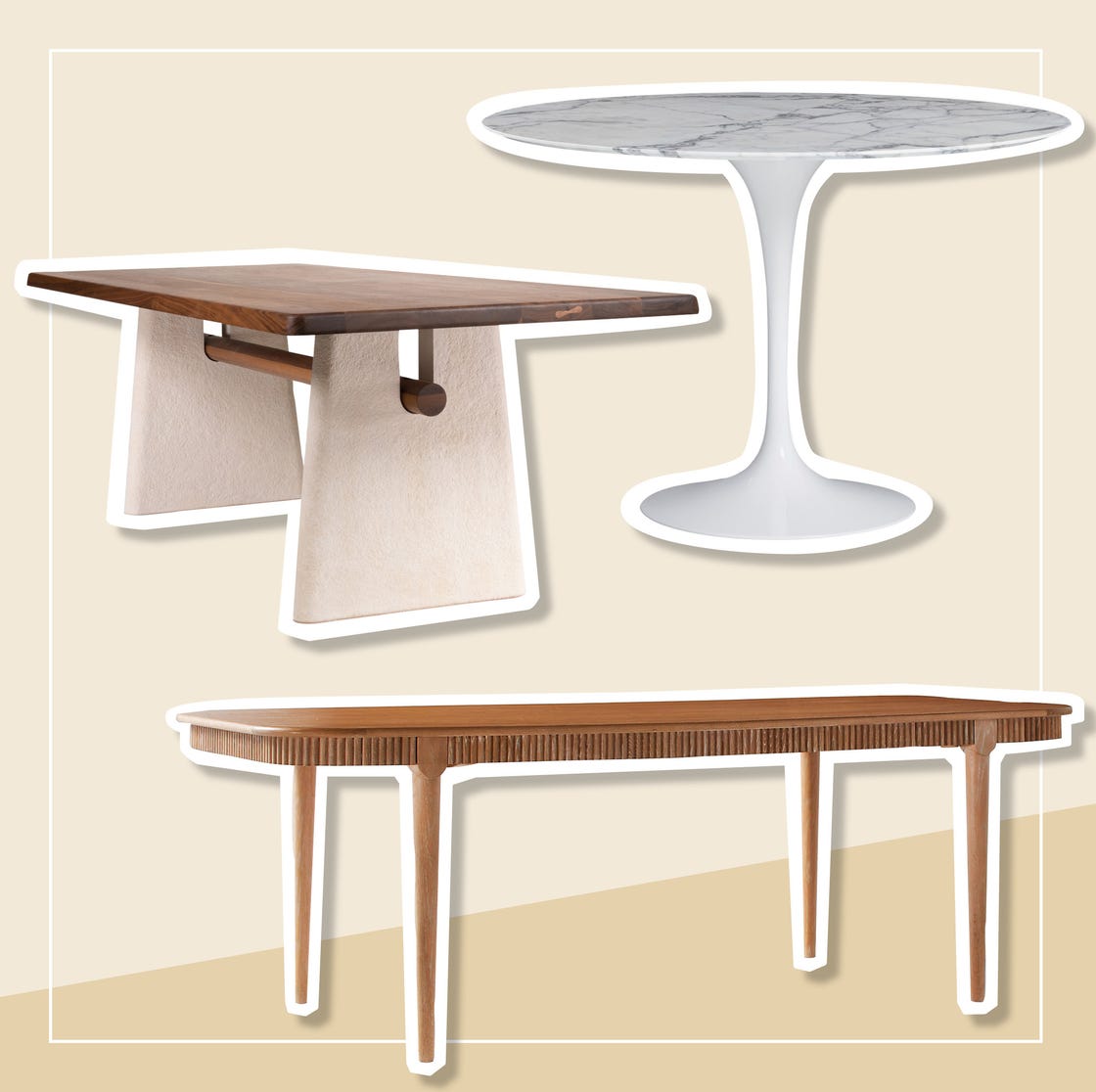
The 20 Best Dining Room Tables, According to Designers

This $750 Dining Room Table Was the Most Clicked Last Month—Plus 6 Chairs to Go With It
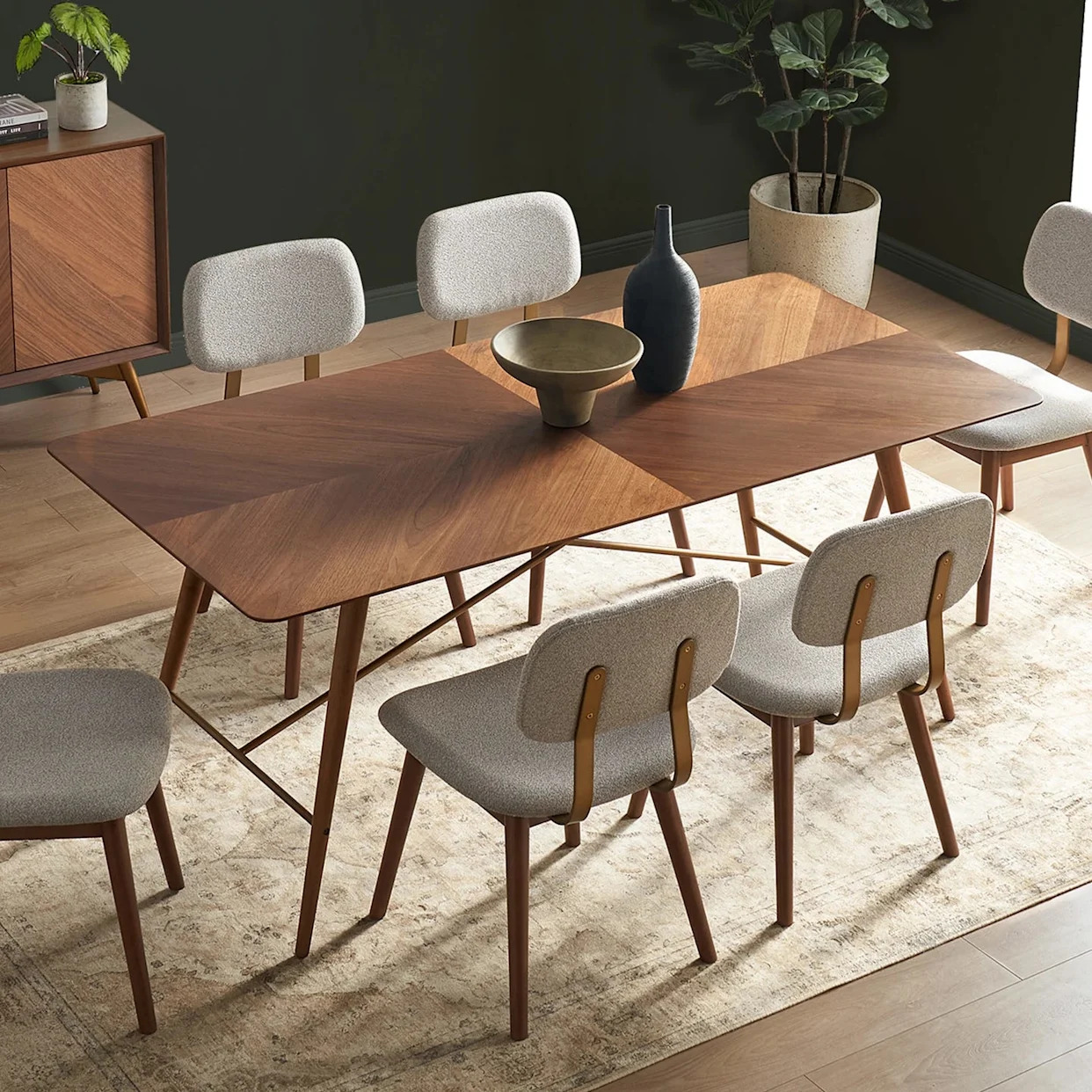
11 Top-Rated Dining Tables for Every Style and Budget

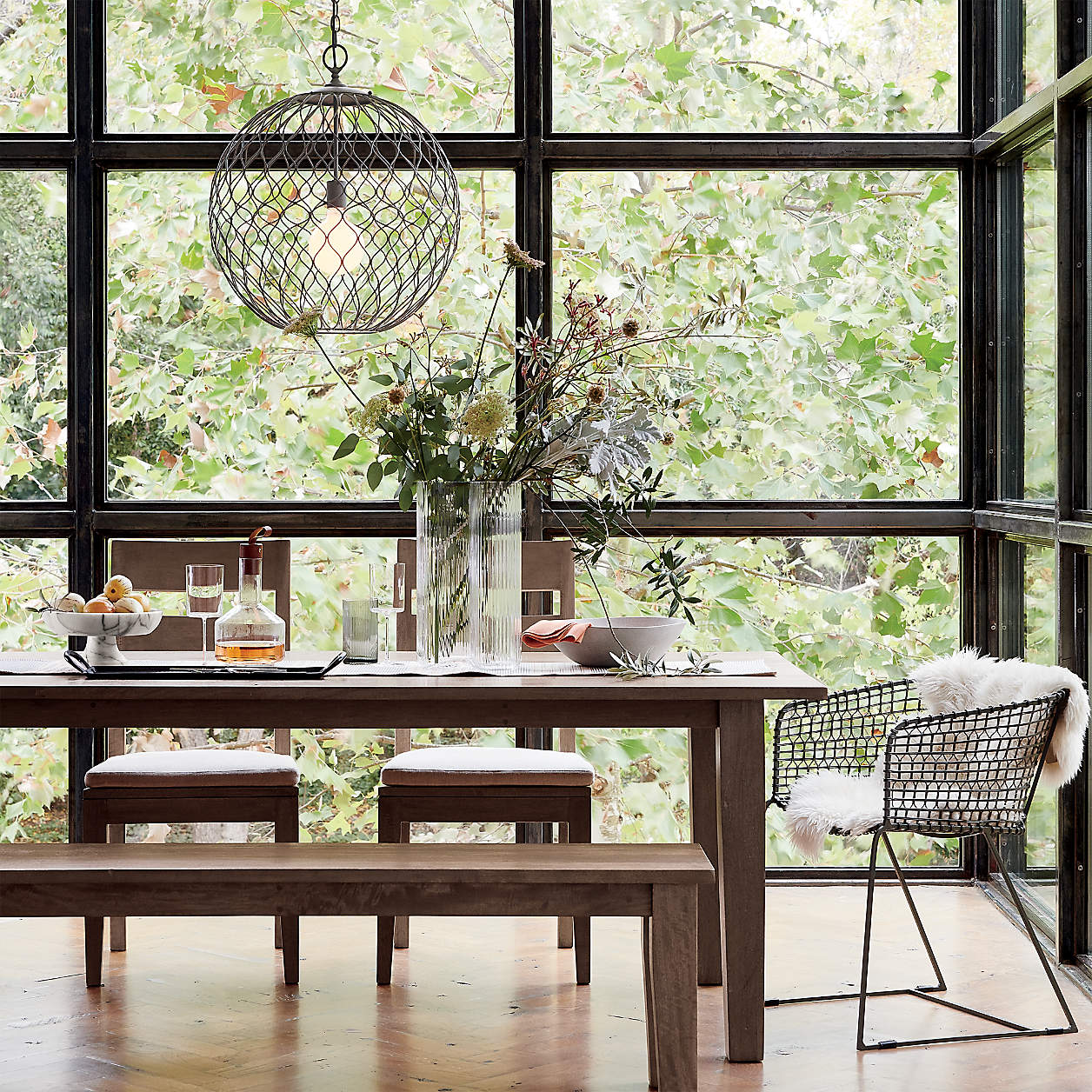
The Best Dining Room Tables, According to Design Pros

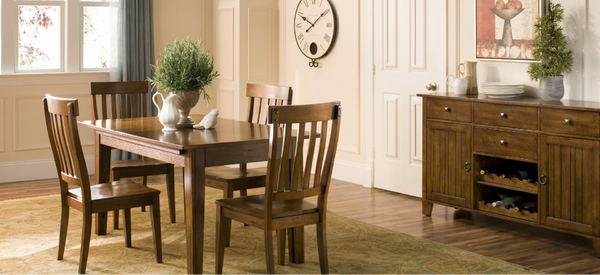
How to Choose the Right Dining Table for Your Home (Published 2018)
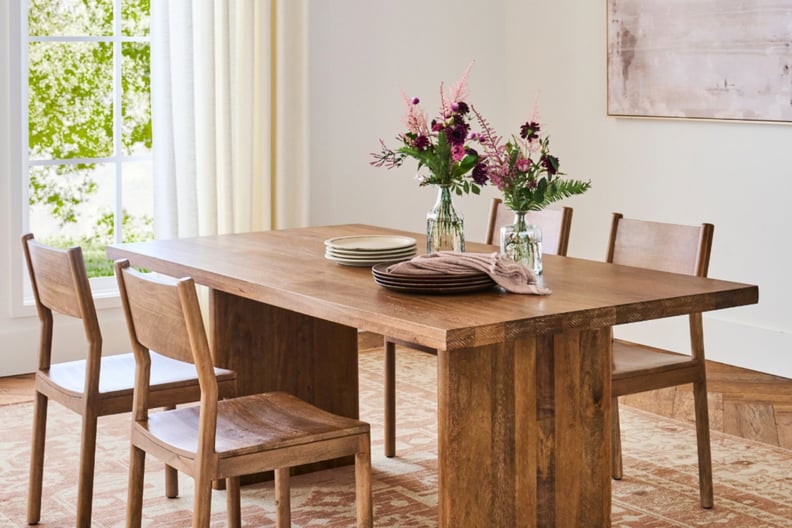
11 Dining Tables to Fit Every Home Aesthetic
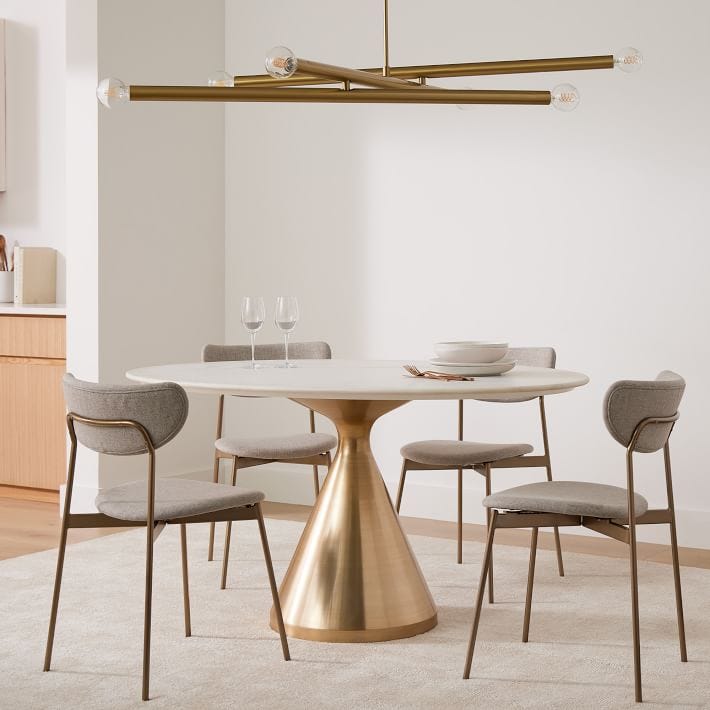
11 Top-Rated Dining Tables for Every Style and Budget

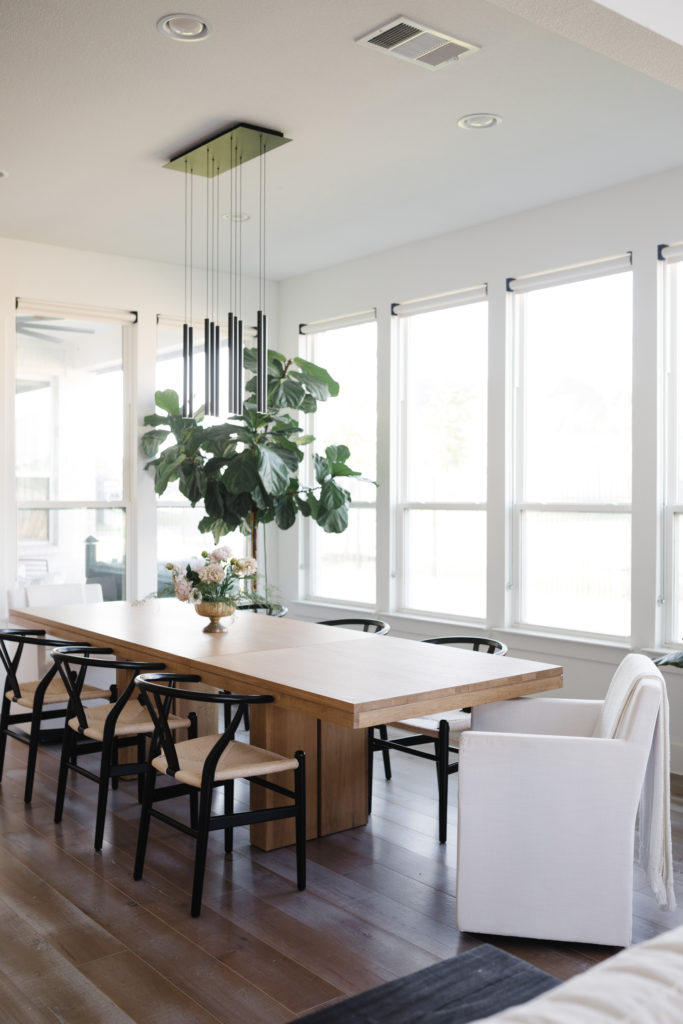
10 Best Dining Tables for Modern Homes

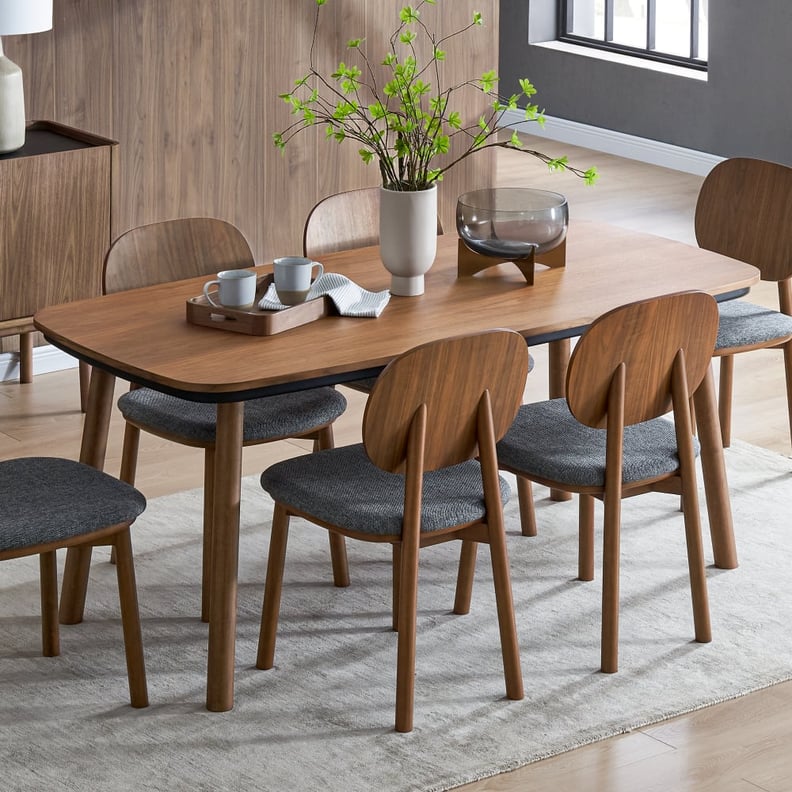
The Best Dining Table Sets to Share a Meal Around
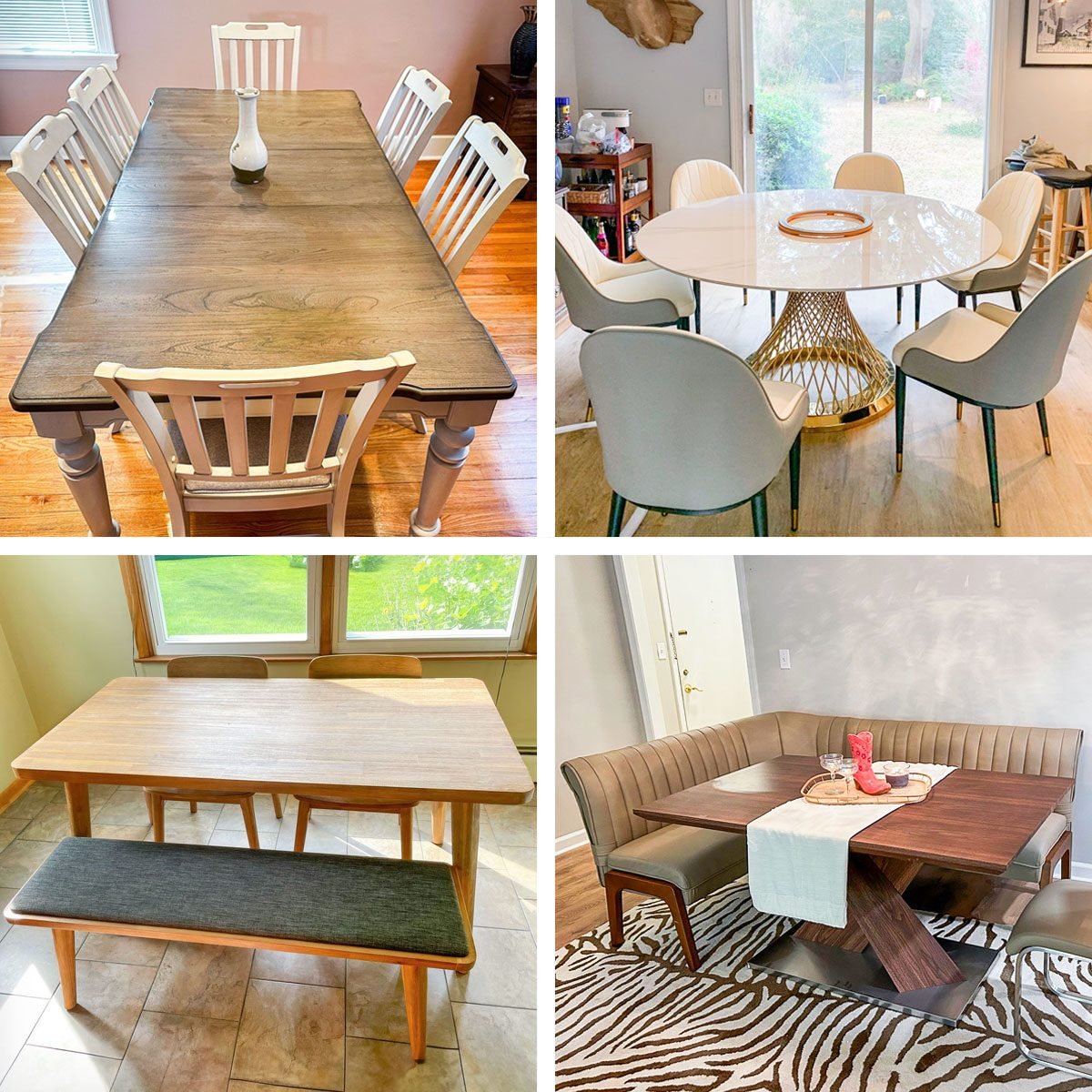
4 Best Kitchen and Dining Table Sets for Every Lifestyle

Best dining table sets: Explore top 10 choices for your home decor | Hindustan Times

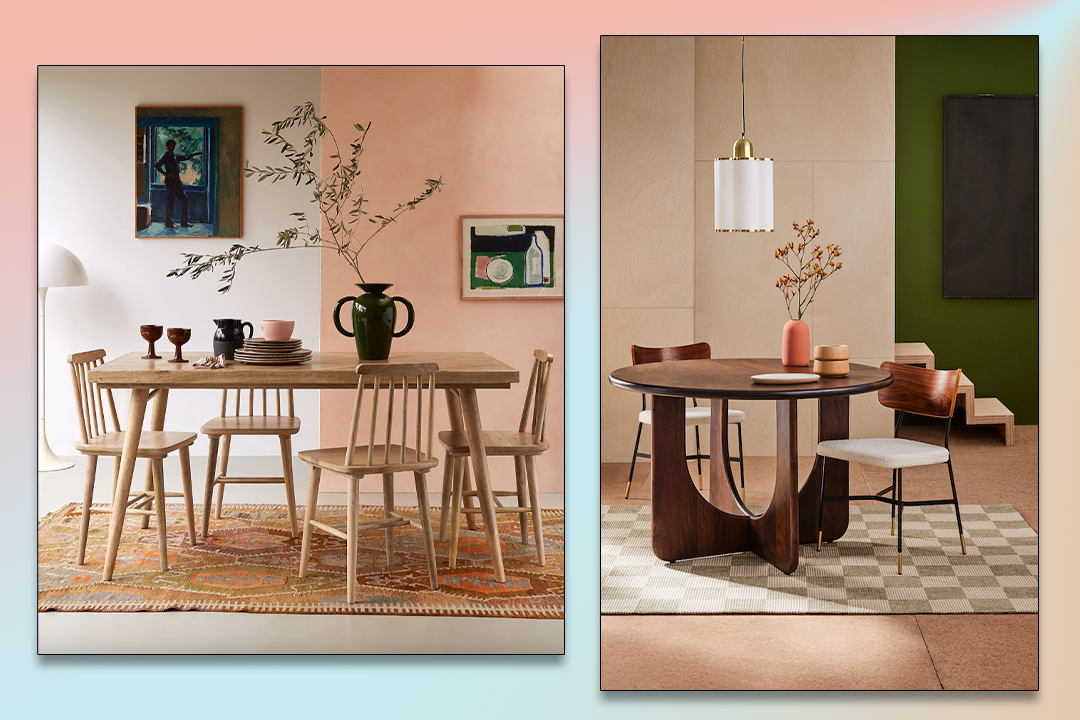
The best dining tables for entertaining in style, tried and tested
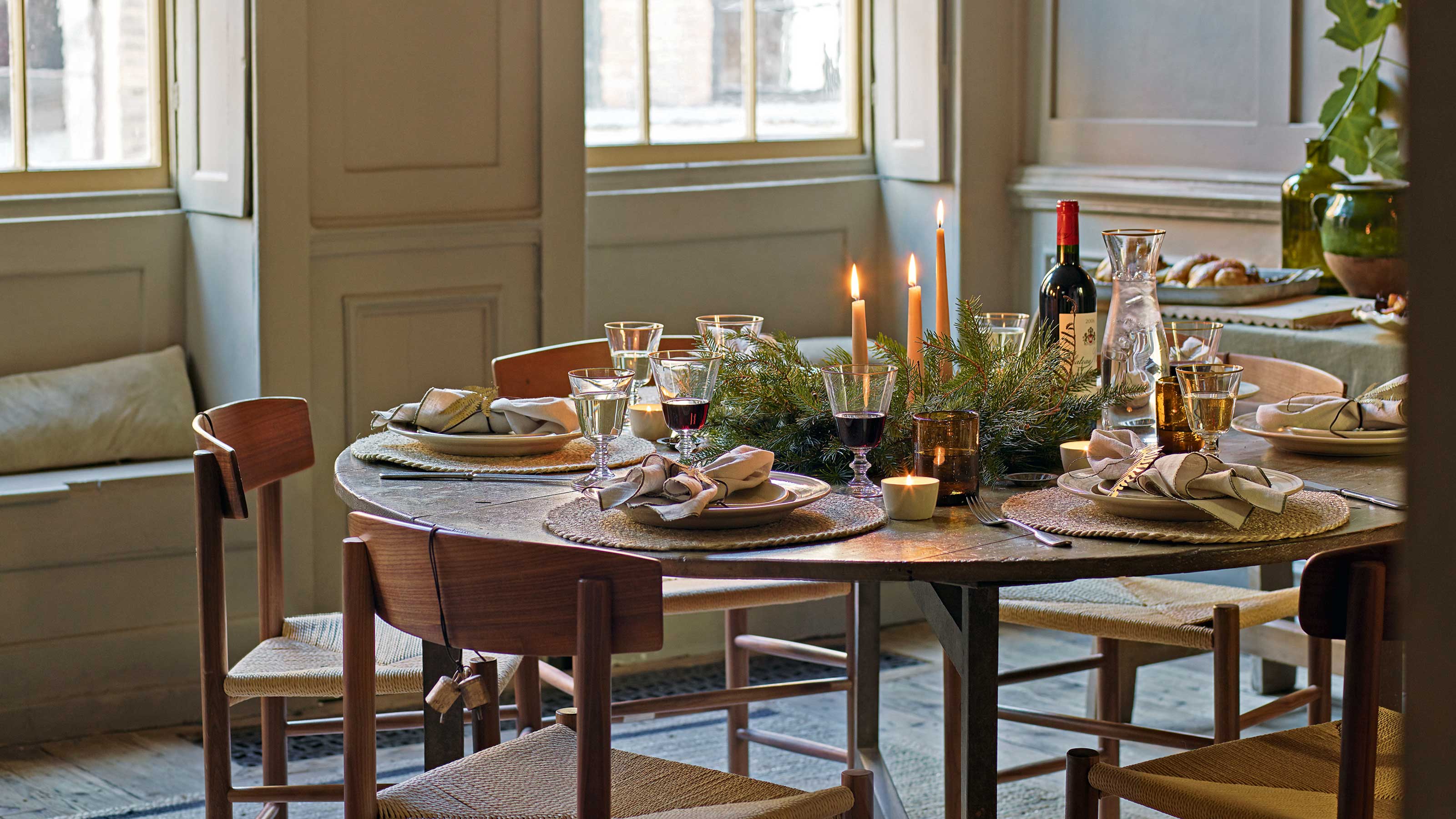
I’m a shopping writer – these are the best dining tables to buy for hosting season

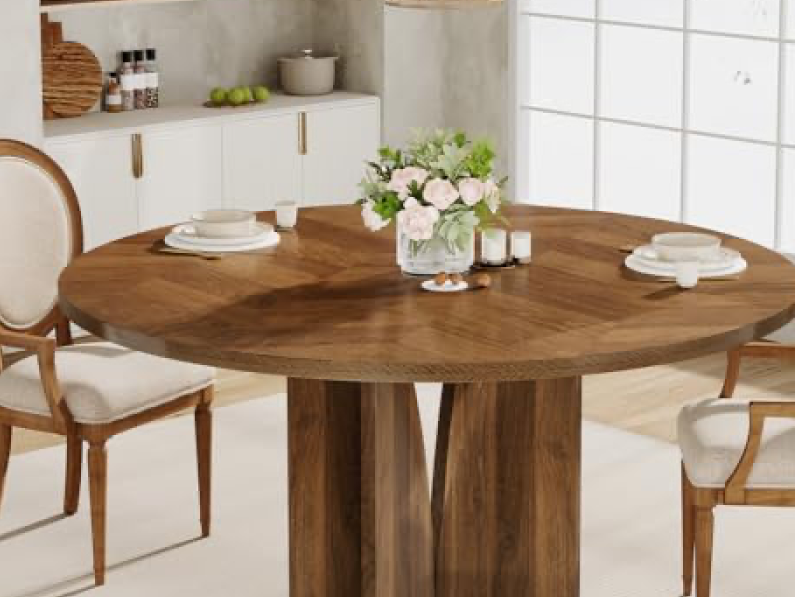
The ultimate guide to buying the perfect dining table in Canada

Our Favorite Dining Tables

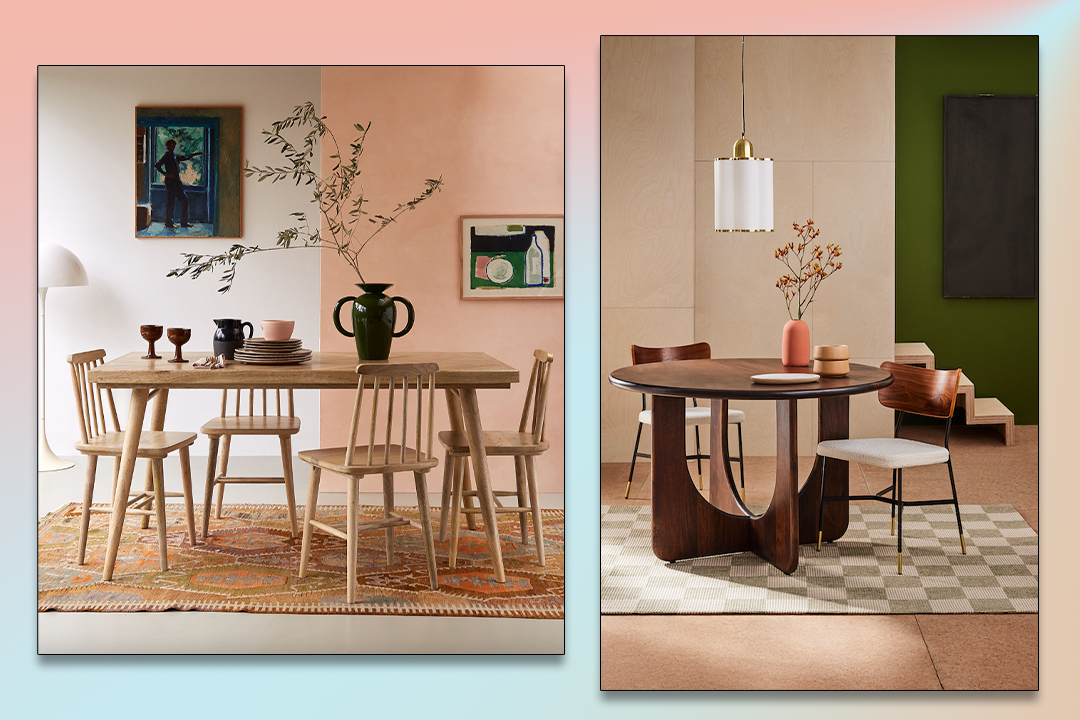
10 best dining tables for entertaining in style, tried and tested

An appetite for design: 10 of our favourite dining tables

Time to Upgrade Your Dining Table? These Designer-Approved Picks Are on Sneaky Sale