How to Choose the Right Dining Table for Your Home (Published 2018)
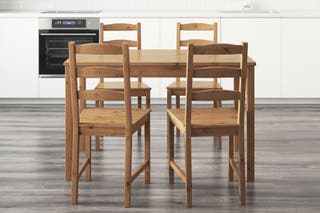
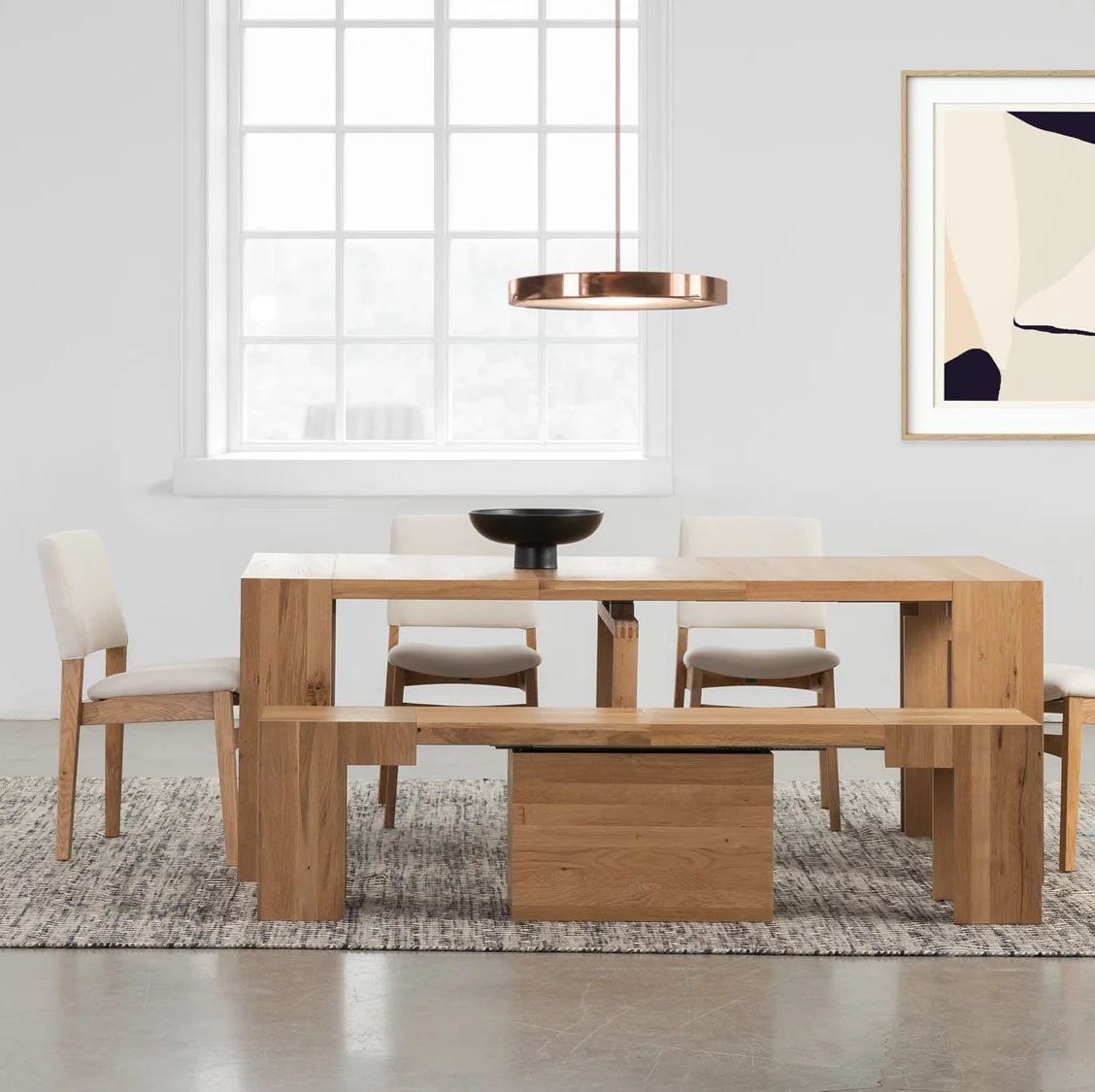
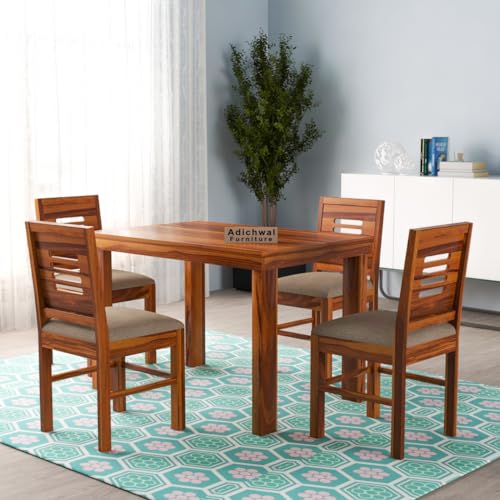
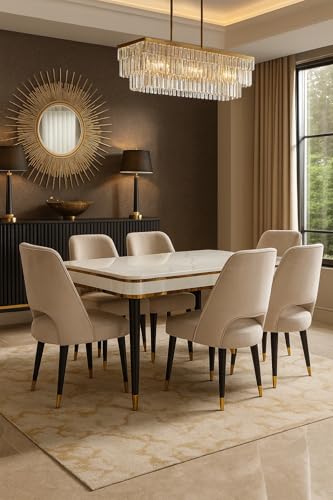
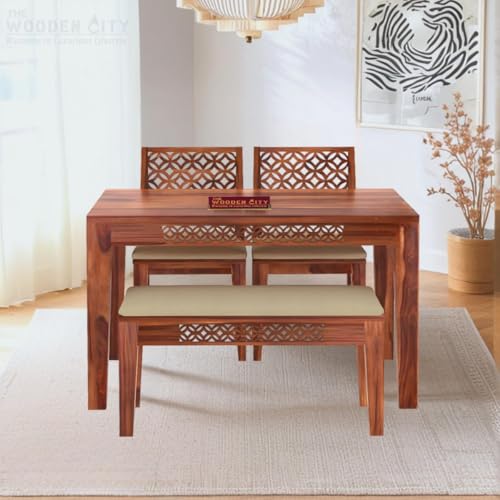
Selecting the ideal dining table requires balancing budget, construction quality, spatial fit, and enduring style. Trends should be approached with caution, as a good table is an investment intended to last five to ten years. Prioritizing simplicity and sturdiness over overly funky designs ensures longevity and timeless appeal. When inspecting tables, assess comfort for prolonged use and examine floor models for durability against wear and tear. Wirecutter offers specific recommendations for dining tables under $1000 for those seeking guidance.
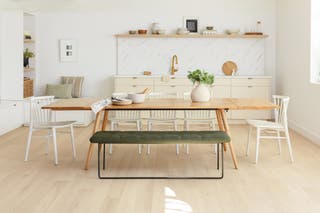
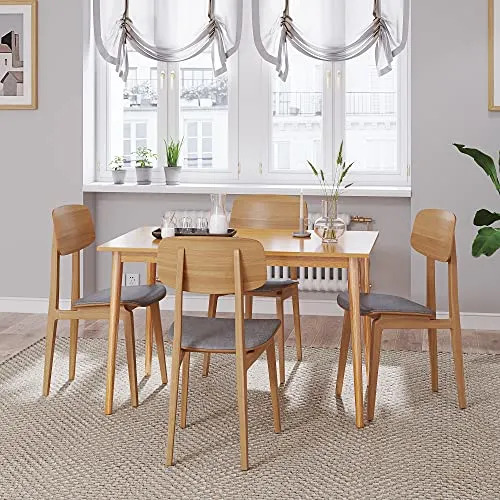
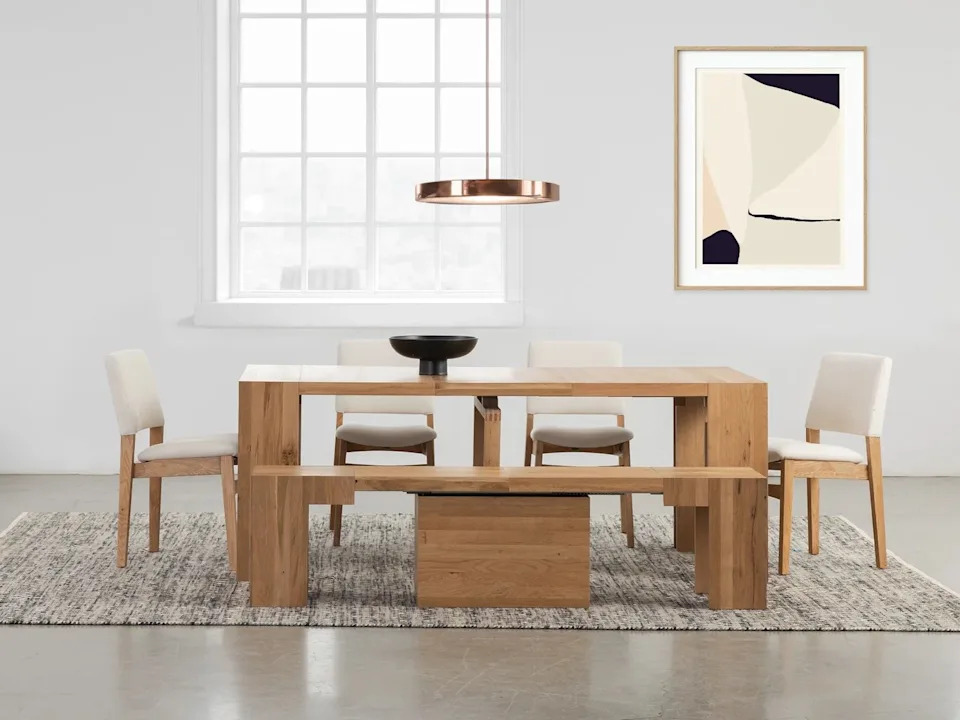
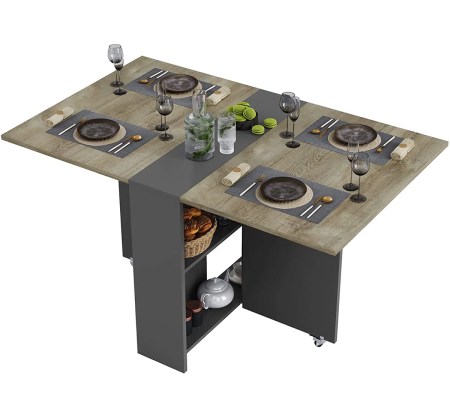
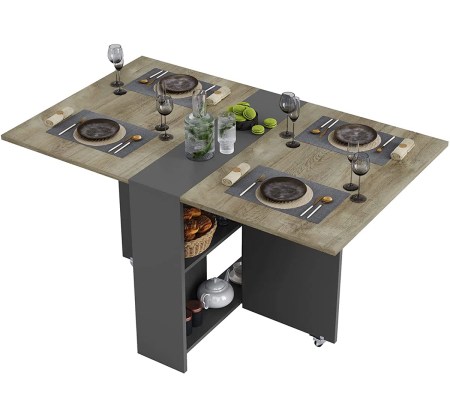
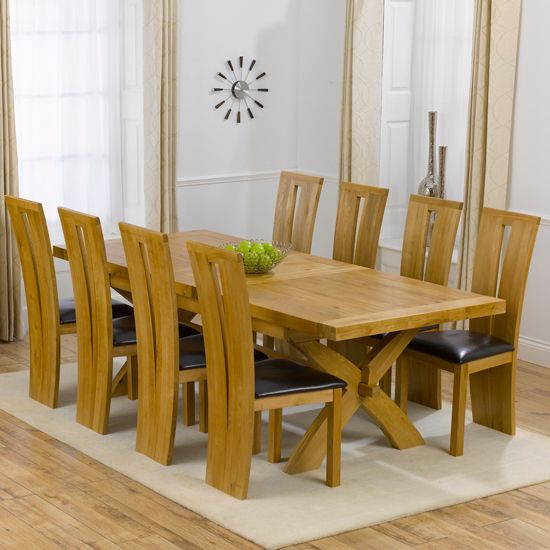
Accurate measurement is paramount for fitting a dining table into a space. Beyond the table's footprint, a minimum of three feet of clearance on all sides is recommended for comfortable seating and movement. To determine the appropriate table dimensions, subtract six feet from the length and width of the available dining area. Each place setting typically requires 22 to 24 inches of table space, with larger chairs demanding more. Visualizing the table's impact on the room's perceived size is crucial; using painter's tape to outline the table's dimensions on the floor and then placing furniture of similar size can help assess its visual weight. For limited spaces, tables with extendable leaves offer versatility, allowing customization for different entertainment needs, though overly complex mechanisms should be avoided to prevent potential failure points.
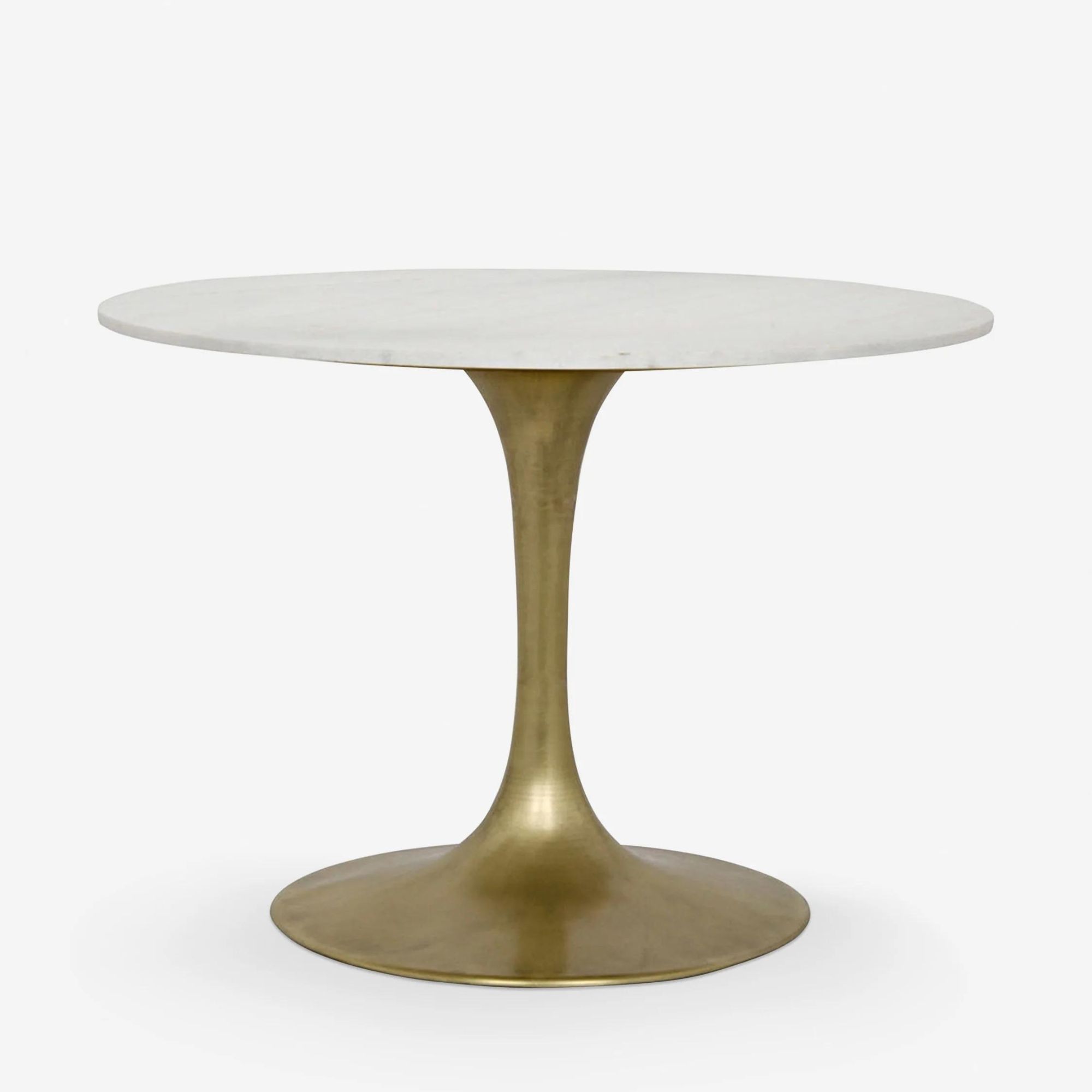
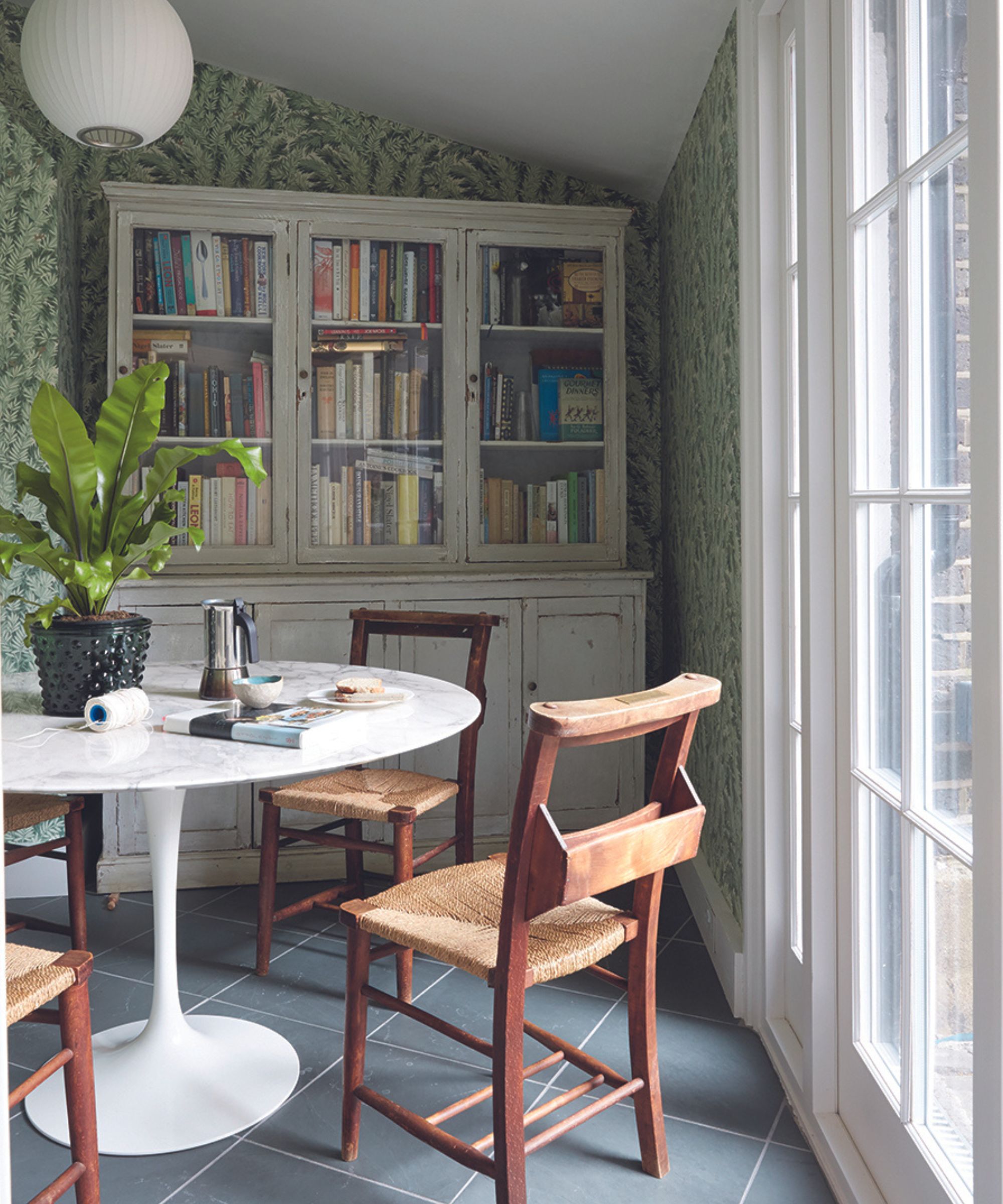
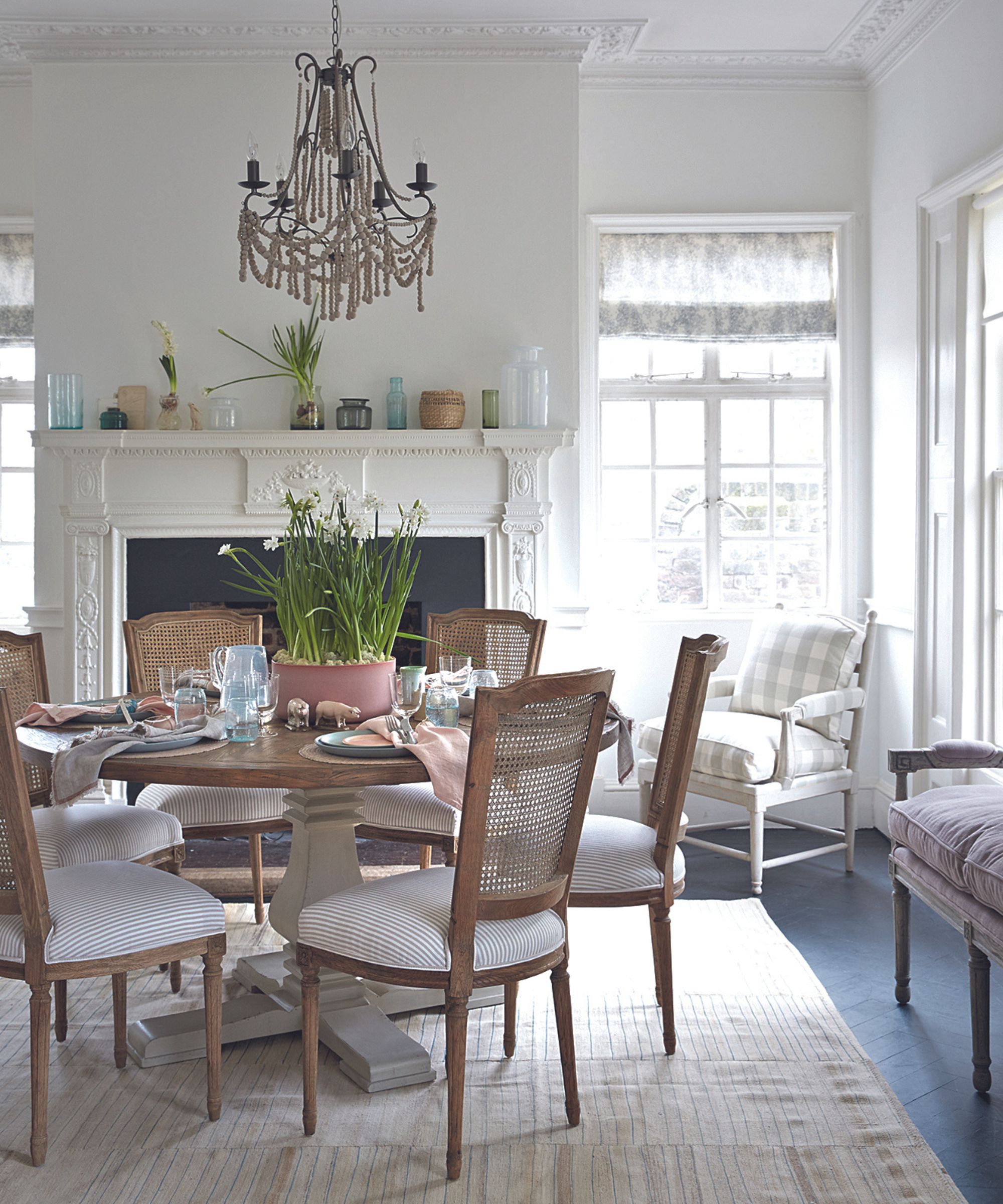
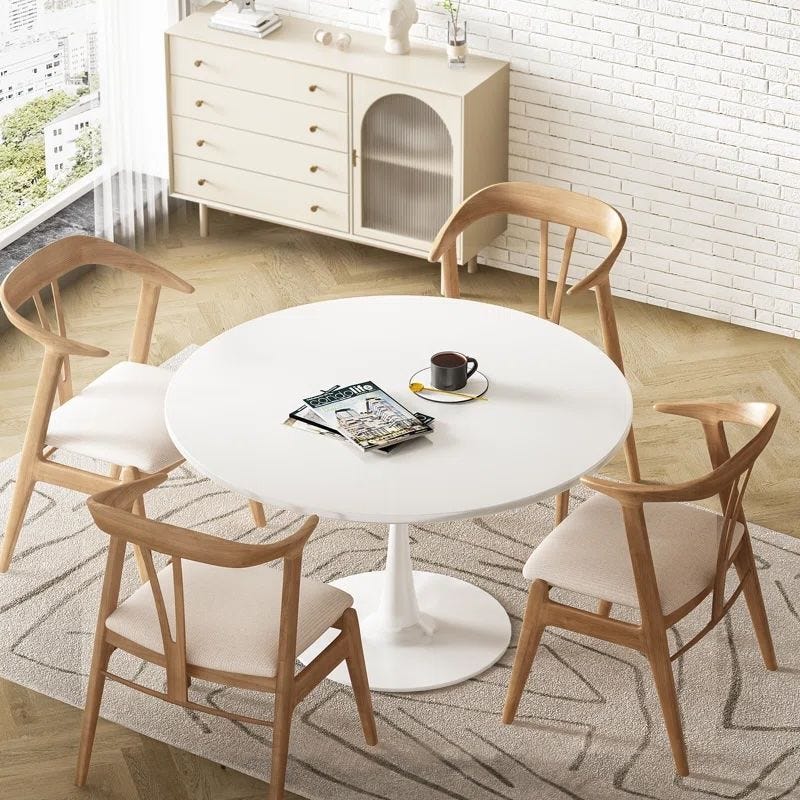
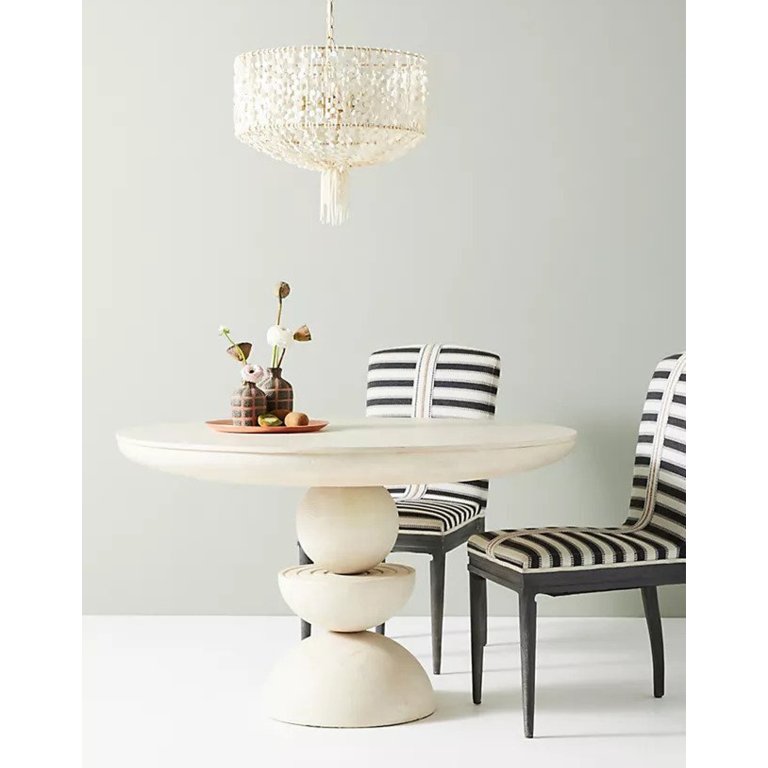
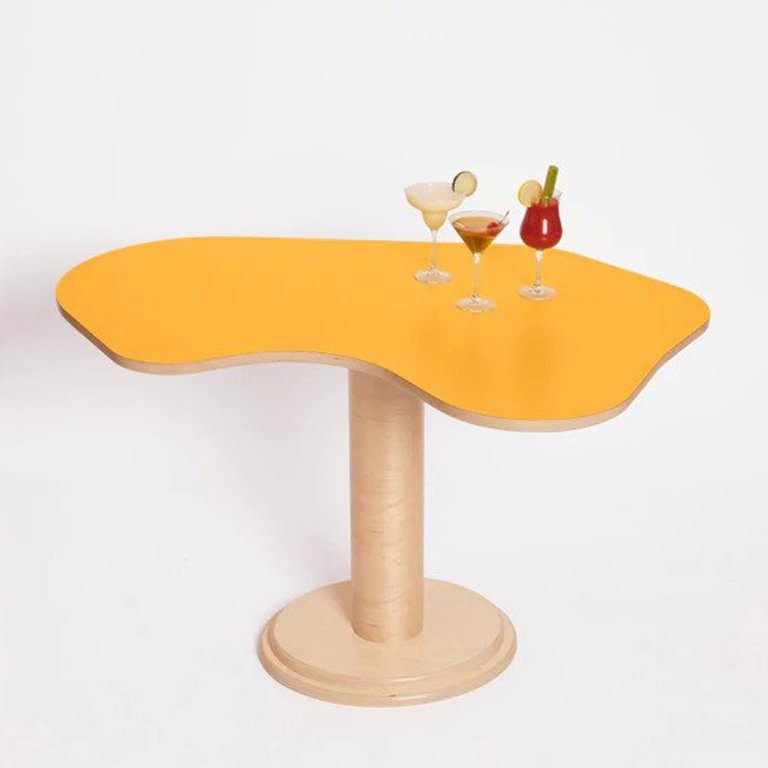
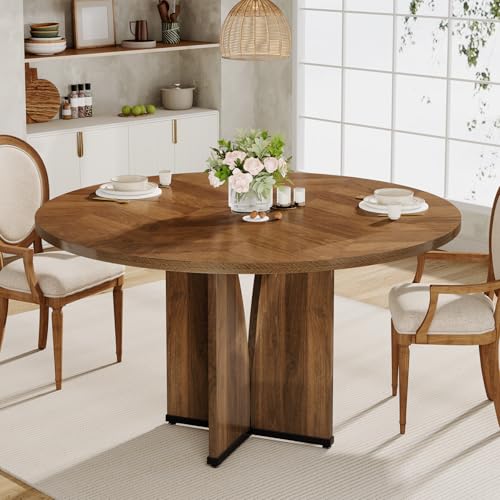
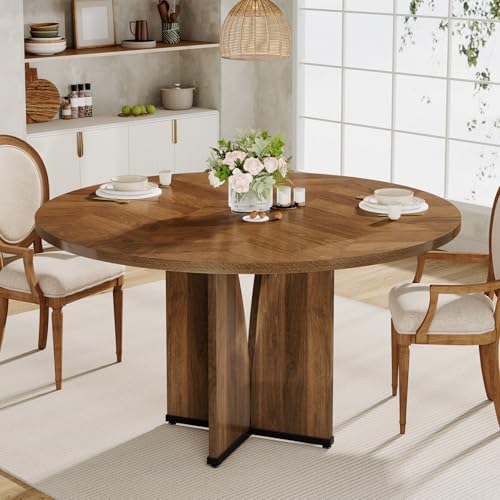
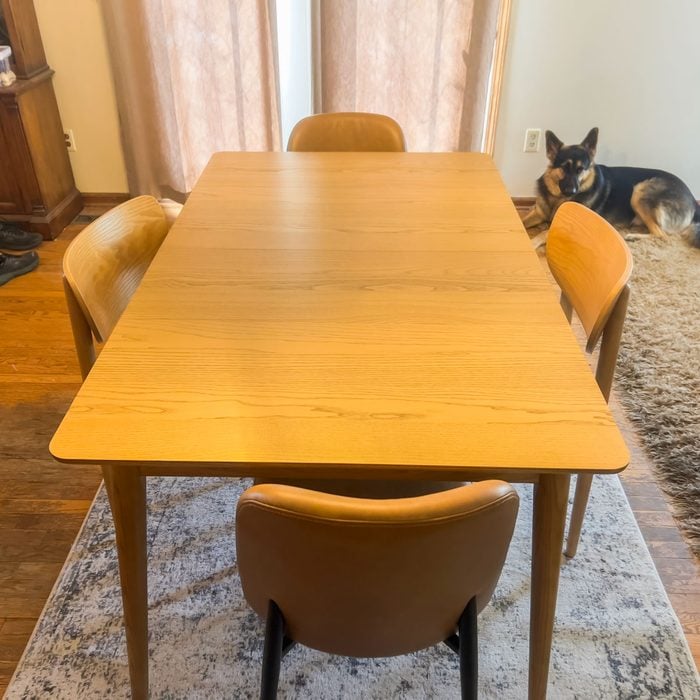
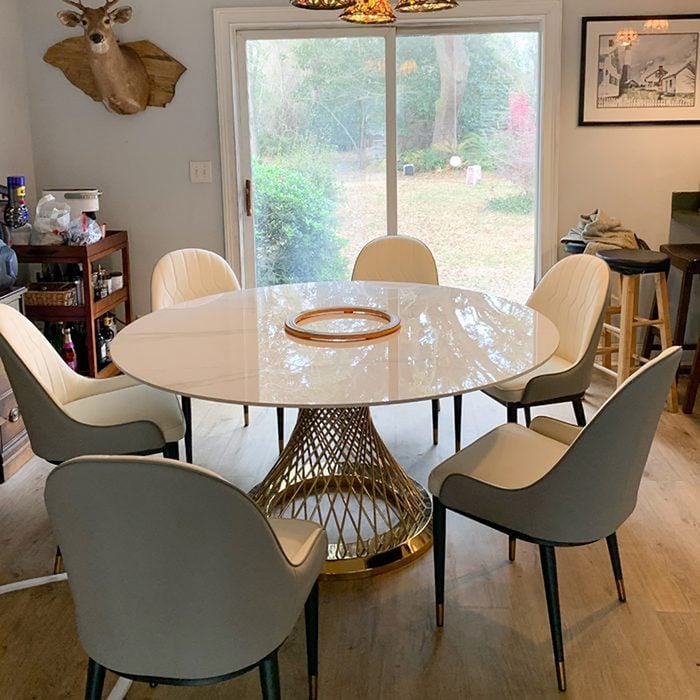
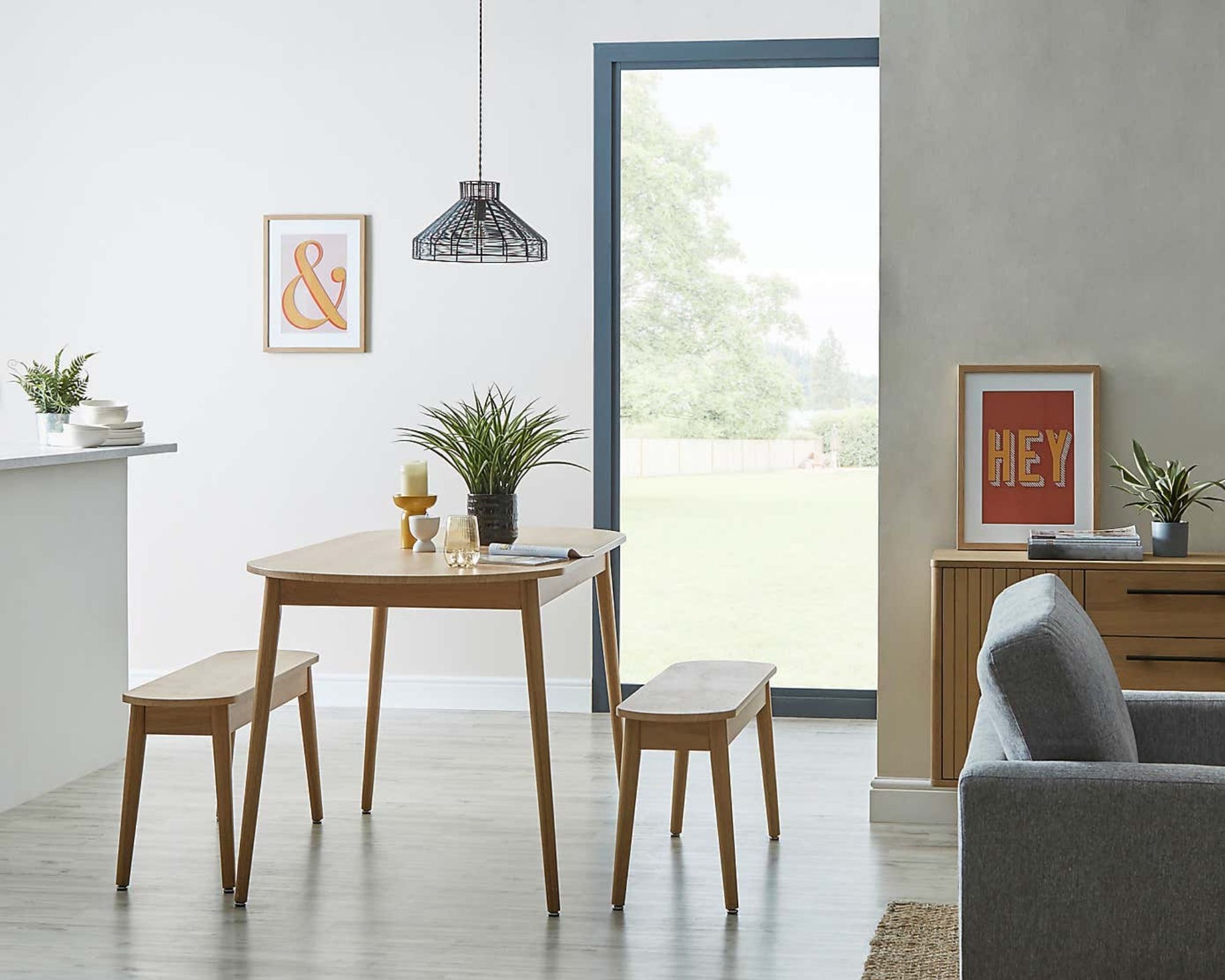
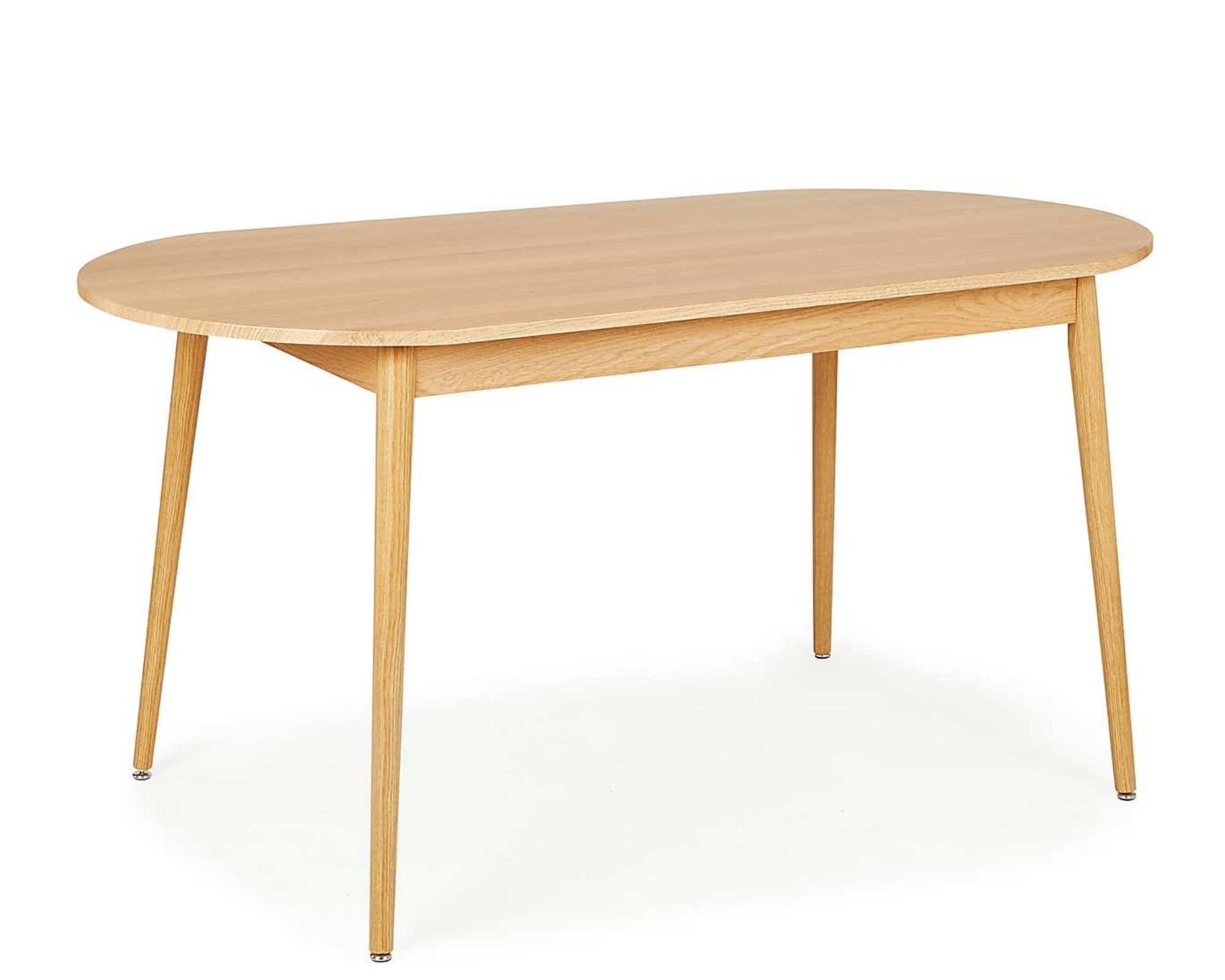
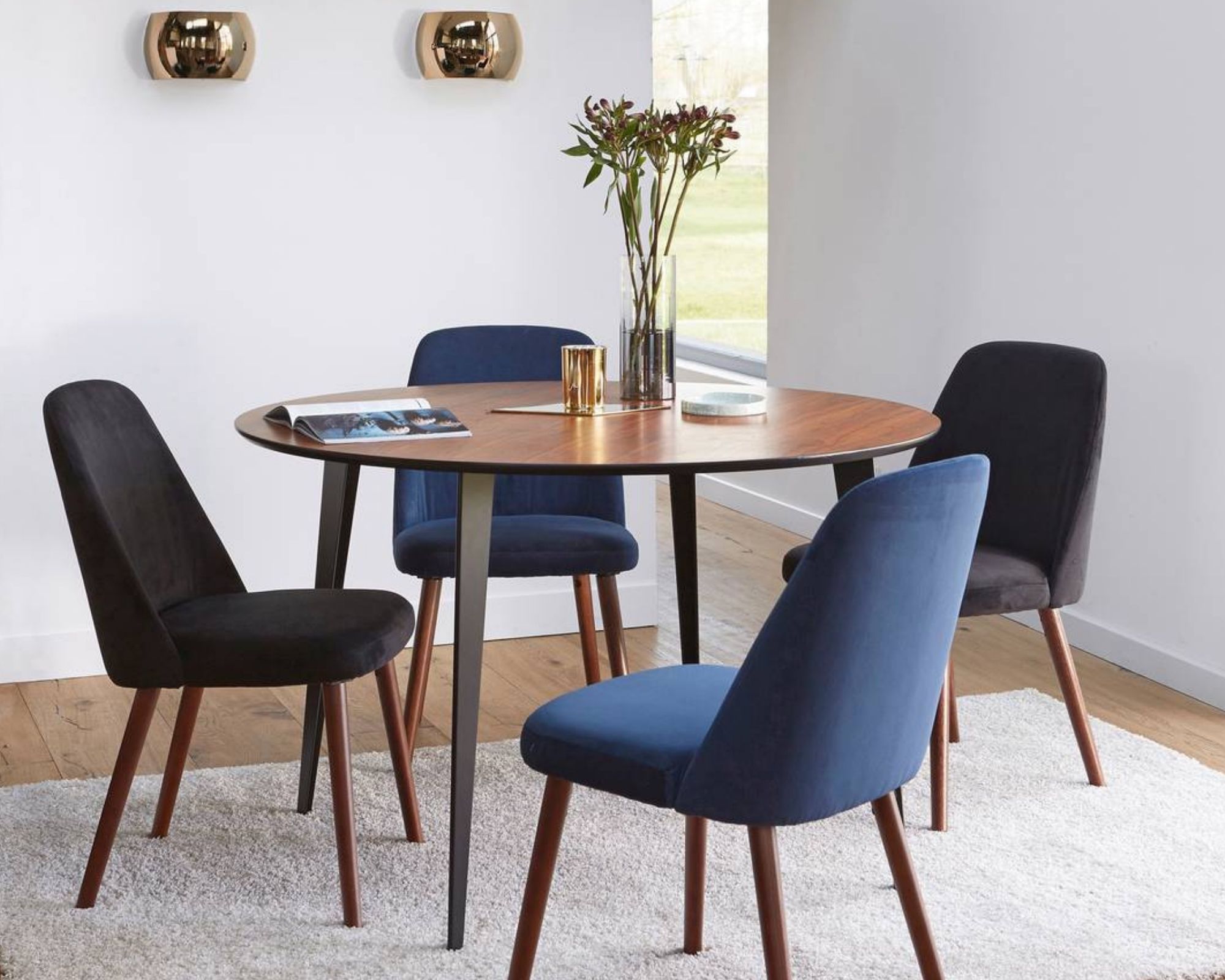
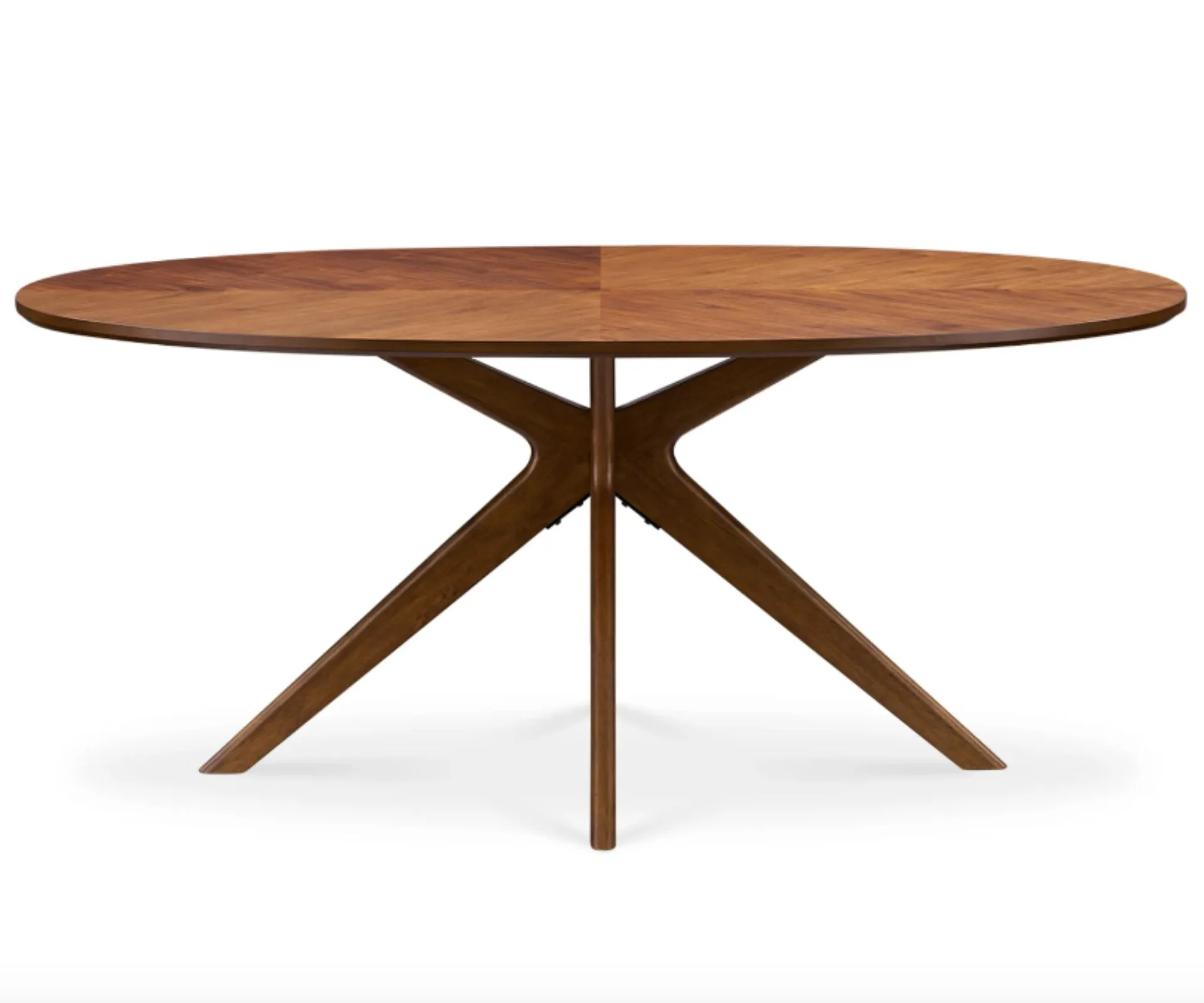
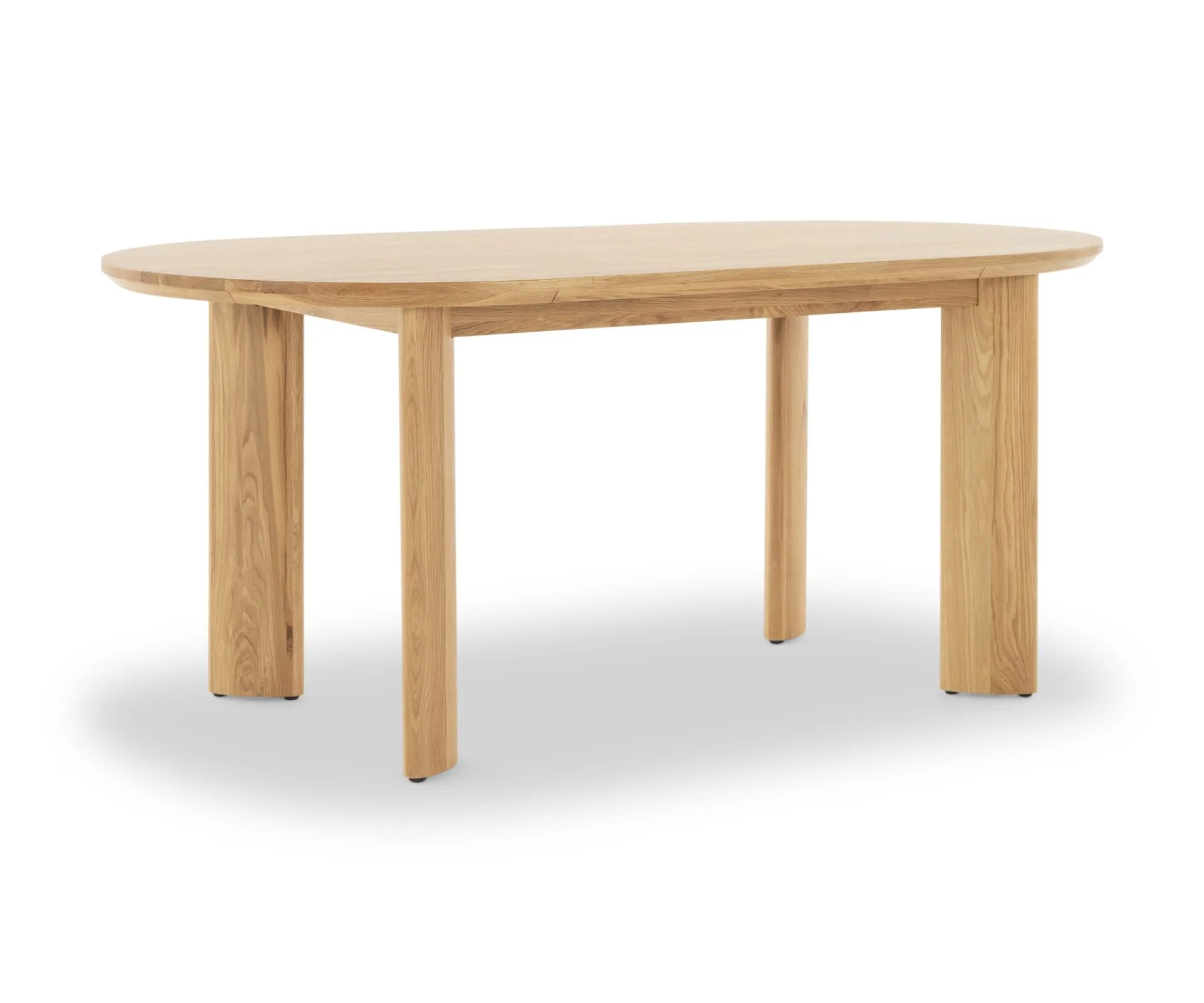
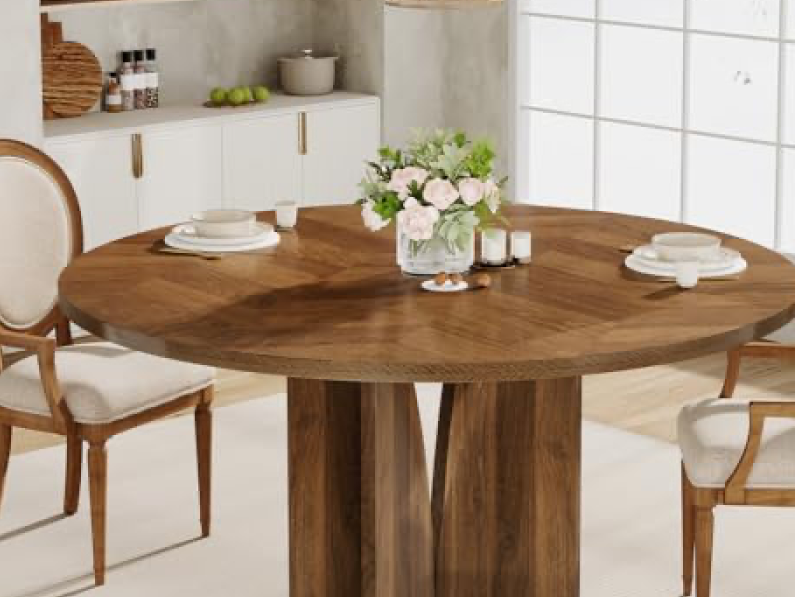
Table shape influences both aesthetics and functionality. While square and rectangular tables offer the most variety in styles and sizes, round or oval tables can provide more maneuverability in tight spaces by eliminating sharp corners. These shapes also foster better conversation at parties due to the absence of a 'head' of the table. However, round or oval tables might offer less surface area for serving dishes once place settings are arranged.
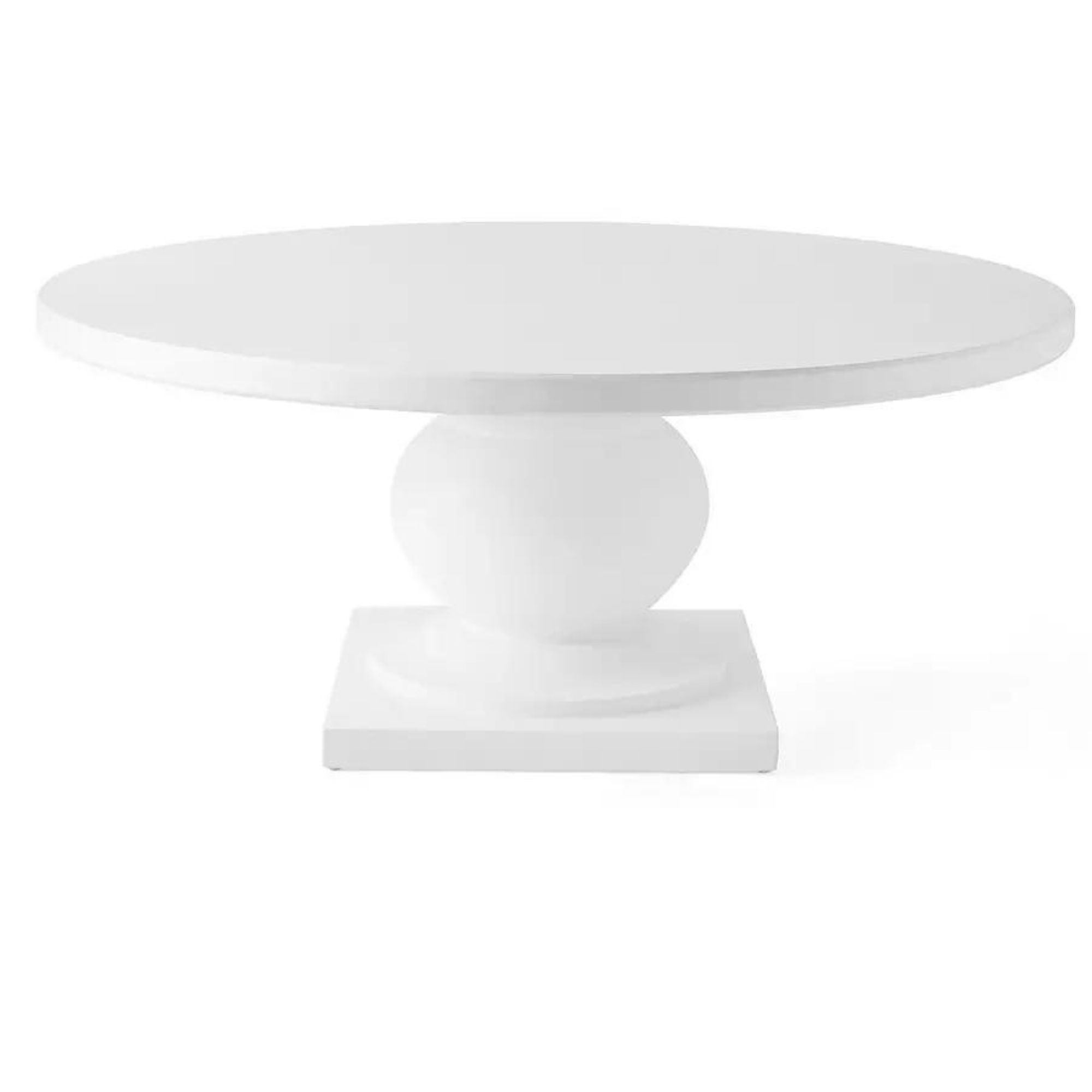
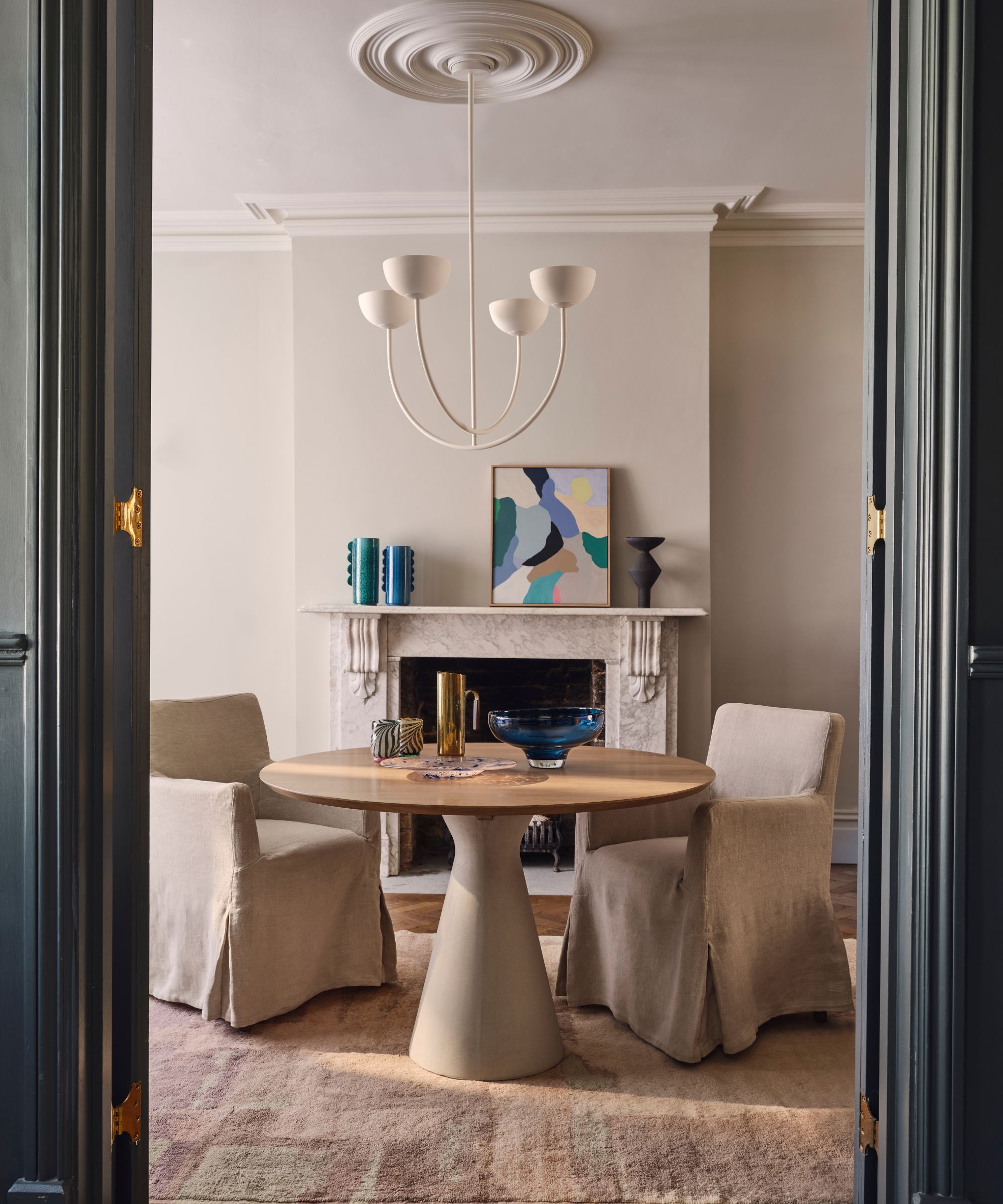
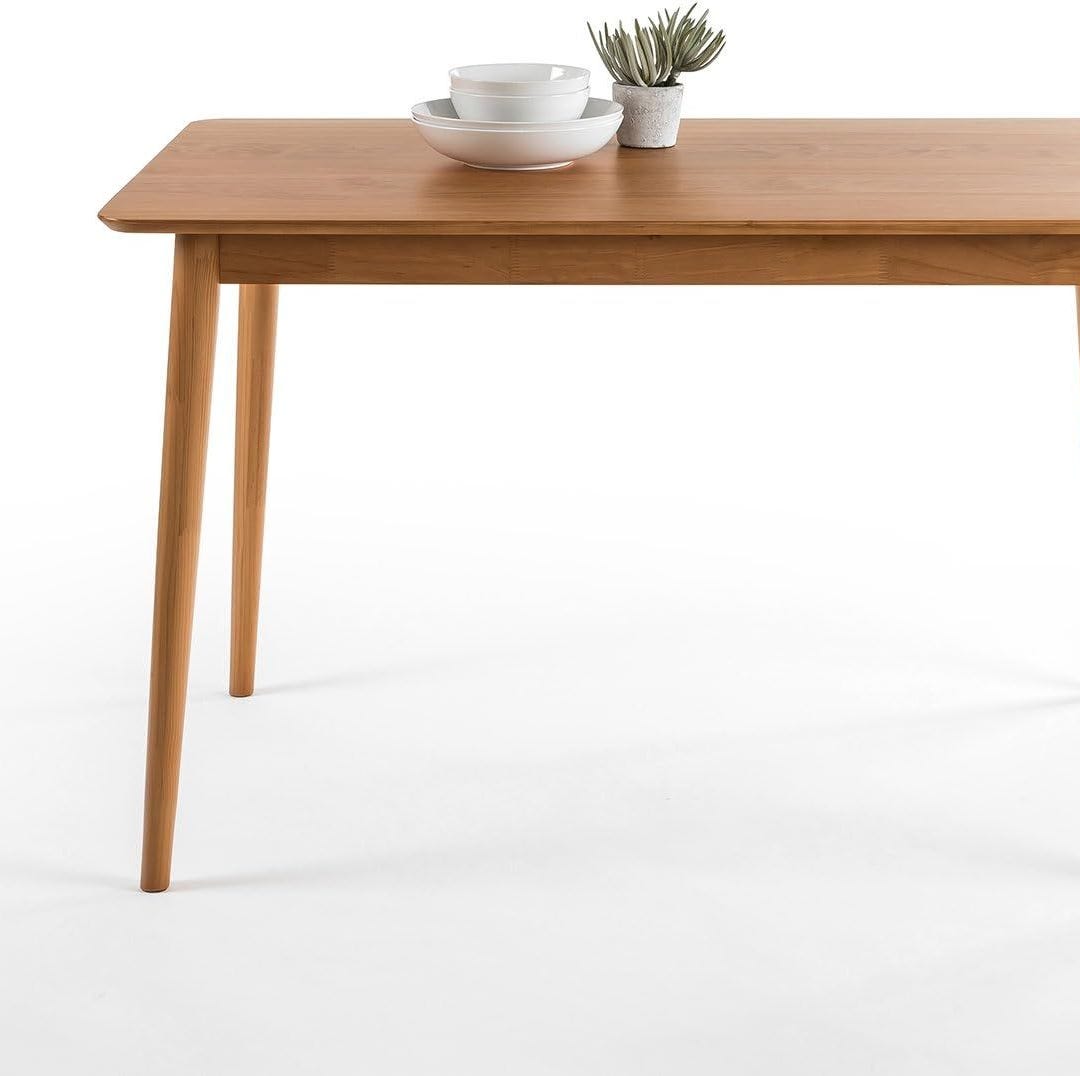
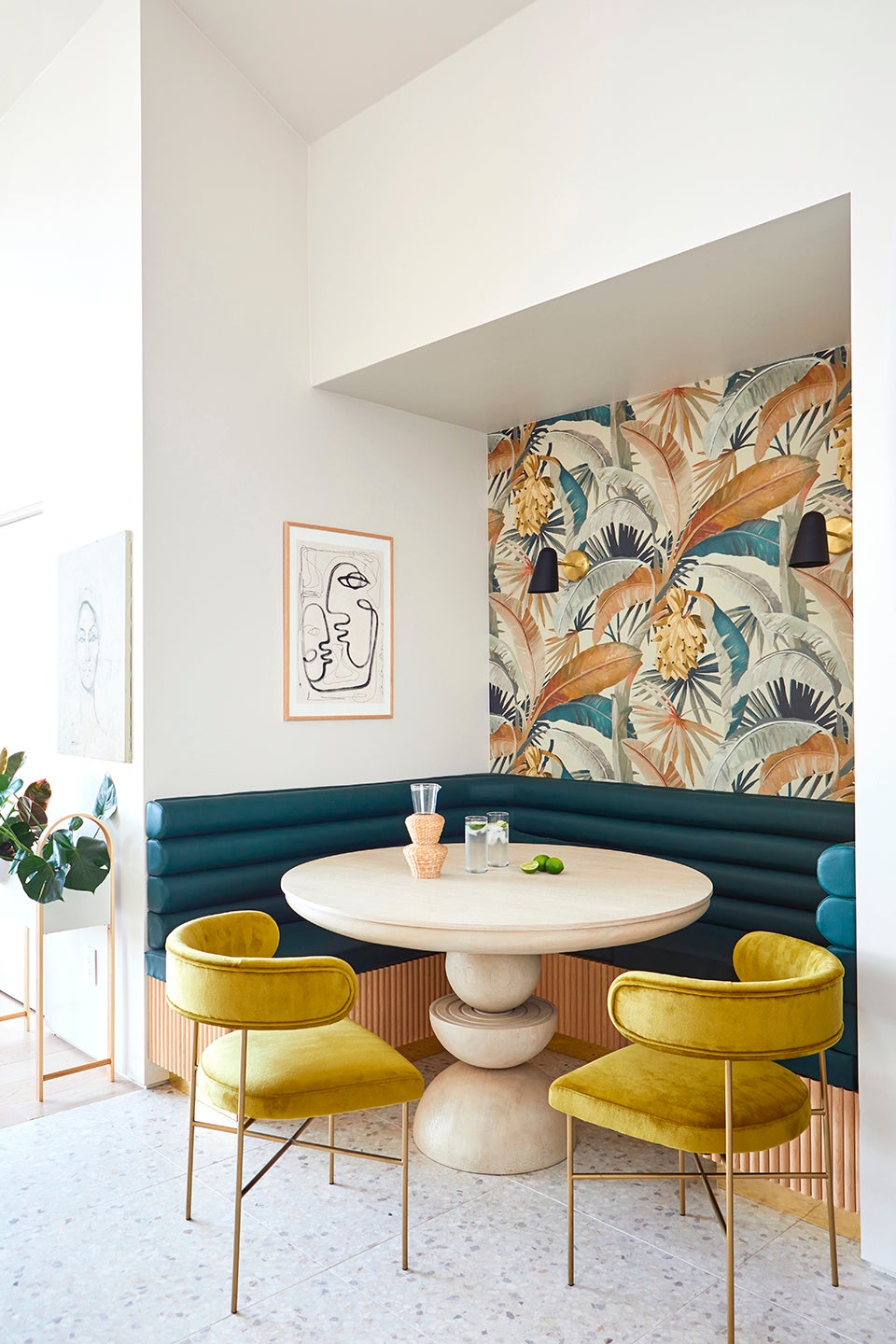
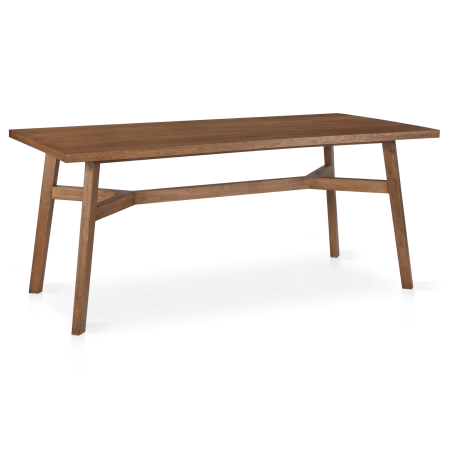
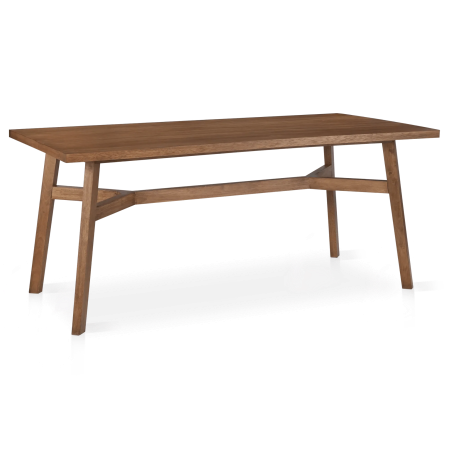
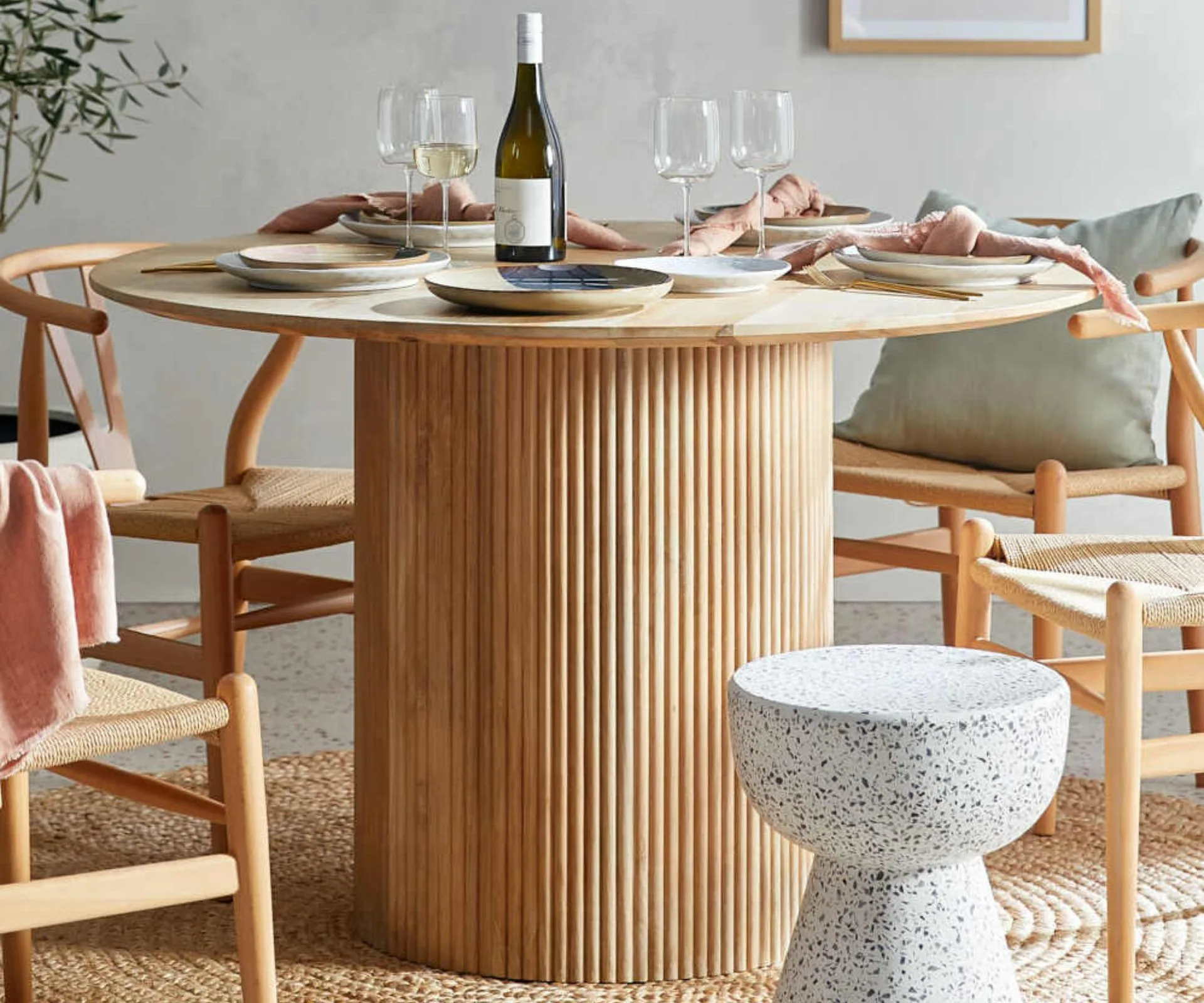
The table's support structure—legs, pedestal, or trestle—impacts seating capacity. It's important to ensure adequate legroom by testing the table in person, checking for knee clearance and the ability to cross legs comfortably. The apron, the frame supporting the tabletop, can also restrict movement. Thinner legs or legs placed at the corners generally allow for squeezing in extra chairs. Pedestal or trestle tables offer greater flexibility in seating arrangements, particularly central pedestals. However, large round pedestal tables may be less sturdy than four-legged designs, and trestle tables can limit space at the ends.
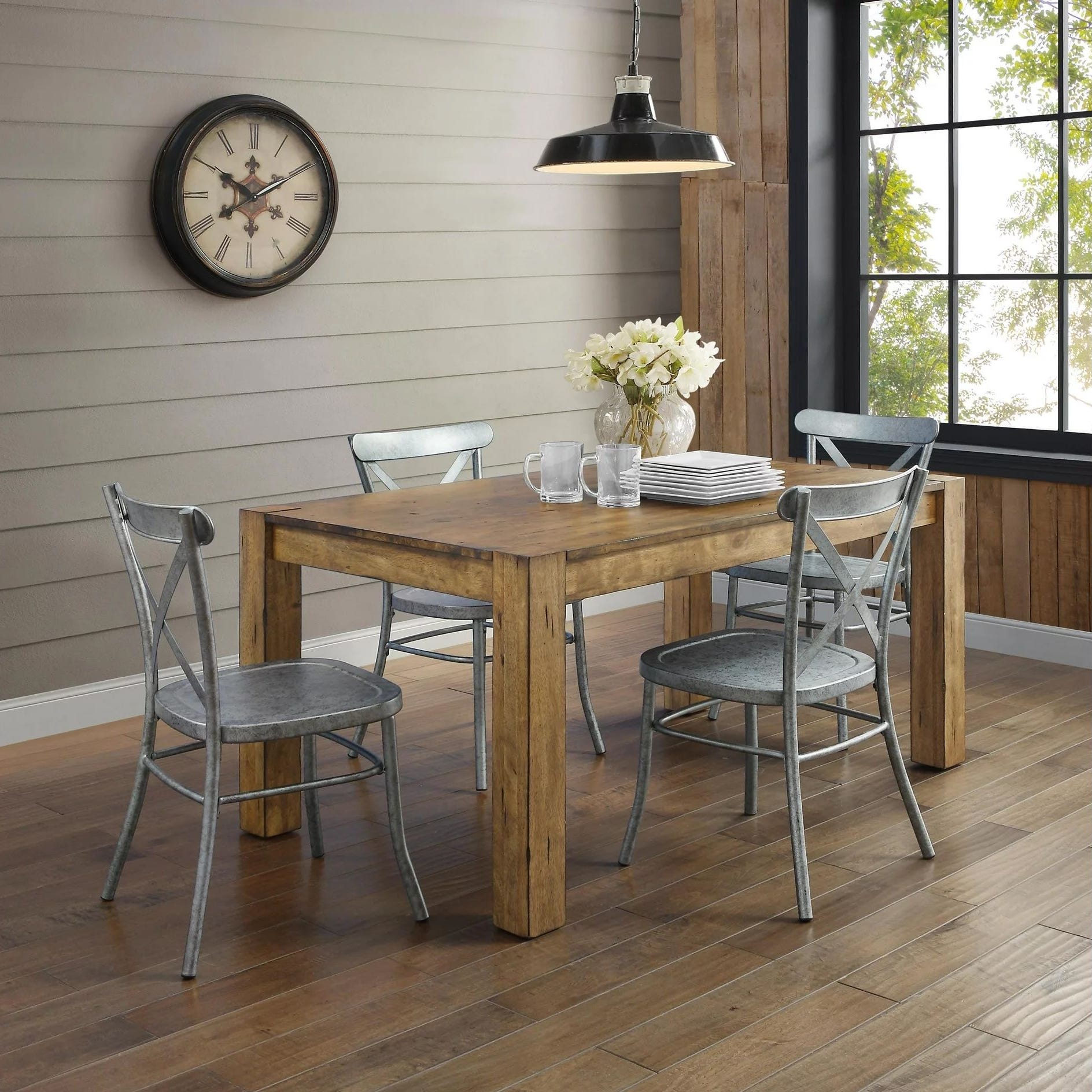
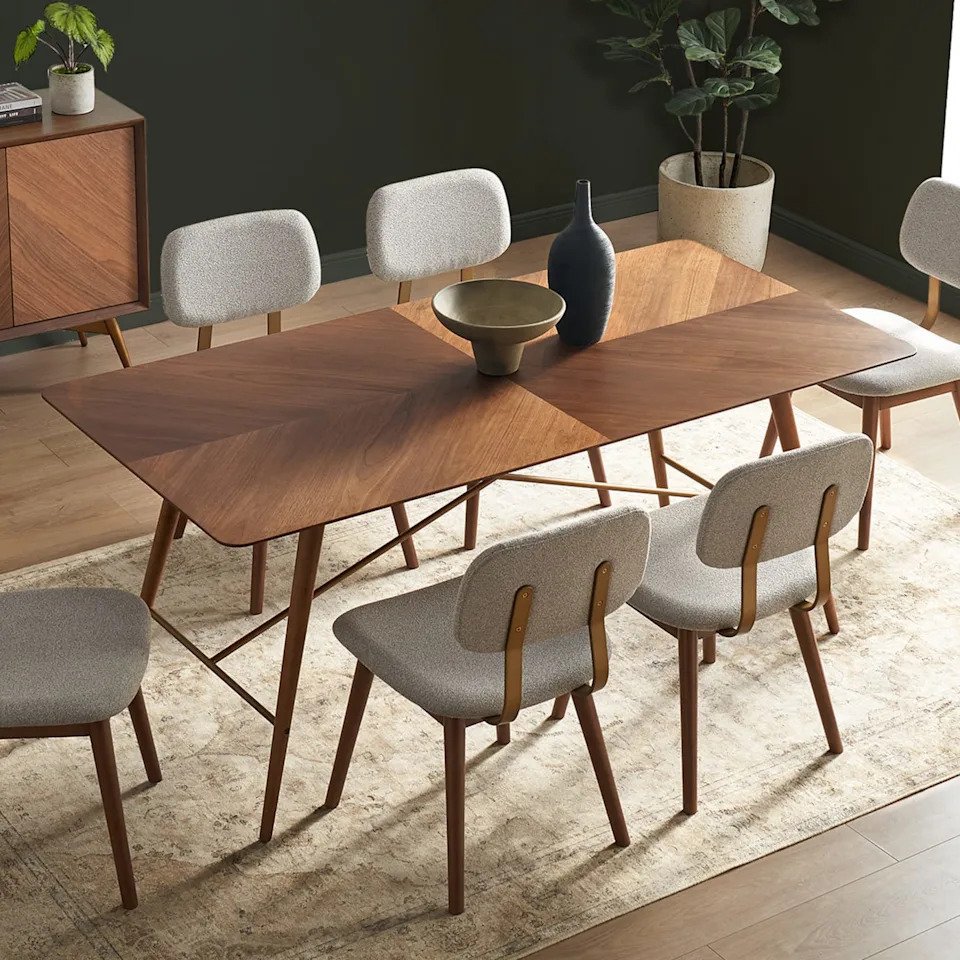
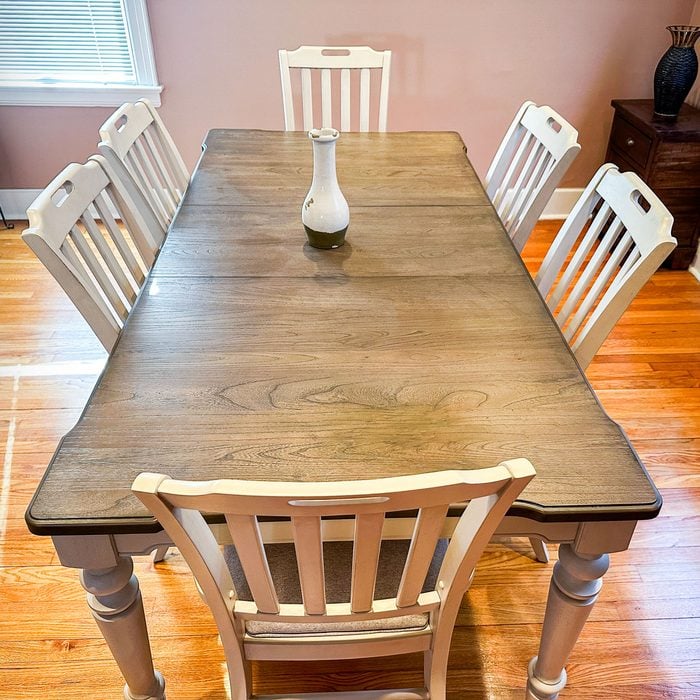
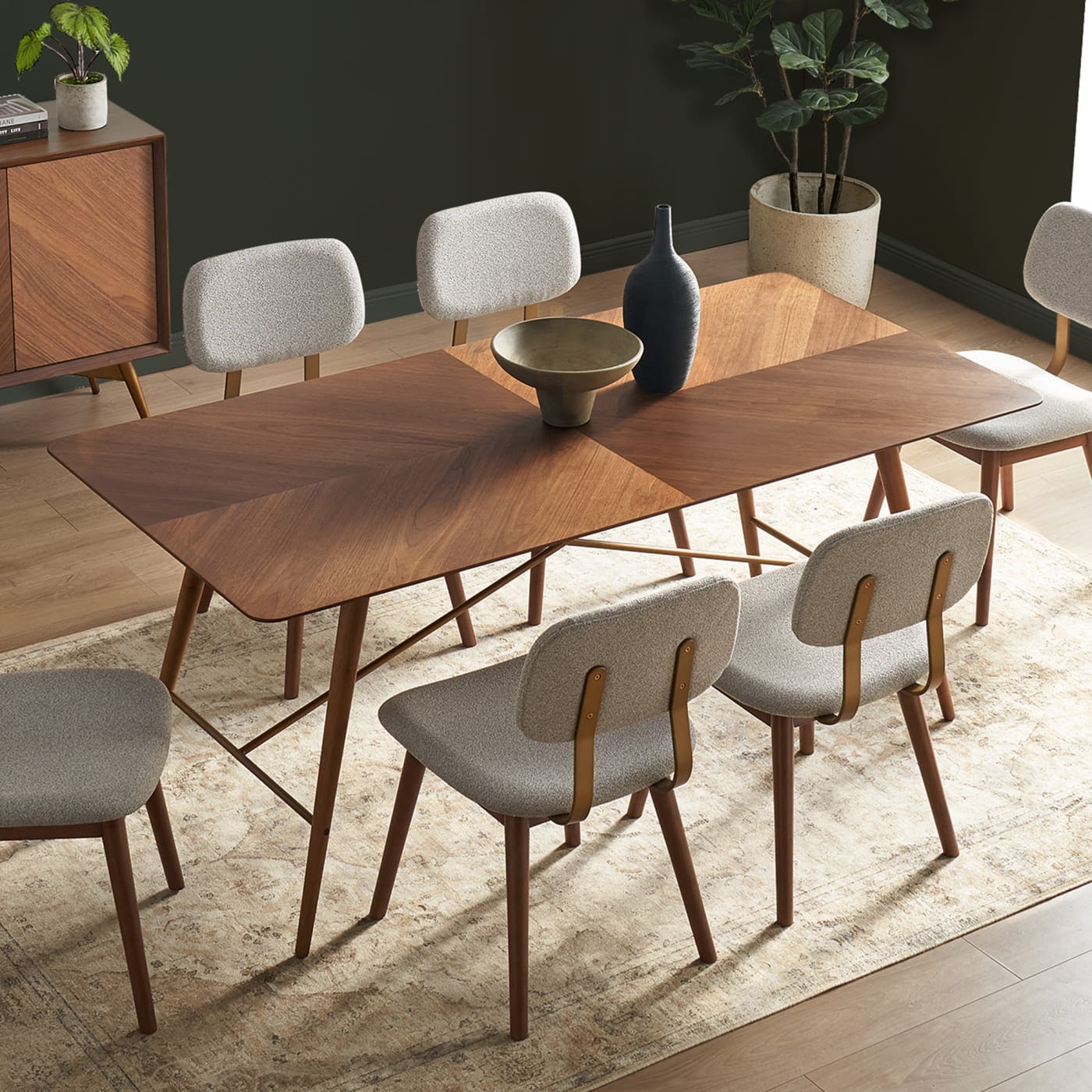
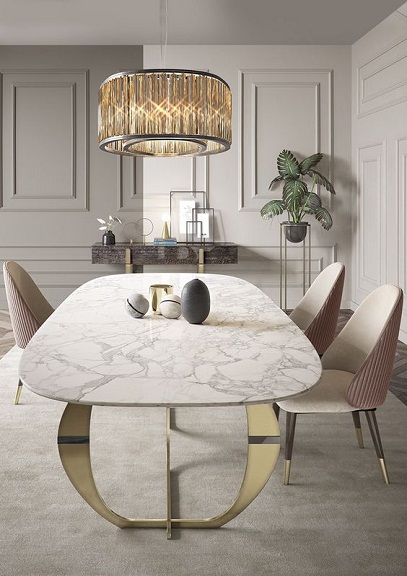
Material selection involves balancing price, maintenance, and personal style. Solid wood is a durable, repairable, and classic choice, though often the most expensive. Veneer offers a more affordable alternative, with quality depending on the core material and finishing. Stone tabletops are durable but can be porous, prone to chipping or cracking, and heavy. Glass tops are inexpensive and create an open feel but are susceptible to chips, scratches, and fingerprints. Metal, typically used for bases, is durable but shows fingerprints and can be hard to repair if painted. Plastic and laminates are inexpensive, low-maintenance options but are often perceived as lower quality.
Construction quality is indicated by sturdiness and well-executed joinery—the connections between the base and tabletop. Strong joinery, often direct wood-to-wood connections, ensures longevity. Visible gaps, wobbling, or reliance on too many attachments are signs of poor construction. Inexpensive tables might use staples and glue, indicating lower durability. When purchasing chairs, prioritize fit with the chosen table. While sets are available, mixing and matching allows for personalization. In smaller spaces, extra dining chairs can be utilized in other rooms when not in use at the table.
#DiningTable #HomeDecor #FurnitureSelection #InteriorDesign #SpacePlanning #MaterialGuide #FurnitureConstruction #DiningTable #HomeDecor #FurnitureSelection #InteriorDesign #SpacePlanning #MaterialGuide #FurnitureConstruction
0 comment in total
 No comments yet
You may also like
11 Dining Tables to Fit Every Home Aesthetic
The Best Dining Tables, as Seen in Our Favorite Spaces

The ultimate guide to buying the perfect dining table in Canada

How to choose the right dining chairs for your dining room

I’m a shopping writer – these are the best dining tables to buy for hosting season

The Best Dining Tables (and How to Shop for One)
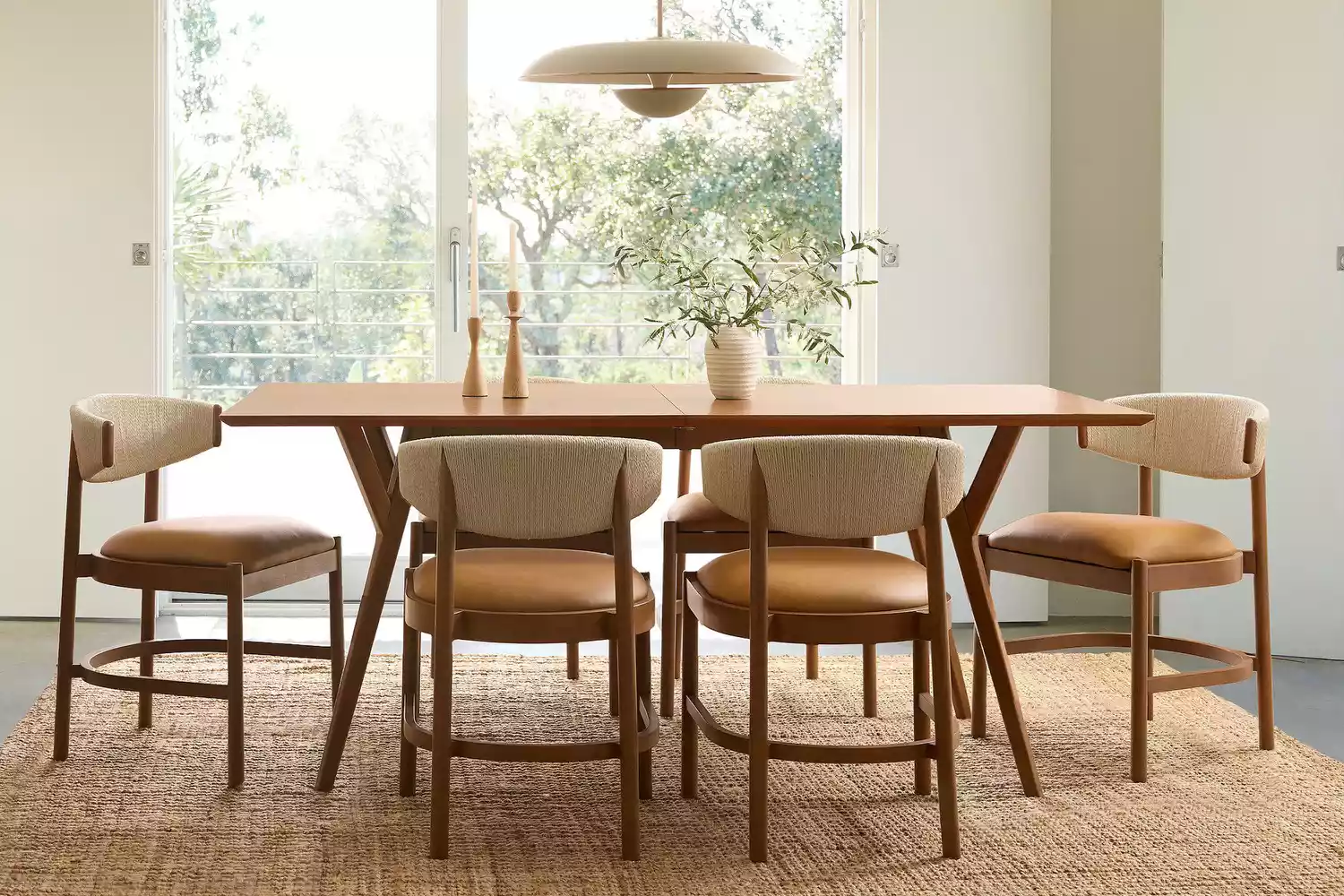
Time to Upgrade Your Dining Table? These Designer-Approved Picks Are on Sneaky Sale

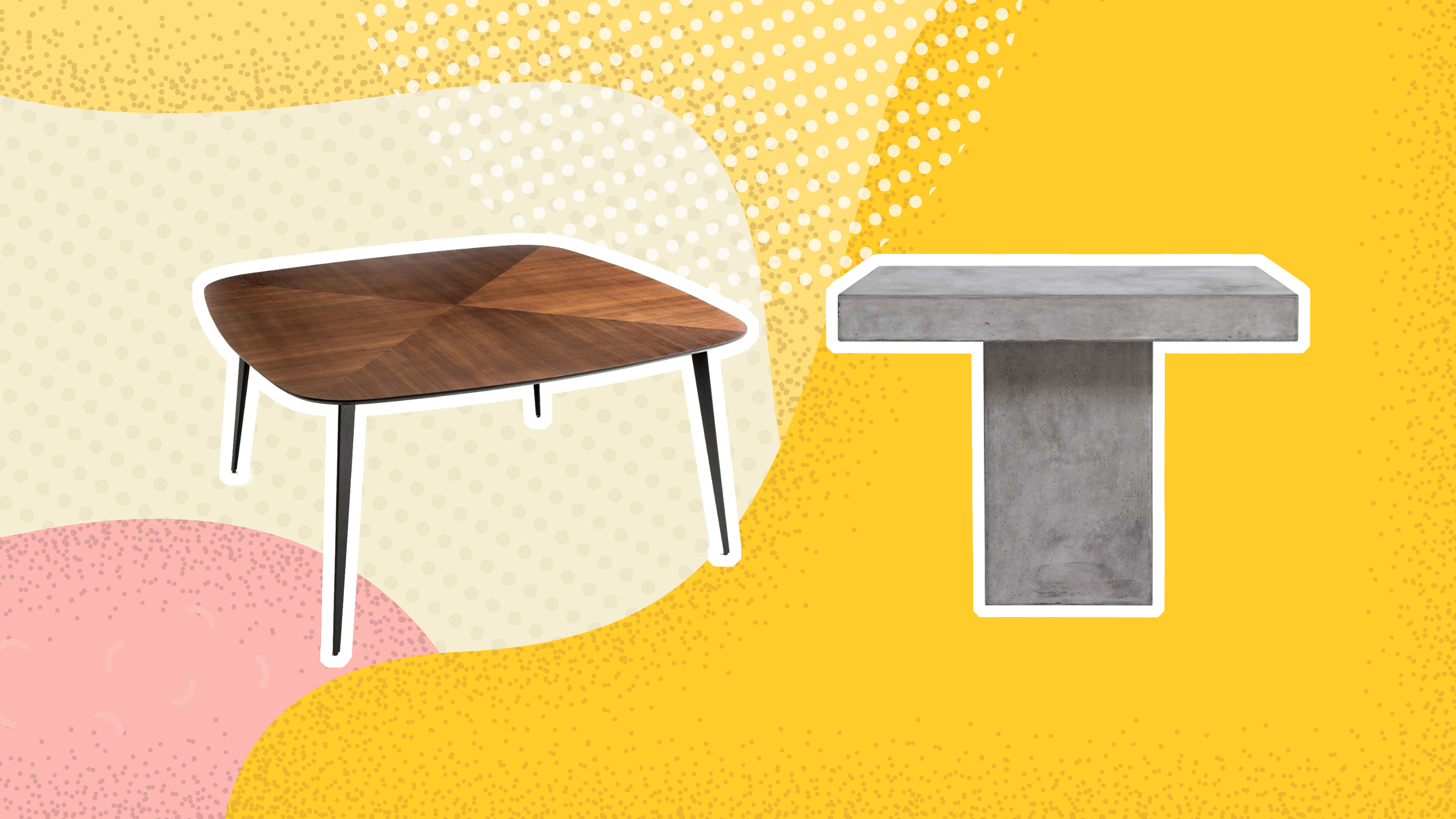
The best dining tables for all styles and budgets

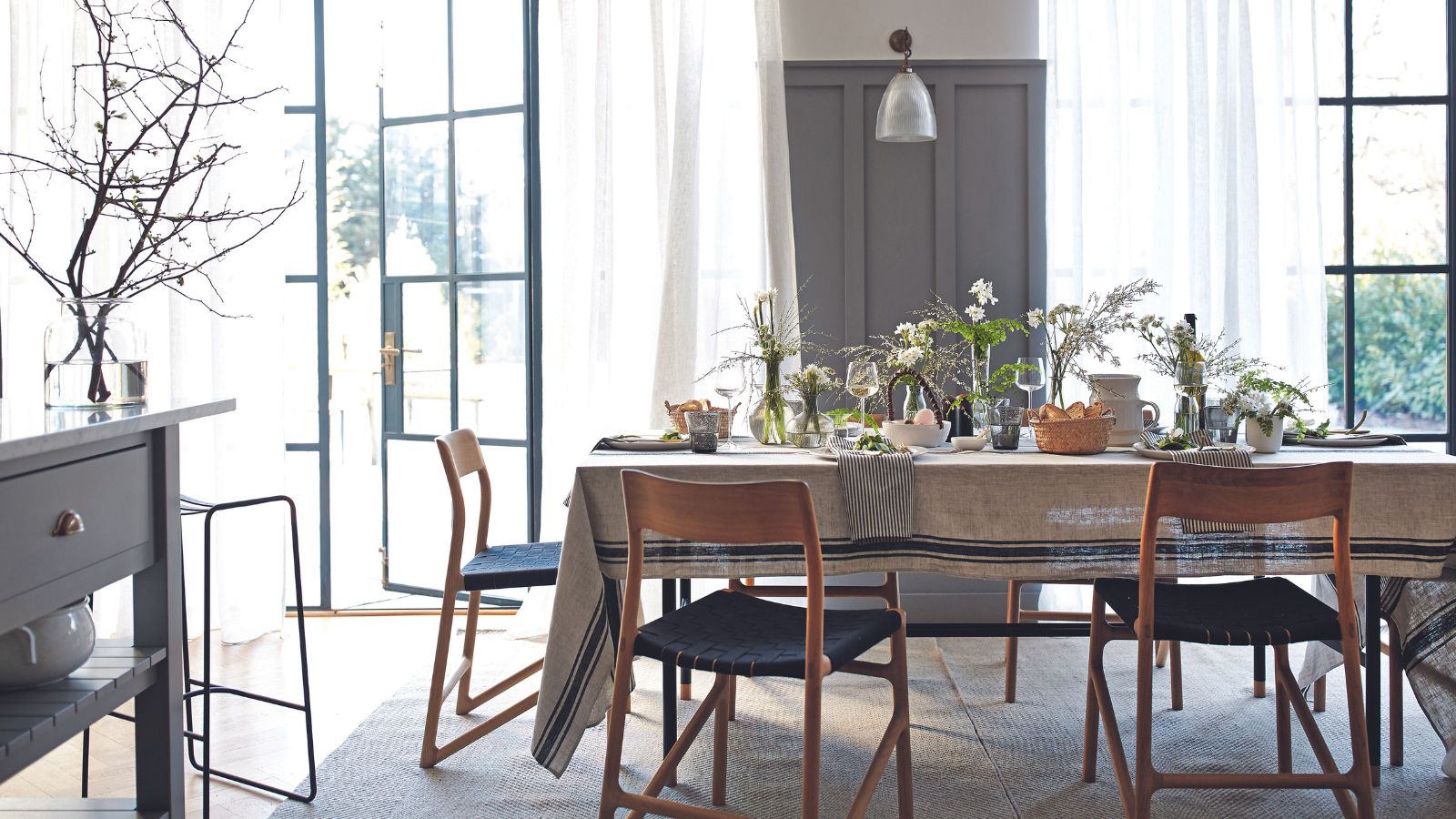
Round vs rectangular dining room tables – which one is best for your space?
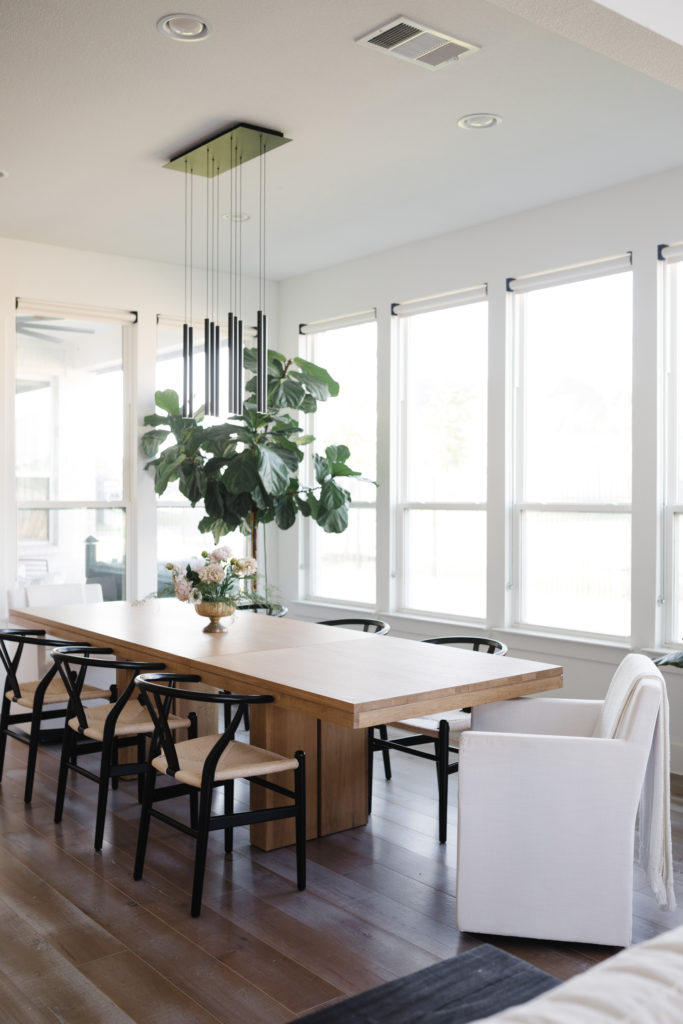
10 Best Dining Tables for Modern Homes

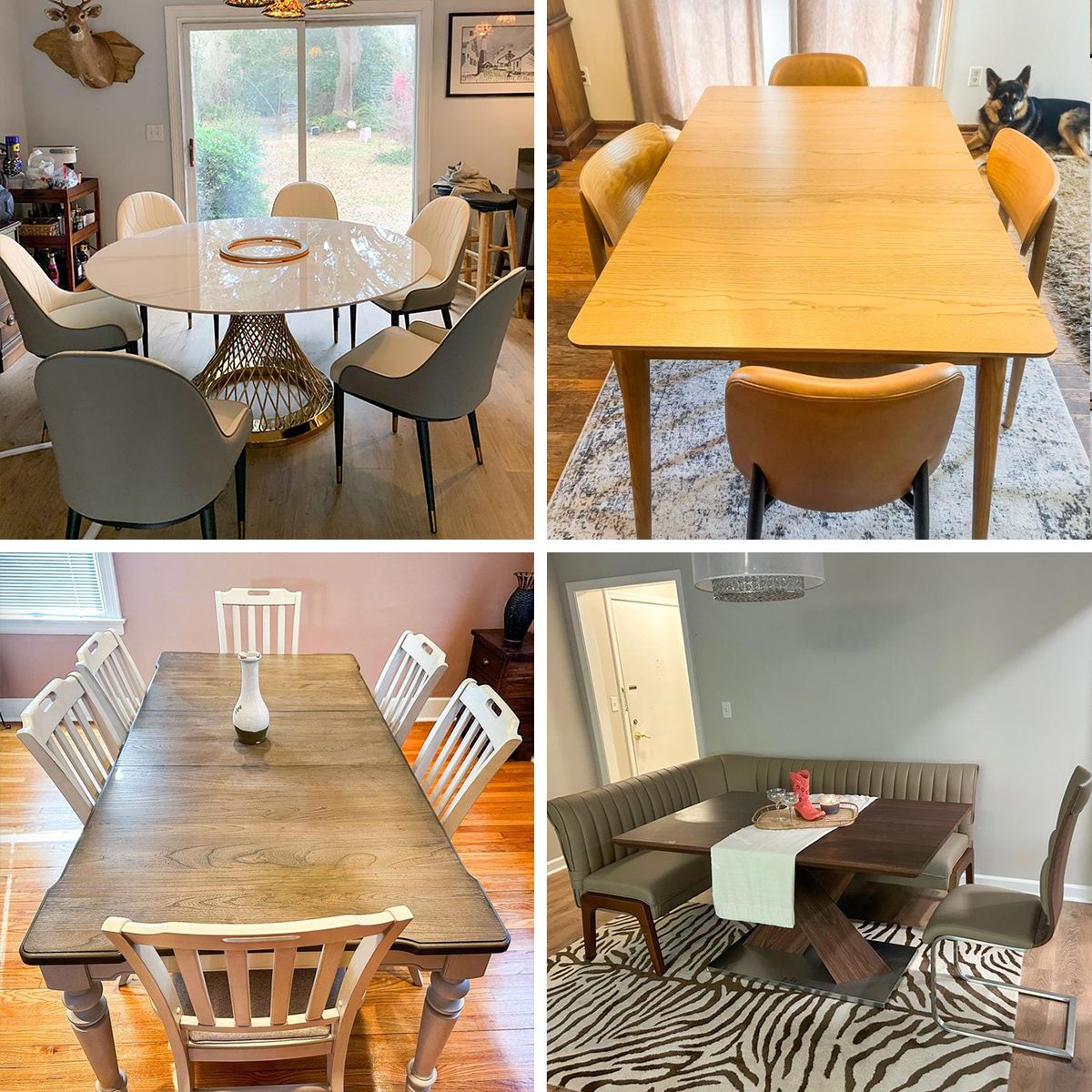
The 8 Best Kitchen and Dining Room Tables of 2025, Tested and Reviewed

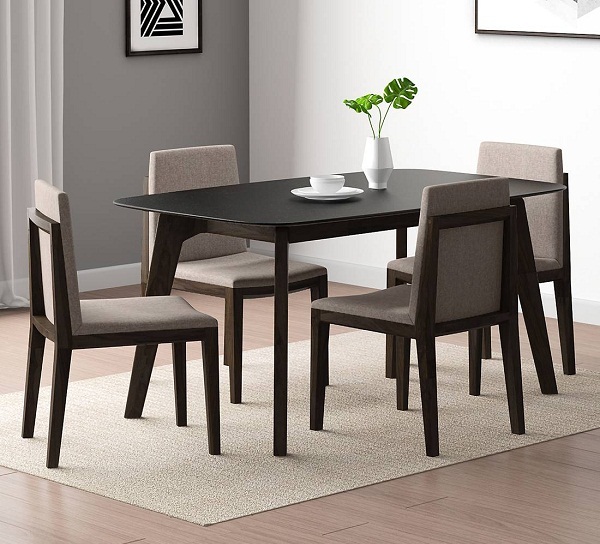
15 Best Dining Table Designs Available In 2023
This $750 Dining Room Table Was the Most Clicked Last Month—Plus 6 Chairs to Go With It
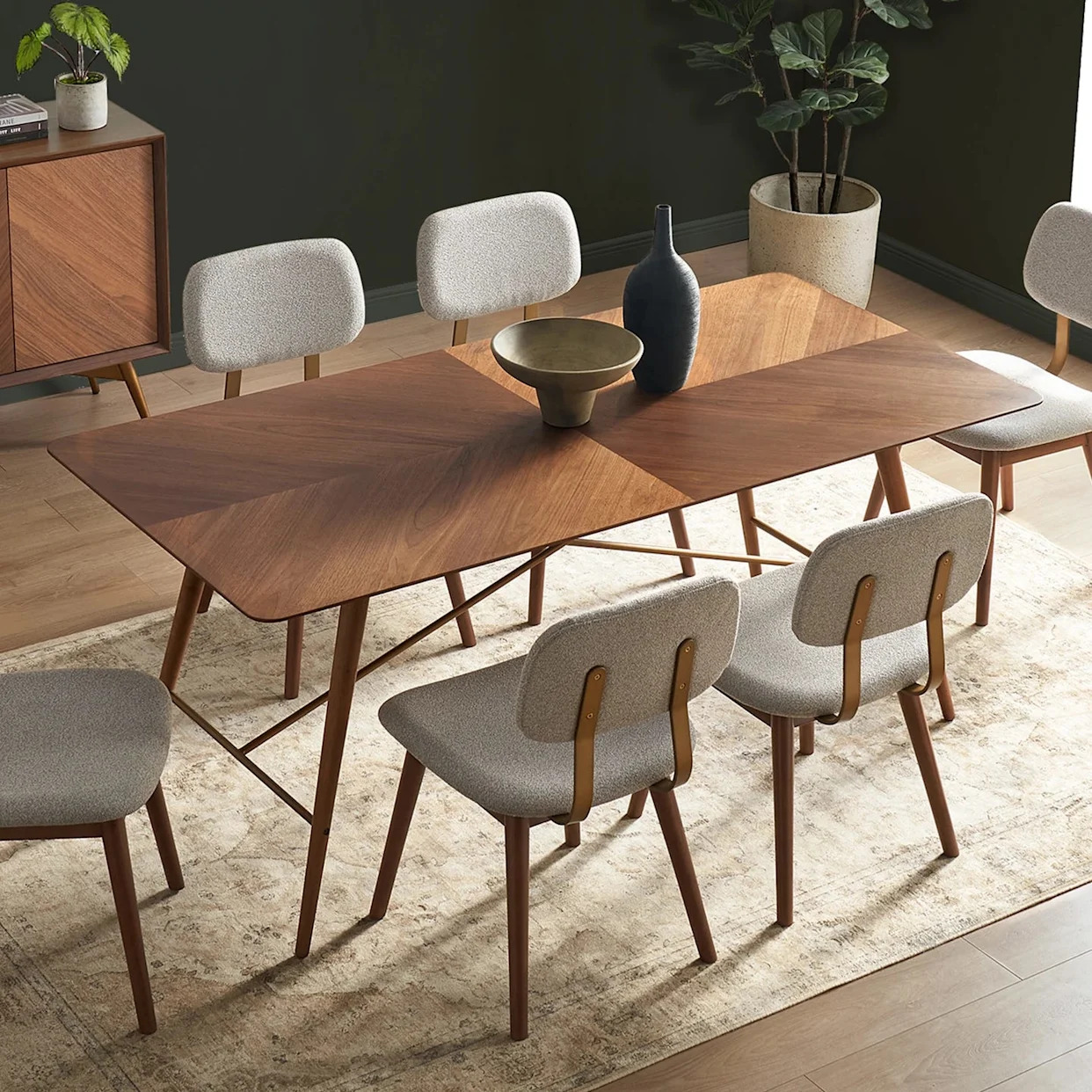
11 Top-Rated Dining Tables for Every Style and Budget

11 Top-Rated Dining Tables for Every Style and Budget

17 of the best dining tables and sets entertainers will love

The Best Dining Room Tables, According to Design Pros

The Curator: The ultimate guide to buying the perfect dining table in Canada - National
Best Dining Table Models in 2025: From Minimalist to Luxury Styles
Best dining table sets: Explore top 10 choices for your home decor | Hindustan Times