1/3
Flop Or Not: Are Side Splashes Helping Or Hurting Your Tile Design?
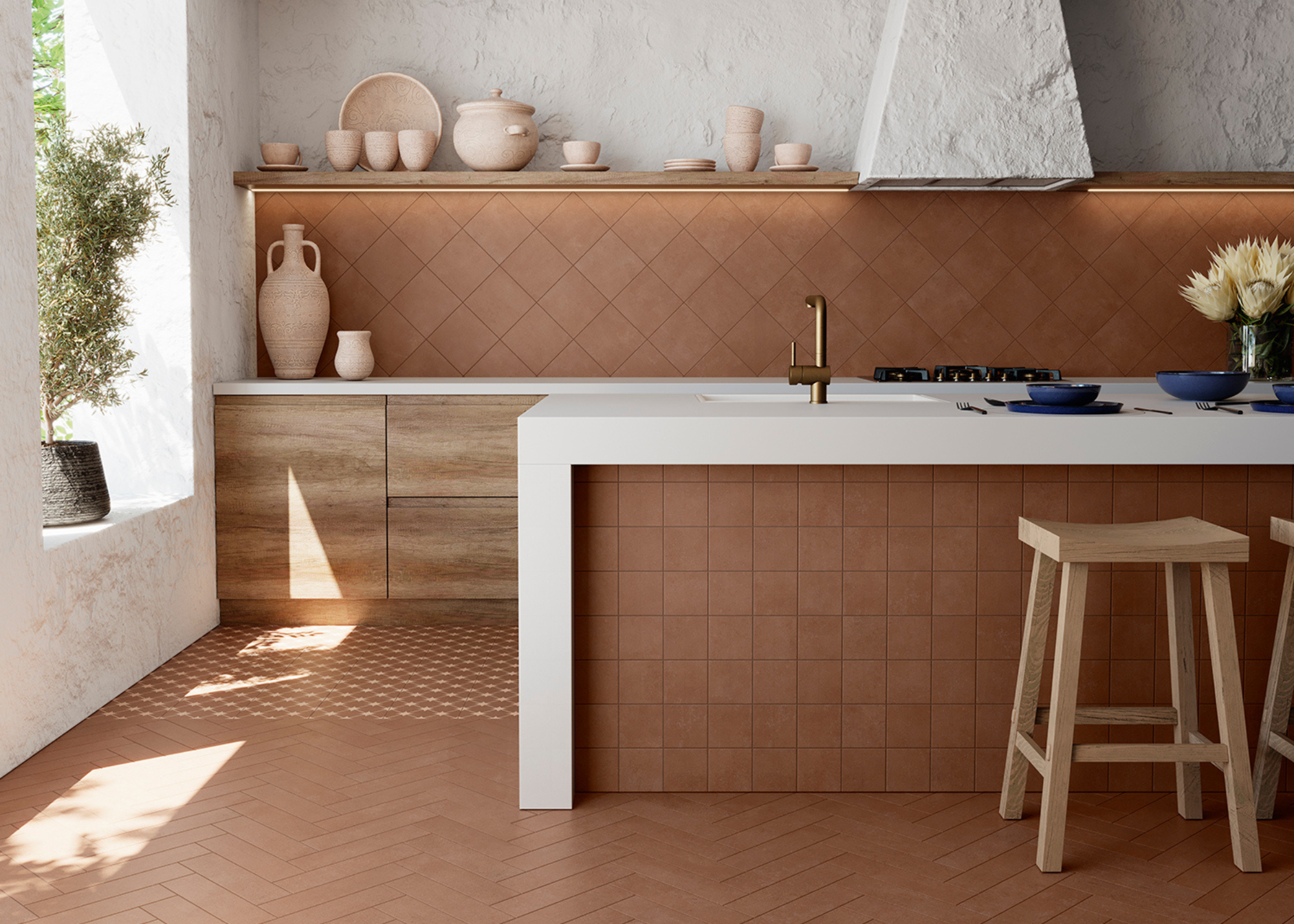
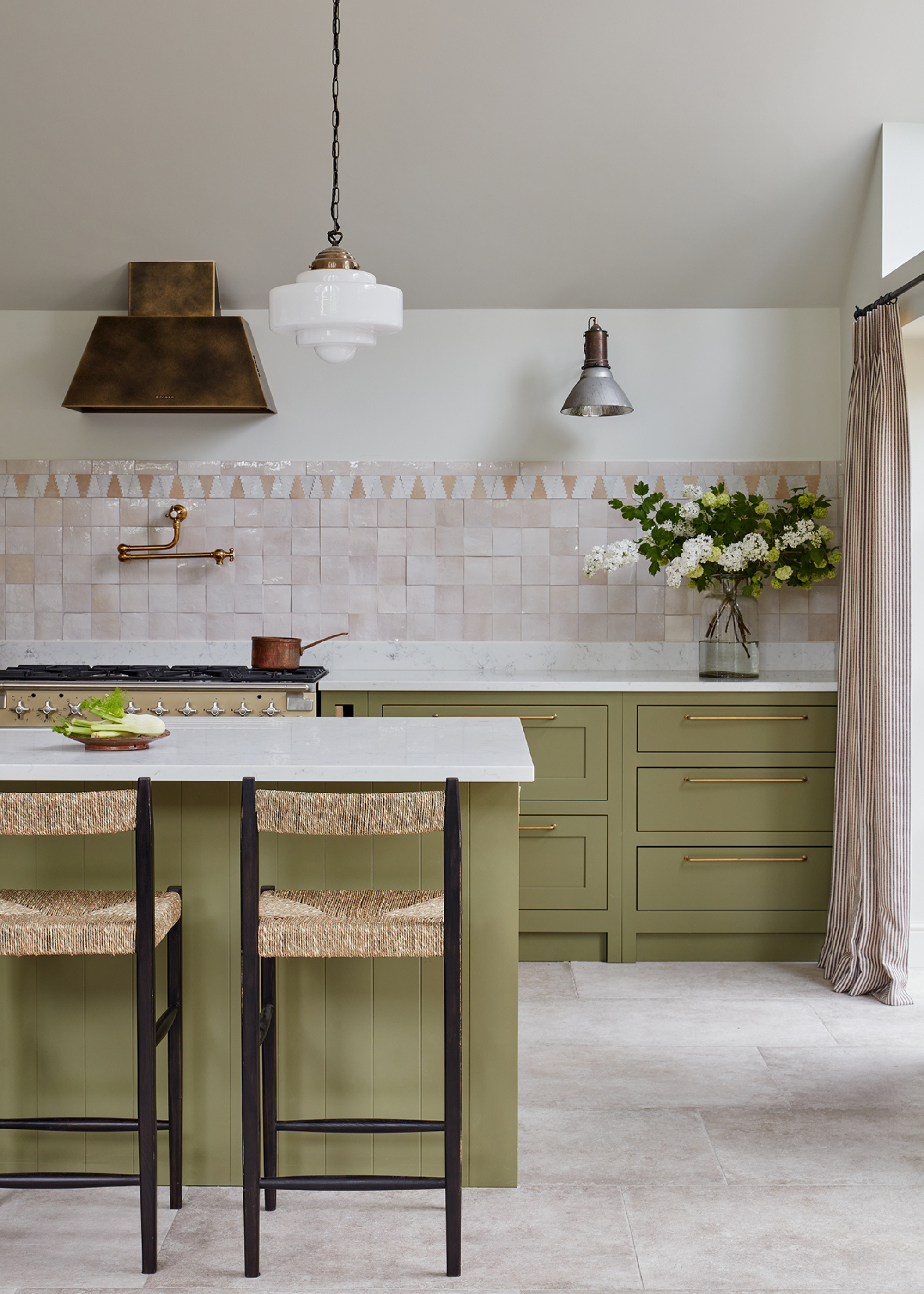
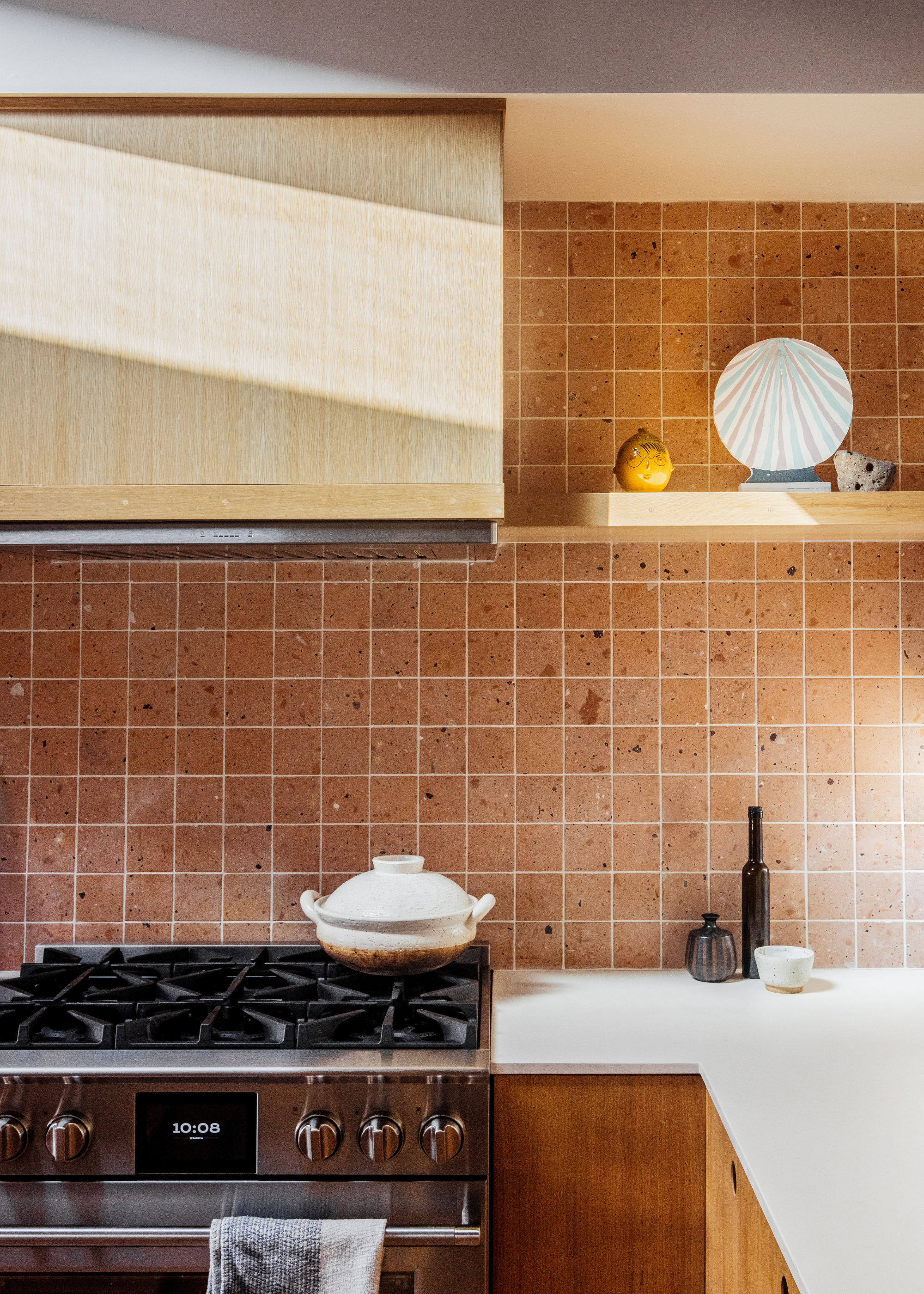
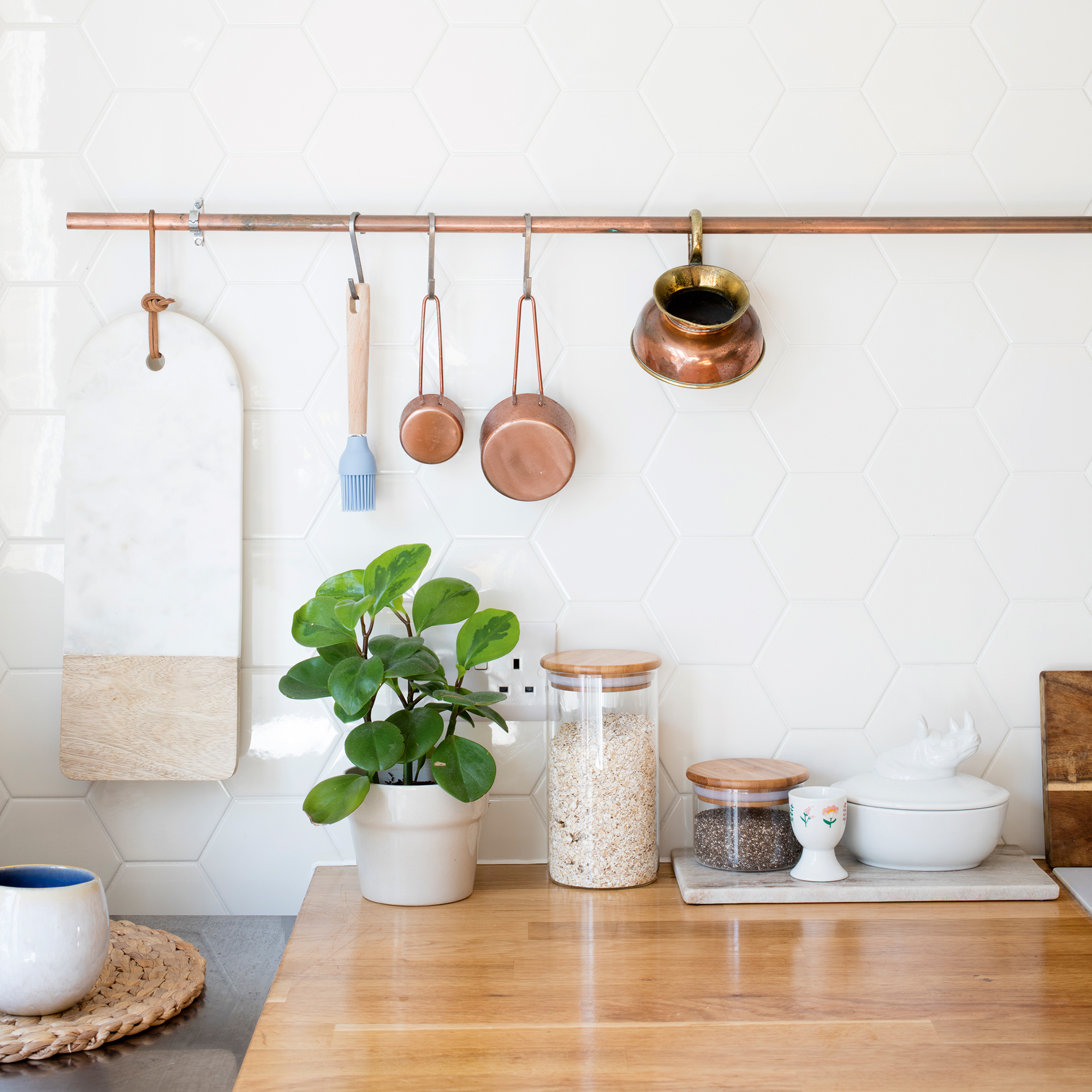
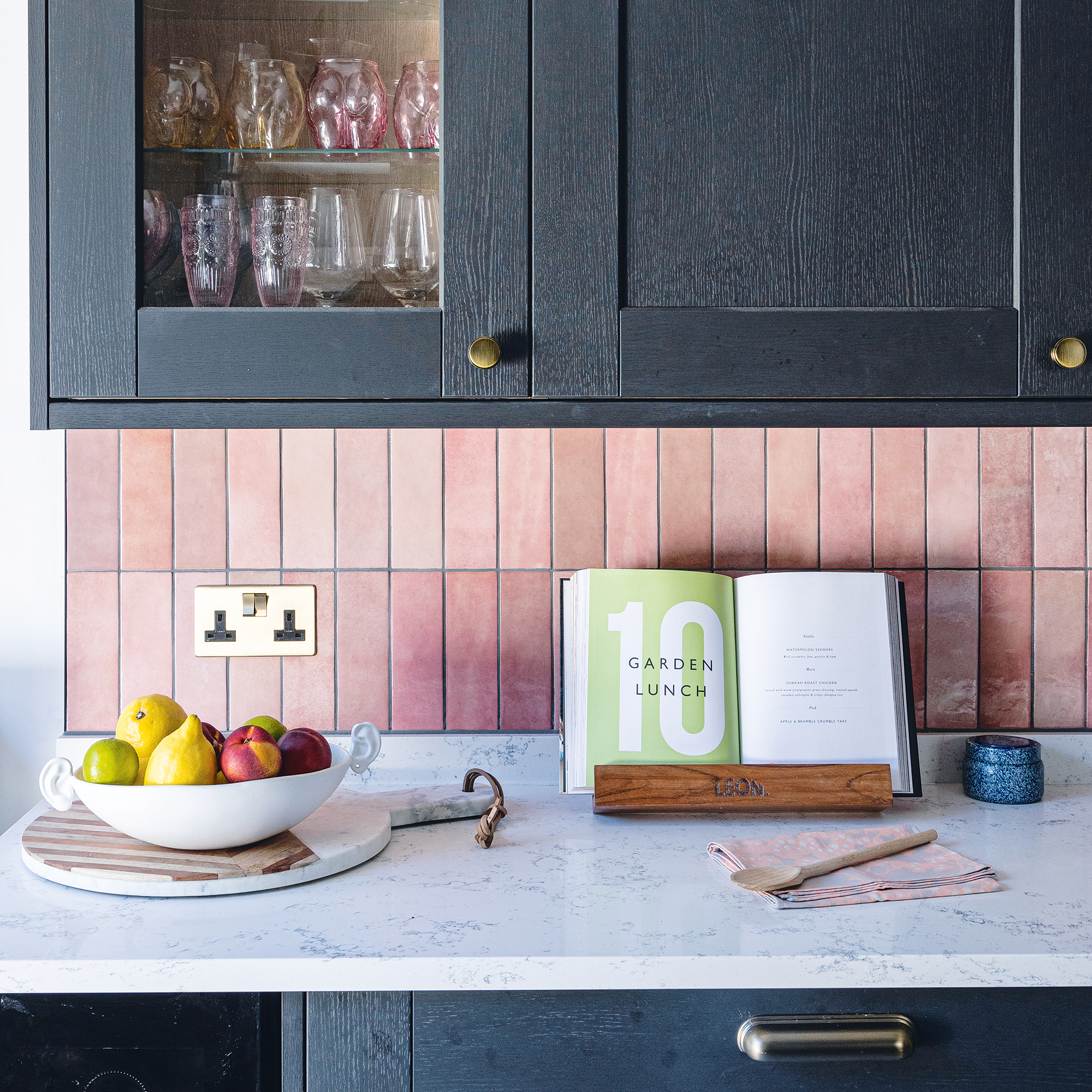
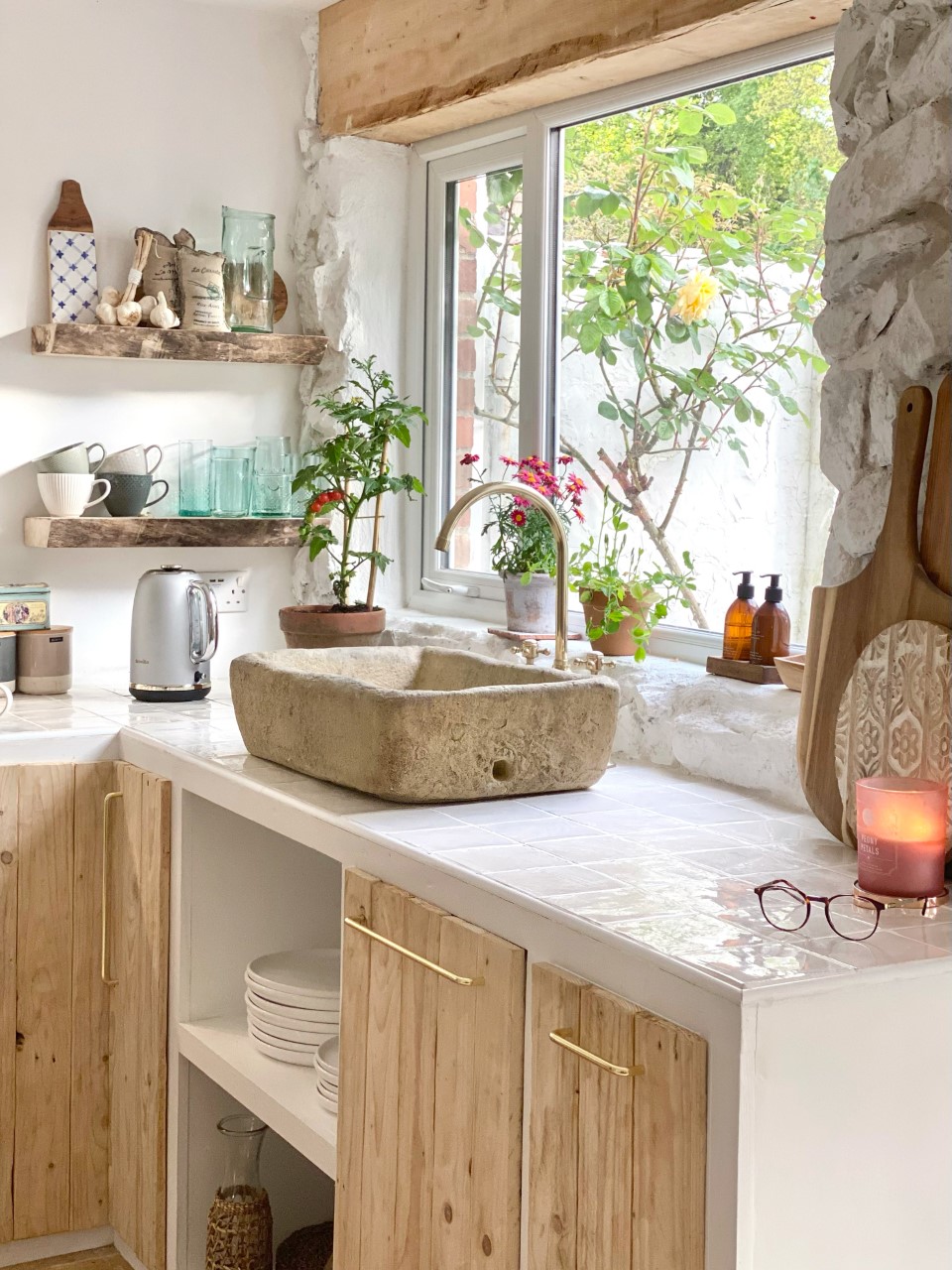
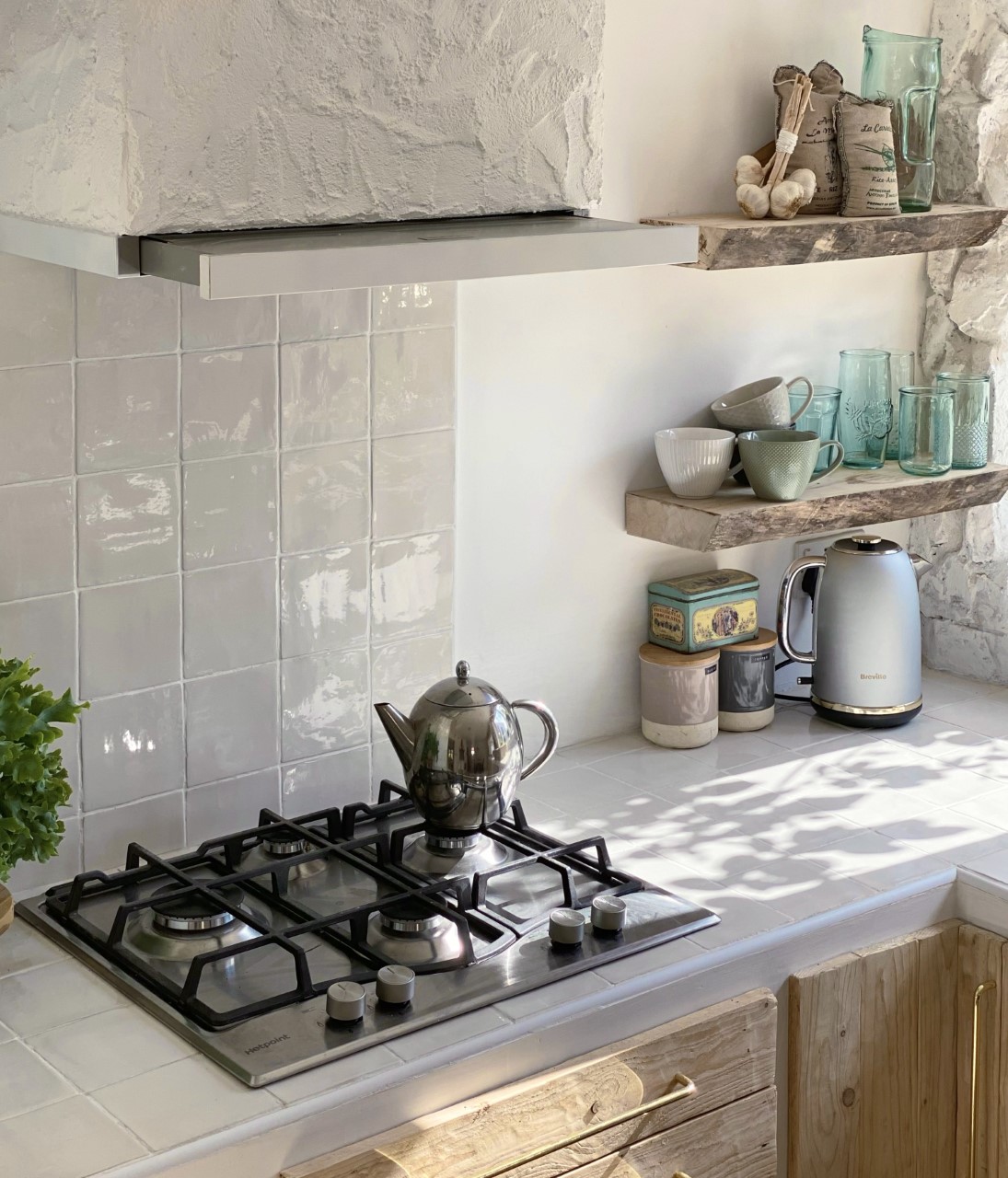
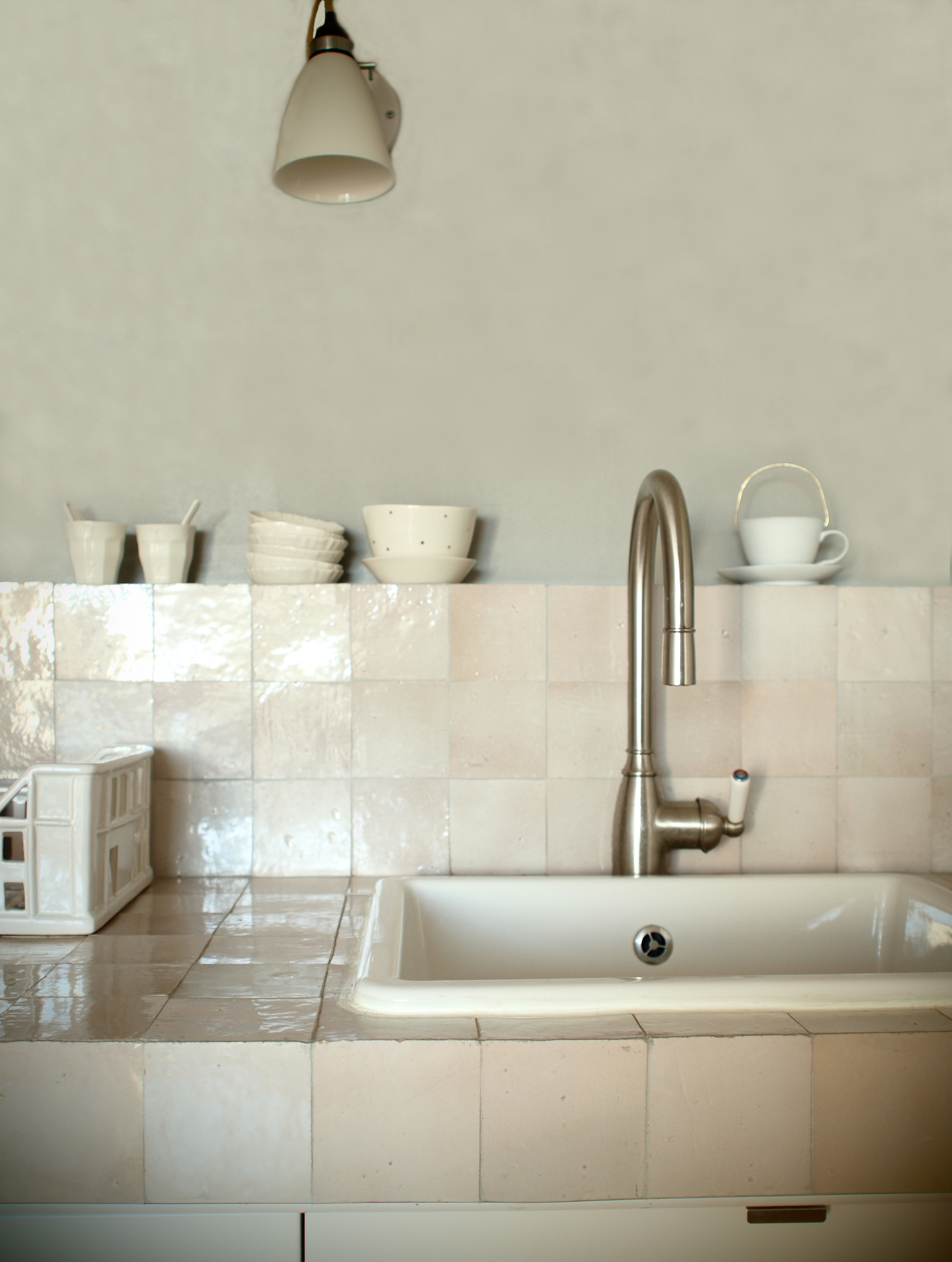
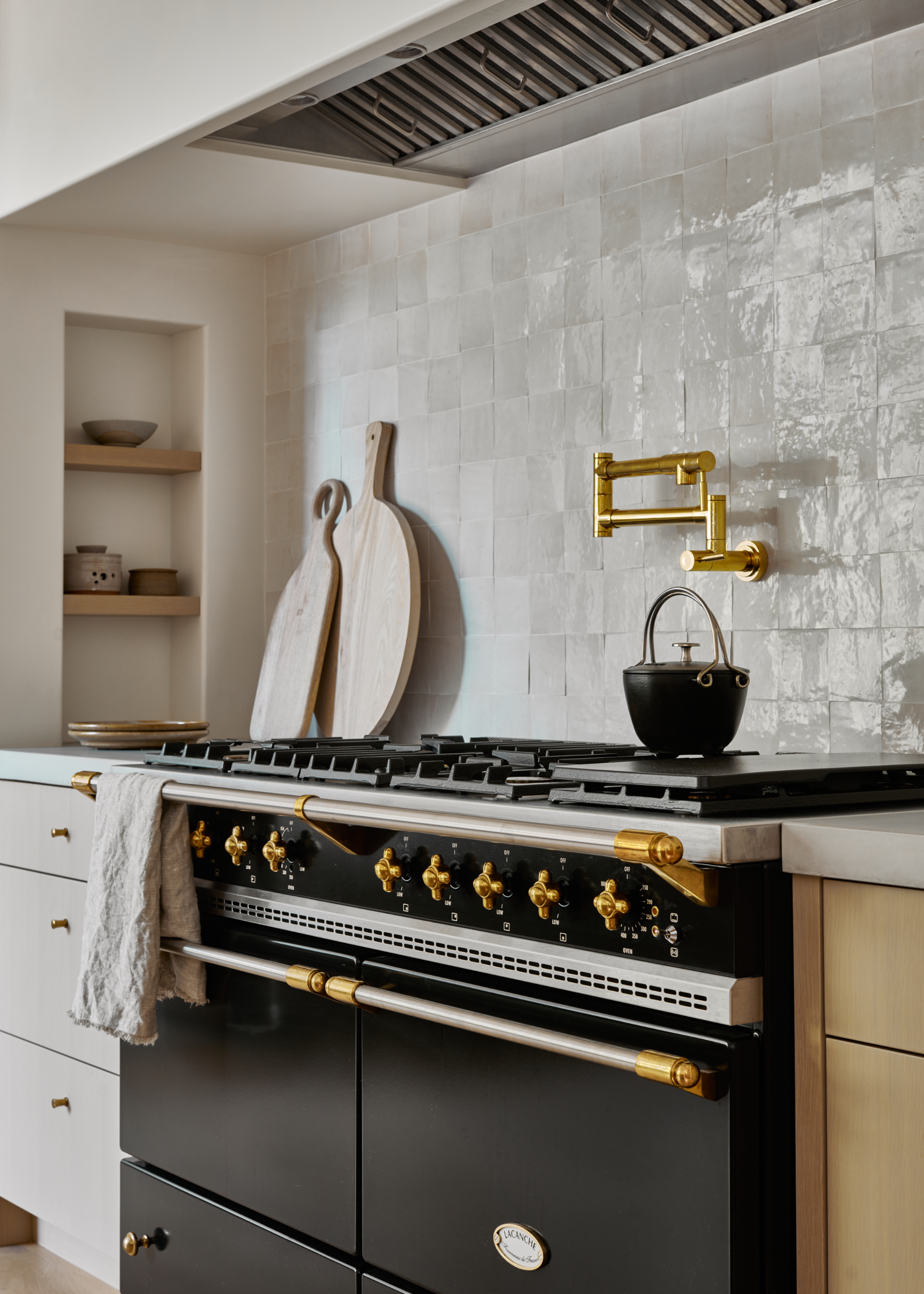
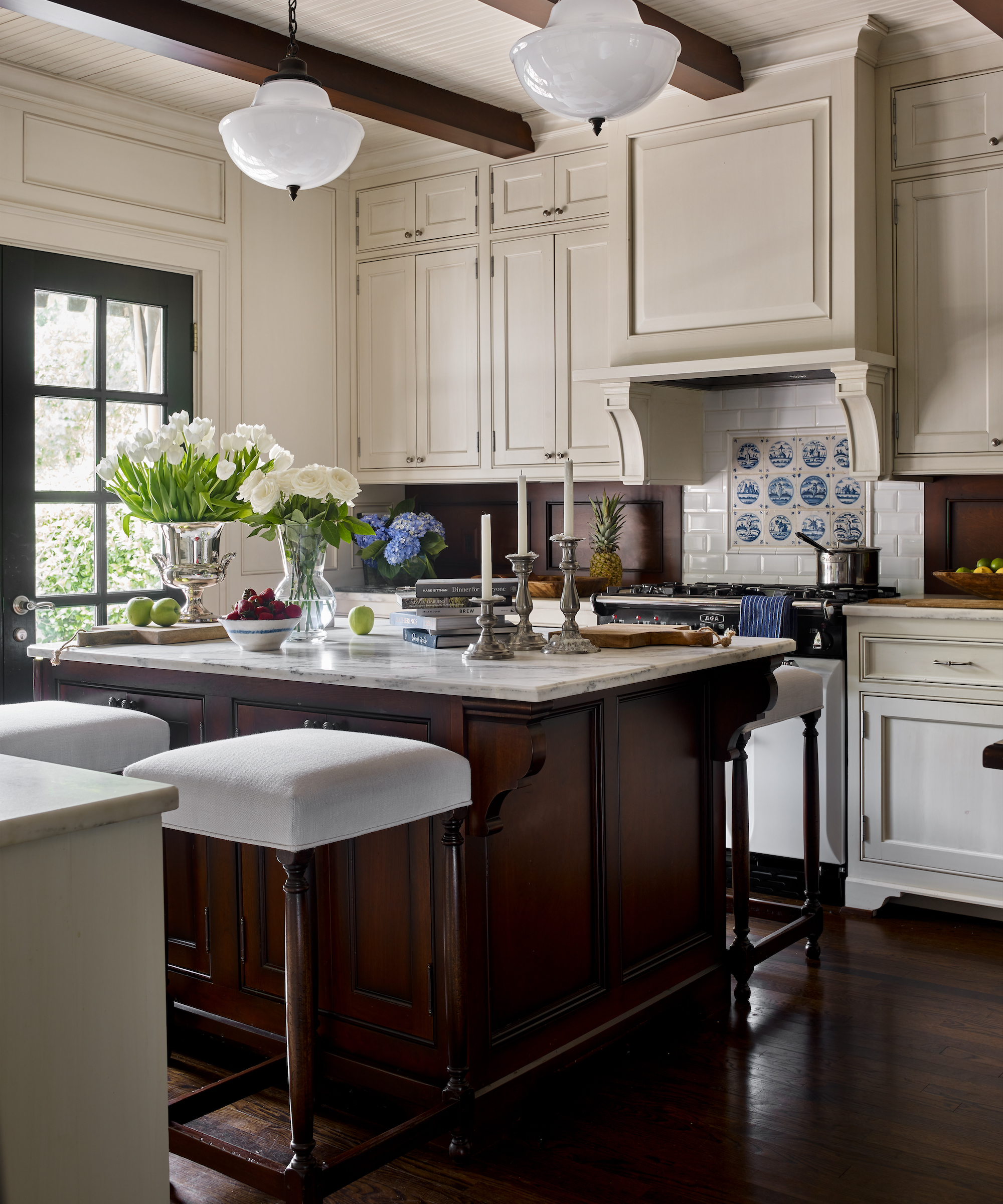
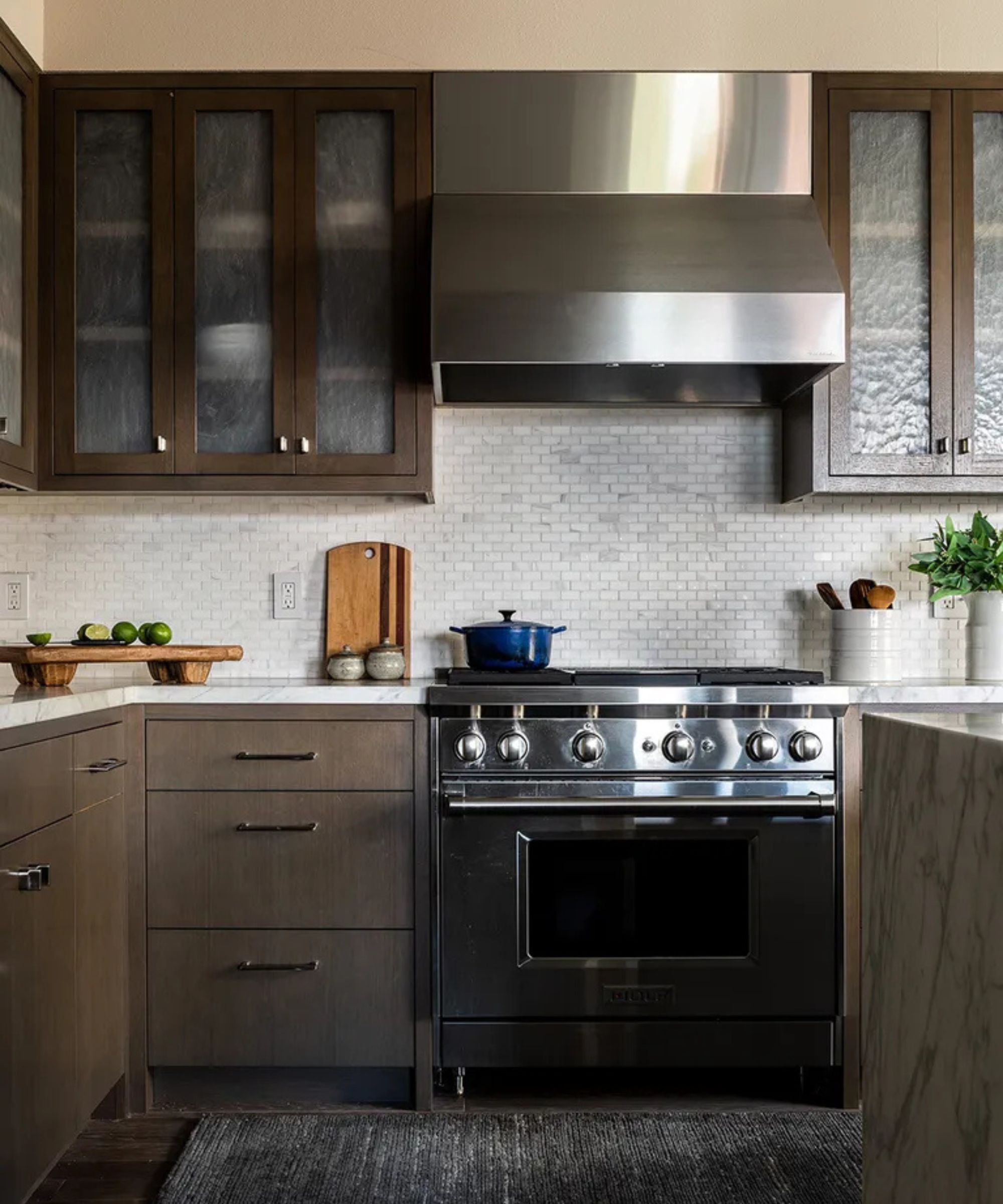
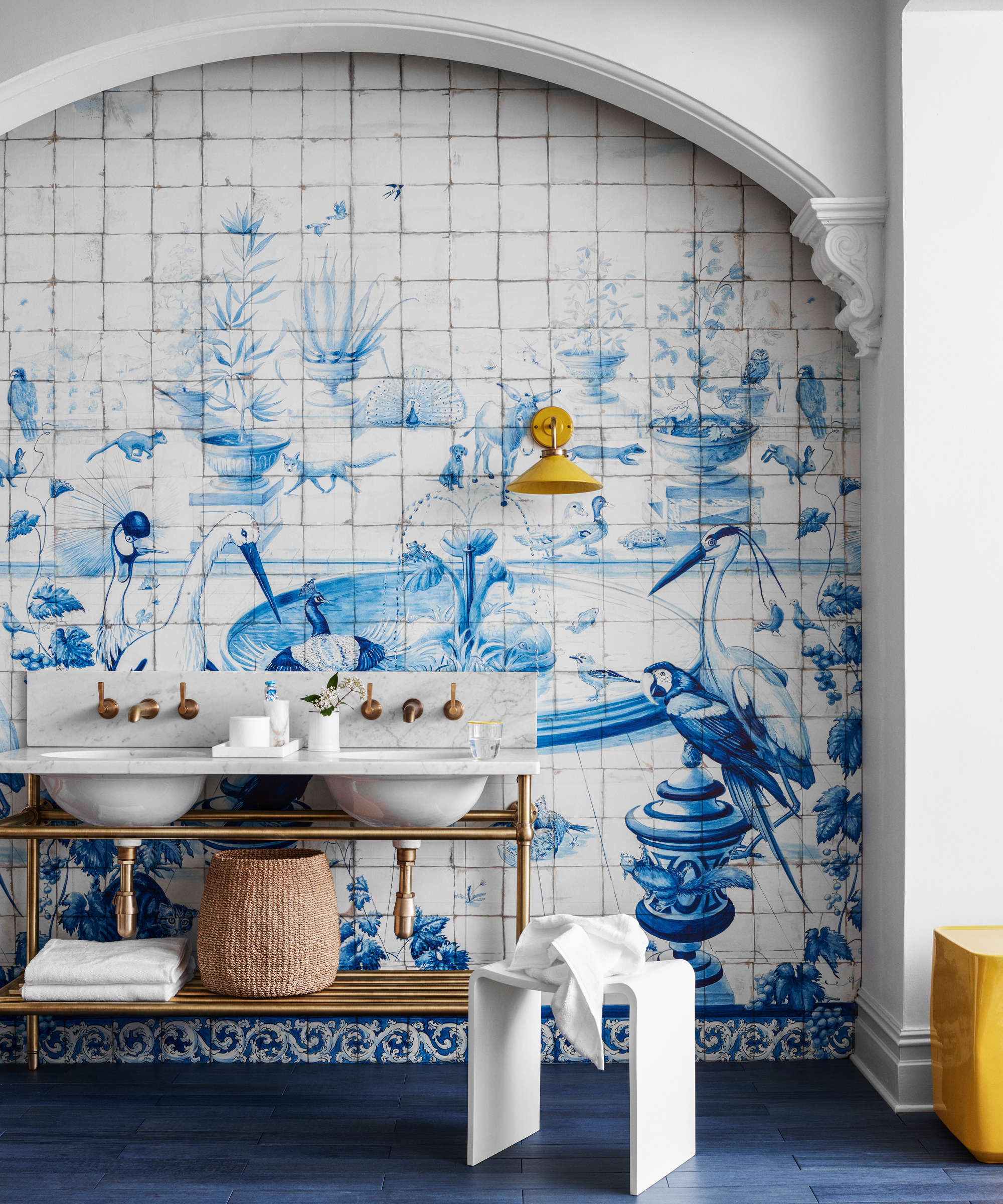
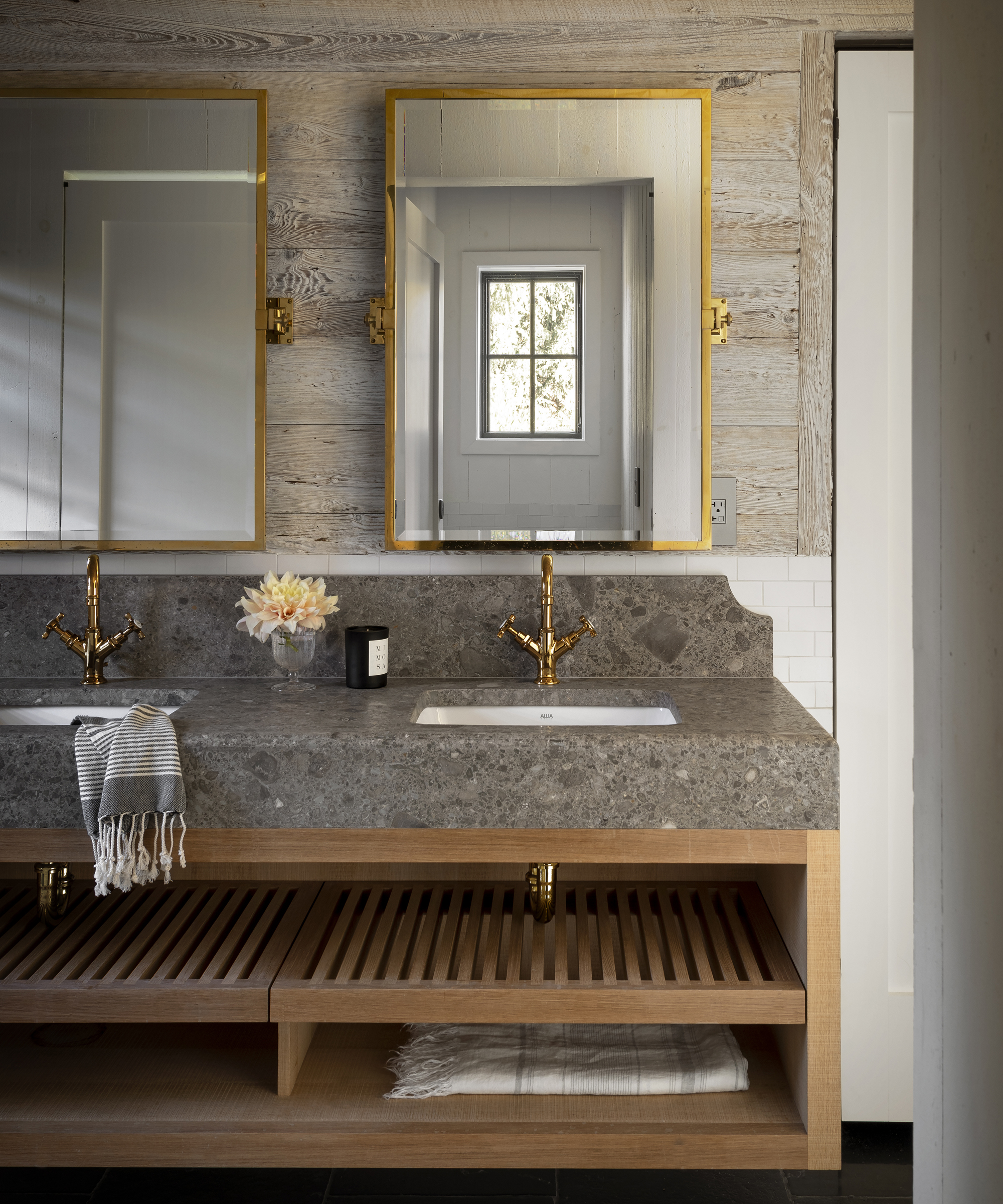
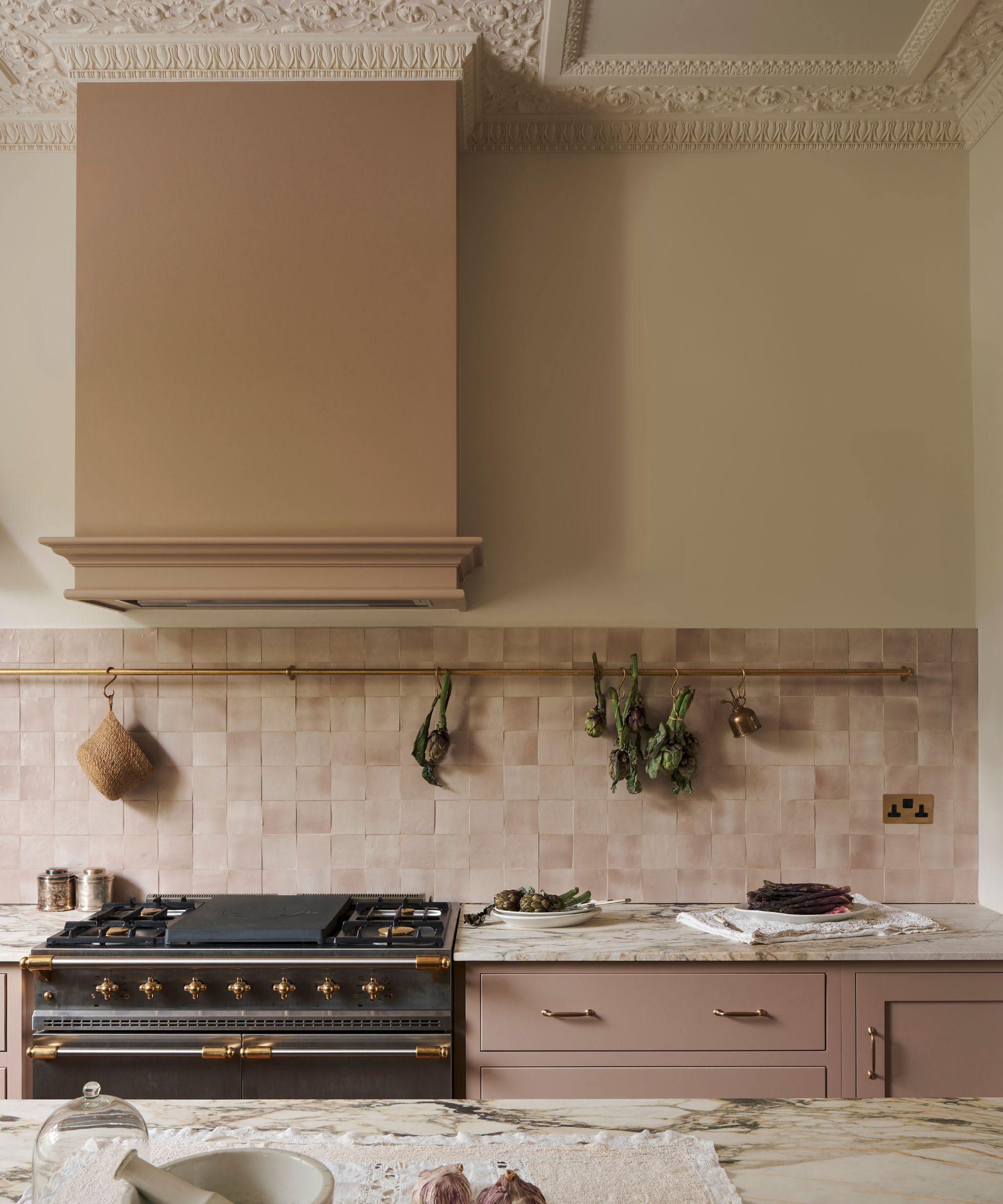
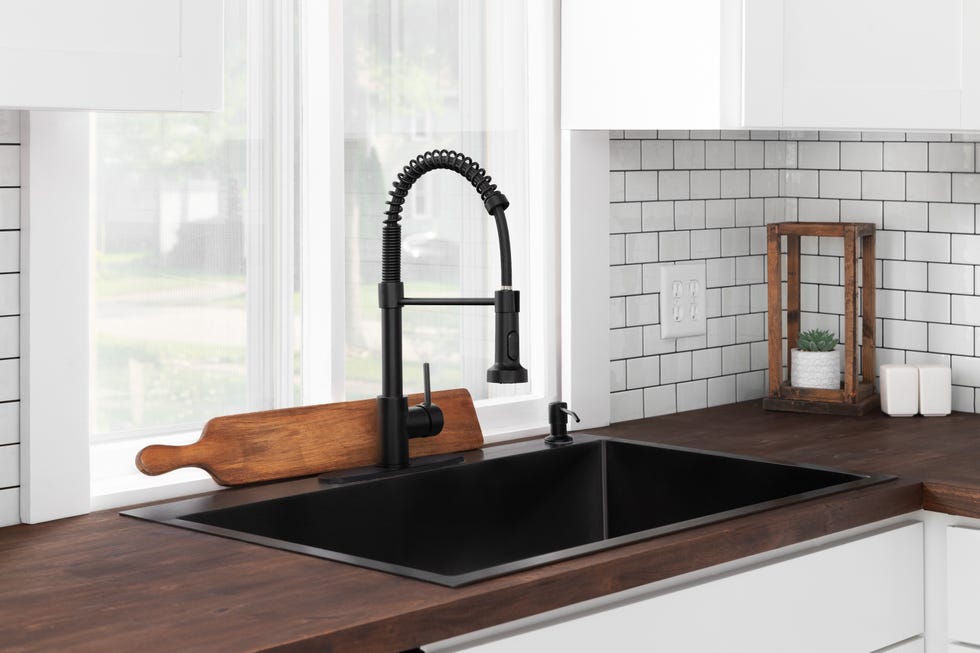
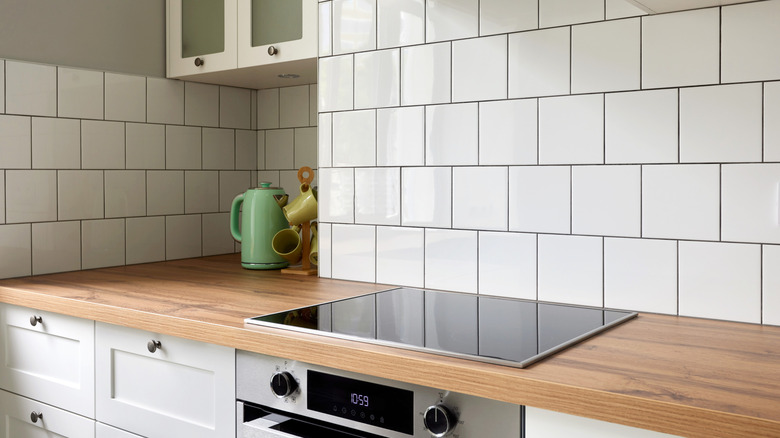
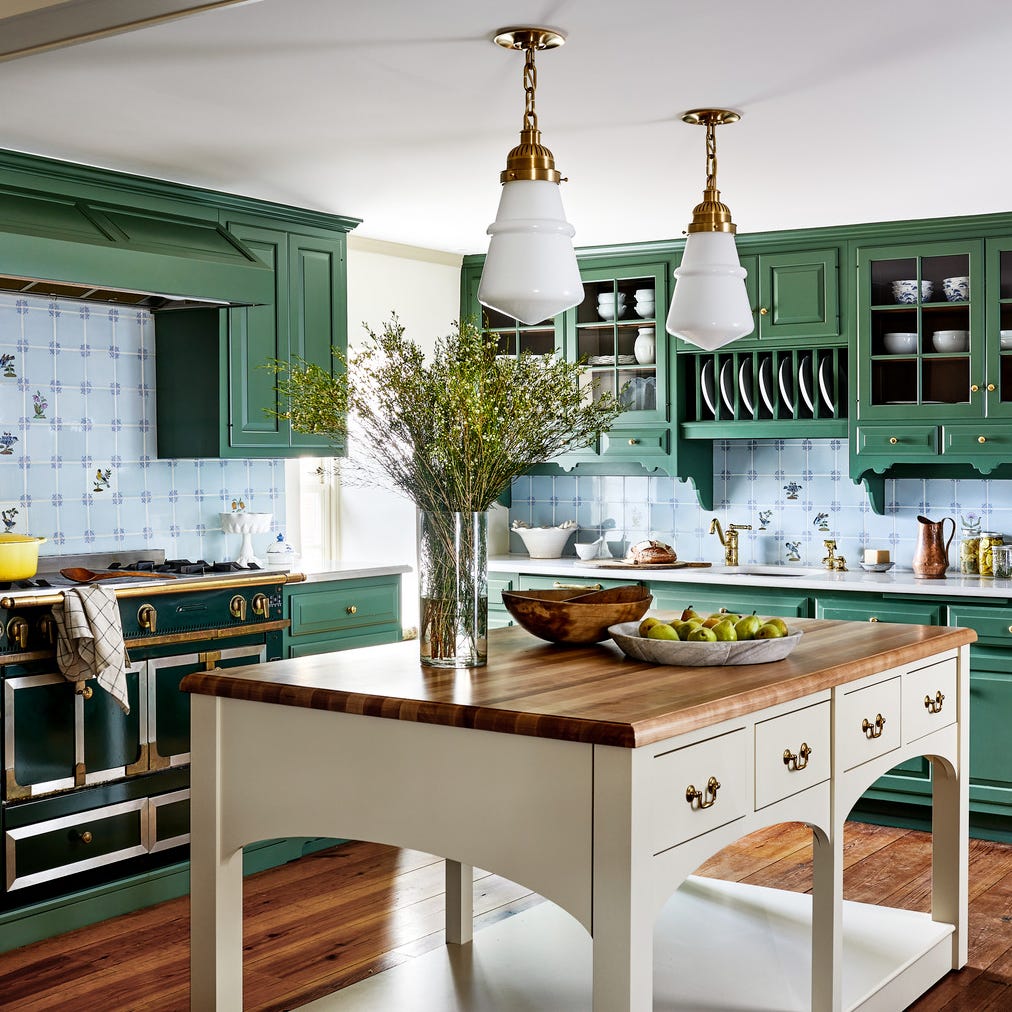
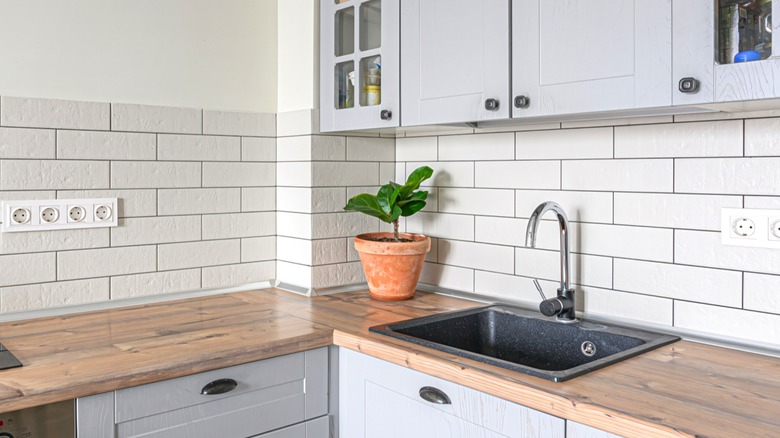
The decision to incorporate a side backsplash in a kitchen or bathroom is a nuanced one, depending on various factors related to layout, aesthetics, and practical utility. While traditional backsplashes cover the wall behind sinks or appliances, extending this design to a side wall can offer both advantages and disadvantages. According to interior designer Artem Kropovinsky, side backsplashes primarily offer enhanced ease of maintenance. They protect adjacent walls from stains and splashes that can occur from sinks and cooking areas, thereby preserving the integrity and cleanliness of the wall surface. This protective function is particularly beneficial in high-traffic cooking zones where spills and splatters are common, preventing unsightly marks and making cleaning less arduous. For homeowners prioritizing cleanliness and ease of upkeep, a side splash can be a practical and necessary addition, even if its aesthetic impact is a secondary consideration.
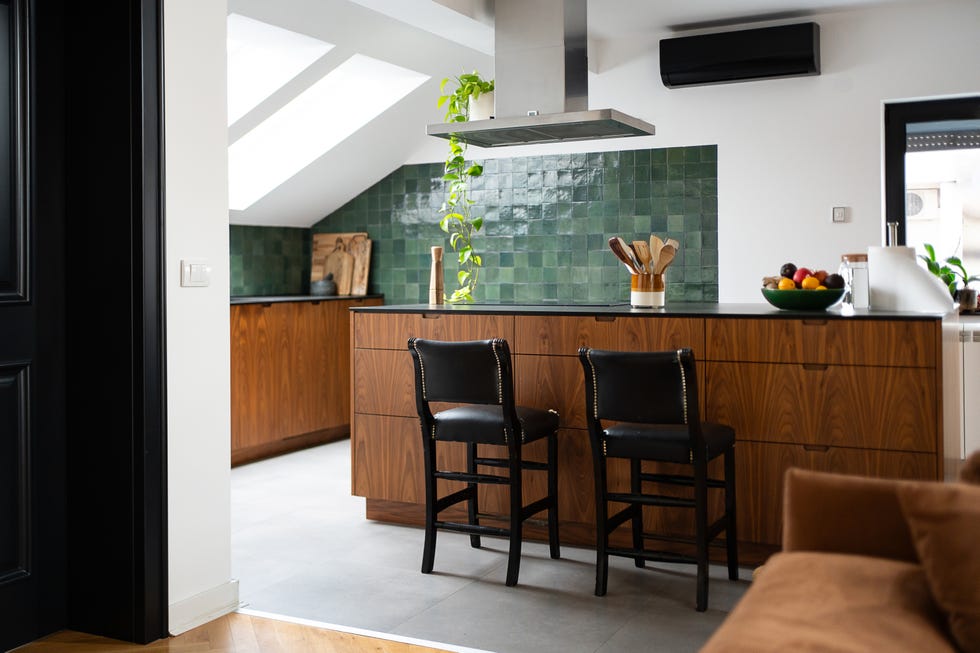
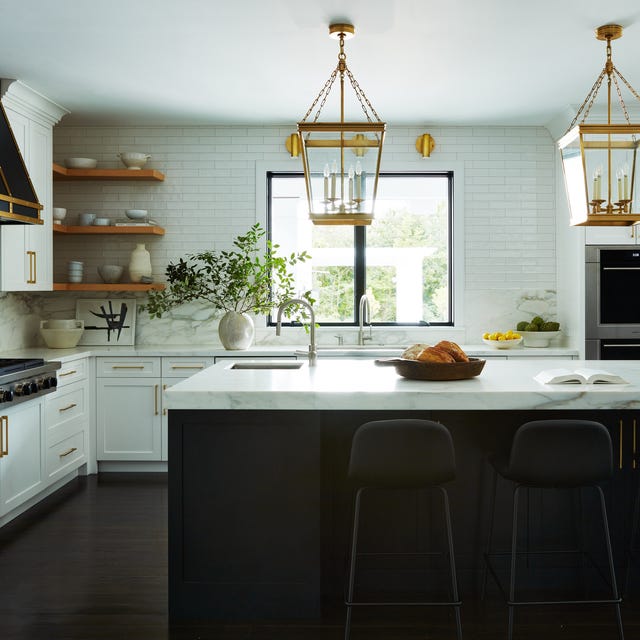
However, the inclusion of a side backsplash also carries aesthetic implications that need careful consideration. Kropovinsky emphasizes that the decision should align with the overall design philosophy of the space. For instance, in an open-concept kitchen aiming for a modern, minimalist look, adding a side backsplash might introduce visual clutter and detract from the desired aesthetic simplicity. In such cases, if the corner area is not prone to high activity or frequent splashing, omitting the side splash might be preferable to maintain a sleek and uncluttered appearance. Conversely, in a busy kitchen or a frequently used sink area, the practical benefits of a side splash often outweigh potential aesthetic concerns, as a few extra tiles protecting the wall are generally more appealing than a perpetually stained wall.
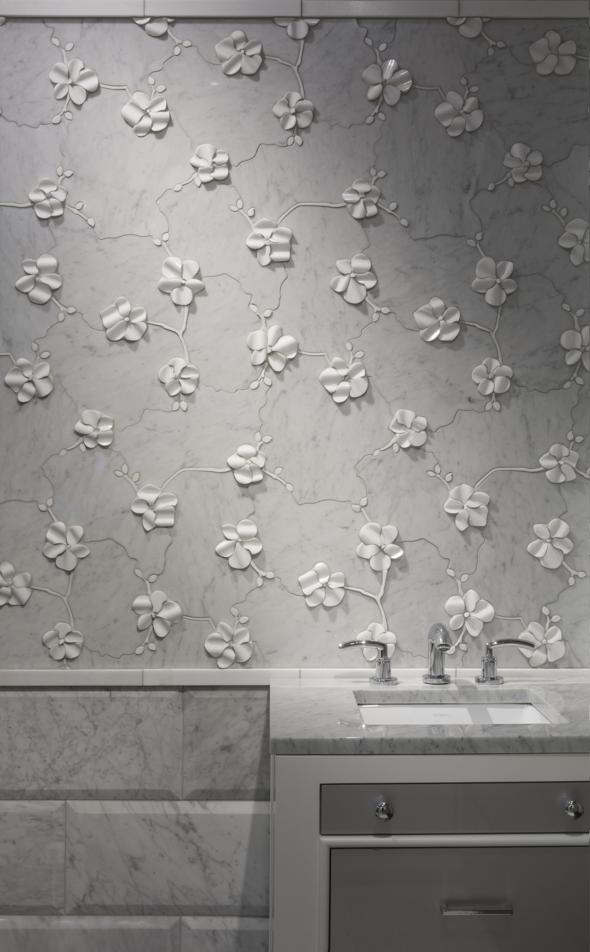
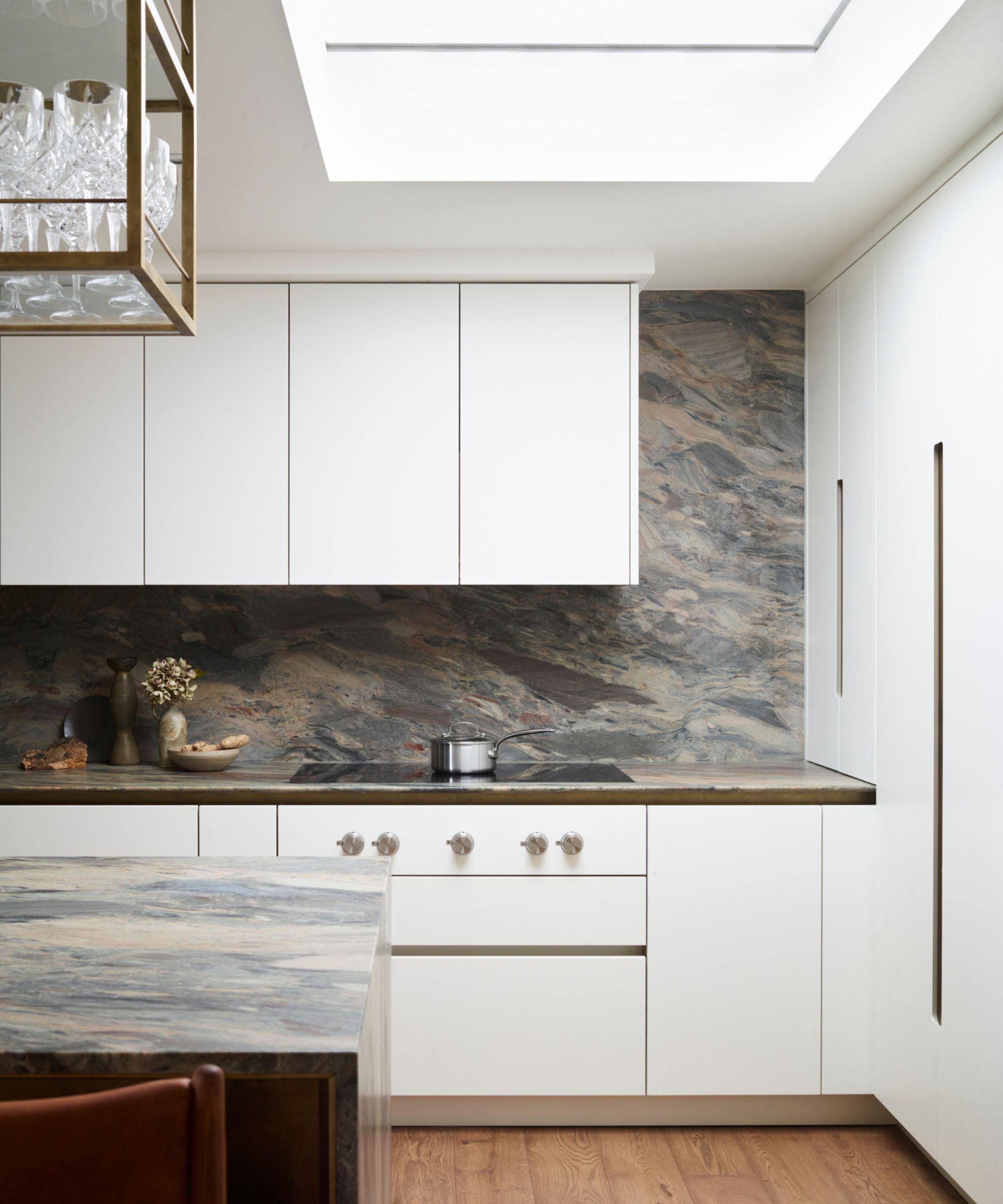
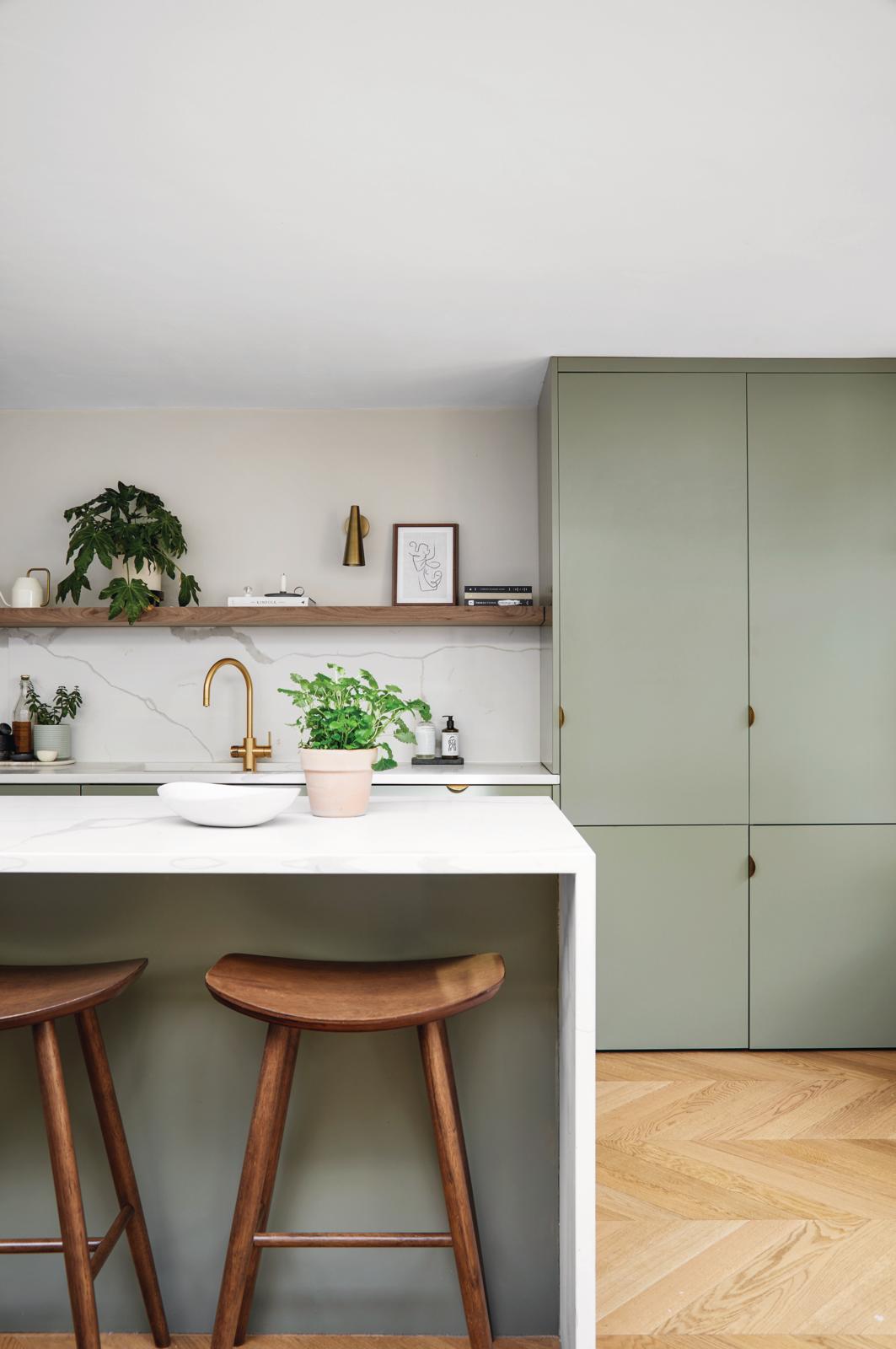
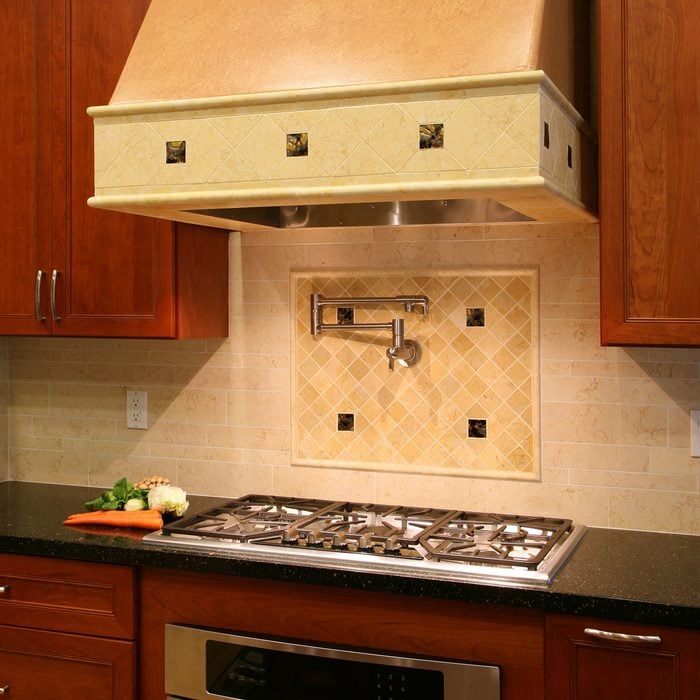
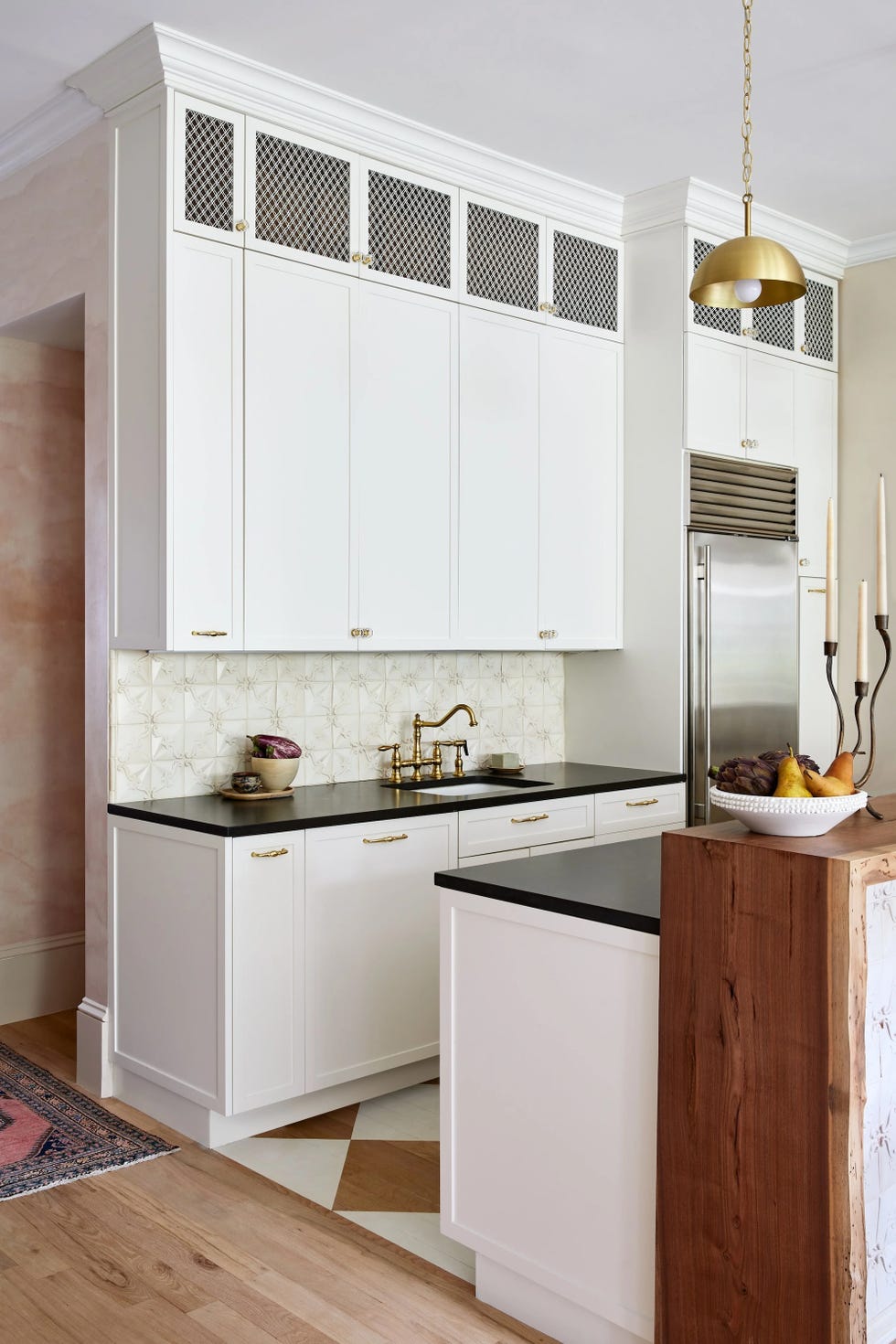
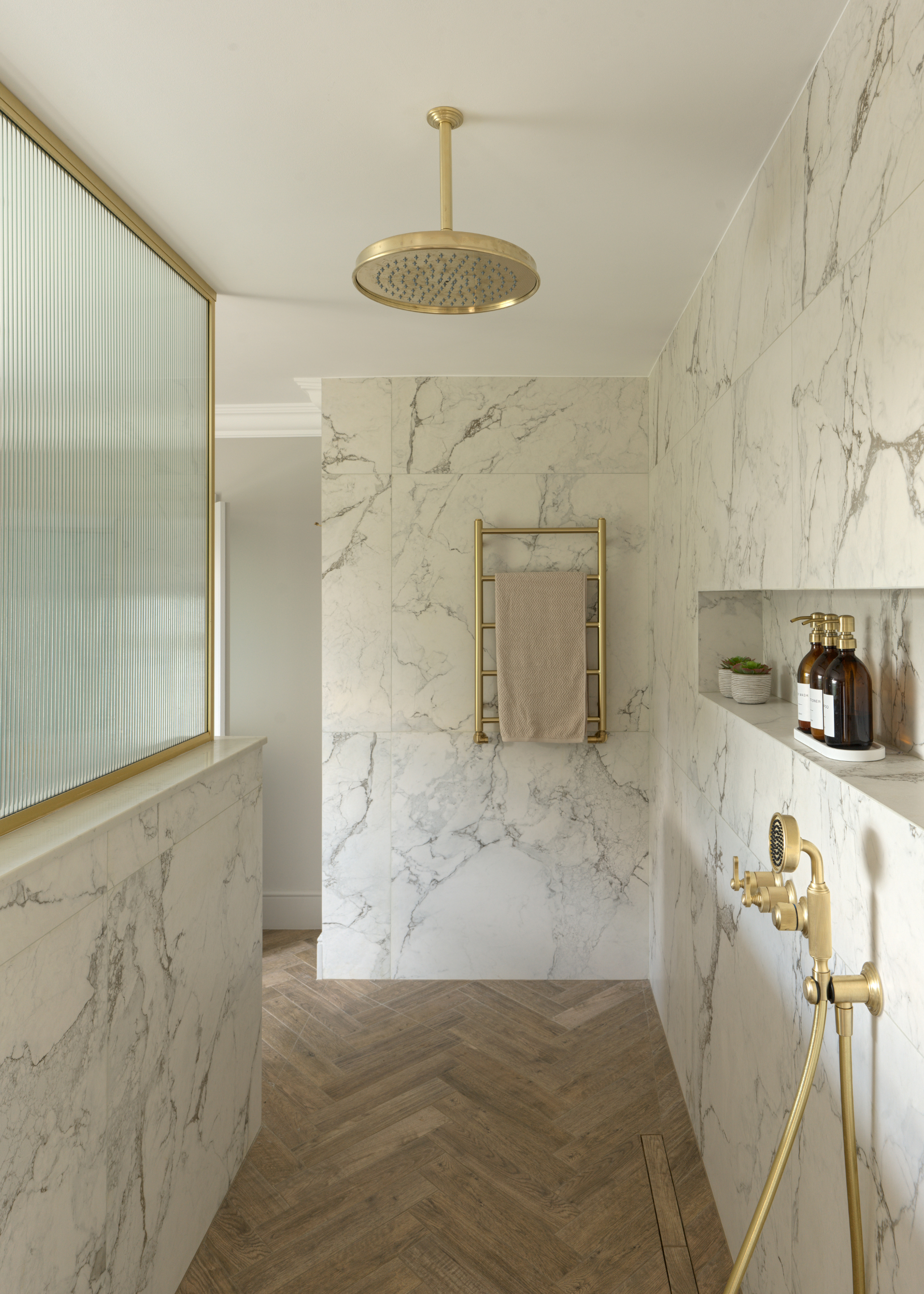
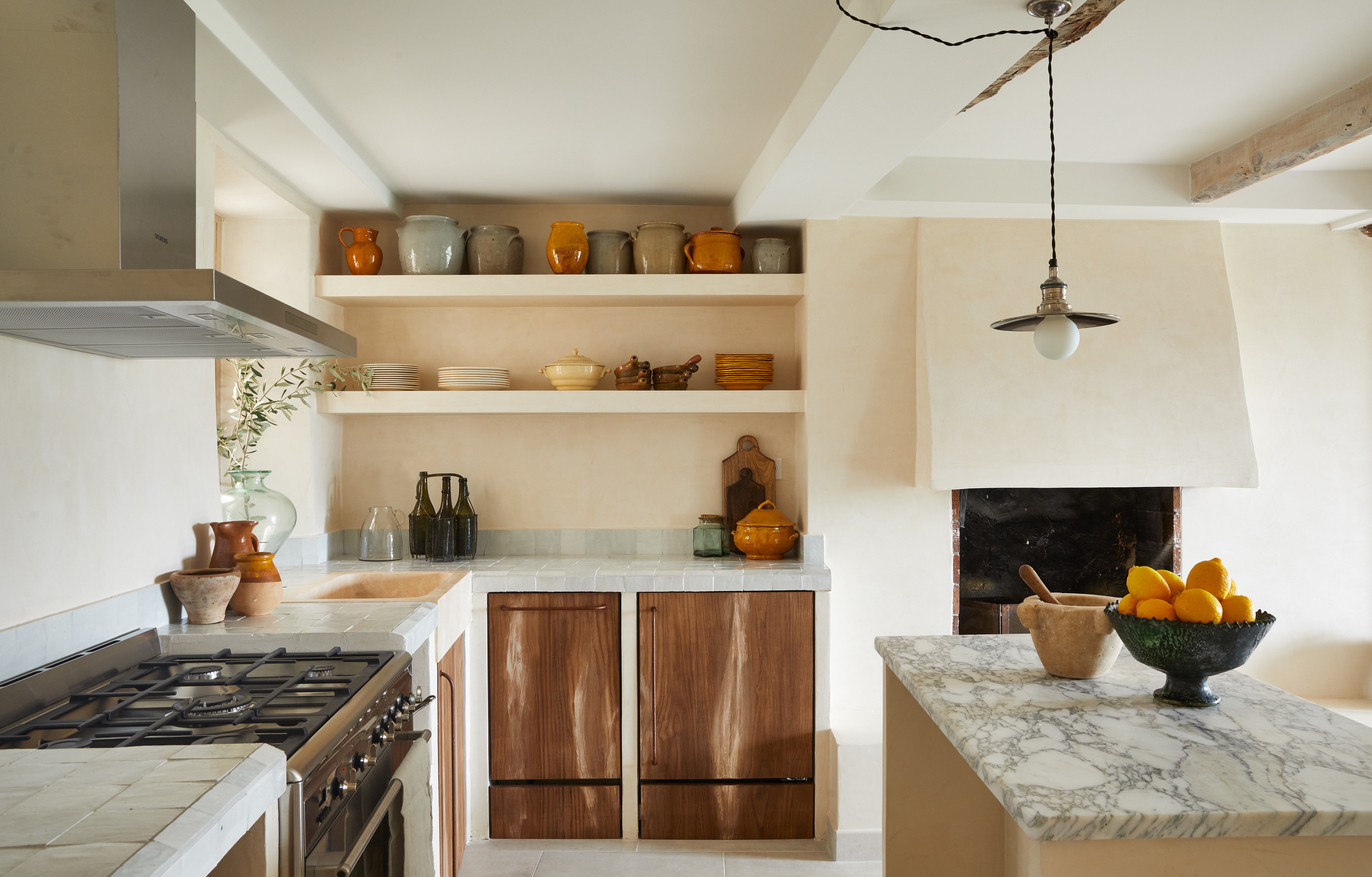
Material selection plays a critical role in how well a side splash integrates into the overall design. Awkward-looking side splashes often result from a mismatch in materials or a design that appears as an afterthought. Kropovinsky advises that side splashes look most cohesive when they are made from the same material as the countertop. This approach creates a sense of continuity and makes the kitchen space feel more integrated and complete. Natural stone options like quartz or marble are often recommended for their ability to blend seamlessly, especially when their patterns are carefully aligned to ensure a smooth transition. This strategy aligns with contemporary design trends that favor matchy-matchy materials for countertops and backsplashes, contributing to a harmonious and sophisticated look.
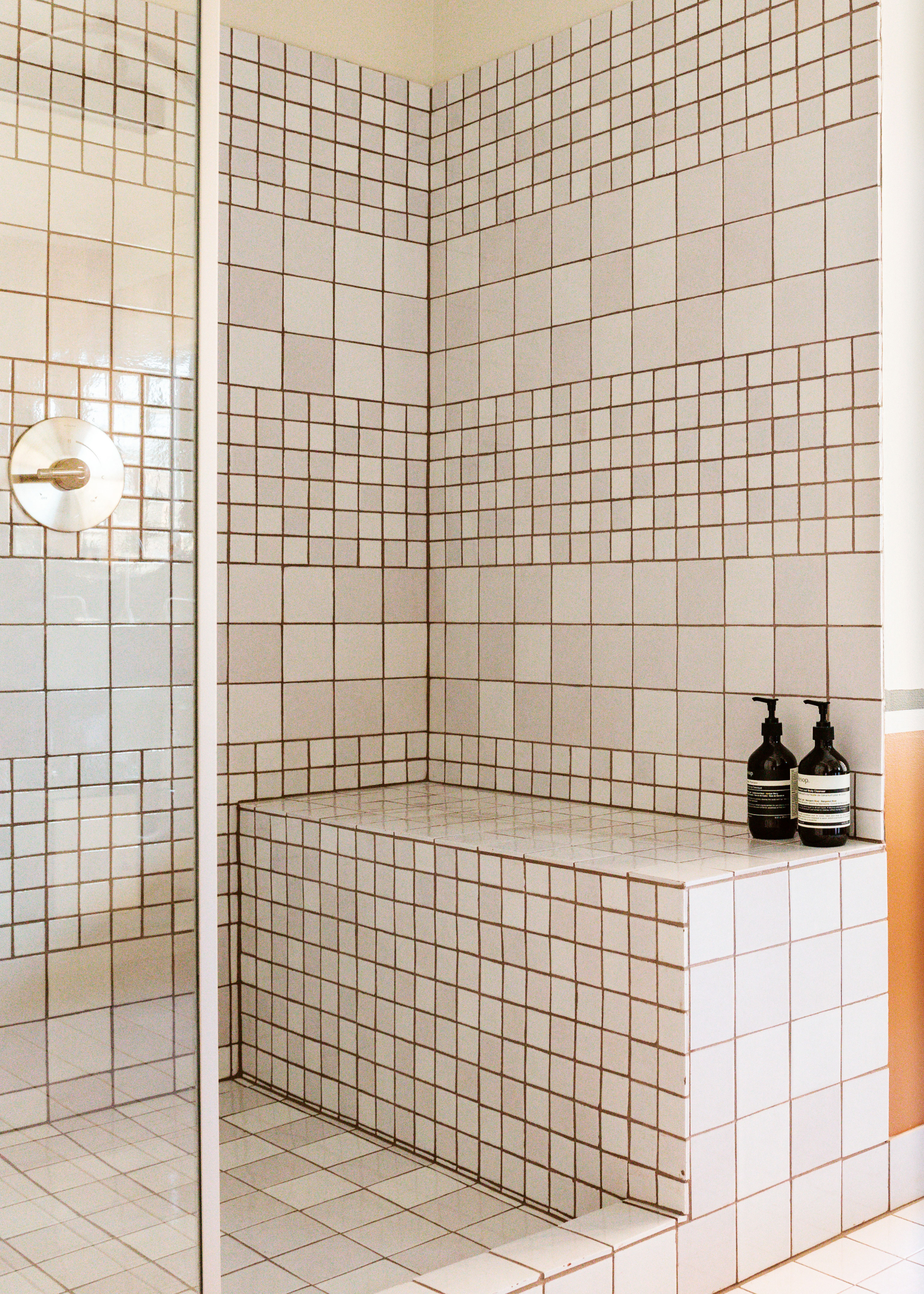
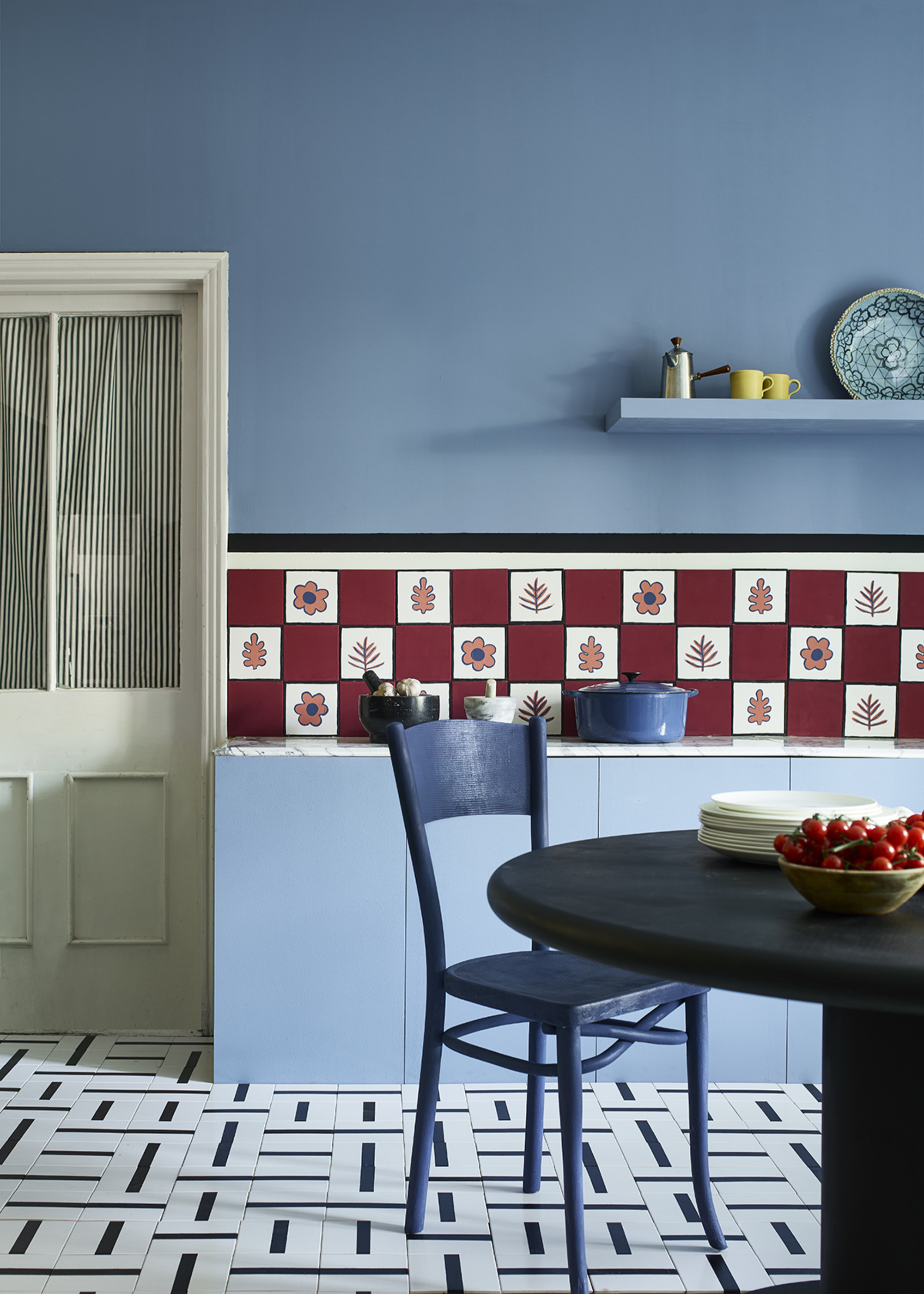
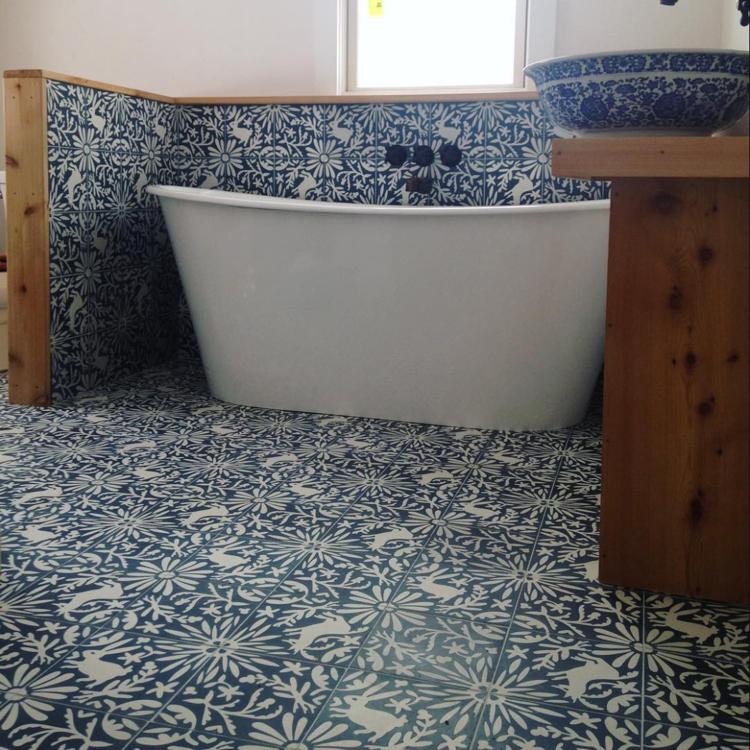
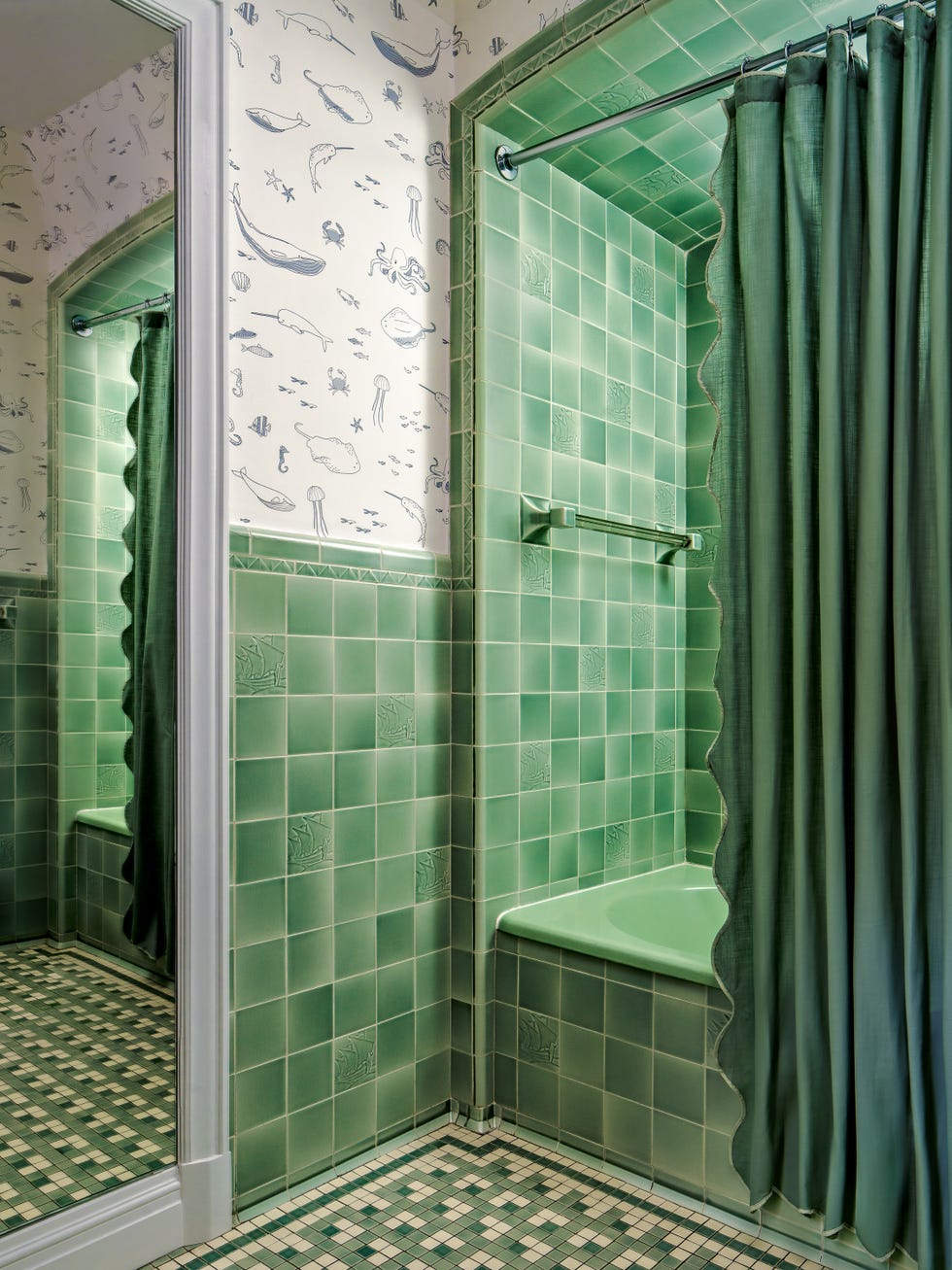
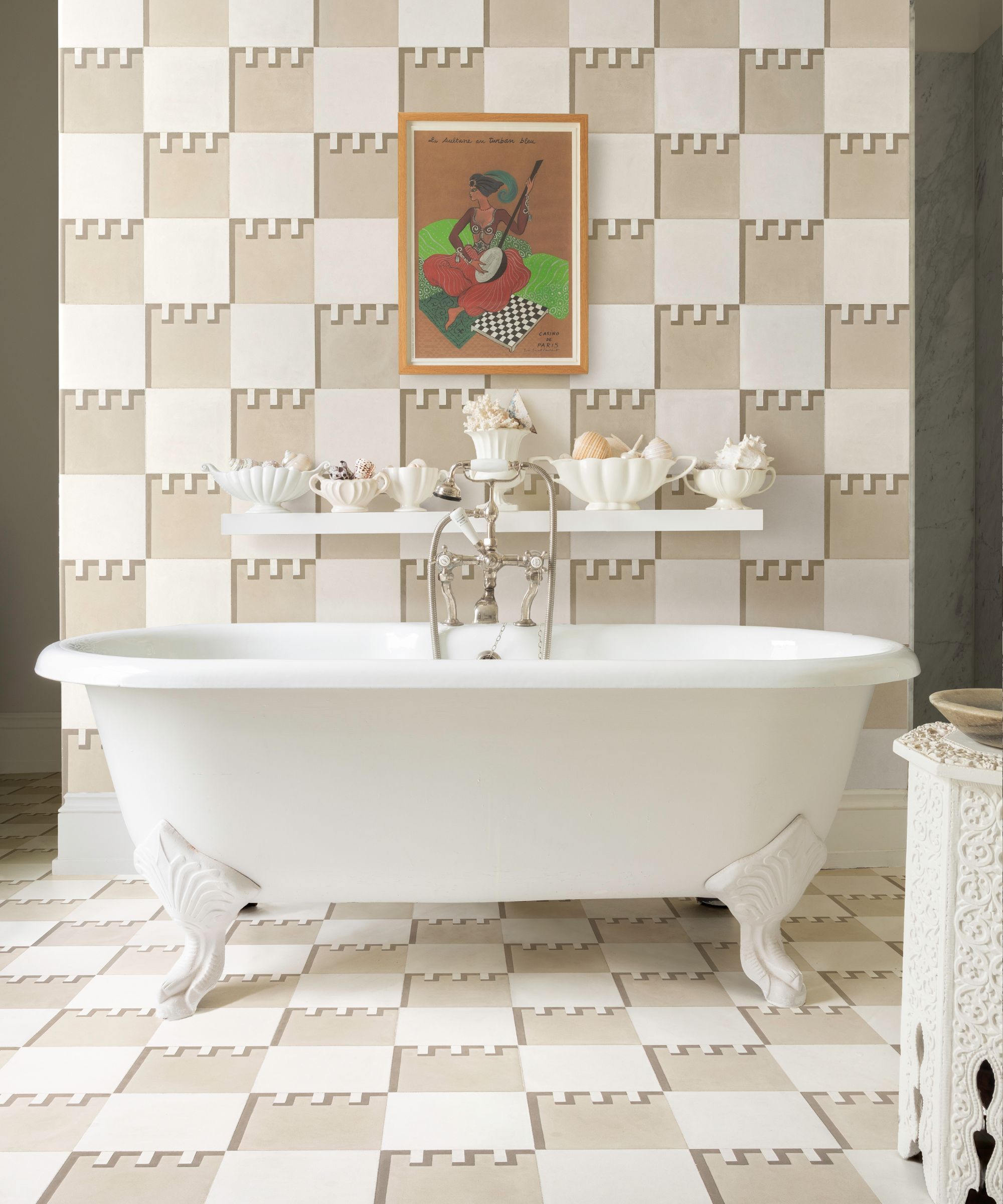
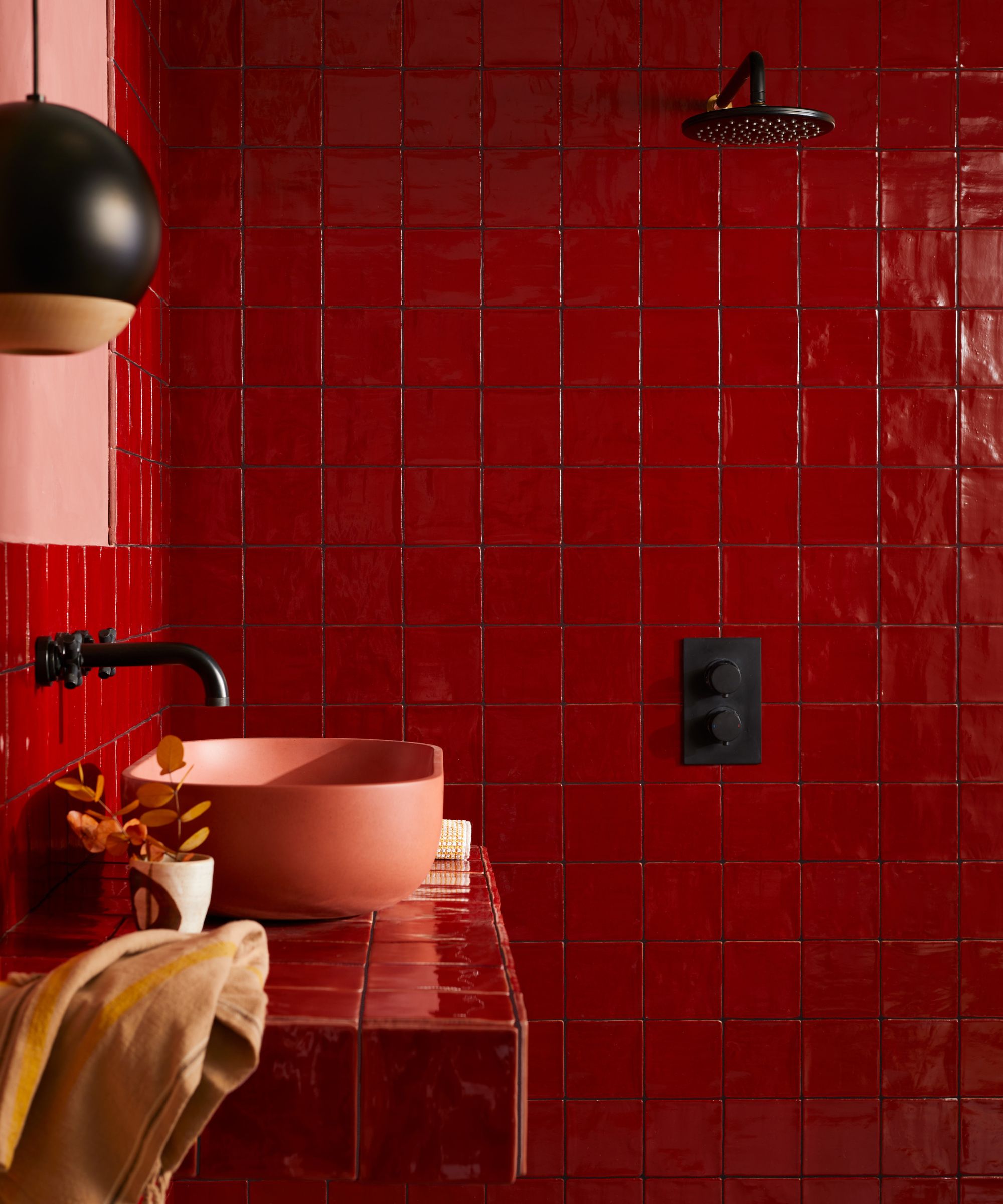
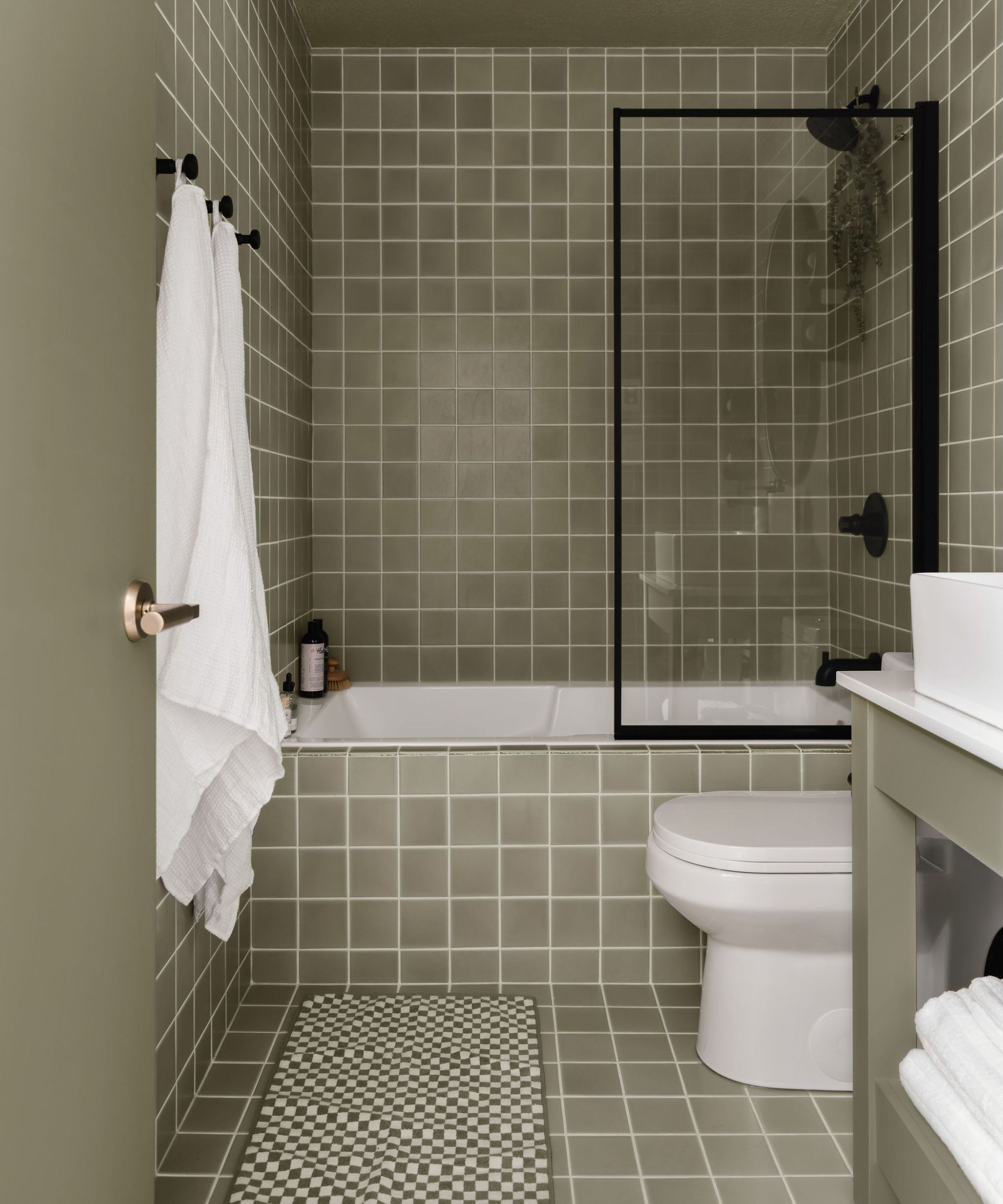
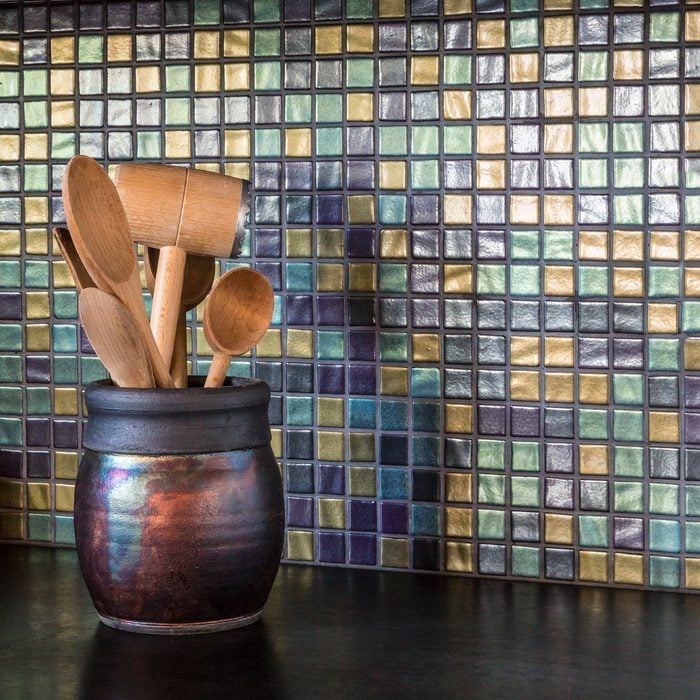
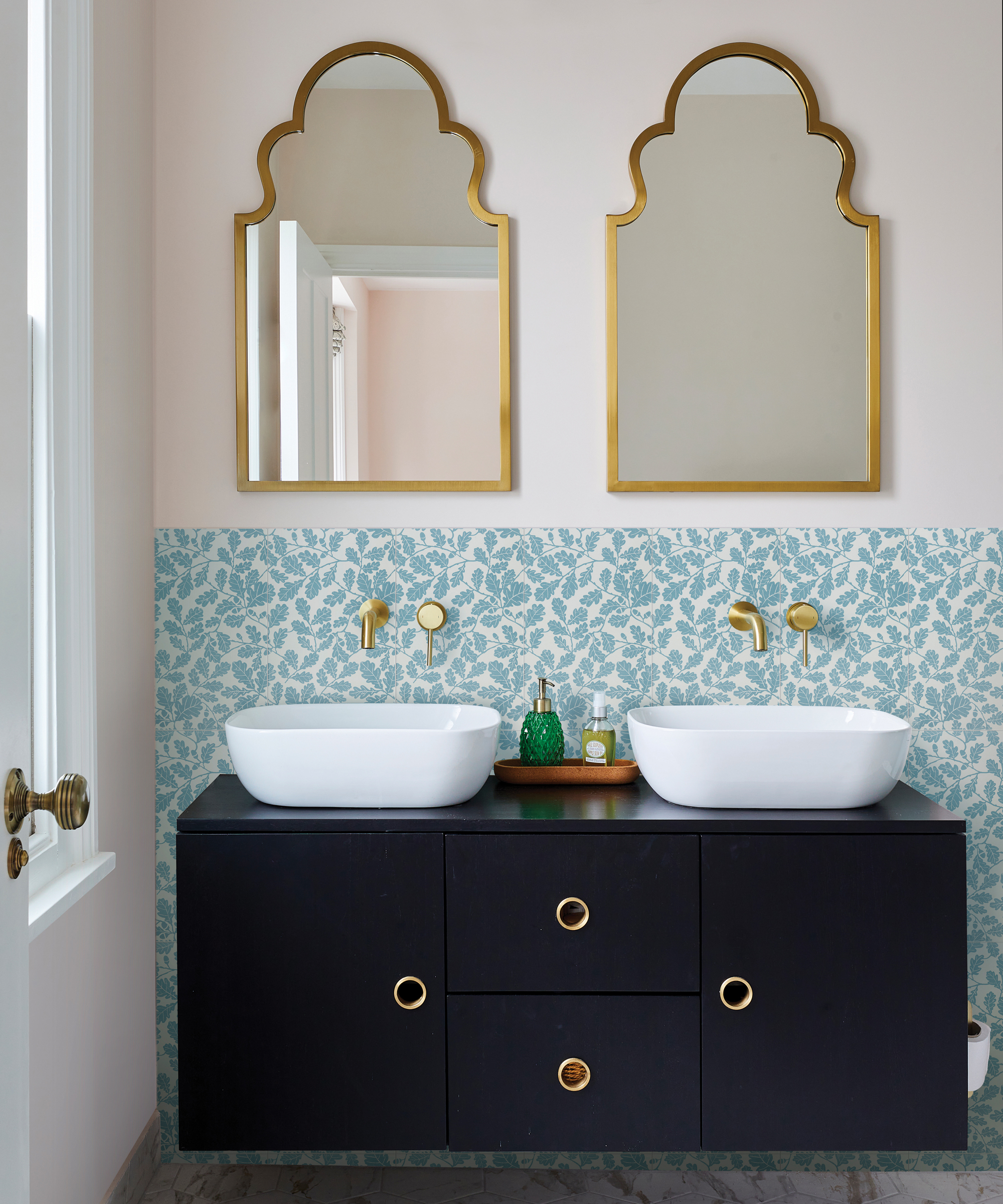
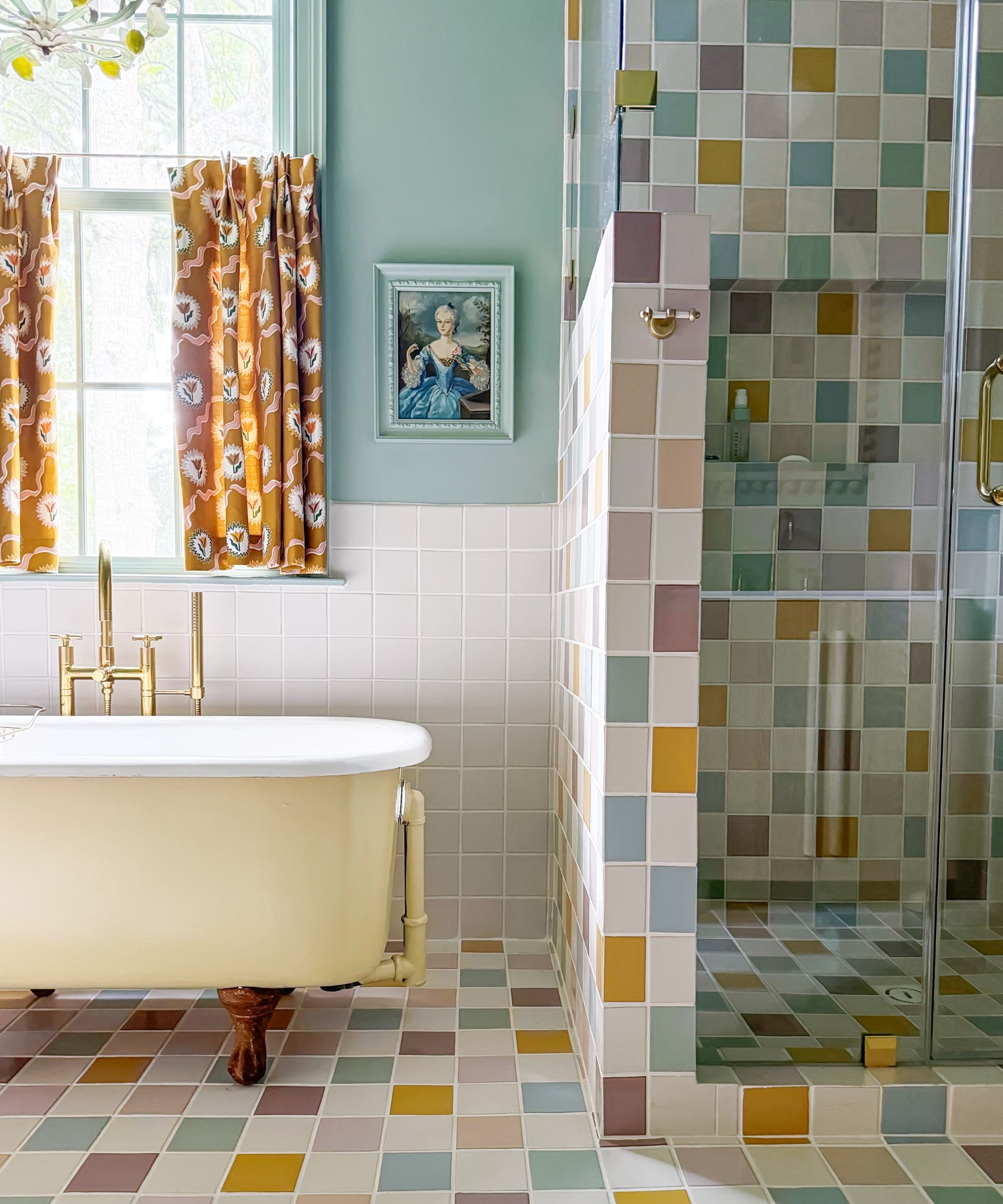
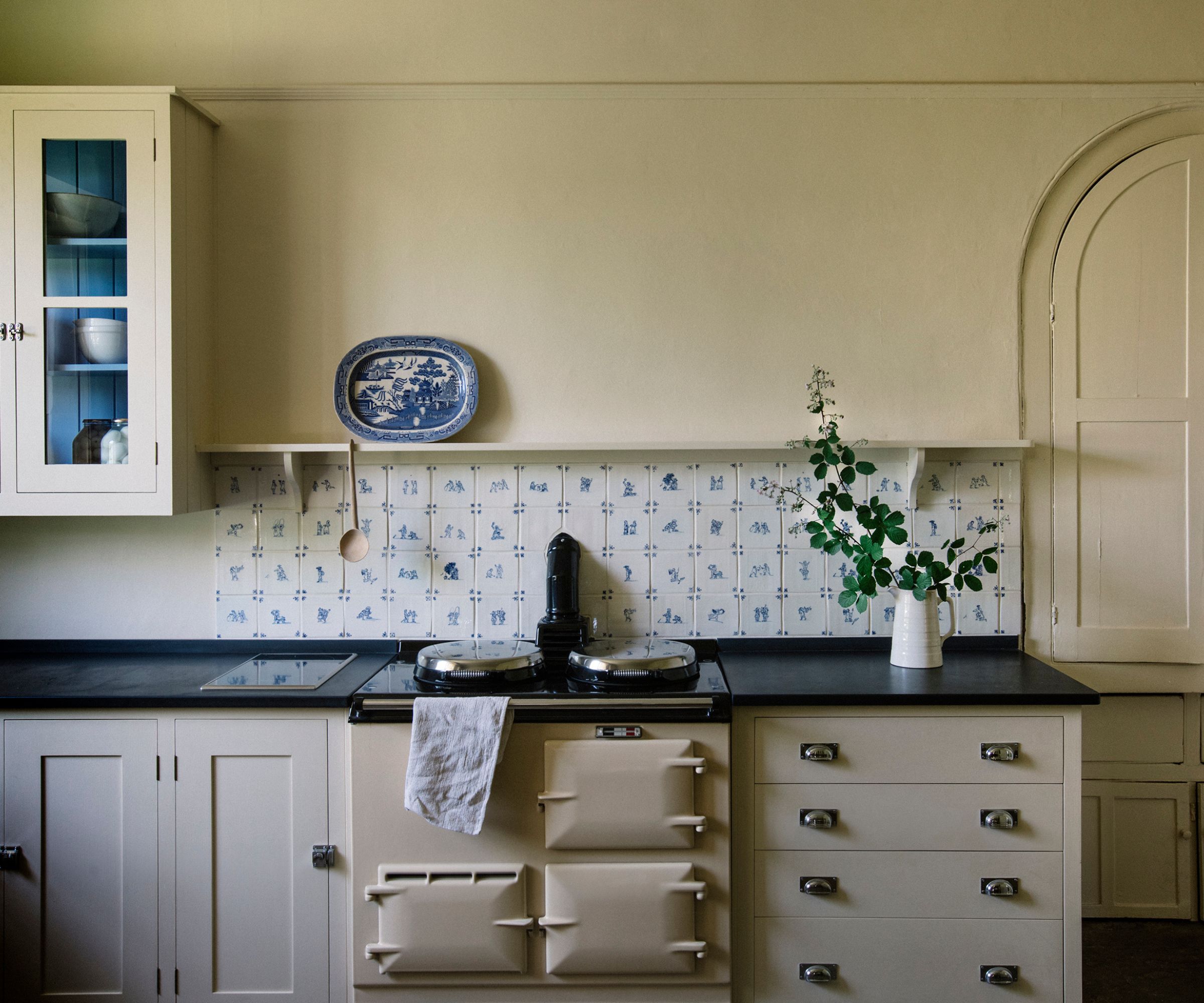
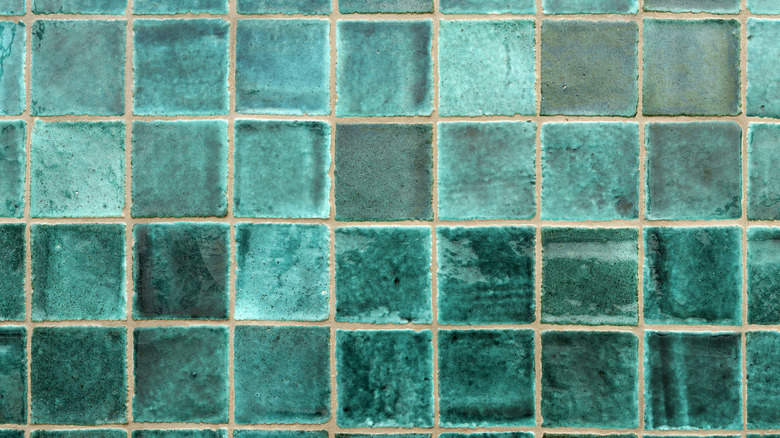
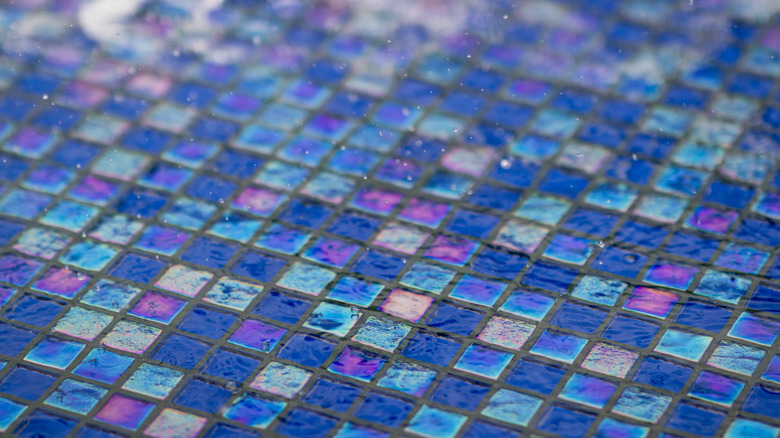
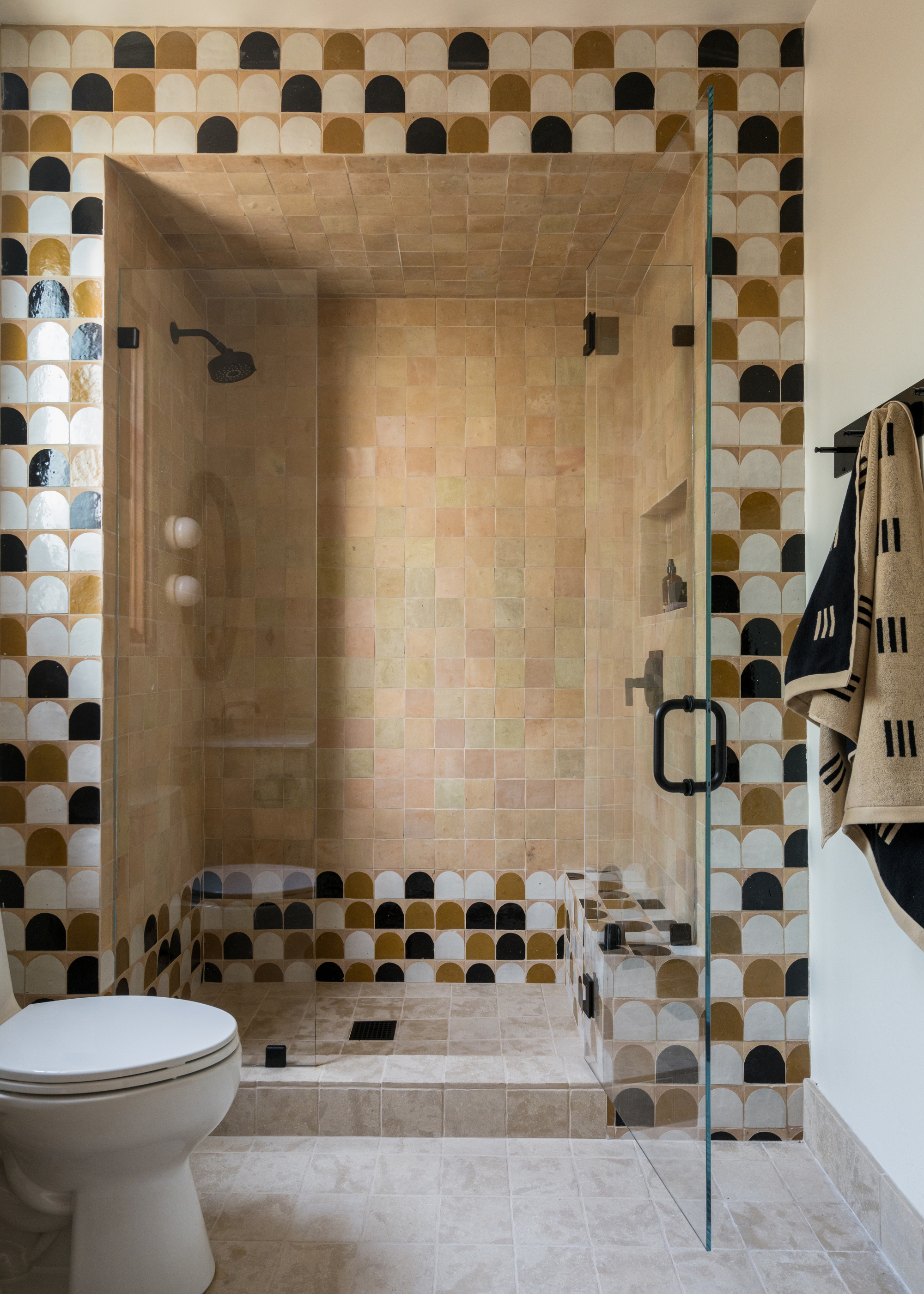
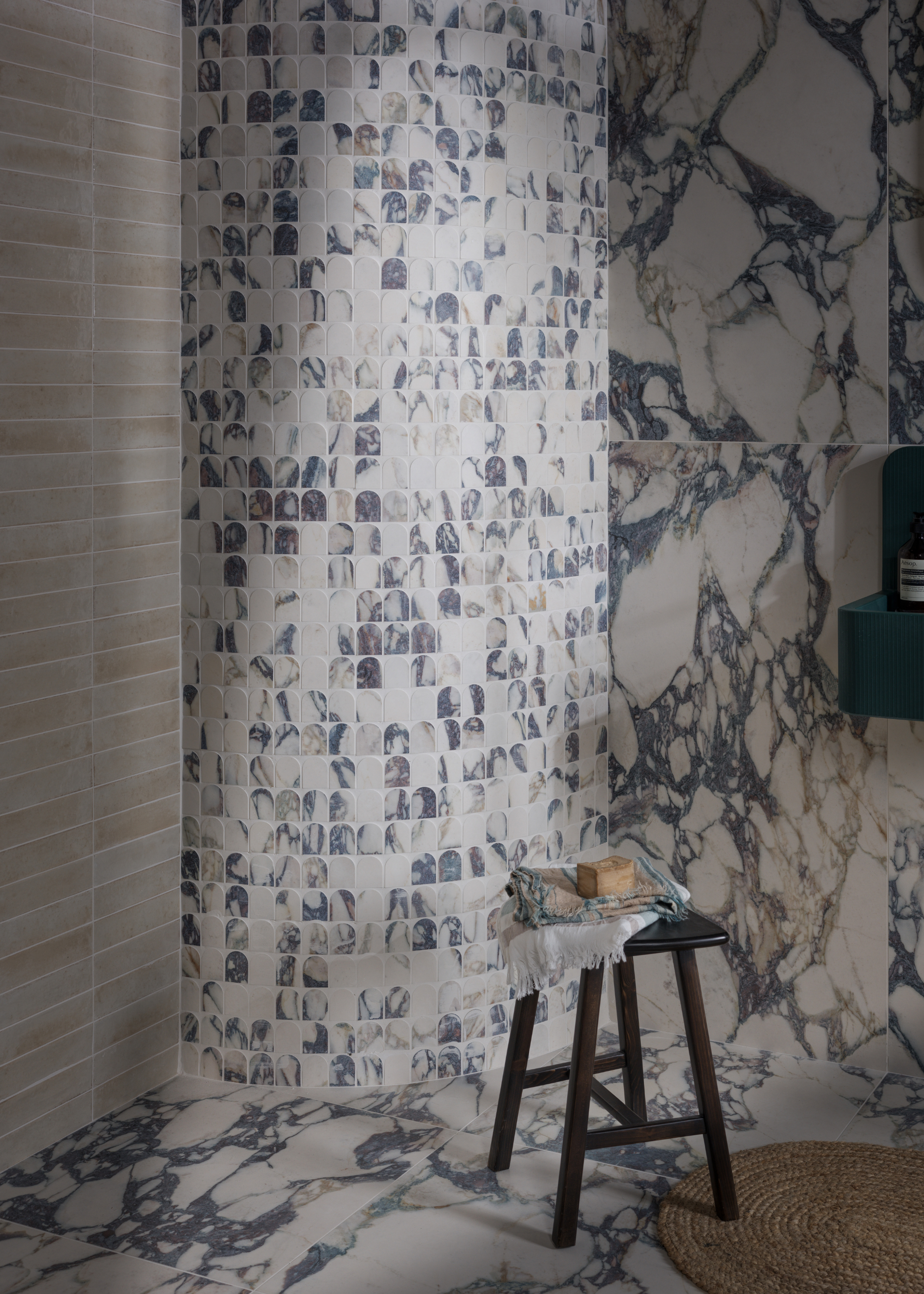
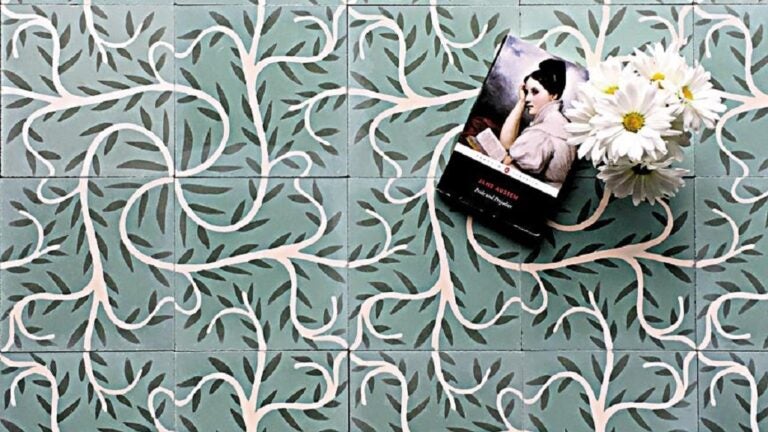
When extending a tiled backsplash to a side wall, particular attention must be paid to the size, shape, and alignment of the tiles. A busy or complex tile pattern, while potentially appealing for a main backsplash, might overwhelm a smaller side splash area, leading to an overly cluttered appearance. Therefore, careful consideration of the tile design is essential to prevent the side splash from becoming visually distracting. The goal is to achieve a balanced outcome where the side splash enhances both the functionality and the aesthetic appeal of the kitchen or bathroom, rather than detracting from it. Ultimately, the decision to install a side backsplash should be a thoughtful balance between practical needs for protection and maintenance, and the desire to maintain a coherent and stylish interior design.
#SideBacksplash #KitchenDesign #BathroomDesign #TileDesign #HomeImprovement #InteriorDesign #MaterialSelection #MinimalistDesign #HomeMaintenance #SideBacksplash #KitchenDesign #BathroomDesign #TileDesign #HomeImprovement #InteriorDesign #MaterialSelection #MinimalistDesign #HomeMaintenance
0 ความคิดเห็นรวม
 ยังไม่มีความคิดเห็น
คุณอาจจะชอบอีกด้วย
5 Problems With Tiled Backsplashes in Kitchens That No One Ever Talks About

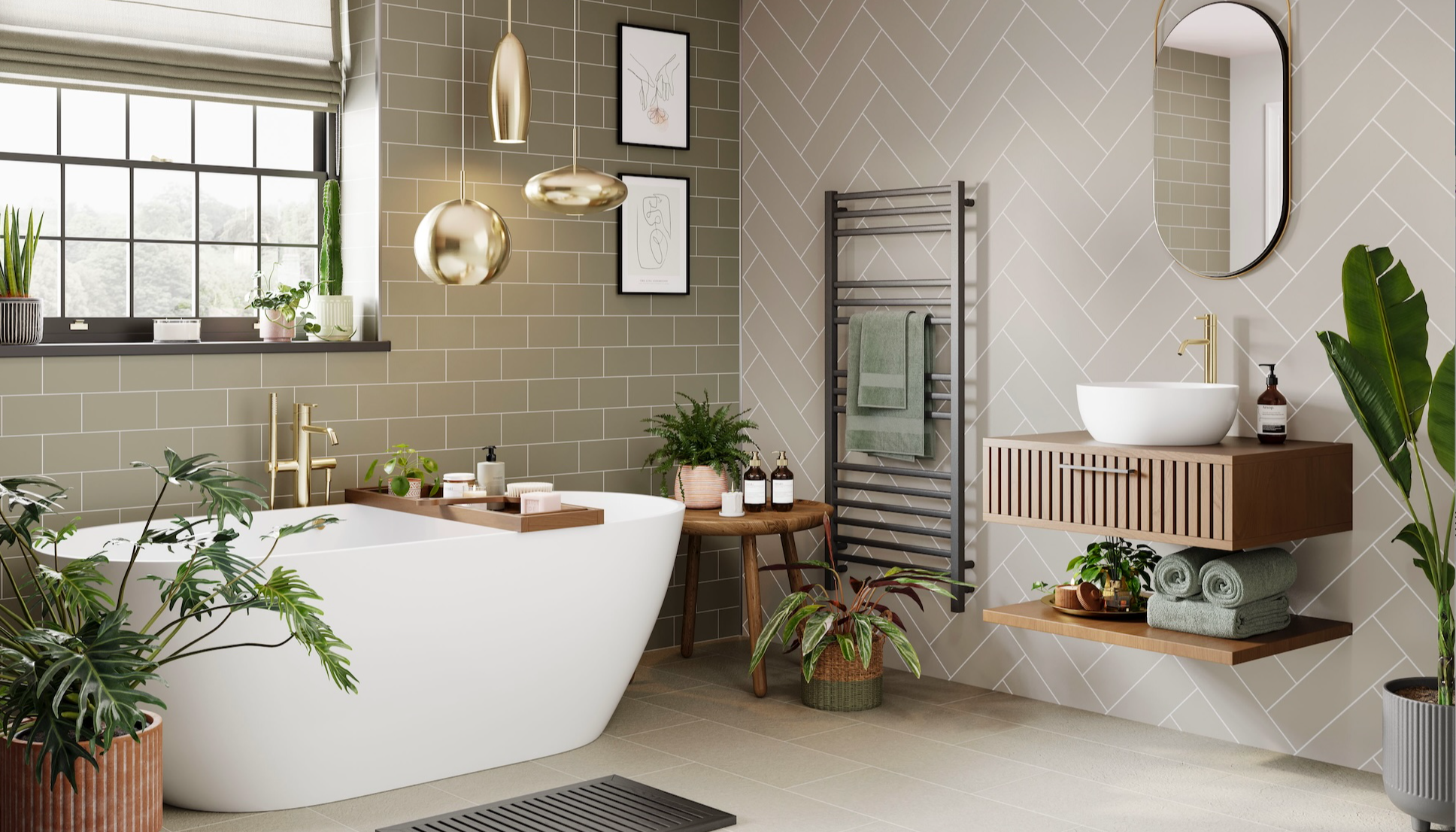
How sleek and stylish waterproof wall panels are taking on tiles
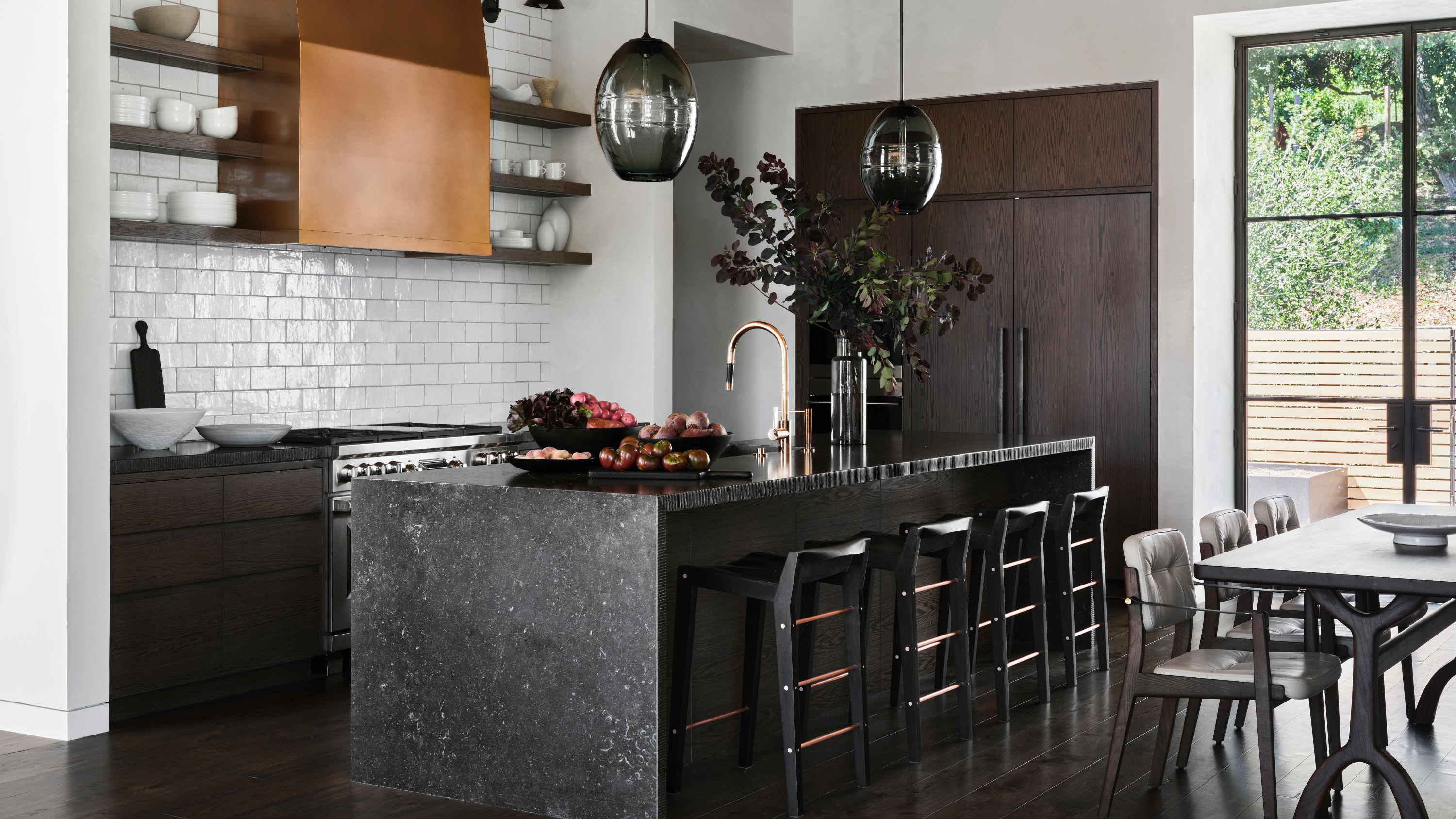
Are Waterfall Edges Going Out of Style? A Design Debate
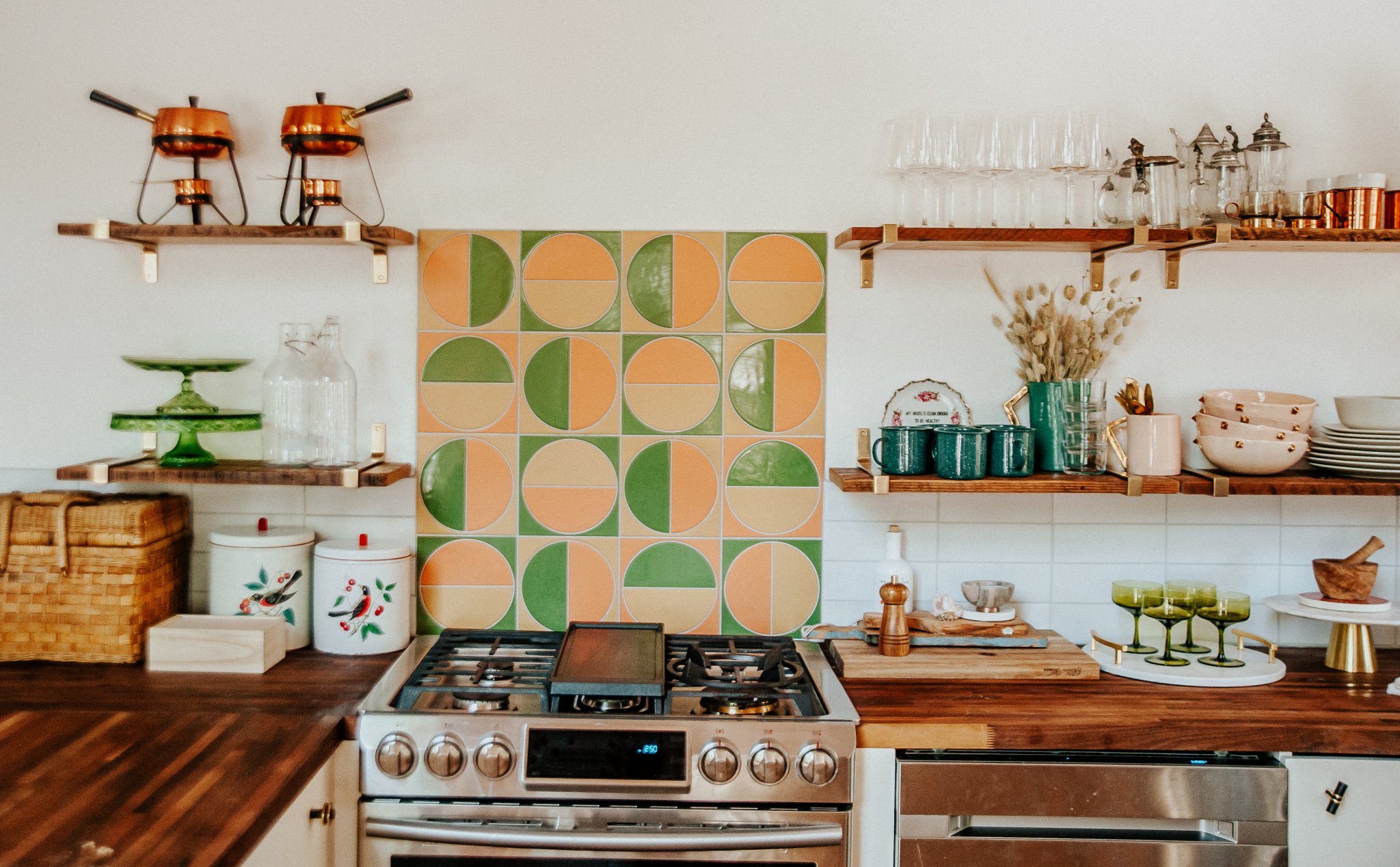
Before You Splurge on Backsplash Tile, Consider This Clever Hack
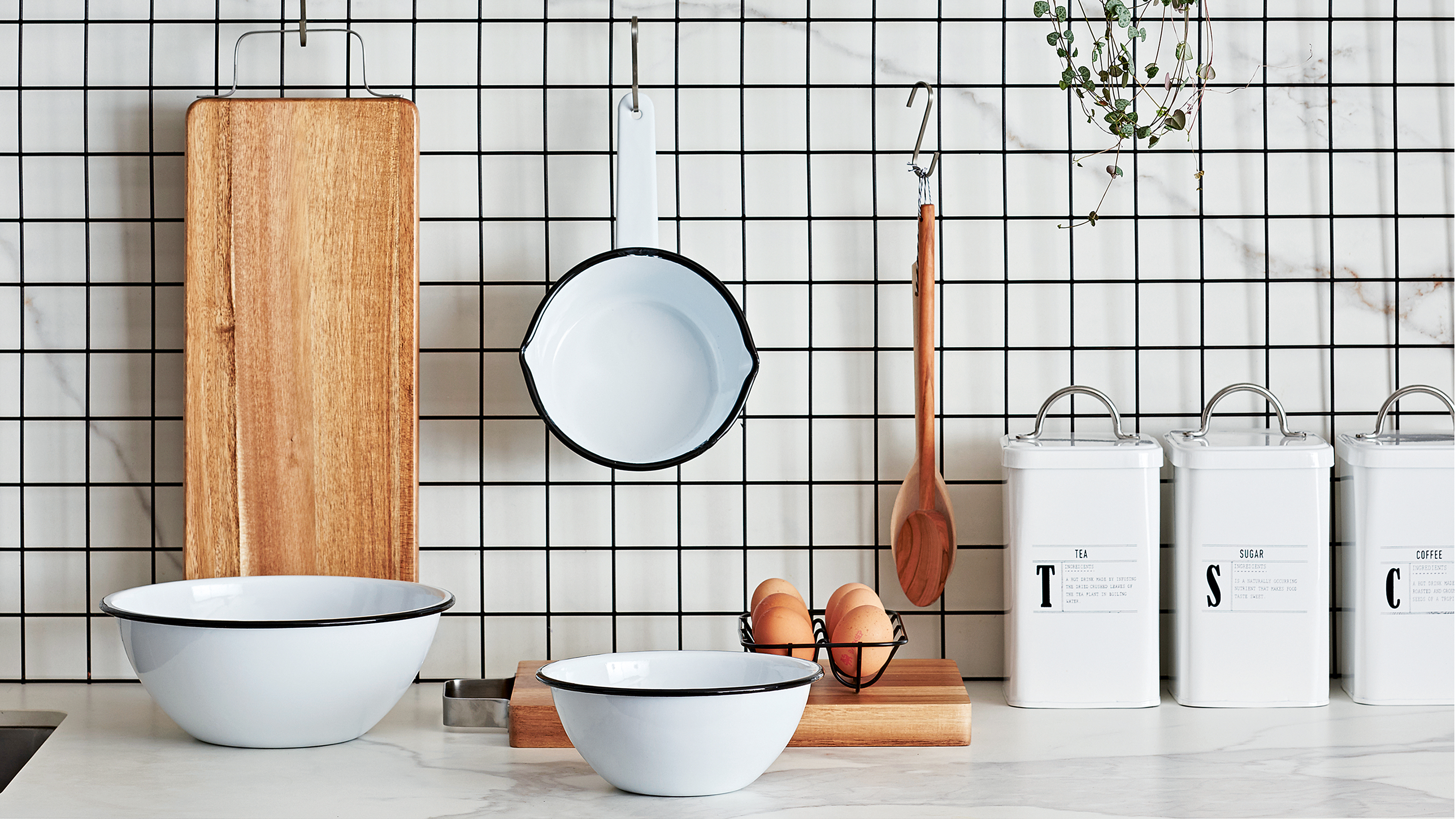
Can you plaster over tiles? The experts issue a surprising warning...
Designers flip over tile, go for the bold

This Controversial Tile Trend Is Dividing Homeowners on Reddit. Designers Weigh In
Designers Are Calling It: Here Are the Biggest Kitchen Backsplash Trends for 2026

The tile countertop trend is back – but is it a mistake you'll come to regret?

Designers Reveal the Bold Design Trend That's Taking Over Homes
8 Backsplashes to Avoid, According to Interior Designers

6 Pros And 6 Cons Of Using Peel-And-Stick Tile Backsplash

Fluted Tile Looks Cool Now, But Here's Why You May Come To Regret The Trend

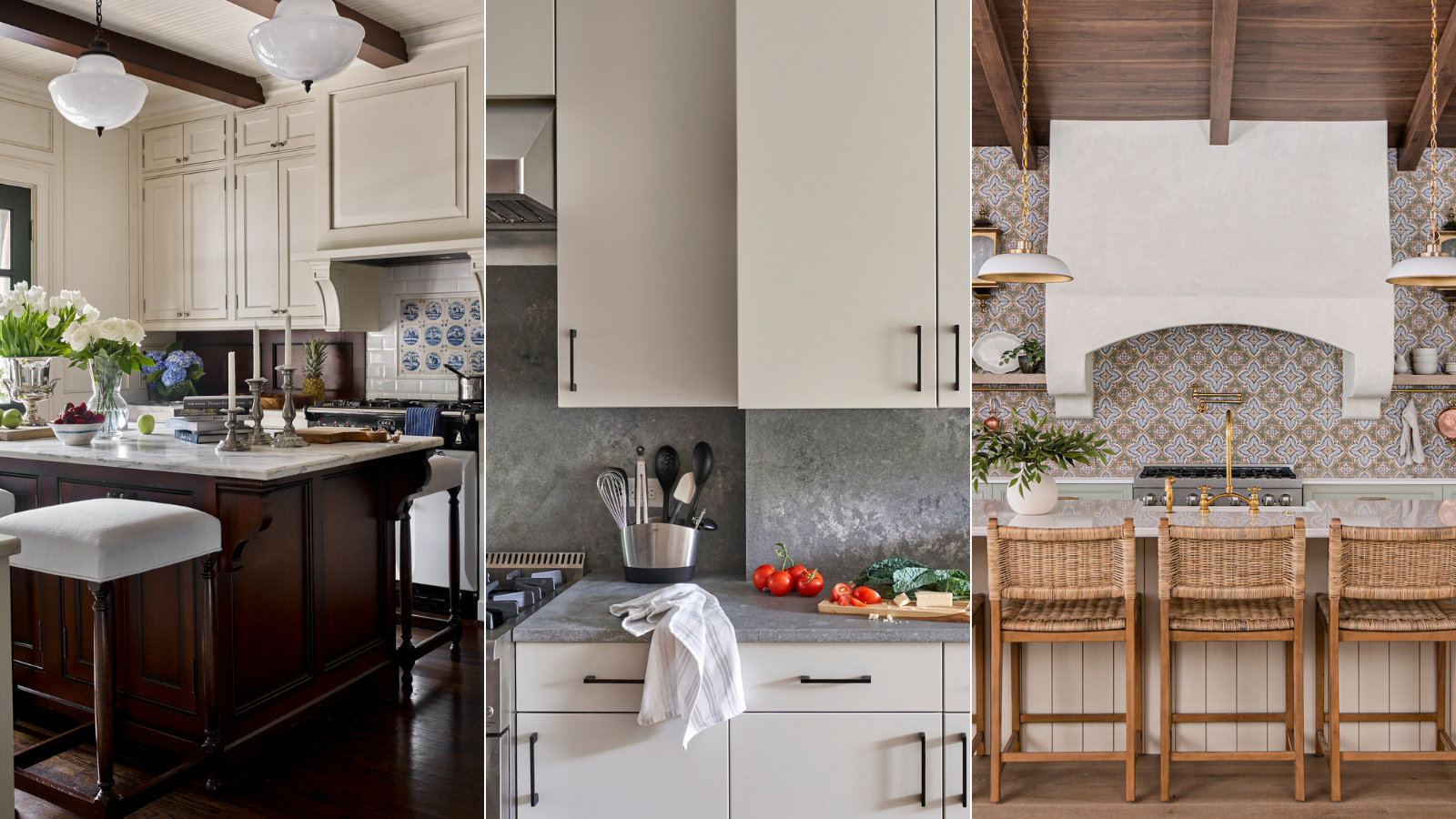
8 kitchen backsplash mistakes to always avoid, according to interior designers
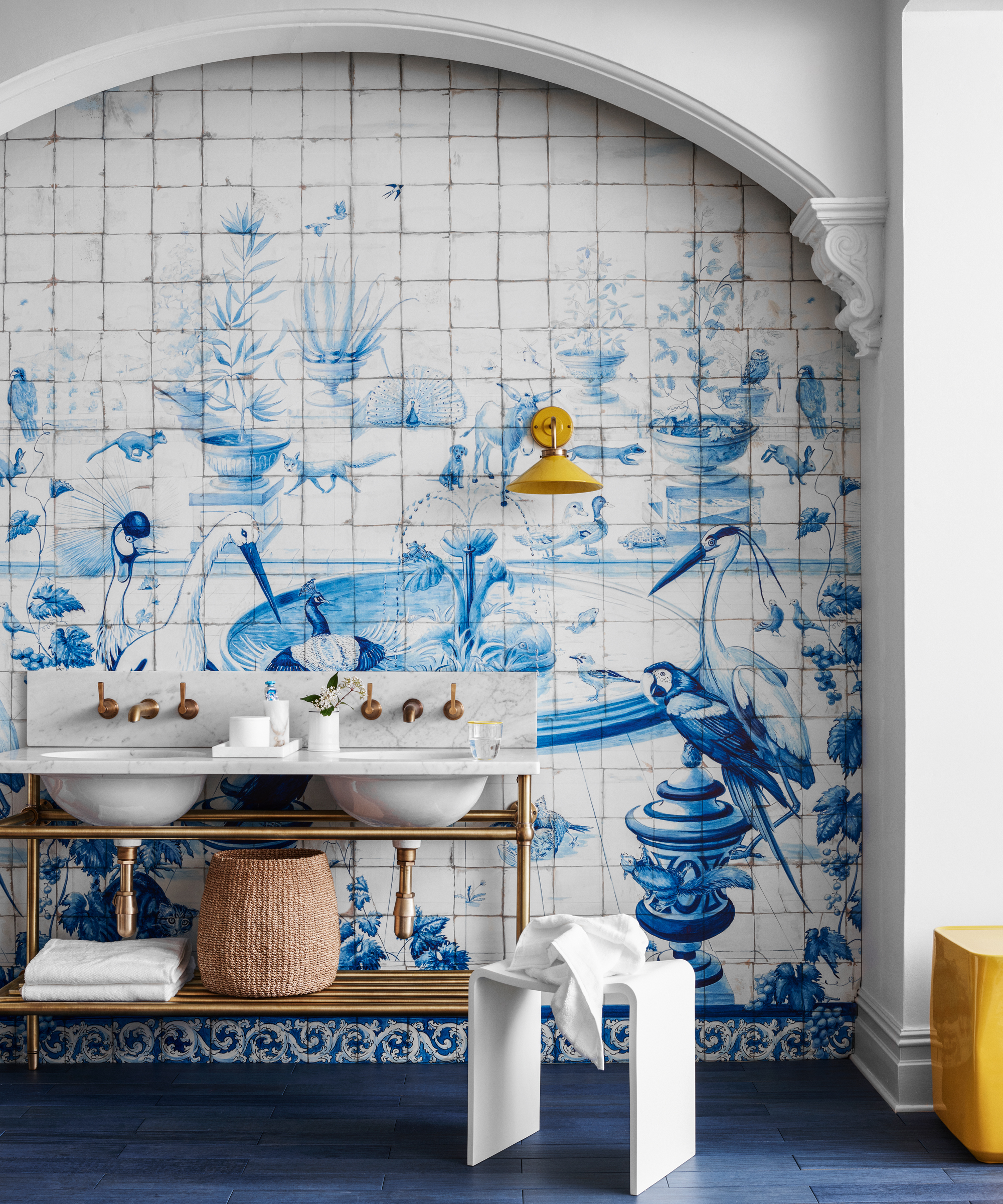
Bathroom backsplash ideas – 10 tips for stylish splashproof surfaces
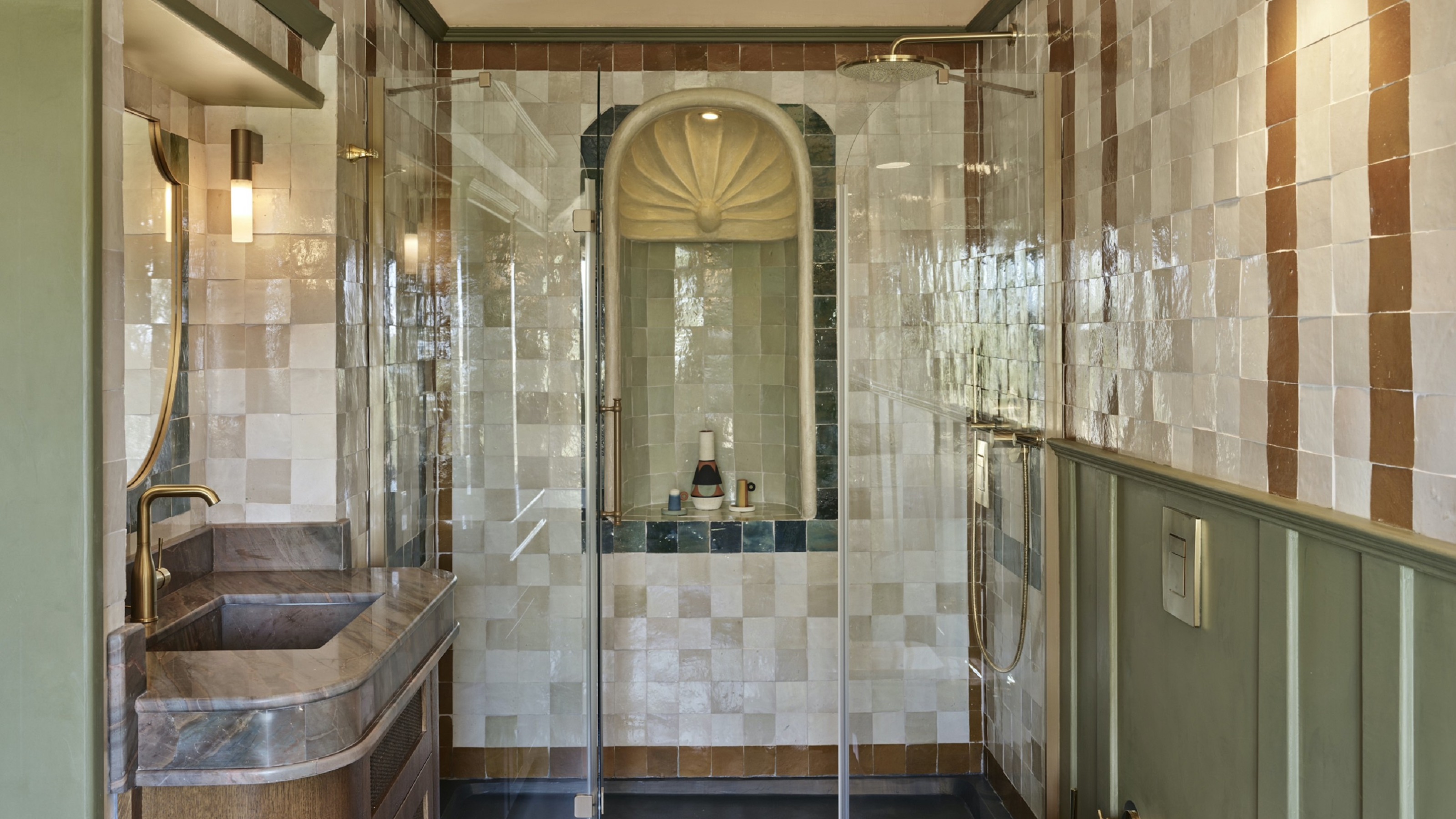
"Your Eye Doesn't Know Where to Land" — Yes, You Can Have Too Much Tile in Your Bathroom, Here's the Rule to Get the Balance Right
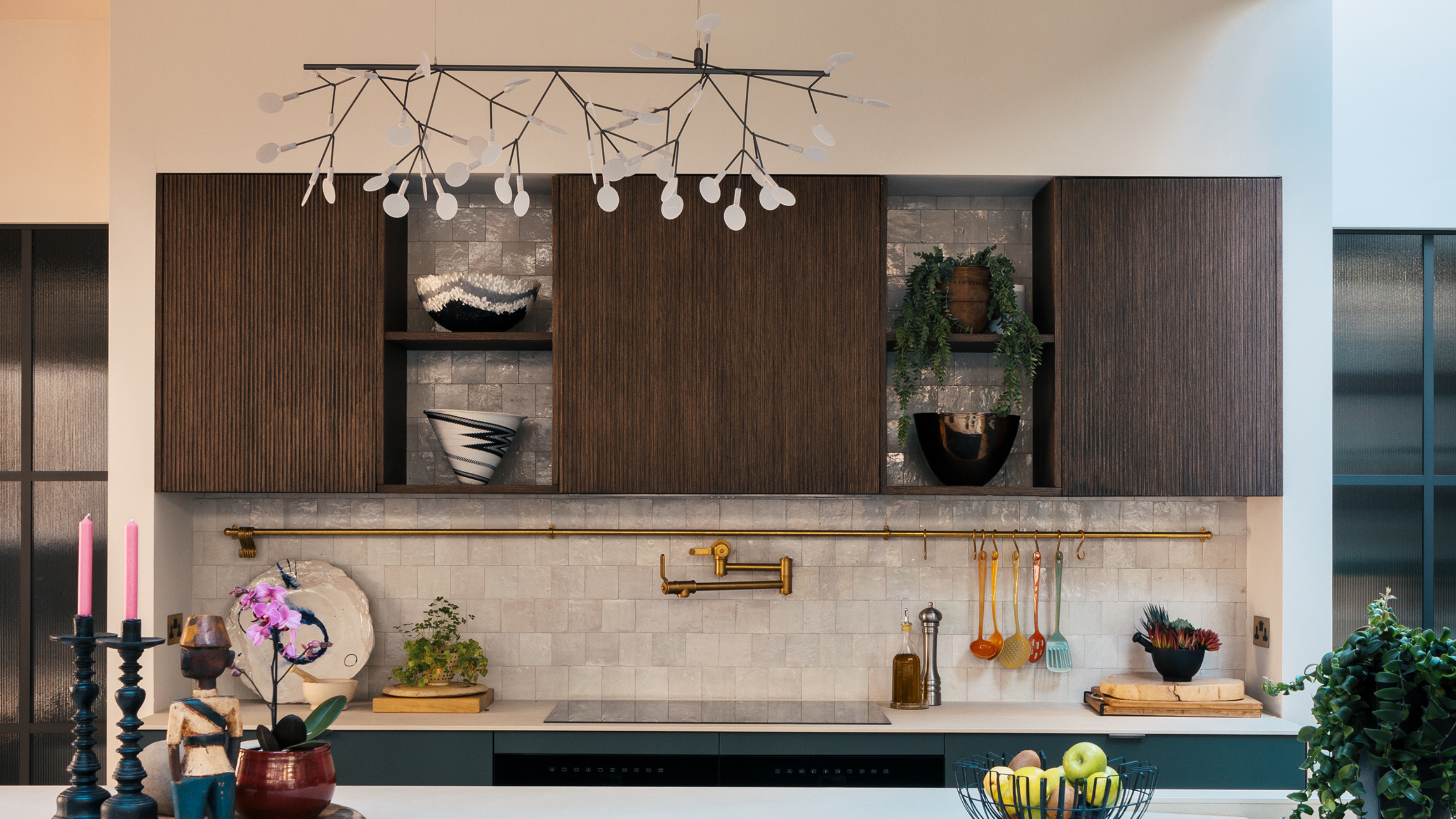
5 Costly Mistakes People Always Make When Buying Tiles — And How to Avoid Them
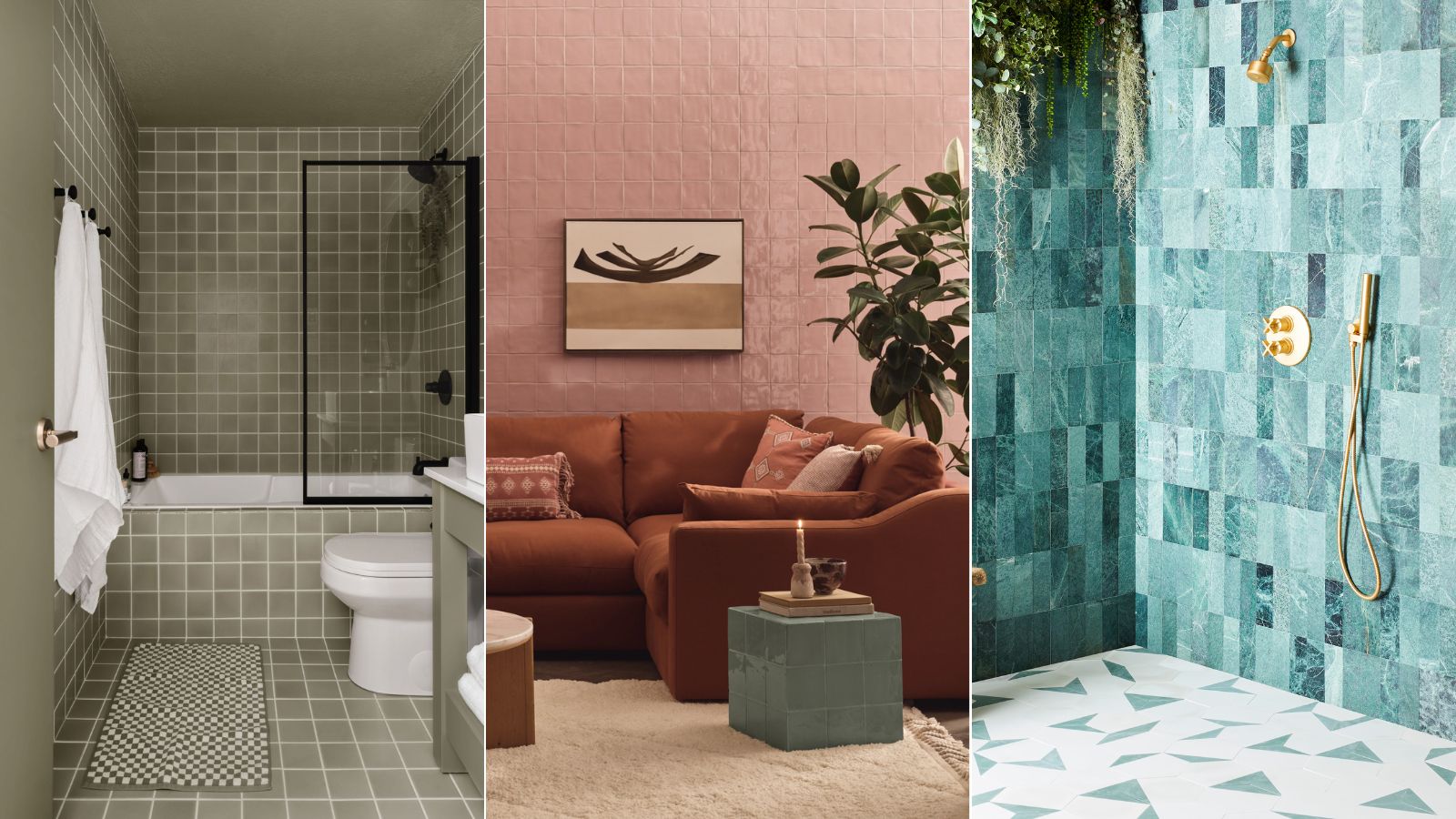
Tile drenching is the unexpected way to add a sense of luxury to your home – here's how to nail the trend
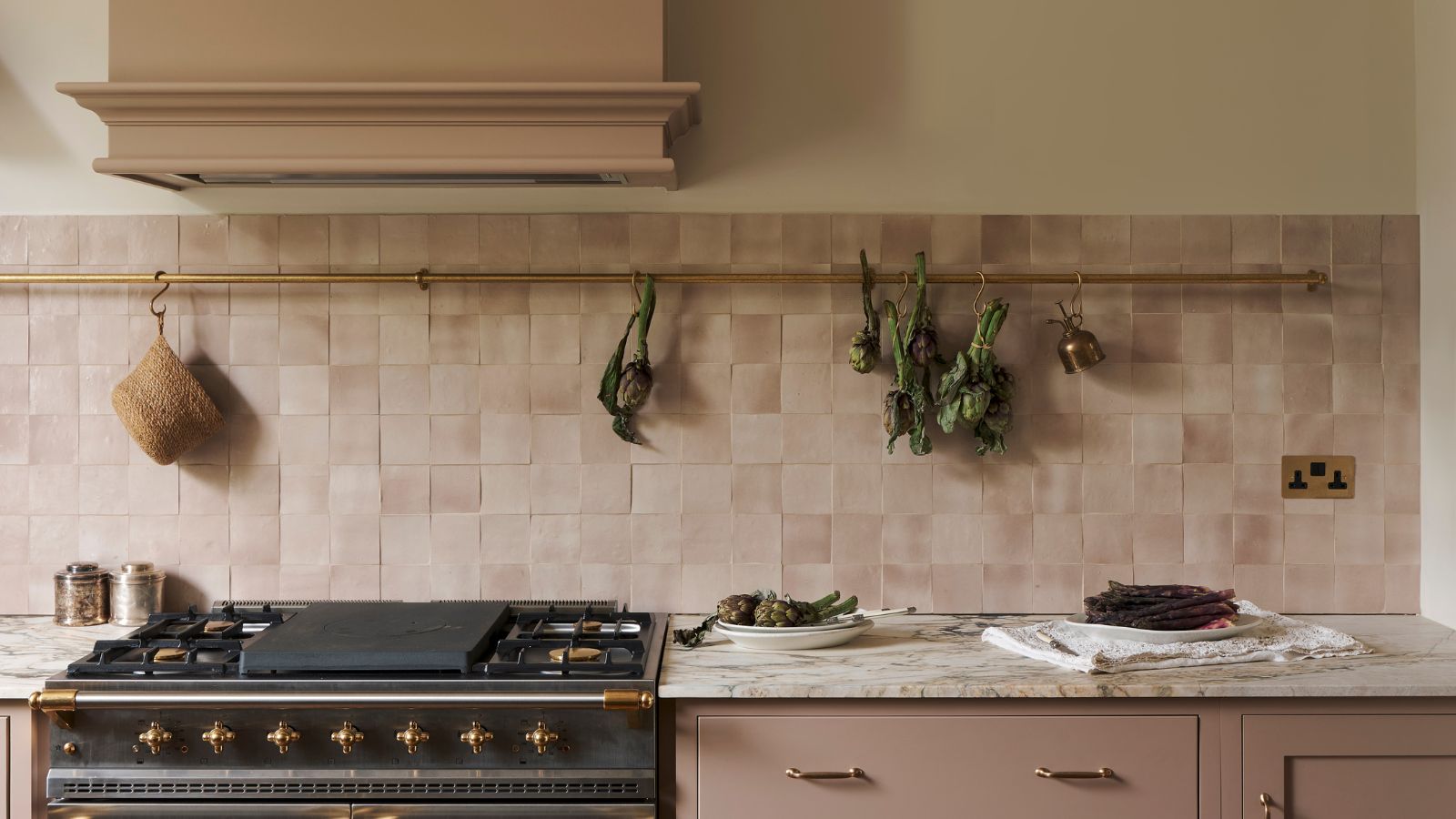
7 ways to use with square tiles in kitchens and bathrooms
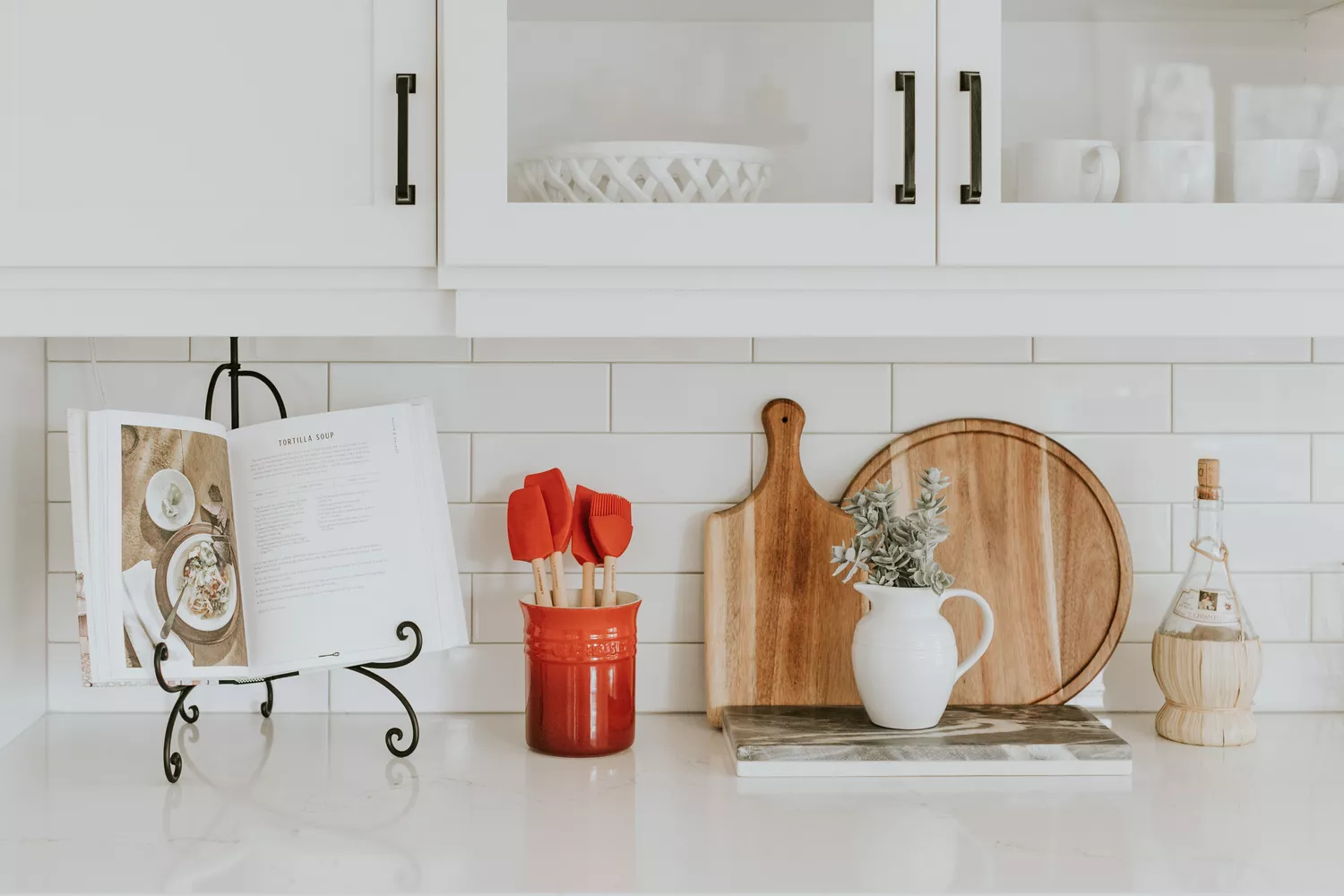
These Backsplashes Are Completely Outdated, According to Designers