1/13
6 Pros And 6 Cons Of Using Peel-And-Stick Tile Backsplash
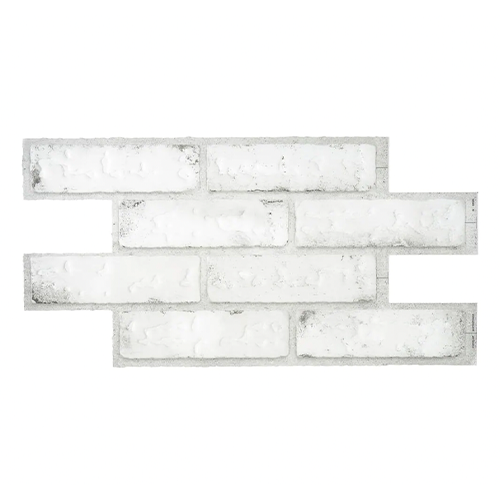
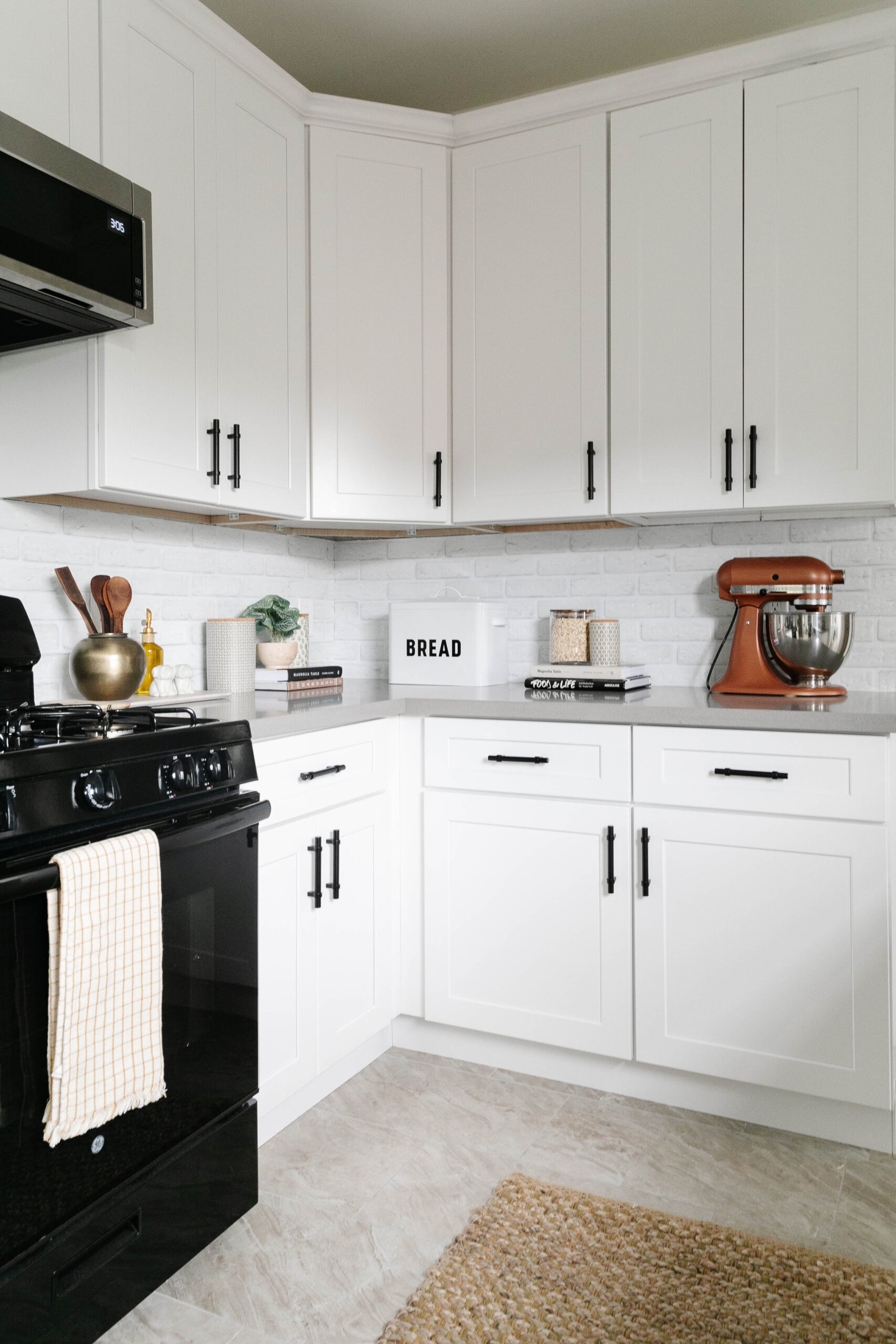
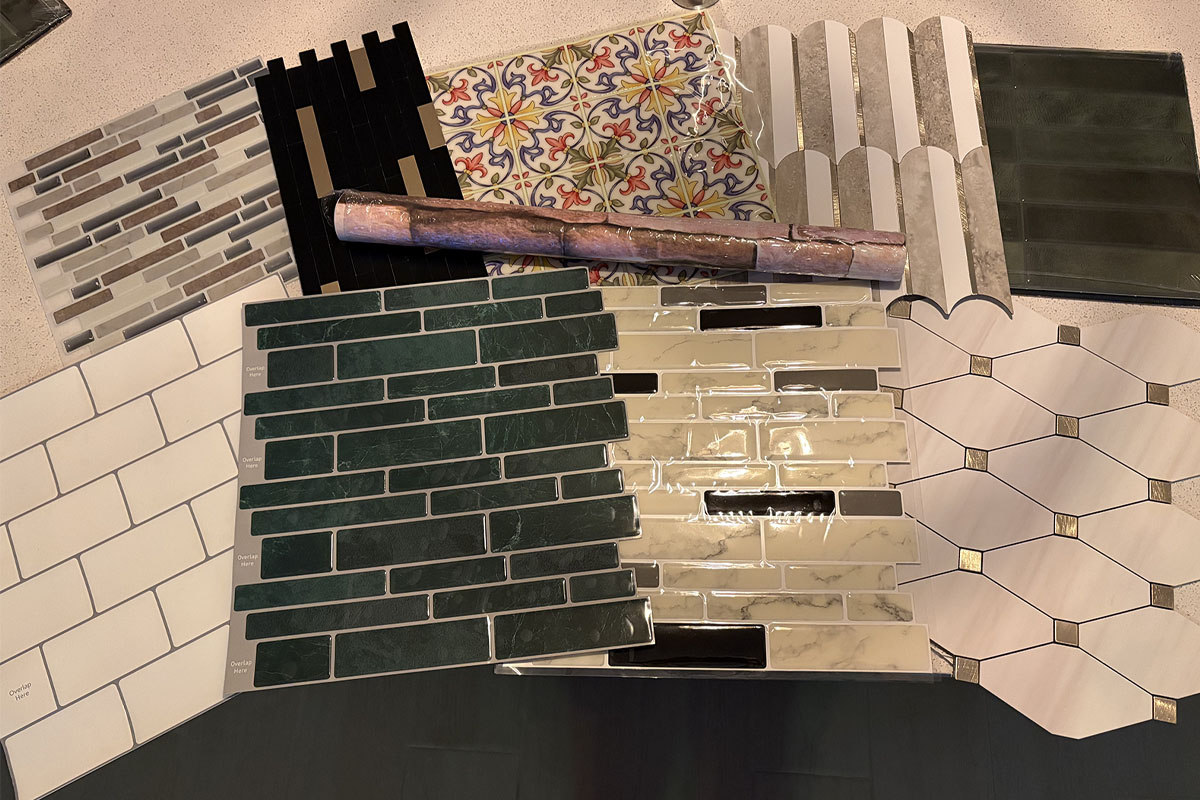
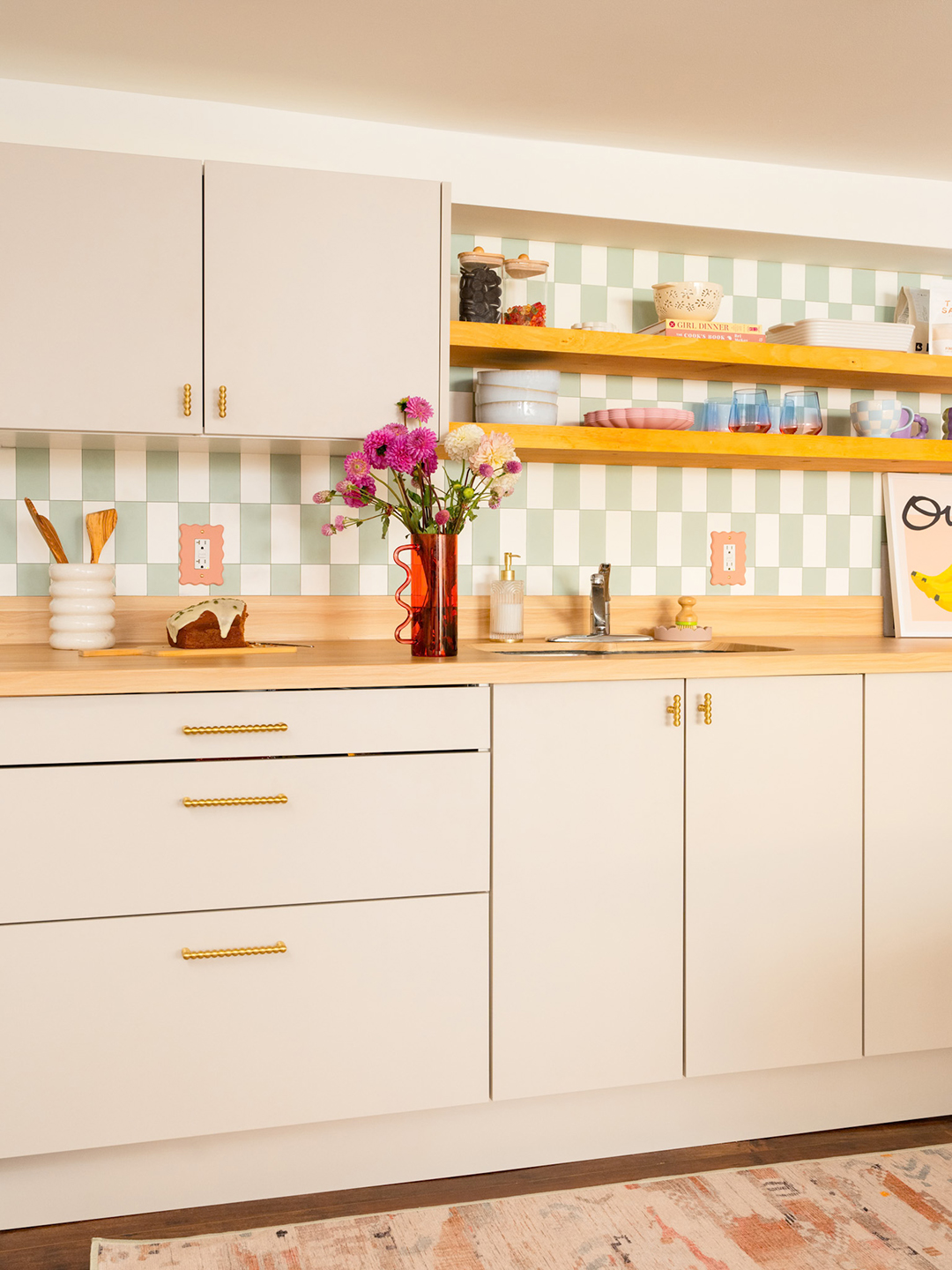
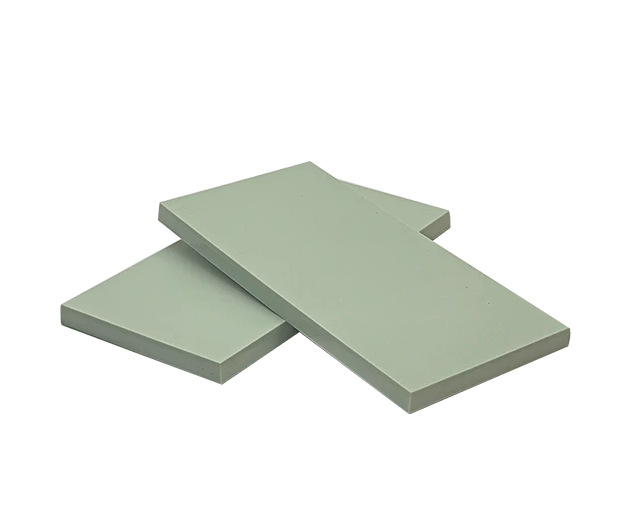

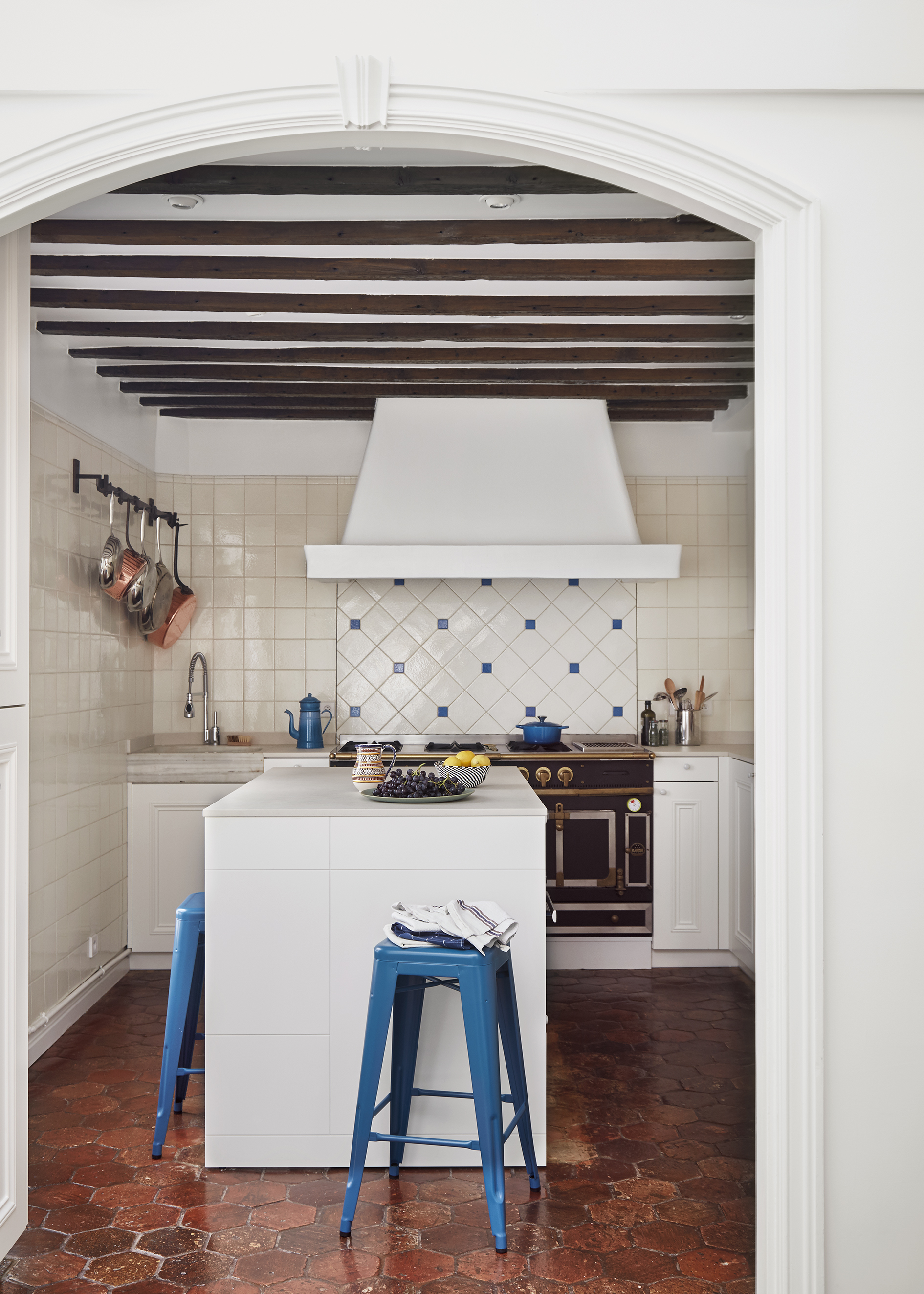
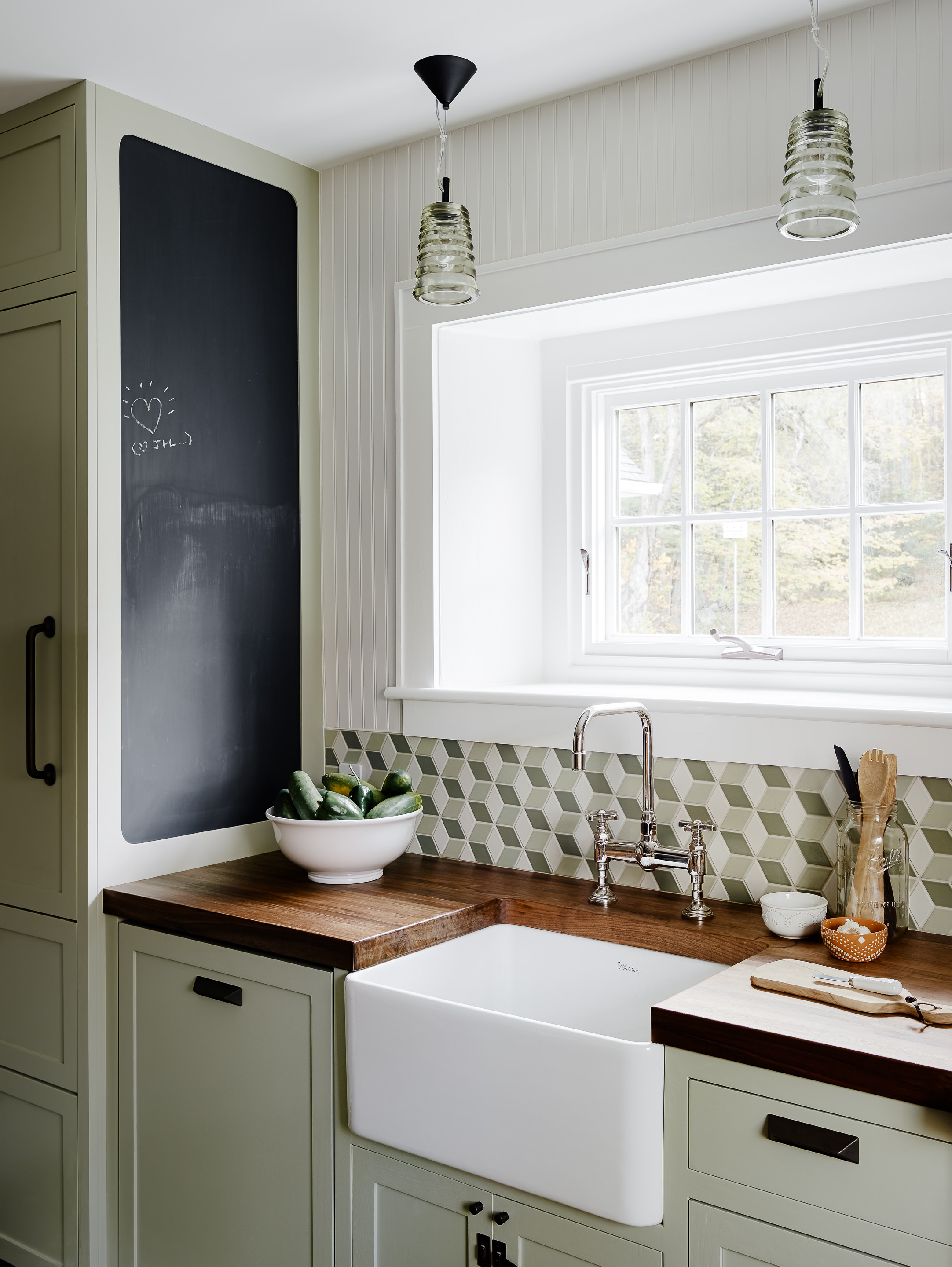
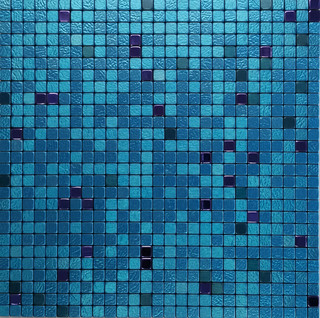
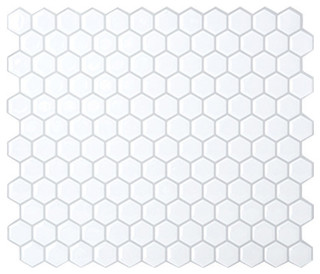
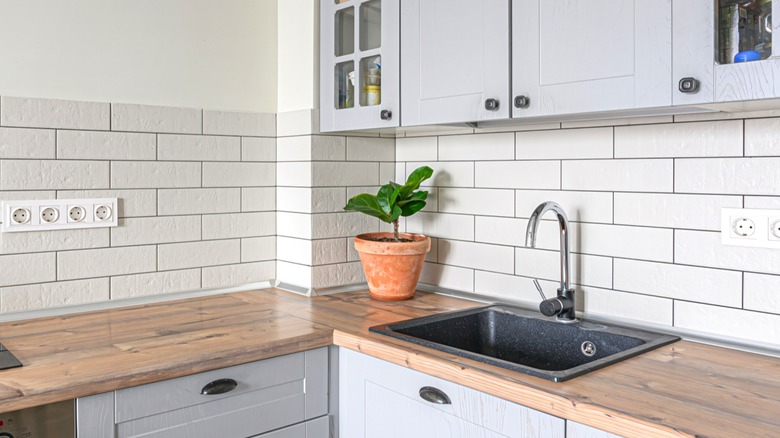
Peel-and-stick tile backsplashes offer a convenient and budget-friendly alternative to traditional tiling for kitchen and bathroom renovations. These adhesive-backed tiles, available in various materials like vinyl, PVC, or gummy options, mimic the appearance of classic tiles and facilitate quick space updates without the need for grout or specialized tools. Jeannine Rose, founder of Sweet Humble Home, highlights their appeal for those seeking a significant visual impact with minimal effort, whether for rental property updates or quick refreshes.
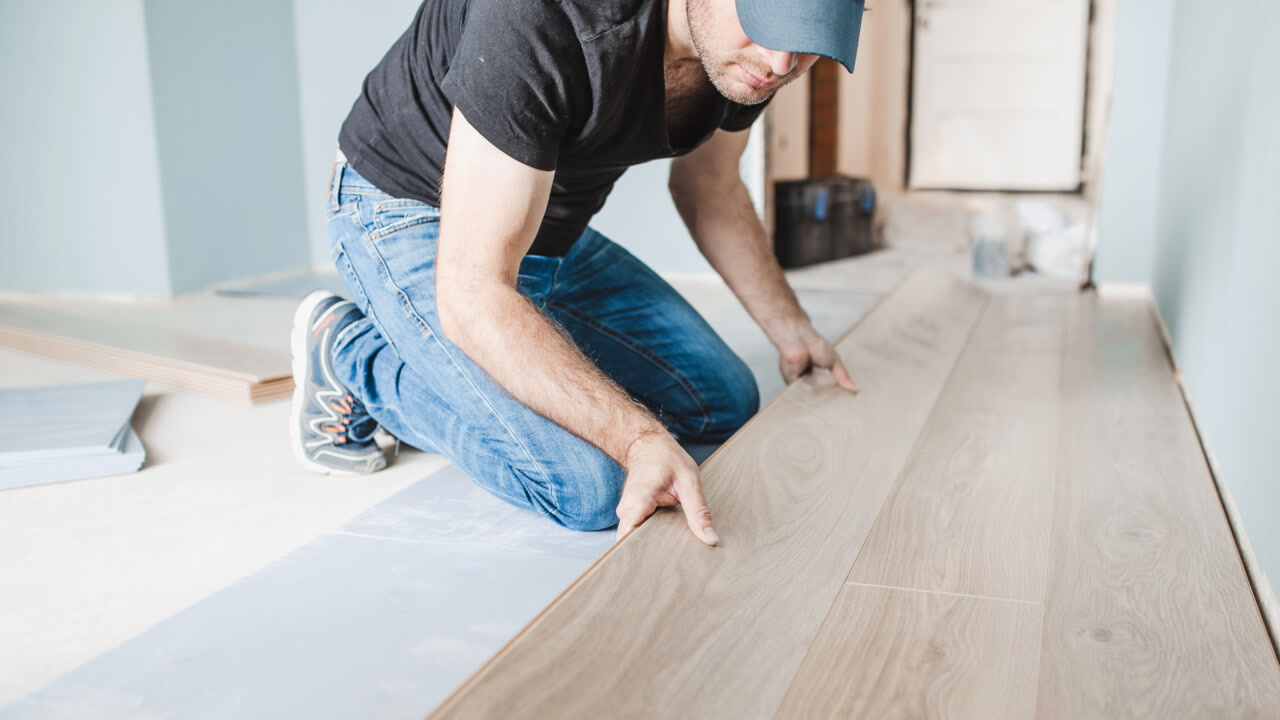
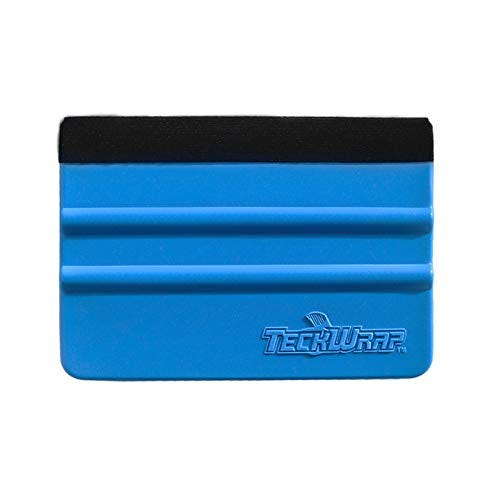
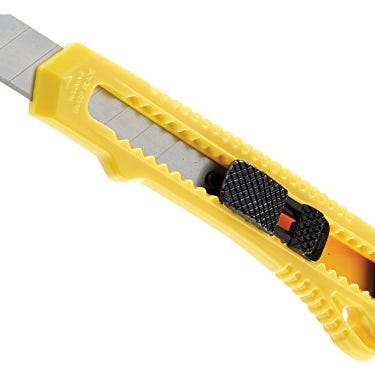
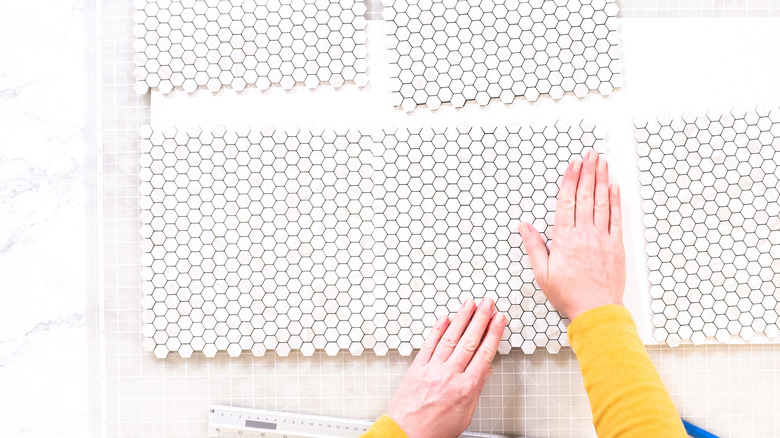
One of the primary advantages is ease of installation, making them popular among DIY enthusiasts and renters. Teri Simone, head of design and marketing at Nieu Cabinet Doors, emphasizes their simplicity, involving just peeling off the backing and sticking the tile in place. This allows for installation over a weekend and avoids the complexities of traditional grouting. The tiles often come in pre-cut 12-by-12-inch pieces, allowing for easy grid pattern mapping. Basic tools like a tape measure and utility knife are sufficient for installation.
However, peel-and-stick tiles have a shorter lifespan compared to ceramic or stone tiles. Tony Roberts of Direct Splashbacks notes that the adhesive can deteriorate and the finish may fade, especially in high-traffic areas. Colleen Bennett, principal designer at CBB Design Firm, suggests a lifespan of six months to a year before re-adhesion might be necessary. This impermanence leads experts like Teri Simone to advise considering them as temporary upgrades rather than long-term renovation solutions, prompting a balance between convenience and environmental considerations of plastic use.
The removability of these tiles is another significant pro, allowing for easy style changes without damaging walls, making them ideal for renters concerned about security deposits. While they offer flexibility, they can be particular about surfaces, requiring clean, smooth, and dry substrates for proper adhesion. Textured, uneven, freshly painted, or previously tiled surfaces can hinder proper bonding, leading to bubbles or peeling. Jeannine Rose recommends choosing high-quality brands, reading reviews, and meticulously following prep instructions. Testing a panel or adding clear silicone caulk can enhance adhesion.
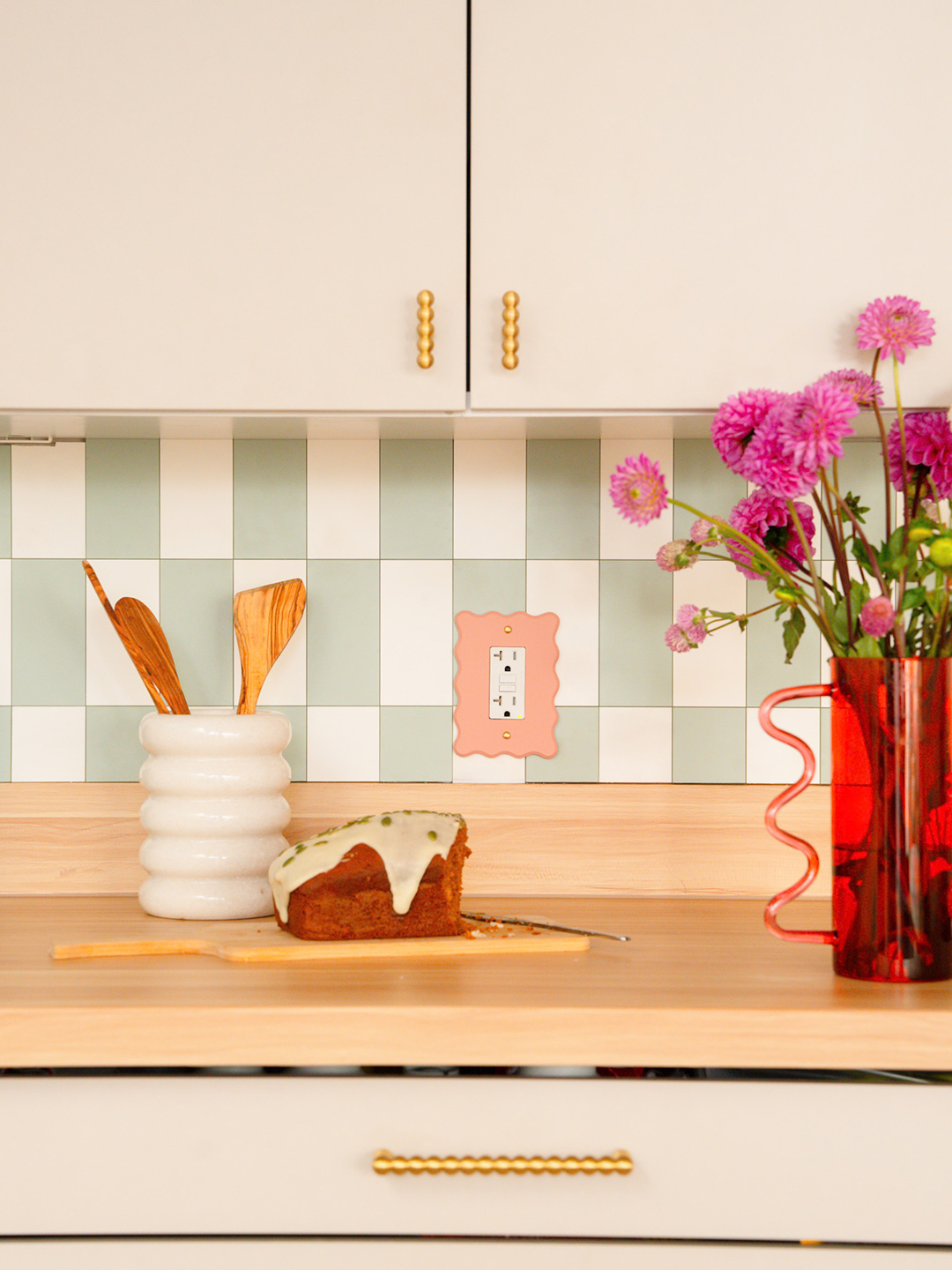
Peel-and-stick tiles are significantly more inexpensive than traditional tile installations, with some backsplashes costing under $100. This budget-friendly aspect makes them an attractive option for transforming a space without a full renovation, offering an expensive look at a low cost. They can also serve as a trial run before committing to real tiles. Conversely, the affordability can sometimes translate to a cheaper appearance, particularly with lower-budget options. Tony Roberts points out that some tiles may look fake or too shiny, and repetitive patterns can reveal their sheet-like nature. To mitigate this, experts suggest confining them to smaller areas, using larger tiles with intricate patterns, and performing test patches.
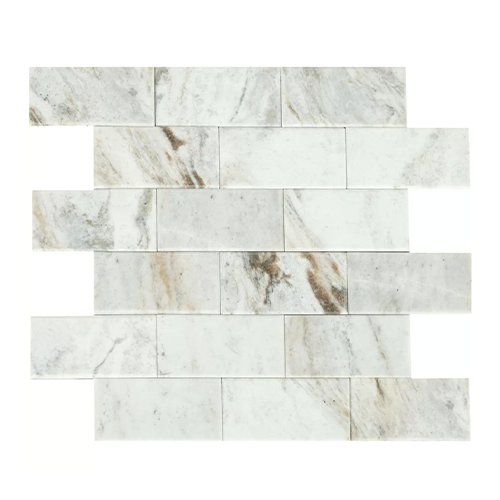
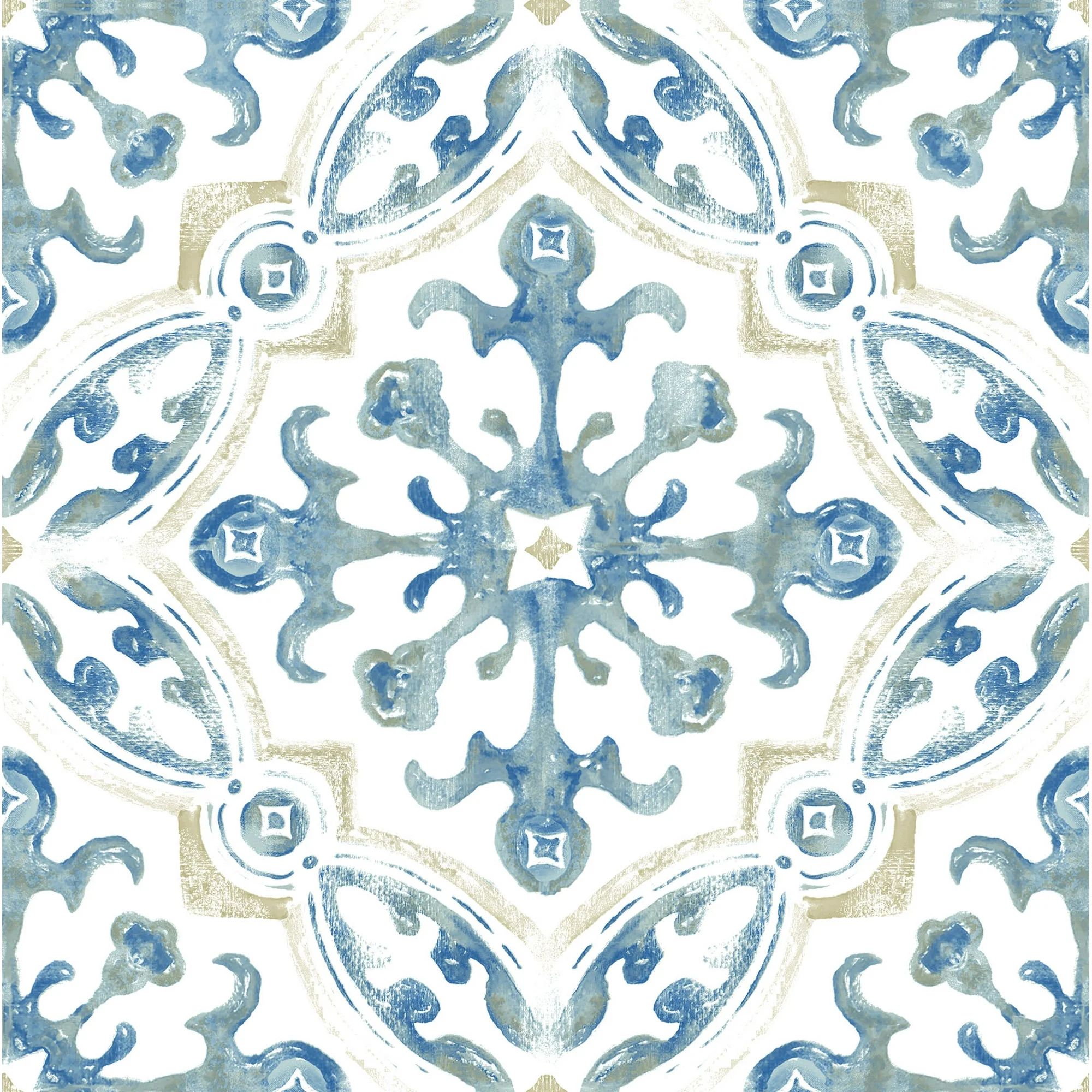
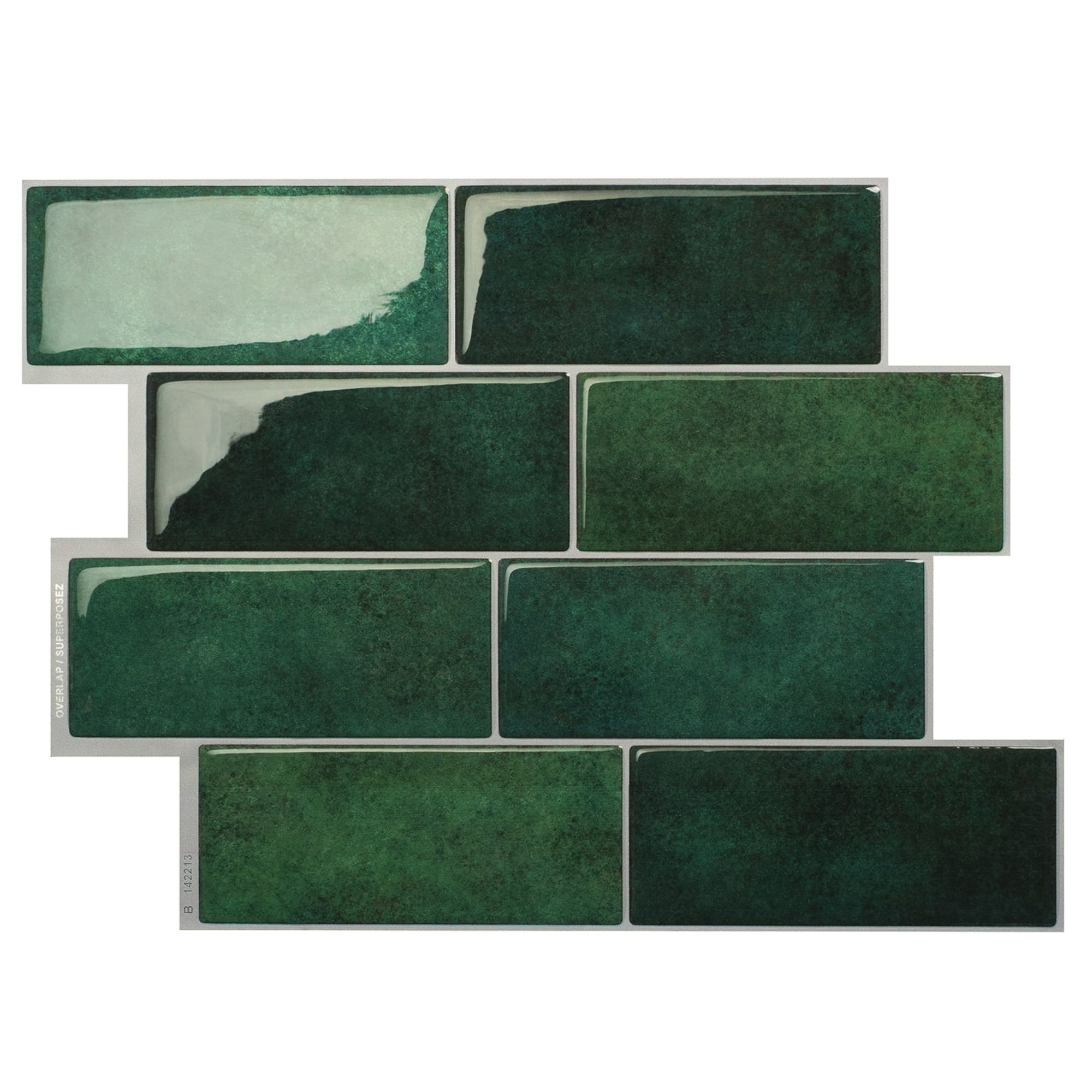
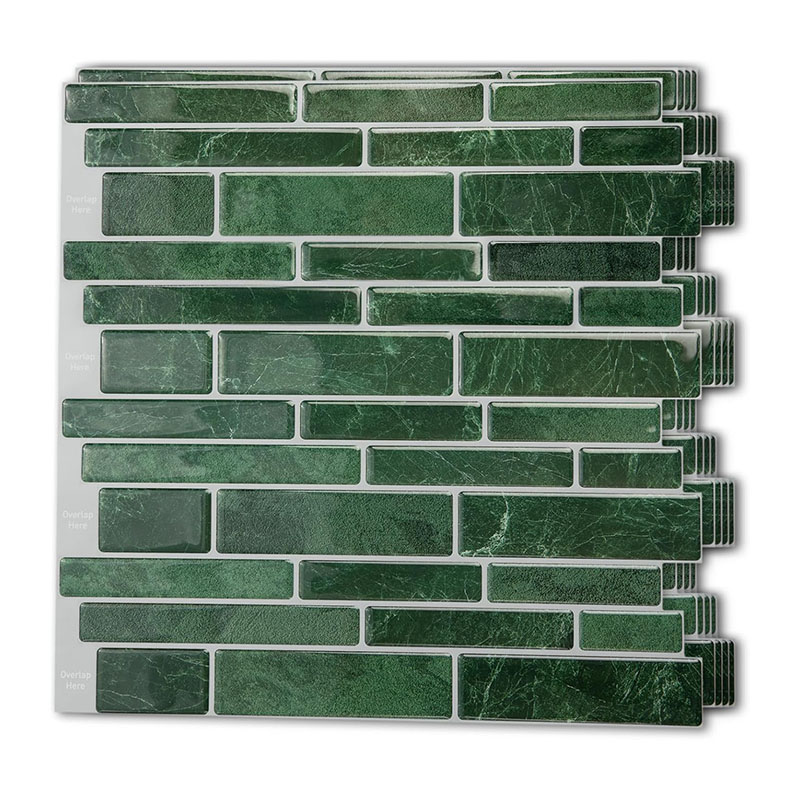
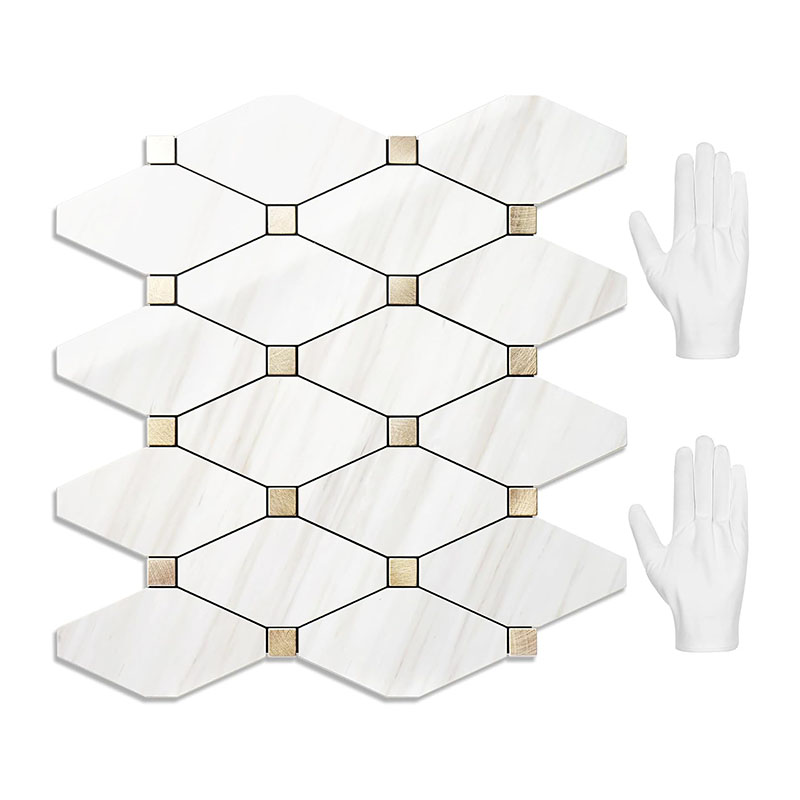
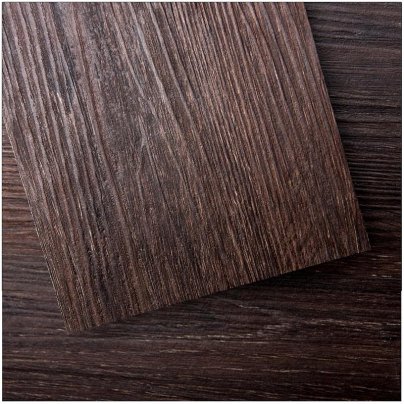
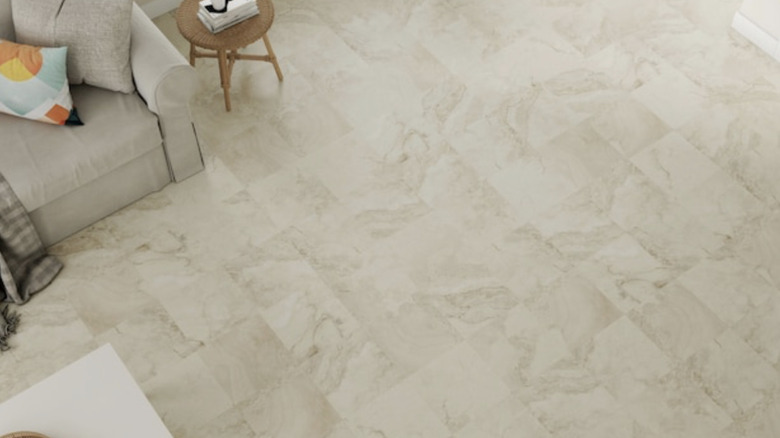
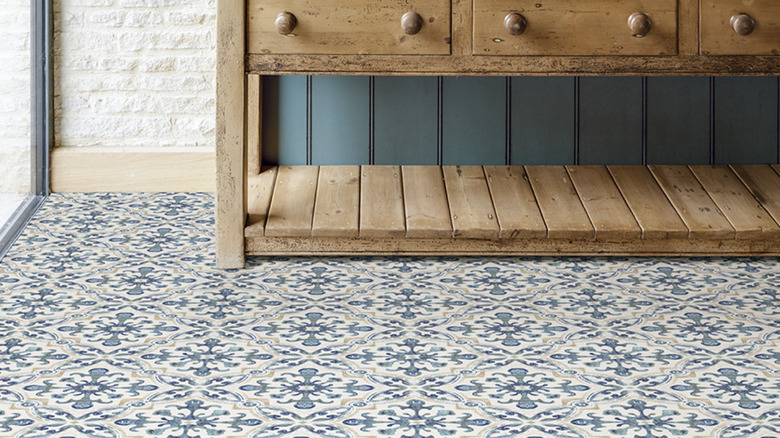
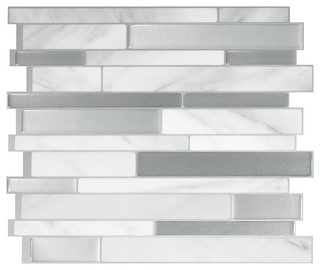
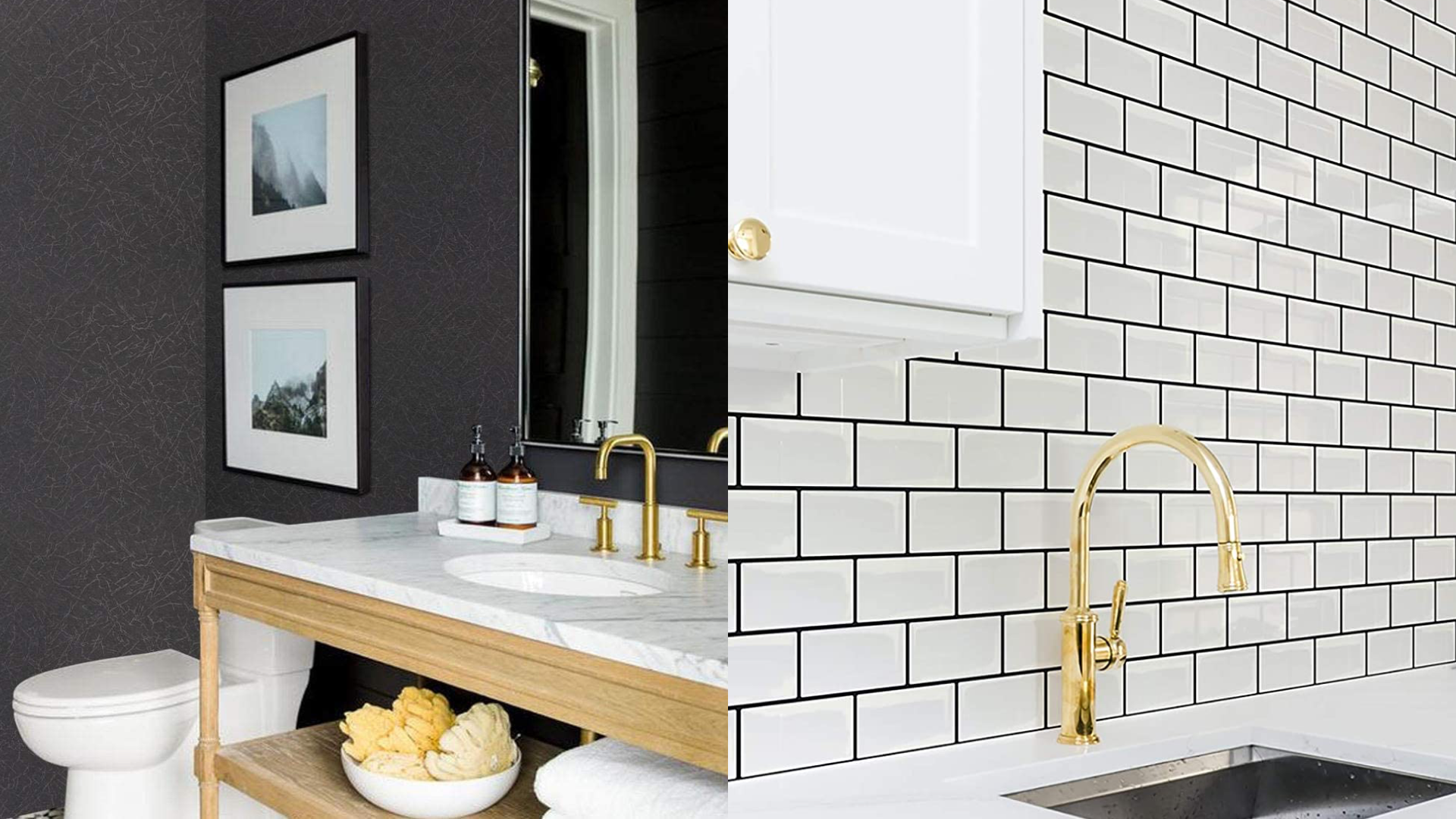
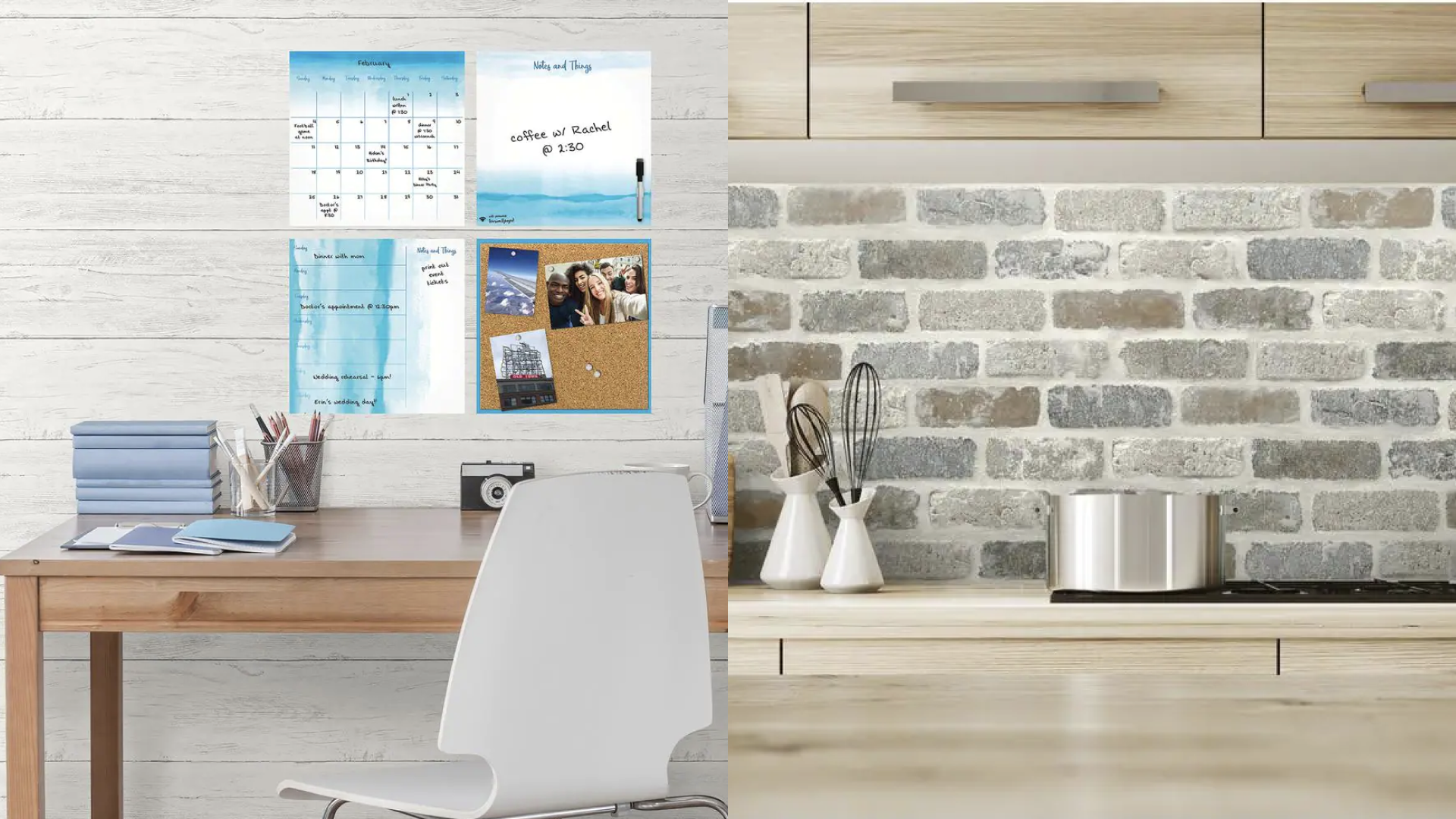
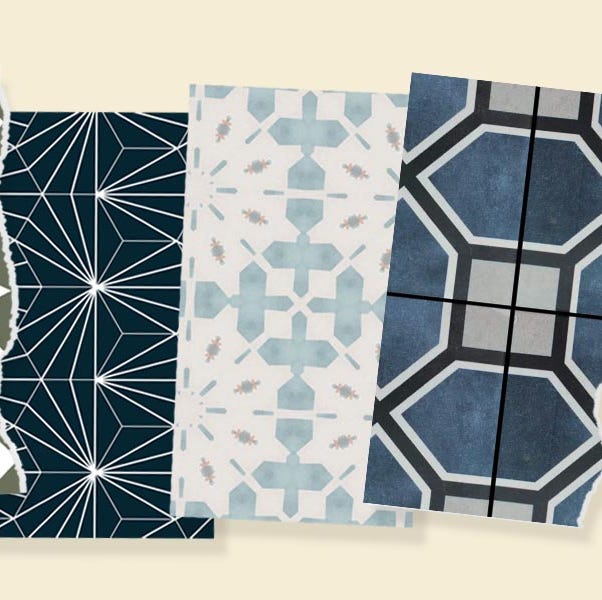
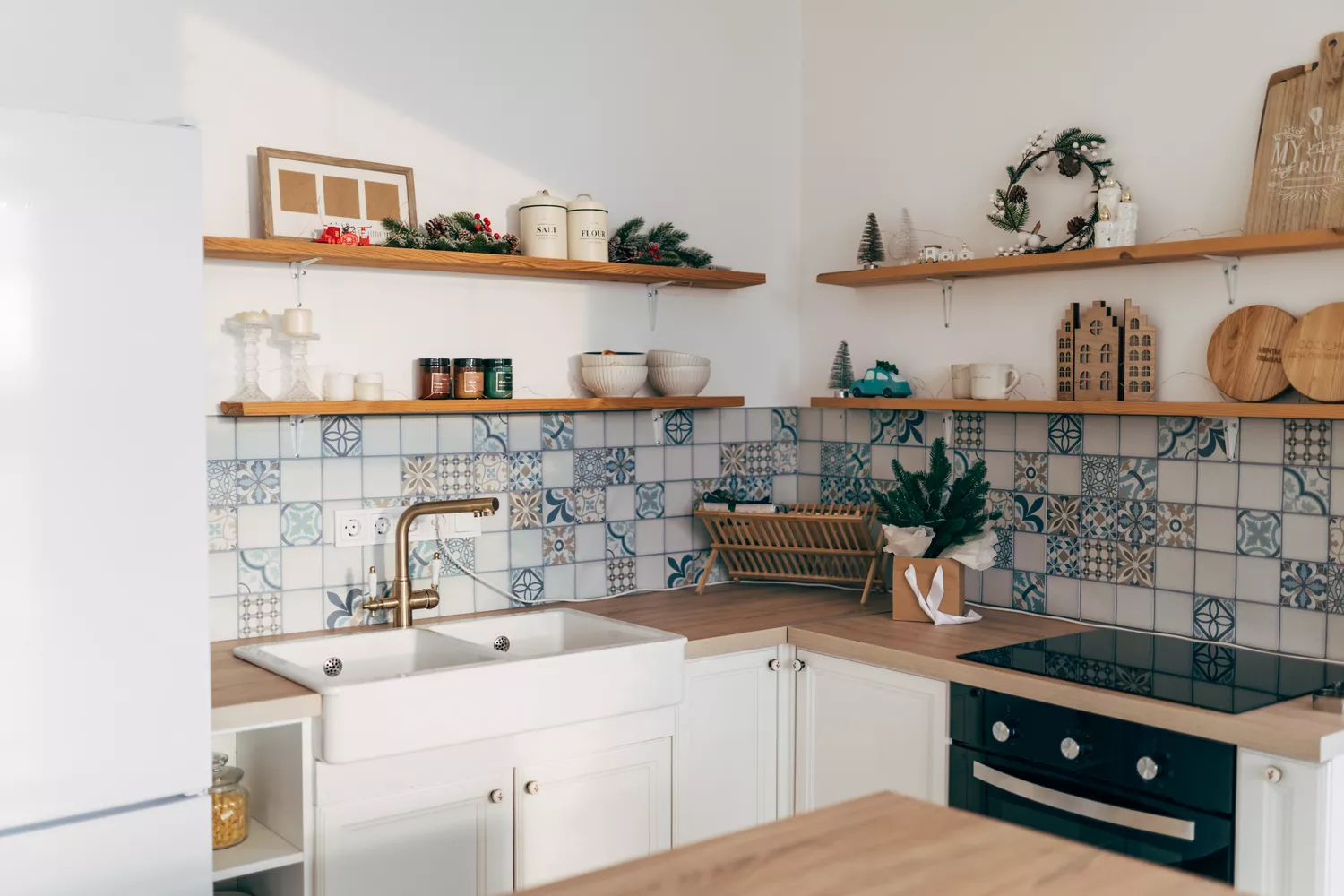
Another pro is the wide variety of designs available, mimicking high-end finishes like marble, ceramic, and metal, fitting various aesthetics without custom pricing. However, a significant con is that most peel-and-stick tiles are not fully waterproof, despite their name. This makes them less suitable for high-moisture environments like showers or directly behind kitchen sinks, where water can get underneath and compromise adhesion, potentially leading to mold growth. Heat and direct sunlight can also damage them, causing adhesive breakdown, discoloration, or warping. Manufacturers' heat ratings should be checked for placement near cooktops, and it's advisable to use them in lower-traffic areas or as accents to prolong their lifespan.
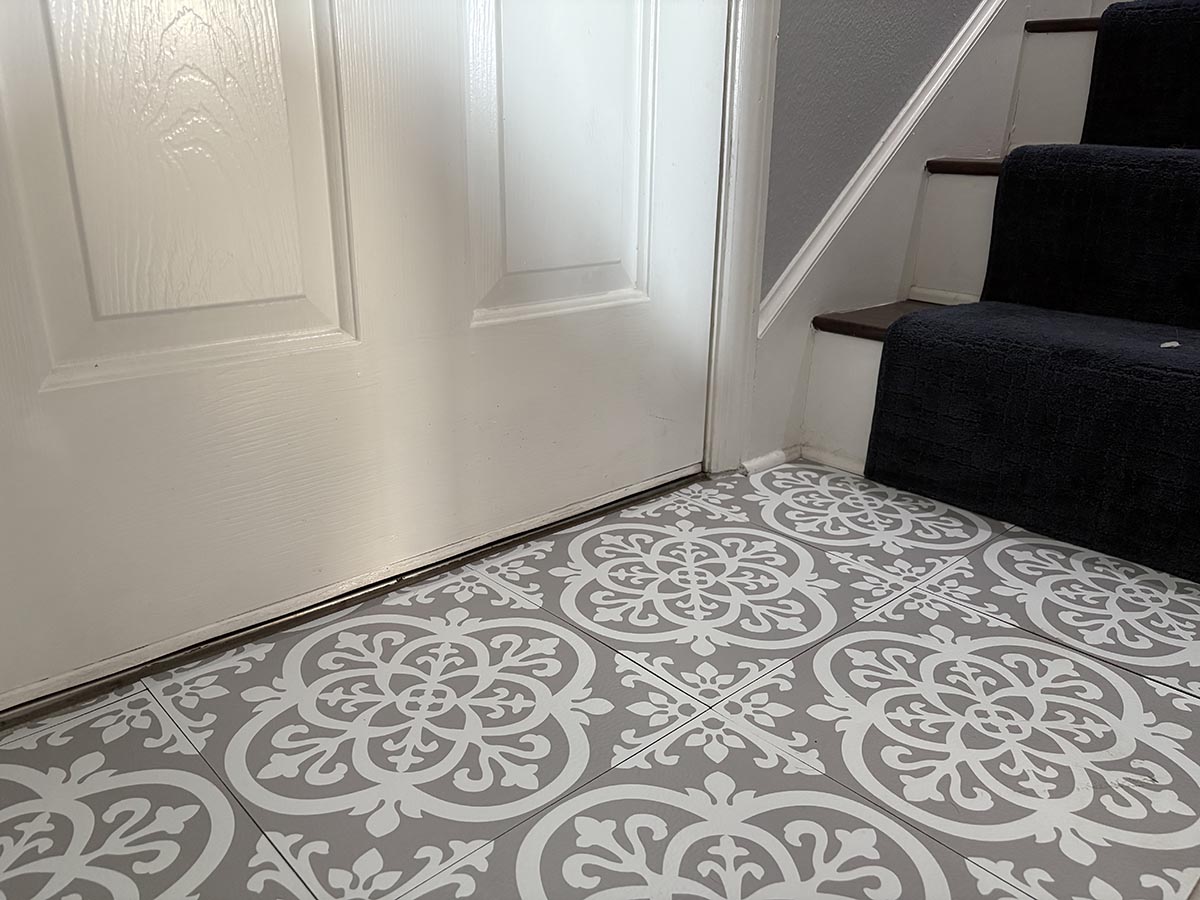
Finally, peel-and-stick tiles offer wall protection against splashes, grease, and minor dings, acting as a barrier in kitchens and bathrooms. They extend beyond these areas, finding creative uses in stair risers, furniture makeovers, and ceilings, making them a flexible design tool for experimenting with trends. Their ease of application makes them perfect for quick DIY makeovers, offering a low-risk, high-reward solution for updating dated spaces or trying out new styles without permanent commitment. However, improper installation or monitoring can lead to mold growth, especially in wet areas, underscoring the importance of surface preparation and selecting waterproof varieties for moisture-prone zones to prevent accumulation of dust, dirt, and moisture behind the tiles.
#PeelAndStickTile #Backsplash #HomeRenovation #DIYHomeDecor #KitchenDesign #InteriorDesign #BudgetFriendly #TemporaryUpgrade #HomeImprovement #PeelAndStickTile #Backsplash #HomeRenovation #DIYHomeDecor #KitchenDesign #InteriorDesign #BudgetFriendly #TemporaryUpgrade #HomeImprovement
0 comment in total
 No comments yet
You may also like
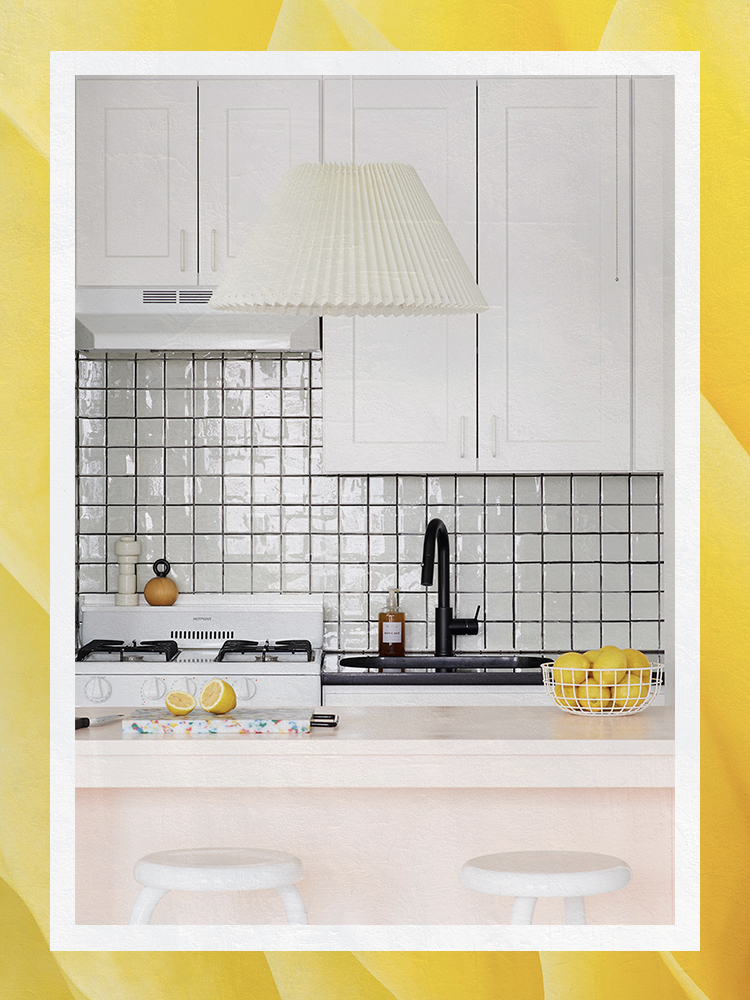
Keep Your Security Deposit With the Best Peel-and-Stick Backsplashes


Yes, Peel-and-Stick Floor Tiles Really Work—And These Are the Best

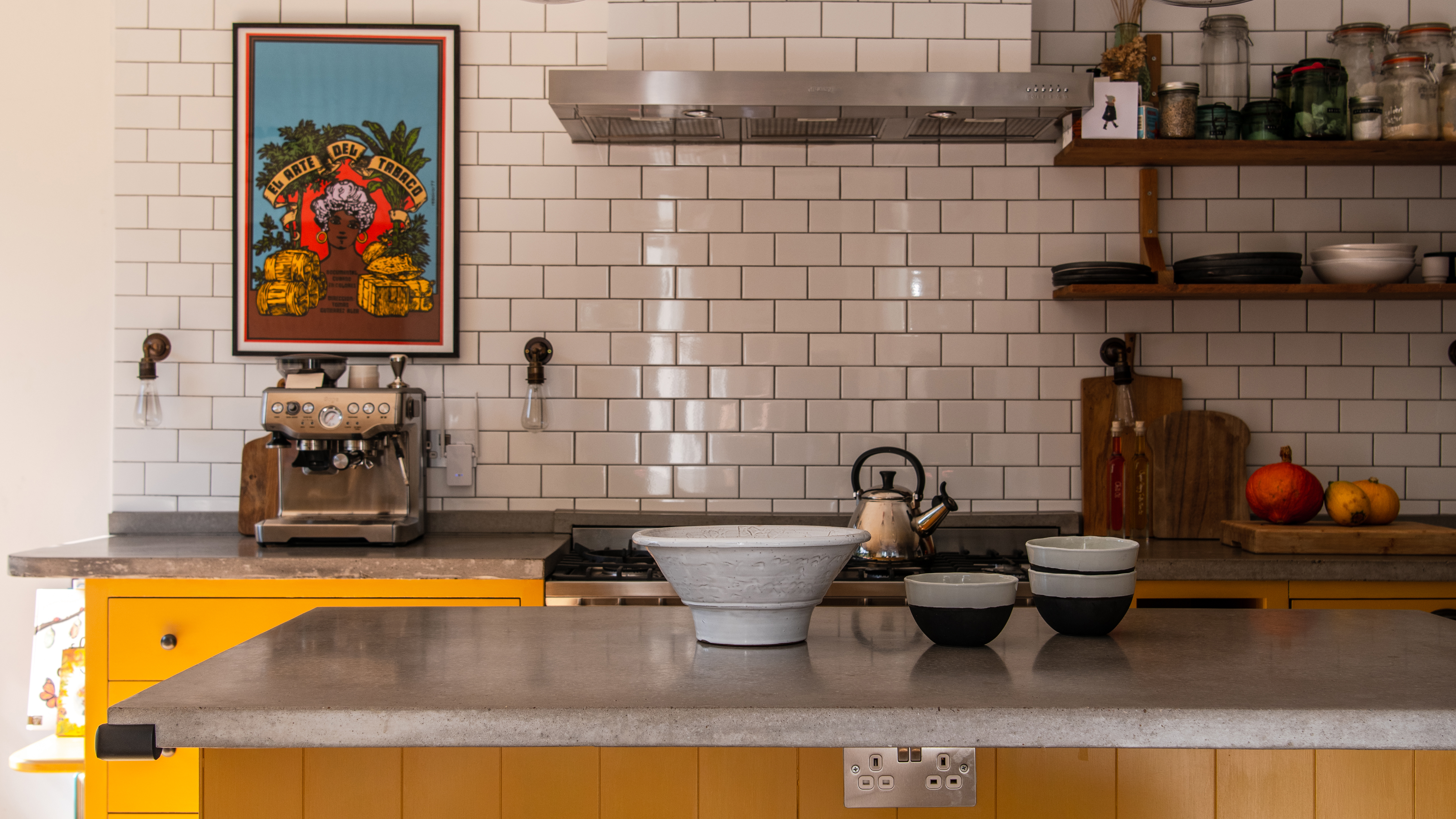
How to tile a backsplash – everything you need to know in 7 simple steps

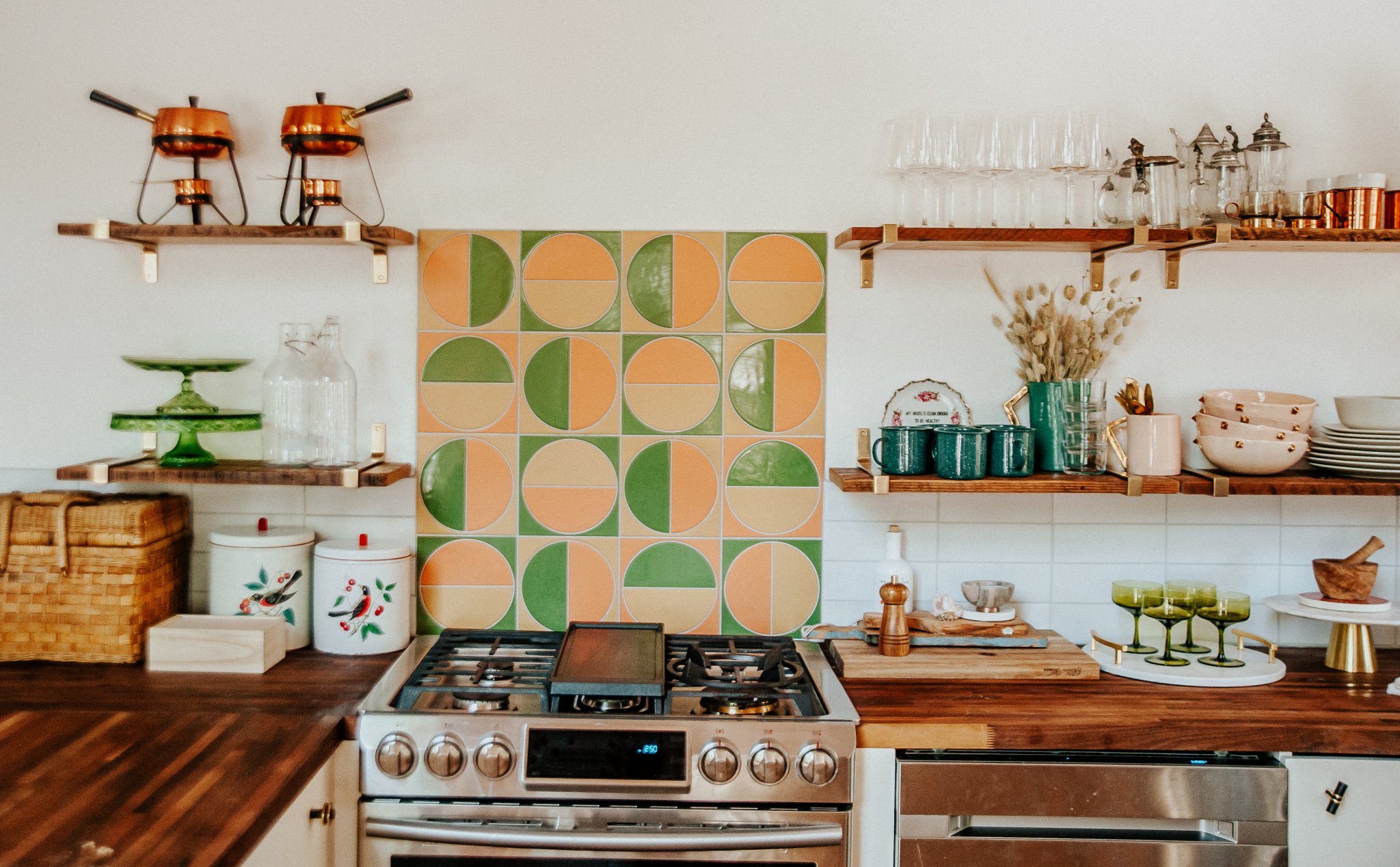
Before You Splurge on Backsplash Tile, Consider This Clever Hack
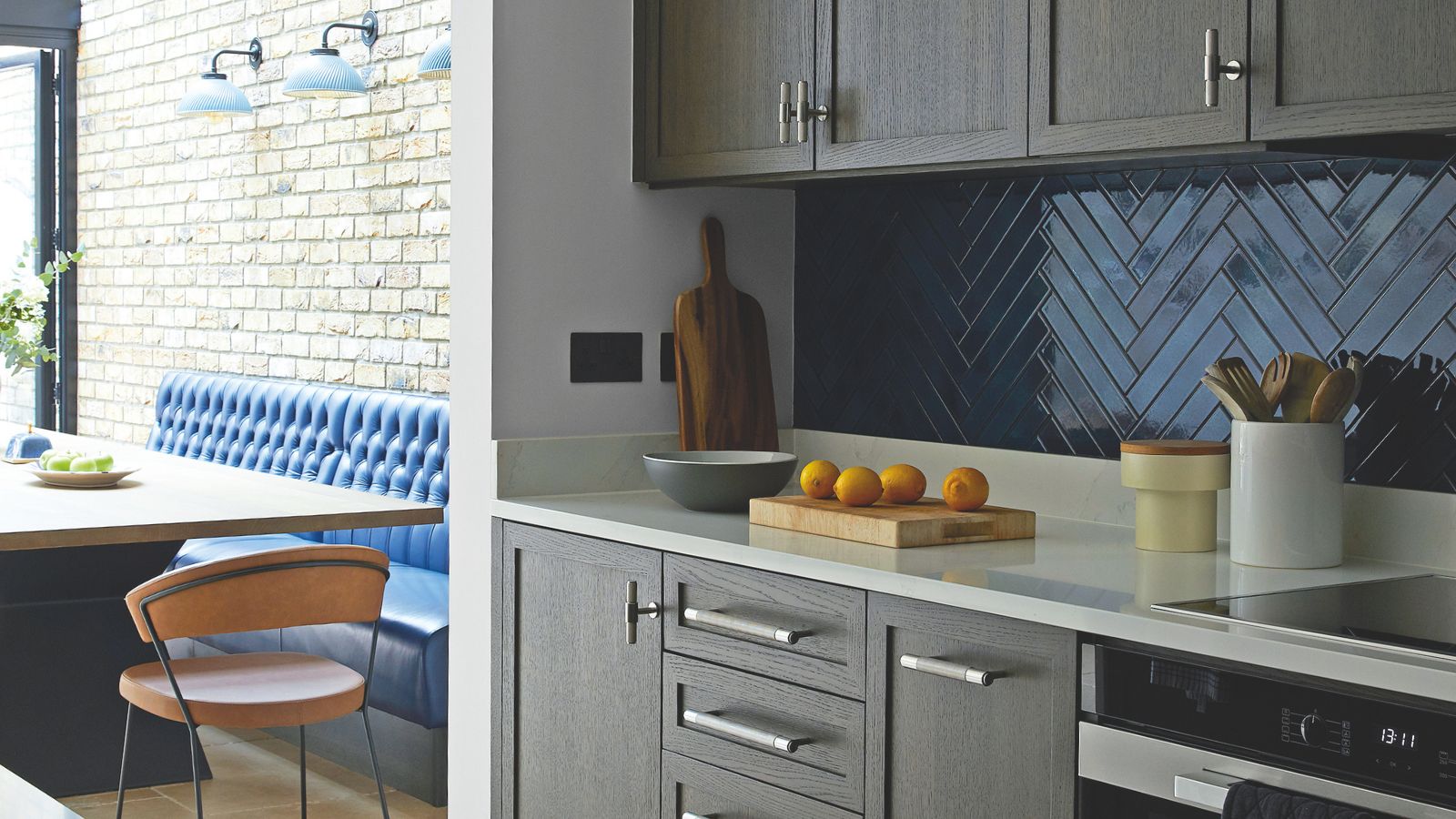
We've spoken to the experts – this is everything you need to know before trying peel and stick tiles

I Tried Installing Peel-and-Stick Floor Tiling in Two Different Rooms—Here Are My Thoughts

5 Places You Should Never Use Peel and Stick Tile—And Where to Put It Instead
Kitchen tile makeover: Use Smart Tiles to update your backsplash

This DIY Upgrade Transformed My Kitchen
I Almost Swore Off Peel and Stick Tiles, But These Options Redeemed Their Status as an Easy DIY


Interior Designers Reveal Their Honest Opinions on Peel-and-Stick Wallpaper vs. Paste

Peel and Stick Wallpaper We Love From 7 Different Retailers

Should You Install Peel and Stick Floor Tile? An Interior Designer Shares Some Pros and Cons

Peel-and-stick wallpaper tips and shopping
Top-Rated Brands For Reliable Peel-And-Stick Floor Tiles That Last

I Transformed My Living Space Without Picking Up a Paint Brush Thanks to This Easy-to-Use Product
This DIY Backsplash Is Even More Renter-Friendly Than Peel-and-Stick
13 Creative Ways to Use Peel-and-Stick Wallpaper

The 3 Best Removable Wallpapers of 2026 | Reviews by Wirecutter

Install Tile Backerboard