Craft, Culture, and Character: Telling Stories Through Interior Design
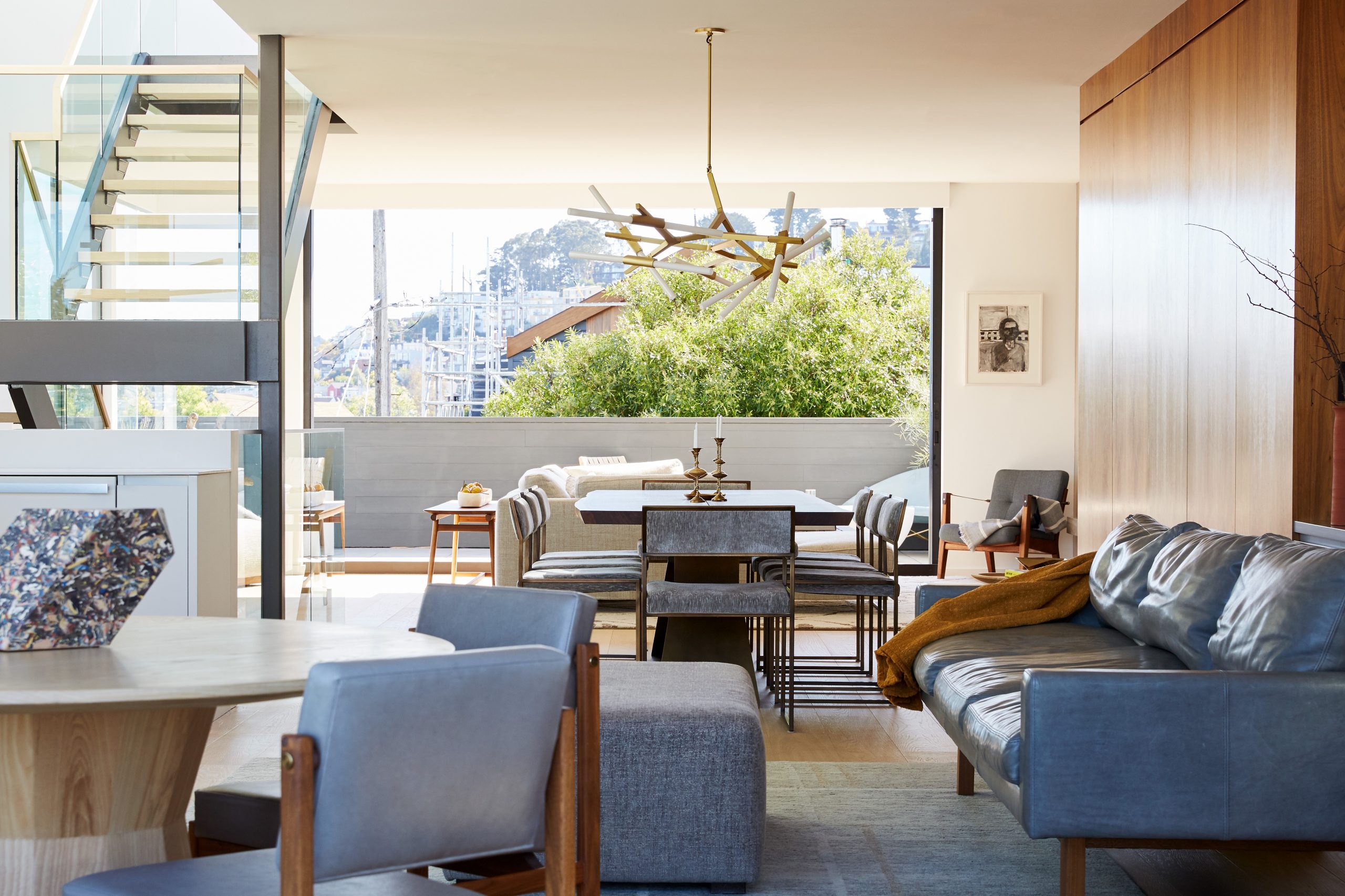
The article explores the integration of craft, culture, and character into interior design, presenting design as a medium for narrative and identity. Chhaya Sharma, Principal Designer at Design ArTEC, details how these three elements contribute to creating authentic and meaningful spaces as Interiors Day approaches on May 31st.
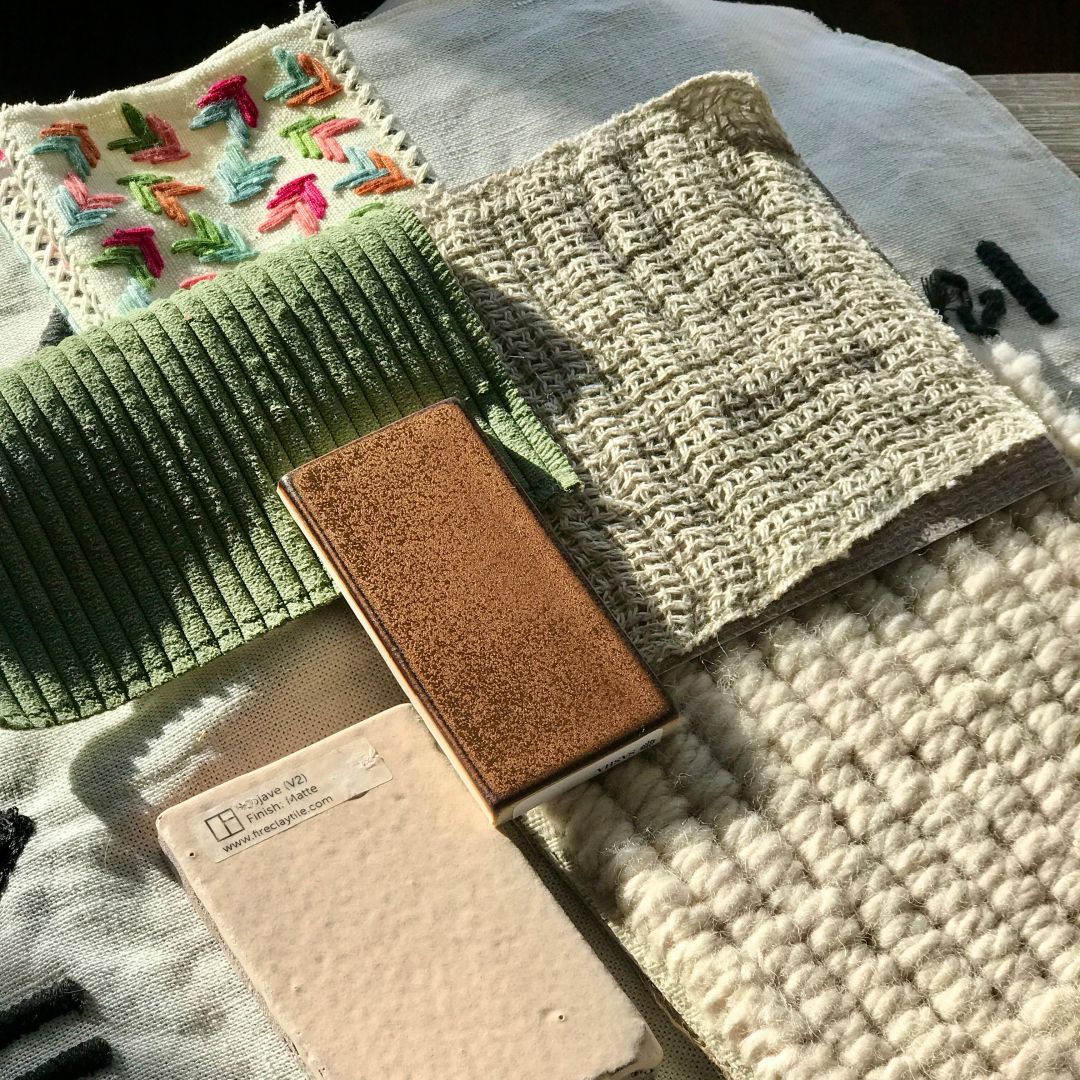
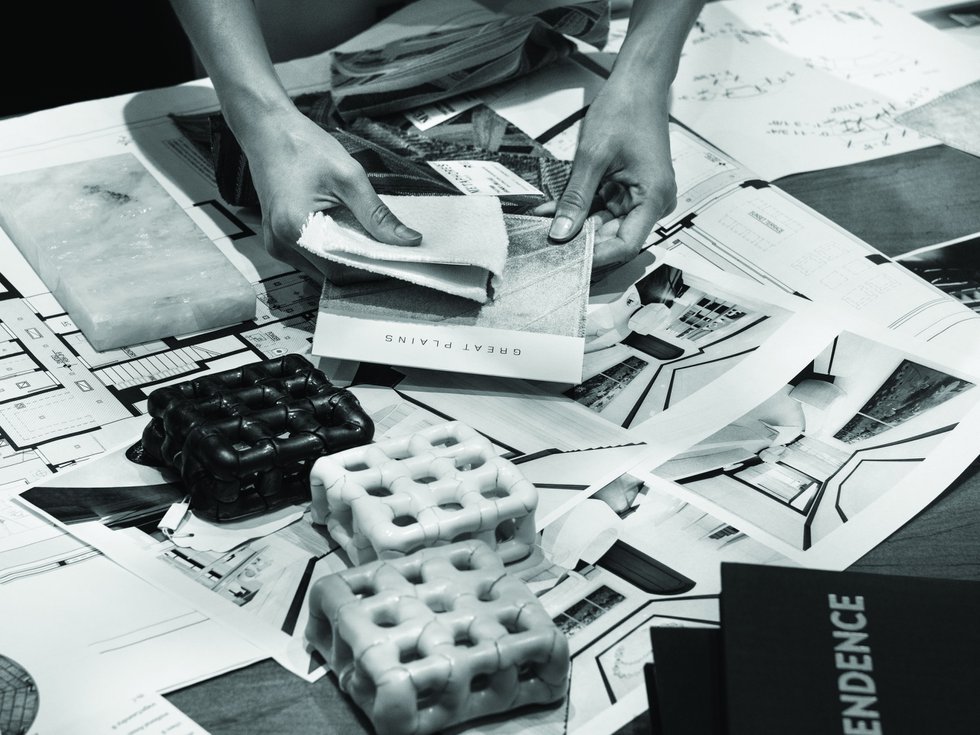
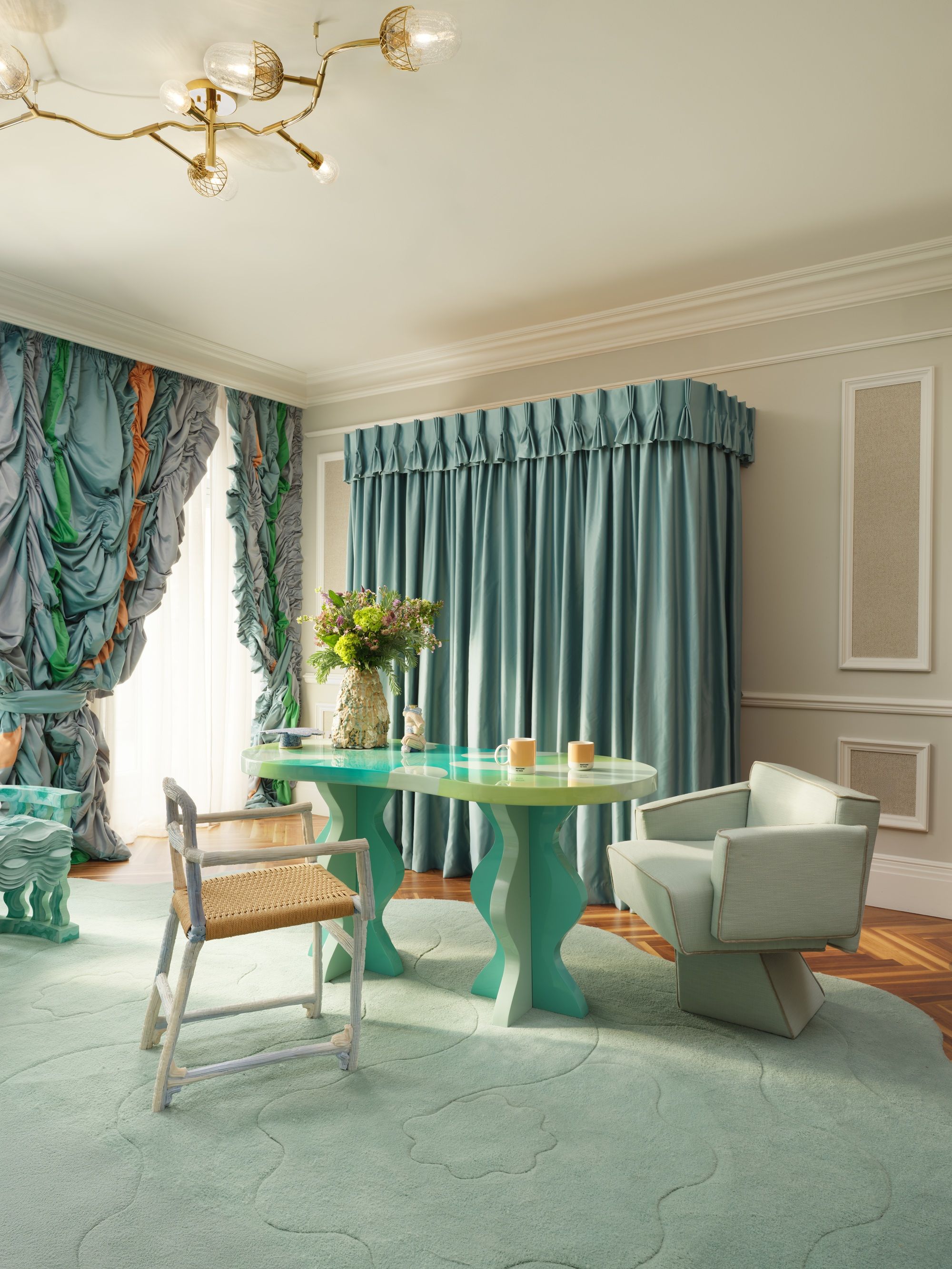
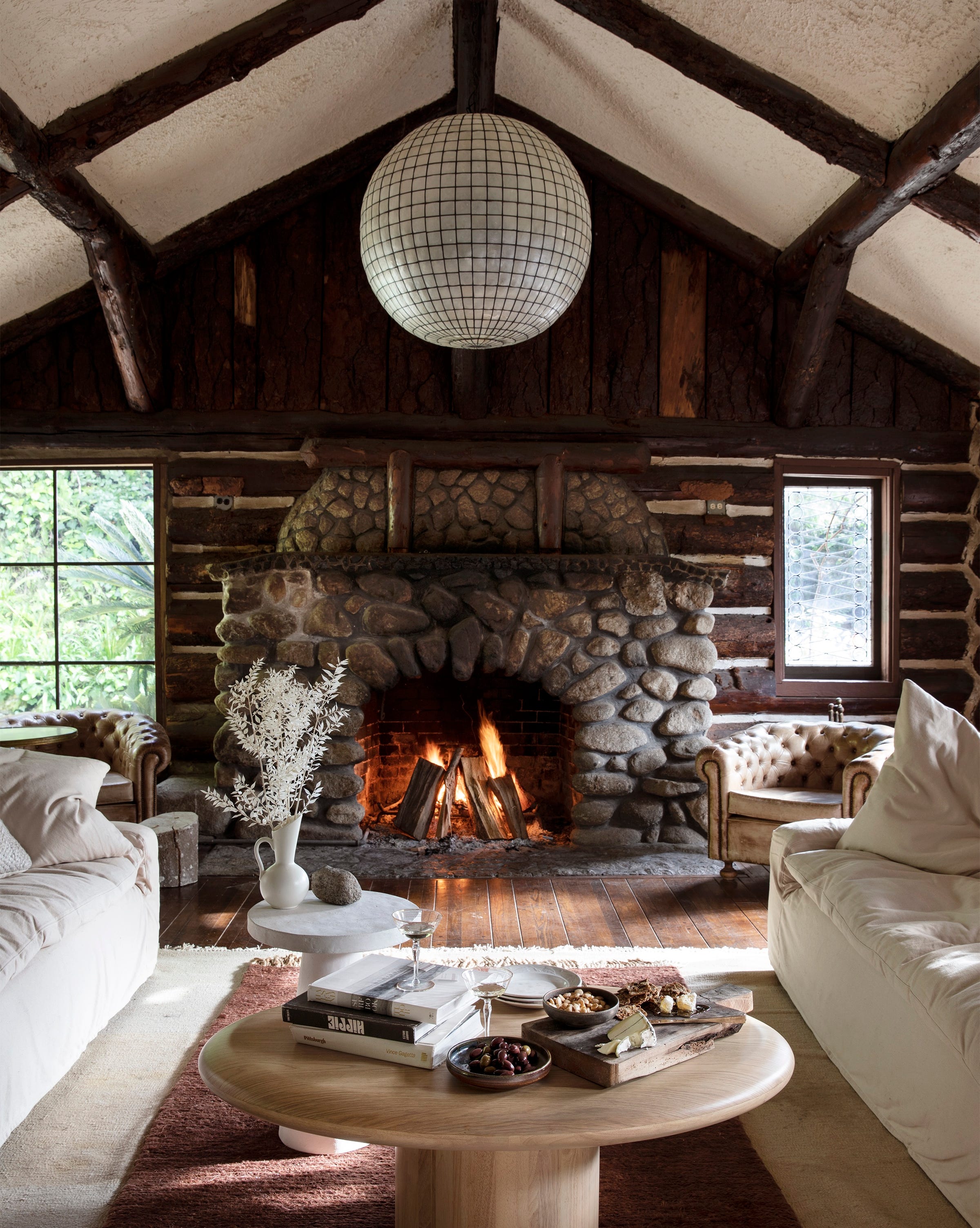
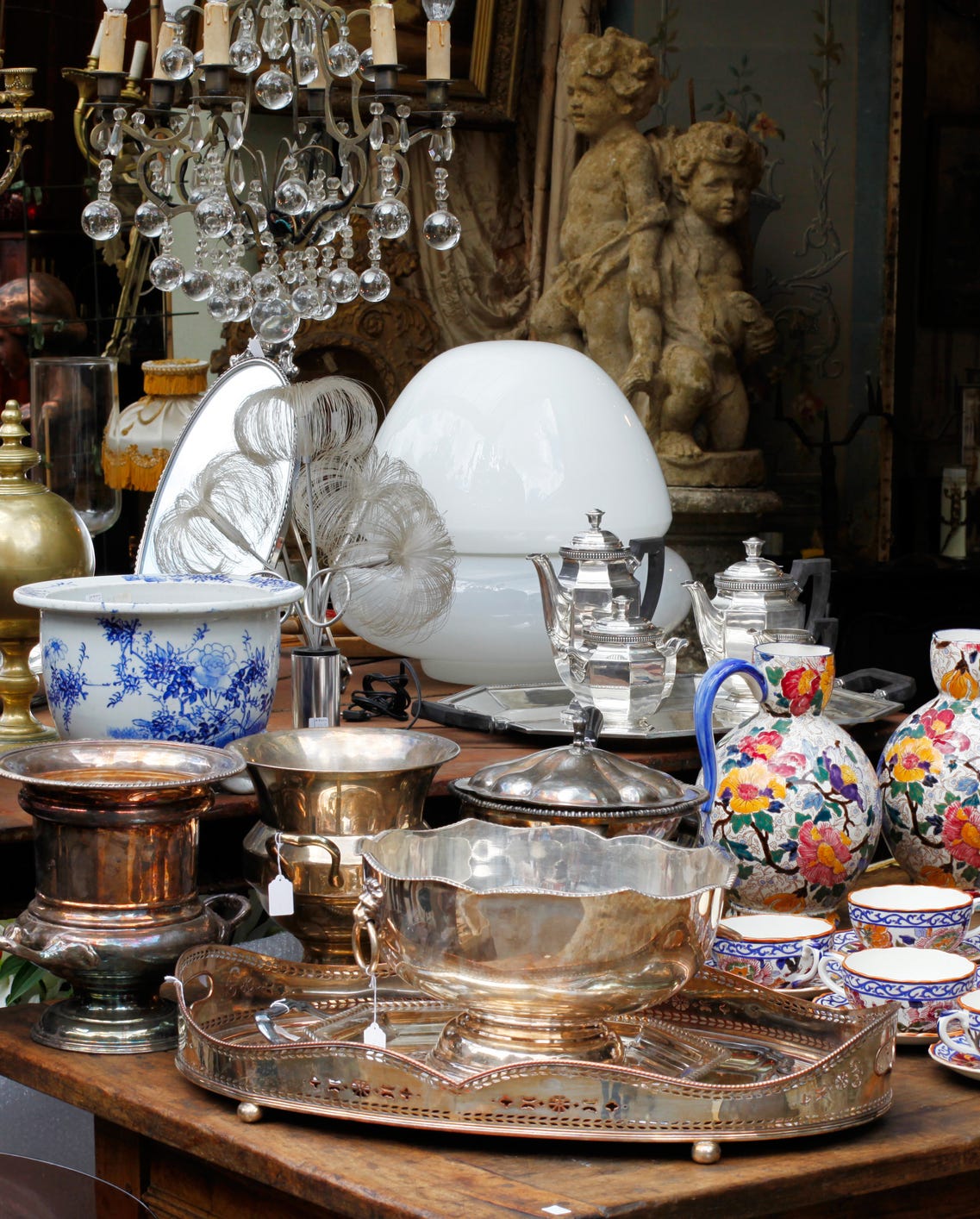
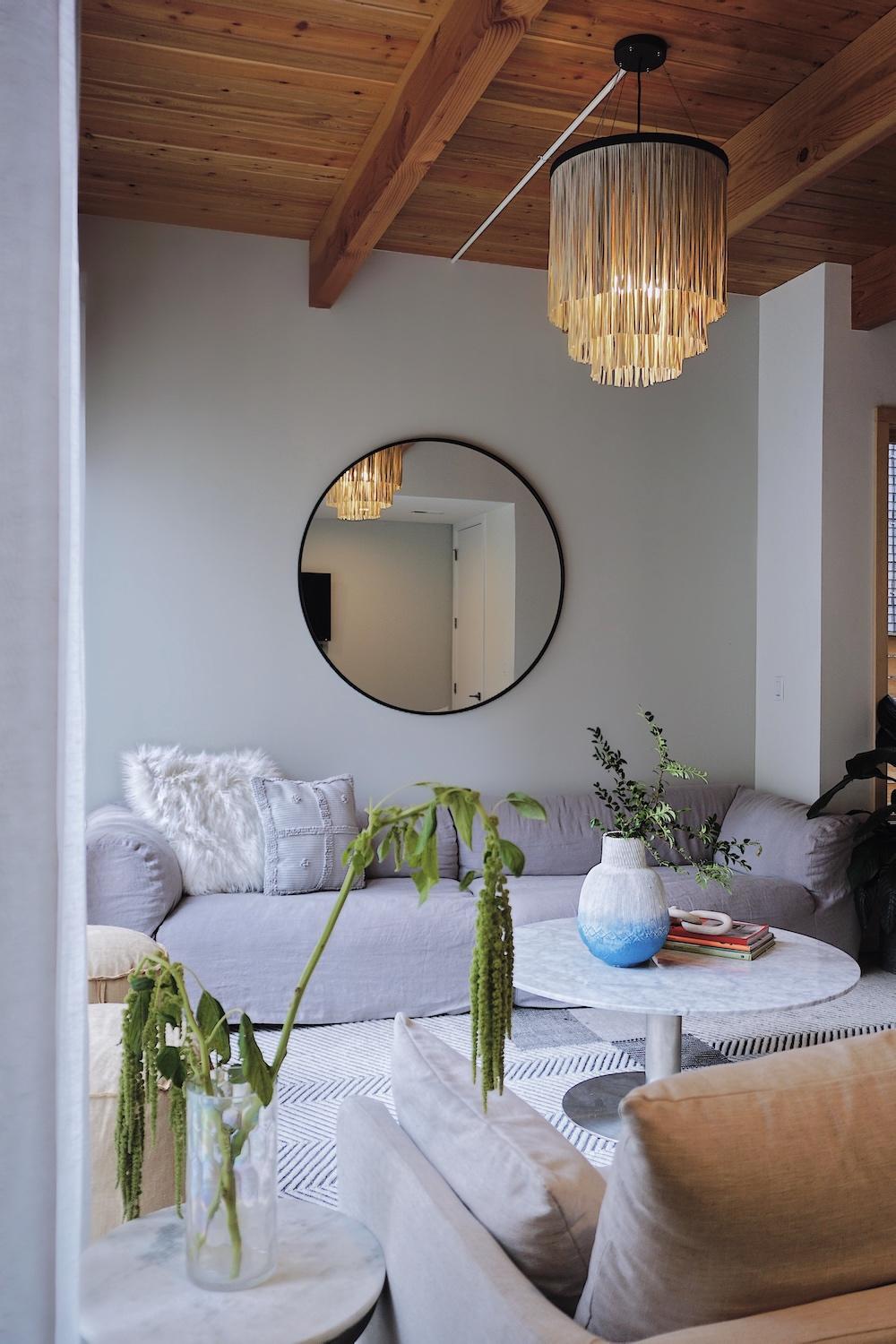
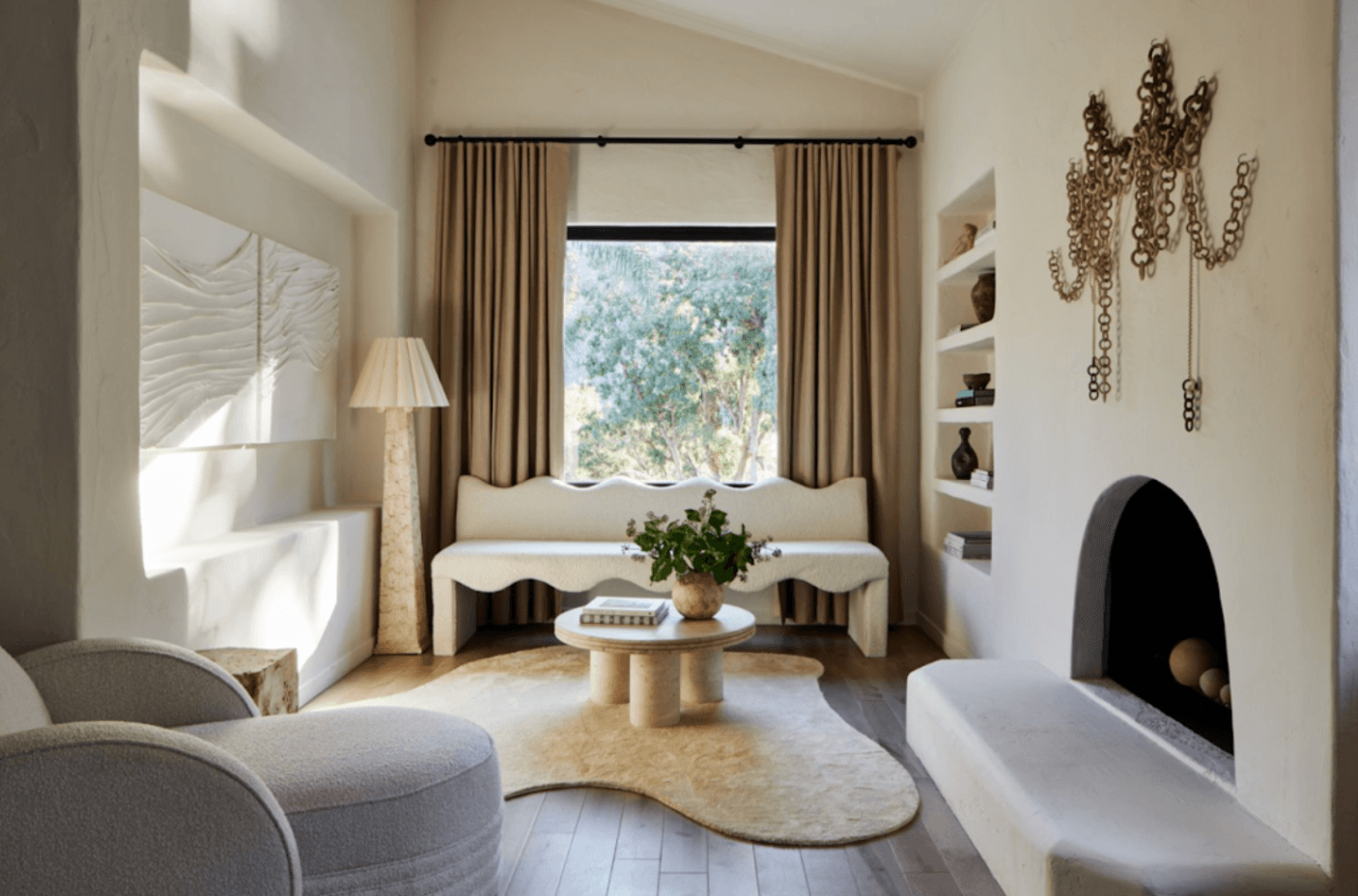
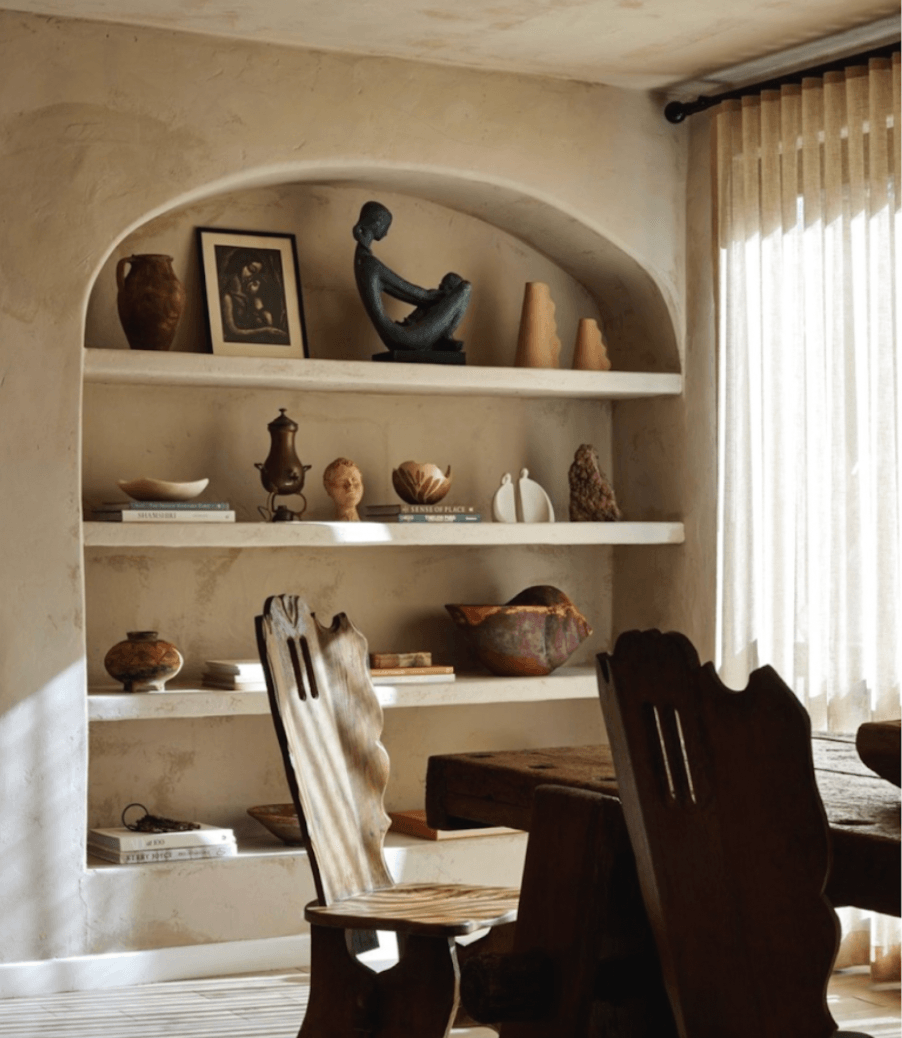
The essence of craft in modern interiors is described as a blending of old-world artistry with contemporary simplicity. Handcrafted elements, such as a hand-thrown pottery lamp in a minimalist setting, serve as a connection to the past, highlighting the beauty of imperfections, the value of time, and the human touch. These bespoke items are not merely decorative but are considered future heirlooms, each telling a distinct story within the home's larger narrative.
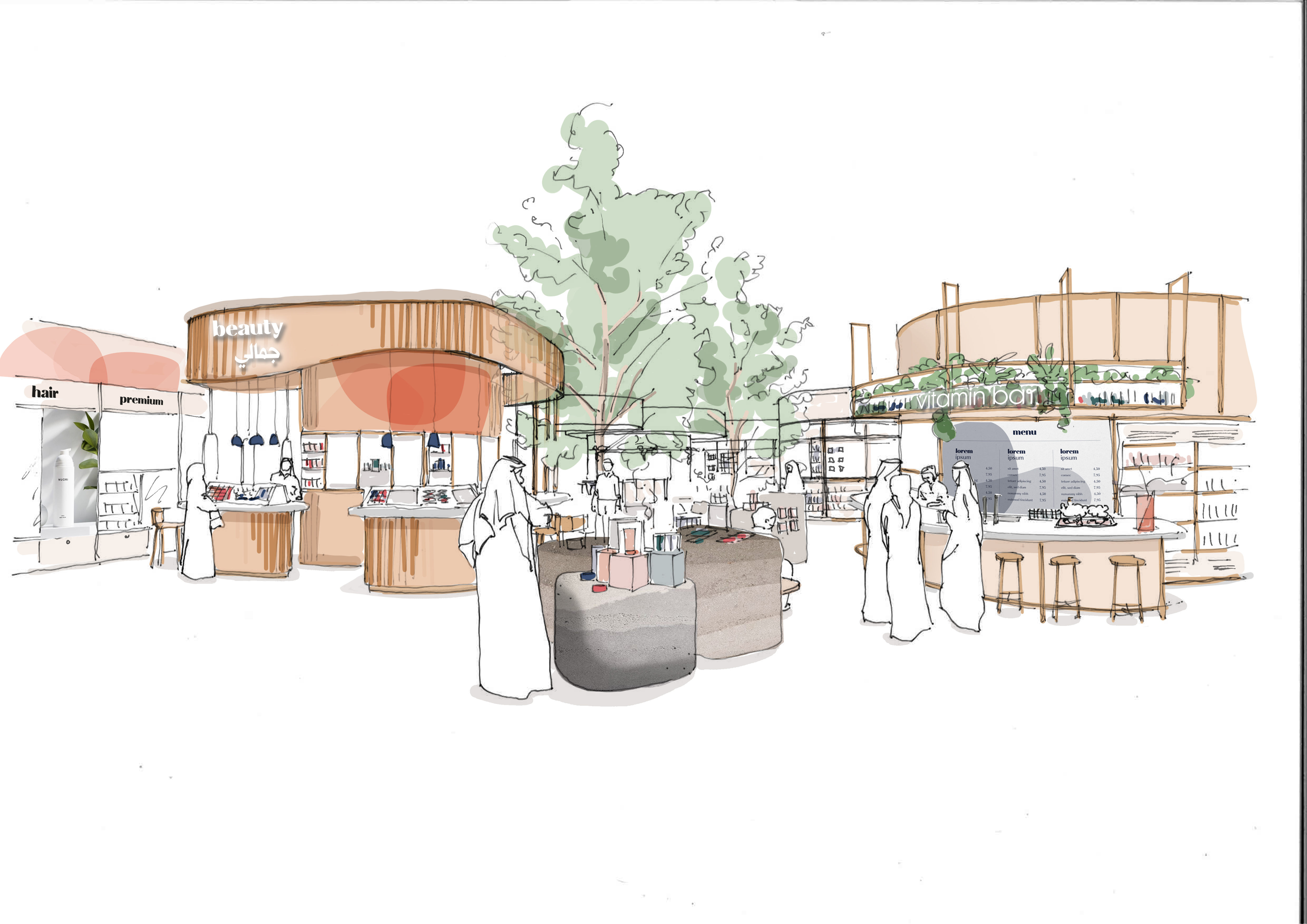
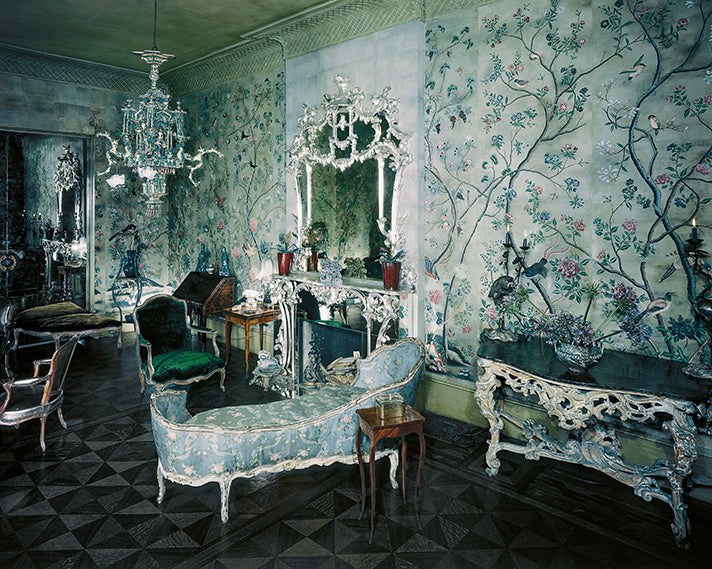
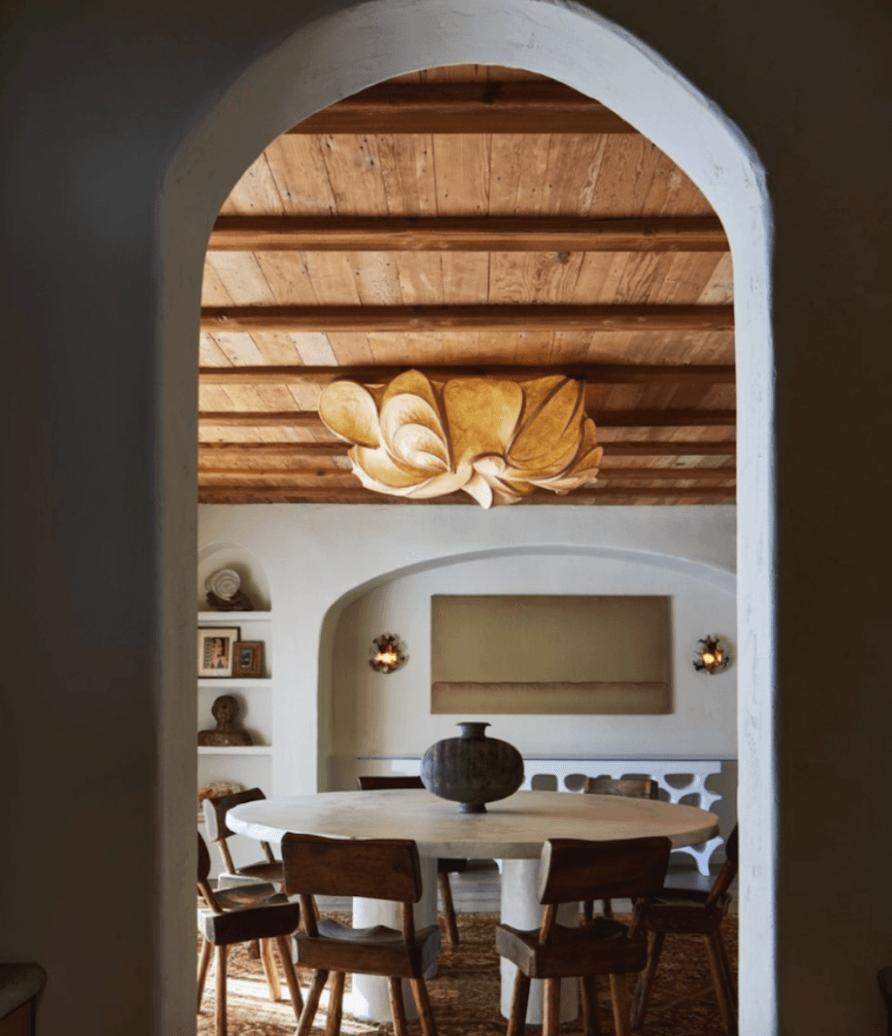
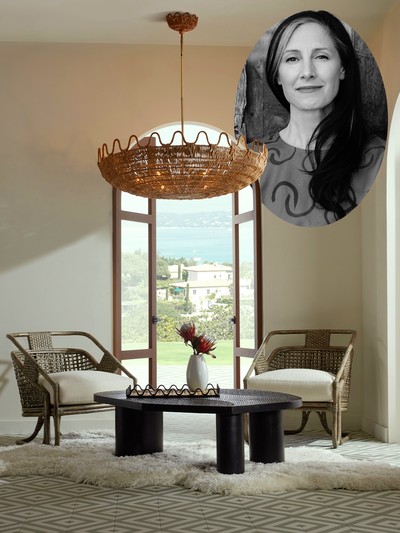
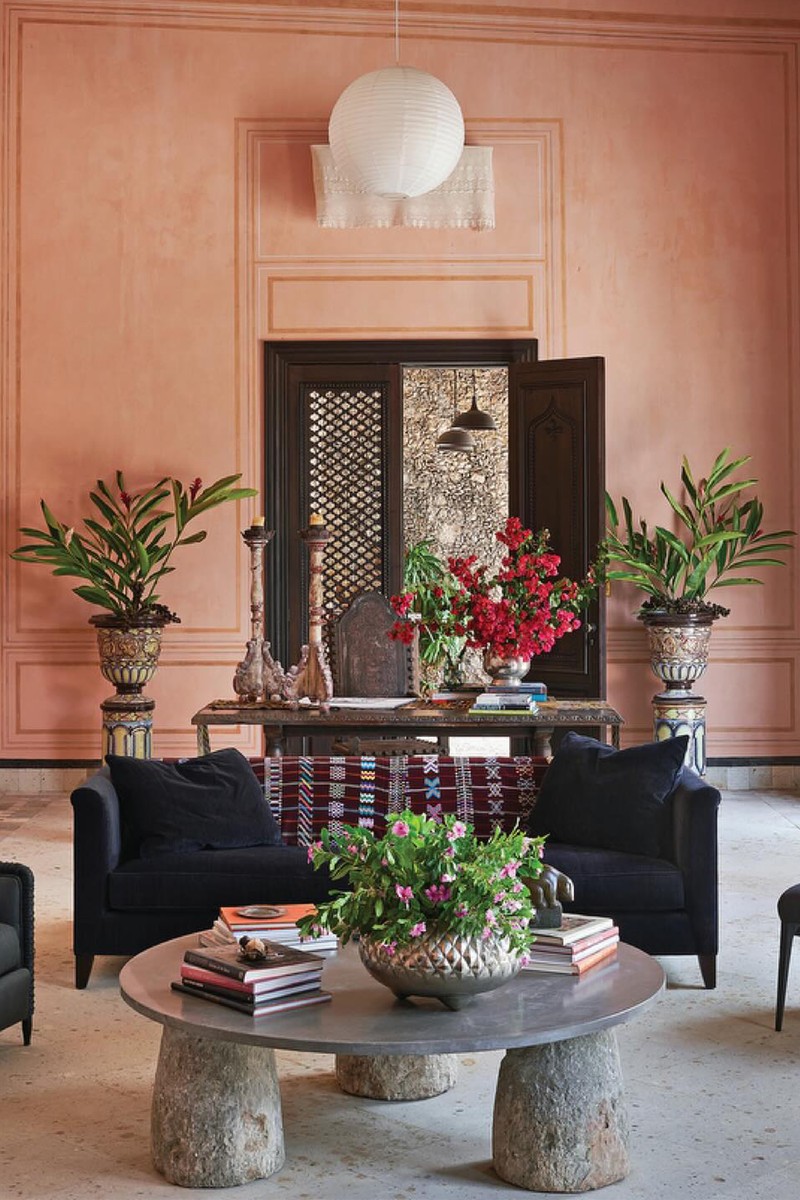
Culture is presented as a crucial contextual element in design, extending beyond the mere incorporation of ethnic motifs. It involves drawing inspiration from the geographical, historical, and social backgrounds of a place and its inhabitants. Designers are increasingly incorporating regional narratives, such as the open, airy designs of Mediterranean homes, or the fusion of distinct Indian cultural themes like Warli paintings with Jaali partitions. This approach creates designs deeply rooted in local traditions and identities.
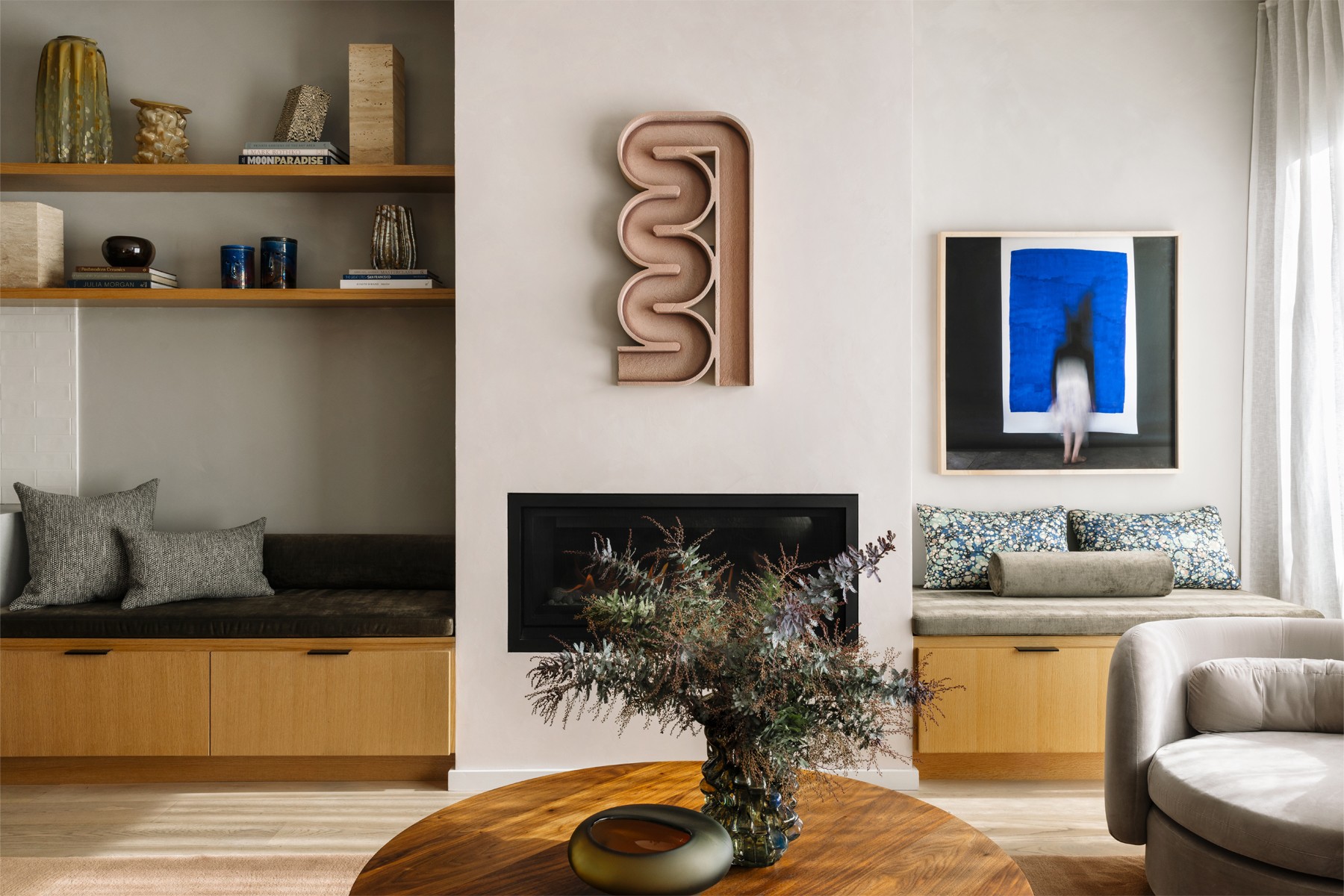
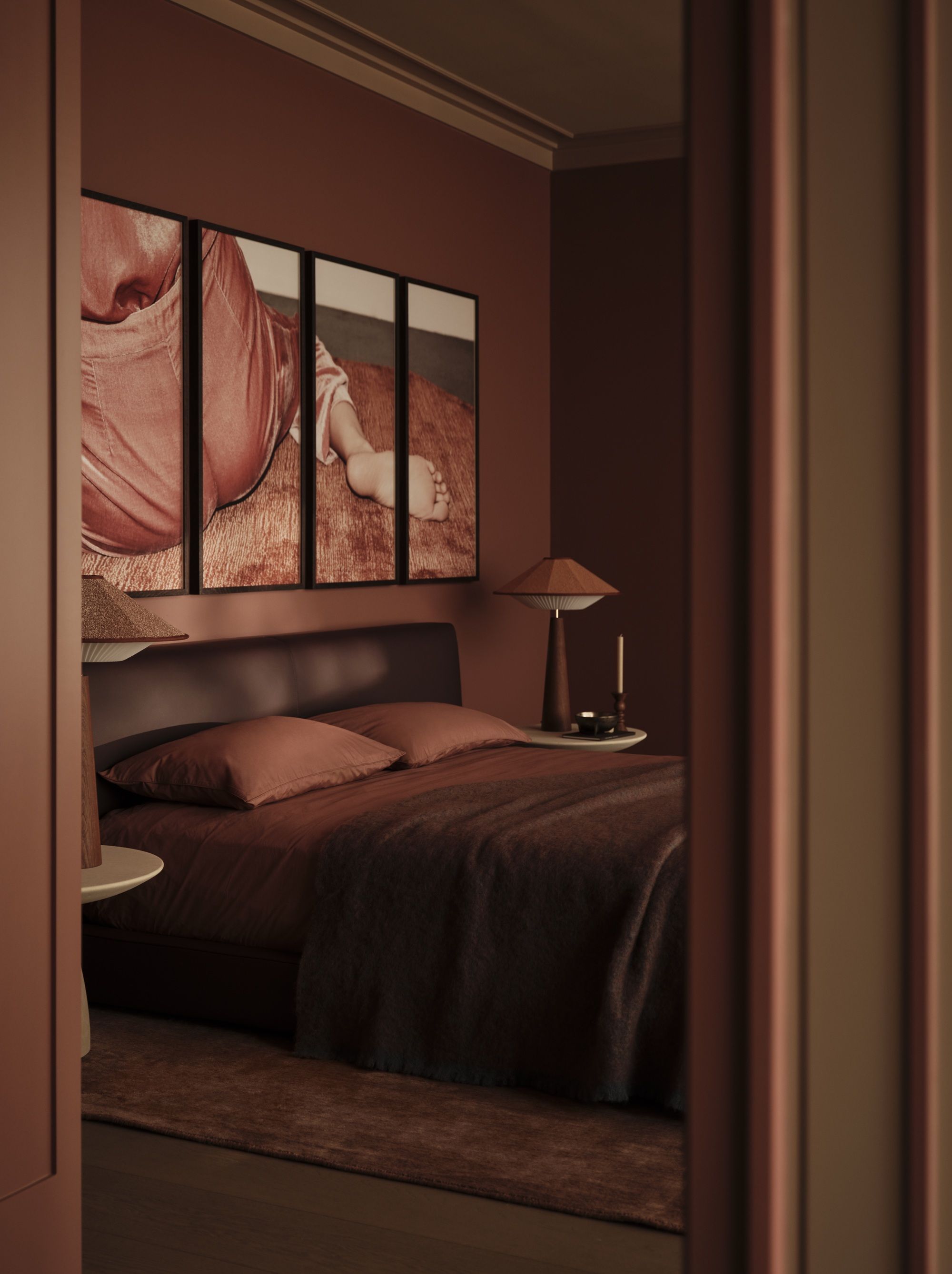
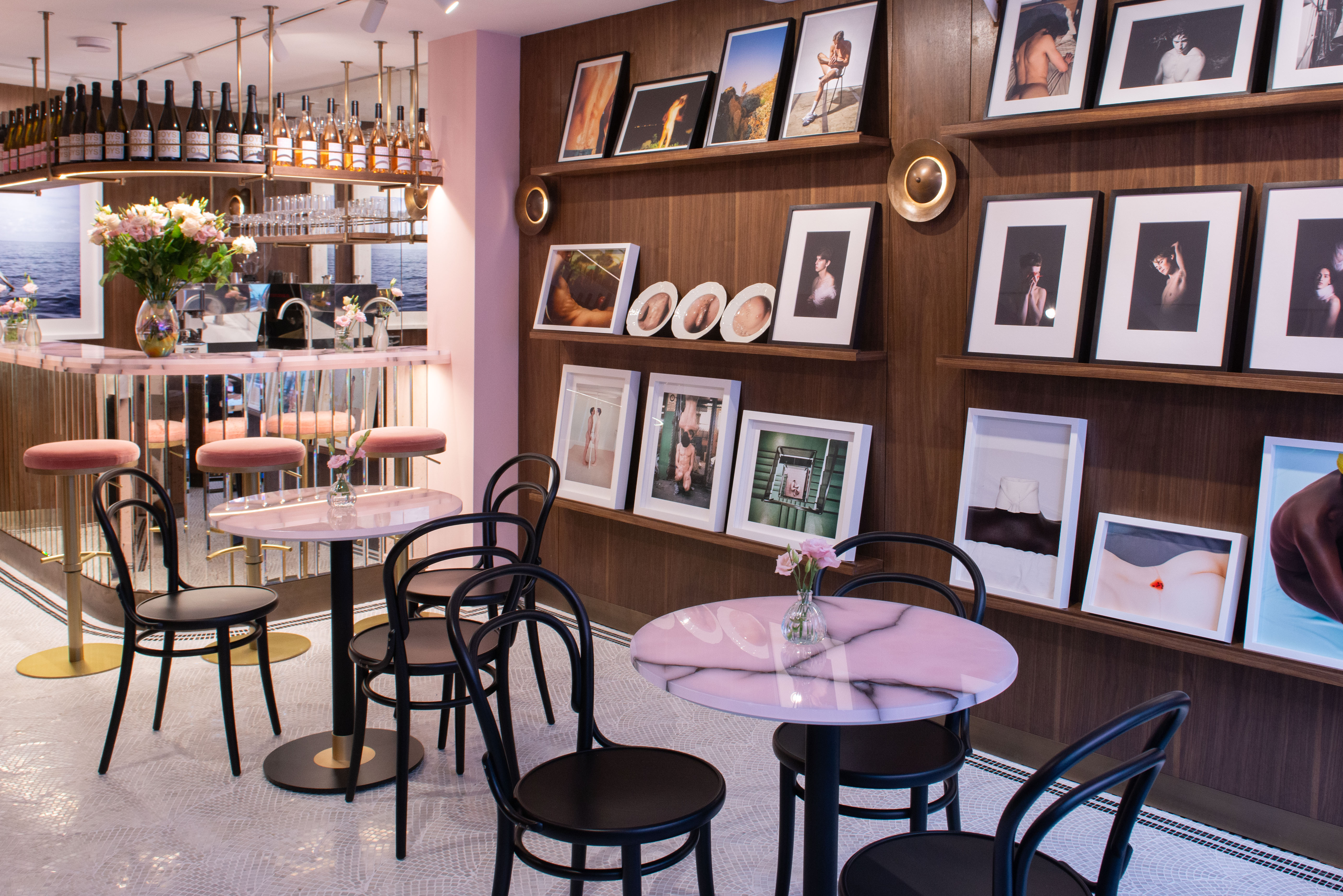
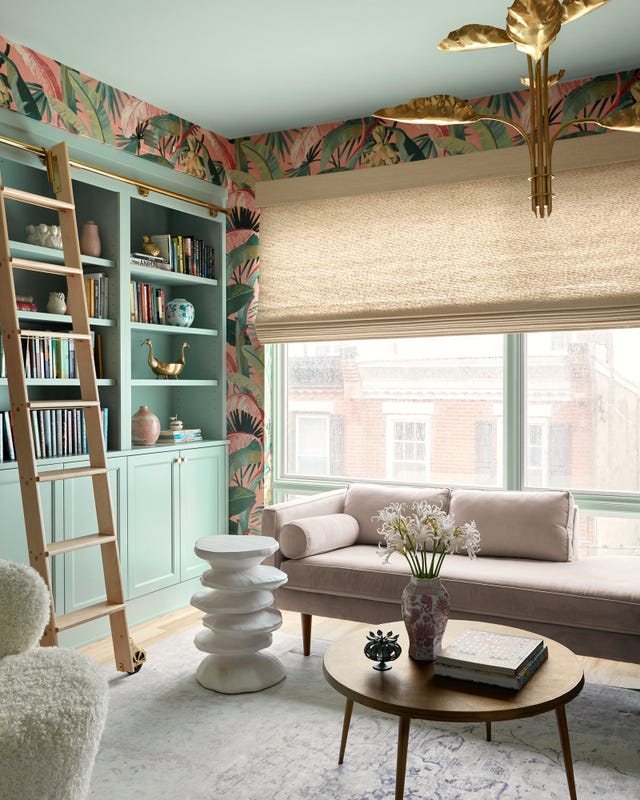
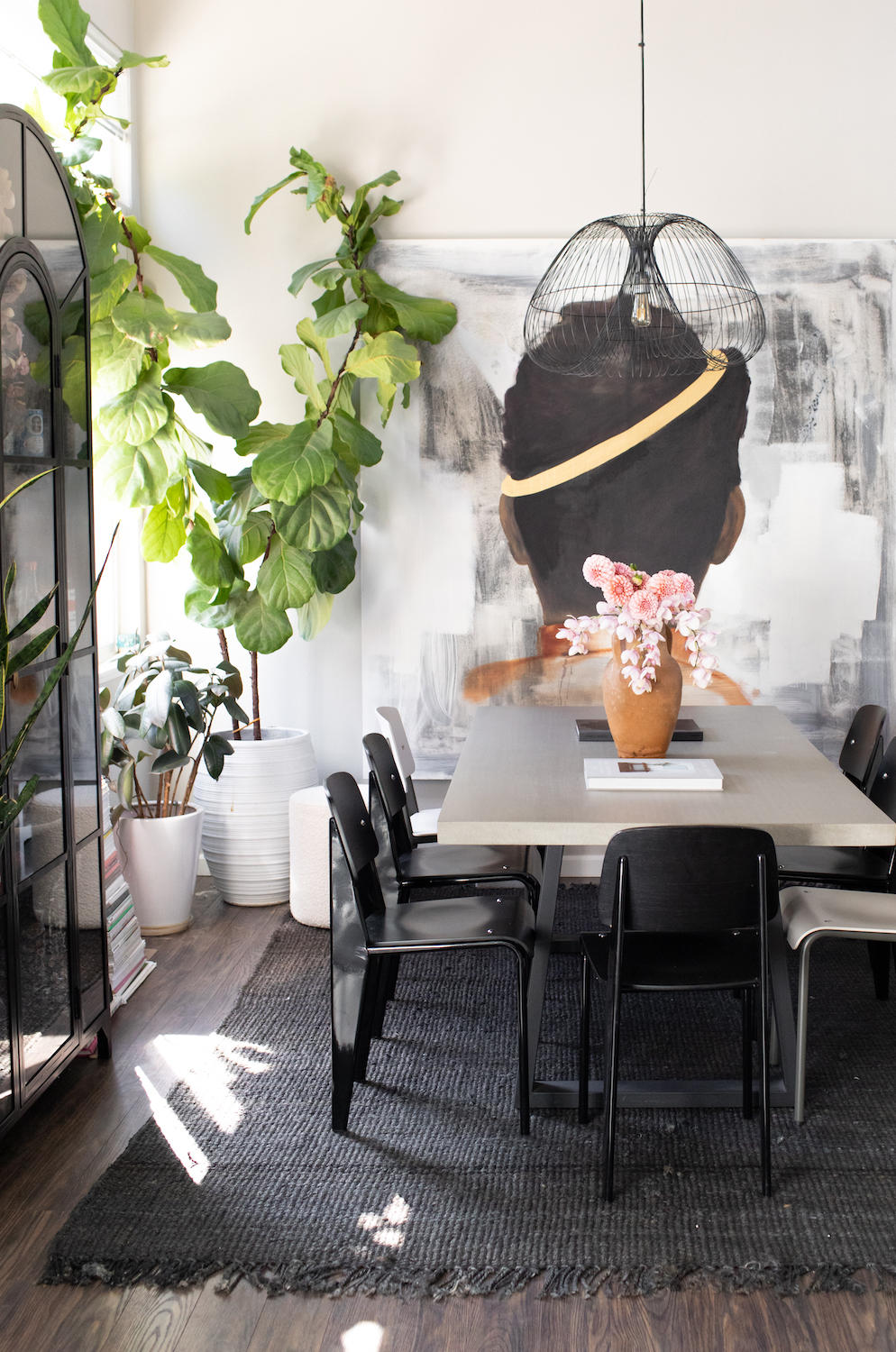
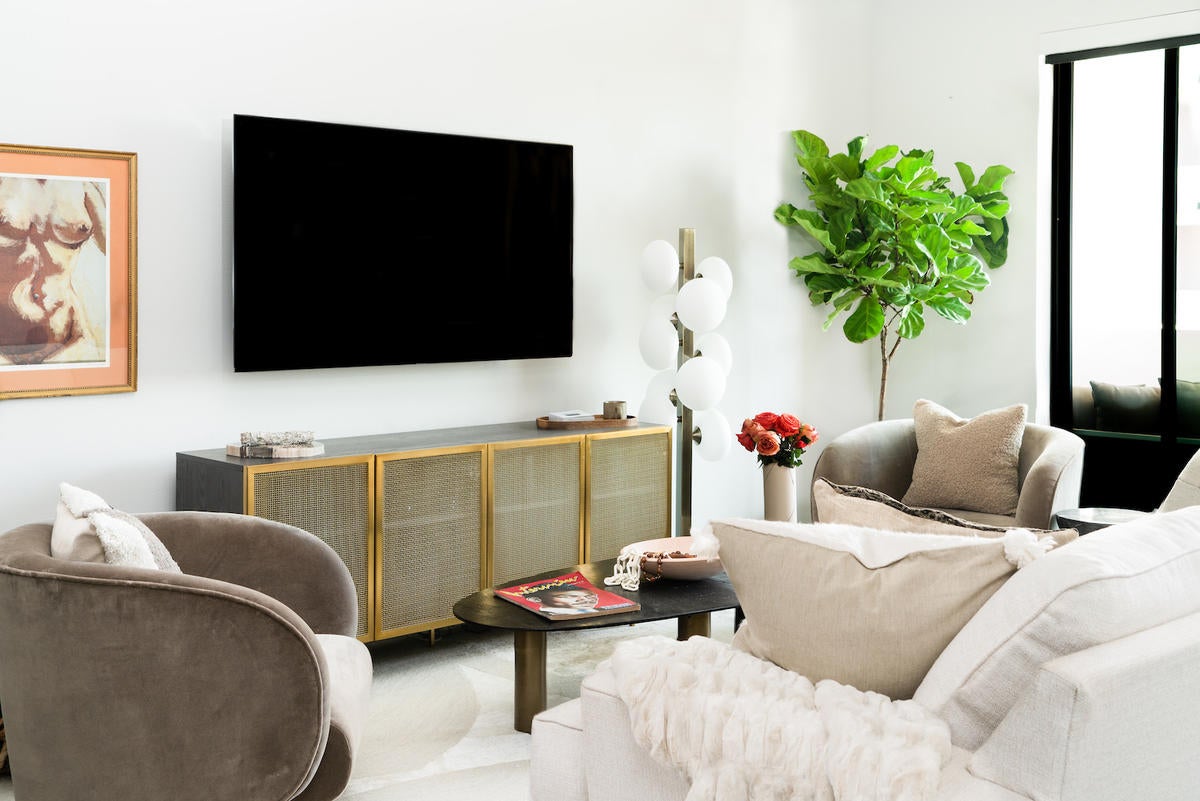
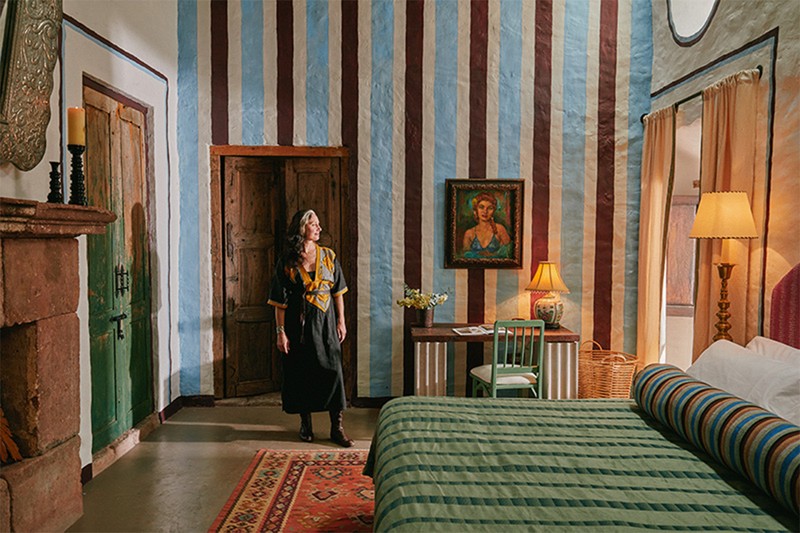
Character in interior design refers to the personal expression embedded within a space through intentional choices. This includes displaying personal artifacts, curated art pieces, and inherited objects, which act as emotional anchors. The goal is to create environments that feel lived-in and authentic, rather than sterile or staged. Examples include mismatched furniture that reflects a history of ownership or hand-painted murals that embody individual reflections, ensuring that the space truly represents its occupants.
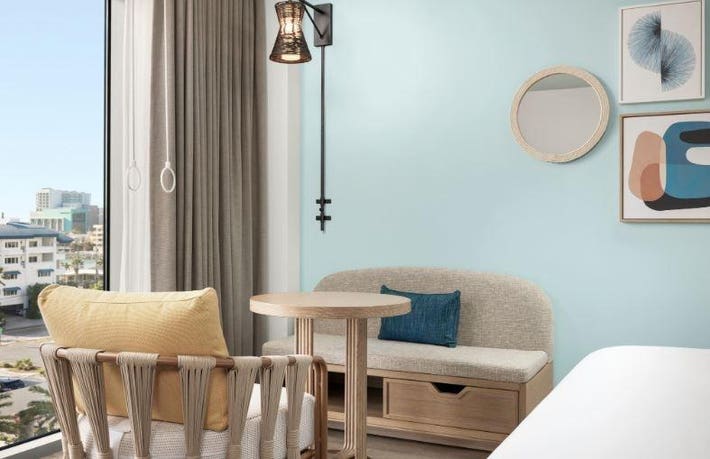
The article emphasizes that merging craft, culture, and character results in authentic designs that also align with principles of sustainability. Such designs often feature a lower carbon footprint, exhibit greater durability, and promote conscious living. Contemporary designers are increasingly adopting practices like repurposing architectural salvage and utilizing biodegradable materials such as cane, jute, bamboo, and terracotta.
Ultimately, interior design is portrayed as a powerful narrative tool. It communicates personal and collective histories, present identities, and future aspirations. Through the thoughtful combination of these three elements, interior design captures memories, upholds traditions, expresses individuality, and celebrates the unique stories of the people and places it inhabits.
#InteriorDesign #Craftsmanship #CulturalIntegration #PersonalExpression #SustainableDesign #HomeDecor #DesignNarrative #ArchitecturalSalvage #MindfulLiving #InteriorDesign #Craftsmanship #CulturalIntegration #PersonalExpression #SustainableDesign #HomeDecor #DesignNarrative #ArchitecturalSalvage #MindfulLiving
0 ความคิดเห็นรวม
 ยังไม่มีความคิดเห็น
คุณอาจจะชอบอีกด้วย
Meet Chencong Zhang | Interior Designer & Spatial Experience Designer
The Zeitgeist Edit — The Design Moments an Editor Is Talking About in November


Decorating Houses With Edith Wharton: On Interior Design as Art and Literary Practice

Q&A: Interior Designer Wanda Horton


Meet Krysti Lyn | Whole Home Designer

"It’s all about matching the energy of a brand": A day in the life of interior designer Kirsty Vance


"Interior design borrows from cultures it finds aesthetically pleasing"

Meet Brittny Button | Interior Designer & Real Estate Investor

Meet Leo Cesareo | Interior Designer
Meeting of minds - 5 Jun 2025 - Homes and Gardens - UK Magazine


Jane Hall tells us about her latest book Making Space: Interior Design by Women

Twelve creatives on the home essentials they can't do without

Yoselin Alonso Open Concept
If You Have These 10 Traits, You'd Probably Be a Great Interior Designer

Why this Oregon designer is talking about financial literacy on Instagram

A Cool Interior Designer Talks Style, Inspiration & More

What’s the most underused design element?
Step Aside, Pinterest—Here’s Where Designers Get Inspired IRL
Celebrated Designer Vincent Celano Tackles Eclectic Projects

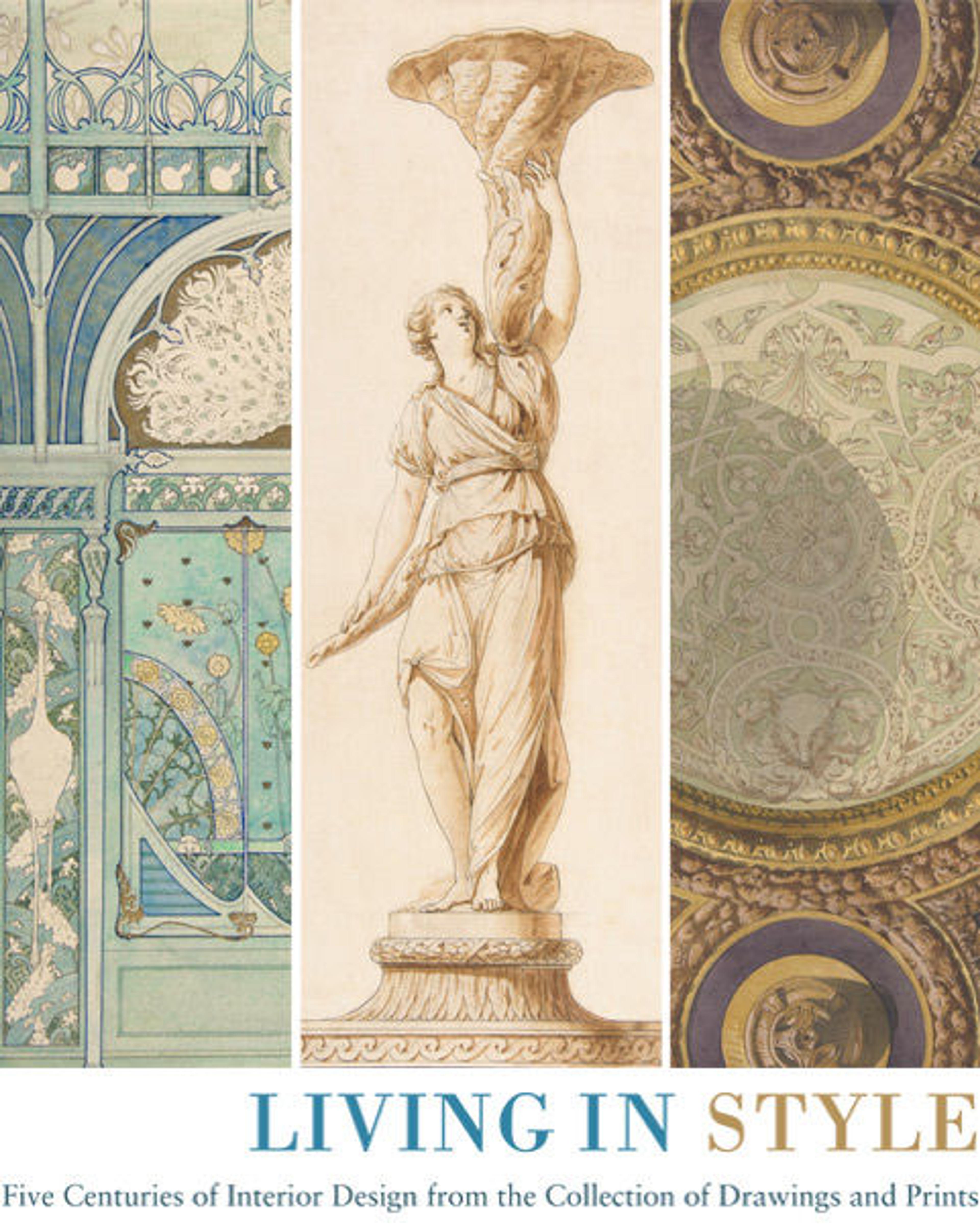
Living in Style: Five Centuries of Interior Design from the Collection of Drawings and Prints