1/4
Decorating Houses With Edith Wharton: On Interior Design as Art and Literary Practice
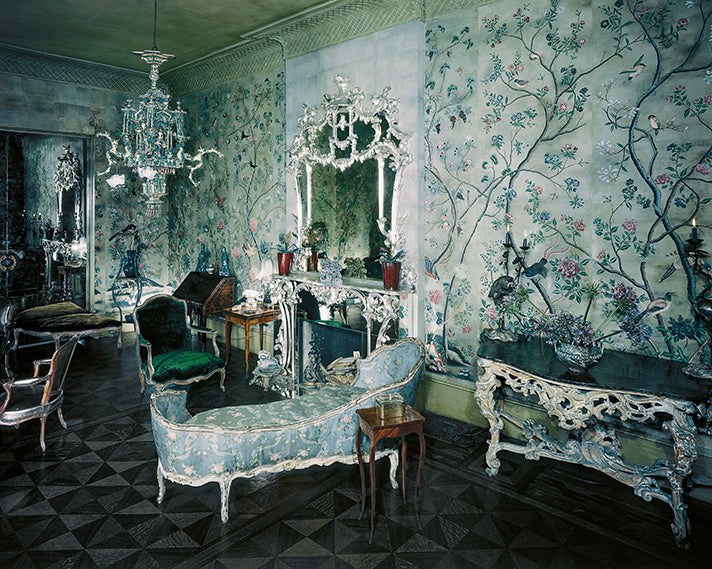
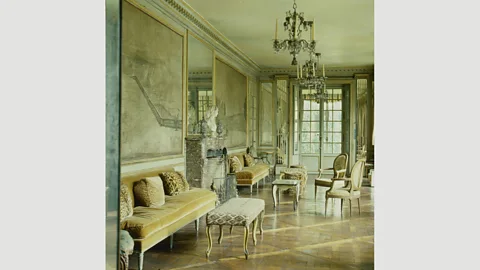
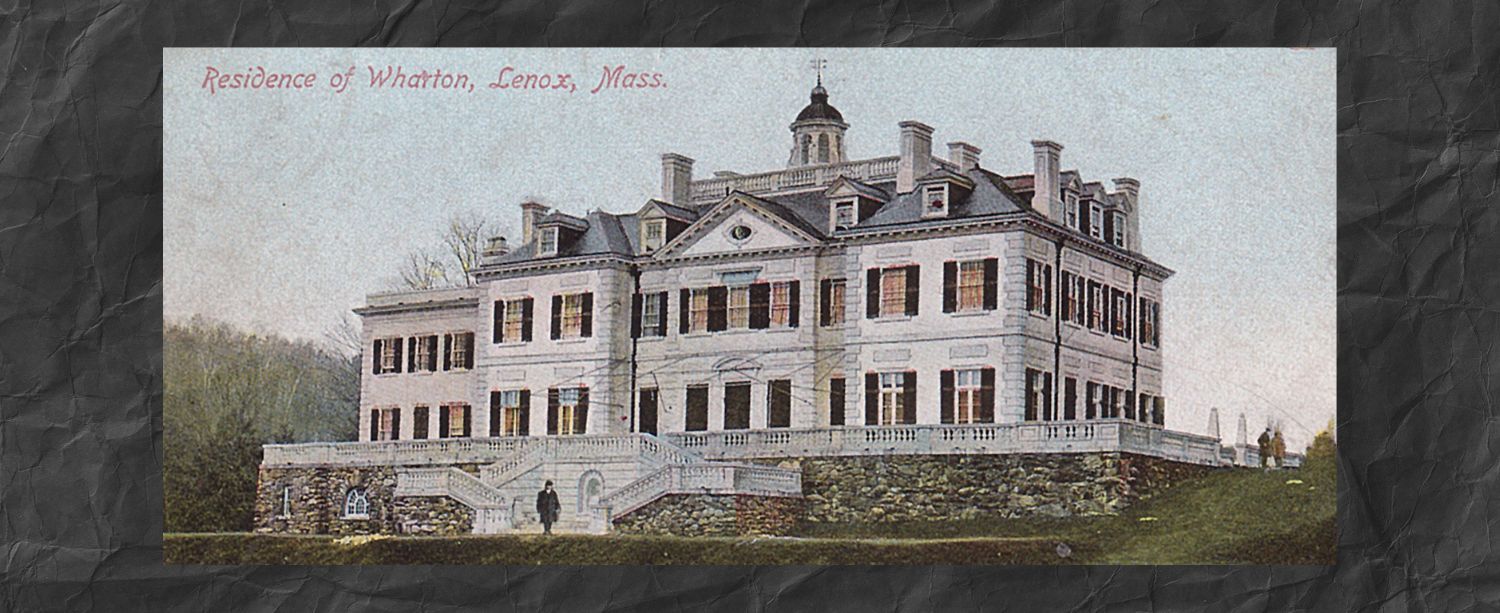
Edith Wharton, a prominent American writer of the Gilded Age, is widely recognized for her literary achievements, including being the first woman to win the Pulitzer Prize for fiction. However, her influence extends beyond literature into the realm of interior design, as explored in her first prose book, "The Decoration of Houses" (1897), co-authored with Beaux-Arts architect Ogden Codman Jr. This book is considered a foundational text in modern design, advocating for principles that prioritize proportion, harmony, and utility over the ornate and often vulgar displays common in late Victorian aesthetics.
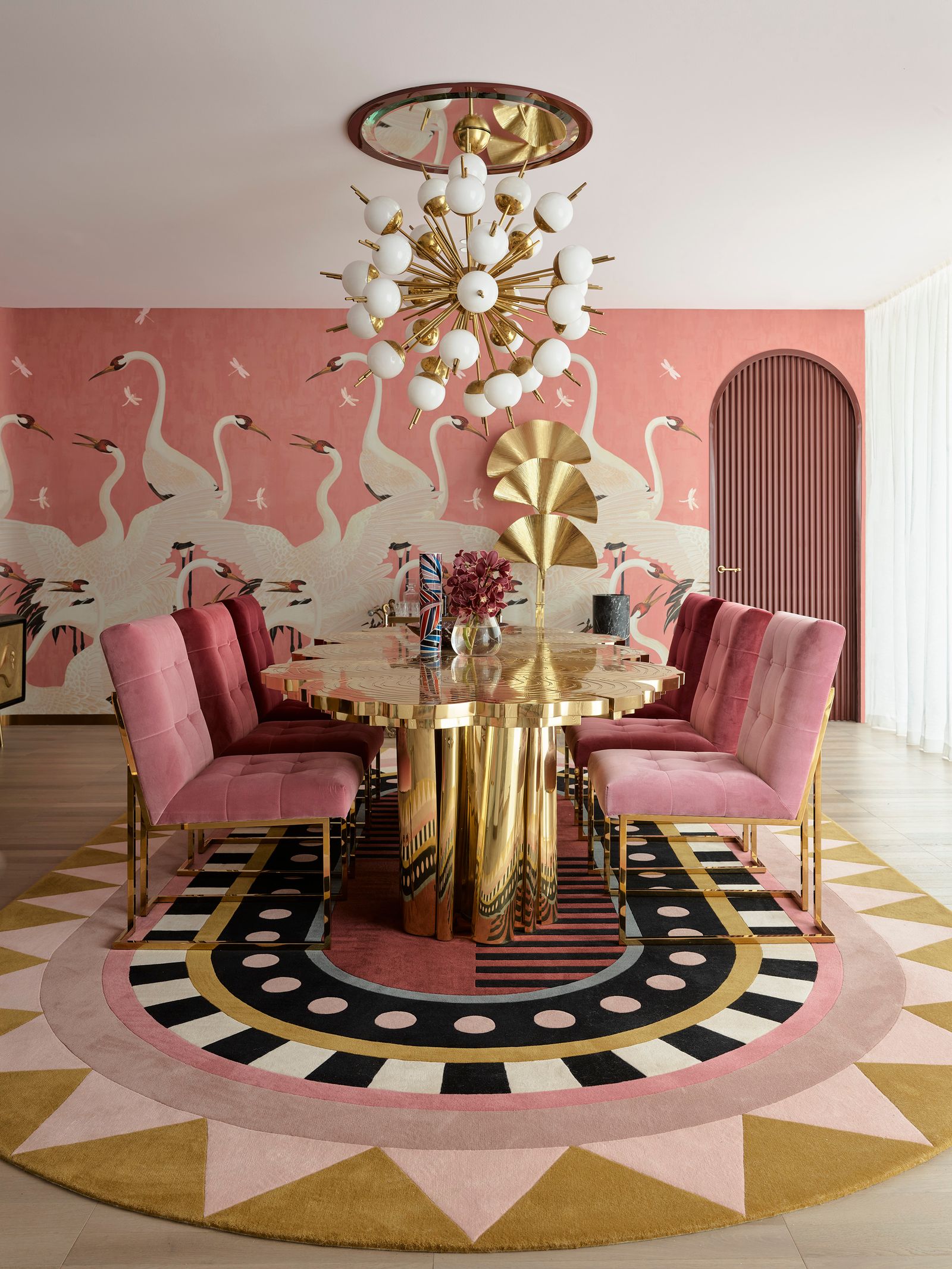
Wharton's keen observations of domestic spaces are evident in her novels, where she often uses interiors to reflect the social standing and character of her protagonists. For instance, the "highly-varnished" rooms of Undine Spragg in "The Custom of the Country" and the "wilderness of pink damask" belonging to Norma Hatch in "The House of Mirth" serve as critiques of the nouveau riche's conspicuous consumption and lack of true aesthetic discernment. These literary depictions underscore the core arguments presented in "The Decoration of Houses," which criticized the "gilded age of decoration" and aimed to elevate house decoration from what Wharton and Codman perceived as confusion and vulgarity.
The treatise outlines three main principles. Firstly, it emphasizes that "proportion is the good breeding of architecture," asserting that the essence of a style lies in its handling of proportion rather than its use of ornament. Drawing inspiration from European aesthetics, the authors advocate for harmony and symmetry across all aspects of domestic architecture, from furniture to walls and ceilings. This was a radical departure from the prevailing trend of superficial ornamentation. Secondly, Wharton and Codman argue for the importance of consulting historical models, particularly from Italian, French, and English architecture post-1500, to restore dignity and taste to interior design. This approach aligns with the ideas of esteemed architects like Charles Follen McKim, who sought to revive classical architectural principles.
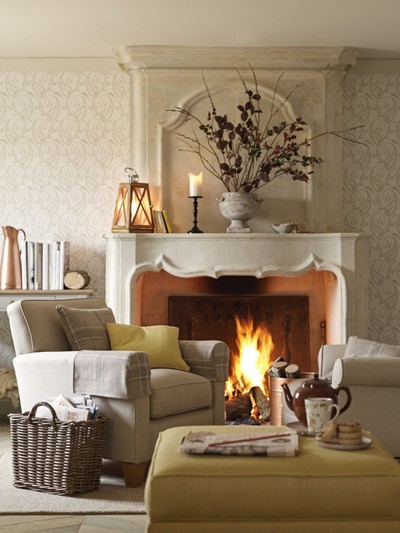
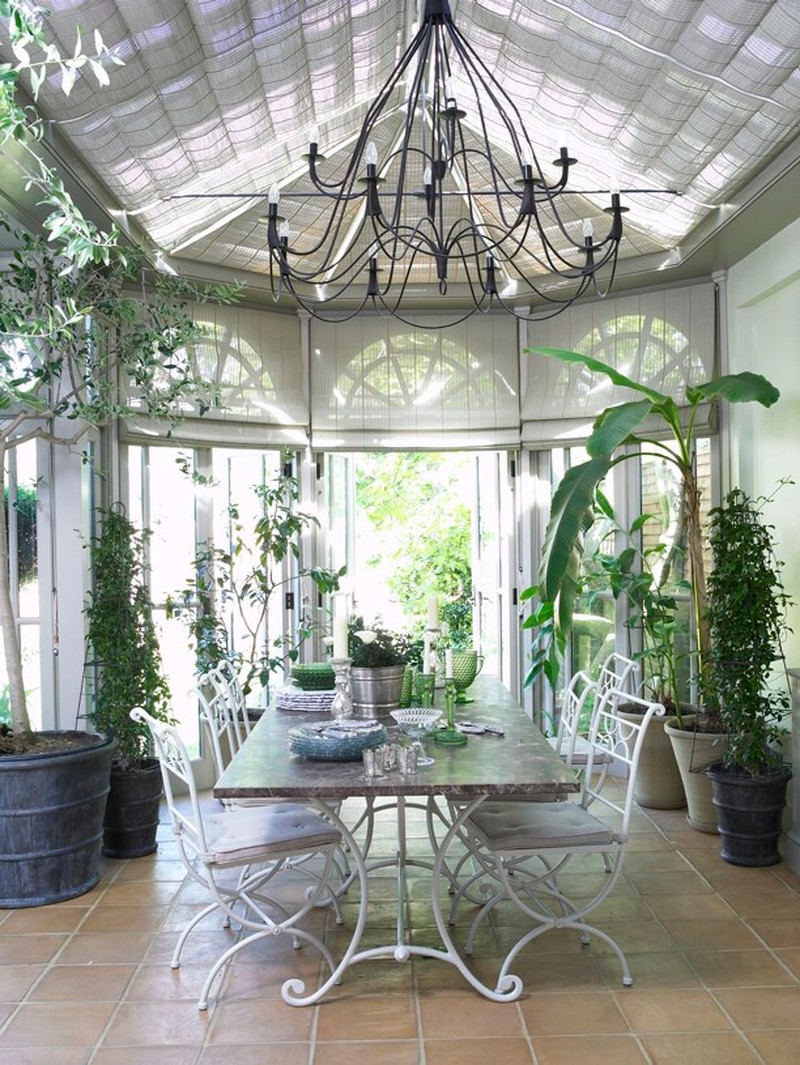
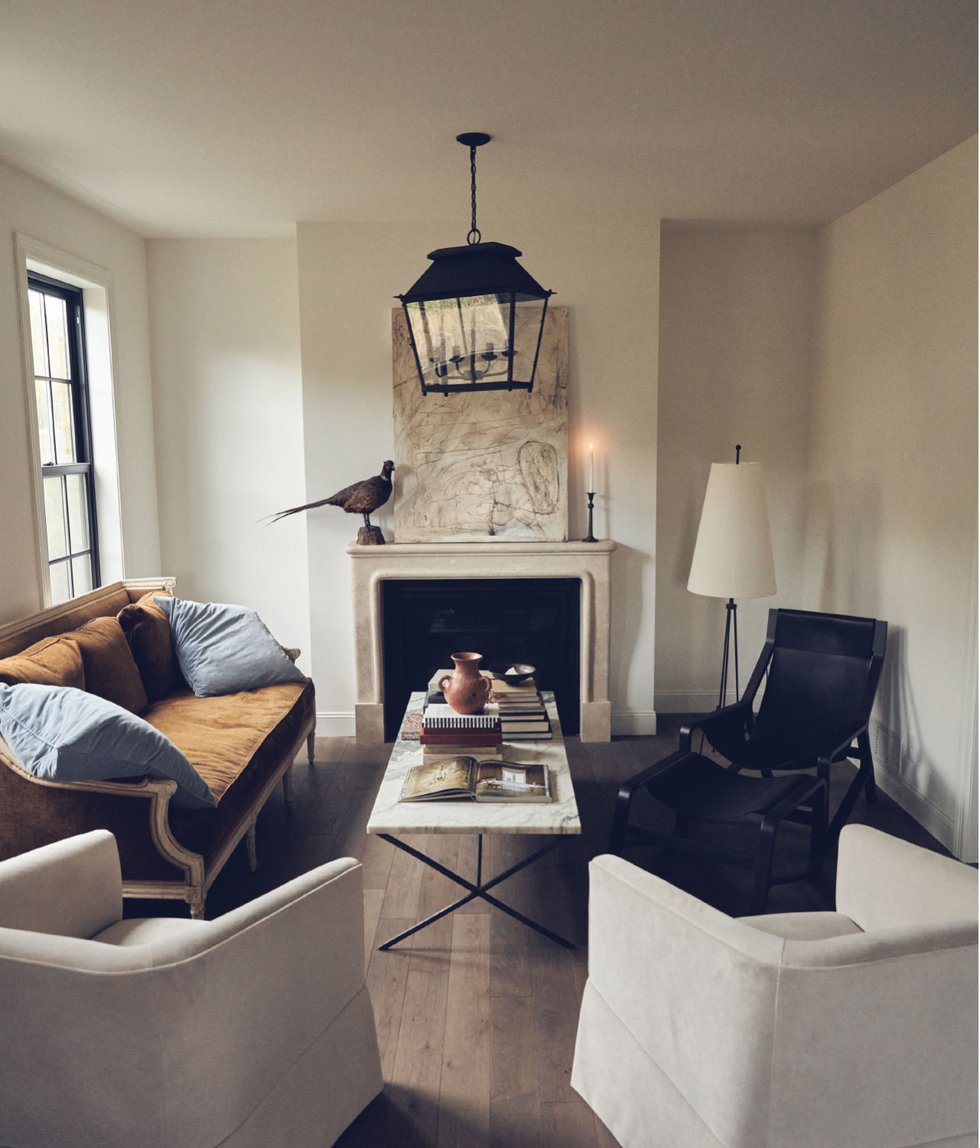
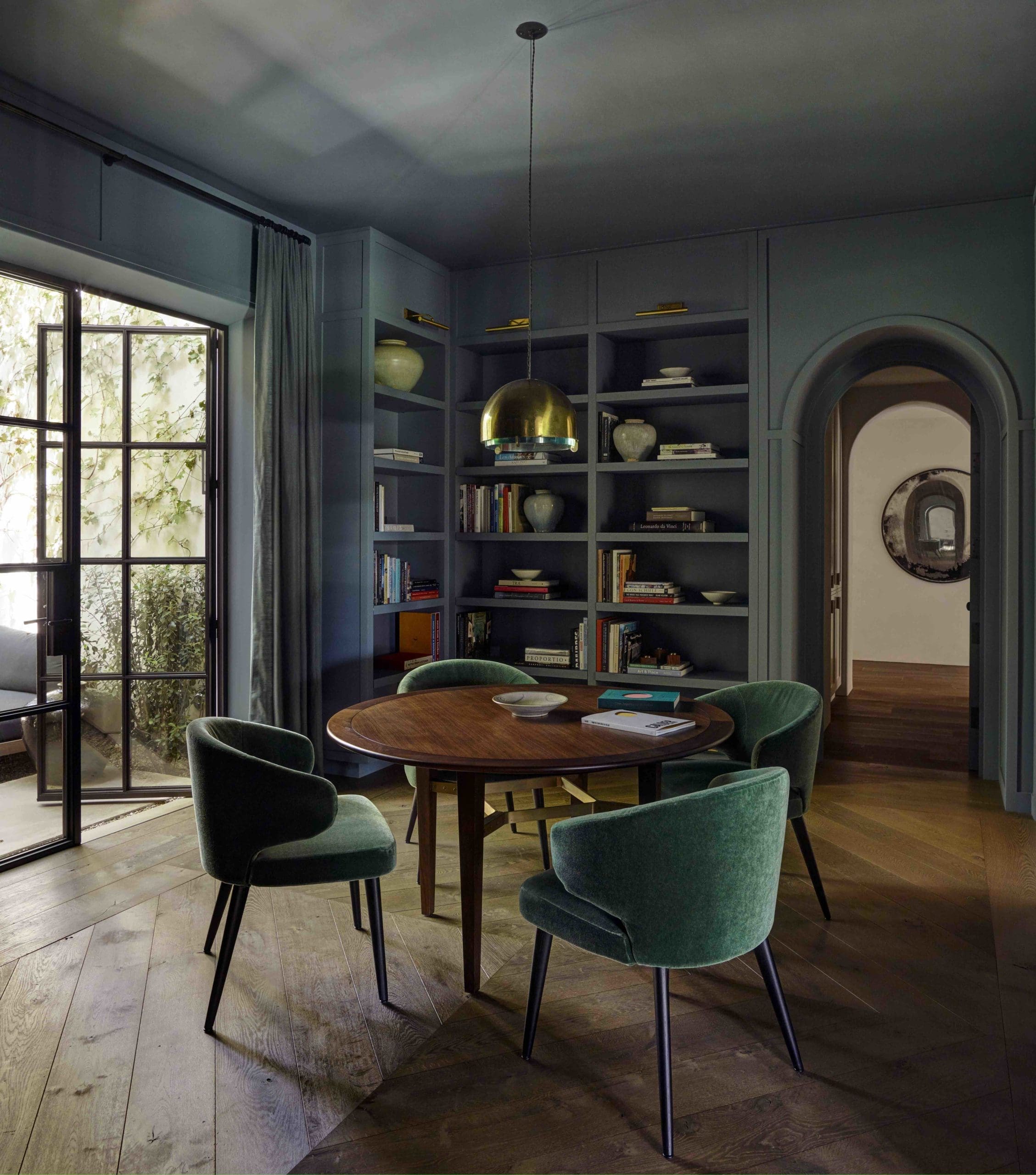
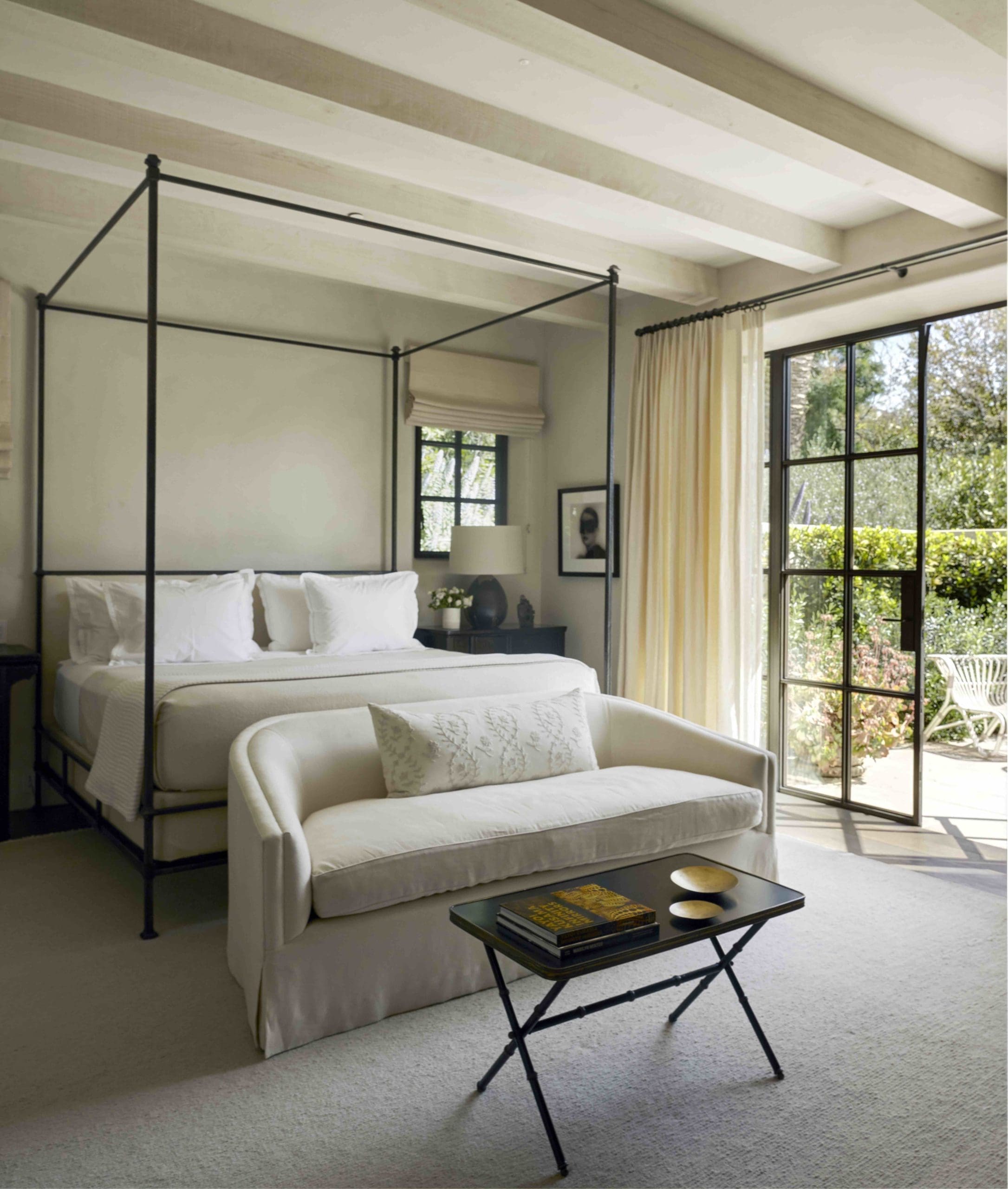
Thirdly, the book offers practical advice that remains relevant today, even for those with limited budgets. It discourages the use of dark colors in small rooms and suggests a gradual ascent of color from a dark floor to a light ceiling. The authors advocate for sensible purchasing habits, recommending the acquisition of a few superior pieces over many of middling quality and advising against buying items out of proportion with the rooms they are intended for. This ethos of simplicity, order, and architectural integrity resonates with contemporary design movements that favor clean lines and uncluttered spaces.
Wharton's philosophy of domestic aesthetics also informed her philanthropic efforts, particularly during World War I, where her work with "The Book of the Homeless" and her establishment of homes for displaced soldiers and refugees highlighted her belief in the restorative power of the home. Her life and literary work consistently demonstrate that the care of the home is intrinsically linked to the care of the soul. The enduring relevance of "The Decoration of Houses" is underscored by its continuous presence in print and its renewed appeal in an era where domestic environments are increasingly recognized for their impact on well-being and mindfulness.
#EdithWharton #InteriorDesign #TheDecorationOfHouses #AmericanLiterature #ArchitecturalHistory #GildedAge #DomesticAesthetics #OgdenCodmanJr #DesignPrinciples #EdithWharton #InteriorDesign #TheDecorationOfHouses #AmericanLiterature #ArchitecturalHistory #GildedAge #DomesticAesthetics #OgdenCodmanJr #DesignPrinciples
0 comment in total
 No comments yet
You may also like

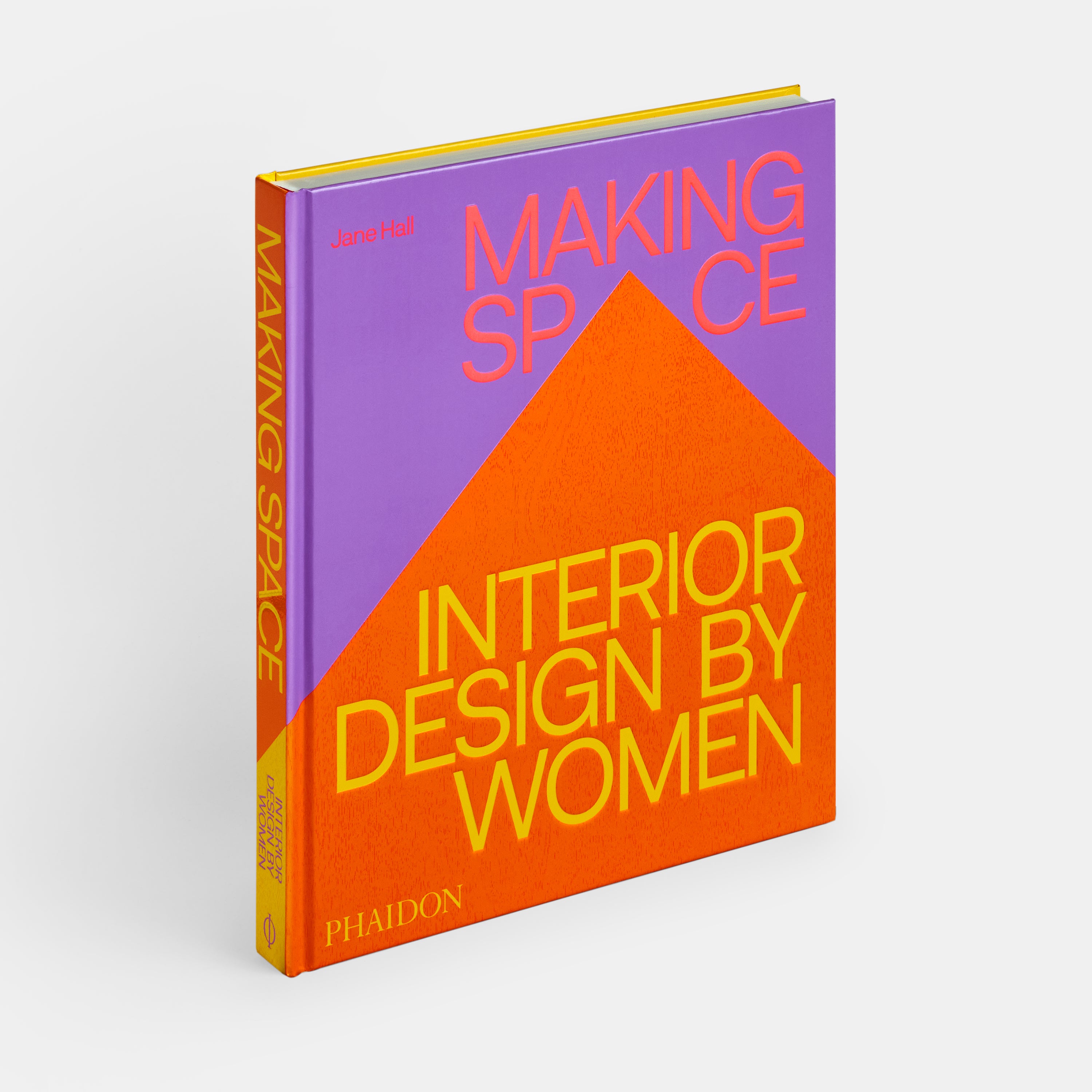
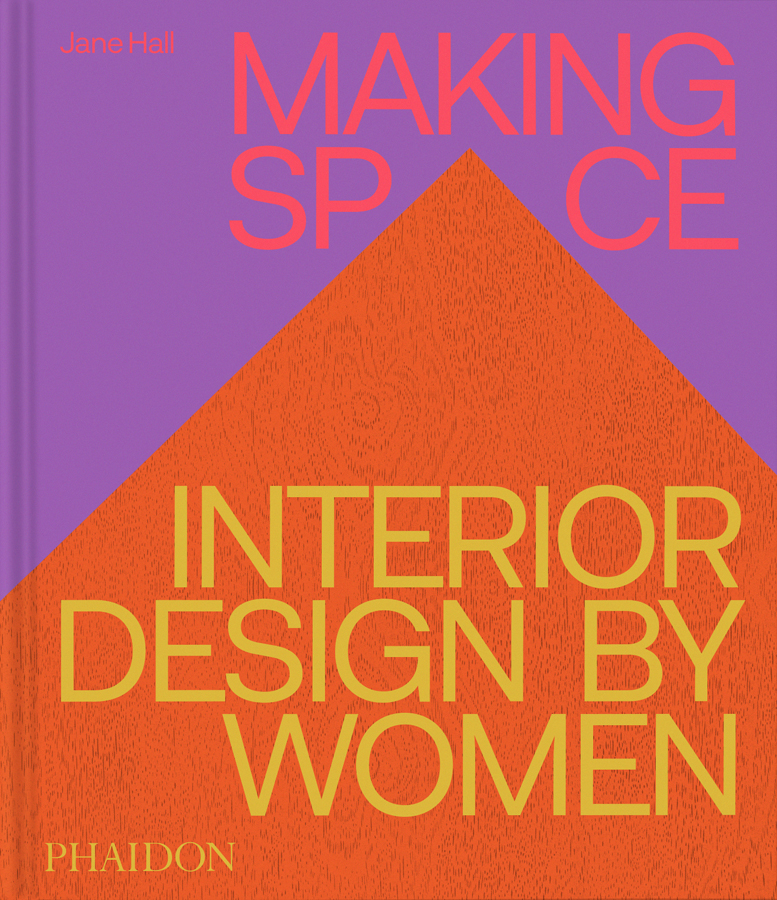
Jane Hall tells us about her latest book Making Space: Interior Design by Women

F5: Nathan Warkentin Talks Brown, the View From His Window + More

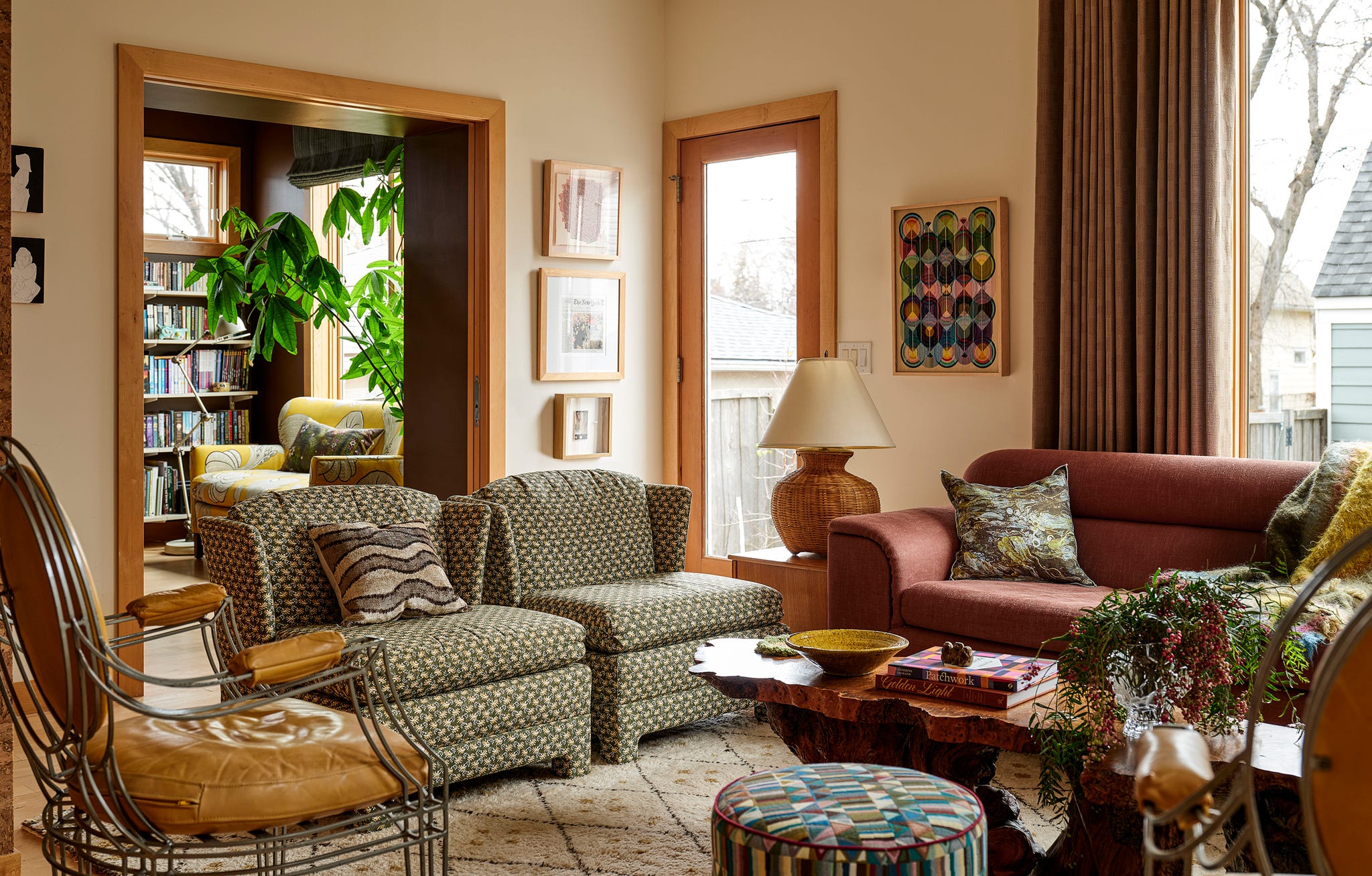
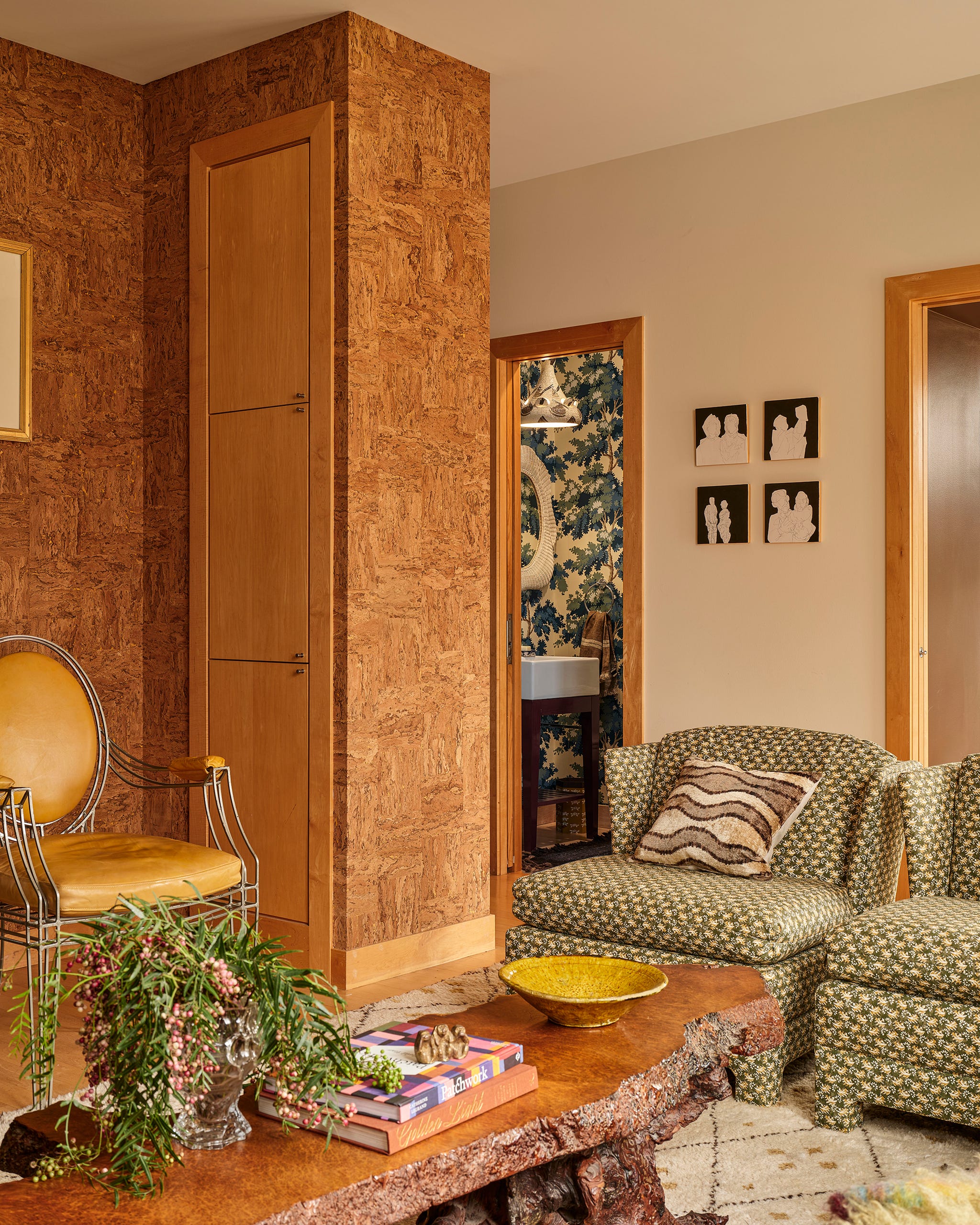
"Design Experimentation" Was the Goal in This Eclectic Minneapolis Home


Yoselin Alonso Open Concept
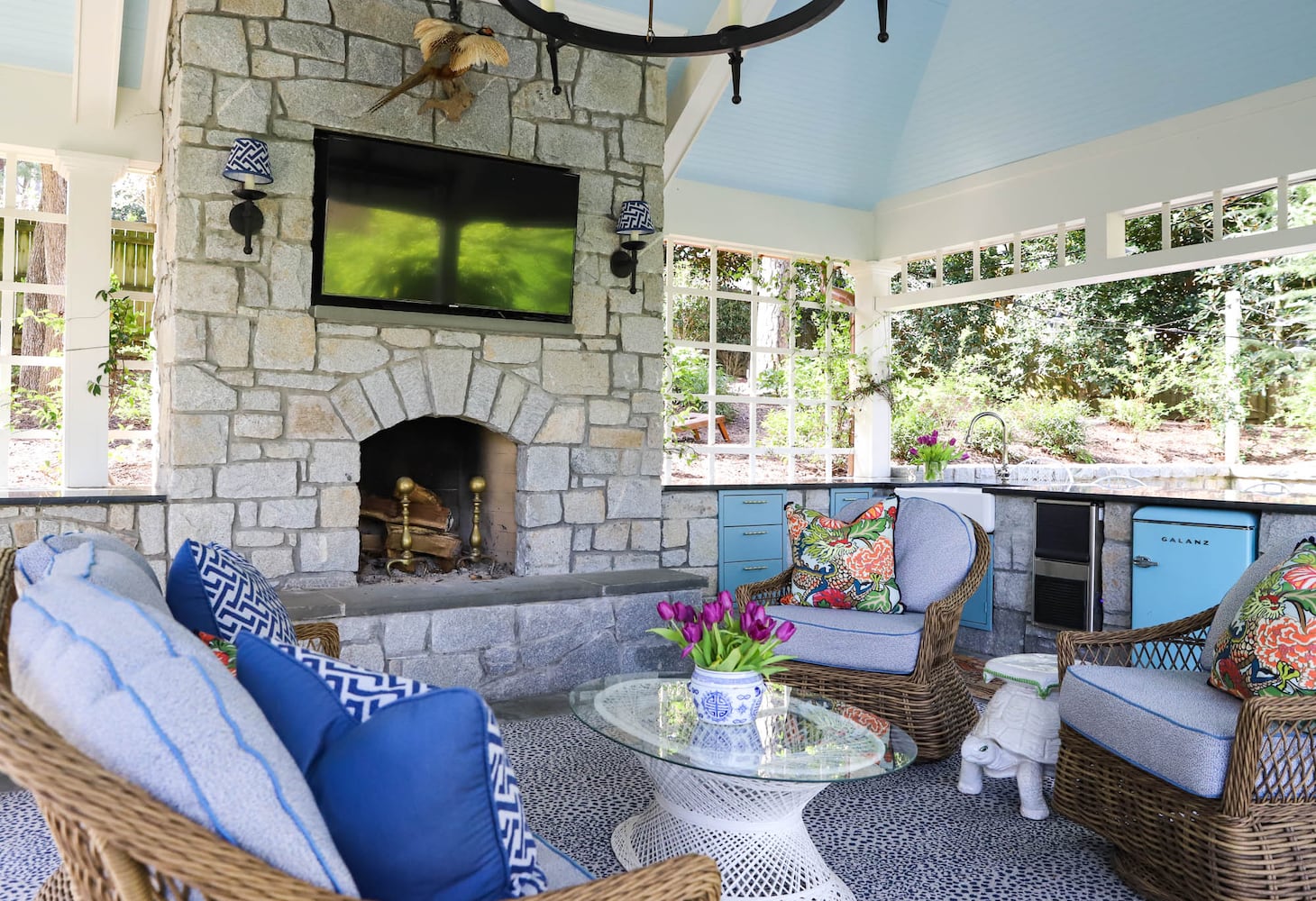
A glimpse into the home of an Atlanta interior designer

Gwyneth Paltrow Hired a Personal Book Curator—Here's What He Chose For Her Shelves


For This Interior Designer, Home is Where the Art Is

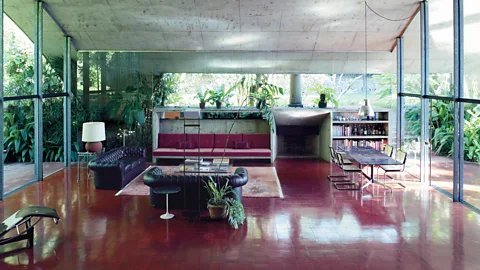
Are these the ultimate fantasy homes?
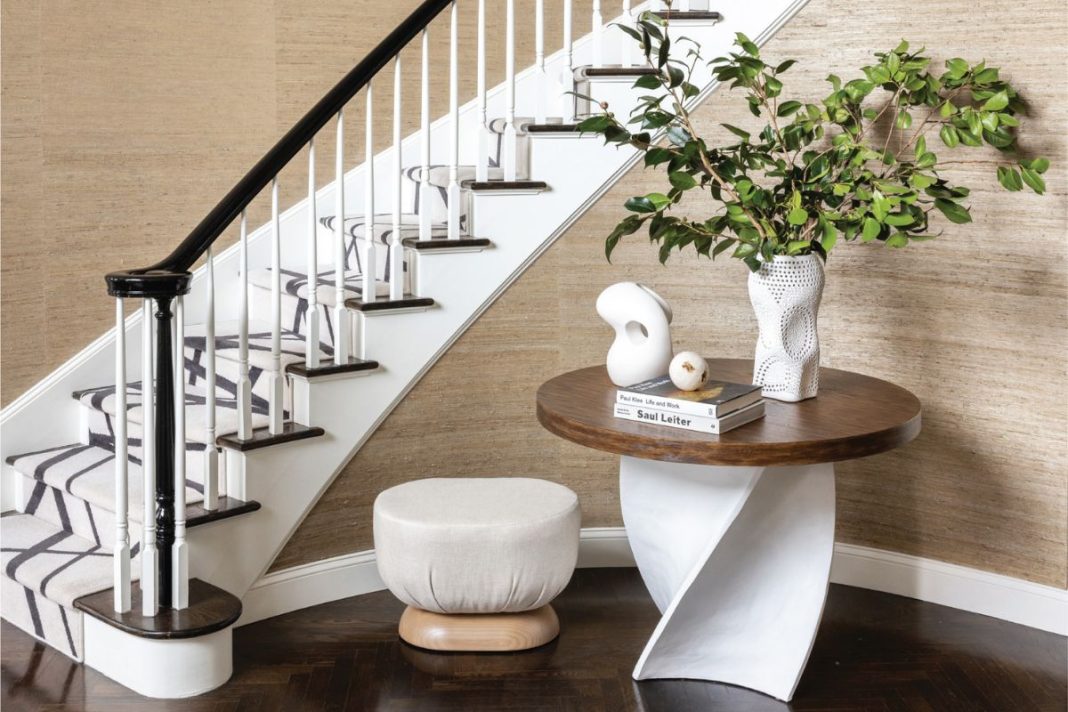
This West Harrison Home Design Is Filled With Creative Spirit


Q&A: Interior Designer Wanda Horton

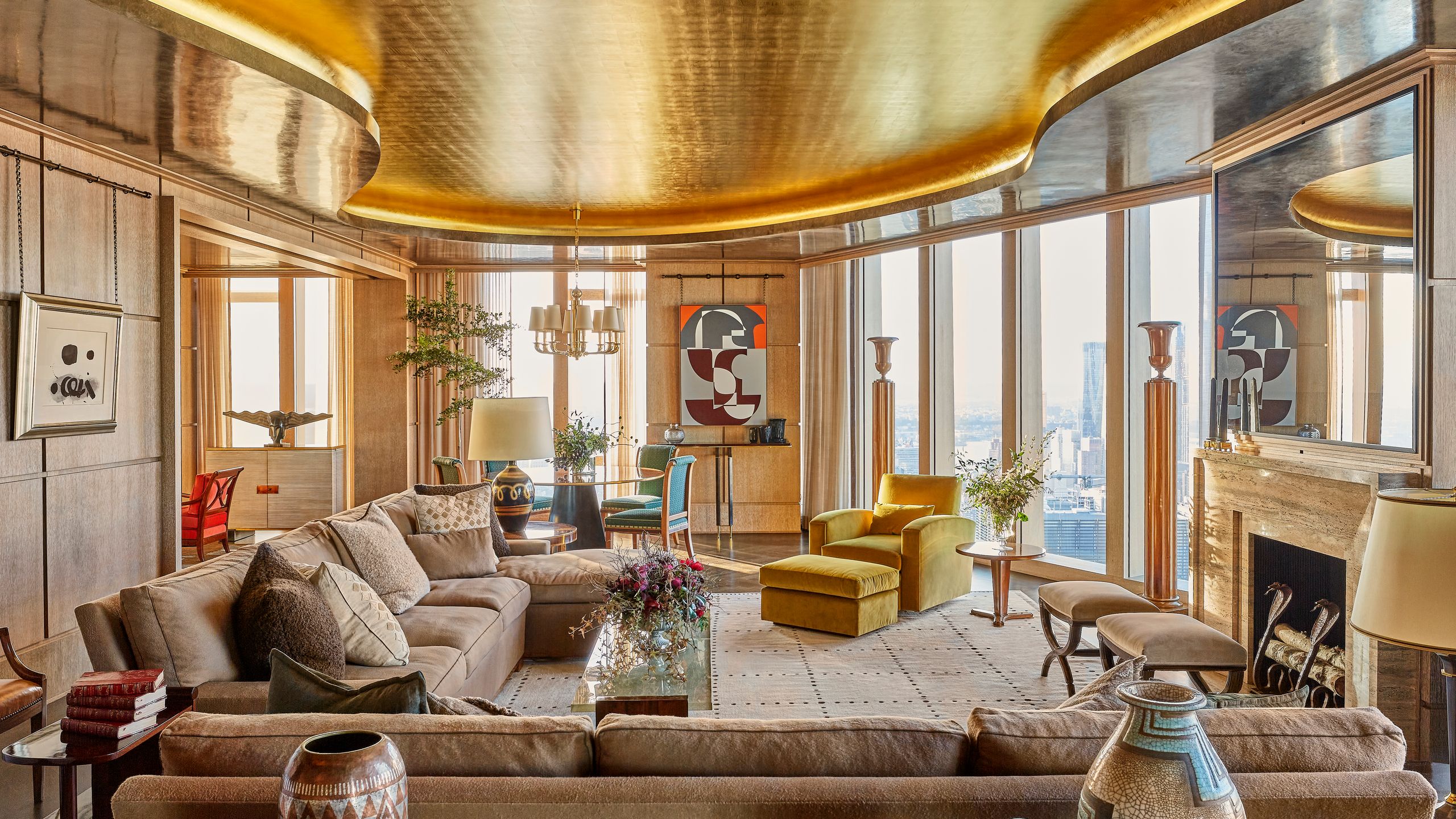
Step Inside 7 Opulent Art Deco–Inspired Homes

Home & Design | The Art of Domesticity

Craft, Culture, and Character: Telling Stories Through Interior Design

These 3 New Coffee Table Books Offer Up Design Inspo for Your Next Remodel

Meet The Interior Designer: Fanny Ward

Kathryn M. Ireland on the New Age of Interior Design


How to use books for home decor and interior design

Rooms at the Top: 6 New Coffee Table Books for Interior Design Lovers

10 Interior Design Books That Belong on Every Aesthete’s Coffee Table

Living in Style: Five Centuries of Interior Design from the Collection of Drawings and Prints