1/11
Step Aside, Pinterest—Here’s Where Designers Get Inspired IRL
The internet has become a pervasive source for design trends and styles, with phrases like 'chronically online,' 'screen fatigue,' and 'brain rot' describing the exhaustive nature of constant digital consumption. While online platforms offer a wealth of creative ideas, the sheer volume can be overwhelming for both editors and designers. This over-saturation underscores the importance of disconnecting from the digital world to find inspiration in real-life experiences.
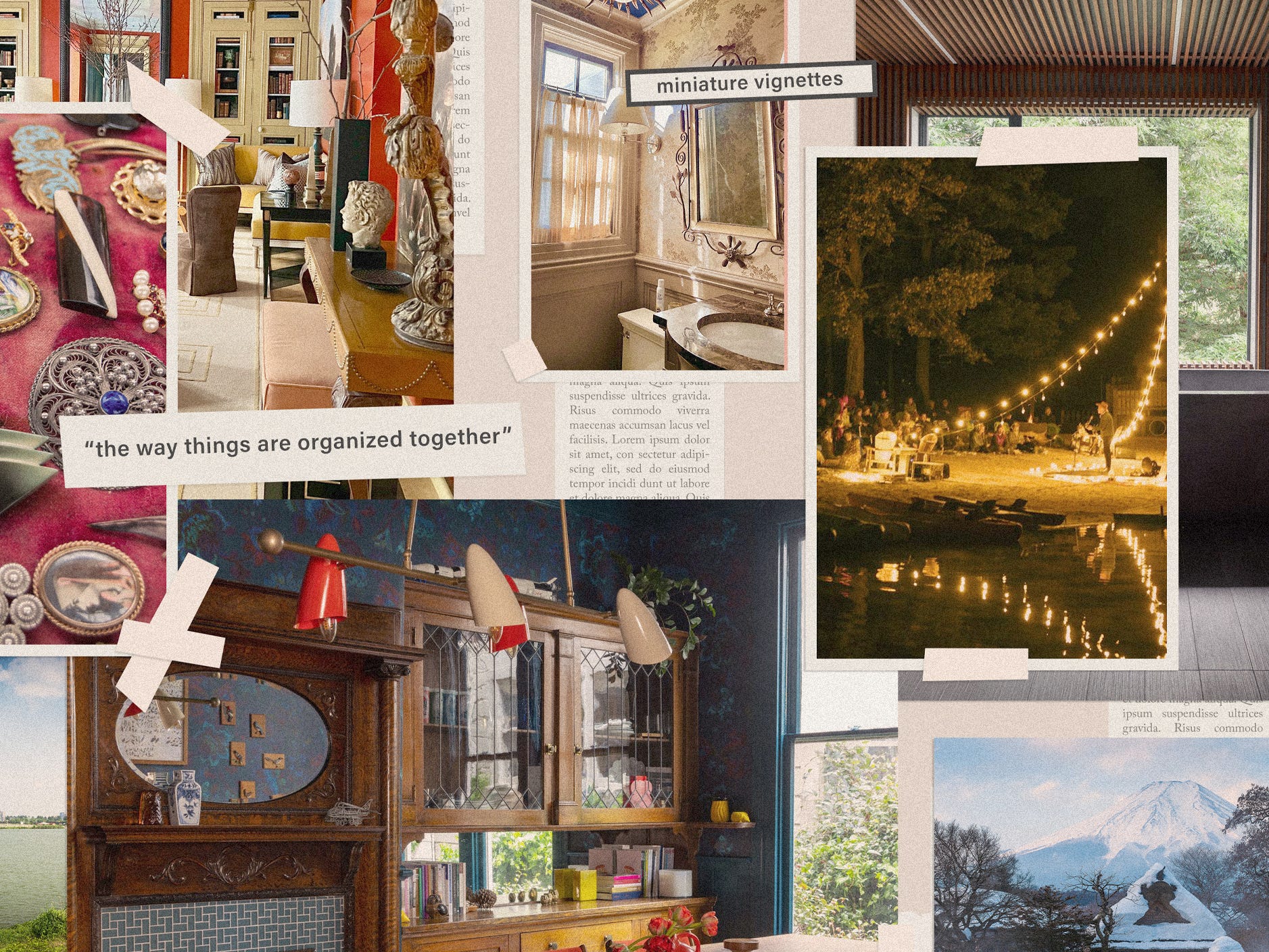
Six interior designers were interviewed to reveal their alternative sources of inspiration. Leanne Ford draws her aesthetic from the Deer Valley YMCA Family Camp, which she attended growing up. The camp, established in the fifties, features mid-century touches and Quonset huts. Ford emphasizes the mental clarity and creative boost gained from being outdoors, turning off devices, and sitting by a lake without Wi-Fi. This connection to nature and a simpler environment deeply influences her designs.
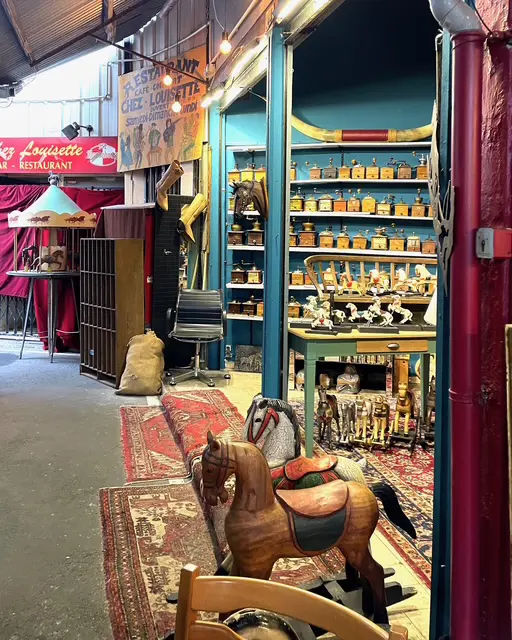
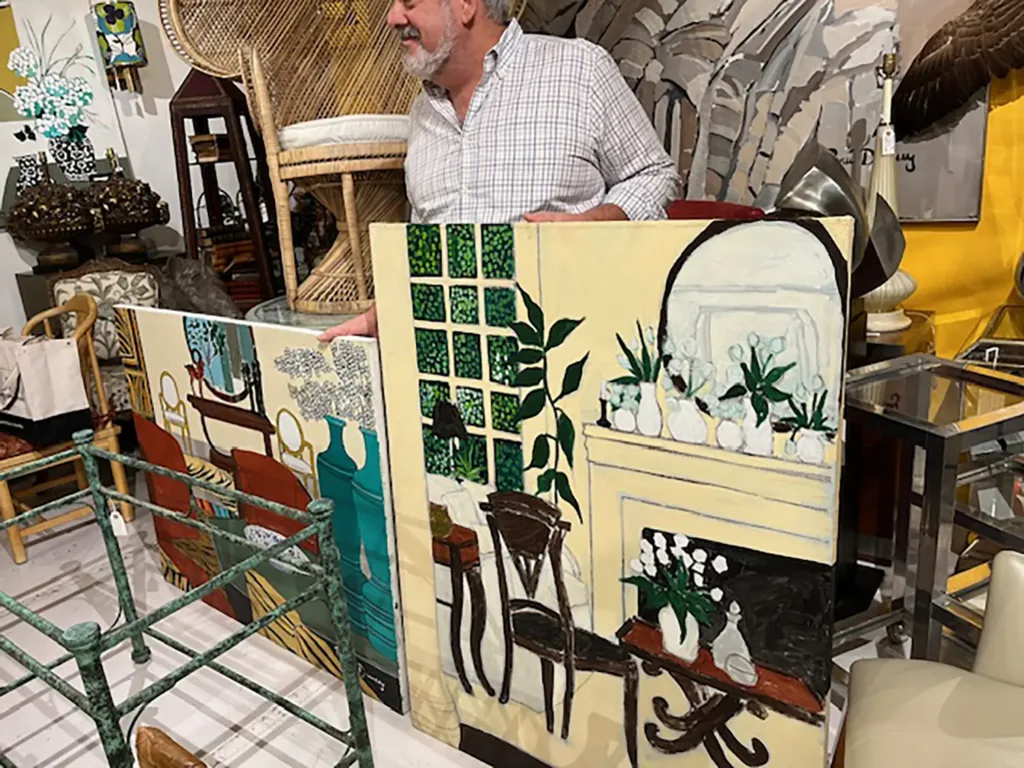
Garrow Kedigian finds endless inspiration in the Paris flea markets, particularly Marché Serpette and Marché Paul Bert. He describes each booth as a 'miniature vignette,' admiring how vendors meticulously display their pieces. Kedigian's long-standing tradition of shopping there, often with clients, allows him to observe the curated arrangements and sometimes purchase items that complement each other, demonstrating a holistic approach to design inspiration.
Ariel Okin's primary source of inspiration comes from collecting vintage design books, which she considers invaluable. She actively searches for these books on platforms like ThriftBooks and Cape Fear Books on Etsy. Okin refers to her extensive library to study historical design elements, such as Swedish interiors' use of paint on furniture or the emphasis on quality upholstery in classic English interiors. This method allows her to derive patterns and design principles that she then applies to her own projects.
Noz Nozawa highlights Nozawaonsen, Japan, as a magical place that profoundly influenced her work. This 13th-century mountain village, with its unique architecture blending Studio Ghibli aesthetics and modern Japanese conveniences, inspired her approach to interior design. Nozawa appreciated that the town was primarily designed for its residents, not just tourists, which shaped her philosophy of creating spaces that cater to the inhabitants' needs first, even while acknowledging the importance of guests.
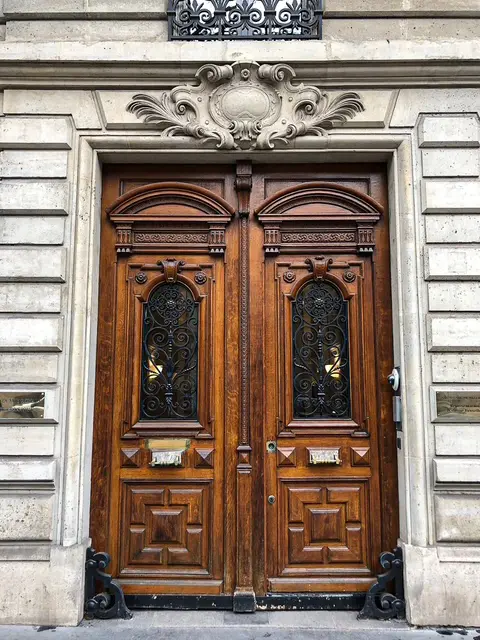
Tara McCauley emphasizes the impact of travel on her creative process. Experiencing everyday environments in different parts of the world, such as Rome, provides fresh perspectives. She notes Rome's historical richness, where modernity and antiquity coexist, as a significant influence. McCauley's practice of exploring side streets led her to discover apartment lobbies with bold terrazzo flooring, which she later incorporated into her own kitchen design. This demonstrates how unexpected observations from travel can translate into unique interior solutions.
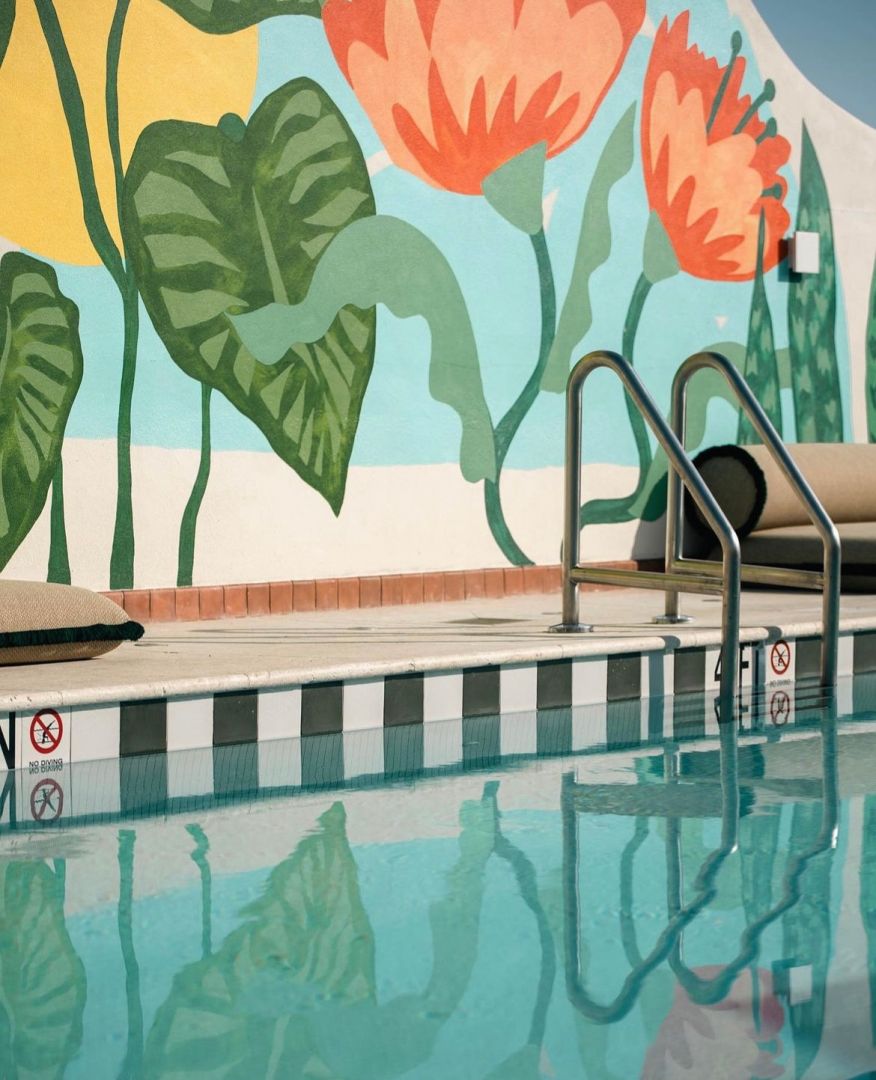
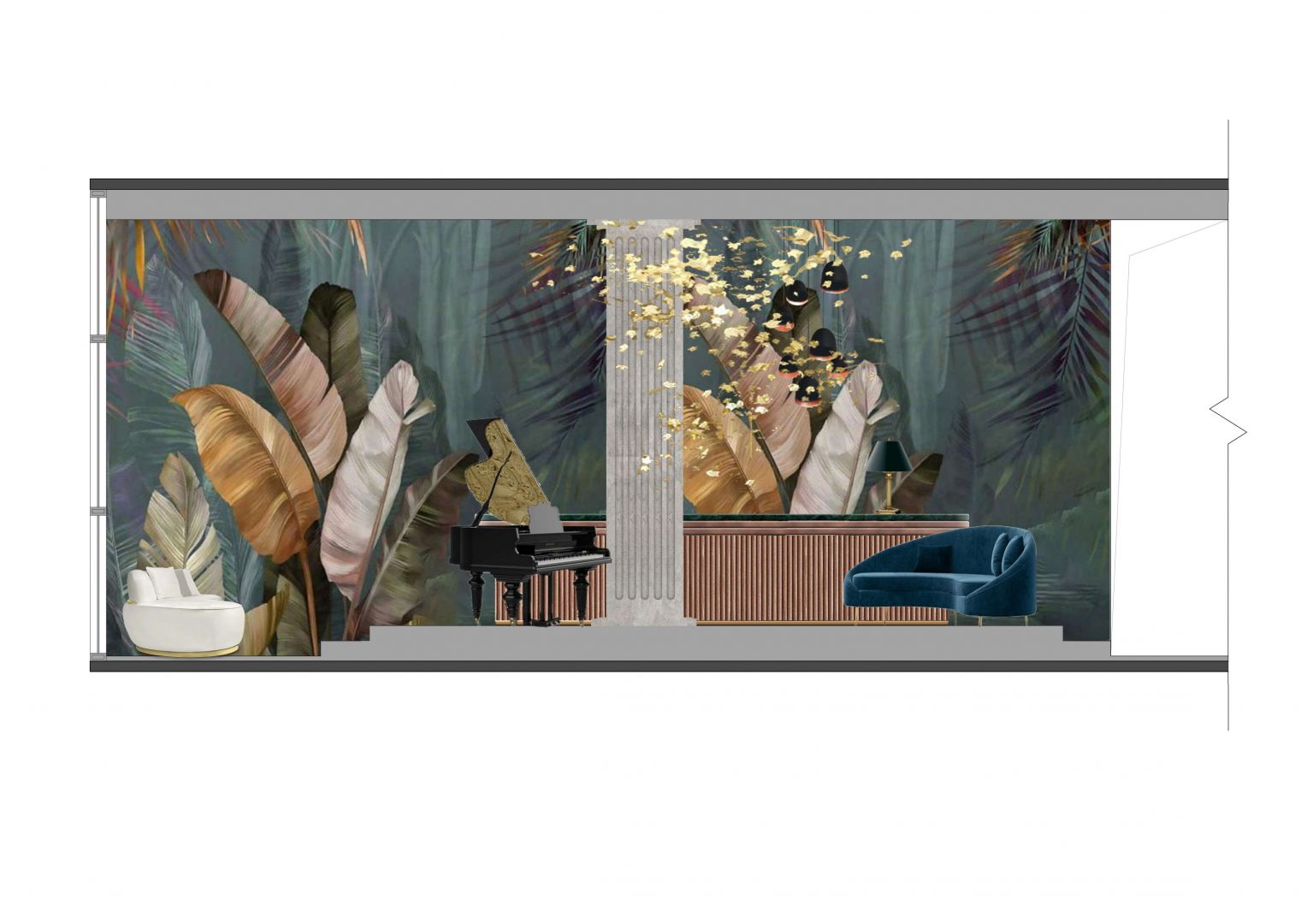
David Quarles IV finds refuge and inspiration in the Cannon Club in San Juan, Puerto Rico, part of the Gallery Inn. He describes the location as a blend of 'old world meets new,' with an atrium featuring a pool and lush plant life that gives the impression of a jungle reclaiming an old castle. The ambiance, complete with music from old Steinway pianos and overflowing water, inspires him to integrate natural elements and a sense of history into his designs.
#InteriorDesign #DesignInspiration #CreativeProcess #DigitalDetox #TravelInspiration #FleaMarkets #VintageBooks #CulturalInfluence #Architecture #InteriorDesign #DesignInspiration #CreativeProcess #DigitalDetox #TravelInspiration #FleaMarkets #VintageBooks #CulturalInfluence #Architecture
0 comment in total
 No comments yet
You may also like
Top Five In-House Design Teams To Follow On Instagram
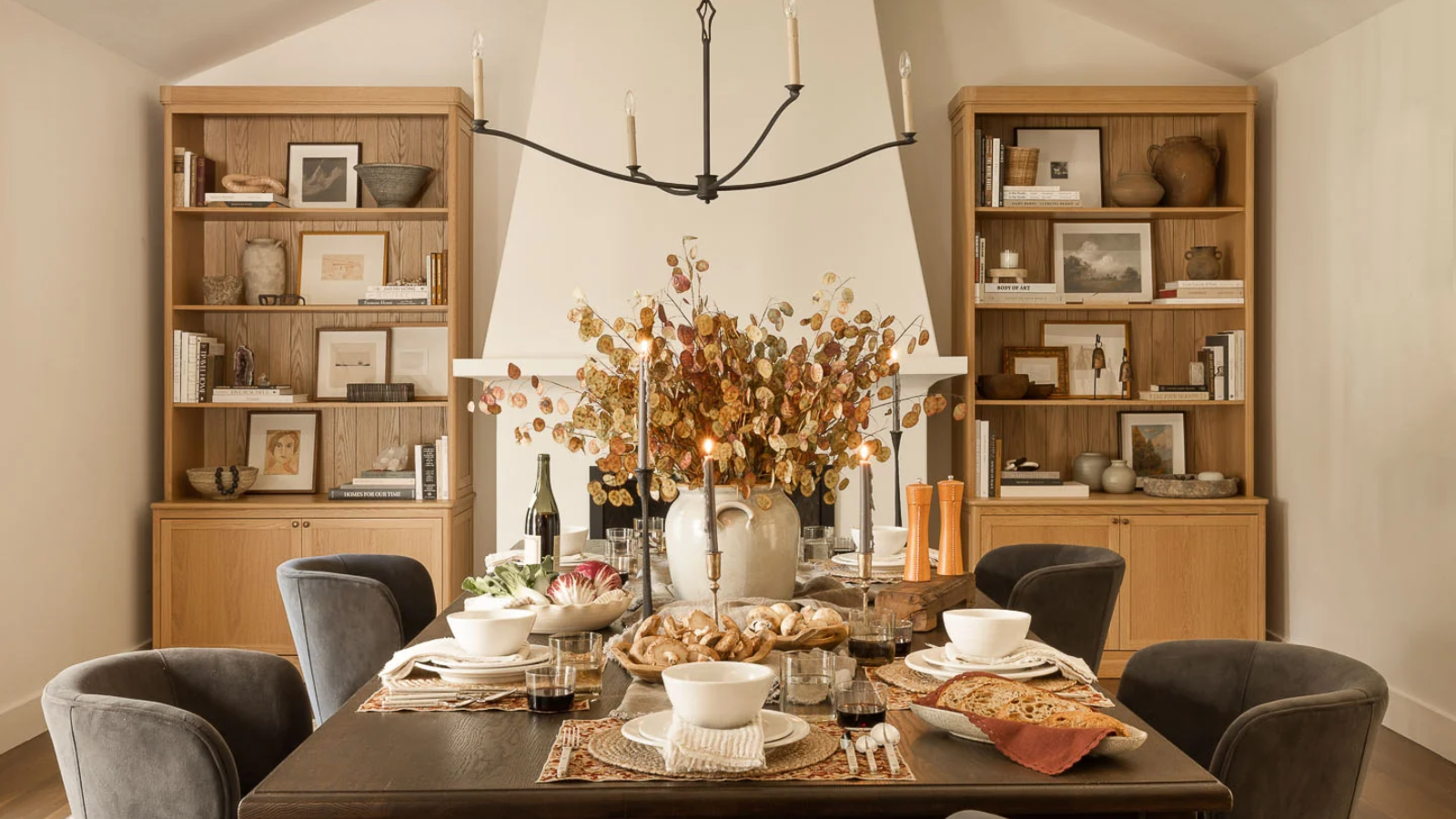
5 designer-owned home decor stores to have on your radar

Meet Benjo Hamo | Interior Designer and Founder of Benjo Interior Design
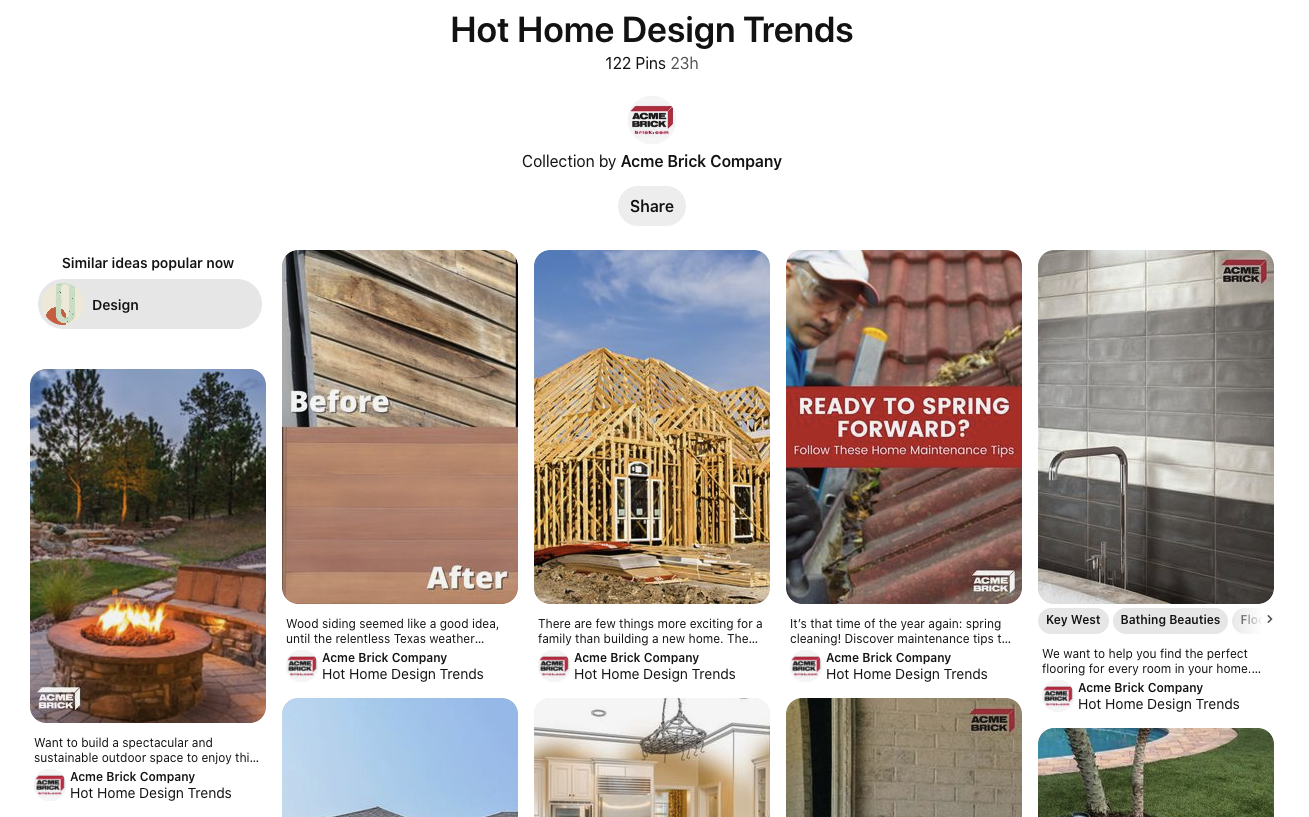
How To Use Pinterest For Home Remodeling Projects: The 6 Steps To Follow

Meet Leo Cesareo | Interior Designer
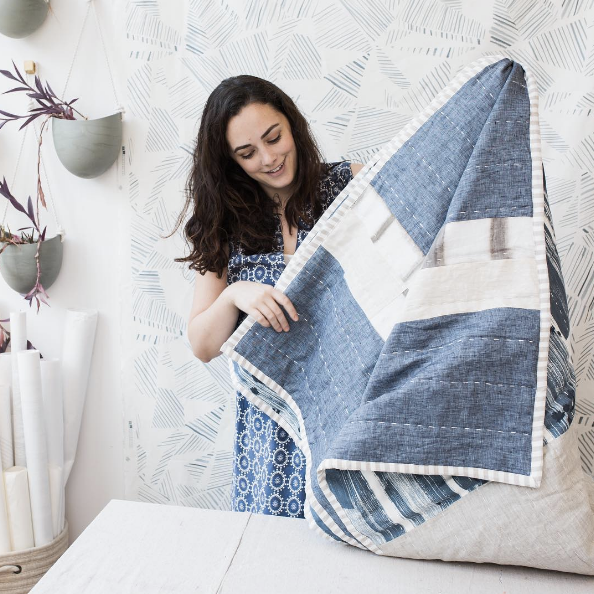
Read This If You Want To Be an Interior Designer

6 Fashion Designers Spill Their Secrets to a Clutter-Free Closet
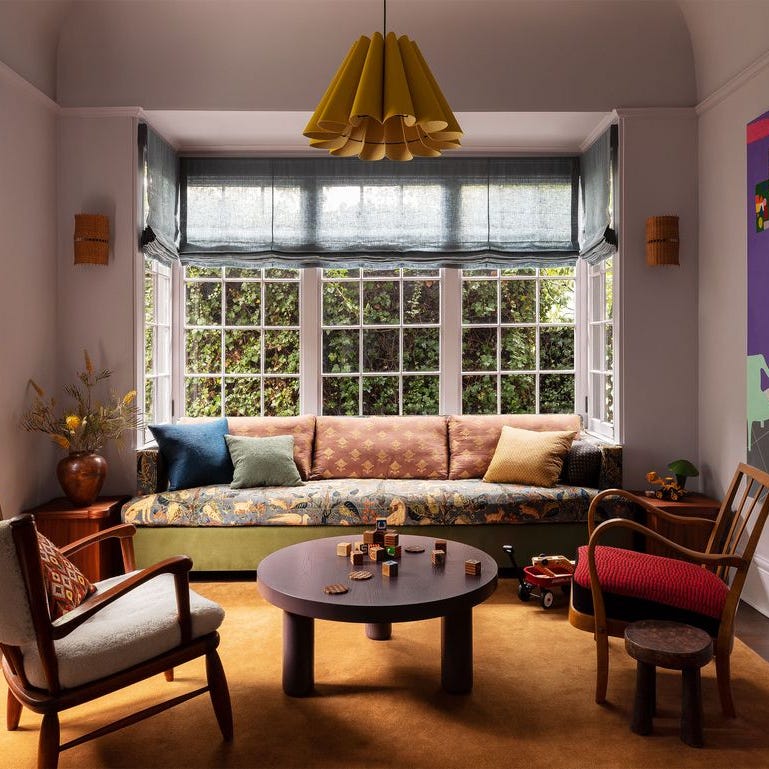
These Are the Decor Ideas Designers Can’t Get Enough Of (and We’re Obsessed With!)

New Talent: Seven Innovative Design Studios to Watch
This Insta-Famous Office Will Inspire Your Next Design Project
Meet Chencong Zhang | Interior Designer & Spatial Experience Designer

Meet Mingfei Liu | Spatial Designer & Travel lover
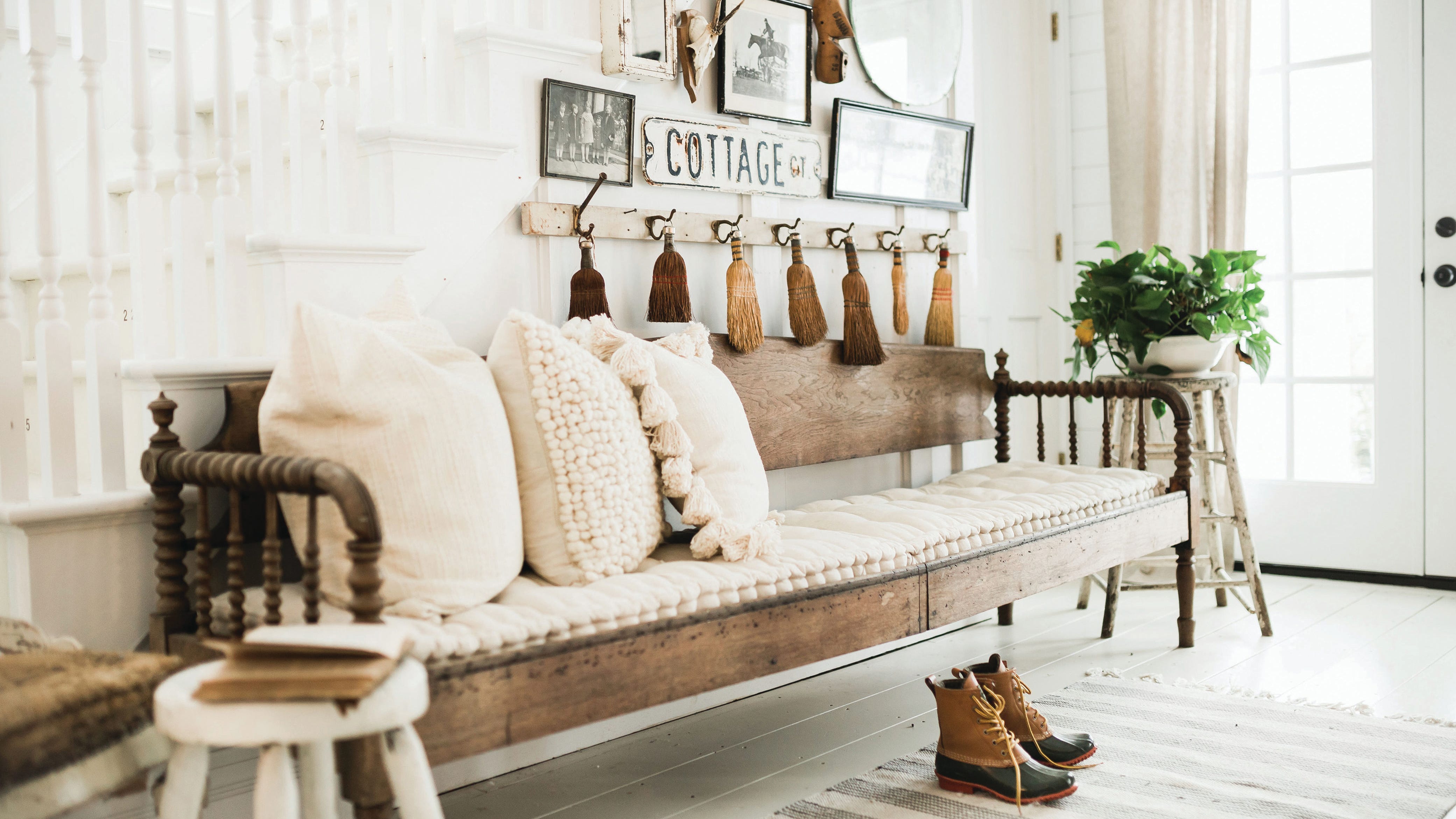
Michigan design bloggers dole out tips, ideas and inspiration
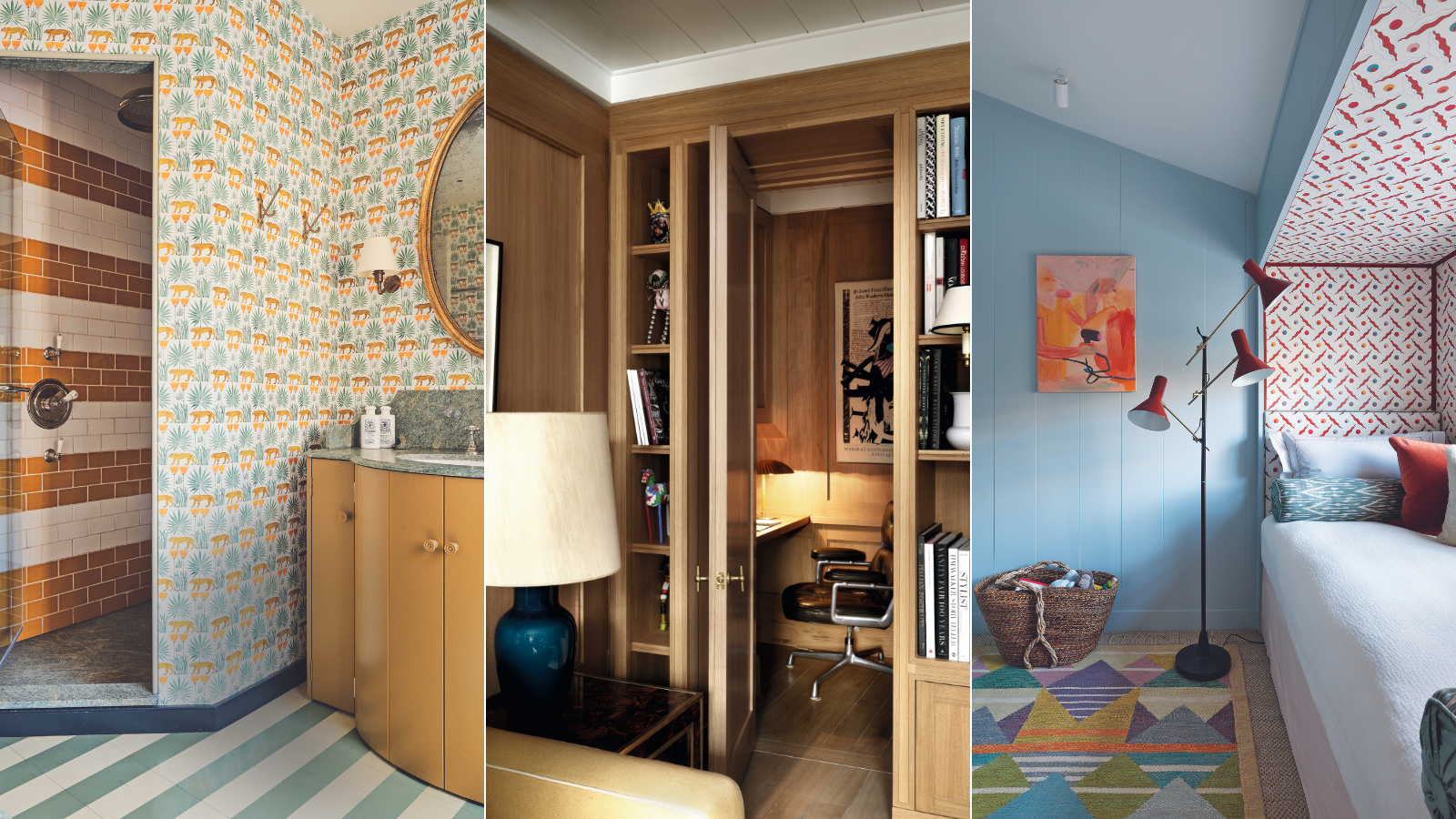
16 influential designers reveal their favorite small spaces and hacks for recreating the looks

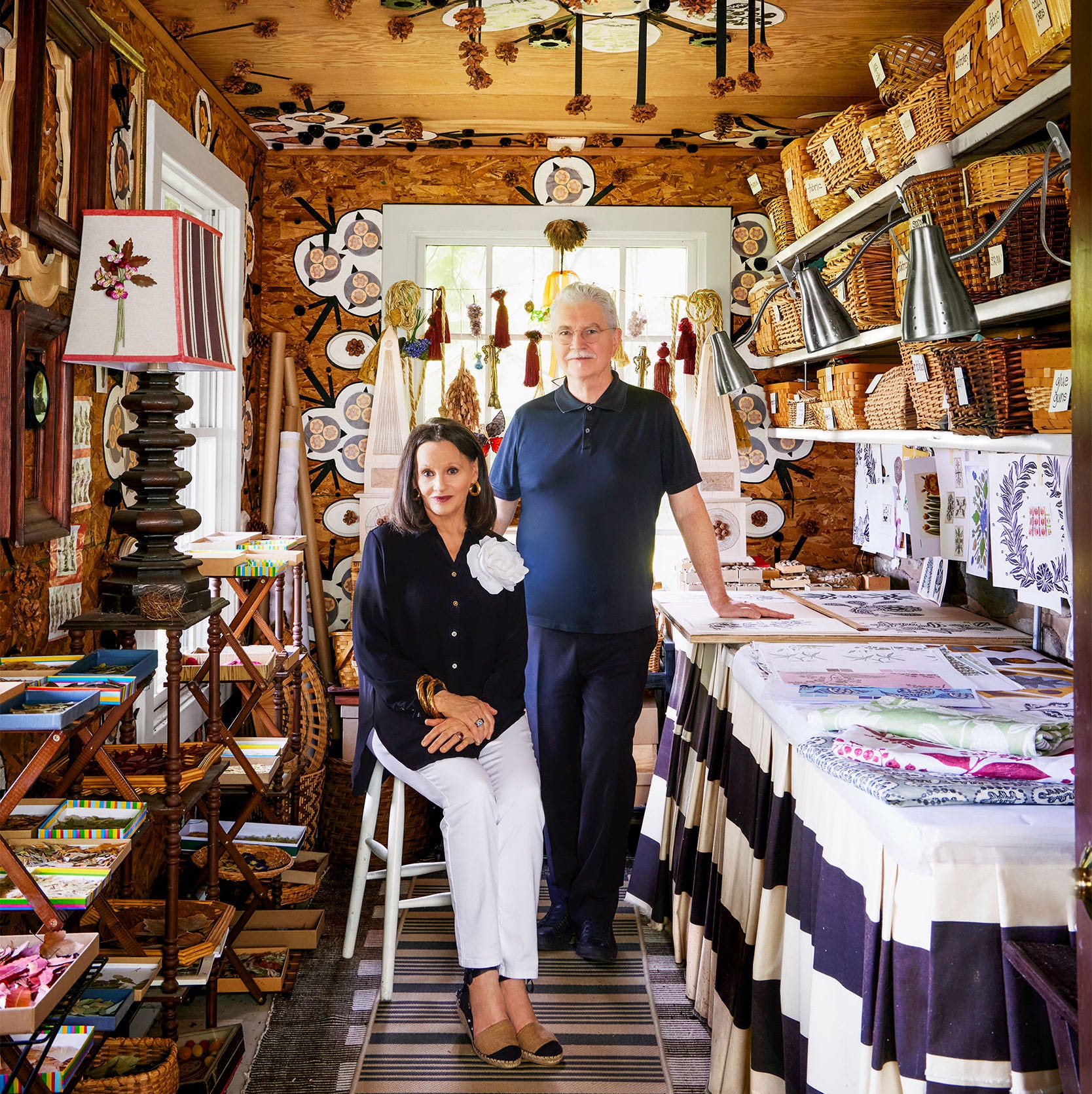
How a Social Media Follow Grew Into an IRL Fabric Collaboration Between Two Design Legends
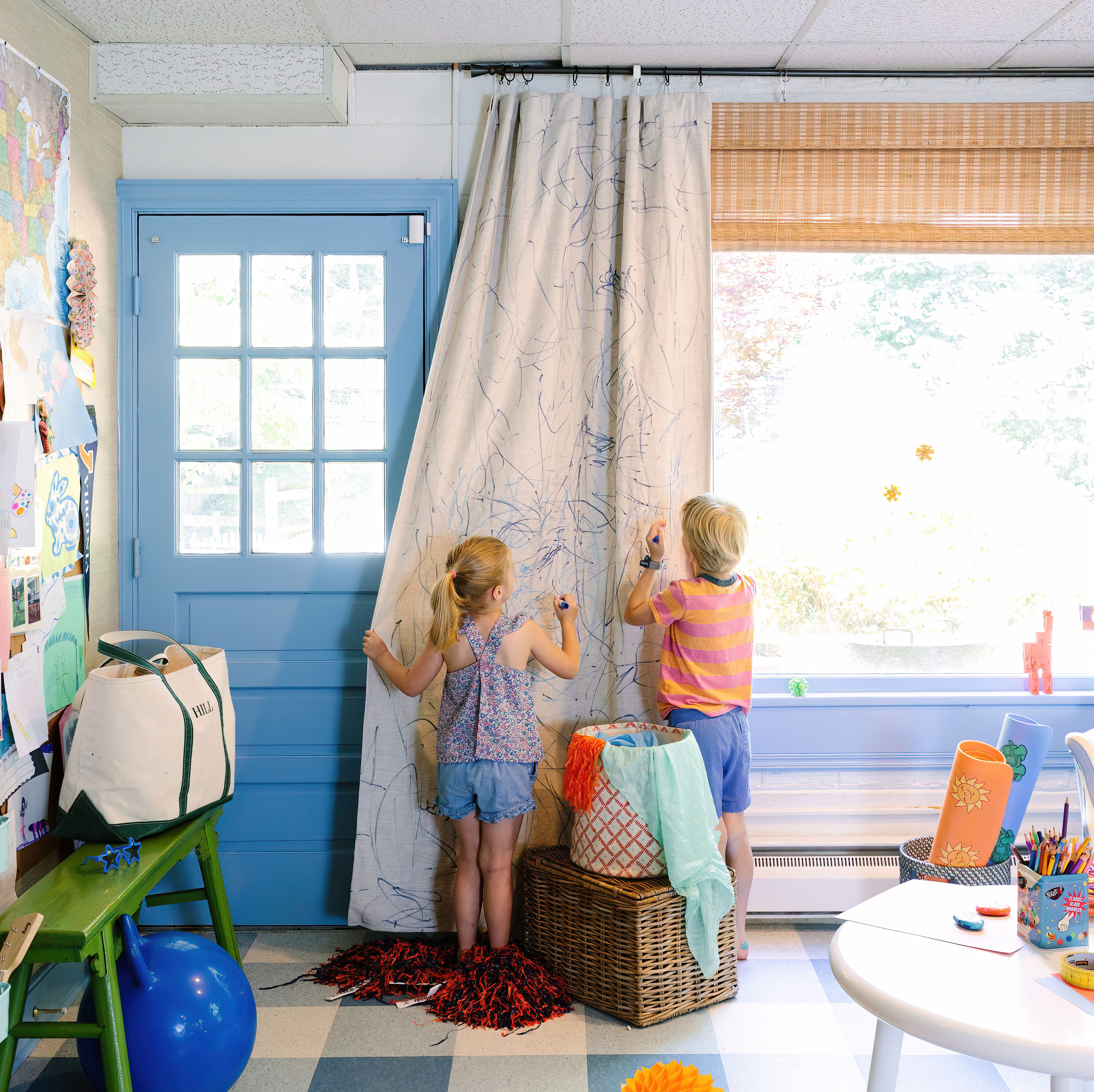
How One Designer's Abstract Artworks Inspired a Line of Textiles—and Her Own Home
Local interior designers seek inspiration at industry events, shows, and markets away from St. Louis

The Design Industry’s Coolest Trend Is Hiding in Plain Sight

"It’s all about matching the energy of a brand": A day in the life of interior designer Kirsty Vance

Explore Interior Design’s Hall Of Fame Icons On Screen