"Interior design borrows from cultures it finds aesthetically pleasing"
The interior design industry frequently demonstrates a lack of racial diversity, a long-standing issue highlighted by designers from minority ethnic backgrounds. This deficit is particularly evident when comparing the industry's tendency to appropriate cultural aesthetics with its failure to employ and represent individuals from those same cultures.
From early education to professional practice and media representation, the absence of BAME (Black, Asian, and Minority Ethnic) individuals is pronounced. Many design schools and professional environments lack diverse faculty and staff, leading to a homogenous workforce where minority designers often find themselves in the minority. This problem extends to media and television, where BAME designers are rarely featured, contributing to a narrow public perception of who creates in the industry.
The industry often adopts terms like "tribal," "boho," or "ethnic" to describe design elements, yet these terms are frequently used without a deep understanding of their origins or the cultures they represent. For example, "tribal" is often broadly applied to crafts from Africa, such as the Kuba cloth from the Congo, which involves time-consuming and laborious traditional techniques. "Boho" originates from "Bohémien," a French term initially referring to people from Bohemia and later to nomadic artists, suggesting an eclectic style inspired by diverse philosophies and ways of life. Similarly, "ethnic design" draws on patterns and handicrafts from non-industrialized cultures across South America, Africa, and Asia, like Persian rugs, which have rich histories tied to specific regions and peoples.
These culturally significant crafts are often re-contextualized as interior design trends without proper acknowledgment or credit given to the skilled artisans and communities behind them. This practice raises questions about whether designers are genuinely appreciating and crediting the cultures that inspire them or merely using these elements for aesthetic appeal without supporting the people who originated them. This pattern of repackaging cultural artifacts as fleeting trends diminishes the visibility of diversity that has always existed within the industry.
Such actions contribute to an erasure of creative people of color, perpetuating a misrepresentation of the industry. The design community, including major and trade media outlets, social platforms, publications, and events, has a responsibility to promote diversity actively. This involves making conscious efforts to collaborate with, employ, contract, buy from, and promote diverse individuals and businesses. It also entails being transparent and vocal when these efforts fall short.
BAME designers already working in the industry are encouraged to increase their visibility. By doing so, they can serve as role models, inspiring and educating younger generations and their families about the viability and inclusivity of creative careers. The ultimate goal is to reach a point where designers are recognized solely for their talent, irrespective of their racial or ethnic background, fostering a truly equitable and diverse industry.
#InteriorDesign #RacialDiversity #CulturalAppropriation #DesignIndustry #BAMERepresentation #AestheticBorrowing #CulturalHeritage #Inclusivity #DesignEthics #InteriorDesign #RacialDiversity #CulturalAppropriation #DesignIndustry #BAMERepresentation #AestheticBorrowing #CulturalHeritage #Inclusivity #DesignEthics
0 comment in total
 No comments yet
You may also like

The 2020 A-List: 125 of the Best Interior Designers in the World

Home is Where the Art Is

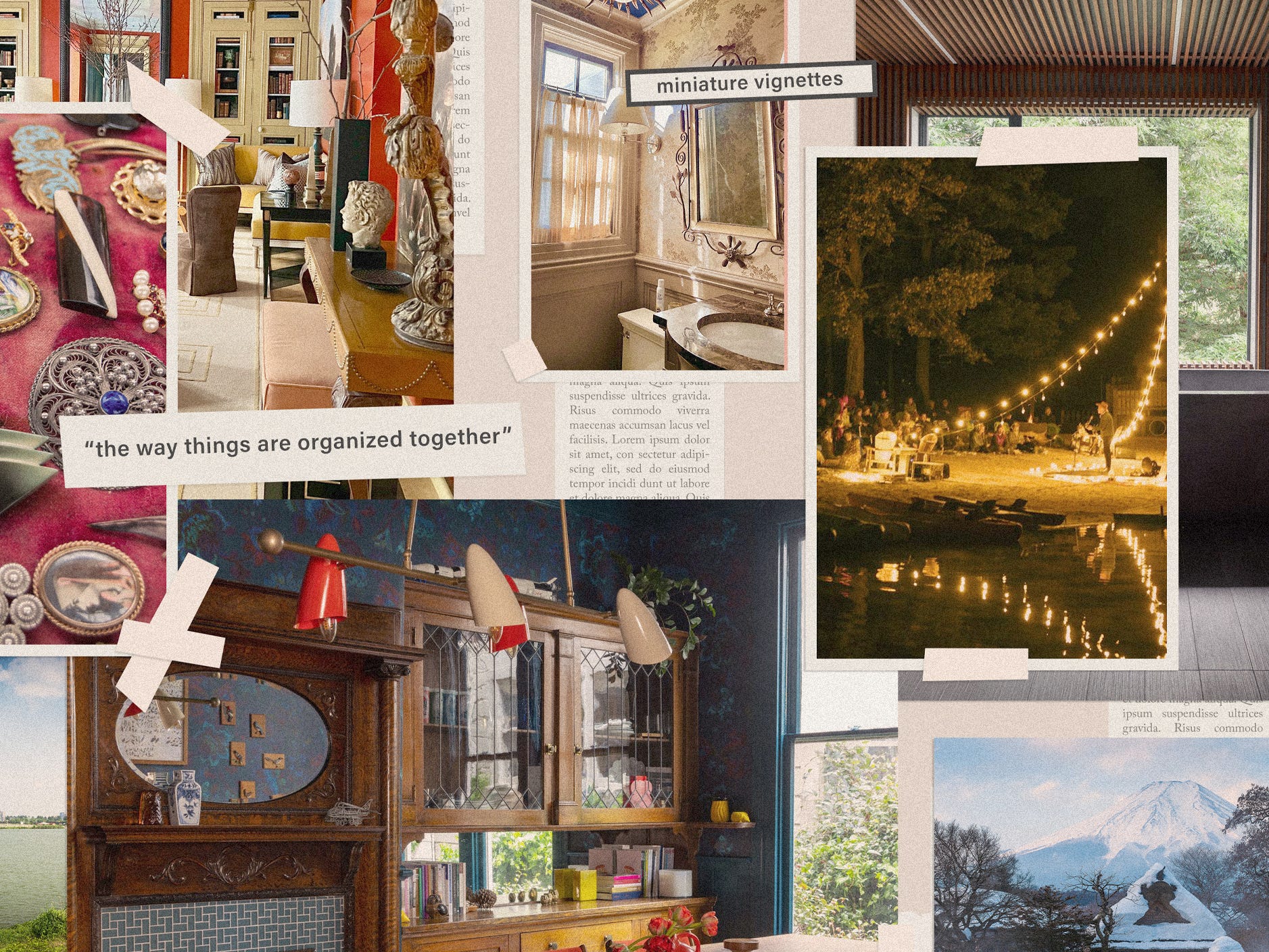
Step Aside, Pinterest—Here’s Where Designers Get Inspired IRL


Interior Design Inspirations: Trends & Personal Aesthetics

What’s the most underused design element?

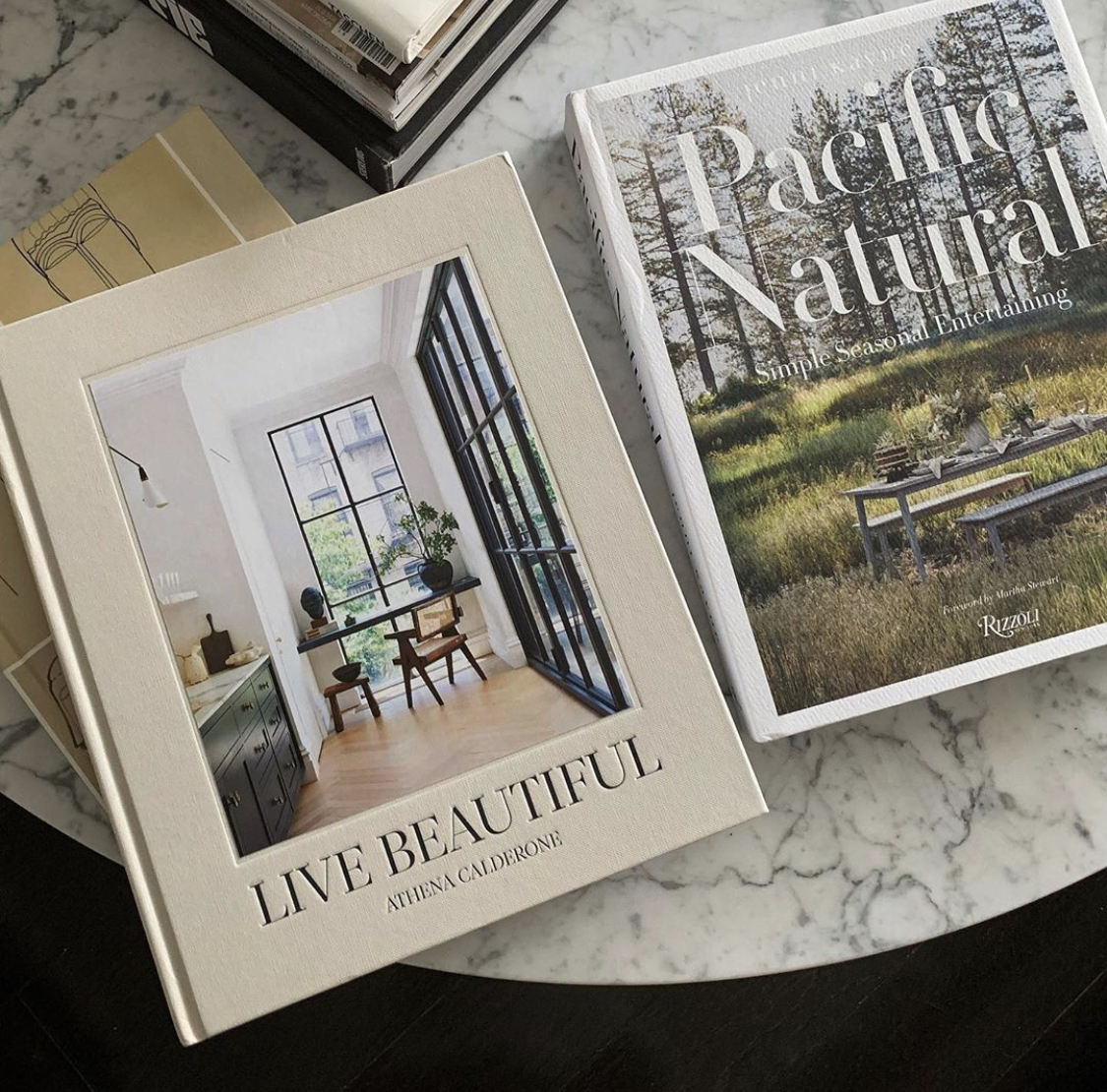
10 Interior Design Books That Belong on Every Aesthete’s Coffee Table


Yoselin Alonso Open Concept
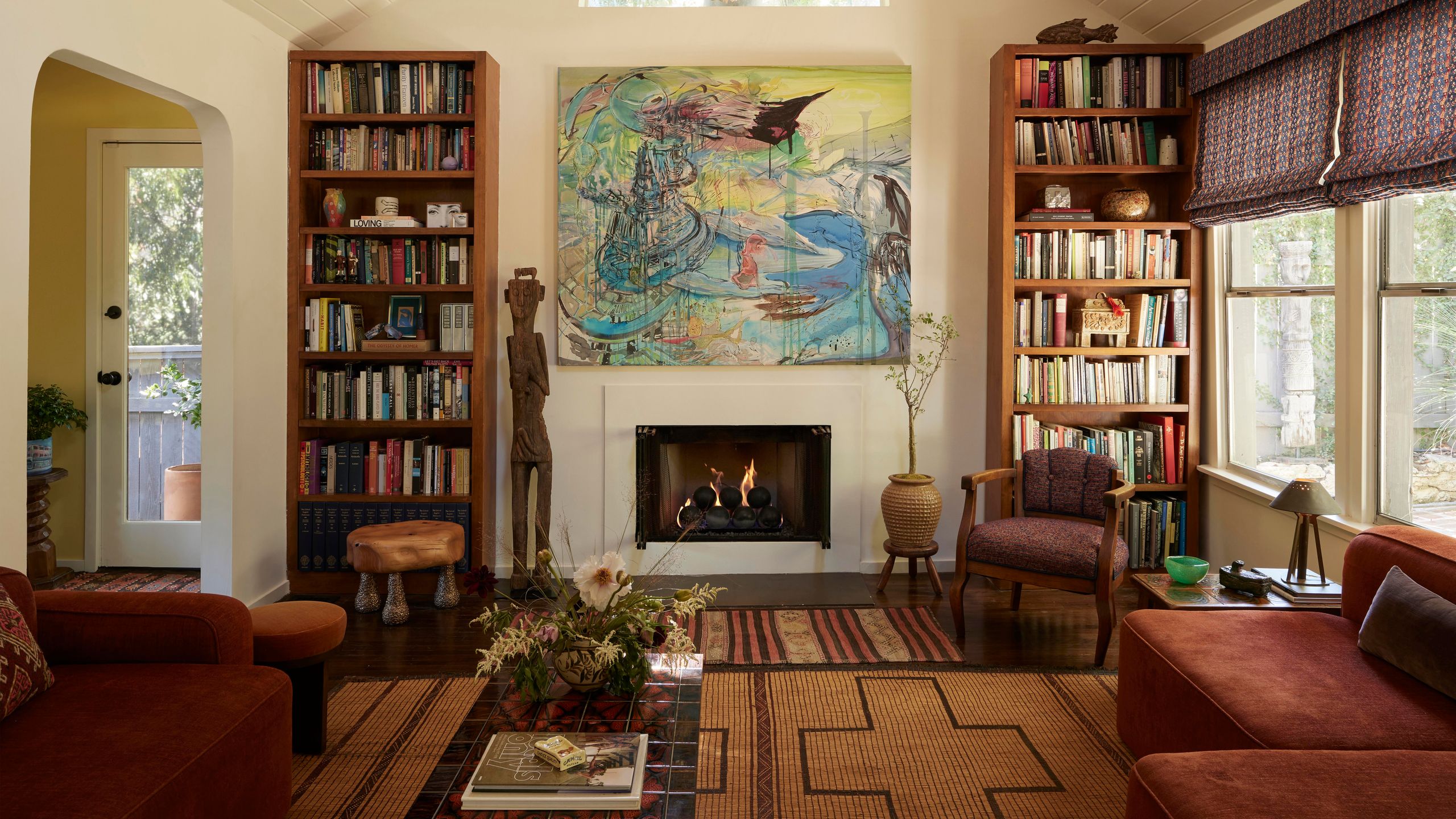
8 Expert Tips for Styling Surfaces in Every Room

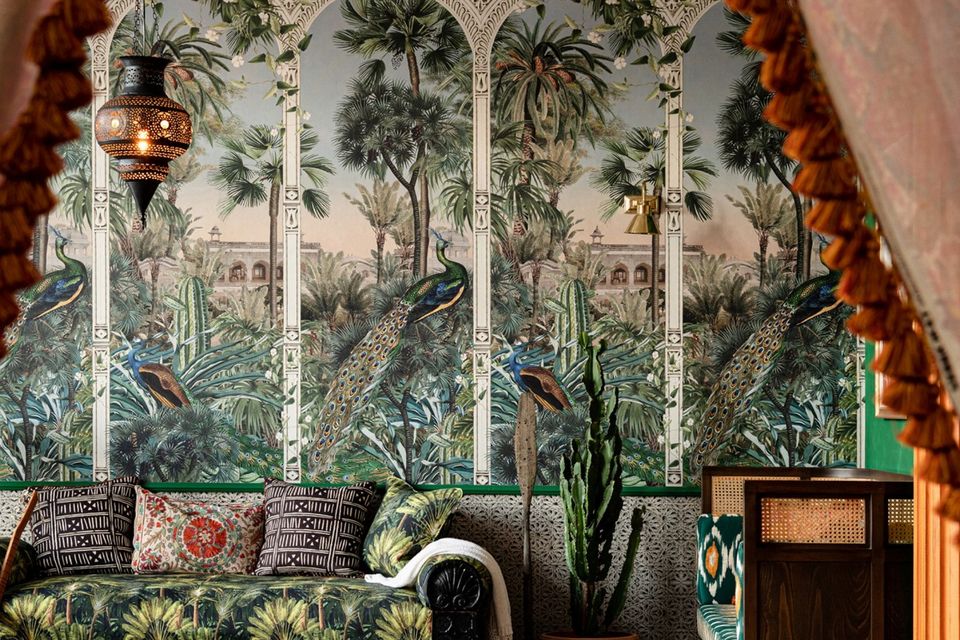
Interiors: In praise of pattern

From Flat to Fabulous: Why Texture is the Future of Interior Design


Twelve creatives on the home essentials they can't do without
Revealed: the countries inspiring interior design trends the most


Craft, Culture, and Character: Telling Stories Through Interior Design
If You Have These 10 Traits, You'd Probably Be a Great Interior Designer
This Colorful Hallway Blends Elements of West African and Asian Design
A Cool Interior Designer Talks Style, Inspiration & More
Latinx-Owned Interior Design Studios That Should Be On Your Radar Right Now

Designers Predict: These Will Be the Biggest Home Décor Trends of 2022

Why It’s Time to Think Differently About Chinoiserie
17 Trends That Need to Disappear Forever , According to Interior Designers