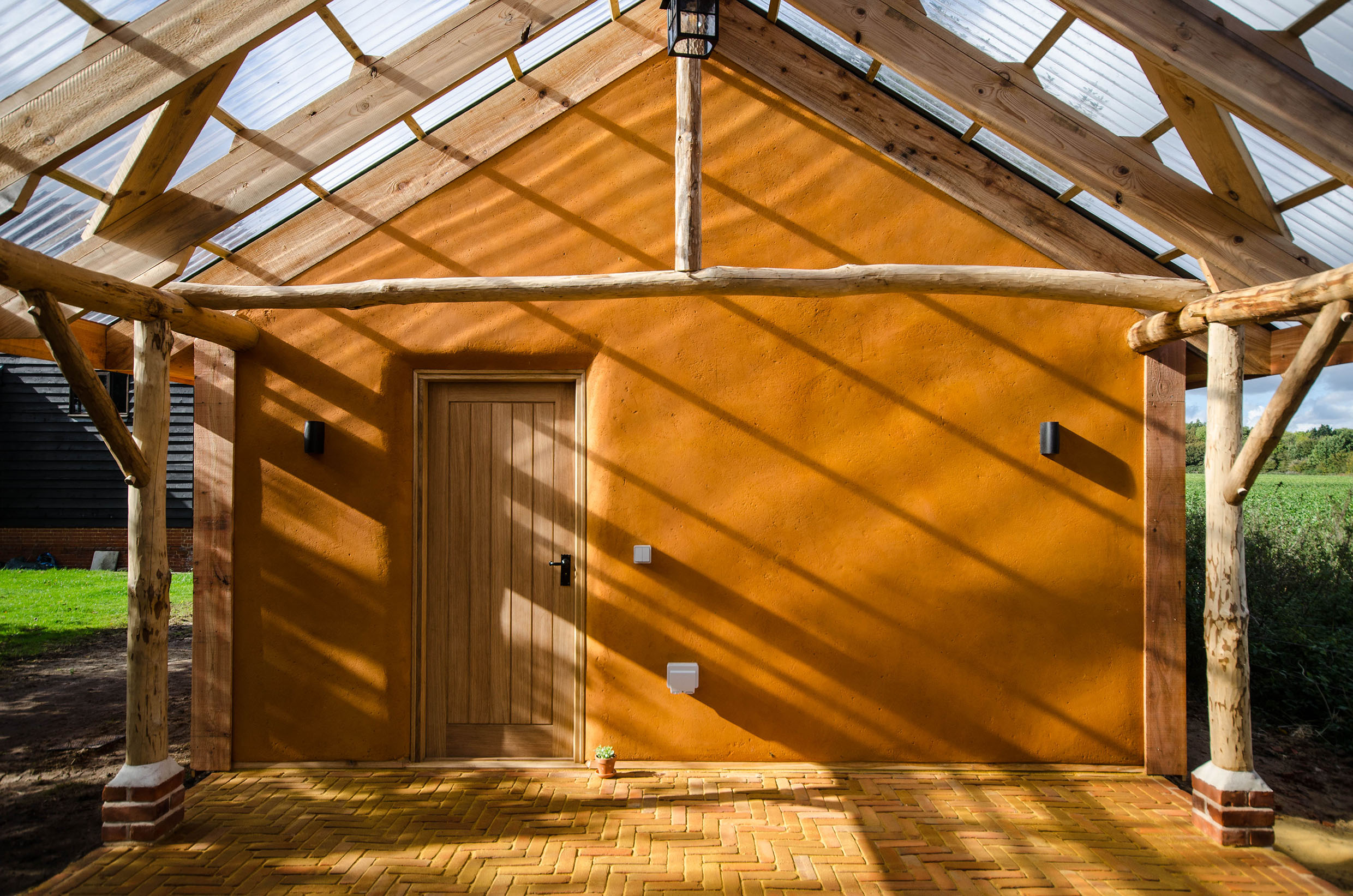
1/6
Saving the earth: making the case for rammed earth architecture
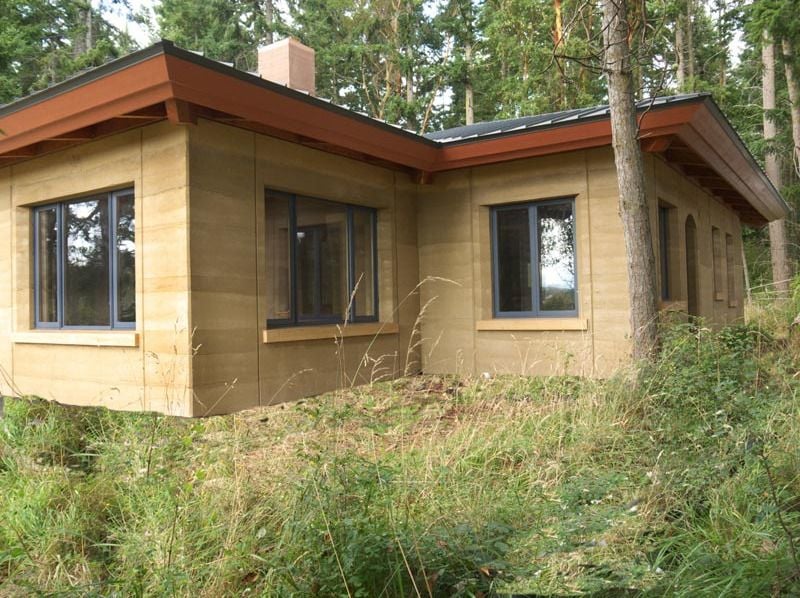
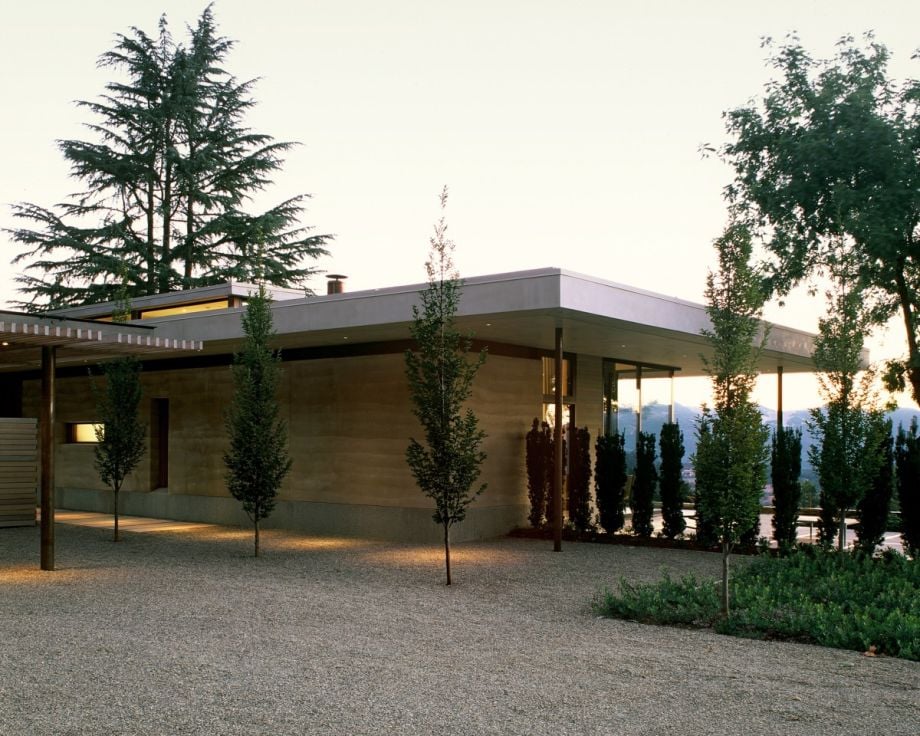
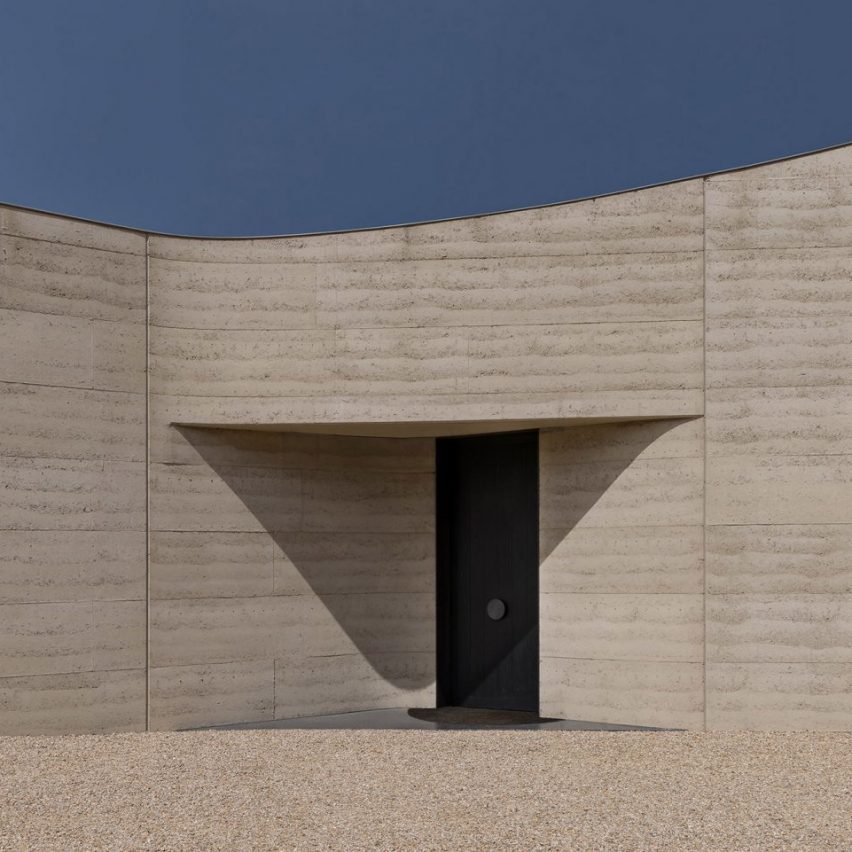
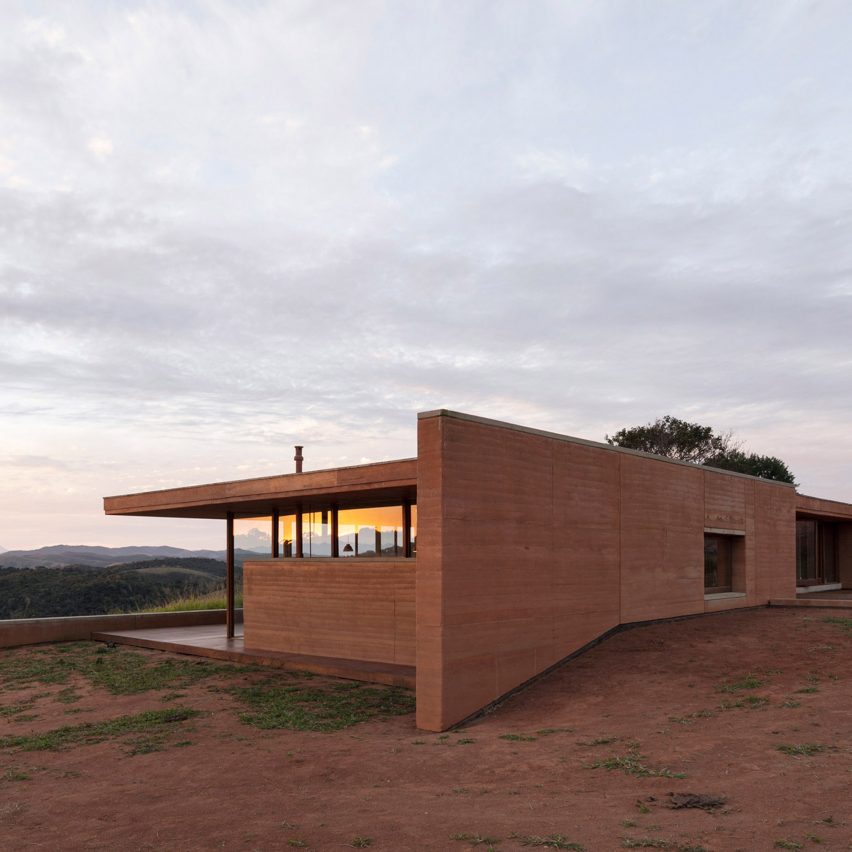
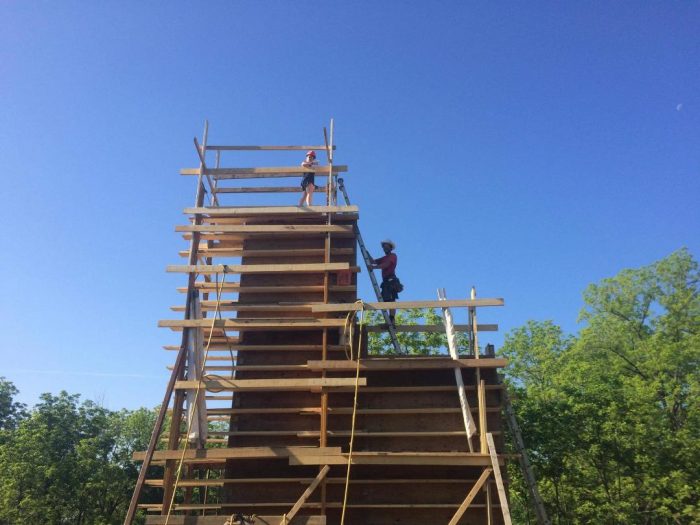
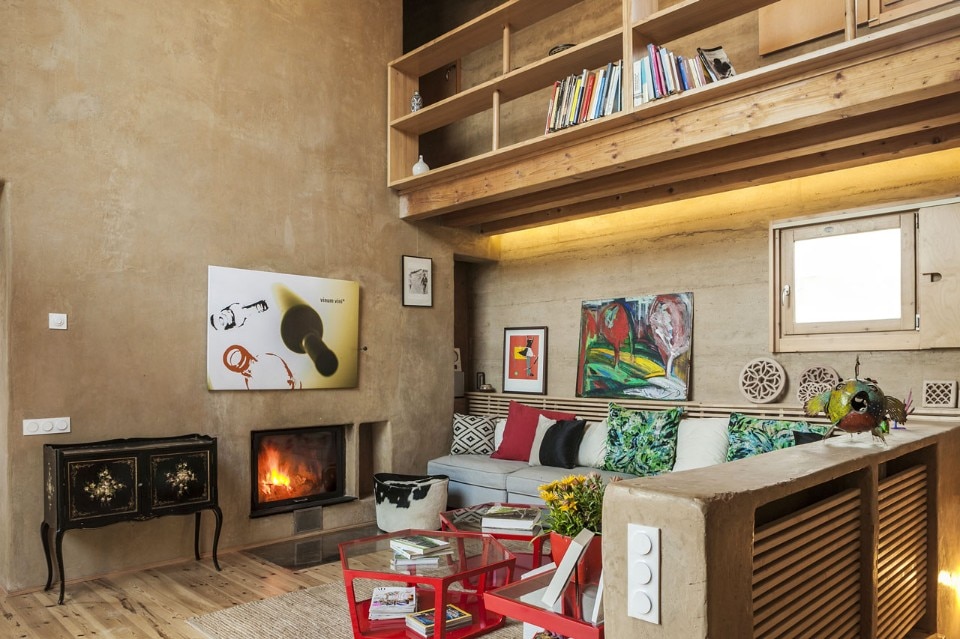
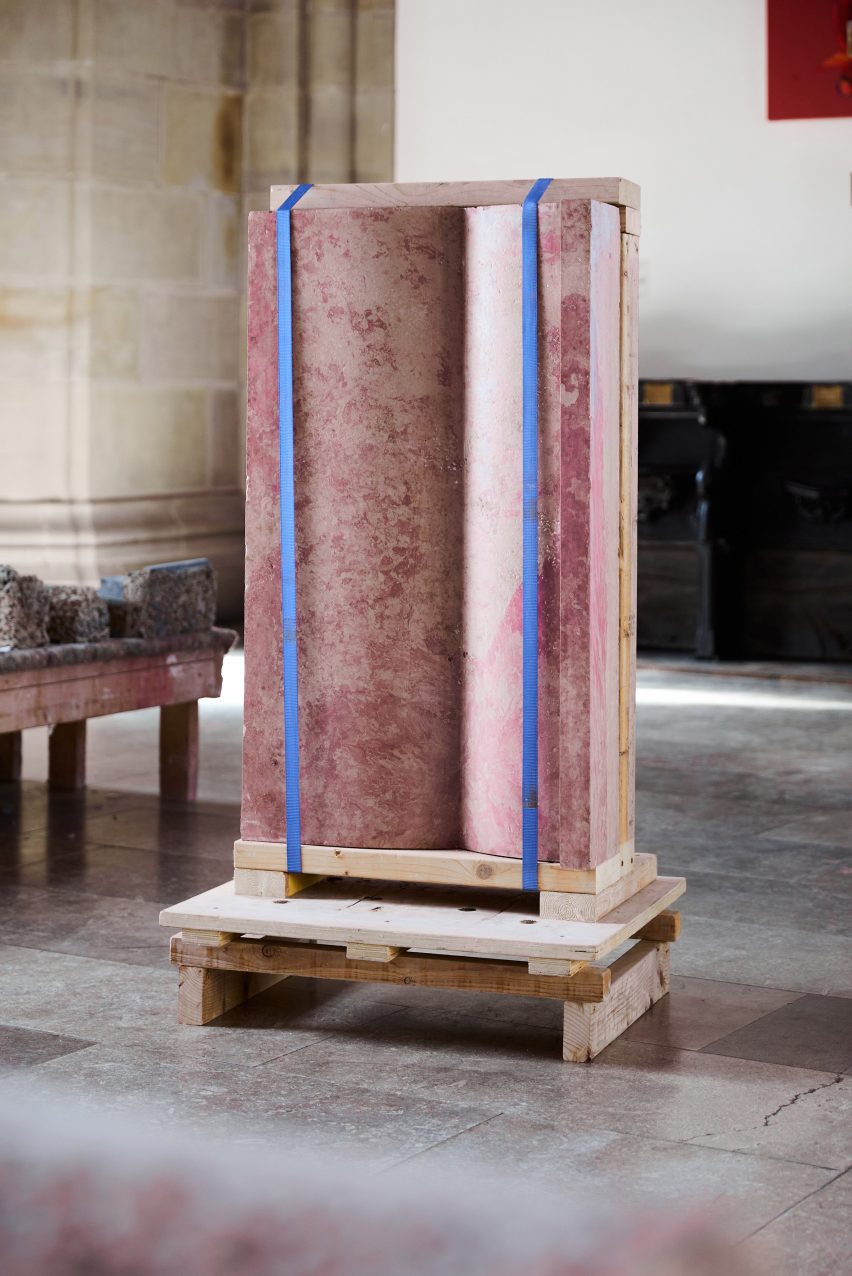
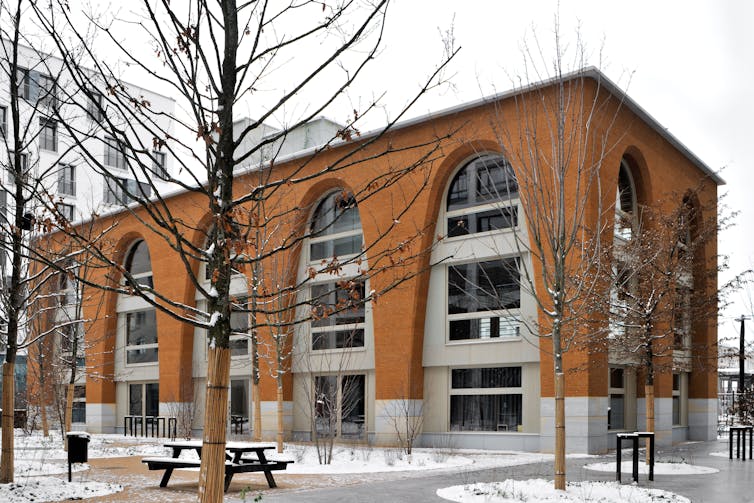
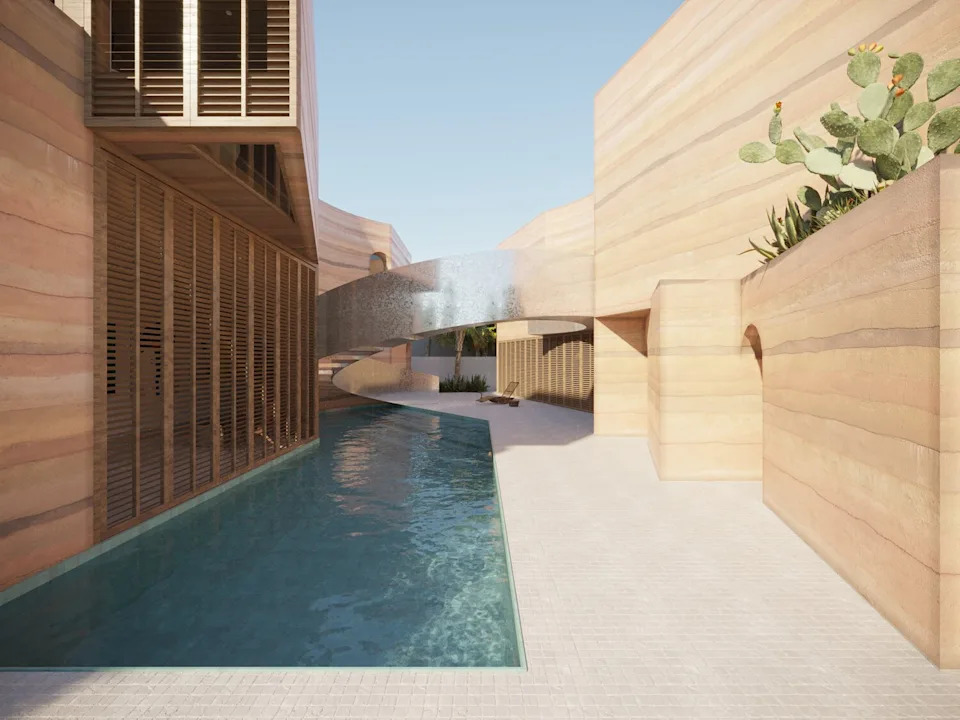
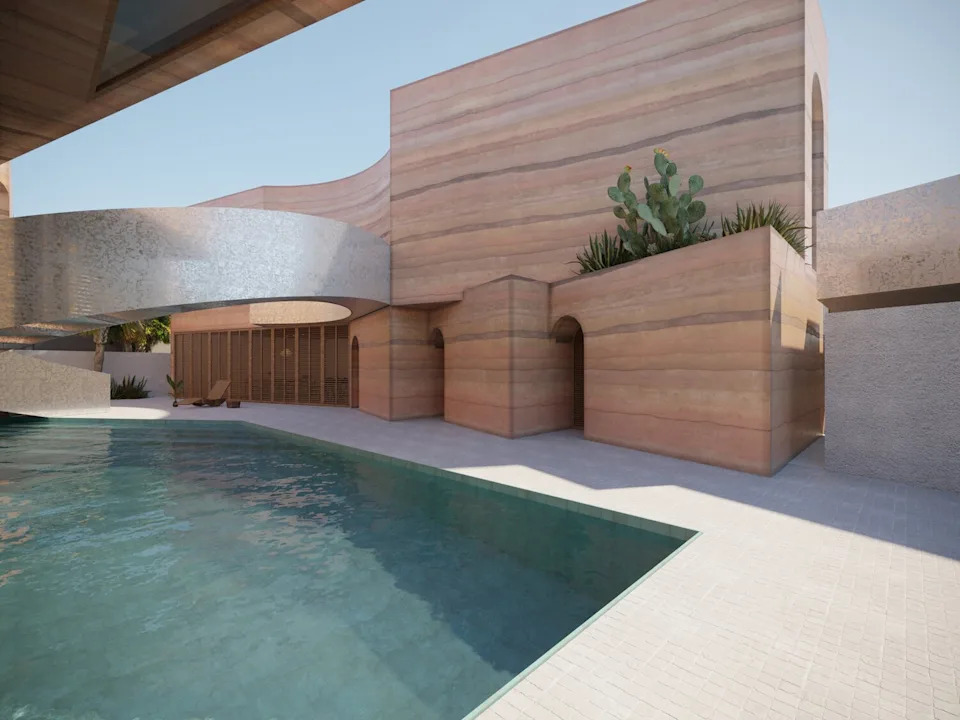
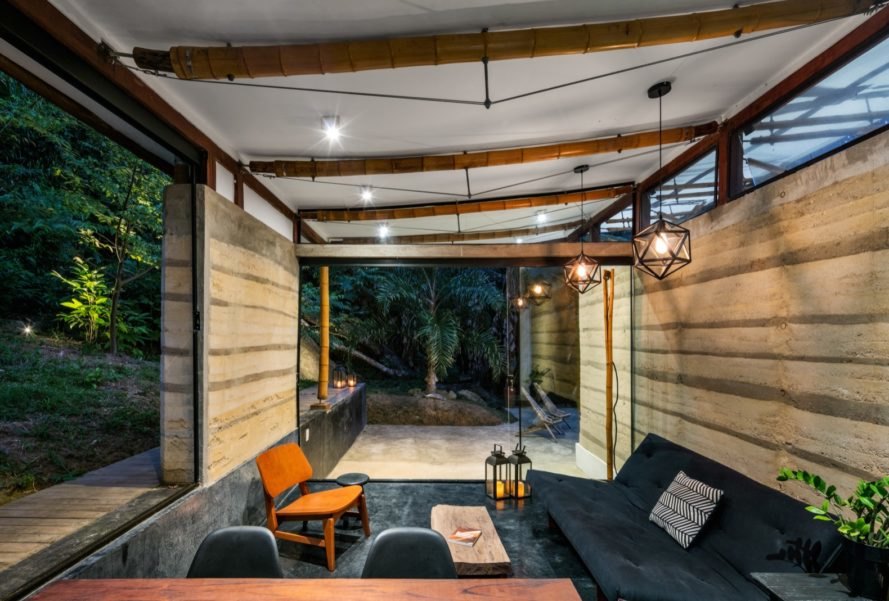
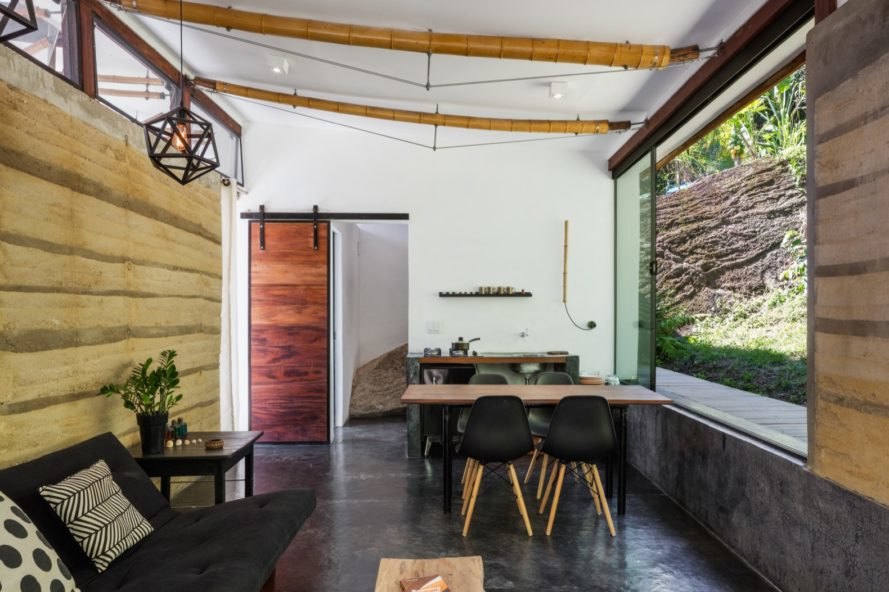
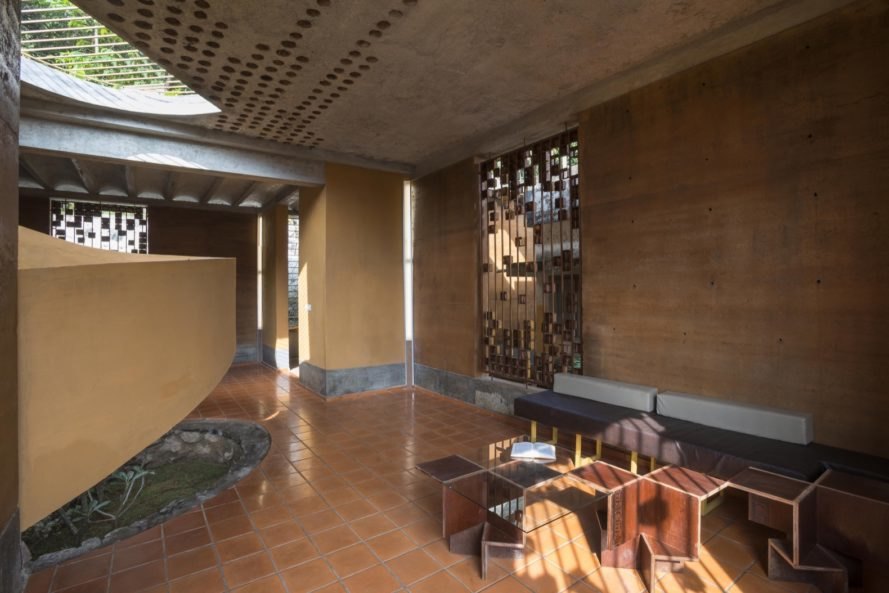
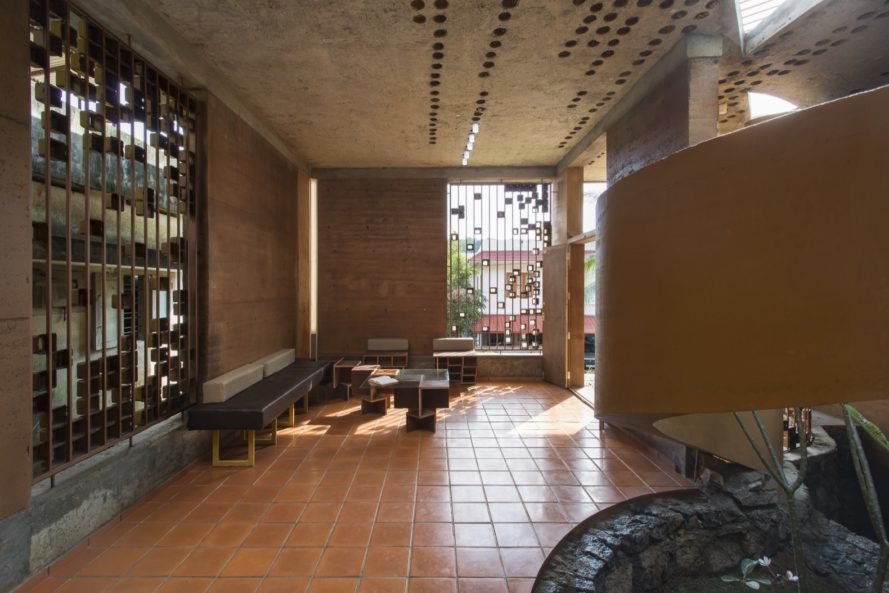
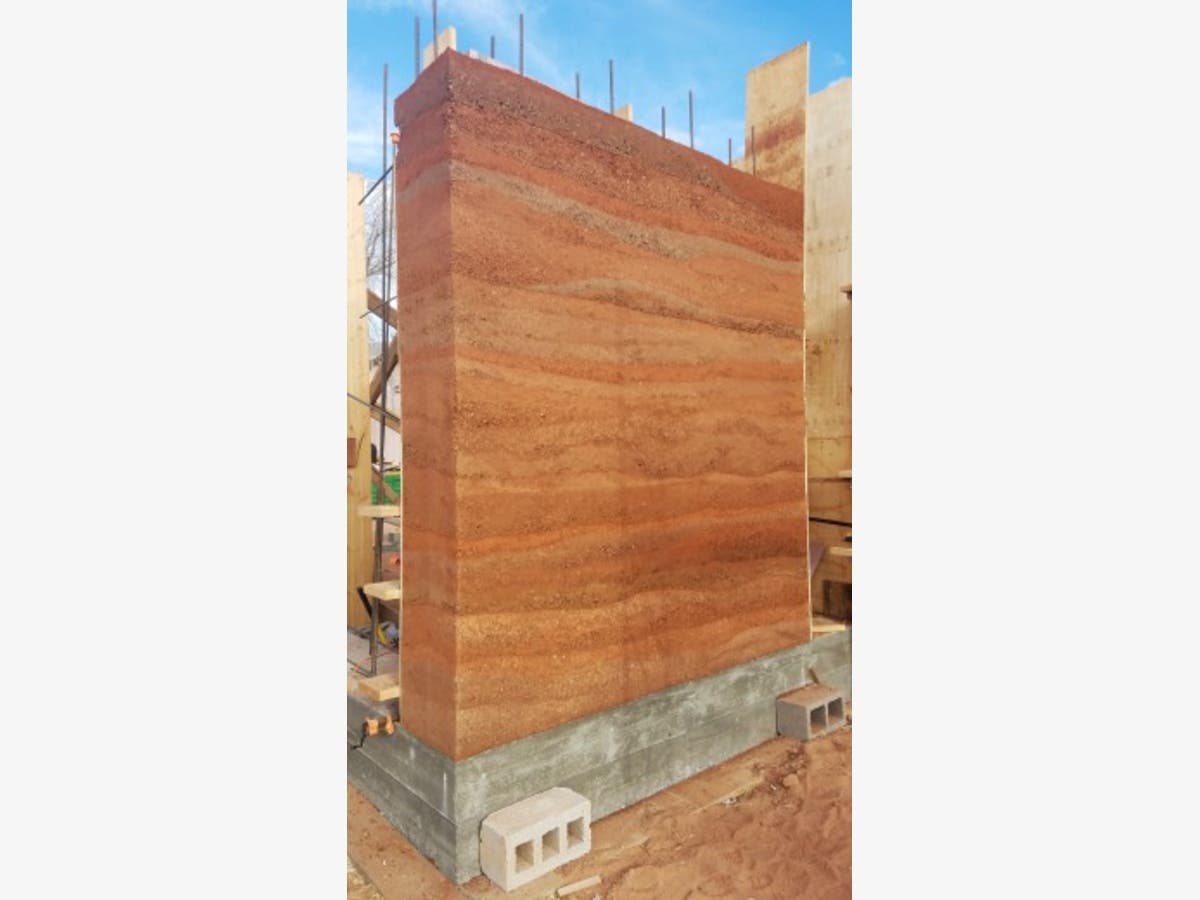
The use of rammed earth as a building material is experiencing a resurgence in UK and European architecture, moving beyond its historical association with 'eco' projects or aid work. Scott Boote of Webb Yates Engineers advocates for this ancient method as a viable low-carbon alternative in contemporary construction, particularly as the industry aims to meet 2030 carbon and energy targets, adopt circular economy principles, and engage with initiatives like the RetroFirst campaign. Modern multi-storey buildings often rely on concrete, steel, or timber frames with non-structural external walls made from energy-intensive materials like metal studwork or concrete blocks. Rammed earth, by contrast, offers a sustainable solution that leverages locally available soil, reducing both manufacturing and transportation emissions.
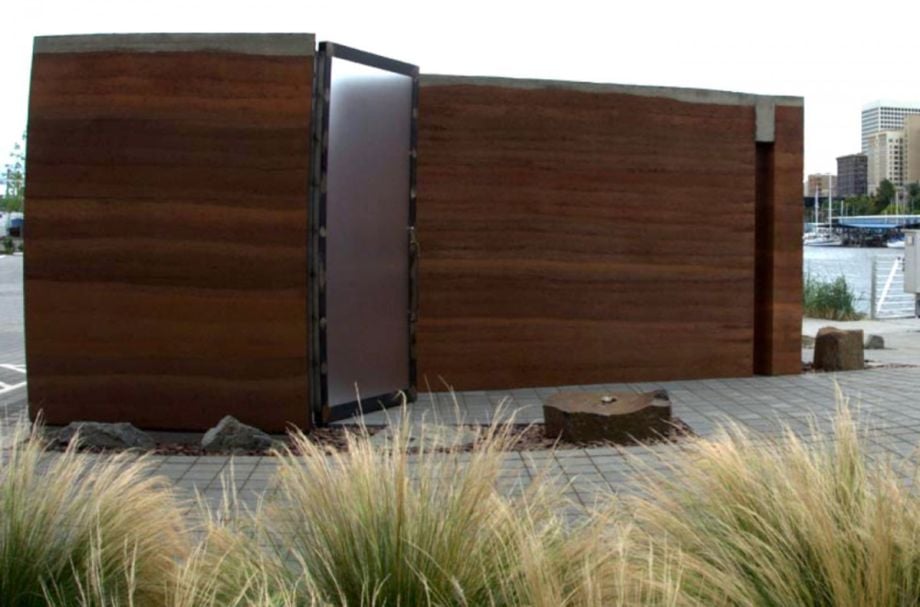
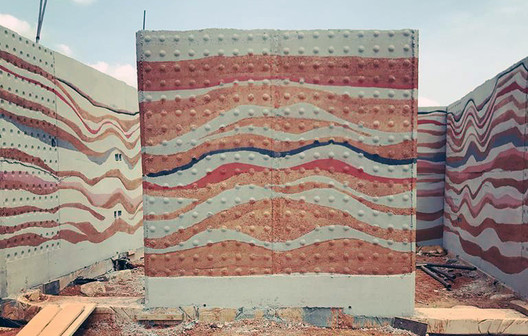
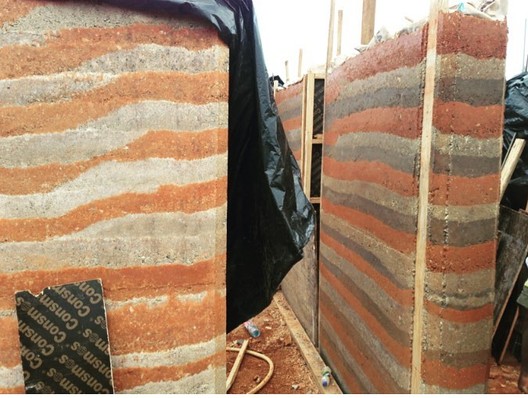
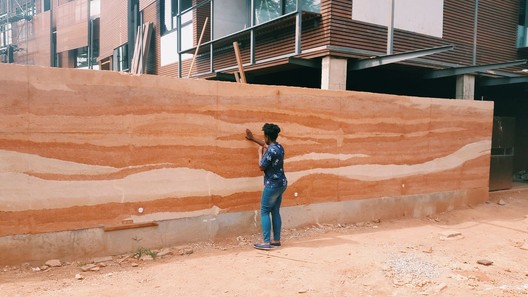
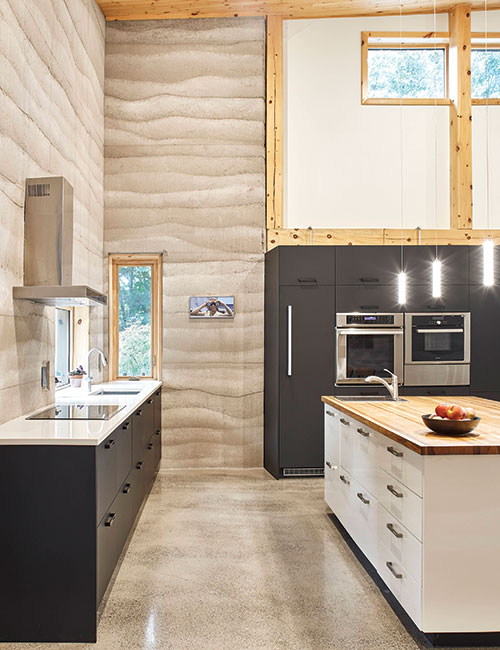
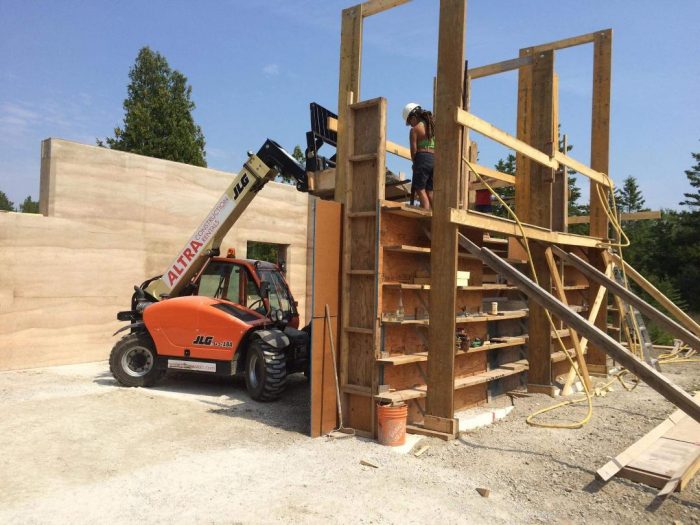
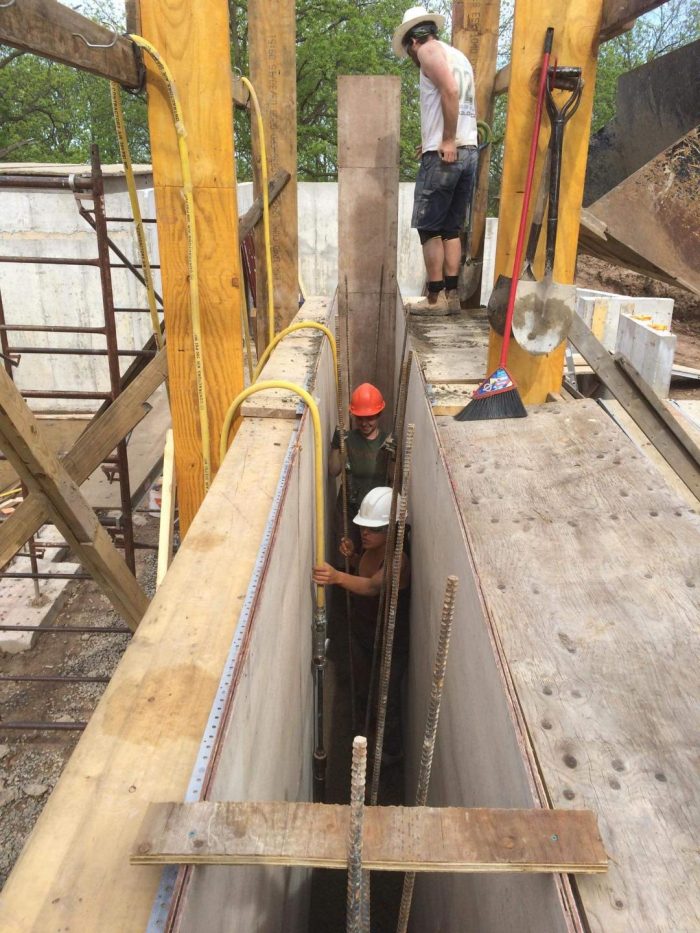
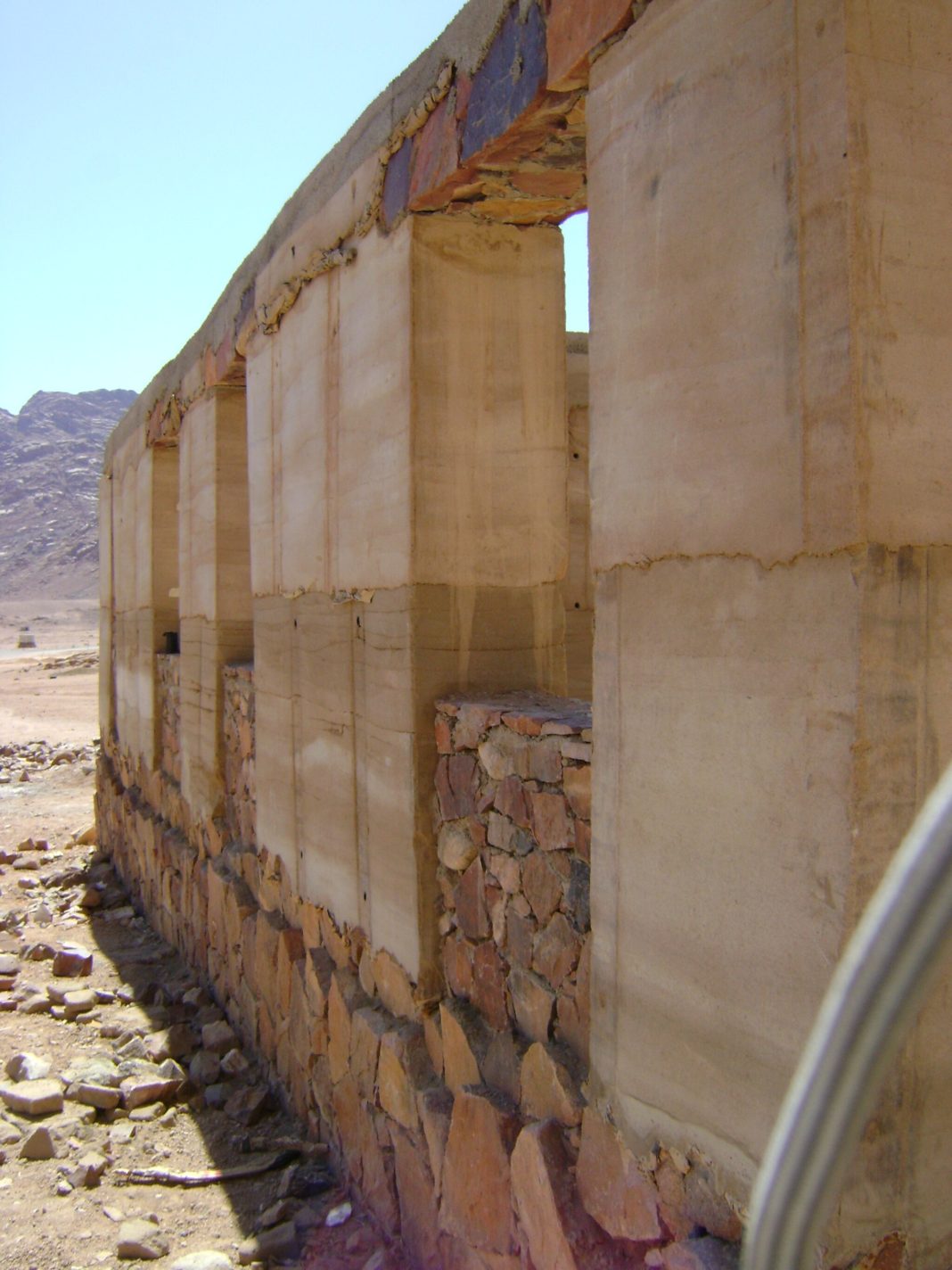
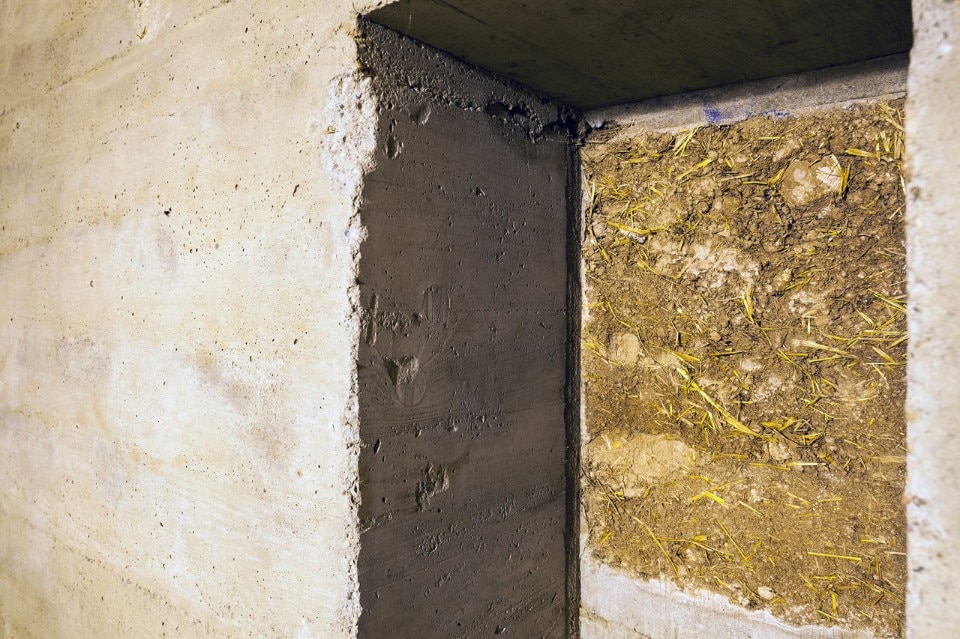
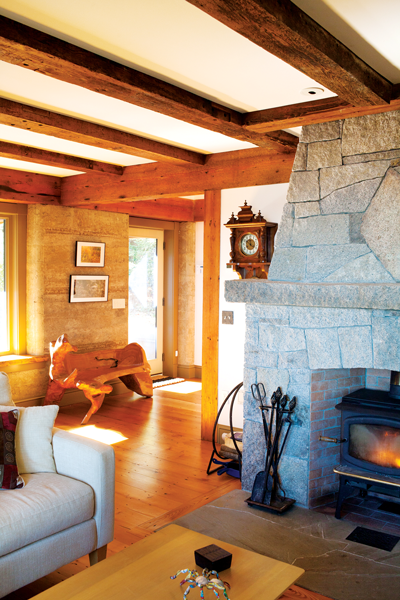
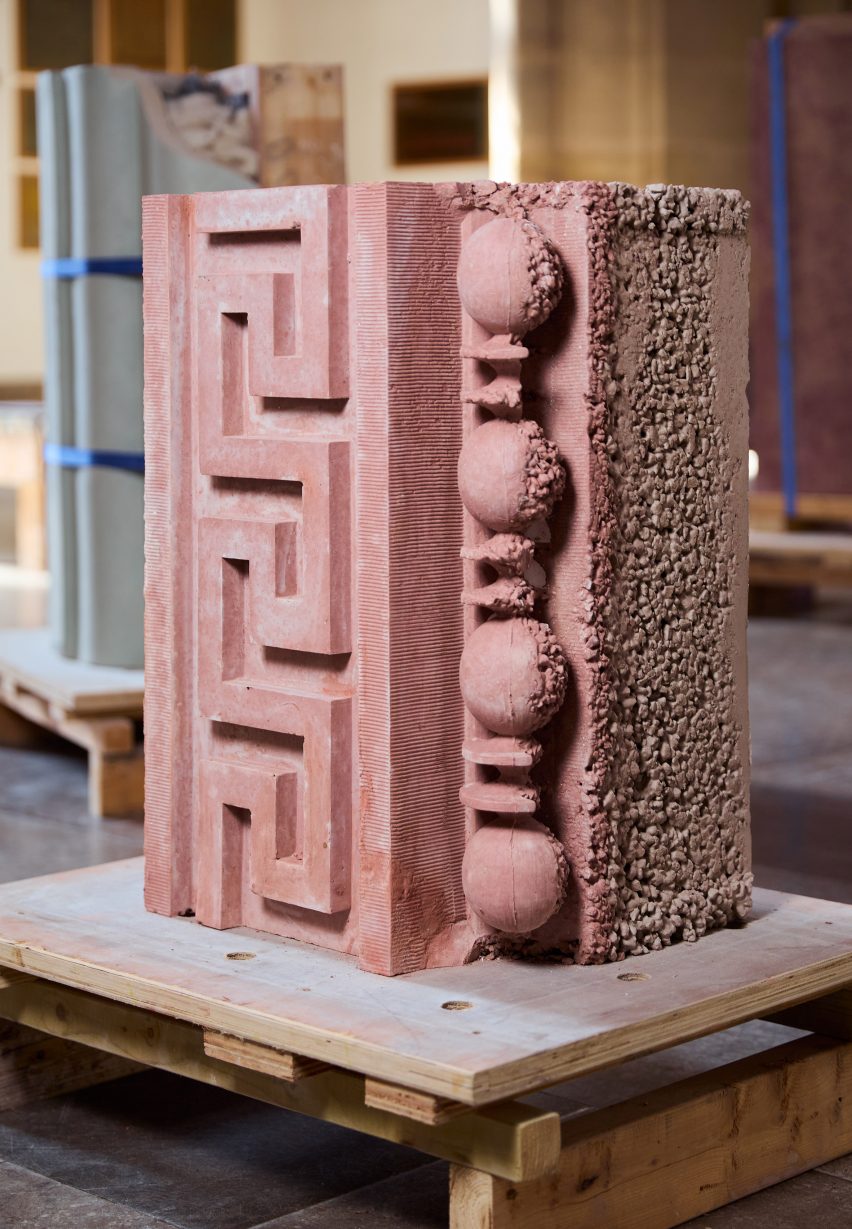
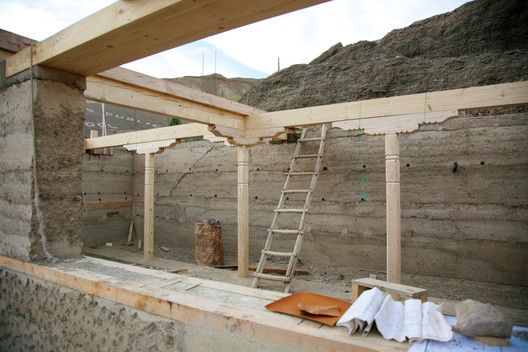
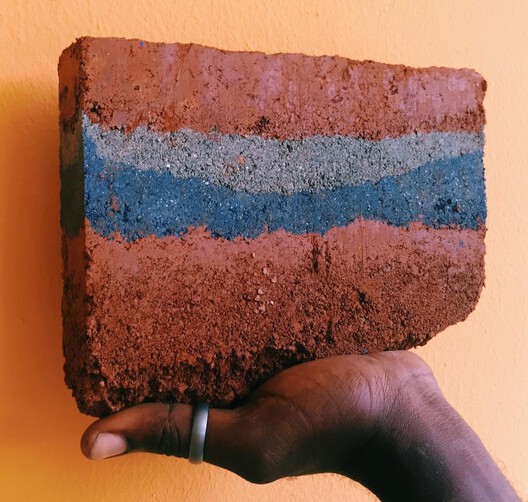
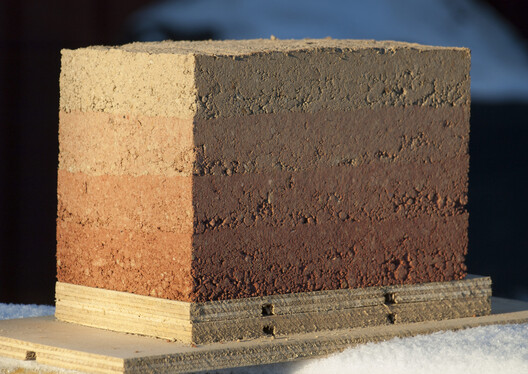
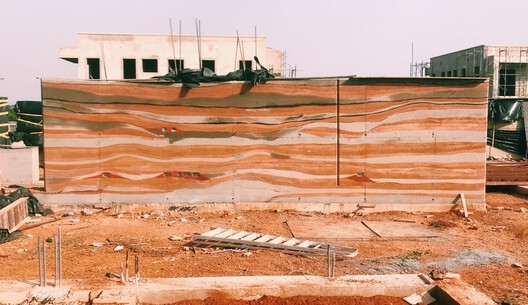
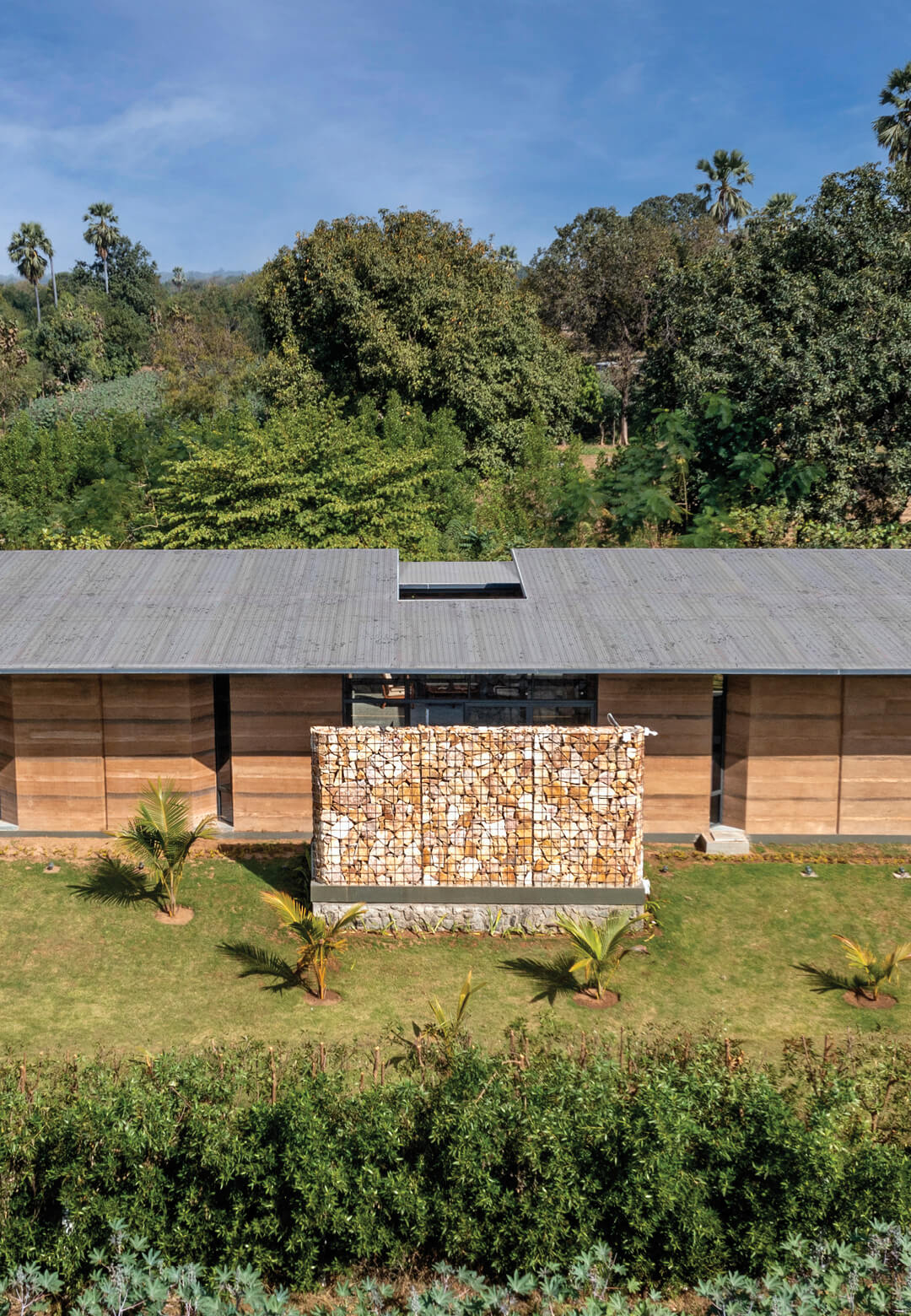
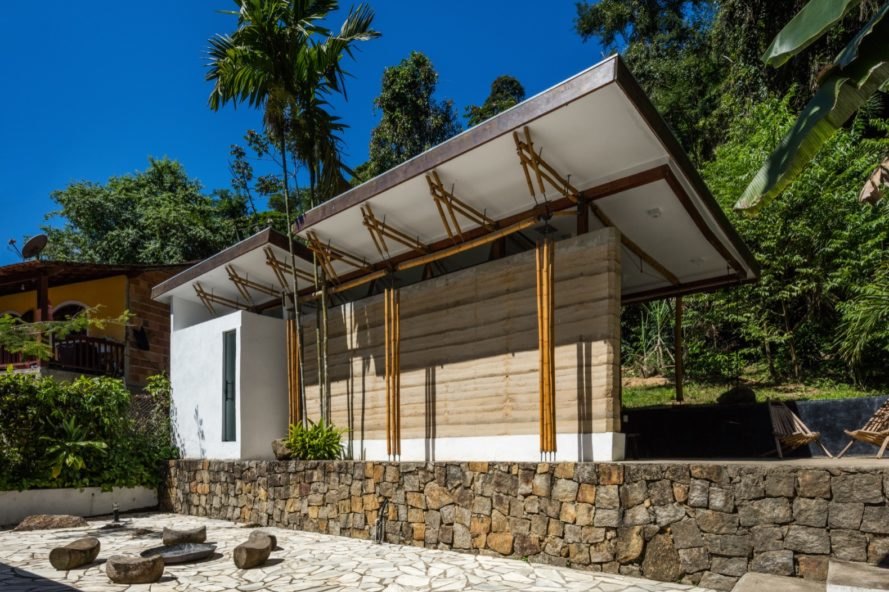
While some perceive rammed earth as primitive, it can be finished in various ways, including rendering, cladding, painting, plastering, dry-lining, or sealing, making it a direct substitute for energy-hungry clay bricks or concrete blocks. The material is primarily composed of aggregates such as sands and gravels, with a small clay content acting as a binder. Careful control of moisture content is crucial during its formation to prevent shrinkage, cracking, or inadequate binding. However, with proper preparation, rammed earth allows for faster construction than cob or adobe mud buildings and can be scaled for projects such as new office blocks or housing schemes. Its durability, when correctly detailed, is evident in historical structures like parts of the Great Wall of China and the Great Pyramid of Giza, as well as numerous 200-year-old rammed earth buildings in the UK. Design considerations, such as building on durable plinths and incorporating increased roof overhangs or 'speed bumps' like slate or tile courses, can protect against erosion and enhance longevity.
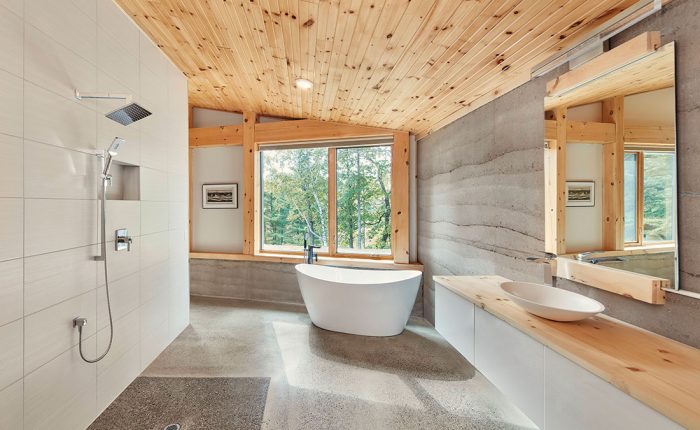
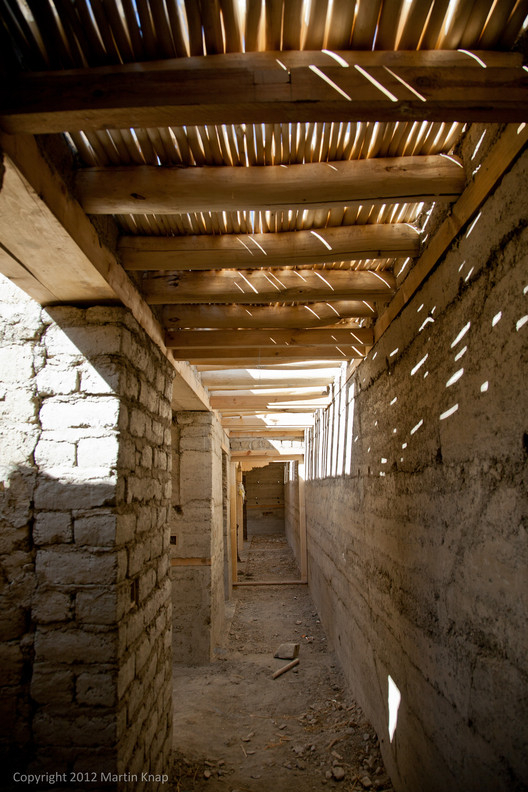
Earth walls are typically thick, which provides significant thermal mass and moisture buffering, helping to regulate internal environments without the complex layering common in modern construction. Although rammed earth has low embodied energy, it requires insulation in cooler climates. Its density and constituent materials are similar to clay brickwork or concrete blockwork, resulting in comparable thermal performance. However, employing earth construction can reduce a wall's carbon footprint by two-thirds. Construction costs are often on par with conventional masonry, and the use of site-won or local materials can further enhance its cost-effectiveness. Recycled concrete, brick, and stone can also form the bulk of the rammed earth mixture, requiring only a small addition of dried clay, which contributes to a more economical and sustainable building process.
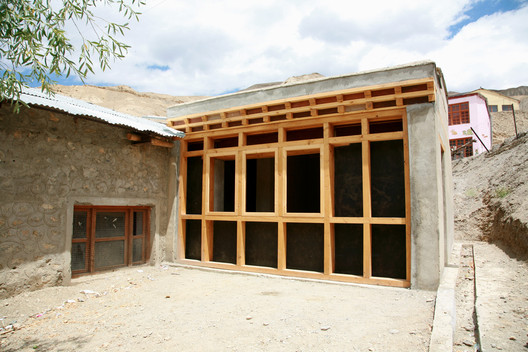
Meeting climate commitments necessitates a shift towards new working methods and a more circular design approach. This involves moving away from linear design processes that culminate in mass-produced products and, instead, focusing on sourcing and utilizing locally available materials. These materials would be thoroughly tested, analyzed, and certified on a project-by-project basis. The integration of site-won demolition or excavation materials into new construction projects, such as using them in the fabric of a building, is a logical and environmentally responsible step in this evolving paradigm. The article provides several examples of contemporary rammed earth architecture, including the Strawbale Workshops by Grain Architecture, Bushey Cemetery by Waugh Thistleton Architects, Yorkshire Sculpture Park by Feilden Fowles (though using a similar aesthetic with pigmented concrete), the TECLA 3D-printed dwelling prototype by Mario Cucinella Architects and WASP, and the CobBauge project for new-generation cob homes, demonstrating the versatility and potential of earth-based construction methods.
#RammedEarth #SustainableArchitecture #LowCarbonConstruction #CircularEconomy #BuildingMaterials #ArchitecturalInnovation #RetroFirst #GreenBuilding #EmbodiedEnergy #RammedEarth #SustainableArchitecture #LowCarbonConstruction #CircularEconomy #BuildingMaterials #ArchitecturalInnovation #RetroFirst #GreenBuilding #EmbodiedEnergy
0 ความคิดเห็นรวม
 ยังไม่มีความคิดเห็น
คุณอาจจะชอบอีกด้วย
Rammed Earth Fits Into Urban Architecture’s Sustainable Future
Rammed Earth Construction

Poured Earth is a sustainable construction method modelled on concrete casting
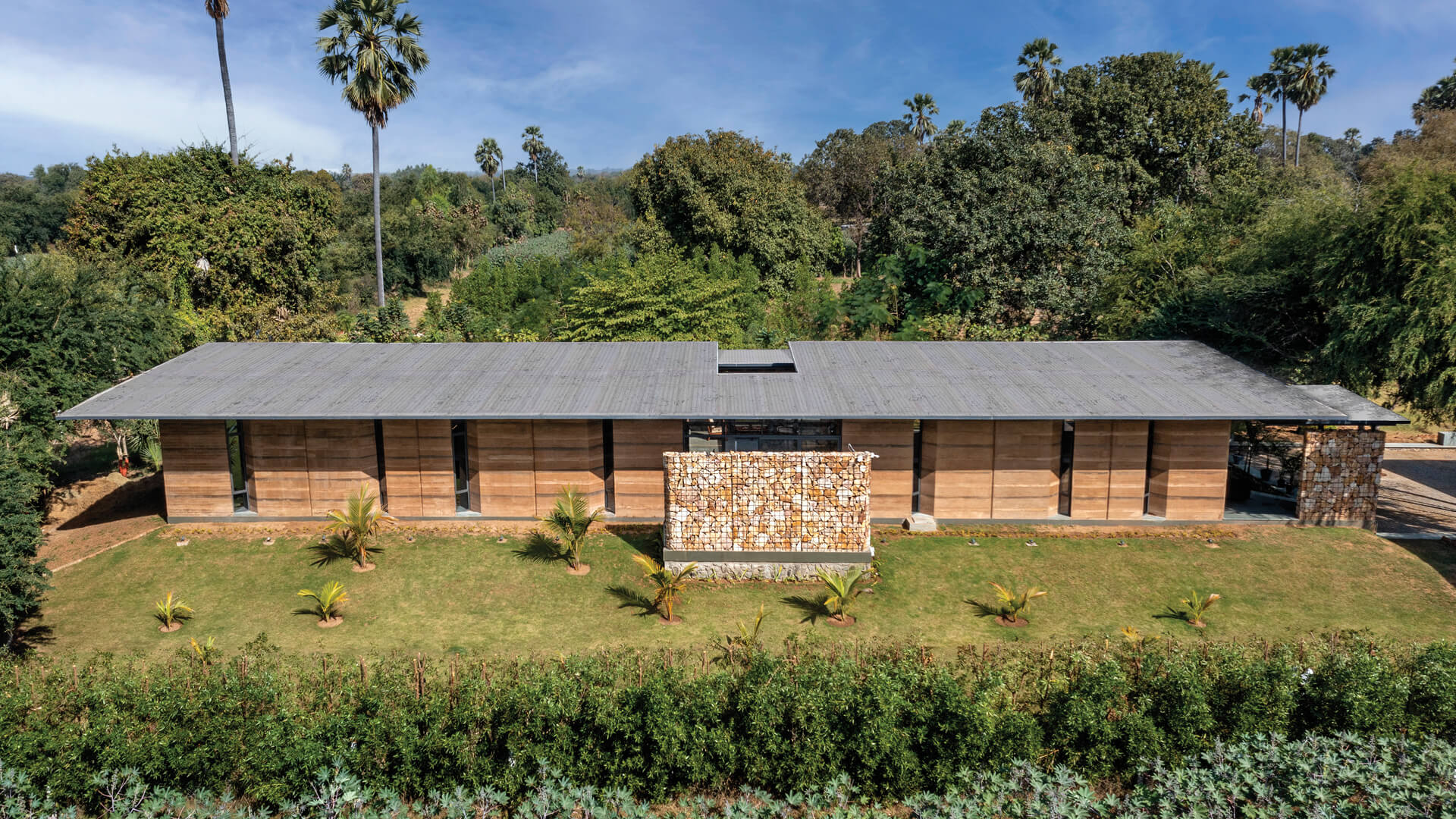
The Earth House in Gujarat, India, advocates for local ingenuity with rammed earth
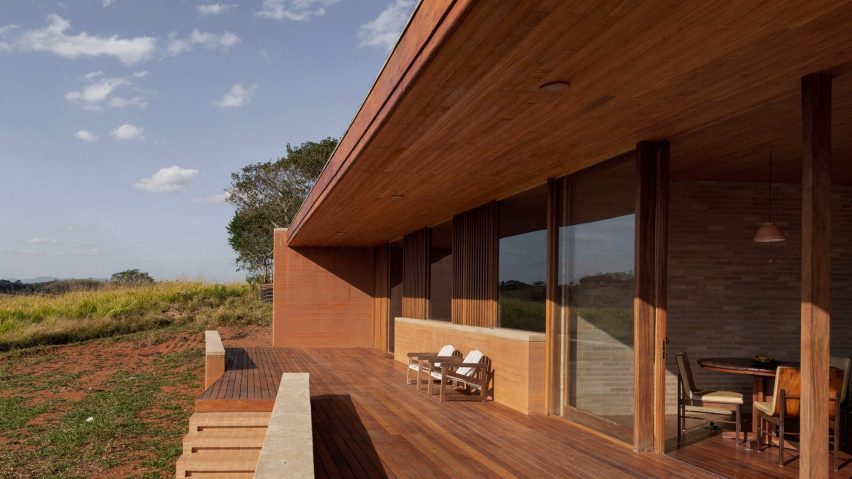
Eleven rammed-earth buildings from around the world
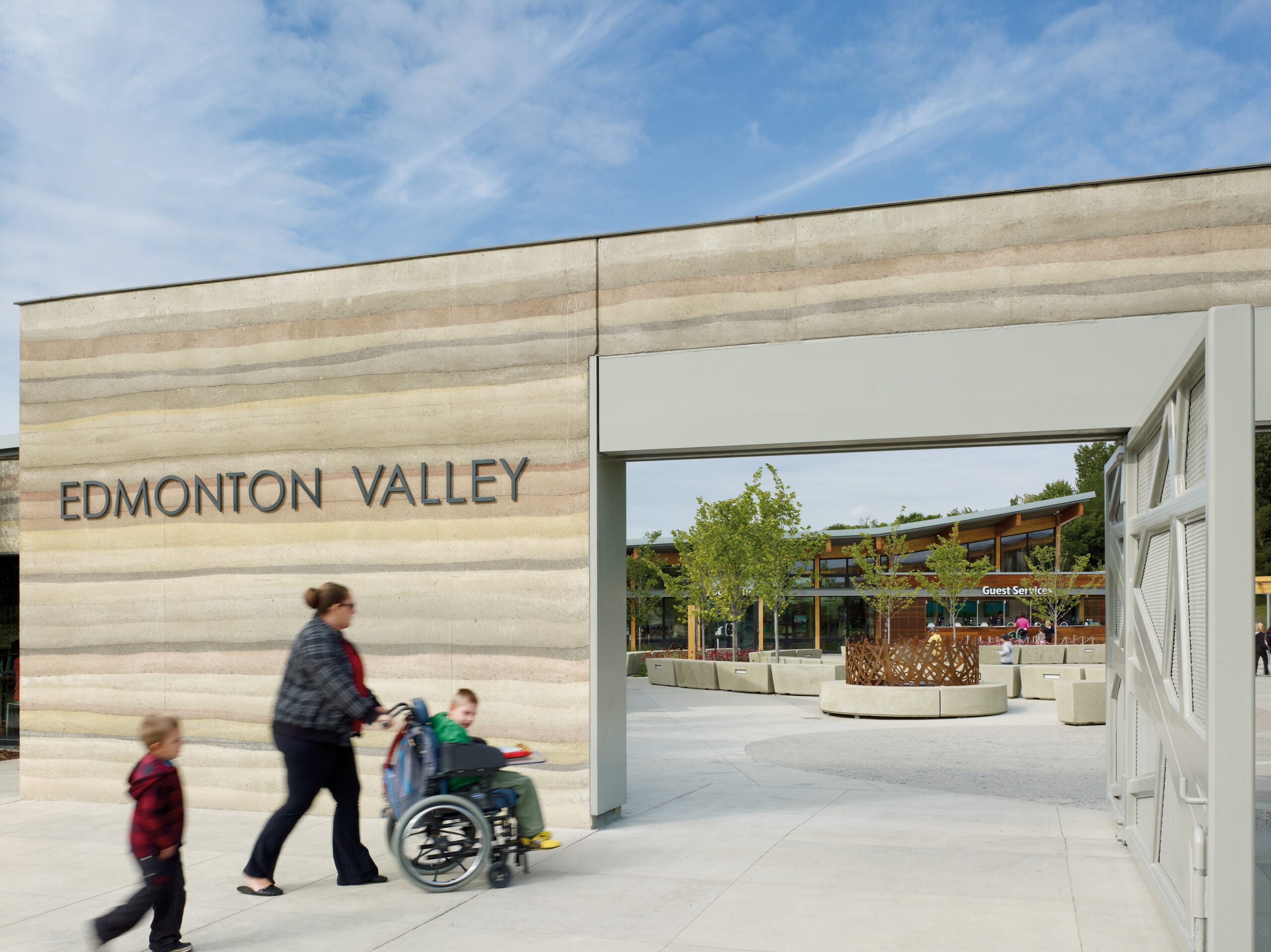
7 Earth-based Solutions For Building Closer to Nature
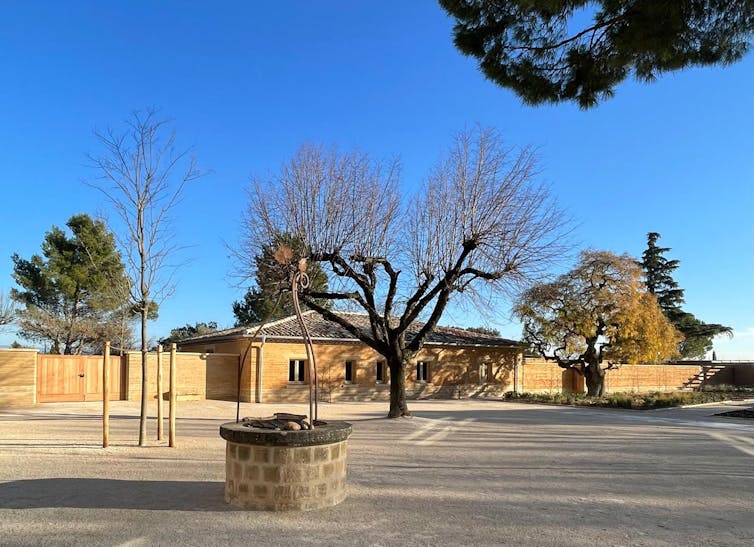
Building with earth could transform sustainable construction – here’s how

Eco-friendly guesthouse sports a green roof and rammed earth walls
Colors Of the Earth: Ghana's Incredible, Rammed Earth Walls

Rammed Earth in 2025: A Time-Tested Solution to Environmental Construction Challenges

How Rammed Earth Walls Were Given a New Lease of Life in Vernacular Himalayan Buildings
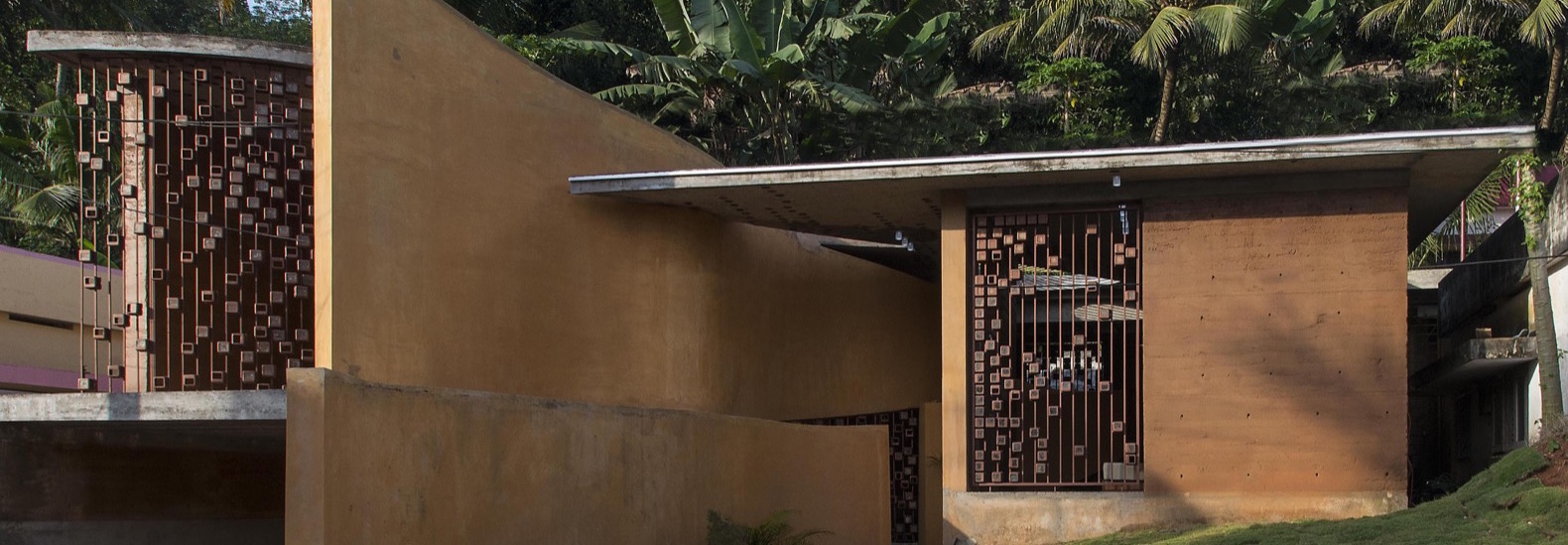
This rammed earth home in India uses recycled materials throughout
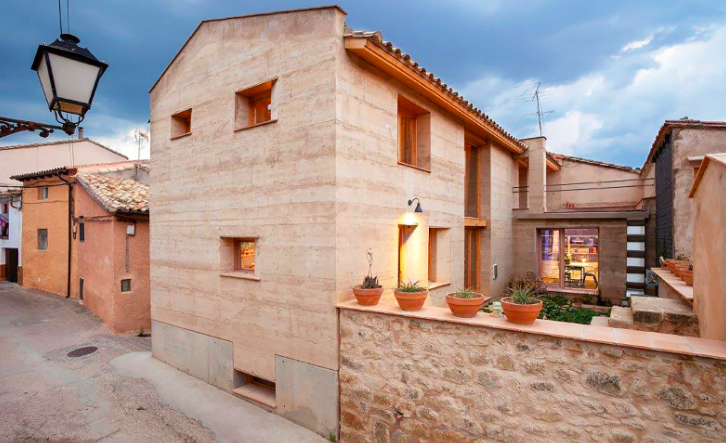
Are rammed earth buildings the new way forward?

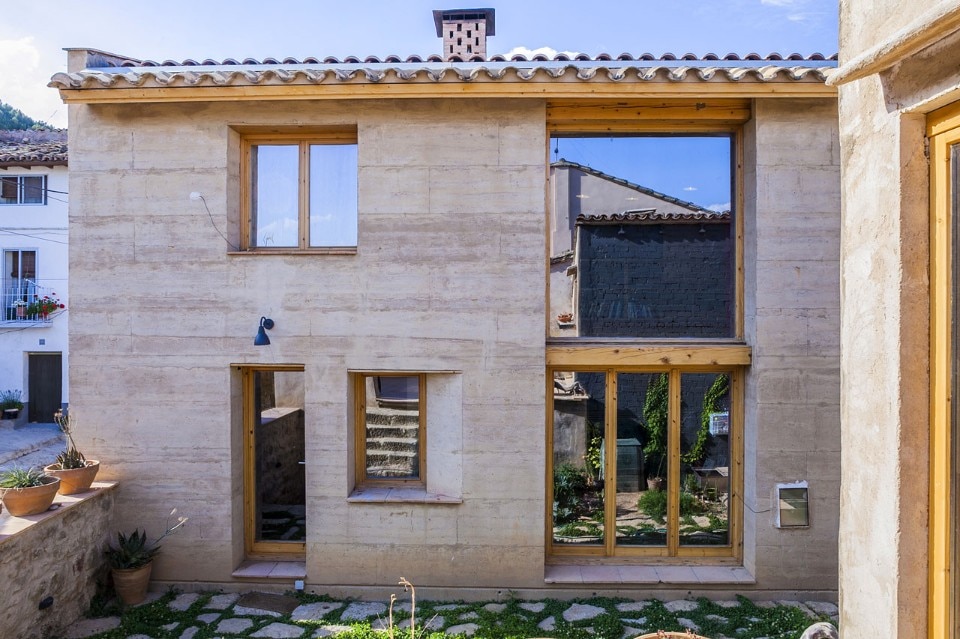
Rammed Earth House

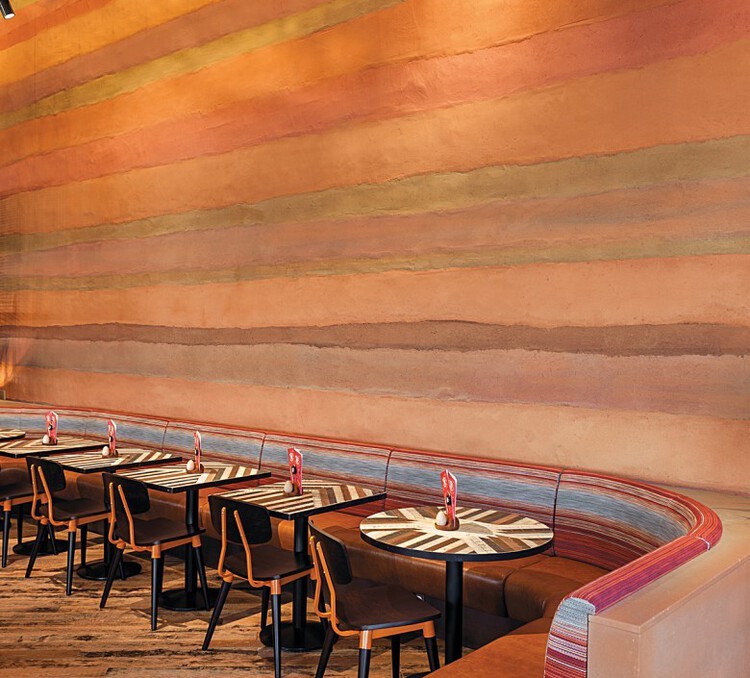
Designing the Appearance of Rammed Earth Walls: The Interplay Between Natural Clay Colors and Pigmentation
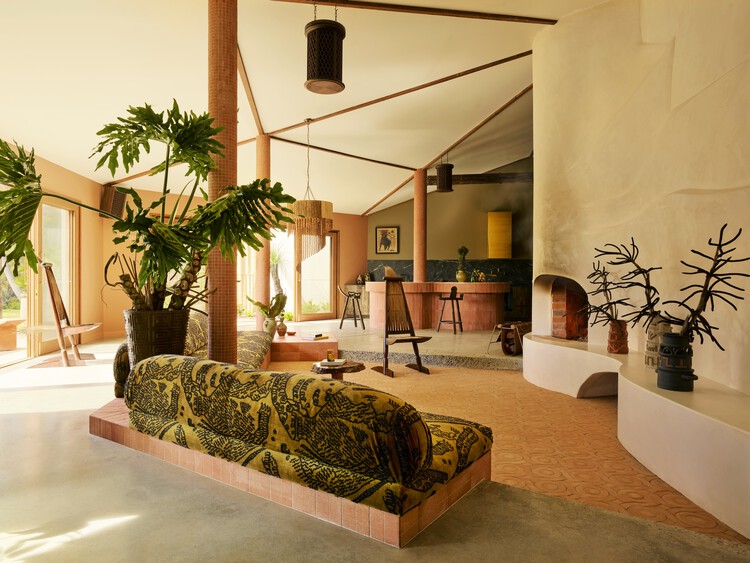
Sun Ranch / Balanced Earth Architects
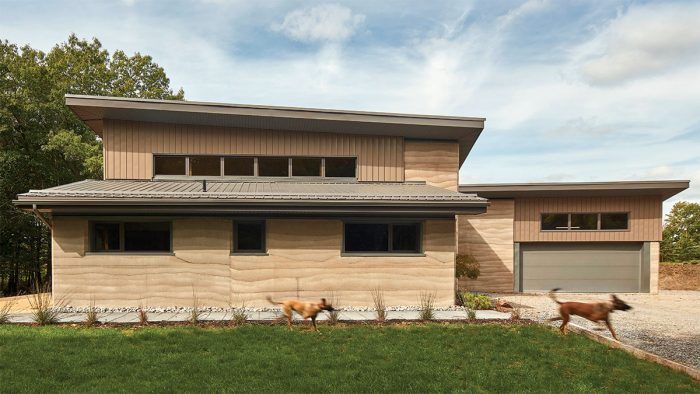
Rammed Earth: Creating a 500-Year House
The Sand Castle -Bar Harbor, Maine

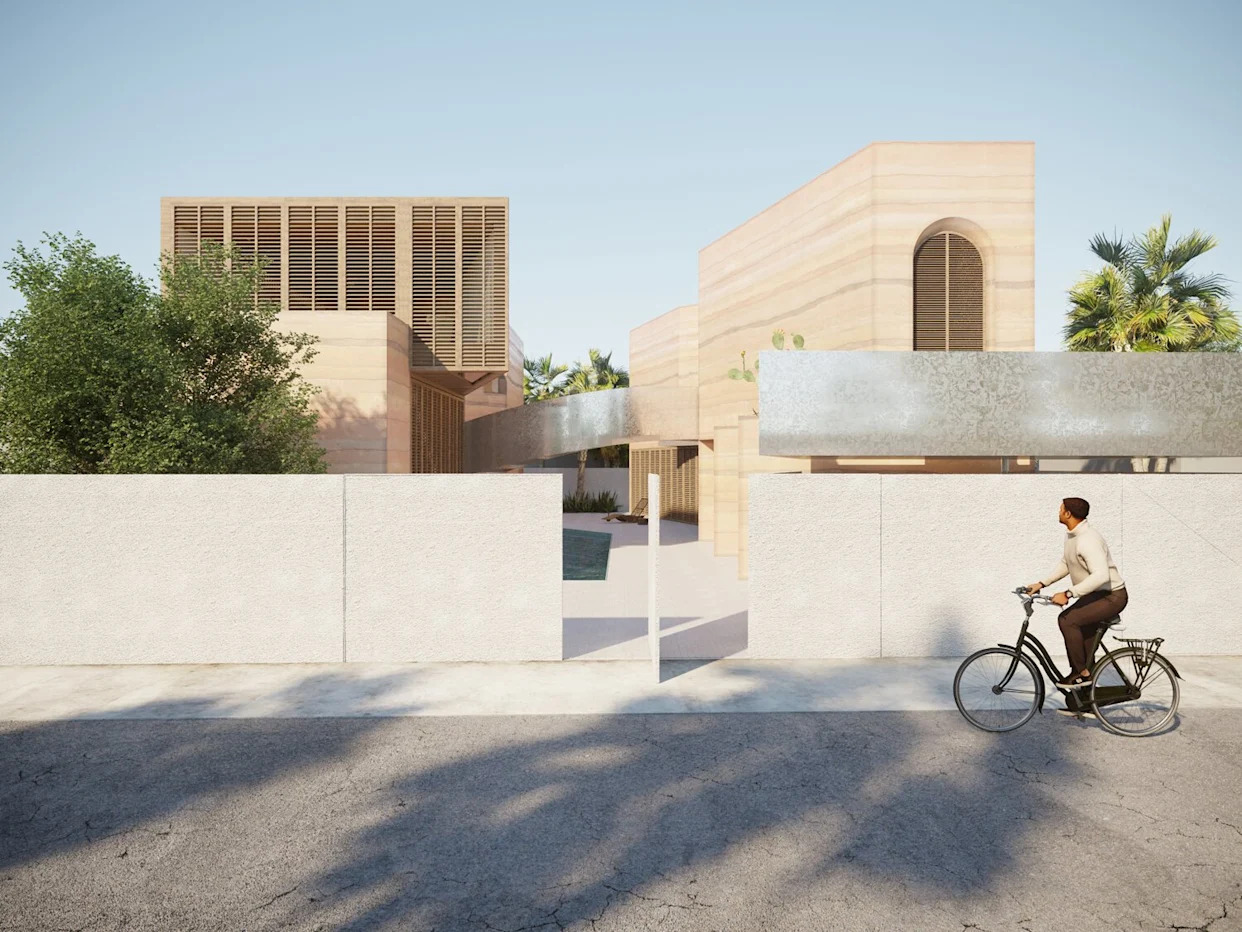
House Gallery Boafo: Modern Rammed Earth in Ghana
Earth Wall Builders Unite!