Room to grow: Finding ways to add space to your home without a major remodel
Many homeowners facing space constraints desire additional living areas but are deterred by the high costs and extensive labor involved in major renovations like adding a second story or a large extension. However, there are numerous creative and often more affordable strategies to expand usable space within an existing home without undertaking a major remodel. These approaches focus on optimizing current layouts, converting underutilized areas, and creating the illusion of greater space.
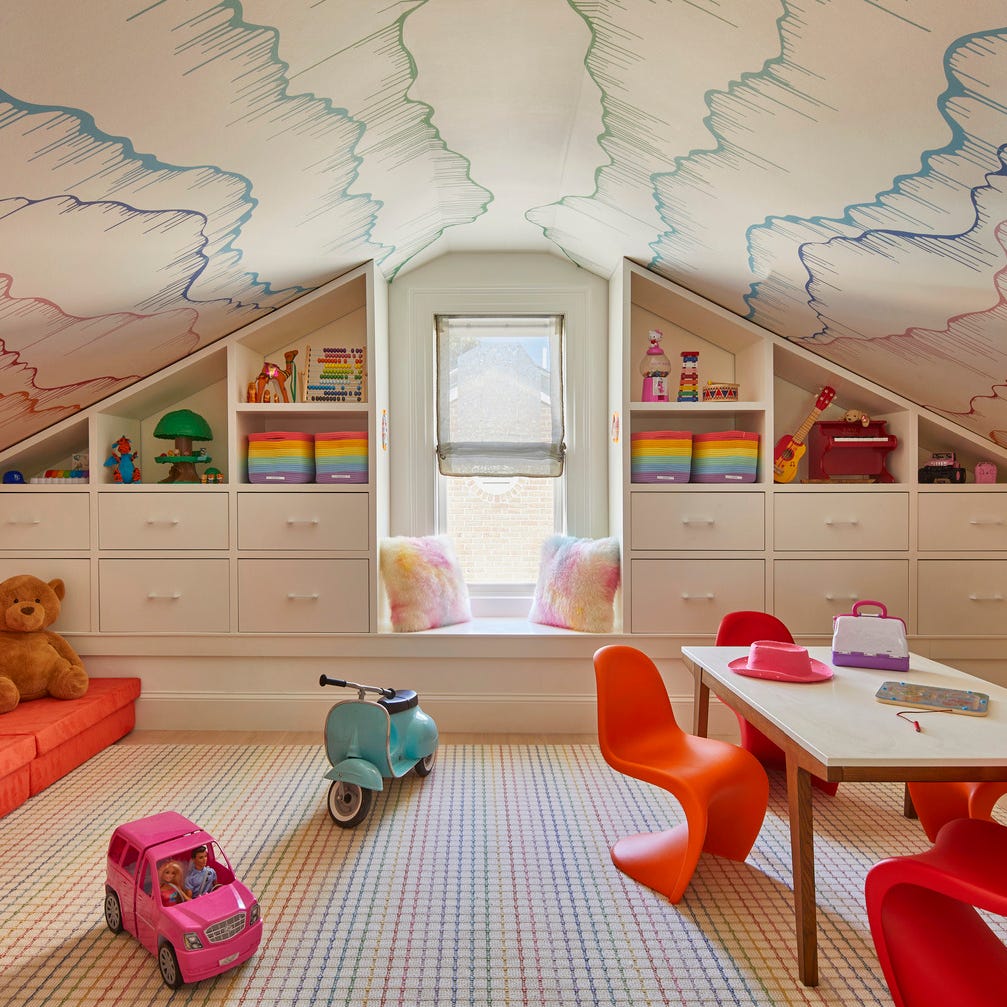
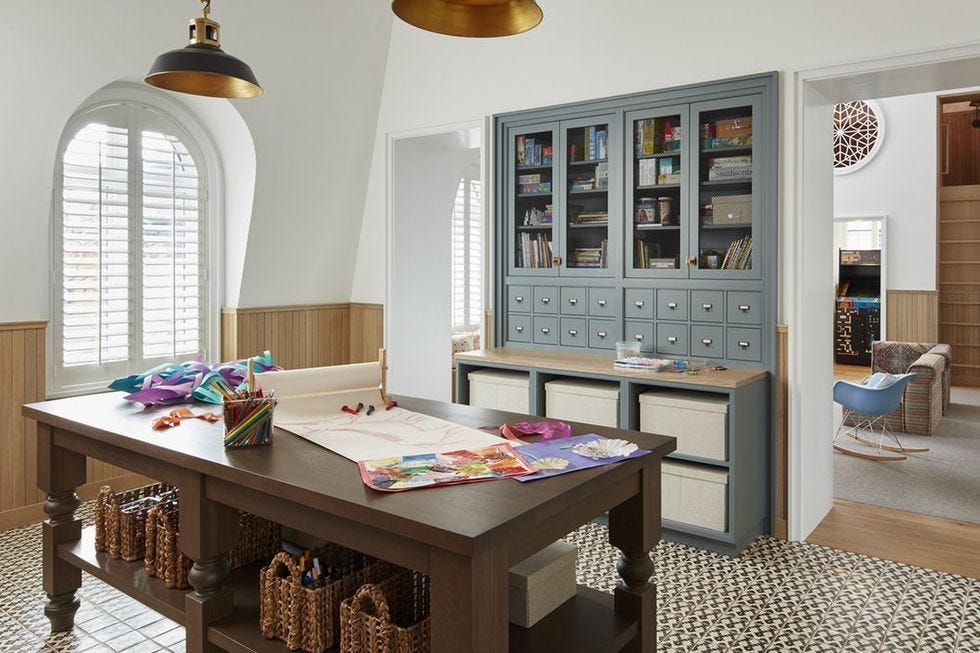
One of the most popular and effective methods is converting basements or attics into functional living spaces. Basement conversions are particularly appealing because they expand a home's square footage without altering its external footprint, typically at a lower cost than upward or outward additions. Key considerations for a basement conversion include ensuring adequate ceiling clearance, which ideally should be at least 6 feet, 8 inches. If the current ceiling height is insufficient, options include lifting the house or digging down the foundation. Additionally, basements often require significant work to update plumbing, electrical systems, and waterproofing to meet building codes and ensure habitability. Similarly, attics can be converted, though this might necessitate adding dormers to elevate the roofline, especially if the space is intended for a bedroom or bathroom. For less formal uses, such as storage or a children's play area, building codes are more flexible regarding headroom.
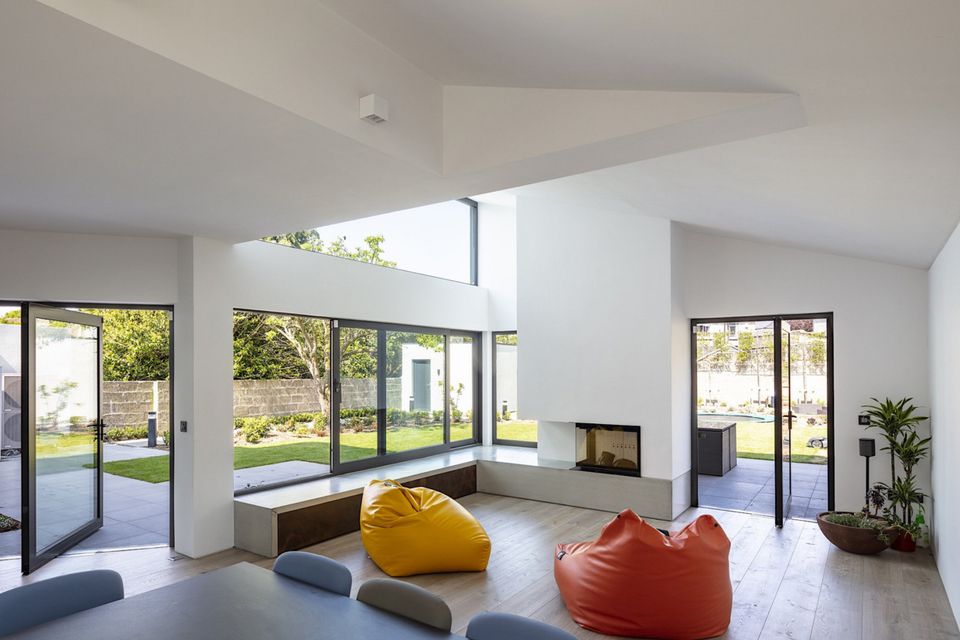
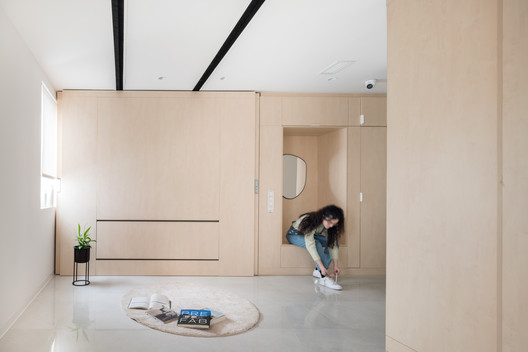
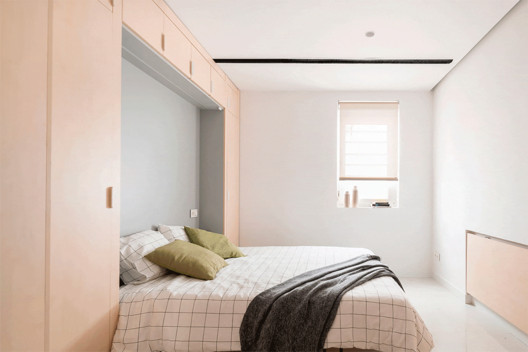
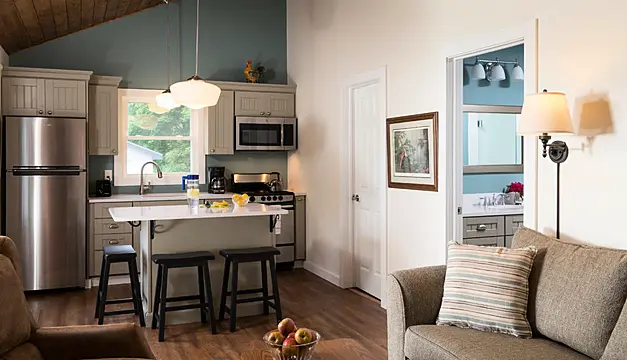
Another strategy involves modifying existing ceiling structures to enhance the perception and utility of space. Creating vaulted ceilings can dramatically increase the sense of openness and volume in a room. Incorporating skylights further amplifies this effect by introducing more natural light, making the space feel larger and brighter. Combining both vaulted ceilings and skylights in areas like kitchens can be a cost-effective way to achieve a significant impact. In rooms with newly vaulted or already tall ceilings, vertical space can be leveraged to add loft areas for sleeping or studying, or to install taller cabinetry for increased storage capacity. These vertical expansions can provide valuable functional space without expanding the home's footprint.
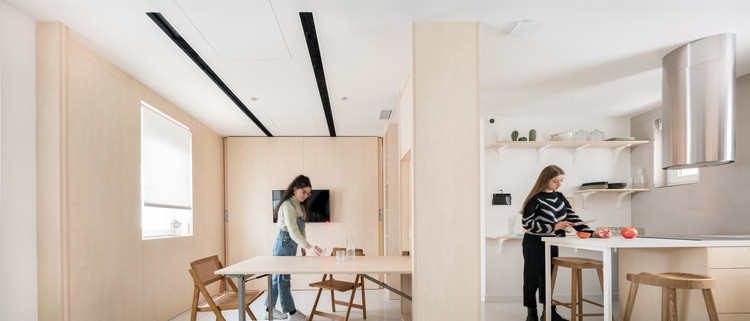
Interior wall removal or modification is another impactful way to create larger, more versatile rooms. Removing a non-load-bearing interior wall can merge two smaller rooms into one expansive area, improving flow and functionality. However, it is important to consider the resulting sightlines to ensure they are desirable. If a full wall removal is not feasible or desired, simply widening a doorway can create an illusion of increased spaciousness. For instance, transforming a standard doorway into a wider, arched passageway between a kitchen and dining room can significantly alter the feel of the space.
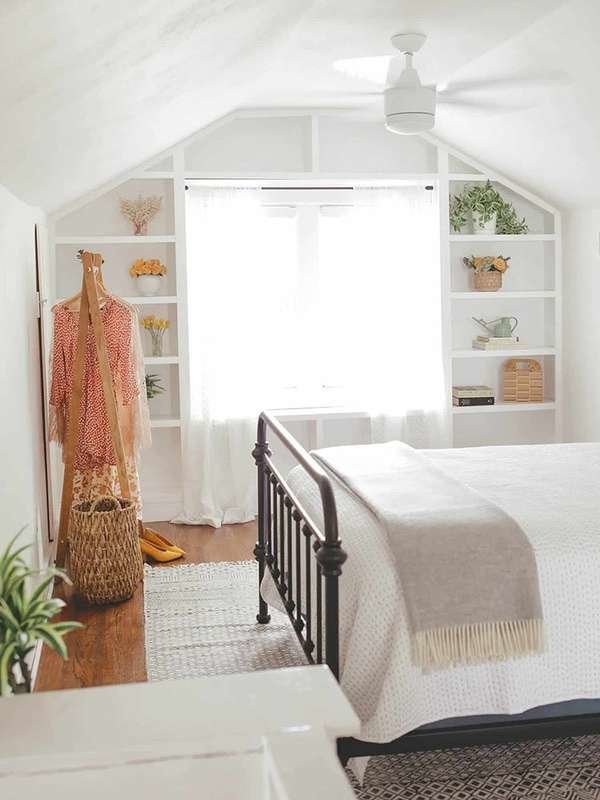
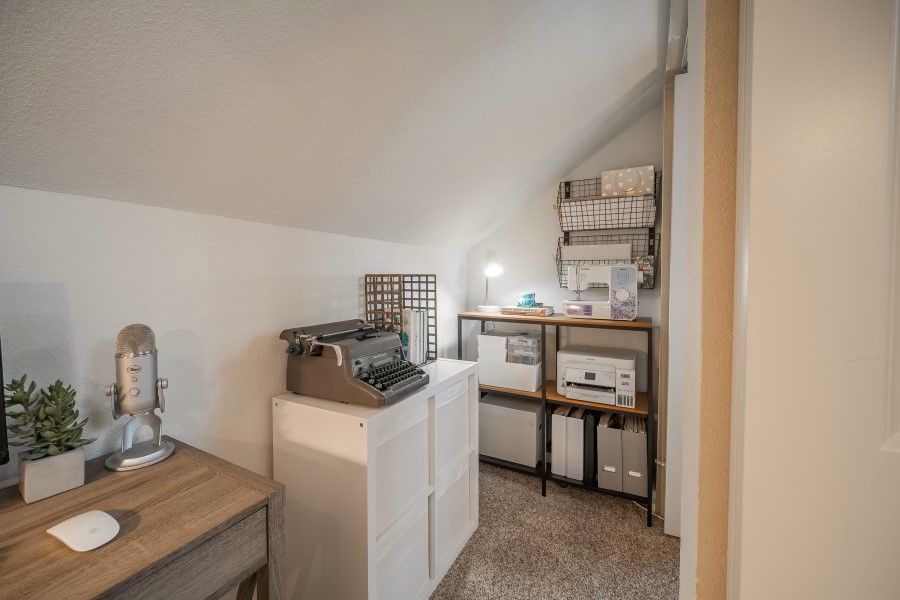
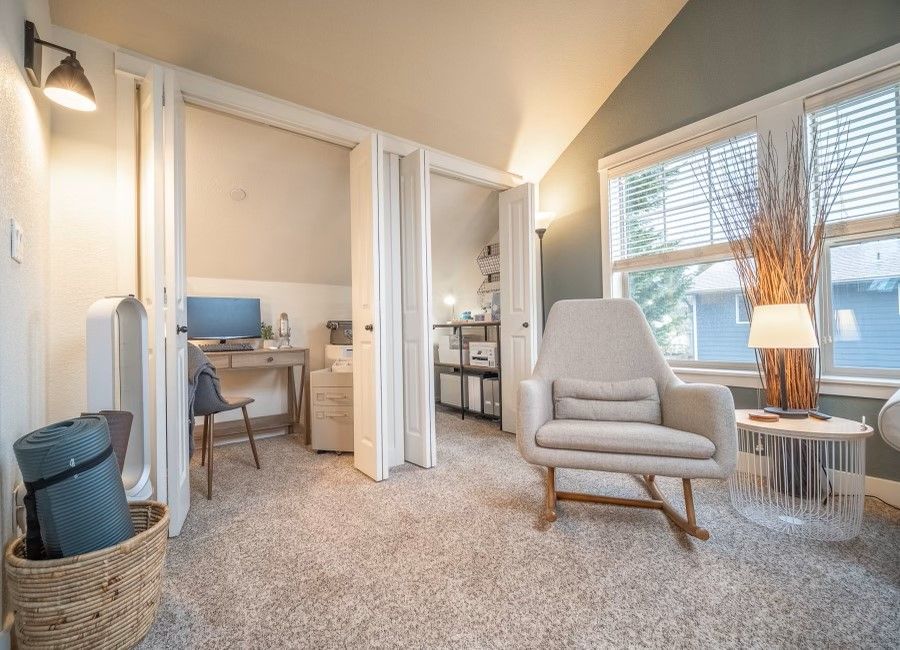
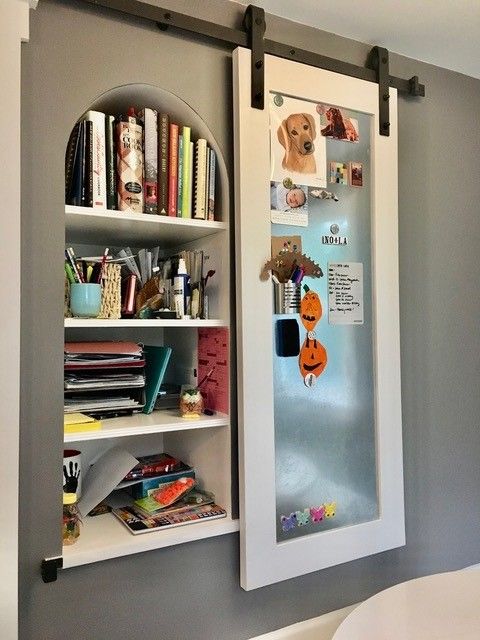
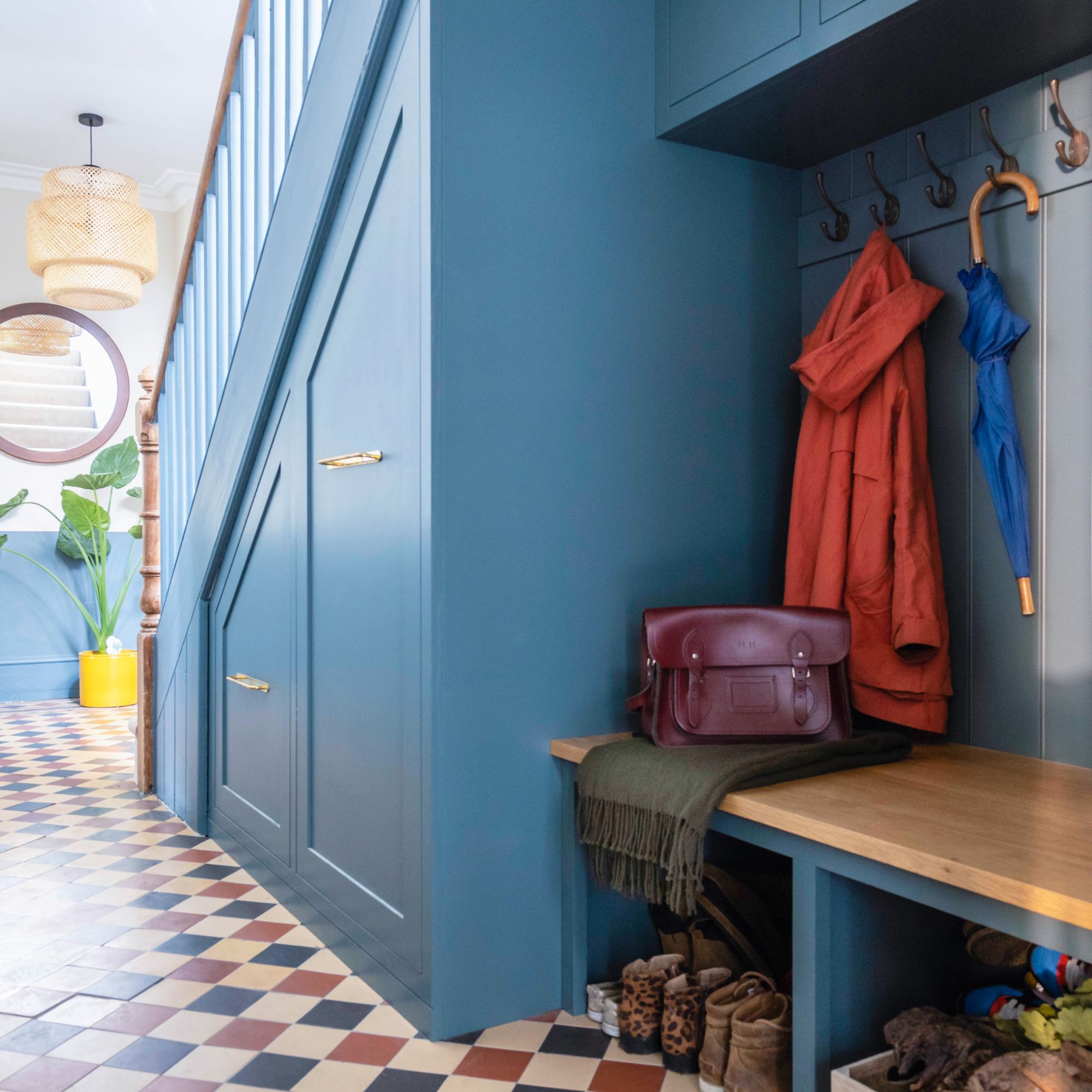
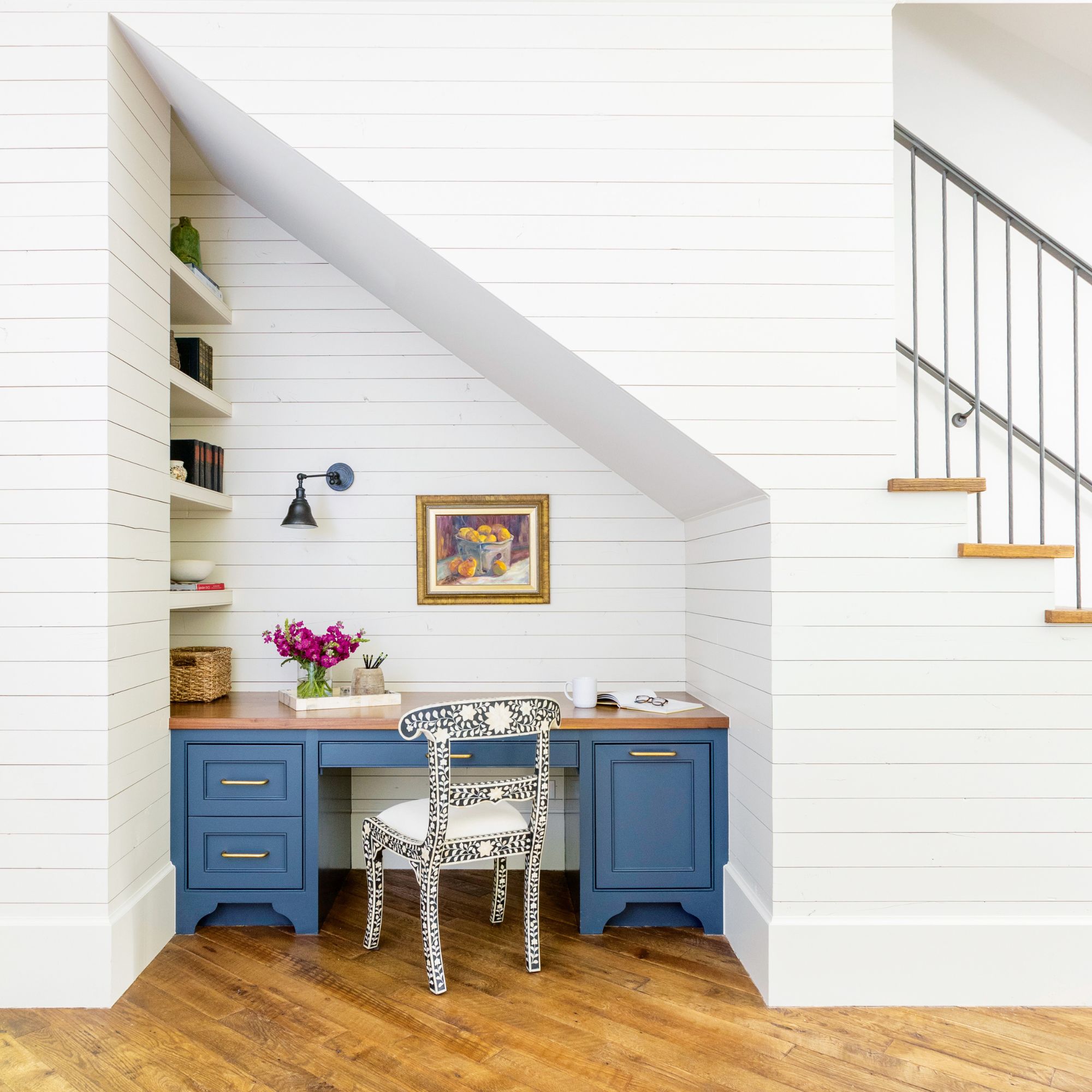
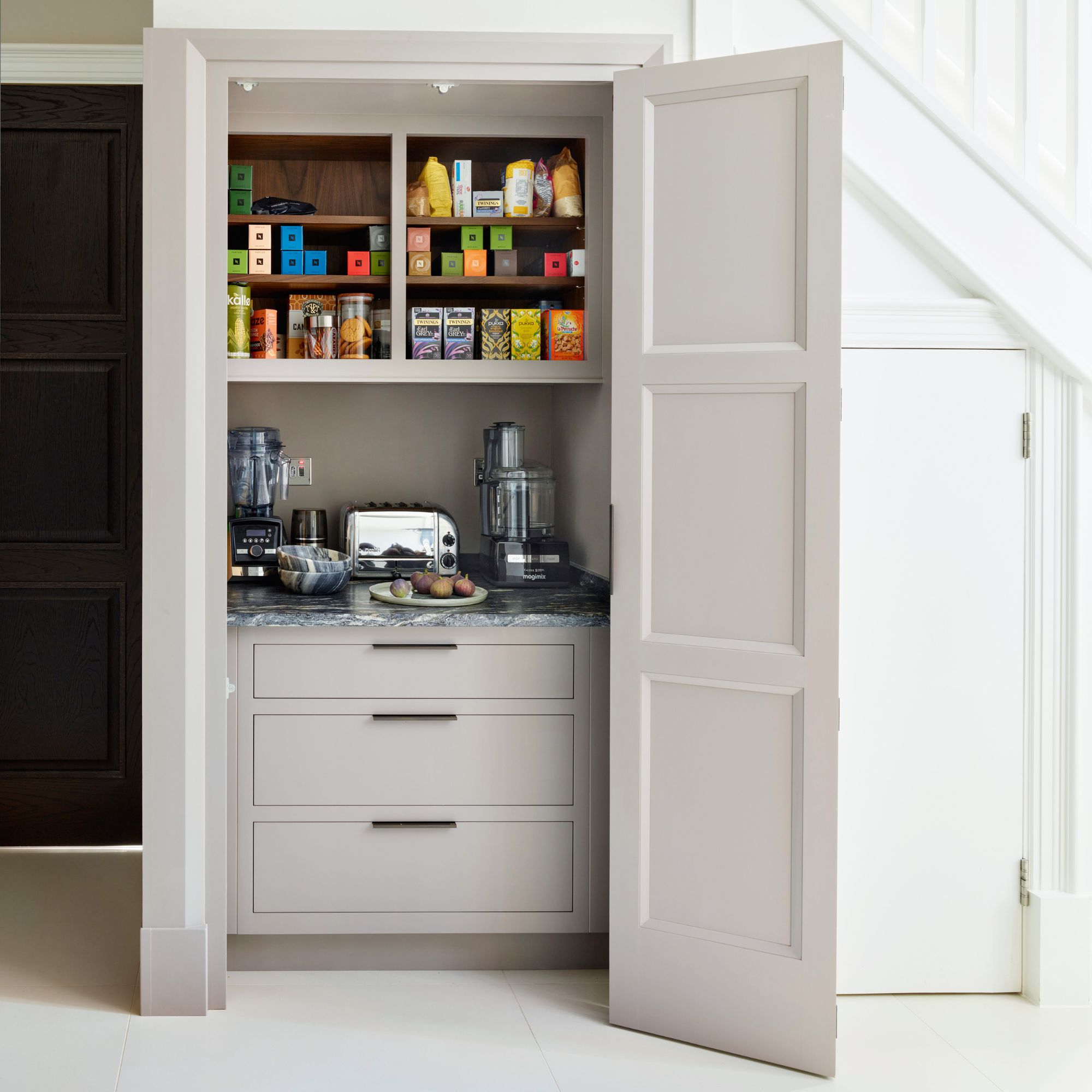
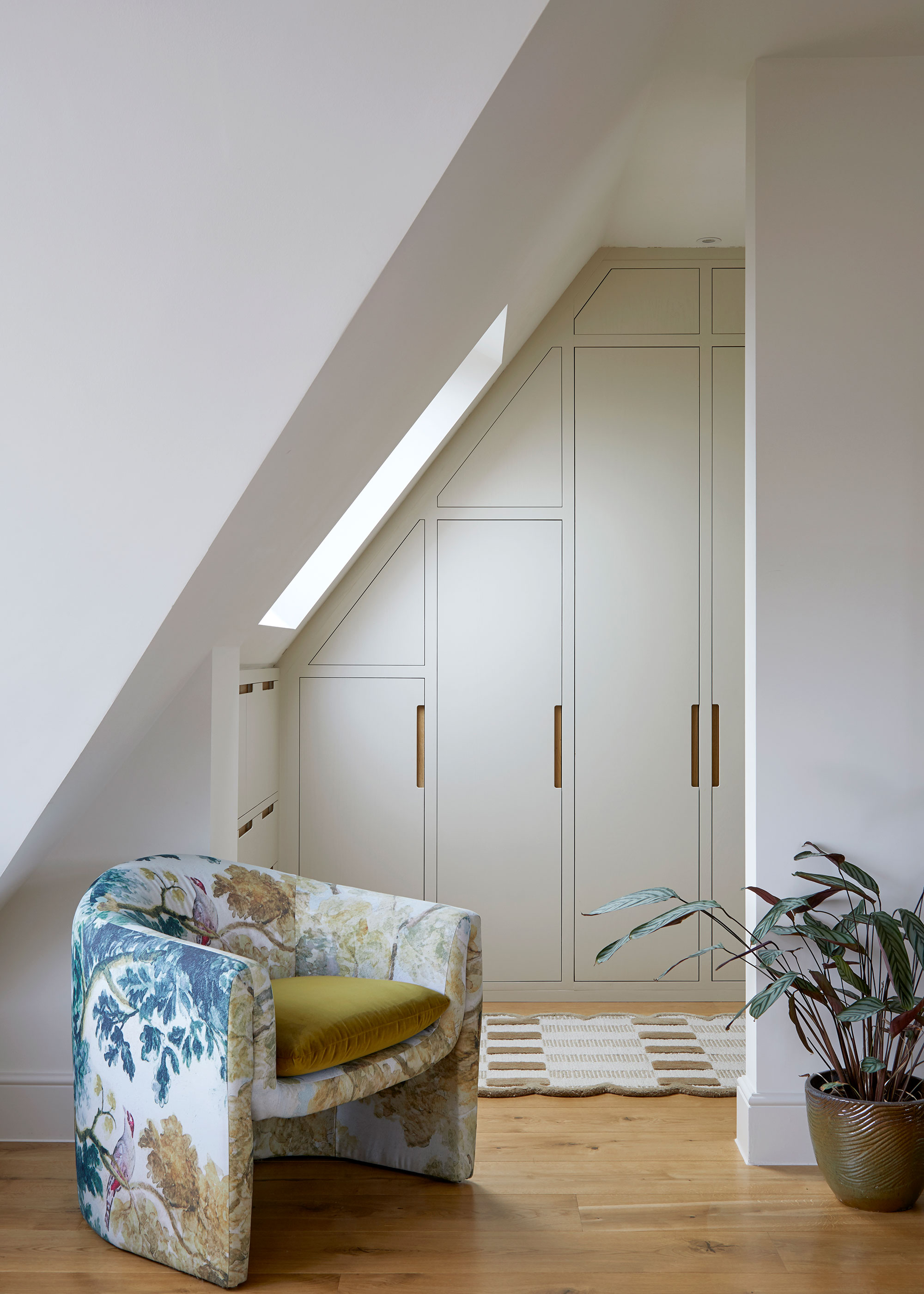
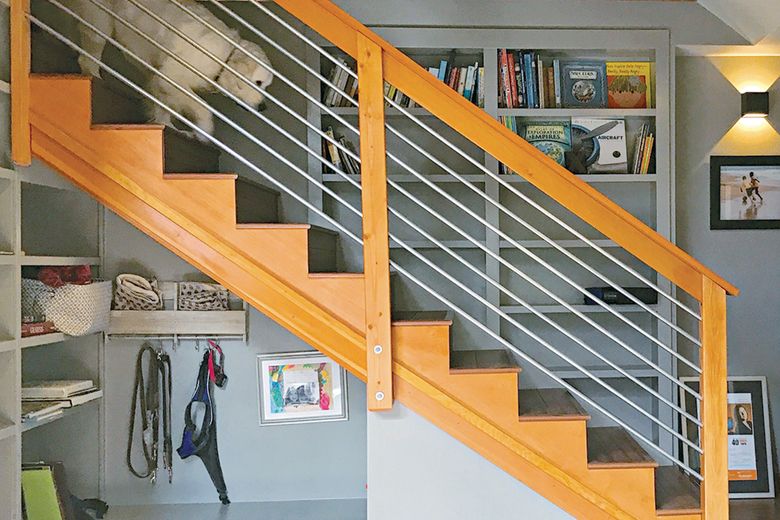
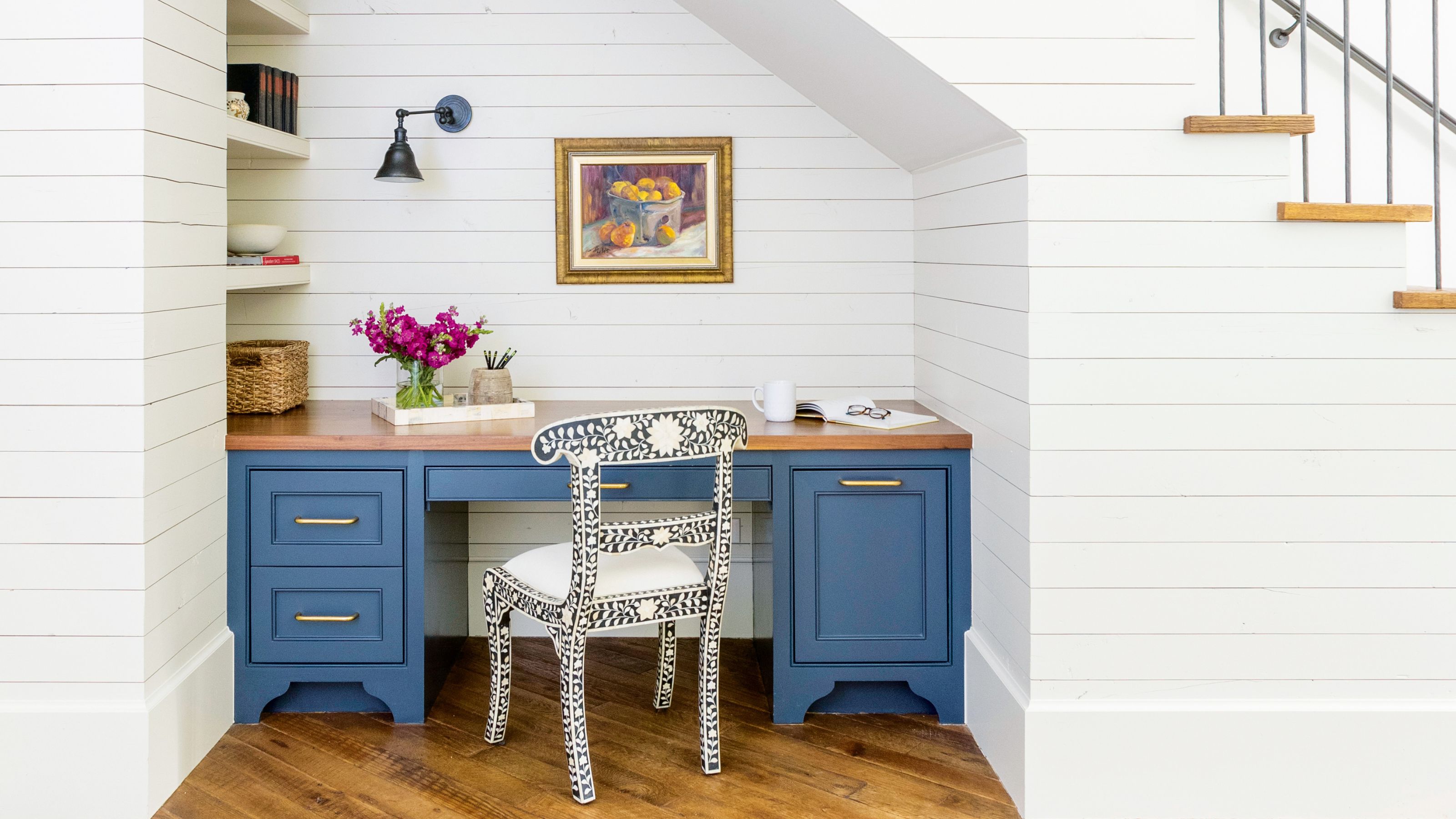
Smaller, targeted additions like bumpouts or niches can also contribute to a more spacious feel without requiring extensive construction. A bumpout, which extends a few feet from an existing wall, can be relatively simple to engineer if it is 14 feet wide or less, often requiring only a stem wall foundation. These small extensions can create cozy dining nooks, reading areas, or even expand kitchen counter space by allowing cabinets and sinks to be pushed back. Cantilevered additions, which do not require foundation work, can also offer similar benefits, such as the classic kitchen window box. Additionally, utilizing awkward or formerly "dead" spaces, such as under stairs or in rooms with sloping ceilings, by adding built-in drawers, shallow cabinets, or custom nooks can maximize storage and free up valuable floor space.
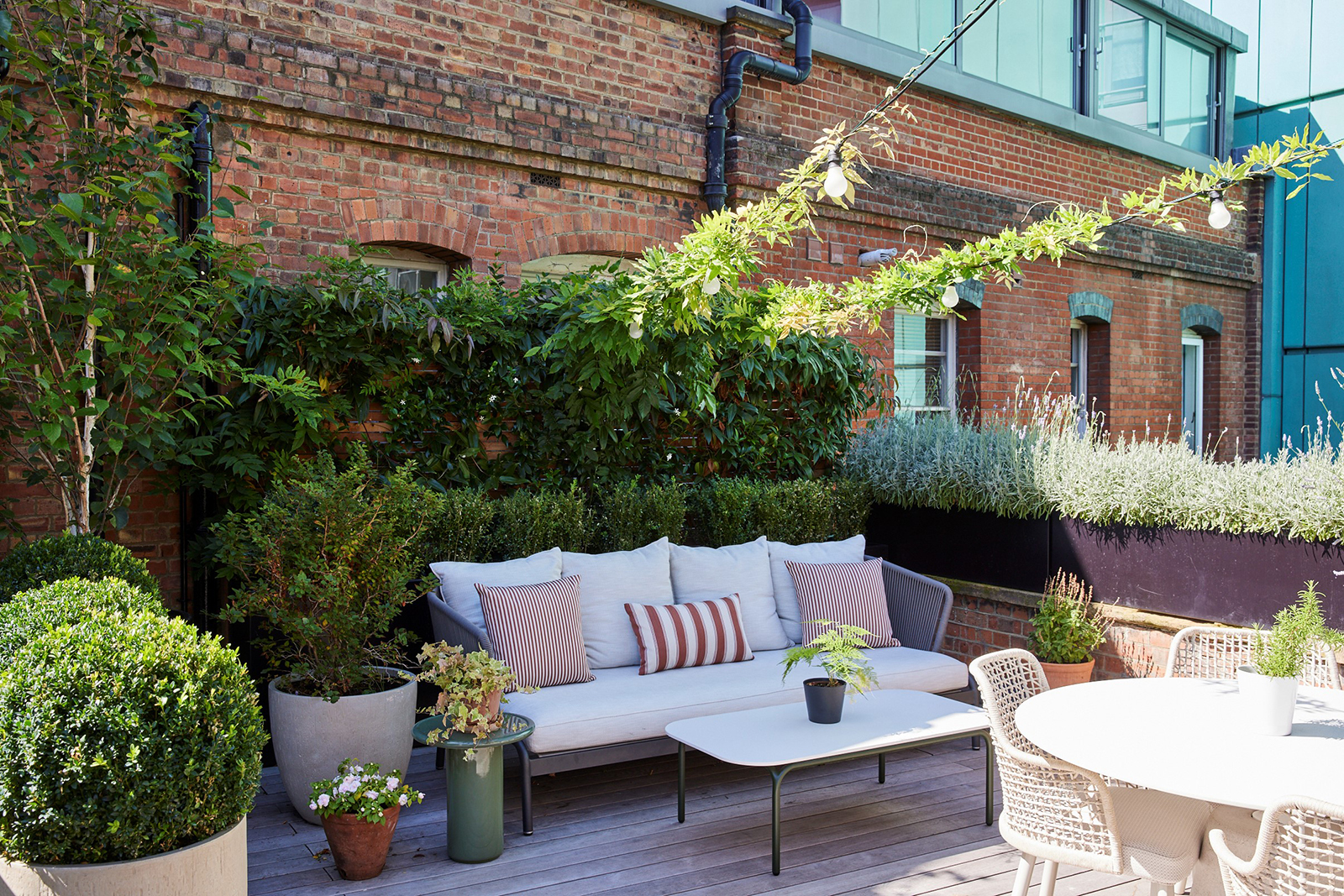
Repurposing outdoor structures, such as decks, presents another avenue for expanding usable area. An outdoor deck can be partially enclosed with screens to create an indoor-outdoor living space, providing an area protected from insects without needing full insulation. A covered deck or porch can be fully converted into a sunroom through structural changes, insulation, and new windows. Homeowners considering these conversions must ensure the original deck was legally constructed and adheres to zoning regulations regarding buildable areas.
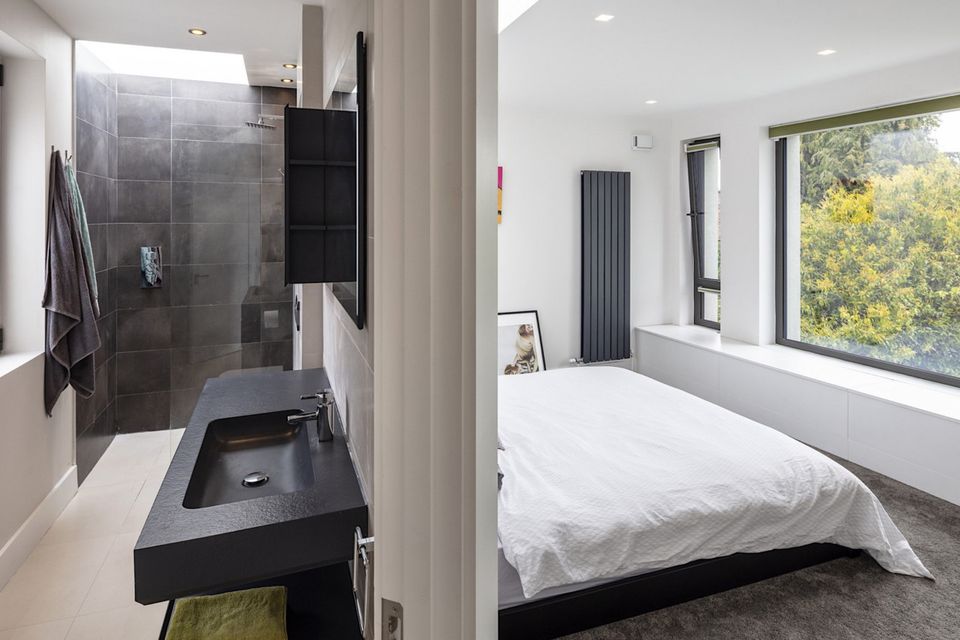
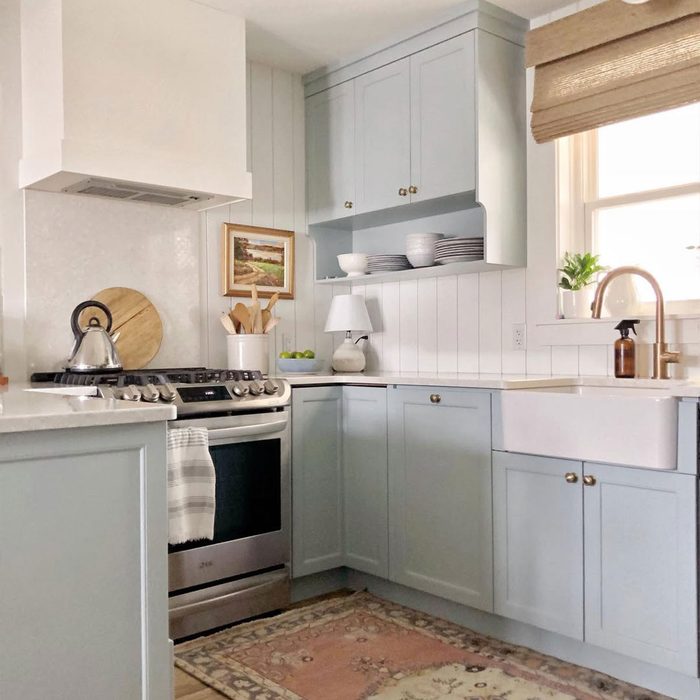
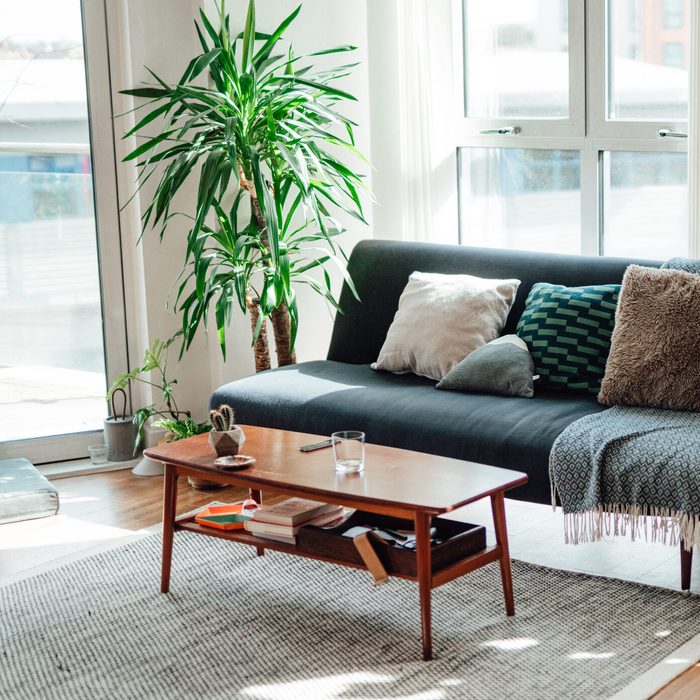
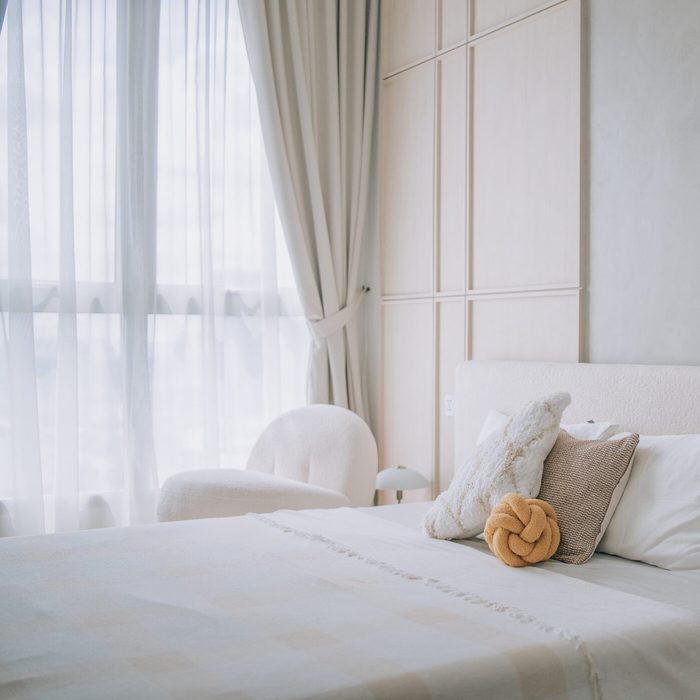
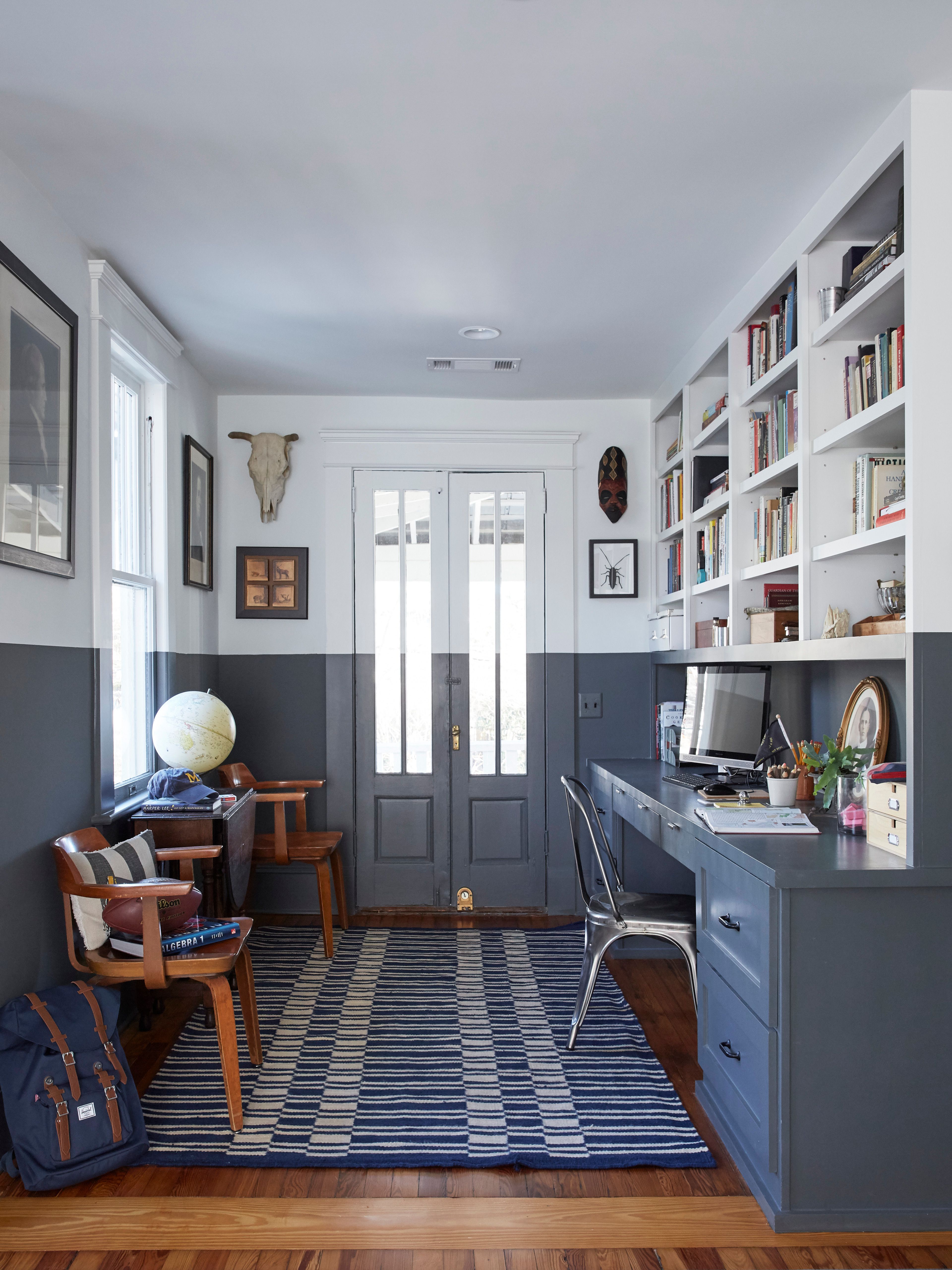
Finally, if physical expansion is not possible, various design elements can create the illusion of greater space. Swapping solid doors for those with windows, installing French doors, or incorporating larger windows can enhance natural light and open up a room. Light-colored paint, open shelving, and well-placed wall mirrors are also effective in making spaces appear larger and more airy. Regardless of the chosen approach, consulting with an architect or structural engineer is crucial, especially when considering modifications to walls or foundations, to ensure feasibility and adherence to building codes. A licensed general contractor can provide initial impressions, but professional recommendations from engineers and architects are essential for safe and successful renovations.
#HomeRenovation #SpaceOptimization #InteriorDesign #BasementConversion #AtticConversion #HomeImprovement #SmallSpaceLiving #ArchitecturalDesign #HomeRenovation #SpaceOptimization #InteriorDesign #BasementConversion #AtticConversion #HomeImprovement #SmallSpaceLiving #ArchitecturalDesign
0 ความคิดเห็นรวม
 ยังไม่มีความคิดเห็น
คุณอาจจะชอบอีกด้วย
Room to Grow
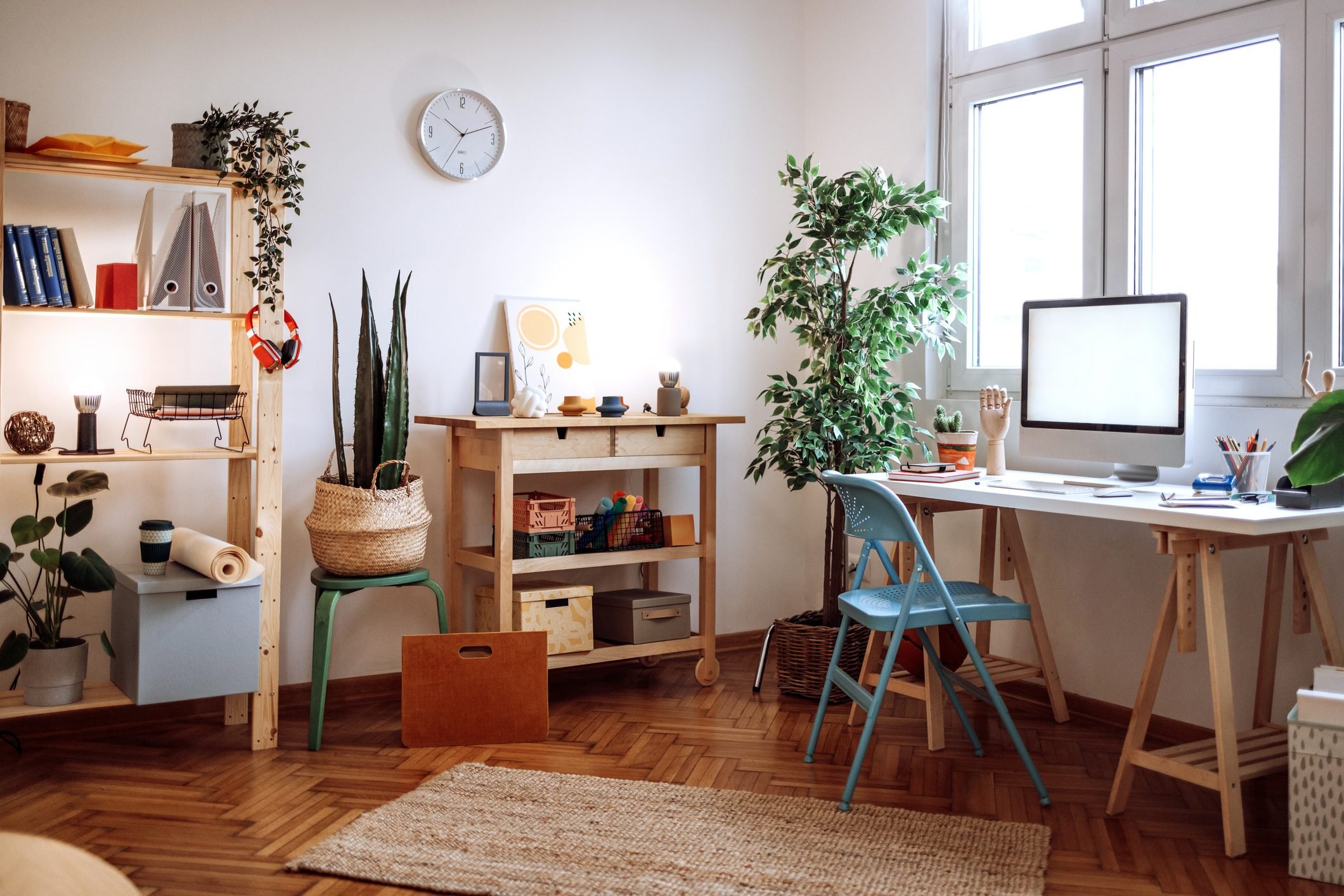
Maximize Your Space: 19 Tips to Make a Small Room Feel Bigger

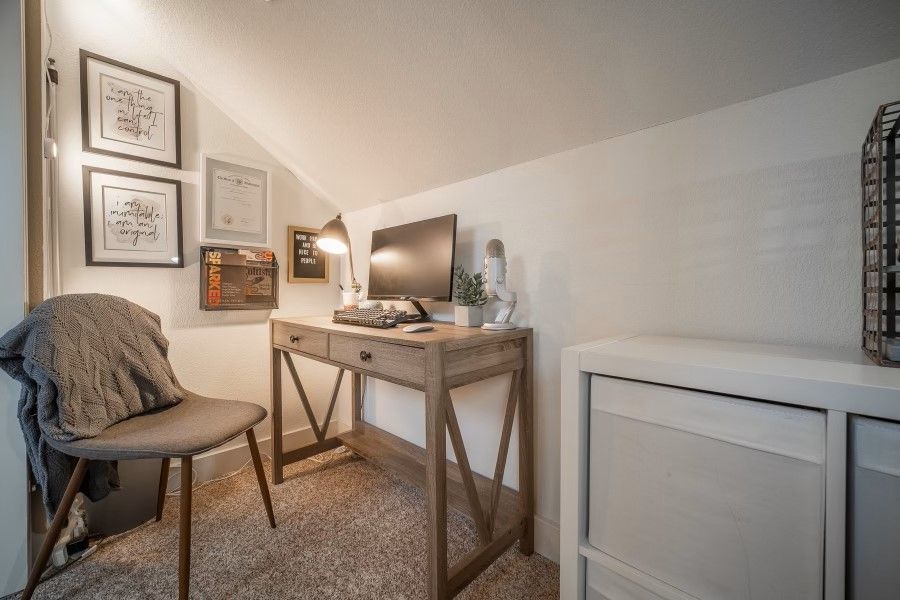
Transforming small, awkward spaces into usable, functional areas | Produced by Seattle Times Marketing
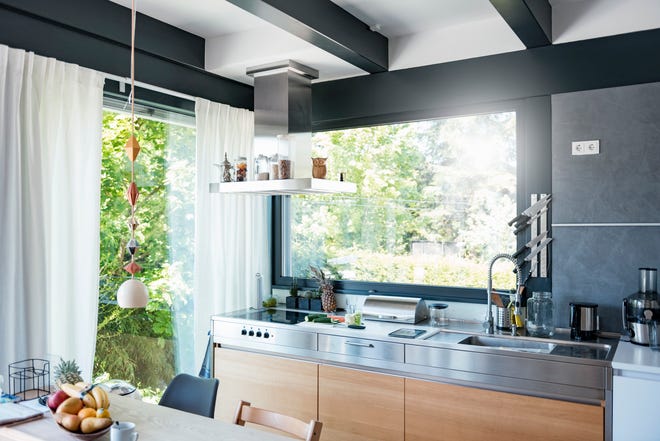
12 easy ways to extend your kitchen storage
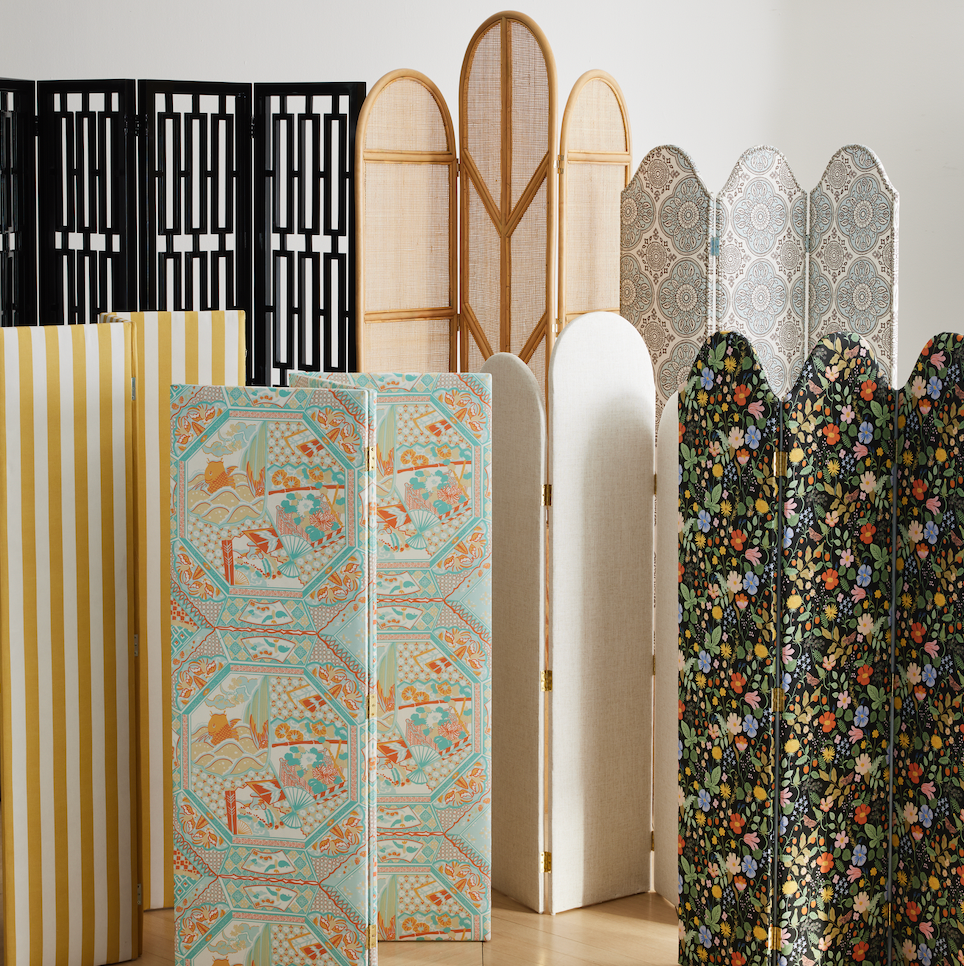
The Stylish Trick for Creating an Extra Room in Your Home

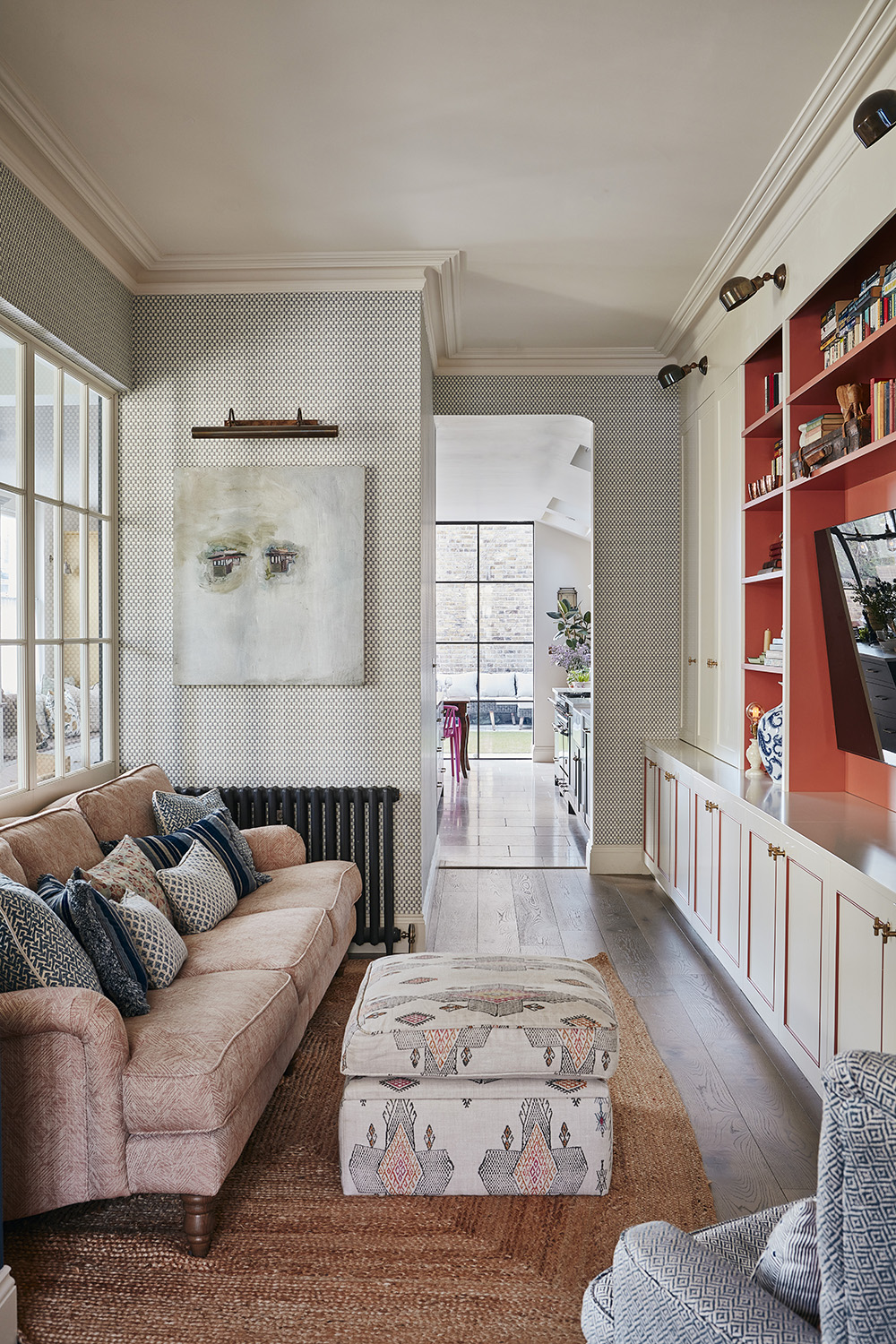
How to make small spaces look bigger
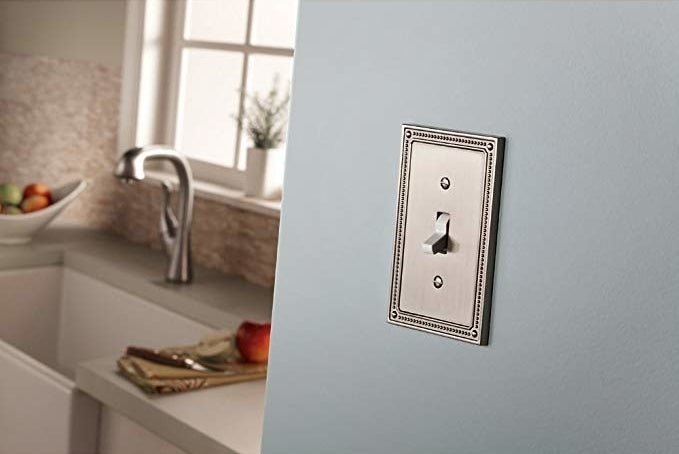
38 Surprisingly Easy And Affordable Ways To Upgrade The Rooms Around Your House
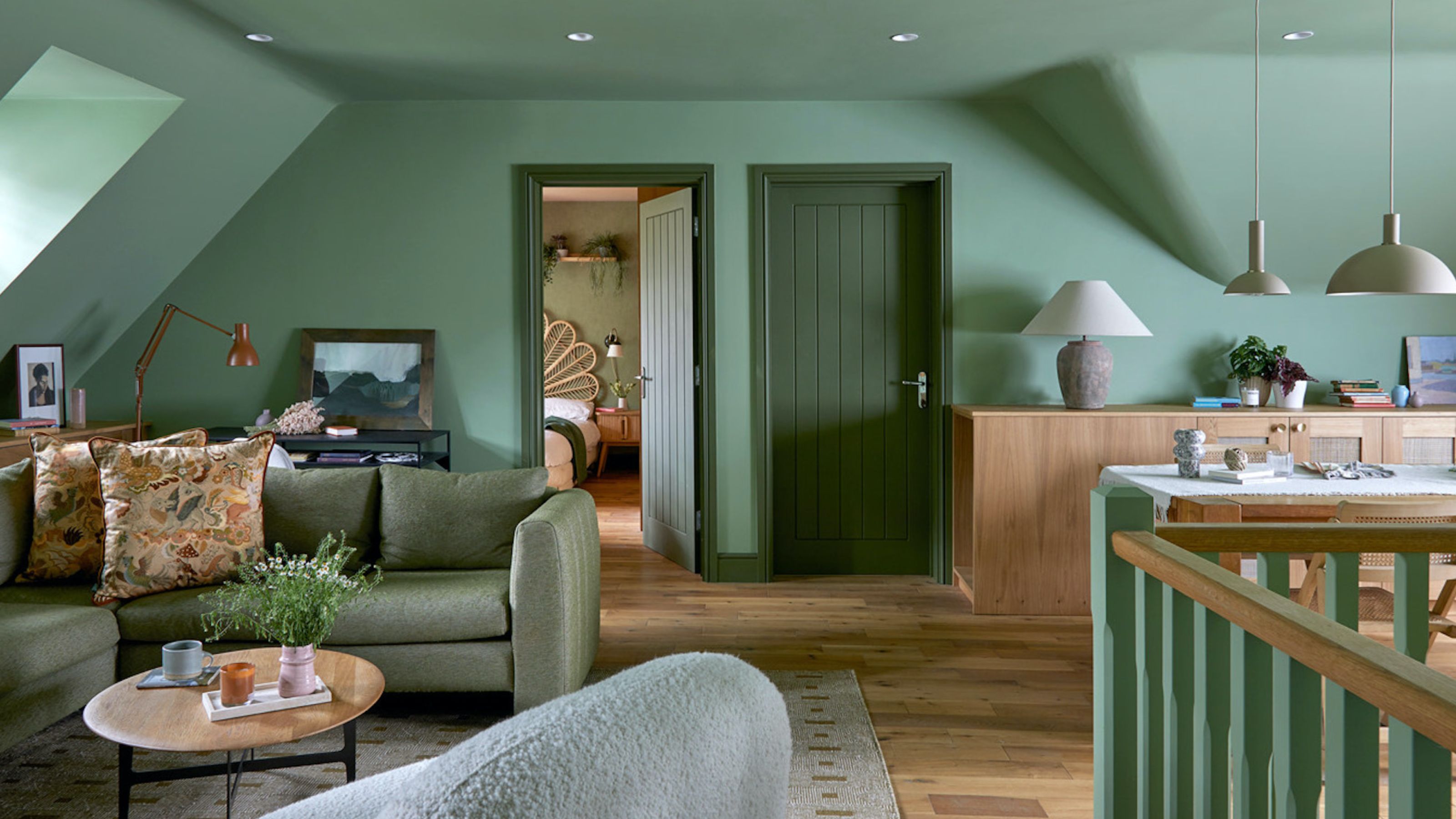
5 Clever Ways to Squeeze Extra Storage Space Into Your Loft Conversion

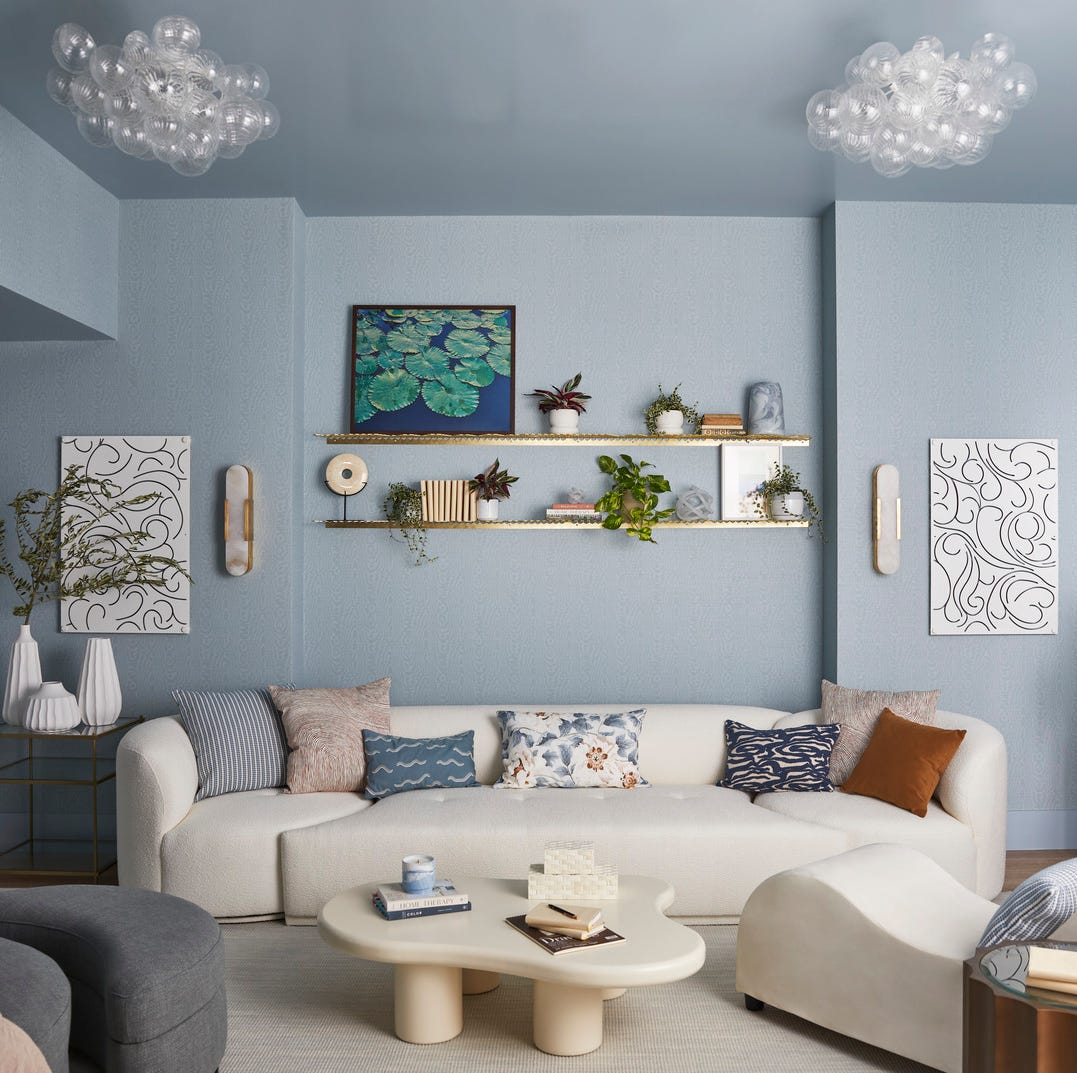
50 Bonus Room Ideas That Make Use of Your Extra Square Footage
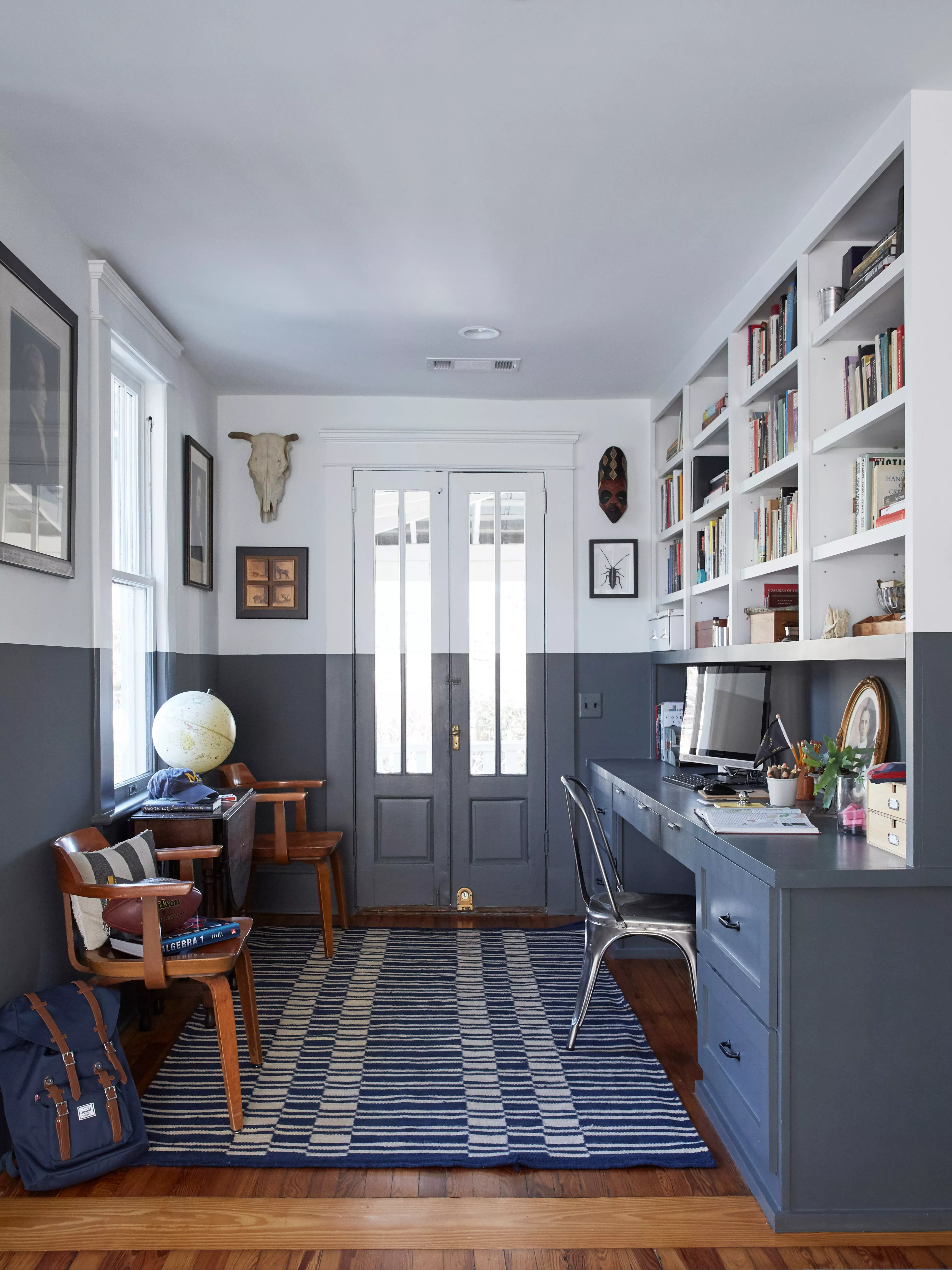
These Creative Bonus Room Ideas Are the Best Way to Use Your Extra Space

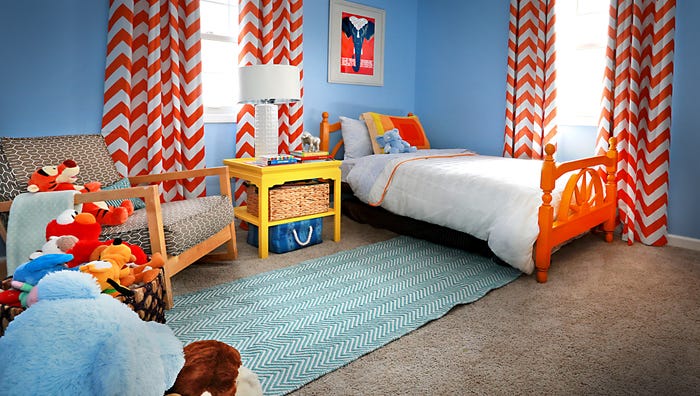
How to design kid's space with room to grow
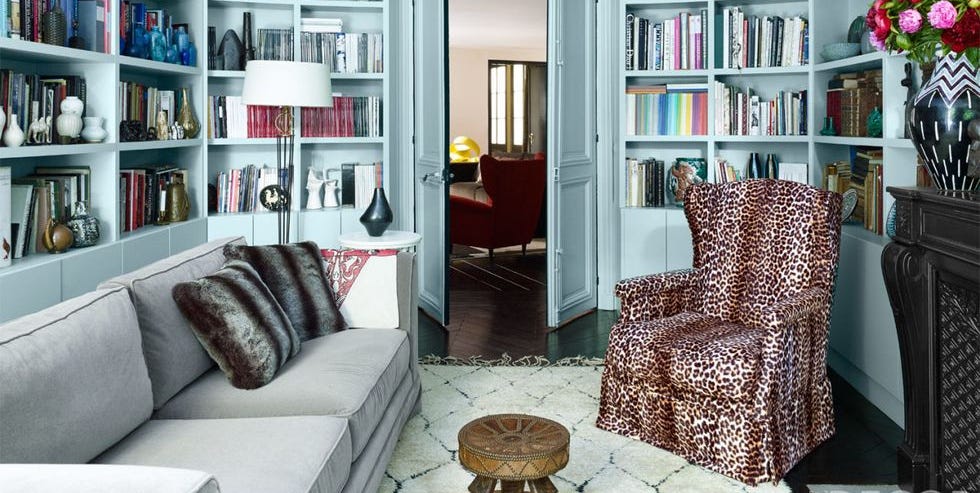
Clever Bonus Room Ideas You Have to See
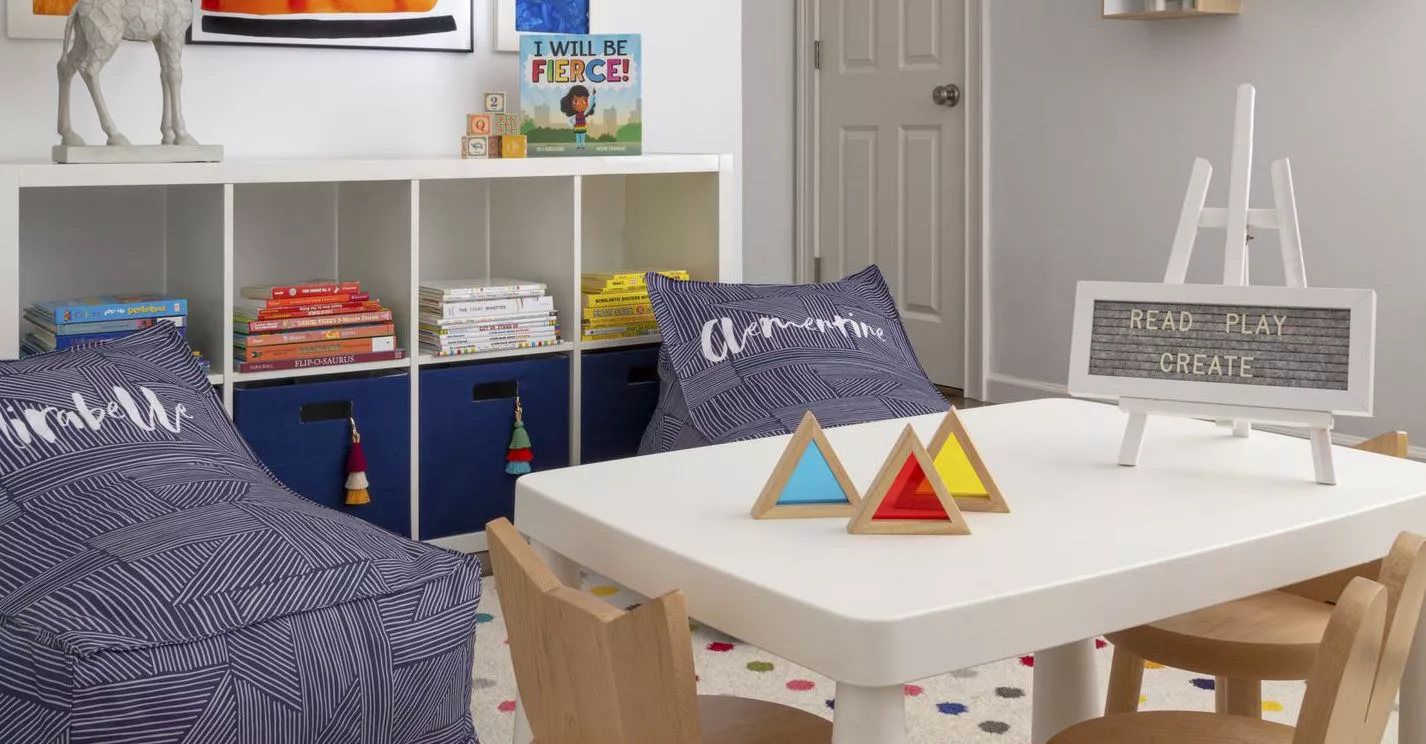
48 Bonus Room Ideas to Optimize Your Extra Space and Enjoy Favorite Pastimes

26 Inspiring Ways to Repurpose a Spare Bedroom

5 ways to maximize kitchen storage without splurging on new cabinets
How Can We Double the Living Space in Our Homes? BEYOME: The Flexible and Modular System with Robotic Furniture

If you're looking for morespace, build out or build up
14 clever ways to make small rooms look bigger

Under-the-stairs ideas to make the most of this awkward space
Interior designers share 11 low-cost ways to make a small outdoor space feel bigger