1/10
How to design kid's space with room to grow
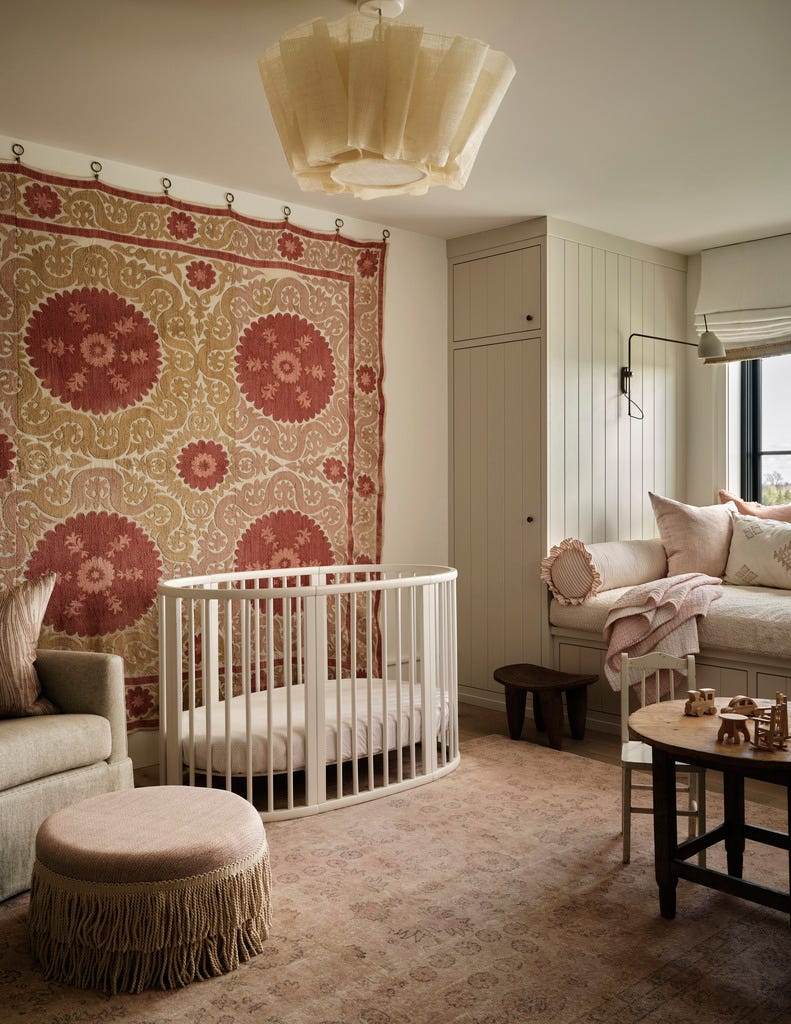
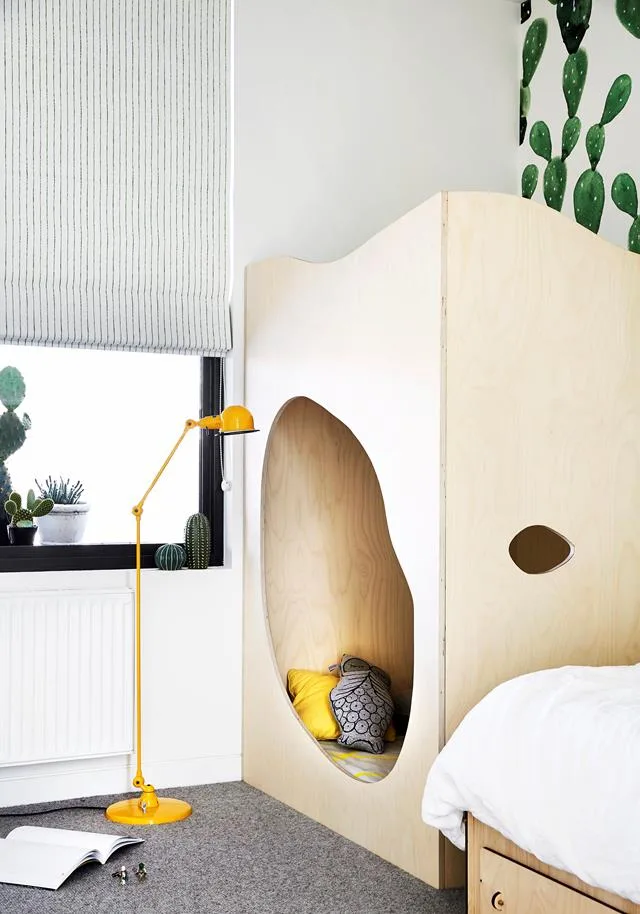
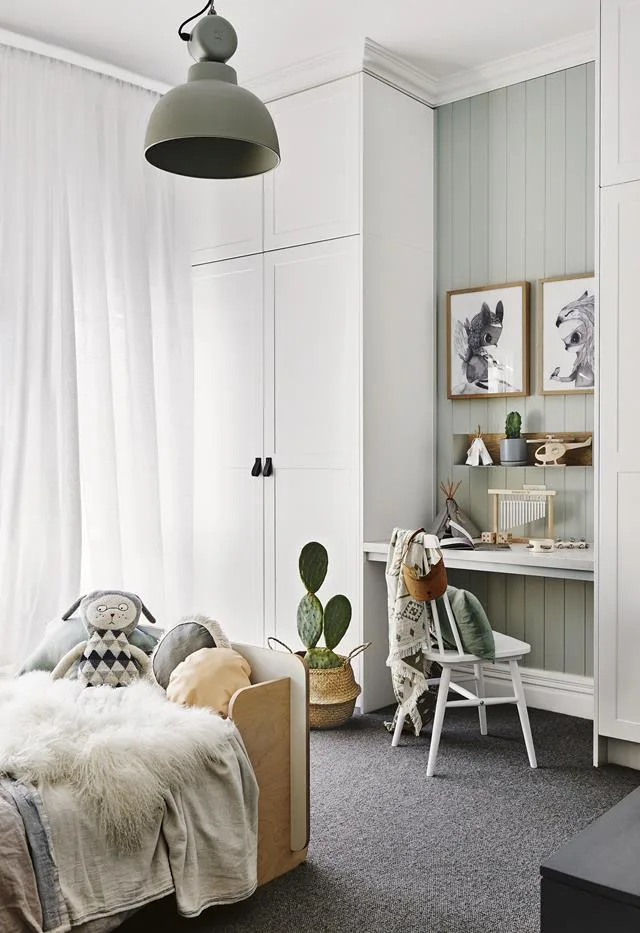
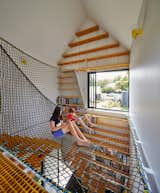
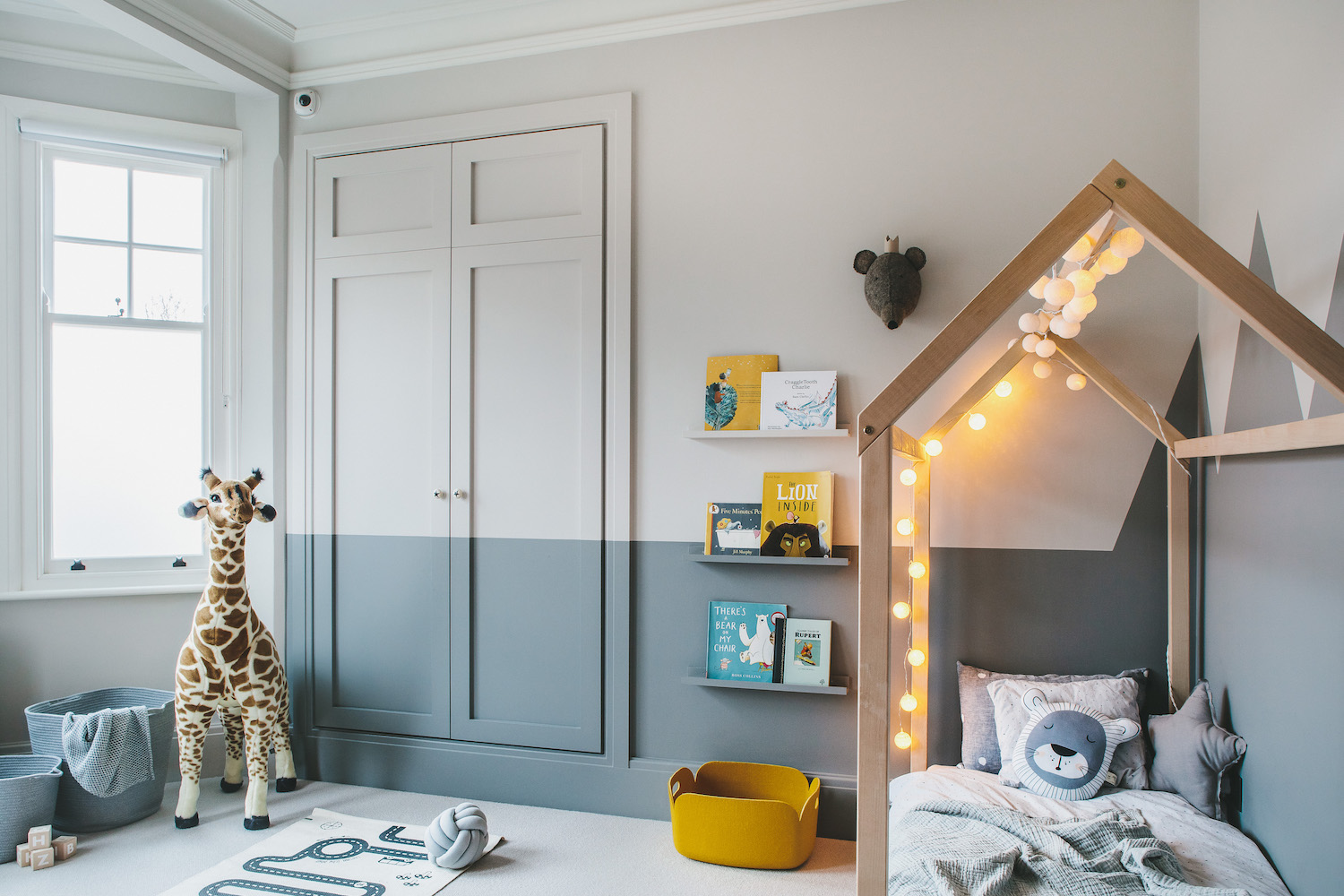
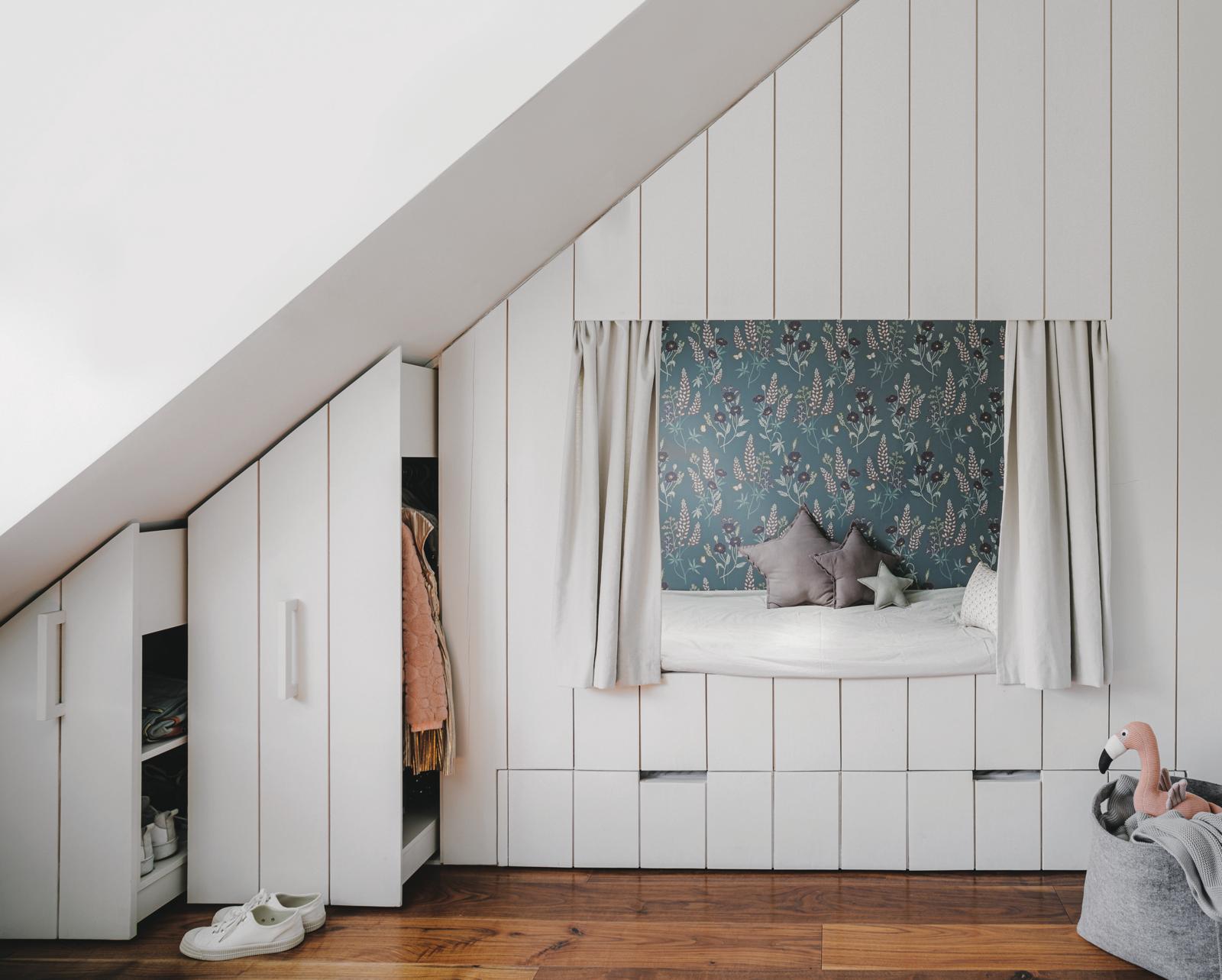
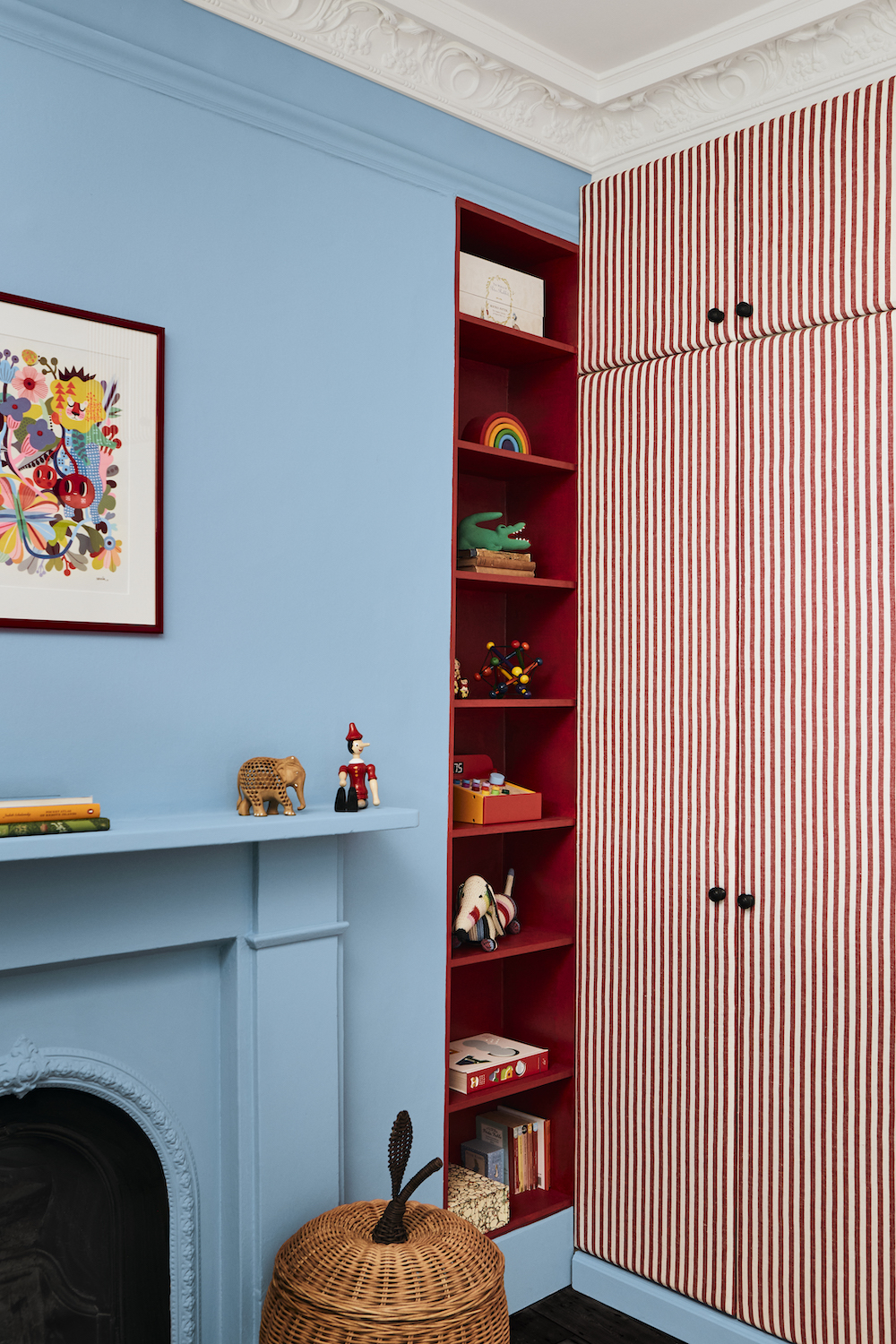
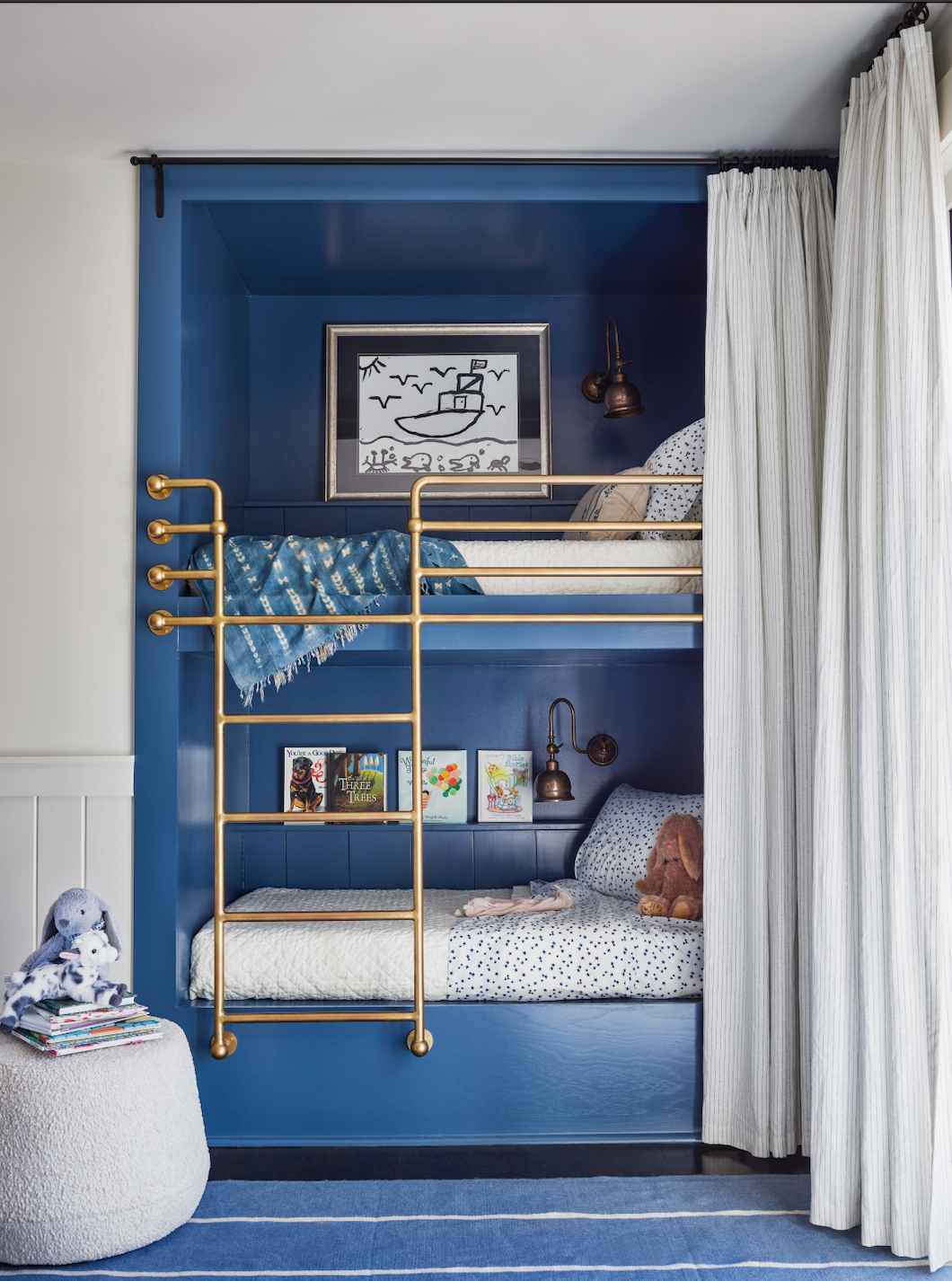
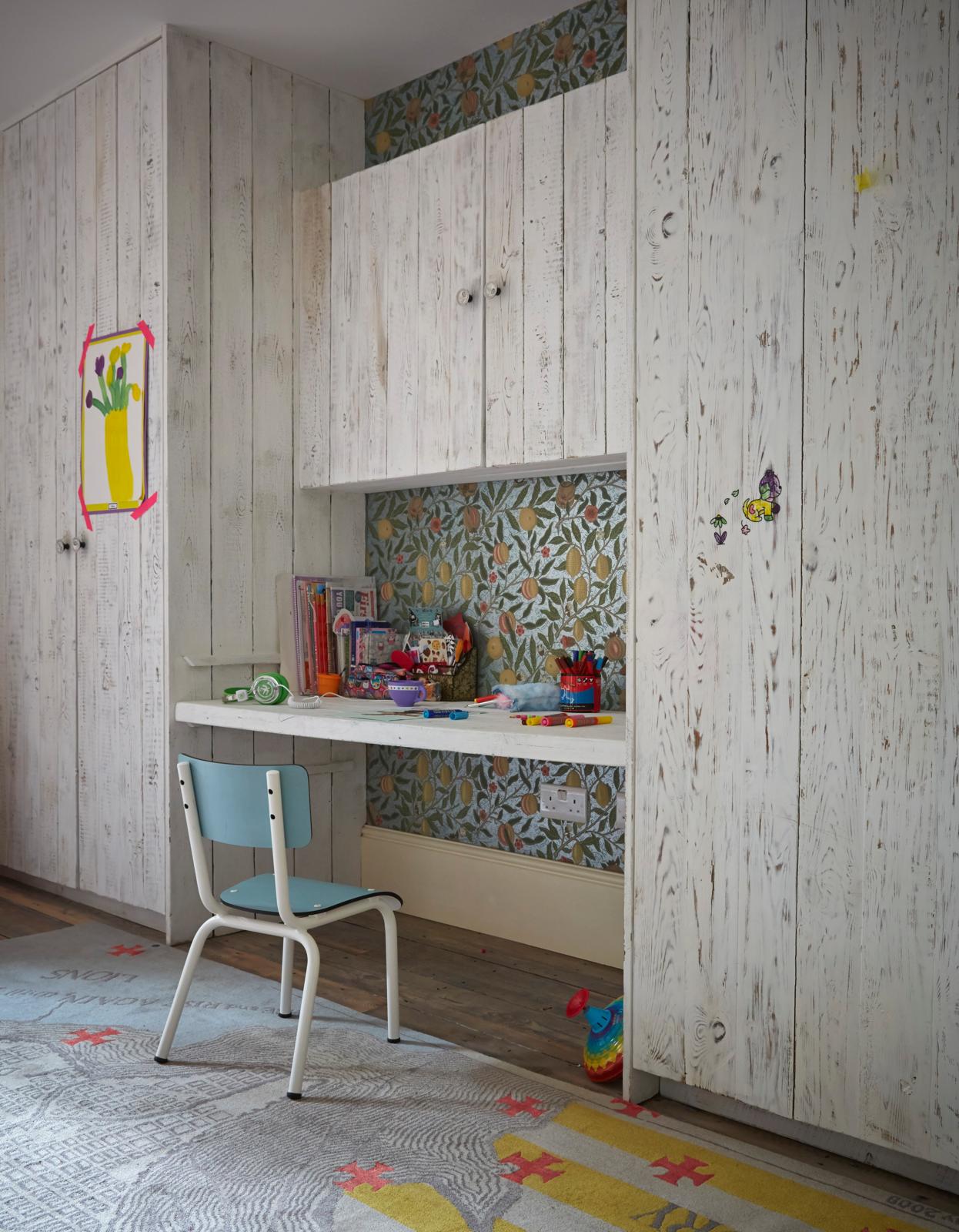
Designing a child's room involves creating a versatile and adaptable space that can evolve with their changing needs and interests. A key strategy is to incorporate elements that are both playful and sophisticated, allowing the room to transition smoothly from early childhood through adolescence. This approach emphasizes long-term utility and aesthetic appeal over fleeting trends.
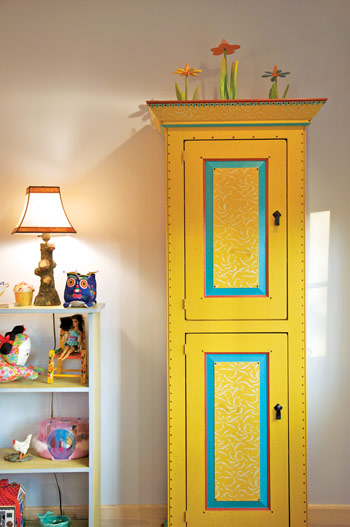
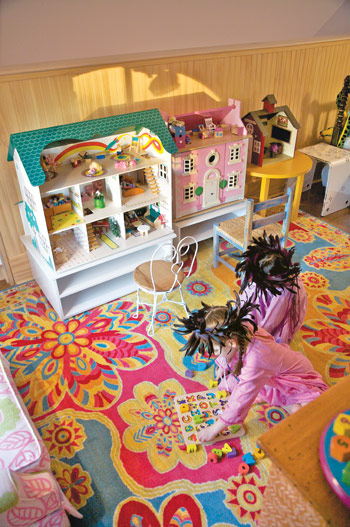
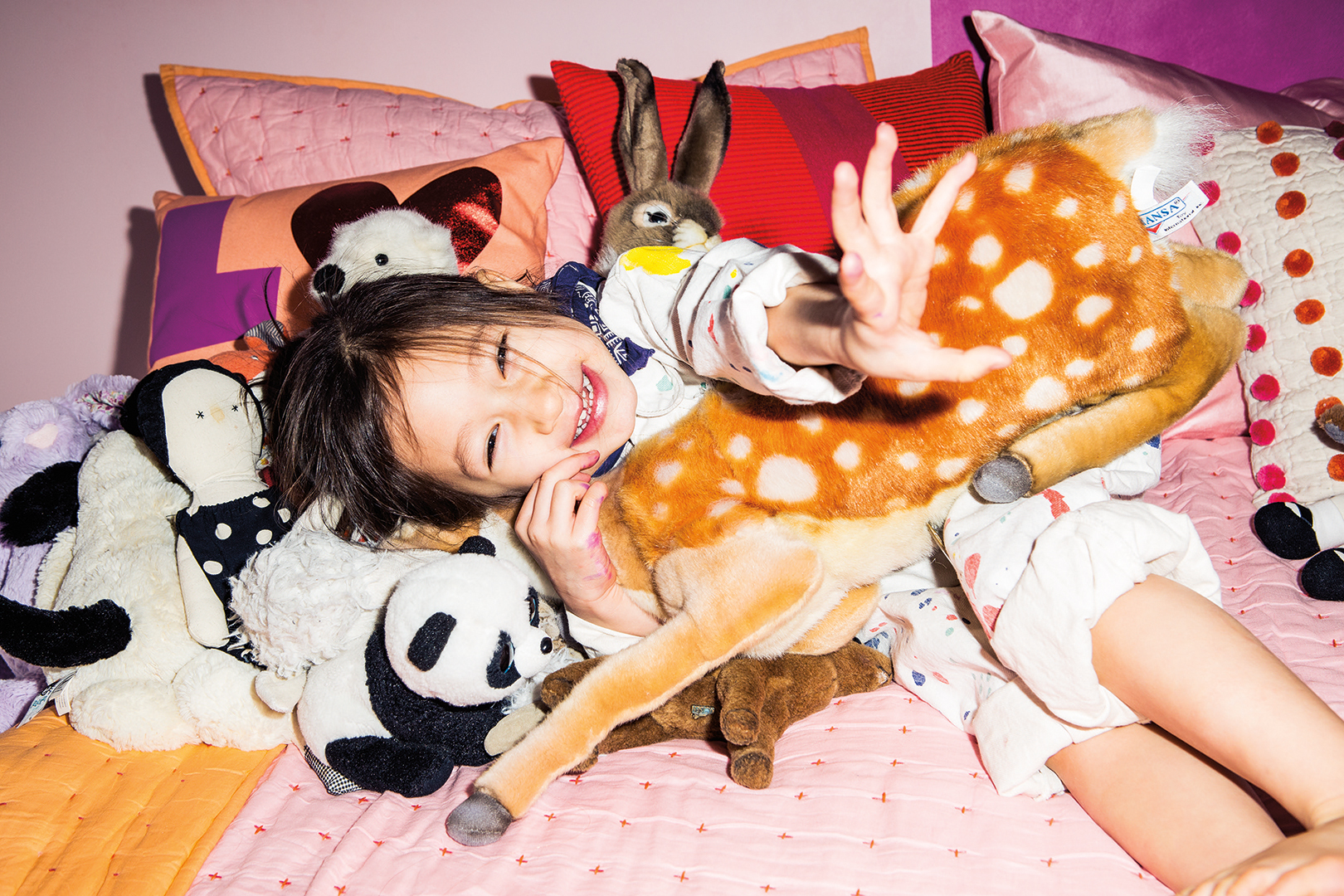
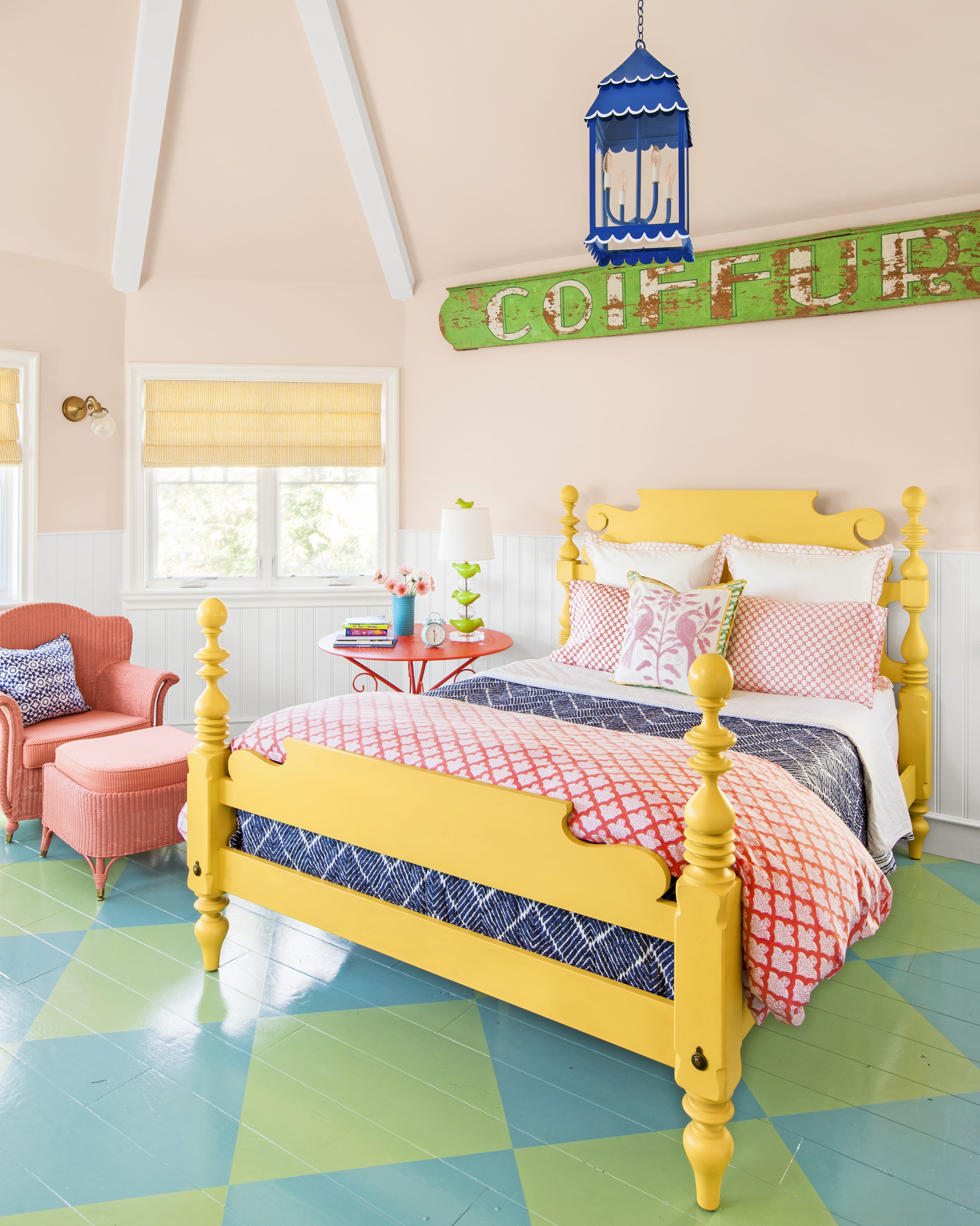
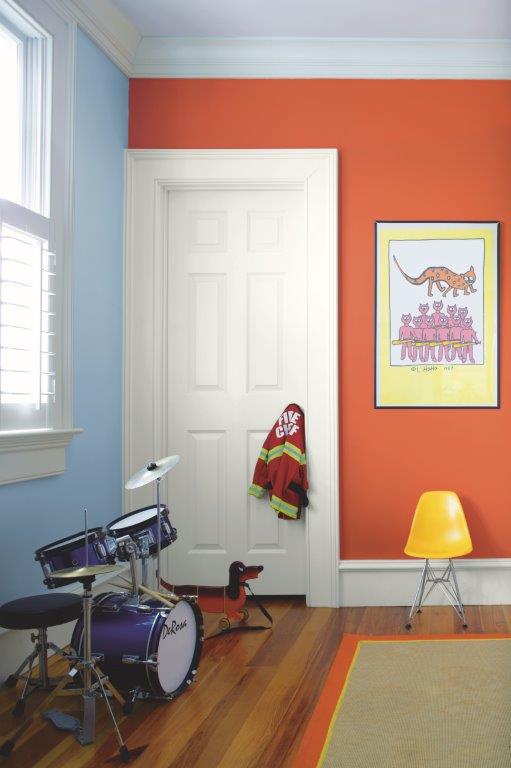
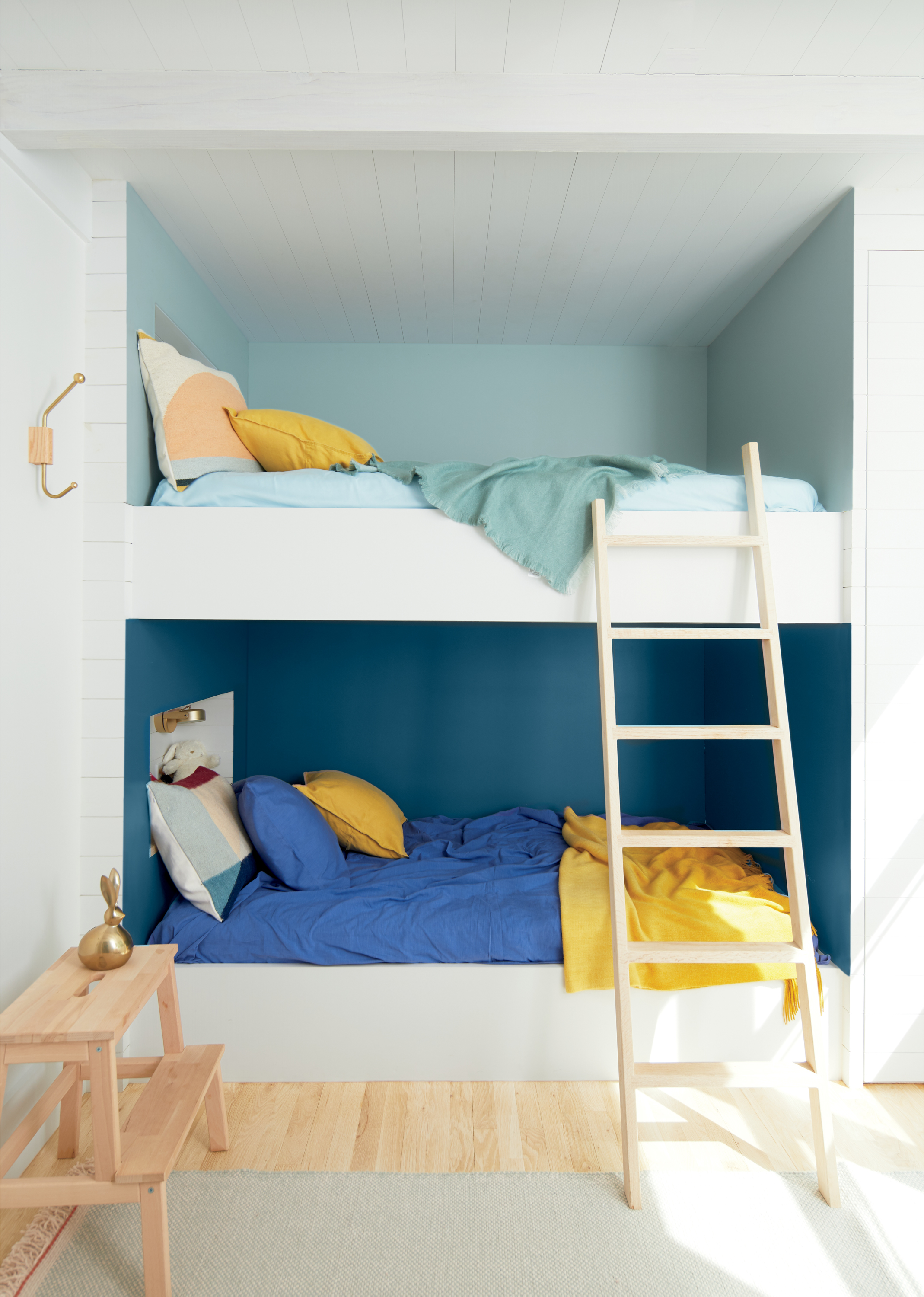
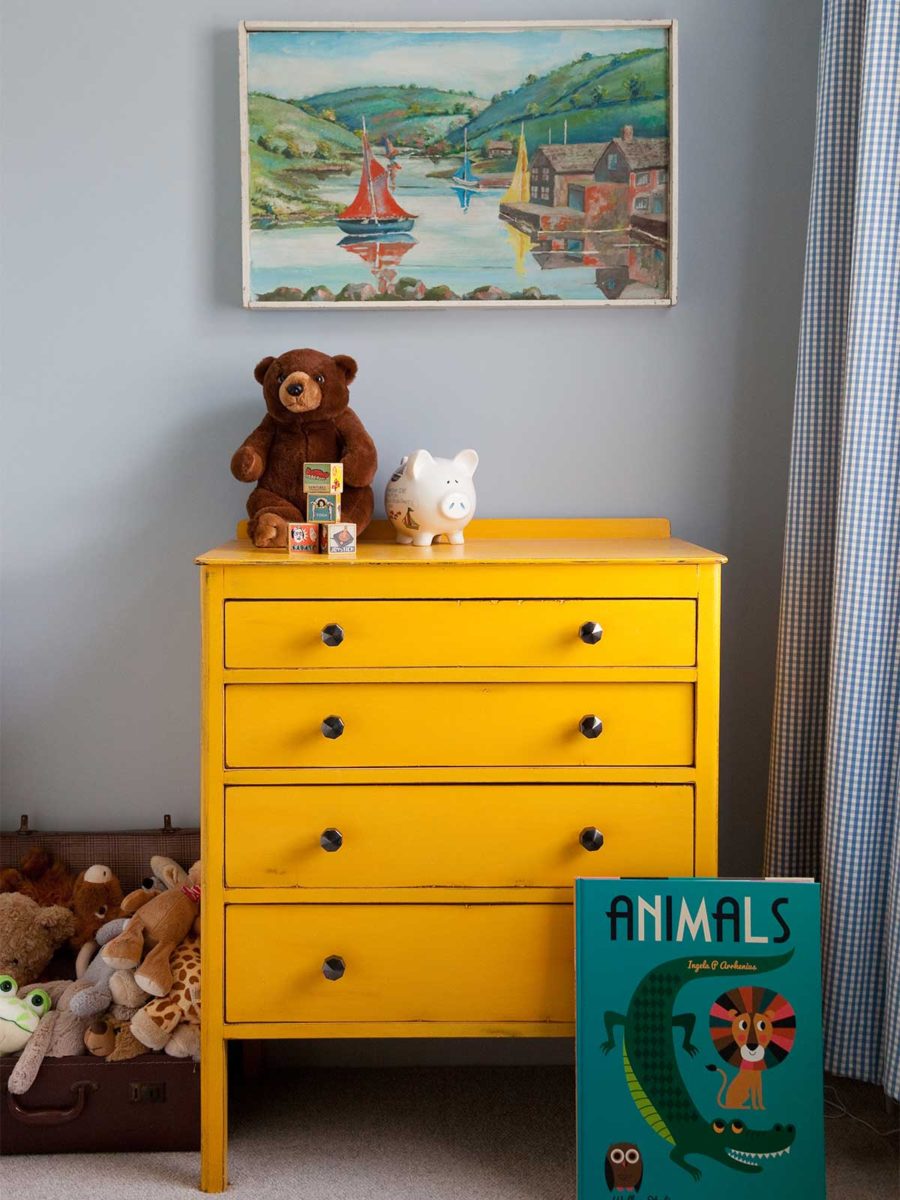
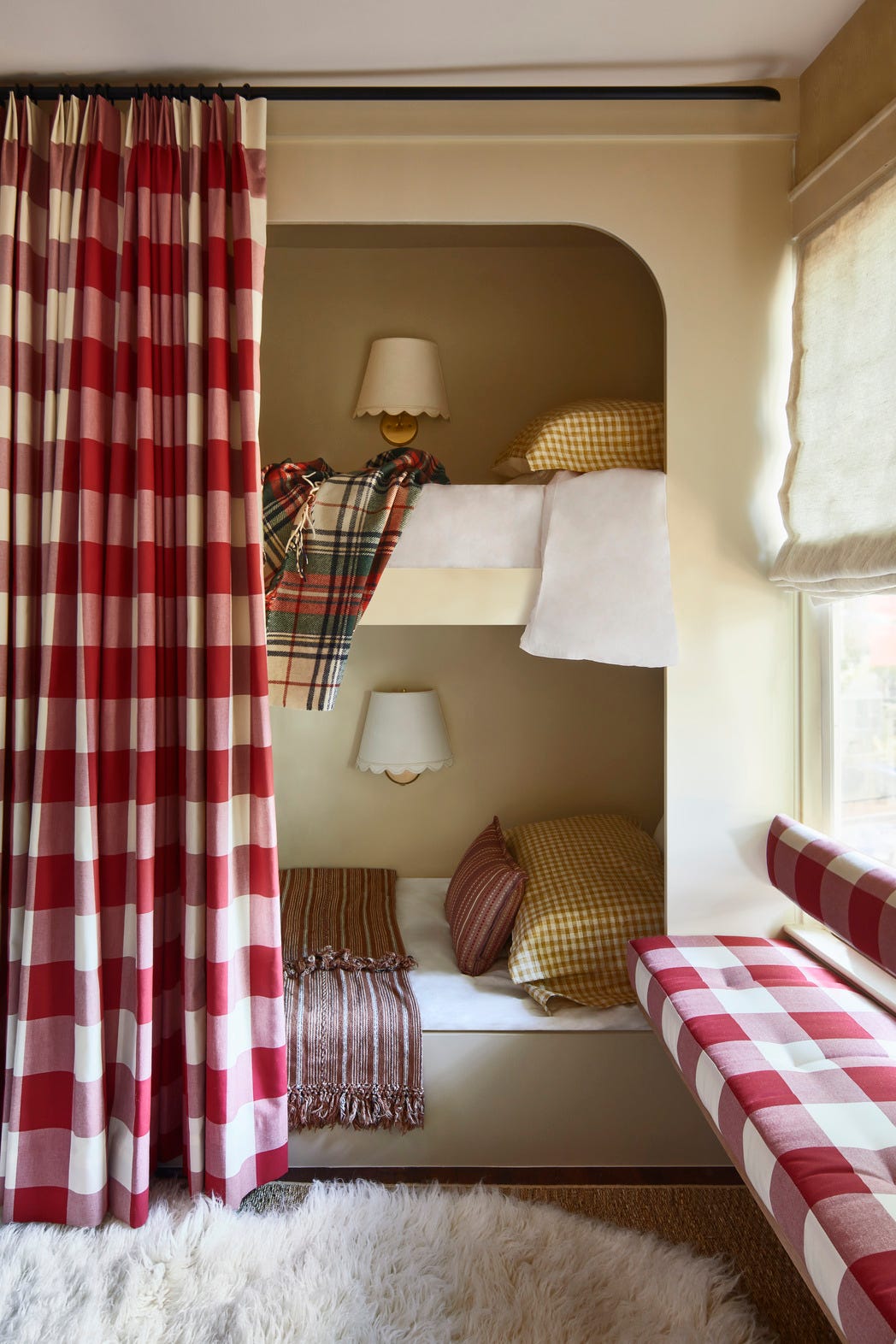
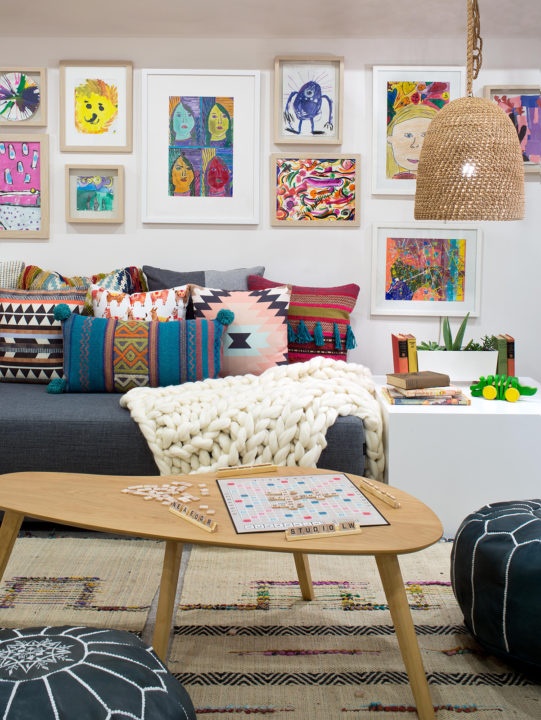
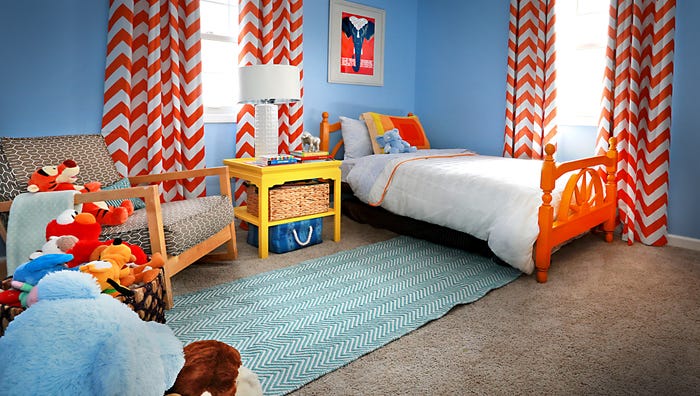
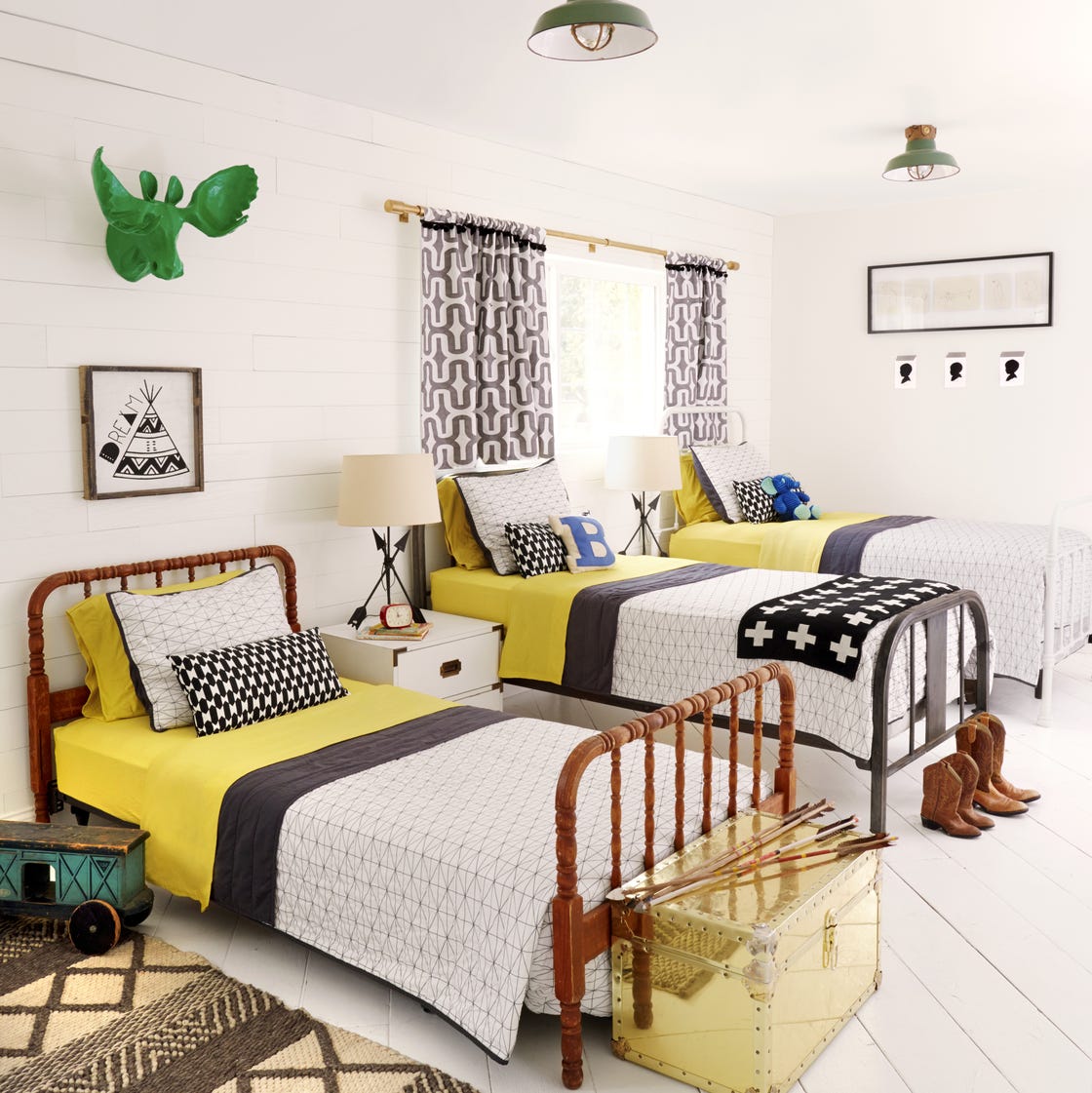
One effective technique is to use colorful patterns and textures to inject vibrancy and personality into the room. For instance, a child's room can feature a mix-and-match approach to patterns, where different designs complement each other without clashing. This creates a visually stimulating environment. The color palette can be bold and bright, utilizing items like a classic Dixie end table, found at a low cost and repainted, to add a pop of color. Similarly, a vintage Mid Century Modern Lane dresser can be updated with an Ombre finish, blending modern aesthetics with classic design. These pieces provide functional storage while contributing to the room's playful yet stylish atmosphere.
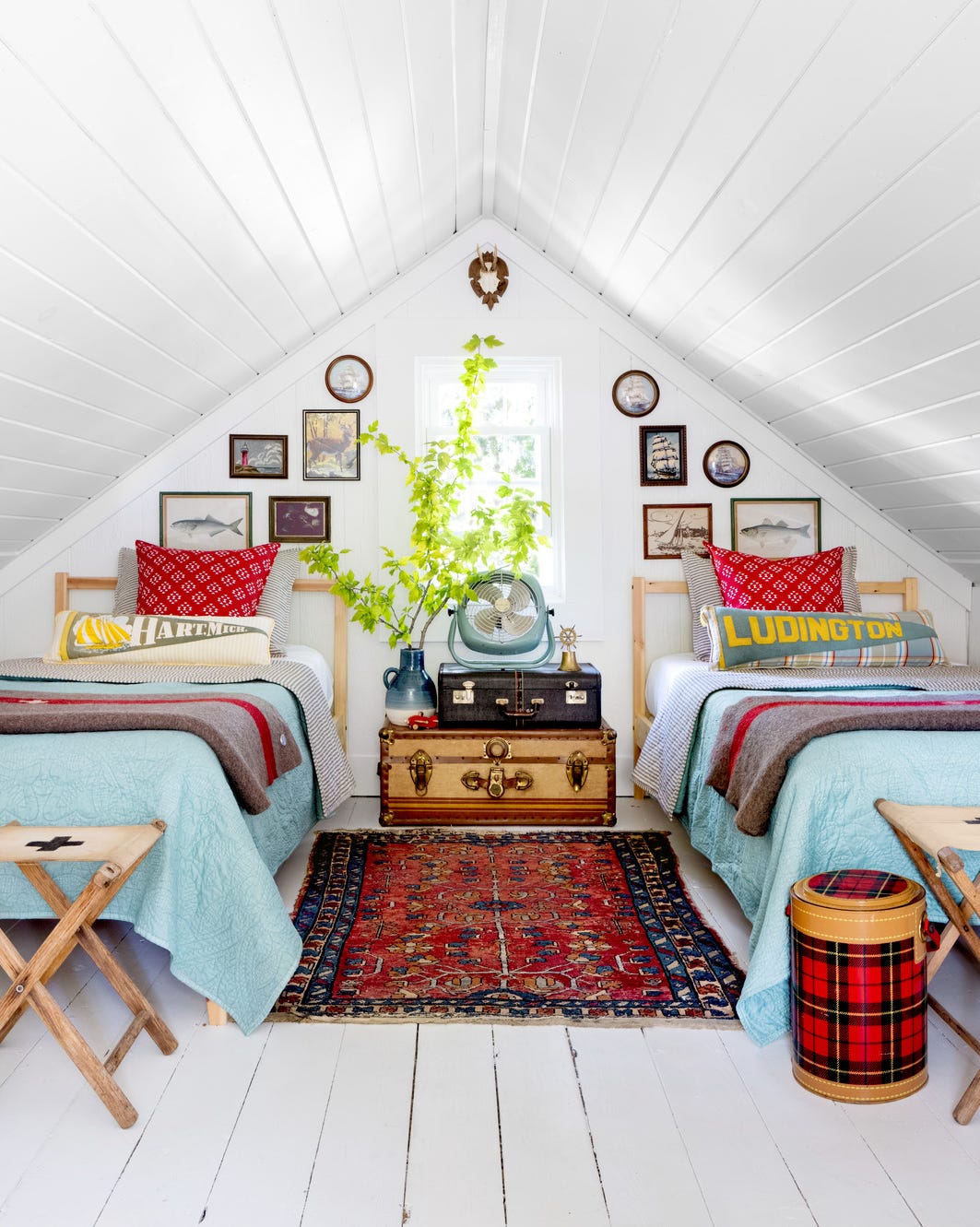
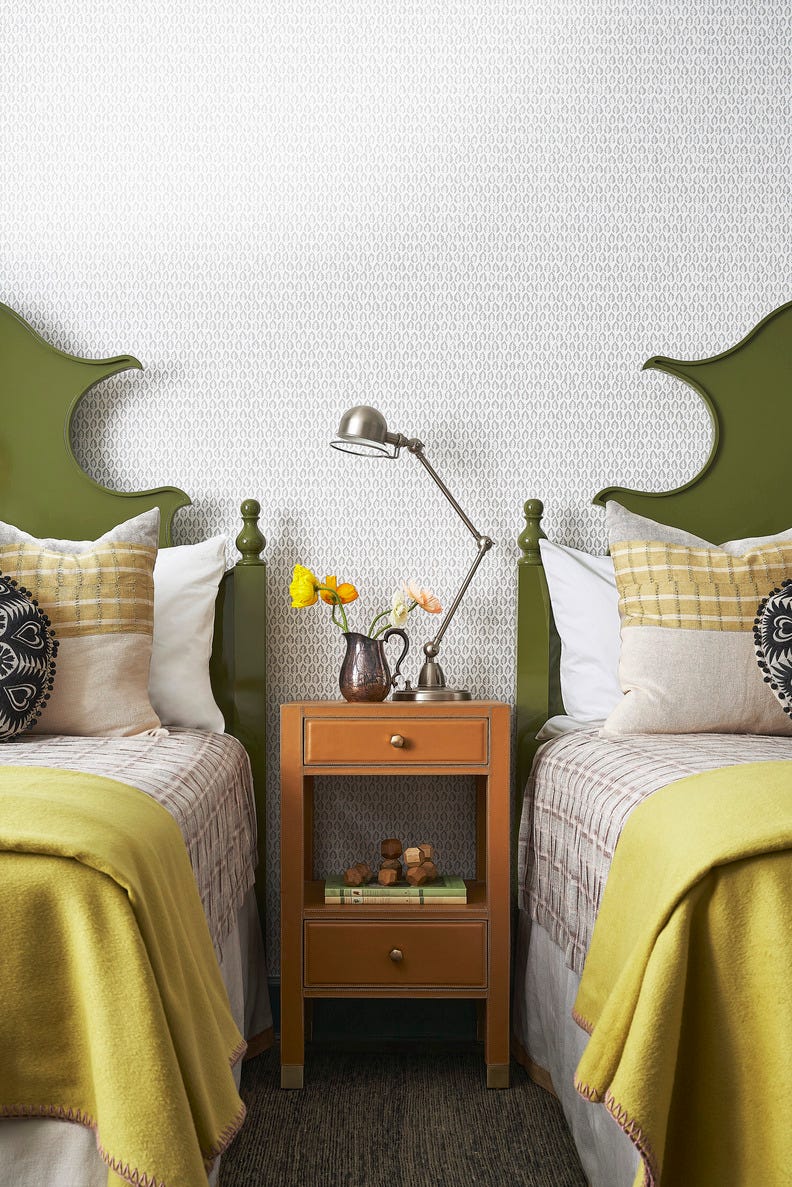
Vintage furnishings play a significant role in creating a unique and enduring design. By updating vintage items with fresh paint or new finishes, they gain a second life and become focal points in the room. An example is a wagon wheel twin bed, transformed with a bright coat of paint, offering both comfort and character. These vintage elements add a sense of history and individuality, making the room feel less generic and more curated. The combination of old and new also contributes to the room's ability to age gracefully with the child.
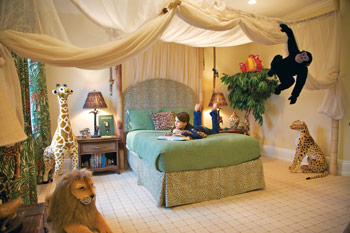
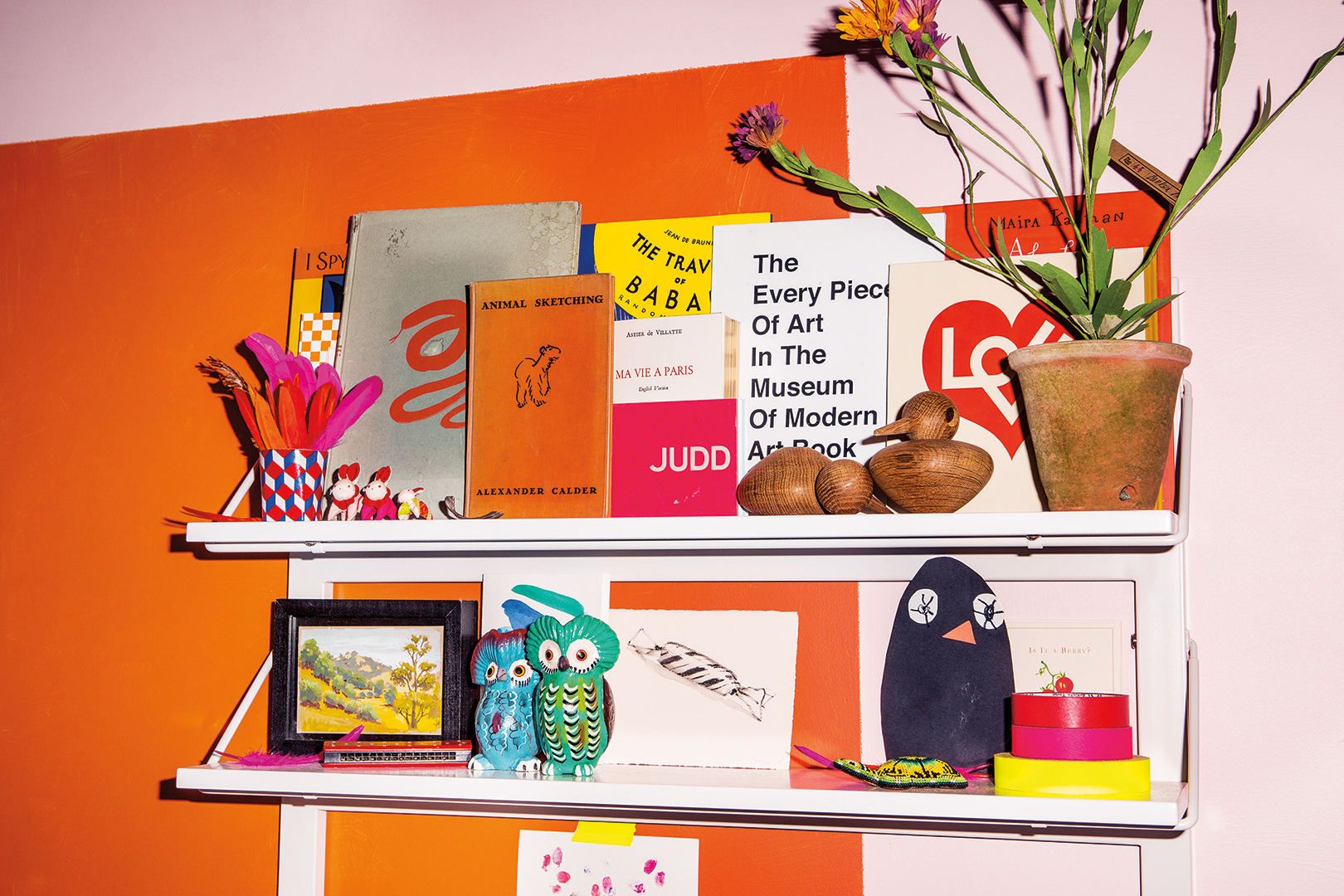
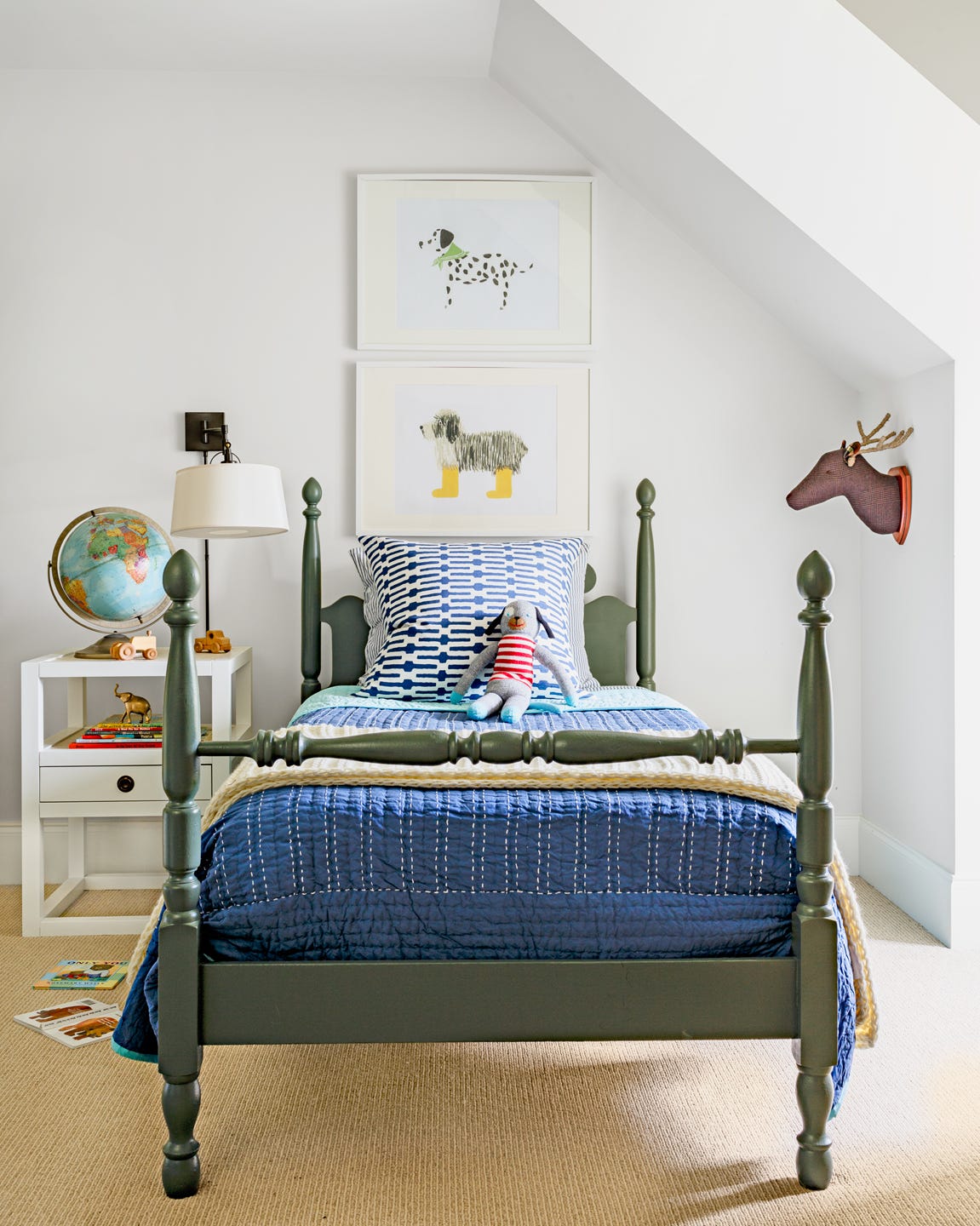
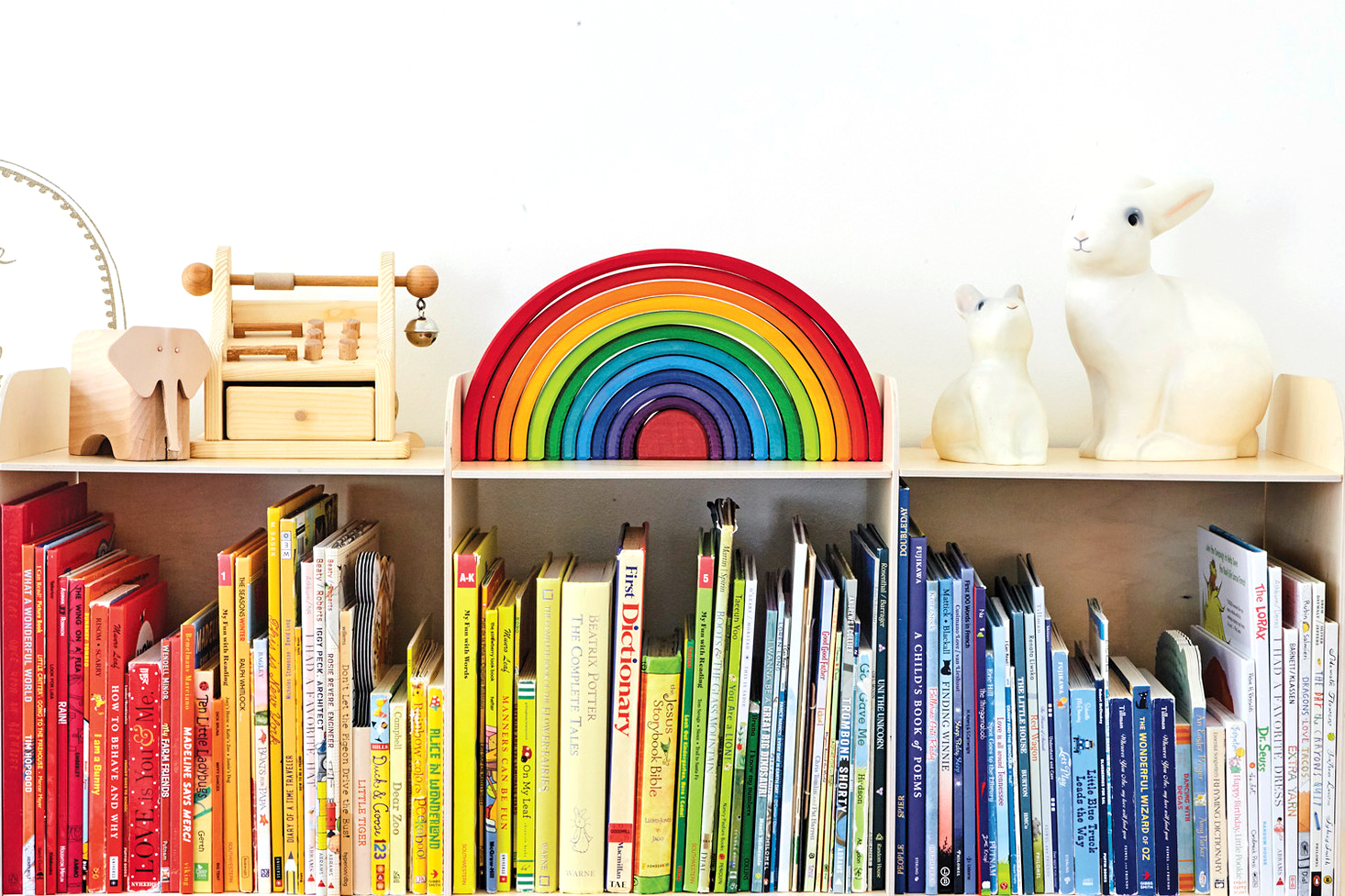
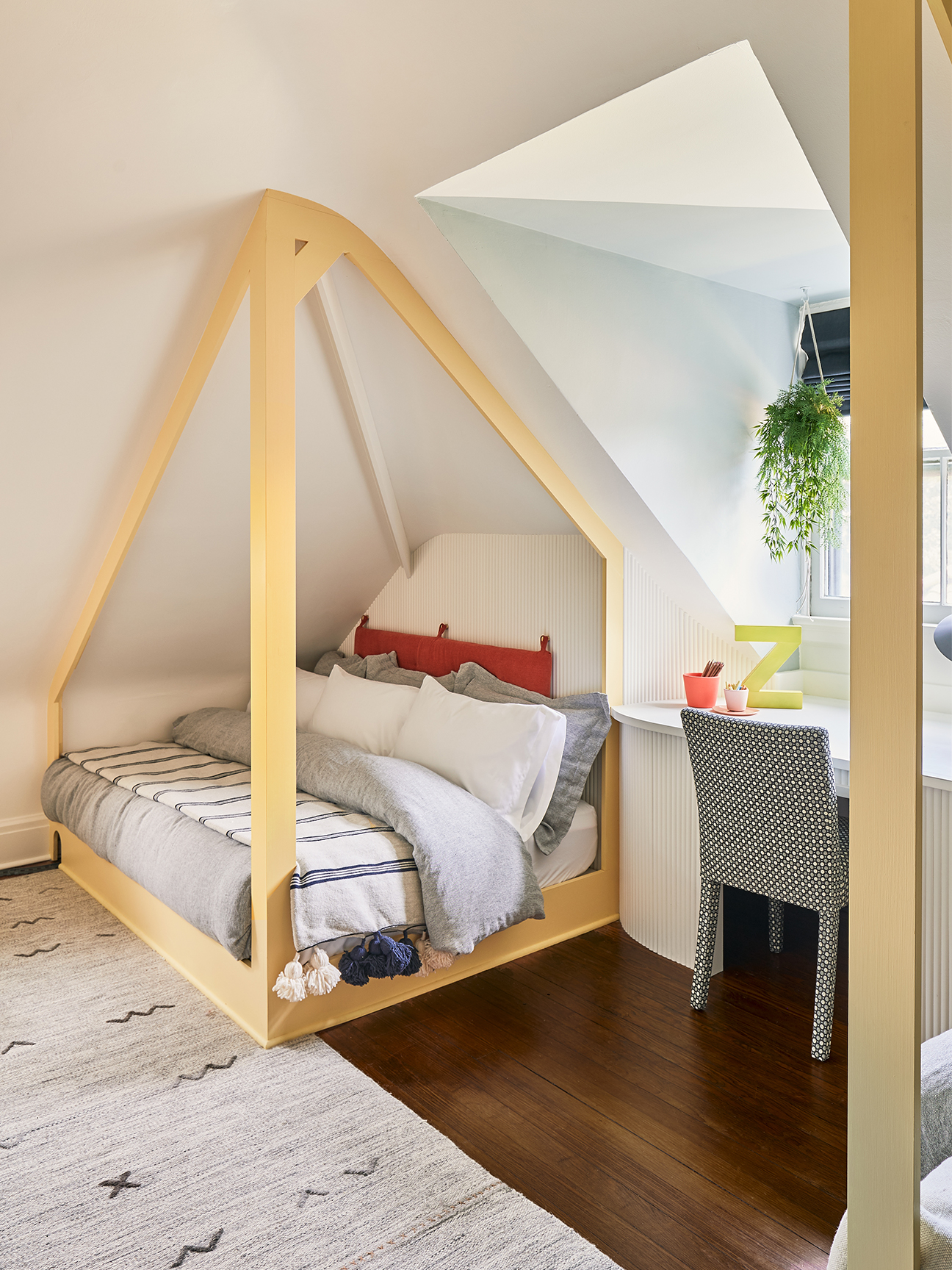
Decorative accents are crucial for personalizing the space and reflecting the child's interests. A solid brass gorilla figurine on a stack of books can make a subtle statement, indicating the room's occupant. Unique artwork, when framed and thoughtfully placed, adds a sophisticated touch. Oversized letters of a child's name can introduce a whimsical, personal element without being overly childish. Even a vintage framed Russian circus poster can tie into the room's color scheme, especially if its orange hues are echoed in other elements like window curtains. These details contribute to a layered and interesting design.
Lighting fixtures can also serve as decorative elements, adding texture and visual interest. An origami light fixture, for instance, introduces an unexpected sculptural quality to the room, enhancing its overall aesthetic. The choice of lighting can also influence the mood and functionality of the space, providing both ambient and task lighting as needed.
Ultimately, the goal is to create a child's room that is not only functional and visually appealing but also capable of adapting as the child grows. By selecting versatile furniture, incorporating personal touches, and updating vintage pieces, the room can remain relevant and cherished for many years, eliminating the need for frequent overhauls. This forward-thinking design approach ensures that the space remains a comfortable and inspiring sanctuary throughout different stages of a child's life.
#KidsRoomDesign #HomeDecoration #InteriorDesign #VintageFurniture #ChildFriendlySpace #DecoratingIdeas #RoomToGrow #PersonalizedDecor #KidsRoomDesign #HomeDecoration #InteriorDesign #VintageFurniture #ChildFriendlySpace #DecoratingIdeas #RoomToGrow #PersonalizedDecor
0 comment in total
 No comments yet
You may also like
Make Room for the Kids

Playroom ideas – 25 fun yet stylish designs that kids of all ages will love

3 Perfectly Designed Playrooms for Kids and Teens
How to Design a Kids Room You Won’t Have to Totally Revamp Next Year
How to Let Your 4-Year-Old Design Her Own Bedroom (and Like the Results)

The 70 Coolest Kids' Room Ideas Filled With Imaginative Details

The One Room You Should Be Organizing by Color, According to a Pro

10 kids' closet ideas - decor experts provide the most stylish and simple ways to stay organised
These Stylish Kids’ Rooms Will Make You Want Another Go at Childhood
42 Whimsical Playroom Ideas Designed for Hours of Endless Fun

A Stylist’s Guide to Creating a Kid-Friendly Living Room
24 playroom ideas to help you create a space that’s fun and inspiring yet practical for your little ones’ play time
A Curiosity Tray, An Under-Pillow Talisman, and 8 More Kids’ Room Essentials

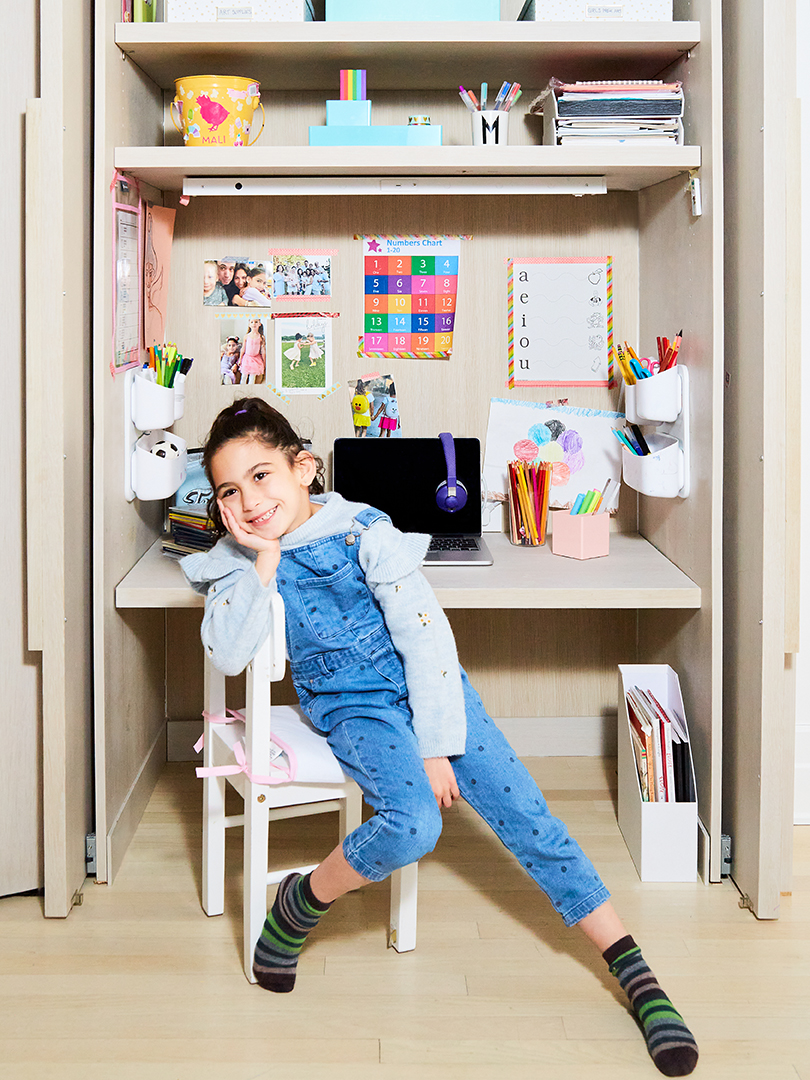
Behind These Streamlined Cabinets Is an Entire Hidden Kids’ Zone
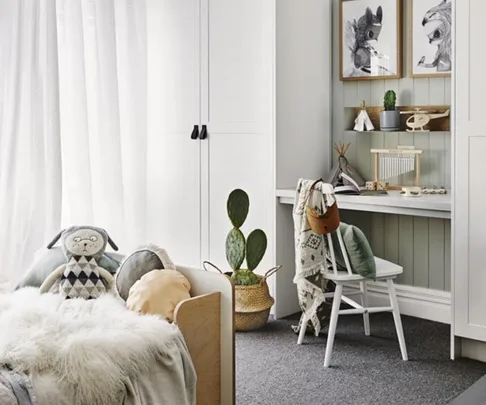
10 cool and creative kids room decorating ideas

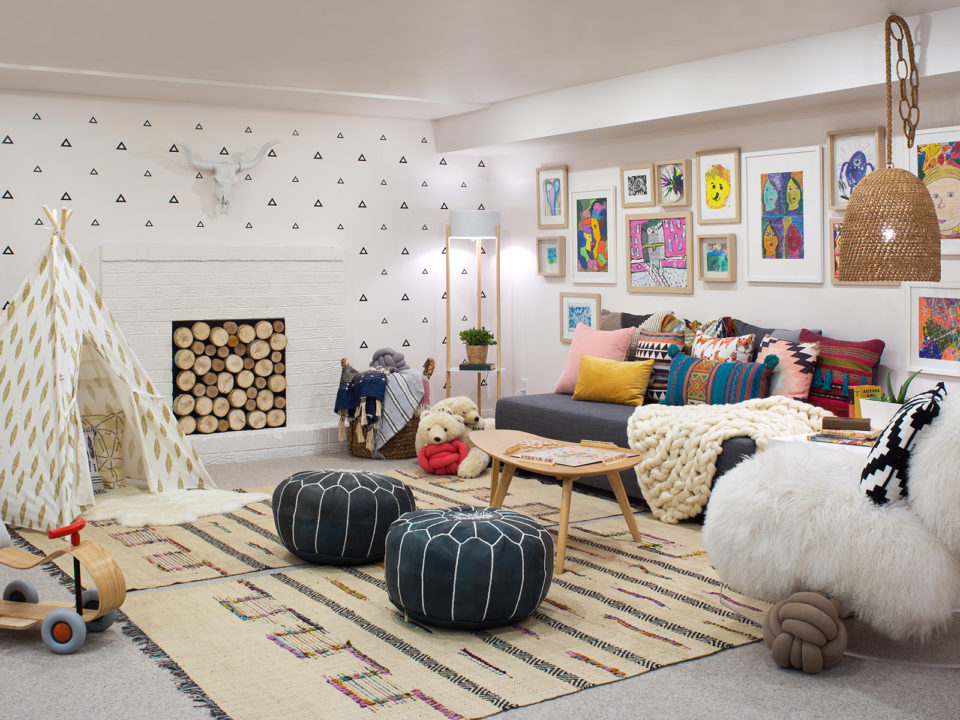
4 Charming Children’s Rooms You (And Your Kids) Will Love

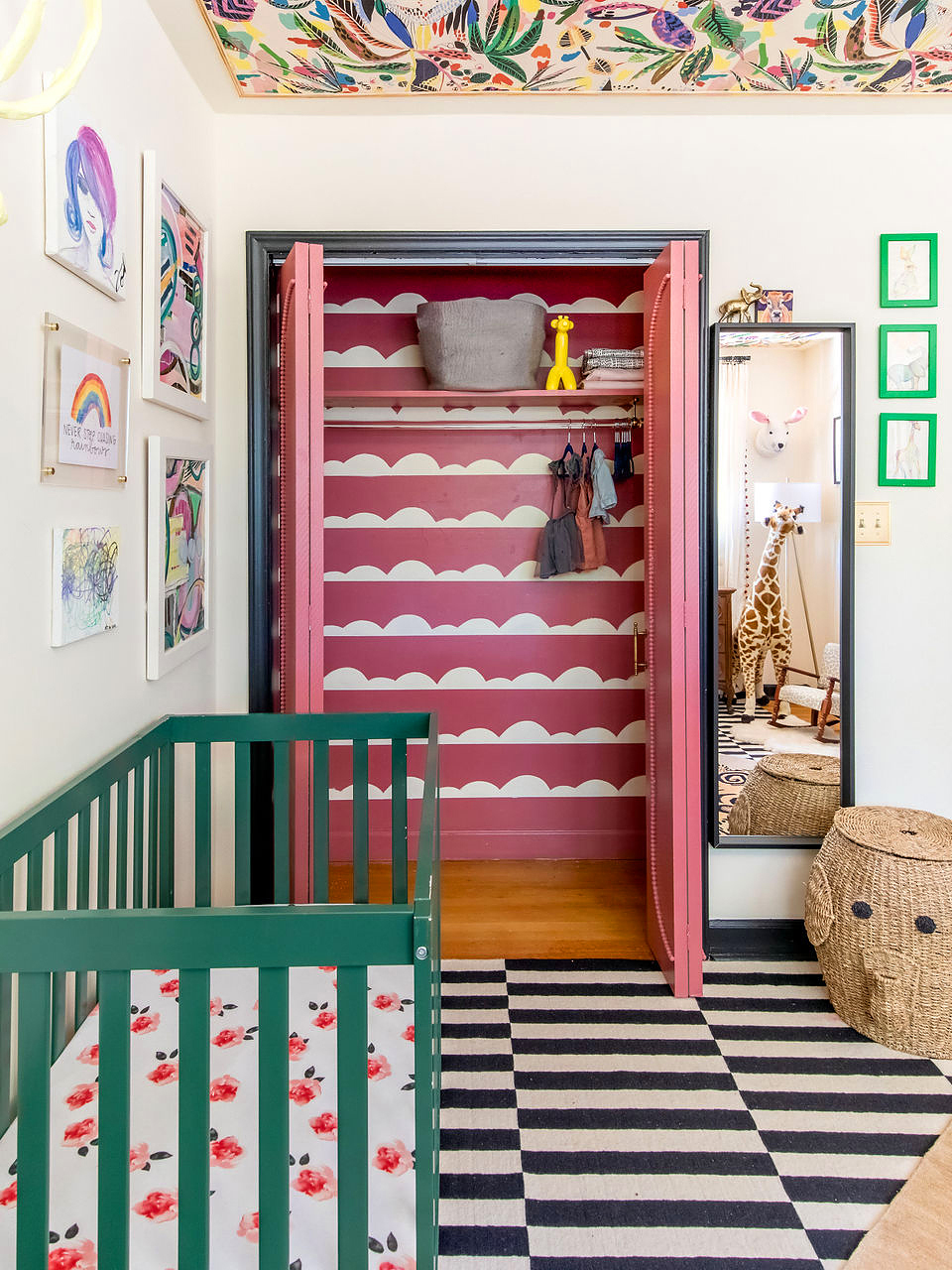
10 Creative Kids’ Closet Ideas (and Only Some Are for Storing Clothes)
This Kid’s Room Was Built Around an Elaborate Electric Train Track
16 Delightful Kids’ Room Ideas You’ll Definitely Want to Steal

Make the Most of Shared Kid's Rooms with These Smart Ideas