1/2
The One Room You Should Be Organizing by Color, According to a Pro
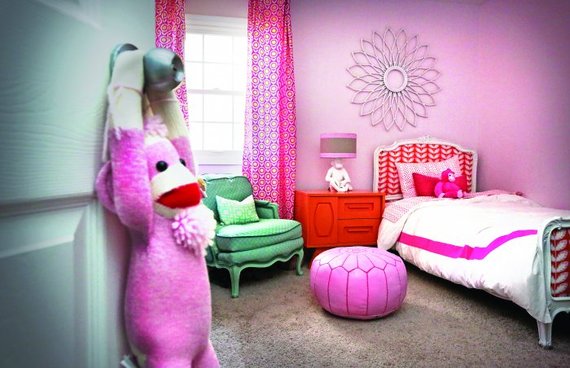
Color-coding is often considered an aesthetic choice for adult spaces, but for children's areas, it serves a practical purpose: teaching tidiness and fostering independence. Corrie Jackson and Jennifer Baker, co-founders of the home-organizing company Haven, advocate for sorting toys, books, and art supplies chromatically in kids' rooms. This method allows children to easily find what they need and clean up independently, simplifying chores for parents and promoting self-sufficiency.
While color-coding may seem impractical for all areas of a home, it proves highly effective in playrooms, nurseries, craft spaces, and homework nooks. Jackson and Baker initiate almost all their children's organizing projects with color as a foundational element, acknowledging that not every item will perfectly fit a rigid chromatic scheme.
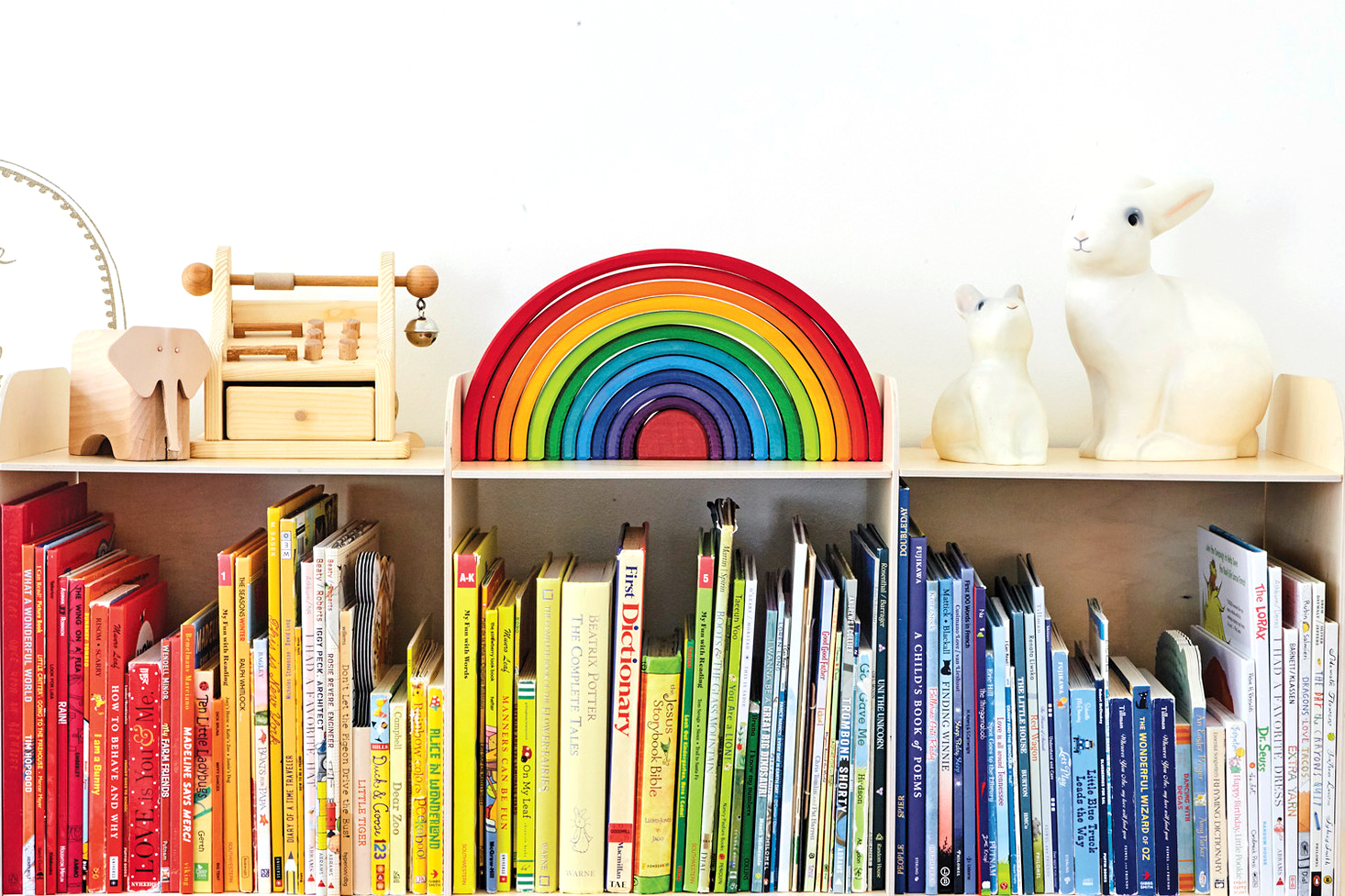
When implementing color-coding for children, it's advised to avoid overly specific shades like lilac or chartreuse. Instead, focus on the primary ROYGBIV color groups. Within these groups, arrange items from dark to light, which guides the eye and enhances visual organization. To further reinforce the system, a "star item"—a book or toy of a specific color—can be displayed prominently within its corresponding color zone, making it clear where items belong.
Books are recommended as a starting point for color-coding due to their size and immediate visual impact when arranged by hue. They can be lined up or stacked horizontally to create a thoughtfully styled library. For smaller, more numerous items like beads or buttons, detailed color-coding might be too time-consuming. In such cases, labeled containers are a more practical solution, while colorful bins can still introduce a rainbow aesthetic.
Personalizing bins with children's names can also enhance the ease of locating objects and instill a sense of ownership. Sorting LEGOs by color, though initially an investment of time, encourages children to maintain the system once they appreciate its visual appeal. Stackable sweater drawers are suggested for LEGO storage, with dividers used for less frequently used colors.
Creative storage solutions are also encouraged, such as using clear jars for desk essentials or transparent turntables for craft supplies in tight spaces. These tools not only make organization fun for children but also allow parents to participate in the creative process of tidying.
#KidsRoomOrganization #ColorCoding #HomeOrganization #PlayroomDesign #ChildrensIndependence #Tidiness #StorageSolutions #InteriorDesignTips #KidsRoomOrganization #ColorCoding #HomeOrganization #PlayroomDesign #ChildrensIndependence #Tidiness #StorageSolutions #InteriorDesignTips
0 comment in total
 No comments yet
You may also like
Paint color ideas for every room – experts explain the best choices for different spaces

Colorful room ideas – 15 vibrant spaces with daring decor

15 ways to add color to your home, according to interior designers
6 Paint Colors You Should Never Use in Your Bedroom, According to Interior Designers
How to choose the best paint color for any room in your house
'The World of Color is Rife With Danger' — 5 Color Combinations That Don't Go Together and What to Use Instead
Why This Hue Is Suddenly Dominating Every Designer's Wishlist—Plus, How to Style It

How to elevate your 'pass-through room' - experts make more of that unloved space you're ignoring
If you color drench any room make it this one
Why Your Room Feels 'Off'—6 Designer Rules for Perfecting Furniture Scale and Proportion
What are the worst colors to paint a room? The shades experts say you should never use
We've Rounded Up the Best Bedroom Paint Colors — No Matter Your Style

An expert in color psychology shares the 5 shades you should have in your living room
How to Pick the Best Paint Colors for Every Space in Your Home


Decorating with paint

You Can Wake Up HAPPIER Just by Painting Your Bedroom—Here Are the Colors Designers Love

10 designers on the bedroom colors they always recommend
Best Bedroom Colors for Sleep

Dress Up Your Space With Contrasting Colors

5 Paint Colors You Should Never Use In A Bedroom, According to Designers