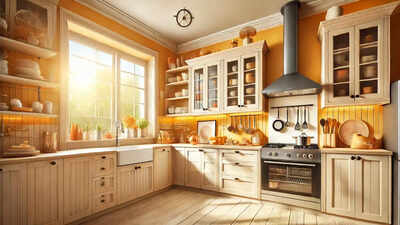
Vastu secrets for the perfect kitchen: The dos and don’ts for a balanced home
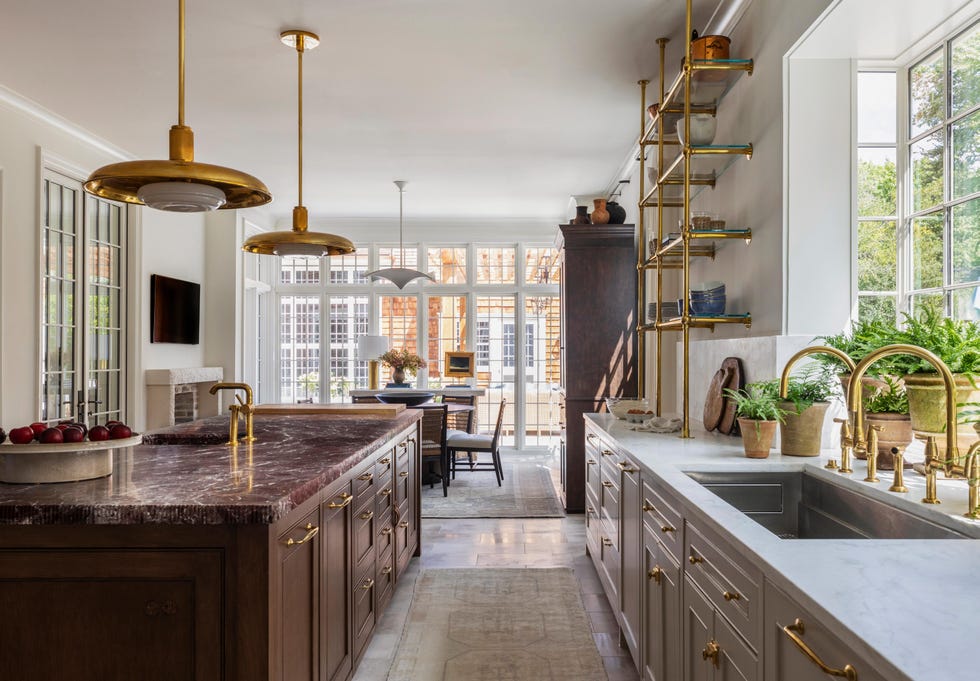
The kitchen is considered the heart of a home, playing a crucial role in the family's health, happiness, and prosperity. Vastu Shastra, an ancient Indian architectural science, provides guidelines for the placement and arrangement of the kitchen to positively influence energy flow. Adhering to these Vastu principles can foster a harmonious environment, promoting positive energy, good health, and financial stability within the household.
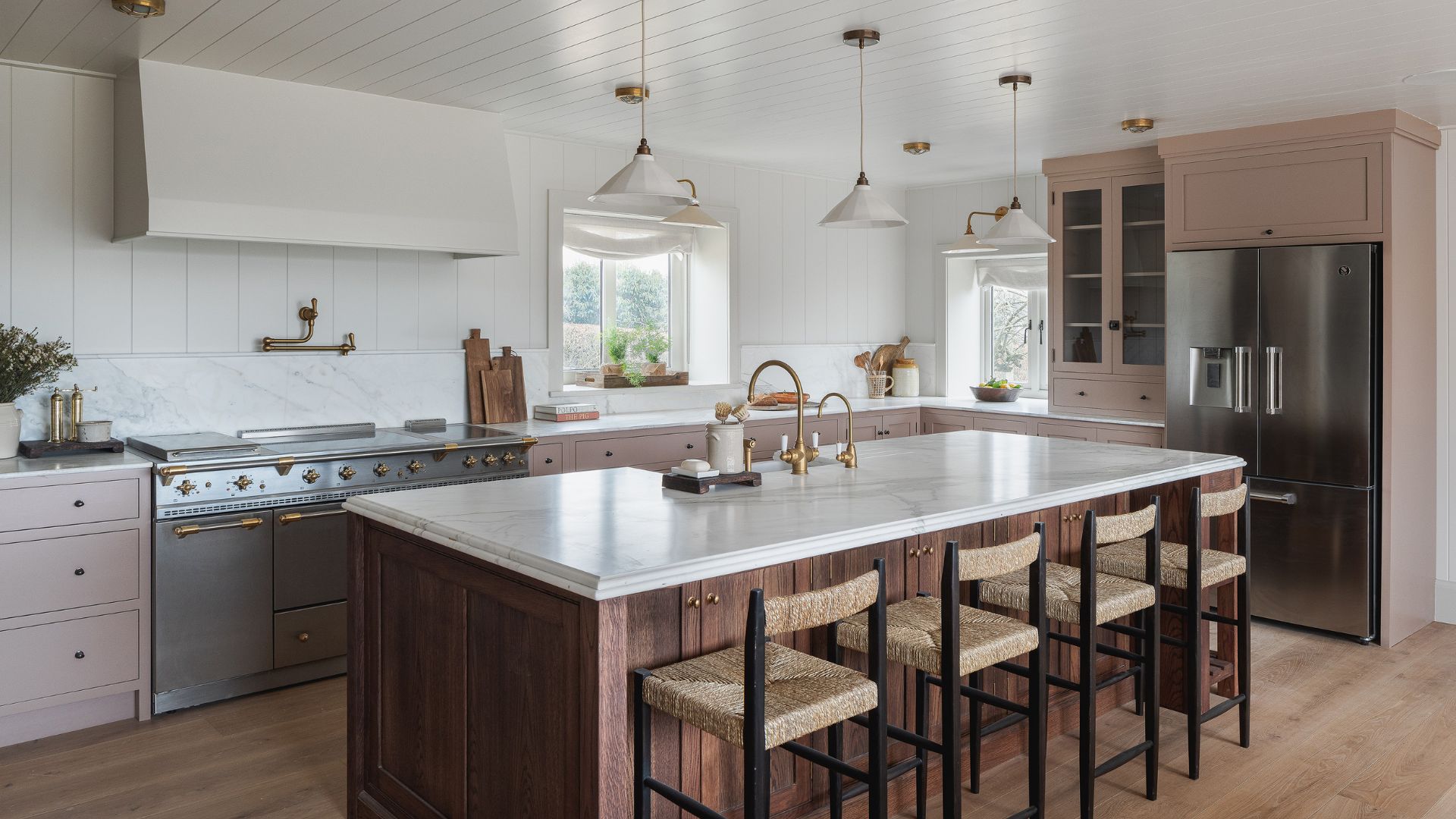
The ideal location for a kitchen, according to Vastu, is the southeast corner of the house. This direction is governed by Agni, the fire element, which aligns well with the nature of cooking. If the southeast corner is not feasible, the northwest corner is an acceptable alternative. However, it is advisable to avoid placing the kitchen in the north, northeast, or southwest directions, as these areas are considered inauspicious and could disrupt the energy balance of the home.
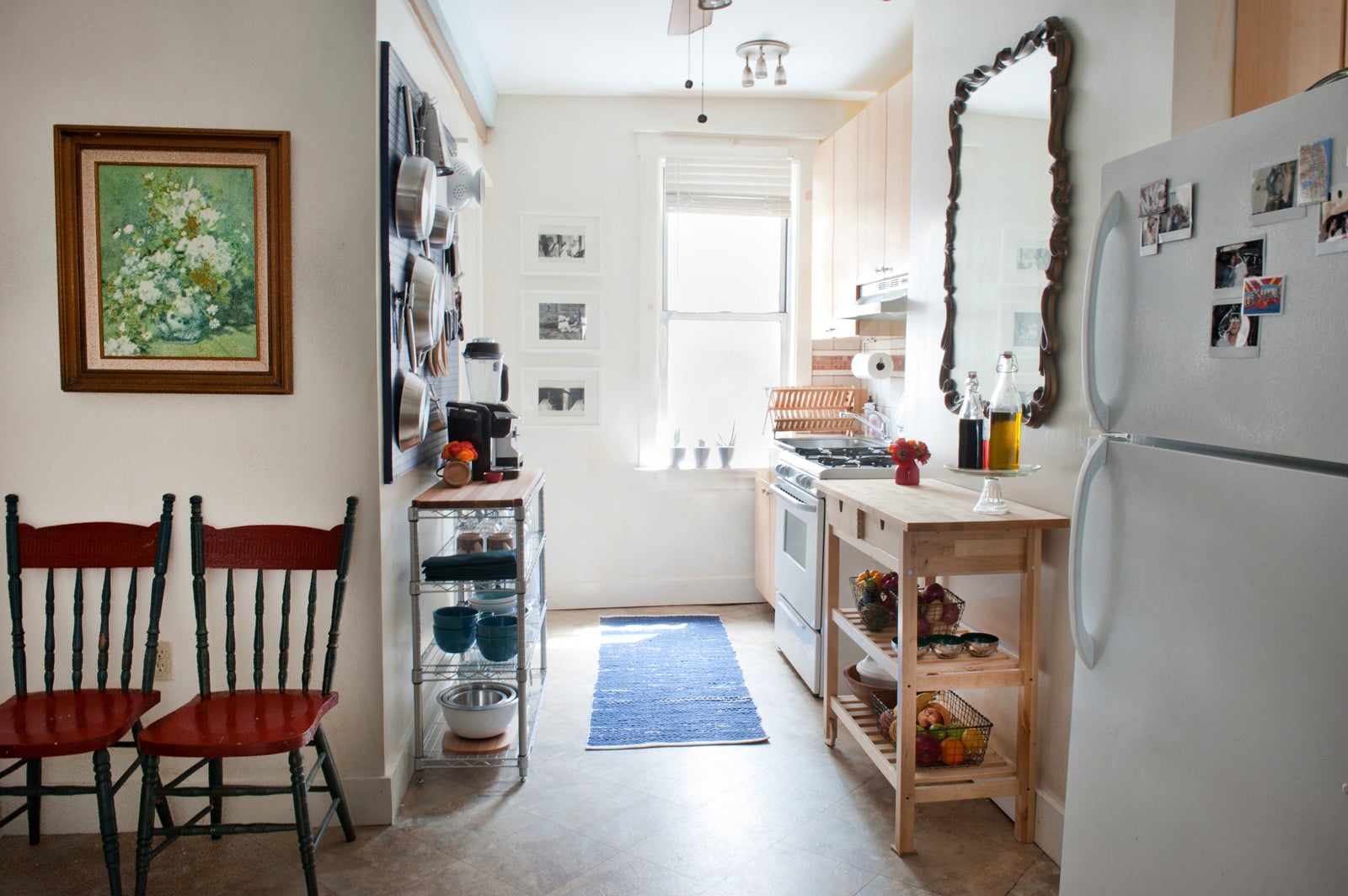
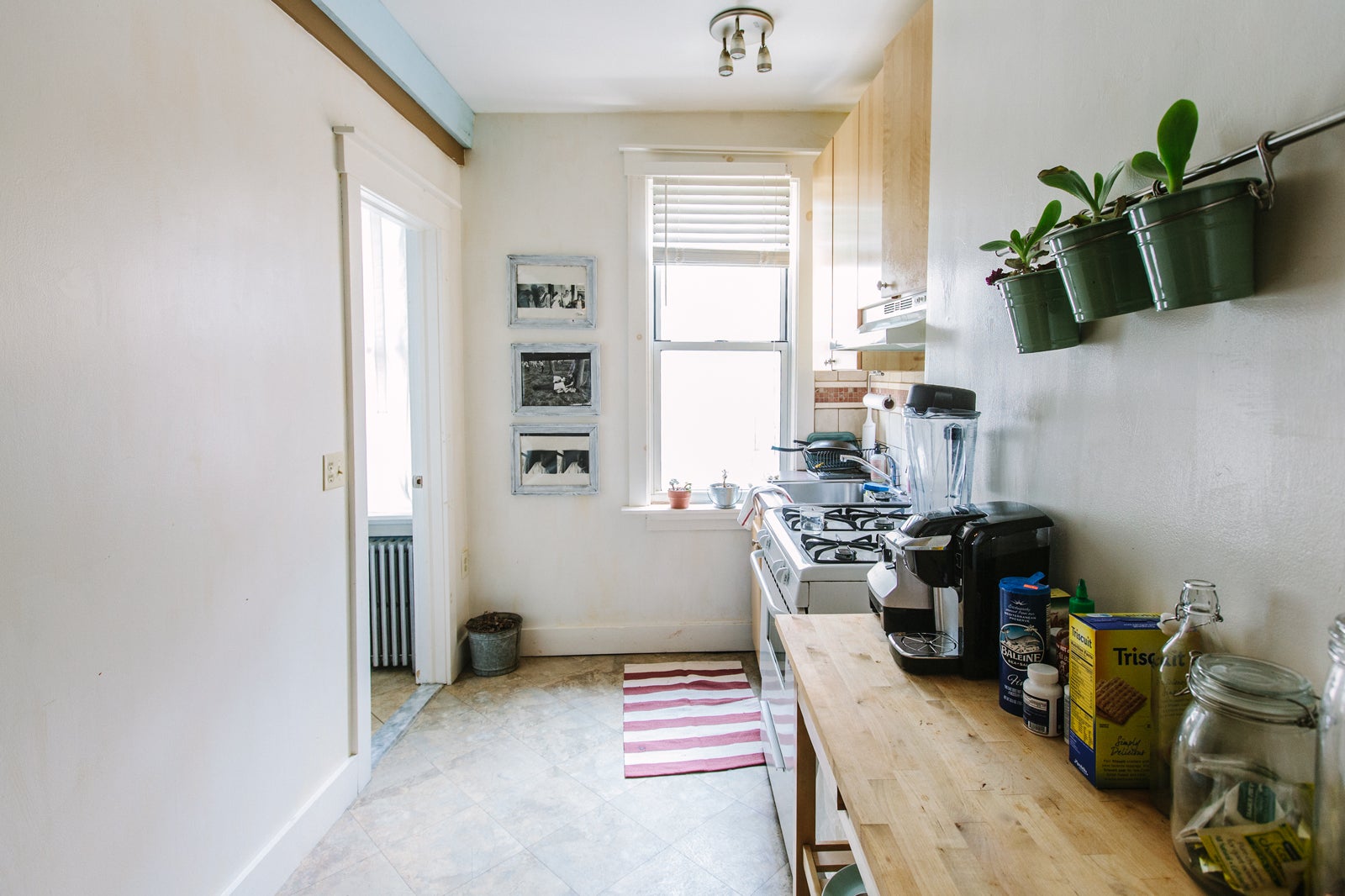
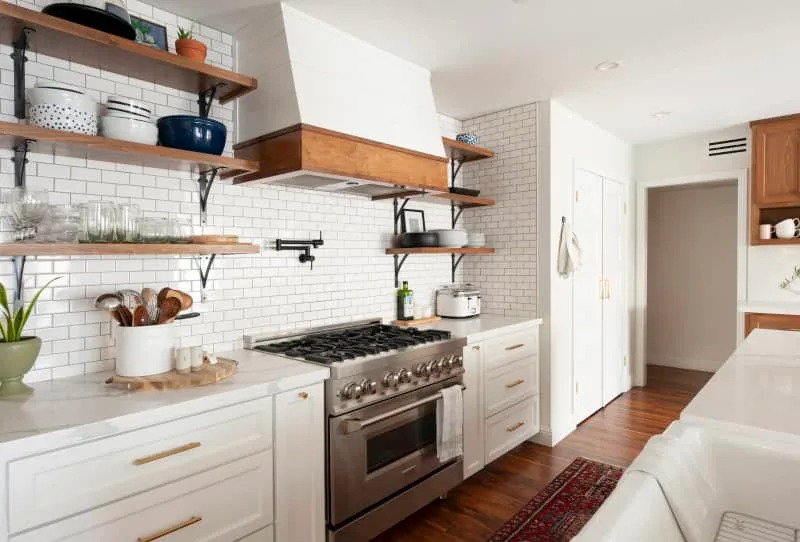
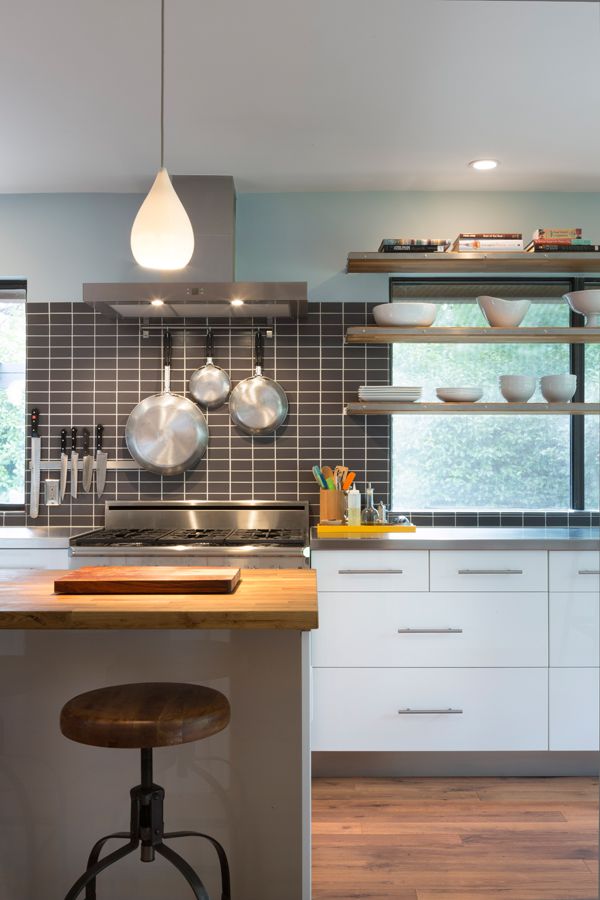
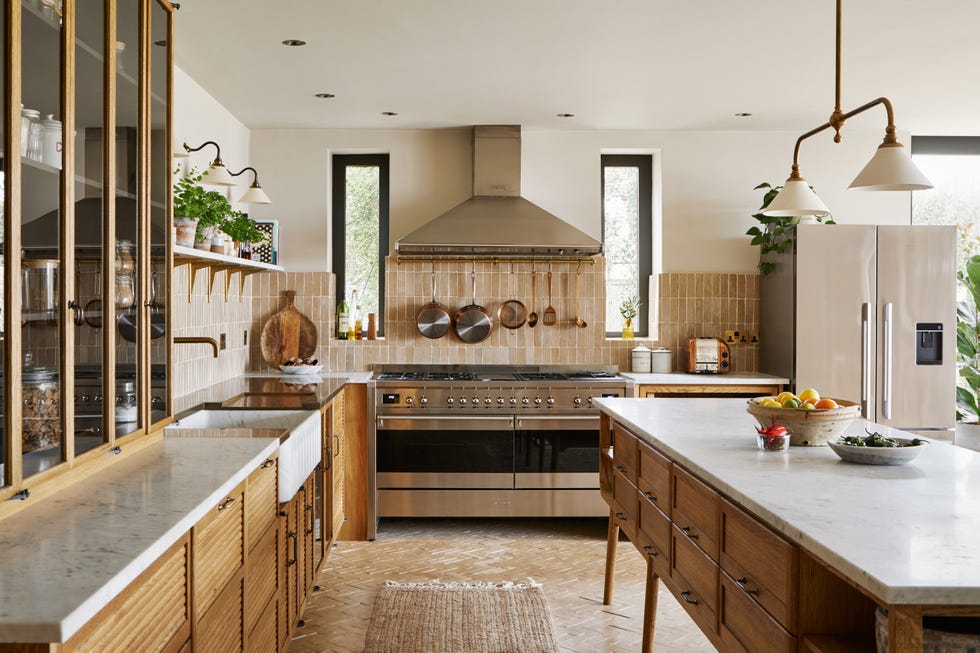
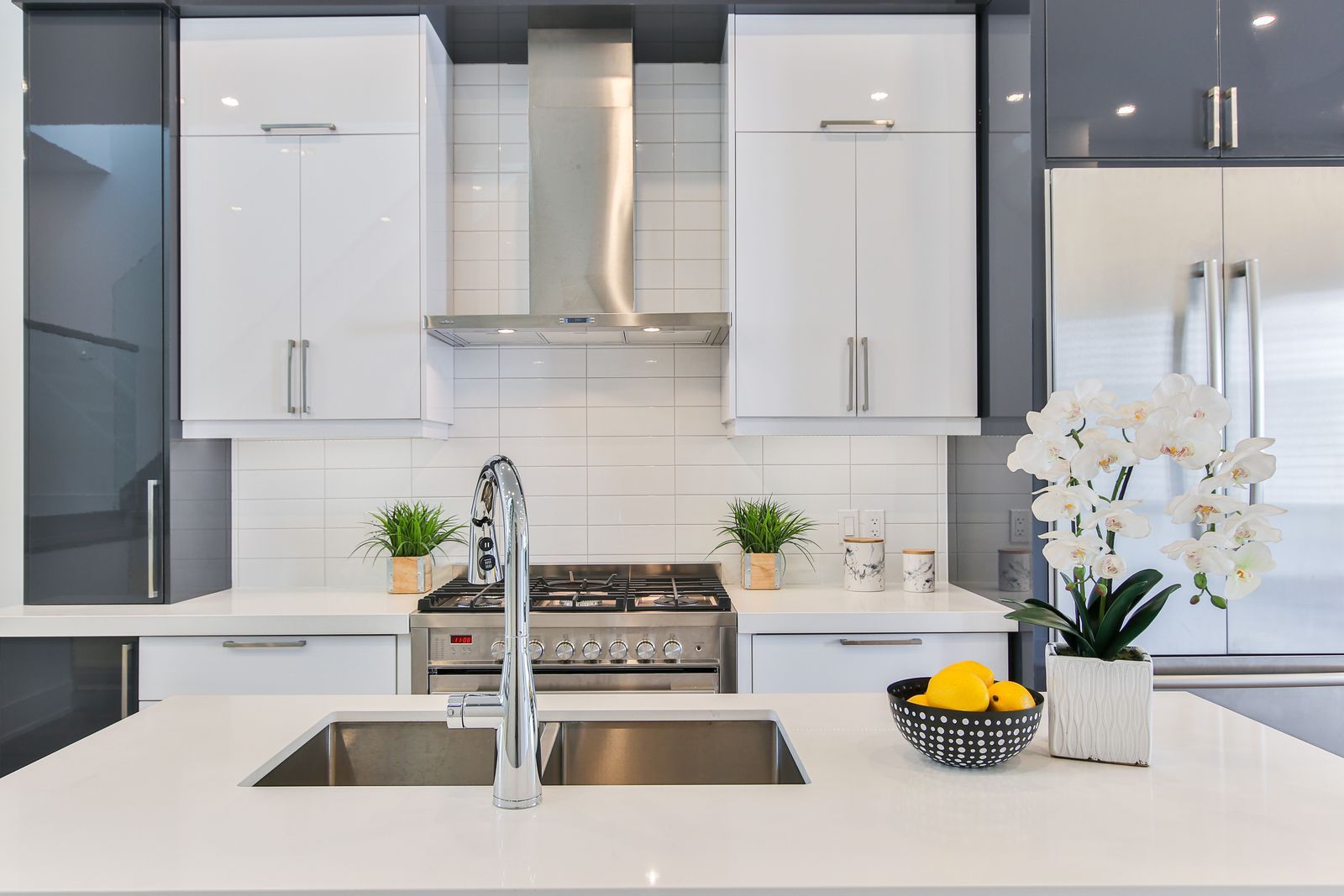
Regarding the placement of the stove, which represents the fire element, it should ideally be situated in the southeast corner of the kitchen. The individual cooking should face east, as this direction is believed to attract positivity and good health. It is crucial to prevent the stove from being directly in front of or immediately next to the sink, as fire and water are considered opposing elements that can create conflict. Similarly, water-related appliances such as sinks and water purifiers should be positioned in the northeast direction to maintain a balance between the water and fire elements. A clear separation between the stove and sink is essential to prevent energetic clashes.
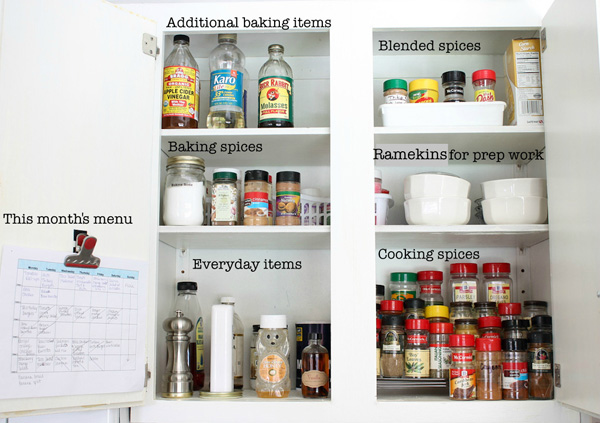
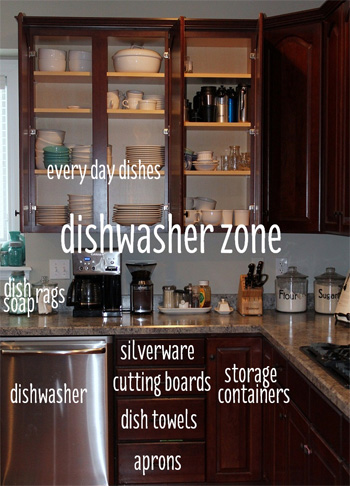
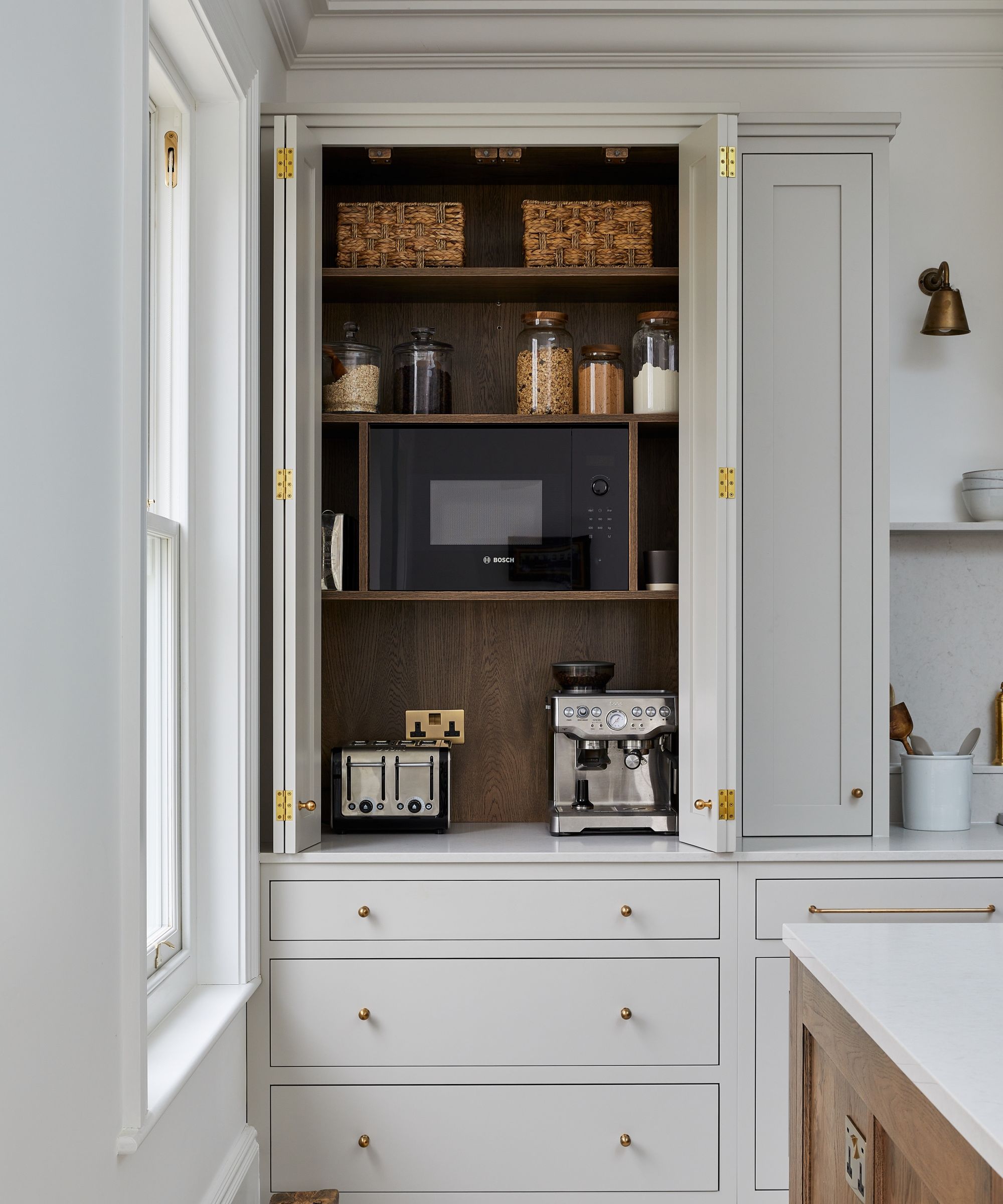
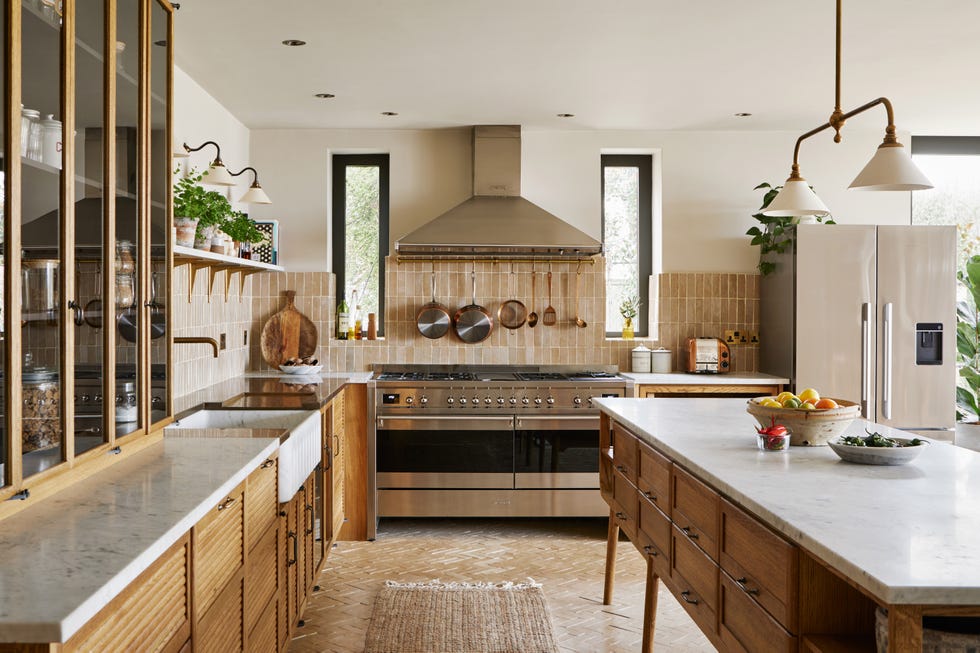
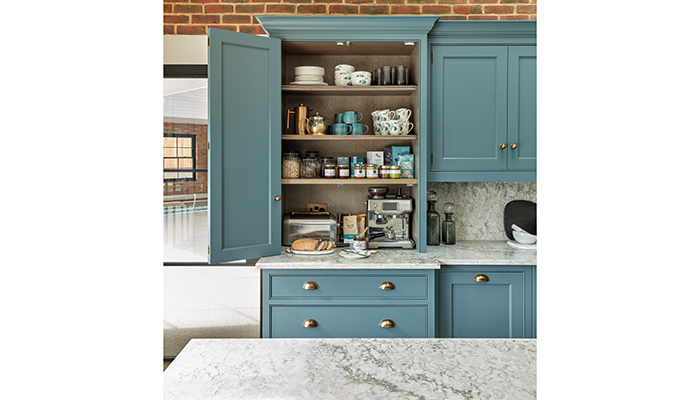
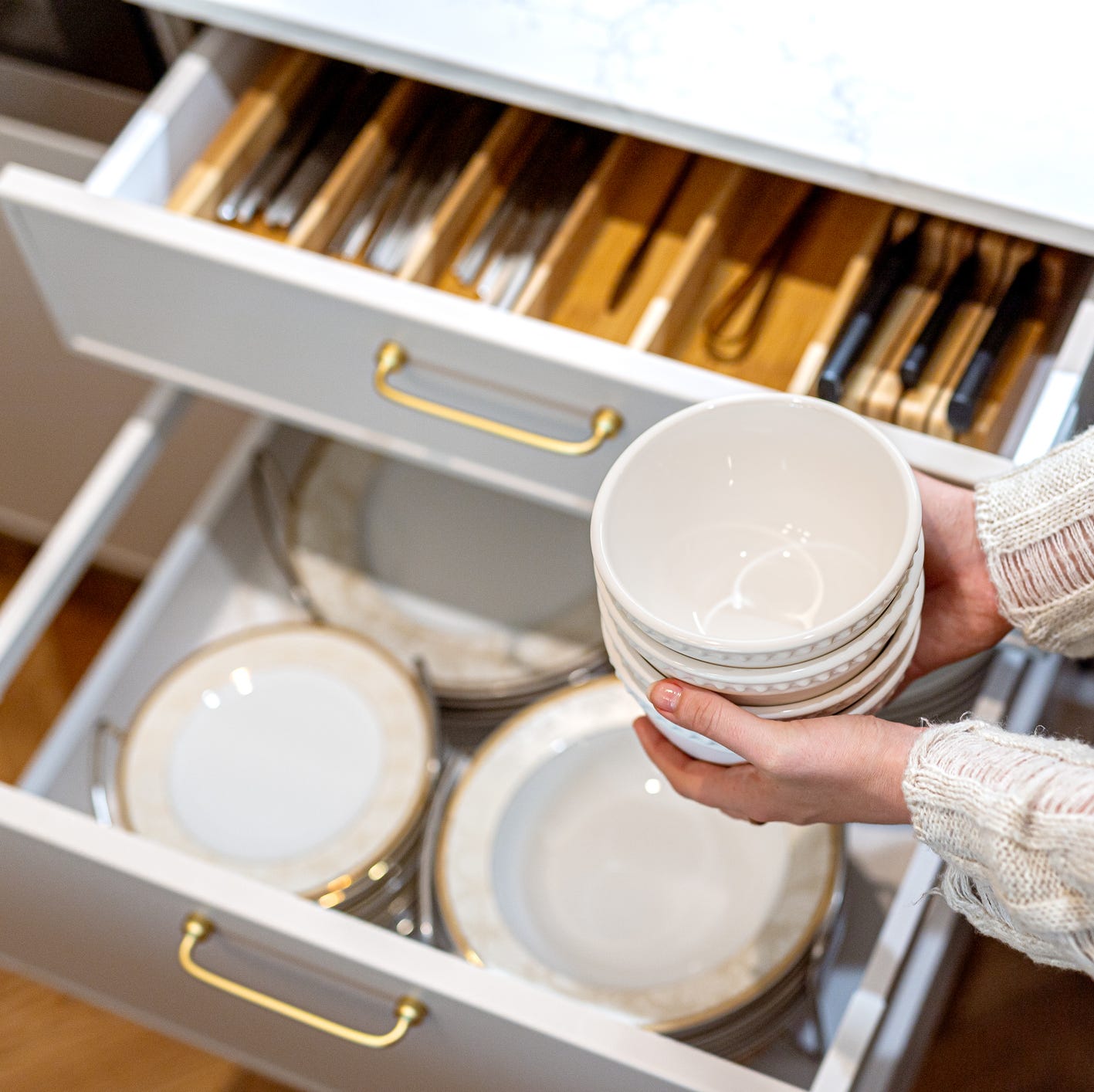
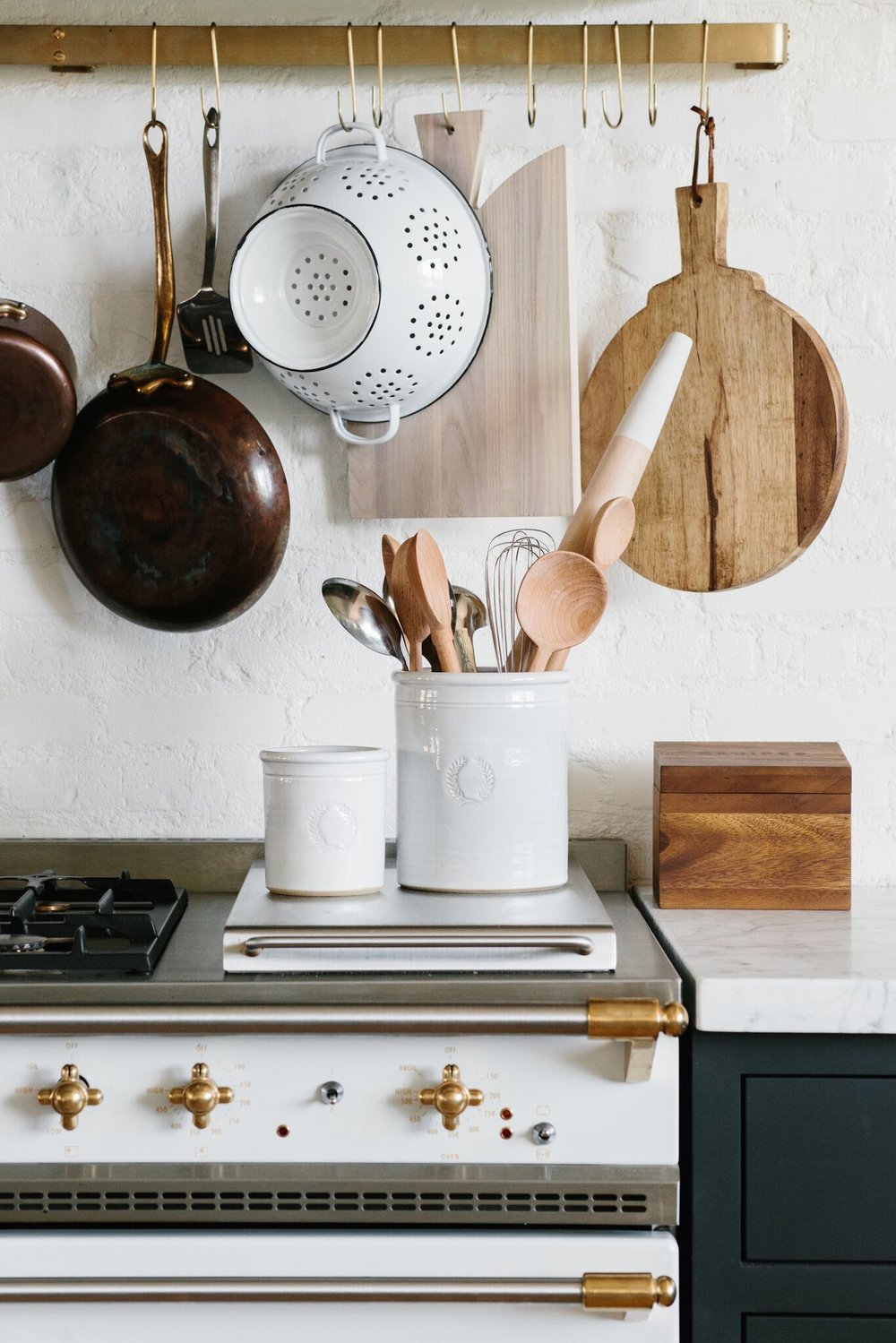
For storage, cabinets holding grains, spices, and utensils are best placed along the southern or western walls of the kitchen. Maintaining a clutter-free and organized kitchen is important to facilitate the free flow of positive energy. Sharp objects, such as knives and scissors, should be stored in drawers rather than being left exposed on countertops to minimize negative influences.
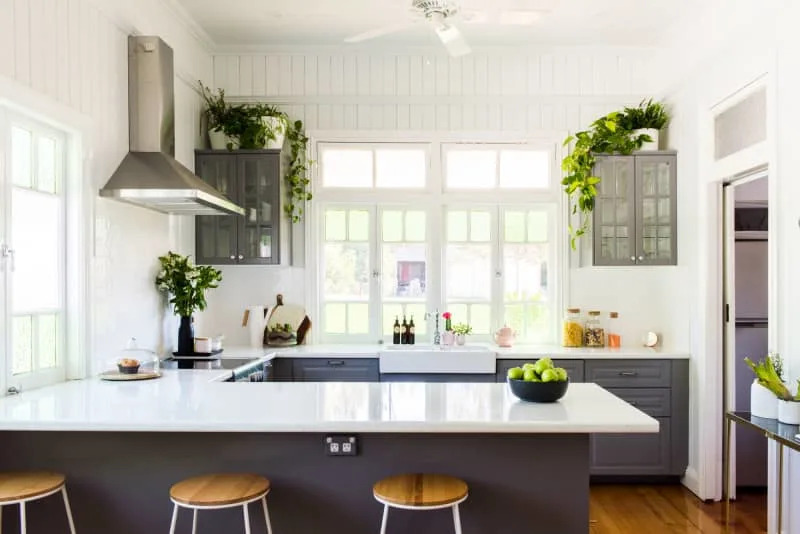
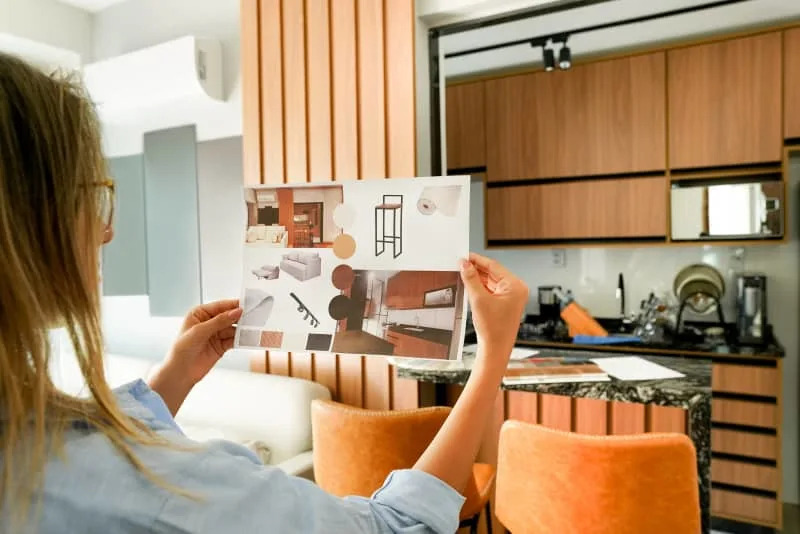
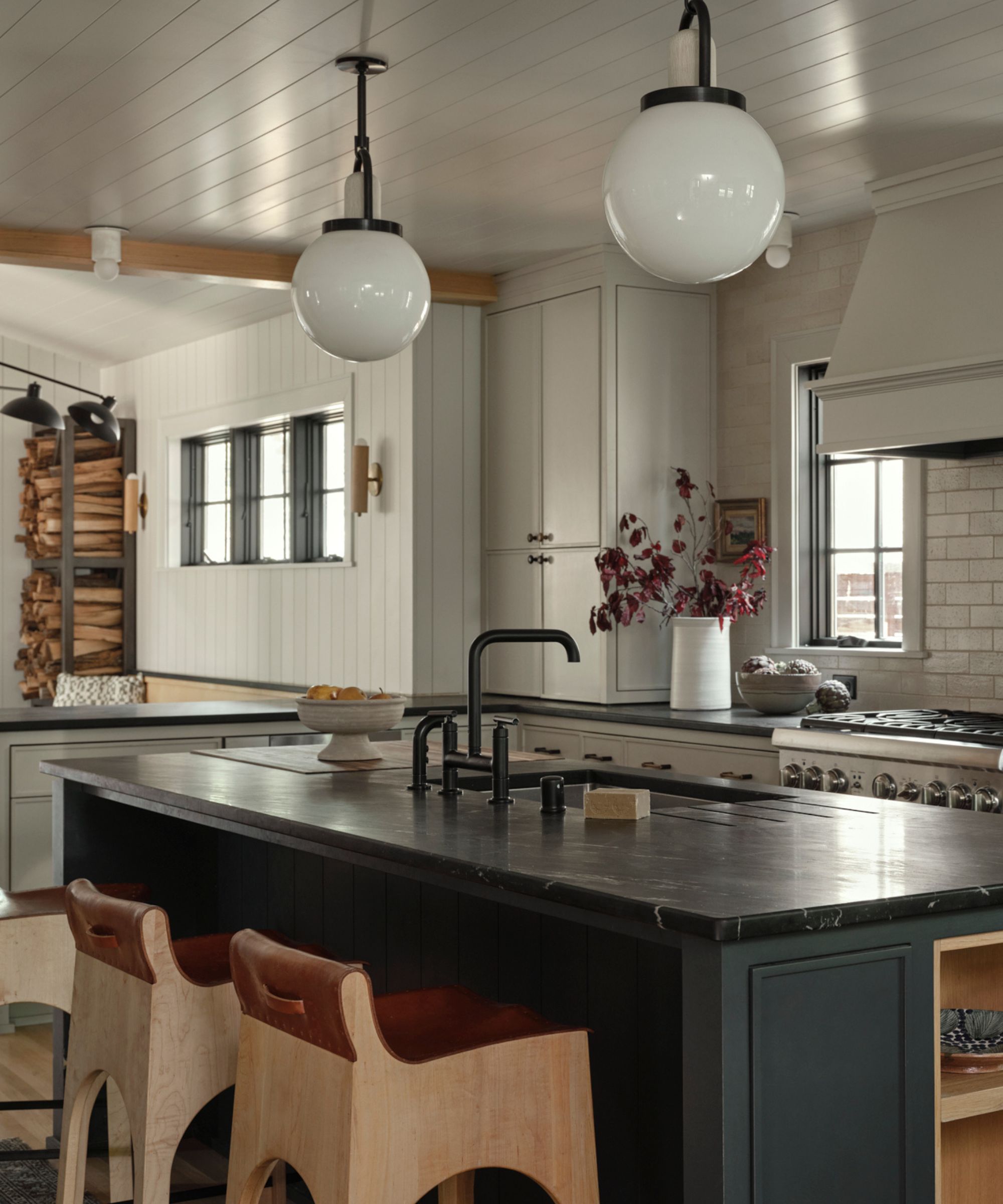
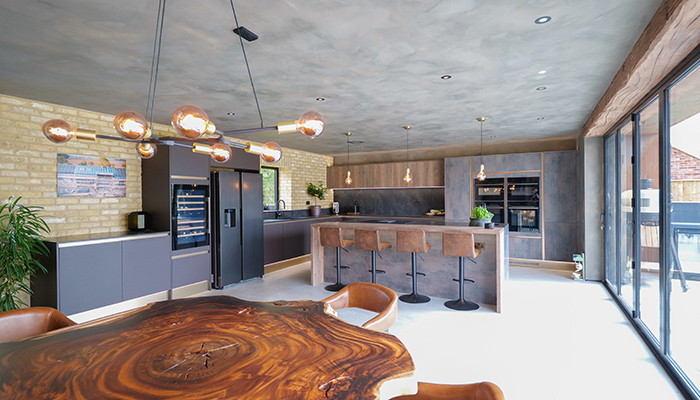
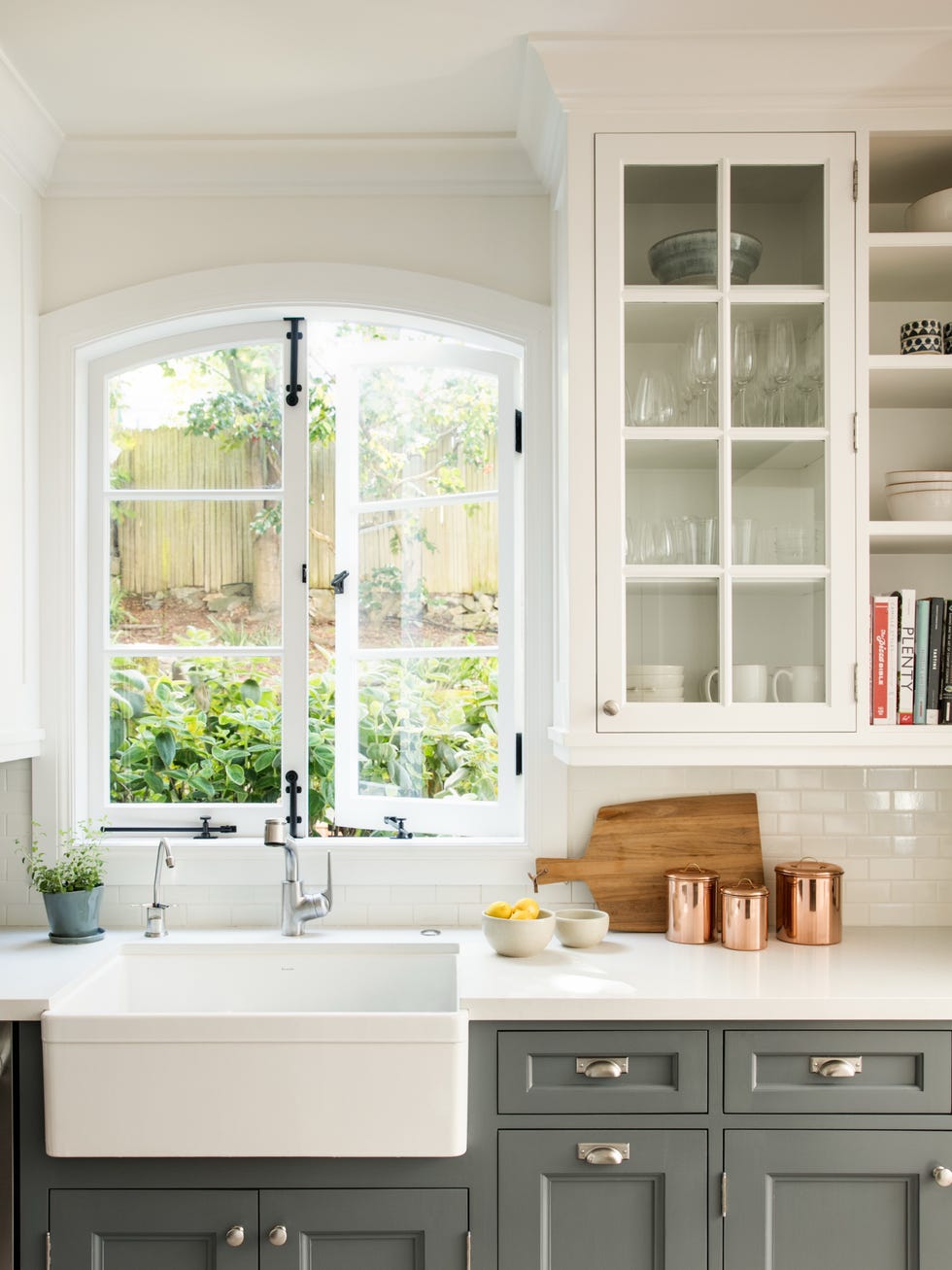
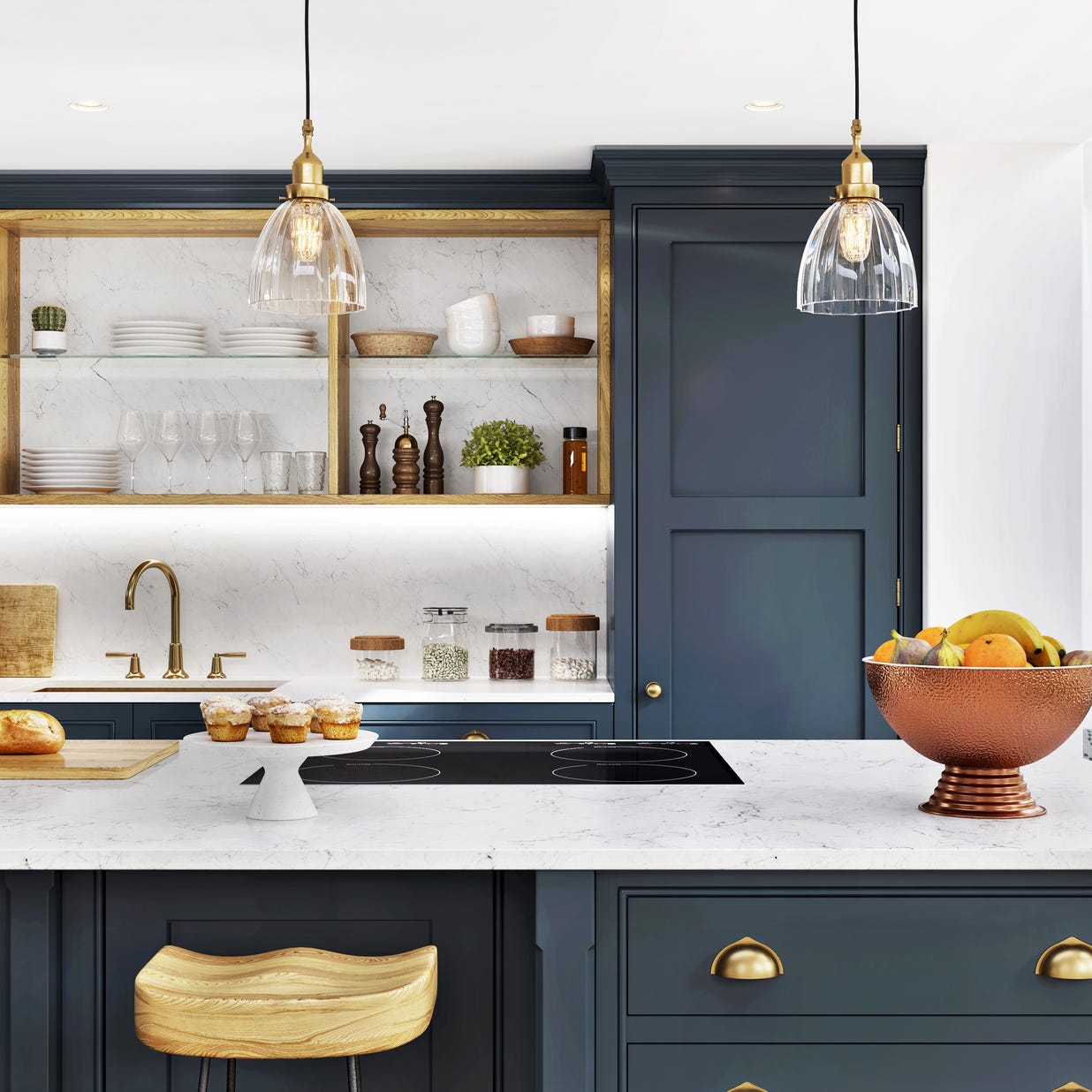
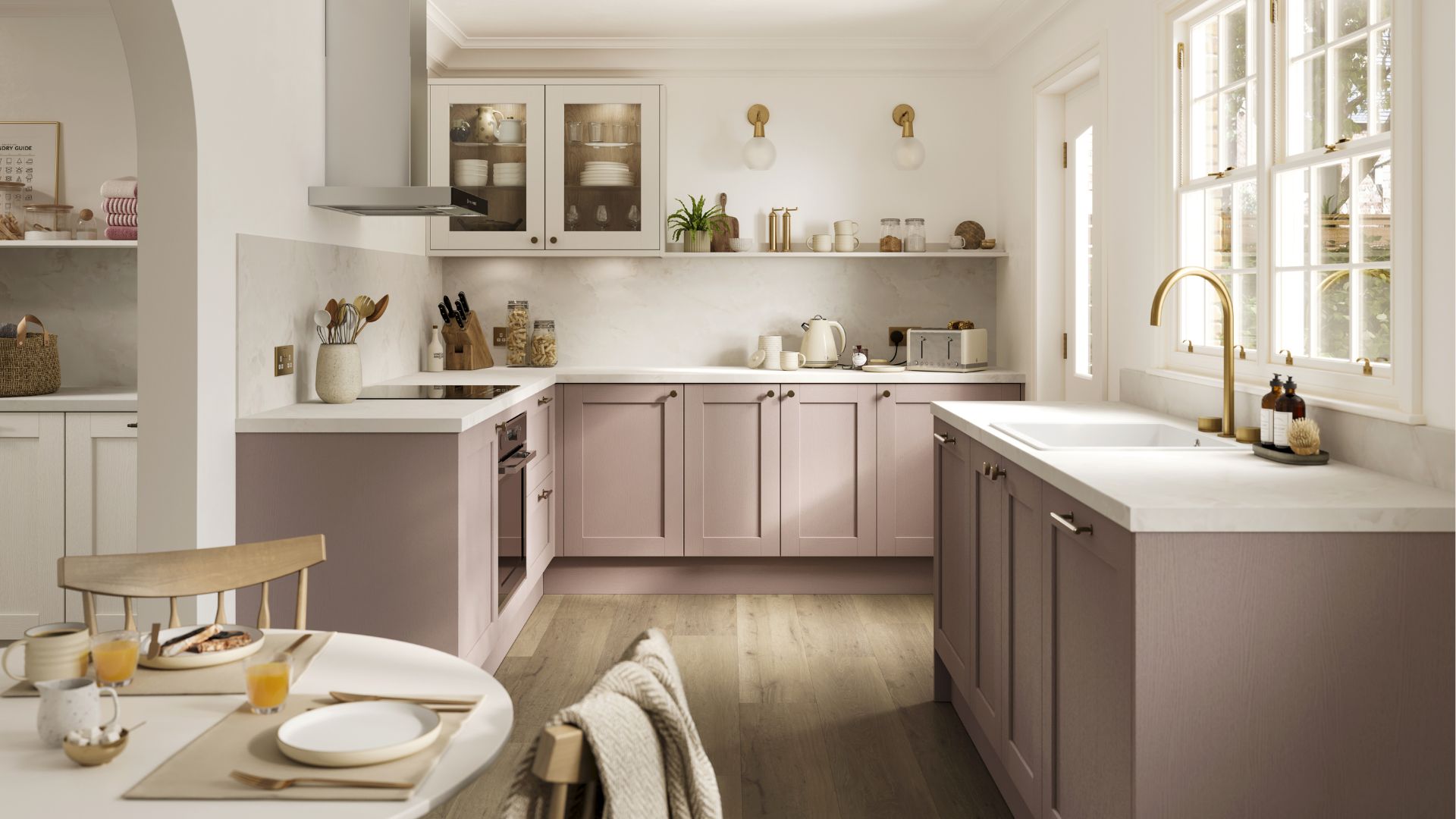
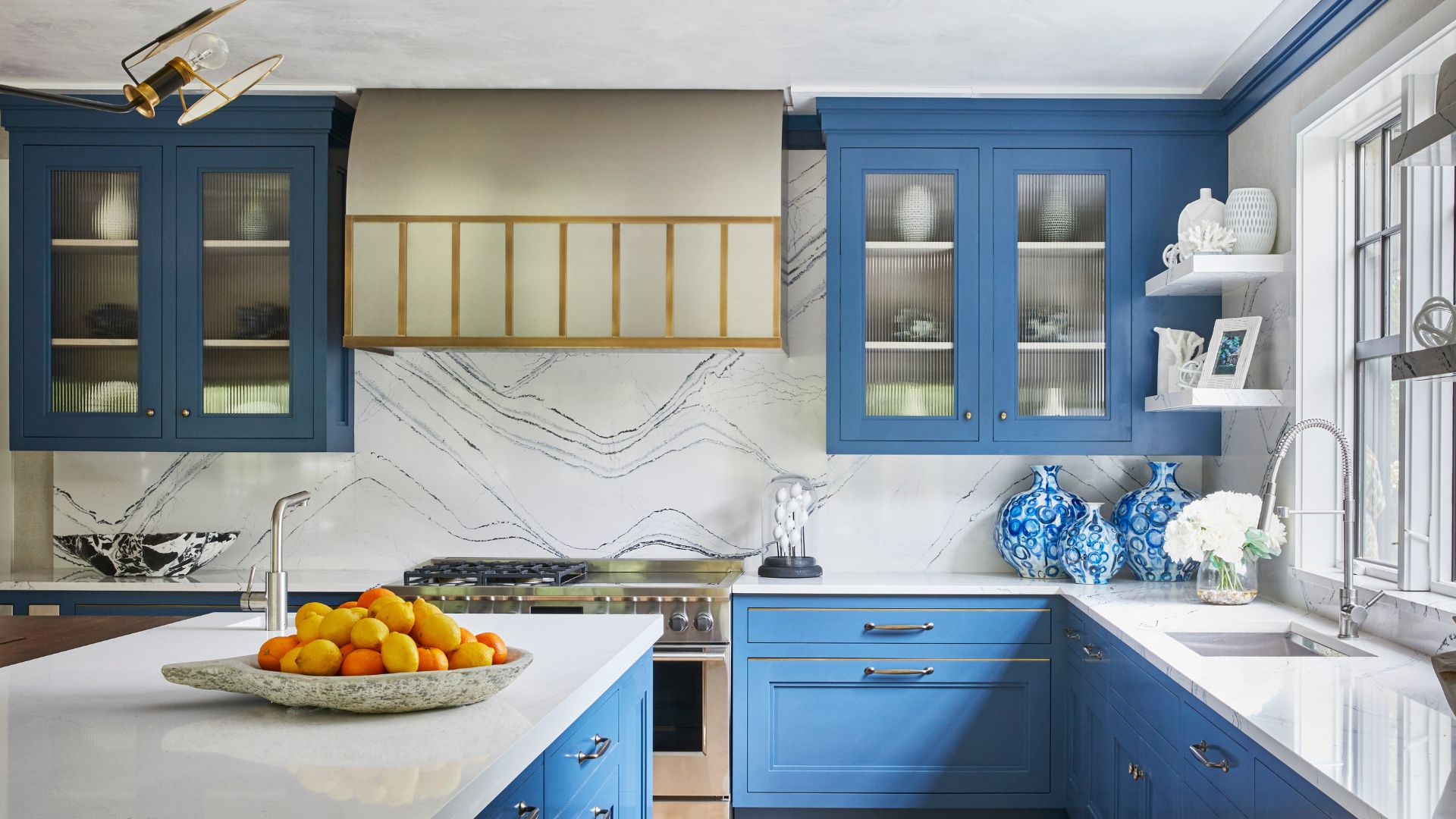
The color scheme of the kitchen also holds significance in Vastu. Warm colors like orange, red, or yellow are recommended, as they symbolize energy and enthusiasm, contributing to a vibrant atmosphere. Conversely, dark colors such as black or grey should be avoided as they can diminish the space's vibrancy. Adequate lighting and proper ventilation are fundamental for a Vastu-compliant kitchen. Natural light and good airflow are crucial for dispelling negative energy. Installing a chimney or exhaust fan is recommended to prevent smoke and odors from lingering, thereby maintaining a fresh and healthy environment.
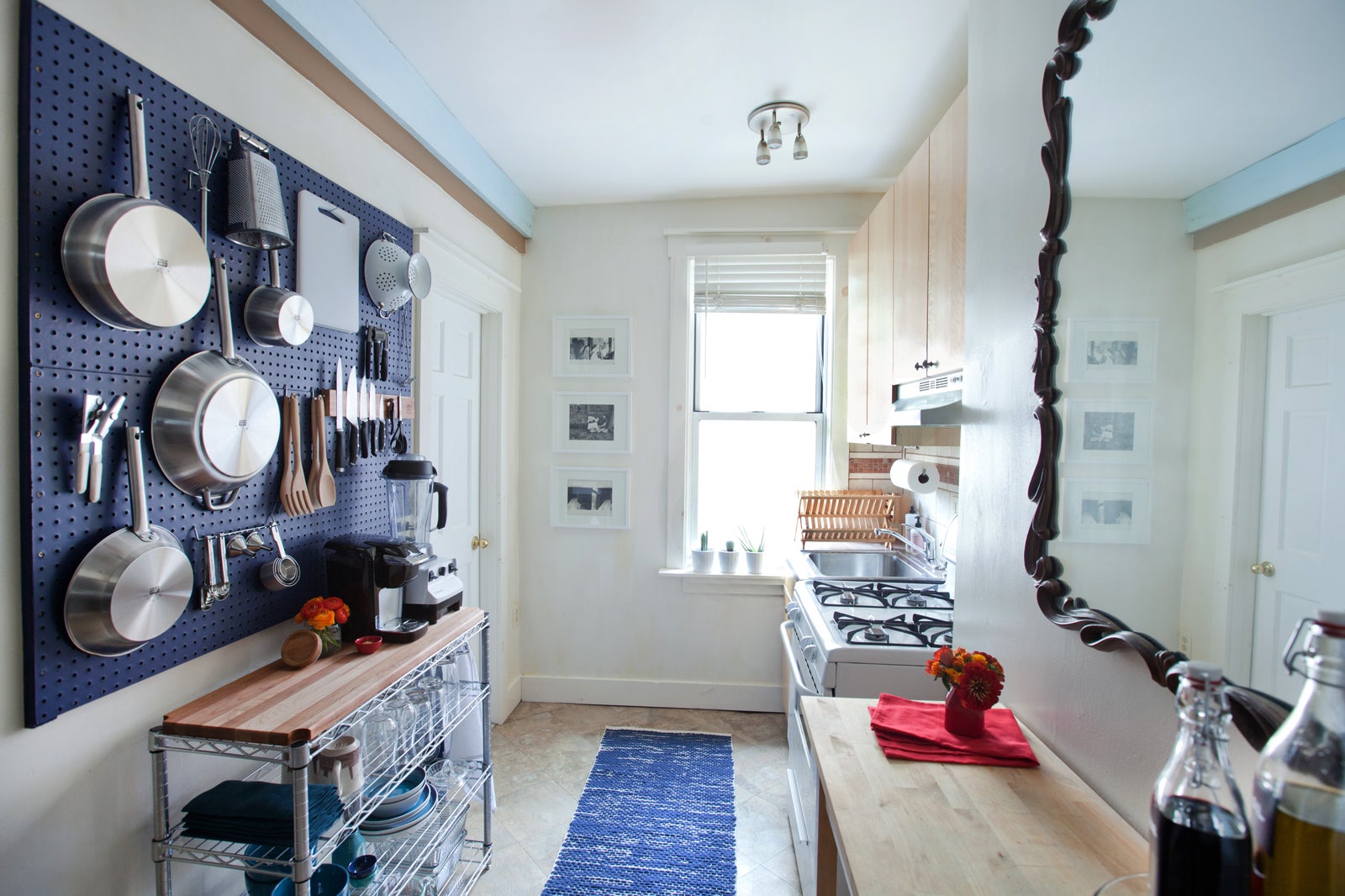
Several common Vastu mistakes should be avoided. The kitchen should not be located directly beneath or above a bedroom or a toilet. Constructing the kitchen in the northeast corner of the house is also discouraged. Additionally, mirrors or any reflective surfaces should not be positioned to face the stove, as they are believed to amplify negative energy. By carefully implementing these Vastu guidelines, homeowners can create a kitchen space that not only supports physical well-being but also fosters mental peace and strengthens family relationships, leading to a home filled with positivity and abundance.
#VastuShastra #KitchenDesign #HomeHarmony #PositiveEnergy #IndianArchitecture #HomeDecor #InteriorDesign #FengShui #Wellbeing #VastuShastra #KitchenDesign #HomeHarmony #PositiveEnergy #IndianArchitecture #HomeDecor #InteriorDesign #FengShui #Wellbeing
0 комментариев всего
 Комментариев пока нет
Вам также может понравиться
All The Secrets To Organize Your Kitchen

How to design your perfect kitchen
10 rules to achieve balance in interior design - the secret style sauce which brings schemes together

The Ultimate Kitchen-Design Hack
I Asked 3 Designers About the Mistakes They Wish People Would Stop Making in Their Kitchen, and Here’s What They Said

Could Lack of “Counter Appeal” Be DESTROYING Your Kitchen Aesthetic?

7 Common Kitchen Features That Actually Give Designers the "Ick"

6 design rules worth breaking for a more characterful kitchen

Know your way around the kitchen

What Makes a Great Kitchen? An Expert Shares His Best Design Tips

8 Vastu tips for home wardrobes and cabinetry

Kitchen Organization With The Home Edit

Vastu tips for creating a healthy dining environment
How wellbeing in kitchen design is now a priority for homeowners
‘The Little Moments Do the Heavy Lifting’ – Here’s How Designers Perfectly Style the Corners of Their Kitchens While Still Keeping Them Practical


What are your kitchen design must-haves?
10 things every kitchen needs, according to interior designers
You're Styling Your Kitchen Countertops All Wrong—Here's How to Get It Right, According to Experts
11 WORST Kitchen Design Mistakes You're Probably Making

An Orderly Kitchen Makes an Organized Life